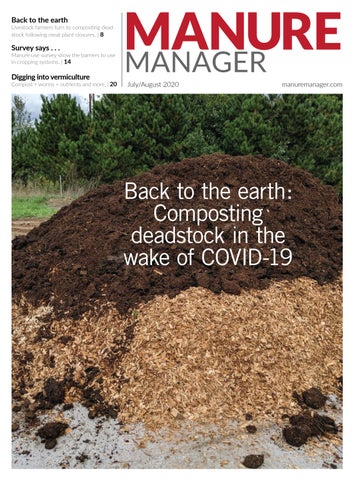
Livestock farmers turn to composting deadstock following processing plant closures due to the COVID-19 pandemic. BY RONDA PAYNE
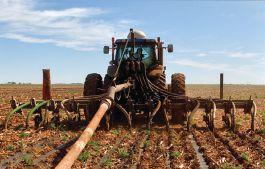
Composting deadstock is a solution on many farms. See page 8. Photo by Melissa Wilson.
Survey says . . . Results of a manure use survey show the barriers of manure use in cropping systems.
BY RICHARD KOELSCH
Digging into vermiculture
BY ALEX BARNARD
Manure management plans
Planning ahead will help in handling the complexities of manure. BY CHRYSEIS MODDERMAN
Lessons learned in composting
Each year, our backyard vegetable garden seems to grow bigger than the previous year – not in terms of yield, but in area. My husband is an avid gardener and our family enjoys reaping the benefits of the fresh produce that comes from his hard work. There’s nothing sweeter than eating the first cherry tomato of the season.
I don’t have a green thumb, so I leave most of the gardening to him. My contribution has always been collecting the scraps from the food we eat and “recycling” them in our compost bin to eventually use in the garden. Despite using simple language when explaining to my young children why we save banana peels and eggshells, I’ve always known there’s much more to the composting process.
With my newfound knowledge in hand, I felt prepared to plan out this July/August issue with a focus on composting . . . that is, until the COVID-19 pandemic hit and I had to start learning all over again. This time, the process of composting deadstock came into the forefront, as livestock producers across North America have had to make the difficult decision to euthanize healthy animals due to closures at processing facilities. It’s a grim situation and an unfortunate reality; one that’s often the last choice for many farmers, according to Melissa Wilson, assistant professor at the University of Minnesota.
(226) 931-4949 scroley@annexbusinessmedia.com
Associate Editor ALEX BARNARD (519) 429-5179 (416) 305-4840 abarnard@annexbusinessmedia.com
Advertising Manager SHARON KAUK (519) 429-5189
VP Production/Group Publisher DIANE KLEER dkleer@annexbusinessmedia.com COO SCOTT JAMIESON sjamieson@annexbusinessmedia.com
It wasn’t until I joined the Manure Manager team that I realized how much more there is to learn about the nature and scope of composting, especially when it comes to manure management. Composting manure is a much greater undertaking than composting scraps from produce – that would be like comparing apples to . . . well, you can finish that sentence on your own. It’s arguably more work than stockpiling or other more traditional methods of manure management. But the rewards are numerous, including improved soil health and reduced volume of manure, and as I learned while reading up about compost and preparing for this edition of Manure Manager, the process of composting is pretty fascinating.
We know composting deadstock isn’t a new concept, but, as Wilson explains in our cover story on page 8, it’s become a solution for farmers in the wake of a global pandemic. It’s a sensitive subject, and one that writer Ronda Payne navigates well, offering resources for producers finding themselves in similar situations.
– #867172652RT0001 CIRCULATION sarul@annexbusinessmedia.com Tel: (416) 442-5600 ext 3555 Fax: (416) 510-6875 (main) (416) 442-2191 Mail: 111 Gordon Baker Rd., Suite 400, Toronto, ON M2H 3R1
Composting deadstock has become a solution during the pandemic.
Perhaps your compost journey began like mine with veggie scraps and a backyard garden, or maybe you’ve found yourself using composting for years as a solution on your farm. Whatever the case, we hope you learn something new while flipping through this issue. •
Occasionally, Manure Manager will mail information on behalf of industry-related groups whose products and services we believe may be of interest to you. If you prefer not to receive this information, please contact our circulation department in any of the four ways listed above. Annex Privacy Officer privacy@annexbusinessmedia.com Tel: 800-668-2374
All advertising is subject to the publisher’s approval. Such approval does not imply any endorsement of the products or services advertisted. Publisher reserves the right to refuse advertising that does not meet the standards of the publication.
Adaptable to any toolbar
Swivel Coulters reduce side loads
Cup washers protect all seals
DIETRICH HYBRID II
DIETRICH Slurry Injectors
Rugged design
Removable Coulter spindles
Conical Blade Rotary Injector
Combination of rotary injector & disc incorporator
24” – 30” spacing
Higher GPA than conventional rotary injection
Special formed covering blades provide more scooping action
All blades pivot to uniformly follow contours
DIETRICH
Conical Blade Rotary Injector
18” – 30” spacing
2 Clozr Blades result in higher GPA at 18” spacing
Low horsepower
DIETRICH SERIES 70 Auto Reset Sweep Injector
800 lb coulter down pressure spring assembly
Separately replaceable sweeps & tubes
3 sweep options for lower rates to 20,000 GPA
No daily greasing on shank pivot
Digested Organics winner of the Manure Innovation Challenge
Digested Organics was named the winner of the Manure Innovation Challenge and awarded a $50,000 non-dilutive cash prize during a virtual pitch competiton on June 2, 2020.
During the competition, Robert Levine, CEO of Digested Organics, shared how the company specializes in the filtration and treatment of wastewater, manure, digestate and other organic waste, reducing disposal costs while converting them to clean reclaimed water, concentrated co-products and renewable energy.
The Manure Innovation Challenge was created as a way to provide mentorship to start-ups with
solutions that capture the value from manurebased nutrients, fiber and energy, helping them scale their solution and bring it to market. It was founded in partnership with the World Wildlife Fund, Dairy Farmers of America and Newtrient, with sponsorship provided by the Maschoffs, Cargill and WeWork Food Labs. Established industry companies and experts worked with each of the eight finalists over the course of one year, with the intent to culminate with a public pitch competition at the Animal AgTech Innovation Summit in San Francisco, CA, which was postponed due to the COVID-19 pandemic.
Visit digestedorganics.com for more information about the company, and watch for more coverage in a future issue of Manure Manager magazine.
To watch the pitch competition recording, visit manurechallenge.com.
MICHIGAN DAIRIES PARTNER WITH GENERAL MILLS IN REGENERATIVE AG PROJECT
Three dairies in western Michigan will be part of a regenerative agriculture pilot project launched by General Mills (GM) in June 2020. These three dairies produce the milk used in GM’s Yoplait products.
The company’s third regenerative agriculture project is part of their commitment to engage in locally beneficial, sustainable agriculture
practices on one million acres of the land from which they source their ingredients by 2030. In pursuing this goal, GM has partnered with Understanding Ag, an Alabama-based regenerative agriculture consulting company that helps other farmers implement the practices on their farms. The three-year pilot program will provide farmers with
In 2017: In 2011: In 2010:
Approximately 41 million tons of food waste generated
Only 6.3% was composted instead of ending up incinerated or in landfills
The Food and Agriculture Organization of the United Nations (FAO) estimated that one-third of all food produced for human consumption worldwide was lost or wasted
133 billion lbs. out of the 430 billion lbs. of food produced for human consumption in the U.S. was not eaten (according to the U.S. Department of Agriculture)
one-on-one technical support and coaching to integrate regenerative practices into their field crop, herd and manure management. More than 800 acres of crop seed will be provided for on-farm cover crop research.
General Mills intends the pilot to make transitioning to regenerative practices economically feasible for the dairy farms
involved, as this is can be an impediment to the adoption of such practices and can reduce the operational and financial resilience of the farm in the short-term.
Soil health, biodiversity and economic analysis will be conducted on one field per farm over three or more years to assess key outcomes associated with transitions to regenerative systems.
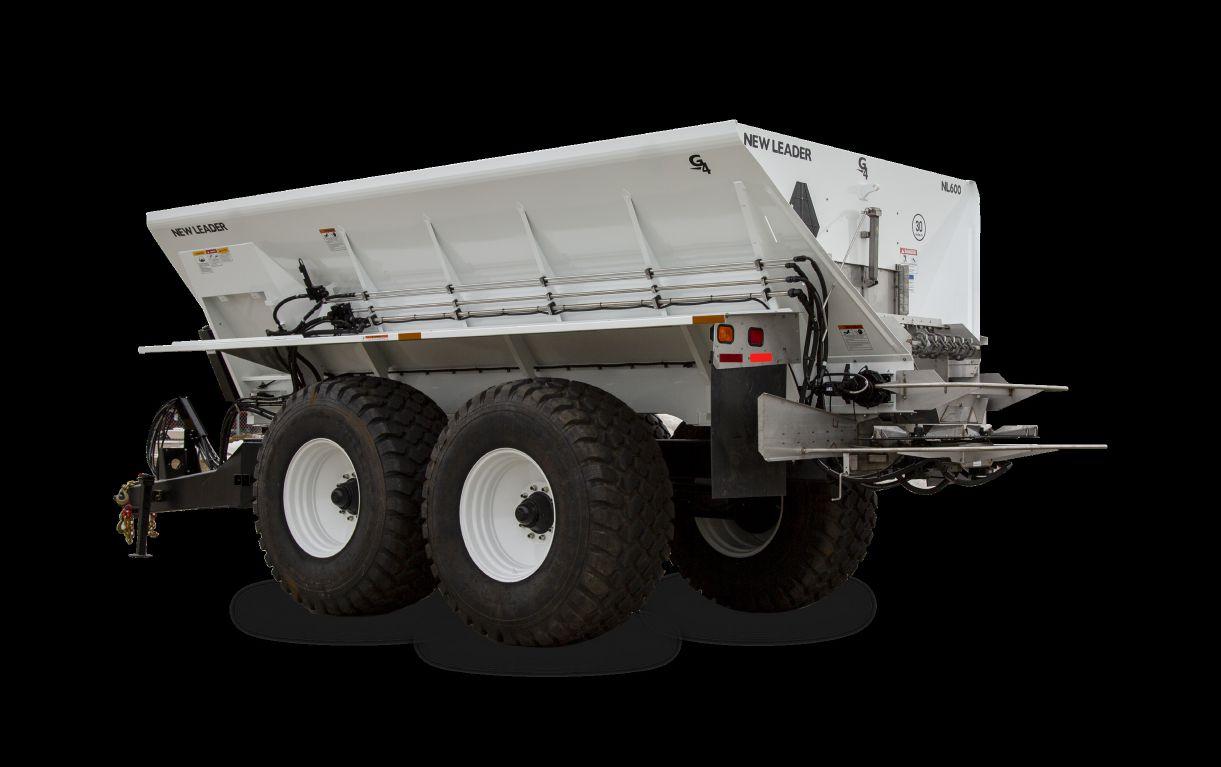
New Kuhn manure spreader pushes further
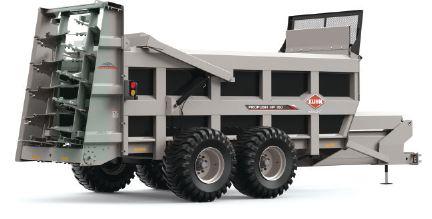
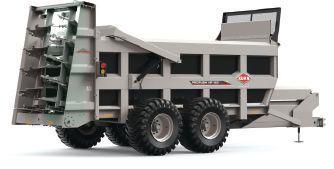
Earlier this year, Kuhn announced the latest in their lineup of hydraulic push box spreaders. The new Kuhn Knight HP 160 features the proven ProPush design in a higher capacity, commercial duty package. The HP 160 with VertiSpread vertical beaters is designed to haul and spread solid materials from dairies and feedlots, including gutter manure, yard scrapings, bedding pack and feedlot manure. The hydraulic push-type design means no apron chains, fewer moving parts and dependable service life.
The HP 160 joins the 2044 and 2054
ProPush hydraulic push box spreader family, but features new upgrades and a greater heaped capacity of 600 cubic feet. The all-steel welded frame on the HP 160 provides a solid foundation for the spreader’s sides and floor. The solid weld-in tongue is cross-braced for strength and rigidity, while the updated pusher design has increased the clearance between the tractor and implement for greater maneuverability. VertiSpread vertical beaters equipped on the Kuhn Knight HP 160 provide customers with a uniform 25-30-foot
Deere brings high-capacity X Series Combines to North American farmers
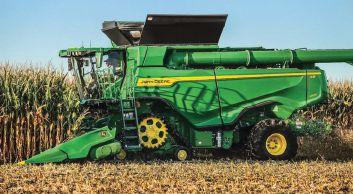
John Deere has added two new models of X Series Combines to its 2021 harvesting lineup to help large-scale farmers thresh, separate and clean, even under changing conditions, without risking grain loss or quality.
X Series Combines feature a wide feeder house, dual separator and the industry’s largest cleaning shoe, which work together to improve crop flow and increase harvesting capacity. During harvest, fuel-efficient X Series Combines can run up to 14 hours without refueling.
JDLink is standard on both models and comes with five years of service. This enables machine-to-machine communication and makes it easy for the owner to share agronomic and machine-performance information.
All X Series Combines can connect to the John Deere Operations Center, a cloud-based, central location where farmers can electronically share machine or operational information with trusted partners and advisors.
X Series Combines are available on wheels or tracks. The X9 1000 grain tank can hold up to 420 bushels and the X9 1100 holds up to 460 bushels of grain. Folding unloading augers with Adjustable Spout are available for the X Series in 26, 28.5 or 31-foot lengths.
Case IH launches AFS Connect Steiger series tractors
Case IH introduces the new AFS Connect Steiger series tractor – available in Quadtrac, Rowtrac and wheeled configurations from 370 to 620 horsepower. The redesigned cab features an all-new armrest with ergonomic controls, automotivegrade design elements and a 12-inch configurable display.
A new operating system and receiver, coupled with a five-year subscription to the AFS Connect farm management portal, delivers ultimate connectivity. This tractor package provides producers with freedom to adjust, manage, monitor and transfer data the way they want.
The AFS Connect portal allows farm managers to precisely and securely manage their farm, fleet and data from a desktop or mobile device anywhere, reducing downtime and keeping operators in the field.
The AFS Connect Steiger series tractors’ robust chassis and massive axles can carry up to 66,000 pounds for even the most demanding tasks. They also feature larger fuel tanks to cover more acres before needing to refuel. Producers can keep working long days with no engine regeneration, 600-hour oil change intervals and ground-level maintenance to lower operation cost and keep equipment in the field.
spread pattern with excellent material breakup. Poly floor and sides minimize friction and deliver exceptional machine cleanout. For precise monitoring and application tracking, an optional scale system is available.
Nokian adds new tire size to Tractor King brand
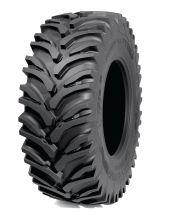
In 2018, Nokian Tyres launched a new line-up of tractor tires. Combining the strength of an earth-moving tire with a new kind of lug pattern, the versatile Nokian Tractor King tire was manufactured for tractor work in forestry, earth-moving and road maintenance applications. In 2019, eight new tire sizes were launched to increase the range of machinery with which Tractor King tires are compatible; April 2020 will see yet another new size on the market.
With the increase in machine weights, horsepower and road speeds comes the need for a tractor tire that can keep pace. With the high load capacity of 320 kPa, the Tractor King tire also supports the use of heavy tractor accessories.
“There is more contact area due to the wide tread. At the same time, the double lug provides more tractive edges”, says Christof Wiederstein, logging and forestry worker in Hergenroth, Germany. “The tire works in muddy conditions and provides traction and lateral grip – even on slippery rocks.”
The current range of Nokian Tractor King tires features a range of 15 different sizes; the new size, 650/65R42, will allow for wider compatibility with current tractor models.
BACK TO THE EARTH
After processing plants closed due to COVID-19, some livestock producers looked to composting as an option for disposal.
BY RONDA PAYNE
It’s every livestock farmer’s worst nightmare. Healthy animals, ready to be butchered and provide food, can’t be processed. COVID-19 outbreaks among the employees at several animal processing plants in North America led to closures, causing a bottleneck in the normally wellorganized livestock food-supply chain.
Even now as processing plants re-open, new regulations limit the volume of animals that can move through. It illustrates what happens when one link in the chain is damaged: loss of food, loss of income and a heart-wrenching problem.
Cattle farmers have been able to put animals onto pastures to graze, but hog and poultry farmers don’t have that option. Hogs in particular grow too large for processing facilities quickly and, if let loose, become an unmanageable feral issue.
Before long, new piglets come in and, even if their continued growth could be stalled, there is nowhere to house the hogs ready for processing. With limited barn capacity, producers are left with the unenviable option of euthanizing the surplus
ABOVE
hogs. No one envies a farmer facing this situation. Yet even after euthanizing, another challenge remains: what to do with the deadstock?
Minnesota is home to a strong agricultural sector, including significant hog production. Several thousand animals have been euthanized in the state due to COVID-19, according to Dave Preisler, CEO with the Minnesota Pork Board. He notes that, due to the large volume of animals, many options were used to deal with the carcasses.
As is the case in most places, disposal of euthanized animals in Minnesota is permitted in five ways: burial, composting, incineration, rendering and landfill.
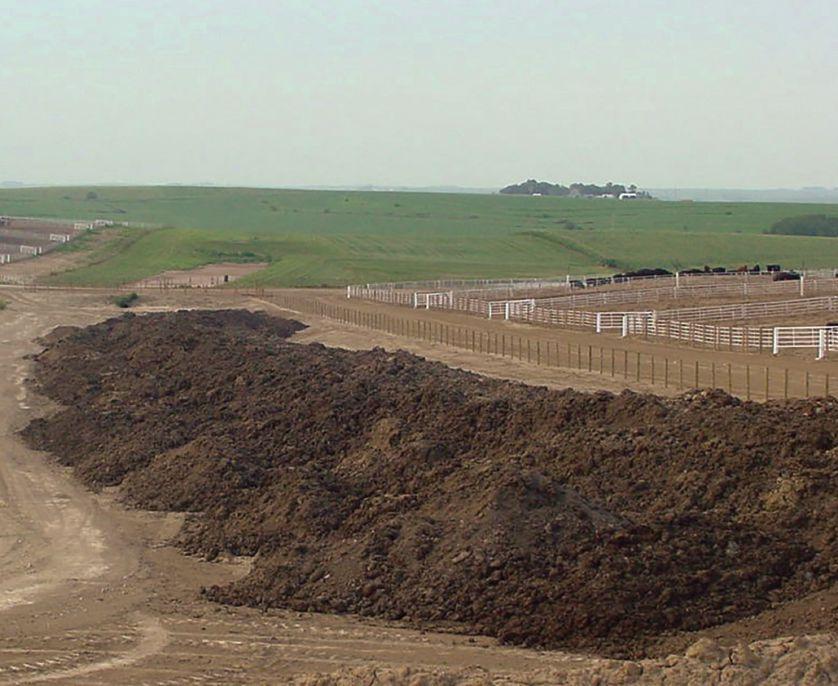
Farmers have long used composting to dispose of deadstock, though it’s unlikely many have dealt with such large quantities at one time. Melissa Wilson, assistant professor in the department of soil, water and climate and extension specialist with the University of Minnesota, has been part of a team helping to spread the word on composting as an option for mass disposals and how to do it
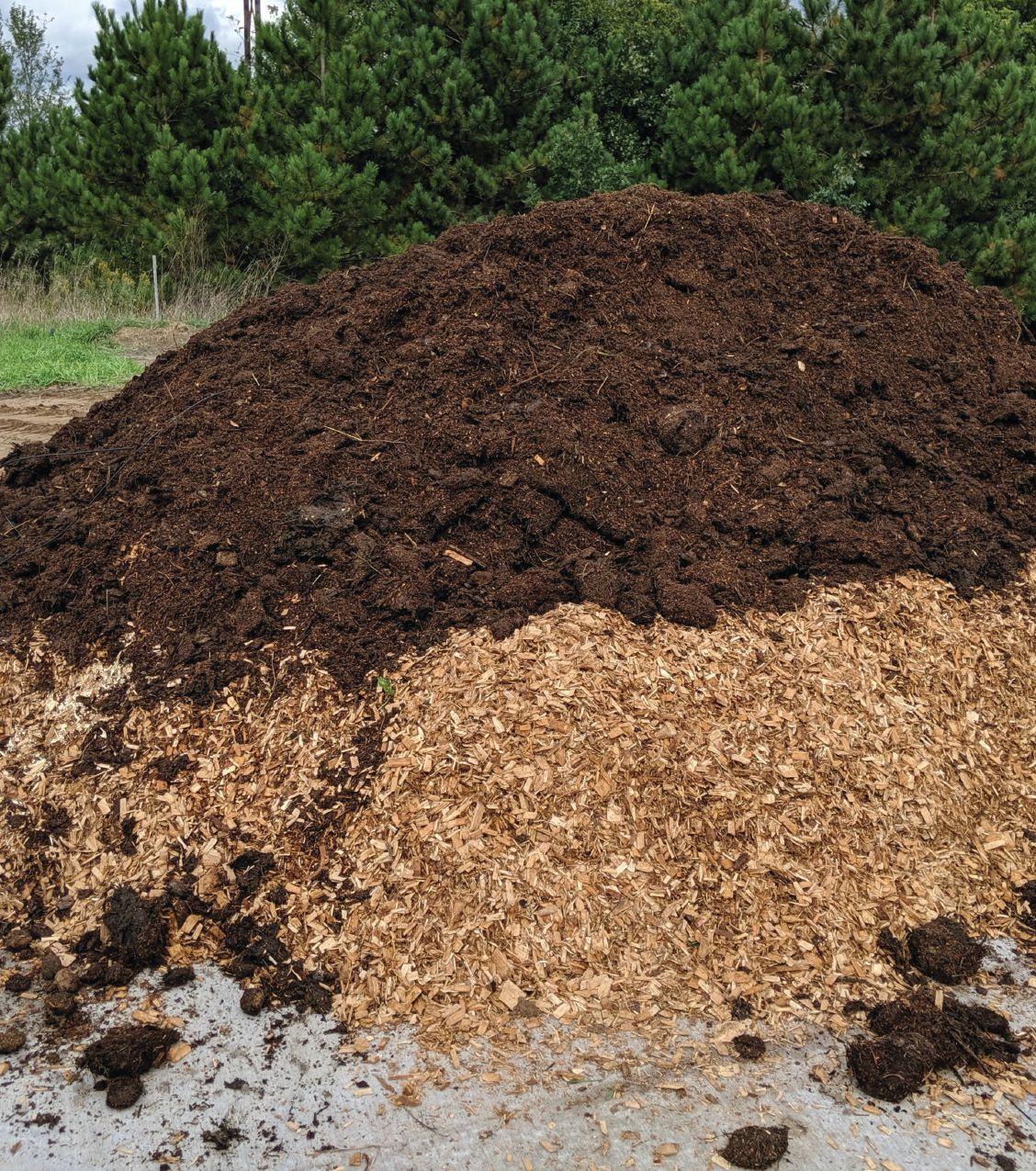
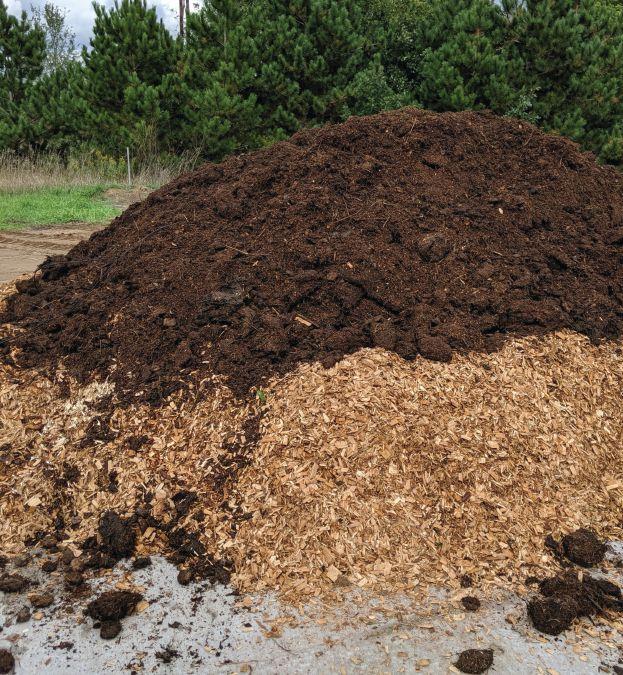
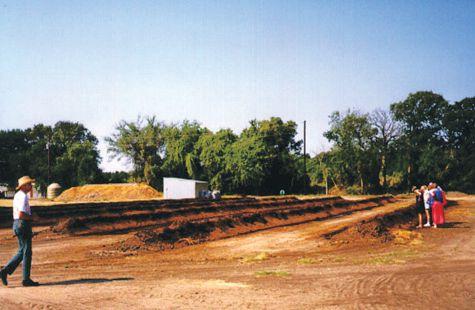
Composting deadstock isn’t a new practice, but it’s become a solution for livestock farmers with surplus animals in the wake of COVID-19.
PHOTO COURTESY OF MELISSA WILSON.
Six women who are making a difference to Canada’s agriculture industry will be highlighted through podcast interviews on AgAnnex Talks.
Stay updated by visiting AgWomen.ca or subscribing to the podcast at AgAnnex.com
SPONSORED BY:
right. In addition to university staff, other agencies – such as pollution control and environmental control – were also involved.
“I work with a group,” she says, of the Livestock and Poultry Environmental Learning Center. “We talk about what some of the up-and-coming issues are.”
Wilson says that, even in February, there was discussion surrounding how COVID-19 could interrupt the chain of food-supply animals. In April, it became obvious that a number of processing plants would experience closures.
Having to [euthanize] is the last thing that anyone wants to do. [Farmers] put a lot of investment and time into those animals.
“The end of April is when we realized this was going to be a pretty serious situation,” she says. “Having to [euthanize] is the last thing that anyone wants to do. They put a lot of investment and time into those animals.”
She sees composting as beneficial, because it allows farmers to put nutrients back into their land, whereas other options provide no real return and often come with additional costs.
“There’s definitely environmental benefits,” Wilson says.
TURNING LIQUID GOLD INTO ENRICHED BEDDING
WASTE WATER TREATMENT TURNING WASTE WATER INTO HIGH
QUALITY BEDDING!
BENEFITS
• Save money • High-quality bedding made from manure • Easy to maintain • Low energy consumption
BAUER North America, Michigan City, Indiana 46360, PO Box 8943 +800 922 8375, bnasales@bauer-at.com, www.bauer-at.com/en
Some even see composting deadstock as the best solution because there is no need to excavate the land, according to Michael Crusan, communications director with the Minnesota Board of Animal Health. It requires only a base layer and top layer of carbon material to enclose the carcass.
“It’s a natural recycling benefit,” he says. “We see it as one of the best methods out there to handle carcass material.”
He certainly doesn’t need to tell Harry Sloot that. Sloot is a hog farmer on 370 tillable acres. Like many farmers, he has been composting deadstock for years.
“Our death loss runs about three percent,” Sloot says of a normal year, which is about 270 animals. “We’ve been composting our dead even before it was a recognized option. We’ve been operating this site as a hog farm for 50 years, and we’ve done composting of our deads right from the beginning.”
Sloot explains that his father had horses as a hobby, and he feels horse manure is one of the best sources for composting because it provides both the carbon and nitrogen needed. He adds that composting improves the site’s biosecurity by keeping rendering trucks or other deadstock pickup services off the land.
“It’s just a much better, environmentally sound way to dispose of deads,” Sloot notes. “We, of course, use all of our manure and compost as a nutrient source, which becomes something we can recycle and reuse.”
It’s something many farmers are familiar with, but it does take some effort to get the ratios right – especially when dealing with mass disposals.
“Mortality composting is different from regular composting, in that you don’t mix it as much,” Wilson says. “If you have a regular [composting] system going that you mix or move every one or two weeks, then you throw livestock in there, you’re going to disrupt that.”
Deadstock composting piles need to
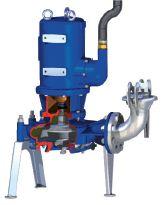
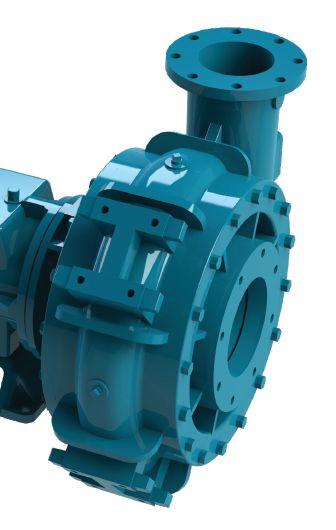
INNOVATIVE DESIGNS FOR HANDLING LIQUID WASTE SLURRY
3” SOLIDS HANDLING ON 6NHTC19 & 6819MPC PUMPS Talk to your dealer about the superior solids handling and high head capabilities.
Hard Metal or White Iron materials available for abrasion resistance (MP Series)
Low head transfer to high head booster pumps
High efficiency — Lower HP required
Heavy duty construction — Low maintenance
50+ years’ experience in manure handling
FINDING ANSWERS TO DEADSTOCK DISPOSAL QUESTIONS
Each state and province (and sometimes district or municipality) has its own regulations in terms of managing deadstock. For example, Minnesota allows up to 72 hours postdeath to begin composting, but other regions allow only 24 or 48 hours. It’s important to learn about the requirements in a region before euthanizing.
The Ontario Ministry of Agriculture, Food and Rural Affairs has compiled a list of disposal option resources, including composting legislations and guidelines. Visit the link at omafra.gov.ca/English/livestock/deadstock/facts/ other_jur.htm. Here are a few additional resources:
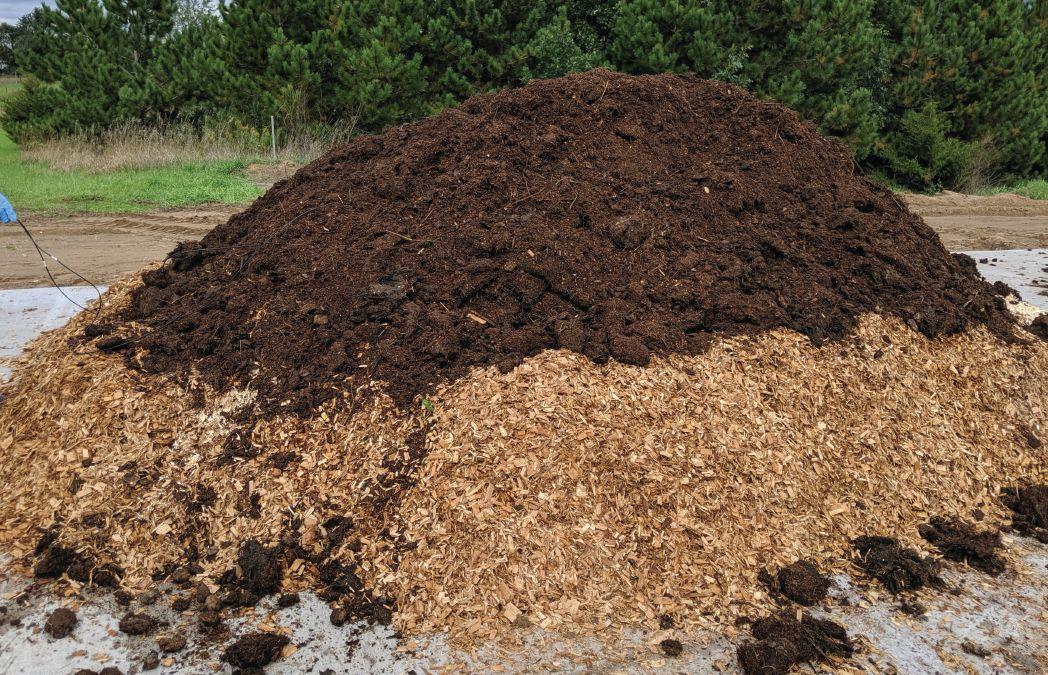
“You have the base that’s usually two feet tall, and that’s where the animals are laid, and then you have a cap over them, and that should be at least two feet as well,” she explains. “If you’ve got compost already, that’s great. It’s got that starter microbiome and that gets it started as quickly as possible.”
Mulch, wood shavings, crop waste and other carbon sources make good base options, especially when different sources are combined.
For livestock farmers who have to euthanize, composting can be a viable option, but only if there is enough land space that isn’t being used. There must also be a ready supply of water as well as carbon matter.
Sloot explains his compost pile is on a floating concrete slab about 80 feet by 60 feet. He began composting under a roof, but found that the lack of rainfall on it meant the pile was drying out and needed to be checked and watered on a more regular basis. Wilson notes that moisture levels should be about 50 percent.
“It’s a learning process,” Sloot says.
Crusan says composting is an option that farmers can manage on their own site with resources they already have. But he says that composting large volumes can be labor-intensive in terms of preparation and must be planned. In Minnesota, a carcass has to be properly disposed of within 72 hours of death. Different regions will have different requirements, with some requiring disposal in as little as 24 hours – which can make the job of composting that much harder. However, it’s relatively easy and the benefits remain: no need to transport deadstock, no excavation, no additional payments to third parties and a beneficial outcome to the land.
“It’s not as intimidating or difficult as it sounds as long as you work with the right experts and have the right resources to work through the process,” Crusan says. “That’s why the experts are there, to help with the right [ratios].”
There are also nutrient runoff risks to be considered, so carbon and nitrogen ratios must be assessed along with proximity to water courses and water tables. Odor can be a factor, but Wilson says proper capping (coverage with carbon matter) will help to control
MICHIGAN - https:// www.michigan.gov/mda rd/0,4610,7-125-48096_48404---,00. html
If you aren’t sure where to start, contact a trusted veterinarian, local animal control authorities or environmental protection resources.
it. When a site is prepared correctly, with enough organic matter, moisture, nitrogen and time, there should be minimal issues and minimal human time requirements once the compost pile is set.
Wilson outlines that after the initial construction, there should be two heating and cooling cycles. The temperature of the pile must hit and maintain 130 F for seven to 10 days, then return to ambient temperatures. After the primary stage, mixing should occur, then the same temperature and time elements will define the secondary stage, after which mixing can occur again. Allow for curing and storage time before applying to fields to prevent damage to crops. A sow of about 500 pounds will take about 60 to 120 days for the primary stage, 40 days for the secondary stage and 30 days for curing.
Opening a carcass can speed the process and, in some cases, a wood chipper can be used to break up deadstock and increase the speed of composting.
“It’s a way to at least recoup some of the nutrients that were fed to the animals. Life continues,” Wilson says.
Sloot was one of the lucky ones during COVID-19. His daughter created a webpage to sell the hogs after the family managed to find a small slaughter plant that would take a few hogs at a time. They sold 1,300 head in five days and at this time have not had to euthanize and dispose of any animals. •
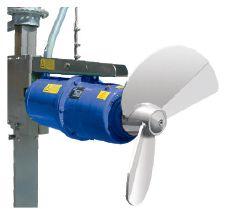
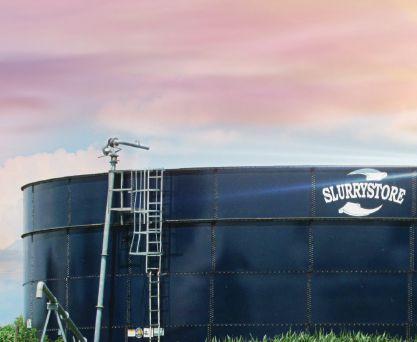
CONSISTENT NUTRIENT VALUE - AGITATION MAKES THE DIFFERENCE
Center agitation system evenly blends nutrients
Better utilization of “waste” translates into less purchased fertilizer
ENVIRONMENTALLY SOUND
Designed and constructed using bolted glass-fused-to-steel panels for secure storage and high corrosion resistance
Aboveground - minimizes the danger of run-o , leaching and groundwater contamination
Environment-friendly odor control - releases odors above ground level into higher air currents
SURVEY SAYS. . . Understanding manure barriers
Results of a manure use survey show the barriers of manure use in cropping systems.
BY RICHARD KOELSCH
Animal agriculture is tasked with recycling the nitrogen (N) and phosphorus (P) in manures in an environmentally sound manner, typically as a soil fertility amendment. With feed supplies commonly originating from cropland that isn’t managed by animal feeding operations, this recycling requires that manures be transferred to crop farms with little or no history of manure.
A faculty team from University of Nebraska, University of Minnesota, and Iowa State University is addressing the need to expand the acreage receiving animal manures. The project team, with the guidance of a stakeholder advisory group of farmers and advisers, implemented a survey of perceptions of animal manure’s benefits and challenges.
American Society of Agronomy’s (ASA) International Certified Crop Adviser (ICCA) Program, Manure Manager magazine, and others promoted this survey among farmers and their advisers.
The faculty team, including Daniel Andersen from Iowa State University, Erin Cortus and Melissa Wilson from the University of Minnesota, and Richard Koelsch, Leslie Johnson and Amy M. Schmidt from the University of Nebraska-Lincoln, surveyed 957 farmers and their advisers to understand their perceptions of the benefits and challenges of manure use in cropping systems. The key takehome messages included:
• A strong recognition of manure’s agronomic, yield, and soil health benefits exists, but there is little
PHOTO
COURTESY
OF RICHARD KOELSCH.
understanding of manure’s potential water quality benefits.
• Many challenges frequently become barriers to manure use. The most commonly identified barriers include transportation costs, odor, logistical barriers, and some agronomic questions. Help with these challenges is critical to expand the role of manure in fertility programs.
• Frequent users of manure recognize the complementary benefits of manure and fertilizer. Helping farmers employ these complementary roles will be critical to expanding manure’s use.
WHO RESPONDED TO THE SURVEY?
At publication time, responses had been received from 957 individuals from the U.S. and Canada, representing individuals who have a history of manure use. For example, 73 percent of farmers responding use manure annually. The results provide insight to manure’s benefits and challenges from frequent users, but do not represent the perspectives of crop farmers or advisors with no history of manure use.
PERCEPTIONS OF MANURE’S BENEFITS
Five characteristics identified as potential benefits by our project’s stakeholder advisory group were evaluated for survey participants’ perceptions and understanding.
The agronomic and yield effects of animal manures are commonly valued as beneficial and most believe they are very or moderately knowledgeable of these topics. Future educational and technical services may need to target in-depth topics, such as integrating manure and fertilizer for optimum crop response and estimating field specific economic benefits and transportation costs.
Farmers and their advisers both clearly recognize of the value of manure to soil physical and biological properties. However, the survey results showed mixed messages on the level of understanding of manure’s value to soil health, especially from farmers. Do farmers recognize these benefits but feel uncomfortable in communicating these benefits to others?
Recent educational experiences that introduced farmers to three “soil health” measures for identifying preferred fields for manure revealed this to be universally new to farmers. Services connecting manure and soil health will be valuable.
TOP TEN CHALLENGES
TABLE 1 Twenty-three additional agronomic, rural community, economic, regulatory and logistical challenges (not shown here) were available to be selected.
Farmers and their advisers have a low opinion and understanding of manure’s benefits to water quality. Most agricultural audiences have experienced substantial negative press describing the water quality risks from manure, generally associated with its overapplication. The water quality benefits that accompany agronomic manure application rates are less well understood. Helping farmers and advisers recognize and discuss the water quality benefits of organic fertilizers should be a future focus.
We also learned that frequent users of manure recognize the complementary benefits of manure and fertilizer in their decisions or recommendations. Research supports this complementary role as the best opportunity for at least 10 percent yield increases, a strong argument for moving manure to fields with no manure history. Services that define the complementary fit for manure and fertilizer have an important future.
PERCEPTIONS OF BARRIERS TO MANURE USE
A wide range of challenges associated with animal manure use can prevent its acceptance for individual fields. Individual regions may need to further assess those regionally specific and audience-specific challenges to best target local needs. However, we would suggest that four common challenges must be addressed to avoid becoming barriers to manure use.
Transportation costs: The cost of transporting manure is the first barrier. Is this perception based upon an understanding of today’s costs and services available? Businesses providing manure hauling and land application services have greatly expanded in their availability and the ability to move large volumes across significant distances. The changes that have occurred in the last decade in terms of equipment and business services may suggest a need to re-assess how far manure can be hauled. It’s necessary to help farmers understand current costs and compare the nutrient value for individual fields. In addition, growing business services that broker and move manure will be important.
Odor: Farmers desire to be good stewards and good neighbors. The unhappy calls farmers receive from
neighbors about manure odors is a significant barrier to expanding manure use. Options for incorporating manure should be considered. However, recognition that odors are a part of manure application, even with best practices in place, is crucial. Some are training farmers and manure haulers to recognize conditions that lead to air inversions and odor concentration at ground level. A weather forecast is a powerful tool to identify low-risk application times and locations, thus
MAKE YOUR DAIRY EXTRAORDINARY
FEATURES AND BENEFITS:
• Oil bath bearings - self cooled and lubricated, needs no water flush
• Disintegrator tool - for hoof blocks and other solids
• Heavy duty seal and bearing systemlonger life in severe service
• Ductile iron casing and bearing housingheavy castings for long life
• Heat treated cast steel wear parts - for longer life in abrasive grit service
• Most parts readily available from stock for expedited delivery
APPLICATIONS INCLUDE:
• Digester Feed
• Digester Mixing
• Small Pit Recirculation
• Tanker Loading
• Flush Water
• Feeding Heat Exchangers
• Manure Transfer
• Separator Feed
Learn More at ChopperPumps.com 360.249.4042 | info@chopperpumps.com
eliminating many odor nuisance calls. Logistical barriers: A range of logistical challenges ranked near the top as common barriers to using manure, including three among the top five challenges. Timely manure nutrient application for agronomic needs when confronted with labor, equipment, and field condition restrictions is tricky business. No single solution will counter these challenges. Robust business services designed to facilitate brokering, transport and land application can help with timing challenges. Expanding the application window (e.g. growing season manure application options) presents additional flexibility for manure.
Agronomic issues: Manure application comes with a history of agronomic concerns, such as compaction, poor uniformity, and potential for weed seed and herbicide resistance concerns. Many agronomic issues are likely to be regionally and manure source-specific, thus the need to adapt to local needs. Education and business service strategies that address emerging precision manure application technologies, towed-hose manure application, designer manures, and composting may have value depending on local or regional needs.
WHERE DO WE GO FROM HERE?
The next important environmental improvement for our management of animal manures will be revealed as we utilize more crop acres, often managed by a different business from our animal feeding operations, in the recycling of manure N and P. For this to occur, our team proposes that:
• Crop farmers and advisers need to recognize the agronomic, yield, soil health, and water quality benefits that can accompany the use of manure.
• Solutions need to be found for the top ten challenges identified above, plus other locally specific concerns.
• Rural communities should recognize the importance of recycling manure N and P. Communities that grow corn and other animal feeds should be a part of agriculture’s circular economy. The authors wish to thank Manure Manager magazine, the ASA ICCA program, The Fertilizer Institute, and our many partners in Iowa, Minnesota, and Nebraska for promoting this survey. The current survey, requiring less than 10 minutes to complete, remains open for additional responses at http://go.unl.edu/ manure. •
PHOTO COURTESY OF RICHARD KOELSCH.
BIOSELECT
+
POWERFEED
+ Feeding and Transfer
+ Closed Loop System
+ Process Control
+ Energy Efficient
DIGGING into vermiculture
Including worms in the composting process can mean added nutrients and dollars.
BY ALEX BARNARD
BELOW
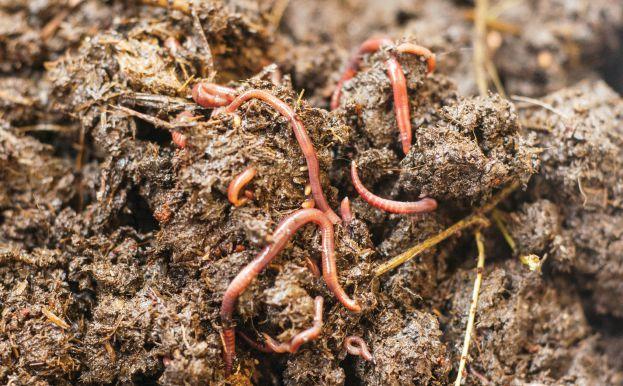
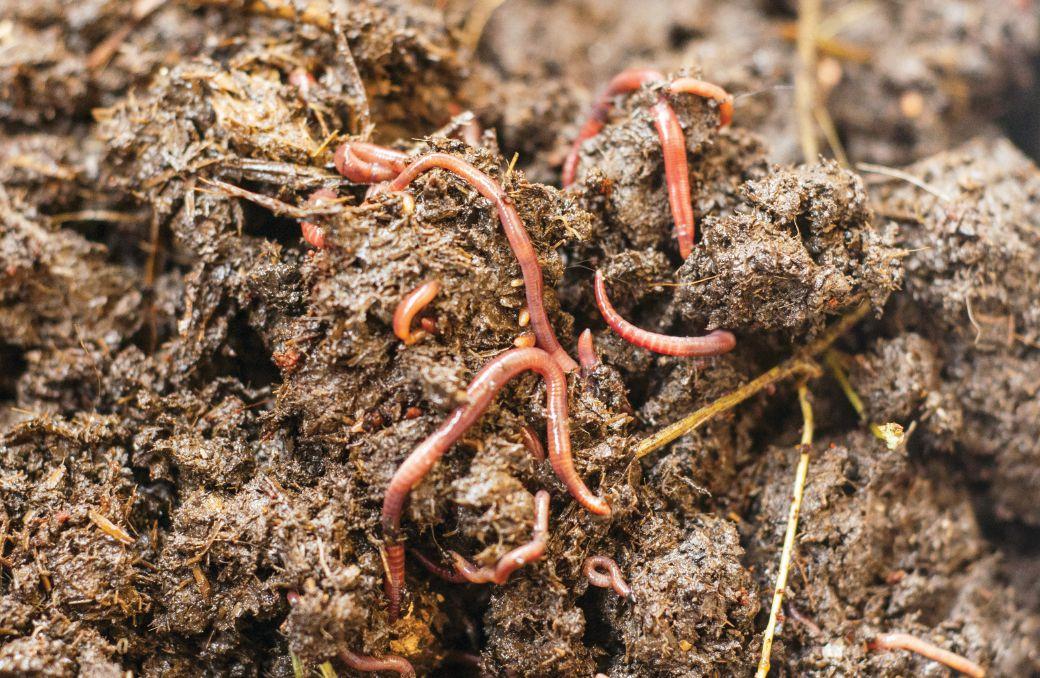
Eisenia fetida, commonly referred to as “red wigglers,” are the worm of choice for most vermicomposters.
Rhonda Sherman, extension specialist in the department of horticultural science at North Carolina State University, is widely regarded as a leading authority on vermicompost. At the start of her career, she focused on recycling – the shift to vermiculture happened with one of her first publications, titled “Worms Can Recycle Your Garbage.” The paper was wildly popular, and suddenly Sherman had a new direction.
“I’ve gotten a lot of ribbing over the past 27 years but, I mean, it just took on a life of its own,” Sherman says.
Vermiculture uses earthworms to assist in the composting process. “Basically, micro-organisms and earthworms work together to decompose organic material and then turn it into something that is valuable and can be used as a soil amendment to enhance plant growth,” Sherman explains.
Composting and vermicomposting processes differ in several important ways.
“The whole aim of composting is that the organic materials get processed by microorganisms, but their activity generates heat, and the heat rises in the compost pile. And if it reaches certain temperatures, then it can kill pathogens and seeds, which is really great. You start out at ambient temperatures, which are mesophilic temperatures,” Sherman says.
“Once you reach 105 F, it switches to thermophilic temperatures, and different micro-
organisms are involved at that point. It maintains that high temperature for a while and it’s doing those great things –decomposing, killing E. coli, salmonella and other pathogens, and killing seeds, whether they be weed seeds or food seeds.
“Once most of that material gets consumed, the temperature drops back into mesophilic temperatures again, but you have to let that compost mature and stabilize,” Sherman explains. “You can’t take that hot compost and apply it to soil because it would kill the plants due to the high temperatures, but also because the organic material needs a few months to stabilize and mature.”
During this curing process, the pH of the compost pile stabilizes and the C:N ratio and organic acid levels are lowered, among other changes taking place.
Vermicomposting, on the other hand, is a “cold composting” process, in that temperatures never rise above the mesophilic range.
“Between 60 and 80 F is the sweet spot for vermicomposting,” Sherman says. “By keeping it in that lower mesophilic temperature range, there are greater numbers and greater variety of species of micro-organisms. It’s really beneficial in so many ways. And because the food is ultimately consumed by a living being, it comes out the other end stable and ready to go, so you don’t have to cure it or have it mature or stabilize.”
The nutrient quality of vermicompost is better than compost, as well. The heat generated by composting microorganisms that kills pathogens and seeds also kills off some of the beneficial micro-organisms. In the cold compost process, these micro-organisms increase
the diversity of microbial life added to the soil, improving plant growth, root system development, soil health and yield.
“Plus, there are plant growth hormones, lots of humic and fulvic acids – just a variety of extra things that are in vermicompost, so it does make it that much more valuable,” Sherman adds.
This is reflected in the price for which you can sell the two, too. “In the United States, if you are manufacturing compost, and you go to sell it, you can get up to $30, sometimes $35 per cubic yard – but that’s it. So, it ranges from zero to $30 per cubic yard. If you make vermicast (the product of vermicomposting), you can sell it for between $200 and $1,000 [per cubic yard].”
PHOTO COURTESY OF RHONDA SHERMAN.
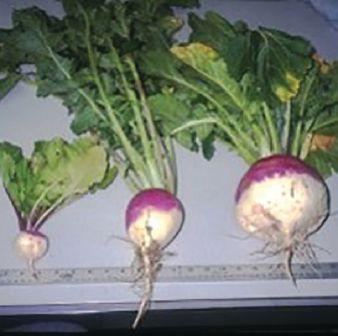
LEFT Turnips taken from a field trial conducted at North Carolina State University with randomized plots of (from left to right) zero, 10 percent and 20 percent by volume vermicompost mixed into the soil. All treatments had equal amounts of nitrogen.
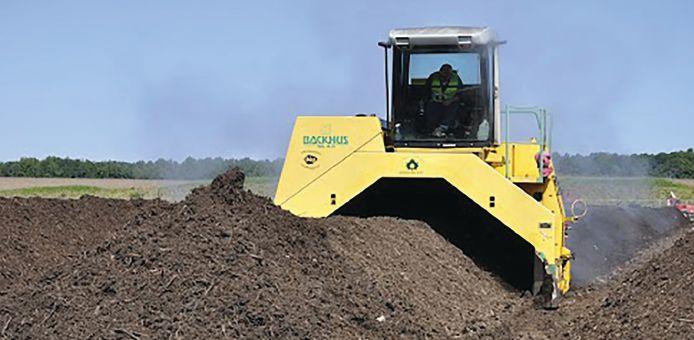
RIGHT A compost windrow turner.
PHOTO COURTESY OF J.M. RICE.
The vermicomposting process is much quicker, too – while a compost pile can take six to nine months for the whole process to take place, vermicomposting accomplishes it in two to three months.
However, the scale on which the two methods can produce compost is quite different. Composting piles need to be large in order for heat to be adequately maintained for thorough decomposition. Piles can be upwards of 10-feet tall and as wide as space allows, so a lot of compost is produced at a time. Vermicomposting is constrained by the need to keep heat low.
“It needs to be a shallow process. It should be less than two feet tall, so the problem is it takes up a lot of horizontal space,” Sherman says.
“You only go up to two feet tall, and the width should be limited as well – no more than eight feet wide – because you need to stand on both sides of that pile and be able to look into the middle of it. You need to put your eyes on all parts of the pile, so that you can check the conditions for the earthworms.”
There are numerous benefits to vermicomposting, but Sherman cautions that anyone interested in including worms in their operation should understand the learning curve involved.
“It’s not about the equipment. It’s about earthworm husbandry,” she says. “[Livestock farmers] have goats and chickens, sheep, cows and hogs that they’re dealing with, which they can see, unlike microbes. And they’re very attuned to animal husbandry; they understand that, ‘I need to do this, this and this to help this animal to thrive,’ and the basics are food, air, water, shelter. The thing is, micro-organisms and earthworms need those very same things.”
Of the 9,000 species of earthworms, only seven have been deemed suitable for vermicomposting, and one is used more often by people around the world because of how adaptable it is.
“Basically, you’re taking a wild animal and you’re saying, ‘Okay, stay put,’” Sherman says. “So, you have to have the right conditions for them. And Eisenia fetida is less picky, you know, they tolerate a wider range of environmental conditions than other earthworms.”
Eisenia fetida, commonly referred to as the “red wiggler,” is a surface-dwelling worm that will make a meal out of decomposing organic matter it finds:
leaf litter, food waste, manure. As such, vermicomposting boxes should contain organic bedding rather than soil.
Sherman recommends starting small to understand how to manage the worms before trying a farm-wide operation.
“For some reason, people think they can just buy 10 or 50 or 100 pounds of worms – and there’s about 1,000 worms in each pound. That’s a lot,” she says. “To me, it’s a waste of money to buy a huge amount of worms right off the bat, because there is animal husbandry involved. You really have to get up to speed on what it’s like to raise worms. It doesn’t always go perfectly. There are things that can go wrong.”
Even for experienced vermicomposters, the possibility of things going wrong needs to be considered. The heating process that occurs in composting reaches temperatures that kill seeds and pathogens, but vermicompost doesn’t get hot enough to do the same. Sherman says there are some studies that show pathogens consumed by the worms are greatly diminished when converted to vermicast. However, she is firm in saying that the possibility of error, human or otherwise, makes it impossible to claim there are no pathogens in vermicast.
“Ultimately it’s best if you can precompost,” Sherman adds. “You don’t have to – I’ve been feeding raw dairy manure to my worms for years, and many people do. But ideally, if you can pre-compost it, that’s great, because you will reduce the volume [of the
manure] by about half.”
“It also will kill pathogens and seeds, so you don’t have to worry about the end product as much, especially if you’re going to sell it or even if you’re going to use it.”
Regulations for composting differ from state to state, so Sherman recommends looking into local rules before moving forward with vermicomposting. As of now, North Carolina is the only state that has specific regulations for vermicomposting.
“But states that regulate composting are going to want to regulate vermicomposting, too,” she says. “So even though it’s not written in their state laws, they’re going to want to regulate it.”
Farmers that use organic material sourced solely from their farm and use the compost produced on their own farms are generally exempt from regulations that would apply to farmers selling their compost to others.
For those interested in learning more, Sherman has a wealth of resources on her North Carolina State University Extension website. Her book, The Worm Farmer’s Handbook, specifically discusses how to go about vermicomposting at farm-scale. As people from 117 countries around the world can attest, Sherman herself is an excellent resource, as she is contacted regularly about vermicomposting.
“People on every continent have contacted me, except for Antarctica. It truly is happening all over the world.” •
Vermicomposting windrows at a farm (less than knee-high).
PHOTO
•
•
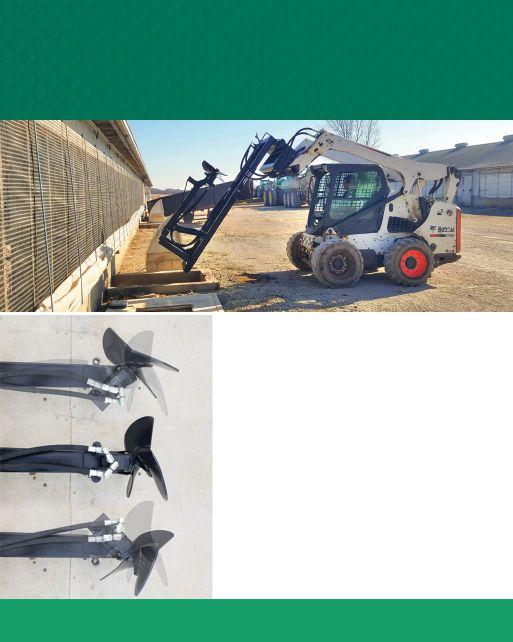
• Easy skidloader maneuverability around buildings.
• Working depth for pits: 6-10′
Why you need a manure management plan
Planning
ahead will help in handling the complexities of manure.
When applying manure, the main goals are to apply at an accurate rate and to avoid nutrient pollution. But this isn’t always easy, as manure, in general, is complex. There are five main factors that make manure complicated – often even more so than commercial fertilizer. Following a manure management plan will help combat these challenges.
OVERALL NUTRIENT CONTENT IS LOW
Total nutrient content of manure is low – rarely above 10 percent – whereas commercial fertilizers have a much higher nutrient concentration by weight. The low nutrient content of manure can be a problem, because you need a larger volume of manure than commercial fertilizer to achieve the same nutrient application rates. This increases time and transportation cost, making it more economical to apply to the field nearest the barn. Over time, repeated overapplication to the same field can lead to nutrient buildup and subsequent pollution. It is quite common to see fields nearest a livestock operation with very high soil test phosphorus levels.
NUTRIENT RATIO IS FIXED
Unlike commercial fertilizers that can be mixed and adjusted to reach desired nutrient balance, manure nutrients are fixed. Let’s do some quick math to illustrate this. Let’s say you have turkey manure with 30 pounds (lbs.) of plant-available nitrogen (N) and 40 lbs. of plant-available phosphorus (P) per ton, and your agronomist says to apply 180 lbs. N per acre for your corn crop. You’d need to apply manure at six tons per acre (180 / 30 = six).
NUTRIENT AVAILABILITY IS DIFFICULT TO ESTIMATE
Nutrient availability, especially the availability of nitrogen, can be challenging to accurately estimate. Manure supplies two forms of nitrogen: inorganic and organic. Inorganic nitrogen is immediately available to the plant, while organic nitrogen is not. Organic nitrogen can become inorganic nitrogen over time through a process called mineralization. The challenge here is estimating how much organic nitrogen will become inorganic nitrogen and how quickly. This can be tricky because mineralization is a microbial process, meaning that how fast or slow it processes organic nitrogen depends heavily on the environment – and we know how fickle the environment can be!
NUTRIENT CONTENT IS NOT UNIFORM
Unlike commercial fertilizers, which are fairly uniform in nutrient content, manure uniformity varies spatially and over time. This can make accurate rate calculations tricky. To meet this challenge, it is very important to take a good representative manure sample for testing. But even then, slight over- or under-application can occur.
NUTRIENT TIMING MAY NOT BE IDEAL
In a perfect world, manure would only be applied when the nutrients are necessary and when it poses the least risk to the environment. Unfortunately, we don’t live in a perfect world. Often, manure application timing is driven by storage limitations and wet weather, harvest or planting, rather than when it is best for the crop and environment. Nutrient loss from manure is higher when it is applied in late winter, around the time of snowmelt.
While we may never be 100 percent perfect with manure management, there are ways to make these challenges as small as possible. The most significant one is to have a manure management plan which encompasses many best management practices, such as accurate rate calculations, soil and manure sampling, setbacks and buffers, spreader calibration, and more.• Repeated overapplication can lead to nutrient buildup and pollution.
However, this application rate poses a risk for nutrient pollution. At six tons/acre, you will apply 240 lbs. P/acre (40*6=240). Corn only uses 0.29 lbs. P per yield unit. So, even a really high corn yield of 250 bushels per acre would only require 72.5 lbs. P/acre, and that’s including what is already in the soil. Adding 240 lbs. of P is way too much! Over-application of phosphorus can lead to phosphorus buildup, which can lead to pollution.