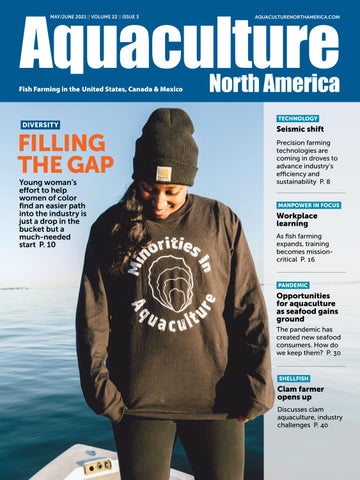
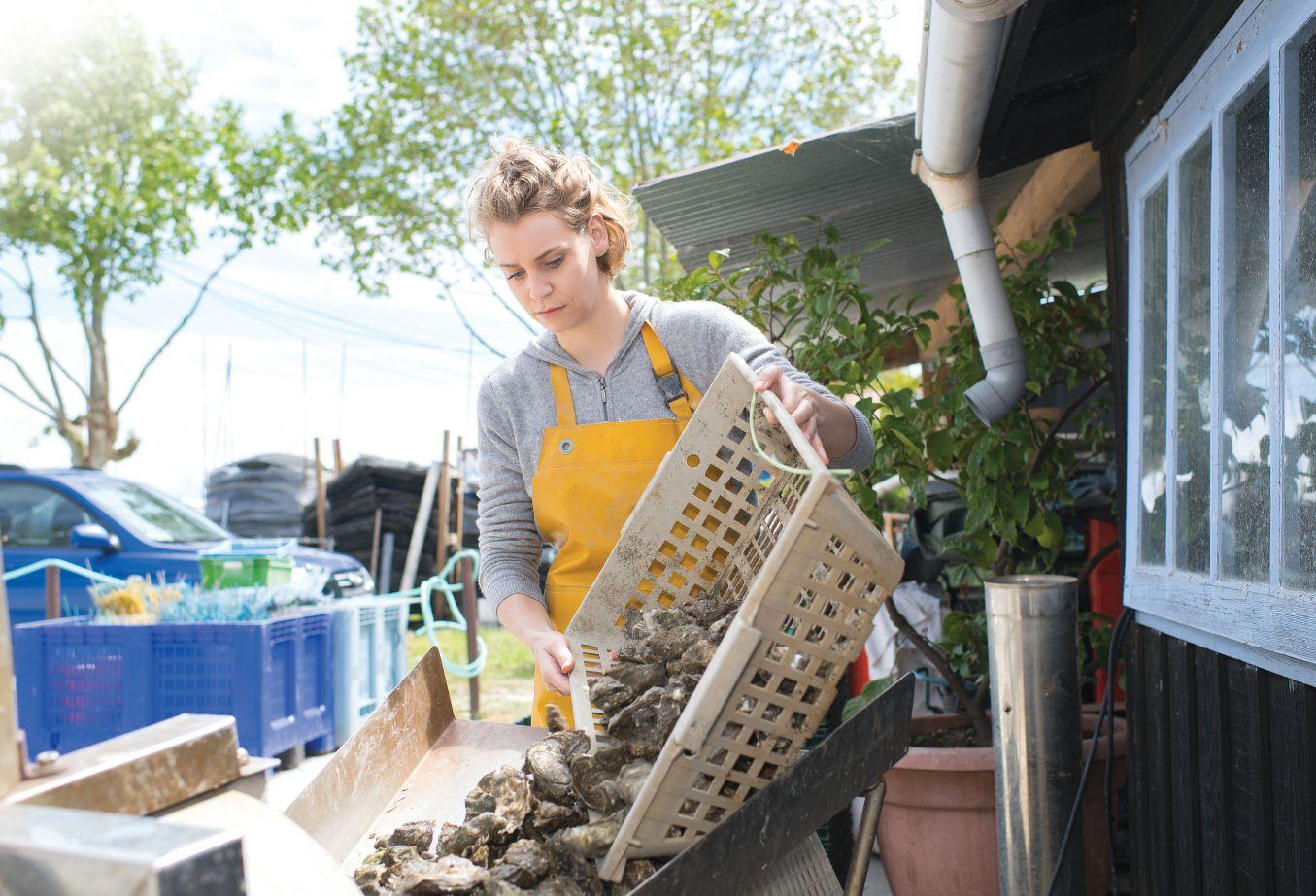
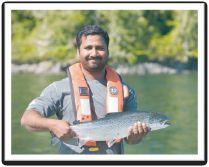
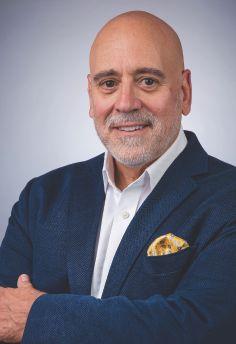
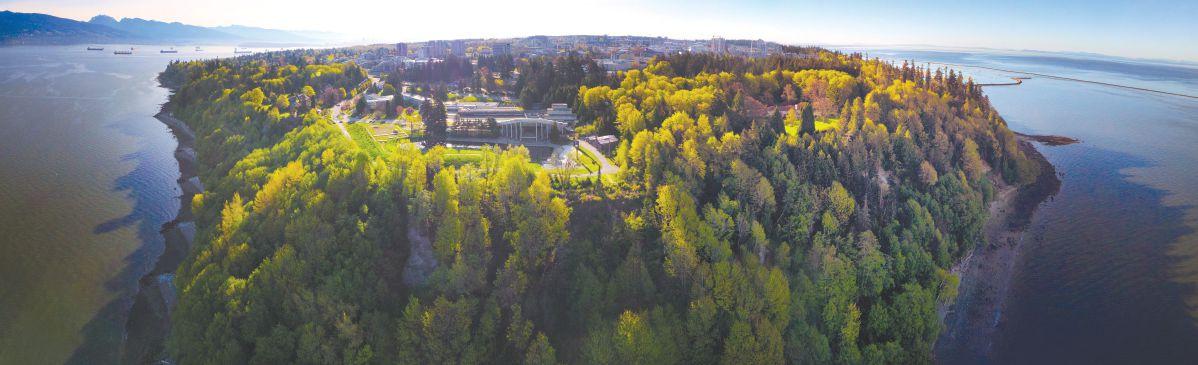
Young woman’s effort to help women of color find an easier path into the industry is just a drop in the bucket but a much-needed start P. 10
TECHNOLOGY
Seismic shift
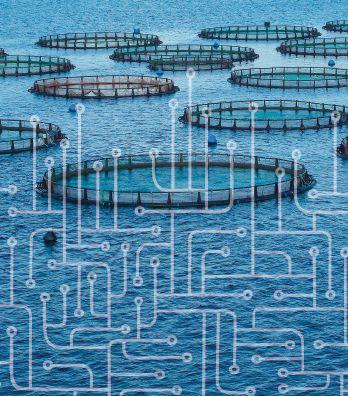
Precision farming technologies are coming in droves to advance industry’s efficiency and sustainability P. 8
MANPOWER IN FOCUS Workplace learning
As fish farming expands, training becomes missioncritical P. 16
PANDEMIC Opportunities for aquaculture as seafood gains ground
The pandemic has created new seafood consumers. How do we keep them? P. 30
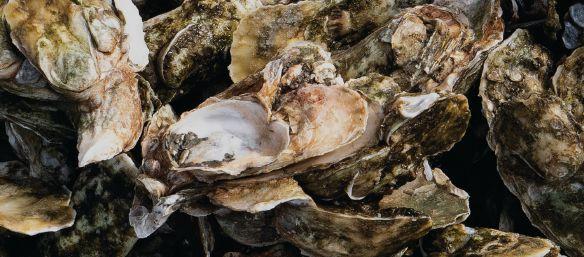
SHELLFISH
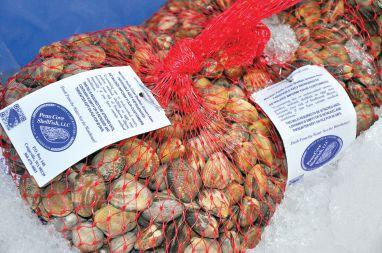
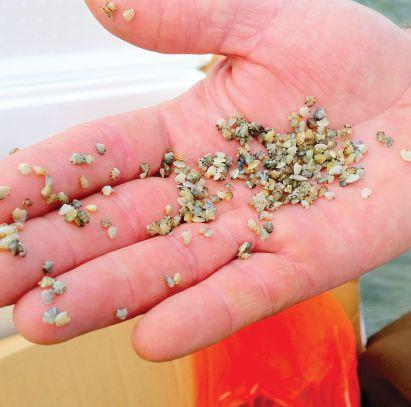
Clam farmer opens up
Discusses clam aquaculture, industry challenges P. 40
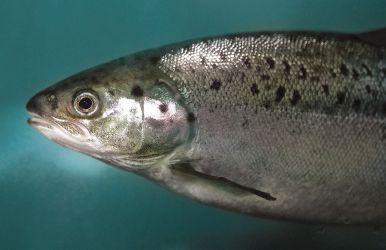
AQUA CARE365™ invites you to register for the new training module – Anatomy. Learning how to properly examine the external and internal anatomy of the fish is fundamental to fish welfare. These lessons empower learners with practical competencies in differentiating between normal and abnormal appearances of external and internal structures of the fish. AQUA CARE365 is a unique internet-based educational and training resource dedicated to assisting the aquaculture community in delivering a safe, affordable and sustainable food supply no matter what species of fish you raise.
Reliability in water jetting pumps takes on a whole new meaning when you’re in the business of cleaning net pens in the fish farming industry. Our pump systems, specifically designed for the aquaculture market, address the demands of harsh conditions of open seas, foul weather and corrosive effects of salt water while delivering the renowned performance and durability NLB has been known for since 1971.
NLB pump units also offer compatible interface with the industry’s leading head cleaning systems.
Reader Service
Print and digital subscription inquiries or changes, please contact Urszula Grzyb,
Audience Development Manager
Tel: (416) 510-5180
Fax: (416) 510-6875
Email: ugrzyb@annexbusinessmedia.com
Mail: 111 Gordon Baker Rd., Suite 400, Toronto, ON M2H 3R1
Editor Liza Mayer lmayer@annexbusinessmedia.com
778-828-6867
Regular Contributors Ruby Gonzalez, John Nickum, Matt Jones, Lynn Fantom Associate Publisher / Advertising Manager Jeremy Thain jthain@annexbusinessmedia.com +1-250-474-3982
Media Designer Svetlana Avrutin savrutin@annexbusinessmedia.com
Group Publisher Todd Humber thumber@annexbusinessmedia.com
COO Scott Jamieson sjamieson@annexbusinessmedia.com
PUBLISHED BY ANNEX BUSINESS MEDIA 105 Donly Drive South, Simcoe, ON N3Y 4N5
Aquaculture North America is published six times a year by Annex Business Media. The authority for statements and claims made in Aquaculture North America is the responsibility of the contributors. Reference to named products or technologies does not imply endorsement by the publisher.
Subscription rates (six issues) Canada: $37.00+Tax Within North America: $48.00 CAD Outside North America: $62.00 CAD To subscribe visit our website at www.aquaculturenorthamerica.com
PRINTED IN CANADA ISSN 1922-4117 Publications Mail Agreement #PM40065710
RETURN UNDELIVERABLE CANADIAN ADDRESSES TO 111 Gordon Baker Rd., Suite 400, Toronto, ON M2H 3R1 UNITED STATES MAILING ADDRESS
Aquaculture North America, 815 1st Ave, #93, Seattle, WA, 98104
The advertising deadline for the July/Aug issue is June 1st. Don’t miss the opportunity to be part of this exciting aquaculture publication. For more information, or to reserve space in the next issue, call our Advertising Department at +1.250.474.3982 jthain@annexbusinessmedia.com
Next Editorial Deadline
The editorial deadline for the July/Aug is June 1st. Contact Liza Mayer at lmayer@annexbusinessmedia. com for details. Material should be submitted electronically with prior arrangement with the editor.
FROM THE EDITOR
Culture Change
After the death of George Floyd in March 2020, the query “how to promote diversity and inclusion in the workplace” began its remarkable ascent on Google Trends, the analytics website that explores global reactions to major events.
This increased interest in workplace diversity is the same motivation behind Minorities in Aquaculture, a US nonprofit that was formed last year in the wake of several racebased incidents in the United States. It aims, among other things, to pave the way for more women of color to join our industry
The lack of data on the participation of minority populations in aquaculture is telling. Minorities in Aquaculture founder Imani Black, who graces our cover, hopes to change that (as does the United States Aquaculture Society, which is currently conducting a diversity survey among its members).
Black, a faculty research assistant at the University of Maryland’s Horn Point Laboratory,
BY LIZA MAYER
wants “diversity” and “inclusion” to be more than just buzzwords. “I want them to be real in action,” she says in our story on page 10.
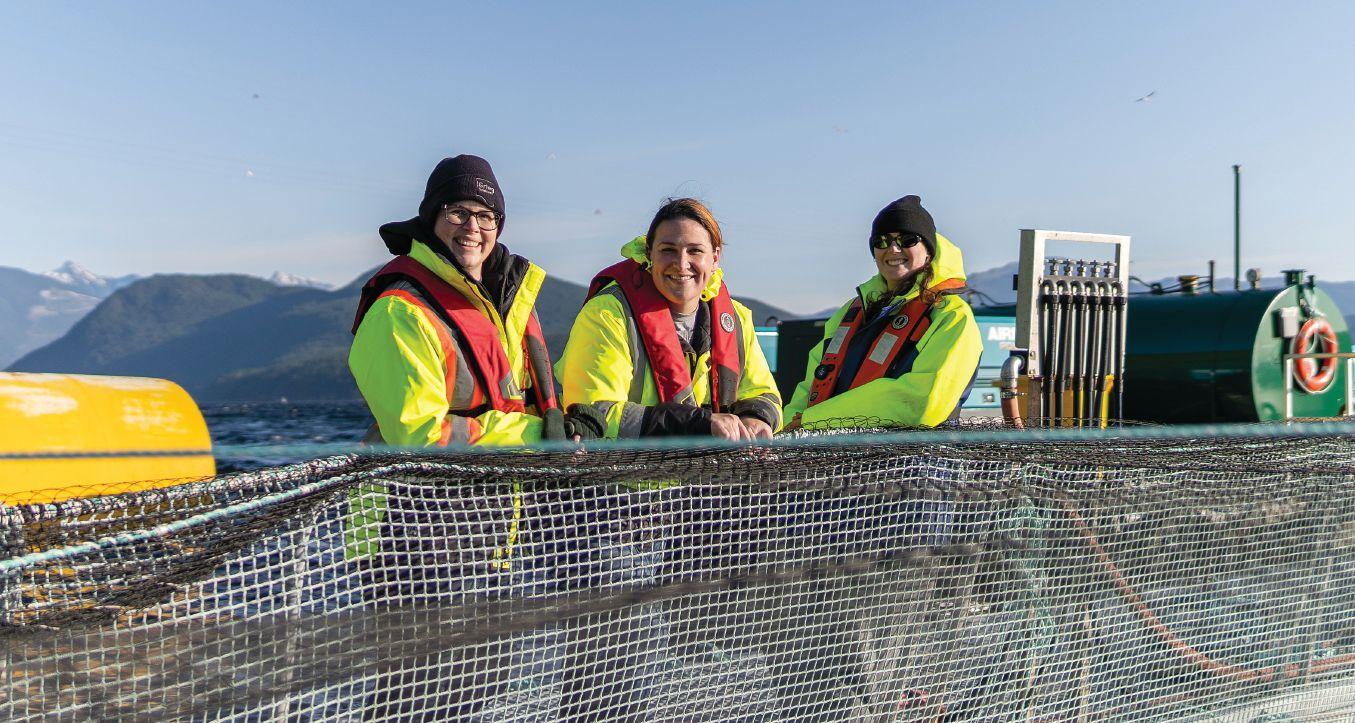
Anecdotal evidence shows that change is also happening in Canadian aquaculture. In 2018, the government of Prince Edward Island conducted a survey examining barriers to further female inclusion in the aquaculture, agriculture, and fisheries sectors. In British Columbia, salmon farming companies are implementing policies to create more leadership roles for women, says our report on page 24.
Will this last? I sure hope so. In a time where cancel culture is fiercely at play, it’s easy for anyone with a smart phone to criticize. But if industry players commit to inclusion and diversity initiatives not out of fear of being called out, but because it is the right thing to do, we’ll all be better off.
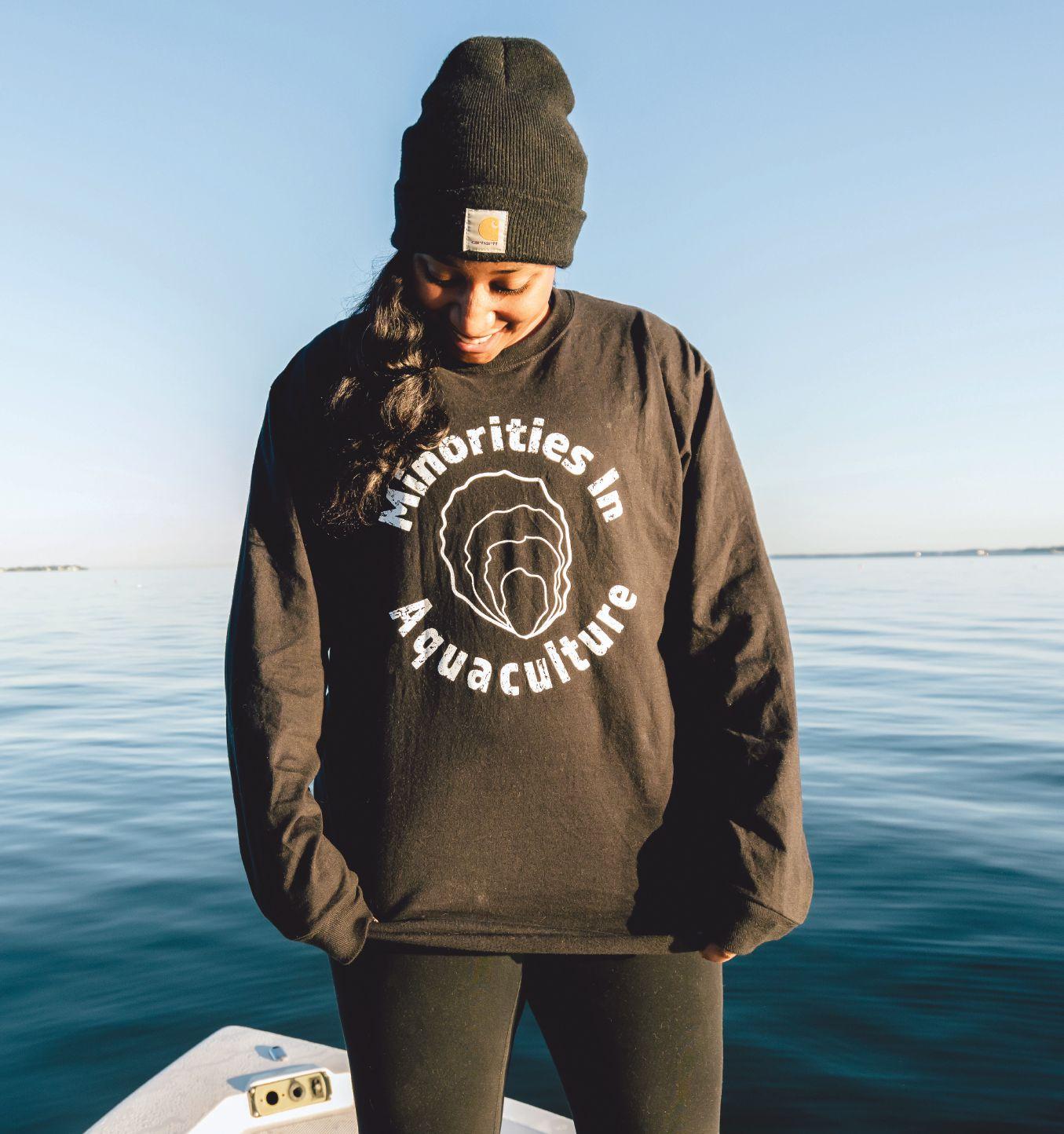
ON THE COVER: Imani Black, founder of the nonprofit Minorities in Aquaculture and faculty research assistant at the University of Maryland’s Horn Point Laboratory
A technology that could revolutionize fish health management has reached a crucial stage that will determine how it will proceed next.
Cermaq’s iFarm technology allows the individual monitoring of each fish for factors such as growth, sea lice, disease, lesions and others aspects that affect fish health and welfare. The groundbreaking technology uses artificial intelligence and machine learning in identifying each fish in a net pen. Monitoring each fish individually means only the sick individual – rather than the whole stock – would be treated.
In March, the salmon producer said the camera sensor that will monitor the fish has been put into sea cages, but how the fish would react to it is anybody’s guess. The interaction between the fish and the sensor system is crucial for the next phases of the project, said Cermaq.
What the US needs to scale RAS, according to experts
The US needs to fill gaps in the value chain for land-based salmon aquaculture to grow, say experts
The United States has an established infrastructure to support its freshwater aquaculture industry, but it needs to fill gaps in the value chain in land-based salmon aquaculture for the latter to advance and mature, according panelists at the 2021 Animal AgTech Innovation Summit.
The US could take a cue from Norway, the “Silicon Valley of salmon farming,” suggested Atlantic Sapphire CEO Johan Andreassen.
“In Norway you have a tremendous number of universities and suppliers and companies that are producing bits and pieces and delivering important inputs to the industry to be successful, and that needs to happen over here,” Andreassen told participants at the virtual conference in March.
PR AQUA
North American distributor
A WINNING COMBINATION
“One of the biggest challenges that we have here is that you don’t have a fluent supplier industry. That is something for all the smart young people that are attending this conference and companies that are considering going into the space to look into. I think there is tremendous amount of opportunities across multiple disciplines to become a supplier to this industry.”
The need to attract a skilled workforce, considered by many as the biggest challenge facing aquaculture at large, wasn’t lost on Clement Ray, co-founder and president of Innovafeed.
But to attract people, “we need to be the organization with value,” he said.
“We need to attract talent. That’s extremely important and we need to focus this talent on developing meaningful technologies.”
Larsen Mettler, managing director of investment firm S2G Ventures Ocean and Seafood, noted the need for collaboration across the entire ecosystem, including innovators or entrepreneurs, existing producers, academia, government, agencies, incubators and capital providers.
“What we’re seeing is a lot of siloed technologies right now that can really link together to partner with industry and have a more powerful alignment. So that’s really looking at people like industry participants taking a chance validating and adopting some of these technologies and innovations.”
www.praqua.com
He reiterated the government’s role in advancing the sector, from implementing “predictable, reasonable regulatory environment” in order to encourage companies to scale up, to giving incentives to promote sustainable-solution-oriented businesses.
“So I think it does take an entire ecosystem to be successful here,” said Mettler.
Cermaq’s iFarm technology uses artificial intelligence and machine learning in identifying each fish in a net pen
PHOTO:
Atlantic Sapphire reports another round of fish die offs
in 2019
The case for rearing market-size Atlantic salmon on land took a hit in March as the biggest player in the sector saw yet another case of massive fish die offs.
Atlantic Sapphire USA expects to lose 500 tons of one-kg fish, or 5 percent of the projected 10,000 of production in its land-based production facility near Miami, Florida.
It initially pointed to elevated gas levels due to a design weakness as the possible culprit, but an investigation was still underway by the time this publication went to press.
“The company’s preliminary analysis, which remains subject to change, indicates that an identified design weakness from its RAS supplier caused significant amounts of particles to flow from the drum filters (particle filtration systems) into the biofilters and trickling filters.
“This resulted in elevated turbidity and possibly gasses; and caused abnormal fish behavior. Fish gathered at the bottom of the tanks, disrupting the flow of new water, causing increasing mortality,” the Norwegian-owned company said in a statement.
It was the second mishap in the facility in less than a year. In July 2020, it was forced to initiate an emergency harvest of 200,000 fish weighing roughly 400 tons. The company said the fish were stressed by disruptions from ongoing construction work at the time.
CEO Johan Andreassen said that incident was a learning opportunity.
“We put in eggs into a facility that was not yet built at that time; about 10 percent of the facility was built out. From that perspective that has been very, very challenging and we will probably not do that again.”
Small victory in Discovery Islands for Mowi
Mowi Canada West has won a small battle after a federal judge granted it injunctive relief, and also acknowledged that salmon aquaculture in BC poses low risk to wild salmon.
The company, along with Cermaq and Grieg Seafood, are affected by Fisheries and Oceans Minister Bernadette Jordan’s decision in December 2020 to shut down salmon farms in the Discovery Islands in BC.
In early March, Mowi sought an injunction against the DFO decision to prevent layoffs and the potential destruction of millions of fish. In particular, it asked the Court to suspend two aspects of the decision with respect to two licensed fish farm sites – Phillips Arm and Hardwicke. This was to give 600,000 juvenile salmon a place where they could grow to market size, instead of culling them.
In granting the injunction, Justice Panagiotis Pamel said: “The only evidence before me is that today, salmon aquaculture in BC poses no more than a minimal risk to wild salmon. As regards to the transfer operations, as of March 5, 2021 the DFO website deems the transfer of Atlantic salmon to licensed BC aquaculture facilities from local sources (other licensed BC hatcheries and salt water sites) to be low risk.”
Mowi could now proceed with the transfer of the smolts to the said farms, sparing it $28 million in financial loss and saving 78 jobs.
“This is a great relief to our employees and communities as it allows us, in the short term, to continue growing these fish and operating these two sites,” said Diane Morrison, managing director of Mowi Canada West.
The relief is only temporary, however. Mowi, Cermaq and Grieg have yet to hear a ruling from the Federal Court on their demand to overturn the Minister’s December 2020 order. If the decision remains in place, the 19 salmon farms must be gone by June 2022.
DO YOU PUT OFF GRADING FISH?
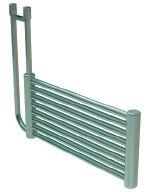
Fish sorting can be easy with our portable graders. They float in fresh or salt water and have 30 or 50 quick-to-switch settings instead of multiple baskets to juggle. The large, adjustable bars help fish pass through with little chance of gill damage.
our aerators and bug lite fish feeder too.
CEO Johan Andreassen surveying the construction of Atlantic Sapphire’s Bluehouse facility in Miami
Seismic shift in precision farming technology
Disease-forecasting tool for salmon among innovations coming on stream
BY LIZA MAYER
Farmers might soon be able to find out farm trends through voice interaction via mobile phones PHOTO: OATAWA/GETTY IMAGES
“What’s the biomass in the pen this morning?”
Can you imagine a time when a farmer could simply ask an app on his mobile phone such question? The scenario might not be as far-fetched as you think.
Data-driven decision-making is still in its infancy in animal protein production but innovations are happening to improve farm production, management and risk mitigation.
Efforts to reduce the barriers to understanding the multitude of data that’s being collected and to naturally interact with it are happening, said Karen Hildebrand of Amazon Web Services at the AgTech Innovation Summit in March.
“We are excited to see companies say how digital technology is helping to put more data in the hands of producers, be that in dairy, in feed or sheep. But what we’re really excited to see is that the focus is how to move that data to the decision-makers, people that are able to take action,” said Hildebrand.
While dashboards tell the farm data, farmers might soon be able to find out farm trends through voice interaction, she suggested.
“As simple as it might be in terms of asking Alexa what the weather is in the morning, so similarly, what’s the number of animals in a given paddock? What’s the pasture management movement that I need to do today? Those are the kinds of questions that we see customers building using that kind of underlying digital technology,” she said.
Forecasting tools
Other experts at the summit said there’s also movement towards predictive analytics, which is far more useful than today’s “alarmbased” tech.
“If it’s an alarm, it is a little bit late. What you want to have is to see the tendency (of the incident) as it approaches. You have to be
good at analyzing trends and reacting to them and that’s a big step in the right direction,” said Bruce Stewart-Brown of Perdue Foods.
In the farmed salmon industry, US-based startup Manolin launched in March a predictive analytics technology that forecasts early onset of pancreas disease and infectious salmon anemia. Its data-driven machine-learning models have accuracy at greater than 93 percent, it said.
It is the only commercially available disease-forecasting tool for farmers in Norway, said the company.
“This is a true breakthrough moment for our company and the industry as a whole. The last few months have been a culmination of many years of work — integrating numerous data silos, filling the gaps in industry data, expanding on academia’s disease research, and making it accessible for all farmers with user-friendly software,” says Manolin CTO and co-founder John Constantino.
Animal protein producers expect heavy investments into precision farming technology in 2021 as sector seeks to optimize efficiency to meet the world’s growing demand, according to a survey of respondents at summit.
“Precision farming through AI and computer vision technology gives fish farmers a smarter way of managing their farms,” said David Kelly of Innovasea.
“In aquaculture, innovations are underway to improve real-time monitoring of environmental data, dissolved oxygen, temperature and other key parameters that affect fish appetite and behavior that can impact their long-term health. There are also efforts to pull data together from cohort to cohort. There’s still a lot of discovery to be done as to why one cohort performs better than another cohort, there’s multiple factors that impact that,” he said.
Collaborative tech project to boost Atlantic Canada aquaculture
A suite of technologies that will improve monitoring of fish health, equipment, environment, crew safety, and enhance storm preparedness is anticipated from a $21-million project led by Grieg Seafood Newfoundland.
The initiative, called the Integrated Operations and Real-Time Analytics Project, will provide technology for real-time information, analytics and environmental connectivity to improve operations – from egg to harvest.
“This will enable companies to have complete control of operations in areas where this would not have been possible due to lack of connectivity,” announced the Ocean Supercluster, a group of businesses, post-secondary institutions and non-profits in Atlantic Canada working together to advance the region’s ocean economy.
The group is contributing close to $9.4 million to the project, while the industry is contributing $11.7 million. Industry partners include Innovasea, SubC Imaging, AKVA Group and HighTech Communications.
“Through data exchange and collaboration between partners, the project will result in technologies that will enable game-changing capabilities in aquaculture and offshore marine operations as well as connectivity to the environment,” the Ocean Supercluster said.
Around 140 new jobs are expected through the project’s development, including 20 at project implementation.
The project will transform environmental connectivity in aquaculture and offshore marine operations, say backers
Animal protein producers reflect on a devastating year
Beef, chicken, pork and seafood farmers often compete for consumers’ attention and budgets but at the 2021 Animal AgTech Innovation Summit in March, they united under the animal protein producers banner to reflect on the positive developments that emerged from a devastating year.
The annual Animal AgTech Innovation Summit moved online this year and saw its biggest attendance since its debut in 2019. A total of 576 players in animal agriculture from 35 countries heard 81 experts speak at 22 conference sessions, said the organizer, Rethink Events.
Human resilience in the face of adversity, the impact of innovation and technology, and the durability of food systems are the three powerful forces that emerged from 2020, said keynote speaker Jeff Simons, CEO of Elanco.
“We say that the food system bent but it didn’t break,” echoed Erin Fitzgerald, a panelist from the advocacy group US Farmers and Ranchers in Action, adding that “unbelievable collaboration” made this happen.
The crucial role of technology and innovation in solving some of the world’s greatest problems (think COVID-19 vaccines), such as reducing greenhouse gas emissions, keeping food systems safe, protecting people and enhancing productivity, became the dominant theme in the conference sessions.
In the aquaculture track, innovations in feed hold the key to the industry’s sustainability, said the panelists, which included Johann Andreassen of Atlantic Sapphire, David Kelly of Innovasea, Clement Ray of Innovafeed, and Larsen Mettler of S2G Ventures.
Algae-based feed ingredients are helping aquaculture advance its sustainability goals
Novel feed additive’s footprint assessed
AlgaPrime DHA, an algae-based source of long-chain Omega-3s and used as fish feed ingredient, has a lower carbon footprint compared to traditional sources of fish oil, according to a Life Cycle Analysis (LCA).
LCAs have recently emerged as a standard tool to measure a product’s environmental impact.
Dutch biotech company Corbion, developer of AlgaPrime DHA, attributed the fish feed ingredient’s low carbon footprint to three primary elements of its production system: it is powered by renewable energy; it uses sugar cane which through fermentation yields more feedstock than corn or wheat; and it uses land more efficiently, meaning a hectare of land produces both the fuel and feedstock to grow AlgaPrime DHA. And, it has no deforestation impact, as confirmed by historical satellite data, the company added.
Scientific publication of the AlgaPrime DHA LCA study is under peer review.
All four agreed that aquaculture is already the most sustainable form of animal protein production but innovation in feed that have a much lower carbon footprint than conventional feed will make it even better, said Andreassen.
He said Atlantic Sapphire will be “fully out of the ocean” two to three years from now, meaning that it will be using only alternative feeds that are not dependent on fishmeal or fish oil. “It’s the last piece that remains (to be addressed) to be fully out of the oceans. We are working with multiple companies in innovating feeds that eliminate the use of marine ingredients,” he said.
Innovations in instrumentation in order to provide real-time data on both environmental conditions as well as feed feedback to optimize the operation of farms will help farmers produce protein as most efficiently as they can, suggested Kelly of Innovasea.
Producing seafood closer to the consumer, which will reduce emissions from transportation will further enhance the industry’s sustainability, the panelists said.
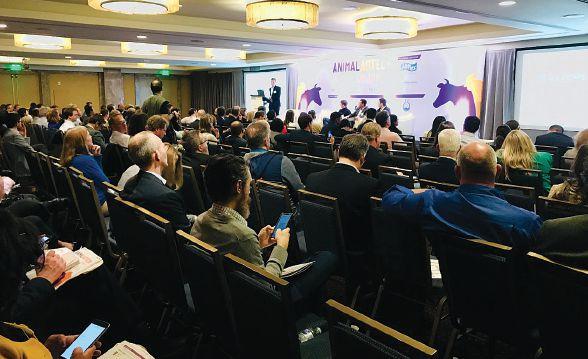
The inaugural Animal AgTech Innovation Summit was held in San Francisco in 2019. The event went online this year
PHOTO: LIZA MAYER
PHOTO: CORBION
then it’s kind of survival of the fittest. She has to be the alpha female. In those situations, it’s really frustrating and really saddening because that’s what male-dominated fields do. You really start operating from a place of survival.”
The aforementioned “Gender and Aquaculture Value Chains” report found that women appear to participate more commonly in post-production stages of the industry, such as processing, however they often own or control fewer and less valuable assets than men.
Addressing barriers to participation
Since launching Minorities in Aquaculture (MIA) in October 2020, Black has facilitated dialogues with members of the industry as well as the environmental sector and educators. The next step for her organization is to create hands-on programs to help women of color find an easier path into the industry, and to have at least four or five MIA interns by the Summer of 2021.
However, the lack of participation of women and minorities in the industry is not a single problem to be solved, but a web of intersectional problems that have deep roots in education and social structures.
Both Black and Johnson noted how minority populations, particularly those in cities, are rarely exposed to coastal areas and working waterfronts. Without that exposure, programs designed to attract new participants into the sector will have limited effectiveness.
“A person who has never seen the water before or an oyster or a crab, they’re not going to care about this,” says Black. “When you’re not connected to something, you really can’t be faulted for not wanting to learn or not wanting to really dive into a certain field. We
“Talk is cheap. We (African American community) are focused on who’s really walking the walk – who’s hiring people, who’s providing opportunities to those communities who’ve been marginalized or subjugated.”
have to understand where people are starting from, and then build from there.”
Johnson says that strengthening the education system is the most important place to start. During her time as a schoolteacher, she says that a standardized science test revealed how the students that took the test were unaware that ocean water is salty. “If I would pick a starting point (in exposing potential workers to aquaculture), it would be the classroom,” she said.
But trying to address those knowledge gaps can be a doomed effort when many students with fundamental challenges don’t get the attention they require, Johnson noted. She remembers teaching sixth graders whose reading skills had not progressed beyond the third grade, for example.
“The school district allows students to advance with poor grade averages,” says Johnson. “How can you function if you’re not able to read?”
Is there a genuine desire to be diverse?
As for the aquaculture industry itself, many companies and associations in the sector
Kwanza Johnson, academic programs coordinator at NOAA, says that increasing diversity in the aquaculture industry needs to start by strengthening the education system
have expressed an interest in diversity and support for the Black Lives Matter movement, as Black noted earlier. But Johnson says that whether the industry has a genuine desire to be diverse or they merely desire to appear diverse remains to be seen.
“Talk is cheap. We (African American community) are focused on who’s really walking the walk – who’s hiring people, who’s providing opportunities to those communities who’ve been marginalized or subjugated?” says Johnson. “It’s hard when you get opposition from the people who currently work for you. Can you stick it out when stakeholders oppose you? Are you going to stick it out and stand behind it? I think that’s the best way to gauge this.”
Eliminating off-flavor in Atlantic salmon
Water renewal in depuration systems for Atlantic salmon will significantly increase the removal of geosmin but the temperature of the water has no enhancing effect.
This was the conclusion of Dr Edward Schram’s doctorate thesis “Geosmin removal from fish” at the Wageningen University & Research in the Netherlands, which aimed to investigate the effects of temperature and water exchange in depuration tanks when eliminating geosmin from Atlantic salmon (Salmo salar).
Fish loaded with geosmin were depurated for 144 hours, during which they were subjected to combinations of water exchange (stagnant water or a water exchange rate of ~1200 L/kg fish/d) and temperature (~11.5 or ~14.5 °C) treatments.
The elevated temperature of 14.5°C did not enhance geosmin elimination from Atlantic salmon. This was possibly because in the tanks with water exchange, temperature treatments did not cause differences in oxygen levels and thus gill ventilation rates, wrote Schram.
At the end of the experiment, geosmin level in the fish in stagnant water (at 11.6°C) was about ten times higher than in the fish in the tanks with water exchange.
Schram says his experiment showed that “removal of excreted geosmin from the direct environment of this fish is needed to obtain maximal geosmin elimination from the fish.”
The elimination of off-flavor gives the fish better market price and
acceptance, says Schram. He said increasing the water renewal rate will also make the cleansing process faster, which reduces the stress on the fish. Fewer losses of biomass (due to less stress) and shorter time in the depuration facility also mean a smaller and cheaper facility. “However, increasing water exchange may also increase costs because of higher water consumption. Costs and benefits remain balanced,” he added. “Off-flavor depuration systems are generally operated with low water renewal rates to limit water consumption and at temperatures below normal rearing temperatures. Also, fish are generally not fed during depuration. It seems the aquaculture industry optimized depuration processes towards minimal operational costs, water use, energy use and biomass loss rather than optimal removal of geosmin – and 2-methylisoborneol (MIB) – from fish stocks,” he said. MIB is another compound contributing to the musty odor.
– Ruby Gonzalez
Study investigates the effects of temperature and water exchange in depuration tanks when eliminating geosmin from Atlantic salmon
PHOTO: THE CONSERVATION FUND
Are Americans ready for this revolutionary, yet controversial salmon?
2021 will mark the entry of the first genetically modified animal into the US food supply chain, 24 years after the first GM food (the Flavr Savr tomato) appeared on US supermarket shelves.
AquaAdvantage Salmon (AAS), genetically modified so that it grows faster than conventional salmon, was scheduled to become commercially available this past April.
Developer AquaBounty saw a tumultuous if exciting 30-year journey to this point, jumping through regulatory hoops and bearing the brunt of criticisms, misinformation and mischaracterizations about its product. It knows there’s plenty of work to do in marketing it.
In February, foodservice company Aramark became the latest player to reject AAS. It joined other critics: foodservice giants Compass and Sodexo and 80 grocery retailers, seafood companies and restaurants with more than 18,000 locations around the US, according to the nonprofit group Friends of the Earth.
Sylvia Wulf, CEO of AquaBounty, says the disapproval stems from them not having
AquaAdvantage Salmon is ‘safe, secure, sustainable,’ says AquaBounty. Will consumers bite?
the full story about AAS, so the company launched a sampling program among trade customers that included retailers and food service operators such as sushi restaurants, which Wulf says are the “most relevant” sales channels for the product.
The sampling program is crucial in making target clients gain a deeper understanding of the benefits and quality of AAS, and help
Kalwall Tube & Tank Division
We have 50 years of industry experience producing a full line of translucent tubes and tanks for aquaculture, marine, and a wide variety of other applications. We can fabricate custom shapes and sizes to meet your specifications. Contact us now to discover the difference. Innovation not imitation.
Kalwall Corporation Tube & Tank Division
121 Valley Street, Manchester, NH 03103 USA
603-668-8186 x2208 | sales@solar-components.com
the company determine pricing and formats the clients consider most relevant for their markets, said Wulf.
“We’re protecting the environment, we are close to markets and our salmon is safe, secure and sustainable. This is an opportunity for us to show them the data and why our solution is so critical today.” Two retailers are rethinking their opinion after hearing AAS’ value proposition, she said.
“Seven out of ten consumers indicate a purchase intent,” added Wulf. However, it remains to be seen how this will translate in reality particularly since regulations require it to be labeled as genetically modified.
Although the company earlier called the requirement “unnecessary,” Wulf now says AAS would be proud to have the label because the technology “really allows us to provide the salmon that’s going to solve some of the problems we see currently.” It also helps the consumer make an informed decision, she added.
– Liza Mayer
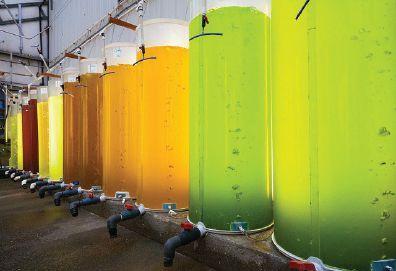
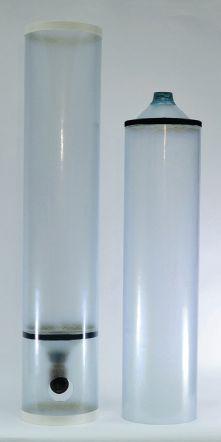
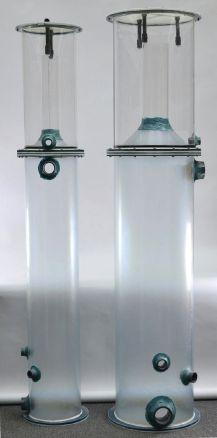
Seeing Is Believing
• Algae Tanks
• Protein Skimmers
• Conical Bottom Tanks
• Bio-filters
• Knockdown Tanks
• Variety Of Sizes
• Custom Sizes Available
• Shatterproof
• Lightweight
• Up To 90% Transparent
• Great For Algae Culturing
• 50 Years Experience
• Translucent Fiberglass Construction
• Made In USA
Conical Bottom Tanks
Flat Bottom Tanks
Protein Skimmers
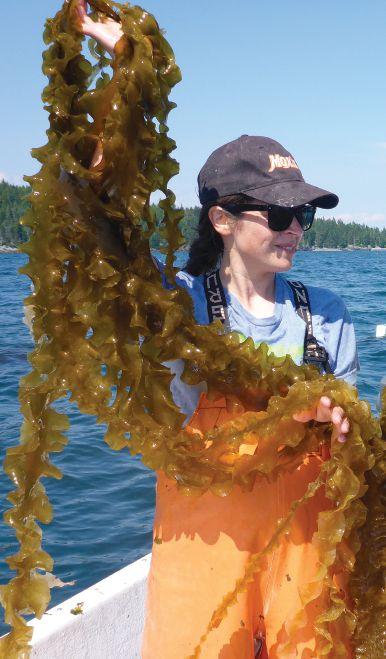
Maine fast emerging as America’s seaweed hub
Main challenge is to build local competence and capacity in processing
A newly launched week-long festival in Maine that’s dedicated to seaweed underscores the growing role of this plant-like marine organism in the state’s economy.
The farmed seaweed sector is expected to see a “hockey-stick trend” for the next couple of years (2020-2021), a growth that will moderate to between 7 percent to 12 percent year-overyear growth thereafter, said the Rockport-based nonprofit, The Island Institute.
Held in the summer of 2020, Seaweed Week aims to put seaweed in the consumers’ minds and on their plates. The event saw kelp as an ingredient in food and drinks offered at participating restaurants and bars. It also saw collaboration between local seaweed farmers and oyster growers, where the latter bundled seaweed samples with the oysters they sold to customers.
Maine is America’s hub for seaweed farming. Data from The Island Institute shows that 60 percent of total farmed edible seaweed in the US comes from Maine. In 2019, farmed seaweed activities (harvesting and value-added) contributed $13.4 million to Maine’s economy.
Sarah Redmond, founder of Springtime Seaweed in Gouldsboro, has been growing seaweed over the past 10 years. “There’s a lot of promise of seaweed. People are attracted to the idea that you can work on the water and produce a healthy sustainable crop that promotes health of the ocean and a healthier relationship with the ocean,” she says.
The state has 30 seaweed farmers, and that number is growing. Lobstermen in Maine sees it as a source of supplemental income. Seaweed farming’s seasonality aligns with the fisheries’ shoulder seasons, “as seaweed seeds are typically planted in October/November and harvested in April/May when the primary fisheries are less active,” said the nonprofit.
“It’s a ray of hope for a lot of people when we think about the ocean,” adds Redmond. “We are seeing decreasing accessibility and opportunities in our wild fisheries, increasing problems with climate change and water quality and our impacts on the environment. Seaweed farming represents a way that we can actually work together with the ocean to produce tremendous crops that can be utilized in almost any arena of life. So there’s just a lot of opportunity and promise in that.”
She co-founded with Trey Angera a nonprofit called the Maine Seaweed Exchange to help introduce potential farmers to seaweed farming. “We are scaling through creating a
PHOTO: SPRINGTIME SEAWEED
network of farmers and processors. We really envision this being an opportunity for people to become involved in the seaweed industry, and to support locally owned small organically certified farms and processors that would produce a high-standard product that we can then work together to sell to larger markets,” she said.
The challenge today is to build local competence and capacity in processing, developing value-added end products, building distribution networks, and creating customer demand. “There is adequate lease space and seed supply available in Maine to support significant growth in the farmed edible seaweed sector,” assuming these challenges are addressed, said the non-profit.
Redmond attests to these challenges. She said she produces only a fraction of her farm’s 50,000-lb capacity because of limited processing capacity. “It is still a newly emerging industry and the infrastructure doesn’t really quite exist yet. But we’re building a capacity every year.”
– Liza Mayer
Collective knowledge helping derisk RAS
Knowledge-transfer part nerships are a growing trend in the emerging RAS sector. Collaborations, where a tech or service provider helps the farmer finetune techniques and provide ongoing support to clients, are expected to help derisk land-based farms using recirculating aquaculture systems (RAS) technology.
In March, World Heritage Salmon (WHS), an up-and-coming salmon producer in Norway, has become the latest to ride the trend.
Its five-year deal with Benchmark Genetics (BG) includes a knowledge-transfer component related to land-based farming, including both the project phase and the smolt and growout facilities’ operational phase. WHS expects annual delivery of 20-25 million ova from BG for the 100,000-tonne land-based salmon farm it plans to build in Sunnylvsfjorden, Norway.
Sludge treatment specialist enters US market
Aquaculture sludge treatment specialist Blue Ocean Technology (BOT) of Norway has entered into an agreement for two large sludge treatment plants for American Aquafarms, a deal that marks its entry into the North American market.
American Aquafarms plans to farm 30,000 MT of Atlantic salmon by 2024 in closed pens in the waters of Maine. The operations will be the world’s largest fullcycle aquaculture facility based on closed cages in the sea.
As part of the deal, BOT will be a permanent part of the project, from start to completion and further into the operational phase.
Fish farm sludge. A specialist from Norway has been tasked with managing the waste product from closed pens at a salmon farm being planned in Maine
PHOTO: BLUE OCEAN TECHNOLOGY
Competence exchange is essential in product development, says Benchmark Genetics
PHOTO: BENCHMARK GENETICS CHILE
Sarah Redmond, founder of Springtime Seaweed in Gouldsboro, Maine
Keeping up with a changing industry
As fish farming expands, training becomes mission-critical BY
JENNIFER BROWN
With rapid expansion and innovation in the aquaculture industry, the need for skilled employees is constant as companies try to keep up with the pace of change and the need to have front-line staff educated on how to troubleshoot systems and understand best practices.
Having a robust training program can improve quality and efficiencies at fish farm locations and improve employee engagement and retention, especially as competition for talent increases. While colleges and universities
Sinking to floating. Sub-millimeter to pellet.
provide good foundation programs, human resource managers in the industry say the need for continuous learning is critical in an industry where the adoption of new systems, standards and certifications is constant.
The aquaculture industry is one of Canada’s smallest agricultural players, but it is the fastest-growing. It’s estimated that by 2025 there will be growing labour shortages in the industry, with 1,300 jobs predicted to go unfilled in Canada alone compared to an estimated 450 jobs unfilled in 2014, according to a report from Canadian Agriculture
When you select an Extrusion Processing System from Extru-Tech, you have a complete Universe with the ability to maintain size yields over 95%.
Much like most tech companies these days, vendors in the aquaculture sector are increasingly providing training with the purchase of a system
Human Resource Council. The demand for workers in the sector is expected to rise by an average of 2.6 per cent per year over the next five years.
Providing aquaculture employees with the right training opportunities can come in different ways, such as through in-house scheduled training with outside providers, vendor-led technology training and consulting groups who specialize in the aquaculture sector.
As your business evolves, you have the flexibility to change your finished
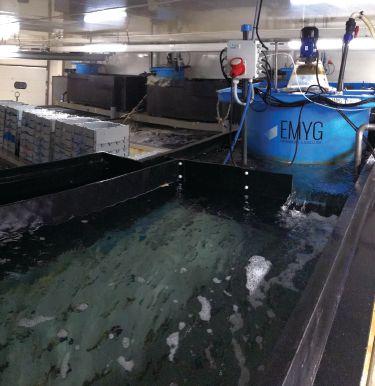
While the pandemic has enabled some online training opportunities not previously used before, the reality is that hands-on sitebased training remains crucial in aquaculture, especially with the growth of recirculating aquaculture system (RAS) facilities.
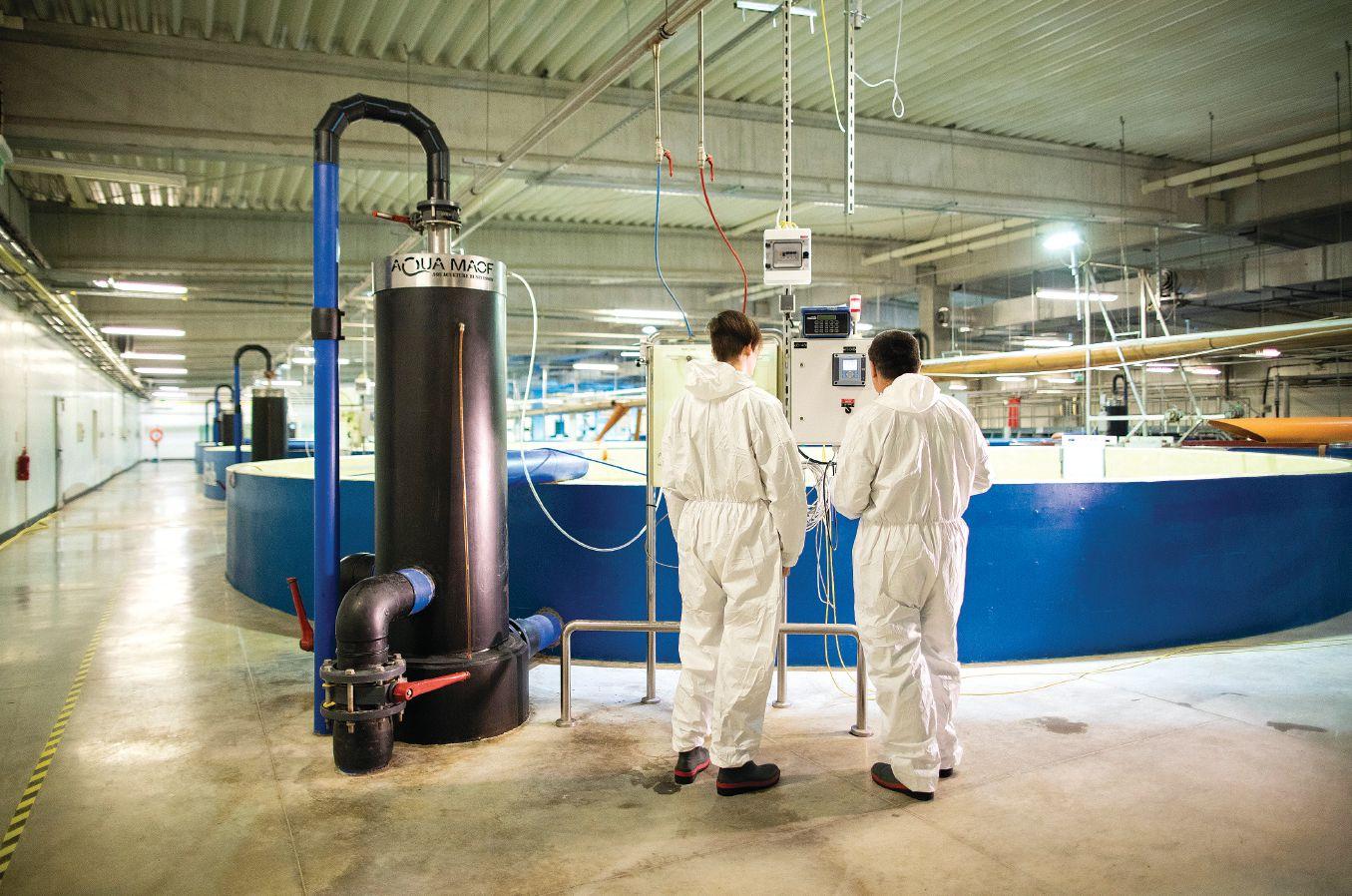
PHOTO: AQUAMAOF
Training for the human experience
The engineering and design of a new product or technology are typically based on sound scientific principles but those principles are not always passed on to the operators so they can understand what they need to do to get the best result from a system, says Melissa Rommens, vice-president of Sustain Aqua in Emyvale, Prince Edward Island.
“New technologies are coming online all the time, and there are some technologies where the supplier provides ample training, but sometimes that doesn’t happen, so there can be a gap,” says Rommens.
Sustain Aqua works with fish farmers in several areas, including training in fish handling, biosecurity, water quality management and control, solids control in RAS and water supply disinfection.
“One of the gaps where we have provided training is with the startup up of recirculating aquaculture systems. We have some great engineers in the industry and great designs, but sometimes there is a gap between the engineer and the operation,” she says.
Rommens has also assisted in attaining sustainability or organic certifications or improving management practices at a farm.
“What we have seen is the company may already have the procedures in place to meet the standards, they just have to understand how it all fits together, and maybe there is some tweaking here and there that has to be done,” she says.
Vendor-based approach
Much like most tech companies these days, increasingly, vendors in the aquaculture sector provide training with the purchase of a system. AquaMaof Group, based in Poland, has a global training center that serves to train customers on its technology. With so few people having RAS experience, the company decided in 2017 to launch the training program at its centre where customers can experience
a combination of practical and theoretical training. It covers technical and managerial issues and is adapted to the specific requirements of the customer’s project and the range of skills needed at their facility. They will also provide technology updates on new system features in a shorter format.
“The technology contract we sign with our customers usually includes a basic custom training and a firstyear service and support component,” says Guy Alon, customer operation and
Guy Alon of AquaMaof expects see more institutions to create RAS training platforms to supply demand for personnel skilled in RAS
service manager at AquaMaof. “This covers both practical and theoretical training on the operation and management of AquaMaof’s RAS technology, together with in-depth training on the various components of AquaMaof’s technology as well as other important elements, such as electrical and mechanical systems, redundancy systems, water chemistry management, fish health and welfare management, and preparation for audits including for the Aquaculture Stewardship Council and Best Aquaculture Practices certification.”
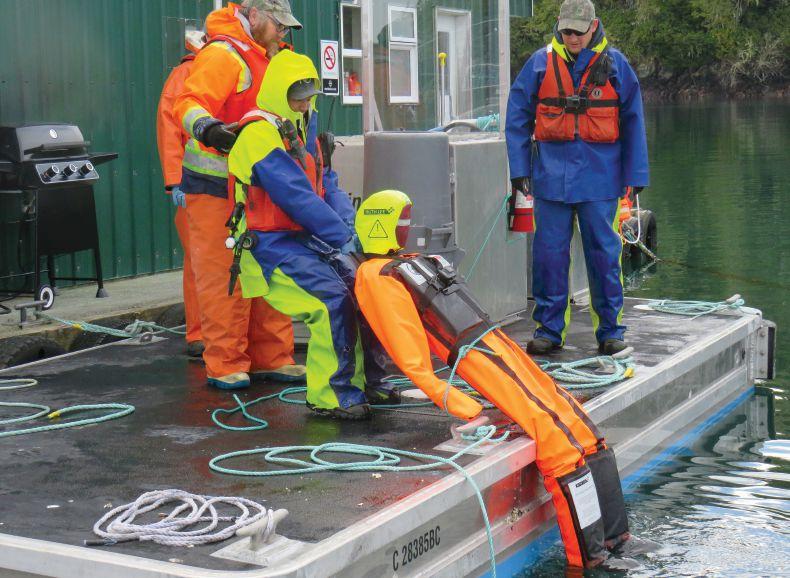
Safety training at Mowi Canada West. Training demonstrates the company is investing in the staff’s future PHOTO: MOWI
PHOTO: AQUAMAOF
With a growing demand for skilled personnel with RAS experience, Alon says he can see more institutions, including those in the academic world, create RAS training platforms. They have started to reach out to establish relationships with those organizations.
In-house approach
Company-provided training checks several boxes for organizations with the resources to set up and track continuous learning opportunities and make sure staff are up to date on the latest developments. It also demonstrates the company is investing in their future.
At Cermaq, the company supports the development of employees through in-house or third-party training opportunities. They provide on-the-job learning opportunities for fish handling and husbandry training, standard practices and day-to-day responsibilities.
They also provide specific training for employees who will be adopting new technology as part of their roles, such as on the operation of the company’s new delousers or new semi-closed containment systems.
“Many of our technology investments are purchased with the caveat that the manufacturer provides employee training as part of the purchase,” says Amy Jonsson, communications and engagement manager at Cermaq.
“We believe in developing our employees and promoting internally,” says Jonsson. “To do this, we support both formal and informal ongoing learning for employees and provide job sharing, mentorship programs and leadership skill development opportunities.”
At Mowi, a four-tier technician advancement program and corresponding training program provide a clear path to employees as to how they can move up in the organization.
THE ATLANTIC VETERINARY COLLEGE
Innovation is happening so fast the education side is continually catching up to advancements in the industry itself
“It helps with retention and shows our employees we’re invested in them and gives them a higher level of engagement and pay that is attached to moving through those technician levels,” says Dean Dobrinsky, human resources director with Mowi in British Columbia.
Dobrinsky also credits local post-secondary schools such as North Island College, Excel Career College and Vancouver Island University as producing graduates that become employees in the Mowi facilities.
“They offer good foundational salmon farming training. We draw on those programs for employees, and our own internal system adds the experiential component to it as well,” he says.
As aquaculture and salmon farming is still a young industry, Dobrinsky says many of the technologies involved are still being developed and learned. Innovation is happening so fast the education side is continually catching up to advancements in the industry itself.
“We have employees who work at hatcheries who have come from programs where they have had the opportunity to learn those systems on a small scale, but salmon farming from the sea site side is a lot more challenging, so we find our advancement program is beneficial not only for employees but for us as we can help them build on their skills in a way that is real,” says Dobrinsky.
At Grieg Seafood, the company has learning partnerships with Dalhousie University in Halifax and Fleming College in Peterborough, Ontario and other schools with aquaculture programs across Canada.
“We’re open to any partnership that would add value to the training opportunities we offer,” says Mihaela Ciocan, human resource generalist at Grieg Seafood in Campbell River, B.C.
“COVID-19 has restricted training in some respects — my preference is to have staff join a class, but we always want to make sure training is happening safely,” she says. “Everything we have been able to move online we have — most training providers have been flexible in finding a way to offer training in this new environment.”
Like any industry evolving to meet market demand, attracting skilled workers is critical, and helping them find the training to stay current and produce a better product faster will help organizations remain competitive.
Hands-on site-based training remains crucial in aquaculture
PHOTO: BELLINGHAM TECHNICAL COLLEGE
Expert advice on corporate reputation
BC’s salmon industry is fighting for its future while fending off attacks from activists. We speak to a PR expert about corporate reputation and its impact on organizations
BY LYNN FANTOM
Tense times are challenging day-to-day business as British Columbia salmon farmers await further government action. While most operations must go on as usual, there is an “elephant in the room” about the industry’s future.
Parliamentary Secretary Terry Beech is preparing an interim report on how to transition from open-net pen farming by 2025. According to a press release, it will be presented to Minister Bernadette Jordan later this year and will reflect findings from virtual roundtables conducted during February and March with the aquaculture industry, First Nations in BC, and environmental stakeholders.
This action follows the announcement in December 2020 that licenses for fish farms in the Discovery Islands near Campbell River will no longer be renewed after they expire in June 2022.
As companies manage through such uncertainty, anti-salmon-farming activists have flooded social media. Their criticism of industry practices, such as farming personnel getting jobs at certification agencies, has spilled into malicious personal attacks on female salmon farmers. While urging civil discourse, the industry and its supporters have emphasized the pro-salmon-farming conclusions of scientific studies — some conducted by the government itself.
SPONSORED CONTENT
AVC
students gain valuable experience in aquatic animal research
Daniel Maguire and Raelyn McCurdy, students at the Atlantic Veterinary College (AVC), University of Prince Edward Island, gained valuable experience in aquatic animal research during the College’s 2020 veterinary student research awards (VetSRA) program.
Through the VetSRA program, students conduct research projects under the guidance of a faculty member and present their findings to the University community.
Working with Dr Mark Fast, professor of fish health and immunology, Maguire and McCurdy investigated enteric redmouth disease (ERM), a serious disease in salmon caused by the bacterium Yersinia ruckeri. Transmitted by direct contact with infected fish, the disease causes significant economic losses in the aquaculture industry.
Corporate reputation today reflects more than a company’s products, according to PR expert Cameron Summers
PHOTO: COURTESY OF WEBER SHANDWICK
Maguire looked at adding CpG oligodeoxynucleotides (CpG ODN) to fish food to see if it would stimulate an immune response to ERM. A group of Atlantic salmon was fed a commercial diet, and another group the same food coated with CpG ODN. After the fish were exposed to the bacterium, mortalities were recorded and clinical signs examined to determine if the supplement stimulated a response that would provide immunity. Maguire found that CPG ODN did not stimulate an effective immune response against Y. ruckeri, and that further research is needed regarding food additives.
McCurdy investigated the effects of Omega-3 and Omega-6 fatty acids and a microalgae supplement on the ability of Atlantic salmon to resist infection with Y. ruckeri. Fish were exposed to the bacterium and fed either a standard commercial feed, or one of three experimental diets containing microalgae supplements. One of the microalgal diets was enriched with
Omega-3 fatty acids and the other with Omega-6. McCurdy found that feeding a diet high in Omega-6 fatty acids reduced the ability of fish to resist infection. The other experimental diets performed comparably to each other but did not yield significantly different results than the commercial diet. The results of this study are important in furthering understanding of how diet impacts the function of the immune system in fish.
Maguire and McCurdy intend to work in aquatic animal medicine upon graduation in 2023.
“Through VetSRA, I learned more about the essential role of research in aquaculture and veterinary medicine,” said McCurdy, who completed an MSc in aquaculture nutrition before attending AVC.
Raelyn McCurdy and Daniel Maguire, AVC Class of 2023, studied the impact of certain diets on the ability of Atlantic salmon to resist Y. ruckeri infection.
How millennials feel about hotly debated issues
74% of those who have heard or read about CEO activism have taken an action based on a CEO’s stance on a hotly debated current issue by talking about the stance with friends and family (26%), and with coworkers (23%)
Source:
47% believe CEOs have a responsibility to speak up about issues that are important to society
42% are more favorable of CEOs who take public positions on issues. 20% are less favorable
So, how do crisis situations and corporate reputation impact organizations?
Aquaculture North America spoke with Cameron Summers, who leads the Toronto office of public relations giant Weber Shandwick. He has advised private and public sector leaders in a variety of industries, including natural resources. Tapping both his two decades of professional experience as well as relevant research conducted by Weber Shandwick, he spoke to us about how corporate reputations evolve and what that can mean.
School of Environmental and Natural Resource Sciences
Fleming College’s Aquaculture program is the only one of its kind at the post-graduate level in Ontario. Learn about cold, cool and warm water aquaculture for food production, and for fisheries recreation and conservation.
• Extensive fish husbandry experience in our on-campus hatcheries
• Field trips and seminars on the business of Aquaculture
• A paid, 320-hour co-op at an aquaculture enterprise specific to your career interest
Learn more: flemingcollege.ca/programs/aquaculture Contact: Jon Carter, Program Coordinator jon.carter@flemingcollege.ca 1.866.353.6464 ext. 3215
51% would be more likely to buy from a company led by a CEO who speaks out on an issue they agree with
44% of those who are employed full-time would be more loyal to their organization if the CEO took a public position on an issue. 19% would be less loyal
One study published last year surveyed global executives, including leaders in natural resources, about the impact of corporate reputation on business performance. It found that strong reputations yield not only customer loyalty and competitive advantage, but also better relationships with suppliers and partners and the ability to attract high-quality talent and retain employees.
And the converse is true. Faltering corporate reputations can have a crippling effect on operations and ultimately shareholder value.
ANA: Let’s start with what factors contribute to an organization’s reputation.
CS: According to our research, there is no single factor that contributes to corporate reputation today. In the past, we would talk about shareholder value as the driver for corporate reputation. Today, it is built more upon the value of stakeholder engagement and the corporation’s relationships with stakeholders. So, when you think about it in those terms, it becomes a multifactorial dynamic as much as it is about the products and services a company provides.
It is important for a company to think about how it interacts with employees and the communities where people live and work, how the organization sources what it needs to run its business, and how it works with other stakeholders.
ANA: How do current events come into play?
CS: We need to mention the contextual situation that an organization may find itself in — sometimes fairly or unfairly. So, last year, how organizations dealt with employees during COVID became incredibly important to how the public perceived the corporation.
ANA: How powerful are advocacy groups and the government in influencing corporate reputation?
CS: My observation is that in the natural resources sector, particularly in Canada, there’s a high level of sensitivity to the impact that a stakeholder community can have. These stakeholders could be the government, investors, and customers. But what we’ve seen particularly over the last number of years is the importance of stakeholders that perhaps may not have been as considered as before.
Definitely there are laws and considerations in Canada that require a broader consideration of stakeholders. Environmental laws certainly require that. That is an area of some conflict and consternation, but that doesn’t take away from the fact that they are important to organizations.
Weber Shandwick, CEO Activism in 2017, High Noon in the C-Suite
Particularly in the natural resources space, how companies conduct their business and how they communicate and engage with communities or stakeholders does have the potential to influence how government may deal with them or respond to them.
ANA: How does corporate reputation evolve?
CS: It evolves in the way in which an organization conducts itself, the way in which it lives and communicates its values, how well they are understood by the stakeholders, and whether or not those things align with what stakeholders perceive or expect of them. Oftentimes an organization’s reputation can be greatly impacted by a crisis or an issue. And sometimes it’s not about the issue itself, but how the organization responds to that issue.
ANA: What is the difference between brand reputation and corporate reputation?
CS: Brand reputation is about the promise of what you’re offering, whether it is a product or a service. Corporate reputation goes into the organization that’s behind that product or service. The public is increasingly looking at that and asking: Do I see myself aligning with that organization and how they behave?
ANA: Does corporate reputation affect recruiting and employee retention, especially with millennials, now aged 25 to 40?
CS: Many years ago, a person might just have said, “I need a job.” But today, amongst that age group, other factors do play a role. (See related report on page 28.)
SPONSORED CONTENT
ANA: From your experience in mining and forestry, were there lessons learned that you would ask the leaders in aquaculture to pay attention to?
CS: I always encourage leaders to challenge their own assumptions and understand the perceptions of others. Go forward with a sense of what your perspective is, but have openness to the perspective of others. That can help you navigate through crises and challenges and manage your reputation effectively.
Hands-on learning remains strong despite pandemic
Despite barriers to in-person learning brought on by the COVID-19 pandemic, Fleming College’s Aquaculture Co-op program has quickly adapted – and is still providing the high-quality education it’s known for.
The three-semester, graduate certificate program has moved to a hybrid delivery format. Faculty members host online lectures in combination with in-person labs in the College’s Frost Campus Hatchery. These labs have operated with groups of 10 or fewer in compliance with all safety protocols.
“Fleming has done a great job in enacting policies and procedures to ensure the safety of its staff and students and minimize the spread of COVID-19, while ensuring students receive the quality of education they signed up for,” says Jon Carter, coordinator of the Aquaculture Co-op program.
“With the restriction on travel, we have switched to conducting a lot of the experiences received on field trips to in-house.”
This includes on-site spawning for the first time in a decade, says Carter. Typically, students would take part in spawning with the program’s industry partners. However, this year faculty and staff worked to provide an on-campus experience.
“We are committed to giving the students the hands-on skills this program is known for.”
Carter added that Fleming has further used the time to make upgrades to the hatchery, including the installation of a process logic controller system that monitors flows, dissolved oxygen and temperature in the tanks. The program also invested in new inventory software and six new fiberglass tanks to replace existing ones that had reached end-of-life.
“These upgrades will introduce the students to the technology they will find in the industry,” says Carter
Fleming College’s Aquaculture program includes an eight-week paid co-op, which provides real-world, real-work experience and the opportunity to make valuable connections with industry employers. It is the only post-graduate program of its kind in Ontario.
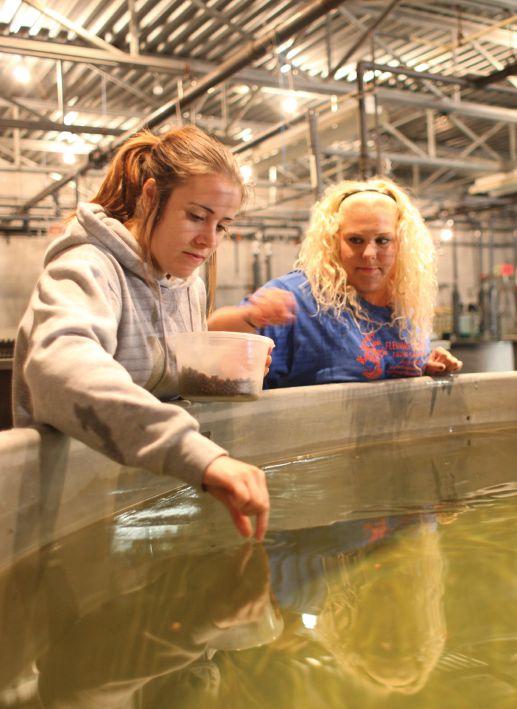
Fleming College students feeding fish in this file photo. The school’s Aquaculture Co-op program has moved to a hybrid delivery format
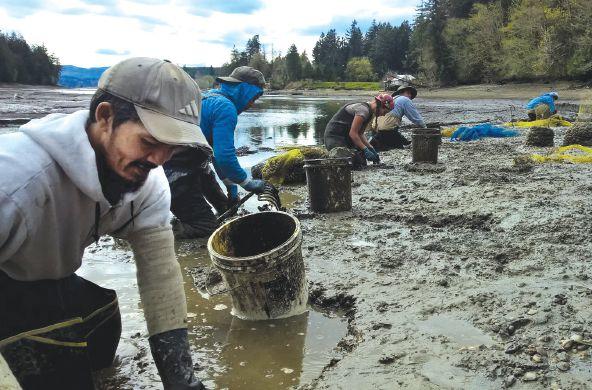
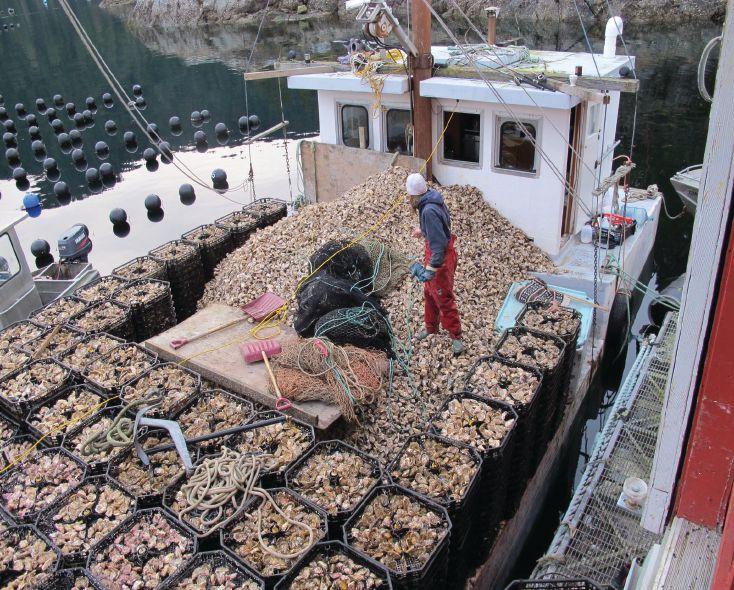
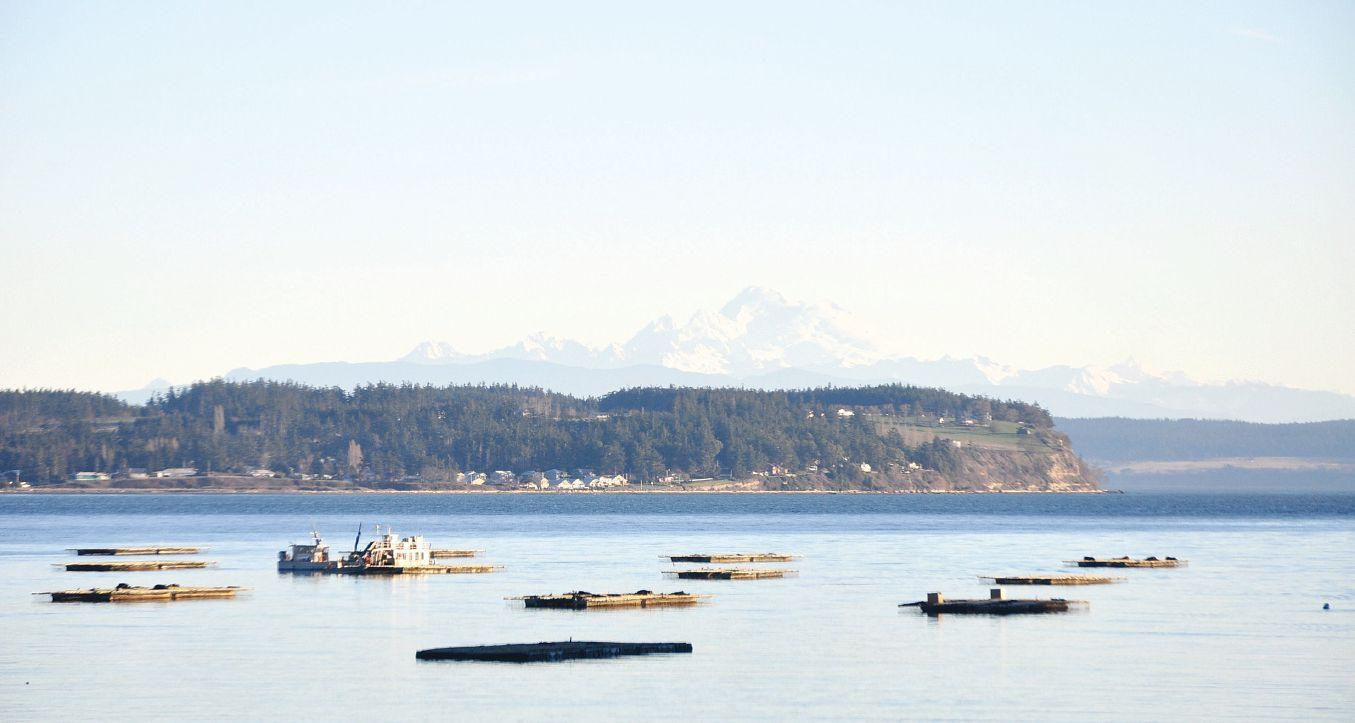
Taylor Shellfish farmers harvest clams. It is a job that requires stamina but offers the beautiful surroundings of the Pacific Northwest
CREDIT: TAYLOR SHELLFISH
Inside the minds of millennials Takeaways
on recruiting and retention from two talent experts
The oldest millennials, born in 1981, turn 40 this year. They are reaching their prime working years, starting families, and buying homes. That’s a far cry from the entitled, highly educated, phone-obsessed job-hoppers many employers may still envision.
Aquaculture North America took a fresh look at the values and habits of millennials, now ranging in age from 25 to 40, to help employers get an inside track recruiting and retaining this generation, the largest in both Canada and the US.
Aquaculture recruiter Leah Stoker knows millennials well. Over the last ten years, she’s
Graduate Certificate in Aquaculture
Shape the future of sustainable aquaculture
been coaching, training, and recruiting them. Last year, she helped launch Norway’s AquacultureTalent’s first US office in northern California.
Stoker’s key message is this: with millennials, it’s all about engagement. “They want to engage, be part of things, have their voices heard,” she says. “These are not people who sit on the sidelines.”
For employers seeking to recruit this cohort, demonstrating that the organization listens — with tools like employee satisfaction surveys — can go a long way. Plus, companies need to communicate in ways millennials enjoy, particularly through social media.
Today, employees shape corporate reputations. Global public relations firm Weber Shandwick has dubbed millennials “employee activists.” One of the company’s studies found that 45 to 58 percent of social millennials post about their employers in some way, whether by liking an employer’s Facebook posts, posting pictures of work events, or sharing employer’s social media posts. The majority of these so-called activists does so a few times per month.
In this way, employees can indirectly become part of the recruitment process. Reflecting this, one of Stoker’s mantras is “reward, retain, refer.”
On the other hand, this activism can turn negative, on Glassdoor, for example. The job
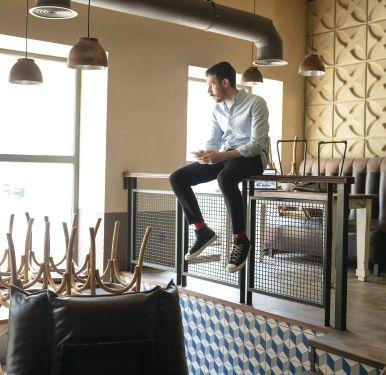
As employees, millennials have exerted a dramatic influence in the workplace
search site says it provides the “inside scoop” on companies with tools like employee reviews. These require reporting both “pros” and “cons.”
If a company’s brand emphasizes engagement, that carefully cultivated image can be tarnished when an employee writes “Communication from corporate to satellite offices was abysmal. Planning would happen but would either remain uncommunicated or be forgotten.” (One aquaculture employee actually did say that.)
Stoker exhorts companies to take on their online reputations fearlessly. In fact, in her prior position, she convinced the leadership team to encourage employees to post on Glassdoor. Employees felt happy they were asked, the management team learned more about issues, and the Glassdoor ratings improved “substantially.”
They are likewise adept at driving new ways to work and collaborate in a virtual world — the “new world of work sparked by the global pandemic,” says Gary Villani, a New York-based certified executive coach and expert in leadership development.
Even as millennials themselves join management, they will continue to have high expectations of their employers. Professional development is one of them. After all, this cohort is better educated than prior generations, according to Pew Research.
As employees, millennials have exerted a dramatic influence in the workplace, from shorter work hours to company perks like free gym memberships and in-office snack bars. They have brought more diversity to the workplace.
SPONSORED CONTENT
As leaders, they are positioned to promote change that is equally profound. Companies are sure to benefit from the millennial generation’s technological prowess. As managers who influence budgets, they will help fulfill technology’s promises of data-driven insights, automation, production improvements, and more intensive closed systems.
“As millennials move into leadership positions, they need to shift from being outstanding producers to work enablers,” Villani says. “In other words, they need to develop skills that motivate, engage, and inspire their teams. More specifically, they need to work on emotional intelligence, empathy, and interpersonal and relationship skills.”
And the good news is that “a robust learning and development offering not only improves organizational performance but is also a talent magnet for many companies,” Villani adds. — Lynn Fantom
Western Canada’s aquaculture certificate program
The University of British Columbia (UBC) in Vancouver houses Western Canada’s only graduate-level aquaculture program. In one semester (four-months), students are trained and ready to enter the aquaculture industry, with a foundational understanding of current trends and emerging technologies.
UBC’s Graduate Certificate in Aquaculture program is now accepting applications for fall 2021. Due to COVID-19, the program will be offered in a hybrid model (online and in-person), with industry site visits. Taught by professionals in fish health, seafood processing, production systems and ecological sustainability, this certificate program is perfect for students who want to gain career-ready skills.
“Around the world, there’s been rapid growth in the aquaculture industry because of its ability
to supplement natural fish stocks,” says Justin Henry, a 25-year aquaculture veteran who will be teaching the Aquaculture Production Systems course. “Along with this growth is a greater need for well-trained professionals who can eventually lead the field in terms of technology, sustainability and innovation.”
British Columbia has more aquaculture production than any other province in Canada, with farmed salmon as BC’s largest agricultural export. UBC’s location gives its aquaculture students access to the local industry. To enhance student learning, visits (virtual or in-person) to commercial aquaculture production facilities that raise salmon and other finfish are part of the curriculum, as are tours to health and research institutes, feed manufacturing plants, and seafood processing facilities.
The Graduate Certificate in Aquaculture program includes seven courses:
Aquaculture Production Systems
Fish Nutrition, Feeds and Feeding
Fish Health
Finfish Genetics and Reproduction in Aquaculture
Ecological Sustainability of Aquaculture
Business Concepts in Aquaculture
Seafood Processing
“We aim to help expand the pool of well-trained professionals by producing graduates whose learning is grounded in science and who are passionate about sustainability and healthy food production,” said Henry.
More details about UBC’s Graduate Certificate in Aquaculture can be found at aqua.landfood.ubc.ca or requested by emailing lfs.aquaculture@ubc.ca.
Aquaculture recruiter Leah Stoker says employee engagement is the key to getting and keeping people
PHOTO: LEAH STOKER
Gary Villani of Chrysalis Consultancy coaches millennials as they move into leadership roles
PHOTO: CHRYSALIS CONSULTANCY
WORKFORCE IN FOCUS
KICK OUT THAT GLASS CEILING
A rising tide of women is pushing for equality in Canadian salmon farming
While women have always played a key role in the advancement of Canadian salmon farming, their representation in the industry has historically been just a small slice of the industry’s employment pie.
Today, less than 30 percent of employees in Canadian aquaculture are women, but that number is “rapidly climbing” according to the Canadian Aquaculture Industry Alliance (CAIA).
At the top, however, women are noticeably outnumbered, a trend seen in the rest of the Americas (see related report on page 10). To change this, many salmon farming companies are implementing policies to create more leadership roles for women. Grieg Seafood, for example, builds female management capacity from the bottom to ensure employees have the criteria for key management
WHAT’S THE BIG IDEA?
BY KATIE MAXIMICK
positions when they become available.
“Seeing women in leading positions can lead to a change of culture and motivation,” says Kathleen Mathisen, chief human resource officer for Grieg Seafood. “It will also motivate other female employees to seek management positions and see that they also can climb the ladder.”
This dedication to include and advance more women in the industry hasn’t always been the case.
Reflections
Maureen Ritter has been working in the earliest stage of salmon farming and conservation since 1980 in Vancouver Island in British Columbia. She is currently the managing director for Canada Cryogenetics Services and the chair of the BC Centre for Aquatic Health Sciences.
What’s species are you considering?
RAS or open water system? Will you need a grant or funding?
After four decades of working with salmon, Maureen has seen a lot of change in the industry.
“When I first started working with fish, there seemed to be some women in conservation hatcheries and a few in fish farming. We were definitely the minority,” she says. “Women were required to work hard to prove our worth. Generally, we were paid less than the men.”
“In the early 90’s there were a lot of women in management positions in aquaculture, then it swung the other way with less women. It’s great to see more women now in management roles in aquaculture and conservation hatcheries, and I also see strong mentoring within our tribe of ‘women who work with fish.’”
Boys’ club
The challenges of being a woman in salmon farming are similar to any male-dominated industry: being one of the only women on a site or at the table; dealing with workplaces that weren’t designed with women in mind (PPE, washrooms, etc.); being tasked with the “domestic” duties; and having to work harder than men to prove themselves.
There has also been a rise in cyberbullying towards women in salmon farming from critics on social media, which led to the creation of a new Facebook group called Women in Canadian Salmon Farming.
Richelle Reed is a member of that group. She works as a salmon farmer for Kelly Cove Salmon/Cooke Aquaculture in Grand Manan, New Brunswick. Since she began working with fish in 2016, she’s seen some progress, but is clear the industry still has far to go.
“It’s been a ‘boys’ club’ for so long. You get your foot in the door and you always have to be doing your job at a high-performance
(L-R) Grieg Seafood’s Kristin Storry, Katie Maximick and Nicole Chouinard at a farm near Powell River, BC
level,” she says. “When you aren’t selected for more training, or you aren’t asked to help the mechanics, you have that thought in the back of your head, ‘it’s because you’re a girl.’”
“I still hear that voice, and I’ve recognized it will always be with me because of society. My gender has nothing to do with my job performance and I like to see the look on some men’s faces when I can do something better than them and prove them wrong.”
The girls’ gain
Thankfully, the opportunities for women in salmon farming are quickly outpacing the challenges as the industry progresses (technologically and culturally) at an exciting pace.
Today, there are many different and new roles in divisions supporting the sector where women can flourish. Positions within operations, research, seawater, freshwater, marketing and administration offer a wide range of options for women to move into, both laterally and through promotion.
Women seem to be thriving especially in freshwater hatcheries, where in some cases they outnumber men. When asked why that is, Jody Atkinson, Freshwater Biological Controller for Mowi Canada East in New Brunswick, says it’s often a perfect match.
“Hatchery work is part science, but also part art,” she says. “A person needs to intuitively understand fish behaviour to finetune the tank environment to optimize fish performance. Women often find this balance between science and art rewarding.”
As aspects of salmon farming become more automated and technological, physical strength becomes less of a factor to raising fish, which can be a barrier for some women. Rather than taking away opportunities, automation is providing new ones for women and helping close the gender gap on farms.
The future is female
With how things are heading in Canadian salmon farming, it looks like young, educated women will be massive players in its future.
More young women than ever are entering the industry with post-secondary educations. This will undoubtedly help improve salmon farming from the ground up, while adding more balance to leadership roles.
Michelle Franze is one of those young women who is newer to the industry. She has a degree in Marine Biology from Dalhousie University and is currently the Communications and Community Manager for the BC Salmon Farmers Association (BCSFA). She is also the director and co-founder of the BCSFA’s new Youth Council.
“More women are advancing their skills and education in science and technology
Ritter, managing director of Canada Cryogenetics Services, taking milt from a Chinook salmon
and this industry is built on both,” she says. “I think the opportunities for women to grow into management roles and work their way up will also come much quicker compared to other industries as the room for growth of the industry in Canada is huge.”
So, how do we get there?
“For change to happen, the companies and leadership need to make a conscious effort to confront the unconscious gender biases that exists,” says Richelle.
For Jody, she wants to see more women in management to provide balanced views at the decision-making level, while investing in retainment of women via flexible returns from maternity leave and mentorship programs.
Michelle wants to see government support
of salmon farming to provide job security to those women considering the industry for a career. She also believes adding aquaculture to school curriculum will inspire young girls to work in salmon farming by a younger age.
“Women need to help women,” Maureen says. “If a woman is in a hiring position, she should tip the scales and hire young women that can be mentored to learn the role.”
“Women are flexible. We are warriors,” she adds. “We will continue to forge a path forward for the other women following us. Do not be afraid to kick out that glass ceiling.
Katie Maximick is the Community Relations Specialist for Grieg Seafood BC. She was born and raised in Comox, British Columbia, and grew up fishing with her father off the coast of Vancouver Island.
(L-R) Michelle Franze, communications and community manager for BCSFA, with Mowi Canada West’s Amanda Luxton
Jody Atkinson, freshwater biological controller for Mowi Canada East
Richelle Reed, a saltwater technician with Kelly Cove Salmon/Cooke Aquaculture
Maureen
KEN’S CORNER BY DR KENNETH CAIN
Ken Cain is a Professor at the University of Idaho who teaches courses on Fish Health Management, Aquaculture, and Wild/Hatchery Fish Interactions. Ken’s passion for fishing led him to a lifelong career in aquaculture and research focused on fish immunology and vaccine development. He continues to be motivated by a desire to solve problems that challenge the industry and impact fishery resources.
Paving a career path in aquaculture
Columnist wears his professor hat in giving career advice to young people
Ihear it all the time; “we just can’t find qualified workers.” Hard-working employees with motivation and skills are in high demand within the field of aquaculture, but why is there a workforce shortage? And why is it so difficult for employers to find great employees?
These may be related to an insufficient understanding of what it means to work in this diverse field. One key component is training. You will see many programs offering a variety of educational and training opportunities in this edition of Aquaculture North America. Careers in this field typically require knowledge of rearing aquatic species under controlled conditions, and jobs can be found with private companies, government agencies, or even at various universities. Positions also exist in industries that support aquaculture. These include companies specializing in fish health, feed sales, feed ingredients, genetics, equipment supply, and more.
The common theme among employers is that they are looking for quality employees with a certain set of skills. These could include business or aquaculture management skills for the commercial sector, quantitative skills associated with data analysis, or specific laboratory skills in everything from water quality to molecular biology. As a student, seek out opportunities that will broaden your experiences. This
will help guide your own path to a meaningful career and open doors by increasing your marketability.
Entry-level positions in aquaculture are great for building a resume, and for those seeking adventure and travel, global opportunities are common. You may find yourself working in a sea bass hatchery in the Mediterranean, a salmon farm in Tasmania, a trout hatchery in New Zealand, or even a shrimp farm in Costa Rica. Not only can you explore a different country, but you also gain valuable experience that demonstrates motivation and expands career options. I can say from my own experience that working in Australia after college helped shape my career and was one of the best and most rewarding decisions I have made. Searching regularly for aquaculture jobs on websites such as the World Aquaculture Society and American Fisheries Society is well worth the effort, and I strongly suggest keeping your experience relevant and up to date on sites such as LinkedIn, Indeed. com and Simplyhired.com. Employers are using these social media sites more than ever to recruit qualified employees. As I convey to my own students, gaining valuable skills and qualifications require “getting your hands wet,” so to speak, and no matter what, if you are passionate and work hard, you will be successful.
What will it take?
Education is a first step and is important whether working in a shellfish or oyster hatchery or as a fisheries technician, fish culturist, or hatchery manager. A strong background in biology, chemistry and math along with specific courses in aquaculture, aquatic animal health, nutrition, water quality, and even business and marketing will add to your knowledge base. Formal training can range from a high school diploma, or certificate in aquaculture, to an advanced degree. It is true that some aquaculture jobs (primarily in the private
industry) can be obtained with minimal experience or schooling. However, when working in this field and caring for live animals, it is my opinion that proper training and a genuine desire to work and excel in the job are prerequisites for success. This holds true for the employee and the employer. Those employers that take the extra steps to find motivated and dedicated workers benefit in the long run with qualified, passionate employees who treat their work as more than just a job.
How’s the pay?
The US Bureau of Labor Statistics (BLS), reports that positions in aquaculture requiring a high school diploma with additional aquaculture training certificates range in pay from $25,000 to over $30,000. Those with more formal training at the associates or bachelors level can start much higher in all sectors, with estimates for government agency jobs (local, state, or federal) ranging from $38,000 to over $48,000 per year. Sales positions in aquaculture and agriculture support industries have median salary of over $80,000. Wage potential clearly increases with greater experience and education, but the take home message is that hard work creates opportunities that will pay off and lead to a successful and meaningful career.
If you are passionate about working with fish or other aquatic species, then aquaculture or an aquaculture related field may be the right fit for you. Take it from someone who started down a different career path, drive and ambition will take you wherever you want to go! The field of aquaculture is diverse and expanding dramatically, and for those who are willing to work hard, a career in this field will be both exciting and extremely rewarding.
Students looking at sturgeon at Idaho Fish and Game Hatchery. Formal training can range from a high school diploma, or certificate in aquaculture, to an advanced degree, says columnist
The right tool for the right job
Innovations are making diving in aquaculture sites safer than ever, writes Kelly Korol
You may have noticed a change in the appearance of aquaculture divers over the past few years. Where it was common to see aquaculture divers dressed in scuba gear on and under the site, you are more likely to see these same divers now attached to a long hose and wearing a full face mask rather than their scuba mask. This new trend in aquaculture diving is called “surface supply diving” and is a mode of diving promoted by the Occupational Health and Safety authorities to make diving safer. Where diving under the nets where entanglement and overhead environments makes diving more hazardous, surface supply can be the right tool for these jobs.
With SCUBA (Self Contained Underwater Breathing Apparatus), divers must get back to the surface when their tanks get low on air pressure or they are in critical danger of drowning. With surface supply diving, the diver is supplied with air from the surface through a hose. The big difference is that surface supply provides constant, unlimited air supply to the diver thus the risk of the diver running out of air before reaching the surface is greatly reduced. Unlimited air supply has a number of benefits. The diver can go into overhead environments, between nets, close approach to the predator nets without fear of entrapment and running out of air. The diver doesn’t have to concentrate on the status of their air supply pressure and calculate how much longer until they have to head to the surface, instead they can focus on getting the work done.
Surface supply has other advantages as well. If the diver is tethered to the surface with an
Internship in Norway
Female aquaculture students have until 22 June 2021 (19:00 US Pacific Time) to submit their applications for the Women in Aquaculture scholarship program offered by Norwegian salmon producer Kvarøy Arctic.
The scholarship, hosted in partnership with Seafood and Gender Equality (SAGE), is now on its second year.
Two scholarships will be awarded this year -- one will go to an applicant from any country, while the other will go to an applicant from countries in Africa.
Two female undergraduate or graduate students will be provided with a $10,000 stipend
Traditional scuba gear has some advantages for mobility and ease of deployment but it is not ideal for work sites where there are entanglements PHOTOS: DIVESAFE INTERNATIONAL
air hose, simply marry a telephone line to the air hose to have full voice communications between the diver and topside. With “Comms,” the topside supervisor can now speak with the diver, which increases productivity by relaying information and instructions that can be invaluable on rigging or inspection operations. The diver’s breathing is also monitored, and those on the surface are alerted to any distress immediately. Good communications is essential to any job and especially with hazardous environments, like under a fish pen.
Surface supply diving does have some disadvantages in that the diver is not as mobile due to them being attached to an air hose, and there are entanglement or fouling issues with the air hose (divers umbilical). But more often than not, the safety of having unlimited air supersedes the disadvantage. Often,
when we think of surface supply diving, we imagine the old hard hat diver in the heavy boots walking on the bottom. Although we still can do that, the surface supply diver can wear lightweight gear and fins and be as nimble and mobile as a scuba diver. The surface supply gear is really an advantage when the diver must pass between the predator net and the cage net when the risk of entanglement is extraordinarily high.
Training for surface supply diving
As you can imagine, surface supply diving has many extra procedures and techniques and therefore requires more training than SCUBA. There are two major levels to surface supply training, Restricted and Unrestricted levels. The restricted level is all that is required for aquaculture diving and it is a no-decompression level. The training can be relatively short and contains the basic knowledge on how to safely use surface supply equipment. The Unrestricted level includes training in subsea power tools, underwater welding and cutting, hyperbarics and is used more for deep and industrial purposes.
Traditional SCUBA has some advantages for diver mobility, portability and ease of deployment but should not be used in overhead environments nor around entanglement hazards that could impede the diver from surfacing when they run low on air. Surface supply diving is better suited for these environments. But, like any tool, both modes of diving have their advantages and disadvantages. It is the job of the dive supervisor to assess the risks and hazards and pick the right tool for the right job.
among perks of scholarship for women
Northern Lights shine bright over Kvarøy Arctic’s net pens. A month-long summer internship at Kvarøy Arctic’s Norway farm site is part of the scholarship package
PHOTO: KVARØY ARCTIC
and a paid, one-month summer internship at Kvarøy Arctic’s Norway farm site.
Recipients could continue their internship each year they are in school, and will be
considered for employment upon graduation, said Kvarøy Arctic.
Last year’s scholarships went to three women from Tunisia, South Africa and the United States.
“We started this scholarship program at the beginning of 2020 because we recognize it’s harder for women to break into the farm-level operations of aquaculture globally,” says CEO Alf-Gøran Knutsen.
“The pandemic delayed our plans for last year’s recipients to join us on the farm but not our dedication to supporting them in their career development and to continuing this program.”
NEWS AND NOTES
Bill gives US farmers power against fisheating birds
A Senate bill authorizing fish farmers to use lethal force to protect their aquaculture ponds from fish-eating birds is now before US lawmakers for consideration.
Cormorant eats a black bullhead catfish. The predatory bird causes substantial damage to fish farms, says the NAA PHOTO:
Senate Bill 1050, known as the Cormorant Relief Act, was filed in March by Senators Tom Cotton and John Boozman (AK); Cindy Hyde Smith (MS), and Tommy Tuberville (AL).
The predatory birds threaten the livelihoods of aquaculture operations in Arkansas, Mississippi, Alabama, and other states. If passed, SB 1050 would restore a 1998 USFWS regulation called Aquaculture Depredation Orders (AQDO), which allowed producers to fight the cormorants. However, AQDO was vacated in 2016 after it was challenged in court.
Mike Freeze, of Keo Fish Farm Inc in Keo, Arkansas, said AQDO has helped fish farmers. “The million-dollar losses caused by bird depredation did not occur during the years when AQDO was in effect,” he said.
Cormorant populations have increased dramatically in recent decades to an estimated 1.03 million birds, according to the National Aquaculture Association (NAA). “These large water birds feast primarily on fish, causing substantial damage and disruption to aquaculture and fishery operations. Ironically, efficient production practices by fish farmers make the ponds highly susceptible to bird predation, particularly by cormorants,” it said.
– John Nickum
Aquafeed study explores use of CRISPR Camelina’s potential as a substitute for fish oils and fishmeal in aquaculture feeds has been explored in recent years. However the plant doesn’t have the health-beneficial Omega-3 that marine-based feed ingredients possess.
Today, new research is underway to see whether camelina that’s genetically modified (GM) to make Omega-3 fish oils could become an even better source of Omega-3 if it were also gene edited (GE) using the new technique called CRISPR.
“No plants naturally make EPA and DHA, which is why we are using GM to give them this extra ability. Although you can’t use GE to convert plants to make Omega-3 fish oils, it can help to make the GM accumulation of EPA and DHA more efficient, so we are looking to combine the two different methods (GM, GE) to make our camelina plants even better sources of Omega-3 fish oils,” said Prof Johnathan Napier of Rothamsted Research.
Napier was part of a 2018 study that fed salmon with diets containing EPA+DHA camelina oil. It allowed the team to validate the potential of the novel oil and to demonstrate its equivalence (or more) to fish oil in terms of market-size salmon. The pandemic interrupted the analysis of the samples but he hopes work could resume soon so the findings could be published.
The current aquafeed study is also focused on Atlantic salmon feed.
Camelina sativa
PHOTO: ROBERT FLOGAUS-FAUST
‘We’re bullish that there’ll be a lot more eating at home even when restaurants open back up,’ says Rick Stein, VP of industry association Food Marketing Institute
Opportunities for aquaculture as seafood gains ground
The pandemic created new seafood consumers but the industry has work to do to keep them in a post-COVID world
BY LIZA MAYER
Seafood gained new customers since the onset of the COVID-19 pandemic, presenting opportunities for aquaculture to deepen consumer education about farmed seafood in order to keep the momentum.
Data from industry association Food Marketing Institute (FMI) shows more Americans ate more seafood a home as food establishments shut down, boosting seafood retail sales by 28 percent to $16.5 billion in 2020 over 2019.
In its latest annual “Power of Seafood” report, FMI said that those who were already eating seafood frequently (defined as two or more times per week as per US dietary guidelines) increased from 25 percent in 2019 to 32 percent during 2020.
The number of “non-seafood eaters,” which includes those who eat seafood only in food establishments, declined from 43 percent to 38 percent.
An executive at Meije Inc, a 240-strong supermarket chain throughout the Midwest, corroborates the trend. Seafood buyer/merchandiser David Wier saw a “large growth” in the number of new seafood customers in 2020, and noted that these new customers have no bias against farmed seafood.
“When you have a new customer and new to the category, they don’t have those tough beliefs on wild-caught or farm-raised. They’re just coming in for seafood. And they’re going online to get recipes for seafood, which the industry has done a tremendous job of, thankfully,” Weir told the participants at the
Oyster Trays stacked with quality
Seafood Expo Reconnect virtual conference in March.
But “a wild-caught customer is a wildcaught customer,” he said. “You always have to have product for them. You don’t even try to move them over (to farmed seafood) because that’s who they are and that’s what they want. We just need to take care of them.”
The shutdown of foodservice establishments where consumers usually eat seafood has a lot to do with the trend, say experts, but seafood’s reputation as a healthy protein may also have been a factor.
“I certainly believe that was part of the decision as all of a sudden we have this global pandemic. They’re thinking, ‘I need to be healthy, I know seafood is healthy so I’m going to jump on it’,” said Guy Pizzuti, seafood category manager for the $36-billion Publix supermarket chain headquartered in Florida.
Fresh crab sales posted the biggest spike in sales (60 percent) to reach $1.3 billion in 2020 over 2019, as consumers felt like
indulging themselves by cooking “elevated at-home meals.”
Salmon came in second with a 19.5-percent sales growth from the previous year to reach $2.2 billion, the highest sales total among seafood categories. HMI noted that salmon buyers do not purchase any other type of fish thus offering suppliers an opportunity to offer them additional, complementary products.
The panelists believe “a sizeable chunk” of the new customers that seafood gained during the pandemic will largely remain even after restaurants re-open.
“I think when a customer learns to cook their seafood, they can’t unlearn it. They have now accomplished something that they may not have accomplished before, so FMI is bullish that there’ll be a lot more eating at home even when restaurants open back up,” said Rick Stein, VP of Fresh Foods at FMI.
“The pandemic is an unfortunate event and catastrophic event, but the seafood industry, especially retail, has been handed an opportunity that we would never have had. I mean there’s no way our numbers would have been where they’re at today. I think there’s an opportunity to continue to maintain the momentum,” added Pizzuti of Publix.
These include continuing educational initiatives on the health benefits of seafood, showing consumers how easy it is to prepare it and sharing knowledge with the purpose of building trust.
“Consumers are really, really big on proteins and everyone’s in the protein business, but there’s no better protein than the ones we provide,” said Jason Pride, vice-president of meat/seafood operations for Hy-Vee, a 265-strong chain of supermarkets in the Midwestern United States.
But seafood’s gains at retail aren’t enough to cover the sector’s losses in the foodservice
segment, which accounts for roughly 60 percent of seafood volumes.
“We need foodservice and restaurants to come back,” said Wier of Meije. “We need them for the innovation that they provide, and for the supply, frankly. We sell a lot of lobster tails, but not lobster meat. So we need their help in things like that. We need those guys to come back and really make the entire seafood business stronger.”
Retailers expect logistical problems and pressure on supply when the foodservice industry reopens but its nothing that constant
communication in the entire value chain can’t help assuage, they said.
“Relationship building and that constant contact are key, making sure that we’re aligned in everything that we do on the supply chain side. As restaurants start opening up, they’re going to take part of that supply as well,” said Pride.
“Don’t leave us hanging,” concurred Pizzuti. “Let us know what’s going on so we can plan alongside with you to take that next step for when the restaurants reopen. Let’s work our way through how this is going to happen versus just leaving us hanging out there.”
In the tiny coastal town of Smyrna, North Carolina, sturgeon farmer I.J. Won has been using recirculating aquaculture systems (RAS) long before RAS made headlines as technology for salmon growouts. Yet, like those pioneering the use of RAS in salmon space, the retired academic knows he has to keep plugging away to achieve profitability. In this account, he makes the case for why RAS could be the best hope to raise fish cleanly. He also tells an eye-opening story of how America’s love for meat and potatoes came to be, and amplifies the need to make seafood a bigger part of the American dinner plate.
How do you make a small fortune in aquaculture? You start with a large fortune.
I first heard the joke many years ago from a professor of aquaculture at North Carolina State University in Raleigh and it amused me.
We often see front-page news stories and pompous ribbon-cutting photos for new fish farms touting new technologies and promising many tons of fish, along with rosy projections on production ramp-ups within in few years. Strangely, often, we don’t hear much about them afterwards; many simply fade away. This is not unusual across the board, small or large in scale. A case in point: a $100-million RAS sturgeon farm started near Abu Dhabi several years ago, which was flaunted as a miracle in the desert. When I recently googled, I found that it had quietly declared bankruptcy a few years back and someone else took over the facility very cheaply. In most cases, these are the so-called OPM projects, funded by “other people’s money.” As long as you don’t spend your own fortune, you can survive but that gives bad rap to the rest of us.
So, how do we really make a small fortune in aquaculture?
Aerial view of the 300-acre Marshallberg Farm with open pastures along the North Carolina coast
PHOTO: MARSHALLBERG FARM
I.J. Won, his wife Sue, and their granddaughter Mina. Won says the industry’s remaining task is proving that RAS can make money
I have owned Marshallberg Farm, a Russian sturgeon farm, on the North Carlina coast since 2010 and acquired LaPaz in 2017, another Russian sturgeon farm in the piedmont to the western part of the state. Together, I have been told, we are the largest RAS sturgeon farms in North America. Along the way, I have learned that it takes more than a decade before a sturgeon farm matures enough to make a profit. Who would invest in such a venture, or trust someone with their passions and promises to turn profits? In our case, the farms are self-funded and no one breathes down our necks asking for returns. And yet, unless a business can make a profit, one cannot call it a business but an expensive hobby. Sturgeon aquaculture demands one’s patience because of their long maturation; raising them in RAS also makes it very expensive.
Problems abound in RAS farms: a plethora of sensors, valves and automatic actuators, alarms, feeders, three-phase pumps and air blowers all require regular and rigorous maintenance, and often some go haywire triggering alarms, real or false. In bad weather, we face power outages that, despite layers of protection, still cause havoc and result in occasional fish kills, heartbreaking events to all of us. RAS is still a technology in progress and an engineering adventure/nightmare to farmers. It inherently requires large capital investment and high operating cost for maintenance. It is a tall order to achieve an acceptable return-on-investment in a reasonable time. But we must make RAS farms profitable to justify RAS’ existence as a technology.
be conducted at MARC along with a resident PhD student.
Later that year, still feeling unsettled, I decided to build a “commercial scale” aquaculture demonstration facility on the farm that eventually became the beginning of the sturgeon farm we now have. Several faculty members from NC State contributed to design, build, and operate the RAS farm. Initially we experimented with hybrid striped bass but, within a couple of years, we settled on raising Russian sturgeon. We imported a batch of fertilized eggs every year
from a farm in Germany; they emerged in a few days in our hatchery. Today, the farm includes a building complex of about 60,000 square feet in total and dozens of culture tanks teeming with sturgeon, some of them 10 years old.
LaPaz, the second sturgeon farm we own, had its beginnings around 2004 by Bill White, a principal of a company making allergy medicines, and his friend Joe Doll. As the story goes, Joe used to pilot Boeing 747 freighters to Russia and developed a taste for caviar; he later convinced his friend Bill to raise sturgeon. Eventually, they
Let me start with a brief history of our farms and where we are now.
In 2008, while I was occupied in running a geophysical company in Raleigh, I approached NC State University offering to establish the Marine Aquaculture Research Center (MARC) on our 300-acre farm on the coast. The farm then was roamed by a herd of 60 grass-fed Angus cows. My offer included a six-acre plot inside the farm, adjoining an inlet for pumping seawater, and cash to build the facility. After the initial phase was completed in 2010, I granted additional funds for a few research projects to
RAS
built the first RAS structures on Bill’s ranch estate near Lenoir, NC, in the Appalachian foothills. They initially brought juvenile Siberian sturgeon from Canada but later settled on Russian sturgeon, using imported fertilized eggs from Germany.
By 2007, LaPaz had its first RAS facility completed and fish were swimming in two-dozen stainless-steel tanks. In the following year, Bill White was diagnosed with terminal cancer and he decided to donate LaPaz along with a portion of his business ownership to NC State. His endowment came with a succinct instruction: the
money shall be used “for the purpose of funding research and development of sturgeon aquaculture in North Carolina.” The University’s own faculty members managed LaPaz and, as such, it was never under pressure to make a profit. The school eventually cashed in Bill’s company ownership, resulting in a sizeable endowment fund, likely enough to finance a world center for sturgeon research. Part of that money was used to establish two professorships, including one planned as a named chair, the first such position in aquaculture education in the world.
By 2015, LaPaz started selling its caviar through
ANA_Wenger _JanFeb21_BAS.indd 1
Sturgeon aquaculture demands one’s patience because of their long maturation. Raising them in RAS also makes it very expensive, says Won
PHOTO: PBS TASTEMAKER
large wholesalers. Still recovering from the collapse of wild sturgeon trade in the 1990s after the demise of the Soviet Union, the wholesale price of caviar was $1,000-2,000/kg depending on grade. Around this time, China started flooding the world market with cheap caviar and, within a year or two, the price plummeted to $500/ kg or even less. Many small farms succumbed to the Chinese invasion. American wholesalers happily bought cheap Chinese caviar, increasing their profit margin. They even managed to label the Chinese caviar simply as “imported,” which is against regulations that require showing the country of origin. We, the American farmers, could not compete with these prices -- they were not even close to our barebone production cost.
Partly owing to the cheap Chinese caviar and facing little income, LaPaz became a money sinkhole for NC State so they eventually decided to unload it. I made an offer to NC State and acquired it in 2017; thus, I ended up owning two RAS sturgeon farms in North Carolina. Marshallberg Farm was yet to start serious production of caviar at the time. The two farms have a capacity to produce 4-5 tons of caviar and 100 tons of raw sturgeon meat per year.
To be fair, Chinese are good hardworking people and they excel in producing anything cheaply. A big factor here is the fact that their fish are raised in open-nets for the grow-out phase, while ours are in RAS for their entire lifetime. RAS cannot compete cost-wise with opennets in public waters, a practice not allowed in America. We also hear they use preservatives to prolong the shelf life of caviar. If we accept all these practices as legitimate in this trade, it leaves us little with which to persuade the public to eat our expensive caviar instead.
The first time I tasted caviar was in Istanbul in 1998. While touring Grand Bazaar in the old city, I found a small jar of caviar, about an ounce, and paid $15 in a shop that displayed a bewildering array of potions and spices. I brought it to my hotel room overlooking the Bosporus Sea and opened it with great anticipation. All
ANA_Rangen_2021ADS_CSA.indd 4
I recall is that it was charcoal black, very salty, and sort of pasty or mushy. Not having known what to expect, that experience passed quickly into a dim memory. I now know how bad that caviar of Istanbul was. Why would anyone buy such stuff? As a caviar farmer, I have had ample occasions for tasting real caviar, mostly ours. Under the pretext that I must know what I sell, I often consume a copious amount of caviar that we produce from both farms, often whole tins in a sitting, with commensurate shots of vodka!
After a decade at Marshallberg Farm, I would say that we have more or less proved that fish can be grown in indoor RAS without damaging any nearby surface waters. For a properly designed and operated RAS there is little chance of polluting the environment and, thus, it is environmentally and ecologically sustainable. Our remaining task is proving that RAS can make money. Without financial sustainability, we cannot ask others to join us in what we do.
To be sure, let’s accept the basic modus operandi of this business here in America: we obey all environmental regulations, pay the due labor costs, produce high quality caviar, and make a profit to boot. It’s a challenge; recently, we decided to bypass the wholesalers and become an online retailer. We branded our caviar by telling the story of how we raise our fish and harvest their roe in the most sustainable ways we know. Our brand also appeals to the Made-in-America patriotism of our customers. We seem to be getting somewhere, as we are slowly turning into a profitable business in spite of the cheap foreign competition. We might make a small fortune in aquaculture after all!
The way forward
This leads us to a bigger question: when will we ever have profitable businesses as norm in the RAS-based aquaculture? Here’s why it is crucial that we succeed in land-based aquaculture:
1. We, particularly in America, eat a great amount of land-based food and little seafood;
2. Of the little seafood we eat, 90 percent is imported;
3. Not enough seafood is left to be caught sustainably in the ocean; and
4. We should not pollute the environment as a part of the solution.
All reasons listed above are obvious; the first three are facts and the last is a given constraint. RAS is the best candidate for the last; we shouldn’t pollute. RAS involves many emerging and evolving technologies to make it work, but we must try because this is the best we have now to raise fish without polluting the environment. If we set our mind to it with enough passion and resources, we Americans can do it, like going to the moon 50 years ago. RAS is the best hope of raising fish cleanly.
We are your source for professional aquatic and aquaculture products and services. Our hands-on experience allows us to offer practical solutions to your situation, big or small. We have years of experience in retrofit and new construction and understand your needs. Contact us today to learn more!
HOW THE COW, PIG, AND CHICKEN CAME TO DOMINATE AMERICAN DINNER PLATES
And why seafood was left on the sidelines
Ever since our ancestor decided to ease out of the hunter-gatherer lifestyle, he sowed plants and tamed animals for dinner. Over years, he successfully domesticated some plants, as well as a few animals for protein and fat in his food. Today, 90 percent of the meat we eat is made of basically three animals: cow, pig, chicken, with the remaining from sheep, goats, etc. It
Meat and potatoes came to dominate American diet because of the government’s lopsided emphasis on land-based food production
STOCK
is mindboggling how we ended up with this few out of so many other candidate animals; yet, we seem happily sated with this limited entrée of meats on our dinner plates.
Sooner or later, the government got involved in helping farmers decide what plants and animals to raise and how. It started with foods from the land. Compared to the ocean, land is owned by someone, often fenced and therefore easily definable as a unit.
President Lincoln enacted the Land Grant College Program in 1862: each state would designate a land grant college and fund a cadre of researchers and extension faculties to help farmers. We have NC State in Raleigh and Cornell in Ithaca, NY, for instance. The program has been very successful, in fact, too successful, in improving farm productivity. It helped the US become the food basket of the world through the Green Revolution. The government has supported land grant colleges to the tune of tens of billions of dollars each year to help farmers, as well as
OYSTER GRADING
the controversial farm subsidies for social and political convenience.
Over time, this lopsided emphasis on land-based food production resulted in gluts of meat and dairy products. Meat became cheap, and excess dairy products started piling up in every warehouse in the Midwest. The government bought them in subsidy and kept excess amounts under the context of price stabilization. They have given free to school lunch programs everywhere and, just to empty out costly warehouses, gladly donated to countries around the world that asked for it to feed their hungry populations.
We produce the cheapest meat and dairy products, along with corn and potatoes, in the world. As a result, we have turned into a society based on the meat-and-potato diet and, in recent history, became attracted to fast food. One consequence is pervasive obesity, the cause of many health problems that is rapidly turning into a huge social issue. One of the food quality parameters comes from the kind of fat, or lipids: good fat or bad fat, or HDL or LDL in dietary jargon, along with all the controversies involving the omega fats. Fats in land animals are not as good for us as those from seafood.
The amount of seafood we eat is a small fraction. Of the little seafood we eat, we import often from countries with relaxed environmental regulations. We are generally suspicious of imported seafood, yet we buy and eat it because it is often the only seafood available. The seafood we import contributes around $17 billion to the US trade deficit; it used to be the second largest trade deficit after oil and gas, but has now become the first since hydro-fracking dramatically increased our oilfield extraction efficiency. If the trade deficit is a national issue, seafood should be, because food is much more important for public health and welfare than gasoline.
Slowly realizing the importance of seafood, the government initiated the Sea Grant College Program in 1966; it was added to each state abutting the ocean or the Great Lakes, creating 33 Land-/Sea-Grant colleges, funded at a total budget of about $80 million that is divided among the 33 states. This is laughably small in comparison to billions every year for the Land Grant program. While a Land Grant college in each state also runs the Sea Grant program, the “cow people” at each college outnumber the “fish people” by an order of magnitude or two. Thus, the impact of the Sea Grant program to seafood production has been minor at best.
After the caveman settled, he raised animals and stopped hunting wild animals. In fact, there has been no commercial hunting for meat in recent human history. Yet, now in this 21st century, we continue commercial fishing in the ocean. We should be screaming: Why? Why haven’t we started raising fish to eat, just as we do with cows, pigs, and chickens? Our answer is inevitable: we must. We must learn and succeed in growing the seafood we eat because all other approaches are untenable and unsustainable. And we must not pollute the environment. RAS may be the last remaining hope to achieve that goal. But it has a long way to go before it can claim to grow seafood profitably.
RAS requires deep pockets, strong minds, and large hearts, none of which suit well to Wall Street. Yet, we must do it because we have no other choice. “How do you make a small fortune in aquaculture?” goes the joke. Only if and when this joke proves wrong, will we be able to claim we have a sustainable aquaculture to improve our diet and national seafood security. RAS, albeit expensive and technically immature, gives us the best shot to get there.
I.J. Won (PhD, Columbia; 1973) was Professor of Geophysics at North Carolina State University (19761989), founder/president of Geophex (1983-2008), a geophysical sensors and instruments company based in Raleigh. He has been the owner of Marshallberg Farm since 2005. Email: ijwon@marshallbergfarm.com
•
•
•
•
and energy efficiency and minimize maintenance
• Preassembled, skid-mounted Life Support System with multiple options
• Full system monitoring available
• Salt water and fresh water versions available to suit any species e.g. crab, lobster, geoduck, tilapia and more
‘Dead Loss’ report follows a troubling trend in salmon-industry bashing
Beyond shock value, new report on farmed salmon industry offers nothing new, says Mowi executive
Innovation Beyond Measure
ACanadian economist referred to it as “a campaign, not an analysis.” A veteran salmon farmer would call it “typically familiar.”
Both refer to a recent report commissioned by the campaign group Changing Markets Foundation (CMF). The Foundation’s mission is to “expose irresponsible corporate practices and drive change towards a more sustainable economy.” Numerous and varied CMF campaigns attempt to influence consumer, investor and government decisions on such topics as: infant milks, plastic packaging, meat alternatives, water and resource efficiency, micronutrient deficiencies in processed foods, synthetic fibres in clothing, carpet recycling and wild-caught fish used in aquaculture feeds.
Obviously it’s the latter that has salmon farmers on CMF’s “naughty” list.
Dead Loss
The CMF report, titled “Dead Loss,” goes beyond critique of wild-caught fish in salmon feed. It is admittedly a blinkered look (hey, give them some credit for admitting their bias) at only the challenges a livestock farmer will face, or as CMF calls it “the negative externalities”: stock mortality, pest control, feed sourcing, animal welfare, CO2 emissions. It then assigns a cost to each externality. The research firm Just Economics, commissioned to do the maths, admits its methodologies are “flexible.” Over a seven-year period they estimate the cost to economies, society and the environment at a whopping $47 billion.
Even though Just Economics methodologies are a secret and flexible, the estimated values don’t really matter that much. That’s just click bait. Salmon farmers, and farmers in general, are fully aware that challenges to the business have costs and that these challenges must be continually addressed. Adding up several years of data for shock value and click bait doesn’t change this awareness.
What matters is the cost benefit. And this is where one single sentence buried in the report but not included in the promotional press release (of course) is key: “Considering the full range of costs and benefits may well demonstrate positive benefits from aquaculture (and even salmon farming).”
So, there it is in a nutshell. There are externalities that have a cost and salmon farmers need to continually work to address them. There are also a myriad of benefits and in the end the balance is positive. If Just Economics are commissioned to create a cost report for schools and hospitals, I certainly hope they factor in the benefits of education…and not dying.
Where Water Drives Innovation.
Ian Roberts began his salmon farming career as a scuba diver in British Columbia, Canada, in 1992. Spending a decade working alongside the Kitasoo/ Xai’xais First Nation helping to expand the Nation’s aquaculture business cemented Ian’s passion for aquaculture. Ian is a Director of Communications with Mowi, the world’s largest salmon producer.
Responsible use of fishmeal
All food producers must accept criticism and be willing to work to improve sustainability, and salmon farmers can agree with Changing Markets that there are opportunities for continued improvements in our business. But that said, I do not agree with Changing Markets’ campaign approach that seeks to shift consumption of sustainably caught fishmeal (small pelagic fish such as sardine and anchovy). The inclusion of small amounts of fishmeal and oil in our salmon’s diet is integral to a salmon’s health and welfare. And while we continue to source alternative and equally sustainable feed ingredients that may provide a quality substitute for fishmeal and oil, the consumption of pelagic fish by humans and fish is regarded as the most responsible use of a global commodity.
The global fishmeal and fish oil industry absolutely needs to remain stable and sustainable and aquaculture feed companies are working to source only globally certified pelagic fish. However, a shift in use of fishmeal will only do just that: shift. It won’t reduce the annual sustainable catch.
If Changing Markets wishes to increase human consumption of pelagic fish, then they may want to create a campaign that gets consumers excited about eating little fish with lots of little bones.
No change in marketing
These type of reports and studies – targeted campaigns masquerading as brilliant academia and marketed to global media with alluring “embargoes” – aren’t new to salmon farmers. An early example that veteran salmon farmers will not forget is the PCB study published with great fanfare on January 9, 2004. The study was just one part of a $75M grand campaign funded by US foundations and philanthropists to shift consumers away from imported farmed seafood, especially salmon. One grant provided by California’s Gordon
and Betty Moore Foundation in 2004 was most explicit, asking for “integration of aquaculture science messages into antifarming campaigns”.
Quite simply, the PCB study spun the data however possible to come up with a headline that shocked. It worked. “Farmed Salmon Laced With Toxins” read the front-page headline in one of Canada’s national newspapers. The New York Times (NYT) reported “Farmed Salmon Have More Contaminants Than Wild Ones.”
But the truth was this: The study
found that all salmon, whether wild-caught and farm-raised, were very healthy and levels of contaminants were far below national health thresholds. The study’s press release simply targeted the extremes for comparison.
This context and correction was published on page 64 of the NYT the next day.
In related news: You may have read that the Coller FAIRR Protein Producer Index rated salmon producers highly again in 2020, due to the sector’s high level of transparency and strong results
specific to critical environmental, social and governance (ESG) issues. Four salmon farming companies are ranked within the top 10 global animal protein producers (see ANA Jan/Feb 2021, page 6).
If you didn’t read this news, I’d understand. It didn’t launch with an embargo, it showed its work, and it made comparisons to all other livestock farming. Let’s be honest – that’s just too much context, detail, fact and transparency to warrant a sexy headline on the front page.
Washington State clam farmer opens up Shellfish farmer discusses clam aquaculture, industry challenges
BY JULIA HOLLISTER
Beginning with the first daylight of Spring’s low tides, Manila clams (Venerupis philippinarum) begin a two-year growing process to maturity at Penn Cove Shellfish in Washington State.
“We lay our predator nets, 4 ft x 100 ft, on the sand and bury the edges and install rebar staples every 20 feet for the length of the net,” said Ian Jefferds, owner and general manager of Penn Cove Shellfish. “Then, on a small incoming tide we sprinkle pre-measured volumes of 2380-micron clam seed, for a density of about 80 clams per square foot. We farm our Manila clams in Samish Bay, located in the northern Puget Sound, just east of the San Juan Islands.”
The clams fall into the water and through the 3/8-inch mesh and quickly burrow into the sand. Technicians have to sweep the macro algae off of the nets monthly until the clams are ready to harvest. Two sizes of the Manila clams are “on the menu” – Mediums (1.5 inches –1.75 inches) and Hilton Petite Manila (1.25 inches).
Penn Cove Shellfish has been fortunate not to experience disease issues, however it had a 100-year winter storm in 2018 that lasted about two weeks during a low tide run. It killed about 50 percent of the crop planted above the 1-foot tide level. The storm brought wind and snow and ice covered much of the bay, which is highly unusual for the area.
For over 30 years, the company sold clams grown by allied growers. It started to farm its own clams in 2016, adding to its product range that includes mussels and oysters.
Jefferds said deciding to farm clams over oysters was an easy decision. “Supplies of farmed clams gets tight periodically and our customers expect a consistent supply, so we
began farming them to add to our supply base.” Farming clams also take less work than oysters, he said.
The company is vertically integrated – it harvests, packs and distributes the clams locally and to national restaurants and wholesalers.
Penn Clove clams have been on the menu at many full-service restaurants, including the nearby Front Street Grill, in Couperville, WA for almost 11 years.
“Our customers love their clams,” said restaurant manager Laura Price. “We get our fresh clams delivery twice a week. They are served with white wine, garlic, thyme, lemon and butter sauce or sautéed with a side of garlic toast or linguini.”
There are a few usual snags that occur in day-to-day operations and Jefferds offers a few remedies.
“We have not overcome all pitfalls but have learned to work around some,” he said. “Keeping a good crew on board year-round has been tough, even though we start at a high pay rate with benefits, many people choose not to work with the low-tide schedule, which changes daily and seasonally.”
its own clams in 2016, adding to its product range that includes
Permitting has been the other big issue in Washington State, the state and federal government’s changing permitting requirements has hindered growth and many opportunities. Starting a shellfish operation could be a great idea, if someone already has private tidelands or a tidelands lease. Jefferds says it depends on location; clams do well in some places and not in others, and some areas are more affected by weather or predators, so it is very site specific as to whether it makes good sense.
Predators in Samish Bay include several species of diving ducks, which come by as they migrate along the Pacific Flyway, north and south. They love the tender juvenile shellfish and will eat everything in sight if the clam flats are not protected. Crabs are also a problem.
Aside from predators and a fickle climate, Jefferds says there are other troublesome challenges facing the shellfish industry in the New Year.
“Labor shortages and unaccountable government bureaucracy have been the two largest factors affecting our shellfish farm over the last 10 years and we do not see those improving,” he said. “We continue to work on mechanizing all processes possible to offset the labor issues, but we don’t know what to do about the bureaucrats in the permitting agencies which appear to not mind hindering commerce, employment and opportunity.”
The company started farming
mussels and oysters
Penn Cove Shellfish farm in Samish Bay in Puget Sound
Manila clams from Penn Cove Shellfish in Coupeville, WA
ALL PHOTOS: PENN COVE SHELLFISH
Join here: www.aquaculturenorthamerica.com/webinars Speaker: Nathan Pyne-Carter, CEO Ace Aquatec 11 May, 12 PM EST
Cooke approved to build salmon hatchery in Nova Scotia
Kelly Cove Salmon Ltd, the Atlantic Canadian salmon farming division of Cooke Aquaculture Inc, has received provincial government approval for a new land-based hatchery in Nova Scotia, Canada.
The company expects the $56.8-million construction project to enhance Kelly Cove’s marine salmon farming operations while providing “significant economic and social benefits for the province.”
“Cooke Aquaculture is currently half-way through its capital investment plan for Nova Scotia; this facility is part of that plan,” said Joel Richardson, Cooke Aquaculture’s vice president of public relations.
“We anticipate that it may take another year to secure all the required permitting and complete the engineering design. We are aiming to start construction in 2022 pending pandemic market conditions and permitting approvals.”
Cooke expects the hatchery will take three years to build and create over 450 construction jobs, and once operational it will require approximately 16 new full-time staff, year-round.
NFI names new communications director
Food industry advocate, the National Fisheries Institute, has hired Melaina Lewis as its new communications director.
Lewis comes to NFI from FMI - The Food Industry Association (formerly the Food Marketing Institute) where she was the senior manager of communications.
“I look forward to working with NFI’s members and sharing their compelling stories of how they bring seafood, inarguably the healthiest animal protein, to American households,” she said.
New appointment at extrusion tech provider
Extrusion and drying tech provider Extru-Tech has named Jordan Niegsch as process implementation specialist.
In this role, Niegsch will be involved all aspects of product and process development and support, including working with the Innovation Group to develop and deploy new technology for its clients, the company announced.
The Kansas-based company manufactures extrusion systems dedicated to aqua-feed production. Its full range of products includes extrusion systems for the production of human food, pet food and other animal feed.
Thain now associate publisher
Jeremy Thain, Aquaculture North America’s (ANA) sales manager, is now associate publisher for Annex Business Media’s aquaculture division.
In his new position, Thain will oversee the development of three publications: ANA, Hatchery International and RASTECH Magazine.
“I couldn’t get to where I am today without the support of such a great team,” said Thain in conveying appreciation for colleagues and the industry at large.
Thain started his B2B media sales career in 1999 in the fisheries and aquaculture division of the Oban Times Group in Scotland. In 2004, he came to Victoria, BC to work for Capamara Communications, which published ANA and Hatchery International.
Annex took over the publication of both brands in 2017 from founder and publisher Peter Chettleburgh. In 2018, it launched RASTECH to serve the growing recirculating aquaculture systems (RAS) market.
BC tech firm bags first export order for its steel cages
An aquaculture steel cage system designed and made in British Columbia will soon be floating in the pristine waters of northwestern Scotland. Poseidon Ocean Systems of Campbell River, BC will supply Scottish salmon producer Loch Duart with its Trident Hybrid Steel Cage. The cages are now in use in the west coast of Canada but the Scottish farmer will be the first user overseas. It is replacing its cages with Trident in order to improve safety and reduce operational costs, said the salmon farmer.
The Trident cages were expected to arrive in Scotland this past March. Trimara, a Scotland-based global distributor of aquaculture systems and services through which the order was placed, will be assembling the units. They will be ready for stocking in June.
Melaina Lewis
Jeremy Thain
Jordan Niegsch
Trident hybrid steel cage technology redefines traditional salmon cages
PHOTO: POSEIDON OCEAN SYSTEMS
A rendering of Kelly Cove’s planned hatchery in Nova Scotia
RAS professionals
SAVETHEDATES
AKVA group brings leading edge net cleaning solutions to North America
The Flying Net Cleaner is more then just a net cleaning solution, it supports an optimal environment for feeding and fish performance
“It’s been two months of using the FNC8 and we have quadrupled our net cleaning speed which means less time in the nets. The cleaning rig is reliable and easy to maneuver while maintaining minimal wear and tear on the nets and our high-pressure pump. AKVA has been a great partner to make sure that we have a solution that works for our remote operations.”
- Darcey Robinson, SeaCoastal
New Attachment Released! – AKVA has launched the FNC8 Spider that collects marine fouling debris during net cleaning which makes a dramatic difference to the inside and outside environment of the pen.
High Pressure Pumps
Strong for Seawater operations
&
AKVA group is a leading supplier of aquaculture technology, promoting well known brand names such as: Wavemaster, Polarcirkel, Fishtalk and Akvasmart. With offices located in British Columbia, Newfoundland, and New Brunswick, AKVA group North America can deliver from coast to coast.
The success of APEX-IHN® vaccination programs has meant that the risk of IHN is not often spoken about, and yet the potential threat of infection from wild fish remains ever present.
Don’t let IHN become the ‘elephant in the room’, keep protecting your salmon, and your profits, with APEX-IHN®.