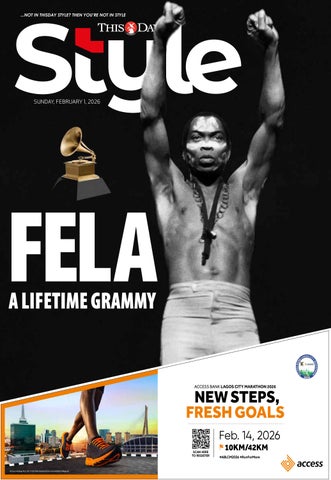

A LIFETIME GRAMMY



COVER NOTE EDITOR’S LETTER
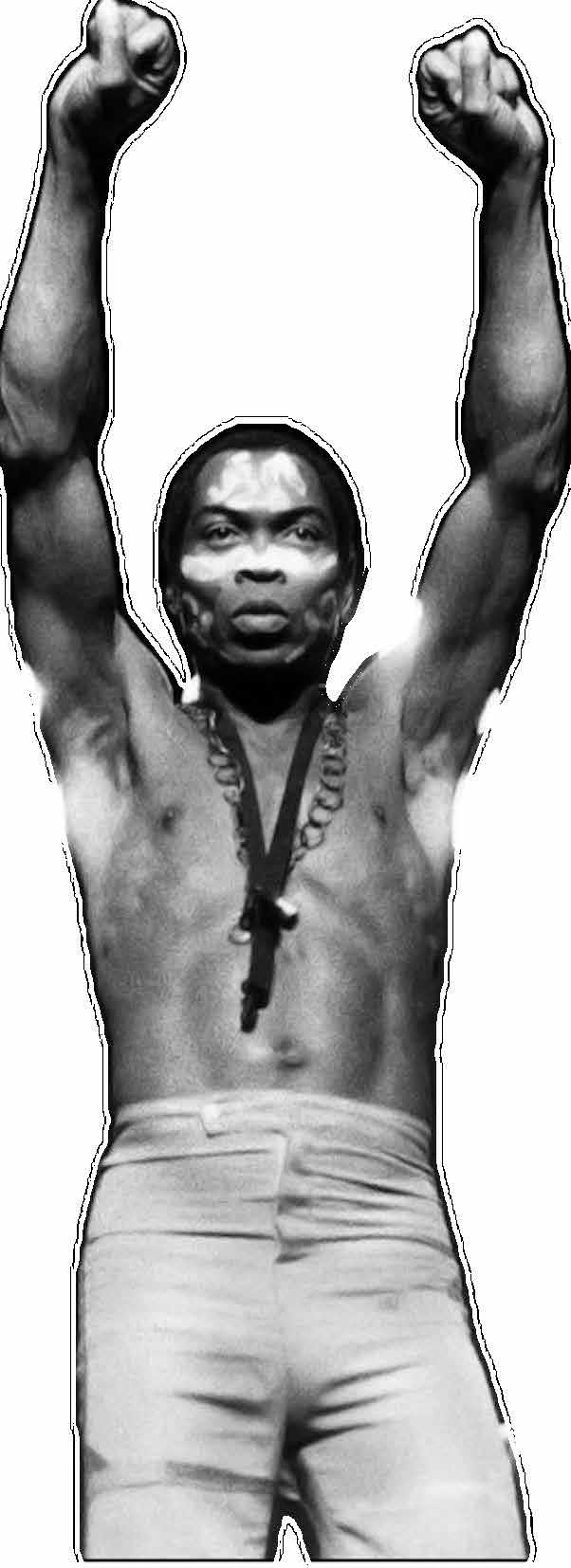
For nearly three decades after his death, Fela Aníkúlápó Kuti existed in a peculiar space: immortal in influence, inconvenient to institutions, too radical to be neatly archived, too alive to be reduced to nostalgia. His music never stopped circulating, on vinyl, in clubs, in protest playlists, in the DNA of modern African sound, but official recognition lagged behind the truth. So when news broke that Fela would receive a posthumous Lifetime Achievement Award from the Recording Academy, it landed less like a celebration and more like a reckoning. Not a coronation his crown was never in doubt but an overdue glance backward from a global industry that once struggled to meet him where he stood. This moment feels significant not because Fela needed it, but because the world did.



This issue begins with a moment of history and celebration.
Almost three decades after his death, Fela Kuti will today become the first African artist to receive the Grammy Lifetime Achievement Award. It is a recognition that arrives late, but not hollow. Fela’s music, politics, defiance, and philosophy have never belonged to the past; they have lived on through generations of artists, movements, and conversations that continue to shape African and global culture. In many ways, this honour invites a deeper question not just about legacy, but about what lasts. What endures when the noise fades? What survives beyond trends, virality, and the rush to be seen?
I’ve found myself asking that question more often lately, not just as an editor, but as a participant in culture, and as a citizen watching how quickly moments move on. At a time when attention is fleeting and everything is content, the way we show up, especially when the world is watching, matters more than we sometimes admit.
That question carries into my opinion feature, “When the Internet Comes Visiting – What IShowSpeed’s Visit Revealed About Nigeria.” His whirlwind stop through the country became more than content; it became a mirror. The piece explores what happens when global attention lands unannounced, unfiltered, and unscripted — what we choose to show, what we rush to defend, what we are proud of, and what still needs intention. It’s not a takedown, and it’s not cheerleading either. It’s a thoughtful pause in a culture that rarely stops to reflect before reacting.
And then, because no issue about legacy or visibility feels complete without softness, we turn inward with “Why Friendship Is the Most Underrated Love Story of Adulthood.” Romance may dominate February, but friendship is the quiet constant, the steady witness. The relationship that evolves, stretches, forgives, and often holds us together when everything else is in flux. This piece reminds us that love doesn’t only live in grand gestures or romantic milestones. Sometimes it’s the friend who checks in without asking for updates. The one who understands your silence. The one who stays. Which brings me back to you.
How are you really faring? As this so-called month of love unfolds, hope you’re being gentle with yourself and generous with others. A smile. A kind word. A random check-in. You never truly know what someone is carrying. And maybe, just maybe, that kindness shouldn’t expire on February 14. Carry it into March. April. The whole year. Love, after all, isn’t seasonal. It’s a practice. And if nothing else, this February, may you be someone’s soft place to land, even if, occasionally, that someone is you.

HOW TO BUILD A SIGNATURE LOOK WITHOUT OVERTHINKING IT
The idea of a “signature look” sounds bigger than it needs to be. It conjures images of someone perfectly styled at all times, never repeating outfits, always looking intentional. In reality, the most stylish people you know aren’t overthinking their clothes at all. Their style feels familiar because it is familiar — to them. A signature look isn’t about reinvention. It’s about recognition. Here’s how to build one without turning getting dressed into a daily strategy meeting.

1. Start with what you already wear on repeat


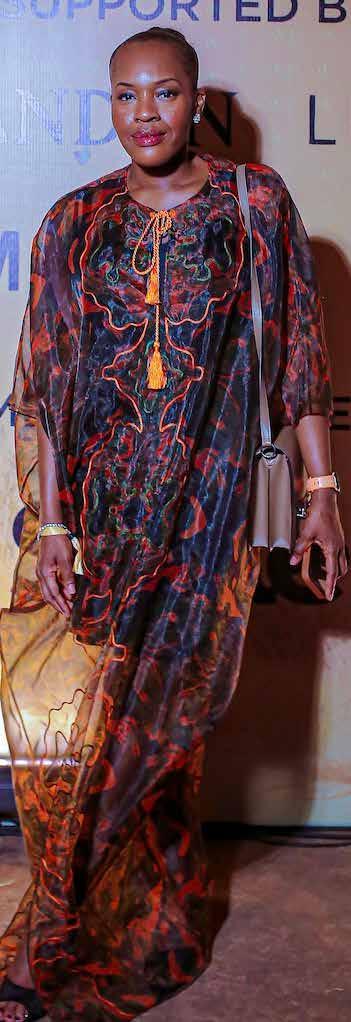

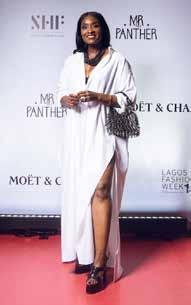
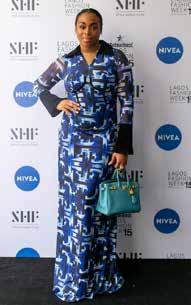
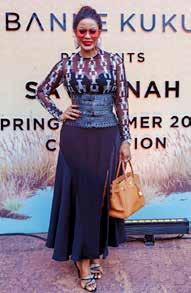
Before shopping, scrolling, or saving anything new, look at your existing habits. What do you reach for when you’re late? What do you pack for trips without thinking twice? Those pieces aren’t accidental. They already align with your body, your lifestyle, and your personality. A signature look doesn’t come from fantasy outfits — it comes from your most reliable ones.
2. Pay attention to the compliments you actually believe
Not every compliment sticks. Some slide off, others linger. The ones that stay usually point to your real style lane. If people consistently notice your tailoring, your colours, your minimalism, or your bold accessories, that’s feedback worth listening to. A signature look often lives where comfort and recognition meet.
3. Choose a small colour world and stay loyal to it
You don’t need a full colour analysis to know what works for you. Most people naturally gravitate toward a handful of shades that make them feel grounded. Black, neutrals, earth tones, soft pastels, bold brights — whatever your zone is, let it anchor your wardrobe. When your colours speak the same language, even simple outfits look intentional.
4. Find your silhouettes and stop fighting them
The clothes you feel best in usually share similar shapes. Maybe you like clean, straight lines. Maybe you prefer volume. Maybe structure makes you feel powerful, or softness makes you feel calm. A signature look emerges when you stop chasing what’s “flattering” in theory and start dressing for how you want to feel in practice.
5. Let trends pass through you, not overtake you
You don’t have to ignore trends to have a signature look — you just have to be selective. The trick is to adopt only what fits naturally into
your existing style. If a trend requires a complete wardrobe reset, it probably won’t last long in your life. When trends complement your identity instead of replacing it, they feel effortless.
6. Make accessories do the talking Often, it’s the finishing touches that define a look. The same outfit can feel entirely different depending on the jewellery, bag, shoes, or even how you wear your hair. Maybe you’re always in gold hoops. Maybe your thing is sleek sunglasses or a strong shoe. These small, repeat details are what people remember.
7. Repeat outfits without guilt
Repeating outfits is one of the clearest signs of confidence. When you stop chasing constant novelty, your style becomes recognisable. People begin to associate certain looks with you, and that’s how a signature forms. Familiarity is powerful — it tells the world you know what works for you.
8. Dress for the life you actually live
A signature look should support your real routine, not an imaginary one. Clothes that work for your schedule, climate, and movement will always feel more “you” than outfits that only exist for special moments. Style that doesn’t fit your life eventually feels like effort — and effort shows.
9. Allow your style to evolve quietly
A signature look isn’t static. It shifts as you grow, but the core usually stays the same. You don’t need to announce the evolution. It happens naturally as your taste sharpens and your confidence settles. The goal isn’t consistency for its own sake — it’s ease. At its best, a signature look feels unforced. It doesn’t try to impress, explain, or compete. It simply reflects a woman who knows herself well enough to get dressed without second-guessing every choice. And when style reaches that point, it stops being about clothes and starts being about presence.
EXECUTIVE EDITOR
What’s Next (and What Matters)
FUNKE BUCKNOR-OBRUTHE
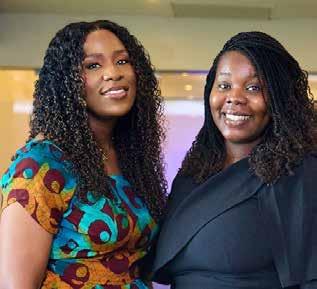
CHIOMA IKOKWU AND PRISCILLIA OJO
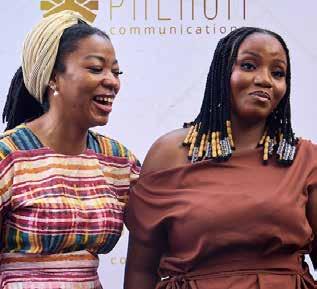
PHENOM COMMUNICATIONS
CONVENES INDUSTRY
LEADERS TO RETHINK BRAND–INFLUENCER PARTNERSHIPS
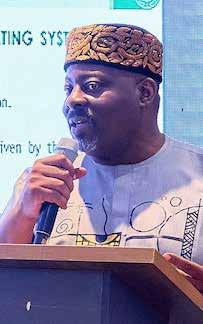
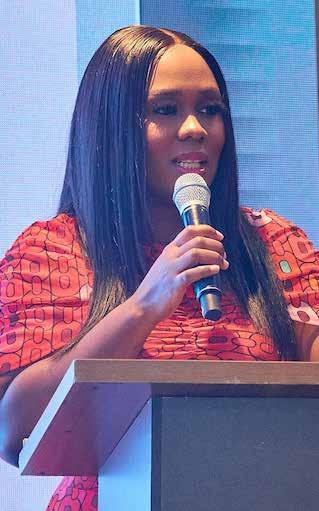
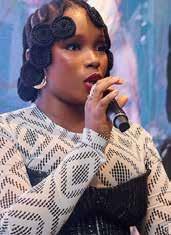
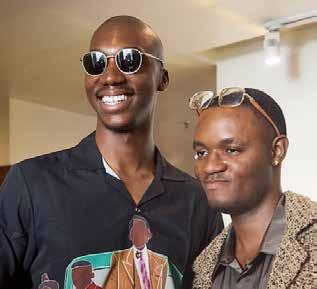
Phenom Communications has hosted senior stakeholders across Nigeria’s creative, brand, and media ecosystem at Radisson Blu Anchorage, Victoria Island, for the inaugural Partnership Blueprint—a private, invitation-only forum focused on strengthening brand–influencer collaboration.
The high-level gathering brought together corporate communications executives, leading digital creators, agency professionals, media leaders, and legal experts for candid conversations on expectations, ethics, value creation, and sustainability within Nigeria’s creator economy.
The event opened with a keynote by Obi Asika, Director General/ CEO of the National Council for Arts & Culture, who underscored the growing economic impact of the creative industries and the need for clearer partnership frameworks. This was followed by a guest session with Uche Pedro, Founder of BellaNaija, who reflected on gender parity, the evolution of digital media, and platform responsibility.
Panel discussions featured creators Ify Mogekwu (Ify’s Kitchen), Tania Omotayo, Layi Wasabi, and Gbemi Giwa, alongside brand leaders and agency practitioners, addressing compensation models, creative freedom, KPIs, and operational realities. A legal and ethics fireside chat examined contracts, usage rights, disclosures, and governance. Speaking on the outcome, Teresa Aligbe, CEO of Phenom Communications, said the forum was designed as a working platform to align stakeholders and build fair, sustainable standards. With strong industry reception, the Partnership Blueprint is expected to become a recurring convening, shaping Nigeria’s brand–creator landscape.








WHY FRIENDSHIP IS THE MOST UNDERRATED
LOVE STORY OF ADULTHOOD
No one really prepares you for how central platonic love becomes as you grow older. We’re taught to romanticise romantic love — to chase it, prioritise it, organise our lives around it. The bonds we form with other women are often treated as optional, something to fit in around work, family, and relationships. Yet as life gets fuller and more complicated, these connections begin to do the quiet work of holding us together. Adulthood strips life of its guarantees. Careers change. Relationships evolve. People drift. What remains are the relationships that don’t demand constant explanation — the ones that adapt, soften, and steady you through change. When you look closely, it’s often these bonds that carry the deepest weight.
They are the love that stays when everything else feels uncertain.
Romantic relationships often come with expectations — clarity, commitment, direction. These bonds don’t rush you to become anything. They sit with you through in-between seasons: career pauses, emotional limbo, the years when nothing dramatic is happening but everything is shifting internally. You’re allowed to evolve in real time, without pressure to justify where you’re headed.
They have seen you at your lowest — and stayed.
The people closest to you have witnessed your tiredness, your disappointment, your doubt. They’ve listened to the same worries more than once and watched you make choices you later questioned. This intimacy isn’t performative or polished. It’s built through familiarity, patience, and
grace. Where romance often meets us at our best, this love remains through the messy middle.
They don’t ask you to perform or reinvent yourself.
One of adulthood’s quiet luxuries is being loved without editing yourself. You can be sharp or soft, ambitious or exhausted, opinionated or silent. There’s no pressure to impress or to arrive fully formed. You’re allowed to show up exactly as you are — and still be held.
They teach you how to love without possession. There’s no need for constant access or emotional ownership. Time apart isn’t a threat. Independence isn’t a rejection. Support exists without conditions or scorekeeping. In a world that often mistakes closeness for control, this kind of love feels both freeing and rare.
They fill the quiet spaces of adult life.
Much of adulthood unfolds quietly — in late-night voice notes, long walks, shared jokes, and conversations that drift from laughter into honesty. These moments don’t announce themselves, but they give shape to everyday life. They make the ordinary feel shared.
They evolve and sometimes gently fade.
Not every bond is meant to last forever. Some deepen with time; others loosen as life shifts. Distance doesn’t always signal failure. Sometimes it simply reflects growth in different directions. Learning to honour what was without forcing what no longer fits is part of emotional maturity.
They allow boundaries without guilt.
Adult connection isn’t built on constant availability. It’s built on respect. Silence doesn’t automatically mean
disinterest. Space doesn’t equal abandonment. Love remains, even as life grows busier — and that understanding creates room to breathe.
They age with you. As responsibilities grow, these relationships become quieter but richer. Fewer calls, more meaning. Less explanation, more understanding. Shared history replaces urgency. What remains is steady, grounding, and deeply reassuring.
They prove that love doesn’t need romance to be profound. We celebrate romance loudly — weddings, anniversaries, milestones. Platonic love happens without ceremonies or public markers, yet it often sustains us the longest. It holds our history, witnesses our growth, and reminds us who we are when everything else feels noisy. This is not secondary love. It is foundational.
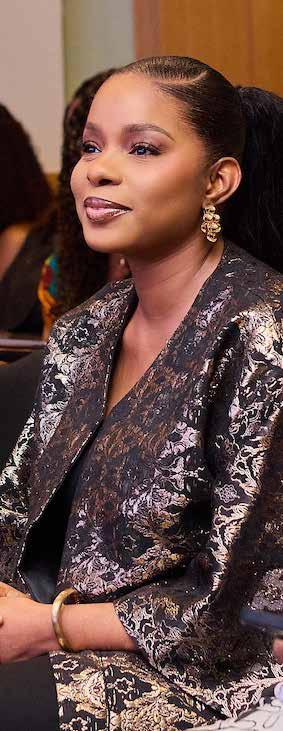
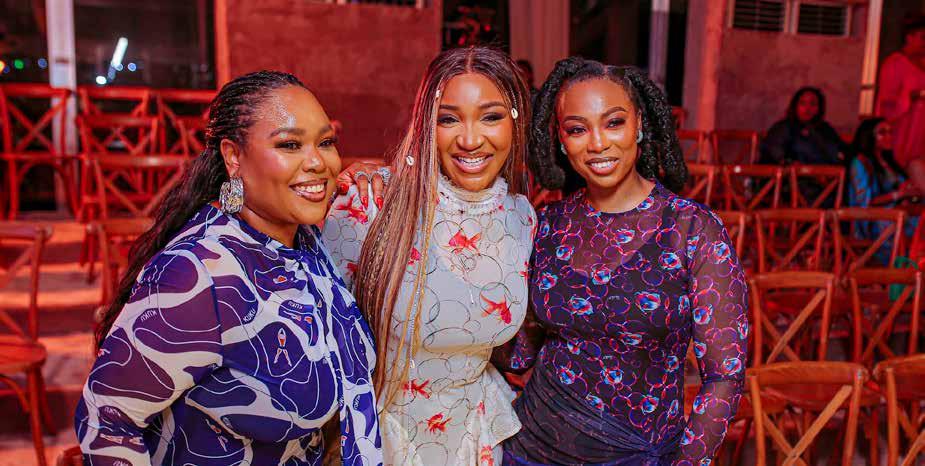
L-R, MIMI ONALAJA, IDIA AISIEN, BOLANLE OLUKANNI
Ten Things


This Week, We’re Loving: Hertunba
WAlex Honnold Scales 101-Floor Skyscraper Without Safety Gear
American climber Alex Honnold has scaled a skyscraper in Taiwan without a rope, harness, or safety equipment. The building, Taipei 101, stands 508 metres (1,667 feet) tall and is named for its 101 floors. Built from steel, glass, and concrete, the tower is designed to resemble a stalk of bamboo.
Honnold completed the climb in one hour and 31 minutes on Sunday, describing the achievement simply as “Sick.” His time more than halved the previous record. The only other person to have scaled the tower was French climber Alain Robert, known as “Spiderman,” who reached the top in four hours using ropes and a harness. Honnold is best known for being the first person to free-solo El Capitan, a 915-metre granite cliff in California’s Yosemite National Park.
IShowSpeed Concludes 20-Country Africa Tour
American streamer and YouTuber IShowSpeed, whose real name is Darren Watkins Jr., has concluded his Africa tour, which spanned 20 countries and ended in Namibia on January 27, 2026. Throughout the tour, he livestreamed his experiences, highlighting Africa’s cultural diversity and challenging common Western stereotypes. His travels included Nigeria, Ghana, South Africa, Kenya, Morocco, Senegal, Egypt, Ethiopia, Rwanda, and Mozambique.
He attended the Africa Cup of Nations final in Morocco on January 18, celebrated Senegal’s victory in Rabat, marked his 21st birthday and 50 million YouTube subscribers milestone in Lagos, and later visited Ghana, where he sampled local cuisine and toured a shea butter museum.
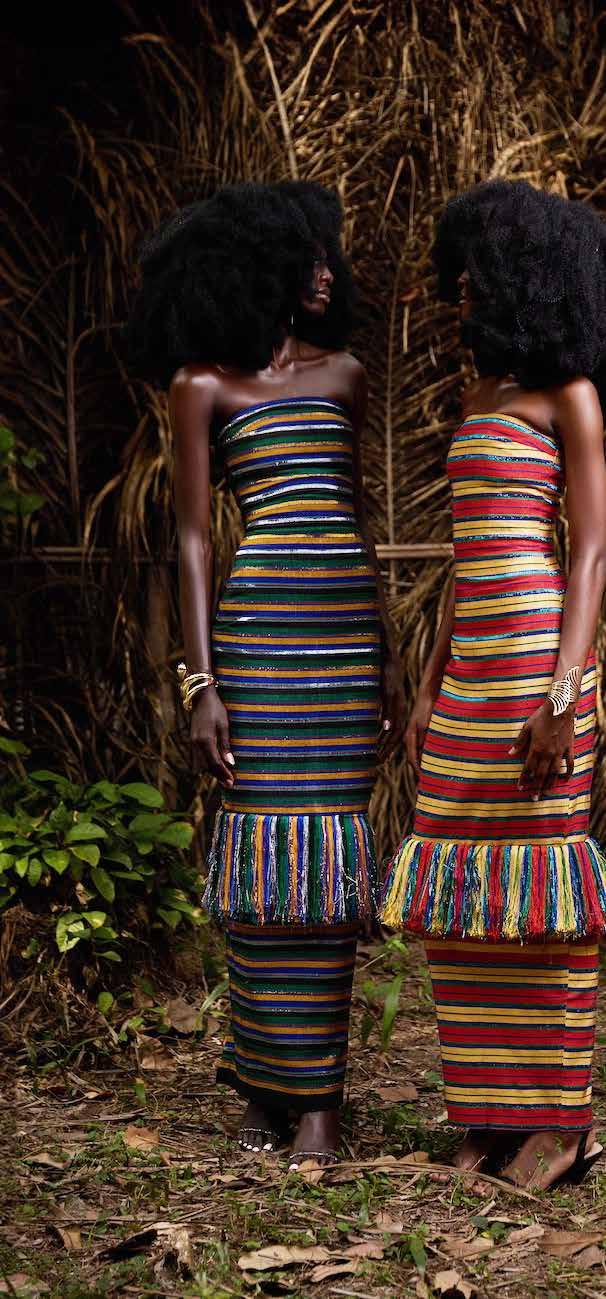
ith its blend of artistry, sustainability, and quiet confidence, Hertunba has evolved from a low-key fashion label into a brand with real cultural weight. Founded in 2020 by Nigerian designer Florentina Agu, Hertunba was built on a clear mission: to create womenswear that feels powerful, elegant, and rooted in Nigerian heritage, while remaining mindful of sustainability. By the end of 2025, that vision had fully taken shape. Once a quiet contender, Hertunba is now a cult favourite worn by Nigerian it-girls, embraced by international influencers, and recognised for its thoughtful silhouettes and textile-driven storytelling. Each piece feels intentional, celebrating strength without sacrificing softness, and tradition without feeling dated. It’s fashion that speaks not loudly, but confidently.
And we love Hertunba because it reminds us that style doesn’t need noise to be impactful just clarity, purpose, and the courage to stay true to its roots.
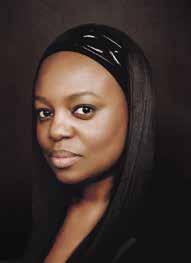
Pat McGrath Labs Files for Chapter 11 Bankruptcy
Pat McGrath Labs has filed for Chapter 11 bankruptcy, days after announcing plans to sell its assets. The proposed auction has now been indefinitely postponed.
Founded by makeup artist Pat McGrath, the brand is known for its bold, high-impact makeup products. The bankruptcy filing was submitted just two days before the scheduled auction.
Speculation about the company’s future had grown in recent months, particularly after McGrath was appointed Creative Director of Cosmetics for Louis Vuitton’s newly launched La Beauté line.
PayPal Returns to Nigeria Through Paga Partnership
PayPal will allow Nigerians to receive payments on its platform through a partnership with local fintech company Paga, marking a major shift after years of limited engagement with the country.
The development was announced by Paga founder Tayo Oviosu in a LinkedIn post. The partnership comes nearly 13 years after Oviosu first approached PayPal with a proposal, at a time when Nigeria’s fintech ecosystem was still emerging.
Khaby Lame Sells Company in $975 Million Deal
T
ikTok star Khaby Lame has finalised an all-stock deal valued at $975 million (£770 million), under which US-listed Rich Sparkle Holdings acquired his operating company, Step Distinctive Limited.
The deal shifts Khaby from paid influencer to business owner, making him a controlling shareholder in Rich Sparkle Holdings. The threeyear agreement grants the firm exclusive global commercial rights to the Khaby Lame brand, covering e-commerce, merchandise, and brand partnerships across the US, Middle East, and Southeast Asia.


Grammys to Honour Fela Kuti With Lifetime Achievement Award
Afrobeat pioneer Fela Anikulapo Kuti will receive a Lifetime Achievement Award at the 2026 Grammy Awards, alongside Whitney Houston, Chaka Khan, Cher, and Paul Simon.
Recording Academy CEO Harvey Mason Jr. described the honourees as an “extraordinary group whose influence spans generations and genres.” Although Fela never won a Grammy during his lifetime, his 1976 album Zombie was inducted into the Grammy Hall of Fame in 2025. The ceremony takes place on Sunday, February 1, at the Crypto.com Arena in Los Angeles.

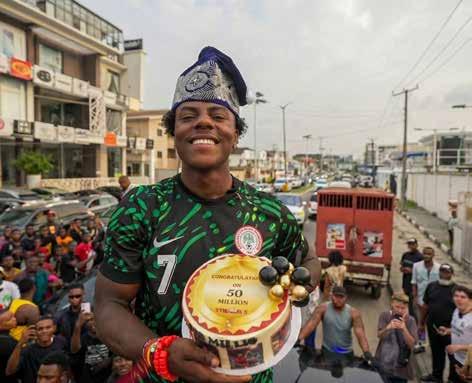
IShowSpeed to Receive Ghanaian Passport as Africa Tour Wraps Popular American
YouTuber IShowSpeed is set to receive a Ghanaian passport following his widely followed visit to the country.
Ghana was the penultimate stop on the creator’s livestreamed 20-country African tour, which concluded earlier this week. After his visit, Ghana’s foreign minister announced that his office had approved a passport for the influencer, describing him as a “worthy ambassador.”
Dubbed Speed Does Africa, the tour drew global attention, with many applauding it for challenging stereotypes and spotlighting the diversity, energy, and culture of the continent in real time.
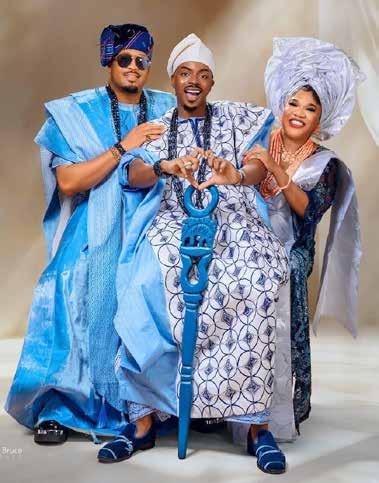
Toyin Abraham’s ‘Over Sabi Aunty’ Crosses ₦1 Billion
T
oyin Abraham has crossed the ₦1 billion mark at the box office with Over Sabi Aunty, which is still showing in cinemas.
The comedy-drama follows the story of an intrusive “aunty” whose well-meaning interference leads to chaos. The film has enjoyed steady cinema traffic driven by word-of-mouth, online engagement, and Abraham’s loyal fan base.
The milestone makes Over Sabi Aunty the fourth highest-grossing Nollywood film of all time and the first Nollywood directorial debut to reach ₦1 billion.
Meta to Test Paid Subscriptions on Instagram, Facebook and WhatsApp
Meta has announced plans to test paid subscription services across its major platforms — Instagram, Facebook and WhatsApp — signaling a new phase in how users may interact with its apps.
According to TechCrunch, the subscriptions will offer access to exclusive tools and premium features, while keeping the core experiences on each platform free. Meta says the aim is to give users “more control over how they share and connect,” particularly around visibility, customization, and advanced functionality.
“In the coming months, Meta will offer a premium experience on Instagram, Facebook, and WhatsApp that gives users access to special features and more control over how they share and connect, while keeping the core experiences free,” the company said.
Meta also noted that it will experiment with different pricing models and feature bundles, with each app offering its own distinct set of subscription benefits.

THE LAZY GIRL’S GUIDE TO WEARING COLOUR


Wearing colour sounds simple until you’re standing in front of your wardrobe holding a bright top and wondering if you’re about to do too much. Colour can feel intimidating — too loud, too risky, too “look at me.” But the truth is, wearing colour well isn’t about bravery or personality type. It’s about balance, intention, and knowing a few quiet rules that make everything click.
The first thing to understand is that colour works best when it’s grounded. The mistake most people make is trying to wear colour everywhere at once. Instead, start by anchoring it. Pair one strong colour with something calm: white, black, brown, denim, grey. A red blouse with tailored trousers. A bright skirt with a simple tank. Colour shines
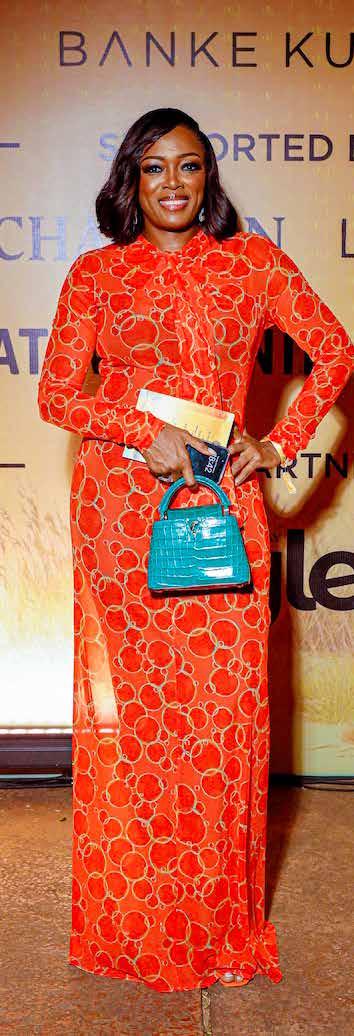
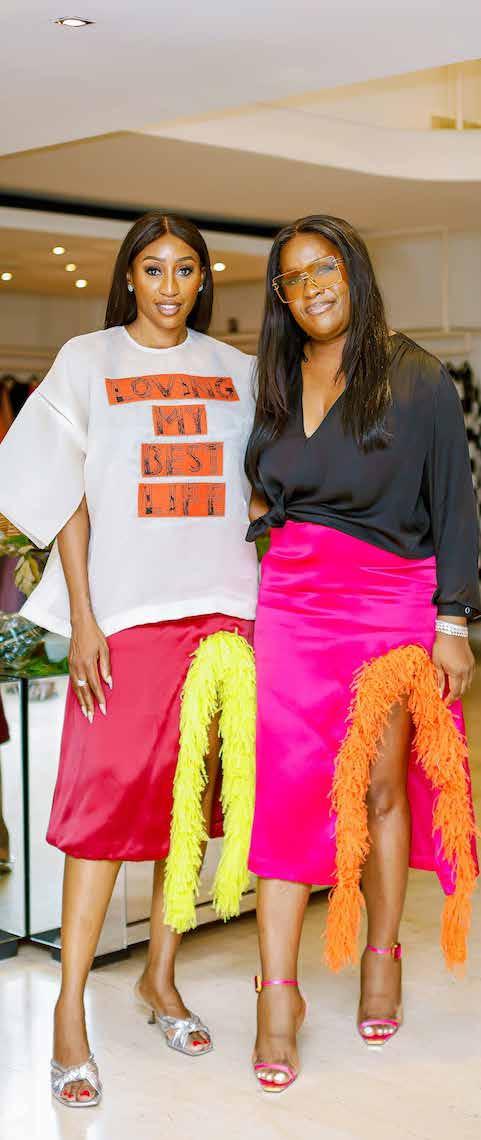
brightest when it has space to breathe.
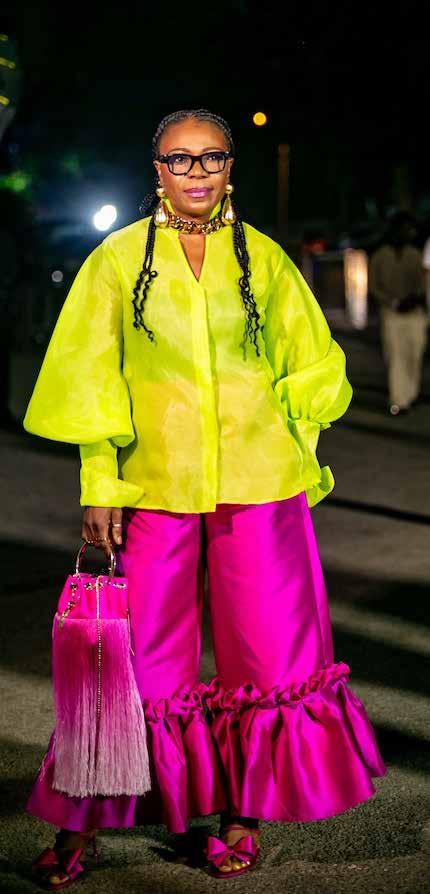
If you’re easing into it, begin with colours that already live close to your comfort zone. Navy instead of black. Olive instead of brown. Burgundy instead of red. These shades still count as colour, but they don’t feel like a personality shift. Once you get comfortable seeing yourself in them, brighter tones stop feeling so foreign. Another easy way to wear colour confidently is through monochrome dressing. Wearing one colour head to toe — even a bold one — often looks more polished than mixing too many shades. An all-blue look feels intentional. A full beige or cream outfit looks expensive. Even bright colours like green or pink become chic when the tone stays consistent. The key is texture: mix fabrics so the outfit doesn’t look flat. Colour blocking is another option, but it works best when you keep the palette tight. Think two or three colours, max. A great rule: pair one bold colour with one neutral and, if needed, one soft accent. Pink and brown. Blue and white. Green and black. When everything competes,
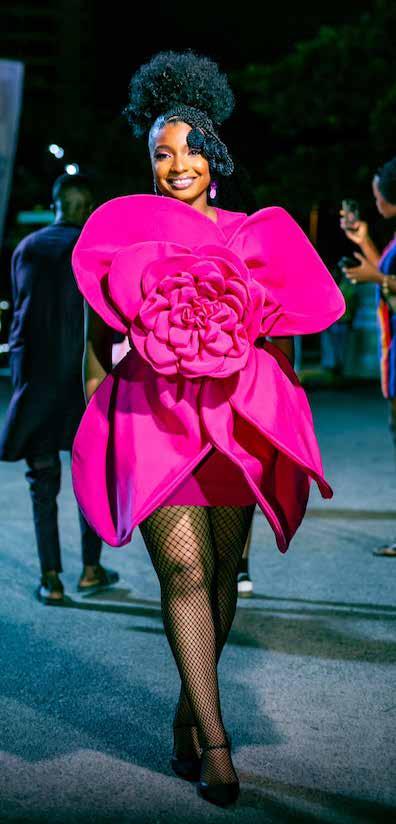
nothing wins.
Accessories are your secret weapon. If wearing colour in clothing feels like a leap, let your shoes, bag, or jewellery do the talking. A colourful bag instantly lifts a neutral outfit. Bright shoes make even jeans and a tee look styled. Statement earrings in a strong hue draw attention upward and frame the face beautifully. Accessories let you experiment without committing fully.
Fit matters more with colour than with neutrals. Bright or light colours naturally draw the eye, so tailoring becomes essential.
When a colourful piece fits well, it looks intentional. When it doesn’t, it looks accidental.
If you’re wearing colour, let it look like a choice, not an afterthought.
Another quiet trick: pay attention to your skin tone, not as a rulebook, but as a guide. Some colours warm you up instantly; others make you look tired. Notice which shades make your skin glow and which ones drain it. Those are your power colours. Trends come and go, but the colours that flatter you will always feel right. Layering also helps soften bold
colour. A bright dress under a neutral blazer. A colourful shirt peeking out from under a coat. A bold skirt with a white shirt halftucked. Layers dilute intensity and make colour feel wearable, especially for everyday settings. And then there’s confidence — not the loud kind, but the quiet agreement you make with yourself before stepping out. Colour attracts attention whether you want it or not. The trick is not to shrink once you’re wearing it. Stand tall. Don’t over-explain your outfit. Let the colour exist without apology.
Most importantly, don’t overthink it. Colour isn’t a test you can fail. It’s play. Some days it works beautifully; other days it teaches you what doesn’t. Both are part of the process. Fashion is allowed to be imperfect.
Wearing colour is less about being bold and more about being present. It’s about choosing pieces that feel alive on you, outfits that reflect your mood, and shades that add energy to your day. Start small. Build slowly. Trust your eye. And remember: the best way to wear colour is the way that makes you feel like yourself, just a little more seen.
IBRA
IBRA
BBCO, BBCO,
WHERE LAGOS IS EATING NOW
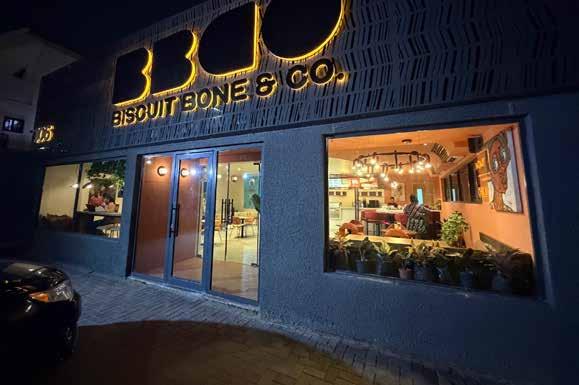
If you care even a little bit about how Lagos is eating right now—about where food culture is actually going, not where Instagram says it is, you need to go to the BBCO(Biscuit Bone &Co). Not “save it for later.” Not “when things calm down.” This is the kind of place you visit because it tells you something about the city you live in: how tastes are changing, how ideas are maturing, how African food is being treated with more imagination and less explanation.
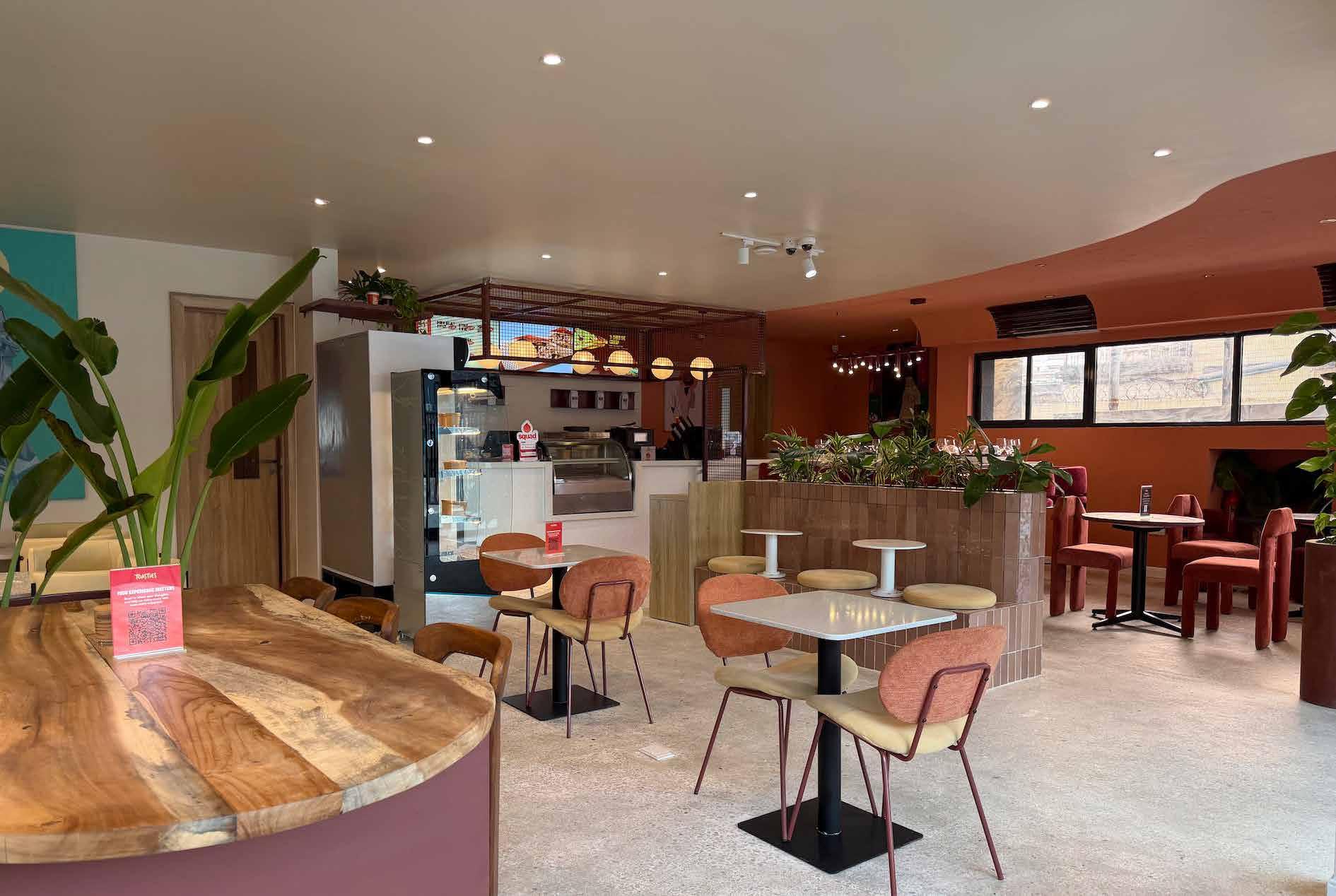
The BBCO Building sits on No.106, Awolowo Road, Ikoyi, Lagos, with a kind of quiet authority. It doesn’t try to seduce you with drama or scale. Instead, it
invites you to look closer. Step inside, and it becomes clear very quickly that this is not a single restaurant pretending to be a destination. It’s a layered food space, one that rewards curiosity and doesn’t rush you through the experience.
The building is home to Biscuit Bone & Co., the parent company behind Toasties and Board, and understanding that relationship is key. BBCO isn’t about onehit wonders; it’s about building multiple ways to experience African flavours —casual, experimental, indulgent—without flattening them into trends.
At the centre of BBCO is Eka Obaigbena, a trained chef whose work carries a sense of restraint that only comes from knowing exactly what you’re doing. Her story doesn’t begin with a grand opening. It begins with curiosity. In 2012, she launched Biscuitboneblog, using it as a testing ground for African fusion recipes after graduating from culinary school in New York. “I would test African fusion recipes
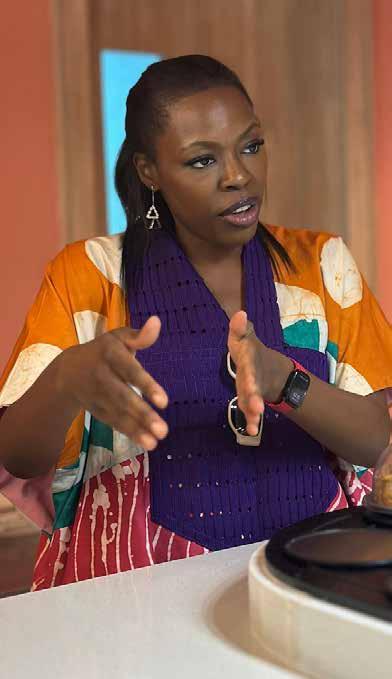

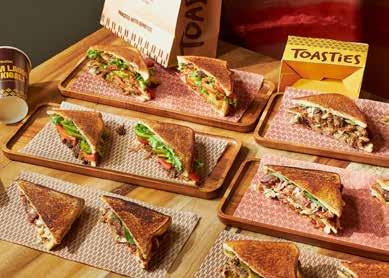
on my blog,” she says. “It was an experiment with a shaki (tripe) and Agege bread sandwich that led to the birth of Toasties.” That experiment didn’t stay online for long.
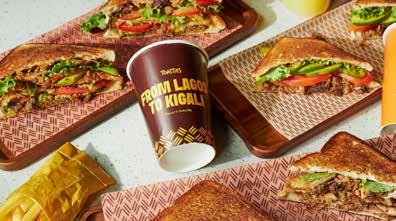
When Toasties launched in 2016, it arrived as a fast-casual restaurant chain born in Lagos, designed for people who wanted good food without ceremony. Toasties built its menu around hot toasted fusion sandwiches—asun and coleslaw, ram and cheese, even shaki—alongside popular salads and hot pots like jollof rice and pepper soup. It wasn’t novelty-driven; it was practical and confident. “We saw a gap in the market for premium, onthe-go meals, served at lower prices,” Eka explains. “So the quality you’d get at a fine-dining establishment, served at the price of a fast-food restaurant.” Toasties grew the Lagos way. It started by serving meals to people at home and in the office, then expanded organically through word of mouth. No spectacle, no over-promotion—just consistency. Today, it has three locations
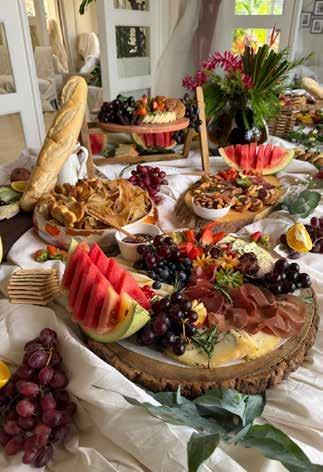
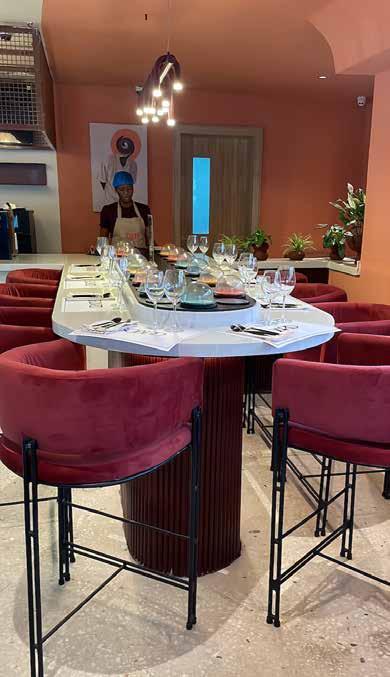
paired with a selection of African wines,” Eka explains. “Think of the experience as a cross between a buffet and a tapas bar, but the menu options rotate in front of you.”
across the city with plans to expand further.
Board takes a different approach entirely.
Board is a food gifting and food experience company born in Lagos, and its energy is slower, more exploratory. It emerged during the Covid-19 pandemic, at a moment when Eka had the time to observe what was happening globally—and decide what could be reinterpreted locally. “I saw an interesting trend that was becoming popular in the UK and Australia—cheese and charcuterie board businesses,” she says.
“People discouraged me, ‘cheese and charcuterie in Nigeria?’ but decided to give it a go.”
Board began as a virtual kitchen and has since evolved into one of the most interesting dining experiences in the city. In late 2025, it opened its first brick-andmortar location inside the BBCO Building, introducing Nigeria’s first food conveyor experience. Small, carefully composed tasting plates rotate gently in front of guests, encouraging choice without pressure. “Guests can select bitesized tasting options, perfectly
It’s playful, but never unserious. The plates are intentionally small, designed to spark curiosity rather than excess. The African wine pairings feel thoughtful, almost corrective, insisting that African produce belongs confidently in contemporary dining conversations. Soon, Board will expand into full-service dining within the same space—meats, seafood, pasta—without losing that sense of discovery. What makes the BBCO Building compelling is how seamlessly all of this exists together. Toasties and Board don’t compete; they complement. Fast-casual comfort sits comfortably alongside slow, exploratory tasting. Around them, shelves of African coffees, teas, chilli oils and pantry items invite you to extend the experience beyond the building. There are tasting sessions, conversations, and moments of exchange centred on African food and storytelling, all happening without fuss.
The building opened in November 2025, following a pivotal year for the company. “We received our first VC investment in 2025 and embarked on a rebrand journey in order to better connect and serve our community,” Eka says. That evolution shows up here not as noise or reinvention, but as clarity. Nothing is trying too hard. Everything feels intentional. You don’t leave the BBCO Building feeling like you’ve visited “a new spot.” You leave feeling like you’ve tapped into something that’s still unfolding. Something rooted, thoughtful, and very much of this moment in Lagos.
By Konye Chelsea Nwabogor
EKA OBAIGBENA



BY KONYE CHELSEA NWABOGOR
FELA KUTI A GRAMMY MOMENT FOR T
here is a new confidence running through Nigeria’s creative industry, and it doesn’t announce itself loudly. You notice it in the way work is being made without apology. In how ideas are executed without waiting for proximity, approval, or validation. In how creative businesses are being built, where people are, not where tradition once insisted they had to be
In 2026, Nigerian creativity will no longer move in a straight line toward one centre. It circulates. It overlaps. It multiplies. Film, music, fashion, art, design, and digital culture are no longer confined to a single city or dependent on a single pipeline. What once required relocation now requires clarity. What once demanded access now demands intent.
This shift has not diluted the industry; it has strengthened it. A wider geography has produced broader stories, aesthetics, and business models. Young creatives are experimenting faster, collaborating more freely, and building audiences in real time. Distribution is fluid. Community is currency. Visibility is no longer rare — but sustainability is.
Which is why 2026 feels different.
This is the year Nigeria’s creative industry stops measuring itself by momentum alone and starts confronting scale, structure, and consequence. When culture becomes commerce, questions follow. Who owns what is being built? Who controls the platforms it lives on? Who benefits when creativity turns into capital?
This is not about arrival. That conversation is over. This is about what happens next — when an industry that has learned how to move now has to decide how it wants to last.
BEFORE THE WORLD CAUGHT UP
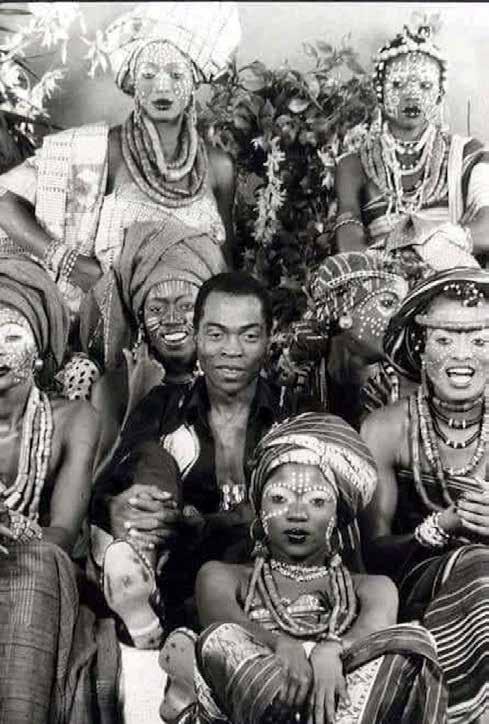
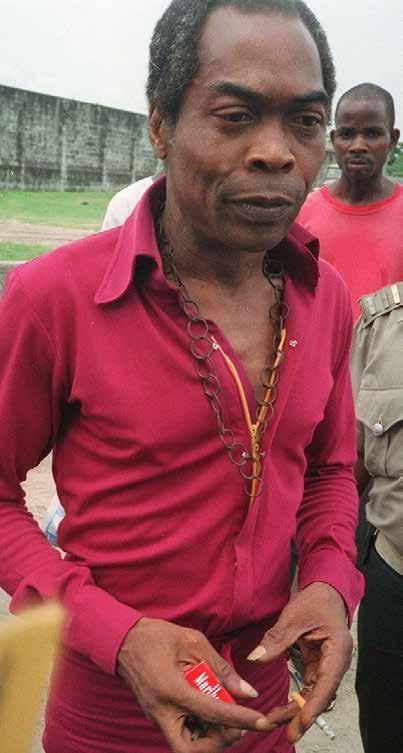
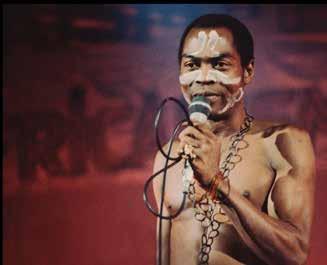
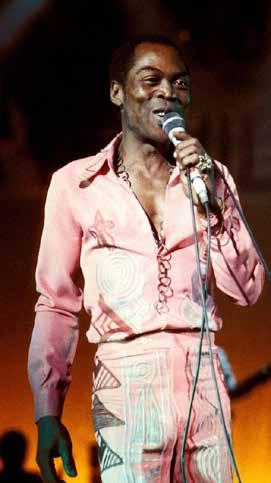
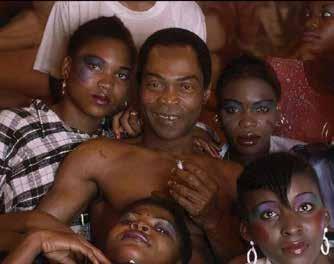
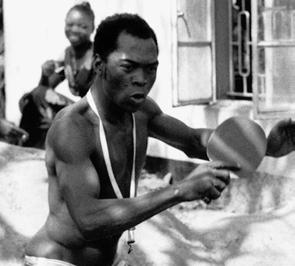
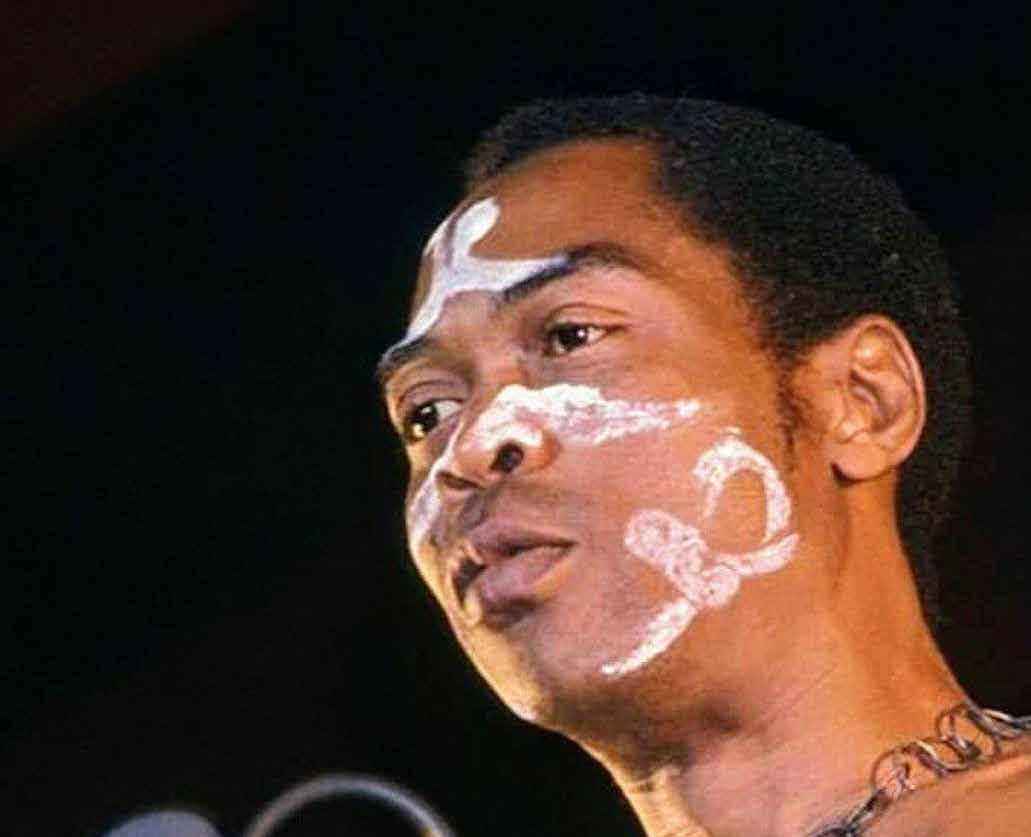
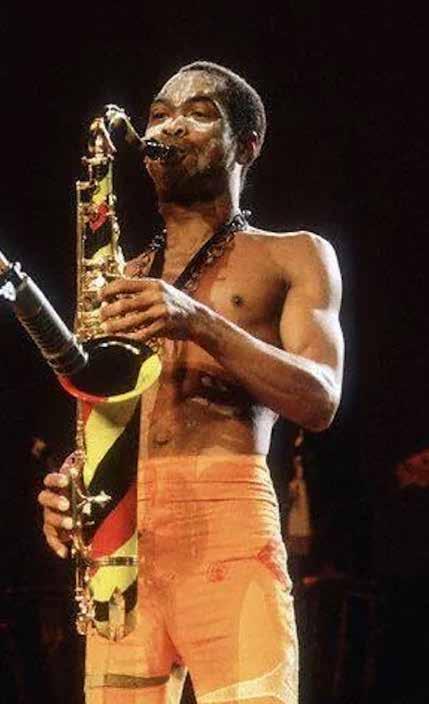
Fela was never simply a musician. He was a theorist with a horn, a composer with a manifesto, a performer who treated the stage as both pulpit and battlefield. Afrobeat, the genre he architected, was not a stylistic accident. It was a deliberate construction, designed to carry weight.
Born Olufela Olusegun Oludoton Ransome-Kuti, he later dropped “Ransome,” rejecting what he saw as colonial inheritance. Even his name became a statement. By the time his music found its full voice, Fela had positioned himself as something closer to a cultural force than a recording artist. Albums were arguments. Performances were confrontations. Songs named names.
It is tempting, in moments like this, to separate the politics from the music to suggest that his activism overshadowed his craft. That argument collapses on contact with the work. The craft was the politics. Rhythm, repetition, and endurance were tools of resistance as much as lyric and slogan.
HOW AFROBEAT WAS BUILT
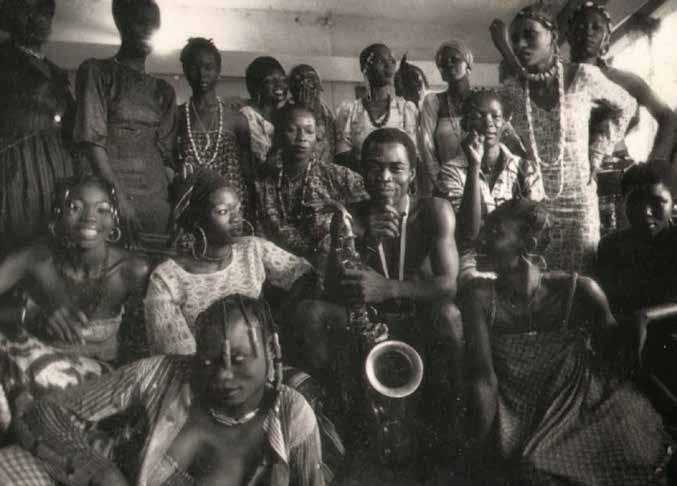
Afrobeat did not emerge in isolation, and Fela never pretended it did. Its roots ran through West Africa and the diaspora: Ghanaian highlife’s melodic intelligence and horn phrasing; American jazz’s improvisational freedom; funk’s insistence on the groove; Yoruba rhythms anchoring the sound in place and ritual. Together with drummer Tony Allen, Fela refined a language that was both expansive and precise.
What made Afrobeat radical was not just how it sounded, but how it moved. Songs unfolded slowly, building momentum through layers rather than hooks. Call-and-response vocals echoed communal storytelling. Horn sections cut through with military discipline. This was music that demanded patience and participation. You didn’t dip in and out; you stayed.
In that sense, Afrobeat was pan-African by design. It refused narrow definitions of nationality or genre. It belonged everywhere and nowhere at once, carrying traces of Accra, Lagos, Harlem, and beyond. Decades later, as Afrobeats (the pop-leaning descendant) dominates global
charts, the blueprint remains unmistakable.
WHEN MUSIC BECAME DANGEROUS
F
ela’s refusal to soften his message drew predictable consequences. Nigeria’s military regimes did not treat his music as art but as provocation. In 1977, following the release of Zombie, a scathing satire that likened soldiers to mindless automatons his Lagos compound, Kalakuta Republic, was raided. The property was burned. Residents were brutalised. His mother, Funmilayo Ransome-Kuti, a formidable activist in her own right, sustained injuries that later led to her death.
The expected response would have been retreat. Fela’s was escalation. He carried his mother’s coffin to government offices and released Coffin for Head of State, transforming personal grief into public indictment. It was a defining moment: the line between life and art dissolved completely. From then on, every arrest, beating, and ban only amplified his voice. Kalakuta was not just a residence; it was an idea. A self-declared
republic, a communal space where musicians, dancers, organisers, and partners lived and worked together. It represented a vision of autonomy that extended beyond sound into daily life.
A MAN WHO REFUSED TO BE TIDIED UP
Any honest reckoning with Fela must acknowledge his contradictions. He was principled and polarising, visionary and deeply flawed. His choices personal, political, relational often unsettled even those who admired his courage. He resisted moral packaging as fiercely as he resisted censorship.
This refusal to be tidied up is precisely why institutional recognition came late. Fela did not offer a sanitised legend. He offered a living challenge. To honour him fully is to accept the discomfort he carried with him, the way he forced society to confront power, patriarchy, and hypocrisy without apology.
THE SHRINE, THE STAGE, THE SPECTACLE
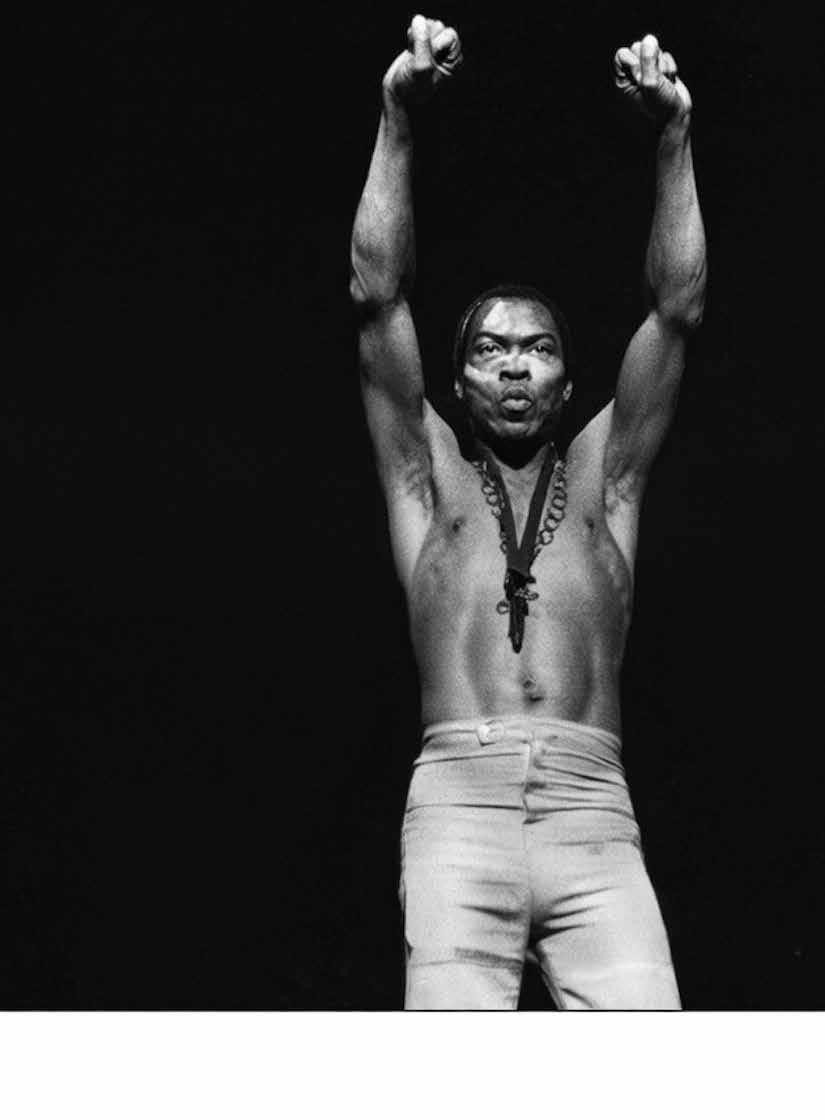
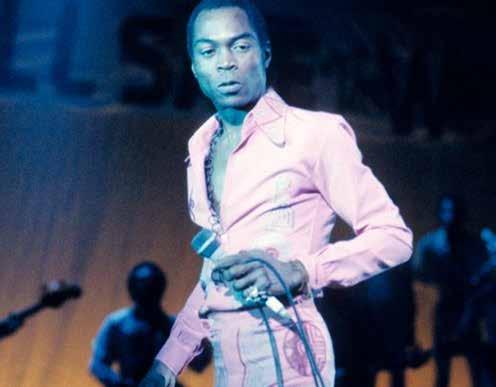
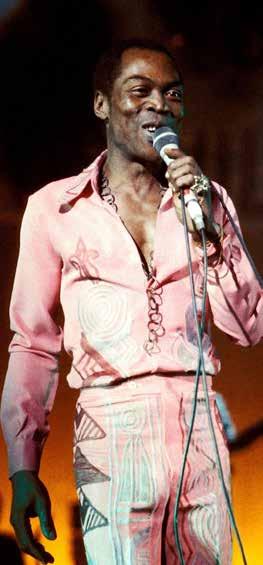
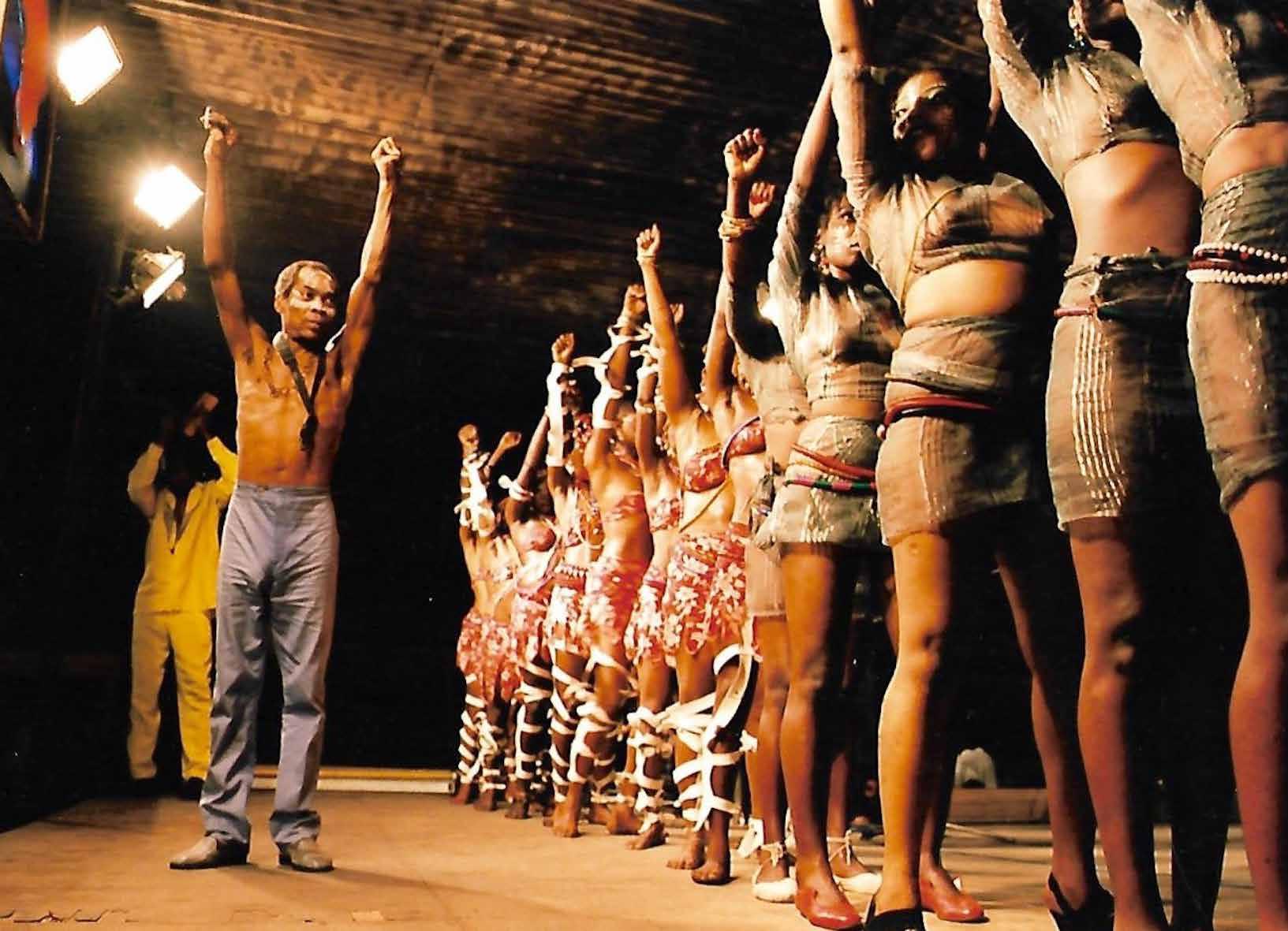
On stage, Fela was unmistakable. Bare-chested or draped in wax print, hair shaped into a proud Afro, saxophone in hand, he commanded bands of more than twenty musicians with disciplined intensity. Performances at the Afrika Shrine were immersive rituals—part concert, part political rally, part spiritual gathering. Music bled into movement; movement into message.
These were not passive audiences. To attend the Shrine was to step into Fela’s world, where sound became ceremony and protest became communal
experience. Long after the final note, the energy lingered.
AFTER DEATH, NO SILENCE
Fela died in 1997 at the age of 58, but silence never followed. His catalogue continued to circulate, sampled and studied, performed and reinterpreted. In 2025, Zombie was inducted into the Grammy Hall of Fame, with the honour accepted by his sons Femi and Seun Kuti—a powerful precursor to the Lifetime Achievement Award that would follow. Exhibitions like Afrobeat Rebellion reframed his work for new generations, situating him as both musical innovator and advocate for Black liberation.
WHY THE GRAMMY,
AND WHY NOW
In 2026, nearly thirty years after his death, Fela will receive the Grammy Lifetime Achievement Award, becoming the first African artist to be so honoured since the award’s inception in 1963.
The Lifetime Achievement Award arrives at a moment when African music commands unprecedented global attention. Afrobeats fills stadiums, tops charts, and reshapes pop culture. The Recording Academy’s introduction of a Best African Performance category acknowledges this shift but also exposes a historical gap. The global embrace of African sound was built on foundations laid by artists like Fela, long before institutions were ready to listen.
This award does not rewrite that history; it nods to it. It recognises a debt. Fela did not win a Grammy in his lifetime because his work resisted the very structures that define mainstream success. To honour him now is to admit that greatness is not always comfortable, timely, or easily measured.
WHAT
THE GRAMMY CANNOT CONTAIN
Fela’s legacy does not resolve neatly into plaques or ceremonies. It lives in the insistence that music can be dangerous, that rhythm can carry truth, that art can confront power without asking permission. The Grammy acknowledges his place in the foundation of modern music, but it cannot contain the full scope of what he represented.
History has finally looked back. Fela, as always, remains ahead—still loud, still challenging, still impossible to ignore.
AFRICAN ARTISTS WHO CARRY FELA’S BLUEPRINT ...IN SOUND, STANCE, AND SPIRIT
BY KONYE CHELSEA NWABOGOR
Fela Aníkúlápó Kuti did not leave behind a genre that could be easily copied. What he left was a blueprint for how African artists could exist in public. Afrobeat was the sound, but the philosophy ran deeper: music as public speech, culture as power, and identity as something to be asserted rather than negotiated. Fela collapsed the distance between art and citizenship. He insisted that musicians were not decorative figures but participants in national life, accountable to society and unafraid of consequence. Decades after his death, Afrobeat has diversified dramatically, but his presence has not disappeared. It has dispersed into pop, rap, alternative, folk, and experimental spaces. This is not a list of imitators. It is a map of inheritance. Each artist here carries a part of Fela’s blueprint, adapted, contested, expanded, but unmistakably rooted in the world he forced into being.
SEUN KUTI
Confrontation Without Apology
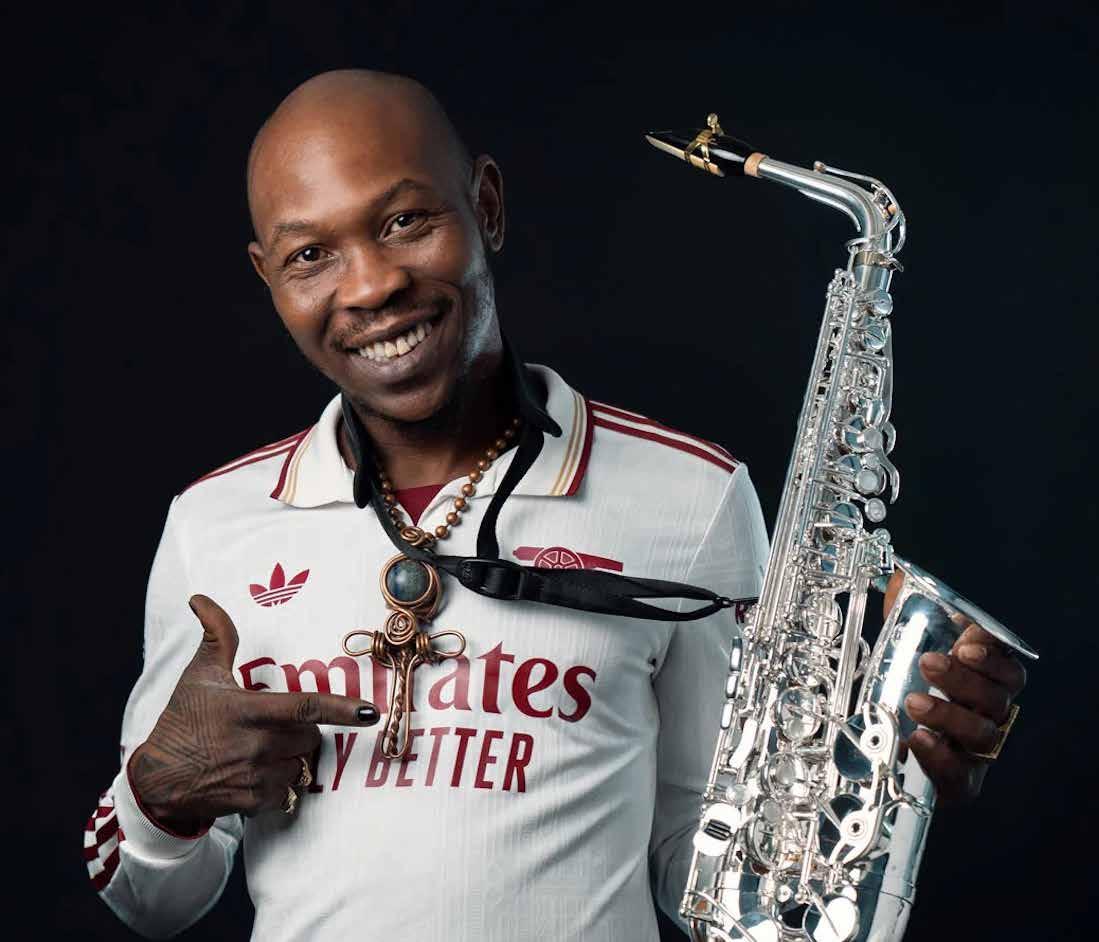
There is nothing symbolic about Seun Kuti’s politics. Leading Egypt 80, he treats Afrobeat as an active protest rather than a reference or ritual. His music is politically explicit, resistant to compromise, and uninterested in comfort. In an era where visibility is often mistaken for impact, Seun insists on message over metrics. That is why fan-driven comparisons that frame him against more commercially dominant artists miss the point. Seun is not competing for popularity; he is preserving a tradition of dissent. His refusal to soften his stance for mass appeal echoes the core of Fela’s philosophy: the artist as citizen, the stage as public speech, and discomfort as an honest price for clarity.
FEMI KUTI
Continuity as Responsibility
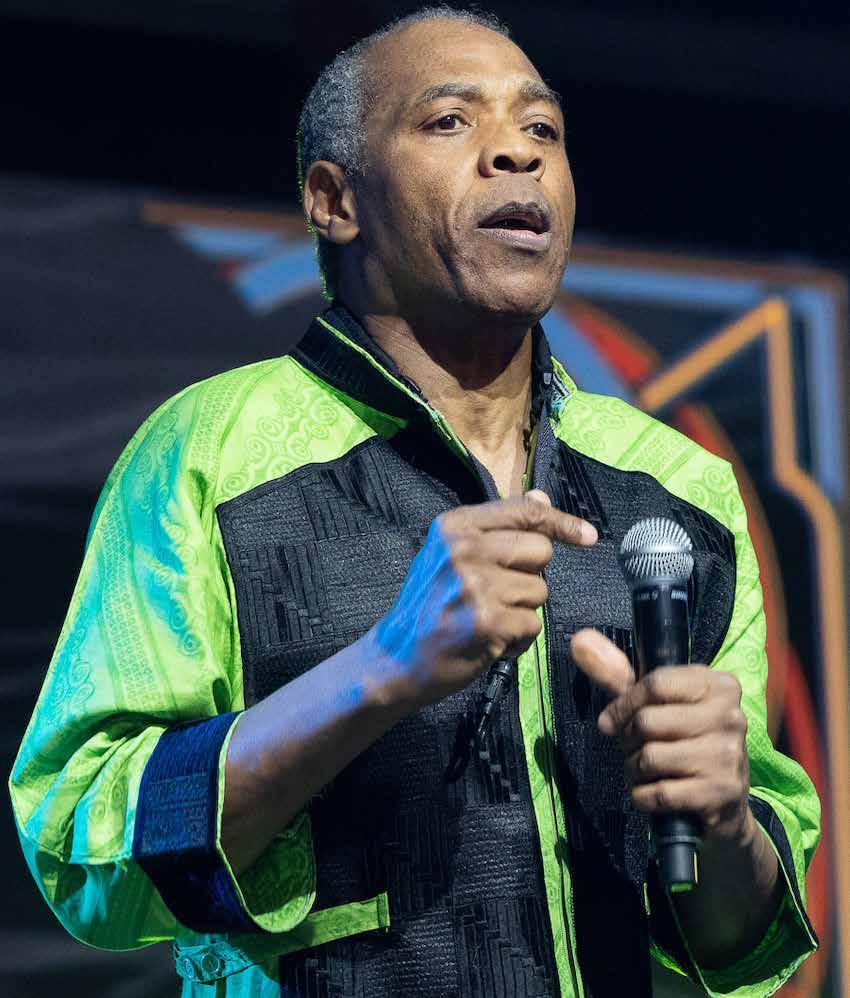
Legacy, for Femi Kuti, has never been ornamental. Rather than treat Afrobeat as heritage to be preserved behind glass, he keeps its structure alive: horn-led arrangements, extended compositions, and civic intent. His temperament is more measured than his father’s, but the discipline remains. What defines Femi’s inheritance is continuity without nostalgia. He shows Afrobeat can evolve without losing its spine, and that political music does not have to become theatre to remain urgent. In his hands, the blueprint becomes commitment: music as craft, as public duty, as a long conversation with Nigeria rather than a single moment of protest. Femi proves the genre was never meant to freeze in time, only to be carried forward with integrity.
MADE KUTI
Inheritance Without Nostalgia
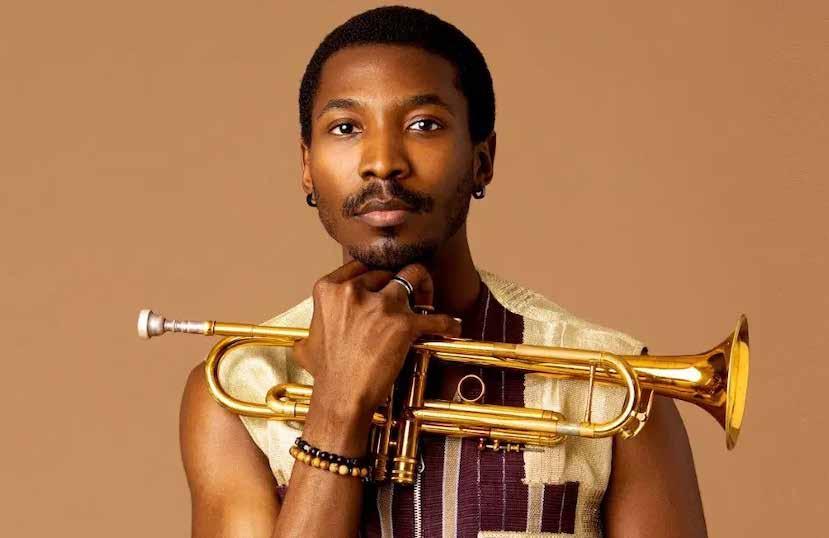
Being born into Afrobeat did not make Made Kuti nostalgic. Standing in Fela’s lineage as both grandson and contemporary, he approaches the genre as method, not museum. His music treats rhythm as inquiry, horns as structure, and performance as argument.
What distinguishes him is intent. He is not polishing inheritance for relevance; he is extending its grammar. Politics appear without theatre, experimentation without apology. His work accepts consequence as part of public speech, echoing Fela’s insistence that music is accountable to society. As a grandson, Made does not replace the past; he advances it, proving that legacy survives through discipline, thought, and a refusal to dilute purpose.
WIZKID
The Structural Victory
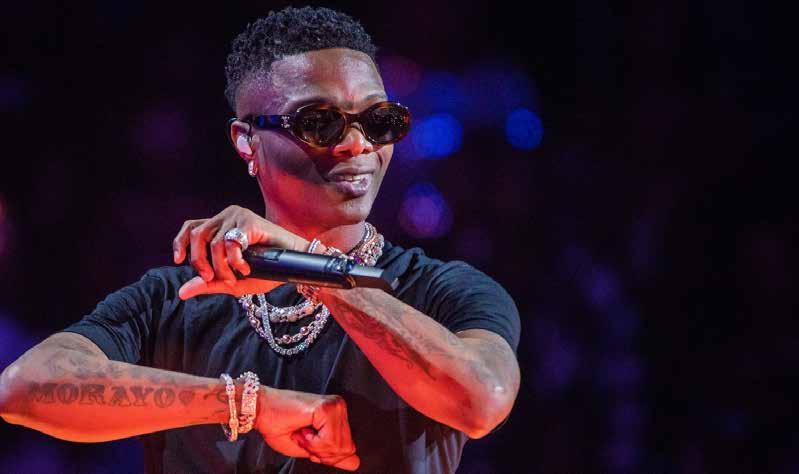
Wizkid did not fight the battles that defined Fela’s era, he lives in their aftermath. Fela fought to make Nigerian identity unavoidable; Wizkid operates in the world that victory enabled. His global success arrives without apology, translation, or cultural over-explanation. Recent online arguments positioning Wizkid as “greater” than Fela reveal a modern confusion: greatness measured only by reach. Fela was not building charts; he was building permission.
Wizkid is one of the clearest beneficiaries of that fight not its replacement. His significance lies in normalisation: being Nigerian at the centre of global pop without performing legitimacy or resistance. That ease is inherited. Wizkid does not supersede Fela’s legacy; he inhabits the space Fela forced open.
COVER

BURNA BOY
Scale Without Surrender
By the time Burna Boy steps onto a global stage, Nigerian identity is already assumed. Like Fela, he insists on African centrality even in international spaces, refusing cultural dilution as the price of access. What makes Burna’s inheritance significant is that he expands the world around Nigerian identity rather than flattening identity to fit the world. This is a long-term victory of the fight Fela began: relevance without surrender. Burna represents a later chapter of the blueprint one, where Nigerian artists no longer beg to be heard, but arrive as the main event.

OLAMIDE
Language as Power
Language has always been the centre of Olamide’s power. Like Fela, he treats language as authority, rejecting colonial packaging and insisting on Nigerian self-definition. By centring Yoruba unapologetically, he challenges the idea that mainstream success requires compromise. He validates street-level expression as legitimate and dominant. The connection is not sonic; it is philosophical — refusing translation as permission.
FALZ
Satire as Civic Duty
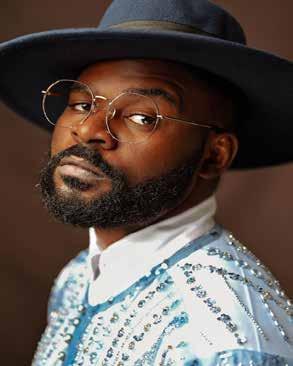
Humour has always been one of Nigeria’s sharpest political tools. Falz inherits Fela’s blueprint through satire — making people laugh while forcing them to think. Fela used humour as a weapon and a mirror; Falz does the same, interrogating corruption, hypocrisy, and governance through irony, character, and social observation. The connection is philosophical, not musical. Falz treats music as civic critique, proving accessibility does not cancel seriousness. He extends Fela’s insistence on public speech, using his platform to comment on the society that consumes him.

ADEKUNLE GOLD
Memory as Politics
For Adekunle Gold, looking backwards has never been regression. His work consistently returns to highlife, Yoruba storytelling, and older modes of Nigerian expression not as costume, but as foundation.
Fela understood that cultural memory is political: what a society remembers shapes what it values. Adekunle Gold operates inside that same logic. By treating tradition as living material rather than archival reference, he resists the idea that progress requires erasure. His music suggests continuity, not rupture.
The connection to Fela is ideological rather than sonic. Both artists reject the need to flatten Africanness for global appeal. In Adekunle’s work, heritage is not nostalgia; it is strategy.
ASA
Restraint as Resistance
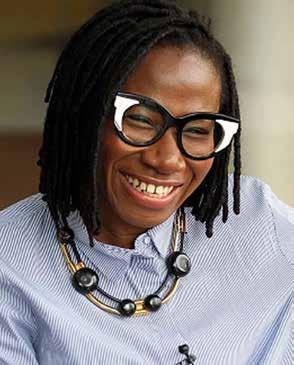
Asa’s resistance has never been loud. She represents the restrained edge of Fela’s blueprint; clarity over spectacle, meaning over noise. Her music prioritises emotional precision and moral seriousness.
That restraint echoes Fela’s belief that African music does not need exaggeration to travel. Asa refuses to perform identity for approval; she lets truth do the work. In her world, quiet becomes conviction and simplicity becomes authority. Depth, in Asa’s hands, becomes its own disruption.

MI ABAGA
The Artist as Thinker
MI Abaga has always approached music as a thinking space. Long before introspection became fashionable, he treated rap as argument a place to interrogate identity, ambition, industry responsibility, and contradiction.
Fela built songs like manifestos, refusing shallow aesthetics even when it cost him comfort. MI extends that seriousness into hip-hop, insisting that popularity should never excuse intellectual laziness. Even his most personal records are structured around ideas.
The connection here is discipline. MI believes the artist has a responsibility to think publicly, to articulate complexity rather than outsource meaning to mood.

BRYMO
Freedom Over Approval
Brymo’s career has been defined by refusal refusal to follow pop formulas, refusal to dilute language, refusal to trade conviction for consensus. That posture places him firmly inside one of Fela’s most enduring principles: freedom over approval.
Afrobeat was built on experimentation and risk. Brymo inherits that spirit through Yoruba language, sonic discomfort, and willingness to alienate rather than compromise. Where many chase relevance, Brymo chooses coherence.
MOONCHILD SANELLY Freedom as Politics
D
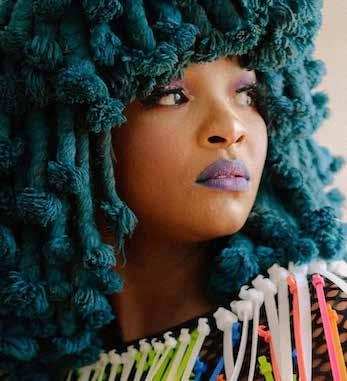
iscomfort is central to Moonchild Sanelly’s method. Where Fela used provocation to confront moral hypocrisy, Moonchild uses visibility, sexuality, and sound to challenge respectability politics. Her refusal to be palatable is deliberate. Like Fela, she understands provocation as strategy. The inheritance here is embodied resistance the body itself becoming political language.
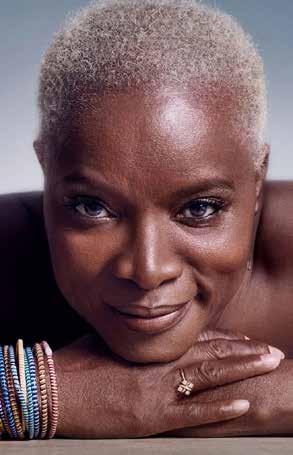
ANGÉLIQUE KIDJO Authority Without Apology
Angélique Kidjo does not negotiate her Africanness. From the beginning, she has positioned African identity as the centre, not an accent, global without dilution, political without posturing. Like Fela, she rejects Western validation as permission. Her music blends tradition, activism, and joy, proving celebration and confrontation can coexist. Where Fela provoked power, Kidjo asserts authority through presence, consistency, and clarity.
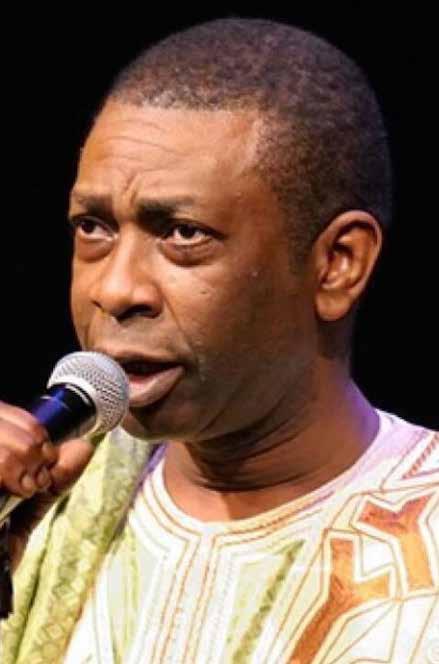
YOUSSOU N’DOUR
Cultural Authority as Power
Confidence has always been Youssou N’Dour’s politics. By centring Senegalese identity and mbalax without compromise, he proves African music can dominate globally on its own terms. Where Fela provoked power directly, N’Dour asserts legitimacy so completely that it no longer requires defence. His authority quietly reshapes power permanently.
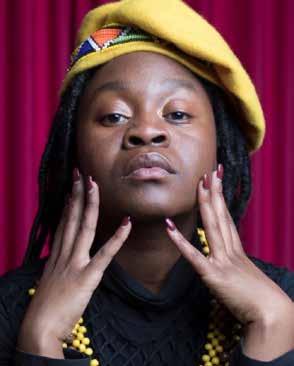
SAMPA THE GREAT
Intellect as Defiance
Complexity is Sampa the Great’s starting point. Her work interrogates colonial history, Black identity, migration, and power with intellectual clarity and emotional force.
Like Fela, she treats music as a site of thinking. She resists simplification, refusing to flatten herself for palatability or trend. In doing so, she extends Fela’s blueprint into a contemporary feminist register, where self-definition becomes resistance.
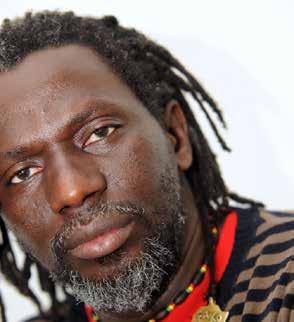
Confrontation Without Cushion
Tiken Jah Fakoly does not soften his language. His music names corruption, interrogates leadership, and rejects euphemism. Like Fela, he treats popularity as responsibility rather than protection, accepting exile as part of public speech. His work insists African audiences deserve clarity, not comfort.
TIKEN JAH FAKOLY
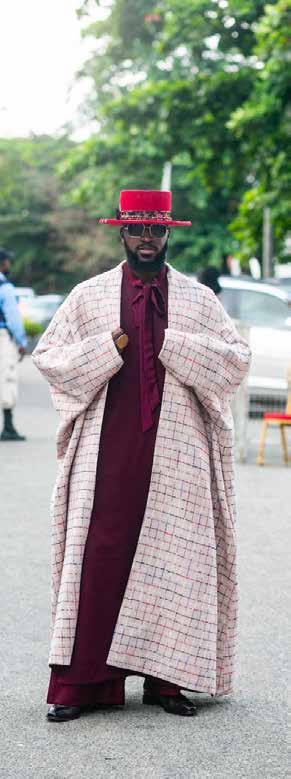
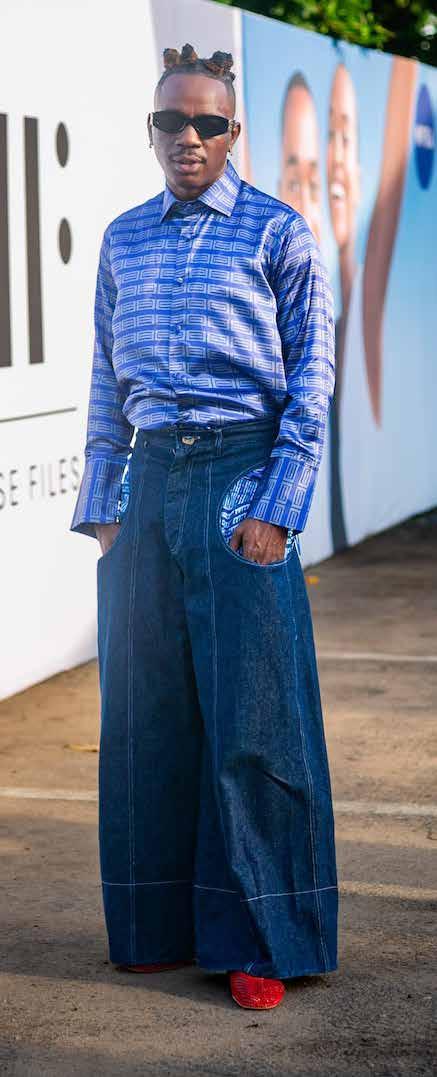
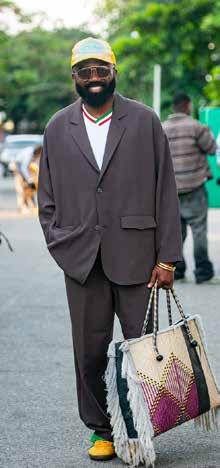
MEN ARE NO LONGER DRESSING TO IMPRESS — THEY’RE DRESSING TO EXPRESS
There was a time when men dressed with an audience in mind. The office. The date.
The room. Clothes were chosen to signal seriousness, success, or status. Safe colours, familiar silhouettes, nothing too loud, nothing too soft. Impress, but don’t reveal too much.
That era is quietly fading. Today’s most interesting men aren’t dressing to be approved of. They’re dressing to feel like themselves. And the difference shows — in colour choices, in accessories, in the way outfits feel less rigid and more intentional.
Fashion has become less about proving masculinity and more about exploring it. So how does this shift actually show up in the way men dress — and how do you tap into it without looking like you’re trying too hard?
Start with feeling, not formula.
Expressive dressing begins before the wardrobe. It starts with mood.
How do you want to feel today — grounded, playful, sharp, calm, sensual? Men who dress to express aren’t asking, Is this impressive enough? They’re asking, Does this feel like me right now?
That mindset alone changes everything. It frees you from copying looks wholesale and pushes you towards styling that reflects your personality, your energy, your pace.
Colour is no longer a threat
Black, navy, grey — they’ll always have a place. But expressive dressing allows room for colour without apology. Soft blues, earthy browns, dusty pinks, olive greens, even unexpected pops of red or yellow. The trick isn’t to go loud for the sake of it. It’s to introduce colour the way you’d introduce a mood. A knit, a shirt, a pair of trousers, a scarf. One piece is often enough to shift an entire look. Men dressing to express
understanding that colour isn’t childish. It’s communicative.
Fit matters — but comfort matters more
The expressive man is less interested in stiff perfection. Tailoring is still important, but it’s softer now. Trousers that move. Jackets that breathe. Shirts that aren’t fighting the body. There’s confidence in ease. In clothes that allow you to sit, walk, laugh, and live. This is why relaxed tailoring, fluid fabrics, and layered looks are everywhere. They feel human.
Accessories are part of the conversation.
Jewellery, bags, scarves, even nail details — these are no longer offlimits. Accessories have become the quiet punctuation marks in men’s outfits. A ring that feels sentimental. A tote instead of a briefcase. Sunglasses chosen for personality, not just function. Expressive dressing isn’t about stacking everything at once. It’s about choosing pieces that say something small but intentional.
Texture over logos
Where men once leaned heavily on branding to signal taste, the new focus is texture and material. Linen, silk, wool, denim, leather — mixed thoughtfully. Texture adds depth without shouting. It’s a subtle way of saying, thought about this, without needing validation.
Personal style over trend obedience
Perhaps the biggest shift of all: expressive men don’t chase trends aggressively. They borrow selectively. They repeat outfits. They remix old favourites. They’re more interested in coherence than novelty.
This is why expressive style often looks effortless. It’s built slowly, over time, through experimentation and honesty.
At its core, this movement isn’t about fashion becoming softer or louder or more flamboyant. It’s about fashion becoming more true. Men are allowing their clothes to reflect their emotions, their creativity, their complexity.



@thisdaystyle @thisdaystyleon | www.thisdaystyle.ng

BY KONYE CHELSEA NWABOGOR
When 21-year-old American YouTuber and Online streamer Darren Jason Watkins Jr., aka IShowSpeed, arrived in Nigeria, the reactions were instant and intense. There was excitement about the visibility, discomfort about the optics, and inevitably a lot of commentary about what the world had just seen. But once you strip away the emotion, the visit offers something far more useful than outrage or defence. It gives us a clear case study on how Nigeria presents itself when global attention arrives unannounced—and what that reveals about our relationship with culture, tourism, and national image.
Speed was not on a leisurely holiday. He was moving at the pace of the internet, racing through 20 African countries in 28 days, guided by livestream culture rather than diplomacy or traditional tourism. With a schedule like that, every country gets only a brief moment.
There are no explanations, no context-setting voiceovers, no second chances. Whatever appears on screen becomes the impression. Some countries seemed to understand this instinctively. Others, including Nigeria, appeared unprepared for what such a moment demands.
Across the continent, Speed encountered different versions of Africa. In Benin Republic, there was deliberate cultural exposure—history, tradition, and guided engagement that framed the country beyond surface interaction. In Ghana, the visit intersected with ceremony, heritage, and symbolism, even sparking conversations around honorary citizenship. None of these experiences diluted Speed’s personality or disrupted the spontaneity of his content. The energy remained intact, but it was anchored. Someone had thought about the story being told. Nigeria’s moment, by contrast, felt largely unmanaged. What unfolded in Lagos was not uniquely Nigerian chaos. Every major city has crowds, noise, congestion, and disorder. What stood out was how completely these elements were allowed to dominate the narrative.
increasingly, to itself.
But tourism isn’t just marketing. It’s explanation. It’s the quiet work of helping outsiders understand what they’re seeing—why a place looks the way it does, what matters here, what deserves attention first. When that work is done well, energy makes sense. Chaos feels contextual. When it isn’t, everything collapses into surface impressions.
Nigeria actually has no shortage of stories that travel well. Museums that hold history. Contemporary art spaces shaping global conversations. Architectural landmarks, culinary traditions, music histories, fashion movements, and creative industries influencing the world in real time. None of this is missing. What’s missing is how often these pieces are brought together—especially when attention arrives suddenly and without warning.
Which is why Speed’s visit didn’t expose a lack of culture. It exposed a lack of curation.
WHEN THE INTERNET COMES VISITING - WHAT ISHOWSPEED’S VISIT REVEALED ABOUT NIGERIA
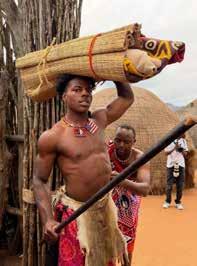
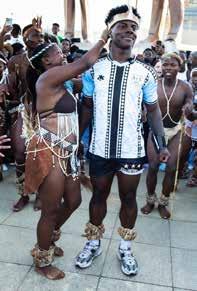
The livestreams captured traffic, interruptions, public begging, and an intense scramble for proximity. What they didn’t capture, at least not in any sustained way, was context. Lagos is often described as a city that never sleeps, but it is also a city that rarely pauses to explain itself. When visitors arrive, especially those with massive global platforms, the instinct is almost automatic: entertainment first. Take them outside. Show them the energy. Lean into spectacle. This reflex is not accidental. It reflects how Lagos has learned to market itself—to outsiders and,
Curation tends to make people uneasy here, as if it means polishing reality or hiding the truth. It doesn’t. It simply means deciding what leads the conversation. Every country does this, consciously or otherwise. Where there is no framework, the loudest elements speak by default. Disorder fills the space where intention should be. That matters because livestreams don’t explain themselves. They don’t pause for nuance or background. They show moments, and those moments harden quickly into perception. When congestion, desperation, and interruption dominate the frame, complexity isn’t misunderstood—it never enters the picture at all.
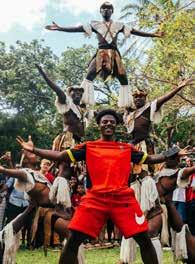
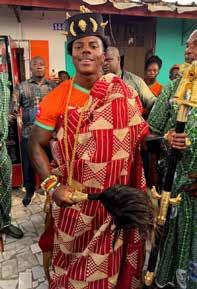
The crowds that followed Speed were curious, excited, hopeful—drawn to a rare moment of global attention. But their presence also points to something structural. Visibility in Nigeria isn’t scarce; it is irregular and poorly mediated. Recognition doesn’t flow through institutions. It arrives through moments— viral, informal, unpredictable. And when those moments show up, there is no system designed to absorb them calmly or translate them into meaning. This is where the conversation should have gone. Instead, we turned inward. After Speed left, much of the public response fixated on embarrassment—on behaviour, optics, and self-reproach. Nigerians criticised themselves harshly, as if crowds and confusion were moral failures rather than predictable outcomes of an unmanaged moment. In doing so, we skipped the harder, more useful questions about structure: who plans these visits, who coordinates public space, who owns the narrative when the world is watching.
At its core, what Speed’s visit revealed wasn’t who Nigerians are. It revealed how unprepared the country still is to explain itself—quickly, clearly, and on its own terms.
Global attention isn’t going anywhere.
Creators, artists, athletes, entrepreneurs—people with platforms will keep coming, whether invited or not. When they do, the choice will remain the same: let chance do the talking, or approach representation with intention.
Because being seen is no longer the challenge. The real work is making sure we’re understood.