
February 2026 Supplement - Distributed with
GRAND HARBOUR


February 2026 Supplement - Distributed with
Mediterranean base, global potential
Positioned at the crossroads of Europe, North Africa, and the Middle East, Malta continues to strengthen its appeal as a strategic gateway to the European Union. Combining Mediterranean lifestyle excellence with a resilient, forward-looking economy, the island offers a compelling proposition for investors, entrepreneurs, and global citizens alike. With over 300 days of sunshine a year, a rich cultural heritage, and a strong sense of community, Malta delivers an exceptional quality of life in a safe and welcoming environment.
Beyond lifestyle advantages, Malta stands out for its diversified economy and business-friendly framework, emerging as a hub for innovative sectors such as fintech, blockchain, AI, and iGaming. Attractive residency programs further enhance its appeal, granting access to the Schengen Zone and facilitating international mobility. Supported by a robust education system and a highly regarded healthcare sector, Malta presents a well-rounded destination for living, working, investing, and long-term growth.



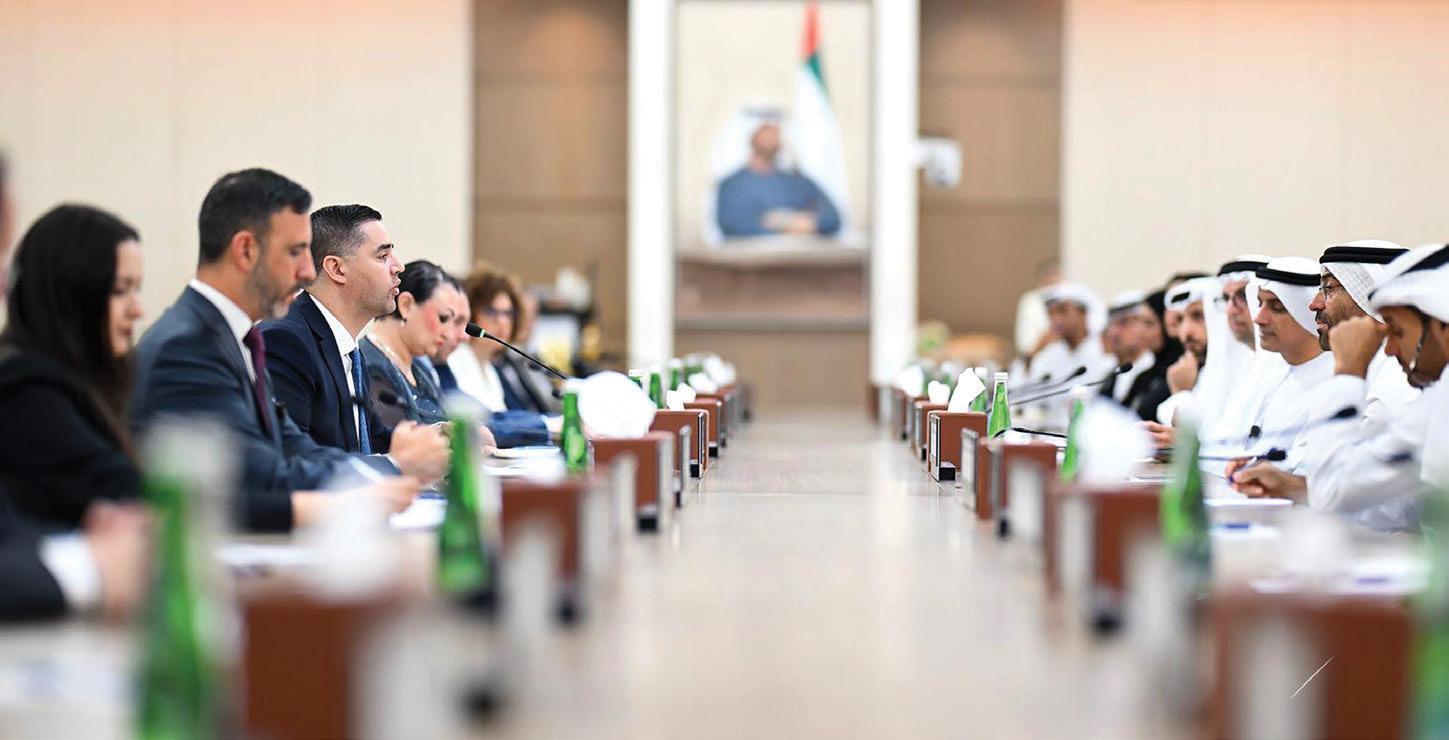
Over the past year, the Malta–UAE relationship continued to move decisively from dialogue to delivery. One of the most meaningful milestones was the convening of the Malta–UAE Joint Commission in Abu Dhabi in April 2025, providing an institutional framework to convert strong political relations into structured cooperation. The Joint Commission agreed on a focused two-year roadmap that prioritises 14 areas of tangible cooperation including trade and investment, healthcare, artificial intelligence, climate action and tourism, anchoring future engagement in measurable outcomes.
Equally significant were our high-level engagements in Abu Dhabi and Dubai, including meetings with senior government officials and key business stakeholders in the energy, transport, education and social welfare sectors. These exchanges opened concrete pathways for private-sector collaboration, particularly in innovationdriven and sustainability-linked sectors. Participation in the Sir Bani Yas Forum further reinforced Malta’s positioning as a constructive, values-based partner committed to dialogue, multilateralism and regional stability. Guided by Malta’s newly adopted Regional Framework Policy for the Gulf Region, the focus now is on implementation: deepening institutional ties, facilitating business-to-business linkages, and ensuring that Malta’s role in the UAE and the wider GCC is that of a reliable, agile and forward-looking partner.”
Malta plays a distinctive role in strengthening EU-GCC cooperation by operating effectively across regulatory, geographic and cultural intersections, while actively
supporting deeper trade relations with Gulf partners. The strong potential for Strategic Partnership Agreements with several Gulf countries creates a timely opportunity to translate political alignment into expanded trade and investment flows. Several sectors offer tangible collaboration. Financial services and fintech stand out, with Malta’s EU-compliant regulatory environment complementing Gulf capital and innovation, enabling structured investments, fund domiciliation and Shariacompliant finance aligned with European standards. Aviation and logistics also present clear opportunities. Healthcare, life sciences, renewable energy and climate technologies offer further scope, alongside digital industries such as AI and cybersecurity that cut across all sectors. Leveraging EU membership, pragmatic diplomacy and strong bilateral ties, Malta acts as a delivery-oriented bridge.
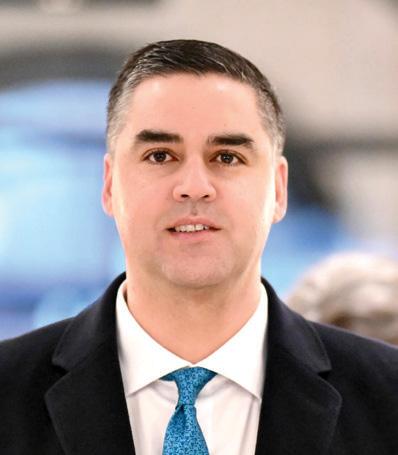
Dr Ian Borg Deputy Prime Minister and Minister for Foreign Affairs and Tourism of Malta
Malta is positioning tourism as a strategic, high-value asset rather than a volume-driven industry, with a strong emphasis on quality, exclusivity and longterm engagement. This approach aligns closely with the preferences of Gulf travellers and investors, who value luxury, discretion, cultural depth and authentic experiences over mass tourism. Air connectivity underpins this strategy. Malta is well linked to major Gulf hubs through a combination of direct and onestop routes, supporting both leisure and business travel. Hospitality excellence further distinguishes Malta. Bespoke concierge-level services: from curated cultural and wellness experiences to private events and long-stay arrangements; support business attraction, international conferences and residency initiatives. Combined with Malta’s proximity to mainland Europe and easy access to North Africa, this positions the island as a lifestyle and mobility hub, where tourism fosters deeper economic ties and enduring partnerships with the Gulf.
FUTURE ENGAGEMENT WITH THE REGION WILL CENTRE ON INVESTMENTLED TOURISM, LONG-STAY MODELS AND CURATED BUSINESS AND CULTURAL EXCHANGES, STRENGTHENING MALTA’S POSITION AS A TRUSTED PARTNER AND INVESTMENT DESTINATION.
Looking ahead, Malta’s foreign affairs and tourism agenda will build on the credibility gained over the past three years through its roles on the UN Security Council, as Chair of the OSCE, and through the Presidency of the Council of Europe, among other recent multilateral engagements. These experiences have reinforced Malta’s reputation as a principled bridge-builder and a trusted facilitator of dialogue, even in complex and polarised contexts. A key priority is to translate this diplomatic capital into deeper, structured partnerships, particularly with the GCC and the wider Middle East. Malta will continue to promote dialogue, multilateral cooperation and its role as a neutral platform for engagement.

As an English-speaking institution within the EU education system, the Institute of Tourism Studies (ITS) prepares students for international careers across hospitality and tourism markets. Based in Malta, ITS delivers a globally relevant learning environment that combines academic rigour with strong industry exposure, and marks 40 years of excellence soon.
While widely recognised for culinary excellence, ITS has deliberately expanded beyond this perception to develop specialised programmes that respond to new global demands across hospitality, tourism management, events, diving safety management, and climate-friendly travels, targeting both emerging talent and professionals seeking to upskill. “Our mission is to equip students with practical knowledge, global awareness and the confidence to succeed in an international industry,” says Pierre Fenech, CEO of ITS. “Whether studying online or on campus, students engage with a system built around tourism at a global scale, preparing them
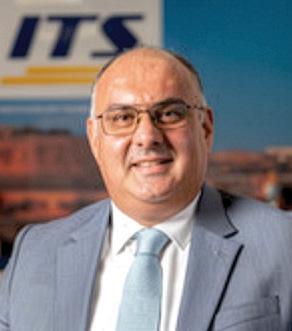
Pierre Fenech CEO of ITS
for opportunities that extend beyond just one location.” A defining strength of ITS is its expanding international footprint, supported by formal partnerships and a growing physical presence. Through a network of Memoranda of Agreements with leading tourism and hospitality institutions abroad, ITS facilitates student exchanges, joint programmes and academic collaboration that enhance international exposure and career readiness. Erasmus+ mobility remains a cornerstone of this approach, enabling students to study, train or gain work experience across Europe as part of their academic journey. “International mobility is fundamental to how we prepare our students,” explains Pierre Fenech “Exposure to different cultures, systems and markets strengthens both professional confidence and long-term career prospects.”
These global connections are complemented by ITS’s local infrastructure, with two established campuses in Luqa, Malta and Qala, Gozo. Looking ahead, ITS is advancing plans for a new, purpose-built campus designed to expand capacity and further enhance the student experience. “Our investment in partnerships and infrastructure reflects a long-term commitment to providing students with a world-class learning environment,” Fenech adds.
“Whether pursuing academic progression or professional development, students choosing ITS gain access to global opportunities, international networks and careers across hospitality groups, events, destination management and tourism authorities worldwide—making Malta not just a place to study, but a launchpad for global careers,” Fenech concludes.
Record growth, higher value and a stronger year-round offer
Malta’s tourism performance continues to build on successive record-breaking years, with strong growth not only in visitor arrivals but—more importantly—in visitor spending. 2025 has maintained exceptional momentum. “To date, we are running at around 12% up on last year in arrivals, but the more important factor is expenditure, which is up by 22%,” explains Carlo Micallef, CEO of the Malta Tourism Authority (MTA). “It is our strategy to attract tourism that spends more in the country, to achieve a better yield,” Micallef adds, noting that Malta is on track to approach 4 million visitors this year and significantly exceed last year’s tourism income.
Behind these results is a sustained upgrade of Malta’s tourism product—both in infrastructure and service quality. Micallef points to strong reinvestment across the industry: hotel refurbishments, digitalisation, operational improvements and continuous training. “The private sector is doing very good profits and investing a lot in improving the facilities and also in human resources,” he says. “Success breeds success.”
At the same time, Malta is actively reshaping its seasonal balance. Growth is being steered toward winter and shoulder months through targeted development of niche segments such as MICE, wellness, gastronomy, active holidays, culture and heritage-led experiences. “Our strategy has been to limit the rate of growth in summer and increase the rate of growth in the winter and shorter periods,” Micallef explains. With an expanding calendar of festivals, events and training camps, Malta is positioning itself as a destination that stays vibrant all year round.
For many travellers, Malta’s appeal also lies in experiences that reconnect people with authenticity and nature—an increasingly important differentiator for high-spending
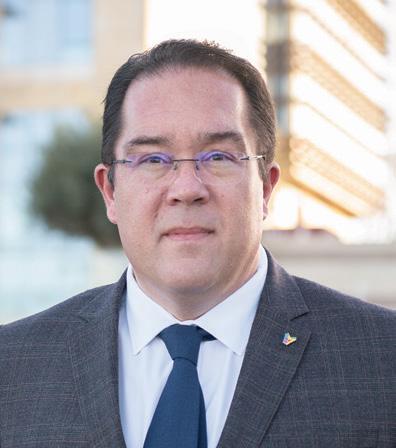
Carlo Micallef CEO of the Malta Tourism Authority (MTA)
visitors. From farm-to-fork and heritage storytelling to immersive cultural programming, the country is evolving from a traditional sun-and-sea destination into one shaped by meaning, memory and discovery.
Connectivity remains another critical driver. As an island destination, Malta’s growth depends on strong air links— and Micallef highlights a major new milestone: “The latest achievement that we got is to get Delta Airlines to fly from JFK to Malta, direct non-stop,” he says, describing it as a catalyst for wider long-haul expansion.
In the GCC, Malta’s engagement is deepening through stronger airline partnerships and targeted promotion. Qatar Airways has resumed year-round flights, and collaboration with Emirates has expanded across B2B and B2C campaigns. “We see both Doha and Dubai not only as point-to-point routes, but as hubs from the region,” Micallef explains, supporting travel from the Middle East as well as Asia and Australia. MTA’s strategy in the region focuses on MICE, corporate travel and luxury segments, working with networks such as Virtuoso to reach discerning travellers.
Looking ahead, Malta is preparing to elevate its global profile further by hosting the WTTC Global Summit in October 2026. “It is a very prestigious event that will put Malta on the map with world leaders in travel and tourism,” Micallef says, noting its potential to attract investment and shape future-facing conversations. He also points to plans for a new multi-purpose convention centre, designed to expand Malta’s ability to host larger conferences, exhibitions and events, especially in the winter season.
For travellers and partners from the GCC, the message is clear: Malta is growing, upgrading and opening new doors for collaboration. “We have the authenticity of Malta, the story of Malta, the spirit of Malta for them to discover,” Micallef says. “The luxury we want to promote is the luxury that gets you back in contact with nature—the luxury that helps you forget life’s troubles, and something you will remember.”
Malta has steadily built a reputation as one of Europe’s most agile and responsive business environments, combining EU market access with a compact ecosystem where decision-making is fast and collaboration comes naturally. At the centre of this model is Malta Enterprise, the country’s economic development agency, which works closely with government, industry and academia to help businesses establish, scale and innovate.
The organisation’s priorities are firmly centred on strengthening Malta’s long-term competitiveness and positioning the economy for the next wave of global opportunities. “Over the past year, we have focused on three strategic pillars,” explains George Gregory, CEO of Malta Enterprise. “The first is enhancing Malta’s innovation capacity by modernising incentives and supporting research and development. The second is deepening collaboration with industry, leveraging Malta’s ability to engage directly with businesses and respond quickly to their needs. The third places sustainability at the heart
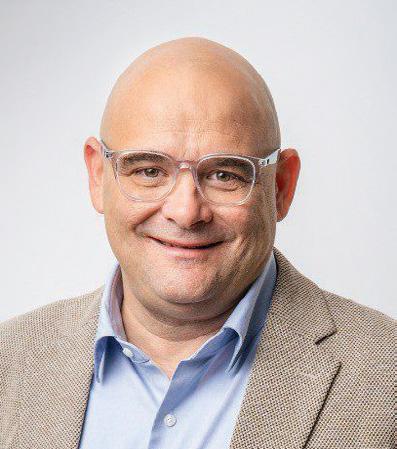
George Gregory CEO, Malta Enterprise
of economic development, aligning incentives with environmental objectives while helping companies adopt more efficient, future-ready solutions.”
These priorities translate into concrete opportunities across high-value sectors including advanced manufacturing, engineering, digital services such as AI and fintech, and life sciences. Malta Enterprise supports companies in these areas through tailored incentives, regulatory guidance and long-term investment support, helping investors not only establish operations, but grow sustainably from Malta. In parallel, a new Startup Framework is strengthening Malta’s innovation ecosystem by connecting entrepreneurs with talent, capital and partners from the earliest stages through to international scale-up.
WHAT INVESTORS WILL FIND IN MALTA IS NOT JUST AN INVESTMENT LOCATION, BUT A GOVERNMENT AND AN ECONOMIC DEVELOPMENT AGENCY COMMITTED TO LONG-TERM SUCCESS,” GREGORY CONCLUDES. “WE SHARE STRONG VALUES WITH THE GULF REGION — AMBITION, FORWARD THINKING AND A FOCUS ON SUSTAINABLE GROWTH — AND MALTA IS WELL POSITIONED TO SUPPORT BUSINESSES ESTABLISHING A EUROPEAN PRESENCE.
As commercial interest between Malta and the Gulf continues to deepen, advisory firms are playing an increasingly important role in helping businesses, investors and families structure expansion on both sides. According to Dr Aaron Farrugia, Founder and CEO of Economiq Group, the relationship is moving beyond one-directional capital flows towards a more balanced, two-way commercial and mobilitydriven engagement.
Drawing on extensive experience working with Gulf stakeholders, Farrugia — who previously served as Malta’s Minister for Transport, Infrastructure and Capital Projects — points to Malta’s growing appeal as a platform for incorporation, private wealth
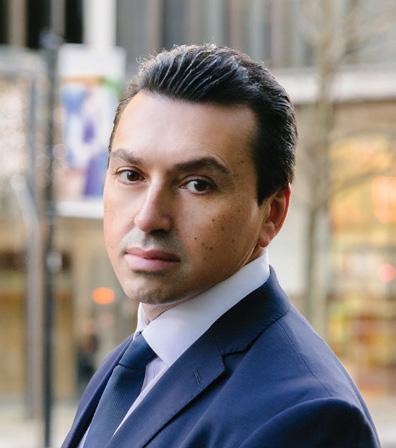
Dr Aaron Farrugia Founder and Chairman, ECONOMIQ Group
structuring and international operations. “Malta offers a rare combination of effective corporate taxation, EU market access and a common-law system that international investors understand and trust,” he explains. “For businesses and individuals with substance on the ground, this can also extend to residence, citizenship, mobility and ‘Made in EU’ advantages, strengthening their longterm positioning.”
Through its active presence in the GCC, Economiq Group advises corporates, family-owned businesses, family offices and high-net-worth individuals on incorporation, investment migration, cross-border structuring and market entry strategies, including aviation and maritime-related sectors.
Malta’s property market continues to demonstrate resilience and consistency, underpinned by strong domestic fundamentals, sustained demand and long-term investor confidence. “The sector has maintained a steady trajectory despite global volatility, supported by a balanced mix of local ownership and international investment”, says Sandro Chetcuti, Chairman of the Property Malta Foundation.
Chetcuti highlights that performance remains solid across both capital appreciation and rental activity. Capital values have continued to rise at around 5%, while rental yields remain consistent at 5–6%, reflecting a market driven by genuine demand rather than short-term speculation. “The backbone of the Maltese property market is strong,” he notes, pointing to population growth, wealth creation and longstanding family ownership as key stabilising factors. High-end developments have been particularly successful, with strong absorption across landmark residential projects and continued interest in premium
coastal locations and emerging areas in the south of the island. At the same time, investor appetite is expanding beyond new builds. International buyers are increasingly attracted to traditional townhouses and character properties in historic villages and locations such as the Three Cities, where heritage and lifestyle value add to long-term appeal.
Looking ahead, infrastructure investment is emerging as both a priority and an opportunity. Areas such as transport, public mobility and selective land reclamation could open avenues for structured publicprivate collaboration. “We are still in time to address infrastructure challenges,” Chetcuti notes, “and doing so will significantly enhance Malta’s long-term value.” For international investors, including those from the GCC, Malta offers a compelling combination of safety, political stability, strategic location and lifestyle quality. “Malta is a secure, well-connected country with strong human capital,” Chetcuti concludes. “These fundamentals continue to support a property market built for long-term performance.”
As Malta’s built environment continues to evolve, the Malta Developers Association plays an increasingly strategic role in shaping how growth is planned, governed and sustained. Representing a broad cross-section of developers and stakeholders, the Association acts as a coordinating platform between industry, policymakers and society at large.
Recent market indicators underline the importance of this role. Data compiled annually by the MDA shows that 16,636 new promises of sale were registered in 2025, marking a 7% increase over the previous year, while the total value of transactions rose to nearly €6 billion, up 17% year-on-year. For Michael Stivala, these figures confirm the sector’s continued relevance, but not its end goal. “Our responsibility goes beyond measuring activity,” he notes. “It is about ensuring that development remains structured, responsible and aligned with the country’s long-term interests.”
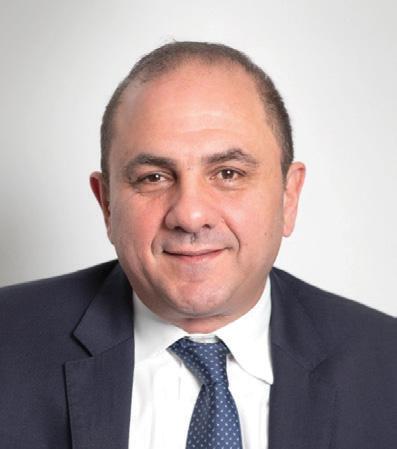
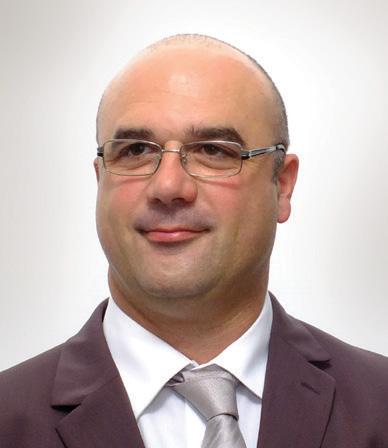
Michael Stivala President of Malta Developers Association
The Association’s agenda is increasingly centred on sustainability, planning quality and regulatory efficiency. By advocating clearer frameworks, reduced administrative friction and higher standards in urban development, the MDA aims to strengthen confidence across the entire value chain—from investors and operators to end users.
Equally important is the Association’s role as a collective voice. By consolidating perspectives from across the sector, the MDA facilitates more balanced dialogue with authorities on land use, infrastructure capacity and environmental protection.
Looking ahead, the MDA remains focused on guiding the sector through a phase of consolidation and maturity. “The priority,” Stivala concludes, “is to ensure that development continues to contribute positively to Malta’s economy, its communities and its quality of life.”
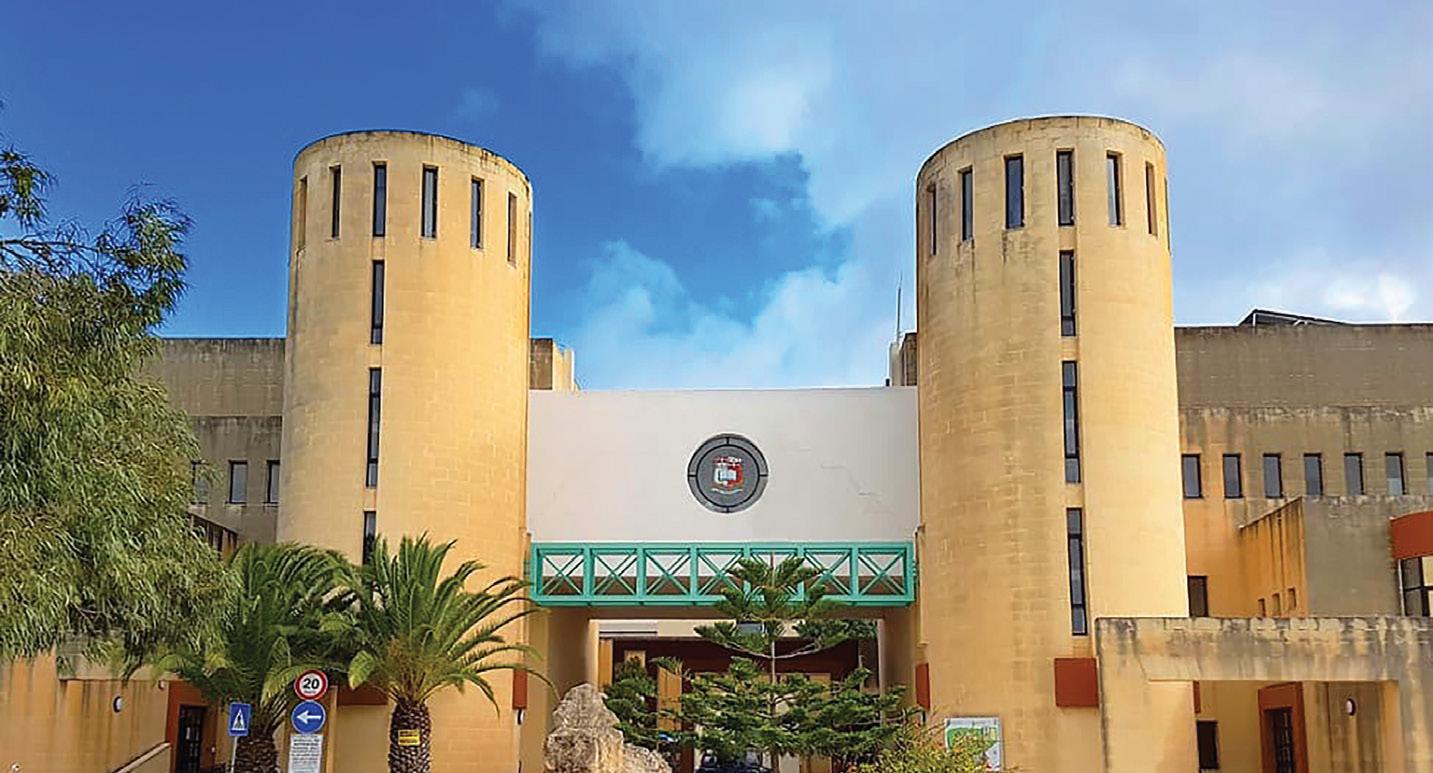
Malta has steadily established itself as a reputable destination for quality education, offering a system that blends strong academic standards with international exposure. Education institutions in Malta, particularly at the tertiary level, follow rigorous quality assurance frameworks regulated by the Malta Further and Higher Education Authority (MFHEA). This ensures that qualifications awarded by Maltese institutions meet European standards and are recognized across the European Union and beyond. One of the key strengths of studying in Malta
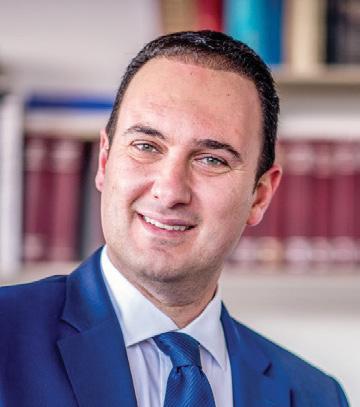
Hon. Clifton Grima Minister for Education, Sport, Youth, Research and Innovation
is its education system’s strong alignment with the British model. English is one of the country’s official languages and the primary language of instruction, making it especially attractive to international students seeking an English-speaking academic environment without the cultural barriers often found elsewhere. This allows students to develop high-level academic and professional English skills while studying specialised subjects.
Malta follows the Bologna Process, which ensures compatibility with European universities. Maltese degrees use the European Credit Transfer and Accumulation System (ECTS), enabling students to transfer credits or pursue further studies across Europe with ease. Many institutions maintain partnerships and exchange programs with European universities, enhancing mobility and international collaboration.
Beyond academics, studying in Malta offers significant lifestyle and career advantages. Its multicultural environment, safe society, and strategic location at the crossroads of Europe, North Africa, and the Middle East provide students with global perspectives. Additionally, Malta’s growing sectors—such as finance, gaming, technology, and tourism—offer valuable internship and employment opportunities, making it an attractive and well-rounded study destination.”
Malta has established itself as one of Europe’s most attractive destinations for English language learning, welcoming thousands of international students each year. As an English-speaking EU country, Malta combines structured education with full cultural immersion, supported by robust quality assurance. English language schools are regulated by the ELT Council within the Ministry of Education, ensuring high academic standards and fully qualified teachers across the sector. Within this framework, Gateway School of English (GSE) stands out by offering
both on-site and fully online programmes. Alongside classroom-based courses in Malta, GSE delivers weekly virtual classes, allowing learners to study entirely online or to combine remote learning with time on the island.
As a licensed European institution, GSE awards all students an end-of-course certificate upon completion of their programme. This provides internationally recognised proof of English proficiency and supports learners in achieving their academic, professional and personal goals.
Malta continues to strengthen its position as a dynamic and internationally connected financial centre, with innovation serving as a defining pillar of the country’s financial services offering — from fintech to wealth management and capital markets. At the centre of this ecosystem is FinanceMalta, which plays a pivotal role in positioning Malta not only as an EU jurisdiction, but as a strategic bridge between Europe, the Middle East and North Africa.
“We proactively engage with international stakeholders to ensure Malta’s strengths are clearly understood by global decision-makers,” explains Dr Bernice Buttigieg, Chief Strategy Officer of FinanceMalta. Interest is particularly strong across asset and wealth management, fintech, payments, aviation finance, fund servicing and family office structures, with the Gulf region — especially the UAE — emerging as a key strategic market alongside the UK, Europe and parts of Asia. Innovation remains a defining feature of Malta’s financial ecosystem. Advances in digital finance, regtech, tokenisation, payments
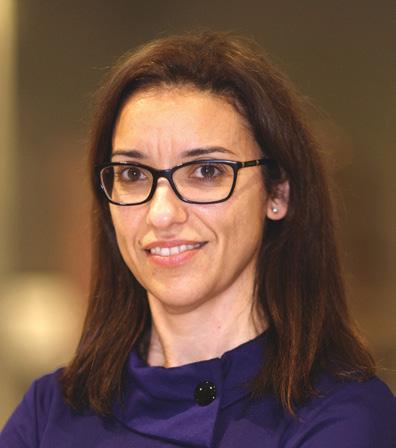
Dr Bernice Buttigieg Chief Strategy Officer of Finance Malta
infrastructure and fund structuring are shaping the sector’s evolution, alongside growing sophistication in wealth management and cross-border solutions. FinanceMalta works closely with regulators, industry practitioners and academia to ensure innovation remains responsible, market-led and aligned with international best practice.
Equally important is facilitating market entry for new participants. “FinanceMalta acts as a first point of contact, helping international firms navigate the ecosystem and connect with regulators, banks and professional service providers,” Buttigieg notes — an approach that is particularly valuable for firms from the Gulf seeking a reliable EU base.
Looking ahead, FinanceMalta is committed to deepening ties with the UAE and the wider GCC. “Malta offers more than a jurisdiction — it offers a partnership approach to international financial growth,” Buttigieg concludes, pointing to expanding opportunities for collaboration across finance, innovation and sustainable investment.
Malta’s strength as an international financial centre rests not only on innovation and market access, but on the credibility of its institutions and the confidence they inspire. The country has reached a level of institutional maturity that allows it to compete internationally while remaining resilient in a volatile global environment.
“We have the infrastructure, the institutions and the professional expertise expected of an advanced economy,” says Professor Edward Scicluna, former Governor of the Central Bank of Malta. “That provides a solid foundation for investors seeking predictability and longterm stability.”
As a member of the Eurozone, Malta benefits from the strength of the single currency and the credibility of the Eurosystem. Monetary and financial stability remain central priorities, underpinned by close coordination between the Central Bank, supervisory authorities and
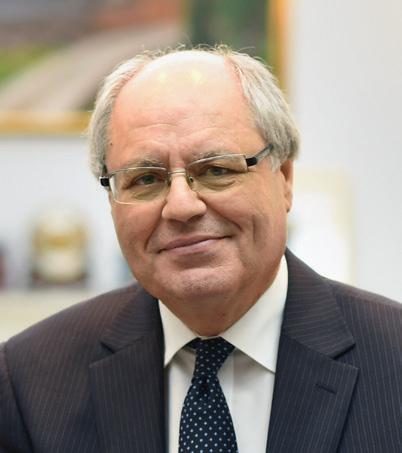
European institutions. This framework, Scicluna notes, is essential for safeguarding trust—an asset he considers fundamental to any successful financial centre.
Innovation continues to shape the financial ecosystem, particularly in payments, data-driven analysis and emerging digital finance applications. The Central Bank actively engages at European and international levels to ensure that technological progress is matched with sound governance, clear frameworks and prudent oversight. “Innovation must move forward, but always with trust and stability at its core,” Scicluna explains. Looking ahead, Malta’s strategic location and outward-looking mindset position it well for deeper global collaboration. Strong ties with Europe, combined with proximity to North Africa and growing engagement with the Middle East, create opportunities for meaningful partnerships. “Malta’s role is to listen, cooperate and build bridges,” Scicluna concludes. “That approach is what allows investors and institutions to feel at home—and to grow—with confidence.”
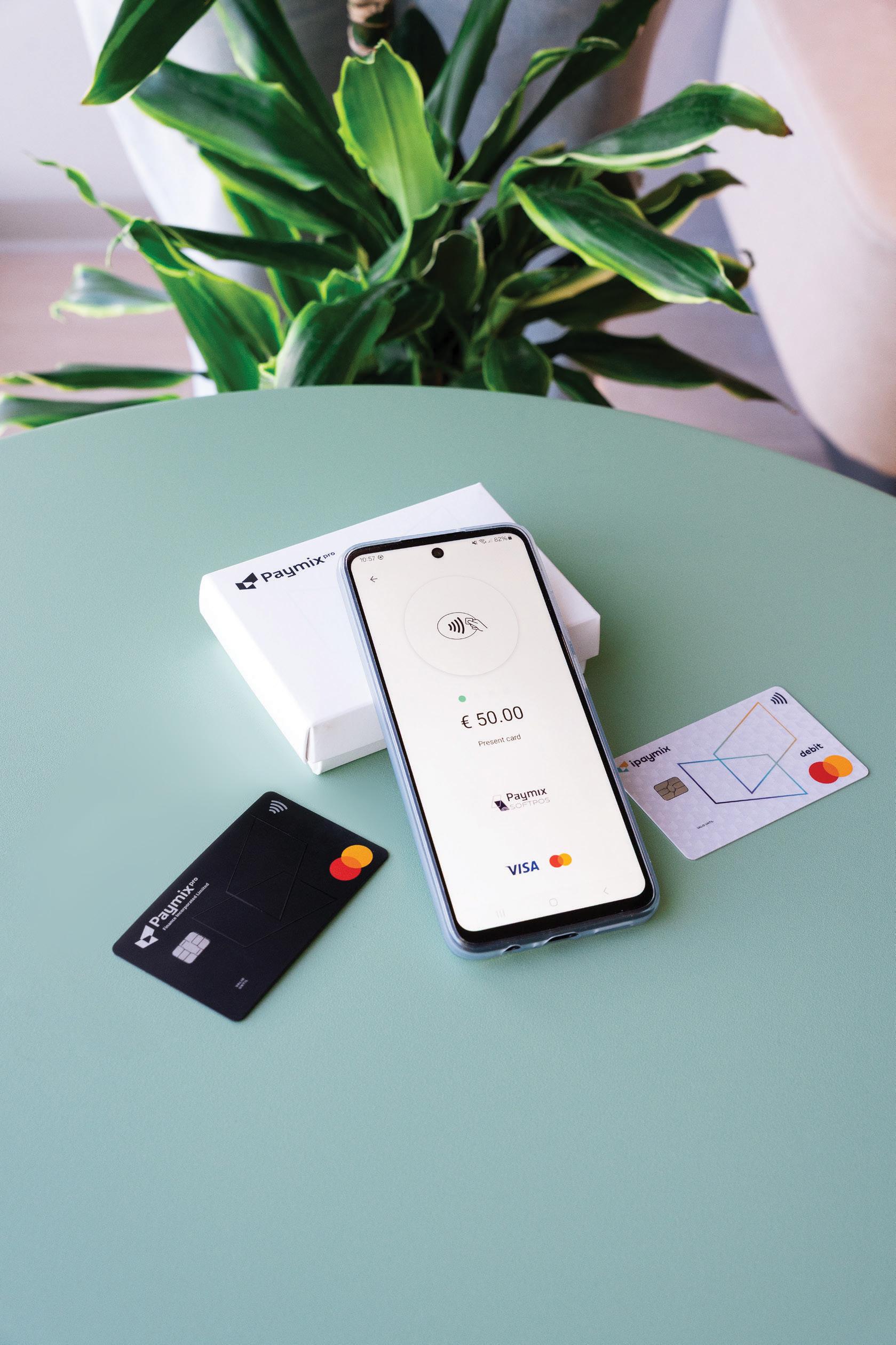
As Malta continues to strengthen its position as a hub for innovative financial services, Finance Incorporated Limited stands out for its ability to deliver integrated, flexible solutions to clients operating across multiple jurisdictions. Under the leadership of CEO Cenk Kahraman, the company has built a model that brings together a wide range of financial products under one platform, allowing services to be tailored to the specific regulatory, commercial and operational needs of each market.
“Our strength lies in the diversity of our offering,” explains
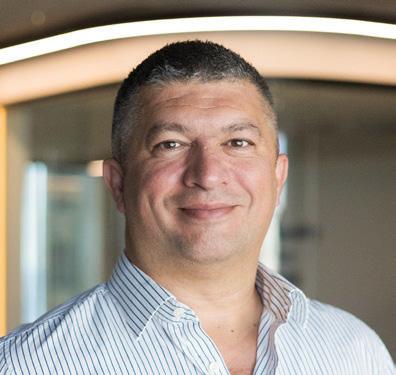
Cenk Kahraman CEO of Finance Incorporated Ltd
WITH A TEAM OF MORE THAN 100 PROFESSIONALS SPANNING 25 NATIONALITIES, OUR DIVERSITY - COMBINED WITH STRONG TECHNOLOGY AND REGULATORY DISCIPLINE - IS WHAT ENABLES US TO GROW SUSTAINABLY ACROSS BORDERS.
international payments is changing rapidly. “Cross-border transactions are no longer about delays or financial float. They are becoming data-driven, faster and more costefficient, ultimately benefiting the end user.”
Geographically, the company’s expansion strategy is increasingly focused on the GCC. Regulatory developments and strong momentum in markets such as Saudi Arabia are creating new opportunities. “Our goal is to establish ourselves in the region through fully regulated structures, bringing our technology and know-how directly into those markets,” he says. Malta plays a strategic role in this international growth. EU passporting, regulatory credibility and a well-established financial framework allow Finance Incorporated to serve clients across Europe and beyond from a single base. “Malta is a reliable and wellregulated entry point into Europe, offering both reach and reassurance,” Kahraman adds.
“It is an ideal platform for building long-term, cross-border financial partnerships.”
As Malta’s financial sector continues to diversify, the Malta Financial Services Authority (MFSA) is playing a pivotal role in aligning regulatory integrity with international opportunity. Under the leadership of Chairman Jesmond Gatt, the Authority has sharpened its focus on developing frameworks that respond to global demand while remaining firmly grounded in European regulation.
One recent example is the MFSA’s initiative on Sukuk as Sharia-compliant market instruments. “We deliberately started with products linked to capital markets,” Gatt explains, noting that the objective was to introduce islamic finance structures that can operate fully with EU regulatory framework. “These are robust
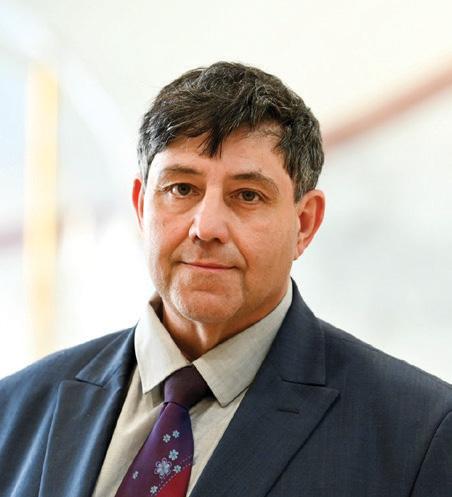
Jesmond Gatt Chairman of the Board, MFSA
products, supporting investor protection, transparency and disclosure requirements.”
Beyond product innovation, Malta’s appeal lies in regulatory efficiency and ecosystem depth. EU passporting allows licensed entities to access the entire European market through a single regulator, while the presence of experienced legal, audit, technology and advisory firms creates a complete operating environment. “Firms don’t just find regulation here,” Gatt notes. “They find an ecosystem that supports growth.” The MFSA’s approach to supervision balances rigour with openness to innovation, particularly in fintech, digital assets and payments. Malta was among the first jurisdictions to regulate emerging digital finance activities, reflecting a philosophy of engagement rather than hesitation. “By understanding the firms’ objectives, regulation can be applied in a way that both supports innovation and upholds robust supervisory standards.”
Looking outward, the MFSA is strengthening dialogue with regulators beyond Europe, particularly in the Gulf. “Crossborder cooperation is essential,” Gatt concludes. “As markets connect, regulators must build the bridges that allow innovation and investment to grow with confidence.”
In a financial world often dominated by volumedriven advisory firms, Bridge Advice stands apart by design. Founded in Malta in 2021, the firm has grown into a focused, high-calibre team of twelve specialists delivering boutique advisory services rooted in experience, accountability and results.
What distinguishes Bridge is the skills composition of its team of former industry practitioners and former regulators. This hands-on regulatory and operational expertise allows the firm to move beyond legal interpretation and into technical execution translating regulation into workable, commercial solutions.
The firm’s track record speaks for itself: during the last two years, six applications for FIs licences were approved,
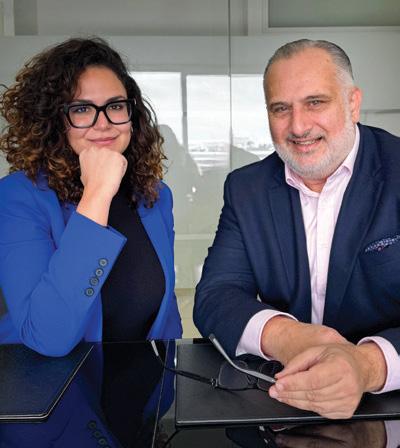
Roderick Psaila Managing Director and Nicole Psaila Consultant at Bridge Advice
two banking licence applications currently underway and eight additional applications in advanced stages of authorisation across EMI, PSP and CASP sectors. Bridge Advice delivers end-to-end be-spoke advisory by integrating expertise across regulatory, internal audit, risk, financial crime compliance, payments, technology and governance.
Malta remains the firm’s strategic foundation: a trusted European gateway offering regulatory transparency, English-speaking talent and access to the EU Single Market, Eurozone and Schengen Area. Building on this base, Bridge Advice is expanding into the Gulf, a market which values credibility, discretion and technical depth, qualities at the heart of Bridge Advice’s boutique philosophy.
Telephone: +356 99393838
E-mail: info@bridge.mt
Website: www.bridge.mt
Bridge plans to establish a Dubai office in September 2026 and shall partner with GCC clients to deliver licensing and compliance advice that is personal, rigorous and built for long-term success.
Entering a new market requires more than regulatory readiness - it demands clear communication, skilled people and trusted local support. In Malta, ATCS Consultancy positions itself as a single point of contact for businesses and individuals seeking to establish, grow or operate with confidence across borders. ATCS delivers an integrated suite of services covering business consultancy, recruitment, professional training and certified translation. This multidisciplinary approach allows clients to address operational, people and compliance-related needs under one roof. A core strength lies in ATCS’s Translation Centre, which has been providing
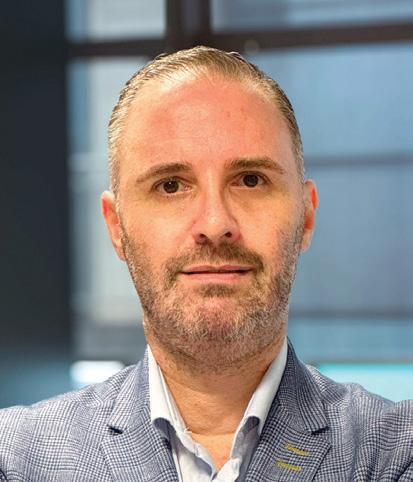
Mark Laurence Zammit Founder & Managing Director of ATCS
legally certified translations since 2013. Trusted by financial institutions, insurers and legal professionals, ATCS delivers accurate translations in more than 150 languages, including apostilled and sworn documents accepted by Maltese authorities, courts and regulators. Complementing this, the ATCS Training Centre offers tailored corporate and financial services programmes and short courses designed to upskill teams, support career development and strengthen organisational performance.
Together, these services enable businesses to communicate clearly, train effectively and operate seamlessly in new markets.

As digital infrastructure becomes central to business growth and innovation, CrabNebula is positioning itself as a key enabler for developers and technology-driven organisations operating across borders. Headquartered in Malta, the company leverages the island’s EU-based regulatory environment and international outlook to build and scale software solutions for a global audience.
“At CrabNebula, our focus is on removing friction from the software lifecycle,” explains Daniel Thompson-Yvetot, CEO of CrabNebula. “From Malta, we are able to combine technical innovation with a strong international mindset, enabling developers and companies to move seamlessly from development to global distribution.” CrabNebula’s platform simplifies how applications are built, deployed and maintained worldwide. It brings together continuous integration, secure distribution and automated updates under a unified infrastructure, supporting web-to-native application transitions, advanced debugging and robust

Daniel Thompson-Yvetot Founder of Comply.Land & CEO of CrabNebula
deployment workflows. Alongside its platform, the company provides bespoke software engineering and advisory services, helping organisations design scalable, compliant and high-performance digital solutions. With strong momentum in international markets, CrabNebula is expanding its engagement with the Middle East’s fastgrowing technology ecosystem. The company will be exhibiting at LEAP 2026 in Saudi Arabia on 12–13 April, one of the world’s leading technology events connecting innovators, enterprises and investors. “LEAP is a key meeting point for global technology leaders,” Thompson-Yvetot adds. “It gives us the opportunity to connect with partners from the region, exchange ideas and explore how innovative software solutions can scale across markets.”
Visitors to LEAP 2026 are invited to meet Daniel ThompsonYvetot and the CrabNebula team to discuss collaboration opportunities and discover how CrabNebula’s Maltabased innovation is powering software globally.
In a landscape where digital assets are becoming integral to corporate treasury, CoinGateway stands apart as a boutique, compliance-first partner. Licensed as a Virtual Asset Service Provider (VASP), we provide a sophisticated alternative to massmarket exchanges by focusing on the unique needs of regulated online businesses and fintechs. We specialise in high-touch, institutionalgrade services designed for rapid settlement and maximum security. Our boutique offering ranges from OTC crypto exchange and on/offramp solutions to bespoke treasury support, addressing the specific payment complexities of your industry. Our unique business model is built on trust, transparency, and personal partnership, designed for C-suite executives’ needs. We serve CEOs, CFOs, and treasury heads who demand a partner that understands the nuances of institutional governance. Our philosophy rests on three pillars: compliance-first, local expertise with global standards, and bespoke excellence. We deliver tailored solutions, combining strong local substance with an EU-wide perspective to support businesses in full compliance with applicable regulations. More than a service provider, CoinGateway is a strategic partner dedicated to driving the growth of the digital economy.
Discover how our boutique approach can streamline your digital asset operations: info@coingateway.eu

Operating an online business in today’s global economy requires flexible financial infrastructure that goes beyond basic payments. VallettaPay is a boutique solution specialised in supporting companies that sell products or services online, with a strong focus on the provision of secure and adaptable payment accounts.
VallettaPay enables businesses to receive, hold, and manage funds through dedicated payment accounts supporting multiple fiat currencies as well as cryptocurrencies. This allows online merchants and digital service providers to operate seamlessly across borders. The platform offers foreign exchange services, allowing clients to convert currencies at competitive rates and manage exposure to currency fluctuations. Clients also benefit from corporate Visa debit cards, providing immediate access to funds for expenses and day-to-day operations worldwide. With a personalised, boutique approach, VallettaPay tailors each solution to the client’s business model and transaction flow. The result is a robust, modern payment foundation designed to support growth, flexibility, and control in the digital-first economy.
More info: info@vallettapay.com