
GLOBAL DEBUT
Martha Stewart on choosing Dubai for the brand’s first stand-alone store
POWERING THE FUTURE
How Bob Mumgaard is leading fusion into energy’s new frontier
GLOBAL DEBUT
Martha Stewart on choosing Dubai for the brand’s first stand-alone store
POWERING THE FUTURE
How Bob Mumgaard is leading fusion into energy’s new frontier
















/ FEBRUARY 2026
An insight into the news and trends shaping the region with perceptive commentary and analysis

Investment Group’s 2026 playbook revealed
As technology rallies narrow and policy paths diverge, AIX Investment Group is repositioning portfolios for resilience, selectivity and long-term value
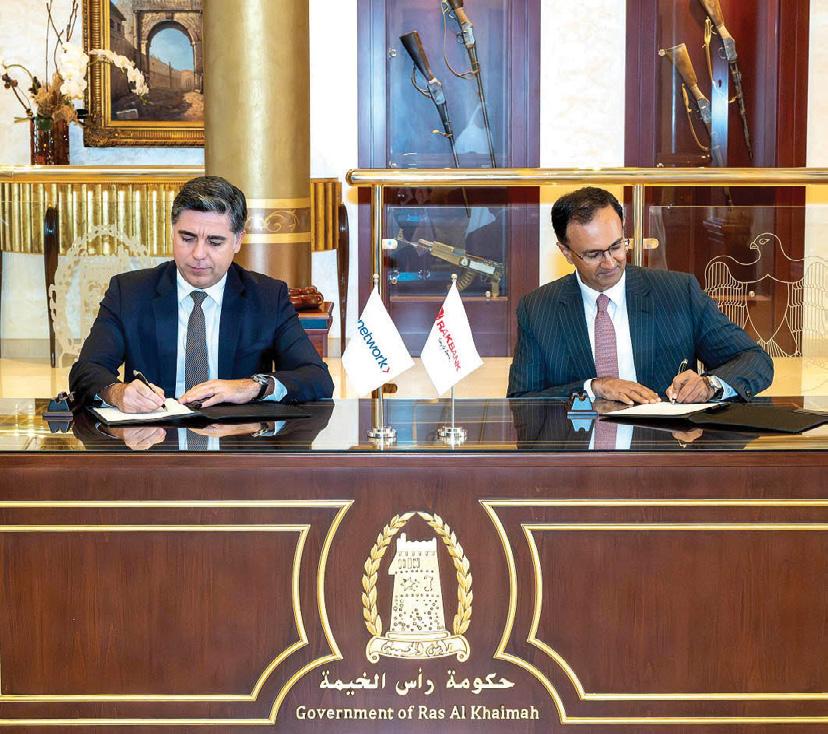
Group CEO Murat Cagri Suzer discusses how Network International is evolving into an insights-led fintech engine

Good times ahead
CEO Georges Kern opens up on reviving watchmaking icons and expanding Breitling’s portfolio p.50
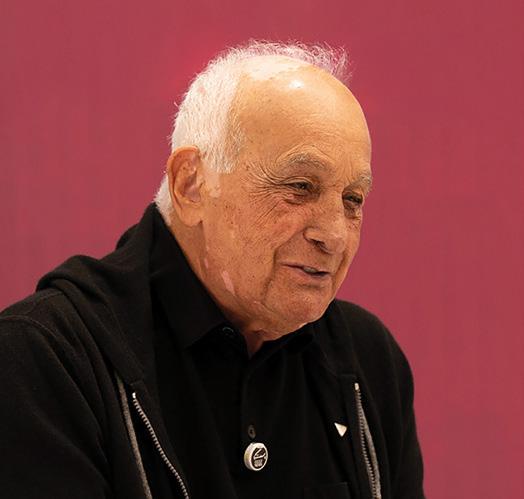
Sole connection
Footwear legend Aldo Bensadoun on why making the perfect shoe starts with a good heart p.52

Vision for wellness
Clinique La Prairie’s Simone Gibertoni shares insights on longevity and future healthcare p.58
“The launch of the Dubai Gold District represents a defining moment
in our city’s evolution as a centre for gold and jewellery trade.”
Ahmed Al Khaja, CEO of Dubai Festivals and Retail Establishment (DFRE), part of the Dubai Department of Economy and Tourism (DET)

Editor-in-chief Obaid Humaid Al Tayer
Managing partner and group editor Ian Fairservice
Chief commercial officer Anthony Milne Anthony@motivate.ae
Group content director Thomas Woodgate Thomas.Woodgate@motivate.ae
Publishing director Manish Chopra Manish.Chopra@motivate.ae
Group editor Gareth van Zyl Gareth.Vanzyl@motivate.ae
Editor Neesha Salian Neesha.Salian@motivate.ae
Deputy editor Rajiv Pillai Rajiv.Pillai@motivate.ae
Reporter Nida Sohail Nida.Sohail@motivate.ae
Senior art director Freddie N Colinares Freddie@motivate.ae
Insights on how the region’s dynamic SME ecosystem is evolving
General manager – production S Sunil Kumar
Production manager Binu Purandaran
Assistant production manager Venita Pinto
Digital sales director Mario Saaiby Mario.Saaiby@motivate.ae
Sales manager Hitesh Kumar Hitesh.Kumar@motivate.ae
HEAD OFFICE: Media One Tower, Dubai Media City, PO Box 2331, Dubai, UAE, Tel: +971 4 427 3000, Fax: +971 4 428 2260, motivate@motivate.ae DUBAI MEDIA CITY: SD 2-94, 2nd Floor, Building 2, Dubai, UAE, Tel: +971 4 390 3550, Fax: +971 4 390 4845 ABU DHABI: PO Box 43072, UAE, Tel: +971 2 657 3490, Fax: +971 2 677 0124, motivate-adh@motivate.ae SAUDI ARABIA: Regus Offices No. 455 - 456, 4th Floor, Hamad Tower, King Fahad Road, Al Olaya, Riyadh, KSA, Tel: +966 11 834 3595 / +966 11 834 3596, motivate@motivate.ae LONDON: Acre House, 11/15 William Road, London NW1 3ER, UK, motivateuk@motivate.ae

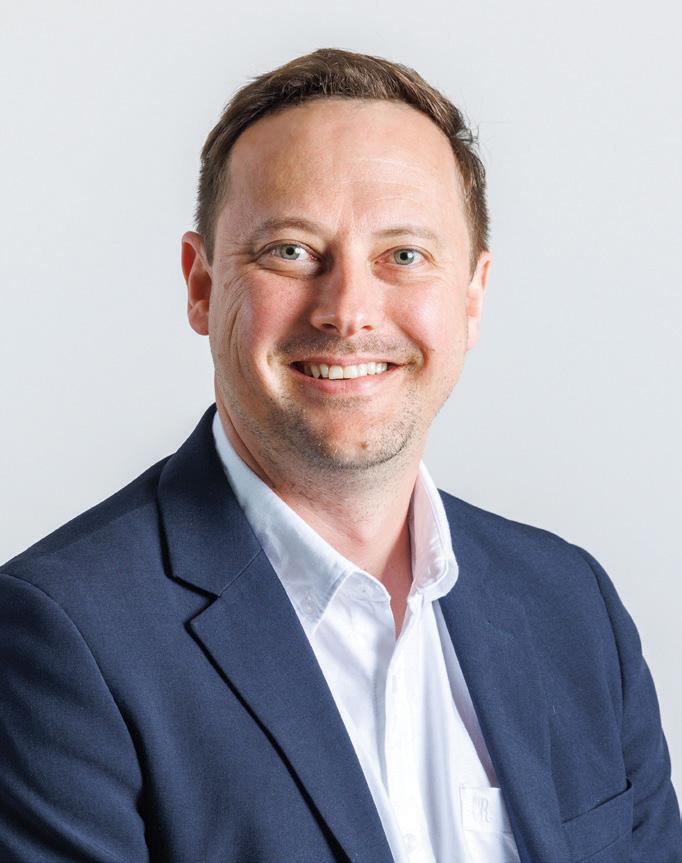


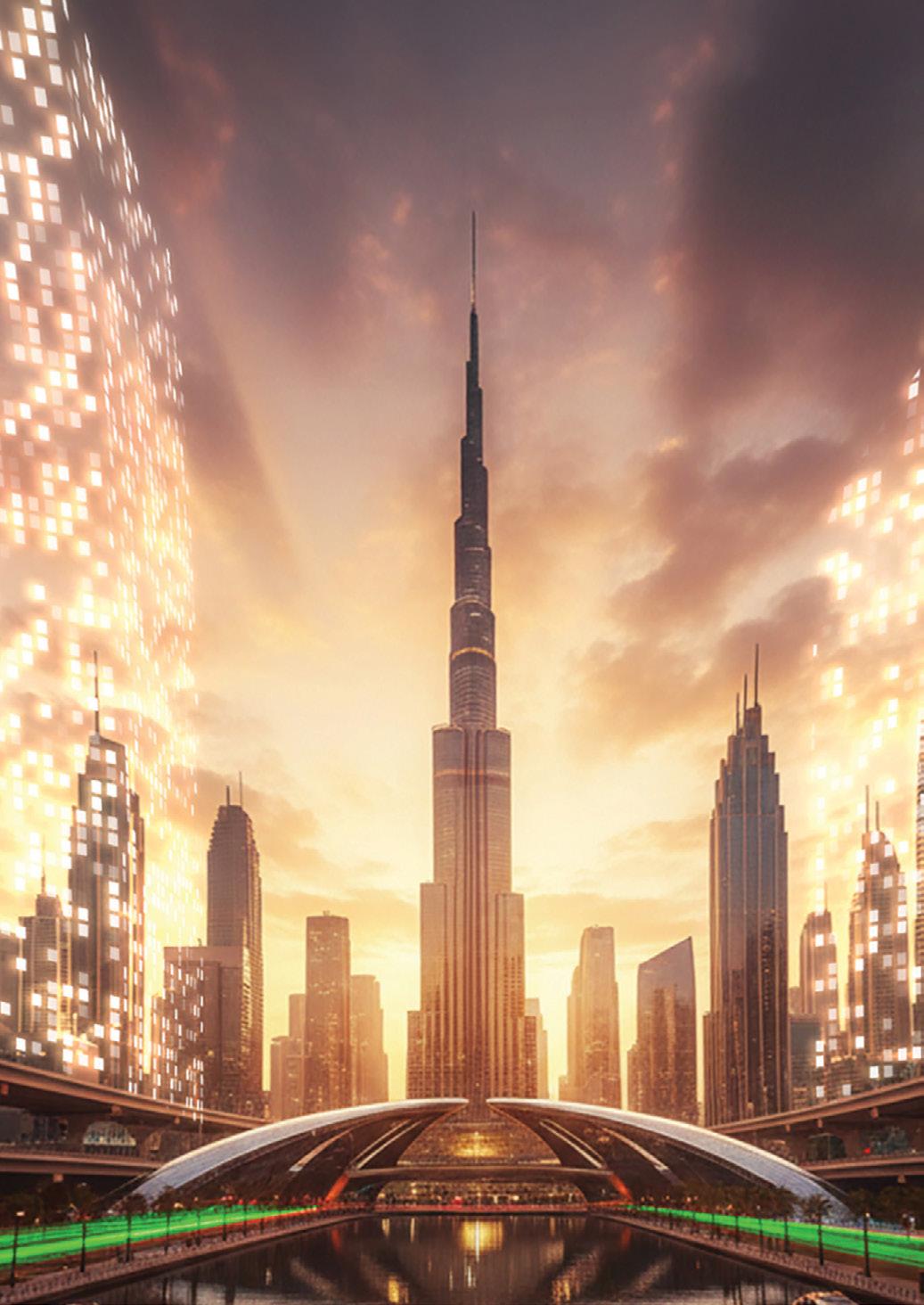
FROM PEACE DIPLOMACY AND GLOBAL GOVERNANCE TO CAPITAL MARKETS, ENERGY, HEALTH SYSTEMS, AND INDUSTRIAL TRANSFORMATION, THE GCC COUNTRIES ARE POSITIONING THEMSELVES AT THE CENTRE OF THE WORLD’S ECONOMIC AND POLITICAL RECALIBRATION
COORDINATED GULF DIPLOMACY SIGNALS PUSH FOR GAZA PEACE IN 2026
The Gulf’s expanding global role in 2026 has been underscored by a series of highprofile diplomatic developments surrounding the newly established Board of Peace.
UAE President Sheikh Mohamed bin Zayed Al Nahyan accepted an invitation from the USA to join the board, a move announced by Sheikh Abdullah bin Zayed Al Nahyan, Deputy Prime Minister and Minister of Foreign Affairs.
Sheikh Abdullah emphasised that the decision reflects the UAE’s commitment to
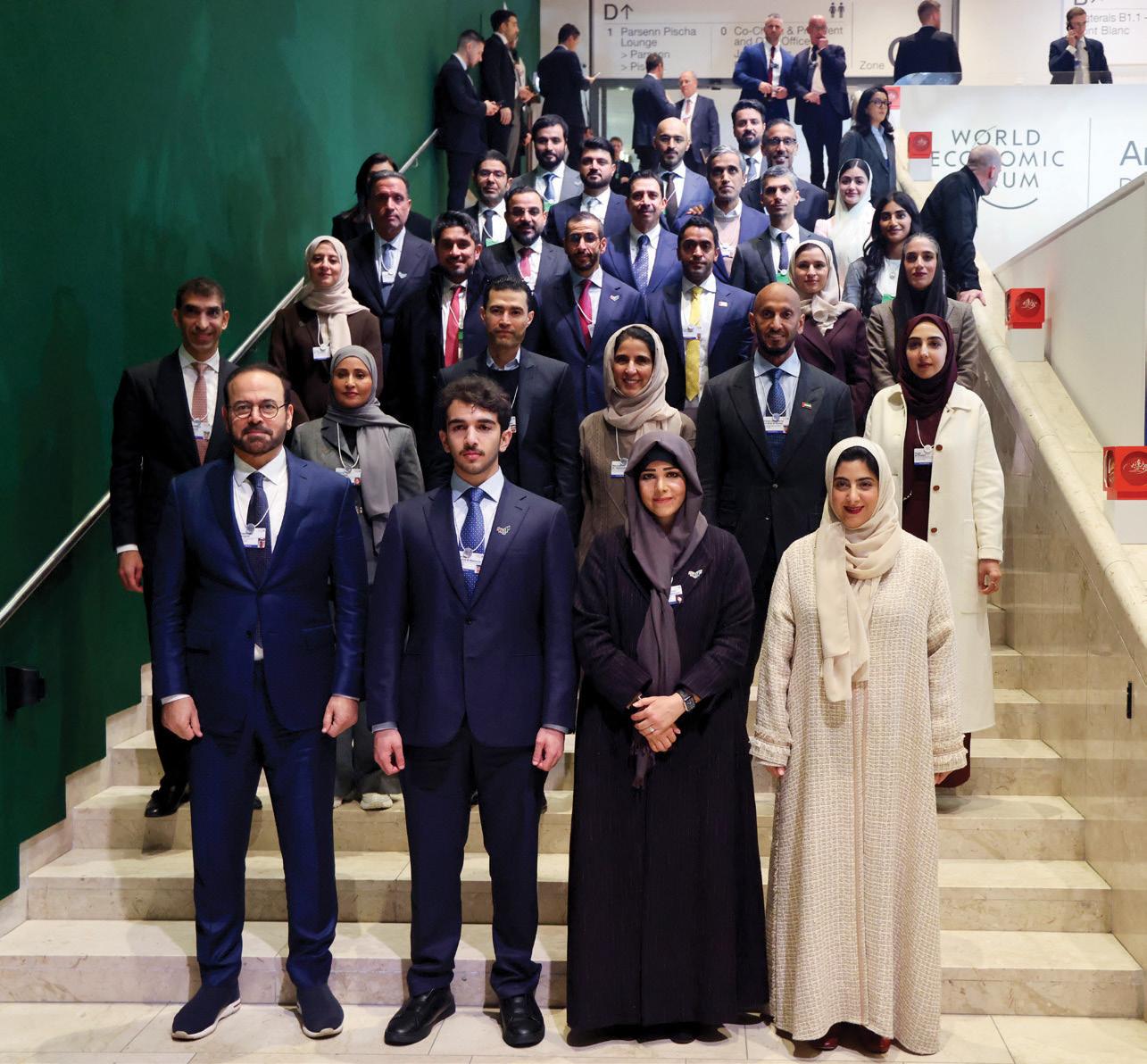
fully implementing US President Donald J Trump’s 20-point peace plan for Gaza, describing it as critical to securing the legitimate rights of the Palestinian people. He reaffirmed confidence in president Trump’s leadership and highlighted the Abraham Accords as a defining example of the UAE’s approach to diplomacy.
The UAE was joined by other regional powers. Saudi Arabia signed the Board of Peace’s founding charter, with foreign minister Prince Faisal bin Farhan bin Abdullah affirming the region’s support for the board’s mission as a transitional body to end the Gaza conflict, in line with UN Security Council Resolution 2803. Qatar also formally joined, with Prime Minister and Minister of Foreign Affairs Sheikh Mohammed bin Abdulrahman bin Jassim Al Thani signing the accession document in Davos.
Together, these moves signal a coordinated Gulf effort to embed peacebuilding within broader frameworks of regional stability and economic recovery.
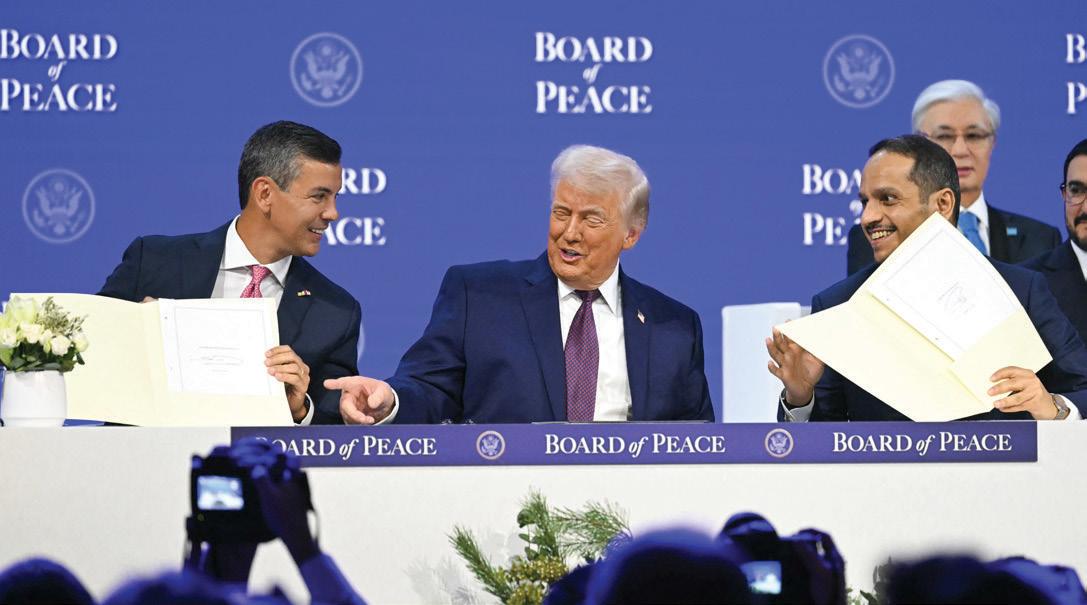
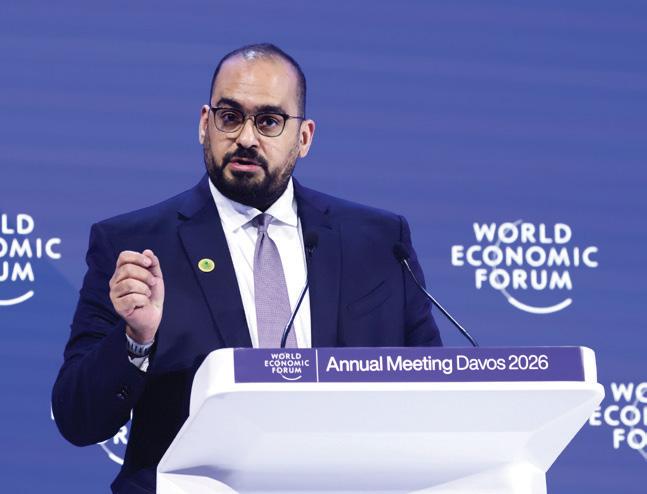
The World Economic Forum’s 56th annual meeting in Davos became a focal point for GCC engagement across diplomacy, governance, and economic planning. The UAE deepened its long-standing partnership with the forum by signing a memorandum of understanding to host the annual meetings of the Global Future Councils in Dubai for the next five years.
The councils, a cornerstone of the UAE–WEF relationship, convene global experts to address critical future challenges. The partnership builds on a 17-year legacy that has seen 900 councils and more than 12,000 experts contribute to shaping global agendas.
“THE DECISION REFLECTS THE UAE’S COMMITMENT TO FULLY IMPLEMENTING PRESIDENT DONALD TRUMP’S 20-POINT PEACE PLAN FOR GAZA AND SECURING THE LEGITIMATE RIGHTS OF THE PALESTINIAN PEOPLE.”
Sheikh Abdullah bin Zayed
Al Nahyan Deputy Prime Minister and Minister of Foreign Affairs, UAE
Mohammad bin Abdullah Al Gergawi, Minister of Cabinet Affairs, described the partnership as central to the UAE’s vision of action-oriented global cooperation, while emphasising the role of innovation, artificial intelligence, and Fourth Industrial Revolution tools in future policymaking.
Saudi Arabia also expanded its engagement with the forum, announcing it will host the WEF Global Collaboration and Growth Meeting in Jeddah in April 2026. Minister of Economy and Planning Faisal F Alibrahim stressed that stability remains the foundation of global growth, positioning the kingdom as a hub for pragmatic, results-driven dialogue.
THIS PARTNERSHIP REFLECTS THE UAE’S VISION OF ACTION-ORIENTED GLOBAL COOPERATION, WITH INNOVATION, ARTIFICIAL INTELLIGENCE
UAE
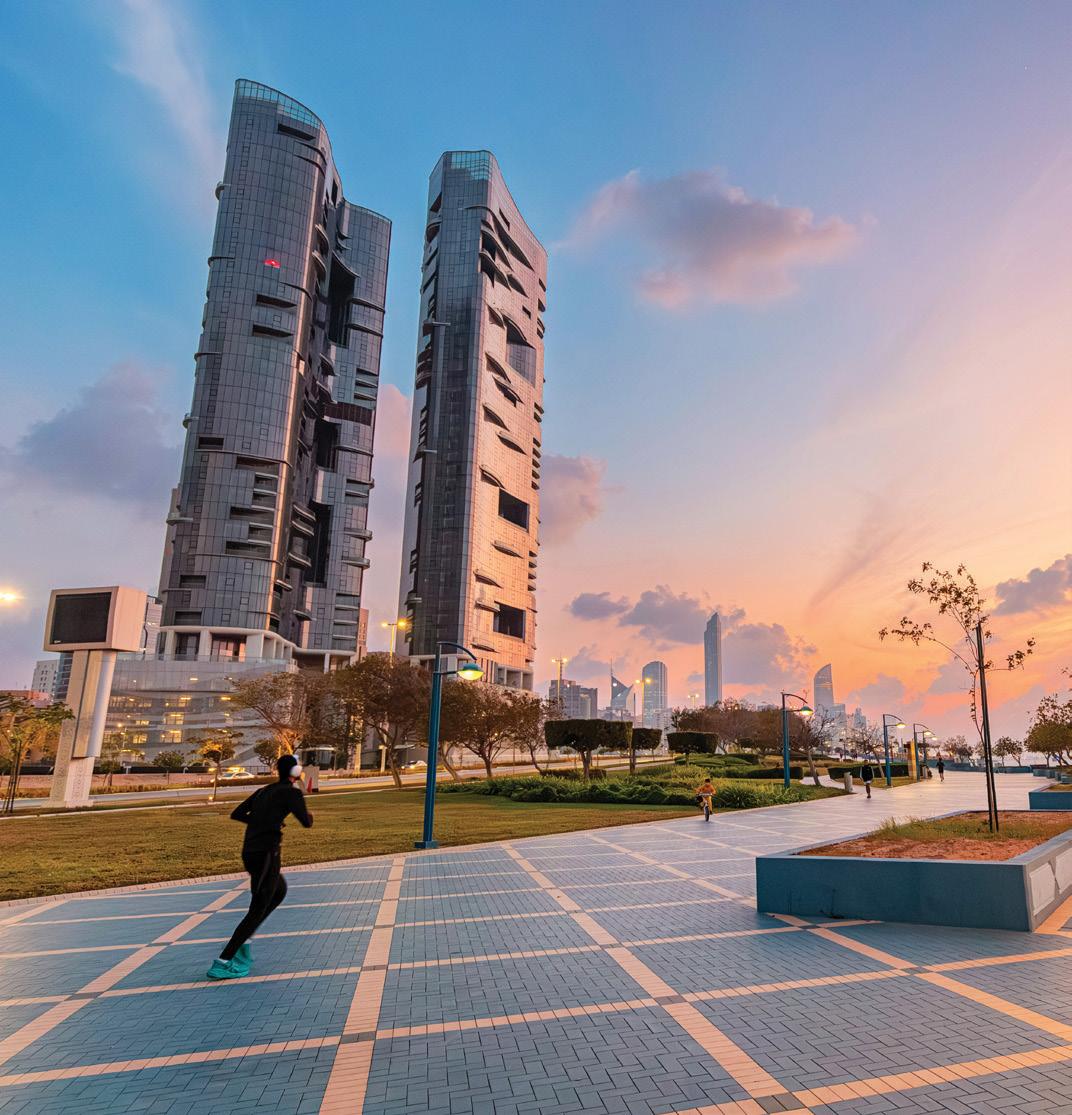
The UAE’s growing influence was reinforced by its continued presence among the world’s top 10 countries in the 2026 Global Soft Power Index issued by Brand Finance, marking the fourth consecutive year in the top tier. Ranked 10th overall, the UAE placed second globally in generosity and third in future economic growth potential.
Sheikh Mohammed bin Rashid Al Maktoum, Vice President, Prime Minister, and Ruler of Dubai attributed the ranking to the country’s balanced governance model and rising international confidence, even as traditional powers experience declining trust.
Further strengthening this position, the UAE Government and the World Economic Forum agreed to establish the Global Strategic Intelligence Programme. The initiative aims to institutionalise strategic intelligence as a core tool for governments, using artificial intelligence and advanced analytics to anticipate risks, identify opportunities, and improve decision-making.
Huda Al Hashimi, Deputy Minister of Cabinet Affairs for Strategic Affairs, described the programme as a qualitative shift toward proactive governance and global cooperation.
Abu Dhabi’s leadership in digital health was highlighted in a new World Economic Forum white paper positioning the emirate as a global pioneer in intelligent health systems. The report detailed how Abu Dhabi has integrated clinical, genomic, financial and environmental data into a unified system, enabling earlier disease detection and faster emergency responses.
The paper noted outcomes such as a 30 per cent reduction in heart attack response times and the sequencing of more than 850,000 genomes, placing Abu Dhabi among the world’s leading national genomic programmes.
At the same time, the UAE Ministry of Foreign Affairs signed an MoU with the World Economic Forum to support preparations for the 2026 United Nations Water Conference, which the UAE will host. The partnership aims to mobilise public-private investment and accelerate progress toward sustainable water access.
Abu Dhabi has sequenced more than 850,000 genomes, placing it among the world’s leading national genomic programmes.
The emirate has achieved a 30 per cent reduction in heart attack response times through its integrated digital health system.
The UAE has ranked in the world’s top 10 for soft power for four consecutive years.
Saudi Arabia has cut mining permit approval times to as little as 30 days to accelerate investment.
Across Saudi Arabia, economic reform accelerated on multiple fronts. The region officially implemented regulations allowing nonSaudis to own real estate, with applications processed through the Saudi Properties digital platform. The move is expected to enhance investment flows, with specific zoning frameworks for Riyadh, Jeddah, Makkah and Madinah to be announced in early 2026.
Saudi also announced that it would open its stock market to all global investors from February 1, scrapping the Qualified Foreign Investor framework to improve liquidity and capital inflows.
In industry and resources, Saudi Arabia cut mining permit timelines to as little as 30 days, a move aimed at unlocking investment in the sector. It also signed an agreement with the World Economic Forum
to accelerate industrial transformation through digital tools, skills development, and global technology partnerships.
Energy strategy remained central. Saudi Aramco signed a long-term LNG supply deal with Commonwealth LNG, supporting its ambition to reach 20 million tonnes per annum of LNG capacity and expand its global gas footprint.
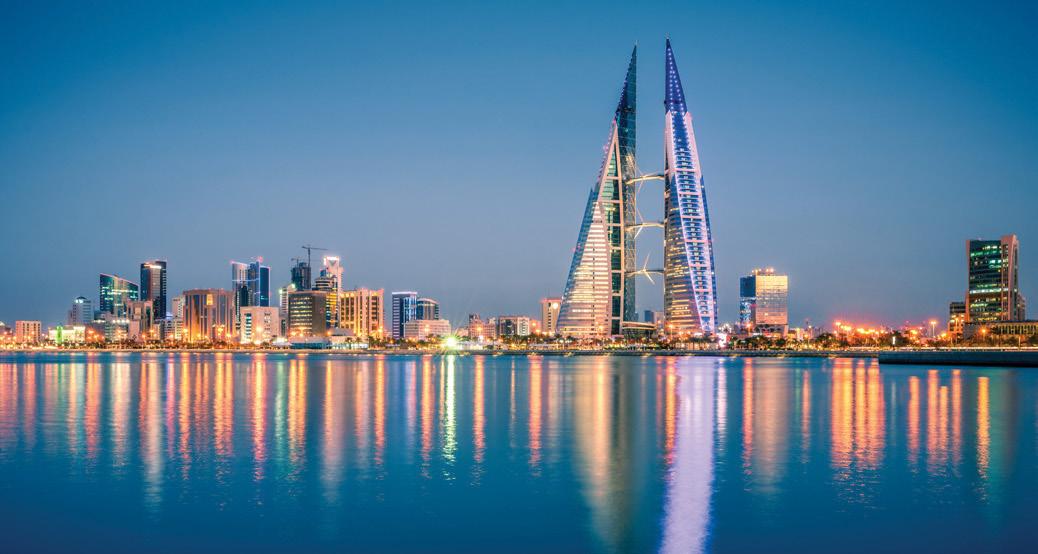
Elsewhere in the Gulf, Bahrain announced a package of fiscal reforms, including higher fuel and utility prices, spending cuts, and plans for a new corporate income tax, as it works to shore up public finances amid rising debt. Oman approved its 2026 budget with a deficit of $1.4bn and signed $2.6bn in power generation agreements with consortia led by Qatar’s Nebras Energy and Korea Western Power, reinforcing energy security and economic growth.
Taken together, these developments point to a GCC that is increasingly confident, coordinated, and influential, leveraging diplomacy, economic reform, technology, and global partnerships to shape outcomes well beyond its borders.
UAE joins the newly established Board of Peace, backing US President Donald Trump’s 20-point Gaza peace plan
Saudi Arabia signs the board’s founding charter; Qatar formally accedes in Davos
Move aligns with UN Security Council Resolution 2803
Signals a coordinated Gulf push to link peacebuilding with regional stability and economic recovery
UAE ranks 10th globally in the 2026 Global Soft Power Index
Saudi Arabia opens stock market fully to global investors and allows non-Saudi property ownership
Abu Dhabi recognised as a global leader in intelligent digital health systems
GCC states accelerate reforms in energy, infrastructure, water security and governance innovation
As global energy policies increasingly prioritise decentralisation, resilience and sustainability, E.Quikk plc is positioning itself at the forefront of next-generation energy storage solutions. Building on revolutionary E-Stream technology, E.Quikk has developed an integrated battery system designed to store energy efficiently, support grid independence and accelerate the transition towards cleaner power consumption.
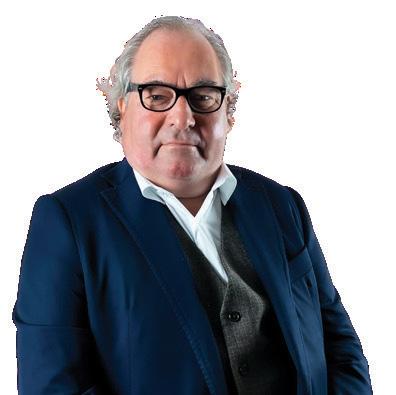
At the core of E.Quikk’s offering is a robust, fast-charging and thermally efficient battery solution that can be connected to any alternative or conventional energy source, including solar. “E.Quikk is not just about backup power,” explains Thomas Krämer , CEO of E.Quikk. “It is about enabling households and businesses to generate, store and manage their own energy in line with international climate and energy strategies.”
The system’s design responds directly to policy trends across Europe and beyond, where incentives increasingly reward
reduced carbon footprints, energy autonomy and long-term resilience. With its modular design, rapid installation and extended sustainability and circular economy capability, E.Quikk’s technology is built for scalability and long-term deployment.
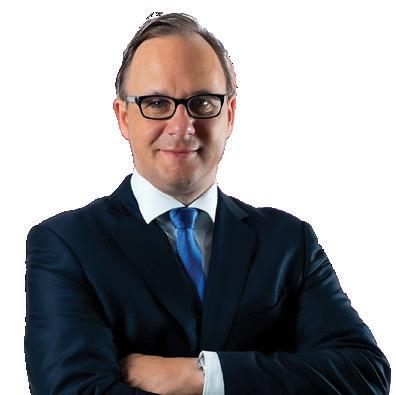
The Middle East, particularly the UAE and wider GCC, represents a natural growth market. Abundant sunshine, dry climatic conditions and strong investment momentum in renewable infrastructure make the region ideally suited for solar-driven storage solutions. “We see significant potential for collaboration with regional partners for commercialisation and investment,” says Dirk Köster, CEO of E.Quikk. “Energy storage will be a cornerstone of future energy systems, and E.Quikk is designed to be part of that journey.”
For investors seeking exposure to the accelerating energy transition, E.Quikk represents a technology-driven platform aligned with global sustainability objectives and long-term market demand.

State-backed investors are deploying capital at record scale, with Gulf sovereign funds and AI investment reshaping global deal-making and long-term asset allocation

Assets held by sovereign wealth funds (SWFs), public pension funds, and central banks crossed $60tn in 2025, marking a structural shift in how global capital is owned, deployed, and increasingly directed. According to Global SWF’s 2026 Annual Report , state-backed investors are no longer passive allocators responding to markets, they are actively shaping them.
“Markets are often framed around volatility and geopolitical risk,” says Diego López, founder and MD of Global SWF. “Yet financial markets keep reaching new highs, and sovereign investors continue to grow and adapt. Sovereigns never sleep.”
The $60tn pool now spans nearly 800 state-backed asset owners, with projections pointing toward $80tn by 2030. Sovereign wealth funds alone reached $15.2tn, public pension funds managed $27.6tn and central banks held $17.3tn in reserves, underscoring the scale at which governments now influence financial markets, corporate strategy, and emerging technologies.
No region exerted more influence than the Middle East. Gulf SWFs deployed approximately $126bn in 2025, accounting for around 43 per cent of global sovereign investment activity. Combined, Middle Eastern funds now oversee close to $6tn in assets, positioning the region as the most influential bloc of state-backed capital worldwide.
According to Hamza Dweik, head of Trading for MENA at Saxo Bank, this concentration of capital represents a fundamental shift in the global financial hierarchy. “One of the most striking elements is the weight of Gulf-based investors,” he says. “Their combined outlay of $126bn, equivalent to about 43 per cent of worldwide sovereign deployment, shows how rapidly their strategic influence is rising. These institutions are no longer marginal participants; they are now central players shaping global investment flows and corporate transactions.”
The so-called ‘Gulf 7’: ADIA, ADQ, ICD, KIA, Mubadala, PIF and QIA, accounted for the bulk of deployment, reinforcing how rapidly Gulf funds have evolved from long-term allocators into agenda-setting investors shaping global deal flow.
Saudi Arabia’s Public Investment Fund (PIF) emerged
as the single largest spender, committing around $36.2bn during the year. Its most significant move was leading a consortium to acquire Electronic Arts, an all-cash transaction valued at $55bn. Dweik notes that the strategy reflects a broader change in sovereign behaviour and an appetite for risk in the pursuit of long-term vision.
“Saudi Arabia’s PIF, directing around $36.2bn, exemplifies this shift toward assertive deal making and large scale thematic bets,” Dweik explains. “High value moves in gaming and digital sectors demonstrate a willingness to pursue transformational opportunities. As these funds expand both capital and capability, their decisions will increasingly affect innovation cycles, competitive positioning, and long term economic diversification worldwide.”
The report also notes that mega-deals can distort annual rankings. Excluding the Electronic Arts transaction, PIF’s deployment would have placed it closer to the middle of the global table. By contrast, Abu Dhabi’s Mubadala delivered what Global SWF describes as the year’s most balanced performance. The fund invested a record $33.7bn across 40 transactions in 10 countries, marking its highest annual deployment on record and reinforcing its reputation for disciplined, diversified capital allocation rather than headline-driven bets.
Across the industry, 2025 was defined by scale. Sovereign wealth funds invested $180.3bn across 324 deals, while public pension funds deployed $97.8bn across 238 transactions, bringing combined investment to $278bn, above the previous record set in 2022. Average deal size climbed to $490m, the highest level in 15 years, reflecting a clear preference for fewer, conviction-led investments with trusted partners over broad diversification.
Artificial intelligence (AI) emerged as the defining
ASSETS HELD BY SWFS ALONE REACHED $15.2TN, PUBLIC PENSION FUNDS MANAGED $27.6TN, AND CENTRAL BANKS HELD $17.3TN IN RESERVES, UNDERSCORING THE SCALE AT WHICH GOVERNMENTS NOW INFLUENCE FINANCIAL MARKETS, CORPORATE STRATEGY, AND EMERGING TECHNOLOGIES.
theme of the year. Sovereign investors committed $15.2bn to pure AI investments, with additional capital flowing into data centres ($11.4bn) and digital infrastructure ($6.3bn).
For Vijay Valecha, CIO at Century Financial, Gulfled tech funding is playing a dual role. “This sovereign-led investment fuels global AI infrastructure while simultaneously planting the seeds for technology growth within the Gulf,” he says. “These funds act as long-term strategic catalysts for innovation and the AI boom.”
Valecha points to Abu Dhabi-based initiatives, including Mubadala’s partnership with OpenAI to build a 1-gigawatt Stargate data centre, alongside the UAE’s commitments to AI infrastructure investment in the US. “These moves align closely with national strategies such as Saudi Vision 2030 and the UAE’s AI Strategy 2031, both aimed at building AI-native economies,” he adds.
Geographically, the US captured 54 per cent of sovereign investment, or roughly $132bn, its highest share in six years. Deep capital markets, leadership in AI and technology, and strong exit pathways continue to make the US the preferred destination for large-scale sovereign capital. Emerging markets, by contrast, saw a 26 per cent year-on-year decline in investment, reflecting heightened geopolitical and regulatory risk. Long-term asset allocation trends continue to evolve. Over the past two decades, sovereign wealth funds have reduced exposure to fixed income while increasing allocations to private equity, infrastructure, and private credit. Private equity deal value nearly doubled in 2025, even as transaction volumes fell, pushing ticket sizes higher.
“The industry is entering a phase where scale alone is no longer the differentiator,” López says. “Strategy is.” At $60tn and rising, sovereign investors are no longer silent pools of capital operating in the background. Their decisions increasingly shape innovation cycles, competitive dynamics, and long-term economic transformation. The question now is not whether they influence global markets, but how deliberately they choose to wield that influence.
SOVEREIGN WEALTH FUNDS INVESTED $180.3BN ACROSS 324 DEALS

As fintech, stablecoins and open banking accelerate change, the case is made that disruption won’t end banking, but redefine its role in the financial system
For the better part of a decade, a single narrative has dominated conversations about the future of finance: disruption. We are told that banks are analog relics, destined to be replaced by decentralised protocols and nimble fintechs. The disruption of traditional banking began well before the current era, marked by the launch of ING Direct in 1997. As a branchless, no-frills digital bank offering simple products and high savings rates, it was revolutionary for its time, amassing 37 million customers across 13 countries. Today, successful
Neobanks like Revolut, Nubank, and N26 compete directly with incumbent banks, while Fintechs such as Klarna, Adyen, ApplePay, and DGPays drive further disruption in payments. Furthermore, the introduction of open banking — set for full implementation in the UAE by 2026, will only accelerate the growth of new market entrants.
The latest challenge comes from stablecoins. Every dollar held in a stablecoin is a dollar removed from a bank’s balance sheet, effectively shrinking the funding base while enabling bank-free payments. Consequently, the prevailing view, amplified by tech evangelists, is that traditional banks are on a path to irrelevance; for instance, Eric Trump has suggested that “banks could be extinct in 10 years.”
However, from my vantage point as the group CFO of a classic bank that successfully transformed into a digitally native institution, I see a different future.
As the financial world becomes more chaotic, complex, and technology-driven, the core functions of a bank — trust, stability, and regulatory adherence — will become increasingly essential. The ultimate destination of financial innovation is not the extinction of banks, but their renaissance, though banks that fail to transform quickly enough will undoubtedly be left behind.
History provides a clear lesson: transformative technology does not have to wipe out dominant industries. Instead, the most resilient players evolve by absorbing the very innovations that were meant to replace them. The media industry wasn’t destroyed by the internet; the Wall Street Journal and its peers thrived by embracing it. Retail wasn’t killed by e-commerce; it fused digital platforms with physical supply chains to create a more powerful hybrid model.
Banking is no different. The core functions we perform, safeguarding assets, facilitating payments, and managing risk, are fundamental to a functioning economy. Technology doesn’t eliminate these needs; it changes how they are met. The bank of 2030 will not be a brick-and-mortar institution fighting technology, but a tech-driven organisation built on a foundation of regulatory trust. However, the digital transformation should not be underestimated. I only have to refer to companies like Kodak, Nokia, Yahoo and Sears, who were unable to adopt new technologies quickly enough.
In calm seas, every ship looks seaworthy. It’s during a storm that you value a well-built vessel. Every financial crisis, from the dot-com bust to the recent volatility in the crypto markets, serves as a powerful
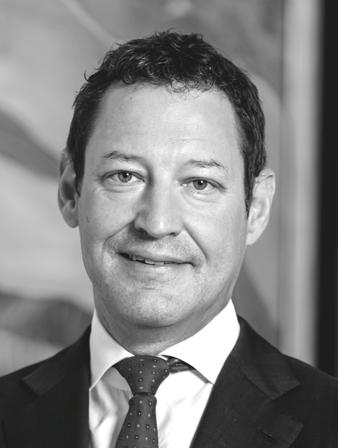
THE MOST AMBITIOUS AND MATURE FINTECHS ARE NO LONGER FIGHTING THE SYSTEM; THEY ARE ACTIVELY TRYING TO JOIN IT AND BECOME PART OF THE REGULATED FINANCIAL SYSTEM. Pic: Supplied
Norman Tambach is the group CFO, Mashreq
reminder of why regulated institutions are indispensable. When confidence evaporates, there is a systemic “flight to quality”, a rush towards the safety and security that only a regulated, well-capitalised bank can provide.
This is not a weakness of the new financial world; it is an enduring human and economic need. The promise of decentralised finance is compelling, but it has yet to answer the fundamental question: who do you call when something goes wrong? Regulation is not a burden we carry; it is the bedrock of the trust that our customers and the global economy place in us.
The most compelling evidence for this renaissance is a trend I call the “Great Convergence.” For years, the fintech playbook was to move fast, break things, and operate outside the traditional banking system. Now, the opposite is happening. The most ambitious and mature fintechs are no longer fighting the system; they are actively trying to join it and become part of the regulated financial system. They are applying for national financial services and Banking licenses. Why? Because they have run into the hard limits of a growth-at-all-costs model and realised that to gain mainstream adoption and true scale, they need the one thing they cannot mint themselves: institutional trust.
The future isn’t “banks versus fintech”; it’s a hybrid ecosystem where banks provide the regulated, trusted backbone for a new generation of financial services.
So, will banks matter in 2030? They will not just matter; they will form the essential foundation of a more complex, digital, and interconnected financial world. The bank of 2030 will operate more as a tech company with a banking license, integrating new technologies like blockchain, tokenisation, and AI within a trusted framework.
We will be the custodians of digital value, the orchestrators of hybrid financial ecosystems, and the regulated engines of embedded finance.
Technological disruption is not the death knell for banking; rather, it is the catalyst for our next evolution. This renaissance will forge an industry that is stronger, more resilient, and more essential than ever before. I would like to conclude with a quote from Wim Duisenberg, the first President of the European Central Bank (ECB). Twenty-five years ago, he observed: “Een bank is tegenwoordig een computer met een marmeren gebouw eromheen.” Freely translated: “Nowadays, a bank is a computer with a marble building around it.”
Despite geopolitical and economic uncertainties, Gulf banks are expected to maintain resilient financial profiles in 2026
In Saudi Arabia and the UAE, banks will continue to benefit from economic transformation and non-oil sector growth. In the former, growth will continue to be driven by corporate lending, boosted by Vision 2030 opportunities. In the latter, retail lending will expand due to population growth, positive consumer sentiment, and faster processing from digitalisation.
In Qatar, the expected increase in gas production will boost headline growth and fiscal and external balances but is unlikely to
create significant banking sector growth in the short term. Banks in Bahrain will face headwinds from softer growth due to low oil prices, which will also affect Kuwait, although reform implementation and investments are likely to support lending growth. In Oman, certain investments and nonoil expansion will continue to underpin banking sector growth.
A supportive economic environment, write-offs, and recoveries have strengthened asset quality indicators. As of June 30, 2025, the non-performing loans (NPLs) ratio for the top 45 banks dropped to 2.7 per cent and the provision coverage ratio increased to 155.6 per cent. Cost of risk reached a cyclical low of 46 basis points. Asset quality indicators are expected to remain stable barring unexpected shocks.
A significant portion of new loans was provided amid a supportive economic backdrop and remains untested through a full economic cycle.
Over the past five years, the top 45 banks issued more than $700bn in net new lending. While lending and underwriting standards are generally strong, new lending is not immune to sharp economic deterioration driven by a global slowdown, lower oil prices, reduced government spending, or heightened geopolitical risk. GCC banks collectively have sufficient buffers to absorb a doubling of current NPLs before showing losses.
Domestic deposit growth is insufficient to fund asset expansion in some markets, particularly in Bahrain and Saudi Arabia, where external funding has picked up. Much of this debt is recycled into local assets, exposing banks to shifts in investor appetite, though GCC-based funding is expected to remain stable.
External debt has also grown in Saudi Arabia to support Vision 2030 projects amid lagging domestic deposits growth. Notably, less-stable interbank funding dropped to 47 per cent of total foreign liabilities as of September 30, 2025, from 59 per cent at year-end 2024. Much of this funding is secured by Saudi banks’ investments in securities, partially mitigating risk.
Qatar also relies on external funding. Despite attacks from Iran and Israel, Qatar experienced no major foreign funding outflows in 2025. Meanwhile, banks in the UAE, Kuwait, and, to a lesser extent, Oman maintain strong net external asset positions.
Dr Mohamed Damak is the MD of Financial Institutions Ratings, S&P Global Ratings
In H1 2025, the top 45 GCC banks showed stable performance. Robust lending volumes partly offset pressures from narrowing net interest margins, supported by efficient operations and declining cost of risk.
In 2026, profitability is expected to soften further, driven by forecasted rate cuts of 50 basis points in H2. Banks are likely to continue investing in digitalisation, cyber risk management, and AI applications in risk management, fraud detection, and customer offerings. Some consolidation may occur in overbanked markets, encouraged by regulators.
Governments in four of the six GCC countries are expected to remain highly supportive of their banking systems, providing assistance to systemically important banks if needed.
OVER THE PAST FIVE YEARS, THE TOP 45 BANKS ISSUED MORE

Saudi Arabia’s move to open its capital market to foreign investors marks a milestone in its journey toward a more mature, resilient, and globally competitive financial system
The decision by Saudi Arabia to open its main capital market to all categories of foreign investors marks a significant milestone in the evolution of its financial ecosystem. Most of the commentary and analysis of this move has centered on the improved access provided, but this is a broader move, involving several other aspects such as increased market depth, an aim to enhance sector-specific regulations, and creating a base for improved institutional readiness.
We should not view this as an isolated policy change, but rather as a continuation of a carefully strategised reform journey - and a shift from
compliance to competitiveness. The primary focus of this move is not to accelerate or radically improve inflows. Saudi Arabia had already opened access previously to qualified institutional Investors to cater to this objective; what we are seeing now is an onset of maturity, spurred by a clear aspiration to expand visibility, and put the country into the limelight on a global scale.
This evolution is closely aligned to the Financial Sector Development Program under Vision 2030,
which aims to transition Saudi Arabia’s capital markets into an advanced global hub. The targets are clear: market capitalisation growth, increased foreign direct investment, further expansion of listed entities, and improved investor diversity, and a “deepening” of the market.
Opening the market to a wider spectrum of investors directly contributes to this programme by diversifying participation and improving liquidity dynamics –though the impact on individual objectives clearly varies. Objectives like doubling the size of the financial sector are clearly addressed by this move. It also contributes significantly to aligning the financial market’s size with that of the banking sector, seeing how increased international participation in the equity market strengthens the non-bank side of the financial ecosystem. Other objectives, focused on such as inclusiveness, and operational efficiency are of course being targeted through other initiatives that are structured to fit that purpose specifically.
THIS IS NO COINCIDENCE. THE MARKET HAS CLEARLY MOVED FROM A FOCUS ON EXPANSION, AND INTO A PHASE OF SELECTIVITY –BEING BETTER POSITIONED TO ABSORB THE (TARGETED) BROADER INVESTOR BASE — FOREIGN RETAIL INVESTORS WHO TEND TO BE MORE VALUATION-CONSCIOUS.
Abhay Bhargava is the managing director and regional leader – Middle East and Africa, Frost & Sullivan
conversations that bring up sentiment-driven volatility risks are misplaced and overstated. Expect greater resilience in the market –considering scale, liquidity, and a bullish domestic investor base. This unique combination of local characteristics will help mitigate volatility that is otherwise often associated with retail inflows.
As participation broadens, expectations from listed companies will radically evolve. Fundamentals will remain critical of course, but companies will increasingly need to articulate growth narratives with clarity and simplicity, while supported by commentary on strategy and implementation roadmaps. Business plans will no longer be able to reside in locked folders – but be made visible to the public eye, highlighting value propositions and differentiation, and telling investor everything they would need to value the companies accurately.
Over the last five years, Saudi Arabia’s capital markets have seen significant activity, sustained by deliberate action, with over 60 IPOs and a steady increase in the number of listed companies. It has also been a period of valuation moderation and market cap consolidation.
This is no coincidence. The market has clearly moved from a focus on expansion, and into a phase of selectivity – being better positioned to absorb the (targeted) broader investor base — foreign retail investors who tend to be more valuation-conscious.
Some sectors would gain more than others. Banking, petrochemicals, telecom, infrastructure, and consumer-led sectors will all benefit from this move, bringing in not just additional capital, but also a drive to enhance by embracing global best practices.
Globally, phased liberalisation (similar to what was seen in Asia) has led to improved governance standards, and stronger disclosure practices, while achieving higher foreign ownership.
Saudi Arabia’s evolution is mirroring this trajectory, having first focused on institutional participation before broadening access. However,
This will be particularly relevant in sectors such as banking, consumer, retail, and technology, where retail investors are more active and performance is more closely scrutinised, not just against stated objectives but also in comparison to (global, regional and local) peers.
Opening the capital market to all foreign investor categories is a logical and well-timed move – aligned closely to Saudi Arabia’s financial sector evolution. It speaks volumes about increased confidence, improved market infrastructure, evolved regulatory frameworks, and sophistication.
There is a need to sustain the momentum. Success will be defined by a continued focus on transparency, governance, and an assured protection of minority interests. The efforts and investments required are worth it. This move has the makings to propel Saudi Arabia’s positioning within global capital markets — not through scale, but through sustained market depth and resilience.
OVER THE LAST FIVE YEARS , SAUDI ARABIA’S CAPITAL MARKETS HAVE SEEN SIGNIFICANT ACTIVITY , SUSTAINED BY DELIBERATE ACTION, WITH OVER 60 IPOS AND A STEADY INCREASE IN THE NUMBER OF LISTED COMPANIES.

The updated law sets a new benchmark for workplace standards, balancing compliance with operational agility for businesses
As the UAE continues to position itself as one of the world’s most competitive business hubs, labour regulation is evolving in step with economic ambition. The forthcoming updates to the UAE Labour Law 2026 reflect a broader shift in how laws are redefining work, rights, and flexibility across the region. For companies operating in the Emirates, the challenge is to ensure that compliance does not come at the expense of operational agility.
This balance will define workforce success in the years ahead.
Over the past decade, the UAE has steadily modernised its labour framework to reflect global best practices while maintaining local economic priorities. The 2026 updates continue this trajectory, addressing changes in work patterns, employee expectations, and employer responsibilities.
At their core, the reforms aim to strengthen workplace protections, clarify employer obligations, and standardise employment practices across sectors. For businesses, this means fewer grey areas but also less room for informal or ad hoc HR arrangements
that once provided flexibility. In short, Labour Law 2026 raises the bar on governance, transparency, and accountability.
While the full implications will vary by sector, several themes are emerging as particularly significant for employers.
01 Employment contracts and work structures
The new laws place greater emphasis on clear contractual terms, including job scope, working arrangements, notice periods, and termination procedures. They expect the fixed-term contracts, probation frameworks, and role definitions to be more tightly regulated.
For employers, this reduces ambiguity but also requires more disciplined workforce planning. Roles designed to evolve informally over time may now need more precise boundaries and review mechanisms.
02 Leave, benefits, and workplace rights
The updates to leave entitlements, workplace protections, and employee rights intend to create consistency and fairness across the labour market. While these changes support employee well-being and engagement, they also require companies to revisit leave policies, payroll systems, and internal approvals to ensure alignment. Companies must not underestimate the operational impact. Even small
changes to entitlements can have ripple effects on scheduling, project delivery, and cost management if not properly planned.
One of the most practical implications of Labour Law 2026 is the increased importance of documentation. From contracts and amendments to leave records and disciplinary processes, companies will need stronger internal controls and audit-ready systems. For organisations accustomed to decentralised or manual HR processes, this may require a fundamental reset. A common concern among business leaders is that tighter regulation reduces flexibility. In reality, compliance and agility are not mutually exclusive, but achieving both requires intentional design. Rigid interpretation of labour law can lead to bloated processes and slower decision-making. Conversely, ignoring regulatory realities exposes organisations to legal, financial, and reputational risk. The most resilient companies are approaching the law as an opportunity to streamline, not complicate, their people operations.
Several practical approaches are already proving effective across the UAE market.
STANDARDISE, THEN CUSTOMISE.
Establish compliant baseline policies across contracts, leave, and disciplinary procedures, then build controlled flexibility through internal guidelines rather than exceptions.
EMBED COMPLIANCE INTO WORKFLOWS. Instead of treating labour law as a legal afterthought, integrate compliance checks into hiring, onboarding, performance management, and exits. This approach reduces friction and the need for last-minute interventions.
INVEST IN MANAGER CAPABILITY.
Many compliance failures stem not from policy gaps,
EMPLOYERS MAY NEED TO RETHINK HOW THEY BALANCE FIXED AND VARIABLE PAY, BENEFITS, AND LONG-TERM INCENTIVES
Pedro Lacerda is the SVP, TASC Outsourcing
but from inconsistent implementation. Training line managers to understand labour obligations is as critical as drafting compliant policies.
PLAN WORKFORCE SCENARIOS EARLY. Whether scaling up, restructuring, or introducing hybrid work models, companies should assess labour law implications at the planning stage, not after making the decisions.
Labour Law 2026 also intersects with compensation strategy. Greater clarity around entitlements, termination, and working conditions makes cost forecasting more predictable, but also less forgiving of poorly designed packages. Employers may need to rethink how they balance fixed and variable pay, benefits, and long-term incentives. Workforce planning will increasingly require collaboration between HR, finance, and legal teams to ensure decisions are both commercially sound and compliant. This impact is particularly relevant in sectors experiencing rapid growth or transformation, where companies must match speed with structure.
One of the less-discussed but most important outcomes of regulatory change is process maturity. Companies that use Labour Law 2026 as a catalyst to modernise HR systems, digitise records, and clarify decision rights will not only reduce risk but also improve efficiency. In contrast, organisations that rely on workarounds or legacy practices may find compliance consuming disproportionate management time and resources.
In a competitive market like the UAE, operational discipline in people management is becoming a differentiator.
UAE Labour Law 2026 is not a constraint on growth; it is a framework for sustainable progress. It reflects the reality that modern economies require modern employment standards - clear, enforceable, and aligned with global norms.
For business leaders, the message is clear: proactive adaptation beats reactive compliance. Reviewing policies, upgrading processes, and equipping managers now will protect both workforce stability and organisational agility in the long term.
The companies that succeed will be those that treat labour law not as a checklist, but as a strategic foundwation for resilience, engagement, and longterm value creation.




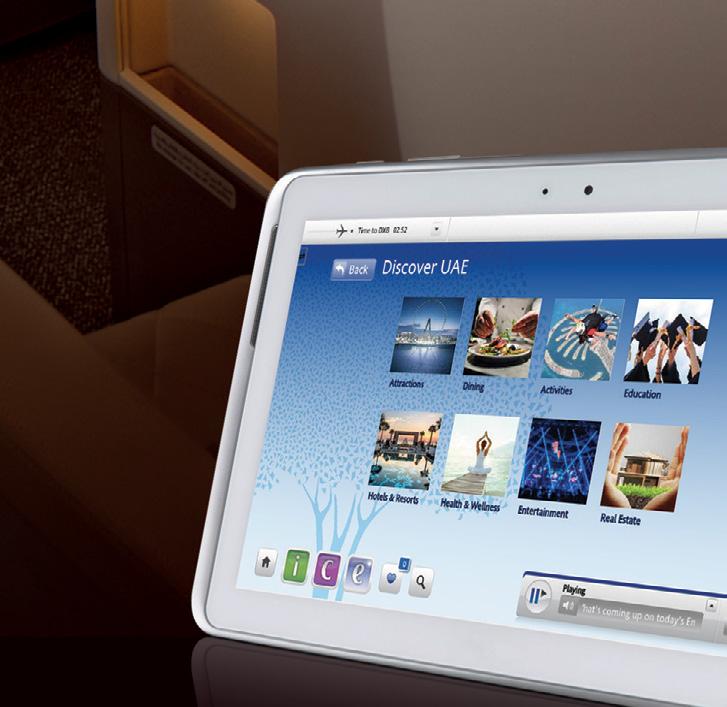
Attractions
Activities

Dining
Health
Education
Entertainment
Real
Hotels
Shopping
The
















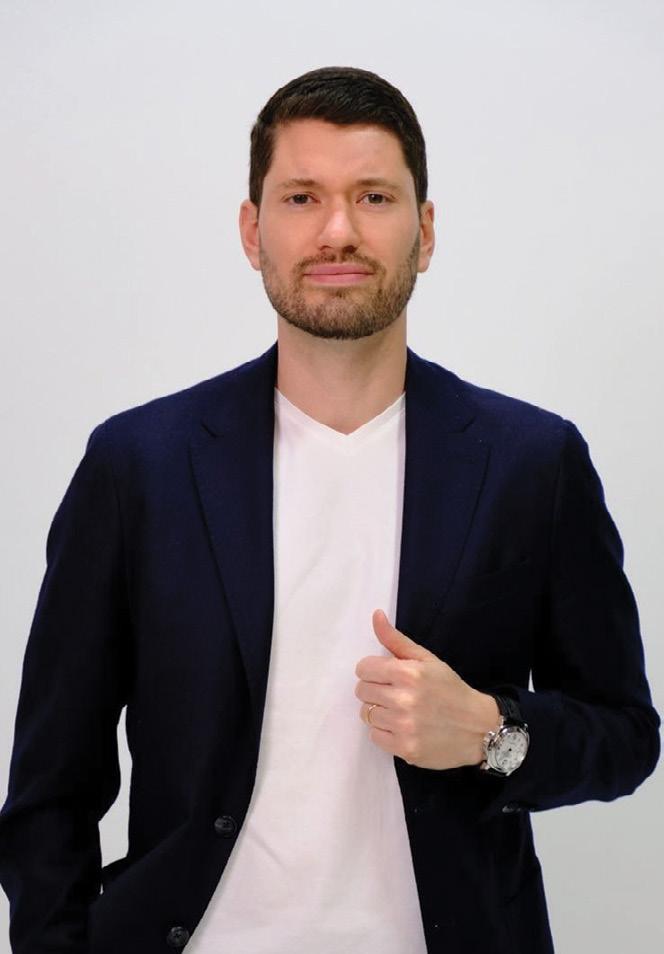
Tarik Erk , regional head for MENAT, Binance
Binance is evolving from a global crypto powerhouse into a trusted regional catalyst, driving regulated, scalable digital finance across MENAT
The cryptocurrency industry reached a crucial turning point in 2025. What began as a phase of experimentation and volatility has now evolved into one defined by widespread execution and institutional participation. At the centre of this transformation is Binance, no longer just a cryptocurrency exchange, but a core pillar of industry infrastructure. Serving 300 million users globally, record on-chain activity, and growing stablecoin settlement volumes, Binance has emerged as an indispensable hub, facilitating trading, custody, and a full spectrum of digital asset services worldwide.
Globally, 2025 saw both spot and derivatives volumes reach unprecedented highs, signaling that users and institutions are moving beyond merely exploring blockchain technology to actively integrating it into sophisticated financial workflows. The narrative has shifted from superficial measures like total value locked (TVL) to focus on execution quality, liquidity robustness, and recurring transaction flows. Binance’s comprehensive ecosystem, covering wallet services, onchain trading, perpetual contracts, real-world assets (RWAs), and stablecoins, aligns perfectly with this maturation. Notably, BNB became the topperforming major crypto asset of the year, driven by increased onchain trading activity, stablecoin settlement adoption, and expanding institutional applications.
The rise of stablecoins as a fundamental settlement layer is one of the strongest market validations of this evolution. Processing over $3.5tn in daily volume, stablecoins now exceed many legacy payment networks in scale and efficiency. This growing reliance on stablecoins underscores the industry’s pivot toward platforms that combine scale, reliability, and seamless access
rather than single-function applications. In tandem with operational growth, Binance Research continues to lead the industry’s understanding of market dynamics amid what many call the “data fog” of volatility, policy shifts, and AI-driven noise. Its 2026 outlook, termed the “Risk Reboot,” anticipates a market shaped by monetary easing, fiscal stimulus, and regulatory clarity, highlighting over $21bn in Bitcoin ETF inflows as a marker of institutional resurgence.
Turning to the MENAT region, the UAE is rapidly establishing itself as a regional hub for blockchain innovation embedded in strong regulatory frameworks. The introduction of dirham-backed stablecoins reflects a strategic commitment to marrying blockchain technology with local currency stability and oversight. These digital assets offer faster settlement times and lower transaction costs, making them highly attractive for payments, treasury management, and onchain financial services. This regional momentum exemplifies the broader global shift toward practical, regulated crypto infrastructure.
A landmark milestone for Binance in this regional context is its recent regulatory authorisation by the Financial Services Regulatory Authority (FSRA) of the Abu Dhabi Global Market (ADGM). ADGM’s comprehensive licensing of Binance’s global platform, Binance.com, represents a groundbreaking achievement — a global first that cements Binance’s mission to become the most trusted and
compliant digital-asset ecosystem worldwide. This regulatory approval is not merely symbolic. It involves three distinct ADGM-regulated entities, each with specific permissions under a gold-standard international framework.
As the crypto industry moves from speculation to sustainable infrastructure, platforms offering comprehensive, scalable, and trustworthy solutions will dominate. Binance’s integrated ecosystem meets these demands worldwide and supports the UAE’s ambitions for a regulated, technology-driven financial future. By bridging global expertise with regional leadership, Binance is poised to unlock new economic opportunities, build trusted financial infrastructure, and help shape the future of finance across MENAT and beyond.
THE RISE OF STABLECOINS AS A FUNDAMENTAL SETTLEMENT LAYER IS ONE OF THE STRONGEST MARKET VALIDATIONS OF THIS EVOLUTION. PROCESSING OVER $3.5TN IN DAILY VOLUME, STABLECOINS NOW EXCEED MANY LEGACY PAYMENT NETWORKS IN SCALE AND EFFICIENCY.
GLOBAL GROWTH HAS STABILISED AND INFLATION HAS COOLED, BUT MARKETS ARE NO LONGER FORGIVING. AS TECHNOLOGY RALLIES NARROW AND POLICY PATHS DIVERGE, AIX INVESTMENT GROUP IS REPOSITIONING PORTFOLIOS FOR RESILIENCE, SELECTIVITY AND LONG-TERM VALUE

Global markets ended 2025 stronger, but far less forgiving.
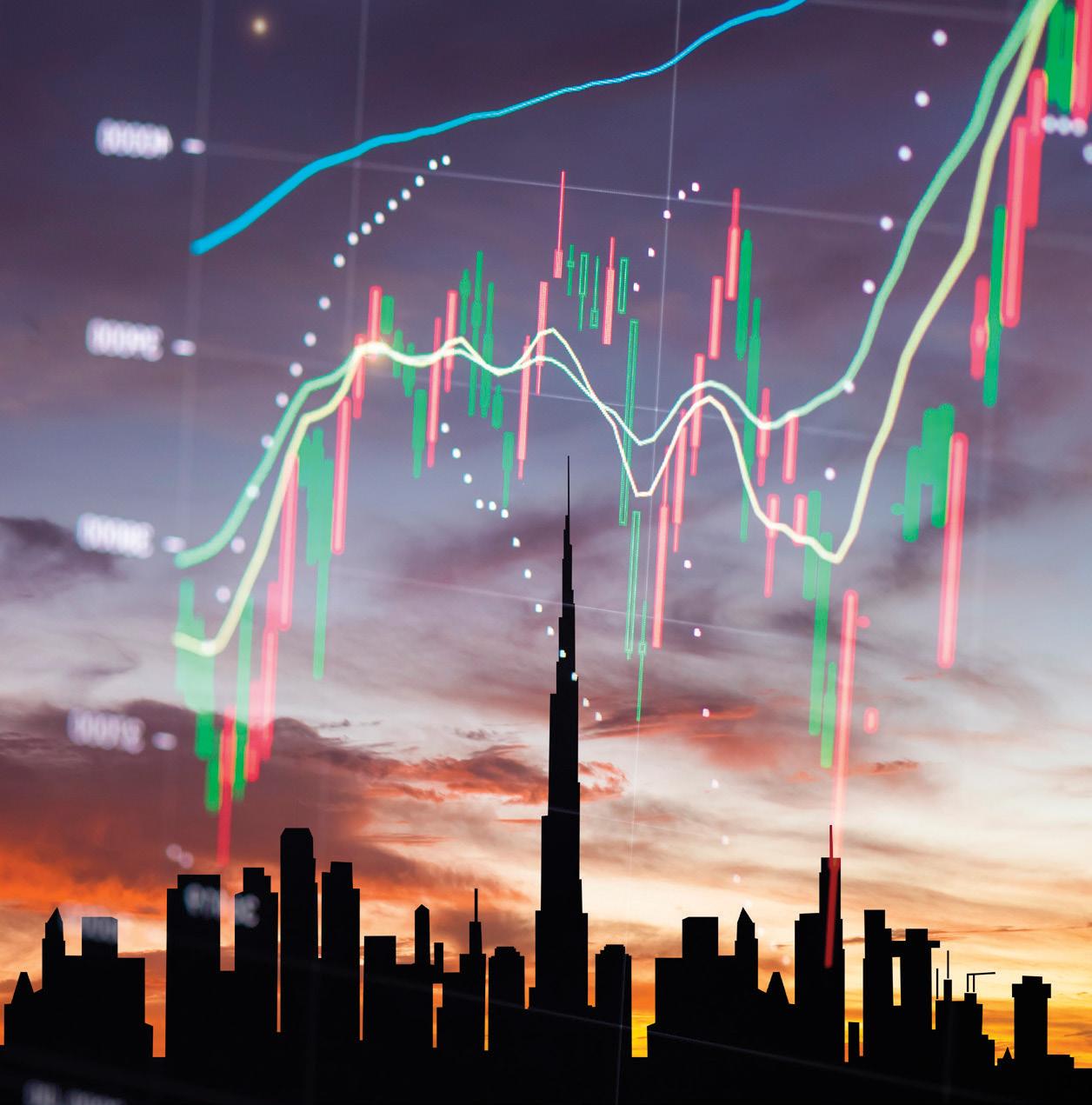
Growth returned, equity indices pushed higher and inflation cooled. Yet the rally exposed a market increasingly dependent on a narrow set of technology and artificial intelligence (AI) leaders. Investors now face a tougher question: will recent gains reflect durable fundamentals or a new phase of concentration risk?
The International Monetary Fund (IMF) expects the global economy to expand by around 3.3 per cent in 2026, a pace that signals stability rather than acceleration. Technology investment, particularly in AI, continues to underpin that growth, helping offset slower momentum in advanced economies. Policymakers, however, are no longer providing uniform support. Central banks have shifted toward caution, weighing selective rate cuts against lingering inflation pressures and uneven labour markets.
Equity markets reflected that imbalance. In 2025, the so-called “Magnificent Seven” technology stocks (Alphabet, Amazon, Apple, Tesla, Meta Platforms, Microsoft, and Nvidia) accounted for well over half of the S&P 500’s total gains, according to market estimates, reinforcing concerns that returns are becoming increasingly concentrated. By contrast, large parts of the market delivered more modest performance. The MSCI All Country World Index rose solidly over the year, but US equities continued to dominate returns, underscoring the growing divergence between headline indices and underlying breadth.
Bond markets, meanwhile, have reclaimed strategic relevance. After years in the shadows, fixed income once again offers income, diversification and downside protection as yields reset higher. The result is a market environment that rewards selectivity rather than passive exposure.
The UAE enters this cycle from a position of relative strength. Forecasts from multilateral institutions point to around 5 per cent real GDP growth in 2026, driven by non-oil expansion, investment inflows and continued economic diversification. That pace places the country well ahead of many advanced economies and reinforces its role as a regional hub for capital and asset allocation.
This combination of moderate global growth, cooling but uncertain inflation along with increasingly selective market leadership is forcing investors to rethink long-standing playbooks. For AIX Investment Group, the focus has shifted away from momentum and toward durability: constructing portfolios designed to absorb volatility while capturing long-term opportunity.
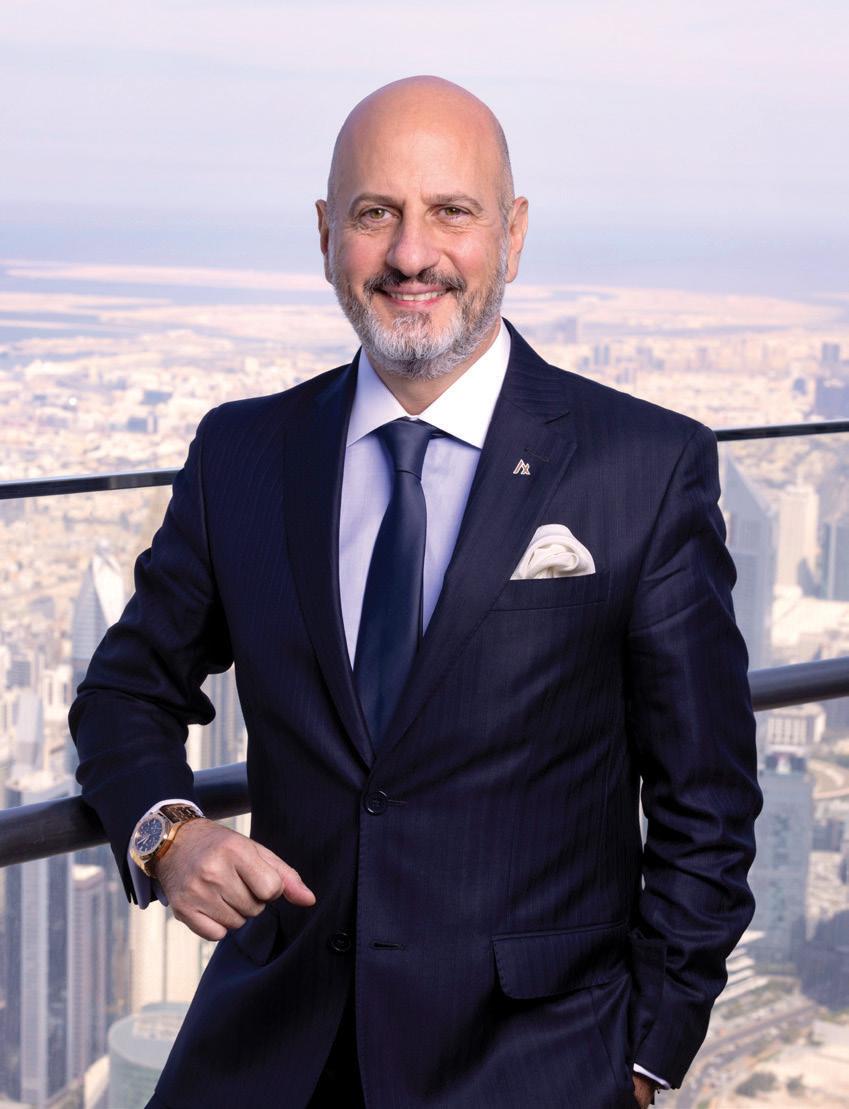
“As we move into 2026, the global rate environment is no longer binary,” says Fadi Dabbagh, president of the board at AIX Investment Group. “We are seeing selective easing in some developed markets, continued caution in others, and structurally higherfor-longer dynamics in certain regions. At AIX Investment Group, this complexity creates opportunity rather than constraint.”
For much of the past decade, ultra-low yields pushed fixed income into a defensive corner of multi-asset portfolios. That dynamic has changed. Higher yields across developed and emerging markets have restored bonds as a core strategic asset, capable of delivering income, diversification and capital preservation.
“Our fixed income strategy is increasingly granular and selective,” Dabbagh explains. “It focuses on active duration management, curve positioning, and high-quality yield capture. Structured fixed income instruments offer attractive risk-adjusted returns without excessive exposure to rate volatility.”
That selectivity matters in a world where rate expectations diverge sharply by geography. While parts of the developed
world prepare for cautious easing, others remain in a higher-forlonger posture, forcing investors to manage duration and credit risk more precisely.
“Importantly, we are not chasing yield blindly,” says Dabbagh. “The emphasis is on capital preservation, liquidity, and resilience, while positioning portfolios to benefit as rate cuts eventually feed through to bond prices.”
The shift reflects a broader recalibration among investors. After years of equity-led returns driven by a narrow leadership group, many are reassessing the role of predictable income and balancesheet strength.
“In many ways, fixed income has reasserted itself as a strategic pillar of long-term wealth creation and we see 2026 as a year where disciplined bond investing is rewarded,” he adds.
Geopolitical risk no longer arrives as a surprise. Trade realignment, sanctions regimes and energy security concerns now shape market behaviour on a continuous basis. Rather than attempting to forecast political outcomes, AIX Investment Group focuses on constructing portfolios that can function across regimes.
“Geopolitical risk is now a permanent feature of the investment landscape, not an episodic shock,” says Dabbagh. “At AIX Investment Group, we do not attempt to predict geopolitical events; instead, we build portfolios that can withstand and adapt to them.”
That philosophy translates into diversified exposure across regions, currencies and economic systems, supported by ample liquidity buffers and disciplined position sizing.
“Our goal is not to become overly defensive, but to remain flexible so that portfolios can absorb shocks while still capturing long-term opportunities,” he says. “In today’s
THE AGE OF BROAD, EASY MARKET GAINS IS OVER — RESILIENCE AND SELECTIVITY NOW MATTER MORE THAN MOMENTUM.”
— Fadi Dabbagh , president of the board at AIX Investment Group
world, resilience is not about avoiding risk altogether, but about managing it intelligently.”
Furthermore, AI continues to dominate market narratives, but AIX Investment Group argues its influence extends well beyond equity valuations and earnings growth. Productivity gains, cost structures and competitive positioning increasingly affect credit quality and long-term growth assumptions.
“Technology and AI in particular is no longer just an equity story,” says Dabbagh. “It is increasingly influencing productivity, corporate margins, credit quality and longterm growth expectations, all of which feed directly into fixed income markets.” Those dynamics now inform AIX Investment Group’s issuer selection, credit analysis and duration decisions. The firm also monitors how AI-driven productivity gains may influence long-term inflation expectations and yield curves.“We are also attentive to how technological productivity gains may influence long-term inflation expectations and yield curves, potentially supporting a more favourable backdrop for longerduration assets over time,” he explains. “In this sense, technology is quietly becoming one of the key macro drivers of fixed income performance.”
The US remains a dominant engine of innovation and capital formation, but its equity market has become increasingly concentrated. US stocks now account for roughly 70 per cent of the MSCI All Country World Index’s market capitalisation, leaving global portfolios heavily exposed to a single
Global GDP growth projected at ~3.3 per cent, signalling stability rather than acceleration (IMF)
UAE growth forecast at ~5 per cent, underpinned by non-oil expansion and investment inflows
The “Magnificent Seven” stocks generated more than half of S&P 500 gains in 2025
US equities now account for around 70 per cent of MSCI ACWI market capitalisation, highlighting global concentration
economy and sector. AIX Investment Group’s strategy therefore places growing emphasis on selective opportunities outside the US, particularly where structural growth drivers are supported by improving institutional frameworks.
“In 2026, we see particularly compelling opportunities in select emerging markets, parts of the Middle East, Asia, and certain European economies outside the US core,” says Dabbagh. “These regions benefit from favourable demographics, infrastructure investment, fiscal discipline and, in some cases, reduced correlation with US-centric cycles.” The objective, however, is not to chase short-term performance. “The goal is not to maximise returns in any single year, but to compound wealth steadily while protecting capital across cycles,” he emphasises.
Meanwhile, inflation has retreated from recent highs, but AIX Investment Group remains cautious about declaring victory. Energy transition costs, supply-chain reconfiguration and geopolitical disruption
AT ITS CORE, ‘WE ARE THE FUTURE’ IS OUR COMMITMENT TO GIVING BACK TO THE COMMUNITY AND TO KEY SEGMENTS OF SOCIETY THROUGH A STRUCTURED, LONG-TERM SOCIAL RESPONSIBILITY AGENDA .”
— Morne Reinecke , director, AIX Investment Group
continue to inject uncertainty into price dynamics. “While headline inflation has eased, we believe structural inflation volatility will persist due to energy transition costs, supply-chain reconfiguration and geopolitical factors,” says Dabbagh. As a result, the firm avoids extreme duration or credit positioning, favouring balanced exposure and flexibility.
“We avoid extreme positioning in either direction,” he says. “Ultimately, portfolio resilience in 2026 is about adaptability. Investors must be prepared for inflation to move in both directions, and portfolios should be structured to perform across that wide range of outcomes.”
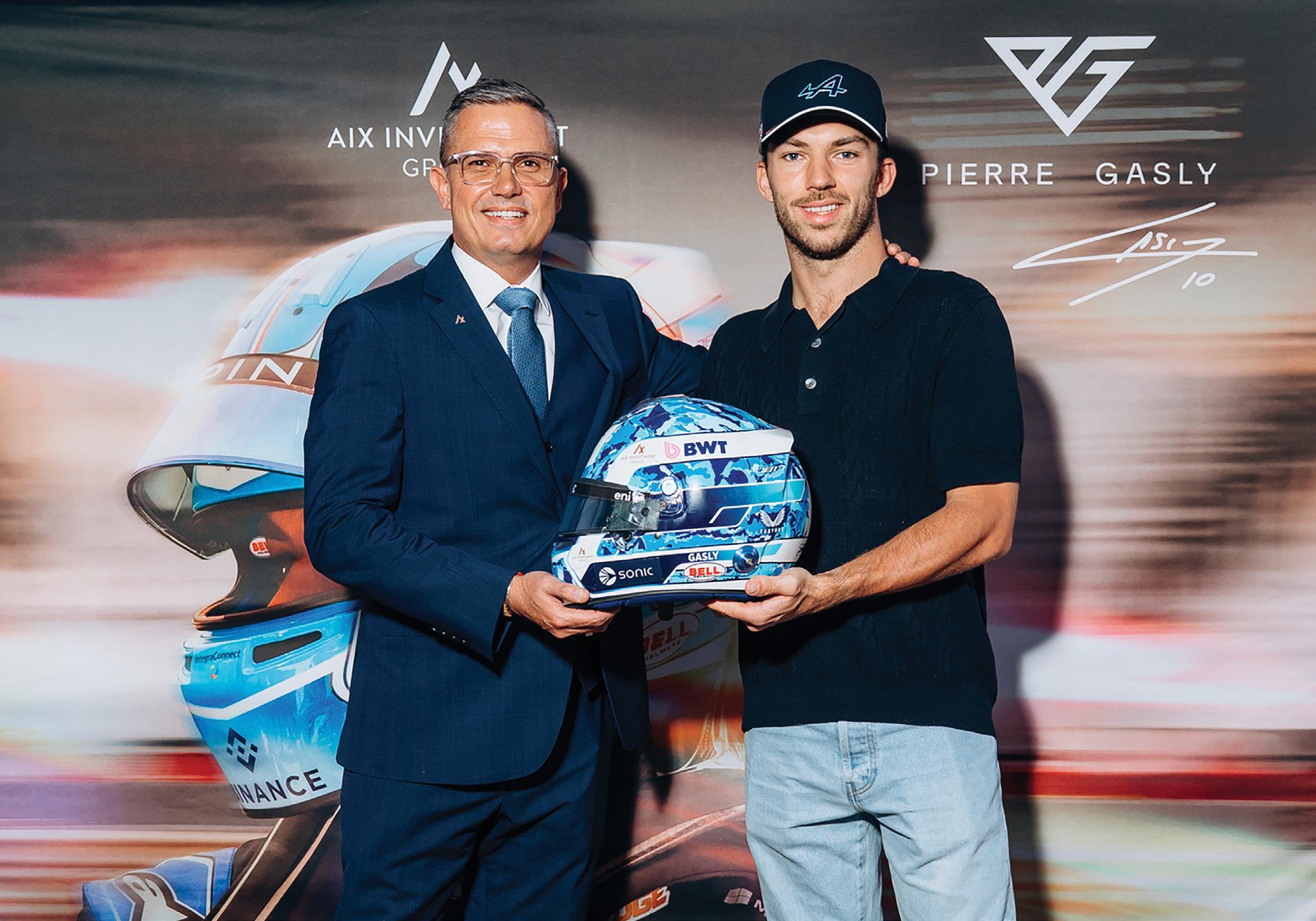
Alongside its investment strategy, AIX Investment Group continues to expand its global profile. In April last year, the group announced its official sponsorship of Formula 1 driver Pierre Gasly for the 2025 season, placing the AIX Investment Group logo on the side panel of Gasly’s helmet throughout the Formula 1 World Championship.
Gasly, currently racing for the BWT Alpine F1 Team, is known for his ability to perform under pressure.
“From his early days in karting to his Grand Prix victory at Monza, Gasly has consistently demonstrated the skill, determination, and ambition that defines a Formula 1 competitor. As a key figure on the grid, his journey continues to inspire fans and set a benchmark for excellence in motorsport,” AIX Investment Group said in a statement.
“This partnership represents a step forward in our motorsport journey, from supporting young talent through our Formula 2 and Formula 3 teams, AIX Racing, to now having a presence in Formula 1,” says Morne Reinecke, director at AIX Investment Group. “It’s a key milestone
LOOKING BEYOND 2026, AIX INVESTMENT GROUP PLANS TO DEEPEN ITS USE OF DATA, ANALYTICS AND AI-ENABLED TOOLS WHILE MAINTAINING A STRONG ROLE FOR HUMAN JUDGEMENT
and a meaningful step toward continued growth.” Brand visibility sits alongside AIX Investment Group’s longer-term focus on impact and responsibility through its ‘We Are The Future’ initiative, a structured social responsibility framework integrated with the group’s broader strategy.
“At its core, ‘We Are The Future’ is our commitment to giving back to the community and to key segments of society through a structured, long-term social responsibility agenda,” says Reinecke. Rather than one-off initiatives, the programme prioritises continuity and measurable outcomes across education, health, youth development and sport.
“We see our social investments as an extension of our core philosophy as an investment group: to build compounding value over time,” he says. “Just as we construct portfolios for resilience and long-term performance, we construct our community initiatives to be sustainable, scalable and aligned with the future we want our clients, partners and their families to inherit.”
Looking beyond 2026, AIX Investment Group plans to deepen its use of data, analytics and AI-enabled tools while maintaining a strong role for human judgement.
“Our philosophy is that technology should augment, not replace, human judgement,” Reinecke notes. “Our edge lies in combining modern AI and quantitative techniques with experienced portfolio managers, strong research capabilities and traditional trading principles.”
As markets adjust to a post-easy-money era, AIX Investment Group’s strategy reflects a simple premise: returns still exist, but they must be earned through selectivity, discipline and resilience — not assumption.
CITY IN A BID TO BECOME THE WORLD’S LARGEST HEALTHCARE EVENT
WORDS NEESHA SALIAN
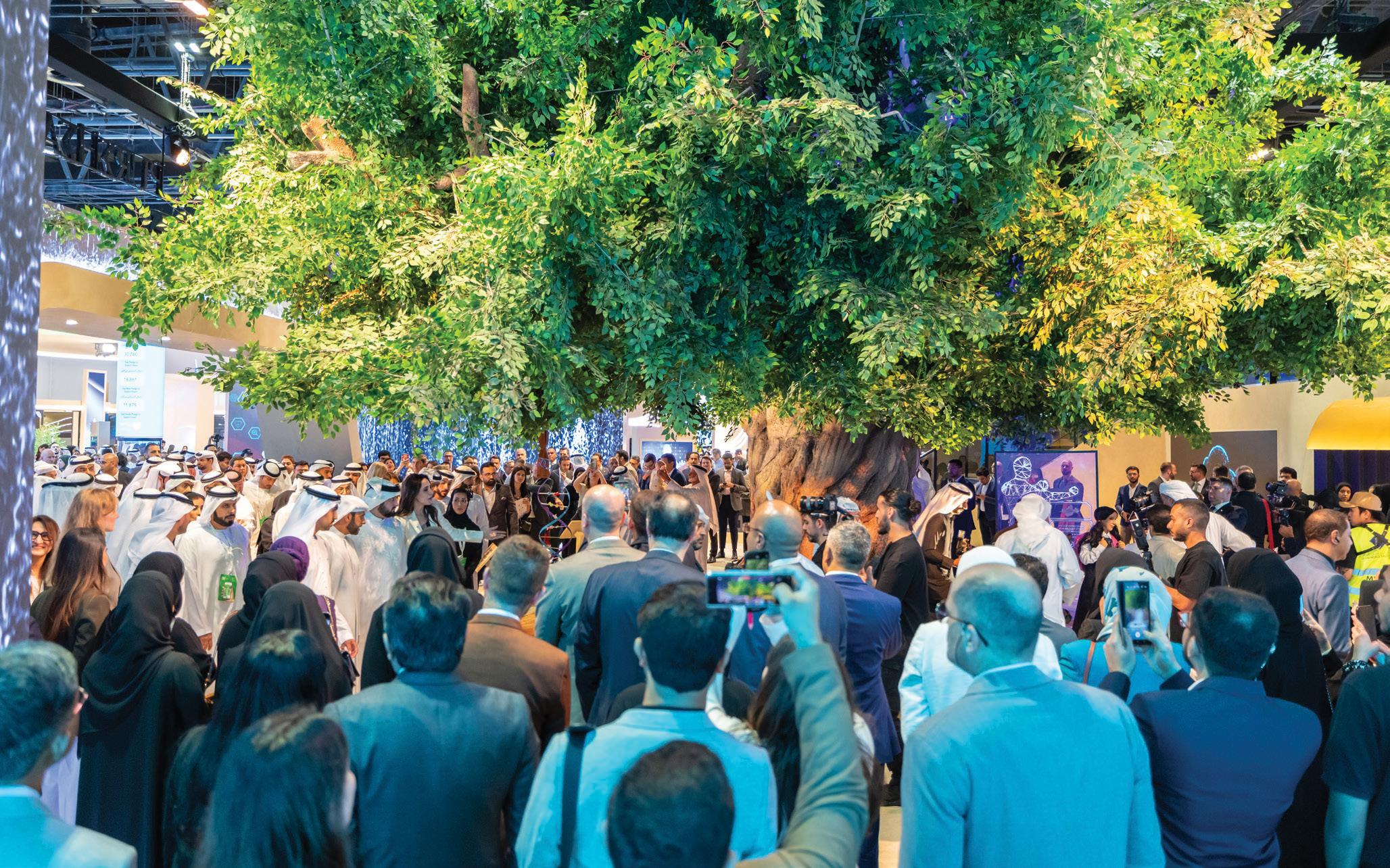
For half a century, Arab Health has been the anchor of the Middle East’s healthcare calendar, an expansive platform where medical device manufacturers, hospital executives, and health ministers converge each February at Dubai World Trade Centre. But 2026 marks a decisive break from that history. The event has been rebranded as World Health Expo (WHX), relocated to the Dubai Exhibition Centre at Expo City, and positioned as something far more ambitious: a city-wide healthcare summit that organisers claim will be the largest of its kind globally.
The name change is more than cosmetic. Informa, the exhibition’s organiser, has unified its global healthcare portfolio under the WHX banner, signalling an intent to move beyond regional relevance toward genuine international weight. The timing feels deliberate. As Gulf states accelerate their healthcare diversification strategies and biotech investment surges worldwide, a freshly branded platform offers better positioning to attract the Silicon Valley crowd, European pharma giants, and Asian diagnostics firms that increasingly see the Middle East as a growth market rather than a peripheral one. The venue shift adds physical scale to match the rebranding ambitions, with room to accommodate what organisers project will be 235,000 professional visits and 4,300 exhibitors from more than 180 countries.
Peter Hall, president for the Middle East, India, Türkiye and Africa at Informa, describes the move as “a pivotal moment in the evolution of the event” that reflects “both our ambition and the scale at which the global healthcare industry now engages with the region.”
The subtext is clear: Arab Health had surpassed both its name and its venue. China, Germany, the US, the UK, and South Korea have all expanded their country pavilions compared to 2025, while Croatia, Slovakia, Thailand and Luxembourg are making their first appearances. Major healthcare players, including GE Healthcare, Siemens Healthineers, Philips, and regional powerhouses like Saudi German Health have committed to some of their largest exhibition presences in the event’s history.
What really elevates WHX is the government presence. The UAE’s Ministry of Health and Prevention will be joined by the Dubai Health Authority, the Department of Health Abu Dhabi, and the Sharjah Health Authority, a rare concentration of federal and emirate-level decision-makers in one place. Their confirmed attendance shifts WHX beyond a trade show, turning it into a space where policy direction, procurement priorities, and regulatory thinking are debated in parallel with product showcases. Ross Williams, commercial director at Informa, sees this government engagement as validation. “Bringing these entities together highlights the strategic importance of WHX as a space where public and private sector leaders align on the future direction of healthcare,” he says. “Our move to the Dubai Exhibition Centre enables us to host this unprecedented level of participation at scale, creating an environment where policy, investment, and innovation come together to drive tangible impact.” The 2026 edition also introduces a dedicated Biotech & Life Sciences Zone, an acknowledgment that the sector is evolving faster than traditional exhibition categories can capture. The global biotechnology market, currently valued at roughly $1.6tn, is projected to exceed $4tn by 2035, with the GCC alone expected to reach $2.6bn by 2028. The zone’s programming, featuring sessions on AI-driven drug discovery, cell and gene therapy access, and translational research, suggests organisers are betting that the Middle East’s role in biotech will extend beyond consumption to active participation in research and manufacturing. Solenne Singer, SVP at Informa, frames the expansion in strategic terms. “The introduction of a dedicated Biotech & Life Sciences Zone reflects the ambitions of WHX in Dubai and the growing expertise
WHX and WHX Labs are expected to draw a combined 270,000 professional visits and 4,800 exhibitors
within our global community,” she says. “Biotechnology is transforming every aspect of healthcare, and our platform is uniquely positioned to connect the world’s leading scientists, innovators and industry partners together to accelerate this progress.”
Adding to the scale, WHX Labs, the rebranded Medlab Middle East marking its 25th anniversary, will run concurrently at Dubai World Trade Centre from February 10 to 13. Together, the two events form a coordinated, citywide healthcare platform that organisers
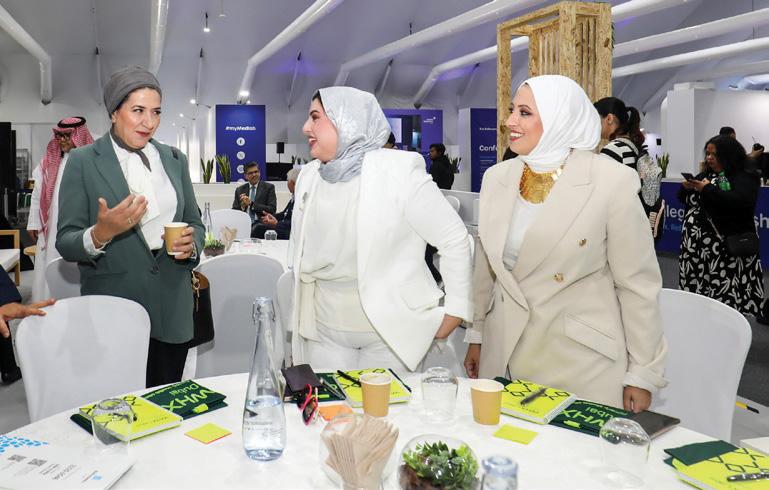
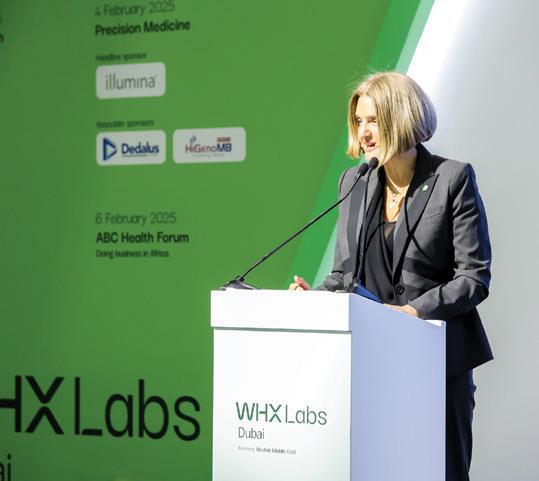
expect to draw a combined 270,000 professional visits and 4,800 exhibitors. The dual-venue format is intentional, designed to expand capacity without fragmenting the experience, with transport and programming structured to keep momentum flowing across the city.
More than a rebrand, WHX reflects a strategic evolution. Arab Health’s five-decade legacy laid the foundation, but WHX is built to operate at a different altitude, one defined by scale, policy engagement, investment flow, and cross-border collaboration. By aligning infrastructure, government participation, and global industry in a single, tightly orchestrated moment, Dubai is positioning itself not just as a host of healthcare dialogue, but as a place where the sector’s next phase is actively shaped.
WHX runs from February 9–12 at Dubai Exhibition Centre, Expo City Dubai. For more details visit: worldhealthexpo. com/dubai
WORDS RAJIV PILLAI
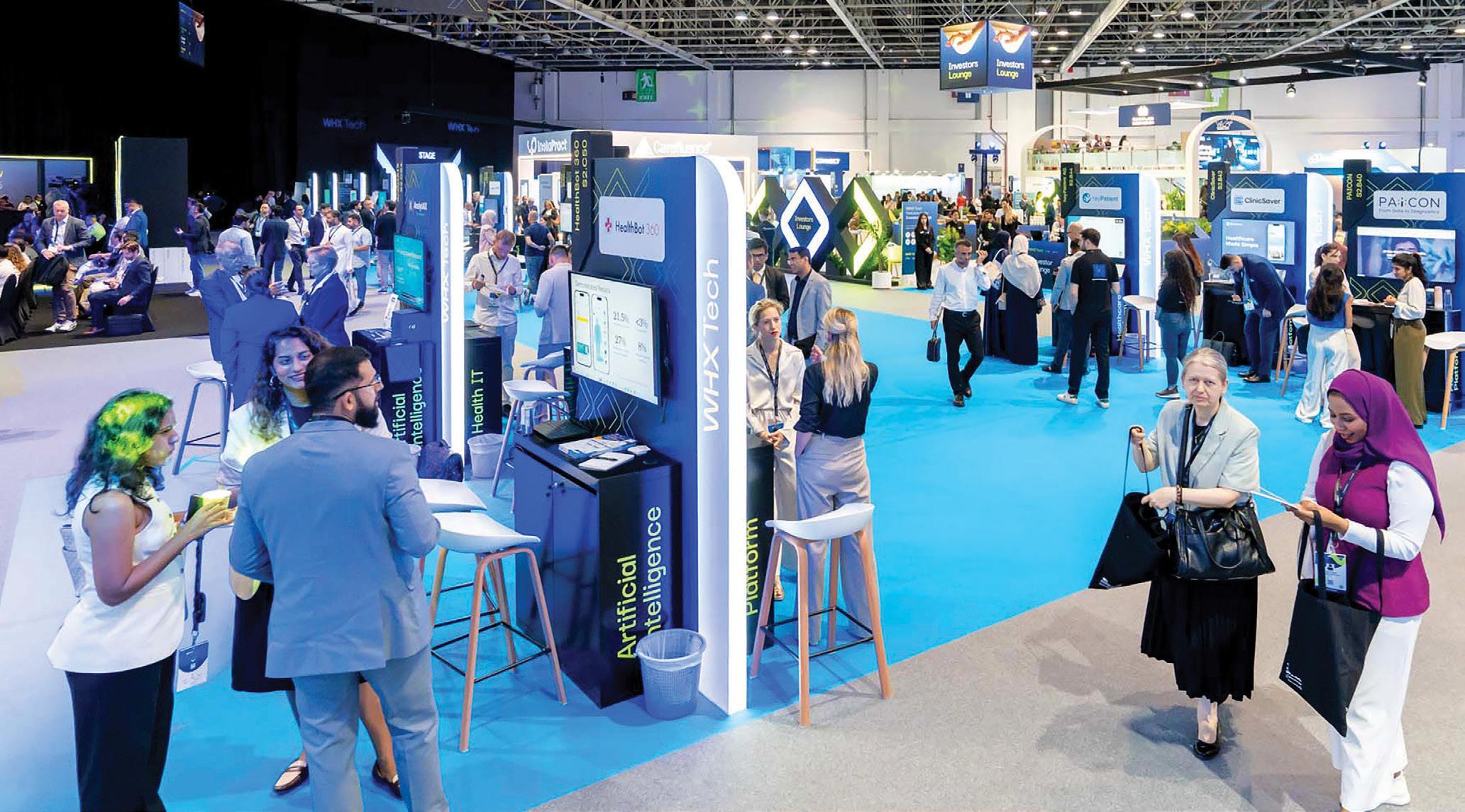
When WHX Tech made its debut in Dubai in September 2025, it entered a crowded global conversation around digital health, artificial intelligence, and the future of care delivery. What marked the event was not just its size, but the mix of players it attracted. Healthcare providers, technology firms, policymakers, investors, and innovators converged in a way that pushed the conversation beyond blue-sky ideas, grounding it instead in practical deployment, adoption and execution.
Held at the Dubai World Trade Centre and delivered by Informa in partnership with HIMSS, the first edition of WHX Tech concluded after three days of programming, collaboration, and deal-making that underscored the growing urgency around digitally enabled healthcare systems.
By the numbers, WHX Tech 2025 delivered a strong opening statement. More than 4,200 healthcare professionals attended across the three days, alongside over 200 speakers and more than 300 exhibiting brands. Participation spanned 30-plus countries, supported by a dedicated investor and startup presence that included 48 startups and 66 investors. These metrics reflected not only regional demand, but also the event’s ability to attract international stakeholders seeking access to Middle East healthcare markets and innovation ecosystems.
Beyond attendance figures, the composition of the audience offered a clear signal of where healthcare transformation is being driven. Technology companies, clinics and medical practices, and government and public-sector entities emerged as the top three industry groups represented. This cross-sector mix reinforced a central theme that ran through the event: digital health progress increasingly depends on collaboration between policymakers, providers, and technology developers, rather than innovation operating in silos.
A defining structural feature of WHX Tech’s first edition was its advisoryled programme design. The event was guided by an international advisory board comprising senior healthcare and technology leaders from organisations including Microsoft, NEOM, Frost & Sullivan, AWS, and BioIntelliSense. Their role was not symbolic; it shaped session curation, thematic priorities, and the balance between strategy-level discussions and applied case studies.
This influence was visible across the agenda, which consistently emphasised scalability, governance, interoperability, and clinical relevance. Rather than focusing solely on futuristic concepts, sessions examined how AI, data platforms, digital diagnostics, and connected care models are being deployed today, where they are delivering measurable impact, and where barriers remain.
Programming was organised across three dedicated stages, each serving a distinct purpose. The World X stage addressed global health priorities, policy frameworks, and the acceleration of digital transformation across healthcare systems. Future X focused on emerging science and consumerfacing technologies, including digital longevity, advanced AI applications, and next-generation health interfaces. Meanwhile, Xcelerate functioned as the Pics: Supplied
Date: September 14-16, 2026
Location: Dubai World Trade Centre, United Arab Emirates Website: worldhealthexpo. com/tech
commercial and entrepreneurial engine of the event, connecting startups, scaleups, and investors through curated pitches, mentoring, and a flagship startup competition. High-profile speakers from across healthcare delivery, technology development, and public policy anchored the agenda. Leaders from institutions such as Samsung Medical Center, Narayana Health, Philips, and government advisory bodies shared insights into how digital tools are reshaping clinical workflows, diagnostics, and patient engagement. Their participation reinforced WHX Tech’s positioning as a forum where global experience meets regional ambition.
One of the most tangible outcomes of WHX Tech 2025 was the level of commercial engagement it facilitated. More than 300 brands showcased solutions spanning smart hospitals, biotech, AI-driven diagnostics, and consumer health technologies. For hospital leaders and procurement teams, the event offered a consolidated view of available technologies and an opportunity to assess solutions against specific operational needs. That practical value was echoed by attendees from across the healthcare ecosystem. Hospital representatives highlighted the relevance of solutions on display and the efficiency of engaging
directly with technology providers in a focused setting. Industry executives similarly pointed to the event’s emphasis on future-ready, AI-enabled healthcare as a differentiator within the broader global event landscape. The startup ecosystem was another clear beneficiary. Through the Xcelerate programme, early-stage companies gained exposure to investors, healthcare buyers, and strategic partners. The Champion of Innovation Award, carrying a $50,000 prize, was awarded to Strolll, a digital therapeutic platform using augmented reality glasses to support neurorehabilitation. Additional awards recognised patientcentric innovation and early-stage AI applications, reinforcing WHX Tech’s role as a launchpad for emerging health technologies entering regional markets.
As WHX Tech prepares to return to Dubai from September 14–16, expectations are notably higher. The event is no longer introducing itself to the market; instead, it is building on an established foundation and a clear mandate. The focus now shifts from proving relevance to scaling influence.
The 2026 edition will again be delivered in partnership with HIMSS, reinforcing its alignment with global healthcare IT standards, frameworks, and best practices. Organisers are positioning the next edition as a space where digital
health innovation meets operational reality, with a continued emphasis on implementation, outcomes, and crossborder collaboration.
One of the key developments for 2026 is the expanded Connections Programme, an initiative designed to maximise value for both buyers and exhibitors. Through curated, pre-arranged meetings, the programme aims to streamline engagement between healthcare decisionmakers and solution providers, reflecting a broader shift in how B2B events measure success. Time efficiency, relevance, and deal conversion are increasingly as important as footfall.
Strategically, WHX Tech 2026 will also arrive at a moment when conversations around AI in healthcare are becoming more urgent and less theoretical. Healthcare systems globally are under pressure from rising chronic disease, workforce shortages, and cost constraints. Against this backdrop, the debate has shifted from whether digital tools should be adopted to how quickly and responsibly they can be deployed at scale.
This perspective was articulated by Solenne Singer, SVP at Informa, in a recent opinion piece examining the pace of AI adoption in healthcare. As she wrote, “the real risk isn’t in moving forward. It’s in standing still.” The observation captures a broader sentiment shaping the agenda for WHX Tech 2026: that delay now carries tangible human and systemic costs.
THE REAL RISK ISN’T IN MOVING FORWARD. IT’S IN STANDING STILL.”
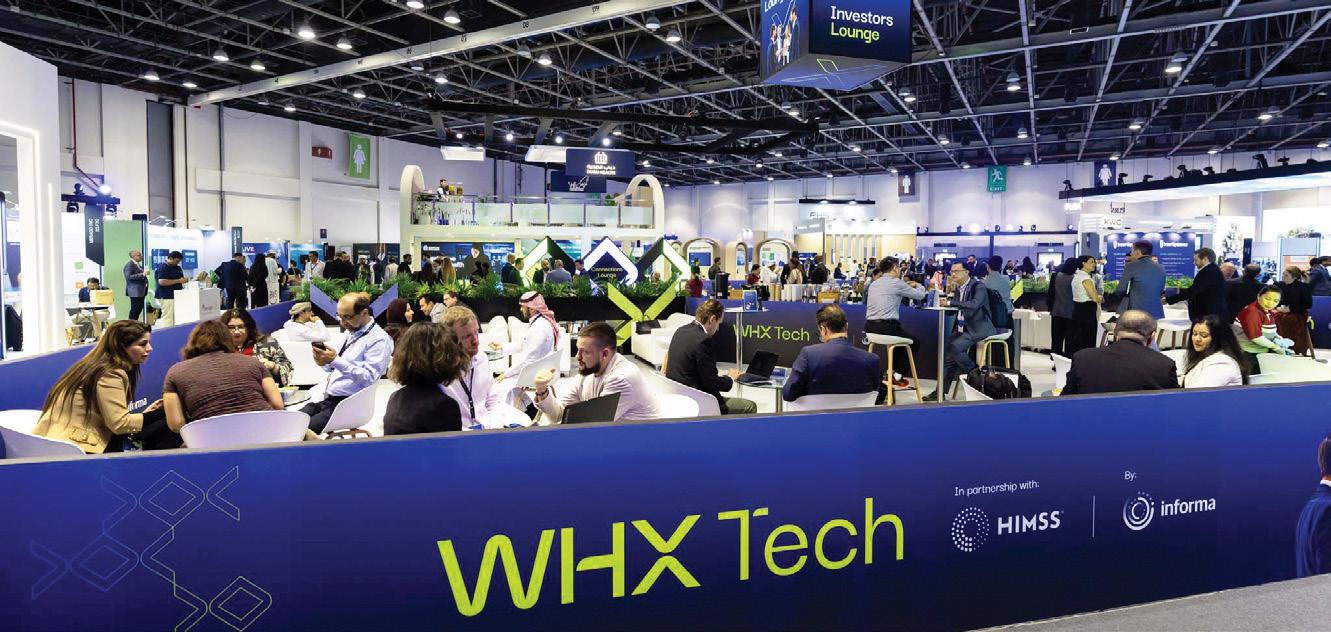
The Middle East, and the UAE in particular, has emerged as a testbed for healthcare innovation, driven by national digital health strategies, investment in infrastructure, and a willingness to pilot new technologies. WHX Tech’s Dubai location positions it at the intersection of global innovation and regional execution, making it relevant not only to local stakeholders but also to international companies. From its debut edition to its upcoming return, WHX Tech has evolved. The 2025 edition demonstrated appetite, engagement, and commercial relevance. The 2026 edition now has the opportunity to deepen impact, influence adoption, and help shape how digital health solutions are deployed across healthcare systems globally.
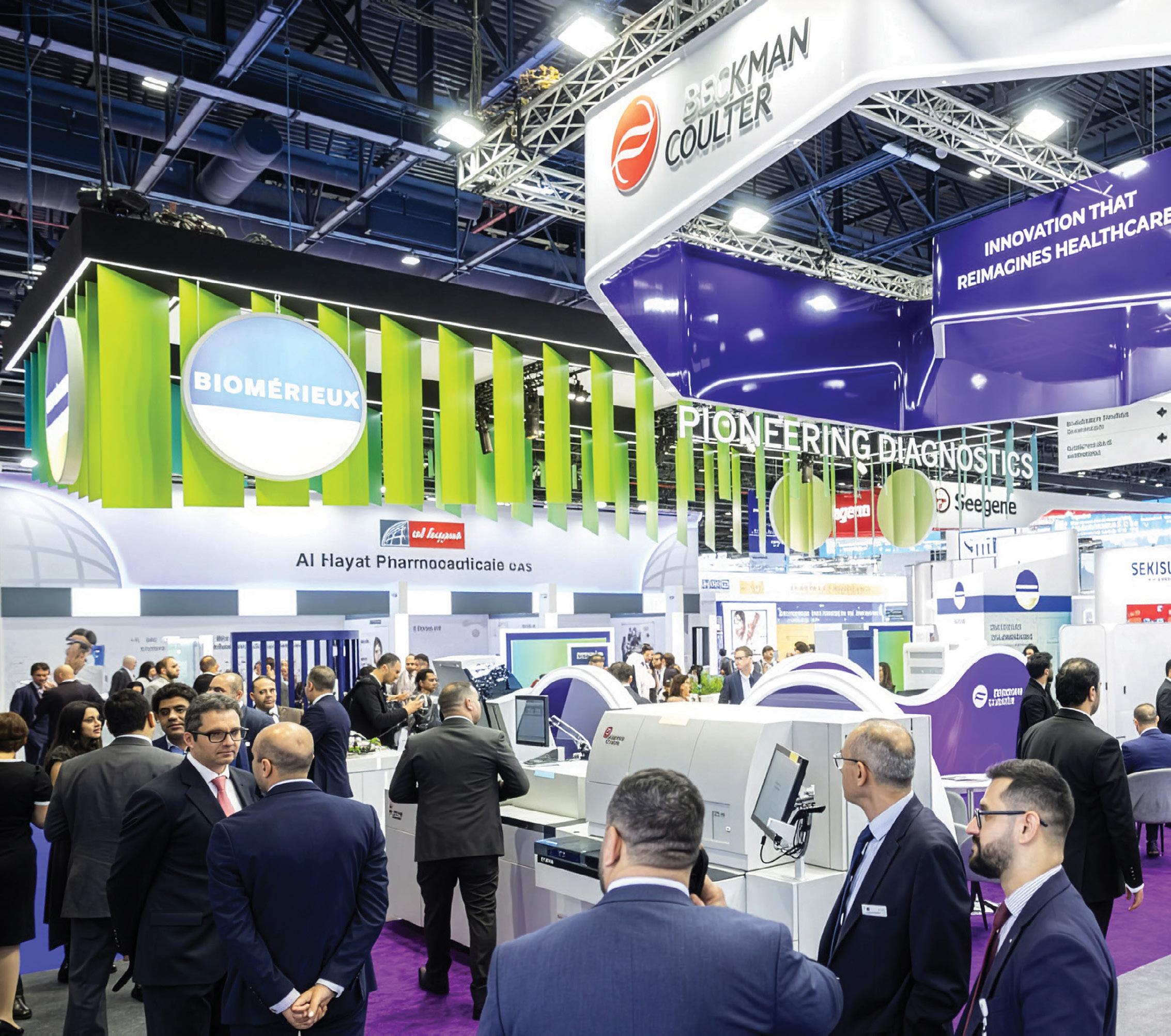
25 YEARS, 35,000 GLOBAL LEADERS, ONE HEALTHCARE HUB:
AS WORLD HEALTH EXPO (WHX) LABS MARKS 25 YEARS OF INNOVATION IN 2026, THE LABORATORY AND DIAGNOSTICS PLATFORM IS SCALING ITS GLOBAL INFLUENCE, ANCHORING THE WORLD’S LARGEST HEALTHCARE GATHERING WHILE LAUNCHING NEW FLAGSHIP SUMMITS FOCUSED ON HEALTH AND ANTIMICROBIAL RESISTANCE AT DUBAI WORLD TRADE CENTRE
WORDS NIDA SOHAIL
orld Health Expo (WHX) Labs, formerly known as Medlab Middle East, will celebrate 25 years of innovation at its 2026 edition, reinforcing its position as the region’s leading laboratory and diagnostics event and a key pillar of the world’s largest healthcare gathering.
Held from February 10–13 at Dubai World Trade Centre (DWTC), WHX Labs will coincide with World Health Expo (WHX), creating an unparalleled global platform for healthcare dealmaking, collaboration and knowledge exchange. The event is held under the patronage of the UAE Ministry of Health and Prevention, underscoring the nation’s commitment to delivering worldleading healthcare and advancing scientific excellence.
Marking a quarter century of progress, the 2026 edition will be staged under the theme “25 years of laboratory innovation: Uniting Communities for better health”, bringing together global laboratory leaders, innovators and policymakers to address some of the most pressing challenges facing healthcare systems worldwide.
A quarter century of growth and global influence
Over the past 25 years, WHX Labs has evolved from a regional laboratory exhibition into a global marketplace for diagnostics, laboratory science and precision medicine. In 2025 alone, the event generated $621m in business and attracted 27,853 professional visits, reflecting its growing commercial and strategic relevance to the global healthcare ecosystem.
Building on this momentum, the 2026 edition is expected to host more than 800 exhibitors from over 40 countries and welcome more than 35,000 professional visits. The scale of participation highlights Dubai’s role as an international convening hub for healthcare innovation and reinforces WHX Labs’ position as a catalyst for cross-border collaboration.
“Having been at the forefront of the laboratory industry in the UAE over the past 25 years, WHX Labs continues
— Tom Coleman, portfolio director, Informa
to drive the future of healthcare,” said Tom Coleman, portfolio director, Informa. “Over the course of four days, the 2026 edition will unite laboratory experts, healthcare leaders, innovators and technology providers from around the world at DWTC, delivering new possibilities in global healthcare diagnostics.”
Launch of AMR summit signals a strategic expansion
A defining feature of WHX Labs in Dubai 2026 will be the launch of a new flagship conference: the AMR Leaders’ Summit, designed to expand the event’s role as a global platform for advancing healthcare innovation and policy alignment.
This launch signals a strategic expansion beyond traditional laboratory disciplines, reflecting the growing importance of genomics, data-driven medicine and antimicrobial resistance in shaping the future of global healthcare delivery.
From diagnostics to a global health vision: Medlab evolves into WHX Labs
After more than 25 years of establishing itself as the leading laboratory diagnostics platform in the Middle East, Medlab is evolving. The transition to WHX Labs marks not just a rebrand, but a strategic expansion of purpose.
“Healthcare is changing at an unprecedented pace,” said Coleman. “The convergence of diagnostics, digital health, data, therapeutics, and population health
WHX Labs 2026: Details at a glance
EVENT World Health Expo (WHX) Labs
DATES
February 10–13
VENUE
Dubai World Trade Centre
THEME 25 years of laboratory innovation: Uniting communities for better health
EXHIBITORS
800+ from over 40 countries EXPECTED ATTENDANCE
35,000+ professional visits
means laboratories can no longer be viewed in isolation.”
The new WHX identity reflects this reality. WHX is positioned not merely as a diagnostics exhibition but as a core pillar of a global health ecosystem. The rebrand allows the conversation to shift, from products to systems, from testing to outcomes, and from regional relevance to global leadership. WHX is more than a single event. In Dubai, WHX Labs operates alongside WHX and WHX Leaders as part of an interconnected platform spanning policy, investment, innovation, and clinical delivery.
“This approach places laboratories at the center of healthcare decisionmaking rather than at the periphery,” Coleman explained, highlighting a vision that positions the region as a hub for the future of integrated healthcare.
Spotlight on antimicrobial resistance as a global health threat
Antimicrobial resistance (AMR) will take centre stage at WHX Labs 2026, reflecting its growing urgency as a global health and economic challenge. According to the World Health Organisation (WHO), AMR could cause up to 10 million deaths annually by 2050 and add as much as $1trn in global healthcare costs within the next 25 years.
AMR occurs when bacteria, viruses and fungi evolve to resist medications, making infections harder to treat and increasing the risk of severe illness, disability and death. The misuse and overuse of antimicrobials in humans, animals and agriculture remain the leading drivers of resistance, compounded by systemic gaps and a limited pipeline of new drugs.
While investment in research and development increased by 10 per cent between 2017 and 2019, progress continues to lag behind funding for
AMR LEADERS’ SUMMIT
Dates: February 12–13
Focus: Antimicrobial resistance, policy alignment and implementation
Chair: Dr Wael Elamin, M42
Co-chairs: Professor Abiola Senok; Dr Kavita Diddi; Dr Seema Oommen
ANTIMICROBIAL RESISTANCE IS NO LONGER A FUTURE RISK, IT IS A PRESENT AND GROWING THREAT TO GLOBAL HEALTH SECURITY.”
— Dr Wael Elamin, medical director, Environmental Sciences, M42
diagnostics, highlighting the need for coordinated, multidisciplinary solutions.
A flagship launch for 2026, the AMR Leaders’ Summit, held from February 12–13, will convene scientists, clinicians, policymakers and innovators to help bridge the gap between research and realworld implementation.
The summit will be chaired by Dr Wael Elamin, medical director, Environmental Sciences, M42, with co-chairs including Professor Abiola Senok, chair of Basic Medical Sciences and Professor of Microbiology and Infectious Diseases at MBRU; Dr Kavita Diddi, president of the Emirates Society of Clinical Microbiology; and Dr Seema Oommen, section head of Microbiology and Infectious Molecular at Burjeel Medical City.
“Antimicrobial resistance is no longer a future risk, it is a present and growing threat to global health security,” said Dr Elamin. “Tackling AMR requires alignment across policy, diagnostics,
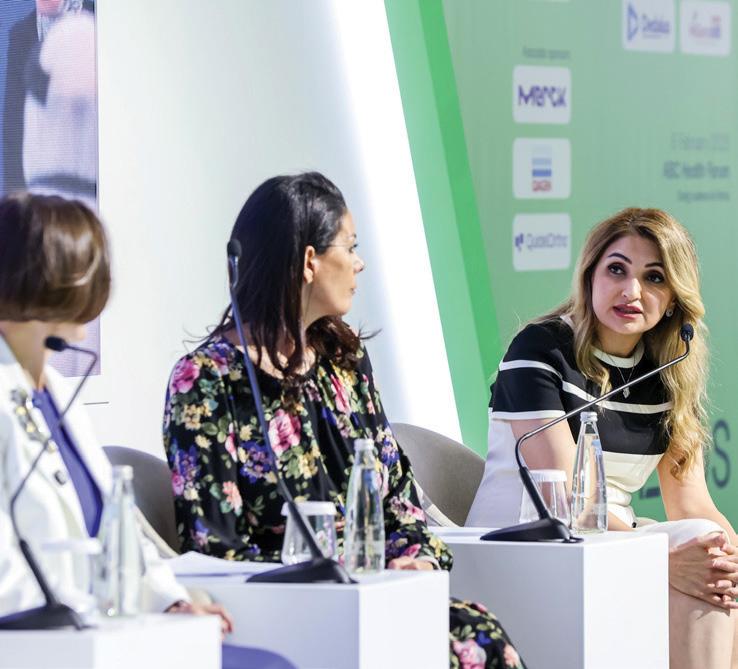
clinical practice and innovation. The AMR Leaders’ Summit at WHX Labs is designed to move beyond discussion and drive practical solutions that enhance surveillance, support responsible antimicrobial use and protect patient outcomes worldwide.”
The opening day of the AMR Leaders’ Summit will focus on global and national responses to AMR, featuring keynote insights from the WHO and regional public health leaders. Sessions will explore technology and innovation, genomics, equity in AMR policy, and how hospital practices are expected to evolve by 2028. Dr Souha Kanj, professor of Medicine and chair of the Infection Control and Prevention Program at the American University of Beirut, will deliver the opening keynote, addressing antimicrobial resistance in conflict zones.
“Policy discussions focus on national action plans, regulatory frameworks, and governance structures,” she said, “while acknowledging that many countries, particularly those affected by conflict or economic instability, struggle to fully implement global AMR recommendations.”
The second day will shift attention to leadership, innovation and One Health approaches, highlighting lessons from Africa and the Middle East in genomic surveillance, epidemiology and environmental determinants of AMR. Open-mic sessions and networking opportunities will encourage dialogue and reinforce the summit’s goal of coordinated, actionable outcomes.
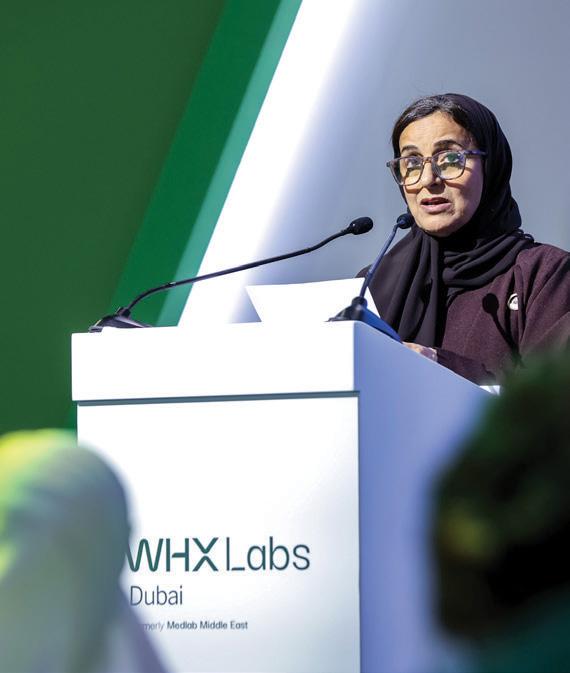
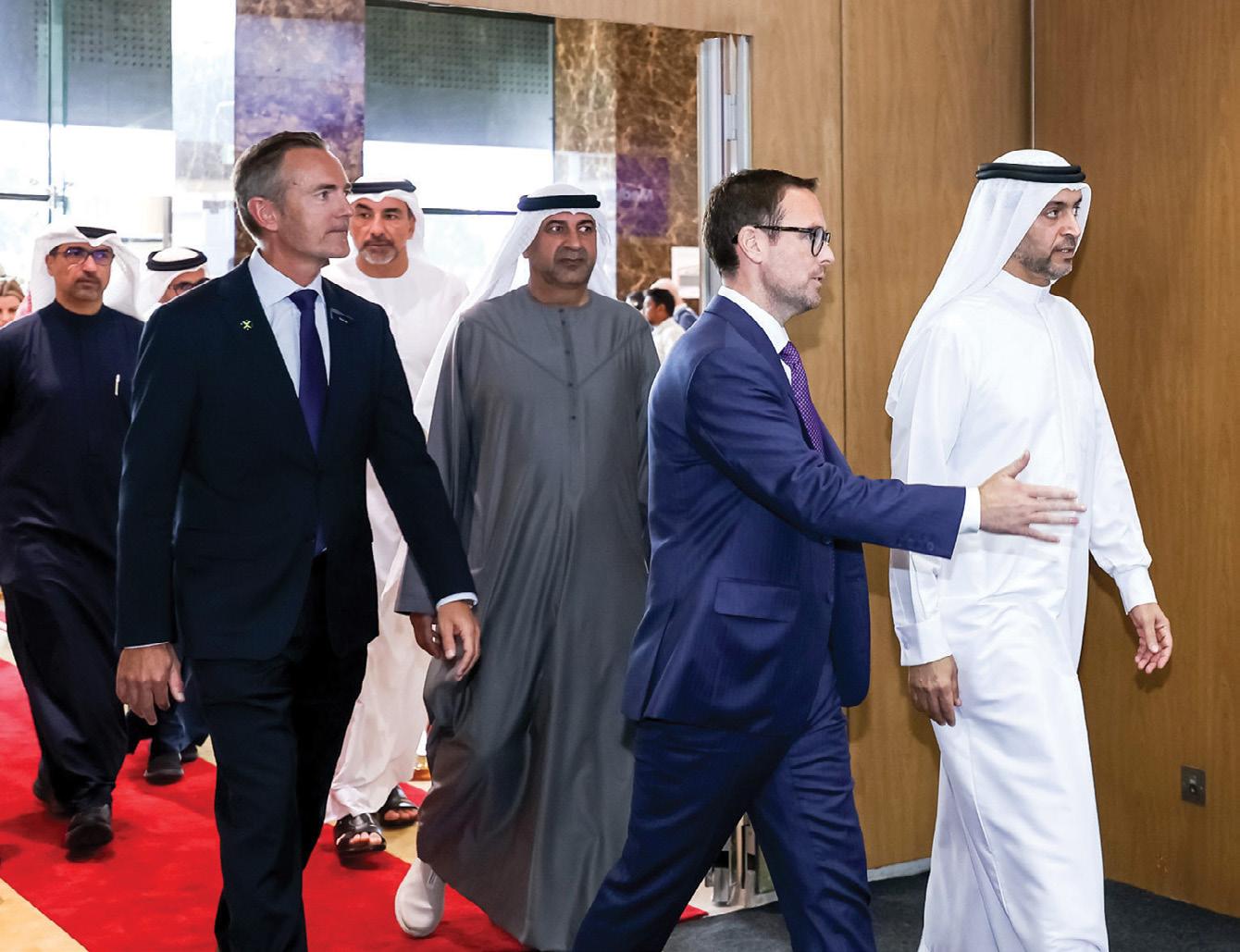
AMR could cause up to 10 million deaths annually by 2050
WHO warns of up to $1tn in additional global healthcare costs over the next 25 years
Driven by misuse and overuse of antimicrobials in humans, animals and agriculture
Progress constrained by a limited pipeline of new drugs despite increased research and development investment
WHX Labs’ AMR Leaders’ Summit aims to bridge research and real-world implementation
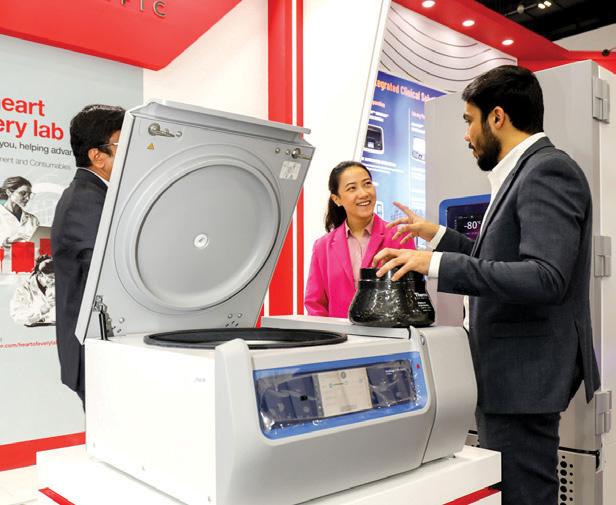
Scientific excellence and industry leadership on display
WHX Labs will also host the 25th Annual Laboratory Management and Medicine Congress, featuring eight CME-accredited scientific conference tracks, including laboratory management, haematology, clinical chemistry, clinical microbiology, molecular diagnostics, histopathology, lab quality management, and blood transfusion medicine and cell therapy. Led by 250 global thought leaders and
laboratory specialists, the congress reflects the event’s 25-year journey under the theme “Celebrating the past and empowering the future of lab quality through innovation and global benchmarking.” Attendees will also participate in interactive workshops led by industry experts from MGI Tech, Sysmex and Snibe, offering hands-on insights and networking opportunities.
Global marketplace for diagnostics and laboratory solutions
The exhibition will showcase advancements across eight dedicated laboratory sectors, including disposables, diagnostic tests, imaging and diagnostics, laboratory devices, healthcare and general services, laboratory equipment, laboratory instruments, and reagents and chemicals.
Global healthcare leaders confirmed for the event include Abbott, Al Borg Diagnostics, Beckman Coulter, Biomerieux, Dedalus, PureLab, Randox, Sansure, Siemens Healthineers, Snibe Diagnostic, Sysmex Middle East and World Data Exchange, among others.
WHX Labs at DWTC will run alongside WHX at DEC, held from February 9–12, further reinforcing its role within the world’s largest healthcare gathering.
For more details visit: worldhealthexpo.com/ labsdubai
25th Annual Laboratory Management and Medicine Congress
- 8 CME-accredited scientific tracks
- Led by 250 global laboratory thought leaders
Confirmed exhibitors
Abbott, Beckman Coulter, Biomerieux, Siemens Healthineers, Sysmex Middle East, Snibe Diagnostic, Randox, Dedalus, PureLab, Sansure and others
Interactive workshops led by experts MGI tech, Sysmex and Snibe to participate
Showcasing innovation across eight laboratory sectors Diagnostics, imaging, reagents and laboratory instruments

GROUP CEO MURAT CAGRI SUZER DISCUSSES HOW NETWORK INTERNATIONAL IS EVOLVING INTO AN INSIGHTS-LED FINTECH ENGINE, LEVERAGING A 56-MARKET FOOTPRINT TO DRIVE THE UAE’S CASHLESS VISION AND AFRICA’S DIGITAL REVOLUTION
BY NEESHA SALIAN
Money moves quietly until it doesn’t. When payments slow, fail, or fracture, economies feel it instantly. In a region like the Middle East and Africa, where populations are young, commerce is increasingly digital, and borders still shape how money flows, the infrastructure behind those transactions matters more than most people realise. That critical infrastructure is what Network International provides and operates. Headquartered in the UAE, the company processes payments across
56 markets, is fully compliant and authorised, and has local teams on the ground, with a footprint that extends into 49 countries across Africa. Its systems power everyday commerce, bank settlements, government programmes, and cross-border trade, largely unseen but critical to how money circulates.
In February last year, Murat Cagri Suzer stepped into the role of group CEO at a moment when scale alone was no longer enough. The company was navigating a merger, rising regulatory expectations,
rapid shifts in consumer behaviour, and a technology landscape being reshaped by AI, real-time data, and new forms of money. The question facing the business was no longer how big it was, but what it could become.
Suzer arrived with more than two decades of experience across payments, fintech, and digital banking. Before joining Network International, he held senior leadership roles at BBVA in both the US and Turkey, encompassing payments, cryptocurrency, consumer and digital banking, as well as corporate and investment banking. He was also part of BBVA’s global strategy and planning team. Earlier in his career, he worked at McKinsey & Company, advising clients across financial services, telecoms, and consumer goods, after starting out at Danone.
An engineer by training with an MBA from INSEAD, Suzer has also served on several industry and advisory boards across the global payments ecosystem. But the challenge ahead was not theoretical. It was operational. How do you run a payments platform that spans numerous markets, currencies, regulators, and risk environments, while turning transactions into insight and infrastructure into
PAYMENT’S SUCCESS STILL COMES DOWN TO TWO FUNDAMENTALS, SECURITY AND AUTHORISATION RATES. IF YOUR AUTHORISATION RATE DROPS BY 1 PER CENT, YOU LOSE 1 PER CENT OF REVENUE. THAT’S REAL MONEY.”
advantage? In this conversation with Gulf Business editor Neesha Salian, Suzer breaks down the move from traditional processing to an insights-led future and explains why the Middle East and Africa remain the ultimate testing ground for fintech.
QYou stepped into the CEO role early last year. From your seat, how would you describe the last few months and the strategy taking shape? What attracted me to Network International is that it’s a truly unique payments platform. We operate across 56 markets in the Middle East and Africa, with local teams and central bank licences in those markets. No other payment company in the region can say that.
But the real opportunity is what you can build on top of that platform. Payments provide insight into economic activity in real time. Used responsibly and confidentially, that data can help businesses, governments, and entire ecosystems operate better.
Take something simple like traffic flow. If we see transaction volumes spike in one part of a city, that usually means more people, more activity. That insight can help optimise taxi routes, logistics, or staffing. For small businesses, the value is even more direct.
How so?
Let’s say you’re a restaurant heading into Ramadan. We can show you how your sales performed last Ramadan, how you compare to similar restaurants nearby, where your average transaction sits, and whether repeat customers are lower than peers. That allows you to make very practical decisions, pricing, promotions, and loyalty campaigns, based on facts rather than guesswork.
This is why we see ourselves not just as a payments company, but as an insightsled fintech platform. That shift to a global scale fintech company is core to our longterm strategy.
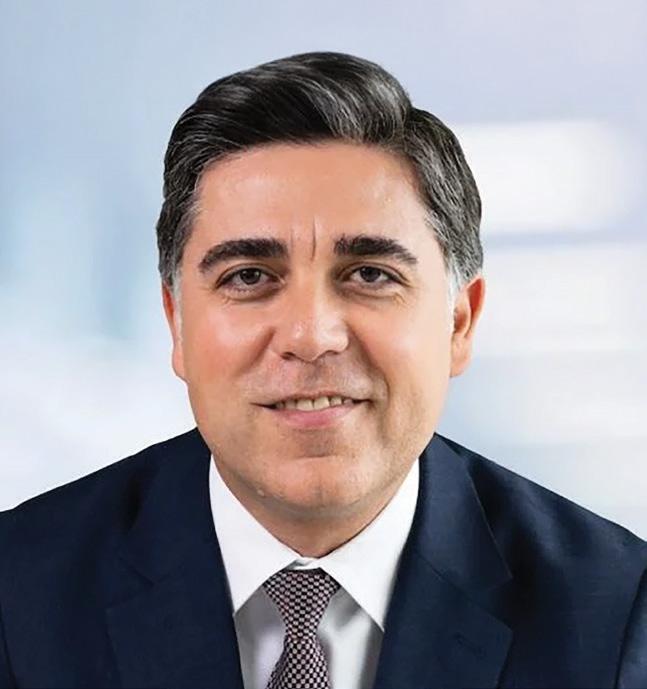
Tell us about how the UAE has proven to be fertile ground for the company’s ambitions.
The UAE’s emerging digital economy, coupled with a highly supportive regulatory environment and a proactive government vision, presented a unique opportunity to build essential digital payment infrastructure, offer card processing, and drive e-commerce, directly supporting the nation’s goal for a cashless society.
Network International was an early enabler of digital and e-commerce payments in the region, allowing us to leverage data, technology, and innovation to reimagine payments and fintech.
This supportive ecosystem has enabled Network International to take leading roles in emerging payment technologies.
Scale is key to executing your vision for leadership in this area. Is that what’s driving recent mergers and partnerships?
Exactly. To build a global-scale fintech company, you need scale. That’s the logic behind the merger of Network International and Magnati, which we completed in October last year and the partnerships we’re forming across the region. We also agreed to acquire RAKBANK’s merchant acquiring business in the UAE, bringing
approximately 5,000 merchants into our ecosystem in a transaction expected to close in early this year, subject to regulatory approvals. Through this agreement, we look forward to extending our advanced payments technology and data capabilities to RAKBANK’s merchant base, supporting the growth ambitions of SMEs and large corporates alike. We also see strong potential in Ras Al Khaimah, where economic diversification and business-friendly reforms are creating real momentum.
Most recently, the company became the first payments platform in the UAE to enable regulated stablecoin acceptance through a partnership with Al Maryah Community Bank (MBank).
All of this reflects our ambition to be a long-term partner in the country’s development and a catalyst for innovation across the wider UAE and MEA region.
Africa is a major part of that story. What’s your strategy there?
Africa is one of the fastest-growing payments markets in the world. Infrastructure is still catching up, but mobile wallets and digital payments are growing rapidly. There’s also strong demand for faster, cheaper payment rails. We’re already present in 49 African countries, which makes us the most geographically penetrated fintech platform on the continent. Our role is to work closely with regulators, governments, banks, and enterprises to build the right infrastructure. Africa is not a side market for us. It’s strategic, and it’s growing fast.
Innovation is a big theme for Network International. Where is your focus today?
There are two layers. The first is core payments innovation. Payment’s success still comes down to two fundamentals, security and authorisation rates. If your authorisation rate drops by 1 per cent, you lose 1 per cent of revenue. That’s real money.
Because we learn across 56 markets, we continuously improve authorisation performance. When we solve a problem in one country, everyone benefits. That learning loop is a major competitive advantage that enables us to offer the highest authorisation rates.
The second layer is acceptance. People travel, shop, and pay differently. Our
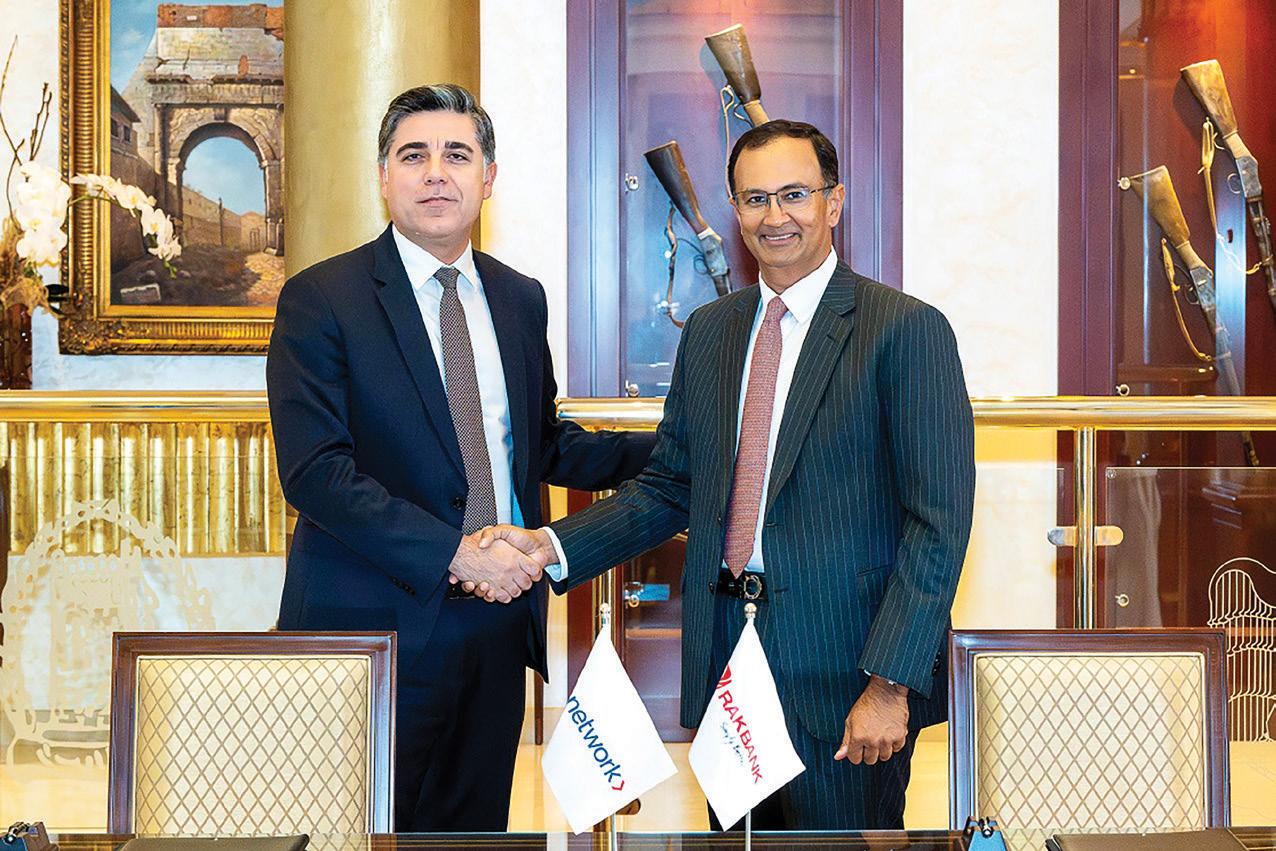
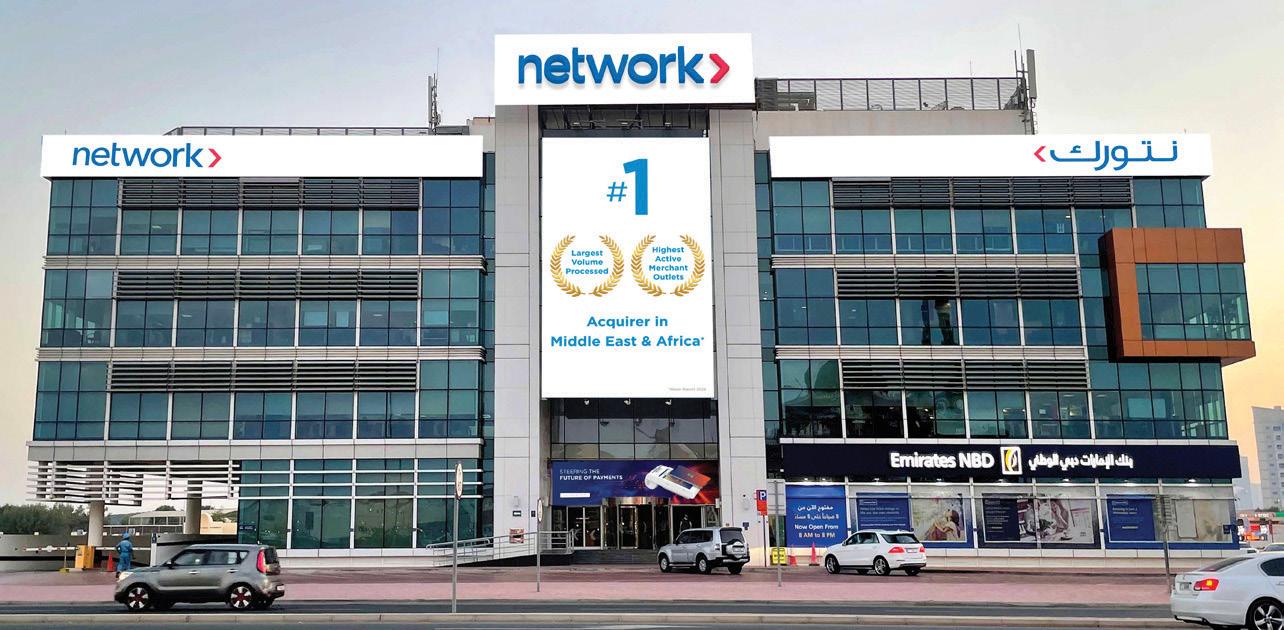
job is to make sure whatever payment method they prefer works seamlessly. Our POS systems accept global card schemes, local schemes, wallets, and alternative payment methods.
And beyond traditional payments?
We’ve recently launched a new app for small businesses, which is rolling out to merchants this year. It gives them realtime visibility into transactions, refunds, chargebacks, and settlements, along with access to early settlement if they need liquidity. It also connects them to SME lending through multiple banks, using transaction data to improve approval odds and pricing.We’re also working with enterprise partners on agentic commerce. In simple terms, bots pay bots on behalf of humans. If consumers delegate routine purchases to AI agents, merchants need
to be ready for that. We’re building the infrastructure in between so our merchants aren’t caught off guard.
On top of that, we’ve been appointed by the UAE Central Bank to champion CBDC acceptance and have signed to support regulated stablecoins, including AE Coin. Our role is to enable choice. If it’s regulated, merchants should be able to accept it.
What are the biggest challenges you’re discussing internally?
Speed. What we’re building requires dozens of agile teams delivering in parallel. Speed of execution determines relevance for customers and for economies trying to digitise. That also means hiring, training, and aligning talent across many markets. Building the team is as critical as building the technology.
WHAT WE’RE BUILDING REQUIRES DOZENS OF AGILE TEAMS DELIVERING IN PARALLEL. SPEED OF EXECUTION DETERMINES RELEVANCE FOR CUSTOMERS AND FOR ECONOMIES TRYING TO DIGITISE.”
There’s a lot of debate around AI and jobs. How do you see it?
AI is already improving productivity across fraud, reconciliation, sales, and operations. But we’re not at a point where it’s eliminating jobs at scale. In fact, it’s creating new roles.
AI systems can develop bias over time. That means you need to build teams to train AI on culture, diversity, and fairness. Every new technology creates new opportunities. The people who adapt and reskill will benefit.
What trends will define payments in 2026 and beyond?
First, seamlessness. Payments are becoming frictionless and embedded, but that creates a need for transparency, so consumers understand where their data is stored.
Second, borderless payments. Domestic payments are fast and cheap. Cross-border payments are still not. That gap will close, whether through new rails, blockchainbased solutions, or regulatory alignment.
And third, AI. Not as a buzzword, but as an operational engine across the entire payments stack.
Finally, how would you describe your leadership style?
Two things matter to me. Delivering on what we say, because credibility builds trust. And maintaining positivity. This is a demanding business, but culture matters. When people feel positive and aligned, execution follows.

Many investing platforms are structurally designed to reward activity rather than discipline, says Finvasia Group co-founder and group CEO Tajinder Virk, who has launched Dealing, a global platform aimed at breaking down long-standing barriers to investing across international markets
Finvasia operates across multiple markets and financial verticals. How would you describe the group today? Finvasia is a holding group with businesses spanning brokerage, digital banking, payments and trading infrastructure, with regulated operations across several jurisdictions. Our focus has always been on areas where technology can genuinely improve financial services rather than simply drive transaction volume.
Why has the UAE become a priority market for Finvasia’s next phase of expansion?
The UAE is a global melting pot. It’s not just about capital flowing into the country, but the diversity of people, experience and ideas that converge here and then spread globally.
I first came to the UAE in 1996, when City Centre Mall was the biggest mall in Dubai. I’ve seen Dubai then and I see it today: what has happened here is unprecedented. Ten years ago, people asked whether you had an office in the
UAE. Today, if you don’t, people question how serious you are.
You’ve spoken about a disconnect between how trading platforms make money and what’s actually good for investors. What do you mean by that? When I managed institutional money, my manager told me: your job is not to make extraordinary returns; your job is not to lose money. You’ll get more calls from investors if you lose 2 per cent than if you make 20 per cent.
Professional investing is disciplined and often boring. But retail trading apps celebrate activity: badges, confetti
and gamification. That’s where the disconnect begins.
How does derivatives trading illustrate this problem?
Derivatives are mathematically a zero-sum game. Even before fees, the probability of making money is 50 per cent. Once you factor in commissions, spreads and friction, the odds fall further. It’s not very different from a casino.
Published data from the European Securities and Markets Authority shows that around 80 per cent of retail investors in Europe lose money, amounting to billions of dollars every year.
Do many platforms actively encourage excessive trading?
Yes. Think of joining a gym that gets paid every time you injure yourself — the incentives are misaligned. Encouraging excessive trading, particularly in leveraged products, is dangerous. Every major financial crisis, from 1929 to 2007, has been driven by leverage.
You’ve said brokerage platforms need to be rebuilt from scratch. What does that mean in practice?
Derivatives are mathematically a zero-sum game. Even before fees, the probability of making money is 50 per cent.”
Most platforms innovate only at the userinterface level. But trading relies on deep infrastructure: exchanges, clearing, custody, settlement and compliance. The entire stack needs to be re-engineered. We’re engineers, not artists. Our objective isn’t to maximise average revenue per user, but to remove conflicts of interest and align incentives around long-term investor outcomes.

AS DUBAI NEARS ITS 2026 MILESTONE TO DOUBLE THE CREATIVE SECTOR’S GDP CONTRIBUTION, HALA BADRI, DG OF DUBAI CULTURE AND ARTS AUTHORITY, IS MOVING THE CITY BEYOND ADMINISTRATIVE MILESTONES TOWARD A LIVING, BREATHING ECOSYSTEM
BY NEESHA SALIAN
In this interview with Gulf Business, Hala Badri, director general of Dubai Culture and Arts Authority (Dubai Culture), discusses the strategic roadmap for the emirate’s flourishing creative sector.
As part of the emirate’s visionary leadership, Dubai is rapidly evolving into a global capital for the creative economy.
With an ambitious target to double the creative industries’ contribution to the city’s GDP to 5 per cent by 2026 and generate 140,000 jobs, the authority is focused on building an integrated ecosystem that
supports innovators and entrepreneurs alike. From the growth of the Al Quoz Creative Zone to community-centric platforms like Hayi, the director general outlines how Dubai is moving beyond standard licensing to create a world-class environment where creativity truly thrives.
The government set an ambitious target to increase the creative sector’s contribution to Dubai’s GDP to 5 per cent by 2026. What specific policy mechanisms, beyond the existing
licensing and freelance visa benefits, are being deployed to attract the necessary scale of investment to hit this target?
When Dubai set the ambition for the creative economy to contribute five per cent to our GDP by 2026, we understood that this vision begins long before a licence is issued or a visa is stamped. It begins with the kind of ecosystem a city chooses to build.
In recent years, the emirate has invested significant energy in shaping that ecosystem. Al Quoz Creative Zone has grown into a district where studios, co-working hubs, production facilities, and cultural venues operate in proximity. This organic growth, supported and ste ered by Dubai Culture, has created conditions that allow creatives to develop their work with greater clarity and confidence. Community sits at the heart of this progress. Through initiatives we champion, neighbourhoods are forming around local talent through platforms such as Hayi. The zone’s achievements, including its growing number of licences, events, and creative opportunities, show how the environment we have helped build continues to attract entrepreneurs, makers, and innovators to the city.
Supporting this physical and social foundation is a framework that nurtures and funds creativity. The Dubai Cultural Grant Programme gives institutions and independent practitioners the means to produce work that adds to the city’s cultural life. Initiatives such as the Entrepreneurship Forum link creatives with investors and partners, helping ideas grow into viable ventures and strengthening the flow of capital into the sector. We also ensure some pathways carry Dubai’s talent outward. Cultural exchange programmes, global showcases, and digital platforms introduce local talent to international audiences and open access to new markets.
Creative businesses also need an environment that supports practical growth. Partnerships with the Commercial Bank of Dubai enable enterprises to open accounts, secure financing, and receive advisory services tailored to their needs. Zoho One allows practitioners to manage
DUBAI RANKED FIRST AMONG 233 CITIES FOR GREENFIELD FDI PROJECTS IN THE CULTURAL AND CREATIVE INDUSTRIES IN 2024, ATTRACTING 971 PROJECTS AND AED 18.86 BILLION IN INFLOWS, A CLEAR SIGN THAT THE WORLD RECOGNISES THE QUALITY OF WORK EMERGING FROM HERE.”
their operations in a single place, while Letswork provides studios, podcast rooms, and co-working spaces that suit a range of practices. Finally, to complete this system, we invest in talent. Through our partnership with LinkedIn, creatives gain access to learning in design, arts, entrepreneurship and digital fields. This prepares the next generation of writers, designers, filmmakers, and cultural entrepreneurs to build their careers with confidence.
How is Dubai Culture ensuring that the growth is not merely quantitative (more licences) but also qualitative?
When we speak about the growth of Dubai’s creative economy, we look beyond the rise in licences. Progress is reflected in the strength of the work being produced here, and that includes ideas that turn into design, writing, film, performance, and research that can be exported into regional and international markets. Dubai Culture steps in to help practitioners at every stage of their journey. Through grants and talent development programmes, emerging voices have the room to build their skills and develop work with lasting impact. This commitment sits alongside our partnership with the Ministry of Economy, which strengthens the understanding of intellectual property across the sector. With targeted training and practical guidance, creatives learn how to safeguard their work and navigate rights, licensing, and commercial opportunities. Research also informs this journey. The Creative Dubai report provided the foundation we needed to map the sector’s strengths and identify opportunities for high-value growth. Its insights continue to guide policy and programme design. These efforts are reflected in the city’s global performance. Dubai ranked first among 233 cities for greenfield FDI projects in the cultural and creative industries in 2024, attracting 971 projects and Dhs18.86bn in inflows, a clear sign that the world recognises
the quality of work emerging from here. Our goal now is to help local talent scale. Access to international platforms, exchange programmes, and export-oriented support allows Dubai-based artists to reach new audiences and expand their impact. This is how a licence becomes more than a registration and becomes the beginning of a meaningful creative journey.
The strategy aims for a 20 per cent rise in enrollment in design programmes and attracting four million visitors to design events by 2033. How will global partnerships help achieve these goals?
Every ambition begins with a moment of reflection, and for Dubai’s design sector, that moment lies in recognising the scale of what is possible. The city already holds a strong position in the region, with design forming the largest share of its creative economy. This foundation gives us confidence. The next chapter is about helping more young people see the field as a path they can pursue here, shaped by local opportunity and informed by global influence. The most immediate hurdle is perception.
140,000
JOBS TO BE GENERATED WITHIN THE CREATIVE SECTOR BY 2026
Many students still picture their journey starting abroad, influenced by the legacy of older design capitals. Our role is to show that Dubai offers a complete pathway, from education and prototyping to production and market access. Districts such as d3, expanding academic programmes, and active industry partnerships create an environment where a designer can begin and grow their practice within the city.
This is where international partnerships matter. Working with centres such as Milan and London provides mentorship and visibility while enabling young designers to learn from established creative ecosystems. These exchanges expose young talent to new approaches and markets and draw international attention to the work emerging from Dubai. Programmes such as the Talent Atelier illustrate this clearly. Participants gain access to leading practitioners and form networks that support them long after the programme ends. When respected designers, institutions and curators choose to work with Dubai, they reinforce the city’s presence on the global design map.
Dubai Culture launched the Dhs180m Cultural Grant Programme. Beyond the financial support, how is the authority ensuring the grants are used to scale up creative ventures into sustainable businesses, rather than funding one-off projects?
The Cultural Grant was created to do far more than support individual projects. Its purpose is to open doors. Each grant forms part of a wider journey that involves growth, visibility and new professional horizons. Funding enables creatives to produce work, travel, conduct research, or present on significant platforms, but the true impact emerges in the opportunities that follow.
This becomes clear when we look at the paths recipients take. With Dubai Culture’s backing, an artist showing at the Venice Biennale reaches networks they may never have accessed otherwise. For design practitioners, participation in Maison & Objet in Paris opens doors to peers, buyers and institutions that can shape the next phase of their careers. Our role in enabling teams contributing to Expo Osaka helped them gain exposure to international collaborators and new ways of thinking. Even the young musicians performing
INTERVIEW
with NYO Dubai at Carnegie Hall built a level of artistic discipline and confidence, strengthened by the programmes that brought them there.
The programme offers support that adapts to each project. Some creatives work with curators or educators who help refine their ideas. Others connect with producers, business specialists, or global partners. This kind of mentorship helps practitioners think long-term and understand what is needed to build a sustainable creative practice.
Dubai Culture is also implementing a broader framework to strengthen the entire grant ecosystem. This includes clearer pathways for development, closer links with global institutions, and practical help so individuals and organisations in the industry develop stability and scale.
The 10-year ‘Cultural Visa’ is a key tool for attracting global talent. What data or metrics are being tracked to measure the long-term retention rate of these creative professionals, and how do their contributions differ from the existing local and regional talent pool?
The ‘Cultural Visa‘ was created with the industry’s future in mind. By the end of August 2025, a total of 13,856 practitioners had been accredited through Dubai Culture. Each one, whether an artist, designer, writer, scholar, producer or cultural thinker, chose the city as a home for their work. The number is significant, but the more telling measure is how they stay engaged. Many establish studios or join collectives. Others return to participate in festivals, submit work to exhibitions, or take part in commissions. Some form partnerships with local institutions.
The fact that we have practitioners from every part of the world is also important. Artists from other countries bring methods shaped by their own backgrounds and contribute viewpoints that broaden the local creative vocabulary. Their presence often opens pathways for younger UAEbased talent. A designer exposed to a different design school gains new ways of thinking. An artist working with someone who has exhibited widely learns how to prepare work for new audiences. These encounters enrich the community and add to the sector’s ongoing development.
With the Al Quoz Creative Zone now established, what is the next strategic step for this hub?
Now that Al Quoz Creative Zone is firmly established, the next phase is about deepening its role as a working ecosystem. The foundations are already in place. Since its launch in 2021, the zone has progressed from an industrial area into a dynamic centre of creativity, supported by Dubai Culture and guided by the vision of the leadership. With this foundation in place, the focus is naturally shifting toward activation and helping the community inside turn ideas into commercial outcomes. Dubai Culture’s recent initiatives reflect this direction. Makers Month brings together makers, talent and entrepreneurs and supports the development of artistic skills and creative potential. The Mobtakir Diploma gives emerging innovators the tools to design prototypes and develop product-based businesses. The zone is also entering a period of major new development, with Dubai Culture steering its progress in line with approved plans and a clear urban and cultural framework.
Al Quoz Hub, one of its most significant upcoming projects, has completed design and is moving toward construction, with a timeline extending to 2028.
How essential is AI proving to be, not just for cultural access, but for creating a competitive advantage for Dubai-based artists and institutions in terms of content generation and global distribution? Similar to its impact in other domains, AI is becoming one of the most powerful forces in the cultural field, and its influence extends well beyond access or digitisation. Across the world, artists and institutions are using AI to develop new creative methods, accelerate production, personalise cultural content, and reach audiences at a scale that was previously not possible.
Our partnership with Google Arts & Culture and the launch of the MENA Creatives Bootcamp came from a belief in the potential of new technologies. Dubai has always benefitted from leadership that looks ahead, and that mindset has helped local practitioners navigate a fastchanging environment with confidence. The programme brings together creatives and technologists who explore how AI can
support narratives, strengthen technique, and unlock new forms of expression. Participants learn to use these tools with care for heritage and with an eye on innovation, reflecting the city’s wider approach.
Across our programmes, including the Sikka Art and Design Festival and museum activations, we encourage artists to explore digital art and hybrid practices. We see that this blend of heritage and emerging technology gives Dubai-based talent a distinct voice. It allows them to create work that resonates internationally while remaining connected to the city’s identity.
It has become something of a signature Dubai style, increasingly visible on the international stage. In the lead-up to ISEA2026, and through the growing number of global cultural gatherings that Dubai Culture is bringing to the city, the exchange among art, science, and technology continues to deepen, positioning the city as a leader in the global conversation about the future of creative practice.
The Dubai Public Art Strategy aims to integrate art into everyday life, exemplified by installations in Hatta and Al Shindagha. What is the process for selecting these high-profile public artworks, and how does the authority ensure they reflect the emirate’s unique identity while being globally relevant?
The starting point is always the place itself. Every district in Dubai has its own rhythm, its own memory, its own way of welcoming those who pass through it, and the artwork has to grow from that. A piece created for Hatta, for instance, needs to feel grounded in the mountains and the stillness that draws people there. A commission in Al Shindagha, on the other hand, has to speak to the neighbourhood’s heritage and the role it plays in the story of the UAE. When the artwork grows naturally from the character of the site, it feels authentic. Once we understand the spirit we are looking to capture, we invite artists through open calls or commissions, depending on the project’s needs. We look for ideas that read the place with sensitivity and engage with the community. Curators and cultural specialists then review the proposals, considering how each work will fit into the environment and how it can connect with both local audiences and the wider world.
BY GARETH VAN ZYL
In this Q&A, Vartanov explains how smaller nations such as the UAE and Armenia are punching above their weight – and why the future will favour countries that prioritise leverage, partnerships and adaptability over sheer size.
You’ve argued that a country’s size no longer defines its global relevance. What has replaced scale?
Scale once meant population, territory and natural resources. Today, relevance is defined by speed of decision-making, clarity of vision and the ability to integrate into global value chains. The most competitive countries are those that move capital, talent and ideas efficiently. Connectivity, regulatory intelligence and trust-based ecosystems now matter more than size.
What do countries like Armenia and the UAE get right that larger economies struggle with?
Both treat agility as a strategic asset. The UAE has institutionalised openness and speed at a national level, while Armenia has developed a highly adaptive entrepreneurial culture. Larger economies often suffer from inertia and resistance to change. Smaller countries are forced to think globally from day one, creating sharper focus.
How can smaller nations institutionalise speed without sacrificing stability?
Speed should not mean chaos. The key is separating long-term strategy from operational execution. National priorities must remain stable, while implementation
stays flexible. The UAE shows this well through clear long-term visions combined with regulatory sandboxes that allow experimentation without systemic risk.
Where do you see the strongest synergies between Armenia and the UAE?
At the intersection of capital and capability. The UAE offers liquidity, scale and global connectivity. Armenia brings engineering talent, digital infrastructure and financial innovation. Together, they can unlock opportunities in fintech, digital assets, real estate tokenisation and cross-border trade.
Are partnerships now more important than self-sufficiency for small countries?
Absolutely. Self-sufficiency is often an illusion. Partnerships allow countries to specialise rather than duplicate. In a networked world, sovereignty is strengthened through smart interdependence, not isolation.
How can smaller countries plug into global hubs like the UAE?
By treating hubs as multipliers, not competitors. Instead of building everything themselves, smaller countries should integrate their strengths into existing global nodes. This requires regulatory alignment, investor fluency and trust-based partnerships that allow innovation to scale internationally.
What should policymakers learn from the UAE’s regulatory approach?
That regulation can enable growth rather than constrain it. The UAE treats regulation as adaptive and aligned with economic goals. Policymakers should prioritise enablement over control, encouraging experimentation while containing risk.
Which sectors will most reward small, agile countries over the next decade?
SCALE ONCE MEANT POPULATION, TERRITORY AND NATURAL RESOURCES. TODAY, RELEVANCE IS DEFINED BY SPEED OF DECISIONMAKING, CLARITY OF VISION AND THE ABILITY TO INTEGRATE INTO GLOBAL VALUE CHAINS.”
Digital finance, tokenised real assets, AI-driven services, advanced logistics and specialised manufacturing. These sectors reward speed, precision and cross-border integration.
Your message to governments and founders in small countries?
Do not try to become bigger. Become smarter. Focus on leverage, partnerships and speed. Relevance today is not inherited – it is designed.
INTEGRATING NEW ASSETS, MAINTAINING SERVICE QUALITY, STRONG OPERATING STANDARDS, AND A FOCUS ON SAFETY ARE CENTRAL TO SAUDI GLOBAL PORTS’ STRATEGY, SAYS CEO ROB HARRISON
BY NEESHA SALIAN
As Saudi Arabia moved through a pivotal phase of its logistics transformation in 2025, Saudi Global Ports emerged as a central player shaping how trade flows across the kingdom’s Eastern Corridor. With capacity milestones reached, raillinked connectivity deepened, and integrated logistics assets coming online, the past year marked a period of execution rather than ambition. In this interview, Rob Harrison, CEO of Saudi Global Ports, reflects on how SGP’s operating model has matured, what delivering scale without compromising reliability really took, and how the company is positioning itself for the next phase of growth.
Tell us about Saudi Global Ports and the vision shaping its operations.
Saudi Global Ports is the ‘Gateway to Growth’ for Saudi Arabia. A partnership between the Public Investment Fund (PIF), the shareholders of Al Blagha Holding for Investments (ABHI) and PSA International, Saudi Global Ports (SGP) is the leading port operator and a trusted partner of the region’s ports and logistics ecosystem. SGP operates deepsea Container Terminals and Multipurpose Terminals along the Eastern Coast of Saudi Arabia and three rail-linked intermodal terminals across Riyadh and Dammam. Growing its portfolio, SGP is also developing the
Dammam Integrated Logistics Zone, adjacent to its operations at King Abdulaziz Port Dammam. With their extensive and growing operations in the kingdom, they aim to deliver the infrastructure that moves trade, supports national projects, and empowers Vision 2030.
What is the single most important shift in how SGP now operates compared to two years ago?
The most important shift is the scale and maturity of how we operate as one integrated ecosystem across Saudi Arabia’s Eastern Corridor. Integration has always been part of SGP’s model, but over the past two years it has become far more visible and
AT THE CONTAINER TERMINALS, SMART PORT CAPABILITIES SUCH AS REAL-TIME TRACKING, DIGITAL GATE PROCESSES, REMOTE-ENABLED EQUIPMENT, AND CONNECTED YARD SYSTEMS SUPPORT BETTER PLANNING AND SAFER OPERATIONS.
THE 5G SMART PORT NETWORK HAS PROVIDED A STRONG FOUNDATION FOR HOW WE THINK ABOUT CONNECTED, DATA-DRIVEN OPERATIONS.”
coordinated as our footprint has expanded. Today, our container terminals, raillinked intermodal network, multipurpose terminals, and the upcoming Dammam Integrated Logistics Zone are planned and operated as one connected system.
That end-to-end approach means we are managing flows from quay to rail to inland destinations with greater consistency and control. It is a shift that customers feel in day-to-day reliability, and it strengthens Saudi Arabia’s logistics capability in line with Vision 2030.
How has Gateway to Growth changed decision-making day to day?
Gateway to Growth defines our role, and Unlock More defines how we act on it.
Unlock More means unlocking more capacity for trade, more connectivity across sea, rail and road, and more capability across a wider range of cargo types and industries. It also means unlocking more opportunity for Saudi talent, through skills development, leadership progression, and meaningful careers across a growing national network.
Day to day, this shows up in how we prioritise investment, how we design handovers between business units, and how we raise operating standards. Every decision is grounded in one question: does this unlock more value for customers, for partners, and for the kingdom.
Beyond the headline of 15 million TEUs, what operational changes mattered, without compromising reliability or safety?
This milestone is less about a single number and more about how growth was delivered.
The 15 million TEUs handled at King Abdulaziz Port Dammam reflects sustained execution over time, supported by close collaboration with regulators, shipping lines, and Mawani and other
partners. As volumes increased, the focus was on ensuring infrastructure readiness, disciplined planning, and a strong safety culture.
Expanding berth capability and upgrading terminal assets improved resilience and vessel planning, including the ability to handle two ultra-large container vessels simultaneously.
At the same time, operational discipline in yard management, sequencing, and workforce readiness ensured that reliability and safety were never compromised. Growth only matters if it is delivered consistently and responsibly.
With daily rail-linked flows connecting Dammam and Riyadh, how close is Saudi Arabia to seamless multimodal logistics, and where do bottlenecks still sit?
Saudi Arabia has made strong progress, and the Dammam to Riyadh corridor is a clear example of what an integrated multimodal model can achieve. With one operator managing both seaport and inland nodes, coordination improves, handovers are
simpler, and customers benefit from greater predictability. The remaining challenges tend to sit at the ecosystem level rather than in physical connectivity. These include aligning data visibility across stakeholders, streamlining documentation and clearance processes, and managing first and last mile interfaces during peak periods. The foundations are in place, and the next phase is about reducing friction across the full end-to-end journey.
Which digital investments are delivering gains now, and which are laying the groundwork for longer-term transformation?
Our digital investments focus on improving visibility, safety, and consistency today, while preparing the ecosystem for future scale. At the container terminals, smart port capabilities such as real-time tracking, digital gate processes, remoteenabled equipment, and connected yard systems support better planning and safer operations. The 5G smart port network has provided a strong foundation for how we think about connected, data-driven operations. Across multipurpose terminals, the emphasis is on standardising systems, improving planning and control, and aligning operating practices as part of a single network. Some of these initiatives deliver immediate operational benefits, while others are building the platform for deeper transformation as the ecosystem continues to grow.
What are the biggest execution risks
SGP is preparing for this year, and how are talent development and operational readiness shaping priorities?
As SGP continues to scale, the key risks are around execution and consistency. Integrating new assets while maintaining service quality requires strong operating standards, disciplined transitions, and a continued focus on safety. That is why talent development and operational readiness are central to our priorities. We are investing in training, leadership capability, and common operating frameworks across the business, with a strong emphasis on Saudisation.
Unlocking more Saudi talent into technical and leadership roles is essential to building a resilient, future-ready logistics ecosystem.





CEO Silvio Campara says Golden Goose is defined by sneakers designed to age, repair-focused stores and a community that helps shape the brand p.56
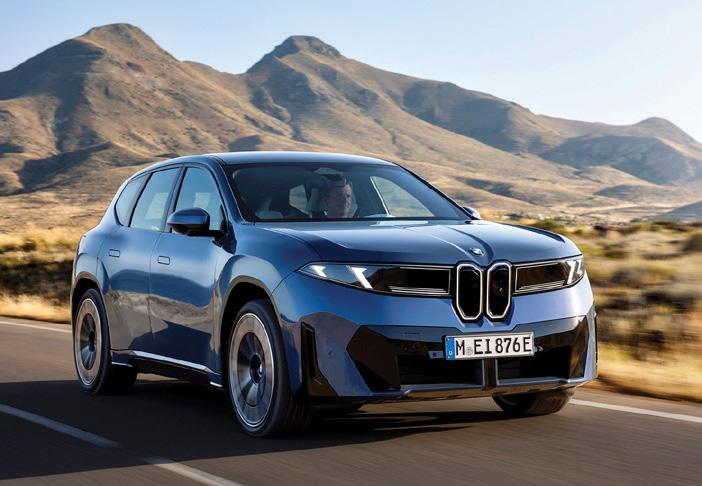
BMW IX3: TRULY ELECTRIFYING
The all-new BMW iX3, the first series-produced Neue Klasse model, is a fully electric SAV with sixthgeneration eDrive, a range up to 805 km, and advanced AI-driven electronics. It features BMW Panoramic iDrive, sustainable materials and bidirectional charging.

SAMSUNG GALAXY TAB S11 SERIES
Samsung’s latest Galaxy Tab S11 Series, starting at Dhs2,999 for the Tab S11 and Dhs4,699 for the S11 Ultra, blends work and content creation efficiently. Featuring Galaxy AI, a redesigned S Pen, and upgraded Samsung DeX, the ultra-thin tablets deliver dual-screen multitasking, advanced tools like Gemini Live, Drawing Assist, and Writing Assist, plus a 3nm processor and Dynamic AMOLED 2X displays. Optimised for productivity and creative workflows, the series offeris an intelligent, portable platform for professionals, students and creators alike.
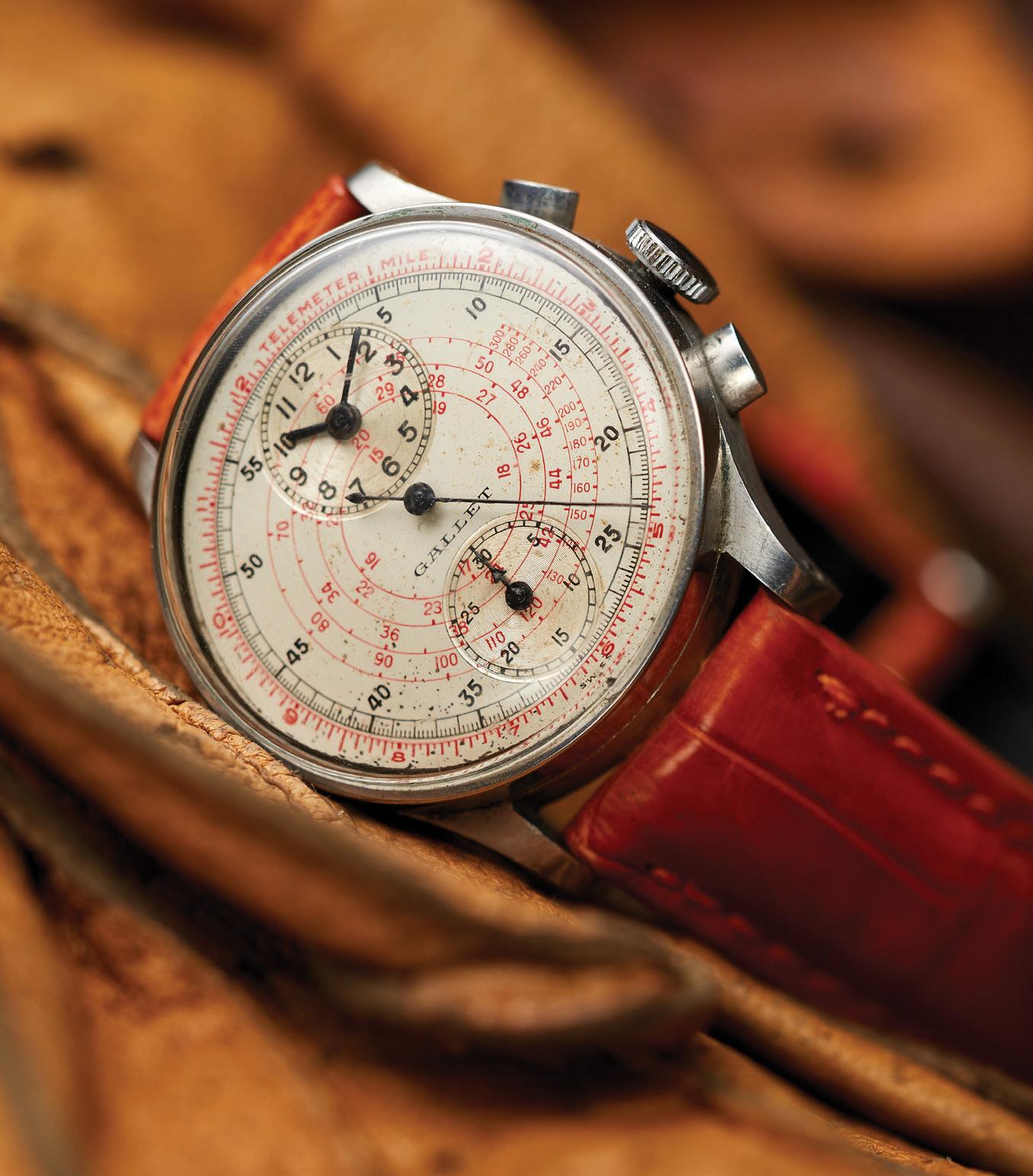
BY NEESHA SALIAN
Watchmaking tends to reward patience and restraint, but Georges Kern has never quite played by those rules. His leadership leans toward speed, innovation and momentum, a contrast that was clear when I caught up with him at Dubai Watch Week in November. We met in Breitling’s two-level pavilion at Burj Park, a striking structure where rugged red brick meets sleek black steel, the brand’s signature yellow accents popping against the Dubai skyline. It was the first time the House of Brands concept had been presented to the Middle East, and the space hummed with the quiet intensity of something about to happen. Vertical gardens softened the industrial edges. A shaded terrace invited collectors to linger over coffee. The whole thing felt less like a trade show booth
and more like stepping into a space built to showcase the full spectrum of Breitling’s watchmaking vision.
Kern settled into his seat with the focused ease of someone who has done a thousand interviews and still finds something to say. At 60, he has spent over three decades in the watch industry, transforming IWC during his 15 years as CEO before taking the helm at Breitling in 2017. Now he is attempting something few have dared: building a portfolio of three distinct watch brands, each with its own identity, under a single strategic vision. “We’re not calling it a group,” he says. “I believe in independent management, where each brand is structured around authenticity. Each one tells a different story.”
The story begins with Universal Genève, the dormant mid-century powerhouse that
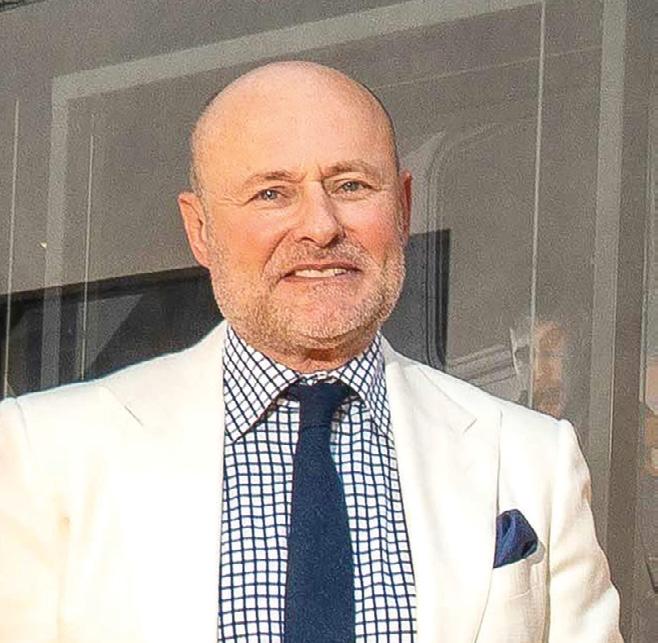
Breitling acquired in December 2023 for over CHF60m. Founded in 1894, Universal Genève was once known as “Le Couturier de la Montre,” the tailor of watchmaking. Its Polerouter, designed by a 23-year-old Gérald Genta in 1954, and its legendary Compax chronographs helped define the golden age of Swiss horology. Then came the quartz crisis, and Universal Genève fell silent.
Kern’s eyes light up when he speaks of the acquisition. “I have never faced, in my whole career of 30 years, such a strong reaction when we bought Universal Genève. The passion around the brand is incredible.” He pauses. “You can’t stretch a brand too far, neither to the lower nor to the higher end. There are limits for most brands, and so it is for Breitling. Universal Genève gave us something distinctly positioned in the high-end segment.”
But Universal Genève is not merely an expensive Breitling. The brand is set to launch in April 2026 with new manufacture movements and micro-rotors.
It will be artistic, he says, but not in the way of traditional haute horlogerie. “There’s no need of another high watchmaking brand of triple axis or flying tourbillons and all that stuff which everybody’s doing. It’s 0.000001 per cent of the population who would buy that.” Then came Gallet. Announced in March last year, the 199-year-old brand represents the other end of Kern’s vision: accessible luxury priced between CHF2,500 and 5,000. Its credentials are impeccable, if less celebrated. Gallet’s stopwatch timed the Wright brothers’ first flight at Kitty Hawk in 1903. Its Flying Officer chronograph tracked multiple time zones for early transcontinental pilots. US President Harry Truman wore one
“There’s no need of another high watchmaking brand of triple axis or flying tourbillons and all that stuff which everybody’s doing. It’s 0.000001 per cent of the population who would buy that.”
regularly. “With Gallet, we will be covering a price point we left over the last seven years,” Kern explains. Since transitioning to in-house movements, Breitling’s average price has climbed, making this price point particularly interesting. “If you do it right, it’s a phenomenal market.”
Gallet will be a sister brand, sold in Breitling’s boutiques worldwide and produced in the same facilities. “The quality of distribution will be the best in the industry at that price point,” he says.
There is a boldness to launching two brands in what Kern himself acknowledges is the toughest market environment of his career. Consumer sentiment is low. Political uncertainty abounds. Many of his peers are pulling back. He leans forward. “A colleague, I’m not going to mention the brand, said: ‘Oh my God, you’re launching two brands. You’re very courageous in this environment.’ And I told him, listen, I think I would have a lot of courage not to do it.”
He reaches for another metaphor, this time from cycling, a sport he practices religiously. “When do you win a race? You don’t win it on a flat. You don’t win it on a descent. You win it when the mountain is going up, when it’s getting tough. Then you win market share.” This is vintage Kern, the executive who built his reputation on disruption and conviction. At Breitling, he inherited a brand synonymous with oversized pilot’s watches and flashy gold. He stripped it back, introduced the industrialloft boutique concept, signed ambassadors from surfing and triathlon rather than golf and tennis, and expanded into women’s watches. “Still, a major portion of our target group believes we are the old Breitling,” he admits. “Aviation, bling-bling, big. Which is not the case. The only challenge I have is to get our target group into our boutiques to look at the new Breitling. Because 80
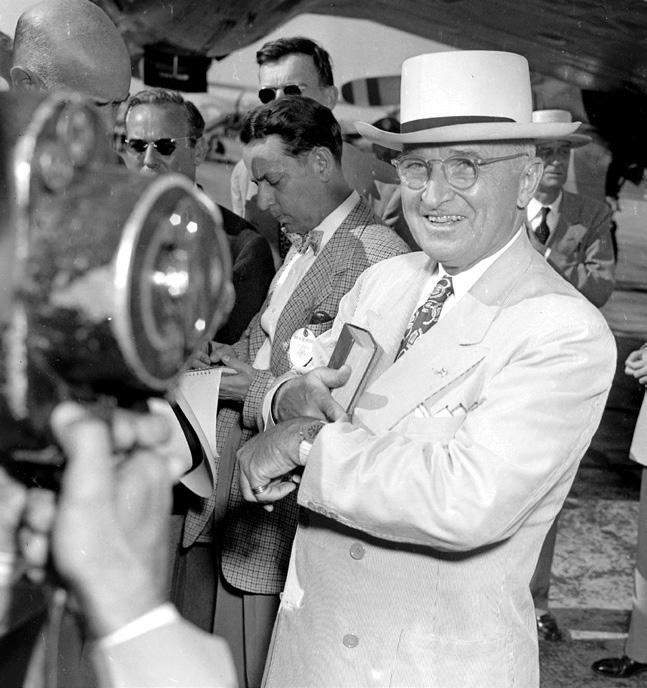
per cent of people who believed in the old Breitling, when they see the new Breitling, say: ‘Oh my God, it’s phenomenal.’”
Ask Kern about the threat of smartwatches, and he waves it away with the confidence of a man who has heard the question too many times. “Actually, I believe that analogue watches will continue to boom in an overkill of digitalisation in the world. We see it now also with vintage watches. We have access to younger people through vintage watches because they love the idea, they love the aesthetics, they love the spirit of it.”
He builds to his point. “The beauty of a watch is that you don’t need a watch to read time. Unlike what happened with the car industry, which became a commodity, where you have to drive from point A to point B. It’s not the case for a watch. It’s a statement. It’s a lifestyle. It’s an emotional product. It’s a piece of art. It’s a piece of jewellery.”
He pauses, a showman’s beat. “Nobody is collecting smart phones or smart watches. But this is an emotional object. There is no price on that.”
Dubai Watch Week has grown into one
of the most significant platforms on the horological calendar, and Kern’s choice to unveil the House of Brands here signals more than convenience. He has travelled this region for decades, beginning his career as the area sales manager for Tag Heuer nearly 30 years ago. He speaks of the Middle East with genuine admiration.
“The investments and the master plan you have in the UAE is phenomenal,” he says. “You have to go where innovation is, where creativity is, where power is, where hunger is of young people who want to do something.”
He gestures beyond the pavilion walls, to the city rising around Burj Park. He signals the importance of the region for Breitling and Universal Genève, and the role it will play in building the House of Brands.
As our conversation wound down, I asked Kern what percentage of his mission at Breitling is complete. He demurred with a smile. “You’re never done.”
But his closing message is clear: for those who haven’t visited Breitling in six or seven years, get into one of their boutiques. Experience it firsthand. The watches are different. The brand is different. And soon, it will be part of something larger.
Outside, collectors drifted through the pavilion, examining Universal Genève’s archived designs, studying the heritage of Gallet. In a few months, these dormant names will return to life, joining Breitling in a trio that spans accessible craftsmanship to ultra-luxury.
Kern has built his career on movement, on the conviction that standing still is the greatest risk of all. As the watch industry navigates uncertain terrain, he is betting that three brands are better than one, that heritage can be revived without being replicated, and that the mountain is exactly where you want to be when it gets steep. Needless to say, we will be rooting for him.
Universal Genève launches in April 2026. Gallet follows in late summer 2026. Both brands will be previewed at select events throughout the year.
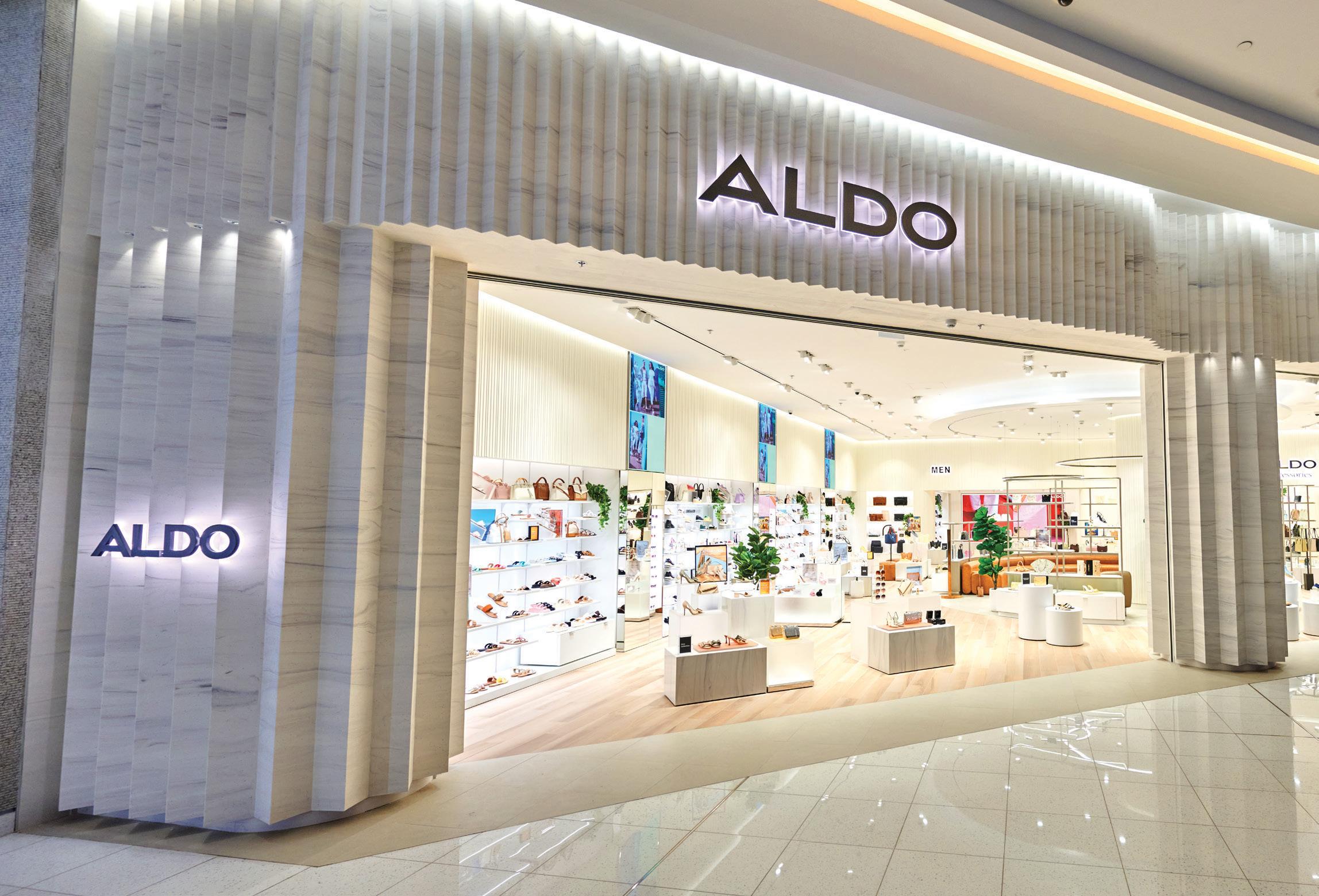
THE FOUNDER OF THE ALDO GROUP ON WHY THE PERFECT SHOE STARTS WITH A GOOD HEART, THE BRAND’S POPULAR ‘ITSANDAL’, AND THE EMOTIONAL LEGACY HE HAS BUILT
BY NEESHA SALIAN
At 80-plus, Aldo Bensadoun doesn’t just walk into a room; he brings it to life. Most people his age might seek a quiet corner, but the founder of ALDO radiates energy and warmth, talking about “love, respect, and integrity” with the enthusiasm of someone who just opened their first shop yesterday.
I caught up with the footwear legend at a recent event held at the ALDO flagship in Dubai Mall. Bensadoun was in the thick of the action, as animated buyers clamoured for a photo with him, phones raised to capture the moment.
As we moved away from the bustling displays to a quieter corner of the store, the hum of the mall seemed to fade, making room for a more engaging conversation: one about why the perfect shoe starts with a good heart, the brand’s popular ‘ITSANDAL’, and the emotional legacy he has spent a lifetime building. Bensadoun leans in, giving me his full attention. “To me, this is an incredible region,” he says, gesturing toward the energy spilling from the mall into the store. “When you’re tired, you should come to Dubai. It gives you energy. It’s a dynamic place.” The irony isn’t lost on me; Bensadoun is the one bringing
energy to the space, seated beneath the spotlights of the store. He is charming and self-effacing, his warmth undeniable.
Despite building a global empire spanning 115 countries, he talks about business as a “purpose,” not a profit machine.
His partnership with Apparel Group brings this vision to life in the Gulf region, ensuring that each store, whether in Dubai, Montreal, Mumbai or Johannesburg, delivers the same experience, the same care, and the same “love”.
When our conversation turns to his family,

the high-energy executive softens. Footwear isn’t just a career, it’s a bloodline. Both his father and grandfather were in the trade, and speaking of them, his voice carries a weight of respect.
“My father was always a model to me,” he reflects. “He always said: be honest, be true to people, and listen to them.” These aren’t just company values posted in a breakroom; they are the quiet force behind everything he does.
For Bensadoun, leadership isn’t about being the “front man” it’s about listening and understanding, a trait inherited from generations before him.
Bensadoun is a realist. In the 70s, a simple clog, his first design, was enough to start a revolution. Today, customers want the look of a stiletto with the feel of a cloud. He frames comfort not as a technical challenge, but as a human necessity.
“For the last 10 years, we’ve worked extremely hard to make sure our shoes are extremely comfortable,” he says. This effort led to Pillow Walk technology, the signature
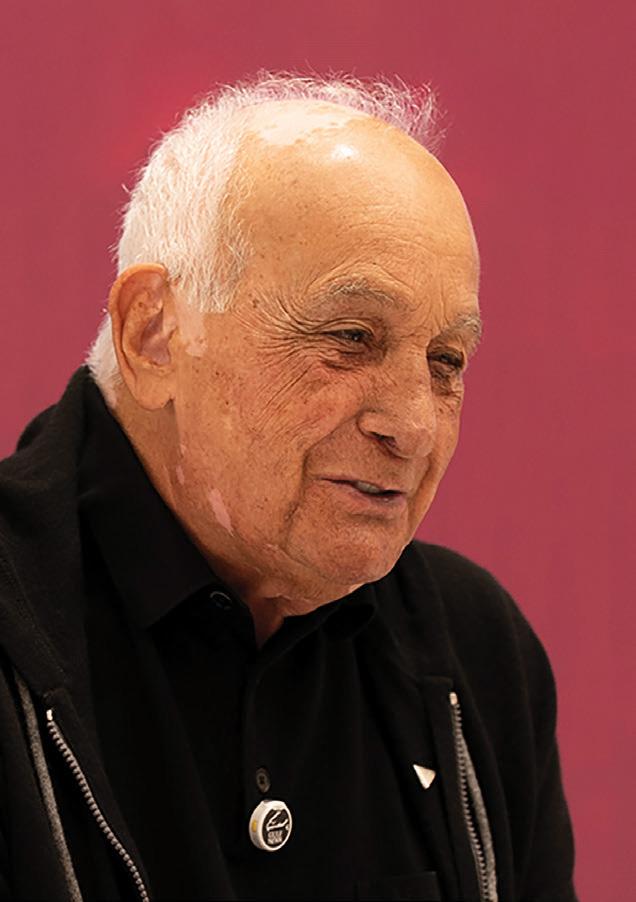
cushion in their viral ‘ITSandal’. His goal is simple: no pain for fashion. The sandal should be the one you actually want to wear until 2am.
Looking after customers also means caring for the planet. ALDO was the first fashion footwear and accessories company globally to achieve climate-neutral certification. But Bensadoun emphasises the human side over corporate bragging.
“As human beings, we have a role to make sure we leave the world in a healthy

“For the last 10 years, we’ve worked extremely hard to make sure our shoes are extremely comfortable.”
TODAY, CUSTOMERS WANT THE LOOK OF A STILETTO WITH THE FEEL OF A CLOUD
position,” he says earnestly. This philosophy shapes everything from sustainable packaging to the vegan-first mission of sister brand Call It Spring.
Whether expanding into new markets or nurturing partnerships, Bensadoun’s message is refreshingly simple. He doesn’t focus on market share; he talks about trust and integrity.
“We look for partners who share the same values, honesty and integrity,” he says. Every storefront, from Dubai to Montreal, is an opportunity to practice being a “better human being”.
His collaboration with Apparel Group exemplifies this approach, combining shared values with local insight to ensure each store delivers the same experience worldwide. As our conversation wraps, the quiet enclave is overtaken as the crowd spills back in. Bensadoun doesn’t pull away; instead, he seems to dissolve into the mix, answering questions from fans and leaning in for selfies with the same genuine interest he gave our interview.
As he is pulled further into the flurry of activity, he pauses to catch my eye one last time, offering a cheerful wave as if to say the work is never done.
In this moment, amid the lights, the energy, and the constant hum of Dubai, Bensadoun remains the same curious designer at heart, proving that the most enduring empires are built not just with scale, but one heartfelt, and very comfortable, step at a time.
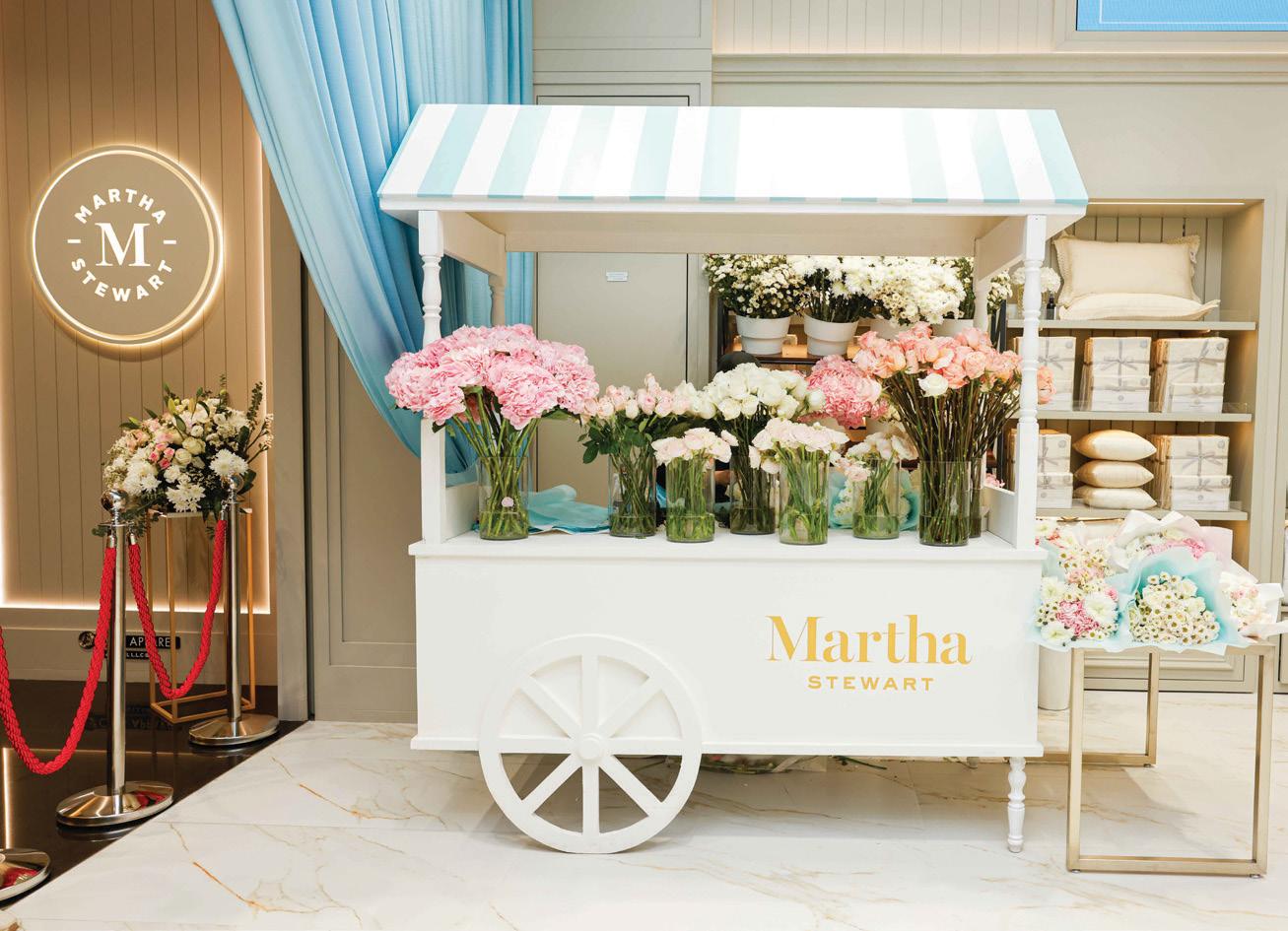
THE LIFESTYLE LEGEND SHARES WHY DUBAI FELT LIKE THE RIGHT STARTING POINT FOR HER STAND-ALONE STORES AND WHAT DREW HER TO THE PARTNERSHIP WITH APPAREL GROUP
BY NEESHA SALIAN
For more than four decades, Martha Stewart has built one of the most recognisable lifestyle empires in the world, transforming domestic craft into a multibillion-dollar business that spans publishing, television, retail, and beyond. When her brand chose Dubai for its first standalone retail stores anywhere in the world, it was a deliberate signal of where global lifestyle retail is headed.
The flagship opening at Mall of the Emirates In November, hosted by Apparel Group in partnership with Marquee Brands, was less about ceremony and more about intent, bringing Stewart’s philosophy of practical, well-designed living into a market that has become a proving ground for international brands seeking growth beyond saturated Western markets.
Dubai’s retail landscape, shaped by discerning consumers who expect quality and curation in equal measure, offered something few other cities could: an audience that values both function and refinement, and the commercial infrastructure to support a seamless launch. Here, Stewart shares why Dubai felt like
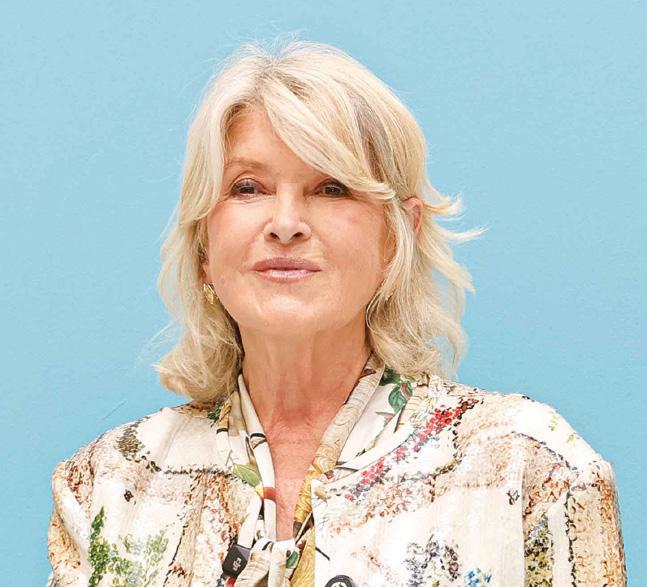
the right starting point, what drew her to this partnership, and how she thinks about curating a lifestyle brand for a Middle East audience.
This is the first standalone Martha Stewart store across the world. Why did Dubai make sense as the launchpad for this new retail chapter?
I have been coming to Dubai for quite a few years. I’ve done television programmes in the region and have many friends here, so I’m very familiar with it. With the quality and scale of the malls, it felt like
the perfect place to extend the brand in this part of the world.
You’ve partnered with Apparel Group and Marquee Brands for this expansion. What did they bring to the table that made the collaboration work?
Apparel Group has a strong presence across Dubai’s malls and a very solid network in the Middle East, which is extremely appealing. They’re also excellent at sourcing products. Sima Ganwani Ved is fantastic and very hands-on in the business, which makes a real difference. That level of engagement matters.
The stores span categories from kitchenware to fragrance and bedding. How did you curate the mix specifically for the Middle East consumer?
We studied the needs of the consumer very closely. Everything starts with a simple question, does the customer need this, and does the customer want this? From there, we build out the assortment. The goal is to offer products that are useful, beautiful, and relevant to how people actually live.
The Dubai opening was more than a retail launch, it became a broader conversation around creativity and legacy. Was that intentional?
Yes. I think it’s important to frame business around ideas that last. Retail is not just about selling products, it’s about values, creativity, and how you build something that endures. That’s especially relevant in a place like Dubai, where ambition and long-term thinking are very much part of the culture.
How do you see the role of physical retail evolving for lifestyle brands?
Stores have to be experiential. People want to see, touch, and understand how products fit into their lives. A physical space should inspire, educate, and feel welcoming. If it doesn’t do that, there’s no reason for it to exist anymore.
What does this launch signal for the future of the Martha Stewart brand?
This is just the beginning. Dubai is a strong base, and the region has a deep appreciation for quality and design. We’re excited to grow thoughtfully and bring more of the brand’s philosophy of practical, well-designed living to new audiences.
Strategically positioned between Europe, North Africa, and the Middle East, Malta serves as a dynamic gateway to the European Union and a recognized international financial centre. The island has built a diversified, business-friendly economy, with strong expertise in fintech, blockchain, AI, and iGaming. Attractive residency programs, access to the Schengen Zone, and a robust education and healthcare system make Malta an ideal destination for international business, investment, and long-term growth.

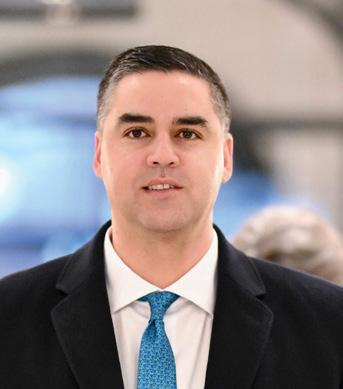
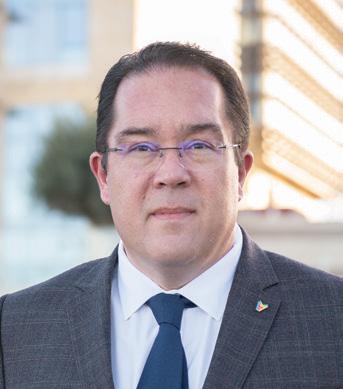
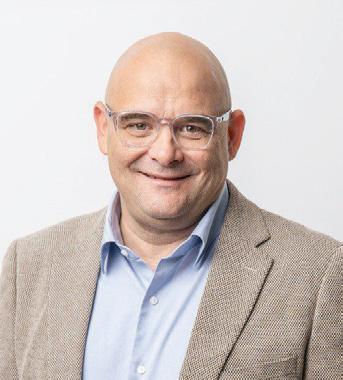
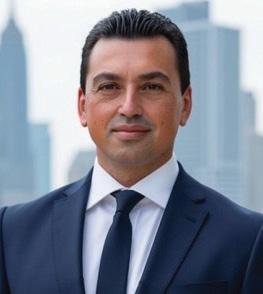
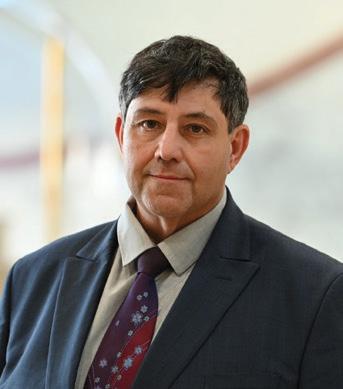
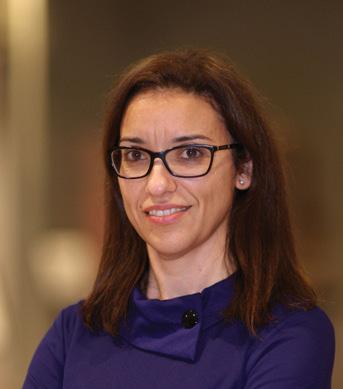
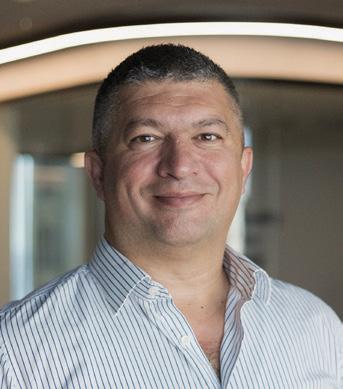
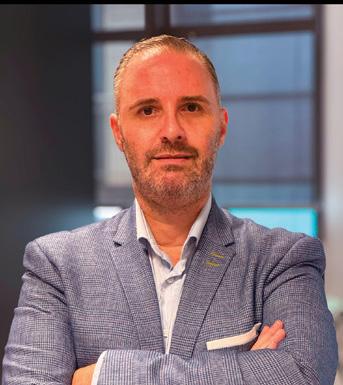
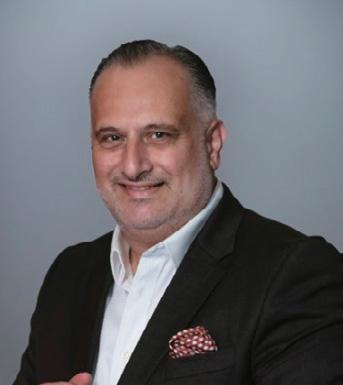

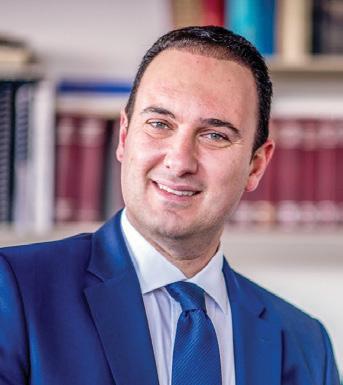








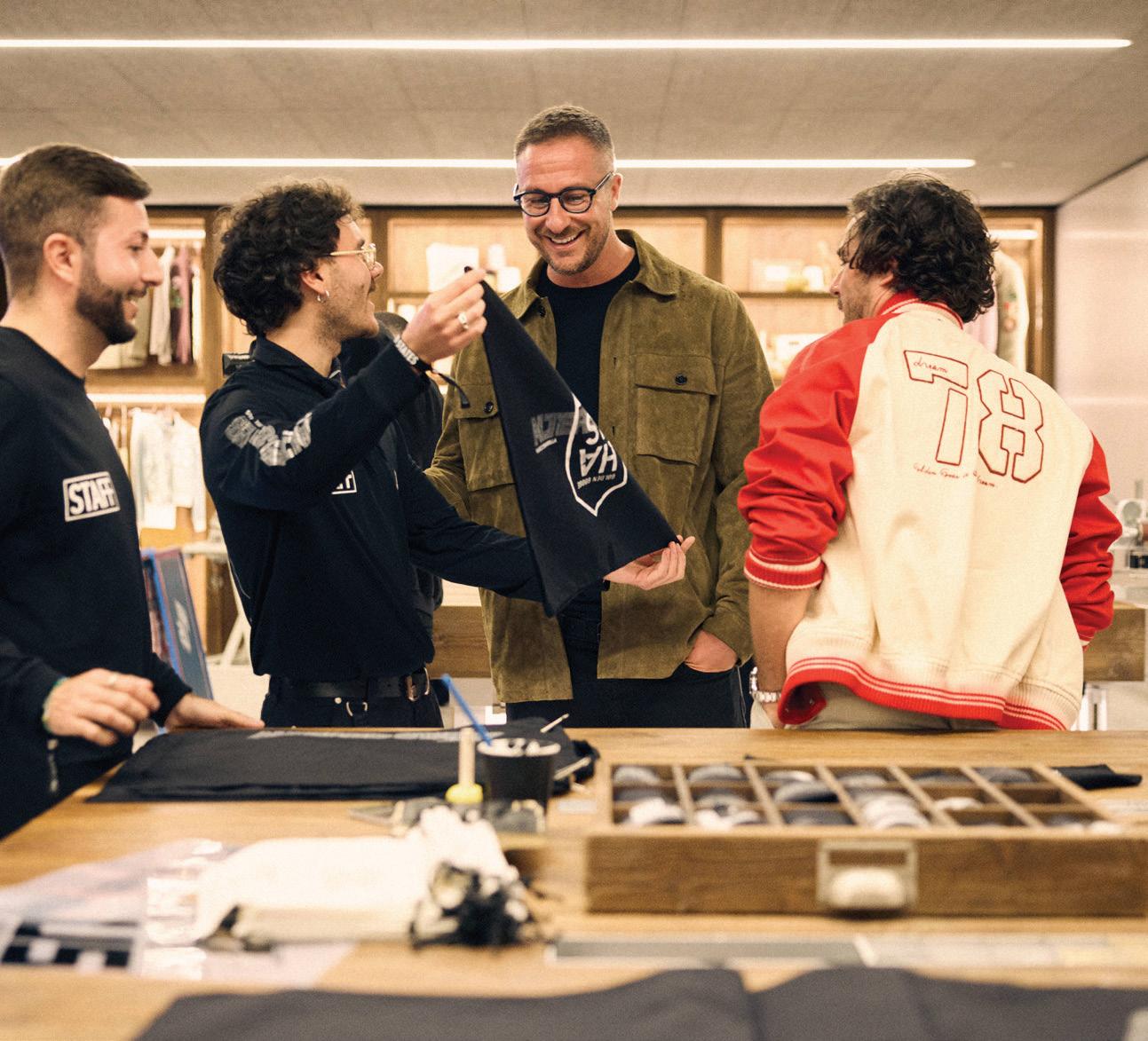


IN AN ERA OF DISPOSABLE FASHION, GOLDEN GOOSE CEO SILVIO CAMPARA IS BETTING THAT THE PATH TO A CUSTOMER’S HEART IS PAVED WITH SCUFFS, REPAIRS, AND STORIES THAT GROW OVER TIME
BY NEESHA SALIAN
Golden Goose does not ask to be handled carefully. Its sneakers arrive softened, already marked, and ready for a life in motion. They are designed to be worn, not saved. The leather yields quickly, the sole adapts to your gait, and over time the shoes begin to map your journey rather than simply reflect careful maintenance. This approach sets Golden Goose apart in the luxury market. While much of the sector prizes immaculate surfaces and seasonal urgency, the Italian house leans into familiarity, wear, and repetition. Its collections, from footwear to ready-to-wear, prioritise movement, fabrics that age gracefully, and details that feel purposeful rather than decorative.
Golden Goose’s unapologetic blend of
streetwear and luxury has won favour among ambassadors and celebrity devotees. Stars such as Jacob Elordi, Chris Hemsworth, Kate Hudson, and Jennifer Lopez have cemented the Super-Star sneaker as a staple for those who value casual luxury with attitude. Whether officially signed or simply spotted in the streets, these figures amplify the brand’s ethos: a lived-in, effortlessly cool aesthetic that feels both exclusive and approachable. Founded in 2000, Golden Goose has grown by resisting the need to overexplain itself. Its design language blends Italian craftsmanship with contemporary street culture, less about shouting and more about continuity. CEO Silvio Campara frames the brand’s ambition in emotional terms: “In a world where brands aim to create the most desirable, trendy items, Golden Goose wants to be a
love brand. Our goal is to reach customers’ hearts and tell a story together through co-creation. We want products that last over time, that allow people to write their own stories through their wear.”
That philosophy extends to how Campara defines luxury itself. “At Golden Goose, we believe modern luxury is no longer defined solely by the product, it’s about emotion, experience, and belonging,” he says. It’s a perspective that resonates particularly with younger consumers, who increasingly reject the transactional nature of traditional luxury retail.
The numbers bear this out. Gen Z now represents 35 per cent of Golden Goose’s registered customer base globally, with participation in the brand’s co-creation services up 64 per cent year-on-year. These are not passive consumers; they want to design, customise, and leave their mark.
“Gen Z and millennial consumers in the Middle East resonate strongly with this approach,” Campara explains. “They value authenticity and individuality, which is why our co-creation and personalisation services are so popular, allowing them to design unique sneakers and share their own stories.”
This generation’s appetite for conscious consumption has also shaped the brand’s retail strategy. Golden Goose’s Forward Stores now offer a full ecosystem of services, ‘Repair, Remake, Resell, and Recycling’, that extend the life of products rather than encouraging replacement. “In the Middle East, this audience embraces both cultural heritage and global creativity,” Campara notes, “creating opportunities for our sustainability initiatives, which align with their focus on conscious consumption.”
The region is central to Golden Goose’s expansion, and Campara speaks of it with genuine enthusiasm. “The Middle East is a crucial region in Golden Goose’s international growth strategy,” he says. “It represents one of the most dynamic and fast-evolving luxury markets globally, where a young, fashion-forward audience is redefining the meaning of modern luxury, through creativity, individuality, and culture.”
But it’s more than a commercial opportunity. “For us, the Middle East is not only a strategic growth market, but also an inspiring environment to engage with a new generation of luxury consumers who truly value individuality and self-expression,” Campara adds. “The region’s energy, cultural richness, and openness to innovation perfectly align
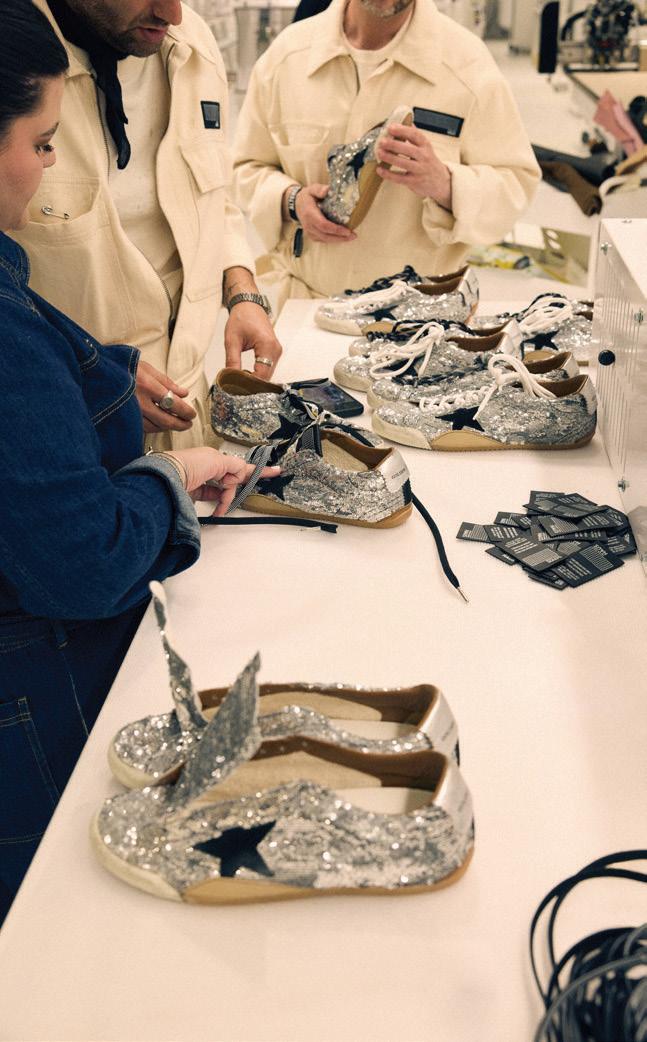
with our philosophy of authenticity and emotional connection.”
Golden Goose has translated this philosophy into the region with innovative retail concepts. Its Level Shoes space in Dubai exemplifies a quiet, deliberate approach: repair services sit alongside retail, underscoring that well-made products are meant to be kept, not replaced. “The innovative concept store embodies Golden Goose’s commitment to sustainability while enhancing our repair services, through a collaboration with Northampton’s ‘The Cobbler,’ who specialises in repairing formal shoes and bags,” Campara explains.
The brand’s recently reopened Kuwait City store at Harvey Nichols takes this further. The new concept places co-creation, creativity, and artisanal heritage at its core, elevating personalisation through exclusive treatments and techniques. It also marks the Middle East debut of the Younique Caffè, extending Golden Goose’s co-creation philosophy into the culinary world, a space where customisation meets coffee culture. The debut of the Golden Goose Kids store at The Dubai Mall late last year carries this spirit forward. More than a boutique, the whimsical “Golden Bedroom” features oversized furniture, interactive walls, and a co-creation table, letting children explore style on their own terms. Anchored by Goldy, the brand’s first Kids mascot, and a full collection of sneakers, apparel, and accessories, the store transforms shopping into an immersive experience, extending Golden Goose’s playful luxury to the next generation.
For Campara, physical stores remain irreplaceable, even as digital channels
proliferate. “Our stores are more than retail spaces, they’re hubs for creativity, craftsmanship, and community,” he says. “They allow customers to experience the brand firsthand through co-creation, repair services, and immersive events that bring our philosophy of individuality and self-expression to life.” He’s clear about the limitations of e-commerce. “While digital channels are important for reaching younger audiences, brick-and-mortar remains essential for building deeper, personal connections that online platforms cannot replicate.” Art and creativity have become central to this approach. Collaborations with the Venice Biennale and partnerships with international and local artists transform Golden Goose stores into exhibition spaces where young creatives can showcase their work. “In the GCC, we aim to introduce retail concepts that celebrate local talent and cultural heritage while delivering the distinctive Golden Goose experience,” Campara says. “Our goal is to create spaces that go beyond shopping: immersive destinations that embody authenticity, creativity, and emotion.”
In the Middle East, Golden Goose is not trying to be louder or faster. It is choosing to stay present, letting its products, stores, and experiences speak for themselves. This measured approach mirrors the brand’s broader philosophy: luxury that is earned, worn, and lived in.
In a market attuned to nuance and style that balances individuality with refinement, Golden Goose’s quiet confidence may be its most deliberate, and most resonant, move yet.
The brand has steadily expanded its footprint across Dubai’s prime retail destinations, reflecting the brand’s growing appeal.
• The Dubai Mall (Flagship)
– Fashion Avenue
• Mall of the Emirates
– Forward Store
• Dubai Mall (Kids)
– Dedicated children’s store
• Bloomingdale’s, The Dubai Mall
– Shop-in-shop
• Level Shoes, Downtown Dubai
– Multi-brand retail presence
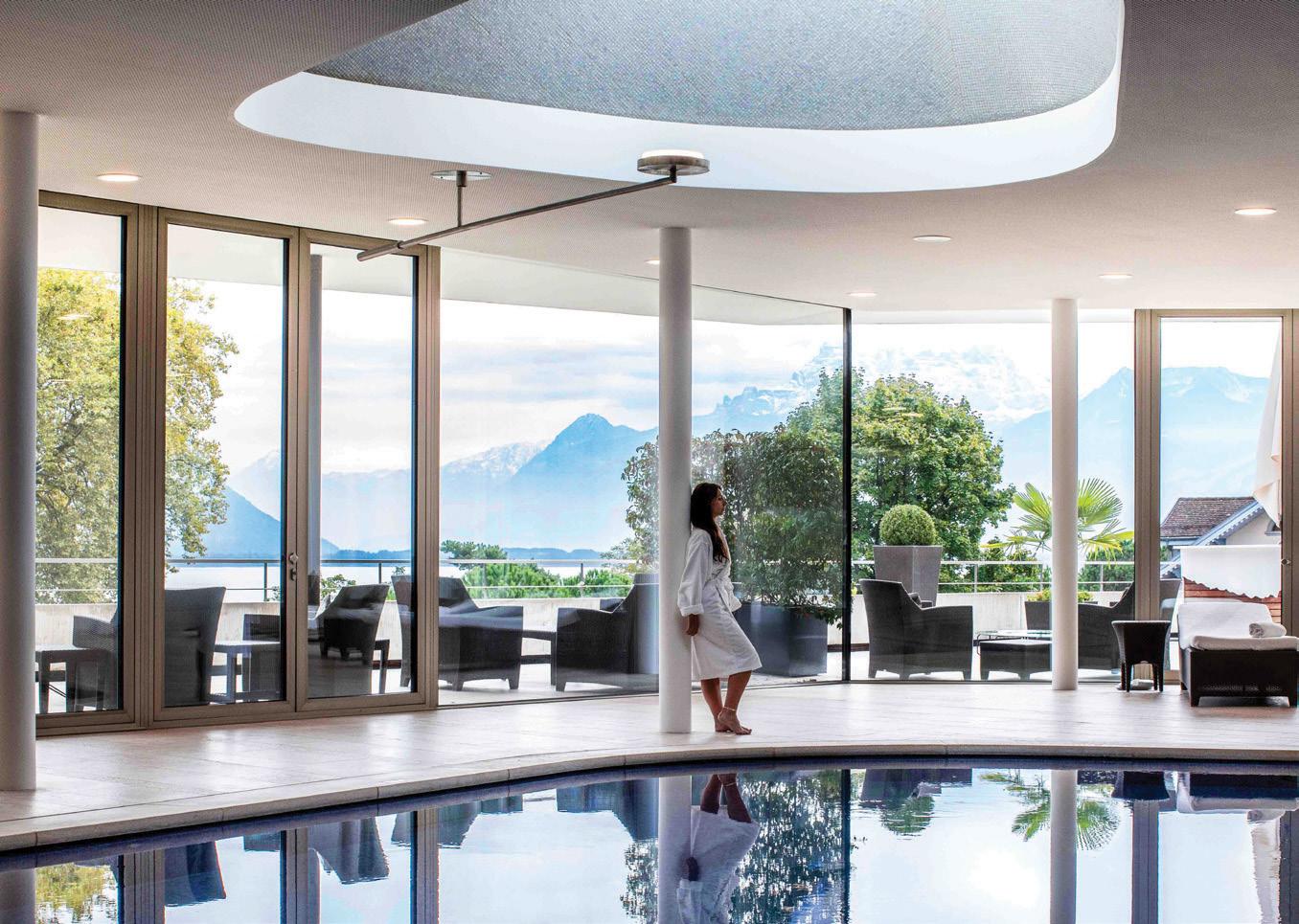
IN THIS CONVERSATION, CLINIQUE LA PRAIRIE’S CEO REVEALS THE SCIENTIFIC AND STRATEGIC ROADMAP BEHIND THE BRAND’S GLOBAL EXPANSION AND EXPLAINS WHY THE MIDDLE EAST HAS BECOME THE DEFINITIVE FRONTIER FOR THE NEW ERA OF PREVENTATIVE MEDICINE
BY NEESHA SALIAN
There is a particular kind of stillness that one finds at the Longevity Hub by Clinique La Prairie in Dubai, a serene, clinical calm that feels worlds away from the hustle and bustle of the city below. It was here, amidst the hyper-modern elegance of the One&Only One Za’abeel, that I met Simone Gibertoni. If longevity is the new ultimate luxury, Gibertoni is its most convincing ambassador. Impeccably dressed with the quiet confidence of European tailoring, offset by a set of beaded bracelets, he embodies the brand he leads: sharp, vital and radiating the kind of energy that suggests he doesn’t just run the world’s most exclusive health resorts, he lives by their codes. Under his stewardship, the exclusive Swiss institution is no longer a destination reserved solely for the shores of Lake Geneva. It has evolved into a global ecosystem. From the 2024 opening of a sprawling clinic set within seven square kilometres of Chinese tea plantations to the imminent, $400m unveiling of the Amaala resort in Saudi Arabia, Gibertoni
is redrawng the map of wellbeing. As we looked out over the Dubai skyline, a city he identifies as the perfect crucible of “readiness and curiosity”, we sat down to discuss why the Middle East has become the heartbeat of his global strategy, the “bots-tobiomarkers” evolution of diagnostics, and why true longevity is less about discipline and more about the quiet power of routine.
Here are excerpts from our conversation:
This region is becoming increasingly important for Clinique La Prairie. Tell us about your strategy and why you’ve chosen to focus on the Middle East. Our strategy is very clear. Clinique La Prairie operates an ecosystem of health resorts, the flagship clinic in Montreux, Switzerland, and our second location in China, opened in 2024, set amid seven square kilometres of tea plantations with a central lake. It’s a fully dedicated clinic with 29 rooms, an amazing experience. We also have Amaala and Phuket scheduled to open in 2026. To stay connected with our clients, we launched longevity hubs, urban
clinics in Bangkok, Doha, and Dubai, with Beijing joining in December 2025. We also brought our technology directly to clients through Holistic Health, our own premium supplement line, the first of its kind in the ultra-luxury space. Made entirely in Switzerland with top-quality ingredients, it created a new category in the market.
Finally, we launched the Clinique La Prairie Longevity Fund, investing in longevity innovation. This combination of resorts, hubs, supplements, and investment forms the backbone of our strategy.
What made Dubai the right location for your regional hub?
Three factors made Dubai ideal. First, we already had many clients traveling from Dubai to Montreux, so we wanted to provide local follow-up. Second, we partnered with One&Only, which proved to be the perfect collaborator, so much so, we’re now signing a project with them in New York’s Hudson Valley. Third, Dubai’s clientele is ready for longevity. Here, we saw strong demand from the start. Since opening in early 2024, the interest has been extraordinary, and we’ve nearly had a clinic opening every week. Dubai offers the perfect mix of readiness, curiosity, and capacity to embrace our philosophy.
Tell us about your collaboration with Amaala in Saudi Arabia.
Clinique La Prairie’s Amaala wellness resort has been in development since 2018, in partnership with the Public Investment Fund. It’s a $400m project and will be remarkable. The property sits on roughly 36,115 square metres and will include 52 rooms and suites plus 13 private villas designed to offer personalised longevity and wellness programmes, blending medical care, nutrition, movement, and wellbeing. Our regional approach is clear: The Longevity Hub and Resort in China serve domestic clients, the wellness resort in Phuket will serve Southeast Asia, the Amaala resort and Dubai Longevity Hub cover the Middle East, the resort in Switzerland serves Europe, and we are exploring expansion in North and South America.
As you expand, how do you maintain the focus on quality that Clinique La Prairie is known for?
Quality is central. When we opened in
China, skeptics doubted we could maintain Swiss-level standards. But through rigorous training and preparation, the results were exceptional, sometimes even better than in Montreux.
We deliberately avoid rapid expansion. Unlike competitors opening six or seven new hotels per year, our growth is measured, prioritising quality over scale. In Dubai, our standards are outstanding. We plan to open two longevity hubs per year and one resort every two to three years, robust, sustainable growth. Personalisation is fundamental. Switzerland has 34 rooms, 50 doctors, and 300 staff. Each client receives highly individualised care. This level of selectivity ensures our interventions are meaningful and effective.
What innovations are you bringing to your programmes?
We approach longevity through three steps, assessment, intervention, and follow-up. Assessment involves diagnostics, genetics, epigenetics, glycans, metabolomics, radiology. For example, our Longevity Master Assessment tests 300 biomarkers. Without understanding how the body works, recommendations are meaningless. Intervention spans four pillars, medical, nutrition, wellbeing, and movement. The

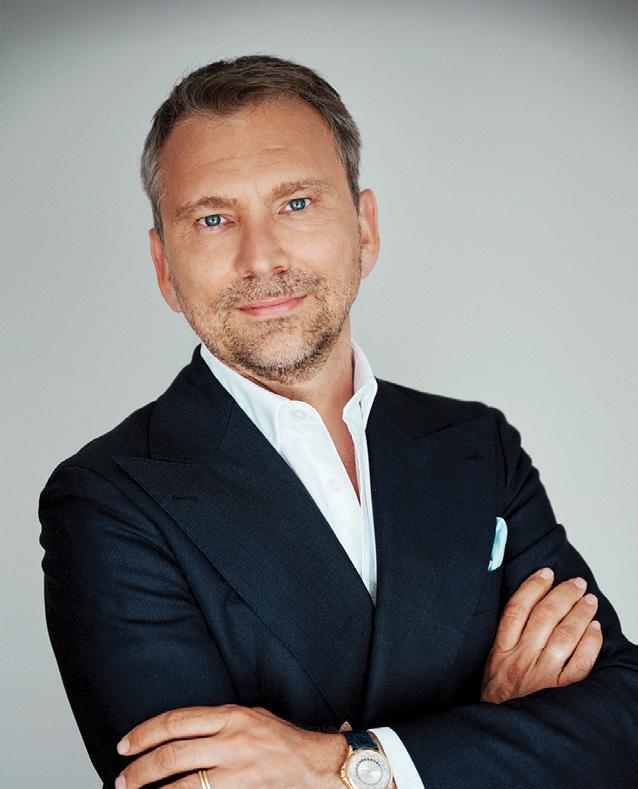
follow-up stage measures results, adjusts protocols, and ensures clients are on the right path. Science shows outcomes vary widely. For instance, studies on intermittent fasting revealed 30 per cent improve, 30 per cent see no change, and 30 per cent worsen, despite appearing identical externally. This is why personalised programmes and physician guidance are indispensable.
Our innovations include metabolomics, glycan testing, epigenetics, autologous and allogeneic stem cell treatments, senolytics, and proprietary supplements tailored to individual needs. We also have cutting-edge machines like Audio Vitality in Switzerland, enhancing medical, well-being, and movement programmes.
How long are your programmes, and what new offerings have you developed?
Programmes range from a minimum of one week upward. We recently launched Life Reset, focusing on mental wellbeing. Earlier programmes emphasised body function and immune system revitalisation.
Clients asked for more advanced options, prompting the Master Detox and Brain Potential programmes. We recognised that longevity isn’t just about adding years, it’s about quality of life.
Mental health is central, as burnout and stress affect one in two people today. Life Reset addresses this challenge directly.
Who is your typical client today? Has the profile changed over the years?
Our clientele has evolved. In the past, we served actors, politicians, and royals. Today, CEOs and entrepreneurs dominate,
drawn by their focus on health and capacity to invest in self-care. They value the technology and expertise we offer and use our programmes as a regular annual reset.
Looking ahead, where do you see Clinique La Prairie going?
We are exploring Clinique La Prairie residences, integrating longevity hubs and medical services into luxury living. The Longevity Fund allows us to stay at the forefront of innovation, supporting companies developing genuine solutions for the sector.
What’s your perspective on the longevity industry as a whole?
The longevity market is still small. Globally, there are roughly 2,000 rooms dedicated to longevity at top providers like Clinique La Prairie, Sha, Lanserhof, and Chenot, versus 20 million hotel rooms worldwide. Many investors and companies entering the sector do not yet have sound business models. Our philosophy prioritises value for the client and our partners, ensuring that growth is sustainable, selective, and impactful.
Your Holistic Health supplement line has been groundbreaking. What should people understand about supplements? There are two types of supplements, gap-filling, like vitamins, and enhancement supplements, and nootropics. Even if nutrition is adequate, enhancement supplements can improve performance, productivity, and cognitive function. We combine supplements with diagnostics, allowing clients to receive personalised recommendations based on their assessment, unlike generic products on the market.
Finally, how do you personally stay vibrant and dynamic? How does the brand’s philosophy become your own?
Consistency is key. Longevity isn’t about discipline; it’s about building routines.
I dedicate one hour each morning to mental well-being, combining Transcendental Meditation, cardio, flexibility, yoga, and journaling. Small daily habits, especially early in the day, compound over time, strengthening body and mind.
The philosophy of Clinique La Prairie, personalised care, holistic wellbeing, and scientific rigor, guides not only our programmes but my own daily life.
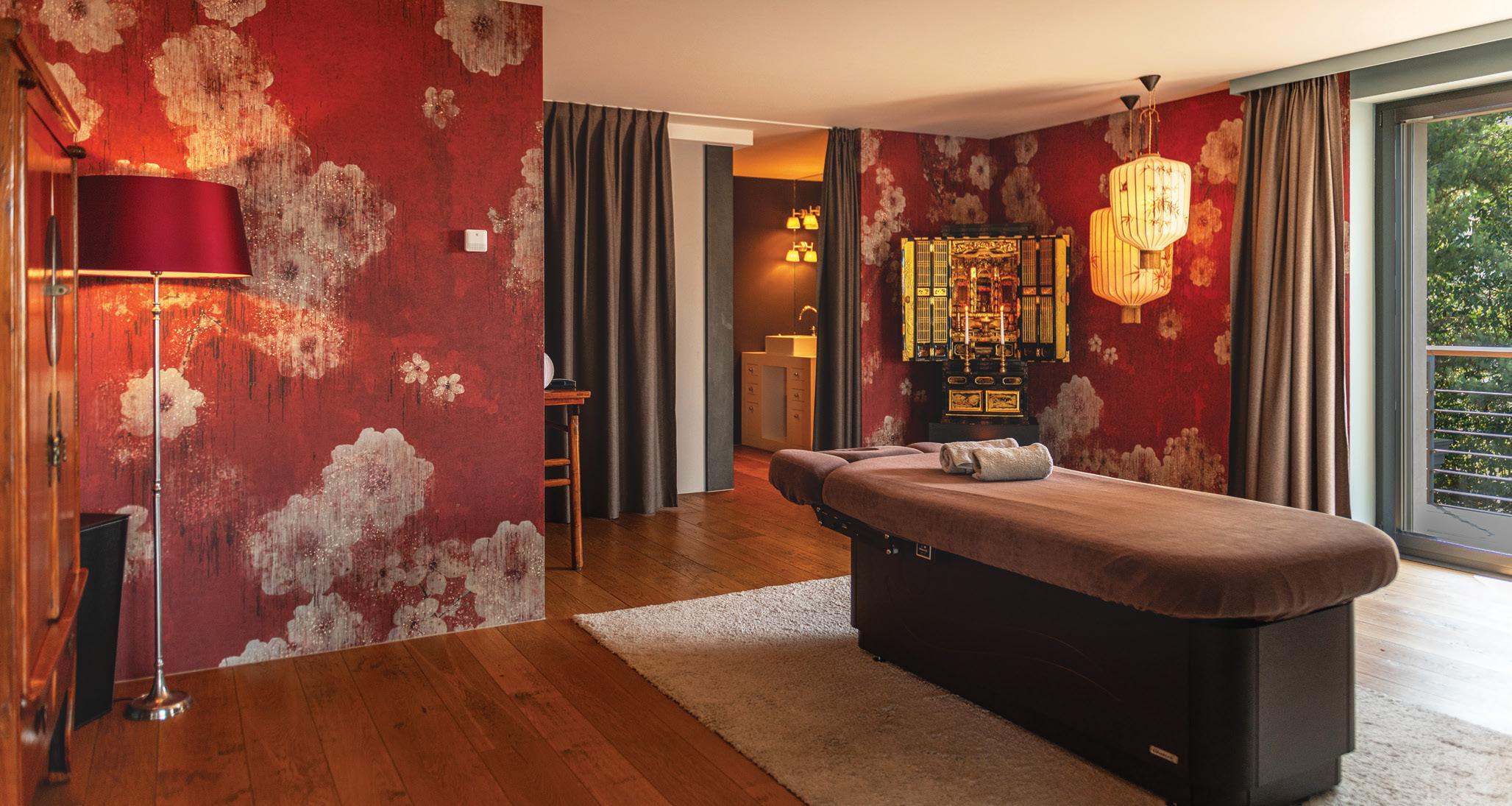


POOR MENTAL HEALTH CAN DRIVE UNHEALTHY BEHAVIOURS THAT CAN SHORTEN LONGEVITY, SAYS THE DIRECTOR OF PRECISION MEDICINE AT THE KUSNACHT PRACTICE
BY DR ANTOINETTE SARASIN
Fuelled by high profile figures such as tech entrepreneur Bryan Johnson whose Netflix documentary tells the story of his quest to challenge mortality, as well as by other media and social pressures, the desire to live forever has gone mainstream. For most would-be Johnsons, investing millions of dollars into such an
extreme and intricate regimen just isn’t an option – but there is no doubt that rapid advances in technology and R&D are paving the way for us to gain the one thing that is never promised: time.
From NAD boosters to oxygen and redlight therapy, genetic and microbiome testing, regenerative therapies and biohacking to levels we never thought
possible, supporting a longer and healthier life comes in a myriad of shapes, sizes and forms. Saying this, it is also important to look at longevity through a different lens: while the industry is full of researchdriven, pioneering medicines, treatments and screenings, when you strip longevity back to its essence, the impact of mental health is key.
While extending life has become both a scientific frontier and a cultural phenomenon, the important question that we need to ask is this: to what extent can technology help us live forever, if the mind isn’t ‘in’? Mental health is a central pillar of healthy ageing – which isn’t just about how long you live, but how well you live. Research increasingly shows that emotional and psychological wellbeing is deeply intertwined with physical health and, consequently, our ability to age well.
An estimated 80 per cent of chronic diseases, such as type 2 diabetes, cardiovascular disease and certain cancers are preventable through lifestyle. That umbrella term includes diet and exercise, yes, but also stress management, sleep quality, social connections and purpose – all core components of mental health.
Each person’s lifestyle is the sum of their habits. Good mental health creates constructive habits and thus, a healthier lifestyle. Poor mental health is both cause and symptom of unhealthy, self-destructive behaviours that can become embedded, driving a lifestyle that will almost certainly reduce longevity. While the human brain has a remarkable capacity to create new (and positive) habits, poor mental health can make it significantly more difficult to change bad habits and to maintain good ones. Put simply: solid mental health is almost a prerequisite for adapting and maintaining a healthy lifestyle. Despite all of the pioneering science behind longevity,
it is apparent that lifestyle habits are key to a longer, healthier life – and can add up to 20 years to your life. Good mental health and the ability to master behavioural shifts are imperative to prolonging healthspan.
Underlining the impact that mental health has on ageing, a landmark study by Harvard, one of the longest running in history, found that robust social connections were the strongest predictor of a longer, healthier life. Participants who reported feeling happier and more connected were not only healthier but lived significantly longer than those who felt isolated. We also know that chronic stress or anxiety accelerates cellular
With this growing understanding of the profound relationship between a healthy mind and a physically sound body, the longevity narrative today is shifting toward mental wellness as a proactive strategy in the science of ageing.
ageing, disrupts immune function and contributes to inflammation, all of which are known drivers of age-related diseases. Practices that foster mental wellbeing by reducing stress, such as mindfulness, psychotherapy, somatic movement and yoga can slow biological ageing and promote neuroplasticity, the brain’s ability to adapt and grow throughout life. With this growing understanding of the profound relationship between a healthy mind and a physically sound body, the longevity narrative today is shifting toward mental wellness as a proactive strategy in the science of ageing.
Longevity isn’t just about adding years to your life, it’s about adding life to your years, and means truly investing in yourself. This may not come in the form of cutting-edge biotech for everyone, but in the real fundamentals – particularly one’s mental health: building emotional resilience, meaningful relationships and psychological wellbeing.
The most advanced tool we have for ageing well may not be a futuristic pill or a cryo-chamber, but our own mind.
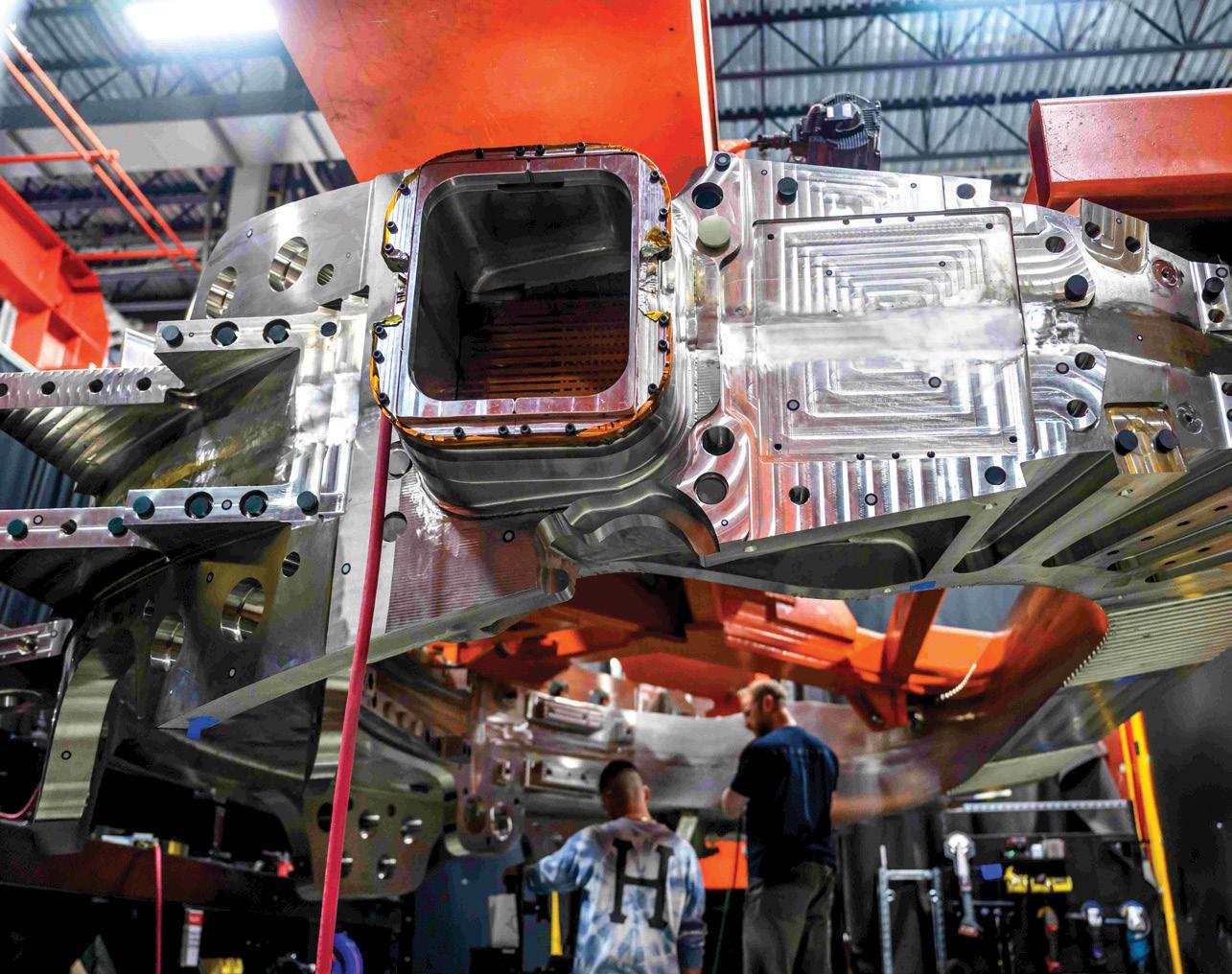
BOB MUMGAARD, CO-FOUNDER AND CEO OF COMMONWEALTH FUSION SYSTEMS, ON BUILDING THE WORLD’S FIRST COMMERCIAL FUSION POWER PLANT, THE $3BN BET ON CLEAN ENERGY, AND WHY THE GULF COULD BE PIVOTAL TO THE FUSION REVOLUTION
BY NEESHA SALIAN
n the race to commercialise fusion energy, Commonwealth Fusion Systems (CFS) has emerged as the undisputed frontrunner. The Massachusetts-based company, spun out of MIT in 2018, has raised close to $3bn, roughly onethird of all private capital invested in fusion globally, and now employs more than 1,000 people at its headquarters in Devens, where a 24-hour factory builds the components of what could become humanity’s most transformative energy technology.
The company’s secret weapon is hightemperature superconducting (HTS) magnets that generate magnetic fields strong enough, theoretically, to lift an aircraft carrier from the water. These magnets make it possible to build compact, commercially viable fusion machines, a breakthrough that has attracted backing from Google, NVentures (NVIDIA’s venture capital arm), Bill Gates, and energy giants like Eni. CFS is
now assembling SPARC, its demonstration machine, which is scheduled to achieve net energy production, the holy grail of fusion, where the machine generates more power than it consumes, in 2027.
Success would pave the way for ARC, the company’s first commercial power plant, planned for Chesterfield County, Virginia, in the early 2030s. Google has already signed a power purchase agreement for 200 megawatts of ARC’s output, while Eni has committed to a deal worth more than $1bn.
Bob Mumgaard, who holds a PhD in Applied Plasma Physics from MIT and has studied the history of transformative technologies, sat down with Gulf Business to discuss the company’s progress, its vision for the future of energy, and why the Gulf region, with its deep understanding of energy and track record of ambitious infrastructure projects, could play a significant role in fusion’s global rollout.
Tell us about Commonwealth Fusion Systems; how did it start?
The company was started in 2018. It spun out of MIT with a goal to build the first fusion power plants as quickly as possible, to develop the technology and then deploy commercial power plants. We felt confident because we had a strong scientific basis for how to build these fusion machines, building on decades of research from tokamaks around the world. And then we had a new technology, high-temperature superconducting magnets, that allowed us to make these machines significantly better. The combination of proven science and new magnets meant we were at an inflection point. You could finally start to see what a first power plant would look like.
You’ve raised close to $3bn — the most of any fusion company. How are you deploying that capital?
Fusion machines, like all energy technologies, take capital to build. With our new capital, we’ll continue finishing SPARC, but we’ll also accelerate toward the first power plant, test stands, designs, supply chain, converting our factory. We’re doing that work in parallel so we can build the first commercial power plant as soon as possible.
How do you balance stakeholder expectations with the inherent uncertainty of developing a breakthrough technology?
The company has had a roadmap from before it was a company, from 2016. That plan was refined in consultation with our academic colleagues, with governments, with energy companies, and with utilities who would buy power.
We had a lot of input at the beginning, so we knew the roadmap would have support. We’ve executed that plan, and it’s still the same today. We’ve ticked off the various steps as we’ve gone. That keeps all stakeholders aligned on the big vision. Building new industries and new technologies takes diligence and time. You have to build things, you have to iterate. We’ve purposely selected stakeholders who see the world the same way, people who’ve built big things and new industries, whether that’s commercial space, pharmaceuticals, other types of power plants, or energy companies making long-term investments.
How challenging has it been to educate policymakers and people about fusion?
It hasn’t been as challenging as I thought when we started. The key is getting people to see fusion as a distinct thing, not a variant of nuclear power or other types of power. Once they see it as a standalone industry that’s just getting started, they engage with curiosity. We have a strong belief in transparency, openness, and engagement. Once people start asking questions, there are good answers. We learn a lot from their questions, too. Whether it’s local neighbours at our site in Massachusetts, policymakers, environmentalists, we’ve been able to engage them internationally as well. I spend time on the road talking to stakeholders who may not be investors or associated with the company yet, making sure they understand the state of the field and what it could mean for them, whether that’s in the Gulf region, Asia, or Europe.
You have investors from the UAE and Saudi Arabia. What’s your view of the Gulf region as a market for fusion?
I’m a “history of technology” person; I think about how technology gets built. The region has been unique in recent history for rapid advancement and thoughtful builds. Take the UAE’s build-out of the Barakah nuclear plant and its four reactors. At MIT, we were at the very beginning of that process, teaching people who went on to become officials about nuclear power for the first time. At the time, I thought it would be interesting to see what would happen. And what happened is remarkable. Through diligence, wherewithal, capital, skill, talent, and partnership, they’ve delivered those four reactors. That achievement is underappreciated globally. If they can do that, what else can they do? When you go repeatedly to the centres of excellence in the region, Abu Dhabi, Dubai, Riyadh, you can see the changes and the optimism. That, coupled with a deep understanding of energy and what energy means and how it dictates so much about the roles of different governments, those are unique combinations.
What makes fusion fundamentally different from other energy sources?
Energy today is very much about consumption. We find stuff that we must
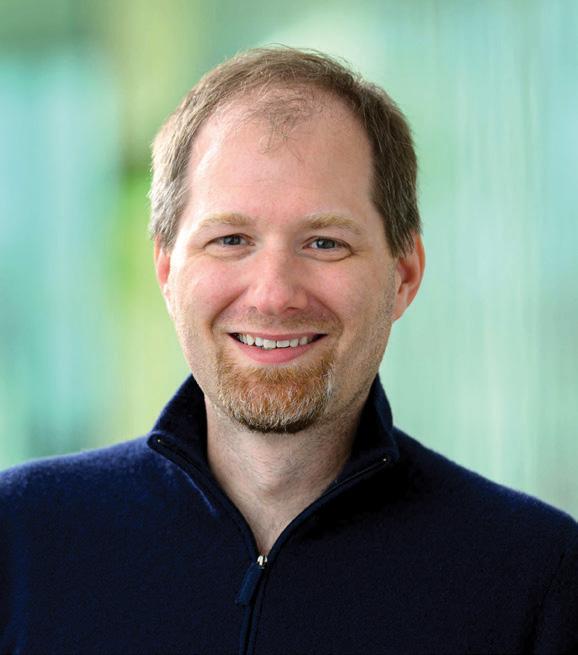
consume; the question is how big an apparatus you need to harvest it. Whether it’s drilling and refining, or solar fields and batteries, it’s about finding a natural resource and harvesting it. Sort of huntergatherer mode, or maybe farming. Fusion is different because it doesn’t depend on real inputs. It’s know-how. You build a machine, and once you have the machine, it makes energy. It’s a technology, like a car, once you make it, you have it, and it gives you transit. Once you make a fusion power plant, you have it, and it gives you energy. That’s very disruptive because technologies can scale rapidly. They don’t depend on what’s in the ground or what happens that day or season. They only depend on your willingness to build. Today we measure energy in barrels extracted per day. In fusion, there’s no equivalent.
Data centres are consuming enormous amounts of power. How does fusion fit into that picture?
Data centres are like factories that manufacture intelligence. They need a lot of power; the bigger the data centre, the more intelligent it is, so it needs more power. A single data centre can now
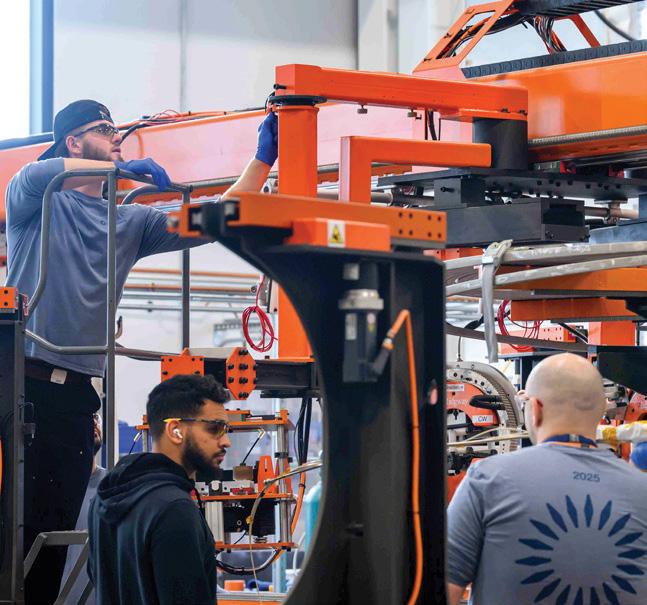
consume up to a gigawatt. And they need it 24 hours a day, you don’t want to make your brain sleep. So they need steady, large amounts of power, and they need to build that capacity at the same pace they build data centres. Fusion fits that very well. It’s not dependent on weather or location. It’s continuous, once you have the machine, you can run it whenever you want. It can make a lot of power in a small package, which pairs well with data centres. And obviously, no emissions. The companies building these data centres have made commitments on emissions. We wouldn’t want to trade making everyone’s lives better with AI for making them worse with pollution and climate change. That’s why you see these companies taking interest— signing agreements to buy power. Google has agreed to buy power from our plant in Virginia. They’re also making investments in the company.
What can we expect from CFS in 2026?
We’ve had a good couple of years, and 2026 will be super exciting. A lot of the hardware that’s been built in our factories and by vendors around the world, most of that is now arriving at our site.
This is the year the SPARC machine goes from buildings and scattered parts to a giant Lego set being put together. You’ll see the machine come together relatively quickly. Every day, the supporting systems around the machine, keeping everything cold, currents on, will be running and testing in preparation for making the first plasmas. That’s the step toward making plasmas that produce fusion power. It’s very exciting as we transition from a large manufacturing and procurement effort, which is what 2025 has been, into an assembly and operation effort in 2026.
From agentic AI to embedded finance and assistive safety tech, these companies are building for the next phase of the global economy. The focus is not experimentation, but scalable systems designed to shape how industries operate in the years ahead
BY NEESHA SALIAN
What inspired you to start this business?
Having spent more than 15 years in global B2B development and investment across 35 countries, I witnessed a universal challenge: companies were struggling to comply with ESG requirements efficiently. As a climate ambassador and a member of the MIT Sustainability Initiative, I saw how fragmented ESG data made compliance costly, slow, and unreliable. i-ESG was born to solve this structural inefficiency through artificial intelligence (AI) and data. Initially incubated as an in-house venture under a Fortune 500 conglomerate, we understood the real pain points of enterprises.
Our goal was clear: make ESG management accessible, automated, and datadriven. Today, i-ESG combines AI and Big Data to turn ESG from a reporting burden into a strategic advantage, empowering companies to comply faster, act smarter, and operate more sustainably.
Tell us about your business model.
I-ESG provides an integrated, cloudbased, data-driven, AI-powered, and customisable SaaS platform that manages the entire ESG lifecycle: readiness assessment, data collection, analytics, reporting, and risk prediction. Our model is not about consultancy; it’s about scalability through automation. We enable organsations to digitise ESG operations, dramatically reducing cost and time, up to 95 per cent cheaper and six times faster than traditional methods. We offer flexible deployment models, standard SaaS, SaaS plus customisation, and enterprise (private or sovereign
cloud), to fit the regulatory and IT security environments of corporates and governments alike. With an annual subscriptionbased structure, i-ESG delivers continuous compliance updates and AI-driven insights. As a UN Global Compact member, B-Corp certified impact venture, and the only Asian startup selected for Luxembourg’s government-backed innovation programme, our credibility, scalability, and adaptability define what makes i-ESG truly unique.
Tell us about the tech behind the product. Our platform integrates NLP, RAG, OCR, agentic AI, and predictive analytics, making i-ESG one of the most advanced ESG intelligence systems in the market. With 13 technology patents and over five million ESG-specific data points, we have developed ESG-specific refined AI models that automate and personalise every stage of ESG management, from disclosure drafting to benchmarking and proactive risk mitigation. The platform dynamically auto-maps evolving standards such as CSRD, CSDDD, and GRI, ensuring organisations stay instantly compliant with global requirements. Our AI analyses both structured and unstructured data, providing real-time insights into ESG performance and climate risk exposure. The both technological edge and ESG domain expertise has positioned i-ESG as a recognised solution provider, validated by Gartner.
Tell us about your expansion plans. Our growth strategy is centred on scaling across GCC and Asia markets. For the UAE

and GCC specifically, we expect to accelerate by leveraging the Mohammed Bin Rashid Innovation Funds’ (MBRIF) ecosystem. We’ve established a JV in Abu Dhabi and there are active ongoing discussions with UAE government entities, governmentbacked organisations, and both public and private sector businesses. We believe our role is to support the UAE’s national ESG and climate data initiatives through partnerships with sovereign-linked AI/data entities and private-sector partners using verified, integrated, and analytics-ready data. Our track record demonstrates strong validation: we’ve successfully executed projects with various stakeholders, and were recognised as a winner of the ADB Challenge, and Top Data-Driven Platform in APEC 2025. Leveraging our expertise, we are now building a data and innovation in GCC and Asia. The ESG data sector remains nascent in the region. This creates an opportunity for us to scale exponentially.
Supplied
Pic:
Tell us about your background. What led you to start this business? Both of us come from different sides of the fintech world. Ghazali worked in product and growth at companies like Careem and Daraz, building for and selling to users across MENA and South Asia. El Mardini spent years advising banks and regulators in the region as part of McKinsey’s banking practice
We were both seeing the same thing from different angles: SMEs are the backbone of the economy, but they’re constantly starved of working capital.
We started speaking to founders and vendors, and everyone had the same complaints; delayed payments, no access to financing, rigid processes. That’s what got us thinking: why hasn’t lending evolved the same way payments or logistics have? So we jumped in and started building Aura to provide SMEs with better access to capital by using technology to make the lending process faster and more efficient.
Talk us through your business model and what makes it unique.
Aura is building a fully managed embedded lending service that allows platforms serving SMEs to offer financing directly within their existing product experience without having to build the tech, manage lending operations, obtain a licence, or raise capital.
We believe financing shouldn’t always require an explicit loan application. Instead, access to credit should be seamlessly woven into the everyday workflows of SMEs, like choosing 30-day payment terms when buying from a B2B marketplace, unlocking early payouts right from a customer’s vendor portal, or paying for employee health insurance monthly rather than as a lump sum payment.
What makes us different is that we’re not positioning ourselves as another direct lender. We’re building the rails that enable others to offer fast, automated, and contextually relevant credit products to the businesses they serve.
Shahrukh Ghazali, co-founder and CEO, Aura Finance Samer El Mardini, co-founder, Aura Finance
Tell us about the innovation driving your product. How has it helped differentiate you in the market?
We use technology to solve two key problems in SME lending: making it simpler for SMEs to access financing, and dramatically more efficient for lenders to offer it.
A lot of our focus has gone into removing friction from onboarding. SMEs can complete the process in under five minutes, with minimal manual input. In the background, we’re pulling and analysing data automatically; parsing bank statements, reading documents, and building a full picture of the business’s finances using automation and AI, without requiring hours of manual input.
We can see how much an SME is earning, how they get paid, and whether they’ve been paid on time in the past, all without needing them to explain it to us. Once they’re onboarded, we can give a credit decision in seconds, and with a quick human review, get them funded within a day. This approach has helped us serve smaller businesses that others overlook, give faster answers, and win customers who’ve left other providers for a better experience with Aura.
Share details about your growth plans, market expansion and any recent funding rounds.
We’re currently focused on our shift from being a direct lender to enabling embedded lending, working closely with both capital
providers and demand-side partners to launch our first embedded credit products. These go beyond invoice discounting, which is where we started, and include solutions like BNPL for SMEs and factoring that can be integrated directly into B2B platforms.
Looking ahead, we plan to expand into Saudi Arabia within the next year. We’ve already started early conversations with key stakeholders in the market, and we’ll begin executing once we’ve scaled the team enough to support operations beyond the UAE.
On the funding side, we’ve raised capital from angel investors, Loyal VC, and most recently Oraseya Capital through their Sandbox programme. We’re now preparing to raise our seed round to support our next phase of growth.
What are some key milestones or breakthroughs that have shaped your journey so far?
Being selected for the MBRIF Innovation Accelerator was a significant milestone in our journey. The programme provided us with valuable exposure, expert mentorship, and a platform to validate our solution, culminating in the honour of being named ‘Best Pitch’ at Demo Day.
Additionally, we were one of nine startups selected out of more than 1,500 for phase two of Oraseya Capital’s Sandbox programme, and securing Oraseya as an investor has opened up new doors.
What inspired you to start this business?
My journey into entrepreneurship began from a deeply personal experience rather than a business idea. My sister, Rawda, was diagnosed with Angelman Syndrome, a genetic condition that prevents her from speaking or expressing herself. When she used to wander away, the fear we felt as a family was unimaginable and what struck me most was the lack of real solutions in the market to help families like ours.
With my technical and medical background, I decided to build what we needed ourselves. That’s how the Tapy Aman Watch was born a device that helps monitor, locate, and protect people of determination and the elderly. What started as a family solution has grown into a mission to redefine how technology can enhance accessibility, safety and caregiving on a global scale.
Talk us through your business model and what makes it unique.
Tapy follows a straightforward model designed around accessibility and value.
The Tapy Aman Watch is available at a one-time cost of Dhs870, giving families permanent access to essential safety features such as real-time location tracking, remote monitoring, emergency alerts, and a detailed medical profile. For institutions such as schools and care centres, our management system enables group monitoring within specific hours, ensuring responsible caregiving and peace of mind.
To build on this foundation, we’re introducing Tapy Pro, a subscription-based enhancement that leverages AI to detect mood changes and abnormal vital signs, enabling early intervention and smarter care insights.
Tell us about the innovation driving your product. How has it helped make you stand out in the market?
The Tapy Aman Watch combines advanced GPS tracking, geofencing, fall detection, vitals monitoring, and SOS emergency calling all fully controlled remotely by caregivers or family members.
Each watch also includes a secure medical profile that stores crucial health
Youssef Hesham, CEO, Tapy
“ONE OF OUR PROUDEST ACHIEVEMENTS HAS BEEN THE SPONSORSHIP AND DISTRIBUTION OF OVER 150 DEVICES TO FAMILIES IN NEED.”
information, accessible instantly during emergencies. Our upcoming AI driven system will go further, using behavioral and health data patterns to detect emotional changes and irregular vitals, allowing proactive caregiving. As an official Microsoft Partner, all our data is hosted on UAE-based Microsoft servers, ensuring top level security, privacy, and compliance. This combination of empathy driven design and cutting edge technology is what truly sets us apart we’re not just building wearables; we’re building trust through intelligent safety.
Share details about your growth plans. We’re proud to be completely selffunded to date, which has allowed us to grow organically while staying true to our mission. Tapy currently operates a branch in Australia and New Zealand, with a distribution partnership in Saudi Arabia, and we’re now working with major telecom companies to make the Tapy Aman Watch available across their retail stores and even on installment plans. These collaborations will help make the product more accessible to families who
need it most. In addition, we are preparing to expand into new regions globally to reach more people of determination and elderly communities. While we remain open to strategic investment, our current focus is sustainable growth, partnerships, and expanding impact rather than raising capital prematurely.
What are some key milestones or breakthroughs that have shaped your journey so far?
Our journey has been shaped by several meaningful milestones from being selected by the Mohammed bin Rashid Innovation Fund (MBRIF) to participating in GITEX North Star 2025, where the Tapy Aman Watch gained remarkable attention. One of our proudest achievements has been the sponsorship and distribution of over 150 devices to families in need, allowing them to experience safety and peace of mind first hand.
Earlier, we were honoured to be recognised during Expo Accessibility for our contribution to assistive innovation. These moments reinforced our belief that technology should always have a human purpose. Each milestone whether technical, social, or emotional brings us one step closer to a world where no family feels helpless in ensuring their loved one’s safety.
What advice would you give aspiring founders navigating the startup ecosystem today?
My advice is simple: build for purpose, not hype. True innovation starts when you try to solve a problem that keeps you awake at night. It’s easy to chase trends or valuations, but sustainability comes from understanding real pain points and creating value that lasts. Surround yourself with mentors, stay adaptable, and remember that resilience often matters more than resources. We faced many challenges from product development to scaling but our commitment to impact kept us moving. When your mission is deeply personal and your solution genuinely helps others, people, investors, and partners will believe in it too. Purpose is the strongest fuel a founder can have.

Only available at selected Swatch stores