Hot Ticket: The Business Traveller Middle East Awards has returned!
Regional News: The latest airline, hotel, and travel news
Sustainable Traveller: The greener side of tourism and hospitality
Global News: An update on international travel
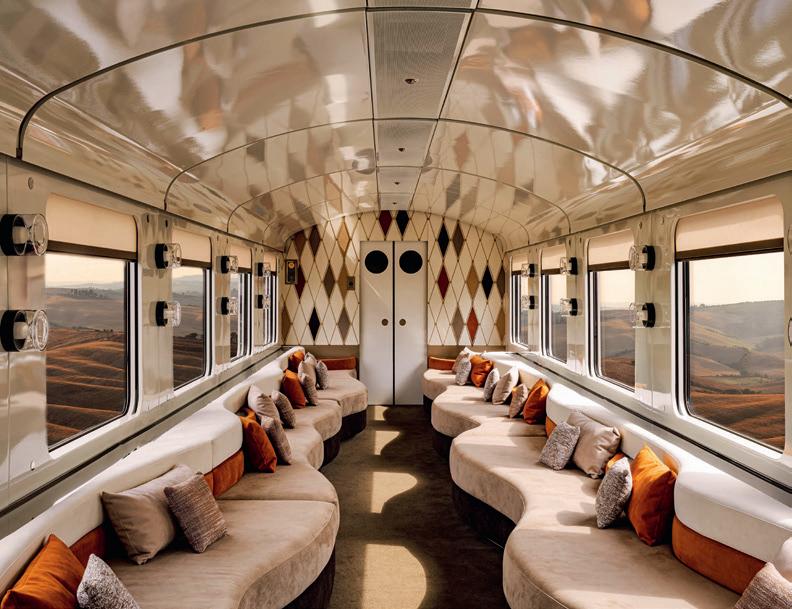
15 Gilda Perez-Alvarado tells us about the ambitious transformation of the iconic Orient Express brand
19 Op-Ed: Where did all the award seats go?
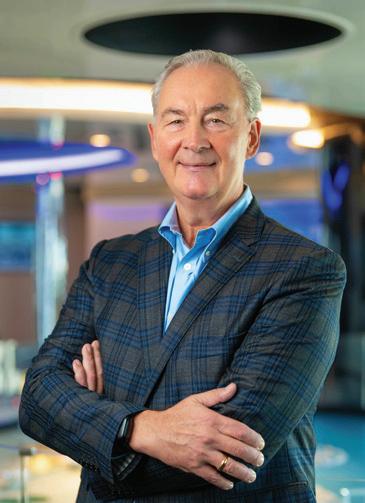
20 Frequent flyer with Diana Rysbaeva, founder of SHI Hospitality 21 Elevator Pitch with Heinrich Morio, Managing Director of Ciel Dubai Marina
23 24 hours in Los Angeles 25 Unlikely contraband: What not to pack 26 Splash out on luxury experiences and products 28 Soothe yourself with the wellness-oriented side of travel and tourism
30 Our pick of cultural events around the world and inflight entertainment 32 Smart traveller: Experiential dining in the UAE
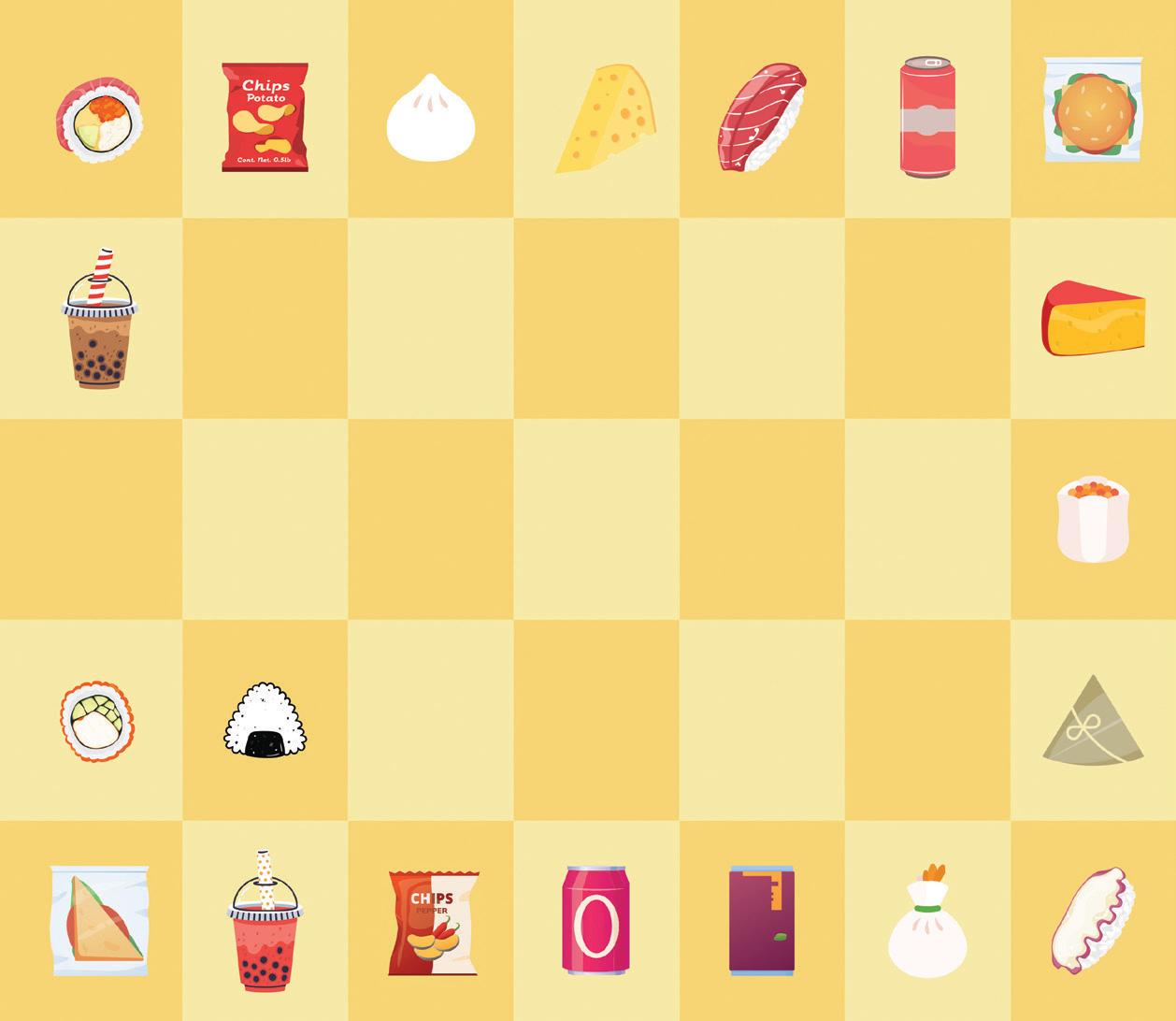
discovery Inside the ‘grocery store tourism’ trend that’s been taking over social media
Airports, upgraded Next-gen technologies reshaping air travel from curb to gate
off the printer
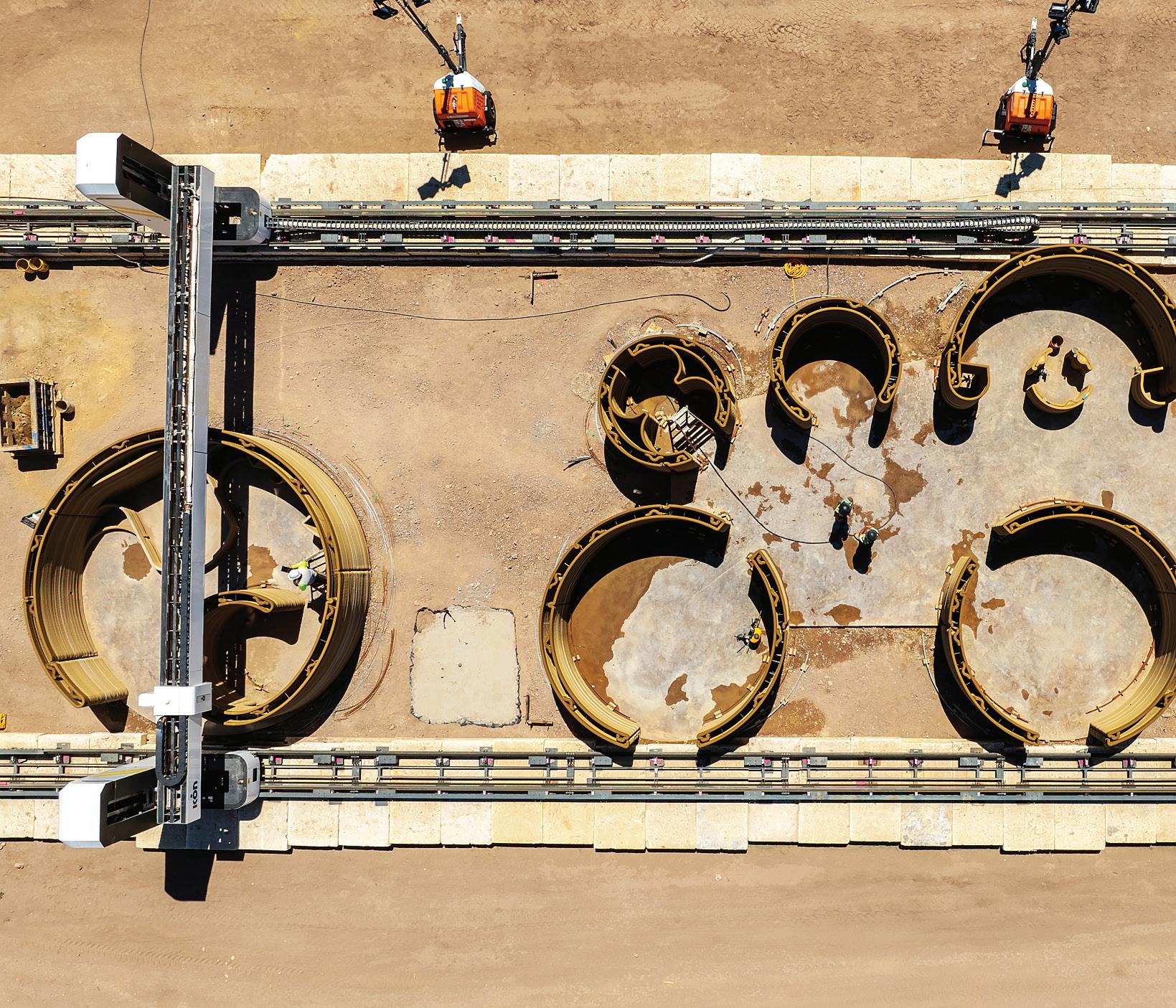
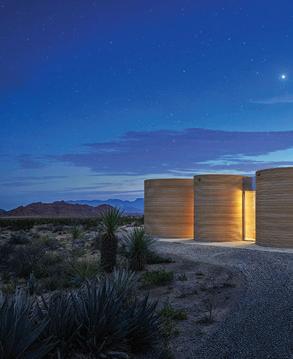
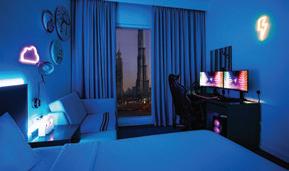
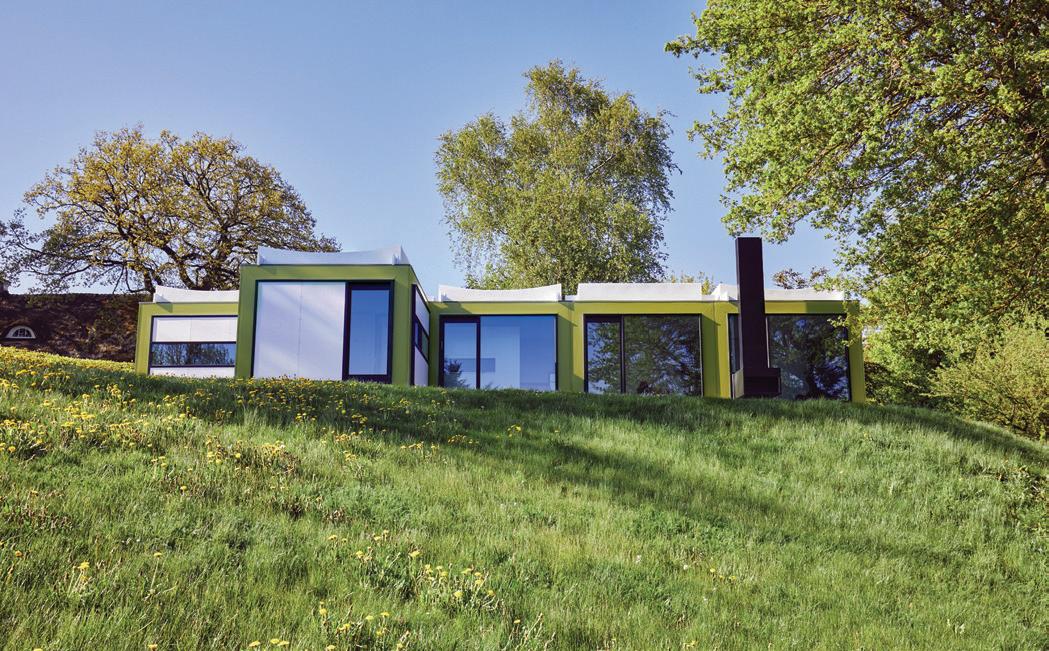
the first 3D printed hotel takes shape, we look at what it could mean for travel
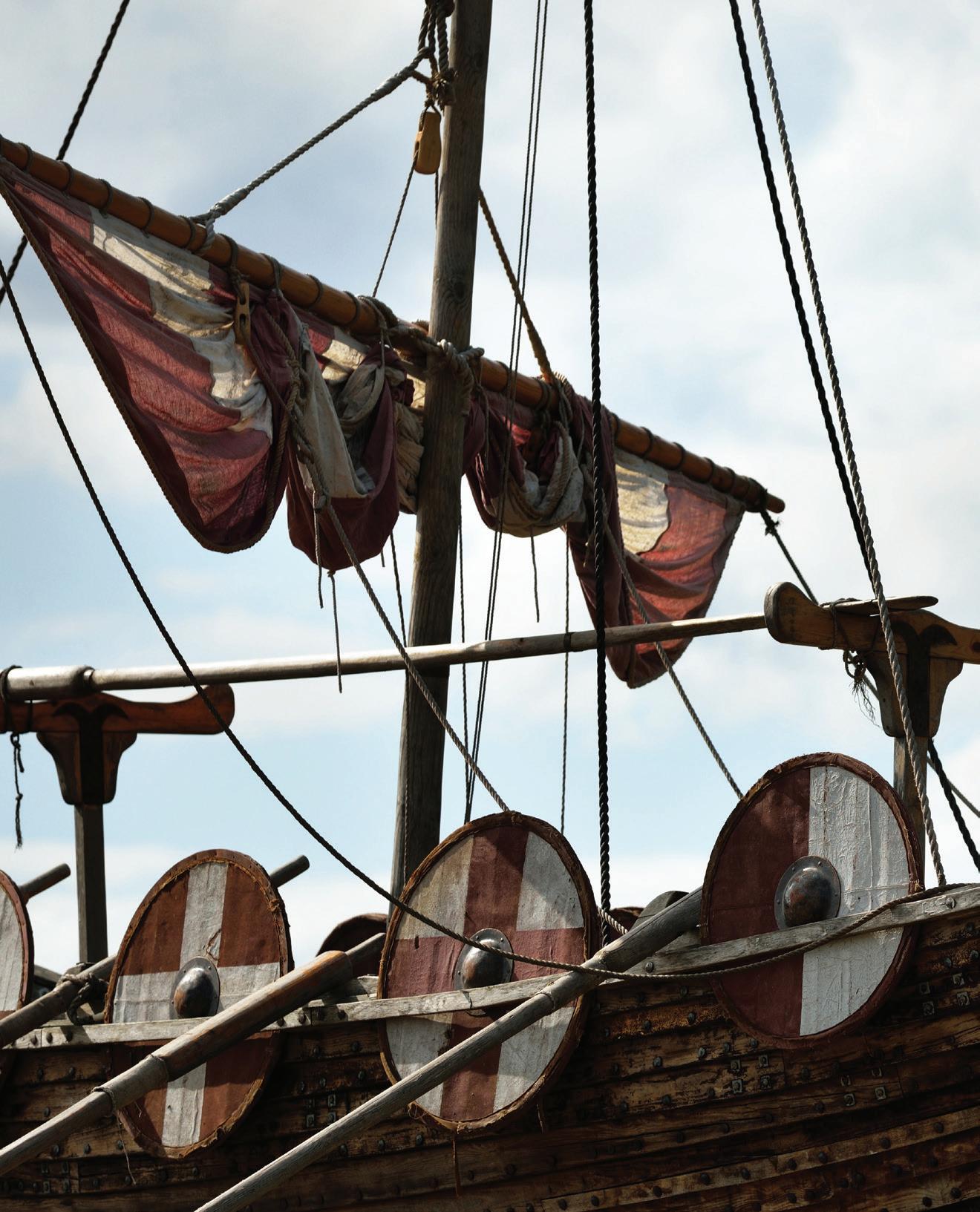
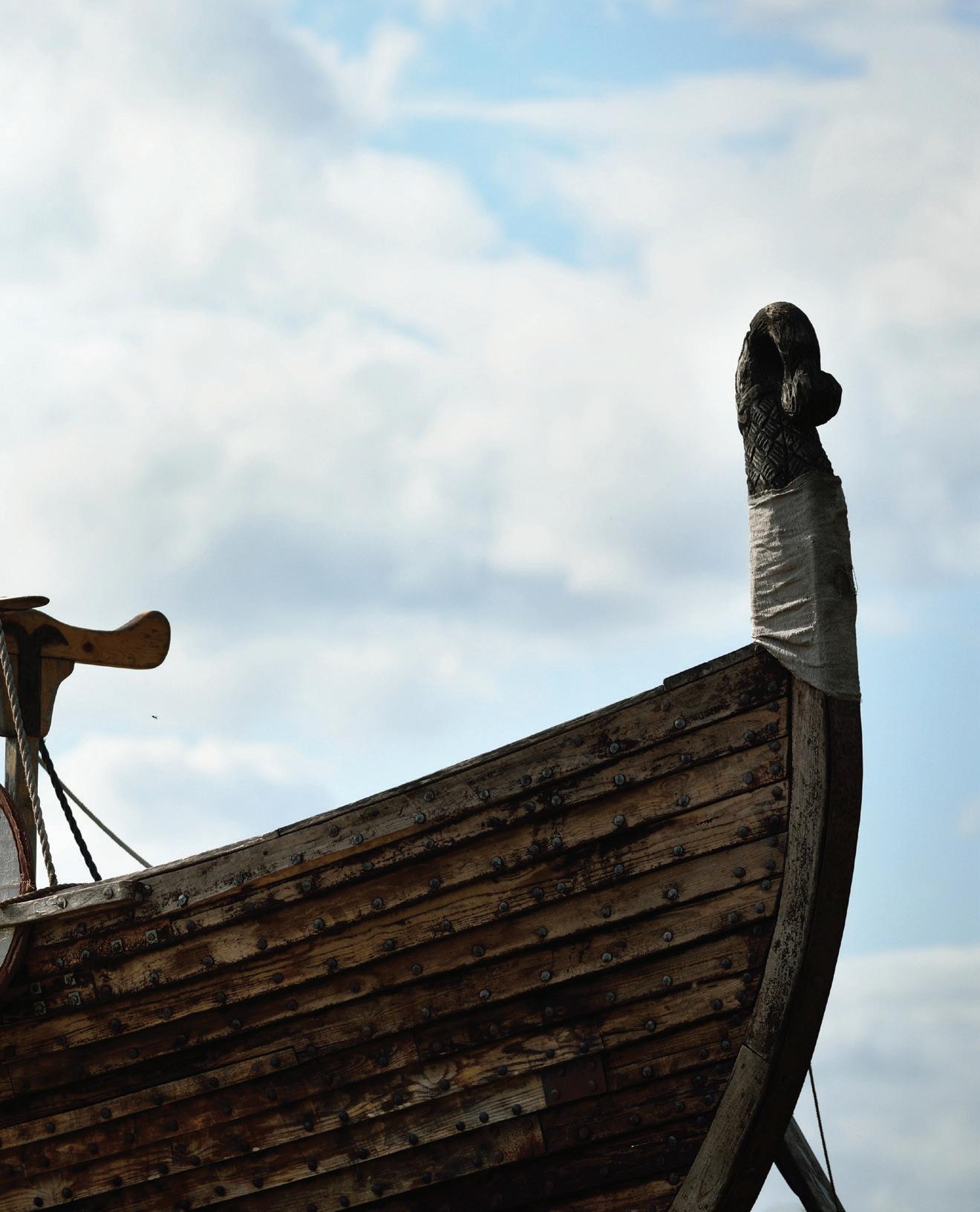
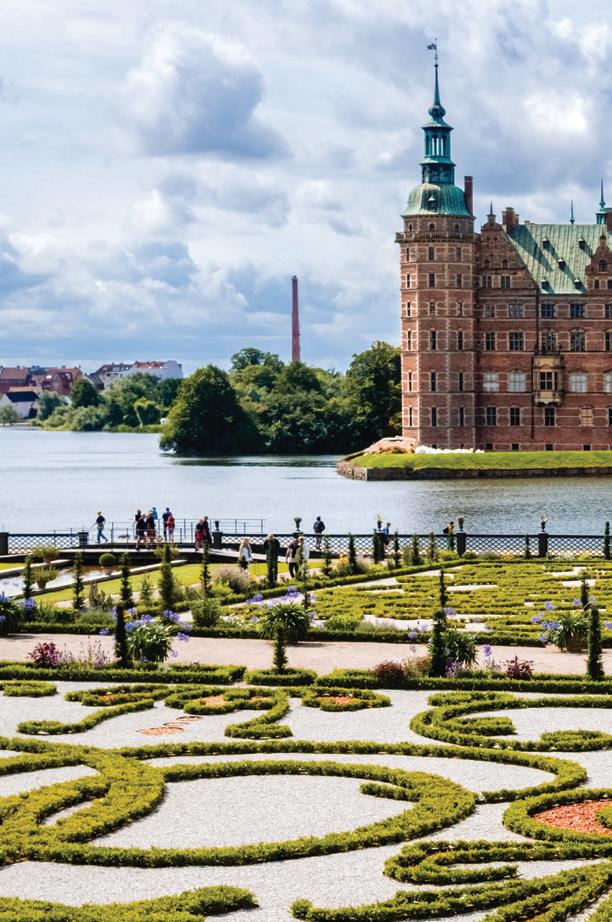
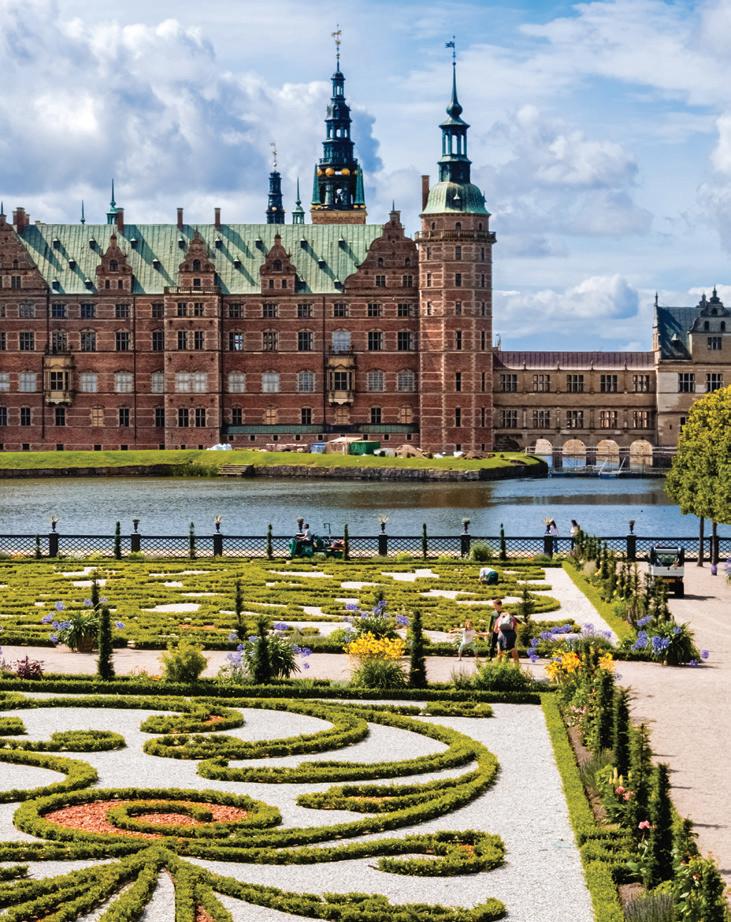
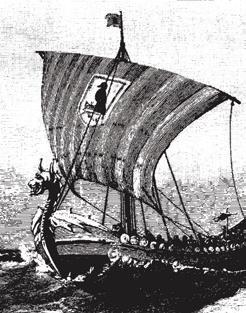
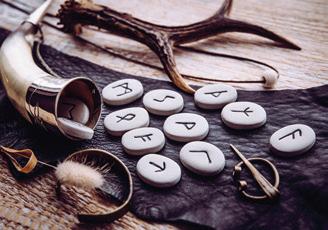
Searching for Bluetooth Tracing the origins of the electronic connection to a Viking town in Denmark
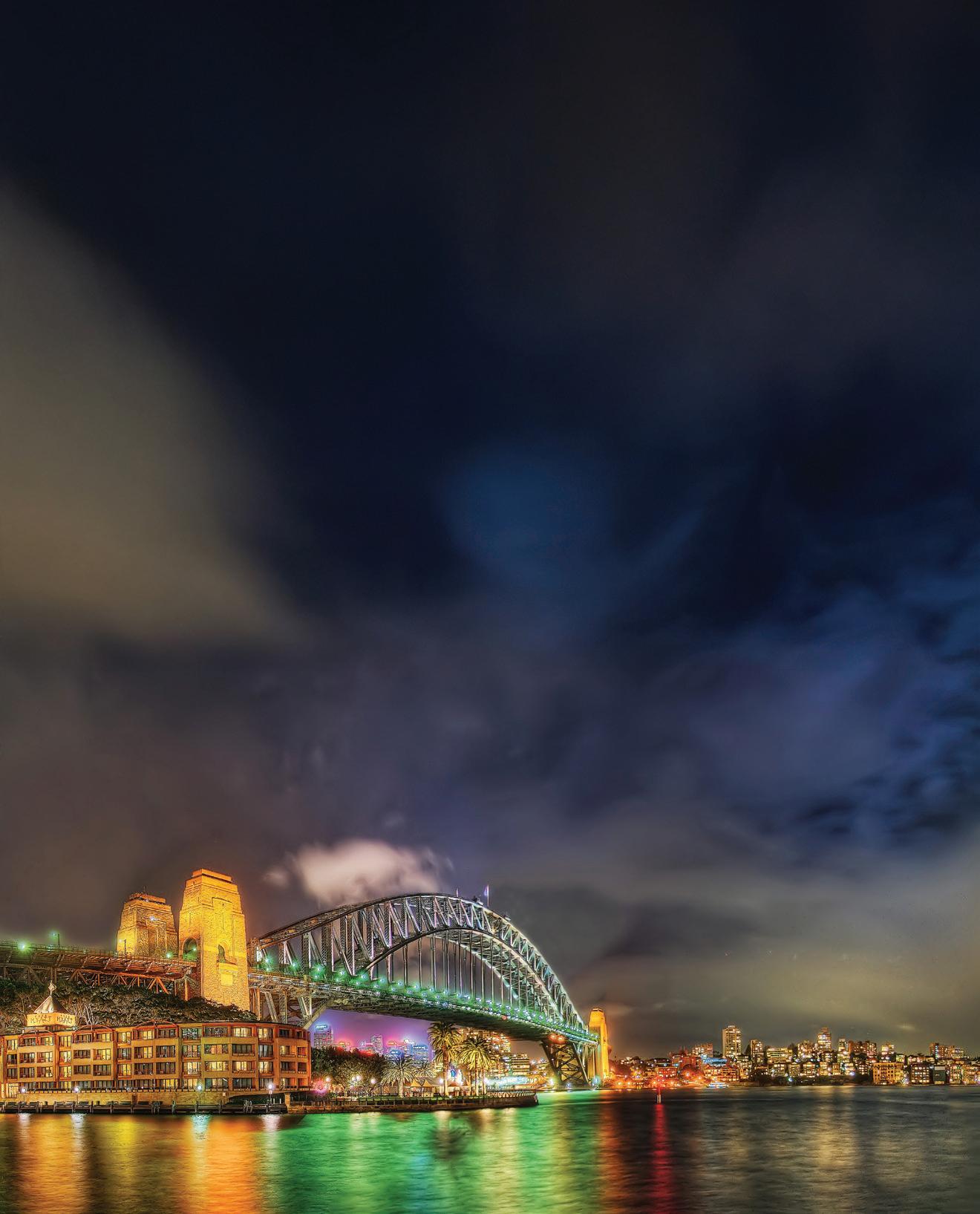
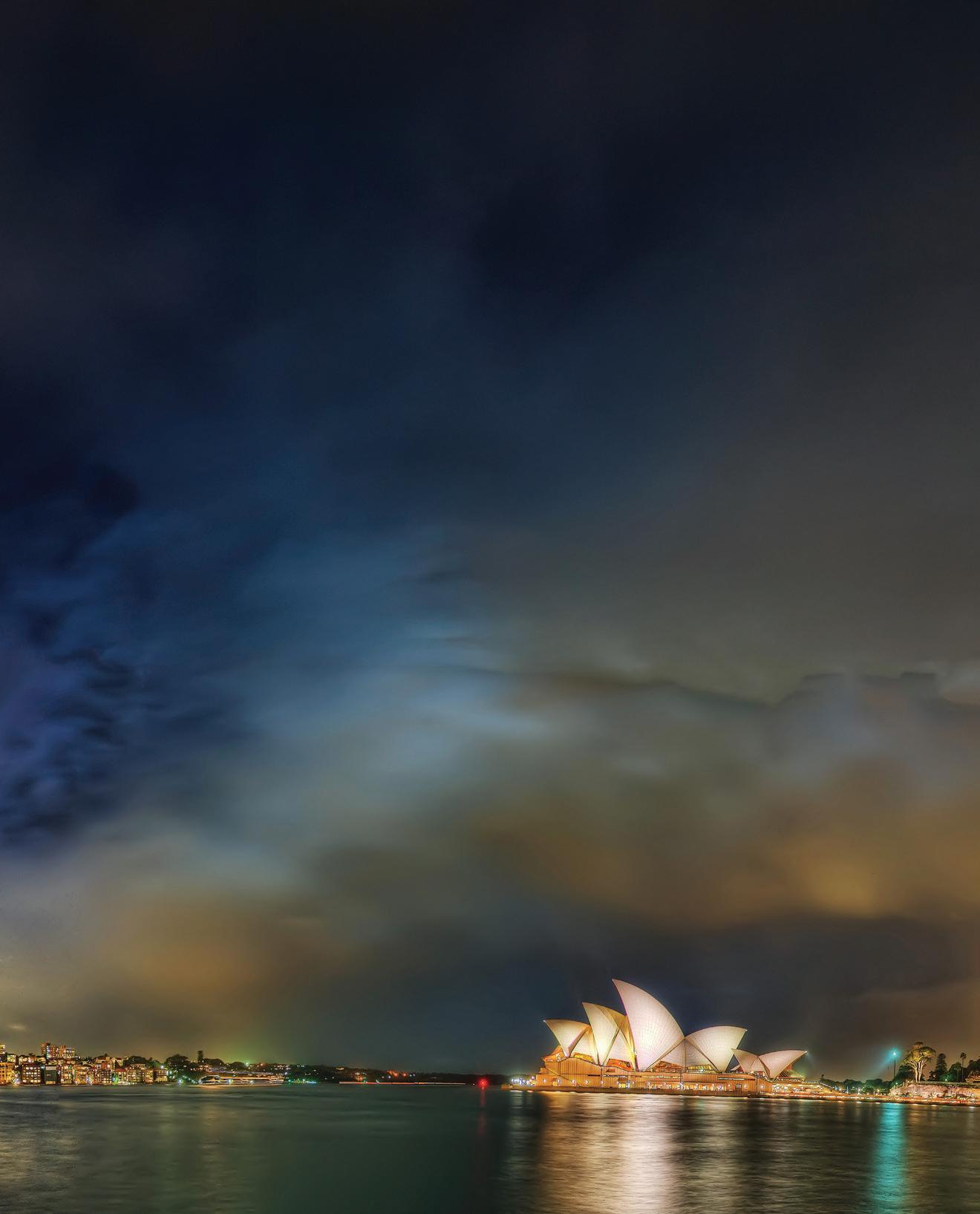
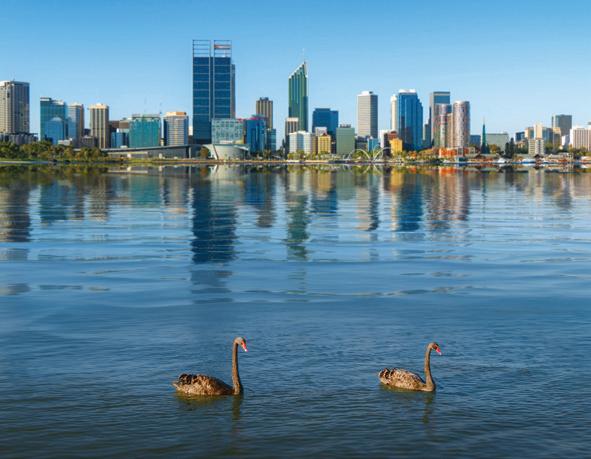
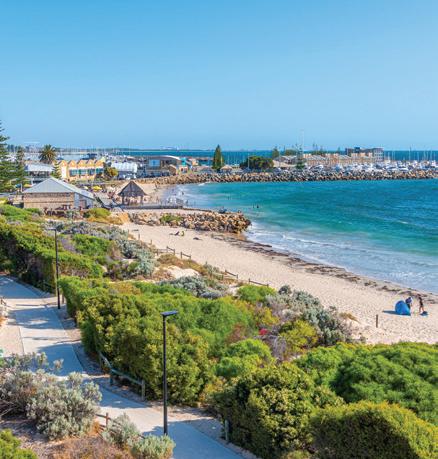
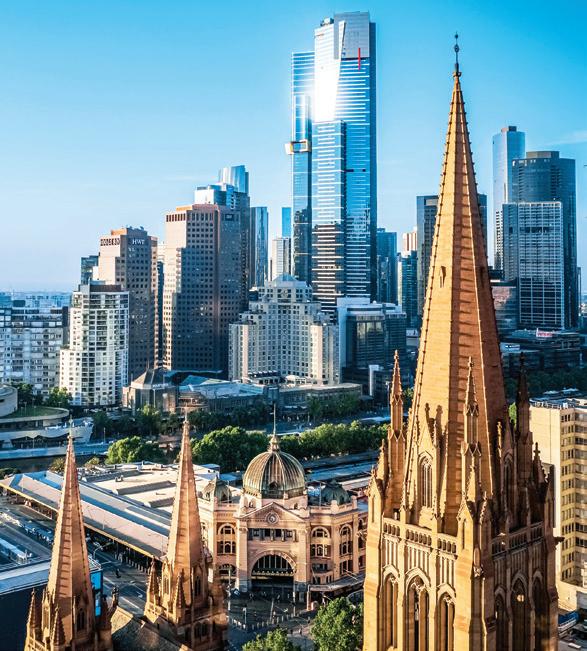
Trio down under These three Australian cities all offer different takes on work and play
Al Khaimah bucket list
Editor’s Letter
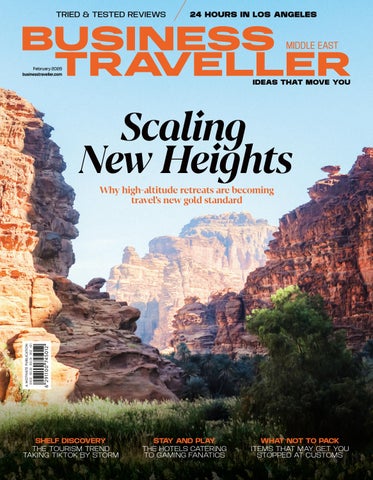
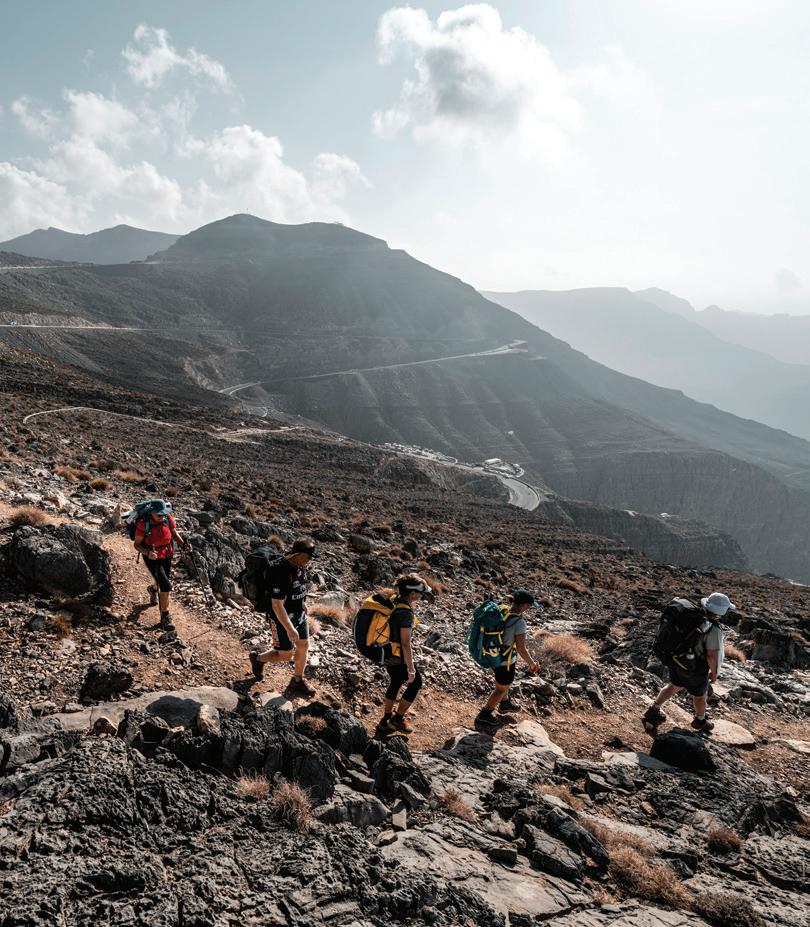
IN THE EPIC Tolkien novel The Fellowship of the Ring, an ageing Bilbo Baggins told Gandalf, “I want to see mountains again, Gandalf, mountains, and then find somewhere where I can rest. In peace and quiet, without a lot of relatives prying around.” I felt similar yearnings when I travelled to Kyrgyzstan in 2018, where around 90% of the country is mountainous. This was not a glamorous journey – my companion and I slept in a tent we carried with us as we travelled on foot through the Ak-Suu district of the Issyk-Kul region, where the valleys would fall into shadow by 5pm. It was one of the warmest times of the year to visit, and while by day the sun bore down with force, come nightfall, it was so cold that my breath came out in puffs of white smoke, and the rain sometimes came with hail knocking on the thin walls of our shelter. At times, I wasn’t sure if it was the weather or the pitter-patter of hooves announcing a herd of wild horses.
It was not an easy trip. Our only means for cleansing ourselves was icycold spring water found upstream, and despite the assistance of a sherpa and our mares, we carried our gear as we climbed slopes, waded through streams, and crossed flooded ground. We gratefully accepted the aid of some nomadic shepherds (chabans) who were kind enough to invite us into their home for a warm cup of atkanchay. By then, I had walked so long and so far that my shoulders ached and I could hardly feel my feet. Yet when we finally came to the end of our multi-day route, I was rewarded with one of the most treasured experiences yet in my life-long travels. The panoramic view from the peak near Tulpar Tash – an eight-metre-high granite boulder covered in ancient drawings and inscriptions, known as the Horse Rock –was so sublime I still struggle to find the right words to describe the sheer sense of peace and awe that I felt while gazing upon it.
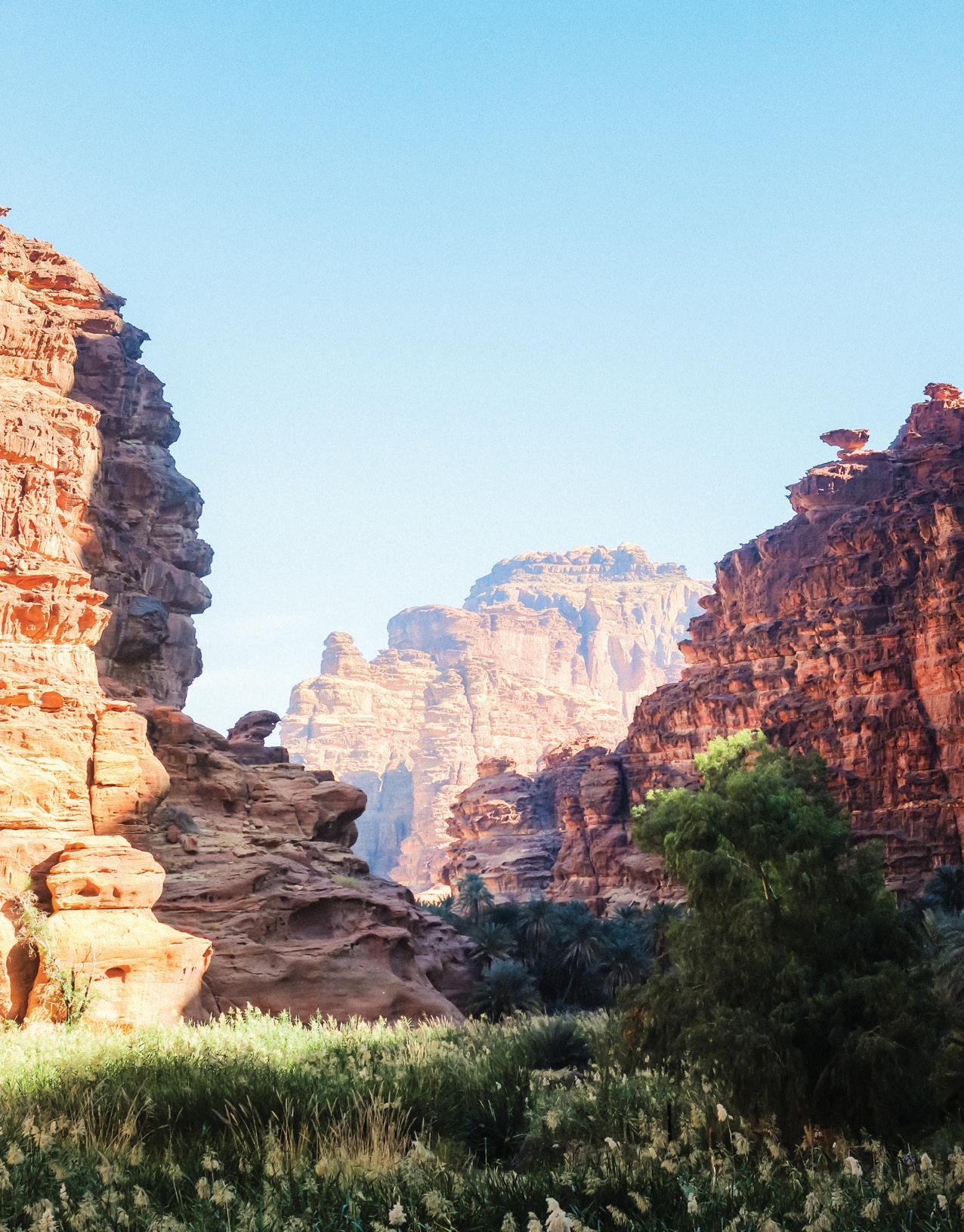
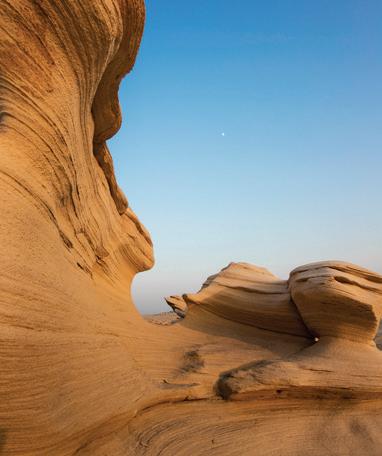
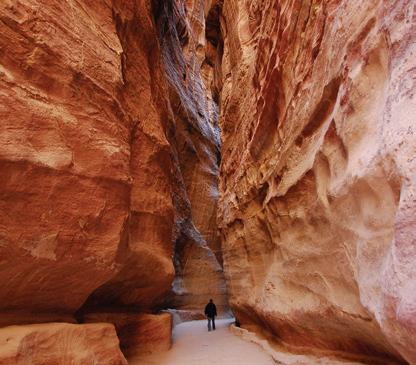
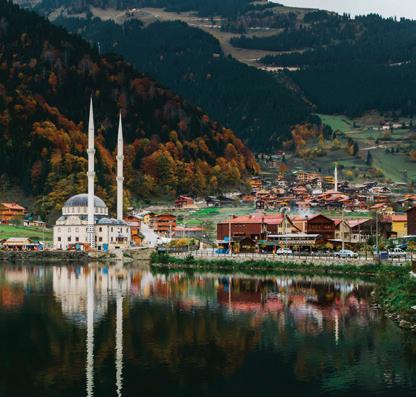
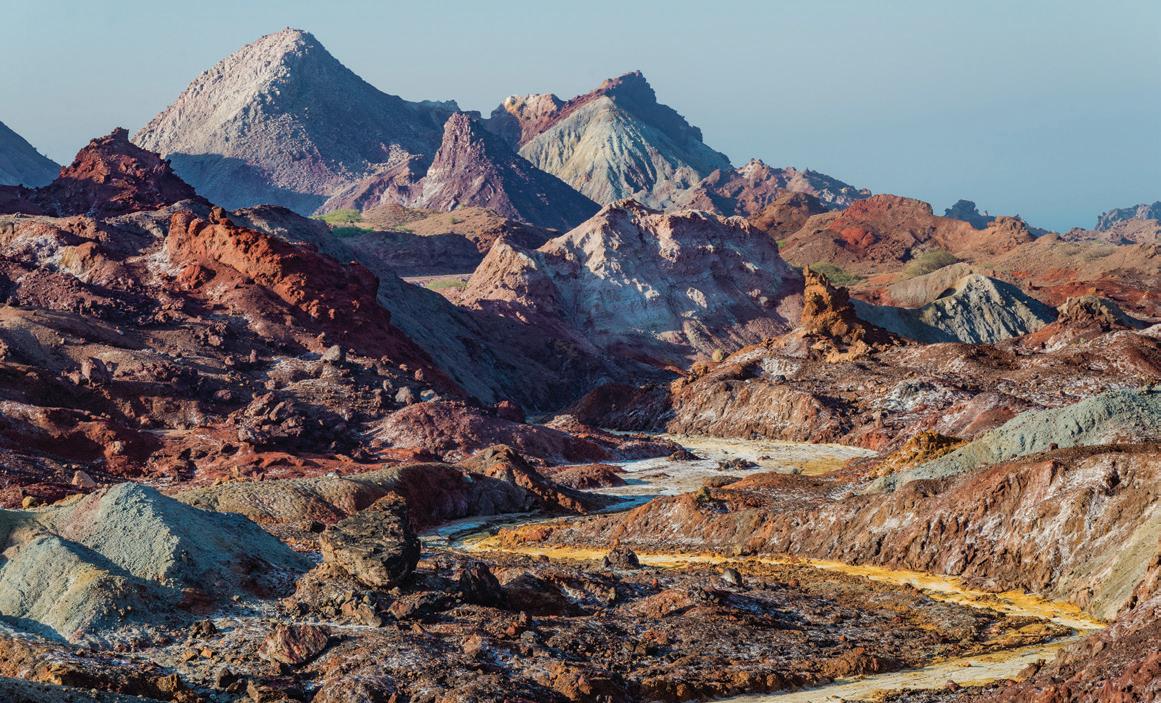
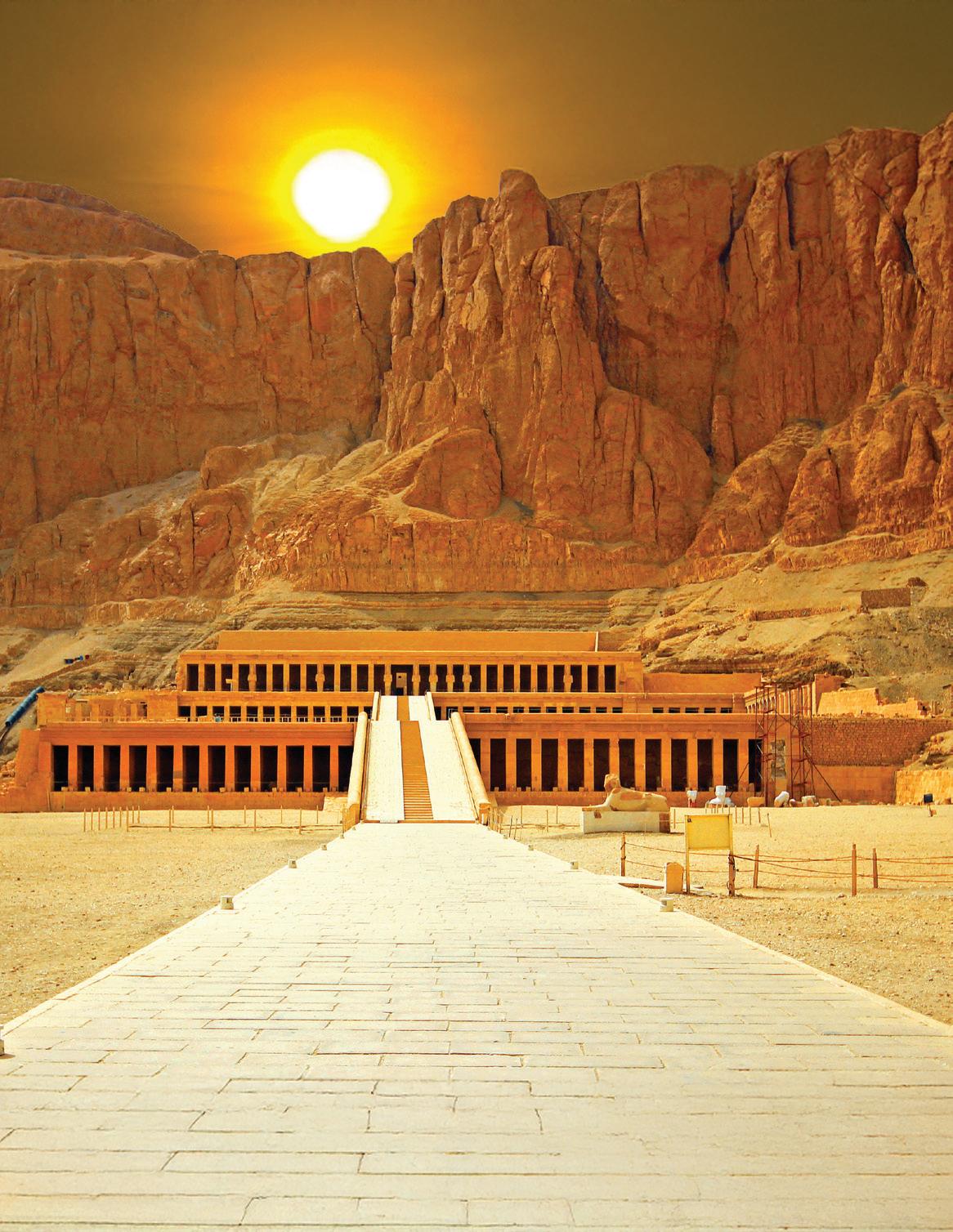
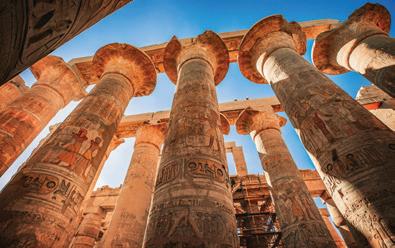
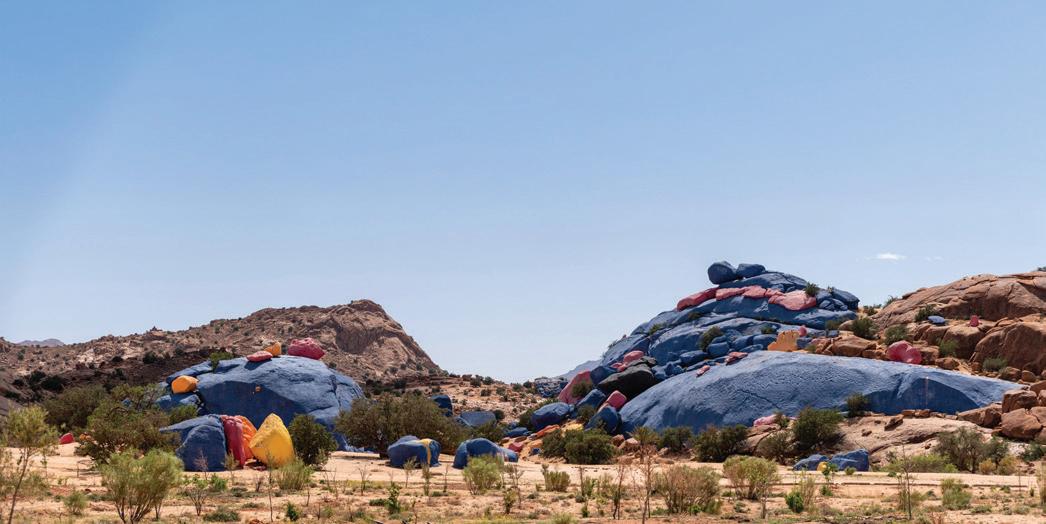
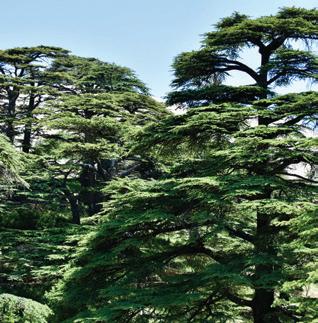
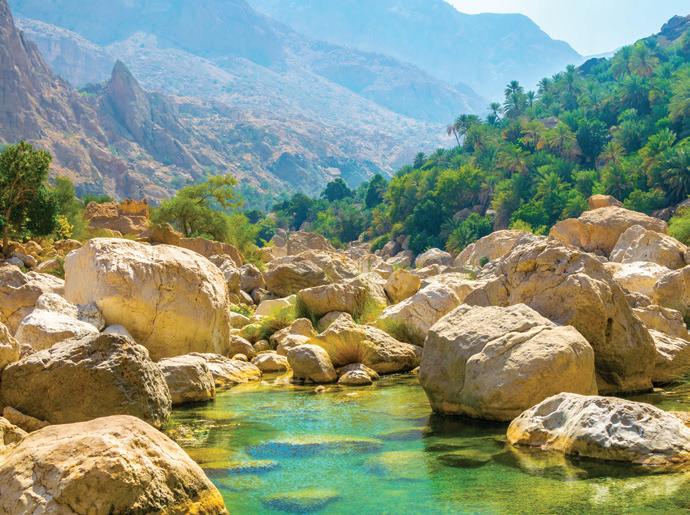
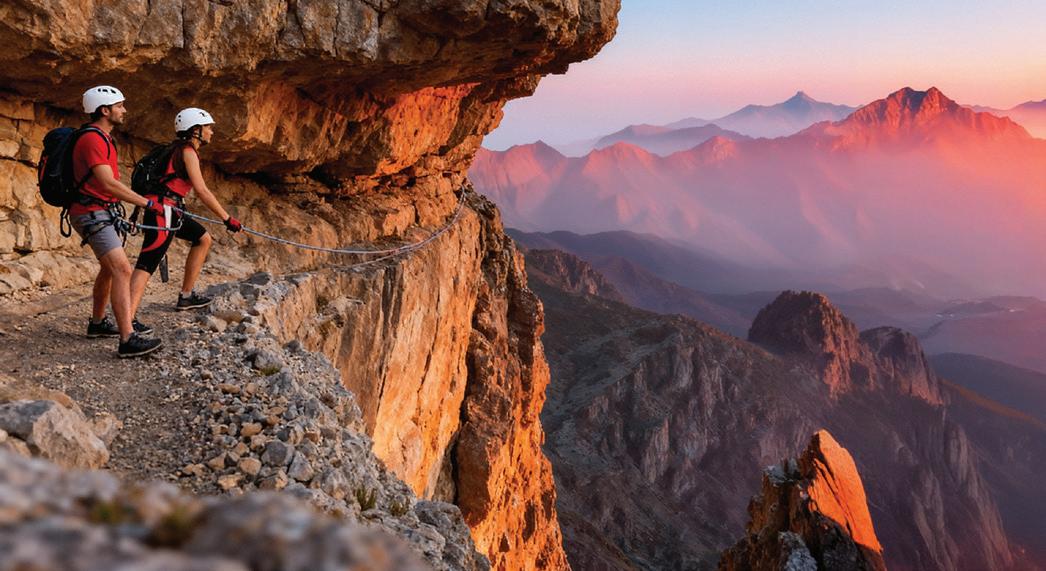
Turns out, a lot more of us can relate to Bilbo than I realised – particularly in 2026. Humans are hard-wired to feel a craving for adventure and escape in nature during stressful times, particularly when it represents a break away from the mundanity and responsibilities that plague us in daily life. In a modern world that can sometimes feel over-saturated with digital goods and services (despite the convenience they can bring), a growing number of travellers are seeking journeys to outdoor environments that offer them mental clarity, an emotional reset, and a new perspective that endures long after the journey ends. Learn more in our cover story on p.34 – where you can also find great places to fulfil that craving within this very region.
On the more tangible side, one thing modern travellers are increasingly eager to take home is the grocery store item, wherein supermarkets and convenience stores are offering us a shortcut to cultural understanding (p.40). Before you pick that souvenir up, though, make sure it isn’t something that could accidentally get you stopped at customs (p.25).
In the rest of this issue, you’ll also find fuel for adventure – from old Viking towns (p.48) to modern cities (p.54) – alongside food for thought on emerging tech in hospitality and aviation (p.42-47). I hope it all encourages you to look a little closer on your next journey, and return with more than you planned.
Yi-Hwa B. Hanna Editor
BUSINESS TRAVELLER MIDDLE EAST IS JOINTLY PUBLISHED BY MOTIVATE MEDIA GROUP AND BUSINESS TRAVELLER MEDIA LTD
MOTIVATE MEDIA GROUP
EDITOR-IN-CHIEF OBAID HUMAID AL TAYER
MANAGING PARTNER AND GROUP EDITOR IAN FAIRSERVICE
CHIEF COMMERCIAL OFFICER ANTHONY MILNE
GROUP CONTENT DIRECTOR THOMAS WOODGATE
EDITOR YI-HWA B. HANNA
ART DIRECTOR CLARKWIN N. CRUZ
EDITORIAL CO-ORDINATOR LONDRESA FLORES
CONTRIBUTORS
ALICE HENDERSON, HANNAH BRANDLER, HANNAH RALPH, ALLY WYBREW, JEREMY TAYLOR, CARMEN JENNER, NIVEA SERRAO, ALLYSON PORTEE, ENRIQUE PERRELLA, JESSICA PRUPAS
GENERAL MANAGER – PRODUCTION S SUNIL KUMAR
PRODUCTION MANAGER BINU PURANDARAN
ASSISTANT PRODUCTION MANAGER VENITA PINTO
GROUP SALES MANAGER CHAITALI KHIMJI
SENIOR PARTNERSHIPS MANAGER MURALI NARAYANAN
BUSINESS TRAVELLER MEDIA LTD.
GROUP PUBLISHER RANIA APTHORPE
HEAD OFFICE: MEDIA ONE TOWER, DUBAI MEDIA CITY, PO BOX 2331, DUBAI, UAE; TEL: +971 4 427 3000; FAX: +971 4 428 2266; E-MAIL: BTME@MOTIVATE.AE
BUSINESS TRAVELLER MEDIA LTD. INK, BLACKBURN HOUSE, BLACKBURN ROAD, LONDON, NW6 1RZ
Where Travel BECOMES A TREASURED
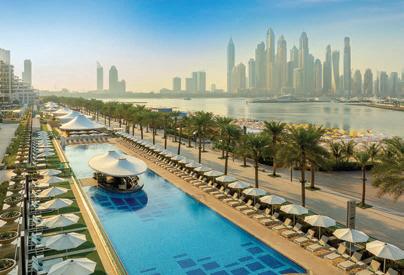
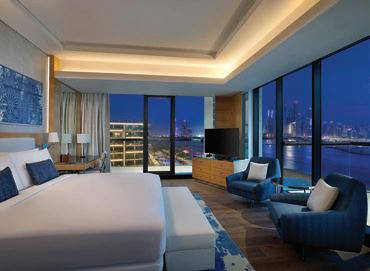
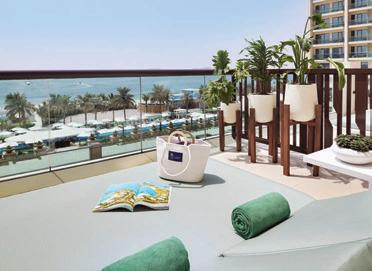
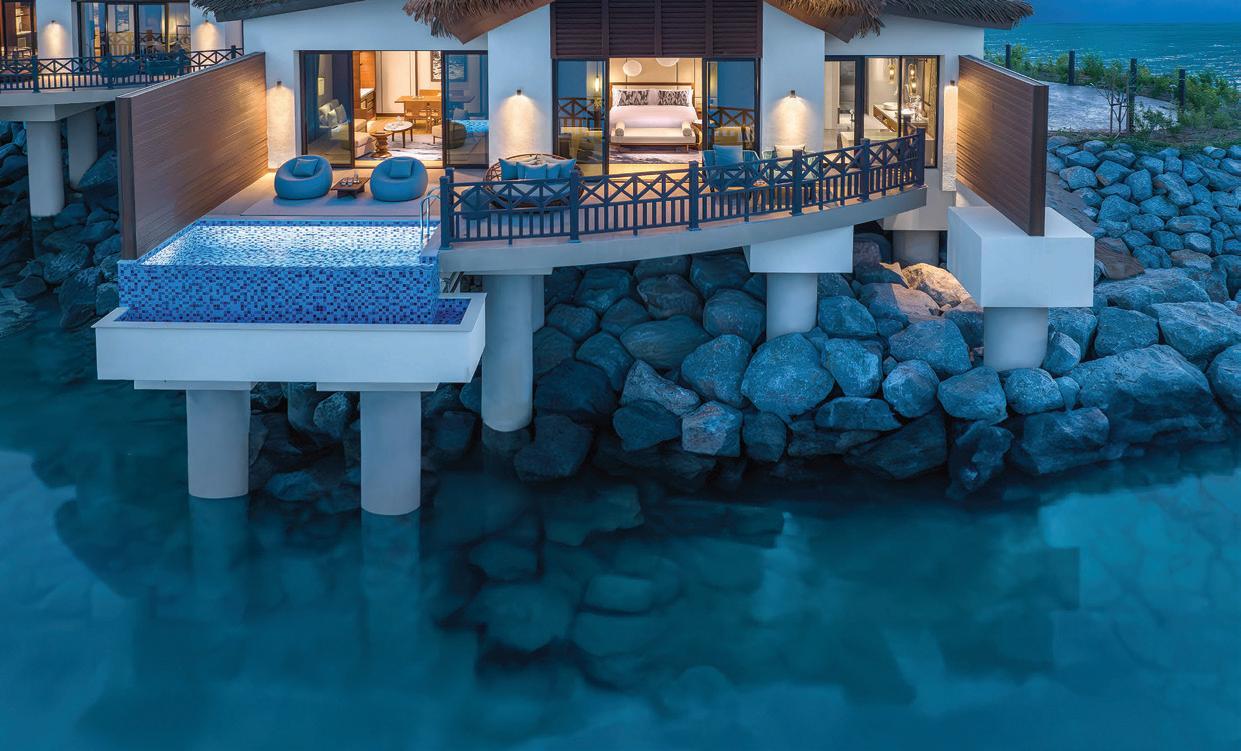
From Fairmont Gold’s personalized luxury to world-class dining, private beach and poolside leisure, Fairmont Bab Al Bahr elevates every journey, whether for business or beyond.
New hotels, flight routes, and more
The BTME Awards has returned!
The region’s most prestigious travel awards are back - and the public is invited to get involved
WORDS YI-HWA HANNA
THE BUSINESS TRAVELLER MIDDLE EAST (BTME) AWARDS has officially opened nominations for 2026, and this year’s edition is a landmark 25th anniversary. This prestigious event remains a fixture in the regional travel calendar, bringing together industry leaders and C-suite executives to celebrate excellence across 37 categories, including airlines, airports, and hotels. The awards are renowned for an impartial and readerdriven process, where the public (you!) determines the standout performers of the year. Nominations are open to all, with no limit on the number of categories an entity can enter. Following the nomination period, the public voting will begin this month, to decide the winners. The results will be revealed at a grand gala ceremony held at InterContinental Dubai Festival City on 4 May, 2026. For more details (or to register or vote for an entity), visit the official site at btme.ae.
HOT TICKET
Heritage on the sea
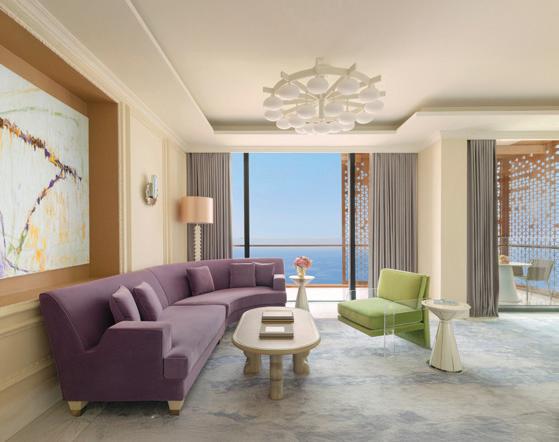
OPENING THIS YEAR on Jeddah’s Corniche, Raffles Jeddah is set to become an ultra-luxury landmark overlooking the Red Sea. The 182key property features 142 rooms and 40 residential-style suites, all offering sea views and signature butler service. Design elements
Syria is now upgrading its hotels
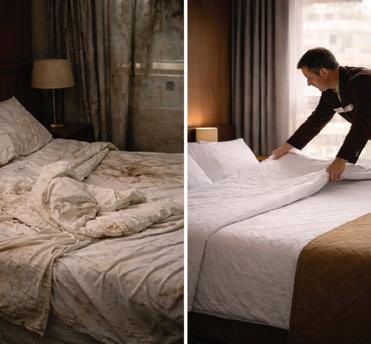
THE COUNTRY’S Ministry of Tourism has launched a national programme to upgrade its oneand two-star hotels, which currently represent the bulk of Syria’s budget accommodation. Part of the National Tourism Strategy 2026–2030, the initiative uses a partnership-based model to improve service quality and hygiene through phased, realistic assessment plans. To support hotel owners, the state is offering concessional
draw on Hejazi craftsmanship, incorporating mashrabiya details and local art. Culinary highlights will include Mediterranean-themed Riviera and the brasserie Surl’O, while the grand ballroom will provide a premier venue for high-profile events.
financing via the National Islamic Bank.
Syrian Minister of Tourism H.E. Mazen Al Salhani called 2026 a turning point, emphasising that these reforms are essential for rebuilding trust and ensuring a competitive and sustainable industry. By aligning with global standards, the Ministry aims to boost Syria’s global image while ensuring the budget segment remains a reliable entry point for all incoming visitors.
ROUTE ROUND-UP
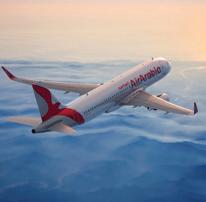
Air Arabia will launch double-daily non-stop flights between Sharjah and London Gatwick starting 29 March, 2026. This new route, operated by Airbus A321neo LR aircraft, marks a major expansion for the budget carrier. Flights depart Sharjah at 03:55 and 13:45, providing increased connectivity for business and leisure travellers. Passengers can access the SkyTime streaming service and earn points through the Air Rewards loyalty programme.
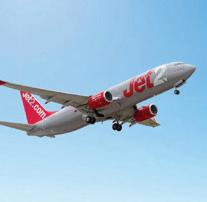
Emirates has added British low-cost airline Jet2 as a Skywards redemption partner, allowing members to use miles for flights across its 75+ destination network. Redemptions start at 8,000 miles and can also cover ancillary costs like meals and baggage. While Jet2 – which is based out of Leeds Bradford airport – doesn’t have its own loyalty scheme, a special launch offer provides a 25% mile discount for bookings made between 5 and 12 February, 2026.
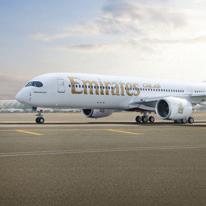
Emirates will launch a daily year-round service between Dubai and Helsinki on 1 October 2026, marking its first direct connection to Finland. Operated by the Airbus A350, the route includes Premium Economy and offers 16 tonnes of cargo capacity to support trade. Designed for seamless global connections, flight EK167 departs Dubai at 08:45, while the return, EK168, leaves Helsinki at 16:45, landing in Dubai just after midnight.
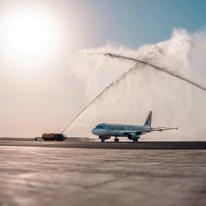
Qatar Airways has launched three weekly non-stop flights between Doha and Hail – its 13th destination in Saudi. Operating on Mondays, Thursdays, and Saturdays, the route strengthens regional connectivity to north-central Saudi Arabia, a region famed for its UNESCO-listed rock art. With over 150 weekly flights across the kingdom, the airline now links Hail to its global network of more than 170 destinations via Hamad International Airport.
Oberoi Hotels to open Saudi resort
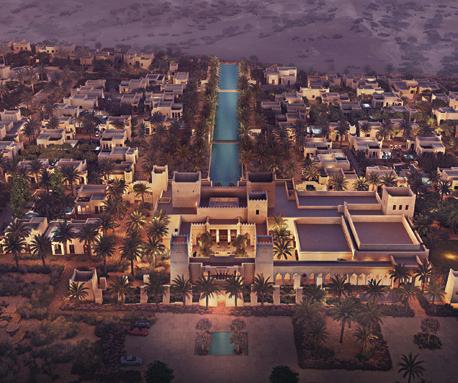
THE NEW RESORT is scheduled to debut in the second half of 2026, marking a significant new addition to Saudi Arabia’s luxury hospitality sector. Developed by Oberoi Hotels & Resorts, the property is situated near Diriyah within a 62sqm expanse of natural terrain, positioned as a gateway to the kingdom’s cultural heartland.
The low-density retreat will feature 60 guest rooms and 10 private villas, designed to provide a secluded atmosphere characterised by privacy and the brand’s signature service. The resort’s layout is oriented to offer views of the Royal Equestrian & Polo Club and a 27-hole Greg Norman-designed championship golf course.
Extensive facilities will include five distinct dining venues with outdoor seating, a grand ballroom for 160 guests, and a comprehensive spa and wellness sanctuary complete with a yoga studio. Additional amenities such as a kids’ club, business centre, and a swimming pool ensure the property caters to both leisure and professional needs. This project reflects the ongoing expansion of high-end, experience-led travel into the historically significant regions of Saudi Arabia.
Roving over to Riyadh
One of the region’s most beloved UAE-founded hotel brands is heading for the kingdom
FIT FOR A KING
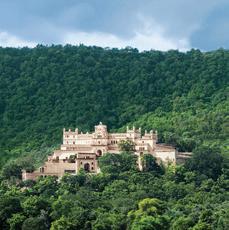
Another recent opening from The Oberoi Group is The Oberoi Rajgarh Palace, Khajurahoan exquisite 350-year-old palace reborn as a global destination for heritage, nature, and timeless Oberoi hospitality
TOP: The Oberoi, Wadi Safar
INSET: The Oberoi Rajgarh Palace, Khajuraho-
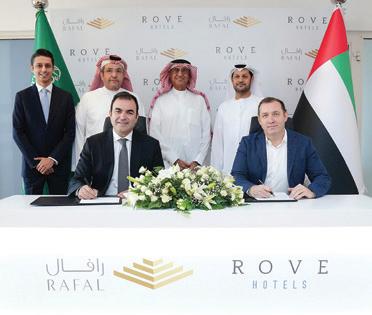
ROVE HOTELS and Rafal Real Estate Development have announced a strategic partnership to develop multiple properties across Riyadh, marking the UAE-born lifestyle brand’s highly anticipated entry into the Saudi Arabian market. The agreement, formally signed in the Saudi capital, will introduce Rove’s unique lifestyle hospitality concept to high-growth locations throughout the city, with the first hotel already confirmed for a prime spot on Olaya Street. This significant move
serves as the initial step in a wider, more ambitious expansion strategy aimed at capturing the kingdom’s rapidly evolving and increasingly diverse travel sector.
Rove Hotels, which originally launched in Dubai as a joint venture between Emaar Properties and Dubai Holding, currently manages a growing portfolio of over 8,000 keys either currently open or under active development across the region. The brand has built its strong reputation on smart design, fuss-free
The brand has built its strong reputation on smart design, fuss-free service, and a robust sustainability focus
service, and a robust sustainability focus, specifically targeting the nuanced needs of modern business and leisure travellers who value efficiency and style. The successful opening of the Ras Al Khaimah-based Rove Al Marjan Island last year highlights its strong momentum and appeal in the regional market.
Elias Abou Samra, CEO of Rafal, noted that the partnership stems from deep confidence in Rove’s proven track record and the exceptionally strong travel connectivity between Riyadh and Dubai that underpins sustained demand. Paul Bridger, COO of Rove Hotels, emphasised that Rafal’s local expertise and execution record make them the ideal partner for this landmark brand entry. This collaboration aligns perfectly with Riyadh’s ongoing transformation under the Saudi Vision 2030, as the capital city evolves into a global business and tourism hub supported by massive infrastructure projects, expanding financial districts, and a growing calendar of major regional and international events.
Innovative robotics drive aviation sustainability
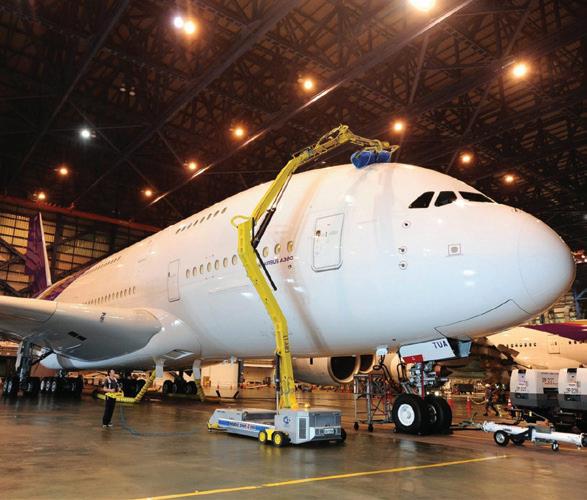
CLEANCO FACILITIES MANAGEMENT has achieved a major technological breakthrough in the aviation sector through the deployment of its advanced DINO robotic washing systems. This initiative represents a significant contribution to the UAE’s Net Zero 2050 Strategy and the Water Security Strategy 2036 by drastically reducing the environmental footprint of aircraft maintenance. On average, these robotic systems have secured 30% water savings, though specific operations can reduce consumption by up to 80%. For instance, a standard wash that typically requires 11,300 litres of water via manual methods now uses only 1,800 litres when
handled by the cutting-edge DINO fleet. Beyond resource efficiency, the operational impact is profound. The technology has successfully cut Aircraft on Ground (AOG) time by over 65% and reduced man-hours by up to 80%. The efficiency gains are most visible with large-scale aircraft; washing an Airbus A380 has been streamlined from 112 man-hours to just 21, while the actual AOG time for the same model has dropped from 10.5 hours to 3.5.
Jamal Abdulla Lootah, Group CEO of Cleanco Group, emphasised that this move toward automation is pivotal for driving long-term sustainability and competitiveness within the UAE’s critical infrastructure and aviation hubs.
SCRAPS TO SPLENDOUR
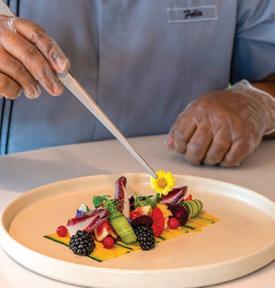
THE RETREAT PALM DUBAI MGALLERY BY SOFITEL, the region’s pioneering five-star wellness resort, has introduced its first Chef’s Table series at Solmare, titled “Nature’s Botanica: From Scraps to Splendor”. The inaugural event took place on Sunday, 25 January 2026, at 5pm,
blending gourmet gastronomy with a deep commitment to sustainability and holistic well-being. The evening featured a unique fivecourse zero-waste vegan tasting menu designed to transform typically overlooked ingredients – such as vegetable stems, peels, and scraps –
Net-Zero Milestones
Cleanco’s DINO robots, including the 7777 and 4380 models, reduce narrow-body jet AOG time from three hours to just one. Remarkably, these systems also cut Boeing 777 and Airbus A330 wash times from 36 hours down to a mere 12.
into refined, plantforward culinary creations. Priced at AED 299 per person, the experience includes two handcrafted zeroproof beverages and is set against the tranquil backdrop of Palm Jumeirah. To enhance the mindful atmosphere, the dinner is preceded
by an integrated live sound healing session and accompanied by subtle live music.
GM Samir Arora said the series represents a milestone for the resort, setting a new benchmark for sustainable dining through conscious luxury, where culinary creativity and wellness intersect.
WONDERFUL HOSPITALITY. ALWAYS.
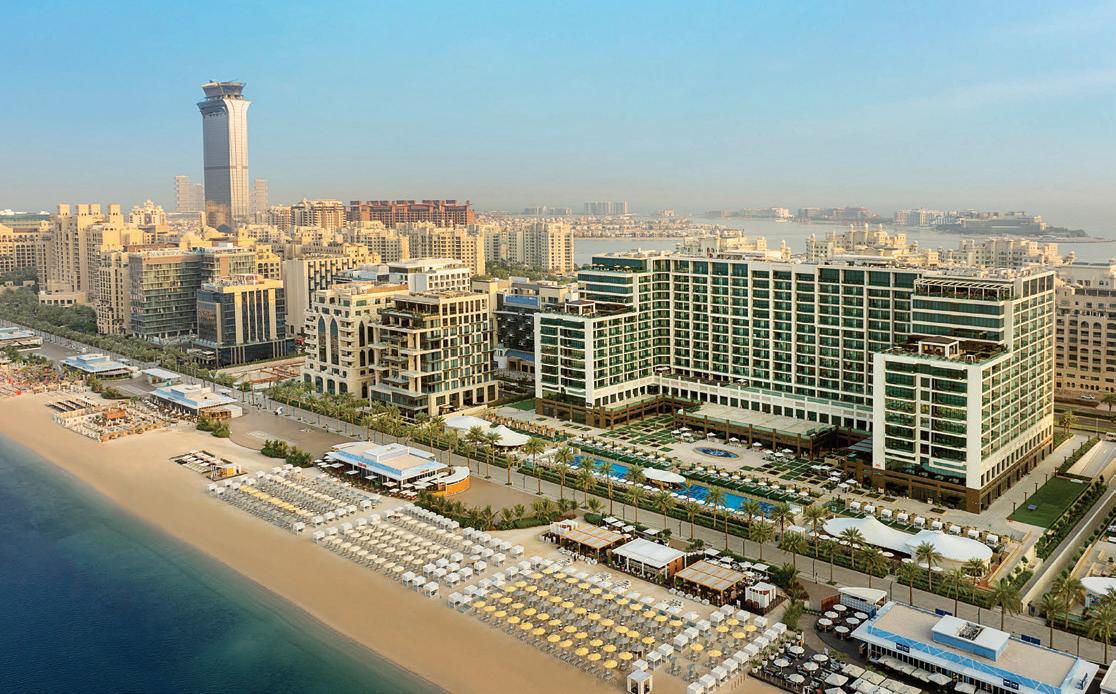
Experience the perfect blend of business and leisure at Marriott Resort Palm Jumeirah, Dubai. Work and unwind in the exclusive M Club or the versatile Greatroom. Discover new adventures across the vibrant city, then return to the comforting familiarity of Marriott Hotels. Enjoy a social hour in our stylish bar, catch up over coffee, relax by the pool, and explore top local spots. Whatever your pace, we’re here to ensure your trip is always wonderful.
MARRIOTT ® RESORT PALM JUMEIRAH, DUBAI
WEST BEACH, PALM JUMEIRAH, PO BOX 62049, DUBAI, UNITED ARAB EMIRATES
GET THE SCOOP
The latest updates in the travel industry from across the world
1 Heathrow ends 100ml hand luggage liquids limit
(Above) The UK’s largest hub has officially scrapped the 100ml liquid limit following a £1 billion security upgrade. Passengers can now carry containers of up to two litres in hand luggage, and are no longer required to use clear plastic bags. The installation of high-tech CT scanners across all terminals also means that electronics, such as laptops, can remain inside bags during screening. This rule applies only to departing flights; return rules depend on the arrival airport.
2 Lufthansa Group goes all-in on Starlink for fleetwide WiFi (Right) Lufthansa Group has partnered with SpaceX to equip around 850 aircraft with Starlink high-speed inflight WiFi, with the first flights offering the service from the second half of 2026 and full fleet rollout planned by 2029. Available across all classes, the connectivity will be free for status customers and registered Travel ID users, enabling fast, low-latency internet suitable for streaming, cloud access, and real-time work.
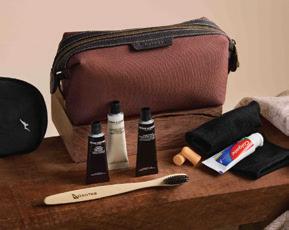
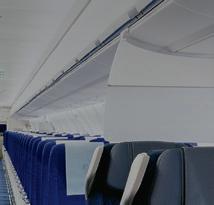
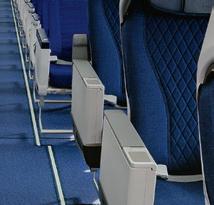
3 Qantas upgrades its amenity kits for business class (Left) Qantas has updated its business class experience with new amenity kits from Australian heritage brand R.M.Williams. The collectible pouches, featuring outback-inspired earth tones and archival maps, include Grown Alchemist skincare, recycled PET socks, and bamboo toothbrushes. In other news, Qantas has slipped to third place in AirlineRatings.com’s 2026 safety rankings, trailing behind Etihad Airways and Cathay Pacific amidst narrow margins.
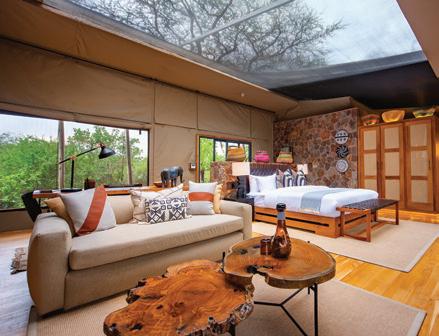
4 Marriott’s Autograph Collection debuts in Tanzania (Below) The Mapito Safari Camp, Serengeti, is also the first safari camp in Tanzania. Located near the Fort Ikoma gate, the retreat features 15 tented suites and a two-bedroom villa, all equipped with retractable canvas roofs and in-room telescopes for stargazing. Designed by Arushabased Dunia Designs, the interiors highlight Tanzanian artistry through collaborations with local femaleled cooperatives, utilising handblown glassware and traditional beadwork. The camp emphasises the importance of local community support and sustainable design, also offering immersive game drives and cultural connections.
5 The Postcard on the Mandovi River, North Goa, opens (Right) Set along the tranquil banks of Goa’s Mandovi River, this new hotel is the brand’s latest experiential luxury retreat, designed for unhurried, immersive stays. With just 18 rooms featuring expansive windows and private balconies, it offers uninterrupted river views and a deep connection to nature through understated design and intuitive service. Dining celebrates fresh local flavours, enjoyed in the gardenfacing restaurant or at the rooftop bar overlooking the river. Wellness is woven into the experience through the serene setting and a discreet spa offering rejuvenating treatments. Guests can explore Old Goa, Divar Island, Panjim, UNESCOlisted monuments and the Salim Ali Bird Sanctuary through curated excursions, with a private jetty providing seamless river access.
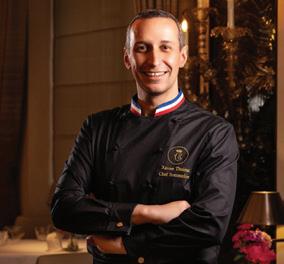
6 Zero-proof bubbly debuts in Air France La Première cabin (Above) Air France has introduced a zero-proof sparkling rosé in its La Première cabin, marking the first time a 0.0% vino has joined the airline’s top-tier programme. Selected by head sommelier Xavier Thuizat, the French Bloom rosé is fully free of the sauce and designed to offer a serious alternative alongside prestige bubbles drinks, which remain central to the cellar. The move reflects evolving passenger preferences in premium cabins. At the same time, Michelin-starred chef Mory Sacko has been appointed to create menus for La Première and Business Class flights departing several sub-Saharan African destinations, reinforcing Air France’s route-specific, culture-led approach to onboard dining as La Première continues to expand across its long-haul network.
7 Novotel launches new ‘Longevity Everyday’ initiative (Below) The portfolio-wide well-being initiative is rolling out across more than 600 hotels worldwide. Targeting the midscale market, the campaign focuses on four pillars: sleep, nutrition, movement, and social connection. Highlights include expanded plantforward dining developed with chef Alfie Steiner, upgraded bedding globally by 2030, and wellness content created with athletes and wellbeing advocates. Designed to make longevity more accessible, it bridges the gap between luxury wellness concepts and practical, everyday habits, responding to growing demand for healthier travel experiences among business and leisure guests alike.
8 UK airports’ drop-off fees continue to rise
(Above) As of last month, every one of the UK’s 20 busiest airports now charges for terminal drop-offs. London City became the final hub to introduce fees as of 6 January 2026, while London Gatwick hit a national high of £10 for 10 minutes – a 40% increase. While European hubs like Paris and Munich maintain free zones, UK operators cite sustainability and rising rates for the tariffs. Top fees include Gatwick: £10 (per 10 minutes), Bristol: £8.50 (per 10 minutes), London City: £8 (per five minutes), Heathrow/Luton/Stansted: £7 (per ten minutes for Heathrow and Luton, and fifteen for Stansted). Most sites, including Heathrow and Stansted, now use barrier-free ANPR tech. Free alternatives exist at many long-stay lots, though Southampton currently offers no free option.
Expert opinions on the future of travel
THE BIG INTERVIEW
GILDA PEREZ-ALVARADO
CEO OF ORIENT EXPRESS
‘You never know who you’re going to meet. It’s a great place to do business’
Hannah Brandler catches up with Gilda Perez-Alvarado about the ambitious transformation of the iconic Orient Express brand
Q&
ASINCE ITS LAUNCH in 1883, the Orient Express’ iconic sleeper trains have been a symbol of luxury and aspiration; topping travellers’ bucket lists, inspiring Agatha Christie novels, and prompting copycat carriages along the way. The appetite for luxury trains is as strong today as ever, thanks to the growing demand for ‘slow
travel’, sustainability, and experiential trips.
While the original iteration ceased operations in 2009, French hospitality giant Accor acquired the brand in 2022 to revive it for a new generation of travellers. Last year, Accor also teamed up with LVMH to further boost its luxury development. (Note that this is a separate entity to the Venice Simplon-OrientExpress, owned by Belmond.)
That’s where Gilda PerezAlvarado comes in: leading the charge on Orient Express’ transformation from exclusive rail journeys to a high-end hospitality brand on land and at sea, while also combining
a century’s worth of heritage with a modern vision.
The monumental project kicked off last April with two launches: the La Dolce Vita Orient Express train in Italy as well as the brand’s first hotel – the 93-room La Minerva in Rome, housed within the 17th-century Palazzo Fonseca.
Perez-Alvarado joined Accor in 2023 as chief strategy officer, overseeing global strategy, relations with hotel owners and strategic partnerships. She added CEO of Orient Express to her role in January 2024, and also holds board and membership positions at organisations including World Travel & Tourism Council (WTTC).
BIOGRAPHY
Insight
Continued from overleaf
There’s more to come this year, with the opening of the Orient Express Venice in April, and the launch of the world’s largest sailing yacht, The Corinthian –complete with 54 suites, five restaurants helmed by chef Yannick Alléno, plus wellness entertainment areas. Setting sail in June 2026, itineraries will cover the Mediterranean and Caribbean.
The common thread tying the three offerings together is heritage, explains PerezAlvarado – each product is a “chapter” which makes up the “book called Orient Express”. The hotels occupy historic palaces, the trains are essentially museums on wheels – showcasing restored carriages from the 1920s to 70s – and the new yacht features Art Deco interiors. “We’re very aesthetically inclined, but there’s also a story behind it to enhance the experience,” she adds.
Accor is well-suited to the task, thanks to its experience of heritage brands such as Raffles and Fairmont – both are over 100 years old.
“The beauty about being in Europe is there are so many heritage brands,” she adds. LVMH, meanwhile, has helped with “ultra-luxury positioning and understanding what high-net worth consumers are looking for”.
Immersive travel
Arguably the brand’s main selling point is its ability to secure exclusive experiences and hidden spots in cities swamped by tourists. “A lot of our guests are well travelled; they’ve seen it all. People want to see places they love through a different lens – that’s what we aim to offer,” Perez-Alvarado says.
The rising interest in slow travel has also put the brand back on the map. “Covid accelerated a trend that we
‘People want to see places they love through a different lens – that’s what we aim to offer’
were already seeing, with people wanting to be more experiential rather than just buying goods,” she adds. Behind the scenes, the team works scrupulously to cement strong relationships with local communities to unlock once-in-a-lifetime experiences. “Our staff are the linchpin of the operation – they respect guest preferences and are responsible for creating the currents to make sure everyone’s feeling how they intended. We need to create the perfect ecosystem,”
Perez-Alvarado explains.
“You go deep into those destinations, we don’t want commoditised experiences.”
One minute you might be indulging in Michelin-starred meals onboard while winding through scenic surrounds, the next you’re being serenaded by musicians in ancient caves in Matera, learning local crafts from artisans, or discovering private aristocratic estates with expert historians.
High net-working
While the Orient Express is more commonly associated
OPPOSITE PAGE:
with leisure, its high price point attracts high-powered executives from a range of industries – and work doesn’t quite stop while they’re on rails. “We’ve seen it all – entertainment, fashion, technology, finance, insurance, and real estate sectors… From a networking point of view, it’s a great place to do business,” PerezAlvarado says.
“You never know who you’re going to meet on the Orient Express. It goes back to how it started in 1883. It led to great stories and meetings,”
she adds. But, of course, when guests have had their fill of business jargon, they can retire to their lavish private suite and switch off.
Each of Orient Express’ offerings are also available for corporate buy-outs – whether for away-days, incentives, galas or product launches. Companies can choose to reserve an entire train, for instance, or take over select carriages – with itineraries tailored to their needs.
Championing artisans
Rail is, by its nature, more eco-friendly, but Orient Express is going beyond the transport element and bringing sustainability into the design process.
“Take our hotel in Venice, which is being restored handin-hand with the Italian state – we find artisans who can do the same craftsmanship as hundreds of years ago – to the latest safety standards.”
As such, Orient Express plays a part in keeping industries alive in a world beset by AI.
GILDA PEREZ-ALVARADO
When it comes to the brand’s forthcoming L’Orient Express train in France, the team are currently busy restoring 17 carriages from the Nostalgie-Istanbul-OrientExpress train that dates back to the 1920s and 30s. The monumental project, which is set to take to the wheels in 2027, has brought together artists and craftspeople across 30 different trades – from glass-makers and cabinetmakers to lighting experts.
Keeping sustainability front of mind is also key for the brand’s appeal going forwards, with the next generation of travellers more concerned with sustainability.
“In the future, the score card is going to be more than just five stars. It’s going to be: what are you doing for sustainability? Who are you partnering with? What’s your carbon footprint? What’s your leadership saying and doing? Brands must make sure they are aligned in terms of values,” she asserts.
That brings us to the new 220m-long yacht, designed in partnership with engineers at Chantiers de l’Atlantique. “The Corinthian is the perfect juxtaposition of modernity in that it is a state-of-the-art engineering marvel, powered by liquefied natural gas [which offers a reduction in emissions compared to traditional marine fuels] – and we have systems to identify marine life so we’re respectful,” she explains.
With all this to come, what’s next on the agenda? The idea is to package all of Orient Express’ offerings into a grand voyage. “While every single asset is unique, we want to make sure that you loop it together,” she tells me. In practical terms, she suggests starting your journey with a stay at the Orient Express Venice in August 2026, then hopping on La Dolce Vita train to Rome, staying at La Minerva and, finally, embarking on The Corinthian to the south of France. “You can do it all!”
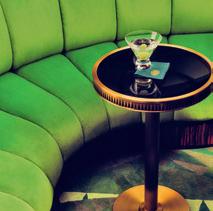
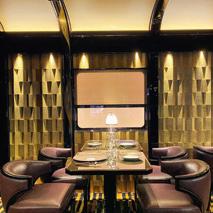
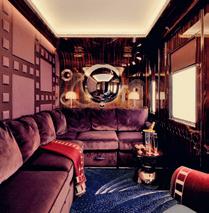
The Orient Express’ artistic director Maxime d’Angeac has unveiled models of the bar, restaurant, and suite cabins for the future train, set to launch in 2027 NEW LOOK
BAR
Expect plush booths in apple green, with marble tables, carpets in tropical leaf motifs, a glistening gold button for bubbles, and a Cartier-designed clock to keep track of dining services – from coffee to crafted beverages.
RESTAURANT
Lalique-inspired rail motifs are displayed on the restaurant carriage’s partitions, while lampshades mimic the brand’s original models.
SUITE
The rich burgundy suite is replete with rounded features, celestial-inspired carpets, a sofa that transforms into a bed, and a striking handembroidered wood panel with motherof-pearl and bronze beads.
WHAT TO DO IF YOU FALL ILL ON A BUSINESS TRIP
As flu seasons descends, it’s wise to plan ahead
WE ALL KNOW the feeling. You open your eyes and realise no matter what you have planned for the day, you just can’t get out of bed. You’ve been struck down with a virus, have a toothache so bad you can’t see straight, or have fallen foul of a stomach bug. Now imagine you aren’t at home – but on a business trip in an unfamiliar location.
For medical emergencies, you can call the local emergency number, while most large organisations have a travel risk management company to handle serious situations. But what happens if your case is not an emergency, and all you can do is pull the duvet back over your head?
Ben Cooper, an independent consultant advising companies on travel risks and safety policies, says some travel risk management firms can deal with the more minor ailments such as the flu or a toothache. Support, however, would be largely over the phone – organising a doctor appointment, or helping with the nearest place to source medicine. Unfortunately, you will still have to get out of bed to help yourself.
Nonetheless, Cooper says: “Knowing this service exists is still a huge comfort. A doctor can reassure you about your symptoms, keep in touch, speak to your employer and potentially arrange a home visit.”
Prevention is better than cure
There are some simple actions you can take to avoid the dreaded travellers’ tummy or at least make life easier if you do fall ill while away.
Think about the season in the destination you’re visiting. You may be clear of the flu season in Europe, but it may be in full throttle over in Asia or Australasia. Make sure your vaccinations are up to date, and check if
you can get antibiotics over the counter in the country you’re visiting. Pack basic medication, such as paracetamol or rehydration tablets, and keep them in their original packaging to clear customs. And don’t forget the basics: stay hydrated on your flight, avoid the tipple, wash your hands frequently, and make sure you eat and sleep well. It can also be helpful to connect with colleagues in your destination who can offer support if you get ill. Remember that not all doctors or clinics are created equal and, in some parts of the world, you may be best to trust your medical assistance firm or insurer when seeking help. Cooper warns: “Counterfeit medication and poor medical practice are a very real risk in some parts of the world.”
Rest easy
Where you stay can also have a big impact. If you’ve booked an Airbnb, for example, there is little help from the outside world. Indeed, a fellow business traveller described feeling
DOWN WITH THE SICKNESS
Have a contingency plan ready in case you fall ill
‘If you book an Airbnb, there’s little help from the outside world’
disoriented when searching for flu medication. Ordering food was even a no-go as he couldn’t make it down to the communal door to take the delivery. He concluded that staying in a hotel or serviced apartment would probably have been easier.
Cooper agrees: “Always choose a hotel not an Airbnb. It’s a huge comfort to be able to call the front desk and get support from professional staff.”
Serviced apartment providers are also used to offering the soft touch. Emma Horton, senior client programme manager for global serviced apartment agent SilverDoor, says: “Insurance implications may prevent providers giving guests medication such as paracetamol, but we know they have helped in other ways, like providing hot water bottles, cold pads, and eye masks for migraines.”
And for travellers who are staying a little longer, Charlotte WinterRose, director of operations EMEA at Synergy Global Housing, says: “For clients who might be too unwell to leave their apartment, we are able to offer practical support such as arranging food deliveries and adjusting cleaning schedules to protect both guests and staff members. This means guests don’t have the stress of trying to manage daily housekeeping requirements and can concentrate on taking the time needed to rest and recover.”
Finally, be honest with yourself. Don’t push too hard if you know deep down you’re in the early stages of being ill, and make sure you let your company know.
“Be firm with your phrasing to your boss,” advises Cooper. “Call the medical assistance line or your GP before communicating with your employer so you can use the golden phrase ‘my doctor has advised me I’d be unwise to travel’ – any pressure from employers after you’ve made that statement is not acceptable.”
OPINION
WHERE DID ALL THE AWARD SEATS GO?
Booking seats with points is easy – when you know how to find them
FIVE YEARS AGO, saying “I can never find flights with points” was absolutely fair. Today, that’s no longer the case, but millions of seats go unredeemed every year because points collectors are missing key strategies to unlock more value from the world’s second largest currency. Whether a passive or active collector, if you’re on the hunt for great point redemptions, here’s what you need to know.
Searching once is your first mistake To win at points, we must forget many of the things we’ve been conditioned to think in travel. There is no perfect time to book with points, other than figuring out exactly when flights are loaded into the system. Some airlines (BA, Qatar Airways) guarantee a certain number of seats with points in every cabin. When a flight gets loaded for sale, points seats immediately become available for redemption (typically two or four business class, four or more in economy). People who know their travel plans a year in advance, and monitor the right platforms, can pick these off as they come onto the system. Airlines almost always add more seats during the year of selling, but these initial seats are gems for some folk.
The truth is, airlines are in a tugof-war between loyalty programmes and revenue management. Revenue wants to command the highest price possible for every airline ticket, but confidence in selling every seat changes daily – so don’t give up hope.
Searching early is good, searching constantly is great, and searching within three weeks of travel could be golden. Many of the best redemptions are for flights departing within 72 hours. Not feasible for all, but glorious for many, myself included.
‘Often it’s one direction of travel that’s more troublesome’
Let alerts ease your search
Many third-party tools have popped up in recent years to help connect travellers with coveted redeemable seats. If this is news to you, level up your game, because others are already setting alerts! Point.me is a good example globally, but other companies include SeatSpy and Reward Flight Finder.
Airlines are getting better, too. Avios, the currency behind airlines including British Airways, Iberia, Aer Lingus, and Qatar Airways, offers free seat alerts for people who download the Avios app. Simply plug in the dates, cabins and routes you’re interested in and be alerted if things change. Virgin Atlantic offers a ‘Reward Seat Checker’ that allows anyone to visualise availability and pricing across an entire calendar year.
Don’t let legs break your journey One frustrating truth about reward
DID YOU KNOW?
An estimated 62% of all miles are earned via credit card spend according to research by point.me
flight booking is that each leg very much matters. It’s entirely possible that seats are available using points on the main long-haul flight you care about – and that it’s simply the short connection at either end which is returning a “no seats” error for you.
By searching each segment individually, you can pinpoint any choke points in your journey and triage accordingly. Sometimes, it can make sense to pay cash for a short-haul flight that gets you to or from the long-haul you really care about using points.
Carrying the theme of individual segments ruining entire itineraries, often it’s one direction of travel that’s more troublesome than the other. I recommend grabbing what you can, when you can, and tweak as time closes in. Most reward seat bookings with points can be cancelled for a full refund, minus potentially a small cash penalty, outside of seven days of travel.
If I can find availability for the outbound journey, but the return doesn’t have anything, I’ll often book the outbound and then actively monitor the reservation to improve a seat or a cabin –setting alerts for the return, or vice versa. More often than not, things work out!
Nearby cities unlock dream trips
If you’re hoping to use points for a long journey with added comfort, sometimes a little compromise goes a long way.
Las Vegas is an example of an evergreen destination with evergreen demand. Using points to Vegas is one of the harder tasks in the game, but LA or Phoenix are both drivable alternatives, with cheaper one-way flights under US$100. It’s worth considering the hour’s drive post-flight to maximise your redemption options. There’s a point to being flexible, and rewards for knowing how to play the game.
Gilbert Ott is director of point.me and creator of God Save The Points
SERVING THE MOOD
Yi-Hwa
Hanna chats with Diana Rysbaeva, founder of SHI Hospitality, about the power of storytelling in modern hospitality
Q&
AHow did your childhood growing up across cultures shape your understanding of hospitality today?
I was born in Germany and spent my early childhood there, before being raised in Central Asia – an upbringing that meant constant movement and adaptation. It left a lasting imprint on my perspective, taste, and way of thinking. You quickly learn to read people, respect differences, and find comfort in unfamiliar places. That experience shaped my belief that true hospitality is rooted in emotional intelligence – understanding how people want to feel, rather than imposing a single way of doing things.
Many founders talk about the importance of vision, but consistency is equally as hard to maintain. How does this play out in running SHI Hospitality?
Vision excites people, but consistency earns trust. At SHI Hospitality, I stay closely involved, from concept to operations, to ensure the essence of each brand remains intact. Clear values guide decisions, but systems and discipline are what keep standards high in daily operations.
The launch of SHI, your first restaurant at Bluewaters, has been described as a defining moment in your career. Why was this so?
SHI was deeply personal. It was the first time I fully expressed my philosophy, culturally rooted, emotionally led, and commercially viable in the UAE although I have a few businesses in my home country. It proved to me that staying true to vision doesn’t mean sacrificing success.
The various dining concepts in your portfolio – SHI, MOLI, and MEI – all
share a philosophy of elevated East Asian dining through a lens of culture-led storytelling. Why is the latter important to you?
Storytelling gives purpose. It allows dining to move beyond aesthetics into meaning. Culture grounds our concepts and gives guests something to connect with emotionally.
You’ve described dining as an emotional rather than transactional experience. What do you think many restaurants still misunderstand about the emotional side of hospitality?
Many confuse efficiency with care. Emotional hospitality is about presence – making guests feel comfortable, welcome, and seen. People remember how a place made them feel special long after the meal ends.
What made you realise hospitality is a medium for storytelling?
When I realised a restaurant could express identity, memory, and values
not just serve food. That changed how I approached the industry entirely.
How important is physical space and design in a restaurant?
Design sets the emotional tone before the first interaction. It influences how guests feel, move, and connect. It’s a silent but powerful host.
Are diners today more emotionally literate than they were 10 years ago?
Yes – and more intentional about their choices. While trends still play a role, many return to a place because of how it makes them feel. Atmosphere, energy, and genuine hospitality now matter as much as the food itself. When diners connect with the vibe and feel consistently welcomed and understood, they build an emotional attachment to the restaurant, which ultimately defines long-term loyalty beyond trends.
How do you choose where you like to eat when you travel?
As a restaurateur, I’m naturally curious and enjoy exploring local flavours, but I also make time for fine dining and Michelin-starred restaurants to discover new ideas, techniques, and perspectives. I plan lightly, leaving room for intuition and spontaneity, as some of the most inspiring experiences happen when you allow a destination to reveal itself rather than follow a rigid itinerary.
Destination bucket list
• Arctic Ocean
• Peru
• Australia
Packing essentials
• Sunglasses
• Comfortable shoes
• A cap
Packing
Tips
• Pack light
• Layer smartly
• Always leave space for discoveries
Any tips for people who like to try local foods while they travel?
Be curious and respectful. Eat where locals eat, ask questions, and don’t overthink the experience.
What’s the first thing you do when arriving at a new destination?
Walk or run around the neighbourhood to discover good restaurants and observe the way of life.
What’s your earliest travel memory?
Long journeys across Central Asia –shared meals, movement, and stories along the way.
What’s your go-to choice of in-flight entertainment?
Documentaries or quiet reflection.
How do you usually spend your frequent flyer miles?
On travel, mostly cabin upgrades.
The Elevator Pitch
Business Traveller Middle East gives Heinrich Morio, managing director of Ciel Dubai Marina, five minutes to pitch his property to prospective guests
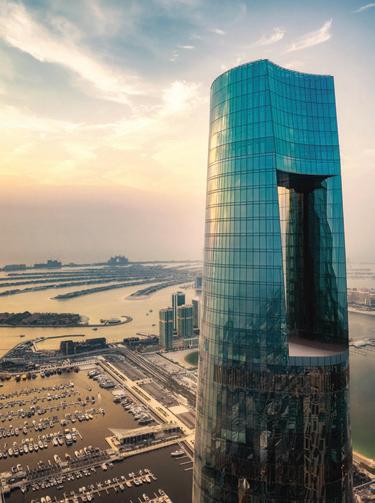
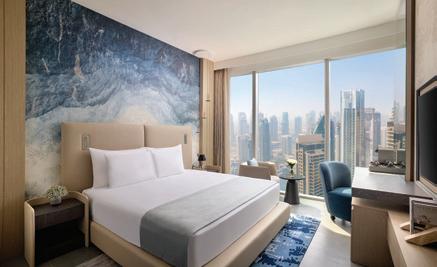
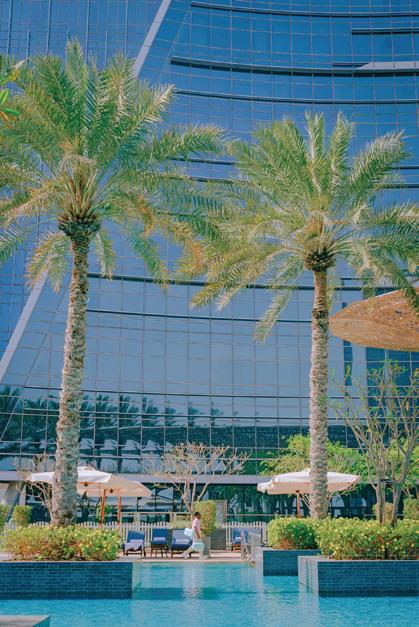
ELCOME TO Ciel Dubai Marina, Vignette Collection by IHG - the world’s tallest hotel and a striking new landmark on Dubai’s skyline. Rising 82 floors to 377m, Ciel is an architectural triumph that reimagines luxury hospitality through bold design, immersive experiences, and unforgettable views. Opened in November 2025, Ciel celebrates Dubai’s position as a global destination for both business and leisure. From its iconic “eye of the needle” silhouette and dramatic interiors to the breathtaking Tattu Sky Pool on the 76th floor, every
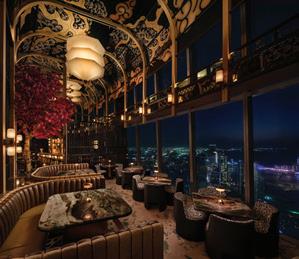
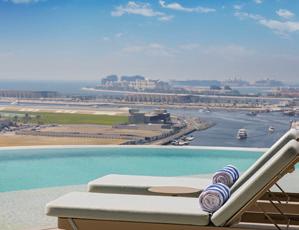
WABOVE, CLOCKWISE FROM LEFT: Aerial view with The Palm Jumeirah in the background; Tattu Dubai - bar area; Heinrich Morio; Outdoor pool
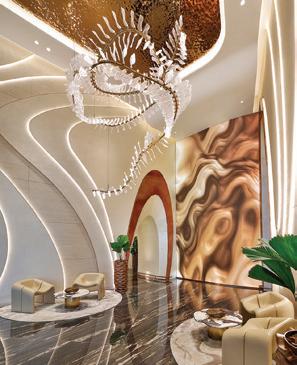
LEFT: Lobby entrance
BOTTOM: A King Premium room at Ciel Dubai Marina
‘[This is] the world’s tallest hotel and a striking new landmark on Dubai’s skyline’
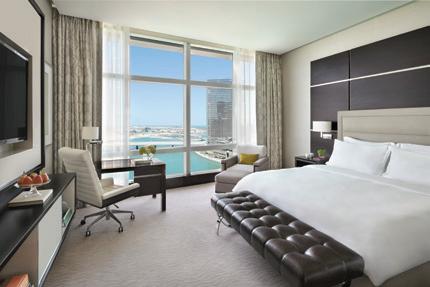
element has been crafted to inspire and delight. The hotel’s 1,004 rooms and suites feature floor-to-ceiling windows framing panoramic vistas of Dubai Marina, Palm Jumeirah, and the Arabian Gulf.
Dining is a journey in itself, with eight distinctive venues to explore. Guests can discover Mediterranean cuisine at West 13, Asian flavours at East 14, and the multi-award-winning Tattu Dubai, which spans three levels and offers 360-degree rooftop views. Well-being is elevated at Ciel. A serene spa on the 61st floor opens in February 2026, complemented by a 24-hour gym overlooking the coastline and complimentary transfers to Soluna Beach Club. Families are well-catered-to with dedicated spaces including the Splash Pad and Kids Club.
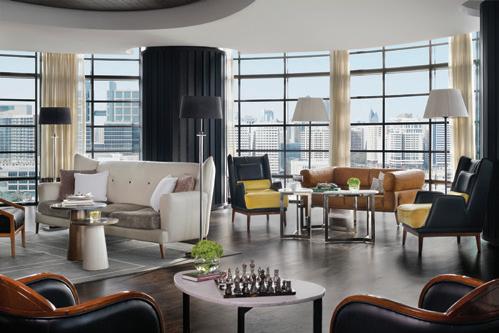
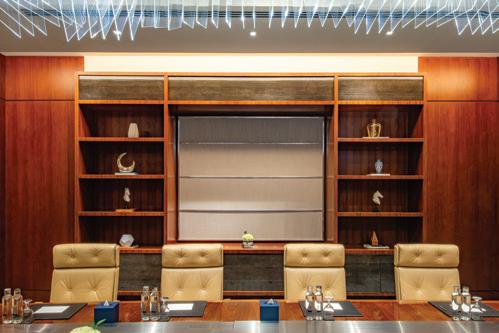
For business travellers and Executive Club guests, Nest on Level 16 provides a refined setting with skyline views, refreshments, and flexible meeting spaces equipped with advanced technology and thoughtful, personalised service.
At Ciel, every touchpoint - from architecture and gastronomy to wellness and guest engagement - is designed to create stays that feel meaningful and effortlessly memorable. More than a hotel, Ciel offers a fresh perspective in Dubai, elevating everyday moments into truly exceptional experiences.
24 HOURS
Los Angeles
WORDS ALLYSON PORTEE & YI-HWA HANNA
Cinematic glamour and cultural diversity still reign in this economic powerhouse
THE HOME OF HOLLYWOOD the “City of Angels” is widely known for its robust film industry and its related cultural appeal. While the city has drastically changed since the COVID-19 pandemic and the devastating Southern California wildfires of January 2025, it’s still a place to be admired and visited. This year, it will also be a host city for the FIFA World Cup 2026, holding eight matches at SoFi Stadium – including the US team’s opening match on 12 June.
MORNING
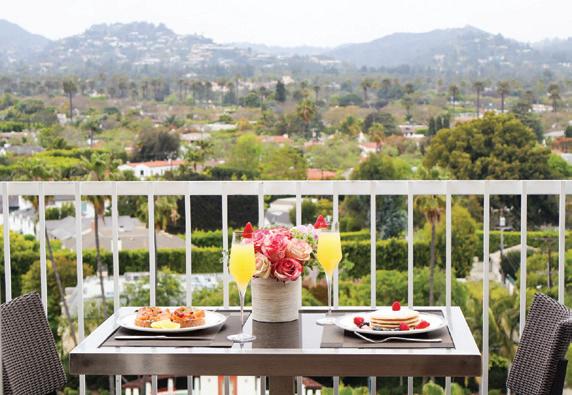
Start your day by having breakfast at the Beverly Hilton Hotel, a property that Conrad Hilton himself opened in 1925 as the firstever Hilton-named hotel. It’s also the site where the Golden Globe Awards is held each year, which has taken place in the famed International Ballroom since 1961. The hotel celebrated its 70th year anniversary in 2025, and during its historic tenure, the list of famous names that have walked its hallways includes the likes of Marilyn Monroe, Frank Sinatra, and John F. Kennedy. The hotel is currently undergoing a massive, multiyear renovation as part of the larger One Beverly Hills development, which is anticipated to be completed by 2027. As such, breakfast is currently served on the eighth floor, overlooking the city of Beverly Hills. If you’d like to join in the early-rise culture of many LA locals –who often wake by 5am to focus on their fitness, enjoy a quiet moment, or beat the commuter traffic – guests
LOS ANGELES
of the hotel can opt for a grab-and-go coffee before breakfast officially starts.
Once you’ve had your fill, a quick walk down Wilshire Boulevard and turn on to Santa Monica Boulevard, will take you right onto Rodeo Drive to visit one of America’s most famous shopping streets. Here, you walk the path of Pretty Woman as you shop at the many luxury brand stores on this iconic street, before popping into the Beverly Wilshire Hotel –the hotel that was featured in the cult classic film.
AFTERNOON
For a star-worthy lunch, The Ivy on North Robertson Boulevard is a quintessential destination that has been popular since the 1980s. It’s also been featured in movies including The Bodyguard (1992), Get Shorty (1995), Monster-In-Law (2005) and The Bodyguard (1992).
California boasts the highest GDP of any US state (and, in 2025, the state overtook Japan as the fourth largest global economy) – a win that can attribute a large
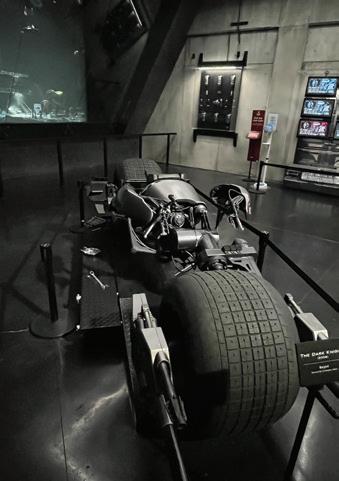
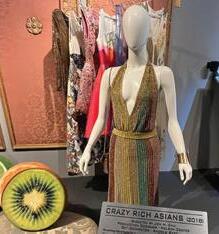
ABOVE FROM LEFT: Batman props and clothing from the film Crazy Rich Asians , seen at the Warner Bros. Studio Tour
BOTTOM: Breakfast at the Beverly Hilton hotel
‘[The hotel] is also the site where The Golden Globe Awards is held each year’
part of its success to the technological innovation of Silicon Valley, and the entertainment industry fuelled by Hollywood. So a visit to a film studio lot is a must-do to tick off any LA itinerary. Warner Bros. studio in Burbank (a roughly 30-minute drive from Beverly Hills) is a popular way to spend the afternoon for firsttimers and repeat visitors alike. Tours start at US$76 for adults and US$65 for children, and take three to four hours. Appointments are recommended, but you can also purchase a ticket at the gift shop and join the next available tour. As you take a guided behind-thescenes peek into the art of movie making, you can see where scenes from Tobey Maguire’s Spider-Man were shot, immerse yourself in the Wizarding World of Harry Potter, get up close to the latest batmobile, have a coffee in the working replica of Central Perk Café from the TV show Friends and hold an actual Oscar.
EVENING
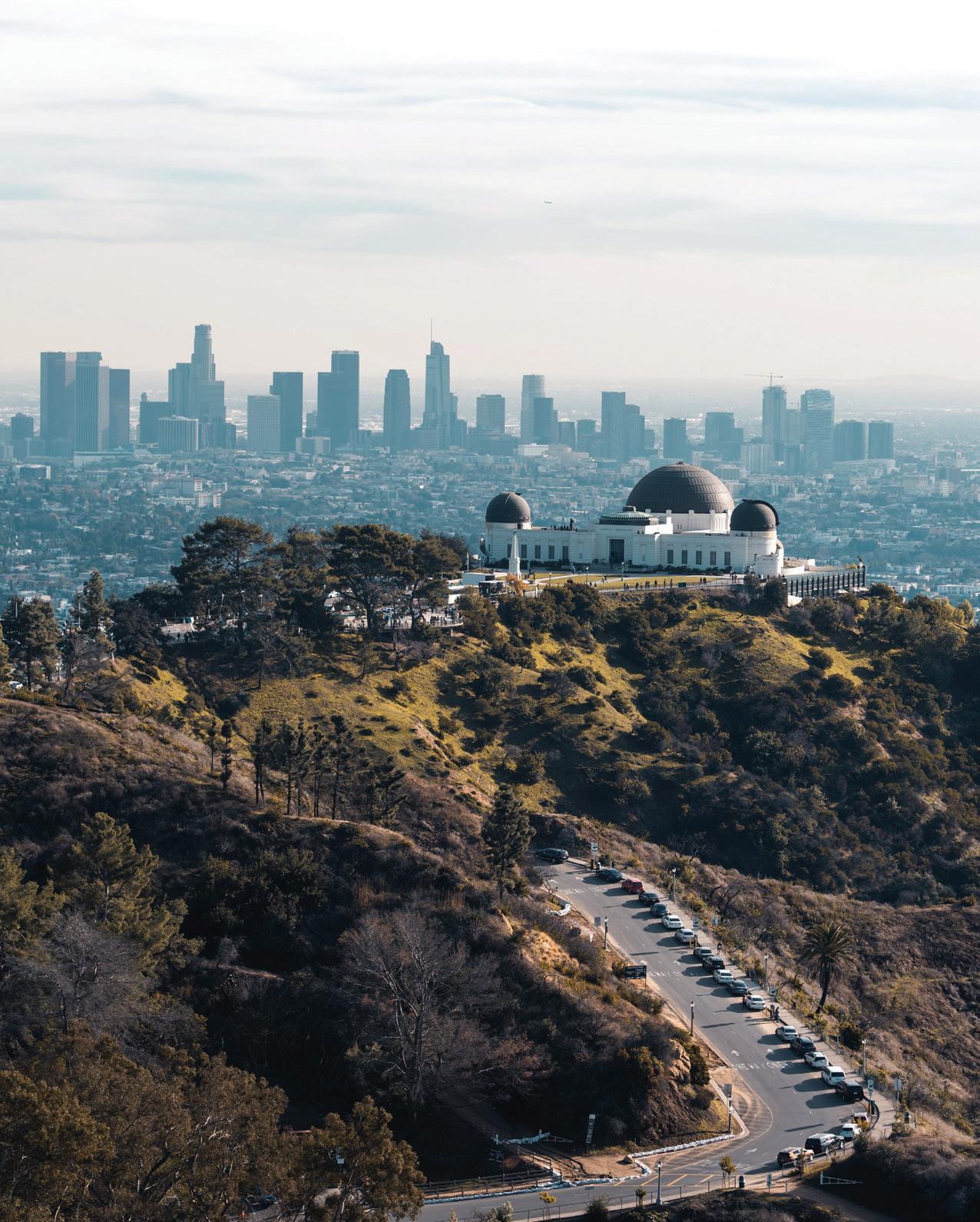
There’s nothing quite like driving through Griffith Park Observatory trails as evening
is setting in, to see the iconic Hollywood sign. Sadly, it’s no longer lit at night, but if you arrive at dusk you can still see the tall white letters with an as-close-as-you’re-gonnaget view of the landmark. The observatory also hosts a number of free astronomy exhibits and immersive planetarium shows. There’s no shortage of great dinner spots in LA, from historic institutions such as Musso & Frank Grill (Hollywood’s oldest restaurant) and Langer’s Delicatessen, to trendy and MICHELIN-starred institutions including n/naka, 715, Badmaash, San Laurel, Orsa & Winston, Damian, Guisados, and more. You could also opt for celebrity-spotting at Chateau Marmont’s famed bar. If you did opt to stay at The Beverly HIltonwhere the 70th Anniversary Package includes a stay in the Penthouse Suite, plus a ride in a Hollywood Classic Car - Circa 55 is a solid pick that pays tribute to the hotel’s 1955 founding, with fresh California cuisine served amidst the retro glamour of mid-century vibes. After dinner, stop at the Mid-Century Film Photo Booth with Photomatica on Circa 55’s rooftop for a black-and-white photo strip on real film. You can also grab a postcard with an illustration of the hotel by LA-based artist Henry Kaye from the hotel lobby.
Emirates flies from Dubai to LA seven times a week.
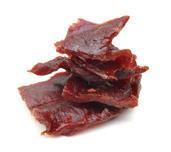
Meat products
Many destinations, including the USA, Australia, New Zealand, Canada, Japan, Taiwan, South Korea, the UK, and EU nations, restrict or ban travellers from bringing in meat products due to concerns about pests, diseases (like Foot & Mouth), and biosecurity, with the stricter rules often applying to all animal products, including dairy. Many Middle Eastern countries also regulate or ban certain types of meats and/or non-halal items due to religious laws.
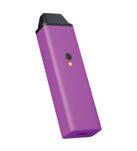
Vapes
Laws around vaping continue to evolve.
Disposable vapes were banned in the UK in 2025, for instance. Several countries have a blanket ban on vaping – India, Hong Kong, Taiwan, Singapore, Qatar, Thailand and the Philippines are among the strictest. Vapes carried in checked bags, or hand luggage are liable to be confiscated, and taking a puff in public is punishable with a fine or even imprisonment.
Clothing
Camouflage clothing is strictly reserved for official military personnel in countries such as Uganda, Nigeria, and many Caribbean islands. Uganda is particularly tight on the law, forbidding the wearing of military-style outfits of any kind. Doing so carries a maximum sentence of life imprisonment.
Medical supplies
Next time you have a cold, double check your remedies before jetting off. Vicks and Sudafed (plus any other medications containing pseudoephedrine, which is used to treat nasal congestion) are strictly prohibited in Japan. Codeine, commonly found in cough syrups, is banned in several countries including Japan, Indonesia, Egypt, and the United Arab Emirates.
Chewing gum and plastic bags Singapore banned chewing gum in 1992 to clean up public areas. The rules were relaxed in 2004 to allow ‘therapeutic’ gum (eg nicotine gum), but only for customers with a medical prescription. Bangladesh was the first to ban plastic bags in 2002, with full or partial bans now in 91 countries. Rwanda outlawed them in 2008, and any plastic bags found in luggage will be confiscated, while carrying one outside could result in a fine.
Unlikely contraband
From vapes to chewing gum – what not to pack next time you travel
A new place to belong
OTHER has officially opened in Dubai’s Dar Al Wasl, introducing a design-led neighbourhood concept by The Food District. Created by founder Mahmood Al Khamis and designed by VERHAAL, the space transitions from a daytime café serving specialty coffee, pastries, and mocktails into a refined evening
dining destination. The menu focuses on seasonal shared plates and produce-led cooking, featuring signature items such as Spicy Beef Tenderloin, a Wagyu Beef Burger, and a Hotdog & Caviar Sandwich. The interior philosophy prioritises longevity over trends, utilising bold colours and soft textures to
create a space that evolves from bright and open in the morning to atmospheric at night. OTHER joins a homegrown portfolio that includes Origami, Moon Slice, and DROP, emphasising a “design-first” approach to communal dining. The venue is open daily from 7 PM to 11 PM for its initial dining phase.
Short on travel time? Try a daycation!
DOUBLETREE BY HILTON
Resort & Spa Marjan Island has introduced a new “Daycation” offer for 2026, targeting guests seeking luxury without an overnight stay. Priced at AED 150 per adult on weekdays and AED 200 on weekends, the pass includes access to the property’s 650m private beach, eight swimming pools, and the Pirate Boat Aqua Zone. Children aged 6–12 can enter for AED 75 on weekdays and AED 100 on weekends, while entry for those under six is free. The resort features the UAE’s largest “Tarzan Boat,” a floating water park with high dives and rope swings for thrill-seekers. Guests can also explore 14 on-site dining venues, with pass holders often eligible for exclusive discounts on food and spa treatments.
Nobu has now opened on One Zabeel’s 24th oor, after a starstudded launch party held last month
HOT LAUNCH
New name, same outstanding space
ATLANTIS, THE PALM’S Studio Frantzén has officially rebranded as Brasserie Frantzén, a strategic move that aligns the Dubai venue with the Frantzén Group’s prestigious global collection of brasseries. Helmed by the world-renowned Swedish chef Björn Frantzén, this evolution marks a shift toward a more relaxed yet still refined spirit. The new menu highlights Frantzén’s signature finesse, starting with a decadent lobster roll on toasted brioche. Meat lovers can explore the veal schnitzel, featuring umami browned butter – a recipe originally perfected
at Frantzén’s Stockholm gastropub – or the wagyu beef burger with pickled shiitake. A poignant highlight is the steak with pepper sauce, a dish inspired by the classic steak frites that first motivated Björn to pursue his culinary career. The experience extends beyond the table to a dedicated “candy room” for handselected treats and a cellar boasting 1,300 labels. With a 40-seat bar serving Nordicinspired cocktails and a resident DJ playing curated rock and indie tracks, the brasserie is designed as a social hub for long lunches and late-night gatherings.
Eclipse the ordinary
Santoni’s recent travel collection effortlessly redefines modern utility
THE ITALIAN BRAND’s Eclipse line launched last autumn, to high acclaim. The travel collection is crafted from Nylux – an exclusive recycled nylon featuring a refined texture and a palmellato leather-like effect. It blends the Maison’s signature elegance with modern functionality, utilising waterproof materials and the brand’s artisanal Velatura leather technique for sophisticated detailing. Presented in a vibrant Adriatico Blu as a tribute to Santoni’s Marche heritage, the range includes trolleys, backpacks, spacious shopping bags, beauty cases, and a baseball cap. Every piece is designed for extreme lightness and versatility. From €510.
Olympic precision
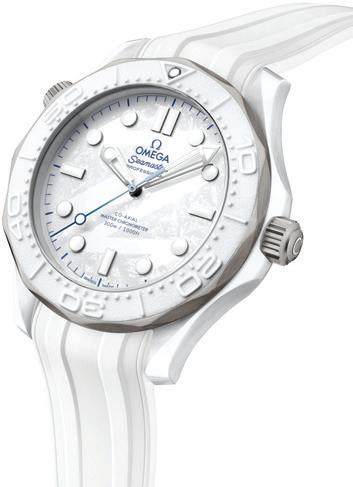
To celebrate its role as Of cial Timekeeper of the Milano Cortina 2026 Olympic Winter Games, OMEGA has launched a dedicated Seamaster Diver 300M. The 43.5 mm timepiece is crafted from white ceramic and grade 5 titanium, re ecting a wintry aesthetic. Its white ceramic dial features a unique laser-engraved frost pattern and a nger trace motif inspired by the “26” in the event’s emblem. Driven by the Co-Axial Master Chronometer Calibre 8806, the watch offers a 55-hour power reserve and 300m water resistance. Homages include a stamped Olympic logo on the titanium caseback and a blue gradient seconds hand. It comes on a white rubber strap in a special presentation box. Price upon request
THE BAG THE WATCH
TOP RESTAURANT
A sanctuary of SAHA
The Oberoi, Marrakech’s new immersive wellness journeys are designed to guide guests through 2026 with clarity, balance, and restored vitality
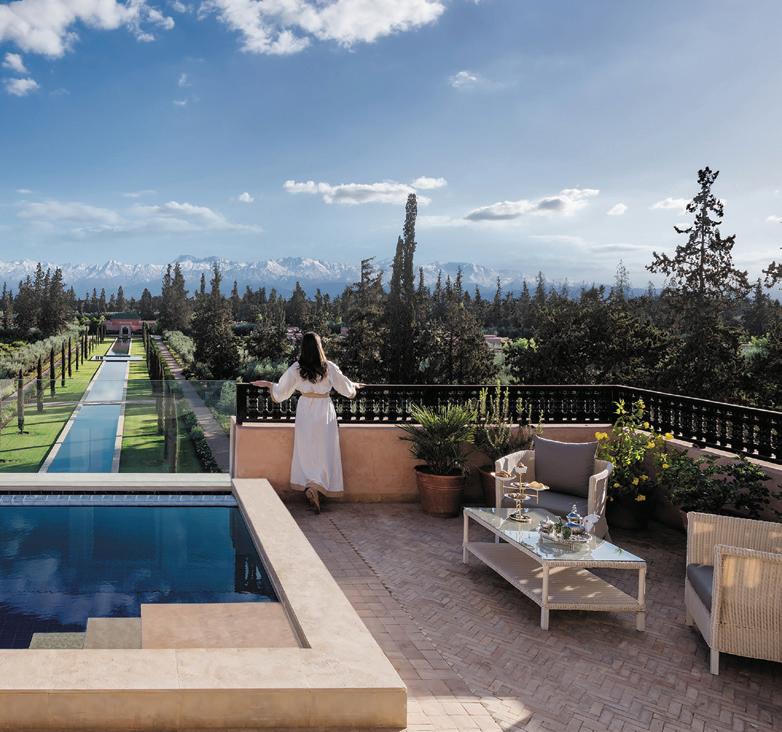
SUPPORTING the journey of reflection and renewal that many of us seek to embark on at the start of a new year, the SAHA wellness programme offers travellers a dedicated path to restoring their natural harmony within the tranquil 28-acre sanctuary of The Oberoi, Marrakech. Meaning “health” in Arabic, SAHA is designed to guide guests through 2026 with clarity and restored vitality. The resort’s expansive fragrant gardens and calming water features serve as a backdrop for three signature journeys –Tranquil Aura, Silhouette, and Vital Flame – each available as three-, four-, or five-day immersions tailored to individual goals for stillness, physical refinement, or metabolic renewal.
Tranquil Aura is specifically crafted for deep nervous system recovery and emotional equilibrium. It utilises slow, rhythmic treatments such as Himalayan singing bowls, sound healing, and breath-focused meditation to quiet the mind and restore natural sleep patterns. For those prioritising physical balance, the Silhouette path combines detox rituals with bodysculpting therapies and mindful movement to reduce inflammation. This journey encourages a sense of visible lightness, both physically and psychologically, through treatments like the Sultan’s Ritual and Chinese meridian acupressure.
The word “Saha” is also used like “Cheers”, to wish good health DID YOU KNOW?
Meanwhile, Vital Flame focuses on reigniting inner strength and energy through cardio boxing, volcanic hot stone massages, and muscle reinforcement. This uplifting journey is ideal for those experiencing any fatigue or stagnation, helping to restore a sense of vibrant flow. This holistic experience is further supported by “SAHA at the Table,” featuring curated vegan menus that ensure nutrition perfectly complements the physical and emotional restorative work being done. Each meal is aligned with the programme’s philosophy –from grounding nourishment in Tranquil Aura to energising botanicals in Vital Flame –ensuring harmony of the senses.
Sips and steps
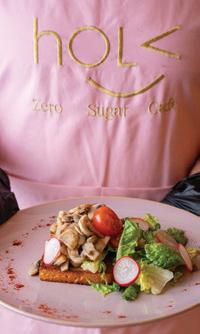
LOCATED IN Dubai’s Times Square Center, Hola Zero Sugar Café – also known as Hola Keto Desserts – has launched a wellness challenge called “You Move, We Brew” to encourage active living in the city. As part of the mall’s “Picnic Square” initiative, which focuses on community-driven and mindful dining, the homegrown café is rewarding residents who complete 10,000 steps in a single day with a free coffee. Customers simply need to track their steps on any fitness app and present the count at the counter to claim their complimentary brew. Known for its wholesome, ketogenicfriendly ingredients and guilt-free indulgence, Hola Zero Sugar Café emphasises that clean eating and wellness are built through small, everyday choices. This initiative reflects a shared commitment by the café and centre to foster a more active, connected, and healthconscious community across the UAE.
A new home for wellness
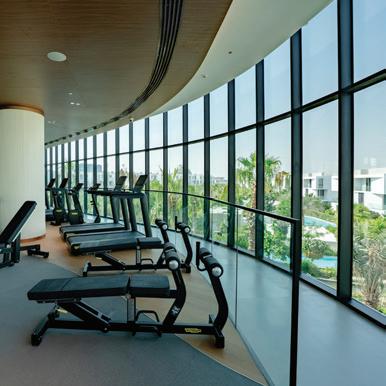
OPENED LATE LAST YEAR, The Bay Health Club is a new transformative wellness destination in the heart of Al Barari, Dubai, that merges high-performance fitness with restorative serenity. Encircled by a 350m swimmable pool – the longest in the UAE – the club is nestled within lush greenery, and its opening was attended by tennis champion Maria Sharapova. The space is designed to nurture both physical and emotional wellbeing through intentional living.
The facility features a panoramic, technology-driven gym equipped with AI-powered programming,
the Life Fitness Symbio line, and Technogym Check Up integration. Members have access to a 140m indoor track and studios for yoga, Pilates, boxing, and functional training, including a ladies-only gym. The wellness wing focuses on biohacking and recovery, offering red light therapy, Normatec compression, saunas, and cold plunges. Outdoors, the “island” setting includes padel, tennis, and volleyball courts, alongside social spaces like Sandy’s Shack and the Energy Bar. Memberships are tiered into Bay One and Bay Elite, with the latter offering elevated perks like monthly mentorships. For those seeking a trial, day passes provide full access to the high-tech equipment and recovery suites.
MODERN MEN
THE SIGMA STANDARD
AS A TIMELY response to the modern man’s evolving relationship with health, SIGMA Clinic has opened its doors in Jumeirah, Dubai. Redefining wellness as an intentional investment rather than a reactive fix, SIGMA is the city’s first men-only longevity and performance destination. The clinic introduces an integrated model centered on preventative health and everyday optimisation.
The client journey begins with advanced diagnostics to map biological age, hormonal balance, and
nutrient status using tools like Oligoscan technology and gut health screening From these insights, the clinic develops tailored medical programmes, including weight optimisation, peptide,
MEDITATION
IV therapy, and tissue regeneration protocols. SIGMA prioritises longterm vitality, valuing energy, resilience, and presence as much as it does physical appearance, to help men live and age better.
Float into stillness and surrender to breath
ATLANTIS THE PALM recently launched a new floating breathwork experience by Immersiv, at Awaken Spa’s Palm Pool. This nighttime session is designed to foster deep relaxation, nervous system regulation, and intentional stillness. What distinguishes this wellness offering is its unique setting; participants float on the water beneath the iconic arch of
Atlantis, surrounded by one of Dubai’s most recognisable resort landmarks. The environment provides a rare opportunity to experience breathwork in a tranquil, immersive space that encourages a meaningful pause from daily demands.
The sessions are led by certified breathwork facilitators Ashley Edelman and Melissa McAllister, who utilise a grounded and intuitive approach to guide guests through a state of calm and rest. By combining guided breathwork with sound, the experience allows participants to slow down and reset their nervous systems while being supported by the water. According to Edelman, the sensation of moving through the breath while floating creates a profound sense of safety and surrender. Following its inviteonly January launch, Immersiv is opening this experience to the public starting this month. The sessions are priced at AED 400 plus VAT and will be held every Sunday from 8pm to 9:30pm at the Palm Pool, offering a serene, dark environment for reflection and reconnection.
READ
A Guardian and A Thief by Megha Majumdar
THIS NATIONAL BOOK AWARD finalist is set in a near-future Kolkata strained by climate collapse. The novel follows Ma, her young daughter Mishti, and her elderly father Dadu as they prepare to flee to Michigan on rare climate visas. Their plans unravel when a desperate young
man unknowingly steals the documents, entwining their fates over a tense, transformative week. With taut prose and sharp moral nuance, Majumdar delivers a powerful exploration of what people will risk to survive, earning a place on multiple ‘best of the year’ lists. AED 76.73; amazon.ae
WATCH
Pluribus
After an alien virus renders most of humanity a toxicpositivity hivemind, romance novelist Carol Sturka (Better Call Saul’s Rhea Seehorn) discovers she’s one of just 11 people immune to it. Determined to resist, she becomes an unlikely resistance leader. Born from the brain of Breaking Bad’s Vince Gilligan, this highconcept sci- series delivers incisive social commentary wrapped in tension, wit, and imaginative world-building.
Good Hang with Amy Poehler
IF YOU’RE LOOKING for a podcast that feels like catching up with your funniest friend, this Golden Globewinning podcast is the perfect pick! It’s laid-back, charming, and filled with the quick wit and observational humour that Poehler does best, while featuring the kind of introspection and trust from guests that comes from decades of friendship and trust.
It’s truly... a Good Hang Available on Spotify.
CULTURAL CALENDAR
OUR PICK OF EVENTS TAKING PLACE AROUND THE WORLD
Rio Carnival, Rio de Janeiro, Brazil 13-21 February
Rio de Janeiro transforms into a whirlwind of samba, sequins, drumming, and dancing, where enormous parades and electrifying street parties pulse day and night. From the Sambadrome’s choreographed magic to spontaneous bloco celebrations across the city, it’s a once-in-a-lifetime immersion into Brazil’s unmatched spirit, energy, and cultural exuberance.
Mardi Gras, New Orleans, USA 17 February
Each year, during “Fat Tuesday”, the streets of New Orleans come alive with parades, brass bands, elaborate floats, and a joyful collision of culture, costume, and King Cake. From the French Quarter to Uptown New Orleans, the city becomes a living stage for music, movement, and tradition, making it one of the world’s most vibrant high-energy celebrations.
Glasgow Film Festival 25 February - 8 March
Now in its 22nd edition, this citywide celebration of cinema returns with a dynamic slate of new films, global premieres, and curated strands celebrating emerging talent. This year also honours the now deceased champion of cinema, Robert Redford, with a retrospective themed “Truth to Power” featuring his turn in All the President’s Men. Also returning is FrightFest, a six-day extravaganza of horror and fantasy films.
Retail In Transit
A New Era For Passengers In Global Travel Retail:
Philip Morris International (PMI) Global Travel Retail is primed to lead
the transformation
IN GLOBAL TRAVEL RETAIL, “duty free” is often shorthand for airports - but for Beste Ermaner, Vice President of PMI Global Travel Retail, that’s only one part of a much bigger, more complex ecosystem. “When I say I work in the duty-free business, the first thing comes to mind is airports only. However, airports are only one of our seven different channels which we operate,” she says, pointing to borders, shipping supply, ferries and cruises, airlines, as well as diplomatic and military channels alongside the airport terminal environment. “So it’s a huge complexity. It offers humongous opportunities because of its global scope.”
For Ermaner, that global scope is not a line on a job description — it’s her lived reality. Having joined the company in Türkiye almost 25 years ago, before taking on roles within the organisation in Russia and Switzerland, she now leads a business that operates across “166 markets globally,” with teams “scattered all around the world.”
within the last decade, there is one distinct shift that she feels has underpinned nearly all of it: that today’s traveller, in general, is both more informed and more intentional. “The majority of travellers do pre-plan their purchases now,” she says, adding this is “changing the nature of the duty free environment”, which now “needs to be more advanced.”
Her days, she says, are shaped by time zones, geopolitics, and constant movement: “I wake up in the morning checking the news first of all, because geopolitics, economics, everything impacts our business. I call it a ‘mini PMI business’.”
Ermaner has borne witness to evolution of the travel retail floor over the years, and
Ermaner points out that airports offer something that is increasingly rare in modern life: a period of dedicated, focused time that’s already set aside for absolute presence. “The time before a flight is an opportunity to support adult smokers in learning more about smoke-free products,” she explains. Once they have cleared the main formalities - such as check in, passport control, and security checksthey enter, what she describes as the real window of opportunity — “a moment that enables adult smokers to make better, more informed choices and can truly make a difference in people’s lives if they decide to switch away from cigarettes.”
For PMI Global Travel Retail, that window has become increasingly important as the company continues its shift towards smoke-free products — a transformation Ermaner frames around education, informed choice, and long-term change rather than short-term transactions. “It’s very important
for us. We have a very bold ambition to become a primarily smoke free company by 2030, with more than two thirds of our total net revenues coming from smoke-free alternatives,” she says, emphasising the role of travel retail in educating and supporting adult smokers who might otherwise never pause long enough to understand newer, less harmful alternatives compared to cigarettes. “It gives adult-nicotine users the choice to explore full assortment of smoke-free products, and more importantly, support their right to be more knowledgeable about less harmful options.”
THE ATTENTION ECONOMY
In her view, the consumer landscape — both within and beyond duty free - is being reshaped by a defining force of modern travel: information abundance. Internet, new forms of communication, search, and AI-driven tools have dramatically accelerated how quickly consumers learn, compare, question, and form opinions. As a result, brands are no longer judged only on visibility or availability, but also on clarity, credibility, and consistency.
Expectations are higher, scrutiny is sharper, and the margin for vague claims has narrowed considerably. “Whatever information you need, you have it at your service in a second now,” she says - a shift that places new pressure on companies to move beyond surface-level messaging –toward relevant engagement. In travel retail, where consumers are increasingly informed before they even arrive at the airport, this has transformed the role of brands from messengers to purpose-driven enablers.
For PMI Global Travel Retail, consumer centricity is increasingly about transition centricity — ensuring that legal age nicotine users have access to clear, accurate information so they can make informed decisions about moving away from cigarettes to less harmful, smoke-free alternatives. This is particularly relevant as the company continues its mission to deliver a smoke free future by providing smoke free products that, while not risk free, are a significantly better option compared with continued smoking.
Asked what sustains a 25-year career inside a company undergoing such major transformation, Ermaner says she always returns to purpose, culture, and belief, and not just performance. “The purpose of the company really aligns with my values and my own purpose.” In a sector defined by movement, Ermaner’s message is grounded: to keep the smoke-free transition at the centre, to treat change as something to operationalize not sloganise, and to remember that in travel retail, the most powerful currency is not footfall — it’s quality of time, earned in the few calm minutes between passport control and take-off.
Our guide to… experiential dining in the UAE
As immersive experiences become increasingly sought after, the UAE’s dining scene is rewriting the rules of what dining out can be. These immersive restaurants blur food, art and performance, delivering cultural insight, sensory impact and unforgettable moments in an impressively curated night out
THE UAE’S DINING SCENE has become a globally renowned force in recent years, having firmly established itself as a hub for diverse, highquality cuisine, from fine dining led by international celebrity chefs to homegrown talent. But for travellers who value experience as much as they do a stunning menu, the country’s dining scene has evolved beyond the white-tablecloth formula. As a growing amount of people crave more presence and immersive, awe-inspiring, experience-led choices, a handful of restaurants have taken the country’s reputation as a master of grand spectacle as inspiration to blur the line between performance, storytelling, and gastronomy — turning dinner into something closer to theatre, art, or even an exercise in psychology. For business travellers short on time, these experiential concepts offer a shortcut to cultural immersion: one evening, multiple senses engaged, and a memory that will last far beyond the meal. Here are ten great picks for when dinner becomes the destination.
1
FRESH BASIL - PITCH BLACK DINING
At this restaurant on the second floor of Abu Dhabi’s Bab Al Qasr hotel, guests dine in near-total darkness. With sight removed from the equation, flavours, textures and aromas sharpen dramatically, forcing diners to slow down and rethink how they eat. Diners are temporarily asked to place their lightemitting devices — from mobile phones and watches to lighters and cameras — into a secure box before entering the room, where they will be guided by night vision-equipped waiters before tucking into a three-course dinner. Drinks are selected prior to entering, and guests are given a full explanation of the concept and dining process before they begin. Guests are given time to adjust to their surroundings before dinner, using all of their now-heightened senses (for all but sight). The dining experience lasts between 60 to 90 minutes, with packages starting from AED 399 per person.
2 KRASOTA
Located at The Address Downtown, this immersive dining concept combines a multicourse tasting menu with synchronised digital art, projection mapping, and sound. Guests are seated around a central table while each course is paired with a bespoke audiovisual narrative projected across the walls, table, and ceiling, effectively turning the dining room into a theatre.
The experience is curated as a series of themed “shows”, each with its own storyline and visual language, and is designed to be consumed as a complete set rather than à la carte. Seating is limited, creating an intimate, controlled environment, and experiences typically last around two hours. Pricing varies by programme, with menus positioned firmly at the premium end of the market.
3 DALI SUPPER CLUB
Hidden within Maison Dali in Dubai, the Dali Supper Club is a late-night dining and entertainment concept that blends food, cocktails, and live performance. Entry is often deliberately discreet, leading guests into a stylised, art-driven space inspired by surrealism. The menu focuses on modern Japanese and pan-Asian small plates designed for sharing, while the evening unfolds with DJs, performers, and interactive moments that blur the line between dinner and nightlife. Rather than a fixed start-andend dining window, the experience is fluid, encouraging guests to linger and socialise.
4 WOOHOO
This restaurant positions itself as a tech-forward dining concept where artificial intelligence shapes the guest experience. From menu curation to ambience and storytelling, technology is integrated into how dishes are presented and explained, with an emphasis on data, innovation, and future-facing hospitality. The experience is designed to spark conversation around how AI could influence dining, rather than replacing human service entirely. Guests can interact with digital elements that guide the narrative of the meal, making it particularly appealing to tech-focused travellers and business diners curious about ‘digital chefs’ and innovation in hospitality.
5 SEVEN PAINTINGS
This structured, immersive dinner experience is built around the idea of moving through a series of themed rooms, each inspired by a different “painting”. Guests progress from course to course, with each dish paired to a distinct environment, soundtrack and visual installation. Rather than remaining seated for the entire meal, diners physically move through the space, making the experience feel closer to an exhibition than a traditional restaurant. The menu is fixed and designed to align with the narrative of each room, with the full experience lasting several hours.
6
DINNER IN THE SKY
This dining experience offers exactly what its name suggests: a multi-course meal
served at a table suspended approximately 50m in the air. Guests are secured into seats around a central table, which is hoisted skyward by a crane, offering panoramic views of Dubai throughout the experience. The menu typically includes a starter, main and dessert, prepared and plated by chefs working from the centre of the platform. Experiences run for around 90 minutes, including ascent and descent, and are offered at different times of day. This is one of the UAE’s most recognisable experiential dining concepts, combining spectacle with a structured meal.
7 FLYDINING
For another dining experience literally above the ground, at FlyDining in Abu Dhabi, guests are seated at a table suspended up to around 50m (160ft) high by a crane, with panoramic city views as a backdrop. The experience pairs that aerial setting with food and drinks served at height, supported by a dedicated team on the platform (typically four staff for up to 24 diners). Options span from shorter ride-only slots with snacks (around AED 537) to full meal with ride combinations lasting up to about an hour (around AED 672) — all contingent on the booking and package selected.
8 LE PETIT CHEF
A projection-mapped dining concept, Le Petit Chef centers around a miniature animated chef that appears directly on the table, guiding guests through each course. Before every dish is served, a short animation introduces the ingredients and preparation process, synced precisely with service. The experience is designed to be playful and accessible, making it popular with families and mixed-age groups. Menus are typically international, with several course options available depending on the venue. While the animation is the primary draw, the dining format remains familiar, making it an easy entry point into experiential dining.
9 BANQUET OF HOSHENA
At Novotel Abu Dhabi Gate, Banquet of Hoshena blends fine dining with theatrical storytelling in a seven-course immersive experience. Guests sit through a multicourse menu where projection mapping, animated statues and interactive visual effects turn each dish into part of a narrative journey, with talking plates, fire-infused elements and dishes that ‘float’ or resemble edible gardens. Designed to engage sight, sound and taste in equal measure, the experience typically runs around two hours and starts from approximately AED 385 per person (varies by date and package).
10 MESSAGE IN A BOTTLE
A themed dining experience hosted at Pullman JLT, during Message in a Bottle, the meal unfolds as a structured narrative. Each course represents a chapter in a story, with accompanying explanations and visual cues designed to guide diners through the concept. The focus is on storytelling through food rather than large-scale spectacle, making it a more intimate, concept-driven experience. Menus are fixed for the evening, and the pacing is deliberately controlled to maintain narrative flow.
11
DINNER WITH A CLUE
Hosted aboard the permanently docked QE2 in Dubai, this murder mystery dinner is a ticketed event combining live theatre with a multi-course meal. Guests become part of the storyline, interacting with actors and piecing together clues throughout the evening. The experience runs over several hours, with breaks between courses used to advance the plot. While not a permanent nightly or even monthly fixture, it has run in recent years as a recurring event, making it one to look out for on the Queen Elizabeth II’s future schedules.
12 AL HADHEERAH
Bab Al Shams’ open-air desert dining experience, Al Hadheerah offers a large buffet of traditional Middle Eastern cuisine alongside live cultural entertainment. Set among lantern-lit dunes, the evening includes performances such as tanoura dancing, live music, falconry displays and other heritage showcases. Guests can walk between food stations sampling regional dishes before settling in for the entertainment programme. The experience is typically booked in the evening and can include transfers from Dubai, making it a popular choice for visitors seeking a structured desert night that is a cut above the standard desert safari camp experience.
13
VIP WILDLIFE DINING
At Emirates Park Zoo & Resort in Al Bahyah, several VIP dining experiences allow guests to eat in close proximity to wildlife. Options include breakfast shared with giraffes, dinner alongside elephants, breakfast with sea lions, and lunches with big cats — with each framed as a bespoke encounter where animals are present during the meal and guests can feed, photograph, and learn about the species involved. These close-quarters animal interactions are guided by expert staff, aiming to create an active encounter for guests rather than passive viewing.
WORDS YI-HWA HANNA
A NEW
ITRADING SCREENS FOR SUMMITS IS BECOMING THE ULTIMATE ANTIDOTE TO A DIGITALLY-SATURATED WORLD
N AN ERA WHERE almost everything can be ordered, streamed, or automated, value is increasingly being found not in what we own, but in what we experience. The US$13 trillion global experience economy reflects a fundamental shift in how travellers measure fulfillment and success – a transition illustrated by a growing desire for mountain tourism, which now accounts for up to 16% of all international arrivals. As AI-driven convenience saturates the digital landscape, an increasing number of people are seeking what technology cannot replicate: profound experiences incorporating physical presence, sensory scarcity, and emotional resonance.
Outdoors-centric travel is a definitive expression of this shift. High-altitude journeys are no longer just for the “rough-and-tumble” explorer; they are becoming a strategic pursuit of perspective and mental clarity for the luxury traveller. Science shows that these rugged escapes can act as a “reset button” for the mind, with time spent in high-altitude environments found to help to lower cortisol levels and break negative thought cycles. When hiking to a ridgeline, standing atop a desert escarpment, or navigating a high-altitude trail, travellers can physically disconnect from digital demands in an effort to recalibrate their cognitive function. This “wider lens” offers a tangible ROI that lasts long after the journey itself, benefiting personal well-being as much as professional performance.
In a world saturated with content and commodities, travel to these destinations encompasses the ultimate modern luxury: a way to slow down, reconnect with nature, and reframe how we see our place within the world. Regional tourism sectors are rapidly responding, moving beyond the traditional “sun and sand” image to develop premier infrastructure in rugged outdoor areas. With the regional adventure market projected to grow 15% annually and contribute up to 35% of tourism revenue by 2030, destinations are investing heavily to make these benefits accessible without sacrificing comfort. For the experience-driven traveller, these are not just trips, but essential investments in perspective that last long after the journey ends.
SAUDI ARABIA
STRETCHING ALONG the western spine of Saudi Arabia, the highaltitude Sarawat Mountains and Hijaz Mountains form the backbone of many of the country’s most compelling escapes, offering cooler climates, dramatic views, and a slower rhythm of life. AlUla was among the first destinations to anchor Saudi Arabia’s modern tourism push, and its sculptural desert scenery – from sandstone canyons to the instantly
recognisable Elephant Rock – has since become an emblem of the kingdom’s evolving travel identity.
Closer to Riyadh, the Edge of the World has emerged as a defining weekend escape, drawing regional and international visitors to its jawdropping sheer cliffs and vast horizon. Further south, attention is now shifting to Aseer and Taif: two highland regions undergoing rapid tourism development. Known for misty peaks, terraced farms,
and markedly cooler temperatures, both are currently welcoming new hotels, improved aviation links, and expanded infrastructure, making them increasingly accessible for both leisure and wellness-led travel.
In the northwest, the Tabuk province offers a rugged, sometimes even snow-dusted landscape layered with archaeological and historical significance, that can quite literally lift travellers above the everyday.
PERSPECTIVE
UNITED ARAB EMIRATES
RAS AL KHAIMAH has emerged as the country’s fastest-developing and quick-growing highland destination, underpinned by record tourism numbers and aggressive infrastructure investment. The emirate welcomed 1.35 million overnight visitors in 2025 and is targeting 3.5 million annually by 2030, driven by expanded air access, a growing international visitor base, and clear positioning as the UAE’s “nature emirate”. Jebel Jais – the nation’s highest peak at 1,934m – sits at the heart of this strategy, supported by scenic mountain roads, hiking trails, and adventure attractions, alongside a rapidly expanding hospitality pipeline that will nearly double hotel capacity by the end of the decade.
Beyond RAK, also in the eastern region of the UAE, the Hatta Mountains and Khor Fakkan offer accessible hiking, wadis, glamping, and cooler retreats for residents and visitors alike. Closer to the
capital, Abu Dhabi’s Al Wathba Fossil Dunes Reserve - popularly known as Fossil Rock - promises visitors an otherworldly beauty, while Jebel Hafeet continues to draw people to Al Ain.
‘RAK has emerged as the UAE’s fastestdeveloping highland destination’
JORDAN
PETRA AND WADI RUM have long anchored Jordan’s global travel appeal, but attention is increasingly shifting toward the country’s wider mountain landscapes. As the latter’s peaks, such as Jebel Umm ad Dami, attract trekkers rediscovering the area alongside the classic desert tour, rising interest in outdoor, experience-led travel is also pulling visitors north and inland, toward cooler altitudes, historic viewpoints, and expansive trekking terrain that reveal a different side of the kingdom.
Mount Nebo, near Madaba, remains one of Jordan’s most significant sites, valued both for its religious importance and its panoramic views across the Jordan Valley, the Dead Sea, and, on clear days, Jerusalem. In the north, Ajloun offers a markedly different landscape: pine- and oak-covered mountains, cooler climes, and walking trails centred around Ajloun Castle and nearby nature reserves. Further south, the Dana Biosphere Reserve spans dramatic altitude changes, forming a core section of the 650km Jordan Trail that supports low-impact hiking and community-based tourism. With new infrastructure investment to support rising visitor numbers, Jordan’s mountain regions are becoming central to how the country is experienced.
TÜRKIYE
MOUNTAIN LANDSCAPES shape much of Türkiye’s geography, from the Taurus range in the south to the forested Pontic Mountains along the Black Sea, and the high peaks of eastern Anatolia. In recent years, these regions have drawn growing interest from travellers seeking cooler summer temperatures, hiking routes, and serene rural retreats amidst lush nature.
For GCC visitors, Trabzon, in the Pontic Alps, has emerged as a popular seasonal escape. The Black Sea city offers lush valleys, alpine plateaus,
and easy access to highland villages supported by direct summer flights from the GCC, including a seasonal route by flydubai. Elsewhere, the Kaçkar Mountain range near Rize attract serious trekkers, while central Anatolia’s Mount Erciyes offers an alpine escape within easy reach of Kayseri’s airport and hotels.
From alpine “yayla” pastures to volcanic peaks and forested ridgelines, Türkiye’s mountain regions offer a varied, increasingly sought-after alternative to its coastal resorts.
IRAN
AS OF EARLY 2026, travel to Iran is subject to strict regulations for many international visitors, with independent travel prohibited for various nationalities and mandatory guided itineraries required for those able to visit. Yet the country’s mountain landscapes remain one of the region’s most formidable and diverse outdoor environments.
Iran is shaped by two major mountain systems: the Alborz range in the north and the Zagros range
along the west. Together, they host dozens of peaks above 4,000m and a striking range of environments, from humid Caspian forested slopes to arid high plateaus. The Alborz Mountains are crowned by Mount Damavand (5,610m), Asia’s highest volcano and a powerful cultural symbol, while peaks such as Alam-Kuh and Sabalan attract experienced climbers and trekkers. Further west, the Zagros Mountains offer long-distance hiking routes
across the Dena range, often referred to as the “Iranian Alps”.
Several mountain areas sit close to major cities. Mount Tochal rises just outside Tehran, combining hiking trails, a cable car, and one of the region’s highest ski resorts. Skiing and ski touring are established at Tochal and Dizin, while summer brings trekking and mountaineering across both ranges, offering scale, altitude, and cultural depth rarely matched elsewhere.
EGYPT
BEYOND THE NILE VALLEY, Egypt’s mountain regions are gaining renewed attention as interest in adventure and nature-led travel continues to grow. The Sinai Peninsula remains the most established draw, anchored by Mount Sinai (Jabal Musa) and Mount Catherine, the country’s highest peak at 2,642m. Sunrise hikes, Bedouin-guided treks, and proximity to Saint Catherine’s Monastery give the area both physical and cultural gravity.
Along the Red Sea coast, the Eastern Desert mountains are emerging as a safari and trekking frontier, with dramatic wadis, granite peaks, and routes well-suited to hiking, 4WD exploration, photography, and stargazing. Further south, Mount Elba’s rare mist-fed ecosystem offers a striking contrast to Egypt’s arid landscapes.
With peak travel between October and April, improved access, local guiding networks, and rising demand
for outdoor and cultural experiences, Egypt’s mountain tourism is expanding alongside its heritage appeal, positioning the country as a serious regional destination for elevated, experience-driven travel.
MOROCCO
SHAPED BY some of North Africa’s most dramatic terrain, Morocco’s mountain landscapes stretch from snow-dusted summits to arid valleys edging the Sahara. The Atlas range forms the backbone, with the High Atlas drawing trekkers to Mount Toubkal (4,167m), the continent’s highest
LEBANON
THE LAND OF THE CEDARS has long offered a rare combination of altitude, biodiversity, and deep-rooted village life along the Mediterranean coast. At the heart of the country’s outdoor appeal is the 590km Lebanon Mountain Trail, which runs north to south through more than 140 towns and villages, linking cedar forests, terraced hillsides, and centuriesold monasteries. Highlights include the UNESCO-listed Qadisha Valley near Bcharre, famed for its dramatic cliffs and spiritual heritage, and the Batara Gorge in Tannourine, where a three-bridge waterfall drops into a vast limestone sinkhole.
During the winter season, Faraya and Mzaar anchor the country’s ski scene (with Mzaar Kfardebian being the largest ski resort in the Middle East), while summer brings hiking, mountain biking, and cultural stays in family-run guesthouses.
peak, alongside accessible routes through the Ourika Valley and the Dades Gorges near Marrakesh. Further south, the Anti-Atlas offers a quieter, more sculptural environment around Tafraoute, where granite outcrops and the Painted Rocks art installation lend colour to a largely untouched landscape. In
the north, the Rif Mountains provide cooler, greener trails near Chefchaouen. Across these regions, mountain travel is closely woven into Berber culture, with village guesthouses, eco-lodges and communityled trekking making the outdoors a lived experience rather than a backdrop.
OMAN
LONG VALUED BY LOCALS, Oman’s mountain regions are gaining wider attention as a viable, experience-driven alternative to the country’s popular urban and coastal breaks. With cooler temperatures than much of the rest of the region even during the summer, expanding access, and a growing focus on sustainable tourism through projects such as Jebel Al Abyadh, these areas are emerging as a core pillar of the country’s outdoor offering.
The northern Hajar range is home to Jebel Shams (3,009m), the country’s highest peak. Here, hiking routes such as the Balcony Walk trace the rim of Wadi Nakhr, often dubbed the “Grand Canyon of Arabia”. Nearby, Jebel Akhdar is known for its terraced farms and rose gardens, alongside a growing collection of high-end resorts. Further afield, the fjord-like cliffs of Musandam and the monsoon-fed Dhofar Mountains add seasonal diversity.
F
D S I H S V E C E L OY R
Some say it started with an egg sandwich: an egg salad sandwich sold at 7-Eleven stores across Japan (and various other countries in East Asia), to be precise. Sold for around US$2 (around AED 7), it’s a familiar ready-to-eat convenience store staple for locals and frequent travellers. But in recent years, the humble ‘tamago sando’ has captured the attention of travellers across the globe, nding its way into the ‘must-try’ section of many travel itineraries, as well as helping to kick off the grocery store tourism trend being referred to as shelf discovery.
In recent years, travellers across the world have increasingly been seeking greater authenticity in their chosen destination. This can be found in many ways – from using public transport and engaging with locals, to discovering a place through the food that residents typically reach for.
FROM LOCAL TO GLOBAL
From rare cheeses in France to unexpected flavours of crisps, the local grocery store is now a treasure trove for travellers
WORDS YI-HWA HANNA
The grocery store offers a window into local culture, offering insight into how people live their daily lives, re ected in what they buy. For tourists, it’s also a chance to discover unique snacks and discover the “best kept secrets” considered staples by locals, while also gaining cultural clout by showcasing your knowledge of the the ‘real’ avour of a destination.
According to a 2026 trend report from Hilton, 77% of travellers enjoy browsing the food aisles of local supermarkets while abroad. Social media has also played a large role in the popularity of this trend: on TikTok, a search for grocery store tourism will pull up upwards of 50 million posts, with some especially viral clips boasting 1.5 to three million views and counting. Grocery store items double as affordable souvenirs – especially appealing amid rising global living costs – with the added social currency of being easily shareable. And the more unique the item, the more bang for its buck, since it offers built-in click-worthiness when shared.
While as a perishable item, the pillowy-soft shokupan (milk bread) and rich, creamy lling (made with Kewpie mayonnaise)
of the 7-Eleven tamago sando isn’t easy to take home, other grocery-based items are still among the country's most popular souvenirs, including unique Kit-Kat avours such as green tea, wasabi, soy sauce, purple sweet potato, and sakura (cherry blossom). These have become edible collector’s items, sitting alongside Tokyo Banana and ROYCE’ Potatochip Chocolate as some of the most popular treasures from a visit to Japan.
In the Middle East, FIX Dessert Chocolatier’s ‘Dubai Chocolate’ has become a worldwide sensation since it was rst launched in 2022. Its release made waves in Dubai before spreading nationwide, rendering it an instant sell-out with every restock. Now, you’ll nd Dubai Chocolate- avoured items across the globe, from a gelato stall in Montenegro to a crêpe stand in the south of France. There are countless imitations of the addictive avour combo and unique texture, made by various chocolate-makers across the world. Yet for true fans, there is nothing quite like the original – and for many travellers, the chance to get your hands on one is akin to nding a golden ticket in a Willy Wonka chocolate bar. The confectionery item has also become a go-to item for residents of the GCC seeking a gift for loved ones abroad, made easier by its recent inclusion in Dubai Duty Free’s retail offerings.
Aisle Appeal
“It’s incredible, and so humbling, to think that our ‘Can’t Get Knafeh Of It’ bar has become a global sensation, even carving out its own category in the confectionery world. Since FIX is only available in the UAE, we hear every day from travellers and international customers who are always asking how they can get their hands on ‘The original Dubai chocolate’. It’s been amazing to see that excitement,” says Sarah Hamouda, CEO and co-founder of FIX Dessert Chocolatier. "We love that so many people discover FIX while travelling, and it’s been really exciting to grow our presence in travel retail, with FIX now available at
In an era of highly curated travel, the grocery store remains refreshingly un ltered
Dubai International Airport in both Terminal 3 and Terminal 1, and at Changi Airport at Singapore as well," she adds.
The pistachio-chocolate pairing has since inspired South Korea’s viral Dujjonku cookie, popularised by K-pop idols. India’s Parle G, a nostalgic staple often paired with chai, shares that marketing DNA: in 2023, it embraced social media culture by temporarily replacing its iconic vintage ‘Parle-G Girl’ artwork with an Instagram in uencer’s face, on the back of a trending Instagram reel.
As the country with the highest consumption of ultra-processed, packaged foods, it would be surprising if the US didn’t have its own viral grocery nds, and indeed, domestic and international tourists are eager to scoop up cult favourites such as Chamoy Pickles, Takis Fuego Chili and Pepper Lime Tortilla Chips, and Mike’s Hot Honey. Sometimes, it’s not even a food item that travellers seek: in the case of the neighbourhood-style American grocery chain Trader Joe’s, it’s the tote bag that
DUBAI BUYS
Want an edible regional souvenir? Try these cult classics!
1 Chips Oman
While the rest of the world goes wild for Cheetos (and so does the GCC), UAE residents have Chips Oman - an iconic zingy potato crisp.
2 Al Nassma Before ‘Dubai Chocolate’, this rich chocolate made with camel milk made waves.
3 Al Naqa Cola
This crisp light cola made by a locallybased chef is a healthy, date-based alternative.
the goods can come in that is so coveted. Recently described by Forbes magazine as a ‘global status symbol’, the bag – which can be purchased in-store for US$2.99 (around AED 11) – has been spotted on secondhand online retailers such as eBay for as much as US$50,000 (AED 183,625). While that’s an extreme example, resale listings often run into the thousands. The fact that the bag can only be obtained either by travelling to the country yourself, or by being gifted one from someone who went there (or, it seems, buying one from an online reseller) is a key factor in its desirability. In some cases, perishable items are the ones being hunted: Los Angeles-exclusive upscale grocery store Erewhon Market (which began as a single organic grocery store in Boston, Massachusetts), has become famous for a strawberry sold with a three-day shelf life. The strawberry is imported to the US from Japan, but it’s the fact that it is sold individually, in a special plastic case designed to mimic a jewellery box, for around US$20 (around AED 73), that made social media audiences go wild. The fruit, sourced from Japanese luxury fruit purveyor Elly Amai, went viral in a TikTok clip by an in uencer (whose family actually owns Erewhon), calling it "the best strawberry". Since then, countless people have headed to the store to taste it for themselves, whether to test the hype or disprove it.
Destinations like Italy and France have long been known for their gastronomic appeal, and travelling foodies have never stopped picking up rare or exclusive cheeses, gourmet butters, truf es, cured meats, and more. A visit to The Netherlands wouldn’t be complete without some Dutch stroopwafels to take home, and an extension to an Italian holiday is often simulated by cooking some artisanal pasta or enjoying the less-sweet, made-in-Italy Nutella picked up on one’s travels, once returning home. If you're a fan of Swedish sh, what better place to pick up this iconic red candy than in Sweden, where it was rst developed? For Anglophiles, cultural clout can be harvested by familiarising oneself with Monster Munch’s Pickled Onion crisps, Tunnock’s Teacakes, Twiglets, the original UK version of Cadbury’s Dairy Milk, or Marks & Spencer’s Percy Pigs fruit gummies and Colin the Caterpillar cake.
For frequent yers, or lifelong expats like me, visiting a grocery store during one’s travels has long been a way to explore a culture by seeing what the locals eat in their day-to-day life. Some of my favourite travel mementos have included Çaj Mali – a wild herbal mountain tea bought for US$1 (AED 3.67) a packet in Albania; Samahan – a natural Ayurvedic herbal tea from Sri Lanka; and pineapple cakes, I-MEI Puffs and Egg Rolls, and Uni-President Instant Noodles from Taiwan. I’ve never yet been able to visit South Africa without a request to bring some biltong back home with me, and my Filipino friends have eagerly gifted me their childhood or provincial specialites, from chicharrón to Iced Gem Biscuits as ‘pasalubong’ – a term they tell me is speci cally used to designate homecoming gifts purchased for family, friends, and neighbours upon returning from their travels. For seasoned travellers, grocery store tourism isn’t a novelty - it’s a shortcut to understanding a place. In an era of highly curated travel,the grocery store remains refreshingly un ltered, and the shelves can often tell a story more honest than many guidebooks or travel in uencers. ‘Shelf discovery’ proves that sometimes, the most memorable souvenirs aren’t found in museums or boutiques, but between the bread and the milk.
AI & PREDICTIVE FLOW
Airports are deploying advanced AI to forecast passenger flows, optimise resource allocation and reduce delays across checkin, security, and boarding, helping airports run more efficiently and responsively in real time.
DIGITAL ID SYSTEMS
Biometrics-based facial recognition and digital ID are increasingly being embedded into touchless check-in, security, and boarding lanes to tighten security while speeding up passenger processing and reducing queue times.
AUTOMATED ROBOTS
Autonomous robots and automated systems are being used for baggage handling, apron duties, and even passenger assistance, freeing staff to focus on service and improving reliability in core airport operations.
SMART SECURITY
New risk-based, harmonised approaches to security are driving the rollout of faster screening technology and automated threat detection, reducing queues without compromising safety, and helping to improve upon safety across the board.
Airports,
BIG DATA & ANALYTICS
Airports across the world are increasingly using cloud, big data, and analytics tools to track trends across passenger journeys and operational performance, helping managers improve efficiency and personalise various services.
SUSTAINABLE ENERGY
To meet growing climate goals, airports are investing in renewable energy generation, storage, and smart grid systems to reduce their carbon impact and operate more sustainably as critical transport hubs.
INTEGRATED APPS
A growing number of airports and airlines are enhancing their mobile apps with features like virtual gate updates and live bag tracking, giving travellers more control and transparency over their overall journey.
DIGITISED TRAFFIC
Advanced air traffic systems and modern concepts such as remote and/or virtual towers are enabling safer, more resilient control of aircraft movements, expanding air facilities’ operational flexibility in congested skies.
As airports get smarter, faster, and more intuitive, these are the technologies reshaping travel from curb to gate
Upgraded
WORDS YI-HWA HANNA
HOT OFF THE PRINTER
As the first 3D-printed hotel takes shape, we look at what the technology could mean for travel
WHILE 3D PRINTING isn’t a new phenomenon, the futuristic technology has hitherto only concerned those working behind the scenes. With a 3D-printed hotel on the horizon, as well as printed airline cabin components and culinary treats, it’s increasingly likely that you’ll notice it on your next trip. With the technology now capable of turning ideas into physical objects within a matter of hours or weeks – rather than months – 3D printing is a hot, convenient and cost-cutting commodity in product prototyping and manufacturing. Here, we look at how it’s transforming the travel sphere.
WORDS HANNAH RALPH
HOTELS
Hotelier Liz Lambert has teamed up with 3D printing giant ICON to engineer a futuristic vision for her Texas desert retreat, El Cosmico. Designed by the Bjarke Ingels Group, the revamped retreat will mark the world’s first 3D-printed hotel when it opens in 2026, with 24 hectares of layered, cylindrical cocoons currently being squeezed like toothpaste from a giant printer. “There’s something so wild about watching the quiet, steady work of the robotic arm laying down our curvilinear walls,” Lambert explains. “They
BUILD YOUR OWN 3D-printed structures in Italy’s Capitolare Tower; 3D-printed cakes by Maison Bècam
AVIATION
Manufacturers and airlines work tirelessly to solve aircraft maintenance issues ASAP. Forecasting the right parts is crucial to getting travellers away on time – but what if these could be printed quickly on-site? Call us optimistic, but in a world of lightningfast engineering solutions, perhaps we could bid goodbye to flight delays.
DID YOU KNOW?
Starbucks unveiled the world-first 3D-printed drive-through station in Texas in 2025, with the outer shell built on-site in six days.
‘Cylindrical cocoons are squeezed like toothpaste from a giant printer’
appear as if they were an extension of the earth itself.”
SPHERES OF INFLUENCE A rendering of the world’s first 3D-printed hotel
Meanwhile, brands citizenM and Our Habitas are pioneering modular 3D-printing, whereby flatpack room structures are printed and shipped like ready-to-assemble Lego – think IKEA, but for entire hotel rooms. According to one Modular Building Institute (MBI) study, it slashes build costs by circa 16% and build times by 36%. Plus, it’s more eco-friendly, as there’s no direct pouring of concrete into the ground. 3D printing is also being used on a boutique scale. The sole suite at the Capitolare Tower in Porto Venere, Italy, is furnished with 3D-printed sculptural chairs and a bed with 24-karat details.
“Travellers hate it or fall totally in love with it,” says CEO Andrea Borlenghi.
Boeing and Airbus are both 3D printing spares, developing lightweight engine components for fuel efficiency, and rapidly creating prototypes of new designs to stay competitive. Etihad Airways Engineering recently partnered with German firm BigRep to develop 3D-printed cabin components, and LOT Polish Airlines tackled the wear and tear on armrest caps by printing 1,200 spares for its 737 fleet.
BEYOND EARTH
ICON and Bjarke Ingels Group are also busy on Project Olympus: a NASA-funded mission to bring 3D-printed infrastructure to the moon.
FOOD AND DRINK
The ‘easyJet 2070: The Future Travel Report’ envisions a world where hotel guests can 3D-print meals. Printers would squeeze out layers of edible purées through a nozzle before setting. French bakery, Maison Bécam has already invested in Patiss3 – the world’s first 3D culinary printer that ‘prints’ cakes at the click of a button. Things are also looking up for vegetarian travellers, with Beyond Meat unveiling a 3D-printed lab-grown steak – right down to replica marbling. Meanwhile, US start-up Smart Cups is printing dehydrated formulations of everything from energy drinks to soups on the bottom of cups – just add water and slurp away.
STAY & PLAY
The best hotels for gaming fanatics around the world
WORDS ALLY WYBREW
GAMING IS NO longer an activity confined to dark rooms and glowing screens – it’s a hobby you can take on the road. Since high definition and online multiplayer games launched in the early 2000s, the industry has seen almost unstoppable growth, generating US$182.7 billion in global revenue in 2024. Today, its influence extends far beyond consoles, with games including Tomb Raider The Last of Us , Tetris, and Minecraft all being adapted into blockbuster movies. Now, hotel brands are jumping on the trend, with themed accommodation and experiences catering to roughly 3.4 billion gamers worldwide. We take a look at some of the best set-ups.
A ‘games room’ might go unnoticed at this five-star resort, which also boasts a comprehensive spa and Aquapark, but it means players can enjoy endless hours of fun on the XBOX and PlayStation. Open 24/7 and free to guests, there’s no limit to gameplay time. With the resort close to the region’s ski slopes, make time for a real-world reset between bouts.
PLAYSPACE, KANDIMA MALDIVES
Why anyone would want to stay inside when holidaying in the Maldives was a mystery –until Kandima launched its new ‘PlaySpace’. This entertainment haven offers everything from safari and pirate-themed escape rooms to bowling alleys, karaoke rooms, arcade games, and a VR experience. There’s also more retro options such as air hockey and table football.
GAMING ROOM, NHOW BERLIN
Spanish hospitality disruptor nhow has carved a niche by billing itself as a creative hub as much as a place to sleep. The Berlin property’s neon blue and pink Gaming Room is equipped with a PC and PlayStation 5, dual Samsung Odyssey gaming monitors, a height-adjustable LeetDesk and ergonomic Noblechair. Plus, the Gaming Studio for up to five players and a coach is ideal for teambuilding activities. When fresh air beckons, guests are a 15-minute drive to the Brandenburg Gate and Tiergarten.
ON OUR RADAR
Gaming mega-studio Atari has partnered with architecture and design firm Gensler to develop a series of hotels with sci-fi-inspired rooms, themed dining, arcades, immersive entertainment, and mixed reality programmes. The first two hotels will open in Las Vegas and Phoenix, with rights for builds in Austin, Chicago, Denver, San Francisco, San Jose, and Seattle.
‘Hotels are jumping on the trend, with themed accommodation and experiences catering to roughly 3.4 billion gamers worldwide’
This ‘Gaming Cave’ frankly looks nothing like a cave. Sleek, minimalist design offers the quintessential Japanese feel – but with Third Wave computers and Logitech peripherals providing professional-level play. Expect arcade controllers, racing wheels and a library of games from Fortnite to StreetFighter When it’s game over, step outside for electric vibes in Tokyo’s tech centre.
Whether this striking hotel in Västerås is named after its past life as a steam power plant or the world’s largest PC game retail platform is unclear – but its certainly game-inspired. The exposed brick Gaming Suite has five Webhallen Config PCs, while armchairs face a flatscreen hooked up to a PlayStation 5 with five controllers – perfect for some friendly competition.
Dubai-born brand Rove offers LED-clad ‘Gamer Caves’ at these two hotels –complete with Playtonia, Razer, and Viewsonic equipment. Players can tackle favourites such as Valorant and GTA 5 , or log in to their own Steam or Epic Games accounts to continue their current missions. Bookings come with a late 2pm check-out, so you have every chance to level up your game.
GAMER CAVES, ROVE AT THE PARK AND ROVE DOWNTOWN, DUBAI
THE GAMING SUITE , STEAM HOTEL, SWEDEN
GAME ROOM, CRYSTAL MOUNTAIN HOTEL, WISŁA, POLAND
THE GAMING CAVE, NOHGA HOTEL AKIHABARA, TOKYO
SEARCHING FOR LUETOOTH
HOW DID THE VIKING KING WHO UNIFIED SCANDINAVIA FIND HIS NAME ON ELECTRONIC DEVICES MORE THAN A MILLENNIUM LATER? JEREMY TAYLOR TAKES A ROAD TRIP ACROSS DENMARK TO TRACE THE CONNECTION FROM PAST TO PRESENT
ust under 4,000 hardy souls live in Jelling, a little town in lowland Denmark, where in early January the wind chill factor has dragged thermometers down to -11 degrees celsius. I’m wrapped in thermal layers, but the breeze from the Baltic is still biting to the bone.
Unlikely as it seems, Jelling was once a huge, fortified settlement and the centre of the Viking universe. Two mighty burial mounds dominate the landscape, but otherwise there are few places to shelter from the icy blast.
The Vikings who once hunted, farmed and fought on these lands wore heavyweight tunics fashioned from wool, linen and leather to beat the chill, with seal skins adding a waterproof layer, and the crackle of a longhouse hearth to warm chilled bones.
Over a thousand years later, these dwellings have turned to dust. But what remains are two giant rune stones, which contain vastly important information about Viking culture and the transition of faith. One bears the first inscription of Denmark as a nation and is regarded as the ‘birth certificate’ of the country. Today, Jelling is a UNESCO World Heritage
Site, welcoming more than 150,000 tourists every year. But the ancient settlement also has a link to more recent history. Bluetooth, the short-range wireless technology invented at the turn of the century, freed us from the tether of wired tech. From headphones to in-car hands-free, it changed the way we communicated and connected. It’s a tool we often take for granted and we’re used to seeing its little symbol everywhere – but what was it doing etched into an ancient Viking tablet? I’d come to find out, via a winding, scenic tour of Denmark.
SCOUTING THE LAND
My quest began in Frederiksborg Castle, which must be one of the most overlooked attractions in Denmark. A 50-minute drive north of Copenhagen, tourists typically flock to the battlements at nearby Kronborg instead, famous as the inspiration for Elsinore Castle in Shakespeare’s Hamlet
Visitors can be seen walking the grounds and dining at Frederiksborg’s Rhubarb Garden restaurant, taking in the castle’s impressive Renaissance facade. The austere exterior hides a wealth of riches that trace the history of Denmark,
FOUNDING BLUETOOTH
THE TECHNOLOGY
WAS dreamed up in 1989 through the collaborative efforts of Swedish physician and inventor, Johan Ullman, Ericsson Mobile chief technology officer, Nils Rydbeck, and other communications specialists from the likes of Intel and Nokia. The goal was
‘ Jelling was once the centre of the Viking universe’
such as The Museum of National History. While fascinating, the collection only documents the past 500 years – nearly half a millennium after the Viking exploits. For the full history of Bluetooth, I would need to travel further.
But rst, I set out to explore the seaside town of Gilleleje, buffeted by an incoming storm from the Kattegat, a troubled body of water that separates the North Sea from the Baltic (not, in fact, the Viking town Net ix would have you believe). The coast of Sweden is a few miles away but it’s dif cult to imagine a safe crossing in a modern boat, let alone a Viking longship.
Part of the Danish Riviera in North Zealand, Gilleleje was also an important escape route for Jews eeing to neutral Sweden during the Second World War. Thanks to the bravery of local people and shermen in October 1943, more than 7,000 Danish Jews were ferried to safety before the Nazis could act.
That evening, I check in to the historic Badehotel in Gilleleje and set about researching Denmark’s most famous ancient monarch. Warm in front of the lobby fire, I read how King Harald ‘Bluetooth’ Gormsson united Denmark and Norway in 958 – his nickname derived from the colour of a dead tooth. A powerful Viking leader,
to develop wireless headsets.
It was Intel’s Jim Kardach, who suggested Bluetooth as a codename –expecting marketing to come up with a better name. Much like I had, Kardach read a book on Viking history, and learned how Bluetooth had brought two nations together – just as the new technology was designed to do.
In the EE Times in 2008, Kardach wrote:
“Thumbing through the pages, I found a picture of a giant rock, or runic stone, which depicted the chivalry of Harald Bluetooth. Harald had united Denmark, so it occurred to me that this would make a good codename.
“Needless to say, the codename turned out to be pretty good. It took hold in the press and after a while became synonymous with short range radios.”
The first Bluetooth gadgets began to appear in 1999 –readers will no doubt remember the musthave ‘state-of-the-art’ Bluetooth headsets that clipped over the ear. The Ericsson T39 was the first mobile with Bluetooth technology to go on sale to the public in 2001, and Audi was the first car manufacturer to offer a Bluetooth audio in-car experience in the luxury A8.
his reign marked a turning point in Danish history, Christianising the pagan country and building fortifications in an era of upheaval and change.
ON THE MOVE, SCANDI STYLE
After an introductory history lesson, I return to the road. Denmark consists of several large islands, linked to the Jutland Peninsula, and all have historic clues if you know where to look.
Some of the most famous structures constructed under King Harald’s 10th century reign are the ring-shaped fortresses located in Aggersborg, Fyrkat, Nonnebakken, Trelleborg, and Borgring – strategically positioned on important land and sea routes across the peninsula and islands.
While the waterways once provided the quickest mode of transport, today the archipelago is connected by enormous bridges – the longest measuring more than 4.2 miles. I’ve chosen to drive in a tech-laden Scandinavian car. The new Polestar 4 is a battery-powered coupé and, like every modern car, features hands-free Bluetooth built-in, meaning I can send music and telephone calls straight to the dashboard infotainment system, while enjoying the rolling countryside and rustic coastlines.
The EV’s range is up to 385 miles – more than enough to ferry me to my next destination – 175 miles due west to the Trapholt Museum of Modern Art, Craft and Design. A centre of creative thinking, the avant garde collection responds to an ever-changing world – a place the inventors of Bluetooth would have found truly inspirational.
DID YOU KNOW
The Bluetooth symbol is monitored by the Bluetooth Special Interest Group (SIG), a body that oversees the tech development.
‘The Viking leader’s nickname came from the colour of a dead tooth’
FINAL PIECES
The only piece of the puzzle remaining was to figure out the source of inspiration for the Bluetooth logo. That night, I plug the Polestar into one of the guest chargers at Haraldskaer Sinatur Hotel – just a Viking axe throw from Jelling – the ‘home’ of Bluetooth.
FROM TOP: Trapholt Museum of Modern Art, Craft, and Design; Viking runes and tools
The answer is written in stone – literally. In 965, King Harald erected a rune stone by one of the burial mounds in memory of his parents. A heavyweight chunk of self-publicity, the intricate inscription gives an account of his own achievements, as well as an image of Christ, which is the oldest example in Scandinavia.
Today the Jelling Stone is encased in a glass box, next to a 12th-century church. With helpful translation from a National Museum guide, it’s possible for me to make out the Danish runic inscription: “King Harald ordered these kumbls made in memory of Gorm, his father, and in memory of Thyra, his mother; that Harald who won for himself all of Denmark and Norway and made the Danes Christian.”
Look closely, and you’ll see the Viking runes for H and B –King Harold’s initials, one merged on top of the other – the makings of the famous Bluetooth logo.
Technology in King Harald’s day was limited to advances in shipbuilding, navigation, and warfare. However, I imagine the monarch with a rotten tooth would have been rather pleased to know his name had been forever immortalised.
The contemporary waterfront Landmark is a re ection of Abu Dhabi’s forward-looking spirit on Al Maryah Island—where the city's ambitions are re ected in setting, scale and design.This is a place rede ning the line between business and pleasure, shaped by sophistication and grounded in local in uence.
Three Australian cities offer different takes on work and play
WORDS CARMEN JENNER
BUSINESS TRAVEL OFTEN plunges you into a destination with little time to truly explore the area. But for those making the ultra-long-haul trip to Australia, it’s worth making an extra effort. Here’s a snapshot of highlights to see in Sydney, Perth and Melbourne between meetings – plus key MICE facilities you might be visiting.
SYDNEY
The darling of New South Wales continues to dazzle and entertain
VISIT
You haven’t really experienced Sydney without a stroll around Darling Harbour, where you can catch a glimpse of iconic landmarks such as the Sydney Opera House Need to get yourself pumped up for an afternoon presentation? Challenge yourself to climb the Sydney Harbour Bridge for a dose of adrenaline and one of the best souvenir shots available in the city.
Alternatively, wind down from a day of meetings with a tranquil wander through the oasis-like Chinese Garden of Friendship and soak up the harbour views.
Nearby, the lively Rocks precinct offers up cobblestone lanes lined with shops and cafés in heritage buildings to explore, plus a range of bars
EAT
Aria’s seasonally changing menus, Australian produce and spectacular harbour views have earned its status as one of the best waterfront restaurants in the country – a must for gourmands.
Meanwhile, Firedoor in the suburb of Surry Hills lives up to its name – its open kitchen showcasing cooking over exposed flames, without the use of electricity or gas.
ABOVE
The Hotel Woolstore 1888
For low-key dining in the Chippendale area, Spice Alley cooks up tasty fare from its cluster of Southeast Asian street-side eateries.
And you can always count on the city’s Oxford Street thoroughfare to offer a lively food and nightlife scene – with plenty of choice running from Bondi Junction to Hyde Park.
‘Count on the city’s Oxford Street thoroughfare to offer a lively food and nightlife scene’
STAY
Falling under Accor’s Handwritten Collection, the Hotel Woolstore 1888, Sydney presents bespoke design within this heritage landmark hotel. The stylish Four Points by Sheraton Sydney, Central Park has a convenient central location within walking distance of Chinatown and Spice Alley. Drawing inspiration from its harbourside location, the W Hotel Sydney offers a playful sense of luxury, reflective of this vibrant city.
EVENTS
Situated in Darling Harbour, the landmark International Convention Centre Sydney (ICC) features the Grand and Parkside ballrooms, an Exhibition Centre and the ICC Sydney Theatre, which seats up to 9,000. For fantastic harbour views, the Four Seasons Hotel Sydney caters to a range of luxury events, and includes a 1,675 sqm Grand Ballroom. The Accor Stadium, meanwhile, has indoor spaces including the Millennium Room (which accommodates up to 1,500 guests), as well as outdoor spaces on the playing field, which also has the world’s largest video screen, at 120m in length.
PERTH
Western Australia’s capital offers urban and natural landmarks, plus great dining options
VISIT
If you do nothing else while in Perth, head to the Elizabeth Quay entertainment precinct and admire the commanding skyline from the curved bridge hovering over the Swan River –or take the vista in from a cruise with the Little Ferry Co. Then stroll into the heart of the metropolis through the city’s malls and arcades, especially the Tudor-style London Court
Once you’ve filled your urban quota, head to Kings Park, which spans more than 400 hectares of botanical gardens and forests. It’s one of the largest innercity parks in the world, and promises city and river views from several lookouts, including the Lotterywest Federation Walkway.
Western Australia is also famed for its pristine beaches, with Cottesloe Beach being a local favourite due to its shady Norfolk pines and silky sand. You’ll be primed for spectacular sunsets, plus you’re close to the Mediterranean vibes of Bathers Beach in the historic port town of Fremantle
EAT
The city has many notable fine dining options specialising in Western Australian flavours, with several located in high-end hotels. Among these is Hearth in The Ritz-Carlton, Perth, located at Elizabeth Quay in the CBD, and the high-end Indigenousinspired menu at Wildflower perched on the rooftop of the swanky COMO The Treasury hotel. Equally fancy, Fleur serves French-inspired cuisine from the ground floor of the heritagelisted Royal Hotel, while Pan Pacific Perth is home to the city’s finest Peruvian restaurant, UMA If you’re after Japanese fare, the inconspicuous Ginza Nana Alley is home to several eateries serving regional classics, such as Onomichi ramen (from Hiroshima), tonkatsu and Japanese whiskies. Northbridge, on the opposite side of the railway from the CBD, attracts visitors for arty offerings in the Perth Cultural Centre and Chinatown’s gritty late-night bar scene.
‘Try the Indigenous-inspired menu at Wildflower’
TOP RIGHT Bathers Beach in Fremantle is a quick stop away
STAY
The elegant Parmelia Hilton Perth and the DoubleTree by Hilton Perth Waterfront are conveniently around the corner from the Perth Convention and Exhibition Centre. Pan Pacific Perth, meanwhile, has undergone a refurbishment of its rooms, suites and convention facilities, while the Intercontinental Perth City Centre is situated opposite His Majesty’s Theatre and a short walk away from Northbridge if you’re planning on a cultural fix.
EVENTS
Pan Pacific Perth’s refurbished Grand River Ballroom boasts expansive river views and caters for up to 600 guests – while its Golden Ballroom holds up to 710 delegates. Crown Perth’s entertainment complex features multiple hotels, restaurants, a casino, a theatre and a range of event spaces, including The Astral, which offers versatile catering for 550 to 1,000 guests; the Crown Ballroom for up to 1,500 guests; and the exclusive Crystal Club with sweeping river and city views. The purpose-built Perth Convention and Exhibition Centre boasts high-tech exhibition halls with adjoining ballrooms that can accommodate up to 2,200 guests, as well as the Riverside Theatre, which seats up to 2,500.
SWAN LAKE Elizabeth Quay beckons
MELBOURNE
Explore Australia’s fashion, food, and sporting capital
VISIT
Melbourne is known as the style capital of Australia, with plenty of boutiques found within the city’s heritage alleyways and arcades, including The Strand Melbourne, the Royal Arcade Melbourne and Flinders Lane. Meanwhile, just north of the CBD, the Melbourne Central Shopping Centre spans two blocks. The Queen Victoria Market is a hive of activity on weekends, and the fresh food produce section is worth a wander. A few minutes out of the city in affluent South Yarra, Chapel Street and Toorak Road have miles of high-street and exclusive boutiques.
Melbourne is also famous for its sports scene. If you haven’t timed your visit with an AFL (Australian Football League) or cricket match, sports fans can tour the Melbourne Cricket Ground (MCG) and its Australian Sports Museum
EAT
If you’ve only got time for coffee and cake, head to Little Italy on Lygon Street, where Melbourne’s cafe culture originated from thanks to the influx of Italian immigrants in the 1950s. Oldschool Italian dining establishments continue to run alongside Jimmy Watson’s Wine Bar and restaurant, believed to be the original.
Melbourne’s Chinatown meanwhile, dates back to the gold rush of the 1850s, and is still the place to hunt for the best steamed dumplings.
On the drinks side, you’ll discover many of Melbourne’s eclectic bars behind clandestine entrances in the city’s back alleys adorned with edgy street art. A bar-hop might include Alcotraz (the “bar behind bars”) and the Viking-inspired Mjølner unless you prefer moody establishments, such as wine and cocktail bar Aster or the blues venue Beneath Driver Lane
TOP RIGHT A Chinese New Year Lion Dance at Melbourne’s Chinatown
STAY
The elegant Le Méridien Melbourne situated in the West End of Bourke Street, seamlessly blends its ornate Art Deco facade with chic mid-century interiors. Located in the South Wharf precinct, Pan Pacific Melbourne offers sweeping Yarra River views from floor-to-ceiling windows.
Nearby, the Novotel South Wharf Hotel provides easy access to the Melbourne Convention and Exhibition Centre for those in town for an event.
EVENTS
Crown Melbourne boasts an impressive portfolio of venue spaces, including a conference centre that accommodates up to 840 delegates, as well as the rooftop Crown Aviary, with a stunning city skyline backdrop. The MCG, meanwhile, is more than just a stadium, featuring a range of field-side corporate spaces named after sporting legends. The Melbourne Convention Exhibition Centre caters for gala events for up to 2,000 guests, theatre seating in the Plenary and the versatile Goldfields Event Space for bespoke or large-scale events.
DESTINATION
Ras Al Khaimah Bucket List
ON THE RISE as one of the UAE’s most varied destinations, Ras Al Khaimah blends natural beauty, adventure, culture and history in a way few other places do. From dramatic mountain peaks and fast-paced activities to centuries-old forts and serene beaches, there’s a mix of experiences for every kind of traveller – whether you’re here for a long weekend, a family escape or a stopover between business meetings.
1 Conquer the world’s longest zipline
At the heart of RAK’s appeal is Jebel Jais, the UAE’s tallest mountain peak. It’s a magnet for adventure seekers thanks to Jais Flight, the world’s longest zipline – a 2.83km ride that sends thrill-seekers flying at up to 160 km/h with spectacular views of rugged peaks and deep valleys below.
2 Chase thrills at Jebel Jais Adventure Park
Beyond ziplining, Jebel Jais Adventure Park is home to other adrenaline-led draws –including the Jais Sledder, an alpine slide that races down nearly 1.8km of twists and turns with mountain views at every curve. It’s a fun way to soak up the heights even if you’re not tackling the zipline.
3 Explore Al Jazirah Al Hamrah Ghost Village
Step into the past at Al Jazirah Al Hamra, a remarkably preserved pearling and fishing settlement that was abandoned in the 20th century. Wander through its coral-stone homes, old mosque, and silent lanes to get a rare glimpse into traditional Emirati life before oil transformed the Gulf.
4 Hike and picnic in Wadi Showka
For those who prefer terrestrial adventure, Wadi Shawka offers hiking trails,
natural pools and lush scenery. It’s ideal for a day in nature – think canyon rock formations, splashing in freshwater, and a picnic surrounded by the Hajar Mountains as a dramatic backdrop.
5
Unwind at Al Marjan Island RAK’s coastline stretches for miles, and Al Marjan Island boasts one of its most inviting stretches of sand (alongside Flamingo Beach, closer to the city center). Al Marjan Island’s fast-developing hotel offering has plenty of hotels that are the perfect spot for a luxurious drink amidst the sea breeze, beachside dining, or a relaxed day of swimming and paddle boarding.
6
Discover the UAE’s rich pearling history
Swap the peaks for peace on the water with a mangrove paddle or a guided tour of Al Suwaidi Pearl Farm – where you can learn about the UAE’s pearl-diving heritage and get hands-on learning around farmed
oysters and the pearls they create. It’s a more tranquil, nature-rich counterpoint to the region’s more adrenaline-fuelled adrenaline activities.
7
Travel through time at the National Museum of Ras Al Khaimah
Located in a former fort, the National Museum houses archaeological artefacts, manuscripts, and relics spanning thousands of years. This is the place to deepen your understanding of the emirate’s heritage, from prehistoric settlement to maritime trade and pearl diving.
8
Marvel at the views from Dhayah Fort
For history and scenery in one stop, Dhayah Fort – a hilltop stronghold with roots in the 16th century – rewards visitors with sweeping views over date palms and the surrounding desert landscape. Climbing its stone steps delivers both a sense of connection with the past and a striking vantage point.
9 Tee off at world-class golf courses
Ras Al Khaimah’s growing golf profile makes it a must-visit for keen players. Al Hamra Golf Club offers an 18-hole championship course with sea views and desert backdrops, while Tower Links Golf Club challenges golfers with its strategic bunkering and panoramic Emirates Golf Federation-certified layout. Both courses cater to all levels and are complemented by practice facilities, clubhouses, and pro shops.
10 Shop and Stroll at Al Qawasim Corniche
For a relaxed urban vibe, the Al Qawasim Corniche combines waterfront views with promenades, restaurants, and cafés. It’s a pleasant place to unwind after a day of sightseeing, rounding off the day with a sunset stroll and dinner with a view.
CABIN REVIEW
IndiGo Stretch+ business class
HOTEL REVIEW
Hyde Johannesburg Rosebank
RESTAURANT
REVIEW
SANA Dubai
IndiGo Stretch+ Airbus A321neo
From sceptic to believer – how IndiGo’s business class blew me away
Background
As a frequent flyer with thousands of hours in the air, I’ve experienced my fair share of cabins. However, my recent experience with Indian carrier IndiGo surprised me. It’s the world’s fastest-growing airline, with almost 1,000 aircraft on order (including 30 Airbus
A350s), and recently launched flights from Mumbai to London Heathrow.
As a newcomer to India, I was feeling a little anxious at the thought of flying domestically with a low-cost carrier. Various stories – some exaggerated, some outdated – flashed through my mind: chaos at the
airport, delays, and discomfort in the cabin. Still, my curiosity got the better of me and I booked a Stretch+ seat on one of IndiGo’s brand-new A321neos from Delhi to Mumbai.
What followed shattered my expectations. IndiGo didn’t just prove me wrong; it provided one of the smoothest, smartest
DELHI – MUMBAI
and most pleasant short-haul flights I’ve had in years.
Check-in
The journey began the night before my flight when I checked in via IndiGo’s mobile app. It was as quick and intuitive as any premium airline platform I’ve used. Within minutes, I had my mobile boarding pass, a scannable QR code and confirmation messages via email and WhatsApp. Helpful and reassuring.
The next afternoon, I stepped into Delhi’s Terminal 1, passport at the ready, and was met by a uniformed guard who scanned my pass and pointed me towards the check-in area. A long line loomed ahead – but thanks to IndiGo’s self-service kiosks, I skipped it. In under three minutes, boarding pass in hand and carry-on in tow, I was through security and into the terminal’s vibrant heart.
There’s an undeniable rhythm to Indian airports – a mix of colour, motion and civility. Sculptures and art installations lent a distinctly Indian flair, while lush greenery and plenty of natural light gave the terminal a natural, calming vibe. It was rush hour and bustling with crowds, yet it still felt relaxed. And the entire space, including the toilets, was spotless and air-conditioned. Indeed, it was more pleasant than many Western airports I’ve visited.
I made my way to the Encalm Lounge, where Priority Pass members are granted entry. While a long queue of local bank cardholders waited their turn, I was ushered in through a side entrance.
Inside, the lounge was bustling. The buffet had an immense variety of Indian delicacies and spice selections on each side of the lounge. Slightly less appealing was the vast crowd queuing up to fill their plates with food. I bypassed the buffet frenzy in favour of a quiet corner at THE BAR – a chic space with high stools, moody lighting, and just enough calm before the flight.
Boarding
With ten minutes until boarding, I left the lounge to head towards my assigned gate.
Boarding began at 1600 sharp. Fast Forward and Stretch+ passengers were invited first, and I was among the first down the jetway.
As I stepped aboard the gleaming three-month-old Airbus A321neo, that unmistakeable new-plane scent hit me – fresh and full of promise. The cabin was light, airy and dressed in IndiGo’s signature blues. Its Stretch+ business cabin features just three rows in a 2-2 configuration, with 38 inches of pitch, deep recline, headrest dividers for privacy, and both standard and USB-C power ports. It’s surprisingly premium, and similar to what you’d find on US domestic first or a narrowbody business class seat.
My seat was clean and well-appointed. As I settled in, a young flight attendant named Rebecca approached me with a warm smile, greeted me by name and guided me through the seat features, including a foldable device holder in place of an inflight entertainment screen – it’s perfect for propping up a tablet at eye level, and is an example of thoughtful, functional and elegantly simple design.
The flight
We pushed back at exactly 1700. A crisp English safety briefing followed, and at 1707, we were airborne en route to Mumbai. The flight time was a short 1 hour and 40 minutes.
Not long after takeoff, Rebecca returned with an IndiGo amenity meal box, decorated with sketched Indian monuments. Inside, a menu card laid out the offerings: a box of mixed nuts with pink salt and pepper, and a fresh salad of mixed greens with asparagus, apple, avocado, sunflower seeds and cheddar, with a spiced Rajma Galouti kebab.
Though I wasn’t hungry, I took a bite – and didn’t stop until the box was empty (save for the kebab). Healthy, flavourful, and beautifully plated, it defied the notion that low-cost carriers must mean low-quality food.
Dessert was a slice of mocha bliss coffee cake – tempting, though I passed to stick to my no-sugar diet. I opted for a Pepsi Zero from a beverage menu that included Masala tea, calming blue tea (made from butterfly pea flowers), hot chocolate and even spiced buttermilk. Again, an unexpectedly broad and well-thought-out selection.
Throughout the flight, the crew remained attentive without being intrusive. I was asked more than once if everything was to my liking – a gesture that felt sincere and elevated the whole experience.
Our brand-new Airbus A321neo did not come with inflight wifi, however the airline is planning to introduce inflight connectivity to its domestic business class and international routes soon.
Arrival
As Mumbai approached, I reclined in my seat and let the experience sink in. After a bumpy approach into an overcast layer of moist air, we touched down at precisely 1920, concluding a journey that felt far more like a boutique experience than a budget one.
VERDICT
I’ve been writing about aviation for almost two decades, and it’s rare to be genuinely surprised by a domestic flight. But IndiGo surprised me and then some. From efficient ground handling to the stylish, thoughtful onboard product and personable crew, the airline exudes confidence and clarity in its mission. This low-cost carrier might just be flying higher than some of its full-service rivals.
BEST FOR
Smart travellers seeking a modern, polished product with reliable operation and friendly service
FLIGHT DURATION: 1 hour 40 minutes
SEAT WIDTH: 21.3in
SEAT PITCH: 38in
PRICE: Return Stretch+ from Delhi to Mumbai costs around INR42,509 CONTACT: goindigo.in
IndiGo introduced its first route to the UK in October, with daily flights to London Heathrow.
Hyde Johannesburg Rosebank
A hyped property drawing the cool crowd to Jo’burg’s shopping district
What’s it like?
When Ennismore – the hotel group that oversees trendy boltholes like The Hoxton, 25hours hotels, and Mama Shelter – took over this 131room property under its Hyde brand in late 2024, expectations were high. This first outpost from the boutique brand in Africa certainly doesn’t disappoint: with its always-buzzing restaurant and café, as well as its prime location in Johannesburg’s best shopping district, it’s become a social hub for the city’s cool set.
The lobby instantly sets the scene – decked in tasteful earth tones and decorated with stunning local artwork, it nods to African design with traditional textiles. Behind the reception desk, a colourful, Miroesque mural specially commissioned from South African painter Hanna Noor Mahomed brings a dose of whimsy to the check-in process.
Rooms
Snug but stylish, the rooms and suites all boast a cool minimalistic design, offset by cheery pops of blush pink or
GOOD -TOKNOW
Steps from the hotel is the colossal Rosebank Mall – pick up wares from local designers and craftspeople.
king suite offers 44 sqm of space, plus a soaking tub and lounge area. On my visit, the rooms were undergoing a spruce-up as part of the rebrand, adding features such as high-spec Sony ULT Field 7 speakers and objet d’art from local artisans.
Facilities
Most hotel gyms are one-room affairs with some dusty weights. Not so at Hyde – its 24-hour fitness centre occupies three floors, each with its own studio. The club-like groundfloor strength and lower-floor cardio suites are kitted out with neon lights and a pumping sound system, while the subdued ‘focus’ studio is on the rooftop terrace, where yoga practices are set to panoramic views. For dining, the ground-floor Proud Coffee serves your urban office worker fare: barista coffee, fresh juices, and pastries. Next door, the Proud Mary restaurant is a real feather in its cap, with a plant-laden dining room fringed by a terrace. The menus feature international fare – Belgian waffles in the morning, dhal fritters for lunch, and confit duck for dinner, if you fancy. Plus, a good showing from South African vineyards.
VERDICT
After a savvy takeover, this is one of Johannesburg’s buzziest boltholes, and a major coup for the hotel scene.
BEST FOR
Digital nomads who appreciate comfortable seating and good coffee.
DON’T MISS
baby blue. Every room is accented with eye-catching paintings or wall textiles sourced from up-and-coming talent.
Nespresso machines and a minibar are tucked away in nooks, while bathrooms feature rain showers and products from organic skincare brand Antipodes.
The hotel has four room types – the smallest, General Admission, is only available as a king, whereas the larger VIP and Platinum rooms come as twins as well. The All Access
Brunch at Proud Mary – specifically the Turkish eggs.
Silk Road history meets 30 years of Moscow’s legendary hospitality
What’s it like?
SANA (“radiance” in Arabic), is a contemporary new Uzbek gem nestled amidst the waters of Jumeirah Mina Al Salam, that manages to perfectly bridge the gap
between an impossibly chic upscale ambiance and the warm coziness of a favourite bolthole. Born from the legendary “Uzbekistan Restaurant Moscow” - a culinary institution with over 30 years of excellence - this bold concept blends age-old recipes with a modern sensory experience. Designed by the renowned YODEZEEN studio, the
The menu also has a couple of Thai surprises hidden within it, as an ode to its chef’s culinary background
interior is a masterclass in atmospheric design, featuring a dedicated display that showcases SANA’s deep connections to the historic Silk Road. The space surrounds guests with earthy palettes and artisanal textures that mirror the soul of the region.
Food and drink
The menu, curated by acclaimed Chef Glen Ballis, is a revelation of bold flavours and superior ingredients. I knew the food had to be good when I saw another diner arriving alone specifically to enjoy a dish he’d been craving – and he wasn’t wrong! A standout is the tomatoes sourced directly from Uzbekistan – if you have never tried one, you will find them unlike any other. Aromatic and meaty, with a sweet-tart intensity, they are truly superior and I’d return for the signature SANA salad alone. The shashlik
grills are exceptionally juicy – the salmon kebab was my surprising instant favourite, while the lamb chops stole my partner’s heart, with every skewer perfectly cooked, with the just-right level of char and texture. The Plov is another triumph: slowcooked to perfection, it is deeply comforting and multi-layered without being heavy. From the chuchvara dumplings the delicate samsa, every dish tells a rich cultural story. Paired with expertly-crafted drinks, and finished off with some truly inventive desserts (including a Kunafa cheesecake that’s almost like a parfait), a visit to SANA promises a meal that is remarkably and refreshingly different from anything else currently available in the city.
Service
The friendly and helpful team here makes you feel at home from the moment you arrive. A special shoutout must go to our waiter, Ismael, who was incredibly knowledgeable, helpful, and authentically warm. SANA’s staff strike the perfect balance between professional efficiency and genuine warmth, contributing significantly to the restaurant’s uniquely approachable and social take on upscale Uzbek fusion dining.
VERDICT
A rare type of upscale restaurant that shouldn’t be reserved for special occasions, the food and staff at SANA will make you want to return time and time again.
HOURS
Open daily from 12pm until midnight.
CONTACT
Jumeirah Mina Al Salam Hotel; +971 58 814 2936; sanarestaurants.com
DRESS CODE
Smart casual, smart elegant, or casual chic.
HOT TIPS
Don’t overlook the chance to enjoy some amazing hot Uzbek tea, which serves as the perfect aromatic conclusion to a culturally-authentic meal reinterpreted for a modern, luxury setting. If you want a stronger drink, check out the connected Moon Bar, which is open until the later hours.
Attractions
Activities
Dining
Health
Education
Entertainment
Real Estate
Hotels & Resorts
Shopping
The
Call of the Wild
DUBAI-BASED WILDLIFE PHOTOGRAPHER Kriti Walia’s path to photography began in 2022, when a chance encounter with a Crimson Sunbird in Rishikesh sparked a new sense of purpose following the pandemic-instigated end to her long baking career. Born in India, Walia - who is also a hotelier, English language tutor, and yoga teacher – has lived and worked across Egypt, Russia, Germany, and the UAE. She brings a reflective eye to the natural world, approaching wildlife photography as both observation and dialogue, combining subject knowledge with patience and presence in the field. Her work is grounded in a strong conservation ethic, using visual storytelling to raise awareness around habitat loss and climate change, and translating the wild for urban audiences with humility, restraint, and respect. Find her on Instagram at @kritiwaliaphotography.
THE BUSINESS OF EXCEPTIONAL TRAVEL
JW Marriott Marquis Hotel Dubai is the city’s most iconic luxury business hotel, offering scale without compromise. From 12 award-winning dining venues to comprehensive spa and fitness facilities, and nearly 10,000 square meters of meeting and event space, every detail is designed to support productivity, connection and balance - in the center of Dubai.
A villa experience shaped by nature and a calm coastal environment. Thoughtful dining venues and well-appointed wellness facilities support both focused days and relaxed moments, creating a stay that feels balanced and complete.