NADIA ZAAL BRICKS AND MORTAR

















































































































































































EDITOR-IN-CHIEF
Obaid Humaid Al Tayer
MANAGING PARTNER AND GROUP EDITOR Ian Fairservice
CHIEF COMMERCIAL OFFICER Anthony Milne
GROUP CONTENT DIRECTOR Thomas Woodgate
SENIOR EDITOR Jessica Michault jessica.michault@motivate.ae
SENIOR ART DIRECTOR Olga Petroff
SENIOR REPORTER Aminath Ifasa
FASHION EDITOR Camille Macawili DESIGNER Vibha Monteiro
EDITORIAL ASSISTANT Londresa Flores
GENERAL MANAGER PRODUCTION Sunil Kumar PRODUCTION MANAGER Binu Purandaran ASSISTANT PRODUCTION MANAGER Venita Pinto
GROUP SALES MANAGER
Chaitali Khimji chaitali.khimji@motivate.ae SALES MANAGER
Sarah Farhat sarah.farhat@motivate.ae
WEB DEVELOPER Firoz Kaladi
CONTRIBUTORS
Alice Holtham-Pargin, Anjan Sachar, Anshika Yadav, Ekaterina Shirshova, Gemma White, Kareena Adlakha, Marie Meyer, Mark Mathew, Morin Oluwole
HEAD OFFICE
Media One Tower, Dubai Media City, PO Box 2331, Dubai, UAE, Tel: (+971) 4 4273000, Fax: (+971) 4 4282261, E-mail: motivate@motivate.ae
DUBAI MEDIA CITY SD 2-94, 2nd Floor, Building 2, Dubai, UAE, Tel: (+971) 4 390 3550, Fax: (+971) 4 390 4845
ABU DHABI PO Box 43072, UAE, Tel: (+971) 2 677 2005, Fax: (+971) 2 677 0124, E-mail: motivate-adh@motivate.ae
SAUDI ARABIA Regus Offices No. 455 - 456, 4th Floor, Hamad Tower, King Fahad Road, Al Olaya, Riyadh, Kingdom of Saudi Arabia, Tel: (+966) 11 834 3595 / (+966) 11 834 3596, E-mail: motivate@motivate.ae
LONDON Acre House, 11/15 William Road, London NW1 3ER, UK, E-mail: motivateuk@motivate.ae
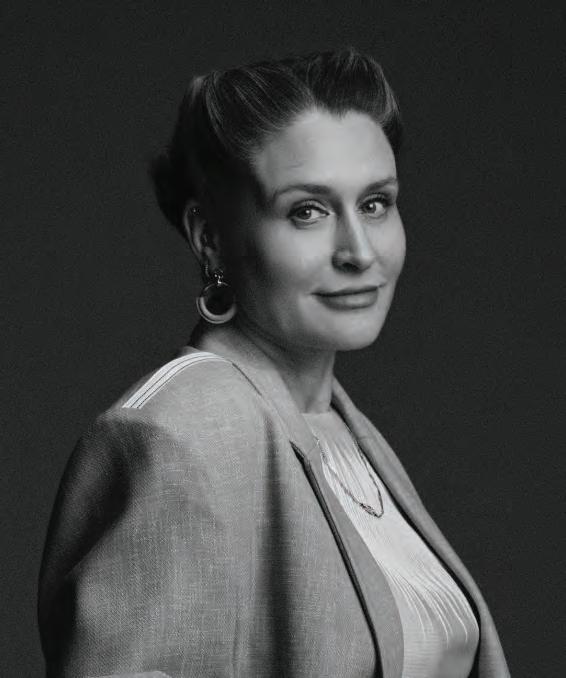
EDITOR’S LETTER
Coming Home
One of the things I find so charming about the UAE is the annual theme that is announced each year as a way to frame unifying national initiatives. Last year the theme was community, and this year it’s family. In my mind they are two sides of the same coin and on a more profound level they are both about belonging.
This is why I wanted our February edition of Emirates Woman, as we head into the start of the Holy Month, to be called the Belonging Issue. On a deeply personal note, not since I left my own close knit family in California have I felt such a sense of belonging as I do in the UAE. I was welcomed here with open arms four years ago and since then I have formed a number of rewarding friendships, found fulfillment from a career standpoint, and have seen my own family embrace life here wholeheartedly.
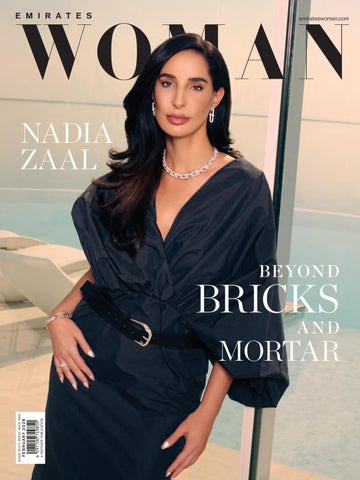
So when it came time to find a cover star that embodied this idea of belonging, I didn’t need to look any further than Nadia Zaal, the Emirati entrepreneur who has made creating spaces of community the cornerstone of her real estate endeavors. The latest of which, Zuhha Island off the coast of Dubai, is where we shot
our cover story Building Belonging (page 36). Another one of Zaal’s designs, the Al Fanar school in Dubai, was also the backdrop for our Ramadan fashion shoot Better Together (page 54) and is a subtle nod to the breadth and width of Zaal’s commitment to helping people in the UAE carve out spaces of connection.
This is also why we have put a list together of fun communal actives to explore in The Perfect Fit (page 90), have a feature called Built, Not Born, on the unique ability of the UAE to create found families (page 84) and highlight the studios, or rather the Home Away From Home (page 66) of a number of Dubai-based designers.
This issue is all about coming together, finding kinship, and leaning into an ease that only truly manifests itself when we finally feel like we belong.

jessica.michault@motivate.ae

SLOW BURN
I don’t think I am the only one waiting with bated breath for director Emerald Fennell’s film interpretation of Wuthering Heights. Out this month, the movie stars Margot Robbie and Jacob Elordi, and – if Fennell’s past films (Saltburn,Promising YoungWoman) are any indication – it should be quite the barn burner of a flick.

ISN’T IT ROMANTIC
After nearly a decade, Bruno Mars is finally debuting his fourth studio album this month. Titled The Romantic, the album, which features collaborations with Lady Gaga, ROSÉ and Silk Sonic, will be supported by a world tour. Anyone who has seen Mars in concert knows that is his happy place – and by extension – ours.

AN AUTHENTIC OUTLOOK
With her new book Age Like a Girl : How Menopause Rewires Your Brain for Mental Clarity, Increased Confidence, and Renewed Energy, best selling author Dr. Mindy Pelz makes the striking argument that menopause can be a superpower for women. It’s a bold statement, but one that every woman should take time to explore.
CURATE
14
15 Social Listings
A curated guide of Instagram accounts to #follow this month
16 Sophistication Made Easy
Modest-coded staples that balance elegance with edge for Ramadan days ahead
18 A Statement
After Sunset Sleek silhouettes merge with tactile details for nighttime opulence and glistening glamour
20 La Vie En Rose
This season’s fineries get the added glow of rose gold, a choice designed to warm hearts
22 Precious Things
From artful statements to contemporary takes, a modern edit of finely crafted heirlooms to treasure now and forever
24 Soft Strides
Slide into style with sensible shoes that still stand out
26 The Art of Becoming Saina Babaee, the founder of Ilái Sarái, on refinement, restraint, and reconnecting with her roots
MEETS INSPIRATION Culinary EXCELLENCE
At Fairmont Bab Al Bahr, every culinary experience is guided by the talent, instinct, and confidence of our beloved Chef Muna Al Mansoori. With skills that extend beyond the Emirates, her cuisine offers a rare grounding experience, evoking the serenity of the desert and the comfort of home.


66 Home Away From Home
Emirates Woman explores the creative workspaces of four inspiring Dubai-based fashion brands to see where their founders get inspired how the UAE has supported their dreams
30 Built to Last
Myriam Serrano, the CEO of Alaïa, shares her steady and sturdy vision for the future of the beloved fashion house
36 Building Belonging
Nadia Zaal, the Emirati entrepreneur changing the face of the UAE, on creating a lasting legacy of community for her country
50 An Evolving ‘India Modern’
Tarun Tahiliani on redefining Indian luxury across three decades, and crafting a future from every layer of the past
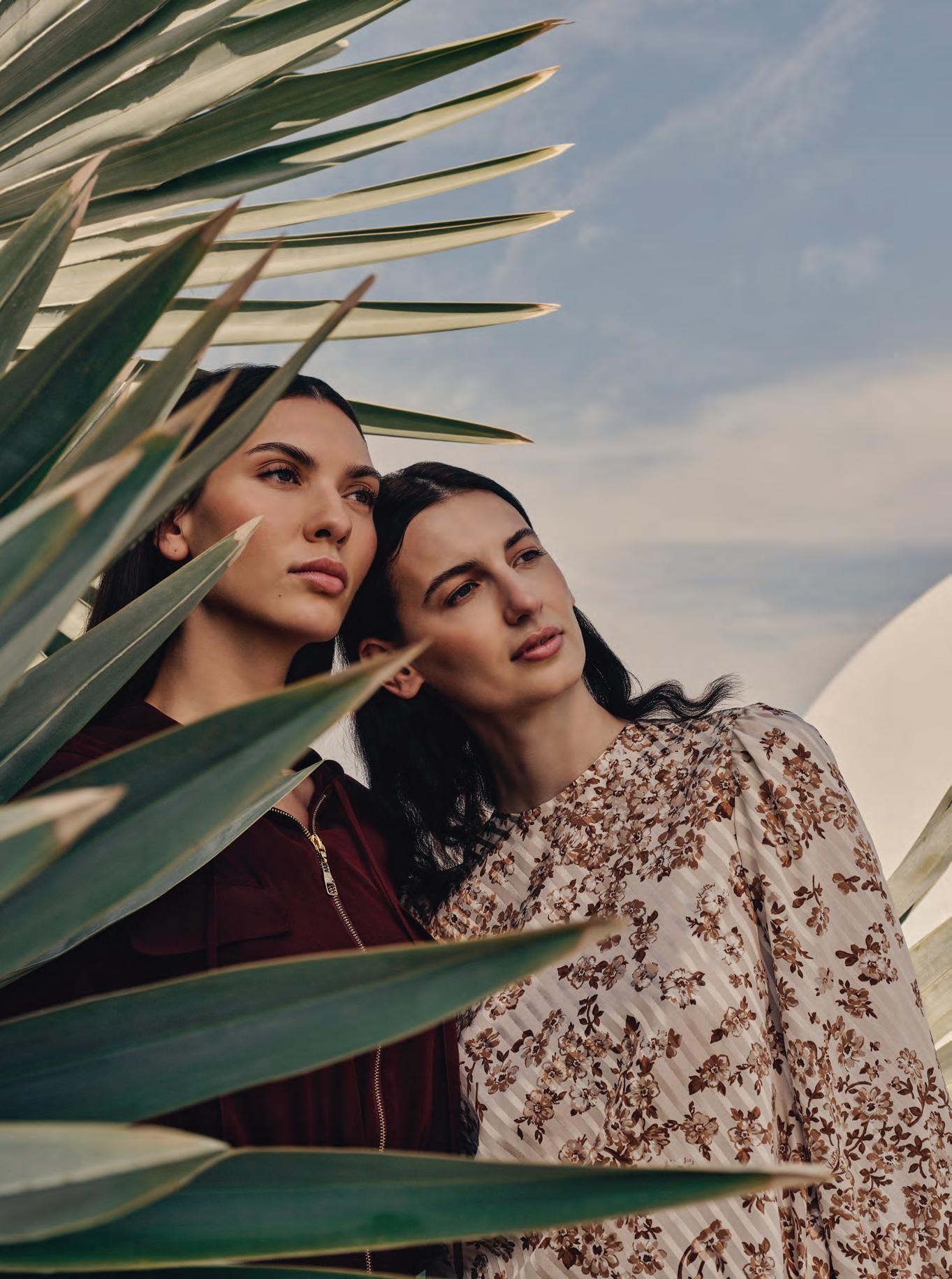
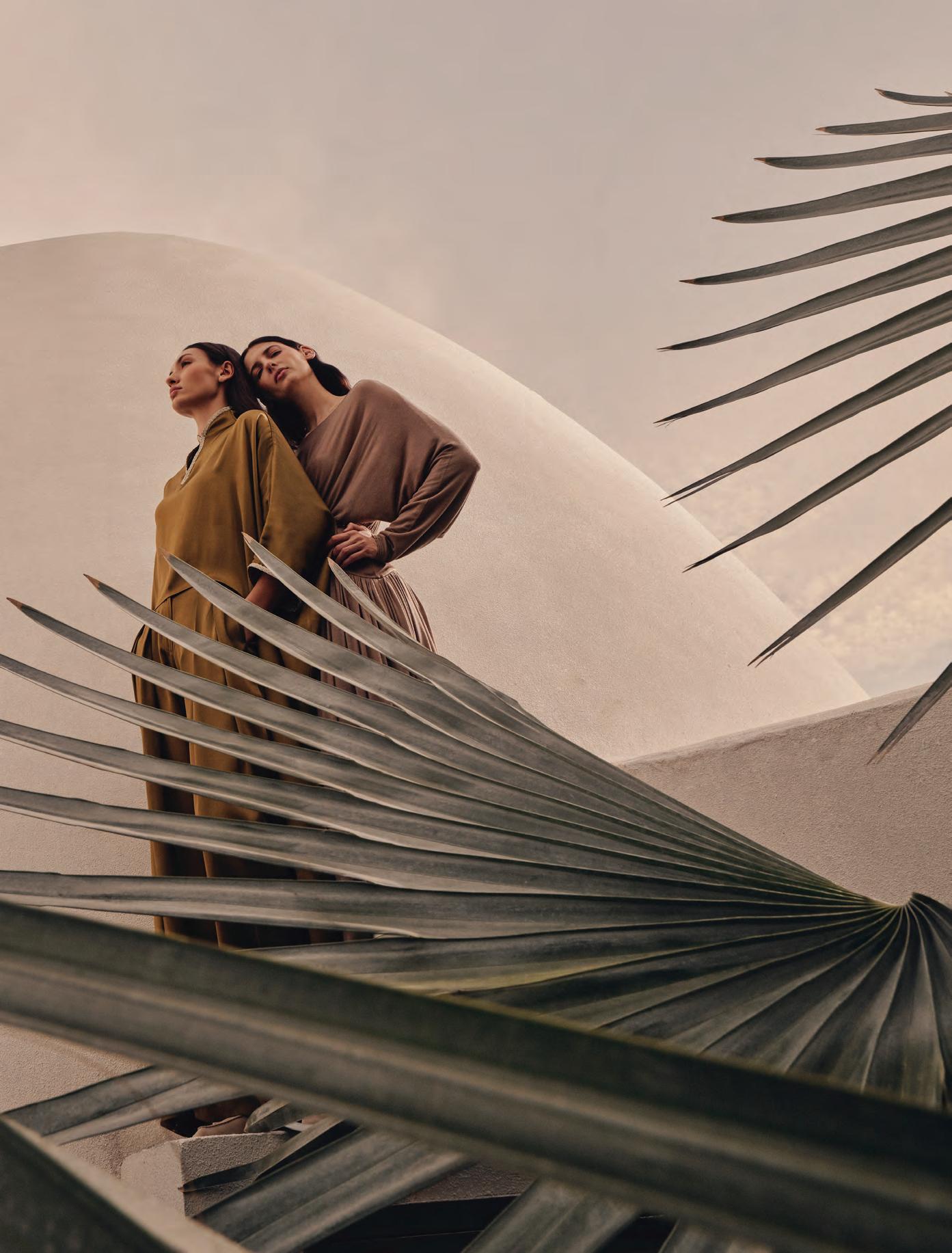
54 Better Together
As Ramadan gets underway, it’s important to remember that life’s best memories are the ones we share
72 Leave Your Mark
Legacy lives in the connections we create
80 Handmade, Heartmade
Shireen Shahana on how Izaki, her latest brand, reimagines Indian craftsmanship through the modest, sophisticated silhouettes of abayas and mukhawars
VISION
84 Built, Not Born
As the UAE celebrates the Year of the Family in 2026, expats and experts reflect on the art of building supportive communities, and the friendships that took them from strangers to soulmates
88 The Perfect Fit
The ultimate destinations in Dubai for connecting with like-minded creatives
92 A Lasting Impression
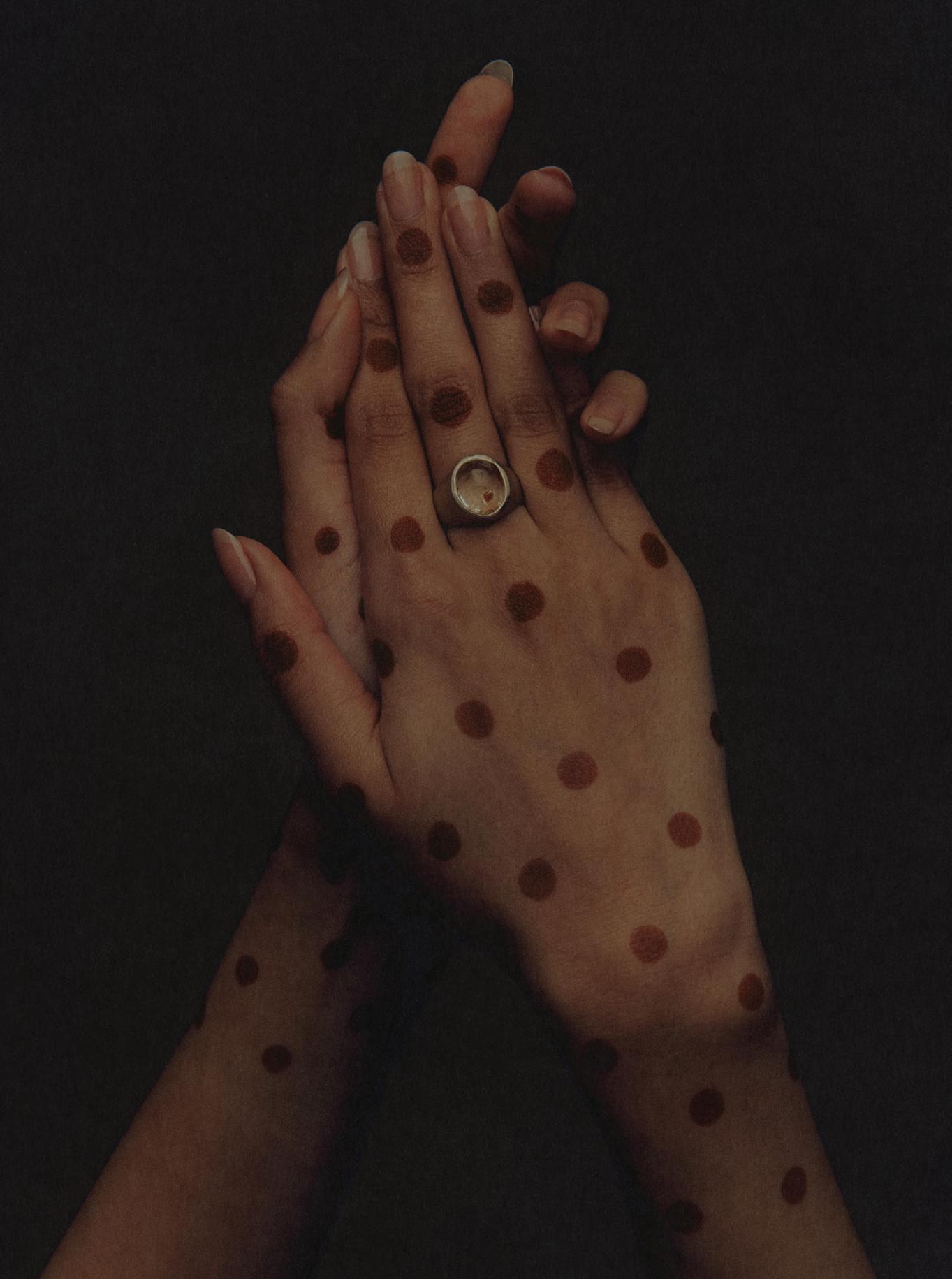
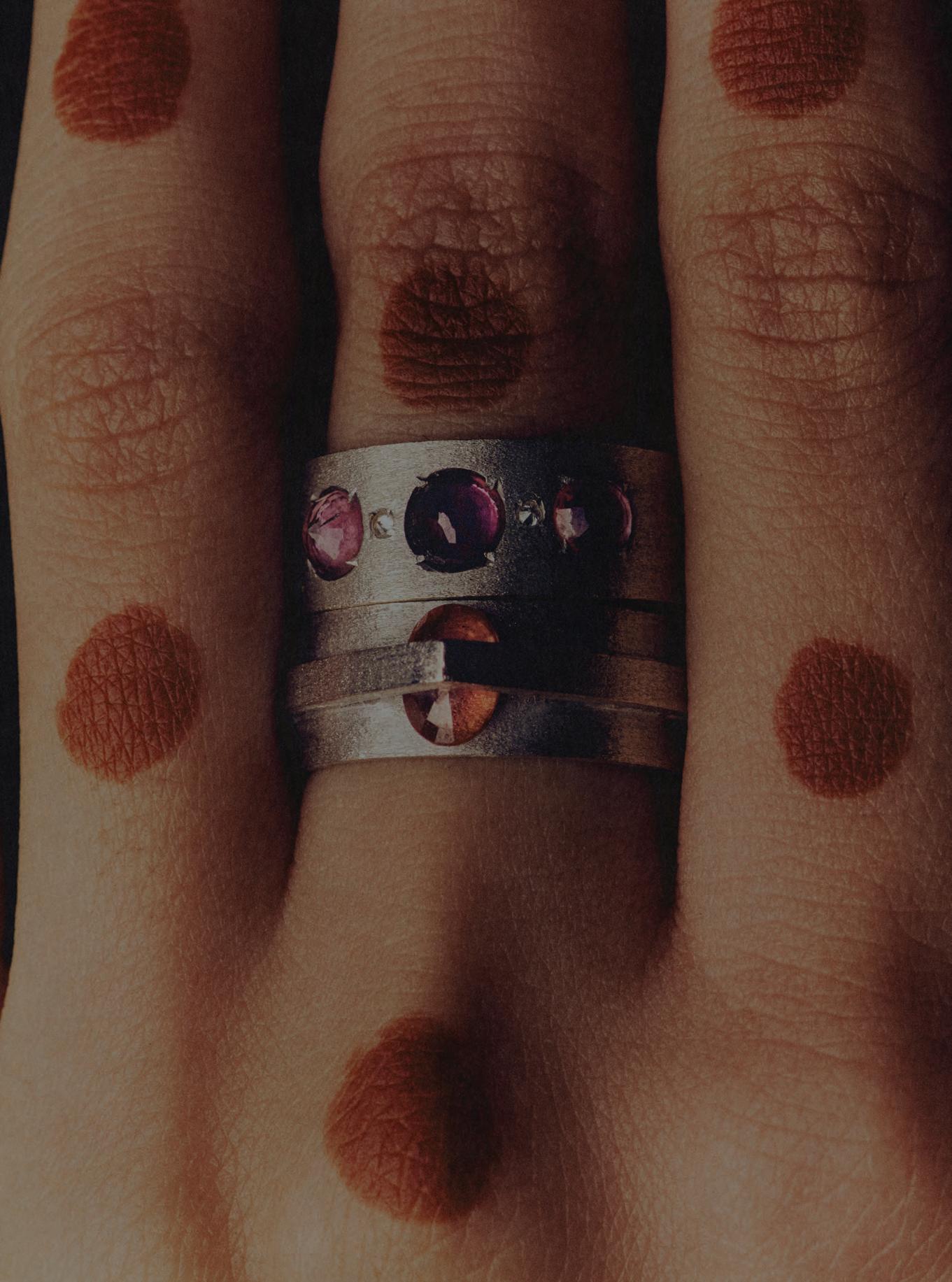
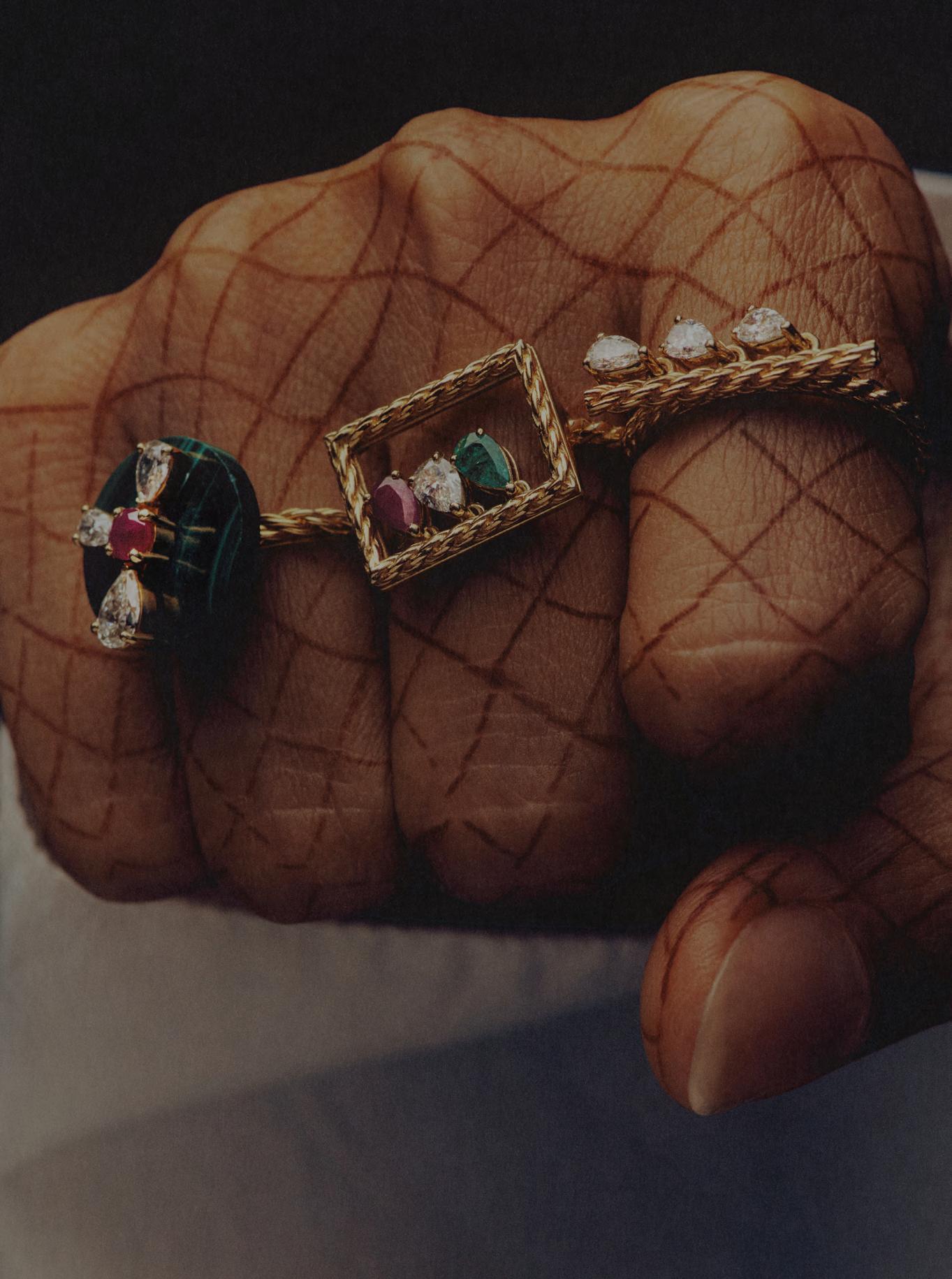
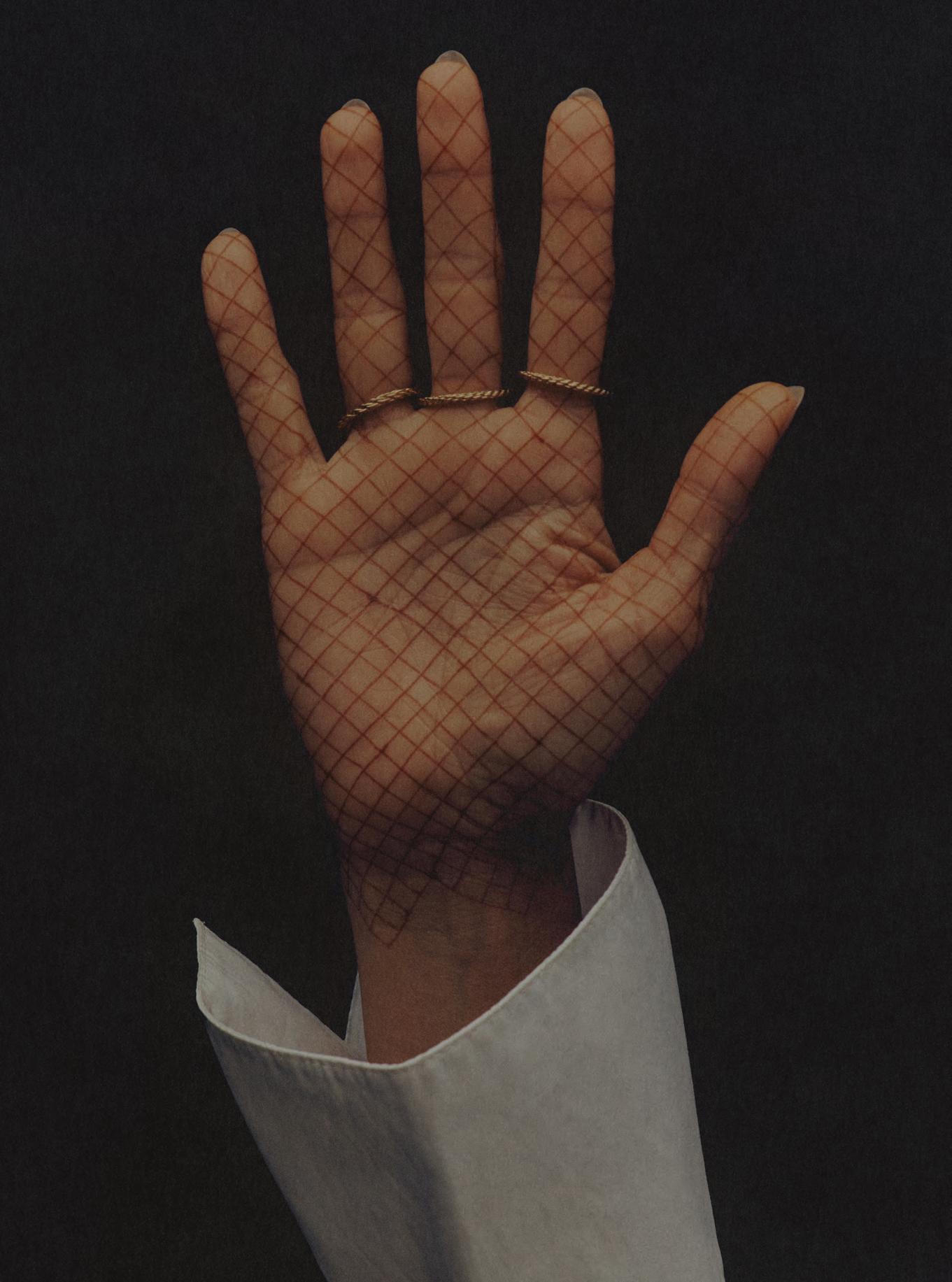
Azra Khamissa, one of the UAE’s most accomplished henna artists, has been proving with her oeuvre how the age-old practise can be reimaged for modern times
94 The Architecture of Intimacy
Beyond curated retreats and social media aesthetics, here’s how the search for a calm mind is inspiring women to create personal sanctuaries at homes
96 The Place Leadership Begins
Morin Oluwole, an International Luxury Business Leader who serves on the boards of Breitling, Rituals, Mobkoi, and Biologique Recherche and the former Global Luxury Director at Meta, explores how important it is to craft a sense of belonging in the workplace
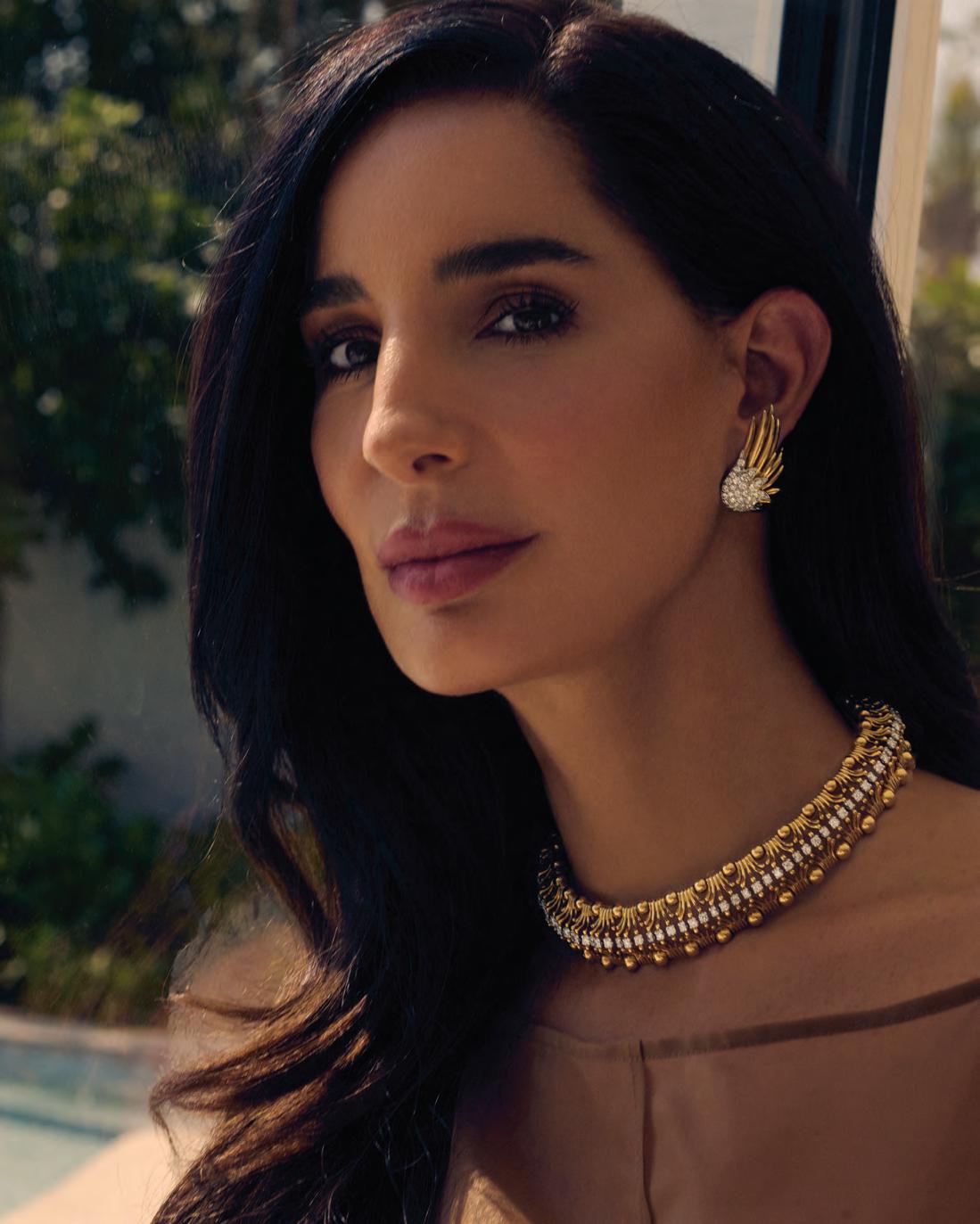
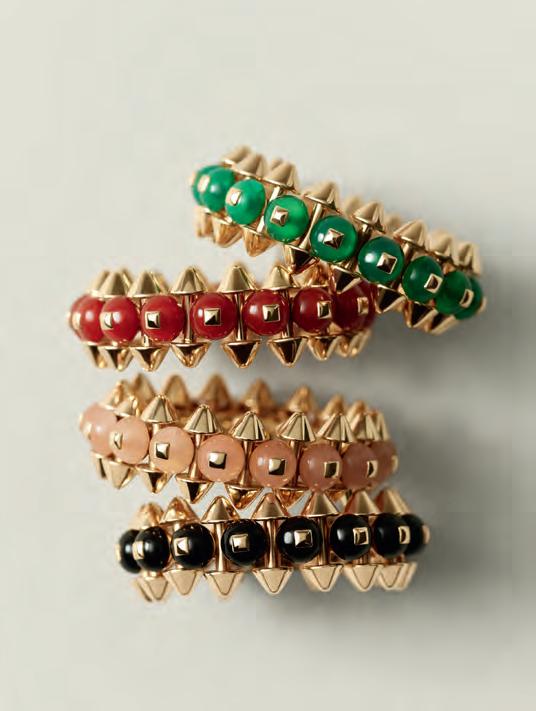
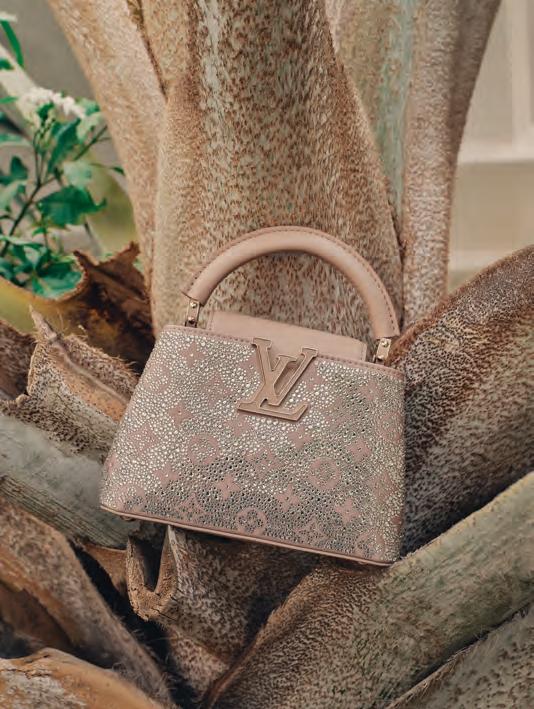
Left page: Jean Schlumberger by Tiffany Flame Earrings and Hands Necklace in Yellow Gold and Platinum with Diamonds; ALL TIFFANY & CO. Top: Staud available at THAT Concept Store; Top left: Cartier Clash de Cartier Rings; Top right: Louis Vuitton Capucines Nano
CONTENTS February 2026
On the cover:
Tiffany HardWear Earrings, Necklace, Bracelet, and Ring in White Gold with Diamonds; ALL TIFFANY & CO.
Dress: Christopher Esber available at THAT Concept Store
98 Petal Poetry
Haidi Almarsumi reflects on florals, cultural memory, and designing for a season of gathering and grace
GLOW
102 Hot New Buys
The beauty essentials to keep you glowing for Ramadan
104 It’s Her Time
Rosemin Opgenhaffen proves that dreams don’t have a sell-by date as she launches her signature beauty brand and embraces impending motherhood
106 Beauty Shelf
Creative director and content creator Saba Sabbagh talks us through her must-have beauty staples
107 The Romance of Reclamation
A deeply personal and evocative new wave of scents are reclaiming romance as a powerful ritual of self-care
108 Using Her Voice
Dr. Mesrure Kaplan is on a mission to empower women to talk openly about their unique health issues, many of which are still inexplicably shrouded in secrecy
110 AM/PM Beauty
Content creator Raya Hassan shares her morning to evening beauty routine
ABODE
114 A New Legacy in London
Where culture, culinary and fashion collide, Mayfair is the haute London neighbourhood beloved by the jet set. And its first new building in a decade sees the debut of Mandarin Oriental Mayfair, an emerging icon
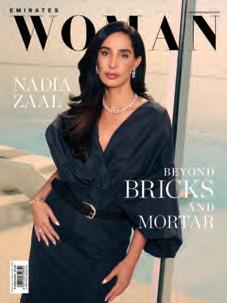
Talent: Nadia Zaal
Senior Editor: Jessica Michault
Photographer: Michel Takla
Fashion Editor: Camille Macawili
Photographer’s Agent: Jorge Agut Rosell
Makeup: Hamta Babaei
Hair: Loui Ferry
Videographer: Ekaterina Shirshova
Fashion Assistants: Kareena Adlakha and Anshika Yadav
reimagining stays in London’s storied five-star hotel scene
118 Coming Home
At Contemporary Spaces, siblings Alya, Maitha and Obaid Al Suwaidi are redefining furniture through feeling, family and thoughtful design
122 Two Hearts
That Beat as One
In Budapest, the Anantara New York Palace sits at the epicentre of a city that is both steeped in historic grandeur and offers a sense of intimacy like no other
126 A Zest for Life
The newly reopened beachfront property Four Seasons Resort
Mauritius at Anahita provides a uniquely local-meets-global experience
MOST WANTED
130 Ouroboros Incarnate
Recently unveiled at LVMH Watch Week, the new Tubogas Manchette timepiece by Bvlgari is a horological manifestation of so many of the brand’s areas of expertise











SPEAK TO ME
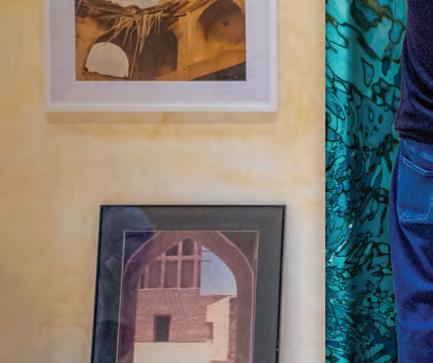
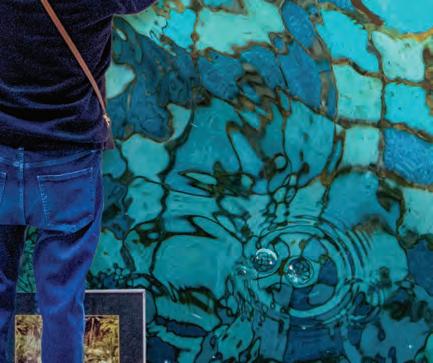
In an innovative exploration of language and communication, the Ishara Art Foundation is currently presenting a contemporary art exhibition that focuses on the Urdu language. The first of its kind in the UAE Urdu Worlds (until 31 May) brings together key works by the artist Ali Kazim and Zarina in a visual dialogue that explores language as a tool for shaping inner worlds and shared cultural meaning. This exhibit marks the first comprehensive presentation of Kazim’s work in the GCC, and reveals how words do more than describe reality, they can create it. Though distinct in practice and experience, both artists share a deep sensitivity to Urdu: Zarina finds home in its script and poetry, while Kazim grounds his work in place, reflecting the language’s layered history.
CURATE
It’s time to reflect on....
– Places that offer a sense of peace
– Modest dress that feels utterly modern
– The joy of wearing flat shoes that still look fabulous
– Clothing that can telegraph more than just a sense of style


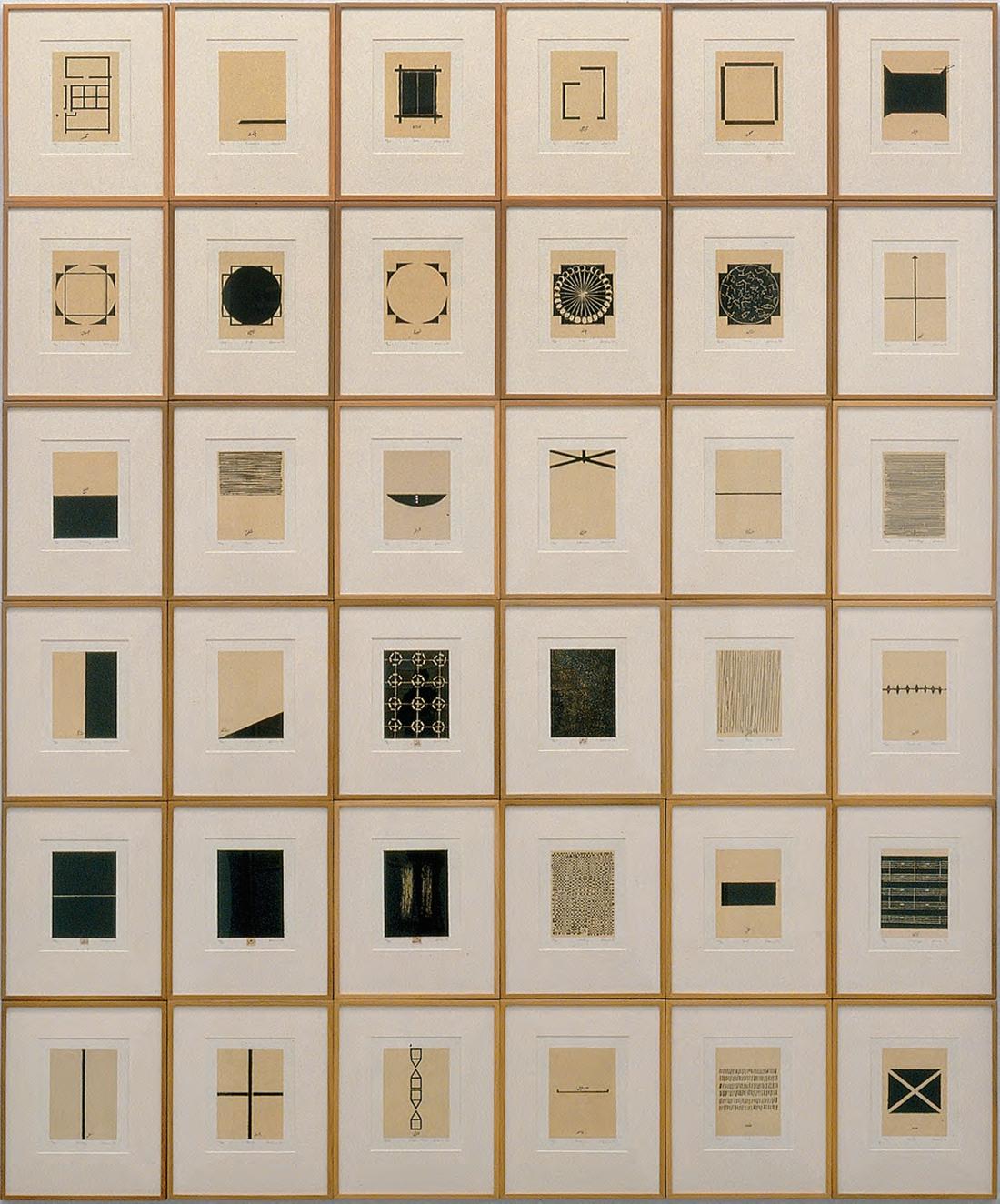
Zarina, Home is a Foreign Place (1999). Portfolio of 36 woodcuts with Urdu text printed in black on Kozo paper and mounted on Somerset paper. Image courtesy of the artist and Luhring Augustine, New York. Photography by Lamay Photo
A Softer Way Forward
The latest launches and hero buys guiding a gentler approach to wellness this February
WORDS: KAREENA ADLAKHA
A SPACE TO RESET
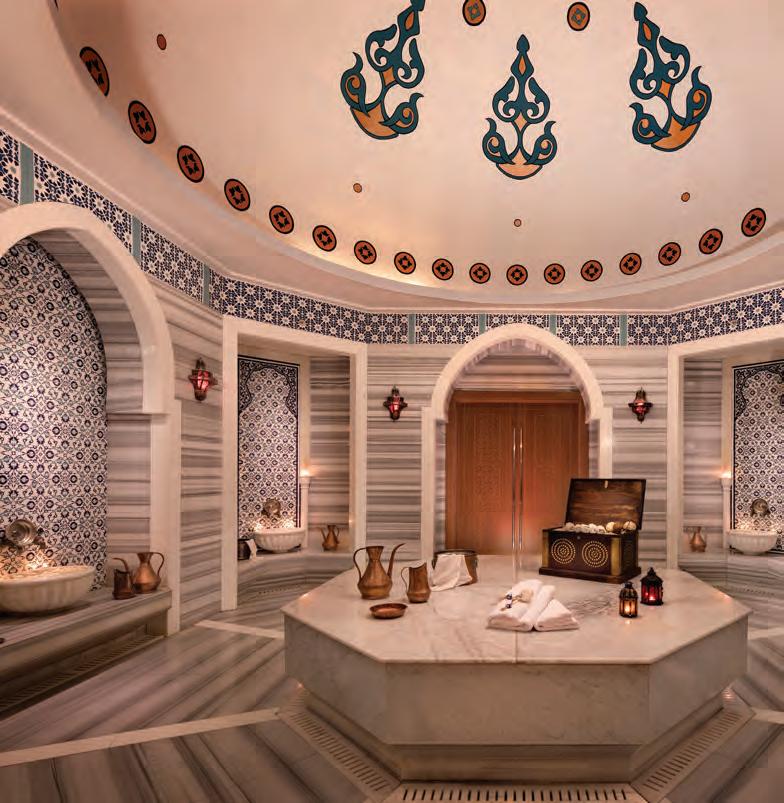
Set on the shores of Palm Jumeirah, Anjana Spa at Rixos The Palm Dubai is a serene escape rooted in traditional rituals and modern wellness. This February, guests can choose from three Hammam experiences designed to detoxify, and restore, each ending with a bubble wash massage and Nashi Argan hair treatment. The spa also offers the Aqua & Amore private Roman bath experience for couples seeking a slower, more indulgent reset. A calm, cocooning destination to begin the Holy Month feeling refreshed and rebalanced.

THREE TO OWN


THE HERO BUYS


Cala Soraja hand cream 500ml Dhs350 Caeli
Honey Glaze Collagen Therapy lip mask 15g Dhs110 Gisou
Vegan Yuja Vitamin C brightening serum Dhs168 Hyeja
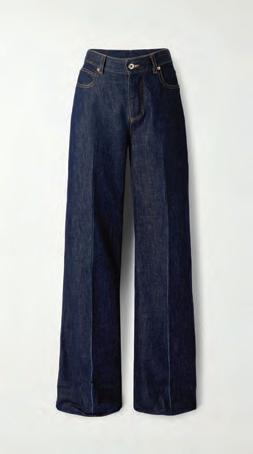
High-rise straight-leg jeans Dhs4,450 Bottega Veneta
Sway ballet flats Dhs900 Alohas
Giant black bag Dhs2,203 Amy Shehab
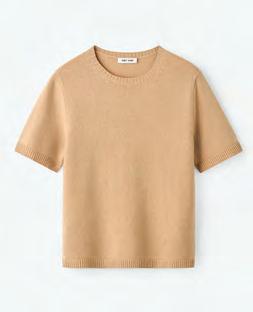
Oversized cashmere t-shirt Dhs1,267 Soft Goat Cashmere
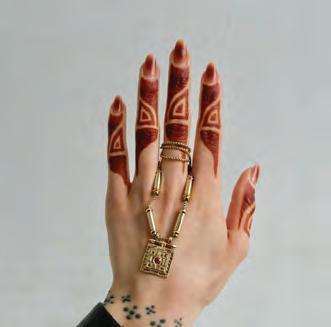
A henna artist celebrated for her elegant, contemporary designs rooted in tradition.
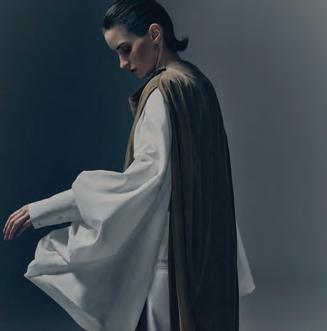
A refined new fashion brand that creates a sartorial sense of calm.
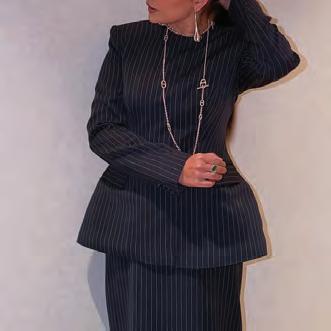
@shivaani.agg
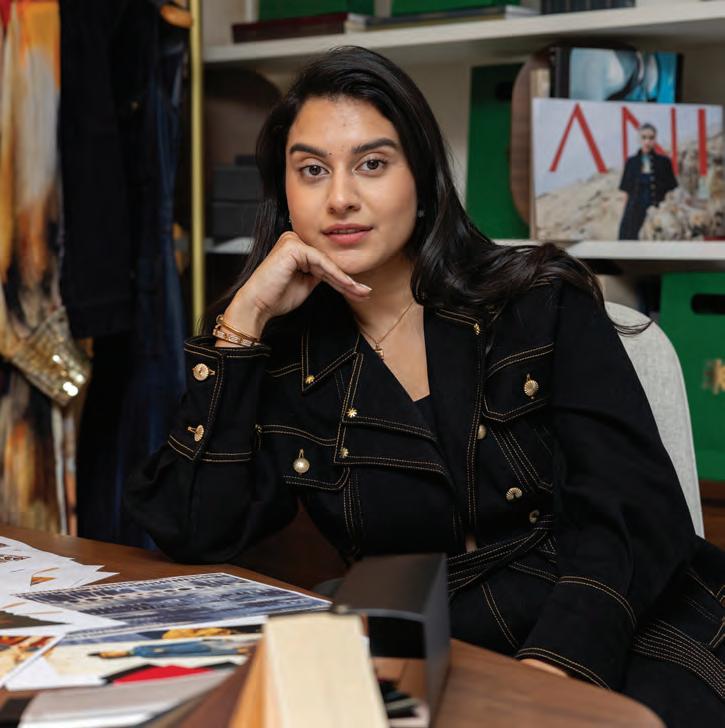
The founder of Ani Clothing celebrating fashion, beauty, and everyday inspiration.
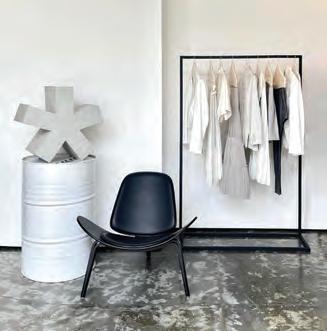
Co-founder and Creative Director of BLSSD in Dubai.
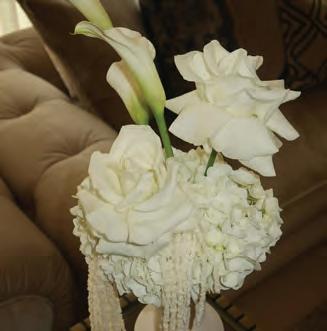
A floral atelier crafting elegant, bespoke arrangements.
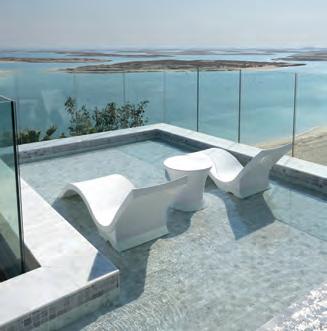
A private island home to a world-class resort and beachfront mansions.
Social
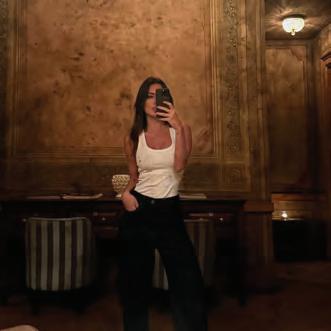
A Dubai-based designer known for sleek, modern wardrobe essentials.
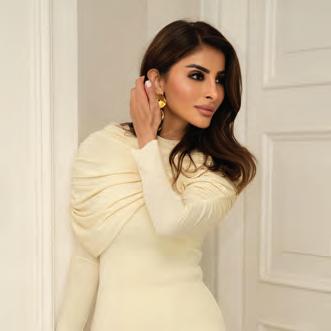
@roseminsworld
A fashion and lifestyle creator shares glimpses into her life.
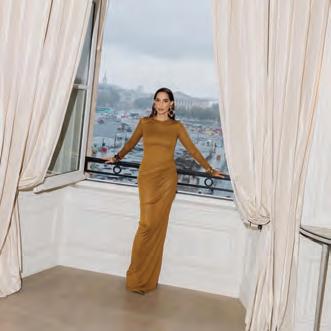
A business mogul shaping the UAE with her mindful, community-driven projects.
COMPILED BY:
ANSHIKA YADAV
@azrahenna
@zuhhabyzaha
@lamajouni
@nadiazaal
@ilaisarai
@haidis.floret
@lamariachi
COMPILED BY: CAMILLE MACAWILI
Modest-coded wardrobe cornerstones that balance polished elegance with a subtle edge for Ramadan days ahead
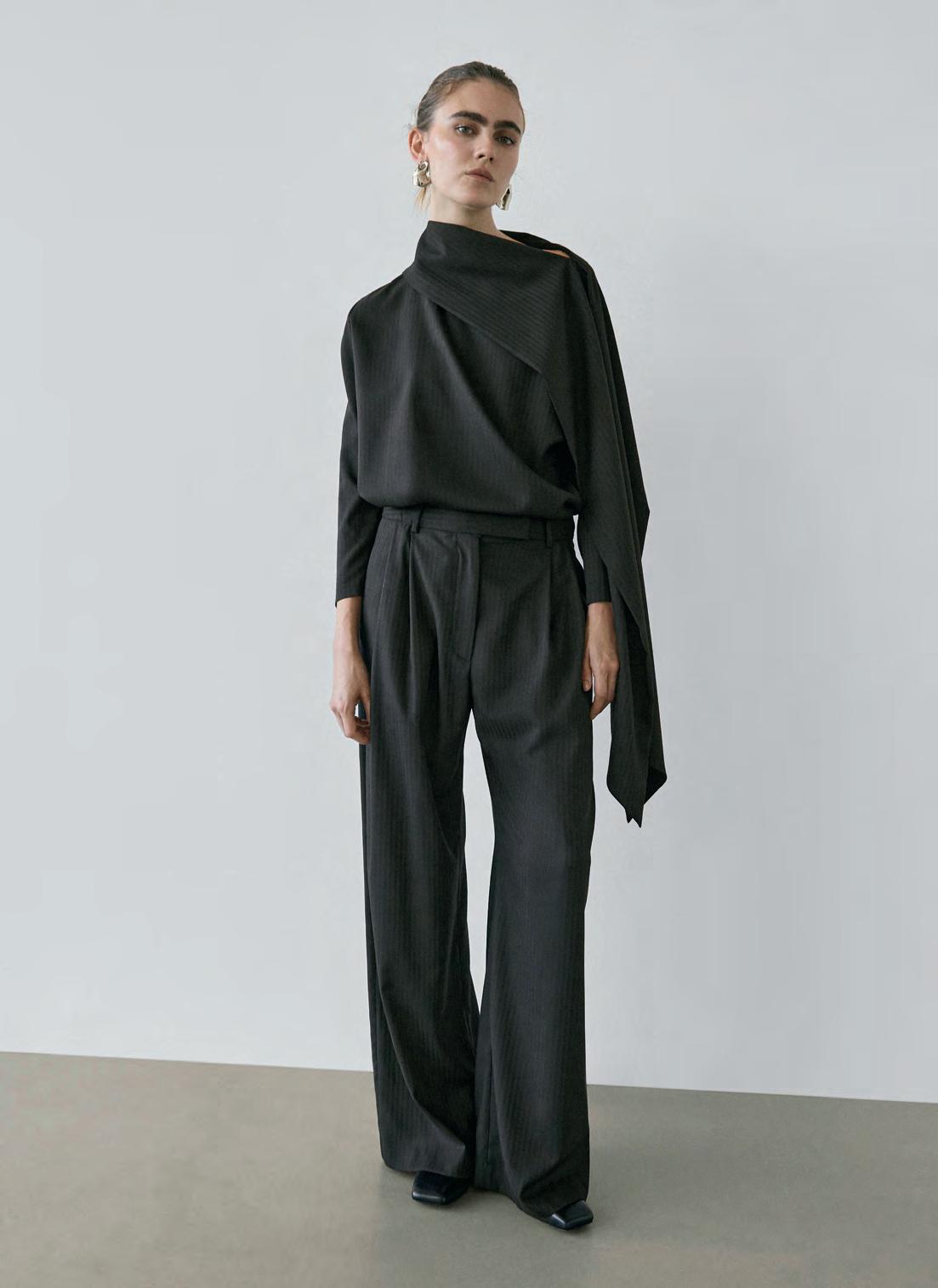
MADE EASY Sophistication
Striped Cape-Detail Blouse Dhs950; Striped Trousers Dhs750 Massimo Dutti
Source Unknown
Source Unknown
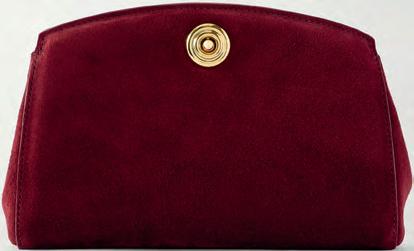
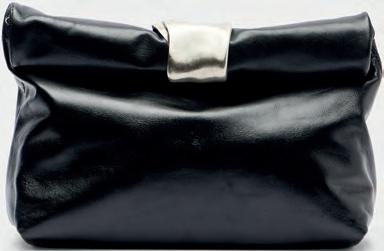
Suede Clutch Dhs1,505 Liffner
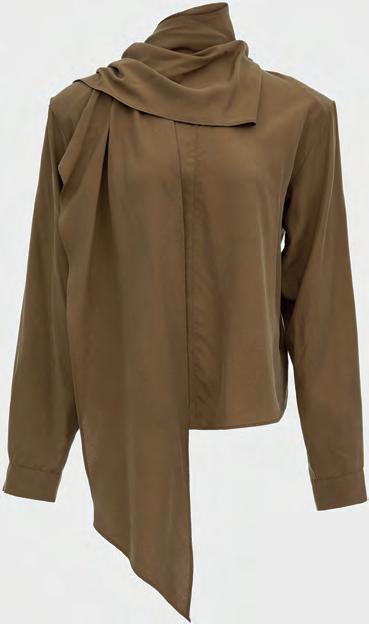
Scarf Blouse Dhs900
Cuff Leather Clutch Dhs2,218 Staud
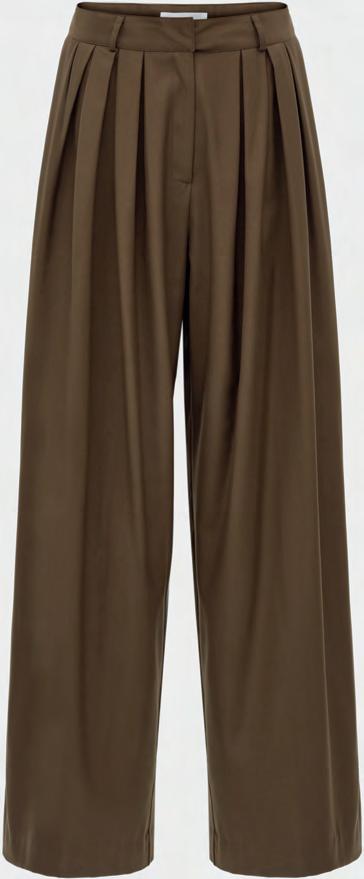
Wide Pleated Trousers Dhs850
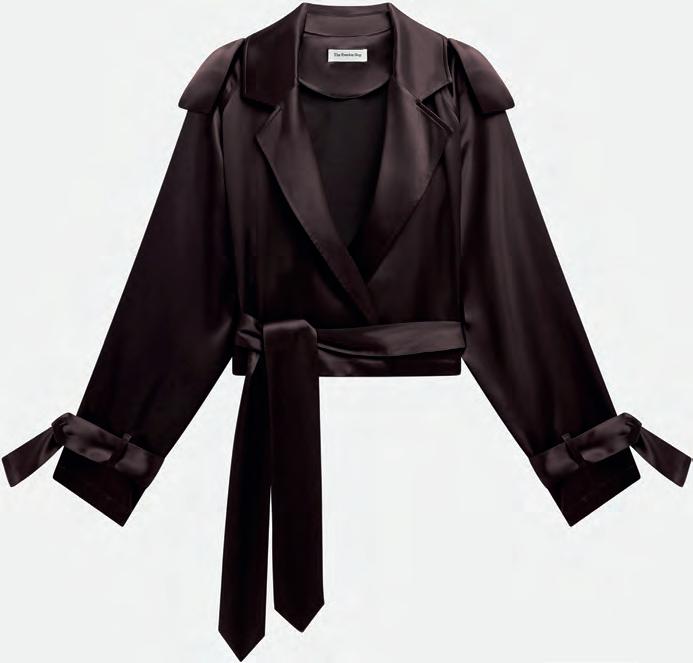
Simona Satin Short Trench Dhs1,249 The Frankie Shop
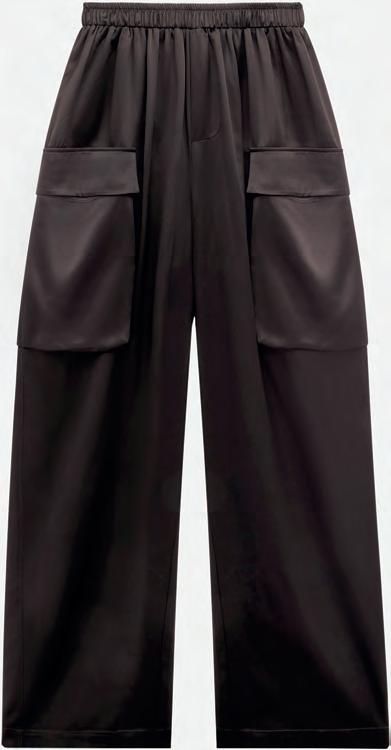
Delny Satin Cargo Pants Dhs1,026 The Frankie Shop
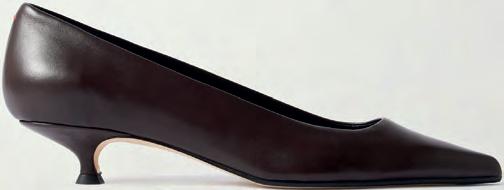
Cari Leather Pumps Dhs1,720 Aeyde
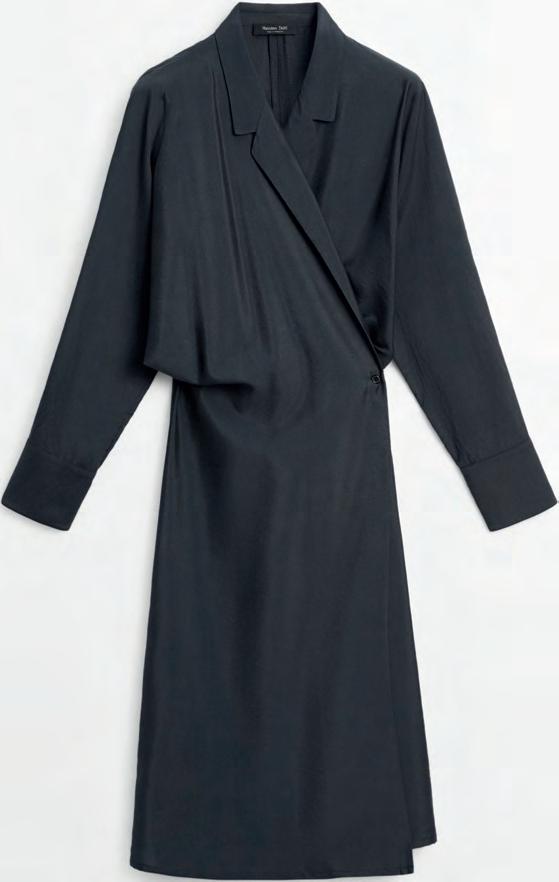
Drape-Detail
Midi Dress Dhs700
Massimo Dutti
A STATEMENT After SUNSET
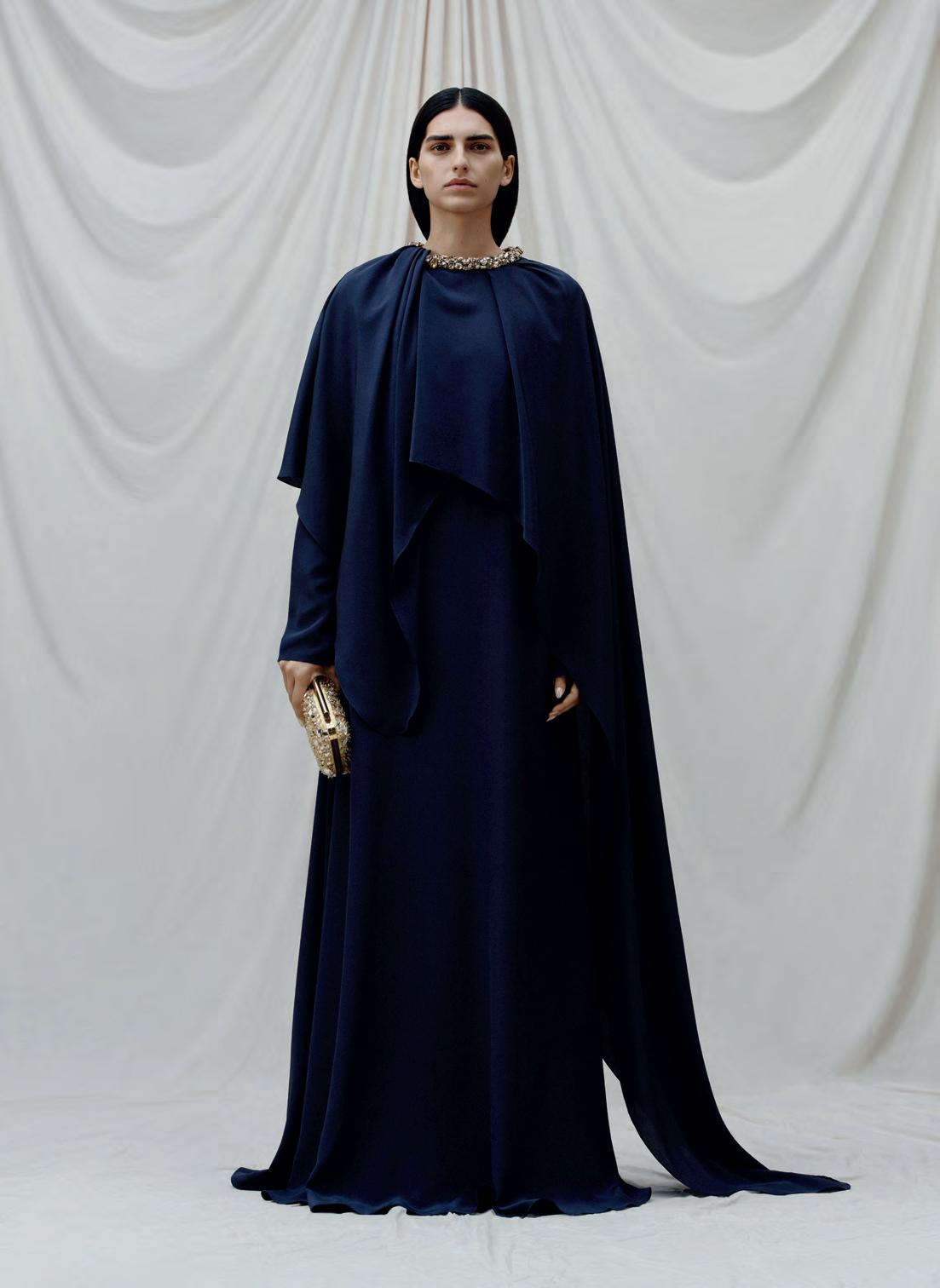
Evening Dress POA; Crystal Embroidered T-Bar Box Clutch Dhs26,320 Alexander McQueen
Sleek silhouettes merge with tactile details for nighttime opulence and glistening glamour
COMPILED
BY:
CAMILLE MACAWILI
Dhs6,293 Toteme
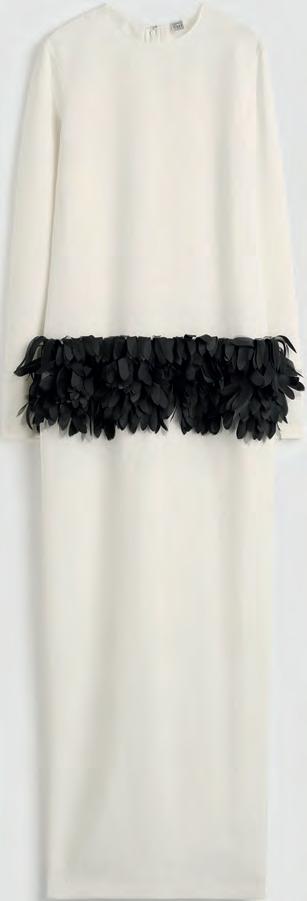
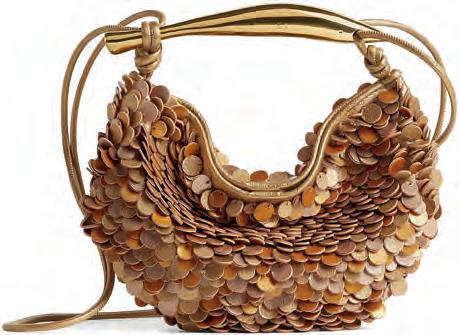
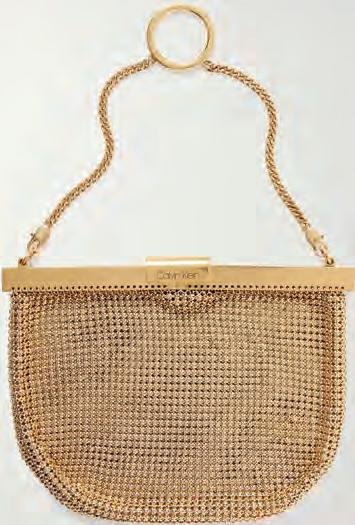
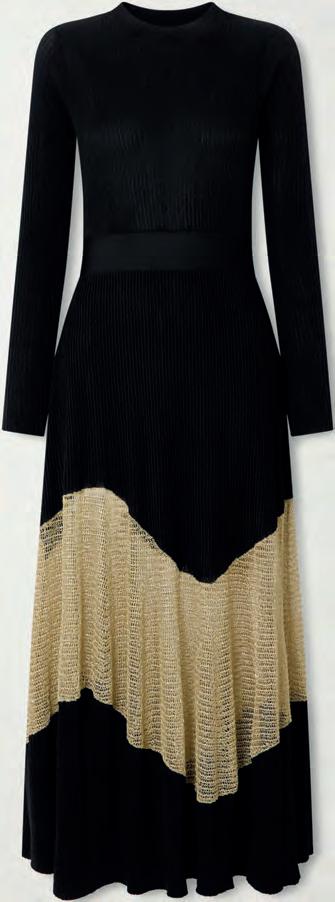
Dhs3,200
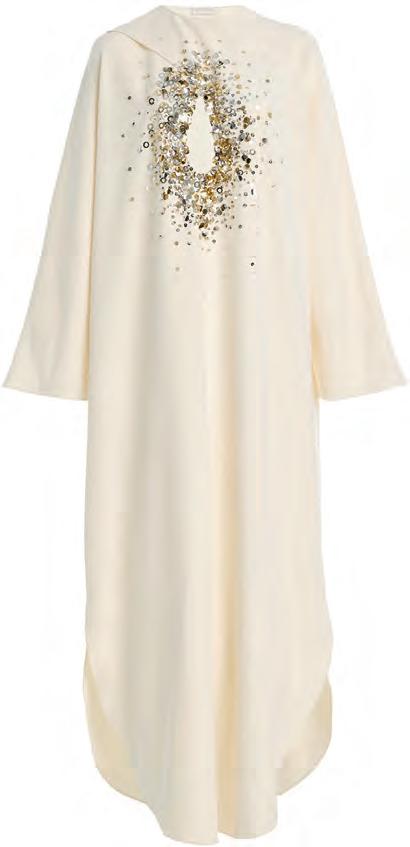

54 Chainmail Clutch Dhs9,575 Calvin Klein Collection
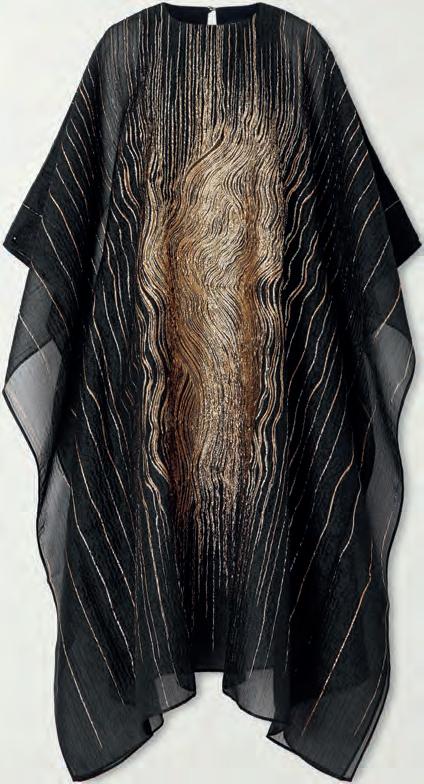
Rena Kaftan
Dhs8,080 Harithand
Roanne Metallic Midi Dress
Ulla Johnson
Petal Midi Dress
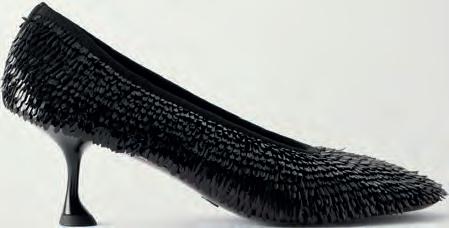
Tee Sequined Mesh Pumps
Dhs5,490 Proenza Schouler
Pirua 70
Leather Mules
Dhs3,250 Manolo Blahnik
Baby Sardine POA Bottega Veneta
Venice Kaftan
Dhs12,155 Taller
Marmo available at Mytheresa
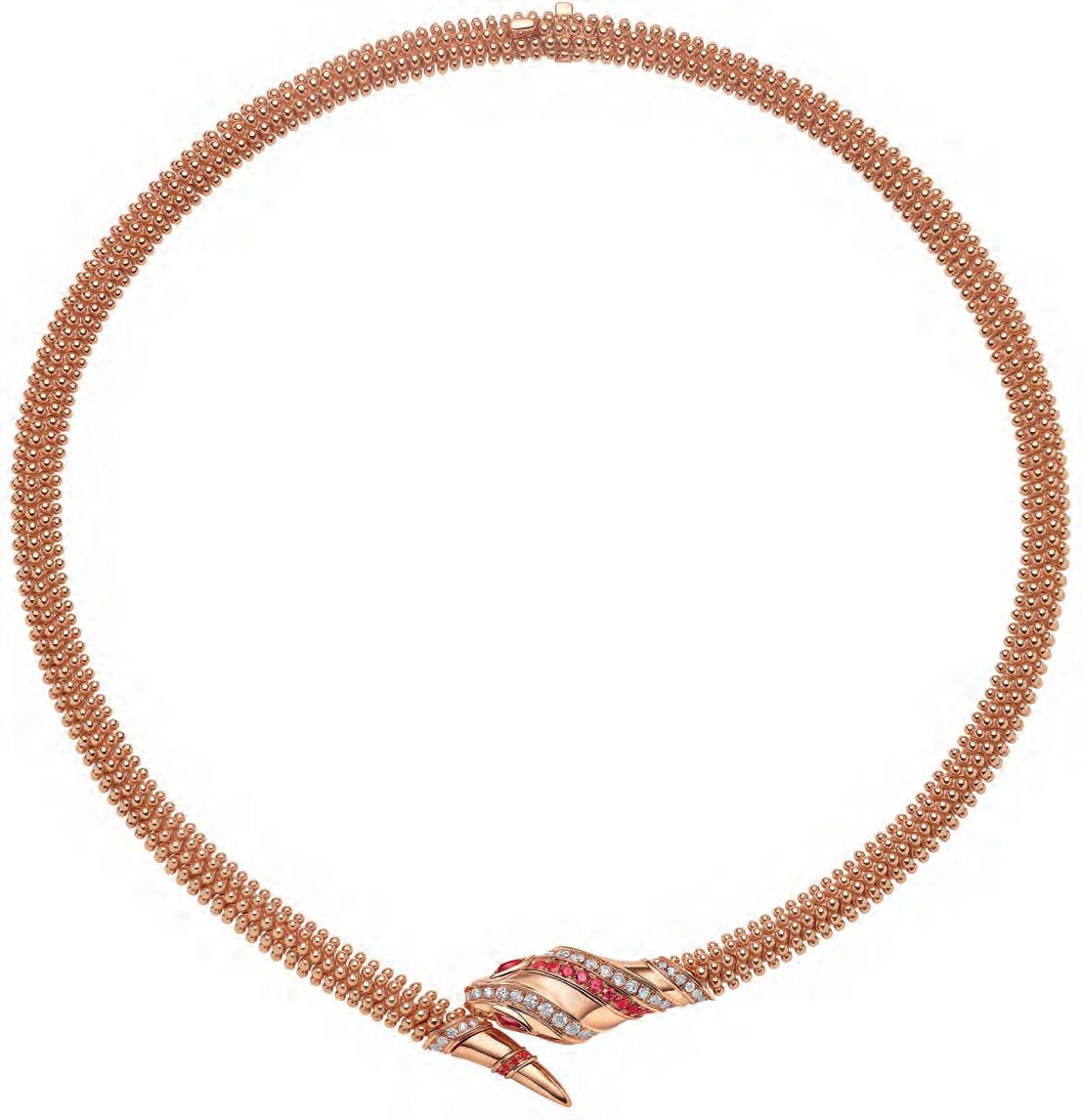
LA VIE EN ROSE
This season’s fineries get the added glow of rose gold, a hue sure to warm hearts
COMPILED BY: CAMILLE MACAWILI
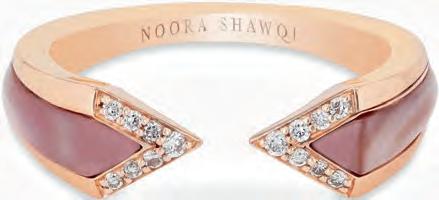
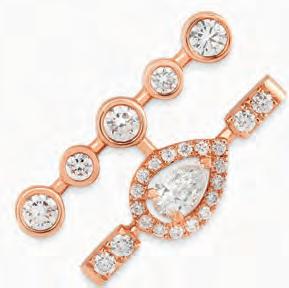
18kt Rose Gold Diamonds & Mother of Pearl Ring Dhs6,200 Noora Shawqi
18kt Rose Gold Trilogie Diamond Stud Earrings Dhs17,900 Sartoro
Serpenti Necklace Dhs159,000 Bvlgari
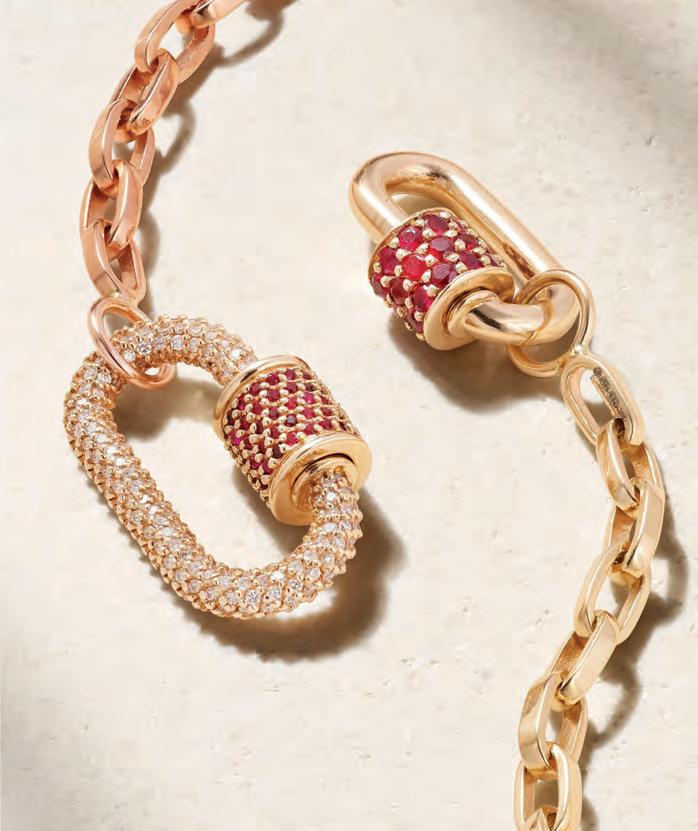
Allstone Lock + Stoned Chubby Babylock + Biker Chain Dhs84,830 Marla Aaron
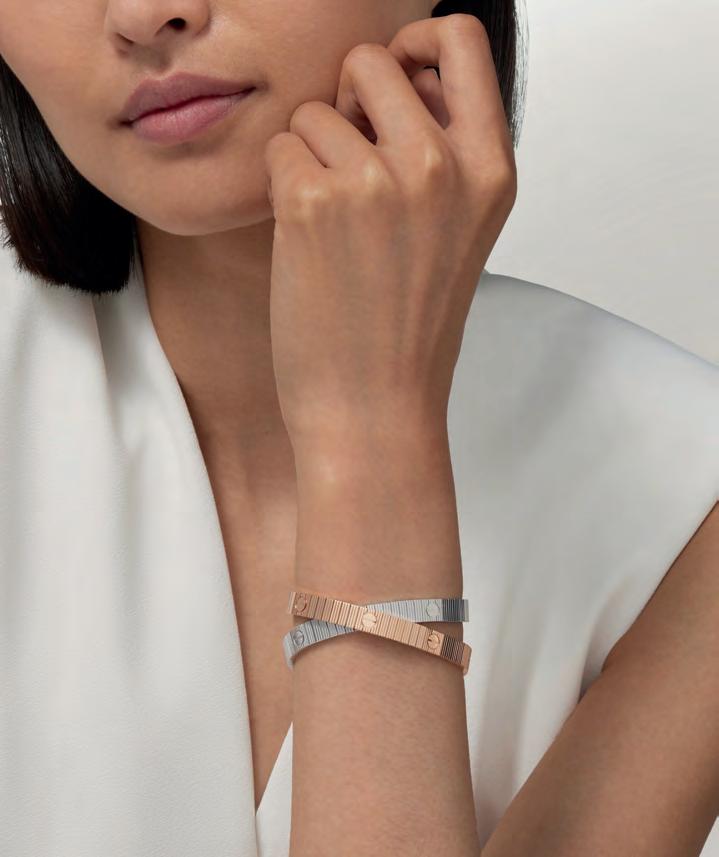
Love Unlimited Bracelet Dhs36,200 Cartier
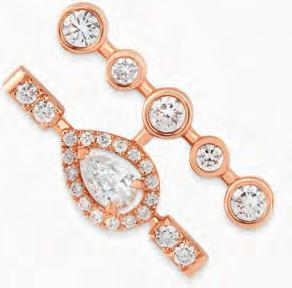
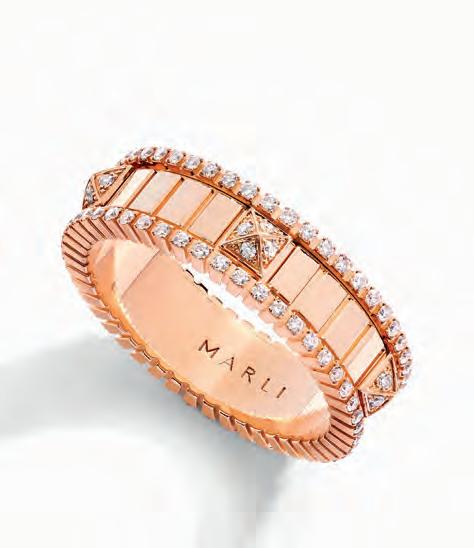
Life Full Diamond Spinning Rose Gold Ring Dhs21,668 Marli
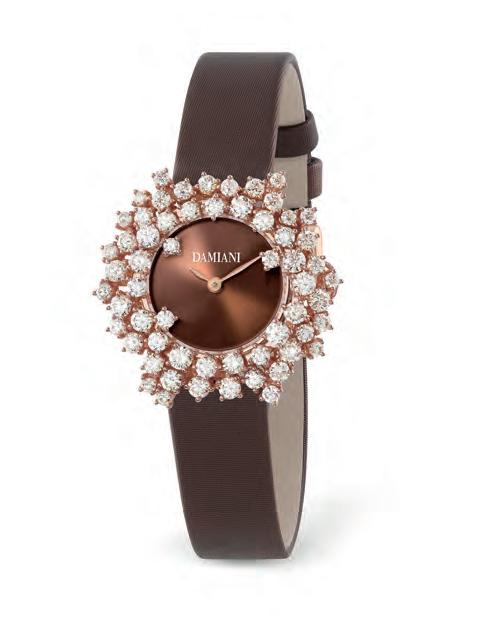
Mimosa Pink Gold & Diamonds Watch
Dhs110,000 Damiani
PRECIOUS THINGS
From artful statements to contemporary takes, a modern edit of finely crafted heirlooms to treasure now and forever


Gold & Diamond Ceres Ring Dhs32,100 Spinelli Kilcollin
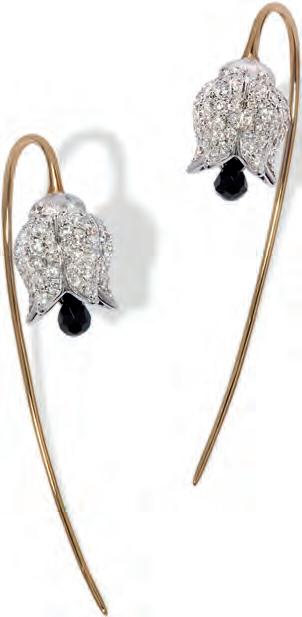
Diamond Hook Earrings Dhs32,500 Annoushka
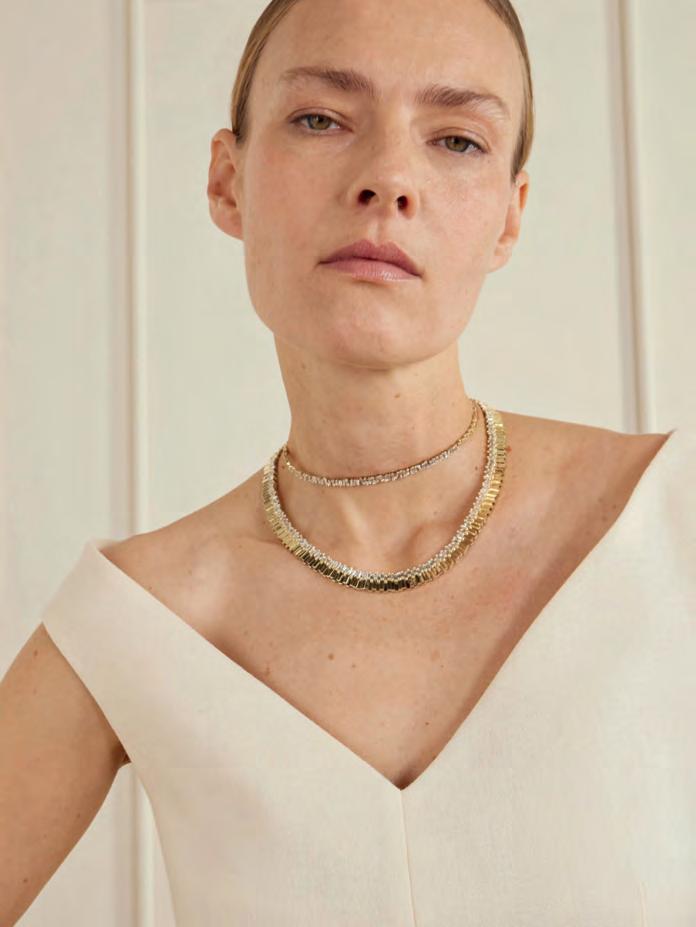
18kt Gold Diamond Necklace POA
Suzanne Kalan available at Net-a-Porter
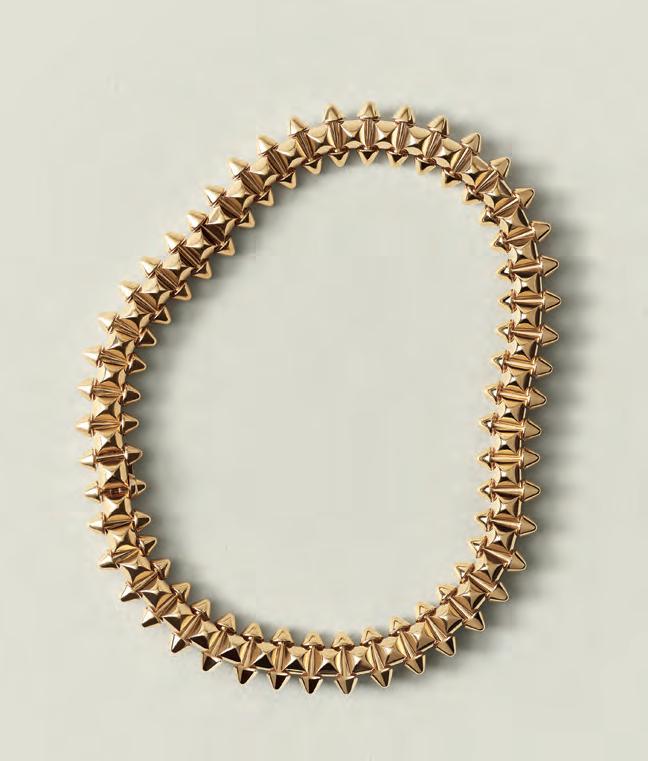
Clash de Cartier bracelet Dhs41,900 Cartier
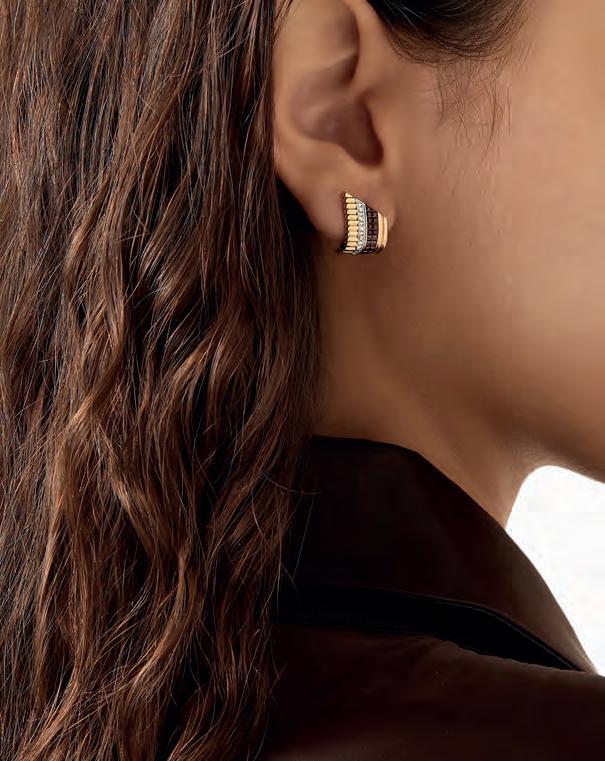
Quatre Classique Studs
Dhs31,600 Boucheron

COMPILED BY: CAMILLE MACAWILI
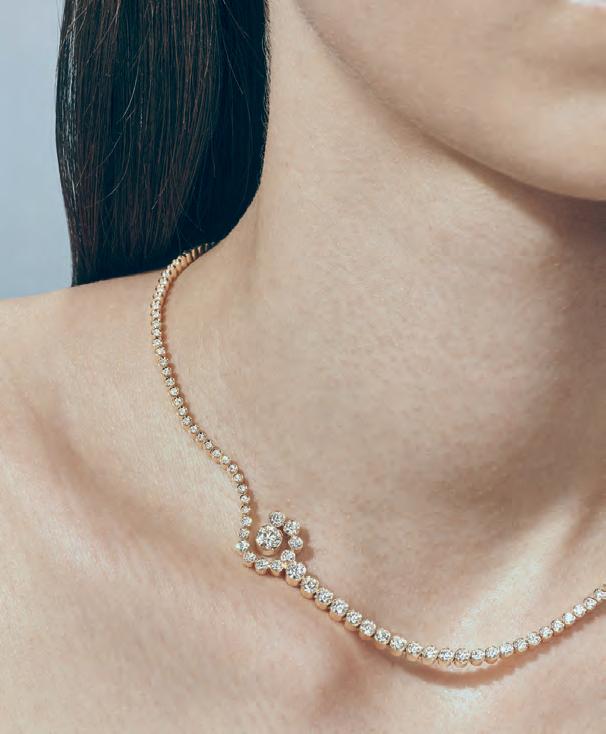
White Gold and Diamond Bouton de Camélia Supple Choker Necklace
Dhs194,100 Chanel available at Harrods
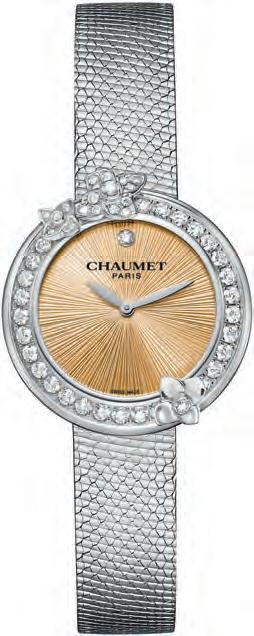
Hortensia Watch POA Chaumet
Collier d’Escargot Necklace POA Sophie Bille Brahe
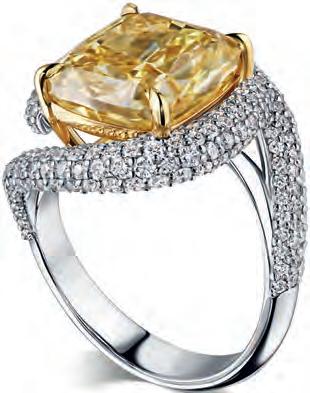
Yellow Diamond Ring POA Parure Atelier
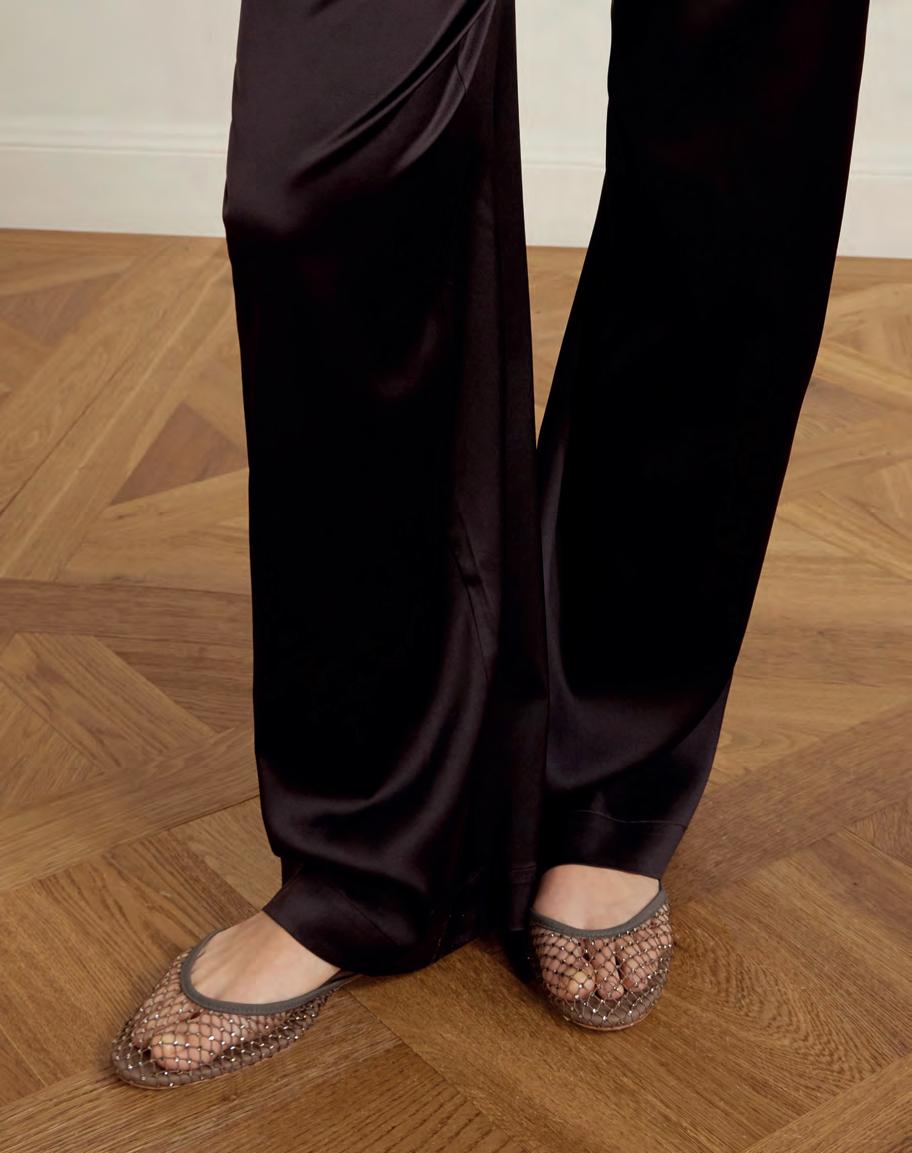
SOFT STRIDES
Slide into style with sensible shoes that still stand out
COMPILED
BY:
CAMILLE MACAWILI
Minette Crystal-embellished Mesh Ballet Flats Dhs3,970 Christopher Esber
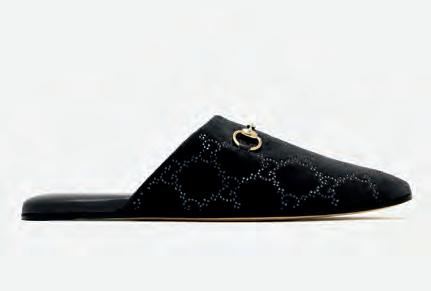


Stud-Embellished Leather Mules
Dhs3,700 Chloé
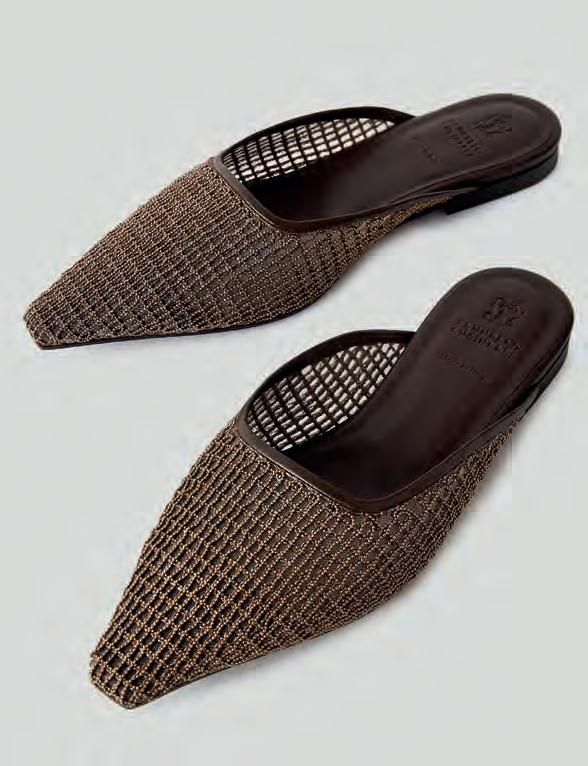
Slip-on Pumps Dhs6,550 Brunello Cucinelli
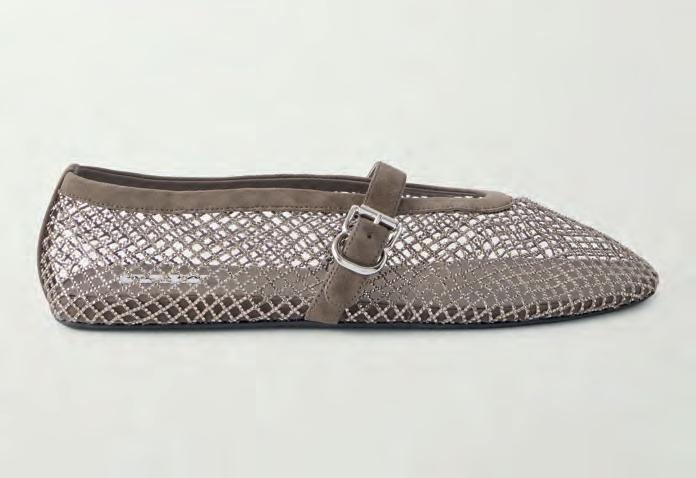
Crystal-embellished Mesh Ballet Flats
Dhs5,000 Alaïa
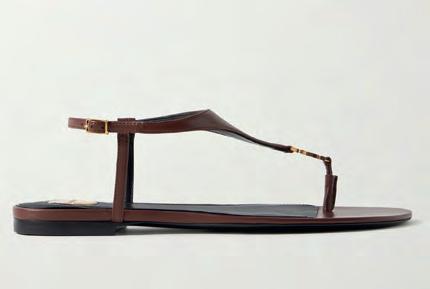
Cassandra Slingback Sandals
Dhs4,000 Saint Laurent
Parco Flat Mules Dhs3,950 Bottega Veneta
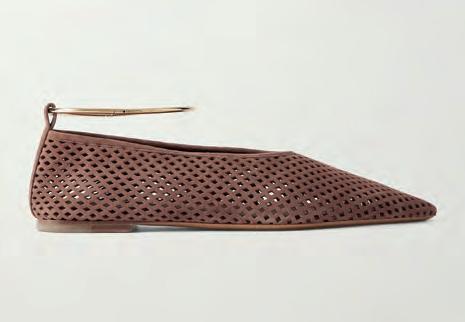
Laser-cut Suede Ballet Flats
Dhs2,485 Jil Sander
Horsebit Mules Dhs5,600 Gucci
THE VANGUARD
The Art of Becoming
Saina Babaee, founder of the fashion brand Ilái Sarái, on refinement, restraint, and reconnecting with her roots
WORDS: CAMILLE MACAWILI
“
It was during the final days of December, when Dubai felt slower and peaceful as the city edged toward the New Year, that I met Saina Babaee, the founder of the brand Ilái Sarái, at an outdoor cafe. Sitting relaxed in a black billowy top and oversized khaki trousers from her own collection, she elegantly embodies the visual aesthetic her brand is quickly cornering. That of quite refinement, framed within an exploration of volume, drape and layering. Babaee sees this expansion of her brand – which was born in the lifestyle and homeware space – as a new avenue she can harness to craft a modern sartorial narrative out of her rich Persian heritage. “I always tried to make my own clothes to wear my culture,” she says. “But it ended up feeling costumey. Big. Puffy. I kept asking myself, how can I wear my culture on a daily basis without being too crafty and literal?”
She recalls how her wedding was a Persian celebration filled with music and poetry – and that generated so much buzz that the couple started hosting Yalda and Nowruz parties at The Arts Club Dubai. From there, her eye for curation was used to create other events, guide artisans, and finally craft meaningful clothing. But it was after having children that Babaee felt particularly disconnected and experienced a profound sense of pain. “They don’t speak the language. They’re not familiar with the culture,” she said about that time in her life. That lack of connection to her heritage and collective found Babaee turning to the world of fashion to find a way back to herself. And it was through the launch of her clothing line that she began a journey of self-discovery and transformation that ultimately led her to an even deeper understanding of her culture. What makes the Ilái Sarái label so compelling right from its inception is this idea of design as architecture for identity. The clothes translate culture into daily wear and steers clear of feeling too ceremonial or theatrical. Persian references appear in a subtle way in the choice of silhouettes, the way the clothing moves, and proportions of each
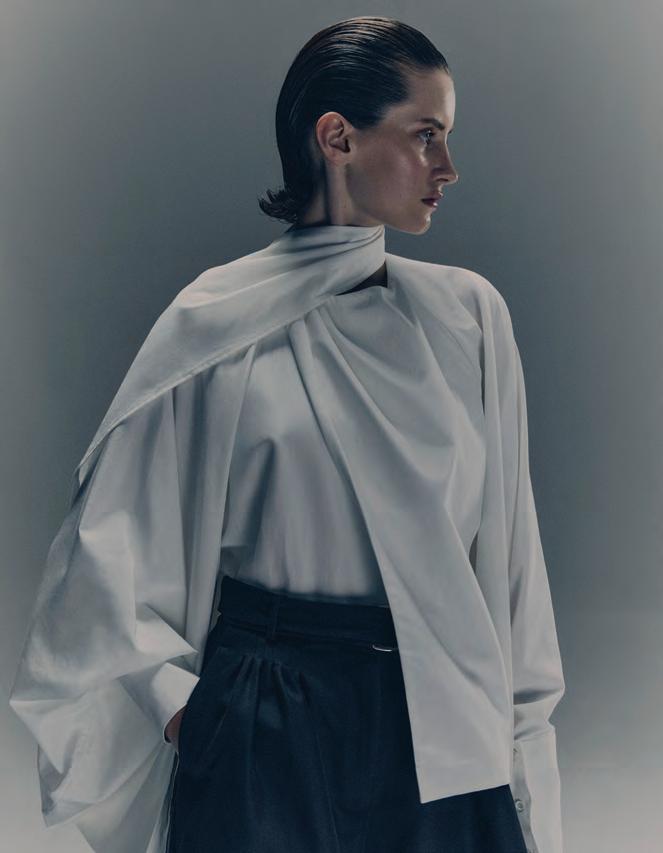
piece. And all of it comes as a result of a conversation over dinner at Rami Al Ali’s table with Business of Fashion’s Imran Amed, which led her to connect with sisters Shiva and Shirin Vaghar of the LVHM Prize Finalist label Vaqar. The duo would eventually come on board to execute her vision for Ilái Sarái.
As she grows her brand, Babaee still holds a senior management position at Siemens Energy as vice president of control systems and digitalisation. With a background in mechanical engineering, she approaches the label with the same sort of structure and intent. “I have a lot of ideas, but I’m a mechanical engineer,” she says. So as she brought vision and structure to her brand, she turned to the
Vaghar sisters to run point on the design and technical execution. “For example, I told them I want pants like my grandfather used to wear,” she says. “The colour, the ease, but in a modern way.” The name reflects that intention. Ilái means name. Sarái means home. The word exists across Persian, Turkish, Arabic, and Hindi languages. “We didn’t want la maison or house of,” she says. “Sarái felt honest. It’s about home, in every sense.” The brand’s philosophy is built around what Babaee calls, “the art of becoming,” inspired by the Persian poem Conference of the Birds, by the Sufi poet Attar of Nishapur. It frames identity as movement, not arrival.
“When I look at a person, it’s not about how or where they were born or what their story originally was – it’s how they become,” explains Babaee. The logo of the brand follows the same logic. Calligraphy shaped into an infinity form. The clothes? Designed to be versatile and move frictionlessly from one occasion to another. “I wear the white version when I do breathe work,” she says. “I wear it to the office. To a party. To the beach.”
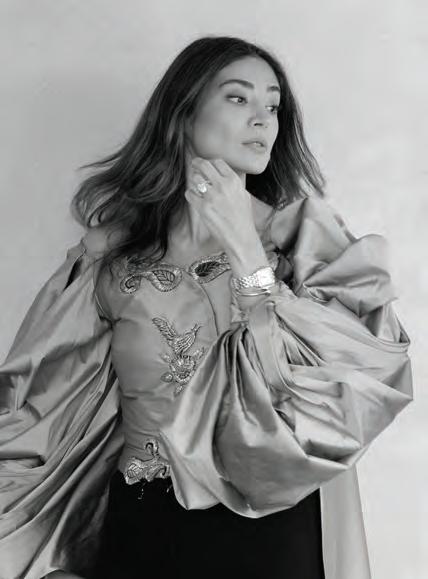
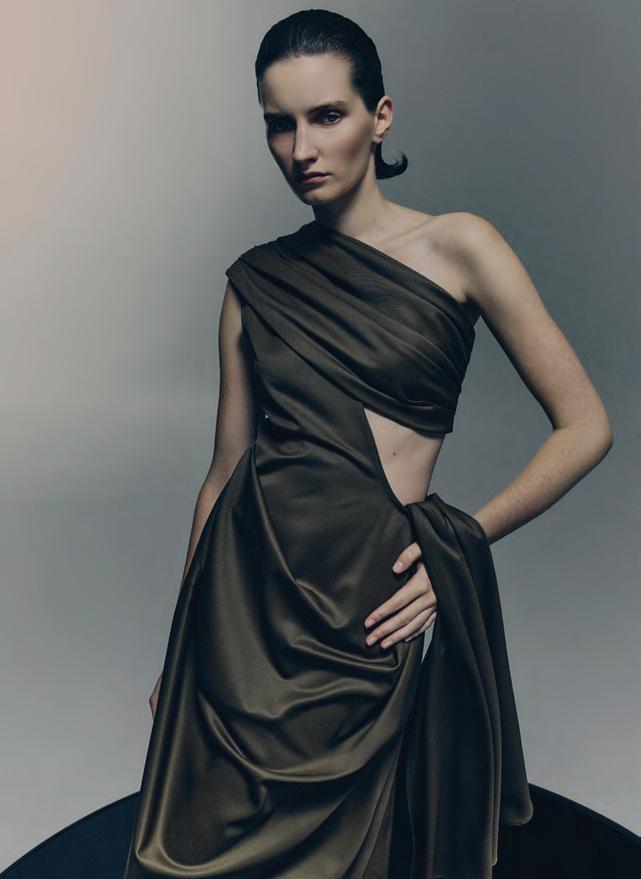
The overarching energy of the Ilái Sarái brand is one of restraint. After an initial booth placement for its homeware collection at THAT Concept Store, Babaee decided that the brand felt closer in line with art galleries rather than conventional retail spaces. Today, it sits inside Third Line gallery and Montroi in Alserkal Avenue. “We don’t want to get too big too fast,” she says. “We want to find the one perfect thing, then grow from there.” Artisans also play a quiet but critical role in Babaee’s vision for her brand. She works closely with them, often pushing for an elevated presentation and narrative she can then channel into her clothing. When asked why this is important, she says, “Craft deserves context. It belongs in galleries, not hidden in markets.” Babaee runs Ilái Sarái with the same rigour she applies to engineering: trackers, timelines, contingency plans. “I’ve always been very left-side brain dominant. I’m driving creatives with structure,” she says. “Excel, planners, production trackers. But the vision doesn’t change.” Entrepreneurship and the brand-building process have also helped her realise that sometimes imperfection leads to success. “However, the reason I started Ilái Sarái was to purely dream and be creative.” As a mother and an astute career woman, how does she find time to balance it all? “I’m beyond organised and I allocate slots to everything. On a daily basis, I prioritise things based on the vision I have.”
The importance of self-care and mental health practices like sound healing, breath work and energy work helped her in her personal growth and self-discovery journey, which was instrumen-
tal in the brand’s launch and early success. “As the pressure builds up, if you don’t have the capacity and vessel, you burn out. A didn’t want to burn out.” But at its core, it is the community that holds the brand together. “Ilái Sarái was born at tables,” Babaee says. “None of this would happen if we were not in Dubai.” When asked who her mentors were, the names she mentions are familiar within Dubai’s creative circles: Rami Al Ali, Prem Prahlad, Zeina El-Dana, Dima Ayad, Imran Amed, Kate Barry, Wael Al Fatayri, Enrique Hormigo, Sunny Rahbar, and more are some of the key figures who have provided guidance and support. This strong sense of community was also evident at the launch party – an intimate gathering where movement replaces the runway and Persian music fills the space. “What’s the point of stiff models,” she says, “when the clothes are meant to move with you?” Her latest collection draws from Kurdish stripes in Iran. Linear. Functional. Designed for repeat wear. “My mood board? It was Dana Hourani. Every single piece we would design, I would picture it on Dana.”
Saina Babaee, founder of Ilái Sarái
ALL ABOUT ACCESSORIES
With his debut collection as the artistic director of Celine, Michael Rider, gave fashion girlies a plethora of playful and practical pieces to effortlessly incorporate into their wardrobe. His more-is-more approach to accessories has already created some highly covetable vertically-inclined belt buckles (a SS26 trend), stackable signet rings, OTT outsized charm bracelets and colour block scarves with just a dash of Celine iconography to keep things interesting. In a season filled with fashion designers presenting their first collections for leading houses, Rider’s Celine offering has continued to generate buzz long after his peer’s presentations, making it worth the investment, even if just in a statement accessory.
MODE
Build a legacy by…
– Acknowledging the past without it defining the future
– Transforming the world with intention
– Encompassing all the dimensions of your heritage
– Creating a sanctuary for creativity
– Finding connections through artistry
– Blending two creative universes

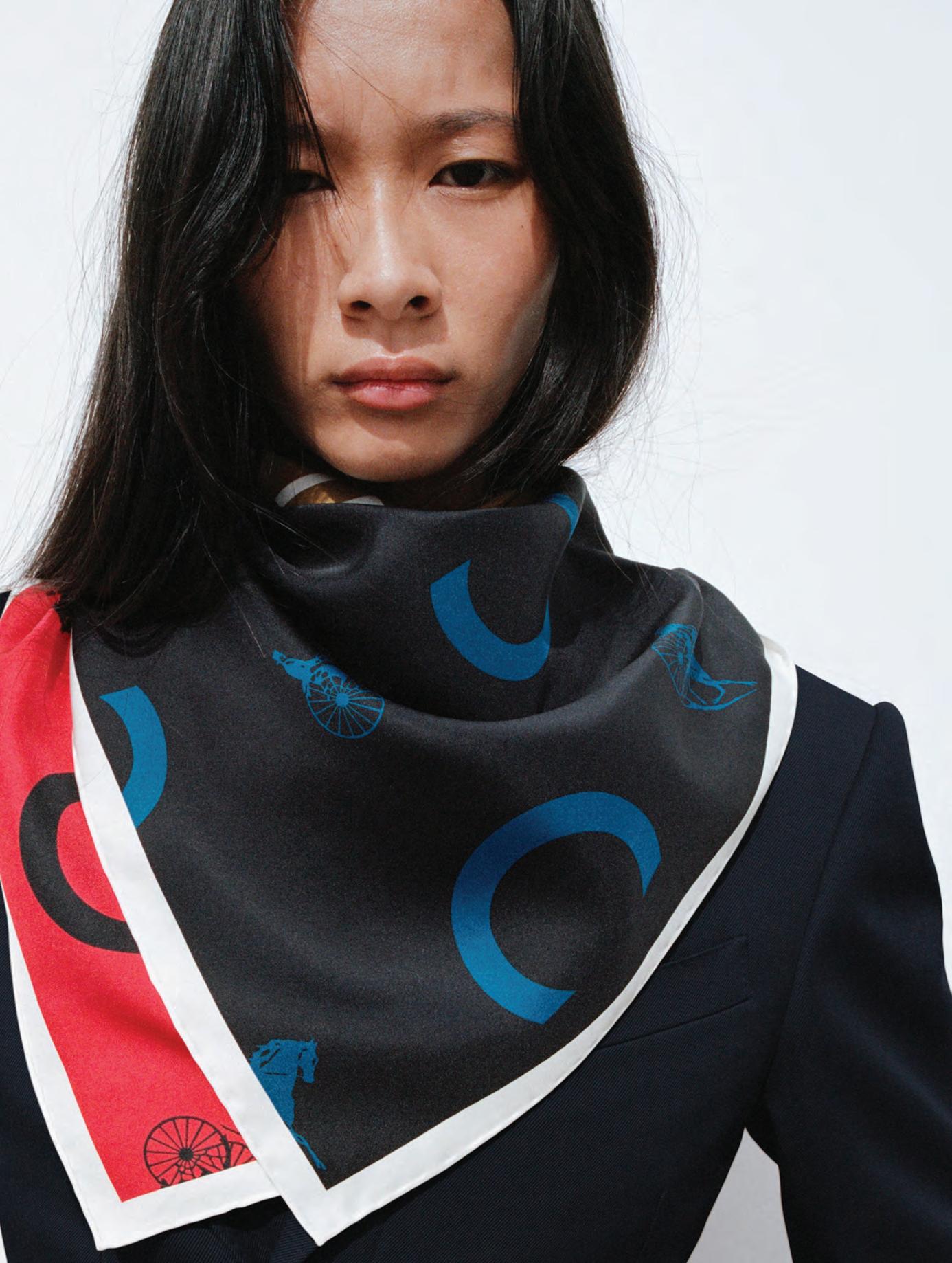
MYRIAM SERRANO, THE CEO OF ALAÏA, SHARES
HER STEADY AND STURDY VISION FOR THE FUTURE OF THE BELOVED FASHION HOUSE
WORDS: JESSICA MICHAULT
LAST BUILT TO
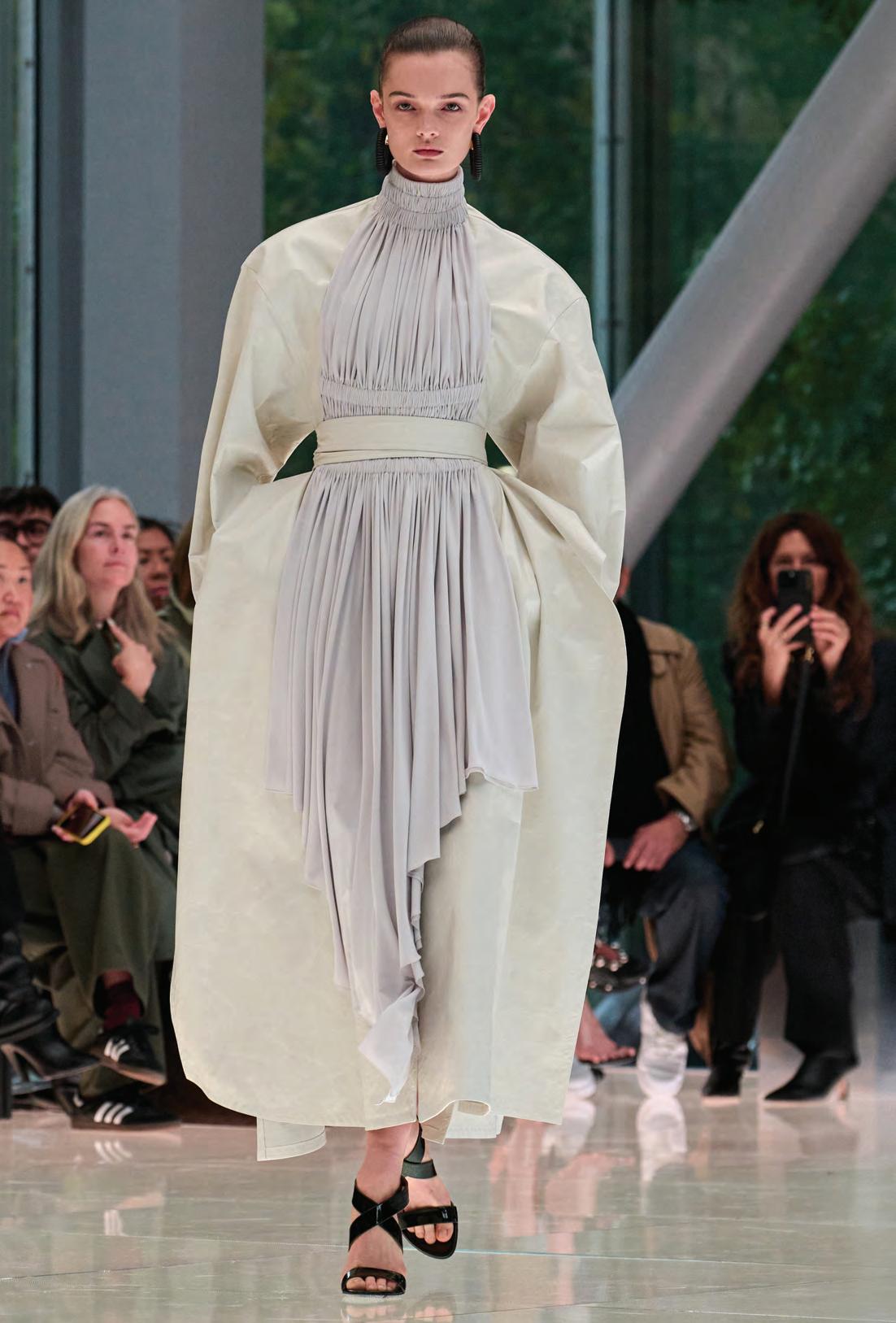
When Myriam Serrano stepped into the role of CEO of Alaïa in September 2019, the Maison was standing at a crossroads.
Less than two years earlier, on November 18, 2017, Azzedine Alaïa had passed away, leaving behind not just one of fashion’s most singular legacies, but also a house defined as much by instinct, intimacy and obsession as by structure.
The founder was famous for following the beat of his own drum. Presenting fashion shows whenever it suited him, often not during a classic fashion week. He would work hands on, and around the clock, on his designs. And, in the end, created clothing that was so sculptural and meticulously precise that he built up a cult-like following of some of the world’s most beautiful – and strongly independent women – like Naomi Campbell, Farida Khelfa, Grace Jones, Michelle
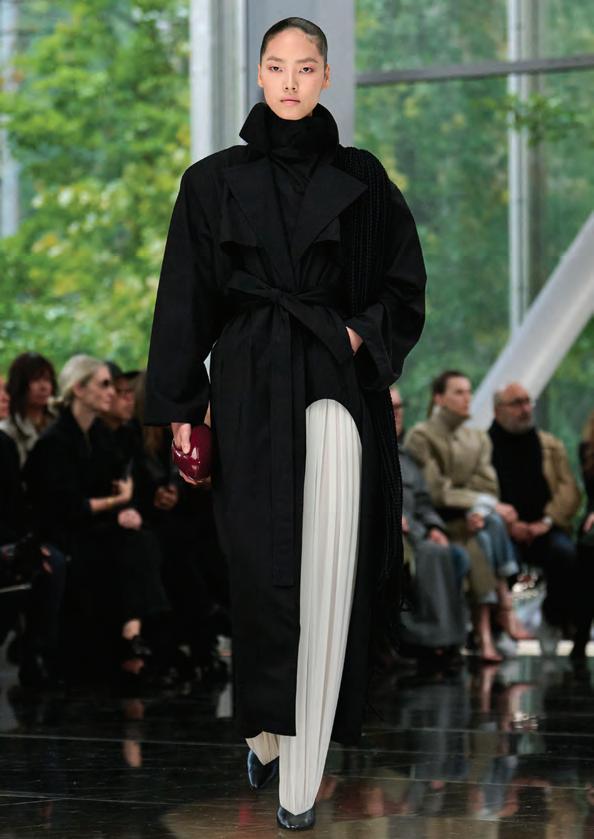
Obama, and Tina Turner. But for Serrano, the challenge was never about reinvention for reinvention’s sake. “Alaïa is not a brand that needs to be reinvented, it needs to be respected, protected and allowed to evolve naturally,” she says during a recent trip to Dubai. From the outset, her focus has been on continuity rather than disruption, on ensuring that the codes established by the founder remain intact while the business itself continues to be strengthened for the future. “We never wanted to rush anything. Alaïa has its own rhythm, its own pace, and that’s something we’ve always been very careful to preserve,” Serrano explains.
It’s an important distinction, and an intentional choice that matters on a profound level, particularly in the current luxury goods climate, which has seen a sharp downturn over the past few years. Growth, in Serrano’s view, has to always feel organic and never imposed. “We had to put the right foundations in place, but always with humility toward what the house already was,” she reflects.
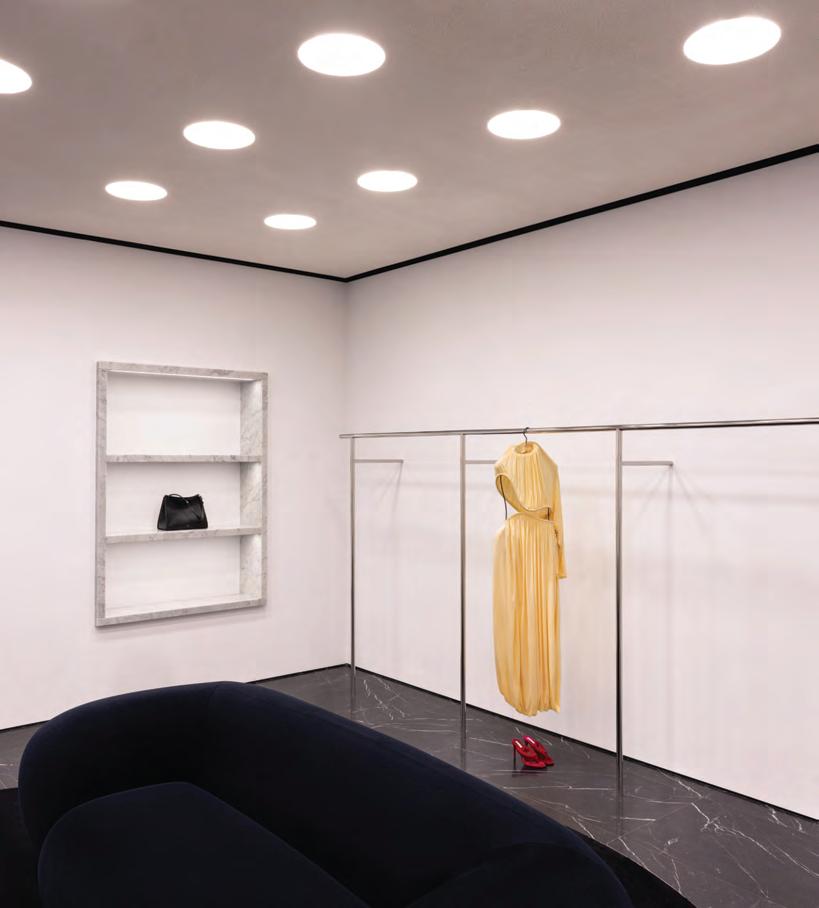
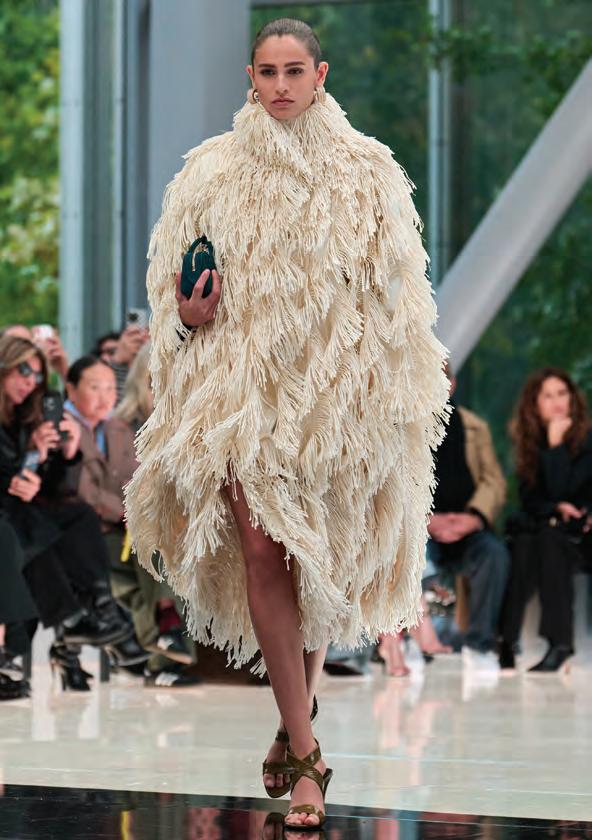
Alaïa boutique, The Avenues, Kuwait
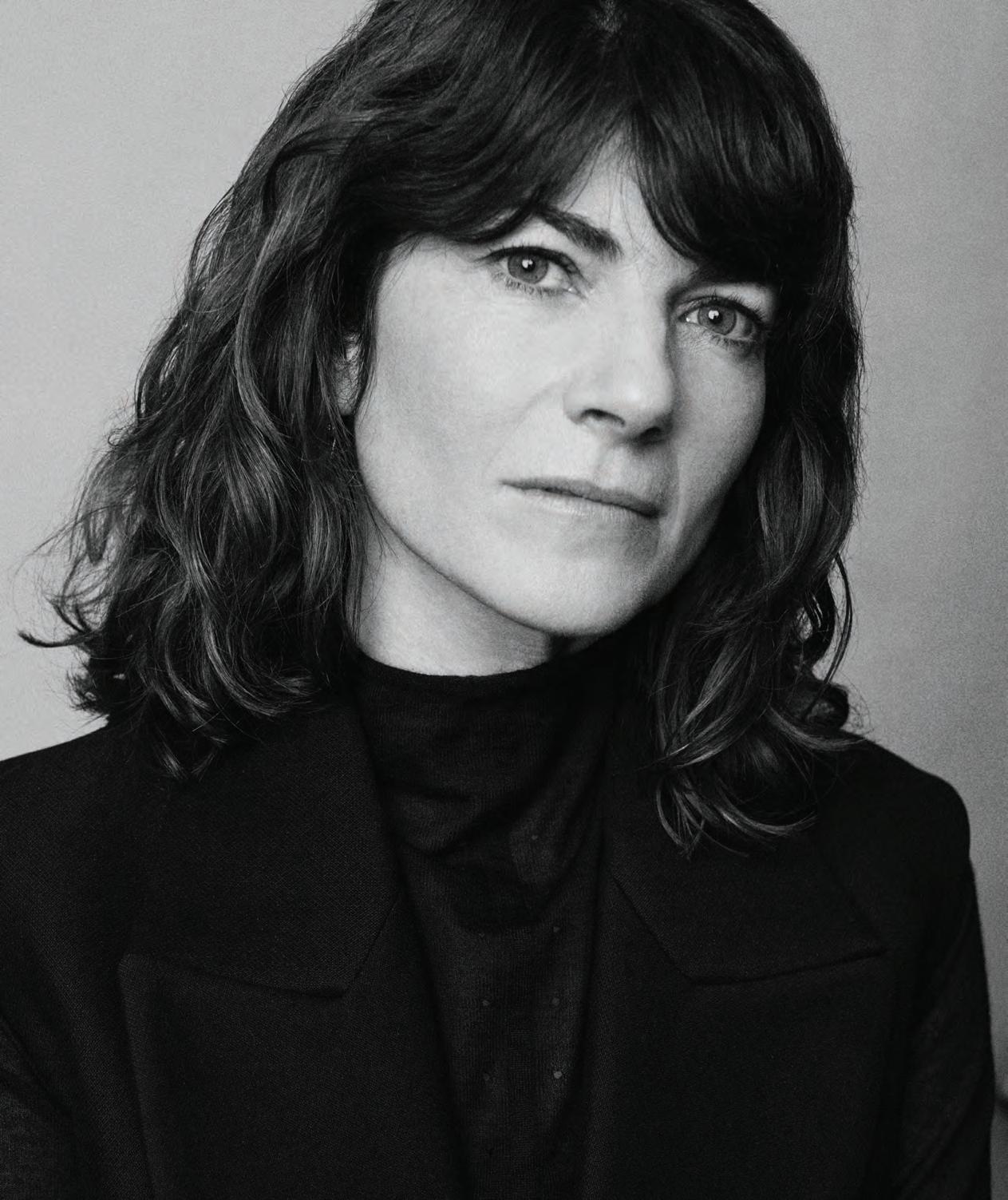
“ALAÏA IS NOT A BRAND THAT NEEDS TO BE REINVENTED, IT NEEDS TO BE RESPECTED, PROTECTED AND ALLOWED TO EVOLVE NATURALLY” – Myriam Serrano
“ALAÏA
BOUTIQUES
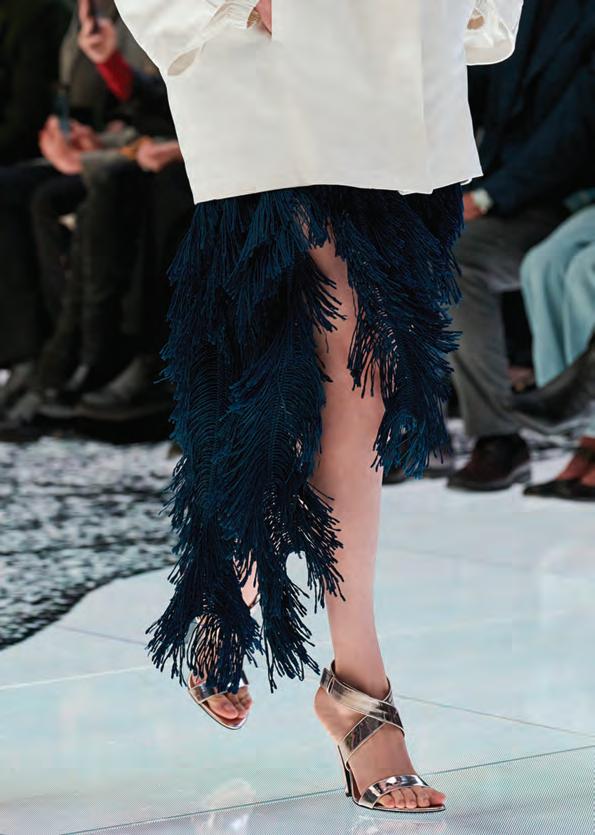
ARE NOT JUST POINTS OF SALE. THEY ARE PLACES
Before Alaïa, Serrano built a career defined by operational rigour and strategic clarity. After graduating from the highly regarded HEC business school, and studying at the French Fashion Institute (IFM), the CEO kicked off her career at Céline working on accessoires, before joining the Richemont group in 2006 as the accessories collection director at Chloé where – after a stint at Nina Ricci – she would return to take up an interesting hybrid role of communication and accessories director, giving her a decidedly unique perspective on brand building.
The skills she learned during her time at each of those French fashion houses have shaped Serrano into a leader that is notably sensitive and introspective. When she speaks, it’s with a quiet, unhurried cadence, and she radiates a sense of relaxed ease, that is somehow typically in keeping with the classic French nonchalance style, but also unusual for the CEO of a world famous fashion label. “This is a house that was built on intuition, on the eye, on the hand. My role is to create a structure that could support that without suffocating it,” she says about how she approaches her job at Alaïa.
Helming a brand with the stature of Alaïa, for Serrano, is less about authority than attentiveness. “Leadership is about listening – listening to the teams, listening to the product, listening to the house itself,” she reflects. As a female leader navigating a legacy Pa-
risian fashion house, she is acutely aware of the responsibility that comes with stewardship. “Being a woman in this role brings a certain sensitivity, but also a certain responsibility,” she adds. “I want the women who work here to feel that they have a voice, that they are part of something meaningful.”
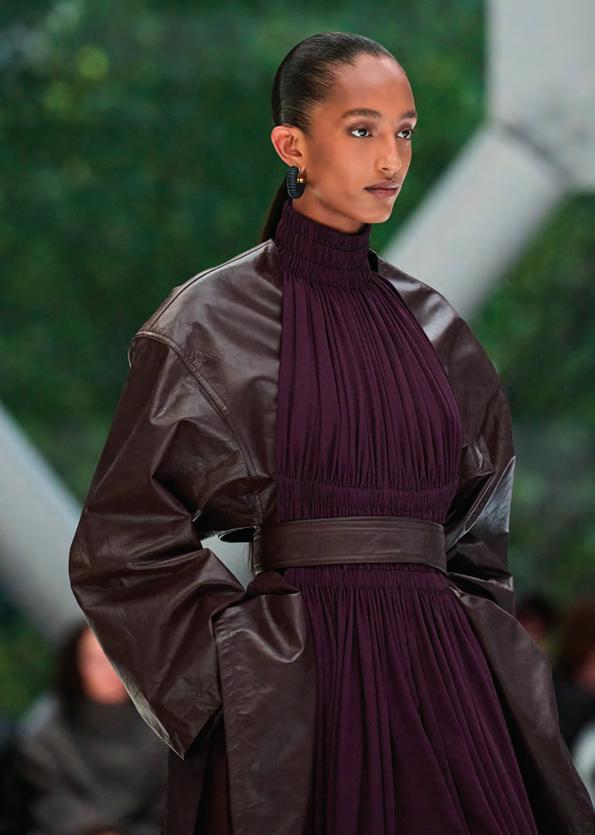
A defining moment in Alaïa’s new chapter came in February 2021 with the appointment of Pieter Mulier as creative director. The decision was deliberate and innate. “We were not looking for someone to rewrite Alaïa. We were looking for someone who understood it instinctively,” Serrano says about the process of looking for a new designer for the house. That understanding, she explains, is rooted in the body. “Pieter has an extraordinary sensitivity to movement, to sensuality, to the relationship between clothing and the woman wearing it, all the things that are at the core of Alaïa.”
The strong working relationship between Serrano and Mulier, who was named International Designer of the Year at the most recent CFDA Awards, has been built on a foundation of trust and clarity. “My role is to give Pieter the space and the support he needs. His role is to create. When that balance is right, everything flows,” Serrano notes. Creativity, she believes, can’t be managed through pressure. “You cannot create under fear. You need confidence, time and trust.” Since her arrival Alaïa’s evolution has been steady rather
WHERE THE WOMAN CAN FEEL THE INTIMACY OF THE HOUSE”
than spectacular – even as it has become the darling of a new generation of fashion insiders. And that slow burn has been a decidedly intentional one on the part of the CEO. “We are not chasing growth for growth’s sake. Everything we do has to make sense for the house,” she affirms. That philosophy extends across product, communication and retail. “Alaïa boutiques are not just points of sale. They are places where the woman can feel the intimacy of the house,” Serrano explains.
Case in point, the opening of Alaïa’s new boutique at The Avenues in Kuwait. It marks a significant step in the ramping up of the Maison’s current global expansion plans as well as its deepening relationship with the Middle East. “There is a real appreciation here for craftsmanship, for the hand, for pieces that are strong and feminine at the same time,” says the CEO as she sips her coffee. Each retail space is approached as a conversation rather than a template. “We always adapt our boutiques with great care, respecting both the identity of Alaïa and the culture of the place.”
At the epicentre of Serrano’s vision is a clear understanding of what Alaïa represents to women. “Azzedine always designed for women he knew, women he admired, women he wanted to make feel powerful,” she says. That philosophy remains intact. “Alaïa is not about dressing an image. It’s about dressing a woman’s life.”
Internally, Serrano has focused on constructing solid teams and a sense of continuity as much as collections. “We have built very strong teams, and there is a real sense of collective commitment,” she states. The house, Serrano believes, functions best when it feels human. “This is not about individual ego. It’s about a shared purpose.” To this day the presence of Azzedine Alaïa remains central to what the house does. “He is still very much here. His spirit guides everything,” the CEO shares. At the same time, she is clear that preservation shouldn’t lead to stagnation. “Respecting a legacy does not mean freezing it in time.” Instead, it means understanding it deeply enough to allow it to move forward. “We are writing a new chapter, but the story remains the same,” she adds. As for the future of Alaïa, Serrano’s ambitions remain measured but resolute. “I want the company to remain a house that is rare, that is desirable, that is deeply respected,” she reflects. Not louder, not faster, simply stronger and rooted in creativity and purpose. “Time is a luxury, and Alaïa has always understood that,” she states with conviction. After a tête-à-tête with Serrano, what comes to the foreground is how quietly assured her approach feels. The work, and evolution of the brand, will unfold at its own pace, guided by instinct, structure and respect. Respect for the house, for the women it dresses, and for the legacy it continues to carry forward.
BUILDING
Nadia Zaal, the Emirati entrepreneur changing the face of the UAE, on creating a lasting legacy of community for her country
PHOTOGRAPHER: MICHEL TAKLA
WORDS: JESSICA MICHAULT
BELONGING
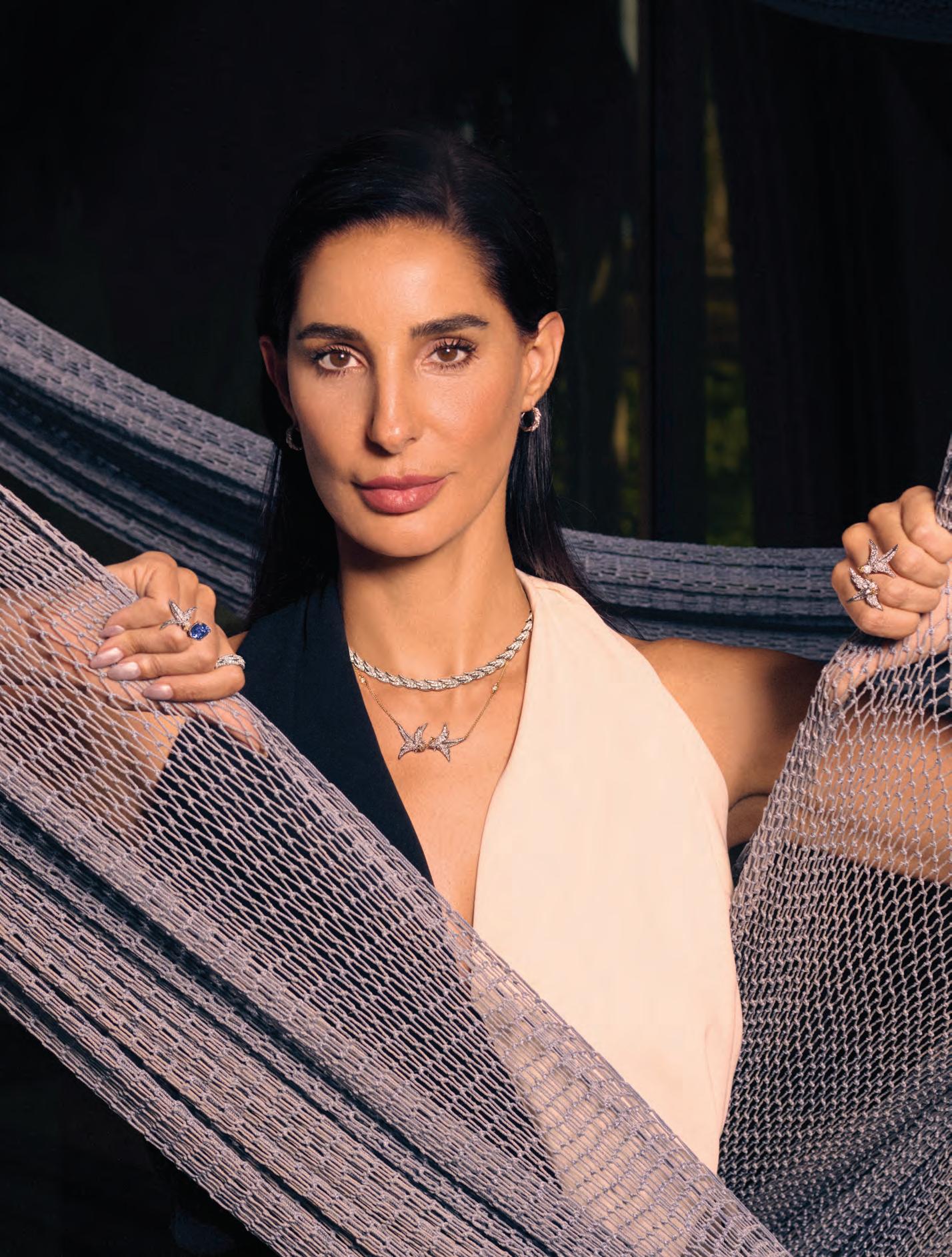
Bird on a Rock by Tiffany Wings Pavé Necklace, Hoop Earrings and Wide Ring in Platinum with Diamonds, Bird on a Rock by Tiffany Lovebirds Pendant in Platinum and Gold with Diamonds and Ring in Platinum and Yellow Gold with an Unenhanced Sapphire, Diamonds & Rubies; ALL TIFFANY & CO. Dress: Proenza Schouler available at THAT Concept Store
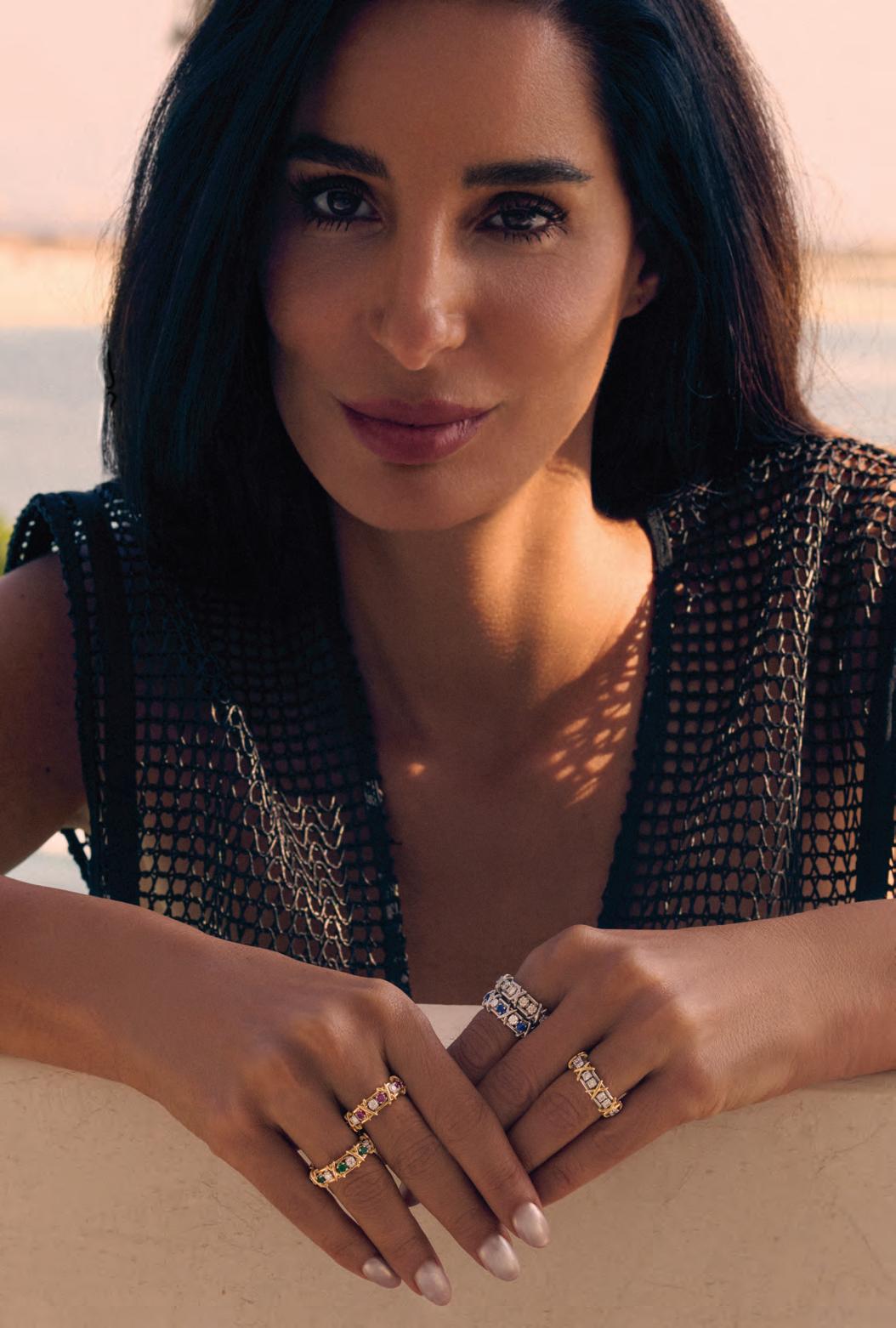
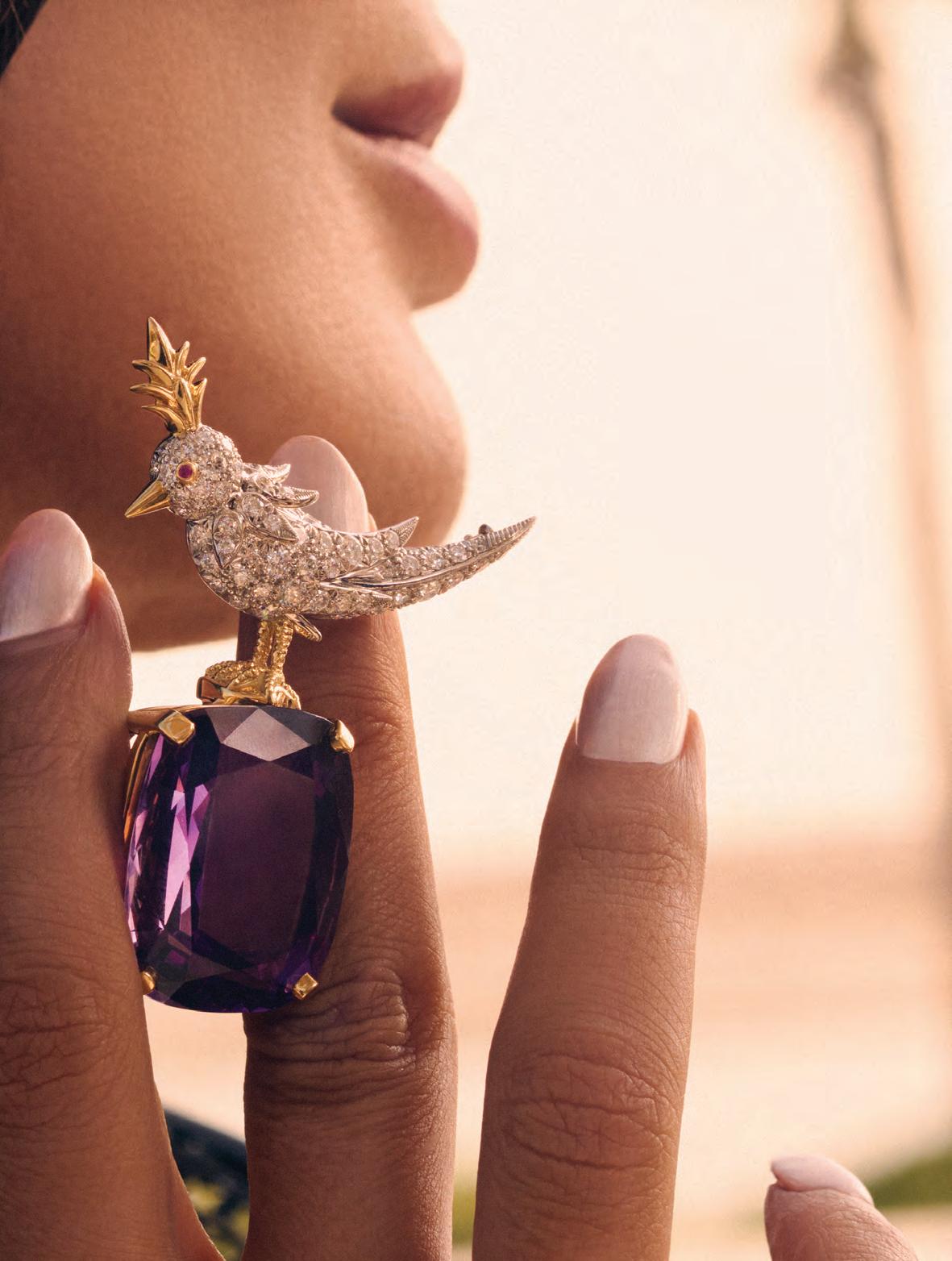
Left page: Jean Schlumberger by Tiffany Sixteen Stone Rings in Yellow Gold and Platinum with Rubies, Tsavorites, Sapphires, and Diamonds; ALL TIFFANY & CO. Top: Maticevski; This page: Bird on a Rock by Tiffany Brooch in Yellow Gold & Platinum with an Amethyst, Diamonds & a Pink Sapphire; TIFFANY & CO.
The boat is full and about to head out to sea. The cover shoot team, the camera gear, the luggage with the designer looks and the Tiffany jewels are all stowed away. But at the last moment someone leaps on board and plops herself into the final empty seat, her legs hanging over the arm rest, a travel coffee mug in her hand, and a bright smile on her fresh face. It’s our cover star, Nadia Zaal. She is the mastermind behind Zuhha Island, our cover shoot destination, which is just a 12 minute boat ride off of the coast of Dubai. There she sits, in jeans, and a white tank, with a cool oversized leather jacket and her thick dark hair loosely framing her face, looking both relaxed and energised to take on the day. She radiates a sense of confidence but one that feels approachable, not arrogant. It’s easy to imagine her being the most popular girl in school, who effortlessly gets along with everyone, but is also the driving force behind all the annual school projects.
It’s an image that is reinforced once we land on the Island. Zaal waves off the buggy waiting for her, offering it up to be used to transport all the gear to shoot. Instead she wants to walk the property, which counts 30 luxury villas and has already started to welcome its first families. As well as a still under construction boutique hotel and spa, restaurants and an expansive beach club. “It’s so nice to have a blank canvas to just create,” she says. “Space dictates a lot of your lifestyle.” Over three years in the making, the property is at once massive in scope and intimate in execution. Everything feels friendly, and inviting, with lush surroundings framing 6-bedroom dream homes that count four stories, three pools and private ocean access. As Zaal walks to the villa that will be the backdrop for our shoot, she asks her staff if the kids that just moved onto the island caught the boat to make it to school on time. She snaps photos of things she wants to fix, and leaves a few voice notes of actionable items that need to be addressed. She is also simultaneously chatting with the cover shoot team, asking about their lives and families.
It’s clear that, for Zaal, property development has never been about buildings alone. “What excites me is creating that community. And communities that have a focus on nature and really looked at the detail of not just the bricks and mortar, but how a human being would interact with the space,” she says about her creative process. The language is telling: human first, architecture second. “When you think about communal spaces and how people are going to come together, that’s where the magic is,” she explains. This is why Zaal likes to design from the inside out, she ideates with family interactions in mind. How the flow of a main living room will subtly invite moments of connection, or the lower ceilings of a bedroom will telegraph a more cosy feeling, and she has also thought of spaces designed for that all-important alone time as well. Not to mention some impressive walk-in closets, and bathrooms with great natural light for morning makeup application. Important touches that perhaps only a woman might take into consideration.
Belonging, Zaal believes, is not accidental. It is designed. “If you have a beautiful bath with a sea view, you’re much more likely to spend time in that space and wind down,” she says. “It changes how you live.” The same logic applies outward. “Bringing nature indoors, creating places where people slow down and connect, those things really fascinate me about developing.”
Her sensitivity to belonging starts from a personal place. “Growing up, the house that I spent most of my childhood in
felt very disconnected,” she shares. “It didn’t naturally bring us together.” In contrast, she remembers visiting friends’ homes. “They had multigenerational homes, one compound, everyone together, and that feeling, I didn’t have that in my house.” That absence became a driver for Zaal. “I think that pushed me the other way completely.” However, when Zaal first started out, she didn’t dream of working in construction. Instead the goal was, after getting her Bachelor of Arts degree in Economics and Politics from the University of London in the UK, to return to the UAE and work for the government. Which is exactly what she did, becoming a financial analyst for the UAE government in Abu Dhabi.
But Zaal quickly discovered that a career in government was a bit too structured an environment for her creative side to flourish. “I realised that I’m not really the conforming type,” she says with a sly smile. So in 2005, with the free hold boom in full swing in the UAE, she teamed up with her father, Zaal Mohamed Zaal, to spearhead their landmark $6.4 billion Al Barari development in Dubailand. And while Zaal felt a sense of equality during her time working with the government, the world of construction was a whole other dynamic. Being a female boss working in a maledominated field made her determined to earn the respect of the men she employed. “I decided to spend a lot more time on site and lead from the front line, so that they would eventually feel a sense of connection with me,” she shares. This meant eating in the cantines with the men, spending days on building sites and in general letting her actions show her dedication and intentions.
“When we started it was basically just a piece of sand,” she recounts. But today Al Barari is, “one of Dubai’s lowest-density green communities.” With the success of that massive project under her belt, Zaal decided to strike out on her own in early 2008, founding Zaya, a boutique real estate development company. Her first major project – Zaya Nurai Island sitting just off of Abu Dhabi.
However, anyone who knows their history will not soon forget the global housing crisis that hit at the end of 2008. It was a moment of deep learning, and perseverance for Zaal. “I was over leveraged,” she remembers. “I overspent on things that were not necessary, and
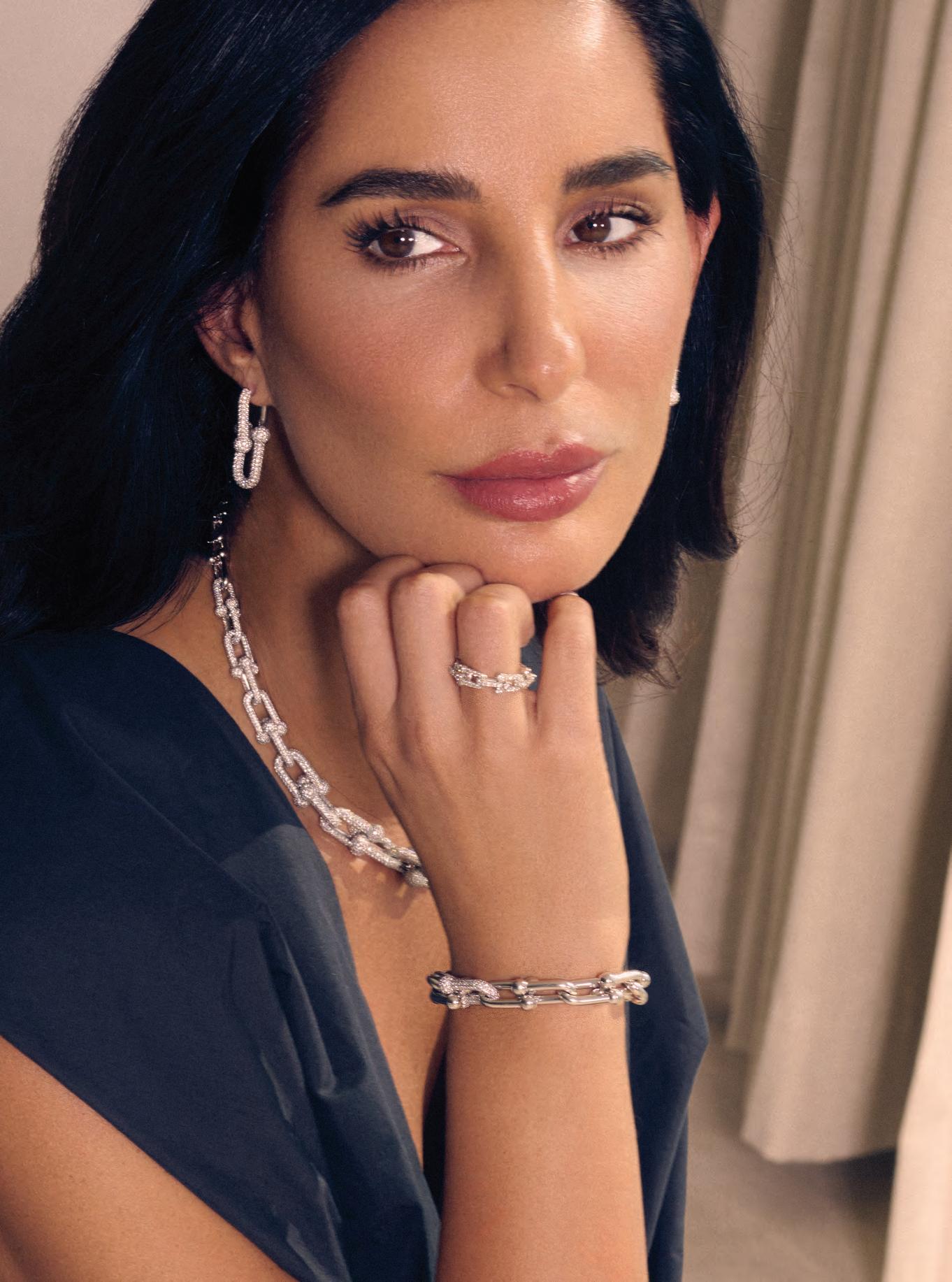
Tiffany HardWear Earrings, Necklace, Bracelet, and Ring in White Gold with Diamonds; ALL TIFFANY & CO. Dress: Christopher Esber available at THAT Concept Store
Bird on a Rock by Tiffany Lovebirds Pendant and Ring in Gold and Platinum with Diamonds, Jean Schlumberger by Tiffany Stitches Bracelet and Ring in Gold and Platinum with Diamonds; ALL TIFFANY & CO. Top & Skirt: Magda Butrym
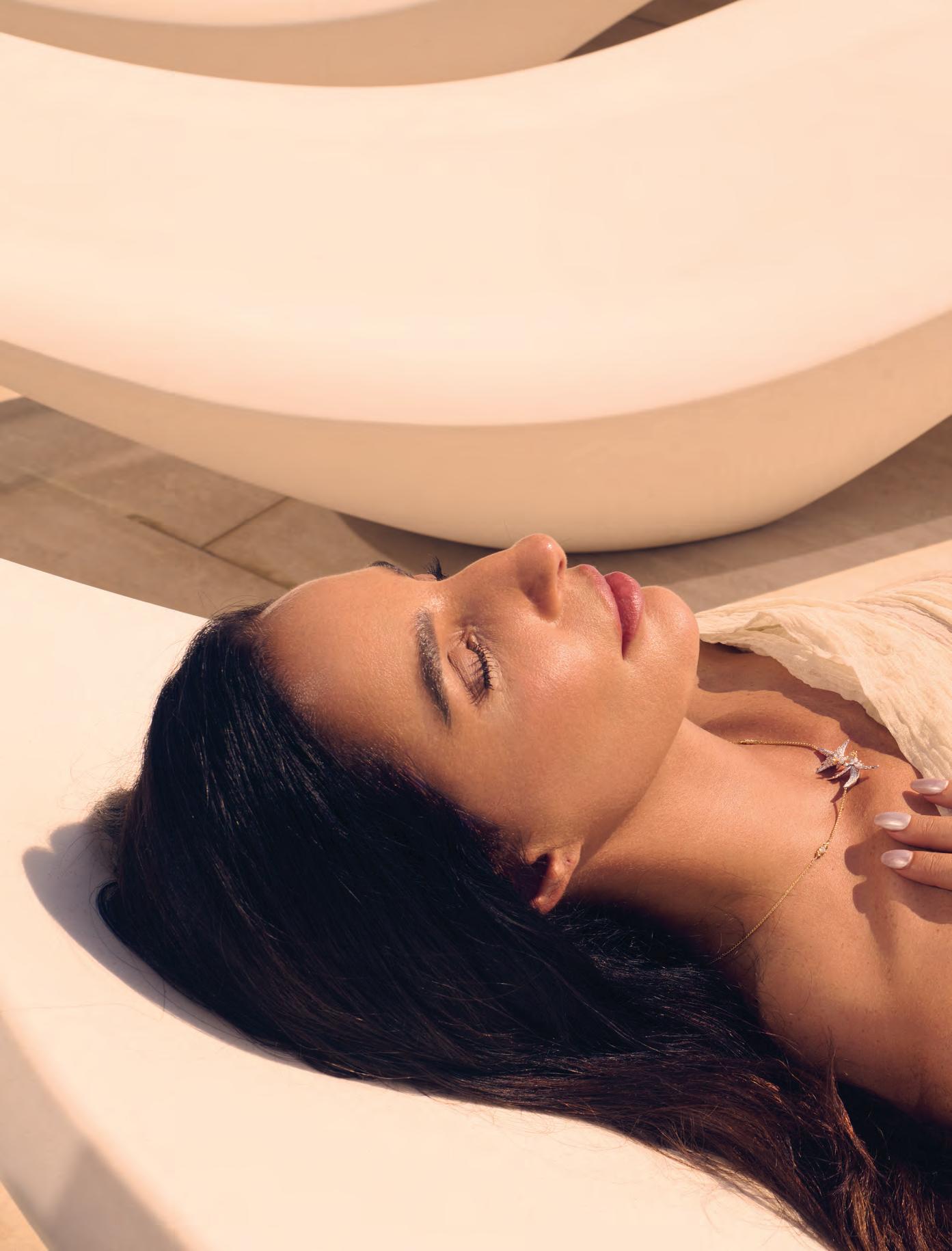
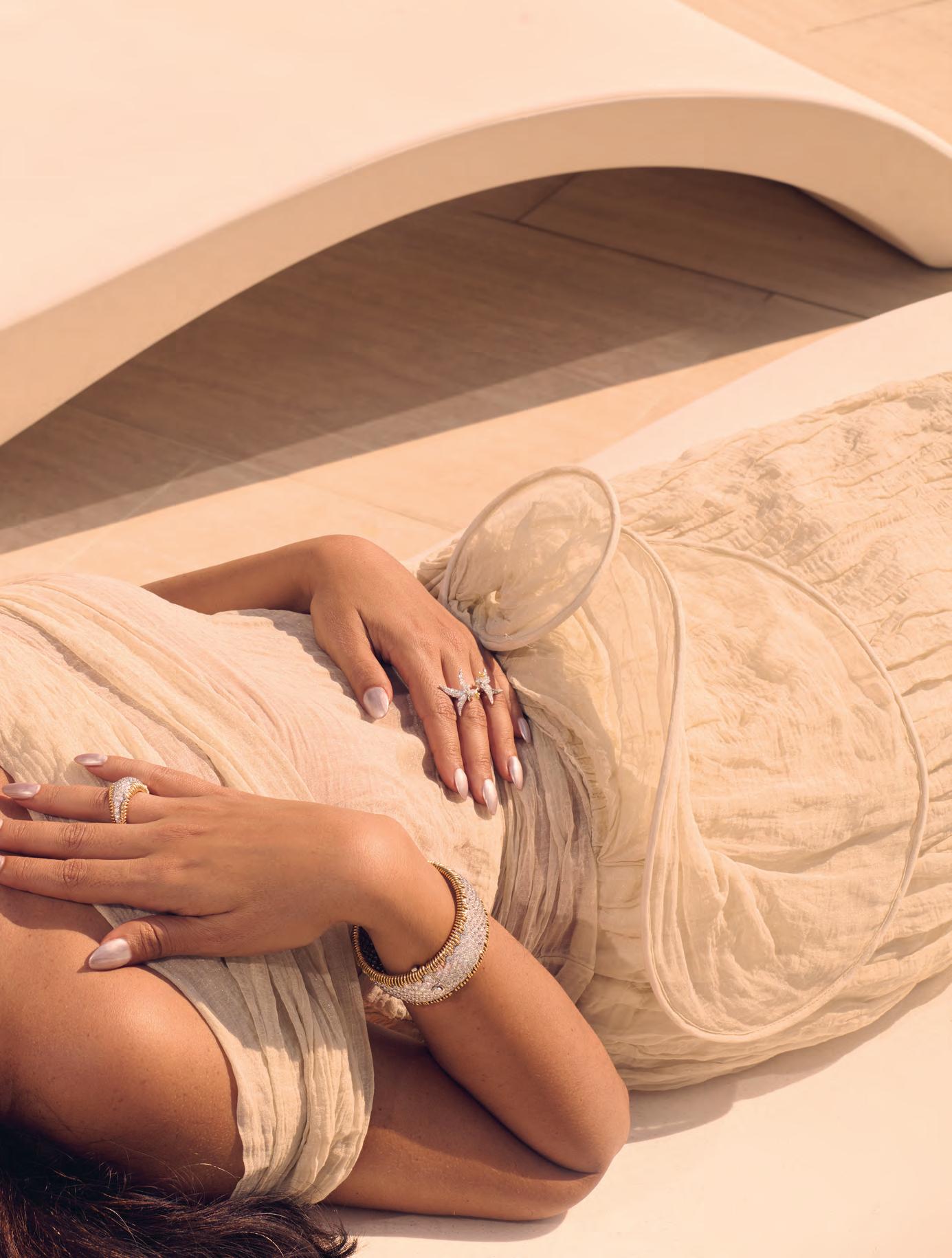
This page: Tiffany HardWear Earrings, Necklace, Bracelet, and Ring in White Gold with Diamonds; ALL TIFFANY & CO. Dress: Christopher Esber available at THAT Concept Store, Shoes: Alaïa; Right page: Apollo by Tiffany Earrings and Ring in Gold and Platinum with Diamonds, Jean Schlumberger by Tiffany Sixteen Stone Ring in Gold and Platinum with Tsavorites; ALL TIFFANY & CO., Jacket: Mugler available at THAT Concept Store
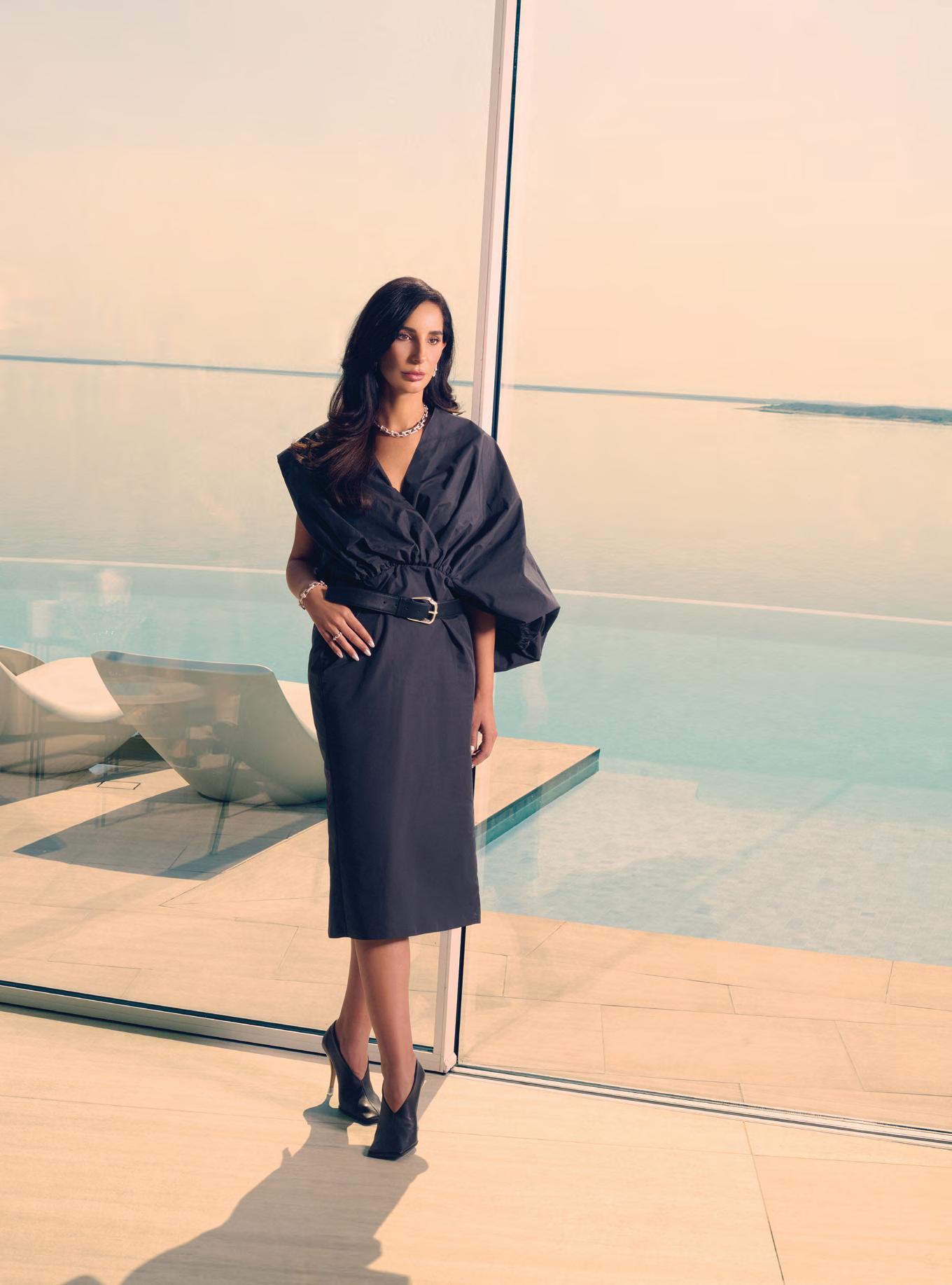
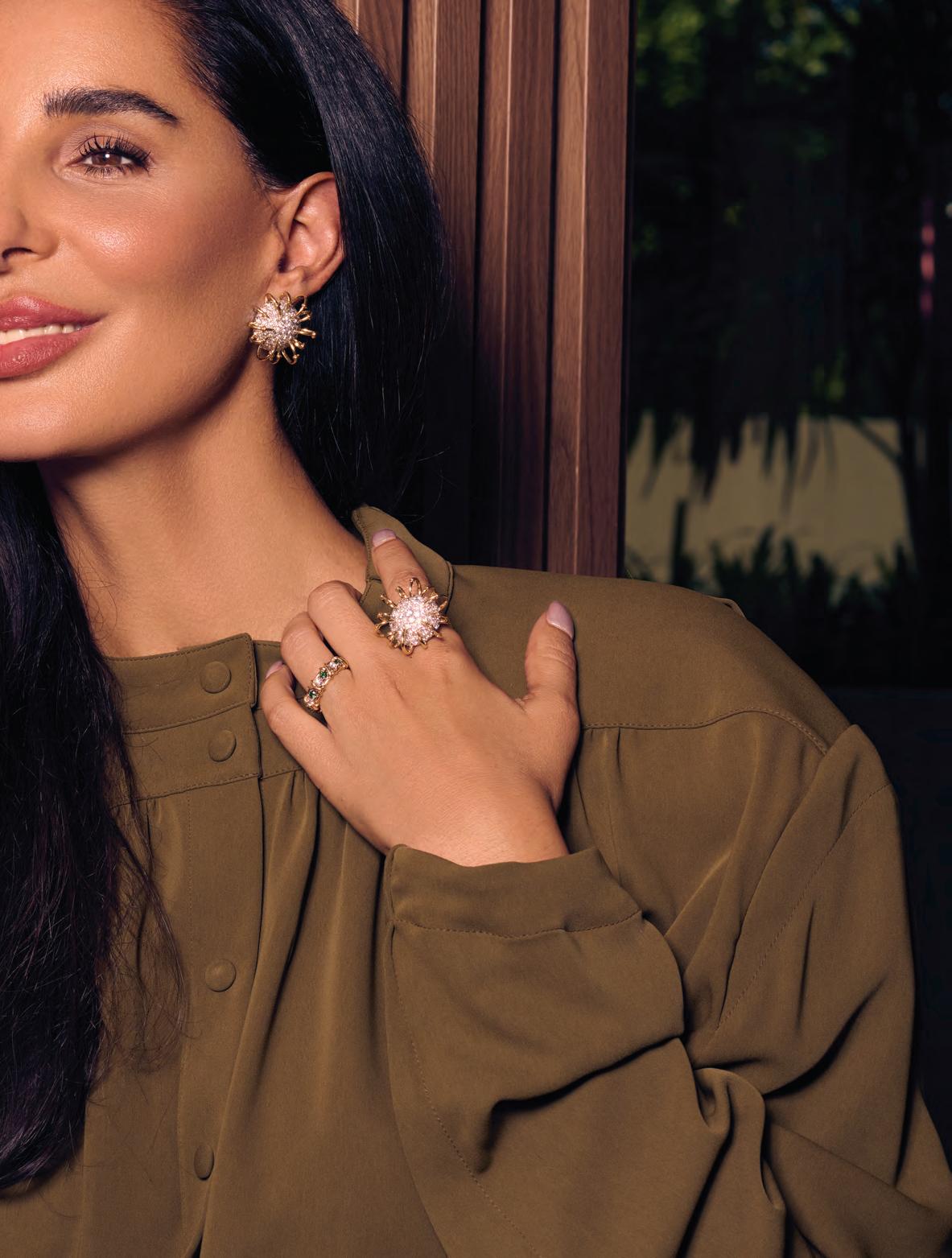
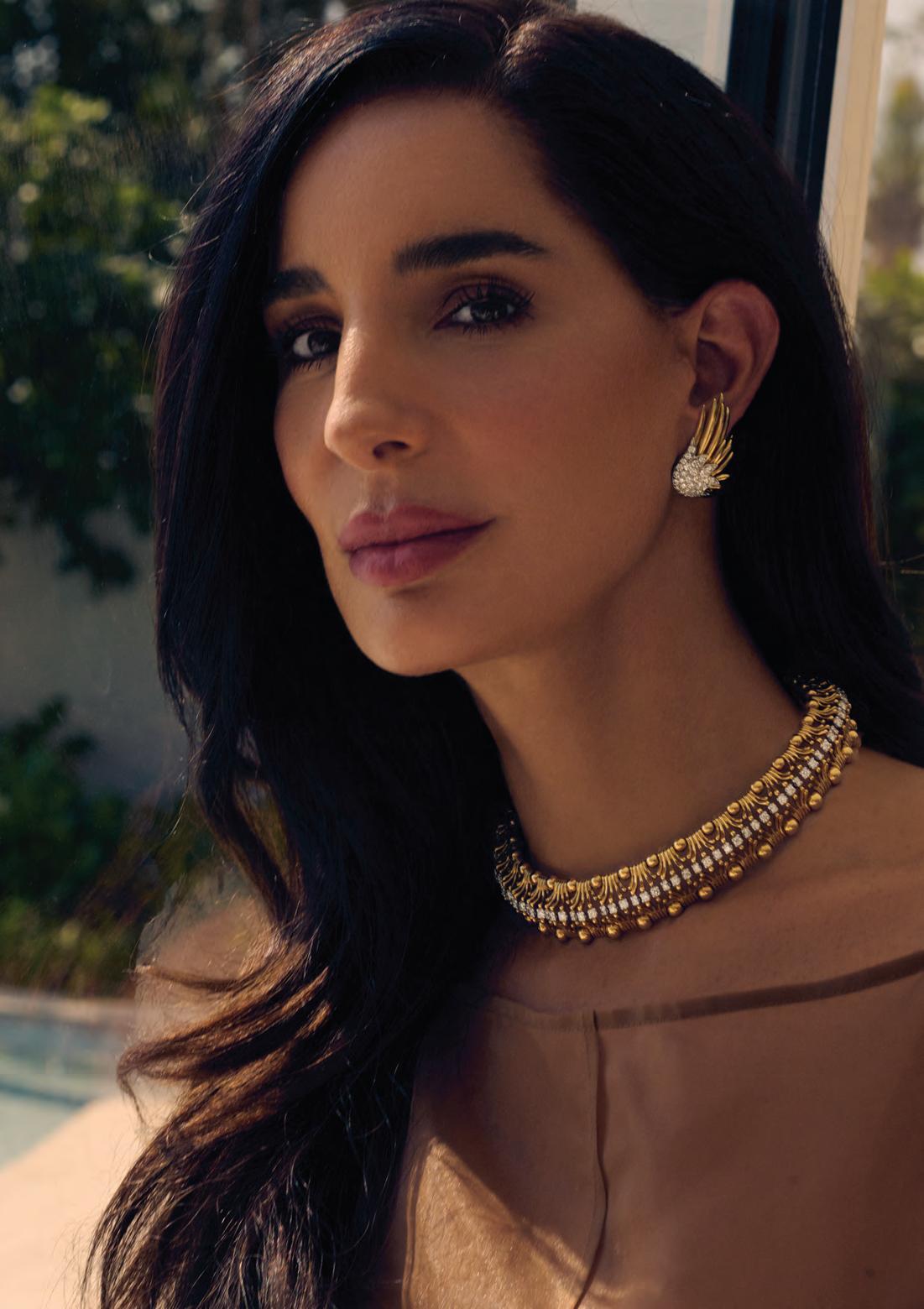
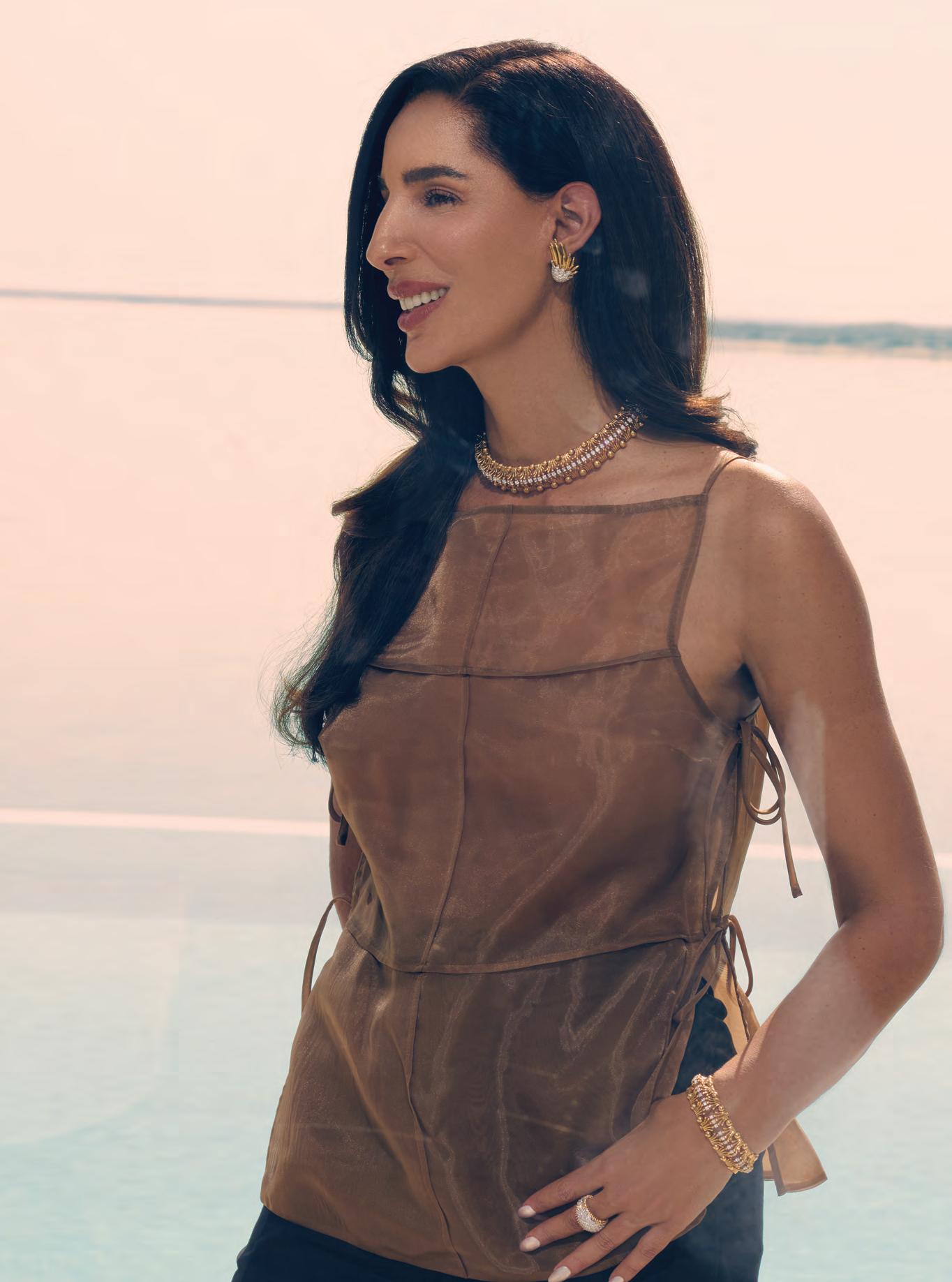
This page: Jean Schlumberger by Tiffany Flame Earrings, Hands Necklace & Bracelet, and Stitches Ring in Yellow Gold and Platinum with Diamonds; ALL TIFFANY & CO. Top: Staud available at THAT Concept Store; Left page: Jean Schlumberger by Tiffany Flame Earrings and Hands Necklace in Yellow Gold and Platinum with Diamonds; ALL TIFFANY & CO. Top: Staud available at THAT Concept Store
I still have PTSD from that time. But it made me so much better at my job”. Today she still runs her company in the streamlined way she honed during those dark days – despite its impressive revenues. “I like to keep things lean and in-house,” she shares about how that time impacted her as a leader. And she freely admits that she is a little bit of a control freak. “I’m always on site. I’m involved in every aspect of the development cycle from acquisition to delivery.”
After successfully delivering Nurai Island, Zaal went on to create Zaya Hameni, a 31-story tower building conceptually grounded in a message of wellness, and notably the Al Fanar school in Nad Al Sheba 4. A project built out of her desire to offer an alternative learning structure for her three youngest children. “I’m a bit of a social connection junkie myself, and I want that for everyone else,” says Zaal. Al Fanar is a perfect embodiment of that ethos. It is a pioneering, nature-based primary school offering a holistic British curriculum for children aged 2 to 11 that also incorporates aspects of Emirati culture and the Arabic language. It focuses on childhood development through a more organic, low-tech, play-based approach that introduces learnings in accordancy with the natural cognitive growth of children. For this project, instead of a blocky or high rise structure to house the school, Zaal came up with a design that pushed outward, not upward. The property is dominated by groupings of rounded single story school rooms, verdant gardens that are nurtured by the students, a chicken coop, tree houses and a few fast-moving, freerange tortoises that call the school home. It’s a pretty idyllic place to grow and learn and one that Zaal is immensely proud of.
children that are at the centre of all of her choices. Family time, like Sunday dinners together and school pickups, are non-negogotiable. “Having family time really charges my soul,” she says. Right now she prefers the quiet evenings at home with her kids, as she knows her time with them is finite, already the oldest is off to college. “I get invited to so many events… and they must think I’m really so obnoxious [for declining] but my priorities are my family and work and it’s not possible for me to do anything else – and that’s okay.”
She talks about how she loves to watch each of her younger children as they begin to come into their own. “My eleven-yearold definitely has started to get interested in what I do. He comes to work a lot and just sits in my meetings.” Her daughter, the Benjamin of the family, is artistically inclined. “She loves the creative process and is always looking at designs with me.” And her youngest son? “He just wants to be in nature all the time. He is not interested in the material world at all,” she recounts. That range, ambition, creativity, groundedness, mirrors Zaal herself. “I can be very corporate and capitalist and very earth mama,” she admits.
“A part of what drives me is my insecurity, and I have no shame in saying it. I want to prove to myself that I can do it on my own”
“A lot of parents that are attracted to my school are very clear about what they want. They are very dedicated, very involved,” says Zaal, who appreciates, and can relate to, that sense of commitment.
As the shoot moves from the interiors of one of the island’s villas to its welcoming beach club, Zaal gets the news that the two remaining villas on the property have been snapped up, and its high-fives all around. A momentous moment the mogul happily shares with the team. Then, after a communal meal that Zaal had prepared for the crew – a smorgasbord of pesto pasta, roasted vegetables, seared beef and lots of sharing dishes to be passed around the tables – it was back to posing for the camera.
And again Zaal proves herself to be a team player, game to swap out different Tiffany parures, outfits or hair styles in pursuit of the perfect shot. She understands well the power of fashion. And admits to often turning to her wardrobe when looking for armour to take on the world. “I love fashion. It can be such a deep form of self-expression. And you can wear it like a cape of protection,” she says. Zaal, who freely admits she would wear couture to the supermarket if she could get away with it, is a big believer in statement clothing that balances strength and femininity. Her go-tos include brands like Alaïa and Saint Laurent. “Minimalism doesn’t do it for me,” she says with a laugh. But if creating communities for others is the driving force of her career, it is Zaal’s family, her husband and her four
Perhaps the most striking thing about Zaal is her honesty about ambition and self-doubt. As Zuhha Island nears completion, she is now considered to be one of the leading independent developers in Dubai. Yet Zaal still finds herself battling imposter syndrome from time to time. “I ask myself sometimes, ‘is this real’. All of these people are putting their trust in me. It’s such an honour and validation of what I have done. But there is definitely still a part of me that doesn’t believe it, and doesn’t feel worthy of it.”
She doesn’t hide her ego, either. “If I’m brutally honest, I’m doing it just to prove that I can,” she says of the next ambitious development project she is taking on called Lunaya by Zaya in Jebel Ali. A new residential development focused on lagoon living slated for completion in 2029. She calls it what it is. “A part of what drives me is my insecurity, and I have no shame in saying it. I want to prove to myself that I can do it on my own.”
But she also wants to make sure that the women in the region who look at her career understand one thing and that is: “you don’t have to do everything. It’s just not possible.” Her advice, hard won over 20 years of working at the highest level of a highly stressful job, is actually quite simple, “choose your priorities, what truly matters to you and be happy with them.”
For Zaal the concrete outcomes of her work, she believes, justifies her drive. “I’m creating beautiful things, I’m building these beautiful homes,” she says while hinting at possible other exciting projects on the horizon – a wellness getaway in Hatta, a farm in Fujairah. As for legacy, that matters to the entrepreneur, but not in a hollow way. “I just want to contribute to my country, give people memorable places to live, and places to make memories.”
And with that she is off. Back on the boat heading to Dubai to take her next meeting or grab dinner with her family. But whatever she is up to next, one thing is for sure, Zaal is doing it all on her own terms.
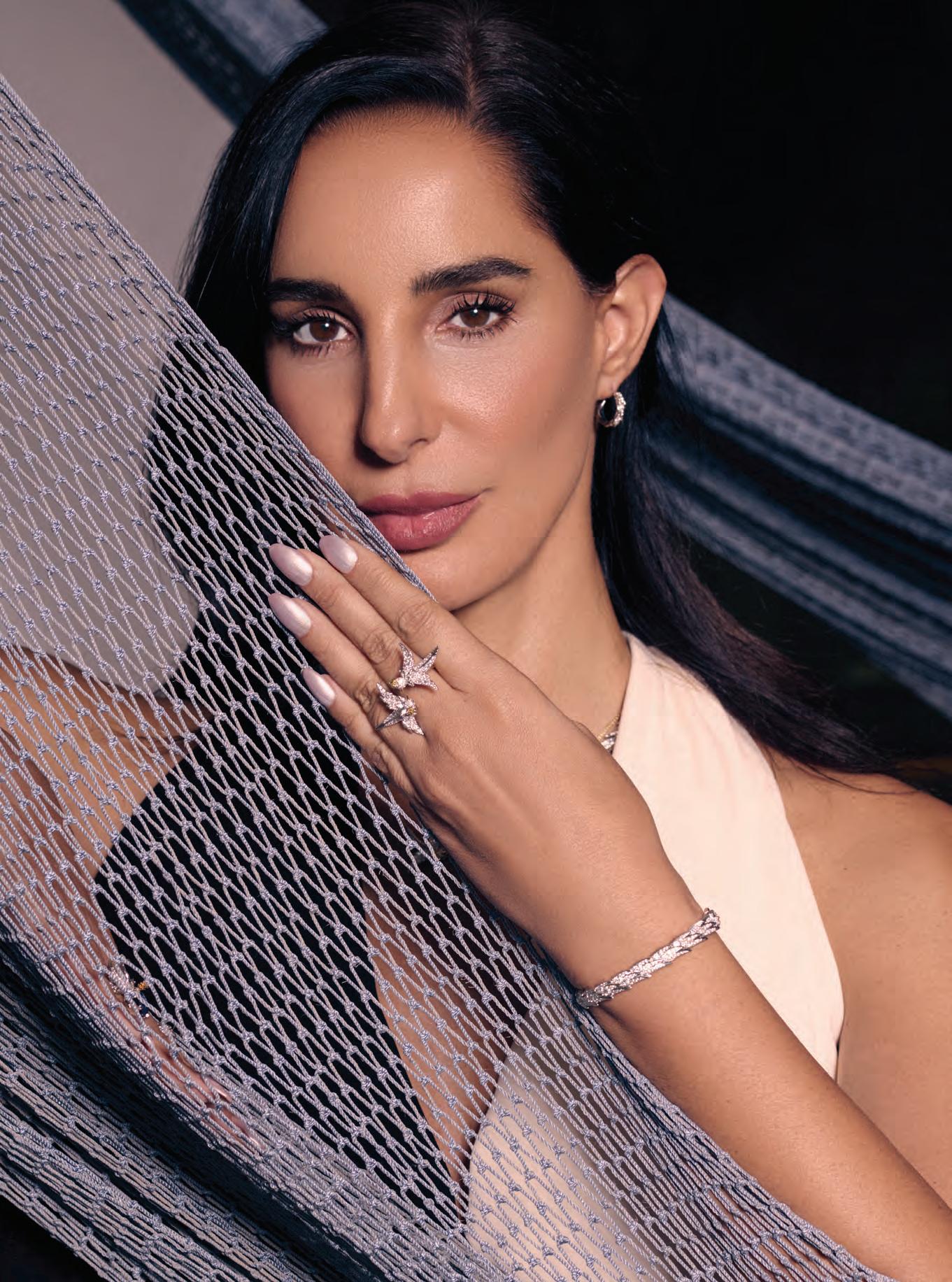
Talent: Nadia Zaal
Fashion Editor: Camille Macawili
Photographer’s Agent: Jorge Agut Rosell
Makeup: Hamta Babaei
Hair: Loui Ferry
Videographer: Ekaterina Shirshova
Fashion Assistants: Kareena Adlakha and Anshika Yadav
Bird on a Rock by Tiffany Wings Hoop Earrings and Wide Bangle in Platinum with Diamonds, Bird on a Rock by Tiffany Lovebirds Rings in Platinum and Gold with Diamonds; ALL TIFFANY & CO. Dress: Proenza Schouler available at THAT Concept Store
AN EVOLVING
WORDS:
‘INDIA
MODERN’
Tarun Tahiliani talks redefining Indian luxury across three decades, and crafting a future from every layer of the past
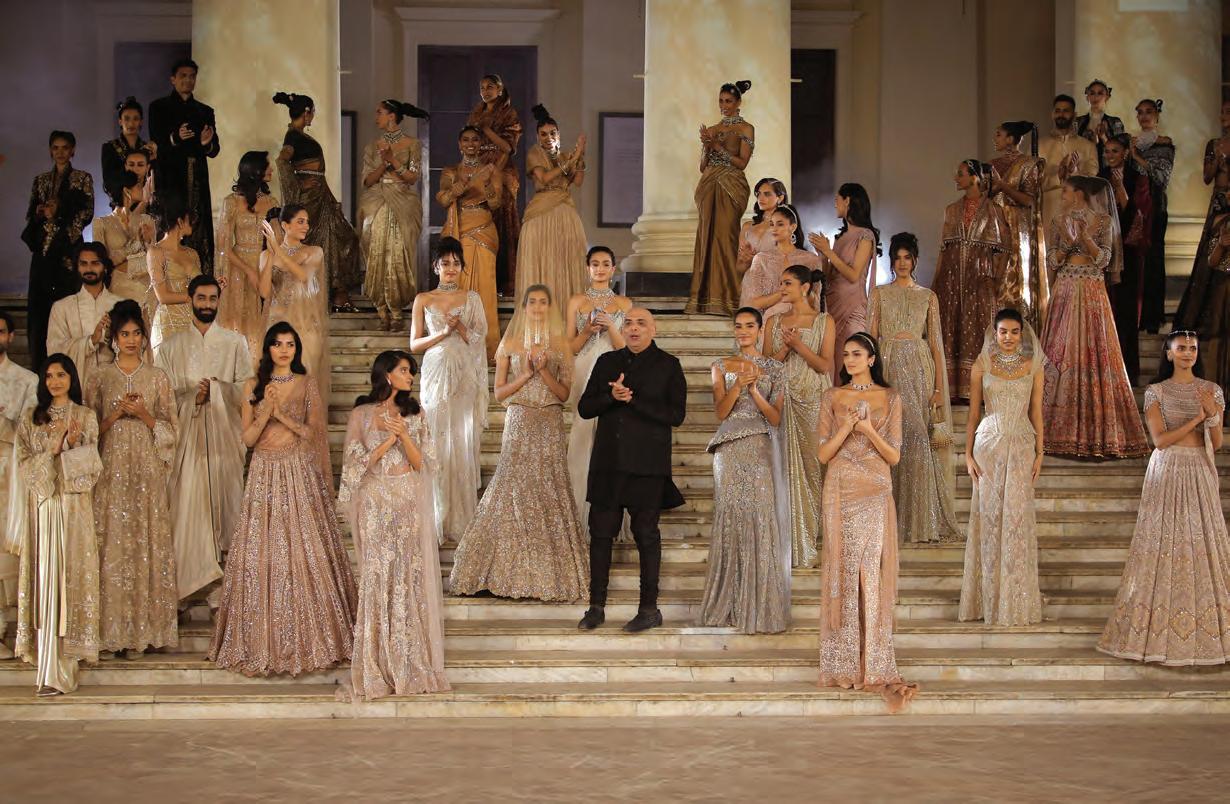
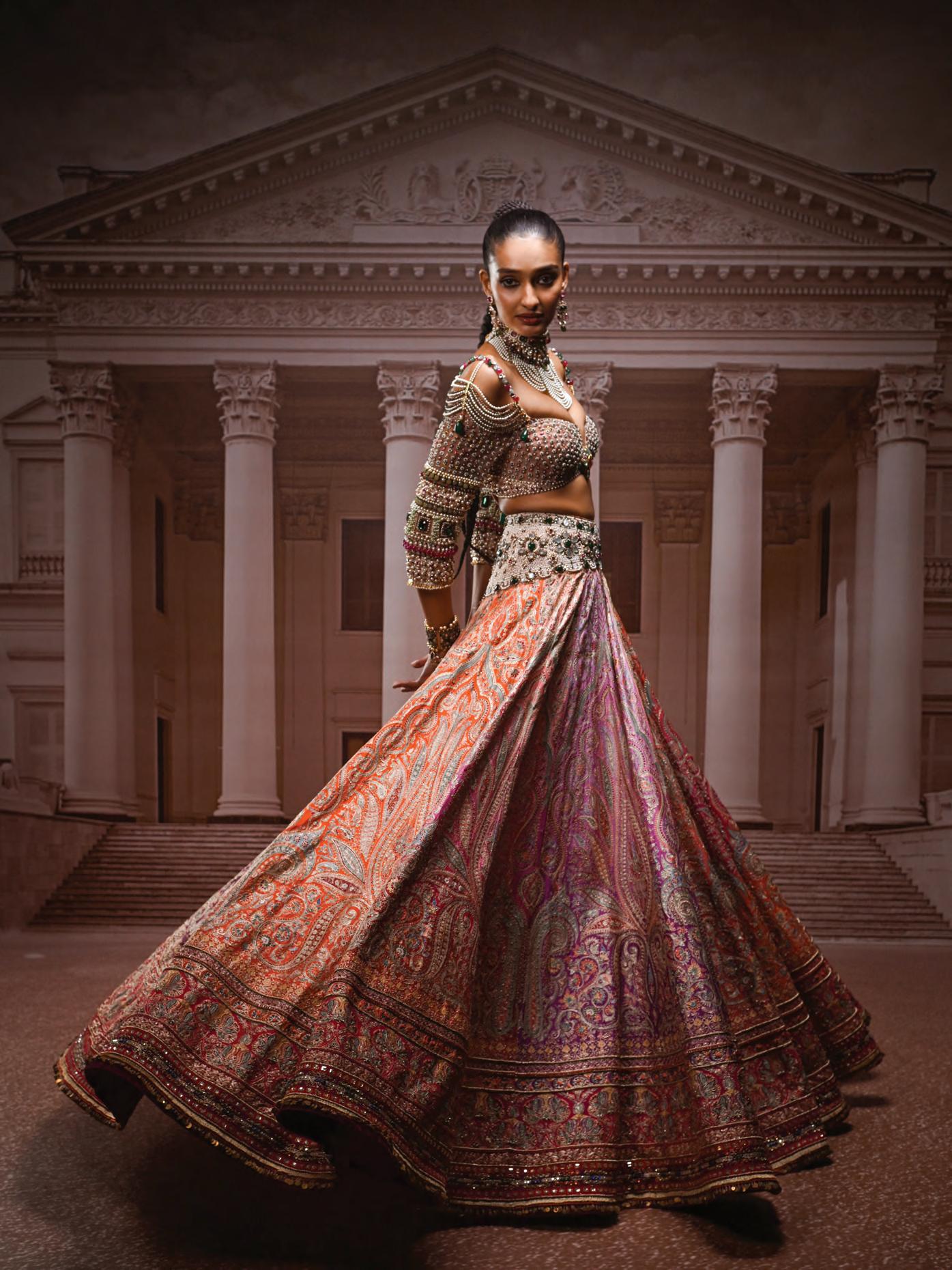
Celebrating thirty years at the forefront of Indian fashion, Tarun Tahiliani chose to stage a profound declaration of his philosophy in the heart of Hyderabad. His immersive showcase in the city’s historic British Residency was a living embodiment of ‘India Modern’ – an ethos he has spent decades refining. “I grew up in postcolonial India, in a world that was both socialist and deeply westernised,” Tahiliani shares in a candid conversation before his show. “We were educated in English, taught to admire British manners and architecture, while quietly divorced from our own indigenous traditions. Fashion changed that for me.”
That change was a journey inward, one that took him across the country into handloom clusters, embroidery ateliers, and dyeing crafts. It was there he discovered an aesthetic he describes as inherently rich, layered, and intellectually modern. “That journey became the seed for India Modern,” he explains. “A contemporary synthesis of who we are.” This synthesis was physically manifested by the venue itself. The British Residency, a Palladian mansion built in the 1800s by James Achilles Kirkpatrick, stands as a symbol of cultural collaboration. Its style is British, but its soul, and the hands that built it, are unmistakably Indian. For Tahiliani, it was the perfect setting. “It felt only right that our 30-year showcase be held at a place that physically embodies that vision,” he says. “A monument at the intersection of two worlds that shaped how I think, feel, and
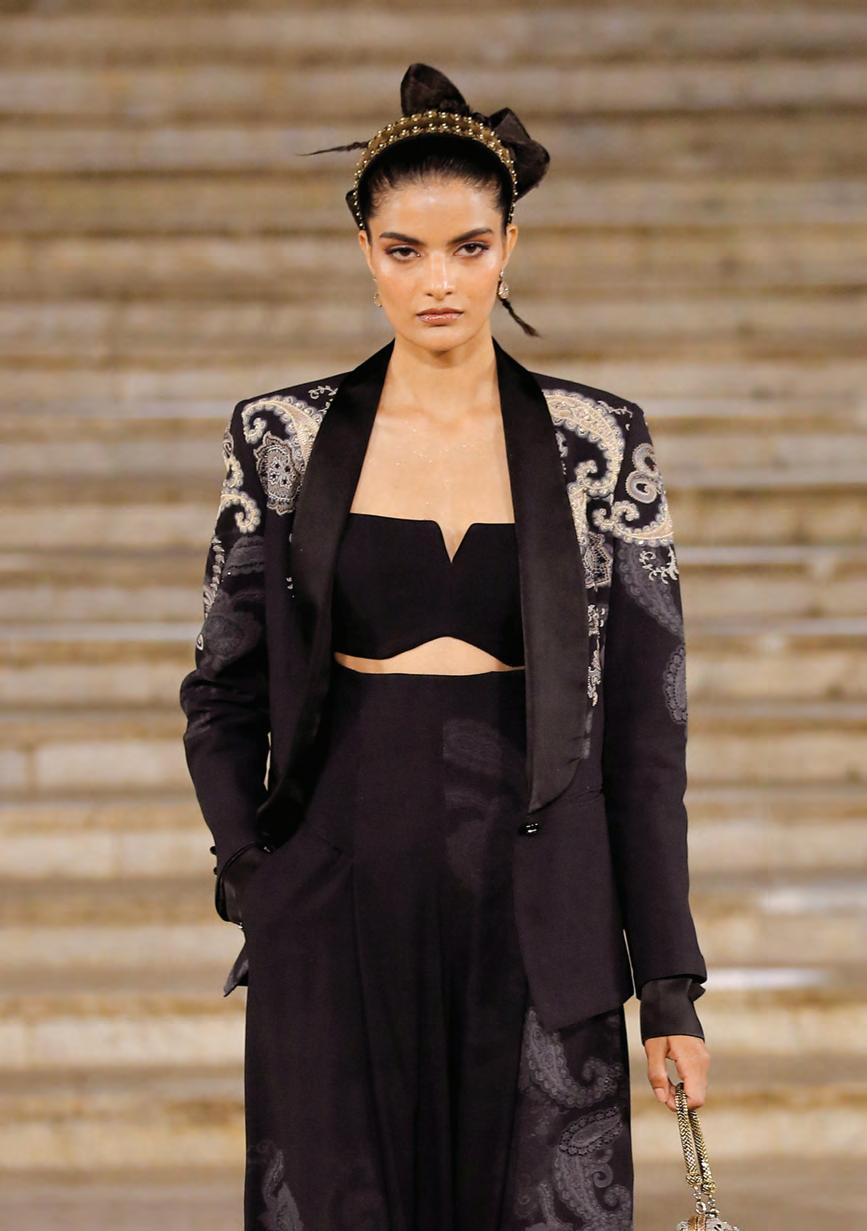
design.” The evening unfolded as a narrative, with guests being enveloped by an exhibition of some of Tahiliani’s most breathtaking pieces. Each room of the residency a celebration of Indian craftmanship and its many sartorial dialogues – pairing Obeetee carpets with chikankari, or de Gournay wallpapers with Pichwai-inspired lehengas – before culminating in a runway show conceived as six distinct chapters. Strikingly it began with ‘Nautch’, a powerful celebration of the Indian body. Tahiliani projected paintings of courtesans onto the Residency’s columns, using AI to animate them, and sent out looks with built-out hips and corseted silhouettes. “We’re telling women to own it,” he states. “You don’t have to conform to anything in the West. That beautiful, narrow, rounded hip is gorgeous.”
This confidence is hard-won, stemming from what he calls an “unintended” journey through failure and rediscovery. “I learned everything by falling on my face,” he admits, recalling early struggles with fabric and construction. He even battled imposter syndrome after opening his first store. “I remember suddenly being called for a fitting and not having a clue what to do.”
But those failures forged a path. He pursued technical training, merged it with Indian craftsmanship, and over three decades, built an ecosystem. “We’ve created a workspace where people love what they do,” he says, noting he collaborates with some women in their seventies, who refuse to retire. His focus has sharpened further with OTT, his new luxury ready-to-wear line. “Indian clothing is for weddings; it’s all becoming costume,” he observes. “OTT is using Indian
Tarun Tahiliani’s 30th anniversary show (2026)
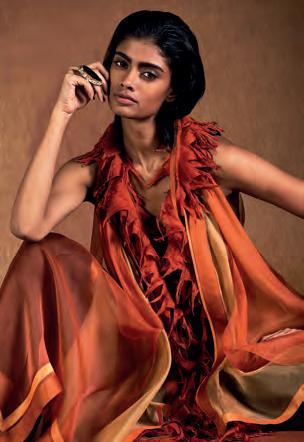
craft, but it’s completely contemporary. Fashion has to be relevant in everyday life.” Now, at 63, Tahiliani believes his best work is ahead. “I’m in a sweet spot,” he says. “I can finally combine technique with all the Indian workmanship I’ve learned. I know how to make it wearable, flexible, and modern.” He works “like a dog,” maintains a near-monastic focus, and spends six, sometimes seven days a week at the studio, driven by pure passion. But his vision extends beyond the atelier. After COVID-19 lockdowns devastated migrant artisan communities, his brand established local craft clusters so workers could stay in their villages with their families. “There’s a huge social context to what we do,” he reflects. “I want to make people feel part of something bigger.”
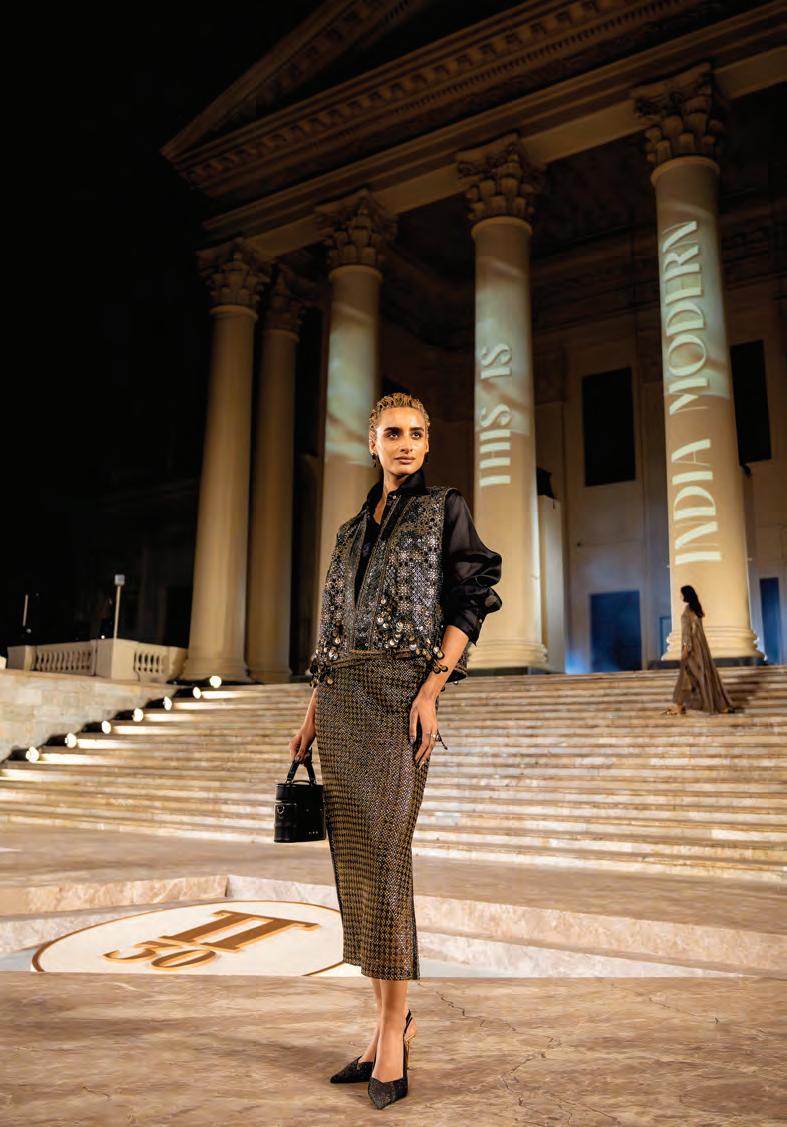
As the industry evolves, he views the current state of Indian fashion with optimism, it’s more stratified, aware, and technically proficient than ever. Yet, he cautions against the noise of Instagram and the spread of machine-made goods masquerading as handmade. “Luxury is not about projection,” he insists, recalling a piece of advice the late, stylish Meena Modi once said to him: “I don’t need a logo. I put my hand in the bag, and my hand tells me if it’s luxury.”
For Tahiliani, true luxury is the alchemy he has spent 30 years perfecting. It’s in the drape that informs structure, the colonial tailoring fused with Mughal embroidery, the fearless embrace of a hybrid identity. “We are layered. We are fusion. We are contradiction,” he says. “And in that contradiction lies our strength.”
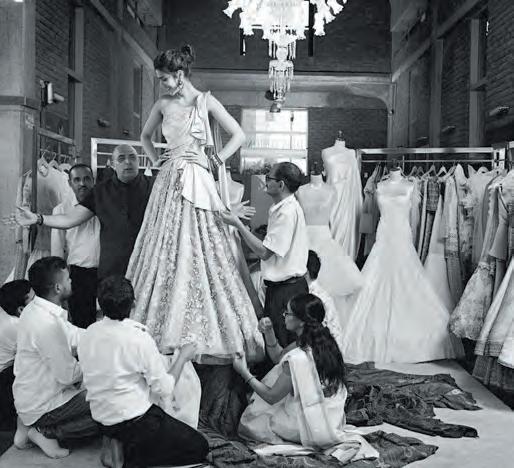
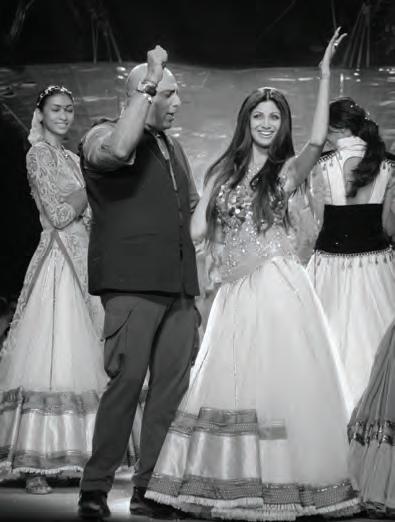
Above: Tarun Tahiliani and Shilpa Shetty, Wills Lifestyle India Fashion Week (2010); Right: Archana Akhil Kumar in Tarun Tahiliani’s Kumbhback Autumn/ Winter Collection 2013; Bottom right: Fittings for Kriti Sanon
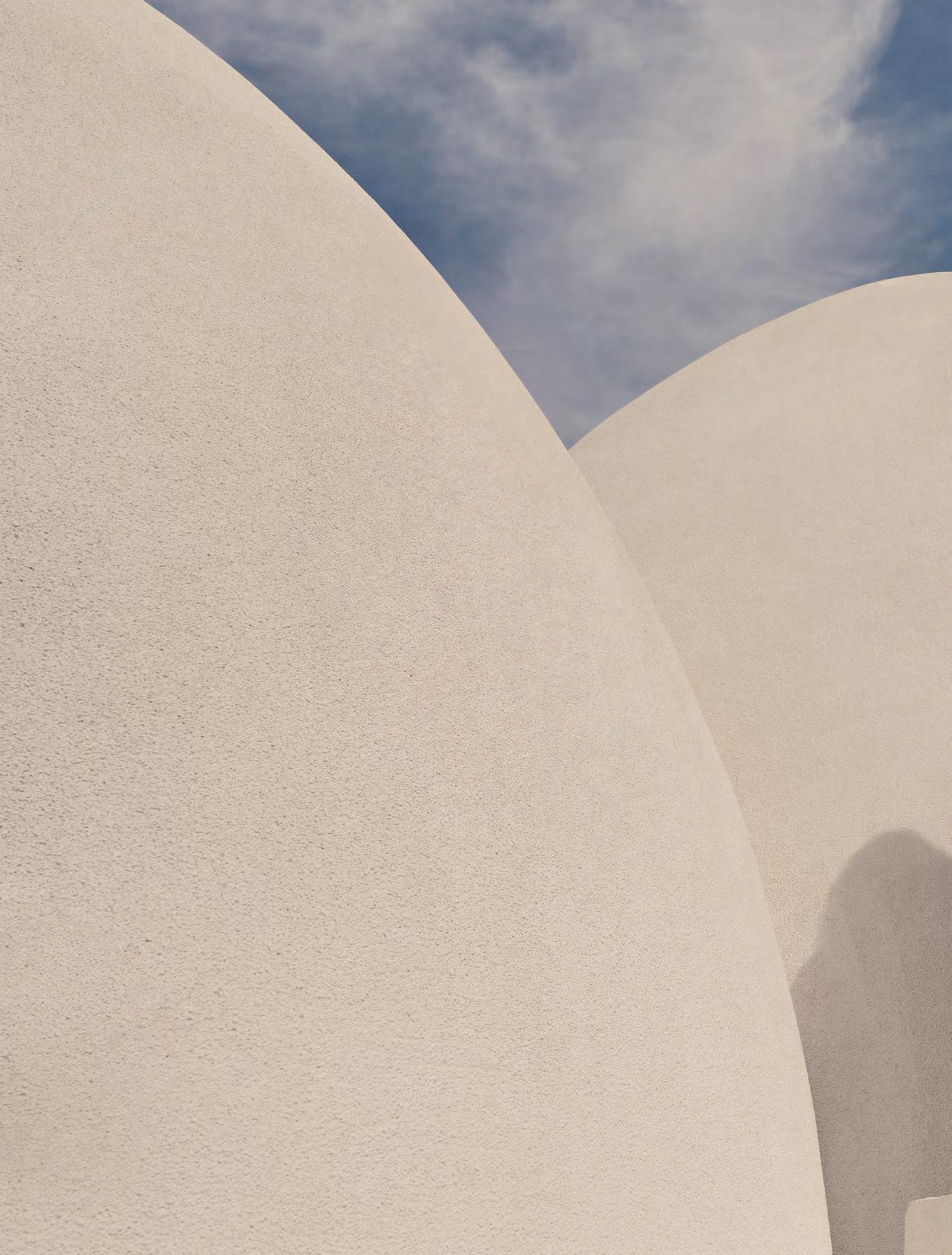
Tarun Tahiliani’s 30th anniversary show (2026)
BETTER TOGETHER
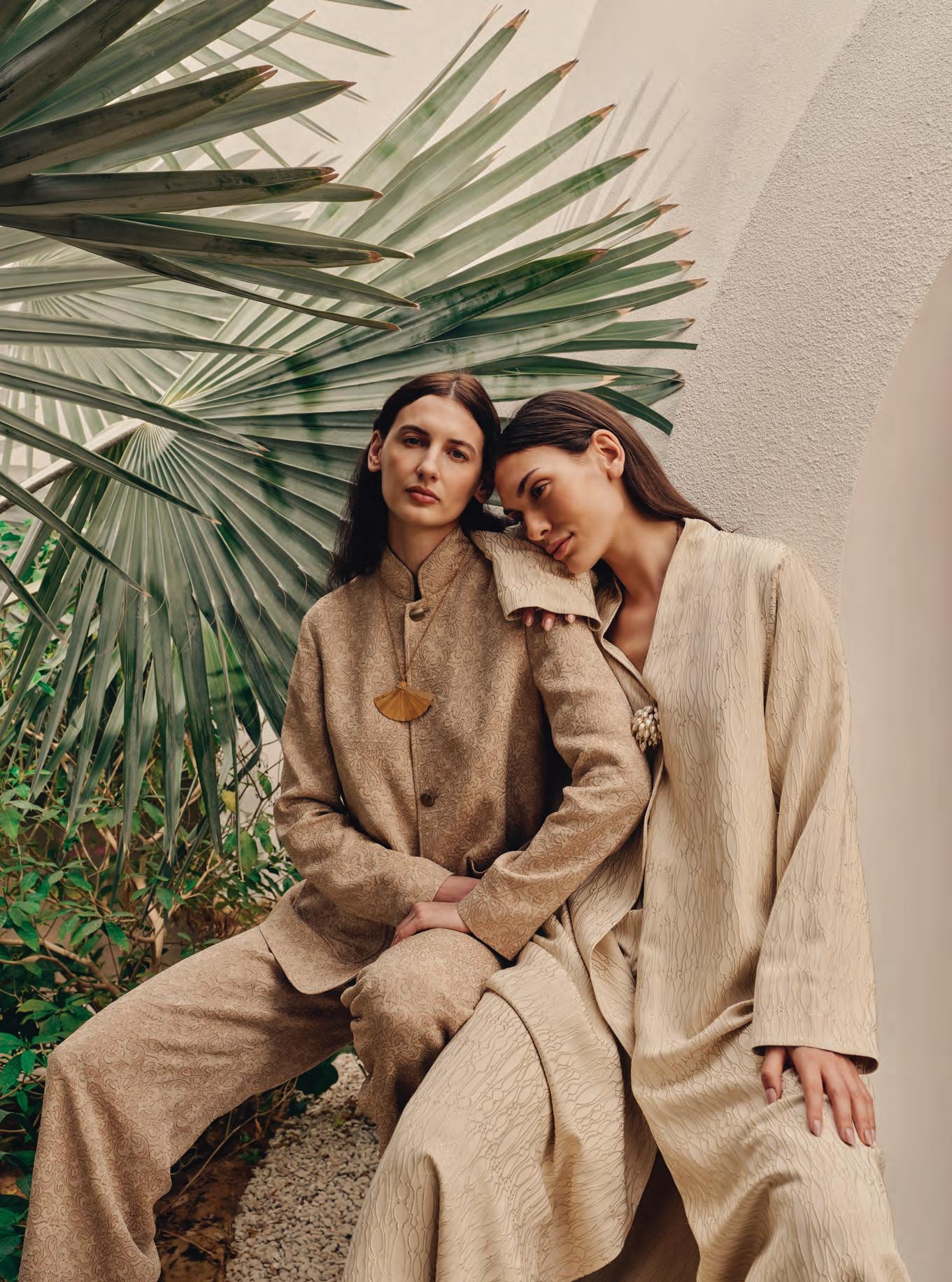
AS RAMADAN GETS UNDERWAY, IT’S IMPORTANT TO REMEMBER THAT LIFE’S BEST MEMORIES ARE THE ONES WE SHARE
SENIOR EDITOR: JESSICA MICHAULTPHOTOGRAPHER: GREG ADAMSKI
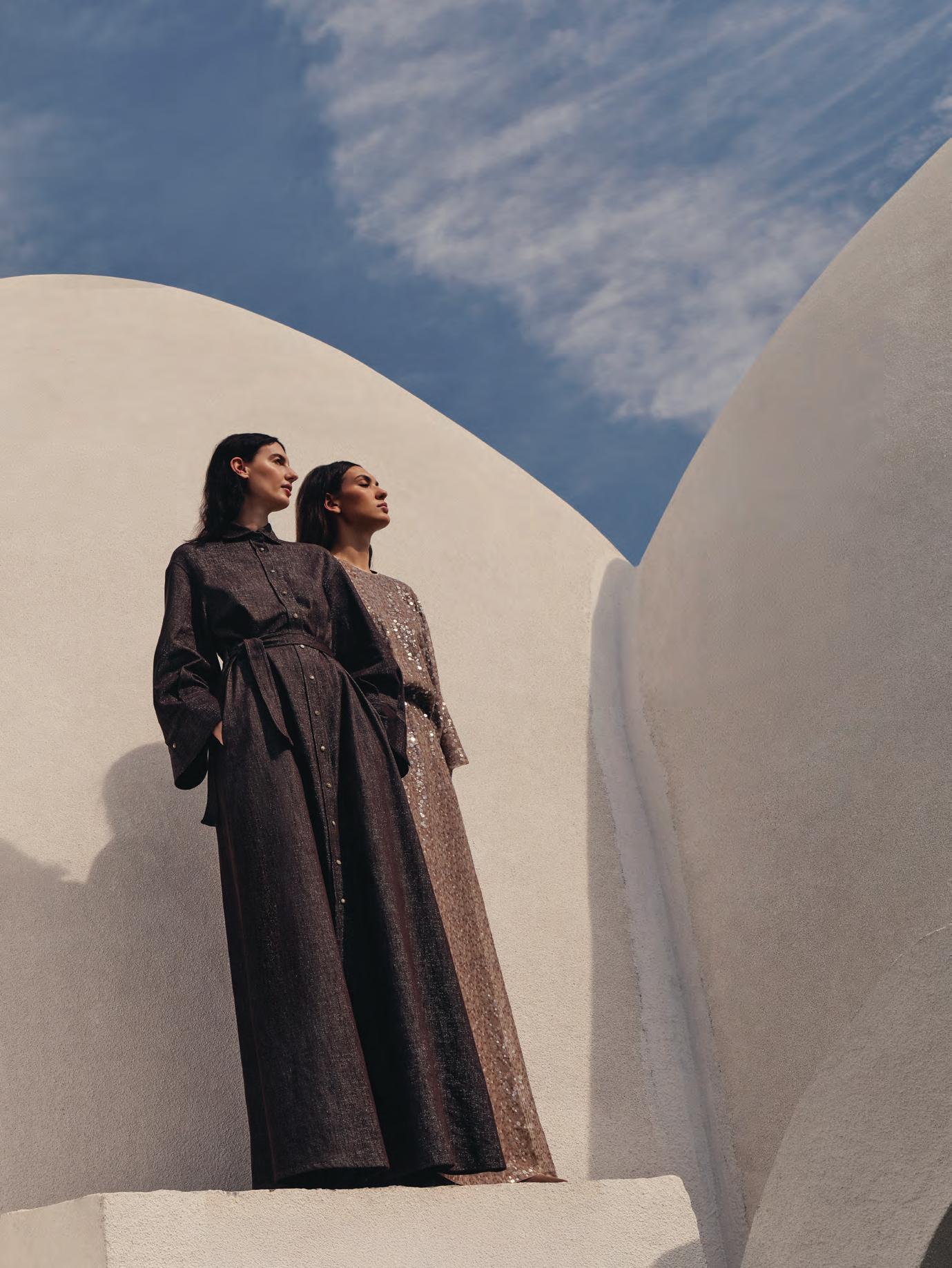
Outfits: Brunello Cucinelli
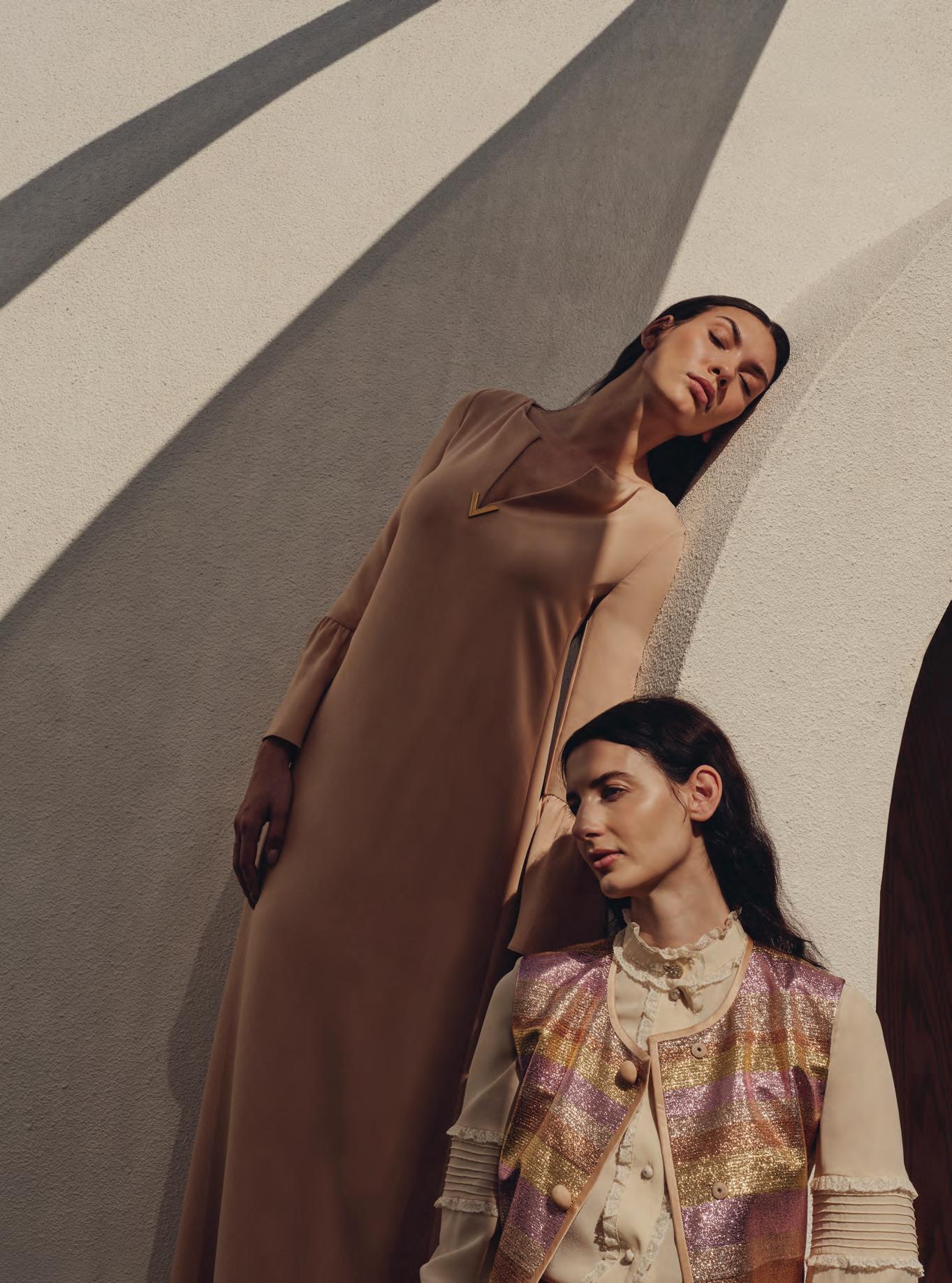
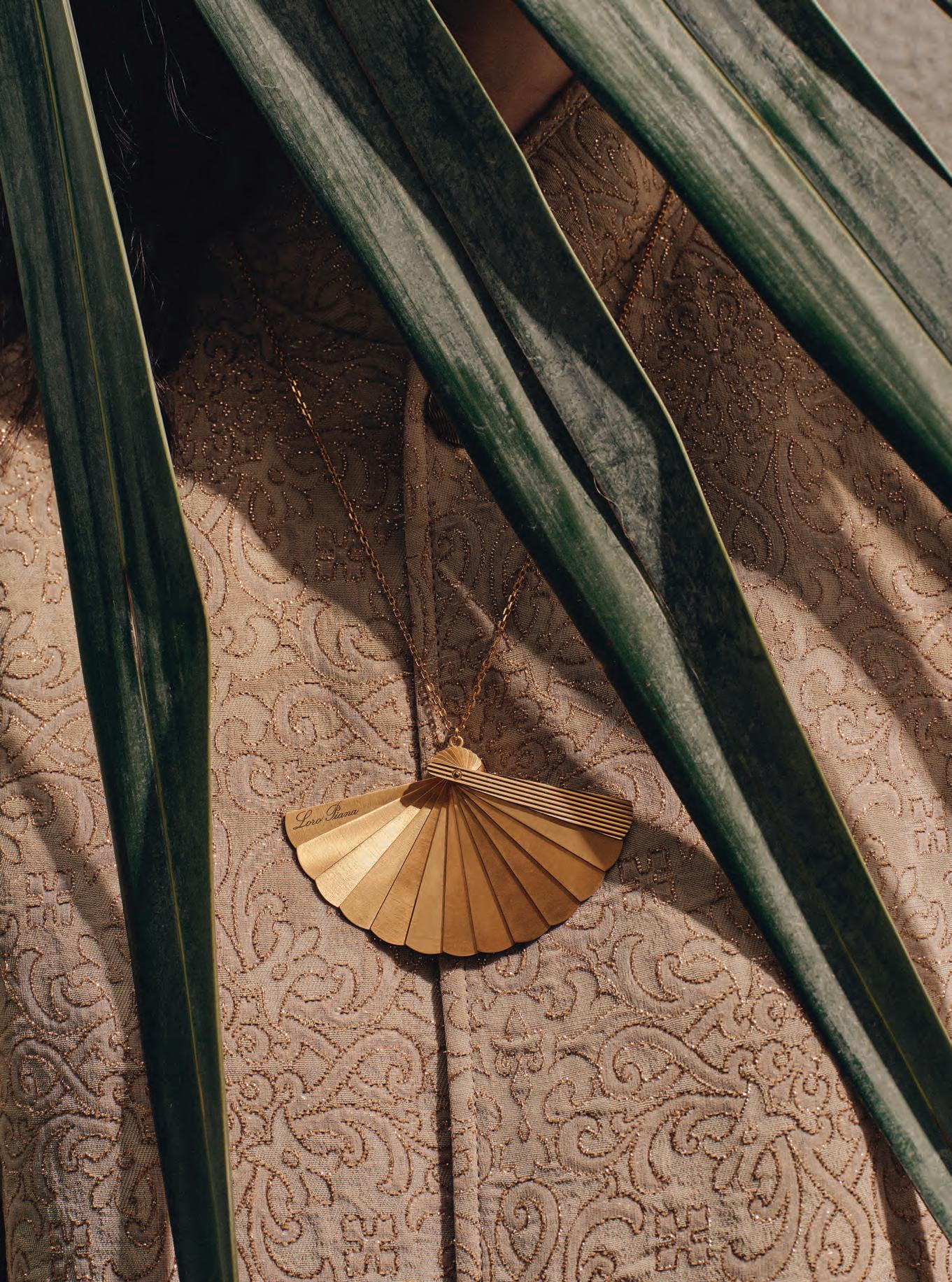
This page: Outfits: Valentino; Right page: Necklace, Loro Piana
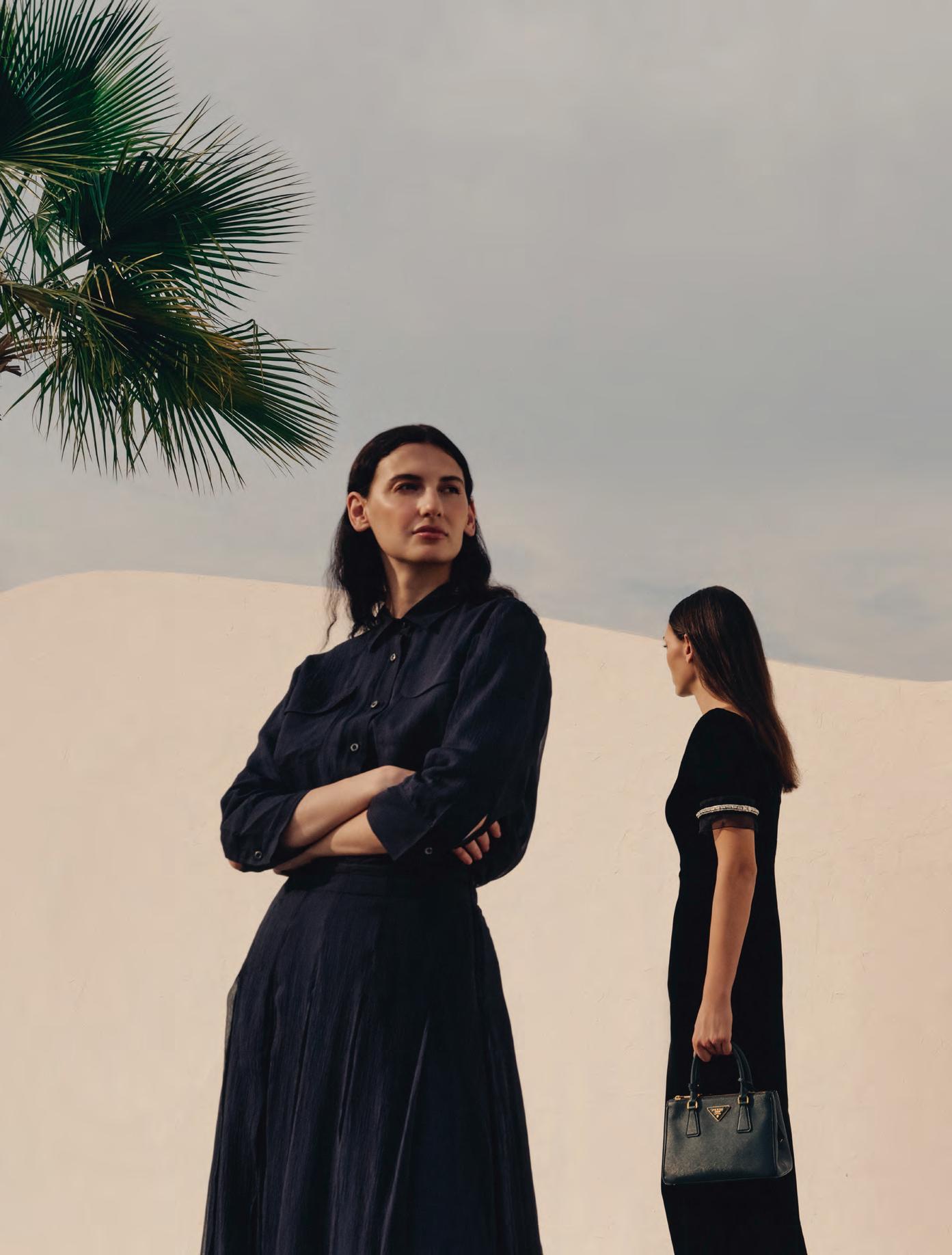
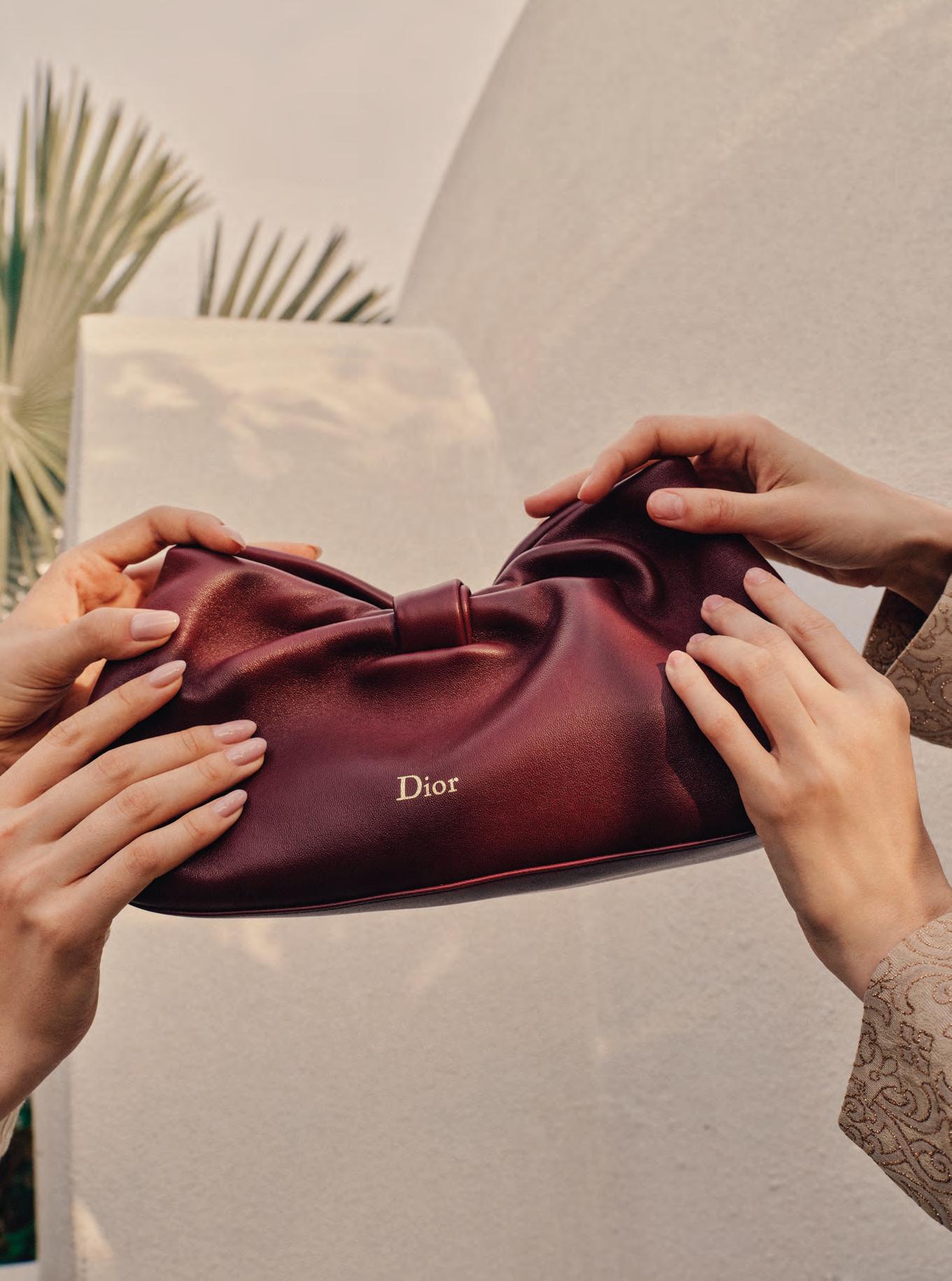
Left page: Outfits: Loro Piana; This page: Bag, Dior
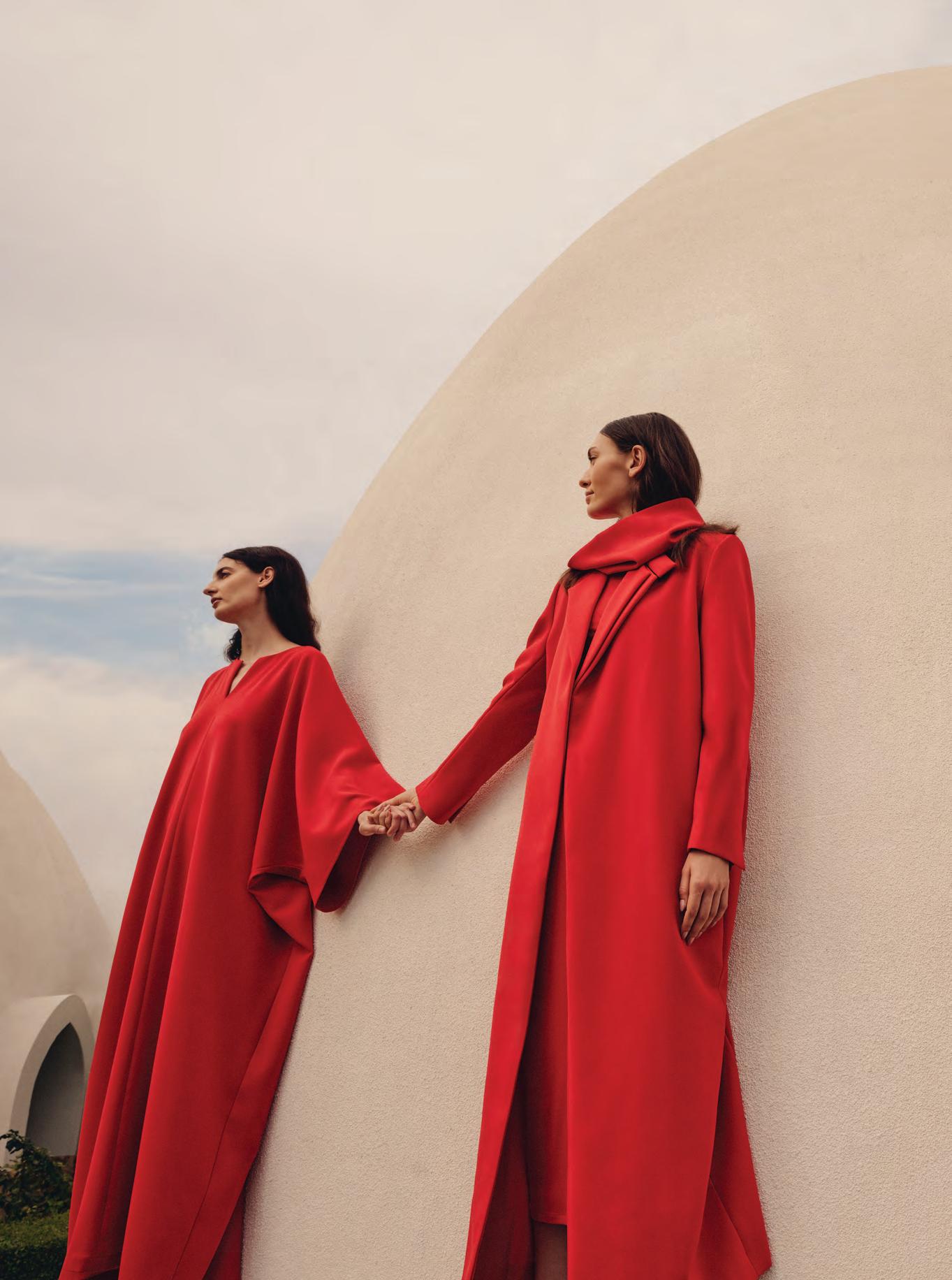
This page: Outfits: Bouguessa; Right page: Outfits: Louis Vuitton
Fashion Editor: Camille Macawili
Makeup: Hamta Babaei
Hair: Loui Ferry
Videographer: Ekaterina Shirshova
Models: Alina Znakharenko and Anastasiia Nochna
Fashion Assistant: Anshika Yadav
Outfits: Abadia
HOME HOME AWAY FROM
Emirates Woman steps into the creative workspaces of four inspiring Dubai-based fashion brands to see where their founders ideate with abandon and how the UAE has supported their dreams
INTERVIEW BY CAMILLE MACAWILI
PHOTOGRAPHY: MARK MATHEW
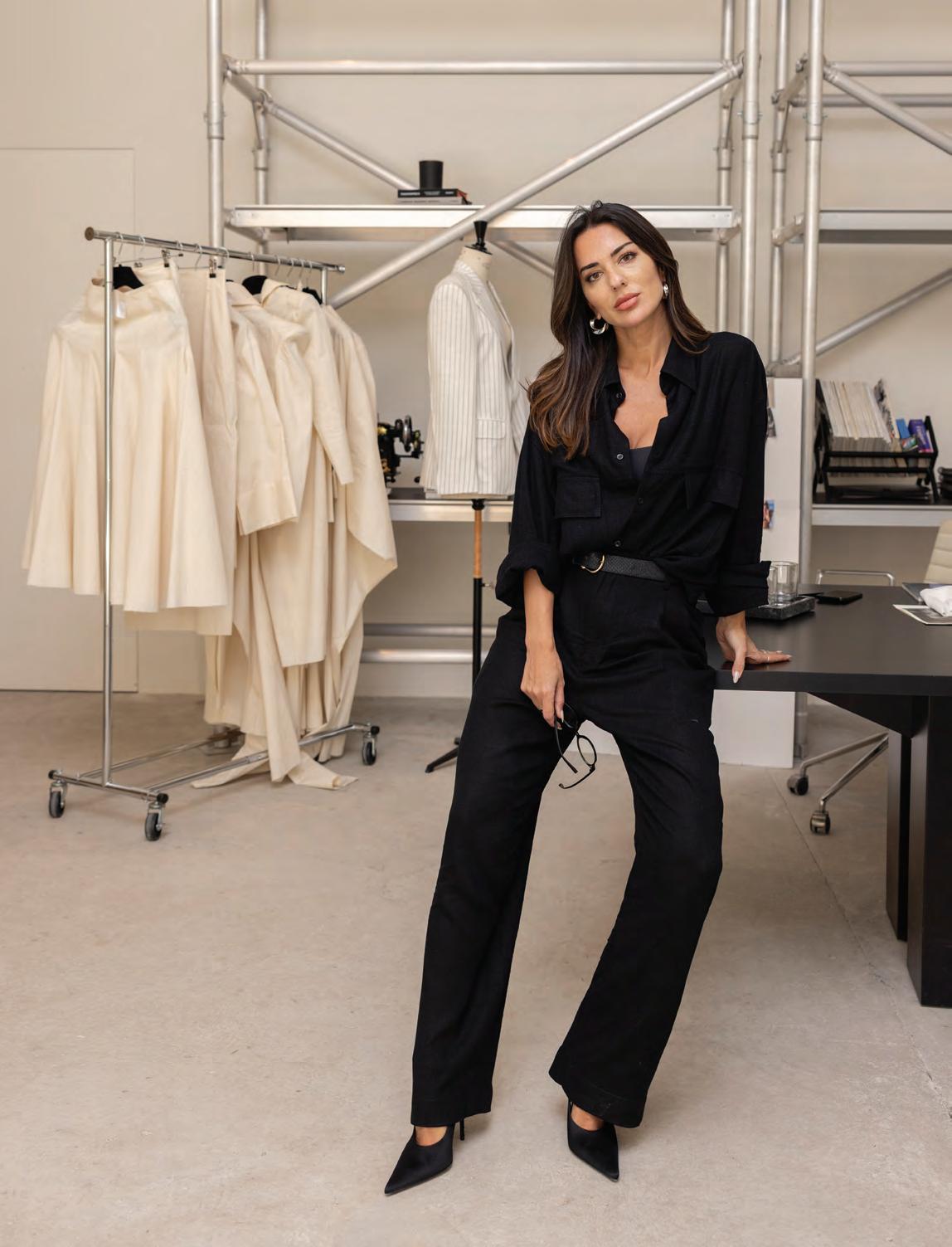
LAMA JOUNI Founder and Creative Director of Lama Jouni
How have you evolved as a designer since you started the brand, and what have you learned about yourself?
Over the years, I’ve realised that building a fashion brand is never linear. The industry moves in waves; it's up and down, unpredictable, and constantly shifting. That pushed me to evolve not just creatively, but personally. I learned that reinvention is essential, but it has to come from a place that feels true to who I am and the woman I design for. From the beginning, my intention was clear: to offer women thoughtful wardrobe solutions at an accessible price point, without compromising on aesthetic or purpose. That vision has never changed; it has only become clearer and more refined. I’ve learned that I’m incredibly persistent. When I believe in something whether it’s my brand, my message, or supporting the women who wear my pieces I don’t stop until I achieve it. I know what I want, and I go after it with clarity and conviction. This journey has shown me that resilience is one of my strongest qualities, and it continues to guide me in every chapter of my work. What sets the UAE apart, and how has it shaped your path as designers?
What sets the UAE apart is the sense of possibility it offers. I grew up in different parts of the world: Europe, the Gulf, and Lebanon but the UAE is the only place where I truly felt a sense of freedom, acceptance, and reciprocity. I always say that this country gives back. Whatever you invest here creatively, intellectually, financially, or socially you feel it returns to you in some way. For me as a designer, the UAE created a safe and supportive environment that allowed me to grow into my potential. Everything is facilitated in a way that encourages you to build, to take risks, and to evolve. That stability, openness, and support have been fundamental in helping me shape my path and flourish in my work. What has been the most pivotal moment of your career so far?
One of the most defining moments of my career has been building my brand over the past decade and growing alongside other designers in the region. Through that journey, I learned how persistent I truly am and I also saw firsthand the challenges that many young brands face in the early stages. I’ve always felt a responsibility to make that path easier for others. Launching Outline with my business partner,
Lama Jouni, Founder and Creative Director of Lama Jouni
Ruby Kreidieh, was a turning point. It wasn’t just a milestone for my own brand – it was a step toward strengthening the entire local fashion ecosystem. Outline was created to support designers, to give them the tools and guidance many of us didn’t have when we started. I’m naturally someone who gives back, and contributing to the industry in a meaningful way aligns deeply with my purpose. Knowing that our work at Outline helps elevate the community makes this chapter one of the most important in my career. What does your workspace mean to you, and what in it inspires you creatively?
The most important element in my creative space is conversation. Meaningful exchanges with the people around me open my mind, spark ideas, and push me to think in unconventional ways. I’m not a conventional person by nature, and I love being surrounded by people who challenge my mindset – that’s where a lot of my inspiration comes from. Music is another constant in my workspace. I listen to it throughout the day, and the feeling I get from a song often guides me toward the woman I want to design for. Movies and the books I read play a big role too. I’m a very dreamy person, and these elements amplify that side of me, helping me slip into a more imaginative, creative state. All these influences, conversations, music, films, books shape my world and keep my creativity flowing.
What’s your advice for upcoming designers?
My biggest advice is to stay deeply focused on what you want to achieve. Launching a good product isn’t enough. You need a strong vision, a purpose, and a clear understanding of why your brand should exist. Fashion is not a field for quick returns. It’s a long journey, a beautiful one, but one that requires patience, resilience, and self-awareness. You have to be ready for the highs and the lows, the failures, the small victories, the disappointments. You need a thick skin to accept criticism and the courage to be vulnerable. Putting your creativity out into the world is one of the most vulnerable acts, and how people respond to it can be challenging. If you’re not willing to embrace that vulnerability and grow through it, the journey will feel overwhelming. But if you are, it will shape you into a stronger, more grounded creative. What’s next for Lama Jouni?
The next chapter is all about staying true to the aesthetic and purpose I’ve built from the beginning, while expanding the range of wardrobe solutions we offer. I want to create more pieces that women genuinely identify with and love, essentials that become part of their everyday lives. We’re growing the essentials line beyond suiting and dresses and introducing new product categories that still carry the same minimal, thoughtful DNA. And hopefully, a men’s line will follow soon. It’s an exciting evolution but still rooted in the same intention: to create pieces that feel effortless, relevant, and timeless.
“This journey has shown me that resilience is one of my strongest qualities, and it continues to guide me in every chapter of my work”
– Lama Jouni
LAMA RIACHI AND LYS RIACHI
Co-Founders of BLSSD
How have you evolved as designers since you started the brand, and what have you learned about yourselves?
LAMA: I design with a different kind of clarity now. The ideas are still instinctive, but the thinking behind them is more layered. Years of learning construction, materials, and production have changed how I build a collection. It made me realise I’m far more patient, precise, and curious than I ever thought.
LYS: In the beginning, I obsessed over single pieces. Now I see the whole arc of a collection in one sweep. My instincts are sharper and I trust them more. I’ve learned I work best when I don’t overthink the first spark. What sets the UAE apart, and how has it shaped your path as designers?
LAMA: Dubai moves fast, which forces you to move smarter. The market is incredibly diverse, so you learn to design with a wider lens. That mix of pace and variety has pushed me to stay agile and always listen closer.
LYS: The bar gets higher every year. So many global brands are here now. Standing out demands constant reinvention, which has shaped how I think about design and the business behind it. It keeps you hungry. What has been the most pivotal moment of your career so far?
LAMA: Our first runway show. It was the moment the brand stepped into its own skin. Opening our store in Mall of the Emirates was another shift, a quiet signal that BLSSD belonged on a bigger stage.
LYS: Joining the Dubai Fashion Week Designers Committee changed things. It put us in a new circle and pushed us to grow. Getting onto Ounass was a marker that the region was ready for what we were building. What does your workspace mean to you, and what in it inspires you creatively?
LAMA: Being in Alserkal gives us a constant stream of art and ideas. Our showroom and atelier sit right next to our design consultancy’s studio upstairs, so the space has this steady hum of creative energy. It reminds me that fashion sits at the centre of a much larger world.
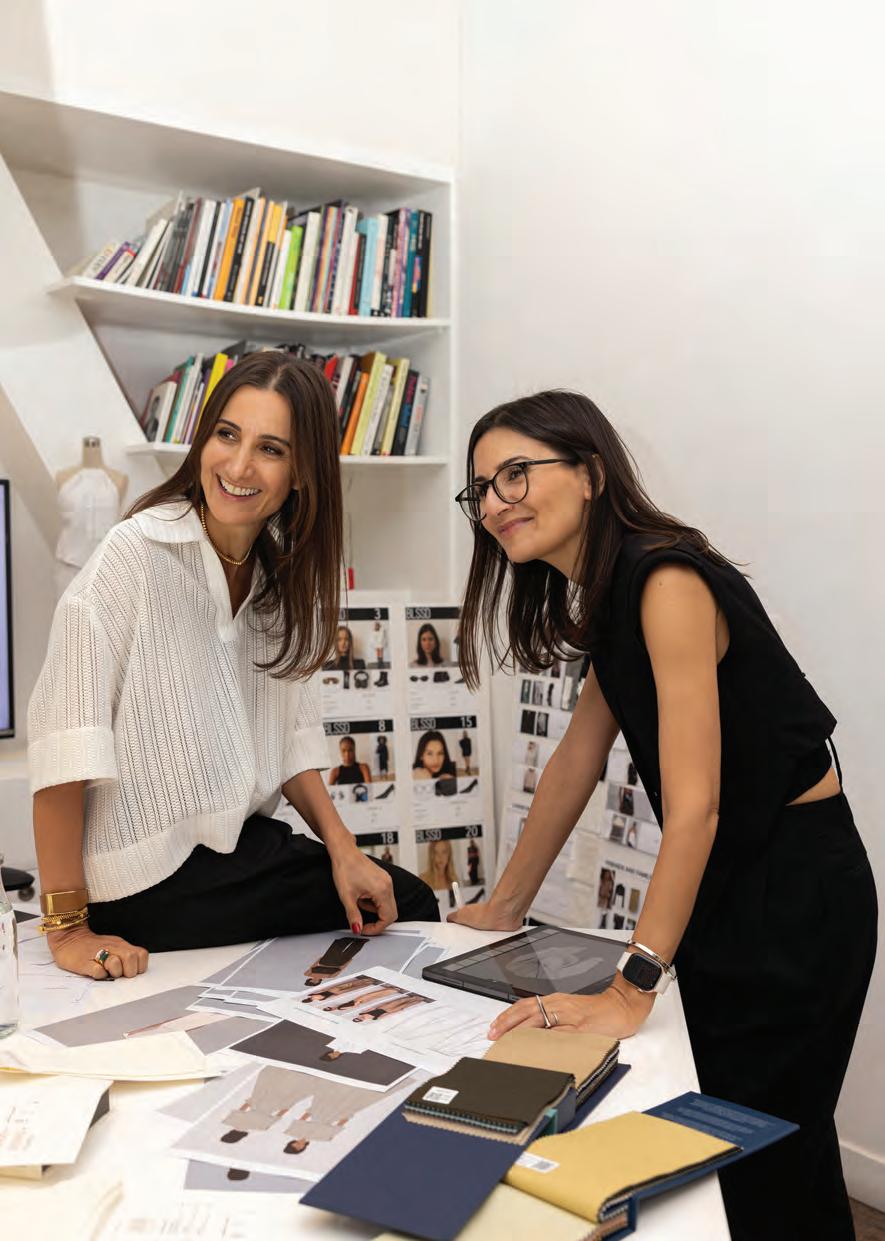
LYS: The studio is alive. Clothes, fittings, sketches, people coming in and out. It gives you a real sense of the craft, not just the concept. I get inspired by movement, by seeing things get made in real time. What’s your advice for upcoming designers?
LAMA: Learn your craft. Know how things are made. Production isn’t the boring part, it’s the backbone. If you ignore it, your ideas won’t survive the real world. And don’t be precious. Get your hands dirty.
LYS: Know your numbers. Creativity
without a grasp of cost is a hobby. If you want a brand, not a passion project, learn the business.
What’s next for BLSSD?
LAMA: The aesthetic keeps evolving. Still experimental, but more refined. More luxury, less street. Accessories are where we’re heading next, and that excites me.
LYS: We’re exploring growth, but we’re selective. Expansion only works if it feels aligned and sustainable. We’re looking at new markets and categories, but always with intention.
SHARIFA ALHASHEMI Founder and CEO of ONORI
How have you evolved as a designer since you started the brand?
When I first started ONORI, it was all about creativity, expression, and having fun. I wanted to be bold, artistic, and free with my designs. I wasn’t thinking much about being commercial or structured; it was purely driven by passion and emotion. But one thing that has always been consistent from the very beginning is my commitment to quality and craftsmanship. That never changed. As the brand grew, I began to understand the importance of balance, balancing creativity with wearability, artistry with business. In the beginning, I was thinking globally, wanting ONORI to reach international markets right away. But over time, I realised that true growth starts locally and regionally, understanding your clients, studying your market, and building strong roots before expanding. In my first year, I was eager to do everything fast, design, produce, and sell. Now I’ve learned to slow down, observe, and be more intentional. That shift has made me not only a better designer but also a better businesswoman. What do you think sets the UAE apart, and how has it paved the way for you as a designer?
The UAE is truly a place of opportunity and inspiration. It attracts people from all over the world. What sets it apart is the way it combines vision, diversity, and support. It’s not just a financial hub, but also a growing fashion and creative hub, where ideas and cultures from every corner of the world come together. As a designer, I feel incredibly lucky to be based here. The government’s support for entrepreneurs and creatives is remarkable, it’s not limited to locals or women, but open to anyone with ambition and drive. Starting a business here is accessible, secure, and filled with opportunities. The exposure you get just by being in the UAE is massive. It’s one of the most visited countries in the world, and that automatically connects you to a global audience. Even the reason I was able to study abroad and gain the experience that shaped me was thanks to the support
Above: Lama Riachi and Lys Riachi, Co-Founders of BLSSD
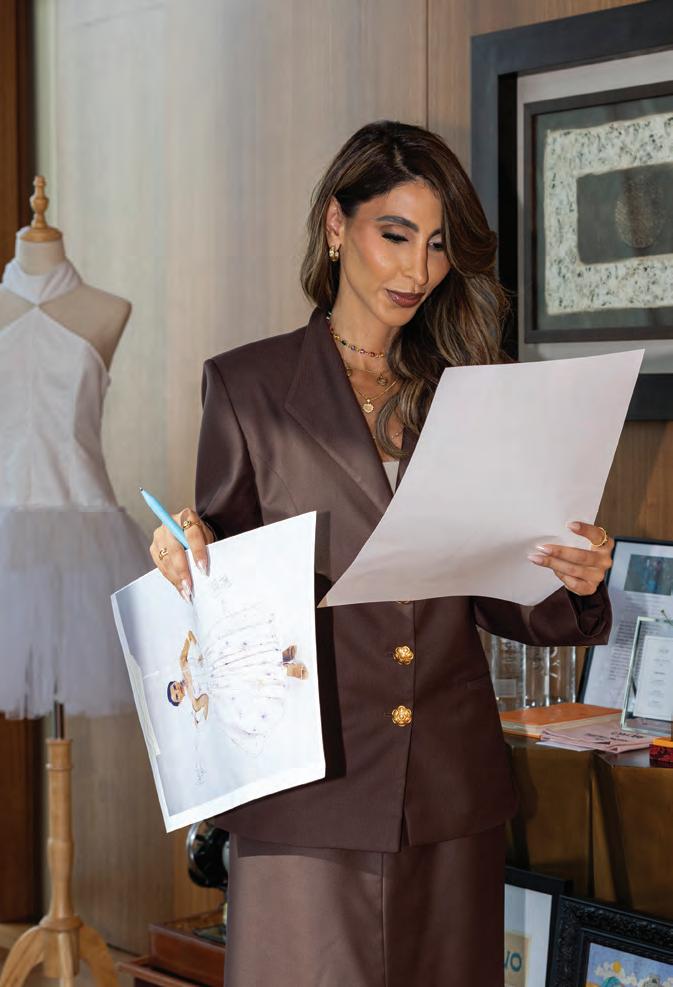
of my country. The UAE truly empowers us, as individuals, as women, and as creators to dream bigger, build confidently, and share our work with the world. What has been the most pivotal moment of your career so far?
There have been so many unforgettable moments throughout my journey with ONORI. From staying up until 3:00 am with my sister, my mother, and the ONORI girls working on our first collection, to receiving my very first order, launching the website, and seeing everything come to life. Each milestone felt deeply personal: my first meeting with buyers I had always dreamed of working with, seeing ONORI on the platforms I once admired, or the
moment one of my favourite celebrities wore my designs for the first time. I’ll never forget being recognised as one of the Women of the Year by Emirates Woman – standing among incredible, inspiring women was truly humbling. One of the most emotional moments was my first pop-up event, when both my parents came and proudly took a photo with the ONORI billboard – it was a full-circle moment. And, of course, being recognised by Fashion Trust Arabia within just two years of launching ONORI is something I will always cherish. And now taking ONORI to Qatar and being nominated for Fashion Trust Arabia in the Eveningwear category feels huge. I don’t think I’ve even fully processed it yet. Every
one of these moments reminds me that passion, persistence, and faith truly build dreams and I’m endlessly grateful for each step of this journey.
What does your workspace mean to you – what are the elements that inspire you to be creative?
My workspace is a true reflection of ONORI and everything that surrounds it. It’s filled with pieces that inspire me every day, frames I’ve collected from my travels, souvenirs and magazines that spark ideas, and even little dolls dressed in ONORI pieces. Seeing the brand come to life all around me keeps me motivated and connected to my vision. It’s a space where memories, inspiration, and design blend together. I love keeping it comfortable, homey, and safe. A space that feels truly mine, where I can think freely and create without limits. The colours, fabrics, puzzles, frames, and posters I’ve gathered over time tell a story of my journey. Each piece holds a memory or an idea that fuels my creativity.
What would be your advice for upcoming designers?
My advice would be to trust your instincts and be patient. It’s so easy to want quick results at the beginning, but real growth takes time and every step, even the difficult ones, teaches you something valuable. Stay true to your vision, pay attention to every detail, and don’t be afraid to make mistakes; they often lead to your most important lessons. Be resilient, passionate, and focused. Don’t see criticism as something negative, learn from it and let it help you grow. Keep creating, stay inspired, and never stop learning. The journey of building something meaningful is full of challenges, but if you keep your heart in it and your eyes on your dream, everything eventually falls into place. And most importantly, it is never too late or too soon to start just do it. Take that first step, no matter how uncertain it feels, because that’s where everything begins.
What are your next plans for ONORI?
For ONORI, the next steps are all about growth and expansion, reaching new audiences while staying true to our timeless, bold, and feminine identity. We’re scaling our production capabilities, launching in new global retail spaces, and creating more ways to connect directly with our customers. We also opened our own atelier, which is a major milestone for us. This allows us to produce everything locally and in-house, ensuring the highest quality and
craftsmanship. Beyond ONORI, the atelier is becoming a space where we can support and produce for other local, regional, and international designers and brands, helping them bring their creativity and imagination to life. There are exciting pop-ups, collaborations, and international expansions in the works. My vision is to take ONORI global, but with a strong foundation here in the region. Before expanding further, I want to make sure we maintain a powerful local and regional presence and continue delivering excellence to our clients. The next big step is to build ONORI’s presence in Europe and the U.S., reaching a wider audience while maintaining the quality, craftsmanship, and identity that define the brand.
comes to Dubai, or even Riyadh, people are so fashionable and I feel it has paved the way for me as a designer or as a brand owner to have that sense of confidence every day to put it in the clothes.
What has been the most pivotal moment of your career so far?
I was 20 or 21 when the brand was established so the pivotal moment for us was our first ever order from Saudi Arabia. Since then, there has been no looking back – it was a gamechanger for us that we had to expand our production. I still remember it was during Eid, and we were flooded with orders. One household discovered us through personal shoppers, who might have discovered us organically online. So now, we have an Arabic translator who helps us in sales. I’ve not put an effort into expanding anywhere internationally, because the organic growth we’ve got from here is amazing – people love it.
What does your workspace mean to you – what are the elements that inspire you to be creative?
Left
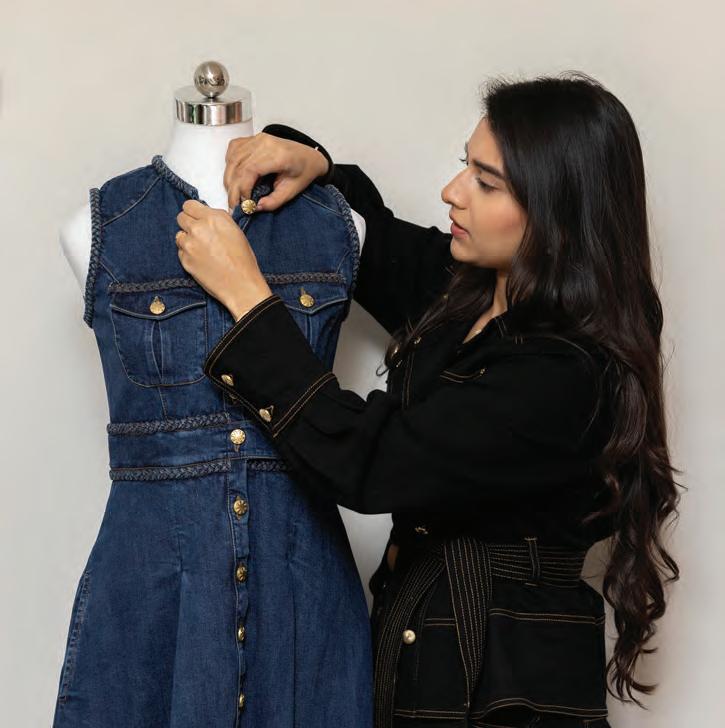
page: Sharifa Alhashemi, Founder and CEO of ONORI; Above: Shivaani Aggarwal, Founder of ANI CLOTHING
SHIVAANI AGGARWAL Founder of ANI CLOTHING
How have you evolved as a designer since you started the brand – what have you learned about yourself?
I feel like I was not the one who evolved myself. My team, full of creative genies, have helped me evolve. They said, “No, Shivani, we need you to enter the world of colour,” and they introduced and turned the brand (and my life) colourful. And now, there’s no looking back. From a black and white person, now my world is colourful because of the brand.
What do you think sets the UAE apart, and how has it paved the way for you as a designer?
I just feel that the women in the Middle East are so confident and fashionable –this confidence helps me in designing. It inspires me to go out and see what everyone is wearing – it’s just a breath of fresh air to be around here, looking at beautifully dressed people who are so confident. People say Paris the fashion capital of the world – I don’t think that. When someone
There are two workspaces for me. Back home is more of a factory setup. So, what inspires me over there is my team, because I feel like we are like a group of people who are just so creative, and the kind of conversations we have, I just love being with them. They are my daily inspiration to create anything. Over here in Dubai, since my office is in a lighting studio at LSI – the way they have done the lighting – it really inspires me to take the shapes and angles into my designs.
What would be your advice for upcoming designers?
Something that you think looks nice in terms of design, might not fit for the consumer. If you’re a designer and looking to sell, do not think that if you do not like that design, it won’t work – I have learned that. If you trust your team well enough to give them the independence and creativity, you as a designer will evolve.
What are your next plans for the brand?
Definitely expand more in the Middle East. There’s a lot of demand to try the clothes, so we are going to be moving on to standalone pop ups, for everyone to actually see what the clothes look like, because sometimes when you see it in shoots or digitally, you can’t really translate the material, prints and colours. I really want people to know the brand and its essence by look and feel.
SENIOR EDITOR: JESSICA MICHAULT
PHOTOGRAPHER: DANIEL RAFET GRIMA HENNA ARTIST & ART DIRECTOR: AZRA KHAMISSA
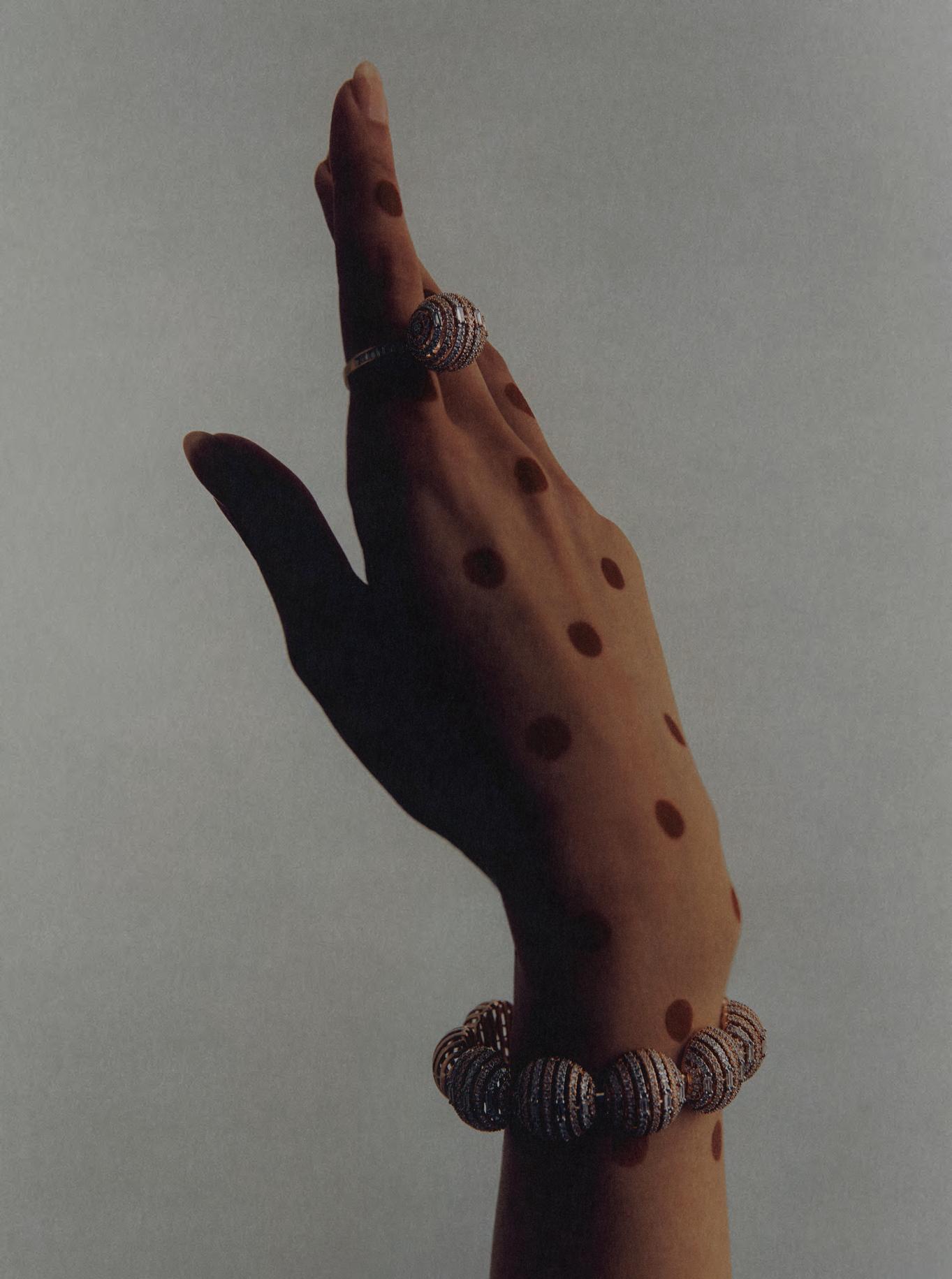
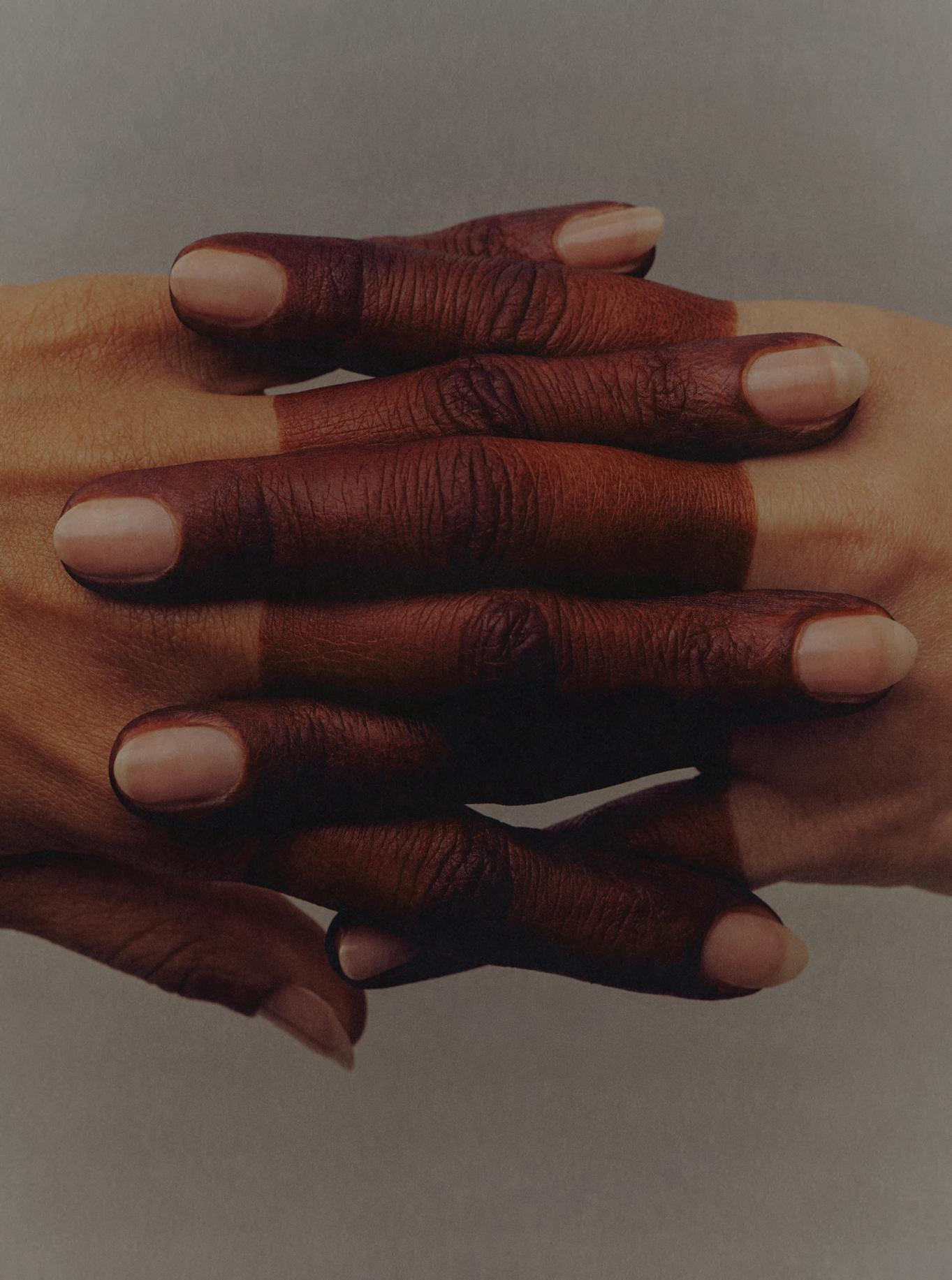
LEGACY LIVES IN THE CONNECTIONS WE
This page: All Jewellery: Tryyst
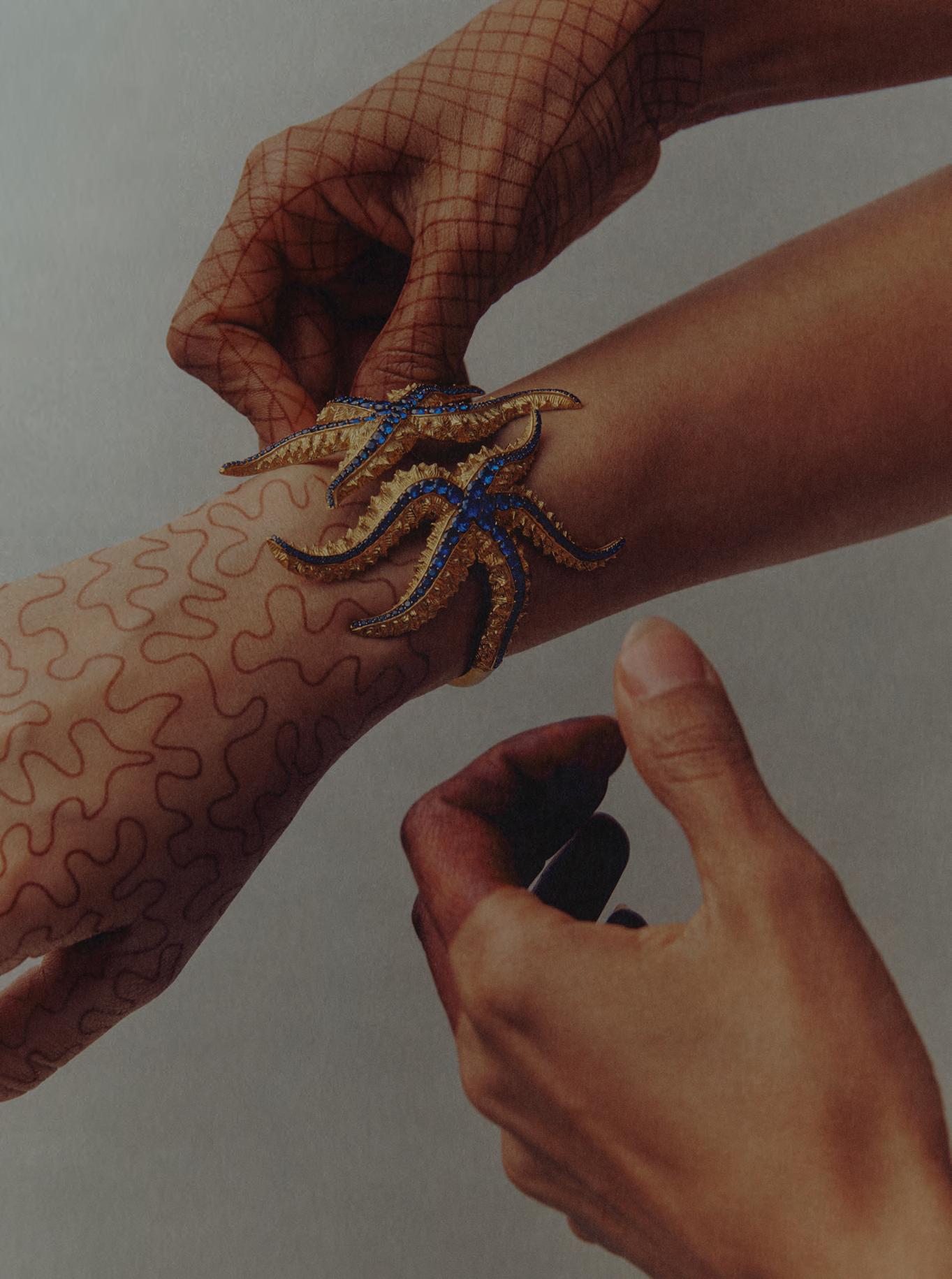
This page: Jewellery: Begüm Khan; Right page: Jewellery: House of Falasi
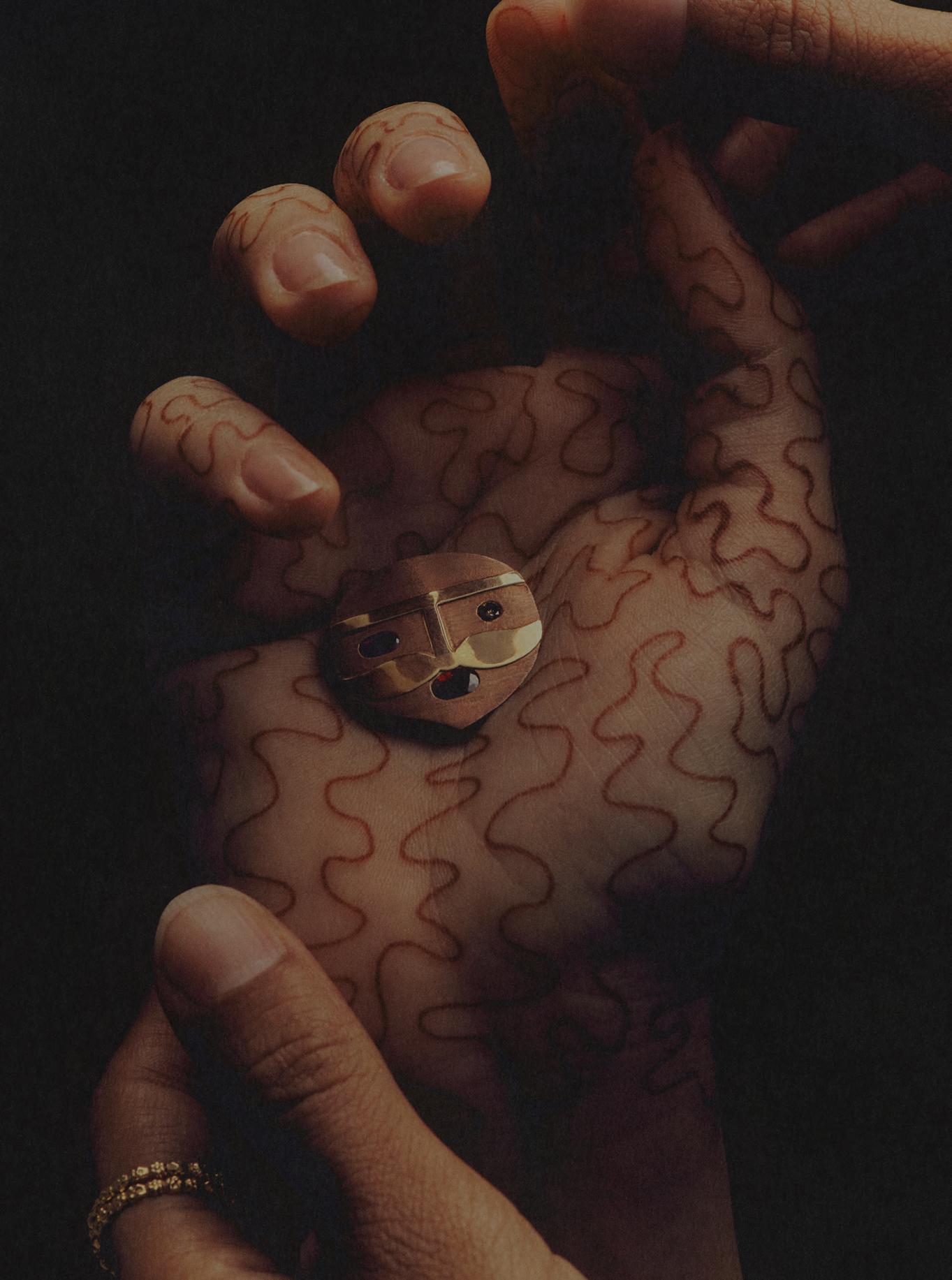
Both pages: Jewellery: House of Falasi
Fashion Editor: Camille Macawili
Videographer: Katerina Shirshova
Hand Models: Zahra Khamissa, Dimah Shamma, and Anshika Yadav
Fashion Assistant: Anshika Yadav
Manicures: Queens Beauty Lounge
Both pages: All Jewellery: 94 Jewelry
HANDMADE,
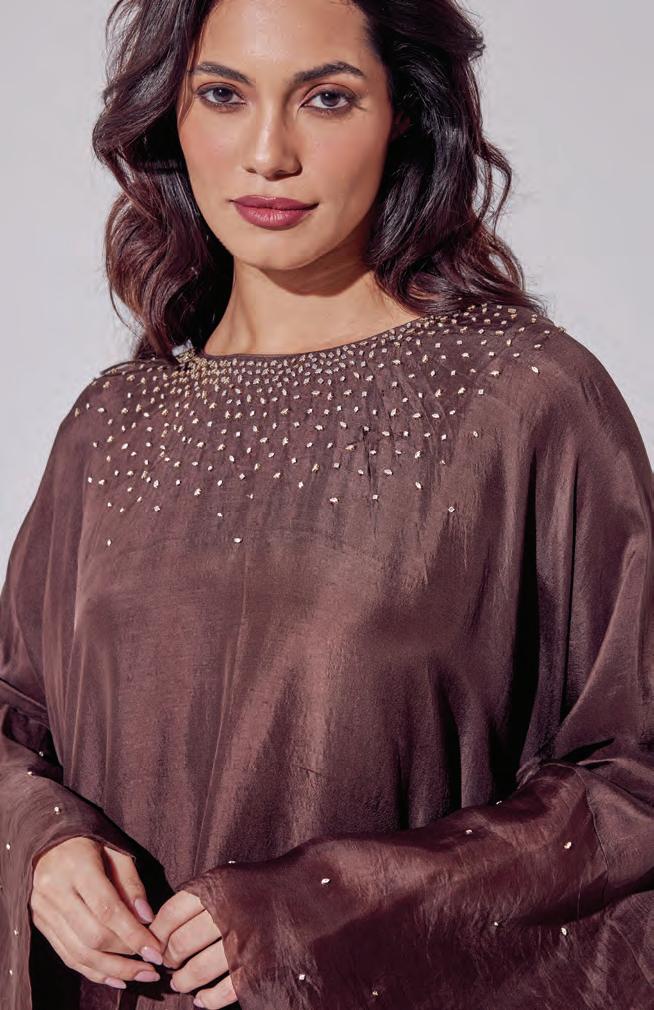
Shireen Shahana on how Izaki, her latest brand, reimagines Indian craftsmanship through the modest, sophisticated silhouettes of abayas and mukhawars
To understand a garment by Shireen Shahana is to witness the meeting of heritage and grace. Her designs carry a quiet architecture – a carefully engineered drape, a perfectly placed seam, a silhouette that celebrates the feminine form with confidence and flow. This thoughtful approach has defined her namesake label in India since its launch 2013, where her Mughalinspired artistry quickly earned a loyal following. Now, from her Chennai studio, Shahana has extended her vision to Dubai with Izaki, a brand that translates the soul of Indian craftsmanship into the elegant language of abayas and mukhawars, designed for the modern Arab woman. The foundation for this refined craft lies in an academic background far from the atelier. Shahana holds a degree in visual communications from Chennai’s Loyola College. “I have not done any course on design,” she states. “I guess destiny had different plans.” Her academic interest during school was biology, drawn to the detailed
WORDS: AMINATH IFASA
HEARTMADE
anatomical diagrams she loved to draw. This early training in precision and structure imprinted a mindset she now applies to clothing.
Shahana’s eventual career in fashion began in the most personal of spaces: her own wardrobe. As a teenager, she started designing for herself, as well as friends, and family. “I dress very differently. I don’t go by trend. I do my own stuff,” she explains. By twenty, this instinct crystallized into her label, Shireen Shahana. She became a designer forged by intuition and hands-on creation.
The concept for Izaki emerged during a visit to Dubai, where Shahana observed a fashion landscape that spoke to her. “I saw a fashion industry I identify myself with,” she recalls. “Izaki was born in my mind at that very moment.” She describes it as a gentle translation. Where her Indian wear explores the grandeur of the saree and lehenga, Izaki articulates that same artistry through the refined vocabulary of the abaya and the delicate filigree of the mukhawar. It is Indian soul meeting Arabic silhouette – Mughal-inspired embroidery minimised onto a cuff, traditional drapery reimagined into flowing modesty.
Every stitch for both labels is produced in India, within her two production units in the cities of Chennai and Kolkata. For Izaki, Shahana has keep the roll out of the line withing the walls of the Chennai atelier. “It has to be under my nose, since it is a baby right now, it has to grow up.” Here, she oversees a process built on patented fabric compositions and the skilled hands of a long-standing team. “My master, my tailors, my karigars… they understand what I want.” This careful work takes time; a single, basic piece demands a full two weeks to complete by hand.
after ten years.” In her philosophy, clothing is a lasting companion, meant to be worn, loved, and passed down.
“I believe that if you are paying money. I have to give you the value of what you are paying. If you wear it today, you should be able to wear it after ten years”
This meticulous process is governed by a firm ethic of sustainability, a principle that often challenges contemporary habits. She has turned away clients who request lower quality for one-time wear. “I don’t take that custom-made order,” she says. “I believe that if you are paying money. I have to give you the value of what you are paying. If you wear it today, you should be able to wear it
Her inspiration for the brand draws from deep historical roots, especially the artistic dialogue of the Silk Road. “For every design, the core usually stems from the Mughal times,” she explains. She speaks of Chinese silk and Mughal embroidery, seeing her work as a continuation of this exchange. While she admires contemporary Indian designers like Pero and Sabyasachi, her own creative process is intuitive and personal. “I sometimes dream about designs and wake up to sketch them out,” she shares. “It means I am always thinking of something new.” Shahana’s choice to establish Izaki in the UAE and the wider GCC required attentive observation. “I have done my homework when it comes to positioning,” she notes. “I believe I have a product for everyone, but everything has my signature on it.” She learned to map the nuanced preferences of the region, from Dubai to Riyadh, offering everything from understated elegance to expressive detail. Validation in this new chapter comes through moments of crosscultural recognition, like when a Spanish woman at an exhibition told her, “I have never seen a piece like this.” For Shahana, such instances confirm that her language of crafted beauty communicates across borders. Her advice for emerging designers is distilled from her own path. “The first thing you need is patience,” she states. “You need tremendous strength to face challenges, and presence of mind.” She advocates for self-belief and discernment. “Do not listen to everyone. Listen to the people you value. But don’t listen to the whole world. Listen to yourself and your heart.” Shireen Shahana’s journey is built by little moments like a perfect drape in Chennai, a client’s trust, a stranger’s admiration in Dubai. With Izaki, she has begun a graceful dialogue between two rich sartorial traditions. She works with the patience of an artist and the eye of an architect, ensuring the enduring principles of her craft – beauty, integrity, longevity – and finding a new and resonant home.
ART AMPLIFIED
This month marks the inaugural edition of Art Basel Qatar. An impressive gathering of works from 84 artists and 87 international galleries will take up residency in the country’s capital city from the 5th to 7th of February. Concurrently, the event has created a Special Projects program that will feature nine site-specific sculptures, installations, and performances at different landmark locations in Msheireb Downtown Doha. Curated by Art Basel Qatar Artistic Director Wael Shawky, in collaboration with Vincenzo de Bellis, Chief Artistic Officer & Global Director Art Basel Fairs, the projects all take their artistic inspiration from the fair’s theme, Becoming. It marks the most extensive group of public works ever realised for an Art Basel show.
VISION
Find community in…
– Forming a chosen family
– Pastimes that spark joy
– Connecting through artistic expression
– Time spent on reflection
– Work that inspires a sense of belonging
– The beauty of the ephemeral

BUILT,

NOT BORN
As the UAE celebrates the Year of the Family in 2026, expats and experts reflect on the art of building supportive communities, and the friendships that took them from strangers to soul mates
WORDS: GEMMA WHITE
If you’ve ever rolled your eyes when someone whose never been to the UAE tells you it “has no culture” or sworn that you’ll only be here for “two or three years tops”, congratulations, you’re officially an expat. While you don’t get a medal for your achievement, you do get a badge of honour that marks you as someone who either already has or is currently going through the myriad experiences that decamping to another country brings. But once the Ejari is filed, the DEWA sorted and the children enrolled in school, thoughts that were once wholly consumed by life admin and visa bureaucracy naturally turn to that thing you can’t efficiently organise through Du or Etisalat: new friendships.
Of all the things expats leave behind, the loss (and it is a loss and should be recognised and mourned as such) of friends and family can cut the deepest. While yes, you will always stay in touch and there have never been more ways to stay connected, building new friendships and communities are key not only to making a success of the new chapter in your life, but in supporting your mental and emotional wellbeing. From work, the gym and the weekend market to the beach, book club and school gates, to paraphrase a certain popular British rom-com: if you look for it, I've got a sneaky feeling you'll find that friendship actually is all around…
“I felt there was a sense of community right from the get-go because we were all expats in a country that wasn’t our home,” says Dubai 92 senior presenter, Jono Hayes of his arrival in the UAE. “I
feel that you not only make friends more quickly here, but that those friendships get deeper a lot faster. Your family’s not here so you have to find people who are going to be everything: they’re your emergency contact, they’re your Saturday dinner date, they’re the person who picks you up from the airport at 3am. Everyone was looking for that same connection in friendship, so it was easier to find it.”
After 16 years in the country, the 37-year-old co-presenter of the Big Breakfast radio show is able to reflect on his early days in the emirates with a recognition that the collective experience was and remains key to forming the kind of strong, enduring relationships that lead his former neighbour to ask him to be best man at his wedding. “We all had a commonality,” he says of his friendships. “Everyone was an expat, everyone had something in common before we even spoke to each other. We were all away from our family in a new country and we would just help one another along. That was reassuring, that we’re all in same boat and everyone helping everyone else.”
Life coach Roh Hafez at The Hundred Wellness Centre points to “openness and willingness” as fundamentals to forming friendships from scratch. That’s before leaning into the “intention and patience” it takes to allow friendships to develop and deepen, especially if you’re a little out of practice when it comes to meeting new people: “Strong friendships are cultivated through consistent time, attention and mutual respect,” she says. “Being open to meeting new people, discerning about who we grow close to, and allowing bonds to mature naturally creates healthier and more sustainable connections.”
“One of the best pieces of advice I got from people who had been here before me was just to say ‘yes’ to everything,” says NatashaHatherall-Shawe, 47, founder and CEO of Tish Tash Group. “So, I became a ‘yes person’. Compared to the UK where I feel we’re more closed off to making new friendships, here we’ve all been new to the country and we’re all open to meeting new people. When you’re away from home, you need to recreate your Dubai family, so the bond becomes so much deeper in the absence of actual family. They’re the ones you turn to if you lose your job or go through a break-up. That bond becomes deeper because you share so much more.”
For Christi Gadd, clinical psychologist at Thrive Wellbeing Centre in Dubai building a sense of community takes intention, time and the willingness (and bravery) to put yourself out there. “Community doesn’t arrive fully formed, and it doesn’t happen all at once,” she says. “Some connections will stay surface-level, others won’t last, and that’s part of the process. What’s powerful about found family is that the people you meet are often living through the same experience as you. They also miss the birthday parties back home, feel the loud silence after visits, and understand what it means to build a life far from familiar support systems.”
Ah yes, our old friend fomo. It’s always lurking, and for the expat it’s not just regular fomo, but a particularly cutting offshoot of the phenomenon that lands like a gut punch when faced with all the birthdays, anniversaries and special events back home that you used to be a part of but now miss out on. Now you experience them through the lens of social media, scrolling through a carousel of smiling faces while battling that little voice in the back of your mind that’s wondering: don’t they miss me at all?
For the expat, even after decades away, life can still sometimes feel like it’s being lived a little in limbo. Property, family, friendships and enduring emotional ties to home countries, not to mention the time limit we often put on our stay here can affect our ability to open ourselves up to new friendships.
“I think you don’t want to put yourself out there too much, get too close to anyone or put that much effort into finding your people when you have that time limit on yourself,” says Dubai-based content creator, Laura Jones, 37. “Certainly, we thought we’d go to Dubai, be there for three years, make an absolute fortune and then come back.” Eleven years later, and Dubai is very much home for the Welsh native, her husband Ryan and their three daughters aged 13, 11 and nine. And that “fortune” they came to seek? Consider it a work in progress. “Dubai for us became home when we stopped trying to recreate our life in the UK exactly as it was,” she says.
The urge to shape our UAE life in the image of the one we lead back in our home country, right down to the expectations of friendships and community, can be strong. Suddenly, you’re in a foreign land, with new and strange sights, smells and sounds. Different languages ring in your ears as you scan the supermarket shelves for tastes from home among people who don’t look, dress or speak like you. It can all be so… other. For Jones, finding community in this other was about using social media not only to express herself and her lifestyle, but to connect with similar-minded people irrespective of culture or nationality. Indeed, the cosy living aesthetic she extols on her @homebylaurajones Instagram with its grid of “comfort content” has amassed over 29.5 thousand followers who scroll through for a reminder that global location need not dictate lifestyle, and that a way of living can be an effective cultural touchstone.
“All of a sudden you’re way out of your comfort zone and you have to be brave,” she says of forming friendships early on. “For me that was difficult. I wasn’t working, but my husband Ryan was and could meet people at work. I had to put myself out there but also have boundaries where I could say ‘no’. We built a version of home here that still reflects our values and then we found people. I didn’t want to be worrying that I didn’t have this huge friendship group or I’m not out at brunch every weekend or going to huge yacht parties. I
“FOUND FAMILY ARE THE PEOPLE WHO WARD OFF LONELINESS AND BOOST YOUR IMMUNITY WITH CONNECTION”

am very much a home bird. I love cooking, hosting and entertaining, so I found people on the same vibe as me – people who embrace the everyday chaos. A lot of our friendships were formed from our children making friends at school or chatting at the community pool.”
In a nation of around 11 million people, 88 per cent in the UAE are expats and foreign residents. The scale of multiculturalism is astounding but can also be overwhelming. So, how and where do you begin to look for friends? Firstly, it helps to understand that everyone is either currently in the same boat as you, or they once were.
“Of all the four countries I’ve lived in, the UAE is the place where people are the keenest to connect,” says author and speaker on human connection, Simone Heng, 41. “People are so keen to dive in and be social and I had never seen that in any of the other countries I had lived in. It’s very special.”
Heng’s experiences, the highs and the lows, lead her to write her 2023 book Let’s Talk About Loneliness, which has an entire chapter dedicated to expat life. “What’s beautiful about places like the UAE is that people from individualistic communities can learn from collective communities, it rubs off on you,” she says. “Arabic centralisation of family made the UAE really understandable for me. If you’re not from a collective culture, you learn so much about community and I saw it in action so many times when someone in the community needed help. That village feeling is an extension of Arab collectivist culture.” Heng quotes Robin Dunbar, the Oxford University professor and evolutionary psychologist and anthropologist, who became famous for developing “Dunbar's Number” which put a figure of 150 on the cognitive limit of meaningful social relationships a person can maintain. For Dunbar, the Support Clique, that is your most intimate friends with whom you can be fully yourself warts and all, comprises just five people.
“Found family are the people who ward off loneliness and boost your immunity with connection,” says Heng. “My friends are every
colour of the rainbow, but we share the same values system and levels of integrity. As you get older it’s not reasonable to expect your found family to have the same interests as you, but they will have the same values. Don’t get distracted by the shiny, look for those values.”
Notes Hiba Salem, psychologist at Sage Clinics: “Building a ‘found family’ begins with intentionality and openness. Engage in activities aligned with your interests, join community groups or participate in workplace social events. Authenticity is key; share vulnerabilities and be genuinely present. To strengthen bonds, invest time and effort: regular check-ins, offering support during challenging times and celebrating successes. Nurture these relationships through active listening, empathy and mutual respect, allowing them to evolve into deep, meaningful connections.”
And what of the UAE’s famous transience? The “two- or threeyears tops” expats impose on themselves which can act as a barrier to forming meaningful friendships? That too appears to be waning as the country is seen as less of a “stopover” than it was a few years ago. According to Betterhomes’ Future Living Report 2025, the average length of residency is now 10.5 years, up from 7.5 years in 2024, and around 60 per cent of residents’ plan to remain in Dubai for more than 10 years. New visas (retirement, golden) and residency options, as well as global instability and uncertainty in the geo-political landscape have shifted the view of the UAE from somewhere to go and make some money for a few years to a place you can put down roots and call home.
For Hayes, transience is no barrier to developing deep and meaningful connections. “I think that because the UAE can be transient and multicultural, people don’t waste time here,” he says. “If you click with somebody, it’s like, ‘Oh, I like you and I can see this is worth investing my time in.’” Adding: “If anyone thinks there is no sense of community here, they’re wrong, they’re missing out. Your found family is proof that home is a concept as opposed to being a place.”
There is nothing more satisfying than finding a place to connect with people who share the same passions. Here’s where to go in Dubai for exactly that
THE PERFECT FIT
WORDS: ANSHIKA YADAV
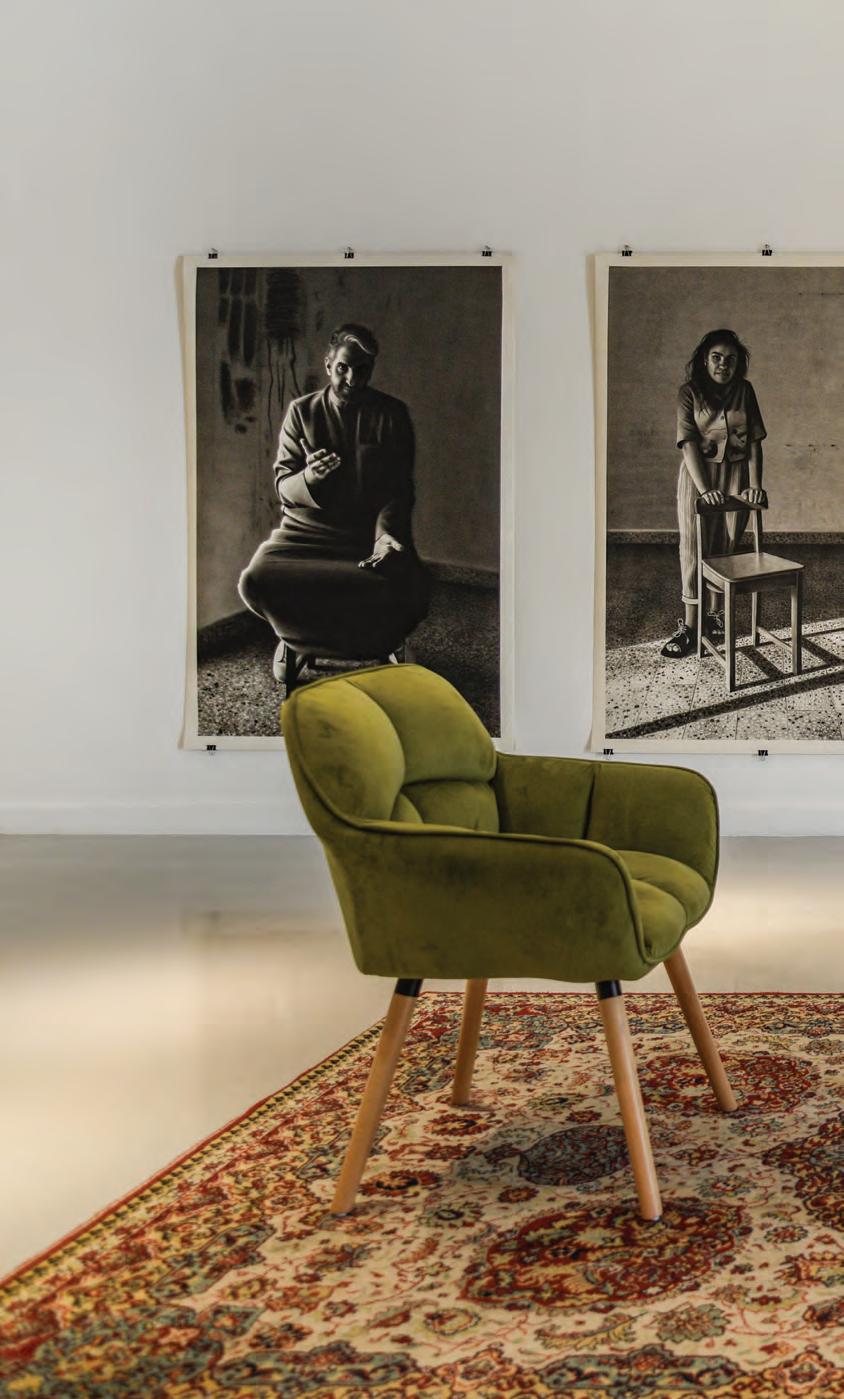
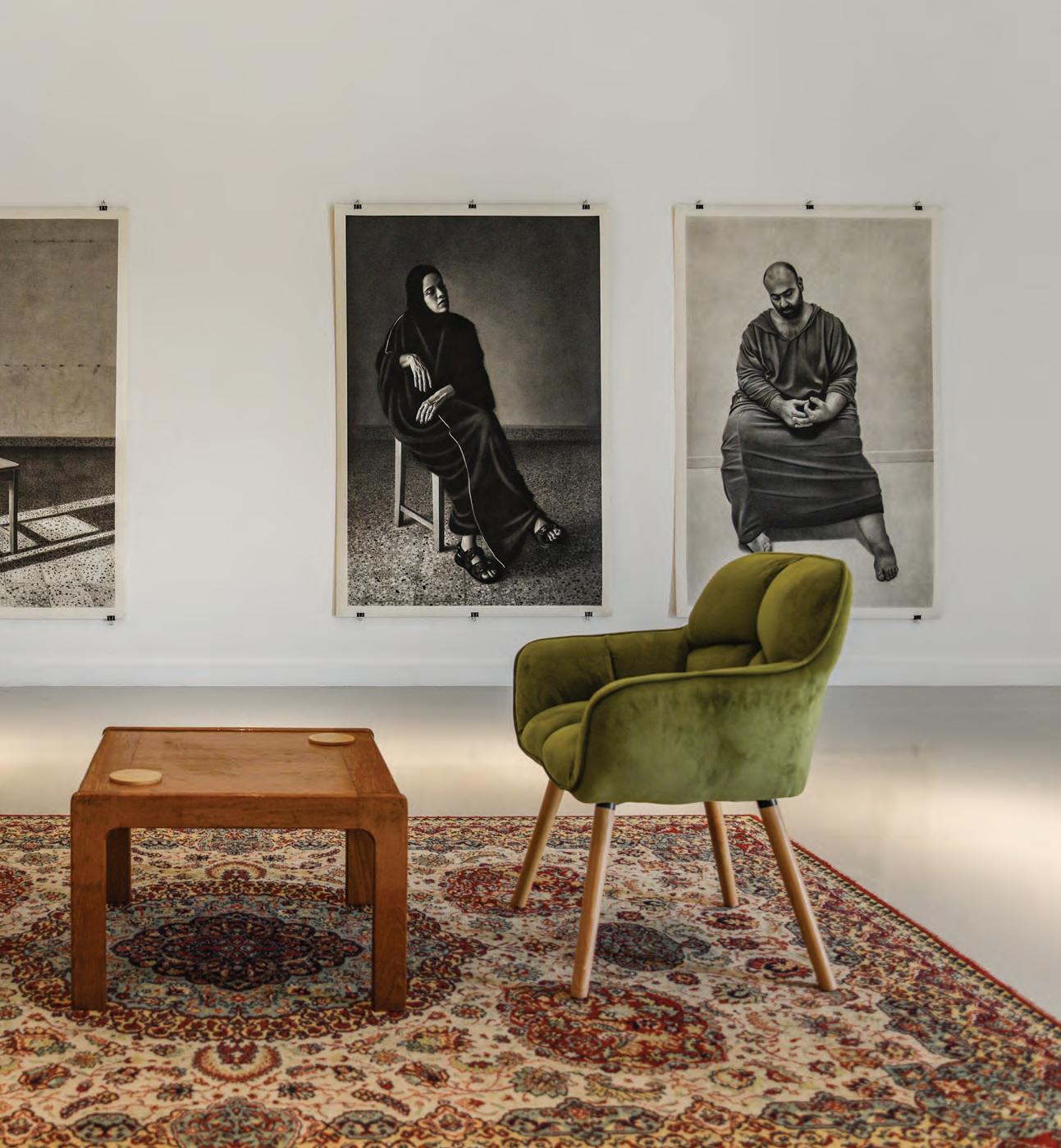
ANALOG THE ROOM
Analog The Room, a trailblazing analogue photography space in Dubai, is far more than just a shop for cameras. It’s a bustling community, thriving on the art, skill, and culture of film photography. Founded in 2019 with a focus on analogue media, the location champions creativity and connection by offering everything from film stocks and vintage cameras to film development services and hands-on workshops. Rooted in a diverse collective of artists, designers, students, and storytellers, Analog The Room hosts meet-ups, collaborations, and learning experiences that bring like-minded creators together to explore analogue techniques and visual expression. @analogtheroom
BAYT AL MAMZAR
Establishing itself in 2021 from a family home in Dubai’s Al Mamzar neighbour-
hood, Bayt Al Mamzar is an independent creative sanctuary that seeks to nurture ideas, experimentation, and collective cultural exchange. Siblings Gaith and Khalid Abdulla founded this inclusive arts space with the belief that art flourishes through community and shared exploration rather than institutional barriers. It offers artist studios, co-working spaces, a growing library, public programs, exhibitions, and residency programs, among other amenities. baytalmamzar.org
THE PINK MAJLIS
FRED’S COFFEE PARTY
Fred’s Coffee Party, which hosts exclusive, invite-only coffee-centric events, has completely altered Dubai’s daytime social scene. These gatherings combine elements of a party with a wellness meet-up, bringing together artisan coffee culture, DJ sets, energetic vibes, and sober community interaction. A hangout for coffee enthusiasts, influencers, and creative individuals, Fred’s provides an alternative to traditional drinking customs by way of espresso shots, music, and genuine human connection. @fredscoffeeparty
Previous pages: Bayt Al Mamzar; Below: ‘Surreal’ Exhibition at Bayt Al Mamzar
The Pink Majlis is a community-driven social club that offers a contemporary spin on the classic majlis by providing a platform for women to network, express themselves creatively, and feel empowered. What began as small-scale workshops and gatherings has blossomed into a vibrant hub where people with similar interests can connect through wellness classes, pop-up shops selling arts and crafts, entrepreneurial showcases, and meaningful conversations that promote wellness through dialogue and nurturing in an environment that is inclusive, friendly, and unabashedly feminine. @thepinkmajlis
THE JAMJAR DUBAI
The Jamjar Dubai, located in Alserkal Avenue, is a long-standing creative arts environment that encourages artistic expression at all ages. The Jamjar, known for its workshops, open studio sessions, youth art programs, and community events, offers a welcome setting for artists, families, and interested members of the community to experiment with painting, craft, and other creative endeavors. It serves as both a learning environment and a creative incubator, where new ideas and collaborations emerge. @thejamjardubai
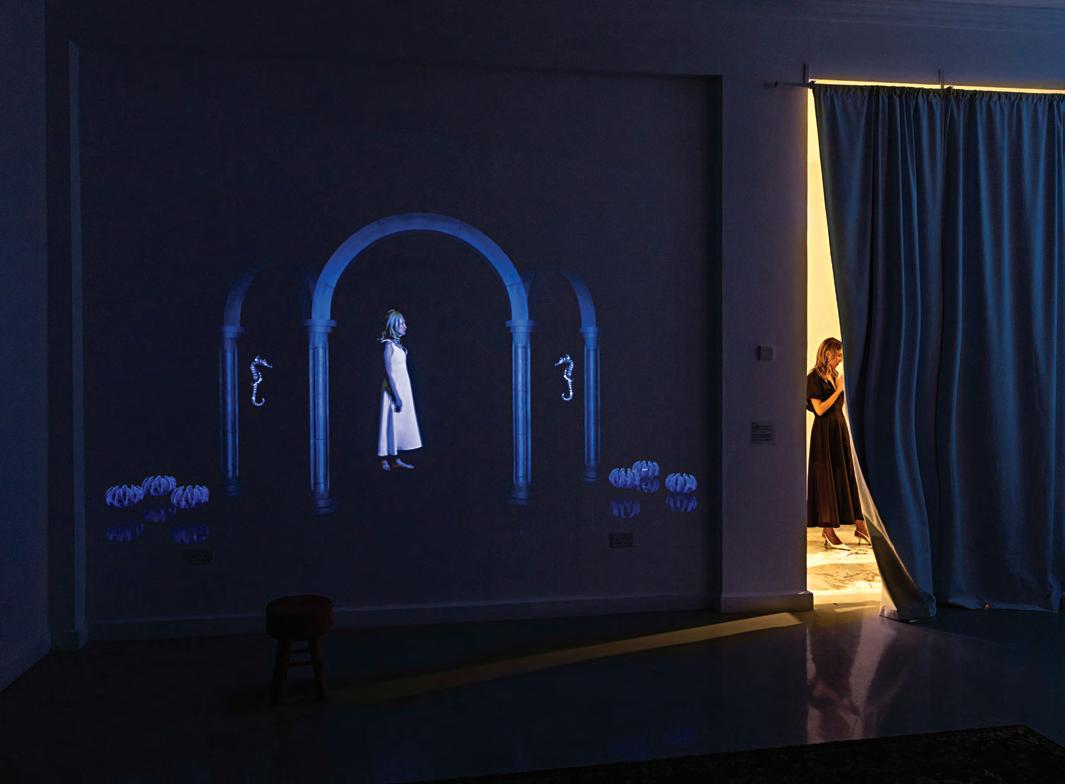

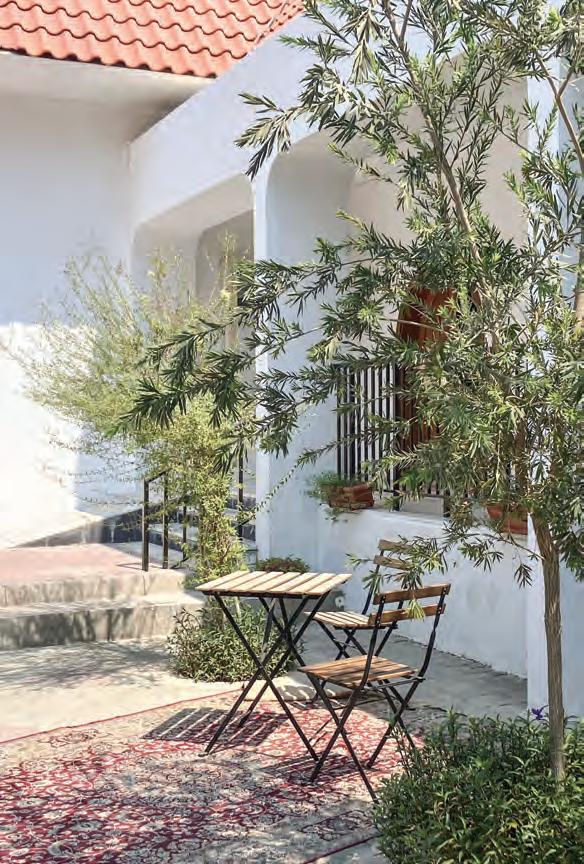
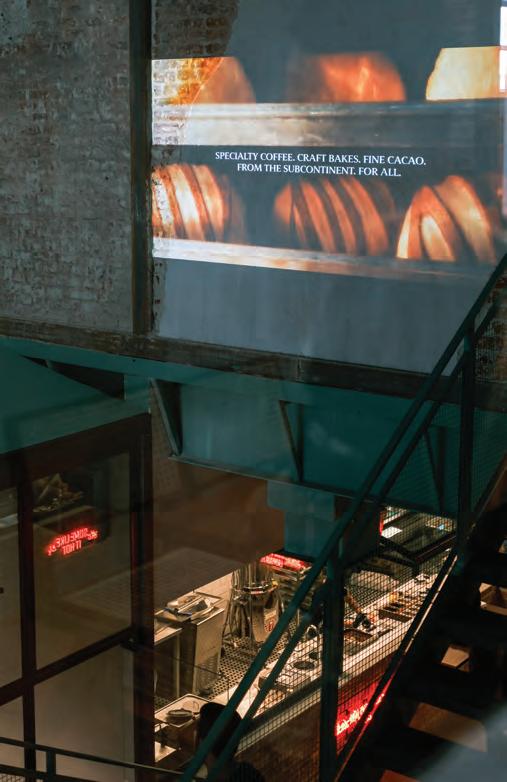
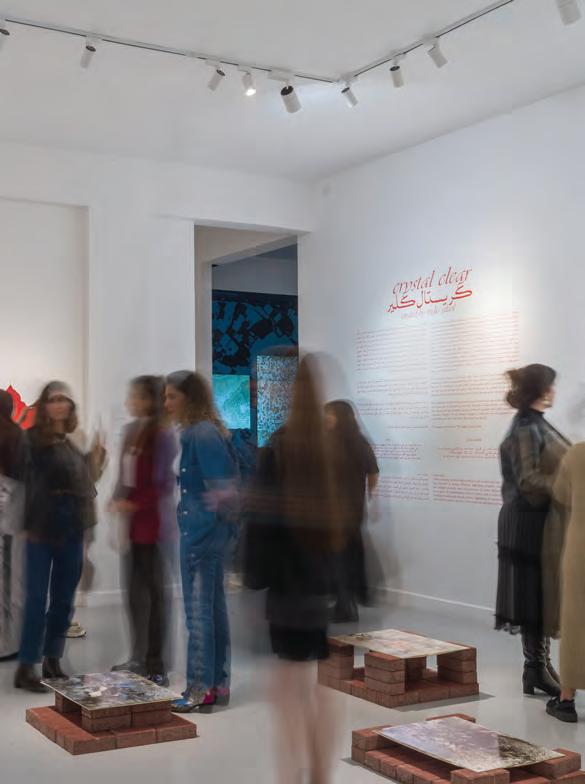
BOOTLEG GRIOT
Bootleg Griot transforms the library into a vibrant, ever-moving community hub. Here, tales and memories are exchanged, not just stored away.Taking a cue from the West African griot, the keepers of stories and cultural heritage, this initiative brings pop-up libraries and installations to life. The goal?
To make literature, particularly African and diasporic print media, readily available to everyone. Bootleg Griot goes beyond just being a place for books. It also conducts discussions, film viewing sessions, storytelling events, and workshops, all designed to encourage conversations that span many cultures and perspectives. @bootleg.griot
VINYL SOUK DXB
Founded in 2023, Vinyl Souk is the UAE’s leading community-driven platform championing alternative music, vinyl culture, and creative arts. It supports regional artists and subcultures through thoughtfully curated music and cultural experiences
across Dubai and Abu Dhabi. From boutique hotels to big festivals, Vinyl Souk has seamlessly plugged into spaces like 25 hours Hotel, Sikka Art Festival, Sole DXB, Miza Abu Dhabi, Bayt Al Mamzar, and Manarat Al Saadiyat – adapting to each space while keeping the music and community at the heart of it all. @vinylsoukdxd
SUBCULTURE BY SUBKO
Subculture by Subko is the cultural extension of Subko’s immersive coffee and artisan experience on Alserkal Avenue. Beyond offering specialty coffee, artisanal bakes, and pod-to-bar chocolate, Subko puts community first with design-led goods, events, and gatherings that highlight storytellers, creators, and creative voices. Subko’s Subculture concept, founded on craft, traceability, and cultural narrative, transforms a café into a thoughtful social hub where coffee, art, debate, and shared discovery intersect. @subculturebysubko
This page: (top) Bayt Al Mamzar; (left) Subculture by Subko
Azra Khamissa, one of the UAE’s most accomplished henna artists, has been proving with her oeuvre how the age-old practise can be reimaged for modern times
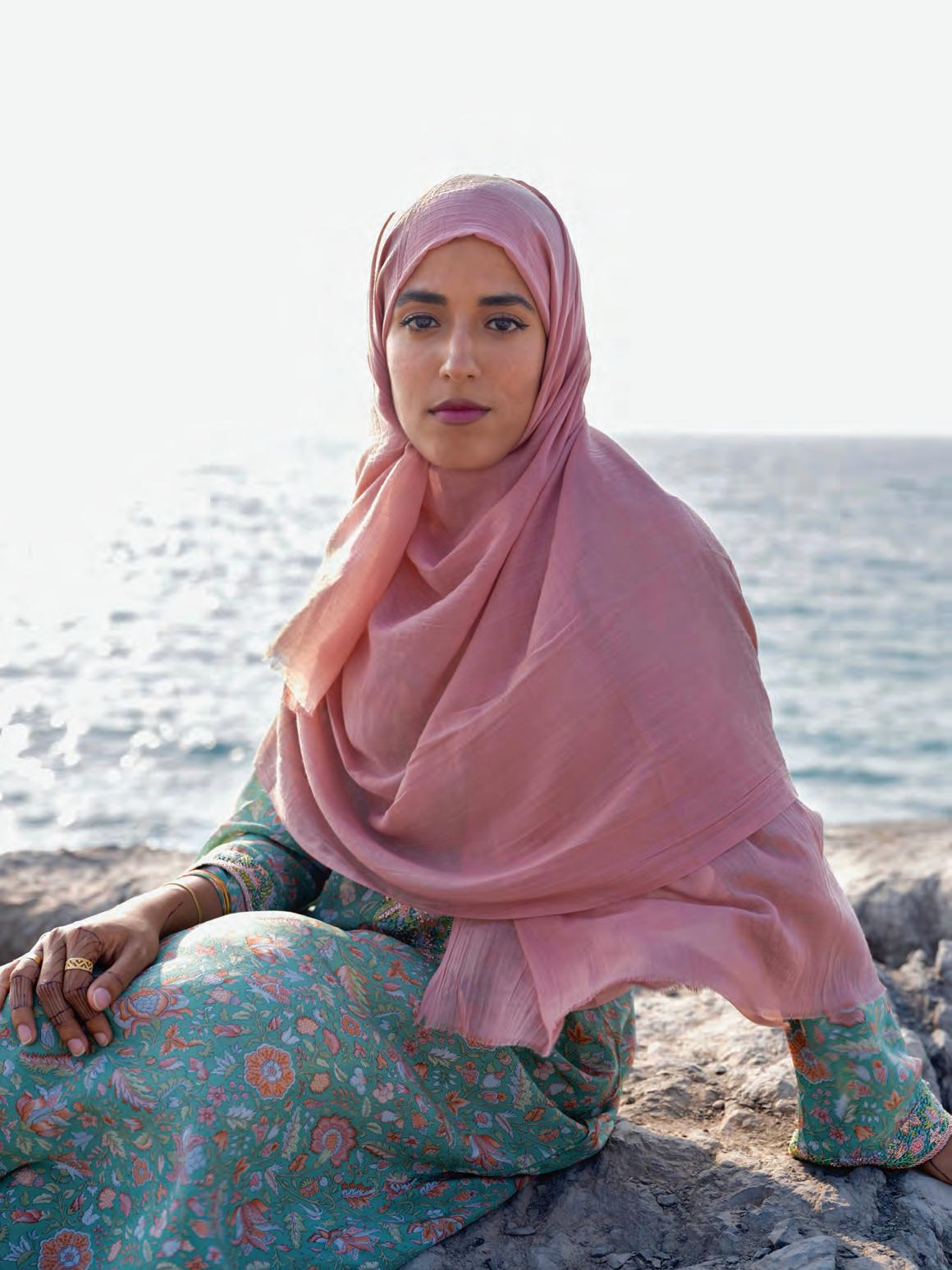
A
LASTING IMPRESSION
WORDS: ANSHIKA YADAV
Azra Khamissa’s relationship with henna has always felt instinctive. It’s as if the art of creating unique and ephemeral henna tattoos found her as much as she found it. She traces that connection back to a time when henna wasn’t yet a “career plan,” but a passion-led gesture to share with those receptive to her artistic vision of the traditional art of adornment. She remembers fondly during a photo festival at Alserkal Avenue how she brought a cone filled with dark red henna along and offered to do henna for anyone who was game to give it a go. One of the first hands she recalls working on belonged to her friend Mashael, “it was a moon in the center of her hand,” remembers Khamissa – a little design, but a foreshadowing of what would become a hallmark henna style based on meaning, minimalism, and emotion. When asked what she notices first while working on a new set of hands, Khamissa’s answer is anything but skin deep. “I’ll look at a hand and then I’ll look at the person and ask them, what are some things that they love,” she shares. Then she will incorporate those details into her henna designs. In this way her art becomes a bridge between an individual and what matters to them. A connection translated into lines and symbols that, poetically, will only stay with them for a finite amount of time. When Khamissa talks about henna, it’s not as a tool of creativity as much as it is a gateway to an emotion, a memory or a moment. It is telling that when she gives an instinctive description of what henna might sound like if it could be heard, her words are both evocative and enlightening. “It’s the sound of… rustling… when a field is full of really high grass and there’s a breeze,” or “the sounds of waves. Very organic and natural.” For the artist, these are “the sounds of relaxation… almost like meditation,” that put her in a heightened state of creativity. But that softness of artistic expression is paired with discipline and determination. Khamissa shares that her creative rituals when it comes to henna are now built around complete focus and silence. Usually late at night, when everything feels still. Sometimes when an idea comes to mind, she will look up references, like going through images of flowers until she lands on a dahlia shape that makes sense in her mind’s eye. But once she begins one of her designs, she is fully immersed in the experience of bringing her vision to life.
When she talks about her craft, Khamissa naturally slips into an explanation of her technique, all the while, giving context and grounding her work in its heritage, like mentioning the Indian tradition of using a lemon and sugar mixture as a fixative to prevent the henna from flaking. One of her own favourite methods is steaming the dried henna over hot water to warm it again and intensify the colour. These are the types of details that subtly underline the fact that henna is both an art form and a ritual, something passed through cultures, friendships and small discoveries.
Khamissa’s artistry is also influenced by her heritage, which gives her work a uniquely layered approach. Before pursuing henna as a career, she had a handbag brand and spent years photographing hands for her bag campaigns. This trained her eye for detail
on skin, its curves and imperfections. She describes her current career as “God’s plan”, admitting she had no idea she would end up building a business around henna.
But now, looking back over her life she can spot the connections and how the stars aligned to fuel this creative calling. Especially when she thinks about how being a chiropractic doctor has helped to inform her henna work. She reveals that human anatomy has a significant role on how she creates. She observes the joints, bones, and how each part of the hand works in unison – they all have a role to play in her designs and she creates motifs with that structure in mind. Structures that feel more dimensional, sometimes almost illusionistic, so that each hand she adorns enhances the effect rather than simply acting as a flat canvas.
Recently one thing that Khamissa has noticed that is starting to develop in the henna space is a significant increase in simple, contemporary motifs, which she attributes to the influence of bold, pared-down design language from the 1960s and 1970s. But what interests her the most is how inclusive henna is. It's an art form that is shared across the cultures of Africa, Asia, and the Gulf, belonging to no tribe, and when addressed with respect, it becomes a lovely form of connection rather than something people should be wary of. “Nobody owns it. It’s for everyone,” she says, adding that respect is what matters: “if you’re respecting the art, it’ll show.”
Khamissa hopes that accessibility catches up to the growing interest in henna. She dreams of a day when natural, high-quality henna will be sold in beauty stores like Sephora, and purchased as easily as buying a new mascara. The only thing stopping that from becoming a reality is that fully natural henna has no preservatives, has a short shelf life, and should be stored in a freezer, a practical hurdle that the beauty industry has yet to overcome.
Beyond henna, Khamissa is also building a deeper sense of cultural connection through her Talli Circle project. After learning Talli, an Emirati braiding technique used to adorn traditional dresses, at her friend’s studio in Dubai, she saw that many other women were equally curious about the ancient artform but didn't know where to go. When she shared her Talli journey online the response motivated her to start something community-driven: a place to learn, slow down, and connect. “Community really just inspired it,” she says, alongside a desire to share the peace the craft brought her. She hopes the art of Talli will eventually spread globally, because she believes it is a regional art form that needs to be appreciated by a wider audience.
When asked what message she wants her work to communicate without words, Khamissa’s answer is quick: peace, acceptance, tolerance, kindness, and empathy.
More than anything, she wants people to stop believing that henna is solely for professionals. “I don’t think it’s just for artists. I think it’s for everyone,” she says, whether it’s a circle in the middle of a hand, dots on fingertips, or a full pattern across a palm. The true beauty of this form of self-expression is taking the leap to create and simply enjoying the communal process. Or as Khamissa puts it, “just pick up a cone, and have fun.”
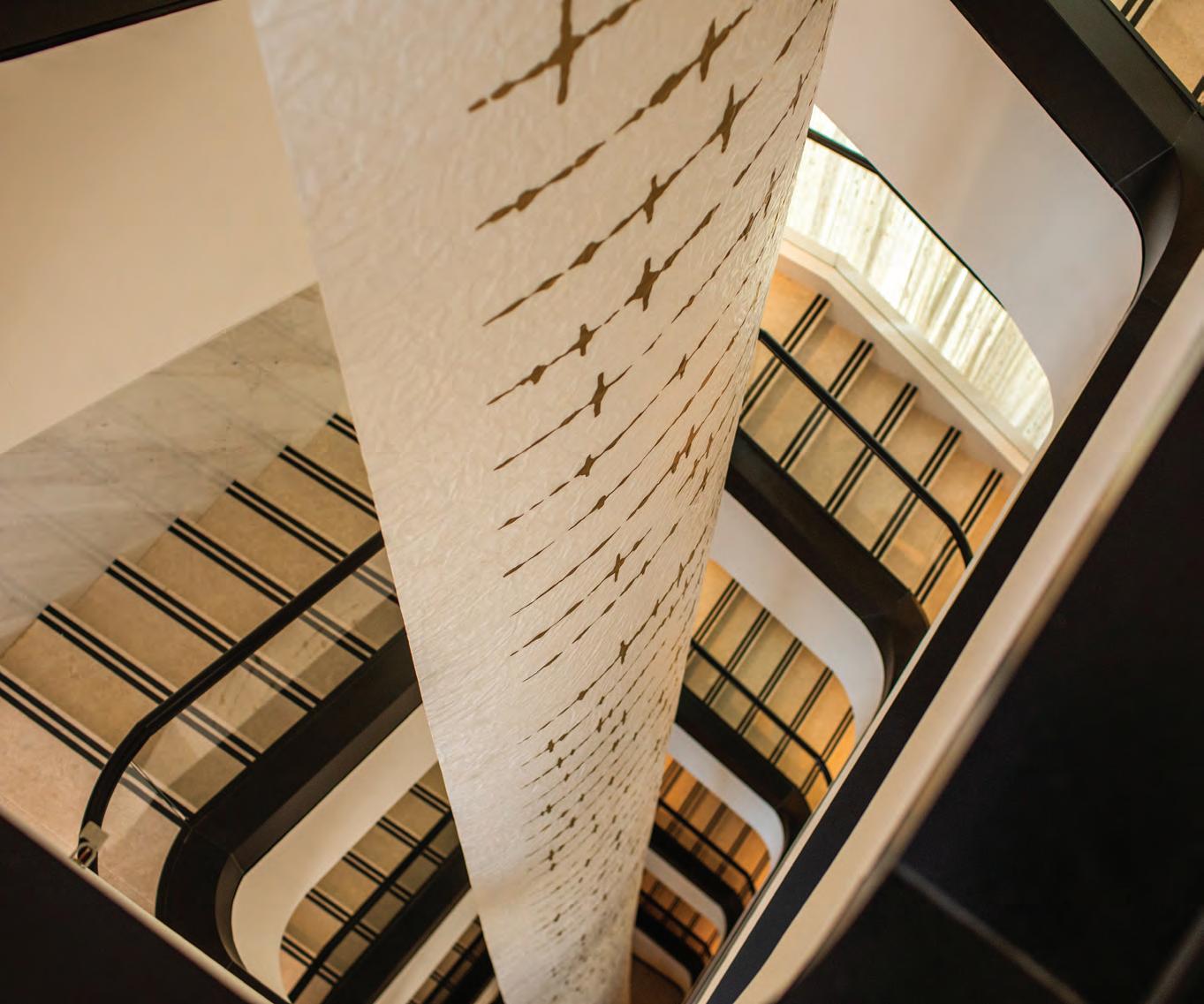
THE ARCHITECTURE OF INTIMACY
Beyond curated retreats and social media aesthetics, here’s how the search for a calm mind is inspiring women to create personal sanctuaries within their homes
WORDS: AMINATH IFASA
TI feel lately humans are very overwhelmed, we’re a bit more fragile than we used to be. Sometimes you need this just to reset.” This need for resetting is what Bortolin observes in women visiting Kintsugi. “My personal experience with Emirati women has been marvelous,” she shares. “I found so much authenticity within them, so much emotional connection – a bit like the Mediterranean way of connecting to people. The majority of people now have systems that are overloaded. Everyone’s tired, everyone’s going through something. Everyone needs this time to reset.”
For Al Matrooshi, the most profound expression of this reset appears in the creation of dedicated personal zones within her home. She maintains both a personal majlis that captures what she describes as the “happy energy” of gatherings, and a separate studio that serves as her creative sanctuary. “This is where I paint. This is where I create designs. This is where I just shut my brain off,” she says of her studio. Yet her vision for this space remains beautifully unfinished, reflecting her evolving needs. “I haven’t gotten the time to design it yet. I haven’t had an idea of what I want to do with the space.”
he wellness movement has been polished to a highgloss, marketable sheen. It appears in the curated minimalism of a Pilates studio, the serene palette of a luxury retreat, and the algorithm-friendly allure of a matcha ritual. At a time when wellbeing is both a commodity and an aesthetic, a more profound and personal evolution is occurring behind closed doors. Women are engineering their own sanctuaries, crafting intimate domains designed to form a foundation for calm and centered selves.
For Asma Al Matrooshi, founder of Emirati fashion label Epiphany, this transformation began with recognising the need for a space that truly reflected her inner world. Her desert home represents an ongoing journey of self-discovery through design. “After almost three years in this house, I realise I would add more colours now,” she confesses. “I have a lot of beige on beige, and now I need greens and maybe this burnt orange colour,” she says pointing at her abaya. “Our spaces change every couple of years, depending on your mood, if you’re pregnant, if you’re busy, it depends on where you are in life.” This evolution of personal space represents what creative director Patrizia Bortolin of the Kintsugi Space in Abu Dhabi describes as a fundamental shift in how we conceive of our environments. “We are not a structure, but really a system, an incredible system,” Bortolin explains. “Creating environments that resonate with your inner space, that is the most important space we have to inhabit. That’s the art.”
For Al Matrooshi, this art manifests in the deliberate curation of her home’s sensory landscape. Her whole-house lighting system uses dimmers to create what she calls “an automatic feeling of calmness” as evening falls. The comforting aroma of dry oud throughout her home evokes cherished memories. “I just put it around at five or six in the evening, or sometimes in the morning. It just makes me feel good – it smells like Eid, the first day of Eid, or like a wedding.” The spiritual dimension of her space holds equal importance. “Prayer five times a day gives us that time to zone off and focus on what happened in your day,” she reflects. “In these five times you pray, if you felt overwhelmed or you needed help anytime throughout the day, you have these moments where you can ask God for it.
Her dream for this incomplete sanctuary includes what she describes as “a huge library, a lot of books” – a vision born from her recent discovery of reading’s transformative power. “I never liked reading growing up, but recently I started, and it just made me dive from book to book. It changed my whole vision of how I see life.” Bortolin sees this ongoing curation of personal space as essential work. “The more you create a secluded space, the more you are living the life,” she reflects. “Those who are really feeling better are creating spaces where you can feel yourself.”
Through these architectural choices, the strategic use of light and scent, the preservation of quiet corners, the dedication of space for creativity and growth, women like Al Matrooshi are rewriting the relationship between environment and identity. The home becomes an active participant in cultivating a peaceful, centered self, designed as an evolving companion in the essential work of being. In the unfinished studio waiting for its library, in the beige walls yearning for burnt orange, there lies the true soul of the private sphere – a living, breathing dialogue with oneself.
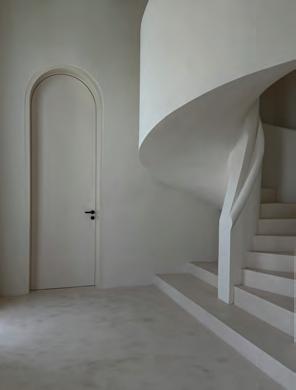
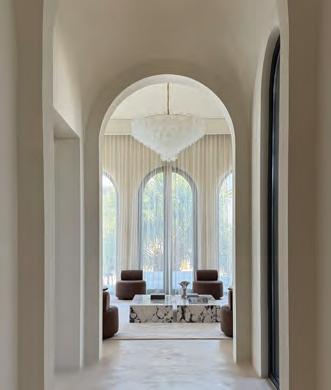
Left page: Kintsugi Space, Abu Dhabi; Above: Asma Al Matrooshi’s home
THE PLACE LEADERSHIP
Belonging is often misunderstood. We speak about it as something external – a group, a title, a seat at the table. As something to be granted or earned. But for women who lead, belonging is rarely given. It’s built. And more often than not, it begins inward, long before it’s visible to the world. Over the years, I’ve observed something consistent across women navigating leadership – whether in boardrooms, creative industries, entrepreneurship, or global organisations. The most impactful leaders are not those constantly trying to prove they belong. They are the ones who have already decided that they do. It’s a mindset that changes everything.
Leading From a Place of Belonging
Leadership conversations often focus on visibility, power, scale. But beneath every enduring form of leadership sits something quieter, more structural: belonging. The sense that you can occupy space without negotiation. That you don’t have to translate yourself to be understood. That your ambition doesn’t come at the cost of who you are. When belonging comes from within, leadership becomes quieter and stronger at the same time. There’s less performance and more presence. Less permission-seeking and more clarity. The energy shifts from “Do I fit in?” to “What am I here to build?” For many women, belonging is not a given. It’s something built over time, sometimes deliberately, sometimes after years of adaptation. And it is from this place that the most grounded, impactful leadership emerges.
Beyond Proximity
You can be surrounded by people and still feel peripheral. You can hold a title and still question your place. Many women reach senior
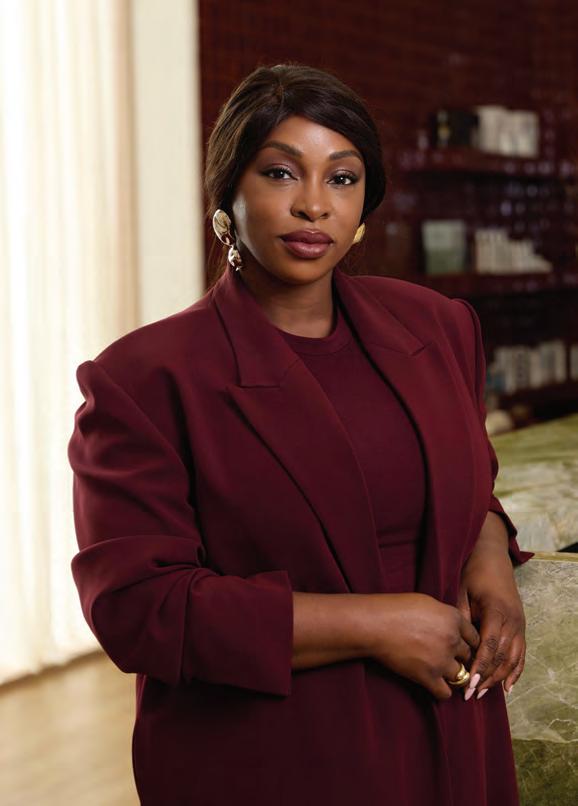
Morin Oluwole, an International Luxury Business Leader who serves on the boards of Breitling, Rituals, and Biologique Recherche and the former Global Luxury Director at Meta, explores how important it is to craft a sense of belonging in the workplace
roles only to discover that physical or titles presence does not automatically equal belonging. Because belonging is not about proximity to power. When women feel they belong, they lead differently. They ask sharper questions. They make clearer decisions. They stop over-explaining. They take responsibility not to prove, but to build.
It’s the moment when a woman no longer separates who she is from how she leads. When her values, intuition, ambition and discipline align. This is where authority becomes natural. Its a subtle shift, but a transformational one.
The Private Shapes the Public
Leadership is often discussed as if it exists in isolation from life. As if what happens beyond the office door is irrelevant to how one leads. But in reality, the opposite is true. The way women manage responsibility, care, continuity and boundaries in their personal lives deeply informs how they show up professionally.
For many women, the journey to leadership is also a journey through fragmentation. We learn to adapt early by creating different versions of ourselves for different rooms. Professional here. Caregiver there. Strategic in one space, emotional in another. While this adaptability is often praised, it can slowly distance us from a deeper sense of coherence. When women stop compartmentalising their identities, we gain coherence. And coherence is one of the most underestimated leadership strengths. In this way that fundamental sense of belonging only truly begins where fragmentation ends.
Belonging Is Not Consensus
A tough lesson that I’ve learned in my career is that belonging does not mean being liked. It does not require agreement. Some of the most respected women leaders I know are not the loudest in the room, but they are unmistakably anchored. They don’t bend to
belong. They set the tone. When you feel internally rooted, power is no longer something to fear or apologise for. Belonging, in this sense, is not something you request. It is something you embody. It becomes a tool to create clarity, to protect what matters, to open doors for others without losing yourself in the process. You can say no without guilt. You can set boundaries without aggression. And when you do, others adjust.
Leading From Self, Creating Space for Others
In today’s leadership conversations, we speak a lot about resilience, agility, and transformation. But beneath all of these sits a quieter foundation: identity. Knowing who you are. Knowing where you stand. Knowing what you will not compromise. Belonging, therefore, is the infrastructure of that knowing.
It is what allows women to move through change with grace rather than fear. To evolve without losing coherence. To lead through uncertainty while remaining deeply anchored. Because leadership is not only about claiming your own place – it is about shaping spaces where others can stand firmly too. Women who lead with depth are acutely aware of who feels marginalised, unheard or invisible. Not out of ideology, but because they remember what it costs to lead without belonging.
From Where We Lead
The future of leadership will not be defined by speed alone, or scale alone, or authority alone. It will be defined by depth. By leaders who know where they belong, and therefore know what they stand for. And especially for women, belonging is not a luxury. It is the ground from which everything else rises. And when leadership is rooted there, it doesn’t just perform – it lasts. @morin | morinoluwole.com
PETAL POETRY
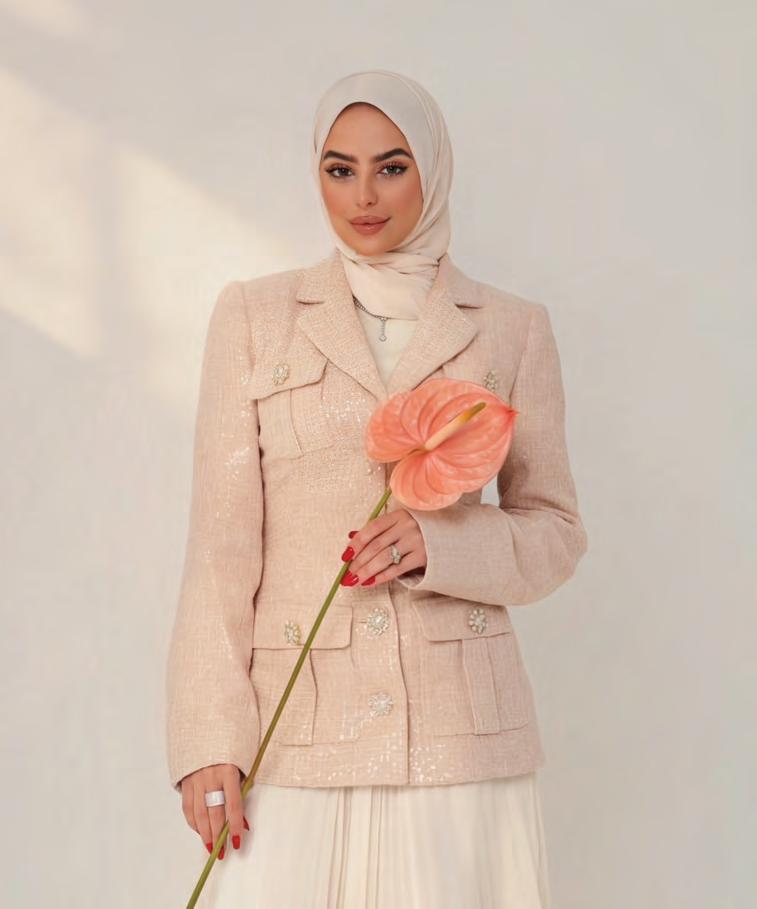
IHaidi Almarsumi, the founder and creative director of Haidis Floret, reflects on florals, cultural memory, and designing for a season of gathering and grace
WORDS: KAREENA ADLAKHA
n the ephemeral arena of floral storytelling, Haidi Almarsumi is focused on creating lasting memoires through an intuitive and evocative juxtaposition of blooms. Her work is defined by intention, emotion, and a deep sensitivity to space and culture. Operating between London and Dubai, she has cultivated a language of beauty that feels both refined and expressive, and one resonates strongly as February ushers in a season of reflection, connection, and the spiritual calm of Ramadan.
Not surprisingly, London and Dubai bring out different creative languages for Almarsumi. London, with its long-standing heritage of floristry and design, allows her to focus on the pu-
rity of flowers – their quality, elegance, and the quiet luxury of thoughtful composition. While Dubai invites boldness. Here, her work becomes more sculptural, more experimental, playing with scale, structure, and timeless statement pieces. This balance between refinement and creative freedom traces back to her childhood. Some of her earliest memories are of packing gifts for others, carefully assembling them with her own handmade touches. “I loved creating things for people,” she recalls. “It always felt special, and people responded to that.” What began as an instinctive joy in giving slowly revealed itself as a calling, that today manifests through immersive floral environments and carefully curated brand experiences.
“Everything starts with visuals,” she explains. Flowers demand patience, precision, and a sensitivity to detail, qualities that naturally translate into strategic thinking. Each stem, placement, and palette decision mirrors the way she builds brand narratives: intuitively, but with structure. The intricacy of floral design has shaped her business ethos, where experimentation and instinct coexist with planning and purpose. Working across cultures has also heightened her awareness of symbolism. Flowers carry layered meanings in every region, and Almarsumi is deeply conscious of the emotional weight they hold. Research and cultural understanding are integral parts of her process. She speaks with particular curiosity about East Asia, naming Tokyo and Seoul as cities she hopes to explore creatively. Drawn to their reverence for nature, ritual, and minimalism, she is fascinated by how florals function as a cultural language. This sensitivity becomes especially poignant during Ramadan. In this period, she observes how flowers move away from excess and toward softness. They are placed simply in homes, adorning quiet corners, becoming gentle companions to reflection. “During Ramadan, florals feel more mindful,” she notes. “It’s about subtle colours, calmer forms, and creating spaces that support spirituality and togetherness.” Almarsumi remains devoted to the physical experience of beauty, and how it has become even more important to nurture in an era of digital saturation. Texture, scent, and scale are at the centre of what she does to bring the viewer back to the present. Whether designing an intimate table setting or a large-scale installation, her aim is always the same: to create a sensory balance that grounds people to the moment. Leadership, for Almarsumi, is an extension of this philosophy. Her decisiveness comes from a deeply detail-oriented nature and a love for event planning, set design, and editorial work. Moving fluidly between traditional floristry and brand-led creative projects, she has learned to hold openness without losing direction. Each project becomes a dialogue between structure and spontaneity, allowing both creativity and clarity to thrive. February, often framed around romance, holds a more layered meaning for her. The months from October to February are her most creatively charged – a time when flowers flourish, the social calendar blooms, and festive energy invites experimentation. Yet as Ramadan approaches, her focus shifts inward. It becomes a season to deepen her artistic language, reconnect with purpose, and create from a place of sincerity rather than spectacle. For Almarsumi the dream is to see her company flourish across even more borders, evolving into a globally resonant brand that remains emotionally grounded. Legacy, for her, is not about recognition alone, but about feeling. The intention is that every time someone’s gaze falls across her blooming narratives, they will be able to appreciate it on a profound level and come away with a sense of care, calm, and connection.
“During Ramadan, florals feel more mindful. It’s about subtle colours, calmer forms, and creating spaces that support spirituality and togetherness.”
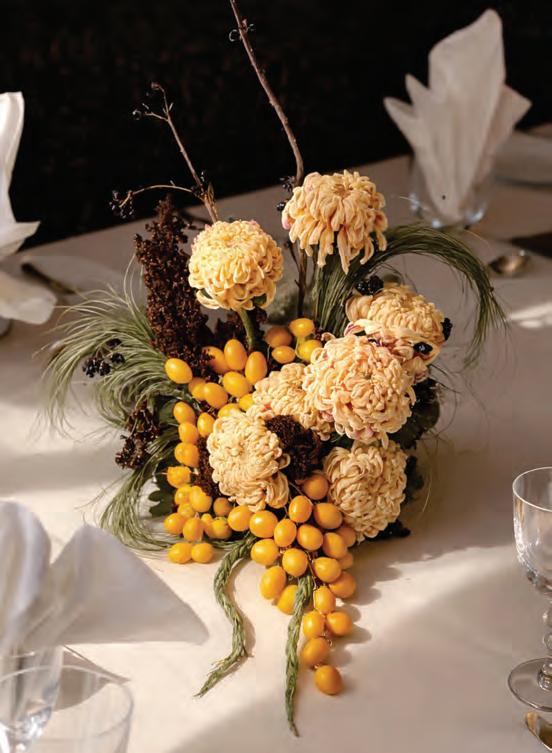
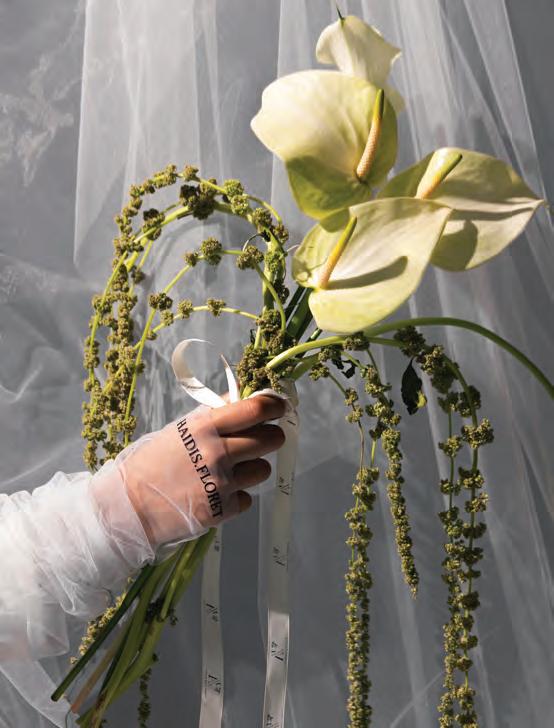
FREE REIN
This month marks the start of the Year of the Fire Horse in the Chinese zodiac. It signifies a time bursting with energy, ambition and opportunities. Which makes it the perfect moment to snap up the limited edition Rocabar Silk Powder from Hermès Beauty. Dynamic in its own way – with its mix of four distinct colours making up its intricate three-dimensional prancing horse motif – the powder is intended to give the wearer a luminous warmth to their complexion. Not unlike a healthy glow brought about by an invigorating morning ride on a beloved steed.
GLOW
Don’t wait any longer to…
– Find your inner glow
– Fight for all your dreams
– Get in touch with your romantic side
– Listen to your body
– Take the time to pamper yourself

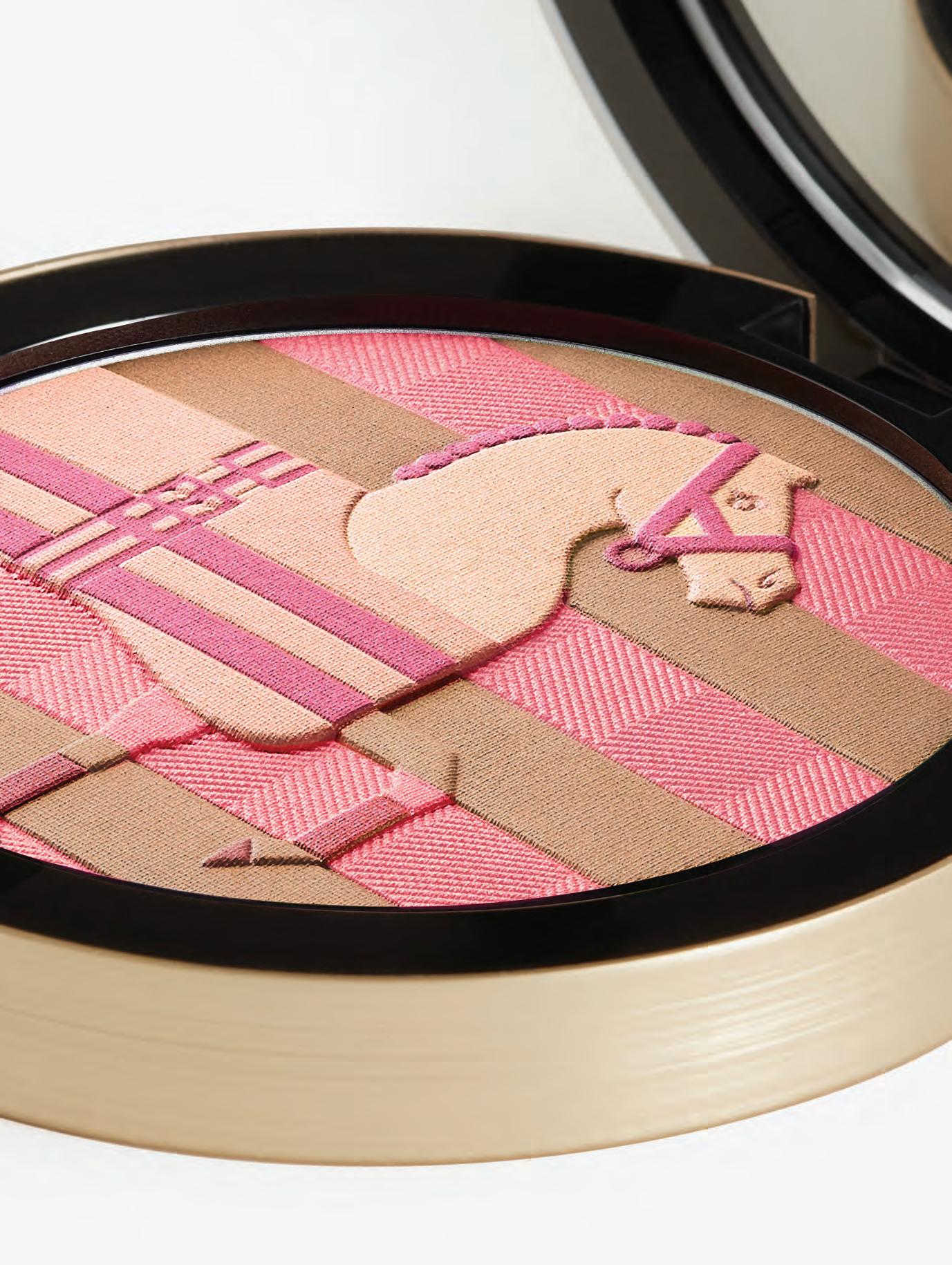
Hot New Buys
WORDS: CAMILLE MACAWILI
Beauty essentials to keep you glowing for Ramadan
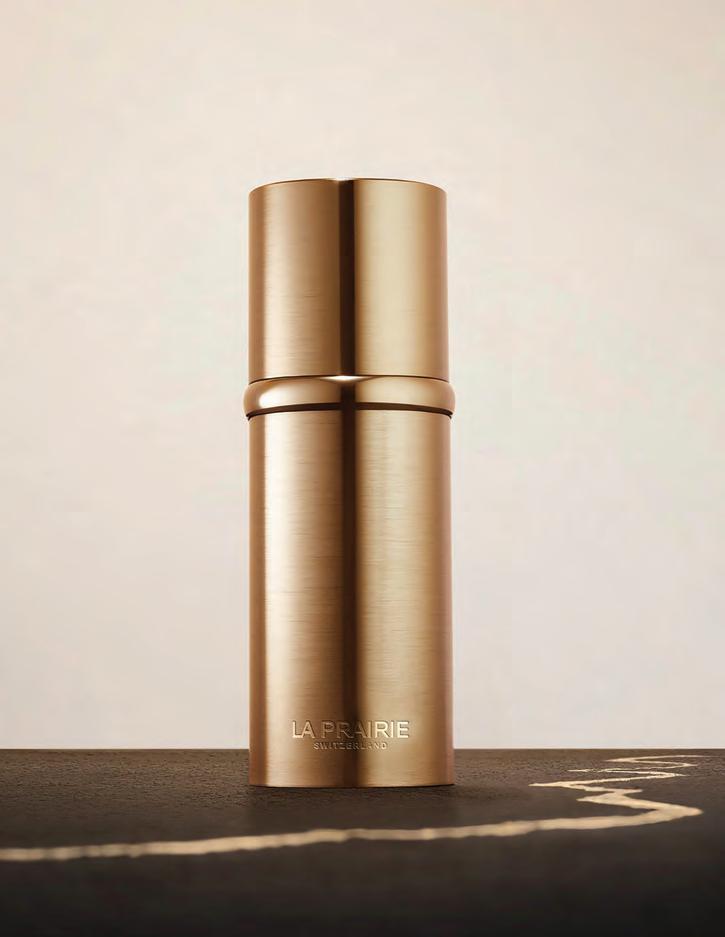
Touch of Gold
This serum replenishes skin with the radiance of pure gold. Intensely hydrating, it provides rich nutrients that plump the skin’s volume and refine uneven texture. The Exclusive Cellular Complex is infused with gold, which acts as a radiance enhancer and helps restore a youthful appearance. Pure Gold Radiance Concentrate Serum 30ml Dhs3,625 La Prairie

ROLL WITH IT
This sculpting moisturiser features an innovative metal roller ball applicator that instantly cools, defines and hydrates skin. With a gel-cream formula powered by provitamin B5. and a peptide and botanical complex, it creates the perfect dewy base. Face Sculpt Lifting and Hydrating Moisturizer Dhs185 REFY available at Sephora

HANDS ON
Depuff anytime, anywhere with this onthe-go beauty tool that aids in reducing under-eye puffiness, diminishes dark circles and enhances radiance with its hot and cold settings. TheraFace Depuffing Wand Dhs625 Therabody
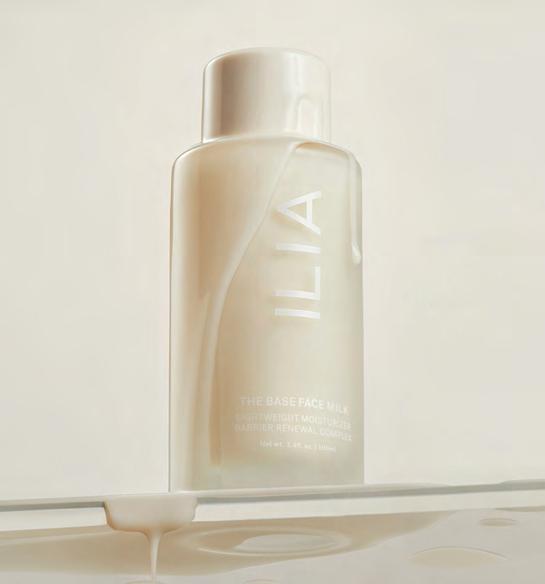
Glow Getter
Ilia’s essence-moisturiser hybrid smooths, soothes redness, and adds a boost of hydration with its lightweight and fragrance-free formula. Use this face milk to lock in moisture when skin feels dehydrated. The Base Face Milk Dhs225 Ilia

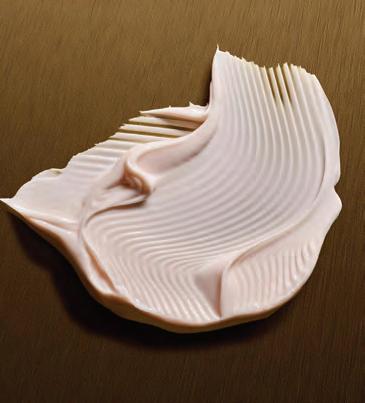
All Eyes on You
Sisley’s Supremÿa At Night Supreme Anti-Aging Eye Cream is formulated with chronobiology in mind, enriched with targeted solutions that seek to achieve youthful-looking eyes. Use the zamac massage tool to lift and stimulate the eye contour for precise application. Supremya At Night The Supreme Anti-Aging Eye Cream 15ml Dhs1,355 Sisley

COMFORT ZONE
Sade’s CloudBarrier is the skin’s comfort blanket. Infused with ceramides, peptides, and nourishing plant oils, this soft-as-a-cloud barrier repair cream restores, strengthens, and protects by locking in hydration.
CloudBarrier Moisturizer Dhs80 Sade

SMOOTH OPERATOR
A gentle exfoliating toner infused with BHA (beta hydroxy acid) that can be used every day for clear, glowing skin. Skin Perfecting 2% BHA Liquid Exfoliant Toner 118ml Dhs165 Paula’s Choice

GLOW STICK
A multi-use melting balm for applying highlighting touches in a surprising new shade. Called Cute, it’s a fresh and soft mauve pink that is sheer and pearlescent when applied. Baume Essentiel in Cute Dhs200 Chanel
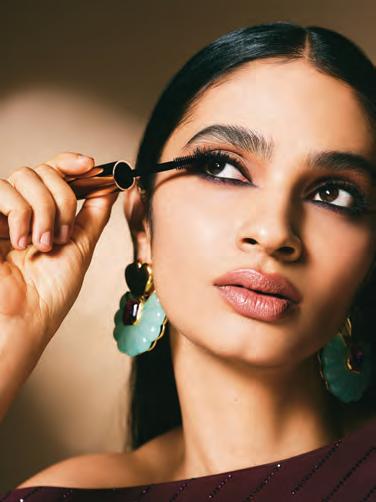
IT’S HER TIME
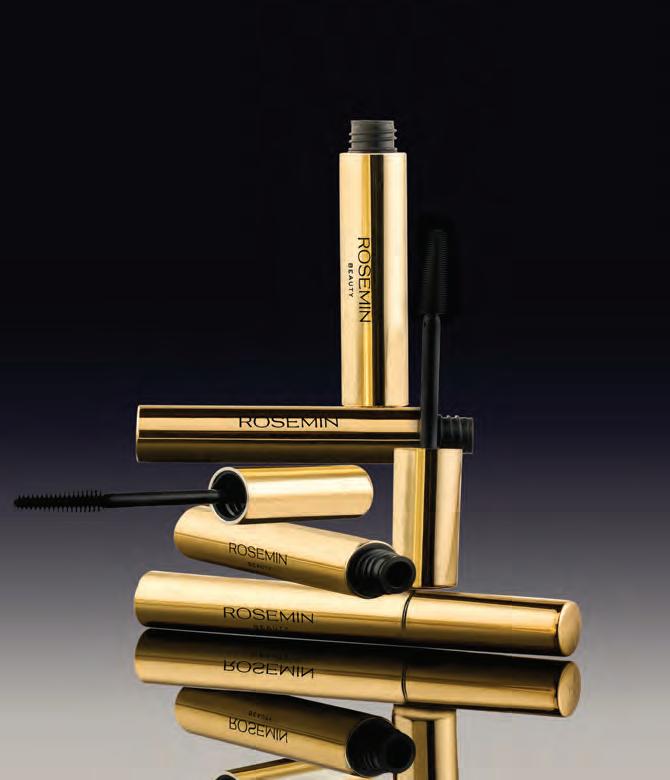
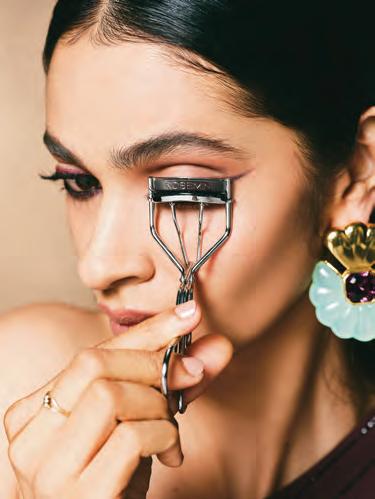
Rosemin Opgenhaffen proves that dreams don’t have a sell-by date as she launches her signature beauty brand and embraces impending motherhood
WORDS: AMINATH IFASA
Rosemin Opgenhaffen is sharing a story about a desk drawer. It’s 2023, and she’s in the middle of a move, surrounded by the accumulated clutter of a dynamic career. When she opens the drawer, she finds her almost fully-fledged business plan and research deck for a beauty brand she created in 2015. “It was literally like an ‘aha’ moment,” she recalls, the memory still fresh in her mind. “I just had to revisit it. I didn’t know I was going to take that entrepreneurial leap, but it’s really exciting.”
That leap represents the culmination of a 25-year career working at the epicentres of luxury fashion and beauty spaces. Having collaborated behind the scenes with Tom Ford during the creation of his global beauty and clothing company, supported the visions of makeup legends like Charlotte Tilbury and Pat McGrath before they were household names, and built a career as a beauty editor and television host –Opgenhaffen’s resume reads like an intentional road map leading to this launch. But even so, it still feels entirely new for the entrepreneur. “100%,” she says, without hesitation, when asked if she has the sense that Rosemin Beauty is her first true founder moment. “You’re at the helm. Everything stops at you. It’s your decision, it’s your vision… there’s a lot of leadership skills involved.” Opgenhaffen’s vision for Rosemin
“I hope someone reads my story and knows that it’s never too late to start a business, never too late to have a family, never too late to fall in love”
Beauty is razor-sharp and born from a very personal need. As a South Asian woman who spent years travelling between India, the UAE, London, and New York for work, she identified a specific, and frustrating gap in the beauty market. “I started realising that a lot of women had the same dark under eye circles as me,” she explains. “And the traditional concealer doesn’t combat that.” She dreamt of a single, elegant compact that would combine corrector and concealer. A simplified, performance-driven solution for woman who are always on the move, like the executive stepping off a long-haul flight and straight to a day of meetings, or a mother rushing through a day filled school runs, play dates and endless errands.
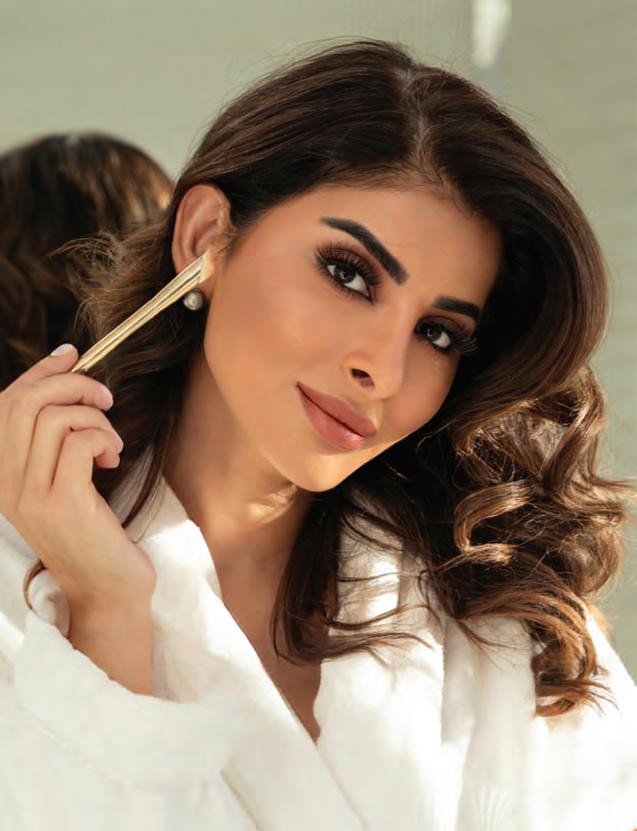
The result is a meticulously crafted hero product, designed to fit perfectly in the hand. “I really just wanted to create a compact which is beautiful enough that people want to have it in their purse,” she says. The development was an exercise in stubborn perfectionism. Opgenhaffen refused to compromise on quality, pursuing only the top factories in Italy, Germany, and the US, many of whom were initially reluctant to work with a startup. “I just didn’t want to give up,” she says, a thread of steely determination weaving through the warm tone of her voice. “I just kept hounding them and figuring out ways to meet them… and really kind of sold my story.” The brand’s launch also coincides with a profoundly personal chapter in Opgenhaffen’s life. At 45, she is expecting her first child. “This year is all about brand and baby,” she shares, her laugh both thrilled and incredulous. This convergence of creation – of a business and a family – fuels the core of her message. Sitting in her office, having just playfully moved her launch date to the numerologically pleasing 26th of January (01-26-26), she radiates a hardwon sense of alignment. “I hope someone reads my story and knows that it’s never too late to start,” she says, her words deliberate and clear. “Never too late to start a business, never too late to have a family, never too late to fall in love. I feel grateful that I got married at 43 and I waited for the right person. I feel grateful that I kind of took the leap.”
For Opgenhaffen, the chapter unfolding now is one that is rich with the textures of a life fully lived, the wisdom of a long successful career, and the anticipation of two dreams coming true in quick succession. This year, as she brings into the world her eponymous beauty brand and her first born child, she has become the living embodiment of the idea that dreams are not bound by time. “Everyone has the next chapter,” she insists, “and every day is your day. There are no dream police. You’re allowed to dream.”
Rosemin Opgenhaffen
The Beauty Shelf
Creative director and content creator Saba Sabbagh talks us through her must-have beauty staples
COMPILED BY: AMINATH IFASA
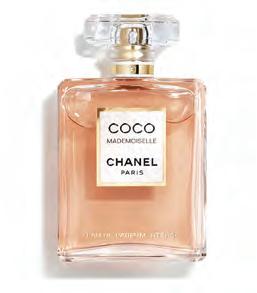
Double Wear Stay-In-Place
Makeup SPF10 Dhs235 Estée Lauder
This foundation gives me the kind of coverage that lasts all day without ever feeling heavy. My skin always looks polished yet effortless with it on.
Radiant Creamy Concealer
Dhs170 NARS
Light but powerful, I love this concealer as it brightens without creasing and makes me look instantly more awake. I’ve never found anything that blends quite like it.
Major Headlines Double-Take
Crème & Powder Blush Duo
Dhs142 PATRICK TA Beauty
I love how the blush melts into the skin and gives it a soft, natural flush. It makes me look fresh.
Idôle Mascara Dhs155 Lancôme
This mascara separates, lifts, and somehow makes my lashes look twice as long. It’s my go-to for that clean, defined eye look.
Intensive Moisture Balance -
Nourishing Antioxidant Cream
Dhs225 Dermalogica
This Dermalogica moisturiser keeps my skin hydrated without the shine. My makeup always sits better when I use it.
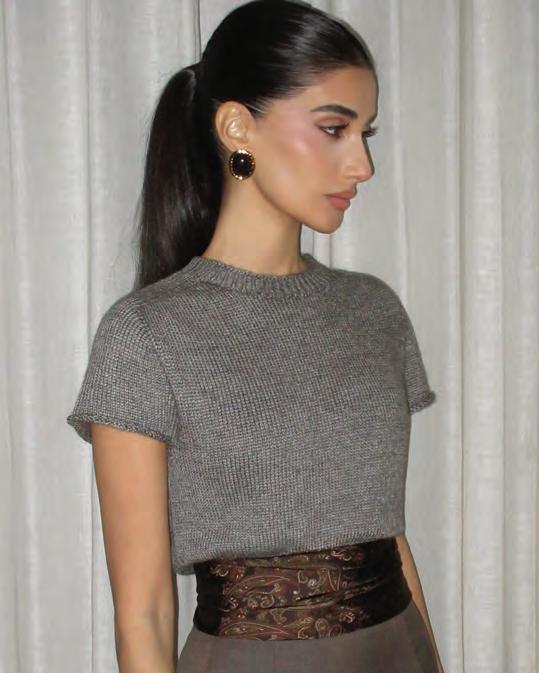
Cult Favorite Firm + Flexible
Hairspray* Dhs172 Color Wow
The hairspray holds everything in place but still feels weightless: no crunch, no stickiness. I use it every time I style my hair.


Brow Pomade Dhs100 REFY
What I love about this product is how it shapes and defines my eyebrows without looking harsh. My brows stay lifted and natural all day.

COCO MADEMOISELLE
Eau de Parfum Intense 100ml for Dhs760 Chanel
I’ve worn this perfume for as long as I can remember and it feels like me. Soft, feminine, and a little bit nostalgic.
Chocolate Soleil Matte Bronzer
Dhs140 Too Faced
I always get that perfect sunkissed warmth without ever looking orange with this bronzer. I love how it brings life back to my face.
Mademoiselle Nail Polish Dhs108 essie®
This shade has been my signature colour for years. It’s clean, timeless, and quietly elegant. I always go back to it no matter what’s trending.
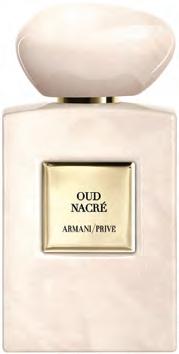
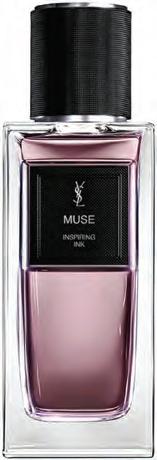
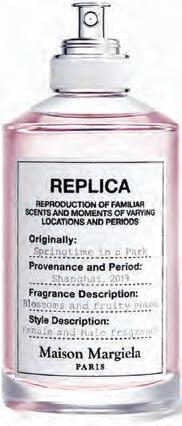
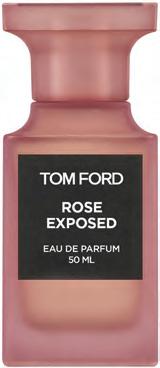
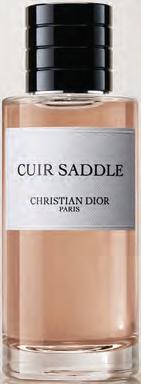

THE ROMANCE OF RECLAMATION
A deeply personal and evocative new wave of scents are reclaiming romance as a powerful ritual of self-care
WORDS: AMINATH IFASA
True romance, in its most potent form, begins as a private act – a whispered conversation between the soul and the senses. Our fragrance edit understands this intimately. Taking up the idea of wearing perfumes for yourself and not a distant admirer, these scents offer an olfactive sanctuary where femininity is profoundly felt. Each of these scents offer a peek into a world of velvet decadence. Think dewy, almost peppery crush of Bulgarian
rose petals against the rich, bittersweet depth of single-origin cocoa. It smolders with a base of aged patchouli and skinwarmed musk, creating a trail that is less about invitation and more about testament.
This rise of the deeply personal romantic scent mirrors a broader shift toward rituals of self-gifting and inner reflection, making them uniquely suited for moments both intimate and symbolic – whether it’s a Valentine’s gesture to oneself, the contemplative evenings of Ramadan, or simply
reclaiming a moment in a hectic day. Think of it as the olfactory equivalent of a velvet robe at dawn or journaling by moonlight.
The addition of a fragrance into the daily ritual of dressing is a deliberate, beautiful practice that frames the everyday with intention. They feel feminine in the oldest, most essential sense: creative, nurturing, powerfully soft, and entirely one’s own.
To guide you to your signature, Emirates Woman has curated a selection of scents that speak the language of inner grace – bottled.
1. Her Parfum Dhs830 Burberry; 2. Flora Gorgeous Gardenia Eau de Parfum Intense Dhs530 Gucci; 3. Muse Le Vestiaire des Parfums Dhs1,343 YSL; 4. Rose Exposed Eau de Parfum Dhs2,266 Tom Ford; 5. Daphne Bouquet Dhs930 Penhaligons; 6. Oud Nacré Eau de Parfum Dhs1,524 Armani Privé; 7. Replica Springtime in a Park Eau de Toilette Dhs745 Maison Margiela; 8.Cuir Saddle Dhs1,295 Dior
USING HER
VOICE
Dr. Mesrure Kaplan is on a mission to empower women to talk openly about their unique health issues, many of which are still inexplicably shrouded in secrecy
WORDS: JESSICA MICHAULT
Dr. Mesrure Kaplan does not come to women’s health as a purely academic pursuit. “Pursuing medicine – it was always a gut feeling for me. I wanted to help people, and this is how I was raised by my parents,” she recalls. “My father wanted us, especially the girls in the family, to be independent, to take care of ourselves, to help people and to succeed.” And that is exactly what Dr. Kaplan did, becoming a Board-certified OBGYN and one of the leading women’s health physicians in Dubai. Dr. Kaplan attributes her drive to growing up as one of seven siblings, notably with five older brothers. “That shapes my life. I was a tough girl. I wasn’t afraid, and I learned not to be shy,” she says, laughing. “My father always told me, ‘If they kick you, kick back.’”
The pursuit of a medical degree almost felt inevitable to Dr. Kaplan. “I always knew it would be something medical. I wanted to make a difference in someone else’s life,” she affirms. She ended up training in the Netherlands, qualifying as a medical doctor before specialising in gynaecology and obstetrics. But it is not her training alone that defined her career path. Becoming a mother was the real eye-opener. “When I was still studying, I was pregnant – very pregnant – and eventually I gave birth to my first child,” Dr. Kaplan recalls. “I came home and then suffered a severe postpartum hemorrhage. I repeatedly called for help, but my concerns were dismissed. They said, ‘No, it’s fine, you’ll be okay.’”
She wasn’t. “The situation escalated. I required surgery for a retained placenta. After the surgery, I had a cardiac arrest. I remember every detail – when they came, when they took my clothes off, when they started resuscitation. Luckily, I survived. What haunts me most is not the complication itself, but the fact that timely intervention could have made the difference between being a mother taking care of her newborn – or dying.”
She adds, “The cardiac arrest I experienced after the surgery was completely preventable if the postpartum bleeding had been treated promptly. That question has stayed with me ever since: why weren’t my concerns taken seriously? That frustration is what drives me to this day.” The experience galvanised Dr. Kaplan. “I thought, no – I can do much better. I will never let this happen to other women.” What haunts her most is not the medical complication, but the dismissal. “Why didn’t they react? Why didn’t they listen?” she asks. “These details make such a huge difference.”
Thankfully, Dr. Kaplan was able to go on and create a family that now counts four children. “After the first, my husband said, ‘No more babies. I don’t want to lose you,’” she remembers. “I had to be mentally ready before each subsequent baby.” This meant being strategic about the spacing between each pregnancy. “For me it was always deliberate and a decision made in tandem with my husband, even if each time, I had to convince him,” she shares. It is this combination – doctor, patient, mother – that defines how Dr. Kaplan practises today. “When you tell a doctor your symptoms, they
should not treat your symptoms. You are not a symptom, you are a person,” she says. “The doctor needs to check everything related to your female health.”
Now working in Dubai with Mediclinic Middle East, Dr. Kaplan has become increasingly vocal about the silence surrounding women’s health, particularly in regards to perimenopause and menopause. “I hear and see more and more patients that are lacking proper information about what symptoms to look for,” she says. “They come in for something simple, like a UTI, and then when I start asking about their cycle, everything opens up.” What she sees troubles her. “They don’t know why these changes are happening. They’ve heard a little about perimenopause, but they don’t know it’s affecting them,” she says. “And it’s such a waste, because we can easily do something about it.”
And it’s important to remember, when it comes specifically to perimenopause, “I read that from all divorces around the age of 50, 50 percent are caused by perimenopausal symptoms,” Dr. Kaplan says. She explains what she sees repeatedly. “Their mental state is changing. They are irritable, fatigued, they fight more at home. Marital relations become painful. And they think, ‘the marriage is not working anymore.’ But they have no idea these are all symptoms of perimenopause.”
Even worse, women are often misdiagnosed. “They tell me, ‘My psychiatrist increased my antidepressants.’ But this is perimenopause. You have to look at it differently and treat it differently,” Dr. Kaplan explains. “At the very least, check if it’s perimenopause. That’s step number one.” Dr. Kaplan is emphatic about language. “Perimenopause and menopause are not the same, and we use the words incorrectly,” she recounts. “Perimenopause is the transition. It can take one year, or it can take ten years.” Ten years, she points out, “of huge struggles that affect your personal life, your family, your professional life.”
And those professional costs are often invisible and can be hugely impactful on a woman’s career. “Women miss promotions because they forget words in presentations, and people think they are not fit anymore,” she says. “But nobody checks their hormones.”
And sadly for many women, the idea of hormone replacement therapy still remains somewhat controversial, and most definitely misunderstood. “There is still stigma, because of old studies that were not conducted properly,” says Dr. Kaplan, pointing to one particular 2002 study done by the Women’s Health Initiative that misleadingly reported that hormone replacement therapy (HRT) increased breast cancer risk, prompting a massive decline in usage. The study was later reanalysed and debunked, having been found to be deeply over generalised, with flawed initial data sets. “Women read ‘breast cancer’ and they panicked,” remembers Dr. Kaplan. What frustrates her is the inconsistency. “We take the contraceptive pill without questioning it, and the risks of the pill are higher than HRT. But when it comes to HRT, suddenly everyone is afraid.”

“When you choose your doctor, make sure they have a holistic approach. And if you don’t feel heard, keep searching for a doctor until you do. Don’t ignore your health.”
She sees the impact of treatment every day. “Patients tell me, ‘I have my life back. I’m in control. I feel like myself again,’” she shares. “This is about quality of life, but also about preventing osteoporosis, cardiovascular disease, even dementia.” What Dr. Kaplan asks of women is simple, and urgent. “When you choose your doctor, make sure they have a holistic approach,” she states. “And if you don’t feel heard, keep searching for a doctor until you do. Don’t ignore your health.” Dr. Kaplan pauses, then adds something she learned the hard way. “Sometimes we know more about our Gucci bag than about our own health.” She smiles, but the message is serious. “The world depends on women being healthy – as mothers, as wives, and as individuals – so we can take care of ourselves and others effectively.” This is the lesson that underpins Dr. Kaplan’s work, and her voice. Once unheard, she is now determined to make it impossible for other women to be ignored.
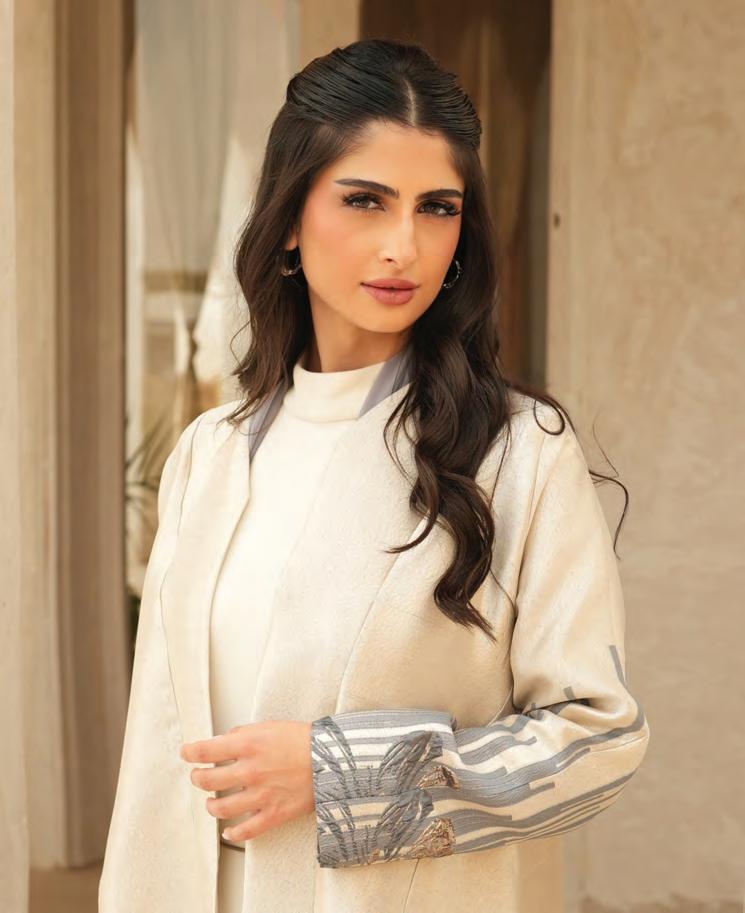
AM TO PM BEAUTY
Content creator Raya Hassan shares her morning to evening beauty routine
Talk us through your morning routine. Each morning, I start by washing my face with nothing but water, as my skin leans more on the dry side. I then go in with Rovectin’s Hyaluronic Essence to hydrate and balance my skin, followed by a gentle layer of Fernian’s Eye Gel under the eyes. Next, I apply the Dr. Barbara Sturm Niacinamide Serum to smooth and refine, and seal everything in with Embryolisse Lait-Crème. And I always end my routine with Rovectin’s SPF 50+ . How does your evening routine differ? My evening routine is very similar, but a little more focused on cleansing and repair. I start by using Rovectin’s Cleansing Gel to remove impurities and any build up from the day. Some nights, I add Dr. Lara Devgan’s
Hyaluronic Serum for an extra boost of hydration, and I finish with La Mer’s Rejuvenating Night Cream to deeply nourish and restore my skin overnight. What are your go-to skincare products? My go-to skincare products are definitely the Dr. Lara Devgan Hyaluronic Serum and the Embryolisse Lait-Crème Concentré. They make sure my skin is in check and balanced. Are you a fan of masks? I’m not big on face masks, but the Summer Fridays Jet Lag Eye Patches have been a weekly staple for me, especially before shoots. My drawers are always stocked with them. How would you describe your approach to makeup? My makeup is very natural, clean, and skin-focused. I like enhancing my features rather than covering them.

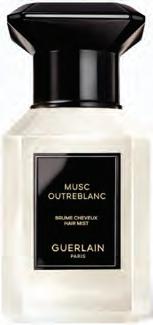



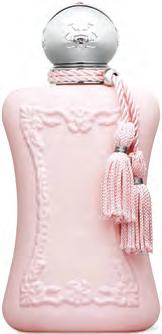
Clockwise from top left:
Teint de Neige Body Cream Dhs495 Lorenzo Villoresi; Musc Outreblanc Hair Mist Dhs642 Guerlain; Hyaluronic Serum Dhs923 Dr. Lara Devgan; Deline Dhs1,490 Parfums de Marly; The Better B Niacinamide Serum Dhs550 Dr. Barbara Sturm; Geranium Leaf Hydrating Body Treatment Dhs165 Aesop
What can always be found in your makeup bag? My go-to lip combination! Charlotte Tilbury’s Pillow Talk and Mac Cosmetics’ lip liner in the shade Twig. Which fragrances are your current favourites?
Those who know me know I always wear Delina by Parfums de Marly, it’s my signature scent. Before applying my perfume, I layer it right after a shower with Lorenzo Villoresi’s Teint de Neige and Aesop Body Oil, allowing Delina to settle into the skin with a warmer, creamier, and more refined finish.
Talk us through your hair routine. I keep my hair routine very simple and consistent. Twice a week, I oil my hair with Olah Hair Oil, then shampoo and condition using Kérastase Résistance Bain Extentioniste. After
styling, I finish with a light mist of Guerlain Musc Outreblanc for scent and softness.
What is the most unusual item in your makeup bag? A compact mirror I’ve had for years. It’s simple, yet it’s something I never replace.
What does your Ramadan routine look like and what are you looking forward to the most? During Ramadan, my routine becomes much slower and more intentional. I give my skin a real break, keep my days light, and focus on rest and hydration. It’s a time where I try to disconnect, be present, and just surround myself with more quiet around me and less stimulation. What I look forward to the most is that sense of peace and connection, the stillness and the reset it brings both mentally and spiritually.
GATHER ROUND
With the Holy Month beginning in February, Good Earth – which recently opened a flagship store in Dubai – has come up with quite a selection of pieces created for the communal rituals of iftar and suhoor. From colourful platters and plates, to richly embroidered cushions and crystal adorned candlesticks, the lineup is defined by its desire to honour the art of sharing, generosity and hospitality. Key ingredients to transform everyday gatherings into lifelong memories.
ABODE
The
world is waiting so…
– Visit a new icon in London
– Discover what pieces create a sense of home
– Adventure to a city divided, but still whole
– Travel the globe from one tiny island
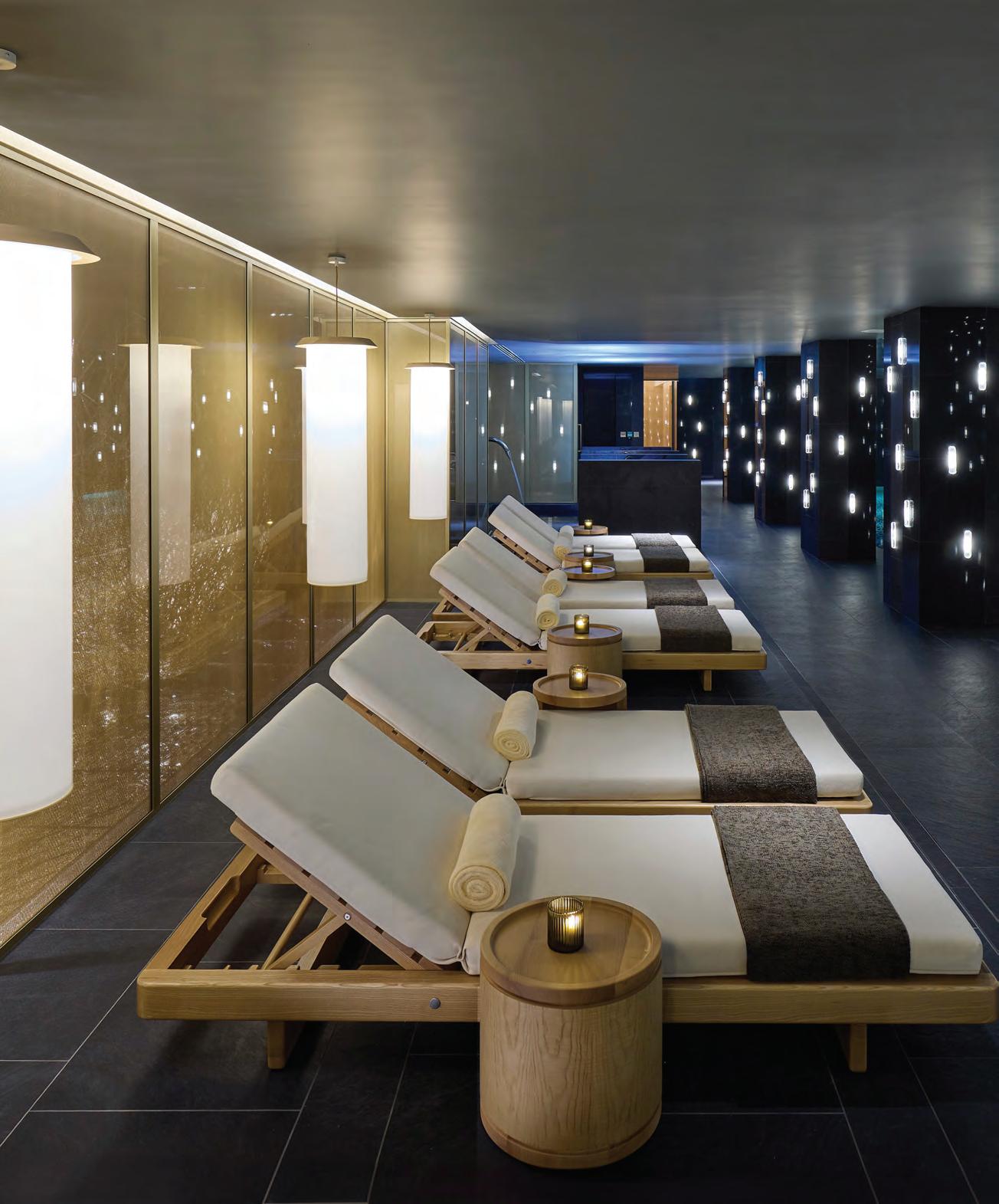
A NEW LEGACY IN LONDON
Where culture, culinary and fashion collide, Mayfair is the haute London neighbourhood beloved by the jet set. And its first new building in a decade sees the debut of Mandarin Oriental Mayfair, an emerging icon reimagining stays in London’s storied five-star hotel scene
WORDS: ALICE HOLTHAM-PARGIN
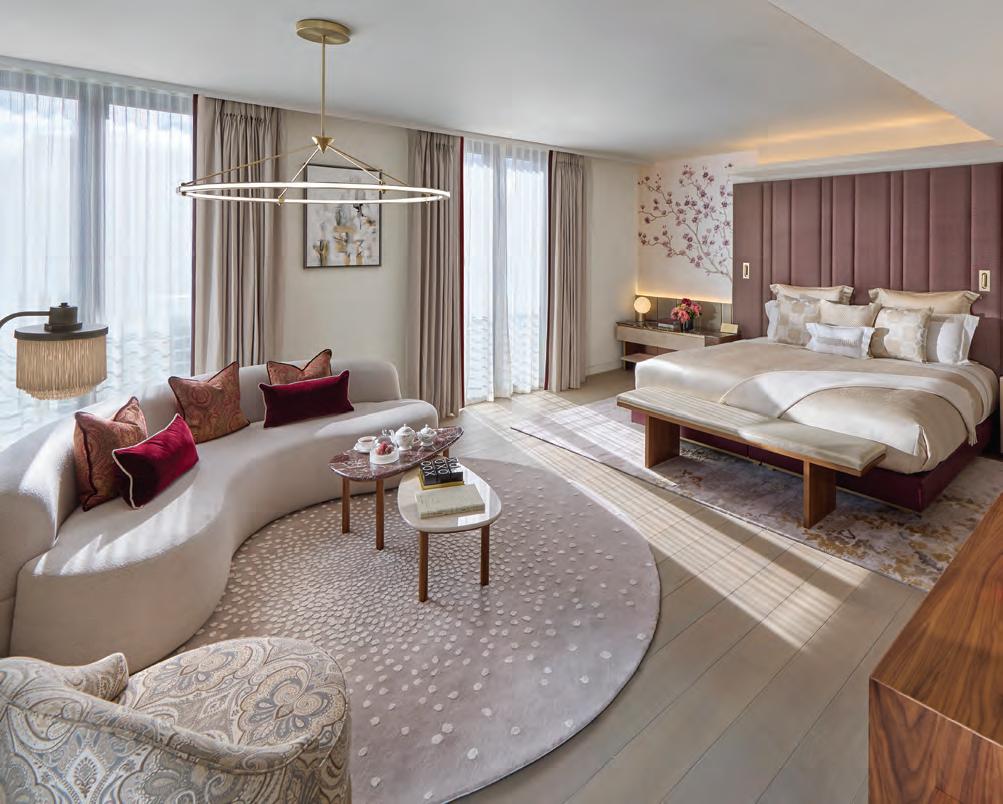
“
If Hyde Park is your quintessential British hotel stay, we’re its cool little sister,” Hannah, our reservation agent, warmly says with a smile as she swiftly checks us in. We’ve only just stepped through the door of the Mandarin Oriental Mayfair, but the sense that this five-star stay isn’t like its historic counterparts already exudes from all corners. Despite its storied location on the edge of Hanover Square – placing guests right in the heart of one of London’s most prestigious neighbourhoods – there’s a modern elegance to Mandarin Oriental Mayfair. Almost 25 years after the first Mandarin Oriental debuted in London’s Hyde Park, the brand has presented the British capital with a second serving. The first new building in Mayfair in over a decade, it’s a modern interpretation of the traditional Georgian townhouses that surround it, with burnt red brick baguettes clad between the glass windows.
Once inside, Mandarin Oriental’s brand roots become more apparent, beautifully blending with local design touches to create a space that’s both warm and minimalistic. Muted golds, emerald green marble and light woods guide you through the concierge and reception, while the corridors that lead to the hotel’s just 50 rooms and suites are more dimly lit, creating a sense of relaxation and exclusivity once you’re in the more private areas of the property.

A stay in a deluxe suite comes with ample space to spread out. After a day amassing over 20,000 steps on the fashionable New Bond Street, Regent Street and Saville Row, we welcome relaxing afternoons in the lounge, where a palette of cream, bronze and delicate blue sets the tone for a space that is both sophisticated and inviting. Abstract artworks, hand-painted wallpaper, wellchosen coffee table books and a minibar laden with sparkling crystal glassware adds both personality and practicality.
In the bedroom, your best night’s sleep happens under crisp cotton sheets, head sinking into feather pillows that are freshly plumped each day. But it’s the little touches that make a big difference. A Dyson hairdryer, GHD straighteners and a drawer of bathroom amenities are great essentials for glamourous guests on the go. Then there’s the nightly turndown service that comes with wellness tips from Mandarin Oriental’s global experts, from alternate breathing to sink you into a deep sleep, to hand massages designed to improve circulation. Plus thoughtful touches, like a NaturaBisse firming cream left in the room after a particularly chilly day, demonstrate true artful hospitality.
The same level of care and attention continues at The Spa, an idyllic antidote to the bustling city beyond the Mandarin Oriental’s doors. A 25-metre swimming pool is encased by candle-like lights,
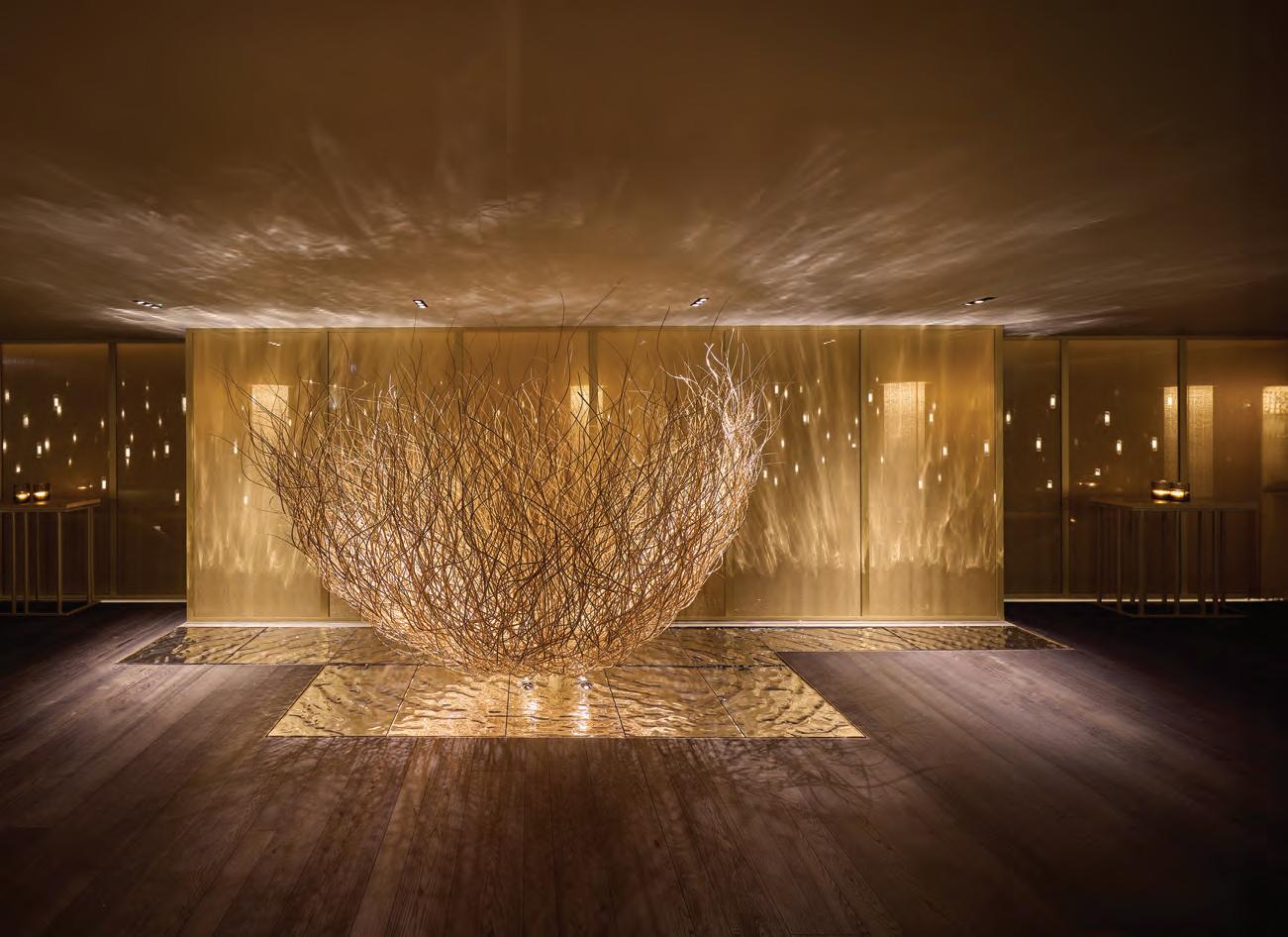
its heated water providing instant relaxation. There’s a trio of vitality pools, a sauna and a steam room all designed to soothe and restore – and even those simply lounging by the poolside can elevate their wellness experience by picking up one of the mindfulness colouring books provided in the spa.
We book in for a one-hour ‘Time for You’ treatment – although many of the sessions and therapies start from as little as 20 minutes, encouraging even those with the busiest schedules to take some time out for self-care. The ultimate invitation to unwind, it begins with a consultation with a friendly therapist to outline your goals, with the treatment, which can be for face or body, then designed around your requirements. Our own needs, fresh from back-to-back flights, are about relaxation and tension release, so a 60-minute massage that focuses on undoing knots using a fragrant ylang-ylang and rose-based oil melds us into total bliss.
For gourmands, some of the city’s finest restaurants are all within walking distance, although the on-property offerings
shouldn’t be missed. The suitably named Atrium restaurant, with its lofty triple-height walls and glass ceiling, is simple yet striking. Reached via a circular marble staircase, tables are arranged down a long, narrow strip, perfectly placed for people watching as guests arrive for their reservations. By night, it presents a concise Mediterranean menu of familiar flavours, and provides a stylish backdrop for breakfast the next morning, mixing a continental buffet with a la carte offerings that range from a light matcha chia pudding to the traditional English breakfast.
The hotel’s buzzy Hanover Bar tucked away on its rooftop feels like stepping into a discreet den for those in the know. Adorned in warm champagne tones laced with jewel hues of ruby red and sapphire blue, a seat here feels like a front row to one of the hottest tickets in town. Snag a table by the floor-to-ceiling windows to gaze out over Mayfair, or snuggle up under a heater on the terrace and benefit from views that stretch across the city right to Hampstead Heath.
Whether for stays, dining or wellness, the chic comforts of Mandarin Oriental Mayfair all feel wonderfully curated. With its boutique feel and independent rhythm, the hotel has successfully created a sense of style, exclusivity and elegance that make it a compelling destination in the heart of London’s most desirable neighbourhood.
Left page: Mayfair Suite Bedroom; Above and previous page: The Spa at Mandarin Oriental Mayfair
COMING HOME
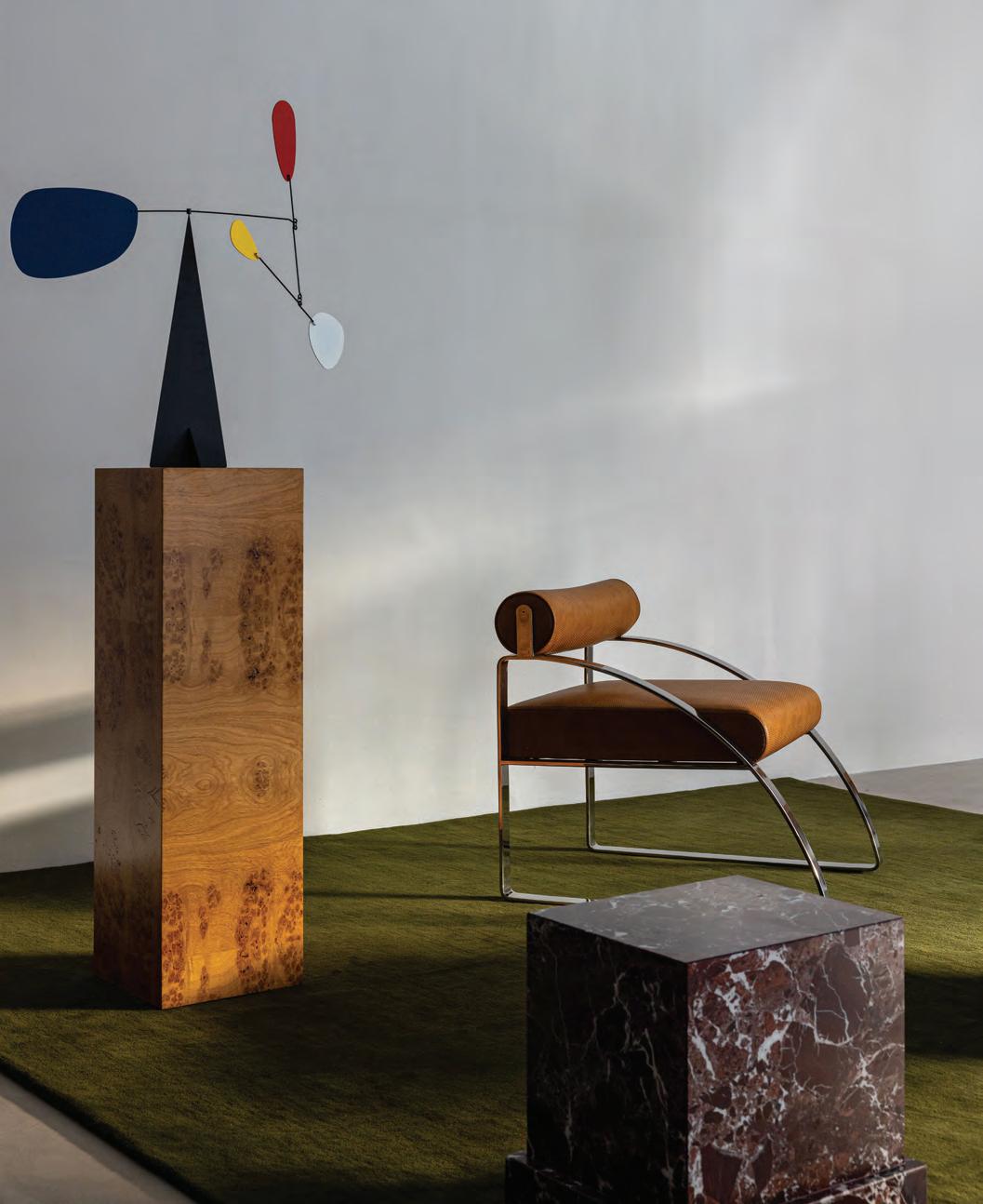
At Contemporary Spaces, siblings Alya, Maitha and Obaid Al Suwaidi are redefining furniture through feeling, family and thoughtful design
WORDS: KAREENA ADLAKHA
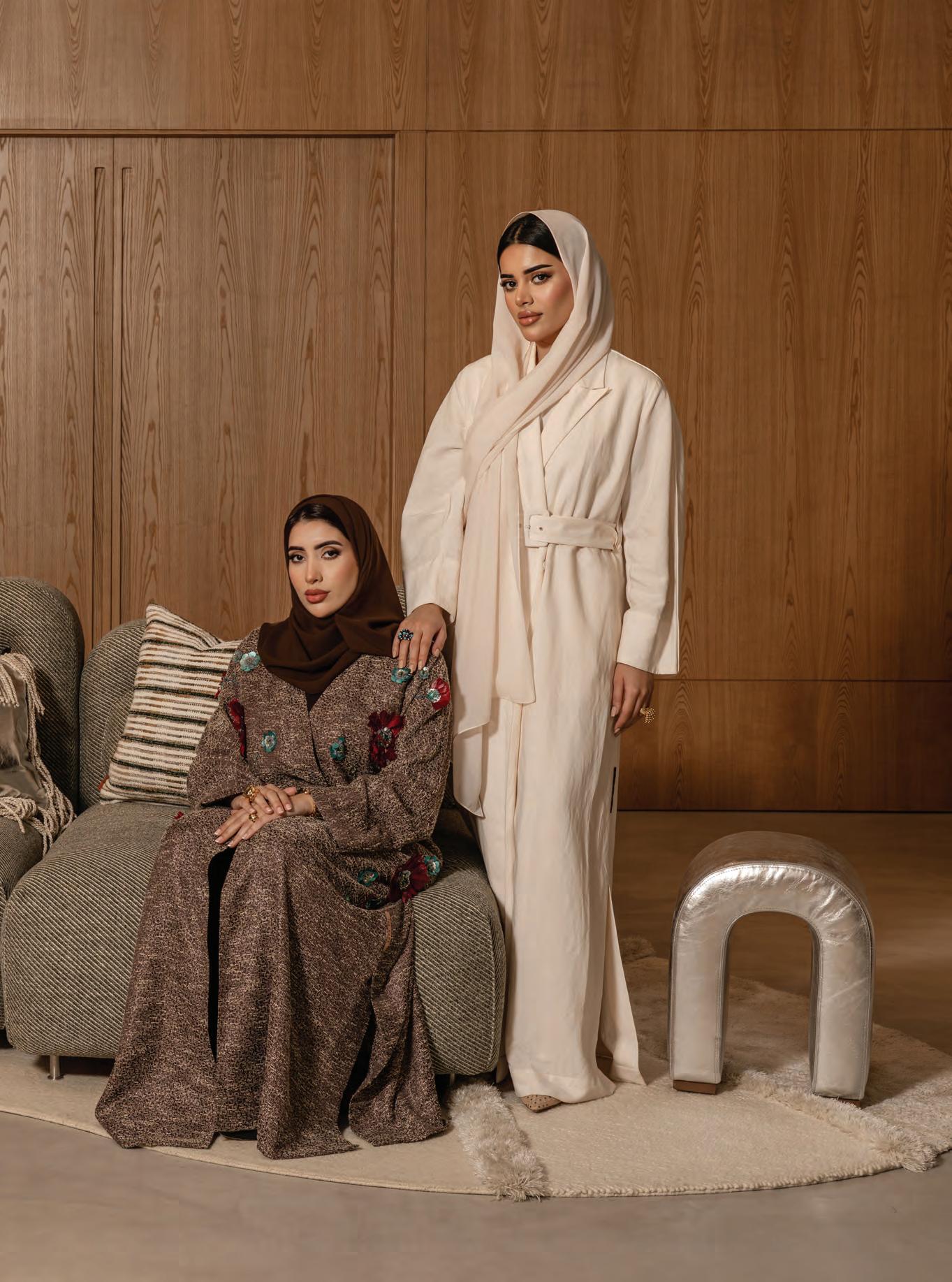
Alya and Maitha Al Suwaidi
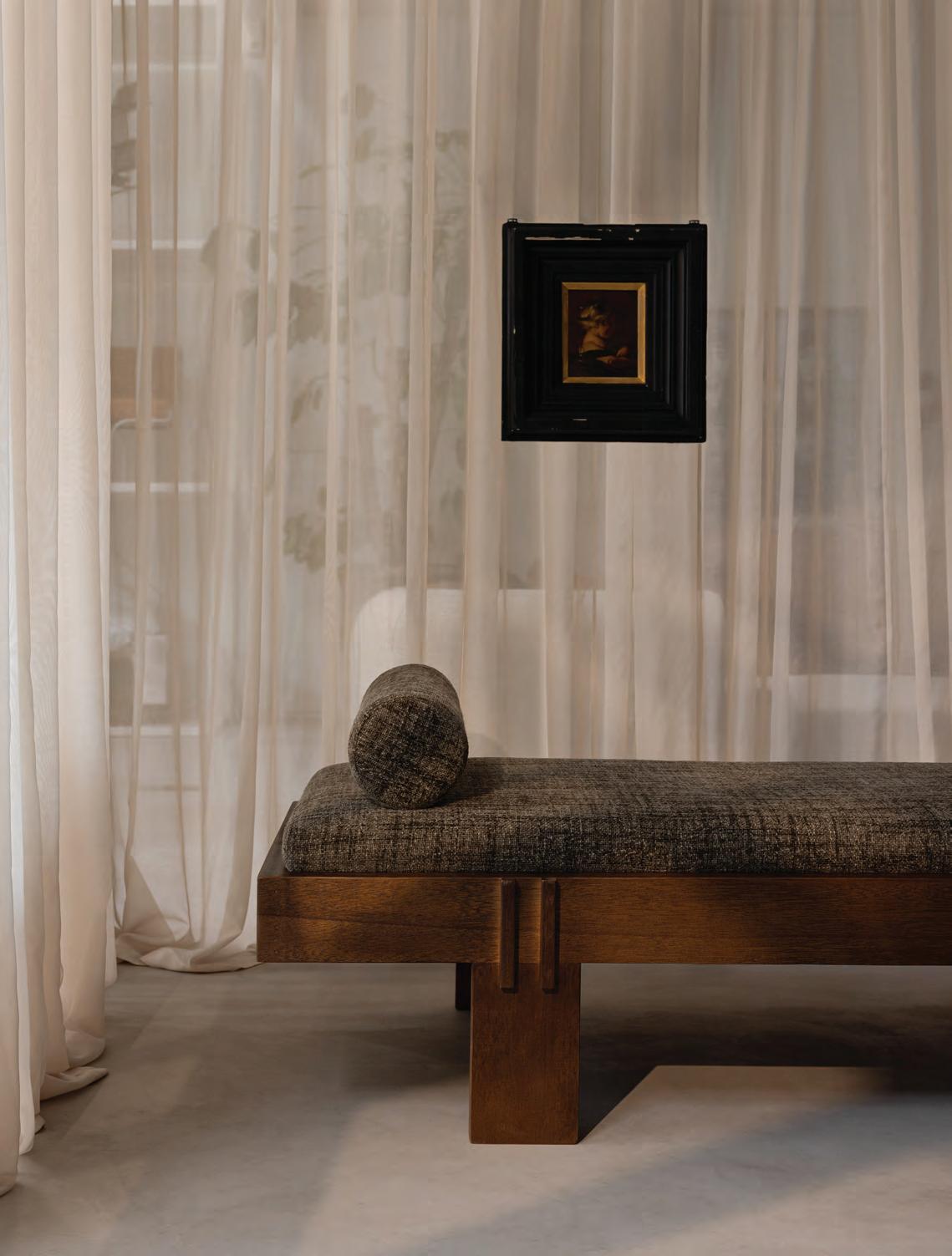
In the heart of Al Quoz’s creative quarter, where warehouses, art studios, and cultural hubs converge, sits Contemporary Spaces, quietly reshaping how we think about furniture, interiors and the very feeling of home. More than a showroom or design studio, it is a space that feels lived-in, warm and personal, echoing the ambitions of its founding trio: Alya, Maitha and Obaid Al Suwaidi, siblings whose shared childhood and collective vision now guide this unique creative venture.
For the trio the story of Contemporary Spaces begins long before the brand name appeared on Instagram. The siblings grew up immersed in the rhythm of craft at their father’s workshop, where wood, joints and finishes became a kind of language. Although Alya’s academic background is in business and Obaid trained as an architect, they share a collective memory of watching pieces come to life in their father’s hands. A formative experience that continues to impact how they curate, display and feel about design today.
Alya, who leads much of the brand’s visual direction, talks about unexpected colour combinations such as deep blues paired with vibrant reds or softer pinks layered with verdant greens as a way to build depth and atmosphere rather than simply following trends. The studio’s Instagram feed offers glimpses of this philosophy in action: deep-toned walls balanced by sculptural lighting, books and collectible objects curated alongside bespoke seating, and vignettes that bring together the space.
The siblings also draw inspiration from spaces and cultures beyond the UAE. Alya mentions the recently showcased mountain home of Kendall Jenner as a favourite for its Mediterranean touches and layered detailing, from textured walls to artisanal finishes. But she also talks about a dream home that evokes the feeling of returning to her grandmother’s house. This speaks to Contemporary Spaces’ ambition to blend nostalgia with the new, timeless craft with a decidedly modern sensibility.
Travel and discovery also play significant roles in the company’s curatorial direction. Inspired by European markets, vintage finds and the thrill of uncovering hidden gems abroad – pieces that carry history and identity – the studio seeks to bring a similar experience to Dubai. This intention reflects a broader mission that will enrich the city’s design landscape with unique and collectible objects.
And as for which part of a home the founders feel is the most delicate to design, Alya cites the kitchen, a space that must balance utility and beauty, where every surface and detail contributes to both functionality and atmosphere. But there is no doubt that Contemporary Spaces is up for that design challenge as well.
Building a niche design brand in Dubai has its challenges, from navigating the competitive market to educating clients about curated design over fast, commercial furniture. But the siblings embrace the process. The brand is actively seeking to showcase work from artists and makers in the GCC, from Egypt to Turkey. The goal is to foster a sense of creative exchange and expand design conversations beyond the Western canon. They want to create a future where the studio becomes a hub for design dialogue, hosting
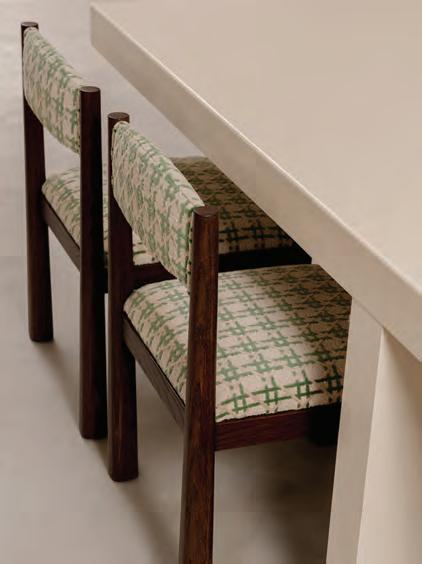
workshops, panel talks and immersive experiences where people can step into the creative side of interior design.
Above all the trio are determined not just to continue to grow Contemporary Spaces, but to deepen its impact across the country. Through collaborations with artists, participation in design weeks, and the continued commitment to thoughtful, emotionally resonant interiors, the studio is shaping up to become a new interior design destination. One that celebrates a personal, curated aesthetic while simultaneously amplifying the roots of design that are taking hold in the UAE.
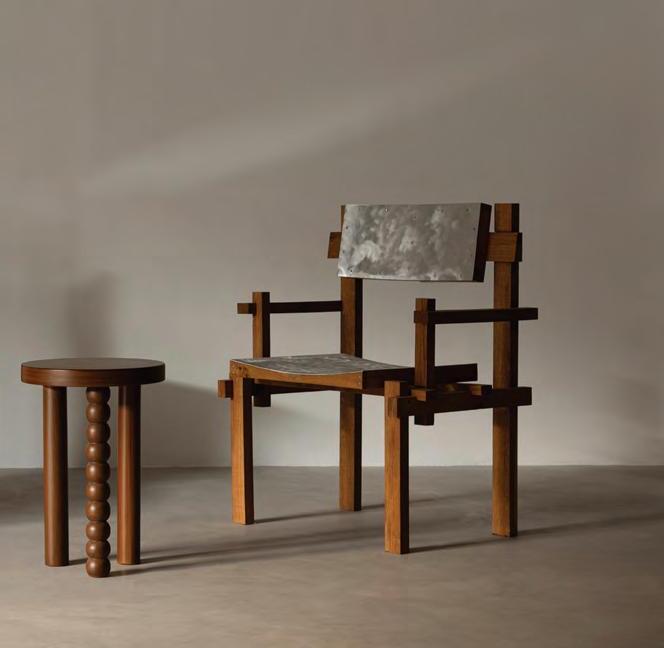
WORDS: MARIE MEYER
TWO HEARTS THAT BEAT AS ONE
In Budapest, the Anantara New York Palace sits at the epicentre of a city that is both steeped in historic grandeur, and offers a sense of intimacy like no other
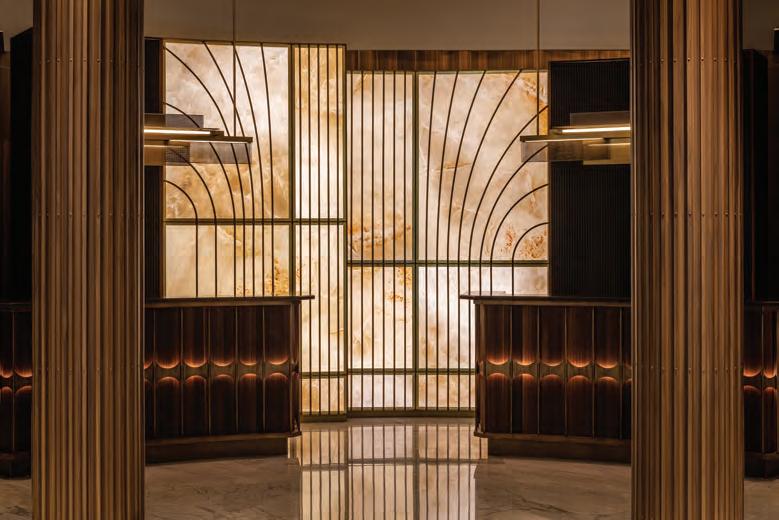
In 2026 Budapest has emerged as one of Europe’s most compelling urban destinations. A city where history, wellness and cultural vitality converge with effortless ease, and an escape that can quickly be reached from most corners of the globe. Divided by the capricious Danube, Buda and Pest face each other like two hearts beating in synchrony – distinct, yet inseparable – it makes for a unique capital where the worlds of nightlife and relaxation meld. But beyond its contemporary appeal, Budapest has been beautifully shaped by the passing years. This city is one of many tales that span centuries of invasions, occupations and legends too. Originally nomadic, Hungarians carried their roots with them, blending influences from Asian, Middle Eastern, and Slavic cultures into a singular identity that never abandoned tradition.
One aspect of its expansive heritage, in particular, continues to define Budapest’s global allure. Once part of the Ottoman Empire, the metropolis became a vital centre of Turkish bathing culture. Leading to the city becoming the largest thermal spring network in the world. And it is within this lineage of water, ritual, and repose that the Anantara Hotels & Resorts found a natural place in the capital’s luxury landscape. It is along Erzsébet körút that the Anantara New York Palace established itself. In this animated stretch of Pest, the Belle Époque building in which the hotel resides was designed in 1894 by architect Alajos Hauszmann, originally commissioned as the headquarters of the New York Life Insurance Company. Drawing on an eclectic vocabulary of Italian Renaissance, Baroque, Art Nouveau, and Gothic influences, Hauszmann conceived a true palace of its time. More than an
Anantara New York Palace Budapest Hotel reception
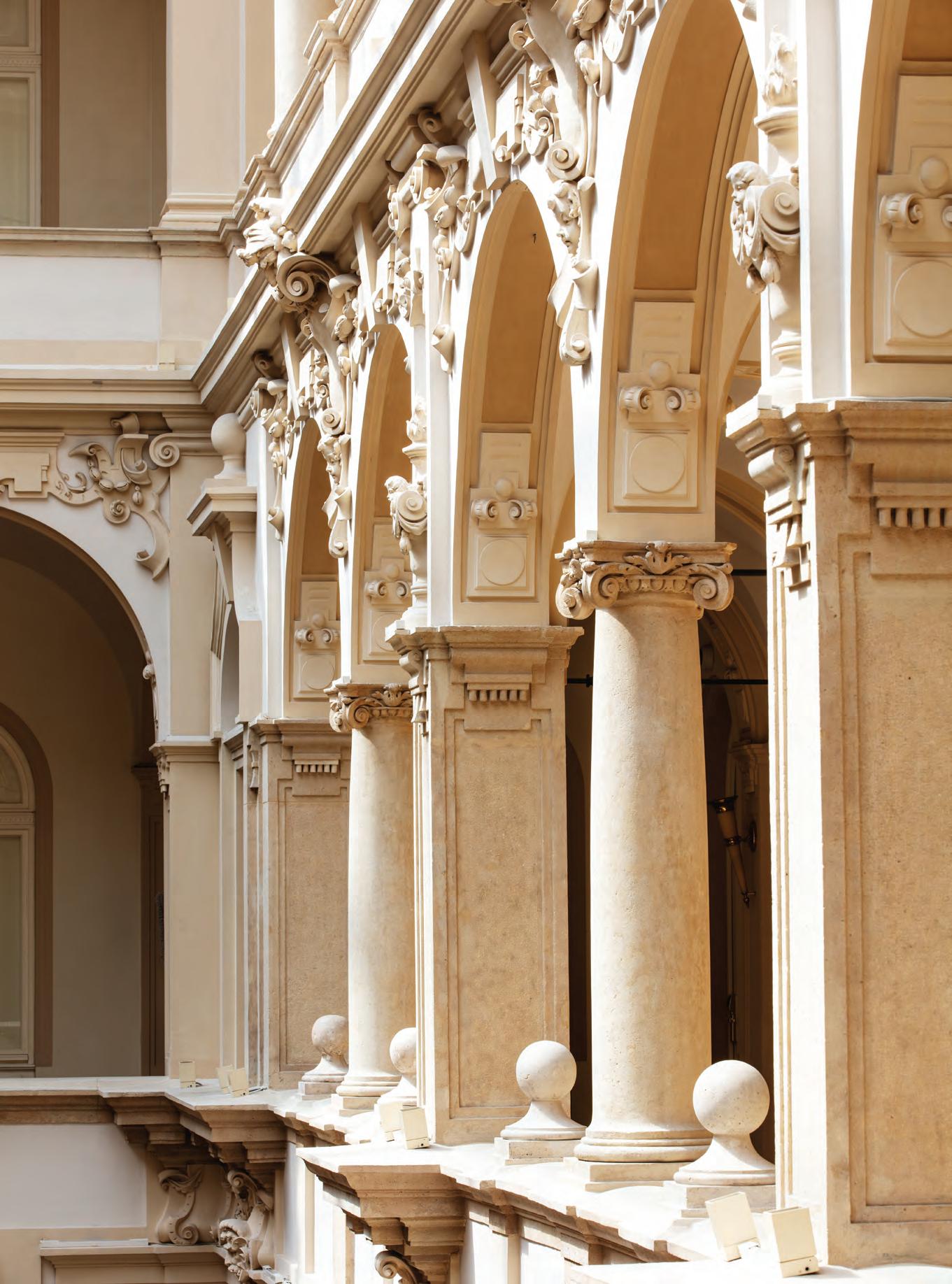
office building, it was envisioned as a social centre, uniting workspaces and cafés at the very heart of Budapest’s cultural life. History, however, intervened. War followed, then decades under the communist regime, and the palace eventually closed its doors to the public before undergoing a meticulous restoration and grand reopening in 2006. Evolution may have altered its purpose, but it never erased the hotel’s grandeur. Arched windows, sculpted reliefs, and decorative columns guide the eye upward toward the central tower. Inside its walls the magic unfolds fully. Still in continuous use since the building’s earliest days, the New York Café remains a Budapest institution. Once named the most beautiful café in the world, it has preserved its authentic charm – a landmark where Hungary’s most inquisitive and reflective minds once gathered.
In 2020, the palace entered a new chapter under the Anantara flag, further anchoring its status as a force of refined hospitality. Tucked away in a serene corner lies the Deep Water Breakfast Room, while the café itself, now the beating heart of the hotel, welcomes over 2,000 visitors daily, all patiently queuing for the chance to experience tea and traditional Hungarian dishes within its opulent setting. This queue is often the first thing guests notice after the twentyminute drive from the airport. Yet there is no trace of inconvenience. Luggage is swiftly taken care of, and guests are gently guided toward
the Atrium. Set within what was once an inner courtyard, the lobby restaurant animates the space throughout the day. Light meals, snacks, and afternoon tea are served as the hotel hums softly along.
Here, the palace operates as a living organism: guests working on laptops, couples pausing between outings, glances wandering upward toward the arches that delineate each floor up to the sixth. The generous volumes offer natural views onto the corridors above. The latter once designed for clerks now leads to private quarters, their proportions unchanged, their purpose entirely transformed.
With 185 rooms and suites, the hotel offers a cosmopolitan yet restrained aesthetic. At the Anantara New York Palace, they do not rely on gimmick interiors. Instead, they favour warm neutrals to create an inviting space out shades of chocolate brown, cream, and soft gold that telegraph an atmosphere of calm. High ceilings might echo the impression of scale found downstairs, but they somehow still maintain a more intimate, restful proportion.
In suites facing Erzsébet körút, the connection to the city becomes explicit. Through tall windows, Budapest unfolds in motion, trams tracing familiar routes, locals crossing intersections at deliberate diagonals, light shifting across façades that resemble a continuous film set. Yet the sound remains measured. Inside the rooms of note are the marble bathrooms. They are designed as true
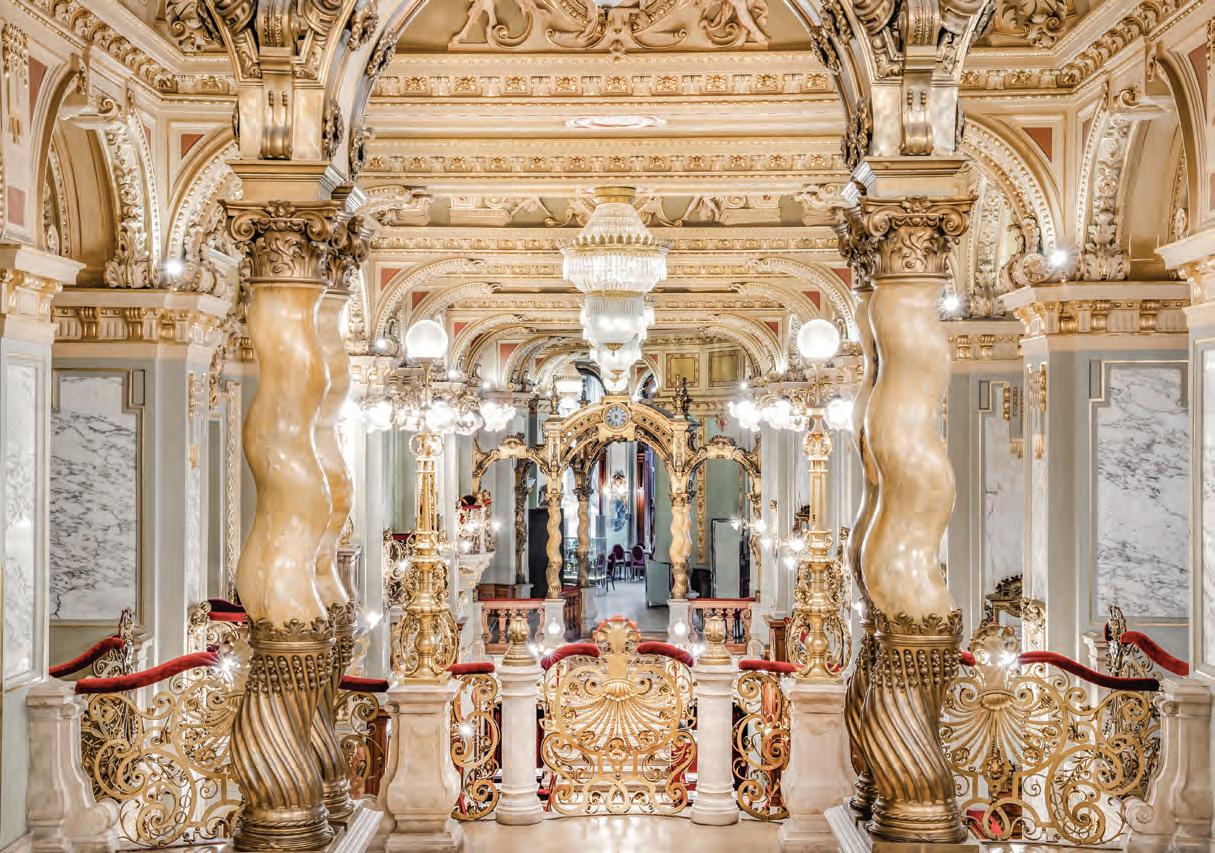
This page: Anantara New York Palace Budapest Hotel premium room; Left page: New York Café
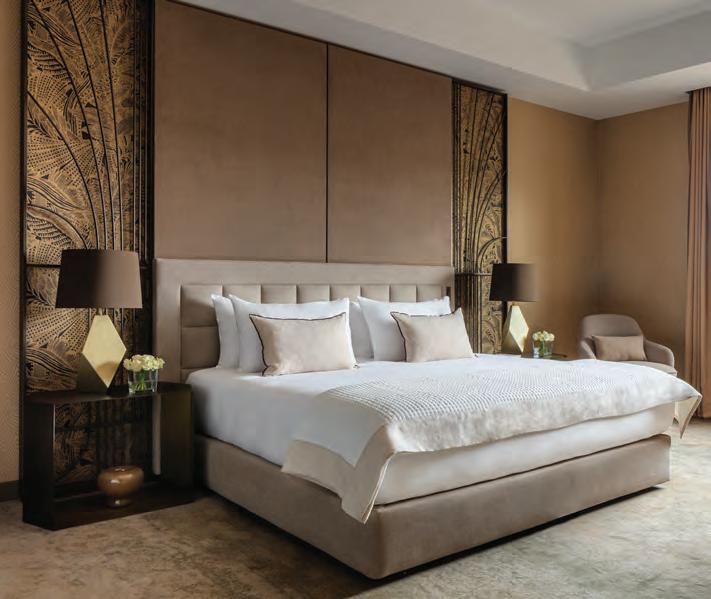
living spaces rather than afterthoughts: oversized tubs, walk-in showers, clean lines, and generous mirrors that create an intentionality to give space for daily rituals to feel unhurried. The presidential suites extend this sense of ease even further. With separate lounges, dining areas, and walk-in wardrobes, they resemble private apartments more than temporary accommodations. But perhaps the most profoundly relaxing aspect of the hotel is the one that lies beneath the palace itself. A reserved elevator signals a shift in temperature and scent, as essential oils linger in the air. Designed like a network of caves inspired by the Greek archipelago, the underground spa unfolds as a cocoon carved beneath the earth – a private refuge. The pool glows in deep, muted blues. The Finnish sauna releases heat in steady waves, while the aromatherapy steam chamber feels as if it clears the soul with unexpected ease. Here, in this quiet refuge, the rhythm of the bustling city above grows still – calmed by a sanctuary dedicated to the noble pursuit of wellness.
Treatments naturally follow the same philosophy. Therapists are fluent in Anantara’s Thai-rooted rituals while remaining deeply attuned to local traditions. The Hungarian mud therapy, sourced from the famed thermal lake of Hévíz, unfolds without urgency: a warm wrap, stillness, rhythmic massage, and gentle exfoliation that sheds the weight of the day. Other treatments weave Thai practices into the experience, creating a dialogue that mirrors Budapest’s layered identity. And for those inclined toward movement, the 24-hour Technogym-equipped fitness centre offers balance without pressure. After finally emerging from the spa, the world outside seems muted, softened and even easer to embrace.
Beyond the palace walls, Budapest continues to reveal itself gradually: the way details gather, the way neighbourhoods shift in tone. The property understands this rhythm, and the experiences it curates operate like well-timed introductions rather than tours. Guests may explore the cityscape aboard a vintage VW Samba van, guided through Budapest’s architectural narrative, or venture into the vineyards to discover Tokaji, one of Hungary’s greatest gifts to the world of wine. An evening Danube cruise offers yet another perspective: illuminated bridges, Parliament glowing against the night, water carrying reflections downstream in slow, deliberate movements. If architecture reveals how a city is built, cuisine reveals how it is lived. At the New York Palace, this understanding shapes every dining space. Rather than chasing novelty at all costs, the dining spaces at the Anantara New York Palace aim to connect guests with the country’s culinary reality, through a series of distinct but
complementary settings. Each venue within the palace expresses a different facet, from early-morning calm to late-night introspection. The White Salon celebrates local tradition. As a small orchestra plays classics, tables fill with flavours shaped by paprika-laced sauces, slow-cooked meats, pickled contrasts, and desserts rich in nuts and layered textures. The menu, crafted by chefs András Wolf and Zoltán Szücs. Is inspired by historic brasseries yet executed with contemporary precision.
For those eager to step beyond the dining hall and into the kitchen itself, the experience deepens. At Chef Wolf’s Spice Spoons atelier, guests can step into the role of apprentice for the evening, learning to prepare Hungarian classics such as savoury spreads and Lángos in a private restaurant overlooking Parliament.
As evening gives way to night, flavours shift from the plate to the glass. Another highlight awaits at the Poet Bar, where a dedicated mixology experience introduces guests to refined interpretations of Hungarian spirits. At this after-dark sanctuary, the atmosphere is hushed, the lighting is intentionally dimmed. Cocktails draw inspiration from Hungarian spirits, Pálinka, herbal liqueurs, spices, and reinterpret them in modern, balanced compositions. Cocooned in oak and satin, the space carries the quiet memory of centuries of writers and journalists who once gathered here to share stories and create new memories.
By the end of a stay in Budapest, one can understand that it is a city meant to be experienced in layers. And threaded through these memories is the Anantara New York Palace. It mirrors its duality without dramatising it: the grandeur and the intimacy, the history and the modernity, the spectacle and the tranquillity. It is one of the few places where both Buda’s contemplative pulse and Pest’s confident rhythm can be sensed within the same set of walls. This, ultimately, is what makes the palace feel inseparable from the capital’s identity. Two heartbeats, one city – and, for a moment, one address that allow you to hear them clearly.
The newly reopened beachfront property Four Seasons Resort Mauritius at Anahita provides a uniquely local-meets-global experience
WORDS: ANJAN SACHAR
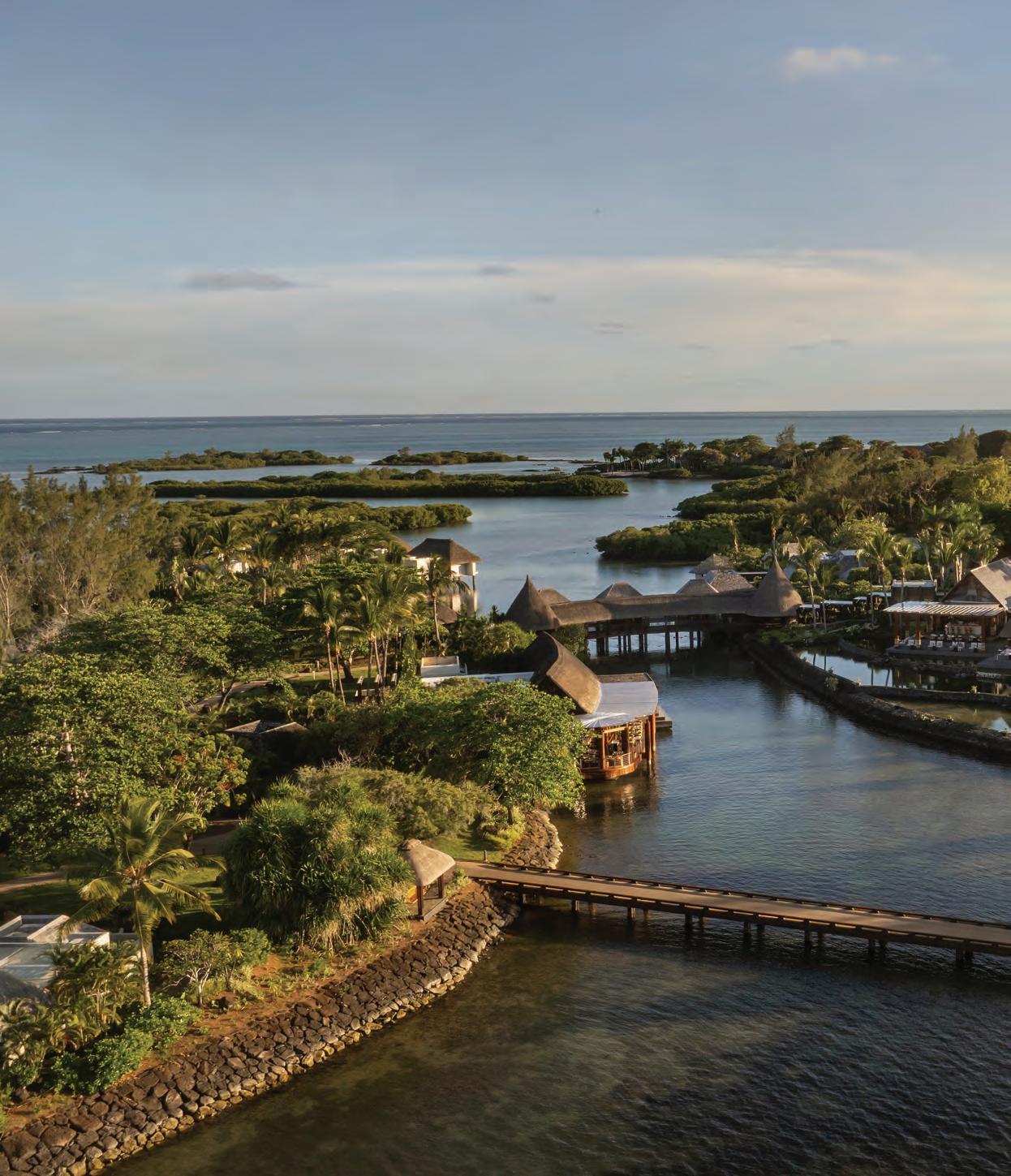
A ZEST
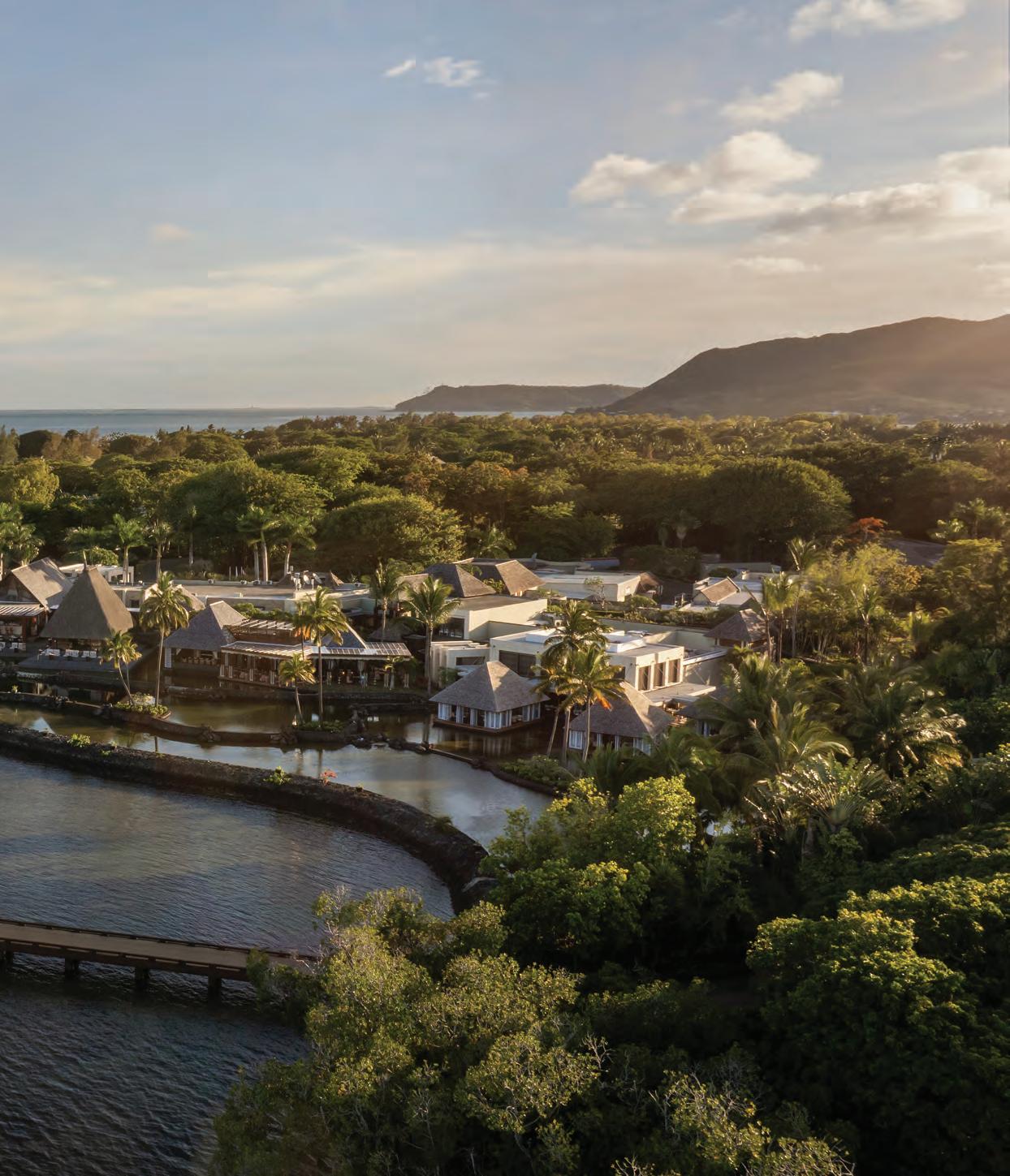
FOR LIFE
The immigration line at Mauritius’ Sir Seewoosagur Ramgoolam International Airport immediately sets the tone for what a traveller can expect. Their signage is in four languages – English, French, Hindi and Mandarin – a clear indication of the multicultural extent of this East African country. During a quick 45-minute drive up the east coast to the refurbished Four Seasons Resort Mauritius at Anahita, street vendors can be spotted serving up local fruits like mangoes, pineapples and litchis in abundance. A visual precursor to what awaits in the resort’s villas, where guests are welcomed with all of the above with chilli and tamarind seasoning, the way they’re served streetside. Consider this the beginning of the authentic gastronomical experience that the oceanfront property has to offer.
For the joy of being waterside
It took seven months for the 136-key resort to reopen in November 2025, featuring villas and residence rentals, and significant upgrades across all food and beverage venues. The lobby welcomes guests with Blu’Zil, a bar overlooking the lagoon, which serves as the focal point for most eateries around the property. The fact that almost all of them have a section that opens onto the water, with dedicated seating for post meal lounging as well, makes one want to
linger longer than intended. Here guests can enjoy the sunlight glinting over the water in the day, or the sparkling lights that shimmer against the calm dark sea at night – both are equally as captivating. Alternatively, with each villa featuring a private pool and garden, lazy mornings are encouraged and can quickly turn into even more relaxed afternoons, all within the privacy of your own space. Of course, the resort offers floating breakfasts as well that come with the usual trimmings like bubbly, bakes and caviar, which makes it even more tempting to enjoy some alone time.
Meals from everywhere, for everyone
The food is the real star of this Four Seasons outpost, with every single restaurant seemingly outdoing the other. Six different styles of cuisines are on offer at the resort and they deftly encapsulate the multicultural country and the world. Every chef is warm, involved in everything from plating to service, and committed to showcasing the best possible version of the cuisine they look after. At Angara, the Indian restaurant adorned with motifs reminiscent of the country’s palaces, the vibrant Chef Saravana offers two distinct menus and allows a coin flip to decide the fate the diners will experience each day – a traditional share plates assortment called the Royal Experience, and a modernised Fine menu. While the former
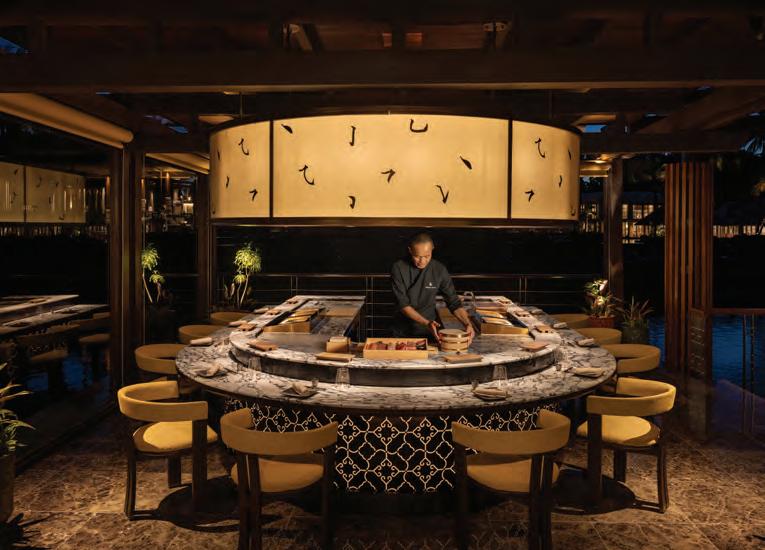
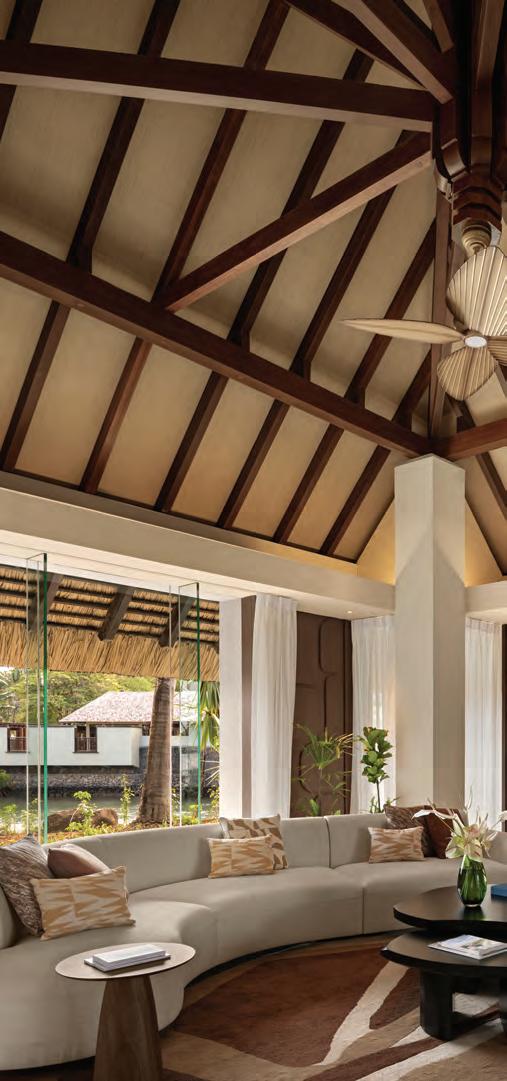
plates up classic favourites like biryani, tandoori meats and kebabs, the latter brings through unexpected renditions of traditional flavours. Think curry sauce ceviche called Carpaccio Curry Kiss, spinach goat’s cheese ravioli modelled on palak paneer, chicken dumplings with a South Indian rasam broth, and lobster makhani.
Awase, the pan-Asian restaurant, is one of the more formal outlets, featuring many small plates worth ordering repeats of. Think A5 Japanese Wagyu beef nigiri and a Wagyu gyoza with shiitake mushrooms, yellow tail carpaccio with a flavourful green chilli leche de tigre, shrimp tempura and ebi robatayaki with prawns
Awase, the pan-Asian restaurant
The overwater Oseyan Spa
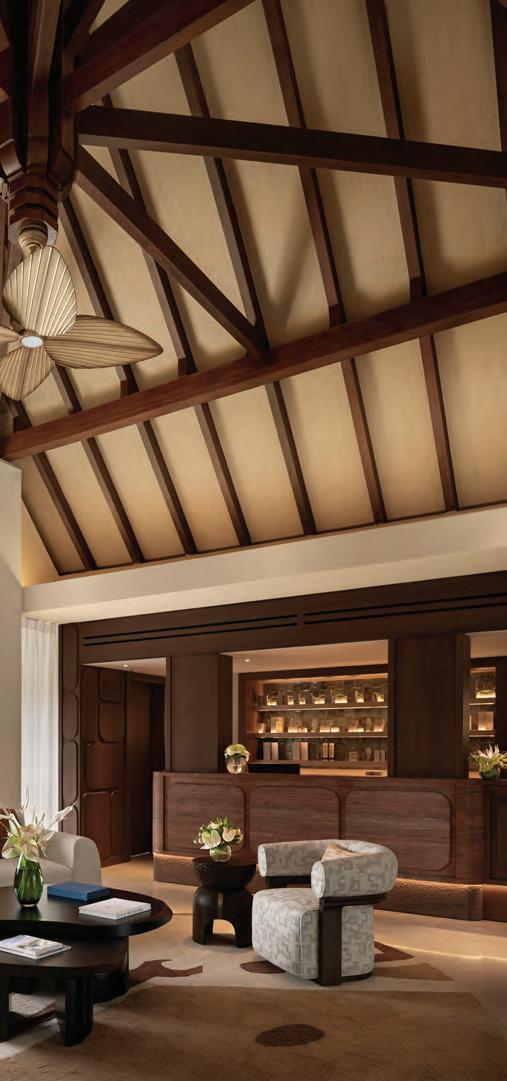
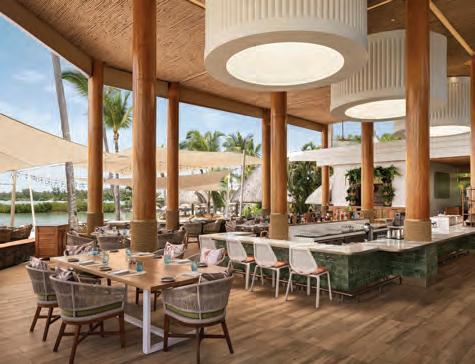
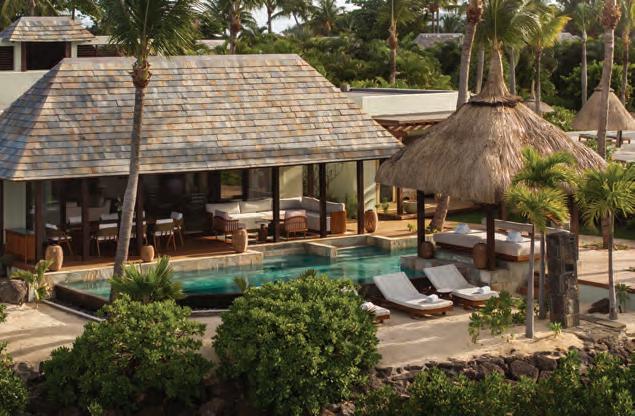
and red curry. Stepping into Radici restaurant feels like an Italian city in itself with classic trattoria-like interiors that set the tone. The best way to dine here is to pick multiple appetisers, the seared red prawns with salsa rosa, slow-cooked veal loin with tuna sauce, and aglio olio style grilled langoustine are standouts, and signing up for the spicy salami piccante pizza and Chef Sergio’s special tiramisu to round it off.
If a sunkissed, beachside meal sounds like the perfect alternative, the Mediterranean-focused, tropical Chaloupe ticks all the right boxes. Think comforting pizza and pastas, grilled fish and meats, stir-fried noodles, and crispy calamari.
Where Chaloupe ends, Ti Pwason begins as a beachfront seafood dining space that comes alive in the evenings. With sand beneath diners feet and fresh local seafood on display to choose from, island living has never felt, or tasted so good.
The island chimichurri sauce adorning a perfectly grilled lobster is a combination worth trying. Plus, there is an extensive list of marinades, live music and Mauritian flavoured drinks to sip on while enjoying the lush surroundings.
Tee time by the ocean
On the hour every hour, a speedboat will take guests to Île aux Cerfs, where they’ll find the resort’s exclusive beach away from the main island, featuring La Plaz Beach Grill, a restaurant and bar to keep visitors well fed and hydrated while lounging by the pristine blue ocean, or savour a beverage while on the swinging bar stools. A tip: Take the chef’s word and opt for the catch of the day. Love golf or keen to learn? There
are daily complimentary sessions available at the Anahita Golf Club perched by the ocean: ask Coach Sebastian for a tour, or sign up for a round at the course on Île aux Cerfs itself. Additional water-based activities like catamaran boat tours, sunset cruises, guided sailing, snorkelling and fishing are available on site as well.
Cook, sip or relax
Visitors should also put a local creole cooking class on their holiday “bucket” list. It takes place on the beach and is led by Chef David, an absolute riot and a great teacher. Learn how to fold traditional samoussas, whip up a chicken curry and farata from scratch, and end the meal with rum-flamed bananas. In the mood for a massage? Make an appointment at the Oseyan Spa, the island’s only overwater wellness outpost, with relaxing outdoor spaces overlooking the lagoon. And yes, for the kind of guests who enjoy a sweat session while on vacation, there’s a gym, Pilates studio and lap pool to build up an appetite.
What really binds the island and the Four Seasons here is the warmth that every single individual brings to each interaction. There is a true sense of family and belonging even if visitors are only able to stay for a weekend. With its reopening, the resort has deftly become a extraordinary home-awayfrom-home which makes it that much harder to have to (eventually) say goodbye.
Above: Luxury villa; Below left: Chaloupe, the beachfacing Mediterranean restaurant
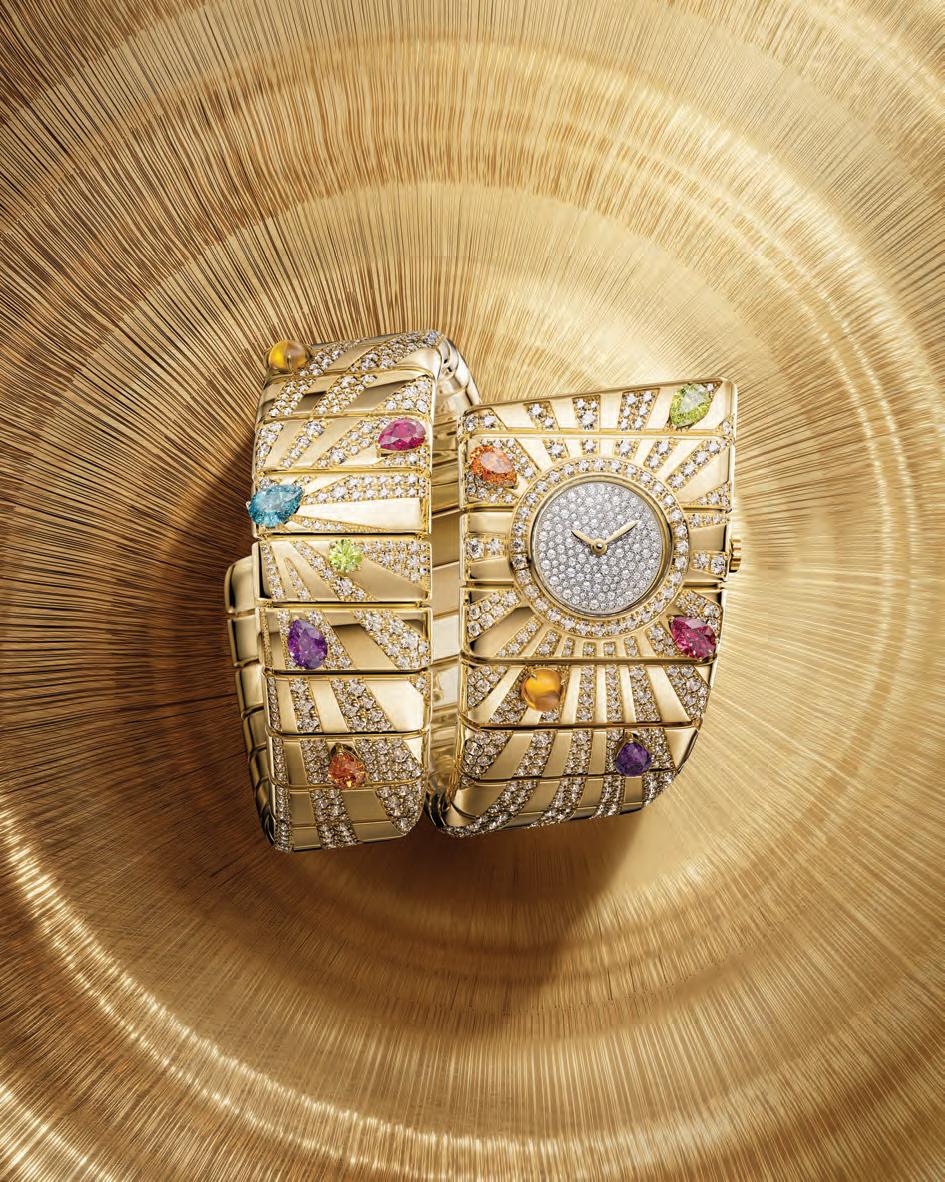
OUROBOROS INCARNATE
Recently unveiled at LVMH Watch Week, the new Tubogas Manchette timepiece by Bvlgari is a horological manifestation of so many of the brand’s areas of expertise. The malleable nature of its tubogas construction, perfected by the house in the 1940s, its 70s-tinged take on the signature serpentine style, and the smattering of the brand’s beloved bold colourful gemstones across the watch – backlit by rays of diamonds – make this piece infinitely evergreen.


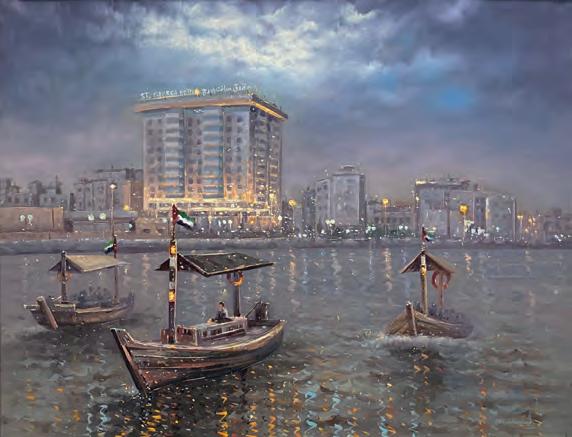

Photograph by Yousef Al Harmoodi
Painting by Faisal Abdul Qader