
International Research Journal of Engineering and Technology (IRJET) e-ISSN: 2395-0056
Volume: 12 Issue: 08 | Aug 2025 www.irjet.net p-ISSN: 2395-0072
International Research Journal of Engineering and Technology (IRJET) e-ISSN: 2395-0056
Volume: 12 Issue: 08 | Aug 2025 www.irjet.net p-ISSN: 2395-0072
J. R. González-Martínez1, R. Gámez-Corrales2, F. Barffuson-Dominguez2 , O. Alcantar-Jatomea3 , G.T. Paredes-Quijada4
1J.R. González-Martínez, Departamento de Investigación en Física, Universidad de Sonora, Apdo. Postal 1626, 83000 Hermosillo, Sonora, México.
2R. Gámez-Corrales, Professor, Departamento de Física, Universidad de Sonora, Apdo. Postal 1626, 83000, Hermosillo, Sonora, México. E-mail: rogelio.gamez@unison.mx
2F. Barffuson-Domínguez, Departamento de Física, Universidad de Sonora, Apdo. Postal 1626, 83000, Hermosillo, Sonora, México.
3O. Alcantar-Jatomea, Departamento de Ciencias Básicas, Tecnológico Nacional de México, campus Hermosillo, 83170, Hermosillo, Sonora, México.
4G.T Paredes-Quijada, Departamento de Ciencias Químico-Biológicas, Universidad de Sonora, Hermosillo, Sonora, México.
Abstract Chitosan nanocomposites (CS) and carbon nanotubes (CNTs) form multifunctional hybrid systems wherethecomplementaritybetweenpolargroupsofCSand the electronic-mechanical properties of CNTs generate synergies applicable in water treatment, energy storage, and electronic devices. In the field of water treatment, the hierarchicalnano-roughnessofsurfaceshasbeenshown to enhance superhydrophilicity through the formation of hydrogen bonding networks. In the context of energy storage,CSfunctionsasapolyelectrolytematrix,whileCNTs establish three-dimensional percolation networks, thereby enhancing conductivity and stability. In electronic devices, this synergy facilitates the implementation of programmable ionic arrays for resistive switching and artificial synaptic plasticity. The present review discusses theunderlyingphysicochemicalfundamentals.
Key Words: Chitosan, Carbon nanotubes, water treatment,energystorage,electronicdevices.
The utilization of nanocomposites of CS and CNTs exemplifies a sophisticated paradigm in the design of hybridmaterials[1] Thisparadigmischaracterizedbythe synergistic relationship between the molecular functionality of the biopolymer and the exceptional properties of carbonaceous nanofillers[2]. The result of thisrelationship isthe generation ofsystemsthat possess multifunctional capabilities. Chitosan, a cationic polysaccharide derived from chitin, functions as a pivotal structural matrix due to its density of polar functional
groups(-NH₂,-OH),biocompatibility,andprocessabilityin aqueousmedia[3].
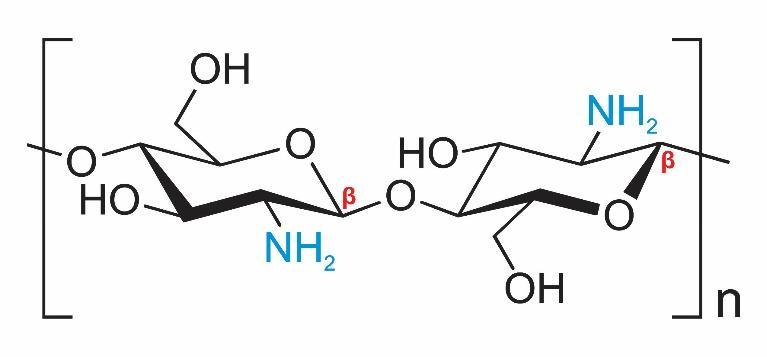
Theseattributesfacilitatethehomogeneous dispersionof CNTs through electrostatic interactions and hydrogen bridging, thereby overcoming the critical challenge of agglomeration inherent to nanotubes[4]. At the interfacial level, CS modulates surface energy and optimizes charge transfer to CNTs. The full exploitation of the intrinsic properties of CNTs, including their high electrical conductivity (>10³ S/cm), mechanical stiffness (elastic modulus~1TPa),andthermalstability,isthusenabled[5].
International Research Journal of Engineering and Technology (IRJET) e-ISSN: 2395-0056
Volume: 12 Issue: 08 | Aug 2025 www.irjet.net p-ISSN: 2395-0072
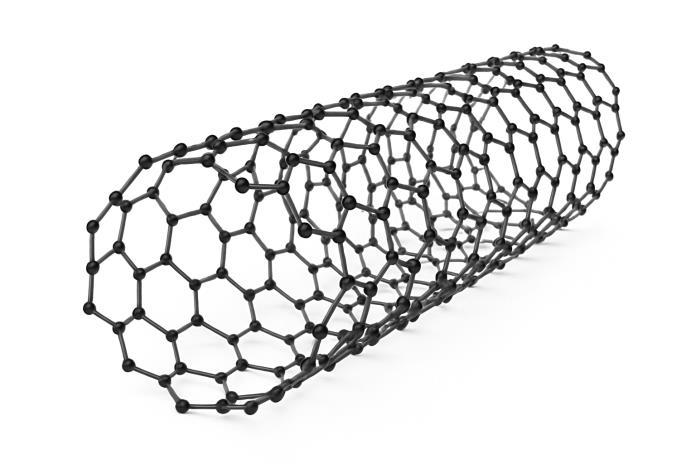
-2 SchematicchemicalstructureofaSingleWall CarbonNanotube(SWCNT).
In the domain of water treatment, this material synergy addresses the fundamental limitations of conventional membranes. Chitosan has been shown to mediate the formation of molecular hydration barriers through threedimensional networks of hydrogen bonds with water molecules[6]. CNTs, on the other hand, have been observed to induce hierarchical nano-roughness that enhancesintrinsicsuperhydrophilicity(contactangle≈0°). This dual architecture facilitates advanced selectivity for oil-water emulsion separation and the adsorption of ionic contaminants, thereby addressing fouling and low permeabilityissues[7]
In the context of energy storage applications, CS transcends its conventional role as a binder[8]. The polyelectrolyte character of the material is conducive to thecoordinatedtransportofionsincomposite electrodes, while the presence of CNTs leads to the establishment of 3D percolation networks, thereby enhancing both electronic conductivity and mechanical stability[9]. This complementarity enables self-supporting electrodes with high energy densities and prolonged cyclability, thus overcoming the limitations of traditional materials based onmetalsorsyntheticpolymers.
Inelectronicdevices,thedualfunctionalityofchitosanasa programmable ionic matrix and structural stabilizer is critical[10].Inneuromorphicsystems,theaminogroupsof CS facilitate the controlled migration of metal ions[11], while CNTs modulate the nucleation of conducting filaments through quantum confinement effects. This collaborative endeavour facilitates the implementation of artificial synaptic plasticity with biorealistic responses, therebypavingthewayforthedevelopmentofflexibleand low-powerelectronicdevices[12].
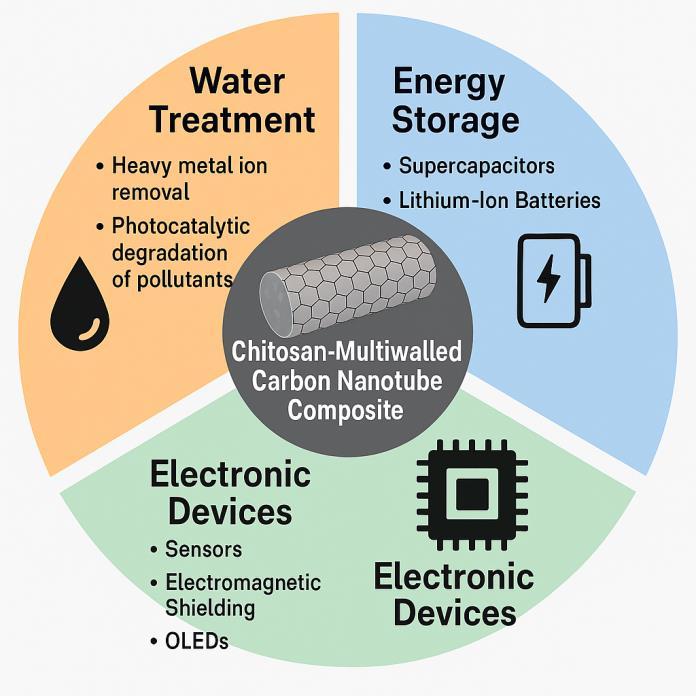
Figure-3.Multifunctionalapplicationsofchitosan/multiwalledcarbonnanotube(MWCNT)nanocomposites spanningsustainablewater/energytechnologiesandnextgenerationelectronics.
This analysis integrates the physicochemical principles governing these functionalities, establishing correlations between nanostructural design, emergent properties, and appliedperformance.
The remediation of contaminated water necessitates materials that exhibit molecular selectivity and resistance tofouling.Theobjectiveisachievedbymeansofmolecular hydrationbarriers,whereinthepolarfunctionalgroups of CS(-NH₂,-OH)establishhydrogenbondingnetworkswith water.Carbonnanotubes(CNTs)offeradistinctadvantage due to their hierarchical nano-roughness, which enhances intrinsic superhydrophilicity. This property enables selective blocking of oils and facilitates the adsorption of ionic contaminants. This synergy addresses the primary limitations of conventional membranes, including low permeabilityandlossofefficiencyduetofouling.
Zhang et al. designed a cotton fabric modified with selfassembledlayersofchitosan(CS)andhydroxylatedmultiwalled carbon nanotubes (MWCNTs) combined with polyvinyl alcohol (PVA) to achieve superhydrophilicity (aqueous contact angle ≈ 0°) and underwater superoleophobicity (>150°). This hierarchical structure, optimized through 10 cycles of self-assembly, exhibited >99.33% oil-water separation efficiency for hexane, toluene, and kerosene, with a record aqueous flux of 35,476.52 L-m² -h-¹ under gravity. The fundamental physical mechanism is attributed to the formation of a
International Research Journal of Engineering and Technology (IRJET) e-ISSN: 2395-0056
Volume: 12 Issue: 08 | Aug 2025 www.irjet.net p-ISSN: 2395-0072
stablehydrationbarrierviahydrogenbondsbetweentheOH groups of MWCNTs, -NH₂ of CS, and water molecules, which selectively obstructs oil droplets. Furthermore, the membrane exhibited chemical (stable at pH 1-14) and mechanical (50 abrasion cycles) robustness, attributable to the CS-MWCNT electrostatic interactions and the elastomeric effect of PVA, which preserves the nanoroughness[13]
Electrospun nanofibrous membranes for removal of heavy metals and dyes.
In their 2022 study, Wu et al. developed a double-layer membrane by electrospinning a blend of CS/poly(vinylpyrrolidone)/PVA and electrospraying a mixture of CS/PVP/CNTs. The incorporation of CNTs (0.3 wt%) within the active layer resulted in the formation of nanochannels,therebyaugmentingthesurfacearea(10.98 m²-g-¹) and enhancing water permeability (1533.26 L-m² -h-¹). This performance surpasses that of conventional PVDF membranes. The membrane demonstrated remarkableefficacyinrejectingmetalions(Cu2+:95.68%, Cd2+: 88.52%) and dyes (malachite green: 87.20%) at 1 bar, attributable to a multifaceted mechanism. This mechanism includes the following: (i) chemisorption by amino/hydroxylgroupsofCS,(ii)stericexclusionby20-50 nm pores, and (iii) enhanced electrostatic repulsion by CNTs.InsitustudiesbyXPSconfirmedtheprotonationofNH2 to -NH3+ during metal adsorption, while long-term stability(>90%yieldafter30days)evidencedtheefficacy ofthedesign.
Ganji et al. designed polyether sulfone (PES)-based nanofiltration (NF) membranes incorporating CS and MWCNTs for the purification of industrial wastewater, includinglicoriceextractionwastewater(LREW) [14].The incorporation of 0.5% w/w CS/MWCNTs resulted in a 1062% increase in pure water flux (PWF), reaching 9.41 kg/m²-h compared to the control's 0.81 kg/m²-h. This enhancement was accompanied by a substantial color removal of 93%, attributed to the synergistic effect of the hydrophilicity of chitosan and the conductivity of MWCNTs. The combination of these properties led to an improvementintheporousstructure,reducingthecontact angle to 52.3°. The membranes demonstrated operational stability across multiple cycles, exhibiting a 66.6% failure rate (FRR), and exhibited efficiency in complex effluents, suchasPOMEandazodyes,underscoringtheirscalability andsustainability[14].
InthestudybyJinetal.,ahierarchicalmagneticadsorbent (Zr-CMCNTs) was synthesized by sequential modification of MWCNTs with Fe₃O₄, chitosan, and zirconium for the removalofanionicdyes,suchasredalizarin(AR)[15].The composite demonstrated a record adsorption capacity of 889mg-g-1(313K,pH3.4), attributabletoa multifaceted mechanism involving complexation with Zr(IV), hydrogen
bonding, π-π stacking, and electrostatic attraction. ZrCMCNTsexhibitedhighselectivitytowardAR,withamere 14.4% reduction in capacitance observed in competitive mixtures. Additionally, these materials demonstrated salt tolerance, with a recorded value of 532.96 mg-g-1 when exposed to common ions. Furthermore, Zr-CMCNTs exhibited remarkable reusability, maintaining 60.7% efficiency after 3 cycles. The residual magnetization of 9.11 emu-g-1 enabled expeditious separation, thereby establishingitsefficacyasasolutionfortextilewastewater management[15]
Khodakarami and Honaker developed a self-floating photothermal aerogel, based on a functionalized form of chitosan with polydopamine and carbon nanotubes (PDA@CNT/Ch), which was designed for efficient arsenic removal from industrial wastewater [16]. The examined aerogels demonstrated remarkable photothermal conversion efficiency, substantial water sorption capacity, shape recovery following hydration, and reusability. The study revealed that functionalization with polydopamine significantly enhanced light sorption and conversion to heat, while the incorporation of CNTs promoted a porous morphology highly favorable for adsorption. The maximumadsorptioncapacitywasfoundtobe38.7mg/g, which is notably higher than the capacities observed for purechitosanandCNT/Chaerogels.Thisresultalignswith the predictions of the Langmuir model. Furthermore, the adsorption kinetics were adequately described with a pseudo-second-order model. This work positions PDA@CNT/Chaerogelsassustainableandhighly effective materials for detoxification and possible solar-assisted recyclingofwastewaterstoredinevaporationponds[16]
Xu et al. designed a novel superhydrophobic sponge-like composite material based on CS, CNTs, and silica nanoparticles (SH-SiO2@3CNTs/CS), focusing on the selective adsorption of oils and efficient separation of water-in-oil emulsions [17]. The material exhibited not only superhydrophobicity and superoleophilicity, but also demonstrated exceptional chemical stability, temperature resistance, and friction resistance. The composite's threedimensional porous structure and hierarchical micro/nano roughness design enabled an oil absorption capacityofupto18.24timesitsownweight,along with a separationefficiencyexceeding97%.Theincorporationof carbon nanotubes (CNTs) at a concentration of 3% by weighthasbeendemonstratedto enhance themechanical strength of the material. Furthermore, the functionalization of the nanotubes with silica and OTMS has been shown to yield low-energy surfaces that exhibit augmented water repellency.This study demonstrates the potential of the SH-SiO2@3CNTs/CS nanocomposite as a practical and scalable solution for oily wastewater treatmentandoilspillremediation[17].
International Research Journal of Engineering and Technology (IRJET) e-ISSN: 2395-0056
Volume: 12 Issue: 08 | Aug 2025 www.irjet.net p-ISSN: 2395-0072
The development of high-performance electrodes necessitates the synergistic integration of ionic transport and electronic conduction. In the context of CS-CNTs nanocomposites, the polyelectrolyte matrix is constituted by the presence of chitosan, which facilitates the coordination of ionic migration. Concurrently, the CNTs establishthree-dimensionalpercolationnetworks,thereby ensuring the efficient transfer of electrons. This dual architecturefacilitatesthe developmentof self-supporting electrodes, which exhibit enhanced mechanical and electrochemicalstability.Thisadvancementovercomesthe limitations associated with heterogeneous materials. The nanostructuring process has been demonstrated to enhanceionintercalationandpseudocapacitiveprocesses, therebyoptimizingenergyconversionefficiency.
The study by Wang et al. focused on the fabrication of flexible nitrogen-doped carbon membranes derived from chitosan, which exhibit a beehive-like architecture with abundant micropores and mesopores (e.g., an average pore diameter of 150 nm). The incorporation of CNTs during the carbonization process has been shown to enhance the electrical conductivity of the membrane and fortify its mechanical integrity, thereby enabling the fabrication of self-supporting electrodes that do not require additional collectors. Among the most notable outcomes are the exceptional stability demonstrated in prolonged cycling of potassium and sodium ion batteries (illustratedbythemembrane'sretentionof146mAhg-1 at 2 A g-1 after 500 cycles) and the enhancement in ion diffusion. These findings can be directly extrapolated to water treatment, where they contribute to the augmentation of adsorption and degradation capacity of contaminantsthroughaporousandstablestructure[18]
Yang et al. proposed an innovative strategy for synthesizing mixed sulfur-selenium (Sx-Sey) compounds supported on a chitosan-derived carbon substrate crosslinked with CNTs. In this system, the polysaccharide chitosan provides a matrix thatis rich in active sites. This is due to the nitrogen content and hydrophilic characteristicsofthepolysaccharide.Thesecharacteristics facilitate homogeneous binding and dispersion of the active compounds. CNTs enhance conductivity. They also formathree-dimensionalnetwork.Thisnetworkprevents agglomerationoftheactive compounds.Consequently,the material, particularly the S2Se1/CC + CNT system, exhibited a capacity of 833.2 mAh g-1 after 500 cycles, thereby substantiating its structural stability and efficient electrochemical conversion. When applied to the domain of water treatment, these characteristics imply that the system may be capable of removing various impurities through well-defined interaction sites and an excellent regenerationcapacityoftheadsorbentmaterial[19].
Tribo-piezoelectric coupled biopolymer-based tribo-piezoelectric nanogenerator
Ye et al. developed a hybrid nanogenerator comprising a positive HPC/chitosan (CS)/CNT layer and a negative PVDF/PDMS aerogel. CNTs have been demonstrated to reduce the contact impedance (conductivity: 0.28-0.9 S cm-1) and optimize electron transfer, thereby increasing the output voltage (17.4 V at 0.18 MPa). CTs contributes polar groups (-OH, -NH2) that enhance the triboelectric charge density via hydrogen bonds with HPC and water. The hierarchical microstructure of the aerogel (surface area:985.75m²g-1)allowsforthesimultaneousexistence of triboelectric and piezoelectric charges under compression, thereby amplifying the coupled response. This system demonstrates record sensitivity (112.5 mV kPa-1), mechanical stability (>10,000 cycles), and CTS biodegradability (degradation in 10 days). The CTS-CNT synergy has been demonstrated to optimize energy efficiencyforwearableapplications[20]
PANI/CNT
Yesilyurt et al developed PANI/MWCNT electrodes using CS as a water-soluble binder. CNTs function as structural support (diameter: 10 nm) and conductor (20 S cm-1), therebyenhancingtheconductivityofthecomposite(0.9S cm-1) and stabilizing redox cycles. CS has been shown to form hydrogen bonds, thereby enhancing mechanical adhesionandenablingeco-friendlyprocessinginwater.In an aqueous electrolyte composed of Na2SO4 (0.5 M), the PANI/CNT composite (5:1) demonstrates augmented pseudocapacitance (300 F g-1) and an energy density of 9.8 Wh kg-1, attributable to the following factors: The synergistic effect of EDLC-pseudocapacitance was observed, and the uniform coating of PANI on CNTs was confirmedbyTEM/XPS.Additionally,thehighsurfacearea of 86 m² g⁻¹ was determined. Furthermore, the incorporation of CNTs has been demonstrated to effectively mitigate the redox degradation of PANI, resultingincapacitanceretentionofover90%after1,000 cycles[21].
In the study by Ibrahim et al. [9], the researchers developed a novel nanocomposite material, namely GO/MWCNTs-reinforced CS-PEO, which exhibited enhanced dielectric and optical properties, particularly advantageous for energy storage applications. This materialwasfabricatedthroughasolutioncastingprocess that incorporated graphene oxide (GO) and MWCNTs into the membranes composed of 80% CS and 20% polyethyleneoxide(PEO).Theincorporationof0.4%w/w MWCNTs/GOresultedinareductionoftheindirect/direct optical bandgap from 4.3/5.2 eV to 3.0/3.8 eV, accompanied by an increase in the refractive index from 1.48 to 3.36. This transformation can be attributed to the formation of 3D conducting networks by the MWCNTs,
International Research Journal of Engineering and Technology (IRJET) e-ISSN: 2395-0056
Volume: 12 Issue: 08 | Aug 2025 www.irjet.net p-ISSN: 2395-0072
which enhanced the dipolar polarization of the chitosan functional groups (C=O, -OH, -NH2) and GO. This resulted inanincrease of 380% in the dielectric constant(ε' = 12) and a 7.6-fold increase in AC conductivity (σₐc) (45.91 × 10⁻⁶S/m)comparedtothepureblend(6.04×10-6S/m). Theobservedincreaseinconductivitycanbeattributedto a charge transport mechanism known as Correlated Barrier Hopping, with an exponent *s* < 0.55, which decreases with increasing temperature. Furthermore, MWCNTs demonstrated a 40% reduction in barrier hoppingenergy(Wₘ)overthetemperaturerangeof30to 80°C, accompanied by an enhancement in thermal stability, as evidenced by an increase in T20% from 180.9°C to 210.2°C. This enhancement is attributed to the interaction between CS and MWCNTs, which has been shown to preserve the nanostructure. The combination of these properties, along with low dielectric losses (tan δ < 0.05), positions the nanocomposite as an advanced materialforsupercapacitorsandflexibleelectrodes[9]
Neuromorphic computing necessitates materials that exhibit programmable ionic dynamics and precise electronic modulation. Chitosan provides a dynamic ionic matrix where its functional groups (-NH₂, -OH) regulate the migration of metal cations, while CNTs quantum confine the formation of conducting filaments. This cooperative endeavor facilitates the establishment of stable resistive switching and artificial synaptic plasticity, exhibiting bioinspired responses. In flexible systems, CSCNTs interfacial interactions have been demonstrated to reduce electrical anisotropies, thereby enabling adaptive devices.
Barra et al. developed flexible biocomposite films composed of a multicomponent filler system combining carbonized sepiolite clay (CARSEP) and MWCNTs. These films were based on a flexible chitosan substrate. The MWCNTs functioned as a pivotal conductive reinforcement, thereby facilitating an interconnected 3D percolation network that resulted in a substantial enhancement of the through-plane electrical conductivity (0.1S/m).Thisdevelopmentaddressedapivotalchallenge associated with anisotropic materials. The synergy between the CS matrix (50% w/w) and carbonaceous fillers (40% CARSEP/10% MWCNTs) optimized the homogeneous distribution of MWCNTs, reducing the differencebetweenin-plane(55.5S/m)andthrough-plane conductivities to only three orders of magnitude. CS has been shown to provide not only biodegradability and processability in solution, but also to form electrostatic interactions with the MWCNTs due to its polar groups (OH, -NH2), thereby improving thermal stability (an increaseinTgat172°C)andreducingaqueousswelling(a decrease of 15.7%). These films, exhibiting no toxic migrationupto60°C,arewell-suitedforuseinconductive
packaging for pulsed electric field (PEF) food sterilization[22].
Min and Cho developed a novel type of neuromorphic memristor, characterized by its flexibility and the incorporation of a CS layer with SWCNTs embedded in random lattices. The SWCNTs functioned as metal ion adsorbing nanostructures (Ti⁺), thereby enhancing the stableformationofconductingfilamentsandwideningthe resistive memory window (HRS/LRS: 14.98 vs. 6.39 without SWCNTs). CS, when dissolved in acetic acid, has been shown to exhibit high ionic conductivity and functional groups (-NH₂, -OH) that facilitate reversible electrochemical reactions for bipolar switching. The synergy of the STS-SWCNT enhanced synaptic plasticity: paired pulse facilitation (PPF) with biorealistic time constants(τ1=158.2ms,τ2=1586.4ms)andspiketimedependent plasticity (STDP), emulating long-term potentiation/depression. Moreover, the devices demonstrated stable conductance analog modulation (380% dynamic range) after 300 synaptic pulses, underscoringtheirsuitabilityforartificialneuralnetworks on flexible polyethylene naphthalate (PEN) substrates.en sustratosflexiblesdepolietilenonaftalato(PEN)[12]
Trigueiro et al. developed hybrid thin films by layer-bylayer self-assembly (LBL) using stable aqueous dispersions of MWCNTs functionalized with CS (positive charge)andcellulosenanocrystals(CNC,negativecharge). CS functioned as both a dispersing agent and a cationic polyelectrolyte, thereby enabling electrostatic adsorption of MWCNTs on each bilayer (thickness ≈10 nm/bilayer). The MWCNTs formed random, densely packed conducting networks, thereby reducing the surface resistivity by two orders of magnitude (from 1.1×1071.1×107 to 3.2×10⁵Ω3.2×10⁵Ω) by increasing from 5 to 20 bilayers. The CS-CNC synergy enhanced the homogeneity and transparency (>90% in visible range) of the electrodes, while the amino groups (-NH3+) of CS augmented the interfacial adhesion via hydrogen bridging with the CNC sulfates. This nanostructuring enabled the fabrication of flexibleelectrodeswithlowroughness(Rq≈5.8Rq≈5.8nm) and high biocompatibility, making them ideal for transparentenergystoragedevices[23]
CS-MWCNTs composites for high-performance electrodes in electrochemical sensors.
Oonchit et al. synthesized composites of CS and MWCNTs in ratios ranging from 1:1 to 4:1. Sodium dodecylbenzene sulfonate (NaDDBS) was employed as a dispersing agent. The incorporation of CS enhanced the hydrophilicity and adhesion of the MWCNTs, while the nanotubes formed conductive networks, thereby increasing the electrical conductivity of the composite. The composition that demonstrated optimal performance (4:1 MWCNTs:CS) exhibitedthehighestcrystallinity(XRDpeaksat25.2°and
International Research Journal of Engineering and Technology (IRJET) e-ISSN: 2395-0056
Volume: 12 Issue: 08 | Aug 2025 www.irjet.net p-ISSN: 2395-0072
42.7°), surface area (384 m²-g-¹), and thermal stability (weight loss ≤7.91% at 600°C). In the context of electrochemical characterization, this composite demonstrated a 380% enhancement in oxidation current (440 µA at 0.48 V) in comparison to unmodified electrodes. This enhancement can be ascribed to the efficient percolation of electrons through the threedimensional network of MWCNTs and the facilitation of ionic transfer by the polar groups (-NH₂, -OH) of the CS. The synergy enabled the precise detection of homocysteine (R² = 0.9036 at 30-100 µM), substantiating its prospective application as an electrode material for supercapacitors[24]
CS-CNTs nanocomposites demonstrate multifunctional capabilities, facilitated by synergistic interfaces and hierarchical architectures. In the domain of water treatment, hydration and nano-roughness networks have been demonstrated to impart molecular selectivity. In the domain of energy storage, the synergy between ionic transport and electronic conduction facilitates the developmentofadvancedelectrodes.Inelectronicdevices, programmable ionic matrix and quantum confinement effects enable neuromorphic functionalities. Future challenges include scalability in synthesis and integration studiesinoperationaldevices.
1. M. H. Mirmusavi, S. Karbasi, M. Ahmadian, P. Zadehnajar, & F. Heidari, Chemofunctionalization ofknittedsilktoimproveinterfaceconnectionina nano/micro scaffold based on polycaprolactonechitosan-multi-walled carbon nanotube/silk. International Journal of Biological Macromolecules, 281 (2024) 135928. https://doi.org/10.1016/J.IJBIOMAC.2024.135928.
2. J.Wang,T.Qu,J.Ni,F.Cheng,F.Hu,Y.Ou,C.Gong, S. Wen, X. Chen, & H. Liu, Composite proton exchange membranes based on inorganic proton conductor boron phosphate functionalized multiwalled carbon nanotubes and chitosan. Surfaces and Interfaces, 36 (2023) 102557. https://doi.org/10.1016/J.SURFIN.2022.102557.
3. D. Knorr, Food processing of chitin and chitosan: From waste to opportunities. Journal of Food Engineering, 400 (2025) 112634. https://doi.org/10.1016/J.JFOODENG.2025.11263 4.
4. J. Gao, T. Li, M. Song, Y. Zhao, & A. Wang, Effective dispersion of oxidized multi-walled carbon nanotubes using a water-soluble N,O-
carboxymethyl chitosan via non-covalent interaction. RSC Advances, 12 (2022) 23754–23761.https://doi.org/10.1039/D2RA03592H.
5. L. Gao, H. Li, X. Dong, W. Li, & H. Deng, Highsensitivity QCM humidity sensor based on chitosan/carboxymethylated multiwalled carbon nanotubes composite for non-contact respiratory monitoring. International Journal of Biological Macromolecules, 279 (2024) 135156. https://doi.org/10.1016/J.IJBIOMAC.2024.135156.
6. F. Iqbal, A. Upadhyay, R. Tehrani, & L. S. Rowles, Evaluating environmental and economic sustainability of engineered chitosan particles for water treatment. Cleaner Materials, 16 (2025) 100319.
https://doi.org/10.1016/J.CLEMA.2025.100319.
7. A.B.Olabintan,E.Ahmed,H.AlAbdulgader,&T.A. Saleh, Hydrophobic and oleophilic lauric acidgrafted carbon nanotubes for recyclable efficient oil/water separation. Diamond and Related Materials, 148 (2024) 111480. https://doi.org/10.1016/J.DIAMOND.2024.111480 .
8. R. Tiwari, K. Parwati, D. K. Verma, D. Kumar, S. Yadav, R. Rai, K. Kumar, P. Adhikary, & S. Krishnamoorthi,Ionicliquidsupportedchitosan-gSPA as a biopolymer-based single ion conducting solid polymer electrolyte for energy storage devices. International Journal of Biological Macromolecules, 280 (2024) 135872. https://doi.org/10.1016/J.IJBIOMAC.2024.135872.
9. A.M.M.Ibrahim,A.AbouElfadl,A.M.ElSayed,&I. M. Ibrahim, Improving the optical, dielectric properties and antimicrobial activity of Chitosan–PEO by GO/MWCNTs: Nanocomposites for energy storage and food packaging applications. Polymer, 267 (2023). https://doi.org/10.1016/j.polymer.2022.125650.
10. H.Xu, J.Zhang,X.Lu, S.Feng,&Z.Xu, Ionic liquidassisted stabilization of MXene in polysaccharidechitosan hydrogels with mechanical enhancement for catalytic and sensor applications. International Journal of Biological Macromolecules, 310 (2025) 143466. https://doi.org/10.1016/J.IJBIOMAC.2025.143466.
11. L.Li,K.Zhang,B.Ma,C.Yang,C.Wei,X.Li,X.Tian, L. Tan, & J. Feng, An eco-friendly and biodegradablechitosanfiber-basedseparatorwith ion transport modulation towards highly reversible Zn metal anodes. Journal of Energy
International Research Journal of Engineering and Technology (IRJET) e-ISSN: 2395-0056
Volume: 12 Issue: 08 | Aug 2025 www.irjet.net p-ISSN: 2395-0072
Storage, 114 (2025) 115884. https://doi.org/10.1016/J.EST.2025.115884.
12. J. G. Min & W. J. Cho, Chitosan-based flexible memristors with embedded carbon nanotubes for neuromorphic electronics. Micromachines, 12 (2021).https://doi.org/10.3390/mi12101259.
13. H. Zhang & Z. Guo, A superhydrophilic and robust fabric, featuring self-assembled layers of chitosan and carbon nanotubes, facilitates high-throughput oil–water separation. Separation and Purification Technology, 344 (2024). https://doi.org/10.1016/j.seppur.2024.127233.
14. P. Ganji, S. Nazari, A. A. Zinatizadeh, & S. Zinadini, Chitosan-wrapped multi-walled carbon nanotubes (CS/MWCNT) as nanofillers incorporated into nanofiltration (NF) membranes aiming at remarkable water purification. Journal of Water Process Engineering, 48 (2022). https://doi.org/10.1016/j.jwpe.2022.102922.
15. J. Jin, H. Zhang, A. A. Aryee, Y. Wang, R. safdar, W. Shi, L. Qu, & R. Han, Fabrication of zirconium/chitosan functionalized magnetic carbon nanotubes for enhanced adsorption of alizarin red. International Journal of Biological Macromolecules, (2025) 144779. https://doi.org/10.1016/j.ijbiomac.2025.144779.
16. M. Khodakarami & R. Honaker, Photothermal selffloating aerogels based on chitosan functionalized with polydopamine and carbon nanotubes for removalofarsenicfromwastewater. Scienceofthe Total Environment, 912 (2024). https://doi.org/10.1016/j.scitotenv.2023.169519.
17. C. Xu, H. He, Y. Wang, Y. Huang, T. C. Zhang, & S. Yuan, Superhydrophobic sponge-like chitosan/CNTs/silica composite for selective oil absorption and efficient separation of water-in-oil emulsion. Carbohydrate Polymers, 353 (2025). https://doi.org/10.1016/j.carbpol.2025.123256.
18. D.Wang,G.Du,D.Han,Q.Su,S.Ding,M.Zhang,W. Zhao,&B.Xu,Porousflexiblenitrogen-richcarbon membranesderivedfromchitosanasfree-standing anodes for potassium-ion and sodium-ion batteries. Carbon, 181 (2021) 1–8. https://doi.org/10.1016/j.carbon.2021.05.021.
19. Z. Yang, D. Jia, Y. Wu, D. Song, X. Sun, C. Wang, L. Yang, Y. Zhang, J. Gao, T. Ohsaka, F. Matsumoto, J. Wu, & Q. Shen, Novel lithium-chalcogenide batteries combining S, Se and C characteristics supportedbychitosan-derivedcarbonintertwined with CNTs. Chemical Engineering Journal, 427 (2022). https://doi.org/10.1016/j.cej.2021.131790.
20. Z.Ye,Q.Meng,H.Yu,S.Shi,Y.Wang,Z.Lan,J.Liao, Q. Sun, & X. Shen, Cellulose/chitosan film based triboelectric-piezoelectric coupled nanogenerator for wearable mechanosensing and energy harvesting. International Journal of Biological Macromolecules, 315 (2025). https://doi.org/10.1016/j.ijbiomac.2025.144647.
21. E. Inci Yesilyurt, J. Pionteck, F. Simon, & B. Voit, Fabrication of PANI/MWCNT supercapacitors basedonachitosanbinderandaqueouselectrolyte forenhancedenergystorage. RSCAppliedPolymers, 1 (2023) 97–110. https://doi.org/10.1039/d3lp00061c.
22. A.Barra,N.M.Ferreira,F.Poças,E.Ruiz-Hitzky,C. Nunes, & P. Ferreira, Boosting through-plane electrical conductivity: chitosan composite films with carbon-sepiolite and multiwalled carbon nanotubes. Carbon, 231 (2025). https://doi.org/10.1016/j.carbon.2024.119691.
23. J. P. C. Trigueiro, G. G. Silva, F. V. Pereira, & R. L. Lavall, Layer-by-layer assembled films of multiwalled carbon nanotubes with chitosan and cellulose nanocrystals. Journal of Colloid and Interface Science, 432 (2014) 214–220. https://doi.org/10.1016/j.jcis.2014.07.001.
24. S.Oonchit,B.Cherdhirunkorn,P.Tharabenjasin,N. Pabalan,K.Chintanavilas,R.Marks,Y.Parcharoen, & C. Pechyen, Electrode surfaces based on multiwall carbon nanotubes-chitosan composites validated in the detection of homocysteine biomarkers for cardiovascular disease risk monitoring. Eurobiotech Journal, 7 (2023) 144–154.https://doi.org/10.2478/ebtj-2023-0010.
© 2025, IRJET | Impact Factor value: 8.315 | ISO 9001:2008
| Page173