International Research Journal of Engineering and Technology (IRJET) e-ISSN:2395-0056
Volume: 12 Issue: 08 | Aug 2025 www.irjet.net p-ISSN:2395-0072
International Research Journal of Engineering and Technology (IRJET) e-ISSN:2395-0056
Volume: 12 Issue: 08 | Aug 2025 www.irjet.net p-ISSN:2395-0072
Harshita
Dept of Computer Applications, DPGInstituteofTechnology&Management (Affiliated
to MDU), Gurugram,India
Abstract - In today’s world, children spend a lot of time online using social media, chatting in games, watching videos, or simply browsing. What many people don’t realize is that these activities leave behind digital traces known as digital footprints. These footprints can help investigators find out where a person was, who they talked to, or what they were doing. In the case of missing children, this information can be extremely helpful for law enforcement to locate them quickly. This research paper focuses on how digital footprints are used in reallife missing children’s investigations, especially in India. It explains how police and cyber experts use tools like OSINT (Open-Source Intelligence) and digital forensics to track online activity such as messages, location data, app usage, and social media behavior. Two real case studies have been included to show how children were successfully found with the help of digital evidence. The paper also discusses the challenges in such investigations, like encrypted apps, fake profiles, or deleted data, which make tracking more difficult. It highlights the need for greater awareness among parents, schools, and children about online safety, and suggests ways to build safer digital habits. This research aims to show how technology and cyber investigation, when used wisely, can protect children and bring them home safely. It also encourages better digital practices to prevent such cases in the future.
Key Words: Digital Footprints, Missing Children, Cybersecurity, OSINT, Child Safety, Digital Forensics, SocialMediaInvestigation,CybercrimeinIndia
1.INTRODUCTION
In today’s fast-moving digital world, children are growing up surrounded by technology. They use mobile phones, social media, online games, and other apps daily. While these platforms help them stay connected and entertained, they also leave behind a record of their actions which is called a digital footprint. Every message, photo, location shared, or appusedbecomespartofthistrail.
Atthesametime,thenumberofmissingchildrencases are also increasing. Some run away, some are lured by strangers online, and some go missing without any clue. In such cases, these digital footprints can become
veryusefulfor police andinvestigators.By looking at a child’s online activity, location history, or chat logs, officerscansometimesfindoutwherethechildwentor whotheylastspoketo.
This research paper talks about how digital footprints can help in finding missing children, with a focus on realcasesinIndia.ItalsoexplainshowtoolslikeOSINT (OpenSourceIntelligence)andcyberforensicsareused by police. The paper also covers some challenges like data deletion, privacy issues, and fake online identities and gives suggestions for keeping children safe online. The main aim is to show how digital footprints, when used carefully and responsibly, can help save lives and bringmissingchildrenbackhome

As children spend more time online, they unknowingly createdigitalfootprintsthrougheverydayactivitieslike messaging, watching videos, browsing, or playing games. These actions leave behind data that, when analyzed carefully, can help investigators trace their behavior, location, or online connections if they go missing. What seems like ordinary digital activity can sometimes become the turning point in an investigation
This research explores how small digital clues, when combined with forensic tools, play a powerful role in real-life missing children’s cases and how understandingthesetracescanimprovechildsafety.
| Page62
International Research Journal of Engineering and Technology (IRJET) e-ISSN:2395-0056
Volume: 12 Issue: 08 | Aug 2025 www.irjet.net p-ISSN:2395-0072
As the internet becomes more accessible, even young children today are using smartphones for communication, entertainment, and learning. From social media to online gaming, children interact with variousplatformsdaily. Whiletheseactivities arepart of modern life, they also lead to the creation of digital footprints data left behind that can later help in cyber investigations. The more time a child spends online,themoredetailedtheirdigitaltrailbecomes.
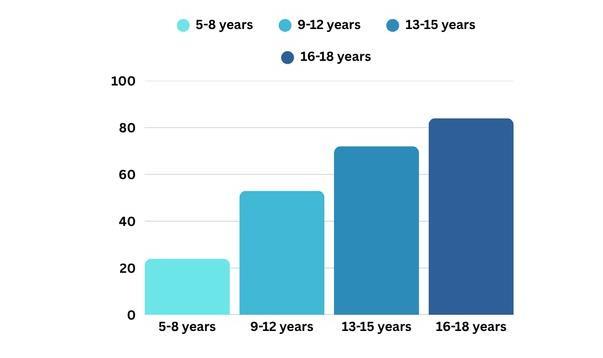
These digital footprints include things like location sharing, message history, app usage, and browsing behavior. In the case of a missing child, this data can beextremelyhelpfulforlawenforcementandforensic teams.
The amount and type of digital evidence often depend on thechild’s ageand access to technology. Thegraph above shows the increasing percentage of smartphone usage across age groups, highlighting the growing digitalexposureofchildren inIndia.
Digital footprints are the traces of data that people leave behind when they use the internet or any digital device. These footprints can be created when someone sends a message, visits a website, shares a photo,checksin atalocation, oreven just scrolls on social media. Most people don’t even realize they’re leavingthesetracesbehind buttheyexist and can be tracked.
Therearetwomaintypesofdigitalfootprints:
1. Active Footprints: These are created when a userknowinglysharessomethingonline like posting a photo, commenting, or sending a message.
2. Passive Footprints: These are created without the user realizing it like location data, search history, or cookies that track activityonwebsites.
Children, especially, leave many digital footprints through their smartphones, apps, games, and social media platforms. Every login, click, or post becomes part of their digital trail. When a child goes missing, these traces can help investigators understand what theyweredoingbeforedisappearing,whotheywerein contact with, and even where they might be. Understanding digital footprints is the first step in realizinghowonlineactivitycanturnintoreal-world evidence. In missing children’s cases, these footprints can sometimes be the onlycluesthathelp bringachildbackhome.
When a child goes missing, digital evidence often becomes one of the most useful tools for investigators. Childrentodayspendalotoftimeonphones,apps,and websites and everything they do online leaves behind small traces of data. These traces, called digital footprints, can show what the child was doing, who theywereincontactwith,orevenwheretheymightbe. Police and cyber forensic teams use this information to understand the child’s last known activity. For example, if a child was chatting on Instagram or playing an online game, their messages, login times, IPaddress,andlocationhistorycanbetracked.Even if the child deletes an app or chat, data can often be recoveredfromdevicesusingforensictools.
In India, law enforcement also uses OSINT (Open Source Intelligence) tools like Maltego, Sherlock, or Spiderfoot to search for digital clues on social media andpublicplatforms.Thesetoolshelptraceusernames, emailaddresses,profilelinks,andconnectedaccounts.
This type of digital evidence has helped solve many missingchildcaseswheretherewerenophysicalclues. Itallowsinvestigators toactfaster, followdigitaltrails, andsometimesreachthechildbeforeharmisdone. In many cases, digital footprints are the only way to start an investigation and are now just as important as traditionalclueslikeCCTVorwitnesses.
When a child goes missing, digital evidence becomes a crucial tool for investigators. The following case studies serve as powerful real-world examples, highlighting how digital footprints, left behind through everyday online activity, can be the key to a successful rescue operation. Thesecasesdemonstratethepracticalapplicationofcyber forensic tools and the importance of timely digital investigation, especially in situations where traditional clues are scarce. Each case study showcases a different aspect of a child's digital world from social media to online gaming and proves how these "invisible trails" canleadpolicetoamissingchild
International Research Journal of Engineering and Technology (IRJET) e-ISSN:2395-0056
Volume: 12 Issue: 08 | Aug 2025 www.irjet.net p-ISSN:2395-0072
In 2021, a 14-year-old girl from Punjab went missing after leaving home without informing her parents. The family suspected that she may have been in contact withsomeoneonline,asshewasoftenusingInstagram and chatting with unknownpeople.
When the case was reported, the cybercrime unit and local police began checking the child’s digital activity. Even though she had deleted most chats and uninstalled the app, investigators managed to retrieve key information using digital forensics and support from Instagram’s legal team. By analyzing the girl’s previous login times, IP addresses, and DMs, the police were abletoidentify thelast person shespoketo. That personturnedouttobeaboyfromUttarPradesh,who hadconvincedhertoleavehome.
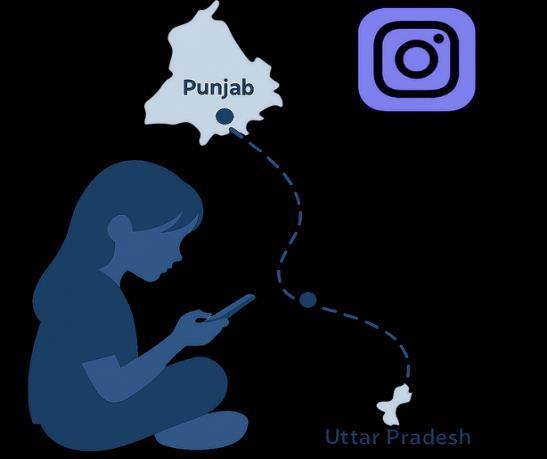
Fig -2.1:Illustrationshowinghowsocialmedia chatsleavetraceabledigitalfootprintsusedin digitalforensics.
With the help of the platform’s records and deviceleveltracking,policetracedthegirl’s locationtoasmall hotel nearly 600 km away. She was safelyrescued, and legal action was taken under the POCSO Act. This case shows how digital footprints, especially from social media platforms, can play a critical role in finding missingchildren.Italsoprovesthatevendeleteddata can be recovered with the right tools and cooperationfromdigitalplatforms.
CASE STUDY: DELHI BOY TRACED VIA GAMING APP
A 13-year-old boy from Delhi went missing in 2022 after becoming involved in an online gaming app. He was reportedly spending long hours on his phone, chatting with unknown users through the in-game messaging feature. One evening, he left home without telling anyone, and his parents filed a missing report thenextmorning.
The cyber team began tracking his digital footprint by analyzing the games he played, chat logs, and internet activity. Using network logs and IP tracing, they found that the boy had been in contact with a strangerwhopromisedin-gamerewardsandinvited him to meet in person. Through forensic tools and collaboration with the gaming platform, the investigators accessed deleted messages and identifiedthedeviceandlocationwheretheboywaslast online.
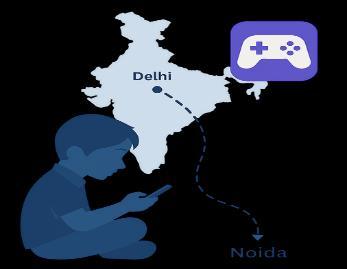
Fig 2.2: Illustrationdepictingtheuseofgamingappsin traceabledigitalfootprintsforensics.
The boy was eventually found at a metro station in Noida,waitingforsomeonehemetinthegame.Hewas safelybroughthome,andlegalwarningswereissuedto theinvolvedparty.
This case highlights the hidden dangers within online gaming communities. It also shows how quick digital investigation even on platforms not usually considered "social media" can play a major role in child recovery. Games that allow anonymous chat and friend requests can create unsafe environments, and every digital move leaves behind clues that investigators
Online gaming platforms often feel safe to children, but they can become risky when strangers gain access through in-game chats. This case reminds us that even non-social apps can lead to unsafe situations, and digital traces like IP logs and chat history can become powerful tools in child rescue missions.
While digital footprints are helpful in tracing missing children, investigators often face serious challenges when working with online data. Not all information is easily accessible, and some clues may be hidden, deleted, or protected by privacy laws. One of the biggest problems is data deletion. Children or suspects maydeletechats,photos,orevenwholeapps.Although some of this data can be recovered through forensic tools,ittakestimeandrequireslegalpermission.
International Research Journal of Engineering and Technology (IRJET) e-ISSN:2395-0056
Volume: 12 Issue: 08 | Aug 2025 www.irjet.net p-ISSN:2395-0072
Another challenge is encrypted communication. Many apps like WhatsApp or Telegram use end-toend encryption, which means even the app developers can’t read the messages. This makes it harder for police to know what was said or shared. Fake identities and anonymous accounts also make it difficult to track people. Some predators use fake names, profile pictures, or international numbers to hidetheiridentity,whichslowsdown investigations. In cross-border or interstate cases, legal and technical delays happen due to jurisdiction issues or lackofcooperationfromtechcompanies.
Lastly, investigators need special training to use cyber forensic tools, and many teams still lack the resources or manpower to handle such advanced cases. safer child rescueoperations.
Evenwithallthesechallenges,digitalfootprintsremain one of the most useful sources of evidence. But overcoming these issues is important for faster and saferchildrescueoperations.
4.SUGGESTIONSANDAWARENESSMEASURES
While technology can help trace missing children, it’s alsoimportanttotakepreventivestepstoprotectthem from online threats. Awareness, education, and digital disciplineplayamajorroleinchildsafetytoday. Parents should regularly talk to their children about safeinternetuse.Teachingkidsnottotalktostrangers online, avoid sharing personal information, and report anything suspicious can make a big difference. Using parentalcontroltoolsoractivitymonitorscanalsohelp guide their digital behaviour without invading their privacy.
Schools can include basic cyber safety workshops as part of their curriculum. Educating students about the dangers of fake profiles, online grooming, and location sharing can help prevent risky situations before they occur. Children should be encouraged to think before they click. Simple habits like not accepting unknown friend requests, turning off location sharing, and keeping social accounts private can protect them from manythreats.
Authoritiesandappdevelopersmustalsoplayaroleby making safety features stronger, making reporting easier, and working with cybercrime teams to respond quickly. By spreading awareness and building responsible digital habits at home, school, and online platforms, we can prevent many cases before they happen and create a safer internet space for every child. The government and police departments should conduct regular awareness campaigns to educate both children and parents about online safety risks. Collaborative efforts between law enforcement and schools are crucial for building a strong foundation of cyberawareness
Digital footprints may seem invisible, but they often become the most powerful tool in bringing missing children back home. Through this research, we explored how even small traces left online like a message, location, or search history can lead investigators to the right direction. Real case studies have shown how digital platforms hold critical clues during missing child investigations. While technology cansupporttherescueprocess,it’sjustasimportantto use it responsibly. Children must be guided, families muststayaware,andschoolsandplatformsmustwork togethertocreateasaferdigitalenvironment.
This paper hopes to spread awareness about the potential of digital footprints, encourage safe online habits, and highlight the importance of fast, skilled digital investigation in missing children cases. As technology grows, so should our responsibility to protecttheyounglivesusingit.
I am sincerely thankful to the organizers of the Gurugram Police Cyber Security SummerInternship (GPCSSI 2025) for providing me with this valuable opportunity to learn, research, and contribute to the growingfieldofcybersecurity.
I would like to express my heartfelt gratitude to Dr. Rakshit Tandon, Chief Resource Person of GPCSSI, for his exceptional mentorship, inspiring sessions, and continuous encouragement throughout this journey. His deep knowledge and clarity helped me understand complex aspects of cybercrime investigation and digital safety.
I am equally thankful to ACP Priyanshu Dewan Sir, Gurugram Police Cyber Cell, for his visionary leadership in promoting cyber awareness and building a strong bridge between youth and law enforcement throughthisinternship.
I also extend my sincere thanks to DAV Public School, Sector-49, Gurugram, for organizing this initiative and for their support during the program. The exposure, technicalsessions, andreal-case learningshaveshaped thisresearchpapermeaningfully.
Lastly, I would like to thank my fellow interns, friends, and family for their unwavering support, motivation,andbeliefinmeduringthisexperience.
[1]CyberPeaceFoundation,“Digitalsafetyandchildren online report,” 2023. [Online]. Available: https://www.cyberpeace.org
International Research Journal of Engineering and Technology (IRJET) e-ISSN:2395-0056
Volume: 12 Issue: 08 | Aug 2025 www.irjet.net p-ISSN:2395-0072
[2] UNICEF India, “Online safety for children in the digital age,” 2022. [Online]. Available: https://www.unicef.org/india
[3] Hindustan Times, “Missing Punjab girl traced via Instagramchatlogs,”Oct.15,2021.[Online].Available: https://www.hindustantimes.com
[4] The Indian Express, “13-year-old boy from Delhi found in Noida after online gaming chat leads to meeting,” May 10, 2022. [Online]. Available: https://indianexpress.com
[5] Spiderfoot, “OSINT automation tool for cyber investigators.” [Online]. Available: https://www.spiderfoot.net
[6] Maltego Technologies, “Graph-based link analysis for digital footprint mapping.” [Online]. Available: https://www.maltego.com
[7]NCRB,“CrimeinIndiareport2022.”NationalCrime Records Bureau, 2022. [Online]. Available: https://ncrb.gov.in
[8]StatistaResearchDepartment,“Mobilephoneusage among children in India by age group,”2023. [Online]. Available:https://www.statista.com
[9] CERT-IN, “Cyber threat reports and safety guidelines,” 2022. [Online]. Available: https://www.cert-in.org.in
[10] Ministry of Home Affairs, India, “Cyber crime investigation manual,” 2023. [Online]. Available: https://mha.gov.in/sites/default/files/CyberCrimeInve stigationManual_2023.pdf
[11]TheTimesofIndia,“Howpolicerecovereddeleted chats to rescue missing girl,” Sep. 28, 2021. [Online]. Available:https://timesofindia.indiatimes.com
[12] Common Sense Media, “Screen time and mobile use among children – India focus,” 2022. [Online]. Available: https://www.commonsensemedia.org/research/thecommon-sense-census-media-use-by-tweens-andteens-2022
[13] NCPCR, “Guidelines on child online safety.” [Online]. Available: https://www.ncpcr.gov.in/showfile.php?lang=1&level =1&sublinkid=2147&lid=2100
BIOGRAPHY