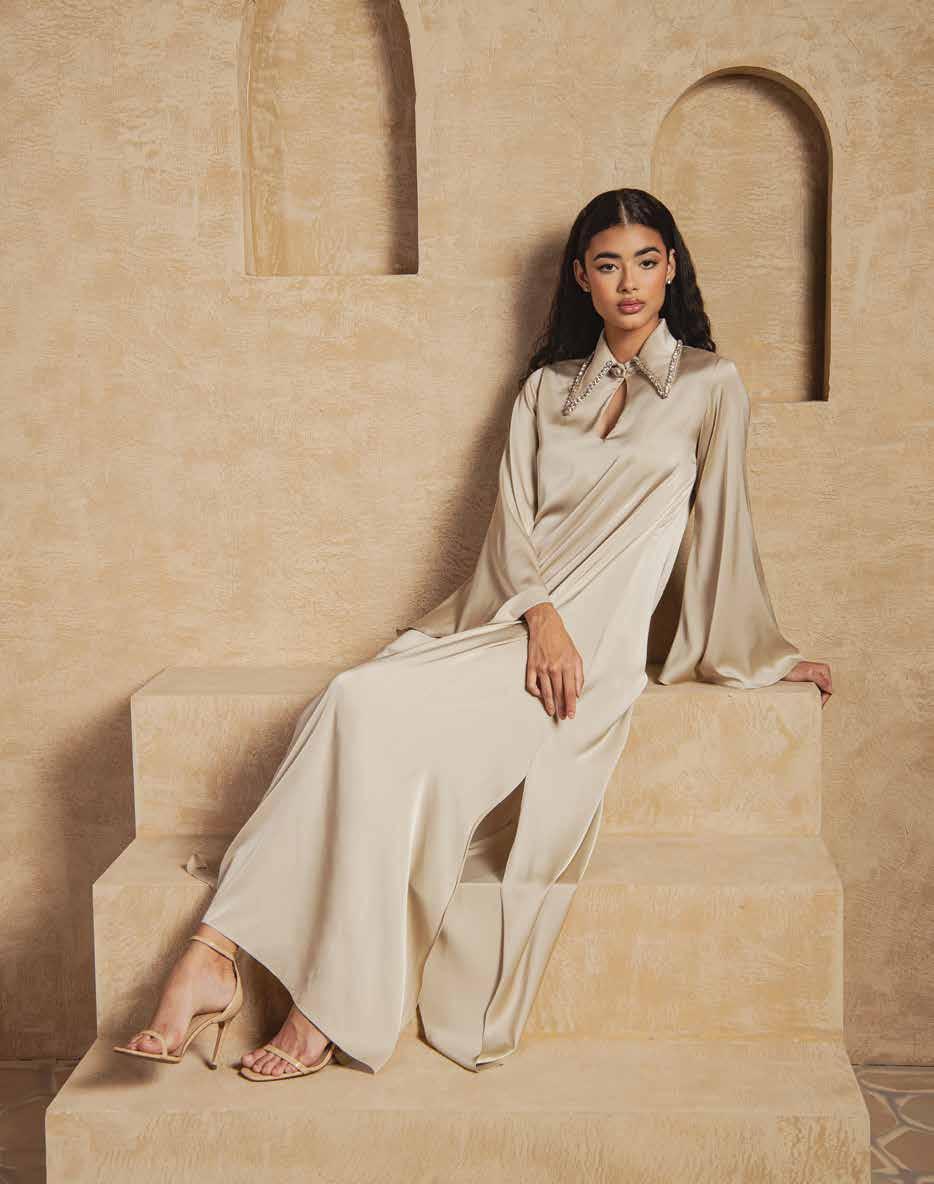

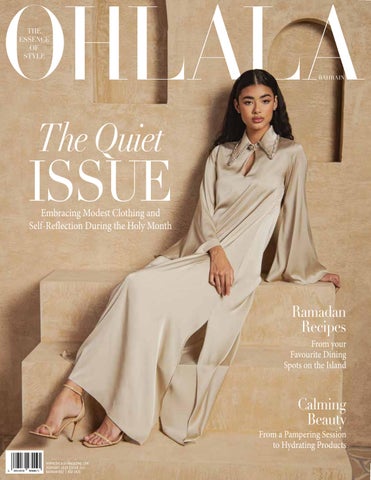
Embracing Modest Clothing and Self-Reflection During the Holy Month
From a Pampering Session to Hydrating Products Ramadan Recipes From your Favourite Dining Spots on the Island



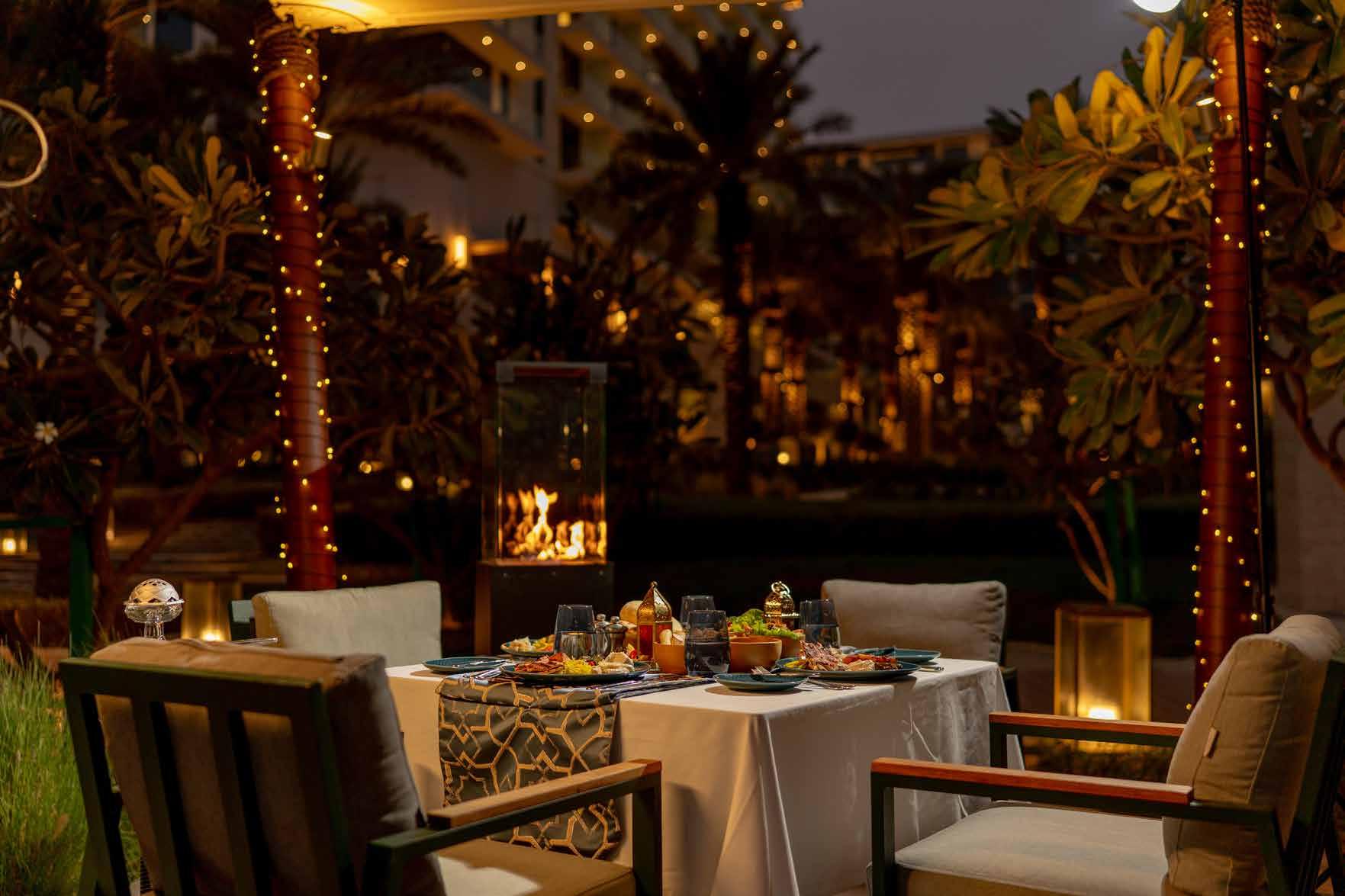
Embrace the spirit of Ramadan at Address Beach Resort Bahrain, where exclusive savings of up to 25% on rooms and suites await, complemented by a gourmet Iftar experience.
Scan to explore Ramadan Offers

For bookings, please visit www.addresshotels.com Terms and conditions apply
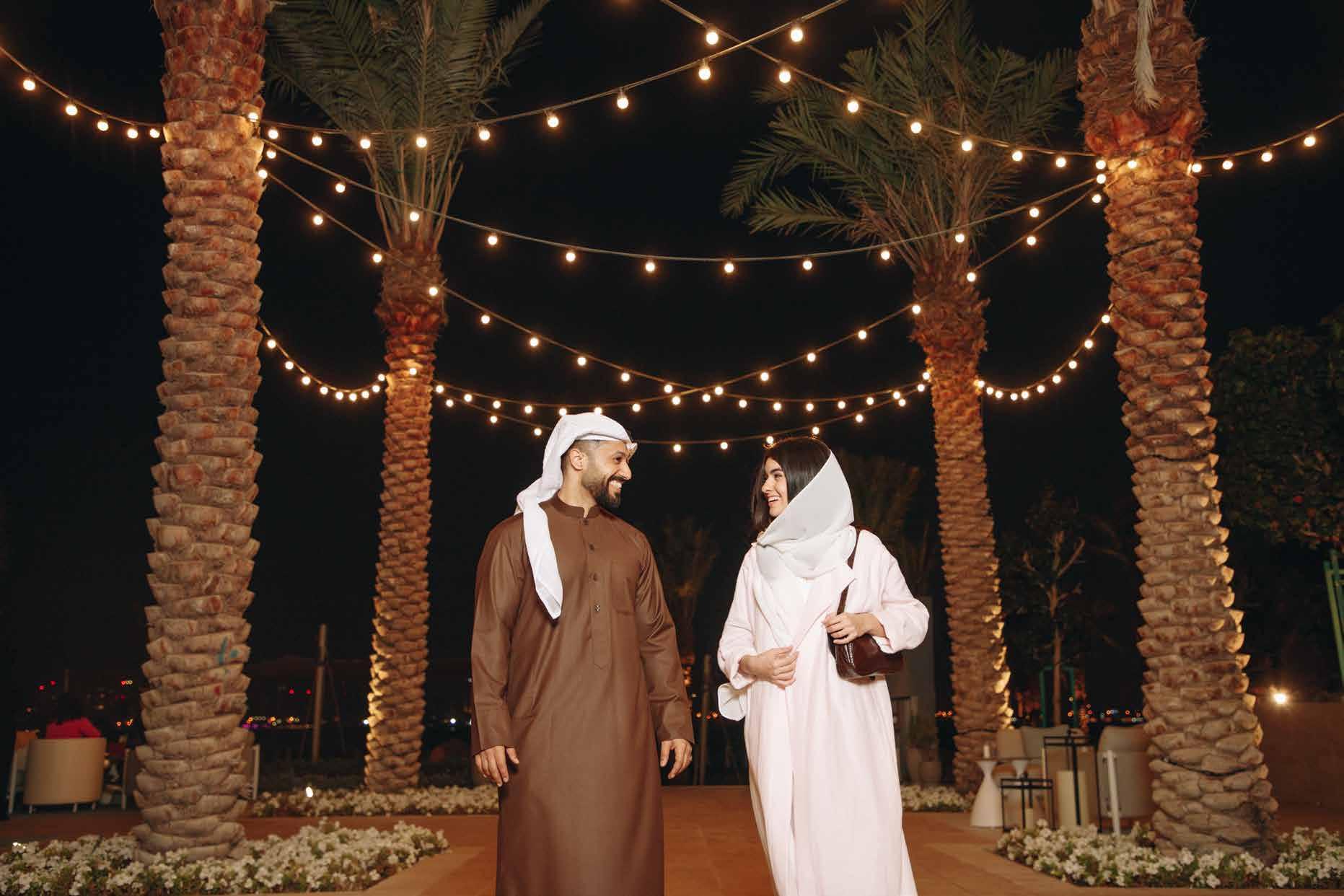

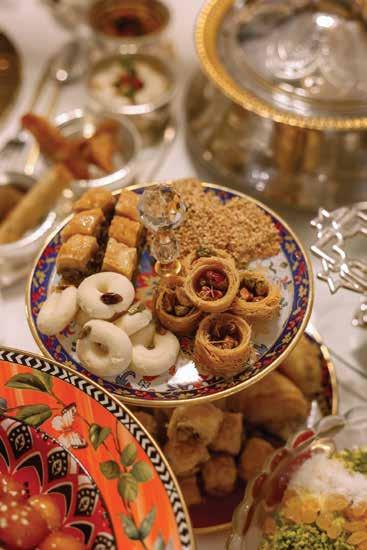
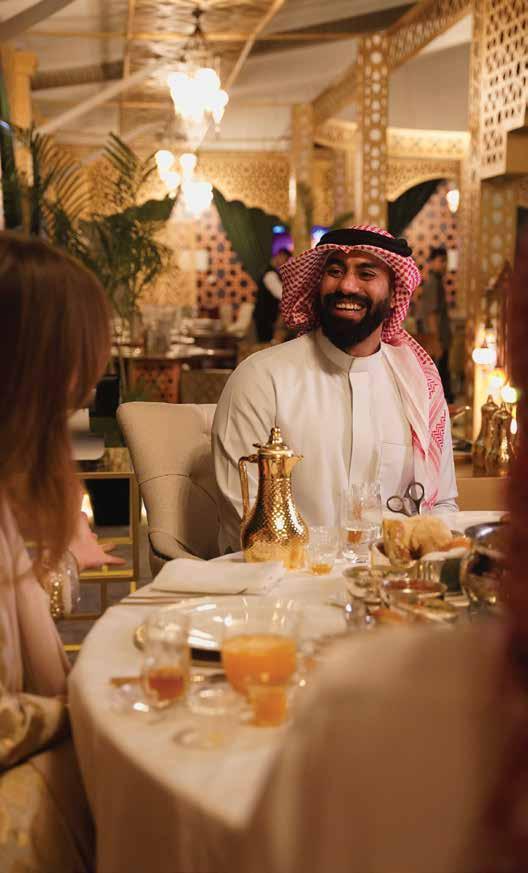

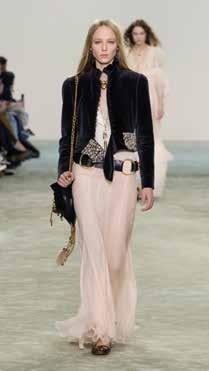

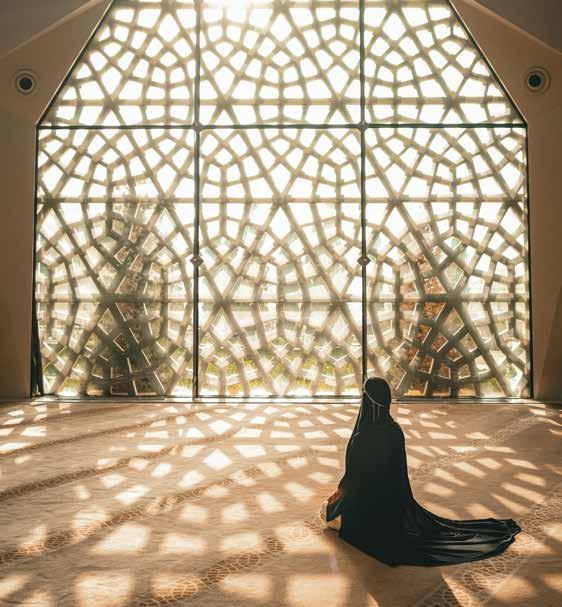
Ramadan is a period of introspection and reflection, a quiet time with yourself, but also moments of togetherness. This year, it begins on February 18, tentatively, as the start is based on the sighting of the new moon (crescent) on the 29th night of Sha'ban, the preceding month of Ramadan, in the Islamic lunar calendar. It runs for 30 days, and the three days after are celebrated as Eid al-Fitr, marking the end of the Holy Month of fasting.
Our February issue is dedicated to all things related to this period, which is so important to everyone living in Bahrain, not only for those who embrace the rituals and religious routines. We bring modest and sophisticated fashion pages and beauty tips to help beat the skin issues linked to changes in habits. We have a special feature showcasing dishes to serve at evening gatherings, with step-by-step recipes from chefs at some of our most favourite restaurants on the island. Don't miss the opportunity to fully embrace the Holy Month by cooking hearty meals in a pro-style and sharing them with your loved ones.
The month culminates in celebration. The days of Eid al-Fitr are usually used for a quick escape. We selected a few destinations and hotels close by to help you choose where to go. There is no better time than now to start planning your getaway.
Just like in every OHLALA publication, we bring tried-and-tested reviews of spas, dining and motoring. We enjoyed a pampering head-to-toe session at The Gulf Spa & Salon, where all your wellness and beauty needs are taken care of under one roof. We nourished our bodies at Monsoon for a Far Eastern cuisine spread. And we end the magazine by talking about our journey behind the wheel of the new Porsche 911 Carrera. February is also the month of love – radiate it wherever you go, especially if it involves self-love and kindness.
Fernanda Langhammer Editor-in-Chief
@ohlalamagazine editor@ohlala-magazine.com






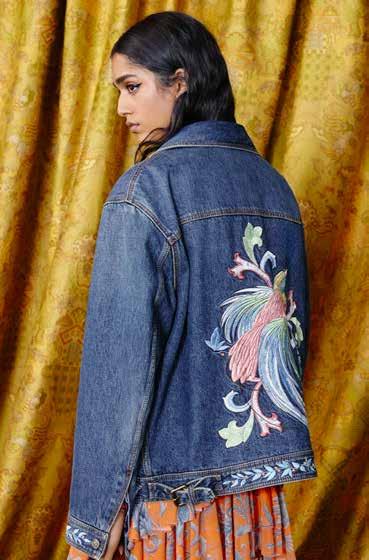
With the hot season just around the corner, we’ve explored the pre-spring, resort and cruise collections and picked out some trends that will definitely carry over into summer styles.
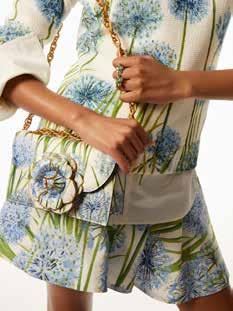
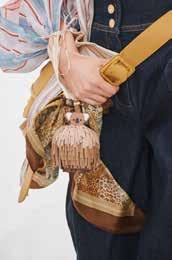
Bag charms. Yep, they are still going to be a thing next season. Australian brand Zimmermann drew inspiration from its roots with koala adornments.

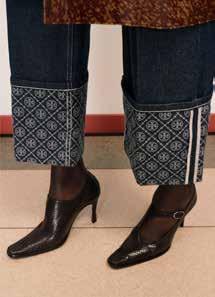
Wide cuffed hems. Not only Tory Burch, but many other brands brought this styling touch to their collections. The large folds at the end of the trousers are a trend that comes with ‘90s nostalgia and elevated flair: printed folds.
Matching patterns. Clothes and accessories covered in the same print seem to be the next deal. Oscar de La Renta is bringing co-ords, handbags and shoes in the same floral print for an easy-tocompose look.
Palazzo trousers. With extra-wide legs, these pants are quite popular during warm weather and are usually made from lightweight materials. Sportmax went XL with its denim capsule.



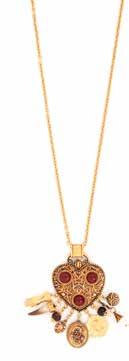
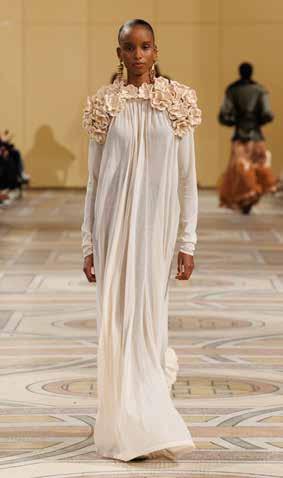
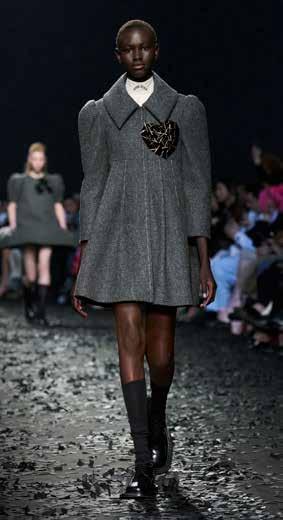
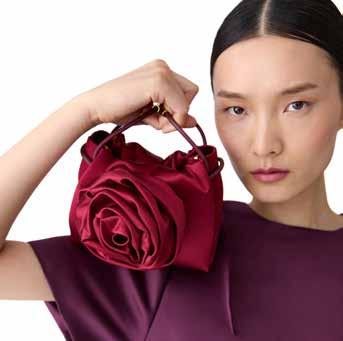
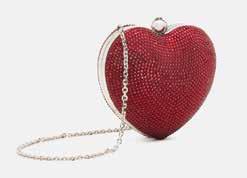
The most romantic month of the year is here. We celebrate it with styles that speak the love language out loud – outfit goals are all about flowers and hearts. Fully embrace the ‘love is in the air’ vibe.
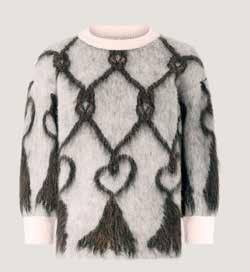


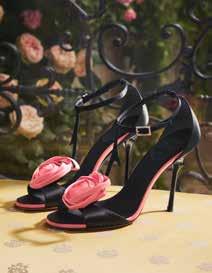
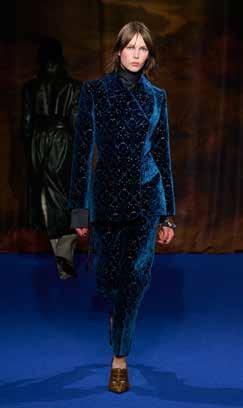


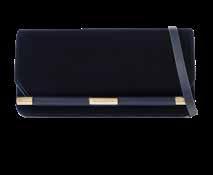
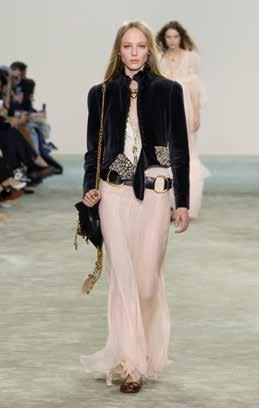
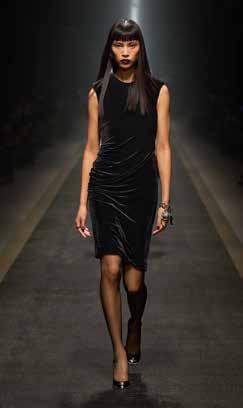
Velvet is a refined fabric that adds a touch of luxury to dresses, trousers and jackets. Winter materials are heavier and warmer, while summer threads are lighter and more breathable –the perfect textile for chic outfits any time of the year.
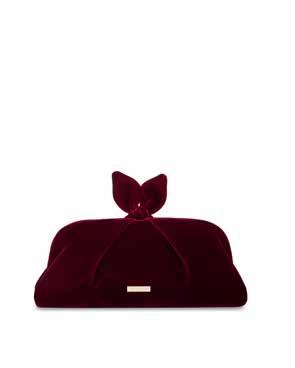
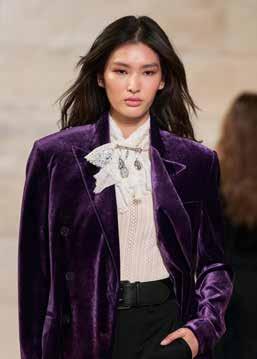
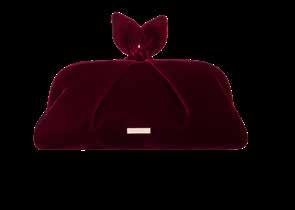
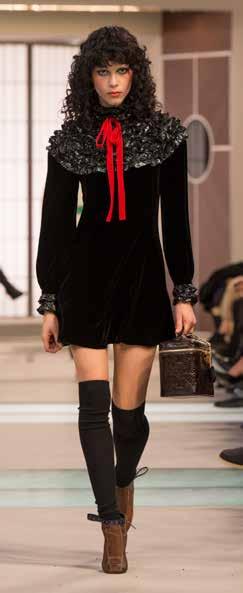


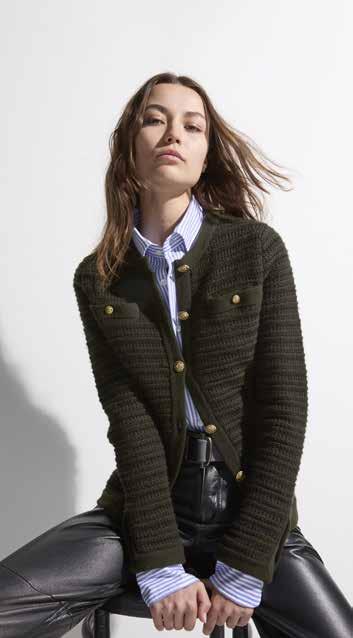
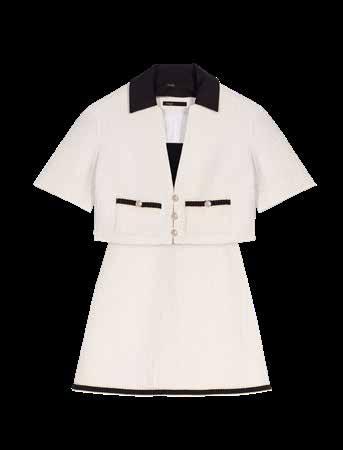
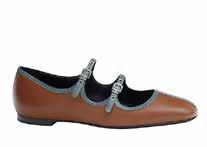
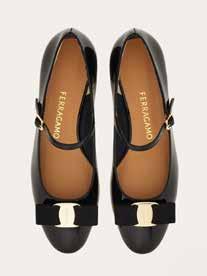
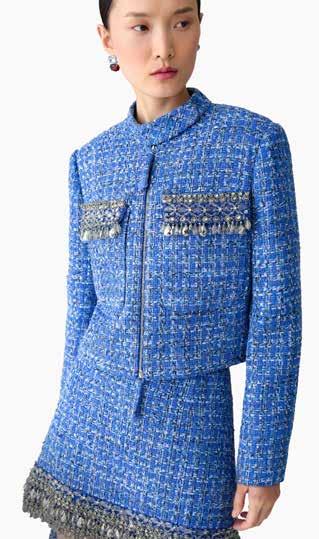
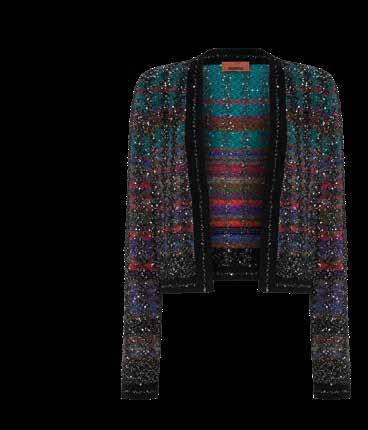
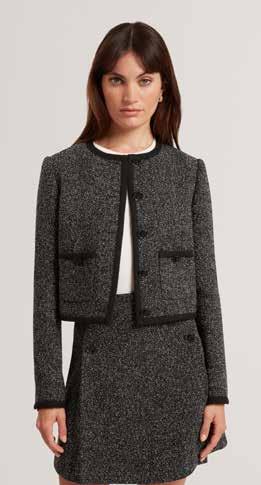
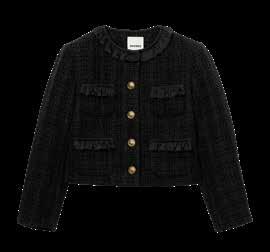
Co-ord sets are a summary of feminine look, with tweed as the favourite textile. The cropped jacket is the key element in this iconic outfit. Throw on a pair of tights and Mary Jane shoes to show off the good girl in you – old-money style, here we go!

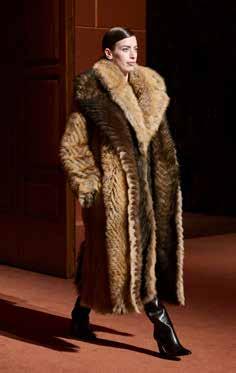
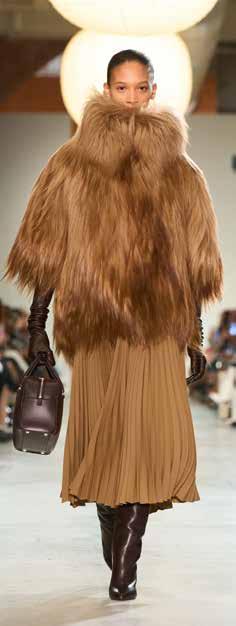
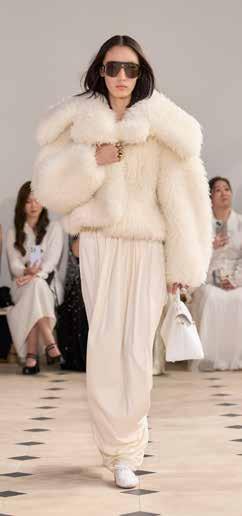


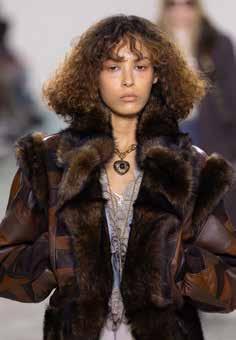
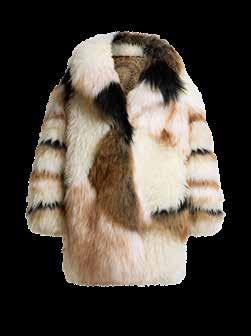
A faux fur jacket with XL volume is a tricky wardrobe item. For some, it’s the ultimate winter warmer for a chic look, while for others, it plays a tacky role. What do you think of fluffy warmers? Yay or nay?
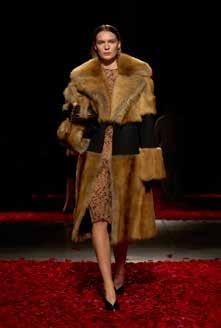

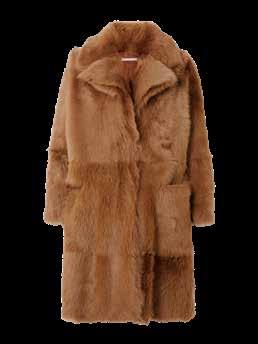
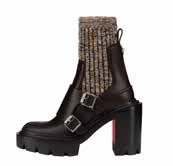

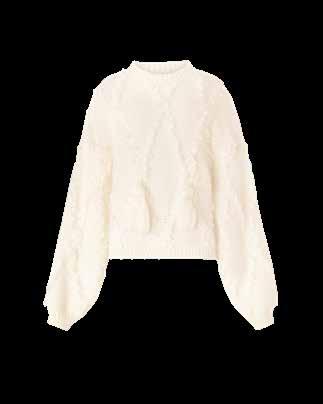

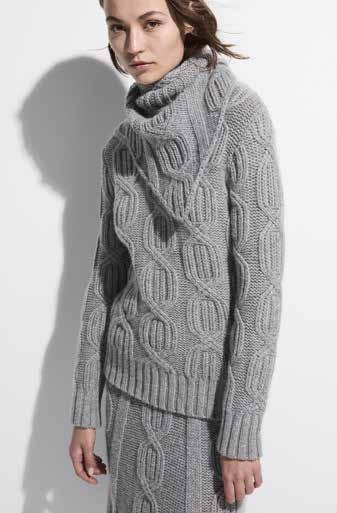
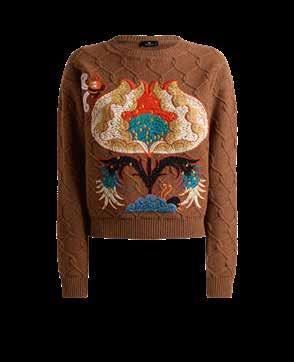
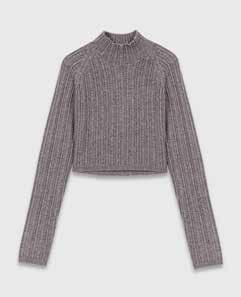
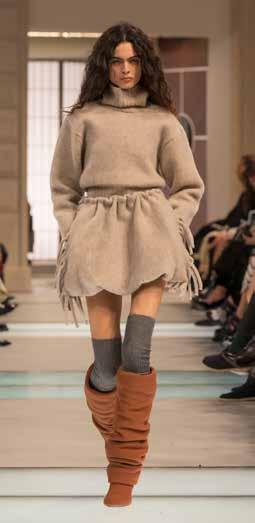
Not the news people in this region want to hear, but yeah, winter will be over soon, and we will be talking about summer fashion from now on. Enjoy the last few days left to wear your knitted sweater and warm boots.





Enhance your wellness experience with our new in-house clinical dietitian, Sara Alsaaed, offering professional nutritional expertise tailored to your individual wellbeing goals.
Weight management
Cardiovascular Diseases
Gastrointestinal, Liver and Renal diseases
Pregnant and lactating women

Food allergies and intolerances
PCOS and thyroid problems
Diabetes Management
Pre/Post Bariatric Surgery follow ups
Call or WhatsApp : +973 3360 0085
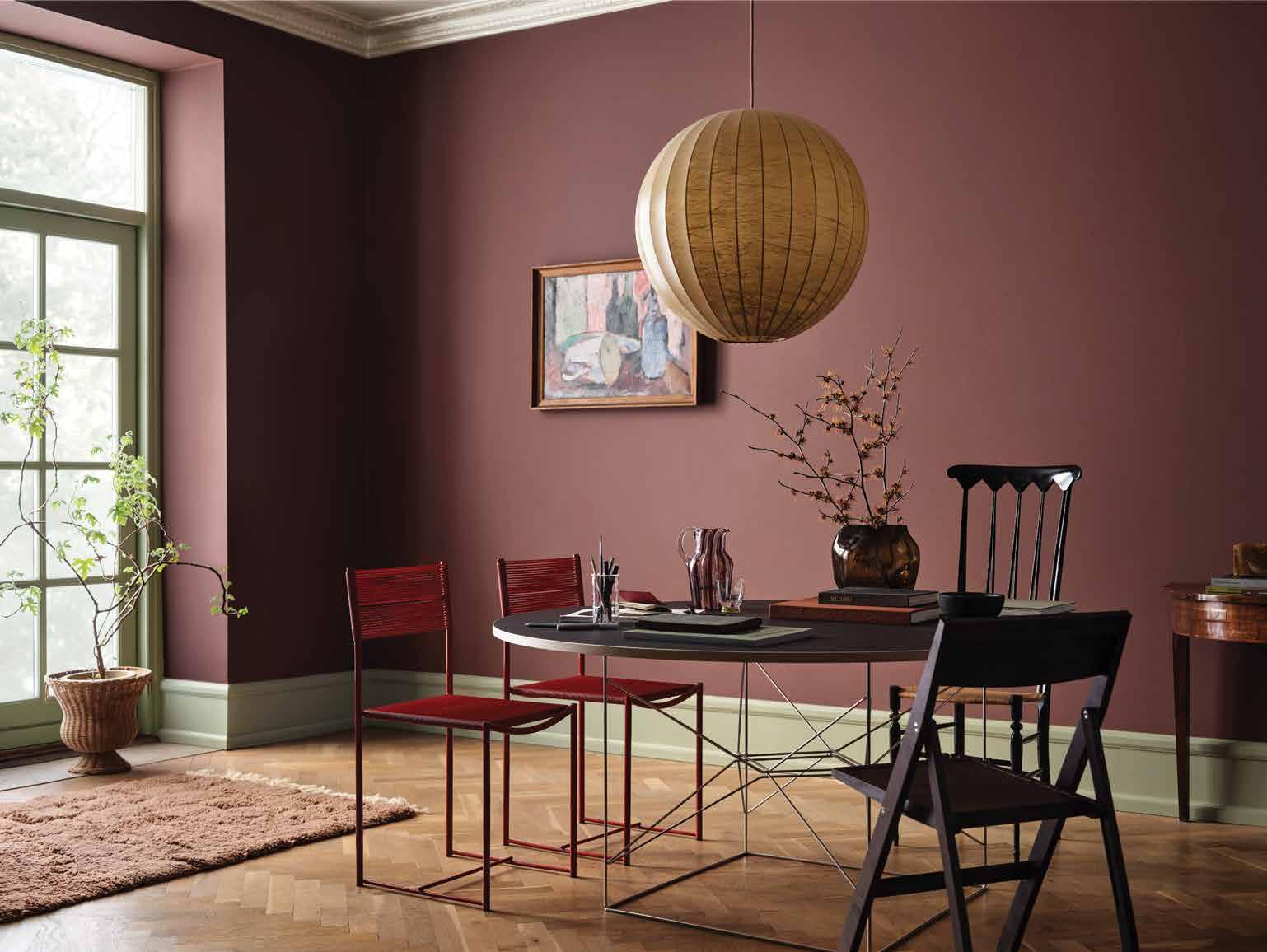
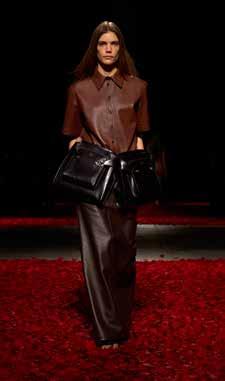
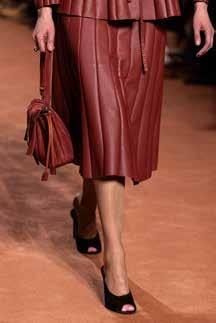
If you are one of those who couldn’t get enough of burgundy, maroon and dark tones of brown this winter, enjoy the last days of chilly weather to overload on them. Their similarity composes sophisticated tone-ontone looks – aim for classy and posh!
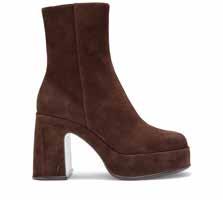
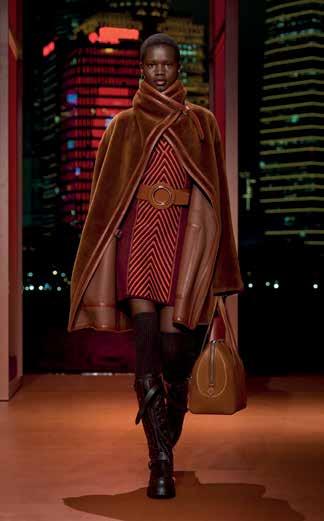
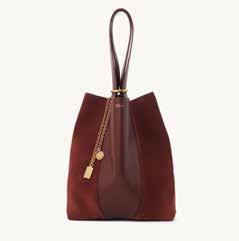

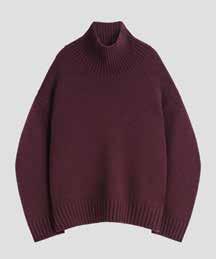
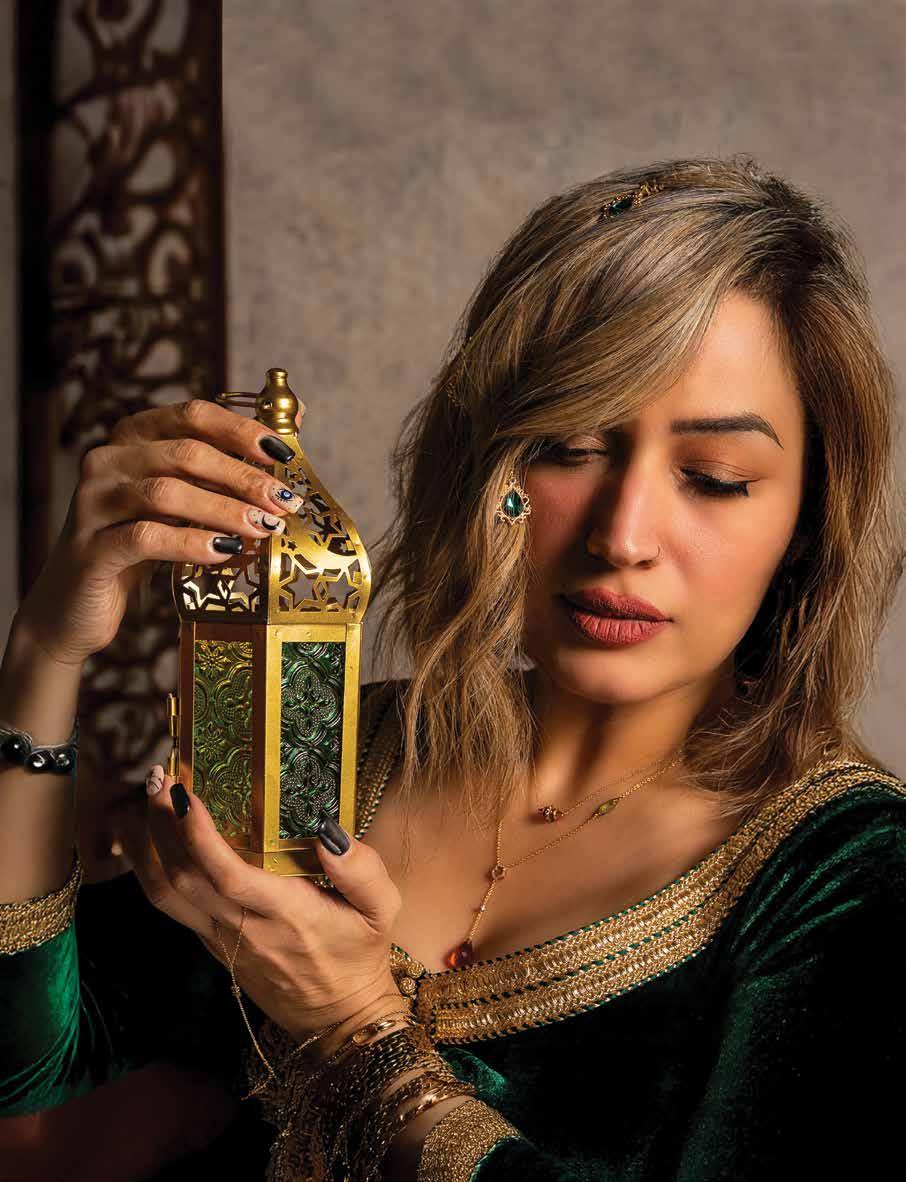
Celebrating tradition, design and unexpected collaborations, this month’s news roundup has it all.
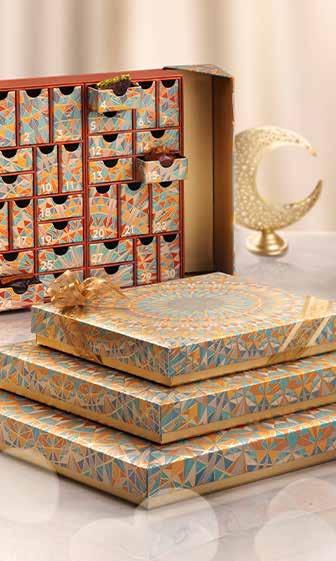
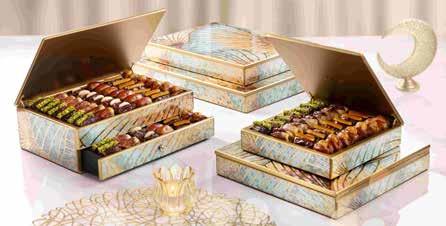
Bateel has released six new Ramadan Collections, offering a refined selection of gift sets that celebrate the tradition of sharing during the Holy Month. The collections combine handpicked organic dates from Bateel’s farms in Saudi Arabia, including the beloved Ajwa dates, alongside artisanal chocolates, handmade biscuits and other gourmet treats. For the first time, three premium wooden box designs, Lucina, Mila and Floryn, are introduced, each hand-painted by contemporary artisans. These are complemented by three additional collections, Samaa, Sadaf and Hiba, featuring a variety of colours, patterns and intricate motifs. Each set comes in multiple sizes, allowing for versatile gifting options. “Ramadan is a deeply special time for families and communities to come together, share and celebrate through gifting,” said Nurtac Afridi, CEO of Bateel. “This spirit of giving inspires us to continually elevate our offerings, ensuring that all of our customers can find something meaningful and beautiful to share during the Holy Month.”

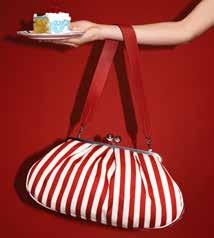
Weekend Max Mara is marking 10 years of the Pasticcino Bag with a year-long celebration that unfolds across 2026. Rather than reinventing the design, the brand is looking back at what made the bag a favourite in the first place, revisiting some of its most recognisable versions from the archive, including the original Vichy check style introduced in 2016. Alongside the reissued bags, the anniversary will also see the Pasticcino woven into the wider wardrobe through the Pasticcino-à-Porter collection, as well as a dedicated stop on the brand’s travelling World Tour project in May. The Re-Edition capsule brings together five archive styles, refreshed with small graphic updates that reference their original character. Materials range from brown shearling and Vichy checks to earthy faux croc and textured bouclé in black, green and yellow. Each version reflects a different season, balancing nostalgia with novelty.
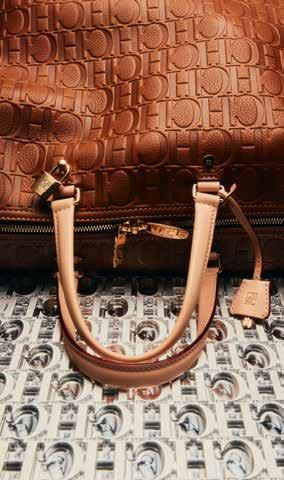
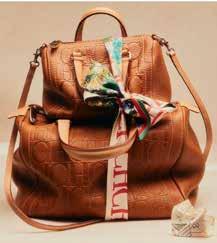
The ANDY bag marks 20 years at CH Carolina Herrera this year, and the anniversary is being used to spotlight how the design has evolved through real use rather than seasonal updates. The focus is firmly on the original bag and the marks of time that define it. A visual project showcases ANDY through a series of photographs that highlight wear, restoration and daily life over the past two decades. From the bag’s softened leather and visible stitching to its relaxed structure and discreet branding, the images draw attention to features that become more distinctive with age. Crafted in Nogal leather at the brand’s Leather Atelier in Spain, ANDY is known for its suppleness, durability and developing patina. By documenting these details, the anniversary frames the bag as an object shaped by both craftsmanship and lived experience, positioning longevity and personal history as central to its design.









Coach has launched an open-access designer collection for players of the game The Sims 4, allowing them to dress their Sims in pieces from the brand’s ready-to-wear line and iconic Tabby and Brooklyn bags. The collection also includes a ‘Coach Trunk’ object that unlocks pre-styled outfits designed to influence Sims’ moods, as well as decorative versions of signature bags for Build Mode interiors. Nine items are available in 65 colours and print variations, giving players hundreds of ways to mix and match looks. The drop continues the brand’s exploration of gaming as a space for self-expression, following earlier activations in NBA 2K26, Roblox and ZEPETO. By bringing the ethos of “The Courage to Be Real” into The Sims 4, Coach combines fashion and creativity in a community already grounded in storytelling, offering players a way to express personality, style and identity through both clothing and design.

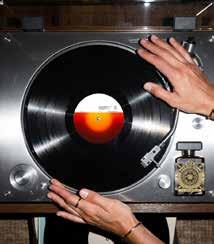
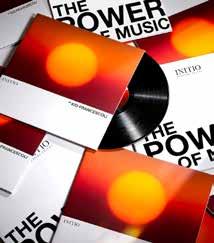
French fragrance house INITIO Parfums Privés has partnered with Marseille-based musician Kid Francescoli on a new creative project that brings together two senses. Titled The INITIO Mixtape, the collaboration reinterprets five of the brand’s fragrance collections as original music tracks, exploring how perfume and music can trigger emotion in similar ways. The project is built around the connection between sound and scent and their shared link to memory and emotion. Each track reflects the mood and energy of a collection, translating olfactory ideas into rhythm, melody and atmosphere. Known for his cinematic electropop sound, Kid Francescoli brings his signature layered compositions to the project, focussing on themes such as desire and memory. Rather than centring on a single product launch, The INITIO Mixtape presents fragrance as a wider sensory experience, using music as another way to engage with scent.
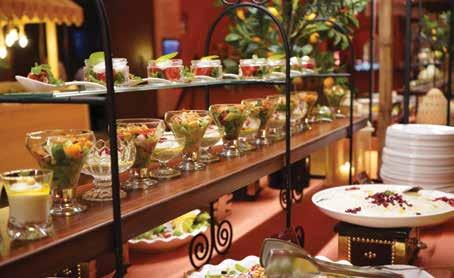
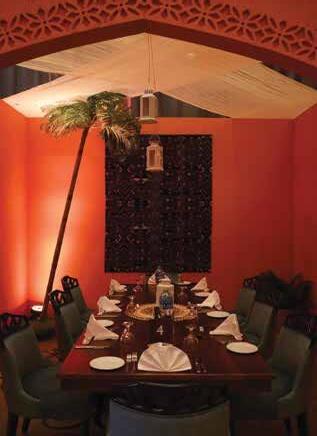
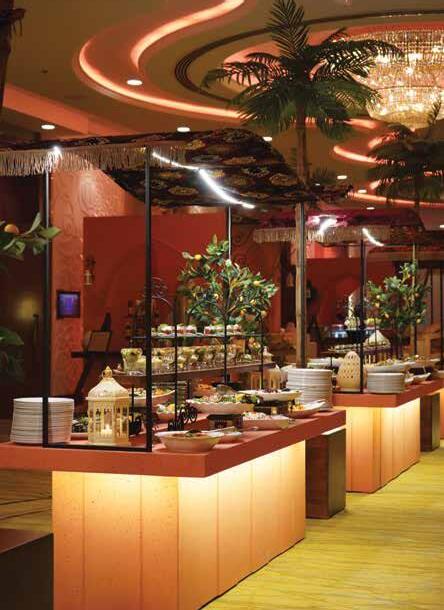
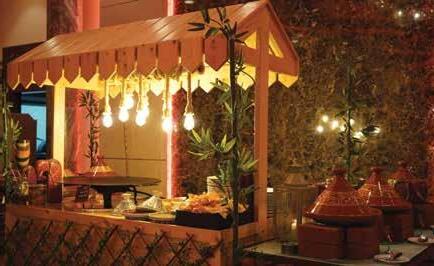
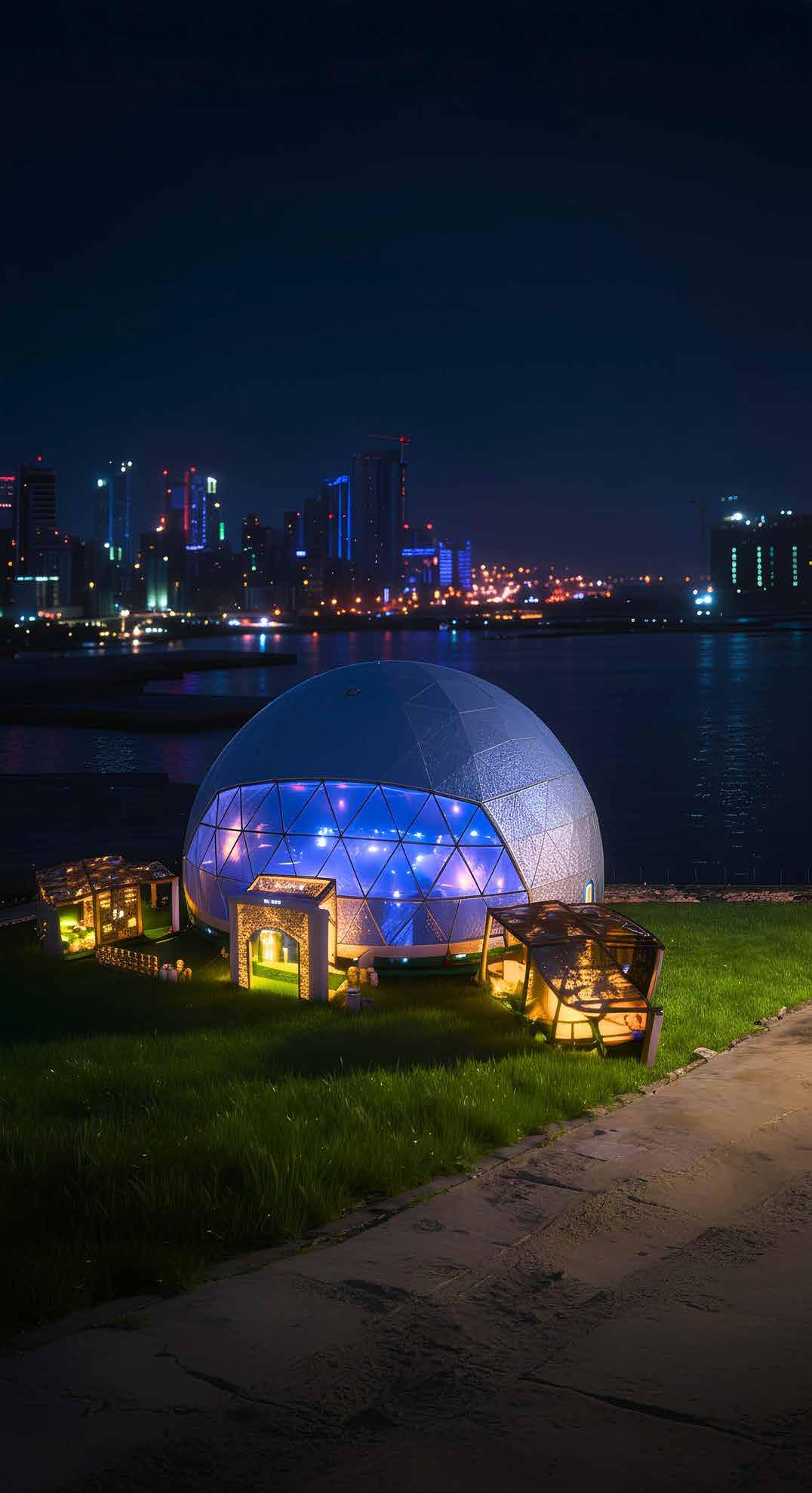
SAVOUR RAMADAN NIGHTS AT THE GRAND AMBASSADOR RAMADAN TENT.

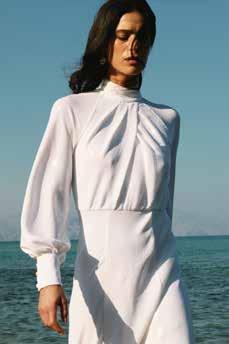
The period of introspection and reflection is upon us. Changes in routine and attitude are part of it. In terms of dress code, an unostentatious, quiet style is the way to embrace the days of Ramadan.
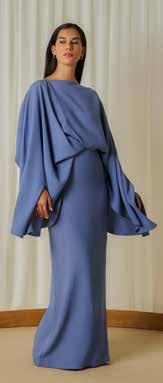
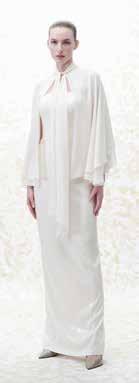
Who said that modesty has to be boring and predictable? Many wellknown international brands, such as Louis Vuitton, Fendi and Tory Burch, created special collections for the occasion, alongside regional brands that already embrace this style year-round. Pieces that can be worn in many situations, putting modesty in the spotlight.
Invest in comfortable, elegant styles that emphasise loose silhouettes in breathable fabrics such as cotton and linen, with minimal skin showing, especially covering shoulders, knees and chest.
Dresses are go-to outfits for special evening gatherings. Despite all having a roomier silhouette, they vary widely in design. Some are plain and tent-like, while others opt for drapes, pleats and embellishments.
Layering is a style that suits the period. This year, Ramadan falls in the cooler months, so layering tops is an interesting way to embrace fashion during this time. You can experiment with different lengths to create contrast and add an interesting touch to your modest looks.
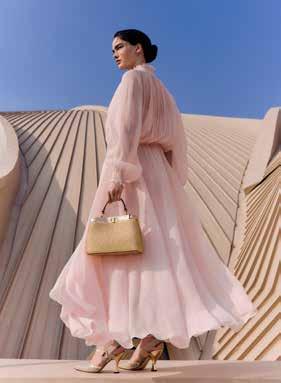
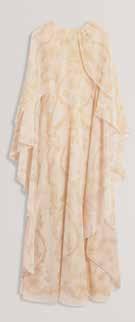
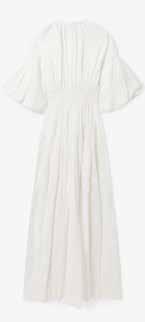
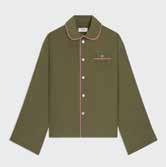
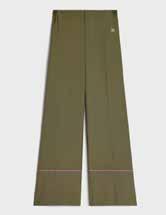
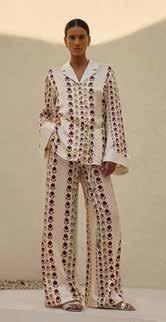
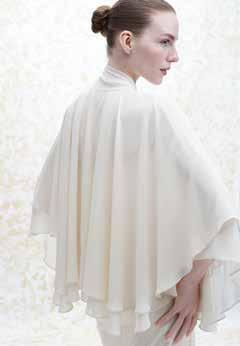

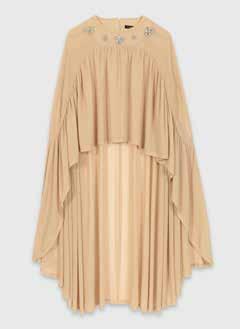
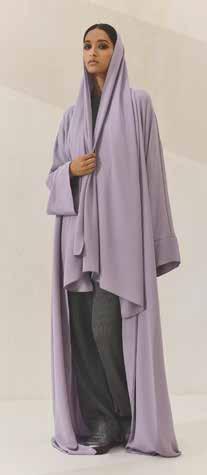
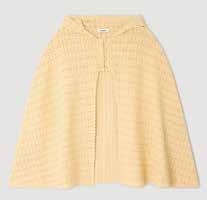
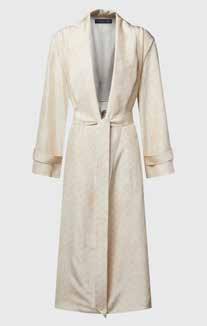
Sometimes secondary characters stand out. Abayas, kimonos, kaftans, capes and cover-ups can be thrown over dresses and loose tops paired with matching wide-legged trousers. They are not exactly the elements that compose the outfit, but the detail that everyone notices and talks about.
They can be floor-length or midi with batwing sleeves. The style is versatile and can come in colourful patterns or solid shades. Just like dresses, they are frequently embroidered with motifs that celebrate tradition and culture, becoming the it-item of the look.
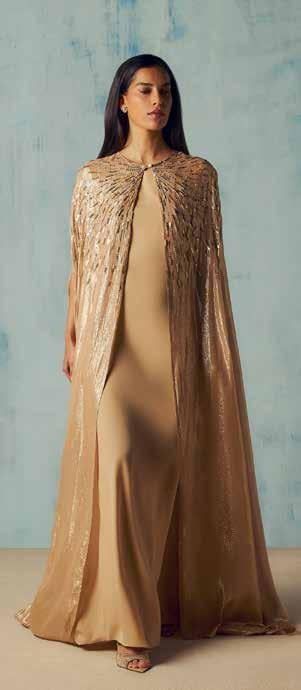
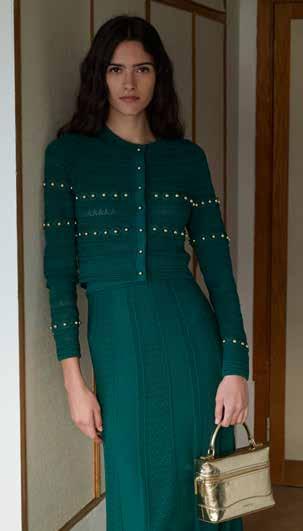

It is common for brands to choose a colour palette that leans into soft, earthy and pale tones. Similar to the traditional white garments (ihram) worn during Hajj, light, modest clothing promotes a sense of equality and helps the wearer focus on prayer and reflection. White and light colours, such as cream and beige, are associated with peace, simplicity and spiritual renewal, reflecting the Holy Month’s inward focus.
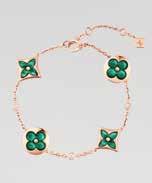
However, sometimes you find blue, green and red as they also have significance during this period. Green represents paradise and is often associated with Islamic identity. Blue signifies the vastness of the universe, wisdom and spiritual depth. Red symbolises energy, life and, in some contexts, sacrifice. But this year, collections also bring different shades of pink for a romantic touch.

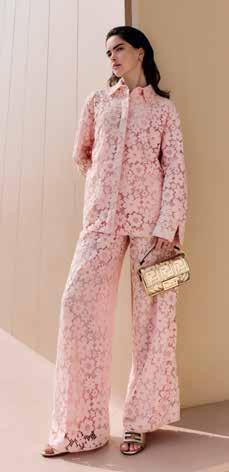
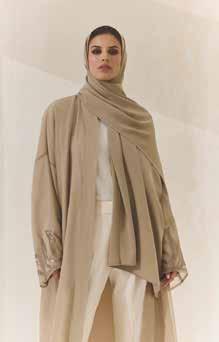
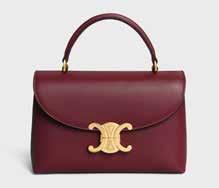
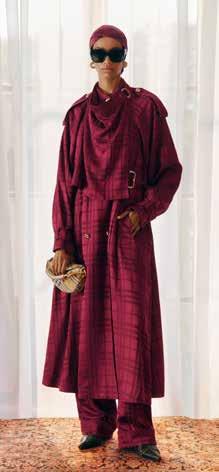
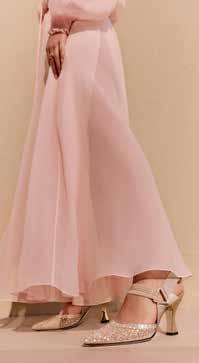

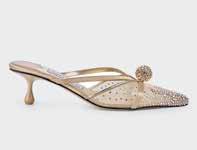
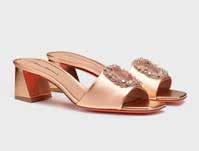
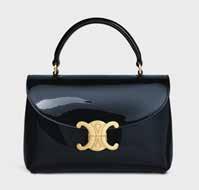
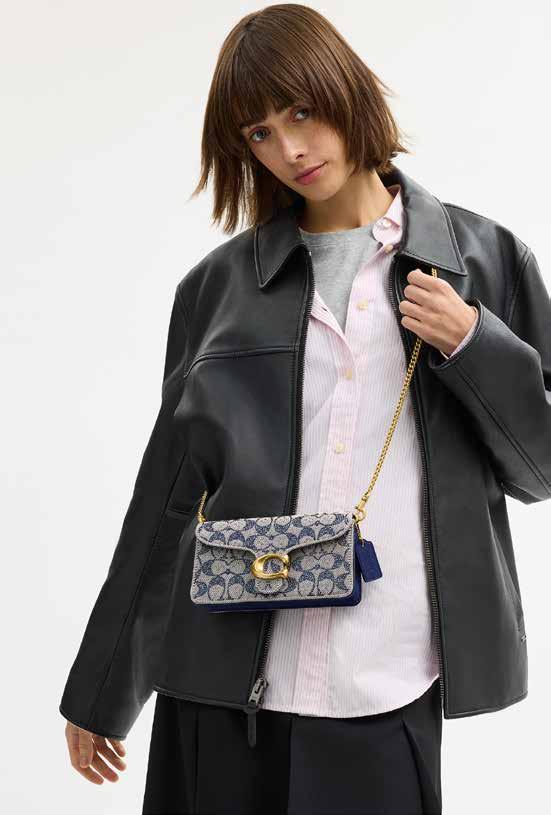
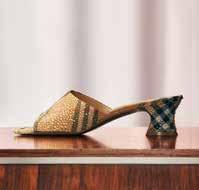
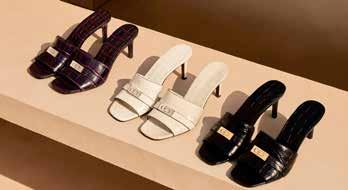
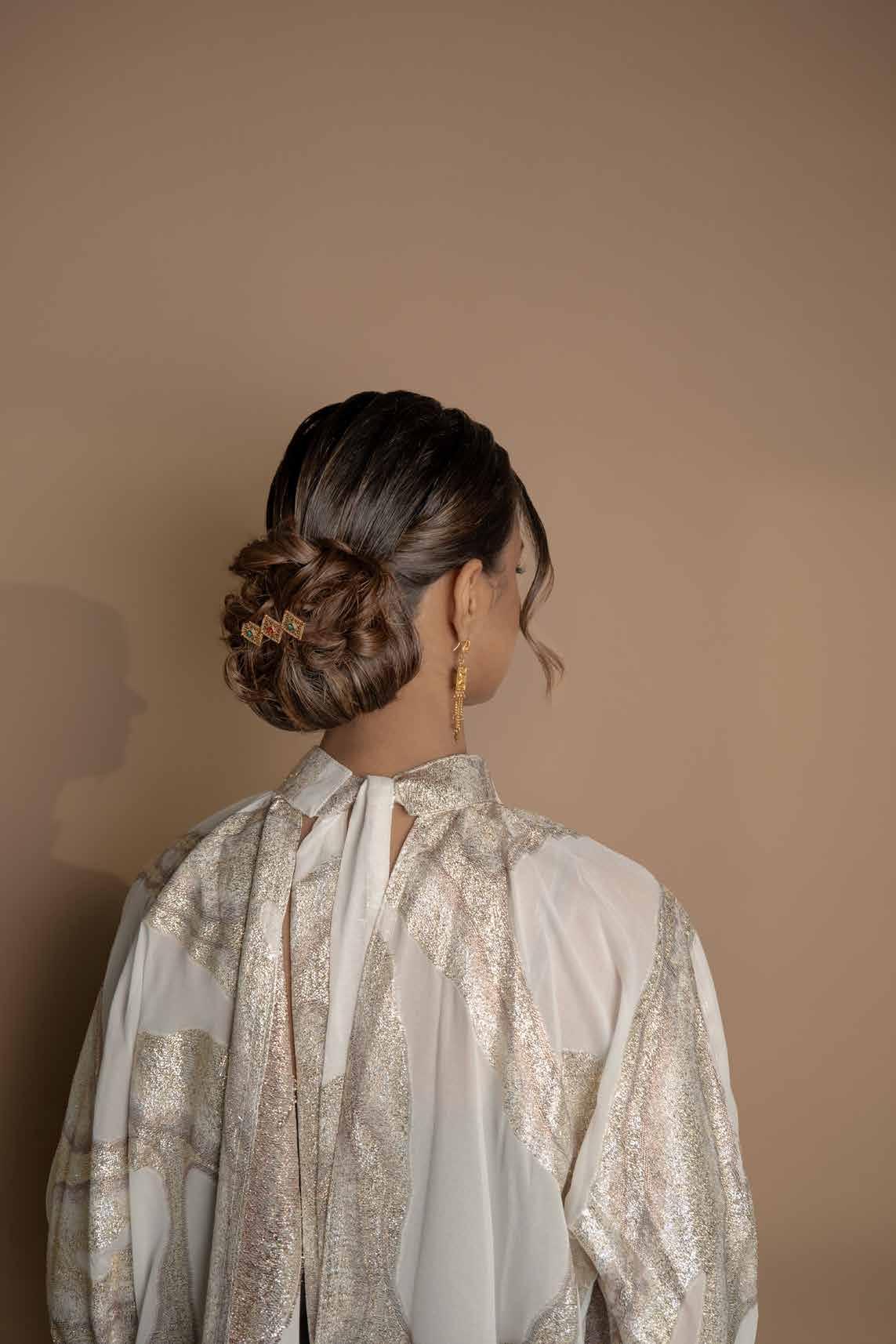
Accessories are where you see a bit more extravagance, with shimmering jewellery, shoes and handbags adding a touch of light to the outfits. Golden and silvery elements are commonly worn during Iftars, Ghabgas and Suhour.
For some reason, handbags are small and boxy, maybe to convey a sense of elegance channelled during Ramadan – classy and quiet fashion. The footwear also follows the sophisticated route with mules and sling-backs as favourite options.


Turkish brand Kismet by Milka introduces a new collection: The Shift.
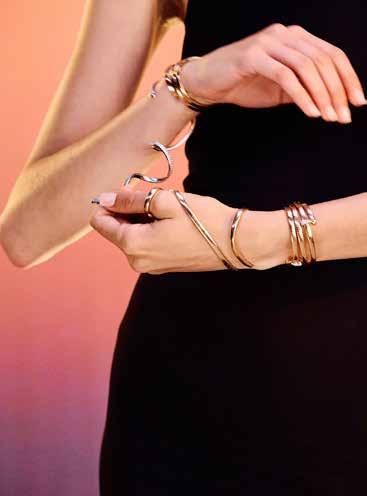
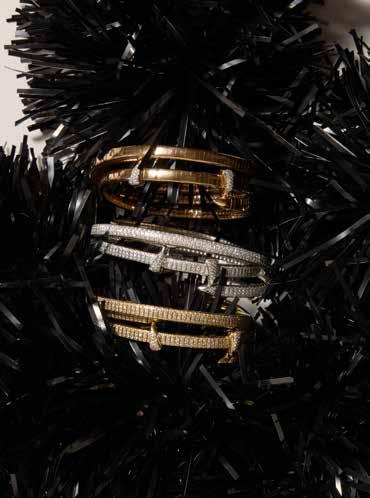
The new creations in Kismet by Milka’s The Shift collection are transformative, redefining how jewellery is designed and worn. The pieces bring movement, adaptability and function into their core.
The Shift features fine jewellery in two innovative concepts: a bracelet that is transformed into a ring through a flexible architectural structure, and another that converts a necklace into a bracelet via an adjustable mechanism.
Crafted in 18-carat gold, including the brand’s patented Roslow Gold (a custom colour designed to look like a blend of yellow and rose gold), as well as yellow and white gold options, the collection balances technical innovation with refined simplicity. Select diamond pavé variations add subtle light and movement, reinforcing the pieces’ dynamic nature.
“I’ve always believed jewellery should move with you, not limit you. The Shift was born from imagining how a single design could transform and become whatever you need it to be. It reflects a woman who embraces change and isn’t afraid to evolve. For me, that freedom is the essence of Kismet by Milka,” said Milka Karaagacli, the brand’s Founder and Creative Director.
Crafted in Istanbul since 2009, Kismet has been worn by celebrities such as Madonna, Naomi Watts, Britney Spears and Anne Hathaway. With unique designs, the brand showcases individuality by blending its roots with distinct, contemporary styles.
For more information on Kismet by Milka, please visit the boutique at City Centre Bahrain or call 1736 5151.
@kismetbymilka_bahrain @bahrainjewellerycentre
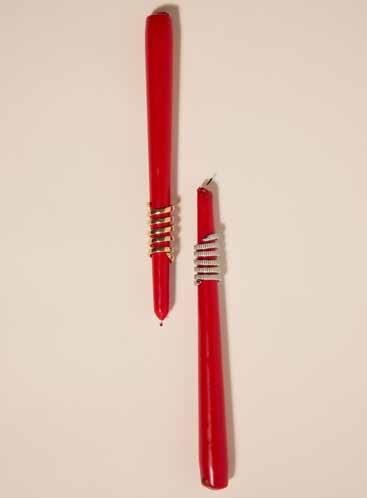
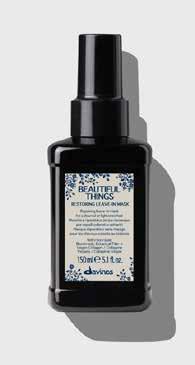
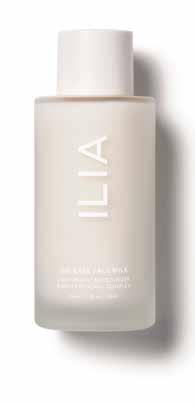
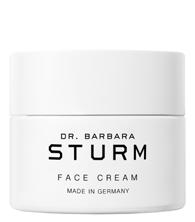
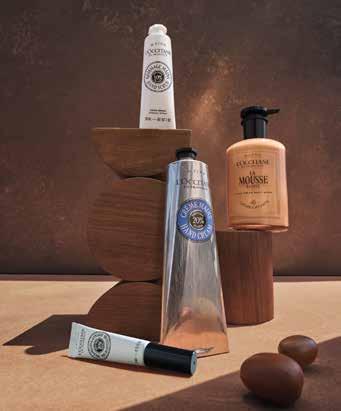
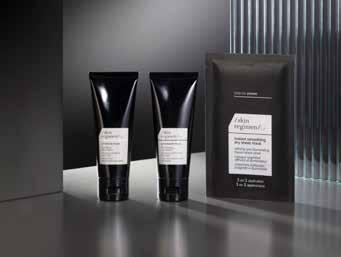
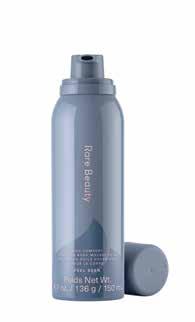
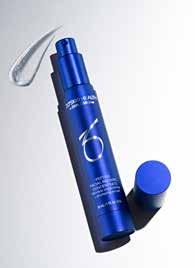
The cooler weather is still around, causing dryness and weakening protective barriers on the face, body, hands and hair. We continue our mission to fight the effects of winter, looking for hydration and protection – our selection this month might come in handy.

Inspired by a nickname once given to Carolina Herrera herself, La Bomba captures the energy that has defined the house for over four decades.
Energy, movement and self-expression sit at the heart of La Bomba, Carolina Herrera’s most important fragrance launch since 2016. Rather than looking to trends, the new scent builds on the house’s longstanding connection to confident femininity, translating attitude and emotion into a modern aroma story.
The name La Bomba is rooted in the brand’s own history. Legendary fashion editor Diana Vreeland famously used the nickname to describe Carolina Herrera herself, capturing her unforgettable presence and bold spirit. That idea now shapes the fragrance’s identity, reflecting a woman who expresses herself instinctively and moves through the world with ease and assurance. Since 1981, the brand has been defined by a balance of sophistication and daring, and La Bomba draws directly from that heritage.
The fragrance was created by master perfumers Christophe Raynaud, Quentin Bisch and Louise Turner as a high-impact fruity-floral composition. According to Raynaud, the aim was to capture the pulse of a living city and the thrill of the unexpected.
The scent opens with pitaya, also known as dragon fruit, which introduces a bright, juicy freshness. At its heart is a bold floral blend led by cherry peony, a rare variety with lush petals and a naturally heady aroma, reworked with rose tones. Frangipani adds a solar, citrus-tinged warmth, enhancing the fragrance’s expressive character. A vanilla base, extracted using a traditional tincture method, brings depth and longevity.
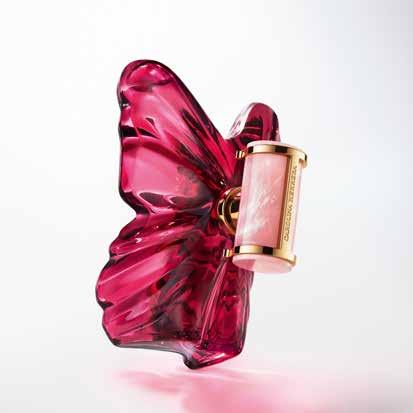
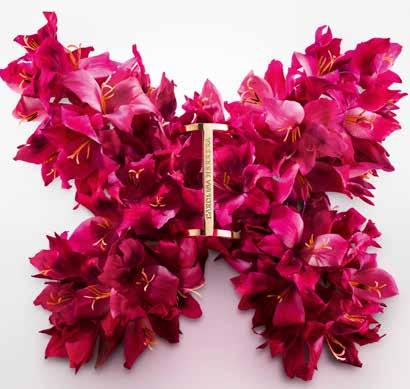
Visually, the perfume is presented in a sculptural butterfly bottle, symbolising transformation, freedom and attraction to light. Crafted in glass with vibrant pink and red tones, it is finished with a gold cap inspired by the house’s jewellery designs.


@carolinaherrera


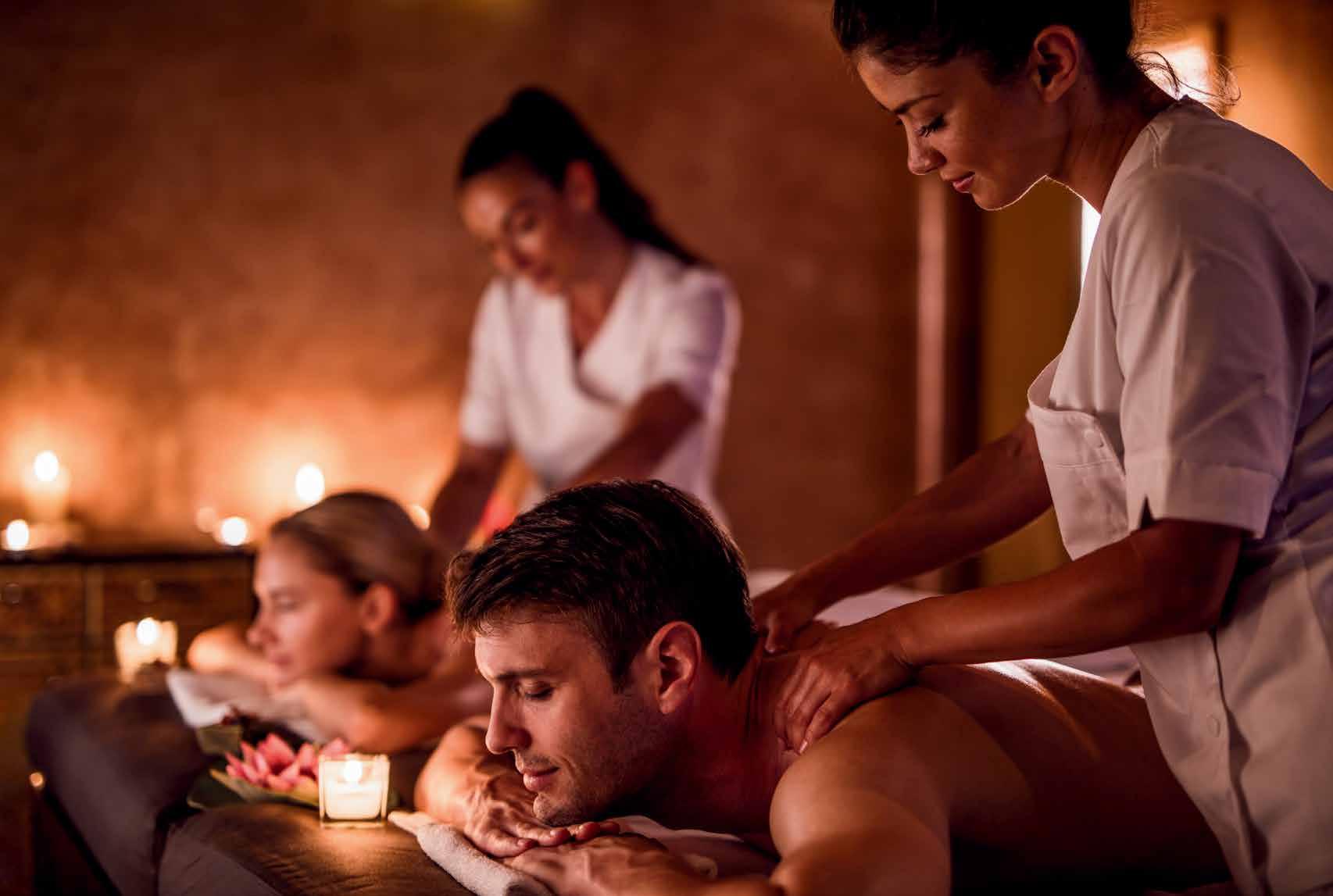
OUR SIGNATURE COUPLE EXPERIENCE
A 120-minute journey of care, renewal, and serenity. Because the most beautiful moments are the ones you share together.
INCLUSIONS:
60-minute full body massage of choice (Balinese or deep tissue)
20-minute full body exfoliation of choice (Cocoa or citrus)
40-minute private Jacuzzi access
Complimentary sparkling beverages and a seasonal fr uit platter



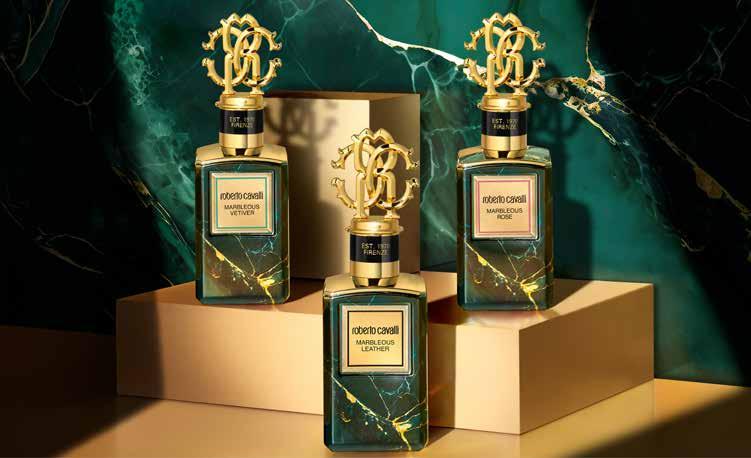
The Marbleous Collection marks Roberto Cavalli’s latest chapter in high-end perfumery, presenting three distinct fragrances.
Roberto Cavalli expands its high-end fragrance universe with the launch of the Marbleous Collection, a new trio of eau de parfums that builds on the house’s established Gold Collection. Conceived from the idea of transformation, the Marbleous line reflects a shift from the opulent animalier codes the brand is known for towards a refined interpretation of marble, a material long associated with strength, permanence and artistry.
Creative Director Fausto Puglisi succinctly describes the concept: “Marble is the new animalier.” This philosophy is reflected not only in the fragrances themselves, but also in their design. Each bottle references the Roberto Cavalli Marbleous fashion line, dressed in emerald green glass streaked with gold veining and finished with a gold label and heraldic cap that nods to the original Gold Collection. The capsule comprises three unisex fragrances, each exploring a distinct olfactive direction. Marbleous Leather is a woody, floral,
fruity composition built around Florentine leather. Opening with clementine, nectarine and blackberry, it moves into a heart of orris, magnolia, jasmine and incense, before settling into a rich base of leather, benzoin, patchouli, musk and tonka bean. Perfumer Gino Percontino cites the fashion heritage and the texture of fine Italian leather as his starting point.
Marbleous Rose offers an Oriental ambery interpretation of rose, opening with bergamot before revealing Rose de Mai and Damascus rose at its centre, anchored by cedarwood. Perfumer Laurent Le Guernec references Middle Eastern traditions of mixing botanicals into concentrated oils.
Completing the trio, Marbleous Vetiver is an Oriental woody spicy scent that balances freshness and depth. Ginger and bergamot introduce the fragrance, followed by smoky incense and a vetiver base. Perfumer Philippine Courtière used the Middle Eastern culture and Dubai’s blend of precision and lavishness as key influences.
@roberto_cavalli






Ali Bin Ali Beauty offers an innovative proposition to GCC beauty consumers, focussing on the true meaning of clean luxury beauty. For Ramadan, Brooke Bergé, Division Manager of Ali Bin Ali Beauty, gives her insights on how to care for your skin during the Holy Month.
OHLALA – Ali Bin Ali Beauty is bringing conscious luxury to the beauty scene in the GCC. Can you please explain this concept and how the company is innovating in the field?
Brooke Bergé – Ali Bin Ali Beauty was created to address the absence of true eco-luxury within the regional beauty landscape. While the GCC has long embraced luxury, there was an evident absence of platforms that combined rigorous science, ethical formulation and long-term skin health within a culturally relevant framework. Our vision is to introduce a more thoughtful approach to beauty, one rooted in integrity, education and discernment, without compromise or mitigating eco-luxury.
OHLALA – When we talk about science-led beauty and modern clean luxury, what exactly is behind these terms? Can you summarise today’s skincare context?
Brooke – The notion of clean luxury has evolved into a more thoughtful and responsible expression of beauty. In the context of today’s consumer, especially during a time defined by mindfulness such as Ramadan, it’s important to consider three elements: clinical efficacy, environmental responsibility and ethical accountability. Modern clean luxury is defined by balance. It is the intersection of clinical efficacy and ethical responsibility, where performance is achieved without compromising skin health, transparency or the environment. Especially during this period, clean luxury should feel reassuring, supporting the skin’s natural functions while aligning with the Holy Month’s values of restraint, care and accountability.
OHLALA – The Holy Month of Ramadan revolves around a period of fasting, with no food or water during daylight hours. How can this practice affect the health of the skin and what are the best tips to avoid skin issues during this period?
Brooke – Fasting is often celebrated for its detoxifying benefits, yet few acknowledge the subtle physiological shifts it induces beneath the skin. Reduced hydration, blood sugar fluctuations, caffeine withdrawal and changes in circulation might trigger micro-inflammation (a low-grade stress response that can manifest as tightness, redness, sensitivity and dullness). This inflammation can be cumulative and often misdiagnosed as dehydration or fatigue. The skin’s barrier becomes more reactive, its tolerance lower and its recovery slower. During Ramadan, skincare should act as a buffer: calming, insulating and reparative. Anti-inflammatory botanicals, biomimetic lipids and soothing peptides help neutralise this invisible stress while reinforcing the skin’s natural defences. Rather than pushing the skin to perform, Ramadan is a time to allow it to breathe, restoring equilibrium through formulas that comfort rather than stimulate.
OHLALA – Beauty routines vary according to the season, changes in personal habits and, in this case, fasting and lack of hydration. Can you highlight some beauty routines to look for during Ramadan?
Brooke – Skincare routines during this time, mainly for those embracing the spiritual month’s rituals, should preserve balance, resilience and radiance. Ramadan calls for a shift from correction to care. Beauty routines during this time should focus on supporting the skin rather than stimulating it, strengthening the barrier, maintaining hydration and allowing natural repair processes to unfold. Focus on simplifying routines and choose regenerative, calming formulas that allow the skin to restore its equilibrium, reflecting the wider spirit of renewal that defines the Holy Month.


OHLALA – It is also a period when people become more active at night, disrupting sleep schedules. How does this shift influence the skin and how should skincare adapt to support it?
Brooke – The circadian rhythm is a natural cycle of physical, mental and behavioural changes that the body goes through over a 24-hour period. It is mostly affected by light and darkness and is controlled by a small area in the middle of the brain. Disruption in the circadian rhythm directly affects the circadian skin rhythm, which plays a key role in cellular repair. During Ramadan, the evenings stretch longer, sleep patterns soften and the body adapts to a rhythm dictated by intention rather than habit. The skin, however, still follows its own internal clock, one that governs cellular repair, collagen synthesis and barrier regeneration. Scientific research confirms that skin repair peaks at night, when melatonin levels rise and cortisol drops. With a disruption in the bedtime routine, these repair windows often shift to later, coinciding with Suhour, night prayers and altered rest cycles. However, the result is not tired skin but irregularities in the complexion, such as uneven texture, that require recalibration rather than correction. The solution to avoid such issues lies in night-intelligent skincare: formulations designed to work with the skin’s circadian rhythm rather than against it. Lipid-rich serums, peptide complexes and slowrelease actives support repair during unconventional hours, allowing the skin to restore itself even when sleep is fragmented.
OHLALA – Dehydration is a significant concern during this period. Can you clarify the concept of hydrated skin and explain how to achieve a healthy complexion?
Brooke – “Drink more water” is the most repeated beauty advice during Ramadan, but the skin-hydration paradox suggests that hydration needs a more considered approach. While hydration from within is essential, it does little to address trans-epidermal water loss, which accelerates during fasting due to reduced lipid production. True hydration is structural. It depends on the integrity of the skin barrier, which is supported by intercellular lipids that lock moisture in and protect against evaporation. Without these, even well-hydrated bodies can experience dehydrated skin. Luxury skincare reframes hydration as architecture rather than moisture. Intelligent humectants draw water into the skin, while ceramides, cholesterol and fatty acids seal it in. The result is not surface plumpness, but lasting resilience. During Ramadan, hydration becomes an act of design, creating a skin environment that retains moisture long after the last sip at Suhour.
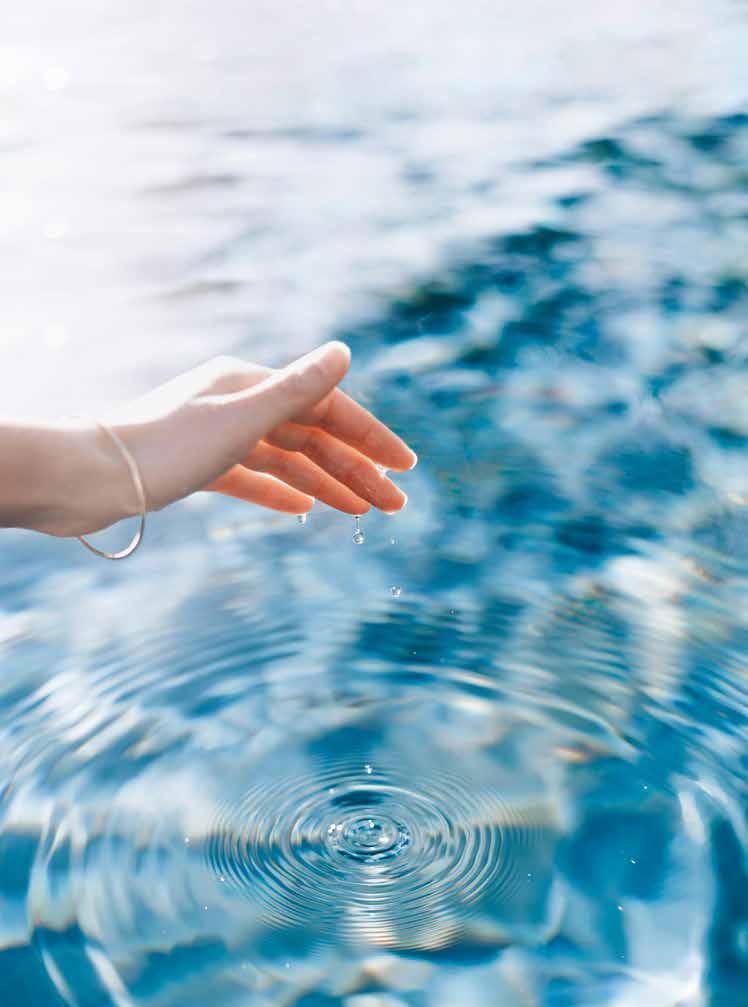
Dry, dull or unpredictable skin this Ramadan? Bushra Hakim digs into what’s really going on beneath the surface and how to fix it.
This Ramadan, host your celebrations in an ambiance where refined elegance meets exceptional hospitality.
Thoughtfully transformed for the holy month, Al Rifaa Ballroom offers a sophisticated setting, warm service, and a distinguished atmosphere perfect for private occasions and corporate events.
Make this Ramadan a celebration to remember. Book your event today!
Scan to Book Bespoke catering services available.
To make a booking or for more information +973 32300704 | convention.icbahrain@ihg.com
* Terms and conditions apply.
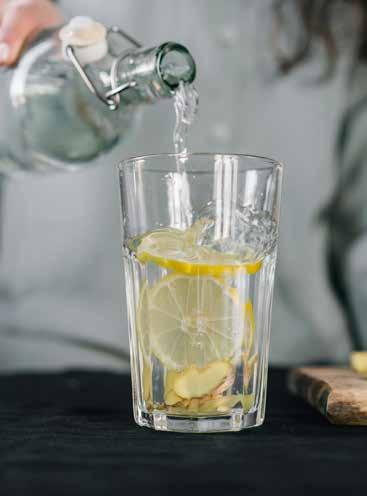
Ramadan is a time of reflection, reset and routine changes, but while the focus is often on nourishing the body from within, the skin can sometimes be left playing catch-up. Long hours without water, altered meal timings and reduced sleep all have a visible impact on the complexion, often showing up as dullness, tightness or unexpected breakouts. During the Holy Month, the skin quietly works harder to maintain balance as the body adapts to a very different rhythm, making hydration more important than ever. To understand what skin hydration really means and how to better support it, we spoke to Dr Emil Engibarian, Medical Director at LIVA Skin and Sculpt Clinic.
From a clinical perspective, skin hydration refers to the amount of water held within the skin. “Well-hydrated skin is healthier, stronger and more resilient,” explains Dr Emil. “It’s better able to protect itself from daily stressors such as sun exposure, pollution and weather changes.” Adequate hydration supports essential skin functions, including barrier repair, elasticity and overall balance, helping it look smoother and more even over time.
When hydration levels drop, the effects go beyond surface dryness. Dr Emil notes that dehydrated skin becomes more fragile and reactive, making it prone to irritation and premature ageing. “When the skin lacks water, it shows signs of ageing earlier, such as fine lines and dullness,” he says. During Ramadan, limited water intake combined with altered sleep patterns can make these changes more pronounced, leaving the complexion looking tired and less radiant.





One of the most common skincare misconceptions Dr Emil encounters is the belief that hydration and moisturisation are the same thing. “Hydration means adding water to the skin, while moisturisation means locking that water in,” he explains. Understanding this difference is essential, particularly for those who feel their skin remains tight or lacklustre despite using rich creams. Many people rely on heavy moisturisers or oils, assuming they are hydrating their skin, when in reality these products mainly act as sealants. A product may feel moisturising, but if it doesn’t contain hydrating ingredients, it isn’t addressing dehydration. This is especially relevant during Ramadan, when skin may appear oily yet feel tight or fatigued – a classic sign of dehydration rather than dryness.
When it comes to ingredients, not all skincare products deliver true hydration. Dr Emil highlights ingredients such as hyaluronic acid, glycerin, panthenol and urea as clinically proven hydrators. “These ingredients work by drawing moisture into the skin and helping it stay there,” he explains, making them particularly effective for skin that feels tight, looks dull or appears imbalanced. On the other hand, facial oils and heavier creams are often misunderstood. While they play an important role in strengthening the skin barrier and reducing moisture loss, they do not add water on their own. “They are excellent for sealing the skin and making it feel softer, but they work best when applied after a hydrating product,” he notes, emphasising the importance of layering skincare correctly.
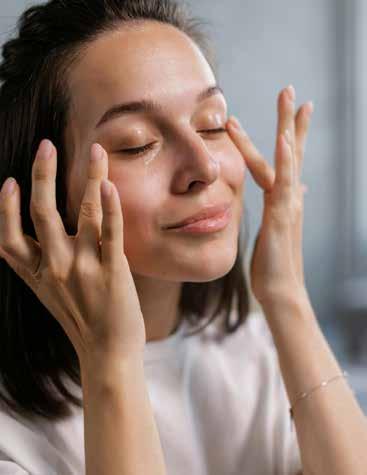
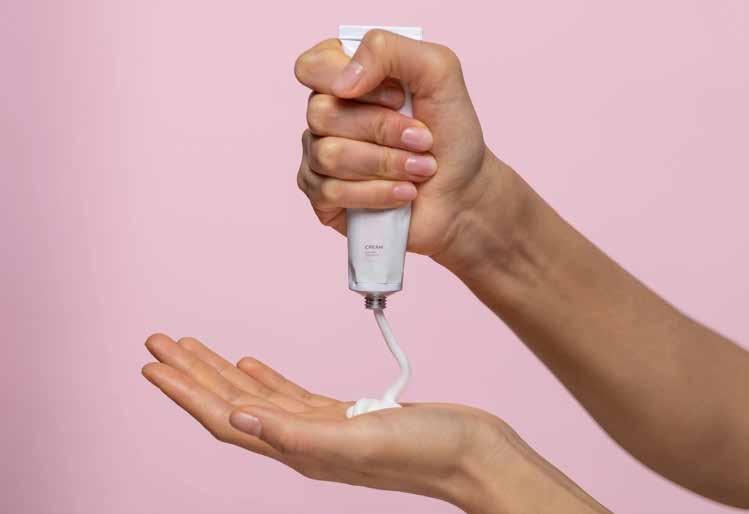




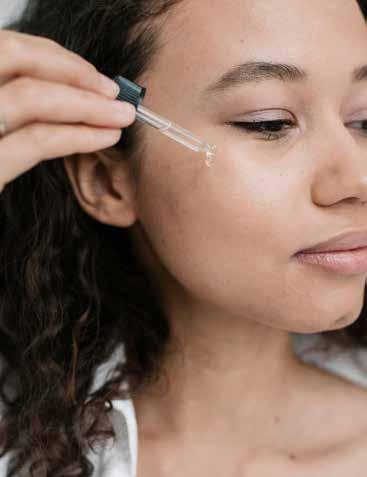

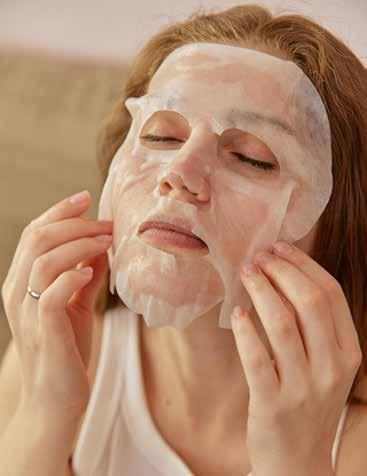
According to Dr Emil, a hydration-focused routine doesn’t need to be complicated. It should begin with a gentle cleanser that cleans without stripping the skin, helping preserve its natural barrier. A hydrating serum should follow, ideally applied while the skin is still slightly damp to maximise water absorption.
The moisturiser should then be chosen based on skin type. Oily or acneprone skin benefits from lightweight textures, while dry skin needs richer formulas. Environmental factors also play a role. Heat, air conditioning and sun exposure all increase water loss from the skin, which is why hydrationfocussed products and daily sunscreen are essential particularly when fasting.
For those seeking professional help for more intensive results, in-clinic treatments can deliver deeper, longer-lasting hydration. Dr Emil points to skin-boosting injectable treatments, hydrating mesotherapy and advanced medical-grade facials as effective options. “These treatments improve the skin’s ability to retain moisture from within, rather than simply hydrating the surface,” he explains.
Such treatments are particularly suitable for individuals with chronically dehydrated skin, dull or fatigued complexions, early signs of ageing or skin affected by environmental stressors such as pollution or prolonged sun exposure. When carefully selected and customised, they not only improve hydration levels but also enhance skin texture, elasticity and overall radiance over time. Connect with LIVA Skin and Sculpt Clinic @liva.skin.sculpt and Dr Emil Engibarian @dremilengibarian

What happens when you hand over an entire day to one spa? Bushra Hakim finds out at The Gulf Spa & Salon.
It’s genuinely relieving to have one place that does it all. No booking juggling, no hopping between locations, no half-finished feeling of relaxation because you’ve still got one more appointment to rush to. Walking into The Gulf Spa & Salon at The Gulf Hotel Bahrain Convention & Spa, it felt like one of those rare places where everything you need is already there. You simply arrive, hand over control and go with the flow.
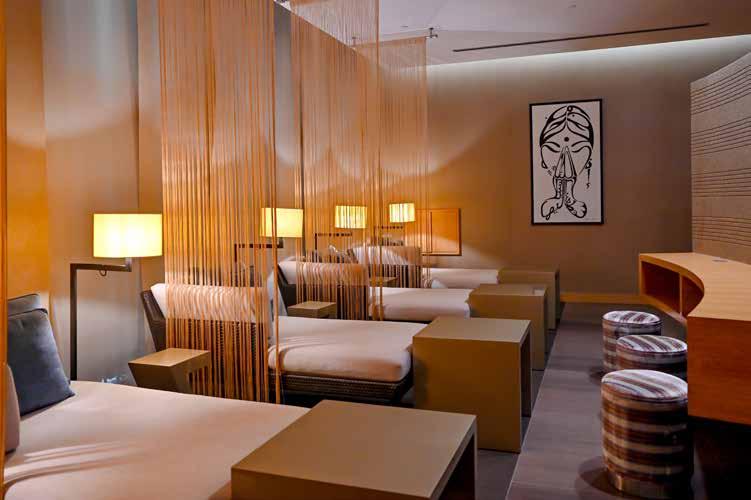
Making my way through the hotel’s labyrinthine lobby, I eventually reached the spa entrance, where male and female areas are thoughtfully separated across different floors. I headed downstairs to the female spa lobby, where I was welcomed by Ashvita, the Spa Manager. She walked me through the facilities, and it quickly became clear that what looks modest at first glance opens into a much larger, well-laid-out space. Beyond reception lies a network of locker rooms complete with spacious changing areas and shower facilities. Everything is positioned intuitively, making it easy to settle in without feeling overwhelmed. I changed into the soft, fluffy robe waiting in my locker and headed straight to the thermal area to ease into the experience before my scheduled treatments.
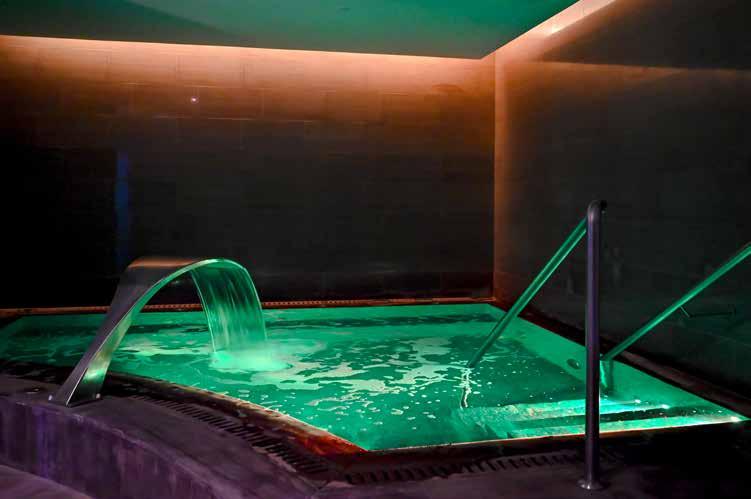
The thermal area is impressive in both scale and design. There’s a large steam room, a sauna, hot and cold plunge pools and an ice fountain, all arranged to allow you to move through them at your own pace. Given the drop in temperature outside, the hot plunge pool was particularly inviting, offering immediate comfort and warmth. I did attempt the cold plunge, albeit briefly, managing no more than a knee-deep dip before retreating. The steam room is significantly larger than most, and what really sets it
apart are the buttons outside that allow you to choose the essential oils infused into the steam. It’s an intelligent detail that elevates the experience beyond the usual. Knowing I had a Hammam ritual coming up, I kept my time there short. The rainforest shower was easily one of the most memorable elements of the thermal area. With the press of a button, water cascades from different shower heads, mimicking natural rainfall, while overhead speakers play sounds of the tropics. It’s immersive without feeling overdone and incredibly invigorating.
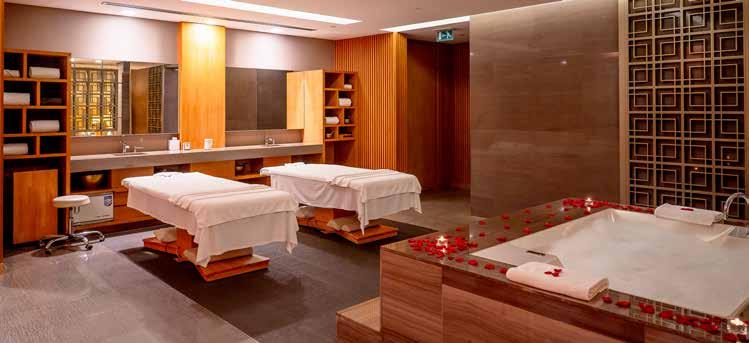
My therapist, Wanida, arrived right on cue and escorted me to the Hammam via a private elevator, a thoughtful touch for anyone who values privacy. The room itself was warm and steamy, softly lit with subtle coloured lighting. A wet treatment bed sat at the centre, layered with traditional fouta towels, with the space encouraging stillness.
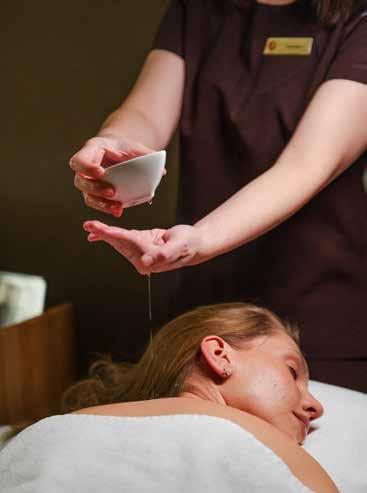
I was there for The Moroccan Experience, a traditional ritual followed by an hour-long relaxing massage. The treatment began with a rinse of warm water, followed by the application of black soap made from olive oil and enriched with eucalyptus. Wanida massaged it thoroughly into my skin, the scent cutting through the steam and instantly opening the senses. The soap was then left to sit, allowing the steam to soften the skin and prepare it for exfoliation.
Meanwhile, Wanida gently exfoliated my face using a fine facial scrub, lifting away dullness without irritating the skin. Once enough time had passed, she rinsed off the black soap and began exfoliating my body using a traditional qessa glove. Layers of dead skin came away with each stroke, equal parts fascinating and slightly alarming, but undeniably effective.
After another thorough rinse, a ghassoul clay mask enriched with geranium oil was applied across my body. The scent was soft and floral, subtle rather than overpowering. The mask was left briefly to dry before a final rinse completed the ritual. My skin felt noticeably smoother, lighter and refreshed, the kind of result you can feel without needing a mirror.
From there, the experience shifted seamlessly into relaxation. I was introduced to Krittika, my massage therapist, who began by asking about any injuries, problem areas or surgeries. She tested circulation through gentle pressure before starting, a small but reassuring step that showed care and attentiveness.
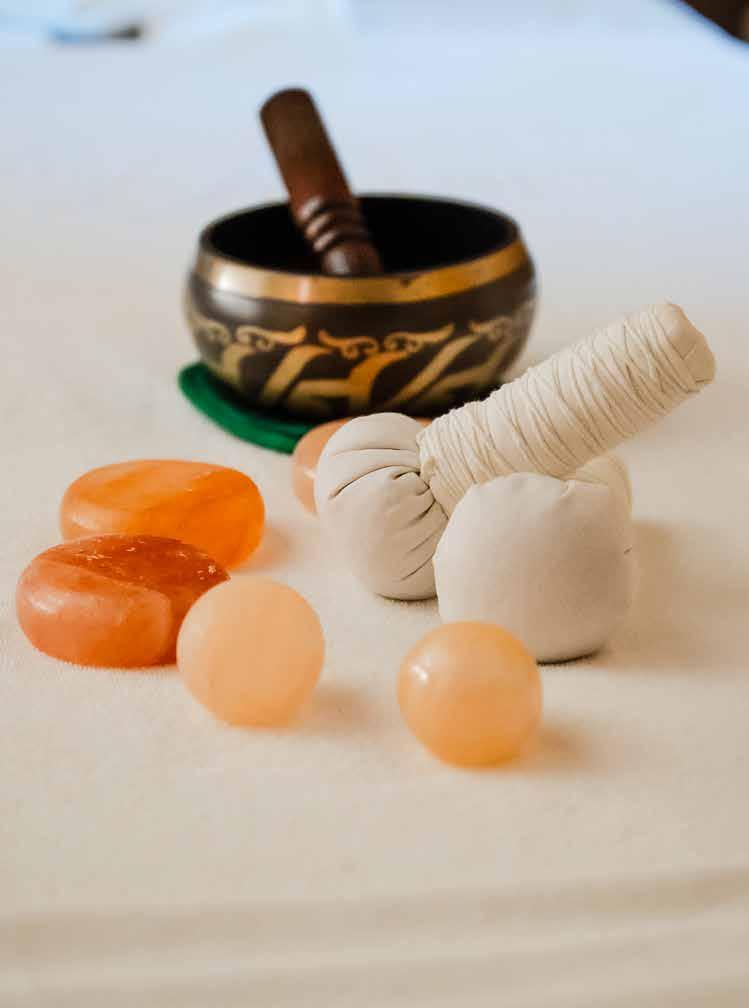
The session opened with a lavender mist and the sound of a singing bowl, a grounding ritual that helped shut out everything beyond the room.
The massage itself combined acupressure and long, flowing strokes, with particular focus on the back and shoulders. Having worked out the night before, my muscles were still tight, and Krittika’s firm but controlled pressure worked through the tension without ever feeling uncomfortable.
Lavender oil was used throughout, its fragrance soft and calming rather than overpowering. She incorporated gentle stretches, especially around the neck and head, which helped release that lingering stiffness you don’t always realise you’re carrying. By the time the massage ended, I felt properly decompressed, both physically and mentally.
The massage concluded with another spritz of lavender spray and the sound of the singing bowl. I was then guided to the relaxation room, where warm chamomile tea and biscuits awaited. That pause made a difference, allowing my body to recalibrate before moving on. Once ready, I changed and headed to the salon for the final part of the day.
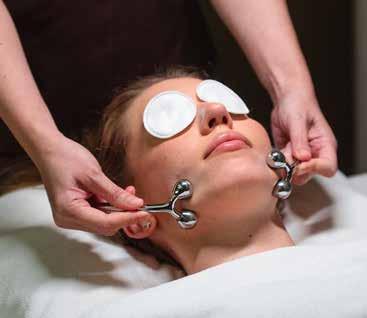
The salon is an entirely different environment from the spa. Bright, airy and filled with natural light, it feels purposeful and energising. Mirrors line the space, and different treatment areas are clearly defined without feeling clinical. I was there to try the Schwarzkopf Fibre Clinix, a hair treatment designed to repair damage caused by pollution, hard water and environmental stress. Natasha, the hair expert, assessed my locks and recommended a hydrationfocussed therapy. She explained that Fibre Clinix works by strengthening the hair fibre while restoring moisture and manageability. The treatment began with a wash using the Purifying Shampoo to remove build-up, followed by a second cleanse with the Nourishing Shampoo.
A treatment mask customised with a hydration booster was then applied and brushed through with a wide-toothed comb to ensure even distribution. A climazone was placed over my head to help the hair absorb the treatment deep into its fibres. After rinsing, the Instant Infusion Concentrate was massaged into my tresses for about 30 seconds, then rinsed off, leaving me ready for styling. Kaoutar took over for the blow-dry and after understanding how quickly my straight hair tends to fall flat, she focused on creating volume and movement that would actually last. The result was soft, bouncy hair with the effects of the treatment visible immediately. Natasha mentioned it would take three to four sittings to reach its full potential, but the difference was already noticeable after just one session.
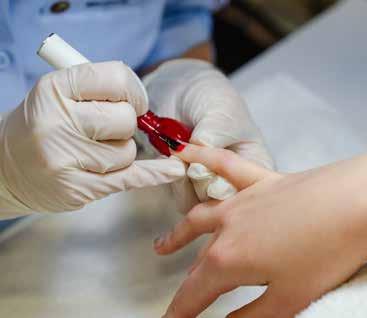
My visit concluded with a manicure by Jirarat. She neatly shaped my nails, tidied my cuticles, exfoliated my hands and removed the scrub with warm towels. A relaxing hand massage and careful polish application completed my day of pampering.
What made The Gulf Spa & Salon stand out wasn’t just the range of treatments, but how effortlessly they flowed together. From the Moroccan bath and massage to the salon, everything felt cohesive and unhurried. Perfect for a day of quiet restoration.
For more information or to make a booking, please call The Gulf Spa & Salon at The Gulf Hotel Bahrain Convention & Spa on 1774 6289. @gulfspasalon @thegufhotelbh
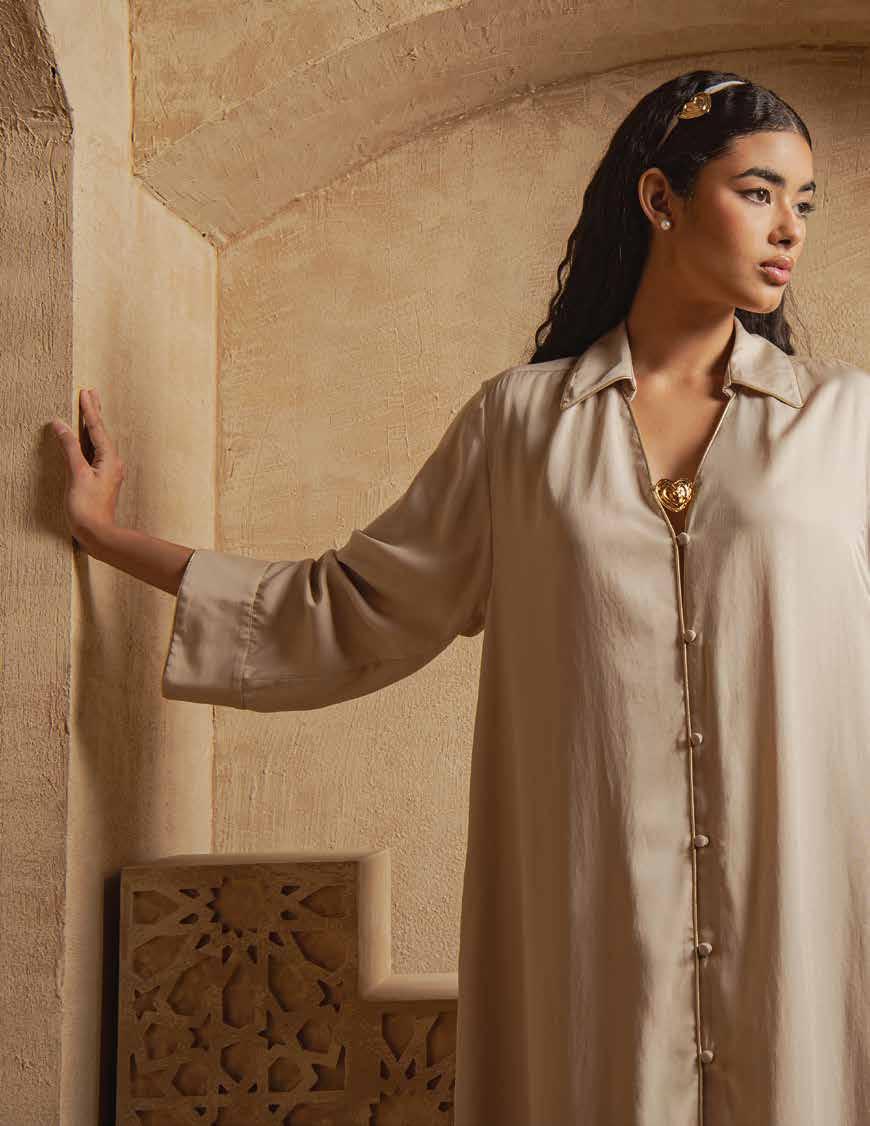
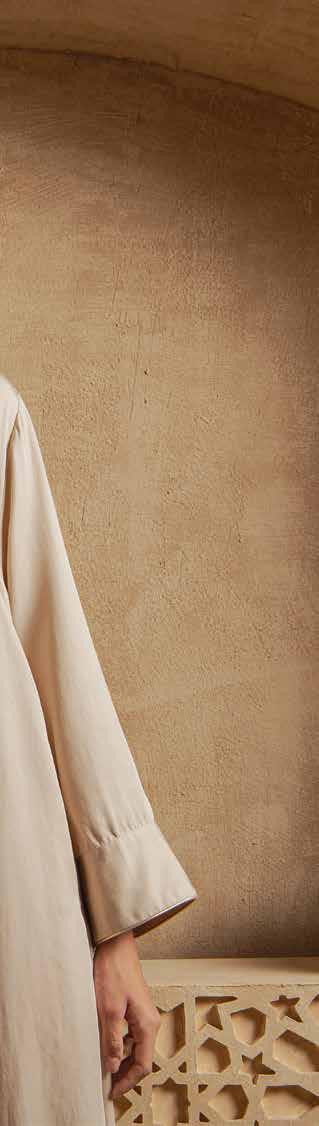
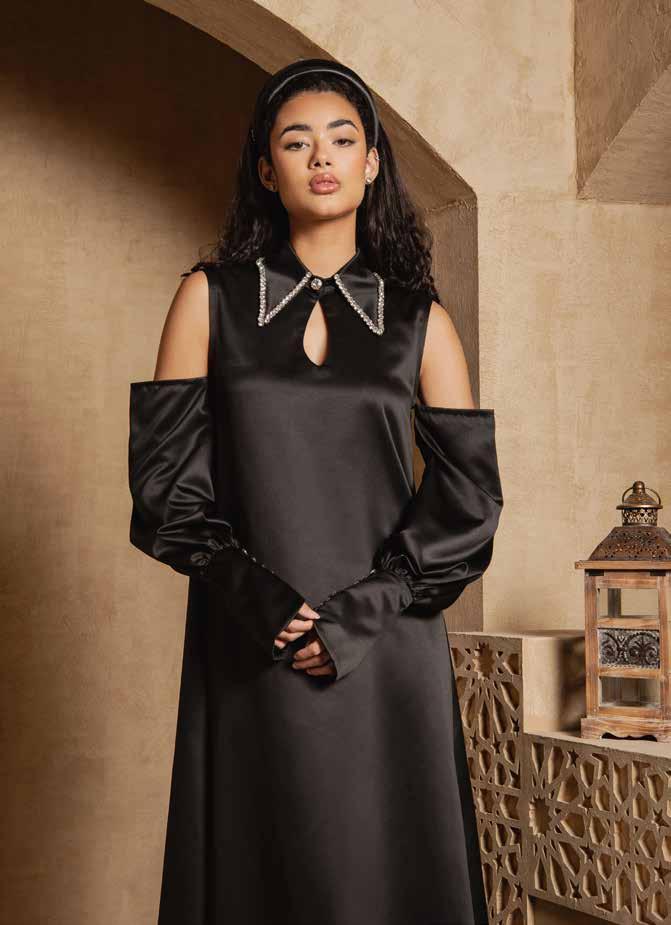
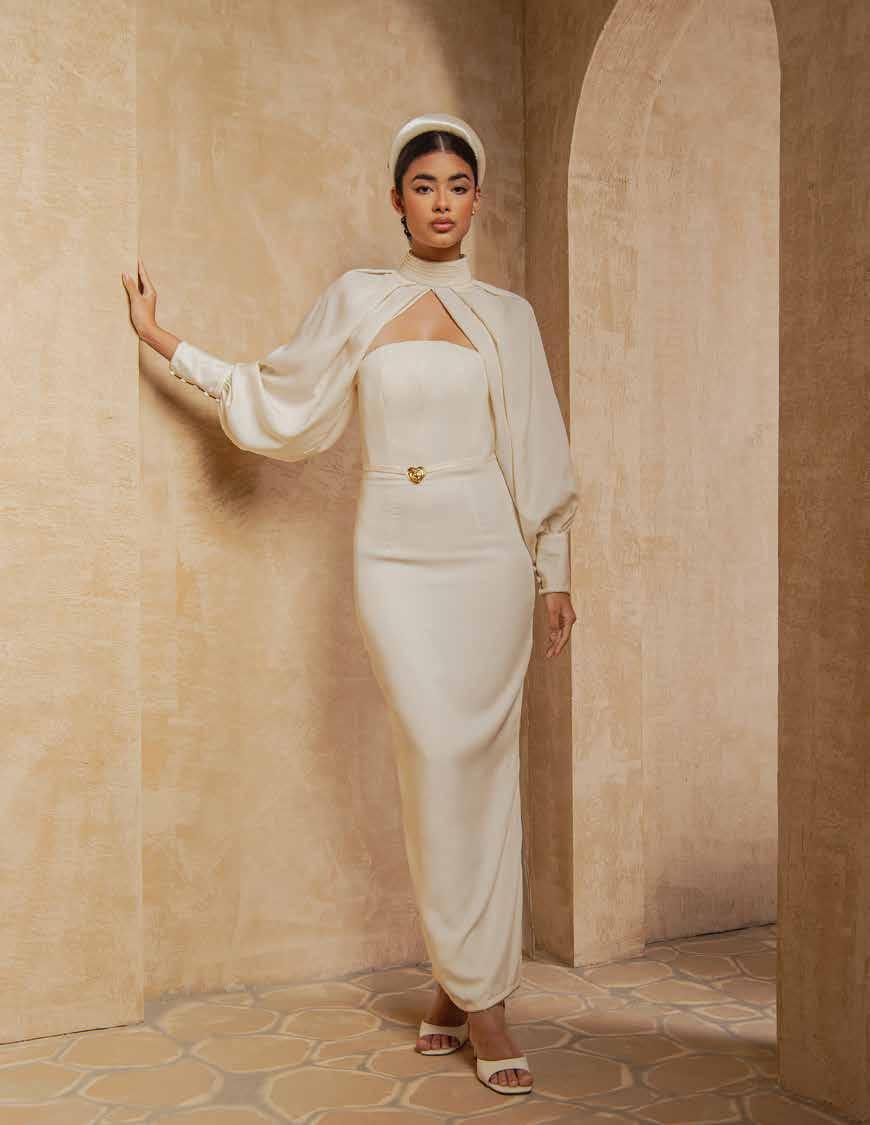
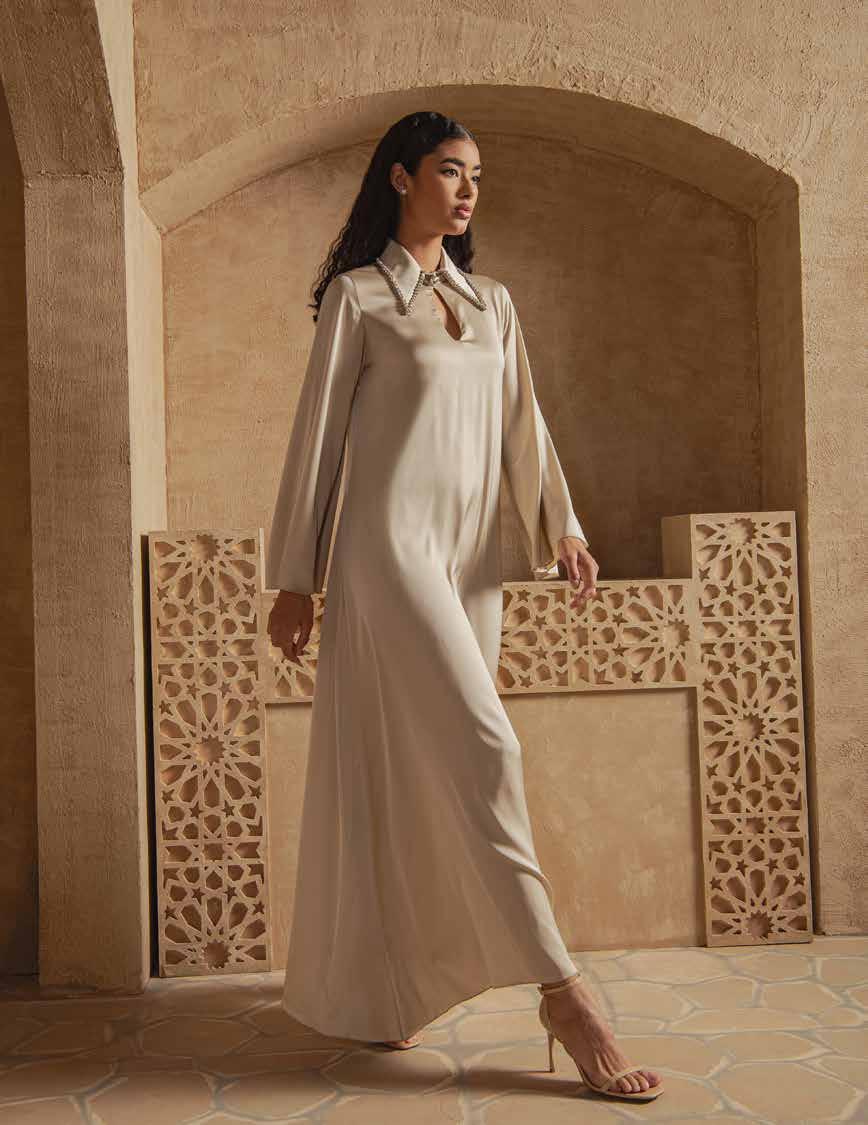
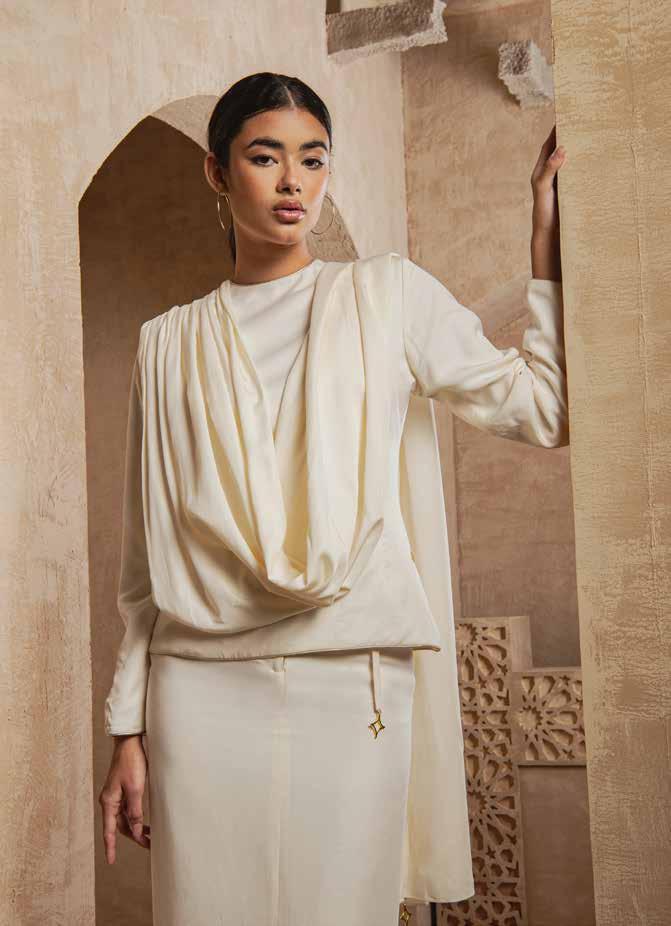
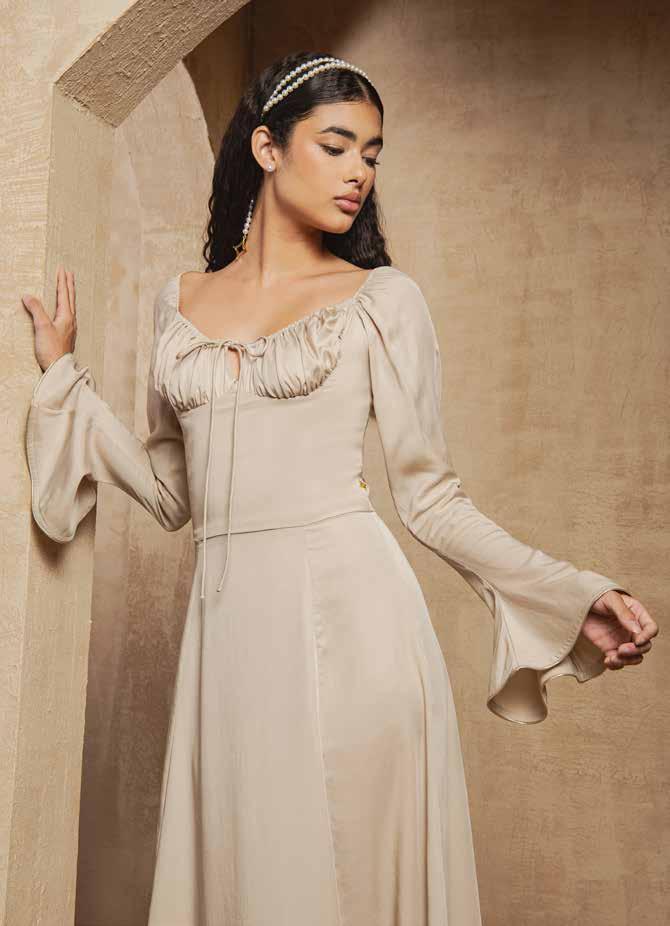
This month, we showcase ONORI’s Ramadan collection that truly embodies the season’s spirit of reflection.
The Dubai-based brand, ONORI, creates timeless ready-to-wear collections designed with intention and crafted with care, merging vintage inspiration with modern tailoring. Its founder and creative director, Sharifa Alsharif AlHashemi, keeps the brand rooted in elegance, driven by quality, offering statement pieces for those seeking outfits with an extra pizzazz.
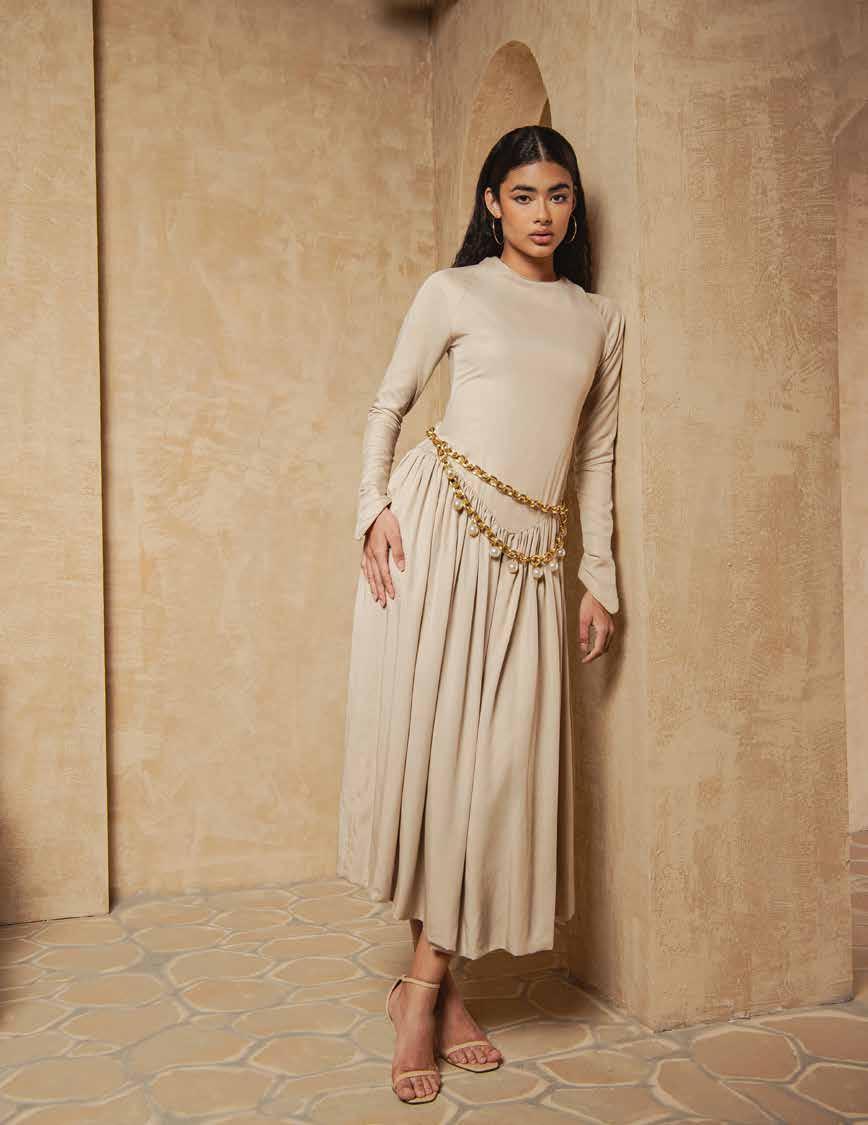
The Ramadan Capsule Collection elevates the expression of quiet luxury, designed to embrace the spirit, sophistication and emotional warmth of the Holy Month.
A serene palette of soft, neutral tones such as cream, sand and muted ivory echoes the sense of calm, sought-after during this time of the year, allowing each silhouette to speak through texture, movement and form. Staying true to ONORI’s DNA, the collection reimagines the brand’s signature fluidity and feminine structure through a more modest lens. Longer hemlines, relaxed draping and softly extended sleeves create graceful silhouettes that honour both tradition and contemporary style without compromising the house’s inherently modern aesthetic. Each piece has been designed to seamlessly transition through Ramadan moments, from Iftars and Suhours to Eid celebrations. Flowing floor-length dresses and kaftan-inspired shapes introduce ease and volatility, while tailored elements maintain the refined precision that defines ONORI. Subtle accents like refined collars, soft structure and whisper-light movement add depth while keeping the overall mood understated.
@onorithelabel
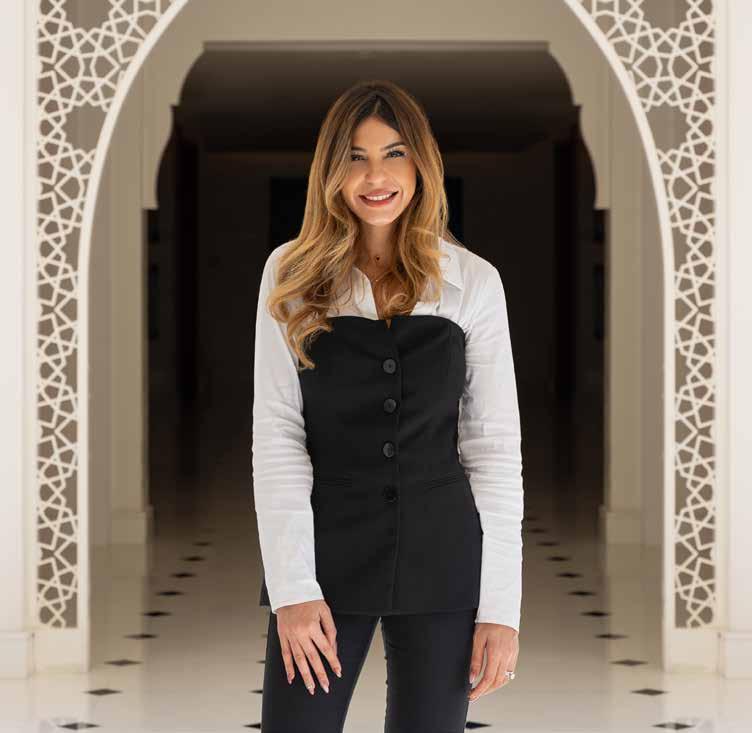
This month, OHLALA chatted with Maryam Jahrami, Cluster Director of Marketing at Royal Saray Resort and Sevens Holding, for an insight into the business of making people feel welcome.
“The most successful marketers are those who listen closely, stay curious and build stories rooted in insight rather than hype.”
– Maryam Jahrami
OHLALA – Marketing seems to be a passion of yours. Have you always wanted to work in this field? Why and what attracted you to this area?
Maryam Jahrami – Marketing wasn’t something I set out to pursue intentionally, but it quickly became the space where strategy, creativity and cultural storytelling came together for me. My early exposure to global luxury brands during my time with LVMH in New York shaped my understanding of how powerful storytelling can be when grounded in authenticity and purpose. What ultimately drew me to the field is its ability to shape perception and build meaningful connections. Marketing, when done well, goes beyond campaigns and visuals – it becomes a bridge between people, places and experiences. In tourism, the challenge is not just to attract visitors, but to tell a story that reflects the soul of a destination. I see marketing not simply as a profession, but as a responsibility. Contributing to Bahrain’s journey on the global stage – shaping how it is seen, felt and understood – is what keeps me deeply connected to this field and passionate about the work I do.
OHLALA – You’ve worked in different types of businesses and are now mainly working in hospitality-driven ventures. What do you like most about it? What does hospitality offer that no other areas do?
Maryam – At its heart, hospitality is the business of making people feel welcome. I find myself drawn to hospitality because it allows me to turn identity, generosity and pride into a profession. As a Bahraini, investing in tourism is not just about attracting visitors – it’s about inviting the world into Bahrain, on Bahrain’s terms. Our hospitality mirrors deeply rooted cultural values of generosity and togetherness through making guests feel at home on our little island.
OHLALA – Can you tell us more about the Sevens Holding Group? What businesses are under it and what’s the group’s vision?
Maryam – Sevens Holding is a leading investment group in the GCC, specialising in luxury hospitality and premium real estate. Led by H.E. Shaikh Khalifa bin Rashid Al Khalifa, Chairman and CEO, the group seamlessly blends local heritage with international standards, playing a pivotal role in elevating Bahrain and the region’s tourism and lifestyle landscape. Its portfolio includes flagship destinations such as Royal Saray Resort, OPA, Scalini, Black Tap, The Royal Spa by Clarins, AlMassarah Pool Club, Mood Rooftop and STAGE, alongside landmark developments like City Walk Riffa and the forthcoming Elite Waves project. A pipeline of exclusive hospitality concepts and iconic lifestyle destinations further underscores Sevens Holding’s commitment to refined growth and enduring value.
OHLALA – Royal Saray Resort is one of the enterprises under Sevens Holding. What makes this resort stand out? What does it offer that makes it a place to stay and dine?
Maryam – The Royal Saray Resort is without a doubt the most luxurious and exclusive destination in Bahrain. With a prime beachfront location that is easily accessible, luxury accommodation offering a range of amenities, featuring the largest resort rooms in the country and a social and lifestyle
hub with world-class culinary and recreational experiences, the resort offers a blend of local warmth with global standards of elegance.
OHLALA – When it comes to dining and experiences, can you tell us more about the new venue, Royal Marrakech, opening soon?
Maryam – Royal Marrakech is an opulent, Moroccan-inspired upscale dining and lounge experience set in the Royal Saray Resort. Boasting contemporary Moroccan cuisine that highlights cultural roots while also blending a fusion of flavours to bring the souk to your palate. The space is designed to embody a sensory-driven ambience with rich textures, exotic flavours and traditional yet modern entertainment, inviting guests to experience tales from the heart of Morocco.
OHLALA – Royal Saray Resort has an exclusive membership plan. Can you tell us more about it? What are the benefits?
Maryam – The Royal Saray Membership is a distinguished private members’ club designed to unlock a year-round lifestyle of refined luxury and exclusivity. Members and their families enjoy privileged access to the resort’s seven-star amenities, including a private beach, Bahrain’s iconic Al Hadiqa infinity pool, family-friendly pools at AlMassarah, The Royal Spa by Clarins, The Royal Gym and 10 world-class dining destinations. Membership also grants priority access to exclusive events, curated experiences and preferred privileges extended to members and their families. Complemented by a calendar of bespoke community gatherings, Royal Saray Resort is elevated beyond a destination – becoming a refined sanctuary for leisure, connection and sophisticated social living.
OHLALA– If you could give one piece of advice to someone who wants to succeed in the marketing field, what would it be?
Maryam – I would say: learn to understand people before platforms. Tools, algorithms and trends will constantly change, but human behaviour, emotion and motivation are what truly drive great marketing. The most successful marketers are those who listen closely, stay curious and build stories rooted in insight rather than hype. When you focus on genuinely understanding your audience and delivering value with authenticity, the strategy and results naturally follow. And most importantly, never say no to any opportunities life presents to you.
OHLALA– As a Bahraini, what do you like most about your country?
Maryam – What I love most about Bahrain is its sense of warmth and authenticity. Despite being a small country, it carries a rich history, a deeprooted culture and an openness that makes people feel genuinely welcome. There’s an ease in how tradition and modernity coexist here – from our heritage sites and family values to our progressive outlook and creative energy. For me, it’s the people above all else: their generosity, resilience and pride in where they come from. That human connection is what gives the Kingdom its soul and makes it truly special.
@royalsaray
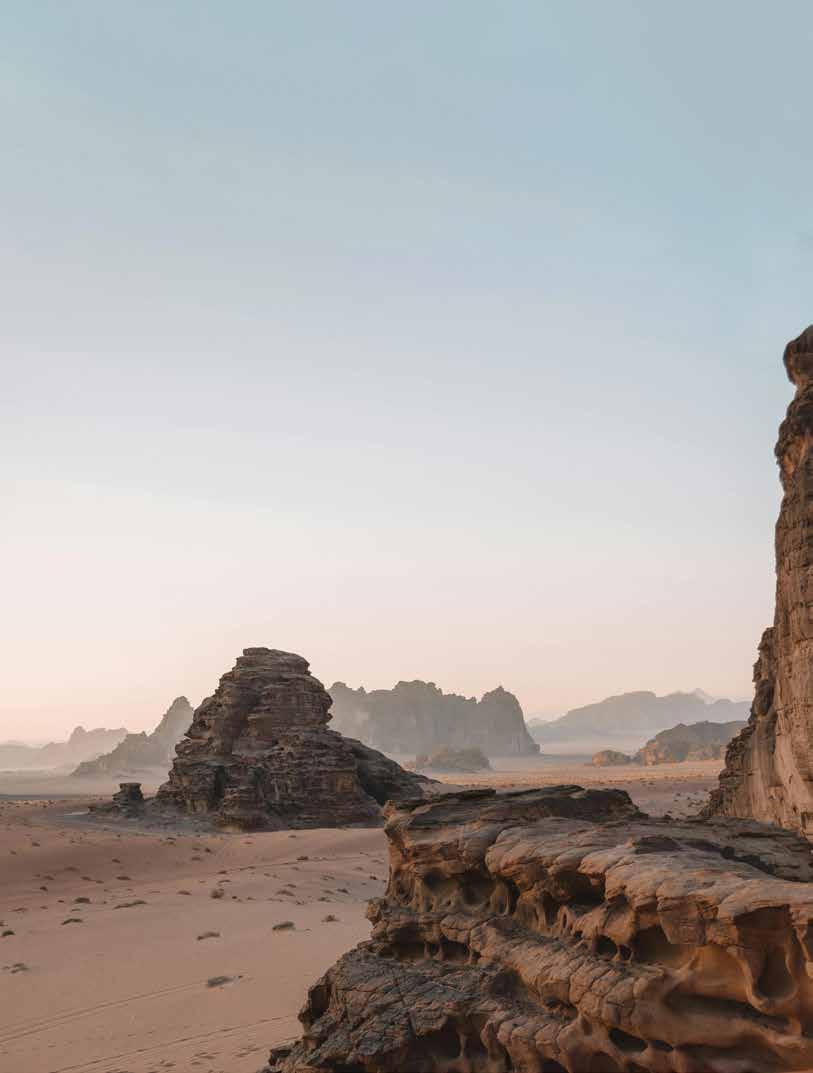
You don’t have to travel that far for incredible views, stunning landscapes, historical sites and a good dose of relaxation. We selected a few destinations nearby offering desert, mountain and beach spots that will transform your few days off into unforgettable travelling memories.
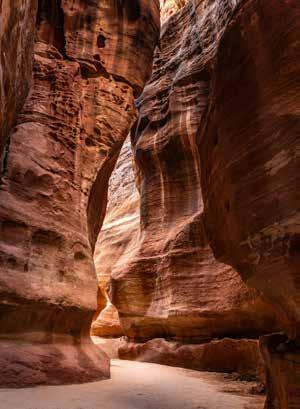
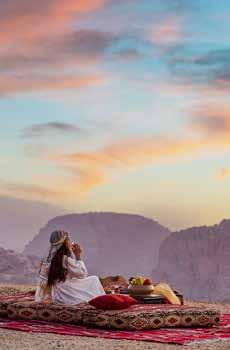
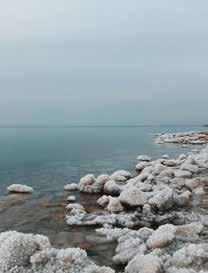
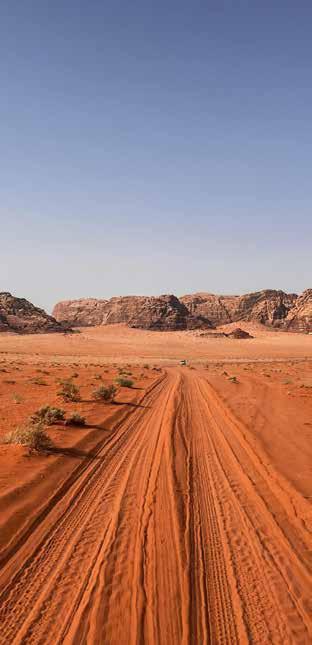
The country blends ancient history and vibrant nature, with must-see places like the lost city of Petra, Wadi Rum for Jeep safaris, camel rides, luxury domes, traditional Bedouin camps, and the Dead Sea for floating in very salty waters. For geological enthusiasts, Dana Biosphere Reserve has an impressive selection of limestone, sandstone and granite formations.
If you are into hiking, the Jordan Trail is a 675km long-distance route running from Umm Qais in the north to Aqaba on the Red Sea. It passes through diverse landscapes, ancient history and local culture, connecting iconic sites like Petra, Wadi Rum and the Dead Sea. It is divided into eight sections and it takes about 40 days to complete.
The best time to visit is spring and autumn, when the days are pleasantly warm and the nights are cool. Light clothing, hats, sunglasses and sunscreen are must-pack items. A shawl could be a handy accessory, and comfy, sturdy shoes are a must for walking on uneven terrain.
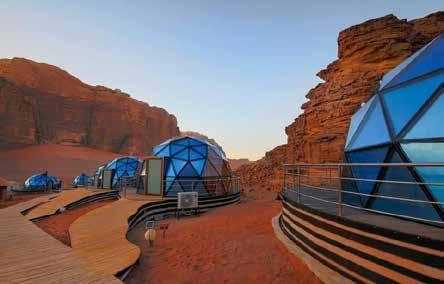
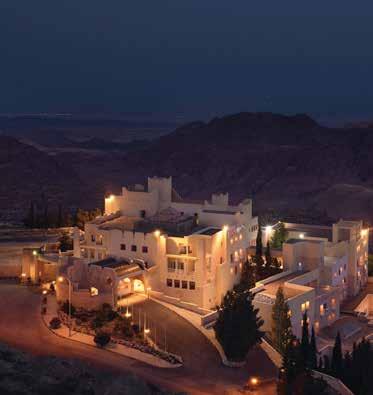
Memories Aicha Luxury Camp. In the heart of Jordan’s Wadi Rum Desert, this hotel is a great Eid eco-escape offering a Marslike experience. The domes have a transparent roof, allowing you to watch the stars from your bed. During the day, you can take in all the beauty of a true Arabian desert surrounded by mountains. Grand Mercure Petra. The elevated fortress-style hotel sits in the hills of the Rift Valley, a 10-minute drive from the historic site of Petra. It combines stunning views with modern amenities, such as a heated indoor pool. There are 90 renovated hotel rooms and suites with balconies and terraces to enjoy the vistas of this striking place.
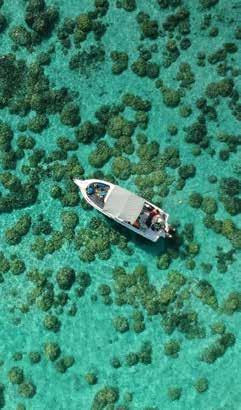

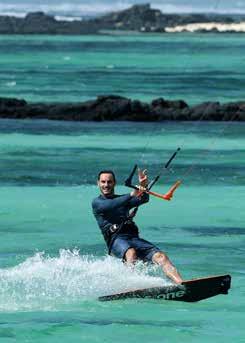
Famous for its volcanic landscape, this country offers idyllic beaches such as Flic-en-Flac, Troux aux Biches and Belle Mare, with fluffy white sand and calm waters. It’s a great destination for those who enjoy watersports and diving. Home to diverse marine life and extensive coral reefs, you can enjoy the underwater world in the popular snorkelling/diving spot: Blue Bay Marine Park. However, if you prefer to keep your feet on land, you can appreciate the beauty of the volcanic peaks such as Le Morne Brabant, revel in the grandeur of the Tamarin Falls, or observe the Seven Coloured Earths’ geological formations. For adventure, you can hike in the Black River Gorges National Park or enjoy a stroll in a botanical garden like the Pamplemousses Gardens. The wildlife is another highlight of this country; it was home to the now-extinct dodo bird.
Despite its stunning scenery, Mauritius is not only a destination for lovers of natural beauty but also for those seeking an exciting and unique cuisine. The culinary scene is influenced by its diverse cultural background, a blend of African, Chinese, Dutch, French and British influences, resulting in dishes that mainly showcase fresh seafood and local, unique spices.
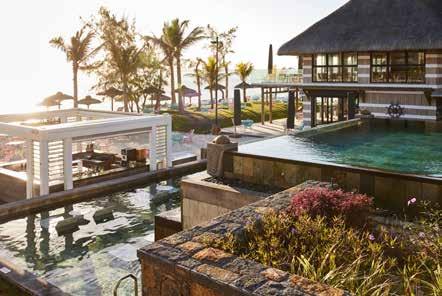
Constance Hotels & Resorts is a Mauritian brand with four properties in the country, and many others across the Indian Ocean. We highlight two of them: Constance Belle Mare Plage, the brand’s first property to open, and C Mauritius Palmar, from its sister brand, C Resorts.
Constance Belle Mare Plage is a leading hospitality destination in the country and ideal for families seeking a pampering experience. With seven restaurants, six bars and two championship golf courses, it offers much more than just a relaxing time. At C Mauritius Palmar, the focus is on fun, from a musical shower resembling a giant jellyfish to oversized swings overlooking the ocean. The resort’s all-inclusive concept ensures guests can focus on relaxation and enjoyment without worrying about the details.

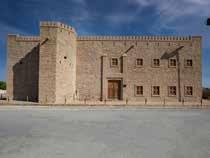

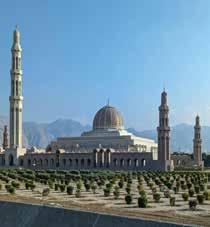
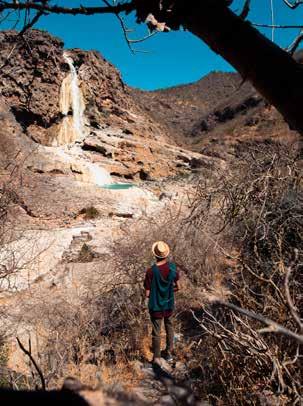
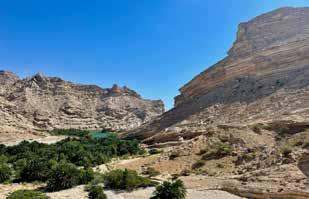
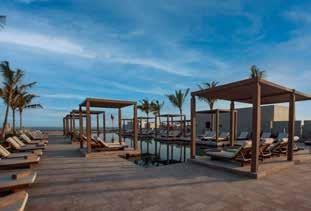
One thing people might not realise about this country is that it is actually not that small. Muscat is the capital, with many attractions such as Sultan Qaboos Grand Mosque, Muttrah Souq and Corniche and the Royal Opera House. If you drive south of Muscat for about 90 minutes, you reach the impressive Bimmah Sinkhole with beautiful, clear water for a swim.
There are many beaches and resorts to explore in the capital; however, if you want a water-centred destination with lush greenery, Salalah is the place to visit. It offers white-sand beaches and wadis, such as Wadi Darbat, for an authentic desert oasis experience. You also find seasonal waterfalls and serene lakes that attract abundant wildlife. Marneef Cave near Al Mughsail beach is famous for its sea caves and incredible blowholes.
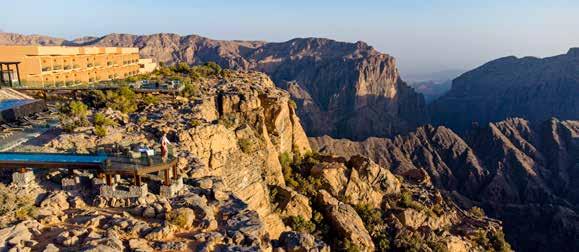
For those who prefer hilly scenery, Jabal Akhdar is a mountainous region, part of the Hajar Mountains, known for its cooler climate and the need for a 4x4 vehicle to access its plateau. Reaching over 2,000m above sea level, with its highest point, Jebel Shams, at 3,018m, it offers breathtaking views and
abundant greenery at such an altitude. It’s composed of hidden wadis, rock formations and several historic, often abandoned, ancient cliffside villages.
Anantara Al Jabal Al Akhdar Resort is on the verge of the mountain range with 82 canyon view rooms and 33 private pool villas. With a viewing platform where Princess Diana once stood to admire the stunning vista. The Anantara Spa offers traditional Thai healing therapies in this mountain sanctuary. The hotel also offers many trips and adventures in the surrounding area.
Alila Hinu Bay is a short drive from Salalah airport, located in Mirbat. It sits at the base of Jabal Samhan Nature Reserve. The hotel offers customised experiences designed to integrate indigenous nature, traditional culture and local community. An array of land and ocean activities, such as a 4X4 adventure in the Empty Quarter (one of the world’s largest continuous sand deserts spanning four countries: Saudi Arabia, Oman, the UAE and Yemen) or scuba diving.
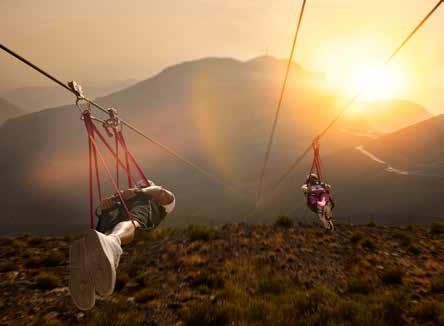
The northernmost Emirate in the United Arab Emirates (UAE), an hour’s drive from Dubai, is not as well-known as its popular neighbours, but it is getting its turn in the spotlight in recent years. Its diverse landscape includes mountains, beaches and deserts with a strong focus on outdoor activities. It blends adventure (home to one of the world’s longest ziplines) and history, with many new hospitality destinations attracting more tourists to this corner of the UAE.
You can hike in the Jebel Jais mountains and visit Al Jazira Al Hamra Heritage Village, Dhayah Fort and learn about traditional pearl diving at Suwaidi Pearls. The Emirate is trying to position itself as a regional adventure hub. The Jais Flight zipline is located atop Jebel Jais, with a length of 2.83km at a height of 1,680m above sea level. The ride offers breathtaking views of the Hajar mountain range (a vast system stretching across the northeastern Arabian Peninsula) and takes you across deep ravines and canyons. The whole experience takes about three minutes, reaching speeds up to 150km/h.
The best time to visit is between October and April (winter and spring) for the best weather to enjoy the outdoor activities. Choose modest clothing in breathable fabrics such as cotton and linen. A light jacket for cooler evenings is a good idea.
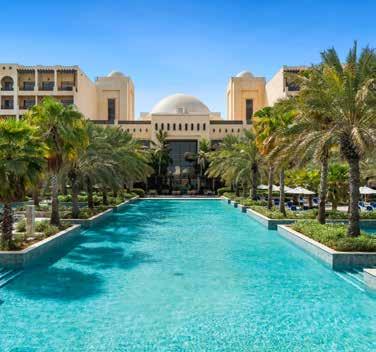
Rixos Al Mairid Ras Al Khaimah is a family beach resort nestled between desert dunes, pristine beaches and striking mountains. The resort offers an all-inclusive stay with many attractions, such as a 1.5km private beach, seven swimming pools, including a saltwater pool, a full-service spa and a Sports Club. SO/ Ras Al Khaimah is one of the brand-new properties in the Emirate, located 90 minutes from Dubai. Set against the Arabian Gulf coastline, it has 257 stylish rooms and suites, each offering uninterrupted sea views. Guests can choose from seven room categories, from the intimate SO/ Collection Sea View to the expansive Signature Club with private pool and beach access.
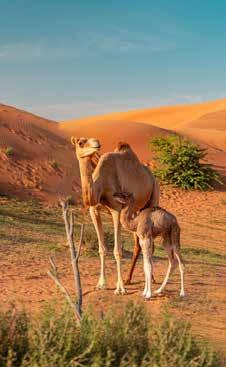
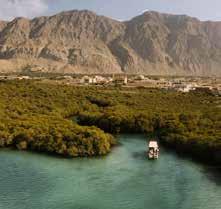
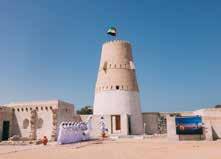

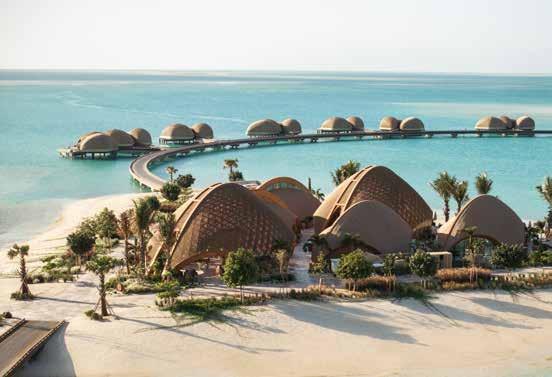
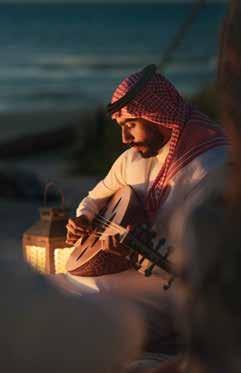

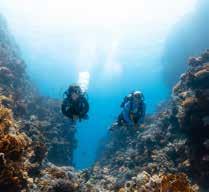
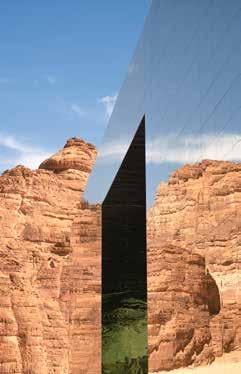
This GCC country is still finding its spot in the sun when it comes to becoming a popular holiday destination. However, its vast land, unique landscapes and a more relaxed approach to its visa policies have been putting Saudi Arabia on many people’s travel lists. Ranked the 13th-largest country in the world (depending on the source, some say 12th), it has a lot to offer. From AlUla and its dramatic sandstone formations to the Red Sea, a tectonic rift where the African and Arabian plates meet, creating a deep basin. The government has invested heavily to increase tourism in the country. The capital, Riyadh, is a hub for businesses and a destination for food enthusiasts, with well-known names in the market such as Carbone and Zuma. Jeddah is a port city with an important historical role on the Red Sea, with a modern, cosmopolitan vibe. It is also a gateway to the Islamic holy cities of Mecca and Medina. The long coastline is home to vibrant coral reefs.
If you plan to visit, bear in mind that the cities and regions are far apart, and the connections between them are yet under development. It’s better to stick to one destination and explore the surrounding beauty. Also, don’t forget that it is still a culture opening up to the rest of the world. Be mindful and respectful.
Nujuma, a Ritz-Carlton Reserve is set on the private island of Ummahat in the Red Sea. It offers an intimate escape where natural beauty and refined luxury come together. The property embodies the brand’s philosophy of creating one-of-a-kind destinations that celebrate the environment they inhabit through thoughtful design and intuitive service. It invites guests to reconnect with nature with morning strolls by the sea and starlit evenings.
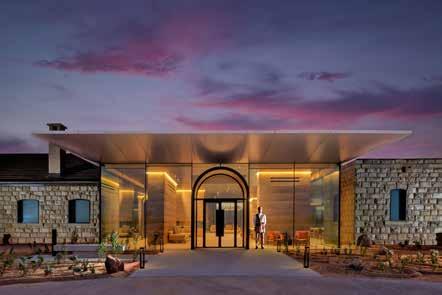
The Chedi Hegra in AlUla is located on the former Hegra Railway station, a historical project from 1907. The hotel’s transformation honours the original railway structures, meticulously preserving natural and historical integrity. Guests are just moments away from Hegra’s rock-carved tombs. The resort’s 35 luxurious guest rooms and villas, thoughtfully designed with the region’s heritage in mind, provide panoramic views of the sweeping desert landscape.
We bring a selection of recipes from your favourite eateries to embrace this period of introspection in the company of comforting food.
Ramadan is the ninth and holiest month in the Islamic calendar, a time for worship, spiritual reflection and self-discipline. The Holly month starts mid-February and despite being a period of contemplation and fasting during daylight hours, in the evenings, special gatherings occur and food is shared with loved ones. It’s about eating intentionally and carefully with dishes that nourish the body and soul.
With that in mind, we asked a few beloved eateries to share a special recipe with us. Something that can be recreated at home to embrace this time when tradition and culture become an important part of our eating habits. The chefs from these dining spots kindly shared their favourite recipes with us and we hope you enjoy reproducing them as much as we did – a small token from them to you for a Ramadan Kareem (meaning generous Ramadan).
A Ramadan table classic deeply rooted in heritage, patience and the spirit of togetherness that defines Ramadan. This is how Executive Chef Ahmad Abu Azzab at Downtown Rotana prepares it.

Ingredients:
Maftoul
500g maftoul (a type of couscous made from bulgur and whole wheat flour)
30ml olive oil
3g ground cumin
2g ground cinnamon
5g salt
Chicken and broth
1 whole chicken (approx. 1.2kg), cut into four to eight pieces
Method:
200g cooked chickpeas
200g onion, thinly sliced
15g garlic, crushed
5g ground cumin
4g ground coriander
2g ground cinnamon
3g black pepper
8g salt
1.5L chicken stock
Garnish
40g toasted almonds
Fresh parsley, finely chopped
1. Prepare the chicken: Heat the olive oil in a large pot over medium heat. Add the sliced onion and crushed garlic, sautéing gently until soft, golden and aromatic. Add the chicken pieces to the pot along with the cumin, coriander, cinnamon, black pepper, and salt. Lightly brown the chicken on all sides to release the spices and deepen the flavour. Pour in the chicken stock and bring to a gentle simmer. Cook until the chicken is tender and fully cooked.
2. Broth and maftoul preparation: Remove the chicken from the broth and keep it warm. Add the cooked chickpeas to the broth and simmer for an additional five minutes. Place the maftoul in a steamer set over the simmering broth. Steam until light and fluffy, gently loosening the grains and season with olive oil, cumin, cinnamon and salt.
3. Serving: Transfer the maftoul to a large serving platter. Arrange the chicken and chickpeas on top, then spoon some of the aromatic broth over them. Finish with toasted almonds and a generous sprinkle of fresh parsley before serving.
@downtownrotana

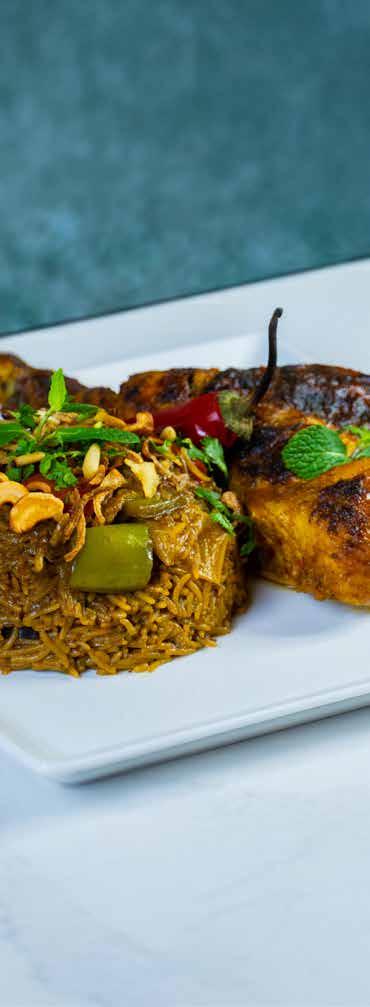
Also spelt Machboos, this recipe is a traditional, aromatic rice dish from the Arabian Gulf. Chef De Partie Abdulla Humaidan from Hilton Bahrain shares his take on this beloved creation.

Ingredients:
For the rice
1kg rice
300g onion, chopped
100g capsicum, mix three colours
10g cinnamon sticks
5g green cardamom
10g bay leaves
3pcs black lemon
5g cloves
5g cumin powder
5g coriander powder
Method:
5g turmeric powder
5g paprika powder
Oil
Salt
Chicken marination
1 whole chicken
50g capsicum paste
50g tomato paste
30g garlic and ginger paste
20g coriander leaves
50ml olive oil
Salt
Pepper
1. Rice preparation: Heat oil in a pot over medium heat. Add the whole spices (cinnamon sticks, green cardamom, bay leaves, black lemon and cloves) and sauté until fragrant. Add sliced onions and cook over low heat until they turn golden brown. Add the cumin, coriander and turmeric powders, garlic and ginger paste and sauté well until aromatic. Add the capsicum and mix thoroughly. Add water and bring the mixture to a boil. Add the washed rice and cook until the rice is fully cooked and fluffy. Finish with ghee for added aroma and richness.
2. Chicken preparation: Marinate the chicken with all required ingredients at least 45 minutes in advance. Preheat the oven to 160°C. Cook the marinated chicken in the oven for 45 minutes, or until fully cooked and tender.
3. Serving: Serve the chicken with the prepared Majboos rice.
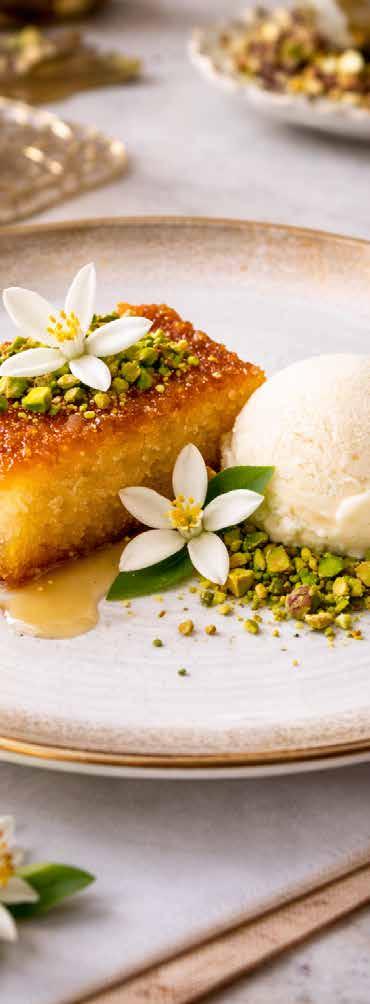
A traditional Levantine Semolina cake that can be served warm or at room temperature. Executive Chef Christian de Nadai from Jumeirah Gulf of Bahrain shares his take on it.

Ingredients:
Cake Base
600g semolina (coarse or medium)
250g powdered milk
150g desiccated coconut
20g baking powder
5g salt
400ml water
Neutral oil or melted butter (for greasing)
Method:
Optional Traditional Syrup (Highly Recommended)
500g sugar
400ml water
15ml lemon juice
10-15ml orange blossom water or rose water (optional)
1. Initial step: Preheat the oven to 180°C (170°C fan-assisted). Grease a baking tray evenly with neutral oil or melted butter.
2. Mix the dry ingredients: In a large mixing bowl, combine the semolina, powdered milk, desiccated coconut, baking powder and salt. Mix thoroughly.
3. Add the liquid: Gradually add the water, stirring until a thick, uniform batter forms. Allow the mixture to rest for 10 minutes, enabling the semolina to fully absorb the liquid.
4. Steps to bake it: Transfer the batter to the prepared baking tray and spread evenly. Gently tap the tray to level the surface. Using a sharp knife, lightly score the surface into diamond or square shapes, taking care not to cut all the way through. Bake for 30–40 minutes, or until the cake is golden on top and fully cooked through.
5. If preparing the syrup: While the cake is baking, bring the sugar and water to a boil. Simmer for eight to 10 minutes, then add the lemon juice. Remove from heat and stir in the orange blossom or rose water, if using. Keep warm.
6. Pouring the syrup: Once the cake is removed from the oven, immediately pour the warm syrup evenly over the hot cake. Allow it to absorb for at least 30 minutes.
7. Final step: Cut fully along the scored lines and serve warm or at room temperature, ideally accompanied by vanilla ice cream and crushed pistachio kernels.
@jumeirahgulfofbahrain
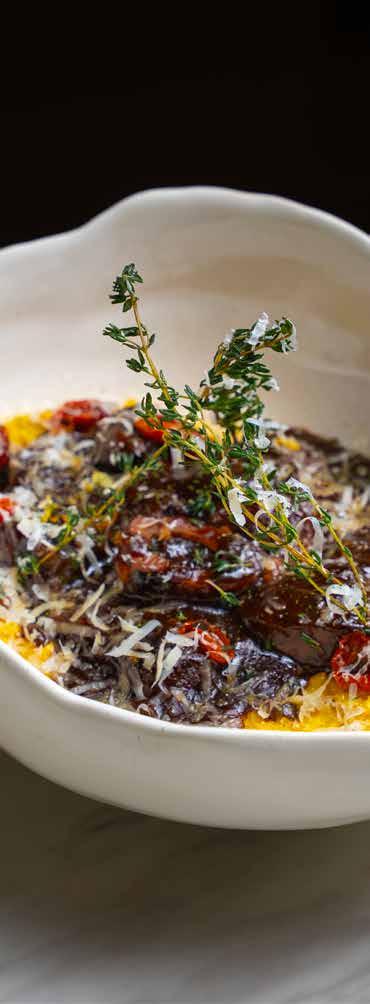
A rich Italian veal shank stew from Milan, Lombardy, recreated by Head Chef Ishara Dilipu Anurdha Dehigaspage from LaRocca Ristorante & Pizzeria.

Ingredients:
6 veal shanks (350g to 400g each)
3 knobs unsalted butter
100g onion, finely chopped
60g carrot, finely diced
60g celery, finely diced
4 garlic cloves, minced
½ cup balsamic vinegar
500ml beef or vegetable stock
400g peeled tomatoes
2tsp tomato paste
2 bay leaves
Method:
2 sprigs fresh thyme
1 sprig fresh rosemary
Salt
Freshly ground black pepper
Olive oil
Gremolata (Garnish)
Zest of 1 lemon
Zest of 1 orange
1 small garlic clove, finely minced
2tbsp fresh parsley, finely chopped
1. Prepare the veal: Pat the veal shanks dry and season generously with salt and freshly ground black pepper.
2. Brown the veal: Heat olive oil and butter in a heavy-based pot over medium-high heat. Sear the veal shanks until golden brown on all sides. Remove and set aside.
3. Prepare the sauce base: In the same pot, sauté onion, carrot, celery and garlic until soft and aromatic. Deglaze with balsamic vinegar, scraping the base of the pot. Add tomato paste and peeled tomatoes.
4. Braising: Return the veal to the pot. Add bay leaves, thyme, rosemary and enough stock to reach halfway up the shanks. Cover and simmer gently for three to four hours, turning occasionally, until the meat is tender.
5. Finishing touch: Combine all gremolata ingredients and sprinkle over the osso buco just before serving. Can be served with risotto or mashed potatoes.
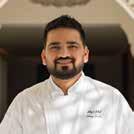
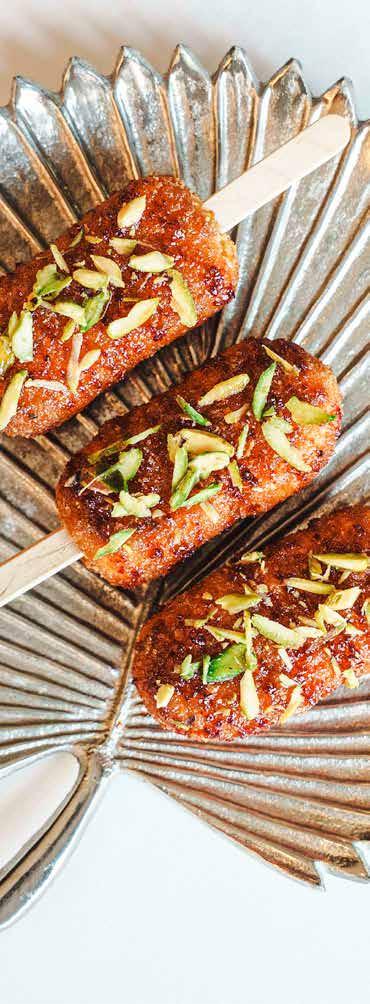
A popular street food featuring chunks of marinated lamb, distinctively flavoured with spices. Here is how Culinary Director Abhijit Avhad of Royal Saray Resort prepares it.
Bahraini tikka marinade
80g lamb loin
20g lamb tail fat
2g lime powder
1ml lemon juice
5g ghee
1g black pepper
Salt
Cheese mix
100g Bahraini tikka
100g Kashkaval cheese
50g string cheese
Method:
Cornstarch slurry
50g cornstarch
150ml water
Orange crumb
200g plain cornflakes
50g panko
Mandarin sauce
15g paprika powder
65ml orange juice
1pc orange skin
300g honey
1. Bahrain tikka marinade: Cut the lamb loin and lamb tail fat into diced 5g pieces. After that, put the meat and fat in a bowl and rub with lime powder, salt and black pepper. Massage the meat with ghee and lemon juice. Put all the tikka on skewers, alternating three pieces of meat with one piece of fat. Then cook it on a charcoal grill.
2. Cheese mix: In a bowl, take the cooked Bahraini tikka and mix the grated Kashkaval cheese and string cheese well together.
3. Cornstarch slurry: In a bowl, put the cornstarch and keep adding water and whisking it until reaching a slurry consistency.
4. Prepare the crumb: Put the cornflakes and panko crumb in a mortar and blitz them.
5. Putting the popsicles together: Put the Bahraini tikka and cheese mixture in a popsicle silicone mould. Then put it in the chiller. After one hour, remove from the chiller, then demould. Immerse the popsicle shape in the cornflour slurry, then coat with cornflake and panko crumbs.
6. Mandarin sauce: Put the paprika powder, water and orange skin together in a pan. Bring it to a boil, then add honey. Cook it until it gets a syrup consistency. It should not take more than three to four minutes.
7. Finishing touch: Fry the popsicles in 180°C oil for two minutes until golden colour. Lay them on a tray and put the popsicle stick into it. Drizzle the mandarin sauce on top. You can garnish it with sliced pistachios for extra texture.
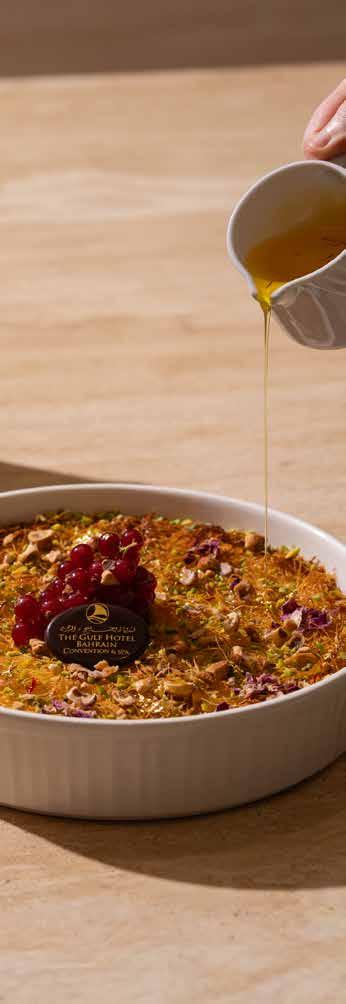
A traditional Middle Eastern dessert made from thin, shredded pastry dough, also known as kataifi and kunafa. Sous Chef-Pastry & Bakery, Amina Mushtaq, from The Gulf Hotel Bahrain Convention & Spa, shares her recipe with us.

Ingredients:
Creamy filling
375ml milk
750ml cream
60g of cornflour
95g sugar
2 1⁄2tbsp rose water
Sugar Syrup (Attir)
2 cups sugar
1 cups water
Method:
Squeeze of lemon juice (approximately 1tsp) 1tbsp rosewater
Kunafa pastry base
300g Kunafa (Kataifi) shredded pastry, cold
80g ghee, melted
Ground pistachio (to garnish) Edible roses (to garnish)
1. Make the creamy filling: In a saucepan, combine milk, cream, cornflour and sugar. Whisk thoroughly before heating. Cook over medium heat, whisking constantly, until the mixture thickens and comes to a boil. Add the rose water and let it boil for another minute. Transfer the filling to a bowl, cover with plastic wrap (directly on the surface to prevent a skin from forming) and refrigerate for at least four hours or overnight to set completely.
2. Make the sugar syrup (attir): Combine sugar, water and lemon juice in a saucepan. Bring to a boil, then simmer for seven to 10 minutes. Add the rose water and let it cool completely.
3. Prepare the kunafa (kataifi) pastry: Preheat your oven to 180°C. Cut the kataifi pastry into approximately six to seven centimetres long pieces. Pull the strands apart to separate them – this is an important step to ensure even coating and baking. Melt the ghee and mix it into the kataifi, ensuring the pastry is well combined and fully coated. Pull the strands apart again after mixing with the ghee to prevent them from clumping together.
4. Brown the pastry: Spread the kataifi into a baking dish. Bake for about 25 minutes, until the top is golden. Remove from the oven, mix the pastry to ensure even browning and return it to the oven for another 20 minutes or until golden all over. Once golden, remove the dish from the oven, take out one cup of the kataifi and set it aside. Drizzle a little cooled sugar syrup over the baked kataifi and mix well (approximately ¼ cup).
5. Assemble the dessert: Whisk the chilled filling to make it smooth. Use an ice cream scoop to dollop six scoops of the creamy filling onto the kataifi. Gently mix it through for a creamy and crunchy texture. Spread the remaining filling evenly over the top to create a smooth white layer. Sprinkle the reserved cup of golden kataifi evenly over the top. Garnish with ground pistachio and edible roses. Drizzle with additional sugar syrup when serving.
@thegulfhotelbh
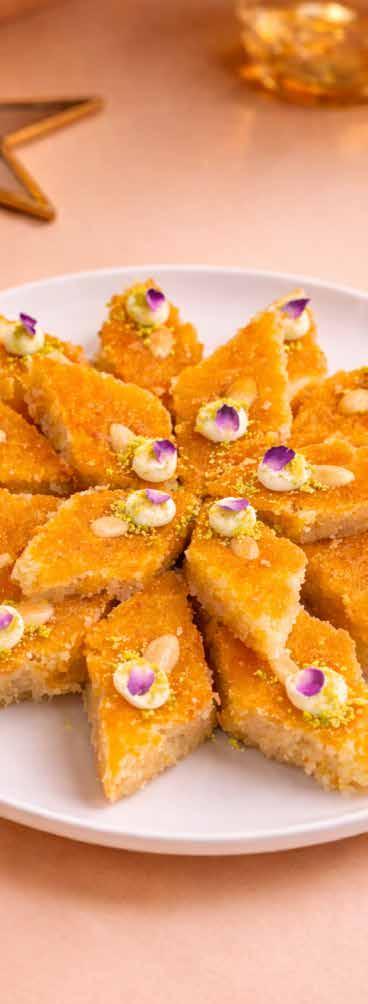
A traditional, sweet, syrup-soaked Middle Eastern semolina cake. A recipe from Executive Chef Ibrahim Mesbah of The Orangery Tearoom & Pastisserie.

Ingredients:
900g semolina
450g sugar
300g desiccated coconut
18g baking powder
480g ghee
1.5L milk
Method:
For the syrup
1 1/2 cups granulated sugar
1 cup water
1tsp lemon juice
1tsp rose water or orange blossom water
1. Dry ingredients: Mix all the dry ingredients with ghee.
2. Putting the dough together: Slowly add the milk, mixing until reaching a thick consistency (like wet sand) – not runny like traditional cake, but not stiff either. Let it rest until the batter sets.
3. In the oven: Bake it at 210°C until it turns golden brown.
4. Syrup: While the cake is baking, place the white sugar and water in a saucepan over a low heat. Once the sugar has dissolved, add the rose or orange blossom water and lemon juice. Increase the heat to medium and simmer for four to five minutes, or until thickened and syrupy.
5. Finishing touch: After the cake is baked, spread the syrup on top and let it rest until the cake cools and is ready to be served.
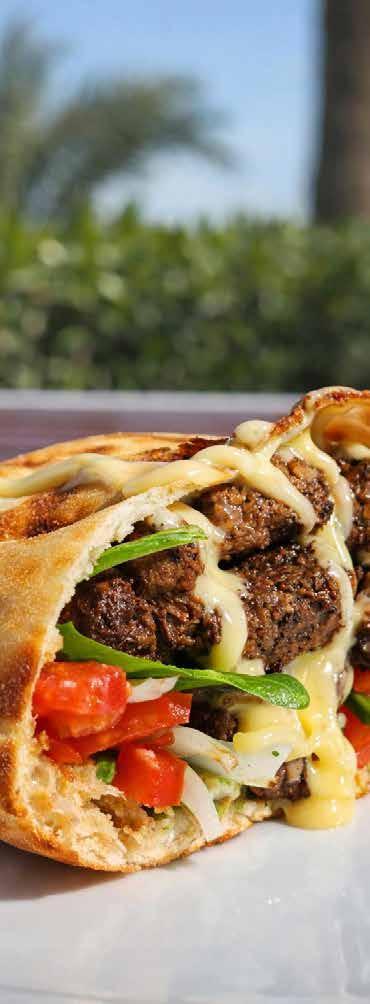
A warm pita filled with charcoal-grilled Wagyu tikka, fresh herbs and layered with creamy yoghurt spread and lemon garlic mayonnaise. Junior Sous Chef, Fatema Alghannemi from The Ritz-Carlton, Bahrain, shares her recipe with us.

Ingredients:
Pita bread
375g bread flour
17.5g salt
17.5g baking powder
125ml corn oil
375g yoghurt
375g milk
37.5g instant yeast
37.5g sugar
Wagyu tikka marinade
1kg Wagyu topside, cut into small pieces
3tbsp black lemon powder (adjust to taste)
2pcs onion
500g yoghurt
Salt to taste
Black pepper to taste
1tsp dried coriander powder
Juice of 1 lemon
Method:
Yoghurt spread
250g yoghurt
5g mint
10g parsley
85g tahini
2 garlic cloves
270g Greek yoghurt
Green chilli to taste
Salt to taste
Lemon garlic mayonnaise
45g egg yolk
12ml apple cider vinegar
8g Dijon mustard
3 garlic cloves, finely chopped
1g black pepper
600ml vegetable oil
100ml olive oil
40ml water
Lemon zest from half a lemon
Salt to taste
1. For the pita bread: Knead all ingredients until smooth and elastic. Divide the dough into desired portions. Roll and proof at room temperature for 20 minutes. Flatten and bake at 150°C bottom heat and 200°C top heat until golden.
2. Prepare the Wagyu: Blend all the marinade ingredients except lemon juice. Then stir in the lemon juice, coat the beef pieces thoroughly with the marinade and refrigerate overnight. Grill over charcoal until tender and lightly charred.
3. Yoghurt spread preparation: Blend yoghurt, mint, parsley, garlic, chilli and tahini until smooth. Fold into Greek yoghurt and season with salt.
4. For the lemon garlic mayonnaise: Whisk the egg yolk, mustard, garlic, vinegar, salt and pepper. Slowly drizzle in the oils while whisking to emulsify. Add water gradually to loosen the consistency.
5. Final Assembly: Spread yoghurt inside the warm pita. Add sliced tomatoes, onions, a mix of jarjir, watercress and arugula (optional fillings), along with the grilled Wagyu tikka. Finish with a drizzle of lemon garlic mayonnaise.
@ritzcarltonbahrain
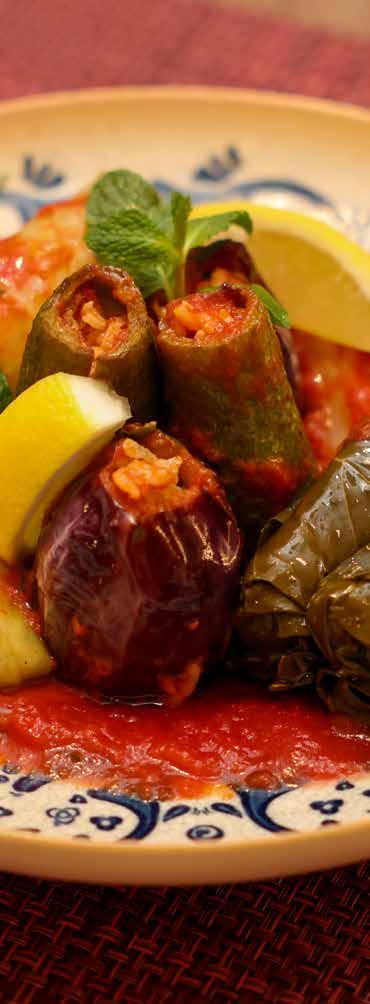
A popular Middle Eastern dish of stuffed vegetables cooked in a single pot, often served during gatherings. Executive Chef Mohammad Issa from The Westin City Centre Bahrain shares his way of preparing it.

Ingredients:
Vegetables (mix)
10pcs zucchini (kousa)
6pcs small eggplant
6pcs bell peppers
6pcs medium tomatoes
6pcs onions (optional)
Vine leaves (as desired)
For the stuffing (rice mixture)
3 cups Egyptian rice (washed and soaked 20 minutes)
300g minced lamb or beef
1 large onion, finely chopped
4 cloves garlic, minced
1/2 cup parsley, chopped
1/2 cup coriander, chopped
1/2 cup dill, chopped
Method:
2 tomatoes, finely chopped
3tbsp tomato paste
2tbsp pomegranate molasses (optional)
1.5tbsp salt
2tsp black pepper
2tsp seven spices
1/2tsp cinnamon
1/2 cup olive oil
For cooking (broth)
1L chicken stock or water
2tbsp tomato paste
1tsp turmeric (optional)
2tbsp lemon juice
4tbsp olive oil
Salt and pepper to taste
3 to 4 whole garlic cloves
1. Prepare the vegetables: Core the zucchini and eggplant and hollow out the bell peppers, tomatoes and onions. Keep walls reasonably thick to avoid tearing. Rinse vine leaves.
2. Mix stuffing: Combine rice, meat, herbs, onion, garlic, chopped tomato, tomato paste, spices and olive oil. Do not over-wet; rice will expand.
3. Stuff 3/4 full: Fill each vegetable to three-quarters; do not pack tightly.
4. Pot up: Line the base of the pot with spare vine leaves/onion rings (from the hollowed onions). Arrange stuffed vegetables snugly.
5. Make the broth: Whisk stock, tomato paste, lemon juice, turmeric (optional), olive oil, salt and pepper. Pour the liquid just to cover the vegetables.
6. Cook: Place a heatproof plate on top to keep items submerged. Bring to a boil, then simmer gently for 45 to 60 minutes until the vegetables are tender and the rice is cooked.
7. Rest and serve: Let it rest for 10 minutes, then serve with garlic yoghurt and fresh dill/lemon.
@westinbahrain
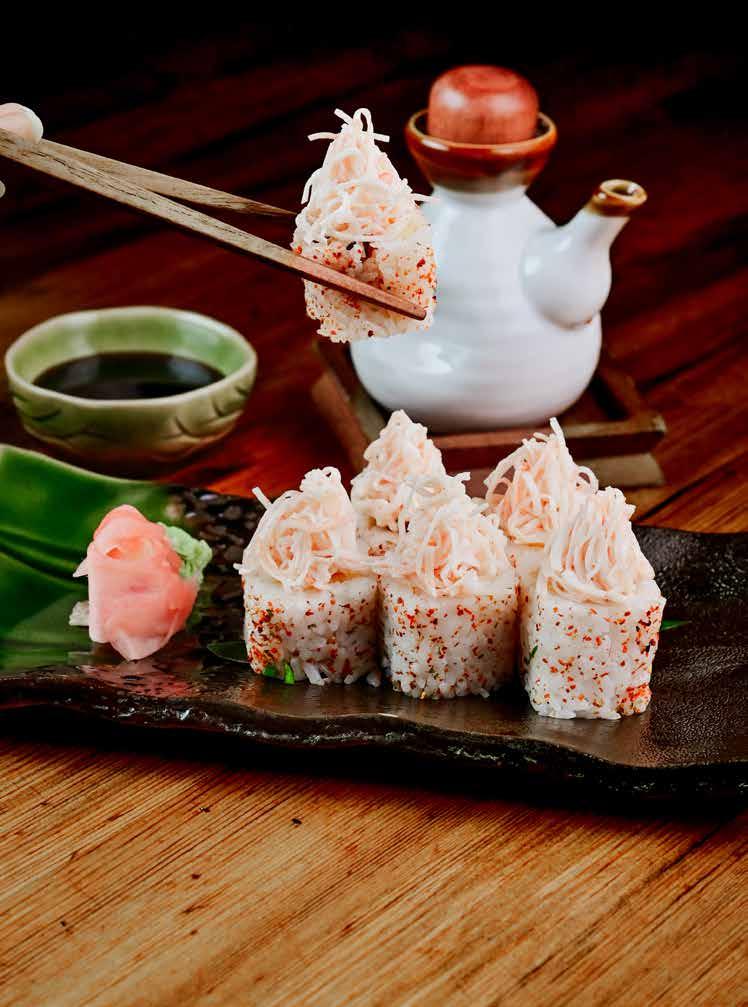
Monsoon brings Far Eastern cuisine done right, and Apple Sharma headed there to check out what this beloved restaurant has up its sleeve.
Bahrain is a melting pot of global cuisines and, when it comes to Far Eastern food, the Kingdom has some excellent choices. However, only a handful have stood the test of time and remained firm favourites, one of which is Monsoon, tucked away in Adliya. It has certainly been one of my go-to spots since I’ve been on the island.
With a rich culinary history, Monsoon is one of Al Ghalia group’s original brands and has been wooing patrons for almost 25 years – no mean feat, considering the island’s ever-evolving foodie scene. So, a dinner invite with colleagues was a welcome surprise, especially as it had been a while since my last visit.
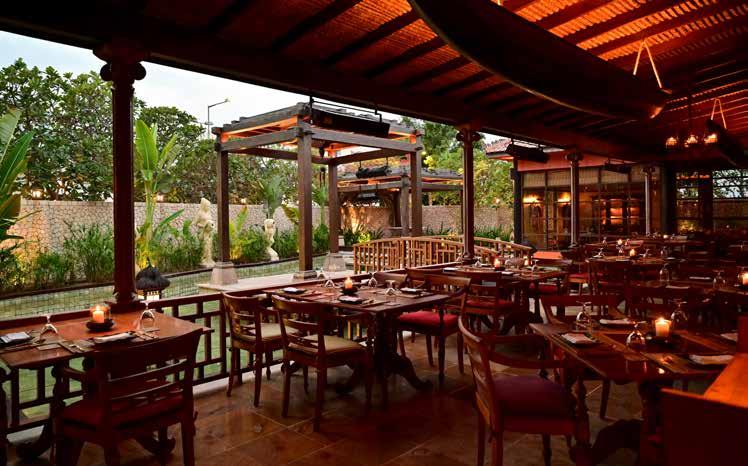
Paying tribute to Balinese palaces and Oriental temples, Monsoon’s grand façade, with its thick wooden doors and stone elephant statues, impresses even before stepping inside. The predominantly wooden interior is equally striking, with soaring ceilings, monumental pillars and heavy-set, palatial furniture. The main restaurant sits on a raised platform, surrounded by a shallow waterway, with lantern-lit pathways leading to a sushi bar, lowseating private pavilions and a Tatami room for larger parties.
The Oriental theme continues outdoors, ideal for this time of year, where a veranda overlooks a gorgeous pond and water feature, and a quaint wooden bridge leads to an intimate one-table setting. From the stone Buddha figurine to the greenery and dim chandelier lighting, the zen-like atmosphere is reminiscent of a traditional pagoda.
Embracing these familiar surroundings, I couldn’t help but notice the jazzy lounge music, curated for Monsoon by DJ Enzo. The easy-listening, chilled vibe complements the tranquil ambience perfectly.
As we took our seats, Restaurant Manager Mart Andrew Paa took us through the diverse menu of authentic Far Eastern cuisine, spanning Japanese and Thai favourites. Mart and our lovely server, Amir, looked after us throughout the meal.
We began with the familiar prawn crackers and sweet chilli sauce while we awaited the appetisers. Drinks arrived soon after. The colourful Niji Flower, made with butterfly pea tea, lemongrass and passion fruit, was light and refreshing. The delicious Smoked Peach Mango Tea came in a wooden box, with a gentle apple wood smokiness in each sip. A Thai Mojito, fragrant with lime and lemongrass, rounded out the selection and set the tone for the meal ahead.
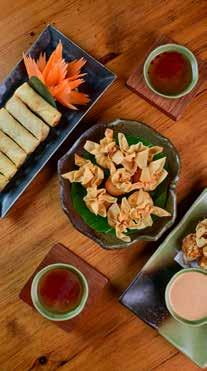
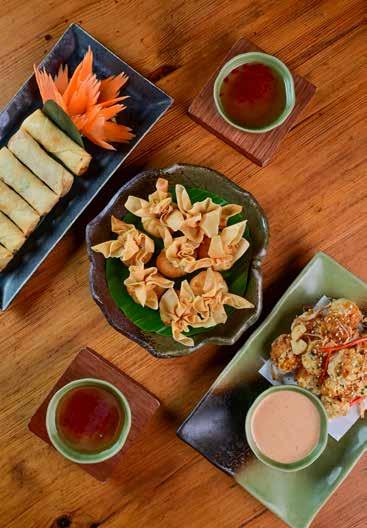
First up were the Poh Pia Tod, crisp spring rolls filled with vegetables and glass noodles. Light and crunchy without being greasy, they disappeared quickly, helped along by the sweet chilli dip.
The Bang Bang Cauliflower followed, offering a veggie twist on a street-food favourite. Coated in rice cracker crumbs with furikake, garlic, chilli and shallot flakes, the cauliflower florets were fluffy and crispy. The sesame sriracha sauce added depth and just enough heat. It was bang on (pun intended).
Next came the Toong Tong, deep-fried moneybag-shaped morsels filled with marinated shrimp, water chestnut and coriander. Golden and flaky on top, they opened to a soft, tender filling with a bit of bite. Well executed, they were quietly satisfying.
The sushi selection introduced the Japanese side of the menu. The Blowtorch roll combined tuna, salmon and hamachi with pickled radish, torched crab and tobiko (flying fish roe) cream, finished with teriyaki sauce and crushed pistachio. Creamy and slightly sweet, it was a good mix of salty and sweet. Meanwhile, the Nela Kani presented a pleasant twist on the classic prawn tempura, topped with crabstick salad and complemented by a subtle hit of homemade chilli paste.
From there, we moved on to soups and salads. As someone who never skips tom yum, I was particularly keen to sample Monsoon’s Tom Yam Creamy.
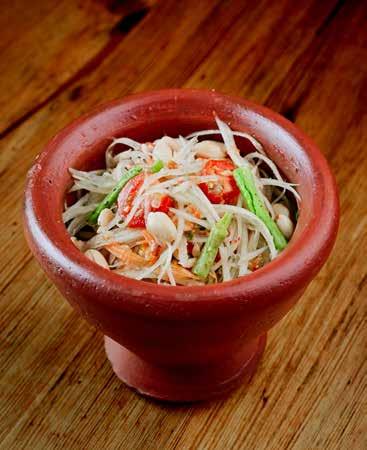
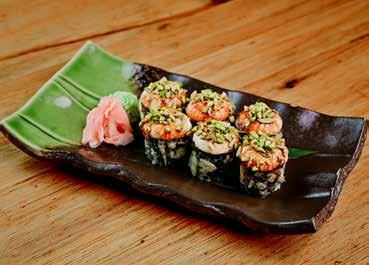
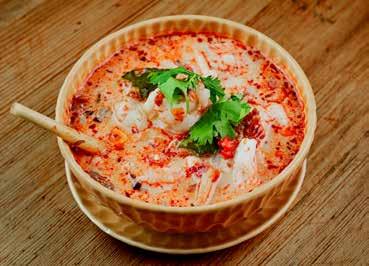
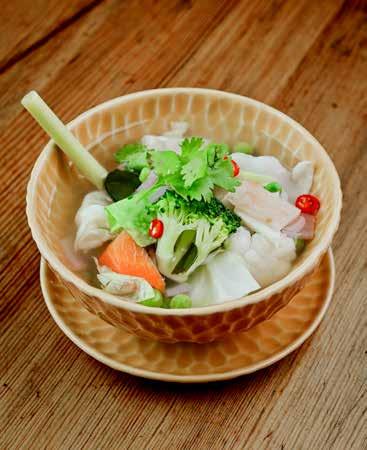
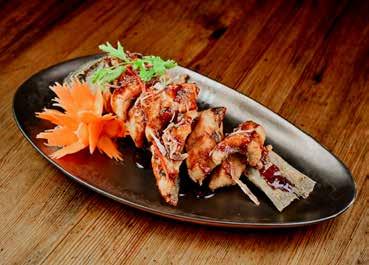
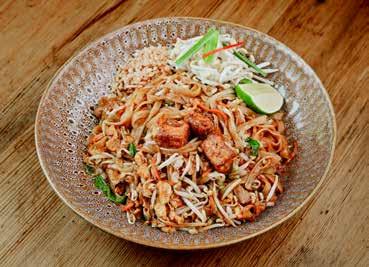
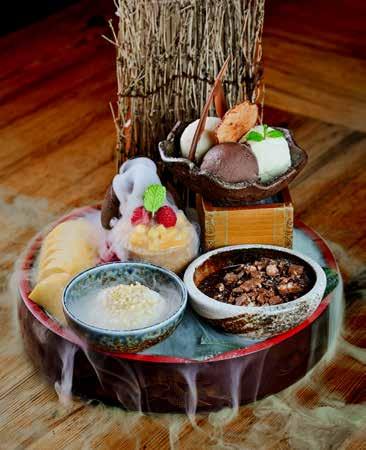
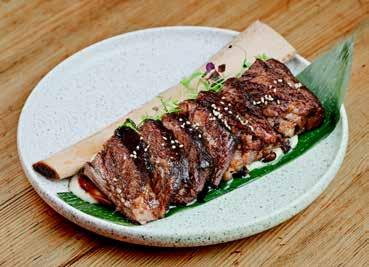
With a choice of protein, we opted for the prawn and veggie versions. Fragrant with lemongrass, galangal and kaffir lime leaf, the broths were gently warming and made for a comforting, hearty dish, definitely one to return to on a rainy day.
The Som Tam was prepared tableside by Amir, mixed in a small clay pot, then served. Crunchy shredded green papaya, carrots, long beans and crushed peanuts were brought together beautifully with a lime-soy dressing that lent just the right amount of tanginess. This is a staple every time I come to Monsoon, and this visit confirmed why it remains my favourite.
Mains followed steadily, beginning with the Pla Makram. The whole sea bass arrived crispy on the outside and soft and flaky on the inside, glazed with tamarind soy and finished with fried shallots, coriander and chilli. The Braised Short Ribs were an absolute hit at the table. The aromatic Angus beef was exceptionally tender, elevated by a creamy truffle dashi that added earthy notes without overshadowing the meat. Grilled shiitake mushrooms added a welcome contrast in texture. As my dining companion commented, it needed no sides to shine.
Another highlight was the Num Prik Pao Talay. We opted for the seafood version, featuring prawns and squid in a roasted chilli sauce with cashews and vegetables. With the consistency of a luscious bisque and ideal spooned over rice, it was simple, fun and deeply satisfying, unanimously declared a standout.
The Gaeng Kiew Waan Gai brought serious spice! A signature Thai green curry, the first bite delivered intense heat, but once past that initial kick, the curry revealed a nutty, earthy flavour, with tender slivers of chicken. I opted for the vegetable yellow curry, which was milder, creamy and equally enjoyable alongside steamed jasmine rice. We also shared Pad Thai Pak, a delicious mix of glassy, wok-fried flat rice noodles, tofu, bean sprouts and egg. The tamarind and lime gave it a gentle tartness and the peanuts the perfect crunch and texture. Dessert arrived as a royal platter, Kha Nom Kong Wan, presented magnificently on ice with a touch of dry ice theatre. We tucked into mango sticky rice, mango cheesecake, mixed berries and a selection of ice creams, but we unanimously agreed the star had to be the chocolate lava, which three pairs of hands devoured in seconds.
Returning to Monsoon felt like catching up with an old friend you haven’t seen in a while – easy, familiar and genuinely enjoyable. I’m already planning my next visit!
For more information or to make a reservation, please call Monsoon on 1774 9222.
@monsoonbahrain
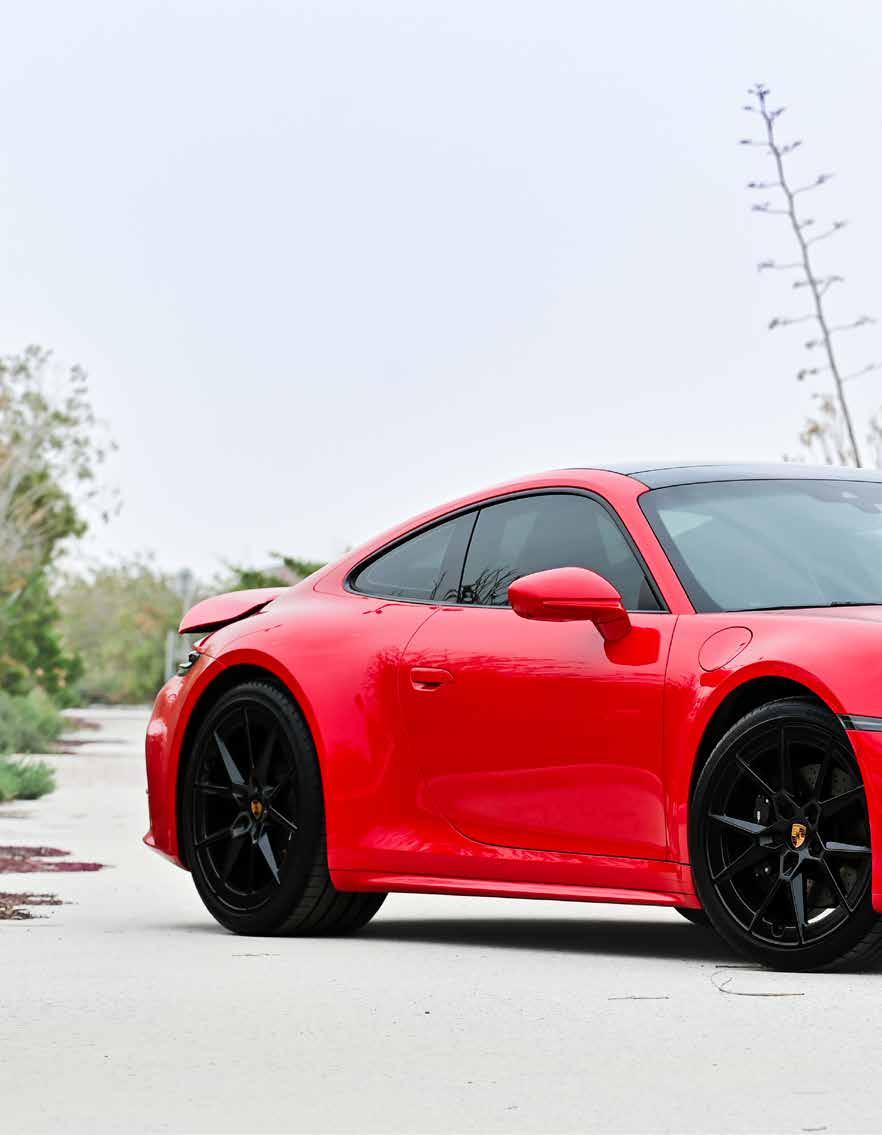
OUR TEST DRIVE OF THE PORSCHE 911 CARRERA REVEALED HOW EVOLUTION, ENGINEERING AND EXECUTION CONTINUE TO DEFINE ONE OF THE WORLD’S MOST RECOGNISABLE SPORTS CARS.
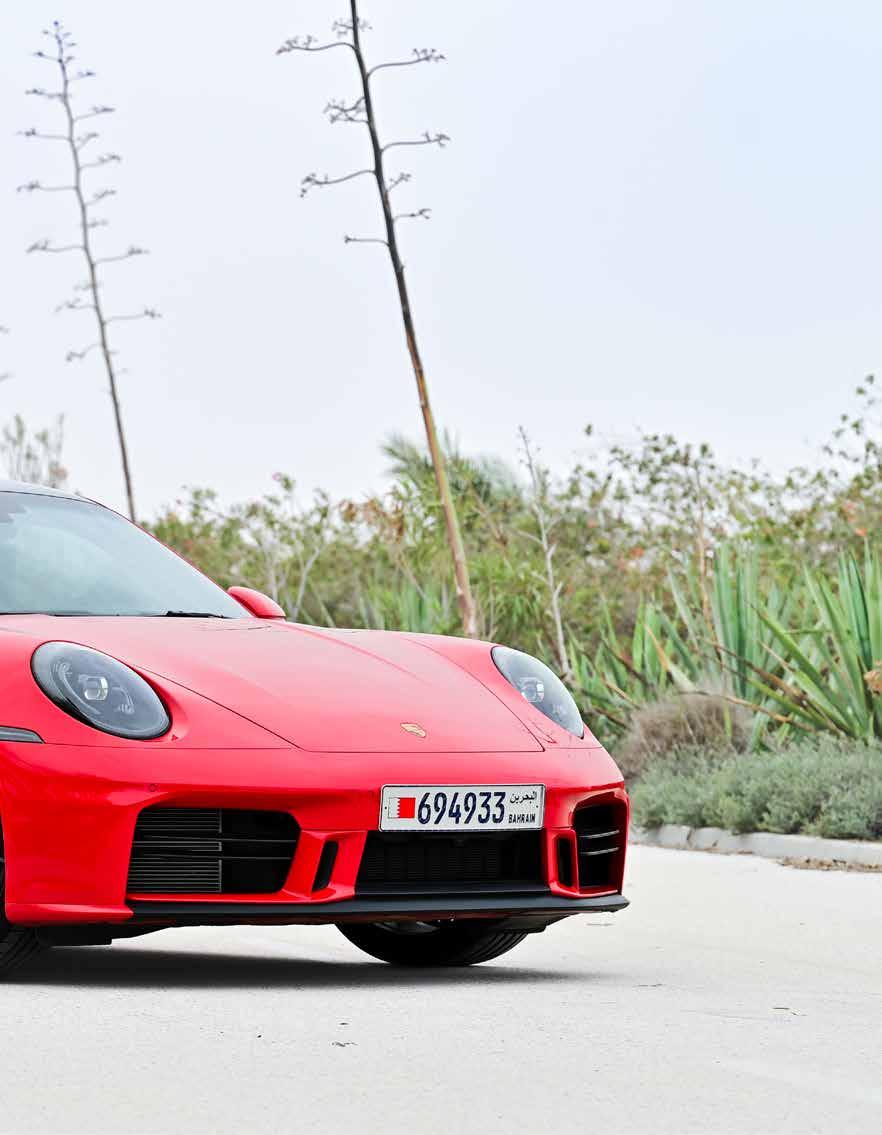
There are cars you approach with excitement and then there are cars you approach with a brief pause – the kind where everyone goes quiet, smiles without quite realising it and lets the silence do the talking. The Porsche 911 Carrera belongs firmly in the second category.
This is the eighth generation of Porsche’s most enduring nameplate and while the 911 Carrera may be the entry point to the range, nothing about it felt introductory during our time with it. The Carrera proved to be as thrilling as it is approachable – a sports car that understands its own character and delivers on every expectation.
The moment we saw the new 911 Carrera, it was instantly recognisable –and then its evolution became clear. The body felt wider, more muscular and more assertive, yet unmistakably faithful to Porsche’s design DNA.
The forward-extended bonnet with its subtle recess referenced earlier generations, while seamlessly integrated LED headlights brought the design firmly into the modern era.
From the side on, the smooth surfaces and flush pop-out door handles gave the Carrera a clean, uninterrupted profile. That sense of composure remained consistent from every angle. At the rear, things turned more dramatic. A continuous LED light strip stretched across the width, framing
the Porsche lettering and making the car instantly recognisable after dark.
Once inside, the 911 Carrera delivered a cabin that felt purpose-built yet quietly luxurious. Sitting in the driver’s seat, the dashboard design immediately stood out, drawing inspiration from classic 911s with its clear, horizontal layout and traditional analogue rev counter positioned at the centre. The overall design prioritised clarity, with information presented cleanly and without visual clutter.
The seating position was low and focussed, with sports seats offering strong lateral support while remaining comfortable on longer drives. Visibility felt well judged, contributing to a reassuring sense of control. Materials and switchgear felt deliberate throughout, with solid finishes and controls that felt natural to the hand. It was a cockpit that felt considered and cohesive – designed to be experienced, not overthought.
Technology in the 911 felt carefully integrated rather than layered on.
The Porsche Communication Management system sat neatly within the dashboard, anchored by a 10.9-inch touchscreen that responded quickly and proved easy to navigate. Menus were clearly structured and key functions were easy to access.
“The 911 Carrera showed that high performance doesn’t need exaggeration to be outstanding.”
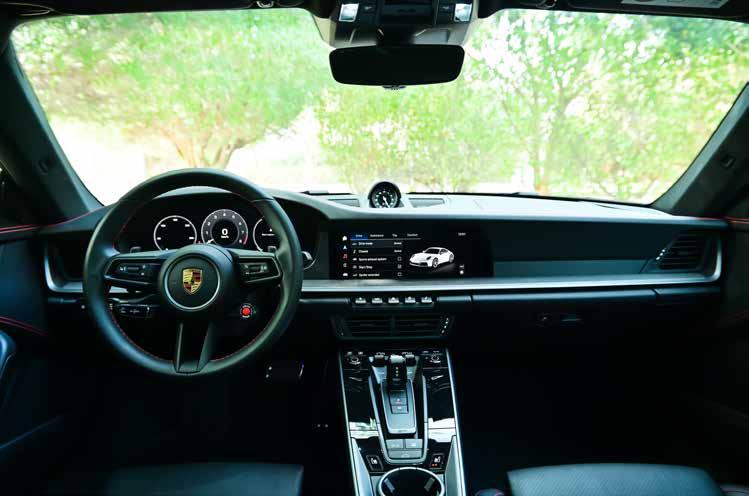




The digital instrument display complemented the central analogue rev counter without overwhelming it, presenting information clearly and at a glance. Smartphone integration via Apple CarPlay and Android Auto worked seamlessly, while wireless charging and USB-C ports handled everyday connectivity without fuss. Voice control responded accurately, adding convenience without frustration. Overall, the technology supported the experience confidently, feeling advanced without becoming intrusive.
Powering the Carrera is a 3.0-litre twin-turbocharged flat-six producing 394 horsepower and 450Nm of torque, paired with an eight-speed Porsche Doppelkupplung (PDK) transmission. What defined the experience was how immediately the car responded to inputs.
Acceleration felt urgent but controlled. Pressing the throttle delivered a clean surge of momentum, the Carrera gathering speed with smooth, relentless intensity rather than theatrics. The sprint to 100km/h took 4.1 seconds, delivered with composure rather than urgency. The gearbox operates seamlessly in the background.
Confidence built quickly as speeds rose. Power delivery was linear and predictable, making it easy to place the car precisely. The rear-engine, rear-wheel-drive layout gave the Carrera an engaging character, while the steering remained precise and communicative. Porsche Active Suspension Management kept the car settled through changes in surface and direction, rewarding smooth inputs and encouraging commitment without ever feeling demanding.
This was a performance that didn’t ask for bravery – it rewarded assurance. The 911 Carrera impressed not through excess or spectacle, but through control, balance and precision behind the wheel.
Despite the car’s performance focus, safety never felt like an afterthought. Driver assistance systems operated quietly in the background, offering reassurance without intruding on the drive. Features such as Warn and Brake Assist with pedestrian detection stepped in only when required. In urban environments, ParkAssist with front and rear sensors and a reversing camera proved particularly useful, making manoeuvring far less intimidating than the car’s presence might suggest. Adaptive lighting further enhanced visibility, adjusting intelligently to conditions without constant input. Overall, the safety technology felt thoughtfully integrated, reinforcing confidence without diluting the purity of the drive.
Time spent with the Porsche 911 Carrera left an evident impression. This was a car that upheld its reputation through clarity of purpose across every aspect, not merely the badge on the bonnet.
It balanced performance, usability and technology with impressive ease, remaining thrilling without intimidation and advanced without excess. The 911 Carrera showed that high performance doesn’t need exaggeration to be outstanding. Precision, confidence and intent defined the experience – and by the end of the drive, it was clear this was a car we simply wanted to keep driving.
For more information, please call Porsche Centre Bahrain on 1745 9911. @porschecentrebahrain
Find out what’s trending across the internet this month with Miss Ohlala.
Valentino and Vans teaming up felt like an online fever dream at first, but the collaboration quickly proved it works beyond shock value. First spotted on the runway and then everywhere on fashion feeds, the pairing blends classic Vans shoes with Valentino’s unmistakable branding. It’s high fashion flirting with skate culture, where luxury is finally loosening its tie.

Perfect feeds are officially feeling tired. As AI-generated visuals flood social platforms, creators are gravitating towards producing content that feels visibly human: shaky videos, imperfect lighting and moments that look livedin rather than manufactured. In a landscape oversaturated with hyper-perfect imagery, imperfection has quietly become the new status symbol online.

In skincare corners of TikTok, Celimax’s Vita-A Retinal Shot Tightening Booster is going viral. The Korean brand’s retinal-based formula is being praised for delivering visible results without the usual irritation, making it a gateway product for users wary of stronger actives. Beforeand-after clips and routine breakdowns once again prove that K-beauty still knows how to dominate the algorithm.
Meanwhile, L’Oréal’s lipstick shade named 135 Ballerina Shoes has reignited the frosted lip debate. The pale pink, almost icy hue has creators either fully committing to Y2K nostalgia or posting reaction videos questioning every life choice that led to its application. Polarising, nostalgic and impossible to ignore, it’s exactly the kind of beauty product social media loves to argue about.

This holy month of Ramadan, gather in the Kingdom’s newest and most opulent venue.
Weekday ( Saturday - Wednesday )
Iftar BHD 38 per person | Sundown – 8 pm
Ghabga BHD 42 per person | 9 pm – 2 am
Children’s rate BHD 16 net per child

Weekend ( Thursday - Friday )
Iftar BHD 42 per person | Sundown – 8 pm
Ghabga BHD 44 per person | 9 pm – 2 am
Children’s rate BHD 16 net per child (ages 4 - 12 years) For more inquiries, please call +973 1758 6499 or email rc.bahrz.restaurant.reservations@ritzcarlton.com Prices shown are inclusive of service charge, government levy and VAT. All prices are in Bahrain Dinars.