The past few years have tested the resilience of the organic sector as never before. Economic uncertainty, geopolitical tensions, climate disruption and sustained pressure on household spending have reshaped priorities across Europe. In this context, organic has adapted, learned and, in many markets, quietly regained momentum, step by step. This Yearbook looks beyond short-term volatility to identify the structural signals that will shape 2026. The data is clear: growth today is measured, uneven and closely linked to trust, public policy and accessibility. Consumers continue to value organic for its health, environmental and social benefits, but they are also more demanding. Price sensitivity, clarity of certification, local relevance and tangible impact now play a decisive role in purchasing decisions.
Across Europe, we see different paths converging toward a shared objective. Denmark confirms the value of long-term public commitment. Sweden reinforces the role of education and public procurement. France shows that demand remains resilient when distribution channels are diversified and coherent. Italy, the UK and emerging markets such as Poland underline both the opportunity and the risk of leaving awareness and supply constraints unresolved. The central message emerging from this analysis is clear: organic must scale without losing its principles. Accessibility is no longer a secondary debate; it is the condition for relevance. Regulation, innovation, distribution and communication must work in alignment to ensure that organic food is not perceived as a niche choice, but as a credible, everyday option.
PUBLISHER: Centipede Films, S.L.
POWERED BY: Bio Eco Actual Santa María, 9 1º 2ª 08172 Sant Cugat del Vallès - Barcelona - Spain Phone +34 937 474 319
For reprints and permissions contact the publisher.
Bio Eco Actual does not assume and hereby disclaims any liability to any person for any loss or damage caused by errors or omissions in the material contained herein, regardless of whether such errors result from negligence, accident or any cause or whatsoever.
Bio Eco Actual is not responsible for the content of the advertisements included in this publication.
“Organic is not reserved for an elite, it must be accessible to everyone”
Bio Planet: “The Polish organic market has the chance to grow rapidly”
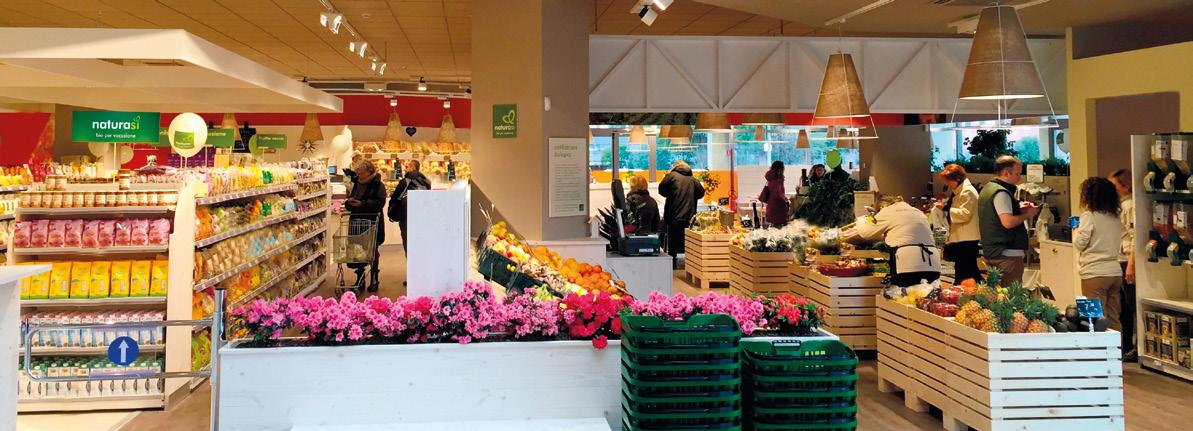
EcorNaturaSì: “Organic isn’t a product. It’s a cultural movement”
INDUSTRY LEADERS
Clearspring: “We need to speak with honesty”
Laboratorios Almond: “Exporting means traveling and meeting the customer”
Fairness from Barn to Brussels: the movement’s push for fair prices
EU Organic Awards inspire the future of organic
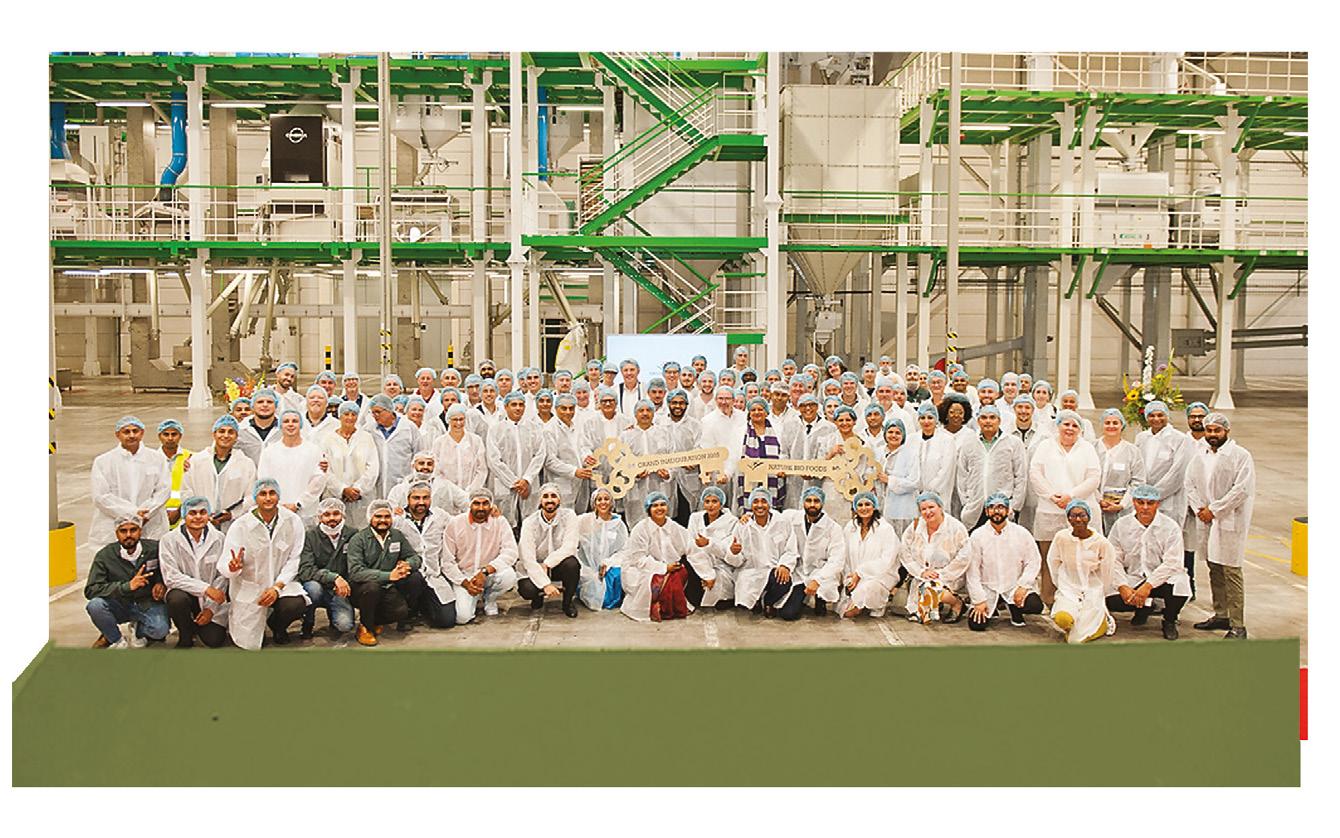
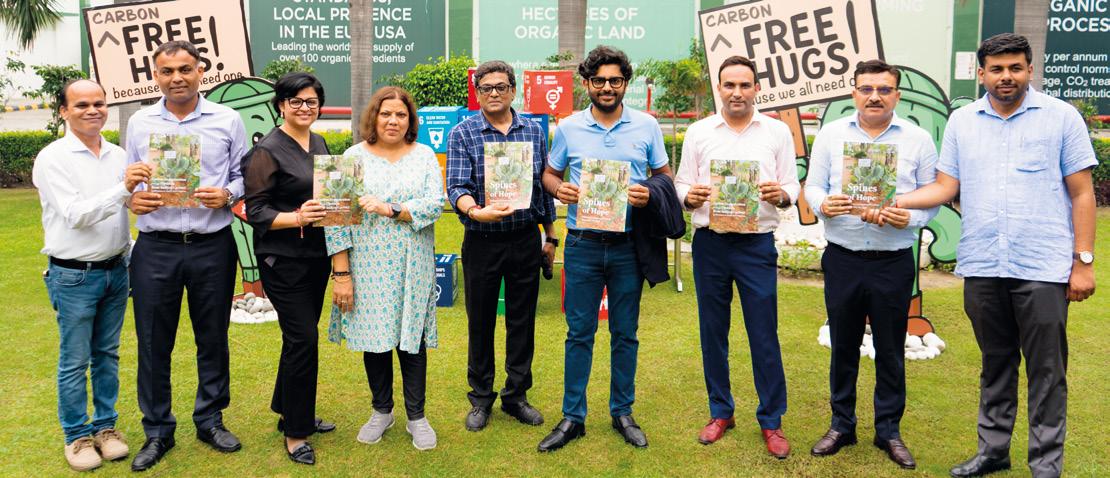
The Cactus Project, by Nature Bio Foods
BIOFACH 2026: The future is now! “The floor belongs to the Young”
Alimentaria strengthens its international leadership
The must events to succeed in the European organic sector
Skin-friendly bacteria: The role of microbiota in modern cosmetics
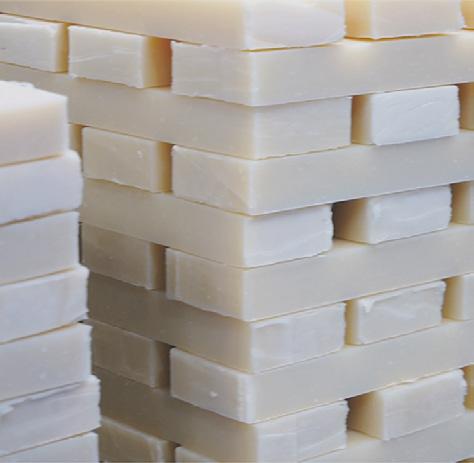
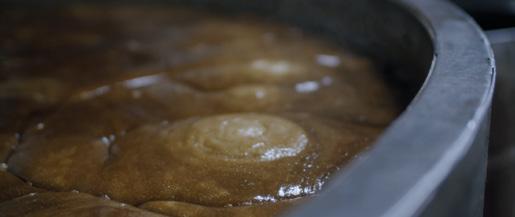
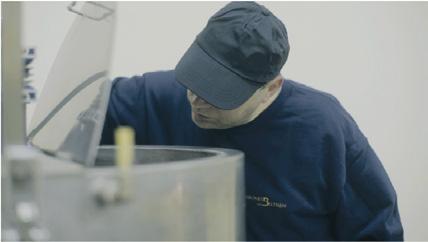
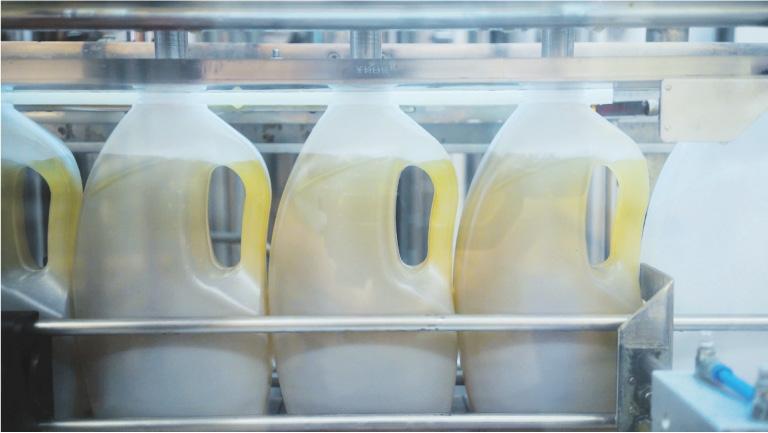
Jabones Beltrán: A century of tradition and innovation in natural soapmaking
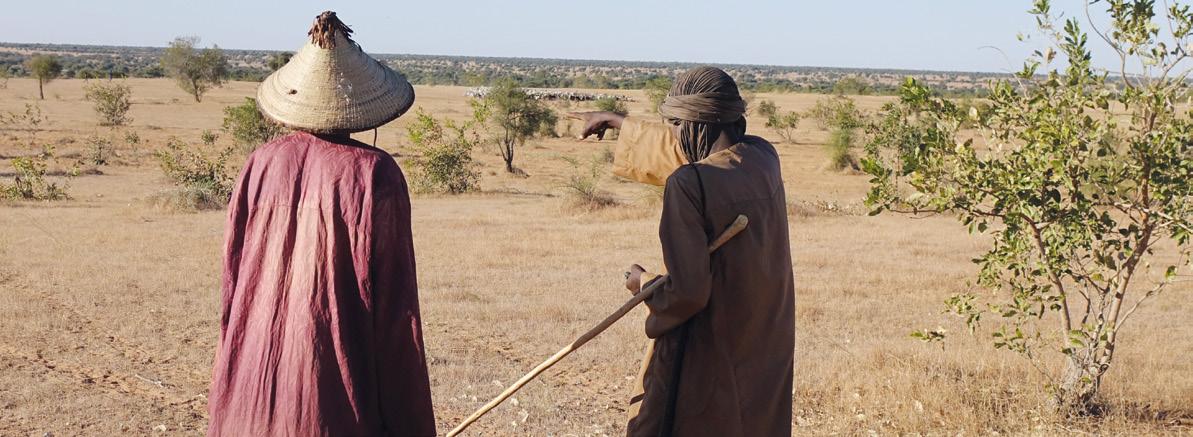
The SustainSahel project: Innovations for a sustainable African agriculture
What organic farming achieves for environment and society
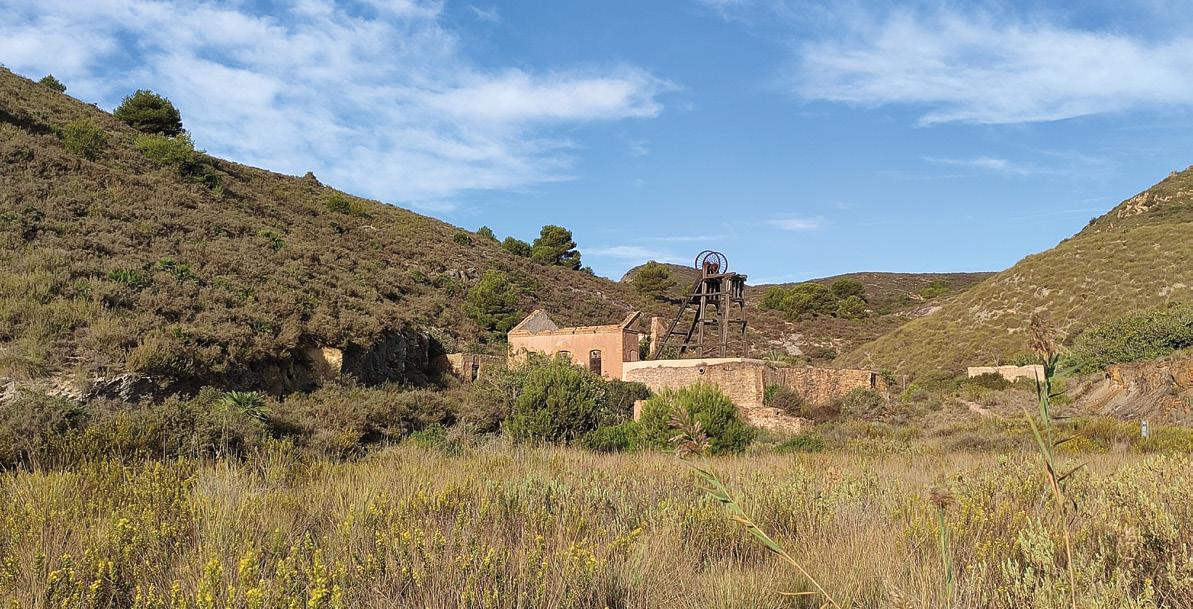
Soil regeneration across Spain: Insights from the InBestSoil experimental sites
“Organic is not reserved for an elite, it must be accessible to everyone”
After the economic devastation caused by the global COVID-19 pandemic, the armed conflicts of recent years, and the trade tensions driven by inflation, higher import quotas and shifting tariffs, the European organic market is beginning to show signs of renewed growth, as leaders of the European organic market highlight exclusively for BIOFACH.
In EU countries, organic production is experiencing generally positive, though modest and gradual, growth, driven by consumer demand for the benefits of organic products, ranging from health and environmental protection to local economic development. According to the latest data on organic agriculture in Europe, published in the yearbook The World of Organic Agriculture 2025, the European Union’s organic farmland continues to grow steadily, reaching more than 17.7 million hectares, accounting for 10.9 percent of total farmland. Spain, France and Italy are the three leading countries in terms of organic farmland. Globally, the EU is the second largest single market for organic products, after the United States, which reported sales of 59.0 billion euros.
The Danish Organic Model, a proven success story
Denmark has the world’s highest organic share and the most well-developed organic market. After the market went a bit down in 2023 due to high inflation and a general crisis in the cost of living, organic sales in Denmark increased by around 7.4% in 2024: organic products generated 16 billion DKK in the retail sector (Statistics Denmark 2024). Denmark continues to lead the world in organic market penetration: 11.6% of all food purchases in Denmark are organic. According to Organic Denmark, the country’s largest organic food association, the unique and government-certified Danish organic label The Red Ø (established in 1990) has been very important to the widespread success that organic food products have achieved in Denmark.
The labelling scheme underscores the political will to promote organic farming and use its principles to drive food system development. Denmark is a pioneer in providing advisory services to farmers and has created the
SPAIN, FRANCE AND ITALY ARE THE THREE LEADING COUNTRIES IN TERMS OF ORGANIC FARMLAND. GLOBALLY, THE EUROPEAN UNION IS THE SECOND LARGEST SINGLE MARKET FOR ORGANIC PRODUCTS, AFTER THE UNITED STATES
Innovation Center for Organic Farming, which researches and tests new methods with partial public funding. Furthermore, the food service sector is particularly important: in Denmark alone, professional kitchens serve around 650,000 main meals a day.
Sweden has a strong national organic action plan
2024 was a somewhat calmer year for food trade than the previous ones in Sweden, Organic Sweden reports. Inflation remained relatively low and interest rates began to fall. At the same time, food prices remained high after the high inflation of recent years. Organic food sales reached SEK 30.9 billion, representing 6.7 percent of total sales. The share of organic food decreased by 0.3 percentage points in 2024, and organic food sales are now 4.3 percent of total food purchases. The Sweden CAP strategic plan provides for a 23 percent increase in supported organic area, and includes a significant proportion of certified organic land, mainly grassland, not receiving support directly for being organic, but still eligible for other agri-environmental support. Moreover, the country has had multiple organic action plans dating back to 1996. A significant focus of the plans is on training and information initiatives at all levels, including for staff and others engaged in public procurement and catering. It also has ambitious targets for organic share of public procurement (Organic Targets 4 EU).
France has recently returned to positive dynamics
According to FNAB, France represents nearly a quarter of the European organic market, which in total represents €50 billion. Data from Agence Bio shows that the consumption of organic products appears to be stabilizing in the country, specialized stores and direct sales channels continue to grow. In 2024, the share of organic products in the French shopping baskets also declined, mostly caused by inflation. Nevertheless, organic products were less affected
ORGANIC MARKET
by inflation compared to conventional goods. “These results are highly encouraging for the market, as they show that demand is strong: consumers are looking for high-quality products that are more responsible and respectful of both people and the planet. Organic farming provides answers to the environmental, social, and food-related challenges we face, and French consumers clearly understand this,” says Frédéric Faure, Vice President of Biocoop, a cooperative founded in 1986, which brings together 740 organic stores across France.
The main challenges facing the French market are production, reduced support for organic farming and organic food accessibility. “Europe is now facing increasingly pressing challenges: geopolitical instability that disrupts trade, energy, and supply chains; an escalating climate emergency marked by droughts, floods, and other extreme events; and rural decline that questions the long-term viability of agriculture. In this context, organic farming stands out more than ever as a key part of the solution. Its regulatory framework, in France and in the EU, must support this evolution for the benefit of those working in the field and the citizens who trust the organic label,” Faure adds. “Our aim is to send a clear, inclusive message: organic is not reserved for an elite, it must be accessible to everyone.”
UK organic market doubles in a decade
According to the Soil Association, the UK organic market grew by 7.3 percent in 2024, ending the year at £3.7 billion -double what it was 10 years ago. Organic unit sales grew four times more than non-organic products in major retail. Consumer support for organic remained strong despite the cost-of-living crisis, as shoppers seek certified sustainable, high-quality products. Organic farming remains stuck on 3 percent of UK farmland, leaving the market heavily reliant on imports. Ariadna Coma in collaboration with BIOFACH
ORGANIC MARKET
“The Polish organic market has the chance to grow rapidly”
Sylwester Strużyna is a graduate of the Faculty of Economics at the University of Szczecin and completed postgraduate studies at the Warsaw School of Economics, specializing in ‘Managing Goodwill’. He has experience in the financial sector and knowledge of the capital market. In 2006, he joined the team at Bio Planet, the Polish market leader in the production and distribution of organic food, where he currently serves as President of the Management Board. Since 2016, he has also served as Vice-President of the Management Board of PIŻE (the Polish Chamber of Organic Food).
How has organic farming in Poland evolved from the 1980s to the present day?
Before 2004 Poland was outside the European Union and there were no effective regulations about organic farming and products. There were some pioneers in the organic movementbut in real terms, this was less than 0.1% of the total food market in Poland. The main problem was that some conventional producers put an “organic” label on every product without any certification and without any reaction from the government. In May 2004 Poland joined the European Union and organic farming and the organic market gradually started to develop. The next milestone was the European leaf logo for organic farming which was introduced EU-wide in 2010. Currently organic farming in Poland comprises 4% of all farming, but the domestic organic market is still very small –about EUR 350 million – which means only 0.5% of the total food market, although it is increasing by 10% annually.
“HELP FROM THE GOVERNMENT IS REALLY IMPORTANT BUT WE HAVE STILL A LONG WAY TO GO TO CONVINCE PEOPLE ABOUT THE BENEFITS OF ORGANIC FOOD”
How does the food retail landscape in Poland differ from that of major European countries?
In Poland around half of organic food is sold in conventional supermarkets and half in organic specialist shops. Generally, there are around 800 organic shops, but half of them are very small (under 50 m2) and half of these shops don’t stock many important categories of organic food, including fresh fruit and vegetables.
In Poland there are some very good organic shops with a wide range of all organic categories – but the number of organic shops larger than 200 m2 is still very small (about 10 nationwide).
What are the challenges facing the organic market in Poland, and what are the opportunities?
The main challenge for the organic market in Poland is to convince Polish consumers that the system of organic certification actually works and that consumers who buy certified organic food receive real food free from pesticide residues. The main opportunity is the tiny share of organic food in the total food market – 0.5%, which means that the Polish organic market has the chance to grow rapidly.
“CURRENTLY ORGANIC FARMING IN POLAND COMPRISES 4% OF ALL FARMING; WHICH MEANS ONLY 0.5% OF THE TOTAL FOOD MARKET, ALTHOUGH IT IS INCREASING BY 10% ANNUALLY”
Bio Planet is a leading producer and distributor of or ganic products in Poland. What is your strategy to stand out in the market?
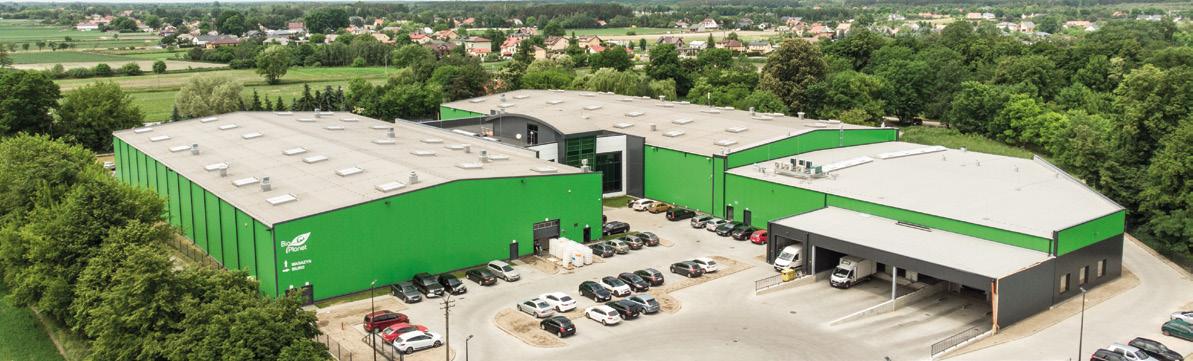
Bio Planet offers a very wide range of good quality or ganic products at competitive prices. We distribute many famous European organic brands and have created our own very strong Bio Planet brand. We pack organic raw materials from around the world, which we buy in large quantities at competitive prices. Our main difference from smaller distributors is our larger range of fresh organic food delivered throughout Poland every day. Another strong point of Bio Planet is our well-developed B2B online sales to the organic shops in Poland that cooperate with us.
More than 6,000 own-brand and third-party products. How do you select the products and suppliers you work with?
We have been present at the major trade fairs since 2007 on the lookout for interesting products. Every year we introduce hundreds of new products and at the same time cancel a similar number of slower-selling items. Every year we introduce some new raw materials packed under the Bio Planet brand. When we discuss new suppliers or organic products, we always analyse price, design, ingredients and, of course, the taste.
What is the impact of working with certified organic products?
By promoting organic food we leave our planet in better shape for future generations.
Does the organic sector receive sufficient government support? Should more ambitious policies be put in place at the EU level?
The main challenge is to raise awareness in Poland of how organic products are certified and how we can recognise organic products on shop shelves. Marketing campaigns about organic food are financed partly by organic organisations, partly by the Polish government and partly by the European Union. Help from the government and the European Union is really important but we still have a long way to go to convince people about the benefits of organic food.
ORGANIC MARKET
“Organic isn’t a product. It’s a cultural movement”
Fausto Jori is the Chief Executive Officer of EcorNaturaSì, the leading organic food retail chain in Italy. Set up in Verona in 1992, the company has 350 points of sale distributed all over Italy. In 2009, the merger of Ecor (the largest wholesale distributor in the organic and biodynamic sector) and NaturaSì led to the creation of EcorNaturaSì, which now controls the chain of production, distribution and marketing in Italy through its network of specialised shops.
Organic market sales: what trend do you see across Europe?
In Europe, specialized organic stores are growing. They started increasing in the second half of 2023, after the 2022 crisis. And 2024 was definitely a year of significant growth for organic specialized stores — with increases of 3%, 5%, even 10%, depending on the country. But there is a kind of wave moving across Europe. There is no country where there is no growth. At the same time, sales of organic products in large retail chains are decreasing. It also depends on the country, but on average, there is an increase in organic specialized stores and a decrease in bio in large chains. And this is quite clear in the landscape of Europe. Obviously, this is kind of scary for the system. The decrease of organic in the large chains means that the demand for organic products is also decreasing. So, this could be dangerous for the organic system overall; organic specialized stores are increasing but not enough to compensate for the decrease in large chains.
Why do you think this is happening?
It is hard to be consistent with organic products: it is difficult to be sure that they are really organic, production costs are higher than for conventional products, and it’s not easy to offer a large assortment in large chains. Overall, it has proved more difficult than expected. Two to six years ago, the introduction of organic products in large chains was seen as a new business opportunity. These were new products, sold at a high price, and retailers assumed that consumers would be willing to spend more. This turned out to be something of a mirage, because it is not easy to manage 1,000–2,000 SKUs of top-quality organic products in a single store. Large chains are more focused on return on investment, increasing sales and margins. So, in my view, organic sales in these channels are declining because they are not a profitable business in the end.
Having 500 SKUs is a good number for a category — but not when they’re lost among 10,000 to 15,000 SKUs in a large chain. I would like to see organic grow regardless of
the channel. But I believe organic is more a lifestyle choice than a business choice.
Who do you usually consider your competitors or benchmarks?
If I look at the Italian market, there are no real competitors, because in some way we are the only large specialised store chain. So we need to look at Europe and understand who we can compare ourselves with. And for sure, large companies such as Biocoop in France or Dennree in Germany are clear points of reference for us: different approaches, but with the same mission. My wish is to have these companies around the table to look at problems together, find a shared perspective, build benchmarks and discuss key topics. Over the last two years, IFOAM has been pushing us to do it, which is very positive.
Twice a year, we now have a retail meeting with IFOAM and the major organic specialised stores to compare ourselves and share ideas. This is a good thing because the organic movement is quite good on the farming side, but less so on the retail side. Being a good retailer is hard: sales per square metre is an important KPI, but it’s not enough on its own.
In which countries is EcorNaturaSì currently active?
We are primarily focused on Italy. The second country where we are present is Spain, for historical reasons and because of the opportunities it offers. Spain is an interesting market, not just from a business perspective. There are thousands of small, independent organic stores, and it is not easy for them to survive in a highly competitive market. I believe there is room for an alliance of independent organic stores, to improve marketing and better differentiate their assortments. So, if there is an opportunity to bring such an alliance together, with the aim of helping small stores stay in the market, improve their marketing and sales, and continue offering pure, real organic products, I believe Spain is the right place to focus these efforts.
“BY DEFINITION, ORGANIC AND BIODYNAMIC FARMS SUPPORT BIODIVERSITY — THE MEDICINE FOR THE AGRICULTURE OF THE FUTURE. IF YOU PRODUCE ORGANIC, YOU CAPTURE CO2, AND YOU INCREASE BIODIVERSITY”
Wouldn’t it make sense for organic to have a joint buying group?
From my perspective, there is room for greater efficiency. Pasta, pomodoro, orange juice and vegetables coming from the south of Italy are among the best you can find in Europe. If consumers across Europe want access to this kind of food, it makes little sense for individual companies to operate separate channels to source directly from farmers. Certifying an entire value chain as organic is very costly. From my perspective, collaboration would be much more efficient for the system as a whole. So the idea is that EcorNaturaSì could invest resources in having agronomists on the ground to support and monitor farmers, while production could then be shared across multiple retail chains. The same logic applies to apples in Poland or olive oil in Spain. This would not function as a procurement office, but rather as a form of project management. That said, it is not easy.
At EcorNaturaSì, you’ve taken many steps to connect farmers and consumers through some of your products.
We work with more than ten agronomists and more than 15 people responsible for quality control. We carry out double checks. At the moment, given the climate crisis, agricul-
ture is not easy to manage, so we need to support farmers in planning, crop rotation and seed selection.Seeds selected for conventional agriculture are not suitable for organic farming. Organic seeds are stronger and better able to grow deeper into the soil to find nutrients and water. Conventional seeds, by contrast, are used to having nutrients readily available around them; they tend to remain near the surface, waiting for fertilisation and water. This long value chain, called “Farm to Fork”, actually goes from seeds to the stomach. Our goal is healthy food in addition to healthy agriculture. So why stop at the fork or at the table? It should go all the way to the mouth, the stomach and the intestines.
What can you tell us about EcorNaturaSì’s strategy and development for the near future?
We have two goals. The first one is to become better retailers and to manage our stores correctly and efficiently. Over the past 20 years, we have worked extensively to help stores improve their operations, from marketing and management to sales performance and sales per square metre. This is an ongoing process. We provide tools, processes and best practices in marketing, and we also support stores with assortment planning and in-store product presentation. In addition, we offer IT support, accounting and payroll services, because if you want commitment from people, you need to pay fair salaries. Today, more than 25 people are dedicated exclusively to supporting store management control. We currently work with around 350 stores in Italy, including both directly owned and affiliated stores, and our goal is to support all of them. Our second goal is linked to farmers. Without consumers, there is no revenue to support agriculture, yet farmers are currently the weakest part of the value chain. The income they receive from the products they produce is often not enough to survive. Even though we at EcorNaturaSì pay prices that are 20–30% higher than the market average, this
ORGANIC MARKET
is still not enough. That is why a key part of our strategy is to identify additional revenue streams for farmers that are not paid solely by consumers. Through organic and biodynamic agriculture, farmers are able to store CO2 in the soil and contribute to biodiversity. In doing so, they provide ecosystem services that benefit society as a whole. If these services can be measured, for example, by quantifying the amount of CO2 stored in the soil, they can become an additional source of income. One possibility is for farmers to sell carbon certificates to organisations that need to offset emissions. This is important because it allows organic farmers to be rewarded for the positive environmental services they provide.
By definition, organic and biodynamic farms enhance biodiversity and contribute to climate mitigation — essential elements for the agriculture of the future. If the system is able to pay for these benefits, it creates a more resilient and fair value chain. We are therefore bringing together scientists to develop methods for measuring biodiversity and environmental impact. At the same time, new European regulations are trying to organise these ecosystem services as additional revenue streams for farmers.
EcorNaturaSì is now the owner of BiotoBio Ibérica, while in Italy you sold your participation in BiotoBio to Probios.
We want to focus on retail — investing in stores, improving management, and attracting consumers. Because if you have consumers within your ecosystem, you can change the world. If the consumer is outside your ecosystem, you are pretty similar to a large retail chain. So the idea is to create a new concept of retail, not just based on demand and supply. We previously held a majority stake in BiotoBio, but this is a B2B business and does not have a direct relationship with the consumer in the way B2C does. For this reason, we chose to simplify our business, focus on retail, and reinvest the proceeds from the transaction into our stores. The reality of or-
ganic is that it is not just a product; it is a cultural movement. The product itself is only a small part of that. Our goal is to support an organic lifestyle, and the only way to do that is by keeping the consumer within the ecosystem, not outside it.
What are the major challenges and opportunities organic is currently facing?
We are transparent because we want you, as a consumer, to be with us. Adam Smith, the founder of capitalism, argued two centuries ago that prices are set by an “invisible hand”, and that price should remain something of a secret in commercial activity. But I believe this approach is wrong. Prices need to be transparent. This is very disruptive and complex, but we have been working in this direction over the past two years. If we are able to be transparent with consumers, they become part of our ecosystem. That is the real revolution.
Revision of the Organic Regulation
The European Commission has proposed a targeted revision of the organic regulation, intended to support the competitiveness of the sector by reducing the regulatory burden and avoiding trade disruption. The Organic Processing and Trade Association (OPTA Europe) welcomes efforts to resolve implementation issues but regrets that it fails to provide meaningful improvements for the sector and constitutes a regression in terms of trade.
Resolved challenges and emerging ones
The Commission’s proposal delivers progress on several files of strategic importance for organic companies. OPTA Europe welcomes the changes regarding the updated eligibility criteria for groups of operators in the Union and in third countries, which will help ensure the continued participation of smallholder farmers in the EU organic market. The removal of new obligations regarding products for cleaning and disinfection to be used in processing and storage facilities marks another positive development and a significant relief for organic processing companies.
Despite these important advances, OPTA Europe remains concerned about certain aspects of the proposal, such as the additional requirements that products from equivalent countries must satisfy to qualify for the EU logo, in response to a Court of Justice of the European Union’s interpretation of the organic regulation. The organization reaffirms its strong opposition to any departure from the principle of organic equivalence and the established practice of logo reciprocity. “If moving away from equivalence of standards and logo reciprocity puts current agreements with our major export markets at risk or triggers retaliatory actions, it is hard to see how this proposal supports the declared goal of maintaining trade continuity and enhancing the sector’s competitiveness,” said Aurora Abad, Secretary General of OPTA Europe
The ban on the EU logo extends to organic products manufactured in the EU when they contain more than 5% of ingredients sourced from equivalent third countries that do not meet the ‘additional’ requirements. For OPTA Europe, this introduces additional complexity for the many EU-based processing companies that rely on raw materials imported from equivalent countries.
OPTA Europe also regrets that 11 existing equivalence agreements are extended for another 10 years, denying any opportunity to revise them in favour of better conditions for EU products. “Rather than prolonging the current agreements for a decade while weakening their original intent, the Commission could uphold the equivalence principle and renegotiate each agreement to better serve the interests of EU producers and consumers,” continues Aurora Abad. “We had placed high expectations on the renegotiation of those agreements to remove trade barriers for EU exports, yet we are now being asked to wait for another ten years.”
What’s missing in the proposal
A concern for OPTA Europe is what the proposal actually doesn’t include. The most pressing issue for organic companies is to improve the functioning of the Single Market, undermined by the divergent implementation of the organic regulation in Member States. OPTA Europe also expresses regret that the proposal does not incorporate measures to promote innovative processing solutions that could help organic products reach new consumers.
While the Commission’s proposal for the Basic Act is silent on these important topics, OPTA Europe looks forward to reviewing the Roadmap, reportedly due to be published in the forthcoming days, which may provide guidance on how they could be addressed.
Fairness from Barn to Brussels
The Organic movement’s push for fair prices and what the EU is up to
Fairness is not a buzzword in organic agriculture: it is one of its foundational principles. For IFOAM Organics Europe, fairness means building agri-food systems that ensure equity for all actors, particularly farmers and farmworkers, while respecting planetary boundaries and future generations. At a time when farmers across Europe are increasingly squeezed between rising production costs and powerful downstream buyers, fairness in price distribution is a critical issue - not just for organic farming, but for the sustainability, resilience and competitiveness of the entire sector.
Organic agriculture, by its very definition, is committed to fair economic relationships. This includes equi-
table pay, transparent trade relations and long-term contracts. The principle of fairness underpins IFOAM Organics Europe’s multiple calls for the inclusion of environmental and social costs in food pricing (true cost accounting), the elimination of unfair trading practices (UTPs), and the development of transparent value chains.
ORGANIC AGRICULTURE ALREADY OFFERS A CONCRETE MODEL: ONE THAT RESPECTS PLANETARY BOUNDARIES AND DISTRIBUTES VALUE MORE EQUITABLY
Recent political developments at EU level confirm that the issue of fairness is moving higher on the political agenda. The September 2024 report of the Strategic Dialogue on the Future of EU Agriculture, to which IFOAM Organics Europe President Jan Plagge contributed, explicitly highlights the need to strengthen farmers’ position in the food value chain. It calls for measures that
OF BENEFICIARIES
ensure producers receive a fair share of the value generated by the agri-food system. Importantly, this report also recognizes organic as the only sustainability scheme regulated at EU level, with a clear role to play in the transition towards more sustainable food systems.
The EU’s “Vision for Agriculture and Food”, published in February 2025, outlines the need for an agri-food system that provides a fair income for farmers, greater price transparency, and public support that reflects the multiple contributions of sustainable forms of agriculture, such as organic farming, to society. It clearly states that “practices where farmers are systematically forced to sell below costs will not be tolerated.” This is an acknowledgement of the challenges many farmers face and a strong signal that systemic imbalances must be addressed. The Vision also commits to reviewing the Unfair Trading Practices directive and the Common Market Organisation Regulation to improve farmers’ economic standing.
One forum for implementing these commitments is the EU Agri-Food Chain Observatory (AFCO). Launched in 2024, after the farmers’ protests of 2023/2024, the observatory is tasked with collecting and analysing data on prices, costs, and margins across the agri-food chain. Its mission is to improve transparency, help identify imbalances, and support fairer distribution of value. IFOAM Organics Europe has a seat at the table and calls for more transparency within the supply chain to address the deep-seated
power asymmetries that currently define many food supply chains.
Fairness is also a question of market practice. Initiatives like those of NaturaSì, an Italian organic retailer and member of IFOAM Organics Europe, demonstrate what transparency can look like in action. By publishing breakdowns of producer prices and retail margins next to the final price of the product, NaturaSì empowers consumers to make informed choices and rewards producers more justly. These types of voluntary measures reflect the values of the organic movement and have the merit of starting a conversation around a topic that is not usually addressed in a transparent way.
Yet voluntary initiatives alone are not enough. The current Common Agricultural Policy (CAP) still disproportionately supports large farms: about 80% of direct payments go to just 20% of beneficiaries. IFOAM Organics Europe supports ongoing discussions about CAP reform, including calls to redirect support toward farmers who need it the most, including small and medium-sized farms, young farmers, and those delivering public goods such as organic farmers.
Europe must seize the opportunity to make fairness a reality in its agri-food systems. Organic agriculture already offers a concrete model: one that respects planetary boundaries, incentivises vibrant rural economies, and distributes value more equitably.
The EU has now recognised this potential in its strategic and political narratives. It is time to turn these words into action by enforcing fair trading rules, promoting transparency, and ensuring that organic farmers are not only agents of sustainability, but also beneficiaries of a just and viable food economy Silvia Schmid
Since 2003, IFOAM Organics Europe represents organic in European policymaking. The EU institutions recognise IFOAM Organics Europe as the leading advocate on EU policy for organic food and farming. www.organicseurope.bio
Consider becoming a member and supporting IFOAM Organics Europe!
Clearspring: “We
need to meet people where they are and speak with clarity, honesty, and purpose”
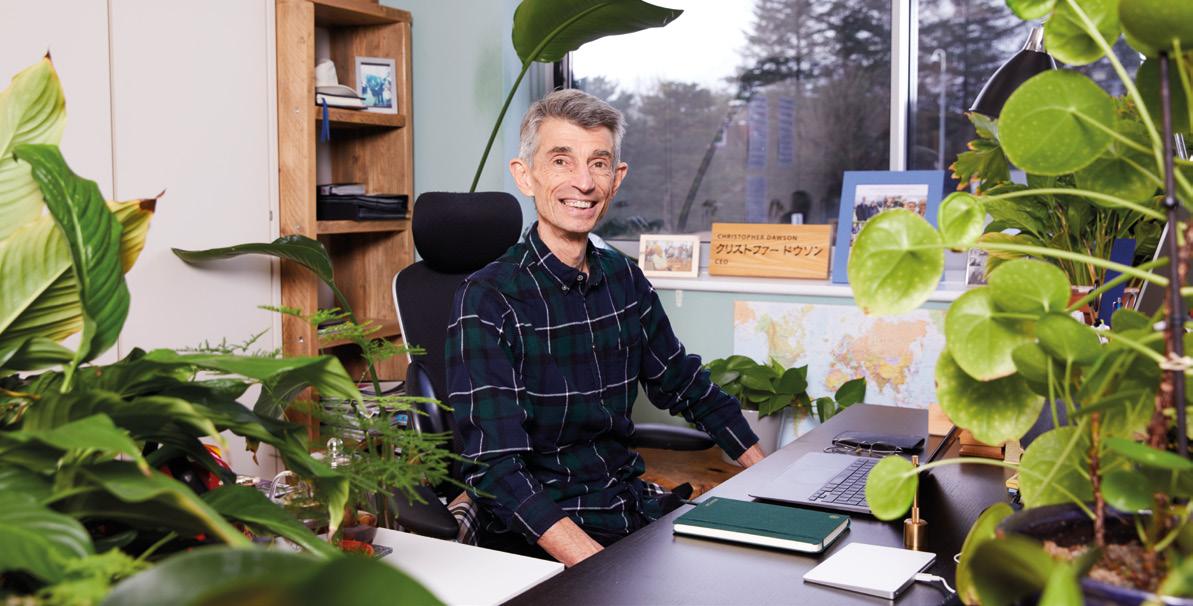
In 1972, young New Zealander Christopher Dawson began to question the impact of modern agriculture. He recognised the harm caused by uncontrolled deforestation, the dominance of monoculture, and mass food production, and the potential risks these posed to the prosperity of future generations.
Determined to learn more, he worked with numerous organic producers in New Zealand before moving to the UK in 1974 to continue his studies. Six years later, he set out on an inspiring journey to Japan, which led him to found Clearspring in 1993—a family-run business known today for its authentic, award-winning Japanese and organic foods. Over thirty years later, the company continues to thrive with a motivated, harmonious team
and a smooth generational transition under the leadership of his daughter, Maria Dawson
“We remain deeply rooted in the same values that inspired me all those years ago: a relentless passion and commitment to introduce the world to the most authentic plant- based Japanese foods – foods that are not only organic and of exceptional taste, but are also crafted with integrity and respect for tradition,” explains Christopher Dawson.
TRADITIONAL VALUES ARE CONSTANTLY REINTERPRETED TO MEET MODERN NEEDS
Protect, promote and provide
In 1993, Clearspring set out on a mission to provide high-quality organic foods from around the world, made using local, traditional recipes for
Christopher Dawson, founder of Clearspring.
“IT’S NOT JUST ABOUT SELLING PRODUCTS—IT’S ABOUT INSPIRING PEOPLE TO CONSIDER MAKING LIFESTYLE AND FOOD CHOICE CHANGES FOR A POTENTIAL POSITIVE IMPACT ON THEIR HEALTH AND THE HEALTH OF THE PLANET”
the enjoyment and health of people now and in the future. Inspired by local farming methods and a variety of seeds—some even ancient—they committed from the start to knowledge-sharing and collaboration with groups promoting regenerative agriculture.
“We aim to create products that are thoughtful, sustainable, and rooted in respect for the land,” says Dawson. Thirty-two years later, that mission remains unchanged, with Clearspring products now reaching over 60 countries worldwide, including Spain.
World-renowned quality
Clearspring offers a unique range of more than 300 organic, authentic, plant-based products—from essential Japanese staples like miso and tofu to Mediterranean pantry items like oils and vinegars, as well as other traditional Asian foods.
To preserve the natural quality of their ingredients, Clearspring relies on minimal processing and avoids additives, artificial colouring, genetically modified organisms, and refined sugars. They also replace table salt with sea salt in the production of items like miso, for example. “It’s these small things, which make a big difference, that give consumers the confidence that we will always stay true to our values,” explain Jag Singh, Marketing Manager, and Richard Trevor, International Key Account Manager, during Bio Eco Actual’s visit to Clearspring’s headquarters in London.
Innovation without abandoning tradition
At Clearspring, traditional values are constantly reinterpreted to meet modern needs with functional, sustainable, and authentic offerings. “Innovation doesn’t have to mean compromise. At Clearspring, we take well-loved, often non-Japanese foods and reimagine them by incorporating our organic Japanese ingredients, including seasonings and probiotic miso. The result is a unique fusion that respects both tradition and today’s lifestyles – like our Organic Instant Miso Soups, Organic Oat Biscuits with Matcha and Miso, or our award-winning Organic Tamari Roasted Almonds and Cashews,” says Dawson
INDUSTRY LEADERS
Innovation, however, goes beyond the essence of the products—it also transforms their packaging. Eliminating and replacing plastic packaging, especially single-use plastic, is one of Clearspring’s key sustainability goals. Recently, the company removed plastic trays from its Organic Seaveg Crispies snack range, without affecting the taste or crisp texture of the seaweed. This change alone has eliminated nearly five million disposable plastic trays per year—equivalent to almost 18 tonnes less waste. They also replaced the plastic packaging of their Organic Japanese Tofu – Silken & Smooth with cardboard packaging.
Commitment, contribution, education, and inspiration
Clearspring’s positive impact aims to go beyond sustainable food marketing, seeking to leave a mark on the community through volunteering, small-scale gardening projects, school-based educational programmes, and awareness campaigns to bring organic products closer to the general public. “Awareness is essential. People need to see, feel, and understand that organic food is not just better for them, but for the world they live in,” affirms the founder.
With this in mind, last July Clearspring launched a sixmonth campaign in the Barcelona metro in collaboration with Bio Eco Actual, aiming to increase awareness and consumption of organic food. “Campaigns like this one are a powerful way to break through the noise to bring the message of clean, ethical food to the everyday journey of consumers. It’s not just about selling products; it’s about inspiring people. If we want organic to be mainstream, we need to meet people where they are and speak with clarity, honesty and purpose, whilst inspiring them with amazing flavours and recipes,” emphasizes Christopher Dawson
Maria Dawson with her son Ollie.
“Exporting means traveling and meeting the customer”
Franck Debaere is the International Brand Builder at Laboratorios Almond, a leading company in the manufacturing and commercialization of organic products, mainly under its brands NaturGreen and Ecomil. Passionate about the food sector, Debaere’s more than 20 years of experience in the export business have given him an excellent knowledge of the international distribution of organic and healthy foods.
How did you start in the organic sector, and what motivates you about working in it?
My beginnings in the organic food industry date back to 2001, when I joined Laboratorios Almond to create and structure the Export Department, which at the time did not exist. Everything I have known and learned about the organic food sector and international organic distribution, I have learned thanks to this job, which has allowed me to travel to all continents and see how distributors and retailers in the organic sector operate worldwide.
What motivates me is that it is a sector that has personally given me a lot of knowledge about human nutrition because it is also important to understand food and its nutritional properties. That is also in the DNA of our brands. We have many nutritional claims in Ecomil and NaturGreen. It is a field of knowledge that interests me greatly. Food is in my DNA. I come from a family of food retailers, bakers, pastry chefs, restaurateurs, butchers, fishmongers, and fruit and vegetable wholesalers. Working in the organic food sector, which respects health and the environment, is like a battery inside me that never runs out.
Have you witnessed the creation of many international organic markets during these 24 years?
I have witnessed the beginnings of several markets, both European and non-European. One must realize that organic food distribution is a global phenomenon. It is curious that, whether we are in China, Japan, the United States, or Argentina, we will always find a typical organic food store with a founder who has more or less the same story: expressing their passion for organic and natural food, which led them to create a business project. This is the core of organic food distribution. Then we have the highly modern sector, such as European distribution, which I consider the most advanced globally. We have the German and French markets, which are very well-established with major chains like Biocoop (which has 750 stores) or La Vie Claire (with 320 stores). There are also many smaller chains, but
with very modern, highly consolidated, and highly professional distribution.
When I started, organic chains barely existed, and those that did were poorly organized or highly artisanal. This professionalization of distribution has driven supply and accessibility, reducing barriers for the average consumer to enter an organic store. It is no longer like in the past when one had to go to a herbalist shop to buy a food product for a special diet or specific need.
What challenges does selling outside the EU entail?
It involves market access challenges: whether there are more barriers or hurdles at the documentation, importation, or tariff level, and also in terms of packaging—that is, adapting packaging to the language of the destination country. Exporting rhymes with adaptation and segmentation. One must be capable of adapting to the target market and ensuring that the text complies with its regulations to provide good service to the distributor and avoid making them go through the hassle of opening boxes and placing labels, which is not very professional.
In Europe, we still have a very strong specialized sector that has gone through a double crisis, especially in France and Germany, due to the COVID rebound effect and an excessive number of points of sale. There has been a widespread correction with the closure of many stores, which has brought things into balance. Just because 100 or 200 organic stores open in a country each year does not mean enough consumers will suddenly emerge to sustain them. The same happened with the organic offerings in traditional supermarkets—there was a moment of oversupply. This has now adjusted, leaving only products with nutritional and environmental value. It made no sense to find organic Heinz ketchup or organic Lay’s chips. In my opinion, organic food must be healthy. If it is just to reproduce junk food in an organic version, it does not create a good image. The future of the sector lies within the healthy eating movement, linked to well-being.
What about the European market strengths?
In Europe, the leading countries in per capita organic consumption are France, Germany, and the Nordic countries. Other countries are evolving positively. Spain is also showing a positive trend in organic consumption. I also perceive that consumers are considering not only the benefits for their health but also for the environment. There were several attempts in France and other countries to discredit organic products with certifications like Haute Valeur Environnementale (HVE), but they collapsed under their own weight. People truly trust organic food regulated by the European Union with the official label and have realized that these “intermediary certifiers” are useless.
In the medium to long term, organic consumption will continue growing in Europe among consumers aged 50-65 and those approaching retirement. They gain more purchasing power for food as they have fewer expenses than during their working life, and they prioritize well-being to live longer and healthier. This represents a significant number of potential consumers who could adopt organic consumption.
In how many countries is Laboratorios Almond present?
We are now in 50 countries. We are selective and focus on markets where we already have a strong position to reinforce it with our brands Ecomil and NaturGreen, which hold significant value. We are also present in developing markets with potential. Our focus is on Europe and Southern European countries.
What advice would you give to other companies in the sector looking to export?
There is no magic formula in prospecting or client acquisition that solves everything. It is a combination of many elements: trade fairs, commercial missions, or even getting on a plane and making a personal visit when there are strong signs of genuine interest. Although video conferencing has become widespread, when establishing a commercial relationship with a distributor who will sell and represent your brand in a country, it is not a mere buy-sell operation. You need to build a relationship of trust with the people in that distribution company and ensure they fully understand your brand’s positioning and product philosophy. They need training, and you need to understand how the market works onsite—who the players are, the competition, and the opportunities. This only works when you meet your clients in person. For me, the key is face-to-face meetings with distributors and being present in the markets. Part of our success in both customer acquisition and maintaining customer relationships lies in our availability and ability to travel, to move around, and to stay close to our clients. In January, we made three in-
ternational trips, followed by the BIOFACH trade fair in February and then the Gulfood fair in Dubai.
The human aspect is often lost…
There may be business models where customer relationships can be fully digitalized. However, in food distribution, you need to work side by side with the distributor and their sales team; you need direct feedback. There are two approaches: Desk to Street and Street to Desk. They are both highly effective, but only if you combine them. If you don’t, you will never find balance. It’s a somewhat unconventional way of defining how to approach trade and customers, but for me, it is key.
What should a good marketing and promotion strategy include?
One of the most important roles of marketing in international trade is understanding the need to adapt both the product and the communication that the international sales team will carry out. Often, the international sales team is seen as the odd one out within the company. But just as the sales team incorporates different national channels in their campaigns (specialty stores, retail, HORECA, etc.), they must also integrate the export team as another channel rather than treating it as something separate that doesn’t concern them. This requires interdepartmental collaboration. If the international sales department sets out on its own, like Don Quixote, without the support of a department, intelligence, or internal transmission to assist with research, trade fair organization, or product documentation in foreign languages, the challenge becomes much greater.
BIOFACH 2026: The future is now!
“The
Wfloor belongs to the Young”
ith all eyes on the new generation of activists, entrepreneurs, producers, processors, and distributors, the organic sector feels strong, with the necessary energy to face all the challenges that the international social and economic landscape demands. And there are many. Geopolitical changes, conflicts spread across all continents, and the threats and realities of viruses affecting millions of animals destined for consumption are all part of the equation.
The transition to an organic agri-food model cannot falter. It requires the involvement, dedication, and effort of all stakeholders in the sector. The amount of land cultivated organically continues to increase, and the new startups that produce, process, and distribute the food derived from this production demonstrate the unstoppable momentum of a way of understanding food based on respect for our planet’s limited resources, which must offer quality nutrition to a growing population without polluting or depleting soil, air, and clean water. Innovation is key to this. At BIOFACH, you can feel the strength that comes from being right, from
being on the path of environmental protection, defending organic producers, and supporting the transition to organic farming for all those who have become aware of its benefits for everyone’s health and the planet, and who need support to overcome the obstacles they face. Young people have the strength to move forward and make the sector’s voice heard where agricultural policies are decided, to start and launch new businesses that add value and facilitate consumption.
A meeting place to connect, experience, and learn
These are the driving forces behind thousands of visitors from around the world who eagerly visit the leading trade fair for organic food and certified organic and natural cosmetics.
Connecting producers with traders and manufacturers, brands with distributors, sharing ideas with those who can help bring them to fruition, launching proposals that benefit the sector, exporting, importing, the mosaic of this
fair encompasses all possibilities and facilitates connections with key players worldwide.
Experience with all your senses: see, smell, taste, hear. Discover new trends, new products, more sustainable packaging, solid cosmetics, and ingredients from all corners of the globe for a richer and more international cuisine.
Learn from leading experts in digitalization and technological advancements, consumer preferences and market trends, carbon sequestration, soil regeneration, and resource optimization. This can be done throughout all the pavilions of the fair and at the Congress, which fosters the exchange of ideas. It can be attended in person or virtually.
Communication and Consumer Trust
To maintain and increase consumer trust in organic products, communication is essential. This includes clearly communicating their social and health benefits, highlighting differences in environmental and health impacts, and promoting awareness of their importance through ecology and nutrition education, from primary school through to university level. Teachers, nurses, doctors, and families should be much better trained and informed. Economic incentives, such as reduced taxes, to reward the community service provided by organic producers, would facilitate the transformation and entry of new players into organic farming. Consumers should be familiar with the Euro Leaf logo, which guarantees they are making the best possible choice.
The Congress. Growing Tomorrow: Young Voices, Bold Visions
What we project today shapes the future, and this year’s BIOFACH Congress focuses on the voice and courage of young people. Experienced professionals and young people from all over the world participate in and attend the congress. Responsibility is global, as are the goals of environmental activism. Together, they will discuss the best strategies for advancing and building sustainable systems and how to influence industrial and political decision-making that can help achieve this. A highly valuable event for the personal growth of the attendees. In the words of Tina Andres, Chair of the national organic association BÖLW, “A multi-generational approach is essential if we are to address the major questions about the future that we currently face. At BIOFACH 2026, the floor belongs to the young, committed people who are taking responsibility and shaping the future right now.”
Country of the Year: India
In this edition, the honour and highest visibility as Country of the Year goes to India, recognizing its dynamism and ecological development. Everything is ready for the leading trade fair in the sector, BIOFACH 2026, which is expected to be inspiring and full of positive impacts for all the professionals who visit, boosting their businesses by following the philosophy of the organic sector, which prioritizes respect for the health of the planet and proposes a healthy food model. It takes place from February 10th to 13th at the Nuremberg Exhibition Center and is jointly organized by Nuremberg Messe, IFOAM Organics International and BÖLW.
Special Shows at BIOFACH 2026
Community catering, gastronomy, and the restaurant and hotel industry have their space at Organic Out of Home in Hall 6. Live demonstrations, exchange of ideas, new products, and tools to measure, certify, and implement digital technology, a program coordinated by Rainer Roehl and Dr. Carola Strassner will be held.
Environmental protection, which extends to the protection of people, will be extensively addressed at the World of Planetary Health in Hall 9. Healthy people on a healthy planet. Nutrition, climate, health: strategies for change.
A program coordinated by Melissa Buchholz, Büro für Lebensmittelkunde und Qualität GmbH (BLQ).
At The World of Olive Oil in Hall 4, olive oil producers, traders, buyers, and gastronomy professionals will meet and present their oils. In a blind tasting, visitors will vote for the best, awarding the Olive Oil Award. The program is coordinated by Richard Wolny, Member of the Olive Oil Panel.
In Hall 9, NextGen Workshop Area, trainees, career starters, companies, and universities will come together to
discuss and explore new perspectives for the development of the organic sector. The program is coordinated by Christoph Spahn of Iniciato GbR.
The Innovation Stage in Hall 4A showcases the latest trends and innovations and is located next to the Novelty Stand. The Best New Product Awards will be presented on the last day.
Meeting Point BIOimSEH is the platform the fair provides for all visitors to facilitate networking and discover new products.
TRADE FAIRS
Alimentaria strengthens its international leadership
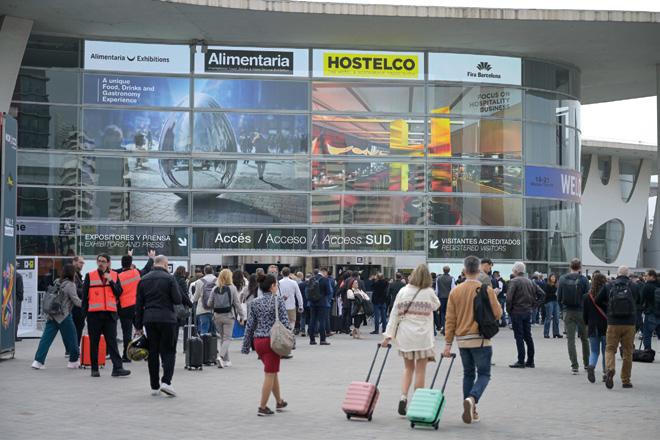
Alimentaria, the leading international platform for food, beverages, food service and hospitality equipment, and one of the main international benchmarks for the sector, will return to Fira de Barcelona’s Gran Via venue from 23 to 26 March 2026, with a 41% increase in international participation compared with the previous edition.
Nearly 1,000 international companies from 70 countries have already confirmed their participation. They account for more than 30% of all exhibitors and represent an 11% increase compared with the previous edition. As in previous editions, Italy again leads international participation with more than 200 firms, including those grouped under the Italian Trade Agency. Following Italy, the countries with the highest number of exhibitors will be China, Turkey, Germany, Belgium, Portugal, France, the Netherlands and Greece, all of which have increased their floor space and exhibitor numbers compared with the previous edition. Participation from the United States has also grown notably. Poland will be the guest country at the 2026 edition, participating with more than 100 exhibitors and 1,200 m2 of exhibition space.
More than 1,500 importers invited
Alimentaria estimates that 25% of the more than 110,000 visitors expected for the next edition will come from abroad. To promote business opportunities in foreign markets, the
event has a major buyer invitation programme, organised in collaboration with ICEX, through which it will bring together more than 1,500 importers, distributors, directors and international purchasing managers from more than 80 countries of strategic importance for participating exhibitors.
The programme aims to connect the sector’s main decision-makers: importers, distributors and Horeca operators across hotels, restaurants, retail, cruises and travel services, both in Spain and internationally, with the aim of fostering commercial opportunities and new business partnerships. One of the event’s core features is the matchmaking meetings between invited buyers and exhibitors, which are expected to exceed 14,000. In addition, the event will welcome buyers and importers from the United States, Mexico, China and Hong Kong, Canada, the United Kingdom, the Netherlands, South Korea, Singapore, Germany and Chile, followed by the main destination markets for Spanish exports in Europe and Latin America.
Alimentaria, with the organic industry
With more than 110,000 visitors, the trade show offers a truly unique opportunity to help transform the industry from within. Those familiar with recent editions will know that the organic sector has long had its own defined space under the “Organic Foods” category, traditionally located in Hall 5 of the exhibition venue. This is not new.
What does mark a significant step forward is the broader, cross-cutting visibility of organic products throughout the entire event. In other areas of the fair, such as Lands of Spain, Grocery or Interlact, all companies with certified organic products will be clearly identified with a dedicated label. The EU organic logo will be visible from the main entrance, continue through producers’ stands across the different halls and sectors, and lead visitors naturally towards the Organic Foods area and La Plaza Eco, the conference and networking space located next to the Pavilion of the Ministry of Agriculture, Fisheries and Food and reserved exclusively for organic producers, is set to become the main meeting point for the sector. From there, the organic value chain will gain visibility, coherence and a stronger strategic presence within the fair as a whole.
International Food, Drinks & Food Service Exhibition
BARCELONA
23 - 26 Marc ch 2026
Gran Via Venue
Must-attend events to succeed in the European organic sector
BIOFACH 2026: “Young Voices, Bold Visions”
Producers, processors, distributors, journalists, politicians, activists and certifiers will meet once again at BIOFACH, the world’s leading organic food trade fair. From February 10 to 13, 2026, the Nuremberg Exhibition Center will once again be the place where the international organic food industry comes together. The BIOFACH Congress will be putting the next generation under the spotlight. Under the banner “Growing Tomorrow: Young Voices, Bold Visions”, the focus will be on young people who are changing the global food and agriculture landscape with their bold visions and novel ideas. The program will offer an indepth analysis of the challenges facing the organic sector and, in particular, will focus on the challenge of responding to new forms of communication and lifestyles without losing its values or roots, showing how the next generation is not only following in the footsteps of the previous one, but also driving the future of the organic movement.
More information about BIOFACH available here:
medFEL: the meeting point of the fruit and vegetable world
A platform for reflection, economic exchange and engagement, medFEL asserts itself as the leading trade fair in France dedicated to the Fruit and Vegetable sector. Its next edition will be held on April 28 and 29 at the Exhibition Centre of Perpignan (France) with high value-added content and targeted business meetings.
More information about medFEL available here:
NOPEX takes decision to focus
on natural and organic food
Diversified UK & Europe is focusing on developing The Natural & Organic Food Show, which will take place at Excel London on 16-17 September 2026.
More information about Natural & Organic Food Show available here:
Free From Specialty Food 2026 celebrates its 13th edition in Vienna
The trend for free from, and specialty food continues to thrive right across Mid- and Central Europe. Free From Specialty Food 2026 is taking place in Vienna on 16–17 June 2026, showcasing the best new free from food and drink products.
More information about Free From Specialty Food 2026 available here:
FREE FROM SPECIALTY FOOD
16 - 17 JUNE 2026 • VIENNA, AUSTRIA
Natexpo prepares a new edition in Lyon
Natexpo confirms its role as a strategic event where organic industry players meet, exchange ideas, and shape the future with a new edition in Lyon that will be held on September 28 and 29.
More information about Natexpo available here:
Nordic Organic Expo: where the Nordic region’s top organic and natural companies come together
The Nordic Organic Expo will return to Malmömässan, an exhibition and convention centre in Malmö, Sweden, on November 18-19, with expectations of continued growth and an even broader industry presence.
The Nordic region’s leading trade event for organic and natural products returns in 2026 for a new edition, creating a vibrant marketplace of innovative ideas and trends Exhibitors from around the world will showcase their latest offerings, while buyers, managers, distributors, and other decision-makers will be able to explore new possibilities for their product shelves.
More information about Nordic Organic Expo available here:
Organic food takes centre stage at Alimentaria 2026
Alimentaria, the leading trade show for food industry professionals, will celebrate its 50th anniversary at its next edition, taking place from March 23 to 26 at Fira de Barcelona’s Gran Via. The event will place a special focus on organic producers and on the certification that brings them together: the EU organic logo.
All companies offering certified organic products will feature a dedicated label, with the EU organic logo visible from the moment visitors enter the venue. Alongside the Organic Foods sector, the show will launch La Plaza Eco, a new conference and networking space set to become the hub of the organic sector at the fair. In addition, the organisers have announced the Village Eco, an area of affordable stands designed specifically for organic SMEs.
More information about Alimentaria available here:
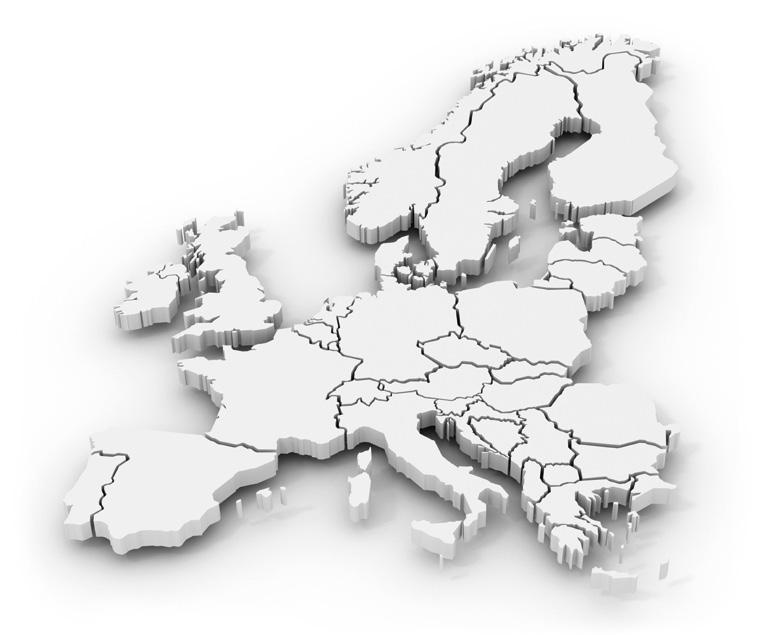
Organic trade fairs map in Europe - 2026
London, September 16-17
Lyon, September 28-29
Barcelona, March 23-26
Perpignan, April 28-29
Malmö, November 18-19
Nuremberg, February 10-13
Vienna, June 16-17
EU Organic Awards inspire the future of organic
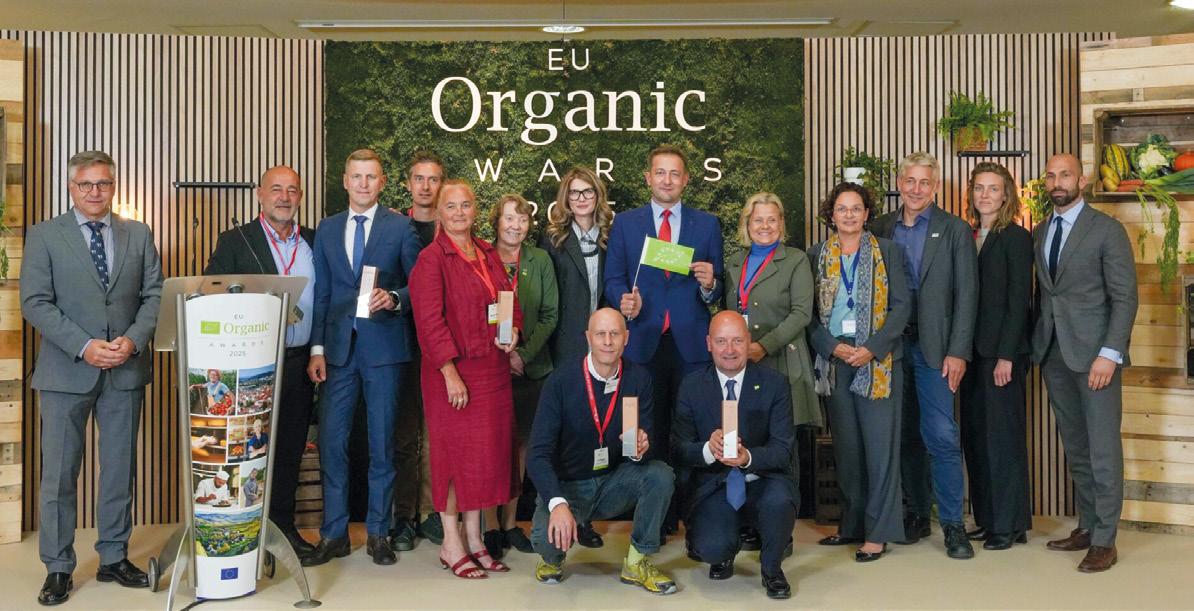
On EU Organic Day, 23rd September 2025, during a ceremony at the European Commission in Brussels, the winners of the EU Organic Awards 2025 were revealed, shining a spotlight on Europe’s most outstanding initiatives and actors in the organic sector.
The awards, jointly organised by the European Commission, the European Parliament, the Council, the European Economic and Social Committee, the European Committee of the Regions, and IFOAM Organics Europe, honoured innovation, commitment, and excellence across the organic value chain.
The winners of the 2025 EU Organic Awards are:
• Best Organic Farmer (female): Ms Albina Yasinskaya, Rozino Organic Farm, Bulgaria
• Best Organic Farmer (male): Mr Lieven Devreese, Het Polderveld Farm, Belgium
• Best Organic Region/Bio-District: Võru County, Estonia
• Best Organic City: Valpaços, Portugal
• Best Organic SME: Joseph Brotmanufaktur GmbH, Austria
• Best Organic Retailer: Radis&Bona eG, Germany
• Best Organic Restaurant/Catering Service: Peskesi Restaurant, Greece
These champions of organic exemplify how the sector contributes to resilient food systems, rural vitality, and sustainable development across Europe.
Speaking on behalf of IFOAM Organics Europe, President Jan Plagge said: “It gives me great pride to congratulate this year’s winners of the EU Organic Awards. Their accomplishments are tangible proof that sustainable food and farming systems within our planetary boundaries are not a distant ideal but an unfolding reality. By pushing boundaries – whether in farming practice, food processing, retail, or community engagement – these projects light a path toward a more resilient, equitable, and vibrant organic sector. May they inspire many more across Europe to join in this
Applications for the 2026 EU Organic Awards will open during BIOFACH. Stay tuned!
movement, advancing rural livelihoods, climate action, biodiversity, and consumer confidence in organic agriculture.”
Celebrating vision and commitment
On EU Organic Day, we celebrated more than just the winners of awards: we honoured the bold ideas, the strong dedication, and the creative solutions that are helping to shape the future of organic across Europe. Each finalist and awardee reminded us that organic agriculture is not just about methods: it was about health, ecology, fairness, care, and vision. As we revealed this year’s winners, we also reaffirmed our commitment to working with policymakers, producers, processors, industries, consumers, and all partners to ensure organic systems were supported with long-term frameworks, fair incentives, and recognition for their contributions to public goods. IFOAM Organics Europe
IFOAM Organics Europe welcomes the EU Roadmap and proposal on the Organic Regulation
IFOAM Organics Europe welcomes the European Commission’s Roadmap and its recognition that organic farming delivers a wide range of socio-economic and environmental benefits, that it plays a key role in making rural areas more attractive and dynamic and that it represents a strategic asset for the EU’s resilience, strategic autonomy, and the future development of European agriculture.
While the Commission’s proposal to amend the basic act of the organic regulation (published on 16 December 2025) remains rightfully targeted to a limited number of clearly identified issues, the Roadmap titled “Organic rulebook fit for the future – towards a more competitive sector with high standard” sets out the topics where adjustments should be made through secondary legislation as well as updated legal interpretations, guidelines and FAQs, in order to address concrete implementation challenges. Together with the Commission’s commitment to work on an updated EU Organic Action Plan, this package provides continuity and vision for the organic sector in a changing policy context.
WHERE INNOVATION TAKES CENTER STAGE
A standout New Products Gallery right at the entrance
The Natexpo Awards
Our Incubation spaces: The Big Splash and the Little Splash
A wave of fresh new exhibitors to discover
...AND WHERE BUSINESS HAPPENS
Business meetings (more than 1,000 prescheduled meetings in 2025)
Connect with your next strategic partners
The return of Natexpo
Tchin Tchin : premium networking with a friendly vibe
Exhibitors, request your registration kit
Visitors, order your free badge on www.natexpo.com contact @natexpo.com
The Cactus Project
Nature Bio Foods’ journey toward carbon neutrality and environmental responsibility
Nature Bio Foods, a global leader in organic food ingredients, has launched one of its most ambitious sustainability initiatives to date: The Cactus Project. This large-scale program represents a decisive step toward achieving the company’s climate goals of carbon neutrality for Scope 1 and 2 emissions by 2030, and Scope 3 by 2045.
A Bold Commitment to Climate Action
In 2022, Nature Bio Foods made a clear commitment to reduce and neutralize carbon emissions across its operations.
While the targets were ambitious, the urgency of the climate crisis has made transformative action non-ne-
gotiable. Shrinking forests, degraded ecosystems, and an accelerating climate clock highlight the need for scalable, nature-based solutions.
What is The Cactus Project?
BY WEAVING EMPLOYEE
ACCOUNTABILITY INTO CORPORATE GOALS, THE INITIATIVE FOSTERS A CULTURE OF OWNERSHIP WHERE SUSTAINABILITY IS EVERYONE’S RESPONSIBILITY
The initiative centers on the plantation of 600,000 Opuntia ficus-indica plants (commonly known as cactus) across 3.56 million square meters of land. Harnessing the resilience and ecological benefits of cactus cultivation, the project will:
• Secure Nature Bio Foods’ commitment to full Scope 1 and 2 neutrality by 2030.
• Achieve estimated sequestration of over 20,000 tons of CO2 annually (upon full plant maturity).
OPUNTIA FICUS-INDICA PLANTS (COMMONLY KNOWN AS CACTI) PLANTED ON 3.56 MILLION SQUARE METERS OF LAND CAN CAPTURE MORE THAN 20,000 TONS OF CO2 PER YEAR (UPON FULL PLANT MATURITY)
• Ensure inclusive coverage of all employees, offsetting each individual’s carbon footprintis.
• Create a regenerative model that ties ecosystem resto ration to climate pledges.
“This initiative is more than a sustainability program,” said Mr. Rohan Grover, CEO of Nature Bio Foods. “It is our declaration that businesses can deliver growth while actively restoring ecosystems. Every cactus planted represents responsibility in action.”
Why Cactus?
Unlike traditional tree plantation projects, cactus offers a unique set of advantages for today’s climate challenges:
• Adaptability: Thrives in arid, degraded terrains where most species cannot survive.
• Low Water Demand: Requires minimal water, making it ideal in water-scarce regions.
• Carbon Sequestration: Absorbs and stores carbon, though often overlooked in conventional offset projects.
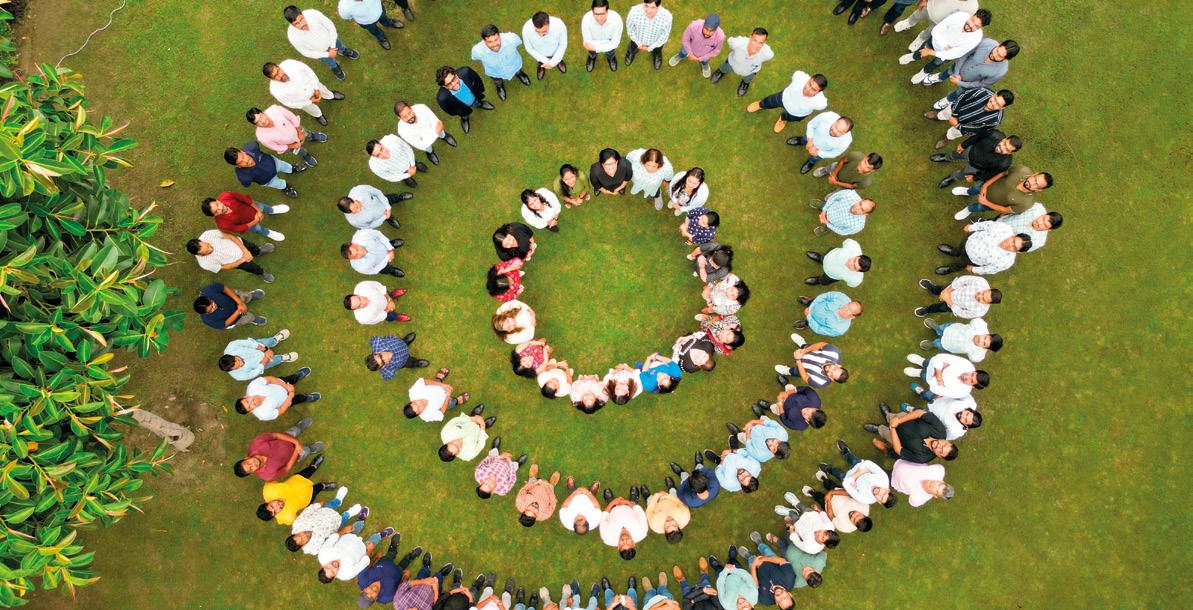
One of the most unique dimensions of The Cactus Project is its integration of employee-level climate responsibility. This first-of-its-kind initiative will include all on-roll employees across the Netherlands, Africa, USA, and India.
To ensure robustness, emissions for each employee are calculated at 50% higher than the national per capita average, creating a conservative yet impactful offset plan.
The Cactus Project is as much about people as it is about the planet. By weaving employee accountability into corporate goals, the initiative fosters a culture of ownership where sustainability is everyone’s responsibility.
Looking Ahead
As the world approaches critical climate tipping points, The Cactus Project stands out as a bold, regenerative solution. By linking individual accountability with collective action, Nature Bio Foods is setting a new precedent for how organizations can lead climate transformation from within.
“This is not the end,” added Mr. Amit Singh, Sustainability Lead at Nature Bio Foods. “It is the beginning of a journey that takes us closer to a safe and sustainable tomorrow. We deeply appreciate the volunteer spirit and proactive participation of our employees. Their commitment is the true force behind the success of the ‘Each Employee Carbon Neutral’ journey.”
Skin-friendly bacteria
The role of microbiota in modern cosmetics
In recent years, the concept of the microbiome has moved from scientific curiosity to a key focus in skincare. Terms like “microbiome-friendly” and “made with probiotics” have gained popularity, reflecting a trend towards enhancing the skin’s natural microbial ecosystem. Probiotics, prebiotics, and postbiotics are increasingly being incorporated into cosmetic formulations, aiming to nourish and balance the skin’s delicate flora. This surge in interest is driven by increased research into the skin microbiota, which has uncovered the role it plays in maintaining healthy skin. While the first probiotic cosmetics emerged years ago, the industry has since advanced, with new discoveries showing the impact the skin microbiome has on dermatological health. This evolving understanding has led to a shift in approach, recognising that certain bacteria are not just harmless but can actively benefit the skin.
Unlocking the power of skin microbiota
The human skin hosts a diverse community of microorganisms, including bacteria, fungi, moulds, yeasts, viruses, and parasites. These microorganisms play a crucial role
in maintaining the skin’s health, supporting immune function, and preventing harmful pathogens from colonising. The term microbiota refers to the population of microorganisms that naturally live in a specific area of the body, while the microbiome refers to the collective genetic material of these microorganisms, forming a complex network of interactions with our cells. The composition of the human microbiota is dynamic and influenced by factors such as geography, external conditions, diet, and age. Studies have shown that an imbalance in microbiota, known as dysbiosis, can contribute to various skin problems, including acne, rosacea, and atopic dermatitis. In contrast, maintaining a balanced microbiota, or eubiosis, can improve skin hydration and elasticity. This understanding has driven the rise of microbiome-friendly skincare, with products designed to nurture beneficial skin bacteria.
Probiotics, Prebiotics, and Postbiotics in skincare
In nutrition, probiotics, prebiotics, and postbiotics support microbial balance by acting internally through inges-
tion and colonization. In skincare, they may help maintain the skin microbiota externally by creating a favourable environment for beneficial microorganisms. Here’s how they are used in skincare.
• Probiotics: According to the World Health Organisation, probiotics are “live organisms which, when administered in adequate amounts, confer a health benefit to the host, ” typically by improving or restoring the gut microbiota when taken orally. In topical application, these bacteria do not “colonize” the skin but can positively influence the skin microbiota by supporting the microorganisms already present, helping maintain skin balance. However, their viability in formulations remains a challenge, as formulators must balance protecting products from harmful bacteria while keeping beneficial ones alive despite preservatives and environmental exposure. Maintaining live bacteria over time is difficult, and while there are methods to extend their lifespan, they typically have a shorter shelf life in packaging.
cess in creating skincare components, driven by the need for greater sustainability. It has made many plant-based alternatives to synthetic derivatives available. In fact, today substances from small amino acids to large sugar polymers can be obtained through the fermentation of plants using microorganisms.
In this context, certified natural cosmetics have become a preferred choice for conscious consumers. The NATRUE standard, with its strict criteria excluding synthetic substances from formulations and only permitting natural, derived natural or nature-identical substances, supports fermentation methods.
NATRUE-certified products often contain lactobacilli, soluble prebiotic fibres such as inulin (from chicory), polysaccharides (from fruits and algae, etc.), and a variety of plant extracts obtained via fermentation. If you want to explore these options, feel free to check NATRUE’s database.
Regulatory considerations and consumer transparency
• Prebiotics: These are not microorganisms, but organic substances that provide a favourable environment for beneficial microflora. Prebiotics include fibres and sugars such as inulin, glycosaminoglycans, beta-glucans, and oligosaccharides, usually derived from plant sources or biotechnology. These ingredients serve as a source of nutrients for beneficial bacteria, helping them thrive and maintain balance. Prebiotics are already wellknown and used in cosmetics (e.g.: as humectants), and unlike live microorganisms, prebiotics are easy to incorporate into formulations – although it is always necessary to demonstrate their ‘prebiotic’ function for the skin (i.e., promoting the growth and survival of beneficial microorganisms already present in the skin microbiota).
• Postbiotics: These are substances derived from microorganisms or their metabolism, such as peptides or organic acids obtained through fermentation. Postbiotics offer anti-inflammatory, moisturising, and protective benefits. This area opens many possibilities because by changing the microorganism or the fermentation substrate, a wide range of different substances can be produced, each with its own chemical characteristics and cosmetic properties.
The science behind “microbiome-friendly” cosmetics
The cosmetics industry has increasingly turned to biotechnology to harness ingredients that support the microbiota. Fermentation, for instance, has become a key pro-
Cosmetics labelled “with probiotics” or claiming to “restore the skin flora balance” are gaining attention, supported by scientific studies on the skin microbiome or highlighting ingredients like lactobacilli. We need to keep in mind that, while the presence of lactobacilli in a cream may help balance the skin microbiome, improve hydration, enhance the skin’s barrier function, the term “probiotic cosmetics” is not regulated. Brands making such claims must substantiate them with clinical studies, as the absence of guidelines for “probiotic cosmetics” leaves room for misleading marketing.
Regulation (EU) No. 655/2013 recommends that claims for cosmetic products shall be supported by adequate and verifiable evidence, ensuring that consumers receive accurate and well-founded information. Certifications like NATRUE offer an additional assurance that products meet stringent natural and sustainable criteria.
The future of microbiomefocused skin care
As consumers become more aware of the importance of the skin microbiota, demand for microbiome-friendly cosmetics is expected to grow. Biotechnology and fermentation processes will be key in crafting the next generation of sustainable, effective skincare solutions. With ongoing research, we can expect more advanced, scientifically-backed formulations that truly nurture and balance the skin. Paula Gómez de Tejada and Diana Malcangi
Jabones Beltrán: A century of tradition and innovation in natural soapmaking
From the province of Castellón, in Spain’s Valencian Community, Jabones Beltrán has been producing cosmetic and laundry soaps for over a century. Its origins date back to the 1920s, during a flourishing era when dozens of soap factories emerged across the country
By consistently using high-quality natural ingredients, Jabones Beltrán creates effective, gentle, and health-conscious products based on traditional recipes and artisanal processes—bringing together heritage, innovation, and sustainability. Thanks to its expertise and long-standing experience, the century-old company has specialised in developing and manufacturing organic, effective certified products made from natural soap, solidifying its position as a benchmark in its sector within the Spanish market.
A perfect balance of tradition and innovation
Staying true to its roots, the company offers cleaning and hygiene products that are both highly effective and responsibly crafted to care for the skin, textiles, and the environment. Its formulations are made with premium natural ingredients, using traditional soap as the main active base.
The Biobel line represents its premium eco-certified range, endorsed by Ecocert, while Essabó is its solid cosmetics line developed under the Natrue standard. Building on this solid foundation, the company has broadened its portfolio to support third-party brands, helping them enhance their product offering with more sustainable and health-conscious solutions.
Many of its formulations incorporate plant-based potassium soap, an excellent, highly degreasing vegetable soap. Made from potassium salts of vegetable oils, it is a 100% natural, perfume-free, vegan, and animal-fat-free soap, traditionally used as a disinfectant and stain remover—especially for grease stains. This allows the company to deliver naturally high performance without synthetic chemicals.
Plant-based origin, certified quality
All other commonly used ingredients are 100% plantbased and sourced from sustainable natural resources Every product is suitable for vegans, as none contain animal-derived components. The formulations avoid petrochemical substances, making them ideal for people with sensitivities or allergies, as well as for homes with pets
formulated with plant-derived natural ingredients suitable for vegans and for people with highly sensitive skin.
Expanding facilities and production capacity
Jabones Beltrán produces artisanal soap through cold saponification with constant agitation, later hand-cut into bars using stainless steel wire. This traditional process is made possible by its innovative production plant. Renovat ed at the end of 2021, the factory is powered by renewable energy sources, including solar panels and wood-fired ovens used for part of the production, always prioritising ethical consumption models. The company has recently expanded its facilities, and with them, its production ca pacity—representing steady, sustainable growth without ever losing sight of its core values. Jabones Beltrán has also recently obtained ISO 14001 international environ mental management certification, reinforcing its commit ment to sustainability. This recognition builds on a strategy initiated in 2011, when the company launched Spain’s first Ecocert-certified organic line of soaps and laundry deter gents, promoting products that reduce carbon footprint. This latest certification joins others such as ISO 9001, ISO 22716 for good cosmetic practices, and various organic seals, all of which strengthen its reputation as a manufac turer devoted to quality and sustainability.
Expanding its global reach
Thanks to its dedication and expertise, Jabones Beltrán has become a leading name in household and cosmet ic soap production both in Spain and internationally. The company is currently present in several European countries and actively exploring new markets. It has recently entered markets such as Ireland, Bulgaria, and Saudi Arabia.
The SustainSahel project Innovations for a sustainable African agriculture
From 2020 to 2025, the EU-funded SustainSahel project supported smallholder farmers in the Sahel region, tackling land degradation and climate stress. Led by FiBL, the project demonstrated that agroecological practices are both effective and economically feasible. At seven pilot sites, researchers and farmers worked hand in hand with institutions from Mali, Senegal, Burkina Faso, France, Germany, and Switzerland. More than 5,000 farmers were involved representing thousands of hectares across different rainfall zones in the Sahel.
Farming practices with impact
Harun Cicek, project leader from the FiBL Department of International Cooperation, states: “We found that simple practices like mulching, composting, and integrating local trees and shrubs can boost yields by up to 40 percent. Furthermore, these measures improve soil and water management and provide fodder and medicinal resources.”
Lead farmers are crucial for yield improvement
A highlight was the “lead farmer” model: Farmers trained in field schools passed their knowledge to 20 to 40 peers, creating a strong multiplier effect. Adoption of these practices led to yield increases of 150 to over 300 kilograms per hectare, translating to gains of up to 40 percent, and improved production stability even under climate stress.
Key recommendations for the future
At the closing workshop in May in Dakar, Senegal, concrete recommendations for stakeholders were compiled:
• For farmers: Adopt agroecological and organic farming. Necessary information and know-how can be found in the manuals and educational materials on the project website.
• For policymakers: Integrate agroecology into agricultural and environmental strategies; revise land codes to secure tree rights for farmers; invest in extension and supply chains; fund participatory research and transition support.
• For researchers: Deepen knowledge of tree-crop interactions, soil-water dynamics, and carbon storage; strengthen monitoring by using drones and satellite data; study adoption barriers and socio-economic impacts.
Agroecology is the future for Africa
In May 2025, SustainSahel led the organization of a large-scale collaborative conference titled “Agroecological transition of food systems in Africa”. Together with eight other EU-Africa projects, they provided compelling evidence: organic and agroecological farming are proven, scalable solutions for a sustainable African future. FiBL
What organic farming achieves for environment and society
Areview of over 500 scientific publications—a socalled meta-analysis—examines the potential of organic farming. It shows that in many areas, organic farming results in lower environmental impacts than other forms of agriculture. Organic farming is considered a sustainable form of agriculture and is therefore specifically promoted. However, there are different assessments of its potential in politics and science. In order to get a well-founded overview of the current state of knowledge and to evaluate the benefits of organic farming for society in a differentiated way, a research consortium has evaluated the scientific literature on this topic.
Evaluation of 528 publications
The study paid particular attention to the areas of water protection, soil fertility, biodiversity, climate change mitigation and adaptation, resource efficiency, and animal welfare. The authors of the study evaluated 528 publications in which a total of 33 parameters were compared between organic and conventionally managed farms. The results have now been published in the international journal Organic Agriculture.
More earthworms and biodiversity – no clear trend for phosphorus
The study makes it clear that organic agriculture has great potential for protecting ground and surface water. The absence of synthetic chemical pesticides has a positive impact here. In the studies evaluated, organic farming also reduced nitrogen emissions by an average of 28 per cent. The advantages of organic farming are also apparent in soil fertility. The abundance and biomass of earthworm populations were, on average, 78 and 94 per cent higher, respectively. In 62 per cent of the comparisons, organic farming resulted in lower acidification in the topsoil. However, no clear trend could be identified for the plant-available phosphorus content.
Organic farming also has positive effects on biodiversity. For example, the mean species number of arable flora is increased by 95 per cent, that of field birds by 35 per cent and that of flower-visiting insects by 23 per cent.
Climate protection unclear, but positive in terms of resource consumption
The contribution of organic farming to climate protection is less clear. According to the evaluation, organic farms emit, on average, 1082 kg less CO2 equivalents per hectare and year due to a higher carbon storage rate and reduced nitrous oxide emissions. However, due to the lower yield levels in organic farming, the yield-related climate protection benefits are probably comparable to those of conventional agriculture. The study results also emphasise that organic farming can contribute to the prevention of erosion and flood protection. The humus content and aggregate stability were, on average, 26 per cent and 15 per cent higher, respectively, in organic farming; a difference of 137 per cent was found for infiltration. This reduces surface runoff and soil erosion. The economic use of resources, among other things, in nitrogen and energy efficiency. In both areas, organic farming proved to be more advantageous. In crop farming, nitrogen efficiency was, on average, 12 per cent higher and energy efficiency 19 per cent higher than in conventional farming.
In addition to FiBL, the following institutions were also involved in the publication in the journal Organic Agriculture: the Thünen Institute, the University of Kassel, the Bavarian State Research Center for Agriculture, the Justus Liebig University Giessen, the Leibniz Centre for Agricultural Landscape Research, the Technical University of Munich and the Center for Applied Research and Technology at the Dresden University of Applied Sciences. The project was funded by the German Federal Ministry of Food and Agriculture (BMEL). FiBL
Soil regeneration across Spain Insights from the InBestSoil experimental sites and field-level observations
As Europe searches for resilient agricultural solutions in the face of climate pressure and declining soil fertility, the InBestSoil project offers grounded perspectives from three very different Spanish landscapes. The experimental sites in Extremadura, Cartagena, and Touro reveal how soil regeneration unfolds when scientific expertise, local knowledge, and long-term commitment work together.
Project coordinator & researcher Dr. Andrés Rodríguez Seijo, Postdoctoral Researcher at the University of Vigo (Ourense, Spain), emphasises why soil health has become a defining priority for Europe’s agricultural future. “Soil health is becoming the cornerstone of Europe’s agricultural future. It underpins crop productivity, water efficiency, biodiversity, and resilience to global change,” he explains. Rebuilding organic matter, restoring biological activity, and improving soil structure, he adds, represent both environmental and economic necessities. “Investing in soil is not just an environ-
mental ambition, it’s an economic necessity and the most reliable way to protect the long-term viability of European farming.” Across all experimental sites, early results indicate that regenerative practices are scalable and economically grounded. “We’re observing better ground cover, improved water infiltration and greater biological activity,” Andrés notes. “Yields can remain stable or even begin to recover as soils become more functional. In some cases, although yields can be a bit lower, this reduction is compensated for by lower labor costs.”
In Extremadura, the El Baldío dehesa shows how quickly soil recovery can begin when grazing systems are redesigned. Elena de Julián, Project Technician at Fundación Global Nature and Coordinator of the El Baldío Experimental Site, describes the 230-hectare estate as a traditional Mediterranean oak woodland shaped by livestock for centuries. “Our goal is to develop a profitable grazing model that restores soil health and biodiversity,” she says. After seven
years of regenerative management, the results are visible. “Rotational grazing is helping us increase pasture quality and diversity, reduce bare soil, and decrease degraded scrubland. We’re improving the soil’s moisture retention capacity and the amount of stored carbon,” she explains. Elena notes that grazing animals play an essential ecological role. “The controlled impact of livestock activates microorganisms and invertebrates like dung beetles, which improve soil fertility and ecosystem quality.”
In the Cartagena-La Unión mining district, the task is far more complex. Dr. Virginia Sánchez Navarro, Researcher in the Department of Agricultural Engineering at the Technical University of Cartagena, describes the starting point starkly: “These soils face contamination, hyperacidification, extremely low organic matter, and a lack of vegetation cover.” Working alongside Dr. Jorge Luis Sánchez Navarro, Researcher in the Department of Business Economics at the Technical University of Cartagena, she applies a strategy combining industrial and livestock-derived amendments with native, metal-tolerant vegetation. “We see early improvements in soil structure, a marked reduction in erosion, and the emergence of vegetation in previously bare areas,” Virginia says. Jorge Luis adds a financial perspective: “The objective is not only to rehabilitate soil but to assess and value its ecosystem services so that restoration becomes viable for landowners.”
“The proposed and approved plan was based on the use of external materials, given the impossibility of recovering exclusively with the mine’s own materials,” Javier explains. Over time, non-toxic organic and industrial by-products with high acid-neutralisation capacity, such as mussel shells and biomass ashes, were applied to rebuild soil structure and reduce contamination. “After several years of testing and application, the area was highly improved in terms of soil structure, pollution reduction, and increase of biodiversity,” he notes. A reactive wetland was also established to treat acidic drainage and raise water pH, accelerating the return of ecological functions.
INVESTING IN SOIL IS BOTH AN ECOLOGICAL COMMITMENT AND A STRATEGIC ECONOMIC OPPORTUNITY FOR EUROPE’S FARMING SYSTEMS
Beyond Touro, Javier highlights the site’s broader impact. “The lessons learned here have been used to develop a technology that has been successfully applied in other mining and industrial areas with similar problems, with a focus on the reuse of waste from a circular economy perspective.”
In Galicia, the Touro site offers yet another layer of complexity. Javier de Rivera Outomuro, Project Manager and Coordinator of the Touro Experimental Site, explains that the former copper mine operated between 1973 and 1988, leaving behind soils deeply impacted by acidic drainage and heavy metals. “The soils formed on the settling pond and mine spoils have serious problems due to acidic drainage and extremely high concentrations of heavy metals,” he says. The sulphide-rich geological substrate, containing pyrite, pyrrhotite, and chalcopyrite, created a harsh environment for both soil life and vegetation.
Remediation began in the late 1990s, when the team realised that local materials alone could not restore the soil.
ILocal engagement differs across the regions. In Extremadura, growing interest in regenerative grazing is supported by Fundación Global Nature’s outreach efforts. “We know our responsibility as a lighthouse in implementing these techniques,” Elena de Julián says. “Many people are still reluctant because change requires knowledge, effort, and an initial investment. But we are confident that more will join, and that institutions will truly support this transition.” In Cartagena and Touro, support tends to be more cautious, shaped by the technical complexity and the long timelines typical of mining restoration.
Looking ahead, Andrés Rodríguez Seijo envisions a future in which soil improvements are recognised and rewarded. “We are moving toward a future where soil health will be something farmers can measure clearly, compare fairly, and be rewarded for improving,” he says. Standardised indicators and verification methods, combining laboratory analysis, field assessments, and remote sensing, could embed soil health into both public policy and emerging market mechanisms. Across Spain’s three experimental sites, one lesson stands out: even severely degraded soils can recover when ecological science, adaptive management, and long-term collaboration align. InBestSoil
nBestSoil is a European research and innovation project dedicated to developing practical and economically viable pathways for soil regeneration. Bringing together universities, research centres, NGOs, farmers, land managers, and industry partners across Europe, the project explores how soil health can be measured, restored, and integrated into future policy and market frameworks. Through experimental sites in Spain, the Netherlands, and other European regions, InBestSoil tests field-based solutions that rebuild soil structure, enhance biodiversity, improve carbon storage, and strengthen the long-term resilience of agricultural landscapes.