




For more than three decades, Odio Mimonet has been a steady presence in African fashion, shaped by culture, conviction and a belief that clothing is a form of identity. The brand was founded by Odio Oseni, whose earliest memories of the name come from childhood, when she would walk around the house signing it. It was only later that the name became a label, yet the early act of writing it down already showed how art and imagination would shape her life. Odio’s love of art and drawing was a constant from a young age. She was particularly inspired by the impressionist movement and by Claude Monet, and the idea of combining her own name with the French phrase “moi et moi,” meaning “me and myself,” led to the name Mimonet.



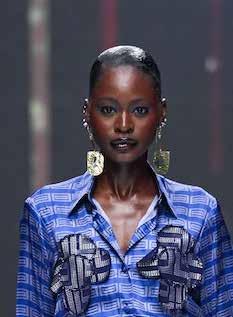

January is always a funny month. It’s the only month where everyone pretends to be serious; planning, organising and resetting, yet half the time we’re just trying to remember what day it is and why the week feels like 14 days long. Personally, always feel like I’m walking with one foot in last year and one foot in the new one, hoping they both agree on a direction. But here we are… the end of January. If you’re still standing, still showing up, still figuring it out, you deserve a round of applause. Congratulations. The real year starts now. And what better way to step into this “real” year than with a story rooted in longevity and evolution? Our cover celebrates Odio Oseni, a woman whose fashion house has not only endured but thrived—thirty years and counting. Odio’s journey is a reminder that fashion isn’t only about moments of hype; it’s about the slow, steady work that builds a house with real foundation. While the industry has danced through trends, seasons and reinventions, she has held her line—refining her craft, understanding her woman, and creating clothes that outlive the noise. Three decades later, that quiet commitment is what truly sets her apart. Naturally, her milestone nudged me towards a bigger question: What would it really take for a Nigerian fashion brand to reach its full potential? We’re in an era where our designers are being hailed on global runways. Yet we all know the challenges behind the curtain: pricing, quality control, production delays, distribution gaps, websites that freeze at checkout, and customer care lines that mysteriously stop answering once you’ve paid. This feature doesn’t shy away from the realities, but it also highlights the opportunity waiting to be harnessed. Nigerian fashion is full of brilliance; what it needs now is structure, strategy, and a commitment to making everyday wear that is both wearable and desirable. If you’ve ever wondered why some brands leap and others crawl, this is the story for you.
And because no new year is complete without a little self-reflection, we’ve added something slightly more personal and let’s be honest, necessary. Style Mistakes You Shouldn’t Still Be Making in Your 40s isn’t a warning list; it’s a gentle reset. Your 40s are that sweet fashion decade where clarity meets confidence. You know yourself better, you dress with intent, and you retire pieces not because of trends, but because they no longer match the woman you’ve become. So as we settle fully into 2026, I hope this issue gives you something to think about, something to aspire toward, and something fabulous to wear. Happy almost-New-Year… because yes, January was just the warm-up. Now, let’s get into the main event.




ONE DRESS, THREE STATEMENTS: WHY THE NIYA MADI LIMA DRESS WORKS


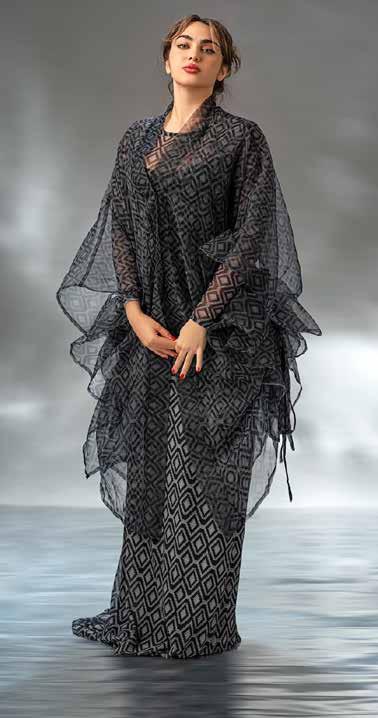
Fashion does not always need excess. Sometimes, it needs clarity. A well-designed dress, when created with intention, can do more than fill space in a wardrobe — it can adapt, transform, and meet different moments with ease.
This is the thinking behind the Lima dress by Niya Madi. Rather than offering multiple versions of the same idea, the brand focuses on versatility.
One dress becomes the foundation, while styling does the work of transformation.
Worn with a corset, the Lima dress shifts into an evening mood. The added structure defines the waist and sharpens the silhouette, making it ideal for formal dinners, special occasions, or moments that call for a polished finish. The dress feels intentional, refined, and confidently put together.
Styled with the twisted kaftan, the same dress takes on a richer presence. The volume and drape introduce drama and character, creating a look that feels celebratory and bold. It works perfectly for weddings, high-energy gatherings, and occasions where elegance meets personality — the kind of outfit that speaks before you do.
For a softer expression, the loose-fitted kimono brings ease into the picture. The dress becomes lighter, more relaxed, yet still thoughtful. This styling suits daytime events, casual outings, or moments when comfort and elegance need to coexist without effort.
What makes the Lima dress compelling is not just how it looks, but how it functions. It is a reminder that good design allows room for interpretation. One piece can meet different needs, moods, and settings without losing its identity.
This is not about owning less for the sake of restraint. It is about choosing better. One dress, styled three ways, offers freedom — not limitation — and proves that in fashion, intention often matters more than quantity.

Family, friends and close associates recently gathered in Lagos to mark the one-year remembrance of Mrs Aniema Nancy Greg-Uanseru (née Obot), fondly known as Ema, exactly one year after her passing. The memorial service was held on Saturday, January 17, 2026, at RCCG Rose of Sharon Parish, Adekunle Fajuyi Way, GRA, Ikeja, with guests proceeding to a reception immediately after the church service. The atmosphere was reflective and intimate, as prayers were offered and memories shared in honour of her life and legacy.
Mrs. Greg-Uanseru passed away on January 17, 2025, in a London hospital at the age of 56. She was the wife of oil magnate Greg Uanseru, President and Group Chief Executive Officer of GCA Energy Limited.
Though she largely kept a private profile, Ema was remembered as warm, gracious and deeply devoted to her family. Friends describe her as a woman of quiet strength whose influence was felt most profoundly within her inner circle.
The one-year remembrance provided an opportunity for loved ones to reflect on her life, honour her memory, and reaffirm the bonds she nurtured, marking the occasion with dignity and gratitude for the time shared with her.











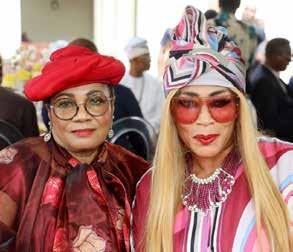


















Falcon Corporation Limited, one of Nigeria’s foremost indigenous gas companies, recently honoured its Co-Founder and Pioneer Managing Director, Professor Joseph Chukwurah Ezigbo, at a retirement ceremony held at Jewel Aieda, Lekki Phase 1, Lagos. The event marked the close of his 31 years of distinguished service to the company and the nation’s energy sector.
The ceremony brought together leaders from the oil and gas and banking industries, academics, former students, family, and friends. More than a farewell, it was a celebration of a career defined by excellence, service, and visionary leadership.
A former Professor at the University of Nigeria, Nsukka, Professor Ezigbo spent 25 years in academia before co-founding Falcon Corporation Limited in 1994 with his wife. Under his leadership, the company grew into a respected force in Nigeria’s gas sector, delivering reliable energy solutions nationwide.
Often described as a “Gas Man to the Core,” Professor Ezigbo holds a BSc from the University of Nigeria, Nsukka; a DIC and MSc from Imperial College London; and a PhD from the University of Salford, Manchester. His honours include Ernst & Young Entrepreneur of the Year, West Africa, in 2014, and Anambra Man of the Year in 2025.
Overall, the ceremony was both successful and befitting of a man whose achievements have left a lasting imprint on academia, industry, and Nigeria’s energy landscape.
















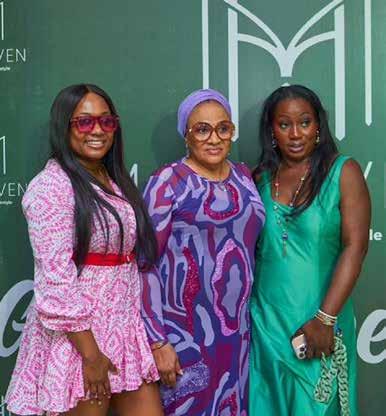
Mai Haven recently relaunched its showroom at The Crystal Mall in Lekki Phase 1, Lagos, unveiling a refreshed space for its lifestyle and home offerings. The updated showroom reflects comfort, simplicity, and thoughtful living. The event drew friends of the brand, clients, and guests who gathered to celebrate the reopening. Attendees explored the carefully arranged home pieces while enjoying a relaxed and welcoming atmosphere, complete with food and drinks that enhanced the shopping experience. A key moment of the day was the rededication of the space by Dr. Mrs. Florence Ajimobi. She led a moment of prayer, committing the store, its owners, and its future to God. This set a meaningful tone for the relaunch and underscored the values guiding the brand. Throughout the day, guests engaged with the Mai Haven team, shared conversations, and took in the renewed space. The event was warm and well attended, reflecting the steady growth and loyal community the brand has built. Located at The Crystal Mall, Mai Haven continues to serve as a destination for quality home essentials and lifestyle pieces. The relaunch marks a renewed focus on offering functional and well-designed products in an inviting and personal setting.










If 2025 was about having everything on at once, 2026 is quietly asking us to pause, edit, and choose better. Accessories this year are not screaming for attention; they’re speaking with confidence. They don’t need to be loud to be noticed, and they definitely don’t need to be excessive. Think of 2026 as the year accessories grew up, got self-aware, and decided to mean something. This shift feels very now. After seasons of maximalist chaos and trend overload, there’s a collective return to pieces that feel considered, personal, and wearable in real life. Accessories in 2026 aren’t about how many you can pile on, but about the one or two that change everything.




ats in 2026 aren’t trying to steal the show. They’re not costume, not festival wear, and definitely not gimmicky. What’s trending is intentional headwear—pieces that finish a look rather than define it.
We’re seeing a return to structured shapes: clean widebrim hats, softly sculpted crowns, and minimal bucket hats done in elevated fabrics. The styling is quiet and confident. You’re not wearing a hat because it’s trendy; you’re wearing it because it makes the outfit feel complete.
Like Art, Not Costume
Jewellery this year is sculptural, emotional, and slightly imperfect in the best way. Instead of delicate stacking pieces, we’re seeing bold forms with intention. Chunky cuffs, abstract earrings, curved bangles, and rings that look like miniature artworks are leading the conversation.
The key difference? These pieces are worn alone. One statement earring. One heavy cuff. One ring that does all the talking. The styling rule of 2026 is restraint. Jewellery is not meant to compete with your outfit; it’s meant to anchor it.

I you’ve noticed fewer “It bags” and more people carrying understated, beautifully made bags, you’re not imagining things. In 2026, bags are less about status and more about design and function. Structured shoulder bags, soft tophandle styles, and medium-sized totes dominate, with an emphasis on quality leather and thoughtful detailing. Logos are either subtle or completely absent. The appeal is in how the bag sits, how it moves with you, and how easily it fits into your life.


Belts are back in a very grown, fashion-editor way. Not the logo-heavy, look-at-me belts of previous years, but structured leather belts with strong buckles, architectural shapes, and a clear sense of purpose. In 2026, belts are less about holding things up and more about shaping the body. Worn over blazers, cinching oversized dresses, or anchoring relaxed trousers, they instantly make an outfit feel intentional. Neutral tones dominate— black, chocolate brown, tan—but the silhouettes are anything but boring.
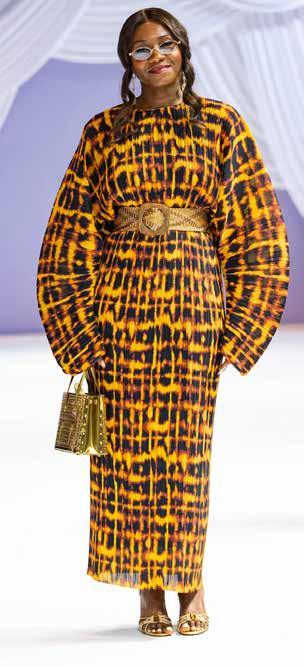
Eyewear remains one of the easiest ways to express personal style in 2026, and the shapes are confident without being gimmicky. Think strong rectangles, softly oversized frames, and timeless silhouettes with a modern edge. Instead of chasing novelty, people are choosing frames that feel like them. Sunglasses are no longer trend experiments; they’re part of your signature.




Minimal Maximalism Is the New Rule
One overarching trend ties all of this together: minimal maximalism. It sounds contradictory, but it defines 2026 perfectly. You’re allowed to make a statement—but only one at a time. One bold ring. One great belt. One unexpected glove. Everything else steps back. This approach makes dressing feel calmer, more personal, and more sustainable. You buy fewer things, but the things you buy work harder.
One of the biggest beauty shifts of 2026 is where routines begin.
Instead of jumping straight into foundation, people are spending time on skin prep — cleansing properly, applying hydrating layers thoughtfully, and allowing products to absorb before moving on.
Well-prepped skin changes how everything looks. Makeup sits better, wears longer, and looks more natural. This habit has made heavy coverage unnecessary for many people, because good skin preparation does half the work.
Overdoing skincare has officially lost its appeal. The habit worth keeping is treating the skin barrier with care, fewer actives, less aggressive exfoliation, and more focus on hydration and repair.
Skin that isn’t constantly irritated looks calmer, clearer, and more even. In 2026, glow comes from balance, not intensity. People are choosing products they can use consistently rather than routines that exhaust the skin within weeks.
The beauty shelf is quieter now. Fewer impulse buys—fewer half-used bottles. One of the most practical habits people have adopted is sticking with what works long enough to see results. This doesn’t mean avoiding new products altogether, but it does mean understanding that real improvement comes from repetition, not novelty. Skin and hair respond best when they’re not constantly being introduced to something new.
Heavy application has given way to thoughtful layering. Foundation is used where it’s needed, not everywhere. Concealer is precise. Cream products are favoured because they melt into the skin and move naturally with the face. In 2026, makeup is less about transformation and more about enhancement. Faces look fresher, more expressive, and more like themselves — just refined.
One of the healthiest beauty
In 2026, beauty has finally slowed down enough to make sense again. After years of overconsumption, over-layering, and routines that looked impressive but felt exhausting, the habits that have lasted are the ones that actually work. Not because they’re trending, but because they fit real faces, real hair, and real mornings. These are the beauty habits that deserve to stay not as rules, but as reliable practices that quietly make you look better over time.




habits to keep is letting skin be skin. Texture exists. Pores exist. Lines move when faces move.
Rather than fighting this, people are choosing finishes that soften without erasing — satin skin, blurred edges, gentle glow. The result looks modern, wearable, and human, which is exactly why it works.
Brushes and sponges are no longer ignored. Regular cleaning has become a standard beauty habit, not a chore saved for “when there’s time.”
Clean tools improve makeup application and protect the skin from unnecessary breakouts. It’s unglamorous, but the payoff is immediate and visible.
Hair routines in 2026 are built around maintenance rather than damage control. Moisture-focused washing. Protective styling with intention. Less heat. Less manipulation. Night-time protection — silk scarves, bonnets, gentle styles — has become second nature. These small habits have changed hair health dramatically, especially over time.
Another habit worth keeping is restraint. Hair is styled with purpose, then left alone. Constant re-styling has been replaced with planning — styles that last, routines that protect, and products that support rather than weigh hair down. Hair looks healthier when it’s not constantly being interfered with.
Lip care has quietly become part of everyday beauty routines. Gentle exfoliation. Consistent hydration. Protection before lipstick ever touches the lips. The payoff is immediate: smoother application, better colour payoff, and a polished look that doesn’t require effort.
Late nights are no longer an excuse. Double cleansing has stuck because it works. Proper makeup removal protects the skin, prevents congestion, and sets the tone for how skin looks the next day. This habit alone has improved countless complexions — and it’s one that never goes out of style.
Finally, the most grown-up beauty habit of 2026 is editing. Keeping products that perform. Letting go of what doesn’t. Choosing ease over excess. A curated routine makes beauty feel lighter, more enjoyable, and far more sustainable. In 2026, beauty isn’t about doing everything. It’s about doing the right things consistently.
Dear Reader,



BY
Welcome to the WARIF Survivor Stories Series, a monthly feature where stories of survivors of rape and sexual violence are shared to motivate and encourage survivors to speak their truth without the fear of judgment or stigmatisation and to educate the public on the sheer magnitude of this problem in our society. The Women at Risk International Foundation (WARIF) is a non-profit organisation set up in response to the extremely high incidence of rape, sexual violence, and human trafficking of young girls and women in our society. WARIF is tackling this issue through a holistic approach that covers health, education, and community service initiatives.
WARIF aids survivors of rape and sexual violence through the WARIF Centre a haven where trained professionals are present full-time, 6 days a week, including public holidays, to offer immediate medical care, forensic medical examinations, psycho-social counselling, and welfare services which include shelter, legal aid, and vocational skills training.
FROM SILENCE TO STRENGTH: BEATRICE’S JOURNEY OF HEALING AND HOPE
Mof Women at Risk International Foundation (WARIF) became my source of strength, healing, and renewed hope.
During the yuletide season, reconnected with a former schoolmate, Franklyn, who had been my senior in school. We met at an event, and he invited me to visit his home. Trusting our past acquaintance, I agreed. When I arrived, I met Shirima, Franklyn’s business partner, and their boss, Abdullahi. The three of them shared the apartment.
Not long after my arrival, Abdullahi left the house with his young daughter. Franklyn and Shirima then stepped outside, explaining that they needed to talk. Franklyn later returned alone, while Shirima locked the door from outside. A deep sense of unease crept over me. knocked repeatedly on the door and pleaded to leave, but no one responded.
About an hour later, Abdullahi returned and unlocked the door, only to lock it again behind him. He confronted me aggressively, questioning my presence. When I insisted on going home, he ordered me to cooperate. refused. In response, he beat me with a television cable, forced me onto the bed, and, together with Franklyn, they took turns raping me until they were
y name is Beatrice, a 26-year-old woman whose life was forever changed by a traumatic experience. In my darkest hour, the unwavering support of my family and the compassionate care
satisfied. When they were done, they threatened to kill me if I ever spoke about what had happened and then allowed me to leave.
When finally returned home, my family had been desperately searching for me. My mother immediately noticed the injuries on my face. Though I initially lied out of fear and shame, I later confided in my sister, who informed our parents. Without hesitation, my family took me to the police station to report the crime. The police referred us to the WARIF Centre, where was received with care and compassion. That same day, all three perpetrators were arrested. At the WARIF Centre, I received free medical treatment and comprehensive psychosocial support. Before counselling, I was overwhelmed by sadness, anger, guilt, and self-blame. Through consistent counselling sessions, my counsellor helped me understand that what happened to me was not my fault. learned healthy coping mechanisms and slowly began my journey toward healing. Monthly group therapy sessions at the Centre also played a vital role in my recovery, helping me feel less alone and allowing me to connect with other survivors who understood my pain. The case was charged in court, and legal proceedings are ongoing. More than a year later, I enrolled in a postgraduate marketing programme and have since been promoted at my workplace. Today, I can confidently say that have healed emotionally, psychologically, and mentally. I am profoundly grateful to Women at Risk International Foundation (WARIF) for its professionalism, compassion, and unwavering commitment to survivor care. WARIF gave me more than support—it restored my hope, preserved my dignity, and gave me the courage to move forward with my life.

* Real name of the Survivor changed for confidentiality Dear Survivor, please know that you are not alone, and it is not your fault. Help is available. If you have been raped or know someone who has, please visit us at:
The WARIF Centre 6, Turton Street, off Thorburn Avenue, Sabo, Yaba, or call our 24-hour confidential helpline on 0800-9210-0009.

BY FUNKE-BABS KUFEJI
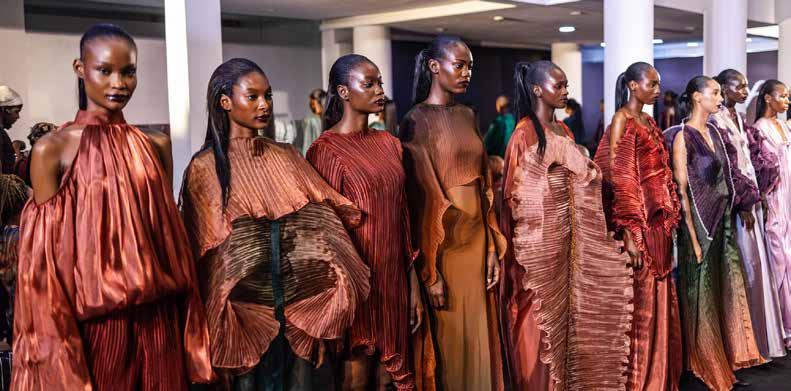
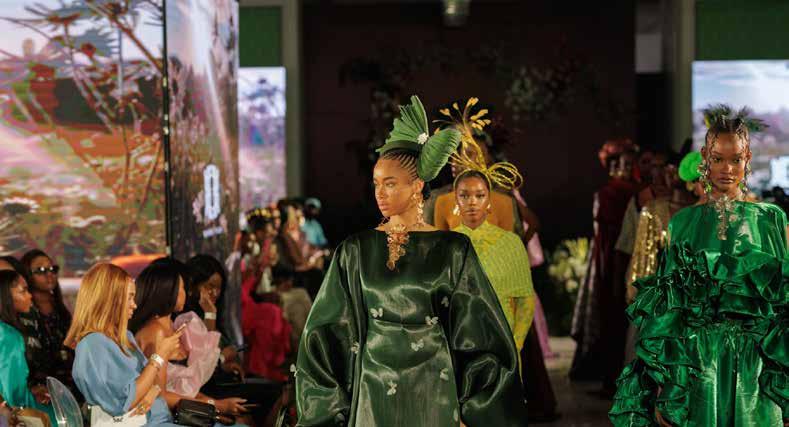
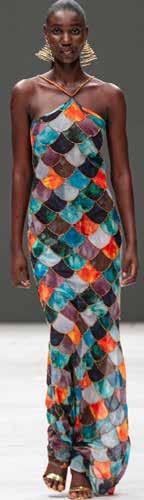
or more than three decades, Odio Mimonet has been a steady presence in African fashion, shaped by culture, conviction and a belief that clothing is a form of identity. The brand was founded by Odio Oseni, whose earliest memories of the name come from childhood, when she would walk around the house signing it. It was only later that the name became a label, yet the early act of writing it down already showed how art and imagination would shape her life.
Odio’s love of art and drawing was a constant from a young age. She was particularly inspired by the impressionist movement and by Claude Monet, and the idea of combining her own name with the French phrase “moi et moi,” meaning “me and myself,” led to the name Mimonet. Odio became the first part of the name and the rest followed naturally. She wanted to make clothes for people like her, and the desire to create and to dress her own community was something she embraced from the start.
Looking back at her early years, she describes the culture of Nigeria as the most influential factor. The sights, sounds and smells of the market, the fabrics and the people, and the daily movement of life were constant sources of inspiration. She also felt a strong desire to bring her ethnicity to the forefront. She wanted her work to reflect Africa, not only through fabric and design, but through identity and presence. At the same time, she recognised the influence of Western culture, particularly through education and exposure to the wider world. Her aim was to create a balance between both influences, combining African culture with a global outlook. Despite the changes in fashion and the evolving nature of design, certain values have remained central to Odio Mimonet. Modesty is one of these values. The brand seeks to celebrate femininity through elegance and sensuality, The Odio Mimonet woman, in Odio Oseni’s view, is culturally inclusive and confident. She is often seen as a traveller, someone who appreciates different cultures and brings her own culture with her wherever she goes. This sense of cultural exchange is at the heart of the brand, which continues to evolve while remaining grounded in its origins. As the brand looks towards a future beyond its founder, legacy has become as important as design. In this interview, Odio speaks to Funke Babs-Kufeji about the evolution of Odio Mimonet in over 30 years, the instinct that guides its creative direction, and the continuing role of culture in shaping its identity.
What first led you to create Odio Mimonet 30 years ago?
Odio Mimonet was formed much longer than 30 years ago, as a kid and teenager I will walk around the house and sign the name Odio Mimonet and Mimonet formed by my love for art which I’m sure everyone knows my love for art and I loved the impressionist artist and so, Claude Monet was my favourite at that point and so Moi et Moi as in me and myself in translation and so it was Mimonet and Odio being my first name and that was how it was conceptualized. I always wanted to draw and I wanted to make clothes for people like me and as a kid, it was something embraced and loved.
When you look back at your early years as a designer, what experiences shaped you the most?
The experience that shaped me most will most likely be our culture, our smells going to the market, I used go and be inspired by fabric, used to be inspired by the people and even hustle & bustle of who we are as Nigerians inspired me a lot then but I guess my greatest inspiration was the fact

that want to bring my ethnicity to the forefront, this was thirty years ago, I wanted who we are as African to reflect in our pieces because I wanted to wear me, I wanted to wear us, I wanted to wear Africa, I wanted to wear who we were our culture, but maybe in a Westernized way because obviously we had westernized influences as well, we had western influences because maybe like most people we had educational parallels and so, in the international world we live today we wanted to mix and to be reflective of both.
Over three decades, what core ideas have remained central to Odio Mimonet? think for us, the core ideas and value that have remained within Odio Mimonet is modesty. The femininity of the woman is embraced by her elegance and her sensuality rather than being over-revealing and so we have always kept that value.
Next is our sizing which has always been something we’ve kept different from other international brands. Because we are who we are and we’re made in God’s image and just like every other person in the 7billion people in the world are all made in God’s image. I believe that our sizing should reflect that as well. I’m more generously built. We are taller people and we are not so slight like the anglophone countries and so these values have remained in our pieces and our pieces are also a reflection of our culture, so we always have a Juxtapose of culture in all our pieces.
If we take a voyage with our piece, in your mind’s eye, the Odio Mimonet woman is a woman that is very culturally inclusive and is that woman that is perhaps a world traveller and understands the value of appreciating every other person’s culture for what they are and so we are very culturally inclusive and since we are who we are as Africans it is also infused in everything else.
At what point did you begin to feel that Odio Mimonet had a lasting place in your life and work?
think at its best, this asks at what point did believe that Odio Mimonet will last. My dream is for Odio Mimonet to outlive me, my dream is that Odio Mimonet to be multigenerational because believe like any art work or piece it should not die with the author and also believe it has the ability to transcend, it has the ability to cross generations because it continuously evolves and think that’s where we are today, evolving and growing.
How has your approach to design changed from your early years to today?
Our approach to design has evolved. It has changed and because we have had a diffusional range called MiMi by Odio which is more functional and less artistic.
We also have the Voyage by Odio


Mimonet line which is more artistic and less common place and think as we go along in life; life itself has become less functional more Avangard and our designs have reflected that throughout our existence.
What were the most difficult moments in building Odio Mimonet, and what did they teach you?
I think every experience or every challenge must end with a solution and I think when we have challenges, it is built in us so that we may have solutions; and you are able to pass on that to your customer as well.
I think our greatest challenge in Nigeria as we speak so to speak is human equity and think as we continue to mature and continue to pass it on from generation to generation, you find out that every generation we come across as they grow younger change and we have to adapt ways to teach them so that the translation of the work is not lost.
How did you decide when to try something new and when to stay with what felt right?
I think when to try something new is always gut instinct right!
I think that’s what a lot of design is about “GUT” and just always making sure to keep to the ethos of the brand, and an Odio Mimonet piece of 20 years ago still carries the same and similar ethos.
Which Odio Mimonet work feels most personal to you, and why?
I’m not sure I can say one item has worked with me personally, No. I think like children, you really can’t choose your best or your favourite sometimes they speak to you through experiences, sometimes they speak to you through colours, sometimes they speak to you through successes.
I think every design that is birthed, sometimes comes with its own experiences and in its own ways, and we must wait and see how it grows and I think my most definite design so to speak is our adaptation of the masculine Agbada which we started about 8, 9,10 years ago.
This adaptation of the masculine Agbada for the woman is so beautiful and I have seen how that has
evolved in design all around us and even in the brand. That think, is something that makes me quite proud, that makes the brand quite proud because it resonates with all of us.
How has your personal background influenced the way you think about sound design?
The design process for us is influenced by things we see around, fabric, textures, scenery. Also tune into ideas from concepts maybe nostalgic or futuristic at the time.
In what ways has culture influenced your work over the past 30 years?
I think culture is everything and how culture influenced the brand can be seen in our range of designs and fabrics through the years – culture is everything! It’s a representation of perhaps all the underlining and under wires that make you and that make me.
So, think it’s everything; that it influences the brand hugely, but also the current culture of being universally travelled individuals and being a part of a strong global village has also influenced this and I think that will still influence us for many years because – not only are we all functional world travellers we are all part functional people that live in a global village.
We all bring our culture to the table and I think we try to do that in Odio Mimonet everyday interplay in our designs.
How would you like Odio Mimonet to be remembered?
I would like Odio Mimonet to be remembered as the Nigerian- African global fashion house that honors the collective African culture, femininity, and mastery of Africa craft.
A brand that respects the woman’s elegance and sensuality, her history beyond the narrative of womanhood as we recently started a menswear and we’ll like to be known for that.
I want it to be remembered as works that had meaning, art that became identity, pieces that travelled across generations, and across timelines, while remaining grounded in who we are as African.
What advice would you offer to designers who are just beginning their careers?
I’m not always sure about giving advice, because every journey is deeply personal. However, for younger generations who are grounded in their values and clear about the impact they wish to make through fashion, would say this: walk at your own pace, whatever that pace maybe. Take steps that align with your truth. Design is a journey of both the heart and the hand. For startup designers, my first piece of advice is to master the craft of storytelling through art. In Nigeria, and indeed globally, what sets a brand apart is the marriage of a unique cultural narrative with impeccable finishing. Don’t be in a hurry to create a trend; take your time to understand how garments are built. Precision creates the foundation for luxury.
Respect your business. You are in the business of fashion, you are an artist, yes, but for growth, you must be a student of business. Understand your production costs, value your artisans, and build systems for your operations. Creativity gets you noticed but having very good structure keeps your doors open.
As you mark 30 years, what are you most hopeful about for the future?
My personal hope, perhaps even my prayer, is for continuity. Continuity of the brand’s core values, expressed through our designs, while allowing for evolved perspectives and the inclusion of younger African voices.
I hope for a versatility of backgrounds and experiences that resonate with Odio Mimonet’s vision for itself and for its story.
Above all, I am hopeful that the brand continues to serve as a thoughtful curation of African culture, creativity, and identity, carried forward with integrity into the future.I hope that Odio Mimonet to be one of the foremost African owned global brands, elevating our consumers globally and whenever people mention other foreign brands, look forward to Odio Mimonet being the first 5 names on every lips.
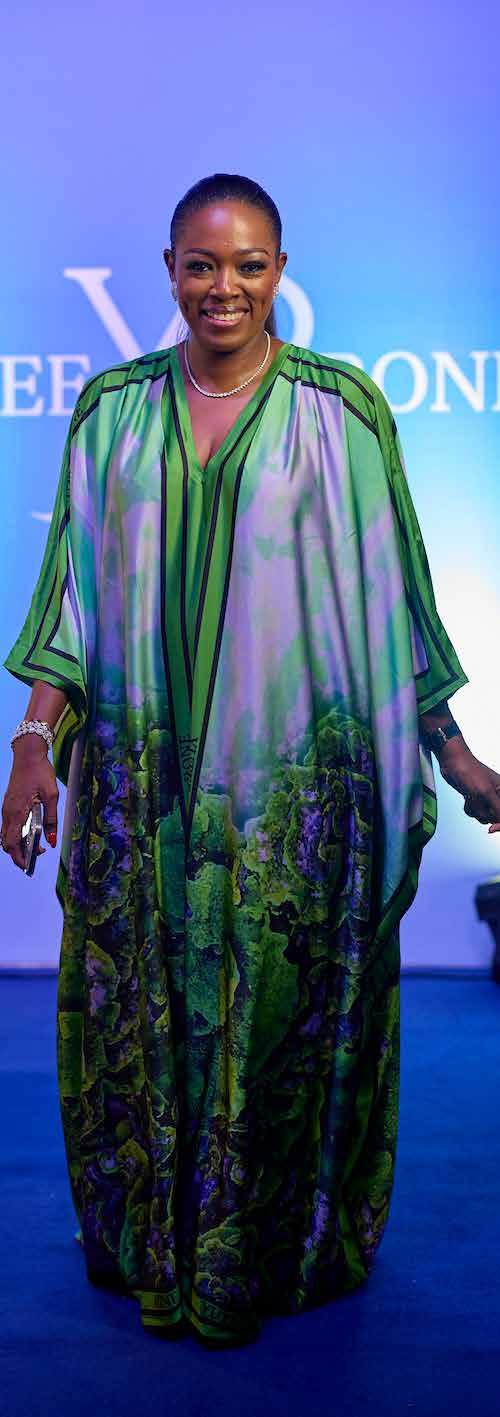
There’s something magical about turning 40. The noise settles. Your taste sharpens. You stop dressing to impress everyone and start dressing like the woman you’ve grown into—wise, unbothered, and very clear about who she is. Which is precisely why some style habits deserve to be retired by this chapter of your life. Not because 40 is some invisible fashion deadline, but because you finally know better. And knowing better should translate to looking better. Here are the style mistakes no stylish, self-assured woman in her 40s should still be making.
Let’s begin with the most common offender: fit. By 40, you should know that a good tailor is worth more than a wardrobe full of designer pieces. Too-tight clothes don’t make you look youthful; they make you look uncomfortable. Too-loose clothes don’t hide anything; they simply drown your shape. Your clothes should sit on your body the way they sit on mannequins—clean, confident, intentional. Fit isn’t vanity, it’s respect for your silhouette.
In your 20s, experimenting was charming. In your 30s, it was forgivable. But by 40, your wardrobe should no longer behave like an algorithm. Every trend isn’t meant for everyone— and that’s a relief. Pick the trends that speak to your lifestyle and compliment your personal aesthetic. If it doesn’t amplify your presence or bring you joy, leave it on the hanger for Gen Z to play with.
A stylish 40-something knows the power of investment. You don’t need 12 new handbags every season. You need two or three that will outlive the hype—and possibly you. Quality pieces age with grace; cheap ones age with spite. From leather to buttons to stitching, pay attention to the details. This is the decade where your wardrobe should say, “I understand craftsmanship,” not “I panic-bought this at 11pm during a flash sale.”
You’ve Had for a Decade
This isn’t about chasing youth. It’s
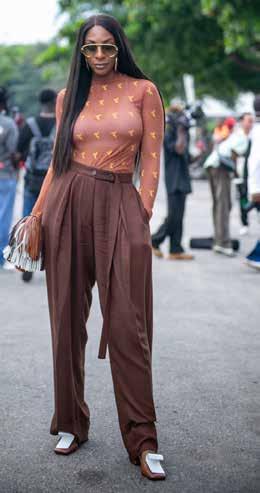
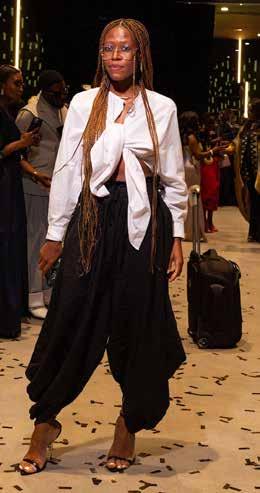
about evolving. A dated hairstyle can drag down even the most carefully curated outfit. You don’t need a drastic chop (unless you want one), but you do need a refresh. Softer layers, sharper cuts, or a richer colour can completely transform how your clothes come alive on you. Your hair should reflect your evolution, not your nostalgia.
Because
Accessories should elevate, not overwhelm. By 40, the “more is more” phase has hopefully expired. You don’t need every statement necklace, earring, bangle, brooch, and belt fighting for attention. Pick one hero piece. Let it shine. Under-accessorising, ironically, often says you have more style than forcing everything to work at once.
Pain is not aspirational— especially not at 40. Your feet have carried you through jobs, children, heartbreaks, Lagos traffic, and countless reinventions. They’ve earned comfort. Luckily, comfortable shoes no longer look like punishment. You can have good arch support and great style. Block heels, beautifully made flats, mules, and well-structured sneakers are your friends. Leave the toe-crushing stilettos for nights when you’re carried into the car.
“Doing Too Much”
This is the decade for boldness. If you’ve spent your 20s and 30s hiding behind black, navy, and beige, let 40 be your awakening. Colour adds personality, light, and energy. Even if you’re not a


dopamine-dresser, a pop of red, a touch of emerald, or a smart print can instantly modernise your look. You’re not doing “too much.” You’re doing you—just brighter.
We all have that dress we swear we’ll one day fit into again. Or the jeans from ten years ago that hold “memories.” But a cluttered wardrobe muddies your style. By 40, your closet should be edited, intentional, and filled with pieces you actually wear. Keep the pieces that serve you, not the ones that guilt-trip you.
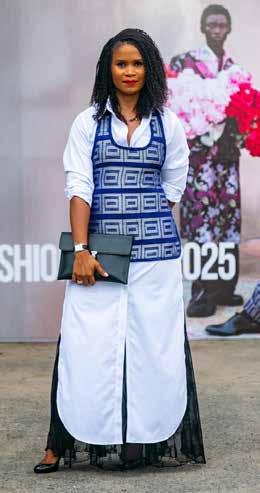
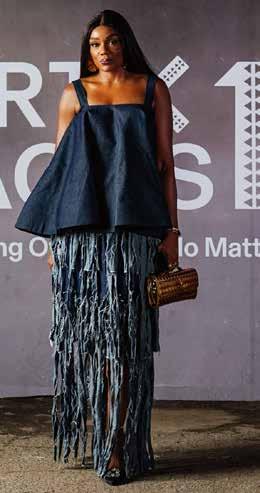
After 40, authenticity becomes the true luxury. A ₦500k dress worn without confidence looks cheaper than a thoughtfully styled ₦50k piece. Style is in your eye, your posture, your choices—not the price tag. Anyone can buy clothing; not everyone can curate it.
Thinking You Still Have to Dress “Young” to Look Young
There is nothing more ageing than trying too hard to look younger. Your 40s are not the decade to be fighting teenagers on micro-mini hems or wearing clothes that look like you borrowed them from your niece’s weekend suitcase. Youthfulness is an energy, not a crop top. What actually makes you look young? Clothes that fit right, colours that flatter your skin, and a sense of ease. Simplicity is the new youthful glow.
“Good
By 40, you should wear your good clothes now. That dinner dress you’ve been saving? Wear it to brunch. That silk blouse you reserve for “important days”? Wear it to work on a random Tuesday. Life is the occasion. And besides, what exactly are we saving them for—harmattan? Live a little. Wear the clothes.
Ignoring Undergarments Because “No One Will See It”
Ah, but we see it. Everyone sees it. In your 40s, good underwear is not optional. It smooths, lifts, shapes, and gives your clothes the foundation they need to look expensive. A great bra can change your entire posture. Proper shapewear can make a ₦25k dress look like couture. This is not about hiding your body; it’s about supporting it.
Buying Clothes That Don’t Match Your Actual Lifestyle
This is the age when you truly confront yourself: Do you really need another sequined dress when you mostly go to work, church, school runs, and the occasional birthday dinner? Or is it just shopping excitement? A grown-woman wardrobe should mirror your real life—not your fantasy life on Instagram.
Wearing “Default” Outfits Because You Feel Overwhelmed
We all know the default uniform: black top + jeans + slippers. In your 40s, it’s easy to slip into autopilot because life is busy, but your wardrobe shouldn’t feel like survival mode. A grown, stylish woman has a few go-to formulas—blazer + tank + tailored pants, crisp white shirt + midi skirt, monochrome sets—that look polished even on chaotic days.
Every fashion season, the same conversation resurfaces. Nigerian fashion is “doing well.” Nigerian designers are “global.” Nigerian creativity is “undeniable.” And yet, talk to the average customer, not the fashion crowd, not the industry insiders, not on Instagram, and a different story emerges. Too expensive. Quality is inconsistent. Nice, but where am I wearing this to? Delivery took forever. It looked good online, but in real life? Hmm.
This gap between admiration and actual buying is where Nigerian fashion’s biggest challenge sits. Because potential is not about applause. It is about trust, repeat customers, scale, and relevance to everyday life. So if Nigerian fashion truly wants to move beyond promise and into power, the question becomes less romantic and far more practical: what exactly needs to change?

The pricing problem no one wants to fully unpack Let’s start with the elephant in the room: cost.
Many Nigerian consumers are not necessarily saying fashion should be cheap. What they are questioning is value. A dress that costs ₦350,000 but cannot survive three wears without loose seams, fading fabric, or fit issues immediately becomes a sore point, especially in an economy where inflation, fuel costs, and basic living expenses are already exhausting people.
Designers are quick to cite rising costs, and rightly so. Fabric prices, power supply, diesel, import duties, rent, logistics, and FX instability — none of these are imaginary problems. But customers feel squeezed too. When both sides are under pressure, the brand that wins is the one that communicates value
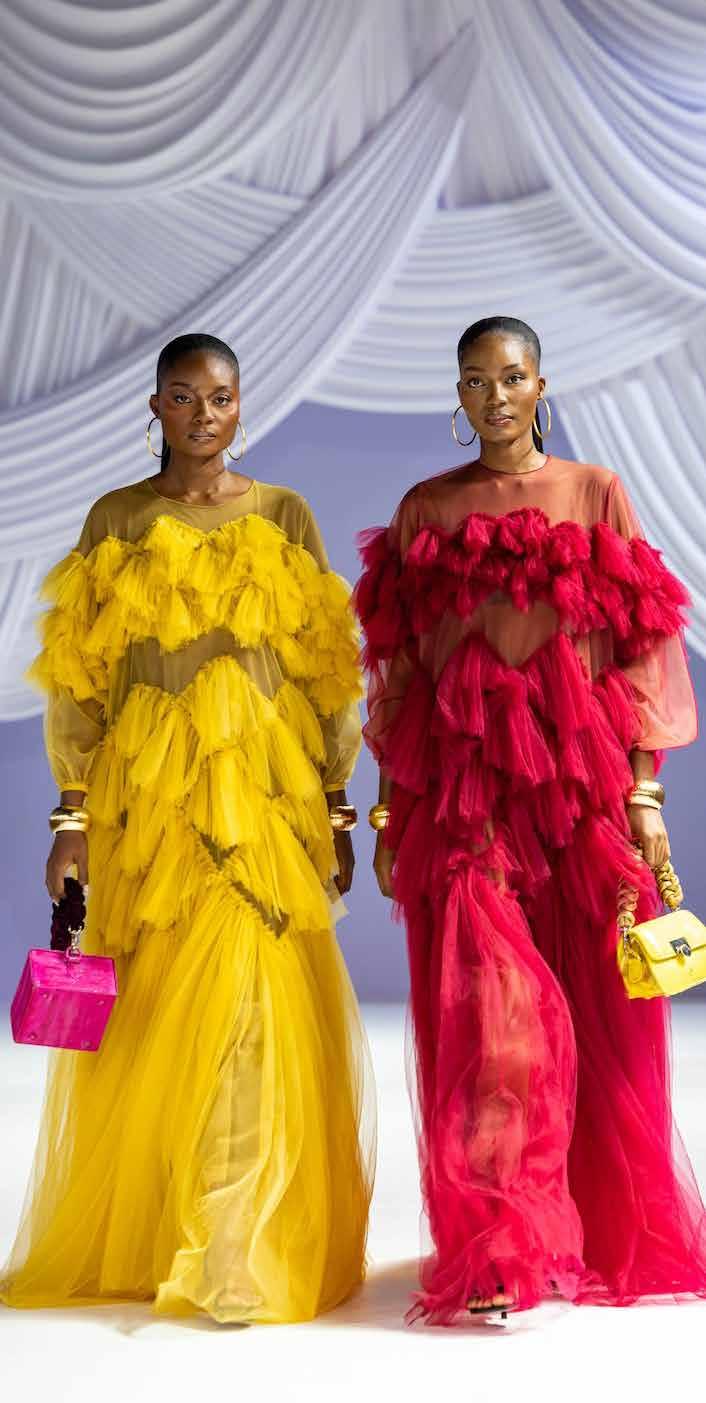
clearly and delivers it consistently. That being said, luxury pricing demands luxury execution. Anything less creates resentment.
Quality inconsistency is quietly killing loyalty.
This is one of the most common complaints whispered and
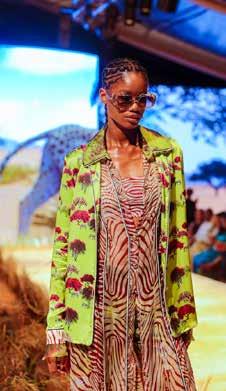
sometimes shouted by Nigerian fashion consumers. A brand delivers excellently once, then disappoints the next time. Or one piece from a collection is impeccable, while another feels rushed and unfinished. Inconsistency erodes trust faster than bad press. Customers want to know that if they order again, they will not be gambling.
This is often not about talent; it is about systems. Many brands still operate with informal production processes, rotating tailors, weak quality control, and no standardisation. When growth begins, cracks show quickly.
Reaching potential means treating quality as non-negotiable, not aspirational. Every piece that leaves the studio must represent the brand’s promise, not just its best days.
Not everything needs to be “a moment”
Another quiet issue: Nigerian fashion is often beautiful — but impractical.
So much design energy goes into statement pieces, dramatic silhouettes, and Instagram-friendly looks that everyday wear is neglected. Customers ask: Where
do I wear this to, realistically?
Can I work in it? Travel in it? Sit comfortably? Rewear it without explanation?
A fashion ecosystem cannot survive on weddings, galas, and red carpets alone. Brands that endure create clothes people can live in, not just be photographed in. This does not mean abandoning creativity. It means expanding it. There is room for drama and daily relevance. For craft and comfort. For artistry and repeat wear.
Distribution is more than Instagram DMs
Nigeria’s fashion market is still heavily Lagos-centric, and even within Lagos, deeply limited. Many brands rely almost entirely on Instagram for sales, a system that collapses the moment the algorithm changes, the page is hacked, or demand increases beyond what one person can manage.
Customers outside Lagos often struggle with access, delivery costs, and timelines. Even within
sometimes means choosing realism over aspiration.
and Accountability
Another missing piece in Nigerian fashion is clear post-purchase accountability. Many brands operate with “no returns” policies that leave customers stuck with ill-fitting or defective items. While this protects designers in the short term, it discourages confidence in buying, especially online. Clear exchange policies, quality checks before shipping, and a willingness to correct mistakes signal professionalism. Customers do not expect perfection, but they do expect responsibility.
The brands that grow are the ones customers feel safe buying from, even when something goes wrong.
Fashion Education needs to extend beyond the Sewing Machine.
There is also a wider industry issue at play. Many designers are trained to create but not to scale. Skills like costing, production planning, inventory management, digital marketing, and customer service are still treated as optional — when they are actually essential. Reaching potential requires a shift in how fashion education is approached in Nigeria. Design schools, mentorship programmes, and industry platforms must place equal emphasis on business and creativity. Talent without structure only goes so far.
the city, delayed responses, unclear policies, and poor aftersales communication remain common complaints.
To grow, brands need smarter distribution: reliable e-commerce, clear size charts, transparent delivery timelines, stockists beyond Lagos, and customer service that feels professional, not personal favour.
Fashion cannot ignore Nigeria’s infrastructure reality.
It is impossible to talk honestly about Nigerian fashion without acknowledging the environment in which it operates. Power supply is unreliable. Importing fabric is expensive. Exporting finished garments is bureaucratic and slow. Skilled labour is scarce and often undertrained. Logistics costs are unpredictable. These realities affect pricing, timelines, and consistency, but they also demand innovation. Brands that reach their potential
are those that adapt rather than complain endlessly. Some invest in training. Others simplify collections. Some design around available materials. Some partner smarter instead of working alone. The environment is tough, but resilience has always been Nigeria’s quiet advantage.
Branding must match reality, not aspiration alone.
Many Nigerian brands market themselves as luxury without fully delivering the luxury experience. Beautiful campaigns are undermined by poor packaging, late deliveries, dismissive customer interactions, or unclear policies. Luxury is not just how a garment looks. It is how it arrives. How issues are handled. How customers feel after the sale. At the same time, not every brand needs to be luxury. There is enormous space for well-priced, well-made, stylish everyday fashion — a space that remains underserved.Reaching potential
Export Readiness and the Global Conversation
Everyone wants global recognition, but few brands are truly export-ready. International buyers expect consistency, documentation, packaging standards, and timelines. Without these, global interest quickly turns into missed opportunity. Export readiness does not mean abandoning Nigerian identity. It means packaging it in a way that travels well. Brands that think intentionally about this early position themselves better for growth beyond borders.
Community over Competition Finally, there is the issue of isolation. Many Nigerian designers work alone, struggling through the same problems without shared solutions. Stronger networks, shared production resources, collective logistics, and cooperative sourcing could dramatically reduce costs and improve quality across the board. Fashion thrives in ecosystems, not silos.
Nigerian fashion brand
Emmy Kasbit is celebrating 12 years in the industry. Founded on January 20, 2014, by designer Emmanuel Okoro, the label has become synonymous with modern African luxury and refined menswear.
Known for its sharp tailoring, cultural references and global sensibility, Emmy Kasbit has shown consistently at major fashion platforms and dressed a new generation of style-forward men and women. Twelve years in, the brand’s evolution feels steady — confident, not rushed.



The Senegal national football team have lifted the Africa Cup of Nations trophy after a tense 1–0 victory over hosts Morocco in Rabat.
The dramatic final saw head coach Pape Thiaw briefly lead his players off the pitch in protest over a late penalty decision, adding to an already charged atmosphere.
This marks Senegal’s second AFCON title, following their 2021 win against Egypt, while Morocco’s wait for a second continental crown continues.


Kunle Afolayan has officially announced season two of Aníkúlápó, titled The Ghoul Awakens. Sharing the trailer online, Afolayan teased a darker, more expansive chapter spanning Oyo and foreign lands, where power, loyalty and survival take centre stage. The series premieres exclusively on Netflix on January 30, 2026, following the teaser released earlier this month.

VQalentino Garavani, one of the defining forces of 20th-century luxury fashion, has passed away at the age of 93.
Known for his unapologetic glamour and mastery of red, Valentino dressed some of the world’s most iconic women — from Elizabeth Taylor and Nancy Reagan to Julia Roberts, Sharon Stone and Gwyneth Paltrow.
He co-founded the Valentino fashion house in 1960 and stood shoulder to shoulder with contemporaries like Giorgio Armani and Karl Lagerfeld at the very top of global fashion. According to a statement from the Valentino Garavani and Giancarlo Giammetti Foundation, he died peacefully at his Roman home. He will lie in state in Piazza Mignanelli from January 21 to 22, with funeral rites to follow at the Basilica of Saint Mary of the Angels and Martyrs.
Kashim Shettima has formally commissioned Nigeria House at the 2026 World Economic Forum in Davos — the country’s first sovereign pavilion at the annual meeting. Delivered through a public-private partnership, the space will serve as the central hub for Nigeria’s delegation, hosting ministerial engagements, investment roundtables and cultural showcases.

Conceived as a strategic meeting point, Nigeria House positions the country as a serious, visible participant in global economic conversations, while spotlighting priority sectors to international investors.
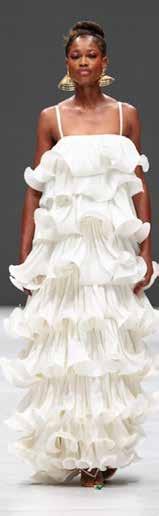
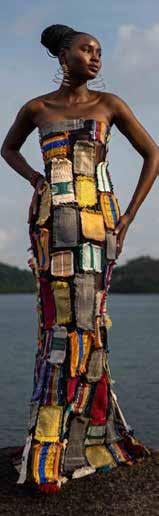
uietly confident and refreshingly intentional, Kilentar is on our radar this week for all the right reasons. The womenswear brand leans into clean tailoring, wearable silhouettes and thoughtful detailing, creating pieces that feel elevated yet realistic for modern women. There’s a subtle nod to structure without rigidity — dresses that move, separates that layer effortlessly, and a colour palette that doesn’t scream for attention.
What sets Kilentar apart is restraint. In a market often driven by excess or trendchasing, the brand’s focus on fit, finish and longevity feels deliberate — and timely. It’s the kind of label that grows quietly but steadily, earning loyalty rather than hype.



The UK government has launched a consultation on banning social media use for children under 16, citing concerns around youth wellbeing. The proposed measures also give Ofsted (Office for Standards in Education ) new powers to enforce phone-use policies in schools, with ministers pushing for a “phonefree by default” environment. The move follows Australia’s landmark under-16 social media ban introduced in December 2025, which has sparked similar conversations globally.
EbonyLife Films is bringing The Secret Lives of Baba Segi’s Wives to the big screen in December 2026. The adaptation, produced by Mo Abudu in partnership with Nile Media Entertainment, Genesis Group and Silverbird Group, marks EbonyLife’s return to cinemas after a long hiatus. Featuring Iyabo Ojo, Bimbo Ademoye and Omowunmi Dada, the film explores power, rivalry and female agency within a polygamous household. Author Lola Shoneyin is attached as a producer, with Adze Ugah adapting the screenplay and Daniel Oriahi directing.


Paystack has reorganised its operations under a new holding company, The Stack Group (TSG), signalling ambitions beyond payments.
TSG now houses Paystack, a consumer payments app; Zap; Paystack Microfinance Bank; and a venture studio. The group is jointly owned by CEO Shola Akinlade, Stripe and Paystack employees.
The restructuring coincides with groupwide profitability and strong cash flow, positioning Paystack for its next decade of growth.
Hilda
Hilda Baci has kicked off 2026 with another major milestone, confirming she is now a three-time Guinness World Records holder. Her most recent recognition stems from her September 2025 feat, where she partnered with Gino Nigeria to prepare the largest serving of Nigerian-style jollof rice, weighing 8,780kg, at Eko Hotels and Suites, Lagos. The record was officially validated after Guinness confirmed all cooking and distribution standards were met.
This adds to her 2023 record for the longest cooking marathon, where she cooked continuously for 93 hours and 11 minutes. The third title, confirmed months after the initial 2025 announcement, completes a trio of global recognitions — firmly cementing Hilda’s place in culinary history.