

TAMUNOMININI
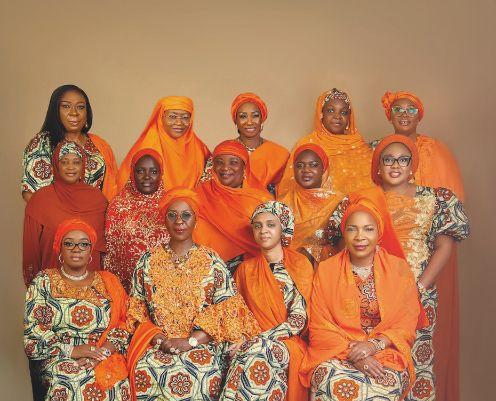
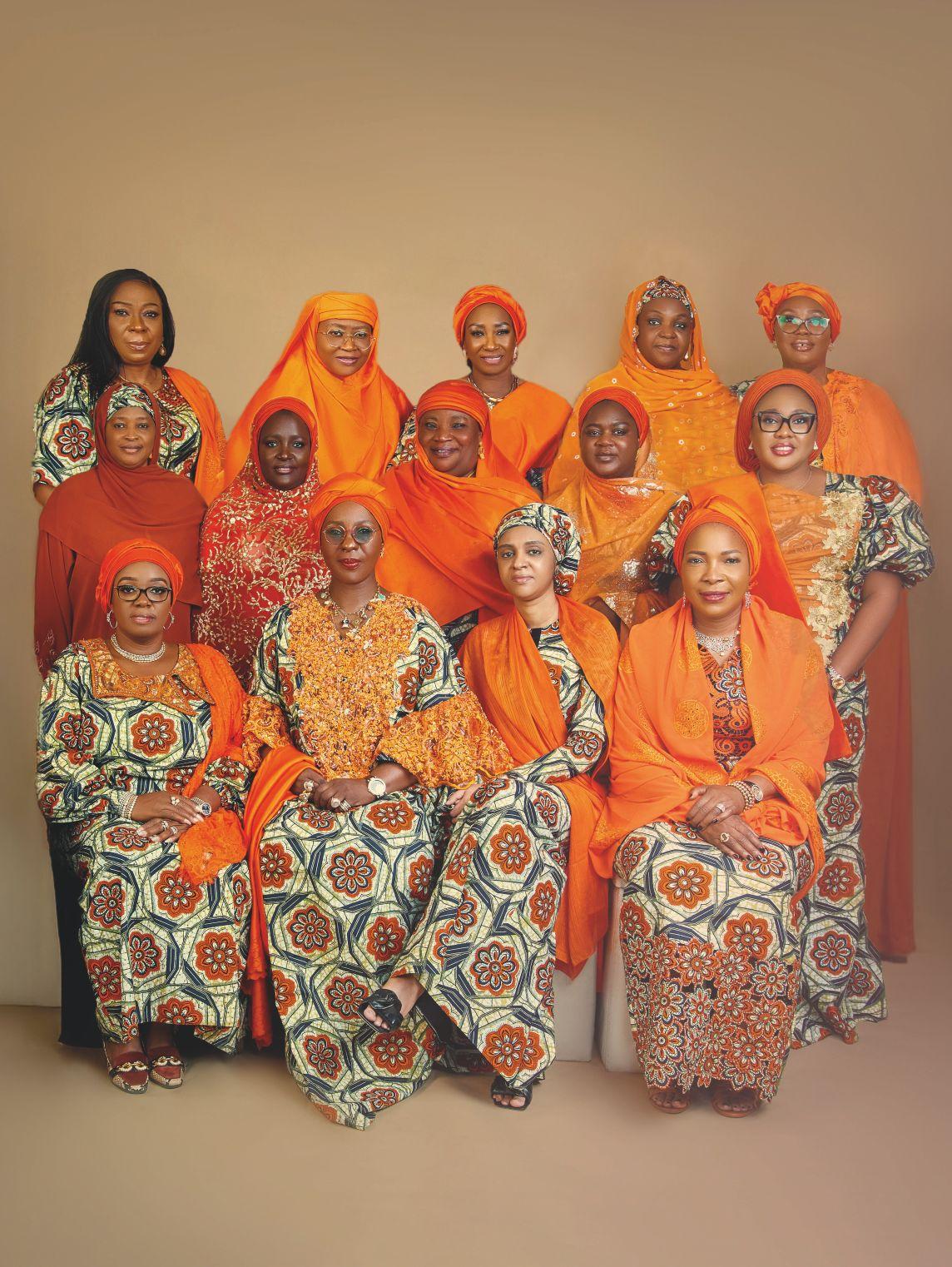
Power in Nigeria is usually measured by offices held, budgets controlled, or elections won. Yet some of the most consequential shifts of the last few years have come from a different kind of authority altogether, one rooted in access, proximity, and the ability to convene attention around issues that too often remain at the margins. The Nigeria Governors Spouses’ Forum (NGSF) operates firmly within that space. NGSF is a collective advocacy platform of the First Ladies of Nigeria’s 36 states. Chaired by Ambassador Professor Olufolake Abdulrazaq, the First Lady of Kwara State, the Forum provides a unified space for Governors’ Spouses to mobilise attention, resources, and partnerships around issues affecting women, youths, and children.


Ihave been thinking a lot about how we ended last year. Not the general fanfare or the countdown into January, but the quieter moments that sat with some of us. One of them was the passing of young writer Anda Damisa Paul, known online as LazyWrita. He died by suicide and left a scheduled Instagram post that announced it in the simplest, calmest way. It was heartbreaking. And even though the news mostly moved through creatives, it touched something much bigger. It reminded us how much men carry in silence and how dangerous that silence can be.
Because the truth is this. Mental health is not a niche conversation. It is not limited to those who tweet their thoughts or share long captions. It affects people everywhere. Those who seem fine. Those who laugh loudly. Those who never ask for anything. Those who believe their struggles are burdens. Men, especially, have been conditioned to swallow pain so deeply that speaking feels like a violation of everything they were taught to be.
However, we cannot afford that silence anymore. If you are reading this and something feels heavy, please talk to someone. A friend. A sibling. A therapist. Anyone who will listen without judgment. And if you are the friend someone comes to, please take it seriously. A small conversation can be a lifeline. Also, please read my opinion piece, “Before It’s Too Late On Men Depression and Suicide”. It is an invitation for all of us to pay attention, to check in with intention, and to build spaces where men can speak without feeling ashamed.
Now, on the gentler side of human connection, also check out my second piece, “Would You Look for Love on the Internet”? It explores how digital spaces have, strangely, become places of softness, and how people who might never meet in Lagos traffic or Abuja boardrooms find unexpected companionship in the corners of the internet. It is lighter, but still rooted in the same theme. Everyone is looking for connection. Everyone wants to be seen. And since we are on the topic of life and connection, how are you easing into January? Truly. Are you moving slowly or jumping right in? Are you making plans, or are you just letting the days settle around you? Either way, there is no pressure to perform a perfect start.
I hope this year meets you with clarity and compassion. I hope you feel supported in the moments that matter and held in the ones that overwhelm you. We are all trying. And that, on its own, is enough.

There’s a new kind of feminine energy taking shape — intentional, graceful, self-assured, and delightfully unbothered. Today’s baddie isn’t defined by heavy contour or curated perfection. She is shaped by choices, habits, and a quiet confidence that doesn’t need external validation. Becoming a baddie is a lifestyle shift, not an aesthetic one. It is about reclaiming your power, setting the tone for your life, and showing up as the most refined version of yourself. Below are the real pillars of the baddie evolution. Not the internet version, but the version rooted in reality.
1. Build a Self-Care Routine You Can Sustain
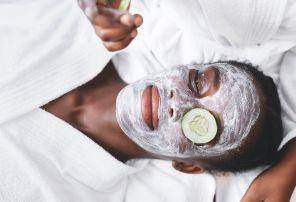
A true baddie understands that consistency is more powerful than theatrics. Instead of chasing complicated routines, she commits to a simple, nourishing rhythm she can maintain daily. She uses products that work for her skin, drinks water throughout the day without making it a personality trait, and creates one weekly ritual that grounds her — whether that’s journaling, praying, stretching, or enjoying a quiet evening alone. Her glow doesn’t come from filters; it comes from honouring herself with steady care.
Style, for her, isn’t about keeping up with trends or buying entire hauls. It’s about understanding what works for her life and her body. She edits her wardrobe slowly, choosing pieces that fit her current shape, flatter her silhouette, and make getting dressed a pleasure instead of a task. She invests in a few timeless items and owns at least one outfit that instantly lifts her confidence. Her wardrobe tells the story of a woman who knows herself.
3.
A baddie’s home isn’t perfect, but
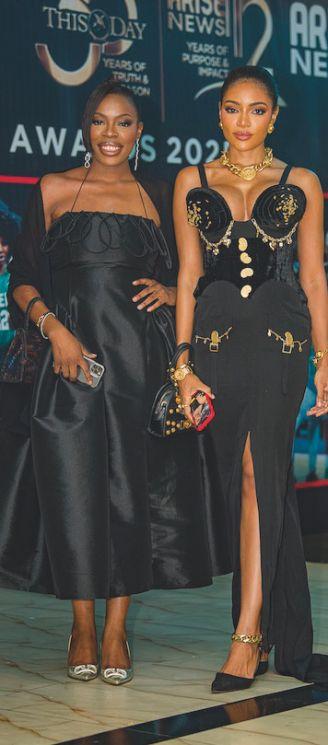
it is intentional. She makes small adjustments that bring calm into her space — fresh sheets, decluttered surfaces, soft lighting, a scent she loves. She cleans in manageable bursts instead of overwhelming herself, and she treats her home as an extension of her mental state. When the world becomes hectic, her space becomes her sanctuary.
She no longer stretches herself thin to appear agreeable. Her “no” is clear, calm, and final. She
reduces access to people who drain her, stops explaining decisions that concern her alone, and understands that protecting her peace is part of self-respect. Her boundaries are not mood-dependent; they are anchored in clarity.
5. Strengthen Your Financial Foundation
A baddie knows that confidence feels different when your finances are in order.
She becomes more aware of her spending patterns, builds savings gradually, pays down debts one step at a time, and learns new skills that can grow her income. She removes shame from conversations about money and embraces financial literacy as a form of personal power. Her stability is intentional, not accidental.
6. Master Emotional Discipline
Not every situation deserves her reaction. A baddie learns to pause before responding, especially when provoked. She chooses silence when necessary, withdraws from arguments that go nowhere, and avoids giving people the satisfaction of seeing her spiral. Her calm becomes her greatest elegance, and she protects it fiercely.
7. Curate a Circle That Reflects Your Growth
She gravitates toward women who inspire her, uplift her, and challenge
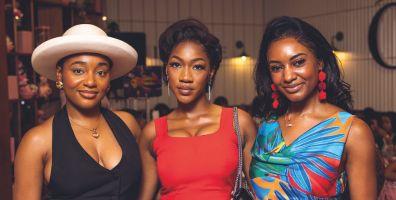
her quietly. Her friendships are rooted in honesty, support, laughter, and maturity, not jealousy or hidden competition. She releases relationships that keep her stagnant and surrounds herself with people who want to see her win. Her circle becomes a mirror of her evolution.
8. Do One Thing Weekly for Your Future Self
Her glow-up is structured, not chaotic. She dedicates time each week to something that propels her forward — learning a skill, cleaning a neglected corner, booking a medical appointment, reading something enriching, or taking the next step on a personal goal. She understands that progress is built in small, steady layers.
9. Honour Your Body in Ways That Feel Realistic
A baddie prioritises wellness without extremes. She moves her body in ways she actually enjoys, nourishes herself with real food, hydrates intentionally, and sleeps properly. She doesn’t punish herself for indulgence; she balances it with care. Her relationship with her body becomes kinder, steadier, more respectful.
10. Choose Yourself Every Day
At the heart of becoming a baddie is the daily decision to prioritise your wellbeing, your joy, your goals, and your peace. She advocates for herself, celebrates her progress, and refuses to shrink for anyone. Every day, she chooses alignment over pressure, evolution over stagnation, and self-respect over approval.



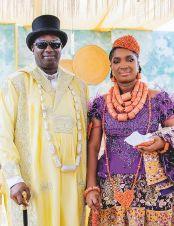
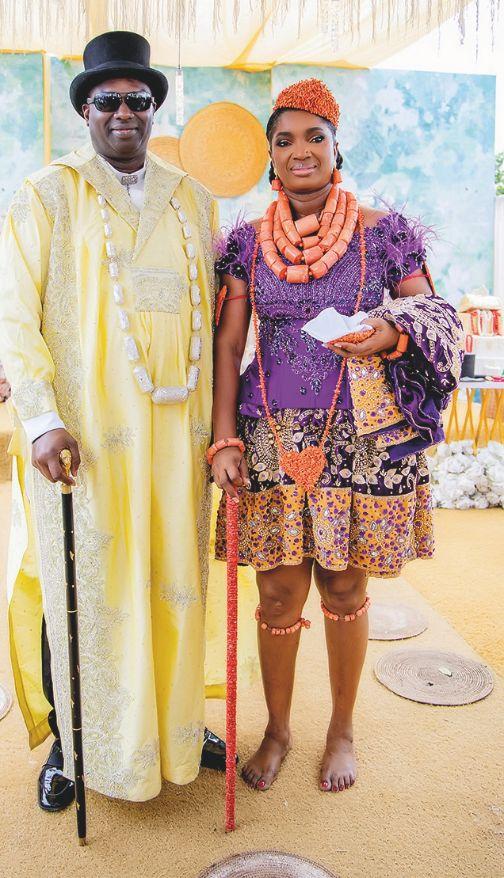
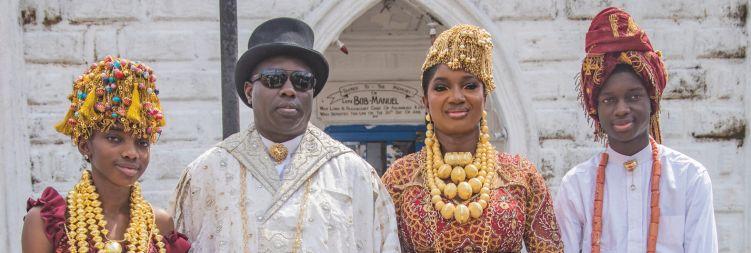
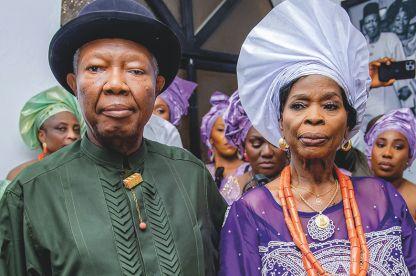
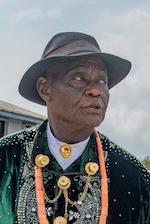
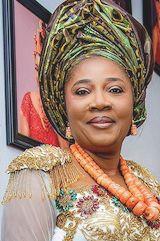
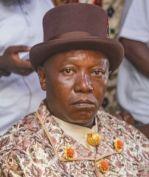
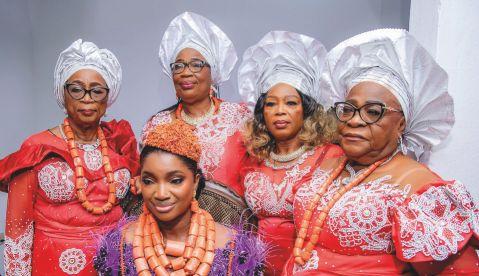
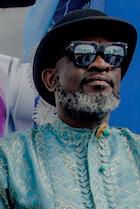
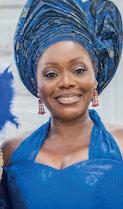
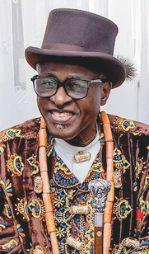
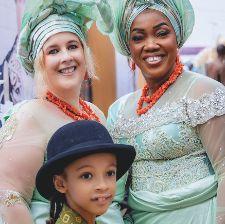
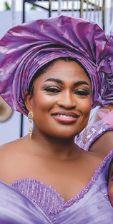
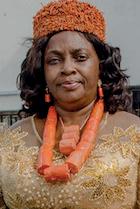
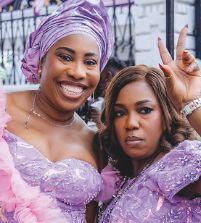
Alabo Samuel Diminas Jack and his wife, Alabota Ngowari, recently celebrated their Kalabari traditional Iya marriage at the Awo Barboy Memorial Hall, Owukori Compound, Abonnema, following the Udo-Ugwu marriage rites concluded three days earlier in Ahoada. The occasion drew family members, community leaders, and well-wishers who gathered to witness one of the most revered forms of marriage within Kalabari culture.
The Iya marriage is highly esteemed for its depth and permanence, symbolising a lifelong union in which the wife becomes a permanent member of her husband’s family.
Within this tradition, the marriage establishes clear lineage and belonging, with children born of the union fully recognised as members of the husband’s household. It is a form of marriage that speaks to continuity, responsibility, and deep communal values. The ceremony was marked by elaborate and culturally significant rites, including the Bibife—often referred to as “buying the mouth”— as well as vibrant Iriawo dances that brought colour, rhythm, and meaning to the celebration. Substantial bride price payments further underscored the seriousness and honour attached to the union.


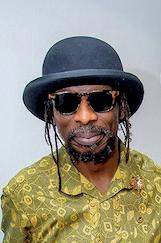
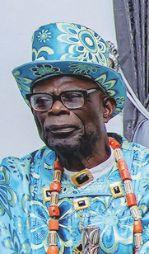
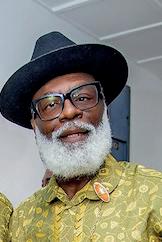

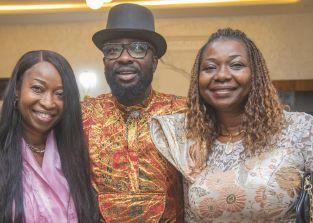






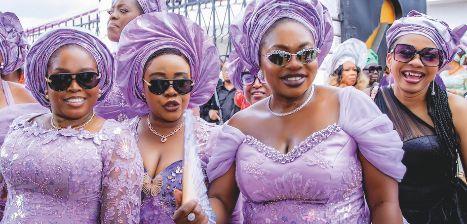
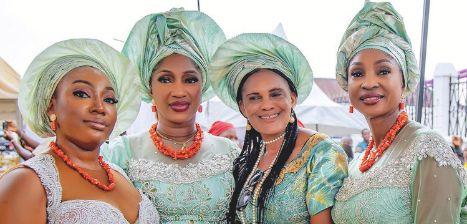







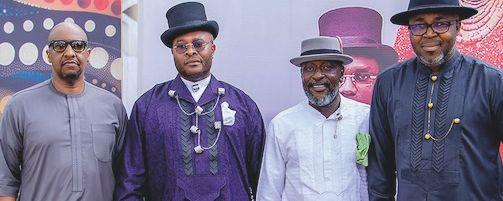





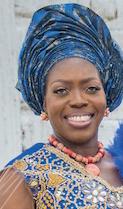

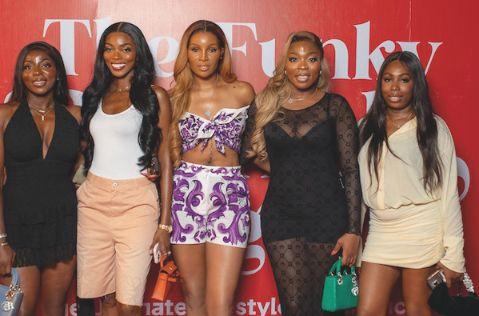
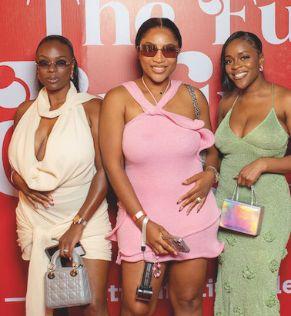
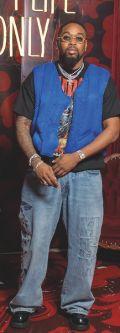
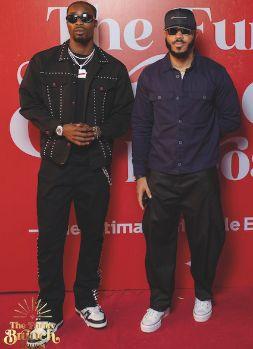
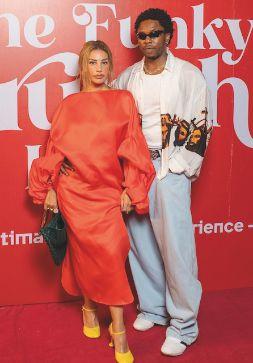
Lagos doesn’t forget a good party — and on January 2, 2026, The Funky Brunch Lagos, convened by Efe Tommy Adabamu, made a grand return with the kind of energy that announces itself before the first song drops. The city’s most talked-about lifestyle experience delivered a full sensory night of music, fashion and premium nightlife, reminding everyone why Funky Brunch remains a cultural force.
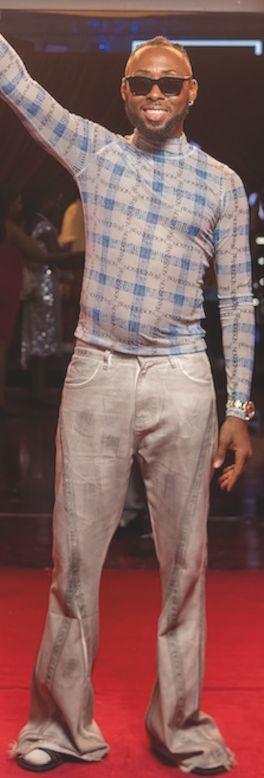
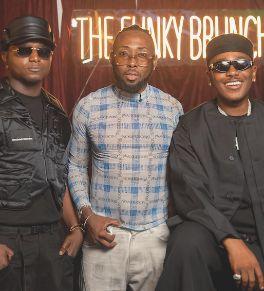
The guest list read like pop culture’s roll call — Timini Egbuson, Larry Gaaga, Runtown and other industry heavyweights were spotted dancing freely, connecting, and soaking in the atmosphere. Every detail hit: perfectly timed DJ sets, fashion-forward looks, premium drinks, and production elements that made the night feel cinematic, intimate and electric.
Backing the experience was a strong lineup of partners: Soundcity and Trace amplified the culture, while luxury beverage brands Clase Azul, Moët & Chandon, Adiccion, Rémy Martin, The Glenlivet, Polo Avenue and others elevated the night’s premium character.











By Konye Chelsea Nwabogor
The average single Nigerian will insist, loudly, dramatically, and with a healthy dash of pride, that they are far too occupied, overbooked, or emotionally unavailable to be “looking for love.” But watch closely. As the years go by and the pool of eligible humans somehow reduces, you’ll see even the most hard-faced of them start entertaining possibilities they once swore they were above. You’ll hear someone casually ask their auntie if she “knows anybody sensible.” You’ll see formerly aloof men suddenly attending small social gatherings they once mocked. You’ll hear of women giving that friend-ofa-friend’s cousin one more chance (despite the fact that the last blind date was a spectacular disaster). And without admitting it, many people are quietly more open than they’ve ever been — intentional if necessary, experimental if required, and increasingly… curious. It was only a matter of time before the internet slipped into this gap, offering the one thing modern adulthood seems determined to steal from us: possibility. Not the dramatic, moviestyle possibility, just the simple idea that someone interesting might be a few taps away.
Before long, Instagram, Twitter, TikTok, and even the comment section of someone’s random post became subtle meeting grounds — quiet crossroads where strangers discover they like the same jokes or think the same way or, at the very least, find each other’s digital presence oddly appealing. Hopeful singles began leaving tiny breadcrumbs: a like here, a reply there, a slightly-too-fast engagement with an Instagram Story that definitely wasn’t meant for the public. Does anyone find love this way? Surprisingly… yes. When I asked a small group of friends if anything worthwhile had ever come out of their online interactions, a few people admitted, without hesitation, that they had met someone who mattered. One woman told me she had started talking to a man who simply replied to her rant about Lagos traffic; months later, they were still speaking every day. Another confessed she had built an entire situationship on the back of one emoji, and honestly, isn’t that the most Nigerian thing ever?
None of these stories were dramatic. They were not perfect fairytales. No one pretended the internet was a treasure chest of eligible suitors. But each person said some version of the same thing: “It wasn’t what I expected… but it ended up meaning something.”
Which is really the heart of this whole phenomenon.
People aren’t flocking online because they’re desperate. They’re showing up because life is busy, cities are big, and meeting someone “organically” now requires the kind of luck that feels almost spiritual. The internet simply widens the window a little. It makes your world less determined by commute routes, friend groups, and coincidence. It introduces the kind of serendipity that Lagos traffic and Abuja routines rarely allow. Of course, the internet is not a matchmaking service (no matter what our behaviour suggests).
Most people are there minding their business — posting work wins, memes, outfits, quotes, and subtle thirst traps disguised as lifestyle content. So if anything develops beyond this, etiquette becomes important. Respecting boundaries becomes important. Remembering that a curated grid is not a detailed autobiography becomes very important.
As one friend put it, “You can like someone’s vibe online, but you still have to meet their actual self in daylight.” And she’s right. A page full of well-lit selfies doesn’t substitute for real connection, just as a perfectly timed reply does not magically reveal compatibility. It simply opens a door — gently, quietly, without pressure. So, is looking for love online a yes or a no?
Honestly, it’s no longer that deep. Online spaces have made the world feel smaller, introduced us to people we would never meet, and offered a surprising softness in the middle of chaotic days. You may find yourself drawn to someone you barely know, yet feel strangely connected to. You may also laugh at yourself for it, but still check your notifications anyway. If you’re respectful, self-aware, and not behaving like a menace, acting on that curiosity isn’t the wildest idea. It’s just modern. And maybe that’s the point. Love hasn’t changed. The starting point has.
Sometimes it begins in a restaurant. Sometimes in a friend’s living room. And sometimes quietly, unexpectedly, in a message sent by someone you didn’t even know last week.



Fashion is shifting again, and this time the conversation isn’t about loud trends or viral aesthetics — it’s about refinement. Nigerians have always had a special relationship with colour: we make entrances, we celebrate in colour, and we understand how different tones transform an outfit. But as 2026 approaches, designers and style insiders are leaning toward shades that feel luxurious, grounded, and beautifully wearable. These are the colours that will shape the year ahead — from Lagos Fashion Week runways to Abuja brunch outfits to the aso-ebi boards that quietly dictate party season.
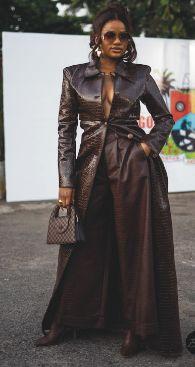
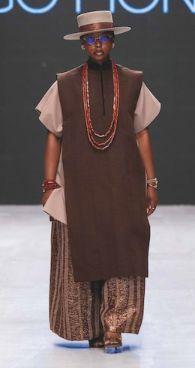
1. Rich Browns
Brown has become the unofficial uniform of stylish Nigerians. It started subtly, a brown linen set here, a chocolate boubou there — but by 2025, brown had fully graduated into the luxury palette. For 2026, the shade deepens into chocolate, espresso, and caramel. These tones work on every complexion and every silhouette, whether it’s a sharply tailored suit, a flowing kaftan, or a sequinned evening dress. Brown feels adult, calm, and expensive without trying too hard. It’s the colour of quiet confidence.
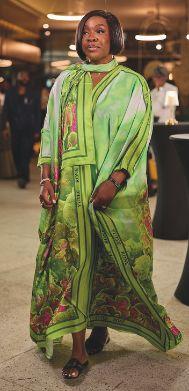
3. Olive & Dusty Greens
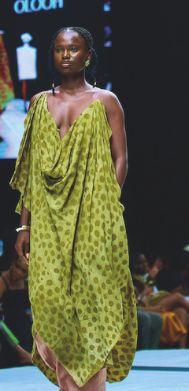
While emerald will always have a place in Nigerian wardrobes, 2026’s green is softer. Olive. Dusty sage. Leafy tones with a calm, grounded feel. These shades read sophisticated and pair beautifully with gold jewellery — an important consideration here. From agbadas to silk slip dresses, olive is the quiet achiever of 2026: elegant, modern, and surprisingly versatile for both men and women.
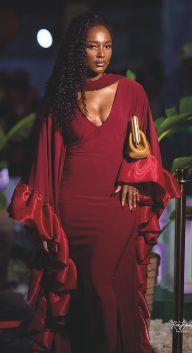
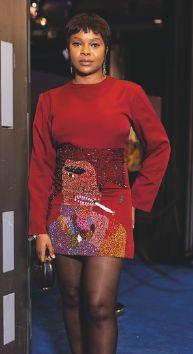
2. Deep Reds
Nigerians never resist a good red; it’s bold, festive, and eternally flattering. But the new red isn’t loud or overly bright. Instead, think merlot, oxblood, and a warm tomato red that feels more refined. Designers are embracing these shades for corseted dresses, structured jumpsuits, and gele fabrics that glow under event lighting. Deep red is sensual without being overwhelming, and you’ll see it heavily on aso-ebi mood boards in 2026.
4. Steel Blue & Midnight Blue
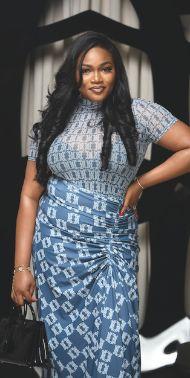
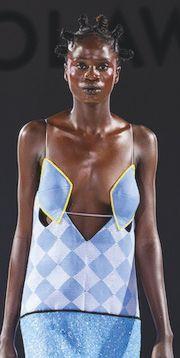
Blue has always thrived in Nigerian fashion, but 2026 introduces a deeper, moodier spectrum. Steel blue for workwear and tailored pieces; midnight blue for evenings, ceremonies, and red carpets. Midnight blue is especially important — it offers the drama of black without the starkness. It’s flattering, it photographs like a dream, and it feels effortlessly elevated. Expect to see celebrities lean into this shade heavily.
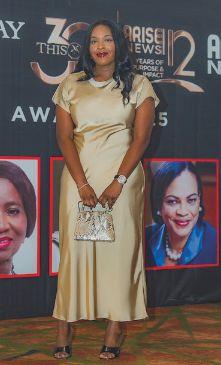
5. Butter Yellow & Soft Gold
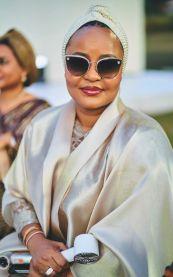
Nigerians love yellow, but the new direction is softer and more subtle. Think butter, muted marigold, champagne gold. These tones complement melanin beautifully and feel luxurious in satin, silk, lace, and damask. Soft yellow is also extremely “photo-friendly,” which matters in a culture where every outfit is documented. Expect to see it become a staple for weddings, garden parties, and Lagos brunch culture.
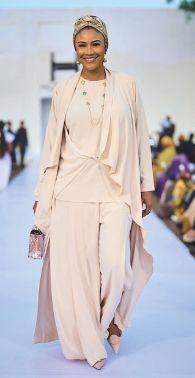
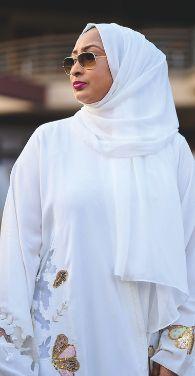
7. Luxe Cream & Off-White
Not pure white, that’s for brides. This is cream, bone, and warm ivory. The colours of quiet luxury. These tones make even simple outfits look refined. Linen sets, flowy dresses, relaxed tailoring — everything looks richer in cream. It’s also climate-friendly: light, breathable, and perfect for heat.
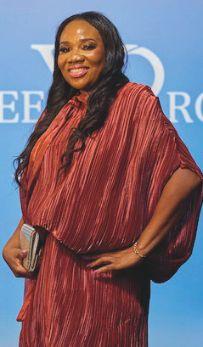
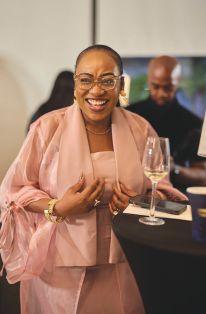
6. Dusty Pink & Rose Mauve
Pink isn’t leaving us — but it’s evolving. Gone are the Barbie pinks; 2026 is all about muted, sophisticated tones like dusty rose, blush mauve, and soft mulberry. These shades are romantic without being childish and will dominate bridesmaid dresses, structured separates, kaftans, and occasionwear. They’re soft enough for daytime events but elevated enough for formal evenings.
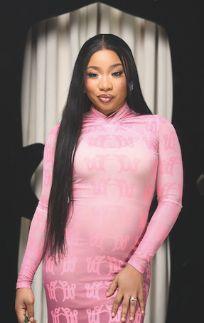
8. Soft Black (Matte, Washed, Textured)
Black never goes out of style here, but 2026 brings a new interpretation: soft, washed, and textured blacks. Instead of shiny, harsh jet black, designers are using matte crepe, textured brocade, washed satin, and organic-feeling fabrics. It’s the kind of black that feels less formal and more fashion-forward — perfect for eveningwear, street style, and chic ready-to-wear.
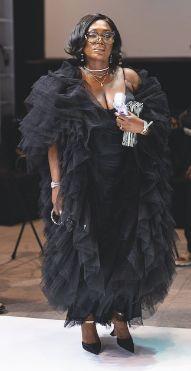
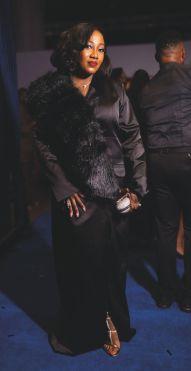
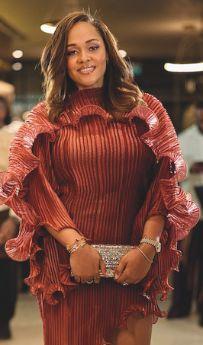
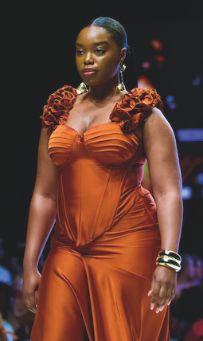
9. Terracotta, Clay & Burnt Sienna
This is one of the most important additions. Warm earth tones — terracotta, clay, burnt sienna, ginger — will be everywhere in 2026. They flatter melanin, pair beautifully with gold and bronze accessories, and work across fabrics ranging from cotton to silk to aso-oke. Designers like Andrea Iyamah, Oríré, and Abiola Olusola already play in this space, and 2026 will push it even further. These tones feel rooted, earthy, and effortlessly stylish — the perfect balance between contemporary and traditional.
Luxury has always existed, but access to it has evolved. Today, it isn’t just about what you buy, it’s about who you trust to get it for you. Long before personal shopping became a buzzword in Nigerian luxury circles, Omobolaji Akinsanya was quietly building something different from his base in the UK: a service rooted in trust, speed, taste, and discretion. What started as a simple Instagram page has grown into Lamanee, a high-end personal shopping brand that caters largely to Nigerian clients who want more than just items; they want assurance. From sourcing hard-to-find pieces to navigating time zones, trends, logistics, and the emotional urgency that often defines luxury shopping, Omobolaji has learned the market from the inside out. In this conversation, he opens up about building a business on Instagram before it was fashionable to do so, the realities of serving Nigerian luxury consumers from abroad, the misconceptions around personal shopping, and what it truly takes to stay relevant in a fast-moving, high-pressure industry.
You started Lamanee Luxe on Instagram long before luxury personal shopping became what it is for Nigerians today. What sparked that first “Yes, this is it” moment?
It began as intuition — a quiet certainty. I’ve always been drawn to beautiful things, but more than that, I’ve always had an instinct for finding what people desire before they even articulate it. Instagram, at the time, felt like this untouched runway of possibilities. Once I delivered my first orders and saw how deeply people valued trust, transparency, and taste, knew I had found my lane. Lamanee Luxe wasn’t just a business — it was a calling.
Take us back to your early days. What did building credibility look like when you were just starting?
When you’re new, your reputation is your only currency. I built mine meticulously, one order, one client, one delivery at a time. documented everything, from sourcing to shipping. communicated constantly. And I delivered consistently. In a market where trust is sacred, I made sure Lamanee Luxe felt like a safe pair of hands.
The Nigerian market is emotional, fast-paced, and unpredictable. What has working with Nigerian clients taught you? Nigerians have an unmatched relationship with desire. When they commit to something, it’s with clarity and conviction. Their urgency isn’t impatience, it’s passion. And their taste is bold, expressive, and ever-evolving. Serving this market has taught me to stay alert, stay agile, and always stay inspired.
Instagram shows the glamour of luxury shopping, but what are the parts the world doesn’t see?
Everything behind the scenes: the sourcing challenges, sudden global price shifts, customs surprises, sold-out pieces that require personal miracles, sleepless nights tracking shipments across time zones. The final reveal is glamorous, yes, but the journey is a blend of precision, persistence, and prayer.
What’s the most memorable request you’ve ever received?
I once had a last-minute request for a pink diamond ring, and I had only 24 hours to deliver it. used my industry network to make it happen, and it was one of the most memorable requests I’ve ever handled. Pink diamonds are rare, so it was truly remarkable.
What’s the hardest part of the job that people often misunderstand? People see the item, not the orchestration. They don’t see the currency fluctuations, the brand negotiations, the logistics, the customs maze, or the emotional management it takes to ensure clients stay excited and reassured. Delivering luxury requires a calm exterior and a battlefield of operations underneath.
Many UK-based Nigerians are now in the personal-shopping space. What sets Lamanee Luxe apart?
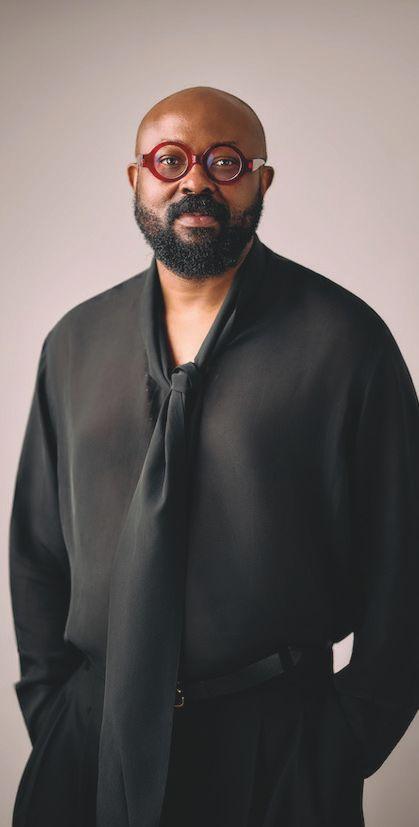
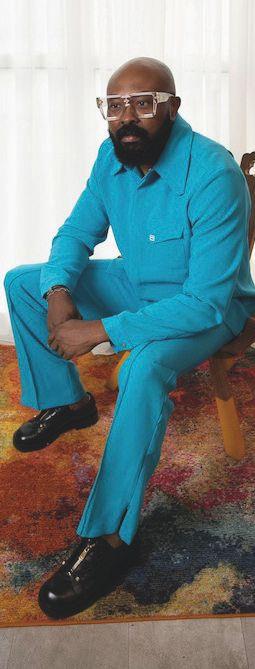
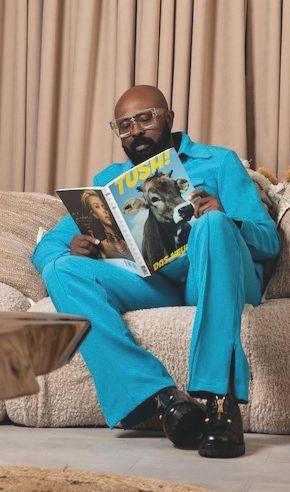
Lamanee Luxe isn’t built on trends; it’s built on trust. don’t just sell items; curate lifestyles… We give tailoredmade services which transcend personal items. My clients know that understand their taste, anticipate their desires, and protect their interests. It’s a relationship-driven model, where consistency creates loyalty. That is what sets us apart.
What has Instagram done for Lamanee Luxe that traditional marketing never could? It humanised the brand. Instagram allowed people to see my process, my aesthetic, and my values in real time. It created a direct line to clients across continents. It transformed Lamanee Luxe from a service into a community.
With global inflation and the fluctuating naira, has Nigerian luxury appetite shifted?
Luxury desire hasn’t faded, but it has become more intentional. Clients are investing in timeless pieces, classic silhouettes, and items with long-term value. They think more, plan more, but they still appreciate excellence. Nigerians will always love quality.
What’s the biggest myth about Nigerian luxury lovers? That it’s all about showing off. In truth, many of my clients buy luxury for deeply personal reasons — to celebrate milestones, honour their achievements, or simply enjoy the beauty of craftsmanship. Luxury, for them, is emotional, not performative.
Your personal style is reflected across the Lamanee Luxe brand. How would you describe your aesthetic? Soft elegance. Quiet confidence. Pieces that speak without shouting. love beautifully structured simplicity — the kind of luxury that whispers but leaves an impression. That sensibility influences everything we curate at Lamanee Luxe.
What do you want the Lamanee Luxe name to represent in the next five years?
Legacy. Not just a luxury service, but a brand synonymous with trust, excellence, and impact. I want Lamanee Luxe to continue setting a global standard where service meets intention, and luxury meets purpose.
If you weren’t a personal shopper, what would you be doing?
Something in the creative world. Perhaps creative direction or brand consulting. I love bringing ideas to life. But no matter what, it would still be rooted in aesthetics and storytelling.
As competition grows, what’s next for Lamanee Luxe?
Growth, but intentional growth. We have expanded our offerings through Lamanee Luxe Concierge, a full-service luxury lifestyle experience — from art sourcing …event bookings to curated travel, restaurant reservations, entertainment access, and even football match tickets. We’re also exploring more collaborations and envisioning a physical space that embodies our world: soft, elegant, and meticulously curated.
We look forward to more collaborations with leading brands. Notably, in 2022, we brought the Dolce & Gabbana MTO team to Lagos.
But the beautiful thing about Lamanee Luxe is that it will continue evolving. Always grounded in excellence, always tied to purpose, and always committed to our community. This is the heart of our brand. A percentage of every Lamanee Luxe purchase goes directly to the Fruit of the Womb Support Foundation, which supports families facing fertility challenges. For many couples, the emotional and financial weight of this journey is overwhelming. So when you shop with Lamanee Luxe, you’re not just indulging in luxury — you are giving hope to a family.
We deeply welcome individuals and businesses who want to partner with the foundation. Impact grows when hands joins.

Power in Nigeria is usually measured by offices held, budgets controlled, or elections won. Yet some of the most consequential shifts of the last few years have come from a different kind of authority altogether, one rooted in access, proximity, and the ability to convene attention around issues that too often remain at the margins. The Nigeria Governors Spouses’ Forum (NGSF) operates firmly within that space. NGSF is a collective advocacy platform of the First Ladies of Nigeria’s 36 states. Chaired by Ambassador Professor Olufolake Abdulrazaq, the First Lady of Kwara State, the Forum
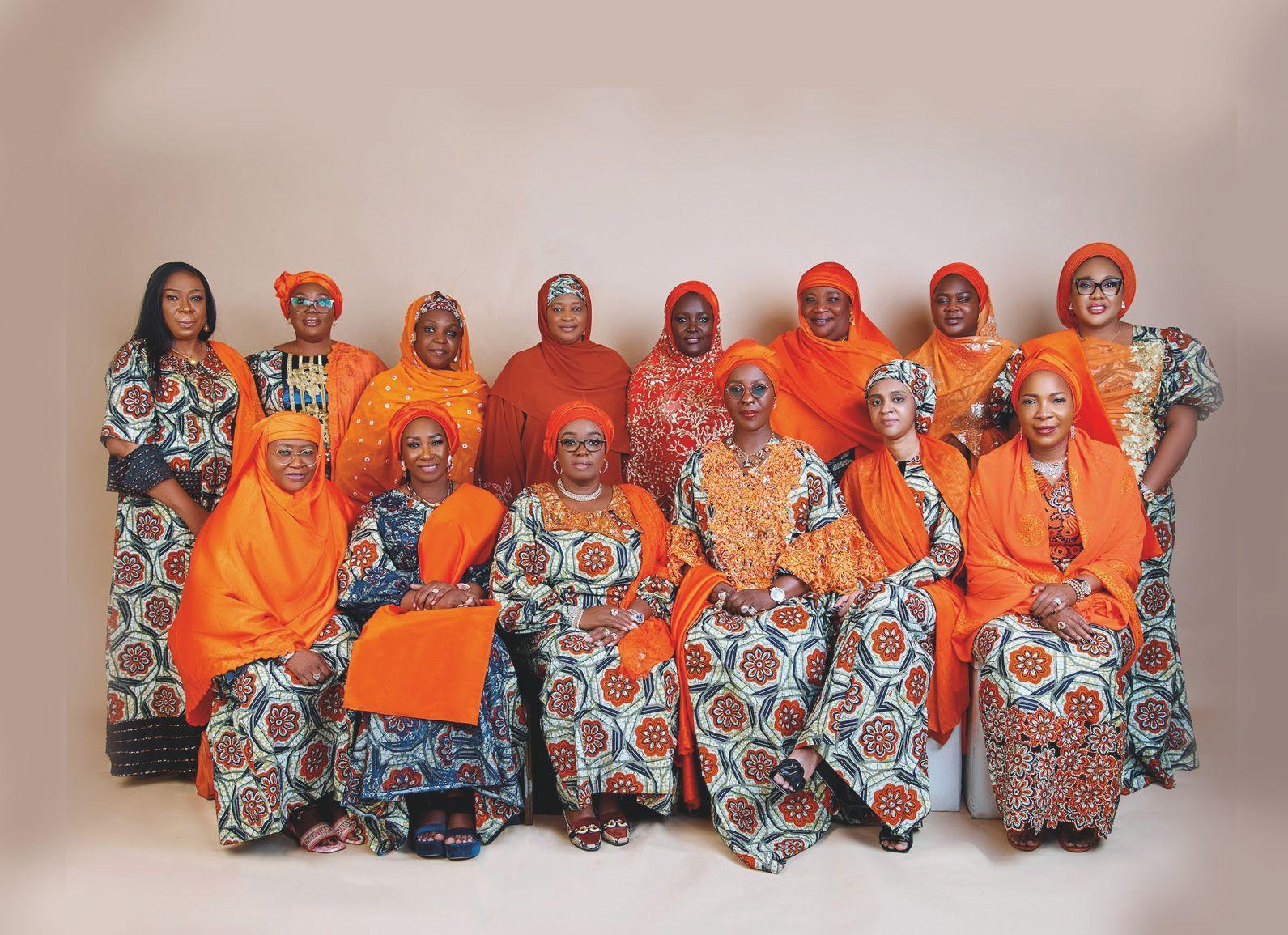
provides a unified space for Governors’ Spouses to mobilise attention, resources, and partnerships around issues affecting women, youths, and children, while operating through Northern and Southern Fora to strengthen regional coordination and impact. Rooted in advocacy and social action, the Forum brings together the moral authority and convening power of Governors’ Spouses to advance protection, equity, and opportunity for vulnerable populations across the country. While formally structured in recent years, the Forum’s work reflects the longstanding collective engagement of First Ladies in social development issues within their respective states.
The Forum’s early collective action gained national prominence during the COVID-19 period, when reports of Sexual and GenderBased Violence (SGBV) escalated across Nigeria. In response,
Governors’ Spouses mobilised under the banner Nigerian Governors’ Wives Against Gender-Based Violence, advocating for urgent, coordinated action. This sustained advocacy contributed to the Nigeria Governors’ Forum’s declaration of a State of Emergency on Sexual and Gender-Based Violence in June 2020, a critical milestone that accelerated the domestication of the Violence Against Persons (Prohibition) Act across all 36 states and the Federal Capital Territory. This remains one of the Forum’s most significant advocacy outcomes, demonstrating how coordinated subnational engagement can translate into nationwide reform. Building on this foundation, the Nigeria Governors’ Spouses’ Forum expanded its advocacy to address interconnected social challenges affecting women, youths, and children. The Forum’s work now spans health, education, nutrition, skills acquisition, economic empowerment, drug abuse prevention, climate change,
Sickle Cell Anaemia, women’s leadership and political representation. Central to this expansion has been strategic collaboration with institutions and partners including the Nigeria Governors’ Forum (NGF), the Office of the First Lady of Nigeria and the Renewed Hope Initiative, UN Women C-WINS, GAVI, UNICEF, UNFPA, the British High Commission, the MacArthur Foundation, the Ford Foundation, the Westminster Foundation, the Federal Ministry of Health and Social Welfare, the NDLEA, Lady Anne Welsh, and the artist Waje. Through these partnerships, the Forum has supported and amplified advocacy efforts that have translated into measurable national impact, including nationwide sensitisation on routine immunisation, contributing to the uptake of the HPV vaccine by over 12 million girls across Nigeria; sustained advocacy for six months paid maternity leave; expansion of Sexual Assault Referral Centres (SARCs) and safe shelters across multiple states; capacity strengthening of Wives of Local Government Chairmen to deepen grassroots advocacy and response; promotion of girl-child education and school retention; support for women’s skills acquisition, economic empowerment, and leadership development; community-level advocacy engaging traditional and religious leaders to shift harmful norms; and annual high-level policy dialogues during the 16 Days of Activism against Gender-Based Violence. In the health sector, the Forum’s advocacy extends across comprehensive cancer awareness and prevention alongside maternal, neonatal, reproductive, and adolescent health. To enhance coordination and consistency across states, the Forum continues to invest in learning and shared resources. Webinars, training sessions, resource manuals, Standard Operating Procedures, and a Service Providers Directory support more structured state-level advocacy responses, particularly on GBV, maternal health, and child protection. A central coordinating Secretariat supports programme implementation, research, documentation, and partnership management, enabling continuity while keeping advocacy leadership firmly anchored in the collective of Governors’ Spouses.
Guiding the Forum’s work is a clear philosophy: a Nigeria where every woman, youth, and child is protected, supported, and empowered to thrive.
Its mission, to leverage the collective influence of Governors’ Spouses to advance gender equality, strengthen health and social systems, protect vulnerable populations, and promote opportunities that improve the well-being of families and communities across all states, continues to shape priorities at both national and state levels.
As the Forum looks ahead, its advocacy will continue to align around global and national observances that provide platforms for coordinated action, including International Women’s Day, International Day of the Girl Child, World Cancer Days, FGM Awareness Day, Menstrual Hygiene Day, Immunisation Week, and the 16 Days of Activism. These moments will be accompanied by state-level policy engagement, media advocacy, community outreach, and sustained collaboration with development partners. Priority areas include nutrition, skills acquisition, climate change, girl-child education, maternal and reproductive health, drug abuse prevention, comprehensive cancer awareness, women’s economic empowerment, and women’s representation in leadership.
Through sustained advocacy, strategic partnerships, and coordinated action, the Nigeria Governors Spouses’ Forum continues to play a vital role in shaping social outcomes across Nigeria. Its work demonstrates how collective, non-elective leadership can drive meaningful change, not through authority, but through advocacy, collaboration, and commitment to the public good.
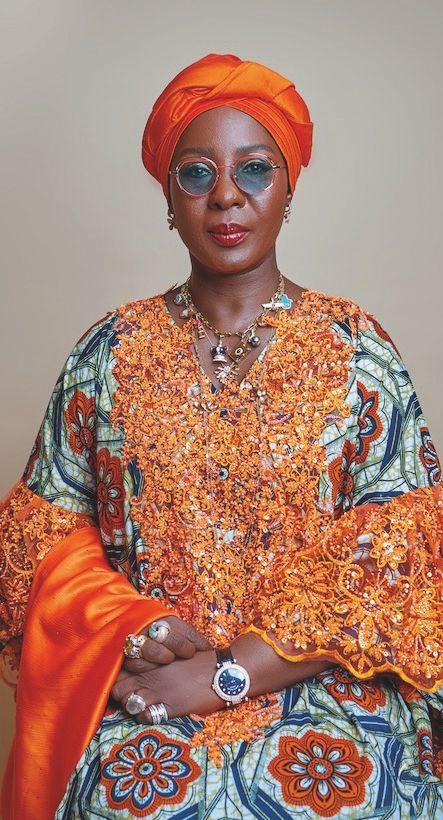
As Chairperson of the Nigeria Governors’ Spouses’ Forum, Ambassador Professor (Mrs) Olufolake Abdulrazaq leads a collective of First Ladies whose influence has steadily shaped national conversations around women, youths and children — and, more importantly, how those conversations translate into action. Under her leadership, the Forum has continued to strengthen its national footprint, deepening partnerships, expanding coordination across states and sharpening how advocacy translates into policy engagement and sustained action. The work has moved beyond moments of attention into structure — from health and protection to education, economic empowerment and social welfare — positioning the Forum as a serious stakeholder within Nigeria’s development conversation.
Abdulrazaq’s effectiveness as Chairperson is closely tied to the discipline she brings to the role. A seasoned diplomat with decades of experience in public service, she understands how institutions work, how consensus is built, and how influence must be managed to endure. That perspective has shaped a leadership style focused on alignment rather than personality, and collaboration rather than noise.
Her chairmanship reflects a belief that advocacy at a national scale demands organisation — clear priorities, credible partnerships and continuity across political and regional differences. It is this approach that has allowed the Forum to operate with coherence, even as it engages diverse communities and stakeholders across the country.
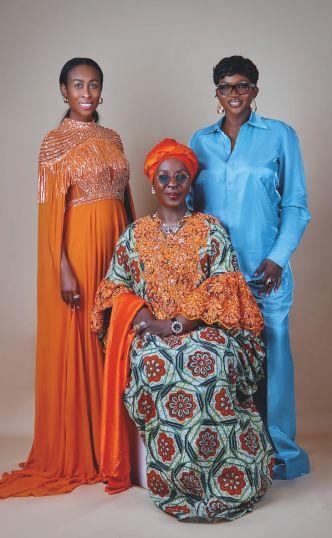
In this interview, she speaks about leading a national advocacy platform, the responsibilities that come with chairing influence at scale, and the thinking behind the Forum’s evolving work for women, youths and children across Nigeria.
When you assumed the role of Chairperson, GBV cases were already a national concern. Since then, what improvements have you observed in how states are responding, and where do you believe more work is still needed?
When I took on the role of Chairperson, Gender-Based Violence was already receiving attention, but responses were uneven across states. Today, we are seeing clearer political commitment at the sub-national level, stronger coordination with relevant MDAs, and increased willingness by states to further strengthen response mechanisms. However, there is still work to be done in translating policy into consistent action, especially in survivor-centred care, data reporting, and sustainable funding for response structures.
The Forum has grown from its early focus on GBV into a broader platform addressing health, education, nutrition, and economic empowerment. How have you helped steer this expansion while keeping the protection of women and children at the centre? From the onset, we recognised that protection cannot exist in isolation. Issues such as health, education, nutrition, skills acquisition, economic empowerment, climate change, and women’s leadership are deeply interconnected with safety, dignity, and resilience. Our approach has been to adopt a holistic lens, strengthening prevention while addressing the structural and socio-economic factors that expose women and children to risk. Skills acquisition is positioned as a practical pathway to independence, education focuses on knowledge and opportunity, and economic empowerment is driven by long-term sustainability and inclusion. We have also prioritised climate change as an emerging risk multiplier, particularly for women and girls in vulnerable communities, while continuing to advocate for greater representation of women in leadership and decision-making spaces. By integrating protection principles across all these areas, we ensure that safeguarding remains central to every programme and intervention of the
Forum.
The 16 Days of Activism remains an important global window for spotlighting GBV. How does the Forum use this period to drive conversation and action at national level?
The 16 Days of Activism provides a critical opportunity to amplify advocacy and accountability. The Forum uses this period to engage policymakers and relevant Stakeholders to reinforce key messages around prevention and response. This we consistently achieve with our annual summit always held to Commemorate the 16 Days of Activism. Beyond visibility, we also use this medium to push for concrete actions—policy reviews, stakeholder commitments, and strengthened partnerships that extend well beyond the 16 days.
Beyond awareness, what practical steps is the Forum taking to ensure survivors of violence have access to support systems such as shelters and Sexual Assault Referral Centres?
Awareness must always be matched with access to services. The Forum is actively supporting the establishment of additional Sexual Assault Referral Centres (SARCs) across states, while also equipping and strengthening existing centres to improve the quality of care and responsiveness.
We are also working with partners to support the provision of functional shelters and strengthen referral pathways, ensuring survivors can access medical, psychosocial, legal, and social support seamlessly.
Importantly, First Ladies across the states serve as Chairpersons of their respective State Sexual and Gender-Based Violence Committees, providing year-round oversight of prevention, response, coordination, and accountability on SGBV issues. Through improved collaboration between health, justice, and social welfare systems, we are ensuring that survivors are supported holistically and are not left to navigate these processes alone.
As First Lady of Kwara State, how has your experience at the state level influenced the way you lead the Forum nationally?
My experience in Kwara State has grounded my leadership in practical realities. Remember, I am a diplomat who has served in different capacities, at different locations in the world. So, my years in the service has reinforced the importance of context, partnership, and sustainability. Leading at the state level has also helped me appreciate the diverse challenges states face, and this informs a leadership approach that prioritises collaboration, shared learning, and adaptable solutions at the national level.
Leadership often requires balancing influence with collaboration. How would you describe your leadership style as Chairperson of the Forum?
I believe in inclusive leadership. The Forum thrives when every First Lady feels ownership of its vision and programmes. My role is to provide direction, encourage consensus, and create an enabling environment where ideas can be shared and translated into action through collective effort.
Looking ahead to 2026, what areas of the Forum’s work are you most focused on strengthening to ensure lasting impact across the states? Looking ahead, our focus is on consolidating and scaling initiatives that have already demonstrated measurable impact. We are particularly proud of the success of the HPV vaccine rollout, delivered in partnership with the Primary Health Care and the Federal Ministry of Health and Social Development, which has reached over 12 million girls nationwide, with uptake continuing across states.
We are also proud of the progress made on child birth registration, implemented in collaboration with the office of the First Lady of the Federal Republic of Nigeria and the Renewed Hope Initiative and UNICEF, as well as the establishment and support of Sexual Assault Referral Centres, with assistance from partners such as the Ford Foundation.
In addition, the Forum continues to advocate for progressive policies, including the six-month maternity leave, which has so far been adopted by 11 states, and the Reserved Seats for Women Bill, as part of our commitment to advancing women’s leadership and representation.
We are currently supporting the rollout of the Measles and Rubella vaccine in partnership with C-WINS and other stakeholders, and are encouraged by the level of uptake recorded so far. Beyond national efforts, the Forum remains actively engaged on the global stage through participation at the Commission on the Status of Women (CSW), United Nations General Assembly (UNGA), the FLAIR Summit and related platforms.
As we move into the new year, we will continue to build on these gains, strengthening partnerships, advancing advocacy, and ensuring that our interventions remain sustainable, impactful, and felt at the community level across all states.
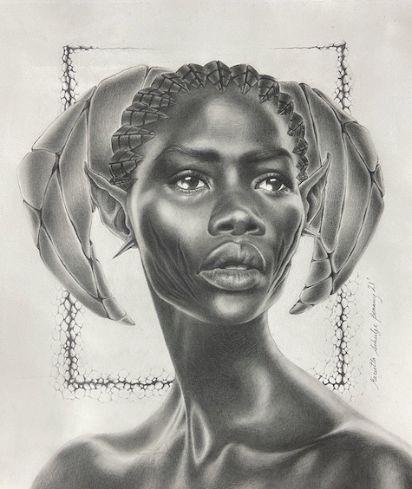
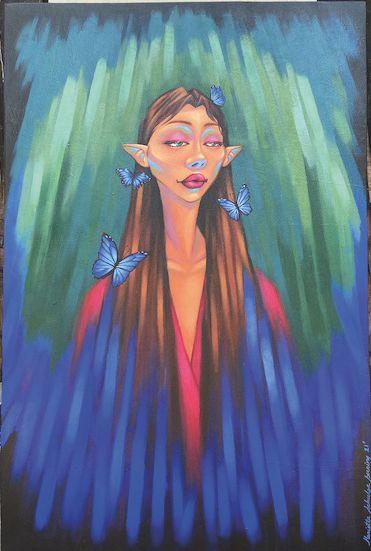
Navigating between Lagos and Port Harcourt, Marietta transforms her mixed heritage and lived experiences into work that is as introspective as it is quietly audacious.
By Okechukwu Uwaezuoke
There is something gently disarming about Marietta Binaebi Schulze—also known, perhaps with a hint of mischief, as One Lazy Artist. Perhaps it is the way her work sidesteps grandstanding while quietly asking the big questions. Or perhaps it is an intelligence worn lightly, with humour never far from the surface and seriousness allowed to breathe without becoming selfimportant.
Born in Kaduna in 1995 to a Nigerian mother and a German father, Marietta grew up inhabiting a body that was already a conversation—sometimes polite, sometimes less so. Identity, for her, was not a given but a puzzle, and art became the table on which the pieces could be spread out, rearranged, debated, and occasionally thrown across the room for effect. Drawing, especially, was her first language: a way of saying this is who I am, this is what I want, this is what keeps me awake. If home is where the heart is, then creatively hers is wherever someone is willing to look, listen, and lean in. There was, as there often is, a moment of reckoning. Fresh out of Zamani College in Kaduna, science student credentials neatly tucked under her arm, Marietta was poised to study dentistry at the University of Lagos. The grades were there, the admission secured, the sensible path laid out like a well-lit corridor. And then—she stopped. Froze, really. Intuition, that less-often-heeded yet infallible guide, whispered that this would be a terrible mistake. Into the pause floated the remembered voice of her mother’s friend, an art teacher, who once said—without drama, without doubt—you are going to become an artist. Not a suggestion, more a statement of fact. Faced with
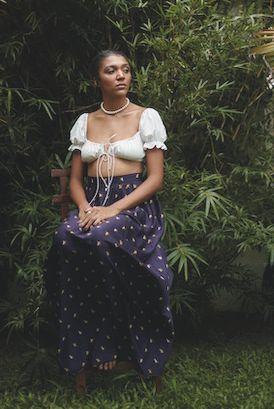
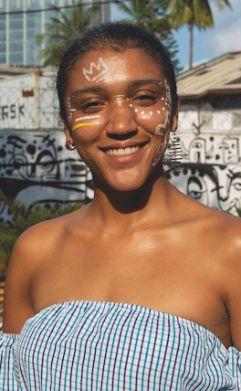
that clarity, Dentistry didn’t stand a chance. She switched to creative arts, less a rebellion than a homecoming. Since then, her path has been marked by moments of quiet affirmation rather than spectacle. Two significant group exhibitions—Becoming: A History of the Future at Terra Kulture, Lagos (2021), and Clearing the Air! At Moriri Gallery, Port Harcourt (2022)—did something quietly profound: they told her she belonged. Not someday, not eventually, but now. A residency at The Artist Ladder Konnect (TALK) in 2021 deepened this understanding. Beyond mentors and friendships, it offered catharsis, a loosening of the grip of imposter syndrome. One art therapy session, in particular, left its mark, teaching the radical lesson of letting go— of trusting creativity to flow like life itself, provided one remembers how to tap in. Looking across Marietta’s body of work is like eavesdropping on a mind in conversation with itself. Satisfaction sits alongside restlessness. Questions recur, circle, refuse to be neatly answered: Is there anything truly new left to make?
How far can push my own mind? Do want to shock—and if do, can I live with the fallout? These are not the anxieties of someone chasing novelty for its own sake, but of an artist driven by purpose. She wants to inspire, provoke dialogue, influence gently but persistently. Her real task, as she sees it, is learning how to move forward without fear.
Materially, she is both loyal and curious. Graphite—pencils—remain her comfort zone, their quiet intimacy perfectly suited to introspection. But rigidity does not mean stagnation. She paints with words through video, stitches narratives into fabric through sewing and crochet, experiments with leather, flirts with digital painting. Her process often begins long before any mark is made: a conversation overheard, a place passed through, an image imagined and reimagined until it insists on being distilled into a visible form. Only then does pencil meet paper.
Places, memories, people—all have a habit of slipping into her work unannounced. Meaning reveals itself late, sometimes weeks or months after completion, like a footnote written by the subconscious. One of the pleasures she takes in revisiting old pieces is discovering new dialogues, fresh revelations, and subtle echoes she hadn’t noticed before.
Lately, fashion has entered the chat—and it suits her. A recent collaboration with designer Lisa Folawiyo for the 20thanniversary collection Capturing A Life in Colour (COLL 1, 2026) saw Marietta paint hyper-realistic ankara patterns onto leather, collapsing boundaries between art, craft, and couture. The experience unlocked something: the thrill of collaboration, the promise of shared language. She is eager now to see where that energy leads, whether in dialogue with others or in the solitude of her own studio.
Living and working between Lagos and Port Harcourt, Marietta continues to navigate a world that both questions and shapes her sense of place. Her race-less, otherworldly figures—drawn
from her mixed heritage, from women, astronomy, nature, and the vast terrain of human emotion—stand as quiet refusals of easy categorisation. For her, life itself is the masterpiece: something to be grown, nurtured, and beautified in service of others.
In an increasingly self-serving world, her work insists on emotional intelligence, compassion, and the radical act of lifting one another up. It is not loud art. It does not shout. But like the best reviews, the best songs, the best lives, it lingers—asking the viewer, gently but firmly, to pay attention.




@thisdaystyle @thisdaystyleon www.thisdaystyle.ng
BY KONYE CHELSEA NWABOGOR
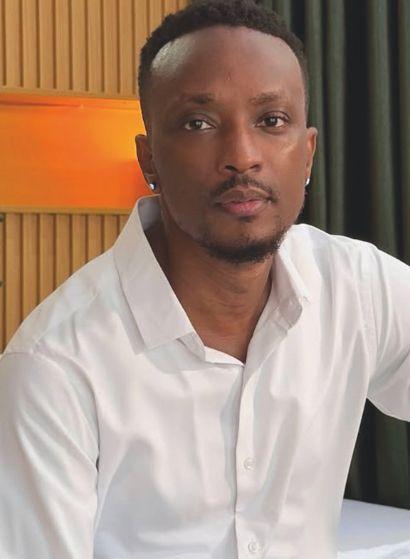
On December 29, 2025, Nigeria’s creative community woke up to a message no one wanted to see. Anda Damisa Paul, better known to nearly 100,000 followers as LazyWrita, shared what would become his final Instagram post, a candid farewell that stunned and unsettled people across the country. He spoke of having “lived a full and adventurous life” yet feeling he no longer had the strength to continue, describing himself as “happy, unburdened and free.” You could feel thousands of people pause mid-scroll, suddenly alert to how much can hide beneath charm, brilliance, and perfectly timed humour. But this isn’t about dissecting a young man’s pain. It’s about what his silence reveals, or rather, what it confirms about the inner lives of Nigerian men. Because if we’re being honest, many people read that post and didn’t just feel sad; they felt a quiet familiarity. The tone. The exhaustion. The softness that appears when someone has carried more than they’ve ever been allowed to say out loud. We don’t often admit that Nigerian men live in emotional tunnels. They’re raised that way. A boy cries, and someone sometimes lovingly, sometimes impatiently tells him to stop.
“You’re a man,” they say, long before he even understands what that sentence requires of him. So he learns early that feelings are something to be folded neatly and kept inside, like a secret wardrobe only opened in the dark.
By adulthood, this private discipline becomes a kind of performance. Men joke about pressure like it’s a personality trait. They use banter the way some people use painkillers. They work tirelessly, not always because they’re ambitious, but because movement distracts from the stillness they don’t want to sit with. And when something breaks, a job, a heart, a dream — they simply tighten the shell. Life goes on. It has to. The statistics are chilling, not because they’re abstract, but because they confirm what so many people already suspect.
thank God.” You ask if they need help, and they laugh, “No worry, dey.”
It’s polite deflection — a cultural dialect mastered across generations. Whether they are 19 or 49, you hear the same thing: resilience expressed as withdrawal.
But people forget resilience and numbness can look identical from the outside.
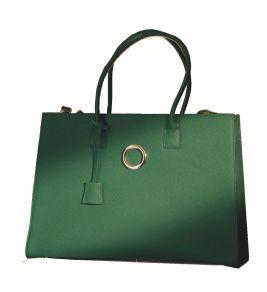
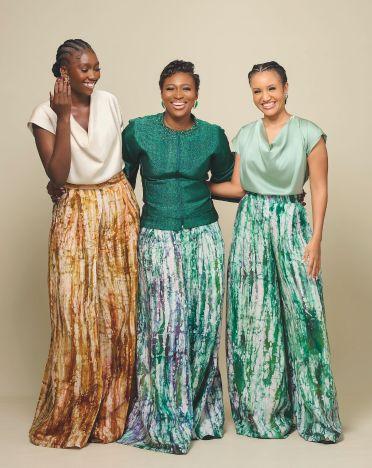
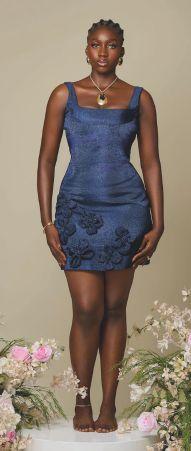
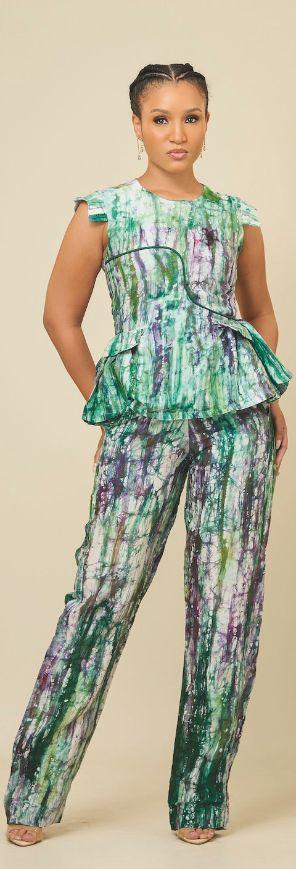
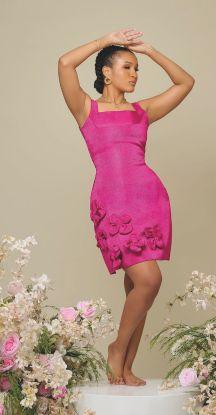
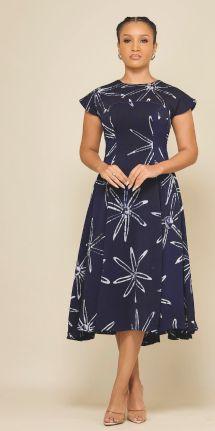
Fashion doesn’t always need to announce itself. Sometimes, it simply shows up, clear in its point of view and confident enough to let the work speak for itself. That is the energy behind OTSÉ, the debut collection from GWÉMÉ. Built on intention rather than urgency, the collection feels measured and thoughtful, offering a calm, assured take on contemporary womenswear.
once heard someone say Nigerian men exist inside a constant negotiation — between who they are, who they’re expected to be, and who they fear becoming if they let their guard down. They’re performing strength in a country that demands it in bulk and offers very little cushioning in return. The economy is unstable, expectations are rigid, and the performance of competence is almost a survival skill. When you add emotional isolation to that mix, you realise many men are functioning under conditions no human being should normalise. And yet, the solutions aren’t grand or complicated. A society doesn’t shift overnight, but intimacy does. It shifts quietly. It begins in the small spaces, the houses where boys are allowed to say “I’m scared” without being corrected; the friendships where men are asked questions they don’t have to dodge; the relationships where vulnerability isn’t weaponised; the workplaces where asking for a mental break isn’t treated like a confession. It begins with treating men as human beings before treating them as “providers”, “leaders”, or whatever title we think makes them immune to emotional exhaustion. Support is not a campaign. Its presence. It’s patience. It’s checking in even when someone insists they don’t need checking on. It’s recognising that a man’s silence is rarely an absence of words, it’s often an absence of permission.
OTSÉ is not interested in trend-chasing or seasonal noise. Instead, it is anchored in clarity. Clean silhouettes, careful proportions, and deliberate construction shape the collection, creating pieces that feel resolved rather than performative. Nothing appears accidental. Each garment holds its ground quietly, allowing form, fabric, and fit to do the talking. At the heart of GWÉMÉ’s creative direction is meaning. Inspired by Ephesians 2:10, the brand approaches fashion as an extension of identity, rooted in the belief that the woman wearing the garment is herself created with purpose. This philosophy runs subtly through OTSÉ. The clothes are not designed to compete for attention but to support the wearer’s presence, reinforcing confidence rather than demanding it.
Many Nigerian men do not need rescuing; they need room.
Room to speak without wondering how it alters the way people see them.
Room to be afraid without losing respect.
Room to be flawed without feeling like failures.
Room to not be strong all the time. Perhaps the most sobering part of all this is how ordinary the signs often are. Nothing dramatic. No grand gestures. Just a sentence that sounds slightly too calm. A joke that lands a little too softly. A withdrawal that feels like “space” until you realise it was a quiet exit. We rarely notice these things until hindsight makes them painfully clear.
ANDA DAMISA
WHO data shows that men make up the overwhelming majority of suicide deaths globally, and Nigerian researchers estimate roughly four out of every five recorded suicide cases involve men. It’s not that men feel more pain; they just have fewer socially acceptable ways to name it. Silence isn’t just encouraged; it’s rehearsed.
And silence, like pressure, accumulates.
There’s a particular conversation style men adopt when they’re struggling. You ask if they’re okay, and they say, “We
If LazyWrita’s final message did anything, it was interrupt a national tendency to overlook men’s emotional lives. It placed a mirror gently in front of us, without accusation, and asked whether we’d been paying attention. Whether we truly see the men around us or only the roles they’ve been performing.
And maybe that is where the work begins: not with fear, not with stigma, not with whispered supervision, but with honest seeing. With the kind of presence that makes someone feel safe enough to stay. With a country that learns, slowly and deliberately, to make space for men to be whole. Rest in peace, LazyWrita. May the conversations your silence sparked become the compassion others desperately need.
Visually, the collection balances structure with softness. Architectural lines appear throughout the silhouettes, but they are never rigid. Movement, texture, and proportion soften the forms, creating garments that feel confident yet fluid. Tailoring is precise without being severe, while softer elements introduce ease and wearability. The result is clothing designed to move naturally with the body and transition seamlessly across moments.
Fabric choices further reinforce this sense of intention. OTSÉ prioritises materials selected for longevity and comfort, underscoring the brand’s commitment to clothing that endures beyond fleeting trends. These are not pieces designed for a single moment or season, but garments meant to be worn, lived in, and returned to. There is confidence in this restraint, an understanding that timelessness is built through thoughtful decisions rather than excess.
For the founder, OTSÉ represents more than a debut. It is a clear articulation of perspective. The collection is not built around statements or spectacle but around timeless expression. It speaks to women who value craftsmanship, who appreciate quiet detail, and who choose clothing that mirrors their inner assurance. These are women who understand that confidence does not need volume.
GWÉMÉ’s interpretation of femininity is modern and self-defined. The brand resists the idea that boldness must be loud, choosing instead to explore confidence through restraint. Femininity here is composed and grounded, balancing softness with strength. It is an expression that feels natural rather than forced, self-assured rather than performative.
Within the collection, there is a consistent focus on control — in cut, in proportion, in how each piece sits on the body. Nothing feels overworked. The clothes exist comfortably in their own space, shaped by intention rather than urgency.
OTSÉ is made up of garments designed to be worn without explanation. Structured yet fluid, composed but not rigid, the pieces rely on balance rather than drama. It is a wardrobe built on clarity, one that allows the wearer to define the moment rather than the clothing doing it for her.
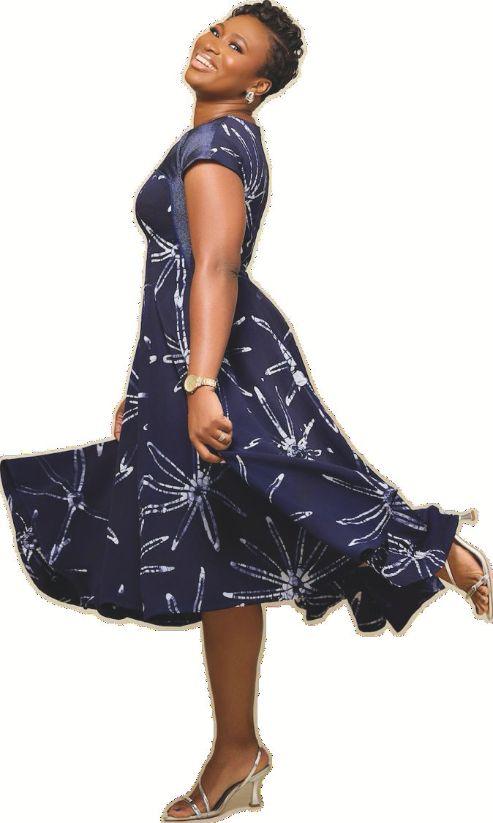
Adekunle Gold and Simi Celebrate Seventh Wedding Anniversary
Singers Adekunle Gold and Simi have marked their seventh wedding anniversary with heartfelt tributes shared on social media.
In an Instagram post, Adekunle Gold described Simi as his best friend, reflecting on a marriage built on laughter, growth and faith. Simi responded simply, “I love you.”
In her own post, Simi recalled how a friend once questioned her choice early in their relationship. “We just fit,” she wrote, reaffirming their bond seven years on. The couple, who married in 2019, share a daughter and remain one of Nigeria’s most admired celebrity partnerships.

Dr Ijeoma Akunyili Named First Black Chief Medical Officer in Jersey City Medical Centre’s
Dr Ijeoma Akunyili, daughter of the late Professor Dora Akunyili, has been appointed Chief Medical Officer of Jersey City Medical Center, an RWJ Barnabas Health facility in the United States. According to a statement on the hospital’s official website, Dr Akunyili becomes the first Black physician to serve in the role since the medical centre was founded in 1882.
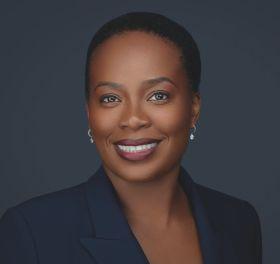
Speaking on her appointment, Dr Akunyili said she was grateful for the opportunity and looked forward to serving residents of the county while advancing safe, innovative, efficient and equitable care.
Akindele Makes History as Behind
Scenes
₦2bn.
Nollywood filmmaker and actor Funke Akindele has further cemented her place in African cinema history as her latest film, Behind The Scenes, crossed the ₦2 billion mark at the box office. The milestone was disclosed by the film’s distributor, FilmOne Entertainment, which confirmed that the title has now grossed ₦2,103,039,706 in ticket sales. FilmOne described the achievement as record-breaking, noting that Behind The Scenes is the first Nollywood film to cross the ₦2 billion threshold, making it the highest-grossing Nollywood release in Africa. The distributor also revealed that the film currently holds the record as the top-grossing Nollywood production in the United Kingdom and Ireland, further underscoring its global appeal and commercial success.
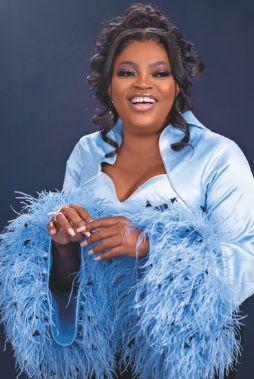

Award-winning author Chimamanda Ngozi Adichie has filed a lawsuit against Euracare MultiSpecialist Hospital, Lagos, over the death of her 21-month-old son, Nkanu Nnamdi Esege, alleging medical negligence.
The legal action, dated January 10, 2026, has prompted Lagos State Governor Babajide Sanwo-Olu to order a probe into the incident. According to the family, the child died a day after being referred to Euracare for diagnostic procedures ahead of a planned medical evacuation to the United States.
In a notice issued by solicitors led by Professor Kemi Pinheiro, SAN, Adichie and her partner, Dr Ivara Esege, accused the hospital and its medical staff of breaching their duty of care. They alleged that intravenous sedation using propofol led to severe complications during patient transfer, citing concerns about oxygen supply, monitoring, staffing, delayed response and inadequate resuscitation equipment. The family has demanded full medical records and preservation of all evidence related to the case.
Uganda has ordered an internet shutdown two days ahead of national elections in which President Yoweri Museveni is seeking to extend his 40-year rule.
Nigerian artistes delivered a commanding showing at the 9th edition of the All Africa Music Awards (AFRIMA) held in Lagos, with Rema emerging as the most decorated act of the night.
The ceremony took place at the Convention Centre, Eko Hotels and Suites, Victoria Island, bringing together musicians, industry figures and cultural stakeholders from across the continent.
Rema clinched three major awards:
Artiste of the Year, Best Male Artiste in Western Africa, and Best African Artiste, Duo or Group in African R&B and Soul for his global hit Calm Down, edging out Burna Boy, Davido, Wizkid and Asake in key categories.
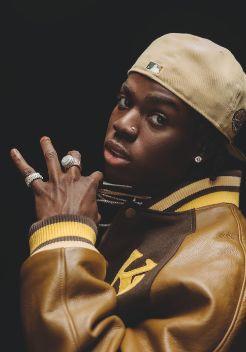
MultiChoice Nigeria has appointed Kemi Omotosho as its new Chief Executive Officer, effective January 2026. She succeeds John Ugbe, who is retiring after nearly 15 years at the helm.
According to MultiChoice, Omotosho brings over 20 years of leadership experience across media, telecommunications and digital businesses in Nigeria and sub-Saharan Africa. She has held several senior roles within the MultiChoice Group, including Executive Head of Customer Value Management in Nigeria and Group Executive Head for Rest of Africa, providing leadership across more than 50 markets.

Most recently, she served as Regional Director for Southern Africa, with full P&L responsibility for a seven-country portfolio. She will now oversee strategy, operations and stakeholder engagement.
In a letter to internet service providers, the Uganda Communications Commission said the measure was necessary to curb the spread of misinformation, electoral fraud and incitement to violence.
The decision was verified by government officials speaking to AFP.


Uganda implemented a similar blackout during the 2021 elections, which were marred by allegations of rigging and violence against the opposition led by singer-turnedpolitician Bobi Wine, who is contesting again.

Abdul Samad Rabiu Backs Super Eagles, Confirms $500,000 Pledge Despite AFCON Exit
F
ollowing Nigeria’s dramatic semi-final loss at the Africa Cup of Nations in Morocco, billionaire industrialist Abdul Samad Rabiu, Chairman of BUA Group, has confirmed he will honour his $500,000 pledge to the national team despite their exit from the tournament.
Nigeria bowed out of the tournament after a tense, goalless 120 minutes culminated in a 4–2 penalty shootout defeat, bringing hopes of lifting the continental trophy to a close. The result sparked an outpouring of reactions across the country, with Rabiu taking to Instagram to publicly applaud the Super Eagles for their grit, unity and fighting spirit.
“You fought with your hearts and gave your all,” he wrote, noting that while the final result was painful, the team’s passion and togetherness were what truly resonated.

Submissions Open for 12th Edition of AMVCA
Africa Magic has opened submissions for the 12th edition of the Africa Magic Viewers’ Choice Awards.
The organisers announced via X that entries are open from January 11 to January 31, 2026, inviting filmmakers and television creators whose projects aired in 2025 to submit their work. Entries can be made through africamagic.tv/amvca, with the awards recognising outstanding film and television content across Africa.

Ethiopia Begins $12.5bn Construction of Africa’s Largest Airport
Ethiopian Airlines has commenced construction of a $12.5 billion international airport in Bishoftu, about 45 kilometres southeast of Addis Ababa. The four-runway Bishoftu International Airport is projected to handle 110 million passengers annually and accommodate up to 270 aircraft upon opening in 2030. Prime Minister Abiy Ahmed described the project as Africa’s largest aviation infrastructure development. The airport is being designed by Dubai-based engineering firm Sidara and is expected to significantly expand capacity beyond the country’s current main airport, which is projected to reach saturation within three years.