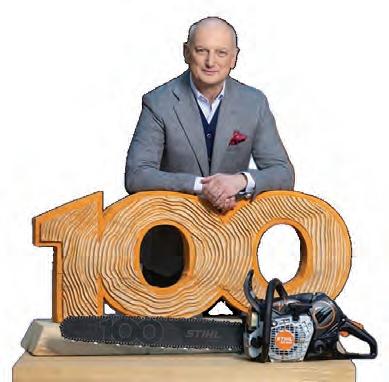
STIHL HITS 100 A family-owned success story. Page 15

STIHL HITS 100 A family-owned success story. Page 15
PAGE 6 Long recovery ahead, says NZTA. PAGE 4

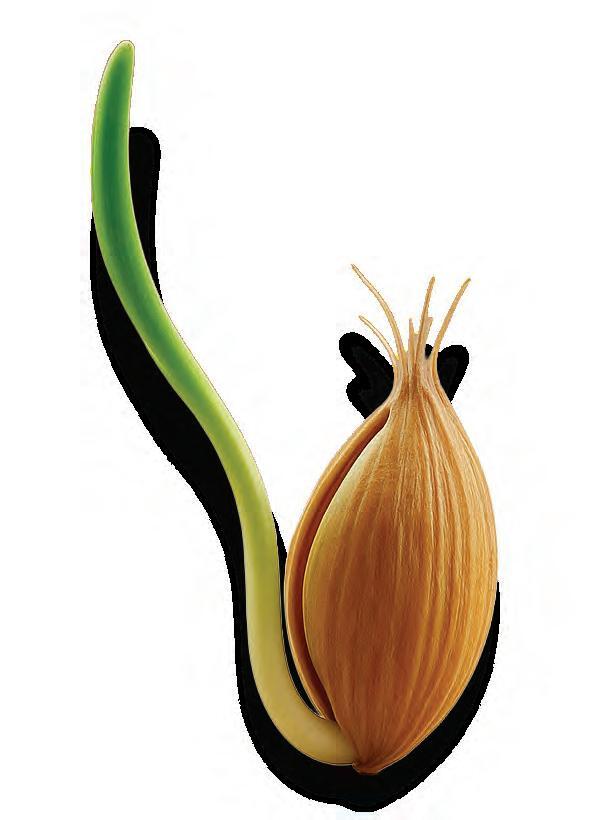
With the inclusion of insecticides, fungicides and micronutrients, you’ll help ensure your forage crop or pasture gets off to the best start and reaches its full potential.
For generations, Kiwi farmers have backed Ultrastrike® and Superstrike® to protect their seed and make every seed count. PROTECT YOUR SEED, PROTECT YOUR FUTURE .

be looking at less access to feed for the wintering and for the following season.”
SOUTH ISLAND dairy production is up on last year despite an unusually wet, dull and stormy summer, says Dairy NZ lower South Island regional manager Jared Stockman. But he says farmers now need a warm
A weak autumn followed by a harsh winter would make the following spring incredibly challenging.
“What we need is some good weather. We need consistent good sunshine to push that grass along. Good rainfall, good sunshine
@rural_news
facebook com/ruralnews
WHAT SET the season off to a poor start for many South Island dairy farmers was the massive windstorm of late October
For Southland, the major damage on dairy farms was to structures such as wintering barns and covered pads, as well as widespread trees downed power lines
However, Dairy NZ lower South Island regional manager Jared Stockman believes the province had recovered very well
For North Canterbury, the big problem was toppled irrigators particularly around Culverden, which meant a loss of irrigation and lessened grass growth
Stockman said a lot of farmers would have made good decisions to manage the deficit by culling some stock or deciding early which paddocks to use for wintering
They were probably tracking towards a really good season prior to the storm and it put them “in a challenging place” he said
“There’ll be some that have recovered it pretty well but I think that their peak milk was probably significantly affected ”
Waterforce Christchurch manager Paul Fairbrother told Dairy News that most of the damaged irrigators in the district were repaired before Christmas and there were just “a few bits and pieces” still to do
“We’re pretty much back to where we were Stockman said dairy farmers put these things behind themselves pretty quickly
“In summary the South Island has had a reasonable season, which is fantastic given all the challenges that they have overcome over the last six months We are cautiously optimistic for the balance of the season ”

FOR THE most part, dairy farmers in the Waikato, Bay of Plenty, Tairawhiti and the Manawatu appear to have not been too badly affected by recent storms across the upper North Island.
Many of the areas hit badly were not major dairy producing areas. Even in the
regions affected, reports suggest that the damage is localised and not widespread, as was the case with Cyclone Gabrielle.
The western Bay of Plenty was hit, causing a deadly slip at Papamoa.
The other region badly affected was the East Coast, in particular, settlements around Te Araroa and down the coast towards Gisborne.
Peter Andrews of
AgFirst in Gisborne says the main issue in his region is damage to roads with SH2 through the Waioweka Gorge from Gisborne to Opotiki closed and the road around the coast SH35 also blocked.
He says there are not many dairy farms in the region and he believes Fonterra is taking care of them. However, he points out the only way north is first to drive south and
take the Napier-Taupo road.
“This is a big issue especially for horticulture because soon a lot of kiwifruit is going to be harvested and normally this is packed in Opotiki. So, it’s a nightmare for those people and also for some farmers that have produce going north, because it adds another 211km one way to the journey,” he says.
•Rolls
•Design



But while some roads remain closed, Andrew says he hasn’t received any reports of widespread damage on farms. He adds he’s not aware of any bridges knocked down.
However, farms at the top of the East Coast have been badly hit and reports of damage are still coming in.
The eastern Bay of Plenty appears to have got off relatively lightly. Ag First’s Mark Macintosh from Whakatane says while the region got a lot of rain, it was steady over about a day.
“We didn’t get short, heavy downpours that cause the damage and we didn’t get the flooding between Whakatane and Opotiki that we would normally expect,” he says.
Macintosh says there appears to be limited damage to farms, although he says closer to Western Bay of Plenty there are signs of trees being blown down.
“On some dairy farms the odd tree might have come down on a stock race but from what I’ve heard there’s been no reports of major
THE WAIKATO appears to have got off lightly in the latest storm, according to Ag First CEO James Allen. He says the damage in the Waikato is nothing like what has occurred in other regions. He says maize crops have been affected – but adds that this is not too bad.
damage,” he says.
Federated Farmers Bay of Plenty president Brent Mountfort says the damage to farms in the region as a whole was localised and not widespread. He says the dairy farmers, who are mainly on the flats, appear for the most part to be okay.
“The rain was heavy but unlike many other places there were no sudden heavy, damaging downpours. There will be some slips on farms and looking at my own place on the hills above Matata,
Allen says the storm did knock down trees, which in turn saw power cut to some dairy farms for a short period of time, and things were a bit dramatic for some people, but they seem have recovered well.
“On a positive note, people have had between 50 mils and over 100 mils of rain, so farms are actually looking pretty good; we are well set up for say the next six weeks,” he says.
Down in the Horowhenua, DairyNZ director Richard McIntyre says the rain was welcome. He says his farm was starting to get dry but now it’s greened up and the grass is growing. McIntyre
there are signs of erosion in the gullies,” he says. Mountfort says interestingly not all the logs and debris found on beaches are from production forestry and some areas where there is a problem, it is all native bush and not pine trees. He says while the rain is a problem, it’s the logs and debris that destroy bridges and fences and, apart from East Cape, there doesn’t seem to be a problem across the region.
says he’s been feeding a small amount of supplement to his cows in the form of a summer crop of chicory and turnips.
“But in years gone by, we would be using a lot more supplementary feed in the form of silage, so things are holding pretty nicely at the moment,” he says McIntyre says he very much feels for those farmers in other parts of the country who have suffered damage from the recent storms.

FONTERRA IS boosting its butter production capacity to meet growing demand.
Construction has begun on Fonterra’s $75 million butter plant expansion at its Clandeboye site in South Canterbury.
The build is part of Fonterra’s commitment to invest up to $1 billion over the next three to four years in projects that generate further value and drive operational cost efficiencies. The expansion is key to the Co-op’s strategy to lift returns from high-value dairy through value-added milkfat products and improved product mix.
The project moved into a significant new phase in January, with the design stage nearing completion and on-site construction activity set to increase over the coming weeks.
Demolition has begun and will be followed by excavation, foundation and drainage works - paving the way for
construction of the new butter process hall. At the same time, work will soon begin to install new pipes linking milk treatment to the butter line. Offsite building of key equipment is tracking well. The exterior of the new building extension will start to become visible by April as the structural footprint takes shape.
Fonterra says the new butter line will increase capacity and expand the site’s ability to produce a wider range of butter formats, including Halal and Kosher options, supporting demand from international ingredients customers and professional kitchens.
The investment also strengthens Fonterra’s South Island manufacturing network by building greater flexibility and resilience into the Co-op’s processing footprint.
Fonterra Clandeboye site manager, Ross Burdett, says the expansion is an exciting development for the site and
The upcoming Milksolids Levy vote is a chance to do what you’ve always done for the sector – come together to continue building a stronger future for dairy farming in New Zealand. Together, over generations, you’ve shared knowledge and invested in research that prepares the industry for what’s next. You’ve established a clear, united voice that has shaped better policies and greater support.
And there’s more to get done.
So, let’s vote – together.
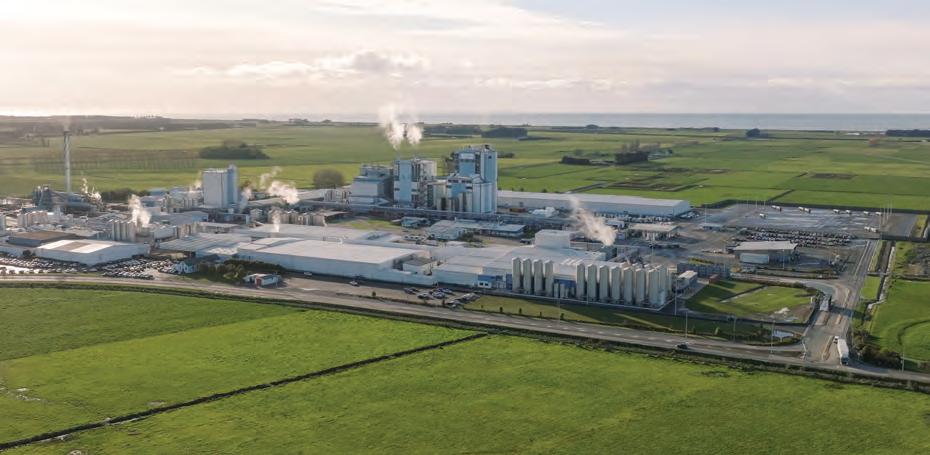
the local community.
“It’s great to see construction underway.
“The new butter line will allow us to produce a wider range of butter formats
for customers around the world, while creating 16 new jobs here in South Canterbury and strengthening the Co-op’s South Island manufacturing network. It’s a really positive step for
our site and the Co-op.” Commissioning of the new line is planned for early 2027, with first product expected off the line in April next year.
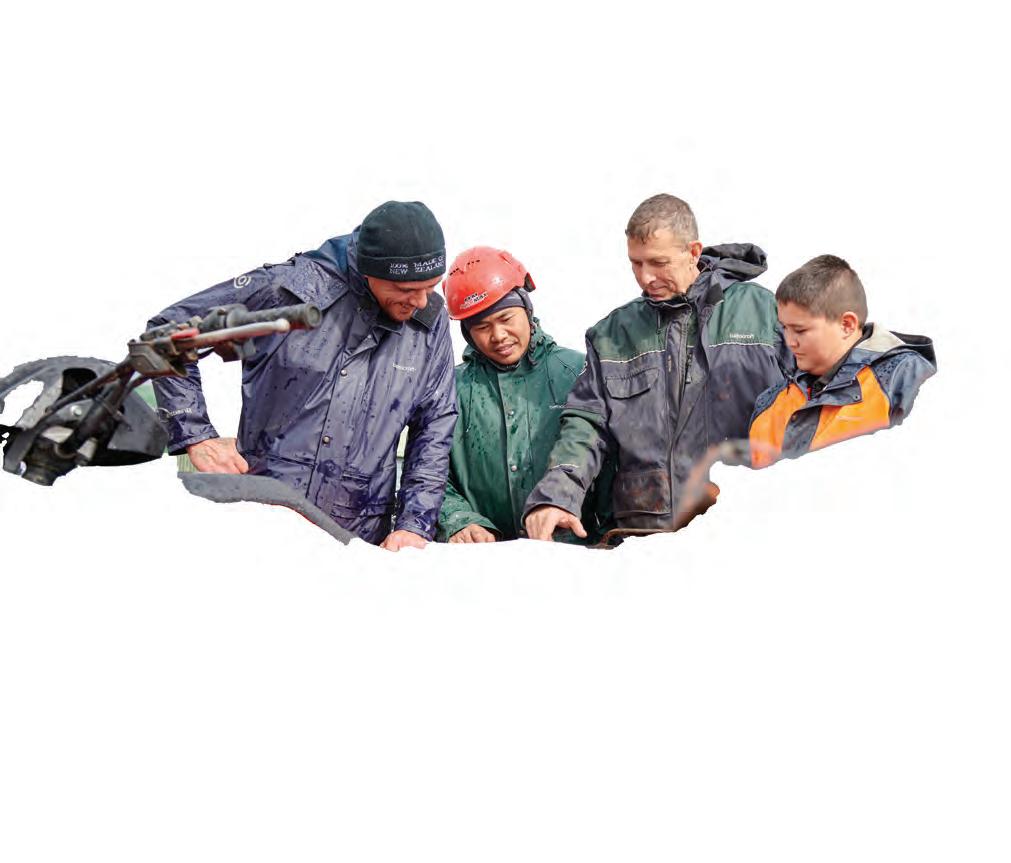

SUDESH KISSUN sudeshk@ruralnews.co.nz
THE SALE of Fonterra’s global consumer and related businesses is expected to be completed within two months.
Later this month, Fonterra shareholders will hold a special online meeting to approve a capital return of $2/share or about $3.2 billion to shareholders and unit holders.
In August 2025, Fonterra agreed to sell its major brands such as Mainland and Anchor
business for $4.22b to French company Lactalis. About 89% of voting farmer shareholders backed the deal.
In an email to farmer shareholders recently, Fonterra chairman
Peter McBride said the sale remains subject to receiving certain regulatory approvals and separation of the business from Fonterra.
Lactalis has received approval from Australia’s Foreign Investment Review Board (FIRB) for the acquisition.
“The separation activity is also progressing well and,
are received within the expected timeframes, the co-op now expects the transaction to be complete in the first quarter of the 2026 calendar year,” he says.
“Holding the
shareholder vote on the capital return in February will enable us to return capital to shareholders and unit holders as soon as possible after the transaction is complete.”
The special meeting,
THE CAPITAL return will be a pro rata return of capital effected by a court-approved scheme of arrangement under Part 15 of the Companies Act 1993.
Fonterra chair Peter McBride says the mechanics of how this will work are complex, including a share buyback and then cancellation and subdivision of shares so that farmers hold the same number of shares after the capital return as they did
to be held online on February 19, requires approval by at least 75% of the votes cast on the resolution.
McBride told shareholders that if they approve the return of
“This is designed to ensure no shareholder’s compliance with the co-op’s minimum shareholding requirements or their voting entitlement is affected by the capital return.
“As previously indicated, the payment should be tax-free, although it is recommended that shareholders and unit holders obtain independent tax advice on the effect of the capital return based on
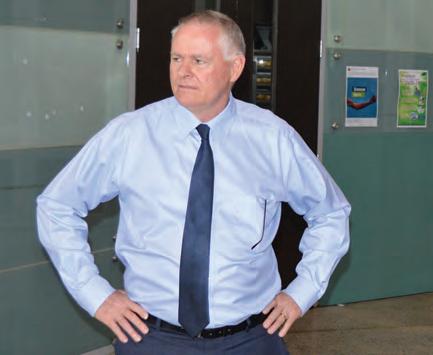
capital at the special meeting, there’s nothing they need to do after that.
“Fonterra will seek final court approval to undertake the capital he says.
The record date for being eligible for the capital return will be within the five business days prior to the payment being made
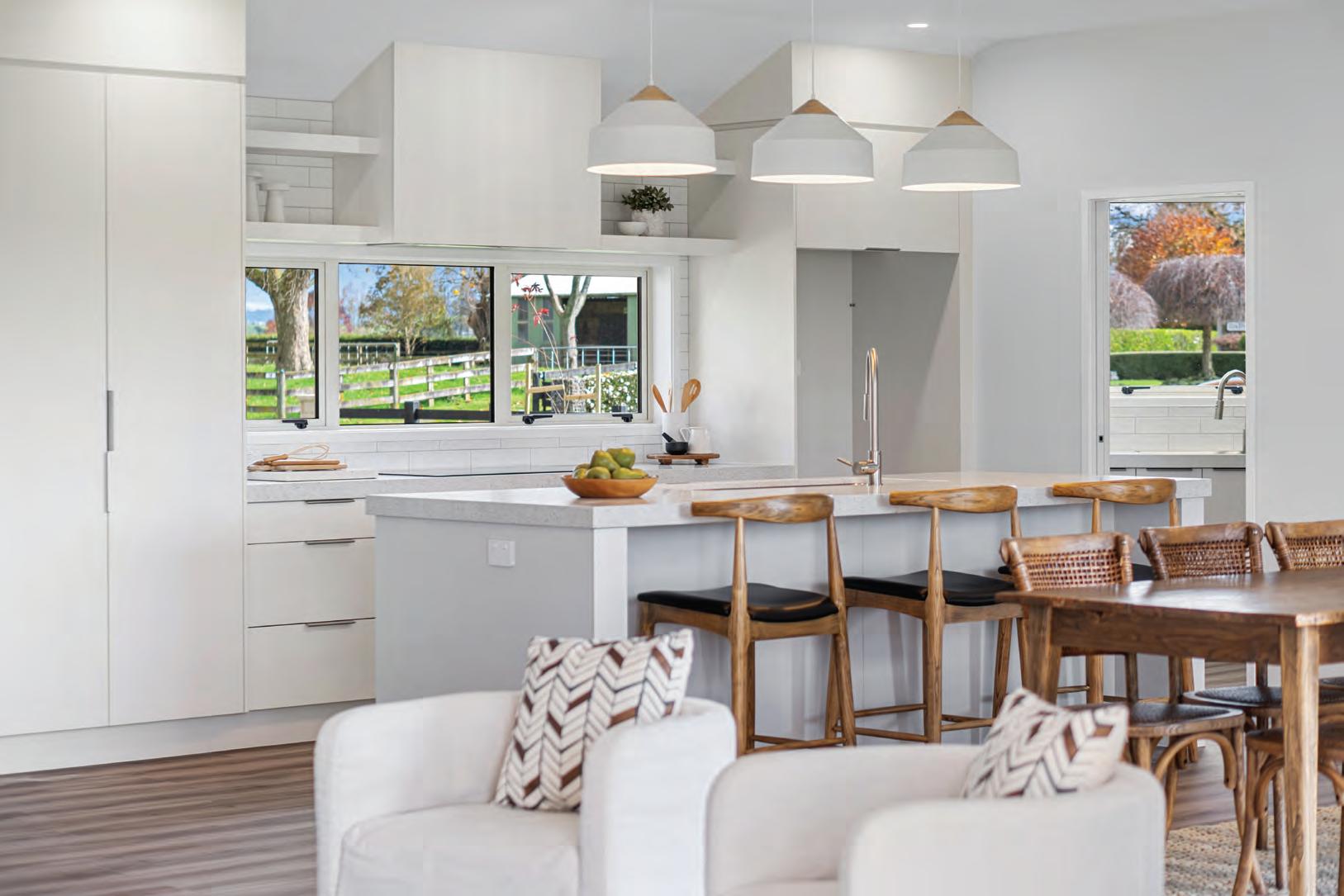
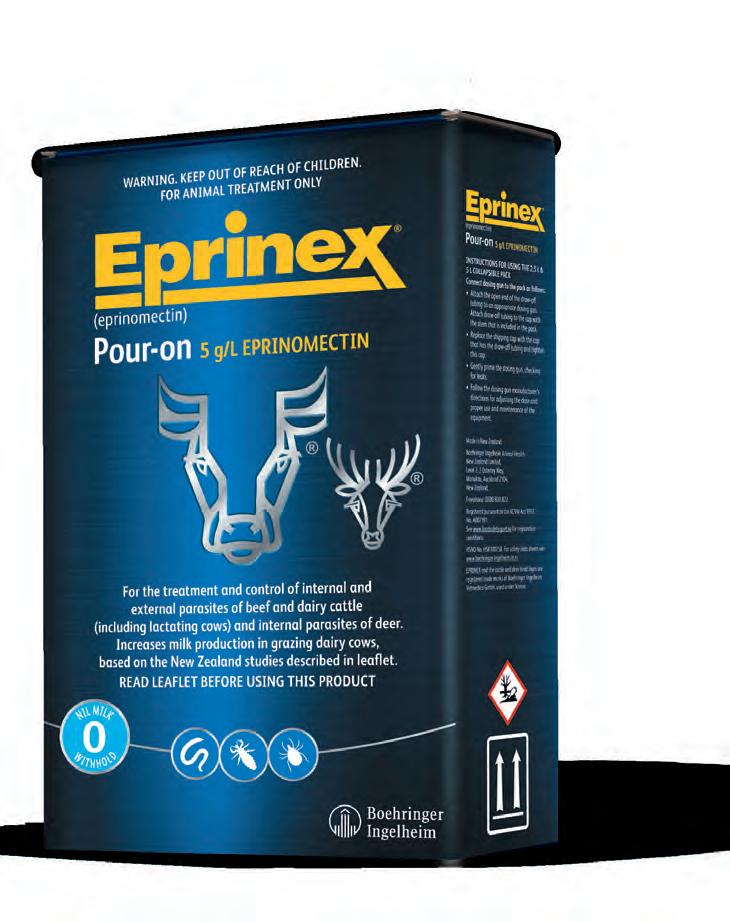
Trusted by farmers for effective worm control with NIL MILK withholding periods and improved R.O.I
Studies in NZ dairy cows have shown the potent effects of EPRINEX® on parasites resulted in more daily milk, more milk protein and more milk solids.1,2

Arla Foods celebrated its 25th anniversary as a cross-border, farmerowned co-operative with a solid half-year result. For the first six months of 2025, the co-op’s group revenues topped $15 billion (EUR7.5 billion) and achieved a net profit of $315m.
Announcing the co-op’s half-year results last month, chief executive Peder Tuborgh says the business remained committed to value creation for farmer owners, with a competitive milk price, major investment decisions and continued progress on sustainability.
Arla Foods was formed
in 2000 by merging the Swedish cooperative Arla and the Danish cooperative MD Foods.
Arla Foods is today owned by more than 7600 farmers from Denmark, Sweden, the UK, Germany, Belgium, Luxembourg and the Netherlands
Tuborgh says Arla Foods marked the
25th year milestone by delivering results in line with expectations in a volatile market.
“As we mark our 25th anniversary, Arla Food’s ability to maintain a solid performance in a volatile market clearly demonstrates the strength of our cooperative model and the dedication of our
farmer-owners and colleagues,” he says.
“Our performance in the first half of 2025 reflects our ongoing commitment to healthy, sustainable dairy and to creating value for all those who depend on Arla Foods.”
As expected, geopolitical uncertainty and higher dairy
commodity prices created a more challenging market environment in the first half of 2025. These factors led to a 1.5% decline in Arla Foods’ branded product sales volumes compared to the first half of last year, as consumers became more cautious in response to higher prices and economic uncertainty.
“Although we saw a slight decline in branded
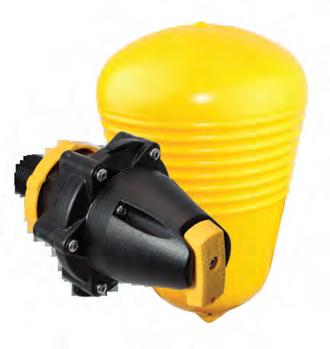
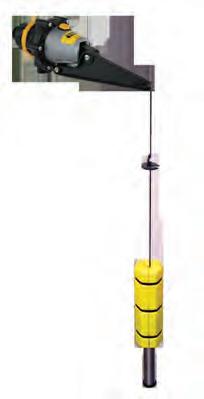
Detach to Clean


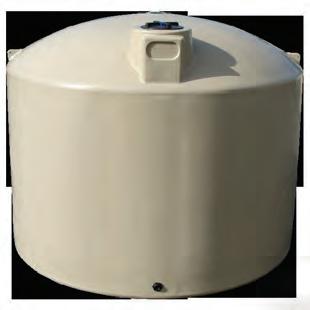
• For Water Storage Tanks
• Adjustable levels from 50mm-2.5m
• Minimises pump operation
•Available in 20/25/32/50mm
sales volumes in the first half of the year, we expect the situation to improve as we move into the second half,” says Tuborgh.
“With continued focus and the strength of our brands, we are well positioned to respond to changing market conditions, and we anticipate that branded growth will be close to neutral for the full year.”
IN THE first half of 2025, Arla Foods made several major decisions on future investments, reflecting the cooperative’s ongoing commitment to future growth, capacity expansion, and innovation across its business.
Key projects included an investment in UHT milk production in the UK, an expansion of cream cheese production capacity in Holstebro, Denmark, an investment in Linköping, Sweden to meet rising demand for Skyr products, and an expansion of cheese-in-glass-jar production capacity in Bahrain.
“Arla Foods’ high level of investment decisions in the first half of 2025 is a clear demonstration of our commitment to long-term resilience and reliability,” says Tuborgh. “By strengthening production and supply capabilities, we continue to play an important role in safeguarding food security and ensuring a steady supply of high-quality dairy products for customers and communities across our markets.”
Full-year investments are expected to be in the range of $1.4b.
In the coming months, the merger of Arla Foods and DMK Group, another Euopean dairy co-operative, will be concluded.
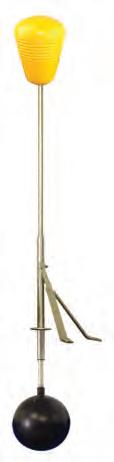
Stainless steel bracket and Shaft
• Fits plastic and concrete tanks
• Rugged and long lasting

When
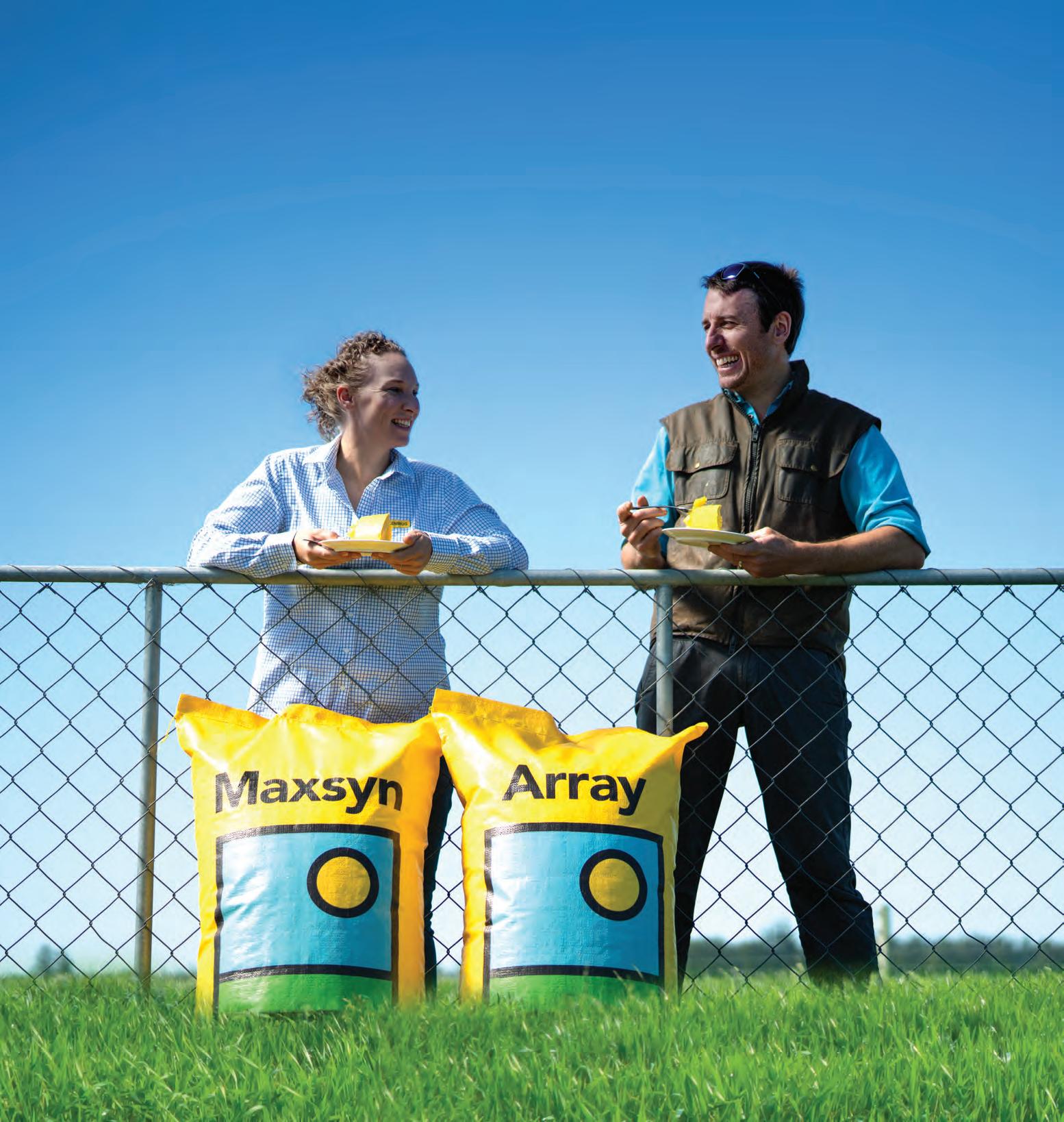
Maxsyn, New Zealand’s top-selling perennial ryegrass, just got even better –now supercharged with NEA12 endophyte for increased resilience and productivity. Don’t forget Array, the environmental all-rounder delivering high yield plus nitrogen efficiency. It’s the complete package! Ask your Reseller, or learn more at barenbrug.co.nz
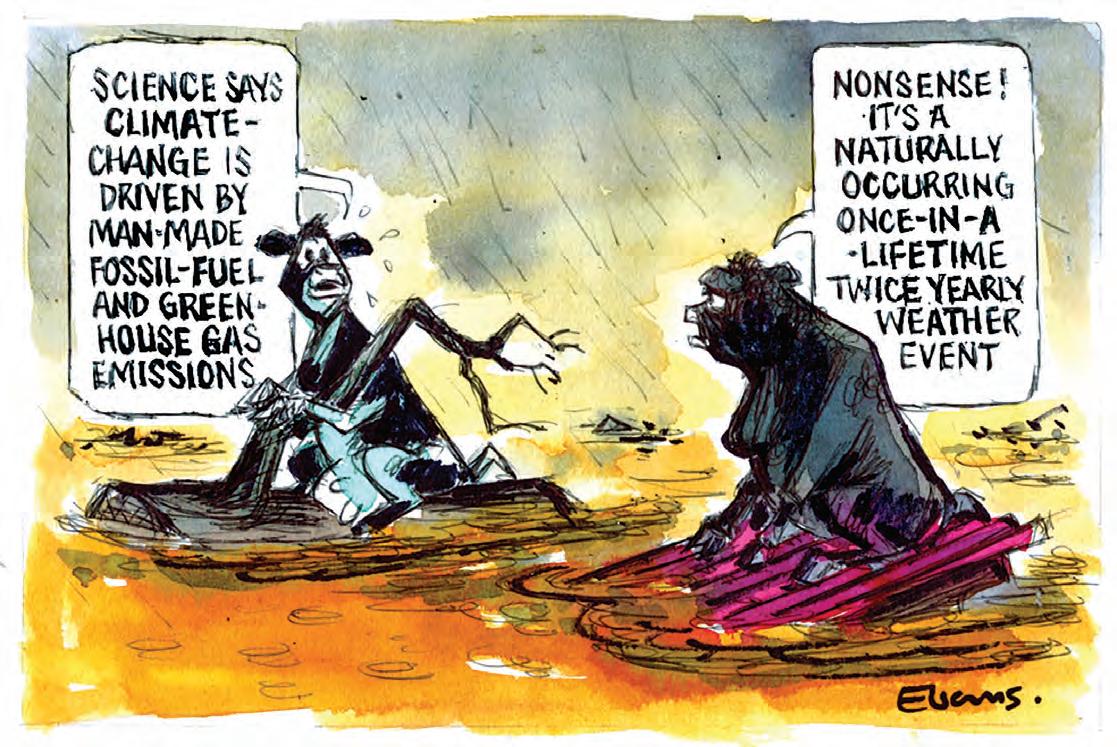
THE PAST few weeks have been tough on farms across the North Island: floods and storms have caused damage and disruption to families and businesses.
While most dairy farms were mostly spared, orchards and sheep and beef properties found themselves in the firing line.
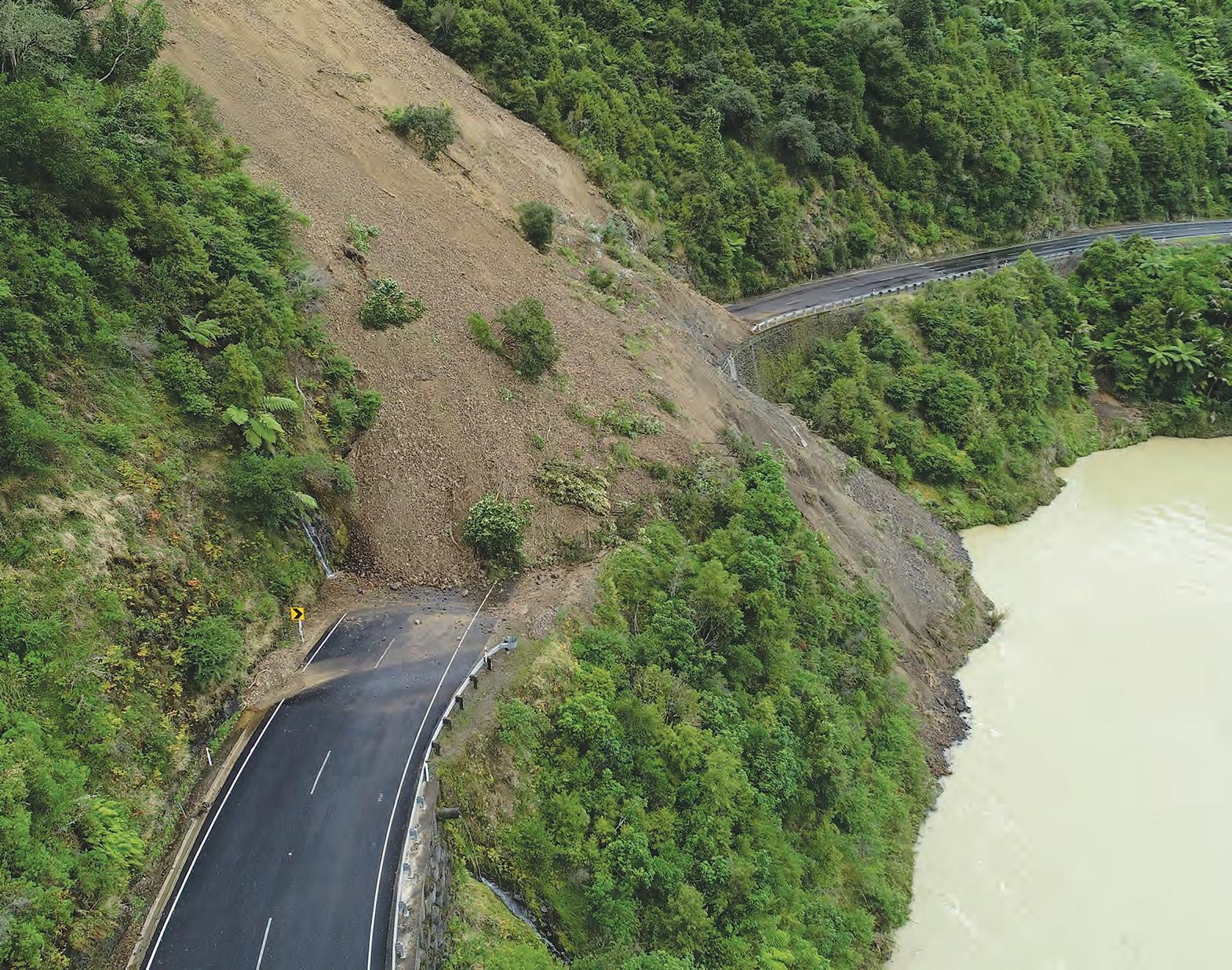
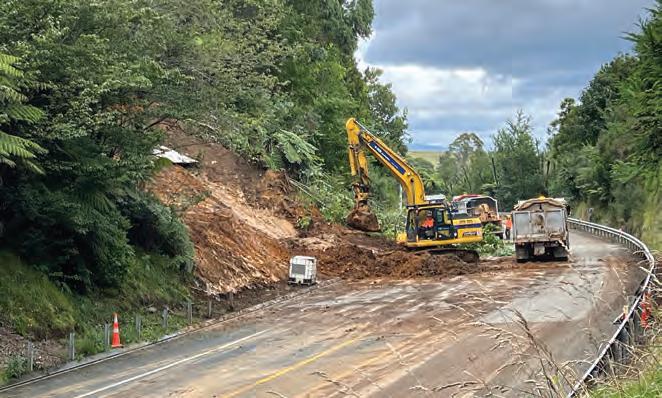
A major issue, weeks on from the storms, is the condition of major roads in Northland, Hawke’s Bay and parts of Bay of Plenty. State Highway 2 through the Waioweka Gorge from Gisborne to Opotiki has been closed and the road around the coast SH 35 also being blocked.
There aren’t a lot of dairy farms in the region and those impacted by the road closures are being taken care of by Fonterra.
A silver lining for the dairy sector has been heavy rainfall, which has set up farms for the next six weeks.
Real milk to the rescue IT’S A case of a dairy company coming to the rescue of a failed plant-based dairy player.
Creditors of plant-based dairy company Little Island Creamery have lost more than $2 million. The company was placed into liquidation last year.
In their final report, liquidators said there were no remaining funds to distribute to creditors, and the company was set to be removed from the Companies Register.
However, Little Island products are still available after a dairy company, Appleby Farm, Nelson bought the business and changed its name to LI Creamery.
Appleby Farms is a maker of premium ice cream products, made from cow’s milk, of course.
MEDIA REPORTS say global recalls tied to cereulide toxin contamination in milk-based nutrition brands could inflict combined financial losses exceeding $1 billion.
Three of the world’s largest dairy producers — Nestlé, Danone and Lactalis — are grappling with major infant formula as concerns over a toxic contaminant spread through global markets. The crisis began with Nestle’s recall of formula products in more than 60 countries due to traces of the cereulide toxin, and other manufacturers have since initiated their own withdrawals in a widening safety scare.
The products are not available in supermarkets in New Zealand.
They are mainly publicly funded and available through hospitals, pharmacies, and GPs. A small amount could have been bought over the counter at pharmacies or online.
WHAT DOES the birth rate in China have to do with stock trading? Just ask a2 Milk Company.
The company was forced to place itself in a temporary trading halt on the Australian stock market last month, with its share price falling 12%, following the release of Chinese data indicating a larger than expected drop in the number of new births.
A2 had previously indicated its forecast growth in infant formula sales to China would be supported by an annual growth rate in new births of between 8.5-9 million.
However, the number of new births in China fell 17% last year to just under 8m - the lowest in nearly 90 years.
Battle for milk
FONTERRA MAY be on the verge of selling its consumer business in New Zealand, but the co-operative is not keen on giving any ground to its competitors in the country.
It has started construction on a $75 million butter plant expansion at its Clandeboye site in South Canterbury.
The build is part of Fonterra’s commitment to invest up to $1 billion over the next three to four years in projects that generate further value and drive operational cost efficiencies. It is also expanding its organic business to the South Island for the first time.
This is in addition to Fonterra’s ongoing recruitment of organic farmers in the North Island, where more than 100 farms are already part of the Fonterra Organic Programme.
Some regions received up to 100mm of rain, welcome by dairy farms that were starting to get dry.
It’s now greened up, and the grass is growing, and farmers are relying less on supplements.
Post-storms, rural advisory groups coordinated well to build a clear picture of what was happening on the ground and ensure that information was shared where it needed to be.
According to Federated Farmers, we’ve come a long way in this space, including last year’s progress on legislative reform to ensure rural people and businesses finally have an experienced voice in emergency management planning and response.
It notes that having at least one person with rural expertise on each of New Zealand’s 16 regional Civil Defence Emergency Management (CDEM) groups puts farmers in a much stronger position for the future.
Rural communities have strong local networks, people and equipment ready to help. However, those resources are only effective if they’re properly integrated into the formal emergency management system.

Head Office: Lower Ground Floor, 29 Northcroft St, Takapuna, Auckland 0622 Phone 09-307 0399.
Postal Address: PO Box 331100, Takapuna, Auckland 0740
Published by: Rural News Group
Printed by: Inkwise NZ Ltd
Contacts: Editorial: sudeshk@ruralnews.co.nz
Advertising material: beckyw@ruralnews.co.nz
Rural News on-line: www.ruralnews.co.nz
Subscriptions: subsrndn@ruralnews.co.nz
Publisher: Brian Hight ......................Ph 09-307 0399
General Manager: Adam Fricker ...................Ph 021-842 226
Editor: Sudesh Kissun ................Ph 021-963 177
Machinery Editor: Mark Daniel......................Ph 021-906 723 markd@ruralnews.co.nz
Reporters: Peter Burke.....................Ph 021-224 2184 peterb@ruralnews.co.nz
Subscriptions: Julie Beech ....................Ph 021-190 3144
Production Manager: Becky Williams ..............Ph 021-100 4831
Digital Strategist: Jessica Marshall ..........Ph 021 0232 6446
AUCKLAND SALES CONTACT: Stephen Pollard .............................................Ph 021-963 166 stephenp@ruralnews.co.nz
WAIKATO & WELLINGTON SALES CONTACT: Lisa Wise ........................................................Ph 027-369 9218 lisaw@ruralnews.co.nz
SOUTH ISLAND SALES REPRESENTATIVE: Kaye Sutherland .........................................Ph 021-221 1994 kayes@ruralnews.co.nz
ANDREW HOGGARD
2025 WAS a big year for rural New Zealand in terms of policy. There were a number of key issues that had long frustrated those of us in the provinces which were finally addressed. The introduction of a replacement for the RMA is probably the highlight and it’s fair to say that the key goal of 2026 needs to be getting that passed. Related to the RMA changes was the pressing need for consent rollover, especially for those caught up in the increasingly expensive process of trying to renew a consent which, in some
cases, may not exist under the new system. It was personally very pleasing to speak to the Bill just before the end of the year, having sat around kitchen tables of people who were going through hell. I was glad to play a part in getting a solution for them.
In that same sitting week, we also got through changes to the methane targets. The old targets, as I said in Parliament, had been plucked by the last government from a report which said don’t use these numbers as national targets. As well as now having scientifically based targets, we ruled out a price being put on a methane which had been a long-standing ACT position. It was good to get our colleagues over the line and opened the door on investigating a split gas Nationally Determined Contribution, another ACT position and a key part of our viewpoint that ‘Paris needs to change or we
need to leave’. Finally, the ETS backstop was removed for agriculture. In a practical sense, what this means is you can just get on with farming and not worry about methane taxes.
In my portfolios, we got agreement around several preparedness and response initiatives, including signing the Foot and Mouth Disease Operational Agreement with the sector. We know how important protecting our borders is to New Zealand’s primary sector and our economy.
I’m looking forward to introducing a total refresh of the Biosecurity Act to Parliament this year to further strengthen
our borders. The focus in food safety has been cutting the red tape. I’m focused on introducing legislation to deliver on improvements to the access of new Agricultural Compounds and Veterinary Medicines. These are critical to show that New Zealand is an attractive market so that farmers have the tools they need.
A key element for this year with the RMA replacement is settling on a new National Policy Statement on Freshwater. This will provide a lot of the direction and detail needed to provide clarity around how the new system will work.
The key questions
will be how much top down with national bottom lines do we want compared to local flexibility, and does Te Mana o Te Wai stay as a concept in the NPS.
From an ACT point of view, we have held a longstanding position that vague spiritual concepts should not be included in regulations. If we want a growing economy and all the social services that come with it, then there needs to be clarity in our regulations. If we are forever running to the courts to look for definitions then, aside from the lawyers, we are all stuck in neutral.
A lot of the focus this term has been on fixing
the mess that was left behind. The next term should really focus on looking ahead. In the ACT party, we have ideas about the direction the country needs to go in, but I invite rural New Zealand to tell me what you think we need to be focusing on.
To fulfil New Zealand’s potential to be the best country on the planet, I’m keen to visit as many shearing sheds, milking sheds, packing sheds, and implement sheds throughout the country this year to hear from you directly on what you feel is important.
• Andrew Hoggard is an ACT and Minister for Biosecurity and Food Safety
MANY KIWIS know that the decisions we make today will shape our future for years to come. With the election now announced for 7 November, the country faces a critical question: What choice will we make for our future?
When the Prime Minister suggests we shouldn’t expect much from them this election year, it implies New Zealand can’t afford the clear-eyed thinking needed to secure a
sustainable, productive future.
But the suggestion that we can’t afford to invest in key infrastructure projects or job creation is an argument we must push back on. And
cutting public spending and selling assets also undermines our region’s long-term success. Because the question isn’t whether we can afford these investments, but it’s whether we can afford not to make them.
Between 2017 and 2023, Labour backed rural communities. We opened new export opportunities and market access, and we invested in research and development to improve productivity.
At the same time, we worked with farmers to improve waterways and address climate change
– and protecting rural communities for the future. With nearly one third of Canterbury’s rivers deemed unsafe for swimming this summer, Labour’s values are more relevant now than ever. We:
■ Secured seven new and upgraded trade deals, including with the UK and EU— against the odds.
■ Eradicated mycoplasma bovis, a worldfirst achievement that protected the national herd and ensured better returns for farmers.
■ Funded 200+ catchment groups to restore water quality within a generation.
■ Upgraded 542 rural schools, many of which had been neglected for years.
■ Improved mobile networks and connectivity for over 84,000 rural homes and businesses.
■ Invested in rural mental health services, part of our work to build a mental health system from the ground up, including Rural Access and Choice Support and
Rural Support Trusts.
■ Funded rural hubs and resilience projects, responded to major weather events, and set aside $6 billion for infrastructure to ensure rural communities were prepared and protected (now scrapped).
When in government, we provided a clear direction to lay the foundation for a stronger future, and our rural communities need that vision to continue. As we approach the 2026 election, Labour
remains focused on what matters most: real action on the cost of living, creating decent jobs, and making healthcare and housing affordable for all New Zealanders. But we’ll do more than just meet our priorities. We’ll support farmers to build a stronger, more resilient rural economy. As we look ahead to 2026, we must ask ourselves: Do we really want to continue to follow a party that looks for excuses to delay a better future?
• Jo Luxton is Labour’s spokesperson for agriculture.


HERD IMPROVEMENT
company LIC has posted a 5.2% lift in half-year revenue, thanks to increasing demand for genetics.
For the six months ending November 30, 2025, LIC’s revenue topped $195 million, compared to $185m for the same period in 2024.
Underlying earnings reached $36.8m, up 9.3%. However, net profit after tax (NPAT) was down 13.5% to $33.8m.
Chief executive David Chin says increasing demand for sexed semen, animal health
services and GeneMark Genomics reflects the increasing focus of farmers on genetic gain and their continued confidence in LIC’s products and services.
“We’re seeing encouraging growth in areas that matter most to our farmers,” he says.
“As a generational co-operative we remain focused on delivering long-term productivity gains for farmers and supporting sustainable genetic progress for the New Zealand dairy herd.”
He pointed out that
NPAT was lower than the prior year, primarily due to the absence of last year’s bull team revaluation gain and the costs incurred within the period for the multiyear investment to replace older technology and customer-facing systems.
LIC chair Corrigan Sowman says while system investment has impacted short-term profitability, it positions LIC well for the future by improving resilience, capability and farmer experience.
“The co-operative’s
balance sheet remains strong, allowing us to invest into technology and infrastructure to support delivery of our future business strategy, to help farmer breed better cows faster.”
LIC NZ operates four key business segments:
■ market genetics: provides bovine genetic breeding material and related services, predominately to dairy farmers
■ Testing: herd testing, on-farm support and DNA and animal
health testing services
■ Farm software: data recording, tags and farm management information services
■ International: provides bovine genetic breeding material and related services to offshore markets
NZ market genetics business generated $116m in revenue, herd testing $36m, farm software $28m and international business $7m.
DAIRYNZ IS giving New Zealand farmers a unique opportunity to gain hands-on governance and leadership experience within the dairy sector. It has opened applications for its sought-after associate director role on DairyNZ’s board.
The one-year position offers levy-paying farmers with a passion for dairy the chance to contribute to one of their industry-good bodies and participate in discussion and debate.
DairyNZ chair Tracy Brown says 15 dairy farmers have taken up the role since it was first introduced in 2013 and it has been a key stage in their governance development.
“The associate director role isn’t just a seat at the table –it’s a stepping stone to shaping the future of New Zealand’s dairy industry.
“Supported by our eight DairyNZ board members, this role offers emerging leaders a rare chance to experience governance firsthand
and contribute to sectorwide decisions,” she says.
Farmer leaders who have taken on the role in the past have gone on to make valuable contributions to the

sector in governance roles, she says.
Current deputy chair, Cameron Henderson, was an associate director in 2020/21 and farmerelected board member Richard McIntyre was
an associate director in 2019. Others have gone on to governance roles in the sector.
The incumbent associate director, Greg Collins, says the role is an excellent way to get governance experience in an industry-good setting.
“It has been a really positive learning experience for me,” says Collins.
“From a governance training perspective, it is very comprehensive.
While it’s a non-voting role, the associate director is very involved in a lot of the decisionmaking process, and your voice is heard.
The mentoring I have received and support from other board members has been invaluable and has
vastly increased my governance knowledge and ability,” he says.
“I underestimated how extensive DairyNZ’s strategy is and the complexities of its workstreams. There’s an awful lot of behind the scenes work that farmers don’t really see, particularly in the political space well beyond the farm gate.
“I’d encourage all farmers who are eager to have more involvement in shaping the sector from a leadership position to apply for the role,” says Collins.
THE WORLD Wide
Sires National All Dairy Breeds Youth Camp Best
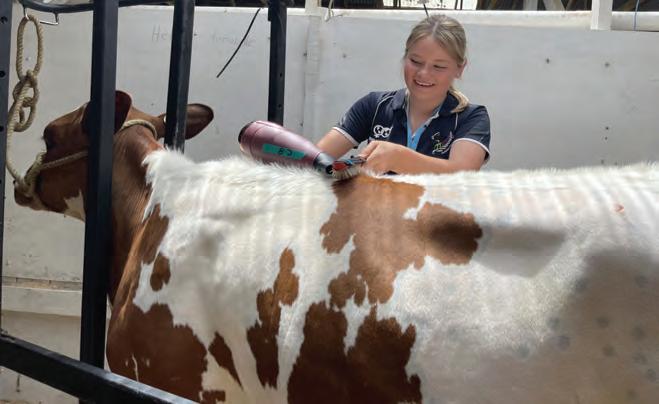
All Rounder plaudit has become a family affair, with 2026 Paramount Cup winner Holly Williams following in her sister Zara’s footsteps.
Held at the Stratford A&P Showgrounds from January 3-6, the Youth Camp was the largest yet, with 24 young people – including one from Australia – coming together to upskill in the areas of showing and handling dairy cattle.
Open to young people aged 10-21, the youth camp, run by Holstein Friesian NZ, encourages participants
to make friends, complete educational modules and take part in team building activities and a mini show.
Each year, six awards are presented at the conclusion of the youth camp. In 2026, Most Improved Clipper (Dennis Terry Memorial Trophy) was awarded to Phoebe Calvert (15, Tasmania); Best Presented Heifer (McDonald Trophy) and Senior Young Handler to Sienna Bourke (13, Opunake); and Junior Young Handler to Adam Watson (11, Te Awamutu).
The Muritai Holsteins team won Best Team.
Holstein Friesian NZ field officer and youth
camp co-ordinator Amelia Griffin said 15-year-old Holly Williams, from Palmerston North, was a worthy recipient of the coveted Paramount Cup, awarded to the camp’s best all-rounder.
“Holly showed great teamwork and leadership during the camp while working with a difficult heifer,” Griffin said.
“She showed great maturity in the face of the challenge, staying calm and demonstrating resilience to the younger participants.
“Holly has demonstrated a lot of growth and gained leadership skills since her last youth camp in 2024.
“As part of the winning
Muritai Holsteins team, she made sure that not only did the team work well together, but that everyone was taking part.”
In 2025, Holly’s sister Zara won the Paramount Cup and Top Senior Handler.
Griffin said the 2026 youth camp was a fantastic event. On day one, participants were allocated their heifers and on day two, participants did a bulk clip, and showmanship and nutrition modules.
On day three, participants got down to cutting their toplines and belly hairs, in addition to learning how to read three generation pedigree
reports and bull proofs. They also had a bit of fun with the crew from the Inglewood Young Farmers Club and visited Nairuo Farms. Day four concluded the camp
with a mini show, judged by Ron Baker (Fusion Genetics Ltd).
“There was a large proportion of younger participants, with only six in the 15+ age bracket,”
ANXIOUS ABOUT pasture persistence?
Take heart, one of the highest yielding perennial ryegrasses you can buy, Maxsyn, has just had a major upgrade so it lasts even longer, according to Barenbrug.
It claims New Zealand’s top-selling perennial for the past four years, sown on more than 200,000ha since its debut in 2020.
Combining it with the new NEA12 endophyte raises the bar further, increasing yield, summer growth, and staying power, the company says.
“Pasture persistence is a huge priority for most farmers,” says Barenbrug pasture specialist Graham Kerr.
“That has made it a key ryegrass breeding objective for us. Maxsyn’s persistence has stood out since day one, and we know farmers will be excited to hear it’s now
even better.”
Likewise, lifting what was high yield to begin with is another win for farmers, Kerr says, especially as most of the gain comes during a critical time of the season.
“Maxsyn has always shone in summer. With NEA12, it produces 4% more dry matter during both summer and autumn than the original cultivar.
“Given the average rate of genetic gain in ryegrass breeding is about 1% a year, 4% is pretty significant!”
Stronger persistence comes in part from NEA12’s extra insect control, particularly valuable in areas of the country where industry research has noted falling pasture performance in a changing climate.
DairyNZ last year began investigating the issue, prompted by

DairyBase data showing a greater trend of declining pasture harvest, by about 1 tonne dry matter/ha in Northland, and 500 kg dry matter/ha in Waikato.
Grass that lasts saves money, time, diesel, supplements, and disappointment, Graham says.
“We’re chasing resilient, reliable and highly profitable pasture, which pumps tonnes of home grown feed into your farm system year after year.”
While cultivar choice helps persistence, it is not a silver bullet.
“Many things help pastures last longer, including careful establishment, correct soil fertility and avoiding overgrazing.
“But picking a tough, densely tillered ryegrass like Maxsyn is an important part of the process,” he says.
The real proof of

its value comes from farmers themselves.
Industry sales data show more Maxsyn seed is sold every year than any other perennial ryegrass.
Barenbrug says that’s why it has become the standard against which all other diploid perennials are measured each year in
the independent National Forage Variety Trials.
“Several new perennials have entered the market since Maxsyn made its debut in 2020, so we are very proud that Maxsyn NEA12 has topped the latest industry yield trial ratings,” says Kerr.
“It’s a credit to our research team, who work so hard to deliver the pastures farmers need for now and in the future.”
It’s a time-consuming process – Barenbrug researchers have been testing Maxsyn with a range of different endophytes for the past
“There
their
11 years.
“Maxsyn with NEA12 simply grows better, has more tillers and is even slightly darker green.”
Seed for Maxsyn with the new NEA12 endophyte is available now. Talk to your retailer for more details. • Article - Barenbrug

CHRIS BALEMI
SUMMER CAN be a tricky period on farm. Cows approach the summer period milking well, but the summer heat causes rapid changes in pasture. These changes can negatively affect cow performance. Farmers often observe a subtle drop in dry-matter intake, along with a drop in milk production, with no obvious reason. Cows can become fidgety and touchy in the shed. These signs could be the first indicator of an increase in ergot toxin, a toxic fungus that takes hold in ryegrass seed heads during times of plant stress. Ergot doesn’t come with a warning sticker, but it can bring a host of problems.
What are ergot toxins?
Ergot is a fungus (Claviceps purpurea) that can infect grasses and cereals, particularly ryegrass. When it infects a seed head, it can replace the normal seed with a hard, dark body called a sclerotium. If cows eat ergotcontaminated pasture or conserved feed, ergot alkaloids can affect appetite, blood flow, hormones, and heat control. New Zealand cases have linked ergotcontaminated feed with serious illness. Deaths from ergot toxicity are rare, but when they occur
they are sudden and can affect large numbers of animals with little warning.
Why the seed head matters
As ryegrass goes to seed, cows can take in more seed head material in each mouthful. That is when exposure can rise, especially if ergot bodies are present. While seed heads are a sign of grass maturity, they’re also a prompt to look closer.
A simple paddock check works well. When pasture is starting to seed, walk the paddock and inspect seed heads.
If you can see dark, hard bodies in the seed head zone, treat that paddock as higher risk.
MPI has also warned that feed affected by ergot is not fit for purpose under the ACVM Act, and it should not be fed to animals.
Early signs you might see Ergot does not always look dramatic at first.
On many farms it shows up as performance going backwards.
■ You may notice that cows are slower to graze, they pick around the pasture, or they do not clean out a paddock as they would normally.
■ You may see milk yields flatten or dip even though feed looks fine and there is no obvious disease pressure.
■ You may notice more cows standing near troughs or shade on mild days, because ergot can reduce blood flow to the skin and make heat control harder.
More serious signs can include swollen feet, increased lameness, or tissue damage to feet, tails, or lower legs in severe cases.
What it can look like in the paddock If ergot is part of the picture, the pattern is often consistent across a mob and across breaks on the same paddock.
■ Cows can be reluctant to get stuck into a fresh break.
■ Milk response can drop without a clear feed shortage.
■ Cows tend to stand around more, graze less, and spread out.
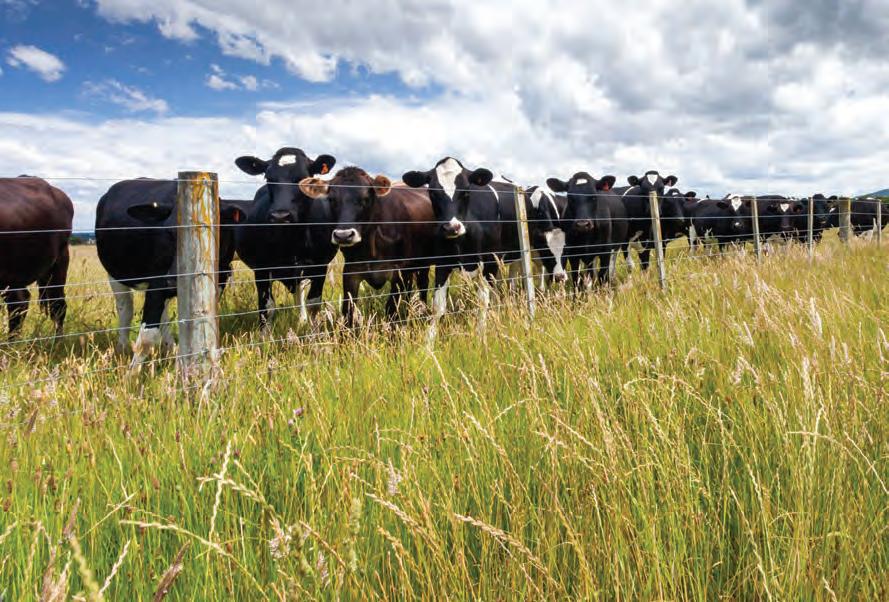
You can see changes earlier in the day than you would normally expect.
Ergot vs other ‘endophyte’ problems
THERE IS no antidote for ergot poisoning. The job is to avoid exposure early and get cows off suspect feed. Many cows improve once they are removed from the source.
■ Start with a regular pasture check. If seed heads are forming, inspect them weekly.
■ If you find ergot bodies, keep cows out of that paddock and talk with your vet or feed adviser about alternatives.
■ Graze earlier where you can, before seed heads form.
■ Top or clip paddocks before grazing if seed heads are present
■ Use other paddocks, silage, or bought-in feed when the risk is high.
DairyNZ is New Zealand’s industry-good organisation for dairy farmers. We support farmers to lead the world in sustainable dairying by investing in research, innovation, and advocacy, working to deliver a positive future for New Zealand dairy farming.
We are seeking applications from dairy farmers for the role of associate director. This role offers an opportunity for farmers who are already contributing to public-good or sector activities to further support the dairy industry through participation in governance-level discussion and debate.
The associate director role is also a development opportunity for farmers looking to build their governance capability and gain first-hand experience working alongside an experienced Board.
The position is open to levy-paying dairy farmers who demonstrate leadership within their community and/or the dairy sector. Evidence of governance training or professional development will be advantageous.
Ergot can get lumped in with other pasture issues, so it helps to separate the likely culprits. Ryegrass staggers is linked to
■ Consider adding a mineral-based toxin binder to supplemental feed; these can be effective at binding the toxin.
■ Check hay and silage sources, because conserved feed made from pasture containing seedheads can also carry ergot.
■ Contact your vet straight away if you suspect ergot toxicity, especially if you see swelling, lameness, or tissue damage.
■ If you keep one habit through late summer and autumn, make it this: When ryegrass starts to seed, take a close look at the seed head zone.
endophyte toxins like lolitrem B. It tends to show up as a ‘drunk’ gait, tremors, and coordination issues, worse when cows are moved or stressed. Ergot is different. The red flags are appetite and heat control first, then circulation problems in harder cases. You can have both problems occurring together, so don’t rely on one sign.
When risk lifts Ergot pressure increases when there is humidity and heat. Under these conditions, grasses come under stress and start going to seed. The problem only gets worse when seed heads are present, especially if paddocks have been left longer, there is
We are looking for candidates who demonstrate:
• Active involvement in the dairy sector
• Emerging leadership with future governance potential
• A proven contribution to their community or the dairy sector through leadership or volunteer roles
• Commitment to ongoing personal and professional development
more stem, and cows are forced to graze tighter. It can also turn up in baleage, hay, or silage made from seeding pasture. Stock class matters. Lactating cows are less forgiving when intake drops, and pregnant animals are particularly at risk if blood flow is constricted.
If you suspect ergot, take photos of seed heads, keep a sample of the feed, and record which mob and paddock were involved. That gives your vet something to work with and helps you avoid repeating the same risk across the rotation.
• Chris Balemi is Agvance Nutrition founder and managing director
• Previous governance experience or training (desirable)
• Strong interpersonal skills and the ability to contribute constructively to Board discussions
• An interest in DairyNZ and the work we do
• A genuine passion for making a difference in the dairy sector.
The associate director is a non-voting position appointed for a one-year term, commencing 1 June 2026. The role requires a commitment of approximately 30 days per year, along with the ability to travel.
To apply, please email your CV and cover letter to corporate.secretary@dairynz.co.nz Find out more at dairynz.co.nz/director-vacancy
MARK DANIEL markd@ruralnews.co.nz
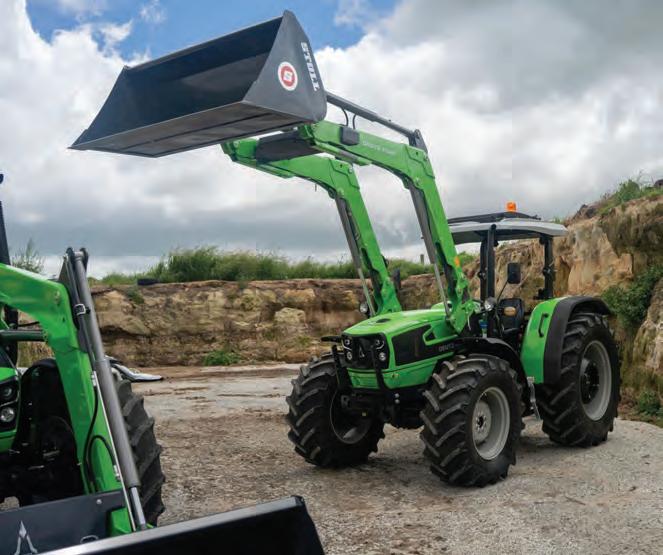
WITH ROPS tractors still being consistently popular in livestock operations, given their ease of use for hopping on and off to open gates or lower hot wires, the arrival of the new Deutz Fahr Agrotron 5105, is likely to extend that popularity.
Equipped with the frugal 4-cylinder SDF 1000.4 Series, electronically governed engine, the 5105 pushes out 102hp, rising to 106hp as it comes under load, complemented with a wet-clutch, powershuttle, Hi-Lo powershift transmission offering five speeds and four ranges to deliver 40F/40R speeds, with a maximum speed of 40kph.
The latest Agrotron also carries some wellknown features from the previous series, such as true fourwheel braking, 100% locking front and rear differentials, alongside the 5-stage Sense Clutch shuttle modulation, park brake and clutchless braking via the stop and go function that is particularly suited to loader operations.
Helping ease of operation, rated to Stage 3A emission regulations, the electronically governed engine allows a preset engine RPM to be saved and easily recalled, while at the same time delivering maximum torque of 397Nm, a near 20% increase over the previous series.
At the business end of the tractor, the
hydraulic system retains separate pumps for the power steering and rear hydraulics, with the latter now offering an increase in output to 68l/minute, three rear remotes and a useful increase of 325kg in lift capacity to 4525kg at the rear linkage.
For ease of control, the new “Easy-Lift” system is a mechanical hitch control with an electronic function that allows the lift to be quickly raised from working to transport position.
An electrohydraulic, oil immersed multi-disc PTO clutch allows independent 2-speed PTO engagement with 540/1000 speeds.
As part of Power Farming’s transition to Stoll loaders across the entire Deutz-Fahr range, the new Agrofarm 5105 can be combined with the
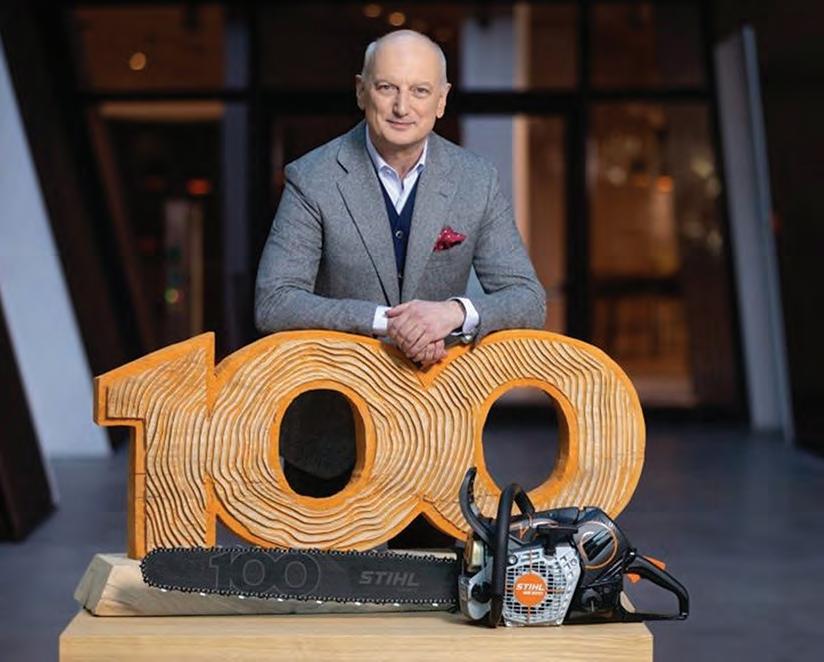
MOST RURAL properties wouldn’t be without a chainsaw, so it’s fitting to celebrate the centenary of Andreas Stihl inventing the first portable chainsaw in a Stuttgart workshop in 1926.
To mark such a significant date, the family-owned company will pay tribute by launching a centennial edition of the world’s first mass-produced petrol chainsaw with electronically controlled fuel injection –the MS 500i.
The special edition model will be available to buy later in the year from selected dealers, sporting a black design and centenary detailing, with a power-to-weight ratio of 1.24kg/kW.
Having started with chainsaws, the Stihl range has expanded to include
heavy-duty Stoll FZ 39-27 front-end loader. Tractors will be manufactured ‘loader-ready’ at the factory, meaning hydraulics and subframes when the tractors are being built, with booms added as required on arrival in New Zealand.
The FZ boom features self-levelling, boom suspension, 3rd service and multi-coupler functions all standard. Standard equipment also includes 180kg of rear wheel weights for increased stability and safety.
An extensive package of standard features includes a folding 2-post safety frame with canopy and rear-view mirrors, radial tyres, front
hedge and grass trimmers, multitools, pressure washers, construction tools, lawn mowers, lawn tractors and robotic mowers.
Based in Germany, the company employs over 19,000 people worldwide, selling its products in more than 160 countries globally
“Any company that reaches the grand old age of 100 hasn’t got there by relying on tradition alone,” said Dr Nikolas Stihl (pictured), chairman of the Stihl supervisory board and advisory board. “Our anniversary is not just a time to look back, but also a moment to recognise the strength that comes from our combination of heritage, engineering expertise, and the courage to innovate.”
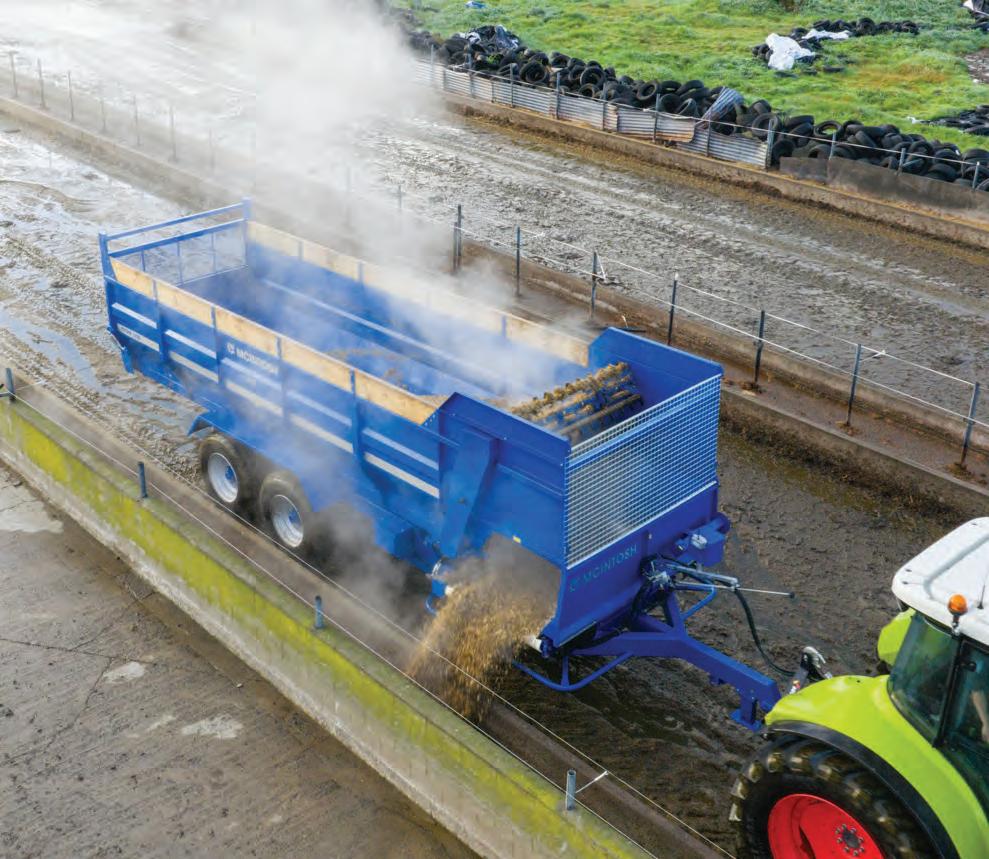
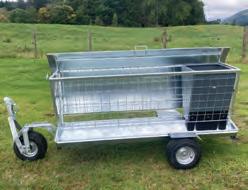
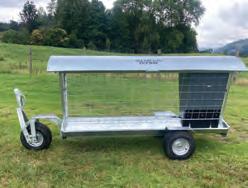
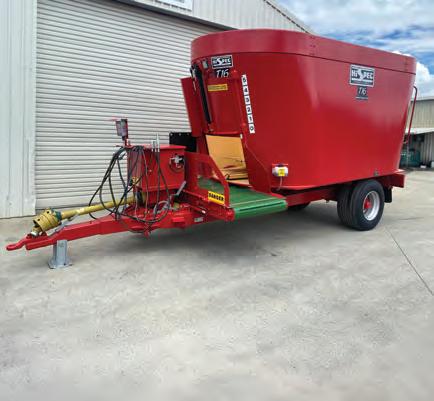
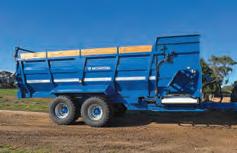
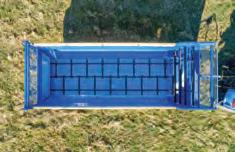
Fully welded and seriously tough, our Silage Wagons keep feeding without missing a beat. You hook it
and it works. That’s all there is
The Ravensdown team has all the tools you need to set up a year of growth. Local agronomy advice, 70+ expert agri managers, top-quality nutrients, and the game-changing HawkEye Pro are just part of the package. Together, we’ll help you farm smarter and make every dollar count.
Call 0800 100 123 or talk to your agri manager today.



































































































































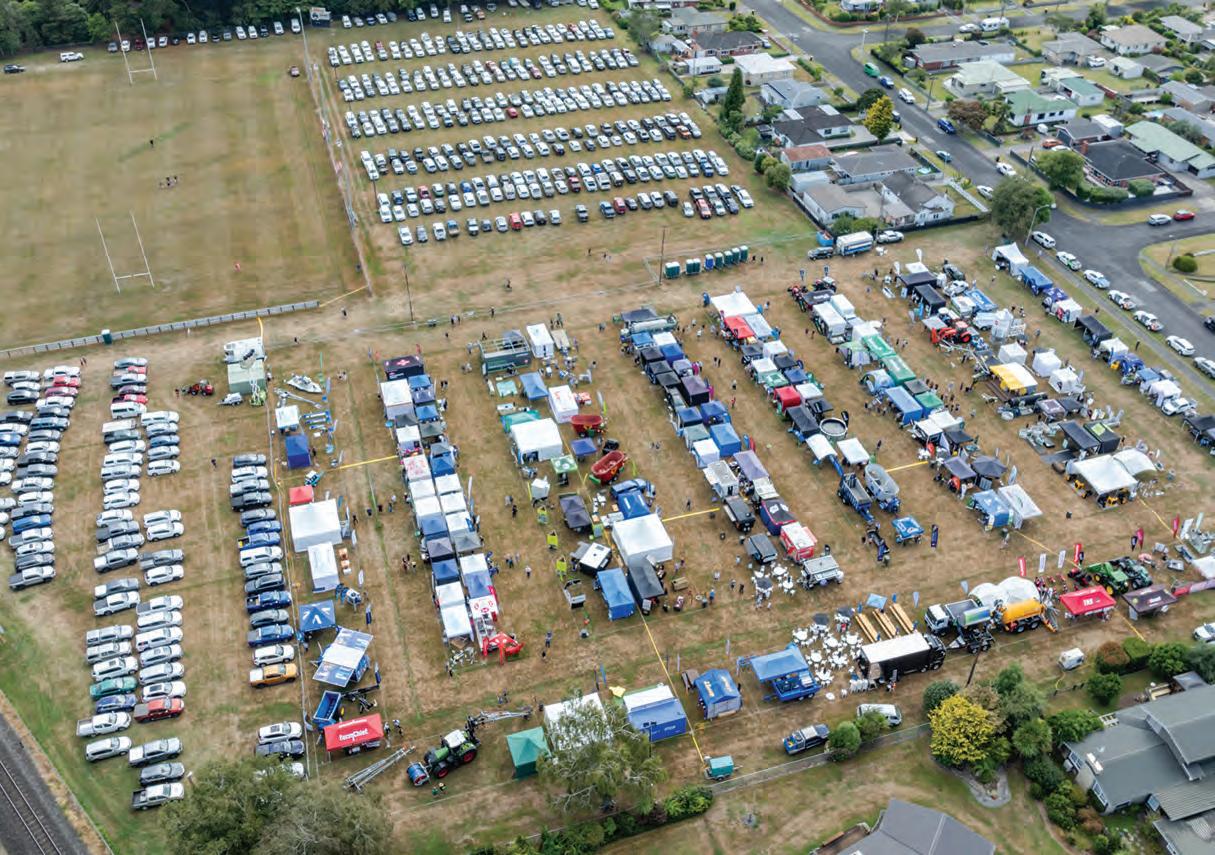
WELCOME TO the New Zealand Dairy Expo.
If you’ve been before, you already get it.
If this is your first time here, you’ll work it out pretty quickly.
Simple, grassroots, A&P show vibes. 0% bull. 100% dairy farming.
If there is one day you can justify getting off farm to educate yourself, challenge your thinking, and make better decisions for your

operation, this should be it. Everything is in one place, food trucks are on site, and the aim is simple: to make on-farm decision-making easier for dairy farmers.
This year we’ve brought together 175 dairy-focused exhibitors at Bedford Park, Matamata, right in the heart of dairy country. Every business here is connected to dairy farming in a meaningful way, from the daily and weekly essentials through to the monthly and annual decisions that shape
productivity, efficiency, animal health, and long-term planning.
By keeping the Expo dairyonly, we can bring together the right businesses, the right conversations, and the right comparisons all in one place. It’s complimentary for farmers because we believe good decisions start with access to information.
So, take your time, allow yourself 4 hours to get around - it’s bigger than what you think.
Ask the hard questions. Compare business offerings and their people on the ground. And head home knowing you’ve made the most of a couple of days built entirely around dairy farmers.
WEDNESDAY 18th & THURSDAY 19th FEBRUARY 2026 8.30am - 3pm BEDFORD PARK, MATAMATA
The New Zealand Dairy Expo is organised by a couple of us who work in the dairy sector alongside full-time jobs and busy families.
Thanks for being here, we appreciate you and have a great day.
• Amanda Hodgson is Dairy Expo 2026 co-ordinator


Monitor a lifetime, from calf to cow.
Hundreds of Kiwi dairy farmers rely on CowManager every day to optimise their herd’s performance.
MEET!
Come see us at NZ Dairy Expo, 18 and 19 February.
Visit www.cowmanager.co.nz/events or scan the QR code for more info.
SITE B1
CAMERON BAGRIE
often says, “Strong microeconomics is the best protection against macroeconomic storms”. In simple terms, get your own business in good order before worrying too much about what’s happening around the world.
Warren Buffett made the same point in a well-known MBA lecture, saying “focus on what’s important and knowable”.
Yes, macroeconomics, geopolitics, and global dairy markets are important. But how much control do you have over them on farm? None.
The risk is burning energy worrying about things you can’t change and ending up without energy left for the
things that you can. That’s where the 80/20 rule comes in. Keep one eye on the world, absolutely, but stay firmly grounded in the health of your business. That means:
• Cash flow – keeping the lights on.
• Profitability – does the operation work?
• Return on capital / equity – how well is your invested money working?
Those are the levers you can measure and change. I worry when I see overly emotional reactions to Global Dairy Trade (GDT) results. If it’s down, it’s panic stations. If it’s up, suddenly it’s good times forever. But GDT happens twice a month. Running your farm based on fortnightly signals is not a great use of energy.
In a high payout year, profits
often rise even if nothing changed on farm. That doesn’t mean the business suddenly improved, it may just mean the milk price did the heavy lifting. Everyone looks good in a good year, even the best operators feel pressure in a bad. That’s why the real test isn’t the top of the cycle or the bottom. It’s the mid-cycle. What does your business look like there? That’s where resilience shows. As we head into 2026, business health matters more than ever. Monitor GDT, but don’t let it run your farm. It’s easy to get caught up in noise and ‘scary stories’ but it doesn’t pay dividends, energy spent on what you can control does. When prices lift, a strong business captures more upside. When prices fall, a well-understood business

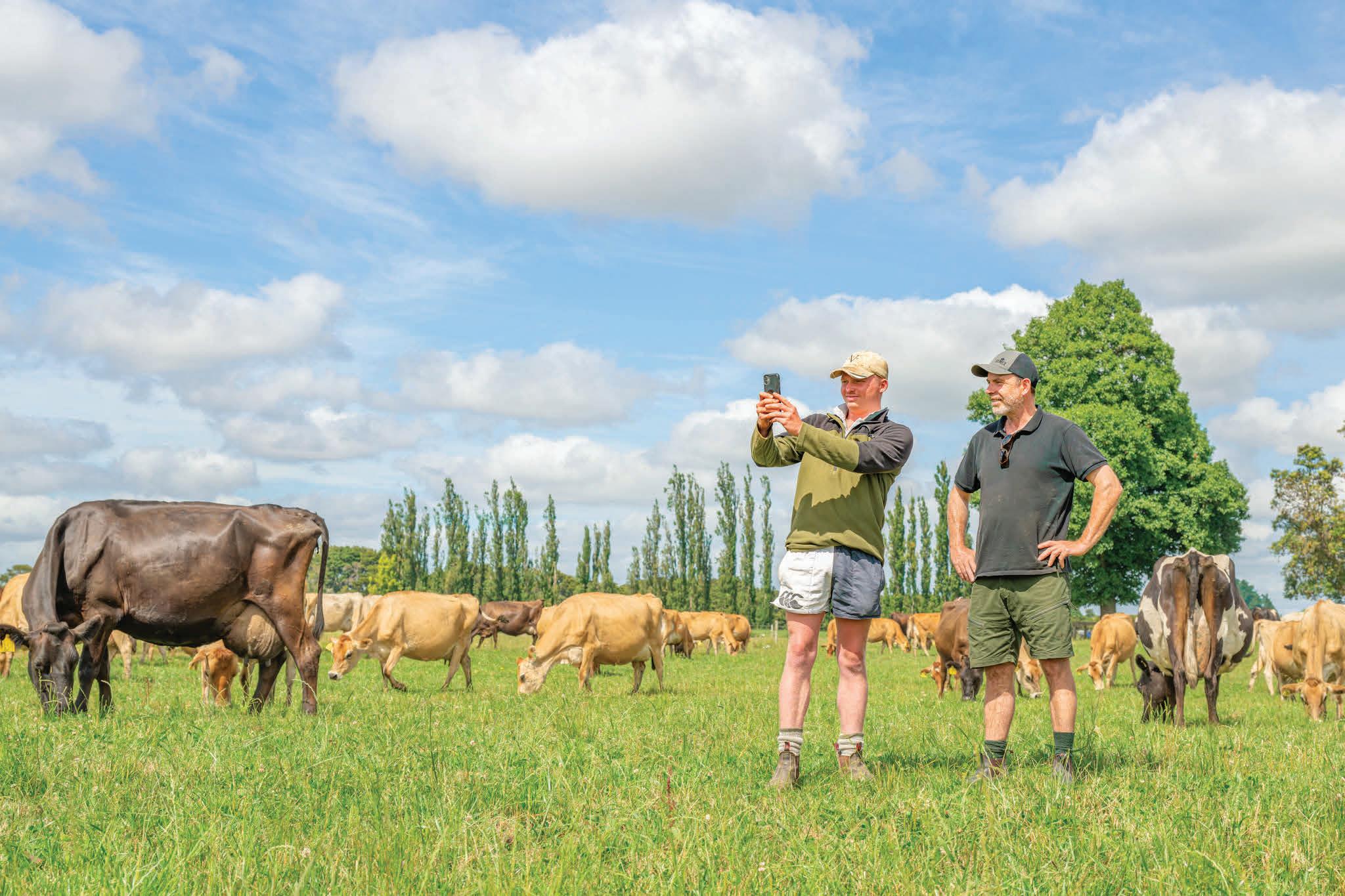
knows exactly what to do. That mindset is exactly why events like the Dairy Expo in Matamata on 18–19 February are valuable. With 180 dairyfocused businesses in one place, it’s a chance to step away from distraction and focus on practical ideas that support better on-farm decisions.
Strong micro decisions won’t stop macro storms, but they will help you weather them.
• Julia Jones is the master of ceremonies at Dairy Expo 2026.
THE NEW Zealand dairy market has begun with an energetic start and strong early momentum, highlighting a degree of confidence among buyers and sellers alike.
Activity across many regions is busier than expected, with PGG Wrightson Livestock representatives reporting contracts being signed daily as farmers commit to decisions earlier in the season.
This shift in timing appears to reflect recent seasons when there has been limited stock remaining later in the cycle, and those who delayed often found fewer options available. As Jamie Cunninghame, national dairy specialist for PGG Wrightson, explains, “In recent seasons
we have seen good herds that come on to the market not hanging around long. That has encouraged many farmers to be proactive, securing the quality and certainty they need sooner rather than later.”
Demand for dairy livestock remains solid, rooted in farmers’ desire to align herd performance with long-term production goals. While there is naturally a degree of caution, buyers and sellers are engaging earlier, seeking clarity around options and making decisions with confidence. This trend is helping shape a season that feels purposeful and measured.
Adding to the season’s outlook, there is building interest in elite genetic dairy
sales planned for April. These events are already attracting attention from farmers targeting quality genetics and future herd improvements. The strength of booking activity for these sales draws’ attention to the enduring demand for superior genetics within New Zealand’s dairy landscape. For farmers considering their next move, early engagement with livestock representatives is proving beneficial. Starting conversations now allows farmers to explore available options, understand current market dynamics and plan strategically. PGG Wrightson Livestock representatives around the country are actively supporting clients, facilitating strong
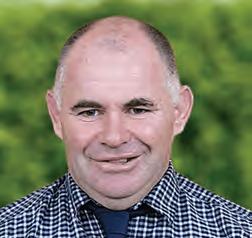
connections between buyers and sellers.
Buyers are also using digital resources like agOnline to complement the traditional channels.
Farmers interested in buying or selling are encouraged to reach out to their local PGG Wrightson Livestock representative soon and begin discussions, or to visit agOnline to review listings and plan their next steps.

LONG TOUTED as the future of dairy farming, milking robots are gaining popularity around the globe.
However, farms in New Zealand are not keeping pace when it comes to converting farms from conventional milking parlours to robots. Which is somewhat surprising considering what a competitive bunch we are, and us often punching above our weight in the dairy industry.
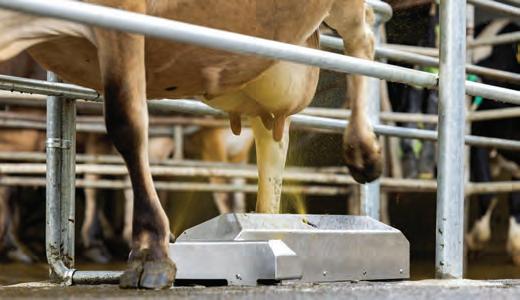
Many dairy farmers have a lengthy list of concerns regarding robots, with our landscape and pastoral system often flagged as a primary concern; farms are too hilly or walking distances too long. Add to that concerns around alarms in the middle of the night, or reduced cow contact resulting in not being able to quickly identify who’s sick or in heat, and it’s easy to see why farmers would opt out. But the list of good reasons to automate milking grows possibly just as long. For many, labour is getting more expensive, less reliable and harder to find. There’s a growing desire to work smarter instead of harder, and the ever-evolving milking robots provide an increasing amount of data that can help people achieve that without the physical strain of putting on cups every day.
“Robotic milking is not suitable for every customer, and for every farm,” Sam Andersen from Automation Services explains.
“There are farms where we would not recommend
robots, because we try to limit the walking distances and elevation. But you’d be surprised how often we can work around that.” For him it’s more important to understand what farmers are hoping to get out of a robotic system.
Sam highlights that one of the key markers of farmer readiness is their level of knowledge. “They are not looking at robots just to stop milking cows, but to improve animal health, production, and farm more sustainably.”
Quite a few farmers mention succession planning and setting the farm up for the next generation is an important driver in making the switch.
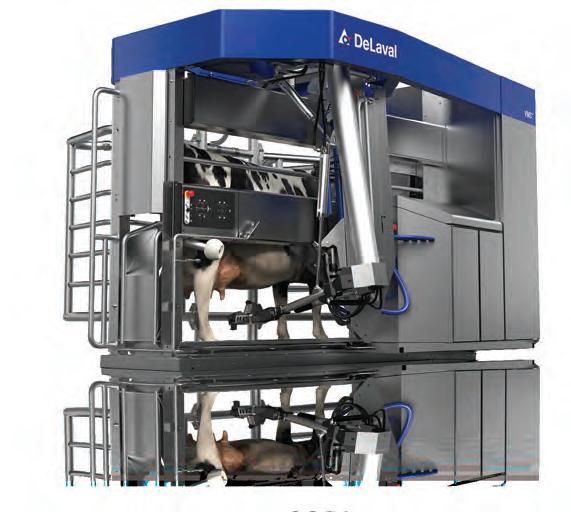
One of the farms that Automation Services has converted is the Gretener Family Trust Farm who have switched from a 44-bail rotary to six DeLaval VMS™ V310 to milk roughly 420 cows. Kevin Gretener, next in line to take over the farm, explains that one of the biggest pluses of automated milking for them is the additional data, and being able to make decisions based on that.
“I can easily see if any cows have problems, see every cow’s conductivity, milk flow per quarter, yield, if she’s eaten less that day,” he says. “It makes it really easy to identify the animal straight away and act faster.”
He adds that for them the additional stats and data from the VMS help them get more milk and healthier, happier cows.”
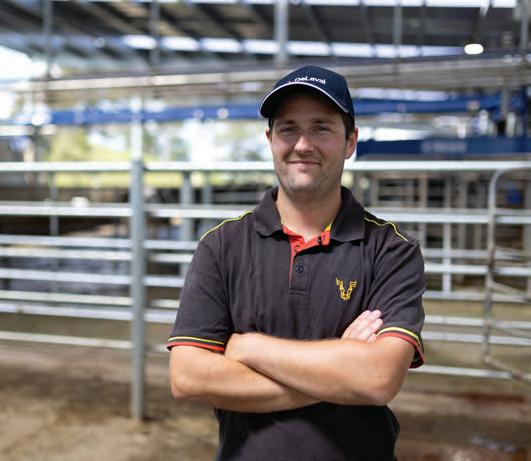
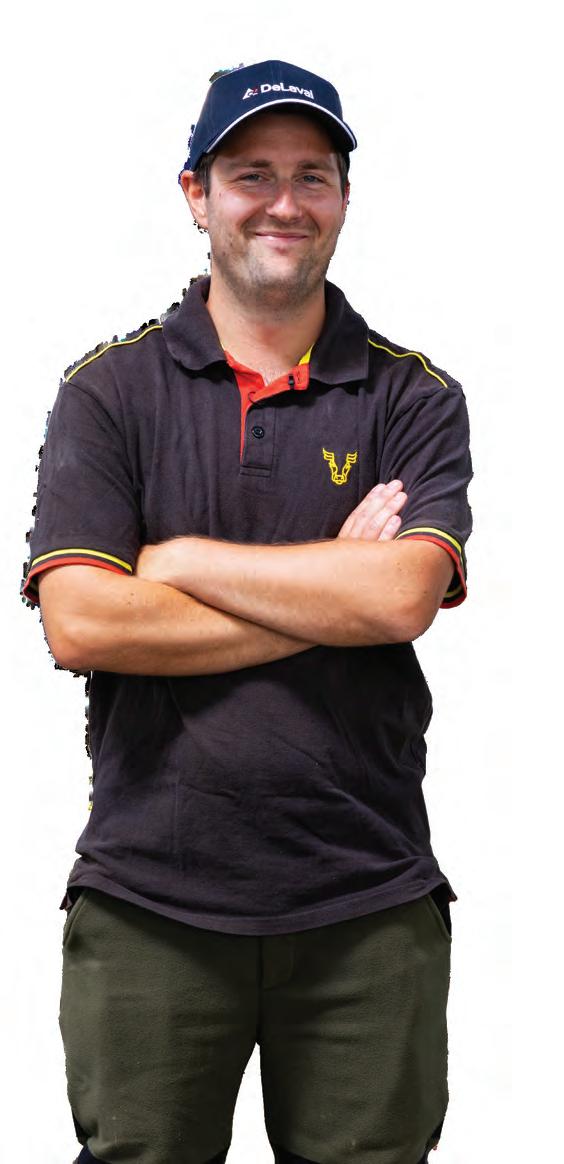
Kevin Gretener says one of the biggest pluses of automated milking for them is the additional data, and being able to make decisions based on that.

Mark Daniel ■
THE MOST successful farming businesses aren’t built by standing still, but by a growth mindset that features learning, efficiency, and continuous improvement leading to long-term success. For Paul and Sarah Koopal, growth has always been a conscious choice for the third-generation dairy farmers in the Central Plateau, who have believed in challenging themselves and their team to think beyond day-to-day operations. Adopting new tools to support better decisionmaking, part of their journey has been using CowManager, a technology using unique ear sensors to provide real-time insights into cow health, the transition period,
nutrition, and fertility. Introducing the system has helped spot early signs of illness, improve mating outcomes, and better manage transition periods, resulting in stronger performance and reduced stress across the herd.
Sarah Koopal says, “Better information means better planning, meaning we have more control over mating, more confidence in our decisions, and the freedom to think where we want to go next.”
Learn more about the Koopal’s experience at: Podcast: Paul and Sarah on leveraging CowManager on their farm CowManager technology is changing how farmers interact with their herds, by instead of relying solely on
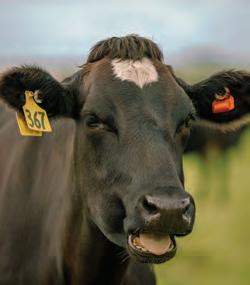
visual checks and instinct, now combining experience with data-driven insights. It’s as easy as getting a text when a cow requires your attention. CowManager monitors the entire herd, from calf to cow. The data helps detect health issues earlier, improve mating performance, and better manage transitions, supporting both herd wellbeing and operational efficiency.
Early illness detection helps improve reproductive performance, while more efficient use of time and resources all contribute to a stronger, more resilient businesses.
Adopting the unique technology, also offers rewards that go beyond short-term gains, such as
greater confidence, improved work-life balance, and a clearer pathway for future growth.
If you’d like to learn more about how data-driven insights can support better decision-making on farm, visit the CowManager team at Dairy Expo, Matamata at Site B1 or visit www.cowmanager.co.nz


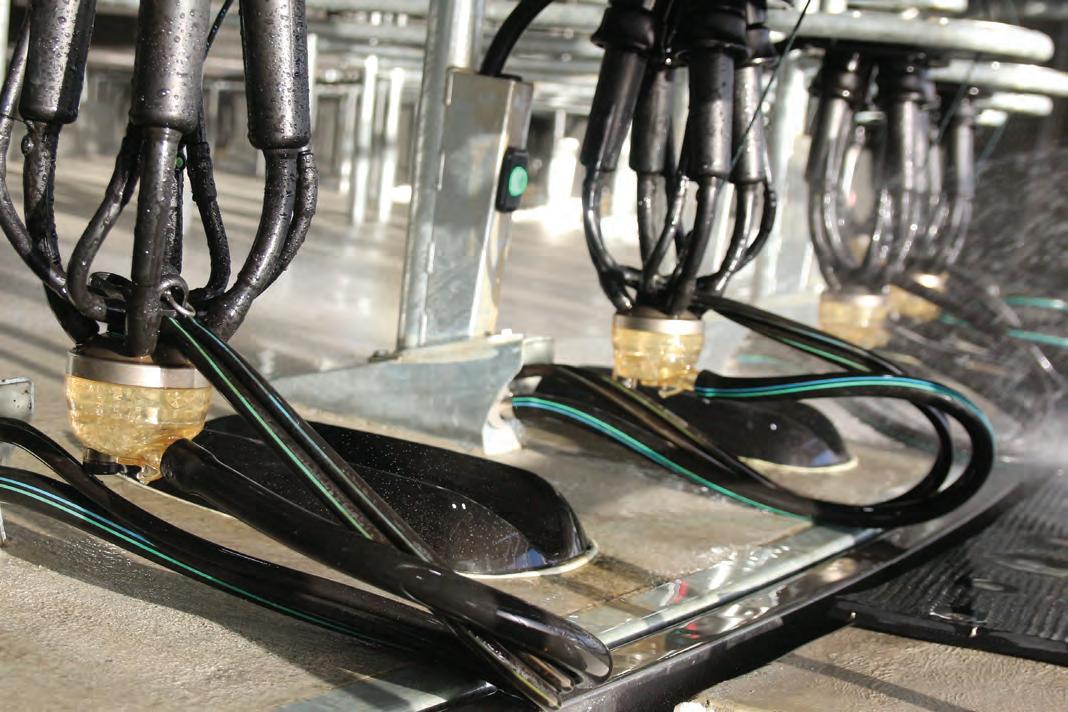
MILKING SHEDS are among the most significant long-term investments a farm will make, yet the way a farm operates around that infrastructure is constantly evolving.
Herd sizes grow or contract, labour availability changes and expectations for consistency, reliability and ease of operation rise every year. These shifts mean farmers are increasingly asking not only whether their current system works today, but whether it will support where the farm is heading over the next decade.
Waikato Milking Systems has spent decades designing, building and supporting milking systems on farms throughout New Zealand and around the world. That experience spans complete rotary milking systems, herringbone
productive and profitable over time. The starting point is always the present. How do cows move through the shed? How do people work within it? How reliably does the system perform under pressure? From there, attention turns to the future. Will herd size increase? What will labour availability look like? Does succession planning need to be considered? Or is the goal simply to make the milking routine more consistent and easier to manage?
These considerations shape the next step. For some farms, that means investing in a new rotary milking system designed to suit current needs while leaving room to grow. For others, it makes sense to build on existing infrastructure.
Waikato Milking Systems will be at the NZ
time.
Ideal for dagging, crutching, shearing small flocks, trimming cow’s tails, alpacas, goats and deer.
No cords, no hang ups. RURTEC STAND A3
Available from your local vet/farm supply store
Lightweight, safe & ergonomic design. Powerful 18 V Brushless, Slotless Motor. 3 Year Warranty.* *subject to proper use conditions
0800 RURTEC | help@rurtec.com | rurtec.com
EVEN MORE precise fertiliser planning on its way for New Zealand dairy farmers.
The wait is almost over for dairy farmers ready to get more precise, productive, and efficient with their fertiliser application.
Ravensdown’s next evolution in smart farming technology, HawkEye Pro, will be available to dairy farmers across New Zealand from late February.
The technology, designed specifically for New Zealand farming systems, has been available for sheep and beef farmers in a limited release since September 2025. For dairy farmers, HawkEye Pro introduces new functionality that predicts capital
phosphate requirements using whole-farm soil tests and incorporates pasture information. In addition to producing fertiliser maintenance recommendations currently available to sheep/beef farmers, new features include the ability to factor in effluent application for dairy farms, apply fertiliser by paddock or block, and align plans seamlessly with grazing rotations.
Ravensdown chief science officer Mike White said, “farmer input has been critical to the successful delivery of this release. We have been developing this technology alongside dairy farmers over the last two years which included their


involvement in the pilot in early 2025.
“We talk with farmers every day and get a lot of feedback that dairy farmers can’t wait to use this technology. They can see the real value in HawkEye Pro for their operations. Our team is also engaging with aerial and ground spreaders across the country to ensure the benefits are not just theoretical – the practical application of the technology on farm is there too.”
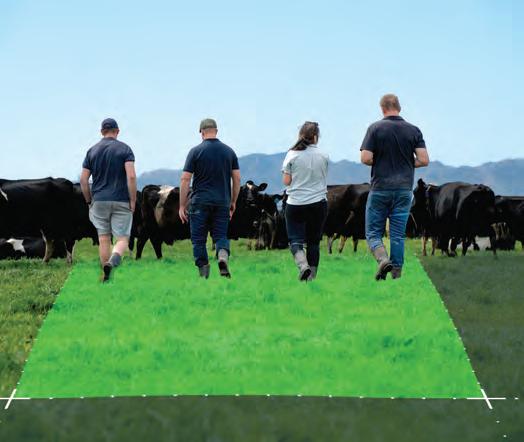
HawkEye Pro helps optimise pasture production, balance feed supply and demand, and improve profitability. Precision fertiliser plans can deliver savings of $50–$150 per hectare through efficient placement and rate selection,
reducing waste and boosting productivity.
Fully integrated with the existing HawkEye platform, the patent-pending software uses previous soil data to generate variable rate fertiliser maps with 10x10 metre precision. Initially supporting superphosphatebased products, HawkEye Pro ensures fertiliser goes where it creates the most value.
Ravensdown shareholders who would like more information or access to HawkEye Pro can get in touch with their agri manager.
EVER COMPARED a farm walk, a plate meter, and an app, then wondered which number to believe? You’re not alone. Pasture isn’t a uniform crop, and every method has assumptions. The good news is you don’t need “perfect” pasture figures to make good grazing decisions. You need consistent information you can trust.
Why do the numbers differ?
Two people can walk the same paddock and see different things. The same goes for tools. Results shift with pasture type, heading, moisture, stemminess, and how representative your sampling is. Timing matters too. A paddock grazed yesterday, topped last week, or hit with heavy rain can look different depending on when and how you measure.
Even the settings behind a tool (for example, dry matter assumptions or compression factors) can move results up or down.
So what should you aim for?
Instead of chasing the “right” kg DM/ha, focus on three signals that actually drive action:
1. Trend: is cover and growth rate rising, flat or falling?
2. Ranking: which paddocks are truly in front and which are behind?
3. Change: what moved since last time and why?
A simple, practical playbook Pick one primary method and stick with it week to week. Use it to shape your feed wedge and to keep your grazing plan honest. If another tool reads consistently higher or lower, don’t panic. A steady
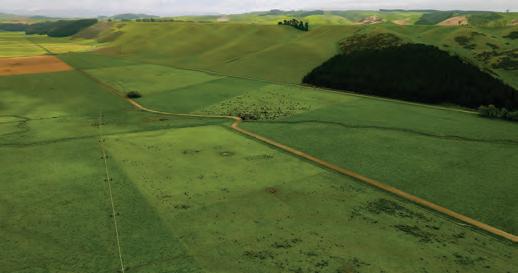
Pasture isn’t a uniform crop, and every method has assumptions.
offset is usually workable. What matters is whether the paddocks stay in the right order and whether the trend lines make sense. Then set a few decision triggers and review them on a regular cadence. For example, when the average cover is drifting down, when the wedge is getting too steep or too flat, or when you’re repeatedly missing
your residual target. Those patterns are far more useful than debating a single paddock number.
If you’re heading to the NZ Dairy Expo in Matamata on 18 and 19 February 2026, come and chat with the Pasture.
io team about building a measurement routine that’s practical, repeatable, and fits your farm.
• Article supplied by Pasture.io

OPEN COUNTRY Dairy will be exhibiting at this year’s NZ Dairy Expo in Matamata, continuing its long-standing focus on connecting with the farmers who make the company what it is.
For Open Country, events like the Dairy Expo are about more than simply having a presence. They provide an opportunity to spend time with suppliers, meet new farmers, and have open, face-to-face conversations about how the business operates and where the industry is heading.
Milk Supply Manager Mark Higginson says the Expo creates a valuable setting to engage directly with farmers in a relaxed and practical environment.
“It gives us a chance to speak with our suppliers and meet new farmers who want to understand how we work,”
Higginson says. “We’re an independent dairy company with a different approach, and we make the effort to be available, answer questions, and have genuine conversations.”
This year’s Dairy Expo will mark Open
Country’s first appearance at the Matamata-based event, a decision driven by the opportunity to connect with farmers in a region that is central to the dairy industry.
“Our goal is the same as it’s always been,” Higginson says. “To connect with the farmers who make Open Country what it is.”
The Open Country team will be based at Stand A22, with Milk Supply Managers Higginson and Callum Donaldson on site across both days. Farmers are encouraged to stop by for a catch-up, whether they have a specific question or simply want to check in with the team.
“Being on site gives us a great opportunity to hear directly from farmers,” Donaldson says. “It’s always good to understand what’s on their minds and what’s happening on farm.” Those conversations often span a wide range of topics, from milk supply and market conditions through to on-farm decision-making and longer-term planning. Higginson says the Expo
provides a natural environment for these discussions to take place.
“It gives us a natural setting to talk about where the industry’s heading and how Open Country is working to deliver value back to the farm gate,” he says. While Open Country’s presence at the Expo is intentionally straightforward, the emphasis is firmly on being accessible and available to farmers.
“Whether you’re stopping by for a quick catch-up or want to talk milk in more detail, we’re looking forward to seeing people at the stand,” Higginson says.
We’re here for the good of the country.
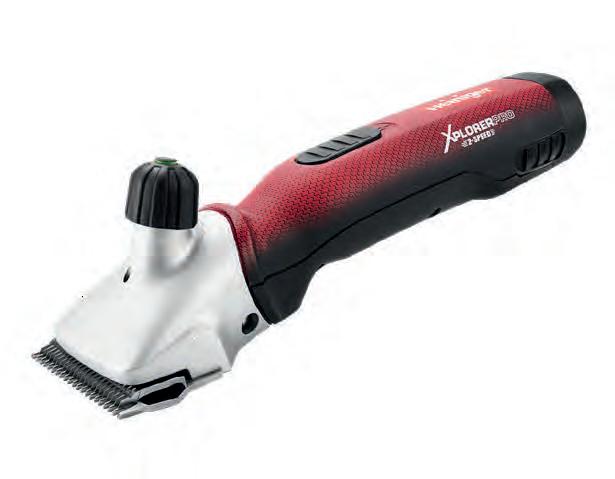
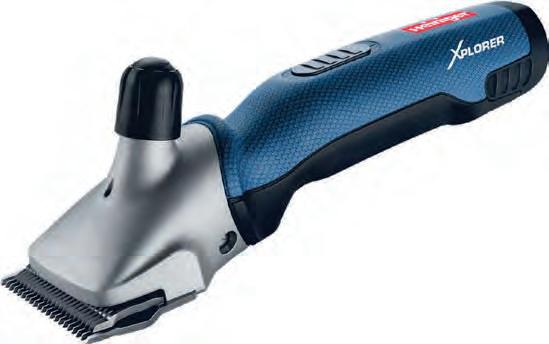
IN 2018 RURTEC launched the original Lanati Gold Handpiece, offering cordfree convenience that quickly became a success across markets, including sheep farmers and lifestyle blocks, and dairy farmers trimming dirty tails.
New legislation resulting in a ban on tail docking arrived in 2019, causing a surge in demand in the already strong dairy sector, while a red clipper version was subsequently launched for clipping horses and for those preferring a clipper for trimming cows’ tails.
While the convenience was obvious, many customers asked, “why couldn’t a cordless handpiece be more slimline like a normal handpiece?”
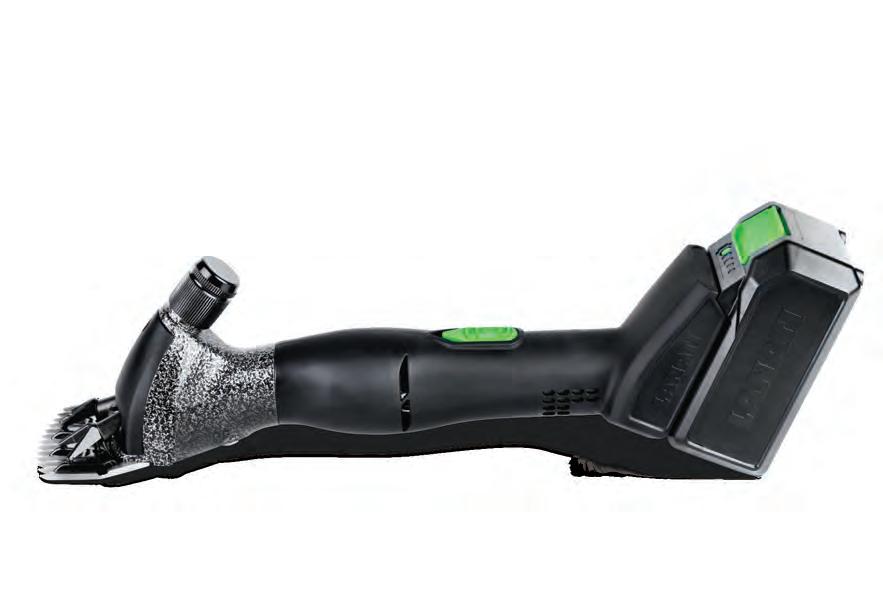
Around the same time, motor and lithium battery technology was moving forward; development and prototype testing resulted in the new Lanati Astron Cord-free Handpiece rolling off the production line. It’s unique, slimline design is suited to all users and sectors but now offers a handpiece that is easier for those with small hands or arthritis.
At the heart of the unit, a brushless, slot-less 18V motor produces torque that makes shearing speed more comparable to that achieved on the board, offering the ability to power a wide/concave comb through the fleece with ease. The use of a trilateral metal drive cog system and motor trip for safety, and to prevent machine damage, are major advances in the currently available cordless technology.
Purchasers comment about the light weight of the Astron handpiece being a similar weight to a machine-driven handpiece, even though it incorporates a battery.
Available in two options, the Astron Standard Kit has a 2.5Ah and a 6Ah battery, one wide/concave/shearing comb, one narrow/convex/dagging comb and four cutters. The Lite Kit includes two of the lighter 2.5Ah batteries and two narrow/convex/ dagging combs and four cutters. The Lite Kit is ideal for dairy, with both batteries being light and the combs
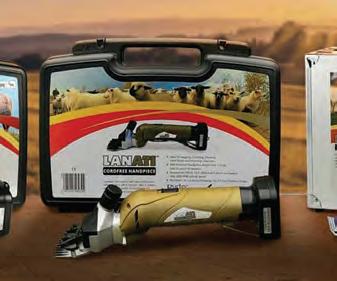
ideal for dagging tails. Farmers that run a few sheep can also use it to keep them clean and tidy and deal with flystrike. The original Gold Lanati Handpiece and Red 180W Clipper are still available along with the Standard and Lite Astron options.
Offered with a three-year warranty, the Astron handpiece should be returned to Rurtec for any service issues, while the company also offers sharpening for combs, cutters and clipper blades. Visit www.rurtec.com

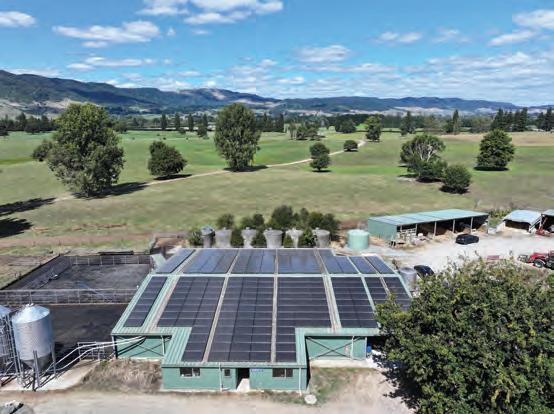
www.supremesolar.co.nz
sales@supremesolar.co.nz
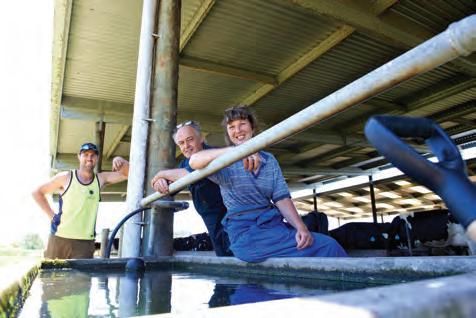
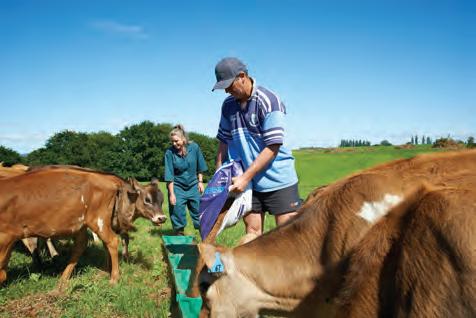
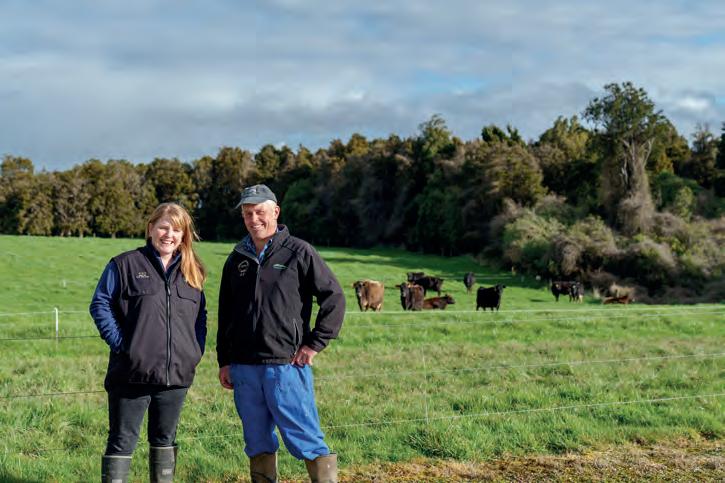
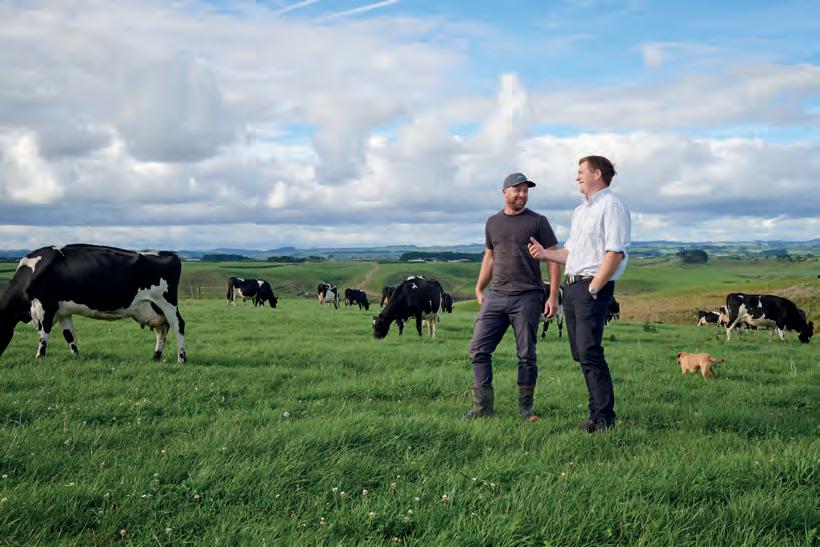
AADM Stock Feed - E12
Advantage Plastics - H6
Afimilk - B17
AgFirst Engineering Waikato - H1
AgKnowledge 2024 Ltd - A16
AgPlus - C4
Agraforum NZ - I7
Agricom - E6
Agrifeeds - E14
AgriHealth - C18
Agrisea - K6
AHV New Zealand - B5
Aimer Farming - A11
Anexa Veterinary Services - F7
Aon Insurance - B13
Archway Group - F1
Automation Services - A6
Avoca Lime Co - C13
Aztech Buildings - B19
B
BA Pumps & Sprayers - I8
Ballance Agri-Nutrients - E2
Barenbrug - H16
Bell-Booth - D1
Beta Milking - H20
biOx Cow Cooling Systems - A25
Blue Pacific Minerals - D5
Bluegrass Contracting - I10
Bovonic - A24
Brandt NZ - F17
C
Cameron Quarry - C1
Carrfields Livestock - C5
Castlegate James - F2
Centigrade - Thermal - E7
Clean Green Effluent Co - F4
Compass Refrigeration - H19
CopRice - F16
Corson Maize - E8
CowManager - B1
Cropmark Seeds - E3
CRV - I9
D
Dairy Shed Hub - A4a
Dairy Training - G4
Dairy Wall Coatings - D11
DairyNZ - G5
DairySmart - F6
Deosan Manufacturing - I2
Diamond Grid - C9
Dickie Direct Fertiliser - A5a
Donaghys - G12
DTS - B18
E
EasyMat - G11
ECO2Energy - D18
Effluent & Irrigation - F12
ELVO Solar Lighting - D6
Evident - C17
F
Farm Medix - B6
FarmChief Machinery - A8
Farmguard - E13
Fern - F9
Fertco - C3
Fiber Fresh - K3
Flexi Tanks NZ - C8
FMG - D15
Fonterra - E1
Food Waikato - A17
FORSI Innovations - F5
G Gallagher - B7
GEA Farm Technologies - H15
GENEZ - A13
Geosmart Silage Covers - A2
Giltrap Agrizone - J5
Goodwood - A10
GrainCorp Animal Nutrition - C6
Graymont - E15
Greenstone Immigration and Recruitment - D4
GrowPay - D13
H Halter - I14
Hansen Products - G8
Happy Hooves - H18
Harvest Electronics - K5
Herd Automation - C15
Homeopathic Farm Services - H11
Hoofit - A9
Hynds Rural - G10
I
I.S Dam Lining - B20
Impact Off Road - K4
J
J SWAP - I4
K
Kaiser Ag - B15
Koroneiki Developments - H4
L Landquip - I13
Leask Engineering - F10
Lely - I6
M
MAI Animal Health NZ - H5
Matamata Ag Centre - I5
Matamata Tractors and Machinery - G1a
McFall Fuel - C7
McGregors Farm Services - D8
Meet the Need - D14
Milk Bar - A12
Milktech NZ - A4b
MixRite NZ Dosing Pumps - B4
Moorey Animal Bedding - B2
N
Nedap NZ - C12
Nevada - J3
No8HR - F13
Norwood - J2
Nutrinza - B9
NZ Grazing - F8
NZAgbiz - A23
O
ofi NZ - J9
Omya - D7
Open Country - A22
P
P&Pd - A19
Pacific Biologics - D2
Paeroa Precast Concrete - H7
Pasture.io - B8
PGG Wrightson - K2
Pioneer Brand Products - H9
Pipeline Industries - C10
PPP Industries Ltd - C2
Precision Farming - A5b
Precision Slurry - I1
Primary ITO - H14
Probiotic Revolution - F15
Pumpn - G9a
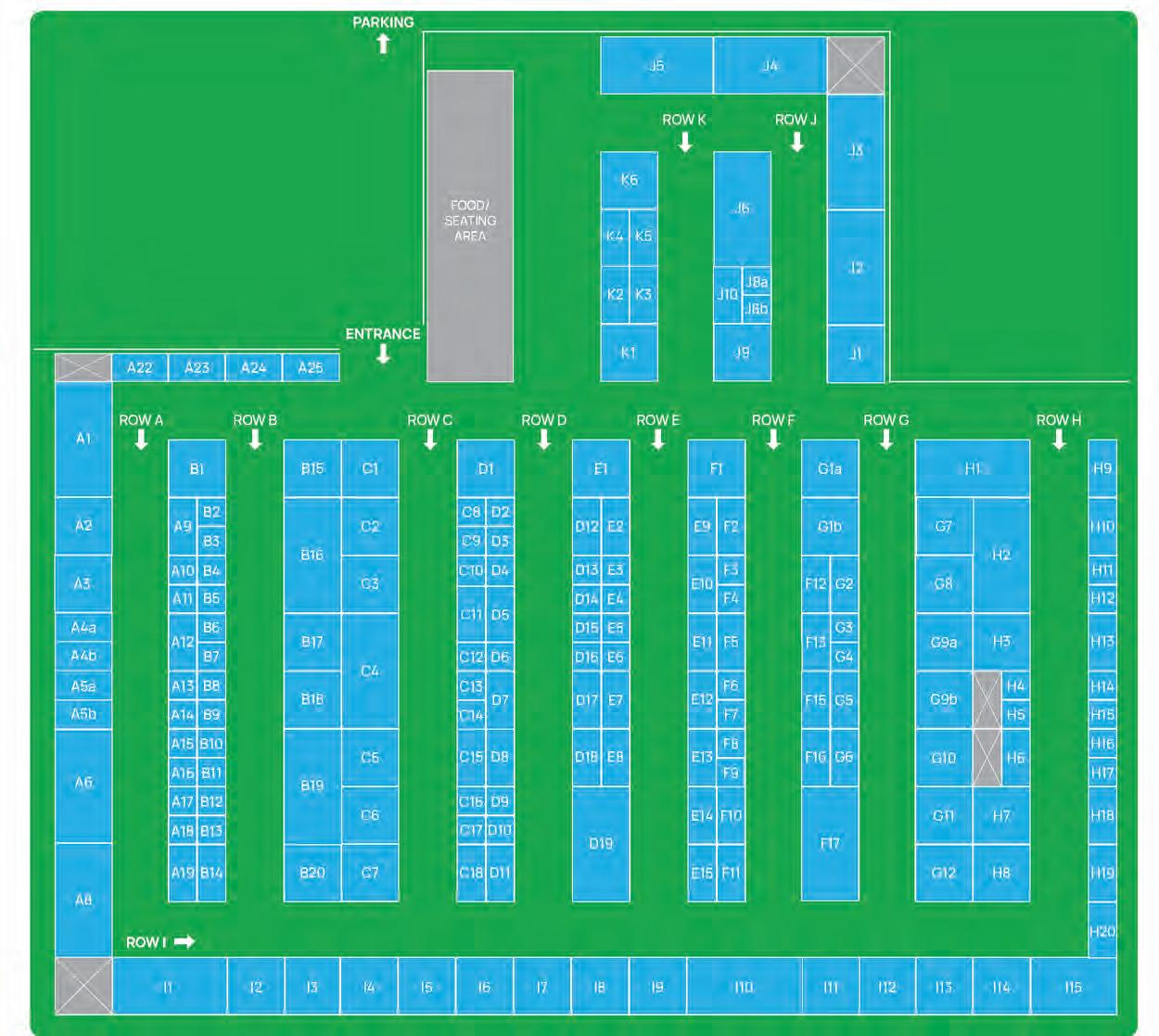
Qubik - H3
R
Ravensdown - I12
Resolution Farming App - D9
Restore Native - D17
Rural Support - B3
Rurtec - A3
S
Semex NZ - A18
Shoof International - J8b
Silvester Electrical - D12
Skellerup - E5
Smart Forage & Pasture - D16
SmartShelters - F11
smaXtec - A14
Stallion - J8a
Stockflow Solutions - G2
Supreme Solar - E9
T
Te Pari - J1
Team Wealleans - H2
TechniPharm - I15
The Honda Shop - I11
The Hoofman - K1
The Postmate - F3
The Regions Immigration Law and Recruitment - B12
The Wrangler - C11
Tnue - C14
Tow & Fert - G7
Tractortech - J4
Trev - D3
Trioliet - G1b
Trusten - B11
Tru-Test - B14
U
Ultra-Scan - A15
Unearth Ag - B10
Valton Feeding Solutions - D19
Vantage New Zealand - H10
Vercoe Insurance Brokers - C16
Vet Clinic Morrinsville - J10
Vetmed - E4
W
Waikato Dairy Effluent Services - H8
Waikato Federated Farmers - D10
Waikato Milking Systems - B16
Webbline - J6
Wesco Seeds - H12
Wetit Teat Sprayers - G9b
Wharb - G3
Wilco Engineering - H13
Williams Effluent Solutions - G6
World Wide Sires - H17
Y
Yardmaster - A1
alongside, a soon to be released solar powered WiFi camera.
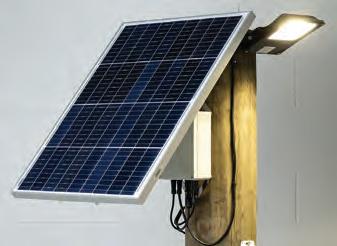
SENZTEK IS an electronic design and manufacturing company in West Auckland, offering 20 years’ expertise in controllers for industrial, hot water and energy demand systems used worldwide.
Focused on sustainable energy solutions for water and solar power, Senztek develops smart products to enhance daily life on the farm. In 2023, Senztek introduced a new phase with its Extra Low Voltage (ELVO) Solar products. Designed for safe DIY installation, the range eliminates the need for mains power or any trade qualifications, with in-built durability intended to last over 20 years, supporting a shift away from disposable consumer culture.
ELVO solar products are designed and manufactured in NZ, with the range including internal task lighting and external weatherproof pole lights,
The compact units consist of a 60w panel, a unique hurricane force wind tested stainless steel panel mount and our advanced Lithium Ferric Phosphate (LiFePO4) battery which prioritises safety along with a switch device appropriate to the use. The unit is easy to install, one person up a ladder, onto any pole, post or barge board on your property.
Elvo pole lights have been installed to illuminate feeding pads and stock loading areas.
At the heart of all the ELVO products, the battery is engineered for longevity including a fully integrated management and solar charging system. Sophisticated internal software is capable of delivering over 8000 full charge-discharge cycles over an estimated 20-year life span. A microprocessor-based system facilitates low standby current draw, over heating or freezing damage prevention which are all major contributors of lifespan shortening.
Indoor Task lights can be complemented by a motion sensor and USB charging port, with 30w lights lasting for up to 4.5 hours continuously and 10w lights lasting all night.
As an example of a wide range of uses, task lights have been installed in stables to extend light for mares coming into season, for foaling and calving stalls or for workshops. Outdoor pole lights have been installed to illuminate local horse arenas, feeding pads and stock loading areas, while also being suitable for driveways with motion sensor and longrange wireless connections.
For more information visit site D6 or www.elvosolar.co.nz
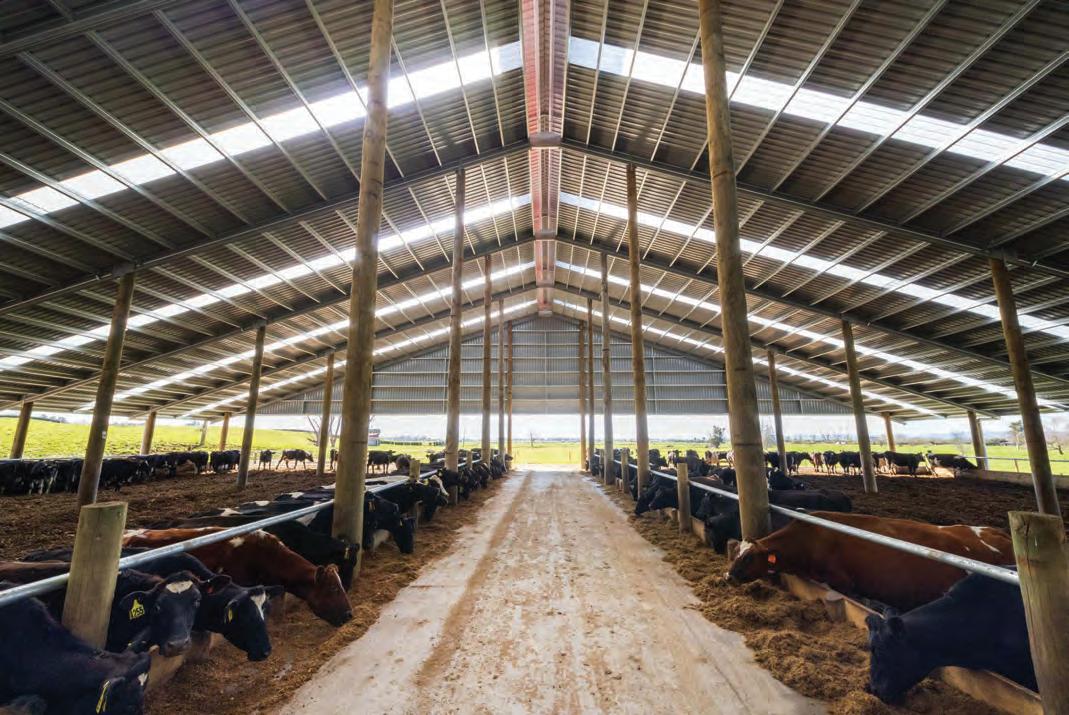
FOR MANY farmers, changes to insurance, or renewals, need to happen at the same time as moving day and the start of a new farming year. May, June and July are especially busy months, with multiple changes often happening at once — new properties, new business structures, employee changes, stock moving, and seasonal pressures. It’s no wonder your insurance can feel like just another thing on an already long list.
“A bit of early planning can make the whole process far smoother and far less stressful,” says Jason Rolfe, North Island manager - mobile sales, advice & service, FMG.
“We know this is a hectic time for farmers, so our goal is to make insurance one less thing to worry about.”
If you know a change is coming that may have an impact on your insurances — even if it feels months away — it’s worth sharing that information with your insurer as early as possible.
Purchasing an additional farm, changing properties, or setting up a new business entity are all significant changes.
“We want to help ensure you’re covered from day one,” says Rolfe.
“Starting the conversation early helps avoid last minute scrambles when everything else is going on.”
If you’re moving farms, going sharemilking, or taking on a different role, it’s important to update covers to match your new situation. This might include liability insurance, milk-related cover,

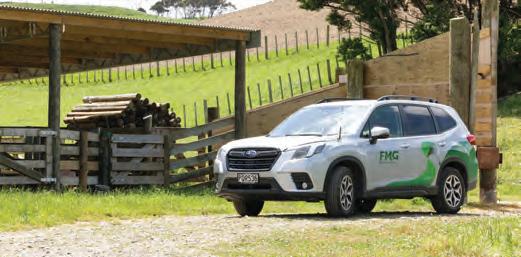
FMG’s goal is to make insurance one less thing for farmers to worry about.
or adjusting insured assets. Likewise, if you’re selling a property or business, letting your insurer know ensures any no longer needed covers can be cancelled at the right time.
If you’re purchasing a property or business, check whether a Certificate of Cover is required and when it’s due. Confirm ownership structures and interested parties, including banks, so
cover accurately reflects who has an insurable interest.
“It’s also wise to check the Certificate of Title for any listed natural hazards and to allow time for possible site visits, which may be required depending on the property,” adds Rolfe.
Insurance renewal doesn’t need to be complicated or rushed.
• Article supplied by FMG Insurance.
Come see our team at site F40 for all your on farm infrastructure needs.
Be in to win dry bag full of summer goodies!

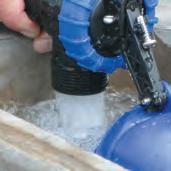
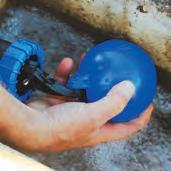
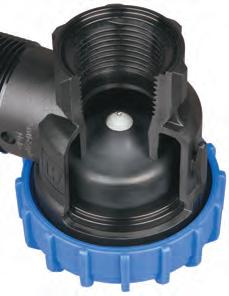


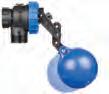
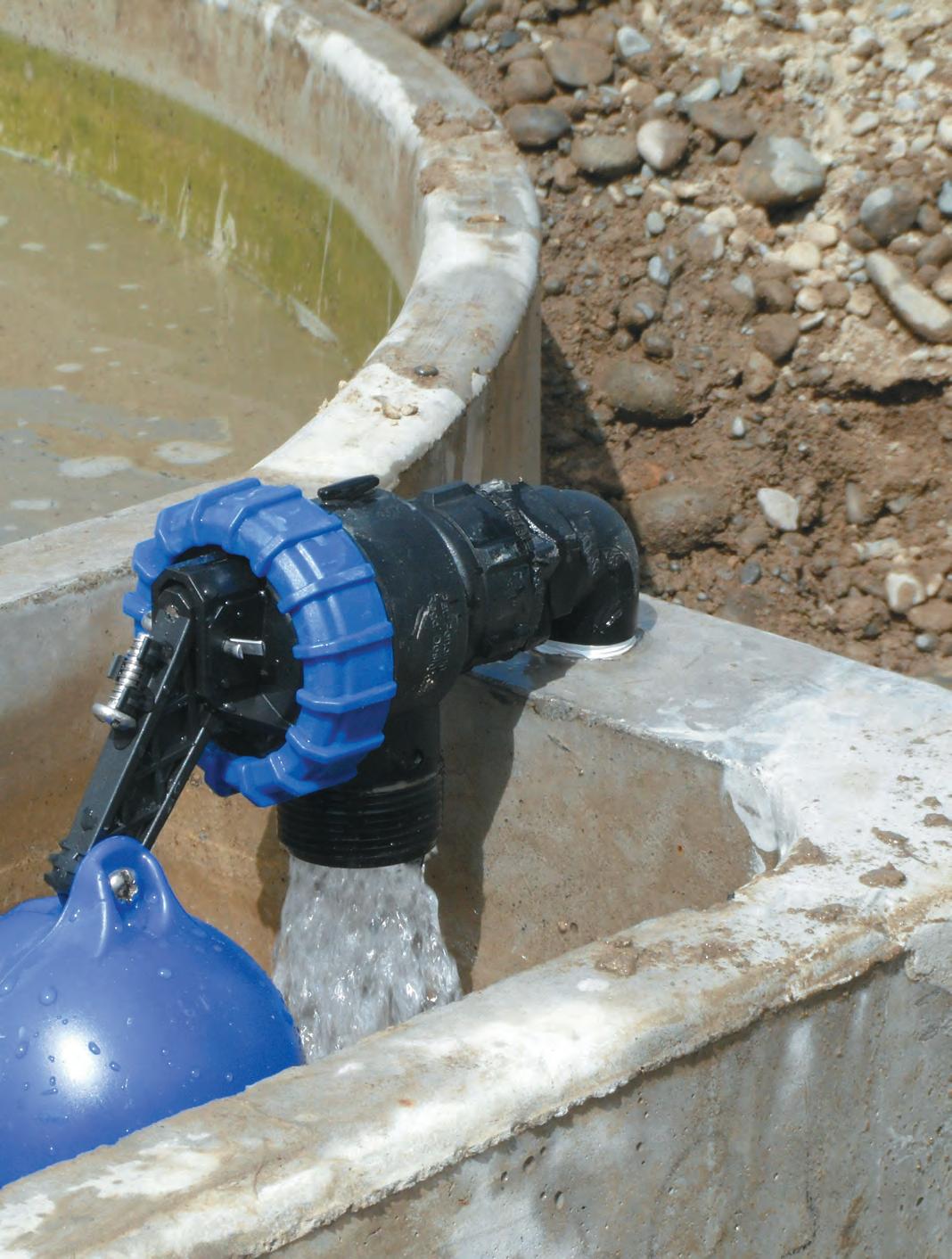

OFFERING SKILLS and know-how to complete the electrical infrastructure for large commercial complexes throughout the golden triangle of Auckland, Hamilton and Tauranga, Supreme Solar transitioned to solar close to a decade ago, realising that the energy source should become a significant player, offering sound economic metrics and environmental benefits. Firstly, servicing the residential market, the company understood that the skills needed to move into commercial and rural markets were broader and more taxing.
Having an owner who thrived on the complexity of the technical design challenges and possessing
both the desire and knowledge to incorporate latest technology changes, coupled with a businesswide entrepreneurial spirit, Supreme Solar is well placed to meet the demands of the rapidly developing nationwide Solar markets.
Supreme’s philosophy is simple; firstly, conducting a site visit, then completing a thorough technical site documentation record, followed by a comprehensive quoting process, incorporating Solar Plus and Orkestra quoting software. Using only Tier 1 approved products, coupled with a first-class installation, the installation is complemented by a 5-year free system, monitoring functionality covering a range of system alerts and alarms, firmware
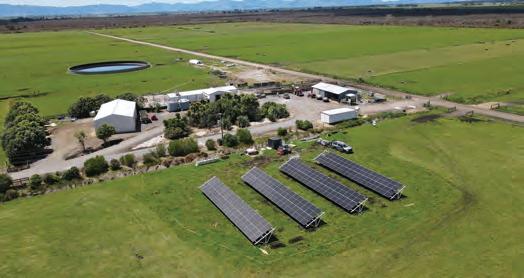
and software updates. The business sees huge opportunities in the dairy sector and SME commercial markets, whereby their requirements for larger power consumption, together with better banksourced lending options and a stronger prevailing proactive government-led realisation that solar is very much underdone in NZ and
needs a significant push to assist with achieving our 2050 sustainable energy targets, thereby benefitting all Kiwis. Supreme Solar intends to be at the forefront of the current market expansion, currently operating in the Central North Island, although the geographical area is certain to expand, as demand for services grows over coming years.
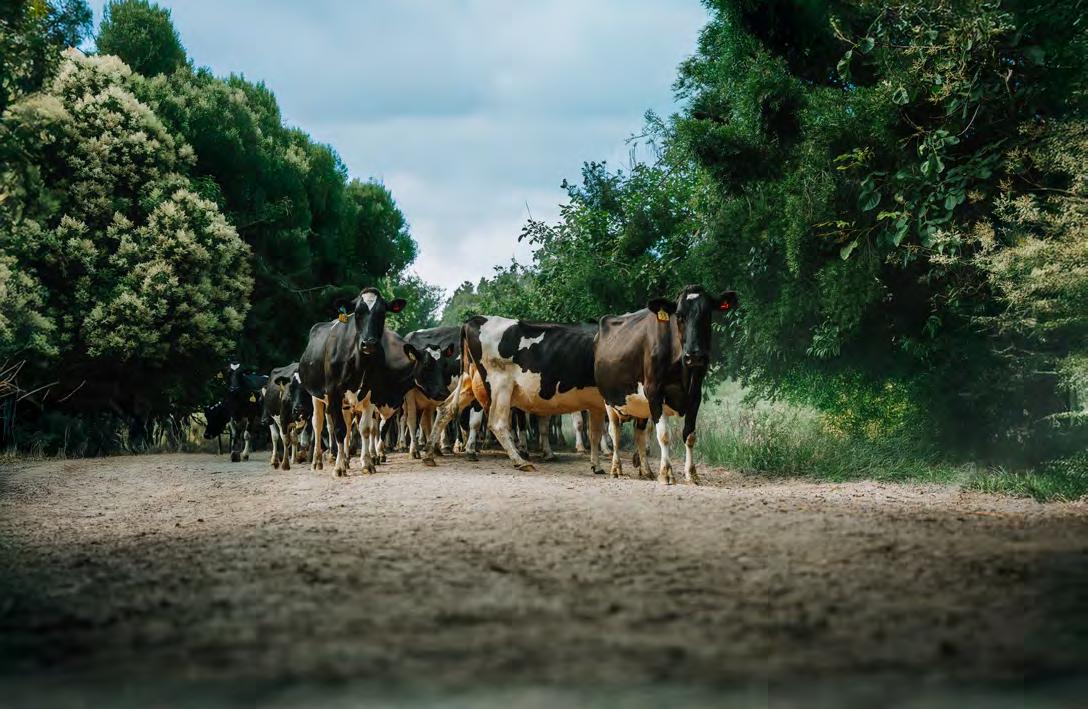

RUNNING A 600-cow dairy farm near Te Awamutu means long days and plenty of decisions. For Daniel Bradbury, having the right information at the right time makes all the difference. He’s been using the smaXtec system for over two years and wouldn’t want to farm without it.
• Catch us at the NZ Dairy Expo in Matamata, Site A14, and see it for yourself.
What sets smaXtec apart is where the data comes from. The bolus sits inside the cow’s reticulum and delivers precise insights from within – unaffected by weather, mud or other external influences. It measures internal body temperature, water intake and drinking cycles, rumination and
overall activity. With reliable, real-time data sent straight to his phone, Daniel can spot potential health issues early and keep his cows healthy and performing at their best.
Since introducing smaXtec, Daniel has seen clear improvements in his transition cow management. Better visibility during this critical period has changed the way he approaches early lactation: “The ability to track rumination post calving and receive temperature alerts for early signs of milk fever has been invaluable.” The system has also proven its value during calving, enabling Daniel to save both a cow and her calf: “One of the standout features is the calving alert, which was also a great help when one
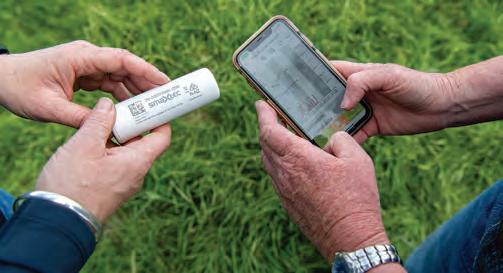
of our cows calved a month early at grazing,” he says.
The benefits extend into the dry cow period as well, giving Daniel a clearer picture of the herd and helping finetune management decisions ahead of the new season. As he puts it: “Using the data over the dry cow period meant that we could better manage our feeding to really
set the cows up for calving and for the season. Overall, the smaXtec bolus has been a game-changer for our farm, offering peace of mind and enabling more proactive, efficient care.”
Keen to learn more?
Pop by and see us at Site A14 at the NZ Dairy Expo, head to www.smaxtec.com/en/ new-zealand/, or give us a call on 029 129 7047.
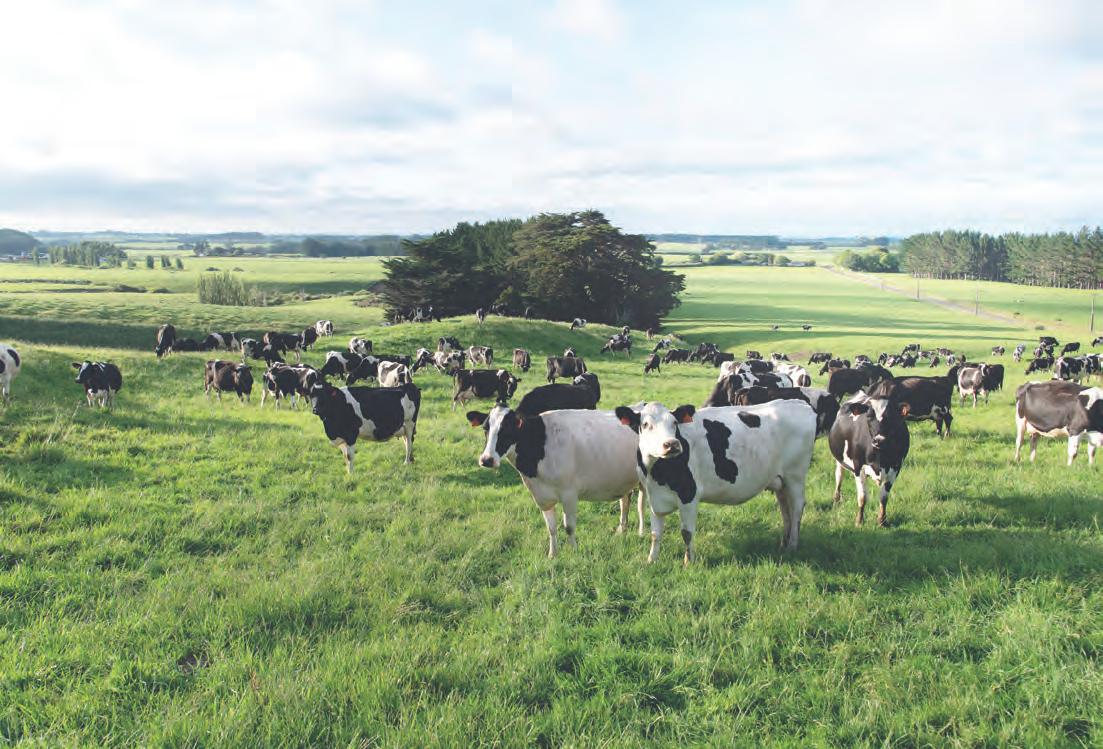
IN A competitive machinery market where buying decisions are made around build quality, reliability, and long-term value, Strautmann has established itself as a respected name in agricultural equipment. Delivering German engineering, its products are recognised for intelligent design, and robust construction, delivering machines built to perform in demanding environments. Since the New Year, that position is further strengthened in the Waikato and Bay of Plenty region with Te Aroha-based AgPlus being confirmed as the direct importer for the complete product range across the area. This strategic move means Strautmann mixer
wagons, muck spreaders, and loader wagons are available under a single, dedicated local importer, reinforcing the brand’s presence and long-term commitment to the regions.
AgPlus becoming the direct importer delivers a significant step forward for the brand locally, with direct factory alignment allowing machinery to be offered with more competitive market pricing, while at the same time ensuring they are supported by strong local product knowledge and regional expertise.
Strautmann machinery has earned its reputation through consistent performance in intensive applications, the ranges are widely used where high utilisation, repeat workloads, and demanding
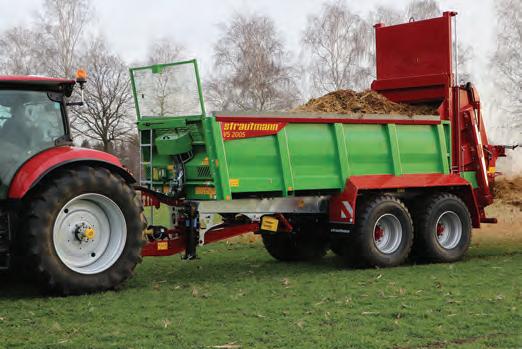
operating conditions are the norm. From ration mixing, material handling and forage transport, through to spreading manures, its products are built to deliver reliable output day after day.
For contractors and operators across the Waikato and Bay of
Plenty, the partnership between Strautmann and AgPlus delivers the compelling proposition of owning proven European engineering, competitive value, and experienced local representation and support across the full product range.
THE SCREENING SOLUTION
QuadSense is a revolutionary new automatic mastitis detector for dairy farms, designed and developed in New Zealand. With QuadSense, you will automatically and instantly find new mastitis cases, both clinical and subclinical, before they spread or become more severe.
This can save you thousands of dollars through:
•Less clinical cases, less antibiotics, and less cow culling
•Greater milk production
•Lower SCC and higher payout
•Countless hours, energy, and stress saved

A RETURN on investment study by Bovonic has found its automated mastitis detection technology, QuadSense, is delivering significant financial, labour, and animal-health benefits on New Zealand dairy farmsworth an estimated $29,547 per season.
The 2025 study analysed outcomes from 33 New Zealand dairy farms that had used QuadSense for at least six months.
Based on an average installation of 29 units at $500 each (total investment of $14,500), the estimated annual benefit of $29,547 equates to a payback period of around six months.
According to Bovonic founder Liam Kampshof, the study was commissioned to move beyond anecdotal feedback
and better understand the impact farmers were seeing on farm.
“We knew QuadSense was delivering value, but we wanted a more analytical understanding of its impact,” says Kampshof. “The results back up what farmers have been telling us and give everyone confidence that the technology is delivering consistent, repeatable value where it matters.”
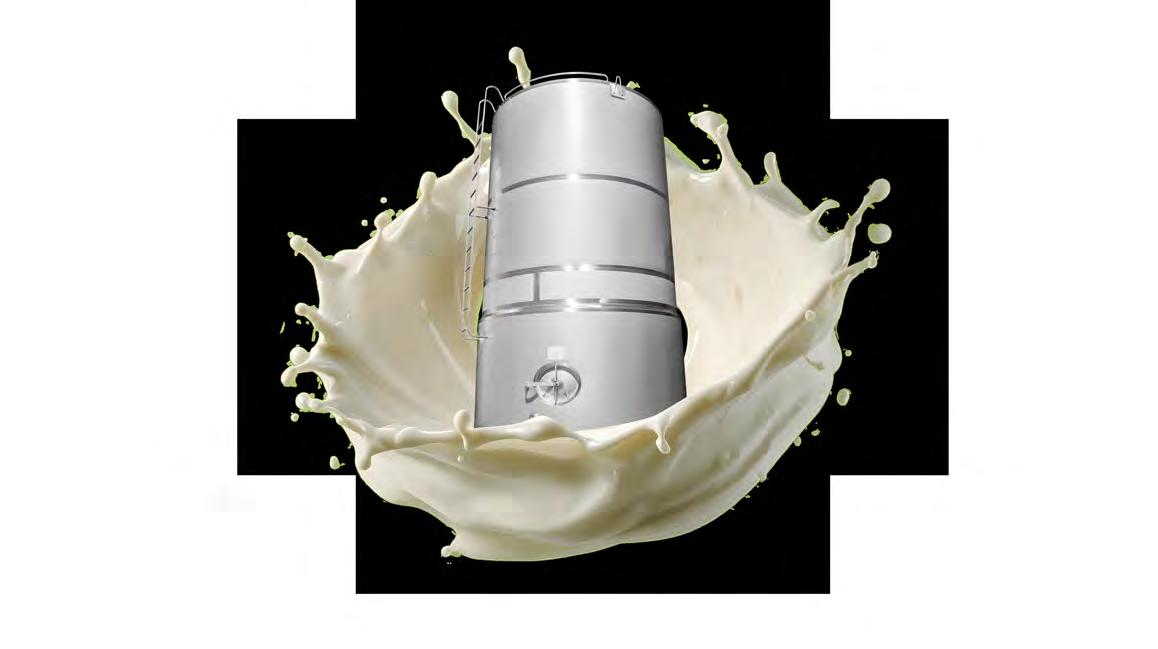
Kampshof says studies like this are also important for farmers weighing up where to invest.
“Farmers are spoilt for choice when it comes to technology, and that can make it difficult to know where to invest,” he says. “Access to credible information and feedback from other farmers helps them assess new technology
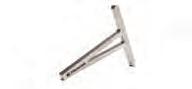
more clearly and decide what’s right for their own system.”
What the study found on farm
The biggest gains came through improved milk quality. Across the farms surveyed, bulk somatic cell count (SCC) dropped by an average of 37%, unlocking processor incentives of between $3,900 and $14,300/ season, depending on the farm. Based on a DairyNZ calculator, which gives a percentage production increase for lowering SCC, earlier detection and treatment were also linked to an estimated $17,550 lift in production from improved yields.
Time savings were another consistent theme. Farmers reported saving an average of 3.7 hours a week - roughly
155 hours a season, or $5,905 a year - alongside smoother milking routines and less fatigue during busy periods. Animal health improvements also stood out. Seventy-four percent of farmers reduced antibiotic use, delivering an estimated $2,192/year in savings, along with fewer culls and faster recovery times.
Real farms, real results
Since installing QuadSense, one contract milker in Morrinsville recorded a 40% reduction in SCC, securing $8,700 in seasonal milk processor incentives. By removing around 30 minutes of manual stripping from every milking, the farmer saved close to five hours a week. Earlier detection also meant affected cows could be treated using a non-withholding product,

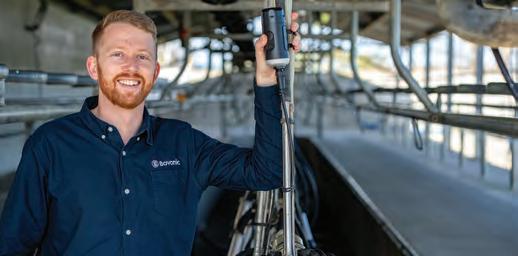
Bovonic founder Liam Kampshof says access to credible information and feedback from other farmers helps them assess new technology more clearly.
keeping milk solids in the vat and helping the farm exceed its production contract by 3000 kgMS for the season. A Waikato farmer also credited QuadSense with removing the need to add an extra labour unit in the shed when SCC levels spiked. He achieved a 30% reduction in SCC and reached 90% Days of Excellence near the end of the season. The system delivered immediate labour savings
and, following veterinary advice, has since been used to support Dry Cow Therapy decisions by adjusting detection thresholds. Beyond the numbers Alongside the financial returns, farmers using QuadSense also pointed to a range of lifestyle and day-to-day benefits. The full return-on-investment study is available at www.bovonic.com.

DAIRY EFFLUENT is one of the most cost-effective nutrient sources available on farm, yet its true fertiliser value is often underestimated. When managed and applied correctly, effluent is not a disposal issue, but fertiliser already on farm, capable of making a significant contribution to pasture production, soil health, and reducing inorganic fertiliser costs.
Effluent contains valuable nutrients including nitrogen, potassium, sulphur, and organic matter. Potassium is particularly important, with dairy effluent often supplying levels equivalent to a maintenance dressing of potash fertiliser on effluent blocks. For many farms, this represents thousands of dollars’ worth of nutrients each season and a genuine opportunity to reduce purchased fertiliser without compromising production.
Based in the Central North Island, Precision Slurry is a family-owned
business operated by brothers Glen and Robert Crafar. Farming locally themselves, they understand the practical realities of nutrient management on working dairy farms, so offer solutions using a combination of modern slurry tankers and umbilical effluent systems, complemented by calibrated spreading equipment and GPS guidance, to unlock effluent value safely, efficiently, and responsibly. Utilising effluent throws up several challenges, often starting with poor agitation of the stored material, uneven distribution or applying to the wrong paddocks that can result in leaving nutrient value behind, while increasing environmental risk. Timing is equally important, making sure to apply effluent when soils can absorb nutrients and plants are actively growing. This maximises uptake, while minimising the risk of leaching or runoff. Precision Slurry focuses on the
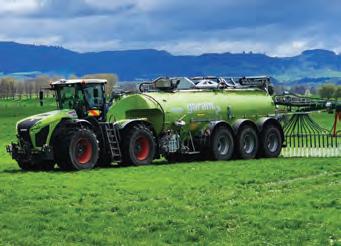
When managed and applied correctly, effluent is not a disposal issue.
fundamentals, including stirring thoroughly, spreading evenly, and applying accurately, so nutrients end up where pasture can use them and not where they are lost. Delivering accurate, even application rates across a wide range of soil types and conditions, using umbilical systems allows highvolume, low compaction spreading, making them ideal for wetter periods or minimising wheel traffic damage on larger effluent blocks.
The business works closely with farmers to integrate effluent into wholefarm nutrient management plans, with recorded application rates supporting both compliance and on-farm decisionmaking. Visit www.precisionslurry.co.nz
Precision Slurry are effluent application specialists who pride themselves in leading the way in cleaning out any system - fully utilising the nutrients often seen as a problem on farms. Owner operator brothers Glen & Robert Crafar have been farming their whole lives and have a wealth of experience in how to stir and spread the most difficult of jobs. Based in Reporoa and servicing the Central Plateau, Bay of Plenty and South Waikato Precision Slurry has a full range of specialised equipment to tackle any job whether it be: • Lined and unlined ponds • Above ground tanks • Bladders • Weeping walls • Sumps. The modern fleet is well equipped with gps systems, application rate control and proof of placement. Nutrient analysis is also available.
Precision Slurry customers always comment “l didn’t know the pond was that deep” or “I didn’t think you’d get it that empty” and the slurry that’s spread is rocket fuel for grass growth often transforming weaker paddocks to strong ones.
Effluent is 100’s of tonnes of fertiliser which is already on farm that just needs to be well stirred and spread onto the land so it can start producing more feed. ‘In most cases the fertiliser value out weighs the cost of applying it not to mention the operational benefits of having a de-sludged effluent system.’
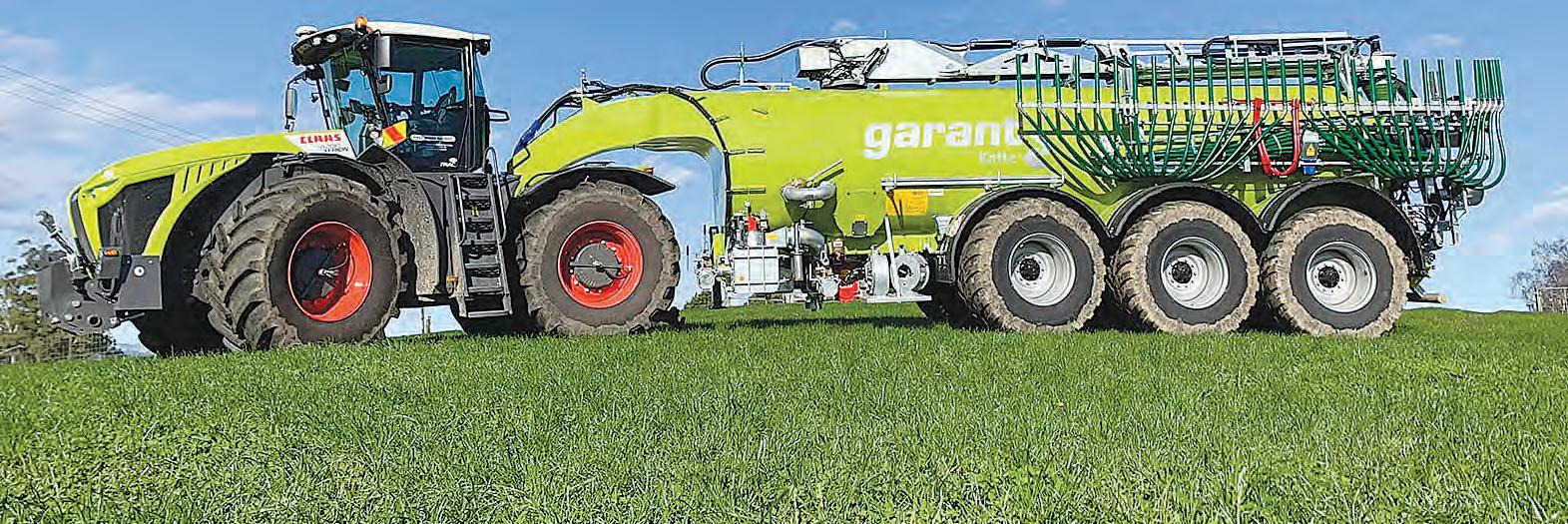

SINCE IT’S inception in 2012 Aleris, a Brazilian company has produced a new yeast extract that has made big inroads as a nutritional supplement in Asia Europe and North America and Probiotic Revolution is now making this available for dairy herds in New Zealand. The main product that has application to dairy herds is Cultron, a yeast extract said to have eight times the metabolites of a competitor’s product.
It’s the manufacturing process that sets Cultron apart. Like other yeast extracts, the yeast used is Saccharomyces cerevisiae. Other yeast extracts normally come from metabolites extracted after brewing barley. Aleris however uses the same yeast
in a controlled fermentation of cane molasses and derivatives of maize, producing a richer source of amino acids, vitamins, enzymes and organic acids. Consequently, at a 7g dose rate Cultron outperformed a competitor’s productat a 14g dose rate - in milk production trials in the USA. Probiotic additives for lactating cows have been used primarily to improve feed conversion and milk production. The approach taken by Probiotic Revolution has been to combine live yeast and bacteria to achieve this, as well as achieving another important goal, improving cow health, but based on results they have seen with Cultron this season, they will also be adding it into their premium
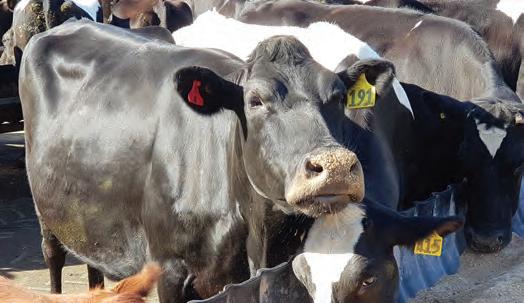
Probiotic additives for lactating cows have been used primarily to improve feed conversion and milk production.
formulation – Herd Xtreme. The metabolites in Cultron are sufficiently strong enough to support growth of rumen bacteria, mainly those that consume lactic acid and fibrolytic bacteria resulting in nutrition which supports the immune system, the digestive system, and aids milk production.
Dairy Expo
Probiotic Revolution is bringing nutritionists from Aleris to their stand at the Dairy Expo so that farmers can have the opportunity to better understand how Cultron can help their herd’s cow health and production. • Article supplied by Probiotic Revolution
ALTHOUGH SOME traits have low heritability, genetics still drive valuable improvements over time. Heritability measures the proportion of variation in a trait that is due to genetics rather than environmental factors. It is expressed from 0 to 100%, where 0 means all variation is due to environmental factors, and 100% means all variation is genetic. Traits with higher heritability respond more quickly to selection, while traits with lower heritability improve at a slower pace. By knowing the heritability of specific traits, breeders can make more informed decisions. Farmers might tend to focus on more heritable traits, as these often show progress more quickly. However, this approach can sometimes overlook valuable low-heritability traits.
An index like Breeding Worth (BW) helps maintain a balanced focus, ensuring that economically important traits
with lower heritability still receive the attention they deserve.
Low-heritability traits, such as survival (2%), calving difficulty (2%) and fertility (between 2 and 10%) improve slowly over generations, yet they are crucial for overall herd productivity and wellbeing. In contrast, high-heritability traits, such as liveweight (60%), gestation length (50%) and milk production (30%), are more responsive to selection, showing faster genetic gains.
Fertility is a good example of a low-heritability trait that is still important. While its low heritability suggests genetic improvement can be challenging, research from DairyNZ’s Pillars of a New Dairy System programme demonstrated clear differences in reproductive performance between heifers with high (+5) and low (-5) fertility breeding values (BVs) under the same management. Heifers with higher BVs consistently
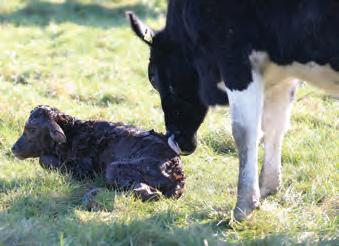
Fertility is a good example of a low-heritability trait that is still important to select for.
achieved significantly better reproductive outcomes than those with lower BVs, including a 30% difference in their six-week in-calf rates in each of their first two lactations. The research highlighted that even a low-heritability trait like fertility can still significantly influence farm outcomes.
Heritability helps us understand how quickly traits can be improved through selection. Importantly, even low-heritability traits like fertility and survival are worth the investment as the progress compounds over each generation. Small genetic improvements can often lead to longterm herd-level benefits.
• Article by DairyNZ











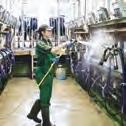
















































LOCATED ON the edge of the Rangitaiki Plains in the Whakatane District and being farmers themselves, Gary and Glennis Wilson saw a need for quality feeding solutions via products that were practical, efficient and robust enough to stand up to daily rigours of New Zealand farming, in all conditions.
Today, over 20 years later, Wilco Engineering’s Hay and Meal Feeder options have been catering to farmers’ needs from birth to feeding adult cattle. Over those two decades they have developed and expanded their product range to include the likes of feed trailers, bale trailers and unrollers, hanging and trailed hay feeders and
palm kernel carts, alongside ATV, farm and custom-built trailers.
Their hay and meal feeders are designed to ensure minimal feed wastage and to protect feed from the elements, are user-friendly and easy to move to reduce pugging, In-shed feeders, or multi-sized wheeled or skid feeders, can be equipped with meal bins, that are easily removed to convert to just hay or silage feeders as animals grow, through to round or square bale capacity for older cattle. A self-loading, static Ezi-Load feeder is a popular model for the run-off blocks; if a tractor isn’t nearby, it is easily towed by the farm ute or quad bike. Catering to dairy units, lifestyle blocks, for alpacas, goats, sheep, or horses, options include hanging,
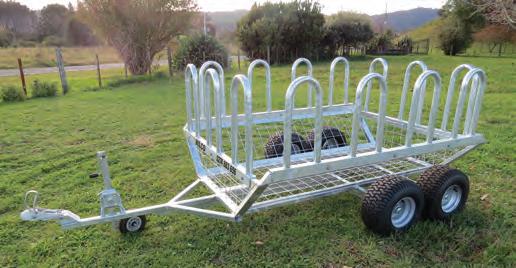
Wilco Engineering’s Hay and Meal Feeder options have been catering to farmers’ needs from birth to feeding adult cattle.
skid, or 2 or 3 wheeled mobile hay racks (with optional meal bins) sized from one bale to four-bale capacity.
All feeders and trailers are designed for no nonsense, on-farm use, with fully galvanized robust frames made in New Zealand to offer strength and durability. Testament to these features are the high percentage of repeat customers, who
recognise the practicality of the products, often commenting, “they are the best thing they have ever bought”. Glennis says, “Our philosophy is, w combine our good ideas with yours because you know what works for you and don’t feed supplement for your stock to sleep on.”
For more information visit Site H13 or www.wilcoengineering.co.nz


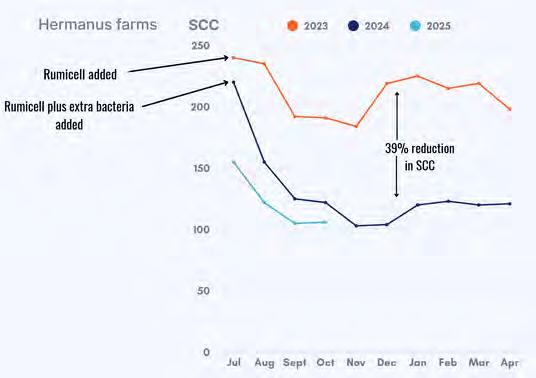

ACROSS NEW Zealand’s dairy regions, farmers continue to look for machinery that can adapt to a wide range of tasks without adding unnecessary complexity. Versatility, efficiency and reliability remain priorities as farm systems evolve and seasonal pressures increase. At Brandt NZ, these conversations directly influence the equipment we make available to farmers. The latest generation of the 6M Series tractor is now available to order through Brandt branches across the North Island, with selected models also available in branch for demonstration. A familiar platform on New Zealand farms, the 6M Series has earned a reputation as a dependable, mid-sized tractor suited to a wide range
of roles. The newest models build on that foundation, offering greater choice, improved comfort and updated technology while retaining straightforward operation. The 6M Series spans 18 models, with power outputs from 95 to 250 horsepower across five frame sizes. This breadth allows farmers to match tractor size and capability closely to their operation. Whether it’s loader work, mowing and baling, transport or heavier seasonal jobs, the range offers configurations to suit different farming systems. Transmission options include traditional mechanical choices as well as stepless transmission, giving operators flexibility depending on how the
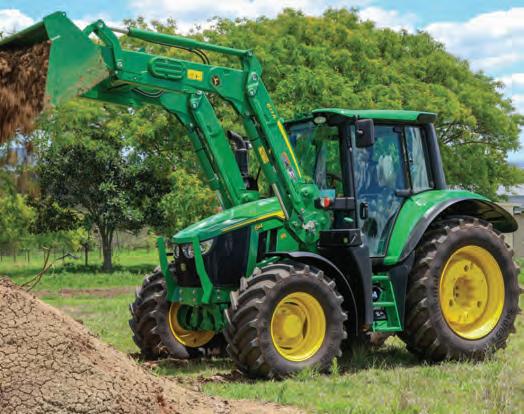
tractor is used day to day. Manoeuvrability and visibility remain key strengths. The compact wheelbase and sloped bonnet provide excellent sightlines, particularly valuable for loader work and
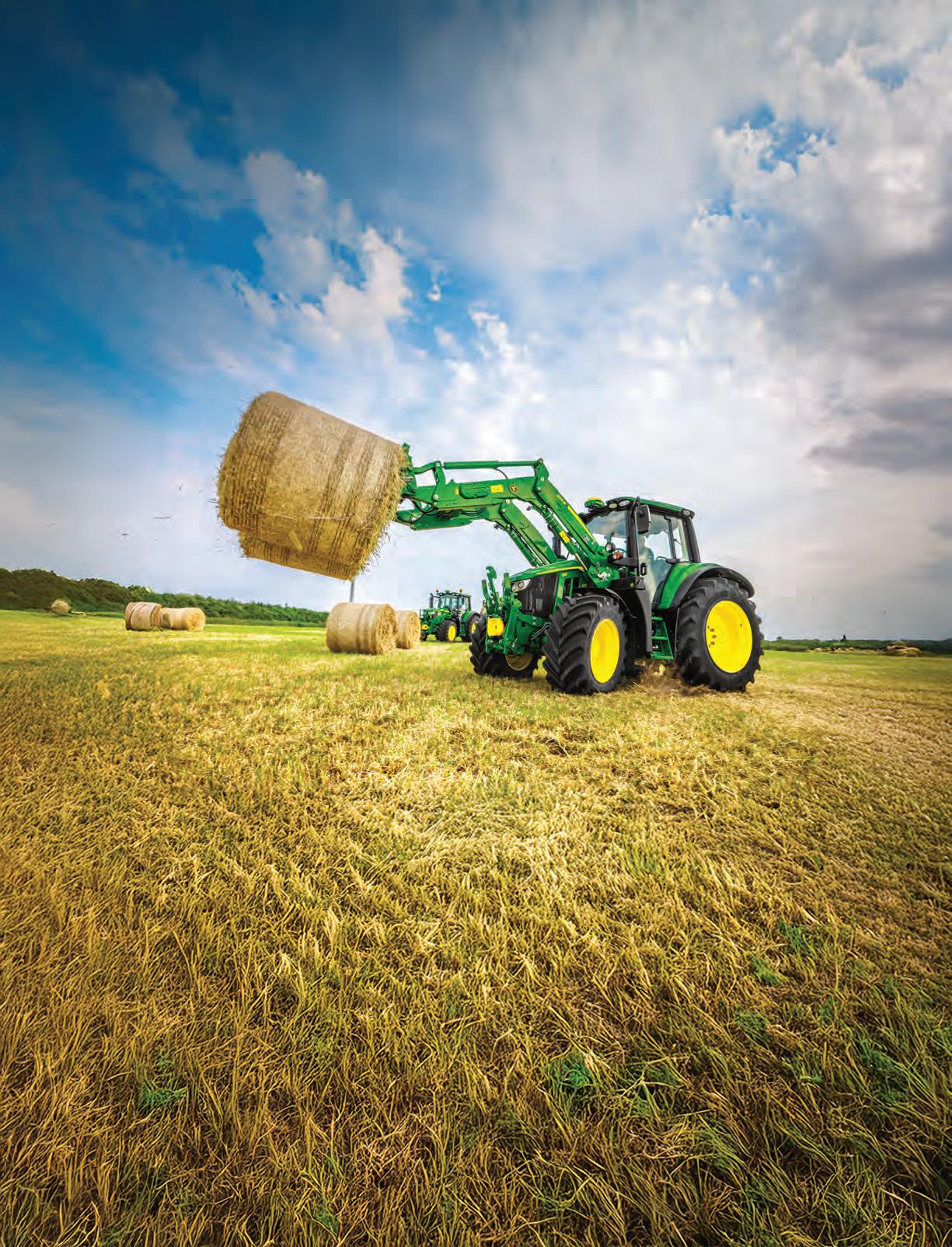
tight yard environments. The cab offers clear all-round visibility, supporting longer working days with reduced fatigue. High front and rear hitch lift capacity ensures the tractor can handle a wide variety of implements with
confidence.
Performance enhancements focus on real-world productivity. Intelligent Power Management provides additional horsepower during transport and non-stationary PTO applications, supporting efficiency in demanding conditions such as hill work or heavy baling. Dual-tyre configurations are available for improved traction and flotation, while higher transport speeds help reduce time spent between jobs. Updated cab package options improve comfort, and scalable precision technology allows farmers to add guidance and connectivity as required. The 2025 model year 6M Series reflects a growing demand for tractors
that deliver large-tractor capability in a more manageable package. Rather than a one-size-fits-all approach, farmers can work with their local Brandt team to configure a tractor that suits their operation, now and into the future.
Brandt is currently offering Price Locked, Power Delivered across the new 6M range, along with flexible finance options starting from 0%. Backed by New Zealand’s largest John Deere dealer network, Brandt’s local teams provide ongoing support long after delivery day.
Farmers attending Dairy Expo can learn more about the new 6M Series and see how it could fit into their operation. more.brandt.ca/nz
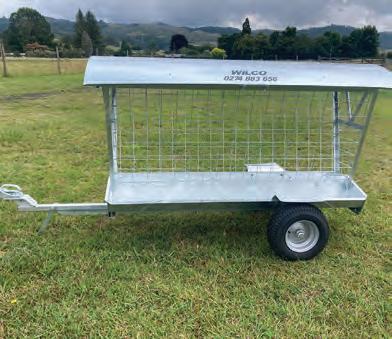

• Mixer wagons
• Feed out wagons
• Muck spreaders
• Loader wagons

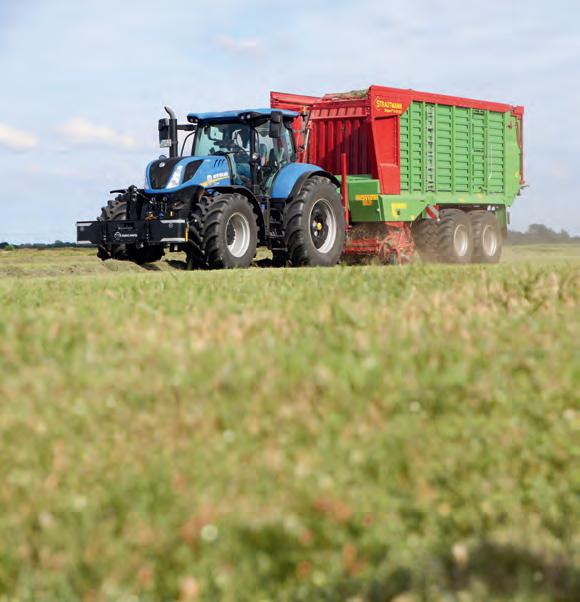
Exclusive importer for Strautmann throughout the Waikato and Bay of Plenty regions AgPlus are the direct importer for: The full Strautmann machinery range in the BOP and Waikato regions.