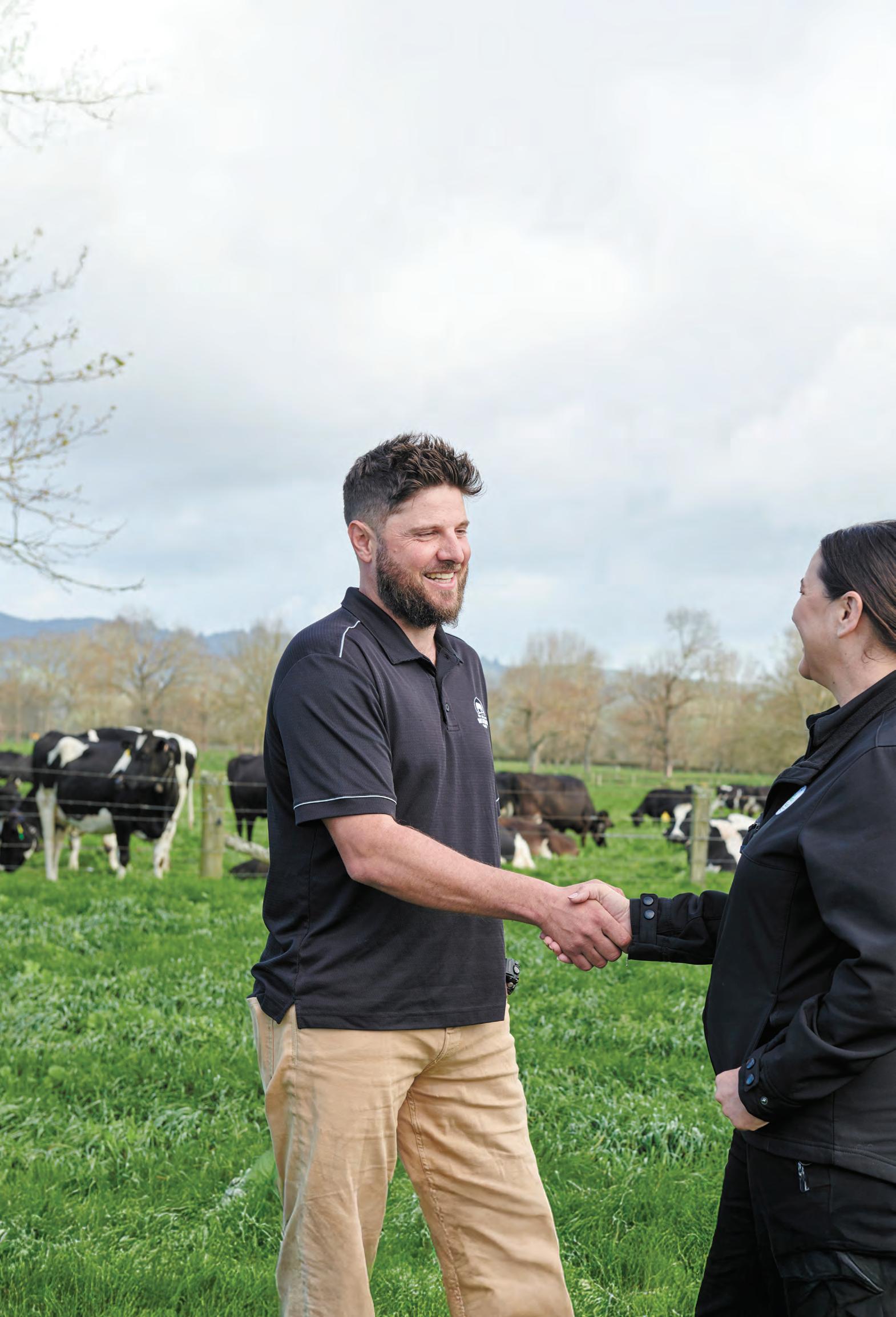
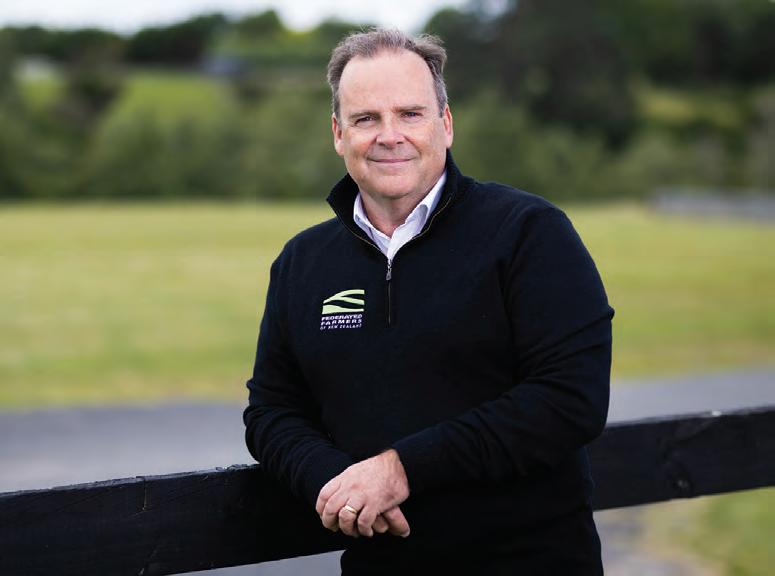
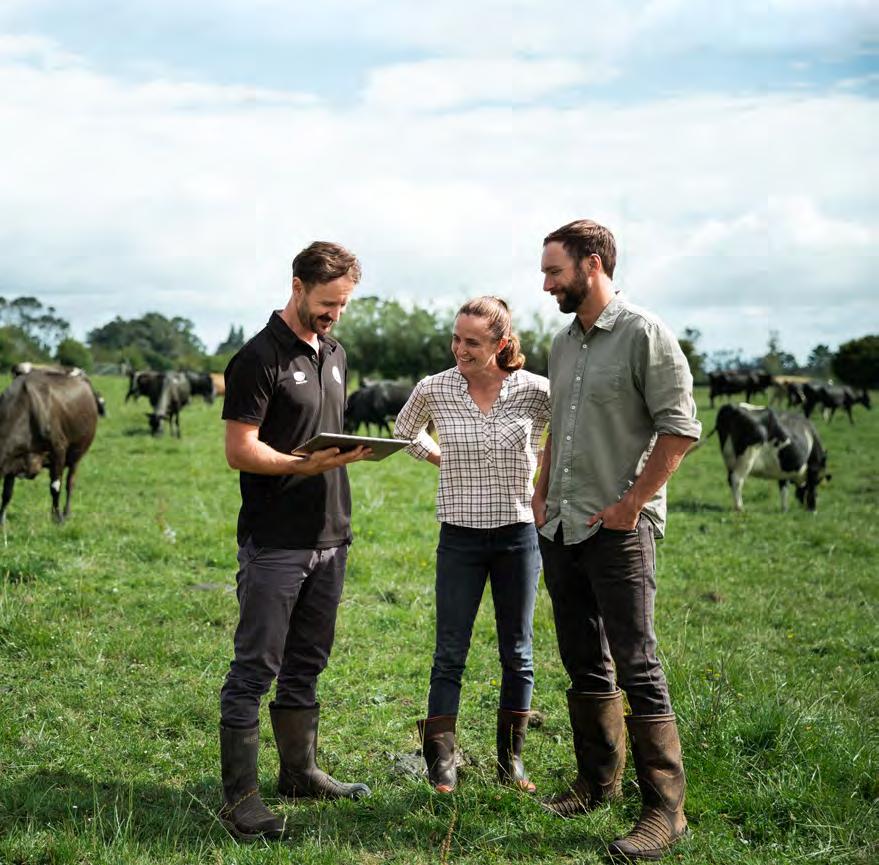
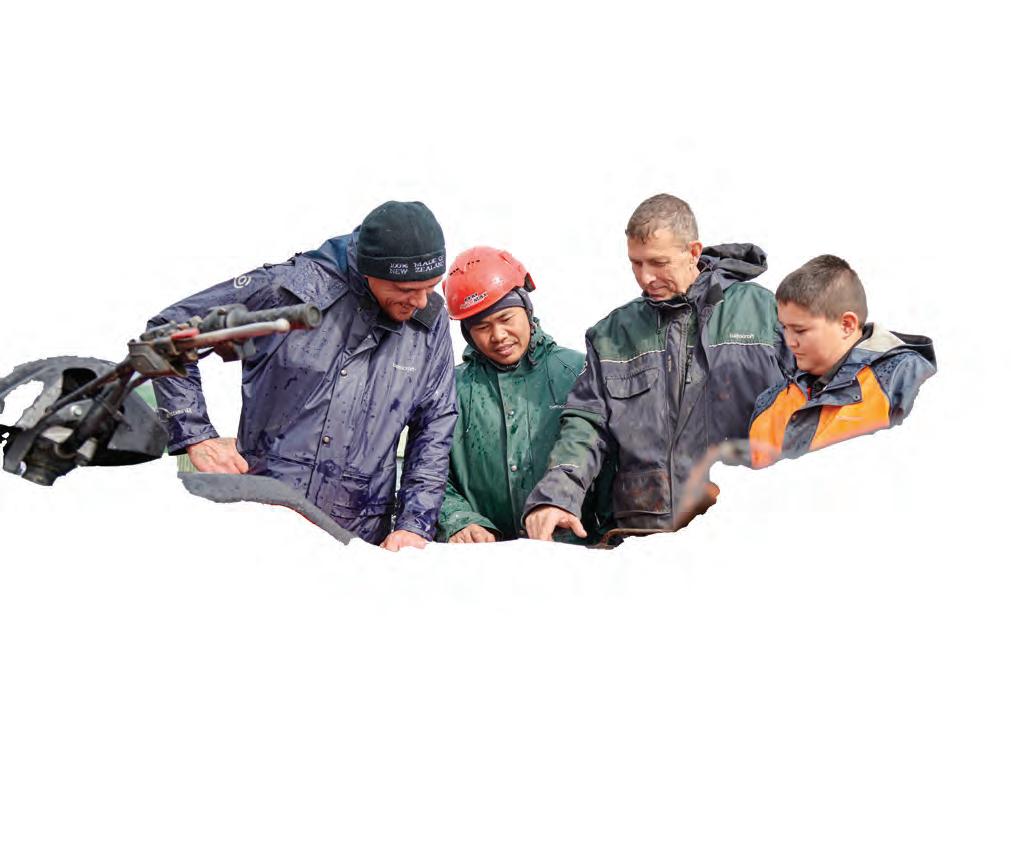
“Farmers are recruiting people at an entry level, investing in their training, and progressing them through the ranks,” – Federated Farmers dairy chair Karl Dean. PAGE 5
C gets a revamp Page 14



ENTRIES HAVE opened for two awards in the New Zealand Dairy Industry Awards (NZDIA) programme, aimed at helping young farmers progress to farm ownership.
The ASB Alumni of the Year award together with the Fonterra and ASB First Farm Award give the winners a financial advantage in their farm ownership journey.
These awards extend the scope of the NZDIA programme from supporting dairy trainees right through to the people who are purchasing farms and are the succession story for the sector, says Robin Congdon, NZDIA general manager.
“The continuation of these two awards is significant to the NZDIA programme providing
clear and valuable pathways for progression within the industry.
“NZDIA’s mission is to support and celebrate excellence in the New Zealand dairy industry and these awards strengthen our ability to recognise excellence at all stages of people’s dairy career.”
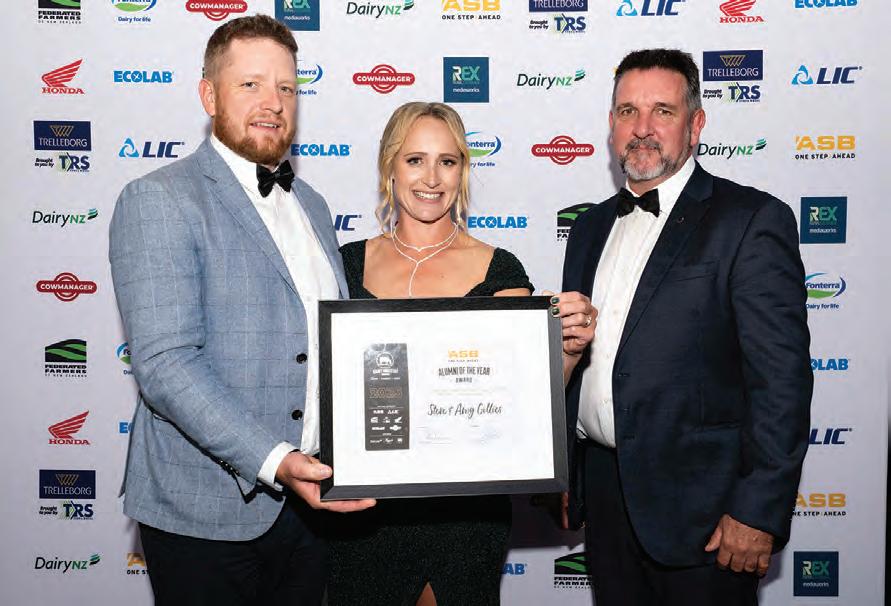
Winners of the 2025 ASB Alumni of the Year Award Steve and Amy Gillies say access to 1% interest funding from ASB has launched their farming business leaps ahead.
The couple won the 2018 Waikato Share Farmers of the Year and achieved third place at the Nationals and went on to purchase a 97ha farm at Te Awamutu in 2022.
The award is open to NZDIA Alumni who have been entrants in the past
seven years and are no longer eligible to enter the Dairy Manager of the Year or Share Farmer of the Year categories, are not yet ready to purchase their first farm, or already own one.
The Fonterra & ASB First Farm Award (FFA) is a collaboration between ASB, Fonterra and the NZDIA Trust.
The award aims to help the best in the industry successfully transition into farm ownership, ensuring good succession to ownership and the future of the dairy industry.
The award is open to people who have previously entered the New Zealand Dairy Industry Awards.
There will be three FFA winners, each receiving up to $1 million of ASB Business Term Lending fixed
at 1% per annum for three years, along with a Fonterra launch package that includes $20,000 of Farm Source account credit to
drive productivity and sustainability, mentoring, and additional support to help them successfully transition into ownership.
NEW TRACTOR deliveries for 2025 jumped 10% compared to the previous year, a reflection of the positive primary sector outlook, according to the Tractor and Machinery Association (TAMA).
General manager Phil Holden says tractor deliveries at 3088 units continues to reflect the positive outlook that has quietly been building over the last three to four months.
Holden says the December year end result represents a strong 10% lift on the previous year.
“This reflects the building confidence of TAMA members and their farmer and contractor
clients that the continued strong performance of dairy, and the continued strengthening of beef and lamb pricing is providing a more solid fiscal base that is flowing through the tractor and machinery sector into firm sales and forward order commitments. “That aligned to the strong grass growth being experienced this summer in the key regions, all means it all feels a lot more positive than was the case 12 months ago.”
Total December month deliveries at 329 units represents a solid 5.8% lift on the same month the previous year, driven primarily by strong sales in the 200 HP plus sector which
ended the period 26.1% ahead. The year-end result saw all three key HP segments – 100-150HP, 150-
Entrants are judged by representatives from ASB and NZDIA, with the winner of up to $1 million of ASB Business term lending fixed at
200HP and 200 HP plus, finish the year ahead of last year by 17.8%, 37.1% and 9.7% respectively.
Holden says this is all good news for TAMA member dealers and wholesalers and confirms their views that were outlined in the last TAMA dealer sentiment survey where 75% of respondents were projecting a significant lift in new tractor sales over the next six months.
Delivery performance across both islands was broadly in line with each other with North Island deliveries ending at 9.2% ahead of last year and the South Island ending at 11.4% ahead.
“Again, this is all very promising,
1% per annum for three years also announced at the National Gala Dinner in Rotorua on May 9.
and members will hope the current momentum continues after two very tough years,” says Holden.
He says the new free trade deal with Indian will be another major boost to overall primary sector performance.
“And with dealer confidence building in both tractors and machinery equipment sales, 2026 is presenting positively which is resulting in solid forward tractor and machinery orders, which is welcome news for TAMA members across the country,” he adds.

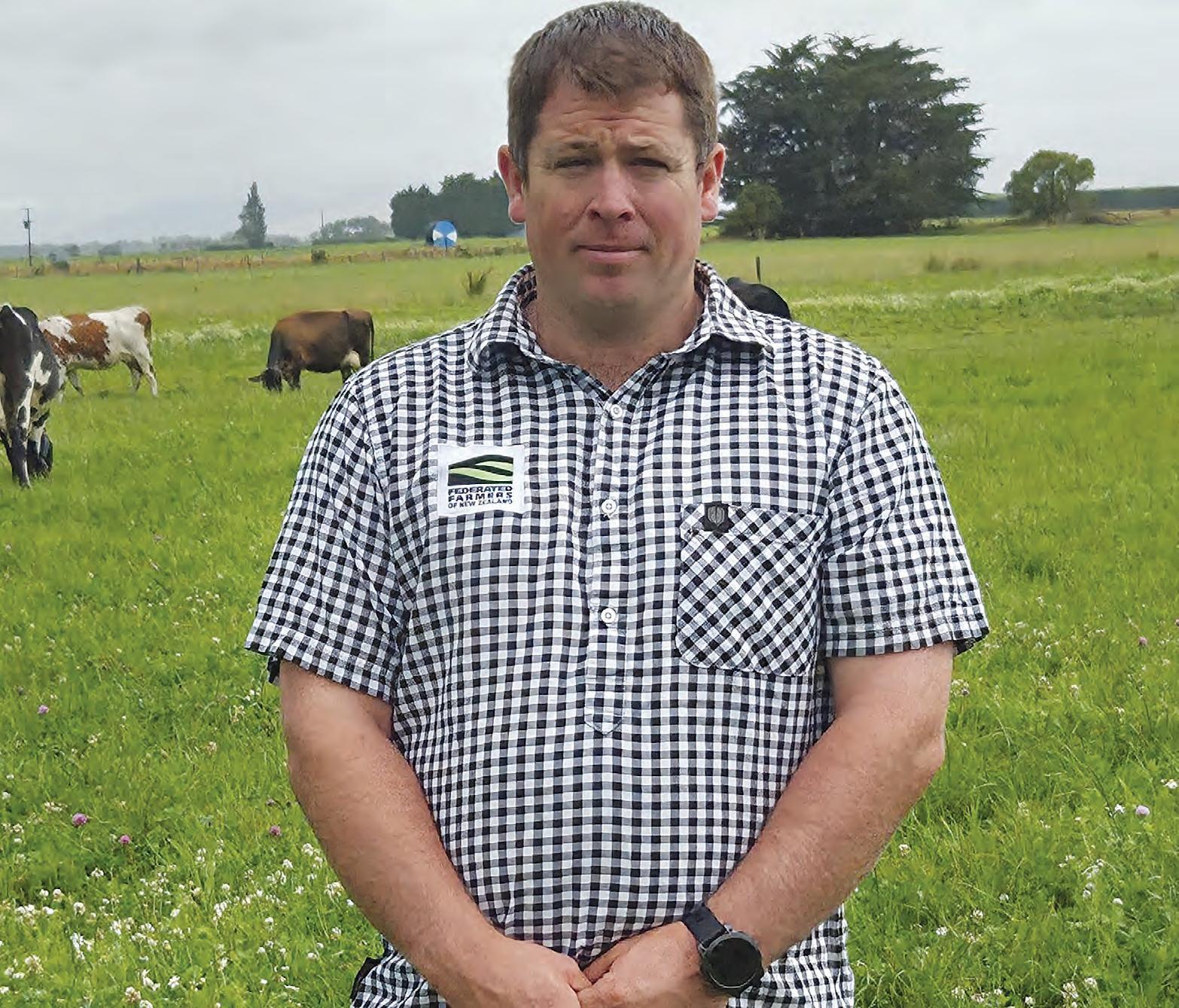
NEW FIGURES show dairy farmers are not only holding on to their international workforce, but are also supporting those staff to step into higher-skilled roles on farm.
Federated Farmers immigration spokesperson Karl Dean says Immigration NZ’s latest data highlights a healthy shift underway in the sector.
“For years, the bulk of visa approvals were for dairy farm worker positions – mainly farm assistant roles,” Dean says.
“Over the past 12 months, that pattern has really changed. We’re now seeing a growing number of visas approved for more skilled dairy roles, such as herd managers, which come with greater responsibility and experience.
“That points to farmers recruiting people at an entry level, investing in their training, and progressing
them through the ranks.
“It’s incredibly positive to see that happening in our sector.”
Federated Farmers asked Immigration New Zealand late last year for detailed information on recent trends in dairy employment.
The largest influx of dairy workers came in 2023 after the border reopened, when employers were urgently rebuilding their workforces, with just over 2000 applications approved.
Numbers eased slightly in 2024, before climbing again to about 1400 approved applications in 2025 (as at 22 October).
This year, a much larger proportion of higher-skilled applications – around 40% – came from people already in New Zealand.
The remainder included about 200 people here for the first time, applying to work in a skilled role such as herd manager, suggesting
some are gaining experience overseas before seeking a New Zealand role.
Dean says the numbers demonstrate two things: there’s still a genuine need for international workers to plug labour gaps, and when employers do recruit from overseas, they treat it as a longterm investment.
“Given the market labour requirements that have to be met for entry into these roles, it’s clear the demand is real,” he says.
“But the most encouraging part is that once these workers arrive, they’re being supported to progress.
“That’s exactly what we want to see in a sustainable, resilient workforce.”
He says immigration settings have finally reached a point where employers feel they can operate with more certainty, after several years of upheaval.
“Since Covid, there’s



been a lot of to and fro with work visa settings,” Dean says.
“Changes in April 2024 threw a spanner in the works, but Federated Farmers worked hard with the Minister, who listened to our concerns.
“We feel cautiously confident that the immigration settings are now in a workable place.”
@rural_news
facebook.com/ruralnews
ONE STRONG indicator of this progress is the drop in member queries to Federated Farmers about immigration concerns.
“We are hearing far fewer issues from farmers now,” Feds dairy chair Karl Dean says.
“I’m taking that as a huge signal things are more workable than they’ve been at any time in the past five years.”
Dean says Federated Farmers has worked closely with DairyNZ in advocating for better immigration settings.
“We came to the Government on the same page, asking for the same thing, and that’s definitely made us more successful.”
He also credits Immigration NZ for its willingness to listen and adjust.
“Immigration NZ has played a positive role in facilitating farm success stories,” he says.
“Their collaboration with the sector has meant smoother processing, clearer expectations, and greater stability for both employers and workers.”
The figures show most migrant dairy workers still come from the Philippines, and they continue to gravitate to the country’s dairy strongholds.
Canterbury takes the greatest share, followed by Waikato and then Southland.
While some people arrive in New Zealand initially on visitor visas before shifting to a work visa, the data shows almost a third of incoming farm assistants have not held any New Zealand visa in the previous six months.
That means these people are recruited directly from overseas, rather than already being in the country.
Another striking trend is how few dairy workers leave the sector once they arrive. Across three years of data, only about 75 people renewing their dairy visas moved into another industry.
Dean says this should give both farmers and the public confidence.
“These workers are coming here because they want to build a future in dairying,” he says.
“Farmers, in turn, are giving them the training, support and opportunity to move up.
“It’s a real win–win for rural communities and for the long-term capability of the sector.”
PETER BURKE peterb@ruralnews.co.nz
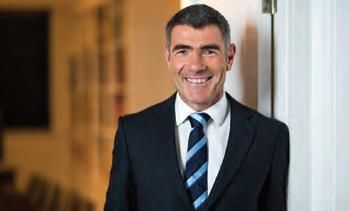
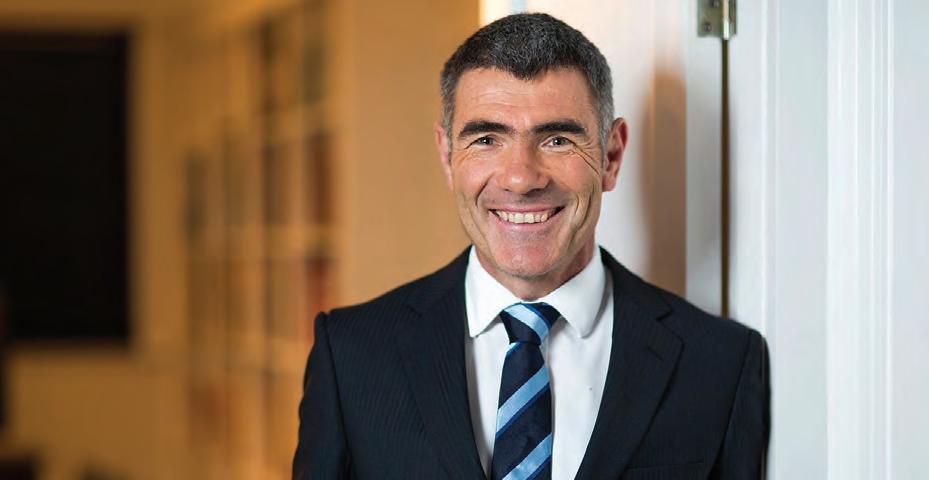
NEW ZEALAND’S new Special Agricultural Trade Envoy, Horowhenua dairy farmer, company director and former Minister of agriculture, Nathan Guy says the FTA with India is a good deal for the country.
He told Dairy News that this is despite it not getting any major traction for dairy exports to the world fourth largest economy. He says it was known right from the start of the negotiations that dairy was a challenge.
“We have achieved something, but it’s not as much as we would have liked,” he says.
But Guy says it’s a very successful deal which Trade Minister Todd McClay and his officials have worked tirelessly to achieve. He says McClay has built a solid rapport with his Indian counterpart and the Prime Minister has done likewise with the Indian Prime Minister.
“The FTA is especially good for the NZ sheepmeat industry and for a range
of horticulture products – especially apples and kiwifruit,” he says.
The FTA came at roughly the same time as McClay announced that Nathan Guy was to become the new Special Agricultural Trade Envoy, replacing Hamish Marr who held the role since 2023.
Guy says he’s excited at the appointment and his first task is to be briefed by MFAT whom he directly reports to, as well as other agencies such as MPI and NZTE. Another key task for him in the coming weeks is to listen to what exporters have to say and get a full appreciation of their needs. He says while he has a good understanding of the major exporters such as those involved in meat, dairy and the big horticulture crops, he wants to connect with new and smaller exporters as well.
“As a former minister I have still got international connections, and these will certainly help open some doors, and ultimately that should help me get pretty good access when required. I led a trade delegation last year and went on two very successful missions to India
The upcoming Milksolids Levy vote is a chance to do what you’ve always done for the sector – come together to continue building a stronger future for dairy farming in New Zealand. Together, over generations, you’ve shared knowledge and invested in research that prepares the industry for what’s next. You’ve established a clear, united voice that has shaped better policies and greater support.
And there’s more to get done. So, let’s vote – together.
and to China with the Prime Minister, so I know how it all works and I know what diplomacy means,” he says.
Guy says an important part of his role is to connect back to farmers and growers and share insights from his overseas connections.
McClay says the position supports key government objectives, including
ensuring that our trading partners understand our approach to agriculture and primary production.
“The role also focuses on raising the performance of NZ’s agricultural and primary sector exports in global markets, thereby contributing to the Government’s goal of doubling the value of exports in 10 years. Guy’s
immediate priorities will be to advocate for New Zealand’s primary production interests from the perspective of a practising farmer,” says McClay.
McClay says he’s asked Guy to show particular focus on India and GCC markets, to leverage the opportunities that trade agreements with these countries would present.

$9.70, but in December Fonterra was predicting a mid-point of just $9/ kgMS.
MINISTRY FOR Primary
Industries (MPI)
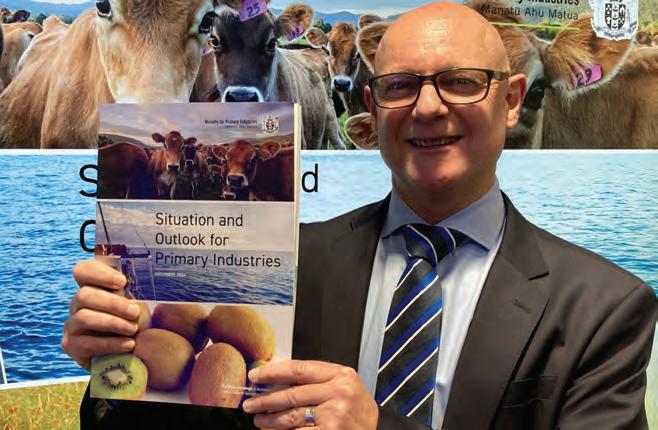
Director General Ray Smith believes there is potential for an increase in dairy farming in New Zealand.
Speaking to Dairy News at the launch of his organisation’s latest outlook for the primary sector, Smith says the growth that NZ has got from the dairy industry is phenomenal and at present its growth is only being outstripped by the kiwifruit sector.
A strong positive highlighted in the report is the increase in revenue from casein and protein products –these were up by 30% in the 2025 September quarter.
“But think the changes in the RMA will allow for more diversification into dairy farming. NZ is unique in that it has the most efficient production system in the world and that’s because our animals graze outside,” he says.
The Situation and Outlook Report (SOPI) shows that export revenue from dairy for the year ended June 2026 will be up by a mere 1% on the previous year and is likely to remain at the present level in the following 12 months. MPI attributes this to global supply outstripping demand and this has been reflected in the lower prices for WMP on the GDT – this past week being the exception.
When MPI prepared its report, it predicted a farmgate price of
Smith says last season’s $10.20 payout was exceptionally high and the drop is a case of price correction. He says a payout of around $9.00 is still good.
The SOPI report says dairy farm expenses have “held flat” in the past season and the easing of monetary policy by the Reserve Bank has been hugely beneficial to the sector. It also points to a drop in interest rates as drivers for capacity and productivity growth in the sector.
The sale of Fonterra’s consumer brands will also put more cash in the pockets of dairy farmers in 2026 which will somewhat counter challenging and subdued market conditions.
One area singled out is China where there is an ongoing slump in dairy consumption, but lower local milk production there will likely support demand for more imported products.
A strong positive highlighted in the report is the increase in revenue from casein and protein products –these were up by 30% in the 2025 September quarter, compared with the same period in 2024.
The US, NZ’s largest protein market, grew by 39% in volume. This, says the report, is driven by demand for proteindense products to prevent muscle loss.
The report goes on to say that “the proportion of US adults on weight loss medication has doubled over the past year” and that “the aging population in developed countries is another trend in driving protein consumption”.
The SOPI report says that worldwide export revenue from casein and protein products will increase 10% to $3.2 billion by June 2026. While the numbers for dairy are static, there is still a belief that the
situation is stable, but with the caveat that all sorts of factors, including geopolitical instability create a degree of uncertainty.


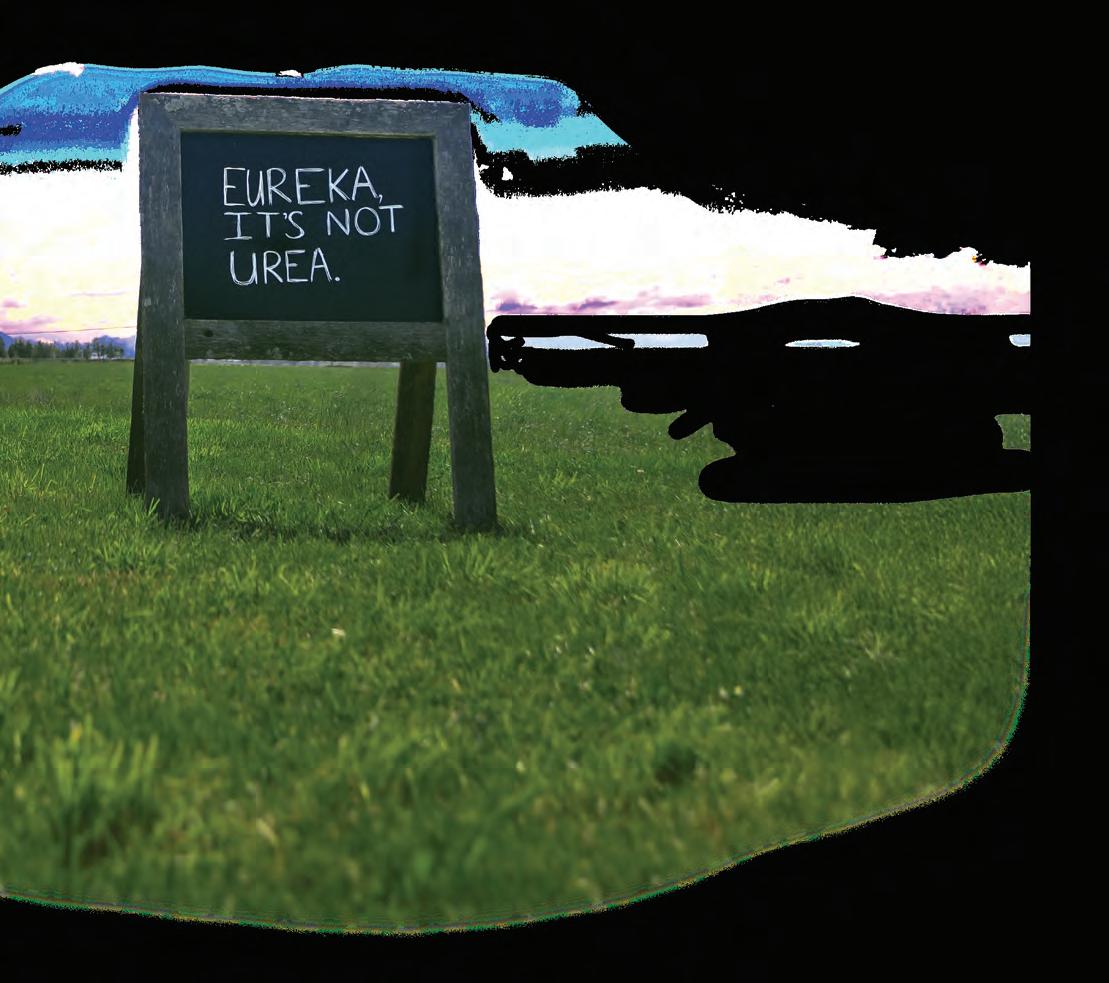
You already have Nitrogen sitting above every paddock. BioN’s biology works with your soil to capture Nitrogen from the air and turn it into usable nutrition for stronger grass growth. Farmers are seeing real gains without pushing their N Cap.
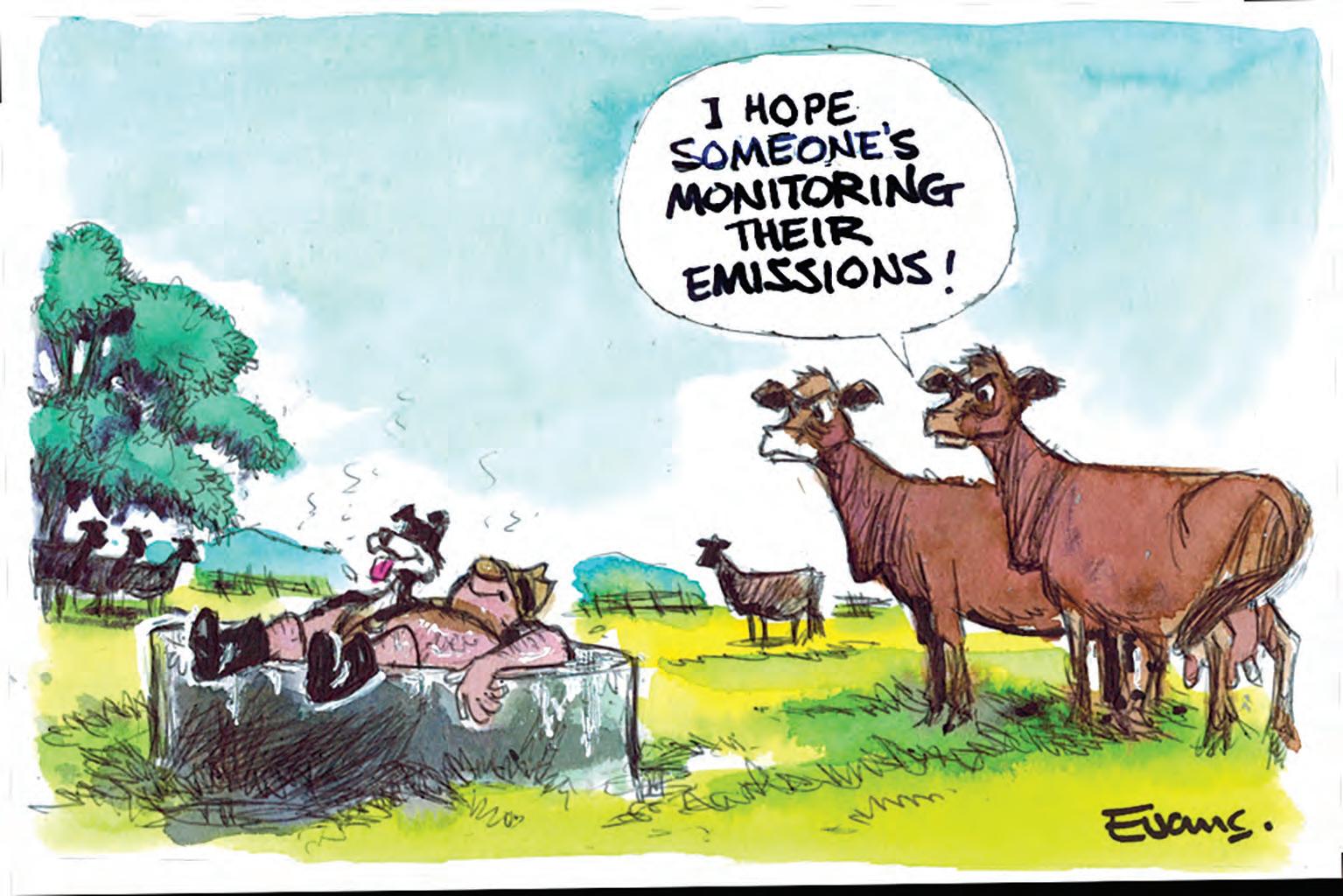
ANOTHER EXAMPLE of the dairy sector getting shortchanged in free trade deals?
At Open Country Dairy’s new butter plant opening last month, company chair Laurie Margrain had a swipe at the Government. He told suppliers and industry leaders at the plant opening that the EU free trade deal has a bucket quota.
“And our $50 million investment has been locked out of that for the next few years because the quota’s been based upon what we sold to Europe in the previous three years. So, we didn’t have a butter plant.
“Now we’ve got a butter plant, a $50 million butter plant, and we can’t sell to Europe.”
WHEN IT comes to New Zealand’s foreign relations, Foreign Minister Winston Peters likes to make all the big calls; remember the sacking of Phil Goff as the Ambassador to London?
So, when our newly appointed Reserve Bank Governor Anna Breman signed a letter of support for her embattled US counterpart Jerome Powell last week, Peters came out all guns blazing.
While recovering at home from surgery, Peters took to social media to scold Breman. He made it clear that the Reserve Bank had no role in US politics and should not involve itself.
It’s election year and expect Peters to be more vocal and continue speaking his mind on anything and everything.
CANTERBURY GROWS most of the country’s wheat, barley and oat crops. But persistently low wheat prices, coupled with a high milk payout, are believed to be driving farmers out of the industry in the hunt for the dairy dollar, according to media reports.
The Canterbury regional council said up to 25,000 more dairy cows could be added to the region’s herd this year, following an end to a temporary ban on intensive dairy farm conversions.
Environment Canterbury shows 32 new consents were approved last year, and 15 more in progress.
It said the maximum number of cows that could be milked through the shed was 25,818 cows, among the approved consents.
THERE WILL be no cows at Europe’s largest agricultural show in Paris this year for the first time ever after an outbreak of lumpy skin disease in France sparked fears of contamination.
The 500 to 600 cattle usually present at the International Agriculture Show are a major attraction at the annual event, which draws about 600,000 people, including children who have never seen some of the farm animals before.
Organisers say they took the historic decision reluctantly but added that the show would still feature many other animals including pigs, sheep, horses, dogs and cats.

THE YEAR has started positively for New Zealand dairy farmers and things are likely to get better.
Add to that the positive Global Dairy Trade result two weeks ago, there’s a lot to be smiling about in the sector.
Fonterra is forecasting a milk price range with a mid-point of $9/kgMS, with Westpac predicting $9.30/kgMS.
While it’s the first auction of the year and there’s a lot of water to flow under the bridge, farmers are still in a fairly good place with around a $9 milk price, analysts say. Ministry for Primary Industries director general Ray Smith is also positive, adding that there is potential for an increase in dairy farming in NZ.
He notes that the growth that NZ has got from the dairy industry is phenomenal and says at present its growth is only being outstripped by the kiwifruit sector.
But changes in the Resource Management Act (RMA) pursued by the Government will allow for more diversification from other sectors into dairy farming.
Tempering this, export revenue from dairy for the year ended June 2026 will be up by a mere 1% on the previous year and is likely to remain at the present level in the following 12 months.
MPI attributes this to global supply outstripping demand. However, things are changing; farmers in the northern hemisphere are starting to feel the pinch of falling milk prices.
The days of boosting production to cash in on the high milk price may be coming to an end. With demand still firm, lower supply will put upward pressure on milk prices.
That will only mean more good news for NZ dairy farmers.

Head Office: Lower Ground Floor, 29 Northcroft St, Takapuna, Auckland 0622 Phone 09-307 0399.
Postal Address: PO Box 331100, Takapuna, Auckland 0740
Published by: Rural News Group
Printed by: Inkwise NZ Ltd
Contacts: Editorial: sudeshk@ruralnews.co.nz
Advertising material: beckyw@ruralnews.co.nz
Rural News on-line: www.ruralnews.co.nz
Subscriptions: subsrndn@ruralnews.co.nz
Publisher: Brian Hight ......................Ph 09-307 0399
General Manager: Adam Fricker ...................Ph 021-842 226
Editor: Sudesh Kissun ................Ph 021-963 177
Machinery Editor: Mark Daniel......................Ph 021-906 723 markd@ruralnews.co.nz
Reporters: Peter Burke.....................Ph 021-224 2184 peterb@ruralnews.co.nz
Subscriptions: Julie Beech ....................Ph 021-190 3144
Production Manager: Becky Williams ..............Ph 021-100 4831
Digital Strategist: Jessica Marshall ..........Ph 021 0232 6446
AUCKLAND SALES CONTACT: Stephen Pollard .............................................Ph 021-963 166 stephenp@ruralnews.co.nz
WAIKATO & WELLINGTON SALES CONTACT: Lisa Wise ........................................................Ph 027-369 9218 lisaw@ruralnews.co.nz
SOUTH ISLAND SALES REPRESENTATIVE: Kaye Sutherland .........................................Ph 021-221 1994 kayes@ruralnews.co.nz
WE DO dairy very well here in New Zealand and our products are revered internationally. With our products exported to 130 countries, on any given day an estimated 90 million people could be consuming our dairy.
We are leading the world when it comes to responsible dairy production. New Zealand dairy farmers are achieving more with fewer cows, shown through record milk production per cow and continued genetic progress.
It’s been hard graft to get to this point, but collaboration has been crucial to our success.
For more than a century, dairy farmers have worked together to support a thriving dairy sector that is intergenerational, where our care for land, people, animals and community is world-class.
This year New Zealand dairy farmers have the opportunity to vote on the future of the Milksolids Levy. Any business that produces milksolids from bovine animals for supply to a dairy processor is eligible to vote, including dairy farm owners, sharemilkers, and dairy farm leaseholders, and we encourage them all to have their say.
The Milksolids Levy is the primary source of funding for DairyNZ’s work. As the industry organisation representing all New Zealand dairy farmers, we invest in practical on-farm tools, research, farmer support, extension, and advocacy to help farmers respond to change and seize opportunities.
We’re focused on ensuring the Milksolids Levy is our farmers’ best investment. An independent report in late 2025 found DairyNZ’s levy-funded activities created a seven-fold return on investment for
Through the Milksolids Levy, our farmers have shared knowledge, the cost of future-focused research, and its on-farm benefits, and established the clear, united voice of dairy that has generated more government support and practical policy.
farmers in terms of value with benefits coming from productivity gains and costs avoided.
But there’s more work to be done.
We are working in a dynamic space and there are a lot of opportunities, particularly in maximising pasture and grass-fed advantage, innovation and technology adoption, genetic gain, environmental solutions, workplace development, and sectorwide collaboration. The

Levy helps New Zealand farmers be competitive in this space.
Your Milksolids Levy is an investment in shared knowledge between farmers and industry experts – turning real-life experience and science-based advice into everyday improvements, so good ideas spread fast and pay off for us all.
New challenges will need fresh ideas, better tools, and the same spirit of working together that’s always set our sector
apart. When we share what works, and when we back each other, we all move forward.
Your levy is a collective investment that has supported you on farm and in your community. It’s what keeps us all moving forward. So, let’s keep ahead and lock in as the world’s most productive dairy farmers, embracing responsible dairy as our competitive advantage, and future-proofing the way we farm.
18th &
Let’s vote – together.
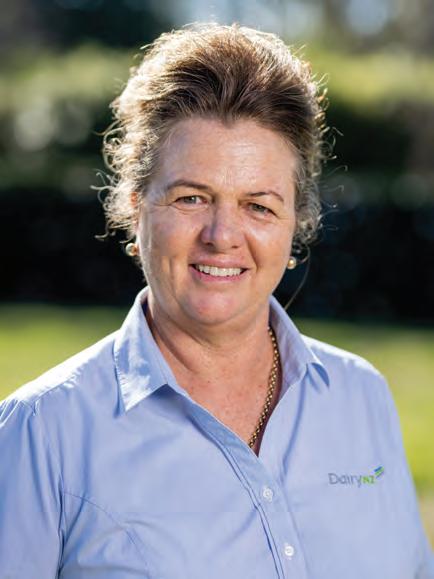
– Tracy Brown is chair, DairyNZ

KATIE AITKENHEAD
WITH THE PRESSURE of winter and spring behind us, and the groundwork laid, now is a good time for many farmers to pause, check progress against plan, and think ahead to ensure resilience for whatever summer and autumn may bring.
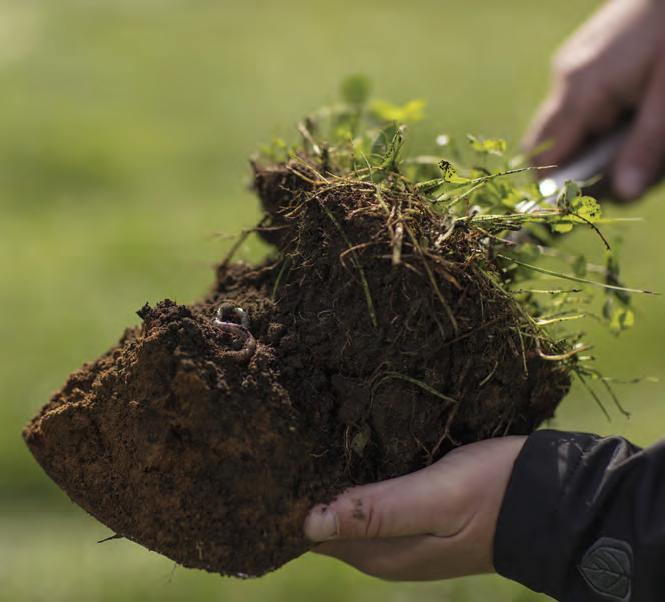
While much of the focus is above ground, the real secret to success starts beneath our feet. Healthy soil powers every paddock and supports resilient pastures, efficient nutrient use, and sustainable farm systems.
Soil does much more than grow our pastures. It cycles nutrients, filters water, stores carbon and supports a vast array of life – from microbes to plant roots.
Think of soil as a finely tuned system: taking in fertiliser nutrients, transforming them through biological and chemical processes, and supplying them to plants in the right form and at the right time.
Soil is also the first line of defence against heavy rain, absorbing and holding water to reduce runoff and erosion.
Worldwide, productive soils are rare. They take centuries to form so it
is vital to protect what we have. Only about 10% of the world’s land has the right qualities for growing crops and pasture. In New Zealand, we’re fortunate to farm on some of the most productive and versatile soils, but it can take hundreds of years to form just a single centimetre of quality topsoil.
When soil is healthy, pastures thrive. Lush, green swards signal that the soil beneath is supplying adequate nutrients, retaining moisture, and supporting a vibrant biological community.
Patchy, weed-infested,
or drought-prone pasture often points to underlying soil issues – compaction, nutrient deficiencies, or poor biological activity.
What makes soil and pasture healthy?
On the ground, healthy soil means strong, even pasture growth, fewer bare patches, and better resilience in wet and dry conditions.
Soil health is shaped by three main factors:
■ 1. Physical structure – well-structured soil allows roots to grow deep, and water and air to move freely
■ 2. Chemical MyVitality supplements are formulated, tested, and bottled right here in New Zealand.
need
3. Biological activity
– a thriving biological community –microbes, earthworms, and other organisms –drives nutrient cycling and supports soil structure.
By looking after your soil, you’re investing in the longterm productivity and resilience of your entire farm.
• Katie Aitkenhead is science extension leader at Ballance Agri-Nutrients.



For over 6 years, Kiwis have trusted us to support healthy ageing – with proven ingredients, science-backed quality, and products that help you stay active on the land and at home.
REGULAR SOIL testing is essential for understanding what’s happening beneath the surface. Most farmers test for fertility every two to three years, and for broader soil health indicators every three to five years. Consistency is key: take samples from the same locations, at the same time of year, and avoid sampling during extreme wet or dry conditions or within three months of fertiliser application.
When you receive your results, you’ll see measures like pH, Olsen P (plant-available phosphorus), potassium, calcium, magnesium, sulphur, and sodium. These numbers tell you about the chemical balance of your soil. Biological indicators, such as anaerobically mineralisable nitrogen and organic matter percentage, reveal how active and healthy your soil’s living community is. These indicators should be complemented with visual soil (and pasture) assessment (VSA). Picking up a spade and undertaking a VSA can tell you a lot about the physical and biological health of the soil, which is extremely important to pair with the fertility and biological indicators provided by soil test analysis. Soil structure and macroporosity can tell you a lot about the drainage and aeration characteristics of a soil. These properties can give you strong clues on how to improve production and efficiency of the soil’s nutrient cycling.
WHEN SOILS are in good shape, pastures make better use of available nutrients and water, meaning less wastage and more return from every dollar spent on fertiliser and feed. They’re also more resilient to extremes, whether it’s a dry summer or a downpour that tests our drainage systems. Healthy soils act as a reservoir for water during dry periods retaining moisture and nutrients.
Farmers who adopt rotational grazing and increase pasture diversity often observe improvements in soil structure, organic matter, and pasture resilience, especially during challenging seasons.
At this point in the farming season, it’s an ideal time to pause and check in on soil and pasture management plans. With the critical winter and spring setup behind us, farmers are starting to find the capacity to focus on the fundamentals that drive long-term success.
Healthy soil underpins productive pastures, efficient nutrient use, and resilient dairy systems. By monitoring soil condition and making informed adjustments, you’ll keep your farm performing well through the rest of the season.
ANDY HANCOCK
THE WAY we manage livestock is constantly changing, and the advent of virtual fencing and herding technologies represents a significant advance for pasture-based dairy farming, offering flexibility, efficiency, and improved animal welfare.
With recent legislative changes in New South Wales, South Australia and Victoria, these innovations are now legal in all six dairying states, marking a major milestone for the industry.
So, what is virtual fencing? In simple terms, it’s a system that creates invisible boundaries using GPS-enabled collars or ear tags. Instead of physical fences, livestock are guided by audio and vibrational cues when they approach a virtual boundary, followed by electrical cues if they cross the virtual boundary.
Very quickly, animals learn to respond to the audio and vibrational signals, reducing the need for manual herding or temporary fencing. Importantly, these systems are designed to avoid adverse welfare impacts, and safeguards are built into the technology and legislation.
Globally, several virtual fencing solutions
exist, but currently in Australian dairy herds, Halter is the most broadly adopted. The technology is already well established in New Zealand, with around 200,000 cattle on the system, and approximately 20,000 in Tasmania. With legalisation now in NSW, South Australia and Victoria, we can expect broader adoption and new market entrants.
Until recently, virtual fencing was prohibited in NSW, South Australia and Victoria, due to animal welfare laws restricting electronic devices. That changed in December 2025 when NSW amended the Prevention of Cruelty to Animals Regulation to allow virtual fencing for cattle under strict conditions. Victoria and South Australia have subsequently passed similar reforms, ensuring responsible use and clear welfare guidelines.
These changes mean dairy farmers can now explore virtual fencing as a practical tool to improve operations.
Whilst farmers should adopt systems which suit their specific farm, some of the potential benefits include:
■ Improved pasture management: Precise grazing control for optimal feed utilisation.
■ Labour savings: Less
time spent setting up fences or moving herds.
■ Increased safety: Fewer quad bikes and vehicles, reducing accident risks.
■ Animal health and welfare: Realtime data for early disease detection and reduction in lameness (due to the fact that cows are allowed to walk at a steady pace).
■ Environmental protection: Safeguards sensitive areas and reduces

wildlife entanglement.
■ Emergency management: Rapid and remote boundary adjustments during floods, fires or emergency animal disease outbreaks.
Like any new technology, it is important that virtual fencing is introduced in a considered way that does not cause unintended consequences. Animal welfare remains the top priority, and the newly developed legislation includes cri-
teria for device approval, training requirements, and property-based use*. Farmers should choose reputable providers and stay informed about best practice guidelines.
Looking ahead, virtual fencing is more than a convenience – it’s a strategic tool for modern dairy farming. By reducing labour pressures, improving productivity and safety, and supporting sustainability, it aligns with the industry’s longterm goals. With legal

barriers removed, now is the time for farmers to explore how this technology could potentially fit
into their systems.
– Dr Andy Hancock is sustainable animal care manager – Dairy Australia
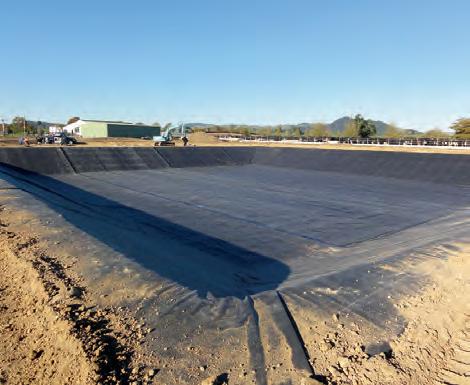
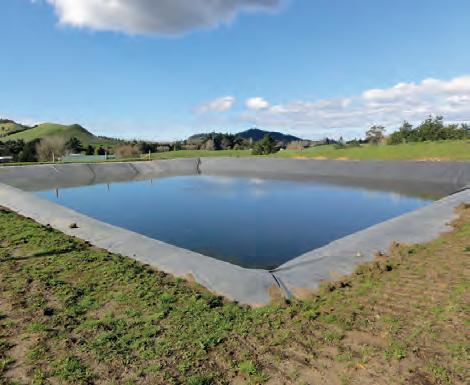
•Rolls up to 15m wide, therefore fewer joins which means less risk, faster installation and shorter good weather window required.
• • Design assistance and volume calculations available. Material warranty from global company - Elevate, a brand of Holcim (formerly Firestone Building Products)
•Nationwide trained and accredited installation contractors.
•Future proof - dependable performance, 50 year life expectancy even when exposed, 20 year material warranty.
•Over 120 million square meters installed worldwide. •30 years in the NZ lining business.

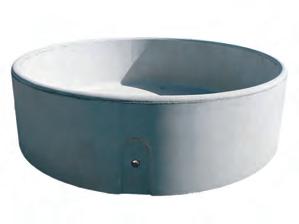
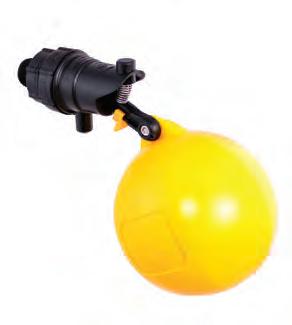
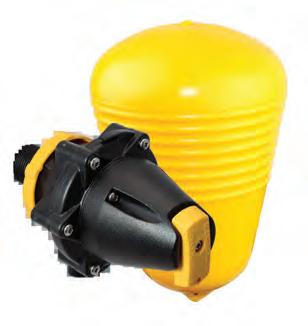
•Ideal for Cattle Troughs •High Flow •Side/Bottom Mount •Detach to Clean •Compact/Robust •Ideal for Small/Low Demand Troughs
Flow •Above/Below Water Mount •Built in Check-Valve
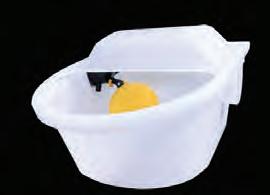
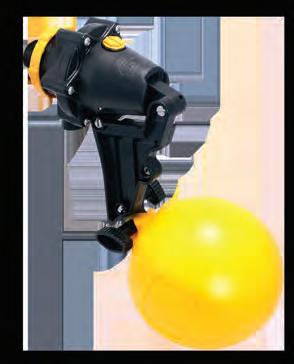
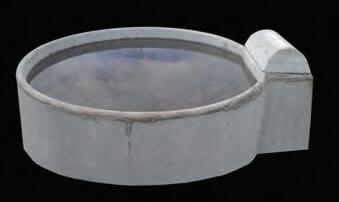
•Ideal for Compartment Troughs/Tanks •High Flow •Top Mount •Detach to Clean •Compact/Robust
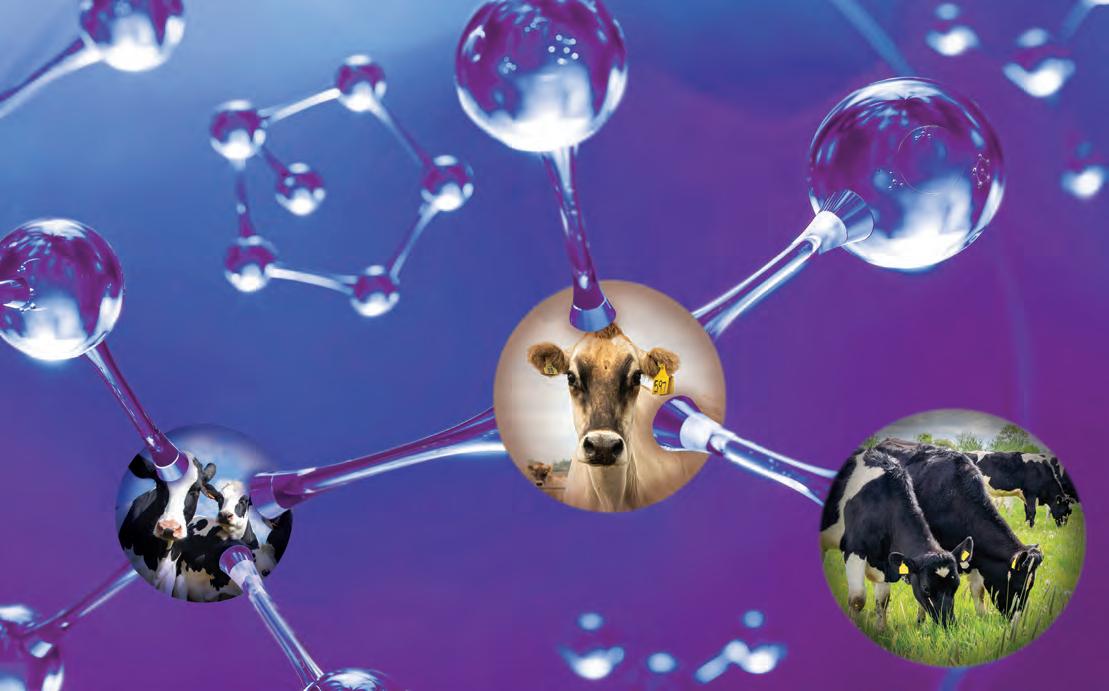
ANIMAL WELFARE is of paramount importance to New Zealand’s dairy industry, with consumers increasingly interested in how food is produced, not just the quality of the final product.
International customers like Nestle are placing greater emphasis on sourcing products
pivotal, and increasingly, technology is helping with this.
DairyNZ scientist Dr Stacey Hendriks has studied the behavioural and environmental needs of grazing dairy cows and reviewed technologyenabled indicators that apply particularly to New Zealand’s pasture-based dairy cows. Her research won her the prestigious T.R. Ellett Agricultural Research Trust Emerging Scientist Award at the 2025 International Precision Dairy Farming Conference held in Christchurch in December.
Hosted by DairyNZ,
the event was the first time the event had been held in the Southern Hemisphere. It was attended by almost 400 farmers, researchers, advisors, and technology developers from 22 countries.
During her presentation at the conference, Hendriks
showcased the potential use of technology in monitoring animal welfare for grazing dairy cows, emphasising a shift from traditional, subjective measures to more objective, data-driven approaches.
Historically, animal welfare assessments in dairy farming have relied on animal-based indicators like body condition score and coat condition. While often considered the gold standard for evaluating the health and welfare of dairy cows, they come with significant limitations.
“Animal-based indicators are subjective, require trained assessors, and only provide a snapshot of an animal’s experience at a given moment,” explains Hendriks.
Additionally, many other indicators have been developed for use on housed cows, making them less applicable to the unique needs of New Zealand’s pasture-based grazing dairy cows.
Hendriks and her research team at DairyNZ identified animalbased welfare indicators specifically suited for New Zealand’s pasture-based dairy systems, and then categorised these based on feasibility, validity, and potential for wider uptake.
“We found that technology can play a significant role in improving the scalability

and real-time monitoring of animal welfare,” says Hendriks.
The team found most practically-feasible indicators related to health and nutrition while fewer options were available for assessing the physical environment and behavioural interactions (both human and animal interactions and cows’ social behaviours).
The team identified seven indicators related to the physical environment and five focused on behavioural interactions, which can now be measured using commercially available technologies.
Interpreting animal welfare based on individual behaviours, however, is complex.
“Lying behaviour, for example, can vary significantly. Both increases and decreases in lying time have been observed in cows experiencing clinical health issues or lying deprivation. This highlights that the relationship between behaviour and animal welfare is not always linear and is influenced by many factors,” she says.
As a result, future research aims to explore more comprehensive approaches, such as combining multiple behaviours and other physiological and environmental data, to provide a more complete picture of a cow’s lived experience.
DR STACEY Hendriks sees a promising future for the integration of advanced analytics like machine learning into building a bespoke tool for pasture-based welfare assessment.
She says that by combining multiple data streams from behaviour to environmental conditions, researchers could develop composite models that offer a more nuanced understanding of animal welfare.
“We believe technology-enabled indicators could provide real-time, scalable monitoring solutions for pasturebased welfare assessment,” she says.
“If technology can also alert farmers to potential welfare challenges, such as heat stress, it allows them to take proactive steps to mitigate the problem. This not only improves animal welfare but can also result in economic benefits, like reduced milk production losses.”
By focusing on providing farmers with timely and relevant information, Hendriks believes that technology can complement traditional stockmanship, empowering farmers to make informed decisions that improve both animal welfare and farm performance, while demonstrating the high standards of animal care on New Zealand dairy farms.

could stall.
A
many farmers ask themselves each year is: do we select individual bulls or take the team approach?
In essence, you’re making a decision that won’t impact your milk production immediately but will shape the herd you’ll be milking in two years’ time. So, what cows do you want in your future herd?
Every month, the Animal Evaluation (AE) run incorporates new herd test results and Traits Other than Production (TOP) data. This data gives us a clearer picture of how bulls purchased four years ago are now proving through their daughters’ performance. As more data flows in, movements occur. These movements are then reflected in bull teams. Each update ensures farmers have access to the best teams possible, backed by the most up-to-date and reliable information.
These ongoing changes highlight a key point: relying on a single bull is risky. Genetic merit can shift over time and if you’ve pinned your hopes on one sire, your herd’s progress
By taking a team approach, the average genetic improvement across your incoming replacement heifers will be significantly higher than if you rely on one bull who may shift in his gBW over time. By taking the team approach, you are safeguarding your future herd, as it spreads risk and ensures that your herd’s overall genetic progress remains strong and consistent. In short, using a team of bulls protects your future milk production and helps you achieve better long-term results across your replacements.
Our teams aren’t just a collection of bulls chosen for their average breeding worth. They are constructed based on minimum criteria. While the team’s average gBW reflects what you can expect to see on farm, every bull must first meet minimum thresholds for key individual traits before being considered for inclusion.
The traits we focus on are those that matter most to farmers: milksolids, fertility, liveweight, capacity and udders. By selecting bulls that exemplify these traits, we ensure you see ongoing improvement in the areas that matter most.
Take the LIC KiwiCross Forward
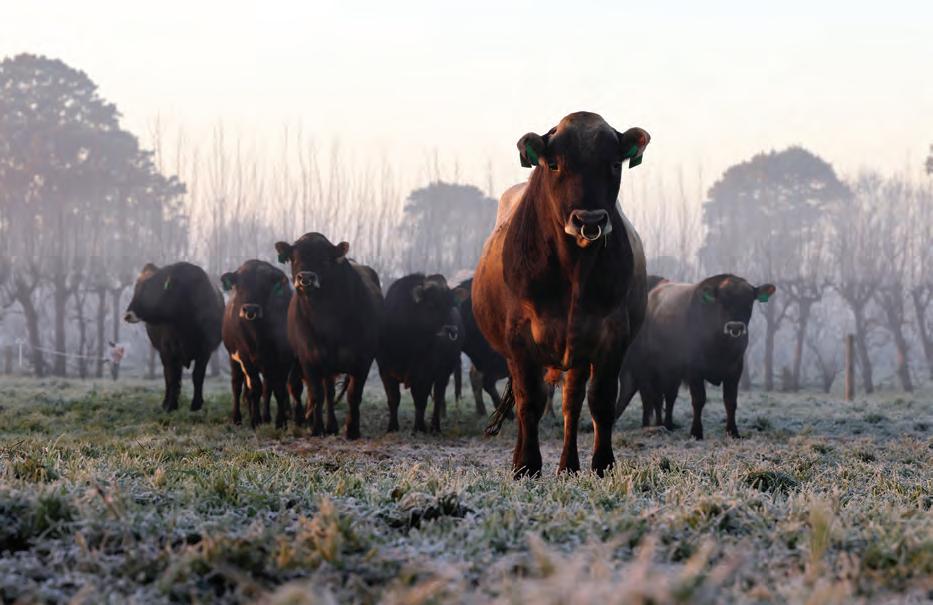
Pack as an example. Within this team, the lowest fat kg BV in the team is delivering 28kg more than the 2015 base cow, while the highest is delivering a massive 68kg. Given the criteria used to select these teams and the strong genetic merit of the bulls
JOE HARDMAN
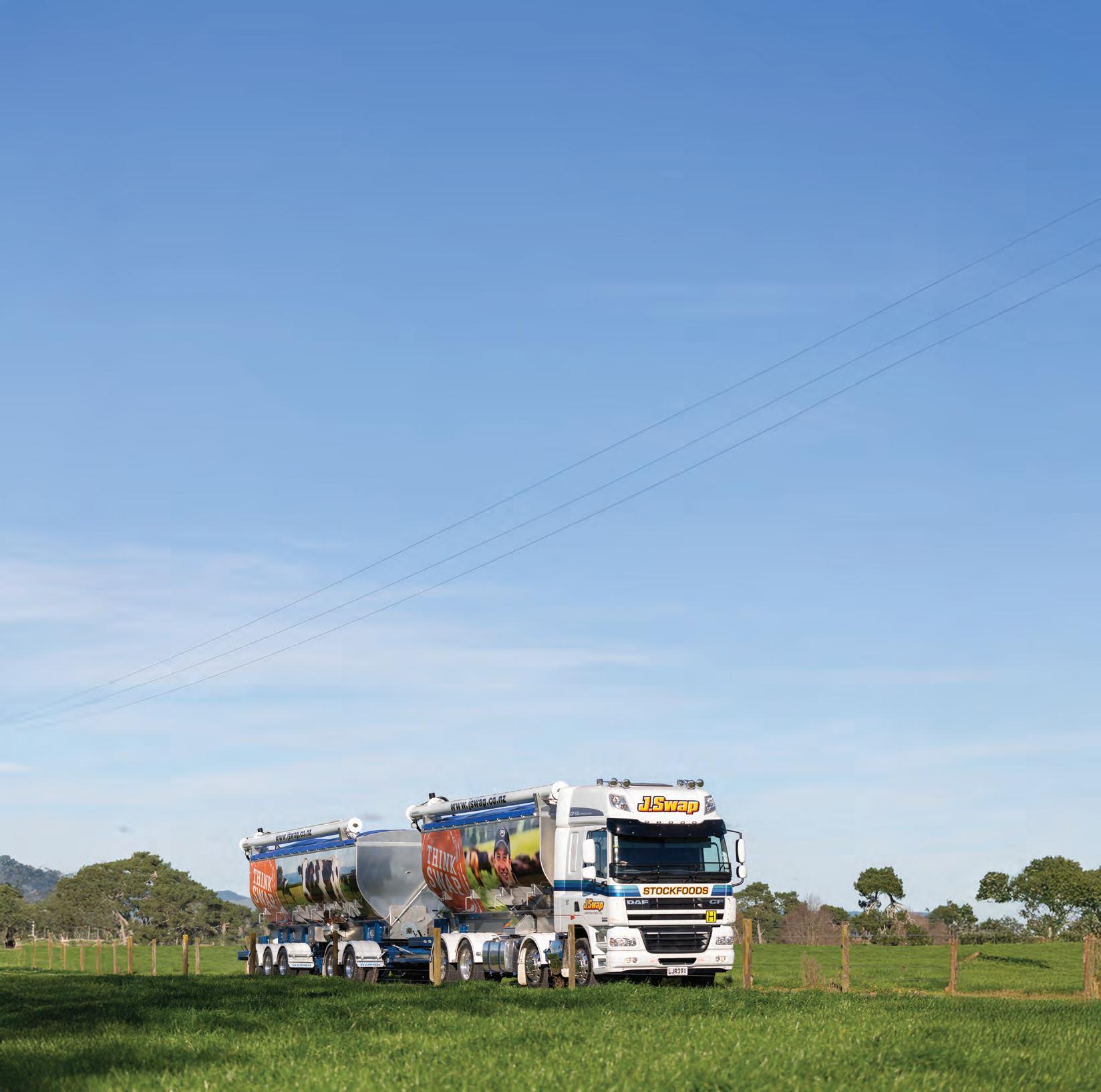
AS WE move towards the warmer, more humid months, farmers across New Zealand are already preparing for the annual challenge of facial eczema (FE). At J Swap Stockfood, we’re seeing a clear shift in focus toward Mineral Boost Zinc as herds begin their prevention programmes.
eczema is caused by spores produced by the fungus Pithomyces

chartarum, which thrive in warm, moist pasture conditions –particularly in the base of the sward where dead material/litter is found. When ingested, these spores release a toxin that is absorbed into the bloodstream and damages the liver, leading to reduced production, weight loss, photosensitivity, and in severe cases, significant animal welfare impacts.

Prevention is essential, and early planning makes a real difference.
Zinc plays a crucial role in protecting the liver by preventing the fungal toxin from being absorbed in the rumen and GI tract. Consistent dosing before spore counts rise is the most effective defence farmers have. Ensuring cows receive the correct daily amount early (i.e. before spore
within them, we are confident there’s a team to suit everyone’s needs.
Even if you’re not the one making breeding decisions right now, this is an area worth understanding as you move forward in your farming career.
The choices made today shape the
counts get dangerous) is vital for maintaining production and minimising the longterm effects FE can have on herd performance –not just this season but throughout their milking career. When compared to the consequences of FE liver damage, appropriate zinc dosing is cheap insurance. Accuracy is important. Ensuring every animal gets the
herd you’ll be working with for years to come. Genetics isn’t just about numbers, it’s about building a herd that delivers long-term profitability, consistently.
• David Power is LIC’s product manager - Dairy Genetics.
correct dose every day means your money spent is achieving the desired goal. In addition, due to high-dose zinc’s tendency to reduce calcium absorption, supplementation with calcium and magnesium is a wise precaution.
If you’re planning your FE prevention strategy, now is the time to get organised. J Swap Stockfood can work alongside the Mineral
Boost team to take a joint approach on the right blend, delivery method, and inclusion rates for your farm.
Talk to your local J Swap Stockfood representative to arrange a discussion with both teams and ensure your herd is fully protected heading into the high-risk months.
• Joe Hardman is stockfood sales manager for J Swap Stockfoods.
digital dashboard layout, alongside an increase in gross vehicle weight.
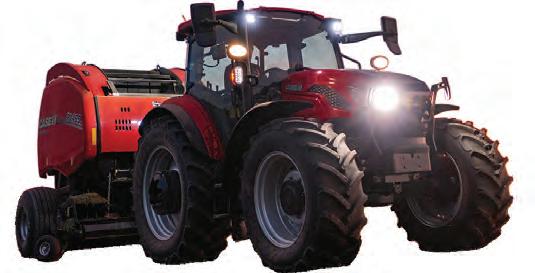
THE CASE IH Farmall C, well known across New Zealand, has just seen an upgrade including a new look, increased weight and hydraulic power, and a cab overhaul.
“Farmers operating the Farmall C have appreciated its flexibility in handling a broad range of tasks, thanks to its heavy-duty, yet manoeuvrable frame, quality build and impressive torque,” said Mark Crakanthorp, Case IH ANZ product manager, for small tractors.
The new series, currently available to order, offers upgrades that include a new striking and aggressive look, featuring LEDs, cab improvements including cab suspension and a new
Gross vehicle mass (GVM) increases, alongside larger 540-65R 38 tyres, delivering a larger footprint, complemented with an upgraded powertrain. That powertrain includes user-friendly shifting and shuttle operation for efficient operation, while the ActiveClutch (brake-to-clutch) feature allows the operator to use the brake pedal to stop or slow the tractor without using the clutch pedal, and resume motion by releasing it.
Available in Farmall 100C and 120C variants, hydraulic power is increased to 82l/min output, with a mid-mount valve joystick layout. Meanwhile, gearlever mounted multi-controller is also newly available as an option on the Farmall C series, allowing for precise operator functionality, with control of power shifting and power shuttling at
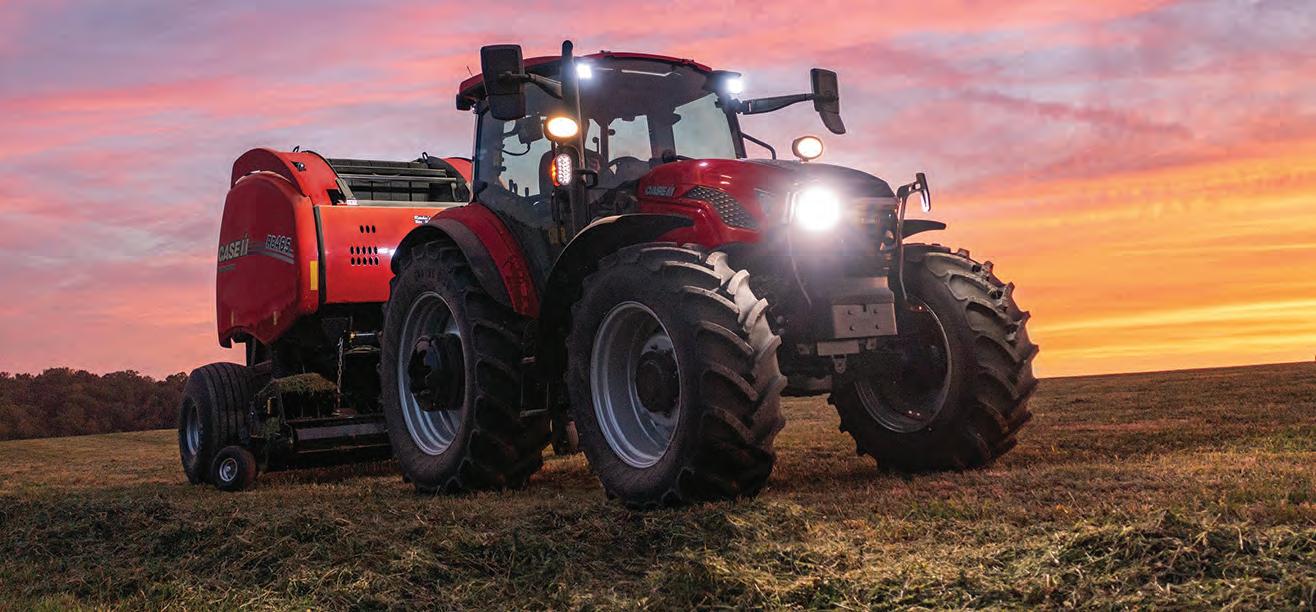
the operator’s fingertips. Full precision farming and telematics options are, for the first time, available fully integrated from the factory.
“These tractors have always been valued for their versatility, but with the improvements, we’re sure operators will find time saving and efficiency gaining capabilities,” Crakanthorp said.
providing the best machinery for Australia and New Zealand.”
MARK
GIVEN THAT most countries who favour the humble ute have maximum braked towing limits of 3500kg, those seeking to use mobile plant and machinery need to find a solution that fits within those limits.
Manufacturers continue to develop new products that offer more power and performance within smaller dimensioned formats, leading to the term ‘compact’.
Already masters at offering a
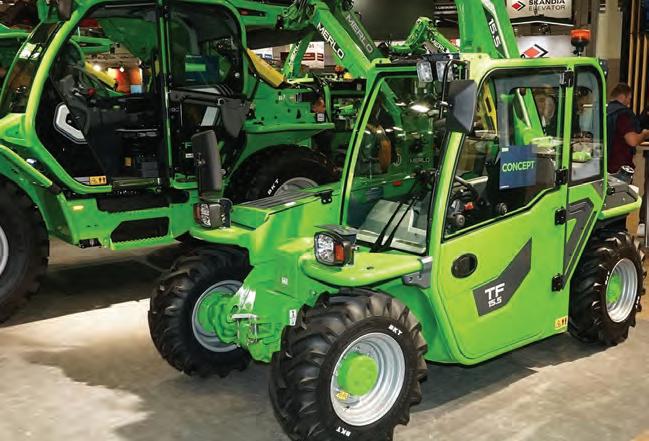
machine for any situation, Merlo used the recent Agritechnica event in Germany to reinforce their understanding of the demand by showcasing its Hypercompact Concept telehandler.
Said to have been developed for operations in confined spaces such as older farm buildings, poultry and pig units, or equestrian yards, the TF 15.5 on display offered a load capacity of 1500kg with a maximum lift height of 5 metres.
Mindful of critical dimensions required for such situations, overall length has been kept to 3m, overall height is 1.8m and width, on standard tyres, is kept
to only 1.56m. While agility and manoeuvrability come with such dimensions, the company suggests that the overriding design brief was to reduce the machine’s tare weight to allow it to fit within the 3500kg gross towing limits.
Power is delivered by a threecylinder Yanmar diesel producing 36hp, with the manufacturer noting that the same levels of operator comfort are achieved, although it is fitted with a slightly smaller cabin. Currently, the concept is at the working prototype stage and likely to see some final design tweaks before an expected commercial release date in 2027.

A
and suspension set-up for the 150, 200 and 250cc models allows reduced inventories for common parts.
MARK DANIEL markd@ruralnews.co.nz
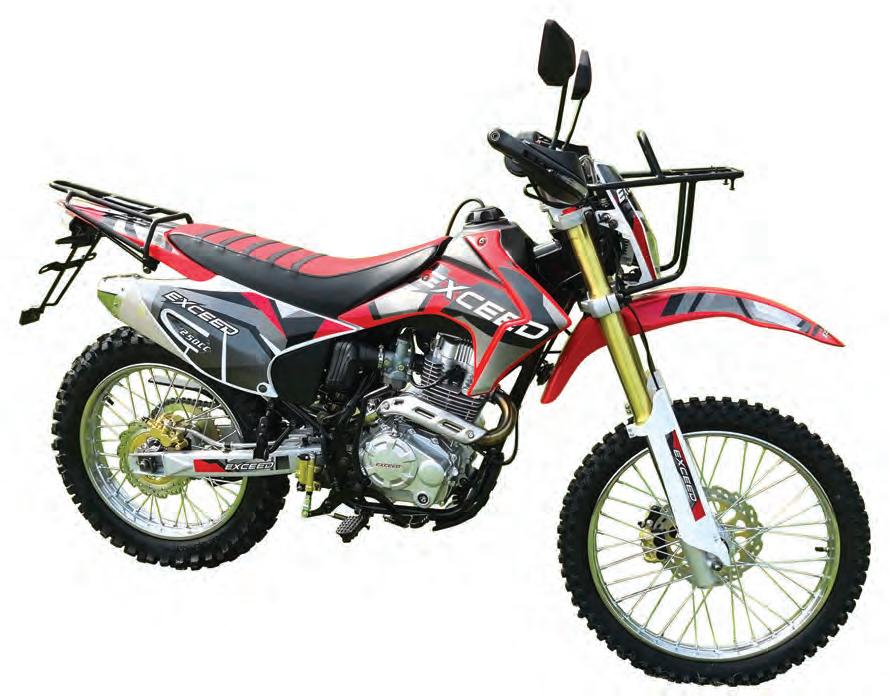
IN A market already well supplied with agricultural spec’ two-wheeled motorcycles, a new arrival with an aggressive price point is sure to raise a few eyebrows.
The Exceed rangedistributed by Exceed Trading NZ who sell Hisun four-wheelers via another company - offer a trio of models, said to be specifically designed for local conditions.
The business is owned by Peter Burchall, who over the last 18 months frequently visited the Chinese factory to finalise specification, product distribution and technical support, and is overseen by Barry Martin from a premises based at Shannon in the lower North Island.
A common frame and suspension set-up for the 150, 200 and 250cc models allows reduced inventories for common parts, while Burchall notes that the 150cc
model can be supplied with smaller diameter wheel/tyre equipment, for riders of smaller stature. Standard seat height of the 150cc is 780mm, with the 200 and 250 models at 800mm.
Fitted with air-cooled, single cylinder, four stroke engines, delivering 9.5, 10.5 and 11.5 horsepower respectively, the transmission is a 5-speed unit, matched to chain driven, final drive offering a maximum speed of up to 85kph, depending on model.
Zealand conditions and offer a very competitive price, starting at $3,800 for the 150cc, rising to $4,050 and $4,350 for the
MARK DANIEL markd@ruralnews.co.nz
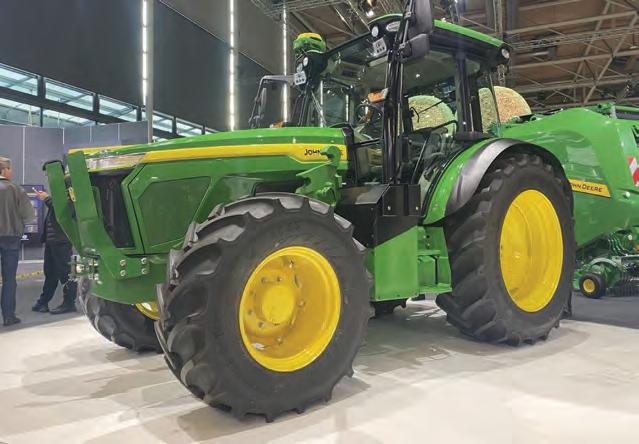
EASILY MISSED on its expansive Agritechnica site, John Deere offered visitors to the bi-annual event, the first opportunity in Europe to see John Deere’s E-Power 130hp electric tractor prototype.
Said to have been developed for orchards, vineyards, vegetable and livestock farms, the format also addresses situations inside buildings where diesel emissions are not acceptable.
there will be a configurable offering of for cab type, axles and tyre equipment.
E-Power will be available with up to five Kreisel 39kWh batteries, offering several hours of light work, such as tedding, spraying or raking. Battery swaps are said to be quick and easy, with the company also developing a range of charging solutions.
200 and 250cc, all backed by a twelve month parts warranty.”
Visit www.exceedtrading. co.nz
From the outset, the design brief was to deliver a unit that had the look and feel of a conventional 130hp (100kW) tractor, while delivering the benefits derived from an electric driveline, including instant torque, smooth acceleration, quietness, simple control and reduced maintenance.
Previewed at the Consumer Electronics Show (CES) 2025 in Las Vegas earlier this year, the manufacturer suggests that
Looking at outputs, 87kW of power is available at the PTO, and 82kW for the drivetrain. Said to be compatible with existing implements, the E Power tractor has the capability to provide off-board electricity for power tools at remote worksites. Multiple prototypes have been tested throughout 2025, with a plan for a limited number of models released by the end of 2027 in North America.
Deere & Company acquired majority ownership in Kreisel Electric in December 2021, an Austrian company that develops electric battery modules and packs, and a charging infrastructure platform.
Standard equipment includes electronic ignition, electric start with a kick-start back up, front and rear racks, handguards and rearview mirrors, plus a side stand. Dimensions include a 1380mm wheelbase, 300mm ground clearance, a 150kg load capacity and an 8-litre fuel tank capacity.
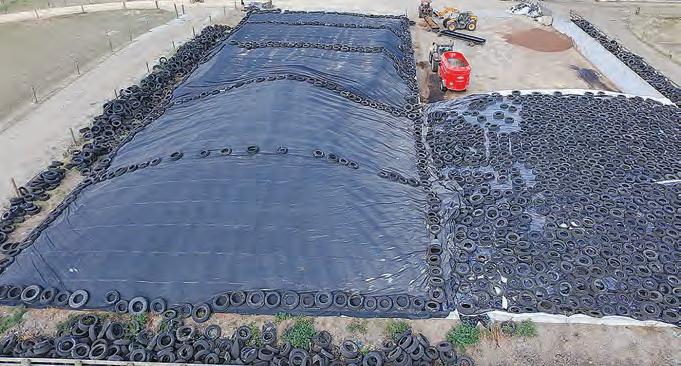
•Rolls up to 15m wide, therefore fewer joins which means less risk, faster installation and shorter good weather window required.
•Design assistance and volume calculations available.
•Material warranty from global company - Firestone Building Products.
Burchall comments, “we set out to source a high specification and reliable machine, customise it to suit New
• Improved pasture preservation
•Nationwide Firestone trained and accredited installation contractors.
• Sustainable
•Future proof - dependable performance, 50 year life expectancy even when exposed, 20 year Firestone material warranty.
• No daily shifting of tyres
• 10 year UV warranty
•Over 120 million square meters installed worldwide.
•30 years in the NZ lining business.


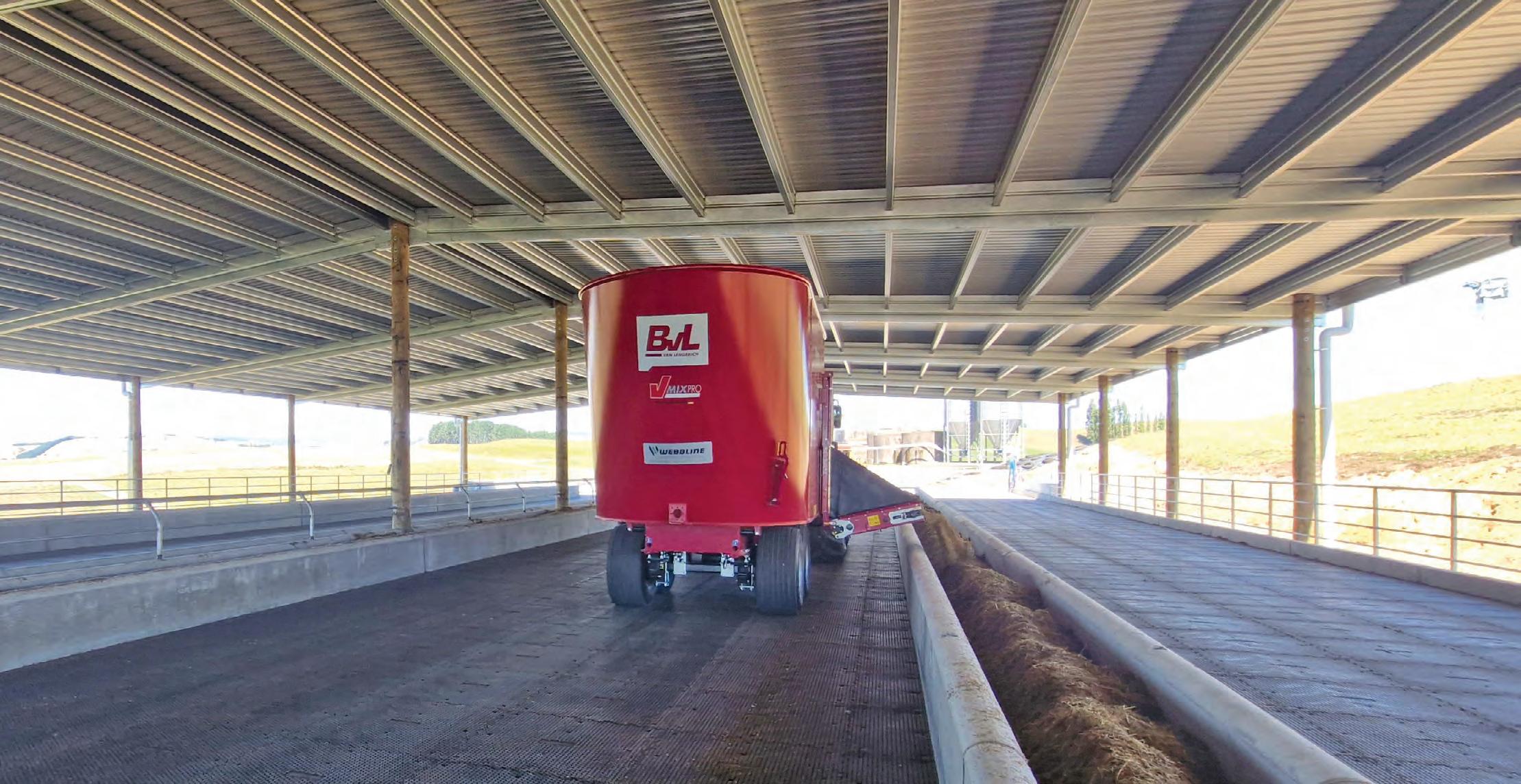
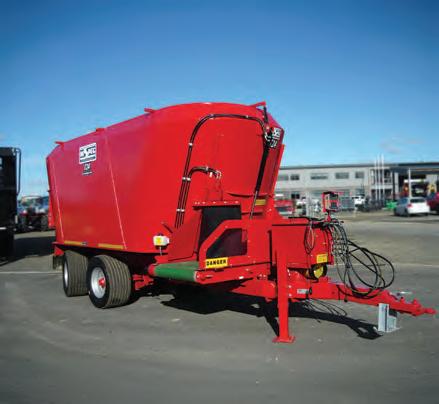
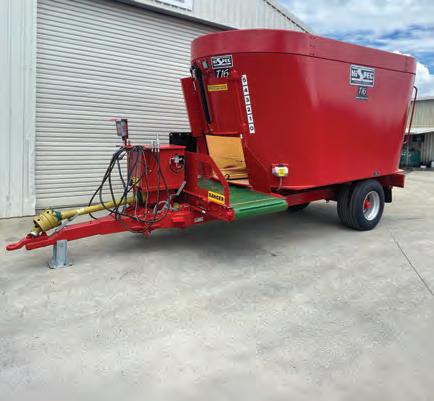
1: Fastest Mixing Speed
- Asymmetrical mixing wedges
- Power mixing auger
- Rolled mixing chamber walls
- Consistent mix right through
3: Nationwide Backup and Support
- Four branches nationwide
- Factory trained technicians
- Significant parts stock holding
2: Longest Lasting Mixer Wagon
- Double overlapped welding
- High quality German steel
- Robust truck style chassis
- Double anti spill ring
4: Made for Me
- Over 2000 combinations
- 78 Versions
- 37 Models