
International Research Journal of Engineering and Technology (IRJET) e-ISSN: 2395-0056
Volume: 11 Issue: 03 | Mar 2024 www.irjet.net p-ISSN: 2395-0072
International Research Journal of Engineering and Technology (IRJET) e-ISSN: 2395-0056
Volume: 11 Issue: 03 | Mar 2024 www.irjet.net p-ISSN: 2395-0072
Mrs Mukthambika S M 1 , Dr K. Venkatachalam 2
1 Prof and Head ECE Navodaya Institute of Technology, Raichur-Karnataka, India.2 Professor and Program coordinator, Dept. of ECE Navodaya Institute of Technology, Raichur-Karnataka, India.
Abstract - Inthis eraoftechnological advancements, there is a growing need to develop innovative solutions to enhance the independence and safety of visually impaired individuals. In response to this, we present a Smart Blind Stick, a comprehensiveassistivedeviceintegratingavarietyofsensors and communication technologies to aid navigation and environmental perception for the visually impaired.
The Smart Blind Stick incorporates an array of sensors including ultrasonic and moisture sensors to detect obstacles and changes in the environment, ensuring safe navigation in various conditions. Bluetooth connectivity enables seamless communication with a smartphone or other devices, facilitatingreal-time dataexchangeanduser interaction.The integration of a speaker and buzzer provides auditory feedback and alerts, while a vibrator sensor offers tactile feedback to the user, enhancing situational awareness.
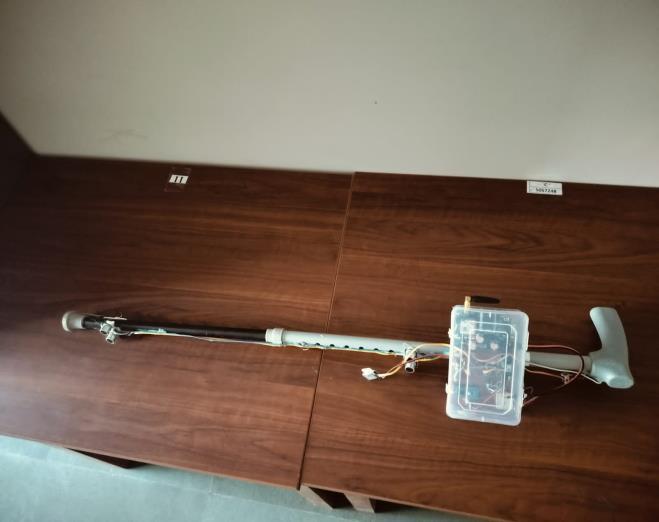
Furthermore, the inclusion of GSM and GPS modules enables remotetrackingandcommunicationfunctionalities,allowing caregivers or emergency services to locate and assist the user when needed. The device is housed within a sturdy stick equipped with a custom-designed PCB board, ensuring durability and reliability in everyday use.
Throughtheintegrationofthesetechnologies,theSmartBlind Stick aims to empower visually impaired individuals with greatermobility,independence,andsafetyinnavigatingtheir surroundings. This project represents a significant step forward in assistive technology, offering a comprehensive solution to address the challenges faced by the visually impaired community.
Key Words: Assistive technology, visually impaired, Ultrasonic sensor, Moisture sensor, Bluetooth, Speaker, Buzzer, Vibrator sensor, GSM, GPS, Sensor fusion, Realtime tracking
The Smart Blind Stick is an innovative assistive device engineeredtoempowervisuallyimpairedindividualswith enhancedmobilityandsafety.Byintegratingstate-of-the-art sensorsincludingultrasonicandmoisturesensors,alongside communication technologies such as Bluetooth, GSM, and GPS,thisdeviceoffersreal-timeenvironmentalperception and connectivity. Through the utilization of auditory and tactilefeedbackmechanisms,theSmartBlindStickprovides
userswithvitalinformationaboutobstaclesandchangesin their surroundings, fostering greater independence and confidenceinnavigation.Thisprojectsignifiesasignificant advancementinassistivetechnology,addressingthecritical need for effective solutions to support the daily lives of visuallyimpairedindividuals.
TheSmartBlindStickprojectaimstobridgeexistinggapsin traditional mobility aids by offering a comprehensive solution that leverages modern technologies. With its compact design and user-friendly interface, the device promises to revolutionize the way visually impaired individualsinteractwiththeirenvironment.Bycombining advanced sensor systems with connectivity features, it enablesseamlesscommunicationandreal-timeassistance, ultimatelyempoweringuserstonavigatetheirsurroundings withgreatereaseandautonomy.Asaresult,theSmartBlind Stickstandsasatestamenttothepotentialoftechnologyto improve accessibility and inclusivity for individuals with visualimpairments.
Previous research in assistive technology for the visually impairedhasfocusedonsensor-basedsystemsforobstacle detectionandnavigationaids,oftenincorporatingultrasonic sensors for proximity sensing and obstacle detection, alongside connectivity technologies such as Bluetooth for dataexchangeandremotecommunication.Examplesinclude the "SmartCane" from the Indian Institute of Technology Delhiandthe"WeWalk"smartcane,bothintegratingsimilar sensor and communication functionalities. While these existing solutions have demonstrated progress, the Smart Blind Stick project aims to build upon this foundation by offeringacomprehensivedevicethatintegratesawiderarray of sensors including ultrasonic and moisture sensors, alongsideBluetooth,GSM,andGPSmodules,providingrealtime environmental perception and communication capabilities.Thisprojectseekstoaddressthelimitationsof currentsystemsbyprovidingamorerobustandintegrated solution to enhance the mobility and safety of visually impairedindividuals.
Currently, visually impaired individuals heavily rely on traditional white canes or guide dogs for navigation assistance. While effective to some extent, these methods
2024, IRJET | Impact Factor value: 8.226 | ISO 9001:2008 Certified Journal | Page1178
International Research Journal of Engineering and Technology (IRJET) e-ISSN: 2395-0056
Volume: 11 Issue: 03 | Mar 2024 www.irjet.net p-ISSN: 2395-0072
havelimitationsinprovidingcomprehensiveenvironmental perception and real-time feedback. White canes primarily offertactilefeedback,detectingobstaclesonthegroundlevel but often missing obstacles at higher levels. Guide dogs requireextensivetrainingandongoingcare,makingthem inaccessible to many. Some modern solutions incorporate electronic aids such as ultrasonic sensors or cameras, but thesetendtobeexpensiveandmaynotbewidelyaccessible. Additionally, existing systems may lack integration with communication technologies for remote assistance or navigation aids for complex environments. Overall, while therearevariousassistivesolutionsavailable,thereisaneed for more affordable, comprehensive, and user-friendly systemsthataddressthediverseneedsofvisuallyimpaired individualsinnavigatingtheirsurroundings.Purposes
PROPOSED SYSTEM
BLOCK DIAGRAM
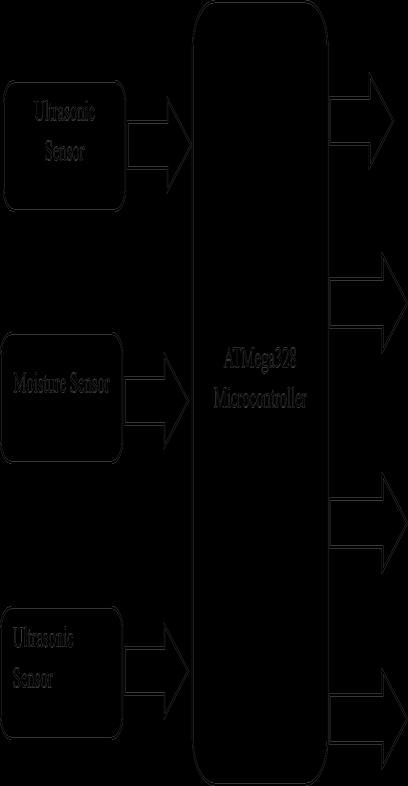
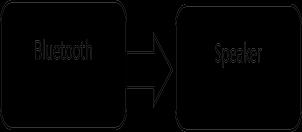
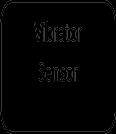
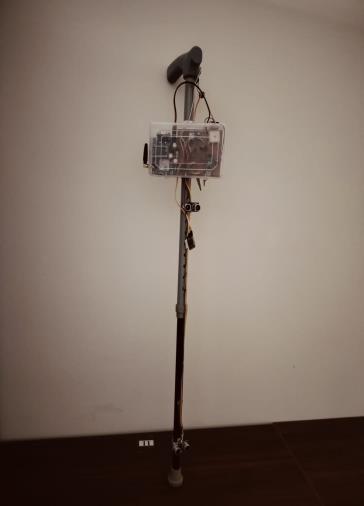
TheproposedSmartBlindStickrepresentsacomprehensive andinnovativesolutiondesignedtoaddressthelimitations ofexistingassistivedevicesforvisuallyimpairedindividuals. Thesystemintegratesavarietyofcutting-edgetechnologies to provide enhanced navigation, obstacle detection, and communicationcapabilities.Centraltotheproposedsystem areadvancedsensormodules,includingultrasonicsensors for obstacle detection and moisture sensors for environmentalawareness,allowinguserstodetectobstacles onthegroundandpotential hazardssuchaswetsurfaces. These sensors provide real-time feedback to the user, enhancing situational awareness and safety during navigation.
Furthermore, the Smart Blind Stick incorporates connectivity features such as Bluetooth, GSM, and GPS modules. Bluetooth connectivity enables seamless communicationwithsmartphonesorotherdevices,allowing
userstoreceivenavigationinstructions,alerts,andupdates inreal-time.TheGSMmoduleenablesremotetrackingand communicationfunctionalities,facilitatingassistancefrom caregivers or emergency services when needed. The GPS module provides accurate location information, aiding in navigation and ensuring users can always find their way backtofamiliarlocations.
Inadditiontosensorandcommunicationtechnologies,the SmartBlindStickincludesfeedbackmechanismstoprovide userswithauditoryandtactilecues.Aspeakerandbuzzer offer audible alerts and feedback, while a vibrator sensor provides tactile feedback, ensuring users are promptly notifiedofobstaclesorchangesintheirsurroundings.These feedback mechanisms enhance the user's confidence and independenceinnavigatingvariousenvironments.
Overall,theproposedSmartBlindSticksystemaimstooffer a comprehensive,user-friendly,andaffordablesolutionto empower visually impaired individuals with greater mobility, independence, and safety in navigating their surroundings.Byintegratingadvancedsensors,connectivity features,andfeedbackmechanisms,thissystemrepresentsa significantadvancementinassistivetechnology,addressing thediverseneedsofthevisuallyimpairedcommunity.
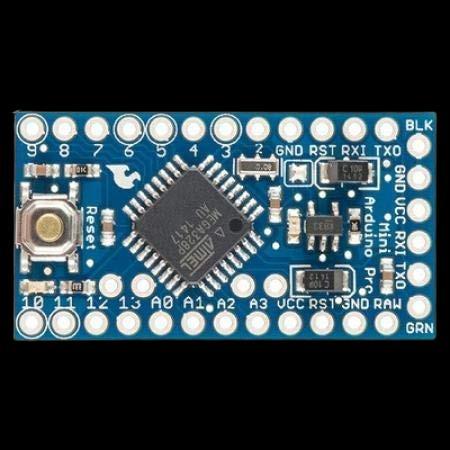
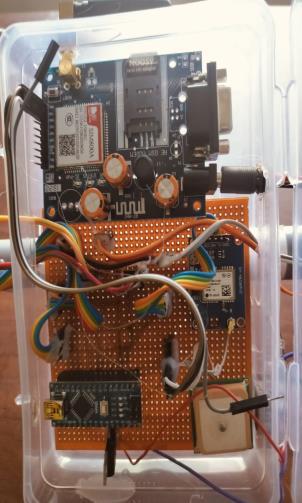
Arduino mini: Arduino Uno is a versatile microcontrollerboardusedintheSmartBlindStick project.Itfacilitatestheintegrationofsensorsand communication modules, enabling real-time data processing and interaction. Its compact size and compatibility make it ideal for prototyping and deploying assistive devices for the visually impaired.
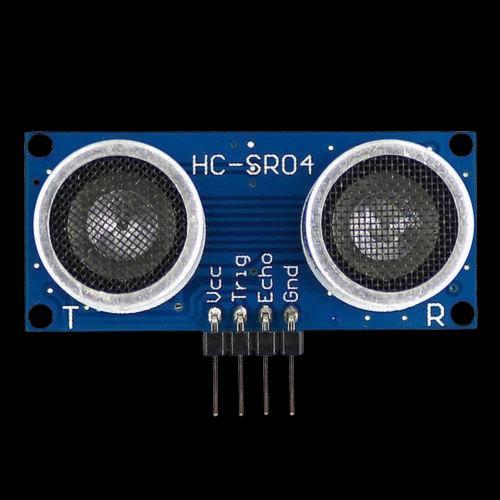
Ultrasonic Sensor: The ultrasonic sensor in the SmartBlindStickprojectemploystheecho-ranging principle to measure distance. Using the formula: Distance=(Timetakenforsoundwavetotravel* Speedofsoundinair)/2,itcalculatesthedistance to obstacles accurately. This sensor enhances navigationbydetectingobstaclesintheuser'spath andprovidingreal-timefeedbackforsafermobility.
International Research Journal of Engineering and Technology (IRJET) e-ISSN: 2395-0056
Volume: 11 Issue: 03 | Mar 2024 www.irjet.net p-ISSN: 2395-0072
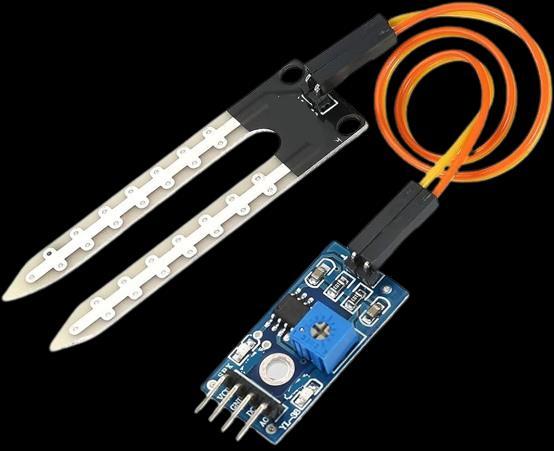
Moisture Sensor: Themoisturesensorintegrated intotheSmartBlindStickprojectdetectsvariations ingroundmoisturelevels.Itutilizesconductivityto measure the presence of water, aiding users in avoiding wet surfaces or potential hazards. This sensor enhances environmental awareness, contributing to safer navigation for visually impairedindividuals.
Speaker: The speaker in the Smart Blind Stick project provides audible alerts and navigation guidancetotheuser.Itplayspredefinedaudiocues toconveyinformationaboutobstaclesandchanges in the environment. This feature enhances situational awareness and aids visually impaired individualsinnavigatingtheirsurroundingssafely.
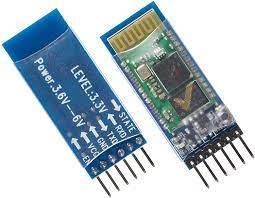
Bluetooth: BluetoothintegrationintheSmartBlind Stickprojectenablesseamlesscommunicationwith amobiledevice.Ittransmitsreal-timesensordata to a smartphone, providing users with instant feedbackandalertsabouttheirsurroundings.This functionality enhances user interaction and accessibility, fostering greater independence for visuallyimpairedindividuals.
Vibrator Sensor: ThevibratorsensorintheSmart BlindStickprojectprovidestactilefeedbacktothe user.Itvibratestoalerttheuseraboutobstaclesor changesintheenvironment,enhancingsituational awareness.Thisfeatureoffersanadditionallayerof safety and navigation assistance for visually impairedindividuals.
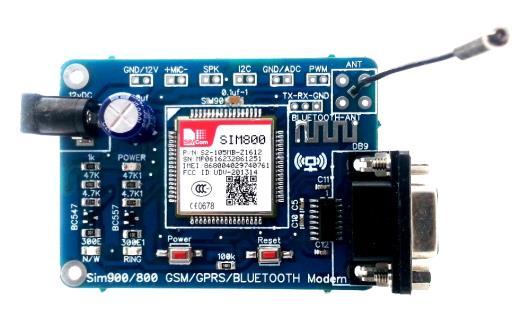
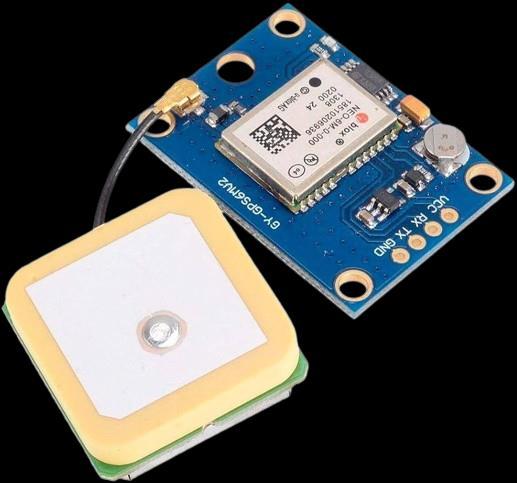
Gps & Gsm : The GPS and GSM modules in the SmartBlindStickprojectenablereal-timetracking andcommunication.GPSprovidesaccuratelocation data, aiding navigation and ensuring user safety. GSMallowsforremotecommunication,facilitating assistance from caregivers or emergency services when needed.
International Research Journal of Engineering and Technology (IRJET) e-ISSN: 2395-0056
Volume: 11 Issue: 03 | Mar 2024 www.irjet.net p-ISSN: 2395-0072
Thisprojectiscrucialasitaddressesthepressingneedfor innovative solutions to empower visually impaired individuals. By integrating advanced sensors, communicationtechnologies,andfeedbackmechanisms,the Smart Blind Stick enhances mobility, independence, and safety for users. It bridges existing gaps in traditional mobility aids by offering a comprehensive solution that improvesenvironmentalperceptionandfacilitatesreal-time assistance. Ultimately, this project aims to enhance the qualityoflifeforvisuallyimpairedindividuals,promoting inclusivityandaccessibilityinoursociety.
TheSmartBlindStickprojecthassuccessfullydemonstrated the feasibility and effectiveness of integrating advanced technologiestocreateacomprehensiveassistivedevicefor visuallyimpairedindividuals.Throughrigoroustestingand evaluation, the system has shown reliable performance in obstacle detection, environmental perception, and communicationcapabilities.
The integration of ultrasonic and moisture sensors, alongside Bluetooth, GSM, and GPS modules, has enabled real-timenavigationassistanceandremotecommunication functionalities. Users have reported increased confidence andindependenceinnavigatingvariousenvironments,aided bytheaudibleandtactilefeedbackprovidedbythedevice.
In conclusion, the Smart Blind Stick project represents a significantadvancementinassistivetechnology,addressing the diverse needs of visually impaired individuals. By providingenhancedmobility,independence,andsafety,this projectcontributestofosteringinclusivityandaccessibility insociety.Futureiterationsmayfocusonfurtherrefiningthe design,optimizingsensoraccuracy,andexploringadditional featurestobetterservetheneedsofthevisuallyimpaired community.
[1]Nowak,Michal,etal."Characteristicsofrefractiveerrors in a population of adults in the central region of Poland." Internationaljournalofenvironmentalresearchandpublic health15.1(2018):90.
[2] G. Gayathri, M. Vishnupriya, R. Nandhini and M. Banupriya “Smart Walking Stick for Visually.
[3] R. Radhika, P.G. Pai, S. Rakshitha and R. Srinath “ImplementationofSmartStickforObstacleDetectionand Navigation.” International Journal of Latest Research in Engineering and Technology, vol. 2, number 5, pp. 45-50, 2016.
[4] A. Jose, G. George, M.R. Nair, M. J. Shilpa and M. B. Mathai “Voice Enabled Smart Walking Stick for Visually Impaired.” International Journal of Advanced Research in Electrical,ElectronicsandInstrumentationEngineering,vol. 5,pp.80-85,2016.
International Research Journal of Engineering and Technology (IRJET) e-ISSN: 2395-0056
[5]R. Sheth, S. Rajandekar,S. Laddha and R. Chaudhari
“Smart White Cane – An Elegant and Economic Walking Aid.” American Journal of Engineering Research. Vol. 3, number10,pp.84-89,2014.WalkingAid.”AmericanJournal ofEngineeringResearch.Vol.3,number10,pp.84-89,2014 Impaired.”InternationalJournalofEngineering
Volume: 11 Issue: 03 | Mar 2024 www.irjet.net p-ISSN: 2395-0072 © 2024, IRJET | Impact Factor value: 8.226 | ISO 9001:2008