
International Research Journal of Engineering and Technology (IRJET) e-ISSN:2395-0056
Volume: 12 Issue: 07 | Jul 2025 www.irjet.net p-ISSN:2395-0072
International Research Journal of Engineering and Technology (IRJET) e-ISSN:2395-0056
Volume: 12 Issue: 07 | Jul 2025 www.irjet.net p-ISSN:2395-0072
Bisweswar Biswas
(Ph. D. Scholar, Department of English, Swami Vivekananda University)
Abstract
This paper aims to demonstrate that deep ecology offers a friendly way to tackle environmental problems through scientific approaches.Deepecologyfocusesontheenvironmentratherthanjusthumaninterests,emergingfromastrongawarenessof ecological issues. This sets it apart from shallow ecology, which is more centred on human needs. While deep ecology emphasizestheimportance ofnatureitself,shallowecologyprioritizeshumanconcerns.Moreover,deep ecologyarguesthat exportingpollutionisnotjustharmfultopeoplebutitisacrimeagainstallformsoflife.ThisstudyhighlightsTedHughes’role in promoting eco-friendly and cooperative attitudes that are essential for achieving ecological balance. His poetry My Own True Family reveals that nature still possesses strength, energy and life that human beings have lost. Driven by a desire to conquernature-stemmingfrom19th centuryenlightenmentideas-peoplehavetakenariskypathtowardsworldlysuccessby seeingtheenvironmentasanenemytodefeat.TedHughesstandsoutasoneofthegreatestnaturepoetsofthe20th century, celebratedforhisportrayalofnature,theenvironment,animalsandtheinterconnectednessbetweenhumanbeingsandtheir surroundings. His poem often features animals and environmental themes, reflecting his deep compassion for non-human beingsandhisbeliefinthepeacefulcoexistenceofallcreatures.ThispaperexaminesdeepecologicalattitudeinTedHughes’ poetry. Howdoesheshowtheburningproblemsofsocialandecologicalemergency?Thefocusofthestudyistoexplorethe impactofglobalizationontheruralIndiansocio-culturallifeinthispoem.Thepurposeofthestudyistobringanewpositive visionforthebetterfutureoftheenvironmenttomakeahealthyWorld.
Keywords: Deepecology,Deforestation,socio-culturallife,environmentalism,healthyworld.
Introduction
Ecocriticismlooksathowhumanbeingsrelatetonatureinliterature.Itstudiestheconnectionsamongnature,cultureand humanbeingstounderstandtheglobalenvironmentalcrisis.Therearevariousviewpointswithinecocriticism,andthispaper throwsthelightonthedeepecologicalperspective.Thisviewemphasizesthatalllivingthingsinnatureare equalandplaya vital role in maintaining balance in the ecosystem. It offers a fresh perspective that challenges human-centred ideas and suggestsnewsolutionsforpressingecologicalproblems.Additionally,itraisesimportantquestionsabouthowhumanbeings and the natural world can coexist peacefully. Ted Hughes reveals the strong bond between nature and human beings in his poetry My Own True Family, which highlights the wisdom found in human’s experience with nature and their desire for harmonywithit.Asa result,thispapertriestorevealtheprofoundconnection betweenhumanbeingsandnatureandboost humanawarenessofecologicalissues.
The phrase ‘Deep ecology’ wasintroducedin 1973 by ArneNaess.Itrepresentsa wayofthinking about the environment andasocialmovementthatsuggestshuman’sneedtochangehowtheyrelatetonature.Peoplemustunderstandthatnature hasitsownvalue. Thisidea supports theimportanceof ecological balancein oursurroundings.Deepecology iscalled‘deep’ becauseitexploresimportantquestionsabouthowlivingbeingsaffecttheearth.Itlooksformoreunorthodoxperspectiveof theenvironment, where welive. Deep ecologyisa movementanda wayofthinkingabouttheenvironmentthat seeshuman lifeasjustonepartofthelargerglobalecosystem.Itarguesthatweshouldprotectnatureforitsownsakebecauseithasvalue beyond whathuman beingssee. Byharming nature, people are putting themselvesat risk. Deep ecologyshowsreal concern foralllivingthings,notjusthumanbeings.Everypartofnaturehasitsownvalueandplaysaroleinkeepingourenvironment balanced.Naesspointsoutfromthedeepecologicalpointofviewthat,“therightofallforms(oflife)toliveisauniversalright whichcannotbequantified.Nosinglespeciesoflivingbeinghasmoreofthisparticularrighttoliveandunfoldthananyother species”(Naess166-187).
International Research Journal of Engineering and Technology (IRJET) e-ISSN:2395-0056
Volume: 12 Issue: 07 | Jul 2025 www.irjet.net
p-ISSN:2395-0072
The study, which focuses on ecocritical ideas, is important because it highlights Hughes’ role in encouraging eco-friendly and cooperative attitudes to maintain what we call ecological balance. The ecocritical approach in literature blends environmental themes with literary analysis to explore nature, the environment, and the non-human beings that share our planet with us. It addresses global environmental challenges and raises awareness about the serious problem of ecological imbalance. The goal is to promote environmentally conscious methods to tackle the dangers of ecological degradation by inspiring people to take action to protect the environment. This study is a qualitative research that uses deep ecological theory.Itfocuses on explaining and interpreting the selected text. The analysislooksatthevariousarguments presented by Ted Hugheswho isregardedasoneof the best postmodernpoetsfocusedonnatureand animals.His poemhighlightsmany currentissuesrelatedtoenvironmentalethics.Theecocriticaldiscussionisbackedupwithevidencefromthetext.
Edward James Ted Hughes portrays the hypocrisy of people who take advantage of Mother Nature for their own selfish purposesandfailtohealherwounds.Itservesasthewarningtohumanitythatifpeopledonotcontroltheirgreed,continue cutting down trees and neglect to plant new ones, it will inevitably lead to the destruction of all living beings on our planet. Thepoememphasizestheimmenseimportanceofsafeguardingournaturalenvironmentforthegoodofhumanitybeforeitis toolate.Italsoteachesthathumanbeingsandtreesshouldlivetogetherasonefamilyforthebettersurvivalontheearth.The currentenvironmentalcrisisandthenegativeaspectsofscientificdiscoveriesandtechnologicaladvancementsareconcerning. Alltheprogresswehavemadehasfocusedondominatingnatureforhumangain.It’s likeabattlewherehumanbeingsthink that they should have power over everything. Rachael Carson clearly describes in her book, Silent Spring: “No witchcraft, no enemyactionhadsilencedtherebirthofnewlifeinthisstrickenworld.Thepeoplehaddoneitthemselves...everyoneofthese disastershasactuallyhappenedsomewhere,andmanyrealcommunitieshavealreadysufferedasubstantialnumberofthem” (Carson1).
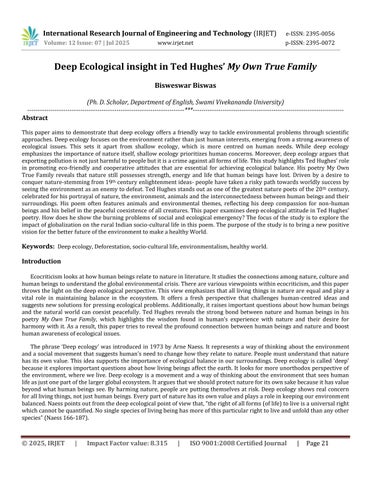
TedHugheswrotethepoeminadreamnarration.Hetells,“OnceIcreptinanOakwood-Iwaslookingforastag”.Oneday, whilesearchingforastag,aboywalksintoanoakforest.Theboy’ssearchforthestagisasymbolofhumanbeing’squestfor theidealunattained.Intheoakforest,hemeetsanoldwomanwholooksveryfrailandherclothesaretattered.Sheclaimsto hold his secret in her small bag. After saying this, the woman laughs with a strange, harsh sound that frightens the boy. She opensherlittlebagandcastsaspellonhim.Suddenly,thepoetrealizesthatheissurroundedbyatribeandhasbeentiedtoa stake. In the poem, the old woman symbolizes Mother Nature that provides life for all living things on our planet and is essential for their survival. The main distinction is that trees are created and nurtured by Mother Nature. They stay firmly rootedintheground,drawingnutrientsfromthesoil.Thisis whypeopleoftensaywewerebornbutdidnot trulygrow.She
© 2025, IRJET | Impact Factor value: 8.315 | ISO 9001:2008 Certified Journal | Page22
International Research Journal of Engineering and Technology (IRJET) e-ISSN:2395-0056
Volume: 12 Issue: 07 | Jul 2025 www.irjet.net p-ISSN:2395-0072
takesouta small bag thatholdsa dark secret: the cruelty,hypocrisy andharshness ofhuman behaviour. Sheshowshowwe takeadvantageofherforourownselfishpurposesandtofeedourendlessgreed,whileweneverattempttohealherinjuries.
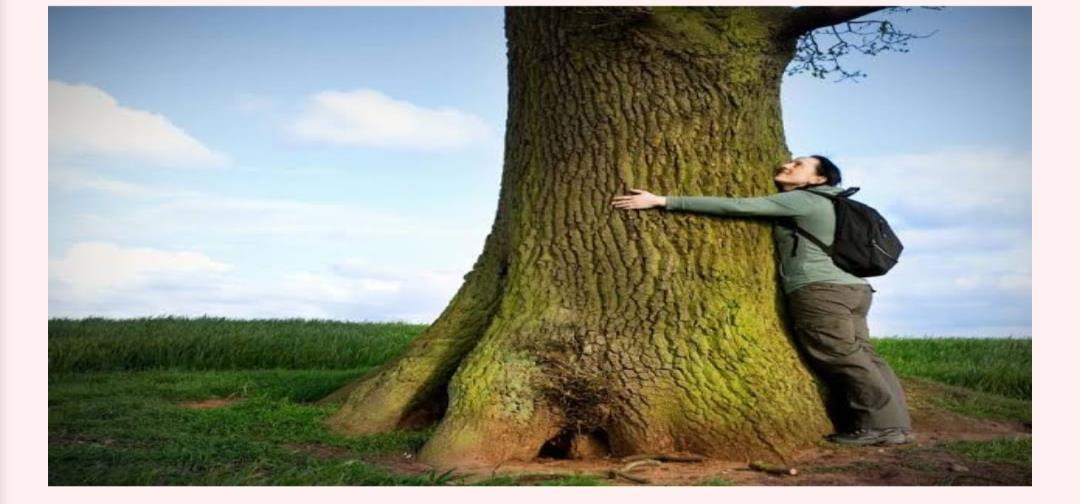
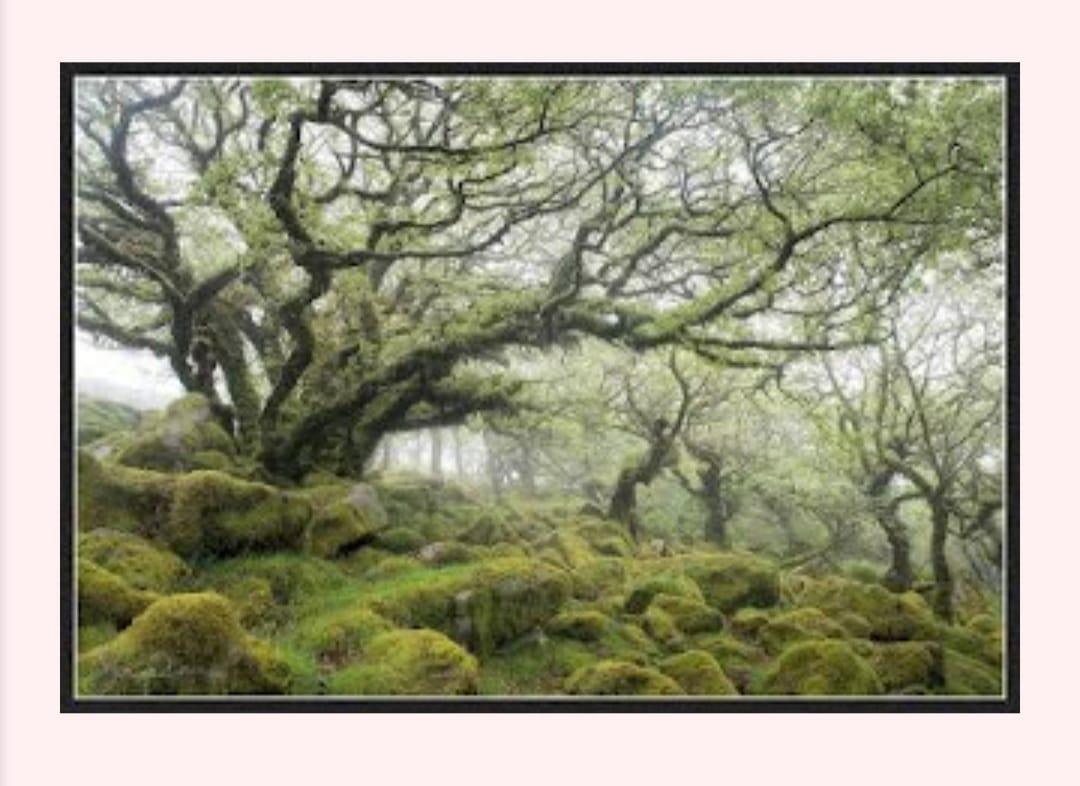
It was a turning point for him, a moment when he realized what was right. In a dream full of imagination, the child sees himselfsurroundedbyanancienttribethattalkstohim.Thistribeismadeupofoaktreesandtheytellhimtheyarehisreal family.Theyexplainthatpeoplecutthemdownandhurtthemwithoutthinkingaboutit,showingnocareatall.Thetreesurge him to promise to protect them right away, warning that if he doesn’t, it could lead to their destruction in the future. This moment marked a crucial turning point in the child’s moral and ethical growth. The child finds himself surrounded by an ancient tribe that speaks to him in a magical dream. This tribe is made up of oak trees who declare themselves as his true family.Theyrevealthattheyarebeingcruellycutdownandharmed,butnooneseemstocareorhelpthem.Thetreesinsist thathemustmakeapromiserightawaytoprotectothertrees,orelsetheywilldisappearinthecomingyears.Theoaktrees commandhimthatwheneverheseesatreethathasbeencutdown,hemustplanttwonewtreesinitsplace.Ifhefailstodo this,theblackoakbarkwillconsumehimandbindhimtotheroots.
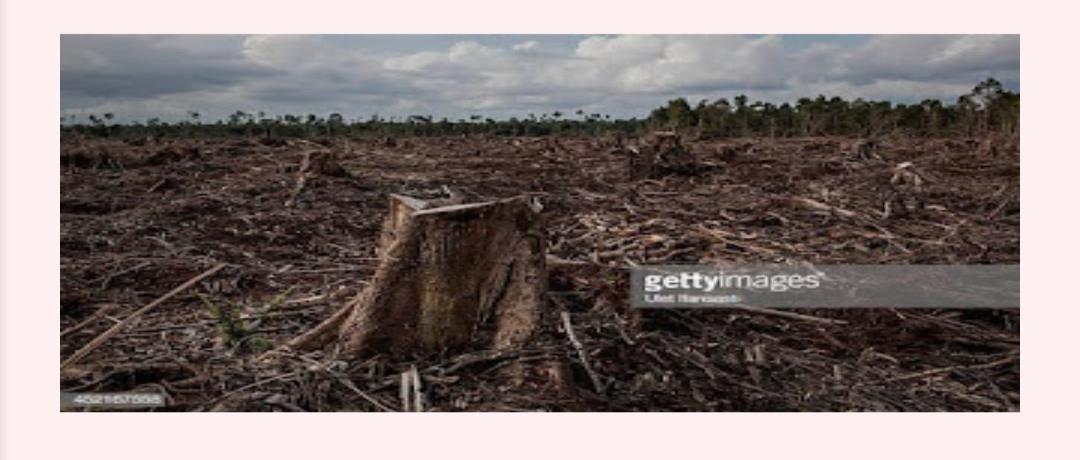
Thepoet’sexperiencewasn’tsomething thatactuallyhappened;it wasjusta dream whichexpresseshowhe feelsinside. First, he woke up from this dream and he had a spiritual awakening when he understood that the people are damaging the natureandhowhumanbeingscruellytakeadvantagesofnaturetofeedtheirendlessgreed. Hefeelssadforthetreesandhis heartisfullofkindnessforthem.Thisunderstandingchangedhim.So,ashereturnstohumansociety,heappearsasahuman
International Research Journal of Engineering and Technology (IRJET) e-ISSN:2395-0056
Volume: 12 Issue: 07 | Jul 2025 www.irjet.net
p-ISSN:2395-0072
childbuttrulyhasthespiritofa tree. Thepoetcouldnotignoretheneedsofthenaturalworldanylonger.Assomeonewho representshumanbeings,heunderstoodtheharshtreatmentthattrees,symbolizingnature, oftenface.Thedreamawakened his feelings,makinghimsee nature throughthe eyesof thetrees.In simplerterms, heconnected with thetrees emotionally. Thedreamactuallyrebuiltaconnectionofloveandcompassionbetweentheoaktreesofnatureand thechildfromthehuman world.
Ted Hughes’ poemsoftenshow a view thatfocusesonnature’s valueinitsownright,notjustassomething for peopleto use. He skilfully depicted the strength, beauty and unpredictability of the natural world while also showing where human beingsfitintoit.Hisfocusonnaturehighlighteditswildandbasicelements,creatingstrongimagesthathelpreadersconnect more deeply with the environment. He did not ignore the harmful side of human actions that negatively impact the environment.Heexploredthisissueinhispoemwherehesuggestedthatcarelessbehaviourthreatensecologicalbalance. He looksatthelossandgriefbycuttingofthetrees.Itcanrepresentbiggerenvironmentalissuesorhighlighthowtemporaryand fragile all living things are. Through his works, he urges readers to see their role in the universe and understand their connectiontothelargernaturalworld.Thismessageraisesawarenessabouttheenvironmentandhelpspeopleappreciatethe detailsof the worldaround them. His eco-friendly approachstill inspires and makesus think about how werelateto nature today. By exploring how nature connects with humanity, Hughes encourages readers to reflect on their place in the natural world.
This paper examined, interpreted and talked about the chosen poem of Ted Hughes’ My Own True Family from a deep ecological viewpoint. It aimed to uncover the connections between nature and human beings and explores deep ecological awareness. The analysis revealed that this poem expresses strong feelings of regret, sorrow and reflection on how humans relate to nature. The poet’s concern for the environment is clearly shown in his work, highlighting deep ecological consciousness.Thisdiscussionemphasizedtheimportanceofhumanbeingsrecognizingtheirconnectionwiththenonhuman worldtobuildavibrantrelationshipwithnature.Thepoemanalyzedinthisstudyportrayshumanbeingasthepartofnatural world.Thisnewviewofdeepecologyhelpsustofindoutdeepermeaningsinthepoetry.Itcanguideusin understandingand analyzingliteraryworksthataddresstheextremeconsumerismandtechnicalgrowthcausedbyhumanbeingswhichleadto ecological crises. Human selfishness causes many environmental disasters. That’s why we need literature to help us see the deepconnectionsbetweenalllivingthingsthroughanecocriticallenstoimproveourrelationshipwithnature.
References
1. Carson,L.Rachel.“SilentSpring”,ArniBooks,2023,E-book,Kindleedition
2. Das, Gopal. “Deep Ecology Perspectives and Issues”, International Journal of Multidisciplinary Educational Research, vol.11,no.4(2),2022,pp.48-50
3. Ghosh, Arindam. “Survey of Literature: Ted Hughes, Semus Heaney and Dylan Thomas”, International Journal on StudiesinEnglishLanguageandLiterature,vol.6,no.9,pp.17-29
4. Hayat, Umar. , Iqbal, Nasir & Ahmad, Mumtaz. “An Ecocritical Insight into Ted Hughes’ Poetry as an Alternative and ComplementaryApproachtoAnthropocentrsm”,GlobalSocialSciencesReview,vol.IV,no.II,2019,pp.454-461
5. Hughes,Ted.“MyOwnTrueFamily”,MeetMyFolks!,FeberandFeberLtd.,1961
6. Naess, Arne. “Ecology, Community and Lifestyle: Outline of an Ecosophy” translated by D. Rothenberg. Cambridge UniversityPress,1989,pp.166-187
7. Singh, Hardeep. “Exploring eco-centric poetry of Ted Hughes: Nature, humanity and environmental consciousness”, InternationalJournalofAdvancedAcademicStudies,vol.3,no.4,2021,pp.273-275