
International Research Journal of Engineering and Technology (IRJET) e-ISSN:2395-0056
Volume: 12 Issue: 07 | Jul 2025 www.irjet.net p-ISSN:2395-0072
International Research Journal of Engineering and Technology (IRJET) e-ISSN:2395-0056
Volume: 12 Issue: 07 | Jul 2025 www.irjet.net p-ISSN:2395-0072
1Mr. Balwant Singh, Assistant Professor {Sociology}, Dogra Degree College {Affiliated to the University of Jammu} MA, UGC NET{Sociology}, MA {Pub.Administration}, B.Ed., PGDRD
2Mr. Rajinder Kumar, Lecturer (Commerce) Bhaderwah Campus University of Jammu
M.Com, MBA, UGC NET & JKSET(Commerce) MA {Pub.Administration}, B. Ed,
Abstract
The Parliament passed the Constitution (Jammu and Kashmir) Scheduled Tribes Order (Amendment) Bill, 2024, which addedthecommunitiesof"PahariEthnicGroup,PaddariTribe,Koli,andGaddaBrahmin"tothelistofScheduledTribesof theJammuandKashmirUnionTerritory.BygivingScheduledTribestatus,thehistoricbillseekstoempowerthefollowing groups:(i)thePahariEthnicGroup;(ii)thePaddariTribes;(iii)Koli;and(iv)theGaddaBrahmin.Thesecommunitieshave beenwaitingalongtimeforthis.
Despite facing severe winters and difficult terrain, the ‘Paddari tribe’ has silently survived for years, maintaining their distinctive cultural heritage. The Paddari tribe has reached a significant milestone with the award of Tribal Status, after yearsofhardshipanddetermination.Animportantstepforwardintheirpursuitofjustice,inclusivity,andequalityisthis official recognition. The Paddari tribe has several different facets to their way of life. They reside in themountainousregionoftheKishtwardistrict.ThePaddarihomelandhasboundarieswithPangiinHimachalPradeshto the south, Zanskar (Ladakh) to the east, and the remainder of J&K to the west. The population of Paddari was 21548 in 2011; of these, 83.6% were Hindus, 9.5% were Buddhists, and 6.8% were Muslims. The language spoken by the locals thereisPaddari.
The goal of the current study was to ascertain the socioeconomic standing of the residents of the mountainous area. Agriculture is a significant source of economic activity for the Paddari people. The Paddari tribe continues to follow traditional practices, ceremonies, and traditions in social contexts. The relevant data utilized in this study was obtained from secondary sources, which included e-journals, official publications, articles, reports, the Indian population census 2011,evaluationsofrelatedliterature,newspapers,governmentwebsites,andanabundanceofotherinternetresources.
Key Words:Parliament,PaddariTribe,Socio-Economic,Cultural,JammuandKashmir
1. Introduction
Theconstitutioncontainsnoprecisedefinitionoftheword"tribe,"andthereisnot oneanywhere.Itreferstotheideaof culture and history. It refers to the flock's urban continuum, which divides various groupings into tribes based on a particular order of material culture and technological development stage. The Oxford Dictionary defines a "tribe" as a collection of people who are at a primitive or barbaric stage of development, recognize a chief's authority, and typically believethattheyshareacommonprogenitor. AccordingtoVerrierElwin,theword"tribe"comesfromtheLatin"tribuz," whichreferstothethreedivisionsthattheearlyRomansweredividedintoandwhicheventuallygaverisetothecurrent Englishtribe.Dr.D.N.Majumdarstatesthata tribeisa socialgroupthatisattachedtoitsterritory,isendogamous,does notspecializeinanyonearea,isruledbytribalofficerswhoareeithergeneticornot,isunitedinlanguageorvernacular, recognizes its social distance from other tribes or castes but does not feel shame in the caste system, adheres to tribal tradition, beliefs, and customs, is intolerant of the naturalization of ideas from outside sources, and is most importantly consciousofthehomogeneityofethnicandterritorialintegration
The term "tribe," as used in anthropological literature, refers to a social group that differs from other tribes in that it speaks a distinctive language or vernacular and has a unique culture. Tribal people vary greatly in their traditions, customs,andculturalimpactontheland;theyallregardtheearthasaparentandtreatitwithreverence.
ThePaddariTribelivesintheKishtwardistrict'shillyterrain.ThePaddarihomelandisborderedtothesouthbyPangiin HimachalPradesh,totheeastbyZanskar(Ladakh),andthewest,bytheremainingpartofJ&K 21548peoplewereliving inPaddarin2011;83.6%ofthemwereHindus,9.5%wereBuddhists,and6.8%wereMuslims.Theresidentstherespeak
International Research Journal of Engineering and Technology (IRJET) e-ISSN:2395-0056
Volume: 12 Issue: 07 | Jul 2025 www.irjet.net p-ISSN:2395-0072
Paddariastheirlanguage.Paddar,oftenknownastheSapphireLand,isaTehsilintheKishtwardistrict.Itwaselevatedto the Tehsil level in 2005, and Atholi Tehsil was authorized on July 6, 2006. It consists of the two tehsils of Machail and Atholi Paddar. Based on data from the Census of 2011, Atholi (Paddar) Tehsil has a population of 21548, with 4259 dwellings, 11277 male people, and 10271 female residents. Three thousand individuals, or 15.78% of the total, are younger than six years old. The sex ratio in Atholi (Paddar) Tehsil is roughly 911, whereas Jammu & Kashmir's state average is 889. The literacy rate in Atholi (Paddar) Tehsil is 47.3%; 35.36% of women and 58.17% of men are literate. (Paddar) is 248.11 square kilometers in size and has 87 persons per square kilometer as its population. Zanskar to the north,Pangitotheeast,Bhalessatothesouth,andNagsenitothewestmarkeditsboundaries.Tehsilisfromaround1938. fivemetersabovetheocean'ssurface.Therearethirty-twovillagesinAtholiTehsil.
Thangamani{2014} In his analysis of the socioeconomic conditions of the tribes in Thalamalai Hills, Thangamani (2014) foundthat several factors,includinga lack ofroads,schools,andhospitals,aswell asinterferencefromwildanimalsand the exploitation and inadequate execution of government welfare programs for the tribal community, all have an impact on the socioeconomic conditions of the tribes in the study area. According to Jayakumar et al. (2016), despite the government'simplementationofseveraldevelopmentinitiatives,theScheduledTribesinKalrayanHillsstillhavealower socioeconomic standing than non-tribes. According to Chithra (2020), who concentrated on the tribal economy, the primarysourcesofincomeforthetribesintheTiruchirapalliDistrictareagricultureandsmall-scaleforestproducts.Most of them are in debt, and getting other types of loans from the financial industry including gem loans was exceedingly challenging. Government representatives protested in favor of a community certificate. Palaniyammal and Jayakumar (2016). The people of the tribe have seen relatively modest improvements in their socioeconomic status. Hiranniya (2019).Tribalpeoplehavedemonstratedastronginterestinandinvolvementinagricultureproduction,andtheypossess extensive knowledge of indigenous farming techniques. (Rafaqi, 2014) The poorest living circumstances and low socioeconomic status are experienced by the Tribal people of Jammu and Kashmir. (Suri, 2014) The social, cultural, and linguisticidentitiesofthetribalpeoplearedistinct.
3. Objectives of this study
1.ToinvestigatethePaddariTribe'shistorical,socioeconomic,andculturalaspects
2.Toinvestigatetheculturalcustoms,beliefs,andpracticesthatarecommonamongthetribesandhowthey affectdifferentfacetsofdailylife.
3.Todeterminetheobstaclesthetribemustovercometoachievesocio-economicgrowthandmaintaincultural heritage.
4.Toadvanceourunderstandingoftheintricaciesofsocialeconomicgrowthandculturaldynamicsinadiverse culturalenvironment,aswellastoaddtothebodyofresearchalreadyavailableontribalsocieties.
4. Research methodology
The research is completely descriptive and is predicated on a review of previous studies. This research used secondary sources to gather pertinent data for its analysis. These sources included newspapers, government websites,e-journals,reports,articles,officialpublications,andthe2011IndianPopulationCensus.
5. Historical background
ThesubdivisionofPaddar,whichispartofDistrictKishtwar,bordersPangi,which ispartofChambaDistrictinHimachal Pradesh, on the east, and Zanskar, which is part of Kargil District in Ladakh, on the north. The three sub-divisions are geographically close to one another, creating a natural unit with a high level of intra-regional complexity. In historical terms,theywereallapartofthesameprincipalityundertheChambaKingandhis dynastiesuntil1836,whentheDogra rulers split Zanskar and Paddar away from Chamba and combined them with the Jammu kingdom. Nonetheless, Paddar and the Pangi people are highly similar to one another. Based on the information that is now accessible, people who left PangiintheeighthcenturywerethemaininhabitantsofPaddar.LocalRanaseventuallycametodominatebothlocations foraconsiderableamountoftime.BydeposingthelocalRanasinthemiddleofthe17thcentury,ChattarSinghofChamba took complete control over Paddar and Pangi. He and his descendants held this position until the first part of the third decadeofthe19thcentury
International Research Journal of Engineering and Technology (IRJET) e-ISSN:2395-0056
Volume: 12 Issue: 07 | Jul 2025 www.irjet.net p-ISSN:2395-0072
The Paddari tribe has endured hard winters and difficult terrain in silence for millennia, maintaining their distinctive cultural legacy. The award of Tribal Status is a significant milestone that the Paddari tribe has attained after years of hardshipandtenacity.Animportantstepforwardintheirpursuitofjustice,inclusivity,andempowermentisthisofficial recognition. TheScheduled Tribe(ST)status awardedtoPangiin1975gavetheinhabitantsofPaddarhopefora similar designation.Memorandawereassiduouslyfiledtohumblyrequesttribalstatusatmanylevels,rangingfromthemunicipal to the state. The "Paddari tribe," which has endured harsh winters and challenging terrain, has long lived in silence and preserveditsuniqueculturallegacy.WiththegrantofTribalStatus,thePaddaritribehasaccomplishedanoteworthyfeat followingyearsofadversityandperseverance.The"PaddariTribe"wasaddedtothelistofScheduledTribesoftheJammu andKashmirUnionTerritorybytheConstitution(JammuandKashmir)ScheduledTribesOrder(Amendment)Bill,2024, whichwasenactedbytheParliament.
6. Socioeconomic status
Traditionally, subsistence farming /or hunting and gathering were the main sources of income for tribal communities. Thereisnoapparentgovernmentinvestmentintheregion,andtheeconomyisnotregularized.Theeconomyoftherural area is centered on agriculture. In the realm of medicinal plants, Paddar is only renowned for its Chilgoza (Pinus Girardina),Guuchhi,KalaZeera,Thangi,andmulti-coloredherbsandbusheswithnumerousmedicinaluses.Weallreferto thetinybutincrediblycharmingPaddarValleyasbeingamongthemostbreathtakingpeaks,mountains,andvalleysinthe sky. For the Paddari people, agriculture is a major source of economic activity. The people of the Paddari tribe typically farm maize and kidney beans in the Kharif season, and wheat and barley in the Rabi season. The location and abundant supplyofelectricityfromtherivers
7. Cultural status
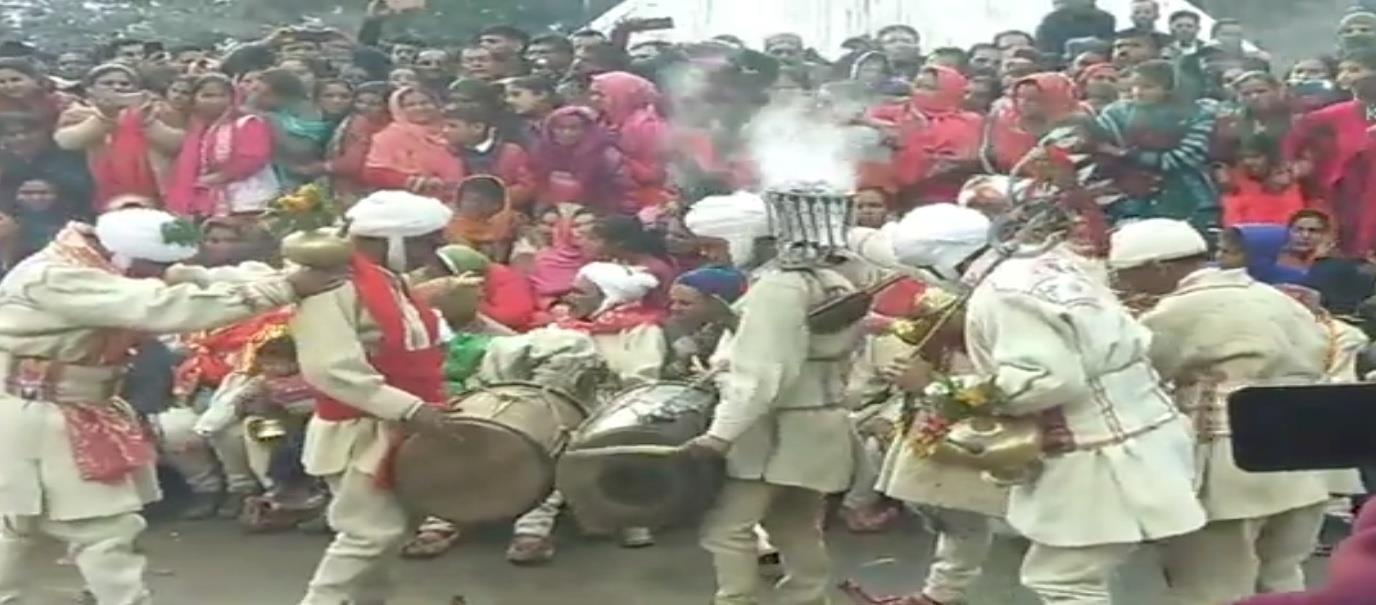
It will be appropriate to comprehend the concept of culture before delving into the culture of the scheduled tribe population.AccordingtoE.B.Taylor,"Cultureisthecomplexwholewhichincludesknowledge,art,belief,morals,customs, and any other capabilities and habits acquired by man as a member of society." This definition of culture is the most widelyaccepted.Padderhasarichculturalbackground.ThepeoplewholivedinancientPaddarweremainlyworshippers of serpents. Hindus perform the various ragas of the various deities in temples using flutes, nagaras, and dhoons, a traditional dhol or drum. This region is known for its Kharzath dance, which is performed in temples and on important occasions.
7.1 The Paddari Tribe's Festivals
The religious festival of Uzzan is held annually. It begins in the far-off village of "Chitto" and concludes in the village of "Jar," and it is honored throughout the valley. To clean the kund located at tatapani, nine men from Chittotraveledto'tatapani'
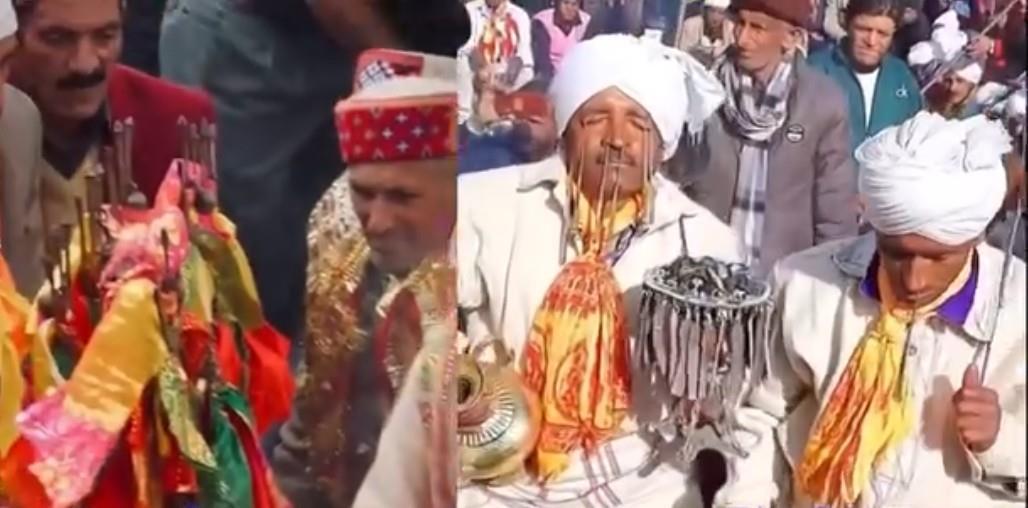
Mela Magh: In the village of Ligri, Mela Magh is a three-day yearly event. Thousands of residents from nearby communitiesparticipate.Certainreligiousdancesareperformedbythegods'andgoddesses'pupils(chelas),who aredressedintraditionalwoolen(pattu)garmentsandmadeofgrassshoes.Apilgrimagetothesacredlackinthe upperreachesofMunhalDhaarmarksthecelebration'sthirdday.
A massive fire is kindled in front of a temple dedicated to a god or goddess during the Zaagra celebration. The chelas,ordisciplesandtheothertownspeopledancearoundthefiretothesoundsofflutesanddhols.
InGandhari,NaghoiMelaisobservedannuallyinmid-August.CometotheChandiMataMandirGandharitoenjoy the festival with people from Paddar and Pangi (Himachal Pradesh). It is a two-day festival. At the Chandi Mata Temple in Chagh, the rath of Devtas from Muthal and Bhatwas unite to celebrate the festival. Three days are devotedtocelebratingthiscelebration.ThevillagesofPallaliandMachailalsocommemorateit.
In Gandhari, Chitto, Pallali, and Machail, people celebrate Cheti while it is snowing a lot. In Gandhari, it's celebratedwithconsiderableceremony.Greetingsareexchangedateachother'shouses.Peoplewhoarestuckin thesnowcangettogetheratthisfestivaltocelebratethewinterseason.
In addition to praying to Mother Earth for increased crop harvests, Mithyaag is observed to commemorate the arrivalofspring.Atsacredlocations,peoplecongregateanddancearoundthegods'holiestweapons.
TheYatrashrinehonorsthegoddessDurga,oftenreferredtoasMachailMata, ChittoMata,andissituatedinthe Jammu region's Kishtwar district's Machel and Chitto hamlet. Every July- August, thousands of people visit the shrine,mostofwhomarefromtheJammuarea.
Volume: 12 Issue: 07 | Jul 2025 www.irjet.net
International Research Journal of Engineering and Technology (IRJET) e-ISSN:2395-0056
Volume: 12 Issue: 07 | Jul 2025 www.irjet.net p-ISSN:2395-0072
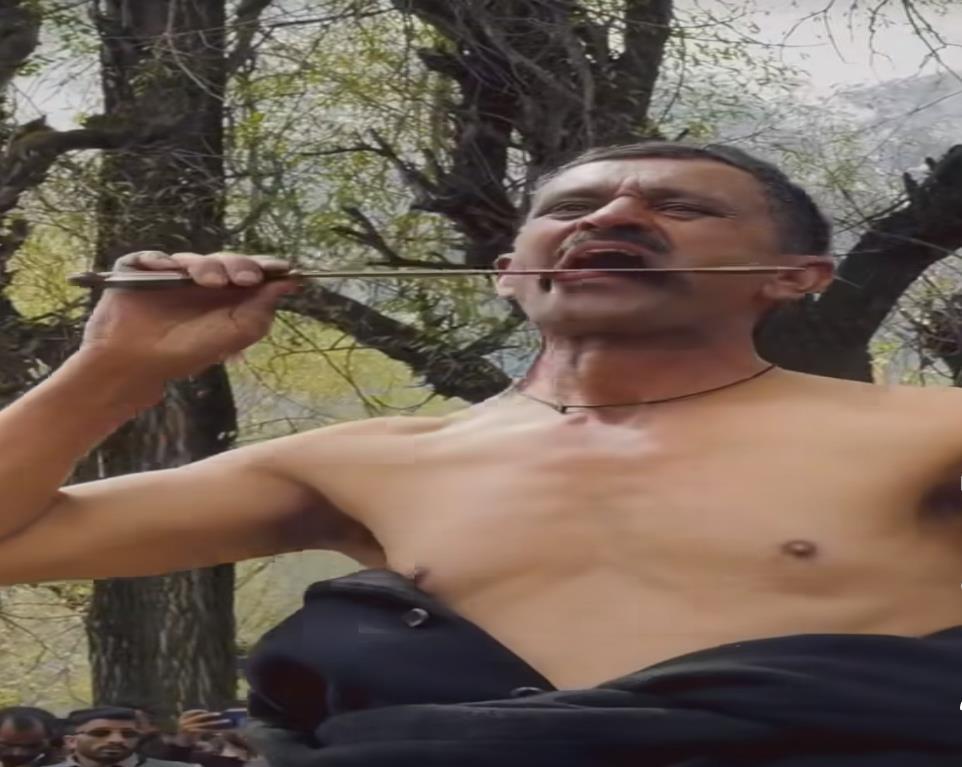
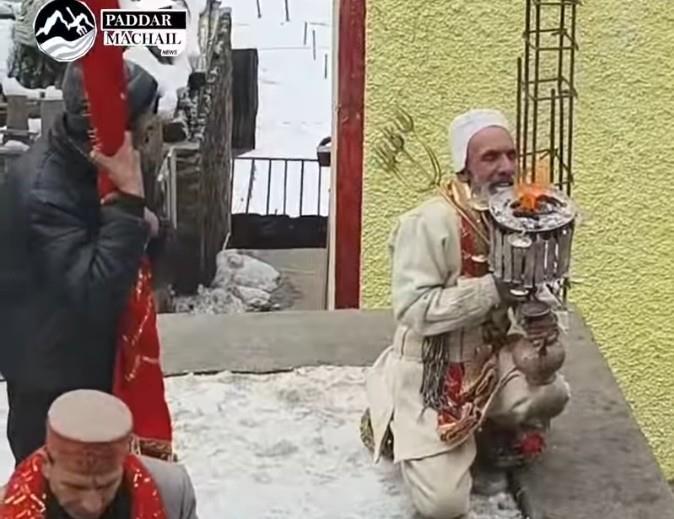
Fig:2-TheTribeformedcertainancientrichculturalheritagebygodorgoddessChelas
8. The Significance of Tribal Status:
The Paddari community gains greatly from Tribal Status, the most important of which is the recognition of their distinct culturalidentity.Theiruniqueart,dialect,traditions,andritualsarerecognizedbythegovernment,whichguaranteesthat their legacy will be preserved for upcoming generations and is protected from the effects of globalization and industrialization. Tribal Status also talks about Paddar's financial difficulties. It creates opportunities for government welfare programs, educational campaigns, and infrastructure improvements, offering crucial assistance to improve the communityandencourageenterprise.ThePaddaritribenowcanactivelycontributetotheregionaleconomyasaresultof obtaining Tribal Status. Through utilizing government assistance and welfare programs, the community can strive to better their standard of living and the general socioeconomic landscape. Moreover, a key component of Tribal Status is inclusion. The Paddari tribe's distinctiveness is acknowledged, and the acknowledgment guarantees its participation in localandnationalprocessesofchoice.
International Research Journal of Engineering and Technology (IRJET) e-ISSN:2395-0056
Volume: 12 Issue: 07 | Jul 2025 www.irjet.net p-ISSN:2395-0072
The recognition of the Paddari tribe’s unique cultural heritage must not lead to isolation. Instead, it should catalyze buildingbridgeswithothercommunitiesandembracingdiversity.Bysharingthebeautyoftheircultureandlearningfrom the traditions of others, the Paddari tribe can foster unity and understanding among different groups, ultimately contributing to a more harmonious society. The Paddari tribe now must safeguard and preserve its cultural identity because of being granted tribal status. Rather than being remnants of the past, their traditions and practices serve as guiding lightsthatcan show the wayto a prosperous future. Theyounger generationmust betaught thelessonsoftheir elders and come to value the power of unity and a sense of pride in their heritage. To accomplish this, the community needstofindacarefulbalancebetweenmaintainingtheirtraditionsandacceptingthegoodpartsofmodernity.
9. Challenges and opportunities
TribalStatuscreates newopportunities,butitalsoposesdifficulties.Thecommunitymustbesteadfastinmaintainingits identity as customs may be threatened by the forces of modernity and outside influences. Furthermore, cooperation betweentheadministrationandthecommunityisnecessarytoguaranteethesuccessfulexecutionofgovernmentwelfare programs. To ensure that Tribal Status benefits are fully realized, campaigning and awareness-building efforts must continue.
10. Recommended suggestion
The socioeconomic situation has a significant impact on our daily lives. The Paddari tribe's low income prevents them frommeetingtheirfundamentalnecessities.Inadditiontohavingpoorereconomicstandingthanthegeneralpopulation, Paddar Hills also has poorer infrastructure, including roads, communication, health, and sanitation. To raise their economic standing, the government must offer resources like financing and other development initiatives. The government should take the necessary actions to inform the farmers of the Paddari tribe about the value of agricultural loansandcropinsurance.
11. Conclusion
The Paddari tribe community had extremely low economic power, which was shown by socioeconomic indicators that gavebackgroundinformationonnutritionandhealth-relatedissues.Anyculture,group,ornation'sidentityisshapedby itshistoricalroots,culturalpractices,customs,values,andindigenoussocialskills.Therecouldbenocommunitywithout these elements. The tribe's primary economic activity was the marketing of valued agricultural produce, which provided the tribe with its income. They were working every day, too. As a result, most of them belonged to lower socioeconomic classes.Theincomeofthosewhorelocatedtoruralareaswassomewhatgreater.Insummary,theresearchindicatesthat thesocioeconomicstandingofthemembersofthePaddaritribehasonlysomewhatimprovedin
References:
1. AhujaRam{2001}ResearchMethods,NewDelhi,RawatPublication
2. HaralambosandHolborn,8th.Edition(2014).SociologyThemesandPerspective,Collins,London.
3. Majumdar,D.NandT.N.Madan(1986).AnIntroductiontoSocialAnthropology,DiamondOffset,Delhi.
4. SachchindanandaR.RPrasad,EncyclopaediaProfileofIndianTribes,Vol.I
5. TheConstitutionJammuandKashmir,ScheduleTribeOrder,1989
6. Prof. A. Jayakumar, and P. Palaniyammal, “SOCIO-ECONOMIC STATUS OF SCHEDULED TRIBES IN KALRAYAN HILLS”InternationalJournalofResearch–Granthaalayah,Vol.4,No.3:SE(2016):22-30.
7. Thangamani(2014),Socio-economic conditions of Tribes in Thalamalai Hills,ShanlaxInternationalJournal ofEconomics,Volume3,No1,Pp.33-46
8. RAMADEVI, J.& ZEYAVUDHEEN,D. J.M. (2024). ASTUDY ONCONSTITUTIONAL SAFEGUARDSANDTHE SOCIOECONOMIC DEVELOPMENT OF MALAYALI TRIBES IN YERCAUD TALUK, SALEM DISTRICT. Migration Letters, 21(S6),1114–1125.https://doi.org/10.59670/ml.v21iS6.8165
9. Hiranniya, K. P. (2019). Tribal development: problem & prospect. Pramana Research Journal. https://www.researchgate.net/publication/338229903_Tribal_Development_Problems_andProspects
10. Jayakumar, A., & Palaniyammal, P. (2016). Socio-economic status of Scheduled Tribes in Kalrayan Hills. InternationalJournalofResearch–Granthaalayah,4(3),pp.22-30.
11. Rafaqi, M. (2014). A study of socio-economic status among the Gujjar and Bakerwal tribal clans of J&K. Asian JournalofMultidisciplinaryStudies,2(7),pp.204-210.
International Research Journal of Engineering and Technology (IRJET) e-ISSN:2395-0056
Volume: 12 Issue: 07 | Jul 2025 www.irjet.net p-ISSN:2395-0072
12. Suri, K., (2014). Impact of armed conflict on the seasonal migratory practices of Gujjar and Bakkarwal tribes in Jammu and Kashmir. IOSR Journal of Humanities and Social Science, 19(2), pp. 54-62. http://dx.doi.org/10.9790/0837-19235462
13. Ahmed,Nawaz.(2013)“SpatialdistributionanddemographicofGujjarinJammudivision:AcasestudyofRajouri and Poonch district” IOSR Journal of Humanities and Social Science (IOSR-JHSS) Volume 9, Issue 5, (Mar- Apr. 2013),PP123-128eISSN:2279-0837,p-ISSN:2279-0845
14. Kumar,R.(2011).Socio-economicandpoliticaltransformationamongtheBodhtribeof thedistrictofLahualand SpitiinHimachalPradesh.(Ph.D.ThesisatDepartmentofPoliticalScience,HimachalPradeshUniversity,Shimla). http://hdl.handle.net/10603/287447
15. "Paddar Population". Census India. Retrieved 29 August 2020.
16. "HistoryofPaddar". Lalit Singh Chauhan.Archivedfromtheoriginalon27May2012.Retrieved11June2012
17. http://www.apa.org/about/gr/pi/
18. www.apa.org/pi/ses
19. http://www.apa.org/pi/women/
20. TheConstitutionJammuandKashmir,ScheduleTribeOrder,1989 21. https://tribal.nic.in/
22. https://tribalaffairs.jk.gov.in/ 23. https://censusindia.gov.in/ 24. https://www.indiaculture.gov.in/ 25. https://culture.jk.gov.in/
26. https://hcsgulabgarh.wordpress.com/
27. https://www.paddar.com/
28. https://www.mooc.org/blog/why-is-it-important-to-study-history
29. https://ncst.nic.in/content/socio-economic-development