SWT/KWS Mt Kenya Veterinary Unit Report for November 2025
SWT/KWS MT KENYA MOBILE VETERINARY UNIT
NOVEMBER 2025
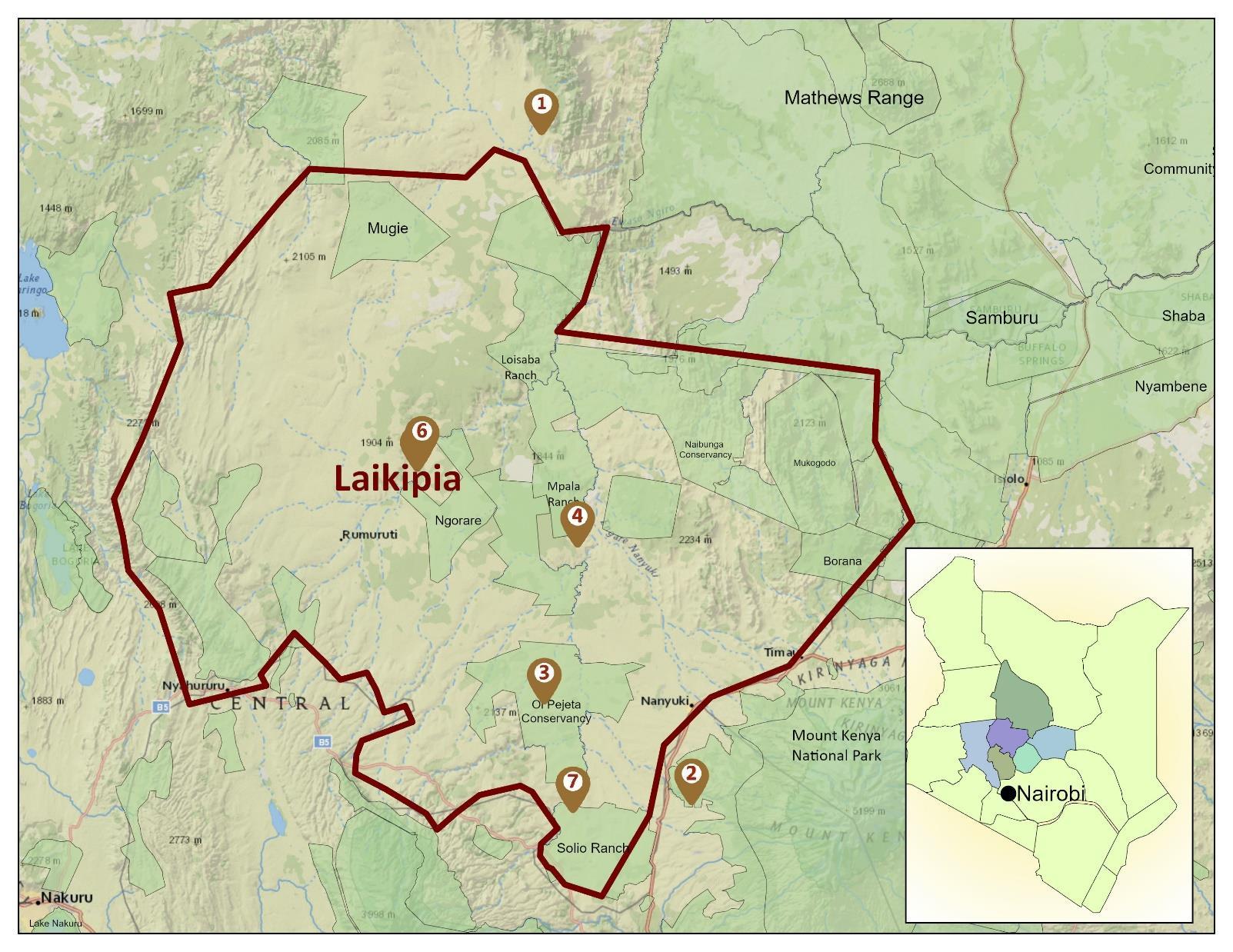
7 Cases in November 2025
November Report by Dr. Jeremiah Poghon
1 Poaching Case 3 Elephant Cases
The Mount Kenya Mobile Veterinary Unit undertook various field operations, in partnership with the capture Unit from Nairobi, responded to elephant treatments, elephant autopsies, rhino treatments and translocation, lion collaring, baboon collaring, and translocation of problem lions to a safe habitat from the Mountain Conservation region.
Acknowledgement
The Mt. Kenya Mobile Wildlife Veterinary Unit thanks the Kenya Wildlife Service for providing leadership and technical expertise. The veterinary team also appreciates The Sheldrick Wildlife Trust (SWT) for providing the financial and logistical support that enables the Unit to fulfil its mandate.
Case Details
November 2025
Elephant Natural Causes
Kirisia Forest, Maralal
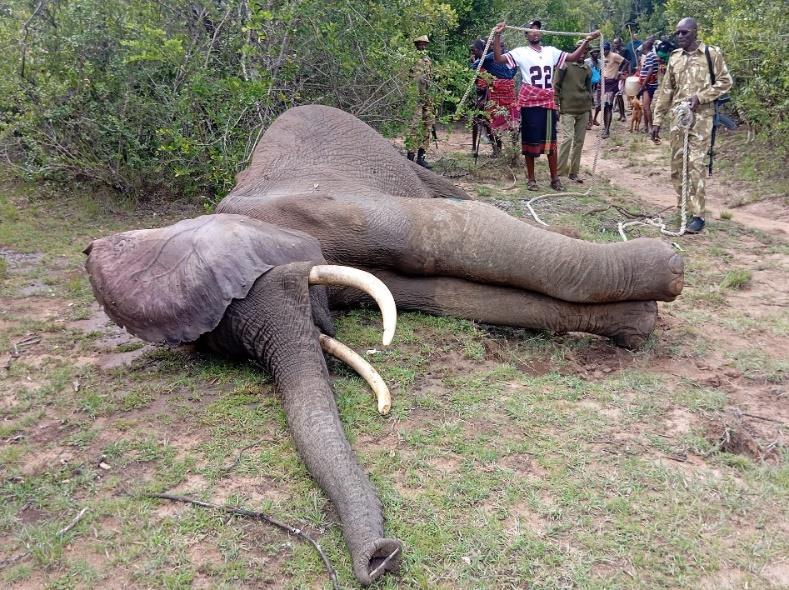
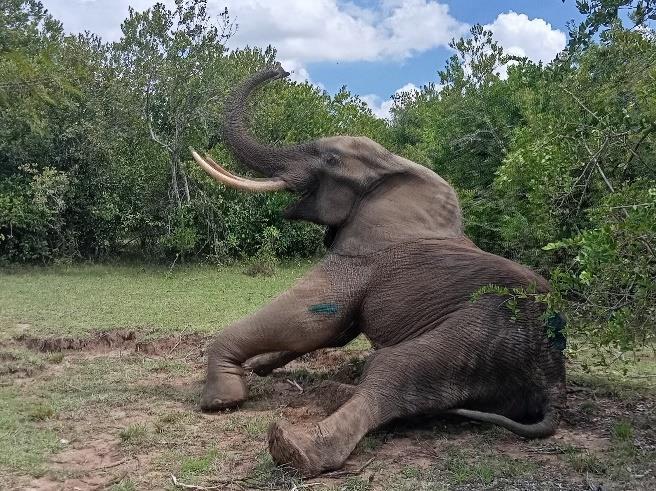
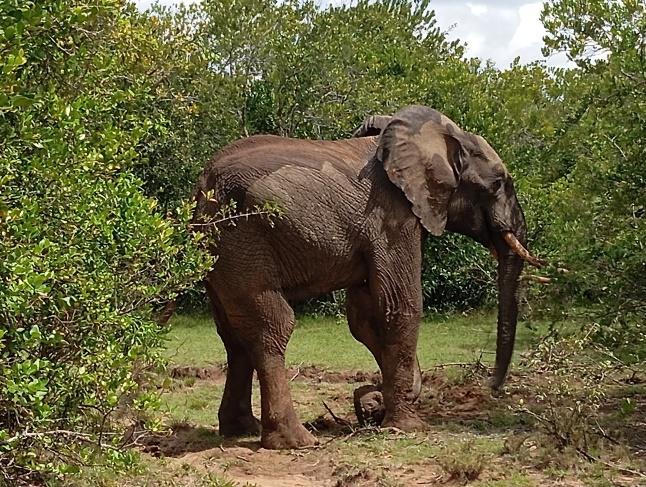
The elephant was reported to be having difficulty in movement, and with a swollen upper left forelimb. Due to long distance, the assistance of a helicopter was requested from Sheldrick Wildlife Trust (SWT)
Immobilization, examination and treatment
The bull was darted from a helicopter with a dart of 16mg Etorphine. An induction time of 6 minutes was recorded after darting. The bull went down on right lateral recumbency.
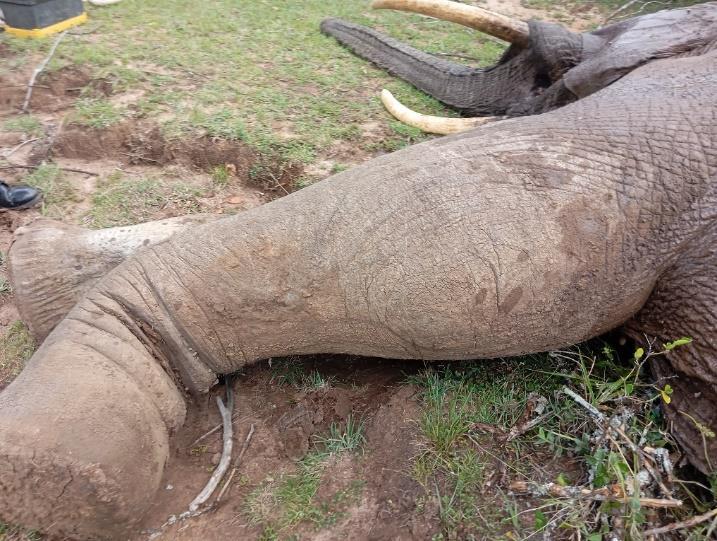
The bull was given a fair body condition score, 3 out of 5. He was observed with severe stepping lameness; the left forelimb was affected. The phalanges and the distal limb were flexed, the animal could not step on the limb. The elbow joint and the distal part of the humerus, of the left forelimb, were significantly swollen. A confirmatory diagnosis could not be determined. Tentative findings suggests either a dislocation of the elbow joint of the left forelimb or a fracture of the distal humerus of the same limb. A supportive treatment was indicated and administered to alleviate pain and prevent secondary infection, so 30,000mg Long-acting
Amoxicillin, 4,000mg Flunixin meglumine, 100mg Dexamethasone, 750mg Clindamycin, 400mg Butaphosphan, and 200mg vitamin B12 were administered.
Prognosis
A supportive treatment offers temporary pain relief, but the condition bears a poor prognosis.
Elephant
Human-Wildlife Conflict Gathiuru, Mount Kenya forest
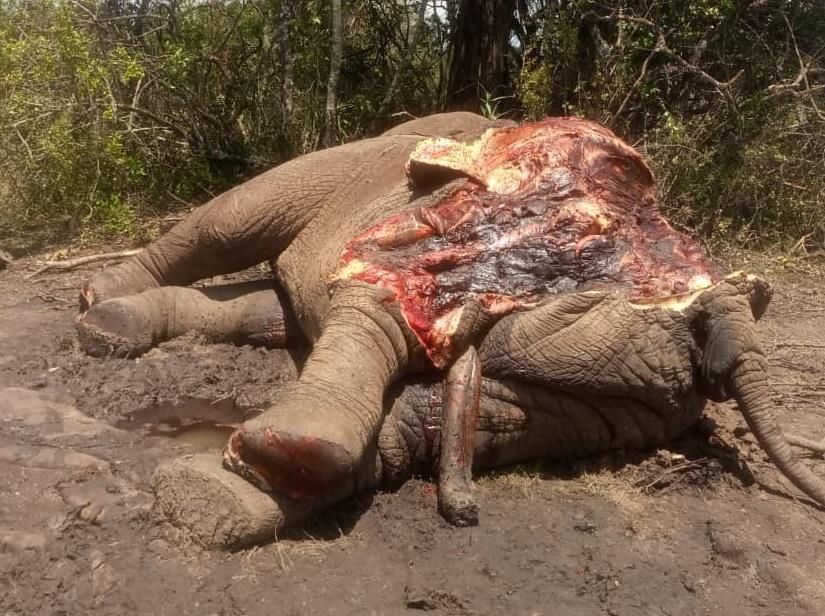
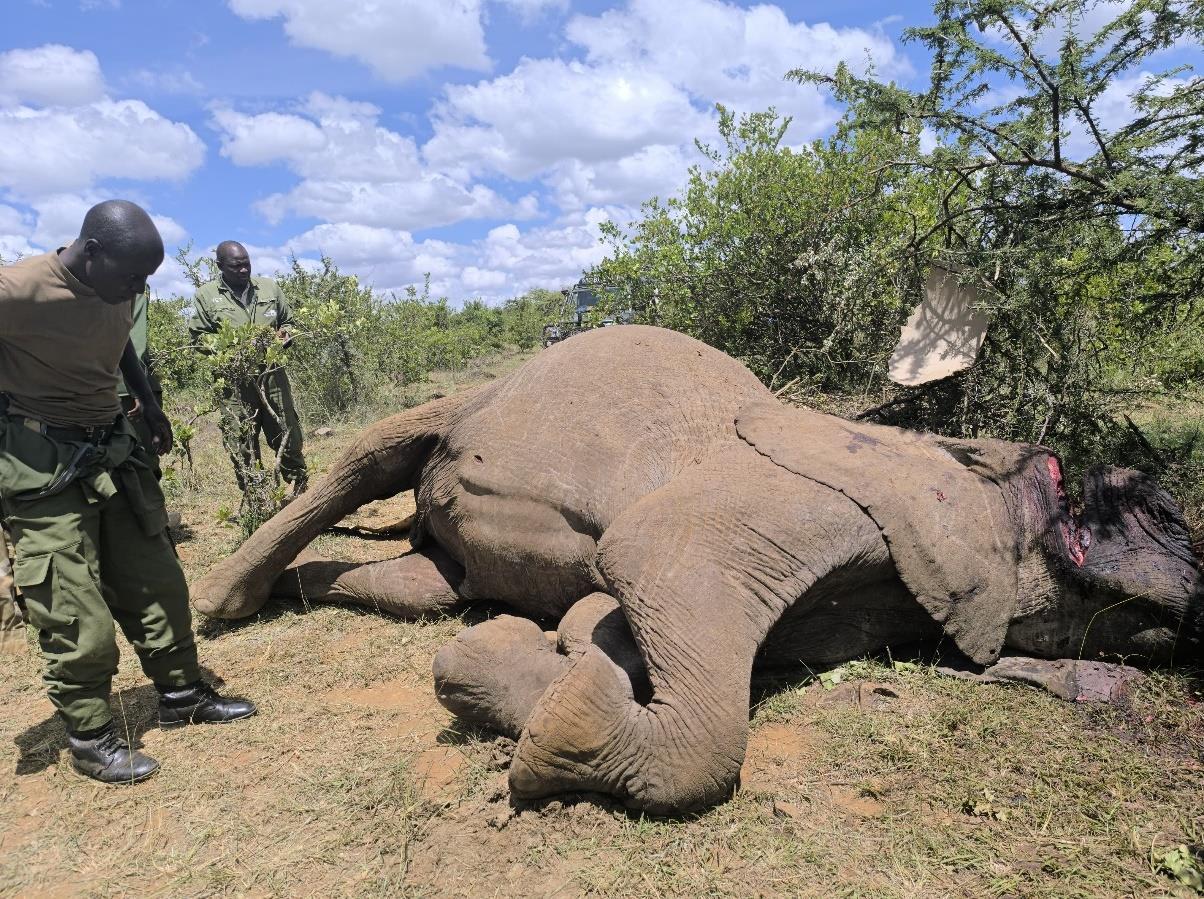
The elephant carcass was discovered and reported to the Unit. The elephant was reported to have been identified by the locals in the area as a problem bull who was the known to move alone most of the time.
Postmortem examination
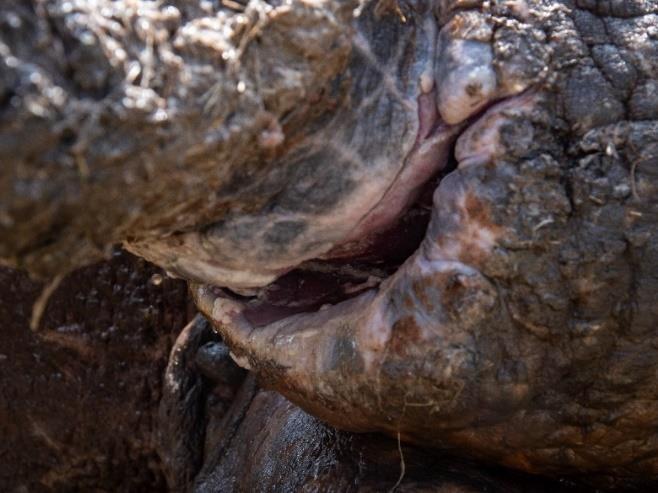
The carcass was found on right lateral recumbency, bloated in mid-level decomposition. Chunks of flesh had been cut off from the lumbar area, the hind quarters, and the sole of both the forelimbs and the left hindlimb were trimmed off. This was done by the locals just before the autopsy was conducted. Parts of the lower abdominal organs were eviscerated by scavengers and were scattered near the carcass. The organs on the thoracic cavity, the lungs, heart, trachea and part of the oesophagus, were adversely autolyzed. The stomach was ballooned, and empty of contents. Dead elephant botfly larvae, Platycobboldia loxodontis were found on the stomach. The small intestine mucosa was thickened and inflamed. A portion of the transverse colon was diffusely congested on the mucosa, and the rest of the segments were ballooned.
Cause of death
The immediate cause of death could not be determined. The carcass was tampered with and was on midstages of autolysis. Entero-toxaemia from ingestion of toxins were listed as suspect conditions, subject to further investigations. A recommendation to conduct community engagement to curb any malicious activities that might expose wildlife to farm chemicals and call for co-existence.
Case 3 – 12th November 2025
White Rhino Natural Causes
Ol Pejeta Conservancy
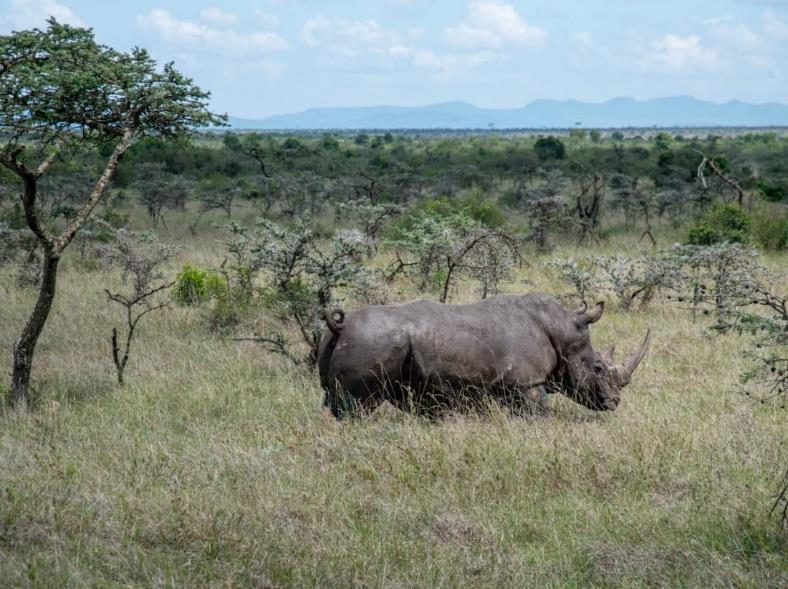
The rhino had been reported by the monitoring team have been involved in a territorial fight with another rhino and had sustained injuries on the medial aspect of both hindlimbs. The rhino had been involved in three other fights sustaining injuries on the same area.
Immobilization, examination and treatment
The rhino was darted from a helicopter with 5.5mg Etorphine and 50mg Azaperone. The rhino was immobilised in 7 minutes where the anaesthesia was topped up with 25mg Butorphanol.
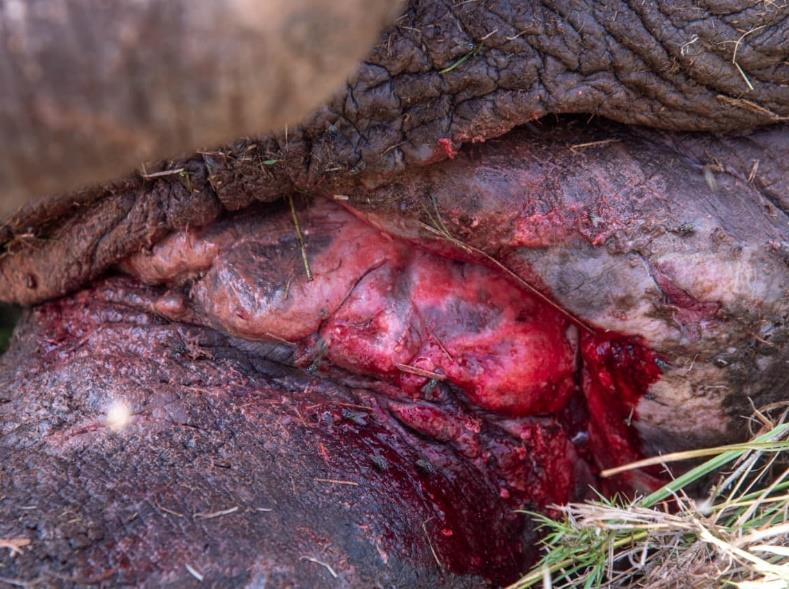
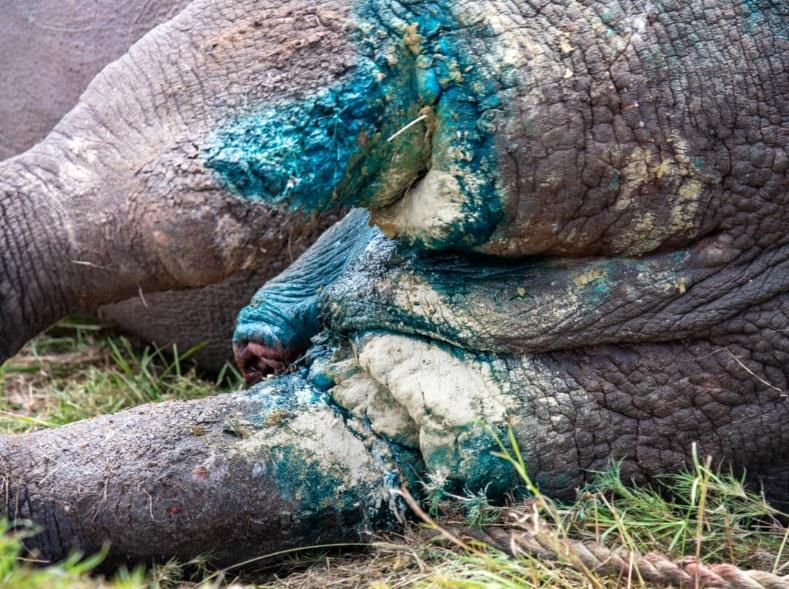
The rhino was found to be in good body condition, but with superficial laceration wounds on the right side of the head below the eye. There were also deep puncture wounds on the medial aspect of both hind limbs near the inguinal area. The wounds were cleaned and flushed with Hydrogen peroxide and then Iodine was flushed into the wounds. Oxytetracycline pessaries, and Opticlox ointment were infused into the wounds. Oxytetracycline spray was used topically on the wounds then the wounds were sealed with green clay paste. To cover for secondary bacterial infection from the wounds and to boost metabolic activities on the animal, the rhino was administered 15,000mg Amoxicillin, 80ml Multivitamin and 2,500mg Flunixin meglumine
Prognosis
Guarded to favourable prognosis. The wounds were found to be not too deep and not life threatening.
Case 4 – 16th November 2025
Baboon Collaring Mpala Ranch
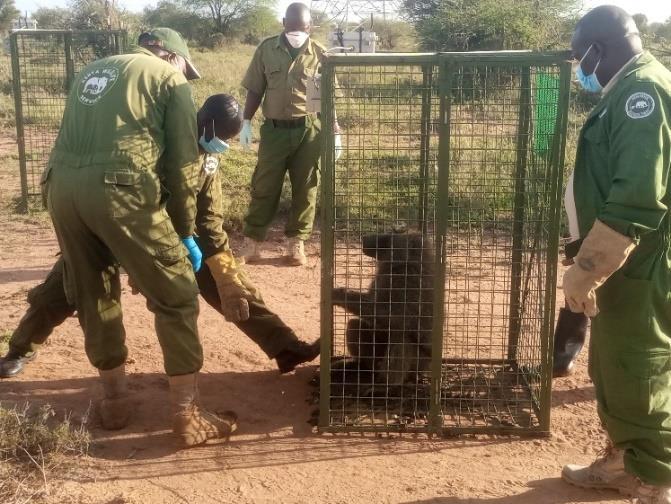
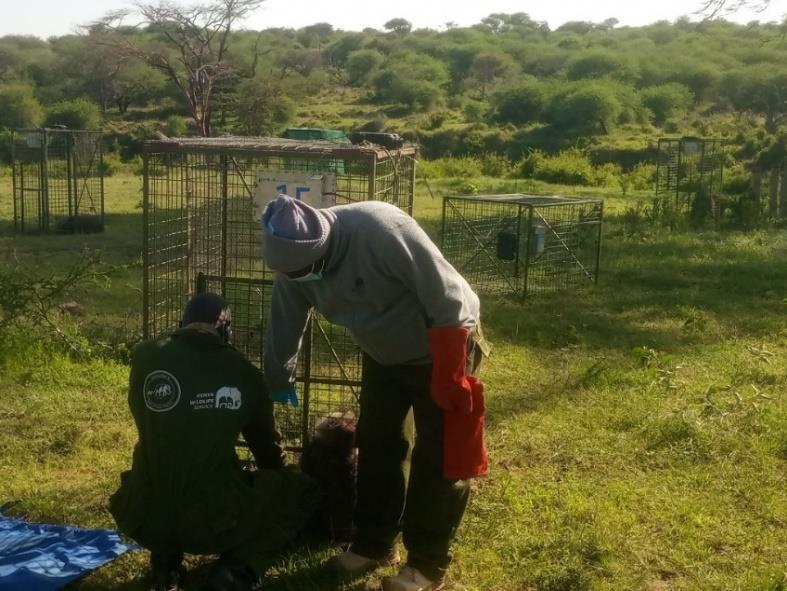
The 4th phase of the baboon project was conducted between the 16th and 21st of November 2025 led by and overseen by Mobile Vet Unit to capture, sample and collar baboons for the scientific study. A total of 42 baboons were captured, with 40 being deployed with collars and 2 only sampled, pith-tagged and released.
Immobilization and collaring
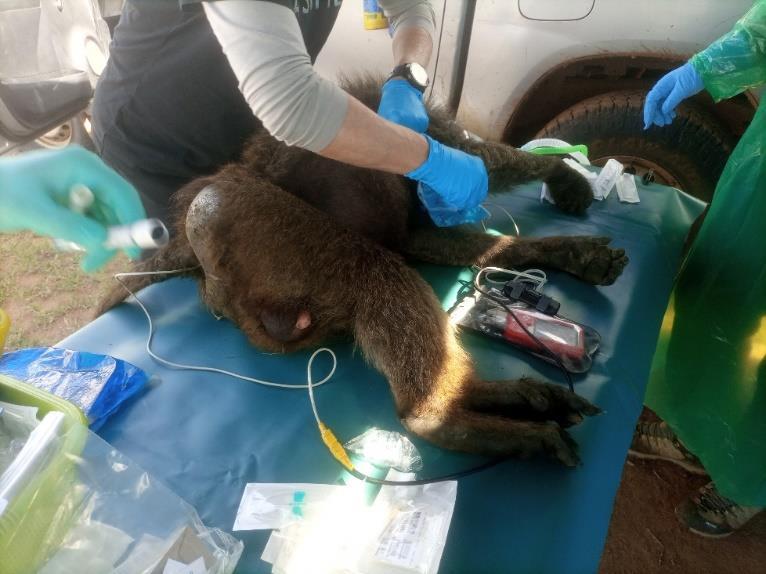
The baboons were lured into cages with baits (maize) in a field. Once the target individuals were in the cage, the door is closed by a mobile-triggered lock. The baboons were then immobilised with a Ketaminemedetomidine drug combination with dose variation based on age, sex and body condition. The adult average size males were immobilised using 150-200mg Ketamine and 0.5mg Medetomidine whilst females received 100-120mg Ketamine and 0.2-0.3mg Medetomidine. Maintenance anaesthesia for of light individuals was administered using Isoflurane (at 2-5%), with oxygen mixture, at 2-5 bars. Samples collected included blood, faecal swab, external parasites and hair plucks The mature size candidates were collared, and fitted with microchips to facilitate tracking, monitoring and collection of data for the project. Individual baboons were treated based on lesions found during the examination. Fresh wounds were cleaned and sutured, while old wounds were cleaned and managed with topical ointments and spray. Parenteral antibiotic (Amoxicillin), anti-inflammatories (Meloxicam) and Selenium and vitamin E booster were administered to the individuals based on lesions, weight and body condition then the anaesthesia was reversed
Elephant Spear
Ol Maisor Ranch
The elephant was reported found dead on 16th of November 2025 at Ol Maisor Ranch. The KWS Rumuruti responded and got to the site and recovered the two tusks from the elephant on the same day.
Postmortem examination
• The carcass was found on left lateral recumbency
• The body condition was fair, given a score of 3.5 out of 5
• An elliptical wound puncture wound, 7cm in length and about 20 cm deep was found on the base of the right ear
• Haemorrhages and dark red coloration of the muscles and tissues on the wound were found
• The carcass was opened and the internal organs examined in situ before evisceration
• The thoracic and abdominal organs were found to be normal
• A mature dead foetus was found in the uterus
Cause of death
The major lesion identified from the autopsy was a deep puncture wound at the base of the right ear inflicted by a sharp, elliptical, pointed and long metallic object suspected to be a spear. The puncture wound resulted in cranial internal haemorrhages and shock, that resulted in the dead of the elephant.
Lion
Collaring
Ol Maisor Ranch
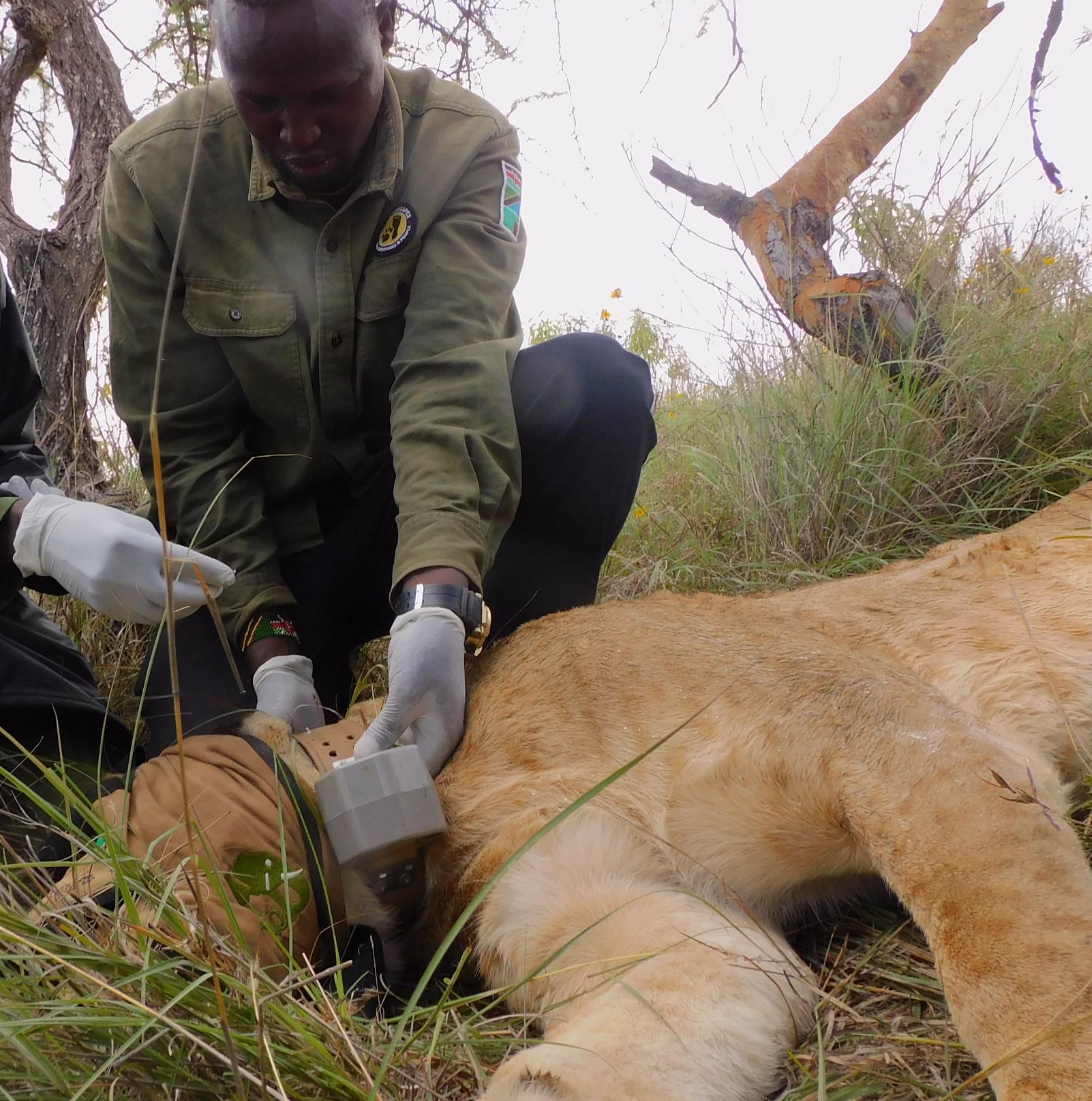
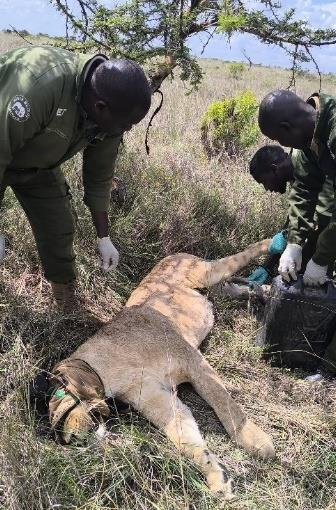
An adult female lion was captured and collared by the Veterinary unit in partnership with Lion Landscapes at Ol Maisor Ranch in efforts of mitigating wildlife-human conflict at Ol Maisor Location.
Immobilisation and collaring
The lion was darted from a vehicle. She was darted with a dart with 300mg Ketamine and 6mg Medetomidine. An induction duration of 10 minutes was recorded for the immobilisation
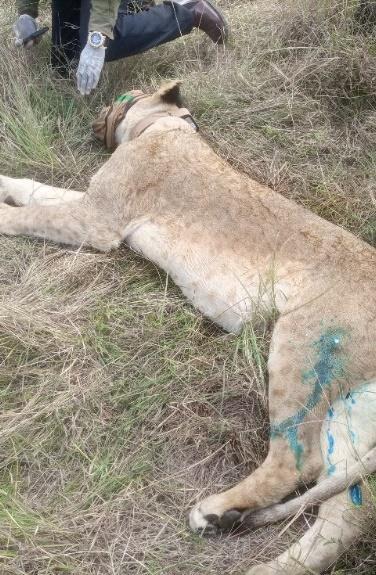
The lion was moved to a shed, where the sampling, body measurements, and collaring were undertaken. A parenteral antibiotic, 1,500mg Amoxicillin (IM route), was administered to cover for secondary infections from the dart wounds and other minor lesions. Fipronil (frontline), topical spray was applied to control the ticks that was found on the lion.
The lion was reversed of anaesthesia after one hour from the immobilisation time, using 30mg of Atipamezole, given intramuscularly.
The lion collaring procedure was successfully carried out as part of the tracking and efforts of interventions for the wildlife-human-conflicts in the location.
Case
Human-Wildlife Conflict
Solio Community Area
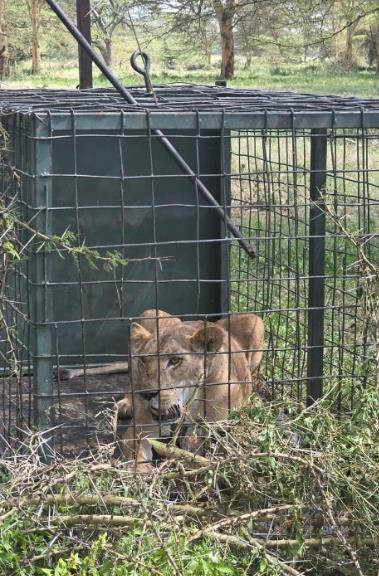
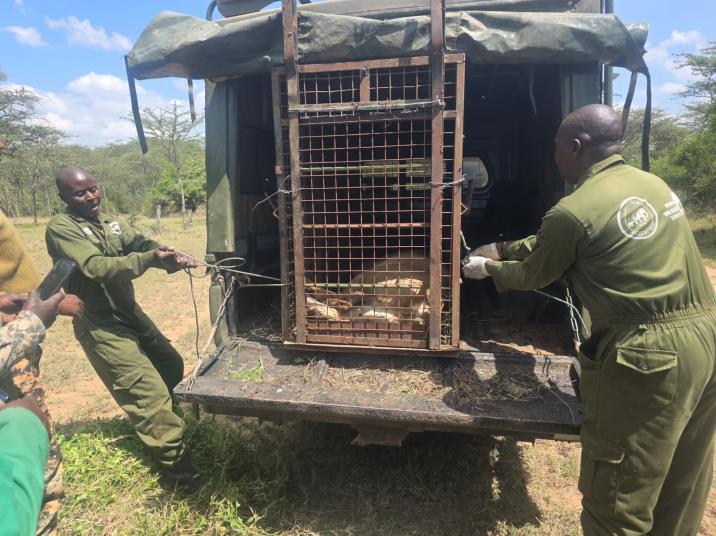
The Vet Unit together with Ol Pejeta Vet team conducted an operation to capture and move problem lions from Solio community areas to Tsavo East National Park after report of incidents of lion killing one horse and injuring another at a ranch near Solio.
Immobilisation and relocation
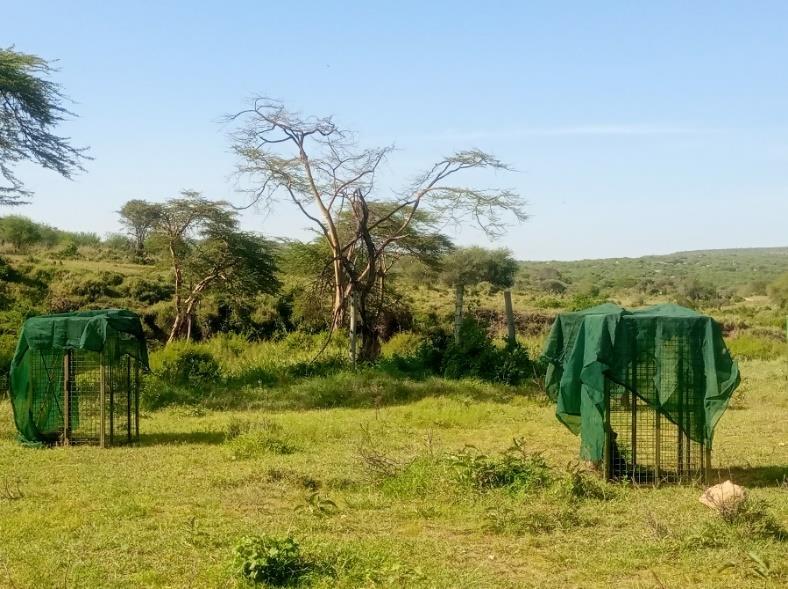
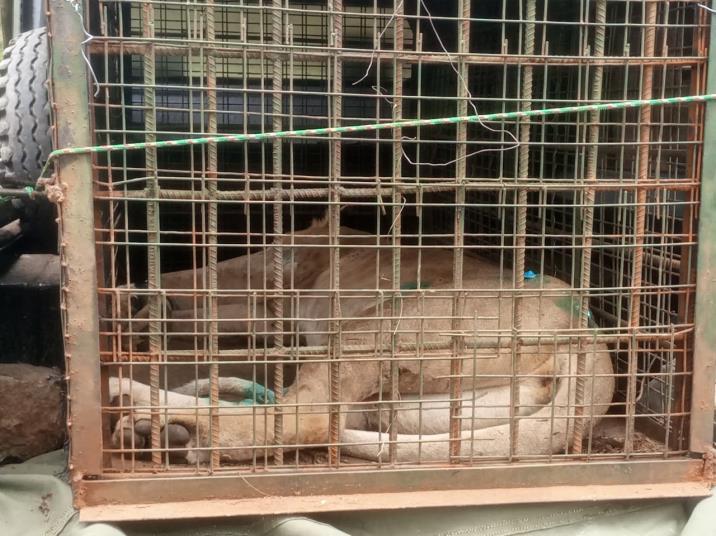
Two lions (an adult female and a sub-adult female) were trapped using two cages with baits on the night of November 20th. They were transported to KWS Laikipia Station on November 21st, while awaiting transportation to Tsavo. Two other lions (an adult female and a young adult male) were trapped on the 21st using a big cage with a bait. They were sedated and moved to the Laikipia station. The first four lions were transported to Tsavo East National Park on 22nd November, where they were safely released later that day. One adult female lion was trapped in a baited cage on 23rd November and taken to Laikipia Station on the 24th The lion was immobilized to facilitate safe transfer to a cage for transportation to the release site. The lion was transported to the release site the same day. All 5 lions were tranfered to a truck and driven to the safe release site at Tsavo East National Park.
The operation ensured removal of problem lions from the Solio area where they had posed threats, and safe translocation to a safe location deescalating wildlife-human-livestock conflict.