SWT/KWS AMBOSELI MOBILE VETERINARY UNIT
SEPTEMBER – DECEMBER 2025
Introduction
7 Cases
Report by Dr. Kariuki Edward
3 Poaching Cases
6 Elephant Cases
The Southern Conservation Area and the Amboseli Ecosystem experienced a dry period, followed by sporadic showers of rain in September 2025. October and November were marked by cold, dry weather followed by a mix of dry and rainy periods, and sporadic showers of rain.
Few cases were attended to as, due to weather changes, many animals moved out of the park. The vet team also took annual leave, and most of the cases were forwarded to the Tsavo Team. Two elephants that were known for persistent crop raiding were captured, collared and moved to Tsavo East National Park. Two orphaned elephant calves were rescued from Amboseli and moved to Kaluku or Nairobi for care. Three elephants were treated for spear wounds, and a postmortem was conducted on a lion that died from territorial fight wounds. The vet in charge of AMVU also attended a consultative seminar in Nanyuki on the proposed introduction of the endangered Bongo into the Ragati-Chehe forests in Mt Kenya.
Acknowledgement
We thank Sheldrick Wildlife Trust (SWT) for material support and Mobile Unit funding. KWS Staff and BLF rangers for the field support and the monitoring of distressed wildlife in areas of interest are highly acknowledged and appreciated.
Case Details
30-Dec-25
September - December 2025
Case 1 – 6th September 2025
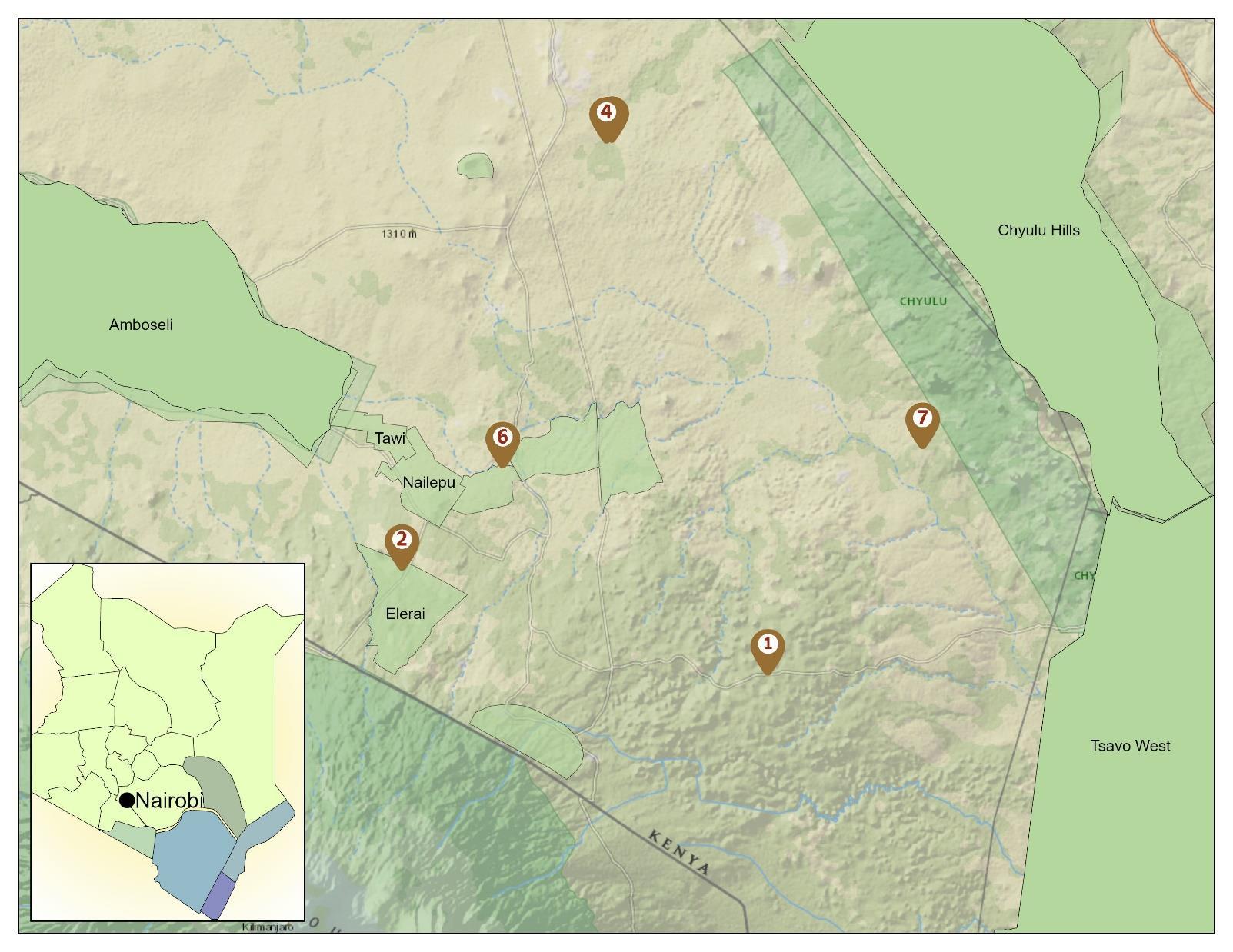
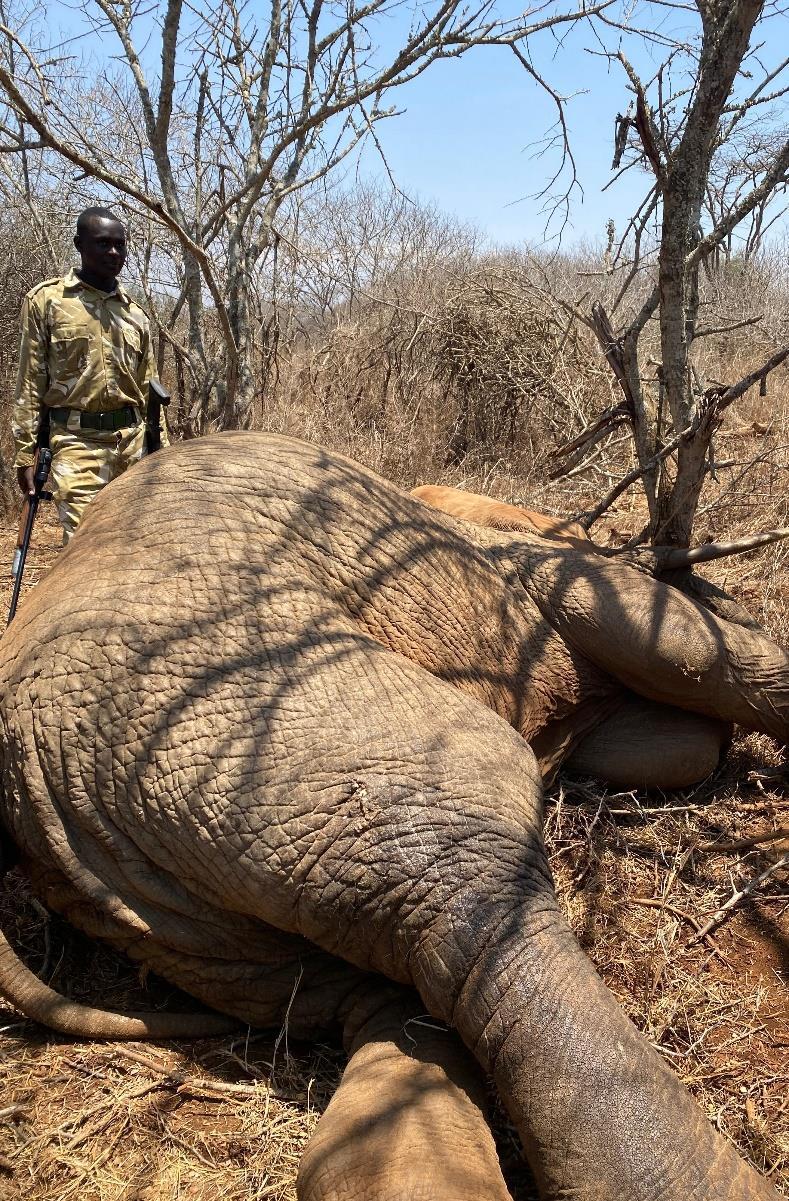
Elephant Spear Langata Nkima, Kuku Group Ranch
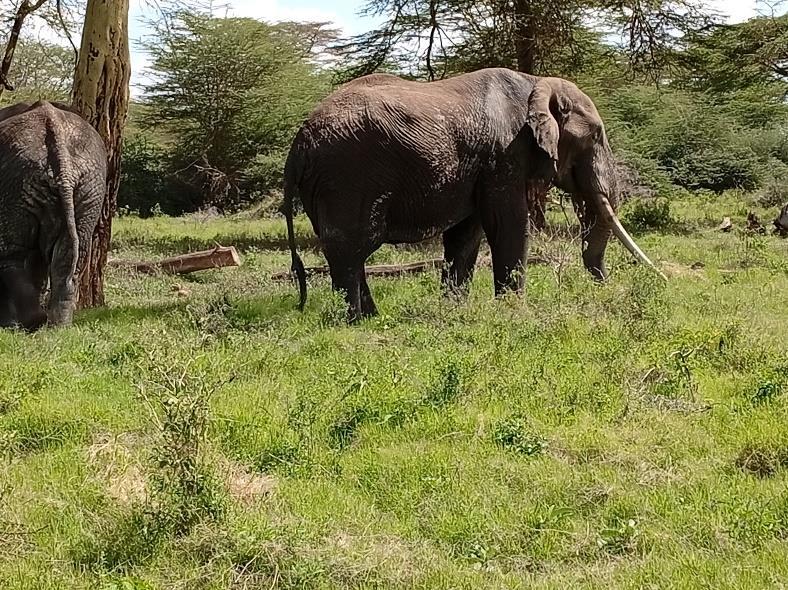
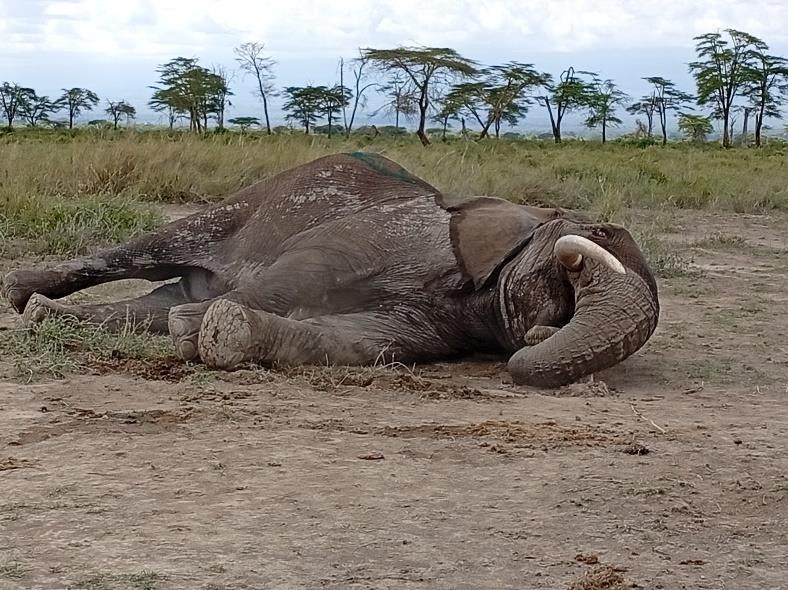
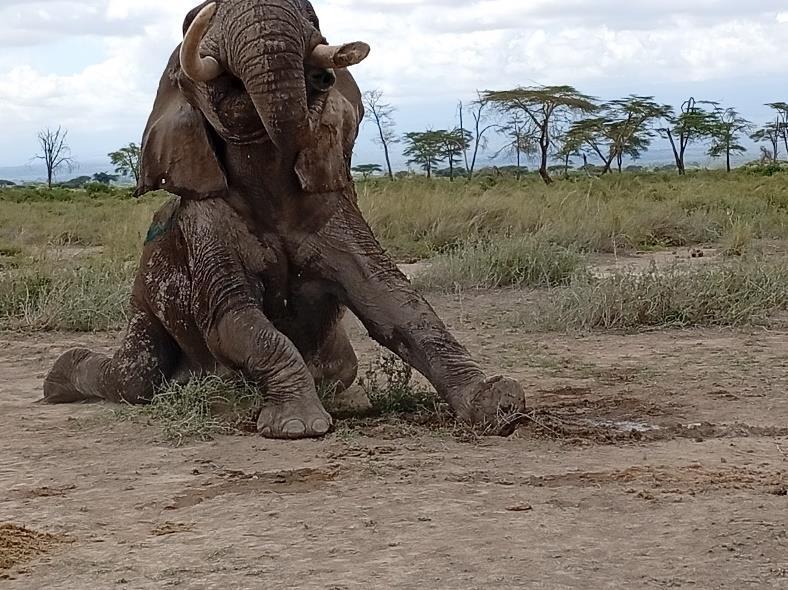
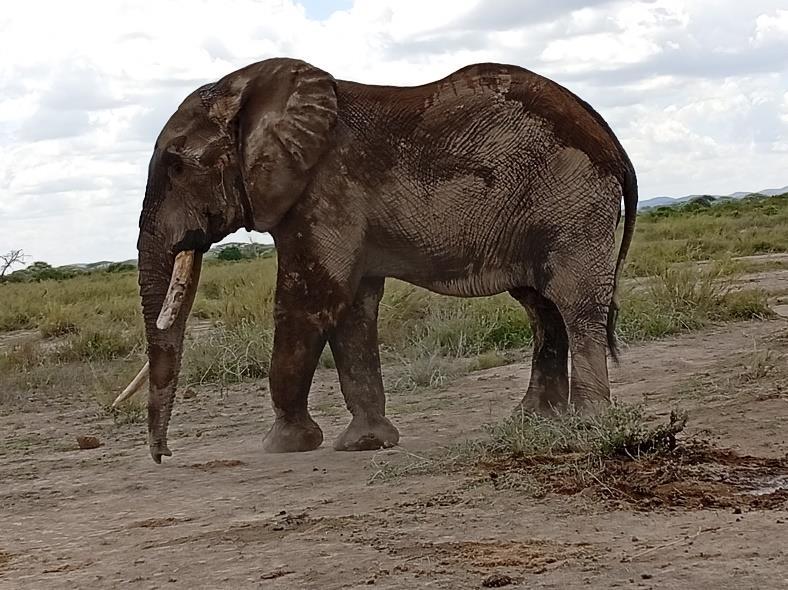
A male elephant was found lame and reported to AMVU. The vet team travelled to the site using a Land Cruiser pickup, and helped in assessment, immobilisation, examination and treatment of the bull.
Immobilisation, examination and treatment
The elephant was successfully immobilised using 18mg Etorphine HCl. Full immobilisation was attained in less than 10 minutes. However, darting took a lot of time because the animal was hiding in a thick bush that was not easily traversable.
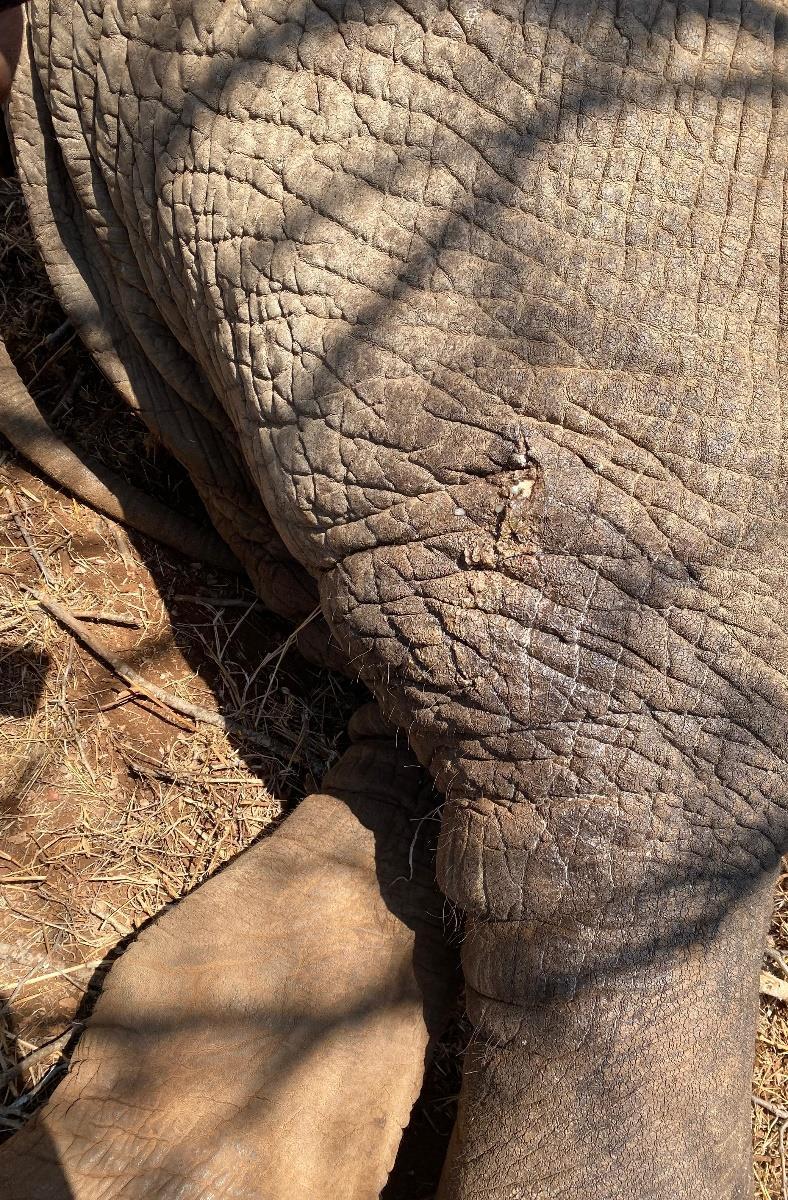
The bull had a wounded right hindlimb that was suspected to be a spear injury. Hydrogen peroxide was used to debride the visible wound, povidone Iodine was used for irrigation, and the wound was locally covered with Oxytetracycline spray. A systemic antibiotic, Amoxicillin 100ml, was administered intramuscularly, and 20ml Dexamethasone was given to reduce pain and inflammation.
Prognosis
The elephant was revived using 4ml Naltrexone (an antagonist for the immobilisation drug) and favourably woke up four minutes after drug administration. Prognosis is good.
Elephant
Collaring Satao Elerai Conservancy
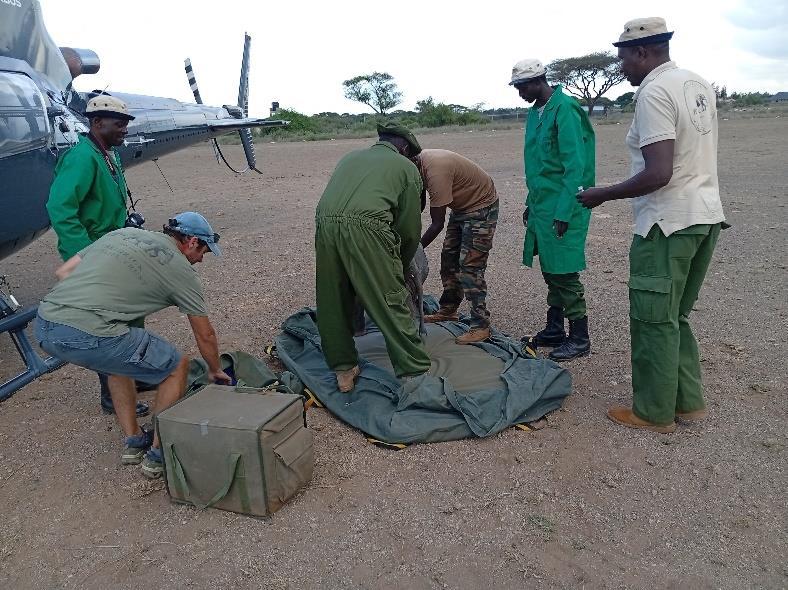
Two male elephants that had been identified as persistent farm raiders were targeted for collaring and translocation from Elerai to the Tsavo Ecosystem. The fixed collars will assist in monitoring the movements of the targeted bulls as they cross various locations. The SWT helicopter helped immobilise the bulls for collaring and relocation, while the KWS translocation equipment assisted in their movement to Tsavo.
Collaring
Vets from KWS headquarters helped in the collaring and translocation of the two bulls. Treatment using a systemic antibiotic (Amoxicillin 100ml) was given through the intramuscular route to cover for secondary bacterial infections that could arise from the darting wound or stress associated with translocation.
The darted elephants were moved one by one onto a loading lorry and revived in a recovery crate. Later, the bulls were allowed to move into the transport crate on their own.
Prognosis
The two bulls were revived using 4ml Naltrexone (an antagonist for the immobilisation drug) and woke up shortly after drug administration. The translocation went well and prognosis is good.
Unfortunately there are no pictures for this case
3 – 5th November 2025
Elephant Rescue Kangere, Amboseli National Park
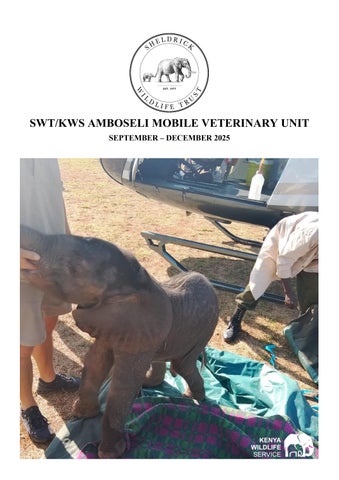
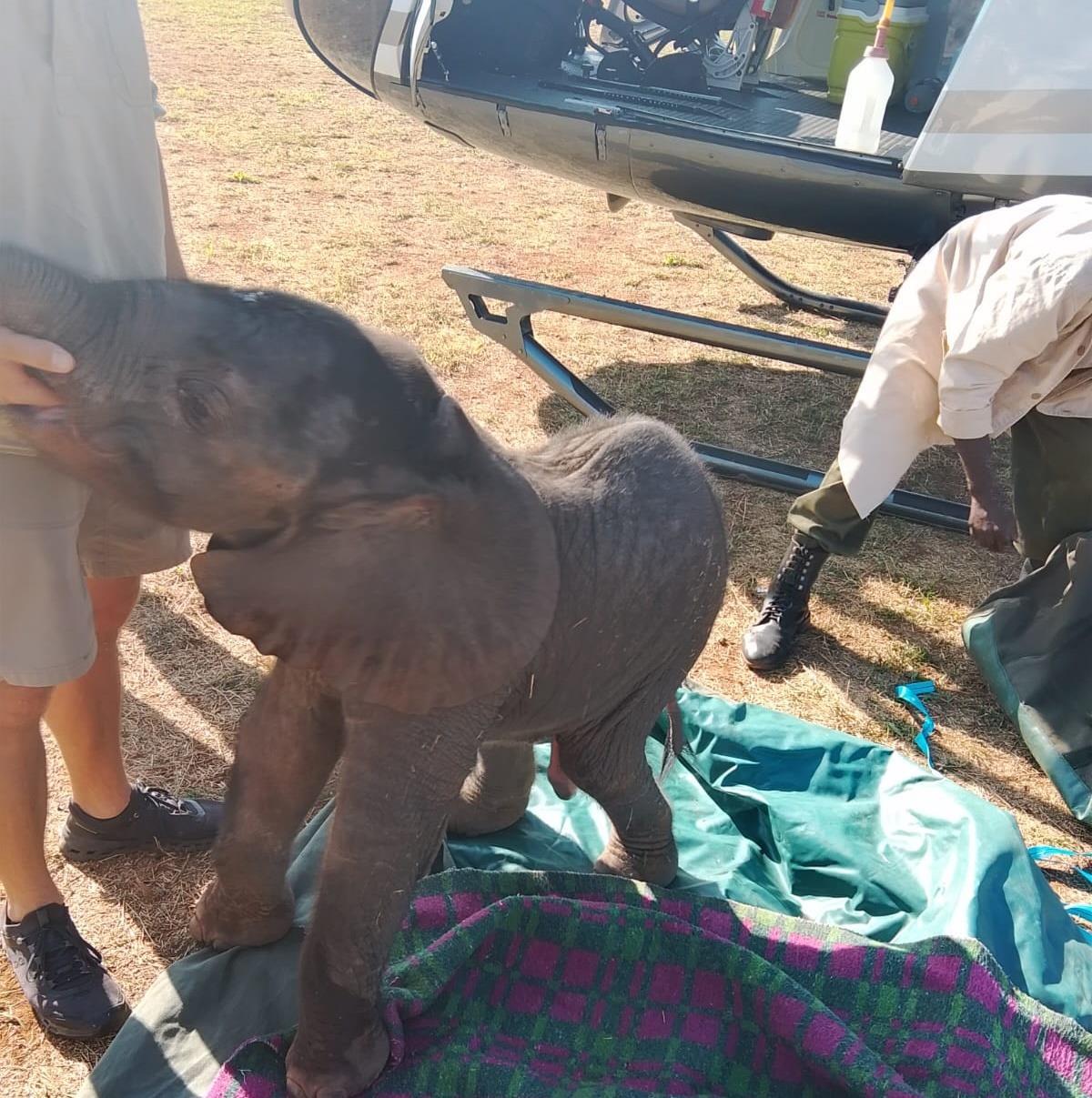
An orphaned elephant calf was found in the Kangere area in Amboseli and rescued for treatment and care in the SWT Nairobi Nursery.
Rescue
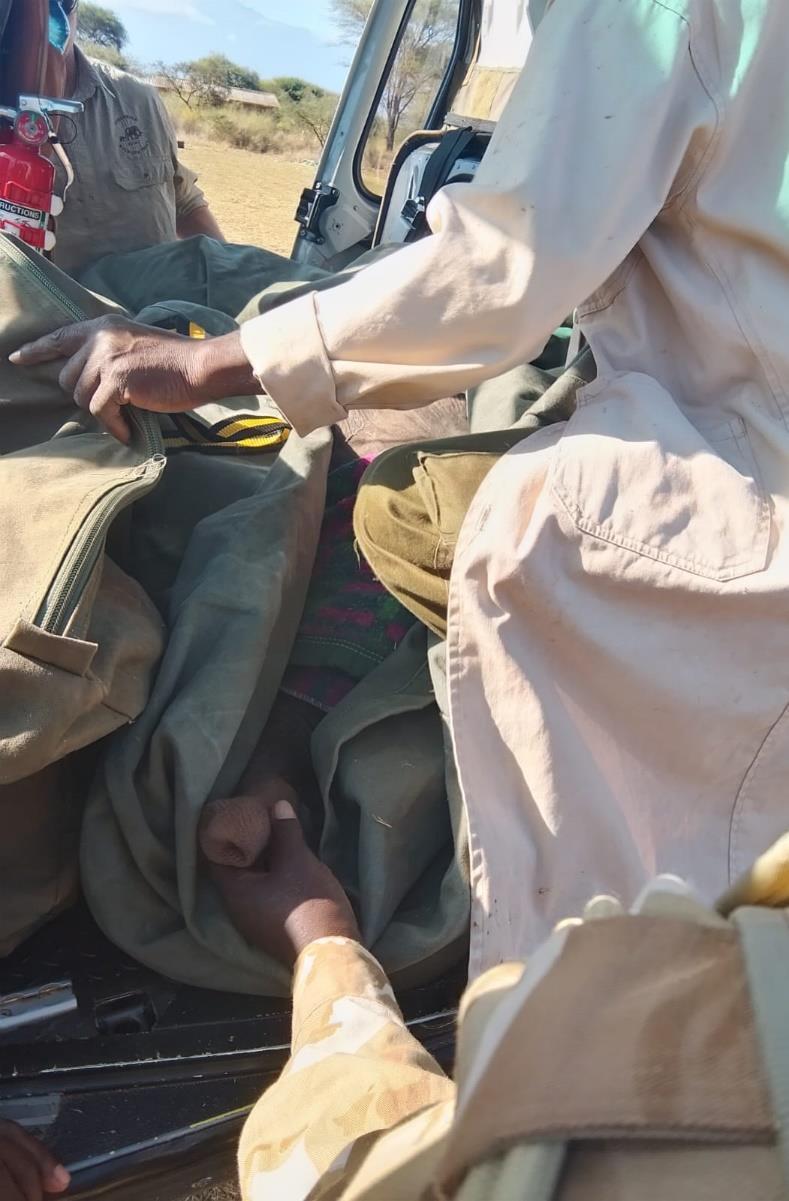
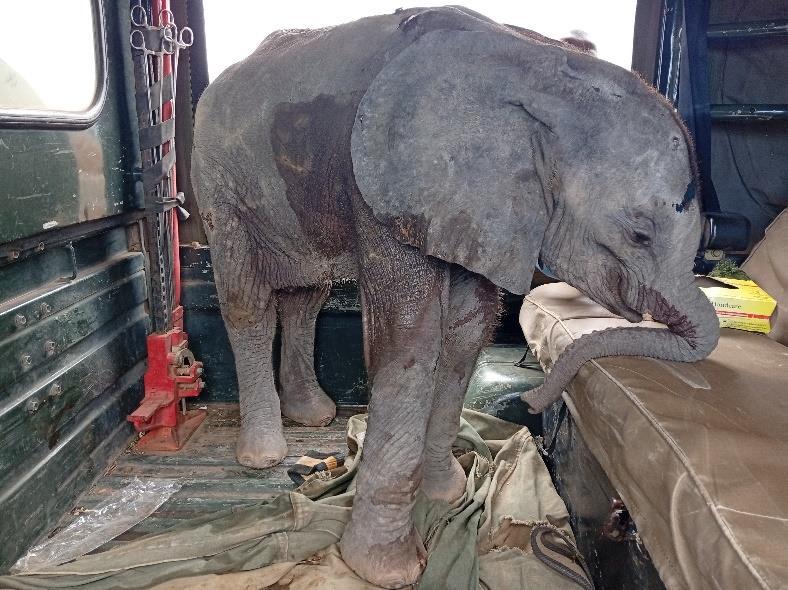
The elephant calf was manually restrained by a team of rangers and transported in a Land Cruiser to Amboseli KWS offices.
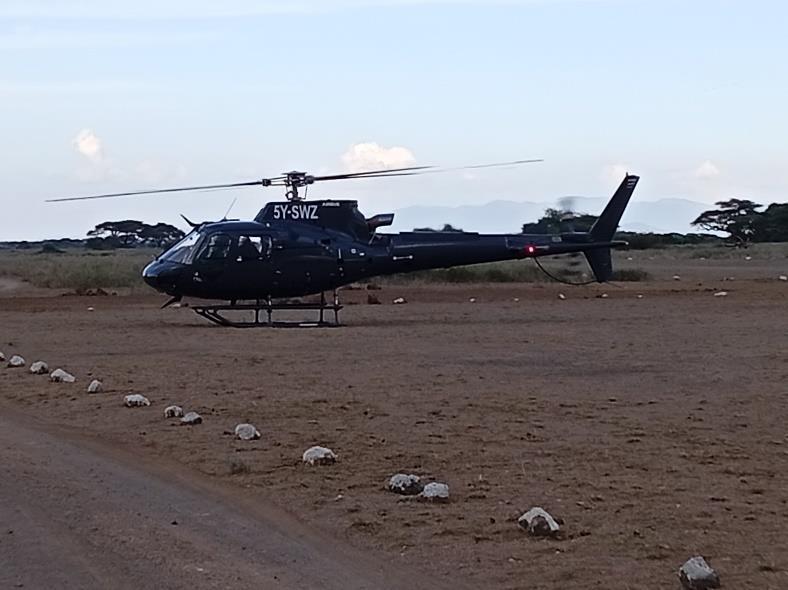
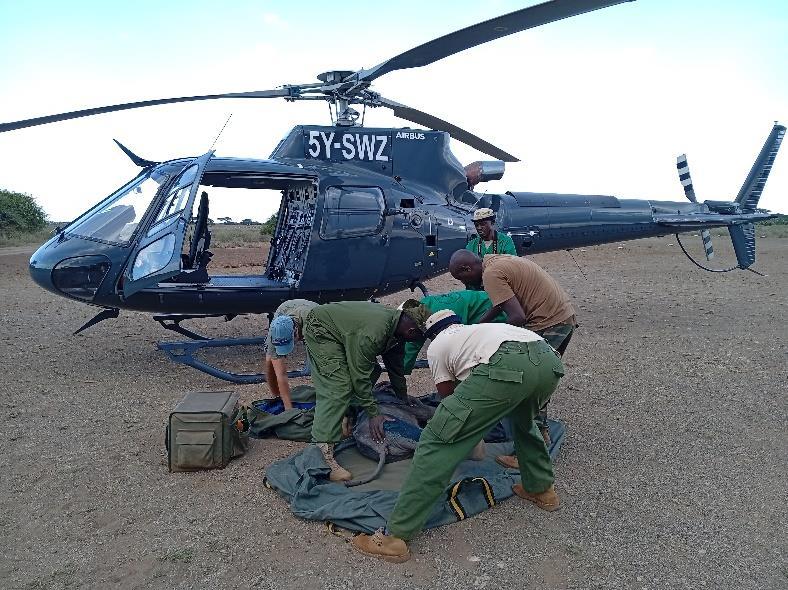
The calf was maintained on water and warmth in a room away from the night wind in Amboseli National Park. The calf was picked early in the morning using an SWT helicopter and moved to Kaluku for further care
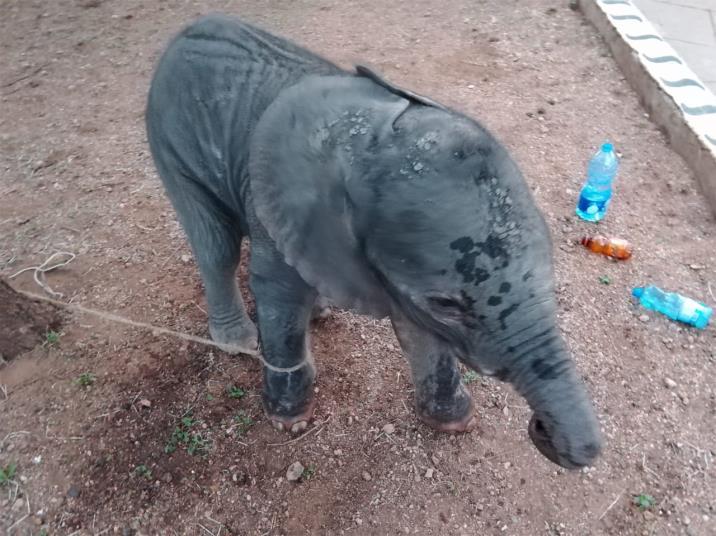
A wounded and orphaned elephant calf was found abandoned in Amboseli. The calf was captured and transported for maintenance at SWT stockade in Nairobi.
Rescue
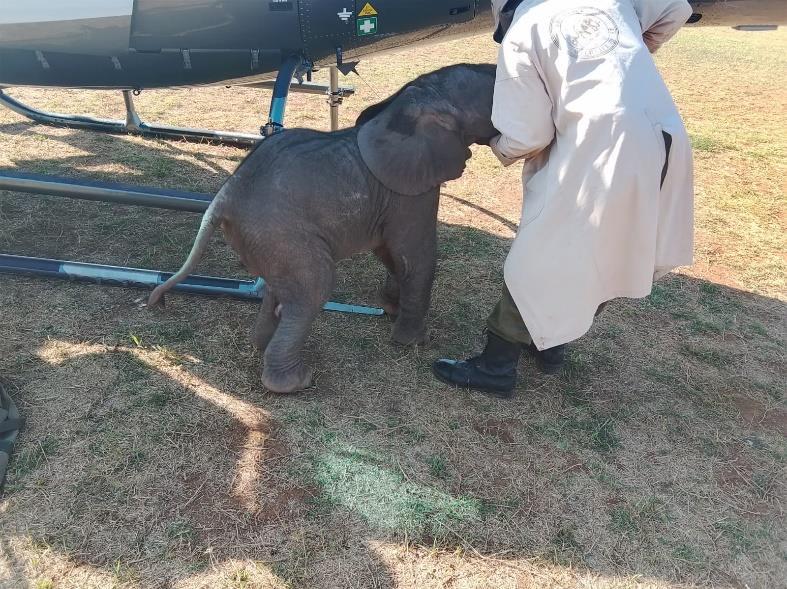
The calf was manually restrained by a team of 3 rangers and transported in a Land Cruiser to Kimana Sanctuary Airstrip for aircraft delivery to Nairobi.
The calf was maintained on intravenous fluids and warmth immediately after capture in Amboseli National Park. The calf had an extensive wound at the back. Topical antibiotic was applied on the wound to cover for local antibiotic.
The calf was collected by the SWT helicopter and moved to SWT-Nairobi for further care.
Maji Ya Kioko, Amboseli Environs
Elephant Spear
Kimana Sanctuary
A male elephant was found with a spear and reported to AMVU. The veterinary team travelled to the site using a Land Cruiser pickup and assisted with assessment and treatment.
Immobilisation, examination and treatment
The sick elephant was pushed from a wet/marshy area and driven to a dry grassland before immobilisation. The elephant was successfully immobilised using 20mg of Etorphine HCl. Full immobilisation was attained in less than 10 minutes after darting.
The bull had a spear hanging from its lower lip. The spear was pulled out by traction. Hydrogen peroxide was used to debride the visible wound, and povidone Iodine was used for irrigation. The wound was then locally covered with Oxytetracycline spray. A systemic antibiotic, Amoxicillin 100ml, was administered intramuscularly, and 20ml Dexamethasone was given to reduce pain and inflammation.
Prognosis
The elephant was revived using 4ml Naltrexone (an antagonist for the immobilisation drug) and favourably woke up four minutes after drug administration with a good prognosis.
Case
Elephant Spear
Kimana Sanctuary
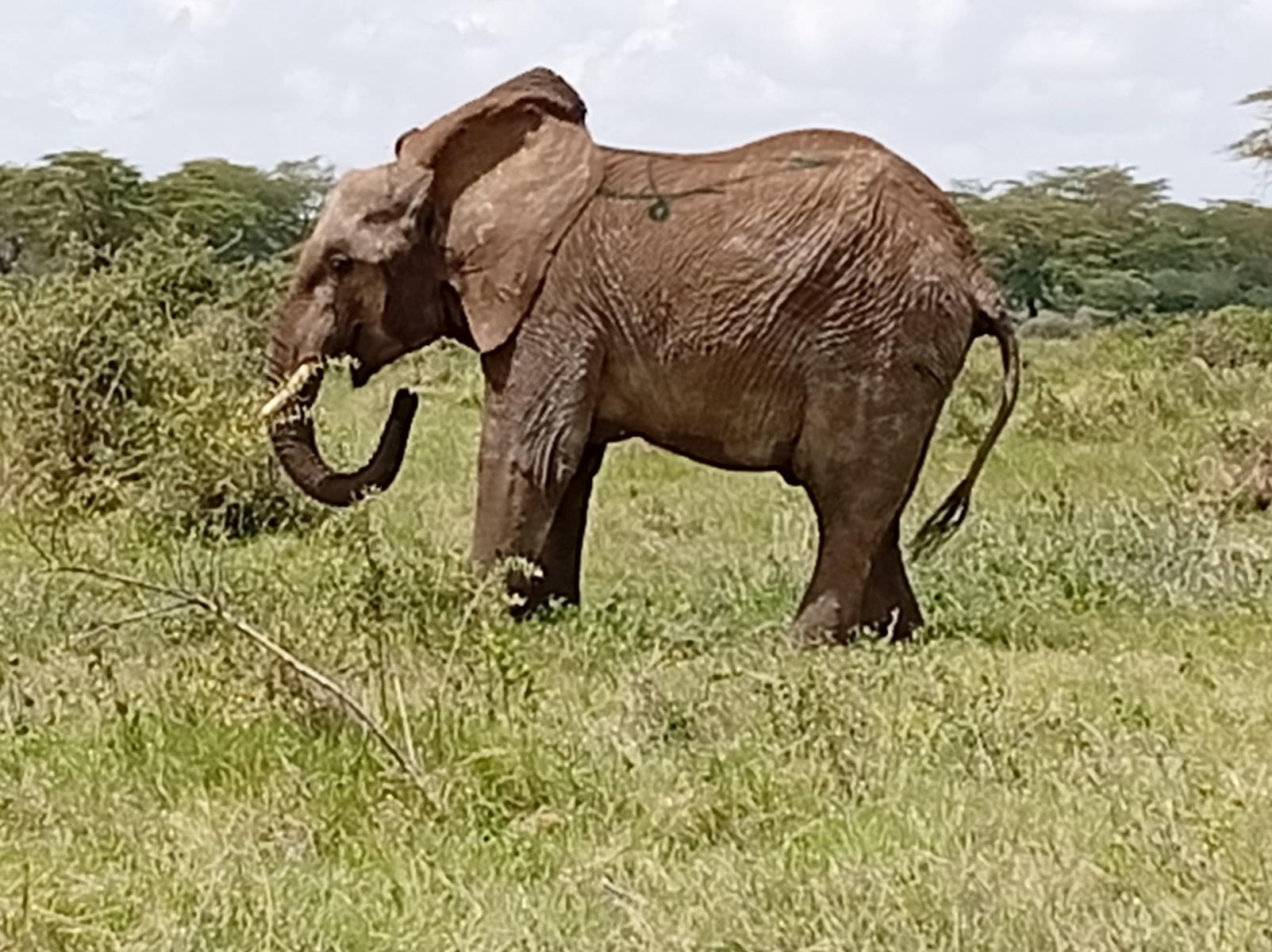
A male elephant was found lame and reported to AMVU. The veterinary team travelled to the site using a Land Cruiser pickup and assisted with assessment and treatment.
Immobilisation, examination and treatment
The elephant was successfully immobilised using 18mg of Etorphine HCl. Full immobilisation was attained in less than 15 minutes. The elephant was pushed from a bushy area to the grassland and then immobilised
The bull had a wound on the right forelimb that was suspected of being a spear injury. The wound was debrided with Hydrogen peroxide and irrigated with povidone Iodine. The wound was then locally covered with Oxytetracycline spray. A systemic antibiotic, Amoxicillin 100ml, was administered intramuscularly, and 20ml Dexamethasone was given to reduce pain and inflammation.
Prognosis
The elephant was revived using 4ml Naltrexone (an antagonist for the immobilisation drug) and favourably woke up four minutes after drug administration. Prognosis is good.
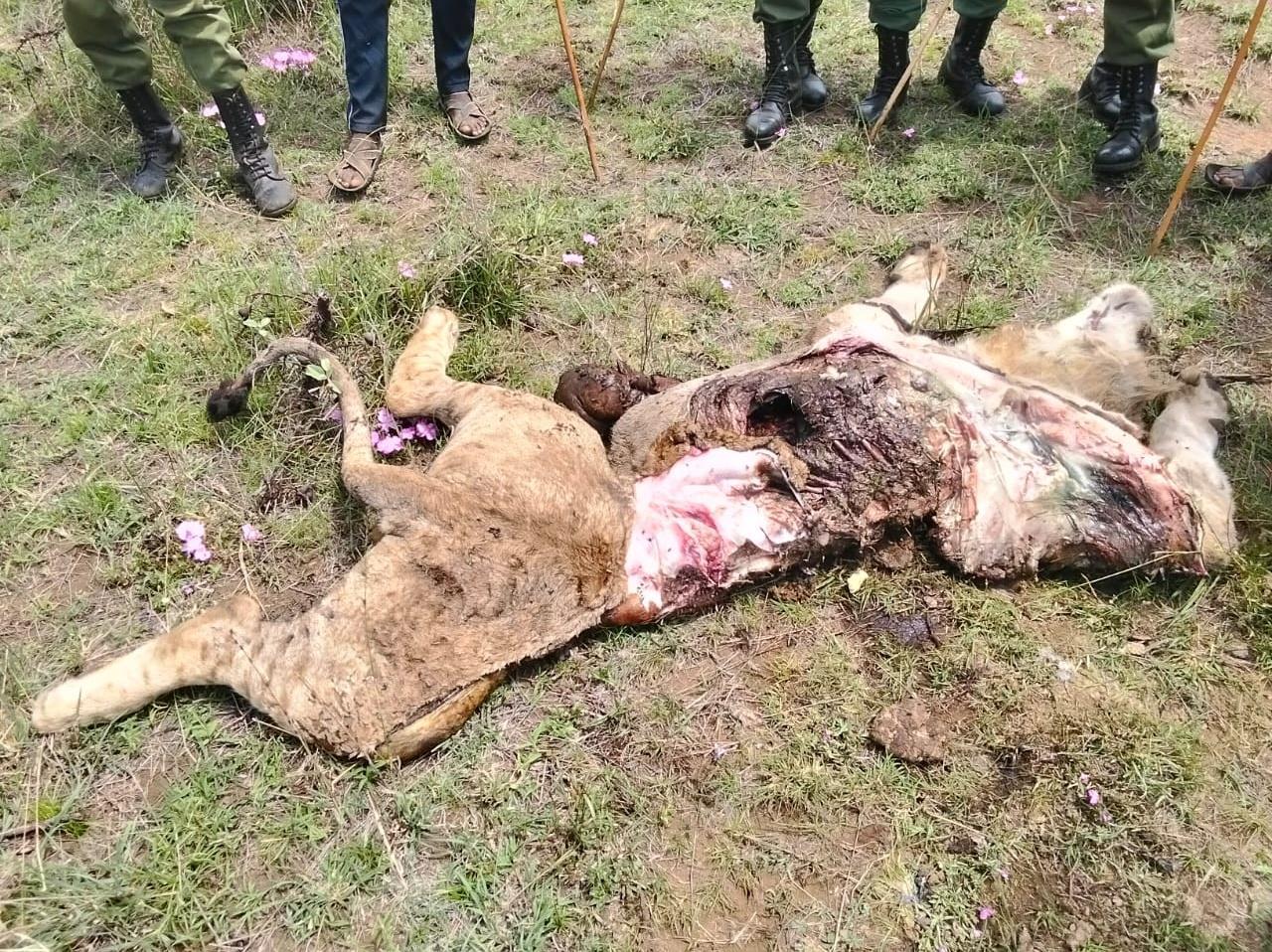
Lion
Postmortem
Imbirikani, Amboseli Environs
A dead lion was found by wildlife scouts from Kuku Group Ranch in Otiasika around Kuku Group Ranch.
Postmortem examination
The lion was found in a bush. The carcass was open and partly scavenged. The spinal cord was open and broken up. The lion was likely in a territorial fight before death
Cause of death
Cause of death was natural, possibly due to injuries caused by a territorial fight.
OtherActivities
A seminar of consultants for the introduction of Mountain Bongo into Mt Kenya forests was held in Nanyuki during the month of November 2025. The meeting discussed the study of ticks and tick-borne pathogens of livestock grazing in the Ragati and Chehe forest. The study was conducted in September 2024 and aimed to determine the risk associated with the tick diversity found in and around the forest.
Ticks were collected opportunistically from livestock and vegetation There were a total of 63 cattle, 1 dog, 10 sheep, 6 goats and two vegetation samples. Five species of ticks, namely Rhipicephalus appendiculatus, Rhipicephalus (Boophilus) decoloratus, Haemaphysalis leachi, and two species of Ixodes, were distinctly characterised by molecular methods. Additionally, the sheep ked (Melophagus ovinus) was also identified.
Pathogens recorded during the study were Anaplasma phagocytophilum, Anaplasma marginale, Anaplasma Platys, Babesia bigemina, Theirelia Parva, Theirelia orientalis and Theirelia tauratrogi.
Rhipicephalus appendiculatus and Rhipicephalus (boophilus) decoloratus are parasites of high veterinary importance due to the vector capability for Theirelia, anaplsma and babesia. The two parasites are known for causing the highest economic losses in livestock and wild animals, a matter that the study’s results agreed with.
In conclusion, the forest has potential risks due to ticks and tick-borne pathogens that must be mitigated during the antelope introduction period