



















DearReaders,
Aswestepintoanewyearfilledwithfreshpossibilities,this January–MarcheditionofIndigenous-SMEBusiness Magazineembracesthetheme“NewBeginnings& Resolutions”It’saseasonofrenewal,reflection,and recommitment atimewhenIndigenousentrepreneursacross Canadasetnewgoals,strengthentheirvision,andcarry forwardthespiritofgrowthandcommunity
Thisissuecelebratesthestrength,ingenuity,anddetermination ofIndigenousbusinessleaderswhoareredefiningsuccesson theirownterms Fromconstructionandcraftsmanshipto leadershipandinnovation,theirstoriesserveasapowerful reminderthatprogressisbuiltonbothtraditionand transformation
OurBusinessWomanoftheMonth,ColetteTrudeau,CEOof MétisNationBritishColumbia(MNBC),exemplifies empowermentandresiliencethroughherleadership.Herstory isoneofvision,advocacy,andcommitmenttocreatinglasting opportunitiesforMétiscommunitiesandIndigenouswomen acrossthecountry.
Thisquarter’sfeaturesalsohighlightkeyinsightsshapingthe yearahead ShapingTheir2026Goals:HowIndigenous EntrepreneursArePlanningforGrowth,TechToolsto StreamlineOperationsandBoostProductivity,Cybersecurity: BuildingSaferDigitalSpaces,CraftingTraditions:TheArtistry BehindIndigenousJewelry,Textiles,andPottery,andMental Well-being:IntegratingMindfulnessintoBusinessCulture
Eachpiecereflectsadeepunderstandingofthebalance betweeninnovation,tradition,andwellness anessential harmonyattheheartofIndigenousentrepreneurship
Aswemoveforwardin2026,maythiseditionserveasbotha sourceofinspirationandaguideforrenewal Everyresolution beginswithasinglestep,andeverynewbeginningholdsthe promiseofchange.Together,let’scontinuetobuild,uplift,and strengthentheIndigenousbusinesscommunity rootedin resilience,poweredbypurpose,andguidedbyvision
Here’stonewbeginnings,boldgoals,andayearofmeaningful growth
Warmregards,



wwwindigenous-smeca info@canadiansmeca IndigenousSME indigenousSME indigenousmagazine canadiansme
Editor DarianKovacs
Publisher ShaikKhaleeluddin(SK)
CreativeDesign CmarketingInc
ClientManager MaheenBari
SocialMedia CmarketingInc
Photography Deposit Photos/Canva/123RF/CanadianSME
Webdesign CmarketingInc
ForAdvertisements info@canadiansmeca CmarketingInc 6345DixieRd Unit202 Mississauga ON L5T2E6
Callusat+14166550205/6476685785
PublishedbyIndigenous-SMEInc,6345DixieRd, Unit202,Mississauga,ONL5T2E6
ThecontentsinTheCanadianIndigenous-SME BusinessMagazineareforinformationalpurposes only NeitherCmarketingInc,thepublishersnorany ofitspartners,employees,oraffiliatesacceptany liabilitywhatsoeverforanydirectorconsequential lossarisingfromanyuseofitscontents Copyright©2026Indigenous-SMEInc Allrights reserved Reproductioninwholeorpartofanytext, photographyorillustrationswithoutwrittenpermission fromthepublisherisprohibited

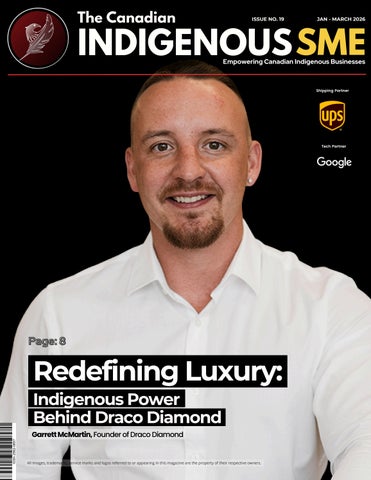
In an exclusive interview with IndigenousSME Business Magazine, Garrett McMartin, Founder of Draco Diamond, shares the mindset behind building an Indigenousowned luxury brand in an industry long defined by gatekeeping, tradition, and illusion Garrett’s journey into high-end jewelry is not rooted in privilege or inherited access, but in lived experience, sharp observation, and an unwavering commitment to intention over image.
InterviewBySKUddin
My name is Garrett McMartin, and I have always felt that my life was meant to move on its own track. I do not wait for permission. I follow the pull in my chest when something feels true. That simple instinct has carried me through every meaningful decision I have made
When I was young, I noticed things most people stepped over How someone’s tone shifts when they hide something How a room tightens before conflict How certain patterns repeat across families and whole systems I realized early that if you pay close attention, the world quietly shows you where the openings are And when I see one, I move toward it I do not linger
GarrettMcMartin FounderofDracoDiamond

What inspired you to establish Draco Diamond as an Indigenous-owned luxury brand, and how does your heritage shape your vision?
I built Draco Diamond because I have always felt pulled toward places people do not expect me to go I grew up noticing openings that others walk past, and luxury was full of those openings I saw a world built on image, tradition, and routine, but not always on honesty or intention That made me want to build something cleaner Something with real weight behind it
My heritage keeps me grounded while I do it It reminds me to move with intention, not ego. It reminds me to trust instinct when logic feels cloudy. And it keeps me close to the kind of strength that does not need to be loud to be real That balance shapes everything I create

How do you see Indigenous sovereignty influencing and redefining success in global luxury commerce?
Indigenous sovereignty shifts the lens completely It brings a way of thinking that does not rely on old structures or old definitions of success We do not measure value the same way the legacy world does We bring purpose into the equation We build from identity instead of imitation

When that mindset enters luxury, the industry changes Success becomes alignment Success becomes an impact Success becomes the ability to create something honest in a space built on illusion
Can you share what sets Draco Diamond’s trade pathways and pricing strategy apart from legacy luxury brands?
Legacy brands rely on the same networks they have used for decades They move inside predictable patterns Their cost structure is built on tradition, middlemen, and layers of markup that have nothing to do with the piece itself I never connected with that
I study movement. I look for routes that give me clarity and control. I pay attention to the pathways most people overlook That is where I operate It gives me room to build from a cleaner foundation It lets me offer real craftsmanship without the inflated price tag the industry treats as normal
Mypricingstrategyissimple. Respectthebuyer.Respect thework.Removethe unnecessary.Whenyoudo that,younaturallysurpass theoldsystemwithout needingtocompetewithit.
What does the upcoming collaboration with Young Buck represent for you and the direction of your brand?
To me, the collaboration with Young Buck represents authenticity He built his name through resilience and truth He never pretended to be anything other than who he is I have always respected that in people
Working with him feels aligned It is not about chasing attention It is about honoring story and identity The signature line we are creating together carries that same energy It marks the moment the brand steps deeper into culture rather than just commerce.
This collaboration sets the tone for where I am heading Real partnerships Real presence Real legacy

What challenges have you faced breaking into industries traditionally closed off to Indigenous leaders, and how have you overcome them?
The hardest part has always been people’s assumptions They decide who you are before you even speak They imagine your ceiling for you
I learned to walk past all of that I study the structure, find the openings, and move through them on my terms I do not push for acceptance I do not wait for permission I rely on clarity, instinct, and the willingness to keep going even when the path is not clear yet
That approach has carried me through every barrier And every time I step through one, I become sharper, calmer, and more certain of the direction I am meant to walk
Disclaimer: Indigenous-SME Business Magazine is committed to providing insightful interviews that highlight the successes and challenges faced by small and medium-sized businesses. The views expressed in this interview are those of the guest and may not reflect the opinions of the magazine or its affiliates.

ArticleBySamsung
Small- and medium-sized businesses (SMBs) in Canada are facing a pivotal moment The evolution of hybrid work, rising customer expectations, and the rapid advancement of artificial intelligence (AI) are reshaping what it means to stay competitive Today’s SMBs arent just looking for tools - they’re looking for a technology blueprint that supports resilience, smart operations, and growth
JamesArndt,HeadoftheEnterpriseBusiness DivisionatSamsungCanadabelievesthe roleoftechnologyinSMBsuccesshas shifted.“Businessesneedsolutionsthathelp themworksmarternow,whilebuildinga foundationforwhat’snext,”heexplains.It’s nolongeraboutshort-termfixes;it’sabout creatingsystemsthatimproveproductivity, protectdata,andevolveseamlesslyas needschange.
Productivity today doesn’t just come from working faster; it comes from working better Employees need tools that adapt to diverse environments, reduce friction, and support deep focus For many SMBs, the everyday workstation has become one of the most important places to innovate
Business-grade monitors and commercial displays play a much larger role than they once did High-resolution visuals, adjustable builds, and performance help employees collaborate, analyze information, and communicate clearly whether they’re in-office, remote, or on the move. Digital signage is also transforming how SMBs share information internally and externally, allowing teams to update content in real time and keep customers engaged with minimal effort
AsJamesnotes,“Smallimprovementstothetools peopleuseeverydaycantranslateintomeaningful gainsacrosstheorganization.”

In industries like hospitality and retail, the customer experience is becoming just as important as the product or service itself Consumers expect environments that feel personalized, intuitive, and efficient, and SMBs are looking for ways to deliver that with minimized operational burden.
Modern display technologies are helping them get there Hospitality businesses can create more seamless guest journeys, while retailers can adapt quickly to changing conditions through dynamic content, wayfinding displays, and promotional messaging The result is an environment that feels more modern, more responsive, and more aligned with the expectations of today’s customer
The takeaway is simple: technology is no longer just a back-end tool; it’s now part of the experience customers interact with
AI is creating new opportunities for SMBs, but it’s also creating new questions Where should businesses start? How much change is really required? And how do they avoid the feeling that adopting AI means rebuilding everything from the ground up?
James emphasizes a practical path: “AI should be seen as a way to solve immediate challenges, not as a massive overhaul When AI removes friction, optimizing content, automating processes, supporting accessibility, that’s when it becomes truly valuable ”
This approach turns AI from something abstract into something actionable. Businesses can start small: introduce smarter tools that enhance existing workflows, identify a bottleneck, apply AI to relieve that pain point, and scale thoughtfully over time. It’s a progression, not a leap
Behind every AI capability or digital experience is a critical foundation: data performance and data protection.
As data volumes grow, high-speed storage and intelligent system chips become essential, not only to support analytics and performance, but to ensure organizations can scale without compromising security “Strong infrastructure is what allows innovation to move forward safely,” James notes
ForSMBs,thatmeans choosingtechnology thatsupportsboth growthand governance.
Looking ahead, the next competitive advantage for SMBs will come from creating environments where devices, workflows, and data speak to one another Connected platforms are making this possible by allowing businesses to automate tasks, monitor environments, and streamline operations through a single interface
It’s a future defined not by more technology, but by smarter technology working together

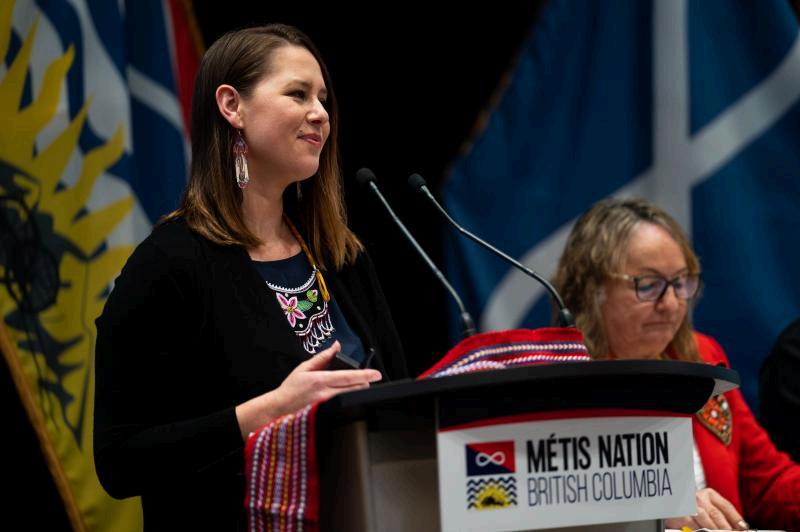
Through service, strategic vision, and cultural revitalization, Métis Nation British Columbia (MNBC) CEO Colette Trudeau is redefining leadership through culturally grounded approaches Guided by inclusive, responsible leadership and a deep commitment to relationship building, Colette, a proud Métis woman and community advocate, has played a pivotal role in expanding MNBC’s reach and impact, supporting more than 30,000 Métis Citizens across British Columbia
Colette’s leadership journey began with her early involvement in youth programs and governance Before becoming CEO in 2022, she spent more than fifteen years at MNBC, leading operations and establishing new departments Her leadership is rooted in humility, adaptability, kindness, and “good medicine” a daily reminder to lead with ethics, patience, and community focus
Colette holds a Master of Arts in Executive Leadership from Royal Roads University, where her capstone explored integrating Métis cultural practices into the workplace.
Colette's leadership at MNBC is focused on selfdetermination, cultural preservation, and strategic expansion The Nation's visionary strategy plan, "Kâ Isi Nâtama Ôta Ati Nîkân: Our Way Forward," was designed and implemented under her direction Its main objectives were to strengthen chartered communities, revitalize culture, build economic capacity, and exercise MNBC's jurisdiction over Métis children in care
MNBChasbecomeamodelforintegratingMétis traditionalvalues—integrity,respect,and teamwork—intogovernance.Programsand serviceshaveexpandedsignificantly,while internalinitiativessuchasLateralKindness Trainingandculturallyinformedpolicy developmentreflectMNBC’scommitmentto employeewell-beingandcultural understanding.Colette’sapproachemphasizes empoweringemployees,fosteringgrowth,and prioritizingthecollectivegood.

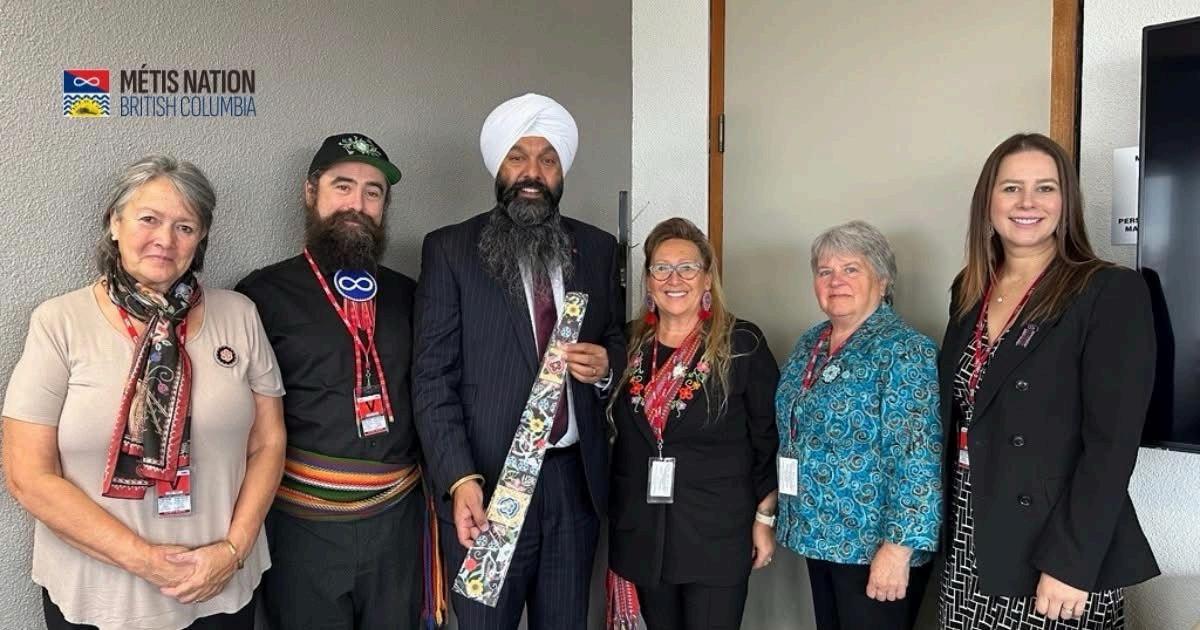
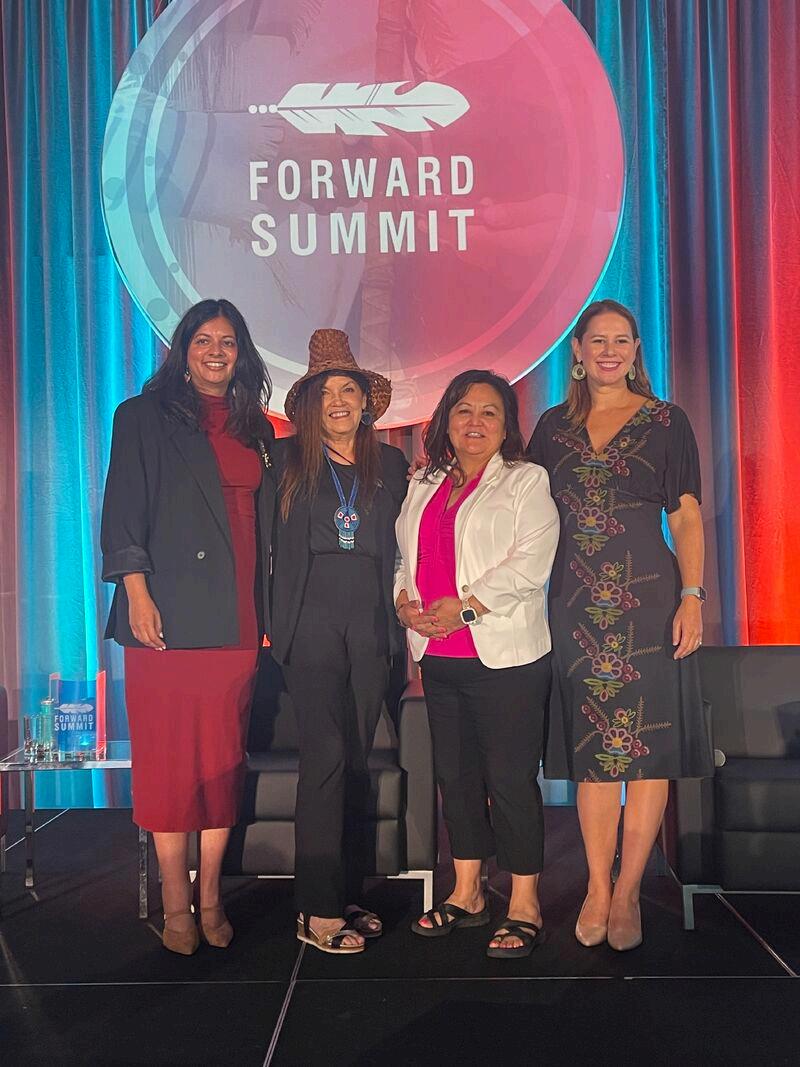
Under Colette’s leadership, MNBC has grown to more than 20 departments and 350 staff focused on housing, economic development, education, health, and more Advocacy at provincial and national levels has advanced Métis self-determination and culturally appropriate programming, resulting in increased funding Her leadership earned her the Business in Vancouver Forty Under 40 Award, highlighting her influence beyond MNBC.
Colette’s career has included difficult decisions, such as not running for a second term for the Maple Ridge–Pitt Meadows School Board to prioritize MNBC and family She champions healthy boundaries, composure, and clarity of purpose when navigating complex challenges Her collaborative, relationship-focused approach strengthens connections among communities, partners, and governments Colette underscores perseverance, communication, and vision as essential for overcoming the political and practical challenges facing Métis leaders today

Empowering Métis people to embrace their heritage, connect with culture, and engage in community is central to Colette’s vision She advocates for visibility and reconnection within the self-identified Métis population of over 114,000 in BC, ensuring future generations inherit a strong, thriving Nation
Colette’s strategic vision for MNBC focuses on three pillars: strengthening relationships, generating own-source revenue to sustain programs and services, and building community-driven infrastructure to foster thriving Métis communities Under her leadership, today’s Métis government is being shaped by a legacy that empowers future generations Her advice to leaders is direct and inspiring: share knowledge freely, lead with kindness and resilience, and keep the children at the heart of your mission
By integrating identity, strategic vision, and the pursuit of self-determination, Colette Trudeau’s leadership has positioned Métis Nation British Columbia as a recognized voice within Canada’s reconciliation agenda Her unwavering commitment to valuesbased leadership stands as a powerful model for Indigenous nation-building across the country
The Indigenous-SME Business Magazine is a great new and seasoned resource for Canada's small Indigenous businesses Visit the website below to view our magazine Click here to follow our X account for news updates So, what are you waiting for? Join our business-loving community for inspiration, motivation, and growth
Disclaimer: This article is based on publicly available information intended only for informational purposes Indigenous-SME Business Magazine does not endorse or guarantee any products or services mentioned. Readers are advised to conduct their research and due diligence before making business decisions
ArticleByADP
Managing cash flow has become a central part of small business finance in Canada This article outlines practical steps to help small business owners strengthen financial resilience through consistent cash flow tracking, accurate forecasting, efficient payroll processes and the use of digital tools for better visibility It also highlights how planning and clear communication can support steady operations and improve financial planning for small business owners across changing economic conditions
Maintaining a steady cash flow requires close attention to both incoming and outgoing funds Regular tracking allows you to identify patterns, anticipate slower periods and make necessary adjustments before challenges arise Ensure all sources of income, including sales, services and receivables, are recorded and compared against expenses like payroll, rent and supplier payments Reviewing these figures weekly or monthly enables a clear understanding of your cash position, allowing for confident forward planning
Tracking cash flow consistently is crucial for sustaining a reliable cash flow By regularly monitoring your financial inflows and outflows, you’ll be better prepared to pinpoint trends and adjust as needed Record all sources of income, including sales, services and receivables, and compare them against expenses such as payroll, rent and supplier Track your inflows and outflows consistently 1)
payments Conducting weekly or monthly reviews of these figures enhances awareness of your cash position, fostering proactive planning
Setting aside extra funds creates a buffer during slower months or unexpected disruptions A healthy reserve can help you meet payroll, cover fixed costs and manage vendor payments without relying on credit. Start by setting aside a small percentage of your profits each month into a separate savings account Over time, aim to save enough to cover several months of essential expenses A dedicated reserve gives your business more flexibility and peace of mind when conditions change
a cash reserve Manage payroll efficiently 2) 3)
Payroll is typically one of the largest ongoing expenses for small businesses, and even minor delays or errors can disrupt cash flow Automating your payroll processes helps reduce the risk of miscalculations and supports a predictable payment schedule Assess your payroll cycle to confirm it aligns with incoming revenue streams, and stay ahead of important deadlines like source deduction remittances and year-end reporting Regularly reviewing employee classifications also helps ensure compliance with Canadian payroll laws With intelligent payroll technology, small businesses can automate processing, manage deductions and forecast labour costs.
Effective forecasting helps you anticipate cash flow challenges before they occur By estimating future inflows and outflows, you can determine when to scale back expenses or invest in growth Develop various financial scenarios to assess the potential impacts of changes in revenue or costs on your liquidity Update these forecasts consistently with current data, adjusting spending or hiring strategies as necessary A clear understanding of potential outcomes supports informed decision making, even in uncertain market conditions
Transparent communication helps maintain healthy cash flow relationships Reach out to clients before invoices are due, and provide clear, consistent payment terms Early reminders often prevent delays and foster reliability Consider offering small discounts for early payments or negotiating flexible terms with trusted partners On the supplier side, reviewing contracts and aligning payment schedules with your revenue cycle can ease pressure on cash reserves. Building strong relationships can contribute to predictable inflows and outflows.
Manual financial processes can be time-consuming and prone to oversight Using digital tools allows you to automate tasks such as invoicing, expense tracking and reporting, enhancing overall efficiency Automation frees you to focus on strategic initiatives and growth rather than administrative tasks Integrating payroll, HR and financial systems simplifies the monitoring of labour costs and forecasting future expenses Together, reliable data and automation enhance financial visibility and support strategic decision making
Achieving financial fitness is an ongoing effort Consistent tracking, proactive forecasting and automation are foundational elements of stability Small businesses in Canada that embrace these practices can navigate uncertainty with enhanced confidence and resilience.

ExploreADPCanada’sSmallBusinessToolkit:From SparktoStrategyforvaluableresourcestohelpyou plan,protectandgrowyourbusiness.


BySkUddin
For many Indigenous entrepreneurs in Canada, 2026 is a time to consider whether their brand still reflects who they are, what their community values, and where their business is going Logos, websites, and messages can go out of sync as firms evolve, for example, through new product introductions, market expansions, or deeper cultural commitments Indigenous-focused marketing gurus emphasize the importance of a strong brand as a strategic tool for attracting customers, supporting fair pricing, and facilitating collaborations and procurement A clever, culturally informed rebranding may transform New Year's resolutions into a straightforward, confident narrative
According to Canadian small-business consultants, there are several signals that it's time to revamp your brand, including outdated visuals that underperform online, misunderstandings about your offerings, and negative feedback about an obsolete logo or name Other causes include expanding into new markets (e.g., from local craft markets to national e-commerce or export), introducing higher-end products, or shifting focus from general audiences to specialized community segments

For Indigenous entrepreneurs, an additional clue is when the present brand no longer feels culturally or personally accurate perhaps early branding used generic "Indigenous" symbols that now seem too wide, or the business has re-anchored in Nation-specific language and traditions Strategic rebranding recommendations indicate that each refresh be linked to specific goals, such as new products, new audiences, or 2026 impact promises, such as youth employment or language visibility A rebrand doesn't have to be extensive
It might range from clarifying your message and upgrading your website language to a complete visual redesign, including a new logo and colour palette that better reflects your country and beliefs
Indigenous leaders emphasize that branding should be done with care to honour individual Nations, stories, and traditions rather than relying on a broad "Indigenous style " Brand standards from the Indigenous Tourism Association of Canada and Indigenous Tourism Alberta emphasize avoiding pan-Indigenous images, using precise Nation names, and respecting sacred symbols and regalia. This is echoed by university and government brand recommendations, which advise against using possessive words like "Canada's Indigenous Peoples" and instead encourage the use of actual community names and capitalized titles like Elder
Working with Indigenous-owned branding and marketing businesses, such as The Indigenous Marketing Company, Indigenous Marketing Solutions, or IndigPro, can help entrepreneurs translate traditional guidance into professional visual identities and campaigns These organizations contribute both design expertise and cultural sensitivity, assisting procedures that engage elders, knowledge keepers, or community feedback as needed.
Entrepreneurs should follow institutional guidelines for Indigenous portrayal and imagery, including obtaining consent for photography, avoiding stereotypes, and crediting artists on packaging or websites A well-executed rebrand can enhance cultural integrity by transforming each touchpoint logo, tagline, imagery into a respectful extension of community stories
Rebranding does not necessarily require a large agency spend To have an apparent impact, Canadian small-business resources suggest making targeted, cheap improvements Common first steps include refreshing the logo and colours
Simplifying an outdated logo for greater phone readability, using a consistent colour palette and font that reflect your story and perform well across social media, packaging, and bills
Cleaning the website: Update the home page to clearly state what you do, who you serve, and how to buy; improve navigation; and archive obsolete pages or blog entries that no longer reflect the brand.
Standardizing Social Media: Ensure your profile photographs, bios, and link-in-bio tools align with your key offers and website across all platforms.
Rebranding cost guides illustrate that small businesses can undertake staggered refreshes DIY logo modifications, freelance design packages, and a larger agency effort as revenue allows Brandigenous, an indigenous merch and print supplier, can also help adapt new branding into clothes and promotional products without requiring large minimum purchases

Beyond aesthetics, a clearer, more cohesive brand promotes growth, collaboration, and pricing Strong positioning helps small businesses charge appropriately since clients are better able to comprehend the value, narrative, and quality behind the work, according to Canadian branding guides. A professional, culturally rooted brand can help Indigenous SMEs earn the trust of wholesale customers, galleries, tourism boards, and institutional partners seeking reliable Indigenous suppliers
Microbusinessescanmaintain consistencyevenwhenthey expand,hirecontractors,or collaboratewithoutsidedesigners byusingstraightforwardbrand guidelines,whichareoneortwo pagesthatcovergoal,values, toneofvoice,essential messaging,logousage,colours, andpicturestyle.Indigenous agenciesrecognizethatabrand's strengthandfamiliarityderive fromitsconsistencyovertime, particularlywhenitisconnected todistinctnarrativesofnation, land,andpurpose.Treatinga brandasalegitimatebusiness toolin2026cansupport everythingfromexportreadiness tograntapplicationsandaward nominations.
Review your current mission, values, and target audience.
Check your visuals (brand, colours, and photographs) for alignment and clarity.
Ask 5-10 consumers to describe your company in one line.
Ensure language and images are appropriate for the country and community
Update your website's homepage and social media biographies to reflect your current focus
Create a one-page brand guide outlining logo guidelines, colours, tone, and central message.

The Indigenous-SME Business Magazine is a great new and seasoned resource for Canada's small Indigenous businesses. Visit the website below to view our magazine. Click here to follow our X account for news updates. So, what are you waiting for? Join our business-loving community for inspiration, motivation, and growth
Disclaimer: This article is based on publicly available information intended only for informational purposes Indigenous-SME Business Magazine does not endorse or guarantee any products or services mentioned Readers are advised to conduct their research and due diligence before making business decisions


ByMaheenBari
Many Indigenous entrepreneurs in Canada began their careers with side hustles, such as selling beadwork on Instagram, catering on weekends, guiding tours during the summer, or freelancing in between employment As demand increases, so do late nights, constant multitasking, and the sense that opportunities are slipping away Indigenous entrepreneurship is on the rise, yet challenges such as undercapitalization, overwork, and informal operations continue to impede progress The New Year is an opportunity to reset and decide if 2026 is the year to transition from " on the side" to a sustainable, organized business that supports livelihood and well-being.
The first stage is to determine when a side hustle is ready to become a business Canadian Indigenous SME features and national reports identify common indicators, such as consistent orders or bookings, repeat customers, frequent referrals, and declines due to time or capacity constraints Burnout is another indicator when nights and weekends are always filled, and basic duties (family, cultural roles, and health) are strained
Informal operations can prevent access to grants, loans, and corporate procurement that require a registered firm number and basic financial disclosures, according to studies on indigenous entrepreneurship This is especially important as more Indigenous-specific funding and supplier initiatives arise in Canada
Basic Bookkeeping: accurately track income and expenses by using a cloud accounting solution (such as Wave or QuickBooks) in conjunction with a separate business bank account
Scheduling and fulfillment workflow: Use a standard calendar or booking tool for orders and appointments, and follow a step-by-step checklist for work production and delivery.
Using these simple principles transforms a side hustle into a repeatable process, enabling greater creativity and strategic planning "Levellingup"in2026doesn'talwaysmeangoing full-timerightaway.Itcanentaildefiningone specificshift:registeringasasoleproprietoror company,openingaseparatebusinessbank account,hiringafirstcontractor,orsettingaside regular,protectedworkhourseachweek.Clear, precisedecisionsmakeiteasiertoplanfuture activitiesandcommunicateeffectivelywith lenders,partners,andfamilymembers.
Digital record-keeping involves storing invoices, receipts, and essential documents in online folders to facilitate grant, tax, and loan applications.
Transitioning from hustle to business necessitates transforming dispersed work into a cohesive model Indigenous company profiles emphasize the need to define core offerings what products or services will be the focus and identify the ideal customer. Many successful founders describe reducing their product line to items that sell regularly and align most closely with their ideals, rather than trying to please everyone
Pricing is another critical reset Indigenous craft and service entrepreneurs often underprice to avoid losing clients or to satisfy internalized pressure to be "cheap " Resources on Indigenous workmanship and fair pricing emphasize the importance of accounting for time, materials, overhead, administration, and profit, rather than just basic expenses Transparent, value-based pricing is beneficial when approaching wholesale buyers or institutional clients
Simple systems are critical Canadian entrepreneurship advisers suggest that even micro-businesses can adopt tools:

For Indigenous entrepreneurs, sustainable business does not mean compromising community, culture, or health Canadian research on Indigenous workers' wellness emphasizes the importance of balancing achievement with commitments to family, land, and nation In Indigenous-SME case studies, founders intentionally build weekly rhythms that combine land-based time, care, and traditional practices with commercial tasks
One realistic option is to create an " average week" for 2026.
Schedule definite commitments (school runs, community meetings, ceremony days, and language classes).
Create secure business blocks for production, administration, and marketing.

Set rest and land-based time as non-negotiable, not "if there's time remaining "
Learning to say no is part of the reset Over-commitment is a primary cause of burnout, according to mental health resources for entrepreneurs in Canada Founders are advised to establish capacity limits (e g , a maximum number of custom orders per month or events per season) and clearly communicate them to clients
Entrepreneurs who prioritize values and capabilities in business growth are less likely to quit due to tiredness Instead, kids can develop at a pace that balances opportunity and well-being
What is my revenue target for 2026, and how many sales or contracts are needed?
Which 2-3 goods or services will I focus on this year, and who are they intended for?
What official steps will I take in 2026 (registration, bank account, first hiring, new system)?
Which Indigenous-specific scholarships, initiatives, or competitions will you apply for this year?
What weekly plan will safeguard my health, family, and cultural responsibilities as I grow?
Turning a side hustle into a successful Indigenous business in 2026 requires strategic decisions formalizing, prioritizing, systemizing, and maintaining balance Indigenous entrepreneurs in Canada can create sustainable enterprises that benefit their communities with clear goals, supportive ecosystems, and wholeself leadership
The Indigenous-SME Business Magazine is a great new and seasoned resource for Canada's small Indigenous businesses Visit the website below to view our magazine Click here to follow our X account for news updates So, what are you waiting for? Join our business-loving community for inspiration, motivation, and growth.
Disclaimer: This article is based on publicly available information intended only for informational purposes. Indigenous-SME Business Magazine does not endorse or guarantee any products or services mentioned Readers are advised to conduct their research and due diligence before making business decisions

ByMaheenBari
Across Canada, Indigenous entrepreneurs are stepping into 2026 with ambitious plans expanding product lines, hiring locally, and exporting beyond their borders To make those aspirations a reality, founders require more than just enthusiasm; they must also have clear plans, adequate funding, and supportive partners New Indigenous-focused funds, awards, and advisory programs have arisen to bridge finance gaps and provide mentorship and networks for founders. This essay explains how Indigenous SMEs may turn New Year resolutions into 12-month plans through strategic planning, Indigenousspecific funding, and ecosystem collaborations
Firm 2026 plans begin with figures and dates, not simply hopes Setting one-year income targets, monthly sales goals, and defined deadlines for critical projects (e g , introducing a new product, entering a new market, or hiring the first employee) is recommended in small-business planning manuals For Indigenous SMEs, this often involves aligning growth objectives with community interests, such as increasing local employment, supporting language revitalization, or funding youth programs through corporate revenues.
Founders can use simple templates, such as a onepage company plan, 12-month cash-flow estimate, and quarterly action plan, to transition from "someday" to scheduled milestones Many financing schemes, such as government grants and Indigenous loan funds, explicitly need predictions and project plans; developing these early simplifies applications

Entrepreneursupportorganizationsoftenpropose aquarterlycycleofreviewingoutcomes,updating predictions,adjustingspending,andsetting priorities.IndigenousSMEsmaycommittothree planningresolutionsfor2026:establishaprecise incomeobjective,chartcriticaldates(seasonal peaks,grantdeadlines,significantevents),andset asidetimeeachmonthtoanalyzethedatarather thansimplyreactingtoproblems.
Indigenous entrepreneurs today have more personalized funding alternatives than ever before, but accessing them can still be challenging Indigenous-specific grants, loans, and equity funds are listed in national and regional guidelines, including Indigenous financial institutions, the Indigenous Growth Fund, regional economic development organizations, and venture funds These sources can fund equipment, technology, product development, and expansion
The Canadian Council for Indigenous Business (CCIB) administers the Indigenous Women Entrepreneurship Fund (IWEF), which provides additional support to Indigenous women entrepreneurs The fund offers grants, CCIB memberships, and access to Tools for Indigenous Business (TIB) services to help women overcome structural barriers to financing
Competitions and awards have become increasingly important
Pow Wow Pitch's Indigenous Entrepreneur rewards and pitch competitions provide grants, mentorship, and national visibility, with partners such as RBC, Mastercard, and Aritzia sponsoring cash rewards, product acquisition, and growth programmes
Futurpreneur'sIndigenousEntrepreneur StartupProgramoffersrepayableloans anduptotwoyearsofmentorshipfrom anIndigenousteamfamiliarwith communityrealities.IndigenousServices Canadaandregionaldevelopment agenciesprovideproject-basedfunding andsupportforIndigenous-ledeconomic activities,includingbusinessgrowthand marketexpansion.

Founders often mix various funding sources, including awards, microgrants, community financing, and mainstream lenders, to mitigate risk and reduce dependence on high-interest financing.
Beyond funding, Indigenous SMEs benefit from networks of mentors, colleagues, and institutional allies Future Skills Centre projects for Northern and Indigenous-serving SMEs emphasize the need for comprehensive support, including training, advisory services, and networks, in addition to finance, particularly in distant regions CCIB, Indigenous Chambers, and regional Indigenous business associations offer certification, procurement links, and advice services to help founders access corporate and government supply chains The annual report of Pow Wow Pitch demonstrates how connections with large banks, export agencies, and retailers provide graduates with opportunities to secure anchor purchasers, export support, and ongoing mentorship that extend beyond a single pitch event.
Collaborations, such as periodic wholesale orders, tourism board partnerships, or long-term service contracts, can help stabilize revenue and inform hiring and investment decisions In 2026, a realistic resolution is to join at least one ecosystem, such as a chamber, accelerator, or mentorship circle, and identify two or three possible institutional partners (e g hotels, galleries, schools, or tourism agencies) to pursue multi-year collaborations
Establish a 12-month revenue target and 3-5 significant objectives (e.g., new product, new market, first hire).
Create a simple cash flow projection and quarterly action plan
Identify Indigenous-specific funding opportunities (local IFI, regional funds, IWEF, pitch contests) and deadlines.
Set up at least one meeting with a business advisor, Indigenous financial institution, or mentor Apply to one grant, fund, or pitch program that matches your 2026 goals
Join a single network (CCIB, chamber, accelerator) to avoid going it alone.
New Year's resolutions have a greater impact on Indigenous businesses when supported by thoughtful plans, sound financial management, and strong collaboration Canada's growing Indigenous-focused funding, mentorship programs, and business networks provide valuable support for these travels With a clear roadmap, 2026 can be a year of confident and communitybased growth

The Indigenous-SME Business Magazine is a great new and seasoned resource for Canada's small Indigenous businesses. Visit the website below to view our magazine. Click here to follow our X account for news updates. So, what are you waiting for? Join our business-loving community for inspiration, motivation, and growth.
Disclaimer: This article is based on publicly available information intended only for informational purposes Indigenous-SME Business Magazine does not endorse or guarantee any products or services mentioned Readers are advised to conduct their research and due diligence before making business decisions


ByMaheenBari
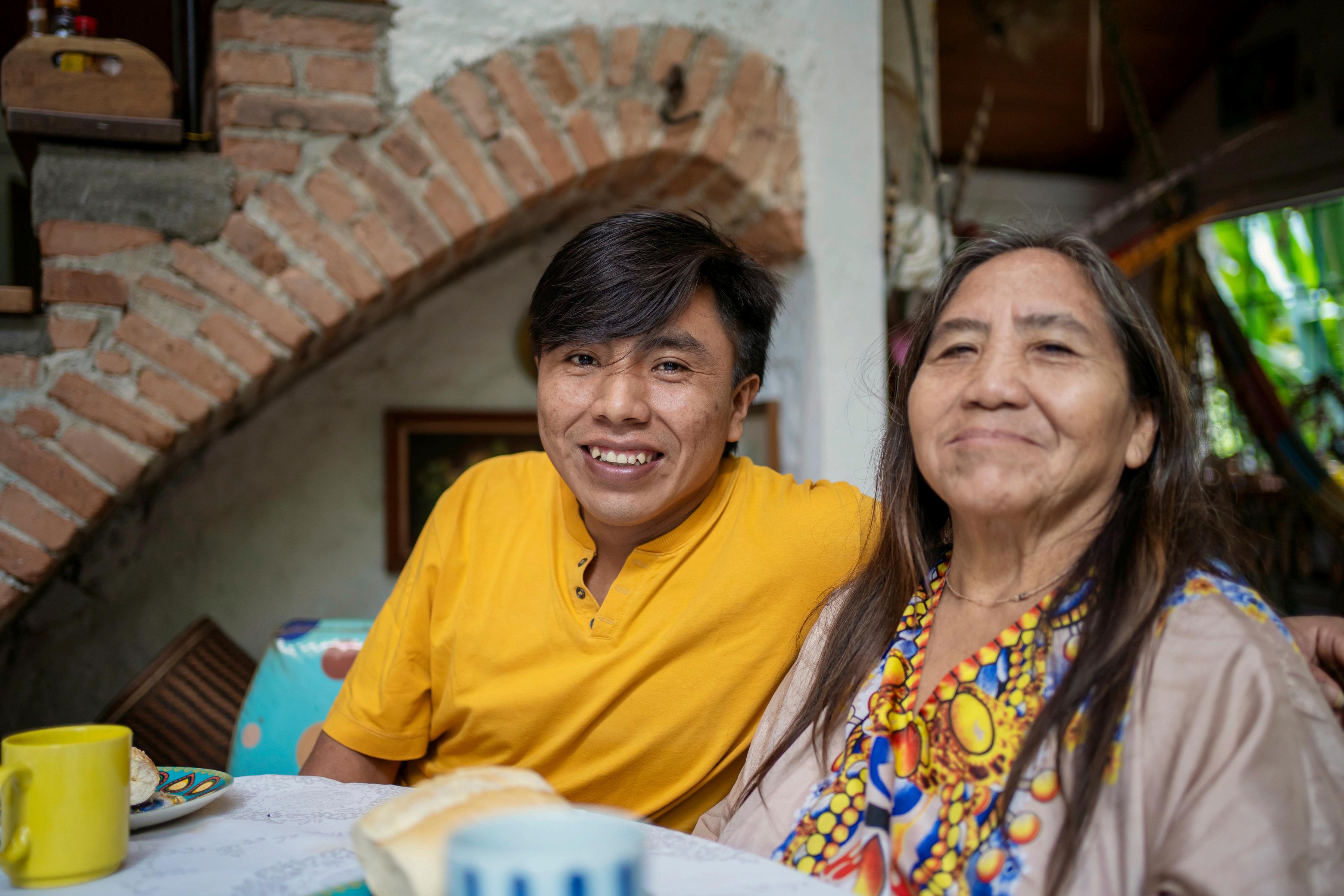
Indigenous entrepreneurs and business leaders in Canada face more than financial obligations; they must also navigate community expectations, traditional roles, and the effects of colonial structures that continue to shape daily life This weight can intensify stress, burnout, and isolation Indigenous traditions offer important models of balance, connection, and healing that many non-Indigenous businesses continue to learn from. The "whole-self leadership" strategy integrates corporate performance, culture, and mental well-being Indigenous enterprises are reshaping the definition of a healthy, high-performing firm in 2026 by prioritizing Indigenous-led mental health services and cultural traditions
For many Indigenous people in Canada, mainstream mental health systems have caused more harm than good. According to national evaluations, systematic racism, cultural ignorance, and dangerous clinical experiences have resulted in First Nations, Inuit, and Métis peoples' mistrust and underuse of services According to research, treatments built without Indigenous worldviews frequently disregard colonial trauma, alienation from land, and the spiritual dimensions of wellness, all of which are fundamental to Indigenous health understandings
Culturally safe and Indigenous-led care operate differently It acknowledges that mental, physical, emotional, and spiritual health are inextricably linked, and that community, language, ceremony, and land are protective elements, not optional extras The First Nations Health Authority and other Indigenous health organizations define cultural safety as care in which Indigenous people feel valued, free of prejudice, and able to draw strength from their identity and community.
Culturallygrounded assistanceallowsIndigenous businessownersand employeestodiscussstress, bereavement,oranxiety withoutexplainingor defendingtheircultural background.Itprovidesan opportunitytoacknowledge intergenerationalsuffering whilealsocelebrating resiliencyandsuccess.
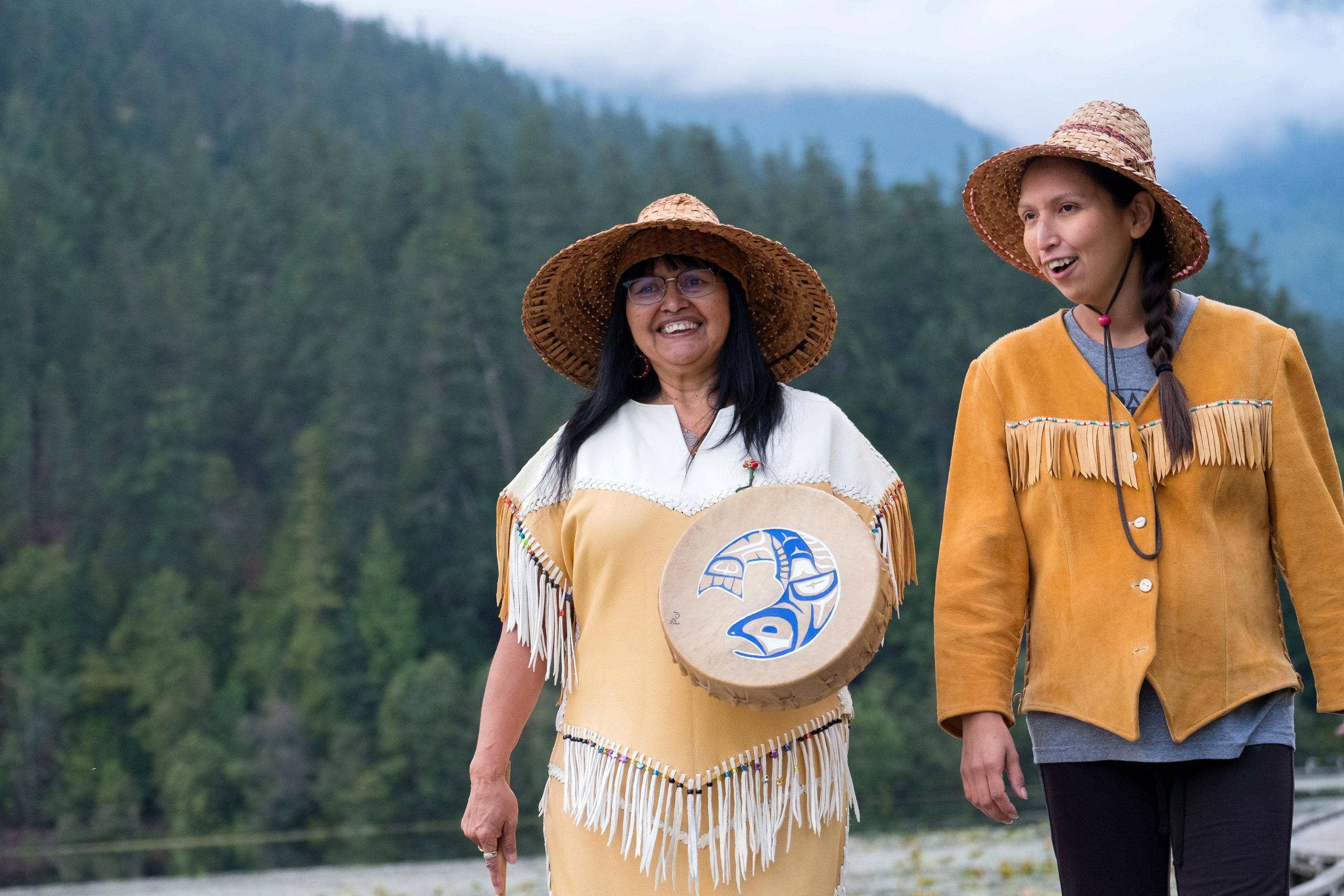
Indigenous-owned and managed services in Canada are improving access to mental health care for entrepreneurs, staff, and families Noojimo Health and other virtual platforms provide culturally safe and timely mental health support from Indigenous clinicians and volunteers who understand community realities and cultural traditions These services use secure video and phone conferencing to reach clients in both urban and rural areas, reducing travel costs and wait times
Nationally, the Hope for Wellness Help Line offers 24/7 therapy in numerous Indigenous languages via phone and online chat to all Indigenous peoples in Canada Regional services, including Indigenous mental health and wellness programs offered by Fraser Health and other provincial systems, connect clients with Indigenous mental health nurses, elders, and traditional supports in addition to professional care
Environmental scans of Indigenous mental health programs show the relevance of local initiatives such as youth groups with elders, land-based camps, and community wellness teams that combine traditional healing and counselling Many entrepreneurs secretly rely on these programs to manage stress, address setbacks, or handle rapid expansion Indigenous business leaders can integrate tools such as hotlines, local programs, and virtual Indigenous-led services into their overall workplace health strategy.
Indigenous-owned businesses in Canada are integrating mental health and culture into daily operations Indigenous SME entrepreneurs employ holistic frameworks such as the Medicine Wheel to guide business decisions, balancing physical, mental, emotional, and spiritual demands (case studies provided) Practices include beginning meetings with smudging or prayer, offering time off for ritual and hunting, and encouraging staff to reconnect with the land and family during high-stress periods
Articles on well-being at Indigenous-owned firms highlight flexible scheduling, remote work possibilities, and wellness programs that include elder mentoring, cultural awareness training, and access to Indigenous mental health care These measures are viewed as necessary foundations for long-term performance and reduced burnout, rather than as rewards
Researchandpractitionerobservations indicatethatintegratingholistic wellbeingleadstoimprovedemployee retention,fewersickdays,and increasedcreativityandproblemsolvingskills.Entrepreneursmay prevent"hustleculture"fromaffecting theirhealthbycheckinginwith mentors,participatinginIndigenous wellnesscircles,andsettingclearwork hoursandboundaries.Whole-self leadershiprecognizesthatthriving leaderscreatethrivingenterprises.
Implementing these ideas does not require a large HR department Canadian advice and Indigenous business examples propose a number of practical steps:
Map the supports. Create a list of local and virtual Indigenous-led services, including Noojimo Health, Hope for Health, and regional Indigenous mental health initiatives, and distribute it to staff.
Make space for culture: Establish policies that support ceremonial leave, flexible time for outdoor activities, and office spaces for cultural artifacts, art, or quiet reflection.
Leaders can demonstrate healthy boundaries by taking breaks, respecting days off, and openly discussing wellness check-ins
Collaborate with Indigenous wellness providers: Programs such as Indigenous Workplace Wellness and community wellness circles help organizations develop benefits and training that reflect Indigenous values.
These actions demonstrate that mental health is a core company strategy, not an afterthought They promote help-seeking and decrease stigma for both employees and entrepreneurs.
Indigenous entrepreneurs in Canada demonstrate that strong leadership entails caring for the mind, body, soul, and community as a whole. Choosing Indigenous-led mental health services and incorporating culturally grounded wellness into workplaces fosters an environment where employees can be themselves Whole-self leadership can contribute to resilience, innovation, and long-term success after 2026
The Indigenous-SME Business Magazine is a great new and seasoned resource for Canada's small Indigenous businesses Visit the website below to view our magazine Click here to follow our X account for news updates So, what are you waiting for? Join our business-loving community for inspiration, motivation, and growth.
Disclaimer: This article is based on publicly available information intended only for informational purposes Indigenous-SME Business Magazine does not endorse or guarantee any products or services mentioned Readers are advised to conduct their research and due diligence before making business decisions.


BySkUddin
Cyber threats are now a routine risk for Canadian small enterprises, including Indigenous SMEs
According to government data, almost two-thirds of Canadian firms have encountered a cyber incident
The most prevalent dangers include phishing, malware, and illegal access Attackers sometimes assume that small and micro enterprises have weaker defences; nonetheless, even a brief outage or stolen data can have a significant impact on revenue, reputation, and community relationships
The good news: a few simple, practical procedures can significantly reduce risk This essay outlines basic cybersecurity requirements for Indigenous SMEs, with no technical background required
The Canadian guideline identifies three major threats that small firms should be aware of: phishing, ransomware, and credentials theft
Phishing and corporate email compromise: To trick consumers into clicking dangerous links or sharing sensitive information, criminals send fraudulent emails or texts that appear official, often posing as banks, suppliers, or even internal staff Every year, tens of thousands of phishing-related scams are reported in Canada Small businesses are particularly vulnerable to targeted fraudulent emails worldwide
Ransomware is malicious software that encrypts or steals data and demands payment to restore access. According to the Canadian Centre for Cyber Security, ransomware is among the most widespread and damaging threats, causing disruption, data loss, and significant recovery costs
Credential theft and weak passwords are common ways attackers obtain access to email, banking, and cloud tools. Poor password practices and account reuse are identified as major threats for Canadian small and medium-sized businesses in 2025-2026.
Understanding these fundamentals enables Indigenous business owners to identify potential issues and prioritize prevention efforts
According to government and industry guidelines, a modest number of simple safeguards can prevent most attacks
Create strong passwords and use password managers. Passwords for essential accounts should be long and unique. Password managers (such as Bitwarden, 1Password, and LastPass) generate and store strong passwords, preventing employees from reusing them across accounts.
Use multi-factor authentication (MFA): Enabling MFA for email, banking, and cloud tools adds a second factor (code, app, or key), making stolen passwords insufficient According to Canadian SME counsel, MFA is one of the most effective and affordable defences
Regular updates ("patching"): Enable automatic updates for computers, phones, and software whenever possible. According to the Canadian Centre for Cyber Security, many attacks exploit known vulnerabilities that have already been addressed by updates
Backup: Maintain regular, validated backups of critical data (accounting files, customer lists, and documents), with at least one copy kept offline or in a separate cloud service Ransomware advice emphasizes maintaining reliable backups to avoid paying ransom demands and to enable quick recovery.
Secure WiFi: Change default router passwords, use robust encryption (WPA2/WPA3), and avoid disclosing the main Wi-Fi password to customers Guest networks and VPNs can help to keep company systems distinct and secure

Cloud tools, including accounting platforms, CRM systems, and email services, are becoming essential for many Indigenous businesses Small businesses in Canada are encouraged to use trusted cloud services that often offer robust security, automated backups, and compliance capabilities However, security is shared by the supplier and the customer
Key safe use practices include:
Select reputable vendors: Look for providers that publish security information, use encryption, and maintain data centres that meet Canadian and international requirements.
Limit access. Grant employees only the permissions they need, and promptly revoke access when they leave the company Poor access control is a common vulnerability identified in Canadian SMBs
Enable security features: enable MFA, login notifications, and automatic backups for services such as accounting software and email suites.
Avoid "shadow IT." Set a simple policy stating that employees should not link unapproved apps to business accounts without permission, as unexpected integrations can introduce new vulnerabilities.
These principles are the "minimum security standard" for any Indigenous micro-business.
When used correctly, cloud tools can improve cybersecurity and simplify daily operations
Indigenous SMEs often lack in-house IT teams, but they may still prepare The Government of Canada and Get Cyber Safe recommend that every small business develop a simple incident response plan to ensure they know what to do in the event of an attack
Signs you might require professional assistance:
Unusual account activity or login attempts from unexpected areas.
Devices abruptly slow down, lock up, or display ransomware demands.
Customers and suppliers report receiving unusual emails from your accounts.

Five Security Resolutions for Indigenous SMEs in 2026.
Enable multi-factor authentication for email, banking, and cloud tools this month.
Begin using a password manager and enforce strong, unique passwords for all employees.
If something happens, government and industry guidance suggest actions such as:
Disconnect and contain. Take vulnerable devices offline and temporarily suspend hacked accounts.
Involve the experts: Contact a reliable IT provider, a managed security service, or a cyber-incident hotline, if available
Notify the partners: Inform your bank, key suppliers, and, if necessary, customers and regulators.
Change credentials and review access. Reset passwords, enable MFA, and check who has access.
Document and Learn: Use checklists or templates to keep track of what happened and adjust your plans.
Government templates (such as CyberSecure Canada's incident response plan) provide small enterprises with customizable forms
Provide a brief phishing awareness discussion or training for all business email users
Create a one-page incident response checklist and preserve both printed and cloud versions.
Small steps like these considerably reduce risk while keeping the firm operational and trustworthy
The Indigenous-SME Business Magazine is a great new and seasoned resource for Canada's small Indigenous businesses Visit the website below to view our magazine Click here to follow our X account for news updates So, what are you waiting for? Join our business-loving community for inspiration, motivation, and growth
Disclaimer: This article is based on publicly available information intended only for informational purposes Indigenous-SME Business Magazine does not endorse or guarantee any products or services mentioned Readers are advised to conduct their research and due diligence before making business decisions

ByKripaAnand
Indigenous artisans across Canada are kicking off the new year with collections that combine traditional craftsmanship with modern branding and internet sales Every beaded earring, ribbon skirt, and clay vessel conveys lessons about land, kinship, and responsibility, all while supporting families and communities via business. Galleries, internet marketplaces, and Indigenous-owned brands now connect creators with clients across Canada and worldwide, transforming cultural expression into a profitable business
As demand rises, craftspeople have both opportunities and challenges: growing without sacrificing authenticity, managing inventory, and safeguarding creations from imitation Their stories demonstrate how tradition and innovation may coexist until 2026
Indigenous jewelry has emerged as a significant symbol of cultural rebirth and economic independence Indigenous jewellers in Canada are renewing ancient skills and reaching customers worldwide through e-commerce, offering handbeaded earrings, sterling silver, and gold jewellery Curated platforms, such as Craft Ontario's Indigenous jewelry collection and West Coast galleries like Artina's, showcase artists whose work reflects unique Nations, tales, and territory

Sapling&Flint,aMohawk-ownedjewelry manufacturerinOhsweken,produceshighqualitygoldandsilverpieces.Theyare CCAB-certifiedIndigenousbusinessesthat scalethroughinternetsalesandwholesale collaborations.Manyjewellersexplorewith currentmaterialssuchasresin,glass,and reusedmetals,aswellasquills,bone,and shells,tocreateaffordablepieceswhile preservingculturalmotifs.

Regalia, Fashion Lines, and Home Goods

Indigenous textiles, including ribbon skirts, woven items, blankets, and ready-towear clothes, play a crucial role in a vibrant creative economy Indigenous Apparel Arts (IFA) promotes Indigenousmade apparel, textiles, and crafts to a broader audience, linking designers with buyers, media, and mainstream fashion businesses Native Northwest and Indigenous-owned multi-brand platforms offer a variety of textiles, including aprons, tea towels, scarves, and blankets, with Nation-specific artwork and patterns
4 Generations Creations, an Indigenous women-owned brand based in Ontario, showcases how ribbon skirts, garments, and accessories can support both an inhouse label and a network of 50+ Indigenous artisans through wholesale and retail collaborations Collaborations with boutiques and museum shops broaden reach while retaining control over storytelling and design decisions

Pottery and ceramics give physical form to interactions with land and water Indigenous potters across Canada make functional and sculptural pottery that references traditional forms, landscapes, and family history, generally in limited editions to reflect the time and care necessary Destination Indigenous and related platforms promote craftspeople whose mugs, bowls, and containers are made from local clays and glazes, with each piece presented as part of a larger story about its location.
Some Indigenous trading posts and galleries, such as Turtle Lodge Trading Post and regional cultural centers, sell ceramics alongside medicines, beading, and regalia, positioning pottery as part of a broader cultural economy Online shops and social media launches enable potters to introduce limited collections that sell quickly, reducing inventory risk but requiring careful preparation Kiln expenses, shipping fragility, and limited production capacity require pricing that reflects both artistry and infrastructure To make their work more accessible, several potters offer mixed collections that include both high-end art pieces and everyday items
Behind the beauty of jewelry, textiles, and pottery is a complicated set of commercial decisions Indigenous artisans must manage inventories during seasonal peaks, such as powwow season, National Indigenous Peoples Day, and the winter gifting season, while also fulfilling custom orders and meeting wholesale agreements To match production capacity with demand and reduce unsold stock, several businesses now provide pre-order drops, waitlists, or online "store updates "
Cultural appropriation and unlawful design reproduction are key sources of worry Legal scholars argue that Canadian intellectual property law does not adequately safeguard Indigenous traditional knowledge, making it challenging to prevent non-Indigenous corporations from duplicating Indigenous themes or designs Some Nations and groups have responded by establishing trademarks and certification marks, such as "Genuine Cowichan Approved" for Coast Salish sweaters, and by calling for systems similar to the Inuit "Igloo Tag" to authenticate Indigenous products
From beadwork to ribbon skirts to clay containers, Indigenous artisans in Canada are bringing historic skills into the digital, global marketplace Their enterprises demonstrate how cultural continuity and commercial success can complement one another when creators maintain control over narrative, pricing, and collaborations As 2026 begins, these "hands of renewal" provide a model for entrepreneurship founded on land, genealogy, and integrity.
The Indigenous-SME Business Magazine is a great new and seasoned resource for Canada's small Indigenous businesses Visit the website below to view our magazine Click here to follow our X account for news updates. So, what are you waiting for? Join our business-loving community for inspiration, motivation, and growth
Disclaimer: This article is based on publicly available information intended only for informational purposes. Indigenous-SME Business Magazine does not endorse or guarantee any products or services mentioned Readers are advised to conduct their research and due diligence before making business decisions.



BySkUddin
Indigenous SMEs in Canada prioritize using technology to work smarter, not harder, as they enter 2026 According to recent data, most Canadian SMEs already use some digital technologies, but only a small percentage have fully integrated them across operations, leaving significant productivity gains on the table. Indigenous-owned enterprises are more likely to sell online and adopt new tools, but they still face training and connectivity challenges A user-friendly digital stack can help Indigenous entrepreneurs streamline operations, expand into new markets, and save time and resources in the coming year

Before deciding on tools, many Indigenous entrepreneurs leverage Canadian programs that help cover the costs and plan for digital adoption The Canada Digital Adoption Program (CDAP) provides funding and advisory support to SMEs to develop customized digital plans and access zero-interest loans for implementation. Eligible Indigenous firms can get up to $2,400 in micro-grants from the Canadian Council for Aboriginal Business (CCAB), as well as support from ecommerce consultants, to adopt online selling and digital tools
However, 57% of Indigenous company owners lack access to digital training, and many areas continue to experience highcost or poor internet connectivity Mentorship programs and Indigenous-led tech workshops are crucial In 2026, a practical resolution is to do a digital adoption evaluation, apply for grants, and implement two or three "high-impact" solutions
Simple cloud tools can significantly save administrative time for daily operations Canadian advice for SMEs emphasizes using project and task management tools (such as Trello, Asana, or Monday.com) to consolidate orders, clients, and deadlines in one place rather than across multiple notebooks and emails Cloud storage services, such as Microsoft 365, Google Workspace, or Canadian-hosted alternatives, provide backup and remote access for invoices, contracts, and artwork files
On the financial front, fintech adoption is accelerating According to surveys, nearly 60% of Canadian businesses expect to increase their use of financial technology to replace manual processes by 2025 and beyond QuickBooks Online, Xero, and Wave simplify invoicing, HST/GST monitoring, and basic cash flow reporting Payment solutions like Square or Stripe enable Indigenous craftsmen and service providers to securely accept card and online payments, even at pop-ups or craft markets
For a beginner-friendly 2026 stack, advisors recommend:
A single consolidated project and tool-tracking system.
One cloud storage suite.
One accounting/invoicing tool and a digital payment system
Starting with these "core four" helps Indigenous SMEs reduce paperwork, avoid missed invoicing, and free up time for clients and the community.
Digital marketing and e-commerce platforms enable Indigenous enterprises to shift from relying solely on word-ofmouth to generating consistent, measurable demand Surveys suggest that Indigenous businesses are already selling online and accepting digital payments at higher rates than the Canadian norm, indicating substantial early adoption However, many people continue to rely solely on basic social networking platforms
For 2026, a basic digital marketing kit may include:
Use email marketing services (such as Mailchimp or Constant Contact) to notify customers about new collections, seasonal sales, and community activities
For individual creators, using a social media planner like Hootsuite, Buffer, or Meta can help schedule posts in batches rather than daily.
Use free analytics tools like Google Analytics, Shopify, or Square dashboards to identify top-performing goods, posts, or markets

Shopify,aCanadianplatform, integratese-commerceinto existingwebsitesand simplifiesinventory,shipping, andtaxmanagement. Indigenous-focused marketplacesanddirectories canbebuiltontopofthis technology.Thegoalfor2026 isforclientstoidentifythe businessinasinglesearch andcompleteanonline purchaseinafewclicks.
Small, Practical Wins With AI and Automation
Artificial intelligence (AI) has progressed from a buzzword to a practical tool for Canadian SMEs According to recent surveys, 71% of small and midsized businesses are utilizing AI or generative AI tools to increase productivity, with many planning to invest more For Indigenous SMEs, the opportunity is to use AI in specific, practical ways that complement, rather than replace, human relationships
Examples of "quick wins" include:
Using content drafting tools like ChatGPT to create first drafts of emails, product descriptions, and policies, which may then be improved by the business owner.
Use automation tools such as Zapier or Make to integrate forms, accounting, and email systems, eliminating manual data entry
AI-powered customer support chat on websites provides basic responses and captures leads even while owners are offline.
To begin, experts suggest focusing on a repetitive operation, such as sending reminders, scheduling posts, or summarizing meeting notes, and piloting an AI tool in early 2026 This strategy reduces risk while delivering tangible time savings
Indigenous SMEs prefer a consistent IT stack that aligns with their community-driven aspirations. Experts recommend three basic steps for 2026:
Assess - Use CDAP or CCAB techniques to evaluate existing systems and identify deficiencies
Prioritize - Choose three to five tools that directly drive revenue, improve time savings, or strengthen customer relationships.
Invest in digital skills training or mentorship to ensure safe use of new tools, especially in populations experiencing the digital divide.
Indigenous entrepreneurs can leverage technology to promote growth, culture, and resilience through a well-planned strategy
The Indigenous-SME Business Magazine is a great new and seasoned resource for Canada's small Indigenous businesses Visit the website below to view our magazine Click here to follow our X account for news updates So, what are you waiting for? Join our business-loving community for inspiration, motivation, and growth
Disclaimer: This article is based on publicly available information intended only for informational purposes Indigenous-SME Business Magazine does not endorse or guarantee any products or services mentioned Readers are advised to conduct their research and due diligence before making business decisions

ByKripaAnand
Indigenous entrepreneurs across Canada are setting ambitious goals for 2026, aiming to balance business success, community impact, and personal wellbeing Indigenous-led enterprises contribute tens of billions to Canada's GDP annually, making them a vital generator of national success Their aims reflect this expanding trend These founders are not just growing businesses; they are also regaining economic power, creating jobs, and promoting peace through business. As award programs, new money, and ecosystem partners ramp up support, 2026 is poised to be a year of " new beginnings" rooted in Indigenous values
In 2026, many Indigenous entrepreneurs aim to increase income, expand into new markets, and create more Indigenous-led jobs According to a recent Indigenomics Institute report, Indigenous firms represent a "$100 billion economic engine" in Canada, with over 50,000 Indigenousowned enterprises and higher start-up rates than non-Indigenous businesses These figures inspire founders to think wider about their role in the national economy

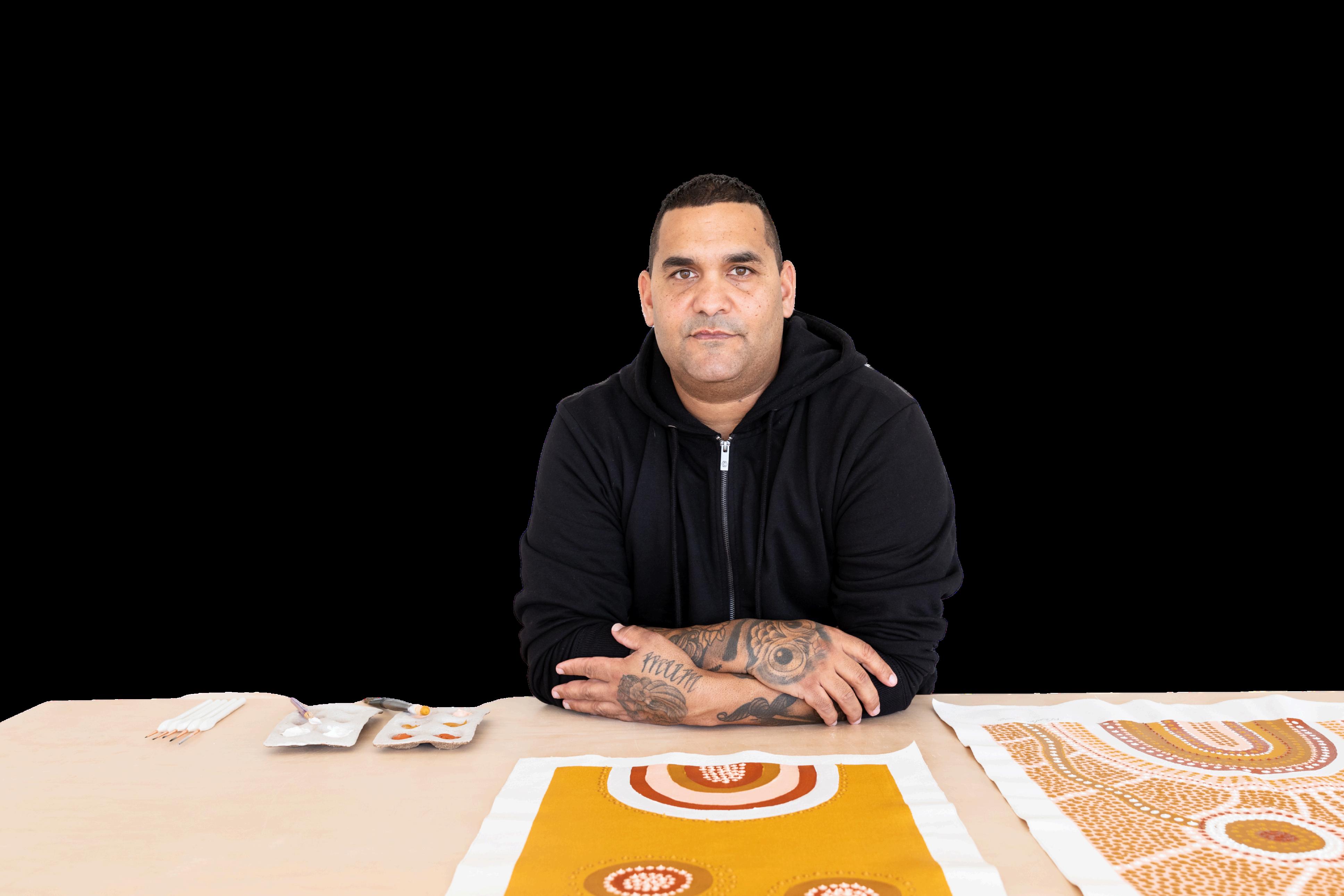
Businessdevelopmentbanksandpartnersare respondingwithtargetedfundingprograms, includinga$100millionIndigenousBusiness AcquisitionInitiativetoassistcommunitiesand developmentcorporationsinpurchasingand growingexistingbusinesses.Entrepreneurs observingsuccessfulpeers,includingthosenamed tothe2025"Indigenomics10toWatch,"aresetting goalstoquadruplerevenue,launchexportinitiatives, ortransitionfromsidehustletofull-timebusiness.


Many businesses aim to grow in 2026 by implementing management systems, enhancing financial instruments, and hiring non-family employees for the first time These resolutions acknowledge that sustainable scaling requires both finance and robust governance, not just hustle
The commitment to community impact distinguishes Indigenous entrepreneurship in Canada Many founders anticipate 2026 as the year to codify social goals centred on youth employment, language, and cultural revitalization According to reports on Indigenous entrepreneurship and social innovation, tourist, arts, and service firms are intentionally structured to achieve artistic, environmental, and social goals in addition to profit
Pow Wow Pitch's Indigenous Entrepreneur Awards highlight founders whose success is measured by job creation, youth training, and cultural celebration Award winners and finalists commonly discuss resolutions.
To hire and mentor more Indigenous youngsters.
Implement or increase the use of language in branding, customer service, and internal communications.
Invest a percentage of profits in community activities, scholarships, or land-based projects.
FundsliketheIndigenousWomen EntrepreneurshipFund(IWEF)helpIndigenous womenestablishcommunity-basedbusinesses byprovidinggrantsandcoachingtoovercome structuralbarrierstofunding.In2026,more entrepreneurswanttotake"impactreporting" asseriouslyasfinancialreporting,measuring howtheircompaniescontributetocultural continuityandlocalresilience.
Alongside financial and community goals, Indigenous entrepreneurs are making deeply personal resolutions for 2026: safeguard their health, improve their leadership skills, and prevent burnout According to national and regional research, Indigenous company owners frequently juggle numerous roles caregivers, community leaders, and cultural knowledge keepers while negotiating systemic financial and marketing challenges
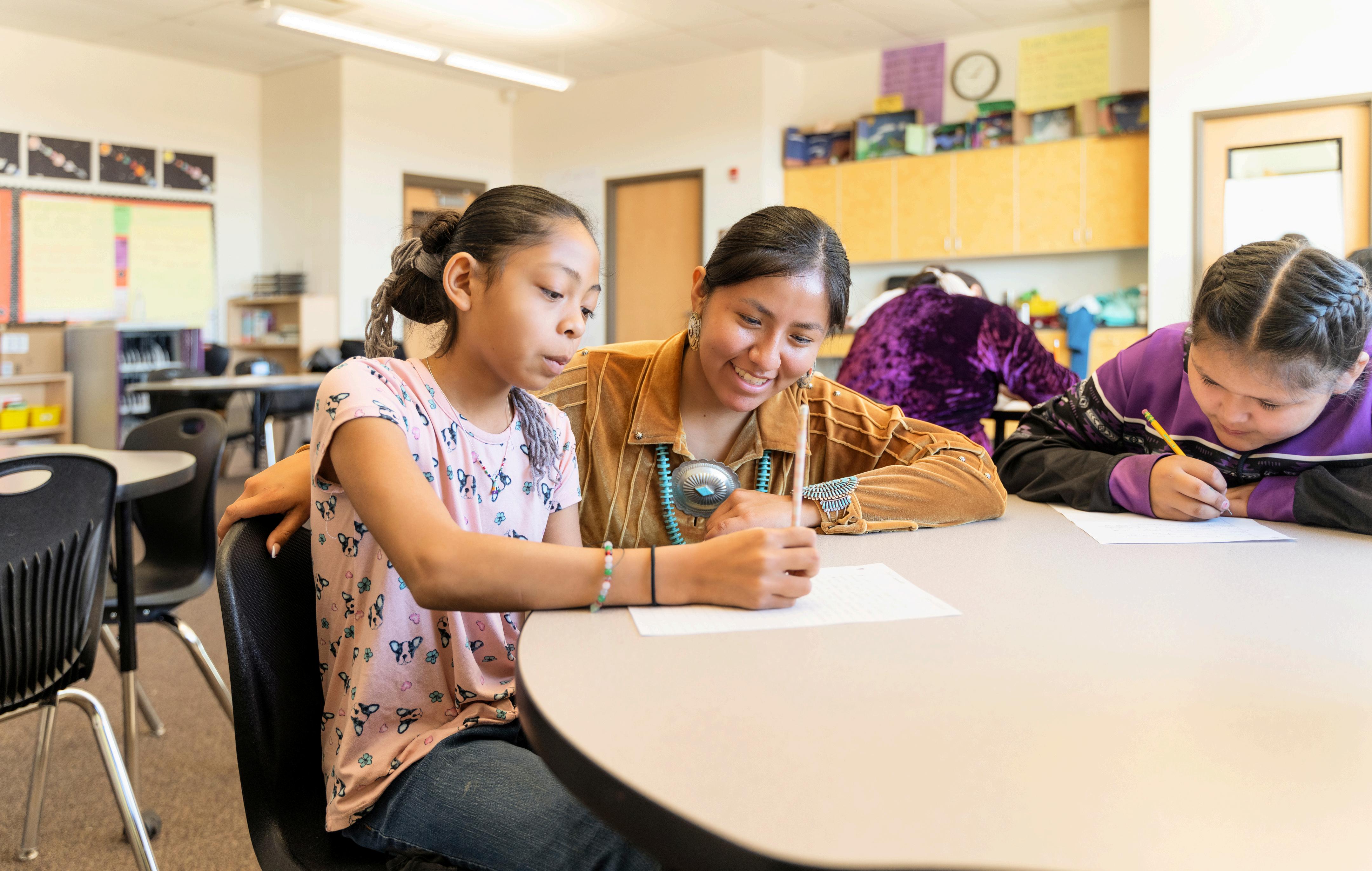
Support organizations are implementing mentorship circles, leadership cohorts, and wellness-focused entrepreneurship initiatives The Canadian Council for Indigenous Business (CCIB), for example, connects Indigenous entrepreneurs to peer networks, training, and funding that prioritize both leadership development and business success Pow Wow Pitch's mentorship program for award finalists encourages founders to define learning objectives in strategic planning, digital skills, and governance
One common 2026 commitment is to:
Schedule frequent rest and cultural activities, such as ceremonies, time on the farm, and language classes.
Participate in formal leadership programs or executive education designed specifically for Indigenous entrepreneurs.
Delegating operational chores to staff enables founders to prioritize strategy and well-being.
These resolutions indicate a move from "survival mode" to sustainable leadership, in which self-care and community involvement are critical to corporate success.
As 2026 approaches, a set of practical patterns emerges from the experiences of Indigenous entrepreneurs identified by Indigenomics, the Canadian Council for Indigenous Business, and Pow Wow Pitch Many founders base their ambitions on focus and intention rather than broad, open-ended objectives
One popular technique is to select a single, bold growth statistic This could include committing to a specific revenue increase, launching one new product or service line, or entering a new market within the year. Others are combining corporate objectives with a clear community promise, such as hiring Indigenous kids, providing paid internships, or investing in cultural or community programs

Learningisalsoviewedasastrategic imperative.Enrollinginaspecific course,accelerator,ormentorship programandschedulingtimeforiton thecalendarhelpsguaranteethat developmentisnotpushedaside.Just assignificant,manybusinessesare formalizingtheirpersonalwellness commitmentsbyestablishingwork boundaries,schedulingrest,and incorporatingculturalorland-based activitiesintotheirweeklyroutine. Small,deliberateresolutionslikethese helptotranslatelong-termvisioninto sustainedeverydayaction.
The Indigenous-SME Business Magazine is a great new and seasoned resource for Canada's small Indigenous businesses Visit the website below to view our magazine Click here to follow our X account for news updates So, what are you waiting for? Join our business-loving community for inspiration, motivation, and growth
Disclaimer: This article is based on publicly available information intended only for informational purposes Indigenous-SME Business Magazine does not endorse or guarantee any products or services mentioned. Readers are advised to conduct their research and due diligence before making business decisions.