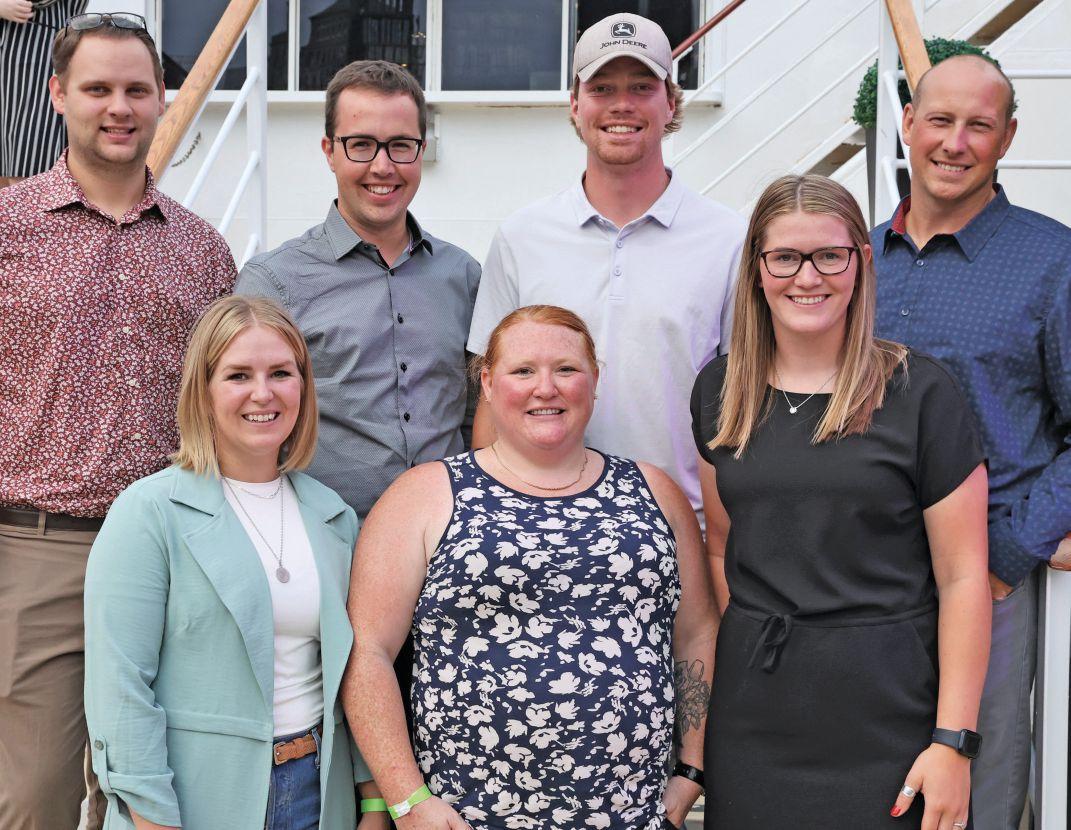
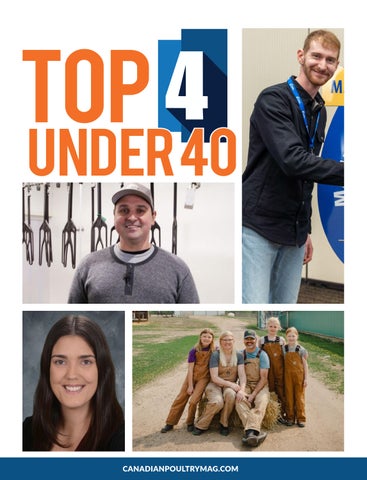
This spring, Canadian Poultry launched our fourth annual Top 4 Under 40 program, an initiative designed to recognize young poultry leaders. We were truly blown away by the incredible submissions we received.
Please join us in congratulating the following four young poultry professionals selected as part of this year’s program: Thomas Hyde, Mill Bay Farms, Mill Bay, B.C.; Tory Shynkaruk, research assistant, University of Saskatchewan, Saskatoon, Sask.; Mark Ronald, M. Ronald Farming Co, Portage la Prairie, Man.; and Hinke Therrien, Ment2B Farms, Red Water, Alta.
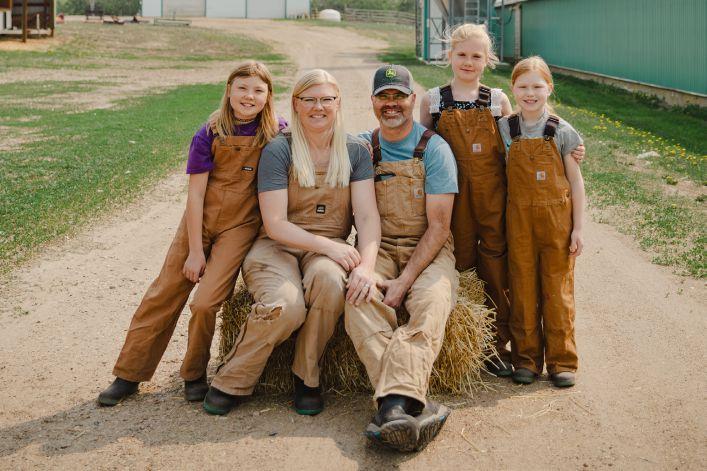
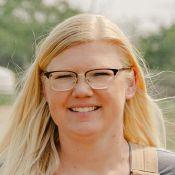
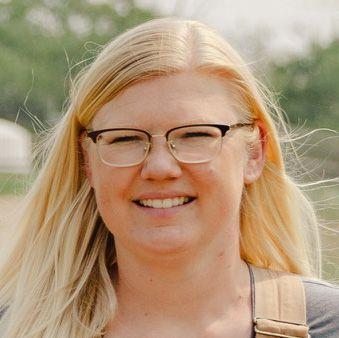
Therrien is a broiler and turkey producer and an ambassador for Alberta’s poultry industry, speaking at industry events and participating in community initiatives.
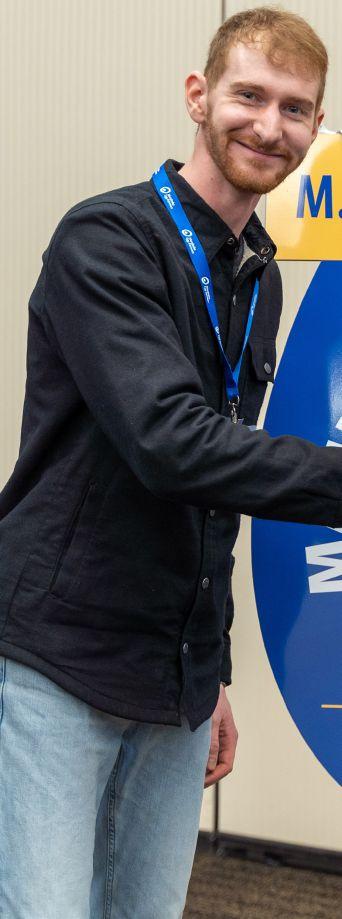
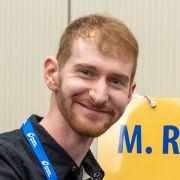
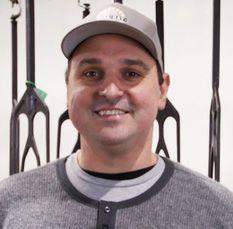
Ronald, a first-generation egg farmer, is a champion of modern farming techniques and community outreach, continuously improving his farm’s operations.
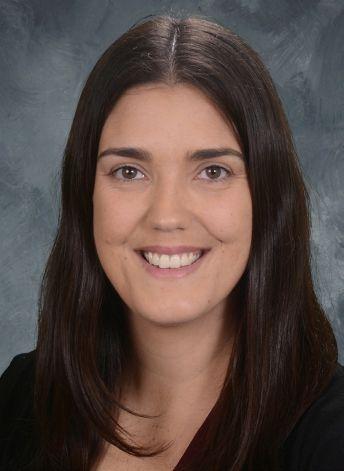
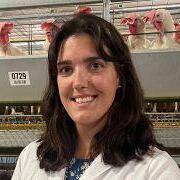
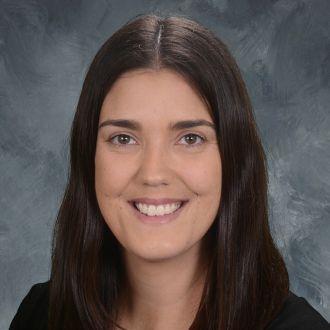
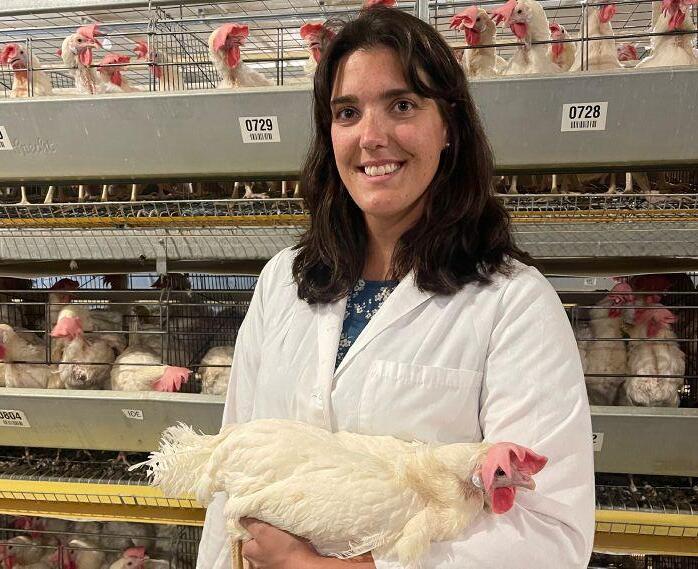
Shynkaruk brings her passion for poultry science and innovation to the University of Saskatchewan, where she excels as both a researcher and educator.
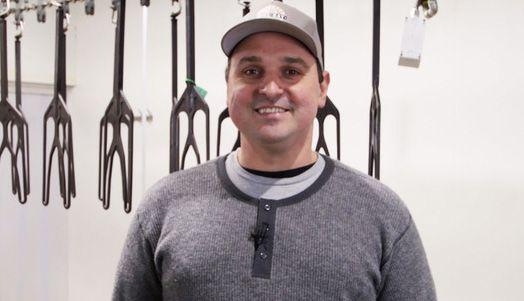
Hyde has transformed poultry farming on Vancouver Island, building a state-ofthe-art poultry processing facility while leading efforts to boost food security in the region though a number of initiatives.
Our full podcast interviews with each of these young poultry leaders are available at canadianpoultrymag.com. Now, in the pages ahead, you can read highlights from each discussion.
Presented by
4
Hinke Therrien From tragedy to triumph
Hinke Therrien built a thriving poultry farm from the ashes
6
Mark Ronald Early riser
Mark Ronald’s path to egg farming acclaim began at just 18
8
Tory Shynkaruk
From small-town roots to national recognition
Tory Shynkaruk’s career highlights her dedication to poultry science
10
Thomas Hyde Visionary tackles food insecurity
How Thomas Hyde is transforming the poultry landscape on Vancouver Island
4 Under 40 Honouree: Hinke Therrien
To hear our full interview with Hinke, visit canadianpoultrymag.com.
By Brett Ruffell
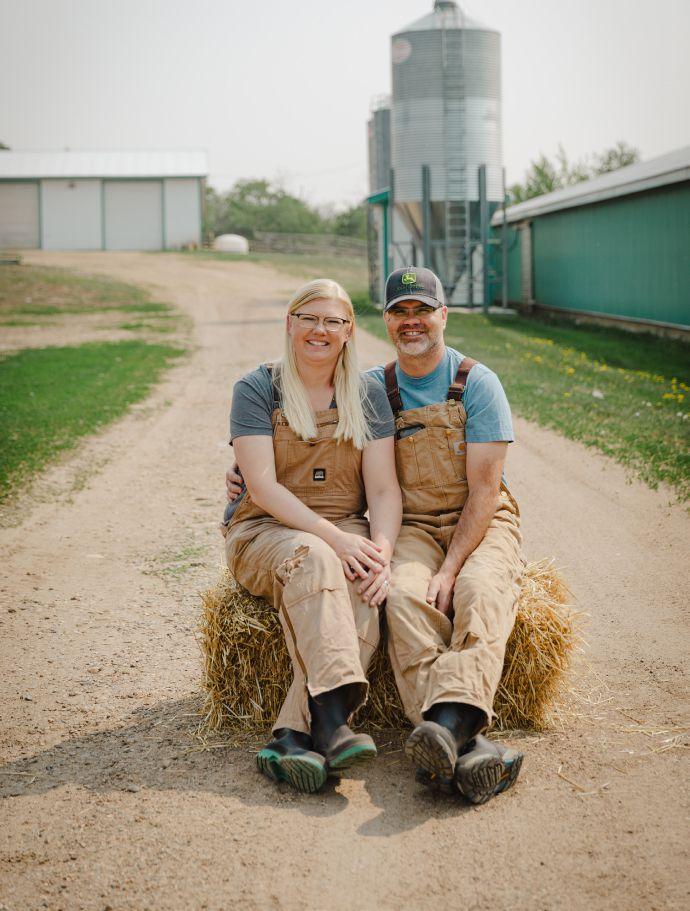
Hinke Therrien’s career as a poultry producer in Red Water, Alta, began abruptly following a tragic turn of events. A devastating fire on the family farm forced her and her husband, Marc, to take over the operation much sooner than anticipated.
Rather than letting the tragedy derail their plans, the couple saw it as a chance to rebuild and improve, transforming the setback into a story of resilience, innovation, and growth.
“We weren’t sure how to build barns,” Therrien says, reflecting on those early days. But instead of being overwhelmed, they leaned on their backgrounds in agriculture and feed sales to make informed decisions.
The fire was a turning point, shaping not only the future of her farm but also her approach to farming itself.
Therrien’s agricultural roots run deep, but her start wasn’t in poultry. Born in the Netherlands, her family immigrated to Canada when she was seven, and she grew up on a dairy farm.
“When my parents switched from dairy to poultry, I wasn’t sure about turkeys,” she admits. However, her love for agriculture transcended the specifics of the operation. “I knew I was always going to love agriculture, no matter which way or how the cards were going to be dealt.” That adaptability and passion for the industry have been at the core of her success.
After meeting Marc at university, the two began their careers in agricultural services. Soon, they found their way back to farming – first leasing quota on a turkey farm for two
years before transitioning into ownership.
But it was the fire that expedited their full takeover. “I started my farm with a fire,” her father said. “You guys are here; you guys redesign the barns.”
The rebuilding process was daunting but pivotal. In 2014, the Therriens built two new barns, allowing them to shape the farm according to their vision. “This is a cool year for us to look back on because it’s a 10-year anniversary,” she says. “It’s been kind of crazy how our farm has evolved from the fire.”
Their focus has been on efficiency and sustainability. “We built the barns to be as efficient as possible,” Therrien explains.
This meant installing LED lighting across all eight barns, switching to a whole wheat feeding program, and introducing two-stage heating systems to minimize heat loss and energy waste.
The last few years have presented new challenges. “The last five years have been quite in-
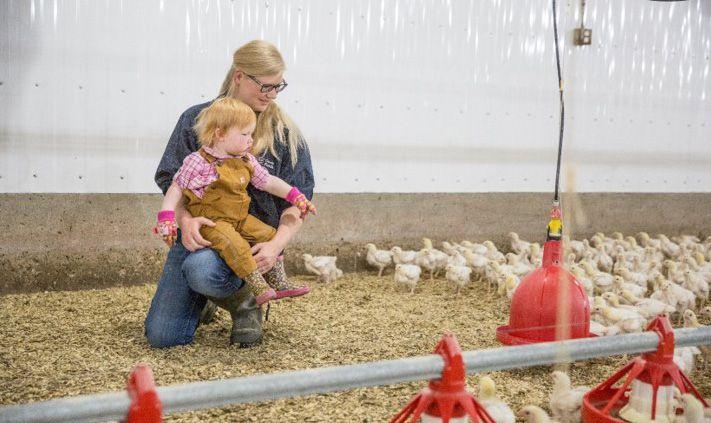
Therrien combines innovative farming techniques with community advocacy to lead her successful turkey and broiler operation.
open it slow. The birds are scared of you, and they try to get away. If you open a turkey barn door, they come at you, like, ‘What are you doing? Why are you in my space?’”
“It’s been kind of crazy how our farm has evolved from the fire.”
teresting,” she notes, referencing the COVID-19 disruptions and a 2022 avian flu outbreak. Biosecurity became a top priority. “We’ve really worked on Danish entry-type systems in our porches, where we come in, step over benches, change footwear, and wash hands.”
Therrien’s commitment to advancing flock health and improving farm management processes remains unwavering. She continuously explores new methods of data collection, management, and analysis to ensure her farm remains innovative.
Running a farm with both turkeys and broilers presents its own unique challenges, and Therrien thrives in the complexity. “People think a bird is a bird, but it’s hilarious how different they are,” she says.
“If I open up my chicken barn, I’ve got to
While the broilers – raised through Maple Leaf’s Raised Without Antibiotics program –are more predictable, turkeys pose more challenges. “Turkeys sometimes find reasons to die,” she jokes, acknowledging the difficulties of managing their health. Despite these hurdles, she manages 1.6 million kilograms of turkeys and 11,000 broilers per cycle with passion and precision.
Therrien is an ambassador for both the Alberta turkey and chicken industries. Beyond the farm, she’s passionate about educating others on poultry farming, often speaking at events about her experiences as a producer, mother of three daughters, and wife.
“Only two per cent of Canadians are farmers,” she points out. “If we don’t tell our story, somebody else will.”
Therrien particularly enjoys hosting farm tours, though the avian flu outbreak has paused those plans. She’s brainstorming ways to reintroduce tours with better biosecurity, potentially using one-way windows so visitors can observe the birds safely.
“I want to open up those barn doors and show what actually happens inside,” she says, with a vision for engaging the public through safe, interactive learning experiences.
As the farm approaches the 10-year anniversary of the fire, Therrien is proud of their journey. “I see all these challenges as opportunities that have really built us up as better people and better farmers.”
Looking ahead, she has no shortage of plans for the future. “Next year, we’re replacing one of the older barns,” she shares with excitement about incorporating new technologies like zone heating and solar panels.
Through her resilience, adaptability, and dedication to improvement, Therrien has grown her farm into a leading operation in Alberta, while also supporting her community and industry.
Whether volunteering at local events or participating in poultry industry commercials, the producer remains committed to sharing her story and advancing poultry farming in Canada.
4 Under 40 Honouree: Mark Ronald
To hear our full interview with Mark, visit canadianpoultrymag.com
Mark Ronald’s path to industry acclaim began at just 18, setting the stage for a remarkable career in egg farming.
By Brett Ruffell
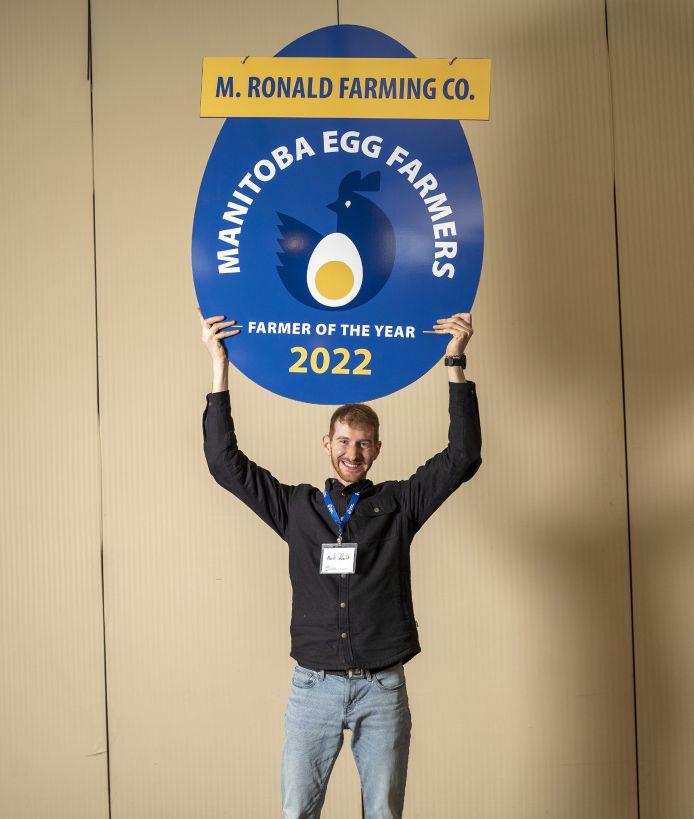
At just 18, Mark Ronald entered the world of egg farming, and now, nearly a decade later, he stands as one of the industry’s most notable young leaders. Named Manitoba Egg Farmers’ 2022 Egg Farmer of the Year, Ronald’s journey from farm novice to seasoned professional highlights his determination, adaptability, and commitment to innovation.
Today, as a 2024 honouree in Canadian Poultry’s prestigious 4 Under 40 program, Ronald is celebrated for his contributions to the egg farming community and beyond.
Starting at such a young age, Ronald dove headfirst into farming through Manitoba’s New Entrant Program, a unique initiative designed to help aspiring farmers launch their careers. Recalling his early steps, Ronald explains how he went from initial hesitation to full commitment in a matter of days. “A friend of mine, who’s also an egg farmer, told me about the program and encouraged me to apply. I kind of laughed it off at first, thinking, ‘Why would I want to be a chicken farmer?’ But I really looked up to him, so I decided to check it out,” he says. That decision would change his life, leading him to submit his application the very next day.
Learning the ropes
Although Ronald grew up on a farm, his family primarily focused on grain crops and potatoes, and by the time he was involved, livestock was never part of the equation. Transitioning into poultry farming was a steep learning curve, but he embraced
the challenge with the help of mentors. “I didn’t grow up with livestock, so it was a big learning curve for me,” he reflects. “But I had some great people around me – the guys at the feed mill and the service folks who’d come out to the barn – they really helped me get my feet under me.”
Despite these initial challenges, Ronald’s determination and passion for farming shone through. Over time, he built a successful operation centered around a state-of-the-art enriched housing system, which he adopted back in 2016 – just before the formal introduction of new housing codes for the egg industry.
“At the time, it was pretty new, and we had to make a few adjustments once the codes were finalized, but it’s been great,” he says.
Ronald’s path in egg farming hasn’t been without its challenges. One of the most difficult moments came in the summer of 2021, when Manitoba experienced a sudden, extreme heatwave. “On Father’s Day weekend, the temperature spiked to 38 degrees, and we had some pretty big losses from heat stress across the province,” he recalls. The event was a turning point for Ronald. “I remember thinking, ‘I’m going to do whatever it takes to make sure this never happens under my watch again,’” he says.
Determined to prevent future heat-related losses, Ronald analyzed the airflow in his barn and implemented several changes to improve ventilation. “I doubled my stir fan capacity and was really intentional about where the air was being moved,” he explains. His modifications proved successful, creating a more stable and comfortable environment for his flock.
This commitment to continuous improvement extends beyond just cooling systems. Ronald’s background in aviation – he was pursuing his pilot’s license at the time he began farming – has inspired his approach to farming, particularly when it comes to redundancy. “In aviation, redundancy is everything, and I’ve applied that thinking to the farm,” he explains. “For instance, I’ve set up two separate feed lines in the barn so if one goes down, it’s no problem. We just switch to the other one.”
Ronald is also preparing to upgrade the
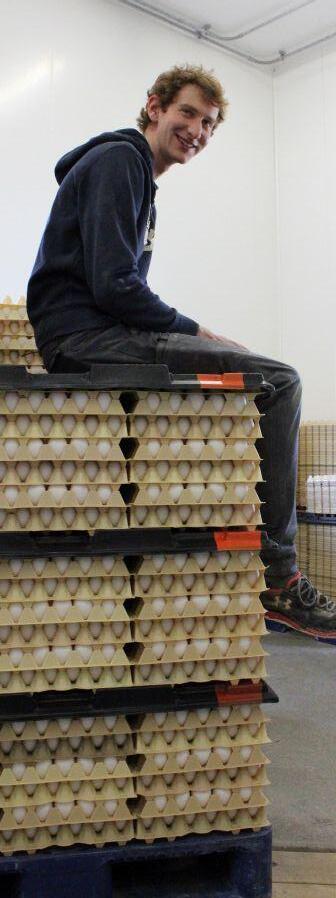
Mark Ronald volunteers regularly with Youth for Christ and Faith Bible Camp, dedicating his time to mentoring young people.
lighting system in his barns. Currently, his facility uses traditional screw-in bulbs, which create uneven lighting between the different tiers of his enriched housing system.
“At the moment, the discrepancy between light on the fourth tier and the first tier is huge,” he admits.
This fall, however, he plans to install a cutting-edge LED lighting system to address the issue. “I’m really looking forward to seeing how the new system works,” he says.
Beyond his achievements on the farm, Ronald is also deeply involved in his local community, driven by his strong faith. “My life was changed through my faith and through the Lord Jesus, and that’s where the motivation comes from to look beyond the farm and beyond myself,” he says.
Over the past few years, Ronald has devoted much of his time to working with atrisk youth in Portage, Manitoba. He began volunteering at a local youth drop-in center run by Youth for Christ (YFC), and today, he leads outreach efforts at the center. “It’s a safe place for at-risk kids in the community, and for some of them, it’s the only meal they’ll have that day,” he says. “When you see that kind of need in your own community, it really changes your life.”
In addition to his work with YFC, Ronald spends his summers volunteering at Faith Bible Camp and engaging in outreach programs in Winnipeg. These experiences, he says, have opened his eyes to the challenges faced by the most vulnerable members of society. “We’ve been downtown in Winnipeg working with the homeless, and it’s heartbreaking to see the level of brokenness there,” he shares. Despite the difficulties, Ronald is committed to continuing his work and making a positive impact on those around him.
With nearly a decade of farming experience under his belt, Ronald has his eyes set on the future. He’s excited about the upcoming placement of his new flock this fall and the continuous upgrades to his farm’s infrastructure. As an egg farmer committed to innovation, community, and family, Ronald exemplifies the qualities of a leader in Canadian agriculture.
As he reflects on his journey, Ronald remains grateful for the opportunities he’s been given and the lessons he’s learned along the way. “Every challenge is an opportunity to grow,” he says, “and I’m always looking for ways to do better – whether it’s on the farm or in the community.” With his unwavering dedication, there’s no doubt that Ronald will continue to make a lasting impact on both fronts for years to come.
4 Under 40 Honouree: Tory Shynkaruk
To hear our full interview with Tory, visit canadianpoultrymag.com.
By Brett Ruffell
Tory Shynkaruk’s journey from her small-town upbringing in Saskatchewan to becoming one of Canadian Poultry magazine’s prestigious 4 Under 40 honourees is a story of passion, persistence, and dedication to the poultry industry.
Growing up on a family farm in Kerrobert, SK – a town with a population of just 1,000 – Shynkaruk was immersed in agriculture from a young age. Her family raised Katahdin sheep for meat production and assisted with her grandfather’s grain operation, instilling in her a strong work ethic and a deep appreciation for farming.
Although her early years were spent caring for sheep and participating in farm operations, Shynkaruk’s career has evolved far beyond these roots. Over the past decade, she has made a significant impact on Canada’s poultry industry through cutting-edge research, a commitment to animal welfare, and passionate leadership. Her story reflects not only a personal journey of growth but also a broader narrative of how rural beginnings can lead to influential roles in national industries.
Shynkaruk’s childhood on the farm was characterized by hands-on experiences that shaped her understanding of agriculture.
Her family’s involvement in farming activities provided a practical education that went beyond classroom learning. These early experiences fostered a love for animals and a curiosity about agricultural practices.
“I spent countless hours on the farm, from helping with sheep to working in the grain fields,” Shynkaruk recalls. “These activities weren’t just chores; they were opportunities to learn and grow.”
Initially, Shynkaruk aimed to pursue a career in veterinary medicine, a path that seemed natural given her affinity for animals. However, her academic journey took a crucial turn during her undergraduate studies at the University of Saskatchewan. A pivotal conversation with an academic advisor opened her eyes to the broader field of animal science, leading her to explore new possibilities within the agricultural sector.
“It was my second year at university when I realized there were many avenues in agriculture beyond veterinary medicine,” Shynkaruk explains. “The advisor helped me see that my passion for animals could be channeled into other areas of animal science.”
While studying at the University of Saskatchewan, Shynkaruk’s interest in research began with her undergraduate thesis
on crop predation by waterfowl. However, it was taking Dr. Karen Schwean-Lardner’s Poultry Production class that sparked her passion for poultry science, particularly in the area of welfare.
“Dr. Schwean-Lardner’s mentorship has been invaluable,” Shynkaruk says. “Her guidance and support were instrumental in shaping my research and career path.”
Shynkaruk’s research during her bachelor’s and master’s studies focused on various aspects of poultry welfare and production. Her master’s thesis explored the effects of photoperiod length on broiler feeding behaviour and feed transit time, building on Schwean-Lardner’s earlier work.
This research not only advanced scientific understanding but also contributed to industry practices aimed at improving poultry welfare.
“The idea that my research could impact the welfare of millions of chickens is incredibly motivating,” Shynkaruk reflects. “It’s a reminder of why I’m passionate about what I do.”
Shynkaruk’s role at the University of Saskatchewan has evolved significantly since her initial appointment as a research trial assistant. Her responsibilities grew as she demonstrated her capability to lead re -
Tory
search projects and contribute to teaching.
Her role expanded further when she and a colleague took over teaching duties during Schwean-Lardner’s sabbatical leave.
In her first year as a sessional lecturer, Shynkaruk received recognition for her teaching excellence. She was ranked among the top 20 per cent of instructors in the College of Agriculture and Bioresources, reflecting her ability to engage and inspire students.
“Teaching has been a rewarding experience,” Shynkaruk says. “I enjoy helping students develop their research skills and understanding of poultry science. It’s fulfilling to see them grow and succeed.”
Shynkaruk’s research efforts have also gained recognition within the industry. She frequently presents her findings at conferences, where she shares her insights with producers and industry partners.
These presentations not only highlight her research but also contribute to the broader dialogue on poultry welfare and production practices.
Shynkaruk’s commitment to innovation is evident in her approach to research and her involvement in industry programs. Her participation in PAACO (Professional Animal Auditor Certification Organization) training has deepened her understanding of animal welfare challenges and informed her research on poultry management practices.
“PAACO training provided valuable insights into the challenges faced by producers and auditors,” Shynkaruk says. “It’s crucial for developing a comprehensive understanding of welfare standards and practices.”
Her research addresses key areas such as lighting, stocking density, and management practices, all with the aim of enhancing both welfare and production efficiency. Shynkaruk’s work has been influential in shaping industry guidelines and practices, contributing to better outcomes for poultry. “I’m always looking for ways to apply new technologies and methodologies in my research,” she says. “Innovation is essential for improving industry practices.”
Shynkaruk’s involvement extends beyond her research and teaching roles. She is an active advocate for the poultry industry, engaging in outreach efforts and organizing national industry events.
Her work with 4-H poultry groups and other community organizations helps inspire the next generation of agricultural leaders.
“I love working with young people and sharing my passion for agriculture,” Shynkaruk says. “It’s rewarding to see their enthusiasm and curiosity about the industry.”
Shynkaruk has also played a role in organizing events like the 2024 Canadian Poultry Research Forum.
This event brings together researchers, producers, and industry leaders to discuss new developments and share knowledge, further demonstrating her commitment to advancing the poultry industry.
“Organizing these conferences is an opportunity to facilitate knowledge exchange and collaboration,” Shynkaruk explains. “It’s exciting to see how these events can drive progress and innovation in the industry.”
As Shynkaruk reflects on her journey from small-town Saskatchewan to national recognition, she remains grounded in the values that have guided her career: a passion for animal welfare, a commitment to scientific inquiry, and a desire to mentor others.
Her achievement as one of Canadian Poultry magazine’s 4 Under 40 honourees underscores the young poultry scientist’s hard work and dedication.
“I’m honored to be recognized as one of the 4 Under 40,” Shynkaruk says. “It’s been an incredible journey, and I’m excited about the future.”
With her continued dedication to innovation, animal welfare, and leadership in research and education, Shynkaruk is poised to make even greater contributions to the poultry industry in the years to come.
Her story serves as an inspiration to others, demonstrating how passion and dedication can lead to meaningful impact and recognition in one’s field.
4 Under 40 Honouree: Thomas Hyde
To hear our full interview with Thomas, visit canadianpoultrymag.com
How Thomas Hyde is transforming the poultry landscape on Vancouver Island.
By Brett Ruffell
Thomas Hyde’s venture into poultry farming began in 2015. Having acquired a piece of land that had been out of agricultural use, he decided to start small – very small, with just a few ducks.
His initial goal was to experiment with a couple of dual-purpose breeds, which could produce both meat and eggs. Hyde’s decision to begin with ducks was strategic; there were very few farmers on Vancouver Island who specialized in duck eggs, leaving avirtually untapped market.
“We started with three ducks,” Hyde recalls. “Four year later, we had 250.” The rapid expansion was driven by a growing demand for duck eggs, which Hyde was able to introduce to the local market successfully.
One of the unique initiatives that set Hyde apart was his innovative approach to marketing his duck eggs. Rather than selling eggs in plain cartons, Hyde began selling them in half-dozen packs, each accompanied by collector cards featuring pictures of his unique ducks. The cards displayed colourful images of different heritage breeds and included the ducks’ names. It wasn’t long before customers were asking for eggs from specific ducks based on the cards they received.
“The response was something we didn’t expect,” Hyde explains. “People wanted eggs from particular ducks, thinking that the eggs from one duck might be different from another.”
The idea took off, and soon customers
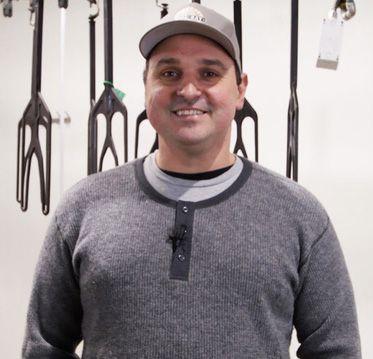
Thomas Hyde, owner of Mill Bay Farms, is a leader in Vancouver Island’s poultry industry, managing a licensed hatchery, operating a processing facility, working as a livestock broker, and engaging in community outreach to combat food insecurity.
were collecting the cards. Children, in particular, were captivated, adding an element of fun to purchasing eggs. This creative strategy not only strengthened the farm’s brand but also fostered a connection between customers and the animals, contrib -
uting to Hyde’s growing reputation as a poultry producer.
By 2019, Hyde’s business was thriving. He was selling roasting ducks in 11 stores
across Vancouver Island, but then disaster struck. The only two processing facilities on the island that handled waterfowl shut down, leaving Hyde and other farmers without the means to process their birds.
Rather than giving up, Hyde made a bold decision: he would build his own processing facility. “We had to either find a new way or quit,” Hyde says, reflecting on the challenge. “There weren’t many options, so we decided to create our own.”
With a background as a building contractor – Hyde, who had been in the construction business for nearly 20 years, was well-suited to the task. What started as a plan for a small, personal-use facility quickly grew into something much larger. Informed by a 2019 abattoir feasibility study for Vancouver Island, Hyde realized there was a significant demand for an abattoir.
The project expanded, and today, Hyde operates Mill Bay Processors, a state-of-theart facility designed to serve not only his farm but also other poultry producers in the region.
Vancouver Island produces less than 10 per cent of the food its residents consume. For Hyde, this alarming fact became a motivating force, influencing his approach to poultry farming and food security.
“We live on an island, so food security is a major issue,” Hyde emphasizes. “The small-scale farmers have to pick up the slack to ensure food security.” Hyde’s processing facility was built with this in mind – not as just another cog in the wheel of industrialized farming, but as a pillar of the local community.
His model focuses on strengthening the network of small farmers by offering services that allow them to grow their businesses. Mill Bay Processors not only provides the essential infrastructure for slaughtering and processing, but the company also supports local farmers with hatchery services and livestock brokerage.
Hyde believes that by creating a collaborative ecosystem, his facility can contribute to the island’s food security, while empowering local farmers.
“Adversity brings out the best in people, and I didn’t realize I could push myself as hard as I was capable until I was needed.”
In 2023, Hyde further expanded his business by opening a licensed hatchery and becoming a registered livestock broker. This addition complements the processing facility, creating a full-circle model that addresses the entire lifecycle of poultry production on the island.
“The hatchery allows us to lower the cost of poults (young turkeys) on the island,” Hyde explains. “Without an abattoir, there wouldn’t be much need for a hatchery, but together, they work to encourage more people to raise turkeys.”
Hyde’s ultimate goal is to make it easier for farmers to enter the poultry business, and his facility streamlines the entire process. Farmers can order chicks, schedule processing dates, and handle everything in one transaction, a system that has earned rave reviews. “It’s a more efficient way to operate, and it benefits everyone,” Hyde says.
Hyde’s influence extends beyond his business operations. Over the past year, he has become an invited speaker at agricultural workshops and podcasts on Vancouver Island. In September 2023, the BC Minister of Agriculture visited his facility, recognizing its significance to the local farming community. Hyde also works with local food banks, providing them with fresh poultry products, and he collaborates with online community groups to share knowledge and support for local farmers.
In addition to his direct outreach, Hyde is passionate about educating the next generation of farmers. He is working to develop a training program in partnership with Vicky Bose, aimed at teaching small-scale producers essential skills, such as poultry
euthanasia, financial management, and labor efficiency.
“We want people to know what they’re getting into,” Hyde says. “It’s about making sure farmers have the knowledge and tools they need to succeed.”
Looking ahead, Hyde is focused on further expanding his hatchery and processing operations to meet the growing demands of Vancouver Island. His plans include offering crate rentals, trailers, and other services to small farmers who may not have the resources to invest in expensive equipment.
“We want to make it easy for farmers to get into farming, expand existing operations and to get their products to market,” Hyde says. “If we can provide the infrastructure, we can help the industry grow.”
Despite his demanding schedule – often working from 4 a.m. until late in the evening – Hyde continues to find time to help others.
He enjoys assisting new farmers in setting up their operations, and although his downtime is limited, he is committed to supporting the island’s farming community.
Reflecting on his journey, Hyde remains humble. “Adversity brings out the best in people,” he says. “You never know how much you can do until you’re faced with a challenge.”
Thomas Hyde’s story is one of persistence, innovation, and community-minded leadership. Through Mill Bay Farms and Mill Bay Processors, he is reshaping the poultry landscape on Vancouver Island and setting an example for others to follow. As one of Canadian Poultry’s 4 Under 40 honorees, Hyde is truly a leader in his field.