TOP CROP MANAGER
INSECT FORECAST 2013
What’s in store? PG. 20
ASTER YELLOWS
Outbreaks more frequent PG. 6 LOW P SOILS AND YIELD
Phosphorus deficit worrisome PG. 30
What’s in store? PG. 20
Outbreaks more frequent PG. 6 LOW P SOILS AND YIELD
Phosphorus deficit worrisome PG. 30
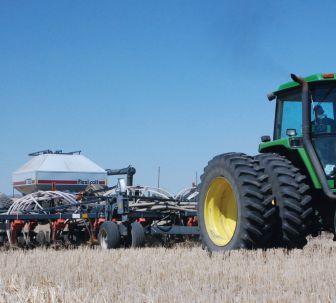
16 | Achieving high yield in no-till canola Boost seeding rate and nitrogen fertility
By Bruce Barker
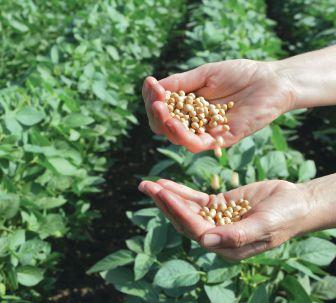
34 | What’s new in soybean varieties? early maturing and better adapted varieties
By Bruce Barker
38 | Potassium in Northern Great Plains Soils
These geologically young soils are abundant in potassium
By Dr. Thomas L. Jensen
By Bruce Barker
Bruce Barker
Bruce Barker
Inoculants

Janet Kanters | eDItOr
In this issue of Top Crop Manager, we present our annual insect forecast for 2013. entomologists are working hard to develop predictable insect forecasting, and have a wealth of knowledge that they can relay to agronomists and farmers, as they have done with the insect articles in this issue.
The entomologists we spoke with have a good grasp of what we may see, based on what we saw last year and also based on predictions of what’s being planted this year, and where, and how winds have an effect as well as possible moisture/drought conditions, etc. It may sound convoluted and difficult, but these entomologists haven’t retained their positions as long as they have without knowing what they’re talking about.
Dealing with insect pests isn’t a one-shot deal either. an early influx of flea beetles doesn’t necessarily mean they won’t be present mid-season or even at harvest. So there is no one-size-fits-all solution to these pests, nor to most of the pests seen each year. a thorough evaluation of the problem and a comprehensive attack plan to deal with these pests are usually called for.
But how do you know for certain you have a problem? every crop will have pests in it – just walk through it at any growth stage, at any time of the year, and flying insects and other creepy, crawly critters can be seen. How to know the good from the bad (if you don’t already know)? Capture one of the little buggers and try to identify it from one of myriad photos available on any of the three provincial government websites. or, take the bug to your favourite agronomist or entomologist for identification. even after identification, it may not be necessary to eradicate the pest – each crop has “pest thresholds” developed by crop specialists – that is, a certain number of pests need to be evident in a crop before it’s deemed economically viable to spray. To determine pest numbers, walk your fields, and if possible, use a sweep net to gather up any insects in the crop. not all bugs collected will be “bad” pests either. Indeed, no matter your squeamishness towards bugs, there are good ones out there. Some of them do no harm at all to your crops; others – the ones we like the most – are classified as parasitoids, which live on or in host bugs, feeding on them. When the parasitoid matures, it leaves the host dead. parasitoids, too, can usually be identified by your agronomist and/or entomologist.
So it’s evident that while we may revile most bugs, there are some that can be our friends. The trick is telling them apart, and ensuring the good ones stay while the bad ones die.
Here at Top Crop Manager, we’re always looking for good insect photos – I mean, who doesn’t like pictures of bugs? So while scouting your fields this year, take your camera along and snap a few close-up shots of bugs (use a high resolution setting on your camera), and send them along to us. Who knows? one of your photos might make it into a future issue of Top Crop Manager! For your trouble, we’ll send you a fancy Top Crop Manager cap, and you’ll get a photo credit to boot!
SAlES
• 519.400.0332 smccabe@annexweb.com
ASSiSTAnT Alice Chen • 905.713.4369 achen@annexweb.com MEdiA dESiGnER Brooke Shaw vP PRoduCTion/GRouP PuBliSHER diane Kleer dkleer@annexweb.com PRESidEnT Michael Fredericks mfredericks@annexweb.com PUBLICATION MAIL AGREEMENT #40065710 RETuRn undElivERABlE CAnAdiAn AddRESSES To CiRCulATion dEPT. P.O. Box 530, Simcoe, ON N3Y 4N5 subscribe@topcropmanager.com Printed in Canada ISSN 1717-452X CiRCulATion e-mail: subscribe@topcropmanager.com Tel.: 866.790.6070 ext. 202 Fax: 877.624.1940 Mail: P.O. Box 530, Simcoe, ON N3Y 4N5
SuBSCRiPTion RATES Top Crop Manager West - 8 issuesFebruary, March, Mid-March, April, June, october, november and december1 Year - $45.00 Cdn. plus tax
Top Crop Manager East - 7 issuesFebruary, March, April, August, october, november and December - 1 Year - $45.00 Cdn. plus tax Specialty Edition - Potatoes in Canada - February1 Year - $16.00 Cdn. plus tax All of the


We’re giving away 4 Hawaiian vacations. Enter at agsolutions.ca/agcelence
Use PIN: TTMc848





WHEN YOU’RE SERIOUS ABOUT DISEASE CONTROL.













What do you do when the risk of disease threatens your livelihood? Like any good specialist, you use serious treatment. With its multiple modes of action, new TWINLINE™ fungicide delivers exceptional leaf-disease control. It also offers something other fungicides don’t—AgCelence™. That means greener leaves, stronger stems and bigger seeds. So you can avoid serious problems and get a serious boost in yield. Visit agsolutions.ca/twinline for more.


Always read and follow label directions.

Sporadic outbreaks are becoming more frequent.
by Bruce Barker
By now, aster yellows phytoplasma has received its fair amount of attention, and although the disease occurs sporadically, and has been studied around the world, there are still many unanswered questions. How can it be controlled? How can it be predicted? Can spraying leafhoppers prevent infection? Will it be back in 2013?
“phytoplasmas are interesting to study. We don’t know how to grow them or how they reproduce, but we do know how to identify them and how they are spread,” says Chrystel olivier, an entomologist with agriculture and agri-Food Canada (aaFC) at the Saskatoon research Centre.
Aster yellows 101
aster yellows is a phytoplasma organism. phytoplasmas are specialized wall-less bacteria that are parasites known to multiply only in plant phloem tissue and insect vectors. Sap-sucking insects carry aster yellows, and these infected insects spread infection by moving and feeding from plant to plant. olivier says seven different phytoplasma groups have been identified in Canada, with aster yel-
lows the most common and widespread.
The aster leafhopper (Macrosteles quadrilineatus) is the primary carrier of aster yellows, although the leafhopper species (Amplicephalus inimicus) is also an important aY vector in cereals. aster yellows can only survive inside plant or insect hosts. Most aster yellows infections arrive with infected leafhoppers originating on winds from the southeastern and central United States. Few leafhoppers can overwinter in Canada.
The aster leafhopper feeds on many crops including canola, camelina, flax, cereals, herbs and spices, pea, chickpea, sunflower, alfalfa and bromegrass. Worldwide, as many as 30 insect species, though, can transmit the disease to a wide range of host plant species.
The aster yellows phytoplasma can overwinter in the roots and dormant tissues of perennial plants such as dandelion and quackgrass, and shrubs. an uninfected leafhopper can be infected when it ingests the aster yellows phytoplasma during feeding. In two to four
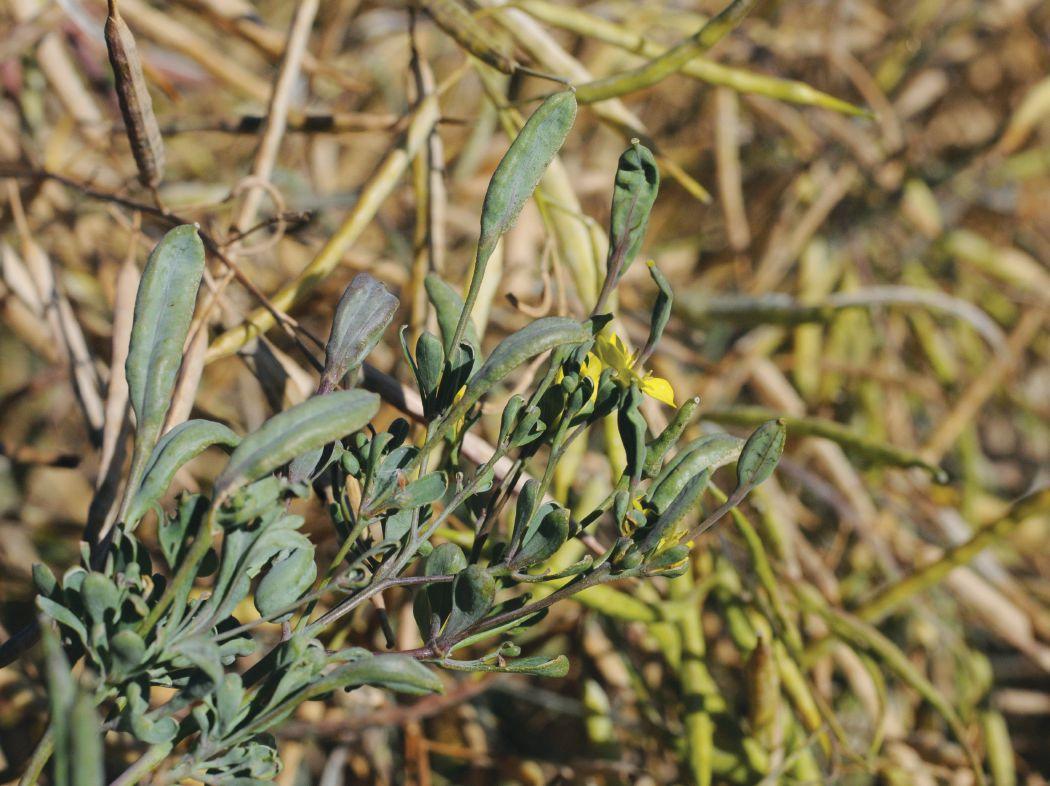
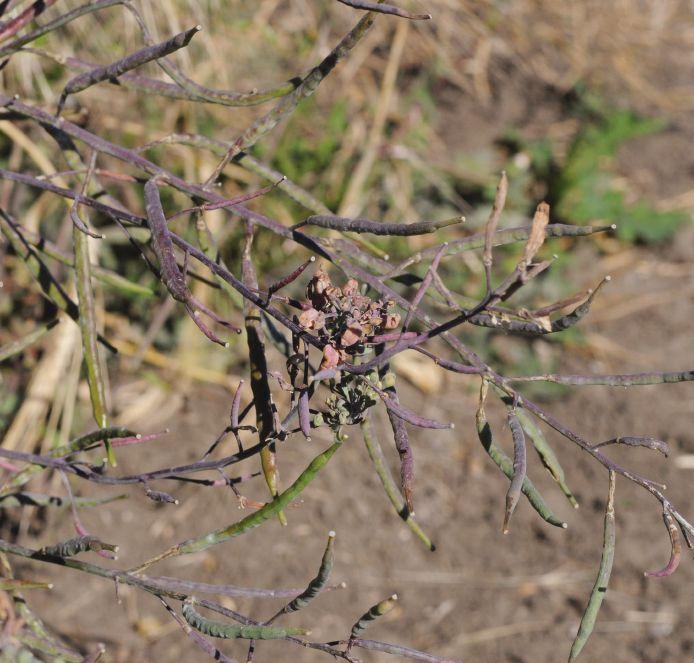
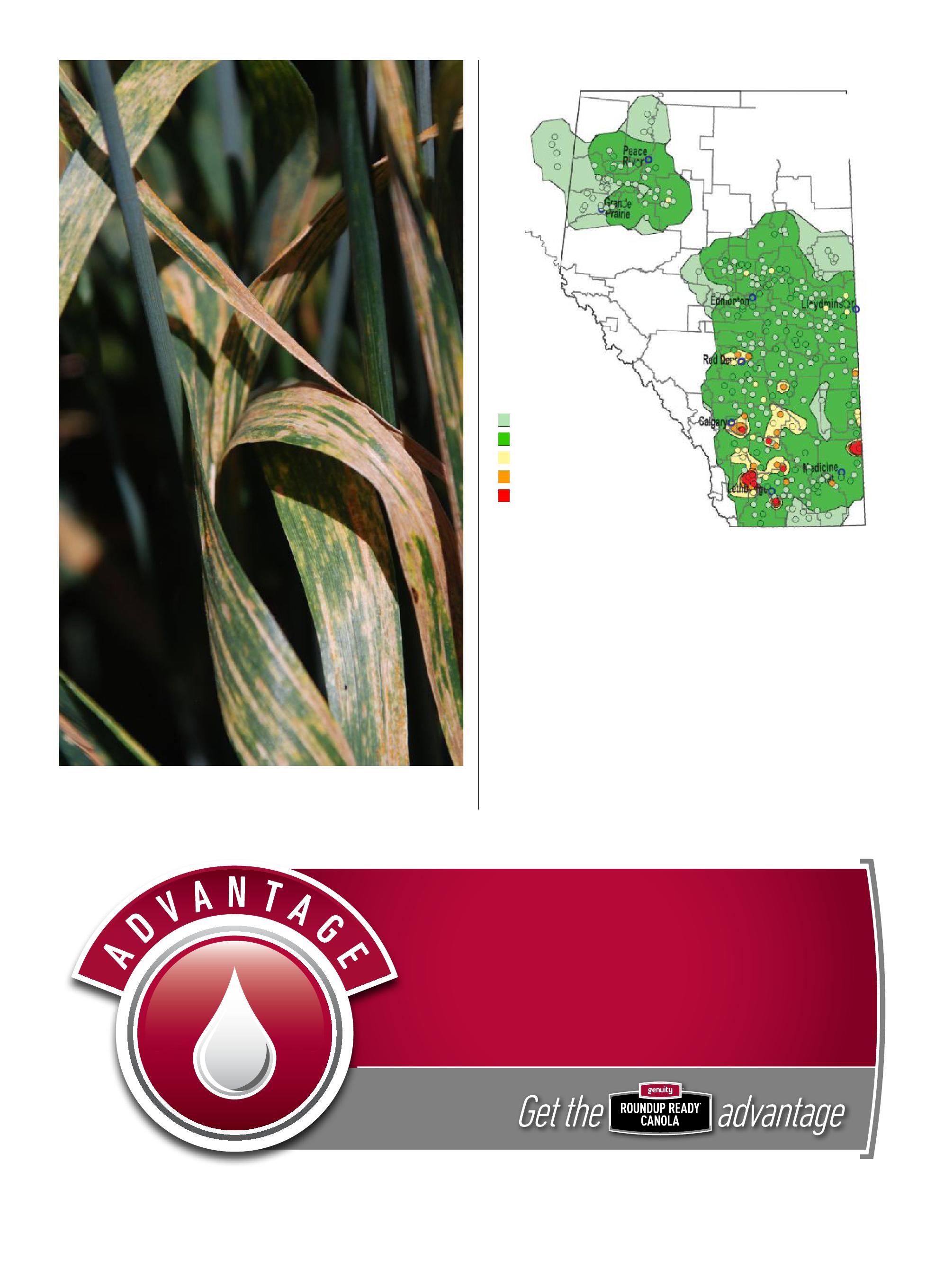
ABOVE: Typical bladder-like pods caused by aster yellows.

When you choose Richardson Pioneer, you’re choosing a retail partner that is dedicated to providing the best possible farm solutions. Our innovative approach to agricultural development and our promise to bring growers only the leading products ensure that we have the right solution to fit your every need.
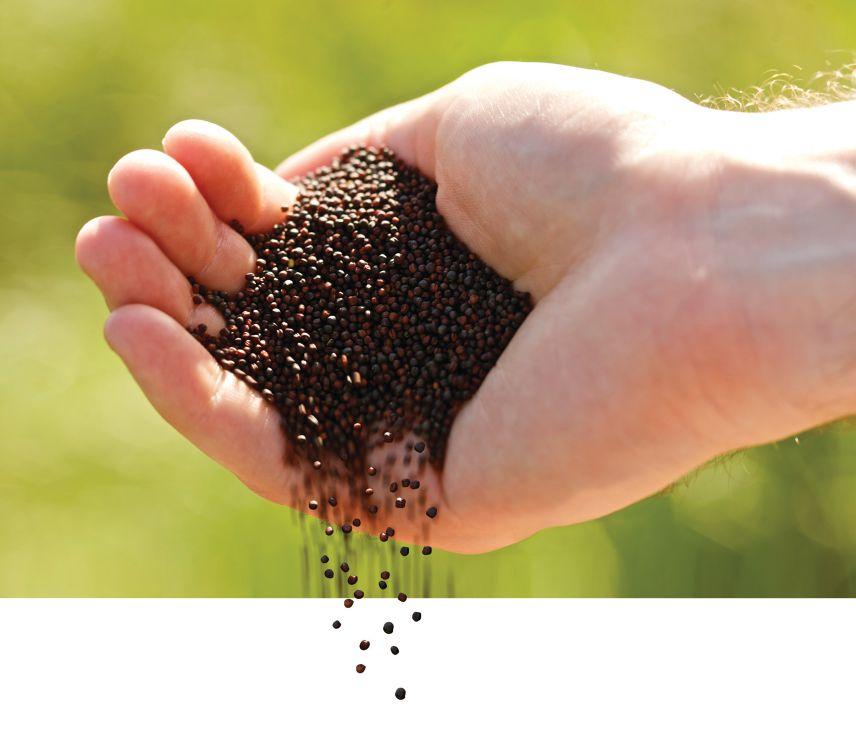
We make a promise to bring our growers only the best products, and that’s how we make sure we have the best solution to fit all of your farming needs. We regularly field test the leading varieties of wheat, barley, durum, and canola seed to learn as much as we can about the products we sell.
This means our partners can be confident that not only are they receiving the industry’s best products, our Ag Business Centres will always have access to the most current, up-to-date products and information.
Contact your Richardson Pioneer Ag Business Centre today.
weeks, the phytoplasma multiplies within the leafhopper, and other plants may be infected when the leafhopper injects the phytoplasma into the plant while it feeds.
“Infected perennial plants are a strong disease reservoir,” says olivier, who adds they don’t know the extent of the reservoir on the prairies.
aster yellows has also been detected in the seeds from infected B. rapa and B. napus canola plants, but when these seeds were planted, the phytoplasma was not found in the growing plant. researchers are not sure why the disease does not develop from infected seed.
polymerase chain reaction (pCr) tests done at aaFC’s Saskatoon research Centre in 2013 on canola seeds found phytoplasma Dna in approximately eight percent of seed tested. During a monitoring period from 2002 through 2005, that
level was less than one percent, highlighting how much more widespread and impactful the disease was in 2013.
In canola, infected plants show a number of symptoms, including chlorosis, stunting and poor growth. a common, widespread symptom in 2012 was sterile, bladder-like pods and small witches’broom flower heads. Infection can cause poor seed set and poor seed development with shrivelled and shrunken seed.
In cereals, the symptoms include yellowing leaves, shrivelled heads with distorted awns or floral parts that look like leaves. The disease looks very similar to barley yellow dwarf virus, and the only way to differentiate it is to use a pCr test to detect the phytoplasma Dna
Like other years with high aster yellows
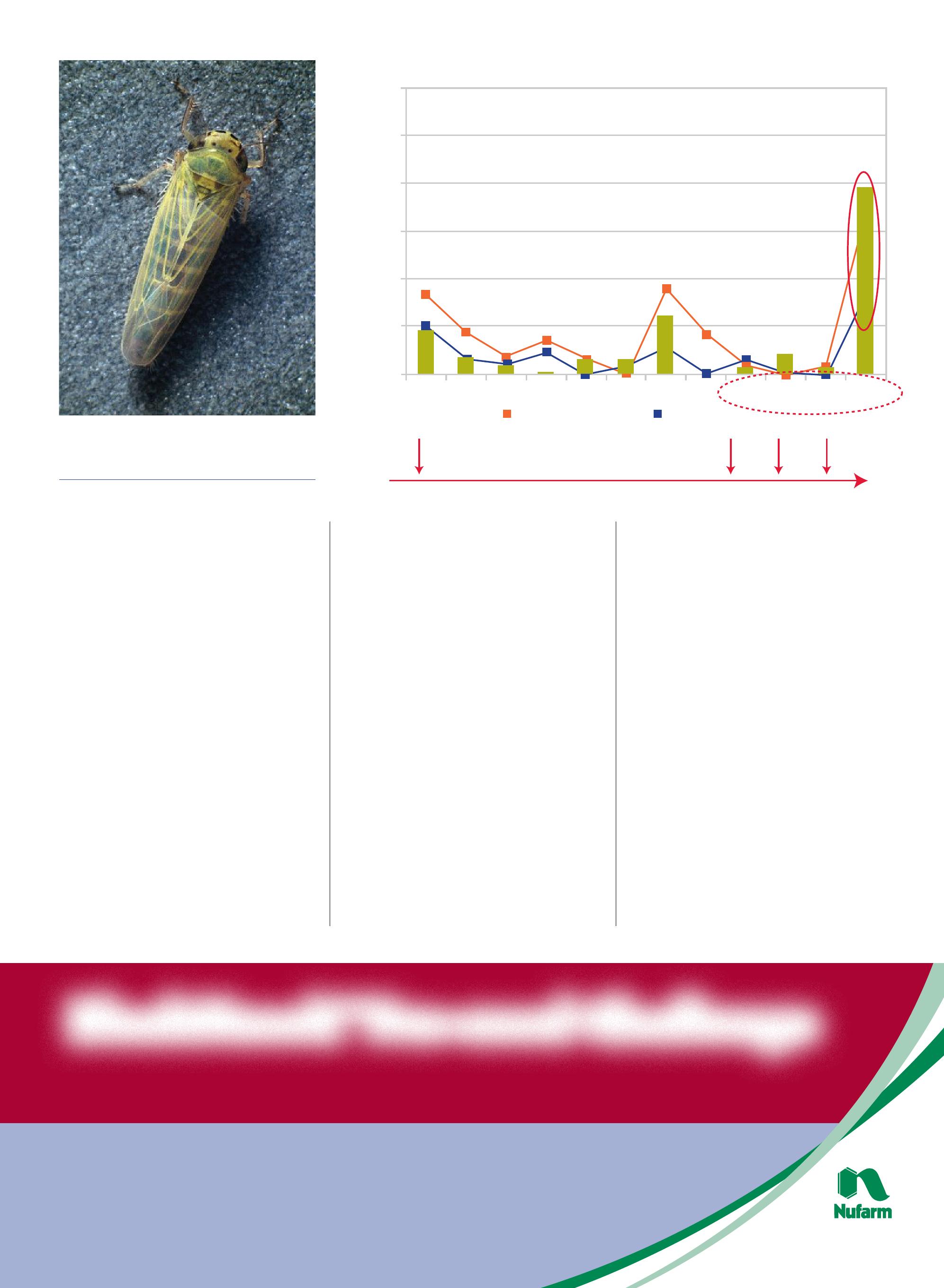
infections, 2012 followed a typical pattern. early winds brought the aster leafhopper to the prairies in early spring. The presence of the aster leafhopper was directly correlated to the outbreaks in 1957, 2001, 2007 and 2012. However, the number of aster leafhoppers infected by the mycoplasma was much higher in 2012 than in previous outbreaks.
In 2012, the range of aster yellows infection in aster leafhoppers at survey sites across the prairies extended from three to 45 percent, with an average of 16 percent. In some cases, 20 sweeps would capture up to 500 leafhoppers – a very high number. normally in any given year, only about one to four percent of leafhoppers carry aster yellows phytoplasma.
“The wind patterns are different at each site, so the levels of infection are variable as well,” notes olivier. She says researchers
can look for visual symptoms, or do a pCr test to determine incidence. The pCr test produces a higher incidence percentage. In canola samples in some fields in 2012, incidence based on visual symptoms was around 10 percent while the pCr tests found an incidence of 25 percent.
“a very high percentage of plants can be infected but do not show any symptoms,” explains olivier.
Camelina had a higher incidence level with almost 50 percent incidence in the pCr tests and about 40 percent incidence based on visual symptoms. on cereals, preliminary pCr tests in 2012 found barley infection rates at approximately 25 percent, oats at 17 percent and wheat around five percent. Visual symptoms are difficult to correlate to aster yellows, so no visual estimation of incidence was made in cereals.
Yield losses in 2012 were much higher than in other outbreak years. research from 2001 through 2005 harvested canola seed from aster yellows-infected plants. normal-looking seed was separated form shrivelled, misshapen seed. In these years, 30 to 60 percent of seeds from infected plants were small and shrivelled. often, these light seeds are blown out the back of the combine. If one infected plant produces 30 to 70 percent misshapen seeds, a 0.3 to 0.7 percent yield loss for every one percent incidence of aster yellows in your field could historically be expected.
However in 2012, based on observations made at the aaFC farm and in several fields, roughly 10 percent of the canola plants had no seeds and 20 to 25 percent of the symptomatic plants contained mostly shrivelled seeds. The rest of the aY-infected plants had a mixture of normal-looking seeds and shrivelled seeds. The old yield loss rule of thumb may not have applied in 2012, but even using the old rule of thumb researchers would have estimated a three to seven percent yield loss. What the real yield loss in 2012 was is only a guess.
as olivier pointed out, southern winds are arriving earlier and they are well correlated with aster yellows outbreaks of 2012 and 2007. In addition, warmer winters may mean higher survival of phytoplasmas in perennial plants, and greater numbers of overwintered leafhopper adults.
“We can’t predict the wind, but one clue is when the southern winds carrying the leafhoppers arrive,” says olivier. “During the






Axial ® provides superior control of even the toughest grass weeds in spring wheat and barley – the kind of reliability you can build an operation around. And that’s why Axial is the #1 graminicide in Western Canada.

Source: Olfert, AAFC-Saskatoon

Why
Make
past five years, the first southern winds started in april, rather than May and June. This means the inoculum is coming earlier and warmer winters induce a higher probability of survival of the phytoplasma.”
e arlier arrival also means more opportunity for leafhoppers to multiply and spread the infection from plant to plant. In 2013, with the possibility of a higher than normal inoculum carryover in perennial weeds from the heavy infestations in plants in 2012, early arrival may result in a rebound of the disease –but that is very much dependent on the winds and weather in the spring.
Control is not yet possible o ne approach kicked around is whether controlling the insect vectors will control aster yellows infections. Unfortunately, insecticidal control of leafhoppers is impractical, as the leafhoppers can arrive on several waves of southerly winds, requiring several spray applications. In addition, insecticide applications would have to be based on the
expectation that the leafhoppers would infect plants, as there is a two- to sixweek period between plant infection and symptom development in canola.
“When symptoms are observed, it is too late to spray,” says o livier. “and the insecticide applications would have a negative impact on beneficial insects as well.”
Currently, no varieties are resistant to aster yellows. Some small plot screening has been done for resistance, and some lines may be a little less susceptible. However, o livier cautions that the differences might just be differences in leafhopper pressure in the plots.
Weed management may help to minimize the disease. Weed abundance and diversity favours leafhopper populations, and could result in greater levels of disease transmission. Controlling perennial weeds can also help reduce the carryover of phytoplasma infection from year to year.
“There are many unknowns,” says o livier. “ p hytoplasmas are difficult to study and to control. There aren’t a lot of solutions.”
choose any of the spray tips in our extensive line to replace your non-teeJet nozzles.
Only TeeJet offers:
• The broadest selection in the industry – more types, sizes and materials than any other supplier
• Spray tips designed, manufactured and tested by us in the USA
• Specialization in spray tips. Our focus is on spraying – and has been for more than 75 years

By 2050, there will be 9,000,000,000 hungry people and less farmland than there’s ever been. On August 19–25, 2013, the world’s youth will gather at the global 4-H Youth Ag-Summit to advance solutions to this growing crisis of agricultural sustainability. If you’re 18–25, you should send us your thoughts. We might just send you to Calgary, Canada (expenses paid) to share them with 120 other bright young minds and industry leaders. Come to the table. Your perspective could change the course of history. Apply now at youthagsummit.com.
by Bruce Barker
While there are many agronomic, geographic and environmental factors involved in achieving high yields in no-till canola, the two inputs that farmers can control that will give them the biggest bang for their input dollar are higher seeding rates and increased nitrogen fertility. Those are the findings of a three-year research study conducted across the prairies by agriculture and agri-Food Canada (aaFC). Led by research scientist neil Harker at aaFC Lacombe, alberta, the 2008 to 2010 study included eight sites across Western Canada at Beaverlodge, Brandon, edmonton, Indian Head, Lacombe, Lethbridge, Melfort and Swift Current.
“We wanted to see what level of agronomic inputs could be used to increase canola yield and oil concentrations relative to current production practices, and to determine which input practices increased yield and oil content the most,” explains Harker. part of the rationale for doing the study was influenced by the increasing demand for canola oil, and the subsequent high canola prices. Canola growers are looking both to increase canola yields and to grow canola more frequently in a crop rotation. The researchers wanted to assess both approaches.
Treatment design
Canola was direct seeded into cereal stubble the first year, and then followed a canola-wheat-canola rotation or continuous
canola over the three trial years. Two target seeding rates of 75 or 150 seeds per square metre (seven to 15 seeds per square foot) and two nitrogen (n) rates of 100, or 150 percent of soil test recommendations, were used. Three nitrogen formulationsfungicide (prothioconazole) combinations were also included:
uncoated urea-no fungicide, uncoated urea-fungicide, and 50 percent polymercoated urea-fungicide. Herbicides, insecticides and fertilizers other than nitrogen were applied as required for optimal canola production.
Most treatments were based on the canola-wheat-canola rotation. This was used to provide an in-depth assessment of the varying input variables. Canola yield was assessed in the first and the third year. The three additional treatments of continuous canola were added to assess the yield impact of growing canola continuously.
InVigor 5440 was grown in 2008 and 72-55rr in 2010 for the canola-wheatcanola treatments. In continuous canola,
Three treatments included a canola-on-canola rotation over the three years at all eight sites, and a yield penalty was evident, compared to growing canola on wheat stubble. In 2010, the highest-input treatment following wheat yielded 62 bu/ ac while the same high-input treatment when canola followed canola yielded 57 bu/ac for a yield penalty of 5 bu/ac – a loss of about $70 per acre.
“If you aren’t comparing rotations, it can be hard to determine your losses from growing canola-on-canola stubble,” says Harker. “Some growers say they are doing fine getting 45 bu/ac with canola on canola, but you could be losing 5 bu/ac.”
two treatments involved a 71-45rr / InVigor 5440 / 72-55rr rotation, while the third used a Westar / Westar / 72-55rr rotation (“worst case disease scenario”). plots were seeded from late-april to mid-May using hoe or knife openers on
20- to 30-centimetre (eight- to 12-inch) row spacings at a depth of one centimetre (half-inch). Fertilizer (n, p2o5, K2o, S) was side-banded during planting two centimetres (3/4 inch) beside and three to four centimetres (1.2 to 1.5 inches)
At the heart of plant health is Trilex® EverGol™ seed treatment for pulses, exceptional disease control and superior crop establishment.
Not only does Trilex EverGol provide exceptional protection from diseases like rhizoctonia and ascochyta, it also promotes overall plant health. The result is a higher performing root system, increased biomass and faster emergence, even when facing minimal disease pressure.
uncoated urea-no fungicide, uncoated urea-fungicide, and 50 percent polymercoated urea-fungicide. Herbicides, insecticides and fertilizers other than nitrogen were applied as required for optimal canola production.
Most treatments were based on the canola-wheat-canola rotation. This was used to provide an in-depth assessment of the varying input variables. Canola yield was assessed in the first and the third year. The three additional treatments of continuous canola were added to assess the yield impact of growing canola continuously.
InVigor 5440 was grown in 2008 and 72-55RR in 2010 for the canola-wheatcanola treatments. In continuous canola,
Three treatments included a canola-on-canola rotation over the three years at all eight sites, and a yield penalty was evident, compared to growing canola on wheat stubble. In 2010, the highest-input treatment following wheat yielded 62 bu/ ac while the same high-input treatment when canola followed canola yielded 57 bu/ac for a yield penalty of 5 bu/ac – a loss of about $70 per acre.
“If you aren’t comparing rotations, it can be hard to determine your losses from growing canola-on-canola stubble,” says Harker. “Some growers say they are doing fine getting 45 bu/ac with canola on canola, but you could be losing 5 bu/ac.”
two treatments involved a 71-45RR / InVigor 5440 / 72-55RR rotation, while the third used a Westar / Westar / 72-55RR rotation (“worst case disease scenario”).
Plots were seeded from late-April to mid-May using hoe or knife openers on
20- to 30-centimetre (eight- to 12-inch) row spacings at a depth of one centimetre (half-inch). Fertilizer (N, P2O5, K2O, S) was side-banded during planting two centimetres (3/4 inch) beside and three to four centimetres (1.2 to 1.5 inches)



Treatment coding: First value = seeding rate (seeds m-2), Second value = nitrogen rate (1x is soil test recommendation), Third value = uncoated nitrogen (Un) or polymer coated nitrogen (Co), Fourth value = no fungicide (No) or fungicide (Fn).
Monsanto Company is a member of Excellence Through Stewardship® (ETS). Monsanto products are commercialized in accordance with ETS Product Launch Stewardship Guidance, and in compliance with Monsanto’s Policy for Commercialization of Biotechnology-Derived Plant Products in Commodity Crops. This product has been approved for import into key export markets with functioning regulatory systems. Any crop or material produced from this product can only be exported to, or used, processed or sold in countries where all necessary regulatory approvals have been granted. It is a violation of national and international law to move material containing biotech traits across boundaries into nations where import is not permitted. Growers should talk to their grain handler or product purchaser to confirm their buying position for this product. Excellence Through Stewardship® is a registered trademark of Excellence Through Stewardship.
ALWAYS READ AND FOLLOW PESTICIDE LABEL DIRECTIONS. Roundup
Ready® crops contain genes that confer tolerance to glyphosate, the active ingredient in Roundup® brand agricultural herbicides. Roundup® brand agricultural herbicides will kill crops that are not tolerant to glyphosate. Genuity and Design®, Genuity Icons, Genuity®, Roundup Ready®, and Roundup® are trademarks of Monsanto Technology LLC. Used under license.
below the seed row at recommended levels based on soil tests and yield targets.
Two inputs provided the biggest yield increases. The high seeding rate of 15 seeds per square foot significantly increased canola yield by 2.9 bu/ac in 2008 and by 1.3 bu/ac in 2010 over the 7.5 seeds per square foot. These results were consistent with other research conducted over the past 10 years.
The Canola Council of Canada (CCC) recommended target plant population is four to 20 plants per square foot. This is based on older research studies from the 1980s. Harker explains that while the 7.5 seeds per square foot target rate falls within CCC recommendations, a seeding rate that low has risks associated with it.
“Lower seeding rates bring a lot of variables with them. You need to depend on good weed control and ideal stand establishment,” he notes. “The biggest risk with lower seeding rate is longer maturity and higher green seed. What you see with higher seeding rates is more stable, dependable yield, and that is reflected in our results.”
Increasing nitrogen rates by 50 percent over soil test recommendations also provided a significant yield response of 2.1 bu/ac in 2008 and 4.5 bu/ac in 2010. polymer-coated n in a 50 percent urea blend provided a significant yield response in 2010 (1.8 bu/ ac) but not in 2008.
Fungicide treatment increased canola yields in 2010, which was surprising given the low level of sclerotinia stem rot infection.
a major objective of the study was to assess combinations of inputs to look for the biggest yield impact. The highest-yielding input combination was the 15 seeds per square foot seeding rate combined with 150 percent n rate plus 50 percent polymer-coated n and a fungicide application. This treatment yielded 5.9 bu/ac more than the base treatment in 2008 and 8.9 bu/ac more in 2010.
“High seeding and nitrogen rate combination were usually the top-yielding treatments and provided the most consistent response,” says Harker.
Fungicide and polymer-coated n response was less consistent. Doing some rough math, the higher yield from increased seed and fertilizer n could pay off using today’s prices. an additional three pounds per acre of canola seed is required to achieve the higher targeted seeding rate. at $10 per pound, an additional $30 per acre would be required for the higher seeding rate. assuming an average 75 pounds per acre n rate is applied normally, increasing it by 50 percent would cost an additional $10 per acre with urea valued at $618 per tonne. Total additional cost would be approximately $40 per acre.
In 2008, the higher seeding and n rate combination yielded 4.5 bu/ac more than the standard treatment, and 5.34 bu/ac more in 2010. The gross contribution margin with canola at $14 per bushel was $62 per acre in 2008 and $75 per acre in 2010; net contribution margin after additional expenses would be $22 and $35 per acre more.
aaFC is currently conducting a more in-depth economic-risk analysis to see which treatment combinations provide the greatest return for producers with different risk tolerance levels.




insect patterns in 2012 may forecast things to come.
by Bruce Barker
From early diamondback moth to the aster leafhopper that transmitted aster yellows disease, which impacted many crops on the prairies, 2012 was nothing normal. How does that bode for 2013? Here’s a look back with an eye to 2013 predictions.
Cutworms were a problem in many field crops in 2012. a few canola fields in western Manitoba had areas reseeded because of cutworm feeding, and insecticides were applied to control cutworms in quite a few fields in June. Some cutworm damage to corn was reported in the eastern and central regions of Manitoba.
In Saskatchewan, populations appeared to decline from 2012, although there were still some significant infestations. They were not a common problem in alberta, although they showed up in damaging numbers in a few locations in southern alberta.
Some damage from wireworms was observed in different areas of Manitoba. In alberta, there were fewer reports of poor insecticide performance from growers using seed treatments.
High levels of aster leafhoppers were present in many fields, beginning about mid-May. The number of canola plants showing visible symptoms of aster yellows was overall much higher than normal across the prairies in 2012, and in some fields likely caused significant yield loss. Because the insect blows in from the south and does not overwinter well on the prairies, the risk of aster yellows in 2013 will depend on how many blow in, when they arrive and how many are infected with the phytoplasma that causes aster yellows.
Grasshoppers were a minor concern in 2012. Some field edges were treated where there were higher levels. The 2013 forecast shows few areas where grasshoppers may be problematic.
Aphids were a significant pest in several crops in July and august in Saskatchewan, including pea, alfalfa, canola, lentil, canaryseed, barley and wheat, says Scott Hartley, provincial insect specialist with the Saskatchewan Ministry of agriculture. aphids in small grain cereals were first noticed in mid-June in Manitoba. populations increased in many Manitoba fields until about mid-July, after which populations very rapidly decreased. The humid conditions within the crop were favourable to aphid buildup.
Very high levels of predators (and some parasitized aphids) could be found in many of these fields in Manitoba and Saskatchewan, and helped to keep populations under control. Lady beetle adults and larvae, lacewing larvae, syphid or hover fly larvae, and parasitic wasps all

were noted in crops where aphids were present, says Hartley.
Flea beetles were aided by some unusually mild weather in March, and striped flea beetles were observed on volunteer canola as early as March 23 in Manitoba. John gavloski, Manitoba agriculture’s provincial entomologist, says use of seed treatments containing neonicotinoid insecticides to manage early-season flea beetle populations continues to be common. However, many canola fields were seeded quite early, and situations arose where seed treatments were no longer
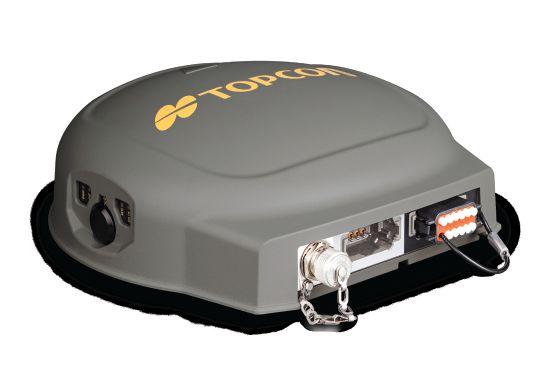
Topcon’s new AGI-4 is the industry’s first modular ISO compliant steering system in a single component. Allows the addition of Topcon’s industry-leading steering performance to virtually any steer-ready vehicle.
AGI-4 works with the displays of many other manufacturers to bring true Drop-in & Drive convenience.
effective while plants were still seedlings. Flea beetle damage and foliar insecticide applications were reported from all Manitoba agricultural regions.
Hartley says cool spring conditions slowed canola growth, and seed treatments may have lost some of their efficacy, resulting in some feeding damage on canola across the province. In some situations, foliar insecticide application was required.
In alberta, striped and crucifer flea beetle once again caused damage in areas of the peace river region, but little damage elsewhere. Many reports of high flea beetle numbers were observed at harvest, which could mean higher flea beetle numbers in the spring, depending on weather conditions.
“We had some comments from producers asking why they have to get canola seed treated with a fungicide/insecticide, and then spray again for flea beetles,” notes Scott Meers, insect specialist with alberta agriculture and rural Development. “Their concern is they are forced to pay for a whole field treatment, but could possibly get by with border sprays and scouting.”
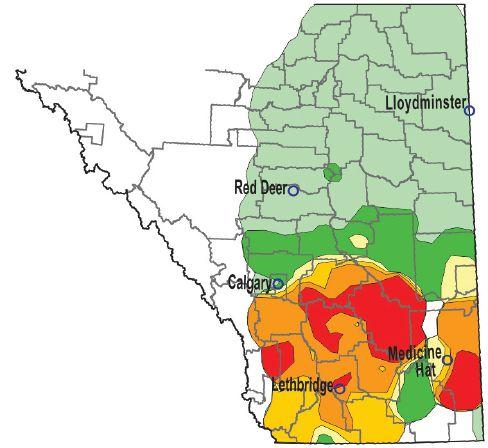
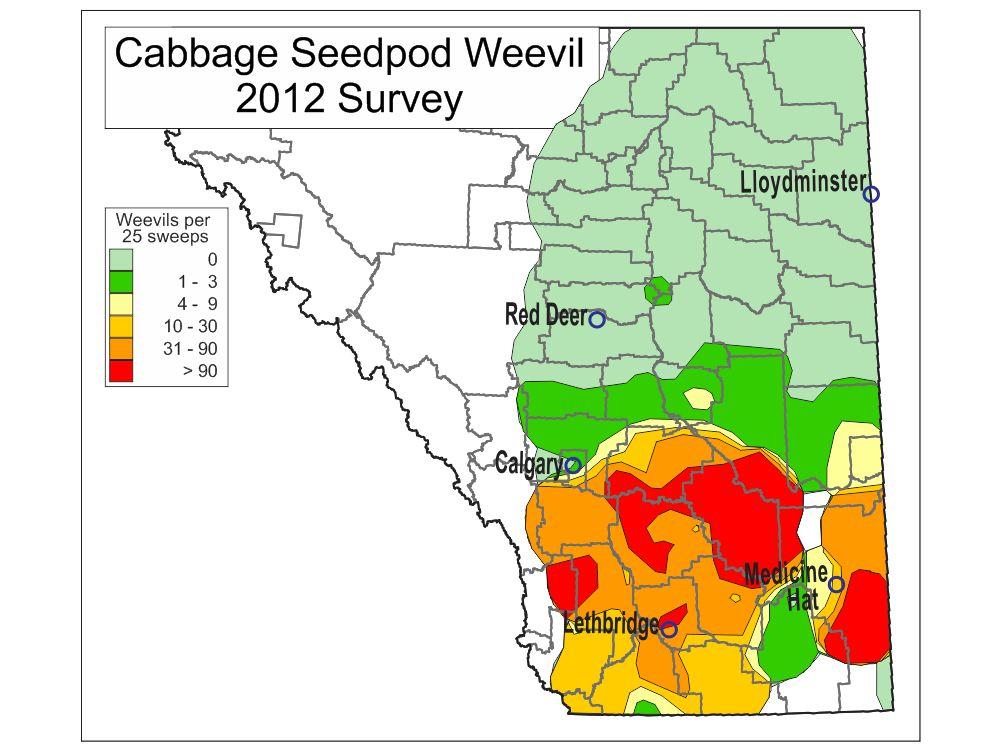
Cabbage seedpod weevil was above threshold throughout the traditional range in southern alberta. It is now a perennial problem south of Highway 1, and scouting and spraying are now commonplace. The weevil is also an annual pest in canola and some mustard varieties in southwest and south central Saskatchewan.
Hartley says the annual survey conducted in late June and early July showed the distribution of the cabbage seedpod weevil has been extending its range eastward to near Moose Jaw in 2011, with potentially economic populations near riverhurst (rural Municipality [rM] 224) and Marquis [rM] 191).
Levels of lygus bugs became economical in many canola fields across Manitoba in mid- and late July. Most reports of high populations or insecticide applications for lygus bugs in canola were from the eastern, central and northwest regions. There were some accounts of lygus bug populations in the range of 30 to 60 per 10 sweeps.
In southwestern alberta, moderate to high densities were found at early flowering, with much spraying in the areas. In central alberta, infestations were common, but little spraying took place since they

appeared later in the season.
Bertha armyworm numbers are on the increase across the prairies. numbers were high in central alberta with serious infestations causing some severe damage to crops before spraying could occur. Sprayed acres in alberta were in excess of 200,000 acres, mostly in the north and east central areas. Meers says one more outbreak year is likely in alberta.
There were some areas of Manitoba that had high levels of larvae of bertha armyworm and insecticides applied to control them in late July and the first week in august. Most of the insecticide applications for bertha armyworm were in the western regions of the province. There were also a few reports of diseased larvae of bertha armyworms be ing noticed at the top of the canopy in the northwest, southwest and Interlake regions.
Spraying occurred throughout Saskatchewan, except for the south west. “Bertha armyworm outbreaks historically tend to last for two or three years, so this is a pest to be on the lookout for in 2013,” says Hartley.
growers are reminded to check provincial insect forecasts in-season, as pheromone traps are put out throughout the prairies to help predict risk levels based on adult moth emergence.
pheromone-baited traps for diamondback moth adults collected moths much earlier than in the past, with some captured in late March and early april across the prairies, although moth counts were not as high in Saskatchewan. However, by the time canola was coming into bloom when the larvae could cause economic loss, the populations seemed to have collapsed. parasitoids, lacewings, ground beetles, weather conditions and fungal infections may have contributed to the decline in diamondback moth populations.
There were reports of spraying for zebra caterpillar in canola fields near portage la prairie and Dauphin, Manitoba, says gavloski, who notes this is the second year in a row there has been spraying for the pest in that province. Damage was also reported in Saskatchewan canola fields, primarily in the southeast and south central regions. Hartley explains the caterpillar primarily feeds on the vegetative parts of the plant, but was also reported to be feeding on canola pods.
In alberta, zebra caterpillar was a threat as well. However, Meers does not expect it to be a big issue in 2013.
no insecticide is registered for zebra caterpillar in canola but some control may have coincided with insecticide application for other insect pests, such as bertha armyworm, says Hartley.
although the swede midge has been in Saskatchewan for several years, Hartley reports that 2012 was the first year of economic damage in canola. The Canadian Food Inspection agency (CFIa) reported captures of adult swede midge in pheromone traps in the northeast (nipawin and Melfort) and east central (Yorkton) areas of Saskatchewan in 2007. The most significant damage was to a few canola fields in the northeast near Tisdale.
“Since this insect has been present in the area for several years with no previous record of significant damage, it is difficult to predict what will happen in 2013,” says Hartley.
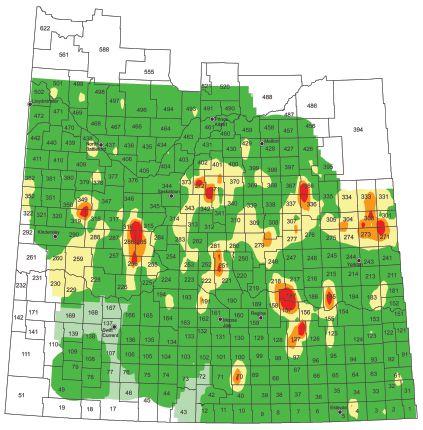
Wheat midge was present in increased numbers in alberta and Saskatchewan. Virtually every county in alberta reported wheat midge, and growers
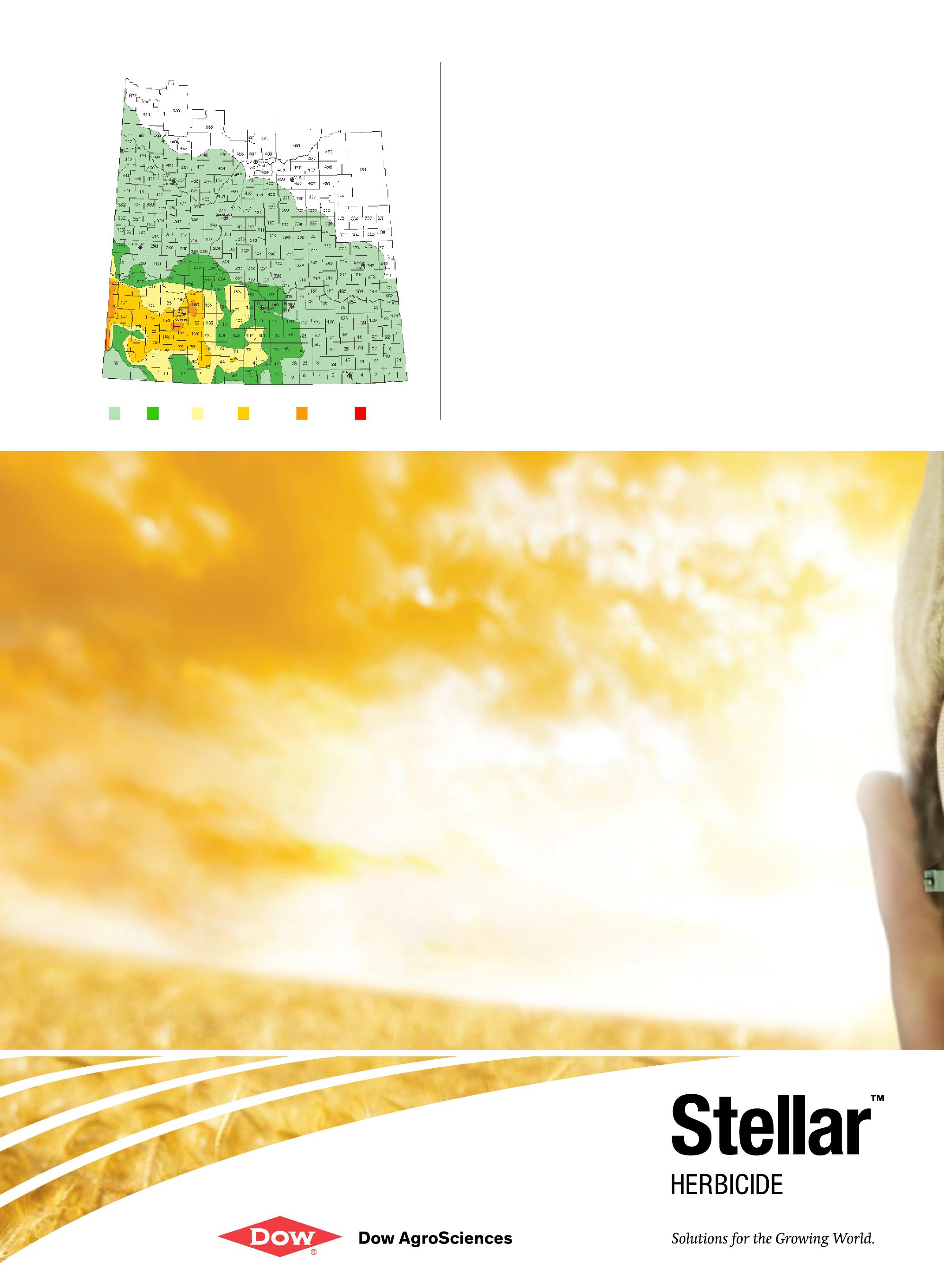
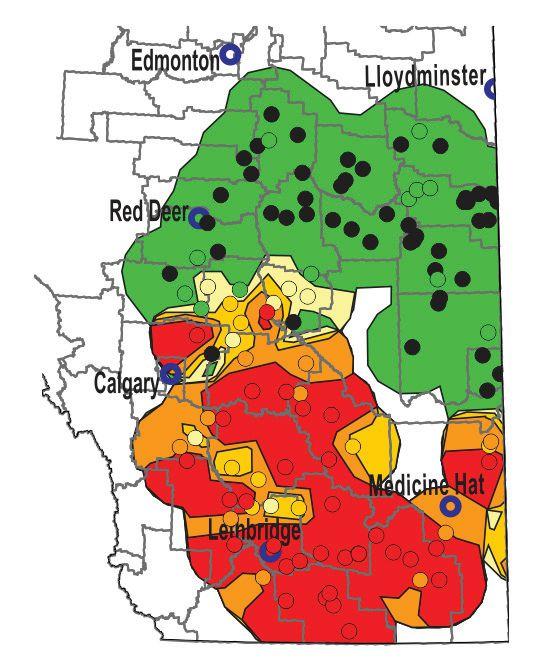
Wheat Midge Forecast 2013 - Saskatchewan

OcTTainTM sets a new standard with a higher level of broadleaf control in wheat and barley. Easy-to-use OcTTain provides control of 25 of the worst annual broadleaf weeds. Exceptional control of kochia and wild buckwheat. BULK UP and save. Elevate your performance. With OcTTain. Call our Solutions Center at 1.800.667.3852 or visit www.dowagro.ca.
and save Before march 20th.
Wheat Midge Forecast 2013 - Alberta
Midge/m2
No infestation
<600
600-1200
1200-1800
>1800
should pay attention to scouting for wheat midge in 2013. Hartley says 2012 was a favourable year for wheat midge development, and it was at economic levels in the south central region of Saskatchewan in an area that was not considered at high risk. The threat of wheat midge is expected to increase in 2013.
gavloski says true armyworm (Mythimna unipuncta) was an economic concern in many small grain fields, and the biggest defoliating insect concern in small grains. High populations of larvae were present in many fields in July. High populations were reported from many fields in the eastern, Interlake and northwest regions of Manitoba, and northeastern side of Saskatchewan.
Wheat stem sawfly numbers continue to decline in alberta. Damage was low in much of southern alberta, and the expanded survey found very few remaining pockets of sawfly.
the Genuity® Roundup Ready® canola advantage of effective weed control across a wide window of growth stages, a wide range of environmental conditions and with 50% less water usage than the LibertyLink® system.* Capture the full yield potential of today’s elite canola genetics. www.genuitycanola.ca
Growers are reminded to check provincial insect forecasts in-season, as pheromone traps are put out throughout the Prairies to help predict risk levels based on adult moth emergence.
Pheromone-baited traps for diamondback moth adults collected moths much earlier than in the past, with some captured in late March and early April across the Prairies, although moth counts were not as high in Saskatchewan. However, by the time canola was coming into bloom when the larvae could cause economic loss, the populations seemed to have collapsed. Parasitoids, lacewings, ground beetles, weather conditions and fungal infections may have contributed to the decline in diamondback moth populations.
There were reports of spraying for zebra caterpillar in canola fields near Portage la Prairie and Dauphin, Manitoba, says Gavloski, who notes this is the second year in a row there has been spraying for the pest in that province. Damage was also reported in Saskatchewan canola fields, primarily in the southeast and south central regions. Hartley explains the caterpillar primarily feeds on the vegetative parts of the plant, but was also reported to be feeding on canola pods.
In Alberta, zebra caterpillar was a threat as well. However, Meers does not expect it to be a big issue in 2013.
No insecticide is registered for zebra caterpillar in canola but some control may have coincided with insecticide application for other insect pests, such as bertha armyworm, says Hartley.
Although the swede midge has been in Saskatchewan for several years, Hartley reports that 2012 was the first year of economic damage in canola. The Canadian Food Inspection Agency (CFIA) reported captures of adult swede midge in pheromone traps in the northeast (Nipawin and Melfort) and east central (Yorkton) areas of Saskatchewan in 2007. The most significant damage was to a few canola fields in the northeast near Tisdale.
“Since this insect has been present in the area for several years with no previous record of significant damage, it is difficult to predict what will happen in 2013,” says Hartley.
Wheat midge was present in increased numbers in Alberta and Saskatchewan. Virtually every county in Alberta reported wheat midge, and growers
Wheat Midge Forecast 2013 - Saskatchewan
Only StellarTM provides higher-performance annual broadleaf control in wheat, barley and oats. Cleavers, chickweed, hempnettle, kochia, more. Plus three active ingredients and two modes of action for superior Multi-Mode of Action resistance management. BULK UP and save. Elevate your performance. With Stellar. Call our Solutions Center at 1.800.667.3852 or visit www.dowagro.ca. and save Before march 20th.


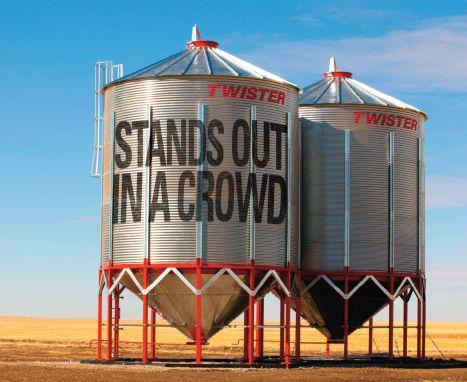
Twister’s new series of 4" wide corrugated grain bins range in size up to 75' in diameter. Our bins now offer more flat bottom farm storage and are manufactured using state-of-the-art technology. Contact your local dealer today to find out why Twister bins are bigger and better.
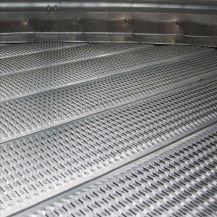
We don't just make the best-looking hopper bottom grain bins in the industry, they're easy to use as well G115 Galvanized Coated steel and powder coat paint make for an attractive finish while the complete cleanout design saves you back breaking labour
The 3" Corrugated Twister Hopper Bottom Bin comes standard with a bin to ground ladder, forty degree slope bolt together cone, manhole and rack and pinion gate. For all 3" Corrugated models, a steel skid is available for a quick foundation.
The 4" Corrugated Twister Hopper Toppers come standard with a large 40" filler cap and are available in stiffened and unstiffened models ranging from 15' to 27' in diameter
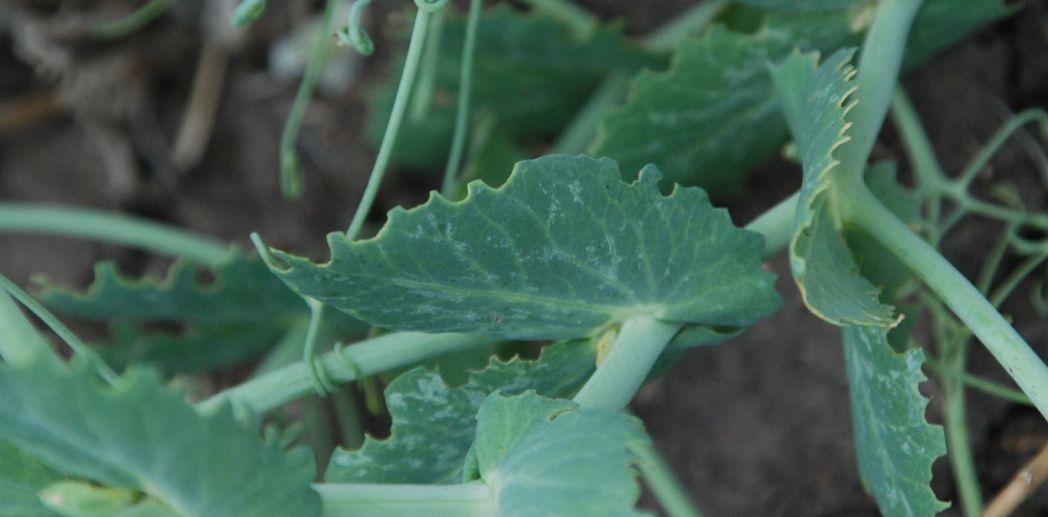
treatments in 2013 as the best protection for pea crops. pea leaf weevil can also feed on fababeans.
Some pea fields in southwest Manitoba had insecticides applied to control pea aphids.
Soybean aphids were noted in very low levels in Manitoba soybean opulations remained very low and there were no reports of high or economical populations, says gavloski. populations were controlled in some Manitoba soybean fields in the eastern and central regions from late July until ugust. In some instances, only edges of fields were treated, but there were situations where whole fields were treated to control spider mites. Dry conditions may have been a factor in the population of spider mites reaching high levels in some fields.
continues to be the most common insect found lliott, infestation control and sanitation rain Commission (CgC). Discoveries have
large proportion of cereals harvested in the prairies in 2012 were lliott says producers should prepare bins properly before storing grain, and use aeration techniques (aeration or grain turning) to lower and standardize the grain temperature. Lowering grain temperature below 15 C as soon as possible reduces
Surveys and insect monitoring sites can be found on the three prolberta has set up an alberta est Monitoring network with its own homepage: www.agricul-
griculture and Manitoba agriculture, ural Initiatives post their maps in their crop protection/

Barley has always been an important part of cropping intention for farmers in Canada for generations. In the 1950’s Canada was a source of pearling barley for overseas customers. As the malting industry grew, malt barley varieties were developed to meet the increasing demand. In the 1960’s the feed industry began to develop and by the 1970’s evolved to become the major domestic market for barley. By the 1990’s a little over 14 million acres of barley were grown in Western Canadian to meet the domestic and international markets. However, with the increased competition from alternative crops such as canola, pulses and other oilseeds, barley production began to decline. In 2004, 12.1 million acres of barley were seeded but by 2008, the acreage had decline to 5.8 million acres in Western Canada. Malt companies were struggling to access enough barley to meet their needs. Barley acres have recovered to an estimated 7.9 million acres last year but still struggles to be considered a cropping alternative in farmers crop rotations. What is the future for barley in Canada?
Three years ago, the Western Barley Growers Association initiated the Business Case Assessment of the Western Barley Sector: In Search of an Optimal Marketing Structure to identify the strengths and weaknesses of the barley industry. The study identified that a national voice for barley which included all players in the barley value chain was needed to rebuild the industry in Canada. Two years ago, a working group was established with representation from the malt industry, the brewing industry, grain handlers, feed users, research community and producers groups from across Canada to develop a strategy focusing on expanding and growing the barley industry. The idea of forming a Barley Council of Canada (BCC) with representation from all sectors of the barley value chain, from across Canada, working collaboratively, became the priority of this working group. The challenge became “Where do we start?”
Very early on in the process the working group realized that every sector of the value chain had differing opinions of our barley industry and what steps were needed to encourage farmers to include more barley in their cropping plans, to encourage investment in barley processing and encourage more emphasis on breeding and agronomic research. The BCC working group determined we were working in a vacuum. We had not consulted the barely industry and the decision was made to survey of the entire industry to, first, identify whether stakeholders supported the idea of a Barley Council and second, what the strategic focus for the BCC should be. Last summer, the working group contracted the services of Synthesis Agri-Food Network to conduct a nationwide survey of entire barley value chain to verify the acceptance of the BCC concept and to identify the focus areas the council should target. The survey was completed last fall which confirmed industry support for a BCC. Survey respondents also provided insight into the strengths, weaknesses, opportunities and threats of the industry. A strategic plan was developed outlining five focus areas that the BCC should concentrate on to help promote and rebuild the industry.
The first focus area is to support innovation and research. By bringing all players to the table, the BCC will be able to align the research needs of both growers and end users. The BCC will provide a national unified voice to attract both private and public financial investment in innovation and research for the barley sector. The council will through
collaboration, lend support for barley breeders and researchers.
The second area identified was a need to promote crop production and best practices to ensure the barley production meets the needs of the industry. The BCC will work with agronomic researchers to help barley producers engage production practices that will best ensure their barley meets the quality requirements of end use customers.
The third focus area is to support market development. The BCC will not duplicate or compete with existing market development initiatives already underway by others in the barley industry but will be there in a support role if needed. The BCC will help promote barley in four commercial areas; malt, feed health food and industrial. The BCC serves as a national voice for both domestic and international customers.
The fourth focus area is to work for improve market access. BCC brings a national voice on behalf of barley to trade negotiations involving market access issues, new trade policies and agreements. The value of a national council is bringing all players in the barley value chain into negotiations involving barley in trade discussions.
The final focus area is to enable a better understanding of the barley industry throughout the barley value chain. Through communication and education of all players in the value chain, the BCC can address challenges and strengthen the industry, to build stronger relationships throughout the value chain. Communicating with and enlightening governments understanding of the barley industry is important to rebuilding and growing the barley sector.
The BCC will not be funded by another check-off from producer sales. It is intended that it will be funded by regular and associate membership fees and by stakeholders in the barley value chain. The strength of the BCC will be in the support it receives from the industry.
The Barley Council of Canada will bring a national voice for barley to the Canadian farm scene. The first Board of Directors was elected on February 5, 2013. The Board of Directors is made up of seven directors from producers groups from all regions of Canada and seven industry directors representing the malt, brewing, feeding, feed processing, grain handling, research, seed and crop life sectors. The board of directors has finalized the by-laws for the BCC. The Board will now concentrate on building a funding model that does not exclude any stakeholder in the barley value chain. The BCC is sharing staff with Alberta Barley Commission (ABC) to reduce overhead and we are also sharing office space with the ABC.
The BCC will not be duplicating other initiatives in the industry. The BCC will be there to collaborate with the barley industry and serve in a coordinating role to bring all players to the table giving a national perspective and a national voice for barley.
The BCC would like to acknowledge and thank the Alberta Barley Commission (ABC) for their financial and staff support in enabling the formation of the Council. Also, the BCC Board of Directors would like to thank all of the working group members who volunteered their time and effort to develop the concept.
BCC: “Working together to ensure the long-term profitability and sustainable growth of Canada’s Barley Industry” Web site: www.barley council.com
Brian Otto, Director Western Barley Growers Association
High-phosphate fertilizer rate can’t reach maximum yield.
by Bruce Barker
With declining phosphorus (p) fertility levels across the prairies, growers may be leaving more yield in the field than they think. research has shown that low p fertility soils cannot reach optimum yield, even with a high fertilizer rate. and the move to a tight canola-wheat rotation, the most common on the prairies now, is creating challenges in designing an adequate p fertility program.
phosphorus is well known for promoting early season root development, tillering, early flowering, uniform ripening and seed production in crops. In longer rotations with cereals, p soil fertility could be maintained at optimum levels with annual applications of fertilizer p, as cereals have a lower p need and higher tolerance for seed-placed p than oilseeds.
“The safe amount of seed-placed phosphate is enough to supply a wheat crop and keep soil p in balance,” says agriculture and agriFood Canada research scientist Cindy grant, at Brandon, Manitoba. “However, a 40 bu/ac canola crop will remove 40 lb of p2o5
and the safe seed-row rate is only 20 lb, so you are running a 20 lb per acre deficit if you are only applying seed-placed p and canola also needs another 58 lb/ac of p2o5 for growth, so it is a very heavy user of p.”
That deficit has grant and other soil fertility specialists concerned. With more canola and other oilseeds such as soybeans and camelina being grown on the prairies, they are starting to see that p fertility is gradually being drawn down in the soil.
Historically, the p balance on Manitoba soils was fairly good. Fertilizer p applications had been relatively balanced with p removal in the seed. However, recent trends show this may be changing, perhaps because of the shift to more oilseeds in the rotation, which can mean lower p fertilizer applications. Corn acres are also going up in Manitoba, and corn is a heavy user of p.
“a s farmers grow more crops that deplete p, this could be
ABOVE: Tight canola rotations could be depleting soil P.

leading to a deficiency in soil fertility,” says grant.
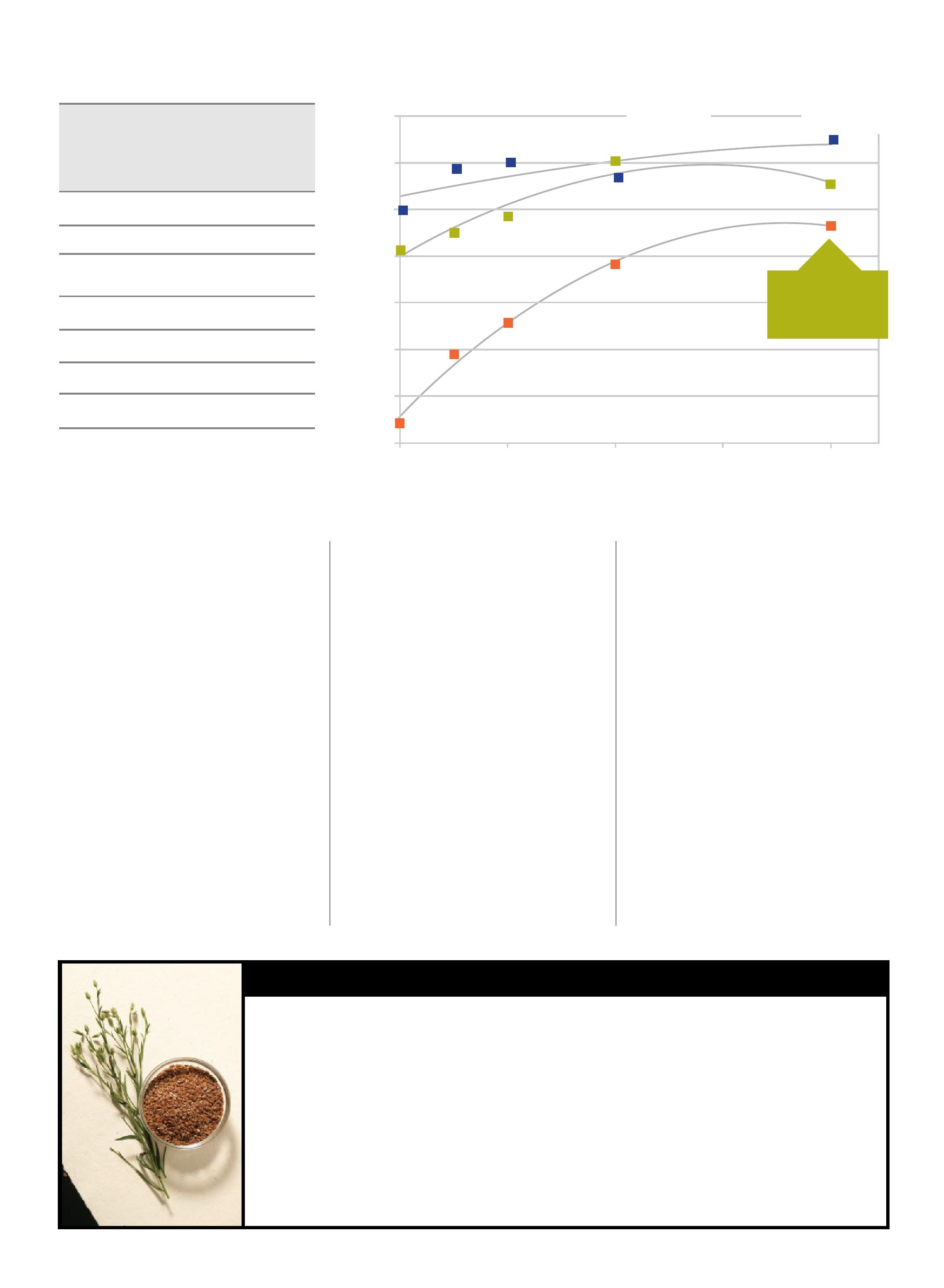
The risk of allowing soils to become depleted of p fertility is that even with a high p fertilizer rate, optimum yield cannot be achieved compared to a soil with moderate soil test p levels. Two research projects illustrate the need to maintain soil p fertility at critical levels.
The first project was conducted by the University of Minnesota from 2005 through 2008 on long-term p studies. The soils had two fertility levels as determined by soil tests using the Bray method: 7 ppm (low) and 25 ppm (high). (note the Bray soil test levels do not directly correlate to the olsen p and modified Kelowna soil test levels. The low and high ratings are






Raxil® MD is the winner and undisputed seed treatment champion of wheat, barley and oats. Its micro-dispersion technology provides uniform and thorough seed coverage resulting in strong emergence, superior plant protection and an increased return on your investment. Score an easy victory over the most serious early-season cereal diseases, including true loose smut and both seed- and soil-borne fusarium, without the application struggle.



Depleted soil P can decrease crop yield potential
Wheat 40 29 50 +21
Canola 40 40 20 -20
Soy beans 40 32 10 -22
Barley 80 38 50
*Rates are based on disk or knife openers with a one-inch spread, six- to seven-inch row spacing, and good to excellent soil moisture.
the critical factors, not the actual ppm numbers.) The low site had no p or K applied in the previous eight cropping years. The results showed that even application rates of 50 lb of p2o5 per acre on the low testing site could not achieve the yields of the high testing site, even if no p fertilizer was applied on the high fertility site.
“For both corn and soybean, the low p soils couldn’t reach the yield of the high p soils,” explains professor gyles randall at the University of Minnesota. “That was surprising. It shows that you can’t mine your soils of p and expect to compensate with fertilizer p applications.”
randall says the economic return on the high soil test p soil was about $111 per acre more for both corn and soybean, compared to the lower test p soil. “We learned that high and profitable corn and soybean
yields could not be produced on low ptesting soils, even though the p rate used for corn on the low fertility site was greater than the University of Minnesota’s recommendation,” says randall.
grant cites a University of Saskatchewan study that produced the same results in wheat. Conducted by Wager, Stewart and Henry from 1979 to 1984, the study compared a single large broadcast application at varying rates to smaller annual seedplaced p applications. The initial broadcast p applications ranged from zero to 180 kg p2o5 per hectare (160 lb/ac). In each of the five years, annual seed-placed p2o5 ranged from zero to 44 lb of p2o5 per acre.
The results showed that the highest yields were achieved at olsen p moderate soil test levels of 15 ppm. Conversely, with an annual fertilizer rate of 44 lb of p2o5 per
seed-placed P2O5 lb/ac
acre, the yield in the low soil test p treatments couldn’t approach the yields on the moderate soil test p treatments.
“optimum yield was higher with moderate rather than very low soil test p levels. It shows that if you deplete soils too much, you can’t reach high yields,” explains grant.
With more sensitive and higher p demanding oilseeds in rotation, which bring the increased likelihood of declining soil p levels, grant says, growers can still manage p fertility to maintain p levels at optimum rates over the longer term. Side-banding allows more p to be placed safely while allowing efficient uptake by sensitive crops. extra p can also be added in crops in the rotation
When marketing your flax this year, sell your oldest production first. Use tested, Triffid-free seed for planting. Keep new crop production separate from existing stocks.
Our goal is to remove Triffid from the flax supply.
With your help, we can start fresh.
For information, visit: www.flaxcouncil.ca or www.saskflax.com
Funding for this program was provided by Agriculture and Agri-Food Canada through the Canadian Agricultural Adaptation Program
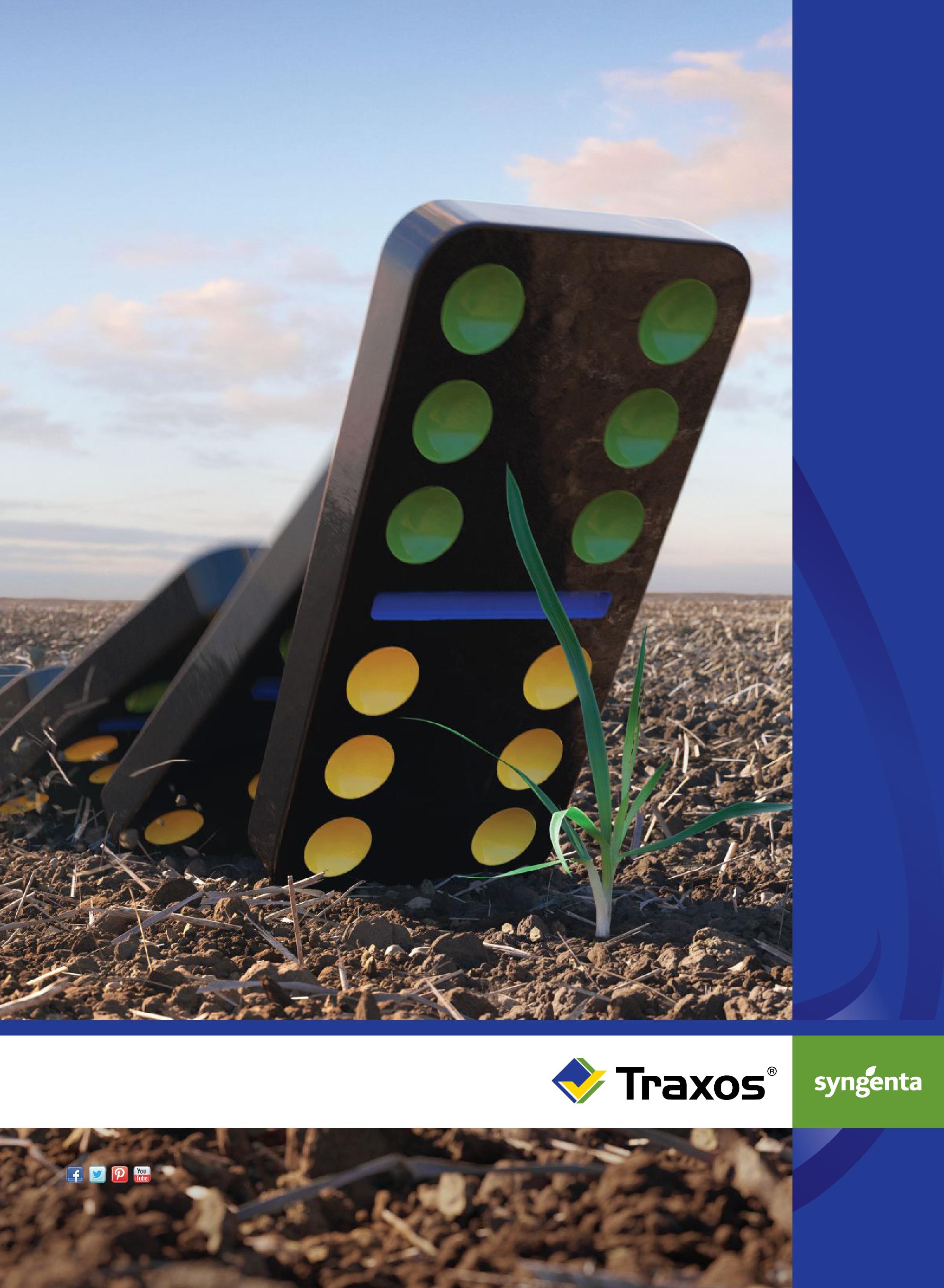
The sooner they fall, the better it is. Traxos® takes out wild oats faster, so your crop can be its best. You set good things in motion when you flatten wild oats fast with Traxos. Most importantly, you set up your durum and spring wheat for a great harvest.
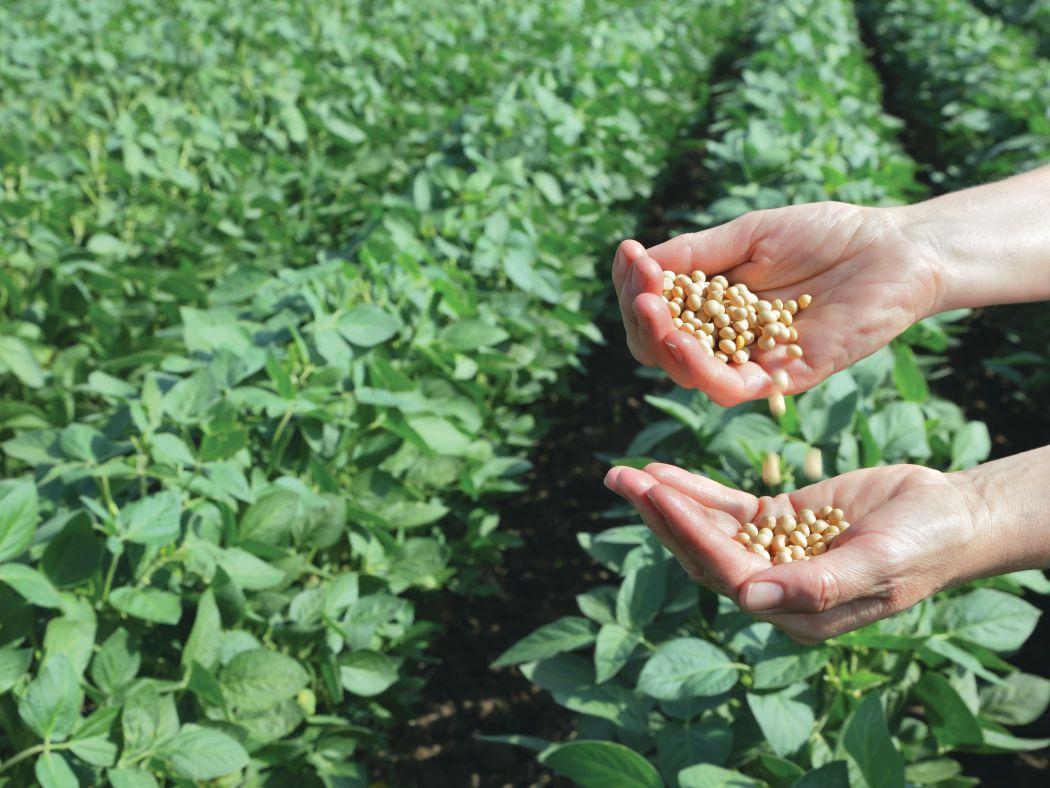
Earlier maturing and better adapted varieties.
by Bruce Barker
Here are the newest soybean varieties that are being introduced in commercial quantities for 2013. With roundup ready 2 genuity soybeans hitting the market, there are many new varieties to choose from. Talk to your local seed supplier to confirm seed availability, and to find out how the new varieties performed locally.
DEKALB 24-61RY is a high yielding 2475 CHU soybean product that is resistant to brown stem rot and is rated well for Iron Deficiency Chlorosis. It is suited to all soil types, and is a taller plant that stands well. 24-61rY is a next generation genuity roundup ready 2 Yield soybean trait. It is one of the earliest soybean products on the market.
HS 006RYS24 is Hyland’s earliest maturity soybean. It has consistent yields under all conditions, moves north well and has good standability. This variety has a solid disease resistance package, including resis-
tance to race 3 soybean cyst nematodes (SCn).
HS 007RY32 is a new soybean variety that Hyland has available. It has excellent yield potential backed up by solid disease resistance and good IDC tolerance.
HS 00703 (formerly DaS007r3) is another new soybean variety available in the Western Canada market. The variety has good plant height in an early variety that moves south well. It has a very good tolerance to white mould and phytopthora root rot. It works well in all planting conditions; however, one should avoid areas with severe iron deficiency chlorosis (IDC).
LS 002R23 is rated at 2375 CHY with a relative maturity of 0.02. It has a medium plant stature with above average iron chlorosis. It performs very well on lighter soils and has exceptional drought tolerance.
ABOVE: There are many new soybean varieties to choose from this year.

LS006R21 has above average tolerance to iron chlorosis. It has a relative maturity rating of 0.07. It has a tall plant stature and contains rps 1k gene for races 3 and 4 phytophthora root rot. It is recommended for light- to medium-textured soil types; fields with a severe history of iron chlorosis should be avoided.
NSC Reston RR2Y is the earliest variety on the market, rated at 2325 CHU, which will help in the expansion of the soybean growing area to western and northern regions of the prairies. It has a tall stature with exceptional podding at the nodes. Well suited to narrow row spacing (<10 inches) Yielded 106 percent of the check nSC portage in 2012 Manitoba provincial trials.
Vito R2 is very tall with excellent pod height off the ground. early maturity (2350 CHU) makes this an excellent variety for first time growers. The variety yielded 103 percent of check in two years of Manitoba provincial trials.
NSM EXP1209N R2 is expected to receive registration during the winter, and will be Manitoba’s first variety with soybean cyst nematode resistance. It will be of interest to growers who’ve had tight soybean rotations, but has also shown exceptional yield potential in a mid-season variety. rated at 2450 CHU, it was a top yielder in Manitoba provincial trials, averaging 113 percent of the long-season check. Coupled with its strong IDC rating makes this an excellent fit for Manitoba’s red river Valley.
NSM EXPG10 R2 is an early-mid season variety, rated at 2400 CHU. It is tall with very good pod clearance. This variety yielded 104 percent of the check in 2012 Manitoba provincial trials, and is expected to receive registration during winter 2012-13.
With registration pending, NSM EXP1201LL will be Western Canada’s first Liberty Link soybean variety. rated at 2500 CHUs, it was the earliest LL variety grown in the United States. The variety has excellent IDC tolerance and is well suited for the longer growing season zone of Manitoba.
PS 0074 R2 is a genuity roundup ready 2 Yield variety that is well-adapted to the western Canadian market. It has a maturity rating of Mg 00.8; 2500 CHU. pS 0074 r2 is tolerant to iron chlorosis, and has excellent emergence and early season vigour. It is a medium tall variety with very
good standability that fits for all row widths, and has bushy features that canopy fast.
Thames is a non-gMo variety with a CHU rating of 2950. It has SCn resistance and is a top performer on clay soils. With exceptional emergence and spring vigour, this variety excels in both conventional and no-till conditions.
DH4202 is a non-gMo 2900 CHU variety with exceptional emergence and spring vigour. It performs well on clay soils and excels in both conventional and no-till conditions.
PRO 2625R2 is a genuity variety with a CHU rating of 2650. This variety is a medium-tall plant with an excellent lodging rating. It has very good emergence with tremendous seedling vigour. Best suited for 7-15 inch rows on highly fertile soil.
Bishop R2 is an early season (2450 HU) variety that performs well
in all traditional soybean growing regions. It yields equal to the check nSC portage rr but matures three days earlier. IDC rating 2.8 (susceptible).
Beurling R2 is a full (2500 HU) season variety. It was selected under the high moisture conditions of 2010 and appears to perform well in water-saturated soils. IDC rating 2.6 (semi tolerant).
Currie R2 is a full (2500 HU) season variety best suited to the longer-season growing areas of Manitoba. It yields 110 percent of the check nSC portage rr and matures two days later. IDC rating 2.0 (semi tolerant).



CONTINUED FROM PAGE 32
that tolerate seed-placed p. For example, applying 40 lb of p2o5 to wheat even though it may only need a 30 lb maintenance application. In this way, soil p can be built up gradually. Manure at n application rates can also provide a p benefit for several years, as n rates sufficient for crop growth will provide much more p than needed by the crop.
“growers should aim to maintain reasonable soil p levels for optimum yield potential, and to provide a buffer when relying on seed-placed p in sensitive crops,” says grant. “Soil testing provides a good auditing tool for p balance over time.
Corn and soybean yield as affected by soil P test and P placement
1 Six to seven inches below soil surface under row.

Control problem grass and broadleaf weeds in wheat – with the easier, more flexible, one-pass solution. TandemTM delivers convenience and Multi-Mode of Action resistance management. For exceptional control of wild oats, kochia, cleavers, chickweed, hemp-nettle and more. BULK UP and save. Elevate your performance. Talk to your Tandem retailer today. Visit www.dowagro.ca. and save Before march 20th.
by Dr. Thomas L. Jensen
The soils of the northern great plains tend to be geologically young soils because soil development has only occurred over the past 10,000 years or less since the last glaciation. This is in contrast to many soils in other regions of the world that can be hundreds of thousands, to millions of years old. one plant nutrient that tends to occur in relative abundance in the northern great plains is potassium (K). This is because soil minerals have developed from rock containing naturally high levels of K. northern great plains soils tend to be only slightly weathered due to the short time of soil development, the cooler climate and only moderate amounts of precipitation. This can be in contrast to highly weathered tropical soils. Time, moisture and warm temperatures cause weathering of tropical soils and release K from the soil minerals that leach out of the soil. Many of these weathered soils require large K fertilizer additions (e.g., at least 100 lb K2o per acre) to achieve high-yielding crops.
Knowledge of two soil analysis measurements, cation exchange capacity (CeC) and base saturation (BSat), can be used together to give an indication as to how much K may be available in a soil. CeC is a measure of how much positively charged ion (cations) a soil holds primarily on its clay-sized particles. a very low CeC is in single digits (e.g., 1 to 5 cmol/ kg) compared to a high CeC soil with a CeC from 20 to 30 cmol/kg. BSat is a measure of what portion of CeC is occupied by the base cations Ca+2 Mg+2, K+, and na+, expressed as a percentage. other cations that can be a portion of the CeC that are not base cations are al+3, Fe+3 and H+ generally, a soil with a greater CeC and high BSat, with ample K present, will have a neutral-toalkaline soil pH and higher amounts of plant-available cations.
The most common soil texture and parent material in the northern great plains is a clay loam, formed from glacial till. glacial till tends to have a homogeneous mixture of clay, silt and sand-sized particles due to the grinding and mixing action of glacier ice. on this type of soil, K fertilization rates tend to be only 5 to 15 lb K2o per acre applied in the seed-row for a small grain crop. However, not all soils are clay loams. after glaciation a portion of the landscape was modified by flowing water and by wind movement of soil particles. These forces sorted the glacial deposits into different soil textures, some with greater proportions of sand (coarse-textured), some with greater proportions of silt (medium-textured) and some with greater proportions of clay (fine-textured). The proportions of sand-, silt- and clay-sized particles greatly affect the CeC and available base cations of a soil. It is important to know what dominant texture a farmer has in a field and how this may affect the rate of K fertilization.
Table 1 compares two northern great plains soils located only 20 miles (32 kilometres) apart in south central alberta. The coarsetextured sandy loam soil has a CeC of 4, and available K of 66 lb of K per acre, compared to the clay loam soil that has a CeC of 21 and available K of 1,090 lb of K per acre. an average fertilizer K rate for the sandy loam soil is about 10 times greater compared to the K rate for the clay loam soil. It is recommended that a more accurate fertilizer K rate be developed for a specific soil and field by using soil testing and analysis, along with a recommendation developed by a qualified crop adviser.
Dr. Thomas L. Jensen is Director, Northern Great Plains, International Plant Nutrition Institute (IPNI). Reprinted with permission from IPNI Plant Nutrition Today, Fall 2012, No. 2.
Table 1. Location of soil, soil texture, parent geologic material, percentages sand, silt and clay, CEC, and plant-available Ca, Mg and K, and common K fertilizer rate, on two nearby soils.

At Case IH, we design equipment with a producer’s agronomic needs in mind. Our Quadtrac® technology, soil management and planting systems are designed to foster a better growing environment that maximizes yield potential. We’ve developed equipment that gets you in and out of the field effectively to make the most of short weather windows. And our deep understanding of agriculture helps producers when they need it most. Case IH agronomic design keeps producers ahead of today’s increasing demand. Will you be ready? For more information, go to caseih.com/agronomicdesign.
MP