TOP CROP MANAGER
KOCHIA CONTROL IN SUNFLOWER
Kochia, biennial wormwood can impact yield PG. 52
WILD OAT CONTROL
Diverse rotations are necessary PG 8
FENCEROW FARMING
Yield benefits justify the effort PG. 12
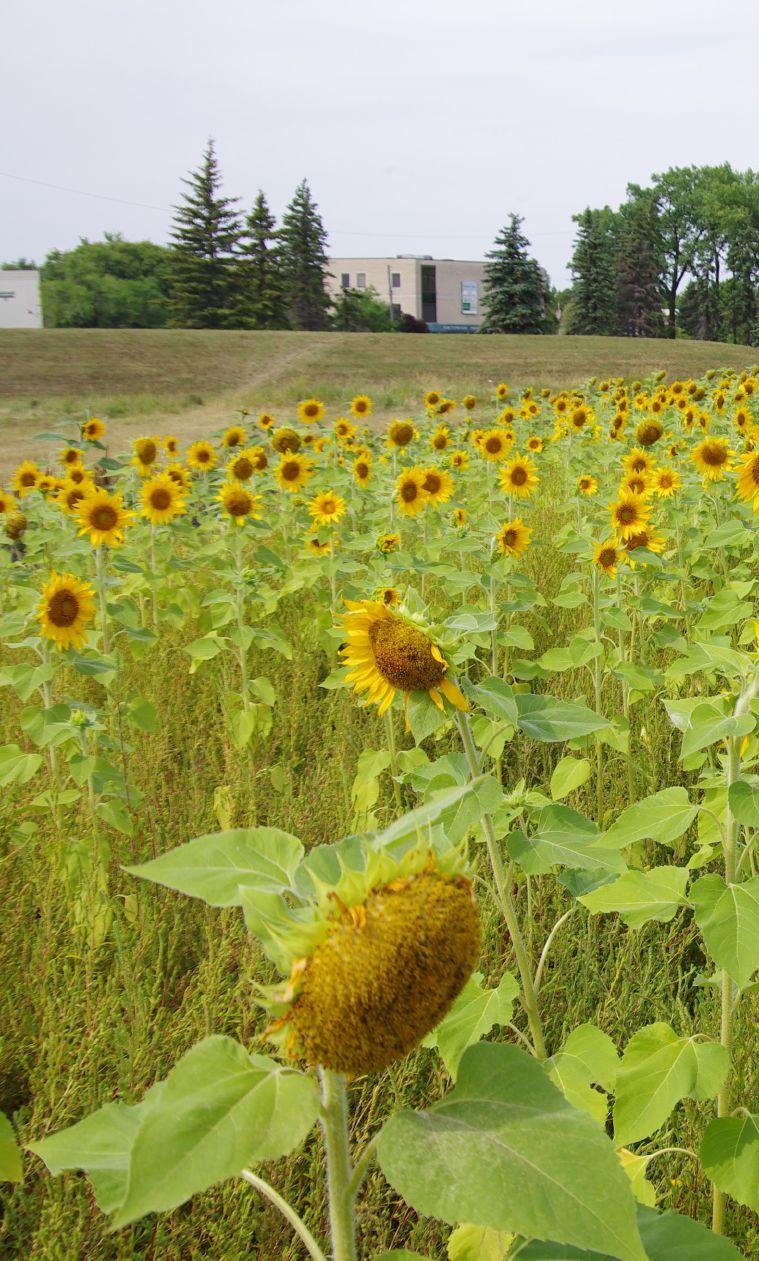

Kochia, biennial wormwood can impact yield PG. 52
Diverse rotations are necessary PG 8
Yield benefits justify the effort PG. 12
20 | Mapping variability
An on-farm study looks at soil sensor data for identifying variable rate management zones. By
Carolyn King
58 | Herbicide registrations, label updates Expanded herbicide choices in 2016.
Ken Sapsford
| Pulse rotations providing ongoing N benefits
Improving the accuracy of estimating nitrogen credits and benefits from pulses.
Donna Fleury
Fencerow farming
Economic case for winter wheat
Rolling soybeans
Be an AgSafe family
for
Readers
numerous

Janet Kanters | eDItOr
Be an AgSafe Family is a new three-year campaign launched by the Canadian Agricultural Safety Association (CASA) and the Canadian Federation of Agriculture (CFA). This year, the campaign will focus on “keeping kids safe,” a very timely goal in light of the fact children continue to suffer accidents on family farms.
Be an AgSafe Family is part of this year’s Canadian Agricultural Safety Week, which runs from March 13 to 19. Organizers say focusing on kids during this year’s Ag Safety Week is a no-brainer. According to the most recent agricultural fatal injury surveillance program (Canadian Agricultural Injury Reporting) from CASA, an average of 13 children die every year as a result of agricultural incidents in Canada. And while they say the number of child deaths on farms appears to be decreasing slightly, that number is still too high.
CAIR, which tracks agricultural-related deaths, said there were 2,317 fatalities related to agriculture between 1992 and 2012. Of those, 272 were children under the age of 15: 123 infants and toddlers between the ages of one and four, 86 between the ages of five and nine, and 63 children between the ages of 10 and 14 years old. Another 102 people between 15 and 19 were killed in agricultural incidents during the same stretch.
Meanwhile, the rate of agriculture deaths for kids under 15 across the country fell by an average of 0.8 per cent annually between 1990 and 2015. CAIR does not consider this statistically significant. However, agricultural activities are becoming safer for those over 15. The fatality rate for people working in agriculture between the ages of 15 and 59 dropped by an average of 1.1 per cent per year, CAIR said, determining this statistically significant.
Almost half of all agricultural fatalities in Canada (46 per cent) were due to three machine-related causes: machine rollovers, machine runovers and machine entanglements (total of 1,062 fatalities). Machine rollovers and machine runovers accounted for 20 per cent and 18 per cent of deaths respectively, with machine entanglements accounting for eight per cent.
The death rate for runovers is high in children in particular. Sixty-one per cent of child deaths (66 deaths, between ages of one and four) between 1990 and 2012 involved runovers in which the child was a bystander. Another 39 per cent (26 deaths) involved the child as a passenger.
Most child deaths on the farm are male, and most are the children of the farm owner or operator. Runovers aren’t the only hazard: many die by drowning, by machine rollover, by animal-related incidents, and/or being caught in or under an object, or being struck by a non-machine object.
Close to half of child deaths on farms occur close to the farm house, for instance, in the farm yard, driveway, barn or sheds. Basically, where children live and play. With farm equipment in and around the farm house and barns/sheds, it makes a child’s “playground” dangerous.
But that doesn’t have to be the case. All farm parents know the inherent dangers on the farm, and certainly make their children aware of these potential dangers. But we were all kids once – which means we sometimes “forgot” what mom or dad said, or we were so caught up in our play or task that we lost our focus on our surroundings, even if only for a moment. And it only takes a moment for an accident to occur.
Farm parents are certainly doing all they can to ensure their farm is safe for themselves, their children and anyone visiting or working on the farm. Canadian Agriculture Safety Week is just another reminder to continue to be vigilant when working on the farm, to ensure it remains a safe and happy place for everyone.

MEDIA DESIGnER Gerry Wiebe CIRCulATIon MAnAGER Carol nixon • 450-458-0461 cnixon@annexweb.com vP PRoDuCTIon/GRouP PuBlISHER Diane Kleer • 519-403-8816 dkleer@annexweb.com DIRECToR oF Soul/Coo Sue Fredericks
PuBlICATIon MAIl AGREEMEnT #40065710 Printed in Canada ISSn 1717-452X
CIRCulATIon email: rhtava@annexbizmedia.com Tel: 416-442-5600 ext 3555 Fax: 416-510-5170
Mail: 80 valleybrook Drive, Toronto, on M3B 2S9
SuBSCRIPTIon RATES
Top Crop Manager West – 9 issues February, March, Mid-March, April, June, September, october, november and December – 1 Year - $45.95 Cdn. plus tax
Top Crop Manager East – 7 issues February, March, April, September, october, november and
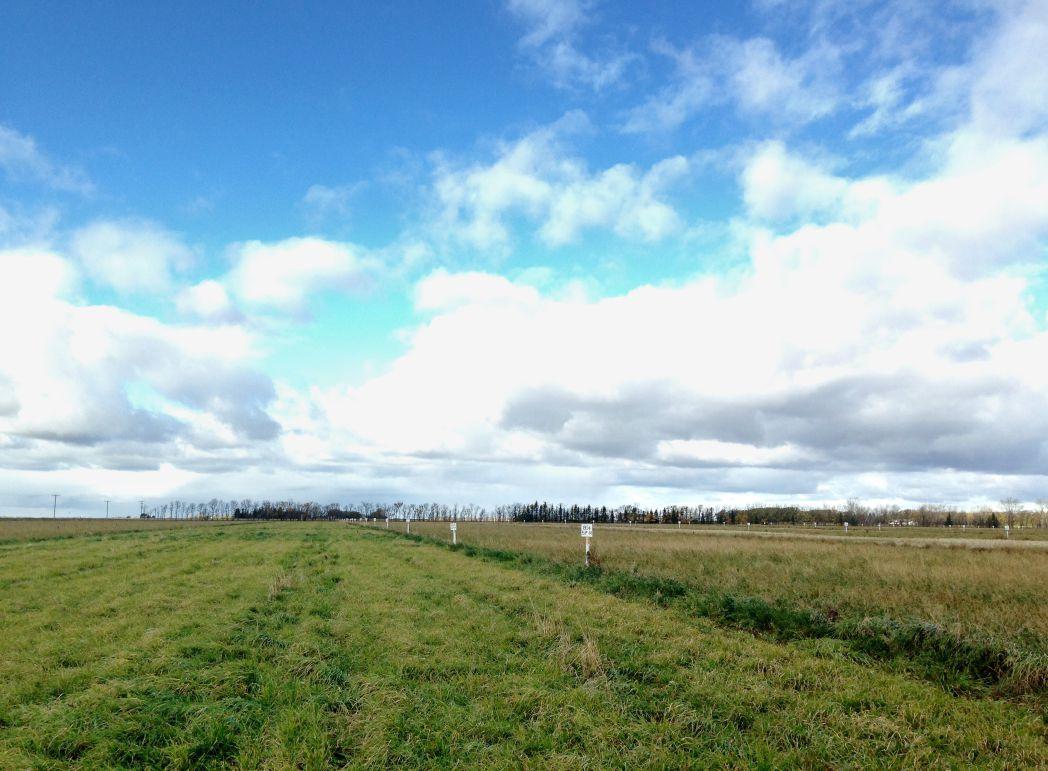
Long-term research studies are few and far between in Canada, but their value to Canadian agriculture is incalculable.
by Julienne Isaacs
According to Don Flaten, a professor in the department of soil science at the University of Manitoba (U of M), when new research data from one of U of M’s long-term studies is published, word quickly spreads to his colleagues around the world. “Before long, they’re calling to say, ‘Don, why didn’t you tell us about this data sooner?’” he says.
Data from long-term research studies becomes exponentially valuable over time, but such studies are becoming rarer – particularly when they operate at the systems level, analyzing a variety of qualities in the agricultural system, and their interactions, over time.
“Studies like these are always under pressure because they consume resources,” says Martin Entz, a professor in the U of M’s plant sciences department, and head of Glenlea Research Station’s 24-year long-term organic and conventional cropping study. “When times get tough, they’re on the chopping block.”
Flaten says universities are especially challenged to maintain long-term trials. He leads the National Centre for Livestock and the Environment’s (NCLE’s) long-term manure and crop management field laboratory at Glenlea. “Our study has no permanent technical support,” he says. “It relies on year-to-year funding from granting agencies. Agriculture and Agri-Food Canada’s (AAFC) support for long-term studies is vital.”
The project also relies on local industry partnerships with the Manitoba Pork Council and the Dairy Farmers of Manitoba, and a variety of national and provincial grants.
Glenlea is home to several long-term systems-level research studies, including Entz’ study, which began in 1992, and is Canada’s oldest evaluation of organic cropping systems. But Entz says
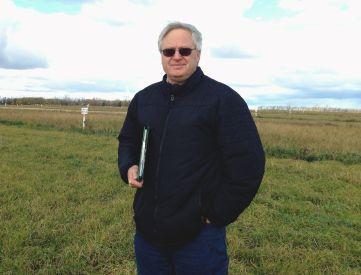
TOP: Glenlea Research Station at the University of Manitoba is home to several long-term systems-level research studies.
INSET: Flaten calls long-term systems-level studies “goldmines” of data for agricultural research.
there are even older studies across Canada, such as AAFC’s longterm crop rotation study based at Indian Head Research Farm, which has been running since 1958. Lethbridge is also home to a very simple rotation study (not systems-based) that has been running since 1911.
“These studies are national treasures, producing amazing results that we’d never expect,” Entz says.
According to Christine Rawluk, NCLE’s research development coordinator, long-term systems-level research studies are important because systems are incredibly complex and change over time. “If you make a decision based on a short-term study, you don’t know if the change you’re implementing has true benefits or negative consequences in the long-term,” she says. “Time is a really important part of the system itself.”
Systems are vulnerable to a wide range of factors, such as weather and soil variability, and management practices.
NCLE’s manure and crop management study analyzes the effects of different types of manure fertilizer on soil nutrients over time. “One year or even three years doesn’t give you the whole picture, particularly with nitrogen, because the yields don’t start showing an effect from solid manures before five years or more,” Rawluk says. “So if we were to look at it for just one growing season, we wouldn’t have an accurate sense of how organic reserves of soil nitrogen are becoming available over repeated years.”
Flaten says farmers take a long-term approach to farming by applying specific management practices over extended periods, so it only makes sense to analyze practices in the long-term at the research level. These studies can account for the impact of shortterm practices in the long term. “And sometimes there are results you don’t understand, which challenges us to realize there’s more to systems than we know,” he says.
Entz says his long-term study has paid off in spades. “One of
the things we’ve discovered is that the more ecological farming systems that use fewer external inputs over time, with small adjustments to management, have become very productive and economically and biologically efficient. We’d never have discovered that if we’d only done that for five years,” he says.
The Glenlea studies have a highly practical element. Researchers actively encourage involvement from industry groups and producers so they can influence the studies from the ground up.
NCLE’s studies aim to encourage partnerships between crop and livestock producers. “We’re looking for opportunities to capitalize on the integration of livestock and cropland,” Rawluk says. “Whether it’s a mixed operation or a situation where your neighbour has annual crops where you’re applying your manure, we’re looking for opportunities for collaboration at the farm level.”
There’s another key benefit to Glenlea’s long-term systemslevel research studies: they actively encourage interdisciplinary conversations and cross-departmental collaboration, which counteracts a culture of specialization that has actually been counterproductive to agricultural research.
Long-term systems-level studies are designed to be sustainable, which means seeking input from experts across the university. “When considering parameters for the Glenlea study, we consulted with economists, soil scientists, entomologists,” Entz says.
“Specialization has become the norm, and agriculture is no different – we have specialists in particular areas of soil fertility, and in plant diseases,” he notes. “You’d be surprised how difficult it is for those specialists to talk to each other. But the farm system is not specialized – what happens in one part affects the other parts. That specialization has precipitated very specialized research. Everyone is solving a problem their own way. But at some point you have to put it all together.”
Flaten calls long-term systems-level studies “goldmines” of data for agricultural research. Entz agrees. “The systems-level approach to long-term studies is valuable because life works at the systems level,” he says.
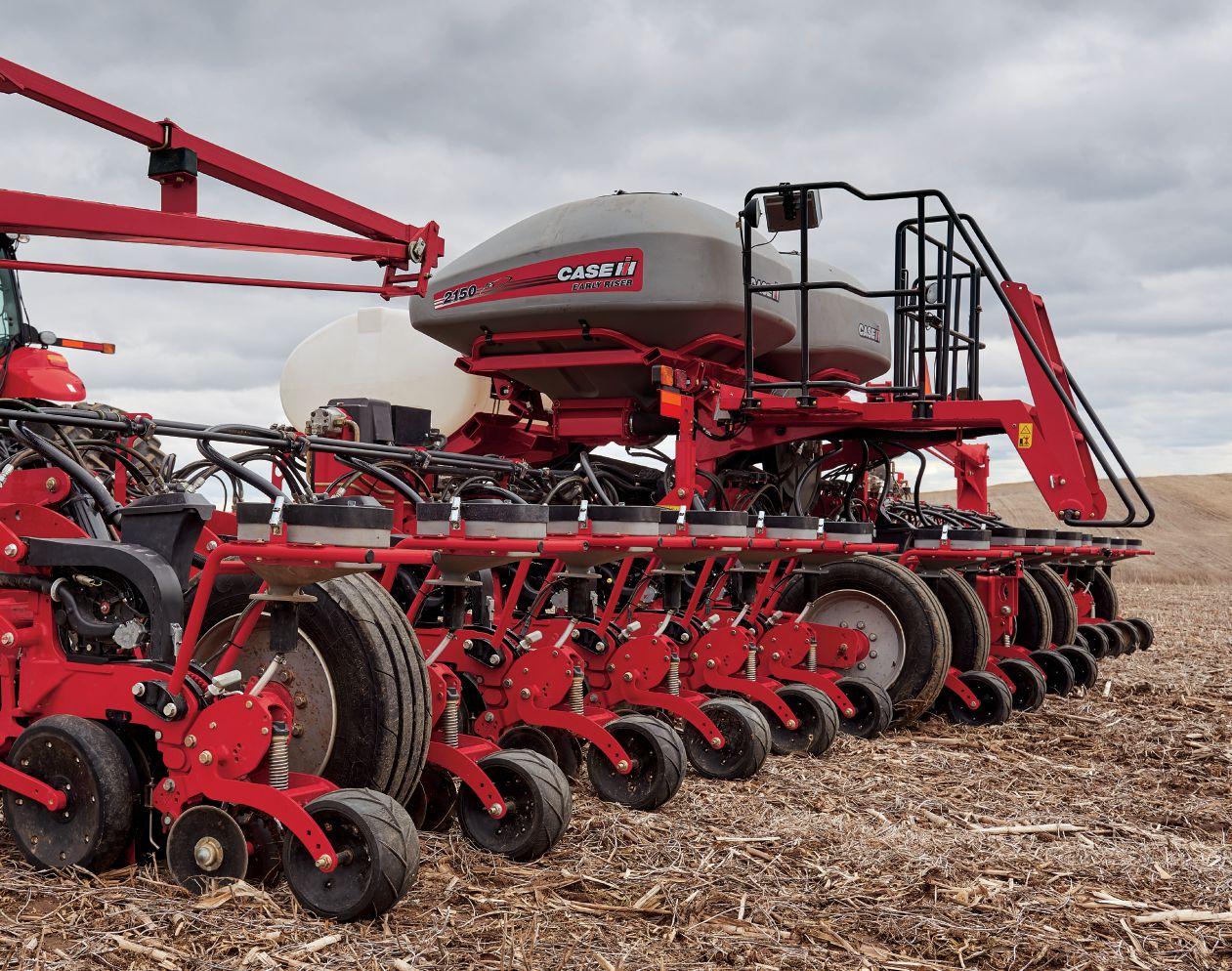
We rethought every inch of the new Case IH 2000 series Early Riser ® planter with your productivity in mind. We applied Agronomic Design™ principles to make it simpler, faster, more durable and more productive. And we provided you with a bundle of industry firsts — from our rugged new row units that create the only flat-bottom seed trench to our state-of-the-art in-cab closing system — that give you even more control. The result is unmatched accuracy and emergence for a better plant stand and, ultimately, yield. Start rethinking productivity today at caseih.com/newearlyriser
by Donna Fleury
For growers in Western Canada, wild oat continues to be one of the most problematic weeds. Growers spend more money on wild oat herbicides than any other weed species and, together with increasing wild oat resistance to herbicides, implementing integrated weed management techniques to slow herbicide resistance is needed.
Today, researchers are helping growers find options to reduce herbicide inputs, environmental impact and selection pressure for weed resistance.
“Given the intense herbicide pressure, many wild oat populations are now resistant to several different herbicide modes of action in Western Canada,” explains Neil Harker, weed scientist with Agriculture and Agri-Food Canada (AAFC) in Lacombe, Alta. “The most recent weed surveys show that over half of the cultivated fields in Alberta have Group 1 resistant wild oat. The level of resistance is increasing rapidly, with Group 1 resistant wild oat found in about 11 per cent of cultivated fields in 2001, rising to 30 per cent in 2007 and to over 50 per cent in 2015.
“There are also Group 2 resistant wild oat populations, Group
1 and Group 2 and at least one case of wild oat resistance to four modes of action,” Harker adds. “Implementing integrated crop management strategies now is key to slowing down herbicide resistance and extending the use of herbicide tools.”
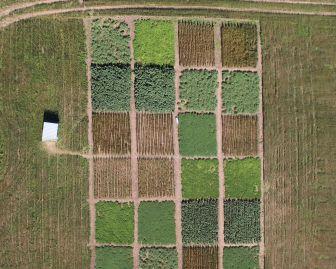
Harker led a five-year no-till study initiated in 2010 at eight sites across Canada (Lacombe, Lethbridge, and Edmonton, Alta.; Scott and Saskatoon, Sask.; Winnipeg, Man.; New Liskeard, Ont.; and Normandin, Que.) to look at options for combining cultural weed management practices with minimal herbicide use to manage wild oat. Wild oat management was compared in diverse rotations that included winter cereals, chemical-fallow and alfalfa with more common summer annual crop rotations (canola, wheat, barley, peas). In addition, diverse rotation treatments were combined with other cultural practices that reduce wild oat populations, such as early-cut silage and higher than normal crop seeding rates, practices that were previously used before the current reliance on herbicide control.
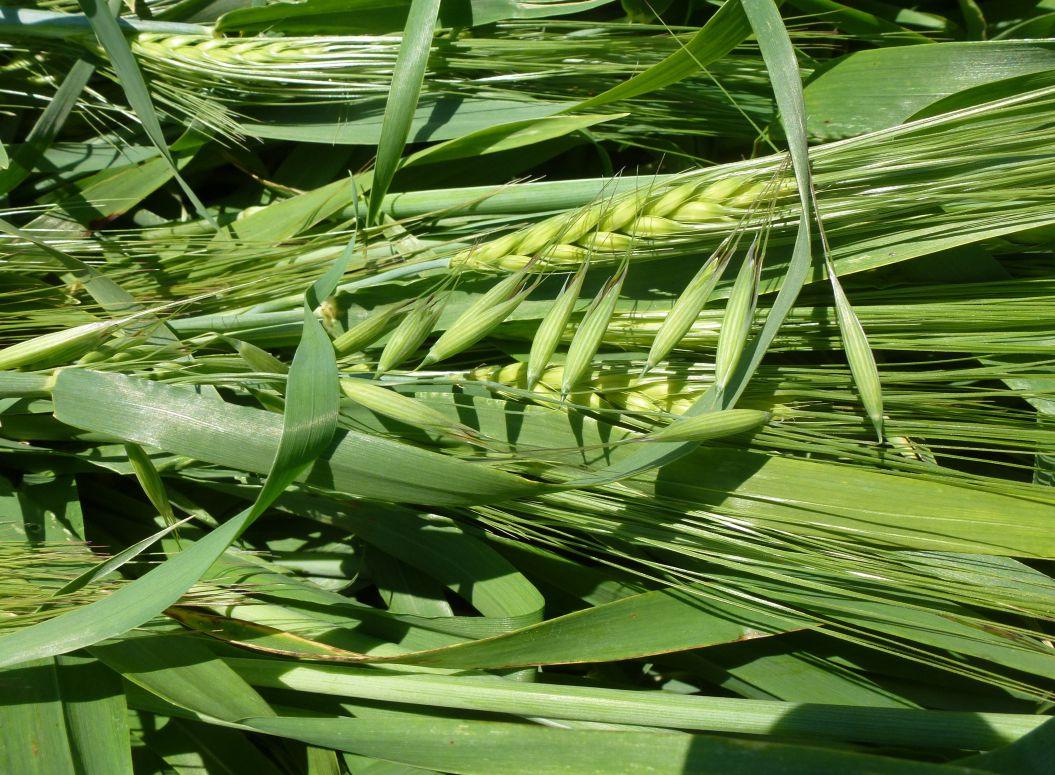
ABOVE: Cut wild oat in barley silage at Lacombe, Alta.
Reach for Wolf Trax Copper DDP ®, the nutrient tool that is field-proven by wheat growers like you.
With our patented EvenCoat™ Technology, Copper DDP coats onto your N-P-K fertilizer blend, delivering blanket-like distribution across the field for easier root access. Plus our innovative PlantActiv™ Formulation ensures the copper is available when your wheat crop needs it most.
See how the right tool can boost your wheat crop and your bottom line. Have your dealer customize your fertilizer blend with Wolf Trax Copper DDP.
Copyright © 2016, All Rights Reserved - Compass Minerals Manitoba Inc. Wolf Trax and Design, DDP, EvenCoat and PlantActiv are trademarks of Compass Minerals Manitoba Inc.
Compass Minerals is the proud supplier of Wolf Trax Innovative Nutrients. Not all products are registered in all areas. Contact wolftrax@compassminerals.com for more information.
Product depicted is Wolf Trax Iron DDP coated onto urea fertilizer. Other DDP Nutrients may not appear exactly as shown.
46833-5 TCMW
Fig. 1. 2014 wild oat biomass (across site means of 4 sites) responses to crop life cycle, crop species, crop seeding rate, crop usage and herbicide rate combination effects.
C 50H Alf 0H Alf 0H Alf 0H C 100H
C 50H ChemF 2xFR 0H ChemF C 100H
C 50H 2xES 0H P 100H 2xWT 0H C 100H
C 50H 2xFR 0H P 100H 2xWT 0H C 100H
C 50H 2xES 0H 2xWT 0H 2xES 0H C 100H
C 50H 2xES 0H 2xWW 0H 2xES 0H C 100H
C 50H 2xES 0H 2xWW 0H 2xWT 0H C 100H
C 50H 2xES 0H 2xES 0H 2xW 0H C 100H
C 50H 2xES 0H 2xES 0H 2xWW 0H C 100H
C 50H 2xB 50H P 100H 2xW 50H C 100H
C 50H 2xB 0H P 100H 2xW 0H C 100H
C 50H 2xB 50H C 100H 2xB 50H C 100H
C 50H 2xB 0H C 100H 2xB 0H C 100H
C 100H W 100H C 100H W 100H C 100H 2010 2011 2012 2013 2014
“2x” indicates doubled crop seeding rate. C = canola, Alf = alfalfa, ChemF = chemical fallow, FR = fall rye, ES = early-cut barley silage, P = field pea, WT = winter triticale, WW = winter wheat, W = wheat, and B = barley. Canola in 2010 and 2012 was glufosinateresistant. Canola in 2014 was glyphosate-resistant. Numbers preceding H (herbicide) indicate the % of recommended wild oat herbicide applied in a given year. Blue bars indicate values significantly greater than the 100% wild oat herbicide, canola-wheatcanola-wheat-canola treatment (red box). Treatments circled with an orange box are those without wild oat herbicides from 2011 to 2013 that are statistically similar to the bottom treatment (red box).
Source: Neil Harker, AAFC, 2015.
In year one, wild oat populations were established in canola at all locations. From 2011 to 2013, the trials included 14 treatments at each site; each treatment integrated different factors (crop species, crop life cycles, crop seeding dates and rates, harvesting dates and herbicide rates) over three growing seasons to influence wild oat demography. At the end of the 2013 growing season, the cumulative effects of these treatments were determined. Canola was seeded across all sites in 2014, with yield, seed oil and protein concentrations measured. The most popular crop rotation sequence on the Canadian Prairies, canolawheat in a full herbicide rate regime, was considered as the standard treatment to compare 2013 and 2014 data to all other treatments. Wild oat seed bank data were analyzed in the fall of 2014. These results were used to help researchers determine if some treatments in the project could provide wild oat management in the absence of intense selection pressure for herbicide resistance.
The study results showed that some diverse rotations in integrated systems without wild oat herbicides can be just as effective at managing wild oat as typical
summer annual canola-wheat rotations in full herbicide-rate regimes. Diverse rotations including early-cut barley silage with higher seeding rates of winter cereals and excluding wild oat herbicides for three years often led to similar wild oat plant density, aboveground wild oat biomass, wild oat seed density in the soil, and canola yield as a repeated canola-wheat rotation under a full wild oat herbicide rate regime.
Results were similar with perennial alfalfa without wild oat herbicides for three years, where wild oat populations were reduced to almost nothing. However, forgoing wild oat herbicides in only two of five years from exclusively summer annual crop rotations resulted in higher wild oat density, biomass and seed banks. Researchers concluded management systems that effectively combine diverse and optimal cultural practices against weeds and limit herbicide use can reduce selection pressure for weed resistance to herbicides and extend the lifespan of effective herbicide tools.
“The take-home from the results of our study is that diverse rotations are necessary for integrated weed management and will help growers reduce the selection pressure
for herbicide resistance,” Harker says. “We also showed in the weed seed bank study that several diverse rotations without wild oat herbicide treatments three years in a row were just as good as the canola-wheat and full herbicide rotations. Although concerns have been raised that after three years of no wild oat herbicide treatments the weed seed bank would increase, our results did not show that. Therefore, integrated crop and weed management systems work, but growers need to implement them well and implement them soon.”
Diverse rotations and integrated crop and weed management continue to be important strategies not only for wild oat control and reducing selection pressure for herbicide resistance but also for other weed and disease problems. For example, Group 1-resistant green foxtail is widespread, as are many Group 2-resistant broadleaf weeds, including cleavers and kochia. Glyphosate resistant kochia has also recently been identified in Western Canada, the first glyphosate resistant weed to be found there. Disease issues such as blackleg and clubroot are also increasing, particularly in shorter canola rotation systems.
“The results from this project and others, such as work we did in comparing canola rotations and the impacts on diseases like blackleg and pests such as root maggots, show that longer and more diverse rotations were associated with greater canola yields and decreased blackleg disease and root maggot damage,” Harker adds. “Although in the short term the shorter canola-wheat rotations may seem to be more profitable, over the long term diverse rotations and integrated crop management are necessary to reduce herbicide expenditures, reduce selection pressure for weed resistance and to grow canola in more sustainable rotations.”
If growers continue to rely on shorter rotations, the costs of controlling increasing disease problems and herbicide resistant weeds are expected to increase substantially, reducing overall profitability and increasing the risk of losing herbicide tools. With increasing resistance issues in Western Canada and elsewhere, such as in Australia where one biotype of rigid ryegrass resists seven modes of action, it is time for growers to act proactively to keep herbicide control and costs manageable over the long term and reduce selection pressure and herbicide resistance.
In addition to providing an exceptional yield increase, Prosaro® fungicide protects the high quality of your cereals and helps ensure a better grade.
With two powerful actives, Prosaro provides long-lasting preventative and curative activity, resulting in superior protection against fusarium head blight, effective DON reduction and unmatched leaf disease control.
With Prosaro you’ll never have to settle for second best again.


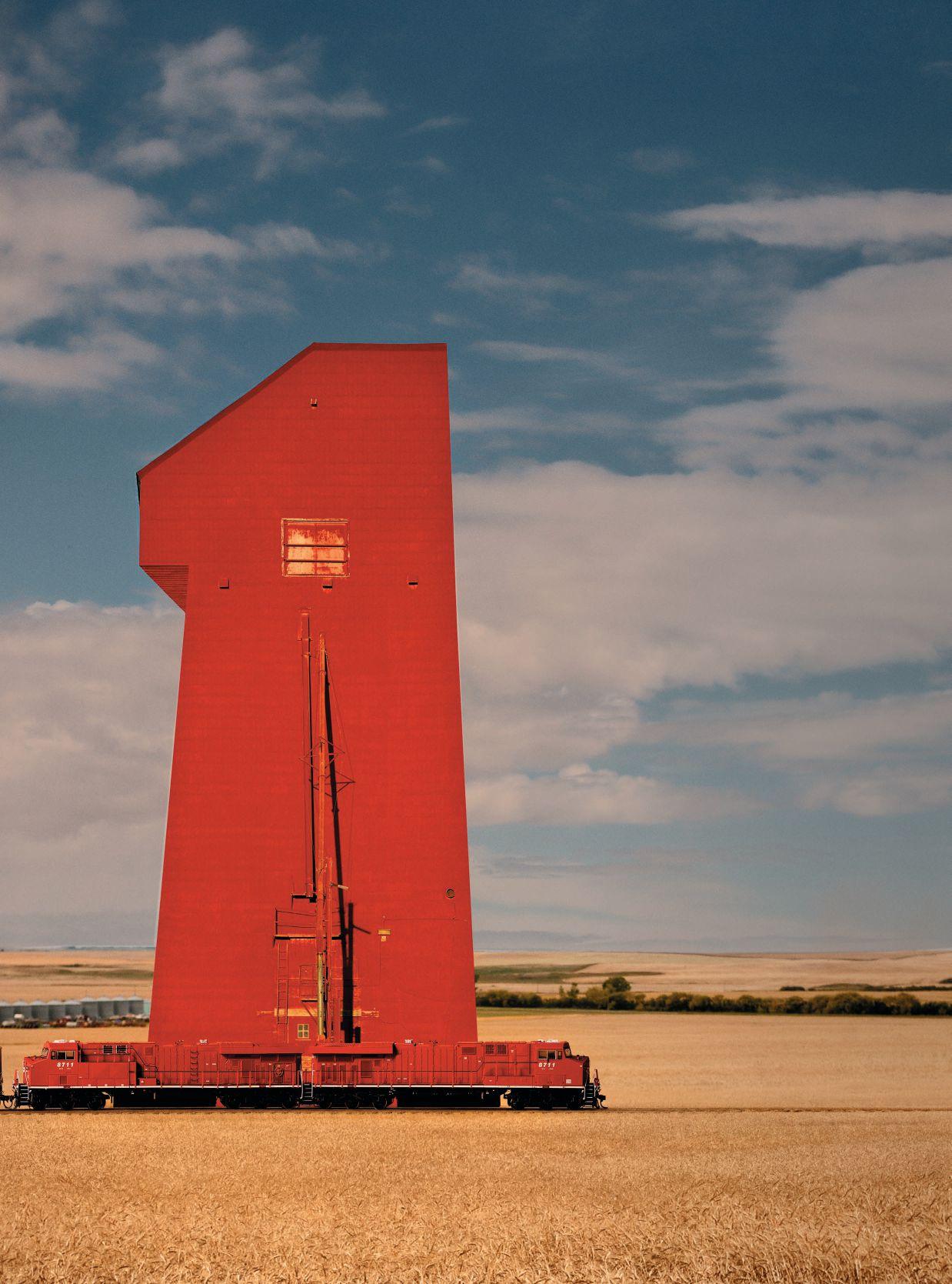
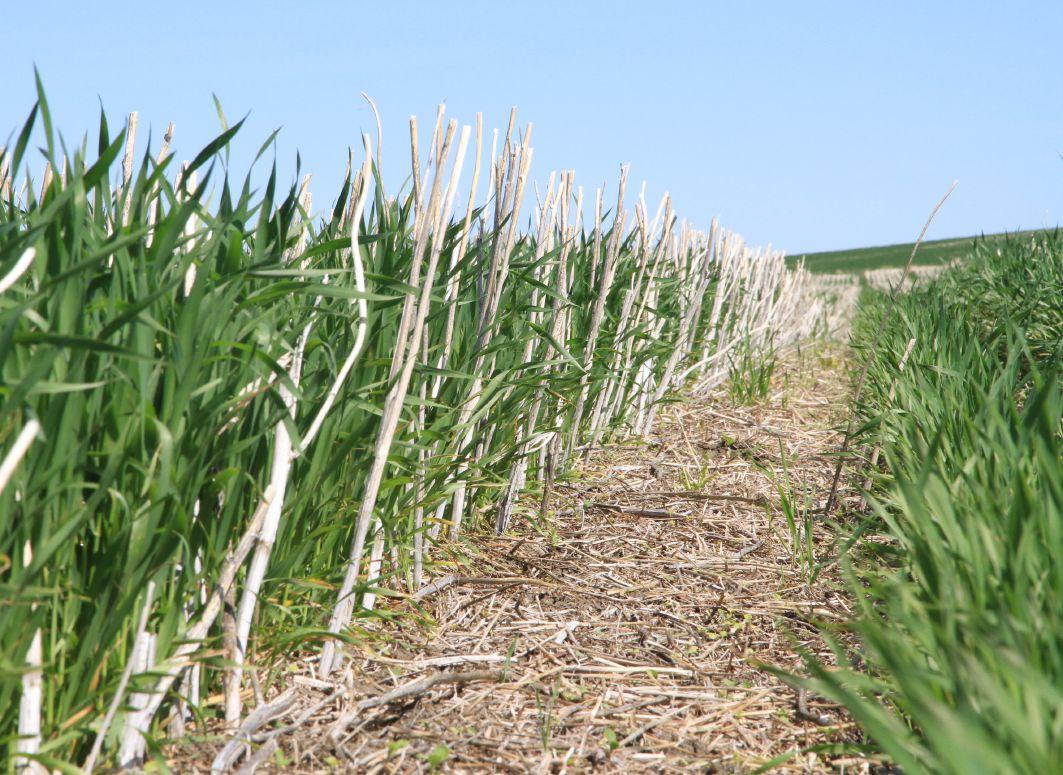
Fencerow farming makes intuitive sense, but do resulting yield benefits justify the intense effort?
by Madeleine Baerg
Morrin, Alberta farmer and certified crop advisor
Steve Larocque’s journey into extreme precision agriculture was made possible by a dose of chance, an eye for potential, and a willingness to step into the unknown, followed by a whole lot of brainbendingly intense mental energy. The results, preliminary yields suggest, may change the way top farmers use controlled traffic farming (CTF).
“We chanced on what I call fencerow farming almost by accident, which I guess is the way most really cool, innovative things are discovered,” Larocque says. “Now that we’re seven years in, I really believe it is the future of controlled traffic farming for top farmers, at least for those who are as anal or type A as me.”
Back when Larocque first jumped into CTF, his initial challenge was to figure out how to adjust his equipment to manage residue while staying on CTF tramlines. While most people seed right between previous rows, Larocque found that ground hard and dry, especially in low moisture years. Instead, he offset his hitch by just two inches, allowing his shanks to seed right
alongside the previous year’s stubble where the soil is comparatively softer and moister. While this seed placement is unusual, Larocque’s wouldn’t be much of a story if his efforts had ended there. But, about the same time, he started thinking more and more about something that at first glance seems entirely unrelated: old fence lines.
Over decades, fence lines catch drifting soil, building up a four, five, even 10 foot wide raised area that boasts a substantially deeper A horizon (top soil strata) compared to the rest of the field. Long after the fence line is removed, the built up area offers a better growing medium with richer, more deeply placed nutrients and a greater amount of beneficial biological activity.
Like many farmers, Larocque noticed time and again that his yield monitor spiked as his combine heaved up and over the headlands of long-gone fence lines. There had to be a way, he figured, of mimicking that fence line effect along every row of his
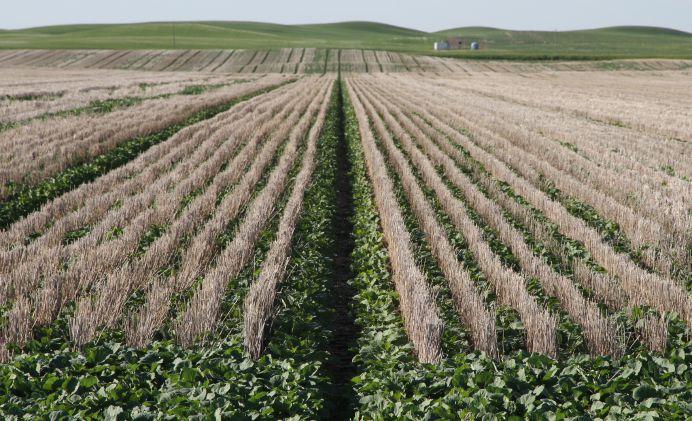
TOP: Wheat beside canola stubble.
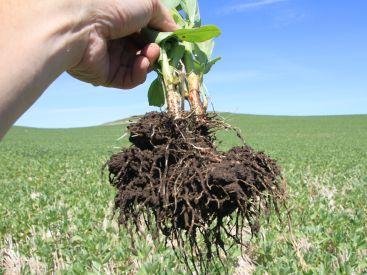
INSET: Fababean plant showing the root biomass Larocque is trying to achieve in his fencerow farming system.

A NEW WORLD DEMANDS NEW HOLLAND.





field to achieve a yield jump in each and every plant. Not one to watch and wait for others to innovate, Larocque converted his farm into a large-scale “fencerow farming” experiment.
Since he was already placing seeds close to old stubble to capture maximum moisture, Larocque began seeding in a four year placement rotation (ie: row A in year 1, two inches left of row A in year 2, two inches right of row A in year 3, back on top of row A in year 4). This seed placement resulted in a six inch wide “fencerow” every 12 inches throughout the field.
Intensive soil testing suggests Larocque’s fencerow seeding method is generating a host of benefits. The consistent location of the stubble row builds up and concentrates organic matter like mini fencerows. In dry years, the highest soil moisture content is found inside the previous year’s root ball and can spell the difference between weak and strong emergence. Equally importantly, Larocque says, fencerow farming allows him to improve the availability of nutrients through row loading.
“If you seed across your stubble or even between rows, you dilute your mobile nutrients. You’ll accumulate them over time but never in high concentration. What we are trying to do is create a biological zone that is super loaded with as much nutrient as possible – macros, micros, biologicals, even fungicides and pesticides – anything that can support the plant in furrow,” Larocque says. “We keep all of the nutrients within the same furrows, maximizing availability to the crop, decreasing nutrient immobilization, and super loading the biosphere to support tons of biological activity.”
“We’ve been using fertilizer in the same way for 40 years. We’re seeing yield improvements because we have better varieties than we used to, but we’re not seeing yield improvements from how we actually use fertilizer. There are ways of using the same inputs we’ve always used but using them with much more efficiency,” he adds.
With six seasons of fencerow farming under his belt, Larocque says it is still too early to prove with yield data the single most important question about fencerow farming: whether it actually produces sufficient financial benefit to justify the required RTK technology’s $35,000 price tag, and the admittedly intense mental effort.
“We believe that it absolutely will prove itself, but we haven’t put in enough years yet. And we still have some fine-tuning to
do to tighten up our furrows so we only cover 25 per cent of our land with furrows, not 50 per cent as we do now. All indications show that we’re on the right track. But it takes at least six years to change things substantially enough in the soil’s structure, biological health and nutrient availability to be really noticeable, and we’re only on year seven,” he says.
While Larocque’s preliminary results look good, the results of long-time fencerow farmer Dean Glenney offer even more promise. Glenney has been quietly growing corn in southern Ontario according to fencerow farming principles for more than 20 years. Larocque hopes to soon achieve comparable results to his fencerow farming predecessor.
“Glenney is pulling 300 bu/ac corn while everyone else around is pulling 170 bu/ac corn on the same rainfall. That gets a guy like me excited,” Larocque says. “It may take a decade to see the results but once we’re there, we hope to achieve what Dean Glenney has in Ontario with the same technique.”
Larocque is convinced today’s generally accepted concept of controlled traffic farming just barely scratches the surface of precision agriculture’s benefits. While he admits his precision-to-a-whole-new-level farming technique might sound extreme, he firmly believes the results from his farm will pave the way for top farmers.
“There’s no question: what I call fencerow farming is the future for the top 10 or maybe 20 per cent of Alberta farmers,” Larocque says.
In fact, the greatest deterrent to greater
uptake is not the technology itself but rather the culture and expectations surrounding Canadian farming, he says.
“Until the pain of staying the same is more than the pain of change, people will continue to do the same thing over and over, and watch from the sidelines. Why would you change when things are working OK – not working amazingly, but working OK?” Larocque says. “You see much greater adoption of innovation in places like Australia or South America because they don’t have back stops like crop insurance there. Guys have to be really sharp or they get knocked out of the business.”
Fencerow farming does take an added level of management, admits Larocque. For him, though, the mental exercise required to create, analyze, fine tune and problem solve a workable fencerow farming system into existence in his fields makes farming “a lot more fun.”
To farmers who might be nervous about jumping into this intense form of farming, he says: “Half the battle is just getting your head wrapped around it. You absolutely can do it, and you can do it on larger scale. You don’t flip the switch and start fencerow farming, you just baby-step into it. Once you put in the up-front time to get started, controlled traffic farming makes your life easier because you know exactly where to go. And if you can get bigger returns for the same amount of crop inputs? That’s what we need to prove to get people on board.”
for more on new crop management, visit topcropmanager.com.
I still get up early the way my grandfather used to. As a farmer I’ve always had to find new and smarter ways of getting the job done, to work the land regardless of the weather or the economy.
Today, I’ve got access to precision tools and in-field expertise that allow me to grow my crops with much greater confidence. Data and soil testing and satellite imagery can tell me exactly where I should apply crop protection and nutrition products so I maximize yield. At the end of the day, it’s my job to adapt and try new things – to be a smart grower.
ESN® SMART NITROGEN® is an important tool on my farm – it’s a controlled-release nitrogen. Its unique technology means that it adapts to growing conditions and releases nitrogen when my plant needs it. I’m not held hostage waiting for the perfect weather because ESN does the work for me. Plants get the nitrogen they need, when they need it most, boosting my yields and minimizing N loss to the environment. Bigger yields and improved nitrogen use efficiency makes sense for my bottom line and for the air, water and soil we rely on to make a living.
The tools we use in farming will always evolve, but the purpose behind our work hasn’t changed in a hundred years. I respect the land and work hard to grow quality food the same as my grandfather and my dad. I’m proud to make a living off the land.

Populations now in all three Prairie provinces.
by Donna Fleury
Glyphosate-resistant kochia is spreading across Western Canada, and researchers warn that growers should be diligent when planning crop and herbicide rotations to manage for glyphosate resistance.
One of the most widely used herbicides in the world, glyphosate is a key herbicide for weed control in Western Canada. It is used for growing glyphosate-resistant canola, corn, soybean and sugar beet, for weed control in chemical fallow, and for preseeding, pre- and post-harvest weed control in no-till cropping systems. Frequent glyphosate use has selected for glyphosateresistant (GR) weeds, which currently total 32 weed species in several countries, including Canada.
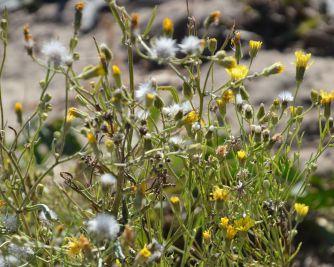
Kochia (Kochia scoparia) became the first GR weed confirmed in Western Canada in 2011 in Alberta. To determine if and where the weed is spreading, researchers from Agriculture and Agri-Food Canada (AAFC) conducted post-harvest field surveys in 2013 across 342 sites (one population per site) in southern and central regions of Saskatchewan and 283 sites in Manitoba to determine the distribution and abundance of GR kochia. Populations were also sampled in field border areas and
other areas such as roadsides and ditches, railway rights-of-way and oil well sites. Mature plants were collected, viable seeds threshed and seedlings tested for resistance. The seedlings were screened for resistance by spraying with a discriminating glyphosate dose of 900 g ae/ha (2X label rate) under greenhouse conditions.
“The results from the screening trials confirmed 17 GR kochia populations in nine municipalities in west-central or central Saskatchewan, but only two GR populations from different municipalities in the Red River Valley of Manitoba,” says Hugh Beckie, weed scientist with AAFC in Saskatoon. “In Saskatchewan, taken together with previously confirmed populations, GR kochia is now present in a total of 14 municipalities.
“The Saskatchewan survey results showed the majority of GR kochia populations originated in chemical-fallow fields [10 of 17], although some populations were found in cropped fields [wheat, lentil, GR canola] and non-cropped areas [oil well site, roadside ditch],” he adds. “However, in Manitoba, the two
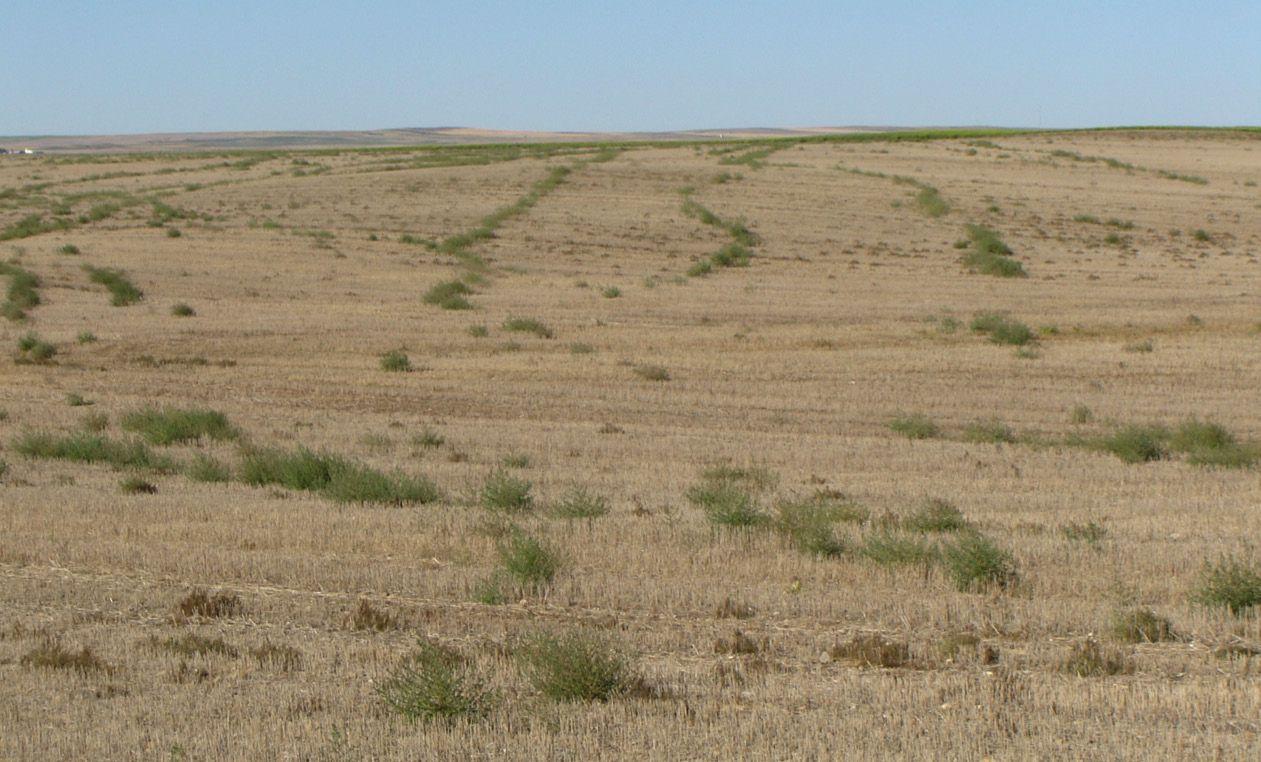
ABOVE: GR kochia in southern Alberta in 2011.

populations occurred in fields cropped to GR corn and soybean. During these surveys, it was common to see other kochia populations suspected to be GR in fields adjacent to the survey-targeted field, suggesting seed spread via tumbleweed movement or by farm equipment.”
The frequency of glyphosate resistance in confirmed populations varied from 12 to 96 per cent. Differences may be due to the time since glyphosate resistance was selected or introduced (either via seed or pollen), the amount of glyphosate selection that occurred in that population over time, or recent treatments that removed susceptible individuals from the population.
“We also confirmed the first GR kochia in lentil and GR canola in one municipality near Moose Jaw, which is spatially isolated from the cluster of municipalities in west-central Saskatchewan,” Beckie notes. “This field was cropped to lentil with glyphosate applied preseeding and preharvest, which is a
common practice in the areas. However, we can’t rule out that the GR kochia may have migrated from adjacent land.”
The impact of this GR weed biotype on both economics and agronomics is compounded because of consistent multiple resistance to Group 2 (ALS inhibitor) herbicides. Beckie says most Prairie kochia populations are ALS inhibitor resistant.
“Our finding of the first GR kochia in lentil is concerning, as currently there are no in-crop herbicides available to control GR plus ALS inhibitor-resistant kochia in lentil. There are also no in-crop herbicide options to control this multiple-resistant biotype in canola, other than growing a glufosinate-resistant canola cultivar.” Similar to the Saskatchewan GR kochia populations, both Manitoba populations were ALS inhibitor-resistant.
Researchers also assessed the effectiveness of alternative herbicides on populations of this multiple-resistant biotype in greenhouse studies. The study confirmed that all GR kochia
in Saskatchewan was susceptible to dicamba, an increasingly important auxinic herbicide used for control of this multipleresistant biotype. Dicamba-resistant kochia has not been identified previously in Western Canada, but has been reported in the Midwestern U.S. Worldwide, the incidence of multipleresistant weed biotypes is increasing at an alarming rate.
Although kochia was the first of several species predicted to be at risk for glyphosate resistance in Western Canada, other abundant species selected during preseeding or in-crop/ fallow applications are also at risk, including wild oat, green foxtail, cleavers and wild buckwheat. Like kochia, these weeds have already been selected for resistance to herbicides with different sites of action used in-crop. Beckie estimates the cost of herbicide-resistant weeds at $1.1 billion to $1.5 billion per year on the Prairies. The cost is from a combination of related factors, including added herbicide cost due to increased tank-
mixing required, added overall weed management (cost of tillage or crop rotation, for example) and lost yield due to increased weed competition.
“We expect GR kochia to rapidly spread across the Prairies, similar to ALS inhibitor-resistant populations, and are watching with concern the increasing incidence of multiple-resistant weed biotypes,” Beckie says. “In the future, more diverse crop rotations and better cover crops where fallow is practiced would lessen selection pressure for GR and multiple-resistant populations. Across the Prairies, multiple-resistant weeds will continue to challenge growers, especially when one of those sites of action is glyphosate.”
for more on weed management, visit topcropmanager.com.

• Ultimate broadleaf weed control performance in wheat and barley
• Extreme productivity and convenience in the conditions you’ve got
An
by Carolyn King
Variable rate nitrogen applications have the potential to save money and improve crop yields. But what is the best way to come up with variable rate management zones that provide economic benefits to the farmer? Could soil sensor maps be a practical data source for identifying meaningful management zones? Those are some of the questions Alberta researchers are answering through a major on-farm precision agriculture study.
The idea for this study was sparked a few years ago when Ken Coles, general manager of Farming Smarter, saw some electrical conductivity (EC) sensors at a precision agriculture conference. He was intrigued by the possibility of using these sensors as an alternative to grid soil sampling for mapping in-field soil variability. “The idea is that we can’t do grid soil sampling to the level of accuracy needed to manage variable rate inputs effectively, plus soil sampling is expensive. So if we can run a soil sensor over a field and get the same or better information, then maybe there is value in it,” he says.
Lewis Baarda, GIS analyst with Farming Smarter, compares the two approaches. He explains that a grid soil sampling system with one sample every five acres would provide 32 data points for a quarter section, and the lab analysis for nitrogen, phosphorus, potassium and sulphur would cost about $1,600. An EC sensor
service could produce an EC map of a quarter section with about 50,000 data points for a cost of about $880. EC data tend to be good at predicting soil texture and soil moisture content.
But Coles wanted to do more than compare EC sensor maps and grid soil sampling maps for creating management zones; he wanted to evaluate if those zones were actually meaningful and useful for variable rate management. He says, “Creating management zones based on soil information and then creating a prescription map is not that hard. The challenging part is verifying whether your variable rate management is actually paying for itself. That is really what I wanted to do with this study.”
Coles also wanted to do the study as on-farm research, which added another level of variability. He notes, “Just finding the right co-operators to work with is challenging, and even when we have the right people, we still have human error issues or lack of priority issues. So, not only are we going into a complex environment where we have no control over the variables, but we are literally studying variability and we also have human and equipment and scale variability.”
Starting in 2012, he teamed up with Baarda and Muhammad
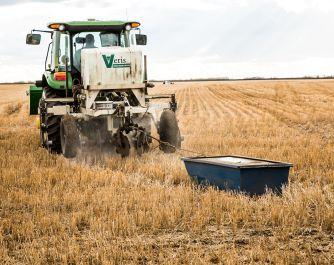
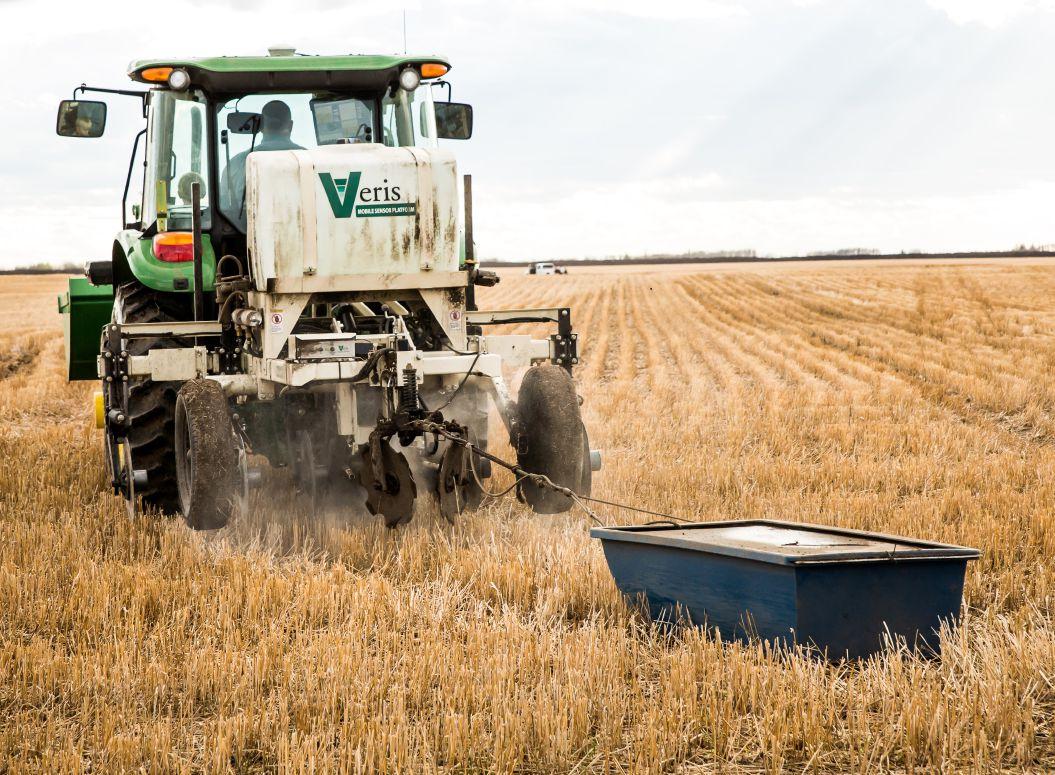
ABOVE: The researchers hooked together the Veris MSP3 and EM38-MK2, pulling the two soil sensors across each field at the same time to compare the data.

TIGER XP™ sets a new industry standard for performance. With a unique composition of sulphur bentonite and a proprietary activator, TIGER XP provides higher sulphate availability that addresses early season sulphate deficiencies and provides crops more sulphate throughout the growing season. With added dust suppressant coating for improved safety and handling, TIGER XP is optimized to outperform traditional sulphur products. Learn more at Tigersul.com
(Adil) Akbar, precision agriculture specialist and research director with Farming Smarter, to conduct the study on 10 farm fields. The fields are located in southern Alberta, the Drumheller area and the Peace Region (in co-operation with the Smoky Applied Research and Demonstration Association).
Because of the study’s complex objectives, quite a few steps were required in the data collection and analyses for each field, including: conducting soil sensor mapping and grid soil sampling; determining how strongly the EC maps matched up with the soil sample data, yield maps and other data sources; delineating field zones based on these different data sources; conducting a nitrogen fertilizer rate/yield response trial; determining which zone map best predicted yield variability across the field; and determining which zone map provided the best basis for variable rate nitrogen applications.
With funding from Alberta’s Agricultural Initiatives Program, Farming Smarter was able to purchase two EC sensors: the EM38-MK2 and the Veris MSP3. The researchers hooked together the two sensors and pulled them across each field, using Farming Smarter’s onboard RTX-DGPS sensor for georeferencing and elevation recording.
“The EM38 has been around for a long time; they used to use it to map salinity and it’s quite effective for that,” Coles says. The EM38 does not require direct contact with the soil to take EC readings. It is pulled over the field’s surface and takes measurements every few seconds. It can measure EC at depths of 0.75 and 1.5 metres at the same time.
The
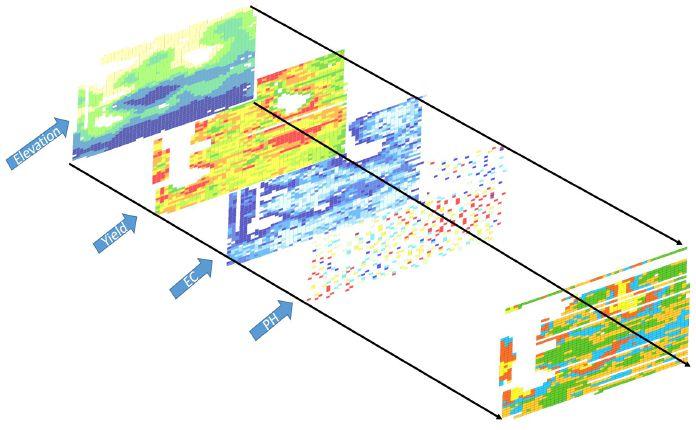
study compared several data layers, including electrical conductivity (EC) data from soil sensors, for understanding in-field variability.
The Veris organic matter sensor measures the soil’s optical reflectance, basically how dark or light the soil is, and those reflectance data are converted to organic matter content by Veris. The pH sensor directly measures soil pH using an on-the-go chemical test, taking a soil sample, testing it and then taking the next sample, while the Veris moves across the field. The pH and organic matter sensors provide fewer data points per field than the 50,000 points generated by the EC sensors.
Soil sampling followed a five-acre grid, with 32 samples for each 160-acre field. The samples were analyzed for nitrogen, phosphorus, potassium, sulphur, organic matter, pH, EC, moisture content and texture.
The co-operators provided yield data collected by their on-combine yield monitors. Baarda notes, “Although the standard practice is to use at least three
The research team scanned each field twice with the two EC sensors, usually in the spring and the fall
The Veris MSP3 is a mobile sensor platform with three sensors: EC, pH and organic matter. Its EC sensor requires soil contact so it has coulters that maintain soil contact as the equipment is pulled across the field. Like the EM38, this sensor measures EC at both 0.75 and 1.5 metres deep.
The research team scanned each field twice with the two EC sensors, usually in the spring and the fall.
to five years of yield maps to define productivity zones, in most cases it was a challenge to gather even three years with good spatial coverage.”
Coles adds, “Finding good yield map data is really difficult. There are many reasons for that. One reason is that people don’t save the data; they don’t take the time to transfer it to their computer. Another reason may be that they have two or
three combines on the field at the same time, which makes it challenging to stitch the data together. Or it could be they didn’t calibrate it properly.”
For each field, the researchers created zone maps using five different data sources: EC sensor data; historical yield data from the co-operator; grid soil sample data; a visual depiction of the field’s main terrain features; and a composite of yield and EC sensor data. This composite method was included because an objective procedure called principal component analysis identified EC and yield as the two variables, among all the data collected, that best accounted for spatial variability in the 10 fields.
At each field, they conducted a replicated, randomized nitrogen fertilizer rate/ yield response trial. The nitrogen fertilizer was applied at seeding. The specific nitrogen rates used in each trial depended in part on what the cooperating farmer wanted to do; usually fewer than five rates were used. The researchers measured the variations in grain yield response and determined the nitrogen rate/yield response curves.
Next, they laid each zone map over the yield response results and determined which of the five zone delineation methods worked best for predicting in-field yield variations and for predicting zones for variable rate nitrogen applications.
As you can probably imagine, the study involved huge amounts of data that required
You need something more than seed genetics alone to protect your canola from blackleg.
With tightened canola rotations and sole reliance on R-rated genetics for control, blackleg is on the rise across Western Canada. Your best defence is an integrated approach that includes Priaxor ® fungicide. Tank mixed with your in-crop herbicide, Priaxor uses the unique mobility of Xemium® and the proven benefits1 of AgCelence ®. Together they deliver more consistent and continuous control of blackleg and larger, healthier plants for increased yield potential2. For more information, visit agsolutions.ca/priaxor or call AgSolutions ® Customer Care at 1-877-371-BASF (2273).
1AgCelence benefits refer to products that contain the active ingredient pyraclostrobin. 2All comparisons are to untreated unless otherwise stated. Always read and follow label directions.
AgSolutions is a registered trade-mark of BASF Corporation; AgCelence, PRIAXOR, and XEMIUM are registered trade-marks of BASF SE; all used with permission by BASF Canada Inc. PRIAXOR fungicide should be used in a preventative disease control program. © 2016 BASF Canada Inc.
complex analysis. Akbar, Baarda and Coles are currently finalizing the study’s report, and they hope to also publish some scientific papers.
In terms of the performance of the EC sensors, Baarda says, “Our EC data from the Veris and the EM38 were highly consistent with each other. Also, the spring EC map was always highly consistent with the fall EC map. We could almost take one EC layer and say that’s what the EC map is [for the field] because those patterns don’t change over time and they don’t change between the sensors.” The researchers also found that the EM38 was easier and less costly to use than the Veris for mapping EC.
Overall, the EC sensor data tended to be strongly correlated with the soil sample data for sand and clay content and soil moisture content, although the strength of the correlations varied from field to field. So, EC sensor maps can give farmers a better understanding of the soil variability in their fields.
However, the EC sensor maps didn’t necessarily predict the spatial patterns in some of the other soil sample data, like nitrogen (N), phosphorus (P), potassium (K), sulphur (S), pH and organic matter. According to Baarda, scale issues could be a factor in the weakness of some of these correlations.
“We’re comparing about 30 data points from soil sampling to about 50,000 from the EC sensors. The [weaker] relationships can get obscured because of the different scales of the datasets. So, even though we don’t see a relationship to N, P, K and S, we can’t necessarily say that those macronutrients don’t correlate to EC. But we get a sense that they probably don’t correlate as strongly as we’d need to make a management response to them.” So the EC sensor maps are not a reliable way to directly estimate variable nutrient rates.
The study also showed grain yield could not be predicted directly from just the EC sensor maps. The correlations with yield were weak or did not exist. Various factors might have contributed to these poor correlations, including the challenges in obtaining good yield data.
Another key finding was the surprising amount of year-to-year variation in the yield patterns. “I think people have a sense that yield patterns are more static than they actually are. Some parts of those spatial patterns are consistent, but
statistically those patterns change more than I would have thought,” Baarda says. “So it’s important to have at least three to five years of yield data; the more years you have, the more it helps to balance out the outlier years.”
The strength of the correlations among the various other data layers – such as elevation, yield, soil nutrients, soil texture, the pH sensor and the organic matter sensor – also varied from field to field.
Because of the field-to-field differences, the different zone delineation techniques
had different levels of success depending on the field.
For predicting yield potential, the composite method – pairing up yield and EC sensor data – was the best of the five methods for delineating zones. “In 100 per cent of the instances, the composite method was the most successful in differentiating within-field zones of different yield potentials. So the zones created by pairing EC and yield were meaningful: they predicted where we would have high and low productivity

based on the information we had before the growing season,” Baarda explains. “The other four delineation methods failed in differentiating any productivity zones in 20 to 30 per cent of the instances and had varying combinations of complete and/or partial success in the remaining instances.”
He adds, “Some of the composite method’s success is likely due to the use of multiple variables – hedging our bets so to speak. Some of its success also likely lies in the fact that we objectively identified yield and EC as key variables for zone delineation.”
None of the delineation methods were very successful in identifying zones that could be managed differently for nitrogen in ways that would benefit the farmers economically.
According to Coles, the next step in this research would be to add more layers of data to the analysis, such as remote sensing data from satellites and data from other in-field sensors.
“Our big message is there is no single data
layer that can be guaranteed to tell you what you need to know to variably manage inputs,” Baarda says. He emphasizes that zone management is a process – each field is unique and you have to be prepared to invest some time in understanding the field’s variability and figuring out what works best for that particular field.
If you’re interested in experimenting with variable rate applications, Coles recommends starting with just a few layers of data.
Baarda thinks an EC sensor map could be a good option for one of those layers. “Not only is EC mapping cheaper than grid soil sampling, but it has a longer ‘shelf life.’ In our experience, EC doesn’t tend to change over time, so a field could be mapped for EC once, and in most circumstances, that data would be relevant for a number of years.” Although the sensors don’t provide the data on nutrient levels that you can get from soil sample analysis, the sensor maps do indicate variations in other soil properties, especially soil texture.

In farming, the only thing that’s predictable is how unpredictable things can get; but when you use Raxil® PRO Shield seed treatment with Stress Shield®, you can expect superior disease and wireworm protection, as well as improved yield performance.

With three different fungicidal actives, you also receive full contact and systemic protection from the most dangerous seed- and soil-borne diseases, including Fusarium graminearum.
With Raxil PRO Shield, what you seed is what you get.


If you want to use your yield monitor data in identifying management zones, then try to ensure the reliability of that data. For instance, be sure to download the yield data from your combine and save it so you can accumulate as many years of data as possible. If you’re using two separate combines on the same field, then consider calibrating them in the same way. If you’re calculating the average yield pattern for a field based on several years of data, exclude any years where the data are skewed because of some external factor, like hail damage on half of the field.
And no matter what data layers you use and what zone delineation method you test, Coles suggests that your on-farm study design should include the steps needed to allow an objective evaluation of whether or not your approach is actually helping you economically.
Coles concludes, “There are lots of people doing variable rate agriculture but very few who are effectively testing and verifying the success.” He adds, “More academic work in this area is sorely needed.”
The study was funded by the Alberta Canola Producers Commission, Alberta Barley and Farming Smarter.
Increased early season growth and yield observed in trials.
by Bruce Barker
What does it take to grow a 200-bushel per acre oat crop? That’s what research manager Chris Holzapfel at the Indian Head Agricultural Research Foundation wondered when he saw that kind of yield in both commercial fields and small plots near Indian Head, Sask., in 2013.
“Oats are frequently considered relatively unresponsive to fertilizer applications and excellent scavengers of residual soil nutrients,” Holzapfel says. “But when yields are high, oats do require abundant nutrients, regardless of how they respond to fertilizer applications.”
Indeed, oats have a high nutrient requirement. A 100-bushel crop takes up 108 lbs of nitrogen (N), 44 lbs P2O5, 113 lbs K2O, and 18 lbs of sulphur (S). Nutrients removed from the field in the harvested seed are 77 lbs N, 28 lbs P2O5, 19 lbs K2O, and seven lbs of S.
In 2014 at Indian Head, Holzapfel looked at oat response to N, P and potassium (K) fertilizer with funding from the Agricultural Demonstration of Practices and Technologies (ADOPT) program.
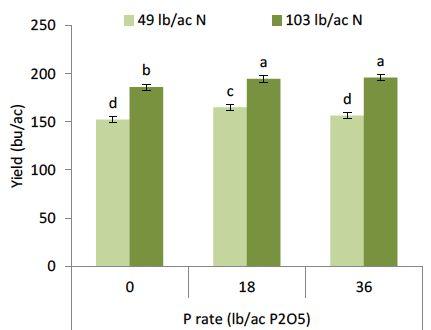
The treatments compared were 12 different combinations of applied rates of N, P and K fertilizer. The N rates were 49 and 103 lbs N per acre, the P rates were 0, 18, and 36 lbs P2O5 per acre, and the K rates were 0 and 27 lbs K2O per acre. Soil residual N and P at this location were low, while K was high.
Holzapfel says increasing N rates from 49 to 103 lbs N resulted in a 20 per cent yield increase but also resulted in significant reductions in both test weight and thousand kernel weights. He says P fertilization reduced the impact on quality to a certain extent and resulted in an average overall yield increase of four per cent, but no short-term agronomic benefits were detected when rates were increased from 18 to 36 lbs P2O5. (See Table 1, page 28.)
“We saw a massive early season response to phosphorus. There was a very noticeable improvement in vegetative growth, but at the higher rate, it didn’t translate into a yield benefit,” Holzapfel says.
ABOVE: Manage phosphorus in oats for long term fertility.







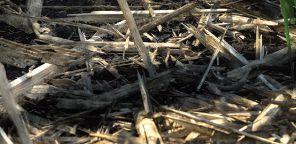
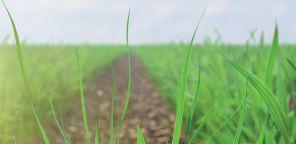
Go ahead. Paint a target on persistent wild oats and get rid of them for good with Axial herbicide. It targets the toughest grass weeds in your fields, especially wild oats, and eliminates them before they become a problem. When you’re on a mission to help your spring wheat and barley reach its full potential, choose Axial herbicide.















There were no statistically or agronomically significant benefits to K fertilization detected with respect to either lodging, yield or grain quality under these specific field conditions
Holzapfel had hoped to carry the research forward into 2015, but did not have funding to do so. However, other research at Indian Head, this by Agriculture and Agri-Food Canada (AAFC) researcher Bill May, found similar results in a three-year study in 2003 through 2005. Phosphorus response was analyzed as part of a larger study on P and seeding rate to increase the competitiveness of tame oat on wild oat. Holzapfel was also part of the study.
“We didn’t see an interaction of phosphorus and seeding rate on wild oat. Seeding rate was more important than the addition of phosphorus on controlling wild oats in a crop of tame oat,” May says. “We did see a small yield response to phosphate fertilizer.” (See Table 2.)
These studies on P and K were consistent with another study conducted by Ramona Mohr with AAFC at Brandon, Man. Her three-year study was conducted from 2000 through 2003 and looked at varying rates of N, P and K fertilizer. Nitrogen was applied at 0, 35, 71, and 106 lbs N per acre. Phosphate rates were 0, 26 and 53 lbs P2O5 per acre. Potassium rates were 0 and 35 lbs. K2O per acre.
Mohr published the results in the Canadian Journal of Soil Science in 2007. She reported that “low to moderate N rates significantly increased yield, with optimum relative yield achieved with a plant-available N supply of approximately 90 lbs N per acre. Increasing N rate also increased lodging and reduced test weight, kernel weight and kernel plumpness, suggesting that optimal N management must balance yield improvement against reductions in grain quality.” Based on this and other studies, Manitoba provincial guidelines recommend a plant-available N supply (soil test nitrate-N in 0-24 in. plus fertilizer N) of 100 lb/ac for oat.
Source:
Phosphate fertilizer increased yield in two of six site-years, but had no overall effect on quality. Yield increases were observed at locations with dry, cool early-season conditions combined with low to moderate soil test P.
Application of potassium chloride fertilizer (KC1) resulted in small increases in yield (78 lbs/ac), kernel weight and kernel plumpness on moderate to high K soils, which were “not likely to provide a significant economic benefit.”
“The lack of consistent interactions among N, P and KCl suggests these nutrients may be managed individually,” Mohr says.
May says the P response in the studies is typical of most cereals. He quite often sees a vegetative response to P on the heavy clay soils typical of his area when conditions are dry and cool, which can translate into a yield response as well.
“I wouldn’t expect oat to be any different to other cereal crops. You can see early season vegetative response in some years, but not necessarily a yield response,” May says.
Holzapfel says the research has shown that oat response to phosphorus fertilizer application can be inconsistent, but maintaining P levels is important from a long-term soil quality perspective. The crop in his demonstration presumably removed over 44 lbs P2O5 per acre in the highest yielding treatments.
“When you are removing that level of phosphorus from the soil, you need to be replacing it or you will be drawing down the soil residual phosphorus reserves. You are fertilizing the soil as much as you are trying to feed the crop,” Holzapfel says.
by Donna Fleury
Field surveys across Western Canada are showing an increase in the presence of cleavers. Generally, the vast majority of populations have been identified in Saskatchewan; however in the 2010 weed survey in Alberta, cleavers ranked as the number three weed in canola and number one weed in pulses. Cleavers are difficult to control in many crops and can cause downgrading and reduced crop quality.
With funding from the Saskatchewan Canola Development Commission, Western Grains Research Foundation, Government of Saskatchewan Ag Development Fund, and multiple industry partners, researchers at the University of Saskatchewan (U of S) have just concluded a two-year study to help growers in managing cleavers in canola. They characterized the emergence and genetic characteristics of cleavers populations in Western Canada, which were believed to be two species: Galium aparine and G. spurium Researchers also assessed the response of cleavers to potential new herbicides (in canola) such as quinclorac and clomazone, as well as their response to common canola herbicides such as glufosinate-ammonium and glyphosate to determine whether differences among populations existed.
In 2012 and 2013, field experiments were conducted at different locations in Saskatchewan, including Scott, Saskatoon and Rosthern (2014 only). Eight herbicide treatments were used in this experiment, including the herbicide standard for each canola system used alone and with the addition of quinclorac (tank-mix) and/or clomazone (preseed). At all sites, canola varieties (L130, 73-75 and 45H73), resistant to their respective herbicide system, were seeded into cereal stubble. Greenhouse dose-response experiments were also conducted to assess whether variability existed between populations in their response to herbicides.
“One of the most important findings from our research for management of cleavers in canola is that a portion of cleavers are emerging in both spring and fall, and that emergence timing of each of these fall and spring cohorts varied between years,” explains Christian Willenborg, assistant professor, department of plant sciences at the University of Saskatchewan. “Historically, cleavers were considered an obligate winter annual and generally emerged in the fall. However, our research confirms what growers and agronomists have been seeing: cleavers have largely responded to our cropping systems and, along with a shifting climate, are now emerging in both fall and spring. These differences suggest growers will need to pay close attention to emergence timing of this weed to ensure the small window for control is not missed.”
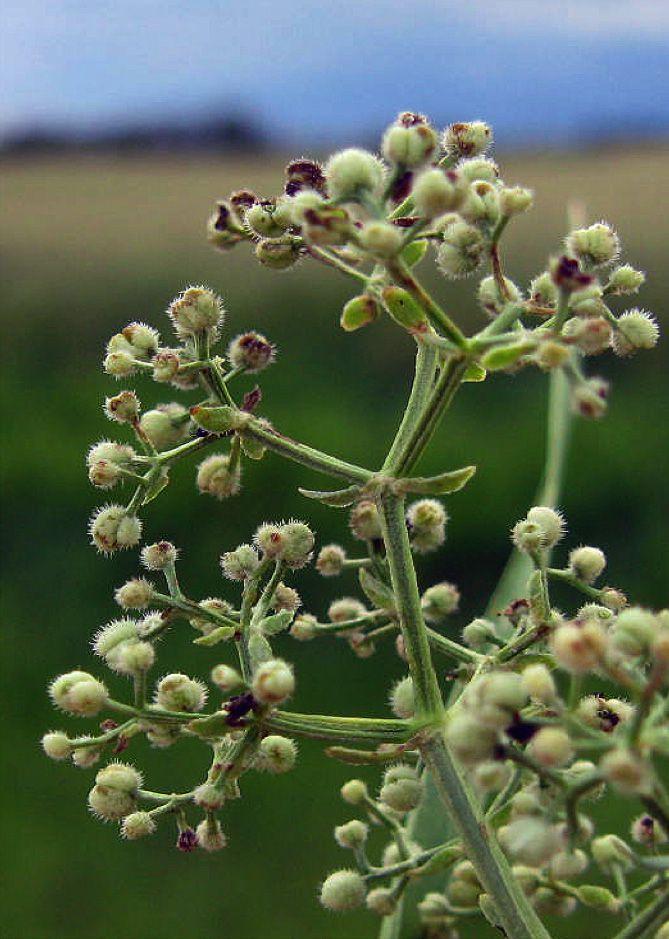
Another important outcome was that researchers successfully developed a molecular marker that could differentiate and characterize the cleavers species in the field. It has long been believed cleavers populations in fields across Western Canada are a mixture of both species. However, molecular analyses showed all sampled populations were in fact identified as G. spurium, or false cleavers. Although no G. aparine was found in the collected samples, it does not mean there is none present in fields across the Prairies. Willenborg adds that for growers, knowing populations are primarily one species, G. spurium, which is also the species that possesses resistance to Group 2 herbicides, is important because resistance will spread more quickly if all plants within the population are the same species.
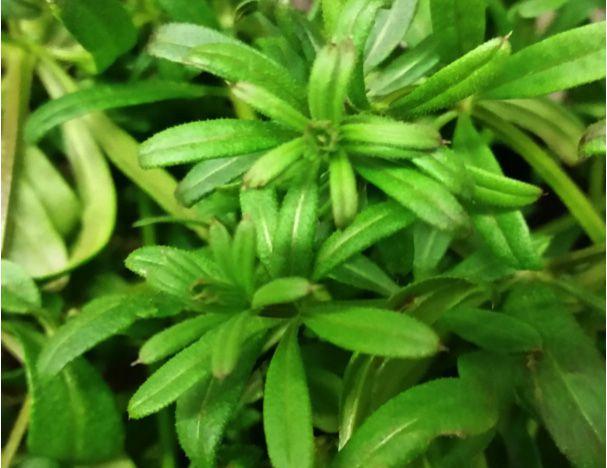
One of the key recommendations resulting from the study is that growers will have to have a well-planned strategy for managing cleavers at different times in the rotation. “We found that in canola, spring emerging cleavers seem to emerge right after the crop is planted, and are often too large for some in-crop herbicide products, particularly those with a narrower application window such as the two-whorl or two- to four-whorl stage,” Willenborg says. “In some cases, such as the last couple of years, growers were unable to make a fall application because of either inclement weather or the timing of harvest. This can cause problems the
following spring, as cleavers plants may be very large at this point and therefore difficult to control with pre-emergence herbicide applications. As well, some in-crop application timings have not been ideal because of the higher than usual moisture conditions.”
On the positive side, the results of the field study conducted over two years and at three sites showed that clomazone and quinclorac significantly reduced cleavers biomass and seed contamination and improved cleavers control in canola crops. The results consistently showed that applying clomazone prior to seeding (pre-plant) canola followed by an in-crop application of a herbicide standard provided acceptable control, usually greater than 85 to 90 per cent. The results also showed the tankmix of quinclorac with a herbicide standard applied in-crop brought control to at least 85 or 90 per cent, without a preseed clomozone application.
In fields where cleavers populations are a big problem, all three products could be used: preseed clomozone, and the incrop tankmix of quinclorac and herbicide standard. “In the study, using all three products provided the best results, often with an additional five per cent increase over the other combinations,” Willenborg explains. “However, growers have to assess whether or not the use of all three herbicides will pay for itself.” The results of the greenhouse dose-response experiments appeared to suggest cleavers populations responded similarly to glufosinateammonium, imazapyr+imazamox, and quinclorac, despite being from different locations in Western Canada. However, further testing and statistical analysis is needed to confirm this.
Both herbicides, although new to Western Canada for
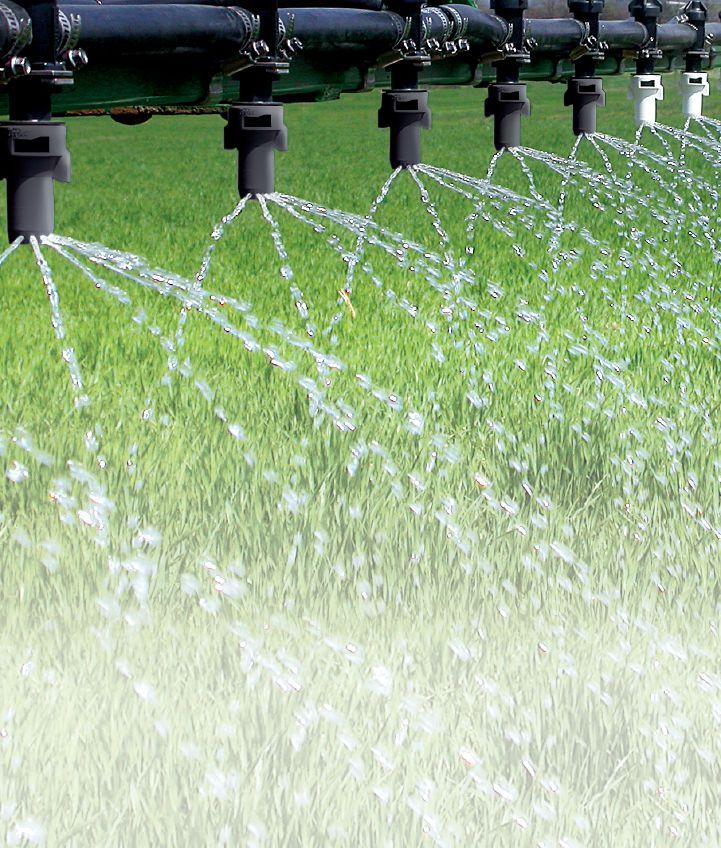
SJ3-VR and SJ7-VR StreamJet tips feature a unique variable orifice design to boost your productivity in the field. It’s like having 5 tip sizes in one.
• Support a wide range of rates including variable-rate, prescription map application with a single tip
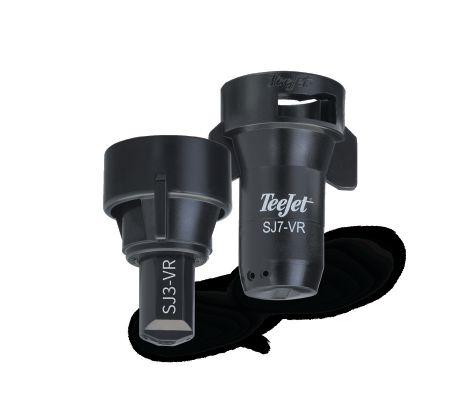
Simple design has no moving parts for long-term accurate and reliable operation
Solid stream pattern directs fertilizer to the root zone and minimizes leaf coverage to prevent crop damage and yield loss


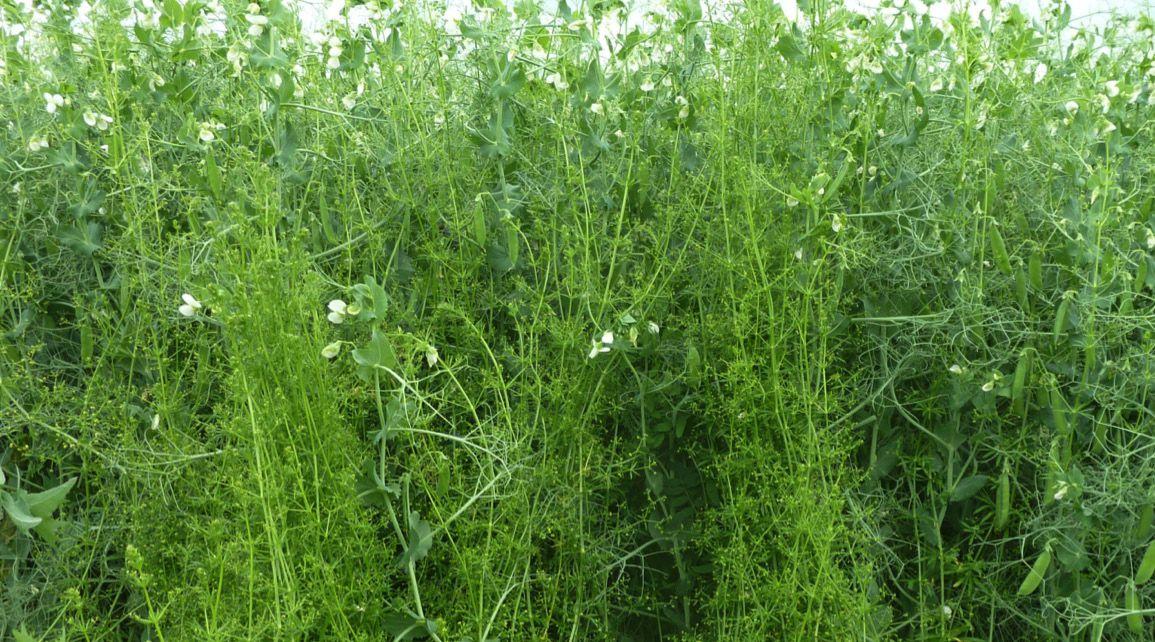
cleavers control, are older technologies. Clomozone, which is not yet registered in Western Canada as of December 2015, is a Group 13 product that has been registered in Eastern Canada under the product name Command for several years. Quinclorac, a Group 4 product, is now registered, but growers are cautioned they cannot use quinclorac in canola until the industry addresses MRL (maximum residue limits) considerations in some markets. Registration and acceptance of these herbicides will significantly improve cleavers control in Western Canada.
To manage cleavers in canola, growers should start controlling cleavers in the year before growing canola in rotation, such as in cereals where good control options are available. There are some existing Group 4 products, along with two new products registered in 2015, Pixxaro and Paradigm. The active ingredient in these products, halauxifen-methyl branded as Arylex, also has activity on kochia and can be tank-mixed with a range of other products for control of broadleaf and grassy weeds.
“The most important recommendation is in addition to in-crop herbicide control strategies, the addition of a fall application is key to managing cleavers over the long-term,” Willenborg says. “Growers need to plan to control cleavers that emerge in the fall prior to growing canola. Glyphosate can be used for
control, but growers need to recognize the higher risk of developing herbicide resistance in cleavers, and therefore tankmixes and well-planned herbicide rotations are key. Avoiding tillage is also recommended as tillage can create situations that encourage germination and recruitment of cleavers seedlings.”
Although the addition of these new herbicide options will provide good options for canola growers when available, over the long term they are not a silver bullet. These herbicides, like all herbicide tools, will need to be carefully managed to reduce the risk of herbicide resistance. Cleavers resistance to Group 2 herbicides has already developed across Alberta and Saskatchewan, and cleavers rank second among weeds likely to develop glyphosate resistance in the Black soil zone.
“Our study showed that spring applied clomazone reduced the size and stage of cleavers found in-crop, and it is known that lower population numbers reduce the risk of developing herbicide resistance,” Willenborg adds. “Both clomazone and quinclorac, which can be tank-mixed with any of the in-crop herbicides, also provide alternative modes of action for control and by tank-mixing with herbicide standards, should delay the evolution of resistance to glyphosate and glufosinate.
“However, in the mid 1990s, some cleavers populations in Alberta were identified as resistant to quinclorac,
which is Group 4, as well as some Group 2 products, so there are some multiple resistant populations that already exist in Western Canada. Although these resistant populations haven’t spread very much, the scale that quinclorac could be used in canola in the future could mean an increased selection pressure for this herbicide and this could result in the spread of these populations.”
Willenborg is building on this work with some new projects to address some other questions that impact management related to emergence timing and base temperatures. “A better understanding of both emergence timing of spring and fall cleavers, along with corresponding base temperatures, will help us to develop better models to more accurately predict emergence timing for growers,” he says.
“Another area we are looking at is as more growers move to straight cutting and the use of desiccants and harvest aids in harvesting canola, we need to have a better understanding of fall emergence timing of cleavers. Growers need to know what effect a pre-harvest application of desiccants or harvest aids might have on cleavers control and for reducing seed production. Moreover, a significant proportion of cleavers populations emerge in the fall and, therefore, management in the fall is key to the sustainable longterm management of cleavers in Western Canada.”









A cleaner, better way to handle the sprayer rinse is looking promising for Western Canada.
by John Dietz
Thank the Swedes for this idea: “biobeds” that promise to protect water quality for generations to come.
The concept represents a low cost, environmentally friendly way to deal with the rinse water flushed out of agricultural field sprayers.
According to Larry Braul, Agriculture and Agri-Food Canada water quality engineer in Regina, the biobed is an organic filter for pesticides, using conventional low value material. The use of biobeds has become an accepted practice in Europe in the past 15 years.
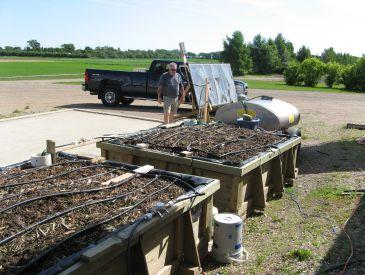
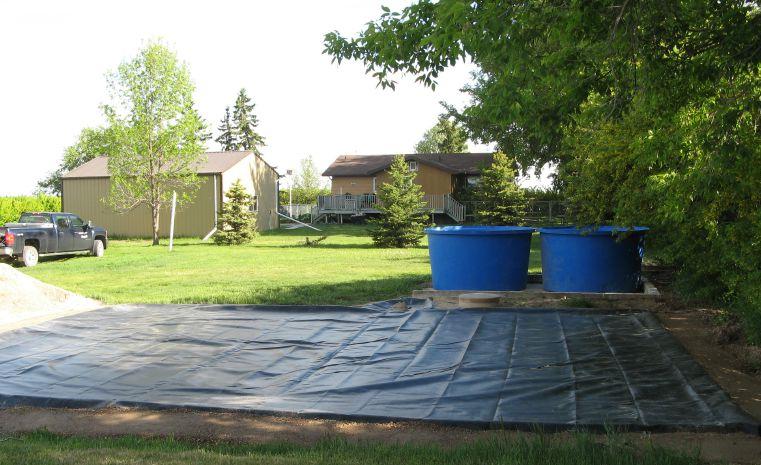
Braul and Claudia Sheedy, research scientist with AAFC at Lethbridge, Alta., are co-leading the project to develop a biobed model to support Canadian farmers. Starting with one biobed at Outlook, Sask. in 2014, AAFC expanded the project in 2015 to sites at Simpson, Sask., and Grande Prairie and Vegreville, Alta. An additional biobed was constructed in fall of 2015 and will be monitored in 2016 at Lethbridge. “At the end of 2016, we expect to
have enough data to produce a construction, operation and maintenance manual for biobeds,” Braul notes.
Initial results promising
“The first year at Outlook, it was highly effective. It removed more than 98 per cent and up to 100 per cent of the pesticides it received. That was very positive, and the results we just got back for 2015 are very similar,” Braul says.
“Our climate is much colder than Europe and we have more intense rainfall events. We are working to address those issues with designs revised for the Prairies,” he adds.
In principle, a biobed is relatively inexpensive, easy to use and significantly accelerates the natural breakdown processes for
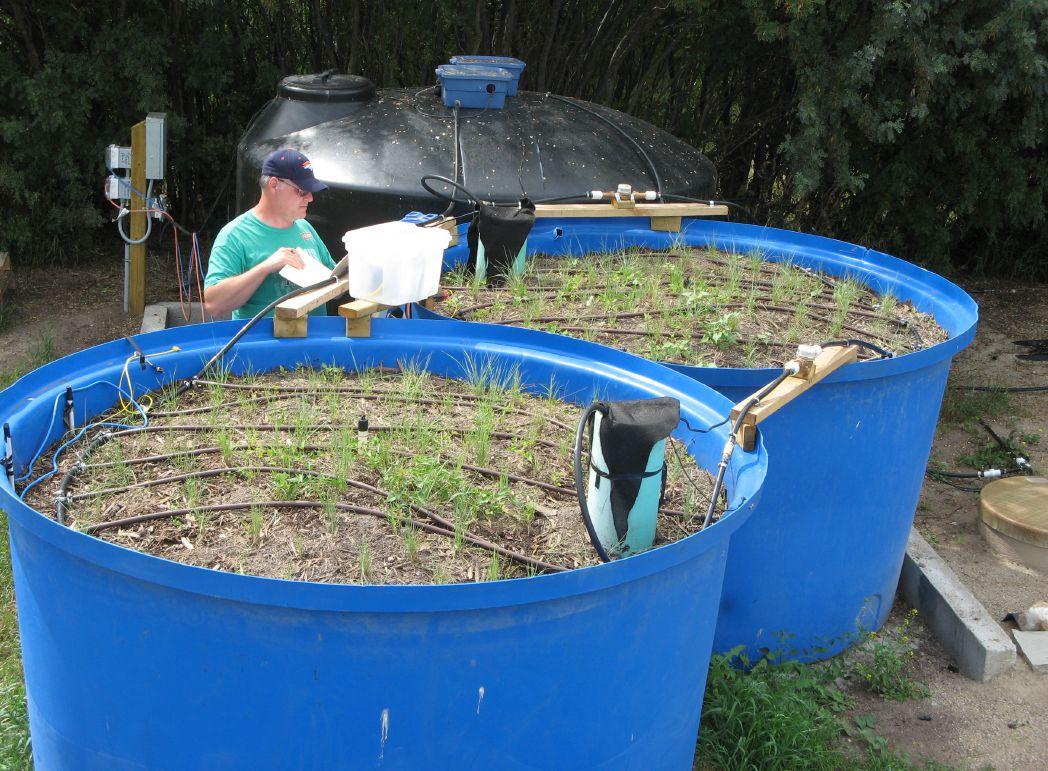
TOP: Researchers used polyethylene tanks meant for fish, at Simpson, Sask. Note the grass growth on top and the drip line. INSET: The biobeds at Outlook, Sask., with a passive solar collector in the background.
Nu-Trax P+™ with CropStart™ Technology puts you in charge of delivering the nutrition crops need for a strong start. And a strong start can lead to a better harvest.
It features an ideal blend of phosphorus, zinc and other nutrients essential for early season growth. With patented EvenCoat ™ Technology, Nu-Trax P+ is coated onto your dry fertilizer blends. And with blanket-like distribution across the field, it’s placed close to young plant roots where they can access the nutrients earlier, especially in cold and wet soils.
This spring, take control of your crop’s early season nutrition. Ask your retailer for Nu-Trax P+.

Rethink your phos
pesticides. The most challenging aspect at this point is in finding or developing an inexpensive method to easily collect the sprayer rinse water. On most farms when rinsing, the sprayer arms are fully extended while water is pumped through the system. As a result, a catch basin for that spray would need to be up to 120 feet long by about 20 feet wide and would need to drain the spray to a point where it can be collected.
The contained biobed for the rinse water uses a mixture of topsoil, compost and straw. It provides an ideal habitat for microbes to break down the pesticides carried in the rinse water, to the point they pose no threat to the environment.
In the project’s first year, Braul and Sheedy discovered the biobed at Outlook was still frozen a few inches below the surface in May, when they hoped to use it. It needed to be warmed to about 10 C, so that microbes could process the rinse water.
They resolved that issue for 2015. Braul says, “Microorganisms like warm conditions. In a new biobed, we put heat tape at the bottom. We can get them up to almost 30 C at the end of May, so they can really start breaking down the pesticides. With a little heat application at the right time, we are probably doubling the decomposition rate they’re getting in Europe.”
European research found that half and up to 90 per cent of pesticide contamination in groundwater could be traced to the places where sprayers were rinsed, Braul
says. Two factors go into that: there’s a concentration of pesticides in one place, and a lot of water washing it down. It’s too much for the microorganisms to process.
Often the topsoil is stripped off and replaced with gravel at the site where the farm sprayer is rinsed. This removes the organic matter that absorbs pesticides and allows the pesticide to leach through the soil zone. Often, it’s fairly close to the well that supplies the water.
“That’s the worst situation for managing the site,” Braul says. “It becomes quite a significant source of contamination. Instead, if we capture that rinsate, contain it and treat it, we can make a significant impact on the contamination problem.”
The Swedes were first to address the problem. They collected rinsate and applied it to the top of a simple hole in the ground filled with the biomix material. “The Swedes applied the rinsate to the top of the biomix and let it seep through into the ground. It was the standard for six or seven years. It was a heck of a lot better than putting it on gravel, because it absorbed a lot of the pesticide. Now, with more sensitive instruments, we know that model doesn’t remove all the pesticides,” Braul says.
Current practice is to build a contained biobed up to a metre deep. In the UK, that would be lined at the bottom with clay or plastic, and drained with weeping tile.
For their first project, Braul and Sheedy built a wood frame structure. On later projects they also used open polyethylene tanks meant for fish. Plans call for putting the biomix into big tote bags already used for stor-
ing granular fertilizer or pesticide. “Really, you can use anything as a container for the biomix,” Braul says.
The biomix material needs three basic components: topsoil (from a field is best, because it will already have microbes adapted to degrading pesticides); woodchips or straw (to provide the lignin for microbial food and structure); and, compost or peat (to provide the organic matter that absorbs the pesticides).
Among design variations tried in 2015, the most efficient was a two-cell system about a half-metre deep. Each cell has a sixinch layer of crushed rock at the bottom. A sump pump collects leachate from below the crushed rock in the first cell and pumps it to the surface of the second cell. “Two cells remove a much higher percentage of the pesticide than single cell biobeds,” Braul notes.
Although literature from the European experience suggests that nearly all the microbial activity happens in the top six inches of the biobed, most beds are one metre thick to provide additional absorption capacity. At the University of Regina, microbiologist Chris Yost is using DNA testing to determine the type and number of microbes at various depths. Yost hopes to determine the region of greatest microbial activity.
At Outlook, a two-cell biobed only a half-metre deep worked better than expected, Braul says. In practice, degradation of pesticides in the biomix can take three to six months, he adds.
There’s still a need to deal with the reasonably clean leachate coming from the bottom of the biomix, and a need for eventual disposal of the biomix itself. “Effluent has an extremely low level of remaining pesticide. We recommend spraying it on an area that has some organic matter and lots of microorganisms, and allow nature to do its work. One option is to put it into a tank and spray it someplace, or you can sprinkle it safely on grass or drip it along a row of trees. The little amount of remaining pesticide will be degraded in the topsoil,” he says.
Setting up a collection pad for the sprayer rinsate would be the biggest single cost. It can be constructed from heavy plastic but a concrete pad is ideal. “If you want to collect everything you rinse out, you have a fairly large concrete pad. Depending on where you are, it probably could cost $5,000 to $10,000. That’s a big challenge – but some inexpensive creative options are possible,” Braul says.
Brandt is celebrating $1billion in annual revenue and we’re thanking our customers by offering special rebates throughout the year. Visit thanksabillion.ca for details.
You can always count on the Brandt Contour Commander for just-right seedbed preparation. Designed for durability and ease-of-use, this heavy harrow is the ideal solution for no-till, min–till and conventional tillage farms. Whether breaking up and evenly distributing crop residue, warming up the soil in spring, or leveling and sealing, the Contour Commander has superior land following capabilities to ensure an ideal seed bed resulting in smooth, trouble free seeding. Take command of all field terrains with this versatile machine. That’s Powerful Value. Delivered.
The strong and efficient latch system moves effortlessly between field and transport position.
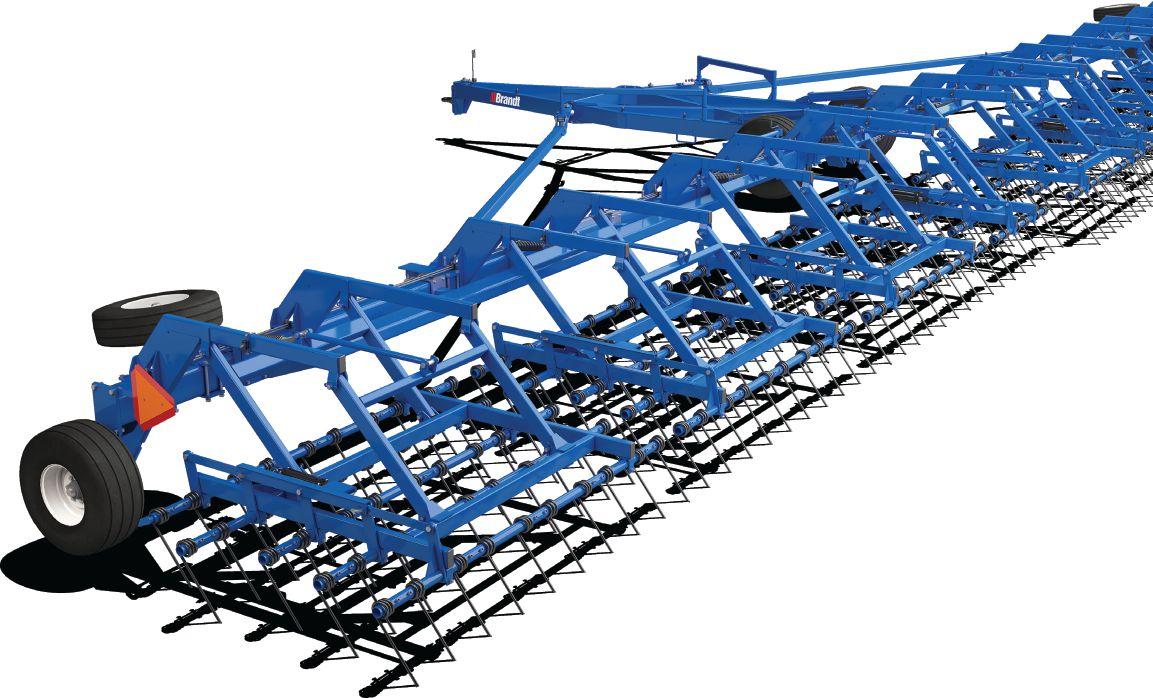
The U-Joint design allows the sections to contour over hilltops and into steep hollows.
Using a parallel link, consistent and even down pressure is delivered to every tine.

S deficiency is becoming increasingly common across the Prairies.
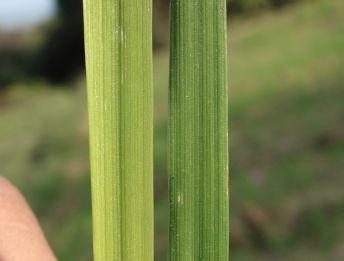
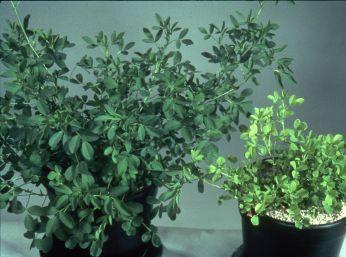
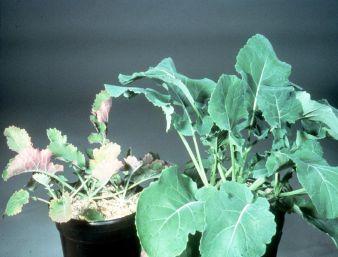
by Ross H. McKenzie, PhD, P.Ag.
Oilseed crops – particularly canola – and forage crops have a higher sulphur (S) requirement than cereal or pulse crops. S is required in the development of fertile canola flowers, is needed for protein development in cereal crops and must be present for good nodule development of legume forages, such as alfalfa, and pulses, such as pea and fababean.
Across the Prairie provinces, an estimated 35 million acres are considered potentially S deficient for optimum canola production and the potentially deficient areas are increasing due to increasing canola acreage and yields. Also, researchers have developed a much better understanding of soil S dynamics.
The primary source of plant-available sulphate-S (SO4-S) in surface soil comes from the breakdown and release from soil organic matter. Soils that are sandy or low in organic matter tend to be more prone to S deficiency, since only a small amount of SO4-S is released from organic matter and is susceptible to leaching loss under higher moisture conditions. In fields with variable topography, upper- and mid-slope field positions tend to be lower in SO4-S.
The subsoil of Brown and Dark Brown soils in the southern Prairies often has an abundance of gypsum [calcium sulphate (CaSO4)]. This mineral can be an important source of plant-available S in these soils.
Soils most prone to S deficiency are the Thin Black, Black and Gray Wooded soils. These soils were formed in areas of relatively higher rainfall with greater leaching potential. These soil areas generally have higher yield potential due to higher precipitation and lower evapotranspiration levels, resulting in higher S uptake and removal by crops.
Brown and Dark Brown soils in the southern Prairies are usually not considered S deficient because they often have relatively higher levels of gypsum in the subsoils. However, research in recent years has clearly shown deficient levels of SO4-S occasionally occur in the surface soil. This requires the addition of S fertilizer, even though the subsoil has adequate plant-available SO4-S levels.
Water used for irrigation that originates from the Rocky Mountains typically contains SO4-S. Approximately 30 lb/ac of plant available SO4-S is applied to soil in 12 inches of irrigation water. Often the S applied in irrigation water is sufficient to meet crop requirements over a growing season, but soil testing irrigated fields is important to ensure adequate sulphate is present in surface soil each spring before seeding.
In all soil zones across the Prairies, various combinations of high rainfall, high yield potential, low organic matter, topographic position of soils on the landscape and sandy textured soils are predisposed to potential S deficiency. Farmers and industry agronomists need to be aware of the potential soil conditions for S deficiency on their land.
Plant-available S in soil is determined by measuring the soluble SO4-S content in soil samples from 0 to 6, 6 to 12 and 12 to 24 inch depths. Because sulphate is mobile and frequently occurs in larger amounts in subsoil, incremental depth sampling is very important. A good set of soil samples can provide a fairly reliable basis for making S fertilizer recommendations as long as representative soil samples can be obtained from the field.
Even with proper sampling, obtaining representative samples from a variable field can be a challenge. Studies across all soil zones have found the level of plant available S can vary greatly with landscape across a field. The benchmark or topographic system of soil sampling can be helpful to determine soil S levels and then develop fertilizer plans. For benchmark sampling, the locations selected must be representative of the various field areas; if benchmark locations are not representative, misleading information could lead to over or under application of S fertilizer.
Table 1 provides my suggested guide to interpretation of soil test results. First, I suggest looking at the 0 to 6 inch depth to decide if the surface soil is deficient. Then, look at the combined 0 to 24 inch depth samples. If both are deficient, S fertilizer is very likely needed. However, it is relatively common to have adequate SO4-S within the 0 to 24 inch depth, while the 0 to 6 inch depth is low in S and requires sulphate fertilizer to ensure adequate crop establishment and root growth until roots have penetrated into the subsoil.
In Table 1, recommended rates of S fertilizer are suggested for various crops. Consult your provincial agriculture department for more detailed information on recommended S for specific crops.
The maximum safe rate of SO4-S that can be applied with the seed for cereal crops with a 10 per cent seed-bed utilization (SBU) is about 20 lb/ac of SO4-S, assuming 30 lb/ac of phosphate fertilizer is also seed-placed, depending on soil moisture conditions and the opener type used.
For canola, the safe seed-placed SO4-S rate should not exceed 10 lb/ac when using a 10 per cent SBU, assuming 10 to 15 lb/ac phosphate fertilizer is also seed placed.
Single and double disc no-till drills may cut a fairly narrow furrow and place the seed and fertilizer in very close proximity in the bottom of the seed furrow. These drills place the fertilizer in a concentrated band with the seed and may have an SBU as low as five per cent, which could result in damage to crops.
S deficiency in canola or other crops can occur despite the adequate application of S fertilizer. Any stress condition that may cause root pruning or restricted root growth can potentially induce S and other nutrient deficiencies.
Herbicide carry-over, acidic soil or a soil hardpan layer may cause restricted root growth and restrict SO4-S uptake from sub soil, leading to deficiency symptoms. Root rot diseases, some of which are preventable with seed treatment, can induce develop ment of S deficiency.
S fertilizers are most commonly available in either the soluble sulphate form or elemen tal forms. Fertilizer that contains sulphate, such as ammonium sulphate (21-0-0-24), is excellent for crops grown on deficient soils. Provided there is adequate soil moisture,
ammonium sulphate dissolves quickly to release SO4-S, the sulphate form that is readily available and taken up by plants. Other products such as potassium sulphate can be used to correct both potassium and S deficiencies, but this fertilizer product is relatively expensive and less commonly available.
Elemental S products, such as 0-0-0-90 or 0-0-0-95, are becoming increasingly popular, but elemental products must be carefully managed to be effective. Elemental S fertilizers are relatively
insoluble. Plants cannot take up elemental S. These fertilizers must be converted to SO4-S first before plant uptake can occur, which can take months to several years. Other newer products contain both SO4-S and elemental S, such as MicroEssentials S15 (13-33-0-15S).
for more on fertility management, visit topcropmanager.com.
SIMPLICITY BREEDS DEPENDABILITY
The Apache’s mechanical drive transmission has fewer parts than hydrostat machines, meaning an Apache is easier to maintain. Despite its simple construction, the Apache is rugged and dependable. It can handle even the toughest field conditions.
POWER-TO-THE-GROUND TECHNOLOGY™
A full 90 percent of an Apache’s horsepower is transferred to the ground, making it more efficient than hydrostat sprayers, which transfer no more than 70 percent of available horsepower to the ground.
LESS WEIGHT = LESS COMPACTION
One of the top reasons customers buy the Apache Sprayer is because it weighs lESS than competing sprayers.
• Weighs 3,000-14,000 lbs less
• Decreases soil compaction to increase yield potential
• Lowers operating costs
• Increases fuel economy
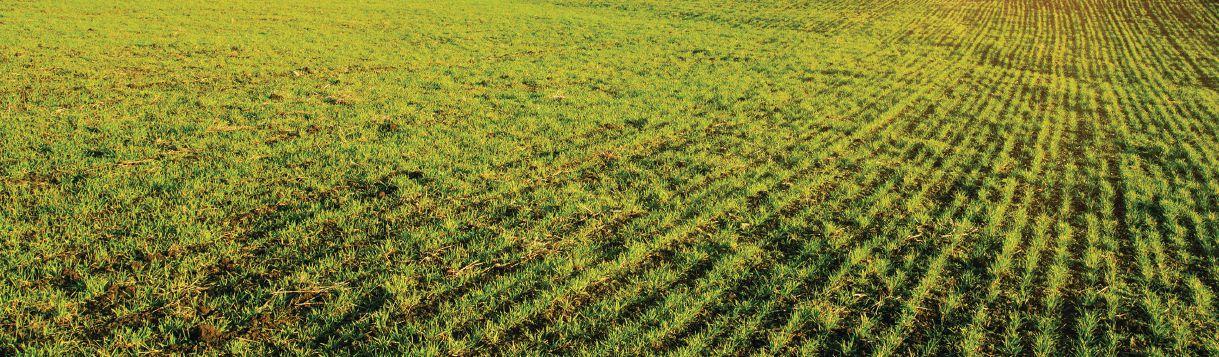
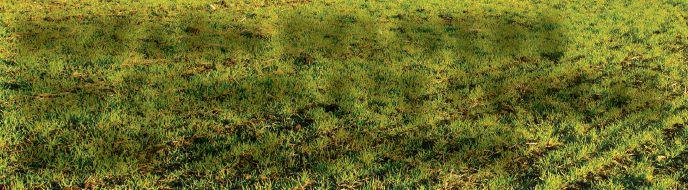
You know your fields better than anyone. You walk them. Plan them. Plant them. Scout them.
When it comes to the decisions you need to make about controlling weeds, pests and diseases, Nufarm believes you should have the freedom to choose the best product for the job. Not the one that’s tied to a bundling or rebate program – that might not offer the best protection.
“At Nufarm, we do things a little differently,” says Roger Rotariu, Western Marketing Manager with Nufarm Agriculture Inc. “We’re small enough to be able to listen and respond to what cereal growers need to produce their best crop. And we are big enough to have a robust offering of cereal solutions – pre-seed burndown, in-crop weed control, seed treatment and fungicides.”
Nufarm appeared on the western Canadian crop protection market in 1998. They may not be a household name across the Prairies just yet, but are working to earn the respect of growers with a full portfolio of reliable products.
“We realize growers may not know as much about Nufarm as some of our competitors, but we are working hard to earn our spot in your shed and on your fields,”
says Rotariu. “And one of our big points of difference is that we are giving growers back the control over what weed control solutions they choose. We don’t try to control farmer’s decisions based on rebates. Our prices are what you see, so you can make your best choice based on what your crop needs. And we’ll throw in a bonus offer occasionally to gain their interest.”
Nufarm offers creative combinations of actives that work to deliver enhanced weed control, including many herbicide-resistant biotypes, to deliver sound resistance management options.
Curtail™ M (Group 4) is the standard for controlling Canada thistle, with systemic activity and two modes of action that get right down into the roots.
NEW Enforcer® MSU (Group 2, 4, 6) provides an all-in-one solution for the widest spectrum of tough-tocontrol weeds in wheat and barley, including chickweed, hemp-nettle and volunteer canola.
NEW Signal® FSU (Group 1, 2, 4) delivers all-inone, post-emergent control of wild oats and foxtail, plus more fluroxypyr than the competition to help fight Group 2-resistant weeds like cleavers and kochia.
For information on Nufarm’s complete cereal portfolio, visit nufarm.ca, and follow us on Twitter (@TheCornerPost) and Facebook.



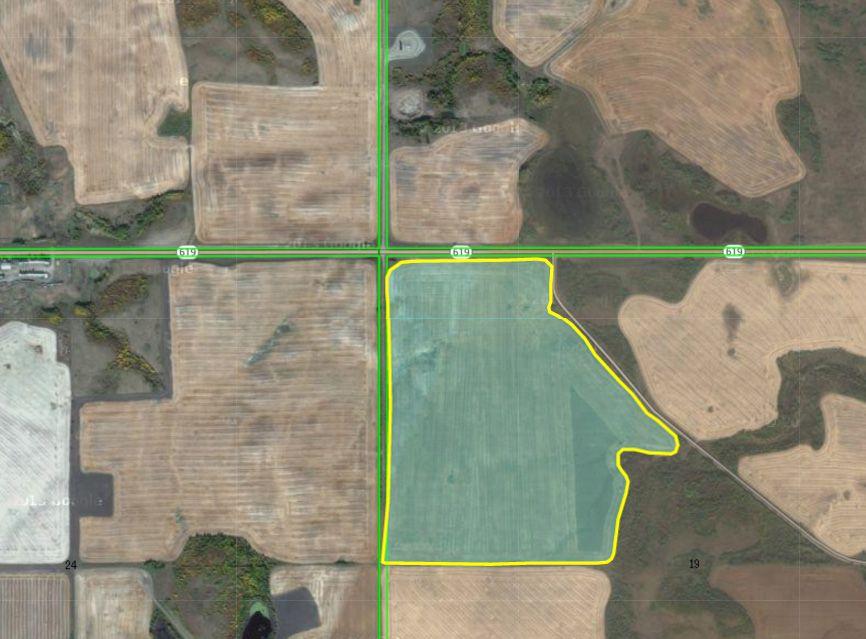
Knowing your field borders is key.
by Dale Steele, P.Ag., Precision Agronomist
Everyone is talking about it, but what does data mean to agriculture? It all starts with digital field borders.
Every farmer knows his fields and where the field boundaries are located. Indeed, urban folks are sometimes in awe of how farmers keep track of every field when there are no trees and few landmarks in the wide-open Prairies.
The first step in any process is to identify and define the field. Driving the field boundaries to create digital field borders is an option if you don’t have access to precise GIS tools and good imagery. On large farms or complicated fields with coulees and ponds across the fields, it is cost prohibitive and time consuming to drive every non-crop boundary.
Precise field borders are the beginning of everything in precision agriculture. Some smartphone apps allow you to quickly draw your field borders on background imagery with your finger. This method is not accurate enough because your fingers sometimes won’t place the field boundary precisely. Your field boundary could be out 100 feet or eight feet depending on your skill, and the acreage measurement will be incorrect. The inaccurate field border will cause later issues with equipment guidance, VR prescriptions and sectional control applications.
Good technicians can define accurate digital field boundaries
with a click of the mouse using GIS tools and high-resolution ortho-rectified imagery. Creating digital field borders only needs to be completed once, unless the field boundaries change when you remove fence lines or enlarge fields. Google Earth provides a nice imagery viewer but I have found errors where a collection of images weren’t stitched together accurately or the dated imagery doesn’t reflect the current field area.
For large farms, I suggest a field naming structure that makes sense to your farm staff and can be utilized in equipment controller formats, and shared with companies that provide services on your farm. I suggest a short field name, a legal land description and year the digital field border was created. This will accommodate adding, deleting and merging fields as rotation dictates or as your farm grows. Adding a file tree with multiple farms or sub-farms can aid the equipment operators to quickly select or identify fields in the equipment controller displays.
Field boundaries guide the trucks and can provide equipment guidance for your farm employees and service providers. Think of
ABOVE: Precise field borders are the beginning of everything in precision agriculture.

Rule with an iron fist.
So tell me Barley Baron, how will you protect your land from would-be thieves and invaders?
See to it that your uninvited guests receive the royal treatment. With three herbicide Groups and outstanding activity on both grass and broadleaf weeds, Tundra® herbicide is the complete solution for barley and wheat growers.
One for all, and all-in-one.
by Bruce Barker
What would the late John Harapiak think of this: Nitrogen (N) losses with banded N that are greater than broadcast N. Harapiak championed deep banding N as a way to improve N-use efficiency and crop yield back in the late 1970s and 1980s, based on many years of research at Western Co-operative Fertilizers (later Westco), the former fertilizer arm of the three Wheat Pool grain companies. His “Fertilizer Forums” promoted the benefits of deep banding over broadcast N. However, new research is starting to show that shallow banding less than two inches deep may incur some volatilization loss.
“The research showing nitrogen losses with shallow banding isn’t contradictory to John’s research, but rather a continuation of the story,” says Rigas Karamanos, a long time Westco researcher who worked with Harapiak and who is now with Koch Agronomic Services in Calgary. “Deep banding was considered to be three to four inches deep, but now many farmers are banding less than two inches deep, and we are finding that banding shallow can expose the nitrogen to volatilization losses.”
Karamanos notes the banding depth before and after packing may differ. He refers to banding depth as the depth the fertilizer is placed at before packing, since the soil volume over the band is the same before and after packing. For example, fertilizer banded at four inches deep may only be 1.5 inches deep after packing, but is still considered to be banded at four inches.
In 1985 Harapiak published the average ratings from 28 trials between 1977 and 1980. It showed that a pre-band application of N had a relative yield 25 per cent higher than pre-seed broadcast. Additionally, Westco research looked at N banding at varying depths, and found that banding at depths of four to five inches was as effective as banding at seven to eight inches deep. But practically because of machinery capabilities, the recommendation was to band N about two inches below seeding depth – or about three to four inches – which provided the same benefits as going deeper.
Other research further expanded on the best time and placement method for N fertilizer. An Alberta Agriculture and Forestry document shows that banding produces the best results (see Table 1). Other provinces have similar guidelines with slight variations.
“Deep banding was primarily done in the fall as a means to spread out the workload, but also to preserve the spring seedbed.
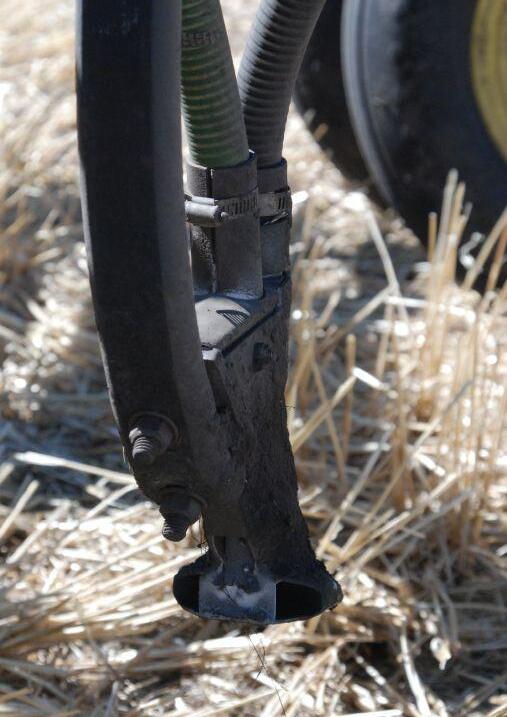
With the move to no-till and applying all the N at seeding, that has meant some farmers are banding N at depths less than two inches because they want to go fast and get the crop in the ground quickly,” Karamanos says. “It was assumed that shallow banding would be just as efficient, but research is starting to show the N might be at risk of loss. The belief that ‘if it’s in the soil it’s safe’ may be misguided.”
This drive for seeding efficiency is causing researchers to question the efficacy of shallow banding. The cracks in the notion
that shallow banded N was safe appeared in a study by Philippe Rochette with Agriculture and Agri-Food Canada in Quebec City. The research found that urea banded 1.5 to two inches deep at 125 lbs N per acre had higher volatilization loss than broadcast incorporated urea at the same depth or even broadcast unincorporated. After 25 days shallow banded urea had lost over 25 per cent of applied N. Broadcast urea treated with Agrotain urease inhibitor had the lowest losses at around five per cent.
Concentrated shallow N bands increase ammonia losses
So what’s going on here? Karamanos explains that when urea is banded into the soil, it is converted to ammonium-N (NH4+) in the presence of the urease enzyme. The concentrated band causes the pH of the soil surrounding the band to rapidly rise. The higher pH results in more of the ammonium-N converting to ammonia gas (NH3), which can be lost to the atmosphere. In Rochette’s research, banded urea increased the pH of the acidic soil at the 0 to 1.5 inch depth from 6.2 to 8.7 over the first five days before it gradually trended downward to about pH 7.2 after 25 days.
“If the bands are deep enough, there can be sufficient soil volume and moisture above the band to retain the ammonium-N in the soil. But if the bands are too shallow, then the ammoniumN diffuses upwards and can be lost to the atmosphere as ammonia gas,” Karamanos explains.
A demonstration study by the Ontario Ministry of Agriculture, Food and Rural Affairs at Ridgetown Diagnostic Days, Elora FarmSmart Expo and Eastern Ontario Crop Diagnostic Days in Ontario in 2010 also highlights the challenges of shallow banding.
UAN liquid N was side-dress, shallow banded with a coulter one inch deep but the band opening did not close sufficiently to cover the UAN. As a result, the shallow band lost 12 per cent more than UAN surface-applied, but UAN side-dress banded at the three to four inch depth had very low losses.
The report concluded that when evaluating ammonia loss from UAN injection at side-dressing, the losses from standard injection (three to four inches deep) were very low, while the surface applied and shallow injection with poor band closure resulted in very high
Average results across five sites in 2014. N applied at recommended rate for each site. Shallow banding varied from 0.25 to 1.5 inches deep and deep banding from two to three inches deep.
Source: Myles Dick, Edmonton, University of Alberta; Bryan Nebo, Wheatland Conservation Area; Chris Holzapfel, Indian Head Agricultural Research Foundation; Mario Tenuta, University of Manitoba. Courtesy of Rigas Karamanos.
losses. While the demonstration was done to illustrate the dangers of poor coulter and injector set-up in side-dressing corn, it does support the notion that shallow band N is at risk of ammonia loss because the concentrated band can increase the soil pH in the area around the band making it more susceptible to volatilization loss.
At Manitoba Agriculture, Food and Rural Development, soil fertility specialist John Heard also had similar findings as the Ontario study in a demonstration in 2012. Similar to the Ontario demonstration, dribbling UAN into an open, moist slot had the highest relative loss compared to deep banding or surface application.
“This banding was actually opening up a crease through dry soil, dropping liquid UAN onto moist soil below and not closing the trench. So of course N losses were high – as moisture evaporated. However, there was no moisture at the soil surface – so surface UAN losses were not as high,” Heard explains.
Table 1. Time and method of fall application impacts N performance Soil-climatic categories
a Although spring and fall banded nitrogen were equally effective in research trials, fall banding may be more practical under farm conditions. The extra tillage associated with spring banding may dry the seedbed and reduce yields.
b In research trials conducted in the higher rainfall areas, spring broadcast nitrogen was well incorporated and seeding and packing completed within a short period of time. Under farm conditions, shallow incorporation or loss of seedbed moisture resulting from deeper incorporation may cause spring broadcasting to be somewhat less effective than shown here.
Source: Alberta Agriculture and Forestry.
Preliminary Western Canada research finds some loss
Karamanos initiated a research trial in 2014 at five sites across the Prairies at Swift Current and Indian Head, Sask., Breton, Alta., and Carman and Kelburn, Man. In 2015 he had seven sites, one in Alberta, four in Saskatchewan and two in Manitoba. He compared urea, urea+Agrotain, and SuperU fertilizers. Agrotain is a urease inhibitor, and SuperU is a nitrogen fertilizer (46 per cent) with a urease and nitrification inhibitor – both from Koch Industries. The fertilizer was broadcast, shallow banded at 0.25 to 1.5 inches deep, or deep banded at two to three inches deep (initial depths before packing).
His preliminary findings from 2014 (2015 results are still being analyzed) are similar to the Quebec findings. Shallow banded urea was subject to loss but banding two to three inches deep meant similar yields to applying urea with the enhanced efficiency products (see Fig. 1).
Heard also conducted several demonstrations that measured ammonia loss from banded N in 2015. He worked with two farmers who used SeedMaster and Seed Hawk drills, which typically band N 1.5 inches to the side and 0.75 inches below
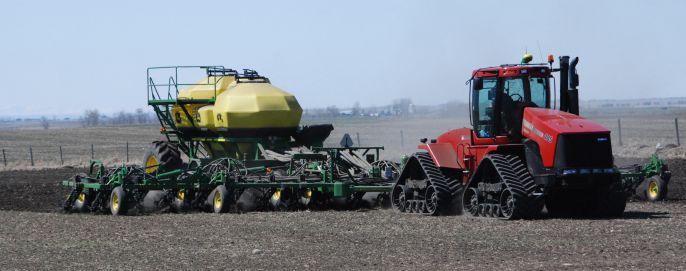
seed placement. In both cases, the fertilizer was banded about four inches deep, but after packing, the fertilizer was approximately 1.5 inches deep.
“We didn’t find any losses at these two sites. For these farmers under their seeding conditions, they were reassured they weren’t losing N at the depth they were banding,” Heard says. “I think as this type of research moves forward, we are going to have to define what shallow banding means and at what depth do the losses become unacceptable.”
Karamanos cautions his research trial results are preliminary, but the trend is there for continuing to look at N fertilizer placement. He says the potential for loss
CONTINUED FROM PAGE 42
the digital field border as a “cookie cutter” for data. As with cookie dough, we take big batches of data and roll out the layers of data to make the final product. Data could be anything related to the field such as satellite imagery collected over the past 30 years or UAV/drone imagery collected earlier in the day. Additional layers of data can be soils information, sensor data or yield data files collected from multiple combines across hundreds of fields. The field borders cut through the data and grab only the data associated with the specific fields. This enables the analysis of a single field or batch processing by variety, crop type for the farm or county, or soil zone.
As a farmer, consider the information you have when you rent or buy a new field. Have you ever visited a snowcovered field to consider a new field decision? What data did you have for that field? Years of farming experience has always been a criteria to assess knowl-
edge because that individual’s knowledge is a collection of experiences and information gathered over numerous years. One common trait is recalling past experiences for a field while monitoring current situations and determining the timing for future actions that are adaptive to each growing season. Farmers and agronomists know nature has a multitude of factors that affect crop growth and final yields.
Precision agriculture offers the data to look back in time instead of farming blind with limited field history. Sometimes the field history may have died with the farmer, but now a convergence of technology is enabling farmers and others to retrieve past information about agriculture. The technology pieces are ready and different companies possess different components of data. Equipment companies have built the hardware. Different levels of government have the EC maps for every irrigation field and soil
may be there, and is greater than deep banding, but losses may not occur every year or in all conditions.
“A one-half inch rainfall will normally negate any significant volatilization loss,” Karamanos explains.
If indeed the research finds that banding N less than two inches deep contributes to losses, farmers will look for ways to minimize the losses, including banding deeper at seeding, using urease inhibitors in shallow banding, or potentially broadcasting N with a urease inhibitor. And this continuing story about banding N would probably be just the way Harapiak would have liked to see his work evolve.
maps for the country. Each satellite network has historic and in-season remote sensing for the entire Earth. Numerous weather station networks collect and archive weather data. Seed, fertilizer and chemical companies have years of research plot data. Crop insurance has detailed field information. Farmers have details on crop rotation, soil lab results, planting dates, fertilizer rates and final yields.
A lot of software programmers are focused on creating another app or game for smartphones. Imagine if more efforts were directed to feeding the world. The individual skills and data sets have been underutilized because they don’t offer a direct benefit or an easy way to see patterns in the data because agriculture is complex.
Growing food is the most valuable job on the planet, and technology wants to help you do it better. It all starts with digital field borders.




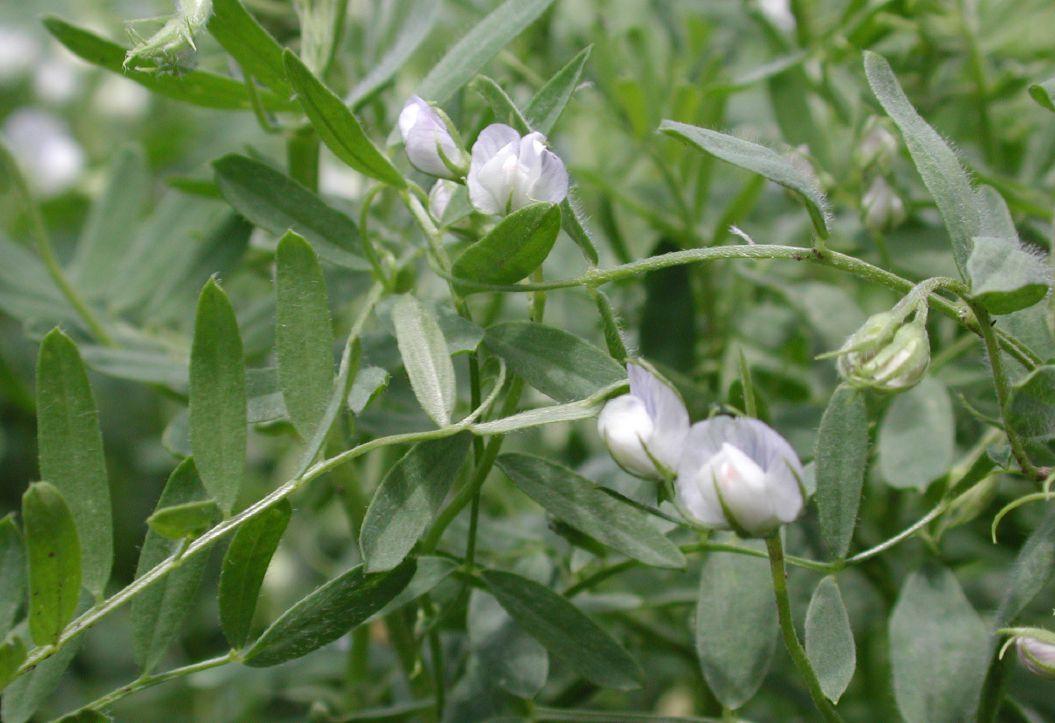
by Carolyn King
For more than a decade, University of Saskatchewan researchers have been crossing wild lentils with cultivated lentils to tap into the treasure trove of genetic diversity found in the wild species. Now they’re looking at lentil polyphenols, compounds that are important to lentil plants and to consumers.
As a first step, the researchers are identifying the various polyphenols in the different lentil species. In the future, information from this research could help breeders develop lentil varieties with preferred polyphenol profiles and might even lead to value-added opportunities for Canadian lentil processors.
Wild lentil species often have adaptations to difficult conditions – like diseases, insect pests, drought and poor soils – that they have encountered over the millions of years of their existence. “Cultivated lentil is relatively new; agriculture only started about 10,000 years ago. Since then, farmers have passed seed from one to another, so you end up with a narrowing of the gene pool,” explains Bert Vandenberg, a pulse breeder at the University of Saskatchewan (U of S).
“The wild species represent an opportunity to introduce more variability into cultivated lentils. We want more variability because it is the feedstock for plant breeding.”
So Vandenberg and his U of S colleagues are conducting the painstaking pre-breeding work of crossing wild lentil species, such as Lens orientalis and Lens ervoides, with cultivated lentils, which
all belong to the species Lens culinaris. Then they identify hybrids with promising characteristics and create inbred lines for crossing with elite Canadian lentil varieties, to transfer valuable traits into our varieties.
One hurdle in this pre-breeding work is the limited number of wild germplasm samples available. Vandenberg says, “Only about 500 wild lentil samples are sitting in germplasm collections, even though these plants are growing all over the Middle East and the Mediterranean region. However, people are starting to get serious about collecting them again.” For instance, agencies like the Global Crop Diversity Trust are providing funds for collecting and conserving germplasm from wild lentils and other wild species.
Nevertheless, even the currently available wild lentil germplasm collections have plenty of useful traits to offer. “For example, when we first started looking at disease resistance, we found one-third of all the 500 samples and more than half of the samples within some species were resistant to some of our lentil diseases,” he says.
“So we are quite interested in knowing: Can we transfer disease resistance? Can we get something unique in terms of nutrition? Can we find better drought tolerance, heat tolerance or cold tolerance? All those things occur in nature and especially [in
ABOVE: In lentil, as well as in pea and fababean, the white flower types typically lack most or all polyphenols.


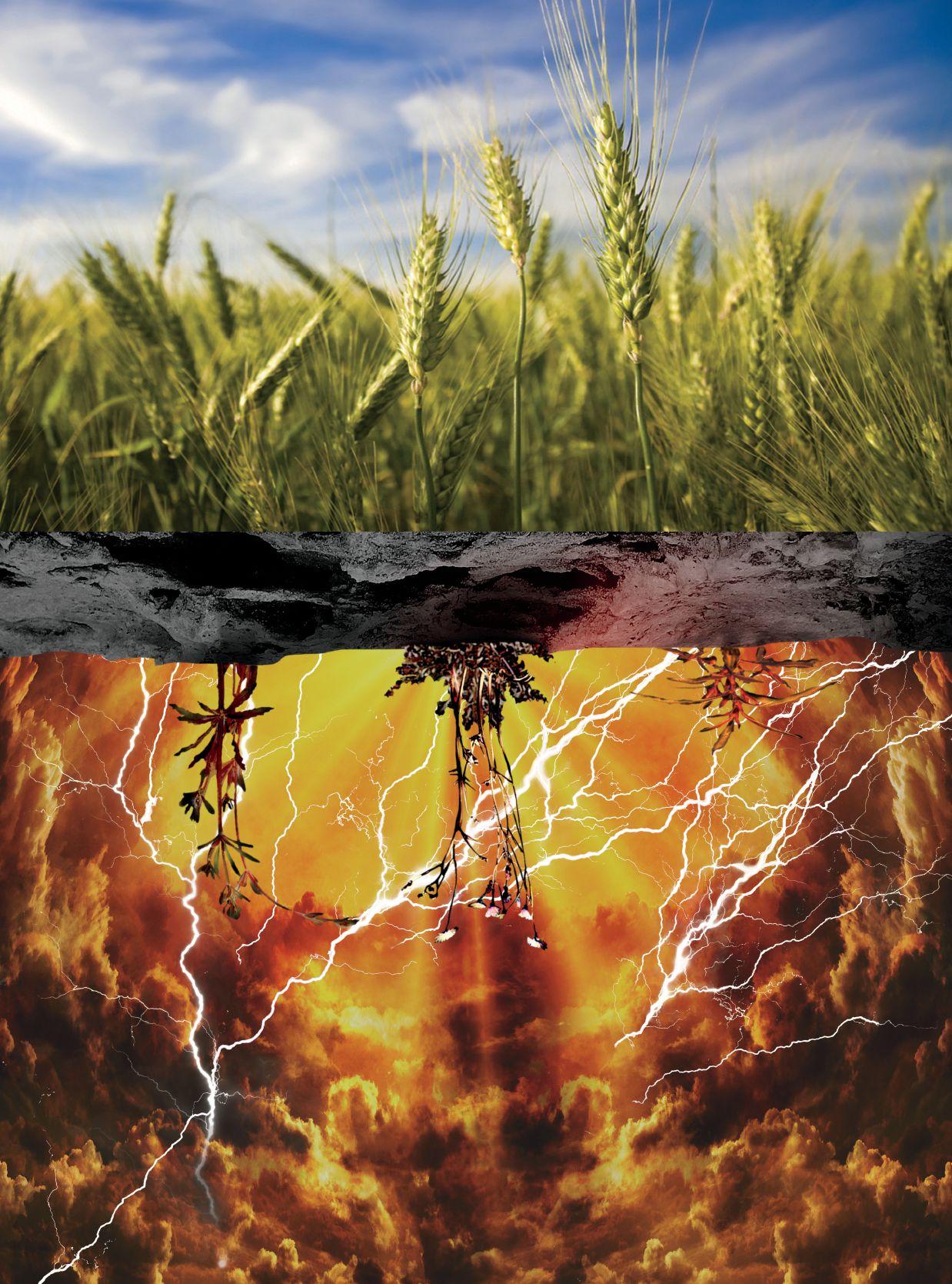
SEND WEEDS TO THE PLACE OF NO RETURN.

Go ahead and turn the tables on broadleaf weeds with the reliable, effective power of DuPontTM Barricade® II herbicide – without compromising your crop health. Three active ingredients from two groups (Group 2 and Group 4) strike down a broad range of weeds like narrow-leaved hawk’s-beard, cleavers and kochia in your cereals. Plus a wide window of application, and outstanding re-cropping flexibility make Barricade® II a sound choice for growers.
Barricade® II: The strength to overcome tough weeds while being gentle on your cereal crops. Speak to your DuPont rep or retailer, call the DuPont™ FarmCare® Support Centre at 1-800- 667-3925 or visit barricade.dupont.ca.

species that have adapted] over millions of years. Let’s say there was a very cold period a million years ago, and maybe some of those wild lentils developed really good tolerance to cold weather. When they didn’t need those cold tolerance genes any more, that didn’t mean the genes disappeared. Those genetic combinations can still be there.”
One of the U of S group’s first lentil pre-breeding projects was to bring anthracnose resistance from Lens ervoides into cultivated lentils. Since then, the researchers have transferred resistance to such diseases as ascochyta blight and stemphylium blight, and they are now looking for resistance to diseases like aphanomyces root rot.
In recent years, the skyrocketing advances in DNA-related technologies have enabled this pre-breeding work to move ahead much faster. The U of S lentil research group is a key player in the international effort to sequence the lentil genome. As well, Vandenberg and his colleague Kirstin Bett are developing genomic tools such as DNA markers to screen lentil breeding material for important traits.
So, along with disease resistance, the researchers are now working on other traits of interest in their lentil pre-breeding program. “We’re beginning to look at nutritional biochemistry, drought tolerance, nitrogen fixation – with funding through NSERC [Natural Sciences and Engineering Research Council of Canada], we’re looking at the whole package of what’s there [in the wild lentil genetic resources] that we can use,” notes Vandenberg.
“We are able to track [genetic traits] better now because we have genomic information – the lentil genome has been sequenced. We’re working on a whole series of hybrids so we can understand all the potential genes that can influence our future development of lentils.”
As well, the U of S lentil pre-breeding work recently received a substantial boost through international funding from the Global Crop Diversity Trust. The U of S work fits right in with the Trust’s objectives, which include ensuring food security, adapting to climate change, safeguarding biodiversity and protecting nutritional security. Not only will the lentil pre-breeding work enhance the genetic diversity of cultivated lentil germplasm and increase the ability of cultivars to withstand climatic stresses, but lentils have a lot going for them in terms of sustainability: they fix nitrogen and can grow in drought-prone areas and poor soils, plus they provide protein, vitamins and iron, and are quick to cook.
Polyphenol profiles
Vandenberg and his research team are just at the beginning of their work on lentil polyphenols. Many different kinds of polyphenols are found in plants, including lentils, and the roles of these polyphenols in the plant and their effects on consumers vary.
Vandenberg explains that the concentration of polyphenols in lentil seeds tends to be higher in the seed coats. “A seed coat is like a wrapper that defends the seed from the environmental stresses. It is hard to say specifically what those polyphenols do, but we know there is a lot of biochemical signalling in the soil.” Plants and microbes release compounds into the soil and those compounds act like a biochemical communication system. So, certain compounds released from the seed coat might trigger interactions with other organisms, which could be either positive or negative. For instance, the signal compounds might alert beneficial bacteria to come and form a symbiotic relationship with the germinating plant, or they
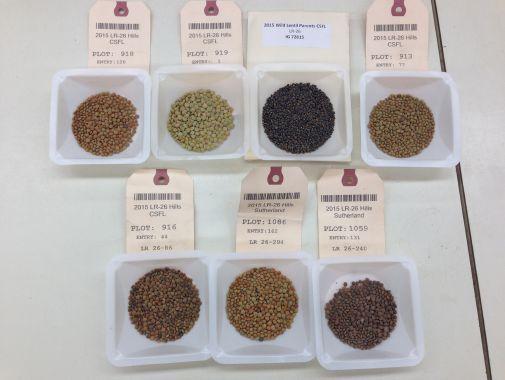
The U of S researchers are crossing wild and cultivated lentils to tap into the rich diversity in the wild species; in this example, the two samples in the middle of the top row are the parents, and the others are the interspecies offspring.
might alert a lentil pathogen that a potential host is present.
When consumed, some lentil polyphenols have a detrimental effect on human nutrition because they limit the bioavailability of micronutrients like iron. However, other polyphenols have possible links to positive effects on human health, such as antioxidant, anti-tumour and anti-heart-disease benefits.
“In lentil, as well as in pea and fababean, the white flower types typically lack most or all polyphenols. The consequence of that is better nutrition for humans who eat the seeds [because it reduces or eliminates the problem of polyphenols binding with micronutrients]. Also, the seeds cook faster because they imbibe [absorb water] faster. But that makes them weaker agronomically – when the polyphenols are missing, the plants sometimes have difficulty emerging from the soil mainly because moisture penetrates the seed coat too fast and causes injury. As a result of injury, the seeds become more susceptible to microorganisms, like bacteria and fungi,” Vandenberg says.
He adds, “Most of the lentils in the world are eaten with the seed coat removed. There is not a lot of consumption of lentil cultivars without polyphenols [because such varieties are a very recent development]. In contrast, most of the peas that are grown don’t have polyphenols; people have managed to breed around that over time. Yet, peas don’t have the same level of problem with microorganisms. So we’d like to aim that way with lentil breeding, if possible.”
With funding from Saskatchewan’s Agriculture Development Fund, the U of S researchers are currently doing the baseline work of determining exactly what polyphenols are in the wild lentil species, the interspecies hybrids, and the different market classes of cultivated lentils.
Vandenberg recruited Randy Purves, an analytical chemist who specializes in mass spectrometry, to the U of S to work on developing methods for identifying and measuring polyphenols. One of Vandenberg’s and Purves’s PhD students has recently identified the most abundant polyphenols in cultivated lentils, and Purves is now working on the polyphenol profiles of the wild lentils and the hybrids.
Earn more money with SeedMaster—guaranteed*. SeedMaster’s UltraProTM seeding system provides near singulated canola seed delivered directly to our innovative active-hydraulic, ground-following, individual row opener for precise seed and fertilizer placement. Cut seeding rates without sacrificing yield. Save on inputs with Overlap Control. That’s SuperSeed. Guaranteed.
We’re farmers, too.
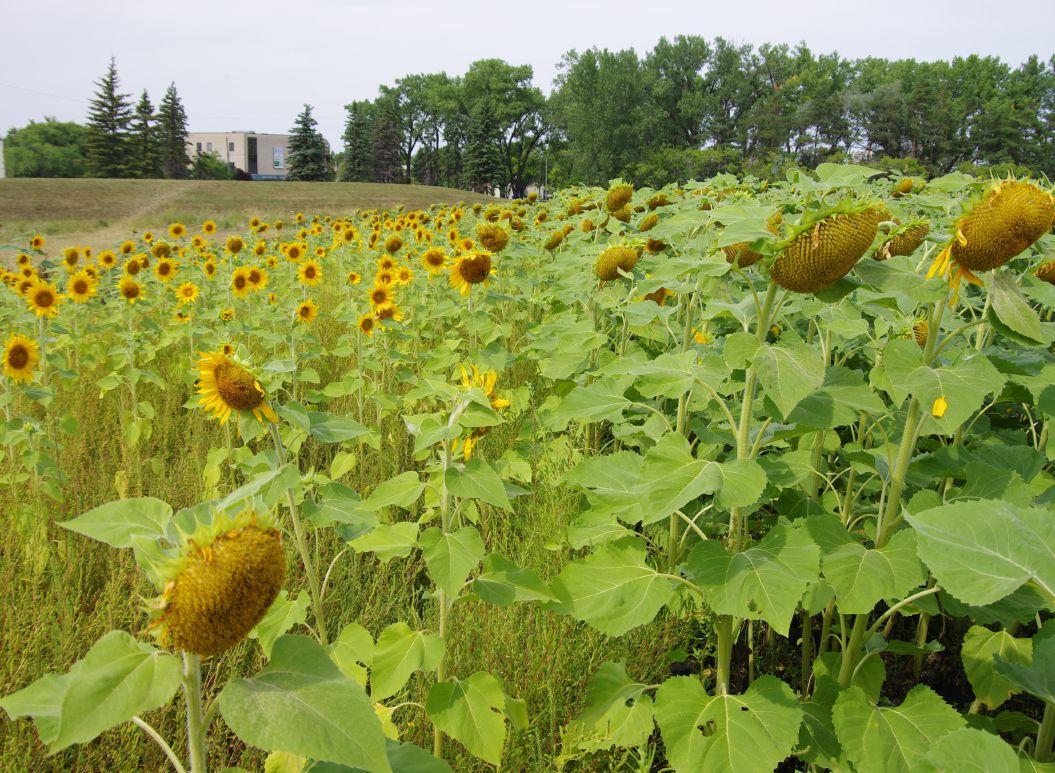
by Bruce Barker
Yield loss due to kochia varies from 31 to 76 per cent when it emerges at the same time as sunflowers. Yield losses of up to 46 per cent occur when biennial wormwood emerges about the same time as sunflower. Those are pretty serious numbers found in research conducted by Robert Gulden, a professor in the department of plant science at the University of Manitoba, and his graduate student, Derek Lewis.
“I wasn’t really surprised to see losses that high, because when you run these types of trials that aim to establish thresholds you need a broad range of weed densities. At the high end, there is a lot of competition. And sunflower isn’t a very good competitor early on, so even at lower weed densities, we expected to see fairly large yield losses,” Gulden says.
Kochia and biennial wormwood are becoming increasingly troublesome weeds in sunflower crops. Agriculture and Agri-Food Canada’s (AAFC) Prairie weed surveys show that kochia has moved up in ranking from 24th in relative abundance in the 1970s to 10th in the last decade. In Manitoba’s sunflower fields, kochia has been identified as one of the top three weeds. Add on the confirmation of
glyphosate-resistant kochia in Western Canada and kochia is a weed to be reckoned with.
Similarly, biennial wormwood is an increasing problem and has been identified as one of the 10 most important weeds in sunflower fields from Manitoba to Texas. Surveys in Manitoba found biennial wormwood in 1.1 per cent of fields and ranked it 43rd most prevalent. However, some areas of Manitoba, such as around Pilot Mound and Killarney, were found to have 11.1 and 13.6 per cent prevalence. Biennial wormwood tends to grow best in saturated soils and likes higher moisture conditions.
Gulden says little research has been conducted on yield loss from these two weeds in Manitoba’s sunflower fields. Two research studies, one on kochia from 2009 to 2011 and the other on biennial wormwood in 2010 and 2011, were conducted to assess these weeds’ impacts on sunflower growth and development, yield and seed quality. Weed density was also analyzed to determine the threshold
ABOVE: An action threshold of four kochia plants per square metre was established in sunflower.
density for herbicide weed control.
Kochia seed was broadcast on the soil surface at six densities of 0, 25, 125, 250, 500 and 1000 viable kochia seeds per square metre into sunflowers planted in 29.5 in. (75 cm) rows, either at the same time as the sunflower crop was planted (early weed seedling recruitment), or when the sunflowers were at the four-leaf stage (late weed seedling recruitment).
Gulden says when kochia plants emerged at the same time as the sunflowers, yield was reduced by up to 76 per cent and sunflower head diameter was reduced in four site-years, stem diameter was reduced in three site-years, height was reduced in two site-years, and the number of leaves per sunflower plant was reduced in two site-years. Average yield loss was 33 per cent. But at Winnipeg in 2011, yield loss was 91.4 per cent, explained by kochia emergence eight days before sunflower emergence.
The good news is when kochia emerged after the four-leaf stage of the sunflower crop, no impact on sunflower growth and development, yield or seed quality was observed.
With biennial wormwood, emergence at about the same time as the sunflowers reduced yield by 34 to 46 per cent. Minimal effect was seen on sunflower growth and development, but sunflower achene size and individual achene weight were reduced, even when no effect on sunflower yield was observed, Gulden notes.
When biennial wormwood emerged at the four-leaf stage, the yield loss model could not adequately explain yield loss. Gulden says the sunflower canopy was already well established when the biennial wormwood seedlings were established at the four-leaf sunflower stage and the biennial wormwood seedlings were too small to compete. The weed remained under the canopy for the rest of the growing season.
Gulden says five per cent yield loss is often used by scientists as an average from which to determine a threshold when farmers target weed control. Based on the average weed-free yield at all sites for kochia (2565 lbs/ac; 2883 kg/ha), and a price of $0.25 per lb ($0.55/kg) for sunflowers, that five per cent yield loss would result in a loss of $32 per acre ($79/ha).
In the study, when kochia emerged at the same time as sunflower, the model generated in Manitoba found that a five
Weed control options are available in sunflower to help keep the crop relatively weed-free. However, the options are more limited when looking at kochia and biennial wormwood. For kochia, only Edge granular applied pre-emerge, and Authority (sulfentrazone) or Authority Charge (sulfentrazone and carfentrazone) are registered.
Authority is used pre-seed or pre-emerge (after seeding but prior to crop emergence), while Authority Charge (a pre-mix of Authority and Aim herbicides) is used pre-emerge. FMC recommends using Authority when applied alone or with glyphosate. Authority provides residual activity of kochia, redroot pigweed, lamb’s quarters, wild buckwheat and cleavers.
Use Authority Charge for additional burnoff activity. The Aim component speeds up glyphosate activity and helps on weeds that glyphosate struggles with. Authority Charge provides the same residual activity as Authority, and also burnoff activity of those emerged weeds controlled by Aim. Consult the labels for recropping restrictions.
Both sulfentrazone and carfentrazone are Group 14 herbicides and provide control of Group 2, 4, 5, and 9 resistant weeds:
• Redroot pigweed (Groups 2 and 5)
• Lamb’s quarters (Group 2)
• Cleavers (Groups 2 and 4)
• Kochia (Groups 2, 4, 5 and 9)
• Wild buckwheat (Group 2)
Edge granular (ethafluralin) is applied pre-emerge and controls a wide range of grassy and broadleaf weeds. It is a Group 3 herbicide, and similarly, can provide herbicide-resistant weed management.
Biennial wormwood is much more difficult to control. One plant can produce up to one million seeds so the goal is to keep the weed from producing seed. A publication from North Dakota State University, Biology and Management of Biennial Wormwood , provides an in-depth look at this weed, including herbicide control options. It indicates biennial wormwood has natural tolerance to many herbicide groups including ALS, dinitroanilines, HPPD inhibi tors, PPO inhibitors and acetamides. Growth regulator type herbicides like bromoxynil, floyrxypyr and 2,4-D and clopyralid are not effective either.
In sunflower in the U.S., Spartan herbicide is registered and may control or reduce biennial wormwood infestations. The active ingredient in Spartan is sulfentrazone – the same as Authority in Canada. In Canada, biennial wormwood is not on the Authority label, and rates between the products differ somewhat. Labelled rates of Authority in Western Canada might provide some activity, but talk to your FMC Canada representative for further information.
Looking at other weeds, most grassy weeds can be controlled with Assure II, clethodium (Se lect, Centurion, Arrow, Shadow RTM), Edge granular, Eptam, Poast Ultra, Solo and trifluralin (Treflan, Rival, Bonanza). Some broadleaf weeds can be controlled with Edge granular, Eptam, Express SG, imazamethabenz (Assert, Avert), Muster Toss-N-Go, Solo and triflu ralin. Check your provincial guide to crop protection for weed control charts and a complete listing of weeds con trolled.

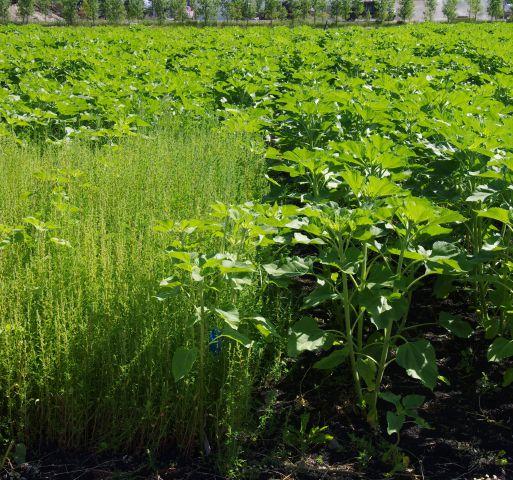
per cent yield loss occurred with four kochia plants per square metre. By comparison, research done by Beverly Durgan of the University of Minnesota found when kochia seeds were planted only in the sunflower row, a density of six kochia plants reduced sunflower yield by 20 to 35 per cent with greater yield losses in drier years.
The action threshold for biennial wormwood was less clear. At Winnipeg in 2011, four plants per square metre was the action threshold for control. But at Melita in 2010 and Carman in 2011,
it was about 40 plants per square metre. An action threshold could not be determined at the other two site-years. Gulden says that makes yield loss predictions difficult using wormwood densities alone, and other factors such as relative time of emergence between the crop and the weed, or environmental conditions, are also contributing heavily to the results of the competition between biennial wormwood and sunflower.
Gulden says these two research studies highlight the need for good weed control in sunflower fields early in the growing season. He says kochia and biennial wormwood are not very competitive weeds at early leaf stages. Other weeds are of greater concern.
Research by Chubb and Friesen with AAFC at Morden, Man., in 1979 through 1981 found when wild oats were left to compete with sunflowers, yield losses ranged from 38 per cent when weeds were left in the seedrow to 54 per cent when weeds were not removed at all. In these trials, in which sunflower was seeded on 30-inch row spacing, they found wild oats growing between the rows competed just as vigorously as wild oats growing in the seedrow.
“Sunflower growers need to keep their fields clean, especially with competitive weeds like wild oats or wild mustard. They emerge early and are competitive so I would expect there would be greater yield losses than we saw with kochia or biennial wormwood, or similar losses at lower weed densities,” Gulden says. “The first four weeks are important until the sunflower starts to canopy, so growers should try to keep their fields pretty weed-free.”
CONTINUED FROM PAGE 50
“We want to know whether the cultivated ones have the same polyphenols as the wild ones, or if the wild ones have some unique polyphenols,” says Vandenberg. “The wild species are certainly tough, so we think some of them may have seed coats that are really beneficial for characteristics like seedling emergence.”
If it turns out that the polyphenol profiles of the wild and cultivated lentils are different, then the researchers can begin to explore whether to transfer some of the wild polyphenols into cultivated lentils. So they will be looking at how the different polyphenols relate to resistance to various lentil diseases and to human nutrition.
“In theory, we now have the biochemistry knowledge to ask those questions. Having a chemist work on the project is important because chemistry takes you back to genes because most biochemical compounds are created through the work of an enzyme [which is regulated through genes]. And that is where breeding comes in,” he says.
“This is a new frontier for us in the world of lentils. Having some genome sequences is the beginning of that. The ability to do chemistry has improved as well, which allows us to take a finer lens to the genus Lens.”
Another objective of this project is to determine how different growing conditions affect the polyphenol profiles. Vandenberg explains, “Many plants respond very specifically to changes in daylength and temperature so we are asking: how consistent are
the polyphenolic profiles in different environments? So we have a network of collaborators around the globe who have been growing plots in their environments of the same material that we developed here, and we bring the material back to Saskatoon to look at what was the environmental effect.”
Although there’s a lot of work to be done, Vandenberg is excited about the long-term potential of this work. “Every year we’ll put together more of the polyphenol picture. When we find something that is of interest, we’ll pursue that more deeply.”
In the long run, Vandenberg hopes the polyphenol information could help turn lentil hulls from a processing waste into a valuable co-product, enabling the growth of a lentil dehulling industry in Canada.
“Our goal is ultimately to create some value for the lentil seed coats. We would like to see 50 per cent of the lentils grown in Canada get dehulled here. Right now it’s a pittance – less than five per cent. Dehulling lentils here would create more jobs and more value here. But if you dehull a million tonnes of lentils, you might have 80,000 tonnes of seed coats. What are you going to do with them?” he says.
“Once we know the spectrum of the polyphenols, we might be able to turn the seed coats into some kind of useful product. That’s a very long-term goal, and we’re still at the baseline knowledge stage. But if there are changes in the seed coat that can be positive, it opens up the whole possibility of how might we use them.”

More power to you.
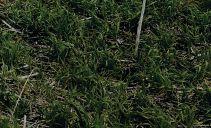
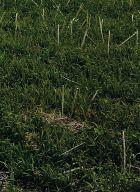
Wind speed, pressure gauge, optimal nozzle settings, check. All systems are go and it’s time to take down the toughest weeds in your wheat eld, whether they’re resistant or not.
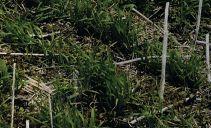
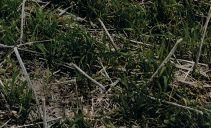
With three different modes of action in a single solution, Velocity m3 herbicide provides you with exceptional activity on over 29 different tough-to-control grassy and broadleaf weeds.


by Julienne Isaacs
It isn’t here yet, but Palmer amaranth is inching closer to the Canadian Prairies, and very little stands in its way.
The annual broadleaf weed – actually a species of pigweed native to the southwestern United States and Mexico –has become a major threat to cotton and soybean production in the U.S., and it’s moving north. As of the 2015 growing season, Palmer amaranth has shown resistance to five major modes of action in the U.S., including glyphosate, ALS herbicides, PPO herbicides, DNA herbicides and HPPD herbicides, according to Jason Norsworthy, a weed specialist at the University of Arkansas. It was found in South Dakota fields in 2014 and named North Dakota’s weed of the year in 2015 to generate awareness.
“Palmer amaranth has moved into some Midwest crop production regions,” says Norsworthy. “We’re probably talking upwards of seven to eight million acres infested overall.”
He says growers in the southern states are forced to use Group 15 herbicides to control the weed, and LibertyLink soybeans. “But we’re on the verge right now, where if we ever see resistance to Liberty, we will have no post-emergence option in soybean,” he says.
Palmer amaranth is the stuff of farmers’ nightmares: fast growing and competitive, each plant can produce upwards of a million seeds. Palmer amaranth is dioecious – individual plants are either male or female – and pollen from male plants travels by wind to pollinate female plants. If male plants are resistant, some of their offspring will also be resistant.
According to Mithila Jugulam, assistant professor of weed physiology in Kansas State University’s department of agronomy, 2003
When storing and managing grain, fertilizer and petroleum products, look to a name you trust. Westeel supplies a full line of farm management products and accessories, all manufactured to the same industry leading standards our bins are famous for. See everything we can bring to your farm. Talk to your Westeel dealer today.
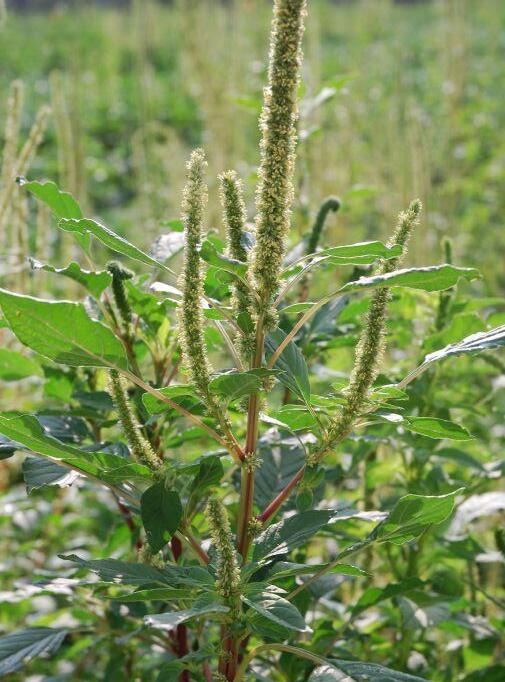

FEED THE WORLD
Westeel Grain Storage
data from Kansas indicates that eight Palmer amaranth plants per metre of row reduced soybean yield up to 79 per cent.
“There is an immediate need to manage Palmer amaranth, as continued spread of the weed, without prudent management strategies, threatens to reduce conservation tillage throughout affected areas of the United States,” she says.
Jugulam’s team at Kansas State is working on characterizing Palmer amaranth populations, as well as analyzing mechanisms of resistance to glyphosate. Recently, they found populations in Kansas exhibited resistance to three modes of action in herbicides, including glyphosate.
She says Amaranthus species, including Palmer amaranth, are particularly dangerous because they can outcross, albeit at a low frequency, with related species. In other words, resistance can spread from one species to another species via pollen.
The first case of glyphosate-resistant Palmer amaranth was reported in the U.S. state of Georgia. This resistance develops as a result of target gene (EPSPS) amplification, Jugulam says. “Both kochia and Palmer amaranth, and several other weed species, have evolved resistance to glyphosate via target gene amplification,” she says.
In brief, the plants use gene amplification to create multiple copies of a gene targeted by glyphosate, allowing plants to survive normal rates of application.
But Jugulam’s team has made another discovery: temperature stress can influence herbicide efficacy. Recently, the team analyzed the influence of cold temperatures on the efficacy of mesotrione, an HPPD inhibitor, on Palmer amaranth. “Results from this research suggest that the Palmer amaranth plants were two- to five-fold more and less sensitive to mesotrione when grown under 25/15 degrees Celsius, and 40/30 degrees Celsius [day/night temperatures], respectively,” she says, adding this means high-temperature stress conditions might warrant higher rates of mesotrione.
Neil Harker, a research scientist with Agriculture and Agri-Food Canada in Lacombe, Alta., says the solution to managing Palmer amaranth is multi-faceted. Using a mix of modes of action is a key aspect of management, but Canadian growers are not doing it enough.
“I think most people go about doing the same thing until it’s a problem on their farm. People wait for a problem to arrive and then try to solve it,” he says.
The solution doesn’t just involve the use of herbicides, however.
Westeel Petroleum Storage
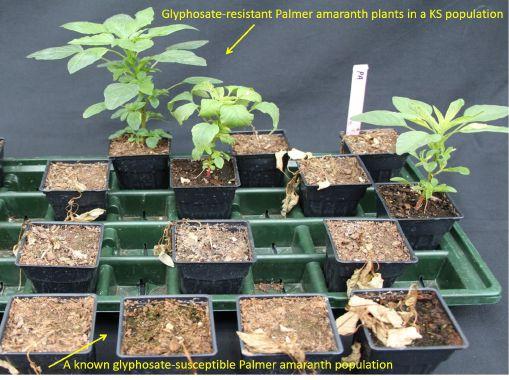
Research has found Palmer amaranth populations in Kansas exhibited resistance to three modes of action in herbicides, including glyphosate.
Farmers should plant a wide variety of crops, including winter and forage crops, he says. “And they need to look into what the Australians and some farmers in the southern U.S. are doing with chaff collection.”
In Australia, farmers have made a “huge impact” on the problem of wild radish and rigid ryegrass by collecting chaff or using Harrington Seed Destructors (HSDs). Canada received its first HSD, intended for AAFC research, in 2015.
“With combines, we spread successful weed seeds all over the field,” Harker says. “What chaff collection does is collect that chaff and burn it, feed it or mulch it to destroy the weed seeds instead of spreading around our most successful weeds.”
For now, Canadian growers need to focus on scouting and prevention. But not everyone believes Palmer amaranth will present a major problem to Western Canada even if – or when – it finally creeps over the border.
“Glyphosate resistant kochia is a big concern for us, and we’re always on the watch for other glyphosate resistance becoming present in our other weed species, but glyphosate resistant Palmer amaranth is not a big worry for us,” says Robert Blackshaw, a weed specialist at AAFC’s Lethbridge Research Station.
“Resistant or not resistant, Palmer amaranth is not a species that’s well suited to our climate. It’s a species that’s adapted to a longer growing season and warmer temperatures than we have in Western Canada,” he adds.
Westeel Fertilizer & Seed Storage
by Ken Sapsford
New herbicide product registrations and label updates continue to bring more choice to farmers, with multiple modes of action to manage weed infestations and herbicide resistance. Product information is provided by the manufacturers.
Burndown herbicides
BlackHawk: Pyraflufen-ethyl (Group 14) and 2,4-D Ester (Group 4) is a newly registered, pre-formulated herbicide developed to be added to glyphosate prior to the emergence of cereal crops and soybeans. BlackHawk provides systemic and contact activity targeting Group 2 and 9 resistant kochia, volunteer canola (all herbicide tolerant varieties), and tough to kill broadleaf weeds such as wild buckwheat and cleavers.
Blitz : Florasulam (Group 2) is a newly registered herbicide to be tankmixed with glyphosate to control volunteer glyphosate tolerant canola, wild buckwheat (up to five-leaf) and top growth control of dandelion (up to six-leaf stage).
Express FX: Tribenuron (Group 2) and dicamba (Group 4) is a powerful new option for preseed weed control before spring wheat, durum and barley. Express FX offers exceptional defense against weed resistance, and control of key weeds such as kochia, dandelion, narrow-leaved hawk’s-beard, flixweed, stinkweed and volunteer canola.
GoldWing: Pyraflufen-ethyl (Group 14) and MCPA Ester (Group 4) is a pre-formulated pre-emergent herbicide designed to be mixed with glyphosate for three modes of action in one tank to manage risk of glyphosate resistance. GoldWing controls the toughest herbicide-resistant weeds including volunteer canola (all herbicide tolerant varieties), and Group 2 and 9 resistant kochia. It also has enhanced activity on toughto-kill broadleaf weeds such as wild buckwheat and cleavers. GoldWing is registered prior to emergence of field peas, cereals and canaryseed, with further label additions coming after the 2016 season.
Hotshot: Bromoxynil (Group 6) and florasulam (Group 2) co-pack is a unique preseed herbicide designed for mixing with glyphosate for burndown of hard to control broadleaf weeds including Group 2 and 9 resistant kochia, volunteer canola (including glyphosate resistant), wild buckwheat, dandelion and narrow-leaved hawk’s-beard. For preseed applications prior to wheat (spring, winter and durum), barley or oats.
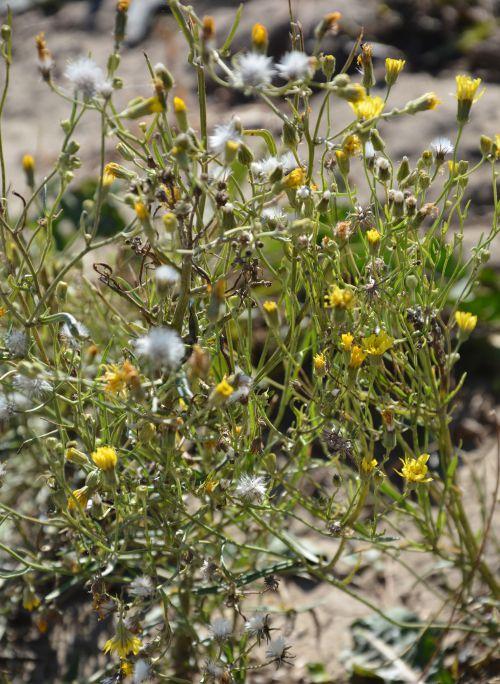
GP Herbicide: Pyroxsulam (Group 2) is a highly effective graminicide addition to the PrecisionPac portfolio. It controls tough grassy weeds, including Group 1 resistant wild oats and Japanese brome. When mixed with a PrecisionPac broadleaf blend it gives growers completely customized control of grassy and broadleaf weeds. For use in spring and durum wheat.
Predicade: Thifensulfuron, tribenuron (Group 2), fluroxypyr, MCPA (Group 4), thiencarbazone (Group 2). Predicade herbicide provides broad spectrum, one-pass control of both grassy and broadleaf weeds in spring and durum wheat. Multiple modes of action from five active ingredients provide proactive resistance

K-Row 23 ® (0-0-23-8S) is an efficient, chloride-free source of soluble potassium and sulfur developed for starter and in-furrow (pop-up) fertilizer applications. It is effective, easy to blend and seed-safe when applied at recommended rates.
K-Row 23 contains 2.6 pounds of potassium (K 2 O) and 1.0 pound of sulfur in each gallon.

management, along with outstanding application and re-cropping flexibility under the toughest conditions.
Solo ADV: Imazamox (Group 2) is a new liquid herbicide formulation with built-in adjuvant, replacing Solo WDG. Registered for use in Clearfield canola, Clearfield canola quality Brassica juncea, Clearfield lentils, Clearfield sunflowers and soybeans.
Squadron: Metribuzin (Group 5) is a broad spectrum herbicide registered for grass and broadleaf weed control in a wide range of crops, most notably lentils, peas, chickpeas, fababeans, soybeans and potatoes. Can work alone or in combination with recommended tank-mixes.
TraxosTwo: Pinoxaden (Group 1), clodinafop (Group 1), fluroxypyr (Group 4) and 2,4-D (Group 4) is a new cereal herbicide co-pack that provides spring wheat and durum growers in the Brown soil zone of Western Canada with fast and powerful control of tough-to-manage annual grass and broadleaf weeds. TraxosTwo contains four active ingredients through two components: the grass component contains pinoxaden and clodinafop (Group 1) for control of difficult grass weeds including wild oats, green foxtail and Persian darnel; the broadleaf component contains 2,4-D Ester and fluroxypyr (Group 4) for control of aggressive broadleaf weeds, such as kochia (including Group 2 resistant biotypes), cleavers and wild buckwheat. TraxosTwo can be applied on the crop from four-leaf stage up to the flag leaf stage.
Enforcer MSU: Fluroxypyr (Group 4), bromoxynil (Group 6), MCPA Ester (Group 4) and thifensulfuron/tribenuron (Group 2) is a co-pack herbicide offering three herbicide groups with three unique modes of action. Enforcer MSU targets kochia, lamb’squarters, wild buckwheat and wild mustard, and enhances chickweed, hemp nettle, narrow-leaved hawk’s-beard and volunteer canola control, and mixes with most graminicides.
Infinity FX: Pyrasulfotole (Group 27), bromoxynil (Group 6) and fluroxypyr (Group 4). New Infinity FX combines the power of three herbicide groups, utilizing both systemic and contact activity, to increase control of cleavers and kochia. Multiple modes of action make this an exceptional resistance management tool. Registered on wheat and barley crops.
Travallas: Thifensulfuron, metsulfuron (Group 2) and fluroxypyr (Group 4) is a new liquid herbicide for use in spring wheat, durum wheat and spring barley, delivering broad spectrum control of the toughest broadleaf weeds and effective resistance management. For growers contending with hard-tokill broadleaf weeds like Canada thistle, dandelion, kochia and cleavers in their cereal crops, Travallas delivers the right combination of performance and liquid herbicide convenience. Multiple tank-mix options are available.
Valtera: Flumioxazin (Group 14) is a pre-emergent soil-applied herbicide offering residual control in pulses and soybeans in Western Canada and is now registered for spring and fall application prior to seeding field peas, chickpeas and spring wheat. Valtera provides residual activity on several key problem weeds, including kochia, chickweed and volunteer canola.
XtendiMax : Dicamba (Group 4) herbicide with VaporGrip technology. XtendiMax is a low-volatility liquid dicamba formulation developed for use in the Roundup Ready Xtend Crop System. It helps manage weed resistance by controlling glyphosate resistant weeds, reduces early weed competition
through short-term residual control, and minimizes the volatility potential. This product is intended to be tankmixed with Roundup WeatherMAX or Roundup Transorb HC herbicides to provide multiple modes of action on tough broadleaf weeds.
Stage: Diquat (Group 22) is registered to enhance crop dry down and dry immature and green weeds to facilitate harvest. Stage is registered for use on dry bean, canola, chickpea, flax, alfalfa, bird’s-foot trefoil, red and white clover, lentil, mustard, oat, peas, potato and sunflowers.
Ares: Imazamox (Group 2) and imazapyr (Group 2) has an amendment weed list to include control of chickweed and stork’s bill.
Armezon: Topramezone (Group 27) is now registered for volunteer canola control (all types including glyphosate tolerant) and kochia control (all types including glyphosate tolerant) when Armezon is applied in tank-mix combination with glyphosate. Also amended is the water volume, from 200 L/ha to a rate range of 100 to 200 L/ha.
Barricade II: Thifensulfuron, tribenuron (Group 2) and fluroxypyr (Group 4). Label expansion includes use on winter wheat and aerial application. Now also registered for control of perennial sow thistle.
Distinct: Diflufenzopyr (Group 19) and dicamba (Group 4) has an amendment of the weed list in chemfallow at 100 g ae/ ha to include redroot pigweed, lamb’s-quarters, round-leaved mallow and spiny annual sow thistle.
Everest 2.0: Flucarbazone (Group 2). Registered for control of Japanese brome and aerial application. Can now be applied to wheat from one-leaf to four-leaf two tillers by air or ground equipment for control of Japanese brome and previously labelled weeds wild oat, green foxtail, redroot pigweed, wild mustard, canola, green smartweed and shepherd’s purse.
Focus: A co-pack of carfentrazone (Group 14) and pyroxasulfone (Group 15) is a preseed/pre-emergence herbicide registered for use in corn, soybeans and now spring and winter wheat. Focus can be tankmixed with glyphosate in your burndown treatment or applied alone to the soil. There is no mechanical incorporation required. Focus will control major grass weeds, including downy and Japanese brome.
Heat WG: Saflufenicil (Group 14) now has the addition of MSO Concentrate as an alternative adjuvant to Merge.
Heat LQ: Saflufenicil (Group 14). BASF will be launching a bulk SKU of Heat LQ for pre-harvest use. One tote will treat 1,000 acres.
O dyssey Ultra: Imazamox and imazethapyr (Group 2) and sethoxydim (Group 1) is now registered for use on fababeans.
Paradigm: Arylex Active, halauxifen (Group 4) and florasulam (Group2) is registered for control of a series of new weeds in addition to those already present on the label, including Canada fleabane (up to 15 cm), flixweed (up to eight cm), stork’s bill (eight-leaf), common ragweed (one- to six-leaf), shepherd’s purse (up to 20 cm), round-leaved mallow (one- to six-leaf) and volunteer alfalfa (up to 25 cm).
Pixxaro: Arylex Active, halauxifen (Group 4), fluroxypyr (Group 4) and MCPA (Group 4) is registered for control of a
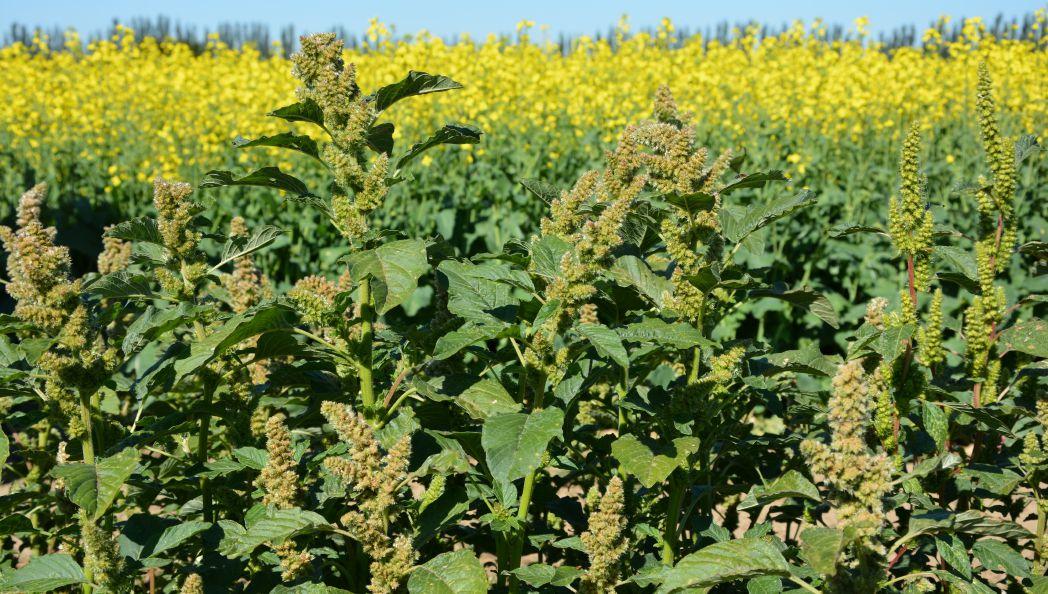
series of new weeds in addition to kochia control and high performance on a wide array of broadleaf weeds. The new label weed control claims include annual sow thistle (four-leaf), Canada fleabane (up to 15 cm), flixweed (up to eight cm), stork’s bill (eight-leaf), common ragweed (one- to six-leaf), shepherd’s purse (up to 20 cm), round-leaved mallow (one- to six-leaf) and volunteer alfalfa (up to 25 cm). It is also registered for use with a wide array of both Group 1 and Group 2 graminicides.
Salute: Imazamox and imazapyr (Group 2) and clopyralid (Group 4) is the only Clearfield canola solution for highperformance broad spectrum control of grasses, annual and perennial broadleaf weeds. For 2016, the control of chickweed and stork’s bill has been added to the wide label of weeds controlled.
Simplicity GoDRI: Pyroxsulam (Group 2). Simplicity herbicide will be available as the new Simplicity GoDRI RDT formulation in 2016. It provides the same high level of grass and broadleaf weed control with the added benefit of GoDRI rapid dispersion formulation technology. This formulation provides for mixing ease, convenience of application and tank-mix flexibility. The new formulation requires smaller packaging and provides excellent mixing. The rate structure will be 28 g/ac for grass and broadleaf weed control and 21 g/ac for wild oat control only requiring a broadleaf mix partner.
Stellar XL: Florasulam (Group 2), fluroxypyr (Group 4) and MCPA (Group 4) is a new co-formulation of Stellar XC that will provide for convenience of handling in bulk containers. Stellar XL will be available in 97.1 L drums that will treat 240 acres. Stellar XL will provide the same levels of control of many tough to control broadleaf weeds in Western Canada by using multiple modes of action with activity on tough-to-control weeds such as kochia, cleavers, wild buckwheat, hemp nettle and many other common broadleaf weeds.
Odyssey WDG: Imazethapyr (Group 2) and imazamox (Group 2). Amendment of the Odyssey WDG herbicide label to include control of labelled weeds in seedling clover grown for seed production.
Poast Ultra Liquid: Sethoxydim (Group 1). Amendment of the Poast label to include control of labelled weeds in crop subgroup 13-07A (caneberries) and amendment of the PHI from 15 days to one day for the already registered use in highbush blueberries.
New for 2016, Gowan Agro Canada has purchased Edge herbicide globally, and assumed manufacturing and marketing in the western Canadian market. Edge is a proven pre-emergent residual herbicide providing early weed removal and long-term control of grassy and broadleaf weeds. With a Group 3 mode of action, Edge is an excellent resistance management tool. It is registered for use in canola, peas, lentils, fababeans, mustard and specialty crops.
Gowan Agro Canada has also purchased Treflan herbicide globally, and assumed manufacturing and marketing in the western Canadian market. Treflan is a proven pre-emergent residual herbicide delivering season-long control of grassy and broadleaf weeds. It is registered for use in crops such as canola, mustard, peas, lentils, flax and many specialty crops.
Pyraflufen: a novel new Group 14 active ingredient that is registered for preseed, non-residual control in many crops, including pulses, cereals and soybeans in Western Canada. The recent approval of additional crops such as lentils, field peas and canola has allowed Nufarm to introduce two new products to enhance preseed burndown: Pyraflufen is now available in a pre-formulation with BlackHawk and new GoldWing herbicides.

Resistant or not, powerful Infinity ® herbicide provides you with the ability to take out the toughest broadleaf weeds in your cereals. With its unique Group 27 mode of action, Infinity helps ensure the profitability of your farm today and for years to come.
Managing herbicide resistance is everyone’s fight. Spray Responsibly.
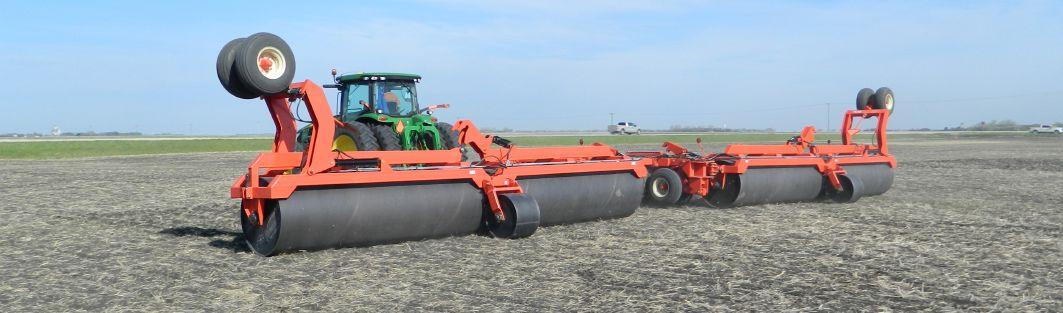
by John Dietz
Cost of repairs is one good reason to roll your soybean field next season, says Dennis Lange, Manitoba Agriculture, Food and Rural Development farm production advisor.
According to dealership service departments, repairs can cost more than $50,000 for putting one fist-sized rock through the pickup of a new combine, plus some inconvenience. Generally, it’s worth the trouble to avoid that kind of problem. Until soybeans came along as a major crop, however, the province had very few acres that required putting the header into that on-the-ground high-risk zone.
Manitoba’s soybean acres have been increasing at 150,000 to 200,000 acres a year since 2011, Lange says. The projection is for upwards of 1.6 million acres of the ground-hugging bean in 2016.
The rolling option
Preparation is key, and Lange suggests finding a land roller to use in advance of planting. “Sometimes there’s an accessibility issue. Not every farmer owns a roller. But some companies do rent rollers out to growers,” he notes.
Lange tells first-time soybean growers to plan to roll after seeding and before the plants emerge. The rolling could be done within a day or two of seeding, depending on how wet the soil is. You don’t want to roll if the soil is too wet due to compaction issues.
“Unless the soil is really dry, you want to give it time to firm up a little. When you’re planting into moisture, you also are working up a little wet soil to the surface,” he says.
Sometimes he fields questions about roller weight and roller speed. Mostly, he isn’t concerned. “Weight isn’t an issue. Most rollers don’t have the option to add weight with water. If you do have an option to put pressure on the roller, you only want enough pressure to anchor the stones in the ground, fist-sized and smaller. If those are anchored, they won’t be picked up by the header.
“Those that are fist-sized probably cause the most damage. If you don’t get those pushed into the ground, the pickup reel and header probably will pick them up with material you’re taking into the combine. It’s a lot more difficult for a combine to pick up the real big stones.”
Should every acre be rolled every year? Lange says, “A lot of growers do roll every year. Where you may not want to roll is where you’re confident the stones are very limited, and where soil compaction could be an issue.
A second situation arises for some growers, some years, causing them to back off. “Suppose you seed 200,000 plants. A month later, you find that you had some issues and you’re down to 80,000 plants per acre, the lower limit for a soybean crop. Rolling at that time might reduce your plant stand even more, and that becomes an issue. You might argue, ‘I’ll take what I’ve got now in the field rather than reduce my plant stand density even more,’” Lange says.
Situations just like that occurred in 2015. Some growers planted in early May while the soil was relatively cool, but delayed rolling. It stayed cool, and a month went by before they saw green hooks poking above the field surface. At that point, it was good to review why they were rolling.
Unlike most field operations, growers are not rolling to increase yield. They roll to make the harvest easier and less risky. “Rolling fields after seeding is a way of pushing stones into the soil and anchoring them firmly so the combine header doesn’t pick them up,” Lange says. “Growers who may have just the odd stone in a field still like rolling so they have a nice flat surface for the combine header to go along at harvest time, to get more beans. That way, the header rides really smoothly on that flat surface. There’s no dirt lumps. If everything is nice and flat it allows you to get a few more beans into the hopper.”
Those growers, who don’t have stone issues but still roll the field to create the best possible opportunity for catching bean pods, may get a bit more yield as a secondary benefit.
Growers have two windows for rolling a soybean field: immediately
ABOVE: Rolling soybeans can be done within a day or two after seeding.
COMPETITION + GLYPHOSATE
DAY 21: re-growth occurs
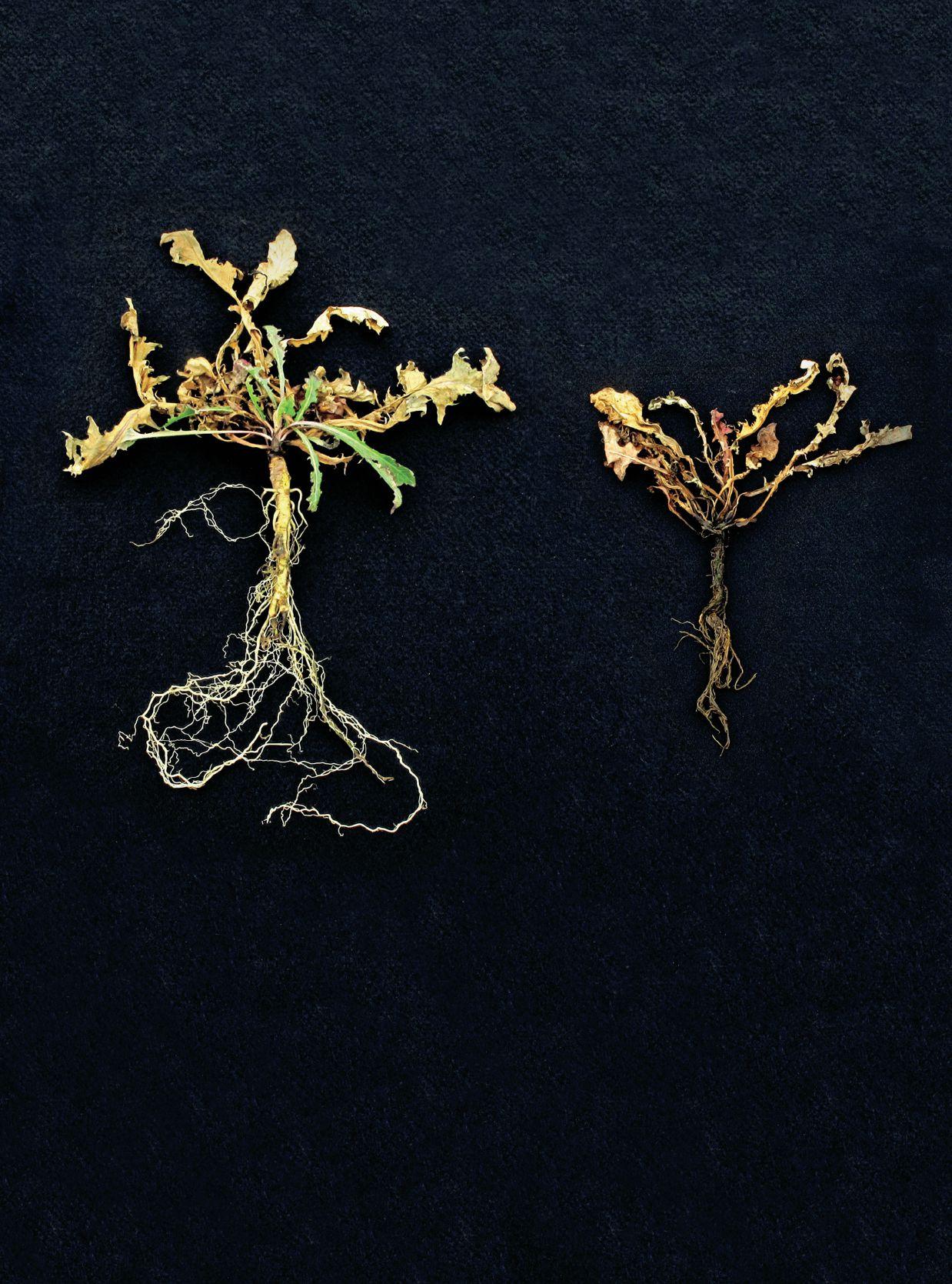
EXPRESS® + GLYPHOSATE
DAY 21: complete burn

Express® burns to the roots with no re-growth. Add DuPontTM Express® to your pre-seed glyphosate burn-o tank mix this spring and you’ll eliminate your toughest weeds from the shoots to roots with its complete systemic activity. For cleaner elds and higher yields, get a head start this spring with Express® brand herbicides. See the video of our side-by-side performance trials at express.dupont.ca right now.
Ask your retailer how you can save up to 10% and enjoy a bonus rebate of up to $2.50 per acre with the FarmCare® Connect Grower Program.

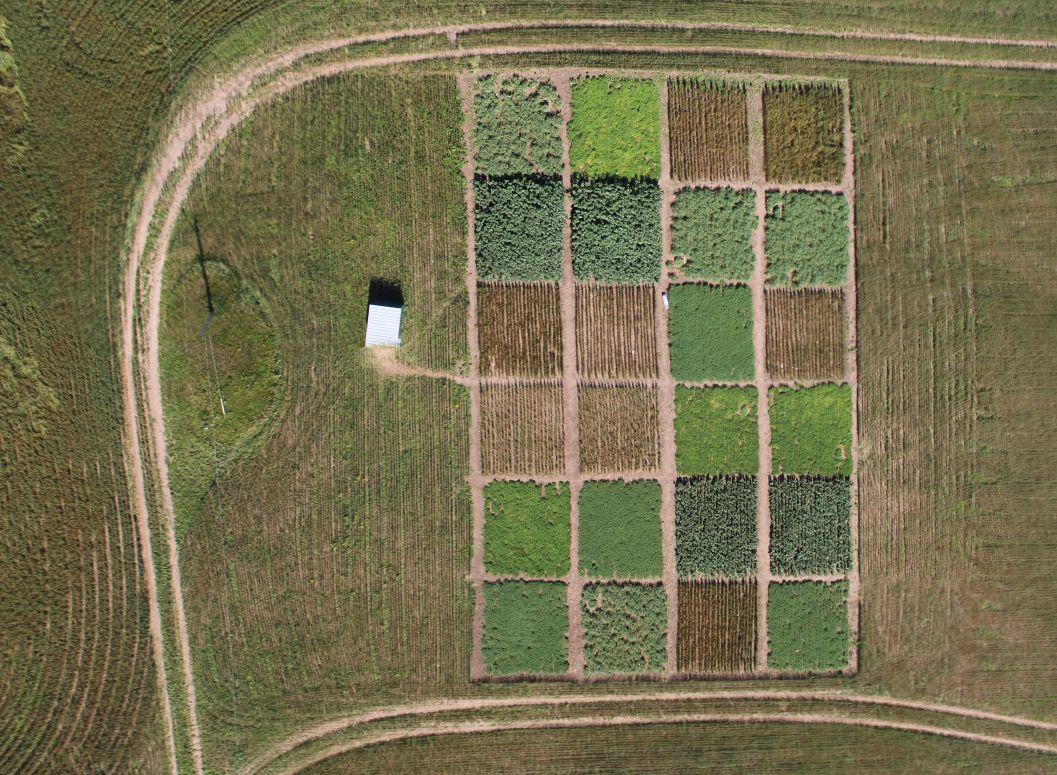
Improving the accuracy of estimating nitrogen credits and benefits from pulses.
by Donna Fleury
Pulse crops in rotation provide a range of ongoing benefits to subsequent crops, such as reducing fertilizer costs, providing a break in pest cycles and increasing yield. Estimating the nitrogen (N) benefits or credits to the system can be challenging, and researchers continue to improve methods that provide a more accurate assessment of N and carbon (C) in cropping systems.
Ultimately more accurate assessments will improve cropping system footprinting estimates for C or greenhouse gas emissions, for example.
Researchers in Saskatchewan initiated a four-year field-scale project in 2014, based on the success of an earlier greenhouse project, to compare several pulses in rotation and their N contributions to the cropping system. This study, led by Richard Farrell
and Diane Knight at the University of Saskatchewan and in collaboration with Reynald Lemke from Agriculture and Agri-Food Canada, includes side-by-side comparisons of lentil, field pea, chickpea and fababean in rotation with wheat. Researchers are using a stable isotope method to label N and C in the pulse crops to track their movements in the plant and into the soil.
“Our goal is to be able to provide a better picture of the overall N balance in the cropping system, including above and belowground N (BGN), and a refined estimate of biological N2fixation,” Lemke explains. “The use of N-labelling allows us to track the disposition of N both in the above and belowground parts of the
TOP: First year plots including lentil, field pea, chickpea and fababean, plus a wheat control plot in 2014 near Saskatoon.
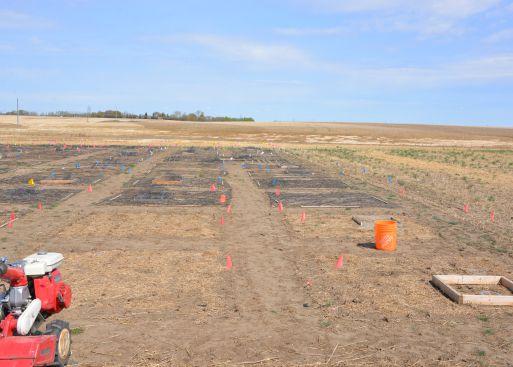
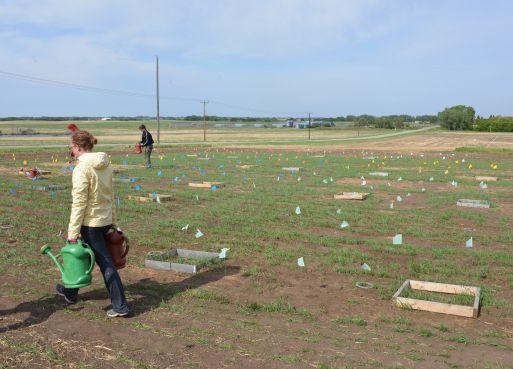
crops, and ultimately determine how much N is fixed and possibly left for subsequent crops. This will help us answer the question of how much additional N the pulse crop contributed, how much ended up in the following wheat crop and helps improve the accuracy of estimating the N credit.”
Four pulse crops, including lentil, field pea, chickpea and fababean, plus a wheat control plot, were planted in the first cycle in 2014 in replicated field plots near Saskatoon. The N and C were labelled in each crop, as well as the N fertilizer applied to the wheat control in year one. In year two, wheat was seeded across all of the plots, and a modest level of unlabelled N fertilizer was applied.
“The labelling helps us track the sources of N into the following wheat crop, which is important not only for estimating the N benefit and any N credits returned to the cropping system and where those benefits came from, but also estimating how much is from fertilizer,” Lemke says. “The approach allows us to clearly distinguish the amount of N in the wheat that originated from aboveground residues, belowground residues and N fertilizer separately. As well, the approach allows us to determine how much of the C that was contributed by the pulse crop persists in the soil after the subsequent wheat crop is harvested.”
The results from the first two years of the field study are preliminary and researchers are still analyzing the data collected after the 2015 harvest. There are plans to continue the study for an additional two years. “From the first year preliminary results, the findings are so far consistent with what other long-term studies have shown and the earlier greenhouse study, where BGN contributions are higher than previously accounted for,” Lemke says. “All of the pulses fixed a fairly high percentage of N, which means they should be leaving behind a reasonable amount of N for the next crop. Although fababean has always been promoted as a higher fixer of N, the preliminary results show the differences between all of the pulses was not that great, they all did very well, with fababean only slightly better. Generally, any of the pulses are proving to be a good option in rotation.”
Providing a more accurate assessment of belowground N and C will help growers improve N utilization and fine-tune overall
N management in their cropping systems. “By having a better understanding of how much N is available to the next crop, how much is used by the crop and where any remaining N ends up, whether stabilized in the soil organic matter or lost to the system, is important,” Lemke says. “For growers, by doing the best job of N management they can, helps improve their economics, reduce fertilizer inputs and potential losses (e.g. nitrous oxide N 2O) and can improve long-term sustainability of their cropping systems. This also loops back to the marketplace, where greenhouse gas (GHG) emissions and footprinting negotiations are very real.”
Lemke expects that results from their research will also be an important contribution for fine-tuning national GHG inventories, such as amounts of N 2 fixed by different crops, amounts of C sequestered by cropping systems, as well as N 2O losses and the percentage of those losses that come from N fertilizers or from the N in crop residues. “For growers, estimating N 2O losses is generally a good indicator of efficiency of N utilization and management in their cropping system. N 2O is a very powerful GHG, so reducing losses not only improves the GHG footprint of cropping systems, but also benefits growers directly by improving their economics.”
Overall, pulses are providing a broader benefit to the whole system by not requiring N fertilizer inputs in the year they are grown plus the N credit they provide to the subsequent crops that reduces the amount of N fertilizer required, improving the overall cropping system GHG footprint. Pulse crops are providing benefits in rotation by restraining emissions and improving the CO 2 footprinting, whether calculated on a direct emission or intensity basis (number of units of a crop grown per unit of GHG emitted). Research is underway to compare crop sequencing and overall rotation benefits.
“We expect to have preliminary project results available early in 2016, and plan to extend the project for two more years, which will help us quantify the measures much better,” Lemke says. “Growers will be able to improve their overall N utilization and maximize the benefits of pulses in rotation, at the same time as having improved estimates for future footprinting activities. Pulses in rotation are proving to be an important rotation management component of the whole cropping system, with economic and footprinting benefits, as well as other rotational benefits for breaking disease, weed and insect pest cycles.”
Is precision subsoiling a cost-effective way to deal with compacted layers?
by Carolyn King
Dense, compacted subsoil layers can have serious crop yield impacts. They can impair root penetration, limiting root access to water and nutrients, and they can decrease water infiltration and increase the risk of ponding, runoff and erosion. One way to try to improve soil with a compacted layer is to use a deep tillage implement, but that can be expensive. So University of Saskatchewan (U of S) soil scientist Jeff Schoenau is leading a new project to evaluate precision subsoiling.
A common cause of subsoil compaction is repeated wheel traffic, for example in travel and loading areas, especially if heavy field equipment is used on clayey soils in wet conditions. As well, natural soil-forming processes can create a hardpan layer, such as in Solonetzic soils.
Solonetzic soils have a hard, sodium-rich B horizon (the soil layer below the topsoil, or A horizon). “The presence of large amounts of sodium causes some soil dispersion and the creation of these hardpans due to clay movement into the B horizon,” Schoenau explains.
The majority of Canada’s six to eight million hectares of Solonetzic soils are found in Alberta and Saskatchewan. Solonetzic soils tend to occur in areas with high-sodium parent materials or where groundwater carries sodium into the soil. For example, there are broad areas dominated by Solonetzic soils along the edge of the Missouri Coteau in Saskatchewan, such as the Central Butte area and the Radville to Estevan area.
Although subsoiling was studied in past decades on the Prairies, not much research had been done recently until Schoenau’s research group conducted a study that began in 2010. In that study, they used a paraplow, a type of subsoiler that has been on the market for quite a while. As the tip of a paraplow moves through the subsoil, it lifts and then drops the soil column, loosening the soil. It causes limited disturbance of the soil surface, as the loosening point is run at a depth of 45 centimetres.
That study’s treatments compared spring and fall subsoiling, two different subsoiling depths and two different shank spacings. It took place at three irrigated sites and one dryland site in southcentral Saskatchewan in the Lake Diefenbaker area.
One site had soil structural issues because of its Solonetzic soils. Unfortunately, the study’s fieldwork took place during two unusually wet years, 2010 and 2011, and the Solonetzic site had to be abandoned due to flooding.
At the other sites, the researchers didn’t detect any serious compaction problems. Nevertheless, subsoiling did affect soil
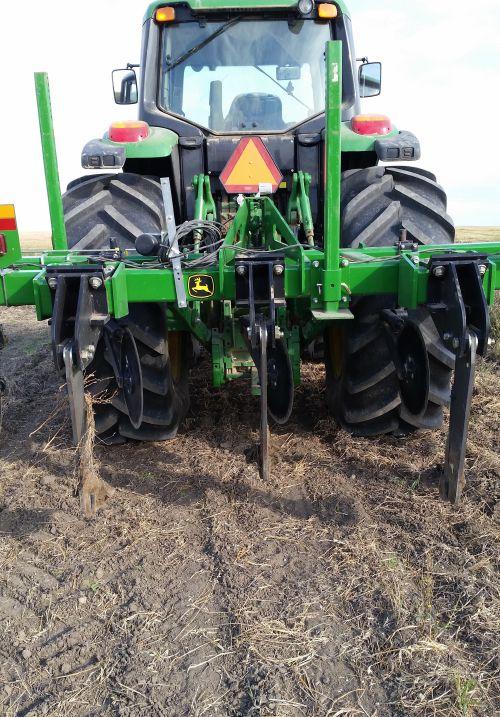
Researchers are evaluating precision subsoiling with a minimum till ripper.
conditions and water infiltration at those sites.
“One of the things we found is that subsoiling did significantly increase the infiltration of water and reduced the density and strength of the soil. How long those effects persist depends on the moisture conditions; we tended to see less persistence if it was really wet than if it was dry,” Schoenau says.
Subsoiling resulted in variable and typically small yield increases of about five to eight per cent. He notes, “If you compare that yield advantage to the subsoiling costs, it was about a breakeven proposition. We concluded that the effects would have to persist longer than one year or else be of a larger magnitude in order for subsoiling to be really economical on these particular soils, where serious compaction issues were not evident.”
So, if you break even on subsoiling costs in soils without serious compaction problems, then might subsoiling be economical if it were just targeted at those patches in a field where serious soil structural problems occur?
Schoenau’s new precision subsoiling project could help answer that question.
He is working on this project with his colleague in the department of soil science, soil physicist Bing Si. The Saskatchewan Agriculture Development Fund, Saskatchewan Wheat Development Commission and Western Grains Research Foundation are funding the project.
The two sites for this project are both in the Lake Diefenbaker area near Central Butte and are both dryland locations. At one site, the researchers have induced some soil compaction through repeated wheel traffic. At the other site, they have set up a smaller experiment on a field with significant structural limitations due to a Solonetzic hardpan layer.
In the fall of 2015 at the two sites, the researchers began by mapping the location and depth of spots where the subsoil’s soil strength and density were high enough to limit root growth. “We have a cone penetrometer, and we use a sampling grid to make maps of the penetration resistance [soil strength] before and after the subsoiling,” explains Schoenau. A cone penetrometer is an instrument consisting of a narrow steel shaft with a cone at one end. As the penetrometer is pushed into the soil, the pressure gauge at the top end of the shaft indicates how much pressure is needed to move the cone through the soil.
Also in the fall, the researchers carried out the subsoiling in replicated plots, comparing three treatments: subsoiling only those parts of the plot identified as having a dense subsoil layer; subsoiling the entire plot; and no subsoiling, as a check.
They used a modern subsoiling implement – a John Deere 2100
CONTINUED FROM PAGE 64
after seeding, and a period generally around the first trifoliate stage.
“Most growers try to roll after seeding. That’s the ideal time, perfect for rolling. Within a day of seeding, once the ground firms up a bit, a lot of growers will go in and roll the field. If you can roll then, that’s the best time to do it.”
After seeding, the ground could be too wet for a roller. And rolling could lead to some compaction issues, especially on clay. Or, after seeding, an inch of rain could bless the field but delay the rolling plan.
“Once the beans are out of the ground, the first trifoliate is the target stage that I shoot for,” Lange says. “However, if all the beans are past the hook stage and you’re at the first unifoliate, you can probably roll then. But, you have to roll on a warm day because those plants need to be pliable when the roller rolls over them.”
In practice, it may take two weeks for the beans to come out of the ground and reach the unifoliate stage. From then, you’re looking at seven to 10 days between stages, depending on growing conditions.
Unless you run into wet weather, try to finish rolling before beans are hitting the second trifoliate.
minimum till ripper provided by Western Sales, a Saskatchewan farm equipment dealer. These types of subsoilers have a set of coulter disks to open the soil and then a following set of shanks with a near-horizontal tip (or share) at the base of each shank. Schoenau says, “As the unit moves through the soil there is little disturbance at the soil surface, just from the shank itself. But down deep at the depth of operation, which is around 30 centimetres, the shank creates a lifting or loosening action.”
He explains that dense subsoil layers typically occur at variable depths below the surface. He adds, “In some of our early work, we found that if we went too shallow, subsoiling didn’t work as well. Similarly if we widened the spacings above what was recommended and went to really wide spacings, we didn’t get as good results.”
For the next two years, the researchers will be monitoring the effects of the 2015 subsoiling on soil properties and crop yields. Schoenau says, “In the spring of 2016, we will be looking at the persistence of the effects on bulk density and penetration resistance. Then we’ll measure crop yield at the different transect points in our replicated plots. And we’ll be doing that for the following two years so we will have yield data from wheat in 2016 and canola in 2017.” Then they’ll evaluate the costs and benefits of precision subsoiling compared to subsoiling of a whole field.
For crop growers with fields that have zones of high-density subsoils, the project should provide new information on the value of precision subsoiling.
“I think it will show the potential benefits of applying the subsoiling technique to soils and particularly to areas of a field where there is an issue with soil compaction from wheel traffic under very wet conditions or naturally occurring dense B horizons,” Schoenau says.
“I think it will give us insight into how subsoiling affects the properties of the soil and ultimately how that translates into any potential yield benefits and enhanced economic returns to the grower.”
“If you try rolling when beans are in the hook stage, starting to pop through the ground, you can damage the hypocotyl and break stems. That could lead to a reduced plant population,” Lange warns.
Instead, in the first trifoliate, roll the soybeans on a nice warm day. They’ll recover and the stones will be pushed into the soil.
“Plants take a while to warm up in the morning. Even though the temperature is warm, you’re better off rolling in the afternoon. That’s going to work a lot better for you. The plant is more pliable when it’s warm,” he says.
Once you do start rolling the new soybean crop, check for damage. “I usually recommend making a pass down the field for 300 or 400 feet, then have a look. See if you’re breaking off any plants. If you’re not breaking plants, you’re doing well.
“If you are breaking plants, assess why. Is it warm enough? Are the plants too big to roll? Are you rolling to get a few dirt lumps or are you rolling for stones? If you are rolling stones, there is almost no choice but to roll. If you’re rolling dirt lumps and breaking stems, you may decide it’s OK to miss rolling this year. You can still harvest nearly all the beans.”

Those of us who work in agriculture – who live and love it every day – have the responsibility to make sure our industry is better understood. Because if we don’t, someone else will. And, we might not like what they have to say.
Social media offers many opportunities to tell ag’s story. Here are some ways you can start leveraging social media today.
Want to share your perspective on #GMO? Or curious about what people are saying about how we care for farm animals? Follow or search relevant hashtags. Look for conversations that you can contribute to. Share your perspective, photos and experiences. Speak from the heart and remember that it isn’t about picking a fight – it’s about sharing a conversation.
Share and like
Find and follow people from different sectors or areas of the country who you think are helping tell the real, positive story of our industry. You can help spread their great work by hitting the share button or re-tweeting their content.
Find common ground
Think about what someone outside of ag might want to know – walk a mile in their shoes. Speak to issues that matter to them using terms and information that are accessible and responsible.

A picture (or video) is worth a thousand words
Share images or videos of your farm or your role in agriculture online to help others see “behind the barn doors.”

Keep calm, and agvocate on!
Online and off, it can be frustrating to hear misperceptions about the industry we love or to deal with people who misrepresent who we are and what we do. It’s important for us to stay calm, keep our cool and focus on answering questions, sharing our stories and experiences, as well as the facts and resources that can paint a more accurate picture of our industry.

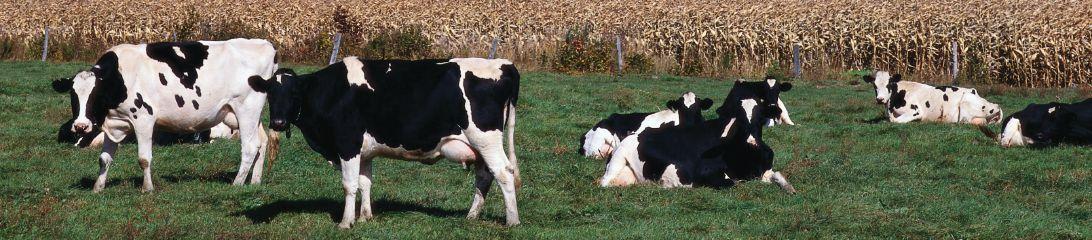
Be it on a social media feed or the comment section of your favourite blog or site, the Internet has become the great equalizer, where anyone can share their point of view. And while most people are looking to engage in respectful conversation, even if they have differing points of view, there are people known as “trolls” who are only looking to disrupt and criticize. Bolstered by the relative anonymity of hiding behind a keyboard, these trolls’ main objective is to disrupt conversation with often hurtful and off-topic content. They can be a frustrating part of any online conversation, but it’s a little easier when you have a strategy to deal with them.
Don’t engage Trolls are looking for attention. They crave it. Don’t give it to them.
Stick to the facts
It’s not always clear that someone is a troll at first. If you suspect someone you’re engaging with is a troll, keep your comments to a minimum and stick to stating your case. Usually trolls will reveal themselves in their response, then you can simply move on.

Don’t take it personally
Trolls want a negative reaction and to do it, they will resort to some very hurtful tactics. Take it for what it is and don’t let it get to you.
Look to the moderator
When all else fails, most sites will have some sort of channel to report offensive comments or users.
Unfortunately trolls are a reality of having an open dialogue. But if you remain positive and patient, you can keep the trolls under the bridge where they belong.
Here are just a few:
Webinar: How to use social media to tell ag’s story
Social media guru Megan Madden will tell you everything you need to know to join the ag and food conversation online. She’ll help you decide which tools are best for you – and show you how you can get in on the ag and food conversations happening online today.
Webinar: How to get in on the tough ag and food conversations
Andrew Campbell talks about the importance of using social media to foster a positive perception of the industry – and shows some real-life success stories. He also covers how to deal with some of the not-so-positive dialogue out there. It’s not always easy, but it’s important – and everyone can do it.
Video: The power of social media in Canadian agriculture
Lyndon Carlson, a driving force behind Ag More Than Ever, recently sat down to chat about the power of social media in an agricultural context with our partners at the Canadian Association of Agri-Retailers (CAAR). In this podcast, Lyndon outlines how we as an industry can leverage the power of social media to tell our story.

Net return for winter wheat can be twice the return for spring wheat.
by John Dietz
You’re probably missing a very big opportunity if you’re not growing winter wheat, according to Ducks Unlimited Canada (DUC) winter wheat agronomist, Ken Gross.
Gross is one of five agronomists working on the Prairies for DUC. His 1989 master’s thesis was on winter wheat. For the past 25 years with DUC, Gross has coordinated and promoted winter wheat, forage and grazing initiatives.
He says the website, growwinterwheat.ca, is the best place to learn about winter wheat. The website, operated by the Western Winter Wheat Initiative (WWWI) and launched in January 2014, is a collaboration between Bayer CropScience, Richardson International and Ducks Unlimited Canada. It was developed as a one-stop shop for all the information that’s needed by growers, from agronomy, to varieties recommended, to the decision-making tools that are needed. For instance, it includes a planner that shows when to plant canola in spring so that the field can be harvested and ready to plant winter wheat at the right time (ideally between Aug. 20 and Sept. 7).
Winter wheat provides excellent nesting cover for waterfowl and, although it is well known, it is often overlooked as a crop option, Gross says. It’s had three troubled years back-to-back, leading to a decline in seeded acres. In 2015, winter wheat had fewer acres than soybeans in Manitoba. In fact, the Manitoba winter wheat crop came off in August at only about 250,000 acres.
At that time, markets, too, were paying more for hard red spring wheat. Viterra was paying about $6.30 a bushel for spring wheat this fall in Saskatchewan and, at the same location, only about $5.25 for winter wheat. So, why bother?
Gross maintains although it’s a lower price per bushel, it offers a better return per acre. And the input costs are lower for winter wheat, so the net result is seriously in favour of winter wheat.
“If you multiply price by average yield, there’s a yield advantage for winter wheat of $20 an acre this fall. It’s a lower price, but that significantly higher yield more than offsets the price,” Gross says.
Input costs also favour the winter wheat grower. Gross uses the Manitoba
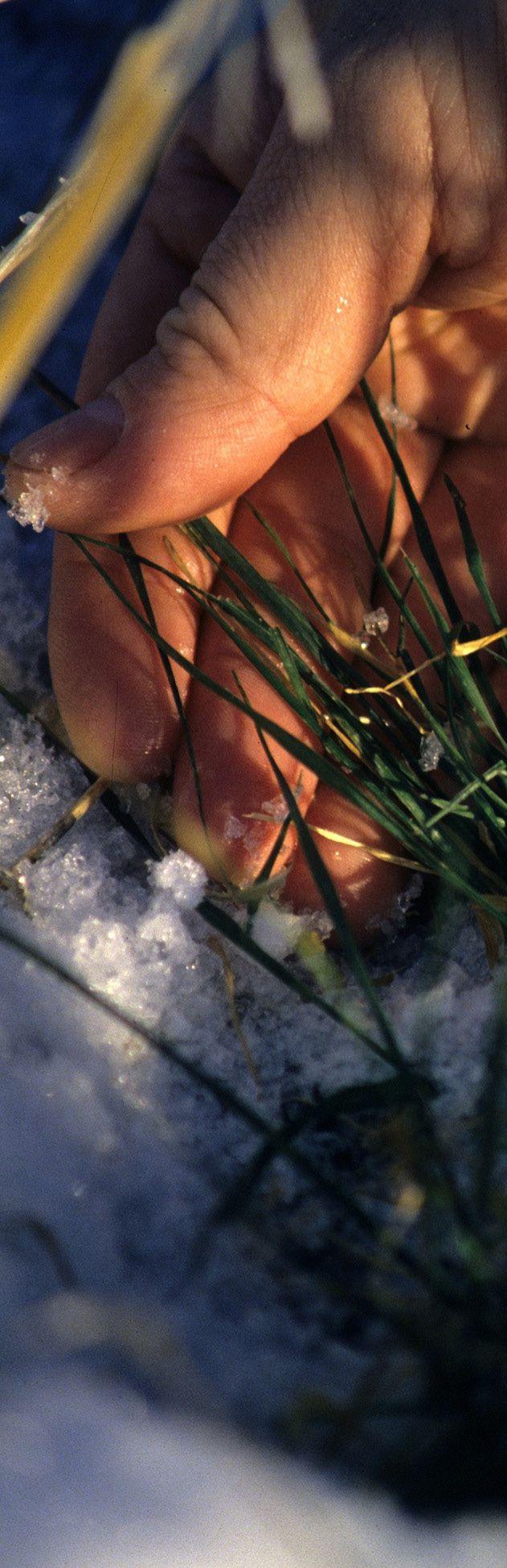

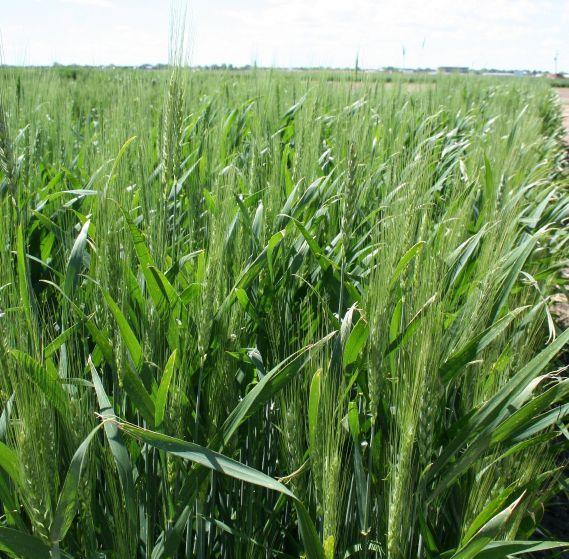
<LEFT: Winter wheat can be a farmer’s most profitable cereal crop, according to Ducks Unlimited Canada.
<LEFT: Winter wheat can out-yield spring wheat in Manitoba by upwards of 40 per cent or more.
BOTTOM: Ken Gross, DUC agronomist, says the winter wheat yield target for growers in Manitoba is 100 bu/ac.
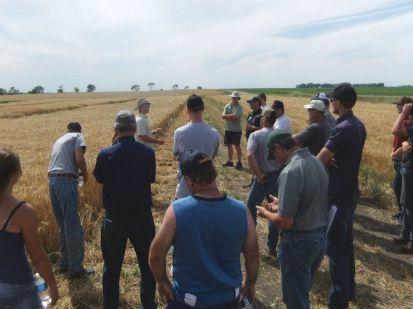
Crop Production Guide to check those costs. “Winter wheat tends to have a little lower cost of production than spring wheat. Primarily that’s because you don’t need a herbicide in spring to control or kill wild oats. On their worksheet, that’s a benefit of about $16.50 favouring winter wheat,” he says.
The total cost for putting in an acre of winter wheat, including seed, seed treatment, fertilizer, herbicides, fungicides, insecticides, operating costs and all the rest, the guide projects, is about $13 an acre less for winter wheat. Now, the economic case favours winter wheat in Manitoba by about $33 an acre.
The Prairie split for winter wheat acres has been about 40 per cent for Manitoba, 40 per cent for Saskatchewan and 20 per cent for Alberta. It’s still grown in the Palliser Triangle region, and can be grown in B.C.’s Peace region.
“Production was exciting on the eastern Prairies, and will be again,” he says. “We peaked in 2011 with about 600,000 acres in Manitoba and 1.3 million acres on the Prairies. Acres are down now to around 670,000 acres on the Prairies, but holding steady, and I think we’ll see the acres jump again once we get a break.”
Indeed, Gross and supporters of the WWWI believe the crop has potential to reach four million acres of production in Western Canada. “In provincial crop production guides, it tends to be in the top three crops for profitability. That’s why the producers who do grow it put it in the ground. You hear this again and again, it’s their most profitable cereal crop and one of their most profitable crops,” Gross says.
One reason is yield, which has been increasing for the past 10 years. Over the past five years, average Manitoba winter wheat crops have out-yielded spring wheat by 40 per cent. Statistics Canada yield estimates for October stated the Prairie-wide yield advantage for winter wheat was 11 to 30 per cent more than spring wheat. It confirmed what Gross already knew.
Despite some tough breaks, the estimated winter wheat average yield for 2015 in Manitoba was 27 per cent more than for spring wheat. The average acre in Manitoba produced 41 bushels of spring wheat and 52 bushels of winter wheat in 2015.
“That’s right in line with what we’ve seen historically,” he says, adding that the yield target for growers in Manitoba is a 100 bu/ac winter wheat crop.
“That’s the goal. One of my producers in the Killarney area had 85 bushels this year,
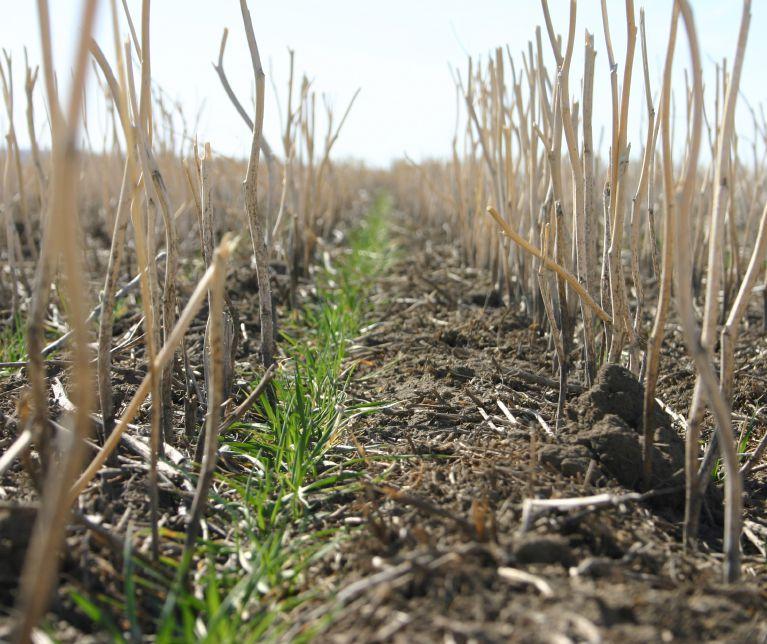
and they’ve hit 100 bushels a number of times. You have to utilize the right agronomic practices and get a little good weather, but I’ve seen it happen,” he says.
He adds, “I worked this summer with one producer (in the Palliser region) who had a very nice looking crop, but they only got 60 per cent of normal precipitation. He was still able to pull off a 50 bushel winter wheat crop. That was disappointing for him, because he was targeting for a 100 bushel crop. We usually end up with 70 to 80 bushel crops in that area.”
Timing is very important in the farming business. “The primary driver for farmers is profitability, but timing is a big deal, too,” Gross says. “I’ve heard a lot about stress the last couple years. We had a couple wet springs, where guys couldn’t get on the land to get anything seeded.
“Having winter wheat in the ground in the fall meant those growers had less stress in spring. They felt good that they had at least a third of their acres seeded down to winter wheat. That is very important to producers.”
Although it’s too late to put winter wheat in the ground in December, now is
the perfect timing for planning. “You have to start planning that right about now,” Gross says. “You need to plan which field you will use for planting winter wheat into next fall. Usually, winter wheat is put in on canola stubble. You have to plan on getting some canola into the ground early, so the land is suited for winter wheat to follow.”
When it comes to agronomy, winter wheat varieties have improved quite a bit.
The most significant improvement is resistance to Fusarium graminearum
“A variety called Emerson is dominating the acres in Manitoba. It’s got very good resistance to Fusarium,” Gross says. “Producers had a bad Fusarium year in 2014. I think the provincial average for the Manitoba winter wheat crop was 4.5 per cent Fusarium, which is pretty poor for winter wheat, but the Emerson showed only 0.5 per cent Fusarium. That’s pretty significant.”
Seed treatments are starting to get some attention. Gross says, “We’re starting to evaluate the benefits of using seed treatments on winter wheat on the Prairies. Traditionally, producers have only
been using seed treatments on spring crops. The short story is, if you’re seeding winter wheat in less than optimal conditions, it’s likely good to use seed protection.”
Keys to the package of higher yields are seeding rates and fertility. Gross pushes for more of both. “To maximize profitability, you need a uniform crop, and that starts with a high seeding rate,” Gross says. “We have a seed rate calculator on our web page. You have to consider the thousand-kernel weight and survival rate. The crop production guide targets 23 plants per square foot, but our research shows you’re better off to target more than 30 plants per square foot.”
Seed heads are more uniform and plants have fewer tillers, if the crop is a little thicker. That leads to uniform flowering and easier timing for foliar fungicide. The more uniform your stand, the better it is, he says.
Yield potential also relies on nitrogen availability. “It will out-yield your spring wheat in Manitoba by upwards of 40 per cent or more but you have to add a little more nitrogen to do that. Whatever your nitrogen rate is for spring wheat, add 10 to 20 per cent more to boost those winter wheat yields by 40 per cent. The nitrogen to grow those kernels has to be available. It’s a whole package,” he says.
Winterkill potential always exists for a fall-seeded Prairie crop. Overall, he says, the nine per cent rate of annual winterkill is no different than it is in Kansas.
Members of the Western Winter Wheat Initiative have a goal of reaching two million seeded acres in a few years, and then doubling it. “Our first goal is to reach two million acres. After that, we think once we get to four million acres, the markets and everything else will fall into place very nicely,” Gross says.
There’s a market to support it, if other things fall in place. “International customers are very excited about winter wheat potential,” he adds. “It has nice bright flour that’s perfect for products other than bread. It’s perfect for steam buns. Millions of those are eaten every day, but we have to produce enough winter wheat so that they can have a consistent supply. If we have the supply, then the terminals would be more interested in marketing it.”

You didn’t plant it, but you can certainly expect it. Volunteer canola is virtually indistinguishable from your intended canola crop and can introduce disease, carry unwanted herbicide tolerance, steal nutrients and otherwise limit the yield potential of your new crop.
Tank mix Pardner® herbicide with your pre-season application of glyphosate for control of all volunteer canola.
For more information, visit: cropscience.bayer.ca/Pardner Expect it.