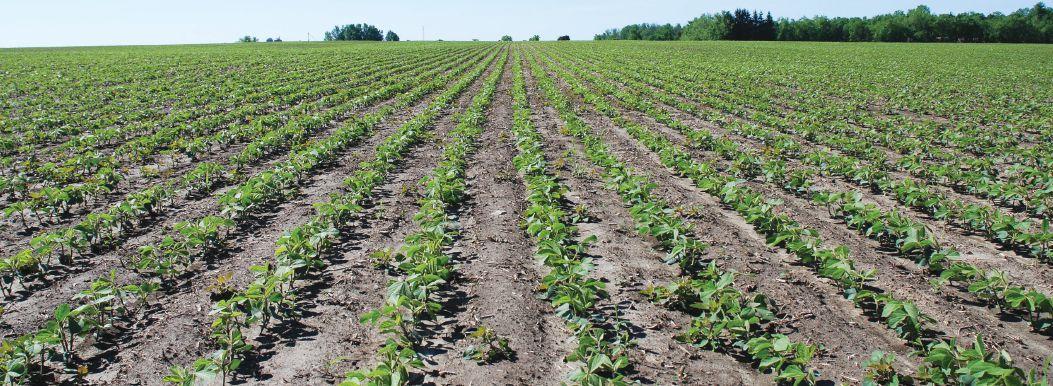
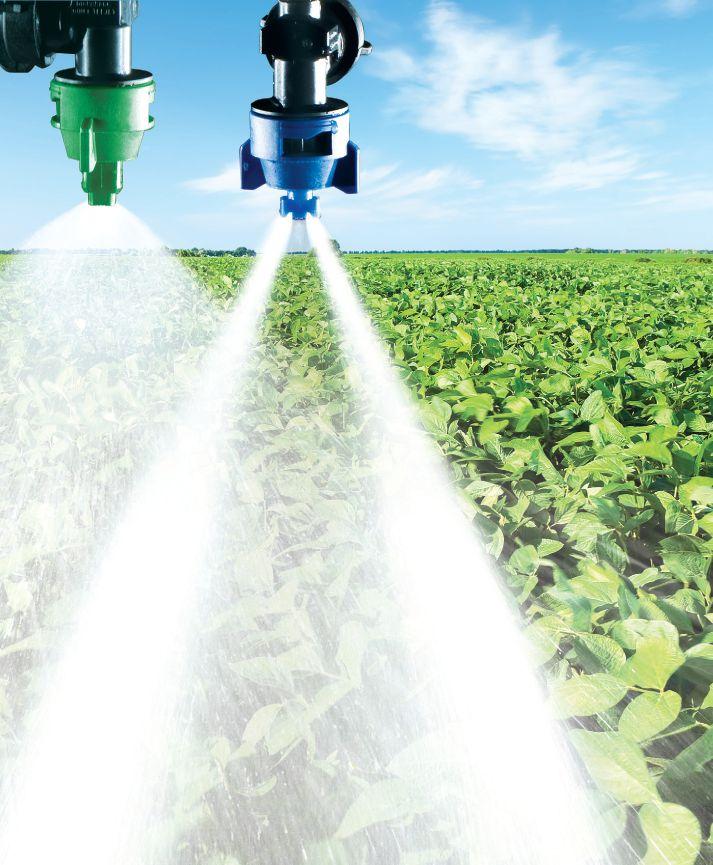
Hit weeds where it hurts this season. Monsanto and BASF are once again partnering to promote the use of multiple modes of action and herbicide best practices with a great offer. Save $0.50 per acre on Roundup Transorb® HC when you buy matching acres of Heat® LQ or Distinct® herbicides.* For complete offer details, see your retailer or visit powerfulcombination.ca
A powerful combination. *Heat® WG is also an eligible product.
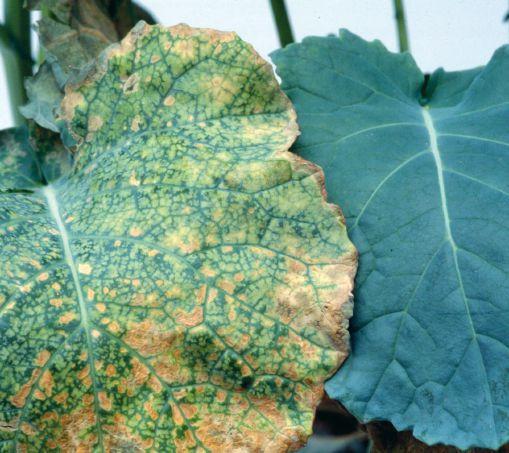
Effective control options for lentil growers. By Carolyn King
MANAGEMENT 62 Understanding agronomy research, statistics By Ross H. McKenzie, PhD, P. Ag.
80 Nitrogen supply from lentil to wheat By Donna Fleury PLANT BREEDING 14 New pea, lentil and chickpea varieties By Bruce Barker
PESTS AND DISEASES
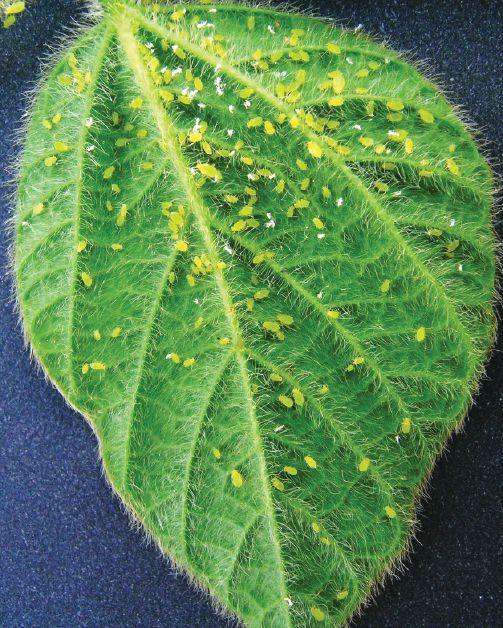
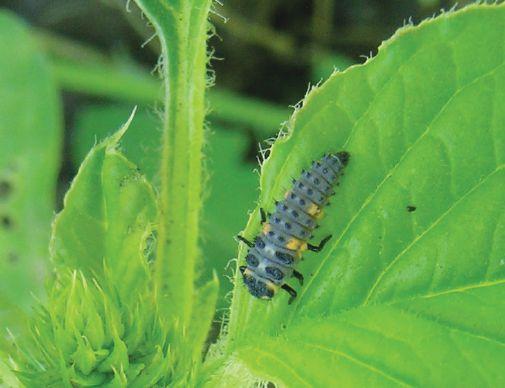
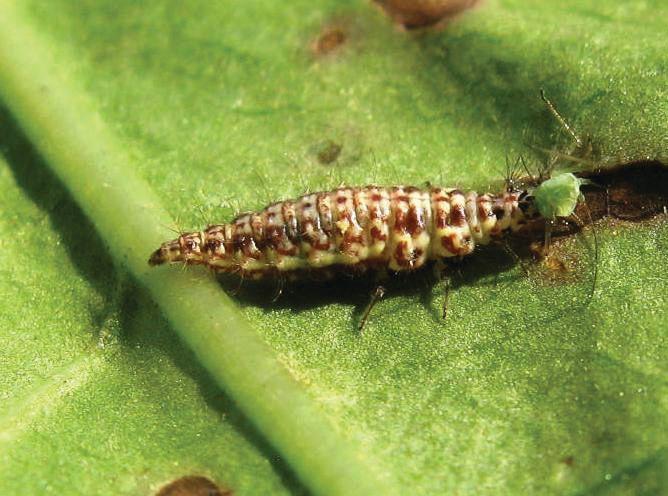
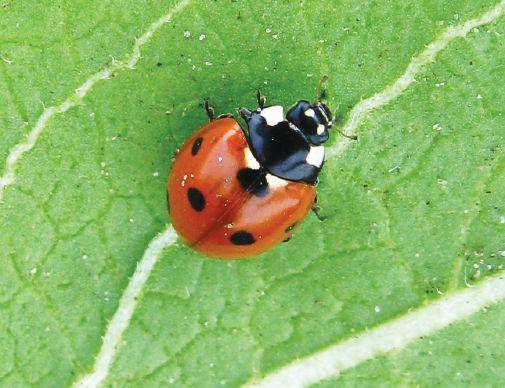
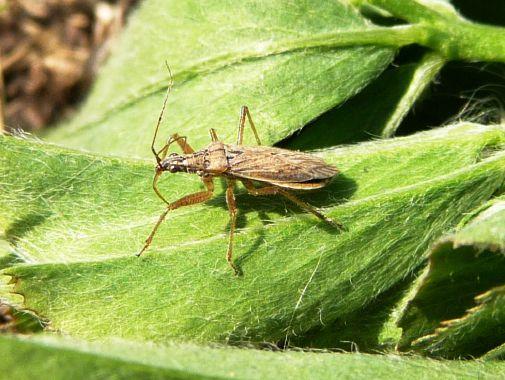
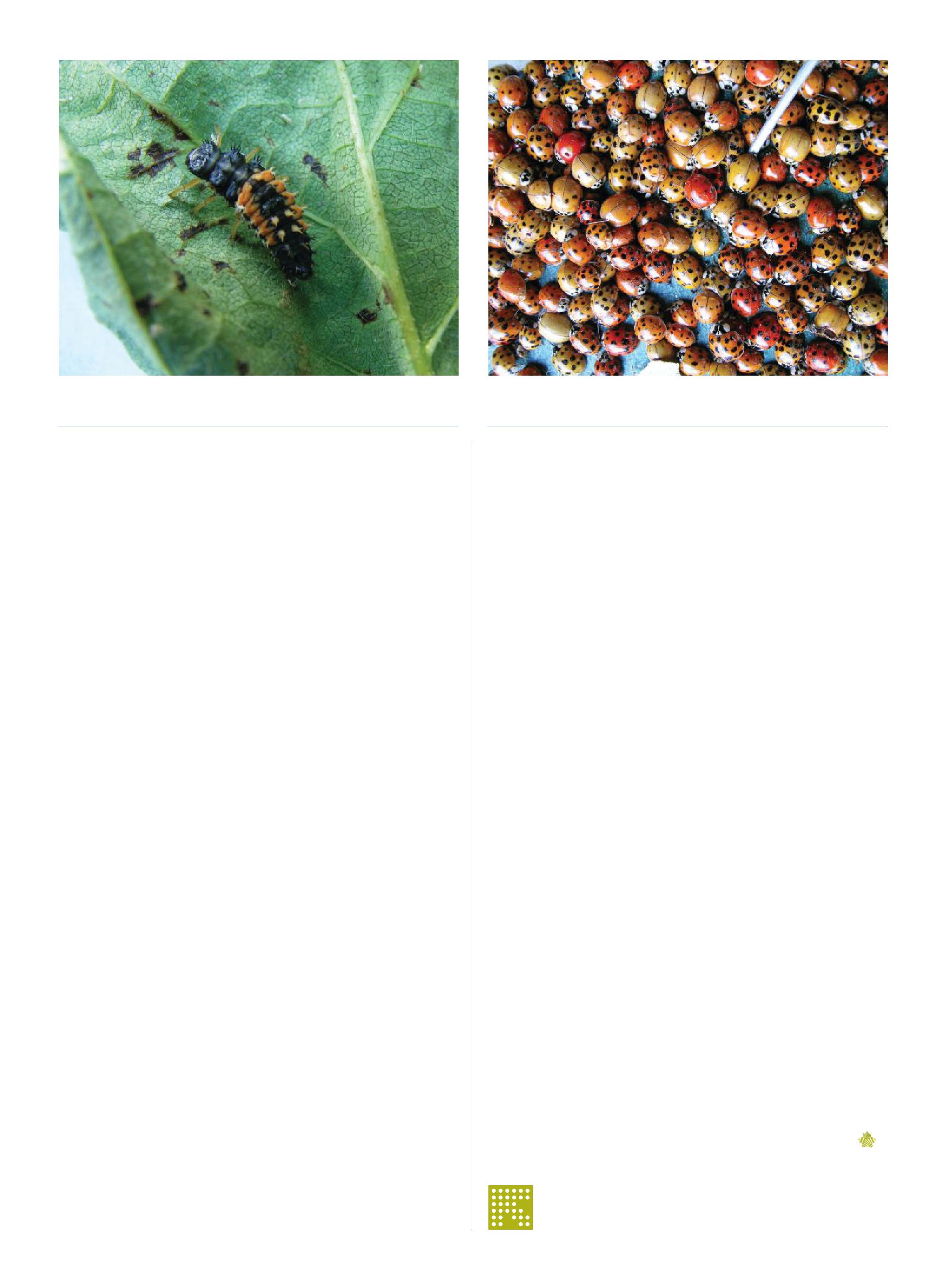
50 Natural enemies keep soybean aphids at bay Bruce Barker 72 Soybean cyst nematode is coming By Bruce Barker
16 Tackling Group 2 resistant cleavers in field pea By Bruce Barker
for
instructions.
60 | 2015 Canadian Truck King Challenge
This year’s heavy duty king is the GMC Sierra 3500. By Howard J. Elmer
AND FEED 68 Fertilizing grass for hay and pasture By Ross H. McKenzie, PhD, P. Ag.
FERTILITY AND NUTRIENTS
10 Phosphorus needs of soybean are unique By Bruce Barker
28 Sensor-based nitrogen management By Carolyn King 78 Assessing micronutrient deficiencies By Dr. Thomas L. Jensen
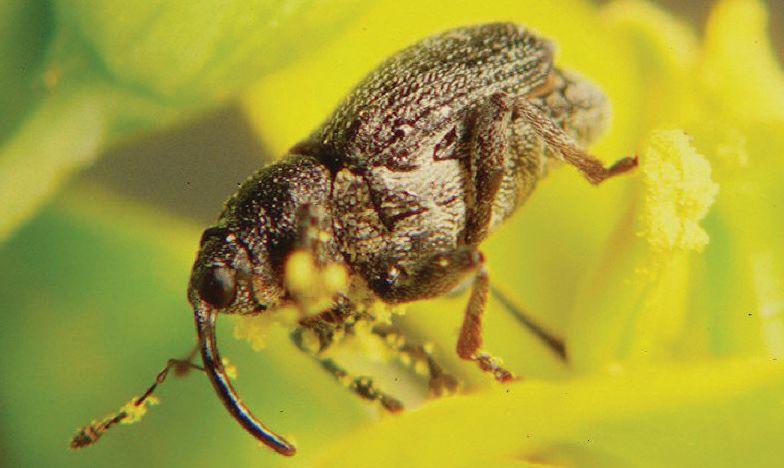
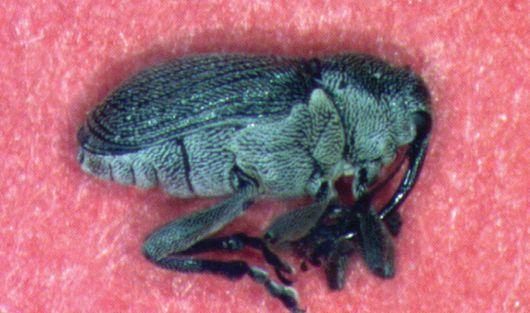
84 Managing cabbage seedpod weevil and lygus bug By Donna Fleury
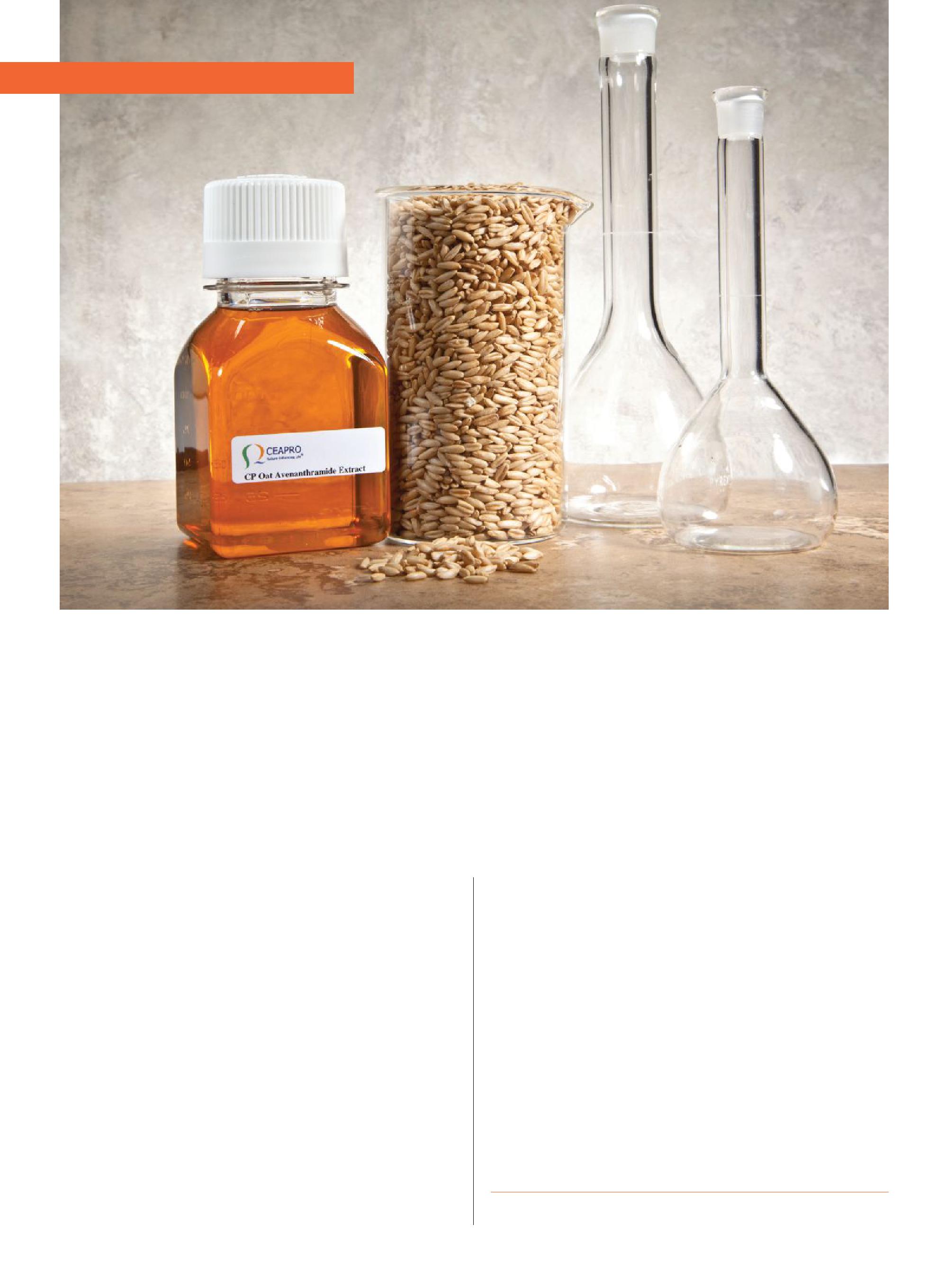
56 Adding further value to oat By Carolyn King
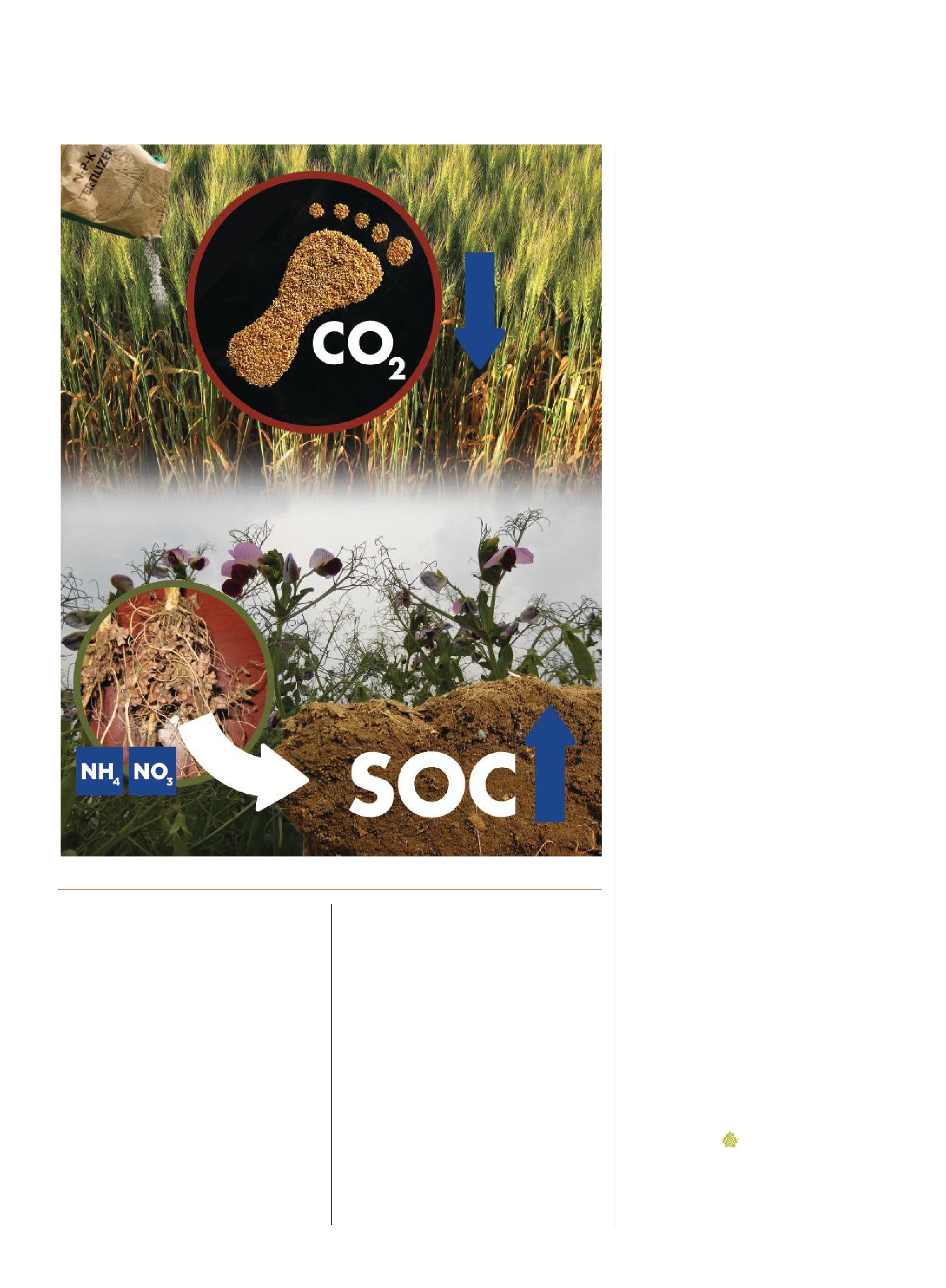
82 | Addressing carbon emission concerns
Long-term study proves annual cropping can be carbon negative. By
Madeleine Baerg
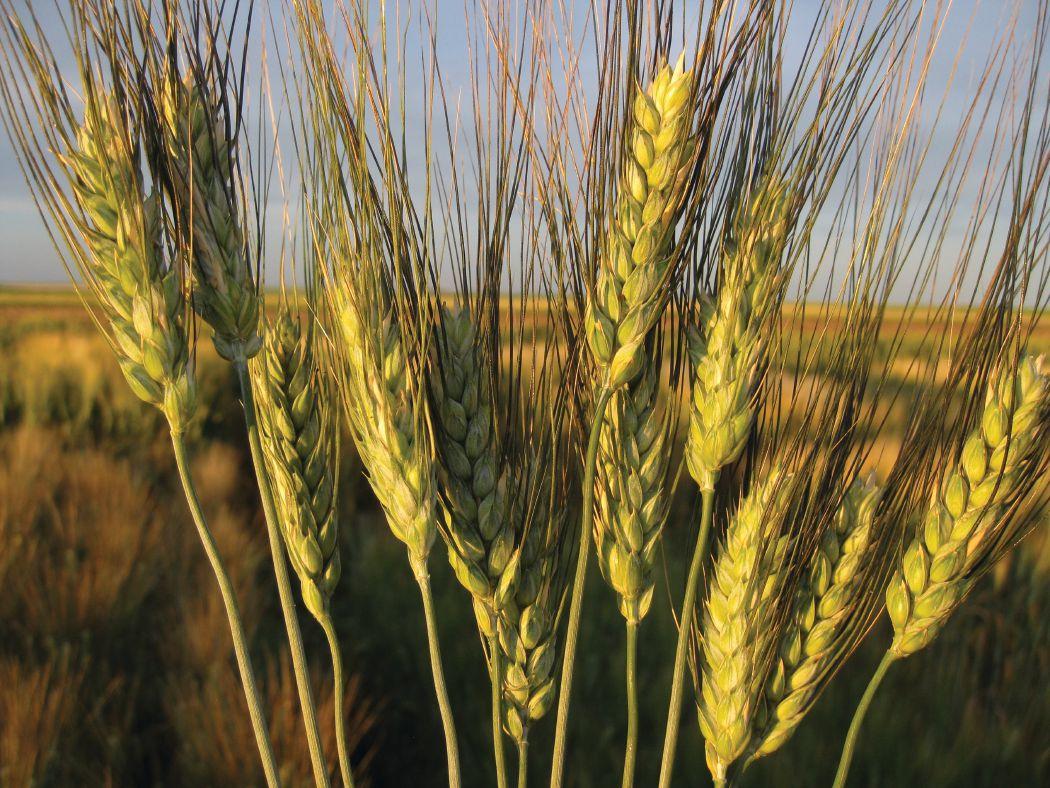
ISSUES AND ENVIRONMENT 20 A century of wheat advances By Carolyn King
42 DriftWatch helps locate bees and sensitive crops By Donna Fleury
PULSES
6 Assessing soybean maturity ratings By Donna Fleury 34 Estimating soybean yield accurately By Bruce Barker 46 Fababean agronomics getting sorted out By Bruce Barker FROM THE EDITOR 4 Evaluating agronomy research By Janet Kanters
PHOTO COURTESY OF COLLEEN REDLICK.
PHOTO
PHOTO COURTESY OF HOWARD J. ELMER.
JANET KANTERS | EDITOR
EVALUATING AGRONOMY RESEARCH
Crop agronomy researchers work tirelessly to ensure western Canadian producers have access to the most up-to-date research available. But as research dollars continue to be harder to come by, and as researchers continue to retire or perhaps move on to other challenges, what is the future of agronomy research in Western Canada?
This is the question the Western Grains Research Foundation (WGRF) set out to answer via their Western Canada Agronomy Research Capacity study. Collaborating with several western Canadian producer crop commodity organizations in its task, the WGRF study – and its results –is the first step in the development of a plan to optimize agronomy research in Western Canada.
The study, now available at the WGRF website (westerngrains.com), lists an inventory of capital and human resources of agronomic research capacity in Western Canada, and suggests projected capacity to 2020. It also includes a review of the collaboration and capacity needs for producer-funded research.
The current situation is grim: three western universities that perform agronomic research –universities of Alberta, Saskatchewan and Manitoba – have a total staff of 20 scientists in agronomy related disciplines. According to the study, Alberta alone is short at least three scientists, and Saskatchewan needs a few more as well, along with equipment. On top of that are pending retirements – possibly four in the next three to five years.
And there’s more bad news: the study states: “Agriculture and Agri-Food Canada (AAFC) expects about 16 positions of senior scientists to be vacated within three years. In some disciplines, such as weed sciences, nearly all positions will be vacated.”
As the study points out, research by AAFC is often multi-site and multi-year, and typically involves several disciplines and scientists. So the potential loss of agronomic research at AAFC is staggering.
On the bright side, Alberta Agriculture and Rural Development (AARD) and Alberta Innovates Technology Futures (AITF) have a strong and recognized research capacity in the field of agronomy; Manitoba completes applied research through four crop development centres, and operates with producer and community-directed boards; and Saskatchewan supports agronomy research through the University of Saskatchewan’s Crop Development Centre and significant funding programs.
Producer directed applied research associations, colleges, private companies and agribusinesses also provide related industry research and extension aspects in the agronomy system.
So what does the study suggest to slow this steady decline of capital and human resources in agronomy research in Western Canada? To name just a few, the study suggests additional scientists are needed at the university level in developing people for industry growth and building agronomic knowledge; AAFC needs 16 to 20 replacement scientists, and their research farms need to be retained; networks and co-ordination between all players are needed to organize the agronomy research approach in Western Canada; and communication of research findings is important. The study goes on to list other needs that should be considered to boost agronomy research.
So, the time is now, it seems, to start the process of ensuring crop agronomy research continues unabated now and into the future. To that end, the WGRF invited comments and feedback on the study, and although I wasn’t privy to that information at press time, I’m confident western Canadian producers, researchers and others involved in Western Canada agriculture made their voices heard on this real and immediate issue.
I look forward to seeing how the industry responds.
Michael Fredericks mfredericks@annexweb.com PUBLICATION MAIL AGREEMENT #40065710 RETURN UNDELIVERABLE CANADIAN ADDRESSES TO CIRCULATION DEPT. P.O. Box 530, Simcoe, ON N3Y 4N5 subscribe@topcropmanager.com Printed in Canada ISSN 1717-452X
SUBSCRIPTION RATES Crop Manager West - 9 issuesFebruary, March, Mid-March, April, June, September, October, November and December - 1 Year - $45.00 Cdn. plus tax
Top Crop Manager East - 7 issuesFebruary, March, April, September, October, November and December1 Year - $45.00 Cdn. plus tax Potatoes in Canada 2 issues Spring and Summer 1 Year $16.00 Cdn plus tax All of the above - $80.00 Cdn. plus tax Occasionally, Top Crop Manager will mail information on behalf
www.topcropmanager.com
Announcing an innovative partnership between Case IH and Precision Planting.® The technology that allows each Early Riser ® row unit to adapt to the distinct conditions of your field now comes to you in a distinctly different way. You can now get it installed, serviced and supported on the industry’s best planter right at an authorized Case IH/Precision Planting dealer. It helps you get more out of every planting season and improve the yield potential in every field. Learn more at your local Case IH dealer or online at caseih.com/planter
BE READY.
ASSESSING SOYBEAN MATURITY RATINGS
Several factors affect soybean variety selection beyond CHUs.
by Donna Fleury
Traditionally, soybean (and corn) varieties have been based on crop (or corn) heat units (CHU) to determine suitability to growing regions. Researchers in Manitoba recently finalized the results of a three-year study initiated in 2011 to try to determine what factors were affecting maturity and yield in soybeans in different areas.
“We realized that relying on CHUs alone did not take into consideration other factors that make the variety decision more complex,” explains Dr. Aaron Glenn, research scientist with Agriculture and Agri-Food Canada in Brandon, Man. “In Manitoba and other parts of Canada, soybean varieties are also being rated on the U.S.-based relative maturity system or maturity groups. In the future, the use of CHUs is expected to be phased out for soybean variety ratings in Manitoba.”
The research project, funded by the Manitoba Pulse Growers Association, was conducted at eight locations across Manitoba for three years, from 2011 to 2013. Three recommended varieties of soybeans, one short-season and two longer-season, were grown at each
location. All locations were generally planted around May 20, plus or minus five days.
“Over the three years of the project, the results showed that we could get reasonable yield and quality with all of the varieties with lower heat units than recommended,” says Glenn. “Although heat units are important for growing soybeans, it seems that there is a minimum amount of heat required for varieties to reach good yield and quality potential. Soybean plant growth is affected by temperature as well as daylength or photoperiod. Therefore, CHUs proved to not be the best measure, and including the maturity group rating system was a good addition.”
The maturity group rating system classifies soybean varieties into maturity groups (MG) from 000 in northern areas to IX in southern areas of North America, based on latitude ranges and photoperiod sensitivity. Each maturity group region covers one or two degrees
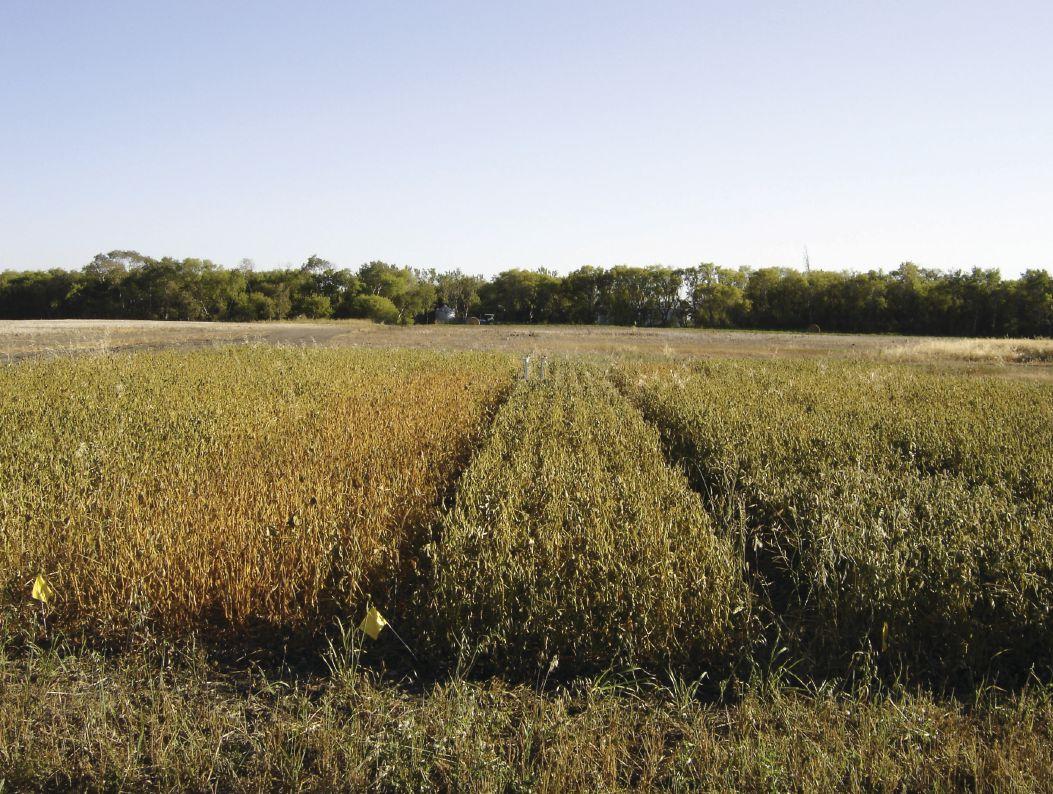
ABOVE: Using the U.S.-based maturity group rating can help growers select the right variety for the Prairies.
PHOTOS
Arrow, Badge, Bengal, Bison, Blanket
Table 1: CHU Table
Source: A. Glenn, AAFC Brandon.
Table
2:
Relative yield of three soybean cultivars
Cultivar 1 (2325 CHU)
Source: A. Glenn, AAFC Brandon.
Cultivar 2 (2475 CHU)
Cultivar 3 (2525 CHU)
of latitude, or about 200 to 300 km from north to south. A maturity group rating of 000 is similar to varieties requiring less than 2400 CHU, 00 is roughly equivalent to 2400 to 2550 CHUs, and a 0 rated variety is equivalent to 2550 to 2800 CHU rating. (See Table 1.)
“From our research, the results showed that the two varieties with 00 MG rating were apparently insensitive to photoperiod or daylength,” explains Glenn. “In all of the locations, there was no evidence of a significant photoperiod or daylength interaction with these northern varieties.”
However, the results did show that as the varieties moved along the spectrum towards a longer season or 0 MG rating, they were more sensitive to photoperiod, and in the northern locations, did not reach maturity. “Although the longer season variety did take longer to mature at the northern sites, we believe there are likely other factors besides daylength, such as heat, soil conditions, nutrients, precipitation or other factors, that made a difference.”
When comparing results, researchers did not find any differences between the varieties at the Morden location. All the varieties had similar yields and quality, and all matured on average in 80 days after emergence. “We assumed that the longer season variety would yield higher at the Morden location, but that turned out not to be the case,” notes Glenn. “However, at the Roblin site, we did see some differences between the varieties. The 00 MG varieties performed the same, with yields similar to the Morden site. But the long-season or 0 MG rated variety did not reach maturity at Roblin and yields were significantly reduced.”
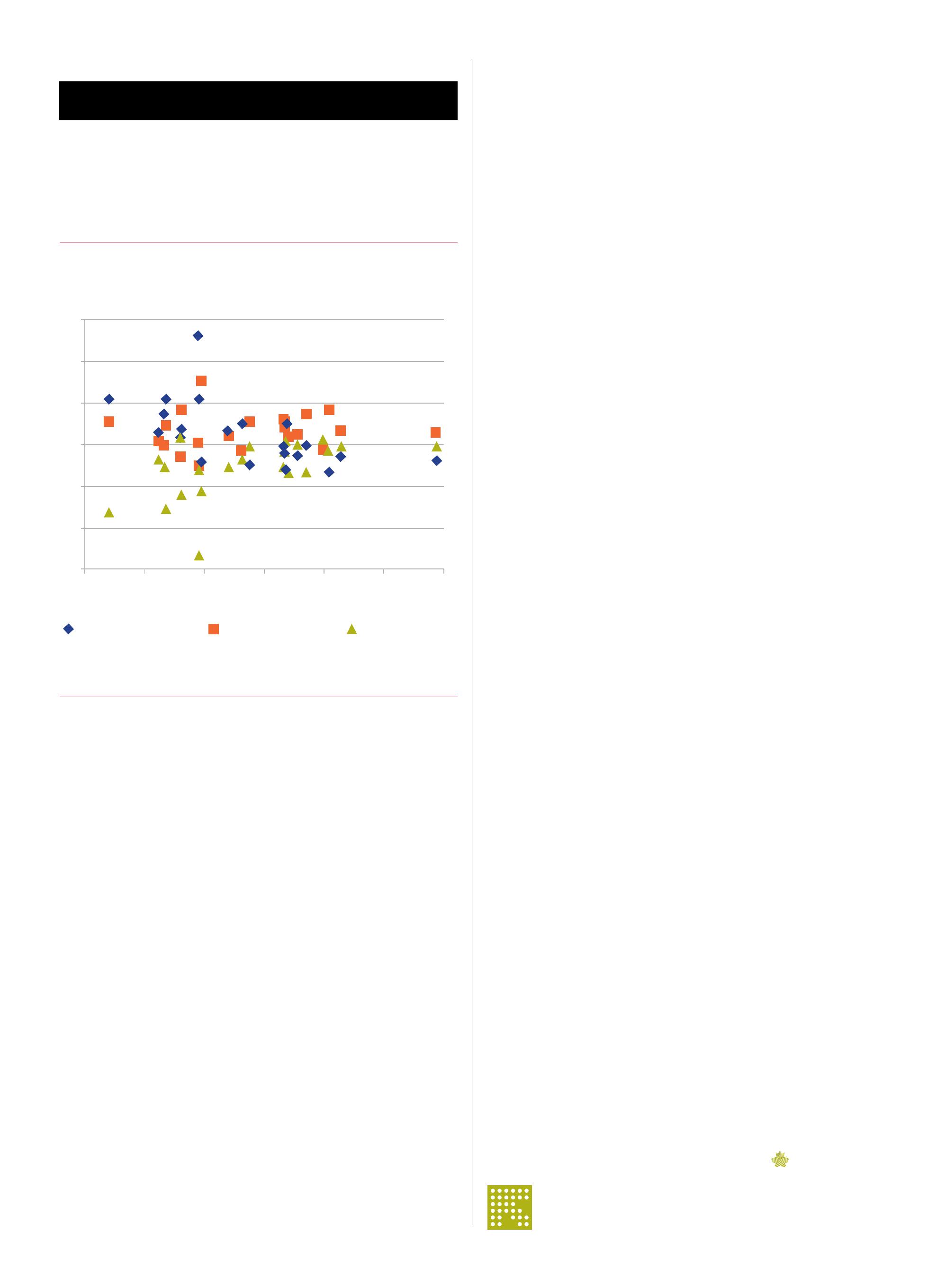
The study also provided some interesting findings on the impact of frost and the degree of maturity. “We compared crops that were harvested before and after frost and whether they were harvested at R8 or full maturity, or R7 with some green and immature pods,” says Glenn. “Overall there was little difference in yield, protein and test weight for crops harvested before or after frost. However, the oil content for all three varieties was 1 to 1.5 per cent higher when harvested prior to first fall frost. For cultivar 2 (2475 CHU. 00.7 MG), the 1000 seed weight was slightly higher when the crop was harvested at R8 vs. R7, while the yield of cultivar 3 (2525 CHU, 0.0 MG) was about 800 kg/ha higher for site years when the crop reached R8 vs. R7.” (See Table 2.)
Glenn also adds that in the three years of the study, the first fall frost was later than average.
At all locations, the results showed a significant relationship between total precipitation and yield, which was expected. Soybeans and other bean crops require moisture, particularly at the pod filling stage, to reach yield potential. There is also a correlation between higher precipitation and higher protein levels, which is likely related to greater nitrogen availability.
“When selecting varieties, use more than one criteria to evaluate maturity, don’t just rely on a CHU or maturity group rating,” says Glenn. “A good place to start is look at the results from the Western Manitoba Soybean Adaptation Trials and other [trials], [review] the Seed Manitoba guide and compare crop insurance data for different risk areas. Look at the varieties and see how long they take to mature relative to the check, and whether or not they actually reached maturity; and compare average yields over the last few years. Using multiple-year maturity data when available will give you a better indication on how a variety will mature with different growing seasons. Although variety trials may not be located close to your farm, evaluating enough locations and site years should provide a good idea of what will work.”
Overall, growers outside of the Red River Valley area should select shorter varieties proven in trials and rated at 00 or 000 MG. Varieties adapted to the non-traditional growing areas in western Manitoba, which has a similar growing season length and climate to other Prairie locations such as southeastern Saskatchewan and even central Alberta, will be better suited to these regions as well. “Even in the Red River Valley area…if seeding is delayed to early June, it is probably better to select a shorter season variety. Even if the yields aren’t quite as high as a longer season variety, the likelihood of reaching full maturity prior to fall frost increases.”
Glenn and colleague Dr. Ramona Mohr, also with AAFC in Brandon, have initiated another three-year study to look more closely at the impact of soil temperature at seeding. “Soils should be at least 10 C to get good, even emergence, no matter what the variety,” says Glenn. “Data from the U.S. suggests the warmer the better and 20 C is optimum, with the crop usually emerging into an even stand in four days.
“We want to determine how early we can plant soybeans on the Prairies and what the critical soil temperature is. Once the crops emerge, the maturity is predictable and maturity ratings are very applicable,” he adds. “However, the uncertainty is in predicting the time between seeding and emergence, which will depend on soil temperature and other factors. We will add the findings from this new study at the end of the three years to continue to help growers with selecting the best varieties on the Prairies.”
and precision to make each drop count. Introducing the Irrigate-IQ™ precision irrigation solution from Trimble. See it at www.trimble.com/agriculture. hlilff h For the field. For the yield. For the life of your farm.
Too much or too little water can affect the quality and yield of your crop. And when the decisions you make on your farm impact this natural resource, what matters most is how you use it. Whether you farm from the cloud or the field, know you have the
PHOSPHORUS NEEDS OF SOYBEAN ARE UNIQUE
Soybean is a heavy user of phosphorus, but it can be non-responsive to fertilizer.
by Bruce Barker
Despite soybean acreage pushing up to 1.3 million acres in Manitoba in 2014, researchers and growers are farming by the seat of their pants when it comes to this relatively new crop on the Prairies. With little madeon-the-Prairies research regarding phosphorus (P) fertility for soybean, growers have relied on research from other areas of Canada and the U.S. for P fertilizer recommendations.
“Growers will call me looking for a short answer on how to fertilize soybeans, but there isn’t one. It takes a longer explanation because soybeans are somewhat unique among the crops that we grow on the Prairies,” says John Heard, crop nutrition specialist with Manitoba Agriculture, Food and Rural Development (MAFRD) at Carman, Man.
Soybean is well known as a heavy user of P. The most recent estimates based on research from the International Plant Nutrition Institute (IPNI) is that a U.S. soybean crop takes up 1.1 lb P2O5 per bushel with 0.73 lb removed in the seed. For a 50-bushel crop, that’s 36.5 lb removed from the field at harvest.
Those numbers are similar to results from a 2005 Manitoba study, when Heard monitored a soybean crop from planting to harvest to assess nutrient uptake and removal (see Fig. 1). He says about 62 lb/ac P was taken up throughout the season and apportioned within the plant, with over 85 per cent of total P uptake eventually moved into the seed by harvest. The P removal rate in this study was 1.1 lb P2O5, which is higher than IPNI’s estimate of 0.73 lb removal. This removal rate is similar to canola.
Soybean less dependent on fertilizer P
One of the key differences between soybean and other crops grown on the Prairies is that soybean is less responsive to seed-placed or
banded P fertilizer. U.S. research has found soybean responds well to broadcast P as well as banded P.
Additionally, soybeans are better at extracting P from the soil than other crops. Heard says research 50 years ago by University of Manitoba researchers Kalra and Soper, found that soybeans were much more efficient in extracting soil P than rapeseed, oats and flax, and less dependent on P fertilizer banding.
“Soybeans are recognized as being less dependent on fertilizer P. Soybeans are planted into warm soils and have about two more months to extract P from the soil than wheat or canola, and they are pulling P from warm, moist soil [where P is more available], so it is logical that soybean isn’t as dependent on fertilizer P,” explains Heard.
However, because soybeans are less dependent on P fertilizer doesn’t mean farmers should skip the P fertilizer application. With such high P removal by soybean, soil P levels may become depleted if farmers continually skip P fertilization during soybean crop years. Add other high P removal crops like canola and corn into the rotation, and the risk of depleting soil P levels is amplified, especially if removal rates aren’t matched with fertilizer applications.
Heard says soil fertility specialists are now recommending that P fertility should be balanced throughout the entire crop rotation rather than just looking at P fertility in each individual year. If the crops remove 150 lb of P over a four-year crop rotation, that 150 lb is reapplied as fertilizer over the four years.
“A balanced approach over the entire crop rotation is a relatively new approach. It’s like tipping over the apple cart. Before, we were looking at sufficiency or crop yield response to fertilizer; but with
ABOVE: Do not neglect soybean phosphorus fertility.
Creating a more advanced fungicide with more advanced results was no accident.
After years of extensive research in the lab and—more importantly— in the eld, we’ve developed our most advanced fungicide ever: new Priaxor ® fungicide. It helps canola and pulse growers maximize their crops’ yield potential thanks to the combination of the new active ingredient Xemium® and the proven bene ts of AgCelence®.* The result is more consistent and continuous disease control. And greater returns for you. Visit agsolutions.ca/priaxor or contact AgSolutions ® Customer Care at 1-877-371-BASF (2273) for more information.
*AgCelence bene ts refer to products that contain the active ingredient pyraclostrobin. Always read and follow label directions.
Source: Phosphorus uptake and removal by a 46 bu/ac crop in Manitoba (Heard, 2005).
Note: Rates are based on disk or knife openers with a one-inch spread, six- to seven-inch row spacing, and good to excellent soil moisture.
Source: Compiled from Manitoba Fertility Guide.
2. Soybean yield response to applied P on low and high P soils.
*The higher rate was applied to the low P soil, the lower rate to the high P soil. Fertilizer was applied to the previous corn crop.
Source: Gyles Randall, University of Minnesota.
P fertility, we are seeing the need for balancing P removal with P fertilizer inputs over the entire crop rotation,” says Heard. This new approach recognizes that it is hard to match P removal with seed-placed P fertilizer due to seed sensitivity. Additionally, equipment limitations, lack of long-term rental agreements, and fluctuating fertilizer prices have contributed to an unbalanced approach to P fertility. (See Table 1.)
A balanced approach is important for all crops, soybean included. Research has shown that crops achieve higher yield on medium to highly P fertile soils than if a low P soil was fertilized. Research at the University of Minnesota showed that soybean yield was
higher on soils with healthy P reserves. P fertilizer was applied to the previous corn crop on depleted and medium-high P soils. On the low testing soils, yield was increased with the P fertilizer; however these yields were still much lower than the yield on the high testing soils that received no P fertilizer (see Table 2).
Similar results were seen in a University of Saskatchewan study on wheat, conducted by Wagar, Stewart and Henry from 1979 to 1984. The highest yields were achieved at Olsen P moderate soil test levels of 15 ppm. On low soil test P treatments, wheat yield couldn’t approach the yields of the moderate soil test P treatments, even with P fertilizer application.
Currently, Heard is part of a University of Manitoba study established in 2013 looking at P fertilization of soybean at 18 sites in Manitoba. Other collaborators are Gustavo Bardella, Yvonne Lawley and Don Flaten at the University of Manitoba, Dennis Lange at MAFRD and Cindy Grant at Agriculture and Agri-Food Canada. Three different rates of monoammonium phosphate (11-52-0) were applied at 20, 40 and 80 lb P2O5 per acre as seedplaced, side-banded or broadcast prior to seeding. Row spacing varied from seven to 14 inches, and opener type was either knife or disc. P fertility varied by site as well.
With two years of data in, the results are still up in the air, and somewhat contradictory to other research on soybean. Stand reduction due to seed row toxicity was low at 20 to 40 lb P2O5. This is contrary to most research that found that seed-placed rates at even 20 lb P2O5 could reduce plant stand and yield.
Another contradiction was that even in soils with very low soil P levels, such as 3 ppm Olsen P, soybeans were able to take up enough soil P to produce high yields without fertilizer P.
“These are certainly curiosities that we haven’t seen in other research. Part of it may just be the weather in the last two years. Other research has shown a distinct yield advantage on soils with medium fertility,” cautions Heard.
The University of Manitoba research is carrying on in 2015, so further information could shed more light on P fertility strategies for soybean. As more homegrown research develops, Heard says soybean growers should also heed advice gleaned from other areas and other crops. As far as P fertilizer placement goes, seed placement is likely the poorest option given the risk of seedling toxicity. Preseed band or side-banding may be the best option as it helps to delay tie-up of P in soils. Fall broadcast should be avoided as it may leave P exposed to run-off into water sources that can cause algae blooms on lakes.
Despite soybean being less responsive to fertilizer P, Heard suggests growers implement a balanced approach to P fertility within the entire rotation, and to use a soil test as an audit to check for P fertility. The long answer on whether P fertilizer is required in a soybean year is answered by many of the variables Heard has discussed.
“Based on our research studies, and there are up to 18 studies now in Manitoba, I can say that P fertility is important in soybean. I can’t say that you don’t need P fertilizer in the soybean year. It depends on your soil P fertility levels and your approach to a balanced P fertility program. You might get away with not fertilizing in a soybean year, but if you don’t replace that P removal, you will eventually deplete your soil of P, and that can hurt yields of other crops as well,” says Heard.
For more on fertility issues, visit www.topcropmanager.com.
Table 1. Phosphate removal, safe level in seedrow, and difference (lb P2O5/ac)
Table
NEW PEA, LENTIL AND CHICKPEA VARIETIES
Plant breeders continue to bring improved varieties to market along with expanded marketing opportunties.
by Bruce Barker
Here’s a look at new pulse varieties available as Certified seed in 2015. The information comes from the Crop Development Centre (CDC) at the University of Saskatchewan, courtesy of Dr. Bunyamin Tar’an, Dr. Bert Vandenberg and Dr. Tom Warkentin, pulse crop plant breeders, and the Saskatchewan Pulse Growers. Cropping Areas refer to Crop Production Zones in the Saskatchewan Varieties of Grain Crops.
Yellow pea
CDC Saffron is a high yielding yellow pea with good lodging resistance. It has a round shape, medium protein content and good cooking quality. In Saskatchewan Areas 1 and 2 and in the southern part of 3, CDC Saffron yielded 106 per cent of the check variety CDC Golden, and 114 per cent in northern Areas 3 and 4.
CDC Amarillo has high yield, good lodging resistance and good Fusarium wilt resistance. It yielded 125 per cent of CDC Golden
in the northern part of Areas 3 and 4, 110 per cent in the southern Areas, and 115 per cent under irrigation.
Green pea
CDC Raezer has good lodging resistance and a good disease resistance package. It is a medium maturing variety with yields best suited to the northern part of Areas 3 and 4, and under irrigation where it yielded 104 per cent of the check variety. It has a smooth, round seed shape with bleaching resistance similar to CDC Striker.
CDC Limerick is a good performer with medium-tall plant growth, good lodging resistance and improved mychospherella resistance. It has a smooth, round seed with bleaching resistance equal or better than CDC Striker, and high protein concentration. CDC Limerick yields 104 per cent of the check in southern Areas of
ABOVE: New lentil, pea and chickpea varieties are on the horizon.
PHOTO BY BRUCE BARKER.
Saskatchewan and 109 per cent in northern Areas.
Red lentil
CDC Cherie is a small red lentil with high yield and good lodging tolerance. It yielded 109 per cent of the check CDC Maxim CL in Areas 1 and 2, and 106 per cent in Areas 3 and 4. It has good resistance to ascochyta and fair resistance to anthracnose with early/medium maturity. CDC Cherie has acceptable seed characteristics for standard small red lentil.
CDC Scarlet is a small red lentil with high yield and good lodging tolerance. It yielded 105 per cent of the check in southern Areas 1 and 2, and 103 per cent in northern Areas. It has acceptable seed characteristics for standard small red lentil. CDC Scarlet has good resistance to ascochyta and fair resistance to anthracnose with early/ medium maturity.
CDC Rosie is an extra small red lentil with good lodging tolerance and plump seed. It has good ascochyta and anthracnose resistance, and has early/medium maturity.
Green lentil
CDC Asterix is an extra small green lentil with high yield and an improved disease package with good resistance to ascochyta and fair resistance to anthracnose. It has early maturity and colour retention similar to CDC Viceroy. The extra small seed size is attractive to buyers in some markets.
Kabuli chickpea
CDC Orion has high yield at 107 to 108 per cent of the check variety Amit (B-90) with the same maturity as CDC Frontier. Seed characteristics include ram-head seed shape, 100 mm size and a beige seed colour.
CDC Leader has high yield and earlier maturity than CDC Frontier. It yielded 110 per cent of the check variety in Area 1 of Saskatchewan and 107 per cent in Area 2. Seed size is 9 to 10 mm with ram-head seed shape and beige seed colour.
Desi chickpea
CDC Jade is a specialty green desi chickpea with green seed coat and green cotyledons. It has medium/late maturity and a higher
ascochyta resistance rating than the check variety Amit. CDC Jade has a medium seed size and an angular seed shape.
CDC Ebony is a specialty black desi chickpea with black seed coat and yellow cotyledons. It has good yield potential, low stature, medium/late maturity and slightly
“We
Joel Dykstra – FCC Customer
More of Canada’s farm experts choose to do business with FCC Together, we’ll create the financing plan that works for you. We get to know you, your farm and how you want to grow. If you’re ready to get down to business, talk to one of our farm business experts.
FAR LEFT CDC Asterix is an extra small green lentil with high yield and an improved disease package.
LEFT CDC Saffron is a high yielding yellow pea with good lodging resistance.
higher ascochyta rating than the check.
CDC Ebony has medium seed size and angular seed shape. It yielded similar to slightly higher than Amit.
For more on pulses, visit www.topcropmanager.com.
TACKLING GROUP 2 RESISTANT CLEAVERS IN FIELD PEA
Old and new chemistries can assist growers.
by Bruce Barker
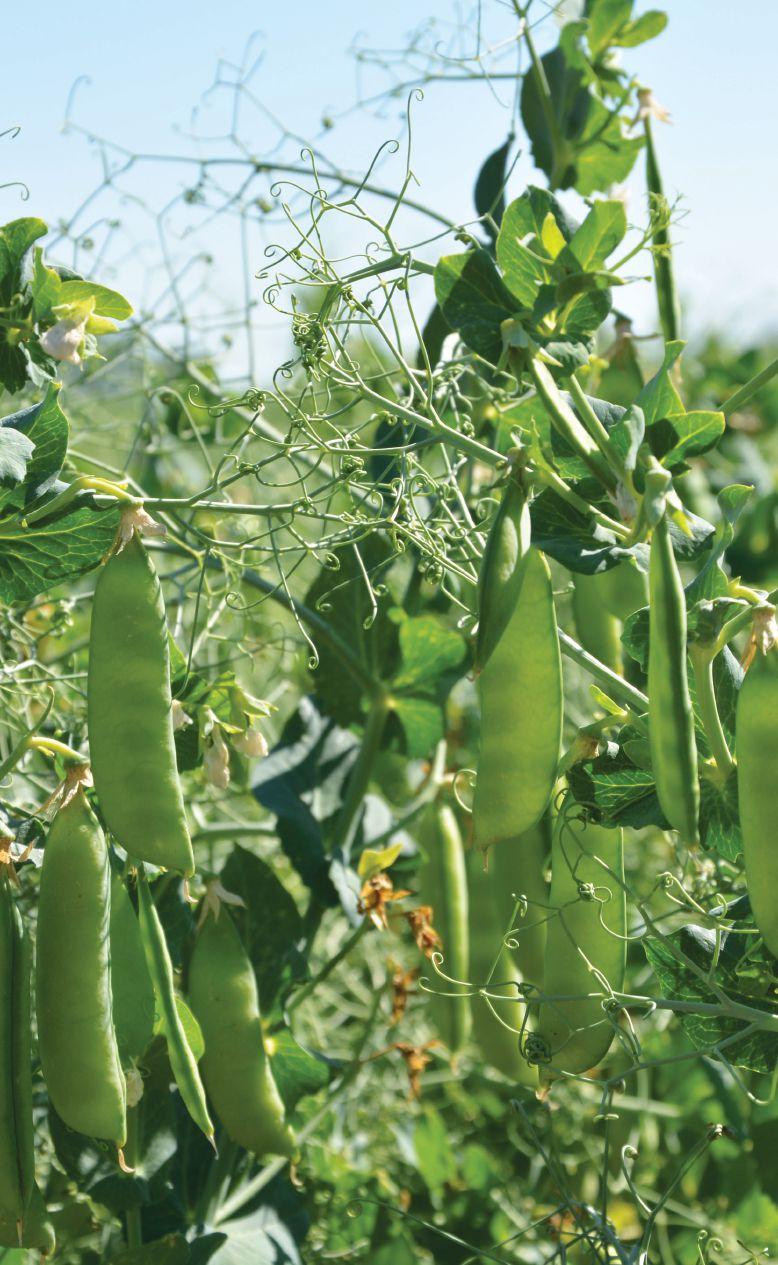
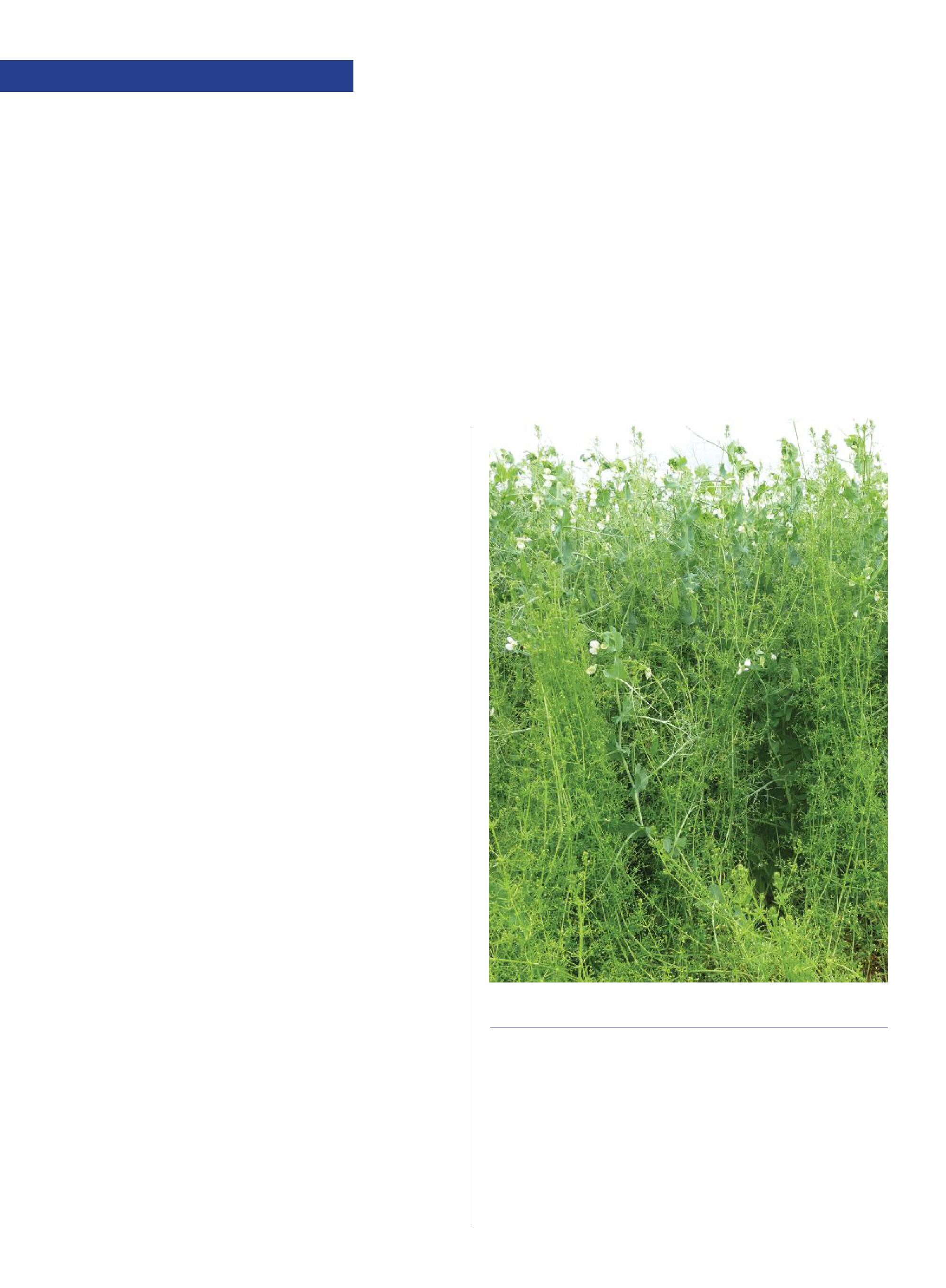
The cleavers weed challenge continues to be a particularly sticky issue on soils with greater than six per cent organic matter. Cleavers are widespread in the Black soil zone, and a growing Group 2 resistance problem is particularly challenging for pea growers.
Traditionally, cleavers were easily controlled in peas with Pursuit (imazethapyr, Group 2) or Odyssey (imazamox + imazethapyr, both Group 2). However, these old standbys are becoming less useful, as the incidence of Group 2 resistant cleavers grows. In addition, past weed surveys show that cleavers are increasing in abundance at the fastest rate of all weeds, further compounding the problem.
“Pursuit and Odyssey provided pretty good control in peas, but when you look at the options left for growers in the Black soil zone with organic matter greater than six per cent, there are only a couple of herbicides registered that will provide suppression of Group 2 resistant cleavers,” says Ken Sapsford, research assistant at the University of Saskatchewan.
The herbicides Basagran (bentazon, Group 6), Edge (ethafluralin, Group 3) and Viper (imazamox + bentazon, Group 2 + 6) are registered for suppression of cleavers on soils with organic matter (OM) greater than six per cent. Suppression is rated as weed control between 70 and 80 per cent. To be registered for commercially acceptable control, a herbicide must provide greater than 80 per cent control.
With support from the Saskatchewan Pulse Growers, Agriculture and Agri-Food Canada and FMC Canada, Sapsford investigated additional options for cleaver control on high OM soils. He looked at three herbicides that had potential for cleaver control: Authority, Heat and Command. Recognizing that none of the existing or potential herbicides could provide commercial control on their own, he assessed sequential applications of the three potential herbicides with the three existing herbicides registered for suppression: Basagran, Edge and Viper.
Authority herbicide (sulfentrazone, Group 14) is registered on field pea for suppression of cleavers on soils with less than six per cent OM. However, it does not provide suppression on soils greater than six per cent OM.
Heat herbicide (saflufenacil, Group 14) is registered on field pea, and will control cleavers that are present at time of application, but is not registered for residual control in crop.
Command herbicide (clomazone, Group 13) has some activity on cleavers when used preplant and may be safe on pea. However,
Command is not registered for cleaver control, and is only registered in Eastern Canada for use on sweet potatoes, soybeans and cucurbits.
Sapsford explains that residual activity is an important feature for cleaver control since cleavers grow as both a winter and spring annual, and also has several flushes throughout the spring. A preseed burndown of winter annuals is important, but ideally, the products should have residual control to control multiple flushes throughout the spring.
“For control of cleavers in the Black soil zone, you want residual
Group 2 resistant cleavers are challenging pea growers in the Black soil zone.
Weather or Not
In farming, you never know what to expect; but when you use Raxil® PRO Shield seed treatment with Stress Shield®, you can count on a healthier, stronger standing cereal crop that’s better able to withstand unforeseen seasonal stresses.
With three different fungicide actives, you also receive full contact and systemic protection from the most dangerous seed- and soil-borne diseases.
With Raxil PRO Shield, what you seed is what you get.
For more information, visit: BayerCropScience.ca/Raxil
control,” says Sapsford.
Research plots were established at Melfort, Sask., on a Black loam soil with 6.4 per cent organic matter and a 6.5 pH, and at Rosthern on a Black loam soil with 6.5 per cent organic matter and a pH of 7.5.
Sapsford first assessed cleaver control of Authority, Heat and Command individually. Authority achieved suppression of cleavers at twice the registered maximum rate, but with variability ranging from 50 to 100 per cent.
Command applied pre-emerge at the low, medium or high rate provided very little control of cleavers. While the cleavers showed signs of injury early in the growing season, with reduced growth and a whitened appearance, by the July assessment timing, Sapsford says there was “virtually no control of cleavers, and the cleavers were re-growing.”
Heat alone applied pre-emerge provided poor long-season cleaver control. “By itself, Heat didn’t do much for residual control of cleavers…it will burn off the ones that are there and they are controlled. But when several more flushes came, Heat provided some short-term residual control but didn’t provide long-term residual control,” explains Sapsford.
Authority herbicide applied pre-emerge provided some residual control of cleavers but still not enough to be rated as suppression when applied alone.
Of the registered herbicides, Edge provided control of cleavers early in the growing season, but Sapsford says end-of-season ratings in July found only 60 per cent control. Viper provided suppression of cleavers, as supported by the label.
Sapsford trialled two rates of Basagran. The regular registered rate, and the rate of Basagran that is included in Viper herbicide, which is roughly 40 per cent of the full Basagran rate. Both rates of Basagran provided suppression of cleavers. The cut rate of Basagran was included so that Sapsford could assess whether Viper was controlling both Group 2-resistant and no-resistant cleaver biotypes. He realized pea growers would most likely use Viper rather than Basagran, because Viper has a wider range of weed control.
Where things started to get interesting is when Sapsford started to experiment with sequential applications of two herbicides. He found the combination of preand post-emergent herbicides quite often provided control upwards of 100 per cent
Table 1: Group 2 resistant cleavers control in soils with >6% OM
Weed control rated 35 days after in-crop herbicide application, approximately mid to late July.
Source: Ken Sapsford, U of S.
when rated at mid to late July. The combination of residual and contact herbicides helped to control the cleavers throughout the season, which helped to reduce seed set. By using a combination of multiple groups of herbicides, Sapsford says pea growers can also help prevent and manage Group 2 herbicide resistant cleavers in the Black soil zone.
“Most burnoff applications will also include a glyphosate (Group 9) application, so a pea field would be receiving at least three modes of action. That can help manage or delay Group 2 cleaver resistance,” he says.
Sapsford had success with the following sequential herbicide applications for Group 2 resistant cleavers on soils with greater than six per cent OM (see Table 1):
• Fall Edge followed by spring preemerge Authority
• Fall Edge followed by spring postemerge Viper
• Spring preseed Heat followed by postemerge Viper
• Spring pre-emerge Authority followed by post-emerge Viper
• Spring pre-emerge Command followed by post-emerge Viper
The most effective sequential applications among the registered pea herbicides were Edge followed by Authority or Viper, Heat followed by Viper, and the high registered rate of Authority followed by Viper.
The unregistered Command herbicide followed by Viper also provided a high degree of control.
The different herbicide options provide growers with choices to fit their farming and crop rotational practices. Edge would fit for growers who utilize tillage in their farming practices. Heat, Authority and Viper fit with reduced and no-till applications.
“Growers are starting to look at fallapplied Edge with heavy harrow incorporation. That’s not on the label, but if they have time in the fall, some are starting to try Edge because of resistance management problems,” says Sapsford.
Heat, Authority and Viper, though, have recropping restrictions, which growers must consider. The major crops, including wheat, barley, oats and canola, can be grown the year after Heat and Viper applications. Authority has a recropping interval of 12 months for canola and 24 months for lentils. In the Black soil zone, this should not cause a problem, as wheat typically follows pea crops in rotation, and lentils aren’t grown in the Black soils.
“The one application that fits into many cropping plans is a spring application of Authority with glyphosate followed up with Viper in-crop. It was providing excellent control, and with Viper controlling both grassy and broadleaf weeds, it picks up what Authority misses in the preseed application,” says Sapsford.
Viper following Heat also provided better than 90 per cent control. Sapsford says the research may help growers in the Black soil zone move pea cropping back into the rotation.
Basagran Viper
A CENTURY OF WHEAT ADVANCES
Agronomic performance of Prairie wheat has continually improved.
by Carolyn King
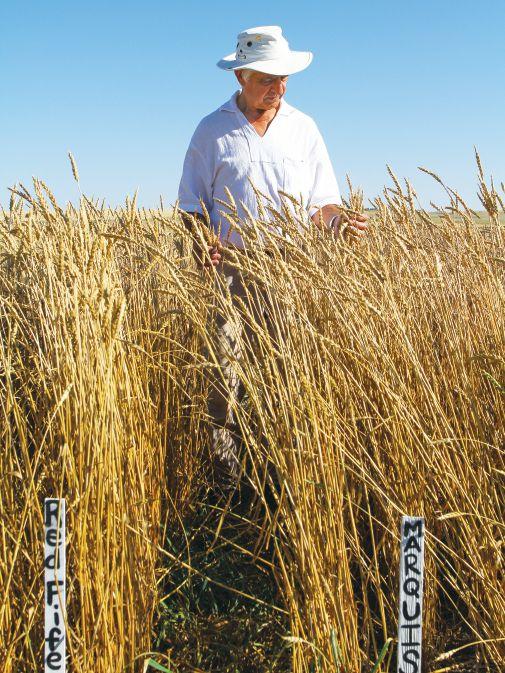
In the late 1800s, Canadian wheat breeders began their quest to develop top-quality bread wheat varieties adapted to western Canadian conditions. Luckily they had Red Fife, a very good milling and baking wheat, as a starting point. Its genetics are the basis for many generations of western Canadian hard red spring wheat varieties. Now, a project is proving that Red Fife’s descendants have the same or better milling and baking performance and the same nutritional goodness as Red Fife, while having greatly improved agronomic performance.
Or, to put it another way, the project is disproving recent claims in the popular media that today’s wheat varieties are not as good as heritage wheats.
The project is called Red Fife and Descendants. It is a joint effort of Dr. Ron DePauw and Dr. Richard Cuthbert, wheat breeders with Agriculture and Agri-Food Canada (AAFC), Dr. Nancy Ames, an AAFC cereal research scientist, Dr. Nancy Edwards, a cereal chemist who was with the Canadian Grain Commission when the project started in 2011, and now Dr. Bin Xiao Fu, who has taken over for Edwards in the project.
The researchers have evaluated the agronomic, nutritional, and milling and baking properties of 20 hard red spring wheat varieties. These varieties span more than a century, ranging from three heritage wheats from the 1800s – Red Fife, Ladoga and Hard Red Calcutta – to Marquis, released in 1909, and all the way to CDC Utmost, registered in 2010 (see Table 1).
In the beginning
“Wheat was brought to Canada by settlers, missionaries, fur traders and so on. Canada’s first prime minister, Sir John A. Macdonald, realized that to settle the west, and build this nation from coast to coast, you had to have people on the land. And to have people on the land you had to have economic activity and food. So one of the first things that they did was to figure out what could be grown on the Prairies [and] exported, and return some value to the people who grew it,” explains DePauw.
“They knew that Red Fife grew in Western Canada and that it was considered a very good milling wheat. William Saunders, who was the first head of the Experimental Farms system in Canada, which is now Agriculture and Agri-Food Canada, wanted to develop a wheat variety with the milling and baking properties of Red Fife but with earlier maturity because Red Fife was too late, resulting in crops being frozen.”
Red Fife is thought to have come from Galicia, now part of Poland and Ukraine. It is named for David Fife, an Ontario farmer who was the first to grow it in North America. He started growing it in 1842,
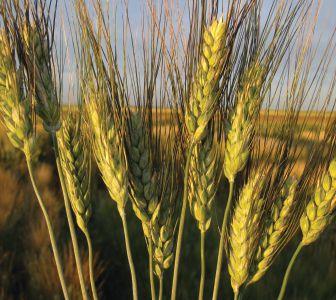
DePauw and his colleagues have found that Red Fife’s descendants are better agronomically, and still have Red Fife’s nutritional, milling and baking properties.
and by the 1880s it was being grown in various places in Canada.
Canadian researchers tested several early maturing wheats including Ladoga from the Lake Ladoga region in northern Russia, and Hard Red Calcutta from a mountainous region in India. However, Ladoga’s milling and bread making qualities were very disappointing, and Hard Red Calcutta had low yields, a tendency to shatter and other problems.
Saunders and his sons crossed Red Fife with Hard Red Calcutta, and from that cross came the famous Marquis wheat. “Marquis was the variety that really opened up the West and was the economic foundation of Canadian agriculture. It was well adapted and had very good quality,” says DePauw.
Almost all Canadian wheat varieties can be traced back to Marquis and Red Fife. DePauw gives some examples: “Marquis became
Red Fifemid-1800sMilling and baking quality
Ladoga1888Early maturity
Hard Red Calcutta1892Early maturity
Marquis1909Early maturity, wide adaptation, and milling and baking quality
Thatcherregistered 1935Resistance to stem rust added to Marquis
Neepawaregistered 1969Resistance to stem rust added to Thatcher
Katepwaregistered 1981Resistance to stem rust added to Neepawa
Columbusregistered 1980Preharvest sprouting resistance added to Neepawa
Lauraregistered 1986Lr34 (a specific leaf rust resistance gene which controls several other diseases), water- and nitrogen-use efficiency
CDC Kernen registered 2010Fusarium resistance, water- and nitrogen-use efficiency
CDC Utmost registered 2010Resistance to orange wheat blossom midge, water- and nitrogen-use efficiency
Source: R. DePauw, Agriculture and Agri-Food Canada.
SIX WAYS TO WIN THE WEED ESCAPES BATTLE
susceptible to stem rust, so breeders added stem rust resistance to Marquis and retained its milling and baking properties, and that became Thatcher. When Thatcher became susceptible to some new strains of stem rust, they built in resistance to those virulent strains to create varieties like Canthatch and Neepawa. And then they added more resistance genes to deal with changes in leaf and stem rust and came up with other varieties. And they incorporated resistance to the wheat stem sawfly to create varieties like Rescue, AC Eatonia and Lillian. And so on. But they were always selecting for the milling and baking properties of Marquis and therefore Red Fife.”
Building on an excellent foundation
DePauw, Ames and Edwards were interested in conducting the Red Fife and Descendants project for two main reasons. “One reason was that people are putting out information that Red Fife, or heritage wheats, are much better than contemporary wheats. And some people have approached me for information about Red Fife,” explains DePauw.
“The other reason was that there are a number of what I would call
unscientific books and other popular press articles, which aren’t based on nutritional evidence, that are claiming that modern grains are not healthy and lead to adverse effects on humans.” One of these recent books claims that breeders have made changes in wheat varieties over the last 50 years that are “drastic” and “bad.”
To test the claims that heritage wheats are somehow different from today’s varieties, the researchers set out to answer the question: what are the differences, if any?
DePauw grew the 20 wheats in replicated trials at Indian Head and Swift Current, Sask., from 2011 to 2014. He assessed the agronomic performance of each variety, and he provided the samples to Ames for the nutritional analysis, and to Edwards and Fu for milling and baking analysis.
“To evaluate the agronomic performance, we looked at attributes like grain yield, days to maturity, straw strength, plant height, test weight, 1000 kernel weight, protein content, diseases like the rusts, Fusarium, and so on,” says DePauw.
The results show many major advances in agronomic performance since the late 1800s. “We found that grain yield has increased, the time
EVERYONE’S UPGRADING TO OCTTAIN TM .
to maturity has been reduced, and the straw is shorter and stronger, resulting in better standability. There are improvements in test weight, protein content, water-use efficiency and nutrient-use efficiency. And there are benefits to the environment because you don’t have to spray for some of the diseases and insects.” For example, the varieties with tolerance to midge yielded about 45 per cent more than Red Fife. Other varieties, such as Carberry, yielded more than Red Fife and had significantly higher grain protein content and shorter, stronger straw than Red Fife.
Ames and her lab have almost completed the nutritional analysis. They are evaluating a wide range of nutritional components like carbohydrates, fat, fibre and protein, as well as bioactive compounds that could have significant human health benefits. They have found that today’s varieties are just as nutritious as Red Fife.
The milling and baking quality analysis is showing that our modern varieties are as good as Red Fife, and sometimes even better. In general, the descendants of Red Fife have improved dough strength, improved water absorption capacity and improved baking performance.
To people who are concerned about claims that today’s wheat varieties are not as good as heritage wheats, DePauw says, “Where’s the evidence to support those claims?”
He points out the Red Fife and Descendants Project is just one example of studies looking into those claims. “Other researchers in the United States, Europe and so on are doing the same kind of studies, looking at the range of grains that have been grown over time, and they cannot find any support for the assertions that whole grains are a health issue.”
DePauw and his colleagues are hoping to start some new research in the years ahead to explore other questions related to wheat, gluten and nutrition. “We want to ask questions like: What is the digestibility of the proteins when you compare one kind of processing to another one? What happens to the bioavailability of the minerals when you manufacture a food one way compared to another?”
He adds, “I enjoy working with my research colleagues very much because there are so many fascinating unanswered questions out there.”
CROP MANAGEMENT
WRESTLING WITH RESISTANT WILD MUSTARD
Effective control options for lentil growers.
by Carolyn King
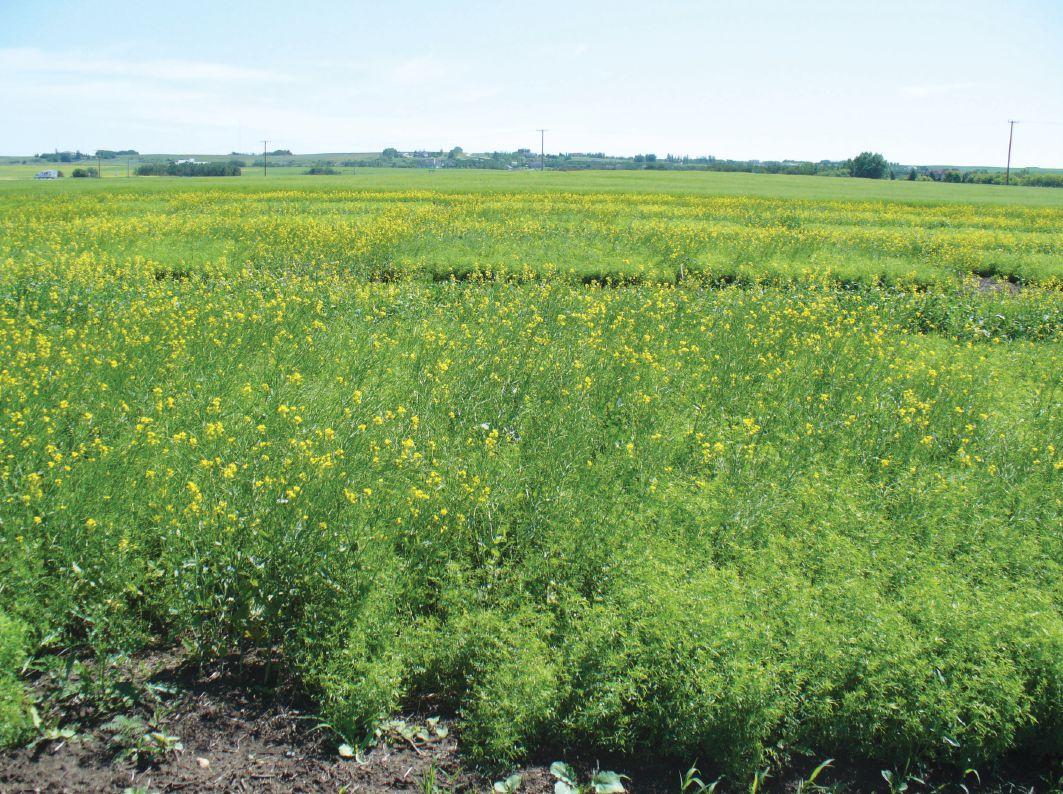
Herbicide-resistant wild mustard can be a big problem in Prairie lentil fields. But a University of Saskatchewan (U of S) study shows you can control these weeds while reducing the risk of creating even more herbicide-resistant weeds.
Weed control in lentils is challenging. The plants are short, slow to grow and slow to close their canopy, so they can have a difficult time outcompeting weeds. Plus lentils are sensitive to many herbicides, so chemical control options are limited. The development of Clearfield lentil varieties, which are tolerant to Group 2 herbicides imazamox and imazethapyr, has allowed effective control of broadleaf weeds. But heavy reliance on Group 2 herbicides has also resulted in Group 2 resistance.
Herbicide-resistant weeds develop when the same mode of action is used again and again, and resistance to Group 2s can develop especially quickly. In Western Canada, Group 2-resistant weeds started to develop shortly after these herbicides became available, with the first confirmed cases in 1988. So far on the Prairies, 19 weed species are
known to have Group 2-resistant biotypes.
Group 2-resistant wild mustard is a particularly serious problem for lentil growers. “Driving down the roads in our prime lentil growing areas in Saskatchewan, we see fields where you can’t tell if it’s a lentil field with a wild mustard problem or just a really poor mustard or canola field,” says Colleen Redlick, a graduate student at the U of S who conducted this project. “We felt that there was definitely a need to generate a solution for these producers so they could grow one of their most profitable crops.
“Also, in the bigger picture, we wanted to show that an integrated system using multiple tactics for weed control is really capable of
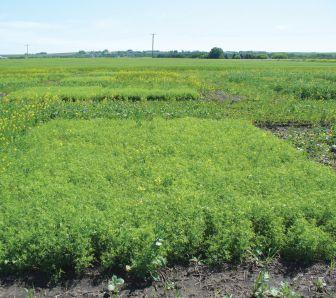
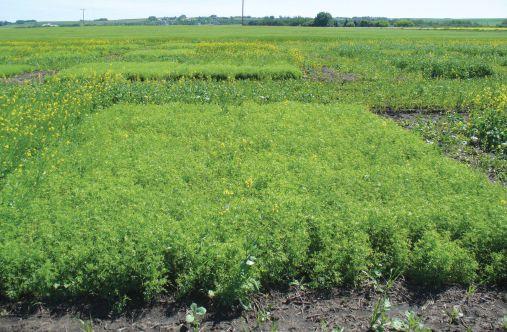
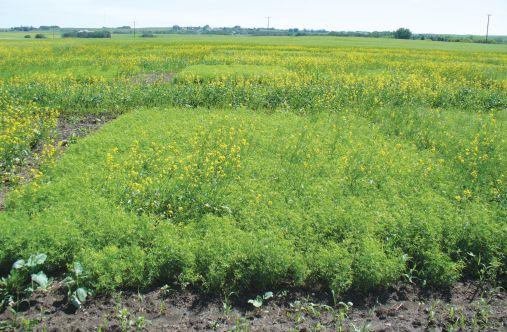
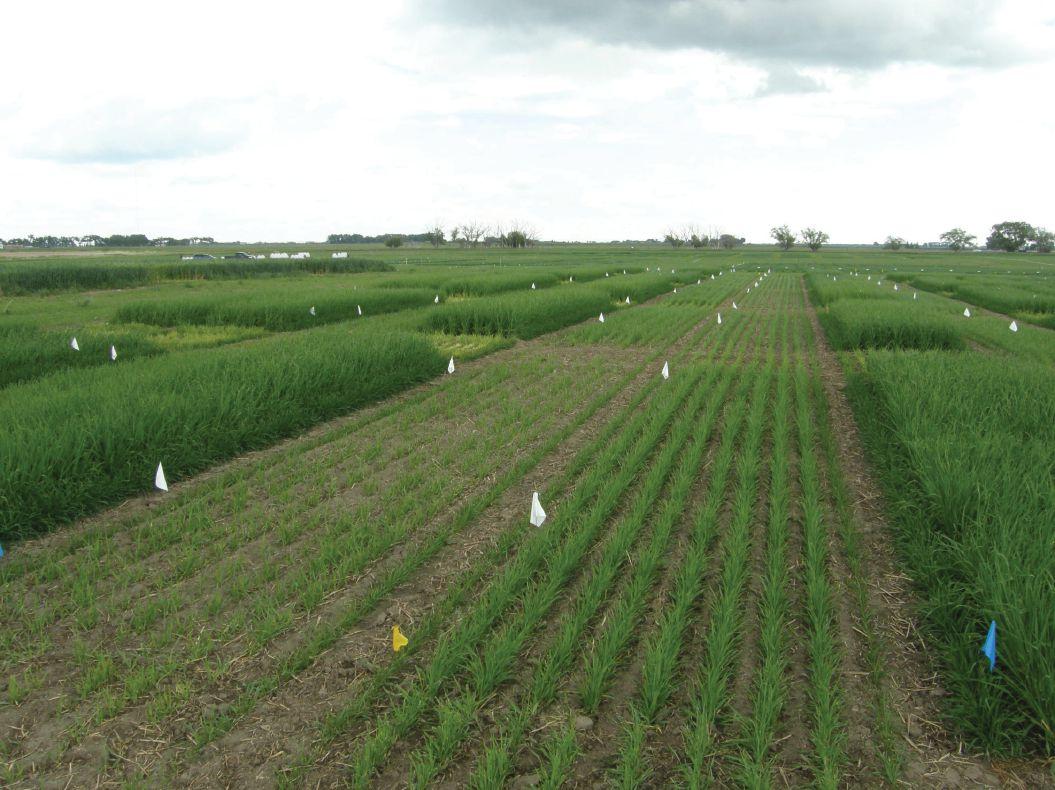
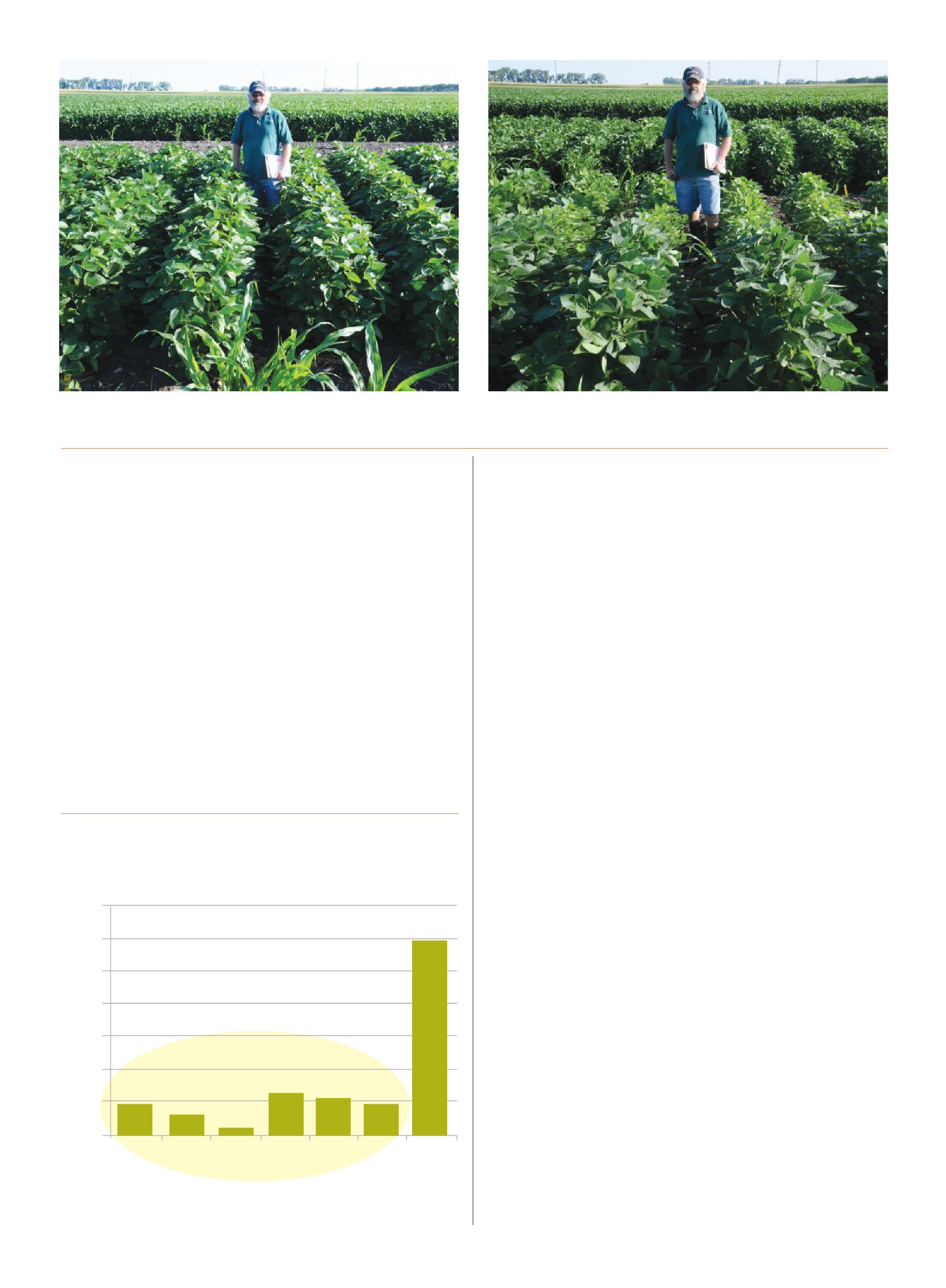
TOP: Group 2-resistant wild mustard can cause serious problems in lentils, as seen in the study’s control treatment (glyphosate burnoff and lentils seeded at the recommended rate of 130 plants/m2).
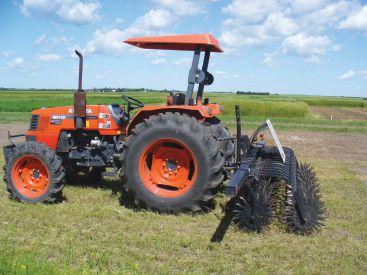
INSET: Using this plot-scale rotary hoe, the researchers found that a min-till rotary hoe works well for removing wild mustard seedlings in a lentil crop.
PHOTOS
Southwestern
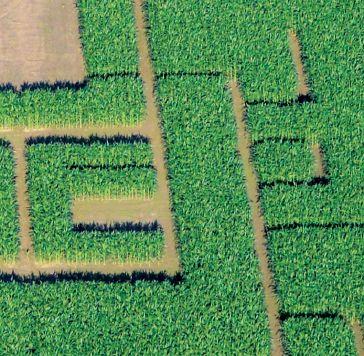
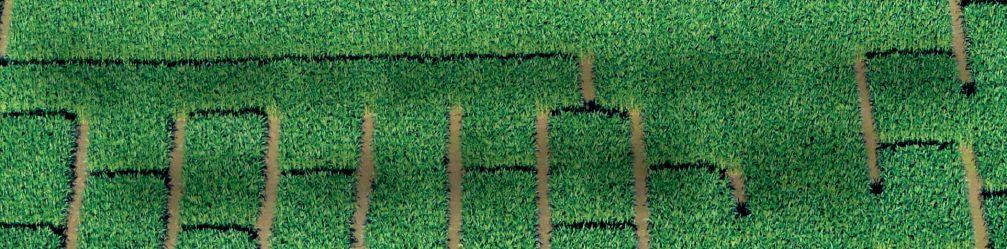
Norwich Optimist Corn Maze 2013
providing good weed control and also resilience against selection for more herbicide-resistant weeds,” she adds. “Because if growers try to control these weeds just by putting on more herbicide, then they’re selecting for even more herbicide resistant weeds.”
Redlick’s study compared various combinations of chemical, mechanical and cultural methods for controlling Group 2-resistant wild mustard in CDC Impala, an extra small Clearfield red lentil variety developed at the U of S.
The study took place at Scott and Saskatoon from 2011 to 2013. Redlick worked with Dr. Steve Shirtliffe and Dr. Chris Willenborg, her thesis supervisors at the U of S, and Eric Johnson, a weed biologist with Agriculture and Agri-Food Canada, and with the U of S technical staff at Saskatoon and the Western Applied Research Corporation at Scott. Saskatchewan’s Agriculture Development Fund and the Saskatchewan Pulse Growers provided project funding. Redlick also received scholarships from the Western Grains Research Foundation, and Natural Sciences and Engineering Research Council for the project.
The study evaluated the effects on wild mustard biomass and lentil yields of six options for chemical and/or mechanical weed control, and three lentil seeding rates. For the chemical and mechanical treatments, the control treatment was a standard glyphosate burnoff.
The second treatment was glyphosate tank mixed with saflufenacil (Heat), a preplant Group 14 herbicide that can give some control of wild mustard.
The third treatment combined the glyphosate burnoff with the use of a min-till rotary hoe. “Eric Johnson and Steve Shirtliffe had already done some research with the rotary hoe,” explains Redlick. “They found it was a really good fit with our lentil growers’ production systems. You could go up to six passes with the hoe with no reduction in surface crop residues, and the hoe is very capable of going through the residues that no-till lentil growers have on their fields. They also found that you could do two passes with the hoe with no yield decrease, and that you could use the hoe until the eleventh node of the lentil without yield reduction.”
She adds, “The rotary hoe is also a really good fit for this crop and weed combination.” The hoe has little spoons on a spinning wheel and is able to flick out small-seeded weeds that have small root systems and are emerging from shallow soil depths. So rotary hoeing is a good option for dealing with wild mustard seedlings. Lentils are seeded quite a bit deeper so the hoe doesn’t flick out the lentil seeds.
The fourth treatment was the glyphosate burnoff plus a half rate of metribuzin (Sencor, Group 5). “Sencor is the main herbicide option
remaining once the Group 2 herbicides stop working; it’s one of the only other herbicides that gives any control of wild mustard in lentil,” notes Redlick. “However, lentil is sensitive to Sencor, and the company recommends splitting a full rate into two half-rate applications. So we tried a half-rate for this treatment.”
The fifth treatment was an integrated treatment, combining glyphosate, saflufenacil, rotary hoeing and a half-rate of metribuzin.
Finally, the sixth treatment was a full herbicide treatment, with glyphosate, saflufenacil and a full-rate of metribuzin (split into the two applications to increase crop safety).
For the seeding rate component, the study compared the recommended seeding rate for lentils in Saskatchewan, which is 130 plants per square metre, with 260 and 520 plants per square metre.
“Steve Shirtliffe and other researchers have shown that increasing crop competition is a really effective means of increasing weed control,” says Redlick. “We also wanted to see how seeding rate interacts with the different herbicide treatments. We know producers favour herbicide treatments so we really need the components in our integrated system to be shown to work with the herbicide.”
Integrated approach works
The study showed that at higher seeding rates, the integrated treatment worked as well as the full herbicide treatment for weed control and lentil yields.
“We found that the integrated treatment responded the most to increasing the seeding rate, in terms of both mustard biomass reduction and crop yield increase. At the recommended seeding rate, the integrated treatment wasn’t the best, but by the time you got all the way up to maximum seeding rate, the integrated treatment was performing very comparably to the full herbicide treatment. And of course, we had the spinoff that the integrated treatment is much more resilient against selecting for future herbicide resistance,” says Redlick, adding that other than the full herbicide treatment, all the other treatments also responded quite well to the increasing seeding rate.
The study’s results indicate the recommended seeding rate of 130 plants per square metre is not high enough for the small and extra small seed classes of lentil. “In almost every treatment, we saw yield increases by doubling the seeding rate to 260. And the higher seeding rate also translated into better economic gains for the producer,” notes Redlick.
When she presented the study results at extension events, Redlick learned many lentil growers are already using more than the recommended seeding rate. “A lot of the producers said they were
The integrated treatment at higher seeding rates (left) worked as well as the full herbicide treatment at the recommended seeding rate (right) for wild mustard control and lentil yields.
seeding in pounds per acre, not targeting a plant population. As agronomists, we want our growers to be targeting plant populations because that is a much more precise way of determining your crop’s competitiveness against weeds,” she says. “It turned out that many growers were using between 50 and 70 pounds per acre [likely because they were used to growing larger-seeded lentils, which have seeding rates in this range]. CDC Impala has a 1000-kernel weight of 31 grams, so the growers are actually seeding between 160 and 230 plants per square metre.”
One concern is whether higher seeding rates might promote foliar disease in lentils. There weren’t any differences in the disease levels among the different seeding rates in 2011 and 2013, which were years with normal precipitation. But in 2012, the Saskatoon area received double the normal precipitation, and in that year, disease pressure at the Saskatoon site did increase as lentil seeding rates increased. However the higher disease level did not affect yields.
The next step for Shirtliffe’s research group is to further investigate the effect of higher seeding rates on foliar disease, including determining if any increases in disease pressure might translate into downgrading of lentils.
Although the study showed that rotary hoeing helped control weeds, Redlick suspects growers will only adopt the practice if they have no other option for controlling herbicide-resistant weeds. “Most growers prefer to control weeds with herbicides. Coming from the farm, I understand that –you’ve got the application equipment there and so on. But if someone is challenged with resistant weeds, the rotary hoe is relatively cheap to buy and cheap to operate. And you can drive it really fast; we went about 12 kilometres per hour through those fields. So I can see it fitting with our production systems.”
Shirtliffe and Johnson are working on a similar study to assess how effective rotary hoes are for controlling kochia in lentil.
For Redlick, the seeding rate findings from her study are the most important result. “Growers are looking for tank mix solutions to deal with herbicide-resistant weeds, but the answer to herbicide resistance is not just to use different herbicides. Our study showed that multi-tactic weed control can be effective. The solution for these weed control problems is in your seeder tank, not just your sprayer tank, because increasing the seeding rate has a very positive effect [on weed control, yield and profits].”
CREATING BETTER EQUIPMENT FROM DEEPER KNOWLEDGE.
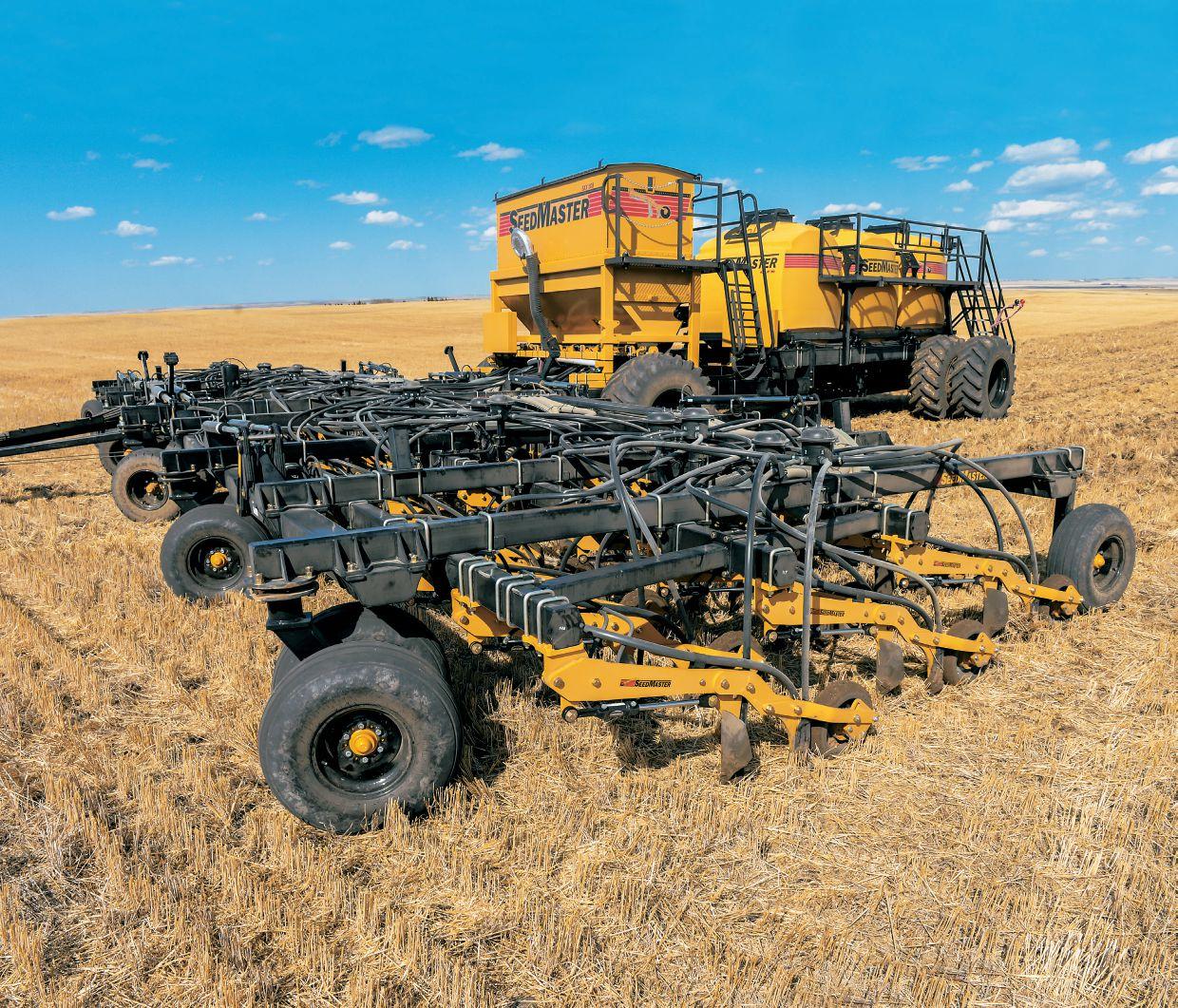
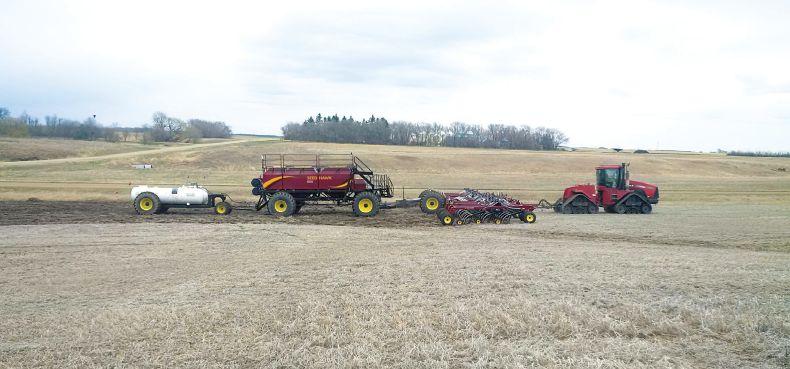
At Seed Hawk, we create exceptional seeding systems, starting with a deep understanding of the agronomics needed to grow great crops. We know that whether you practice no-till, min-till or conventional tillage, success starts with precise seed and fertilizer placement. That success becomes even more important when you factor in the expense of modern seed genetics.
BETTER EMERGENCE COMES FIRST.
Precise seeding depth allows you to take advantage of shallow soil moisture, helping to ensure quick, even emergence and a crop that gets ahead of the weeds. Precision seeding also promotes even maturity across the field, making harvesting easier and encouraging better yield and grade.
At the same time, understanding their crops’ nutritional needs encourages many growers to seed and fertilize in a single pass. It has been an industry-wide challenge to work out how seed-placed fertilizer can promote early season growth without damaging seedlings.
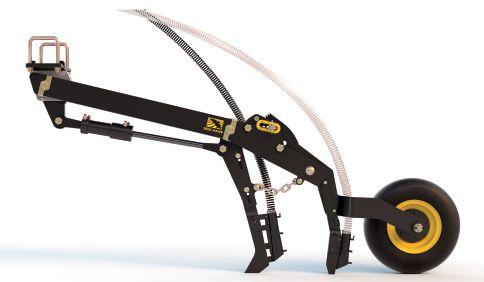
With this in mind, Seed Hawk designed openers to operate independently, providing superior depth accuracy and optimum fertilizer placement. Our patented technology encourages quick, uniform germination, even packing and consistent performance, regardless of soil or weather conditions.
FARMER-INSPIRED INNOVATIONS CONTINUE TO EVOLVE SEEDING.
Great openers are undeniably important, but Seed Hawk technology delivers much more. Advanced Sectional Control® Technology now includes the Meter per Section design, with up to eight modular, electric drive meters on a tank. The new design (one meter per 10-foot toolbar section) allows you to isolate the airstream for each product across all toolbar sections, enabling functions like variable-rate seeding with different application rates.
Pulling it all together, the Wireless iCon ® Control System begins with an iPad for simple, intuitive control of every aspect of the seeding system. It features a Fit to Field™ function that automatically adjusts rates and empties the tank on the acres remaining, as well as in-field calibration, which snapshots the weight in the tank, applies it to the number of acres you input, then quickly calculates the amount of product needed to complete the job.
When your farm business requires greater precision, trust Seed Hawk people, ideas and technology to support everything you’re ready to do. Look to us for the inspiration to evolve precision seeding further. For more information, go to SeedHawkSeeder.com
SENSOR-BASED NITROGEN MANAGEMENT
Optical sensors allow on-the-go adjustment of fertilizer application rates.
by Carolyn King
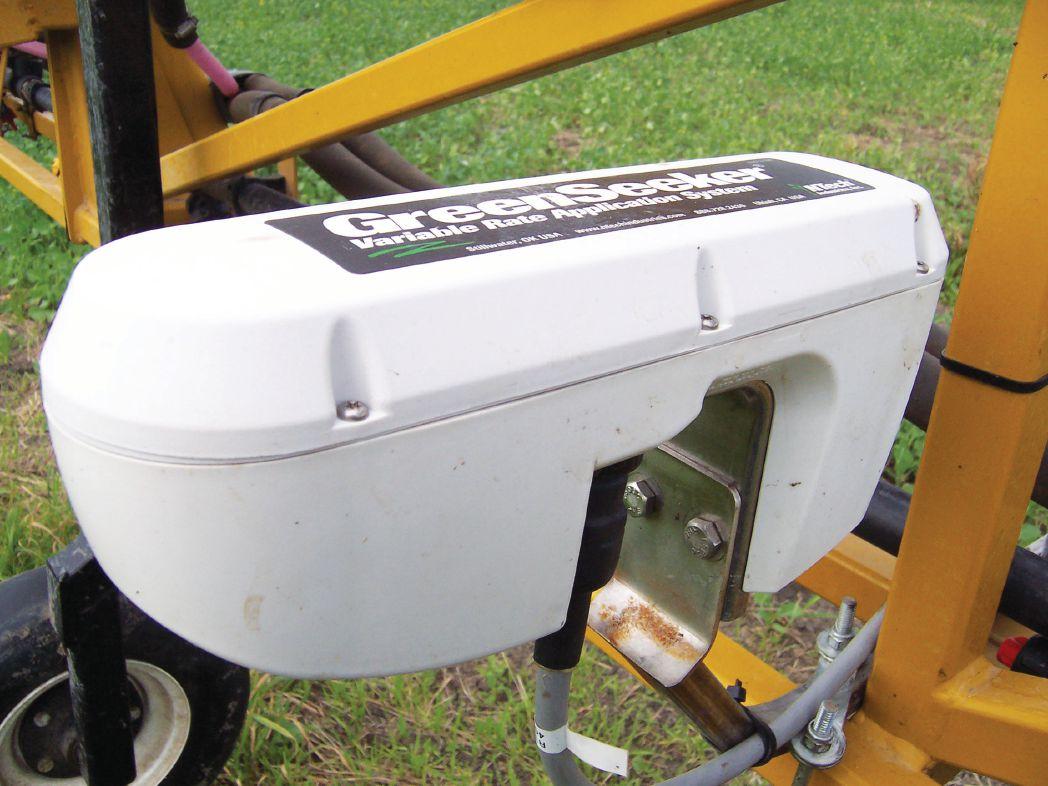
In theory, in-season fertilizer applications that add just enough but not too much nitrogen can enhance profits, increase nitrogen use efficiency and reduce environmental impacts. In practice, determining the right rate can be challenging. On-the-go sensor-based systems like GreenSeeker offer a way to more accurately estimate rates and to apply those rates as the crop’s nitrogen needs vary across the field.
“One of the major challenges that growers face in managing nitrogen is dealing with variability. There’s variability in space within the field and between fields, and changes in time throughout the growing season, and from one season to another. This is due to variations in landscape characteristics, soil characteristics, weather conditions and grower practices,” says Dr. Olga Walsh, a cropping systems agronomist specializing in precision agriculture at the University of Idaho. “Using this sensor technology helps account for these types of variability, allowing much more informed decisions.”
With these in-field optical sensor systems, growers can fine-tune in-season nitrogen rates based on real-time conditions. For example,
growers could replace nitrogen lost to the environment earlier in the growing season, avoid applying extra nitrogen where it’s not needed, and add extra nitrogen if the crop is performing better than expected.
“In North Dakota, we have a problem with nitrogen loss due to leaching during wet years. We have a problem in high clay soils with denitrification, which is gas loss of nitrogen. So side-dress nitrogen is important. But what should you use for a rate? Do you just guess?” says Dr. Dave Franzen, an extension soil specialist at North Dakota State University. “Using these sensors is the most scientific way to make a rate recommendation that we’ve ever had.”
How the sensors work
Examples of these sensors include GreenSeeker, CropSpec, OptRx and Crop Circle. They are called “active” optical sensors because they emit their own light. Franzen says, “The strength of that is that you can use an active optical sensor at midnight or on a cloudy day or on
ABOVE: Optical sensors are the next evolution in precision farming.
a day that has sun with clouds wafting by. Those are things that interfere with satellite imagery, aerial photography and drone imagery [which all involve ‘passive’ sensors that measure reflected light originally emitted by the sun].”
He explains that the sensors emit their light in coded pulses, similar to the technology of a garage door opener or a television remote. The light code is similar to the UPC black and white lines on most retail packaging, although instead of black and white colours, the bands are different time-lengths of light-on, light-off intervals.
For variable rate fertilizer applications, the sensors are attached in front of the fertilizer applicator unit and are integrated with the application system. The sensors emit specific wavelengths of light onto the crop canopy, and the canopy reflects some of that light back to the sensors. The sensors determine the difference between the emitted and reflected light. The difference is affected by the crop’s health; for example, healthier plants tend to absorb more red light and reflect more near-infrared light.
The sensors do not directly detect nitrogen. “They tell us how much biomass has been produced, which is an overall evaluation of how healthy the plants are,” Walsh explains. “Research shows biomass production is highly correlated with final yield for many crops –wheat, corn and others. So these sensors allow accurate estimation of the crop’s yield potential and how responsive the crop is to nitrogen.”
Franzen notes that sensors that use red/near-infrared light evaluate two-dimensional biomass. “Sensors that use red-edge/ near-infrared light evaluate foliage tint.”
Most of these sensor systems require a nitrogen-rich strip as a standard for comparison with the rest of the field. “You apply a base rate of nitrogen to the field [at or near planting time], and in addition, you apply a little more nitrogen than you think the crop would need to a small portion of the field, the width of the applicator and maybe 100 feet long. That small area is your nitrogen non-limiting standard,” says Franzen. For example, a grower might apply about 1.5 to two times the recommended rate to create the nitrogen non-limiting area.
For an in-season nitrogen application, the first step is to get a sensor reading of the nitrogen non-limiting area. The average reading for that area is entered into the spray controller. “If the sensor readings in the rest of the field are within about five per cent of the reading in the nitrogen non-limiting area, then there is no need to apply any additional nitrogen,” says Franzen. “If the difference is greater than about five per cent, then the sensor will use a formula to rapidly calculate the nitrogen rate to apply to that part of the field, and it will tell the applicator what to apply.”
One downside of this technology is that the applicator would need to drive through each field. So Franzen and his colleagues are working on using satellite imagery as an initial screening tool. For instance, if the satellite imagery indicates a field needs little or no extra nitrogen, the applicator could simply skip that field.
These sensor systems can be expensive, so how many sensors do you need? Franzen suggests starting with one sensor. “Dr. Bill Raun from Oklahoma State University, who first introduced this technology, initially developed a system with a sensor and an array of nozzles about every three feet to apply variable rate nitrogen on winter wheat. It freaked people out because it’s a huge step.
“If a person wants to dive into that end of the pool, feel free, but what I am advocating right now is one sensor in front of the applicator controlling the boom. However, 20 years from now, when people have been using this technology for a while and are comfortable with it, I think there will be a sensor for every row,” says Franzen.
The sensors measure the reflectance of both weeds and the crop, so the weed population needs to be low for an accurate estimate of the crop’s nitrogen needs. If a crop has some other problem, like a disease or an insect infestation, the grower could assume the same problem is also affecting the nitrogen-rich area, as a way to simplify the situation. One of Walsh’s graduate students is working on identifying and distinguishing between the effects of nitrogen stress and other stresses, like disease, insect and water stresses, in the sensor readings.
Another problem to watch for is sulphur deficiency. “We’ve found that the sensors are very good at detecting a sulphur deficiency in the field. When nitrogen is deficient, sulphur is mobile in the plant so the [sulphur] deficiency isn’t nearly as bad. But when sulphur is deficient and you have plenty of nitrogen, then that intensifies the sulphur deficiency. So sometimes our high nitrogen plot was the yellowest plot. That can only happen if there’s a sulphur deficiency,” says Franzen.
“If that happens, then the grower needs to apply some sulphur as soon as possible and then wait about a week before going back in to do the nitrogen application.”
Algorithms matter
These sensor systems use formulas, or “algorithms,” to convert the information from the sensor readings into nitrogen rates. The algorithms vary depending on such factors as the region, tillage practice, soil texture, crop type and growth stage, and sensor type. An algorithm developed for one region will probably not accurately predict nitrogen rates for a different region.
“Developing these algorithms takes a lot of time and effort,” notes
Algorithms were established for spring wheat, durum wheat, canola, malting barley and oat, at AAFC Indian Head.
PHOTO BY BRUCE BARKER.
Tough broadleaves and flushing grassy weeds have met their match. No burndown product is more ruthless against problem weeds in spring wheat than new INFERNO™ DUO. Two active ingredients working together with glyphosate get hard-to-kill weeds like dandelion, hawk’s beard, foxtail barley and Roundup Ready® canola, while giving you longer-lasting residual control of grassy weeds like green foxtail and up to two weeks for wild oats. INFERNO DUO. It takes burndown to the next level.
INFERNO DUO is now eligible for AIR MILES® reward miles through the Arysta LifeScience Rewards Program in Western Canada.
Go to www.arystalifesciencerewards.ca for program details and learn how you can earn 100 bonus AIR MILES® reward miles.
Walsh. For the past 3.5 years, she has been leading a team to develop algorithms for Montana wheat varieties and growing conditions.
“The more field locations and the more data you collect, the better your algorithm will be. However, once you’ve done the work, it is easy to convert that knowledge into software. Then it becomes part of the package that comes with the sensor unit or on-the-go variable rate system, so growers can use it right away.”
Franzen recently completed a study to develop algorithms for corn in North Dakota for GreenSeeker and Crop Circle sensors.
“One of the basic principles of site-specific agriculture is that it is always site-specific per scale. Even within North Dakota, for just one type of sensor, I have four different algorithms. That is partly because of regional differences: the western part of our state, southwest of the Missouri River, has different soils, different [nitrogen supplying] capability and a different environment than the eastern part,” he says.
“I’ve asked my computer science colleagues to develop a machine learning tool in the next few years, so farmers would use these
[regional] algorithms as a starting point and then continually add data from their own farm and gradually morph the original algorithms into algorithms specific to their farm.”
For the Canadian Prairies, the late Dr. Guy Lafond, who was with Agriculture and Agri-Food Canada, and Chris Holzapfel, research manager at the Indian Head Agricultural Research Foundation, worked on GreenSeeker algorithms for spring wheat, durum wheat, canola, malting barley and oat, for the Brown to Dark Brown soil zones and the Thin Black to Black soil zones. The algorithms require the grower to enter the number of growing degree days, using a base temperature of 0 C, from seeding to the day of sensing.
As part of their research studies, Lafond and Holzapfel compared various approaches to nitrogen applications including: applying 100 per cent of the anticipated nitrogen need at seeding; and applying some of the nitrogen at seeding and some as a variable rate application with a GreenSeeker system. Overall, both systems had the same crop yields, but the variable rate/GreenSeeker approach achieved those yields with less nitrogen.
Freedom from wild oats.
There can be challenges in applying in-season nitrogen in a timely manner, especially if herbicide or fungicide applications need to be made during the same time period. As well, dry conditions after the nitrogen application will delay the availability of the fertilizer to the crop. Lafond’s and Holzapfel’s research indicates that, for the cereal and oilseed crops they studied, at least half to two-thirds of the anticipated nitrogen requirement should be applied at seeding. Growers also need to consider such factors as crop price, fertilizer cost and application cost to decide whether an in-season nitrogen application would make economic sense for their situation.
Walsh says the return on investment for an on-the-go sensor system depends in part on the grower’s objectives. “They might want to decrease the amount of nitrogen they apply to save money on fertilizer. Or they may want to distribute fertilizer inputs more precisely in the field to improve crop yield and quality.”
She notes, “Normally, the initial investments in these sensor-based systems are paid off within one or two growing seasons.”
Franzen expects adoption of this technology in North Dakota to be
a gradual process. “Any kind of site-specific movement forward seems to take about 15 years. I’ve seen it with yield monitors and with zone and grid sampling. This sensor technology is the next thing. In about 15 years, it will just be something that people do,” he says.
“We now have several sensors on the market, and more and more people are making some use of them. [And we have algorithms to get growers started with sensor-based nitrogen applications.] It will take some time to get some people’s heads around it, but this is where we need to go with side-dress nitrogen for many of our soils in North Dakota.”
Walsh thinks precision agriculture will eventually become the standard practice for agriculture. “One of the Idaho growers put it very well. He said: ‘Growers who think in terms of sustainability and staying competitive cannot afford not to use this kind of cutting-edge technology.’ Sustainability includes all of the aspects of crop production – maintaining or increasing yield, improving crop quality, sustaining crop productivity and minimizing negative impacts on the environment. The sensors help in all of these aspects.” Varro® herbicide for wheat. Freedom from Group 1 herbicide resistance. Freedom to select your preferred broadleaf partner. Freedom to re-crop back to sensitive crops like lentils. To learn more about Varro, visit: BayerCropScience.ca/Varro
ESTIMATING SOYBEAN YIELD ACCURATELY
It is possible, but it’s time consuming.
by Bruce Barker
Everyone likes to try to predict yield while the crop is growing in the field. Sometimes it is just human nature to try to guess yield, but there are also valid reasons such as making a reseeding decision on a poor plant stand, or making storage and marketing decisions as the crop nears maturity.
But is it a fool’s game to try to estimate soybean yield? After all, it can be done quite accurately in corn. So why not soybean?
“When estimating yields, you need to know why we are doing it,” says Gary Martens, professor at the University of Manitoba. “For example, if you are estimating yields early in the season, the reason you do it is to establish if there is enough of a plant population to leave the plant stand the way it is; or [if you] should try to start over.”
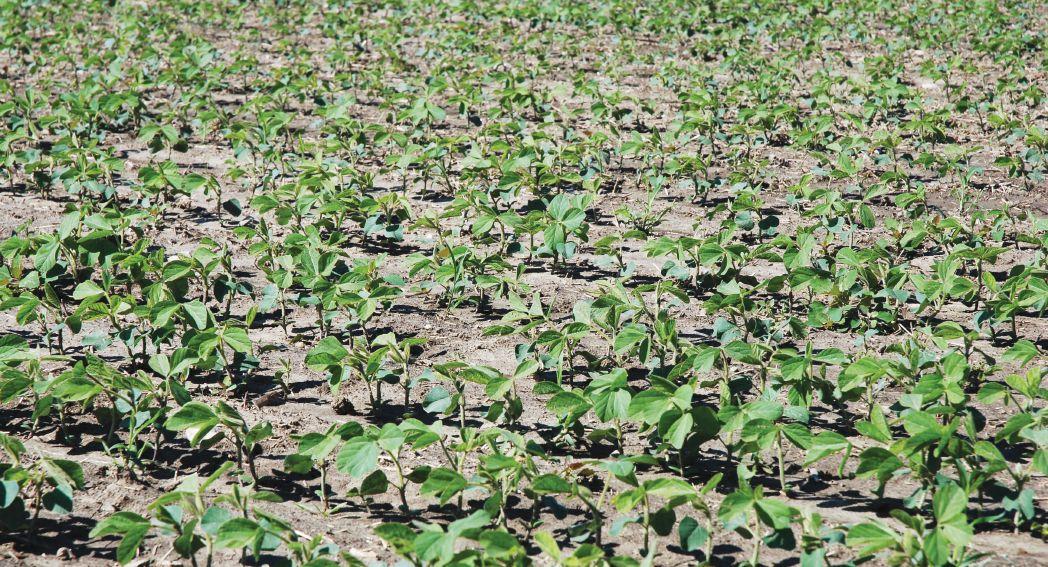
Early in the season, at the “V” stage of growth before soybean plants pod out, plant population and the current calendar date guide the reseed decision. For soybeans, Manitoba Agriculture, Food and Rural Development (MAFRD) indicates that ideal plant density is between 180,000 to 210,000 plants per acre. However, some growers are achieving high yield with 160,000 and even 120,000 plants per acre.
Martens says Manitoba Agricultural Services Corporation (MASC) insurance guidelines help growers better assess potential yield loss due to a thin plant stand. MASC data shows that growers can still achieve 80 to 94 per cent of yield with 60,000 plants per acre, dropping to 50 per cent of potential yield at 20,000 plants per acre.
“That is quite a bit lower than Purdue University estimates for Iowa. Is one right and one wrong? No. I talked to MASC and they say these yield estimates are the ones they recommend for reseed decisions, even though they acknowledge that you will probably have higher yield at the low plant populations,” explains Martens. (See Table 1.)
The other consideration is the current date when soybeans might be reseeded. MASC data shows that as seeding date gets later from the second week in May to the first week in June, yield potential drops off.
“A third thing to take into account is the cost of reseeding. The biggest cost of growing soybeans is the seed. Doing a replant will cost about $100 per acre, so think about whether that is really worth it based on the potential yield that you can get from as little as 20,000 plants per acre,” says Martens. “My gut feel is that very rarely will we replant soybeans. Typically in Manitoba it would be too late to do that.”
Variability in soybean fields can make yield predictions difficult.
Mid-season estimates difficult
After flowering has started and before pods have started to form, a soybean grower may wonder if he should apply a fungicide or other inputs. At the R1 to R3 stage, Martens found that estimating yield is difficult. He says this is reflected in MASC protocol that only estimates yield by either plant stand or seed count after podding.
“I thought it might be interesting if you could estimate soybean yield at this stage by height. I took 16 soybean varieties from Kelburn Farm and looked at height, and you can’t do it. The number of pods is all over the place.”
Martens then wondered if soybean yield could be estimated by counting stems per acre. He counted the number of stems and number of pods on each stem. The variability was very high and he
found this tactic wasn’t accurate either. The only valid approach at this stage would be MASC’s method of estimating plant stand and equating that to potential yield.
Late season yield estimates
After a soybean crop has podded, soybean growers may want to estimate yield to help plan marketing decisions or grain storage. At this stage, R6 and later, yield estimates are possible, although time consuming and with some pitfalls. The equation that provides a yield estimate in bushels per acre is plants per acre multiplied by pods per plant multiplied by seeds per pod and then divided by seeds per pound.
Martens cautions, though, that accuracy with the yield equation can be compromised. “Seeds per pound is the first big problem. There are huge variations in the size of seed. Thunder, for example, is a very small seed with about 4100 seeds per pound. Many other varieties are in that 2300 to 2500 seeds per pound range,” he says. “Make sure you estimate that based on the variety. But even that can be a problem because you don’t really know what the seed weight will be before harvest.”
Another factor to consider is harvest loss. Worst-case scenarios could be up to 12 per cent seed loss at harvest. After using the equation to determine estimated yield, Martens suggests growers use their own experience to deduct their average harvest loss from the estimated yield.
Field variability is another big factor to consider. MASC recommends seven to eight samples when estimating yield, but that can even be problematic, based on field variability. The possible solution is to estimate yield in each management/yield zone.
“Wow, that is a lot of work and I don’t think many people will do this. Maybe for research, but on commercial farms, I doubt it,” says Martens.
The Saskatchewan Soil Conservation Association has developed a Crop Yield Estimator app that uses this equation (available from Apple’s App Store). It allows growers to enter plant density, head or pod density, seeds per head or pod, and estimated seed weight to estimate yield. Total harvested grain amounts, gross revenue and other parameters are calculated.
Source: Gary Martens.
Searching for other solutions
Martens felt there must still be a better, less time consuming way to estimate yield, so he looked at historical yields and rainfall.
“I’ve tried to average all the yields of crops in Manitoba based on rainfall, because I think that is one of the biggest drivers of yield. Everybody, every farmer puts on enough nutrients, they take the weeds out, so there are a lot of standards out there. One of the biggest variables is rainfall. But when I did an average rainfall versus average yield, there was no relationship at all. You have to do relationship of rainfall to yield on a very site-specific basis. You have to do it on a field,” says Martens.
So Martens did it on his father’s field with yield data for wheat for the last 50 years, and developed a formula based on average historical yield and rainfall. He gets 51.8 bushels per acre, minus 2.9 x the rainfall in May minus 2.7 x the rainfall in July.
“So that means if there is no rain in May and no rain in July, he is going to get 51.8 bushels per acre. I tested this and it is pretty close,” says Martens. “You could make up your own formula for whatever crop you are growing, and it is going to be pretty close.”
Of course, there is an app for that, too. An Australian company developed iPaddockYield (www.iPaddock.com.au, available from Apple’s App Store). It uses your own historical rainfall and yield records, and predicts a farm-specific yield forecast based on rainfall to date.
For more on soybeans, visit www.topcropmanager.com.
Table 1: Potential soybean yield based on plant populations
Ideal soybean plant stands have populations of 120,00 to 180,000 plants per acre.
Take your place in the conversation
There’s been a lot of talk about food and farming lately – online, in the media and at the dinner table.
That’s a really good thing. It means people are concerned about their health and wellbeing, and that they’re in a position to make positive choices about what they eat. It also spells opportunity for Canada’s agriculture industry. What we do has never been so important to so many people here at home and around the world.
Unfortunately, too many of these conversations are generating false perceptions about what we produce and how we produce it. That’s often because for all the people talking about food, too few are actually part of the agriculture industry. And if we’re not telling our story, someone else will. The good news is, it’s not too late – and we’ve got lots of positive news to share.
Canadian agriculture is remarkably diverse and dynamic. Yet for all the change
the industry has seen over the years, one important constant remains: the family farm. In fact, 98 per cent of Canadian farms are family farms. That’s a key part of the conversation, because from the ground up, what we eat every day is produced by people who want the same things all families want: safe, nutritious food. Those same values also extend to how our food is produced. Canadian farms produce more than ever in ways that are more sustainable than ever. What a great legacy for future generations!
You’re
an important part of the conversation. So speak up – tell the real story.
Every fact
Canadian agriculture has a lot going for it, and sharing the facts is a great way to join the conversation. Our resource section is filled with timely, interesting content – including dozens of easy-to-share fact photos. And each one tells an important story. Here are just a few:
Canada’s opportunity: world food demand is set to grow 60% by 2050
Source: CropLife
Canada
The world is growing, and everyone deserves to have access to safe, high quality food. It’s a huge responsibility and an incredible opportunity for Canadian agriculture. Canadian farmers are responding by producing more food than ever, all while using fewer resources. That’s good news here at home and around the world.
Thanks to Canada’s ag and food industry, more than 2.2 million Canadians are bringing home the bacon (pardon the pun) every day. That’s like the entire population of Vancouver. The impact on Canada’s economy, and on our communities and families, is truly remarkable.
Never has Canadian agriculture offered more – and more diverse – career options than right now. There are opportunities in research, manufacturing, financial services, marketing and trade, education and training, and more. And all of these positions need to be filled by talented, energetic people. Visit the website and consider what the facts mean to you. Then join the conversation! AgMoreThanEver.ca
Source: An Overview of the Canadian Agriculture and Agri-Food System 2014 (Agriculture and Agri-Food Canada)
Be an AGvocate
Resources to get you started
Joining the ag and food conversation isn’t always easy. What you say is important. So is how you say it. If you’re feeling a little unsure about what to do next, you’re definitely not alone. Fortunately, we’ve got practical expert advice to help you become an effective agvocate.
Our online webinar series brings recognized experts in communication, social media and media relations right to your screen. Topics include:
• The art and science of the ag and food conversation
• Social media 101 for agvocates
• Getting in on the tough conversations
• Working with the media as an agvocate
Visit AgMoreThanEver.ca and click on Ag Conversations.
Agvocates unite!
Looking to channel your passion for ag? Adding your name to our agvocate list is a great way to get started. You’ll join a community of like-minded people and receive an email from us every month, with agvocate tips to help you speak up for the industry.
Visit AgMoreThanEver.ca/agvocates to join.
We
all share
the
same table. Pull up a chair.
“ The natural environment is critical to farmers – we depend on soil and water for the production of food. But we also live on our farms, so it’s essential that we act as responsible stewards.”
- Doug Chorney, Manitoba
“ We take pride in knowing we would feel safe consuming any of the crops we sell. If we would not use it ourselves it does not go to market.”
- Katelyn Duncan, Saskatchewan
“ The welfare of my animals is one of my highest priorities. If I don’t give my cows a high quality of life they won’t grow up to be great cows.”
- Andrew Campbell, Ontario
Safe food; animal welfare; sustainability; people care deeply about these things when they make food choices. And all of us in the agriculture industr y care deeply about them too. But sometimes the general public doesn’t see it that way. Why? Because, for the most part, we’re not telling them our stor y and, too often, someone outside the industr y is.
The journey from farm to table is a conversation we need to make sure we’re a part of. So let’s talk about it, together.
Visit AgMoreThanEver.ca to discover how you can help improve and create realistic perceptions of Canadian ag.
DRIFTWATCH HELPS LOCATE BEES AND SENSITIVE CROPS
Improving communication between beekeepers and pesticide applicators.
by Donna Fleury
In Saskatchewan, specialty crop producers with honeybees, organics, orchards and other sensitive crops have a new communication strategy to help address risks and provide special protection from nearby pesticide applications and potential spray drift. This collaborative program, DriftWatch Saskatchewan, is improving communication between producers and pesticide applicators.
“We began our discussion of a DriftWatch type program in 2012, after a season of higher than normal insecticide related bee incidents,” explains Geoff Wilson, provincial specialist, apiculture, with the Saskatchewan Ministry of Agriculture, at Prince Albert. “After some initial discussions with Bayer CropScience, we identified the concept of better communication between beekeepers and applicators as a good place to begin risk mitigation. We looked at potential implementation options including developing our own program. In our search we came across DriftWatch as an interesting alternative.”
DriftWatch was developed by Purdue University in Indiana
and is now run by a non-profit organization. This system is free to use for both the producer with sensitive areas and the pesticide applicator. Current membership in DriftWatch includes 12 U.S. states, primarily in the Midwest, while Saskatchewan is the first province to adopt such a communication tool in Canada. DriftWatch Saskatchewan allows producers to highlight areas needing special protection from pesticide drift so that pesticide applicators know these locations before making application decisions.
“Very early on, we brought together key stakeholders, including the Saskatchewan Beekeepers Association, the Saskatchewan Aerial Applicators Association and other government staff, to develop a collaborative approach to implementation,” says Wilson. “Bayer CropScience and Dow AgroSciences were part of the collaboration from the beginning, and provided funding support to make the membership and software available to Saskatchewan
ABOVE: The DriftWatch program is improving communication between producers and pesticide applicators in Saskatchewan.
PHOTO BY D. FLEURY.
producers and applicators for the pilot project.”
DriftWatch Saskatchewan, a two-year pilot project, was launched in 2014 for the production season. Under this voluntary program, producers with honeybees, organics, orchards and other specialty crops can register online. To register and upload their land location, producers go to www.DriftWatch.com, register as a user, fill out some characteristics of the location (i.e. honeybees, organics, etc.) and draw their location on the online map. DriftWatch is a risk mitigation tool that improves communication about the best options to reduce the risk of pesticide damage, but is not a guarantee that there will be no future pesticide incidents.
“We have data stewards for the various specialty crops and areas of concern to make sure the proper information is uploaded and only those eligible are using the program,” explains Wilson. “This system is intended for agricultural producers and not homeowners or people on sites of less than half an acre. I am the data steward for the bees, and other specialists are stewards for fruit production, organics and other special crops areas.”
Once the information is uploaded, then aerial applicators can access the map interface and additional tools and use this information in their application plans. It improves communication and allows applicators to talk to beekeepers to manage sensitive areas, change their plans if the wind is in the wrong direction or implement other strategies to reduce the risk of spray drift. The system is dynamic, and producers can go in anytime and update their information as they move beehives around or change crops, for example.
The uptake in the first year of the pilot project has been very good. For the 2014 DriftWatch program, Saskatchewan had the third highest number of apiaries registered of all 13 registered members. “We are pleased with the results of the first year and in particular the excellent collaboration between all of the stakeholders,” says Wilson. “Part of the collaboration was bringing the stakeholders together early on and making sure the program is what the beekeepers and special crop producers need and the same with the aerial applicators. The feedback so far in the first year has generally been very positive, although the late spring and general season conditions meant we ended up with fewer applications this year.”
The Saskatchewan DriftWatch pilot project will continue in 2015, and at the end of the season stakeholders will evaluate the it and make the next decisions. “The collaborative approach has been one of the best aspects for me, and the efforts of the stakeholders to work together to address the concerns,” says Wilson.
“The collaboration continues in various ways including my invitation to speak at the Aerial Applicators Association in November (2014), and the Aerial Applicators Association has been invited to the upcoming beekeepers convention. It is wonderful that they are continuing the conversation and working together to address these issues. DriftWatch shows a lot of promise for Saskatchewan stewardship efforts.”
For more on environmental issues, visit www.topcropmanager.com.
Company on the Move
THE MOST IMPORTANT HERBICIDE APPLICATION THIS YEAR
Weeds pose perhaps the biggest challenge to crops. They fight for the same soil nutrients, sunlight and water as developing crops. Eliminating weed competition before it impacts crop performance is the best approach to giving crops the strongest start.
“Pre-seed weed control is the most important herbicide application growers will make all season,” says Roger Rotariu, Marketing Manager with Nufarm Agriculture Inc. “Wiping out weeds before they get a foothold helps a crop reach its full yield potential.”
STEWARDSHIP SOLUTIONS FOR THE PRE-SEED MARKET
Nufarm Agriculture Inc. specializes in innovative pre-seed burndown solutions for Canadian farmers with the broadest portfolio of products. Nufarm’s burndown products for all your crops including cereals and canola do double duty delivering effective weed control and a stewardship solution to improve resistance management.
Controlling weeds has become a more complicated task with the growing number of herbicide-resistant weeds popping up in fields across Canada. Growers have been cautioned about the importance of sound resistance management practices for many years to maintain the integrity of weed control solutions. That’s why Nufarm has focused its pre-seed burndown products on proven actives that provide growers with effective solutions to resistant weed populations.
“Glyphosate alone used to be enough to control early season weeds in a pre-seed burndown,” says Rotariu. “For years, glyphosate has offered growers an inexpensive weed control option. But those days are gone. The population of glyphosate-resistant weeds and volunteer plants continues to spread and growers need new solutions that are effective and respect the stewardship of our agricultural resources.”
Nufarm has focused its pre-seed burndown solutions on proven actives and tank-mix options to tackle even the toughest weed challenges. Growers depend on these resistance management solutions to preserve the integrity of the new traits being developed to improve the quality, yield and profitability of cereal, canola and other valuable crops.
BETTER BURNDOWN IN CEREAL
For cereal pre-seed burndown, BlackHawk™ is the first and only burndown with two active ingredients and two modes of action. That’s great news for managing herbicide resistance. BlackHawk delivers faster, more complete weed control in a cereal pre-seed burndown than glyphosate and Group 2 herbicides. And a tank mix of BlackHawk plus glyphosate provides better burndown than glyphosate alone.
BURNDOWN THAT BATTLES RESISTANT WEEDS IN CANOLA
For pre-seed weed control in canola, CleanStart ® delivers advanced burndown for total weed control. Group 9 and 14 chemistries control glyphosate-resistant weeds. And two modes of action offer better resistance management, and takes down the tough weeds that glyphosate alone leaves behind.
CleanStart controls hard-to-kill weeds including kochia, narrow-leaved hawk’s-beard, spring germinating dandelion, wild buckwheat and volunteer canola (all biotypes from 1-3 leaf stage). Grower findings and Nufarm research also indicate good control of cleavers.
This spring, get out in front of weeds with a pre-seed burndown. For more information on Nufarm’s broad portfolio of pre-seed options, visit Nufarm.ca
FABABEAN AGRONOMICS GETTING SORTED OUT
Growing fababean isn’t much different than pea, just easier.
by Bruce Barker
Easy to grow. Easy to harvest. Nitrogen-fixing pulse crop. What’s not to like about growing fababeans? That’s why farmers on the Prairies are catching on.
“There was a big acreage increase in 2014,” says Mark Olson, unit head, pulse crops with Alberta Agriculture and Rural Development (AARD) at Stony Plain, Alta. “Some of the acreage could be from guys who have never grown pulses because they had heard about the lodging challenges with field pea and they may have had rocky land not suited to peas. But with fababeans, they pod fairly high off the ground and don’t lodge, so it is opening up more acres to pulses.”
In 2014, crop estimates put the acreage on the Prairies at approximately 100,000 acres, with the bulk in Alberta at almost 80,000 acres, followed by Saskatchewan with 18,000 acres and Manitoba with about 3500 acres. Olson thinks the potential could be in the 400,000 to 500,000 acre range.
The increase in fababean production is in part fuelled by improved varieties that mature early and yield well, along with the development of low tannin varieties. Tannins are not suitable for non-ruminant animals such as pigs, horses, rabbits, cats and dogs. Cattle can digest tannin-type fababeans, and they are also popular in the human edible market in the Middle East and Asia.
Markets are being developed on the Prairies. Locally, fababean producers can look to companies like AGT Food and Ingredients, Parkland Alberta Commodities, and feed companies to contract and sell fababeans. Prices have come down from their highs of a few years ago, and are ranging in the $6 to $7 per bushel range. Yield potential is high, with dryland yields in the 70 to 80-plus bushels per acre and irrigation yields in the 125-plus bushel range.
Olson’s pulse unit has been involved in fababean research for several years. With small plot research providing valuable information on agronomics and farmer experience expanding the knowledge base, fababean production is becoming more dependable with less risk.
Stand establishment
Fababean variety selection should be based on a combination of tannin type and agronomic performance. FB 18-20 and Malik (9-4) have white flowers with a black dot and tannin-containing seed coats (seed coats are brown). These cultivars were bred by Dr. Bert Vandenberg at the Crop Diversification Centre in Saskatoon, Sask., and are available for contract production.
Imposa and Snowbird have white flowers and seed coats that
have very low levels of tannins (seed coats are white). These cultivars were bred in Lelystad, Netherlands. Two new zero-tannin varieties, Snowdrop from CDC and Tabasco from NPZ Lembke (DL seeds), are in market development, and a few more are in the development pipeline.
Fababean is a cool season crop that likes good soil moisture and cool temperatures. Olson says hot temperatures can cause flower blast similar to what happens to canola if a heat wave occurs during flowering. Fababean requires a longer growing season, and early seeding is particularly important for high yield and good seed quality. Late seeding will result in frost-damaged seed, which limits the marketing of the product.
PHOTO BY BRUCE BARKER.
Fababeans are one of the best nitrogen-fixing pulses.
1
What’s better than maximizing yield potential and quality? (A really nice place to brag about it.)
Win a Snap-on® makeover for your shop courtesy of two great fungicides.
Nothing maximizes yield potential and overall cereal quality like using Twinline® and Caramba® fungicides. And as if getting the most out of your crop wasn’t enough of an incentive, here are two more. Watch the online video by March 31, 2015 and you’ll receive an incentive item of your choice. Then if you purchase1 640 acres of Twinline and/or Caramba in 2015, you’ll be entered to win a Snap-on® shop makeover valued at $100,000. View the video now and enter PIN SHOP58 at agsolutions.ca/cereals/shopmakeover
Source: Fababean seeding management in Alberta; Agdex 142/22-1. June 2013.
Research in north central Alberta emphasizes the importance of early seeding. Seeding as early as possible produced yields of 94 bushels per acre, while seeding two weeks later resulted in a 32 per cent loss in yield, dropping to 71 bushels per acre.
“That is a pretty significant loss in yield,” says Olson. “Our recommendation is to seed as early as you can get onto the land (have traffic ability), and try to seed by the end of the first week of May. Fababeans have good spring frost tolerance, and if frozen off the plants, will regenerate from nodes at or near the soil surface.”
High seeding rate is also important. Research conducted by research scientist Sheri Strydhorst with AARD found that increasing seeding rates can reduce time to maturity and increase yield. The current recommended seeding rate is 43 plants per square metre (four plants per square foot), but her research found that increasing seeding rate to 65 plants per square metre contributes to higher yields, especially under dry growing conditions. (See Figure 1.)
Additionally, higher seeding rates also hastened maturity when the crop was seeded late (May 27); however, late seeding is not recommended. The research found that increasing the seeding rate from 32 plants per square metre to 65 plants per square metre increased the percentage of black pods from 65 to 75 per cent by the second week of September. The researchers stated that ideally, fababeans should have 90 per cent black pods by the second week of September, which can usually be achieved with early seeding. In years when late seeding occurs, higher seeding rates can help enhance maturity, but this approach is still not as effective as early seeding.
Olson cautions that seeding rate should be based on thousand seed weight since there is a large variation in seed size between fababean varieties. Varieties range from 350g to 750g per 1000 seeds, which is huge. To hit the targeted plant population, the seeding rate could vary from four to 5.5 bushels per acre. With a seed size that ranges from 30 per cent to 100 per cent larger than
field pea, Olson says some air delivery systems could be challenged by the volume of seeding moving through the manifolds, especially if growers are pushing seeding rates up to 65 plants per square metre. As well, it is critical growers check to see if the fababean seed can flow through the end of the seed boot.
Fababean seed should be inoculated with a nitrogen-fixing rhizobia bacteria. Olson says fababean is the highest nitrogen-fixing pulse crop, and the inoculant should be specific to fababean so that nitrogen fixation occurs late into the growing season. Monsanto BioAg (formerly Novozymes) recently received registration for granular TagTeam, and Becker Underwood Canada has a self-adhering peat-based inoculant registered for fababean called Nodulator.
Fababeans use relatively high amounts of phosphorus (P), but are relatively sensitive to P fertilizer placed in the seed row. A maximum of 20 pounds per acre P2O5 is recommended in the seed row. Higher rates should be banded. In research trails, two sites showed a response to 20 pounds of P2O5. Meanwhile, sulphur should be applied based on soil test recommendations.
For growers worried about seed rot, seedling blight and root rot caused by Fusarium spp., Rhizoctonia solani, and Pythium spp., Olson says fababean appears to be more resistant than pea, but time will tell. He notes farmers have observed that when fababean is substituted for pea in a four-year rotation, the incident of root rot is decreased. Olson says early indications are that fababean may also have good resistance to Aphanomyces euteiches, a new strain of root rot of field pea that is causing concern in Western Canada.
“Stay tuned on this one. Early indications are our current fababean varieties have good resistance. France was ground zero for Aphanomyces, which a had dramatic effect on the pea industry there,” says Olson, who adds we can learn a lot from the French researcher’s experience and knowledge.
Growers should also pay careful attention to herbicide residues from previous years when selecting fields for fababean production. Fababean is quite sensitive to some herbicides, and growers should review herbicide labels to determine if there is a potential for seedling injury.
Another interesting research study conducted in 2004 found that honeybee pollinators had a positive impact on fababean yield. Medhat Nasr, AARD provincial apiculturist, found that honeybees in caged fababean plots increased yield by 26 per cent compared to open plots. Yield of fababean plots five metres away from honeybee hives increased by 47 per cent, and plots 250 metres from beehives increased 29 per cent compared to plots 500 metres away.
Protecting the crop
Olson says fababean has similar weed competitiveness as field pea. He says targeting a plant stand of at least 45 plants per square metre will help the crop compete with weeds.
While registered herbicides are limited, there are some choices. Basagran, Odyssey, Edge Granular, metribuzin (Sencor) + Treflan (trifluralin) in a pre-plant incorporated mix, Poast Ultra, Assure II and trifluralin alone can be used to control weeds. Authority, a preplant or pre-emergence herbicide for control of broadleaf weeds, was recently registered. Viper ADV has been forwarded for minor use registration.
“Don’t use MCPA or Sencor [metribuzin] as post-emergent
herbicides. They are pretty tough on fababean and for that reason minor use registration was not pursued,” says Olson.
From an insect perspective, Olson says pea leaf weevil seems to prefer fababean over pea, and bertha armyworm and lygus bug can also be pests. In Saskatchewan and eastern Alberta, the blister beetle has been seen attacking fababean. Grasshoppers can also be a major insect pest. Lambda-cyhalothrin (Matador) is registered for use of control of insects on fababean. Consult labels for registered insecticides and preharvest intervals.
Chocolate spot caused by Botrytis fabae and Botrytis cinerea has been observed on some fababean crops, but Olson says research needs to be done to figure out whether it is economical to spray. There are no registered fungicides for control, although Lance fungicide is registered for sclerotinia control on fababean and it is also registered for control of botrytis in pea, lentil and chickpea. Following a four-year rotation is the best strategy for managing disease in fababean.
Harvest management
Fababeans are suited to straight cutting with good standability and pods quite high off the ground. As the crop matures, the lower leaves darken and drop, and the bottom pods turn black and dry from the bottom to the top of the plant. To reduce shattering, Reglone desiccant can be applied when most plants are ripe and dry, when pods are fully filled and when bottom pods are black in colour. Combine when moisture content of the seed is at 18 to 20 per cent, and aerate to 16 per cent for safe storage.
Where fababean acreage ends up in 2015 will depend on a combination of seed availability, market opportunities and commodity prices relative to other crops. What is certain, though, is that fababean still has much upside potential.
NATURAL ENEMIES KEEP SOYBEAN APHIDS AT BAY
Research is providing a better understanding.
by Bruce Barker
They are called natural enemies, but more appropriately, they are farmers’ friends. Now, research in Manitoba is finding out how important natural enemies are in managing soybean aphid outbreaks.
“The last year that soybean aphid was a more widespread and economical concern in Manitoba was 2011. The last three years the populations have generally been low, with the aphids not even being noted in fields until late-July,” says John Gavloski, entomologist with Manitoba Agriculture, Food and Rural Development (MAFRD) at Carman, Man.
The first report of soybean aphids in Manitoba in 2011 occurred on July 5, from a couple of sites in the Carman area. This was about two weeks earlier than the first reports of soybean aphids in 2010, explains Gavloski. Populations of soybean aphids grew bigger in many fields through July, and by late July, populations had reached economic levels in some fields. Insecticide applications for soybean aphids in 2011 were widespread through August.
Then, farmers friends’– natural enemies – came along. Gavloski says that by mid-August 2011, the levels of natural enemies, particularly lady beetles and hover fly larvae, were very large in some fields, and had halted the increase in soybean aphid numbers. “This resulted in very noticeable decreases in soybean aphid numbers in some fields,” he says.
The soybean aphid was first discovered in Wisconsin in July 2000, and has since spread to other States and into parts of Canada. It was found in Ontario in 2001, and widespread outbreaks in Manitoba occurred in 2006 and 2008. Insecticide application for control of soybean aphid has grown 130-fold in the U.S., and yield losses have reached $2.4 billion annual in the north-central region of that country.
Given the impact soybean aphids have in the U.S., much research has been conducted into understanding the insect, its natural enemies and the development of an integrated pest management plan. In Canada, research by assistant professor Alejandro Costamagna at the University of Manitoba is providing local insight into soybean aphid natural enemies. Graduate student K. G. Lahiru Ishan Samaranayake is assisting him.
Costamagna previously conducted research on soybean aphids when he was at Michigan State University. He says researchers in the U.S. Midwest learned that natural enemies can keep soybean aphid levels below the economic threshold level, and that insecticide treatment is often not required. He also says that in the U.S.,
beneficial predators move in from other crops to feed on soybean aphids once aphid populations start to establish.
Soybean aphids overwinter as eggs, and go through three or more generations on buckthorn (Rhamnus spp.) before migrating to secondary hosts such as soybean. Research at the University of Minnesota by Brian McCornack found that soybean aphid eggs have a super-cooling point of -34 C, the temperature at which they would not survive. McCornack said, “During the winter, extreme low air temperatures are likely to reach or exceed the mean super-cooling point of soybean aphid eggs in portions of northern Minnesota, northern Wisconsin and the upper peninsula of Michigan. Thus, widespread successful overwintering in the northern United States and southern Canada is less likely than in Illinois, Indiana, Ohio, Iowa, southern Minnesota, southern Wisconsin and the lower peninsula of Michigan.”
Soybean aphids are commonly controlled by natural predators.
PHOTOS COURTESY OF JOHN GAVLOSKI, MAFRD.
RELENTLESS ON WEEDS. SAFE ON WHEAT. FLUSH AFTER FLUSH™ CONTROL.
It’s rare to find a herbicide you can count on for long-lasting stopping power that’s also safe on wheat. The advanced safener technology in EVEREST® 2.0 makes it super selective for best-in-class crop safety. Safe on wheat, it’s also relentless on weeds, giving you Flush after flush ™ control of green foxtail, wild oats and other resistant weeds. And a wide window for application means you can apply at your earliest convenience. It’s time you upgraded your weed control program to the next generation: EVEREST 2.0. To learn more, visit everest2-0.ca.
Because soybean aphids aren’t usually noticed until later in July in Manitoba, it is assumed they are coming in on the wind from the U.S. If soybean aphids overwintered, they would be noticed sooner on soybean plants, notes Costamagna. “They shouldn’t overwinter here. Most likely it is the second or third generation from the U.S. that is flying here.”
Understanding natural enemies
One of the first Canadian studies on natural enemies was conducted in 2004-2005 by Marc Rhainds at the Université de Montréal. Caged soybean subplots that excluded predators were compared to uncaged subplots where predators could move in to eat soybean aphids. Where predators were excluded in the caged subplots, aphids attained a high density and caused severe reductions in yield, especially when plants were infested early in the season. In the uncaged subplots, the aphid population grew slowly and had a relatively weak impact on yield because of predation. The generalist predator population was predominantly lady beetle.
In a study at Guelph, Ont., research associate Yingen Xue conducted research that investigated the healthy appetites predators have for soybean aphid. Seven-spotted lady beetle (Coccinella septempunctata) females ate, on average, 115 soybean aphids in 24 hours, with the males eating 78 and the third instar larvae eating
105. The theoretical daily maximum predation rate was predicted to be 204 per third instar, 277 per adult female and 166 per adult male.
Xue also discovered the multicoloured Asian lady beetle (Harmonia axyridis) had a big appetite for soybean aphids, with the females eating, on average, 95 soybean aphids in 24 hours, while males ate 54 and third instars ate 112. The theoretical maximum daily predation was 244 for third instars, 156 for females and males at 73. Xue noted both insects had high predation capacities and are important in suppressing soybean aphid populations.
In Manitoba, Costamagna and Samaranayake have conducted three years of research on soybean aphid predators to get a better understanding of natural enemy predation in Manitoba. While at the University of Michigan, Costamagna found that natural enemies could keep soybean aphids below economic injury levels, particularly lady beetles. Now in Manitoba, he is working on identifying common soybean aphid predators, the effectiveness of the predators, if predators in alfalfa may move and be effective in soybeans, and what agricultural landscapes are the most likely source of beneficial insects.
“We’re trying to understand the movement of natural enemies and if there are situations where it is likely to have better control with natural enemies,” says Costamagna. “What risk and
Seven-spotted lady beetle larva.
Lacewing larva eating an aphid.
Seven-spotted lady beetle.
Damsel bug.
what benefit does the surrounding landscape provide to natural enemies? We’re trying to answer some of those questions so that we can develop integrated approaches for soybean aphid control.”
Costamagna compared soybean aphid suppression between four neighbouring alfalfa and soybean fields during 2012. In each field, he infested 10 potted soybean plants with aphids, and exposed half of them to natural levels of predators and the others were caged to exclude natural predators. During 2013 and 2014, Costamagna and Samaranayake continued monitoring predation on soybean aphid on 25 additional fields in Manitoba. They also monitored the movement of natural enemies between soybean fields and neighbouring fields using bi-directional Malaise traps placed in field borders.
In all fields over the three years, aphids on the caged soybean plants reached threshold levels in two fields (2013) and in all fields (2014) within two weeks. However, where natural predation was allowed to occur, the predators always kept soybean aphid populations below the economic threshold of 250 aphids per plant. This amounted to a three- to 22-fold reduction in soybean aphids compared to the caged control.
Costamagna and Samaranayake identified the main predators in soybean as the seven-spotted and multicoloured Asian lady beetles, minute pirate bugs, damsel bugs, brown and green lacewings, hoverfly larvae and spiders.
Preliminary analysis of the bi-directional Malaise traps suggest a significant movement of hoverflies, lady beetles, and brown and green lacewings from alfalfa and natural vegetation to soybean.
In another effort to understand predator movement, Samaranayake conducted two, marked-release-recapture experiments of the seven-spotted lady beetle. The lady beetles were captured from wheat and alfalfa fields, and marked with paint dots in unique combinations that identified the crop and point of release. Crops were swept with a net four times per day for 96 hours after release. Six hundred and fifty four lady beetles were released in 2013 and 600 in 2014, and about 5.5 per cent were recaptured. He says that preliminary results show a trend of lady beetles moving greater distances in short periods of time from soybean to alfalfa fields, but also some movement in the opposite direction. Costamagna says this is most likely due to the absence of aphids in the soybean fields studied, so the lady beetles moved
to alfalfa in search of prey.
“We are seeing that predators can move from field to field in response to aphid infestations. Our next step is to try to understand how the greater landscape affects predator populations and movement,” says Costamagna. “This is very hard information to collect. Most research is done on a field basis; so we are trying to map the surrounding landscape to try to determine how predator movement is affected.”
Maintaining healthy populations of natural enemies
Costamagna’s research has identified that alfalfa and natural vegetation can be sources of natural predators of soybean aphid. Maintaining populations of predators should be a high priority for soybean growers. The key method is to only spray when economic thresholds are reached, in soybean or other source crops like alfalfa.
Gavloski says that in soybean, the economic threshold for aphids considers three factors: 250 aphids per plant; the population is increasing; and the plants are in the R1 (beginning bloom) to R5 (beginning seed) growth stages. He says the reason “the population is increasing” is part of the threshold is because the actual economic injury level, where control costs will equal yield loss, is about 670 aphids per plant. However, because soybean aphid populations can double in as little as seven days if natural regulating factors are low, the lower population number is recommended to allow time to spray the crop before populations reach 670 aphids per plant.
Gavloski says that in most years, natural enemies can keep soybean aphids below threshold levels, so it is important to scout frequently and only spray if economic thresholds are reached.
“In any crop, you don’t want to spray if you don’t have to, because even if you spray at thresholds, you will hurt natural enemy populations,” says Costamagna. “Only spray as a last resort. The consequence of spraying below threshold is that you will hurt the natural enemies. And if you get another influx of aphids, there is a lag time before the natural enemies can build back up and you might have to spray again, further hurting the natural enemy population.”
Asian lady beetle larva.
Asian lady beetle.
HERE’S A BETTER IDEA
INSURE YOUR REVENUE, NOT
YOUR CROP.
With production cost insurance you take care of your crop, we’ll take care of your paycheque.
As the season matures and your needs change, you’re covered. No matter what you choose to seed or spray— you’re insured for everything you put in the ground.
Talk to your advisor soon for details.
Find an advisor near you I agrisksolutions.ca
ADDING FURTHER VALUE TO OAT
New technology produces a unique oat extract that could expand oat markets.
by Carolyn King
The humble oat is a nutritional powerhouse, and among its many nutritional components are avenanthramides. These naturally occurring compounds, found only in oats, are known to soothe itchy and irritated skin, and research is pointing to other possible health benefits. Edmonton-based Ceapro Inc. is extracting avenanthramides from oats and supplying the extracts to growing markets.
“Ceapro is the only company in the world extracting avenanthramides from oats using a fully patented proprietary technology,” says Gilles Gagnon, Ceapro’s president and chief executive officer. In addition to avenanthramides, the company has developed and commercialized various other products from oats such as beta glucan, which helps reduce cholesterol, and oat oil.
Gagnon explains that the name “avenanthramide” derives from the Latin word for oats, avena. Oats contain more than 20 different avenanthramides. These phenolic compounds were discovered about 25 years ago by Dr. William Collins, a scientist with Agriculture and Agri-Food Canada (AAFC).
“Many scientific studies have been conducted on these compounds, and we know from lab and clinical testing that avenanthramides have anti-inflammatory, antihistamine [anti-allergic] and antioxidant properties,” says Gagnon.
Currently Ceapro’s avenanthramide extracts are used in personal care products for skin, hair, baby care, sun care and cosmetics.
Gagnon notes, “A number of large, multi-national companies have selected Ceapro’s avenanthramide extract as an active ingredient in several well-known personal care products.”
According to Dr. Paul Moquin, Ceapro’s director of research and development, avenanthramides block redness and itchiness, and leave the skin healthier. “That is why our mothers and grandmothers put oats into bath water. The ancient Egyptians did that too. So this use for oats is not new, but we now know why it works, and we know the compounds responsible for the effect.”
ABOVE: Ceapro’s avenanthramide extract comes from hulless oats grown on the Prairies.
Accurate at 16 km/h.
Exactly.
What’s speed without accuracy? Nothing. But when you can plant 16 kilometers-perhour without giving up accuracy – well now, that’s everything. The new John Deere ExactEmerge row unit offers you just that: all the agronomic advantages to help you get the highest yields possible, and the fastest performance time in the business.
ExactEmerge gives corn and soybean growers unrivaled speed to plant much faster, helping you widen those narrow planting windows. More importantly, we replaced the seed tube with our industry-exclusive brush belt to put your seed directly in the bottom of the trench – without any roll – for consistent seed spacing, while providing optimal depth for uniform emergence. A new bowl-shaped disk and double eliminator offer greater than 99% singulation, even at higher speeds. And two independent electric motors allow for target populations that truly hit the mark.
Visit your John Deere dealership to learn more about ExactEmerge. Nothing Runs Like a Deere™
The company’s avenanthramide extract is also used in products for dogs and cats. Examples include ear cleansers, shampoos and skin conditioners, all of which reduce irritation and promote healing. Ceapro’s hottest market for these animal health products is Asia, with a major customer in Japan.
Extracting avenanthramides from oats on a commercial scale is no easy task. Moquin says, “Avenanthramides are found in very small amounts in the oat kernel, plus the amounts vary quite a bit, depending on the growing season and the oat variety.”
To meet the challenges of avenanthramide extraction, Ceapro signed two agreements with AAFC in 2012. One agreement gives Ceapro the worldwide rights to AAFC’s technology to extract avenanthramides from oats. The other agreement is for Ceapro to test and register a new AAFC oat variety developed especially for use with this technology, with a view to negotiating a sole variety licence.
The technology plus the variety should help Ceapro extract higher quantities of avenanthramides, for greater production and improved cost efficiency. As the company develops novel avenanthramide formulations, it fine-tunes the extraction process to ensure production of standardized and stable avenanthramide extracts. Moquin explains, “Once we have a new formulation, we make sure it’s stable, and then find ways to scale up the process at a cost that allows us to sell it to multinationals as well as smaller companies.”
The new variety is a hulless oat. “Currently, most oats grown in Canada are hulled varieties, but we are interested in hulless or naked oats,” says Moquin. In hulless varieties, the oat kernel actually has a thin hull, which is loosely attached. It comes off during harvesting and is left on the field as chaff.
Ceapro prefers to use hulless varieties for a number of reasons. “To remove the hull from a hulled variety, mechanical systems are used which can damage the oat. Since oats are very high in oils, they can oxidize very quickly if the kernels are damaged. This creates a problem,” explains Moquin. There are also added costs to remove the hulls.
In addition, he notes, “The actives that we want – the oil and the polyphenols – are found in higher quantities in the hulless varieties.”
The company uses hulless oats grown on the Prairies. “Ceapro works through the Prairie Oat Growers Association to select oat growers who grow these varieties for us on a contract basis,” notes Gagnon.
These contracted growers work together to share ideas on the
best production practices for hulless varieties, which require slightly different practices than hulled oats. For Ceapro’s new variety, the company conducted a small pilot project in 2014 to fine-tune these practices and to grow seed for 2015.
Long-term potential
“We see fantastic potential for avenanthramides. In fact, our avenanthramide business has grown by 40 per cent this year over last year, and we expect this trend to be maintained over the next couple of years,” says Gagnon.
The potential lies not only in personal and animal care products, but also in nutritional and nutraceutical products because avenanthramides could have health benefits beyond skin care.
For example, Gagnon points to a recent U.S. study to assess the effects of avenanthramide supplementation for older women. The study found that daily dietary supplementation of avenanthramides for eight weeks reduced inflammation associated with walking and increased blood-borne antioxidant defence. Inflammation is an important concern in aging individuals because various diseases are associated with it.
“This research is further evidence of the anti-inflammatory properties of avenanthramides. It gives us a good starting point for future clinical trials with avenanthramides,” says Gagnon.
At present, Ceapro produces liquid avenanthramide solutions; however, the company is also developing powdered formulations for use in capsules and tablets aimed at the nutraceutical sector.
As Ceapro’s business grows, the company will likely need greater quantities of hulless oats. Ceapro’s oat products might also help boost demand for oats as food, through increased consumer awareness of the grain’s nutritional components.
Moquin and Gagnon both emphasize the health benefits of eating oats. Oats have a strong nutritional profile, with vitamins, minerals, fibre, healthy fats, protein and carbohydrates, along with avenanthramides and other bioactives.
Moquin thinks hulless oats are the varieties of the future. For example, he notes that a Canadian company currently produces hulless oats that can be cooked like rice, but are more nutritious than rice.
He notes, “I think there is a strong future for oats, especially in the food area, where they are still not a common food. If oats were a bigger part of our diets, it would be a benefit to everyone.”
The humble oat is a nutritional powerhouse, and among its many nutritional components are avenanthramides.
PHOTO BY BRUCE BARKER.
2015 CANADIAN TRUCK KING CHALLENGE
Wwheel trailers and has five respected automotive journalists race the one-ton trucks head to head? We do. The eighth annual Canadian Truck King Challenge did just that (and much more) to clearly show the truck buying public which is the best of the best for 2015.
This year, three heavy-duty (HD) pickups from Ram, Ford and GMC ran head-to-head at the Grand Bend, Ont., MotorPlex drag strip while towing 15,000 lb trailers as just one part of two intensive days of Truck King testing. The outcome? The GMC Sierra 3500 beat the Ford and Ram in each heat. It would also go on to win the title.
But back to the drag strip. A curious fact emerged during this testing. On paper, the GMC boasted the least amount of horsepower and torque among the competitors. Yet it won each race. We ran it several times, with the trailer and without. It pulled away from its competition each time. And, that’s the difference between real-world testing and paper tigers.
Here are the quickest quarter miles from each truck taken from multiple runs:
GMC 16.098 seconds when running empty
21.932 seconds with trailer attached
FORD 16.542 seconds when running empty
23.303 seconds with trailer attached
RAM 16.927 seconds when running empty
23.581 seconds with the trailer attached
The trap speed for all three trucks (at the quarter-mile line)
trailer attached, again for all three trucks, was also plus/minus one MPH of 60 MPH. GM’s HD’s are not new to the Truck King podium – the Chevy Silverado HD took the title in 2013 but failed last year mostly due to its dated interior. This year that’s changed with a significant interior refresh. However what really put it over the top are new electronic systems for 2015 that can only be felt, not seen. And those can only be really appreciated when towing.
After eight years of testing trucks, most readers are familiar with our methods; and while locations sometimes change, the methodology remains the same. We use multiple qualified automotive journalist judges who drive the trucks back-to-back in the same conditions on the same day.
We always start with empty loops then we add payload and finally towing (with the payload removed). Over the years, we have always kept track of our fuel consumption during each of these tests; however, our pencil and paper calculations were replaced last year with electronic data readers that take that information directly from the trucks’ computer. These readers are plugged into the on-board diagnostics (OBD) port on each truck and record speed, distance, time and even hard acceleration and braking events. Needless to say, this is much more accurate in determining fuel consumption (see Table 1). This was our second year using the readers – they will be standard testing equipment during all Truck King events from now on.
Once again we spent two days driving around southwestern
ABOVE: This year, three heavy-duty HD pickups from Ram, Ford and GMC were put through the paces as part of the 2015 Canadian Truck King Challenge.
Ontario. The first day, we ran the trucks empty from Toronto to London (200 km). Next, we loaded up at Patene Building Supplies of London. Supplier IKO has helped us out for several years by preparing pallets of shingles to use as payload. In this case, each pallet weighed 4,080 lb exactly. The dimensions of each pallet were four feet wide, four feet high, and five feet long. After loading, we took the shingles for a 200 km ride, switching up trucks every 30 minutes.
The next morning saw us hooking up fifth wheel travel trailers at our other partner’s place of business – Can-Am RV Centre. We hitched them to three similar fifth-wheel RV trailers. These weighed in at around 14,500 lb each. We than spent the day doing a 300 km tour with the judges, which included a three-hour stop at the drag strip in Grand Bend, Ont.
As always, each judge (five for this competition) scores each truck independently and the final outcome is an average. To view and download the full result spreadsheets, visit www.canadiantruckkingchallenge.ca.
*The fuel consumption numbers as shown have been reviewed and confirmed by the FleetCarma team.
Note: This real-world energy test utilized the MyCarma/FleetCarma monitoring process. All vehicles were equipped with cellular on-board loggers capable of measuring real-world fuel consumption. All results were measured using a FleetCarma C5 logger. These units plug into the OBD port of the vehicles and obtain both standard and proprietary signals required for energy analysis. The specific setup and configuration was done on-site by a FleetCarma support technician.
At the heart of plant health is a quality seed treatment. Trilex® EverGol™ seed treatment for pulses provides exceptional disease control and superior crop establishment.
Not only does Trilex EverGol provide exceptional protection from diseases like rhizoctonia and ascochyta, it also promotes overall plant health. The result is a higher performing root system, increased biomass and faster emergence, regardless of disease pressure.
To learn more about Trilex EverGol, visit: BayerCropScience.ca/Trilex
UNDERSTANDING AGRONOMY RESEARCH, STATISTICS
Statistical analysis can provide crucial guidance for farmers to determine what information is reliable.
by Ross H. McKenzie PhD, P. Ag.
Statistics is simply the science of learning from data. For farmers, it is useful to have a basic knowledge of statistics to understand and assess agricultural research results for products or practices that could be used on their farms. University, government and industry researchers present and discuss their research findings in the print media and at extension meetings. Various practices and products are discussed and promoted, often quoting some type of statistics to prove worthiness.
For any agronomic research study, there are various questions that you should ask:
Were the trials conducted in a soil and climatic area that is representative of the area you farm? If no trials were conducted within your soil and climatic (agro-ecological) region, there may not be sufficient evidence to draw conclusions for your farm.
Were the trials conducted at multiple locations each year and repeated for at least three years to develop an understanding of treatment responses with varying conditions? If there was only one research site conducted for one year, this likely would not be sufficient
evidence to draw conclusions for your farm.
Were the trials properly designed and replicated? If a study was simply a strip trial with no replication, or a field split in half and treated differently, then we have little confidence in the trial results. With a field split in two, it is very difficult to determine what factors contributed to the yield increase. There are a number of possible explanations for yield difference such as historical field management differences, natural variation in soil productivity due to soil texture or soil fertility differences, disease pressure or other agronomic factors. When there is no replication in a study, it is almost impossible to reach a definite conclusion as to the causes of crop yield difference.
We must accept that often we cannot obtain the precise information we would like. For example, if we wanted to know the yield benefit of nitrogen fertilizer applied to wheat in the Dark Brown soil zone of the Prairies, it would not be possible to collect data
ABOVE: To improve the significance of a field experiment, replication or repetition of a group of treatments in an experiment is necessary.
Increase your yields by using Authority and removing weeds early Kochia and cleavers were put to rest by a group 14 mode of action with extended residual weed control. Lamb’s quarters, redroot pigweed, wild buckwheat and others met the same fate. Authority is registered in peas, flax, soybeans, chickpeas and sunflowers. www.fmccrop.ca
from every farm. Therefore, researchers must make estimates of benefit by conducting research trials on selected farms to represent the entire population of farms in the soil region.
Field research trials provide an estimation of true or real values –this is referred to as statistics. When a series of trials is conducted, intended to be representative of all farms, there will be variation among research sites. The challenge for researchers is how to obtain a representative selection of research sites that are representative of an entire population of farms. It is critically important to place research experiments on sites with uniform soil and topography to minimize variation.
There are various types of agronomic research studies that are conducted. The most common type of agronomic study is the designed field research experiment that uses specific treatments and then observations are made to determine potential benefits. The designed field research experiment is the focus of this article.
Useful statistical terms and definitions
Observations – measurements of outputs of interest such as: crop yield, crop quality (e.g. grain protein), plant stand, disease level, insect infestation, etc., from each treatment.
Treatments – controlled application of a product or practice in an experimental trial such as: seeding rates, fertilizer rates or types, insecticide or fungicide application timing or rates, crop varieties, etc. The treatments are tested to determine impact on crop growth, yield and/or quality. A well-designed experiment will usually have multiple treatments. All treatments in an experiment are grouped into a replicate.
Replicate – to improve the significance of a field experiment, replication or repetition of a group of treatments in an experiment is necessary. If a treatment is truly effective, the averaging effect of replication will reflect potential benefit of a treatment. Replication reduces variability in experimental results, and increases the significance and the confidence level from which a researcher can draw conclusions.
Randomization – in a field experiment, each treatment is randomly assigned within an experimental group or replicate. Randomization of treatments within a replicate is done to prevent potential bias.
Treatment mean – is the average of each treatment observation from each replicate.
Experimental error – this is the natural variation in observations from treatments due to environmental conditions that are beyond the control of the researcher, for example variation within the experimental site such as soil nutrient levels, soil productivity, disease level, insect pressure, etc.
In a field experiment, results can be confounded by variation in soil and environmental factors that leads to experimental error. To determine if differences in observations are due to treatments, we need to know how much experimental error is encountered within an experiment. To account for experimental error, treatments must therefore be replicated. Then, statistics can be used to calculate experimental error.
To ensure the estimate of experimental error for treatments is unbiased, treatments must be placed randomly within each replicate. Ideally, field experiments should have four or more replications. The important lessons here are that to determine experimental error of treatments in field experiments, replication of
1. Effect of alternative methods of N fertilization on timothy hay yield (dry matter), crude protein and
at Lethbridge and Bow Island, Alta.
Results are only shown for the first cut. Lethbridge data is a summary of four years of data and Bow Island data is a summary of three years of data. Note: a,b,c values are means of all years at each location. Values followed by the same letter within a column are not significantly different from each other (P<0.05, Tukey-Kramer test).
Adapted from: McKenzie, R. H., Bremer, E., Pfiffner, P. G., Middleton, A. B., Dow, T., Oba, M., Efetha, A. and Hohm, R. 2009. Yield and quality responses of irrigated timothy to fertilizer application in southern Alberta. Canadian Journal of Plant Science, Volume 89, pages 247-255.
treatments is necessary; and to ensure the estimate of experimental error is unbiased, randomization of the treatments is required within each replicate.
Researchers will often refer to “statistical significance.” When a field experiment is properly conducted, the experimental error is calculated to determine whether or not treatments differ “significantly” from one another.
Statistics are based on “probabilities.” The first step in statistically analyzing an experiment is conducting an “analysis of variance (AVONA).” From this, researchers will report a probability level, which is referred to as “P” or “p-level” in research reports. Most soil and crop research scientists will use a minimum probability level of 95 per cent or 0.05. When the calculated P level is
Table
0.05, the probability is strong that treatments are “significantly” different. Simply put, a P level of 0.05 probability indicates that 19 times out of 20, the difference among treatments is real. But, it also means there is still a one in 20 chance the difference among treatments is due to chance. A P level of 0.001 (99.9 per cent) probability indicates that 999 times out of 1000, the difference among treatments is real and there is a one in 1000 chance the difference among treatments is due to chance.
A simple interpretation of P values is:
P ≤ 0.01 – very strong probability of significant difference between treatments
0.01 < P ≤ 0.05 – strong probability of significant difference between treatments
0.05 < P ≤ 0.1 – lower probability of significant difference between treatments
P > 0.1 – very low probability of significant difference between treatments
Standard error or SE can be calculated to give an indication of
the reliability of the treatment means. A small SE value is an indication the sample mean from an experiment is a more accurate reflection of the actual population mean. As sample size is increased, the SE value is usually smaller.
After determining that a significant difference occurs among treatments, the next step in statistical analysis is determining which treatments are significantly different from each other. Some researchers use “least significant difference” or “LSD” to compare means of different treatments to determine which treatments are statistically different. Many researchers now use more rigorous mean separation tests such as the Tukey or Tukey-Kramer test.
Table 1 is adapted from a larger table from McKenzie et al. (2009), which shows data from a timothy hay fertilizer study, to demonstrate how to interpret statistically analyzed research data. Briefly, Table 1 shows timothy hay response to different nitrogen fertilizer types at two irrigated locations, one at Bow Island for three years and the other at Lethbridge over four years. The left hand column lists nitrogen treatments, including: a check (no
nitrogen applied), fall broadcast ESN, spring broadcast ammonium nitrate, spring broadcast urea, split applied broadcast urea, then P value and standard error.
Observation results are provided for yield (tonnes/ha, dry matter basis), crude protein (%) and nitrogen use efficiency (%). The P value is very highly significant at <0.0001 for yield and crude protein (99.99% level of confidence). The Tukey-Kramer test was used to determine treatment differences for each observation at each site. The observation values are followed by a letter (a, b or c). Values followed by the same letter within a column are not significantly different from each other. At the Lethbridge site, dry matter yield was highest with spring applied ammonium nitrate and split applied urea, as both values are followed by the letter a. At the Bow Island site, the dry matter yield was highest with spring applied ammonium nitrate, spring applied urea and split applied urea, as all values are followed by the letter a. Have a look at the crude protein and nitrogen use efficiency in the other columns and then you decide which fertilizer treatments were most effective. By
reviewing data such as this, it provides useful information for farmers to determine which pratice or product would be most likely to provide the greatest benefit in the long term.
Summary
Remember that field research experiments must be properly designed and require multiple treatments, replication and randomization. Properly conducted experiments allow researchers to use statistics to evaluate treatment differences to determine if the differences are due to the applied treatments. Statistics allow meaningful comparisons to help farmers decide what new production practices may or may not beneficial. With a general understanding of statistics, farmers can review and question the validity of research information on new products and practices.
Finally, after reviewing a research report, call or email the researcher with your questions. Most researchers are more than happy to chat with farmers and industry agronomists to ensure their research results are interpreted and used appropriately.
FERTILIZING GRASS FOR HAY AND PASTURE
Productivity can be improved with good fertilizer management.
by Ross H. McKenzie PhD, P. Ag.
An important part of efficient cattle production is ensuring there is sufficient grass for both summer pasture and hay for winter feed. Most Prairie farmers do a very good job fertilizing their annual crops, but hay and tame pasture often do not receive the same high level of fertilizer management. Lower soil nutrient levels can often limit forage production and quality.
With about 20 million acres of Prairie land in tame hay or seeded pasture, the productivity of many hay and pasture fields can be improved with very good fertilizer management.
Generally, Brown and Dark Brown soils in the southern Prairies are often deficient in nitrogen (N) and in phosphorus (P), but usually are not deficient in potassium (K) or sulphur (S) for grass production. Black, Gray Wooded and Gray-Black transition soils are commonly deficient in N and P and are more frequently deficient in K and/or S, particularly on sandy soils.
Grass has a relatively high demand for nutrients to achieve good yield and quality. Generally, for each ton of dry matter harvested, about 25 to 30 lb/ac of N, 10 lb/ac of P2O5, 50 lb/ac of K2O and 5 lb/ac of S are taken up from the soil. Removal rates vary depending on grass species and growing conditions.
Nutrient status of soils
Nitrogen is often the most limiting nutrient in grass production. Most of the N stored in soil is contained in soil organic matter. Each year, only a small amount of N is released from organic matter through soil microbial breakdown, called mineralization. For optimum grass production, the amount of N required above that supplied from organic matter decomposition must be supplied by fertilization.
Optimum grass production requires adequate levels of soil P. The majority of prairie soils are naturally low in plant-available P. However, residual levels of P in soil will vary depending on past phosphate (P2O5) fertilizer use and livestock manure application. Fields that have received P2O5 fertilizer or manure application for a number of years may have good residual soil P levels and may not require additional P. Soil testing will help to determine this.
Grass also needs potassium, sulphur and micronutrients. Soil testing helps identify potential deficiencies.
Fertilizing established grass
Nitrogen: Nitrogen fertilizer requirements depend on the soil test level of nitrate-nitrogen (NO3-N) and the potential yield. The need for N increases as available soil nitrogen levels decline and available
moisture increases. Generally, grass will draw down available soil N levels during the growing season, so often soil test levels of available N are frequently low at the end of the growing season. Grass will respond dramatically to N fertilizer when soil N is deficient and moisture conditions are good.
Table 1 provides general broadcast N fertilizer recommendations for various soil zones based on soil test N. Under very good moisture conditions, higher rates of N fertilizer are economical. However, high rates should only be applied when soil test NO3-N levels are low and moisture conditions are very good. Nitrogen fertilizer rates should be
PHOTO BY ROSS MCKENZIE.
N fertilizer response comparing urea N broadcast at 50 kg/ha (45 lb/ac) versus ammonium nitriate N broadcast at 50 kg/ha (45 lb/ac) on an irrigated Dark Brown soil at Lethbridge, Alta.
INNOVATE EXCEL PERFORM
TIGER XP ®
Table 1. General N fertilizer recommendations for grass for each soil zone in Alberta
Table 2. Phosphate fertilizer recommendations for grass in Alberta, based on the modified Kelowna soil P test method
Note that rates are in lbs N/ac assuming good spring soil moisture conditions and average growing season precipitation.
Source: Alberta Agriculture Agdex 541-1.
Table 3. Potash fertilizer recommendations for irrigated grass in Alberta, based on the ammonium acetate soil K test method
Source: Alberta Agriculture Agdex 541-1.
reduced when spring soil moisture conditions are drier than normal. If possible, N fertilizer should be applied early in the spring, even before grass begins active growth. If more than one cut is planned, second cut nitrogen requirements should be applied immediately after the first cut is taken.
When only one cut is taken for hay, all N fertilizer should be applied in early spring. If two cuts are planned, then the total N to be applied should be split. Approximately 60 per cent of the N fertilizer could be applied in early spring, with the remaining N applied immediately after the first cut is completed.
When fertilizing grass for pasture, N applications could be split, using two to four split applications over the growing season, depending on production potential. For example, on irrigated pasture, about 200 lb N/ac is needed over the growing season. This total could be
Source: Alberta Agriculture Agdex 541-1.
Table 4. Sulphur fertilizer recommendations for grass, based on the calcium chloride soil test method
Source: Alberta Agriculture Agdex 541-1.
split into four applications: 60 lb N/ac in early spring, 50 lb N/ac in mid-June, 50 lb N/ac in mid-July and 40 lb N/ac mid-August. Various split application times and rates could be developed to suit the soil and climatic area, yield potential of the grass and the rotational grazing system used by the producer.
Ammonium nitrate (34-0-0) is an excellent N fertilizer for broadcast application but availability on the Prairies is extremely limited. Therefore, urea (46-0-0) is often the only single analysis granular N fertilizer commonly available for broadcast application. When broadcast applied, urea can be subject to significant volatilization when surface soil and air temperatures are greater than 5 C. Volatilization is the change from urea to gaseous ammonia that can result in N loss to the air. Producers can also use liquid N fertilizer (28-0-0; a 50:50 liquid blend of urea and ammonium nitrate). Liquid N can be successfully dribble-banded onto grass in spring, but urea in the liquid is subject to the same volatilization as granular urea.
On Black and Gray soils, spring temperatures are generally cool enough to allow early spring broadcast urea with less N loss. However, on Brown and Dark Brown soils with warmer spring temperatures and
Irrigated Brown Dark Brown Thin Black Black Dark Gray & Gray Wooded
windy Chinook conditions, urea volatilization can be a serious problem.
Urea fertilizer can be treated with a urease inhibitor that will reduce volatile losses of N for about 10 to 12 days.
Polymer-coated granular urea called ESN (45-0-0) is recommended by some agronomists for broadcast application to forages. However, Alberta research has shown that it generally does not release quickly enough in spring to meet N requirements in the early part of the growing season, and therefore its use is not recommended for broadcast application onto grass.
The amount of N fertilizer required for grass-alfalfa mixtures is less than for pure grass stands. As the percentage of alfalfa in the forage stand increases, the amount of N fertilizer applied should be reduced by approximately the same percentage. For example, if the recommended amount of N fertilizer for a pure grass stand is 60 lb/ac, then the recommended N in a stand with 25 per cent alfalfa would be reduced by about 25 per cent to 45 lb N/ac. There is little need for N fertilizer if the percentage of alfalfa exceeds the percentage of grass in a forage stand.
Phosphorus: Phosphorus fertilizer can be broadcast annually on grass stands in Pdeficient soils. One strategy is to apply a batch application of P2O5/ac before grass establishment to meet crop requirements for four to six years. An application of 100 to 150 lb of P2O5 /ac is recommended on Brown, Dark Brown or Gray soils. In areas with higher production potential, such as Black soils or irrigated soils, 150 to 200 lb of P2O5 /ac application before establishment could be considered.
If P is limiting production, growers should apply an annual application of 20 to 40 lb of P2O5 /ac to meet crop removal rates, depending on yield potential. Under good moisture conditions, grass has feeder roots near the soil surface and can take up broadcast phosphorus with reasonable efficiency. Broadcasting is presently the only practical method of in-crop P2O5 fertilizer application and should be done in early spring. Dribble banding of liquid P2O5 (10-34-0) can also be used; however, the cost-per-pound of liquid P fertilizer is usually considerably higher than for granular P fertilizer. Table 2 provides general P2O5 fertilizer recommendations.
Potassium: Well-rooted grasses are fairly efficient in taking up soil K and do not commonly respond to K fertilizer. However, annual applications of potash fertilizer (K2O) should be considered (Table 3) in fields
testing deficient in soil potassium. Applications should first be tried in carefully marked test strips to determine if K fertilizer is beneficial. On-farm strip trials are useful to check for a field-specific response to K fertilizer.
Sulphur: A soil test for plant-available sulphate-sulphur (SO4-S) can be useful to determine if S fertilizer is required. It is very important to note that plant available SO4-S can be highly variable across fields, particularly in fields with variable topography or soil textures. When a field is uniformly low in sulphur, a soil test is very useful to estimate
S fertilizer needs. However, if only 10 to 20 per cent of a field is low in SO4-S, it can be difficult to identify these areas. Sulphate levels are usually adequate to high in the Brown and Dark Brown soil zones and frequently lower in the Black and Gray soil zones. Table 4 can be used as a general guide to determine when SO4-S fertilizer is required and how much to apply.
For more detailed information, consult your provincial Ministry of Agriculture website and a soil or forage crop specialist.
“The NORAC system is very reliable. It has auto-everything and I don’t have to worry about a thing.”
-
We a aren’ n t su s rprised to hear words like k reeli l abble and respponsive when people talk abbou o t ou o r products.
What you may y b be e su s rprised to hear is that our a award r w winning n H Hybrid Mode™ is exclus u ivve e to NORAC A
Boom hei e ght t control systems star t at $5900 0 . Caall l 1 8 8000 667 3921 today.
Blair Gerein Unity, SK
SOYBEAN CYST NEMATODE IS COMING
Arrival on the Prairies is inevitable.
by Bruce Barker
In 1789, the saying, “In this world, nothing can be said to be certain, except death and taxes…” was attributed to Benjamin Franklin. Now, about 225 years later, Manitoba growers can add soybean cyst nematode to the saying, as other soybean growers around the world have sadly come to realize.
“Soybean cyst nematode has not been confirmed in Manitoba, but I can confirm that you will [see it] at some point. I will guarantee it,” says Sam Markell, extension plant pathologist at North Dakota State University (NDSU). “The good news is that you can manage it if you are proactive. Bad news is that if you are not, you will be behind the eight-ball.”
The soybean cyst nematode (SCN) was first identified in Japan in 1880, and subsequently identified in the United States in North Carolina in 1954. It came in via soil imported from Japan for use as rhizobium inoculum. That soil brought along the nematode, and for North American growers, the spread of soybean has been accompanied by SCN ever since. The nematode has spread throughout much of the U.S. to Minnesota in 1978 and North
Dakota in 2003. It was also found in Ontario in 1987. Today, the nematode is moving northward up the Red River Valley and is knocking on Manitoba’s door, if not already through it.
“Back in the ’50s, most of the nematologists in the U.S. didn’t think the soybean cyst nematode could survive further north because it doesn’t like cold soil. They were wrong,” says Mario Tenuta, a soil scientist at the University of Manitoba.
In the U.S., SCN is the number one soybean pest. Not only does it rob yield all by itself, it can exacerbate other problems. Markell says yield reductions can be 15 to 30 per cent before above ground symptoms are noticed. Soybean producers in the U.S. lost more than 300 million bushels to the SCN from 2003 to 2005. More yield is lost to SCN than any other soybean pathogen. It now occurs in all major soybean production areas worldwide.
SCN is a plant-parasitic nematode. Essentially it is a roundworm; a very simple animal related to parasitic roundworms found in livestock, pets and humans.
Juvenile nematodes hatch from eggs and are invisible to the unaided eye at about 1/64 inch long. The juveniles penetrate soybean roots and feed inside the root. Male juveniles leave the root after a few days. The female breeds with multiple males, ensuring genetic diversity. The female swells into a lemon-shaped object and loses the ability to move. Most of the mature female with eggs breaks through the root surface but remains attached to the root. The white females yellow as they age and turn brown and hard after they die. This brown stage is called a cyst, and typically contains 200 to 400 eggs. The life cycle typically takes about 28 days. The eggs in the cyst can survive several years in the soil.
“The juveniles emerge from the eggs when a soybean root is near. They can actually sense a soybean root,” explains Tenuta.
Markell says the hardiness of the cyst is one of the reasons the nematode is difficult to control. Short soybean rotations mean the nematode has multiple opportunities over several years to reproduce. But the nematode can thrive on some weeds, so even longer rotations are at risk. This hardiness also contributes to the spread of the nematode. It spreads by anything that moves soil such as water, wind, animals, birds, machinery and even mud on boots. For Manitoba growers, the biggest risk is the movement of dirty equipment from areas with the nematode, and floodwaters carrying soil northward up the Red River.
What to look for
Damage from SCN happens primarily because of the disruption of root mechanisms. The feeding inside the root interferes with nutrient and water uptake and movement, and can interfere with nodulation and nitrogen fixation. The holes in the roots made by juvenile nematodes can also allow the introduction of other pathogens such as root rots.
Field symptoms can be seen as yellowed and stunted patches, especially in lower areas of the field. The symptoms can be confused with drowning due to excess moisture or iron chlorosis. The patches will grow over the years and eventually coalesce together to take over large areas of the field.
However, yield losses can occur without visual symptoms. Research trials in the U.S., especially north of Kentucky, have found that yields of resistant varieties are consistently higher than susceptible varieties, even when no visible symptoms are observed. In high-yielding fields of more than 40 bushels per acre and in years with good soil moisture, visible symptoms are rare but rather observed as poor yields, uneven growth and delayed canopy closure.
One of the most important management tools for growers and agronomists is to scout for the nematode. Tenuta says if you have grown soybeans more than three times on a field, you should be scouting for nematodes. That means walking fields starting 30 days after emergence, carefully digging up plants in susceptible areas, and looking for small white lemon-shaped cysts on the soybean roots. Risk areas are where soil may be transported onto a field, such as field entrances, fencelines, headlands, sloughs,
Fig. 1. Resistance and rotation: survival of SCN during crop rotation
(Field 3, Richland Co.)
Source: B.D Nelson, NDSU.
Resistant plot (left) compared to a susceptible plot (right). Note the differences in height. Susceptible plots yielded, on average, about 40 per cent less.
SupPrep p
GERMINATE MORE, EMERGE SOONER
Create warm seedbeds that get seeding equipment into the field sooner and give your crop a faster start. Prepare residue to improve seed to soil contact and loosen compaction to improve seed depth accuracy.
PUT MOISTURE IN ITS PLACE
Patented Coil-Tech Coulters loosen compaction to promote healthy root development and store more sub-soil moisture, while maintaining the overall soil structure that keeps heavy equipment on top.
EARN MORE DEGREE DAYS
Industry leading clearance gets you in the field sooner, drying surface moisture when disc gang machines are parked.
Equip with SwitchBlade hydraulic shanks, true vertical tillage and coulter chisel on one frame.
waterways and depressions.
“You have to get out of the truck. You can’t do it with a [Ford] 150,” says Tenuta.
Markell notes if fields are turning yellow in June, the cause may not be SCN, but if yellowing starts to turn up in later July and August, he says the SCN is one of the causes to think about.
In the U.S., soil test labs can analyze for the presence of cysts. In Canada, Tenuta cautions that soil samples submitted to commercial labs may not properly identify the SCN, because there are other nematodes in the soil. Tenuta’s lab can find the nematode at lower levels in soil and precisely identify the type of nematode. He is collaborating on a research project to replace current commercial test methods with a species-specific quantitative PCR test for nematode.
Tenuta says that in Manitoba, soil sampling was done in 2012 and 2013 to survey for SCN. Surveys are continuing with support from the Manitoba Pulse Growers Association, Western Grains Research Foundation, and Manitoba Agriculture’s Agri-Food Research and Development Initiative. While nematodes were identified, none were the SCN.
Tenuta adds if SCN has been identified from soil samples by a private lab or if cysts are discovered on soybean roots, growers or agronomists should call him to discuss next steps to verify the nematode identity.
Markell says the reason scouting is so important is that if you know you have SCN, then you can take steps to manage the impact on yield by keeping the egg levels low.
Management practices
Preventing movement of soil between fields is an important first step. Purchase clean, used equipment and clean it thoroughly, especially if it comes from areas with SCN. Wash implements and tires between fields and don’t drive pickups between fields. Use clean footwear when scouting in fields.
“Equipment sanitation is a tough one to sell,” admits Tenuta. “When time is pressing and you have to get to the next field, it’s understandable that cleaning equipment and vehicles falls by the wayside. But consider the monetary and time costs of getting the nematode; having good biosecurity is worth it.”
Migrating waterfowl can also transport soil in the spring when flying to northern nesting grounds. Keeping birds off you fields is another management tool that can be difficult to implement.
Crop rotation to non-hosts like canola and cereals can help keep egg levels low. Tenuta cautions the SCN has other possible crop hosts in Manitoba. Some other pulse varieties, including dry beans such as pinto, navy, kidney and great northern, are hosts. Lengthening the rotation to non-hosts can help reduce egg levels. Markell says crop rotation can produce significant egg population reductions.
“With cysts, you get the biggest drop in eggs in the first year rotation [out of soybean]. The second year you get some, and the third year is pretty flat. After that you get into the land of diminishing returns. The reason is that not all eggs are in the cyst and these eggs hatch in the first year no matter what. After that, it depends on whether the cyst opens up and the eggs hatch,” explains Markell.
Another good management tool is controlling weeds that are also alternate hosts for the SCN. Common weeds such as chickweed, field pennycress (stinkweed), purslane, shepherd’s purse and wild mustard are alternate hosts.
The use of resistant varieties is important for keeping egg
numbers and yield losses low. Markell says resistance pays in two ways: the first is reducing yield loss; and the second – just as important – is keeping egg numbers low. Research at NDSU has illustrated the importance of good crop rotation and the use of resistant varieties. When corn and resistant soybean were grown in rotation over five years, egg levels were kept low. But in the sixth year when a susceptible soybean variety was grown, egg production skyrocketed.
“In the right environment with susceptible soybeans, egg levels will spike. In North Dakota, we’ve done some of this work and they appear to be spiking a lot faster in our soils than in Iowa. I’m not sure why that is. Probably a lack of predators here compared to Iowa,” says Markell. (See Fig. 1.)
Tenuta cautions resistant varieties aren’t completely resistant, but SCNs will grow on the roots. The resistance mechanisms aren’t well understood, but the nematodes don’t feed as much or reproduce as much in resistant varieties. That means yield isn’t impacted as much, either. Information from the U.S. shows that in general, the use of resistant soybeans will reduce the reproduction of SCN by over 90 per cent.
In Manitoba, Tenuta suggests soybean growers consider using resistant varieties even if SCN hasn’t been confirmed on their fields – especially in the higher risk area of the Red River Valley.
“Maybe you don’t have to consider using resistant varieties every time you grow soybeans, but maybe one in two or three years,” says Tenuta. “The good thing is that there are very good soybean varieties with resistance. There isn’t necessarily a yield penalty.”
In the U.S., rotation of resistant varieties is recommended since different companies use different sources of resistance. Rotating resistant varieties helps reduce the chances of SCN overcoming the resistance. So far, resistance has held up fairly well.
“We have two sources of resistance. Sources, not genes. Sources made up of multiple genes. If the pathogen is going to overcome resistance, it usually does it one gene at a time, so you see erosion of the resistance over time. It is happening in Iowa, but we haven’t seen that in North Dakota,” says Markell.
A final tool that American growers have is nematicide seed treatments. They are starting to be heavily promoted in the U.S and are a promising tool that may help to control the nematode.
“The one thing I want to emphasize is that they are meant to be used as an add-on to resistance and rotation. They are not meant to be a substitute for one of the two. The companies will not, in some cases, put them on susceptible beans,” says Markell.
Tenuta says SCN isn’t going to be just a Manitoba problem. With the expansion of soybeans into Saskatchewan and Alberta, growers there will also need to be on the lookout. He says Prairie soybean growers all need to be vigilant in scouting for SCN, and implement rotation of crops and resistant varieties as the foundation of SCN management programs.
For further information on SCN, the Soybean Research & Information Initiative has produced the fifth edition of their Soybean Cyst Nematode Management Guide available as a free download from http://www.soybeanresearchinfo.com.
If you suspect you have SCN, contact Mario Tenuta at the University of Manitoba’s Department of Soil Science, 204-474-7827, mario.tenuta@umanitoba.ca.
For more on soybean pests, visit www.topcropmanager.com.
ASSESSING MICRONUTRIENT DEFICIENCIES
Why is micronutrient availability so patchy in a field?
by Dr. Thomas L. Jensen
When we think of applying fertilizer, the nutrients that come to mind initially are the major nutrients nitrogen (N), phosphorus (P), potassium (K) and sulphur (S). However, there are 10 other mineral elements or nutrients needed by plants – most are micronutrients. In most agricultural soils, widespread shortages of micronutrients are uncommon, but when one or two of them are in short supply, crop growth can be severely restricted and crop yields depressed.
In the Northern Great Plains (NGP), it was only a couple of decades ago that micronutrient deficiency began to be considered a significant occurrence. Now, most areas readily accept that micronutrient deficiencies can occur. There are a number of reasons why this has happened. First, farm soils have been cropped longer, with most fields having a crop production history of over 100 years. Secondly, as higher yielding varieties and hybrids have been developed, crop yields and nutrient removal through harvest have continued to increase. Third, agronomic science has continued to improve soil and plant analysis techniques to better detect low availability of micronutrients. Lastly, education of field agronomists and crop advisers has increased the awareness and ability to look for, and diagnose, possible micronutrient deficiencies.
A micronutrient deficiency will not occur over a whole field, but will be present in irregularly shaped areas within a field. Patches are often severely affected, and these graduate into moderately affected areas, and finally transition into areas that do not exhibit or have any micronutrient deficiency. This is the result of natural spatial variability in soil characteristics that affect micronutrient availability. These characteristics include soil pH, texture, organic matter, cation exchange capacity, electrical conductivity and soil drainage.
Just because there are some areas of micronutrient deficiency doesn’t necessarily mean a whole field should receive a micronutrient application. For example, while field scouting with a farmer for the presence and severity of an insect pest so he could make a decision whether to apply an insecticide or not, he asked me to look at an area of canola that had poor growth. I was able to recognize boron (B) deficiency symptoms and took both soil and plant samples from the poor growth area, as well as from an adjacent area with better crop growth. The analyses confirmed my visual diagnosis of B deficiency, but I’ll admit his response at first was a bit disappointing. He said “I realize you did a great job, but it’s only five acres and there is no sense getting too excited for such a small portion of the field.” His response made sense after some thought, as the benefit of correcting the deficiency on such a small area didn’t justify the time and cost.
The patchiness of micronutrient deficient areas in a field and the difficulty of assessing the true extent of a micronutrient deficiency are challenging. I suggest we approach the challenge in much the same way crop advisers approach pest infestation assessments. First, confirm the suspected problem and assess the extent of the field that is affected. Next, make an estimate of what the economic cost will be if nothing is done to correct the problem. Lastly, compare the cost of treating the problem with the value of the expected yield increase if treated with an in-crop foliar micronutrient. If there is sufficient net return from applying a micronutrient to the crop, go ahead with the application.
One last word of advice: even if an in-crop micronutrient application isn’t justified using this assessment procedure, it is useful to conduct further soil sampling on the field after harvest to more accurately assess the extent of a micronutrient deficiency. Further investigation may show more of the field may be moderately deficient, and a blanket application of a soil-applied micronutrient containing fertilizer may be a useful decision for longer-term crop production on the field.
Dr. Thomas L. Jensen is Director, Northern Great Plains International Plant Nutrition Institute (IPNI). Reprinted with permission from IPNI Plant Nutrition Today, Fall 2014, No. 2.
PHOTO BY D. L. ARMSTRONG, COURTESY OF IPNI.
Boron deficient canola leaf versus healthy leaf (right).
NITROGEN SUPPLY FROM LENTIL TO WHEAT
Studies show more N is available than had been previously estimated.
by Donna Fleury
Pulse crops provide important rotational benefits in Prairie cropping systems, including yield benefits to subsequent crops. Cereal crops grown on pulse crop residue typically have higher yields, and often improved protein. The improvements can be partially attributed to the supply of nitrogen (N) from decomposing pulse crop residues. However, researchers continue to try to determine the contribution from all parts of the system, including belowground residue (BGR).
In a recent field study led by Dr. Yantai Gan at Agriculture and Agri-Food Canada (AAFC) in Swift Current, Sask., wheat, canola and several pulses were grown in lysimeters and measures of rootmass N, carbon and biomass were calculated. “We took measures several times during the season, which gave us a snapshot of how rootmass N and carbon change through the season relative to aboveground N,” explains Dr. Reynald Lemke, research scientist with AAFC in Saskatoon, Sask. “However, we were unable to accurately measure the more transient rhizodeposits or ‘root-derived N’ released into the soil by plant roots during the growing period.”
Lemke and colleagues from AAFC and the University of Saskatchewan initiated a greenhouse study in 2011 to build on the results from this and other field studies. The objective of the greenhouse project was to quantify the belowground N (BGN) input from lentil and wheat using shoot N-labeling and to trace the N from BGN of lentil and wheat into subsequently grown wheat plants. The potential yield benefit of growing wheat on lentil relative to wheat BGN was also evaluated.
“We were trying to fill in gaps from field studies looking at the N balance and carbon change over the long term, to try and get at the specifics of the end credit from pulses in rotations,” explains Lemke. “We conducted this greenhouse study under more controlled conditions using a stem-wick approach and shoot 15N-labeling [a stable isostope] to trace the N from BGN into subsequently grown wheat
ABOVE: Close-up of stem-wick approach trials. Lentil was found to provide a larger N credit than had been previously estimated.
plants. Our main goal was to determine the total BGN contribution including the more transient root-derived N components. The BGN levels are considerably more significant than the N in the standing rootmass, but being belowground is very difficult to measure.”
The use of the N-labeling allows researchers to track the N movements in the plant and into the soil. “One of the great benefits of pulse crops is that in association with root rhizobia, they fix much of their own N requirements. However, we also know that not all of the N in the pulse crop has been fixed from the atmosphere; plants will also scavenge N from the soil and residual fertilizer. Therefore, we wanted to try to figure out how much of the N in the crop is from both above and belowground contributions, how much is fixed from the atmosphere, and then calculate the net benefit.”
In the first phase of the study, wheat and lentil were grown in pots in the greenhouse. Once the plants matured, the aboveground biomass was harvested and BGN levels measured. The BGN portion of total plant N was 34 per cent for lentil and 51 per cent for wheat. Although wheat produced more root biomass than lentil, the total amounts of BGN did not differ between species in the first phase.
In the second phase, wheat plants were grown in pots containing the undisturbed N-labeled roots and rhizodeposits of both wheat and lentil in order to quantify the supply of BGN to wheat. The aboveground residues from the previous lentil and wheat crop were removed to more accurately measure N from BGN.
“For wheat grown on lentil BGN, total wheat yield was 49 per cent higher and N uptake was 14 per cent higher than for wheat grown on wheat BGN,” says Lemke. “The yield benefit of wheat following lentil could not be explained completely by just the N benefits; there is something else going in by including lentil in rotation as compared to continuous wheat. Further research is needed to help determine what the specific non-N factors are.”
The research study confirmed that BGN is a very important component, and lentil, because it fixes much of its own N, provides a larger N credit than had been estimated. Researchers also calculated the distribution of N in the aboveground plant parts and calculated the N harvest index.
“Our work confirmed speculation that the BGN contribution was considerably higher than the N from standing rootmass,” says Lemke. “The results are also consistent with what we have been observing in long-term studies. Growers who include a lentil crop or other pulses in their crop rotation sequence on a regular basis can expect to get an ongoing N benefit.”
A new study was launched in 2014 to take this greenhouse project to the field. “The study is planned over three years using N-labeling for both N and carbon to try and determine the N, carbon and greenhouse gas contributions from various pulse crops in rotation under a field situation,” says Lemke. “We will be conducting side-by-side comparisons of lentil, field pea, chickpea and fababean in rotation with wheat. Our goal is to be able to provide a better picture of the overall N balance in the cropping system, including above and belowground N, and a refined estimate of N fixation.” The project is pending final funding for the next two years.
AgFiniti® takes your ef ciency to the next level. Send, receive and share les. Reduce downtime with troubleshooting tools. View operations in real time from the of ce. The next level is waiting.
6% increase in ef ciency can yield results of
ADDRESSING CARBON EMISSION CONCERNS
Long-term study proves annual cropping can be carbon negative.
by Madeleine Baerg
Wheat is the most favoured food source for human beings on the planet, but its production has gained a negative reputation for releasing greenhouse gases.
Now, a 25-year long field experiment in Saskatchewan proves that growing wheat using a suite of improved farming practices can actually result in more carbon being sequestered than released.
“A large global challenge has been to produce sufficient quantity of grains to meet the need of the increasing human population for food, feed, fiber and fuel, while reducing the impact of farming on the environment. This study shows that with a handful of improved farming practices in crop production, this is definitely possible and achievable,” says Dr. Yantai Gan, a senior research scientist with Agriculture and Agri-Food Canada at the Semiarid Prairie Agricultural Research Centre in Swift Current, Sask.
On the one hand, the world needs more food: with the global population projected to increase by a staggering 2.3 billion over the next 35 years, maximizing production on arable land will be key to keeping the
world’s mouths fed. On the other hand, food production carries with it significant carbon emission concerns, so experts have always expected that ramping up production to meet demand will carry very negative environmental impacts.
“The general public, producers and politicians think that the production of field crops is emitting greenhouse gas and contributing to global warming. What they are missing is that they don’t know how much carbon is actually being captured by plants from the atmosphere,” says Gan. “If cropping systems are managed very well through the use of improved farming practices, crop production can be carbon-neutral or carbon-negative. That is something that will change the landscape for the general public’s view on crop production.”
The study’s research team utilized three improved farming
ABOVE: A 25-year long field experiment in Saskatchewan proves that growing wheat using a suite of improved farming practices can actually result in more carbon being sequestered than released.
PHOTO COURTESY OF YANTAI GAN, AAFC.
HELPING YOU SEE MORE GREEN
Topcon CropSpec® Crop Canopy Sensors analyze green on-the-go so you earn more green come harvest time. CropSpec reduces fertilizer costs by applying N on-the-go and based only on crop need … or by creating prescription maps for later applications. With the largest sensor footprint in the industry, CropSpec provides higher accuracy variable rate that reduces inputs while improving stand and yield in small grains or in row crops. Want more green? Check out CropSpec at topconpa.com
MANAGING CABBAGE SEED POD WEEVIL AND LYGUS BUG
Research shows management of CSPW may reduce lygus numbers.
by Donna Fleury
In recent years, canola growers in southern areas of Alberta often had both cabbage seedpod weevil (CSPW) and lygus bugs in their fields. Indeed, these insects have become a chronic problem for canola growers, particularly in areas south of Highway 1 in Alberta and southwest Saskatchewan. Growers and researchers wanted to know if the management of one insect pest had any impact on the other.
“We started a four-year study in 2010 to determine the impact of spraying insecticide for cabbage seedpod weevil at early flower on the abundance of lygus bugs at early pod stage in commercial farms,” explains Héctor Cárcamo, research scientist with Agriculture and Agri-Food Canada (AAFC) in Lethbridge, Alta. “We also wanted to determine the impact of weather-related and other factors on canola yield.” Cárcamo collaborated with other researchers at AAFC and Alberta Agriculture and Rural Development on the project.
Although several years of small research plot data was available, Cárcamo wanted to collect information from commercial fields to compare the results with small plot research. “We wanted to validate earlier results from small plots and cages in commercial fields under typical grower management,” explains Cárcamo. “The dynamics of insects are different at the farm scale and there is a large amount of variability in farm fields. Having a four-year study at the farm scale, particularly for insect research, is important to help account for that variability.”
Over the four-year project, researchers studied a total of 78 canola fields in southern Alberta, sampling insect data at specific GPS locations in several quadrants in both sprayed and unsprayed check areas. They also recorded combine yield data using GPS linked files from growers where available (about 25 per cent) for comparison. “We also collected yield samples in each field using quarter meter square quadrants; however, the yield data from the combine was the most reliable,” says Cárcamo. “In some fields,
rain gauges were installed to monitor rainfall, which is something we would like to pursue more in the future.”
The results of the research indicate that if CSPW are a problem and are sprayed at the early flower stage, then the numbers of lygus at the pod stage will be lower. However, the results also show that decision-making is much more complicated than that and other factors need to be considered. “The interesting lesson we learned from this research is that yes, the majority of canola fields that needed to be sprayed early for CSPW were seeded early. However, not every field seeded early accumulated CSPW,” notes Cárcamo. “There was a lot of variability, and it is very important for growers to monitor their fields and make decisions on what they find in their field, not on neighbouring fields. CSPW can be patchy in fields, and just because a neighbour is spraying doesn’t mean you have to.”
Another lesson learned from the research is that the effect of seeding date has opposite effects on CSPW and lygus. “If a field is planted early, then there is a higher risk of accumulating CSPW. However, these early-planted fields tend to have low numbers of lygus,” explains Cárcamo. “This means the spraying decision should only be made on the CSPW thresholds, as the lygus numbers are not going to be very important in that field anyway.”
In the fields where rain gauges were installed, the results showed there was a trend towards fewer lygus numbers when there was more rainfall. “We want to expand the research to include more fields to look at the relationship between rainfall and lygus numbers,” explains Cárcamo. “The few fields we had showed that if there was about an inch of rainfall in a short period, the crop is at the early pod stage and lygus are small, they may
LEFT: Cabbage seedpod weevil usually attacks early seeded canola.
RIGHT: There is no yield benefit from spraying for potential future pests if cabbage seedpod weevil is not at threshold.
PHOTO COURTESY OF E. KOKKO, AAFC.
PHOTO COURTESY OF LLOYD DOSDALL.
be dislodged and are either eaten by other predators or unable to find their way back to the crop. Therefore, after a heavy rain, growers should go back and do another sweep before making decisions on whether or not to spray.”
It is also important to note that in southern Alberta, there are usually two and possibly up to three generations of lygus in a season. However, in more central and northern areas there is only one generation. Having two generations in the south makes it bit more challenging, so there can be migration of lygus into the fields to some extent. Lygus numbers can typically get very high at the end of the pod stage, but usually the crop is advanced enough to withstand the infestation.
Cárcamo has another research project underway to re-evaluate the thresholds for lygus, but in the meantime growers should continue to use a basic general threshold of one lygus per sweep at the end of flower and two lygus per sweep at
TOP CROP
MANAGER
the mid pod stage.
“We have also done some preliminary research to evaluate the threshold at the end of flowering,” says Cárcamo. “We worked with a few growers near Claresholm in 2012 and 2013 to monitor fields, and left check strips to measure potential damage by lygus at 10 to 14 days prior to swathing. We used a nominal threshold of five lygus per sweep at the early pod stage when the crop is at the end of flowering or about 90 per cent complete.”
The preliminary results from these few fields showed that lygus can reduce yield by about 2 bu/ac at that time. However, spraying with ground equipment will also reduce yields by at least one-half bu/ac. So taking the cost of application into account and the pre-harvest interval, it may be better to leave the insects at that stage if the numbers are not too high.
“Our research results from this fouryear study do show that if a spray application is made early for CSPW, then the
number of lygus at the pod stage can be reduced on most farms,” notes Cárcamo. “However, the results also show that if numbers of CSPW have not reached threshold levels at early flower, there is no yield benefit from spraying for potential other future pest.
“There is no quick fix, you can’t just plan to go in at early flower and spray whether or not there are CSPW and control insects for the rest of the season,” he adds. “There is always the risk of lygus migration or other insect pests such as diamondback moth and others later in the growing season, so spraying for CSPW should only be done if required to control CSPW. Using insecticides only when necessary reduces input costs, reduces the risk of resistance, and helps to protect the environment and beneficial insects.”
ADDRESSING CARBON EMISSION CONCERNS
CONTINUED FROM PAGE 82
practices to produce a carbon-negative production equation. Since nitrogen is the major contributor to greenhouse gas, they fertilized crops based on soil test results to ensure a crop received only the nitrogen it actually required; they reduced the frequency of summer fallow; and they included legumes in their crop rotation to fix atmospheric nitrogen, significantly reducing the necessity of applying chemical fertilizer.
Together, these practices reduced the carbon footprint of growing wheat by about the equivalent of 256 kg of CO2 per hectare per year. Or, to look at it from the opposite angle, these improved practices sequestered the equivalent of 0.027 to 0.3777 kg of CO2 for every kilogram of wheat produced.
These farming techniques are positive environmentally, but they also support an efficient and productive farming operation: the ultimate win-win scenario. The benefits of these techniques have not been missed by producers: compared to when data for this study was first collected in the late 1980s, there is a substantial increase in the uptake of all of the targeted practice improvements because producers recognize the economic advantages of doing so.
In the three Prairie provinces, for example, the area seeded to field peas increased from 49,000 hectares in 1980 to 1.58 million hectares in 2013; and lentils increased from 16,600 hectares in 1980 to 1.25 million in 2013.
Meanwhile, summerfallow acreage
continued to decline sharply. In 1977, about 45 per cent of all Canadian Prairie farm land was under summerfallow, with the common understanding that summerfallow was to help conserve soil moisture and increase soil nitrogen from the mineralization of soil organic matter during the fallow periods. However, this summer fallowing practice has detrimental environmental impacts. Tillage during the fallow period increases machinery-related use of fossil fuel energy and increases greenhouse gas emissions. More importantly, summerfallowing causes serious soil degradation with rapid loss of soil organic matter, thus increasing the carbon footprint of the cropping systems. By 2011, summerfallow acreage on the Prairies had dropped to 3.5 million hectares (which Gan points out means producers still have a 3.5 million hectare opportunity to replace summerfallow with annual legumes or other alternative crops).
“The cost of nitrogen fertilizer is so high, and producers have learned they can make their own nitrogen by planting nitrogen fixing legumes,” says Gan. “Canada’s lentils are known for the quality and high protein, which has created strong international demand. A grower will make the same amount on lentils as he will on durum, but the next year he won’t have to fertilize the subsequent crops as much, so he’ll come out ahead.”
Currently, there is no direct cost to producers for emitting greenhouse gas, but neither is there a benefit to sequestering additional carbon aside from the few carbon offsets currently available to producers such as the zero-tillage protocol.
“I do hope we see that change,” says Gan. “We need policies to catch up to give farmers a benefit if they adopted improved farming practices. No-tillage is only a small part of the total carbon sequestration package. What we are looking at is way beyond that.
“My hope is that we educate producers to do a better job, and we educate everyone – the general public, politicians and producers – to recognize that a carefully managed, efficient and diversified cropping system can make a huge difference for the environment.”
To view the full study, go to www.nature.com, and enter “Improving farming practices reduces the carbon footprint of spring wheat production” into the search engine.
The carbon footprint of crop production.
ILLUSTRATION COURTESY OF YANTAI GAN, AAFC.
The U-Joint design
PERFORMANCE BY DESIGN.
You can always count on the Brandt Contour Commander for just-right seedbed preparation. Designed for durability and ease-of-use, this heavy harrow is the ideal solution for no-till, min–till and conventional tillage farms. Whether breaking up and evenly distributing crop residue, warming up the soil in spring, or leveling and sealing, the Contour Commander has superior land following capabilities to ensure an ideal seed bed resulting in smooth, trouble free seeding. Take command of all field terrains with this versatile machine. That’s Powerful Value. Delivered.
Using
Stand your ground.
Whether it’s drought, disease, nutrient loss, frost, wireworms or other unforeseen seasonal stresses, the Stress Shield® component of Raxil® PRO Shield helps provide superior emergence, increased vigour and a healthier plant.
This formulation combines the power of three different fungicide active ingredients, including prothioconazole, for comprehensive systemic and contact protection from the most serious seed- and soil-borne diseases in cereals, like Fusarium graminearum.
With Raxil PRO Shield, what you seed is what you get. For more information, visit: BayerCropScience.ca/Raxil