TOP CROP MANAGER
RF HEATING CONTROLS INSECTS
Non-toxic, efficient and safe
PG. 6
NEW CORN HYBRIDS
Focus is on early maturity
PG. 16
CARINATA TAXIING FOR TAKE-OFF
Crop has potential on semi-arid Prairies
PG. 40
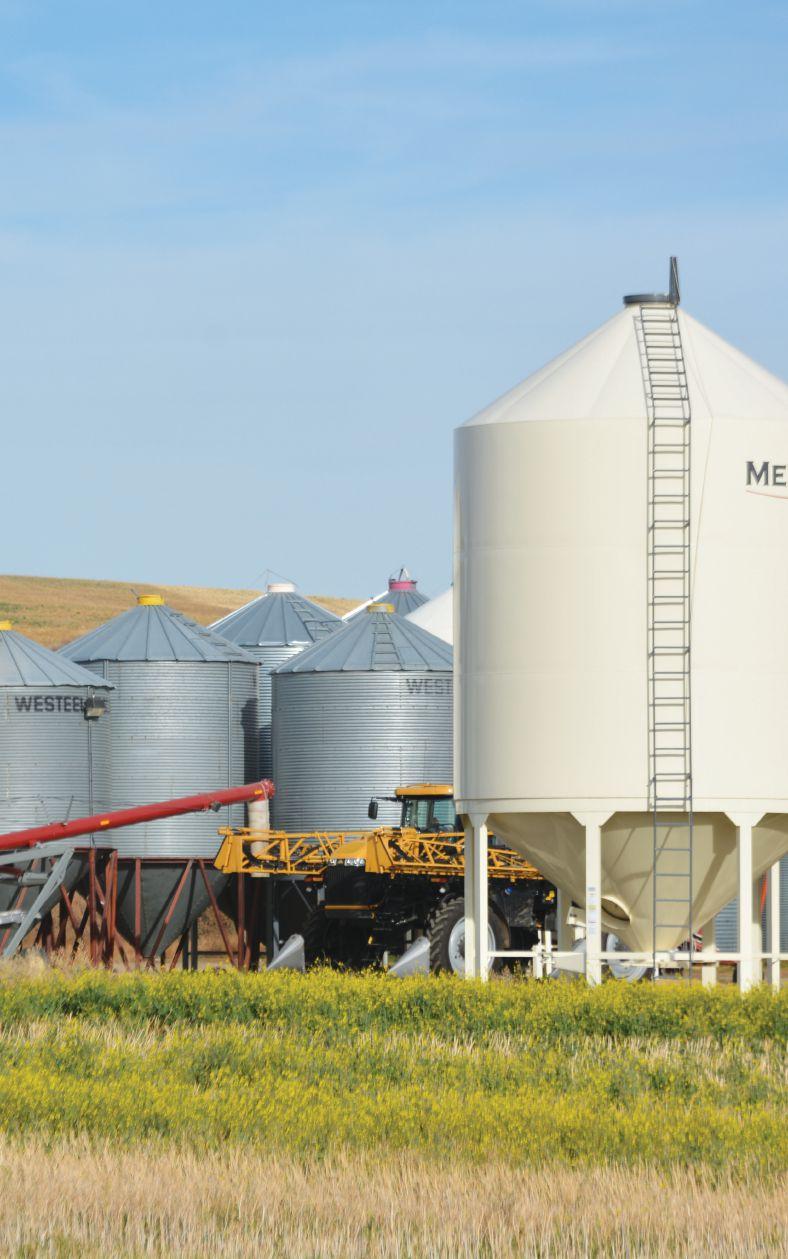

Non-toxic, efficient and safe
PG. 6
NEW CORN HYBRIDS
Focus is on early maturity
PG. 16
Crop has potential on semi-arid Prairies
PG. 40
PLANT
20 | New soybean, flax and sunflower varieties update
More choices for western Canadian growers.
By Bruce Barker
PLANT BREEDING
16 Early maturity focus of new corn hybrids By Bruce Barker
18 Canola hybrids from Syngenta ISSUES
24 Still nutritious after all these years By Carolyn King
FERTILITY AND NUTRIENTS
50 BCSR for making fertilizer recommendations By Ross H. McKenzie, PhD, P. Ag.
30 | Keeping an eye on swede midge
Researchers draw on Ontario experience to help monitor Prairie populations. By Donna Fleury
PESTS AND DISEASES
46 Industry role in clubroot management By Carolyn King
56 Cutworm “outbreaks” lasting longer By Bruce Barker
40 Carinata taxiing for take-off By Bruce Barker
6 Tuning into radio-frequency heating By Carolyn King
60 | Agronomic management of spring triticale
Tips for optimum triticale production. By Ross H. McKenzie, PhD, P. Ag
CROP MANAGEMENT
34 Integrated pest management has a fit Bruce Barker CANOLA 12 Low plant populations and reseeding options By Donna Fleury
52 Reducing clubroot spores By Donna Fleury FROM THE EDITOR
4 Clubroot: The fight continues By Janet Kanters
Readers will find numerous references to pesticide and fertility applications, methods, timing and rates in the pages of Top Crop Manager. We encourage growers to check product registration status and consult with provincial recommendations and product labels for complete instructions.

Clubroot continues to maintain its distinction as a key disease in western Canadian canola crops. Its continued march into new fields each year ensures that research into the disease continues, with new clubroot-resistant canola hybrids being introduced, and new/improved crop management advice being developed and shared.
Frustration continues, however, especially as growers seem to have so little control over the possibility of their fields becoming infested. But, that frustration is turning to action.
Growers know managing infected fields through the use of crop rotation combined with the use of resistant varieties is crucial. What’s also critical in preventing the spread of clubroot spores is restricting soil movement. The primary mode of transportation is field-to-field by contaminated equipment, so once clubroot is found in a field, the goal is to prevent the introduction of the long-lived resting spores into new fields.
The Canola Council of Canada, along with provincial canola specialists and crop agronomists, all provide excellent tips to help growers decrease the possibility of clubroot infestation. But when seed needs to get in the ground, or the spraying needs to be done, growers can sometimes cut corners in ensuring their equipment traffic is thoroughly cleaned and disinfested.
Although most farm equipment has been put away for the season, it’s never too early to start planning for the spring planting season. The Canola Council of Canada offers three steps to successfully sanitize farm equipment:
Step 1: Rough cleaning. Use a hand scraper, wire brush and/or compressed air to remove loose and clinging soil and crop debris from openers, tires and wheels. Sweep, blow or scrape residues off the frame. This should remove at least 90 per cent of the soil from the unit.
Step 2: Fine cleaning. Use a pressure washer at 2,000-3,000 psi on all areas where soil can accumulate. Turbo nozzles are generally more effective at removing soil than regular nozzles. Addition of an industrial detergent may enhance the degree of soil removal. Steps 1 and 2 in combination should remove 99 per cent of soil from the unit.
Step 3: Disinfection. Disinfect all openers, tires and wheels with a one per cent bleach solution or surface disinfectant of equivalent strength. A three-gallon backpack herbicide sprayer will work for this job. All areas should remain wet with the solution for 15-20 minutes. Disinfecting in the early morning or in the evening slows evaporation, so a second or third application may not be necessary to keep the area wet for the required time. Step 3 alone is not effective. The first two steps are required if you plan to include the disinfection step.
In addition to equipment sanitation, paying close attention to farm practices can also mitigate the change of clubroot entering your fields, or spreading to others. For instance, whenever practical, do not work infested fields when they are wet because more mud will stick to equipment and could be transported to clean fields. Reduced tillage or direct seeding also may help combat a clubroot infestation by reducing the movement of contaminated soil.
Also, if a farm has only one field known to have clubroot, work that field last. In this way, you reduce the risk of transferring contaminated soil from infested to non-infested fields, and should have extra time to give your equipment a thorough cleaning.
The clubroot risk for your location and your individual risk tolerance will determine the best clubroot sanitation method for you. The Canola Council of Canada maintains an excellent website on clubroot, that includes proper sanitation practices, www.clubroot.ca.

1717-452X
CIRCULATION email: subscribe@topcropmanager.com Tel.: 866.790.6070 ext. 202 Fax: 877.624.1940 Mail: P.O. Box 530, Simcoe, ON N3Y 4N5
SUBSCRIPTION RATES
Crop Manager West - 9 issuesFebruary, March, Mid-March, April, June, September, October, November and December - 1 Year - $45.00 Cdn. plus tax
Top Crop Manager East - 7 issuesFebruary, March, April, September, October, November and December1 Year - $45.00 Cdn. plus tax Potatoes in Canada 4 issues Spring, Summer, Fall, Winter 1 Year $16.00 Cdn plus tax All of the above - $80.00 Cdn. plus tax Occasionally, Top Crop Manager will mail information

Introducing AFS Connect.™ An advanced farm management system that puts total control of your equipment and data in your hands. No one can be everywhere at once. But you can get information from every piece of equipment across every acre you farm anywhere you are. All while keeping every bit of your data from becoming common knowledge. Learn how AFS Connect lets you track your equipment from anywhere at caseih.com/afsconnect.
Researchers are scaling up a non-chemical method to control insects in stored grain.
by Carolyn King
An emerging technology called radio-frequency (RF) heating has the potential to be a rapid, non-toxic, efficient and safe method to disinfest various food and agricultural products. The technology is starting to have some commercial applications for treating products like nuts and spices. Now, Saskatchewan researchers are developing RF heating to control insects in stored grains on the Prairies.
Dr. Oon-Doo Baik, a professor of chemical and biological engineering at the University of Saskatchewan, is leading this research. “Radio-frequency is a kind of electromagnetic wave, like a microwave. RF heating works similarly to microwave heating, but RF heating has a greater penetration depth,” he explains.
“Radio-frequency heating is very effective, energy-efficient and fast heating, and provides uniform heating. It can also be used for selective heating or targeted heating, which allows killing of insects in grain without damaging the grain quality.” Insects have very different electrical properties than grains, so at certain RF frequencies the insects heat up much faster than the grain. As a result, the insects can be killed while the grain remains at a moderate temperature.
“There are clear advantages to using RF technology compared to other conventional methods to control insect pests in grain,” says Baik. “Conventional methods include using chemicals or non-chemical methods such as [conventional] heating, which is not efficient and takes a large amount of energy. Chemicals can be toxic, and they are specific to certain insect species and certain stages in the insect’s life cycle.
“In contrast, radio-frequency heating is non-toxic, it efficiently kills all stages of the insect’s life cycle – the egg, larva, pupa and adult – and it works for all different kinds of insect pests. It’s cheaper in the long run and it’s safe.”
Baik and his research team, Dr. Bijay Shrestha and Daeung Yu, recently completed a study to use RF heating to control rusty grain beetles in bulk spring wheat samples at a lab scale. Rusty grain beetle is one of the most common stored-grain insects. The researchers tested the technology with wheat at three moisture contents (12, 15 and 18 per cent) and at temperatures between 15 and 75 C. They examined the effects of RF heating on the wheat and the insect.
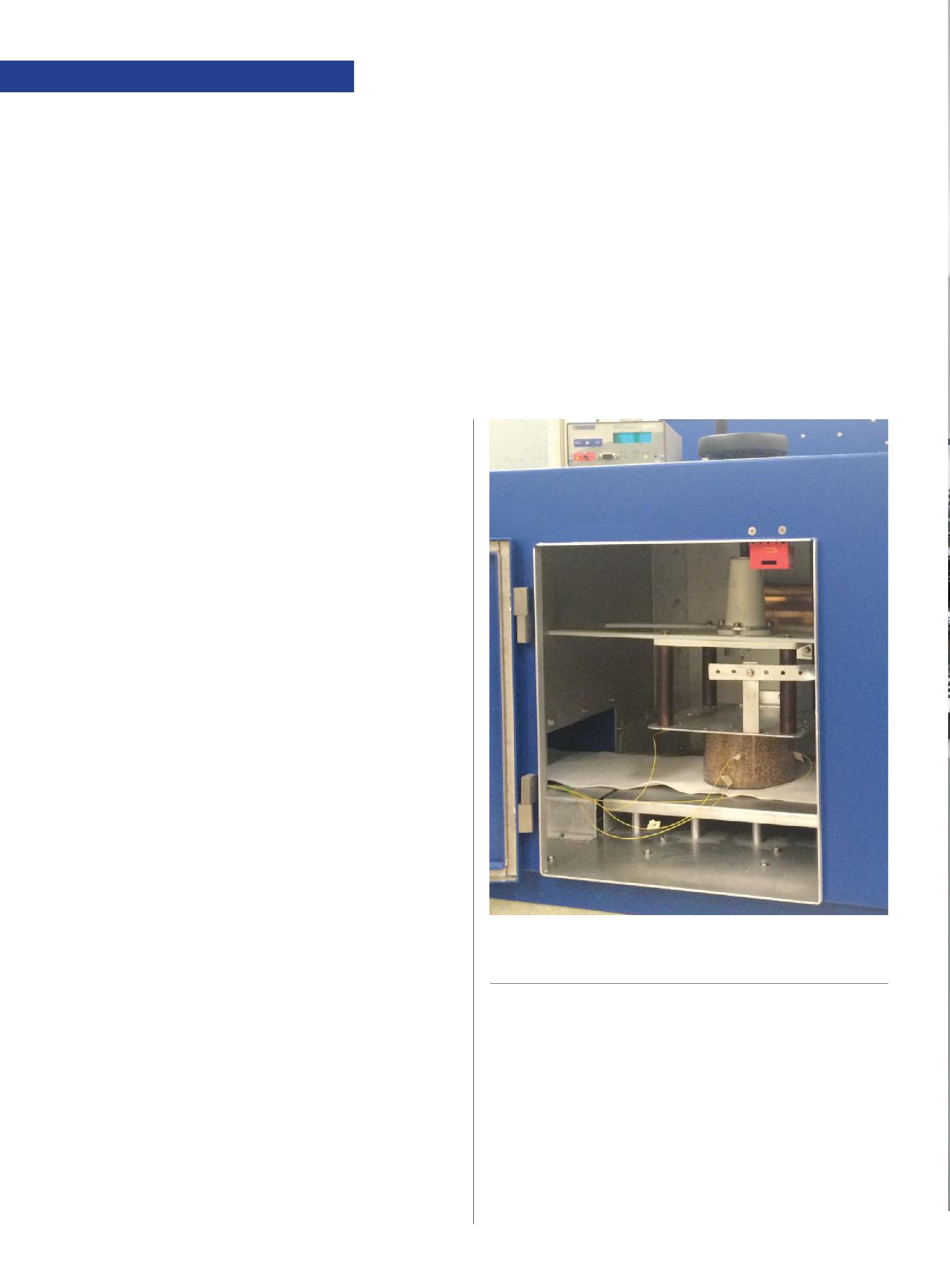
“By heating the bulk wheat sample to about 60 C for three minutes with our 1.5 kW lab-scale RF unit, we were able to get 100 per cent mortality of the rusty grain beetle [at all life stages],” says Baik. “Also, we observed no significant quality degradation in terms of
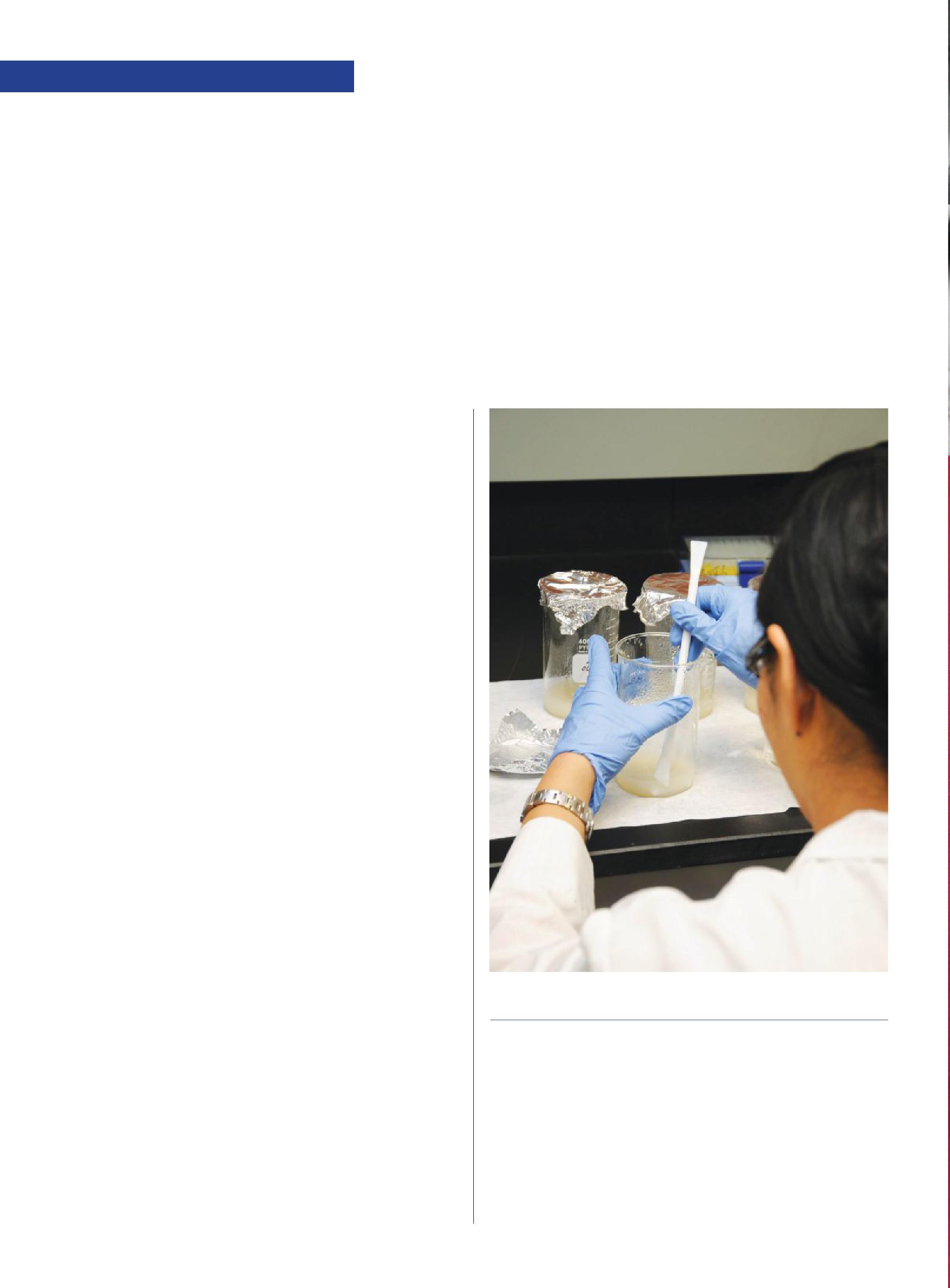
Using this 1.5 kW lab-scale radio-frequency heating unit, Baik and his research team were able to achieve 100 per cent mortality of insects in stored grain quickly and efficiently.
wheat germination and wheat flour properties.”
Following up on these promising results, Baik is now leading a new project to develop a prototype RF heating system as the next step towards the practical use of RF technology in Prairie agriculture. Funding for this project is from the Saskatchewan Ministry of Agriculture’s Agriculture Development Fund and the Western Grains Research Foundation.
Baik and his research team will be developing the prototype RF technology for use with a variety of grain storage and handling systems commonly found on the Prairies. “This technology is very flexible

In the spring of 2014, a limited release* of over forty 7000 Series air seeders equipped with ASC were retailed to Operators across western Canada. The general response to its first year of release has been extremely positive whereby ASC Operators report estimated input cost savings of 5%, 10% and even up to 15% in areas with many obstacles! Operators reported sound mechanics and durability with few performance issues.
Talk to your Bourgault Dealer today about how you can increase your operation strategy with ASC.
BOURGAULT ASC The Game Changer.

Our team farmed 14,000 acres of crops and surpassed one million bushels last year. Teamwork is the key to everything. And Syngenta is part of our team.
year. Teamwork is the key to everything.




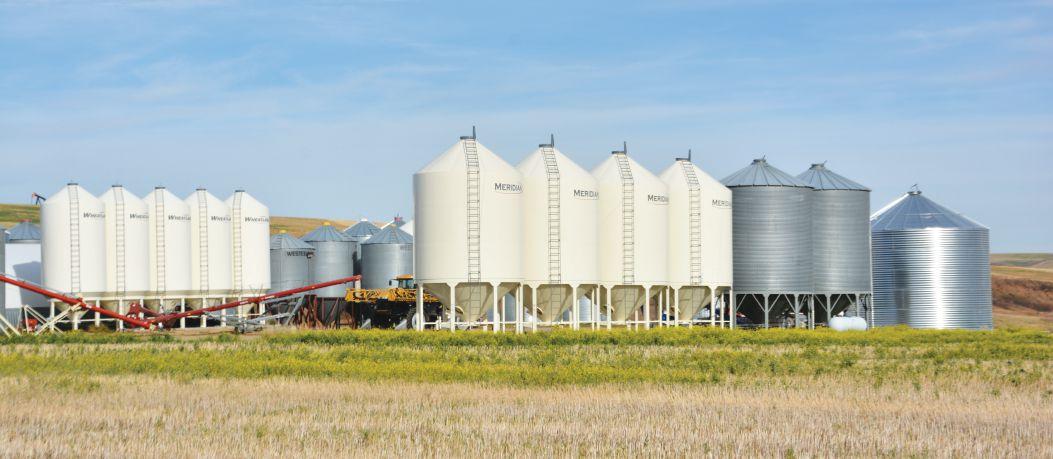
and can be used for all different types of applications – grain elevators, grain storage bins, any type of grain storage system – because the main body of the RF heating system can be separate from the applicator,” he explains.
Coaxial cables can be used to connect the RF generator to the RF applicator, with the generator up to about 30 feet away. “The applicator is basically composed of two electrodes. We can install the two electrodes in an inlet or outlet of a grain storage system, so the grain can be treated with RF heating as it flows past the applicator.”
The electrodes can range in size from about 20 cm to 1 m long and can have various shapes like a plate or a tube, depending on the characteristics of the specific grain handling system and the needs of the people who want to disinfest the grain.
In an exciting advance, the researchers will be using a sophisticated 3D computer simulation system to design and make the applicators. “Using a computer simulation, we will test the RF system with different shapes of applicators, different configurations and sizes of electrodes, and different grain handling systems, like augers, conveyor belts and bin-to-bin and bin-to-chute transportation systems. The simulation calculates the electromagnetic field generation and then the volumetric heat generation, heat transfer, mass transfer, momentum transfer (fluid flow), et cetera,” says Baik.
“So multiple physical effects can be calculated and simulated, and then that can be used for in-house fabrication and implementation of the technology. So this is a powerful tool for theoretical understanding and for scientifically solid virtual protoyping. Based on this, we will fabricate applicators and then test them with a real system as well.”
The researchers will be testing the prototype technology on rusty grain beetles in spring wheat and on red flour beetles, another common stored-grain pest, in canola. The RF treatments will be done for all life stages of the two insects, and for a range of moisture contents and temperatures for the wheat and canola.
Before and after each RF treatment, the researchers will measure germination of the wheat and canola, as well as the wheat’s flour properties and the canola’s oil properties. And they will determine the insect mortality rates.
This new project involves somewhat different RF technology (50 ohm technology) than the researchers used in their earlier project (self-oscillator technology). As well, they will be using a more accurate way to measure the selective heating rate of the insects. With
this greater accuracy, Baik suspects they may be able to achieve 100 per cent insect mortality with even less energy input and shorter process time than they used in their initial study due to more rapid selective heating at higher RF power.
According to Baik, there are a couple of issues that could be hurdles in the adoption of RF heating to disinfest stored grain.
“The first one could be an advantage, or disadvantage, depending on your point of view. Based on our preliminary research, we need to heat the grain moderately up to about 60 C for about three minutes or less to kill the insects, so there might be some drying of the grain when you use RF heating. However, many farmers want to dry their grain for storage, so it could be an advantage,” he notes.
“The second issue is the initial capital cost of the RF technology. At present a moderate scale RF generator costs about $20,000 to $50,000. However the capital cost per kW of power output is dropping significantly. I am expecting the fall in cost will be like the case of the microwave; initially microwave technology was expensive, but now we buy it very cheaply. Also, the capital cost will be paid back over time because [RF operating costs] are cheaper than the conventional methods.”
To assess the relative costs, the researchers calculated the operating costs for RF heating compared to chemical treatment for the example of wheat stored in a medium-sized bin with a diameter of about 27 feet, a height around 19 feet, and a capacity of about 8,750 bushels.
“The cost to treat that volume of wheat with RF heating was approximately $25, based on the provincial energy cost of 11.7 cents per kilowatt hour. To treat that same volume of wheat with a pesticide or fumigant, the chemical cost plus the operating costs, based on our preliminary research, ranged from about $250 to something like $2,500. So the chemical treatment cost is much higher than the RF heating,” says Baik. “Of course, there is the initial capital cost to purchase the RF heater, but that cost is falling. And RF heating is safer than using chemicals, it can also dry the grain, if that’s required, and it’s fast and efficient. So I think it’s promising.”

AGROTAIN® DRI-MAXX nitrogen stabilizer is a new and improved dry formulation that offers a reduced per-ton treatment rate and improved product consistency and flowability. This patented formulation adheres to the urea granules without adding additional moisture to the blend, minimizing build-up during the blending process. And it contains the same, proven urease inhibitor technology that’s made AGROTAIN® stabilizer the one growers trust year after year. For the whole story, visit agrotain.com.
Hit with early spring frost on canola, when does it make sense to reseed?
by Donna Fleury
Maximizing canola yield and net returns depends on many factors, including establishing adequate plant populations early in the season. Even at recommended seeding rates and good stand establishment, previous seeding rate research shows that, on average, canola establishment is about 50 per cent. The question is, then, what happens when growers are faced with low plant populations due to poor spring conditions, frost or other factors?
“In recent years, some growers were experiencing poor canola establishment and lower plant populations for a number of reasons, including early spring frosts,” explains Anne Kirk, former research manager with the Western Applied Research Corporation (WARC) in Scott, Sask., and now at the University of Manitoba. “Growers were faced with lower plant populations than they typically had and were not sure whether or not they should reseed or when it would be too late to do so. As well, crop insurance adjusters were also asking similar questions, so in 2010 we initiated a study to try to find some answers.”
Led by Kirk, researchers in Saskatchewan initiated a three-year project in 2010 to update the research on low plant populations in hybrid canola. There have been numerous studies looking at canola seeding rates; however, there was limited data on the response of canola, particularly hybrids, to extremely low plant populations. Although hybrid canola is able to compensate for low plant populations, knowing the yield response to low plant populations would assist producers with decisions for reseeding.
The objectives of this project were to determine the plant populations at which canola hybrids yield 90 per cent of maximum, the effect of plant population on maturity, seed size and green seed, and the minimum plant density at which reseeding would be recommended for hybrid canola. Researchers also wanted to determine the risks with each reseeding option in terms of maturity, yield and quality. Experiments
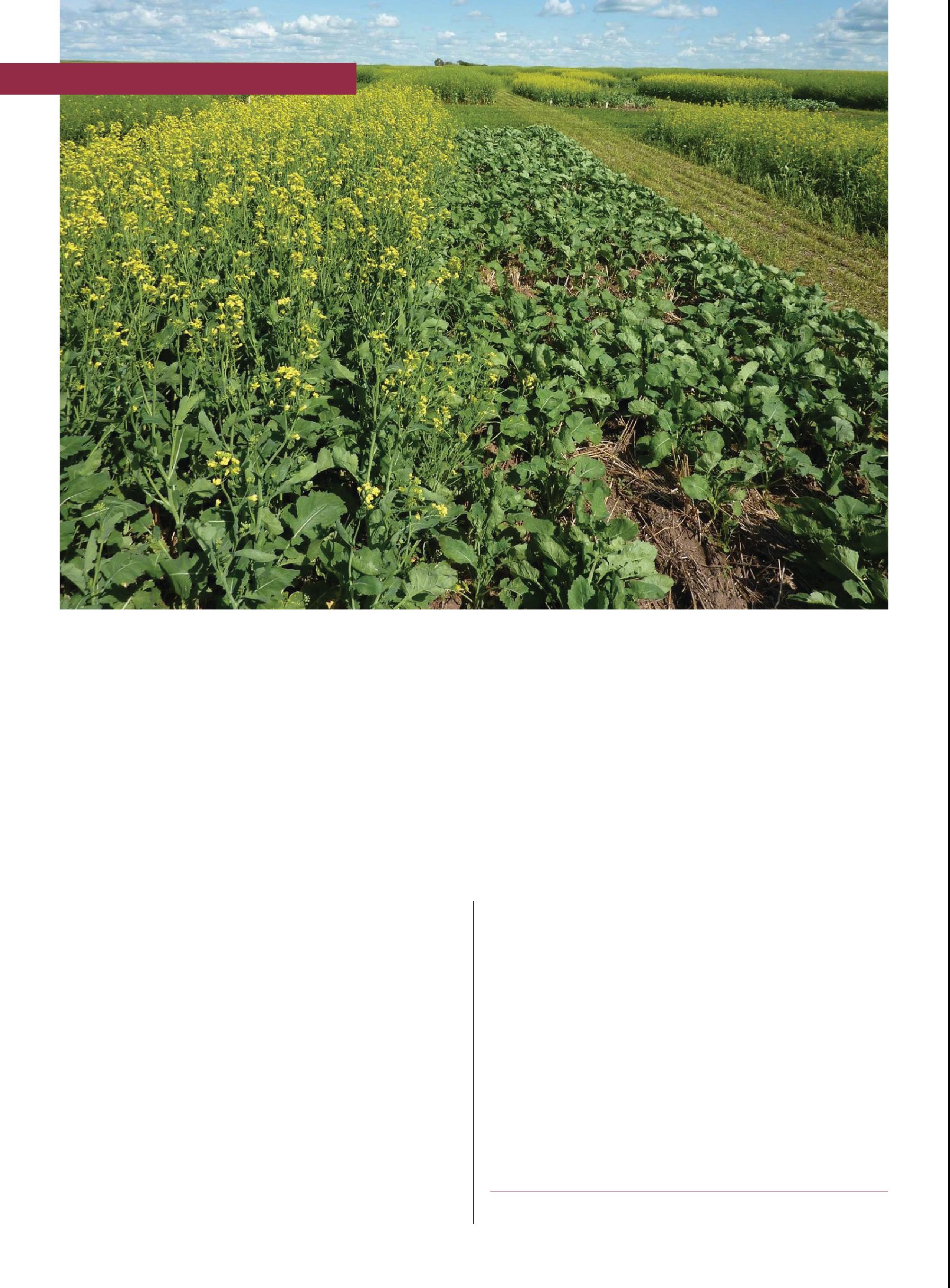
ABOVE: Reseeding canola trials comparing early June (left) with mid-June (right).

As a farmer, you have a lot of decisions to make. The DEKALB® brand team is here to empower you with expert advice, agronomic insight and local data. With every important decision you face on your farm, we’re behind you. And we’re ready to help you turn great seed potential into actual in-field performance. DEKALB canola... Empowering Your Performance.
Table 1: A comparison of reseeded canola gain or loss compared to the low population canola Reseeded Crops
Source: WARC.
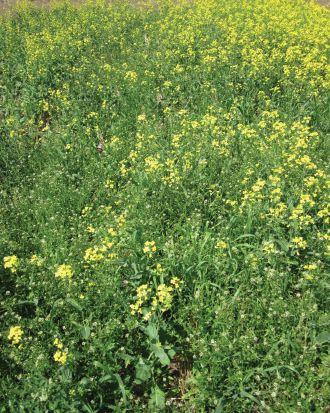
Comparison of seeding rates and plant population trials with the seeding rate of cultivar 5440LL at 40 seeds/ m2
were conducted at five locations in Saskatchewan: Indian Head, Swift Current, Saskatoon, Melfort and Scott, in 2010, 2011 and 2012, to encompass different growing regions and a wide range of growing conditions.
“We compared a variety of seeding rates and plant populations to evaluate the response of hybrid canola to low plant densities canola,” explains Kirk. “The glufosinate-tolerant canola (Brassica napus) cultivar 5440LL was seeded at rates of five, 10, 20, 40, 80, 150 and 300 seeds/m2. The 150 seeds m2 rate is considered to be a standard seeding rate and was referred to as the check for comparison purposes. We also compared the various plant populations and how they affected factors such as lodging, days to start and end of flowering, maturity, grain yield, per cent green seed and fall plant density.” Plots were fertilized to soil test recommendations, and registered herbicides, insecticides and fungicides were applied as required by each site.
“Overall, the results from the low plant
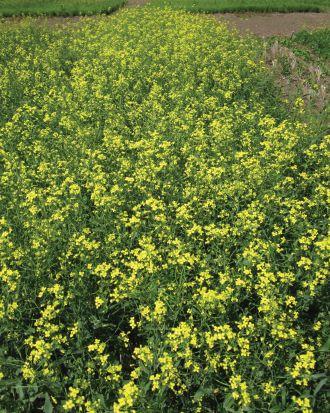
Comparison of seeding rates and plant population trials with the seeding rate cultivar 5440LL at 150 seeds/m2, considered to be a standard seeding rate.
population study showed that we were able to reduce plant population by half in all sites with no significant effect on yield,” says Kirk. “The results from all of the site years combined showed that a plant population of 18 plants/m2 was required to achieve 90 per cent of maximum yield. With hybrid canola, when the plant density was reduced, the canola plant was able to compensate by increasing the number of branches and pods per plant. However, it is important to note that moisture was not a limiting factor in any of the years of the study, so in a year when moisture may be a limiting factor, then a lower plant population may be more detrimental than our results show.”
Seeding rates of five to 300 seeds/m2 resulted in plant densities ranging from five to 125 plants/m2, when averaged across all site years. Kirk adds that there was also a big range of branching and podding from low to high plant populations. Averaged across years and locations, the number of pods per plant increased from 150 at seed-
ing rates of 150 and 300 plants/m2, to 851 at a seeding rate of five plants/m2. In general, the increase in pods per plant was due to increased podding on primary and secondary branches, while the number of pods on the main stem stayed about the same.
“However, there are some drawbacks to reduced plant populations, including increased days to maturity, lodging and green seed,” explains Kirk. “Increased lodging at lower plant densities occurred due to the canola plants becoming so large that the stem was unable to support the plant at maturity, and in some cases was susceptible to breaking. In terms of maturity, averaged across locations, the highest plant populations matured nine days earlier than canola at the lowest plant populations. Higher green seed counts were found at lower compared to higher plant densities at most site years.”
Another important consideration is uniformity and distribution of the canola plants in the field. “At low plant populations, growers might not expect the plants to be uniform across the field,” adds Kirk. “In a non-uniform low plant population field, you would expect more of a yield penalty than if the stand was more uniform. Therefore, if faced with a canola stand with lower than the optimum plant density, the decision to reseed will be based on plant density, date and uniformity of the plant stand.”
In the second part of the study, researchers evaluated reseeding options. Two hybrid canola cultivars, 5440LL and 9350RR, and a synthetic Polish canola variety were reseeded into existing stands of low density canola at two reseeding dates, early and mid-June. A seeding rate of 150 seeds/m2 was used in one treatment, and a rate of 20 seeds/m2 to simulate poor stand establishment in the remaining treatments. One of the treatments planted at 20 seeds/m2 was later killed with glyphosate prior to reseeding to mimic a
reseeding situation in which a poor plant stand is terminated and canola is reseeded.
Results from the reseeding trials showed a yield benefit from reseeding with B. napus in early June but no yield benefit to reseeding in mid-June. There was also no advantage to reseeding with B. rapa, even when reseeding was postponed to mid-June. Reseeding in early June to hybrid canola when plant stands were at 20 plants/m2 or less provided a yield and economic benefit compared to leaving the stand of low density canola. However, if conditions do not allow for reseeding to occur in late May or early June, producers are not recommended to reseed to canola.
“The best practice for maximizing yields and net return is to target good plant populations in the first place at 70-140 plants/ m2, because generally at plant stands below 40 plants/m2 or four to five plants/ft2 then you start losing yield, says Laryssa Grenkow, WARC research manager. “However, if for some reason you do manage to have lower plant populations than you are looking for, this study showed that reseeding with a hybrid variety only provided a positive economic return about half of the time and only at the early June timing. Reseeding with Polish canola did not pay.
“This also ties in quite well with the Saskatchewan Crop Insurance Corporation (SCIC) reseeding benefits program,” adds Grenkow. Below 12 plants, the crop is considered not established. Between 12 and 40 plants is the “choice” range where growers have the choice of whether or not to reseed and are eligible for the SCIC establishment benefit (EB). Above 40 plants/m2 is considered established.
“Therefore, if reseeding to high-yielding hybrid canola in early June when in the choice range (12-40 plants/m2), then there is a 50 per cent chance of showing positive returns,” she says. “The SCIC EB ($60/acre) makes reseeding in early June the more economical choice and helps cover risks.”
Reseeding would be recommended when plant density falls below the level required to achieve 90 per cent of maximum yield. However, the decision to reseed will have to take into account factors such as plant uniformity of field, ability to control weeds, soil moisture conditions, and forecasts and harvest management. When reseeding is required, it is recommended producers reseed as early as possible to reduce the risk of poor stand establishment, and yield and quality reductions due to fall frost.
Table 2: Influence of seeding date, variety and seeding rate on mean yield Seeding

Mid
*Significantly greater yield than 5440 LL seeded in early May at a low
Source: WARC.
“On this farm, we’re the experts.”
Sean
Gorrill – FCC Customer
More of Canada’s farm experts choose to do business with FCC Together, we’ll create the financing plan that works for you. We get to know you, your farm and how you want to grow. If you’re ready to get down to business, talk to one of our farm business experts.
fcc.ca/Expert2Expert 1-800-387-3232
by Bruce Barker
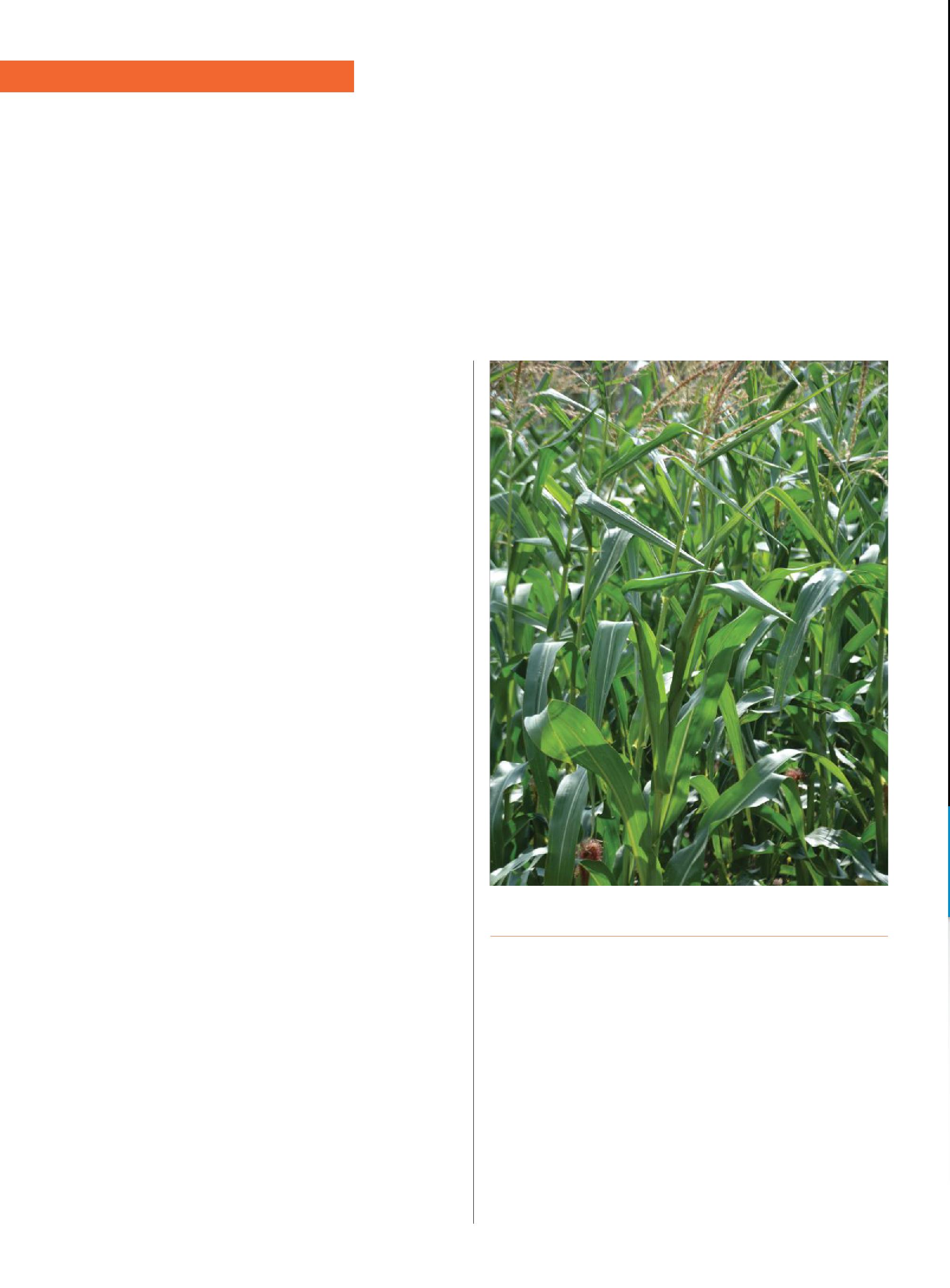
Corn breeders continue to focus on early maturing corn hybrids, and are bringing myriad stacked traits to western Canadian corn growers. Seed companies have supplied information on the new corn hybrids for 2015, and growers are advised to check local performance trials to help in variety selection. Listing is by corn heat units (CHU).
A4177G3 RIB is a Genuity VT Triple PRO RIB Complete PRIDE G3 hybrid, rated at 2000 to 2125 CHU with above- and below-ground insect control. It has early maturity and is a multi-purpose grain, silage and high moisture corn. The hybrid has consistent and reliable performance in early zones with exceptional spring vigour. Refuge in the bag provides enhanced trait protection with the benefit of automatic refuge compliance. Available from PRIDE Seeds dealers.
P7332R is a Roundup Ready Corn 2 hybrid with early maturity of 2050 CHU, built for Western Canada. It provides excellent yield potential with 104 per cent of Pioneer brand and competitor corn hybrids in five Pioneer Proving Ground sites across Western Canada in 2013. P7332R has excellent root strength for ease of harvest. Available from all local Pioneer Hi-bred sales representatives across Western Canada.
DKC23-22RIB is a Genuity VT Double PRO RIB Complete hybrid at a maturity of 2075 CHU, with excellent yield potential. It is an early-flowering, early-maturing hybrid with excellent harvest appearance and agronomics. DKC23-22RIB stands strong and has excellent test weight. Available at your local DEKALB dealer.
P7410HR is a Roundup Ready Corn 2/LibertyLink corn hybrid with 2100 CHU and Herculex 1 technology for above-ground insect control. It is an early corn hybrid with drought tolerance. Excellent yield potential with 105 per cent of Pioneer brand and competitor corn hybrids in 127 Pioneer Proving Ground sites across Western Canada in 2013. P7410HR has good stalk and root strength. Available from all local Pioneer Hi-bred sales representatives across Western Canada.
A4025G3 RIB is a Genuity VT Triple PRO RIB Complete hybrid rated at 2150 CHU, that delivers above- and below-ground insect control. It is a very early season grain corn with superior late season intactness. This hybrid is very suitable for early planting, cold soils and late harvest timings. It has strong agronomics with very good spring vigour, stalk strength and full dent grain. Refuge in the bag provides enhanced trait protection with the benefit of automatic refuge compliance. Available from PRIDE Seeds dealers.
A4414RR is a new 2150 CHU Roundup Ready hybrid with very good emergence and spring vigour conducive for tough cold soils. It is an early, high-end performance grain hybrid with early flowering and finish. Available from PRIDE Seeds dealers.
A4415G2 RIB is a 2200 CHU
plete product, delivering above-ground insect control for grain use. Very good emergence and spring vigour conducive for tough cold soils. Refuge in the bag provides enhanced trait protection with the benefit of automatic refuge compliance. Available from PRIDE Seeds dealers.
P7632HR is a Roundup Ready Corn 2/LibertyLink corn hybrid with 2200 CHUs and Herculex 1 technology for above-ground insect control. It is an early corn hybrid with drought tolerance all in one package. It provides excellent yield potential with 106 per cent of Pioneer brand and competitor corn hybrids in 305 Pioneer Proving Ground sites across Western Canada in 2013. P7632HR has good stalk and root strength for ease of harvest. Available from all local Pioneer Hi-bred sales representatives across Western Canada.
P7632AM is an Optimum AcreMax corn hybrid with 2225 CHUs and Roundup Ready Corn 2/LibertyLink, Herculex 1 and YieldGuard

Since 2007, our Research and Development team has been working to improve our Classic Rocket design; resulting in an innovative, stronger and even more reliable rocket. We are pleased to introduce The Next Generation Rocket.
Hopper bottom bins without aeration? It’s not too late to dry your grain!
The revolutionary Retro Rocket is the only do-it-yourself rocket system that allows you to retrofit existing hopper bottom and smoothwalled bins with farm proven Grain Guard aeration.
Corn Borer technology for above-ground insect control. It can provide high yields along with a superior agronomic package. With an integrated refuge in the bag, P7632AM provides the ultimate simplicity for the grower where no separate refuge is required. Available from all local Pioneer Hi-bred sales representatives across Western Canada.
A4939G2 is a 2175 to 2300 CHU RIB Genuity VT Double PRO RIB Complete full-season hybrid delivering above-ground insect control. It is a high yielding, dual-purpose for silage and full-season grain use. It has long-lasting health and stay-green characteristics. Refuge in the bag provides enhanced trait protection with the benefit of automatic refuge compliance. Available from PRIDE Seeds dealers.
4078 is a 2250 CHU hybrid with Roundup Ready 2/Liberty Link and Herculex Extra corn borer protection with excellent yield potential. It has early flowering and finish for early production areas. 4078 has strong stalks and late season intactness, and good husk cover and grain drydown. Available from Hyland Seeds.
TH4126RR is an exciting new 2250 CHU silage hybrid that is a sister line to the successful TH2146RR. It has a showy pineapple leaf, flint dent cob, and is a high yielder with quicker dry down than the 2146. Available from Thunder Seed dealers.
P7958AM is an Optimum AcreMax corn hybrid rated at 2275 CHU and with Roundup Ready Corn 2/LibertyLink, Herculex 1 and YieldGuard Corn Borer technology for above-ground insect control. It is a corn hybrid with excellent yield potential and very good drought tolerance. It provided 109 per cent of Pioneer brand and competitor corn hybrids in 305 Pioneer Proving Ground sites across Western Canada in 2013. Available from all local Pioneer Hi-bred sales representatives across Western Canada.
AS1047RR EDF is a grower and feedlot Roundup Ready hybrid choice rated at 2275 to 2450 CHU. It provides performance for high moisture corn use and heavy tonnage silage feed due to its big, very tall plant with girthy, stout ear size. It has a white cob with very good starch levels to provide quality silage. Slow grain drying rate preserves reliable and consistent feed. Available from PRIDE Seeds dealers.
4093 has the Roundup Ready 2/Liberty Link and Herculex Extra corn borer protection traits and is rated at 2300 CHU. It has excellent yield potential and is broadly adapted across variable soil types and environments. It is well suited to early maturity environments and has very good early vigour and solid agronomic characteristics. Available from Hyland Seeds.
MZ 1624DBR is a Genuity VT Double Pro RIB Complete hybrid rated at 2300 CHU. It has strong seedling vigour for uniform ear de-
velopment. Early flowering results in rapid grain setup. This hybrid has exceptional stalk strength for harvest ease, and above average test weight. Also available as Roundup Ready (MZ 1625R). Available from Maizex Seeds.
DKC 30-19RIB is a Genuity VT Double PRO RIB Complete hybrid at a maturity of 2325 CHU with excellent yield potential. This hybrid offers outstanding emergence and seedling growth, with excellent test weight and grain quality. Available at your local DEKALB dealer.
LF 730CBR is a Genuity VT Triple Pro RIB Complete rated at 2350 CHU, bred specifically for silage production. It has rapid spring vigour and early-season growth for uniform plant establishment. Tall, robust plant increases silage yield. Also available as Roundup Ready (LF 728R). Available from Maizex Seeds.
DKC 31-09RIB is a Genuity VT Triple PRO RIB Complete hybrid at a maturity of 2400 CHU with exceptional yield potential. It is an ideal choice for corn-on-corn rotations with its excellent foliar disease package. This hybrid is well suited for early planting, with very good stalk and root strength. Available at your local DEKALB dealer.
DKC 37-85RIB is a Genuity SmartStax RIB Complete hybrid at a maturity of 2650 CHU with outstanding top-end yield potential. This product demonstrates above average drought stress tolerance, and early season agronomics and flowering. DKC 37-85RIB is stable across yield environments, offering girthy ears with open husks for fast drydown. Available at your local DEKALB dealer.
TH7677VT2P is a big-yielding grain corn rated at 2750 CHU. It looks very similar to TH7578 with the same or better bushel potential but a quicker dry down. It is a strong plant with mid cob placement and looks great coming out of the ground. Strong genetic lines. Available from Thunder Seed dealers.
TH4689RR is a high heat, 2750 CHU tall grazing hybrid with large cob potential. With strong stalks and excellent roots, it also features good ear placement for ease in grazing. Available from Thunder Seed dealers.
DuPont Pioneer is constructing a new 22,250 sq. ft., multi-million dollar research facility in Lethbridge, Alta., focused on developing ultra-early maturity corn products for growers in Alberta and Western Canada. Research plots were planted at the site this past spring, and the facility itself is expected to open within the coming months. In the future, this facility could be expanded to serve other crops or other DuPont businesses as well.
For the 2015 growing season, Syngenta Canada is launching three new canola hybrids. They can be purchased from a Syngenta seed dealer, and more information on the Syngenta canola seed portfolio can be found at SyngentaFarm.ca.
SY4135 is a Genuity Roundup Ready canola hybrid selected through rigorous field trialling. This mid-season hybrid is rated R (resistant) for blackleg, and is a competitive option for growers looking for a solid return on investment. SY4135 flowers earlier, matures quicker and yields competitively compared to industry checks. SY4135 is available for 2015 seeding.
SY4114 is a mid-season Genuity Roundup Ready canola hybrid that offers high yield potential and fits well across all
growing regions of Western Canada. Rated R for blackleg, SY4114 has demonstrated strong yield performance and very good standability versus industry checks in large-scale trials conducted across the Prairies in 2013. SY4114 is available for 2015 seeding.
SY4157 from Syngenta is a new, high-yielding Genuity Roundup Ready canola hybrid, rated R for blackleg. SY4157 is best suited for mid- to long-season growing zones across Western Canada. In extensive public and private trials, SY4157 consistently demonstrated excellent early-season vigour, strong blackleg resistance and good lodging scores. SY4157 is available in limited quantities for 2015 seeding.

More choices available for western Canadian growers.
by Bruce Barker
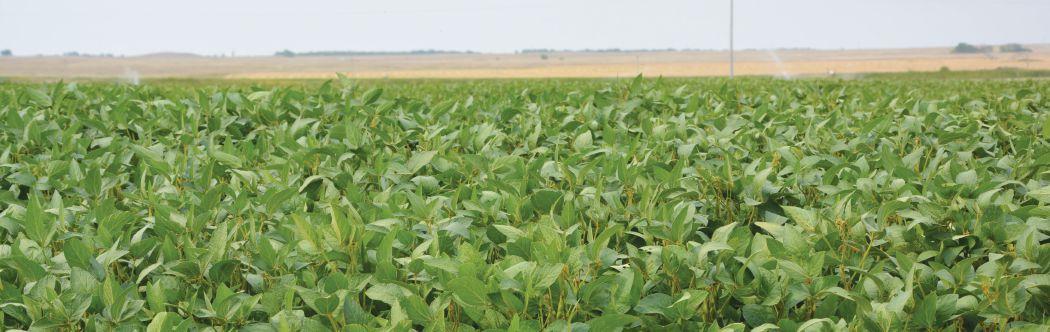
Seed companies continue to expand the potential for soybean production in Western Canada with earlier maturing and higher yielding varieties suited for short season areas. As soybean acreage on the Prairies moves past the one million acre mark, breeders have shown greater interest in developing varieties specific to Western Canada.
Three new flax varieties are also rolling out for 2015, which may help restore the bloom to flax acreage in Western Canada. And Nuseed Americas, formerly Seeds 2000, is introducing two new sunflower varieties, including the first Express-tolerant confection sunflower hybrid.
The seed companies supply information on the varieties, and growers are advised to check local performance trials to help in variety selection. Listing is by crop heat units (CHU) for soybean, and alphabetical order for flax.
22-60RY is a Genuity Roundup Ready 2 Yield soybean variety with a maturity of 2275 CHU and excellent yield potential. This variety is soybean cyst nematode (SCN) resistant, Rps 1c with excellent phytopthora field tolerance. 22-60RY is a very short, bushy line, which will stand well. It performs best on fertile soils with lower pH, and has excellent white mould tolerance. Available at your local DEKALB dealer.
NSC Moosomin RR2Y is an ultra early soybean variety (<2300 CHU) that is projected to be a game-changer by expanding the soybean market into areas with growing seasons currently considered to be too short or too dry. It is a compact, erect plant with short internodes and very dense podding. Good early vigour with excellent pod height despite shorter stature. NSC Moosomin RR2Y has demonstrated excellent yield potential (up to 50 bu/ac) in production fields. Available from NorthStar Genetics.
23-11RY is a Genuity Roundup Ready 2 Yield soybean variety at a
maturity of 2300 CHU with excellent yield potential. This variety has above average iron deficiency chlorosis (IDC) tolerance and Rps 1c for phytopthora. 23-11RY is a tall variety that may lean and is a good compliment to 23-10RY with more height. Available at your local DEKALB dealer.
Akras R2 is a new soybean variety from Elite in the medium/early (2375 CHU) group that has shown itself widely adapted and a top performer in trials. It is early enough to be suited to production into Saskatchewan and western and northern areas of Manitoba. It has also outperformed many of the late maturing varieties in the Red River valley over the last two years of MCVET trials. Akras is a semi-bushy plant with medium height and excellent podding height for easy harvest. It has the Rps 1K gene with very good field resistance against phytopthora. It has good tolerance to white mould and is semi-tolerant to IDC. Available from BrettYoung.
Hero R2 is a Genuity Roundup Ready 2 Yield oilseed soybean, bushy to medium-bushy for wider row spacing. It is rated at 2375 CHU and offers good yield potential in an early maturing soybean. Hero R2 is rated as semi-tolerant to IDC. Available from SeCan.
LS Northwester is an early maturity (2375 CHU / 0.02 RM) soybean that is very tall with a high pod set. It is a bushy plant that works well in narrow or wide rows. This variety is a good choice for all soil types as it has very good IDC tolerance so it works well in soils with higher pH levels. LS Northwester has very vigorous emergence so it works well in no-till applications, and it has a very high yield potential, especially for an early variety. Available from Legend Seeds retailers.
McLeod R2 oilseed soybean combines very early maturity and good yield potential. It is a 2375 heat units (HU) Genuity Roundup Ready 2 Yield soybean with excellent podding height, upright growth
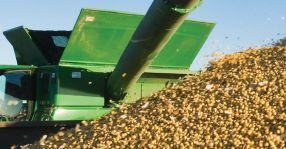
ABOVE: Soybean breeders continue to push the frontiers of production in Western Canada.




habit and a medium-bushy plant type. McLeod R2 has a tolerant rating to IDC. Available from SeCan.
NSC Gladstone RR2Y is a bushy plant with very aggressive growth habit with maturity rated at 2375 HU, making this variety an ideal fit for soybean growers looking for an early variety while using planters or wider row spacing. It yielded equal to the mid-season check in 2013 public trials. Excellent complement for long-season variety growers who want to spread harvest and maturity risk. Available from NorthStar Genetics.
PS0035NR2 is a high yielding Genuity Roundup Ready 2 Yield soybean variety rated at 2375 CHU. It has a great combination of strong SCN resistance and above average IDC tolerance, and excellent standability and disease tolerance. This variety has good plant height with excellent canopy. It is a very consistent and reliable variety for earlyand mid-season growing areas. Available from PRIDE Seeds dealers.
TH 35002R2Y is the earliest soybean in Quarry Seeds’ Thunder line up and will be available for the first time in 2015. Seed availability will be limited. Its rated maturity is 0.02/2375 CHU. TH 35002R2Y is showing very good yield for its maturity. It is a semi-bush plant with very strong IDC tolerance. Available from Quarry Seeds retailers.
NSC Tilston RR2Y is an early-mid season soybean variety, rated at 2400 CHU. It has excellent early vigour and is very tall with excellent pod clearance and exceptional standability. NSC Tilston RR2Y was a top performer in public trials in terms of both yield and maturity compared to other varieties where conditions were particularly cool – which may be due to its cold tolerance. Available from NothStar Genetics.
24-11RY is a Genuity Roundup Ready 2 Yield soybean variety at
a maturity of 2425 CHU with excellent yield potential. This variety has very good phytopthora field tolerance. 24-11RY is a tall, branchy product that can lean, and is well suited to heavier soils. Available at your local DEKALB dealer.
NSC Sanford RR2Y is a tall, semi-bush mid-season soybean variety (2425 CHU) for Manitoba. In 2013 MCVET trials, it yielded 107 per cent of NSC Elie RR2Y, which it will replace in NorthStar Genetics’ portfolio. Very limited availability in 2015 from NorthStar Genetics.
P008T70R is a new high yielding Roundup Ready soybean variety rated at 2475 CHU, with very good harvest standability for ease of harvest in Western Canada. It is a large seeded soybean that provides excellent yield for the maturity and the potential increase in bushel weight. Available from all local Pioneer Hi-bred sales representatives across Western Canada.
P008T22R2 is a new high-yielding Genuity Roundup Ready 2 Yield (RR2Y) soybean variety rated at 2475 CHU. It provides excellent standability and plant height for ease of harvest. In areas with high potential for white mould infections, it provides moderate tolerance against this devastating disease. Available from all local Pioneer Hibred sales representatives across Western Canada.
Monsanto Canada continues to work on the Roundup Ready Xtend Crop System, which consists of two primary components: an innovative new trait, as well as glyphosate and dicamba chemistry options. Roundup Ready 2 Xtend soybeans contain a dicamba-tolerant trait stacked with the proven performance from the Genuity Roundup Ready 2 Yield soybean trait and technology. This stacked soybean
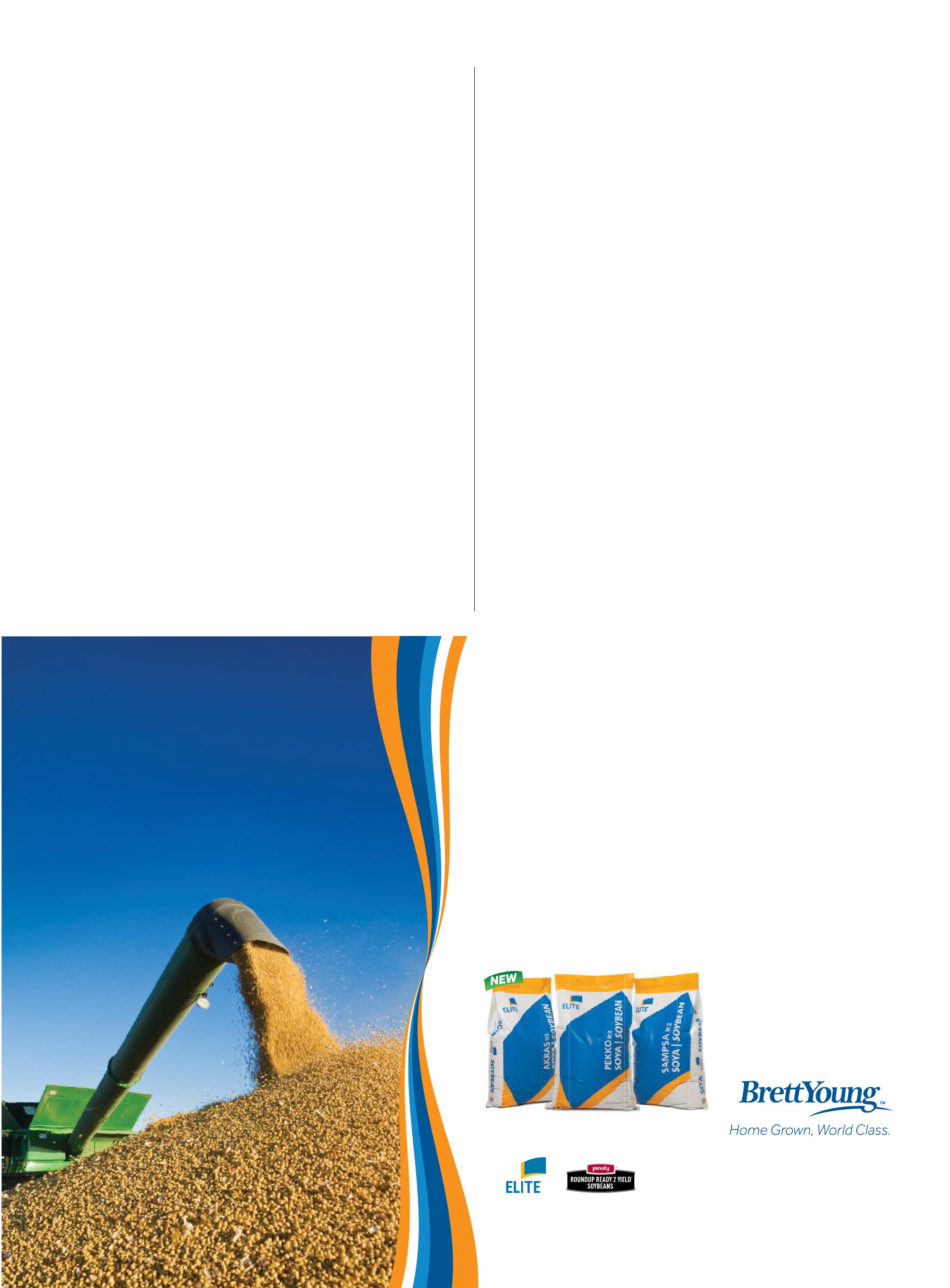
Elite’s focus on early maturity has created varieties of soybeans that are uniquely adapted to Western Canadian conditions. The Elite® brand of soybeans offers cutting-edge products and technology with industry-leading expertise. We select Genuity® Roundup Ready 2 Yield® varieties that are early maturing, widely adapted and high yielding. Our priority is helping you grow.
product can help deliver higher yield potential through improved weed control by offering tolerance to both dicamba and glyphosate. Allowing the use of dicamba to be incorporated into soybean weed management programs introduces an additional mode of action for enhanced weed control of both tough broadleaf and glyphosate resistant weeds. The addition of dicamba adds extended residual weed control by up to 14 days, allowing greater flexibility and convenience.
Monsanto hopes to have a full launch for the 2016 growing season with a broad maturity range of soybean varieties available in the launch year.
AAC Bravo is a new flax variety with a yield potential of up to 104 per cent of CDC Bethune. It has an MR/G rating to powdery mildew and Fusarium wilt. AAC Bravo provides a large seed size with short straw, good lodging resistance and great standability. It’s available at FP Genetics retailers.
CDC Glas flax is seen as a replacement for CDC Bethune. It offers improved standability
over CDC Bethune and a 105 per cent yield advantage in the Black soil zone (104 per cent average of CDC Bethune over all zones). It is rated as one day later and has slightly smaller seed than CDC Bethune. Available as re-constituted seed from SeCan.
CDC Sanctuary flax is viewed as a replacement for CDC Bethune in the Brown soil zones, averaging 105 per cent of CDC Bethune in the drier areas of the Prairies. CDC Sanctuary is three days later, slightly taller and has slightly weaker straw than CDC Bethune. Available as re-constituted seed from SeCan.
9180 DMR is the “first to market” Express-tolerant confection sunflower hybrid. It also has resistance to downy mildew. Available from Nuseed Americas.
Talon is a new oilseed hybrid. It is an extremely uniform, early maturing, Express-tolerant NuSun oil hybrid. Because of its large, plump kernels, it is perfectly suited for the dehull/kernel market. Processors have placed it on their “hybrid preferred” list. Available from Nuseed Americas.

A study of heritage and modern wheats is proving Canadian wheat is as good as ever.
by Carolyn King
One of the common criticisms aimed at wheat nowadays in the media is that breeders have genetically modified wheat varieties in recent decades to the point that it is detrimental to human health. These claims have been made despite the fact that modern wheat varieties have been developed steadily over the last century using only conventional breeding methods. Now, a scientific study is proving that Canadian wheat varieties today are as healthful as those from the 1800s.
“The study was prompted by a couple of factors. One is that there is a lot of interest in this issue from consumers and the public, with people wondering if some of the original wheat varieties grown in Canada, like Red Fife, are healthier or better tasting than the wheat we’re producing now,” explains Dr. Nancy Ames, a cereal research scientist with Agriculture and Agri-Food Canada (AAFC).
“Second, there has been a lot of discussion in the popular media claiming that modern breeding has had negative effects on wheat’s nutritional qualities, so we wanted to investigate whether any such changes have occurred in Canadian wheat.”
Ames collaborated on this study with Dr. Ron DePauw, a wheat breeder at AAFC, and Dr. Nancy Edwards, who was with the Canadian Grain Commission when the study started in 2011. They compared 20 western Canadian hard red spring wheat varieties. These included three heritage wheats from the 1800s – Red Fife, Ladoga and Hard Red Calcutta – and 17 varieties, ranging from Marquis, registered in 1904, to CDC Utmost, registered in 2010. DePauw grew the varieties at Indian Head and Swift Current, Sask., for four years. While DePauw evaluated their agronomic characteristics, Edwards analyzed their milling and baking properties, and Ames measured their nutritional characteristics.
Ames already knew from her own research and many other scientific studies that wheat has a wide variety of healthful components. In this study, her research group is measuring nutritional characteristics in whole wheat flour from samples of each of the 20 wheats, grown at each site, for each year of the project.
Her goal is to generate adequate scientific evidence to counter the negative media claims about wheat breeding and its impact on wheat composition. In addition, her research aims to demonstrate the variations in bioactive compositions with different varieties to facilitate breeding of new cultivars with enhanced health benefits, without compromising agronomic performance and processing quality.
Ames and her lab have just about finished the analysis. She says,
Fibre analysis at Ames’s lab is showing that heritage and modern wheats have similar total fibre contents.
“We’ve looked at basic nutritional profiles for components like carbohydrates, fat, fibre and protein, as well as more detailed analysis of bioactive compounds that could have significant human health benefits. For example, available carbohydrates and starch-fibre ratios were measured because those ratios can be implicated in glycemic response. We’ve looked at total protein as well as the ratio of gliadin and glutenin, which are the two proteins that form gluten. Wheat is a rich source of polyphenolic antioxidants, which have beneficial effects against major human chronic diseases. Therefore, we’ve looked at total phenolic content as well as six individual


The researchers are analyzing the samples for bioactives such as lutein, which plays a role in maintaining eye health.
phenolic compounds, which vary depending on variety, stage of plant growth and growing location.”
The researchers are also measuring the levels of specific types of fibre such as arabinoxylan (known for its role in reducing glycemic response), insoluble and soluble fibre, and two lesser known wheat bioactives: betaine and lutein, which play roles in reducing inflammation and macular degeneration, respectively.
The data show genetic variation in the levels of the different nutritional components, as you would expect, but no strong trends, either positively or negatively, between the older types like Red Fife and today’s varieties. For instance, Figures 1 and 2 show some of the results for arabinoxylan and total fibre contents.
“Breeders have not selected for most of these nutritional components,” explains Ames. “They have focused breeding efforts to maintain end-product quality and improve agronomic performance, so it is good to know that none of these nutritional components have been lost.”
She adds, “The Canadian wheat industry keeps a very careful watch over the quality characteristics of our wheat varieties in Canada, ensuring bread making quality is maintained. Wheat varieties like Red Fife and Marquis were known for making really good bread. So breeding of hard red spring wheat has emphasized maintaining or improving that quality, while working on developing cultivars with superior yields and resistance to disease and insect pests.”
Ames points to another interesting finding from the study: “For a lot of the newer varieties, the levels of the nutritional components were maintained across the different locations and across the three years. But some of these characteristics in older varieties were less uniform across environments.”
Figure 1: Average arabinoxylan content of some heritage and modern wheat varieties, from 2011 to 2013 at Swift Current, Sask., and 2012 to 2013 at Indian Head, Sask.
Arabinoxylan
Source: Nancy Ames/Agriculture and Agri-Food Canada.
According to Ames, the greater uniformity of the more recent wheat varieties is likely due to advances in our wheat breeding programs, such as having more locations and more testing of breeding lines. She notes, “The uniform quality of Canadian wheat is an important characteristic for marketing wheat domestically and internationally. No matter where in Western Canada a farmer is growing wheat, buyers can count on the quality.”
Even healthier wheat products?
Could our wheat varieties and wheat products be even more nutri-

With up to 8% more yield than other inoculants, it makes a welcome addition to any operation.

Chances are if you grow peas or lentils you’re already using inoculants. What you may not realize is they’re not all created equal. That’s why you should insist on Nodulator® XL. With the most active strain of rhizobia, it improves nitrogen xation for increased root biomass and top growth. It all adds up to higher yield potential. So when you choose Nodulator XL, we suggest you think ahead to harvest time—and think big. To nd out more, visit agsolutions.ca/nodulatorxl or contact AgSolutions® Customer Care at 1-877-371-BASF (2273).
Always read and follow



tious? “There is always room for improvement,” says Ames. “Those improvements could be made through breeding, changes in processing, and genotype by environment interactions. From our work on the heritage wheat varieties and from previous studies, we know there is genetic variation for nutritional components. We also know that nutritional characteristics have not been actively selected for in most wheat breeding programs. This is unlike the oat breeding program, where emphasis is placed on increasing cholesterol-lowering fibre components to meet the well-known health claim. Therefore, with the use of appropriate screening tools, it is possible for breeders to further improve the nutritional content of modern wheat lines.”
Canadian wheat breeders have already proven their ability to enhance wheat characteristics for production of healthier end-products. “When breeders decided to focus on the type and colour of bran, they were able to develop hard white wheat. It has the same bread making quality as hard red wheat, but it has a different bran and end-product colour that is preferred by consumers. That change allowed millers and bread makers to produce high fibre whole wheat products that still looked more like white bread,” notes Ames.
From the processing side, using whole wheat flour – flour made with 100 per cent of the kernel – rather than flour made from just the endosperm really boosts the nutritional value of wheat products. The endosperm has starch and protein, but most of wheat’s beneficial components are found in the rest of the kernel. The germ has protein, lipids, folic acid and vitamin E; the aleurone (the layer surrounding the endosperm and germ) has fibre, niacin, thiamine, iron, protein, antioxidants and bioactives; and the bran layers (the kernel’s outer layers) have fibre, antioxidants, B vitamins, minerals, protein and other bioactives.
Various studies have shown healthful benefits from consuming whole wheat products. To give just a few examples, wheat bran fibre consumption has been shown to increase satiety (making you feel fuller faster), lower weight and improve insulin sensitivity. Wheat germ consumption has been reported to reduce the cholesterol absorption from the diet. Increased intake of whole grains is also associated with lower fat tissue levels in adults. Ames says, “This considerable scientific evidence strongly
Figure 2: Average fibre content of some heritage and modern wheat varieties, from 2012 to 2013 at Swift Current, Sask.

Source: Nancy Ames/Agriculture and Agri-Food Canada.
suggests that regular whole grain wheat consumption will have significant beneficial effects against obesity and associated metabolic diseases.”
In her own research, Ames is really excited about the interaction between variety and the resulting whole wheat product. “For instance, there are opportunities for improving wheat lines specifically for use in whole wheat end-products.”
This type of research could lead to the development of a wider range of whole wheat products that more consumers would find just as scrumptious as regular wheat products, while also enjoying the nutritional benefits gained from including the bran, aleurone and germ.
However, Ames emphasizes that for breeders to start developing new varieties and wheat processors to begin developing new food products, they have to be sure there’s a market. And to develop a bigger market for more nutritious wheat products, consumers need better information on wheat nutrients.
“Consumers have a lot of influence over the products that food processors produce, which is why it is important for consumers to have all the science-based information they need when making healthy food choices,” says Ames.
With no-wheat and low-carb diet books putting wheat on consumers’ radar these days, Ames thinks it’s an opportune time to give the public more complete, scientifically based information about wheat’s nutritional profile.
“Many people don’t realize that wheat has a lot of healthy compounds that are quite important to our diet. For example, whole wheat and bran products are an important source of insoluble fibre, but wheat also contains less well known bioactives such as betaine, lutein, antioxidants and arabinoxylan. Wheat is also a source of protein – gluten is a protein complex in wheat – with both functional and nutritional benefits.” She notes that gluten, like any protein, has the possibility of causing an allergic reaction, but most people are not allergic to gluten, and only about one per cent of the population has celiac disease.
Ames says, “I think it’s our responsibility, from a scientific viewpoint and from a wheat industry viewpoint, to provide consumers with the information that they deserve to know in a concise and easy-to-read story so they can make informed choices.”

Field
View detailed coverage maps as they are completed in the field.
Rainfall
Use virtual rain gauges for each field and create a map of rainfall.
Irrigation
Monitor and control water, fertigation, and effluent applications.
Fleet
Track fleet locations and alerts while viewing reports on productivity.
View crop health imagery to assist scouting efforts.
Soil
Understand how water and other inputs move through your soil.
Researchers draw on the Ontario experience to help monitor Prairie populations.
by Donna Fleury
Swede midge was first identified in Saskatchewan in 2007, but, so far, populations are small and scattered. However, it is a serious pest of canola and cruciferous vegetable crops in Ontario. First identified in vegetable crops in 2000, damage to canola crops was not reported until 2003. Since then, swede midge populations have been spreading and increasing across Ontario, with 2011 one of the worst years for damage for canola growers across much of the canola growing area.
“In Ontario, years where crops are planted later because of wet weather usually result in worse swede midge damage than early planting,” says Rebecca Hallett, professor and associate director, School of Environmental Sciences at the University of Guelph. “In 2011, swede midge erupted as a serious problem in both southern and northern areas of Ontario, and currently swede midge damage can be found on most canola plants in the northern region.”
Hallett has been researching swede midge since 2000, studying its biology, life history and overwintering habits, and developing IPM
recommendations for cole crops. Most recently, she has been focusing on canola, and developing management recommendations and pheromone-based action thresholds for timing of insecticide control.
In Ontario, swede midge adults typically begin emergence in mid to late May, with the peak occurring in early June. Swede midge overwinter as larvae in the soil of infested fields. “In the spring in Ontario, there are two distinct peaks of emergence of overwintered adults: the early emergers in late May to early June, and the late emergers about one to two weeks later,” explains Hallett. “With four generations of each of these populations occurring each year, the generations overlap with each other so every stage is often present in the field at the same time. Female swede midge like to lay their eggs at the base of leaves around the young, rapidly growing meristematic tissues, so this is the most important stage to protect.”
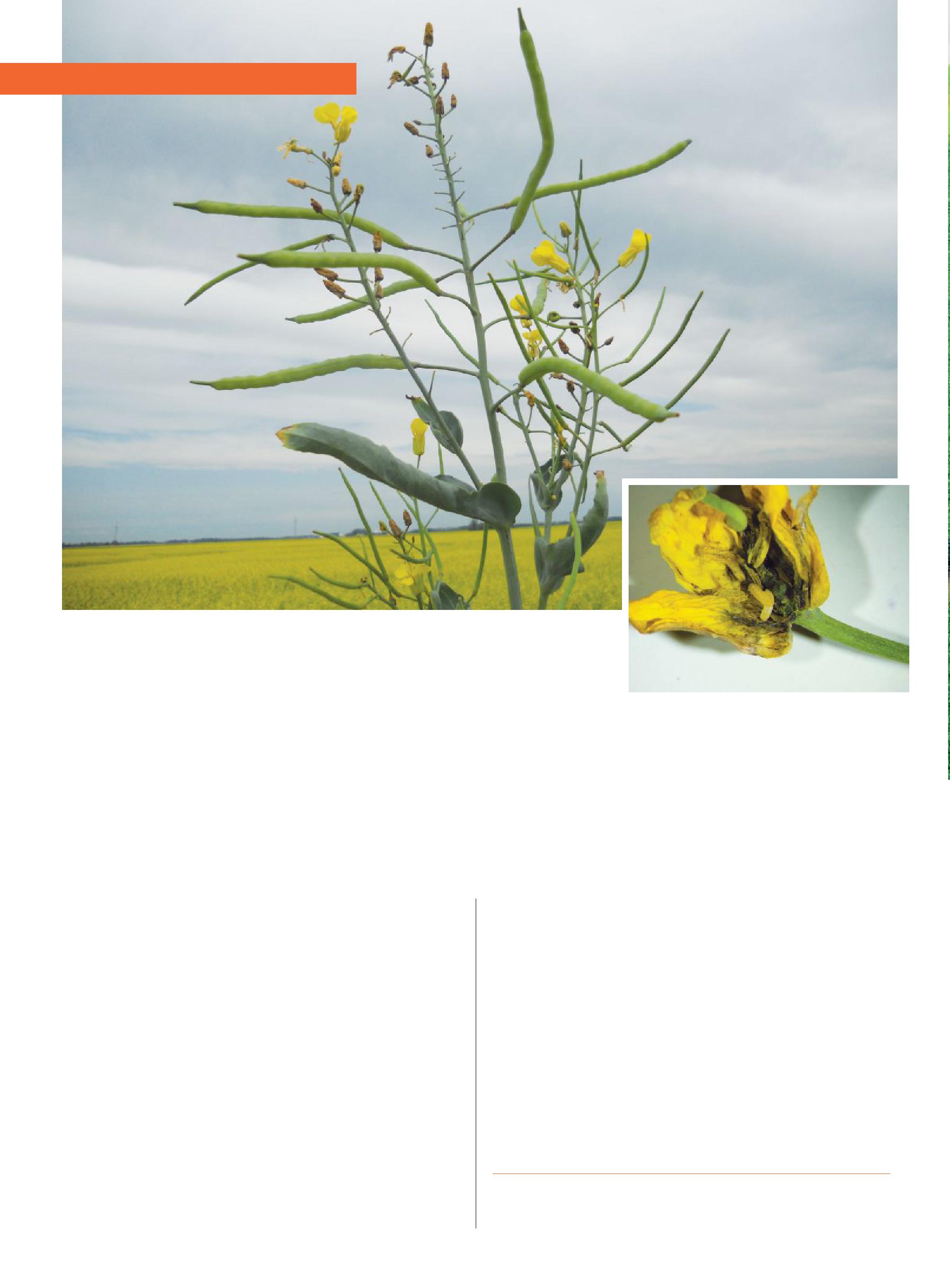
TOP: Swede midge damage to canola seed heads, Carrot River, Sask., 2013.
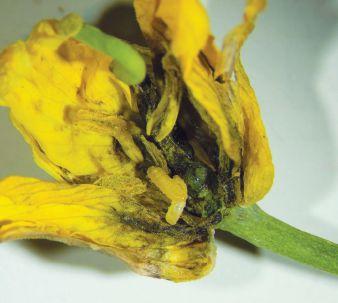
INSET: Swede midge larvae inside a canola flower.

On the Prairies, swede midge has not caused economic damage. In 2003, Julie Soroka, research scientist with Agriculture and Agri-Food Canada (AAFC) in Saskatoon, Sask., began monitoring for swede midge in that province, and through to 2011 never discovered any populations. However, in 2012, growers in the Nipawin and Carrot River area reported the first field damage from swede midge.
“Growers started noticing malformed flowers, and on further inspection, the swede midge larvae were identified in canola,” says Soroka. “This was the first time swede midge damage in the field was seen in Saskatchewan. The damage was seen late in July, indicating the adults didn’t emerge until the beginning of July or shortly after. We conducted a survey of 44 fields in a 125-kilometre radius of that site, and found 11 fields with minor infestation and only one field with about one acre that showed readily noticeable damage. The damage was not of economic significance in any of the fields.”
In 2013, damage was identified earlier at the beginning of July, and in a greater concentration. Soroka notes that although the damage was easily found in many fields, damage was generally low. “We did a mapping survey in 2013 that showed the population had spread west and south to about 200 kilometres away from the Nipawin-Carrot River area, as well as set up pheromone traps in 22 locations throughout the summer.”
Only a few midge were reported in the traps, and although infested flowers were readily found in many fields throughout the northeastern region, Soroka suspects the midge is at a much lower population density than in Ontario and is likely cycling through only two or three generations per year as compared to four or five in the east.
In 2014, swede midge was first detected late in the season, as in 2012, and very little damage was reported, although the area of damage is slowly extending. Both pheromone trapping for adults and examination of infested canola found swede midge present in the region near North Battleford, suggesting this area is another site of introduction. In Manitoba, swede midge was identified in 2008 and again in 2013 but in very small numbers. In 2014 it was found at several sites south of Highway 1, as well as in the Dauphin-Swan River region. To date, swede midge has not been observed in Alberta.
Soroka received funding in 2014 for swede midge research with a focus on understanding differences in the biology, overwintering, challenges with pheromone trapping and other conditions that may be different from Ontario. Growth stage experiments are also underway with both early and late crops to determine the expression of damage at the various stages. Computer modelling has shown that all canola-growing areas in Canada are potentially suited to the pest.
In Ontario, canola growers should use a combination of management practices including crop rotation, planting early, monitoring and insecticides for control of swede midge. Swede midge is a crucifer specialist and a difficult pest to control, so crop rotation is very important. “Although it can be difficult for growers to rotate on a large enough scale to be very effective on a regional scale, it is still really important for fields to be rotated to keep individual field populations down,” explains Hallett.
“Without proper rotation, populations can build up in fields to levels where pesticides may not be able to reduce economic impacts. About five to 10 per cent of the swede midge population will stay in the soil and overwinter for up to two years. Therefore, a three-year crop rotation away from canola on given fields is very important.”
Planting canola as early as possible so that it is well established before midge emergence helps prevent damage by swede midge, since
females prefer to lay their eggs in the early vegetative and bud stage before bolting.
“We are still working on identifying critical stages and swede midge numbers for developing action thresholds for insecticide application,” says Hallett. “We are targeting various stages including the vegetative rosette stage, the very early bud stage and secondary bud formation stage, and then conducting spray trials in either single or combinations of those timing to find something that will be the most effective and economical for growers.”
Pheromone traps that attract male swede midge are used to develop thresholds. For broccoli and cabbage crops, the action threshold is five males per pheromone trap per day. “We are still working on the levels for canola, but for now it looks like a similar level will be an important threshold in canola,” says Hallett. “We recommend growers set up four pheromone traps around each field and check two or three times a week. When checking traps, add up all of the midges, divide by the number of traps and number of days since last counted for a threshold count.”
Swede midge requires intensive field-specific monitoring, more than for most other pests. The timing of peaks in terms of swede midge emergence is a little different in every field, and populations can vary a lot within a field as well as between fields. Therefore, it is not possible to estimate populations based on other nearby fields. Hallett emphasizes there likely isn’t any other pest in canola that has to be managed that intensively or is more challenging across huge acres like swede midge.
There are currently two insecticides from different chemical families registered for use on swede midge in canola. Matador is a synthetic pyrethroid, which is effective on both larvae and adult swede midge. Coragen is in Group 28, a new class of pesticides known as diamides with a translaminer effect, which means that although it is not a true systemic, it can slowly move into the leaves and tissue it is applied to. Coragen is effective against larvae.
“In our various field trials, both products have been equally effective,” says Hallett. “Both Matador and Coragen are limited to three applications per season. Growers also need to be aware that if they have used the new Lumiderm insecticide seed treatment for flea beetles, also a Group 28 insecticide, then they cannot use Coragen for swede midge control in the same field in the same year.”
For Prairie canola growers, swede midge has not yet been found at populations that cause economic impacts. “Growers need to be aware of the situation and monitor in areas where swede midge has been found,” says Soroka. “A positive sighting of swede midge is when you can find larvae in the plant.”
There are several symptoms that can be similar to problems caused by other conditions such as heat, nutrient deficiency and other insect pests such as lygus bugs. For example, in 2014, over much of the province, canola plants developed palm topping or truncated ends that resembled swede midge damage but in most cases were not.
For now, Soroka recommends that growers in Saskatchewan should monitor for swede midge and consider using a three-year crop rotation in the areas where it has been identified to reduce the risk of swede midge on the Prairies. “It is the first emergence of the first generation that causes the most damage, so we need to determine what triggers emergence from overwintering, and how our temperatures and growing conditions may impact the lifecycle of the pest on the Prairies,” she adds. “We have also discovered a parasitic wasp that may offer some biological control options, which so far have not been found in Canada.”

More than just chemical control for insects.
by Bruce Barker
Integrated Pest Management (IPM) principles have been thrown around frequently over the past few decades, as instances of insect resistance have developed and growers around the world struggle to contain insect outbreaks.
Scott Meers, insect management specialist with Alberta Agriculture and Rural Development at Brooks, Alta., provides an overview of IPM, and says it has a good fit in Western Canada.
“Luckily, on the Prairies we have low insect levels most of the time, and while we do get some outbreaks, for the most part, utilizing IPM principles can help keep insects below threshold levels,” says Meers.
The United States Environmental Protection Agency defines IPM as “an effective and environmentally sensitive approach to pest management that relies on a combination of common-sense practices. IPM programs use current, comprehensive information on the life cycles of pests and their interaction with the environment. This information, in combination with available pest control methods, is used to manage pest damage by the most economical means, and with the least possible hazard to people, property, and the environment.”
Meers says that as you think about IPM, think about everything you do in the field. “It has an impact on something else. Your fertilizer isn’t separate from your weed control. It is not separate from your disease control, and is not separate from your insects. It is all one ecosystem and we have to think of it that way,” he notes. “We manage that ecosystem, we manage it to quite a large degree, but there is a lot of stuff going on, and if you think one thing is unconnected to another, then you’re going to get yourself in a wreck.”
Meers says IPM is a continuum and implementing it doesn’t mean all or nothing. It’s not spraying or not. Indeed, spraying is part of IPM.
There are several reasons why IPM makes sense. Public image is one of them, and the public discussions about GMO labelling in the U.S. or neonicotinoid use and the impact on bees are examples that agriculture is becoming more closely scrutinized. IPM is one of the tools that can help show that farming uses ecologically sound approaches.
Additionally, the rules that apply to all populations in nature apply to the farm as well. If there is too much of a good thing, like a quarter section of monoculture wheat, and tight rotations, something is going to try to eat it, and will adapt to the new environment.
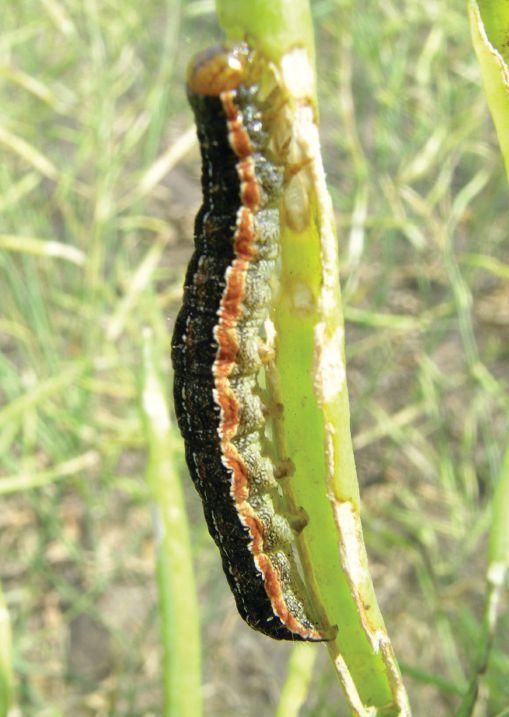
Insecticides may also not work, so only an integrated approach may be possible to control the pest. Wheat stem sawfly is a good example where insecticides don’t work, so researchers have resorted to IPM measures including resistant varieties and managing crop rotations.
Accurate insect identification is an important component in IPM, and ensures that insecticide applications are targeted at the correct pest and at the right control stage for the insect.
Meers says the cereal leaf beetle looks very similar to the two-spotted flour beetle. Both have the same colouring, but if
you sprayed the two-spotted flour beetle by mistake, you would have killed a beneficial insect.
“One of the things we do a lot of when we hear about cereal leaf beetle infestations is to spend a lot of time looking at them under the microscope to make sure it isn’t the two-spotted flour beetle,” notes Meers. “The difference is that the two-spotted flour beetle is hairy and has two spots that the cereal leaf beetle doesn’t have.”
Understanding the life cycle of the pest is also important. This helps to understand which pest stage is responsible for the economic damage, and can guide you if insecticide applications are warranted.
Holometabolism life cycles have four distinctive forms including the egg, larva, pupa and adult. Cutworm is a good example, and that pest’s larvae are usually responsible for the economic damage.
Grasshoppers are an example of a memimetabolish life cycle, which includes three stages: egg, nymph (juvenile of any instar) and adult. The nymphs usually cause the crop damage.
However, the stage that is monitored and the stage that is controlled may be different than the stage that causes economic damage. Bertha armyworm adult populations are monitored to predict infestations the following year.
The control stage depends on the insect species. Bertha armyworm is controlled at the larval stage, but with the cabbage seedpod weevil, the adult fly is controlled to prevent it from laying eggs in the canola pod.
“So, we have to know the intricacies of the lifecycle because once the weevil lays its eggs in the pod, you aren’t going to control it,” says Meers.
A classic case in predator-prey relationships is the one between the hare and the lynx. Scientists have studied this linkage for the past century, and even Hudson Bay trapping records have identified that lynx populations fluctuate in an eight- to eleven-year cycle closely linked to the snowshoe hare population. Meers says that same type of relationship exists in agriculture, for instance between an insect pest and a beneficial insect that preys on the pest.
“When outbreaks in hares develop, there is an increase in the lynx population. The same thing happens with bertha armyworm. Every time there is an outbreak in bertha armyworm, there is an increase in beneficial


With a broad range of high-performing wheat, durum and feed barley options, Proven® Seed ensures you have the right combination of inputs, technology and expertise best suited for your land. In fact, every Proven Seed cereal variety contains superior genetics and is designed for a unique set of local growing conditions to guarantee grower satisfaction. Talk to your CPS retailer to select the best Proven Seed cereal variety for your farm.


Learn more at provenseed.ca

insects. That’s why we have cyclical outbreaks of bertha armyworm,” explains Meers.
Meers adds that entomologists continue to gain a greater understanding of beneficial insects and their importance in Prairie agriculture. They have identified beneficial insects in many of our agricultural crops.
“What happens in the field if we go in and spray when we don’t have to and we artificially keep the bertha armyworm levels down at around threshold levels? You don’t get a build up of
Monsanto Company is a member of Excellence Through Stewardship® (ETS). Monsanto products are commercialized in accordance with ETS Product Launch Stewardship Guidance, and in compliance with Monsanto’s Policy for Commercialization of Biotechnology-Derived Plant Products in Commodity Crops. Commercialized products have been approved for import into key export markets with functioning regulatory systems. Any crop or material produced from this product can only be exported to, or used, processed or sold in countries where all necessary regulatory approvals have been granted. It is a violation of national and international law to move material containing biotech traits across boundaries into nations where import is not permitted. Growers should talk to their grain handler or product purchaser to confirm their buying position for this product. Excellence Through Stewardship® is a registered trademark of Excellence Through Stewardship.
ALWAYS READ AND FOLLOW PESTICIDE LABEL DIRECTIONS. Roundup Ready® crops contain genes that confer tolerance to glyphosate, the active ingredient in Roundup® brand agricultural herbicides. Roundup® brand agricultural herbicides will kill crops that are not tolerant to glyphosate. Acceleron® seed treatment technology for canola contains the active ingredients difenoconazole, metalaxyl (M and S isomers), fludioxonil, and thiamethoxam. Acceleron® seed treatment technology for soybeans (fungicides only) is a combination of three separate individually registered products, which together contain the active ingredients fluxapyroxad, pyraclostrobin and metalaxyl. Acceleron® seed treatment technology for soybeans (fungicides and insecticide) is a combination of four separate individually registered products, which together contain the active ingredients fluxapyroxad, pyraclostrobin, metalaxyl and imidacloprid. Acceleron® seed treatment technology for corn (fungicides only) is a combination of three separate individually-registered products, which together contain the active ingredients metalaxyl, trifloxystrobin and ipconazole. Acceleron® seed treatment technology for corn (fungicides and insecticide) is a combination of four separate individually-registered products, which together contain the active ingredients metalaxyl, trifloxystrobin, ipconazole, and clothianidin. Acceleron® seed treatment technology for corn with Poncho®/VoTivo™ (fungicides, insecticide and nematicide) is a combination of five separate individually-registered products, which together contain the active ingredients metalaxyl, trifloxystrobin, ipconazole, clothianidin and Bacillus firmus strain I-5821. Acceleron®, Acceleron and Design®, DEKALB and Design®, DEKALB®, Genuity and Design®, Genuity®, RIB Complete and Design®, RIB Complete®, Roundup Ready 2 Technology and Design®, Roundup Ready 2 Yield®, Roundup Ready®, Roundup Transorb®, Roundup WeatherMAX®, Roundup®, SmartStax and Design®, SmartStax®, Transorb®, VT Double PRO® and VT Triple PRO® are trademarks of Monsanto Technology LLC. Used under license. LibertyLink® and the Water Droplet Design are trademarks of Bayer. Used under license. Herculex® is a registered trademark of Dow AgroSciences LLC. Used under license. Poncho® and Votivo™ are trademarks of Bayer. Used under license. All other trademarks are the property of their respective owners.
beneficials and you always have problems and they never go away. That’s how you can get into a cycle of always having to spray,” he explains.
Another type of beneficial control is disease. A fungal disease can kill grasshoppers, and nature has given the fungal disease a helping hand with something in the fungal reaction that makes the grasshopper climb to the top of the plant to die. This helps to disperse the spores to spread to other grasshoppers.
Beneficials are great, but pests can overwhelm them and cause crop damage. That’s when the sprayer becomes part of the IPM solution. On the Prairies, there are two kinds of thresholds.
Nominal thresholds are founded on a best guess based on experience and some limited research. The threshold for diamondback moth, for example, is based on experience.
For bertha armyworm, Meers says the thresholds are well proven with research and, over the years, using the thresholds based on insect populations, canola prices and sprayer costs have been well proven to provide an economic return.
“There is another threshold, called a comprehensive threshold, but we don’t have anything like this. They can include things like environmental impacts of spraying and things like that,” says Meers.
Meers cautions that thresholds are tied to a point in time of the lifecycle of the insect and the stage of the crop. “Twenty bertha armyworm larvae per square metre have to happen when the canola has pods. You can have 100 larvae on the leaves, but until they get up on the pods, they won’t do any damage,” he explains. “Timing is very important to thresholds.”
Experience at Vegreville, Alta., in 2013 supports threshold timing as a key IPM consideration that can help producers make money. A field was well above bertha armyworm threshold but not causing crop damage because they weren’t feeding on the pods. Eventually, a disease took out the larvae, and the field didn’t have to be sprayed, giving the beneficial insects another year to survive and control the pest, and saving the producer the cost of spraying.
“The other thing I will say about threshold is you cannot do a threshold from the truck at 50 mph. The only way is to get your feet in the field. You can’t go by what the neighbours are spraying, either. Every year spray decisions are made because of the neighbours and every year some fields are sprayed that didn’t need to be,” cautions Meers. “If you don’t go to the field you are guessing.
“The thing is that, as a consultant, once you’ve sprayed you’re not wrong any more. As a consultant, I get it, because it is easier to spray and be on the safe side than it is to say don’t spray. That is one of the most difficult decisions to make when the neighbours are spraying.”
In addition to insecticide control, IPM incorporates other tools to control insect pests. Cultural control such as seeding date can be a very powerful tool for some insects. For wheat midge, Meers says control can be done with the calendar. Seeding wheat early can mean that it reaches antithesis (flowering) before the wheat midge starts to lay eggs, eliminating the need for spraying.
Another good example is in southern Alberta where just about every canola acre that comes into flower first is sprayed for cab -
bage seedpod weevil. However, there is a trade-off for seeding later, and that is lower yield, so most farmers seed early and spray.
Tillage may be a mechanism for control of insects, but often it also kills beneficial insects, and may even proportionally kill more beneficial insects than the pest, as is the case with wheat stem sawfly. Meers says a couple of exceptions where tillage might be beneficial in controlling pests is the presence of cutworms and slugs, but more research is required to see if tillage is beneficial.
Another cultural control method is a physical barrier. For high value crops like rutabagas at $4000 to $5000 per acre, putting up netting makes sense to act as a physical barrier between insects and crops.
Trap crops around a field edge can be used to control insects, and using the same theory, spraying edges of fields to control insects that creep in from field margins can also be used as an IPM solution.
Pheromones have been used to disrupt mating in high value crops, such as control of coddling moths in apples. Female pheromones are put out in high concentrations so the males can’t find a female. No mating means no eggs, which means no crop damage.
“New technology from 3M could let you take that pheromone and put in a microcapsule small enough to go through your sprayer, spray it on your field and interrupt the mating sequence of the wheat midge, maybe. So this may be the kind of thing we might see in the future,” says Meers.
In a nutshell, that’s IPM. Know your enemy. Apply various controls. Use economic thresholds to ensure chemicals are only applied when necessary.
• 20% increase in the life of the fan
• Slammed Gearbox technology
• Air Control – in any grain and any situation
• Floating auger design
• Quieter than the tractor that runs it
• Greater capacity with 30 feet of suction than previous models
• Chrome flighting means no auger break in period
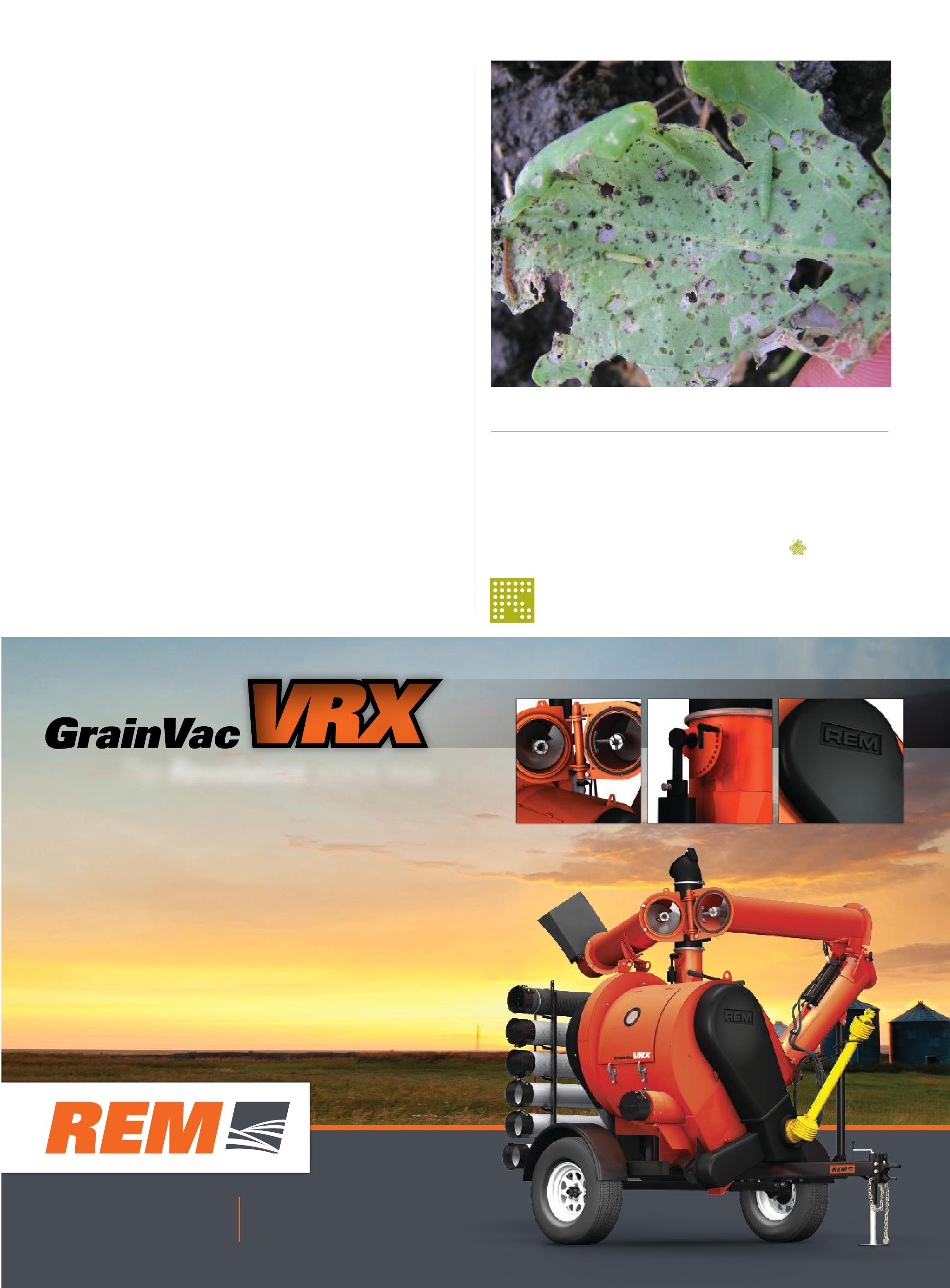
“IPM isn’t really that hard to do. Add a couple of things here, pay attention to your timing there, and all of a sudden your control is working better,” says Meers. “We can hit the easy button if you’re paying attention. It is dollars in your pocket. You can get better crops and not necessarily spend more money. That’s what IPM is all about. We are trying to make money.”
For more on pest management, visit www.topcropmanager.com.
With its patented pod shatter reduction technology, InVigor® L140P provides growers with the flexibility to delay swathing or straight cut their canola, knowing that they have less risk because of the hybrid’s built-in genetic protection. Save time, money and yield
Considering the significant reductions in labour and fuel costs with less wear and tear on machinery, the benefits of straight cutting are numerous; but the biggest advantage of pod shatter reduction technology is the increased harvest flexibility you gain. With the enhanced yield protection of the InVigor pod shatter reduction hybrid, you have more freedom and flexibility in making your most crucial harvest management decisions.
The ability to delay swathing or straight cut canola with minimal yield variance is what the InVigor pod shatter reduction hybrid is all about. Straight cutting and delayed swathing allows the pods to mature for a longer period of time, resulting in larger seeds, a greater pod fill and lower green seed counts.
The genetic researchers at Bayer CropScience found a way to select for genotypes which silence the dehiscence gene, creating a firmer pod seal/seam. This significantly increases the hybrid’s tolerance to in-field pod shatter, while still allowing for normal seed extraction during harvest. In addition to the built-in pod shatter reduction technology, InVigor L140P also exhibits lower levels of naturally occurring pod drop, ensuring all seeds end up in the bin – minimizing volunteer canola in following seasons.
The result is considerably lower shelling levels due to pod shattering and a substantial decrease in overall pod drop. Simply put, this hybrid has greater pod adherence to the stem and a much stronger pod seal. InVigor L140P lets your canola ripen safely within the pod, firmly connected to the plant until you’re ready to harvest.
Yield protection you need
Heavy moisture and increasingly common prairie wind events can prematurely split pods and shell seeds before harvest time, resulting in massive seed bank deposits and subsequent volunteer canola management issues. However, with the pod shatter reduction technology built into InVigor L140P, seeds remain safely intact inside the pod. Pod shatter technology is not 100% risk-free and growers could still expect losses under extreme weather conditions, but clearly the associated environmental risks with straight cutting are minimized with this technology.
InVigor L140P InVigor 5440 InVigor L130
Source: 2013 DST Results n=22 (net yield)
The patented pod shatter reduction technology of InVigor L140P provides stronger adherence of the seed valve and greatly reduces the effects of pod shatter. The results are increased yield protection and greater harvest management flexibility, including the ability to delay swathing or try straight cutting. In the 2013 DSTs (Demonstration Strip Trials), straight cut InVigor L140P showed a 7% yield advantage over InVigor 5440 at normal swath timing.
For more information or to view an online demonstration of InVigor L140P, please visit our YouTube channel at www.youtube.com/BayerCropScience
To see local trial results for this hybrid and other InVigor technologies, please visit InVigorResults.ca
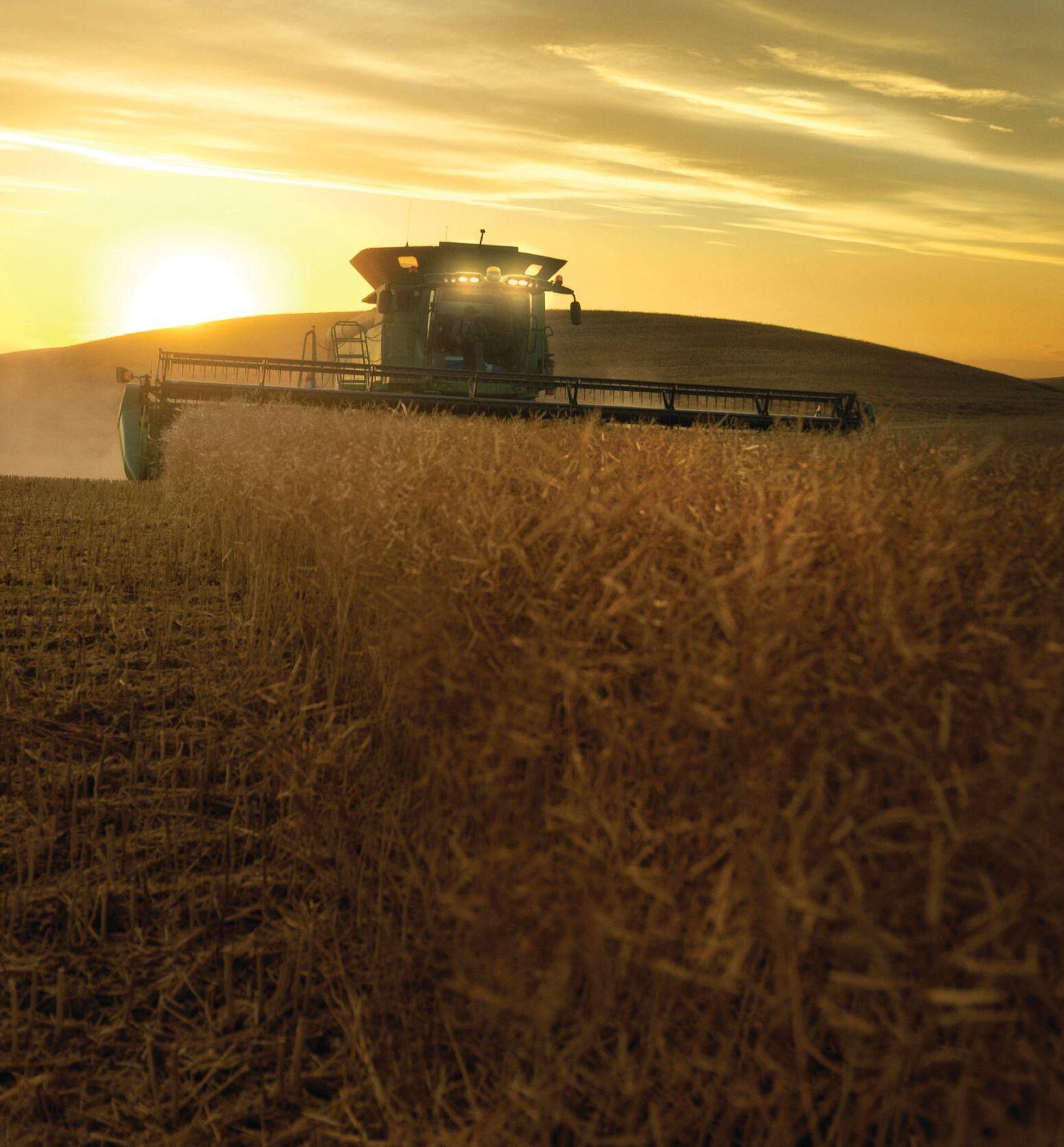
NEW InVigor® L140P is the first canola hybrid to ever feature our patented POD SHATTER REDUCTION technology, providing growers with optimal pod protection for straight cutting canola or delayed swathing.
Whether you’re looking to minimize input costs, mitigate weather concerns or need a reliable time-management tool at harvest, InVigor L140P helps ensure you get every bushel in the bin.
To learn more visit: BayerCropScience.ca/InVigorL140P
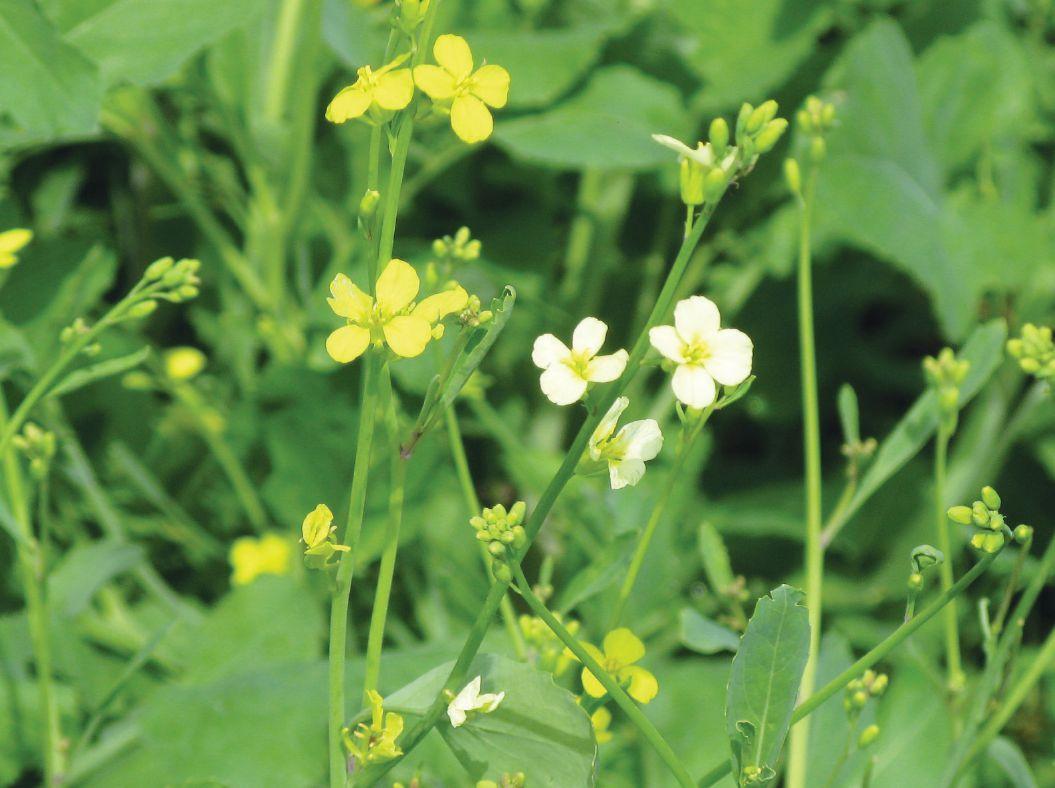
Agronomics getting sorted out for when contracted acres go big.
by Bruce Barker
Research scientist Eric Johnson has been involved in agronomic research on carinata at Agriculture and Agri-Food Canada at Scott, Sask. His and other research is also helping generate a better understanding of carinata agronomics so that farmers will have a good handle on how to grow the crop once market development is complete.
Brassica carinata, commonly known as Ethiopian mustard, has been under market development and commercialization by Agrisoma Biosciences over the last several years, with some commercial production in 2012 and 2013. The plan was to contract about 25,000 acres in Western Canada in 2014; however, that was dependent on regulatory approval for feeding the meal to livestock. Approval was not received until June so contracts could not be offered. The approval to feed carinata meal to beef cattle will enable Agrisoma to offer contracts through Paterson Grain in 2015.
Agrisoma is commercializing its carinata line under the trade name Resonance, and is targeting a specialized biojet fuel as its market. Acreage is expected to grow now that regulatory barriers are overcome and
the fuel is more widely adopted by the aeronautical industry.
Meanwhile, Johnson believes the crop has potential on the semi-arid Prairies.
“Carinata has some positive agronomics. It has good drought and heat tolerance, as you would expect from mustard, but that’s just an observation as we haven’t really compared it to other oilseeds. That research commenced in 2014. It is resistant to blackleg, and tolerant to Alternaria. It is shatter resistant, and is genetically diverse so there is a lot of opportunity to improve the genetics,” says Johnson.
Carinata has a large seed size with a thousand kernel weight similar to hybrid canola, around 6.5 grams. The large seed size allows better metering at seeding and more accurate seed placement.
Currently, Agrisoma has two varieties. AAC A100 is a consistent performer across the Prairies with a high number of branches and a
ABOVE: Carinata has variations in flower colour.
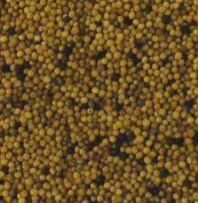
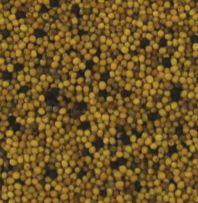

medium height of 120 cm. AAC A110 has higher yield potential and is one day earlier than AAC A100. It also has 0.5 per cent higher oil content. Both are recommended for the mid- to long-season, semi-arid zones of Western Canada with maturity 12 to 14 days later than oriental mustard.
Certified Resonance carinata seed is typically treated with a dual insect and fungicide treatment, and is managed similar to canola or mustards with shallow seeding into a firm, moist seedbed. Johnson
says flea beetles don’t like carinata as much as canola, but if there isn’t anything else around to eat, they will certainly eat it.
Johnson has done quite a bit of work on plant population density and seeding rates to establish a range for optimum yield. There is some variation by variety, but overall, carinata plant populations follow a similar curve as canola. His research shows that when plant populations drop below 25 plants per square metre, yield dramatically declines. Between 25 and somewhere between 116 to 180 (varietal

This free and confidential service helps Canadian farmers get their debt repayment back on track. Financial advisors and qualified mediators help find a mutually acceptable repayment arrangement between farmers and their creditors.
Registered herbicides and key weeds controlled in Brassica carinata
Herbicide Labelled crop Key grassy weeds controlled Key broadleaf weeds controlled
Fortress [triallate (Group 8) + trifluralin (Group 3)]
Muster Toss-N-Go ethametsulfuron-methyl (Group 2)
Poast Ultra sethoxydim (Group 1)
Assure II quizalofop (Group 1)
Treflan; Rival; Bonanza trifluralin (Group 3)
Label states ‘Mustard’ Wild oats, green foxtail, yellow foxtail
B. carinata
Label states ‘Mustard’
B. carinata
Label states ‘Mustard’
None
Green and yellow foxtail, barnyard grass, volunteer corn, Persian darnel, wild oats, volunteer wheat, oats and barley, quackgrass; foxtail barley suppression
Green and yellow foxtail, barnyard grass, volunteer corn, Persian darnel, wild oats, volunteer wheat, oats and barley, quackgrass; foxtail barley control with Assure II
Green and yellow foxtail, wild oat, barnyard grass, Persian darnel, downy and Japanese brome
Source: Guide to Crop Protection, Government of Saskatchewan.
1: Plants m-2 vs Brassica carinata yield
Plants m-2
070768EM
Source: Eric Johnson.
difference), the maximum yield is reached, with yields subsequently declining with even higher plant populations.
The difference between the two varieties was due to lodging susceptibility. The variety that hit maximum yield with a lower plant population was more susceptible to lodging, and higher plant populations lead to more lodging and lost yield.
In his research, Johnson achieved about 55 per cent emergence rate, which is a little higher than canola at around 50 per cent. To hit the optimum plant population for high yield, the seeding rate works out to about 225 to 300 seeds per square metre. Convert to pounds
Suppression of kochia, redroot pigweed, Russian thistle, wild buckwheat
Flixweed, green smartweed, hemp-nettle, wild mustard, stinkweed
None
None
Chickweed, cow cockle, lamb’s quarters, pigweed, wild buckwheat
per acre, and the optimum seeding rate is about 11 pounds per acre. (See Fig. 1.)
“The cost of seed has been $5 per pound, and the industry recommendation to growers is to seed it at six pounds per acre. I would like to see it at around eight pounds per acre, and even when you apply economics to it, eight pounds is still economic. The highest economic returns are still around 11 pounds per acre,” says Johnson.
In Agrisoma’s Carinata Production Manual, available online at www.agrisoma.com, the company provides a chart to help guide growers on seeding rates based on plant density and thousand kernel weight (see Table 1, pg 44).
“I would like to see higher seeding rates because we can push maturity earlier by as much as seven days at those higher seeding rates and it is a long-season crop,” says Johnson. “We also don’t have good methods of weed control, but it is highly competitive so higher plant populations will help it compete more with weeds.”
An AgriARM study at Swift Current, Sask., looked at the impact of seeding date on yield. A seeding rate of six pounds per acre was used at six different seeding dates: May 3, 11, 16, 27 and 31, and June 7. The results show the May 11 seeding date had significantly higher yield than all other treatments, at approximately 26 bushels per acre, with the June 7 seeding date having the poorest yield. Maturity ranged from 114 days for the earliest seeding date to 87 days for the June 7 seeding date. The May 11 seeding date had maturity slightly over 100 days.
Agrisoma recommends planting from mid-April to early May, depending on location. The earlier seeding helps the crop flower before the hottest part of the summer and mature before fall frosts.
Johnson’s research on nitrogen (N) fertilization found similar response curves as canola and other Brassica oilseeds. He found maximum yield at 189 kg N per acre, about equivalent to Brassica juncea

“I think if a farmer asks how I should be fertilizing carinata, same as canola, same as juncea. They are all pretty similar,” says Johnson. “I’ve applied some economics to it, and if you have a low to medium soil test, about 80 pounds N would be your maximum return.” (See Fig. 2, pg 44.)
Weed control limitations
Few herbicides are registered on carinata, but expectations play a large


Cereal seed from Syngenta helps you harvest opportunities wherever they are. We’ve been breeding wheat in Canada for four decades, setting unprecedented standards for yield, quality and sustainability. The world depends on Canadian grain, and Canadian growers count on Syngenta.
Assumptions:
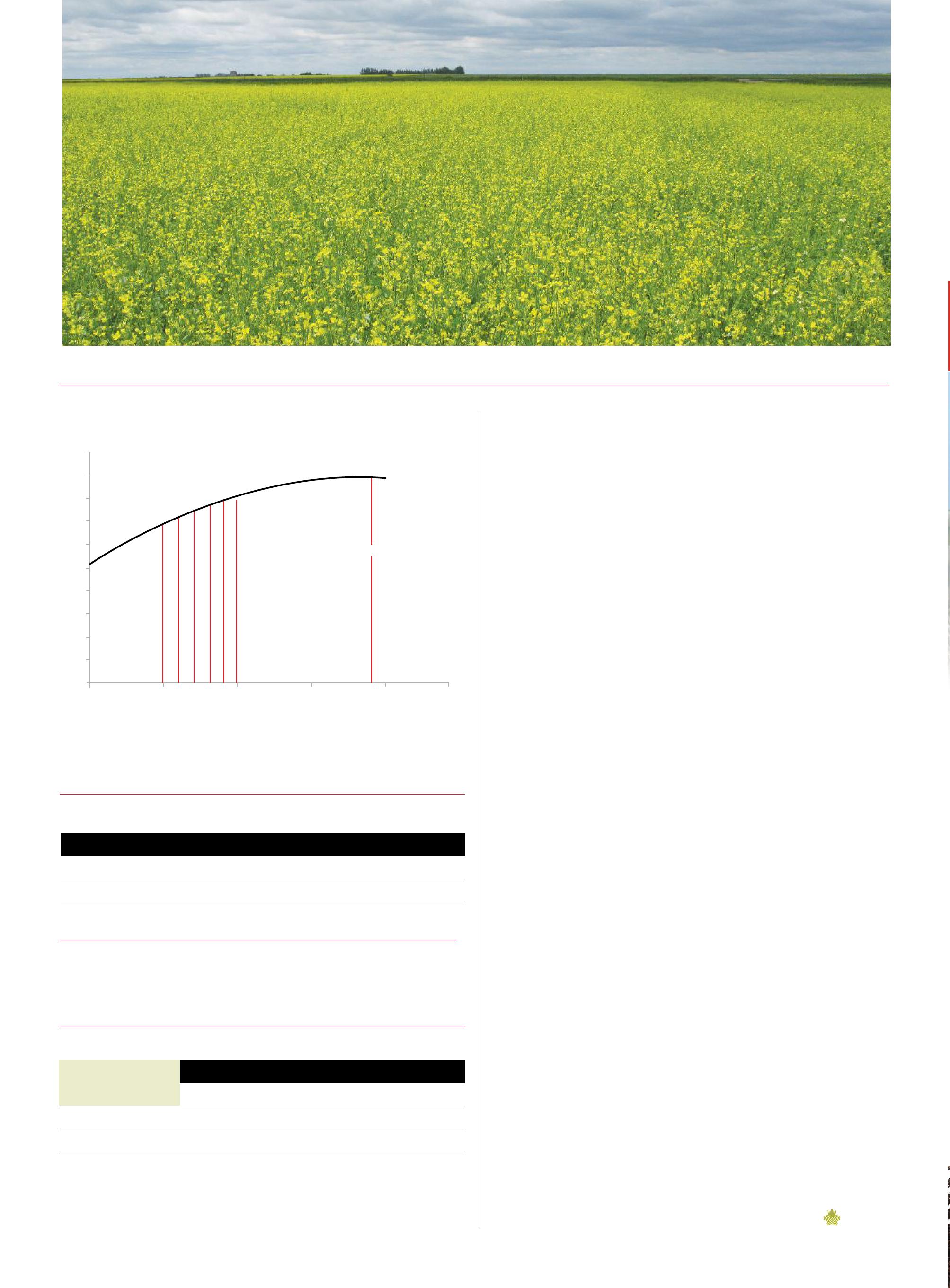
Carinata
Source: Adapted from Johnson et al. 2014. CJPS and unpublished data.
role in carinata weed control. Weed control will never be as good as Roundup Ready or Liberty Link canola – the canola industry asked that glyphosate- or glufosinate-tolerant carinata not be developed so admixtures concerns were eliminated. However, farmers have become accustomed to clean fields from those systems.
“Even though carinata is highly competitive, farmers have very high expectations for weed control,” explains Johnson.
On the grassy weed front, Assure II (quizalofop) is registered for grassy weed control. Johnson says carinata has good tolerance to the DNA herbicides, and that trifluralin is registered for pre-emergent application for a broad spectrum grassy and broadleaf weed control. Edge is not registered on carinata, although it is registered on other mustards.
Like trifluralin, two other herbicides are registered on “mustards” although not specifically on B. carinata. Poast Ultra and Fortress are labelled for mustards, which technically means they can be used on carinata for grassy weed control.
Muster (ethamesulfuron) is registered, but has a narrow broadleaf weed spectrum including flixweed, green smartweed, hemp-nettle, wild mustard and stinkweed. Johnson has also conducted trials with Authority (sulfentrazone) with some success. A Minor Use application has been submitted for Authority.
“Sulfentrazone is a highly effective kochia killer, and carinata has reasonably good tolerance, but you’re going to have to use the low rate. You’re going to have to be careful as we do have injury problems if you get lots of rainfall,” explains Johnson. “This occurred in 2014, so more work is required on application timing and rate structure.”
Sites: Saskatoon, Scott, Pambrun, Vanguard, Indian Head, Lethbridge and Medicine Hat.
Source: Agriculture and Agri-Food Canada and Agrisoma trials.
Based on an estimated seedling mortality of 45 per cent.
Source: Agrisoma Carinata Production Manual; Eric Johnson, AAFC.
Further down the weed control road, Johnson is screening some of the germplasm for tolerance to other herbicides, and is collaborating with other researchers (Dr. Kevin Falk, AAFC; Dr. Rick Bennett, Agrisoma; and Dr. Ravinder Grewal, Mustard21) on a seed and microgenesis (non-GMO) program to develop herbicide resistance in carinata.
Carinata is susceptible to aster yellows and sclerotinia stem rot. Johnson has observed that sclerotinia doesn’t hit carinata as hard as canola, possibly because of the plant architecture.
With good shatter resistance, straight combining can be a good option. Agrisoma reports the stalks can dry down slowly, so harvesting is easier when all crop material is dry before harvesting. If crop maturity is uneven, swathing at 25 per cent seed moisture content or lower is recommended to help dry down the crop. Seed moisture content of nine per cent or lower is the recommended harvest stage.










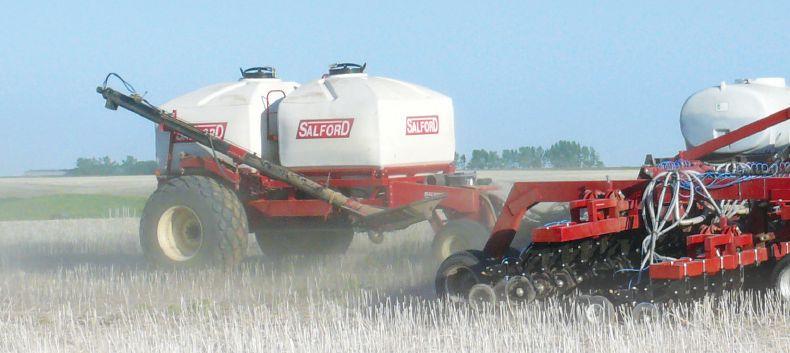
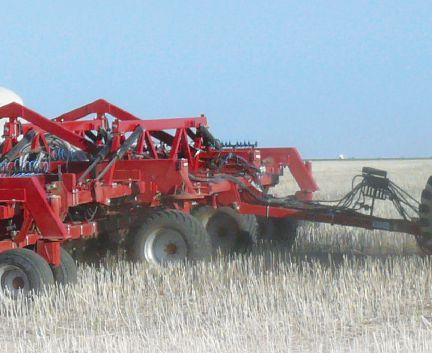
Covers more acres per hour with lower horsepower requirements, and offers better floatation in wet conditions. A Salford 70’ double disc air planter can cover 50 acres an hour at 6.5 mph, compared to competitive seeding technologies that can cover only 30 acres an hour at 4.0 mph.

Requires 1/3 less fuel per acre, compared to competitive models.











Superior seedbed performance -- uniform emergence and high germination rate -- has made the double disc opener the technology of choice for planting high value crops. High quality seedbeds means less seed required.














Municipalities and companies can help prevent the spread of the disease.
by Carolyn King
Equipment, tools and footwear carrying clubroot-infested soil can easily spread this devastating canola disease from field to field. So preventing its spread is not a task just for farmers. Municipalities and companies that access agricultural land have important roles to play, too.
Clubroot is caused by a soil-borne pathogen that produces irregular swellings (galls) on the roots of canola and other cruciferous plants. The galls hinder the movement of water and nutrients into the top parts of the plant, resulting in major yield losses in susceptible canola cultivars. When the galls decay, they leave millions of resting spores in the soil that can survive for up to 20 years.
In 2003, clubroot was discovered in a canola field near Edmonton. Within a few years, the disease had become a very serious problem in Alberta canola, especially in the region around Edmonton. In 2007, the government of Alberta declared clubroot as a pest under its Agricultural Pests Act. The Act stipulates the municipality has the responsibility for enforcing pest control measures within its jurisdiction and the landowner/occupant is responsible for taking steps to prevent and
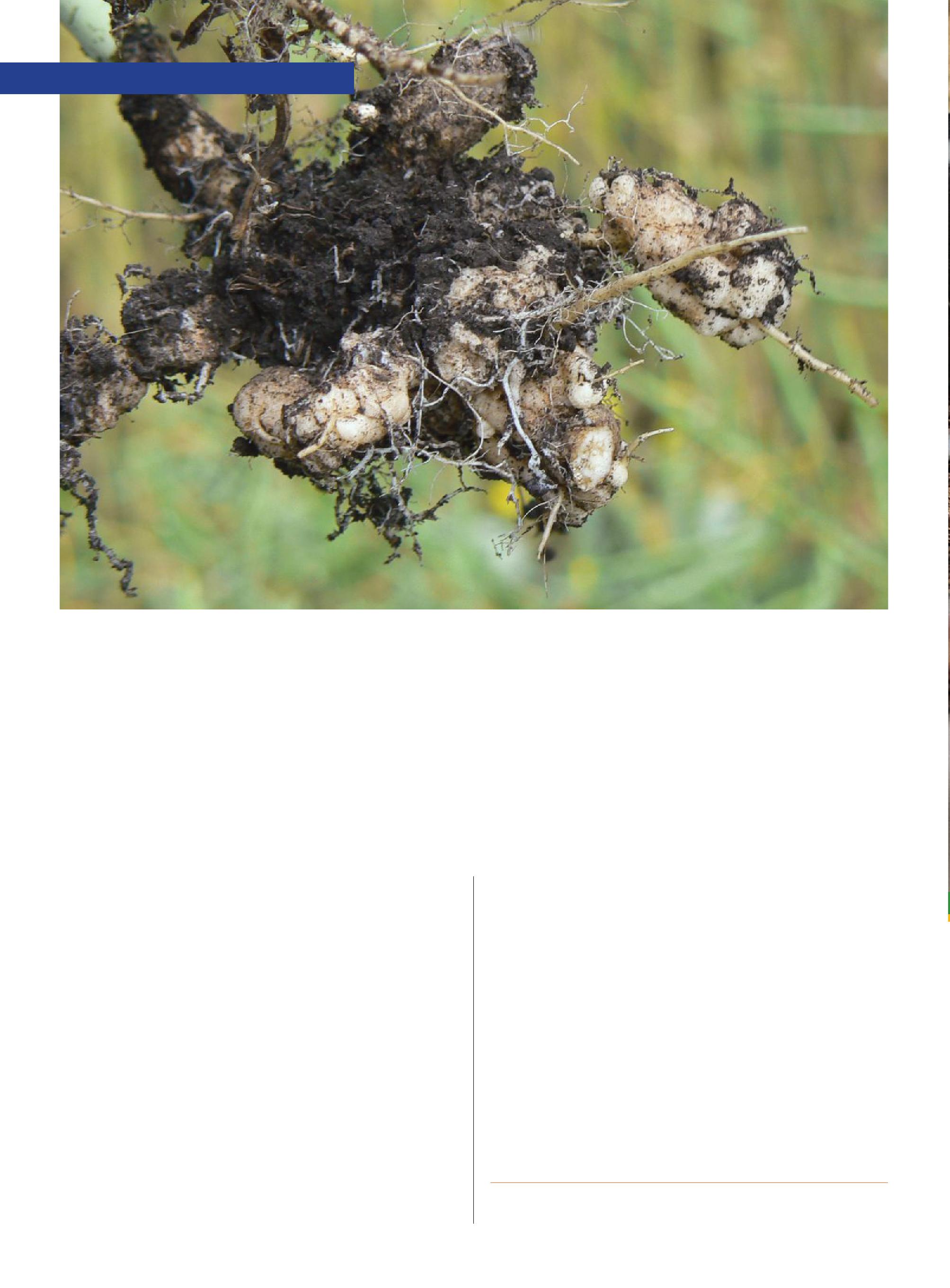
control pests on his or her land.
Leduc County, located just south of Edmonton, has a clubroot policy that is about more than enforcement – it emphasizes working with producers to develop effective clubroot management strategies.
“Each year, Leduc County inspects every canola field in the municipality for the presence of clubroot. We usually start in the first week in July and continue until we get done,” explains Aaron Van Beers, agricultural foreman with Leduc County. He is responsible for the county’s Clubroot Inspection Program.
With about 700 to 900 canola fields to sample each year, the county has one seasonal employee dedicated to clubroot inspections, plus Van Beers helps out as he can. They usually sample in a field’s entry point; that’s the most likely spot for a clubroot infestation to start because contaminated equipment is the main way the disease is spread. Using a diamond pattern for sampling, they check the roots of 100
ABOVE: Each year, Leduc County inspects every canola field in the county for the presence of clubroot.
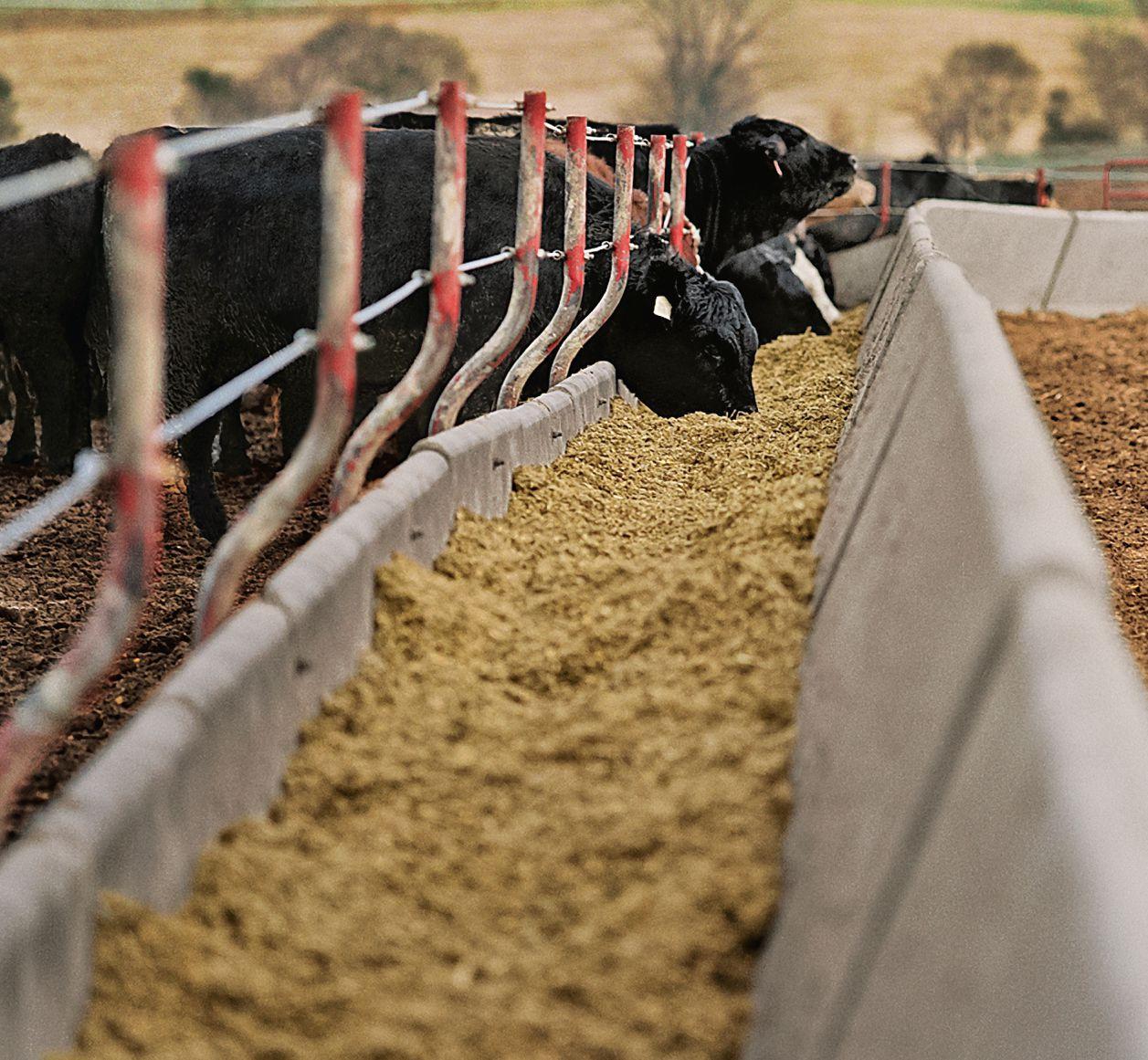

shouldn’t have to choose. And neither should you.

Making quality hay and forage is a balancing act between getting the highest quality feed and putting tons on the truck. And that’s why you need a partner who can help you do both. Your John Deere dealer is your one-stop shop for everything you need to make quality hay and forage.
With the new L300 Series Large Square Balers, the new W260 Self-Propelled Windrower with 500R rotary platform, and the new 8000 Series Self-Propelled Forage Harvester, you don’t have to choose, either. See your local John Deere dealer today to learn more. Nothing Runs Like a Deere.™
canola plants for galls.
“If we find any plants that have galling or what looks like galling, then we GPS mark that spot, and we send a sample to the lab to verify whether or not it’s clubroot. We also note how many plants out of 100 have galling on them,” says Van Beers.
“If the lab test is positive for clubroot, then we inform the landowner and also the renter, if we know who the renter is. If less than 30 out of the 100 plants have galling, we don’t issue a notice. However, we strongly recommend using clubroot-resistant canola varieties, stretching the crop rotation as long as possible, and cleaning the field equipment – doing what you can to mitigate your clubroot risk.”
If 30 or more of the 100 plants have galls, then the inspection staff return to the field after harvest to do a more thorough survey to see if the high infestation level occurs throughout the field or is perhaps just an isolated patch in the initial sampling area.
“If clubroot is at a high level consistently across the whole field, then we issue a notice based on clubroot being a declared pest under Alberta’s Agricultural Pests Act,” explains Van Beers. The notice specifies the clubroot
control actions that must be taken on that field.
He says, “We really want to make sure that growers are mitigating their risk, so the most important control measures are: crop rotation, using clubroot-resistant varieties and rotating those resistant varieties. Our notice stipulates they cannot grow canola on that field for three years. In the fourth year, they may grow canola but it must be a clubroot-resistant variety. By the fourth year, there will probably be new canola varieties and maybe there will be new resistances available.”
Clubroot-resistant cultivars are the foundation of clubroot management in canola. However, if the same resistant cultivar is grown back-to-back or in very short rotations, the risk is high that the pathogen will adapt and overcome the cultivar’s resistance.
Although Leduc County’s inspection program won’t necessarily catch every occurrence of clubroot in the county, the sampling results do provide a springboard for county staff to work one-on-one with producers who are having clubroot problems.
“Our producers have been dealing with clubroot since 2007, so the vast majority of
them are aware of the disease and are managing the disease. For those few who maybe don’t know what clubroot is, we make sure they are aware of the risks they are running, help them to minimize those risks and then to stay vigilant,” says Van Beers. “The longterm issue is to protect our clubroot resistances so that we don’t get resistance breakdown. Researchers have already found a new clubroot pathotype [in the Edmonton region] that the current clubroot-resistant canola varieties are susceptible to.
“That’s a huge warning bell in my books,” he adds. “So we’re really trying to make sure we don’t have that situation come up here. If it does, then we’re back to square one, and canola crops will be devastated until we get new resistant varieties.”
As you would expect, Leduc County’s clubroot inspection protocols also ensure staff don’t spread the disease. “Our vehicle doesn’t enter the field; we park on the side of the road. And we try to minimize how much we enter the field as much as possible – that’s another reason why we stick to the field approaches,” explains Van Beers. “When we enter the field we put on disposable boot covers and nitrile gloves. We use hand pulling, not shovels, to sample the plants so we don’t have the potential for cross-contamination from soil on a shovel. When we come out of the field, we discard the boot covers and gloves in a garbage bag for disposal later.”
The government of Alberta’s Clubroot Management Plan lays out the clubroot management responsibilities of the provincial government, municipal governments, landowners/occupants, agricultural retail and service industry businesses, and energy, construction and transportation companies that operate on agricultural land.
One company that sometimes needs to access agricultural land is ATCO Electric. “For ATCO Electric Distribution, most of our lines are built along road right-of-ways; however there are some circumstances that may warrant construction through an agricultural field, and we also have existing infrastructure that was routed through a field. In those cases we would need to access the agricultural lands during construction, certain maintenance activities and emergency events to restore power,” explains Bettina Mueller, environment manager with ATCO Electric’s Distribution Division.
Managing clubroot is important to ATCO Electric for several reasons. She says, “We
realize that clubroot is a serious disease that can affect canola and the entire cabbage family, and also in 2007 clubroot was declared an agricultural pest in Alberta. So we recognize the detrimental effects it can have on crop yields.”
ATCO Electric has internal best management practices that include direction for the company’s field staff on agricultural pest issues such as noxious weeds and clubroot. To develop its clubroot practices, ATCO Electric reviewed the Alberta Clubroot Management Plan and talked with staff at Alberta Agriculture and Rural Development, and also reviewed some other agencies’ best management practices. In addition, Mueller and some of her colleagues attended the International Clubroot Workshop held in Edmonton in 2013 for the latest information on this issue.
Talking with the landowner is also key to how ATCO Electric approaches clubroot management. “As part of any access to land, of course, we have a conversation with the landowner prior to entering the land, and part of that conversation is to discuss the status of the fields and if any precautions need to be taken,” says Mueller.
The company’s best practices include, where possible, scheduling construction work for when the ground is dry or frozen, to reduce the chance of getting soil on equipment and tools. The best practices also identify three possible levels of cleaning, ranging from mechanical cleaning, to washing, to disinfecting, depending on the situation.
ATCO Electric’s standard practice is to arrive onsite with clean equipment, which has been mechanically cleaned with brushes, brooms and so on to remove dust, soil and plant materials. “However, especially when we know that we’re working in clubroot-infested areas, we have that conversation with the landowner, and the cleaning level is then decided based on consultation with the landowner and sometimes the agricultural fieldmen may get involved and/or a municipality may have its own [requirements],” notes Mueller. The Alberta Clubroot Management Plan specifies a standard for clubroot control measures for all Alberta municipalities, but individual municipalities can choose to enhance that standard within their own jurisdiction.
ATCO Electric is willing to work with landowners to provide assurance that the company’s equipment is clean. Mueller says, “It’s based on the discussions that we have with the particular landowner. Some might
say, ‘I would like the level one cleaning; just make sure it happens.’ Others might say, ‘I would like to see the equipment before it goes on my field.’ We try and accommodate the landowner as best as we can.”
Van Beers emphasizes the importance of having these types of conversations whenever any company or business will be accessing your agricultural land.
“The main thing is to talk with the company before they enter your land, to have it all on the table. You can set out what you feel are your requirements for them to
adhere to and you can ask them what are their protocols for clubroot, or blackleg, or weeds, or any other issue that you might have. So you could ask them: How are they going to ensure that they’re not bringing clubroot from somewhere else? What level of equipment cleaning will they do? How will they ensure that level of cleaning is actually done? And so on. That way you’re both clear about what is expected and what isn’t,” says Van Beers.
“Having that conversation goes a long way to nipping any issues in the bud.”

“The NORAC system is very reliable. It has auto-everything and I don’t have to worry about a thing.”
-
Blair Gerein Unity, SK

We aren’ n t su s rprised to hear words like k reeli l abble and respponnsive when people talk abou o t ou o r products t .
What you may y b be e su s rpriised to hear is that our a award r w winning n H Hybrid Moode™ i is exxclusivive e to NORAC A . Boom hei e ght t control systems star t at $59000 Caall l 1 8 800 0 667 3921 today.





FIIND IN NORACSystems


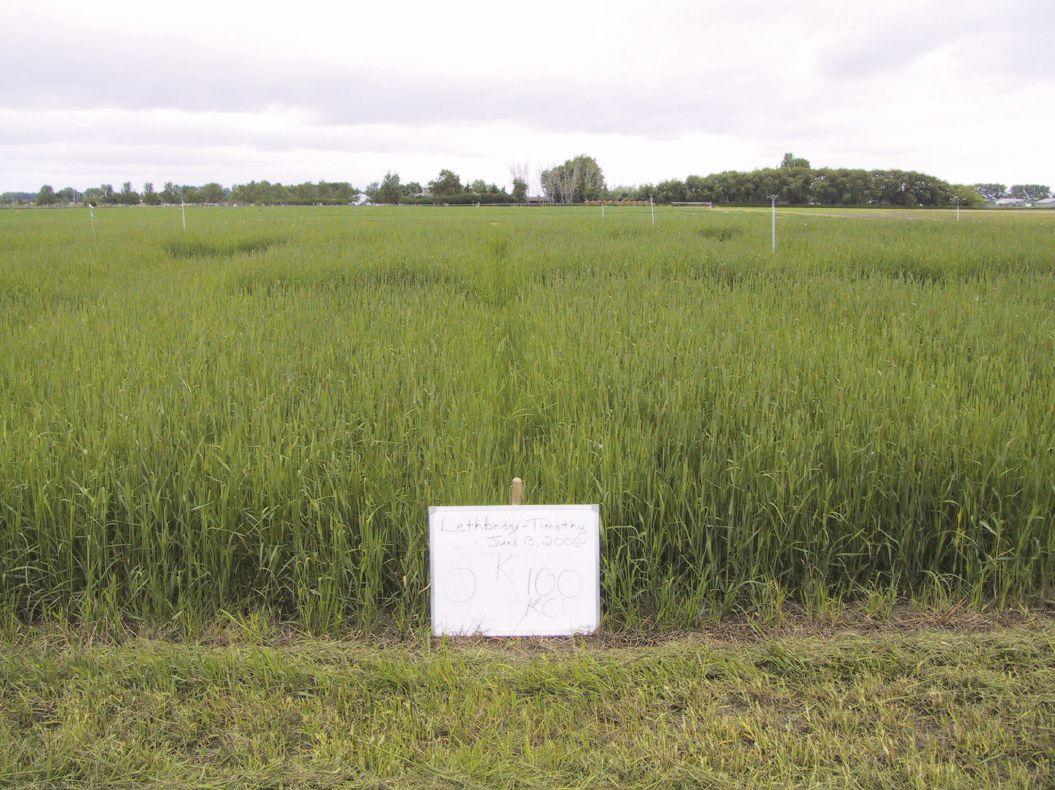
Research doesn’t support this approach in Western Canada.
by Ross H. McKenzie PhD, P. Ag.
Soil testing labs and agronomists use various philosophies and techniques to make fertilizer recommendations to their clients. Many soil testing labs and agronomists utilize regional field crop response data on which to base their fertilizer recommendations. Some agronomists estimate crop nutrient uptake and removal to make fertilizer recommendations. Ideally, using regional crop response research data calibrated with soil test nutrient levels has worked very well across Western Canada. This “sufficiency level” approach focuses on keeping plant-available soil nutrient levels within an optimum range so that each nutrient is above a deficiency level in soil.
In recent years, some agronomists have been using the Base cation saturation ratio (BCSR) approach to interpret soil test results to develop fertilizer recommendations. This approach attempts to balance specific soil cations according to varying ratios to “balance” nutrient levels in soil.
To understand the pros and cons of this approach we need to review a bit of soil chemistry. First, cations are positively charged
elements that occur naturally in soil. Common cations in soil that contribute to higher soil pH (basic soil) are: potassium (K+), calcium (Ca++), magnesium (Mg++) and sodium (Na+). Two cations that contribute to soil acidity are: hydrogen (H+) and aluminium (Al+++). The number of positive charges varies depending on the element; for example, K has one positive charge, but calcium and magnesium each have two positive charges.
Soil colloids are particles in soil that are mostly made up of clay and highly decomposed soil organic matter. Soil colloids tend to have a negative charge and hold positively charged cations on the negative exchange sites. Soil colloids are very important because most of the positively charged soil nutrients are held on the surface of soil colloids. Soils with higher levels of clay and organic matter usually have a greater capacity to hold more cations and these soils
ABOVE: Soil tests calibrated with field research provide the best fertilizer recommendations.















Precision doesn’t have to be a tough puzzle. Whether you need guidance, autosteering, planter control, application control, crop sensing, landforming, data management … Topcon drives farm profitability through technology made easy. Learn about Topcon solutions and find your Topcon dealer at: www.topconpa.com.



Management strategies include growing resistant varieties, rotation and controlling volunteers.
by Donna Fleury
Clubroot disease in canola continues to pose a serious threat to the canola industry in Western Canada. The problem so far is mostly a central Alberta concern, and although the 2014 disease survey results are not yet complete, preliminary results show that clubroot has spread to at least two more counties in central Alberta. Isolated cases have been identified in Saskatchewan, Manitoba and North Dakota.
The disease is particularly a problem because its spores are long-lived, it has the ability to rapidly multiply and it has a detrimental impact on canola yields. Researchers at the University of Alberta and Alberta Agriculture and Rural Development (AARD) in Edmonton conducted a four-year study from 2010 to 2014 to determine the effects of clubroot-resistant and susceptible canola cultivars on soils infested by Plasmodiophora brassicae, the pathogen that causes clubroot.
“Clubroot continues to be an increasing problem, and in some cases with short rotations we have seen resistant lines being overcome by the disease,” says Dr. Sheau-Fang Hwang, research scientist with AARD. “Ideally, longer crop rotations are the best. But in reality, short rotations are becoming more common. Therefore, we designed this experiment for short rotations and to determine the effects on disease severity in subsequent crops, resting spore populations and other factors.”
To understand the impacts of repeated cropping, clubroot resistant and susceptible canola genotypes were compared to fallow in a threeyear continuous rotation. In the fourth and final year, a susceptible canola genotype was grown on all plots. The study included greenhouse trials, mini-plot trials using naturally infested field soil and field trials near Edmonton. Clubroot-resistant (45H29) and susceptible (45H26) canola cultivars were grown in a field near Edmonton that was heavily infested with P. brassicae resting spores.
“As expected, the results showed that repeated cropping of susceptible varieties (SSSS) contributed significantly greater levels of fresh inoculum to the field or field situations, resulting in much higher disease severity and spore numbers,” explains Dr. Stephen Strelkov, with the University of Alberta. “With the clubroot resistant varieties (RRRS), the increase in spore levels were much lower and in fact were more or less equivalent to the fallow (FFFS) plot spore levels.”
At the end of the fourth cropping cycle with the susceptible cultivar, clubroot severity was 10-fold greater in the SSSS cropping sequence relative to the RRRS sequence, but there was no difference in severity between the RRRS and FFFS sequences.
“The results also showed that compared to resistant lines, the sus-
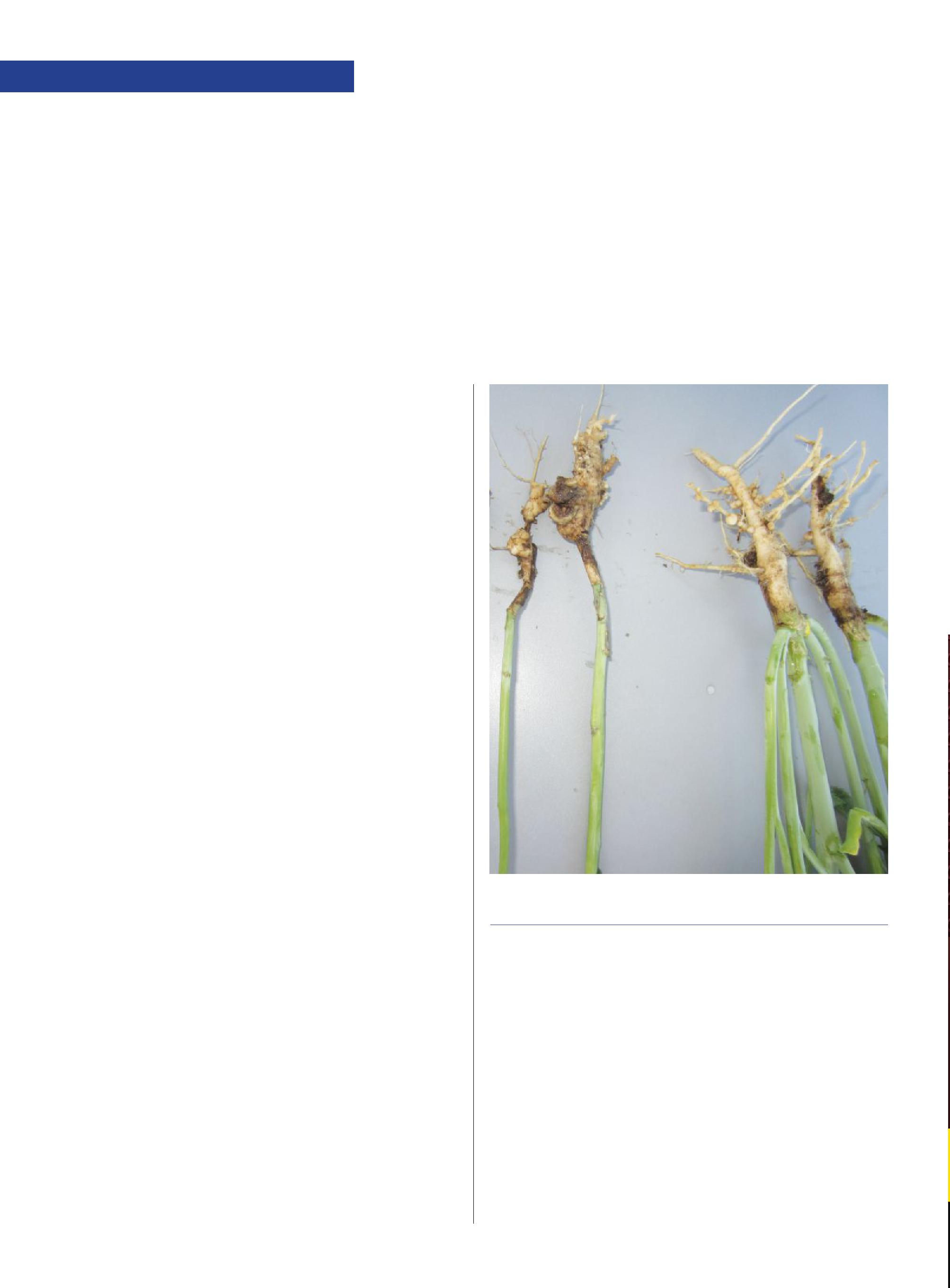
ceptible lines had a significantly higher fresh root weight, which is a result of greater root gall mass,” says Hwang. “The bigger galls contribute even more inoculum into the fields.”
In comparison, the galls in the resistant cultivar produced fewer resting spores per gram than in the susceptible cultivar. Therefore, cropping of resistant cultivars will greatly reduce the resting spore contribution to the soil, relative to cropping of susceptible cultivars.
About 14 per cent of plants in the resistant fields did develop root galls and disease symptoms, demonstrating that not all of the plants in the resistant cultivar 45H29 were resistant. “Growers should be growing resistant varieties in a healthy rotation to reduce inoculum levels,” says Strelkov. “However, growing resistant varieties in a very short rotation can increase the risk of the disease overcoming resistance. Although growing resistant varieties in short rotations may not be building up the overall inoculum level, it may be causing a shift in
the pathogen strains to ones that can overcome resistance. Therefore, if disease pressure is severe, to prevent resistance breakdown, growers should be using a one in three year rotation or longer. The higher the inoculum level, the longer the rotation should be.”
Hwang adds that growers should also consider rotating the resistant varieties they grow in rotation. “Although we don’t really know the type of resistance sources involved in the available varieties, it is still a good idea to not grow the same variety every year,” explains Hwang.
“Rotation of both varieties and crops is important to reduce the selection pressure for overcoming resistance. We are looking to plant breeders to hopefully provide resistant lines with different resistance backgrounds to help address clubroot disease.”
Regardless of the nature of resistance, careful management and stewardship are important in order to maintain its durability.
The project also included experiments to assess the impact of susceptible canola volunteers and weeds on inoculum levels. In the experiments, different proportions of a susceptible canola line were planted with a resistant canola line to simulate weed pressure or volunteers.
“The results showed that even relatively small amounts of susceptible off-types, volunteers and cruciferous weeds can also significantly contribute to inoculum levels,” says Strelkov. “This highlights the importance of controlling those susceptible volunteers and weeds so as to not cancel out the benefits of growing a resistant variety.”
It is also important to remember resistant and susceptible cultivars are usually resistant to the same herbicides. So under frequent rotations, more susceptible volunteer canola plants from previous crops could be expected, and these would contribute to spore loading in subsequent crops.
Growers need to be aware of clubroot concerns, be vigilant in scouting and monitoring, and plan ahead for their operations. “Over the vast majority of places, resistant varieties are effective and are still a good option,” says Strelkov. “In areas where clubroot has not yet been confirmed but could be at risk, it may be a good preventative strategy to grow resistant varieties. Therefore, if inoculum is introduced, then it won’t have as great of chance to build up in the soil. If growers see anything unusual or find resistant varieties with lots of disease, then bring that information to agronomists or company reps so any potential issues can be addressed.”
Effective clubroot management in canola will largely depend on growing resistant cultivars and the reduction of viable resting spore populations in the soil. Good crop rotations are important, and controlling volunteers and weeds all help to reduce the inoculum levels and disease severity in fields.
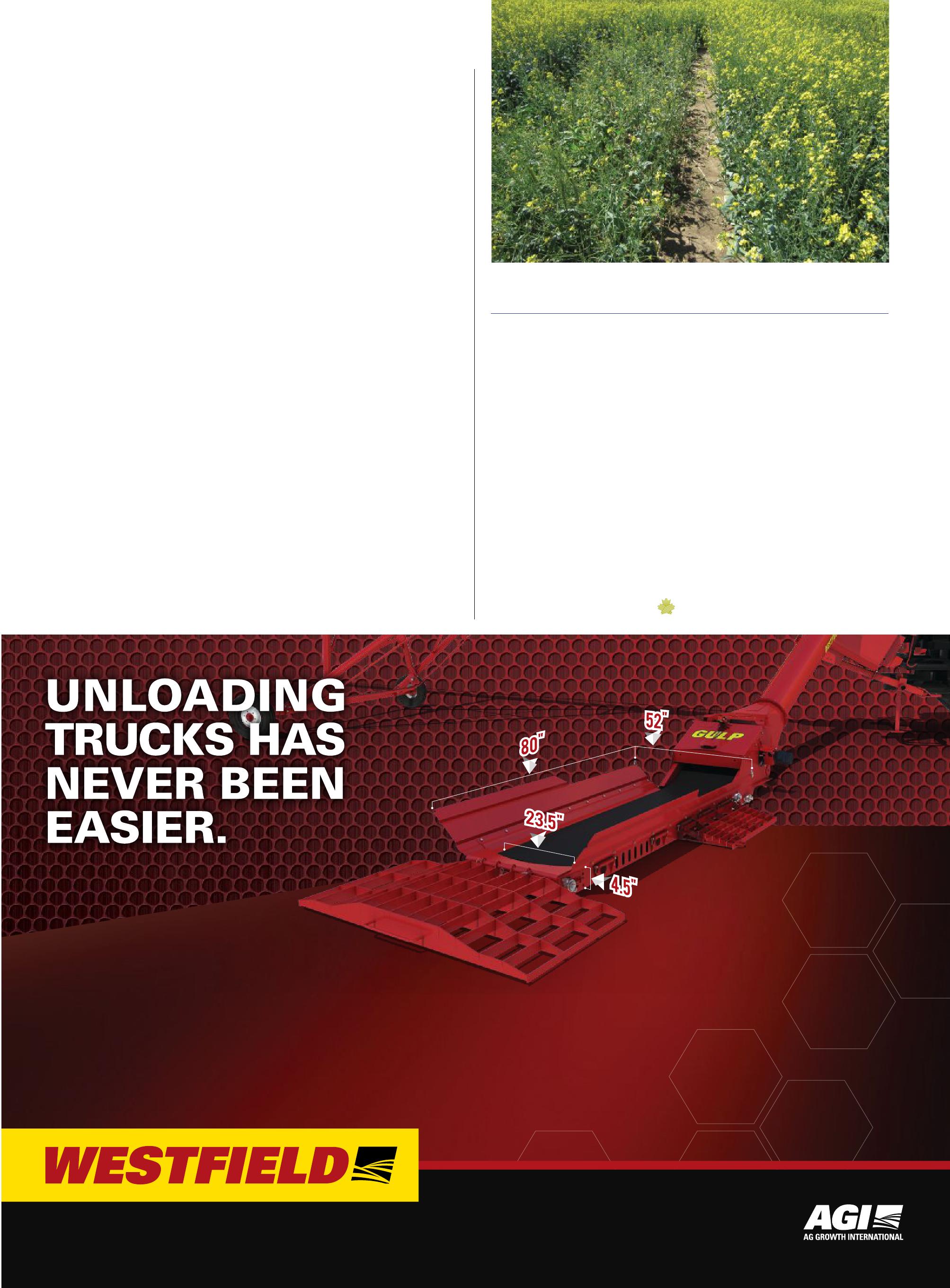
The GULP Drive Over Hopper is the most efficient grain auger accessory on your farm. Through quick and easy equipment deployment and the lowest profile drive over with the largest catchment capacity the GULP saves you time on every truck load.
• Transports with your auger, no disconnecting necessary
• Lowest profile 4.5" drive over height, works with any truck
• Large 52" x 80" catchment area
CONTINUED FROM PAGE 50
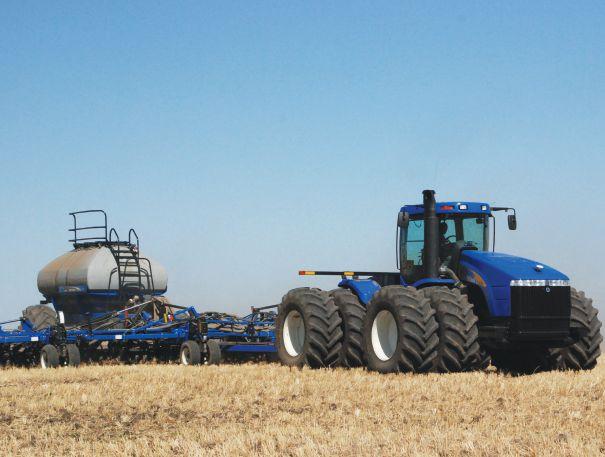
will be more fertile.
The amount of cations a soil can hold is termed “cation exchange capacity” (CEC) of soil. It is important to note there are two main types of clays in soil. Smectite clays have a relatively high CEC, hold water well, and will expand and contract when wetted and dried. Kaolinite clays have a very low CEC, and do not swell and contract when wetted and dried. Smectite clays are typically the dominant type of clay in western Canadian soils. It is for this reason that medium to fine textured soils (loam - clay loam - clay soils) typically have moderate to high CEC, and have a good capacity to hold positively charged soil nutrients. Soils that tend to have mostly kaolinite clay are typically very old, highly weathered. Soils with higher kaolinite clay are found in areas such as the southern areas of the United States, areas in Australia and tropical soils.
The term “base saturation” is used to indicate the amount of negative sites occupied by base cations (K, Ca, Mg and Na) on the soil colloids. The acidic cations (Al and H) occupy the remaining exchange sites. Therefore, base saturation describes how completely the soil colloid surface is filled with the basic cations (Ca, Mg, K, and Na) versus all cations. Normally, base saturation is expressed as a percentage:

When all soil colloid exchange sites are occupied with base cations, the base saturation is 100 per cent, which occurs when soil pH is above 7.0 (alkaline or basic soil). As soil pH declines below 7.0, Al and H occupy a percentage of exchange sites on soil colloids and base saturation per cent declines.
The BCSR term is used to indicate the ideal proportion of the
exchangeable cation nutrients K, Ca, Mg and H. This approach was proposed by Bear and co-workers in 1945, based on a greenhouse experiment in New Jersey. Bear et al. (1945) suggested that in the ideal soil, Ca, Mg, K, and H should occupy 65 per cent, 10 per cent, five per cent and 20 per cent of the cation exchange capacity, respectively. The approach was intended to make K, Ca and Mg fertilizer recommendations. The BCSR approach was not intended for recommending nitrogen (N), phosphorus (P), sulphur (S) or micronutrient fertilizers. Their approach might apply to soils that are dominated with kaolinite clay, have a very low cation exchange capacity, very acidic soils and soils that are highly weathered. Soils with all these characteristics would be extremely rare in Western Canada.
Over the past 30 years, there has been considerable field research to study and compare the BCSR to the sufficiency level approach to making fertilizer recommendations. Below are a few examples.
In Nebraska, fertilizer recommendations using BCSR were compared with those from the sufficiency level approach. Over nine years, Olson et al. (1982) compared BCSR and sufficiency level approaches for making fertilizer recommendations. They concluded that cation balance in soil is not an essential consideration in estimating crop nutrient needs. They also stated: “The nutrient sufficiency approach to soil testing, when adequately calibrated, promised the surest method of achieving most economic yields while conserving non-renewable resources and preserving environmental integrity.”
Rehm and Sorensen (1985) reported that adjusting K:Mg ratios did not affect corn yields in Nebraska.
In Western Canada, Johnston and Karamanos (2005) reported results in six trials on soils with sufficient plant-available soil K concentrations, but low K saturation percentages, with no significant yield increase with wheat and barley from adding K fertilizer.
A very extensive review paper on BCSR, published in the Soil Science Society of America Journal by Kopittke and Menzies (2007), concluded that: “Within the ranges commonly found in soils, the chemical, physical, and biological fertility of a soil is generally not influenced by the ratios of Ca, Mg, and K. The data do not support the claims of the BCSR, and continued promotion of the BCSR will result in the inefficient use of resources in agriculture and horticulture.”
In summary, after review of research comparing the BCSR and sufficiency level approaches to making fertilizer recommendations, it appears that plants are more sensitive to actual K, Ca and Mg levels in soil versus the cation ratios present in soil. Generally, a review of scientific research would suggest the sufficiency level approach for plant available K, Ca and Mg in soil is superior to base cation saturation ratios for predicting crop response to fertilizer.
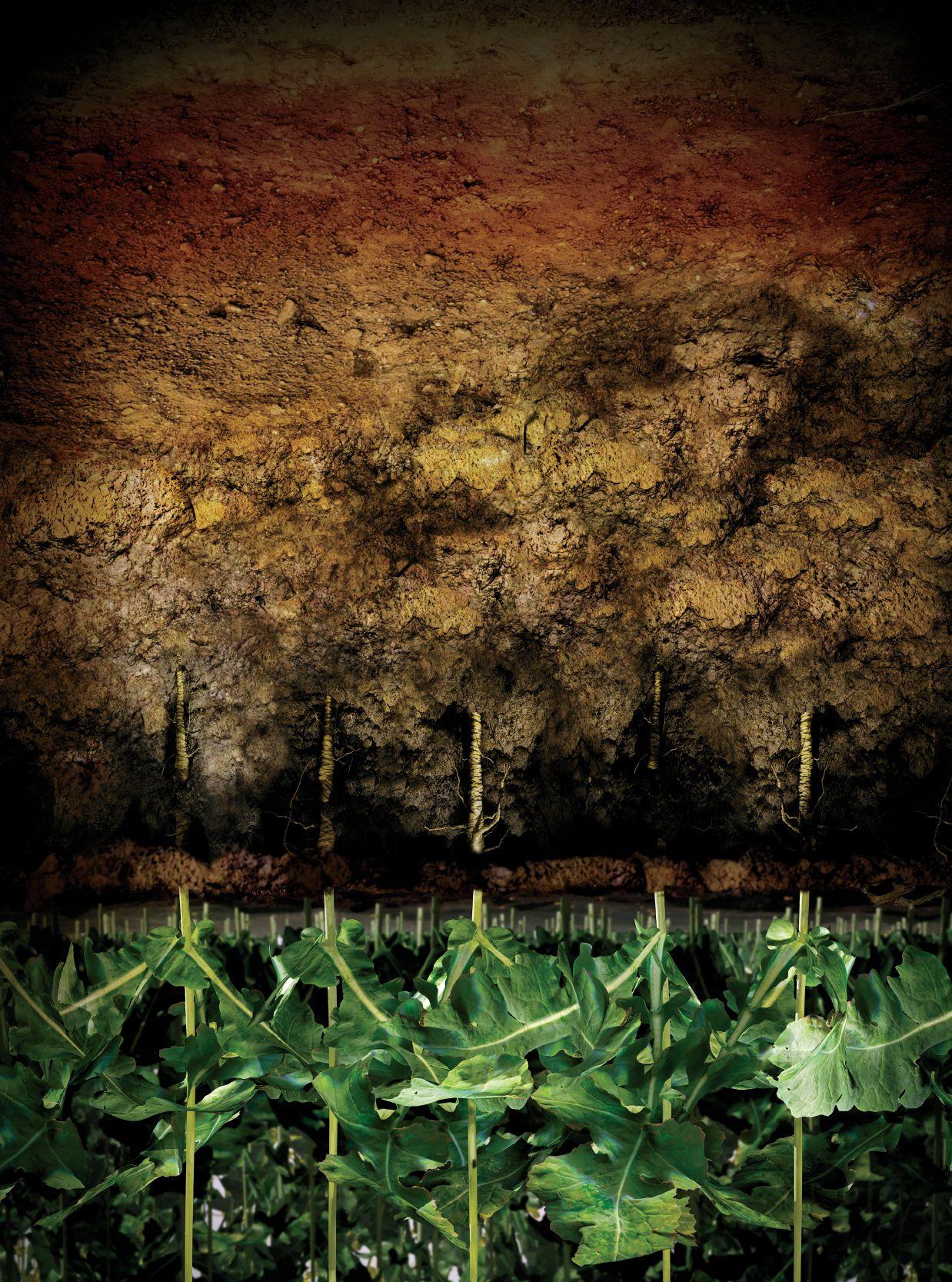

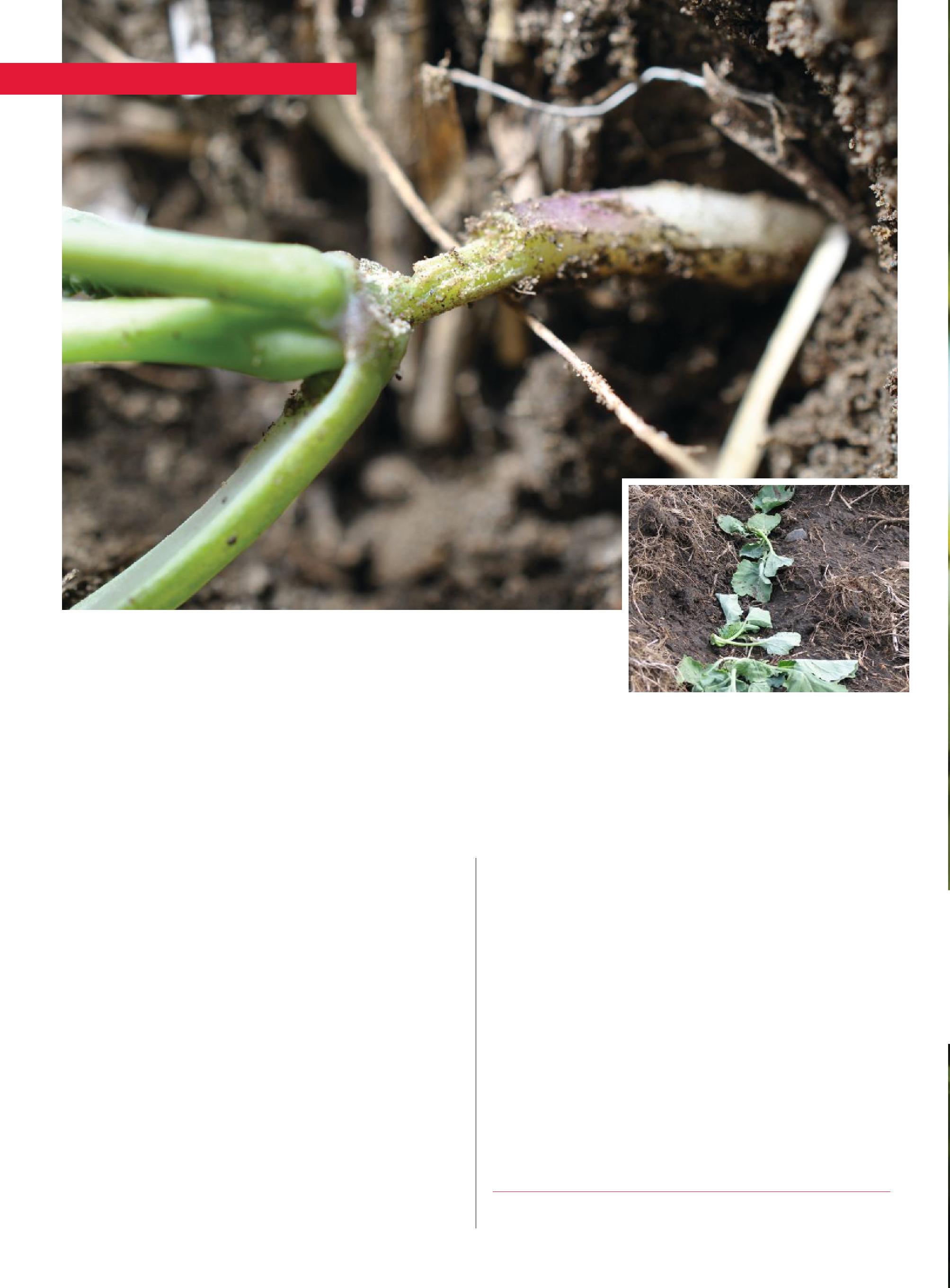
IPM can help keep economic damage low.
by Bruce Barker
If you’ve been noticing more cutworm damage in your fields recently, you may have good reason. Cutworms are cyclical by nature, and the last five to seven years have had cutworms at outbreak levels in some areas of the Prairies. Vincent Hervet with the University of Lethbridge has been studying cutworms as a PhD student, and is working in collaboration with Agriculture and Agri-Food Canada on the biological control of cutworms. He says the most recent outbreak has lasted longer than usual. While cutworms aren’t a widespread problem, where they are a problem, they can be a big problem.
“In the past, we’ve seen a three-year type of cycle with the second year having the most cutworms and the third year they are going into decline. The decline is usually associated with weather and natural enemies,” explains Hervet. “We’re not sure why this cycle is lasting longer.”
There are about 1000 cutworm species in Canada but only about 30 species considered pests in the southwest Canadian Prairies. Seven species have caused the majority of cutworm damage in recent years – redbacked cutworm, darksided cutworm, army cutworm,
dingy cutworm, pale western cutworm, glassy cutworm and bristly cutworm. Hervet says most of these cutworms were not particularly important pests a few decades ago.
“Recent weather changes and/or changes in agronomic practices and types of insecticides used may have induced this species switch. I’ve noticed the previous cutworm pests of economic importance, such as yellow-headed cutworm and wheat head armyworm, are still present in high numbers in the environment, and may become a problem again if their environment evolves to become more favourable for them,” says Hervet.
Cutworms are not actually true worms, but caterpillars. They are the larvae of some moth species. Hervet says growers and agronomists should learn to properly identify the cutworms so they can properly monitor the pests and assess whether they should spray for them. Unnecessary spraying can also kill beneficial insects that help keep cutworms under control.
Hervet says it is important to identify the species of a particular
TOP: Damaged canola stem showing cutworm feeding.
INSET: Wilted canola indicative of cutworm damage.
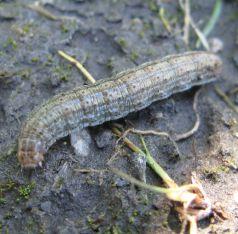
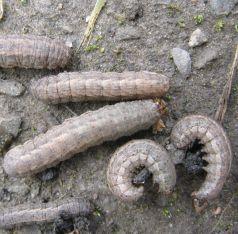
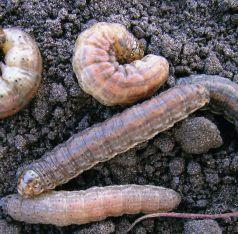
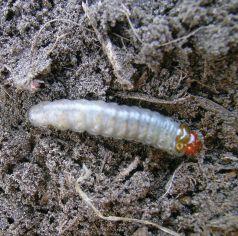
Table
Crop Threshold
Alfalfa 4-5 per square foot (new or thin stands - 2/sq ft)
Dry Beans 1 cutworm or more per metre of row and the larvae are still small (less than 2 cm long)
Canola A suggested nominal threshold is 25-30% stand reduction
Corn When 3-6% of plants are cut and small larvae less than 1 inch present
Flax 4-5 larvae/m2
Peas 2 to 3 cutworms per square metre
Sunflowers 1 cutworm or more per square foot (30 by 30cm) or if there is a 25 to 30% stand reduction
Wheat, Barley, Oats
Source: MAFRD
Redbacked and army cutworms: 5-6/m2. Well established fall-seeded crops or spring-seeded crops with good moisture conditions can tolerate higher numbers.
cutworm because different species have different biology and behaviour. Some of the species will clip stems more than others. Others develop faster and require vigilant scouting. Size matters too, as some species are more of a threat at a certain size, while others of the same size may not be a threat.
Knowing when a cutworm larvae is fully developed will also help guide the spray decision, as fully developed larvae will soon stop feeding and may not need insecticidal control. The different species will also determine how likely it is for an insecticide treatment to work. Subterranean species, for example, are harder to kill.
Cutworm larvae have a head capsule (hard, noticeable head), and a segmented body with eight pairs of short legs: three pairs of legs (“true legs”) on the three segments following the head, four pairs of legs on the middle of the body (“prolegs” or “false legs”), and a last pair of prolegs at the very rear of the body. During their development, cutworms grow from a length of two to three mm as neonates and reach a length of two to five cm (depending on the species) when fully grown.
Adult cutworm moths fly, mate and lay eggs from the end of summer into the fall. A female moth can lay a few hundred eggs in the soil or on host plants. Army, dingy and glassy cutworm eggs hatch and the larvae start feeding in the fall and overwinter as larvae. Eggs of redbacked, darksided, pale western and bristly cutworm overwinter
and hatch in the spring. Cutworm larvae appear in the spring from mid-April to mid-May in warmer areas of the field such as hilltops, south facing slopes and areas of lighter soil. Unfortunately, this also coincides with crop emergence and early development, making crops susceptible to cutworm attack.
The larvae usually molt six times, growing bigger each time, until they bury deeper into the soil to pupate. They emerge as moths in summer, completing one generation per year.
Cutworm larvae usually feed at night and hide under plant debris or below the soil surface during the day. Hervet says different cutworm species have preferred plants but do not necessarily restrict their diet to these plants. Glassy and pale western cutworms prefer cereals. Redbacked and darksided cutworms are mainly a problem in small grains, broadleaf crops such as beet, canola, mustard and flax. The dingy cutworm prefers legumes (e.g., alfalfa, pea, clover), but is sometimes also a problem in various other crops. The army cutworm is a pest of most crops in the Prairie provinces.
Damage is evident with cut or partly eaten stems, cut leaves and partly eaten leaf blades. Underground damage shows up with wilted, dry aboveground leaves and damaged stem near the soil surface. When the crop is germinating, cutworm larvae may eat the emerging leaf, which can be confused with poor germination. The field may remain bare in patches.
Hervet says if cutworm damage is observed, growers and agronomists should look for cutworm larvae, and positively identify them. There may be multiple cutworm species in one field. He lists several situations in which growers may not need to use insecticidal control: the plants are big enough to compensate for the damage; the plants left are not too sparse and the plants left will grow bigger and produce more shoots to partly compensate the loss; the cutworms found are fully grown so will soon stop feeding; dead cutworms are present, which may indicate pathogens or other natural enemies are decimating the population; the cutworms are mainly subterranean species, thus control will be more difficult and expensive; there is an extended period during which the soil is very moist, thus cutworms cannot go underground to hide from their natural enemies that can control them.
“The main approach is to know what is doing the damage, and when it makes sense to kill them with insecticides,” says Hervet.
Nominal thresholds for insecticide application have been developed based on experience (see Table 1). When possible, spot spraying of patches will help to preserve natural enemies of cutworms.
Help out the natural enemies
Pathogens, predators and parasitoids are three main categories of
natural enemies of cutworms. Pathogens include viruses, bacteria and fungi, along with some nematodes and protozoa. Predators include ground beetles and arachnids (spiders). Parasitoids include certain wasp and fly species.
While many of these predators and parasitoids are difficult for growers and agronomists to identify in the field, they do play an important role in bringing cutworm cycles back below economic thresholds. Hervet says evidence of parasitization can be found by looking for parasitoid wasp pupal masses on plants, parasitoid “maggots” inside cutworm larvae, and by looking for dead caterpillars.
“As long as the cutworm populations are below threshold, the message is to hold off on spraying. These beneficial insects are very tiny and get decimated by insecticides.” explains Hervet.
For now, the technology doesn’t exist to use these natural enemies in a biological control program. Rather, Hervet says growers should aim to provide the natural enemies a helping hand. Insecticides should only be used as a last resort to save the crop. Avoiding
B:8.375”
T:8.125”
cultivation and soil disturbance helps preserve a good environment for natural enemies. Maintaining some biodiversity in a field, like having a few weeds present, is a good thing. Flowering weeds are important for keeping parasitoids alive, says Hervet.
“When parasitoid adults emerge from their pupa, most species need to feed within the next few hours or day, otherwise they die. Many parasitoid species will not even be able to mate or parasitize unless they have previously fed. Flowers scattered throughout the field provide a food source (nectar) that will keep these parasitoids alive long enough to allow them to mate and parasitize pests,” explains Hervet.
The idea of “beetle banks” in fields may be a future solution. These “banks” are two to five metre wide strips of permanent grass and flowering plants seeded within the field to preserve populations of predators, parasitoids and pollinators in the field. Hervet says beetle banks have been successfully used in the UK where the preservation of natural enemies was successful with a corresponding decrease in pest populations. They haven’t been tested in North America.



At the heart of plant health is a quality seed treatment. Trilex® EverGol™ seed treatment for pulses provides exceptional disease control and superior crop establishment.

Not only does Trilex EverGol provide exceptional protection from diseases like rhizoctonia and ascochyta, it also promotes overall plant health. The result is a higher performing root system, increased biomass and faster emergence, regardless of disease pressure.



To learn more about Trilex EverGol, visit: BayerCropScience.ca/Trilex

by Ross H. McKenzie PhD, P. Ag.*
Triticale is a human-made crop developed by crossing spring rye and spring or durum wheat. Triticale has the potential to be an attractive crop for use as a feed grain, cereal silage or a biofuel feedstock due to greater grain yield potential, weed competitiveness and tolerance to drought and pests.
A research study was conducted in Alberta to determine optimum dryland agronomic practices for triticale (seeding rate, seeding date and nitrogen fertilizer requirements) for grain and starch productivity when grown in the various agro-ecological regions of Alberta. Research trials were conducted at seven locations each year for three years across Alberta for a total of 21 site-years of data. The locations ranged from Bow Island (Brown soil), Lethbridge (Dark Brown soil), High River (Thin Black soil), Vegreville (Thin Black soil), St. Albert (Black soil), Barrhead (Gray soil) to Falher (Gray soil). All locations were no-till, continuously cropped, except Bow Island which was summerfallowed every third year. Two experiments were conducted at each location, which looked at seeding date and rate, and nitrogen fertilizer rates.
Growing season precipitation during the three years of this study was average or above average at most site-years in southern Alberta, but less than average at most site-years in other regions. Total growing degree days (GDD), a measure of heat accumulation, over each growing season was below average at site-years in the Brown soil zone, but average or above average at central and northern sites. The Brown soil zone conditions that are typically drier and warmer than other soil zones were not present during the years this study was conducted. Variation from typical environmental conditions makes data interpretation a challenge.
However, this study encompassed a wider range of growing conditions than previous studies because it was conducted for three years over a wide geographic region of the western Prairies.
Seeding date and seeding rate effect on grain yield and starch yield was determined for the spring triticale variety AC Ultima. The first seeding date was usually during the first week of May, and the second and third dates were, on average, 12 and 23 days later, but seeding times varied due to soil and weather conditions. At each seeding date, triticale was seeded at 100, 200, 300, 400 and 500 viable seeds/m2 (9, 19, 28, 37 and 47 viable seeds/ft2).
Maximum grain yields of spring triticale increased from an average of 40 to 60 bu/ac below 125 mm (5 inches) of growing season precipitation to an average of 100 bu/ac with more than 200 mm (8 inches) of growing season precipitation.
Both seeding date and rate significantly affected grain yield, kernel weight and starch yield, but not protein or starch concentration. At the third seeding date, average grain yield was six per cent less and starch yield eight per cent less than at the first or second seeding dates. Relative grain yields declined by an average of only 0.1 per cent per day compared to yield declines of 0.8 per cent per day after May 1 under irrigation in southern Alberta.
The yield loss per day from delayed seeded at each site-year was positively related to cumulative GDDs in May and June. This result indicated that yield losses due to delayed seeding increased with warmer spring temperatures.
ABOVE: Agronomic recommendations for spring triticale vary by location and year.





Soil Region

Dark Brown 250-350
Thin Black 300-425
Black 350-450
Gray 300-425
Source: McKenzie and Pauly (2013) Alberta Agriculture Agdex 118/10-1.
Table 2. Recommended N fertilizer rates for all soil zones at 3 soil test N levels and increasing rates of growing season precipitation from 6 to 16 inches, assuming 4 inches of initial stored soil moisture
General suggested seeding rate recommendations are provided in Table 1.
Starch concentration was unaffected by seeding date or seeding rate; therefore, management practices for optimum yield productivity were also suitable for maximum starch productivity.
The effect of nitrogen (N) fertilizer rate on triticale grain and starch yield was examined for the spring triticale variety AC Ultima. Urea (46-0-0) was either side- or mid-row banded at the time of seeding at rates of 0, 20, 40, 80, 120 and 160 kg N/ha (0, 18, 36, 72, 108 and 145 lb N/ac). The experiment was seeded at the same time as the first seeding date experiment, at a seeding rate of 250 viable seeds/m2
Soil test nitrate-N was not closely related to triticale yield increase with added N fertilizer, due to appreciable soil N mineralization at low levels of soil nitrate-N and to variable N losses. Based on the results from this study, N fertilizer rates for triticale should be based primarily on the range of expected growing season precipitation for a given location.
Nitrogen fertilization increased both kernel weight and protein concentration, and it also slightly decreased starch concentration. However, the decline in starch concentration was small compared to the positive effect on grain yield.
Nitrogen fertilizer rates suitable for optimal grain production were also suitable for optimal starch production. Suggested nitrogen fertilizer recommendations are provided in Table 2.
Triticale yield and quality benefited from early seeding in years when May temperatures were warm and accumulated GDDs were higher. However, the benefits of early seeding were minimal when early May temperatures were cool or accumulated GDDs were low.
Source: Adapted from McKenzie and Pauly (2013) Alberta Agriculture Agdex 118/10-1.
The inconsistent and modest effect of seeding date on yield in this study was similar to that reported by other researchers, who found that a two-week delay in seeding did not consistently affect the grain yield of seven triticale cultivars in a two-year study conducted at three Alberta locations (Collier et al. 2013). Temperatures were generally cooler during the Collier study as well as in this study. Average grain yield was 10 per cent greater at 500 seeds/m2 than at 100 seeds/m2, but based on the relationship between grain yield and seeding rate within each site-year, the maximum benefit from higher seeding rates ranged from minus seven to plus 30 bu/ac. Site-years with less than 125 mm of precipitation did not derive a yield benefit from higher seeding rates, while site-years with more than 200 mm of precipitation consistently benefited from higher seeding rates.
The seeding rate at maximum yield at site-years with a significant effect of seeding rate ranged from 350 to 480 seeds/m2. Higher seeding rates may provide benefits other than yield, such as improved weed competitive ability and earlier crop maturity.
Site-years with less than 125 mm of precipitation did not derive a yield benefit from seeding rates greater than 100 seeds/m2, while site-years with more than 200 mm of precipitation consistently derived a yield benefit from higher seeding rates.
The seeding rate at maximum yield at site-years with a significant effect of seeding rate ranged from 350 to 480 seeds/m2 Based on yield responses in this study, spring triticale in typically dry regions should be seeded at a minimum of 200 to 250 seeds/ m2 in case growing season precipitation is above average, while spring triticale in moister regions should be seeded at a minimum of 300 to 350 seeds/m2
The results indicated that N fertilizer rates for triticale should be mainly based on the range of expected growing season precipitation as optimum N fertilizer rate did not correlate well with preseeding extractable soil NO3-N. Increasing rates of N fertilization increased kernel weight and protein concentration and slightly decreased starch concentration.
*This article is based on: McKenzie, R.H., E. Bremer, A.B. Middleton, B. Beres, C. Yoder, C. Hietamaa, P. Pfiffner, G. Kereliuk, D. Pauly and B. Henriquez. 2014. Agronomic practices for bioethanol production from spring triticale in Alberta. Can. J. Plant Sci. 94:15-22.
CANTERRA 1990* packs more punch in every acre. This superior hybrid consistently grows larger pods, which means high-yield harvest every time. Fear not – CANTERRA 1990 is here.

*Available only at select retailers. CANTERRA.COM

Take charge of your resistance concerns by making Liberty® herbicide a regular part of your canola rotation. As the only Group 10 in canola, Liberty combines powerful weed control with effective resistance management to help protect the future of your farm.
To learn more visit: BayerCropScience.ca/Liberty