Routine deadstock disposal Best practices to keep potential disease vectors and pests away
Broiler antibiotics update What progress is being made to further reduce the use of preventative antimicrobials?
Dr. Shayan Sharif Passion for people defines poultry researcher’s career
of connection
From the Editor
by Brett Ruffell
Young leaders welcome challenges
I’ve just put the finishing touches on our Top 4 Under 40 podcast series for 2023. I’m once again inspired by this year’s group of young poultry leaders. One thing that stands out to me is how much responsibility these farming professionals took on at a young age.
Consider Kieran McKeown of Daybreak Farms, for example. She was only 29 when her father passed away in 2018. After that, she took over as general manager of the farm, overseeing egg production, a grading station, a feed mill and about a dozen staff.
Indeed, it was a big task. But it was one she welcomed, as she was well prepared from growing up on the farm and working her way up through every facet of the operation.
Still, the farm was situated in a challenging environment. Terrace, B.C., where Daybreak is located, is isolated in the northwest part of the province. The closest big city is Prince George, which is about a six-hour drive. That being the case, she must be resourceful. If something’s broken, she better know how to fix it herself.
And she always must plan proactively. “There’s one highway that goes in and out of the northwest,” she says. “So, if anything happens along that highway, whether it be mudslides, fires, floods, we have to be prepared.” That’s why, for example, she always keeps a month’s worth of extra feed on hand.
McKeown also undertook a massive new development shortly after taking the helm. She launched a $10 million modernization project with the goal of replacing her caged production with enriched cages.
It was a monumental challenge even getting the project approved by local government. That’s because the site where Daybreak sits was never officially zoned for commercial farming – it was “grandfathered” in decades ago.
“So, if I wanted to move this farm forward in any way, I would have to get the property rezoned,” she explains.
It was a contentious issue for the community. While many residents valued the food secur-
“One thing that stands out to me is how much responsibility these professionals took on at a young age.”
ity the farm brings, others were opposed to having a commercial farm within the city’s limits. “That was a lot of consultation – a lot of explaining what we want to do,” she says of her efforts to bring the community on board.
To help with that, McKeown got creative. To bolster their message, Daybreak applied sticky notes to their egg cartons with a QR code that took people to a website highlighting the farm’s development plans. “That
process really made me visualize where I wanted to take the farm and forced me to put down on paper and in a package where I wanted to take the farm,” she details.
After a long and hard process, council approved the rezoning. And thanks to McKeown’s tireless work, Daybreak will be opening a new six-barns-in-one facility soon that’s built for ultra-efficiency.
Please visit canadianpoultrymag.com/podcasts to listen to my full conversation with McKeown as well as my interviews with our other three honourees, including Cheryl Norleen of 4GPoultry, Jeff Kamlah of Kamlah Farms Ltd., and Ryan Snyder of Ceva Animal Health.
On another exciting note, the agriculture brands at Annex Business Media continue to expand our Influential Women in Canadian Agriculture (IWCA) program. Held virtually since 2020, the IWCA Summit provides valuable discussions on balance, communication, and leadership.
Now, for the first time we’re bringing people together in person to celebrate the achievements of women in Canada’s agricultural industry.
Join our six IWCA honourees in Hamilton, Ont., on November 7th. Featuring our hand-selected group of honourees as well as other prominent ag trailblazers, this event will provide a platform for invaluable mentorship and networking as our guests share their experience, life lessons and a whole lot more.
Visit agwomen.ca for more information and to register. I hope to see you there!
canadianpoultrymag.com
Reader Service
Print and digital subscription inquiries or changes, please contact Angelita Potal, Customer Service Rep. Tel: (416) 510-5113
Email: apotal@annexbusinessmedia.com
Mail: 111 Gordon Baker Rd., Suite 400, Toronto, ON M2H 3R1
Ross Anderson randerson@annexbusinessmedia.com Cell: 289-925-7565
Account Coordinator
Alice Chen achen@annexbusinessmedia.com 416-510-5217
Media Designer Curtis Martin
Group Publisher Michelle Bertholet mbertholet@annexbusinessmedia.com
Audience Development Manager Anita Madden amadden@annexbusinessmedia.com 416-510-5183
President/COO Scott Jamieson sjamieson@annexbusinessmedia.com
PUBLICATION MAIL AGREEMENT #40065710
Printed in Canada ISSN 1703-2911
Subscription Rates Canada – 1 Year $32.50 (plus applicable taxes) USA – 1 Year $91.50 CDN Foreign – 1 Year $103.50 CDN
GST - #867172652RT0001
Occasionally, Canadian Poultry Magazine will mail information on behalf of industry-related groups whose products and services we believe may be of interest to you. If you prefer not to receive this information, please contact our circulation department in any of the four ways listed above.
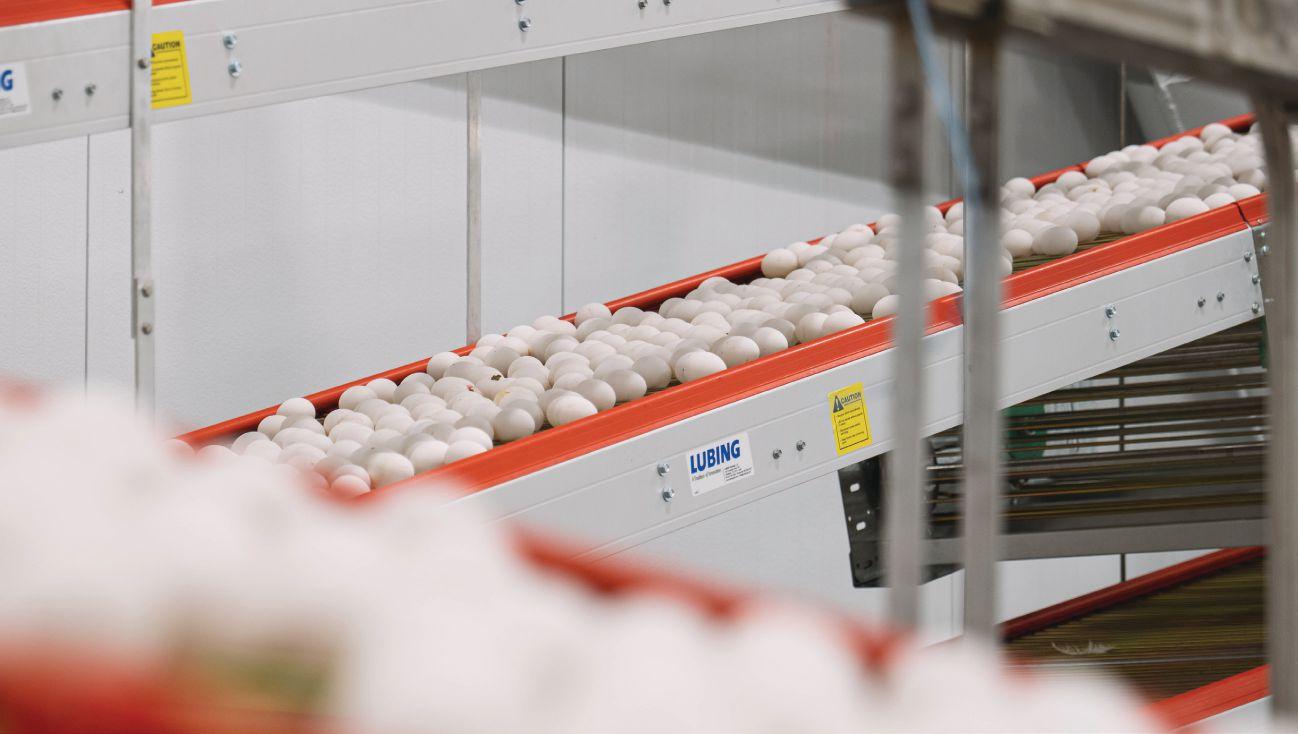
Our egg conveying systems safely transport a large volume of eggs from the nest to the processing area, which is why over 75% of all eggs produced in the U.S. are riding on a LUBING egg conveying system.
Our conveying systems are flexible, and can be adapted to nearly any configuration with curves, angles, heights and distances.
Glass-Pac Canada
St. Jacobs, Ontario
Tel: (519) 664-3811
Fax: (519) 664-3003
Carstairs, Alberta
Tel: (403) 337-3767
Fax: (403) 337-3590
Les Equipments Avipor
Cowansville, Quebec
Tel: (450) 263-6222
Fax: (450) 263-9021
Specht-Canada Inc.
Stony Plain, Alberta
Tel: (780) 963-4795
Fax: (780) 963-5034
What’s Hatching
WOAH: HPAI situation in Canadian poultry ‘resolved’
The World Organisation for Animal Health (WOAH), in its latest report released this summer concerning highly pathogenic avian influenza (HPAI) in Canada, stated that the situation in the country’s poultry flocks is now “resolved.” The first case of HPAI in North America was confirmed on December 20, 2021, at an exhibition farm in Newfoundland and Labrador, while the country’s first case involving commercial poultry was confirmed at a turkey farm in Nova Scotia on February 3, 2022.
U.S. approves chicken made from cultivated cells
For the first time, U.S. regulators on Wednesday approved the sale of chicken made from animal cells, allowing two California companies to offer “lab-grown” meat to the nation’s restaurant tables and eventually, supermarket shelves. The Agriculture Department gave the green light to Upside Foods and Good Meat, firms that had been racing to be the first in the U.S. to sell meat that doesn’t come from slaughtered animals.
Poultry leader Dr. Stewart Ritchie passes away
Dr.. Stewart Ritchie, a well-known poultry leader from Abbotsford, B.C., passed away this spring at home with his much-loved family and dog at his side. Ritchie founded Canadian Poultry Consultants Ltd. over 30 years ago. Since then, he became a leader in his field establishing a poultry veterinary consultant practice, followed by a research farm with a focus on improving broiler health and performance. He was passionate about collaboration with his wide network of esteemed peers.
The company recognized graduate students across Canada accepted to or currently enrolled in animal or veterinary science with a focus on poultry.
Aviagen awards $25,000 in scholarships to Canadian poultry graduate students
Aviagen North America recently awarded five scholarships totalling $25,000 to graduate students across Canada.
Recipients were selected by an Aviagen scholarship committee based on academic merit and professor recommendations.
played a pivotal role in spearheading the Canadian Graduate Scholarship program.
Klassen weighs in on the awards.
$5K is the size of the scholarship the company awarded to five students to help alleviate tuition and school-related expenses.
Each student, accepted to or currently enrolled in a graduate degree program in animal or veterinary science with a focus on poultry, was awarded a $5,000 scholarship to help alleviate tuition and school-related expenses.
The recipients include: Fatemeh Fazel, University of Guelph; Hemlata Gautam, University of Saskatchwan; Jing Lu, Dalhousie University; Jo Ann Chew, University of Alberta; and Nicolas Deslaueiers, University of Montreal.
Matt Klassen currently holds the position of Aviagen North America account manager for Canada, succeeding Scott Gillingham, who
“The future sustainability of our industry depends on the innovation and ingenuity of talented young minds, driven by a passion for animal welfare and feeding the world with a sustainable source of protein.
“It is up to us to support and encourage our future poultry industry colleagues on their journey toward building a successful poultry career.
“These awards join an array of internships, scholarships, and other programs designed to help educate and inspire our future generation.
“By supporting the growth and development of these exceptional graduate students, we show our commitment to the advancement and sustainability of the poultry sector.”
LRIC Update
By Lilian Schaer
Bridging the gap between research and poultry
Livestock Research Innovation Corporation (LRIC) fosters research collaboration and drives innovation in the livestock and poultry industry. Visit www.livestockresearch.ca or follow @LivestockInnov.
Livestock Research Innovation Corporation (LRIC) has expanded its successful mentorship program for early career faculty to graduate students, post-doctoral researchers, and industry and government staff working in livestock and poultry research through a new initiative called the Bridge.
According to LRIC CEO Mike McMorris, the program will give participants greater understanding of the sector as well as the ability to start to build relationships and networks with people across the industry.
“A familiarity with the complexities of the livestock sector and its needs and opportunities is important background for people who work in this industry in various capacities, whether for government, industry partners or academia,” says McMorris. “Ultimately, building these solid connections will help ensure research that is
impactful and can get into practice – and LRIC’s decades of experience in the industry makes us an ideal partner for this type of initiative.”
The program is free of charge and open to participants not just working in animal sciences, but also in engineering, computer science and related social sciences. The first cohort started with a half day session last fall and will wrap up in late winter.
Stephanie Lam is a research associate with the Cánovas Lab at the Centre for Genetic Improvement of Livestock at the University of Guelph and one of the Bridge participants.
“As an early-career professional and researcher in agriculture, I’ve learned that agriculture is a field with limitless opportunities to improve,” says Lam. “By building a diverse network and improving the communication across sectors with academia, industry, government, and producers, we
“This program is important because collaboration will drive opportunities.”
will be led to those interesting conversations on how we can collaborate to overcome challenges, find solutions, and advance our system.”
The program has helped her connect with other professionals and students beyond her own field, including equine, crops and apiculture, as well as direct communication with industry stakeholders interested in learning more about her work.
“This program is important because collaboration will drive opportunities and we need to continue to work on communicating, connecting and bridging so we can help advance Canadian agriculture,” Lam believes. “We also gain energy and excitement when we learn about new ideas and that fosters innovative thinking.”
According to McMorris, the idea for the Bridge came from the evolution of the mentorship program LRIC launched in 2020 for early career faculty to help them build their livestock research network and get a better sense of Ontario’s livestock commodity landscape.
“The program proved popular with our early career faculty participants from the University of Guelph and we began to see a need for a similar opportunity beyond just faculty for people who are also involved in livestock research but might work for government, an industry organization, for example,” he says.
McMorris adds that as the issues facing the livestock industry become more complex, so do the solutions that are needed. That means a lot more interdisciplinary research that involves not just researchers with expertise in animal health or nutrition, but also those from fields like engineering, information technology or environmental science, for example.
“Innovation requires many things, including sound research rooted in industry needs, strong working relationships between researchers and industry, and effective technology transfer involving many organizations,” he says. “Both of these programs are ways we can help better equip researchers with the tools they’ll need to help advance innovation in the Ontario livestock industry.”
To date, 24 participants have completed the mentorship program and eight are part of the current Bridge cohort. More information is available at www.livestockresearch.ca
Building Bridges
By Crystal Mackay
The true value of connection
Have you heard of Bacon’s Law? For those of us who deem bacon an essential oil, it sounds good! The Six Degrees of Kevin Bacon is a game where players challenge eachother to choose an actor and connect them to other actors who have played in a film with them. It’s based on the theory that anyone involved in Hollywood films can be linked to Kevin Bacon within six steps. In agriculture, I would argue that’s three or less. Think of your sector and who you do business with. Add in experience groups like 4-H, where you went to school, and where you’re from and we will know someone in common for sure. So, why does this concept of networks and connections matter so much?
Let’s begin with a few key principles that seem obvious but are easy to overlook with busy work schedules and much focus on specialized business matters and issues.
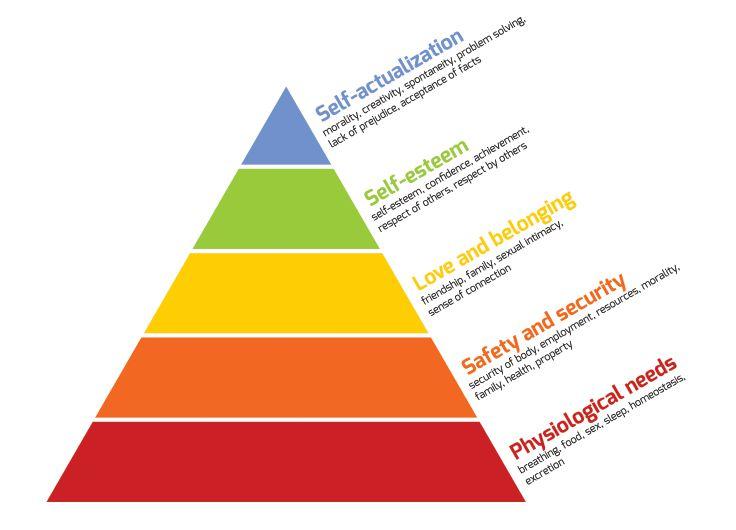
The well-known Maslow’s Hierarchy of Needs has the sense of connection firmly in the middle of the pyramid. This model was developed as a study of motivation: What do people need to move towards becoming their best self?
The past few years put most of us firmly near the bottom of the pyramid, focusing on keeping ourselves, our families and colleagues safe and healthy and avoiding contact and meetings. Many companies have sharpened their pencils on travel and training budgets, with bottom line boosts from not attending events and efficiencies gained from online forums.
I feel hybrid events and online forums are here to stay for many positive reasons. However, when it comes to the need and value for in-person, like many changes, the pendulum can swing too far. We need to reflect with some strategic intent on the value of the network to readjust where we spend our resources, time, and money.
Network 1.0
The original version of “networking” could best be portrayed as a salesperson with a rolodex file full of business cards they picked up from various trade shows. (Full admission – I still have stacks of business cards I can’t seem to throw away.) Young professionals were told to go and “work the room” to meet people and clients at meetings and events.
Network 2.0
The next generation of networking has become electronic. Send me a text or an email. Go to our website to place an order or send a question. Let’s book an online meeting or event. I have thousands of contacts through social media. While it’s effective for getting some objectives accomplished or reaching a large number efficiently, it is not helping us build solid relationships with much trust or camaraderie.
Network 3.0
Authentic connection is where we need to move towards. To focus our time and energy on getting back to knowing people, valuing their insights, and understanding their needs. It’s time to put the ‘we’re too busy’ mindset with demands of emails and
back-to-back online calls on hold to go to some in-person functions. For example, one of the key motivating factors for employees is to feel they belong and are valued. This is difficult to do online.
What can you do?
• Connection and collaboration take work. Make building connections and networks a priority – for you and your team.
• Schedule a visit, meal, or a coffee with some people you should get to know. Think about your team, clients, members, or mentors.
• Attend industry events with purpose. Who can you meet there? Send them a note in advance to make sure you can have a visit.
• Don’t forget to have some fun! The best way to build connections is to visit about things outside the nuts and bolts of business. Go to the dinner and take the bus tour, the emails can wait.
When we come together it creates a positive energy called ‘collective effervescence’ that just cannot be found in your emails and to do lists or online calls. People need connection and connections. Network 3.0 starts with you.
Crystal Mackay is the CEO of Loft32, a company she co-founded with the goal to help elevate people, businesses and the conversations on food and farming. Her latest work includes an online training platform, www.utensil.ca with on-demand training programs and resources.
State of the broiler industry
Lofty goals building on strong past success.
By Treena Hein
As the broiler industry stays on high alert for further highly pathogenic avian influenza outbreaks and a potential global recession looming, it’s a fitting time to look at how the sector is doing in terms of sales, marketing efforts, sustainability progress and more.
Overall, the outlook for chicken remains very bright – and Chicken Farmers of Canada (CFC) is determined to make it ever brighter.
“We are excited about our sustainable, profitable and growing sector, as well as increasing the consumption of chicken per capita by one kg per year,” says JJ Hochrein, who is CFC’s new director of brand marketing, and previously held the head of marketing position at Farm Boy, am upscale Canadian grocery chain. “Also, we are thrilled about telling the economic, environmental and social sustainability stories of Canadian chicken farming.”
Before we look at how Hochrein and his team plan to increase annual consumption of chicken by one kg a year per Canadian, let’s look at the sales data in CFC’s most recent annual report (see sidebar for more). Chicken still dominates other meat proteins in Canada. In 2022, annual per capita consumption increased by about five per cent over the year before – the highest volume on record. Total 2022 sales of poultry increased by 14 per cent from 2021 to $4.2 billion. The average live price paid to Canadian
chicken farmers increased slightly and total chicken inventories increased in the last five months of 2022 to reach a record-high level of 61 Mkg at year’s end. At that point, Canada’s food service was back in full swing after the mandated lockdowns.
CFC also notes in the report that while in 2022, “sales volume at retail stores retreated from the highs during the Covid years, dollar sales figures exceeded previous years’ levels because of higher prices.” Of the four chicken cuts CFC monitors, breast meat prices increased the most in 2022 to $14.51/kg, up $1.68 (13.1 per cent) from the year before.
However, it’s important to note that prices for other meat and eggs also in -
creased. Beef retail prices shot up in 2022, with the cheapest beef product, ground beef, increasing by 8.6 per cent and stewing beef by 13.7 per cent. Fresh pork prices stayed steady.
Canada’s imports of relatively small amounts of chicken products from the U.S. and about 10 other countries continued last year, and CFC participated in various trade discussions to boost export of Canadian chicken products into various markets.
Environmental progress
CFC is a founding member of the Canadian Poultry Research Council, which approved seven research projects to fund
Awareness of CFC’s Raised by a Canadian Farmer branding increased to 43 per cent in 2022.
in 2022, some of which have an environmental focus.
The new CFC Strategic Plan 2023-2025 has many environmental goals, such as updating the current lifecycle assessment for chicken production every five years going forward. CFC also plans to develop an in-depth understanding for its own staff and board, as well as farmers, on the environmental impacts of chicken farming and to investigate the feasibility of net zero emissions by 2050 for chicken farming. CFC will also investigate a benchmarking environmental sustainability tool.
In terms of new technologies being used on farms, there isn’t anything that stands out. That is, while barn upgrades and new barn construction continues on Canadian broiler farms, the latest, most-efficient technologies are installed, such as better barn environmental controls and technologies that cut feed waste.
The industry is further reducing its environmental impact with heat exchangers and various systems that optimize electricity use, improve manure storage and manage waste water.
Health
Highly pathogenic avian influenza (HPAI) continues to be Canada’s biggest broiler health and welfare concern. In addition, Jean-François Bérubé, CFC’s senior communications officer, notes that ongoing outbreaks have “had a major impact on farmer mental health” and can affect “the whole supply chain, particularly if cases occur at the breeding sector level.”
Canadian Hatching Egg Producers chair Brian Bilkes confirms that HPAI has significantly affected chick production in some provinces. “Hatching egg producers across Canada have worked closely with hatcheries to exercise additional measures like shipping eggs early, extending flock life and increasing breeder chick placements,” he explains.
“In a collective effort to keep fertility and hatchability up…We are hopeful that we’ve moved passed the worst of the HPAI situation after cases declined this
spring, but it remains an uncertainty. Even so, the future of the Canadian hatching egg sector is bright.”
Marketing chicken
To keep apprised of trends, changing market conditions, customer habits and
demographic shifts across Canada, every year CFC works with various market research partners. “This information helps us tailor our marketing messages,” Hochrein says, “so that we provide relevant information to the customer we want to reach, with the right media vehicle.”
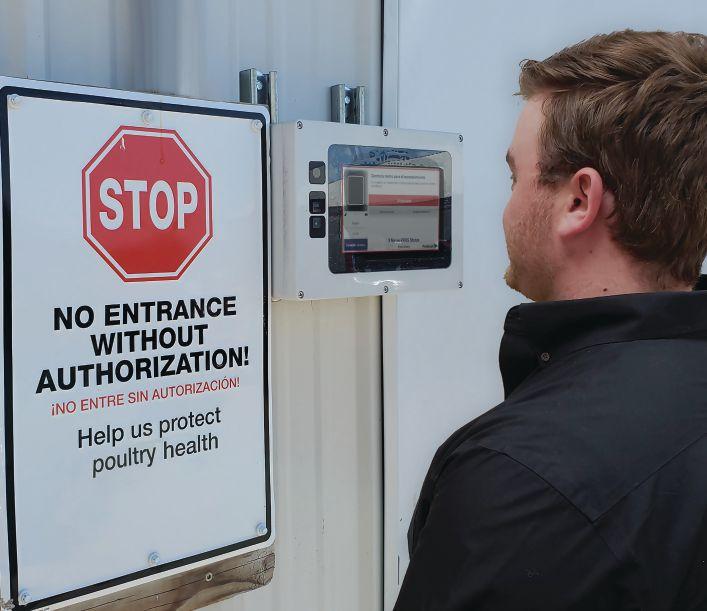
a facial recognition barn entry system
Indeed, like other savvy organizations and companies, CFC uses a very wide range of avenues to promote chicken to Canadians. This includes TV ads (a new set of commercials was launched in 2021), radio and other traditional media as well as digital mediums like the CFC website and the main social media platforms.
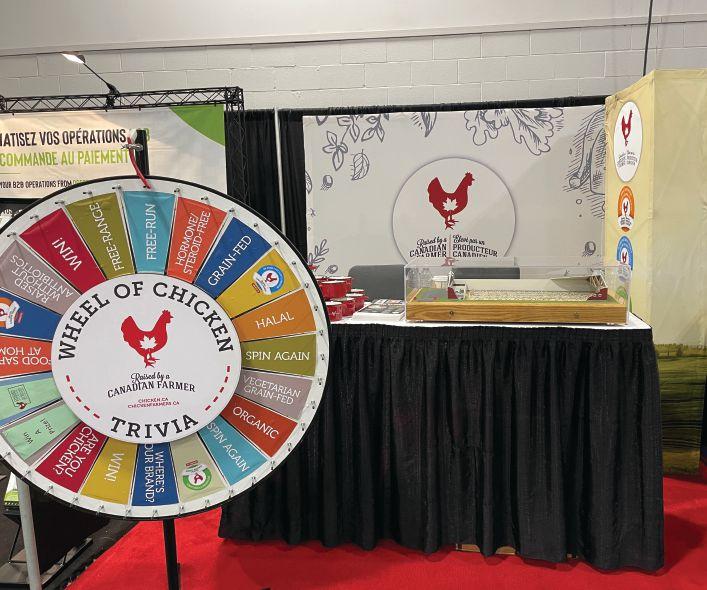
In 2022, awareness of the Raised by a Canadian Farmer branding rose to 43 per cent of those surveyed, the highest amount yet, and CFC has been particularly successful in making younger consumers aware of the brand (see sidebar).
CFC created the Raised by a Canadian Farmer program after years of research showing that Canadians were concerned about where their chicken is produced, and that Canadian chicken be labelled as such. More and more consumers are understanding that the brand does not just convey production origin, but the very high quality that Canadian production ensures, on environmental, food safety and other fronts.
Another consumer survey in 2021 resulted in the creation of a new brand statement in 2022, with a focus on chicken’s versatility: Different Day, Different Dish. To support this, CFC continues to offer creative cooking ideas that will prompt Canadians to purchase
“We are excited about our sustainable, profitable and growing sector.”
more chicken than they have before.
Hochrein says connecting with consumers to share exciting and new recipes is the key to grow consumption of chicken across the country. CFC has already created and shared many recipes on Twitter, Instagram, TikTok, Facebook, and has partnered on some of these platforms with several notable Canadian influencers, ranging from chefs to parents.
There are many other marketing initiatives CFC takes part in. For example, during National Chicken Month last year, CFC put a call-out to chefs to share
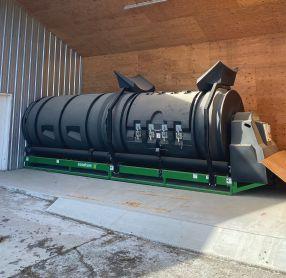
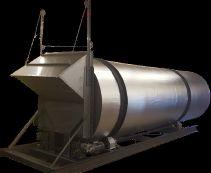
•120 Volts drive unit
•Self latching loading door
•Polyurethane insulated drum
•Low design for easy loading
•End of drum unloading for easy removal of composted material
•SOLAR PACKAGE OPTION AVAILABLE
CFC uses a very wide range of avenues to promote chicken, including television ads.
their favourite chicken dishes from various cultures. This resulted in CFC sharing recipes from cultures in Ghana, Trinidad and Tobago, India and the Philippines. CFC also attends or exhibits at many shows, such as the national conference of the Culinary Federation of Canada, attended by chefs from across the country.
As to how soon Canadian chicken may have to square off with so-called cultured (also called lab-grown or cellular agriculture) chicken, please watch for the next issue of Canadian Poultry magazine. No matter the challenges ahead, however, CFC will continue to show great respect for Canadians. “Never stop listening to the customer,” Hochrein says. “They will tell you what they want and how they want it.”
The Canadian chicken industry at a glance: consumption and production
• Chicken is the most popular meat protein choice in Canada.
• 2022 per capita consumption of chicken is estimated at 36.1 kg, 1.6 kg (4.7 per cent) more than 2021, and the highest volume on record.
• The average live price paid to Canadian chicken farmers in 2022 was $2.043 per kg live weight, a $0.212 increase compared to 2021 and $0.428 higher than in 2020.
• Awareness of the ‘Raised by a Canadian Farmer’ branding increased to 43 per cent in 2022, up from 39 per cent in 2021. There was also an almost 10 per cent increase in brand awareness amongst younger consumers, aged 18-34 (53 per cent up from 42 per cent).
• Poultry production and total sales income increased in 2022 due to increased demand and higher product prices. However, increases in feed grain prices and the avian influenza outbreak increased production costs.
• Canadian poultry farmers produced 1.5 billion kg of chicken, turkey and stewing hens in 2022.
• Ontario leads production and sales. Ontario accounted for over one-third, or 478.4 million kg, of the chicken (including stewing hens) produced in Canada in 2022, while Quebec accounted for over one-quarter, or 358.5 million kg.
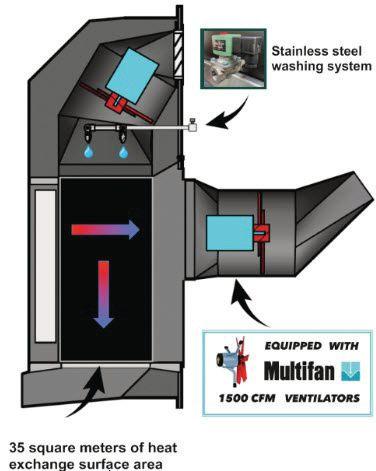
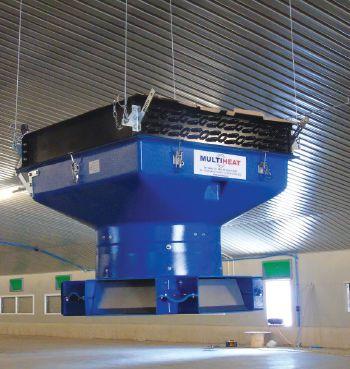
Avi-35 Hybrid Heat Recovery Unit
Multiheat Hot Water Heaters
• No CO2 production
• Drier Litter
• Reduction of ammonia
• No open flame
• Lower energy costs
• Easy to clean
• Available up to 375,000 BTU
• Provides up to 50% fuel savings
• Lowers energy consumption
• Reduces CO2 and ammonia emissions
• Lowers relative humidity which improves air quality resulting in drier litter
• Automatic washing system
• Energy efficient variable speed motors
AERON Wall Inlet by TPI
• “W” shape produces 2 jets of fresh incoming air allowing for optimal performance during minimum ventilation
• When flap is open over 35% (maximum ventilation) air is directed downwards providing a cooling effect
For a quote contact your local dealer or call us for a dealer near you. Exeter, ON 1 866-335-1431 (519) 235-1431 sales@exacon.ca
The skinny on starve-outs
A look at the causes and prevention of chick starvation.
By Jane Robinson
As the name suggestions, starve-outs refer to young chicks that die from starvation. The condition happens mostly in chicks and poults but can also occur in older birds.
While starve-outs are not a prevalent problem, they can be mistaken for other conditions, according to Dr. Gigi Lin, a poultry veterinarian at Canadian Poultry Consultants in Abbotsford, B.C. She estimates that one out of every 50 cases of chick mortality in her practice results from starvation or dehydration. The silver lining is that the causes of starve-outs are usually straightforward and identifiable, and there are easy steps to correct and prevent it.
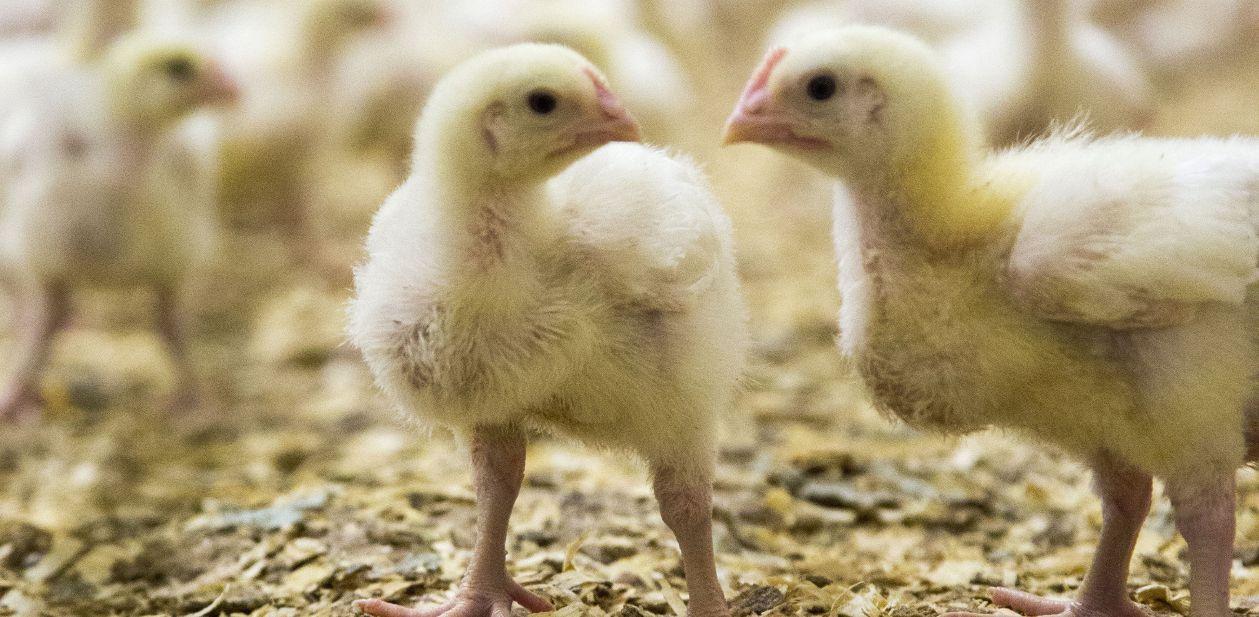
After hatching, chicks continue to benefit from yolk sac nutrients for a few days. But if they don’t have external source of feed or water after that, they are prone to starvation. “The prime time we see starvation in chicks and poults is at three to five days of age, after the yolk sac has been completely absorbed,” says Lin.
The root cause
There are two key causes of starve-outs – the availability and the accessibility of feed and water for birds.
Availability refers to situations where birds physically don’t have feed and water because of human error. The water line could be clogged, the feed line might be positioned too high for the birds to reach,
or the crumble size of the feed might be too big for chicks. “These situations are completely preventable by properly preparing the barn before birds arrive,” says Lin.
Accessibility is the second biggest cause of starve-outs. Feed and water is available to chicks, but they may not be accessing it.
“The main reason this happens is if birds don’t feel comfortable, for example, because they are too cold,” she says. Lin sees
this in the winter if the temperature isn’t right or there are draughts in the barn, causing chicks to focus on huddling for warmth instead of looking for food.
Carbon dioxide levels can also be a contributing factor to starve-outs, and turkey poults are more susceptible. When C0 2 levels are too high, birds get sleepy and their metabolism slows down. They feel cold, huddle together and stop look-
When chicks are cold, they’ll often huddle together and stop looking for feed and water.
ing for feed and water. “I see this more in the winter when ventilation is too tight,” says Lin. “Levels of C0 2 above about 3,000 ppm are too high and for turkey poults I want C0 2 to be under 2,500 ppm.”
What’s the impact
The obvious impact when chicks don’t get feed and water is that they die from starvation or dehydration. For chicks that don’t die and are then supplied with feed and water, they often survive but their gut health and immune system could be impacted and manifest as performance issues down the road. “You might see a flock that is smaller with less uniformity, compared to one with no interruption in nutrition, which would be a significant impact in a broiler flock,” says Lin.
Poultry Equipment Inc. 826 Nanticoke Creek Parkway, Jarvis, Ontario, N0A 1J0 Call us on: 519-587-2667 www.meller.ca • mellerpoultry@gmail.com
Treatment and prevention
If Lin suspects starve-outs, she suggests producers evaluate farm conditions, especially feed and water accessibility as well as ventilation. Depending on the cause, will determine how widespread the problem could be in a flock. “Most of the time, the issue is in a particular area of the barn and producers are seeing spotty mortality throughout the barn.”
When a problem is detected, the treatment is usually straightforward – find the cause and correct it. Most of the time, birds will bounce back. Sometimes Lin suggests providing birds with some extra feed and a multivitamin in the drinking water for a few days to give them an extra boost.
“Depending on how long birds are without feed and water will impact the possibility of future gut health or immune function, and the consequences can be quite different depending on if they happen in broiler chicks, layers or turkeys.”
When it comes to prevention, Lin finds that experience coupled with education and information is the best way to reduce the occurrence of starve-outs in a flock. She credits the late Dr. Stewart Ritchie – who started Canadian Poultry Consultants – with developing the Platinum Brooding program offered by their practice, to teach producers about optimal brooding management.
Authorized dealer VDL Jansen VDL
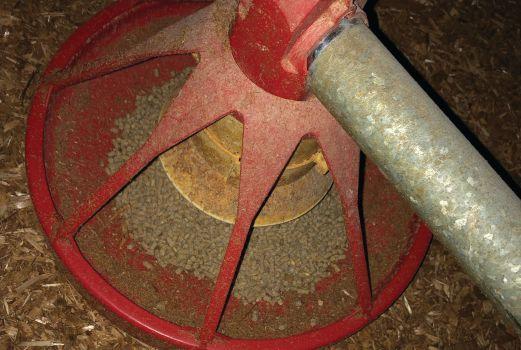
Pictured here is a half empty feed pen with a crumble size that was too big.
Agrotech
The LayMaxx nest with its tilting floor makes nest inspection easy. Moreover, the nest offers a secluded and comfortable environment in which the hen can lay eggs undisturbed. When the nest floor is tilted, the nest flaps roll up, fully exposing the nest mats. A moveable nest floor that tilts upwards ensures that the hens leave their nests at the end of the day. This simplifies the task of inspection. The open structure of the nest mats ensures clean eggs. Eggs roll onto the egg belt with a precise rolling speed and short rolling distance, which preserves the quality of the egg.
LAYMAXX® LAYING NEST
Provides a perfect overview of the birds and nests, and stimulates an optimal production of high quality eggs. Integrated walk ways are easy accessible and make inspection of the upper nests easy.
Offers ample space for 8 to 10 males to get feed from each pan in broiler breeder houses. Extra ridge ensures that the dosed feed doesn’t spread further into the bottom pan while dosing the feed.
Top tips for producers Lin offers three tips for producers when it comes to starve-outs.
1. Do a crop fill check. Lin highly recommends producers do a thorough barn check 24 hours after chicks have been placed. Take a laundry basket and collect 100 chicks throughout the barn to get a representative sample. Palpate each chick to feel the size of the crop – the area in the neck where feed is stored. The crop should feel full, soft and moist because it contains a mix of feed and water. It should not be firm or hard. “If 95 per cent of chicks sampled have a full crop, that’s a very good indication they are getting enough feed and water,” says Lin. “If it’s less than 95 per cent, I go through a checklist to try and figure out why they aren’t getting enough feed intake.”
The 24-hour mark is a critical time to
check because if an error is found at this point, there’s a good chance it can be corrected before chicks get to the three days of age when starve-outs tend to occur.
2. Prepare for arrival. Get pens ready one or two days before chicks arrive, if possible, recommends Lin. “If it’s winter, you might want to preheat the barn and adjust the water temperature,” she says. “Walk through the barn to make sure all the feed lines and trigger pans are working, the feed is the correct size and all the residual disinfectant has been flushed from the water lines.”
3. Get an accurate diagnosis. Any time there is unexplained high mortality, Lin recommends producers submit chicks to their veterinarian or pathologist right away to get an accurate diagnosis. “Don’t assume all early chick mortality is caused by yolk sac infections or omphalitis.”
Diagnosing starve-outs
Lin pays particularly close attention to flocks that have a very high mortality rate after three days of age. “This is a critical period when chicks are prone to starvation,” she says. There are two criteria for diagnosis of starve-outs that Lin looks for. The first is a lack of feed in the crop, gizzard, and the rest of the intestinal tract – sometimes the crop may feel full, but it might be shavings they are picking up instead of feed. The second criteria is if she can’t find any other lesions or signs of infection.
“At a farm level, when you look at a dead chick at five days of age, it is hard to tell if it died from starvation or yolk sac infection or omphalitis,” explains Lin. “They all look the same from the outside, so an accurate diagnosis is very important.”
She also examines the gall bladder. If it’s enlarged, the birds are not using the bile it produces to digest feed, another telltale sign of starve-outs.
NOVEMBER
7, 2023 LIVE EVENT I 1:00PM ET
INSPIRE | LEARN | LEAD | CONNECT
Register today for this unique live event coming to Hamilton.
Join us to hear from today’s most influential female leaders in Canadian agriculture.
This year, six IWCA honourees were chosen by our team. On November 7, 2023 at 1:00pm ET, they come together with other prominent trailblazers in agriculture to share their experiences, life lessons and more for the live 2023 IWCA Summit.
Join us for an afternoon of interactive discussions as they share their experience, offer guidance and discuss their journey in agriculture.
NOVEMBER
7, 2023
HAMILTON, ON I 1:00PM ET
INSPIRE | LEARN | LEAD | CONNECT
Join us to hear from today’s most influential female leaders in Canadian agriculture.
This year, six IWCA honourees were chosen by our team. On November 7, 2023 at 1:00pm ET, they come together with other prominent trailblazers in agriculture to share their experiences, life lessons and more for the live 2023 IWCA Summit.
Join us for an afternoon of interactive discussions as they share their experience, offer guidance and discuss their journey in agriculture.
Ana Badea
Darby McGrath
Della Karen Campbell
Kelly Daynard
Heather Wilson
Judith Nyiraneza
Foundation of success
A strong broiler breeder rearing program starts before the chicks arrive.
By Amin Suyono
The key to successful rearing lies in an effective management program that starts before the chicks arrive. Good house preparation and effective brooding management are the most important foundations for the success of a broiler breeder flock.
House preparation
Rearing facilities must be clean and pathogen free with water lines sanitized before the chicks arrive. The key points of any house cleaning and disinfection program are:
• Dry cleaning: Remove litter, surplus feed, feathers and all other organic materials from the houses.
• All cleaning operations should begin with the uppermost surfaces and proceed downward to minimize possible recontamination of previously cleaned areas.
• Dismantle all movable equipment and collect them in a specific area for cleaning.
• Rodent and insect eradication.
• Wet cleaning: Thoroughly clean using water, detergents, and high-pressure washing (100 to 140 bar or 1,500 to 2,500 psi range) to break down organic soilage, grease, and fats.
• House and equipment: Repair walls, curtains, floors, etc. Rewash the house after repairs are completed.
• Disinfecting house and equipment: Use
appropriate dilution and application rate. Disinfectants must be used strictly in accordance with the manufacturer’s instructions.
• Make sure that all farm biosecurity measures are in place to prevent any recontamination.
• Cleaning, disinfection, and flushing of the complete watering system.
• Conduct hygiene monitoring to deter-
mine if the house and equipment are thoroughly cleaned and sanitized. If the hygiene results do not meet the requirements, repeat the disinfection. Rotating disinfectants may improve the effectiveness of the sanitizing step. Fumigation can be done if it is permitted by local law.
• A good practice is to ensure a minimum of two weeks downtime with no access inside the house.
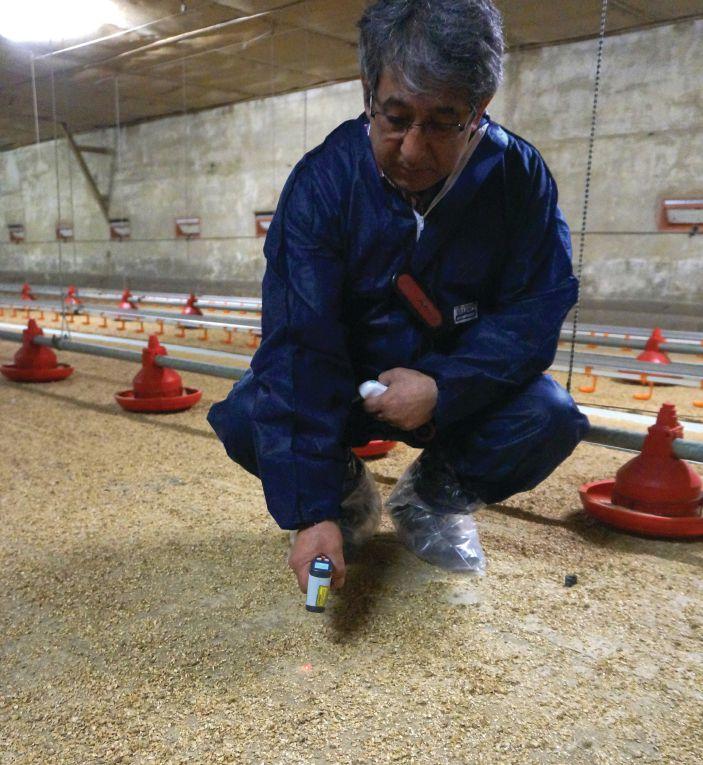
During preheating, a temperature gun is a good tool for checking floor and litter temperature.
ADVANCING BROILER PERFORMANCE BROILER SCHOOL
A webinar series focused on opportunities, best practices and overcoming challenges in commercial broiler operations including a diseases overview, brooding best practices and opportunities for alternative dietary strategies in broiler operations to bolster gastrointestinal health.
Live access to industry experts without leaving the farm.
Webinar Speakers:
Babak Sanei, Zoetis Inc.
Gigi Lin, Canadian Poultry Consultants Ltd.
Lisa Hodgins, Ph.D., New Life Mills
Broiler Breeders
Brooding management
In nature, a mother hen provides warmth and protection to her offspring. At the farm, brooding is meant to simulate the mother’s environment until the chick becomes independent.
When the chicks are placed in the chicken house, forced air heaters or radiant brooders provide the warmth chicks need.
Importance of brooding
Proper brooding provides a comfortable environment for the chicks. An optimal environment will promote early feed and water intake, which is very important to optimize growth and flock uniformity. Soon after chicks start to consume feed and water, the intestinal villi develop rapidly, increasing the surface area of the intestines for nutrient absorption.
During this brooding phase, the growth of essential organs takes place, as well as the development of the skeletal, cardiovascular and immune systems. For this reason, early feed and water intake are essential for the growth and development of the chick.
Preheating
Preheating is an important part of brooding management that shouldn’t be ignored. Heating costs are often used as an excuse to neglect the pre-heating process, especially in hot climates. Proper preheating will stabilize the house temperature and, more importantly, the concrete and litter temperatures, with the latter being in direct contact with the chicks’ feet.
Chicks will feel cold if the litter is cold, even when
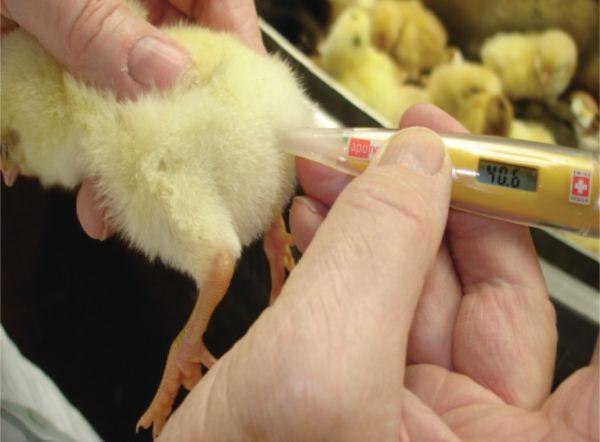
The first three days are critical for chicks. Optimal body temperature should
target ambient temperatures are achieved. Preheating should start 48 hours before the chicks arrive.
The target of preheating is to achieve 28°C on the concrete floor, 32 °C for the litter, and approximately 33°C for ambient temperature.
Rushed or shortened periods of preheating can achieve ambient target temperatures, but litter and floor temperature will most likely be too cold.
During preheating, an infrared thermometer gun is the ideal tool for making frequent floor and litter temperature checks to ensure that temperature targets have been achieved. Checking multiple areas is also recommended to ensure uniform temperature distribution in the brooding chamber.
Temperature and humidity
Cobb provides temperature guidelines for creating a comfortable environment during brooding. Humidity needs to be considered as temperature sensation is affected by both temperature and relative humidity of the air.
When humidity is high, the temperature set point should be lowered to keep chicks comfortable. The opposite is also true –lower humidity should result in higher temperature set points.
A modern closed house is usually equipped with temperature and relative humidity sensors.
Place the sensor at chick level inside the brooding chamber. Probes placed too close to the heat source will give inaccurate measurements and result in poor temperature distribution. Table 1 (see online) shows the temperature based on percent relative humidity. The target temperature should be increased by 1o°C if the chicks are sourced from a young parent flock (under 30 weeks of age).
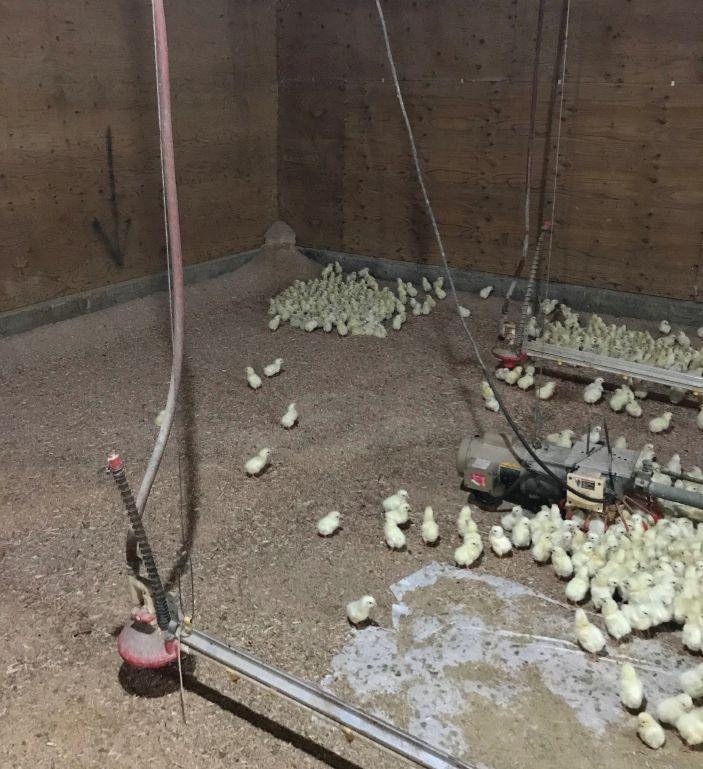
Chick behavior serves as an important indicator of their comfort. During the brooding period, chicks should be evenly spread throughout the house and eating, drinking, resting, or playing. Chicks huddling together may indicate the environment is too cold.
Brooding success indicators
To evaluate the brooding program, collect data including bodyweight, mortality, and uniformity. The first week bodyweight target will depend on breed or genetic line. For example, the Cobb500 fast feather seven-day weight target is 145
grams, while the Cobb500 slow feather is 150 grams.
The seven-day mortality rate for your birds should be below one per cent. With good brooding practice, the flock uniformity should have a coefficient of variation between eight to 10.
DRIER LITTER, LESS AMMONIA, HEALTHIER TURKEYS
The Poultry Watering Specialists
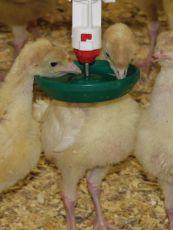
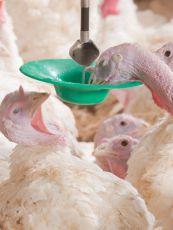
Turkeys easily transition from D-Max to T-Max as both drinkers utilize the same Activator concept. D-Max and T-Max drinkers are self-cleaning and dispense ample water without spillage. Litter stays drier for reduced ammonia release, better bird welfare and improved performance.
The Best Start for Young Turkeys Ziggity’s D-Max systems are specially designed for smaller turkeys. Featuring a compact, size-appropriate drinker, young turkeys can easily access the water they need to perform well.
A Robust System for Adult Turkeys
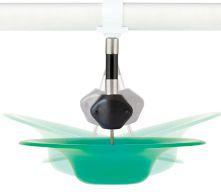
T-Max systems use a similar concept as D-Max but feature drinkers and saddles that are even more robust. Most notably, T-Max uses shock absorbing flex saddles to handle the aggressive behavior of adult turkeys.
Routine deadstock disposal
Best practices to keep potential disease vectors and pests away. By Treena Hein
Make no mistake, says Al Dam, provincial poultry specialist at the Ontario Ministry of Agriculture, Food and Rural Affairs (OMAFRA), “Improper management of deadstock is an invitation for biosecurity disaster.”
That is, if you’re not making sure to carefully manage ongoing mortalities properly – keeping them away from the interference of a wide range of potential pests – “you’re inviting disease like avian influenza (AI) onto your farm,” Dam says, “and there’s a good chance you will be spreading AI or other diseases into wildlife populations and/or onto neighbouring farms as well.
“There are various options for routine ongoing mortalities disposal that you can use, but whatever system you choose, you need to make sure you are doing it right in terms of proper deadstock handling and preventing scavenger access to carcasses.”
Indeed, in the wake of last year’s highly pathogenic AI outbreaks, OMAFRA released an info-sheet in May 2022 called “Prevent the Spread of Avian Influenza with Proper Deadstock Management”. In addition, Dam reports that this year, the Canadian Food Inspection Agency has flagged deadstock management as an aspect to consider when AI outbreaks occur on farms.
Vector access
As Dam explains, proper routine disposal is identified as one of the keys to keeping vectors – wild birds and other animals potentially infected with AI –away from your farm. “If you think about what will eat deadstock, it’s the whole gambit,” he says.
“Dogs and cats are an important group, whether feral or pets. They will certainly scavenge dead birds and can easily travel to neighbouring farms. We know of a dog that died in Oshawa this spring from AI,
from eating an infected dead wild goose.” Other wild canid species like foxes, coyotes and wolves have also died from AI, as well as skunks, racoons, mink, and other mammalian scavengers.
Rodents like rats are another potential disease vector, as are many categories of birds. “Gulls will eat deadstock and they are colony nesters,” Dam says. “These colonies with so many birds in them are almost like a barn, and we know AI and other diseases spread through those colonies every year.
“Then there are the birds of prey like hawks, eagles, and turkey vultures, and also the corvids, crows and ravens. Birds in all these groups carry AI and continue to die from it. So again, if you are not managing your deadstock properly and infected wild birds have access to it, they may infect your flock with disease, and you also might spread disease back into the wildlife population and potentially also to your neighbours. It’s a serious issue.”
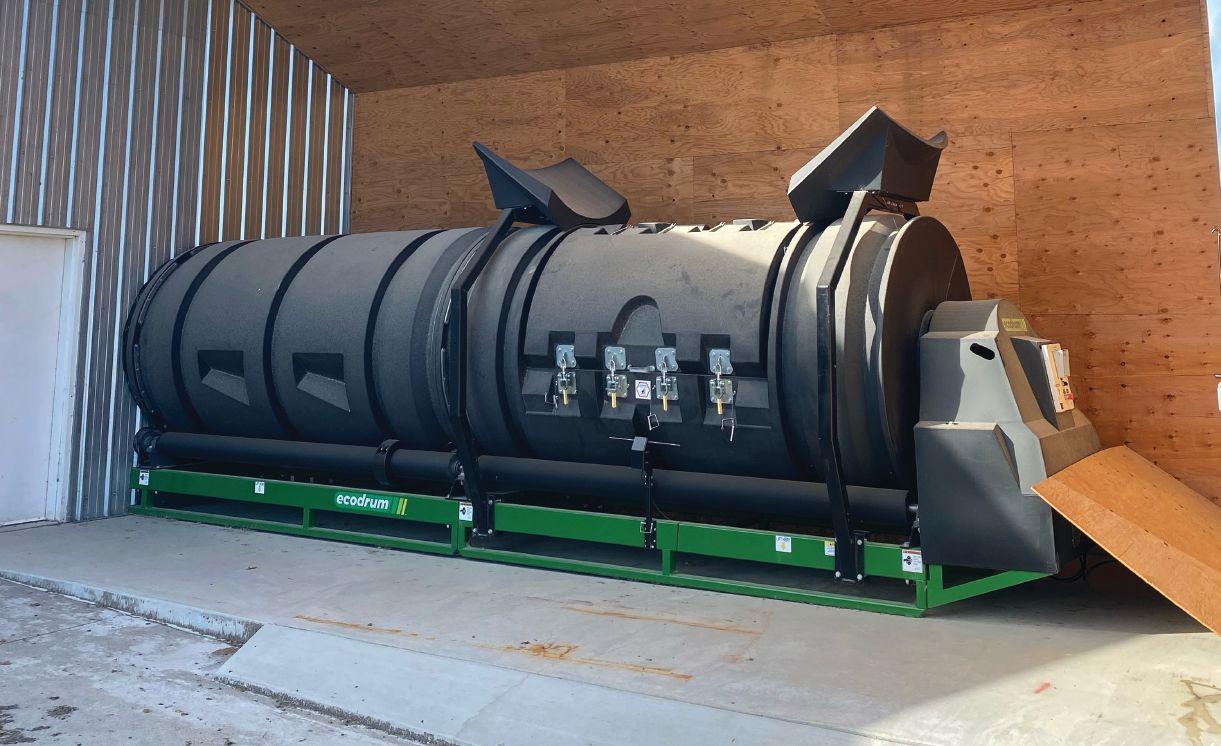
Erv Wiens recently installed two composters as part of an effort to move away from incineration.
Neogen provides a full range of disinfectants to help in your prevention efforts. From quaternary ammonium/glutaraldehyde combinations like our industry standard Synergize® to oxidizers like Neogen Viroxide Super™. From phenols like BioSentry ® BioPhene™ to quaternary ammoniums like BioSentry ® 904 to disinfectant wipes like COMPANION™, Neogen has a chemistry to fit your specific needs.
Call your local animal health provider or visit neogen.com today to find out which HPAI solution is right for you.
Proper routine disposal
There are several options for proper deadstock disposal, and burial is one of them, although it’s not permitted in some areas of Canada due to factors such as sandy soil or nearby high water tables.
Incinerators are well-suited to larger poultry farms, although they may become less popular due to their large carbon footprint, ongoing regulated operational requirements and the relatively high capital and operational costs. Disposal vessels or dead pits are a potential option, Dam says, but not recommended for poultry.
There is also truck pick up of poultry carcasses in some areas of Canada for rendering, but the deadstock should be kept in a freezer until the truck comes. However, Dam notes this strategy can be problematic if for some reason a farm experiences more mortality than normal or
the truck is delayed.
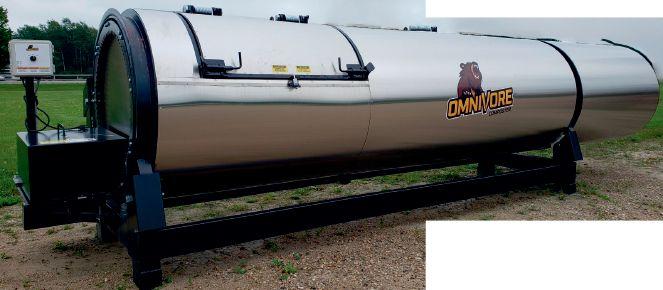
Composting is a good on-farm disposal option. In-vessel composters are convenient, and come in various sizes, in manually turned and automated versions (automatic regulation of aeration, mixing and discharge).
Disposal at work
Erv Wiens in southern B.C. manages several poultry operations that are currently moving away from incineration to vessel composting.
“We can’t bury dead birds here at all due to potential groundwater contamination,” he says. “We’ve been incinerating for many years and also doing some composting in structures on a cement pad, moving the material from bin to bin, but mostly using incinerators. It’s been clean and easy, but we were getting close to the end of their lifespan.
“We decided we’d like to do something
greener, to be more sustainable and also avoid the higher costs of buying new incinerator units as well as the costs of maintenance and the natural gas. We researched vessel composters and found that their lifespan is quite long. We also talked to other local poultry producers who have them and like them.”
Wiens just recently installed two types of vessel composters. A larger Ecodrum was purchased for Rockwall Farms/ Wall’s Farms (a layer and broiler operation), a smaller Ecodrum at an organic layer farm called Border Poultry and a Green Machine at a turkey operation called McDermott Farms. Wiens wanted to try out two different products and also support the Canadian farm equipment industry (the Green Machine is made in Canada).
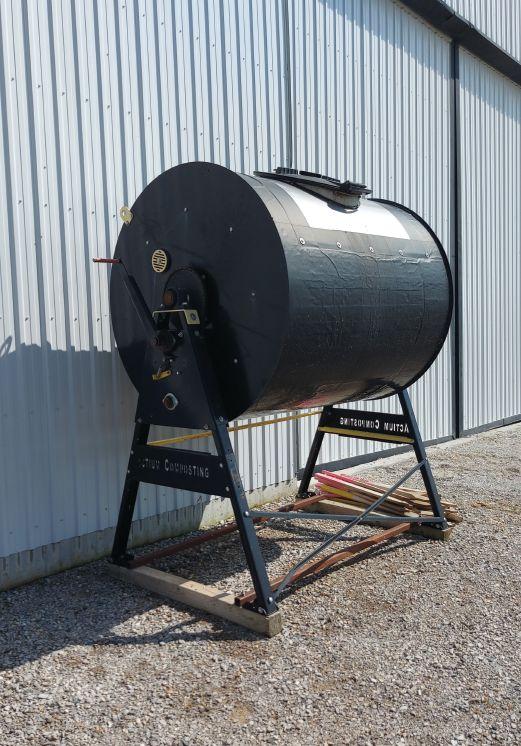
Foster Farms in southern Ontario has also gone to vessel composting. An Actium composter was installed there in 2020 through the provincial Environment Farm Plan cost-share program. “It’s a good size for our single barn,” Rob Foster says. “It could be a bit bigger at the end of the flock. It works well all year long. It’s a little slower in the winter and there is a heater option but I didn’t buy that. I add some shavings and turn it manually every time I add deadstock.”
Vessel composting aside, Dam says regular manual composting is also a very effective way to deal with deadstock, either through windrow or enclosed bin systems.
“Windrow compositing is viewed as being for large amounts of birds, but it’s fine for small ongoing numbers,” he explains. “You need at least one foot of substrate on top to keep predators away. It greatly reduces the smell and it’s a physical barrier. You have to manage it properly and turn it, but it works very well.
“The three-bin compost system is similar in process. But again, no matter what system you choose to use, you need to prevent access from any type of scavengers. Dead birds need to be dealt with right away, either buried in your home-made
composter, incinerated, stored in the freezer until pick-up, and so on.”
Dam also recommends that, wherever you are located in Canada, you should check with your province or territory for deadstock regulations and disposal funding opportunities (such as the Environmental Farm Plan).
“Also review your emergency large-scale disposal planning regularly,” he says. “The Poultry Industry Council has recently launched an Emergency Response Binder that provides guidance on that and there are other resources as well. it’s very important that each operation is prepared in case of catastrophic losses.”
General reminders for proper routine dead bird disposal
Highlights from the OMAFRA info-sheet “Prevent the Spread of Avian Influenza with Proper Deadstock Management”.
• Do not cross contaminate clothing or equipment when handling deadstock.
• Do not leave any deadstock directly outside your barn. Move it directly to your deadstock disposal site to prevent scavengers from accessing it and potentially spreading disease.
• If you see scavengers on your property, you know that your disposal site is not being managed properly.
• Whatever system you choose, ensure that composting is occurring at a proper rate and that no dead birds are being accessed by scavengers. Check what you are doing against best practices outlined in various resources.
High laying performance under optimal animal welfare conditions.
• Nests at the front for excellent egg quality thanks to the short egg travel distance
• 24 birds per compartment
• Increased height reduces coccidiosis
• Backwall between the compartments for easy access to the birds
• Choice between perforated, solid or wire partitions
www.hellmannpoultry.com
Foster Farms in southern Ontario installed an Actium composter in 2020 through the provincial Environment Farm Plan cost-share program.
Broiler antibiotics update
What progress is being made to further reduce the use of preventative antimicrobials?
By Treena Hein
Over the past nine years, Canadian broiler producers have stopped using category I and II antibiotics for disease prevention and health promotion in their flocks. The Chicken Farmers of Canada Responsible (AMU) Antimicrobial Use Strategy has also been successful in ensuring only antibiotics approved by Health Canada are used by broiler producers and that antimicrobial resistance in targeted bacteria has been reduced.
By the end of 2020, preventative use of category III antibiotics (there’s just one of them used right now in Canada, Bacitracin) was mandated to end, but in September that year, CFC reassessed the timeframe. In short, stopping the preventative use of Bacitracin at that point would have resulted in serious health issues for birds, impacting bird welfare and requiring additional antimicrobial interventions. Since then, working with industry stakeholders, CFC has moved to a non-regulatory approach for the preventive use of Category III antimicrobials. This involves focussing on education and working with supply chain partners to reduce Category III and antibiotics of importance to human health.
A reminder that the use of medically important antibiotics in the farming of
livestock is a serious concern because resistance to these antibiotics means fewer critical tools in human health care to treat infections. In addition, specific attention is still being put on reducing the preventive use of Bacitracin.
CFC’s current approach is a wise one, according to Dr. Babak Sanei, national business and technical manager for poultry and medicated feed additives at Zoetis.
“CFC announced in early 2023 that they will not regulate the ban of preventive use of category III anymore, and instead its efforts will be to help the industry towards further reduction practices,” he says. “This decision was very promising
news, in my opinion, because our industry at large scale was not ready for a sudden preventive ban on category III. This [new CFC approach] will allow more time and better transition towards reduction of this category rather than an abrupt approach with unknown costly consequences.”
Sanei stresses that it’s important for the industry to accept geographical differences, density of flocks in different regions, the extent of wheat inclusion in diets in various parts of the country and allow veterinary discretion to use Bacitracin when it is needed rather than a complete ban for this category.
CFC announced in early 2023 that it will not regulate the ban of preventive use of category III antibiotics.
“There has been progress in developing new products and this momentum will continue,” he says. “However, the approach should be a collective strategy and allow flexibility to use cat III when it is needed.”
Strategy and results
Steve Leech, CFC Director of Food Safety and Animal Health, explains that the aim of the current overall strategy is to ensure protection of the health and welfare of Canadian broiler flocks while delivering “a sustainable means of meeting consumer and government expectations for using antibiotics in a responsible manner.”
The CFC strategy works collaboratively with Health Canada’s regulatory initia tives which include requiring veterinary oversight of medically important anti biotics (no over-the-counter sales), re moving growth promotion claims for antibiotics, and requiring pharmaceutical companies to report annual sales of med ically important products.
The success of CFC’s Strategy is being monitored and reported through the ef forts of two entities: the Canadian Inte grated Program for Antimicrobial Resist ance Surveillance (CIPARS) and Public
Health Agency of Canada’s ‘Canadian Antimicrobial Resistance Surveillance System.’
At this point, reports indicate that at least 60 per cent of total antibiotics volume applied to Canadian broiler flocks are non-medically important (they are instead Category IV antibiotics and chemical coccidiostats). Surveillance also indicates that at least 40 per cent of Canadian broiler flocks are now being produced without medically important Category I, II or III antibiotics.
“This is a significant achievement and demonstrates the success of working toward with supply chain members to implement new production practices, vaccine strategies and use of feed and water additives,” says Leech.
In addition, he is very pleased to share that “all antimicrobial use indicators (mg/PCU, mg/kg animal biomass, DDDvetCA) tracked by CIPARS decreased by 18-20 per cent in 2021 compared to 2019.”
CIPARS has also observed reductions in antimicrobial resistance (AMR) in targeted bacteria. During the six-year period from 2013 to 2019, AMR declined across most antibiotics and classes of antibiotics, while AMR of bacteria isolated from chickens declined by between six and 38 per cent.
What’s ahead
Moving forward, CFC’s focus with antibiotics will be working with broiler
farmers, veterinarians and others to examine further category III reduction.
In terms of alternative products, while not many have become available recently, Sanei notes that there are some now registered in Canada for treating necrotic enteritis that, even though they are not as effective as Bacitracin, are being used in a segment of the broiler industry producing chicken destined for specific restaurant chains.
Leech adds that a key part of CFC’s Responsible AMU Strategy is engagement with the federal government to improve product access and labelling options in Canada.
“Ensuing that Canadian farmers have equal access to products as international markets is important to meeting the combined objectives of industry and the provincial and federal governments,” he says. “Of priority, industry wants the ability to use veterinary health products in feed, and have access to feed and water products (e.g., probiotics, organic acids) labelled with pathogen reduction claims.”
In addition, the federal government just released the Pan Canadian Action Plan on AMR. Leech says CFC’s Strategy works in conjunction with this plan and CFC will be engaged with the federal government as they look towards implementation.
“CFC will engage with national commodity organizations through Animal Health Canada to implement the agricultural initiatives of the plan.”
Dr. Babak Sanei is national business and technical manager for poultry and medicated feed additives at Zoetis.
Dr. Shayan Sharif
Passion for people defines poultry researcher’s career
By Lilian Schaer
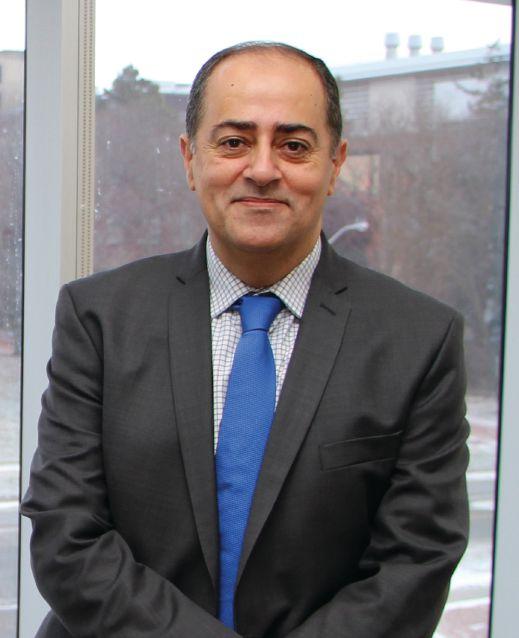
Dr. Shayan Sharif has had a remarkable career in poultry health and research. He’s a veterinarian and professor at the University of Guelph focusing on poultry immunology, as well as serving as the Associate Dean of Research and Graduate Studies at the Ontario Veterinary College.
Over the last two years, he’s also become a leading media spokesperson and commentator on Avian Influenza as the North American industry continues to grapple with the current outbreak. This year alone, he’s already completed approximately 40 engagements with mainstream TV, radio and print outlets, offering objective information on the outbreak and what it means for Canadians.
As proud as he is of his academic work, however, Sharif’s true passion lies in working with people and training the next generation of poultry industry scientists and decision-makers.
“Everything I’ve done, I couldn’t do without the students and staff who come out of my lab, and many are now policy makers or in academia in many different places in Canada, the United States or worldwide,” he says, adding he feels strongly about taking on a mentorship role and fostering their career development.
“I’m trying to help them achieve their goals and objectives and this is in a sense my calling, to facilitate and be the person who is between them and the next phase of their career,” he says.
Early interest
Growing up in Iran, Sharif’s interest in anatomy started at a young age when a frog necropsy and the differences between diseased and healthy tissues caught his attention. This led him to the University of Tehran’s Faculty of Veterinary Medicine, where courses in virology and immunology piqued his interest in the phenomenon of genetic resistance to infectious diseases. There, he completed his DVM thesis on the immunological aspects of Marek’s disease in poultry.
After working as a poultry veterinarian for several years, a fascination with Major Histocompatibility Complex (MHC), which determines mammals’ and chickens’ susceptibility and resistance to disease, brought him to Guelph, one of the only places in the world at the time where work on MHC and its association with disease was being done.
“Nobody was studying MHC in chickens at Guelph – all the people working in this field where at the Canadian Food In-
spection Agency lab in Ottawa at the time – so that became my focus,” he recalls.
Poultry research at Guelph
After leaving Guelph to complete a post-doctoral fellowship, he returned in 2001 to join the Poultry Industry Council-funded Poultry Program Team and establish a research program in poultry immunology.
Today, his lab focuses on three main research areas: immunity and vaccine development for Marek’s disease and Avian Influenza, and development of probiotics for enhanced immune responsiveness and gut health in poultry.
Mentorship
For Sharif, though, the many students and staff - or early career colleagues, as he likes to call them – that he has worked with over his more than two decades at Guelph count as the main highlight of his career.
Sugandha Raj has just accepted a post-doc position with
This year alone, Dr. Shayan Sharif completed approximately 40 media engagements, offering objective information on the avian influenza outbreak.
Sharif after completing her PhD in his lab and speaks highly of how he encourages his students to think outside the box, stay on top of cutting-edge scientific research, and take advantage of industry networking opportunities.
“He is truly a great teacher and mentor. The most amazing thing is his patience and resilience – even if you are not at your best, he is very understanding and supports you in ways that humble you,” she says.
Khaled Abdelaziz, who today is an Assistant Professor of Immunology at Clemson University and a Faculty Scholar at Clemson University School of Health Research in South Carolina, joined Sharif’s lab as a postdoctoral fellow in 2014 and flourished under his professor’s inspiration, support and guidance.
“I remember in my first meeting with him he said, “Khaled, your success is my success”. These were not just words because Dr. Sharif kept supporting me even after I became an independent investigator,” he recalls. “Dr. Sharif is very generous with his time and always shares information, experience, and knowledge with his team. He supports his mentees not only throughout their graduate programs, but also throughout their career life.”
Ravi Kulkarni worked with Sharif in various capacities at the University of Guelph between 2004 and 2018, appreciating his guidance in career development and research achievement. Today, Kulkarni is an Assistant Professor in Population Health and Pathobiology at North Carolina State University’s College of Veterinary Medicine.
“He is a visionary leader, a great listener and someone who gives ‘space’ to everyone to share their viewpoints and ideas,” Kulkarni says.
Progressive poultry industry
Throughout his career, Sharif has always been impressed by the progressive nature of the Canadian poultry industry and its ability to respond and adapt to adversity, such as Avian Influenza. The industry sprang into action following the 2004
Avian Influenza outbreak and both the scientific advances and the general widespread improvement in disease preparedness and response have kept the current outbreak from being much, much worse, he says.
He’s also appreciated the level of sup -
port he’s continually received for both his research and for training new generations of poultry scientists.
“When I first came to the poultry program team, I realized how progressive the Canadian poultry industry was – and the level of support I have received from the
a unique biosurfactant, is designed to increase the absorption and digestion of energy-rich feed ingredients. Ultimately, helping you raise healthier animals while lowering your feed costs.
poultry industry really showed me how dedicated and devoted the industry is to generating new knowledge for the poultry industry as a whole and also to create platforms and environments to train new generations of poultry scientists,” he says.
“This has attracted me and kept me here in Guelph and is one of the main reasons I felt I got the best of the best,” he adds. “This juncture between industry and academia you can hardly find anywhere else.”
Looking to the future, Sharif believes strongly in the industry’s continued capacity to evolve and adapt, and he has some ideas about how he’d like that to unfold.
This includes creating sustainable programs to prepare the next generation of poultry industry workers and managers with job-ready skill sets, training more poultry veterinarians to give the industry the capacity for good antimicrobial stewardship, and developing better strategies for disease surveillance, predicting emergence of new and more deadly microbes, like avian influenza virus, and suppressing them before they become a global animal or human health problem.
Making headlines
In recent years, Sharif has been one of the leading media spokespeople and experts on avian influenza:
• This year alone, he’s already completed approximately 40 engagements with mainstream TV, radio and print outlets.
• He provided objective information on the outbreak and what it means for Canadians.
• He argued for a One Health approach to the virus, which places equal importance on measures that address avian influenza virus from animal, human and environmental health perspectives.
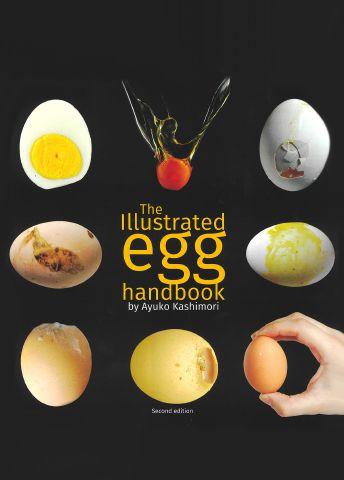
This book is a colourful guide that gives you a wide range of information on the structure and quality of eggs, as well as what can go wrong. Full of detailed illustrations and tables, this handbook is a perfect guide for people who want to gain knowledge in egg production and quality or even someone that just wants to know more about the inside of an egg.
This revised edition includes new egg cases, additional scientific finding, and the topic of the United Nations Sustainable Development Goals (SDGs) from the perspective of the food business.
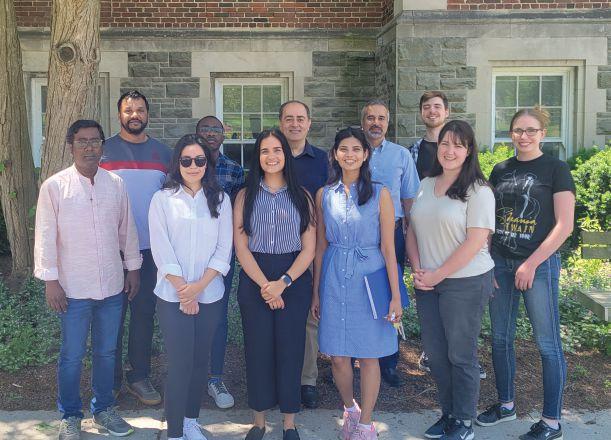
Sharif, pictured here with his lab team, says his true passion lies in training the next generation of poultry industry scientists and decision-makers.
PHOTO
Barn Spotlight
Volailles aux Grains Dorés
Location
Saint-Dominique, Que.
Sector Broilers
The business
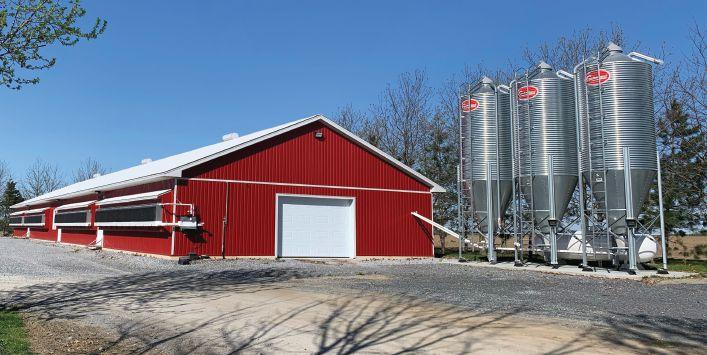
Michaël Boulay started raising broilers in Quebec’s Montérégie region in 1999 at age 18. Today, he and his wife Theresa Fuoco transform the 12,000 birds he produces per cycle into more than 70 fresh and frozen food items sold on their store and at select stores under their Volailles aux grains dorés brand name.
The need
The producers were operating two old broiler houses from the 1960s that were both in need of major makeovers and produced nearly twice the number of birds they needed for their farm-based food manufacturing business. Thus, they built two new barns in 2020. Featuring state-of-the art poultry producing equipment and technology, the new four-room facilities produce 12,000 broilers per cycle.
The barn
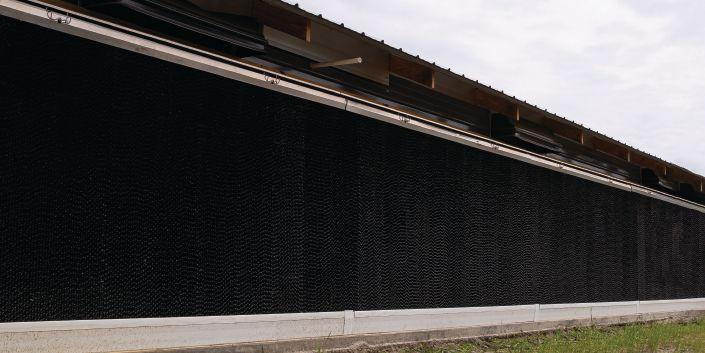
The new barns feature a long lineup of mostly Cumberland products and systems that are designed to help control and deliver everything from feed and storage to climate and remote management. Boulay says he is most taken by his new evaporative cooling pad system, which harnesses the natural cooling effect of evaporation to reduce heat stress on his birds by lowering the internal temperature of his new poultry houses by as much as 20°C. Boulay also loves Cumberland’s EDGE 2, a remote management system with a smartphone-like touchscreen and integrated Wi-Fi connectivity.
Barn
barns
hatcheries.
The new barns’ output is more in line with the couple’s processing needs of 1,500 to 2,000 birds a week.
An evaporative cooling pad system lowers the temperature in the barns by as much as 20°C.
With a new controller, Boulay can monitor and manage the barns from his phone.
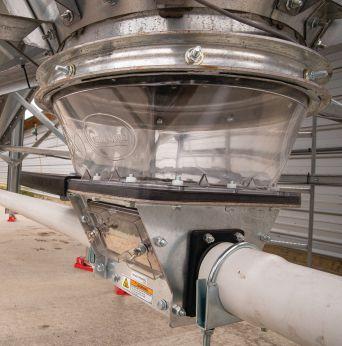
The barns include other new cost- and time-saving features like unloaders (pictured here).
STRENGTHENING BIOSECURITY AT BARN ENTRANCES
With Avian Influenza posing an increased risk to the poultry sector, improving barn entrance design has emerged as a crucial biosecurity measure. Epidemiology reports from the CFIA highlight its effectiveness in preventing disease transmission on farms.
By adopting enhanced biosecurity measures, the poultry sector can significantly reduce the risk of Avian Influenza outbreaks and safeguard flock health.
Every hen that is protected against E.coli has the potential to produce more. Unleash the full potential of your flock with Poulvac ® E. coli.
Contact your Zoetis representative today to find out more about how Poulvac ® E. coli can benefit you.