PULP PAPER


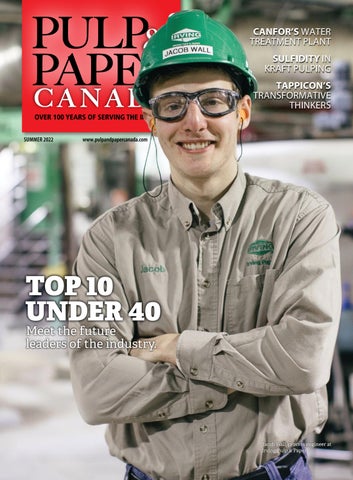
Jacob Wall, process engineer at Irving Pulp & Paper
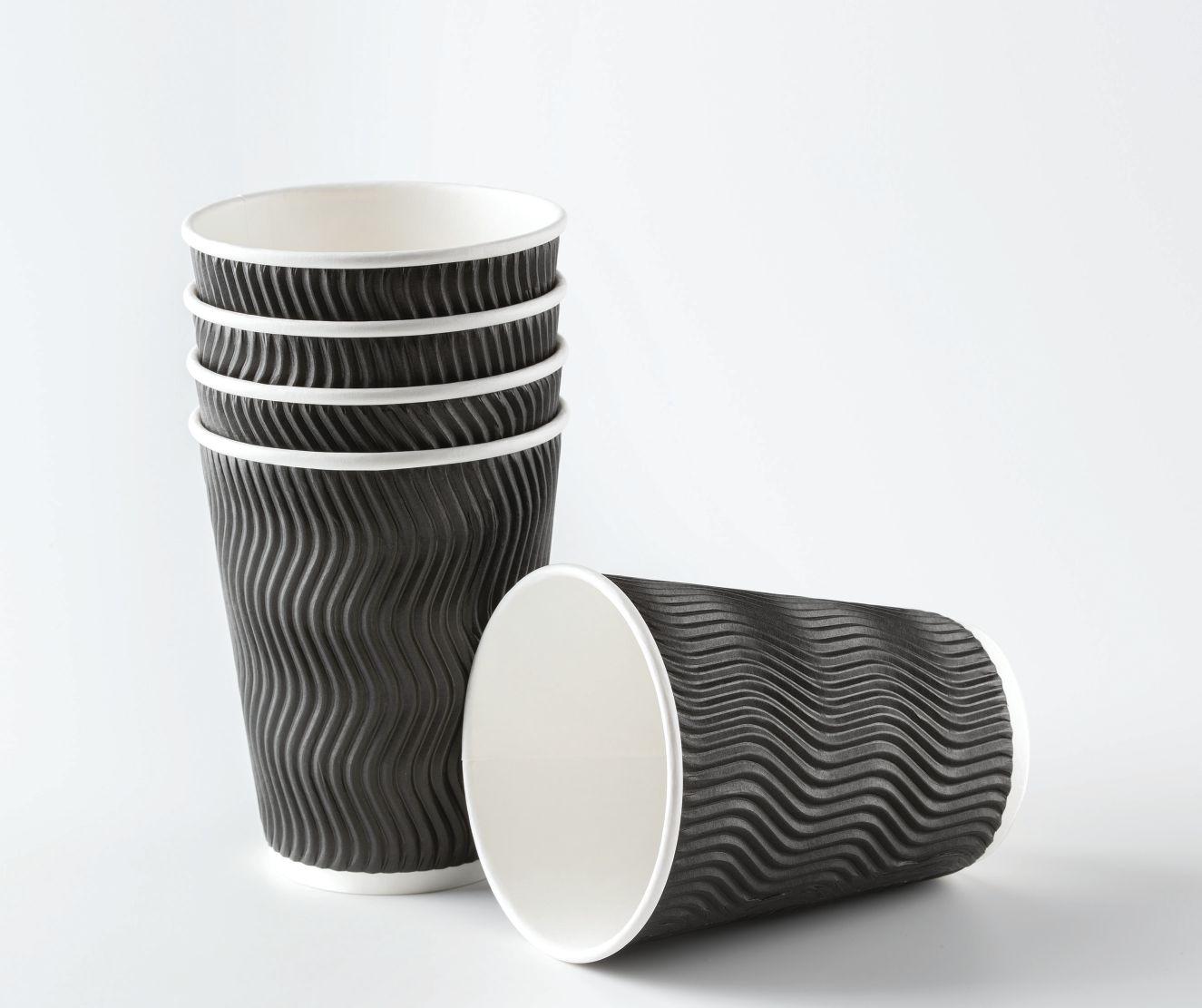
Success with barrier technology requires more than just adding the right coating chemistry to the process. To use the new technology optimally and sustainably, paper and board manufacturers need to consider their whole process along the desired end-use properties.
Unique chemistry expertise and know-how of papermaking applications, from pulping to coating enables Kemira to support our customers in the creation of high-performing and costefficient dispersion barrier coated packaging material
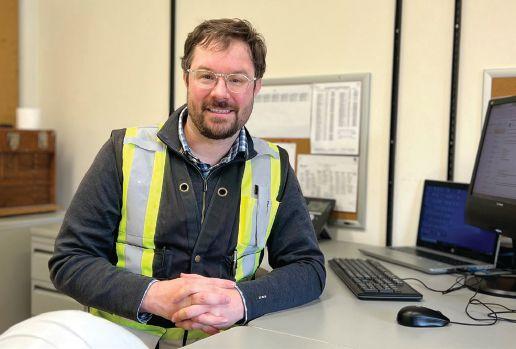
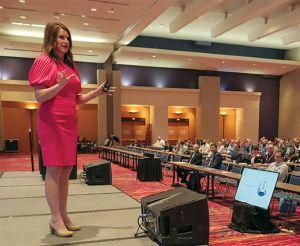

Recently, I read a column in a magazine where the writer talks about how true leaders always find a way. The leader, he says, is not the person with the title, the position or the education behind their name. The leader is the person that can find a way when others don’t or can’t. These words ring true, no matter which industry you are a part of. The columnist goes on to say that successful businesses are able to identify the true leaders in their organizations and empower them, which in turn helps them grow.
The Canadian pulp and paper industry faces its fair share of labour shortage issues and recruitment and retention challenges. In addition, it is going through the same economic turmoil that Canada and the rest of the world is going through in recent times. It seems critical, therefore, to support the leaders and innovators that are committed to growing this industry and growing in this industry.

Sukanya Ray Ghosh Editor
In this issue, we feature the winners of our third annual Top 10 Under 40 program. These winners represent the future of the industry. It is truly interesting to see how motivated and innovative these employees are. Over the years they have spent in various roles, they have not just delivered what was expected of them. They have added value through the work that they have done, contributing to sustainable change and motivating others along the way. They show all the markings and makings of true leaders.
As with the past two years, the winners this year work in different areas of the industry. We have a manager who is keen on taking up interesting challenges and mentoring other members of his team. We have someone who has led her team through environment and sustainability projects that extend beyond the pulp and paper industry. Also featured in this issue is an expert on Indigenous relations who is helping her mill forge strong lasting relationships within the community. We have engineers who are constantly innovating and improving processes and we also have a human resource leader who is leading the charge on fostering a safe workspace for his colleagues.
What is truly amazing is the support that the pulp and paper industry in this country is extending to these young and upcoming leaders. All nominees this year, including the ones that are not featured inside, show amazing potential as leaders and innovators. These motivated individuals have earned the respect of their peers and superiors. They have taken the time to share their knowledge, contributing to a culture of positive change.
READER SERVICE
Print and digital subscription inquires or changes, please contact Barb Adelt, Audience Development Manager
Tel: (416) 510-5184
Editor
SUKANYA RAY GHOSH
416-510-5225
srayghosh@annexbusinessmedia.com
Brand Sales Manager ROSS ANDERSON
289-925-7565
randerson@annexbusinessmedia.com
Fax: (416) 510-6875
Email: badelt@annexbusinessmedia.com
Mail: 111 Gordon Baker Rd., Suite 400, Toronto, ON M2H 3R1
COO SCOTT JAMIESON 519-429-5180
sjamieson@annexbusinessmedia.com
Group Publisher TODD HUMBER 416-510-5248
thumber@annexbusinessmedia.com
111 Gordon Baker Rd., Suite 400, Toronto, ON M2H 3R1
Phone: 416-442-5600
PRODUCTION
Media Designer EMILY SUN
Account Coordinator KRISTINE DEOKARAN kdeokaran@annexbusinessmedia.com
Print in Canada ISSN 0316-4004 (Print) ISSN 1923-3515 (Digital)
PUBLICATION MAIL AGREEMENT #40065710
SUBSCRIPTION RATES
Canada $57.50 - 1 year; $92.50 - 2 year USA $139.00 CDN per year Overseas - $150.00 CDN per year
Occasionally, Pulp and Paper Canada will mail information on behalf of industry related groups whose products and services we believe may be of interest to you. If you prefer not to receive this information, please contact our circulation department in any of the four ways listed above.
Annex Privacy Office privacy@annexbusinessmedia.com
Tel: 800-668-2374
The editors have made every reasonable effort to provide accurate and authoritative information but they assume no liability for the accuracy or completeness of the text or its fitness for any particular purpose. All rights reserved. The contents of this publication may not be reproduced in part or in full without the publisher’s written permission © Annex Publishing & Printing Inc.
Sustaining member, Pulp and Paper Technical Association of Canada; Member, Alliance for Audited Media.

PPC
The Canadian pulp and paper industry has a bright future. It is successfully identifying true leaders and doing everything right to support, nurture and empower them along their journeys. Read the inspirational stories of the bright stars making their mark with every step they take.


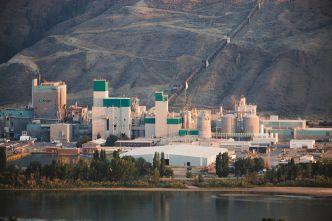
Kruger completes acquisition of Domtar’s Kamloops Pulp Mill; strengthens its position in B.C. Kruger’s affiliate Kruger Specialty Papers has completed the acquisition of Domtar’s Kamloops Pulp Mill in British Columbia. The companies had entered into a definitive agreement for this acquisition in May this year.
“We are very happy to welcome our new Kamloops colleagues into our group and to expand our activities in British Columbia,” said Francois D’Amours, Kruger’s executive vice-president and chief operating officer. “Kamloops is a world-class facility and a natural fit for Kruger considering its strong emphasis on product quality, employee safety and sustainability. Over the coming weeks, as we support and empower our Kamloops team to keep doing the great work they’ve been doing, we will also focus on strengthening relationships with the mill’s existing customers, suppliers, and business partners, as well as with the local
community which we are proud to call home from now on.”
The Kamloops mill manufactures northern bleached softwood kraft pulp (NBSK) and unbleached softwood kraft pulp. It will continue to operate as usual and honour all existing volume commitments and agreements with customers and suppliers. The current 320 jobs at the mill will remain untouched. Kruger additionally plans on maintaining ongoing initiatives for modernizing the mill.
With this acquisition, Kruger secures the supply of high-quality pulp for some of its paper mills, including those in Quebec. In its Quebec mills, Kruger is investing about $1 billion for the construction of two state-of-the-art tissue plants.
Kruger added in a statement that it understands the important role that the Kamloops Mill plays in the Thompson/ Okanagan region. It will work closely with local sawmills and wood fibre suppliers to strengthen relationships with these key partners.
Kruger is strengthening its presence in British Columbia with this acquisition and establishing itself as a major employer and provider of essential products. With the Kruger Products tissue plant in New Westminster and Kruger Energy’s Zeballos Lake Hydro Plant on the northwest coast of Vancouver Island in addition to the Kamloops mill, the company now has close to 700 employees in the province.
Paper Excellence announced the promotion of Stew Gibson to the position of chief operating officer for Paper Excellence Canada.
With nearly four decades of experience in the industry, Gibson has worked within Catalyst Paper and its predecessors. He has held several leadership positions, including general manager of Powell River, vice-president of technology and sourcing and vice-president of pulp operations. Gibson also worked in the solid wood sector.

In his new role, Gibson plans to continue leading the charge on driving the adaptation of the company’s pulp and paper operations to markets that value the low carbon, renewable bio-products it manufactures in Canada. He is a strong advocate for Paper Excellence’s mills in British Columbia and Saskatchewan.
Gibson has a bachelor’s degree in Mechanical Engineering, a master’s degree in Pulp & Paper Engineering and an Executive Master of Business Administration from Simon Fraser University. He is also a registered Professional Engineer in British Columbia.
PayShepherd secures $3 million USD in funding to refresh contractor billing systems
PayShepherd, a company that helps heavy industries manage contractor billing, announced that it has secured $3 million USD in funding.
PayShepherd’s platform is designed to help manufacturing facilities and contractors eliminate overspending, benchmarked in excess of $1 million USD yearly per major facility. Applicable to the pulp and paper industry as well, the company also helps in enabling better negotiations and improving relationships.
Commenting on how this funding will help the company’s pulp and paper clients, CEO Wesley Sessenwein said, “We have a very large product roadmap that our customers have been asking for. This funding will help us scale our software engineering team as well as our service delivery and ‘go-to-market’ teams and allow us to achieve these goals. At the end of the day, our mission is to build digital products that make it easier for pulp and paper producers and their service providers to do business together. The capital will position us to achieve these outcomes.”
This new investment will allow the organization to expand product and engineering capabilities, strengthen operations across Canada and the U.S., open up new verticals, and further develop ecosystem integrations.
“Our plan is to be in every pulp and paper mill in Canada in the next three years. We know this is possible because current tools (ERP and procurement systems like SAP and JD Edwards) do not solve the problem and leave millions of dollars on the table. They are built to facilitate high-volume, low-value purchases from a catalogue (think widgets, consumables) and not high-value, lowvolume services from a contract, which can be incredibly complex,” said CEO Wesley Sessenwein.
He further added, “Ultimately, it’s all about people. We find the best fit with the operators who value their contractors and are invested in building successful long-term relationships. PayShepherd supports them in achieving this outcome by eliminating costly billing errors that can lead to damaging disputes.”
Domtar, Nature Conservancy of Canada partner on private land conservation agreement
Domtar has entered into a long-term partnership with the Nature Conservancy of Canada (NCC), establishing the largest private land conservation agreement in Canadian history.
The NCC will manage a large private tract in Ontario spanning 1,450 square kilometres of boreal forest, for research and conservation. The area was previously managed as a wood supply to Domtar’s pulp and paper mills. Formerly known as the Hearst Forest, the area is recognized for its ecosystem and abundant wildlife.
As per the terms of this partnership agreement, Domtar is transferring ownership of the land to NCC for $7 million below its appraised value.
“Domtar is excited to be engaging with the smart men and women at NCC, who share many of our values regarding sustainable forest management, sciencebased research and public transparency,” said Rob Melton, senior vice-president, commercial, pulp and paper. “The transfer of this land allows NCC to transition the management of this forest landscape to research and conservation.”
The provincial and federal governments are supporting NCC’s interest in acquiring and managing this area, in recognition of the land’s ecological attributes.
NCC’s commitment to the continued science-based management of this forestland and its practice of sharing the findings of research conducted on its conservation lands with the public motivated Domtar to partner with NCC on this project.
“Conservation opportunities of this magnitude are incredibly rare, and NCC is thrilled to have the chance to work at this scale to make a difference for nature, for wildlife, and for people,” says Kristyn Ferguson, NCC’s program director for large landscapes in Ontario. “The more we learn about this area –the ability of its wetlands to store carbon, the wildlife habitat it provides, the cultural significance of the rivers within it – the clearer it becomes that Boreal Wildlands will have measurable positive impacts at scales from the local to the global.”
$500,000 mill winterization nears completion at Prince Albert Pulp Paper Excellence announced that its project to winterize the Prince Albert Pulp mill is near completion. The interior of the mill is now heated for the first time since the site was last operated in 2014. The cost of the project is around $500,000.
“Winterizing and heating the interior of the mill is another step forward as we keep working on restarting PAPI,” said Carlo Dal Monte, vice-president of energy and business development for Paper Excellence. “As we all know, Prince Albert winters can be very cold, so being able to heat the interior of the mill means a safer
Mercer Peace River’s new log hauling company to play important role in fibre procurement
working environment for our team and contractors that may be on-site with us. Winterizing the mill also helps to prevent weather-related damage to the exterior of the mill and important infrastructure inside.”
Ministers from the government of Saskatchewan toured the site on May 5 to take a look at the upgrades. In 2021, the Saskatchewan government allocated 1,034,000 m3 of softwood timber to support the restart of the Prince Albert mill.
“We’re excited to see that work is underway,” Energy and Resources Minister Bronwyn Eyre said. “This project will support Saskatchewan’s world-class, sustainable forestry sector and create economic opportunities in the north, includ-

Mercer International has established a new transportation company – Peace River Transport (PRT). PRT will support Mercer Peace River’s Fibre Procurement Project and further the company’s sustainability initiatives.
Mercer Peace River’s woodchipping processes will soon be moved onsite after the construction of the company’s new woodroom. Currently, the mill’s hardwood fibre procurement process is a portable chipping method whereby trees are processed offsite in the forest (sliced or chipped into small, chip-sized pieces) and delivered to the mill using chip trucks. When the woodroom is complete, the fibre procurement process will change to cutting the aspen trees into smaller, uniform log pieces – a process called “Cut-to-Length”. These cut-to-length logs will be transported to Mercer Peace River on larger, more efficient 10-axle trucks to be processed in the new woodroom.
Peace River Transport is to play a key role in this procurement process. It will transport the cut-to-length logs from the forest to the woodroom.
“PRT is fundamental to the success of our new Fibre Procurement Project” shared Roger Ashfield, managing director. “This Mercer establishment will not only streamline our fibre transportation but will more importantly lower our carbon footprint, creating long-term environmental enhancements. At Mercer, we are constantly evolving our processes to better protect our economy, environment, and the communities in which we operate.”
PRT requisitioned 17 modern 10-axle log trucks and plans to expand to over 40. These trucks, operated by both PRT personnel and contracted owner-operators, will support the majority of MPR’s fibre transportation needs. Immediate investment in PRT is expected to create 34 local jobs, supporting the local economy. PRT will also open the door to potential long-term, meaningful partnerships in the region.
Henry Dyck joined as the new general manager (GM) for PRT to make the transport company a success. Dyck will provide leadership to grow and operate this standalone entity, with the focus to seek and expand the business through additional economic development opportunities.
ing over 1,650 new jobs”.
The winterization project is being done entirely by Saskatchewan contractors, including several companies from Prince Albert.
Paper Excellence is constantly working with the Saskatchewan Ministry of Environment on the environmental assessment process for the overall project to restart the mill. The company expects that process to be completed in the coming months. The restart project remains subject to market conditions and permit approvals.
West Fraser is reducing capacity at its Hinton Pulp mill in Alberta permanently by the end of this year. The mill currently has two production lines, one of which will be shut down. The remaining line will produce Unbleached Kraft Pulp (UKP) instead of Northern Bleached Softwood Kraft Pulp (NBSK).
“Hinton Pulp has been in operation since 1956 and these changes are necessary to simplify our operation, reduce capital requirements and greenhouse gas emissions, and better align with consumer expectations,” said Ray Ferris, president and CEO of West Fraser.
With the reduction in capacity, staffing levels will go down to 270 from the current 345 positions. West Fraser expects natural attrition and retirements to mitigate the impact. Additionally, it plans on offering employment opportunities at its other operations.
“Our Hinton Pulp team has been engaged in a comprehensive review process and I want to thank them for their creativity and commitment to the mill, our customers and the environment. We remain strongly committed to the community of Hinton, the future of the plant, and to our neighbouring lumber operation, Hinton Wood Products,” said Ferris.
West Fraser has considered the several environmental benefits of moving to a single UKP production line. As per the company, these include an estimated 35 percent reduction in greenhouse gas emissions; an estimated 25 percent reduction in water use, air emissions and waste generation; and elimination of chlorine
Resolute, Unifor announce ratification of collective agreement with pulp and paper mills
Resolute Forest Products and Unifor have announced that a four-year collective agreement was ratified by 89.5 percent of Unifor’s members at seven Resolute pulp and paper mills in Canada. This was after the union and the company had reached an agreement-in-principle on May 15, 2022.
“We are pleased with the result of the vote, which is a testament to the hard work and collaborative efforts of both the company and the union in recent years to address the challenges we are facing and to ensure the competitiveness of the business,” said Remi G. Lalonde, president and chief executive officer. “Thanks to the support of our employees, we continue to pursue our vision to operate a model manufacturing company, built with the strongest business values, the highest respect for sustainability and the calling to serve our people and communities.”
The collective agreements cover approximately 700 hourly employees represented by Unifor at Resolute’s Dolbeau; Gatineau; Kenogami; Saint-Felicien and currently indefinitely idled Amos and Baie-Comeau pulp and paper facilities in Quebec; and the Thunder Bay operation in Ontario. The seven mills account for about 50 percent of the company’s total pulp and paper production capacity. In total, nearly 15,000 members will be impacted by this model contract in Ontario, Quebec and the Atlantic provinces.
“The result clearly shows the agreement meets the expectations of our members, which were significant in this round of negotiations,” said Renaud Gagne, Unifor Quebec director. “And most importantly, the many gains made will help attract and maintain the workforce the industry needs.”
This new contract will now serve as a model for the entire sector. Highlights from the agreement include:
• Over the four-year term of the agreement, salary adjustments in the order of $2.50/hour for members in the production industry (all job classes including stationers) and adjustments of $3.50/hour for members in the trades;
• Salary increases of three percent in the first year, $1.30/hour in the 2nd, three percent in the 3rd and $1.30/hour in the last;
• In total, these amounts represent average increases of between 20 percent and 24 percent;
• The establishment of a Women’s Representative in each plant;
• Maintaining preventative health and safety provisions and practices (despite setbacks in Quebec);
• Significant enhancements to group benefits (vision, dental, life and long-term disability);
• Night and Evening Shift Premium increased by $0.10/hour;
• Third week of vacation after two years of service;
• Double time for Sunday overtime after four hours;
• Union release of 30 minutes to meet new members.
dioxide emissions.
The company stated in a release that UKP is now used increasingly in a wide variety of everyday items including cardboard packaging, grocery bags, fibrecement board and specialty products.
Hinton Pulp has conducted several product trials since late 2021 and received positive initial customer feedback regarding the quality and strength of the pulp produced. Employees of the mill are currently working on transitioning to UKP production after satisfying all its existing customer commitments for NBSK.
West Fraser anticipates an impairment charge of approximately US$13 million to be recorded in its first-quarter 2022 results associated with the write-down of equipment that will be decommissioned permanently as part of the transition to UKP.
West Fraser anticipates an impairment charge of approximately US$13 million to be recorded in its first-quarter 2022 results associated with the write-down of equipment that will be decommissioned permanently as part of the transition to UKP. PPC
By Sukanya Ray Ghosh
The future of the pulp and paper industry is in good hands. Armed with a strong work ethic, initiative, curiosity, and a commitment to training and safety, the 2022 winners of our Top 10 Under 40 program are positioned to take the industry forward. Whether they work in leadership, operations, maintenance, support or human resources, these pulp and paper employees are highly regarded by their colleagues and peers. Want to recognize a future leader? Nominations for the 2023 contest open at the end of this year. Congratulations to our 2022 winners!
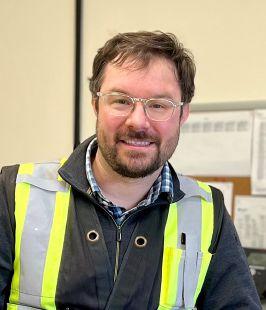
Converting division manager, Kruger Products Mississauga, Ont.
Adam Sears has worked in the pulp and paper sector for nearly 20 years, primarily in the consumer tissue industry.
Adam joined Kruger Products in 2020 and took on interesting challenges. He supported the commissioning of the converting line at the company’s Sherbrooke, Quebec, TAD Tissue facility. In 2021, he continued to make an impact as converting division manager at Kruger Products’ New Westminster, British Columbia, plant.
As a mentor of the Operational Excellence (OpEx) Training program, Adam is Six Sigma Black Belt certified and works to help others gain their certifications by providing tools, direction and coaching. He is proud to inspire and engage others to unleash their full potential through this training, especially as it relates to process improvement.
For example, OpEx training created the opportunity for Adam to coach his operators on a system which allowed them to promptly identify centre lines required during the manufacturing process. This training was then passed down to other team members and created a new standard process, language and system used for machine setup. This new process was not only more efficient, but it also enabled the team members to work together and take ownership of their work.
Achieving the Prosci Change Management Certification has transformed how
Adam leads his team and projects to drive successful change initiatives. He has applied the teachings of this certification to the “Lockout, Tagout” procedure, which ensures workplace safety when handling manufacturing machinery.
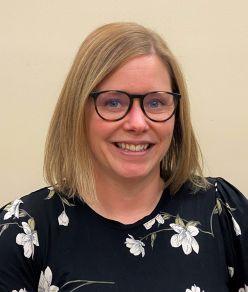
ASHLEIGH MARCHL Manager of environment, health
and
safety, Resolute Forest Products Thunder
Bay, Ont. Ashleigh Marchl has been a loyal, long-standing employee at Resolute Forest Products. With almost 14 years of ser-
vice at its Thunder Bay, Ont., pulp and paper mill, she has held several roles, including environmental coordinator and superintendent. Her combined education and work experience are an indispensable skill set to the mill, thanks to which she was recently promoted to manager of environment, health and safety.
Ashleigh has played a vital role in spearheading innovative waste diversion projects, most notably repurposing the mill’s boiler ash and creating beneficial uses for byproducts. Ashleigh is also leading the project that repurposes the mill’s pulp and paper sludge, generated from wastewater treatments, as organic matter available to local farmers for agricultural land spreading. Moreover, she is working in collaboration with various organizations to use the mill’s sludge as capping material for local landfills, as well as prospective projects that repurpose sludge for use in mining sites, tailing ponds and logging roads.
Ashleigh ensures the deployment of the mill’s carbon reduction strategy.
Ashleigh is highly engaged in several organizations across Thunder Bay, participating as an industrial representative for the pulp and paper sector. She
is a board member of EcoSuperior, an environmental nonprofit organization. She is also a committee member of Lakehead Source Water Protection, and regularly attends meetings to discuss the city’s annual water protection plans. On a part-time basis, she teaches a course on health and safety regulations at Confederation College.
Ashleigh has always taken a proactive stance on incident and issue management.

Process engineer, Domtar Dryden, Ont.
As a 29-year-old process engineer in the Power and Recovery department at the Domtar Dryden mill, Bilal Junaidi actively provides strong support to the team with demonstrated leadership. For the three and a half years he has been part of the team, he has strived to reach every objective and goal put in front of him.
Bilal is always at the forefront of troubleshooting process-related issues. With his quick and innovative thinking, he led the team to be successful in breaking records related to increased uptime, enhanced reliability and drastically reduced the amount of required boil outs.
Bilal has successfully implemented Statistical Process Control (SPC) for Dryden’s concentrator and
recovery boiler operation to reduce process variability and improve the evaporator bottleneck. He has led formal process trials which have paid off in great dividends.
With his strong analytical skills, he has contributed to the success of many capital projects. He actively participates in the corporate power and recovery functional team where he has an opportunity to share his successes and learnings among peers and colleagues from other mills.
Bilal takes an active leadership role in procedure development and training to ensure the process operators are well equipped to be successful in their roles. He is active in many continuous improvement initiatives which focus on safety including leading incident analysis utilizing the Human Performance Improvement (HPI) principles. He leads the department’s “5S” Safety program which focuses on safety, efficiency and productivity. He is also an active member of the site’s Joint Occupational Health and Safety Committee representing the steam and recovery department.
Bilal wants to become an operating engineer. He has successfully attained his 3rd class Operating Engineering certificate and is currently working towards his 2nd class accreditation.
Cascades Tissue Group –Kingsey Falls Kingsey Falls, Que. Alexandre Desilets started his career as a junior process engineer at Cascades ULC Research and Development in May 2011. One of his first mandates was to support the start-up of the Greenpac plant in Niagara Falls. He partici -

pated in the successful implementation of the equipment and ensured its efficiency by performing standard operating procedures.
In January 2014, he became a relief supervisor at Cascades Tissue GroupCandiac (CTG-Candiac). He was then assigned as a rotating shift supervisor at the start of machine #2 with Atmos technology. Alexandre actively contributed to the understanding and mastery of this new technology, as well as the manufacturing of a superior quality structured tissue paper (TAD paper). Through this project, Alexandre distinguished himself by his involvement and perseverance as he learned the papermaking trade the hard way. He showed great curiosity about the ins and outs of the papermaking industry, making him a better leader on these projects. In July 2015, he became the supervisor of Machine #1 at CTG-Candiac. On his own, he took on the complete management of this paper machine. He worked on the composition of the pulp by including more and more virgin pulp, in addition to improving the production rates.
Alexandre continued his journey, says Benoit Rouillard, general manager at Cascades Tissue Group, by agreeing to help at Cascades Tissue Group-located in Kingsey Falls as an interim production manager. Alexandre’s
commitment and support to the team earned him the position of production manager in November 2018. His growth did not stop there. A year later, Alexandre was promoted to plant manager at the facility, as many recognized his excellent leadership skills.
“He is a unifying leader who values team spirit. His significant technical expertise and management skills make him a great plant manager and an excellent leader to have on our team,” says Rouillard.

Indigenous relations superintendent, Mercer Peace River Pulp Peace River, Alta. Holding a Bachelor of Arts in Native Studies and more than 10 years of experience in Indigenous relations, Jenna Strachan brings a wealth of knowledge and perspectives to her role as Indigenous Relations Superintendent at Mercer Peace River Pulp (MPR). As a Métis woman locally born in the Peace Region, she has a passion for building meaningful bonds within the broader community, achieving this through transparency, partnership, and respect. Her ability to seek innovative and mutually-beneficial solutions to build dynamic relationships has been paramount to bridging the gap between industry and community.
In MPR’s over 30 years of
operation, building strong relationships with local communities and consulting with Indigenous peoples has been and continues to be a critical component of sustainable forest management. Key to this is the mill’s Traditional Land Use Project, a collaborative information-sharing platform for community-led forest information collection to aid in management practices. Under Jenna’s leadership, the project has grown and deepened relationships with the Indigenous communities within the mill’s Forest Management Area (FMA).
Further improving relations, Jenna has spearheaded MPR’s commitment to the Progessive Aboriginal Relations certification with the Canadian Council for Aboriginal Business. Through this program, and with Jenna’s guidance, the mill holds itself accountable for continuous improvement within this area.
Continuous improvement includes educating the MPR team and the communities where the mill operates. Jenna provides easily accessible resources aimed to promote learning and discussion around Indigenous history – specifically, on the Calls to Action for Truth and Reconciliation. Her advocacy has expanded into Mercer’s Western Canadian operations – Mercer Celgar, Mercer Forestry Services, and Vancouver offices – and prompted Mercer’s recognition of the Day of Truth and Reconciliation.
SODHI
Mechanical project and maintenance engineer, Kruger (formerly Domtar) Kamloops, B.C.
When Karandeep Sodhi joined the Kamloops Pulp mill, he brought with him

a vast amount of industrial experience.
Originally from India, Karandeep gained experience as a project engineer working on large capital projects in the utilities and pulp and paper industries there. These included large greenfield EPC powerplant projects.
After moving to Canada, Karandeep continued his career at the Mackenzie Pulp mill in B.C., where he joined as an area engineer for the Digester/Recaust. His hard work paid off as after two years he was promoted to the position of maintenance and reliability engineering superintendent, and then a year later to engineering manager.
Karandeep joined the Kamloops Pulp Mill in 2019 as a mechanical project and maintenance engineer. Since then, he has never stopped exceeding expectations, according to his manager Greg Seebach. He is actively involved in commissioning and optimizing various CAPEX projects at the mill.
Karandeep is a leader, says Seebach. “He has earned the respect of everyone at the Kamloops facility and he puts the time and energy to understand every aspect of a project from mechanical and electrical, to the process and operation.”
When in charge of a project, he shows exemplary leadership, dedication and a high level of technical expertise. He is highly respected and trusted
by his peers and has established himself as a “go-to” employee when challenging issues arise. Employees from all areas of the mill respect his input and knowledge.
In Kamloops, Karandeep has successfully executed several large capital projects including rebuilding the Hog fuel feed system to the two biofuel boilers, retubing the entire generator bank of the number three biofuel boiler and completing the full “front end loading” engineering for a $45,000,000 recovery boiler precipitator replacement.
He has also managed hundreds of contractors in the power and recovery area during two major maintenance shutdowns.
“Karandeep has selflessly taken on the role of mentor to several new engineers. He has a long and bright future in our industry,” added Seebach.

CTMP manager, Catalyst Port Alberni
Port Alberni, B.C.
In the course of her career, Nici Darychuk has demonstrated the drive, commitment, attention to detail and focus that the industry expects to see in future leaders. She has held leadership positions within Catalyst Paper Tiskwat’s bleaching and TMP operations prior to joining the company’s Port Alberni team as the manager of CTMP. And now, she has added shipping
and kraft repulping to her responsibilities, shares her supervisor Walter Tarnowsky.
During her nine-year tenure with Paper Excellence, Nici has been able to apply the results of scientific research to the company’s mills. This has resulted in significant process improvements and has advanced Paper Excellence’s technology base. Specifically, Nici was able to apply her research, which she had completed in a previous role in UBC’s Pulp and Paper Centre, to Tiskwat resulting in significant improvements to the peroxide bleaching process.
In addition, in 2017 while also at Tiskwat, Nici led an experimental development project, in collaboration with UBC and BCIT, focused on the chemical pre-treatment of chips, prior to refining. This study provided insights into mechanical pulping energy reduction and its impacts on pulp quality.
Not one to shy away from challenges, in October 2021, Nici took on the additional responsibility of dealing with a shipping warehouse that was completely full with almost no functional space for the products to be shipped out. She also inherited this problem with virtually no warehouse or shipping experience. Her target was to get inventory down from 10,000 tonnes to approximately 5,000 tonnes by February of 2022. Under Nici’s leadership, her team managed to beat that timeline by two months.
“Her ability to rally people around a cause is matched only by her persistence and work ethic. She takes on issues without hesitation and tackles problems to completion. With excellent technical and interpersonal abilities, Nici truly defines leadership,” adds Walter.

Production manager, Cascades Vaughan, Ont.
Tommy Ly started his career as a general labour at Cascades in 2012. Since then, he has held a variety of positions in the company, advancing quickly due to his excellent work ethic.
During his tenure in the company, Tommy was lead operator on an Evol Press. While his technical abilities allowed him to excel, it was his natural leadership and ability to connect with others that led to his progression to shift leader, followed by project manager.
As project manager, Tommy successfully led the installation of a state-of-the-art Twin Evol.
“Tommy approached the project by prioritizing the safety and empowerment of the crew, which has resulted in the Twin Evol now leading the industry in terms of quality, reliability and productivity,” says his colleague Emmanuel Gingras.
In 2021, Tommy accepted the production manager position. Gingras says that despite the unique industry challenges, he has demonstrated outstanding commitment and has built an exceptional team of leaders. He actively seeks opportunities to improve himself. He took the initiative to complete SAP Super User training and Land Leadership development program.
Tommy consistently inspires the team by modelling servant leadership, which has accelerated the plant’s performance. It boosts the morale of those around him.
Tommy is now a mentor and support for incoming leaders in a sister plant.

Senior human resources manager, Cascades Cabano, Que.
Alexandre Garon started at the Cascades Cabano plant in 2015 as a human resources manager after spending two years in different units within the company. This was during a period of significant change for Cascades and the Cabano plant.
“I knew right then that there would be some organizational challenges to overcome. Alexandre was instrumental in supporting the management team in its improvement efforts with respect to the new ERP.
To date, Alexandre’s greatest achievements include the implementation of a strong OHS culture in view of the migration towards employee interdependence and accountability. He participated in the implementation of several organizational changes in different sectors of the Cabano plant, including the establishment of a new human resources structure at the steam plant, facilitating the achievement of
class #1 steam plant operators grades for all operators and the stabilization of the workforce in this sector. He also carried out the progression line modification at the paper machine, so that each employee is in the right position according to their respective profile.
Alexandre worked in collaboration with the Centre d’Étude Professionnelle de Rivière-du-Loup to maintain the pulp and paper training program for the plant’s new employees.
For the past year, Alexandre, as a senior human resources manager, has accepted additional responsibilities at the business unit level. He has supported three other Cascades plants as energies are focussed to prepare an important start-up. He has greatly contributed to the improvement of the hiring process in these three plants to improve their respective teams.

Only 25 years old, Jacob Wall is already making his mark in the industry. Jacob started his career with the Irving Pulp & Paper Division in 2016. Gathering his experience as he worked through several roles, he spent a four-month term with Irving Tissue, followed by another four-month
term with Irving Paper.
After his stint in Irving Tissue, Jacob spent a 16-month term with Irving Pulp & Paper. Still new to the industry at that point, he filled in for a full-time position as an environmental engineer. Jacob worked through all these roles while he was pursuing his Chemical Engineering degree from the University of New Brunswick.
A leader from the very beginning, in 2015 Jacob was the first student to be awarded the J.D. Irving, Limited Leadership Scholarship. This was a $32,000 bursary from J.D. Irving, Limited at the University of New Brunswick.
Over the course of his career so far, Jacob has proven himself to be an ambitious, eager process engineer, shares his manager Jason Smith. He has high attention to detail and is an excellent coach to students who have reported to him. He is keen to mentor and teach new hires and students and will do everything possible to ensure they succeed.
Jacob has proven his ability to lead projects to completion, including to the point where the results of these projects have been presented at PAPTAC events. He has a strong desire to become a leader in the pulp and paper industry in technical, operations and management.
The team at Irving Pulp & Paper has no doubt that he will accomplish this goal, given what he has already accomplished at this point.
“Jacob’s ambition to succeed and to help others succeed is a key reason we feel he is deserving of being included in “Top 10 under 40.” Jacob embodies all of the qualities and values at J.D. Irving, Limited and is a respected up and coming leader here,” adds Jason. PPC
Canfor’s water treatment plant in Prince George is cleaning water for Canfor’s pulp mills, and more.
By Treena Hein
It’s been about two and a half years since Canfor’s newest raw water treatment plant opened its doors – or should we say its sluiceways – at the same time the company has opened a new era of sustainability for itself and Canada’s entire pulp industry.
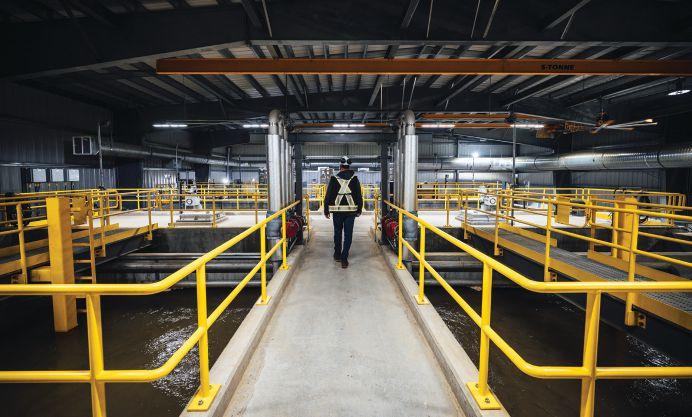
The treatment plant, located on the unceded traditional territory of the Lheidli T’enneh Nation in Prince George, B.C., does not just supply high-quality water to the company’s Prince George and Intercontinental pulp mills, but also to other industrial facilities nearby that also require water for their processes.
Both of the pulp mills were originally built in the 1960s without any treatment for their raw intake water, which is drawn from the Nechako River. It was a big problem every spring that, due to increased water turbidity, extra silt and other materials were drawn into the plant in the river water. These materials negatively affected mill operation. In addition, more water was needed for the production of the bleached pulp, which meant more energy use. Increased volumes of various chemicals were also required.
The new plant was constructed to filter out the sediments and organic materials that increase in the Nechako every spring and during other periods of high river turbidity throughout the year. Water quality is kept consistently high, which reduces mill maintenance requirements. And from an environmental perspective, the reduced use of water, energy and chemicals helps Canfor deliver pulp
Canfor plant at a glance Year finished: 2020
Capital investment: $42 million
Total construction hours: 150,000
Facility footprint: About 3 football fields long by 2 wide
Water-holding capacity: About 4.5 million liters, which would fill two Olympic-sized swimming pools
Average daily processing capacity: 215 million litres
much more sustainably to its customers.
“Water is a critical resource, and water management is a key material topic of Canfor’s sustainability strategy,” explains Kelly Parfitt, manager of Engineering and Capital at Canfor Pulp. “Canfor is highly dependent on water throughout our operations, particularly in our pulp and paper mills. Our water management efforts relate to both conservation and quality. We work to streamline water quantity use, protect water quality downstream of our operations and maintain effluent discharge quality.” In 2021, Canfor Pulp’s mills collectively withdrew over 95,000 megalitres from various water sources.
At Canfor, its official Environment Policy outlines the company’s commitment
to water stewardship, and its water use is managed through the company’s Environmental Management Systems. Water quality and quantity are also important parts of the company certifications through the Sustainable Forestry Initiative and Forest Stewardship Council. Both of these international certifications recognize protection of the water quality of rivers, streams, lakes, wetlands and other water bodies through companies meeting or exceeding best management practices.
Construction of this water treatment plant began in April 2019 and finished in November 2020. Water is pumped into the plant from the Nechako, and then flows by gravity through a multistep clarification and filtration system. Sediment removal is boosted through a process that binds particles together to increase particle size. Following several stages of treatment, a final filtration is performed. The system is designed to adjust quickly to changes in river water quality to maintain a consistent level of treated water quality. The sediments and organic materials removed from the raw river water are sent to a decanting pond.
The concrete was the biggest challenge of the design and construction of the treatment plant, but all went well because Canfor partnered with an engineering company with a solid reputation of success with other similar treatment facilities. In total, over 13.6 million kgs of reinforced concrete were used to form the plant’s walls, floors and supporting structures.
Parfitt explains that with a facility design similar to that used in municipalities across the country for the supply of drinking water, the plant is an excellent example of Canfor’s commitment to reduce water consumption and protect water quality. Specifically, in terms of improved plant operation and reduced energy use, the better water quality provided by this plant helps the mills’ heat exchangers work more efficiently to generate steam. “It has also resulted in more reliable fire protection systems, more consistent pulp quality for our customers and enhanced surplus green energy generation,” says Parfitt.
Mostly local labour was used to execute the project, she adds, “a nice boost for the community during Covid-19 travel and tourism restrictions.” She describes the plant overall as “a complex project that used expertise and effort from across Canfor and beyond,” and “something we can be all be proud of.”
The plant has worked as expected, but Canfor continues to explore how it can leverage the benefits of cleaner water and how plant processes might be further optimized.
Beyond this plant, Canfor – like the rest of the industry – is also engaging in other sustainability activities. In April, the company announced implementation had begun of a comprehensive plan to achieve net-zero carbon emissions by 2050. By 2030, Canfor will reduce carbon emissions from its pulp and wood products operations by 42 percent compared to its base year of 2020. This will involve investments of at least $250 million, and company leadership has indicated that based on projects identified to date, a majority of these funds will likely be invested in Western Canadian facilities. In addition, by 2024 Canfor will measure and assess its global supply chain and woodlands emissions, and set a sciencebased reduction target.
In late 2021, Canfor also announced
an investment in Arbios Biotech’s biomass-to-low-carbon-biofuel plant in Prince George. The plant will use a specific technology to convert sawmill residues, primarily bark, into renewable biocrude which can be further processed in refineries to produce low-carbon transportation fuels. Arbios Biotech is a joint venture between Canfor and Licella Holdings.
For her part, Pratt is excited about further opportunities for Canfor to increase sustainability. In a recent Q&A for Pulp & Paper Canada and its sister publications,
Parfitt noted that she is very focused in particular on adding the most sustainability value possible in capital spending. She said the fact that Canfor has mills over 50 years old presents “wonderful opportunities to bring in expertise and really evaluate our impacts on the environment and our communities.” She added that “what I’m seeing strategically is how many synergies there are between reinvesting in infrastructure and running efficiently, as well as reducing our impact on the environment.” PPC
Proper installation and repair of your dryer equipment will maximize drying capacity by keeping all the dryers in service. Kadant has the specialized knowledge and experience for safe, reliable, and expert installation of your rotary steam joints, syphons, dryer bars, and related equipment.



At the 2022 edition of TappiCon, innovative thinkers shared ideas to improve the pulp and paper manufacturing processes.
By J. David McDonald
With 1434 attendees and a soldout trade show, there was some sense of normalcy at TappiCon 2022 in Charlotte, North Carolina. But not quite normal. We Canadians were required to take an antigen test 24 hours before departure, causing considerable stress because our commitments could not be fulfilled if we tested positive. Results from random testing on arrival in the U.S. were positive for some participants from Europe, requiring them to isolate in their hotel rooms. Sadly, they missed the conference after travelling so far. Fortunately, colleagues were able to deliver their presentations.
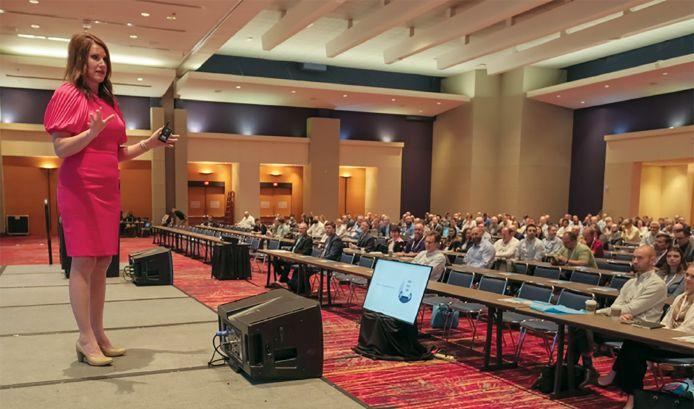
The conference began with a keynote by Jessica Stollings-Holder called “Seeing Differences Differently” which emphasized that success depends on understanding all perspectives (Figure 1). This was followed by the technical program with 145 speakers participating in sessions on a variety of subjects. These include recycled paperboard, tissue, papermaking, papermaking fundamentals, coating and graphic arts, process control, papermaking additives, reliability, maintenance and PIMA management. There was also a poster session and a new technology showcase. Three sessions were devoted to foam forming, indicating a strong interest in this emerg-
ing technology. Preprints and copies of the slides are available from TAPPI. Here are several highlights from the event.
A long-time goal in the paper industry has been to remove more water in the press section to reduce energy for drying paper. One limitation on water removal is rewet in which water flows back into the web from the felt as these separate. This important topic was studied by Sumner Dudick of the Georgia Institute of Technology. He used a novel approach to rupture the liquid channels between the paper and the felt by inserting a mesh at their interface. Using a low-speed screw press, he found that a metal mesh could increase the solids from 48 to 61 percent by reducing the flow of water from the felt to the paper as the pressure was released.
Experiments with nylon meshes also reduced rewet, but not to the same extent. When the mesh had dimensions similar to the batt fibres, the mesh did not reduce
rewet. When the mesh size was too large, there was enough water at the interface to cause rewet. By trying different mesh sizes, he was able to find an optimum.
In my view, the low speed used in this experiment caused a combination of in-nip and post-nip rewet. Air entered the paper and felt as they expanded during separation. The mesh provided a collection point for air at the paper/felt interface which disrupted the capillary forces that draw water to the paper, thereby preventing rewet.
The big question to consider is possible commercial implementation. A mesh on the surface of the felt will emboss the paper with a pattern that can’t be removed by calendering. This technology would not work for grades that are printed or coated where the surface topography is important. However, it might have an application for market pulp where surface characteristics don’t matter. Interestingly, for market pulp, pressure from a rough surface gives higher pressed solids.
Is it possible to find a mesh size that
maximizes water removal in the nip and at the same time minimizes rewet? Given the importance of reducing drying, this topic is worthy of further study, building on the excellent start made in this paper.
Serendipity can sometimes lead to an important discovery when combined with keen observation. Dwight Anderson of International Paper recounted observations on uncoated, woodfree paper machines using a hardwood furnish reinforced with softwood. The machines had “tickle refiners” which were unloaded, but when these refiners were bypassed, sheet formation significantly deteriorated.
On further investigation, they realized that shear in the unloaded tickle refiners was breaking up fibre bundles created by the upstream softwood pulp refiners. Anderson believes that the longer softwood fibres entangle in the grooves of the refiner plates and appear as spherical flocs which are difficult to disperse in the pulp. By comparing these machines to others without tickle refiners, they realized that these fibre bundles were affecting formation as well as reducing product strength.
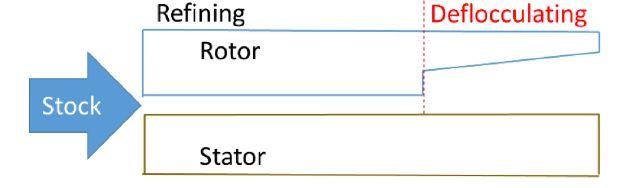
The solution was to treat the pulp with shear, but another refiner would be a costly option. Even unloaded tickle refiners consume energy. This is where creative thinking led to another option: remove the bars from the outer periphery of the refiners and replace these with a tapered smooth section to produce shear to deflocculate pulp as it leaves the refiner (Figure 2). This brilliant idea has been patented and these plates are now installed on several machines where they have been shown to reduce the energy required to refine softwood and OCC pulps by 15 percent.
Cross-machine direction (CD)variations of web strength and stretch can significantly reduce the efficiency of tissue converting operations. Frederic Parent of FPInnovations presented several case studies which employed measurements of CD tension profiles and strength/stretch distributions to identify and correct problems. For example, CD positions with low stretch values were found to also be areas of high tension. The likely source is poor creping due to deterioration of the Yankee dryer surface, which can be
solved by resurfacing the Yankee cylinder.
Blade wear will also increase CD variability of tensile strength. This was monitored using the Weibull distribution where the modulus (also called the m-factor) is a measure of the uniformity.
F(T) = 1– exp[(T/Ts)m]
Blade wear, even after six hours, significantly lowered the m-factor, which negatively impacted converting efficiency, as shown in Figure 3.
Specifications for paper and board are typically based on averages, but paper products don’t fail at points of average strength. They fail at their weakest point. To understand failures, it is necessary to measure strength distributions and in particular the tail of the distributions where the paper is weakest. This raises an important question. Sample sizes used for testing in a laboratory are small. Larger samples will have more weak points and on average will have lower strength.
The TAPPI/ANSI T 494 om-13 method accounts for test span length using an equation which makes a correction proportional to the coefficient of variation and the span length raised to a power. This equation, based on Pierce’s weak-
link paper published in 1926, assumes a normal or Gaussian distribution and uses the same coefficients used for yarn.
The equation’s predictive powers for a range of materials and conditions have been astonishing. Joel Panek of WestRock investigated whether the equation would also be valid for a range of different paperboards. He also compared Pierce’s equation to a Weibull distribution, which often is a better model of the tails of a distribution and therefore is important in strength calculations.
Surprisingly, Pierce’s power law equation was found to be robust and gave an acceptable fit to all of the data. For short spans (10 millimetres), the power law equation gave the best fit to the data whereas for long spans (100 millimetres) the Weibull distribution was superior. Panek interpreted this behaviour as a transition from ductile to brittle response with increasing span length.
This successful conference closed with the light-hearted Tapp-Out Luncheon and Awards ceremony where it was announced that TappiCon 2023 will be held in Atlanta from April 22 to 26. PPC
J. David McDonald is president of JDMcD Consulting Inc., an adjunct professor at McMaster University and a PAPTAC Fellow.
An exploration of sulfidity calculations, selective delignification, continuous cooking, pulp yield and strength, and control
By Augusto Quinde
The history of the kraft pulping process is obscure, and few patents and stories try to explain the origin of this chemical pulping process.
The story that most likely explains its origin goes back to the 1870s in a soda mill, where a chemical recovery plant operator made a mistake in the process of adding sodium carbonate (Na2CO3) for chemical losses. Instead, he added sodium sulfate (Na2SO4). The resulting pulp produced with this modification was found to be not only darker than the previous one (i.e., soda pulp) but also stronger. The German and Swedish translation for strength is kraft.
This innovation originated what is currently known as “kraft” or “sulfate” pulping process. The sulfate denomination is because of the addition of sodium sulfate (Na2SO4) in the chemical recovery plant that is also called “salt cake” and is
used as a make-up to replace chemical losses.
The sodium sulfate is not the active chemical during the kraft pulping process but only the source to generate sodium sulfide (Na2S). Most of the sodium sulfate in the recovery boiler is reduced to Na2S. The efficiency of this reduction is called reduction efficiency and normal values are in the range of 90 – 94 percent. See Equation 1.
Equation 1.
Kraft pulp mills are characterized by their unique foul odour. This is mainly due to reduced sulfur compounds also referred to as TRS (i.e., total reduced sulfur) or non-condensable gases that are generated in the digester and other areas of the recovery cycle (i.e., evaporators, recovery boiler, dissolving tanks,
Equation 2.
Equation 3.
lime kiln, etc). An exhaustive chemical analysis of the TRS gases includes the following important chemical components: methyl mercaptan (CH3SH), dimethyl sulfide (CH3-S-CH3) and dimethyl-disulfide (CH3-SS-CH3), hydrogen sulfide (H2S).
Even though sodium sulfide (Na2S) is generated during the preparation of the kraft cooking liquor (i.e., by reducing the Na2SO4 to Na2S), this chemical does not participate directly in the delignification reactions. Sodium sulfide reacts with water (i.e., in the white liquor) and generates sodium hydrosulfide (NaSH) and sodium hydroxide (NaOH) as in equation 2. The ionized forms are given in equation 3.
Reduction Efficiency (%)
Equation 1.
In some mills, the digester operators do not know the definition and/or role of the sulfidity during kraft pulping operations. Then, a white liquor sulfidity level of 32 percent going down to 30 percent or even lower to 25 percent, is usually ignored by the digester operator because of the previous statement.
Na2S + H2O
Equation 2.
Equation 3.
The active chemicals during kraft pulping are sodium hydroxide (NaOH) and sodium hydrosulfide (NaSH) that degrade and dissolve lignin.
The hydrogen sulfide (HS−) ion greatly improves the selectivity and the delignification rate during kraft pulping by breaking β-O-4 ether linkages in phenolic units of the lignin molecule (Gierer 1985, Svensson 2008, Zhu 2013, Brännvall 2017).
Sulfidity (%) = = ( ( ( ( ) ) ) ) X X 100 100 Na2S + Na2SO4
Based on AA
Equation 4.
+ Na2S
After this breakage, the sulfide ion forms an episulfide unit that subsequently releases elemental sulfur (S°) into the cooking liquor (Gierer 1985, Lindfors et al. 1987). This sulfur partly combines with hydrogen sulfide to form polysulfides that to some extent decompose into hydrogen sulfide (Zhu 2013, Bränvall 2017). (See Figure 1)
Polysulfides decompose at high temperatures (i.e., 170°C) to give sodium thiosulfate that represents part of the sulfur elimination from the cycle (Kubes 1980).
Reduction Efficiency (%)
The delignification involves the cleavage (i.e., degradations) of inter-unit linkages (i.e., β-O-4 ether) and the introduction of phenolic hydroxyl groups into the polymer and its fragments (Gellerstedt 1984-a). This explains the hydrophilicity and dissolution of the fragmented lignin in the black liquor. The delignification or the lignin reactions during kraft pulping can be seen as a competition between degradation and condensation reactions. Condensation reactions generate new carbon-carbon bonds that counteract lignin degradation reactions (Gierer 1980).
The reduction from 32 percent to 25 percent (i.e., seven percent units) might be equivalent to a one to two percent alkali charge (EAW percentage) reduction. This sulfidity reduction can drastically affect the delignification power of this white liquor and this change might be equivalent to 3-4 kappa numbers.
In most mills, when the sulfidity drops, the normal reaction of the digester operator is to increase the alkali charge (EAW percentage) and/or the cooking temperature, but they do not inform the recausticizing operator of this white liquor sulfidity change (i.e., reduction).
Or the other way around, when the recausticizing operator finds a reduction on the white liquor sulfidity, they do not inform the digester operator immediately about this change so that the digester operator should get ready for the corresponding cooking adjustments. Of course, these variations can be resolved quickly and more efficiently (i.e., without human mistake) by using a computerized system to fix these variations using online analyzers.
A sulfur balance it is necessary in order to monitor the sulfur losses (i.e., air emissions) and their impact on the sulfidity of the white liquor and make-up chemical calculations and replacements.
+ Na2SO4
Na2S + H2O NaSH + NaOH
2Na+ + S= Na+ + HS + Na+ + HONa2S Na2S
Sulfidity (%) = = ( ( ( ( ) ) ) ) X X 100 100
When referring to the concept of kraft pulping selectivity, this indicates how much lignin is removed in comparison to the amount of the cellulosic material being degraded. The higher the amount of lignin removal, the better the selectivity of the delignification process.
This selectivity depends mainly on the levels of sodium sulfide in the white liquor that is used to calculate the corresponding white liquor sulfidities (see equation 4). The selectivity during pulping means the ability to remove lignin from wood without affecting the properties of the carbohydrate components of the fibrous material (Brogdon and Dimmel, 1997).
Sulfidity is the percent ratio of the sodium sulfide (Na2S) to the active alkali A.A. (i.e., NaOH + Na2S) or to the effective alkali E.A. (i.e., NaOH + ½Na2S), or to the total titratable alkali TTA (i.e., NaOH + Na2S + Na2CO3, etc). The most common ratio is the one calculated with respect to the active alkali (AA) as displayed in equation 4:
+ Na2S
Based on
Sulfidity plays an important role on the rate of delignification and the net effect is the breakage of the β-O-4 bonds of lignin as well as methyl groups, the latter leading to the formation of mercaptans that are responsible for the characteristic odours of kraft mills. The ether β-O-4 linkages are easily broken while the carbon-carbon bonds are more difficult to break and represent a minor portion of lignin fragmentation (Gierer 1985).
Pulp research in the 1980s was focused on finding a selective lignin removal during pulping called extended delignification to minimize the formation of chlorinated aromatic compounds (i.e., toxic dioxins, etc.) during bleaching.
This work conducted to modifications of the kraft process, called “modified continuous cooking” or “modified kraft cooking,” was based on four principles developed at the Royal Institute of Technology and the Swedish Pulp and Paper Research Institute. These principles include: the hydroxide ion concentration [HO−] should be leveled out, the hydrogen sulfide ion concentration [HS−] should be as high as possible throughout the cook, the concentration of dissolved lignin should be as low as possible and the temperature should be low during the whole cook (Annergren 2014).
Results of previous research showed that extending the delignification to lower kappa numbers led to lower pulp yield and pulp of inferior quality (Sjoblom 1983). Current benefits of higher selectivity obtained by modified continuous cooking are not used for extending cooking but for finishing the kraft cooking process at kappa numbers between 27 to 32 for bleachable softwood pulp and 15 to 20 for hardwood pulp.
The sulfidity levels when pulping hardwoods have always been lower than that used for softwoods. When pulping hardwoods, the benefits of sulfidities above 20 percent are marginal. Sulfidity levels for softwoods in the range of 25 to 30 percent is considered desirable for bleachable grades (MacDonald 1969). Higher sulfidity levels around 40 percent are being used (i.e., Sweden) but special attention should be given to the digester metallurgy, as higher sulfidity levels are very corrosive.
It is recommended not to increase sulfidity above 50 percent for softwoods or above 35 percent for hardwoods because the increase of the delignification rate is negligible (Brännvall 2017). However, increasing the sulfidity to very high levels around 80 percent indeed has positive effects on delignification.
Increasing the sulfidity from 35 up to 80 percent increased the delignification rate by a factor of two and reduced the cooking time by half (Olm et al. 2009). Some researchers have indicated that there is no benefit by increasing the sulfidity indefinitely (Macdonald 1969).

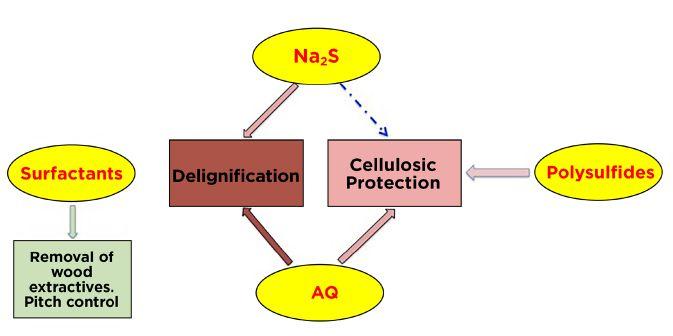
Sulfidity does not increase pulp yield. The hydrogen sulfide (HS−) ion improves greatly the selectivity and the delignification rate during kraft pulping, but do not have any direct effect on protecting the cellulosic material (i.e., chemically increasing pulp yield).
Due to its profound effect on the delignification rate, the HS− ions leads to shorter cooking times to get a target kappa number that favours to less exposure time for cellulosic degradation reactions. This shorter cooking time equates to less exposure time to drastic alkali and/ or cooking temperatures and consequently increasing pulp yield. Furthermore, the lower degradation of the fibres can be perceived as better pulp strength.
Around 90 percent of residual lignin in softwood kraft pulp is chemically bound to carbohydrates mainly to hemicelluloses (Lawoko 2003). The pulp yield losses during pulping explain that by removing more residual lignin there is also an additional removal of hemicelluloses (i.e., xylans). It is believed or assumed that lignin and the cellulosic materials must be linked together even in a standing tree and ultimately removing residual lignins will definitely affect the removal of more xylans.
This partially explains the theory behind the usage of enzymes (i.e., xylanases) for delignification. In this particular case, xylanases do not work directly on the lignin removal but on the very selective degradation of xylan leaving the lignin more exposed to the attack of the bleaching chemicals. A true enzyme for delignification is a ligninase but at this moment there is not such an enzyme for industrial economical applications.
The best chemicals improving the delignification rate are HS− ions (i.e., sulfidity) and anthraquinone-AQ (i.e., very few mills are still using it). It is worth mentioning another digester additive such as polysulfides (PS) that do directly protect the cellulosic material and increase pulp yield. In terms of pulp yield, AQ and PS do increase pulp yield.
AQ is the only digester additive that increases the delignification rate (i.e., shorter cooking time) and protects the cellulosic material (i.e., direct chemical protection) giving higher pulp yield. The last group of digester additives to mention
is the surfactants with not enough data to support their positive effect on delignification or cellulosic protection. The only benefit of surfactants as digester additives seems to be the removal of wood extractives for pitch control. See Figure 2.
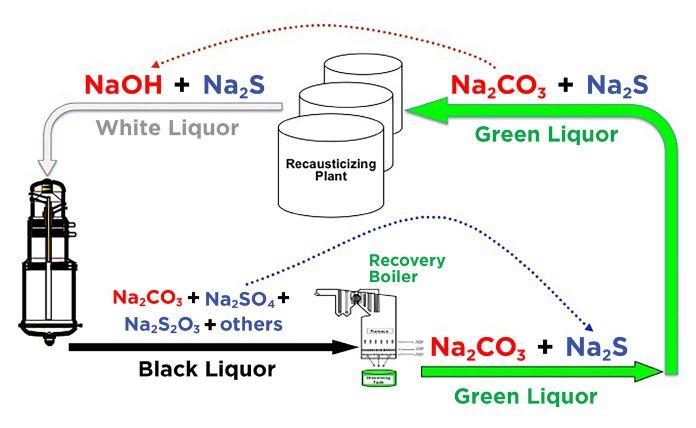
There are three liquors flowing in a kraft recovery cycle: white liquor (i.e., liquor containing active cooking chemicals NaOH and Na2S), black liquor (i.e., liquor containing degraded organics and inorganics after cooking) and green liquor (i.e., is the dissolved smelt of sodium carbonate, sodium sulfide, etc from the recovery boiler). The most common and important chemicals in the chemical recovery cycle are the following: sodium hydroxide (NaOH), sodium sulfide (Na2S), sodium carbonate (Na2CO3), and sodium sulfate (Na2SO4). See Figure 3.
Polysulfides decompose at high temperatures (i.e., 170°C) to give sodium thiosulfate that represents part of the sulfur elimination from the cycle.
The great selectivity of the sulfidity is better observed at the beginning of the cooking stages especially during the bulk delignification (i.e., higher lignin removal) but it is less effective at the end of the cooking for removing the residual lignin. When trying to reach the lowest levels of residual lignin the best option is to increase the alkali concentration instead of increasing the hydrogen sulfide concentration (Brännvall 2017). Removal of the residual lignin (i.e., slow-reacting lignin) is a very complex operation that needs special attention.
The main objective of a kraft pulping process is to liberate the fibres in the wood by chemically degrading and dissolving lignin (i.e., ideally). However, other wood components (i.e., cellulose and hemicelluloses) are degraded at the same time and pulping conditions must
be controlled in order to obtain high pulp yield and high pulp strength.
Even though, the delignification rate is reduced when approximately 95 percent of the original lignin in wood has been removed, the rates of degradation and dissolution of the carbohydrates continues more or less unaffected (Bränvall 2017). Then the limitations for full delignification are determined by the amount of the slow-reacting residual lignin and by the degree of degradation of the cellulosic material.
The residual lignin is characterized as very slow-reacting polymer, with high content of guaiacyl-lignin units (i.e., resistant), with more complex lignin structure, with more carbon-carbon bonds and highly condensed. Condensation reactions lead to the formation of alkali-stable linkages, thereby increasing the molecular size of lignin fragments. At low residual alkali the fragmented lignin re-condenses and re-precipitates onto the pulp at the bottom of the digester. It is very difficult to remove this condensed lignin from the fibres (Gellerstedt 1984-b).
Sulfidity reduction during kraft pulping has been forced mainly because of environmental pressure and government regulations. Many original kraft mills located close or in the middle of a town have been required to lower or eliminate their odour emissions (i.e., total reduced sulfur – TRS). An additional and important reason for reducing the sulfidity is the advantage of reducing the recovery boiler corrosion.
A sulfur balance is necessary in order to monitor the sulfur losses (i.e., air emissions) and their impact on the sulfidity of the white liquor and make-up chemical calculations and replacements.
A way to control sulfidity levels is to purge electrostatic precipitator ash from the recovery boiler (Andersson 2014). Current liquor cycles in the kraft pulping process are highly closed and only a small fraction of the chemicals leak. These closed systems help to comply not only with strict environmental limits but also to reduce the cost of make-up chemicals. PPC
Augusto Quinde is president of AQuinde Pulping Consulting in Vancouver.

Voith introduces OnQuality fibre orientation measurement and control
Voith launched its new fibre orientation measurement and control product family – OnQuality – to help paper manufacturers control the fibre orientation angle.
The new solution includes the OnQ Fiber Orientation Sensor, which continuously measures fibre orientation in realtime; the OnQ Profilmatic fibre orientation control system; and the OnQ ModuleStep and OnQ ModuleJet actuators. The integration of the quality control system is applicable for existing plants worldwide and independent of the manufacturer with little effort.
The OnQ Fiber Orientation Sensor uses high-resolution macro photography, digital image processing and nanosecond flash illumination to distinguish the individual fibres and their orientation in the moving paper web. Surface measurement is possible on both one and two sides. The OnQ Profilmatic CD control system derives suitable set points of the OnQ ModuleStep actuators from the measured fibre orientation angles, which enable zonal, mechanical profiling of the headbox slice lip using stepper motors. In combination with the OnQ ModuleJet actuators, the dilution water can also be controlled, thus avoiding undesirable side effects on the basis weight.
Voith’s OnQuality 4.0 is an intelligent and integrated concept that enables manufacturers to gain control over production processes and product quality. The apps of the cloud platform OnCumulus provide a
wide range of analysis, reporting and visualization functions that are available at any time via different end devices and optimally complement the fibre orientation solution. In addition, the paper technology experts at Voith’s OnPerformance.Lab provide support through remote consulting. voith.com
Valmet introduces new feature for automatic pulp quality prediction
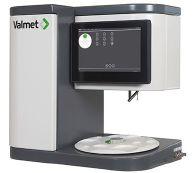
Valmet introduced an additional option for new and existing users of the Valmet Fiber Image Analyzer, called Option C. This option allows pulp and paper mills to calculate and display correlations between measured fibre properties and their effect on end-product quality.
The analyzer can predict a variety of pulp quality parameters, such as tensile, burst, tear, short span compression (SCT), porosity or softness. The results are fully customizable. Additional communication protocols now allow easier integration with mill systems to provide operators with faster access to the effects of furnish and process changes.
The Valmet Fiber Image Analyzer is intended for routine pulp and paper mill laboratory use as well as laboratory research. It offers a comprehensive set of automated fibre measurements for virgin, recycled and synthetic fibres as well as numerous other fibres such as cotton, hemp, jute, flax, and tobacco. Option C includes Windowsbased Valmet Data Modeler software, models integration in the analyzer as well as data communication capabilities. valmet.com

ABB launches new paper machine moisture sensor
ABB launched its High-Performance Infrared-Reflection (HPIR-R) moisture sensor, which is designed to provide fast, precise moisture monitoring. The sensor takes up to 5,000 measurements per second and delivers precise, high-resolution measurements to help mills to increase throughput while reducing operating costs. This technology is designed to help pulp, paper and board producers know the precise moisture levels. Based on the moisture levels, they will be able to raise moisture targets.
The small spot of infrared energy used in ABB’s new sensor provides streak resolution and edge-to-edge sheet measurement, even in difficult environments. The measurement is taken continuously while scanning. There is no beam chopping or filter wheels.
The HPIR-R moisture measurement has a built-in sheet temperature sensor. The product is designed to be fully air-cooled and field repairable. It is also insensitive to dust and disturbances.
According to ABB, the highest impact application for this reflection moisture sensor is before a size press, where better precision and accuracy lets pulp, paper and board producers raise the moisture target. This gives optimized starch/sizing pickup and reduces drying energy demand. This also applies to pre-coat locations.
ABB adds that another high-value application for the sensor is placing it after the wet press section. This enables operators to adjust press loadings to improve the moisture profile and increase sheet dryness going into the dryers.
The fully digital sensor is part of the ABB Ability Quality Management System. The sensor provides a set of diagnostic data which can be used for analytics to inform on-site or corporate-level decision-making. The sensor is applicable for all network platform types and can be used to measure publication grades, graphic papers, board, tissue, packaging, specialist and recycled grades. new.abb.com
By FPInnovations
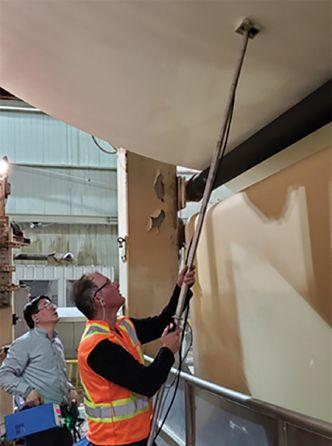
When machines at pulp and paper mills have wet-end runnability issues such as web breaks and non-uniform profiles, this often causes quality and runnability issues at the machine itself and the end-user. To understand the root causes of these problems, it is sometimes necessary to look at the wetend moisture profile uniformity. To that end, FPInnovations has developed a technique using a portable infra-red (IR) moisture sensor that measures and analyzes moisture profile in cross-direction content at the wet-end of paper, board, or pulp machines.
Figure 1 shows a setup of the moisture sensor at an open draw of a pulp drying machine. The moisture sensor is usually installed at a distance of 3 cm from the web surface.
Moisture is usually measured after the press section, at the open draw between the press and dryer section. When access, even if limited, is possible due to machine configuration, then the sensor head can be mounted on a travelling cart or on a bracket.
Benefits of IR moisture sensor:
• Evaluate the real moisture content of paper, board, or pulp at different locations on the machine
• Evaluate the moisture profile uniformity in cross-machine direction, and
relate it to the dry-end moisture profile
• Troubleshoot wet-end break issues on the machine, by analyzing where the non-uniform moisture profiles could come from
• Solve quality issues such as baggy edges, moisture streaks, corrugations and others by analyzing the drying history on the machine, from the wetend to the dry-end
The reduction in web breaks on pulp or paper machines could lead to significant cost savings from reduced loss of paper and/or improved productivity (>$0.5 M/year).
FPInnovations’ anticipated course, the Pulp, Paper, and Bioproducts course, will take place from October 24 to 28, 2022 in a hybrid format with on-site and online participation options. The on-site participants will have the opportunity of a lab and pilot plant tour and of seeing live lab demonstrations.
This five-day online course is designed to provide comprehensive training for a wide range of professionals in the industry including newly hired engineering interns, process engineers, technical specialists, sales representatives and trade association and government staff.
FPInnovations’ industry-specific knowledge and experience add value
and insight to this course. With a wide range of topics and each topic covered by an expert, this course will enhance participants’ technical knowledge in pulp, paper, and bioproducts.
The course covers a variety of subjects, including:
• Forest resources and certification to ensure sustainable forest management and pulp & paper production.
• Fibre morphology and wood chemistry, and how they affect pulp and paper properties.
• Pulp and paper manufacturing processes, from raw materials to various final products.
• How the properties of products can be modified through combinations of pulping, refining, papermaking and finishing.
• How the pulp and paper industry could help the move towards a circular economy and bioeconomy. The training course may be used to fulfill the professional development requirements for some professional designations, such as engineers. A certificate will be issued to each participant after the training course. Please note that the course will be given in English.
For more information on the Pulp, Paper and Bioproducts Course, the agenda (available soon), or to register, please email ppbcourse@fpinnovations.ca. PPC
The Canadian forest products sector is passionate and devoted – not just to the industry itself, but also to its local communities. Here we share the initiatives of pulp and paper companies working to make positive social, environmental and economic impacts across the country.
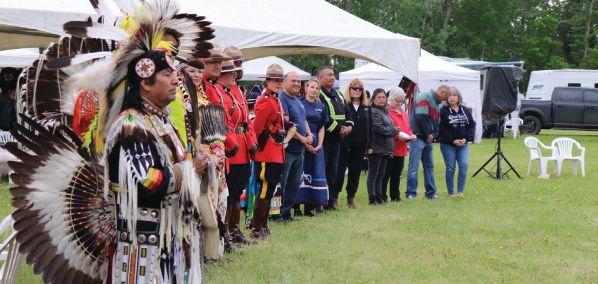
The Mercer Peace River Pulp team received the honour of participating in the 2022 Peace River Pow Wow. The team felt proud to be invited to participate in the sharing of culture and knowledge and was proud to be a sponsor of an event that means so much to the community.
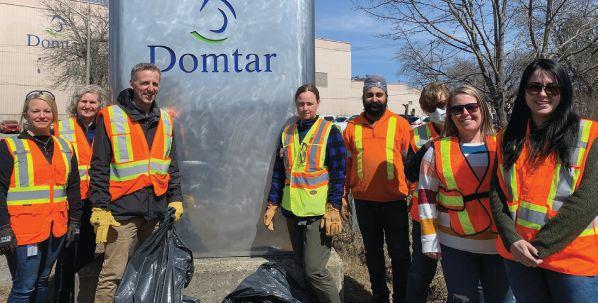
The Domtar Espanola Mill team recently participated in a clean-up day in the mill’s community in the month of April.
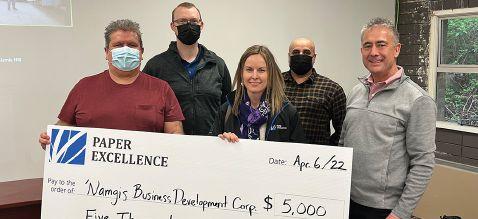
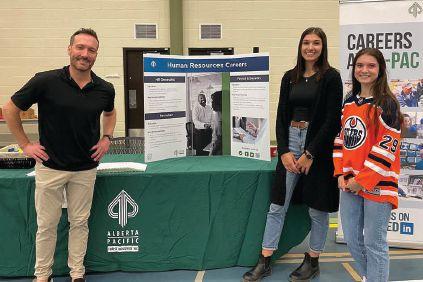
Alberta-Pacific Forest Industries recently joined CAREERS & Aspen View School Division for the Forestry Quick Connects Career Fair in Athabasca. Following the career fair, Al-Pac welcomed 30 students on a tour of its pulp mill.
To celebrate Earth Day, Cascades, in collaboration with EcoSchools and David Suzuki Foundation, held an awareness event yesterday at its Vancouver recovery centre : From Awareness to Action.
In April, Paper Excellence donated $5,000 to Namgis Business Development Corp.’s (NBDC) new driving school in Alert Bay. The driving school project is very important for the economic development of the ’Namgis First Nation.
Let us help you share your successes. Tag @PulpPaperCanada or use #PPCGivingBack on Facebook or Twitter, or send an email to the editor at srayghosh@annexbusinessmedia.com. We’d love to hear from you!
It’s been a rough two years, and mental health is in the spotlight more than ever.
What if there was a way to measure the mental health of your employees, giving them practical advice while at the same time providing your leaders with a powerful dashboard?
That’s what the Psychologically Safe Workplace Awards do, powered by Howatt HR’s Mental Fitness Index (MFI). This program is far more than a competition – they provide leaders with credible data, insights to make a real difference.
FIND OUT MORE AT WWW.PSYCHOLOGICALLYSAFEWORKPLACE.COM