

Kemira TCM (Total Chemistry Management) is a system that enables pulp and paper makers to improve operational efficiency and save costs through the optimized use of chemicals. With this strong partnership you get a full range of chemicals from a single supplier and benefit from the bestin-class application know-how and technical service.
In addition, we provide you with direct access to our smart process management technologies and the latest innovations from Kemira R&D.
Let’s work together to build value into paper.
tcm.kemira.com



















Digitalization is transforming global industries as we know it, from driverless vehicles to digital healthcare to the rise of industrial robots. And the forest products industry is no different.
Earlier this year, FPInnovations launched Forestry 4.0, an initiative aimed at enabling the upstream part of the forest value chain to leverage the Fourth Industrial Revolution.
“The Fourth Industrial Revolution, as it is called, is characterized by an interconnection of machines and systems within the production sites as well as between them and the outside world, to optimize decision making for each piece of equipment, simultaneously, for the overall supply chain,”

FPInnovations’ Francis Charette said in an interview with Raymond Chabot Grant Thornton.
“In Canada, the resource sector is facing an enormous technological challenge. To continue as a major player in the global network, it must adapt, for example, by further developing its data collection and transmission system.”
The initiative stresses the need to develop technologies that generate and access real-time process input/output data relevant to supply chain management. “Information collection and transmission have progressed to the point where it is now common to exchange data in real-time from anywhere in the world. This has made it possible to generate enormous digital information flows, and the emergence of connected devices will amplify this phenomenon,” says FPInnovations.
Finnish company Metsä Group explains digitalization provides new perspectives on the future of the forest industry, particularly through data intelligence.
“I believe that in the future every tree growing in Finland will be modelled, and we will know the exact location, length, diameter, species and other key data,” said Juha Jumppanen, SVP, Member Services, Metsä Group. “We have developed a virtual forest demo with our partners, and the goal is for us to be able to cost-efficiently create a virtual twin based on any forest.” Like the digital twin concept in Industry 4.0 manufacturing, a virtual twin allows users to monitor the health of their assets and predict when individual components require maintenance or replacement.
Metsä Group says it has tested drones with cameras, an approach some Canadian mill companies have already implemented, including Zellstoff Celgar and Domtar.
“Drones will help us obtain significantly more accurate and varied information from forests than is possible now. For example, damage caused by beetles can be detected before it’s visible to the human eye,” Jumppanen said. “These modern methods will bring forest use and management into a new era. They will enable us to reduce the cost of forest planning and obtain more detailed information about forests.” PPC
Editor ALYSSA DALTON
416-510-5225 adalton@annexbusinessmedia.com
National Accounts Manager LAURA GOODWIN 289-928-8543 lgoodwin@annexbusinessmedia.com
Group Publisher/Director of Content and Engagement
SCOTT JAMIESON 519-429-5180
sjamieson@annexbusinessmedia.com
President & CEO MIKE FREDERICKS
EDITORIAL/SALES OFFICES
111 Gordon Baker Rd., Suite 400, Toronto, ON M2H 3R1
Phone: 416-442-5600
PRODUCTION
Media Designer
ALISON KEBA
Circulation Manager BEATA OLECHNOWICZ bolechnowicz@annexbusinessmedia.com
Print in Canada
ISSN 0316-4004 (Print) ISSN 1923-3515 (Digital)
Account Coordinator
STEPHANIE DEFIELDS sdefields@annexbusinessmedia.com
PUBLICATION MAIL AGREEMENT #40065710
CIRCULATION
email: mchana@annexbusinessmedia.com
Tel: 416-510-5109
Fax: 416-510-6875 (main) 416-442-2191
Mail: 111 Gordon Baker Rd., Suite 400, Toronto, ON M2H 3R1
SUBSCRIPTION RATES
Canada $56.50 - 1 year; $90.50 - 2 year
Outside of Canada - $113.00 per year
Occasionally, Pulp and Paper Canada will mail information on behalf of industry related groups whose products and services we believe may be of interest to you. If you prefer not to receive this information, please contact our circulation department in any of the four ways listed above.
Annex Privacy Office privacy@annexbusinessmedia.com Tel: 800-668-2374
The editors have made every reasonable effort to provide accurate and authoritative information but they assume no liability for the accuracy or completeness of the text or its fitness for any particular purpose. All rights reserved. The contents of this publication may not be reproduced in part or in full without the publisher’s written permission © Annex Publishing & Printing Inc.
Sustaining member, Pulp and Paper Technical Association of Canada; Member, Alliance for Audited Media.


Resolute investing $52 million into Quebec pulp mill
Resolute Forest Products Inc. is investing more than $52 million into a strategic plan for its Saint-Félicien pulp mill in the Lac-Saint-Jean region of Quebec. The upgrades are expected to be completed by the end of 2019.
“The significant investments at SaintFélicien are expected to improve several areas of the operation, increasing the average daily production capacity by 76 metric tonnes and reducing greenhouse gas emissions from the use of fossil fuels by 20 per cent,” Yves Laflamme, president and CEO of Resolute, said.
The announcement was made at a news conference attended by Quebec Premier Phillippe Couillard and several other dignitaries and company employees.
Resolute employs close to 240 workers at the pulp mill, and more than 2,000 in the Saguenay–Lac-Saint-Jean region.
On April 30, Resolute announced a $13-million investment in its La Doré, Que., wood products facilities, also located in Lac-Saint-Jean. In 2016, the com-
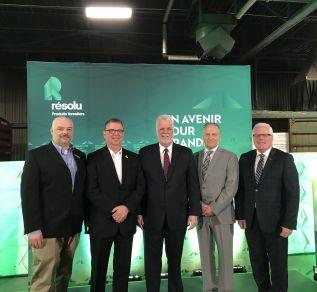
pany inaugurated Toundra Greenhouse, located adjacent to the Saint-Félicien pulp mill, a $100-million joint venture project with local investors.
Resolute Forest Products is a global producer in the forest products industry with a diverse range of products, including market pulp, tissue, wood products, newsprint and specialty papers, which are marketed in close to 70 countries. The company owns or operates some 40 manufacturing facilities, as well as power generation assets, in the United States and Canada.
Smurfit Kappa Group is set to acquire Reparenco, a Netherlands-based, privatelyowned paper and recycling business for about €460 million.
Smurfit Kappa Group (SKG) is one of the world’s largest integrated manufacturers of paper-based packaging products with operations in Europe and the Americas.
Reparenco operates a two-machine paper mill with a capacity of 675,000 tonnes together with a 750,000-tonne recovered fibre operation. It employs 315 people with gross assets of €189 million and generated EBITDA of €41 million in the 12 months to April 2018, during which time the business continued to ramp up production. The acquisition represents a transaction multiple, pre-synergies, of 6.4 times the expected full year 2018 EBITDA for Reparenco of €72 million.
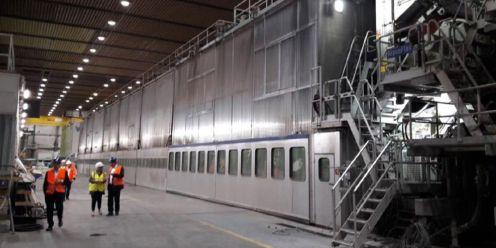
Reparenco’s strong strategic fit with SKG’s existing European businesses is expected to deliver significant synergies in the near-term in a number of areas, including increased integration of containerboard and the recycling operations into the Group.
The cash consideration will be funded from the Group’s existing resources. It is expected that the Transaction will complete within four to six weeks subject to customary completion conditions and adjustments and regulatory approval.
In September, SKG acquired the Russian corrugated packaging company Soyuz. More recently, in March, SKG rejected an unsolicited acquisition proposal from International Paper Company, headquartered in Memphis, Tenn.
Catalyst selling U.S. operations to ND Paper Catalyst Paper is selling its U.S. mills to ND Paper LLC, a wholly-owned subsidiary of Nine Dragons Paper (Holdings) Ltd. The sale by Richmond, B.C.-based Catalyst Paper Corporation to the Hong Kong company was for US$175 million.
Upon closure of the transaction, ND Paper will acquire Catalyst’s Rumford, Maine and Biron, Wisc., mills along with the associated staff at the company’s U.S. operations centre in Dayton, Ohio. Catalyst has agreed to provide transition support services to ND Paper to assist with the development of certain operational and administrative functions required for the two U.S. mills.
“We’re proud of what our employees have accomplished at our Biron and Rumford mills and our Dayton operations centre,” Ned Dwyer, Catalyst president and CEO, said. “Their hard work and dedication have vastly improved these operations. This transaction allows Catalyst to repay a significant portion of our debt and focus on our British Columbia operations.”
Dwyer said Catalyst will continue to improve the competitiveness of the company and industry.
“We also continue to work with the provincial and federal governments in our defence against the unwarranted imposition of U.S. countervailing and anti-dumping duties.”
The transaction is expected to close by the end of the second quarter upon a favourable vote of Catalyst’s shareholders, with a meeting of shareholders in June. Pursuant to a lock-up agreement, three major shareholders of the company, aggregating approximately 87 per cent of the outstanding shares, have agreed to vote in favour of the transaction at the meeting.
Last issue we published the results to our 2017 Safest Mill in Canada Contest. We would like to clarify that Domtar Windsor is the winner of Category A, as Alberta Pacific Forest Industries was incorrectly placed in the wrong category.
Pulp mill, Town of Pictou at odds over wastewater
One of northeastern Nova Scotia’s largest employers and a key cog in the local forestry sector claims that without the means to pipe treated wastewater into the Northumberland Strait, there can be no Northern Pulp mill.
The Canadian Press reports that Northern Pulp wishes to pump its wastewater into the strait after years of pumping its wastewater into lagoons near the Pictou Landing First Nation reserve. About 70 million litres of wastewater is pumped each day. The environmental issue has created a rift between the company and the Town of Pictou. Some properties in town bear signs that state: “No Pulp Waste in Our Water.”
The mill has been mandated by the province to replace its current wastewater treatment plant in Boat Harbour by 2020. The wastewater lagoons have been called some of the worst environmental pollution in Nova Scotia and perhaps Canada. Chief Andrea Paul of the local Mi’kmaq community said she shares concerns
with Northumberland Strait region fishermen about what damage a wastewater pipe leading to the strait might do to the environment.
In 2015, the Nova Scotia government promised to clean up the treatment lagoon sites at an estimated cost of $133 million.
Paul told the Canadian Press she believes the piping of wastewater into the lagoons was permitted to happen for the past 50-plus years because of Northern Pulp’s importance to the town. The company employs more than 300 people.
Kathy Cloutier, a spokesperson for Paper Excellence – Northern Pulp’s parent company – said she acknowledged the history of the piping of treated wastewater but suggested a new treatment plant presents an opportunity. The new plant, announced last December, is to meet federal and environmental standards for suspended solids and oxygen depletion. Wastewater would be released through six dispersal pipes into the strait.
In July, Northern Pulp is expected to submit an environmental assessment to the provincial government.
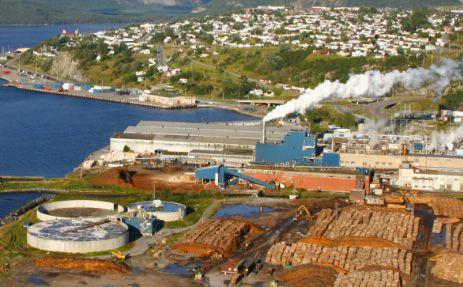
More than 4,000 tonnes of high-quality newsprint was shipped early May from Corner Brook Pulp and Paper to India.
It marks the Newfoundland company’s largest ever shipment of newsprint. Although Corner Brook has been shipping newsprint to India for some time, it is the first time such a large load is being shipped directly to its destination. Previously, the product had been sent to another location before it was shipped overseas.
BillerudKorsnäs has begun negotiations with labour unions to form a new organization to be implemented later this year.
“During my first months with BillerudKorsnäs, it has become clear to me that we have great conditions for profitable growth,”
Petra Einarsson, president and CEO of BillerudKorsnäs, said.
Two Canadians are among four new members elected to the Sustainable Forestry Initiative’s board of directors. Jim Irving, co-CEO of J.D. Irving, represents the economic chamber. Meanwhile, Lennard Joe, president of the Nicola Tribal Association in British Columbia, represents the social chamber.
Irving helped pioneer J.D. Irving’s reforestation and tree improvement programs, helping to set the tone for sustainable forestry in Canada and around the world. The company has been planting trees since 1957 and will plant its billionth tree this year.
Joe, a registered professional forester and a member of the Niaka’pamux First Nation, is also an adviser and committee member with the University of British Columbia’s faculty of forestry First Nations council of advisers.
SFI’s 18-member, multi-stakeholder board of directors comprises of three chambers, representing environmental, economic and social interests.
“In order for us to take maximum advantage out of these conditions, we need to become faster and clarify accountability within the company. This we now want to accomplish through a new organization in three divisions with full profit and loss responsibility.”
The current organization of BillerudKorsnäs is a matrix with three business areas, a production organization and a number of supporting functions. The proposal for a new organization, which will be subject to negotiations, contains an organization in three divisions: Sack and kraft papers, board and corrugated materials, and packaging solutions. The production units will be included in the division for sack and kraft papers and in the division for board and corrugated materials. All the details of the future organization are not yet decided and will be worked out and negotiated going forward.
In parallel to this process, a review of the roles and composition of the senior management team of the company will also be carried out. After finalized negotiations, the ambition is to staff the new organization and fully implement it during the latter part of 2018.
BAP announces “world’s first” bamboo bio-refinery and paper mill
BAP Industries of Guatemala will construct and operate what it says is the world’s first bamboo bio-refinery and associated paper mill, located in Nicaragua close to the bamboo raw resource. The facility, it says, will have the capacity to process up to 250,000 metric tonnes of bamboo annually into a range of 100 per cent bamboo toilet, tissue and cleaning papers.
As part of a strategic alliance with Advance Pulp and Paper Machinery (AP&P) of British Columbia, BAP has signed a 10-year exclusive Bamboo Purchase Agreement with EcoPlanet Bamboo Group for 100 per cent of the off-take from its Nicaraguan bamboo plantations.
EcoPlanet Bamboo develops bamboo plantations as an alternative resource for wood and fibre industries globally. The company owns and operates more than 4,000 hectares of bamboo plantations in Nicaragua and South Africa.
“The Bamboo Purchase Agreement with EcoPlanet, and the announcement of a $60-million Nicaraguan facility with BAP is just the first step of a multi-faceted strategic alliance aimed at turning the toilet paper industry from a negative global footprint into something positive,” said Mark Nash, CEO of AP&P Machinery.
BAP and AP&P say the pulping technology is zero waste, closed loop, chlorine free, and utilizes only 30 per cent of the energy and water of a traditional wood chip pulp mill.
“The Bamboo Purchase Agreement with BAP and larger partnership into a state-ofthe-art manufacturing facility in Nicaragua fulfills a major goal we set out to achieve seven years ago. Most importantly it will provide hundreds of much needed jobs in Nicaragua, reward all those who have contributed towards achieving our triple bottom line vision, and provide the final piece in the building of a global bamboo resource base as a viable and market driven solution to deforestation,” said EcoPlanet CEO Troy Wiseman.
Eight individuals have been honoured by the Forest Products Association of Canada (FPAC) for their contributions to the forest sector.

“It’s important to recognize the men and women who are among our best and brightest, from those who have spent much of their lives contributing to the forest products sector to our younger rising stars. It is they who are the backbone of our industry,” CEO Derek Nighbor, said.
The Lifetime Achievement Award was presented posthumously to Michael Jordan, director Environment, Energy & Climate Change Policy, Canfor Corporation, Vancouver, B.C.
The annual Outstanding Member Award recognizes members of the Canadian forest products sector who have contributed their time and talents to improve the sector through their leadership, dedication and vision. Recipients for 20172018 are: Wendy Crosina, woodlands manager, Weyerhaeuser Company Ltd., Edmonton, Alta., and Pascale Lagacé, vice-president of environment, energy and innovation, Resolute Forest Products, Montreal, Que.
The Award of Excellence for Women in Forestry was presented to Tanya Wick, vice-president, people and services, Tolko Industries Ltd., Vernon, B.C.
The Rising Star Award honours young women and men in the industry who bring passion and pride to their work every day, and are making a unique contribution to their workplace. The recipient of the 2017-2018 award is Matthew Buxton, mechanical technologist, Canfor Pulp Ltd., Prince George, B.C.
The Innovation Award recognizes an individual who has shown leadership in innovation, and was presented to Dale Holloway, mill manager, Millar Western, Whitecourt, Alta.
The Skills Award for Aboriginal Youth is presented in collaboration with the Canadian Council of Forest Ministers (CCFM) to two individuals who exemplify the qualities of strong academic standing, commitment to the revitalized forest products industry, and a demonstrated commitment
to the Aboriginal community. The recipients for 2018 are Danielle Patzer, Manitoba Metis Federation, and Aaron Jones, Garden River First Nation, Ont.
The FPAC Aboriginal Business Leadership Award is presented in collaboration with the Canadian Council for Aboriginal Business (CCAB) to recognize and celebrate First Nations entrepreneurs for their success in a forest products business and exemplifies business leadership, exceptional environmental and safety performance and the delivery of high-quality products and services. The recipient of the award is Splatsin Development Corporation (SDC).
ProVantage Automation awarded three contracts for safety upgrades
ProVantage Automation, a Canadian automations systems company, has been awarded three major contracts by a Tier 1 tissue producer for the refurbishment and safety upgrades at sites in Latin and North America. The contracts add to an already large backlog for the company.
The machine refurbishments focus on tissue machine rewinders and reels. Work includes updated drives and machine controls, the installation of third party slitting and other upgrades with a major focus on machine safety while optimizing the speed output of the machinery through modern drive systems. Speed increases on the older assets will be close to new rewinders, for a fraction of the cost.
ProVantage Automation will provide the engineering, mechatronics and modifications to the machinery while overseeing the third-party integration and site contractors at all sites. ProV’s Atlanta applications office will provide project management support to all sites. The new concurrent contracts are being executed on a tight time line to meet the client’s own market obligations in the Americas.
ProVantage Automation specializes in developing custom factory automated solutions for companies to increase productivity, profits, and competitiveness. It bills itself as an industry expert in factory automation, motion control, robotic integration, machinery retrofits and overhauls, and more. PPC
Submitted by FPInnovations
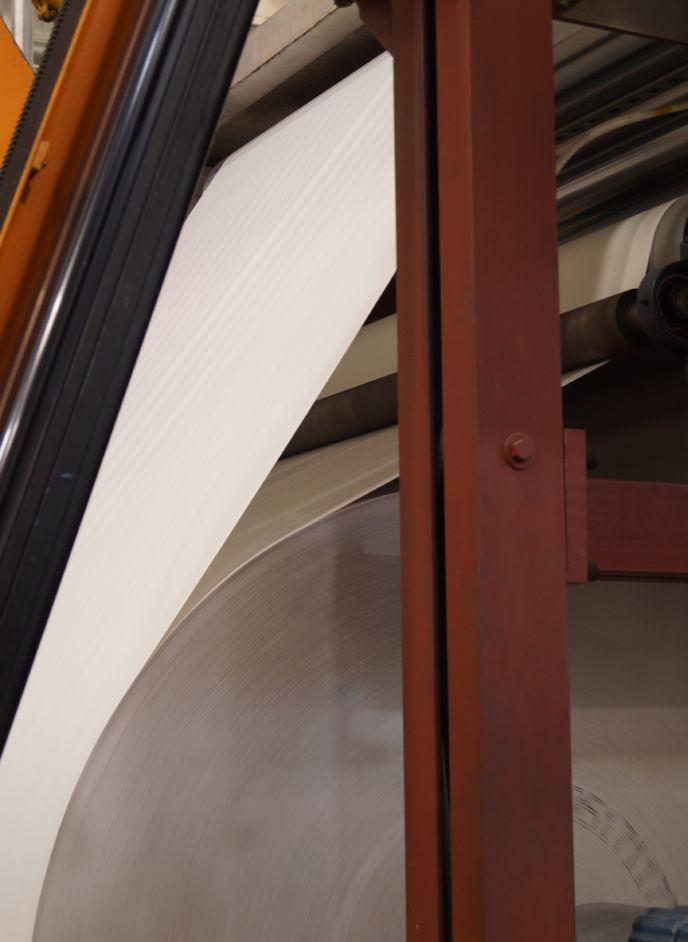
In 2002, FPInnovations opened the doors to its Roll Testing Facility (RTF) in Pointe-Claire, Que., to help troubleshoot paper producers’ roll performance issues; issues that often the producers themselves were unable to identify the root causes of. Almost 16 years and 3,000 rolls later, RTF is now able to test any flexible web materials. From linerboard to tissue and even aluminum foil and plastic films, RTF aims to help producers improve product performance and efficiency in converting and end-uses.
Web breaks, bagginess, wrinkles and other roll structure defects can seriously hamper a producer’s efficiency, customer satisfaction and bottom line.
“RTF provides a unique set of services and tools to troubleshoot complex and long-standing issues and determine the root cause of the problem,” explains Frederic Parent, research leader, Web Performance Group. Through a complete inspection and analysis of web uniformity and roll structure, RTF can identify the causes of web-related issues on the printing press and converting line in an effort to avoid repeating the issue and help address complaints and costly claims from end-users. Customers can also have good rolls compared against problematic ones through a benchmarking service that aims to pinpoint the differences between the two in order to solve the problems at hand. The outcome and deliverable of any RTF analysis includes a full report with supporting data, an interpretation of the results, and recommendations for corrective actions.
Described as the only facility of its kind in North America, RTF services mills from Canada, the U.S., Asia and Europe. “Regardless of who the customer is, it comes down to three essential ingredients for producers: A high quality product, minimum rejects, and a uniform web, all of which RTF can help achieve,” explains
Parent. “The savings realized resulting from improved efficiency can be in the order of millions of dollars per year for a typical paper machine, depending on the issue.” Roll upon roll, RTF has been an integral part in making their customers’ success stories a reality, explains FPInnovations. Here are three recent successes that have helped improve a mill’s bottom lines through better efficiency, increased sales, and a reduction of paper breaks.
Ridges and non-uniform profiles resulted in a mill having to reject the first 20 inches of paper at the front edge of the paper machine. With the help of RTF analysis, the mill was able to link the issues to specific paper machine unit operations. Implementing RTF’s recommendations improved paper machine efficiency by 7 per cent, translating into millions of dollars saved annually.
One mill producing a specialty grade had a long-standing issue with baggy edges, causing wrinkles, rejects and end-user claims. RTF’s recommendations enabled the mill to solve this issue, helping to facilitate the production of high-quality, lighter-grade products.
This opened the mill up to additional markets that were previously inaccessible. The result was a significant increase of millions of dollars in annual sales, says FPInnovations.
Crepe wrinkles and a burst issue caused several web breaks per day on printing presses at another mill. RTF analysis revealed the issue was related to the use of a non-appropriate winding curve. This correction reduced the number of paper breaks by four and saved the mill more than $1 million per year. PPC
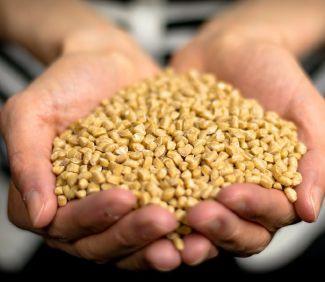
Stora Enso has launched its wood-based biocomposites as a renewable replacement for plastics, taking another step in its quest to replace fossil fuel materials with renewable solutions. DuraSense by Stora Enso is available to companies seeking high-performance and sustainable, bio-based alternatives to plastics.
DuraSense enables the use of renewable fibres, such as wood, to substitute for a large portion of fossil-based plastic. The production of biocomposites began in 2018 at Stora Enso’s Hylte Mill in Sweden, following the EUR 12 million investment announced in 2017. At full production, the mill’s annual production capacity is 15,000 tonnes, which is the largest capacity in Europe dedicated to wood fibre composites.
“Reducing the amount of plastic and replacing it with renewable and traceable materials is a gradual process,” Jari Suominen, head of wood products at Stora Enso, said. “With DuraSense, we can offer customers a wood fibre-based alternative which improves sustainability performance and, depending on the product, significantly reduces the carbon footprint – all the way up to 80 per cent.”
The DuraSense product family is suitable for a range of applications from consumer goods to industrial applications, with typical applications including furniture, pallets, hand tools, automotive parts, beauty and lifestyle products, toys and items, such as kitchen utensils and bottle caps.
The DuraSense granules are a combination of natural wood fibres, polymers and additives offering the mouldability of plastic with the sustainability and workability of wood.
With DuraSense, it is also possible to combine fibres with recycled or biobased polymers to further enhance environmental values, describes Stora Enso. For example, DuraSense Eco100, which is one of the product grades and based on wood fibres and biopolymers, is described as a cost-competitive way to fully replace fossil-based plastics.
“Affordable sustainability and the environment are climbing upwards on
consumer agendas,” Patricia Oddshammar, head of biocomposites at Stora Enso, said. “DuraSense can reduce the consumption of plastic materials by up to 60 per cent, ensuring less microplastics end up in the environment. Stora Enso’s biocomposites can be reused as a material up to seven times or recycled along with other plastic materials or, alternatively, used for energy recovery at their end of life.” PPC

By Pulp & Paper Canada staff
Domtar has been present in the Canadian pulp-and-paper market for more than 150 years, operating 13 pulp and paper mills in North America, including Kamloops, B.C., Espanola and Dryden, Ont., and Windsor, Que. We speak to Eric Ashby, general manager of Domtar Windsor – the 2017 and two-time consecutive winner of Pulp & Paper Canada’s Safest Mill in Canada Contes – about the mill’s approach to safety excellence.
PPC: How does Domtar Windsor promote a safety culture?
EA: If you look at safety performance here in Windsor, it’s been an evolution, and we look at it as a step-by-step journey and try to impact our culture by having the right leadership. One thing that perhaps differentiates us than other mills and companies is that we really focus on the leadership aspects. Domtar believes safety is all about leadership. Good safety performance means you have the proper human systems in place to be able to make the right decisions and at the right time, and that [employees] feel comfortable doing so. Over the years, we’ve been working on a [ideology] we call “Just Culture” — it’s a
culture where people will report, do the right thing, and also feel like they can bring up an issue and [the leadership team] will listen.
PPC: This sounds like a very holistic approach that must involve every individual at the mill.
EA: It is. Part of the way to approach Just Culture is to follow a philosophy called Human Performance Improvement (HPI), which addresses how we deal with human error. There has been lots of study on this done by the U.S. Department of Energy and we have also verified it in our own mills. If you look at all incidents – environmental ones, safety ones, you name it – 80 per cent of all incidents that occur in a mill is linked to human error, and of that, 70 per cent are linked to organizational weaknesses. If leadership manages and leads properly, then the systems put in place will help minimize human error, and then you can get to higher safety, environment and reliability performance.
PPC: You mentioned organizational weaknesses, can you elaborate on that?
EA: One of the biggest challenges we have in our mill is the [level] of

retirement we are [experiencing]. From 2009 to 2018, about 54 per cent of the population has changed in this mill, and we have a lot of new people coming in. If you’ve been doing this for the past 30 years, while it may be quite obvious for you, [this is not the case for everyone]. So an organizational weakness would be a system that is complex which results in people having a higher probability rate of making an error. For us, it would be the DCS screens, our procedures, the lockout systems.
Another organizational weakness could be how you hire people. In Windsor, we believe working at a mill is a privilege and before you work at this mill, you will go through a lot of testing and interviews to make sure the right people are [hired]. An organizational weakness would be if we hired people who do not fit the culture we want here.
There are 14 barriers in an organization that you have to consider, with the four key ones being management oversight - how you work with and lead employees; administrative barriers - things like permits and procedures; engineering barriers; and cultural barriers. We are always identifying weaknesses in those four areas. Our philosophy is that we are not trying to eliminate human error, we’re trying to decrease the consequences of those errors. We believe the average [individual] will make five errors per hour and we believe in this mill we will have roughly 32 million errors made in one year, so our focus is on making sure we minimize the consequences of all those errors. People don’t usually like to talk about human error because human error means fault and that means blame, so we’re trying to move away from that [mentality] and that’s how you get to a Just Culture.
There’s a difference between being safe and being consistently [strong] in your operation’s safety culture and performance.
By Treena Hein
How are Canada’s pulp and paper mills recruiting the younger generation? Through a multitude of powerful tools from social media platforms to competitions and scholarships, all designed to engage and excite the new workforce.
Mary Keith at J.D. Irving notes her firm is facing demographic challenges in that region of Canada. “Deaths have exceeded births during the last two years in Nova Scotia and New Brunswick,” says Keith, vice president of communications. “Obviously we look to hire local and Canadians first, but we are also open to hiring immigrants in alignment with our four-fold hiring strategy: Grow at home, bring them home, keep them home, and bring others here to make it home.”
To attract youth in particular, it seems important to both generate excitement about, and highlight the value of, the opportunities available. Catalyst Paper, for example, features the headline Innovators Wanted prominently on its career webpage. “The paper industry is challenging, demanding, competitive and rewarding,” the company states. “If you thrive on solving technical challenges, value growth and opportunity, appreciate living in some of North America’s most spectacular places and want a competitive compensation package, Catalyst is the place for you.”
Catalyst understands that recruiting young people these days requires heavy use of the Internet’s reach. In November 2017, Catalyst implemented a new system that makes it “faster and easier” for prospective employees to access current and future career opportunities.
Another industry Internet recruiting tool is the Forest Products Association

of Canada’s job board on its ‘Greenest Workforce’ website, still going strong since its establishment in February 2012. The website is designed to provide information on the different types of jobs the sector employs and the reasons to pursue a forest products career. In June 2016, the Job Match Tool and online labour market information (LMI) were added.
Social media tools must remain top of the list for all businesses that are actively recruiting. “We were very ‘social,’ for about our job forecast released in January,” says Keith. The forecast described Irving’s need to hire over 10,400 people across Canada and the U.S. over the next three years. “We saw a record-breaking 800,000 impressions with that,” notes Keith, “an increase of 360 per cent of activity over last year.”
Every week, Irving uses Facebook and Twitter to highlight its ‘hot jobs,’ a list of new positions which can number up to 300 in one batch. “The means by which we are learning about people and how to hire them is changing,” Keith says. “Any opportunity to have a direct introduction is important.”
Which leads us to another important factor in hiring the young — providing a variety of entry points to engage youth and spread the word about the opportunities available. Each year, J.D. Irving advertises to hire students, about 400 in summer jobs and 300 in co-op positions integrated with 35 colleges and universities. That number includes 25 new co-op positions that will be offered this year as part of a $40-million modernization project at Irving Pulp and Paper and Irving Tissue, involving students from the University of New Brunswick, Dalhousie University, Memorial University and the New Brunswick Community College.
Another mill company that uses various platforms to attract young workers is Alberta-Pacific Forest Industries, which offers a Registered Apprenticeship Program, a summer student program, programs for children of team members, and a co-op program.
As the pulp and paper industry continues in its transformative journey, one thing is certain — the next-generation workforce is vital to its longevity. PPC

Understanding, identifying and preventing dust explosions
By Alexandre Cardoso, EIT
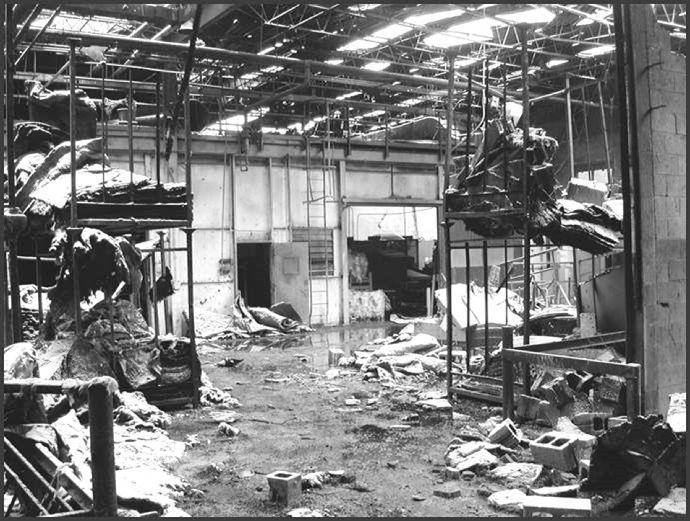
Dust explosions can have significant consequences that can range from minor personnel injuries and clean-up to multiple fatalities and catastrophic property damage. Post-incident reviews of numerous dust explosions have shown there is a general lack of understanding and awareness of the potential for dust hazards on the part of employees, facility owners and operators. Between 1980 and 2005, the U.S. Chemical Safety and Hazard Investigation Board (CSB) documented 281 combustible dust incidents that killed a total of 119 people, injured 718 and extensively damaged many industrial facilities. These incidents occurred in
many different industries, and involved a variety of materials, including chemicals, food, wood, polymers and metals. In fact, dust explosions can occur when any potentially combustible material is finely divided, dispersed in air, and subjected to a strong enough ignition source.
Dust explosions are classified as either primary or secondary in nature, depending on how they are initiated. Primary dust explosions are where a dust cloud is directly ignited. These typically occur within individual pieces of equipment or similar enclosures (baghouse, cyclone, grinder, etc.), and are generally mitigated through the use of pressure relief venting to atmosphere.
Secondary dust explosions are the result of dust accumulations (outside
of equipment/within the facility) that are disturbed, suspended and ignited by a primary explosion, which results in a second, and possibly much larger, dust explosion being triggered from this first event. These are typically controlled through housekeeping, ventilation, or better control of primary events.
The recent history of losses shows that the majority of injuries and fatalities from dust explosions are the result of secondary dust explosions and so it is important to understand the potential for these secondary events and how to prevent them.
NFPA 652 is the recognized North American standard for combustible dust management, including identifying and managing fire and explosion hazards of combustible dusts and particulate solids,
regardless of industry. NFPA 652 references other NFPA and commodity or industry-specific standards to provide further details (i.e., NFPA 654, 664, 61, 484 and/or 655) as appropriate. Where a commodity-specific NFPA standard exists, its requirements are to be applied in addition to those specified in NFPA 652.
Where a requirement in a commodity-specific standard differs from the requirement specified in NFPA 652, the requirement in the commodity-specific NFPA standard may be used. One of the primary requirements of NFPA 652 is for dust hazard assessments (DHAs) to be performed for all facilities where combustible dusts may exist. While a number of the commodity-specific standards have required a process hazard analysis for new facilities for more than a decade, NFPA 652 had always treated new and existing facilities differently. This has now changed, according to the 2016 edition of NFPA 652, a DHA is now required for all installations – new and existing – as well as for upgrades to existing installations. It further requires that all facilities have DHAs complete before September 7, 2018 — three years after the standard came into effect.
A DHA is a systematic approach to identify and evaluate the potential fire, flash fire, or explosion hazards associated with the presence of one or more combustible particulate solids in a process or facility. Using the guidance provided in relevant NFPA standards, prevention and mitigation strategies than can be implemented to manage the risk associated with combustible dust fire and explosion hazards.
While NFPA 652 provides a simple example in its annex, the recently published the Center for Chemical Process Safety (CCPS) Guidelines for Combustible Dust Hazard Analysis 2017 provides perhaps the most current and comprehensive overview of the different DHA approaches currently in use. According
to the guidelines, a DHA must include:
1. Identification and evaluation of the process or facility areas where fire, flash fire and explosion hazards may exist;
2. Where such a hazard exists, identification and evaluation of specific fire and deflagration scenarios including:
a) Identification of the range of safe operating conditions;
b) Identification of the safeguards that are in place to manage fire and deflagration hazards; and
c) Recommendation of additional safeguards where warranted, including a plan for implementation.
Each part of the process where combustible dust is present must be evaluated, and the evaluation must address the following:
1. Intended and unintended potential combustible dust transport between
Post-incident reviews of numerous dust explosions have shown there is a general lack of understanding and awareness of the potential for dust hazards on the part of employees, facility owners and operators.
parts of the process system;
2. Potential fugitive combustible dust emissions into a building or building compartments; and
3. Potential for a dust explosion.
Each part of the process that contains a combustible particulate solid and that can potentially include both of the following conditions should be considered a fire hazard and should be documented as such:
1. Oxidizing atmosphere, and
2. Credible ignition source.
A primary dust explosion (“deflagration”) hazard should additionally be considered if a credible suspension mechanism exists in an enclosed environment. Housekeeping within the facility needs to be sufficient to keep the dust accumulation from both normal operations and non-routine conditions – e.g., from foreseeable process upsets – to below the limits specified in the guidelines and standards. By completing DHAs at all facilities that may have combustible dusts – such as pulp, paper, and wood processing – the hope is that the history of loss will not continue to repeat and our industry can thrive and protect all our workers from these types of events. PPC
Alexandre Cardoso, EIT, is project consultant at Baker Engineering and Risk Consultants, Inc.
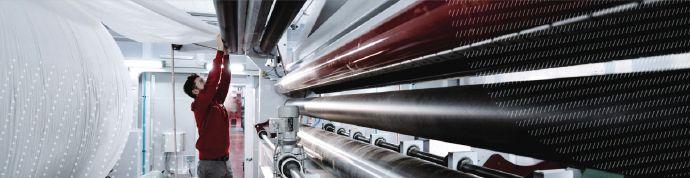
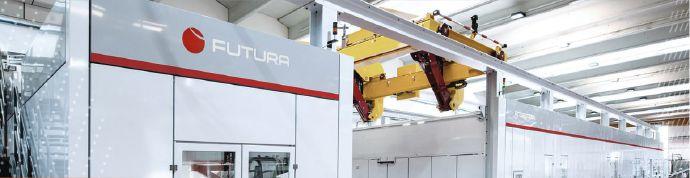
Since 2002, Futura has been designing, manufacturing and selling tissue converting solutions around the world to produce toilet, kitchen and professionalgrade tissue paper goods. ProCare is the customer care division at Futura.
“Futura’s Converting Lines are used for everything from the unwinding of tissue from jumbo reels to the cutting of tissue rolls to prepare for packaging,” says Alessandro Viani, ICT Group Manager, Faper Group S.p.A. “Given consumer demand for these paper necessities, it is essential that our technology operate at peak performance levels if our customers are to meet production and delivery deadlines.”
However, if and when there was a mechanical failure with one of the conversion machines, one of the customer’s equipment technicians would have to physically evaluate the problem, take handwritten notes and pictures, and then drive back to the maintenance office to access the machine’s manual. It would take quite a bit of time to browse through the dense guide in search of exploded equipment part views and repair procedures. The technician would only then be able to query the warehouse system to find a spare part, which could take time, before heading back to the job site to fix the issue.
That is why, in 2012, Futura decided to invest in the development of a mobile computing solution to help ease the burden associated with proactive maintenance requirements and provide fast diagnostic capabilities for users of its conversion machines.
“At the time, most of our customers’ maintenance activities were managed using a local desktop in the office or a

stack of papers that ultimately collected on a dusty shelf. Their information systems were totally detached from other departments, so it was impossible to track and retrieve parts using a barcode labeling system, interact with inventory systems to confirm stock inventory, or even capture video to properly document maintenance activities. In fact, many records related to the converting machines’ maintenance were outdated or missing, and that made it nearly impossible to keep the equipment online at all times,” Viani notes.
“Given the high sophistication level of Futura’s tissue converting machines, it became clear that equipment operators really need to have a mobile computer in hand at all times in order to access all of the necessary maintenance manuals and schemes without delay. Our goal was to find a rugged tablet-based system that we could provide directly to our customers to help them streamline, expedite, and more accurately document
maintenance and repair activities,” Viani continued. “We did not want them to resort to manual records and long diagnostic processes any longer. The resulting errors and equipment downtime was unacceptable to us, as our converting equipment is intended to introduce greater efficiency to their production operations, not reduce those levels.”
With information “mobility” and realtime accessibility being the ultimate goal, Futura worked with Xplore Technologies to develop a rugged tabletbased maintenance computing system that its customers’ technicians could hand carry onto the shop floor and plug directly into the converting machines if needed for diagnostic tasks. This took the burden off of Futura’s ProCare division, which would frequently be called upon to help navigate the manual maintenance processes by customers hoping to speed up repairs or just keep up with
routine maintenance requirements.
Rebranded the ProTablet and distributed to all Futura customers as part of the standard converting equipment package, the 10-inch Xplore mobile computer now serves as the all-in-one data and field-task system for work conducted on Futuraequipped paper production lines.
“The rugged ProTablet solution we built with Xplore has given our customers a very powerful mobile tool,” says Viani. “To start, the Windows-based tablet is compatible with their back-office systems as well as both legacy and future software applications, which minimizes the investment required to continually improve processes. It is also easy to use without a lot of training and comes standard with a host of data entry and connectivity options that are well-suited for their critical maintenance tasks. Most importantly, the ProTablet provides critical repair information ‘just in time’ and many powerful application utilities that boost technician speed, efficiency and accuracy, even on the ordinary jobs.”
Besides providing access to online services like the Futura Procare Portal and Procare Factory maintenance, the ProTablet also connects users to standalone software applications such as the Futura Components Engine – which provides exploded views and manual documentation – and the Convergence Mobile video maintenance system. Futura can also provide real-time, remote guidance to customers using an augmented reality experience.
“The ProTablet basically provides an intuitive, step-by-step guide for maintaining Futura’s line equipment. It also provides a direct, on-site connection to the warehousing and records systems that support maintenance tasks, allowing for a more automated workflow,” says Bruno Bothier, sales director for the South Europe region, Xplore.
Based on the Xplore F5m tablet platform, the ProTablet boasts a hot-swappable battery for all-day use and built-in barcode scanner, and identifies part information and syncs with the Futura ProCare system to confirm part availability and location. It also features an embedded camera, which enables technicians to take a picture of the failing equipment and send to either their main in-house maintenance office or the Futura ProCare team for additional, and immediate, technical support.
Since giving its customers a ProTablet as part of the tissue converting equipment scope of supply, Futura has noticed significant improvements in customer satisfaction with its machines. The issue resolution timeline has improved, as has maintenance efficiency and productivity.
“ProTablet is the one and only tool our customers need to quickly and easily find the latest guidance on how to conduct predictive/preventative and
ordinary maintenance on Futura tissue converting equipment,” Viani says. “The ruggedness and mobility of this computing solution has also eliminated the time previously lost making multiple trips back and forth from the production line to the maintenance office to retrieve or document information.” PPC
This case study was submitted by Xplore Technologies.
By Pulp & Paper Canada staff
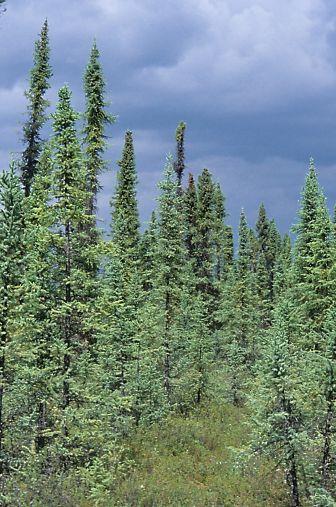
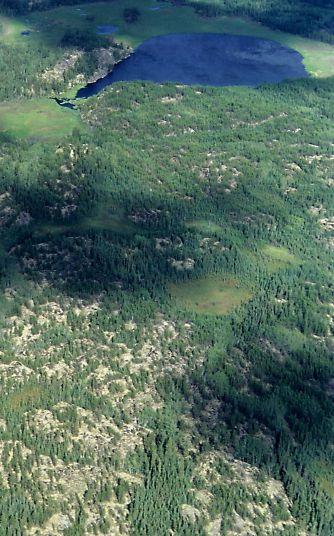
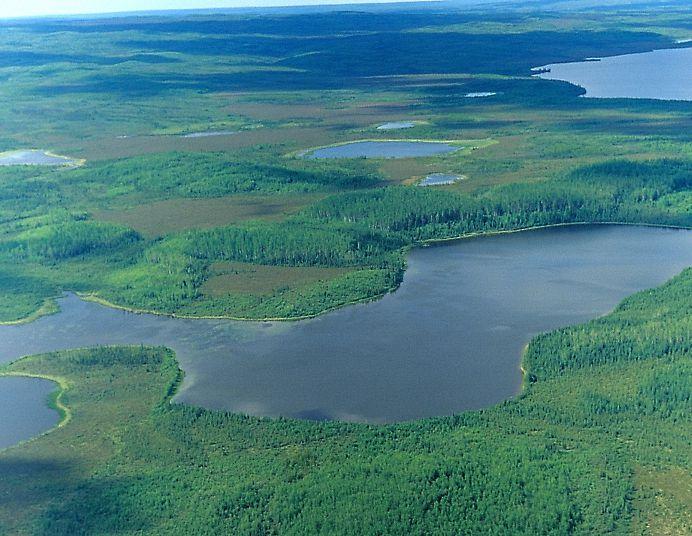
The world’s largest contiguous area of boreal protected land has been established in northern Alberta through a five-way partnership. The land area amounts to more than 6.7 million hectares of boreal forest. Partners in the establishment of the protected zone include the Alberta government, the federal government, the Tallcree First Nation, Syncrude and the Natural Conservancy of Canada.
The creation of the Kazan, Richardson and Birch River wildland provincial parks connects the federal government’s Wood Buffalo National Park to other existing wildland provincial parks.
The new and expanded wildland provincial parks are: Kazan, Richardson, Dillon River, Birch River and Birch Mountains. In total, these northern Alberta parks contribute more than 1.36 million hectares to the province’s protected area network.
This is the largest addition to the Alberta Parks system in its history, and will constitute the largest contiguous protected boreal forest in the world under the guidelines of the International Union for Conservation of Nature.
“Alberta-Pacific Forest Industries extends our support and congratulates the Government of Alberta as it formalizes the creation of the world’s largest network of protected areas in Canada’s boreal forest,” Elston Dzus, forest ecologist, Alberta-Pacific Forest Industries, said. “Al-Pac has long recognized the importance of conservation areas as an integral part of managing human activity in the boreal forest for the long-term benefit of both biodiversity and the economy.”
Identified in the Lower Athabasca Regional Plan (LARP) in 2012, the new parks were fully reviewed to ensure there are no economic impacts on natural resource industries or communities. Industry tenures in the parks were

compensated years ago, leaving the lands free for protection.
For the five new and expanded wildland provincial parks, the Government of Alberta proposes to enter into cooperative management arrangements with Indigenous communities. Indigenous advice and knowledge will inform decisionmaking and management of these lands, and the province will provide resources to support this process.
In addition, Alberta plans to integrate an indigenous guardian program into these wildland provincial parks. Under this program, First Nations and Metis peoples will be hired to monitor the areas, help maintain the lands and provide education and outreach to park visitors.
Treaty 8’s Tallcree First Nation, in cooperation with the NCC and the Alberta and federal governments and with support from Syncrude, relinquished their Birch River area timber licence and quota to enable one of the new parks (Birch
River WPP) to proceed.
“This collaboration between the Nature Conservancy of Canada, the governments of Canada and Alberta, and industry are aligned with the Tallcree Tribal Government’s values regarding the preservation of the boreal forest,” Rupert Meneen, chief, Tallcree First Nation, said. “The boreal forest holds greater value to the First Nation for exercising our traditional way of life and the quiet enjoyment of our treaty rights.”
The Government of Alberta thanked the Tallcree First Nation for working with the government and the NCC to achieve this historic outcome. Alberta and the Tallcree First Nation have agreed to manage the Birch River WPP with mutual benefit toward conservation and economic opportunities.
In addition, the environmental benefits created through the establishment of the Birch River WPP will provide conservation offsets that Syncrude can apply towards future industrial activities.
Establishing the wildland provincial parks (WPPs) will mean a protected area that is more than twice the size of Vancouver Island (32,000 square kilometres), slightly smaller than the province of New Brunswick (72,908 square kilometres), slightly bigger than the Great Bear Rainforest in British Columbia (64,000 square kilometres), and 10 times the size of the Greater Toronto Area (7,124 square kilometres). PPC
“The boreal forest holds greater value to the First Nation for exercising our traditional way of life and the quiet enjoyment of our treaty rights.”
Last fall, Natural Resources Canada released its 2017 State of Canada’s Forests report. This latest edition delves into forest fires by examining the Fort McMurray fire, and explaining why Canada’s forests need fires.
There was also a focus on the bioeconomy of Canada’s forest sector, and a look at Canada’s timber forest products.
“With the third-largest forested area on the planet, Canada boasts nearly 40 per cent of the world’s certified forests, far more than any other country,” Minister of Natural Resources, Jim Carr said in a statement. “From Yukon to Newfoundland and Labrador, the forest sector is benefiting local communities, boosting our economy, helping to advance reconciliation with Indigenous peoples and showing us what we can accomplish when we work together.”
The largest portion of the 2017 report assesses sustainability indicators such as whether timber is being harvested sustainably, how disturbances like forest diseases and insects shape Canada’s forests, how Canadians benefit from forests through employment, and how the forest industry in turn benefits Canada’s economy.
In 2016, approximately 211,000 people were employed by the forest industry. The same year, the forest industry contributed $23 billion to Canada’s gross domestic product (GDP), according to the report.
“Our government believes in this industry and is excited about its future. As this year’s chair of the CCFM [Canadian Council of Forest Ministers], Natural Resources Canada has worked with the provinces and territories to highlight forestry’s central role in some of the most important issues of our time: combatting climate change, driving innovation and creating economic opportunities for rural and Indigenous communities,” Carr said.
“This edition of The State of Canada’s Forests examines some of these exciting opportunities, from the emerging bioeconomy and new construction materials to innovative uses for forest products in auto parts, bioplastics, biochemicals and textiles.” PPC
The sale of its 1,000th TransForm forming fabric was recently celebrated by Xerium Technologies of Youngsville, N.C.
Xerium is a provider of industrial consumable products and services. Its TransForm portfolio of high-performance forming fabrics is designed to serve on some of the most demanding paperboard and packaging production lines in the world.
“Our new TransForm technology has rapidly built a strong track record for tangible operational and financial benefits for our customers,” Bill Butterfield, EVP and CTO of Xerium, said. “We are truly delighted to celebrate the 1,000th fabric milestone in this rapidly growing platform. TransForm is now the preferred technology on some of the world’s most demanding machines, and we are excited to see new performance reports coming in from all over the world. Customers are reporting reduced energy consumption, improved fibre retention, better drainage, improved end-product quality, and longer running lifetime.”
The TransForm portfolio offers fabric performance for all grades of paperboard and packaging machines, including linerboard, corrugating, food board, coated board, boxboard, and more. www.xerium.com
Voith has developed the CleanLine traversing cleaning systems for fabrics which it says will provide additional benefits for customers compared to established cleaning methods. With CleanLine, Voith has developed its systems to improve paper quality by thorough cleaning of the fabrics. CleanLine systems are available for all sections of the paper machine, either as new installations or as upgrades of existing Voith equipment to remove more contamination from the surface and structure of fabrics. The CleanLine systems work in combination with other Voith products to improve the productivity, runnability, safety and quality of the paper making process. The system includes:
• CleanLine Excell – Forming: By cleaning in two directions with a close concentration of fine water jets, the forming fabric is much cleaner, explains Voith. Uniform performance of the fabric is achieved because Excell can more easily remove different levels of contamination across the fabric width. The system uses about 10 per cent of the water volume compared to an oscillating high-pressure shower and runs on key reference machines in Europe, America and Asia, it adds.
• CleanLine Excell – Press has a selection of different cleaning heads for additional cleaning of press fabrics and transfer belts to help solve specific problems with contamination, cleaning chemicals or profiles.
• CleanLine Extract4D – Dryers has just been introduced for packaging and newsprint paper grades made from recycled fibre. Up to four directions of water jets directly contact and help remove contamination from the fabric.
• CleanLine Extreme – Coaters is a new system for cleaning tensioning fabrics, running on more than 20 top and bottom sections. Voith explains productivity is improved because the system can automatically switch between on-line and off-line cleaning to keep the fabrics in good condition. Highest quality of the coated paper is achieved by using an extended air-knife and option of a heated air blower to ensure the fabric surface is dry when it contacts the coated paper, it says. www.voith.com
New dryer fabric installation technology focuses
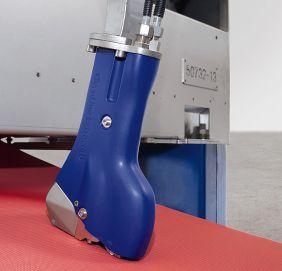
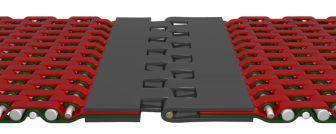
For today’s less experienced machine crews, changing a dryer fabric can be a major task. AstenJohnson says it has developed a breakthrough in installation technology with safety as the focus. Dryer fabric seam technology has advanced in the last five years, with laser-welded technology that provides several benefits over standard woven seams. From a safety standpoint, laser-welded seams join faster, meaning less time in the dryer hood and less people to help install, says the company. Traditional woven seams have a weave back area, where the MD yarn that wraps the coil is woven back in to the body of the fabric. Laser-welded seams eliminate the need for a weave back, says the company, making them error-proof as far as installing backward, or in the wrong direction.
www.astenjohnson.com
Andritz will present its nonwovens production solutions and textile finishing technologies June 6-8 at ANEX 2018. The company specializes in advanced technologies for air-through bonding, needlepunch, spunjet, spunlace, thermobonding, and wetlaid. The Andritz neXline wetlaid opens the door to niche market manufacturers, offering products made from special fibres such as aramid, carbon, micro-glass, and other high-tech fibres. Moreover, the Wetlace technology provides unique technology for outstanding performance in the production of flushable wipes. It combines the Andritz webforming solution with Andritz hydroentanglement units, optimizing the wet strength of wipes for use and rapid disintegration when flushed. www.andritz.com
FITNIR Analyzers has added FITNIR MC to its product suite, describing it as featuring NIR spectroscopy to deliver fast, online moisture content measurements. FPInnovations, in partnership with FITNIR Analyzers, developed FITNIR MC to provide high-quality and timely chip moisture data necessary for process optimization and cost savings, it explains, particularily in response to soaring costs, high variability and a short supply of wood chips.
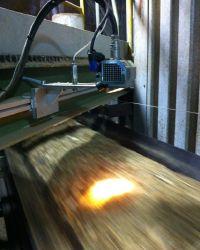
Wesley Gilbert of FPInnovations, presented the results of applying this latest NIR analyzer in conjunction with a control strategy to a dual vessel continuous digester at the 2017 TAPPI PEERS conference. A trial at a Canadian mill analyzed the moisture content of wood chips being fed to the digester and demonstrated such benefits as a four per cent increase in production, translating to a $14-million gain in revenue. Currently, a trial is underway with FITNIR MC for measuring the moisture content of hog fuel to the power boiler and has garnered excellent success and uptime, explains the company, noting hog fuel and wood chip moisture content as two applications of the technology to date. www.fitnir.com
Edgetech Instruments has introduced the AcuDew, an aluminum oxide moisture transmitter for industrial and process applications. The twowire, loop powered moisture transmitter with linear 4 to 20 mA output corresponds to the measured moisture content, describes Edgetech, noting its aluminum oxide sensing element provides “outstanding sensitivity, especially at low moisture content, as well as high speed of response and repeatability.” The AcuDew can be factory configured to provide
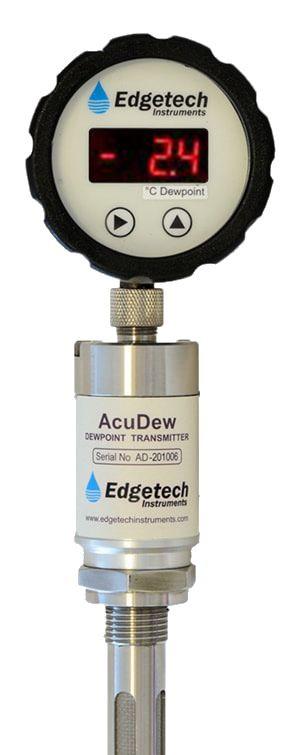
an output corresponding to various moisture parameters including dew/frost point temperature, parts per million by volume or parts per billion by volume. Locally and remotely mounted display and power supply devices are optionally available. According to Edgetech, the Field Span Verification (FSV) feature of the AcuDew allows the user to ensure accuracy of the transmitter between annual factory recalibrations. Each AcuDew Moisture Transmitter is delivered with an ISO/IEC 17025 certificate of calibration, traceable to NIST. www.acudew.com

A cyber-physical, pneumatic-motion control system was introduced to the paper converting industry by Festo at the 2018 Tissue World Miami conference. The VTEM Motion Terminal is described as the first-of-its-kind intelligent valve with change functionality based on various combinations of downloadable motion applications. A single intelligent valve can replace 50 different components, explains Festo, noting that the VTEM platform is modular and reconfigurable – thereby meeting important criteria for systems based on Industry 4.0 and the IIoT.
Thanks to downloadable motion apps, one intelligent valve within the VTEM valve terminal can replicate traditional valve functions, including 2/2, 3/2, 4/2 or 4/3 way as well as proportional technology and servo-pneumatic functions, it says. Flexible intelligent valves can also implement preset travel time, reduce costs by operating actuators with minimum pressure, and detect leaks for faster fault detection and less downtime. Since changing parameters in this cyber-physical system doesn’t require a change in hardware, adaptation costs are kept within tight margins, even when changes are made after installation, Festo explains. The VTEM is offered in either four-valve or eightvalve platforms. Ten motion apps are in the initial release with an additional 40 planned.
Meanwhile, Festo also presented the EMCA, a compact integrated positioning drive optimized for automated format setting on paper converting machines and conveyor systems. These positioning drives operate within most communication architectures, including EtherNet IP.
The CTEU-EP universal interface module from Festo makes EtherNet/IP and Profinet connectivity plug and play for IO-Link devices and Festo valve terminals. For maximum flexibility, OEMs can integrate IO-Link devices such as pressure and flow sensors, RFID readers, light stacks, and valve terminals. With a splitter, two-valve terminals can be served. www.festo.ca
Colour and specialty chemicals company Archroma introduced its new patented disulfonated fluorescent whitening agent (FWA), Leucophor ACK liquid, to North American papermakers at TAPPI’s PaperCon 2018. Described as bringing a new ecological focus to the field of FWA, the company says the ultra-concentrated Leucophor ACK liquid is free of urea and other additives that increase nitrogen load and COD in back- and wastewaters, while its higher actives content brings advantages of fewer deliveries, reduced freight costs, lower greenhouse gas emissions and better use of storage capacity. According to the company, Leucophor ACK liquid enables brilliant whiteness in stock and coating applications and complies with major international eco-labels.
Meanwhile the new patented, ureacontaining alternative, Leucophor ACS liquid, is described as retaining the advantages of fewer deliveries, reduced freight costs, better use of storage capacity and a lower carbon footprint.
Archroma also presented the Cartastrength HWM liq, describing it as providing high performance wet strength in particular to tissue paper, coming in high solids form for low shipping and storage costs. www.archroma.com
ABB has introduced its new ABB Ability web monitoring system for the paper industry. Part of its suite of quality management systems (QMS), the system incorporates imaging hardware and software to provide real-time web monitoring and analytics, designed for quick identification of product deviations that can result in sheet breaks and lost production. With this technology, paper production can run efficiently at its highest speed while maintaining the highest quality, explains ABB. The system includes high-speed cameras, complemented by unique analytics and operator interface features to reduce disruptive events and analyze process behaviour, it adds. www.abb.com

Valmet’s new chrome-free Yankee cylinder coating, Valmet Infinikote-2 Yankee Metallizing, aims to improve work safety in the coating process and sustainability of the coating to comply with potential future legislation. High-performance thermal spray coating increases Yankee cylinder efficiency and lifetime, explains the company, noting the thermal spraying process of the new coating is the same as in Valmet’s previous Yankee cylinder metallizing coating but now the material being applied is completely chrome free. The new material does not contain any chrome and does not generate any hexavalent chrome during its application.
Valmet says its new generation of Yankee cylinder metallizing alloy contains no chromium-bearing constituents. “Test results with the new material are convincing, demonstrating significantly improved application characteristics and meeting or exceeding all our key objectives,” Andrew Cross, senior operations manager, Global Yankee Services, Valmet, said.
In addition to being chromium free, the new Valmet Infinikote-2 Yankee Metallizing coating also boasts the following improvements: Reduced dust production and fumes during its application and increased heat conductivity. It also provides a tougher and more wear-resistant surface to help prolong the expected lifetime of the cylinder. www.valmet.com
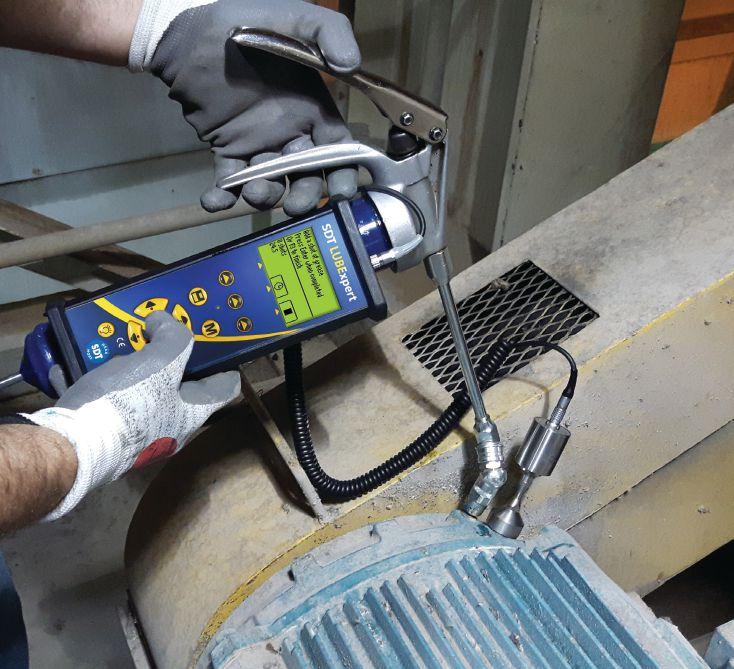
SDT has announced an upgrade to its Ultranalysis Suite Software (UAS), an ultrasound data management software. The new UAS2 generation features a new dashboard of different widgets, bringing together database elements to trend and analyze ultrasound and vibration data, explains the company.
Everything is controlled from the Measurement Matrix, says SDT, which provides a snapshot of every measurement assigned to an asset. Users can click on a measurement to build a Trend Graph, Time Waveform and Spectrum view. In UAS2, users can select the view (trend/time/spectrum) and customized it to quarter pane or full screen analytical view. UAS2 automatically labels the top 10 highest impact events. With 8k sampling frequency, smart zoom mouse
control drills down to the nanosecond to view every measurement collected by your SDT270, explains SDT. As well, users can select and remove bad sections of data from their dynamic signal; UAS2 automatically recalculates the RMS/Peak/CF values from the edited signal. A scrolling playback cursor visually directs users through the time signal during playback, allowing users to follow along to every ultrasonic crackle, click and rub.
“Ultrasound provides unmatched versatility for ultrasound inspectors,” said SDT managing director Andre Degraeve. “UAS2 is a fulfillment of our promise to explore new ideas, improve existing ones, and create new applications for our customers.”
www.sdtultrasound.com
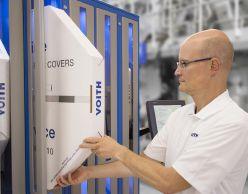
Voith Paper says it has taken efficiency to a new level with an easy-to-use automated inventory management system, ensuring coater and doctor blade availability while boosting profitability. The company explains the automated IMS is designed to enhance the bottom line:
• Always available – day or night, access is available to a supply of doctor blades through the online IMS that allows parts to be checked out, then reordered and shipped to facilities for restocking.
• Reduces overhead – with automatic reordering through the IMS, the cost of warehousing additional inventory is avoided, says Voith, noting customers gain greater insight into slow-moving or obsolete parts.
• Saves time on the line and in the back office – unlike traditional stores, the inventory locker can be located close to the paper machine and parts are quickly dispensed. Purchase orders and invoice processing are also reduced.
• User accountability – every time a transaction takes place, the part, employee information and time are logged.
Boasting an intuitive touchscreen display, the system is designed for ease-of-use and speed when checking out doctor blades. www.voith.com
ITT has expanded its i-Alert monitoring solution portfolio, giving customers additional options to maximize the efficiency and total cost of ownership of all types of rotating machines. The i-ALERT compatible Bluetooth Smart Pressure Sensor complements the i-ALERT monitoring portfolio, which includes the i-ALERT2 machine health
sensor, the i-ALERT mobile application and the i-ALERT Asset Intelligence platform. The pressure sensor allows customers to monitor fluid conditions and gather operating data to help identify and troubleshoot undesirable operating conditions 24 hours a day, seven days a week. It connects to the i-ALERT mobile app, allowing customers to view real-time and data. www.i-alert.com
Honeywell Intelligrated has launched TechSight, a real-time augmented reality (AR) solution designed to reduce repair time and minimize operational disruption in the event of an unplanned outage. The solution, the company explains, leverages smartglasses and a video-conferencing platform to connect on-site technicians with remote Honeywell Intelligrated technical support experts, enabling live service instruction through two-way audio and visual communication. Available to Honeywell Intelligrated Lifecycle Support Services customers, TechSight allows on-site technicians to share their vision, gestures and voice in real time. As well, connected smartglasses enable technicians to receive visual aids like schematics and marked-up images to supplement verbal input, while leaving both hands free for more efficient work. Honeywell Intelligrated says the approach can guide inexperienced on-site technicians through troubleshooting processes and reveal simple fixes like incorrect cabling or switch pressure settings.
www.honeywell.com
The Canadian forest products sector is one that is passionate and devoted — not just to the industry itself, but also to its local communities. In this department, we will share the initiatives of pulp and paper companies working to make positive social, environmental and economic impacts across the country.
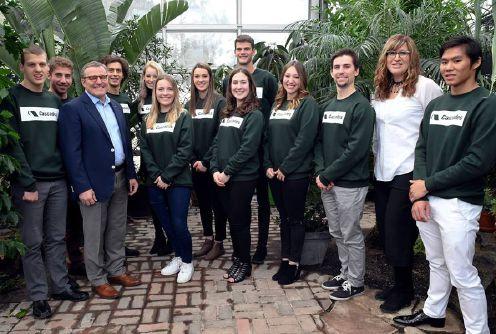
awarded $82,000 in bursaries to young athletes between the ages of 14 and 24 from the Quebec Foundation for Athletic Excellence.
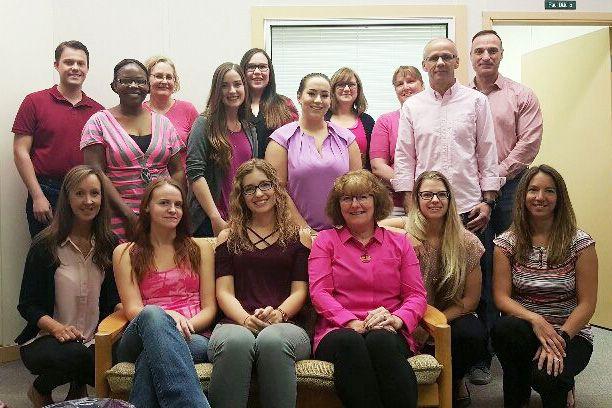
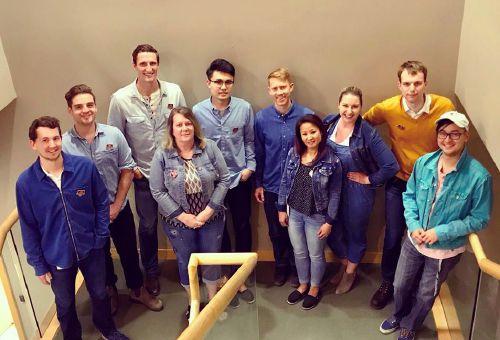
Members of the Canfor team suited up in their finest denim for Jeans Day 2018 on May 3, an annual, province-wide fundraiser in support of the BC
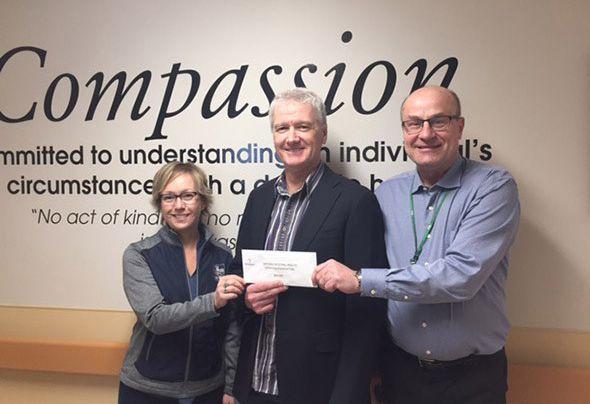
to help fund a
Let us help you share your successes. Tag @PulpPaperCanada on Facebook and Twitter or send an email to the editor at adalton@annexbusinessmedia.com. We’d love to hear from you! #PPCGivingBack

PRODUCTION TARGETS

TARGET MARKETS
HIT ALL YOUR TARGETS WITH PRECISION.TM
Introducing Precision chemistries for packaging from Buckman.
Whether you have your sights set on improved product quality, productivity or profitability, the new Precision line of advanced chemistries can put your packaging mill right on target.
• Improve retention, drainage, and formation
• Improve strength so you can reduce grammage or substitute a lower cost fiber
• Increase speed, production and yield
• Reduce steam and energy demand and CO2 emissions
• Reduce wet end deposition
• Improve starch retention
• Reduce BOD/COD in effluent
FOR PACKAGING
Precision. It’s how great packaging is made. Contact your Buckman representative, or visit buckman.com to learn more.