

What’s the economic reach of one pulp mill? In addition to job creation, this pulp mill spends $315 million per year, most of it in
When it comes to corporate social responsibility in the forest industry, Asia Pulp & Paper should be a well-known turnaround story. APP, probably the world’s largest paper manufacturer, came under fire from Greenpeace for its forest management practices in Indonesia. The company has since implemented ambitious forest conservation measures and is winning back customers and public favor.
At a recent panel discussion organized by two student associations at Ryerson University in Toronto, Ian Lifshitz of APP and Shane Moffat, forest campaigner for Greenpeace, discussed the Greenpeace/ APP conflict and collaboration, as well as lessons learned.

Cindy Macdonald Editor
Greenpeace runs a global campaign to ensure the ecological integrity of the Indonesian rainforest, because of its biodiversity and economic value to the country. The organization’s conflict with APP ended in late 2012, when APP announced its zero deforestation policy.
Lifshitz described a disconnect that existed between the beliefs and rhetoric of environmental groups and APP’s image of itself. He said the environmental groups presented APP as a non-sustainable company that was damaging habitat. APP, on the other hand, saw itself as operating legally and responsibly, obeying national standards, and paying attention to social and community needs. APP, at the time, was one of the largest employers in Indonesia, creating housing, schools and good-paying jobs with benefits for employees.
“So we said, “Where is the disconnect?” when attacked by ENGOs,” Lifshitz recalled.
Lifshitz said the economic impact of the ENGO campaign against APP was low, but the “reputational impact” was high.
In response, APP engaged with outside independent influencers, met with customers and critics, and began to build trust. The result was a far-reaching forest conservation policy.
In addition, “we’ve changed how we listen,” Lifshitz explained. “If there’s a breach, we investigate and report the accusation transparently on our website. We are a company willing to learn, listen and engage.”
Moffat says APP demonstrated leadership. “They made on-theground institutional changes and have fundamentally changed their operations.” The former adversaries can now sit amiably together in a classroom and discuss their journey.
The campaigns caused the company to question its perception, said Lifshitz: “What legacy do we want to leave? Do we want to be perceived as the bad player?” The answer was no, we don’t.
Corporate social responsibility is about companies making decisions based on their values, explained Moffat. He feels that now, in 2015, we are seeing more companies assess their values and explore these values through their business strategies and supply chains.
Editor
CINDY MACDONALD
416-510-6755 cindy@pulpandpapercanada.com
Publisher JIM BUSSIERE
416-442-5600 ext. 3606 jim@pulpandpapercanada.com
National Accounts Manager LAURA GOODWIN 289-928-8543 lgoodwin@annexweb.com
Media Designer
BROOKE SHAW bshaw@annexweb.com
News and Press Releases media@pulpandpapercanada.com
President and CEO
ANNEX BUSINESS MEDIA
MIKE FREDERICKS
Group Publisher/Director of Content and Engagement
SCOTT JAMIESON
519-429-5180
sjamieson@annexweb.com

Account Coordinator
TRACEY HANSON thanson@annexnewcom.ca
Circulation Manager
BEATA OLECHNOWICZ
bolechnowicz@annexbizmedia.com
PULP & PAPER CANADA (ISSN 0316-4004) is published by Annex Business Media 105 Donly Drive South, Simcoe, ON, N3Y 4N5
CIRCULATION
email: mchana@annexbizmedia.com Tel: 416-442-5600 ext 3539 Fax: 416-510-5170
Mail: 80 Valleybrook Drive, Toronto, ON M3B 2S9
SUBSCRIPTION RATES
Canada $53.95 per year; $72.95 for 2 years. Outside Canada $101.95 per year. Single copy $19.50. (All subscription prices exclusive of taxes.)
From time to time, we make our subscription list available to select companies and organizations whose product or service may interest you. If you prefer not to receive this information, please contact our circulation department in any of the four ways listed above.
Annex Privacy Officer privacy@annexbizmedia.com Tel: 800-668-2374
The editors have made every reasonable effort to provide accurate and authoritative information but they assume no liability for the accuracy or completeness of the text or its fitness for any particular purpose.
No part of the editorial content of this publication may be reprinted without the publisher’s written permission. ©2015 Annex Publishing & Printing Inc. All rights reserved.
Publications Mail Agreement No. 40065710
Print edition ISSN 0316-4004 On-line edition ISSN 1923-3515
Sustaining member, Pulp and Paper Technical Association of Canada; Member, Alliance for Audited Media.


“We acknowledge the financial support of the Government of Canada through the Canada Periodical Fund of the Department of Canadian Heritage.”








Our greases are engineered right from the start to provide all-around, balanced performance for the severe conditions experienced by today’s equipment. What’s more, our high-technology greases offer a controlled release of oil and additives. They release just the right amount, lubricating for optimum protection by staying exactly where they’re needed, which can help control maintenance and replacement costs. Learn more about our advanced greases for advanced productivity at mobilindustrial.com.




The current phase of the Irving Pulp and Paper mill modernization project is approximately 87% complete, the company reports. The new equipment and technology are on schedule for commissioning and start-up by March 2016, as part of a $450-million modernization. Operators at the mill are preparing for the new digester equipment with simulation training.
“We’ve invested in training software very similar to flight simulator technology,” said Rob Wilcox, senior electrical engineer, Irving Pulp and Paper. “The virtual control system simulates the entire process, complete with all of the flows, pressures and temperatures. We’ve programmed simulations for the digester operator to start-up the digester, fill it with chips, introduce an upset condition, and have him learn how to adjust. This allows us to simulate operation before we are actually able to use the digester itself.”
Wilcox is currently the electrical, instrument and automation advisor for the pulp mill modernization project.
“One of the emerging technologies that we are going to be using is motor control over the Ethernet,” Wilcox said. “Some of the new instruments are able to do their own diagnostics, and we are now able to get that information back through the control system, into a massive management program. It will give us a predictive maintenance schedule; we will be able to receive alerts in advance, without losing production.”
Wilcox continues: “We have a very good work force here. There are a lot of younger technologists that are just gobbling up this technology and it’s great.”
The current phase of the modernization project has created about 450 direct and indirect construction jobs on-site.
Atlantic Packaging continues growth in the U.S.
Atlantic Packaging Products, a Torontobased manufacturer of containerboard and corrugated packaging products, has expanded its operations in the United States with the acquisition of Skybox Packaging. Skybox manufactures corrugated packaging products and distributes packaging supplies and equipment from its facility in Mansfield, Ohio.
SkyBox offers its customers a service-focused model featuring very short lead times, the combination of customized corrugated and noncorrugated packaging solutions and sophisticated logistics and inventory management programs.
“Skybox is a great company with a leadership team that shares many of the core values we do. The acquisition is a natural fit that acts as a seed investment to grow our manufacturing platform in Ohio,” said Dave Boles, president of Atlantic Packaging.
BlackHawk Corrugated, a sheet feeder partnership with the StandFast Group that is based in Carol Stream, Ill.
Papermaking innovator Norm Dove inducted to Hall of Fame
The Paper Industry International Hall of Fame’s membership expanded to 129 last October with the induction of six more paper industry notables.

With this acquisition, Atlantic continues to gain a foothold in the U.S. market while adding depth to its converting capabilities. Earlier this year, Atlantic Packaging announced the formation of
Included in that class of six is Norm Dove, who designed a better steam shower system for fourdriniers and was awarded a patent for his invention 1970. Dove then founded Devron Engineering Ltd. to produce and market the system, Dove refined his steam shower design and continued working on other inventions for the paper industry. He has been awarded 23 patents during his career.
By the end of 1990, Devron enjoyed a worldwide market share of 30% while competing against much larger companies. Dove sold Devron Hercules Engi -
neering in 1992; it is currently owned by Honeywell Corp.
Dove subsequently left the paper industry and went on to develop a guest ranch and spa in the Cariboo region of British Columbia. He is the owner of the Echo Valley Ranch & Spa.
Rolland Enterprises adopts policy for forest conservation
Fine paper producer Rolland Enterprises has announced a commitment to advance the protection of endangered forests, to engage in R&D regarding alternatives to tree fibre and to avoid all controversial forest fibre sources. The policy was developed in cooperation with the international environmental not-for-profit Canopy, which says the policy “sets a new standard for the North American paper industry.”
“These commitments are an integral part of Rolland’s plans to remain a competitive player in the challenging North American paper industry,” said Rolland CEO, Philip C. Rundle. “Rolland is excited to remain at the forefront of meeting customers’ growing needs for sustainable products into the future.”
The company’s new policy commits to:
• End the use of wood fibre sourced from endangered forests and controversial suppliers;
• Avoid fibre sourced from intact forest landscapes, such as the intact forests of the Boreal;
• Play an active role in the research, development and commercial scale production of pulp and paper from alternative fibre sources such as straw.
Headquartered in St-Jérôme, Que., Rolland Enterprises is a producer of specialty uncoated fine papers.
Irving completes $20 million project at Lake Utopia
Lake Utopia Paper has completed a successful nine-day maintenance and modernization project, which ran from September 7-16. At its peak, the $20-million project involved 326 contractors on site working on maintenance and capital improvements to the mill and paper machine.
“This is part of our ongoing invest -
ment in the long-term future of the mill. The jobs that we have here are very important to the local economy and the entire community. Maintaining those jobs is part of the focus of our ongoing investments,” said Dale Chaffey, mill manager, J.D. Irving.
Lake Utopia Paper produces corrugating medium for the global market, from a furnish of hardwood and recycled fibre.
Additional investments on the mill’s environmental treatment systems were planned for the fall.
British Columbia has announced a “fibre action plan” to help generate more value from the province’s forest resources.
The plan contains actions designed to increase the efficiency of utilization of lower-quality wood and wood residue for secondary users, including the wood bioenergy sector and other non-lumber manufacturers, such as pulp and paper and oriented strandboard.

The mountain pine beetle infestation has caused an increase in the amount of low-quality wood in B.C. forests that is not suitable for lumber production. However, this wood, and wood residue and debris, is suitable for use by pulp and paper mills that use chips for pulp production, oriented strandboard mills, pellet plants and others, according to the ministry.
Key actions within the fibre action plan include: Implementation of a fibre-recovery process to establish protocols for primary and secondary harvesters to ensure the efficient removal of residual fibre.
Advertisement of supplemental forest
licence opportunities to secondary fibre users.
Review how cruising, scaling and residue measurements align with cut control, inventory and timber supply modelling policies by mid-2016.
Streamline residue measurements to enable low-quality residual fibre to be designated as special forest products by Dec. 31, 2015.
Kruger Packaging invests $250 million in Trois-Rivières mill
Kruger Packaging L.P. will convert a newsprint machine at Kruger’s Trois-Rivières Mill to manufacture 100% recycled, lightweight linerboard.
An investment of $250 million will be made to convert the No. 10 newsprint machine (PM10). The modernization project is expected to generate significant growth opportunities for the TroisRivières facility. The project has received $190 million in support from the Québec government, which includes an $84-million loan to finance the cost of the con-




version and $106-million contribution, through Investissement Québec, in a new company that now combines all of Kruger’s containerboard and packaging activities. As a result of this investment, the Québec government will have a 25% ownership in this new company which has assets in excess of $600 million, and employs more than 800 people.
PM10 will be completely modernized to incorporate some of the most advanced containerboard manufacturing technology. Once the containerboard line is up and running in 2017, it will produce 360,000 tonnes of 100 per cent recycled lightweight linerboard annually, a portion of which will be sold to Kruger Packaging’s box plants in LaSalle, Que., and Brampton, Ont. The remainder will be sold on the market.
The Trois-Rivières Mill will continue to produce newsprint on PM10 until two months before the end of the conversion project. The mill’s other newsprint production line, PM7, will remain in operation into the future. Overall, Kruger’s three newsprint production facilities will have an annual output of 600,000 tonnes, maintaining the company’s ranking among North America’s top newsprint manufacturers.
Aid package prompts Quebec companies to resume harvesting
On the last day of August, three forest products companies reached an agreement with the Quebec government which ended the so-called forestry crisis in Que-
In brief…
bec’s North Shore region. For most of the summer, several companies operating in the area had removed their equipment and ceased logging, citing high costs.
The Quebec government announced a package of aid measures to compensate three companies for the economic consequences and loss of value attributed to a spruce budworm infestation. The assistance is said to include operational measures, technical support and financial aid, and was offered to Resolute Forest Products, Boisaco and Arbec (Port Cartier).
Quebec’s minister of forests, Laurent Lessard, says the deal “decreases the competitive gap between the North Shore and other regions.”
Catalyst names new GM for Port Alberni and new role for Kissack Catalyst Paper has announced the appoint-
• Two engineers from Autopro Automation Consultants Ltd. – James Couto and Sean Mascarenhas – have been named to this year’s Engineering Leaders Under 40 list, published by Control Engineering magazine.
• Market conditions are being blamed for the indefinite closure of the No. 12 paper machine at Catalsyt Paper’s Rumford mill in Maine. “We remain committed to making the Rumford operation successful. Year to date, we’ve invested more than $10 million in upgrades to the mill, including major maintenance related to the recovery boiler. The company is also implementing a proven revitalization program to increase productivity, and developing new, higher-value products to optimize Rumford’s production capability,” said Joe Nemeth, president and CEO of Catalyst.
ment of Walter Tarnowsky as vice-president and general manager of the Port Alberni mill and Graham Kissack as vicepresident, corporate social responsibility.
Tarnowsky, who joined Catalyst in 2000, brings to his new role more than two decades of pulp and paper industry experience. Most recently, he was Catalyst’s director, paper mill productivity, responsible for paper machine quality and productivity.
As vice-president, corporate social responsibility, Kissack will lead the further development of Catalyst’s corporate social responsibility strategy. He brings extensive experience and expertise to his new role, having played a leadership role in the company’s sustainability initiatives since joining Catalyst in 1993.
Catalyst manufactures diverse specialty mechanical printing papers, newsprint and pulp.
PPC
• This year marks Buckman’s 70th anniversary. As World War II was coming to a close, Dr. Stanley J. Buckman, a biochemist who had been working to develop a decay-resistant wood for military use, had an idea for a product that would mitigate microbiological problems for papermakers. When the company began operations in 1945, its manufacturing facilities were modest – a 55-gallon process vessel strategically placed in the basement of the building saw used manufacture the company’s only product. Buckman is now a global specialty chemical company serving the pulp and paper, water treatment and leather-making industries.
• Indeck Power Equipment welcomes Patrick Gallen as the new director of business development. He will be leading Indeck’s teams for both new boiler sales as well as rentals throughout the United States and Canada.
Once he reduced his energy costs by 55% after installing a VFD, savings in other parts of his business went into overdrive..
Once you start seeing the benefits from our incentives for installing premium efficiency motors and VFDs, you’ll want to look into making other parts of your business like lighting, HVAC and compressed air systems more efficient too. When you do, you’ll be joining thousands of organizations across Ontario who are already enjoying the savings that our programs deliver.
Take a look at their stories and our incentives at saveonenergy.ca/business

By David Lindsay, president and CEO, FPAC
Fromdroughts in British Columbia to record breaking temperatures in Central Canada to fires in Saskatchewan, climate change is being felt in Canada. We’ll be hearing a lot more about the threat of climate change at the United Nations conference taking place in Paris early in December. So it’s a good time to consider which industries are doing the heavy lifting to try to mitigate climate change, and from that perspective the Canadian forest products industry has a terrific story to tell.
Canada’s renewable forests absorb carbon dioxide (CO2), one of the greenhouse gases that cause climate change. With 10 per cent of the world’s forests and near zero deforestation, Canadian trees absorb

tremendous amounts of CO2 to the benefit of the entire planet. This role in sequestering carbon is also played by forest products – be it traditional lumber or paper, or new innovative products such as car parts or chemicals made from wood fibre. These forest products, including new construction systems and taller wood frame buildings, can also replace materials such as steel or concrete which have a heavier carbon footprint.
The Canadian forest products industry has also been a leader in reducing its own greenhouse gas (GHG) emissions. Pulp mills have cut their GHG emissions by 65 per cent since 1990 while eliminating the use of coal and reducing the use of oil by more than 90 per cent. Forest facilities are approaching energy self-sufficiency
with about 30 facilities generating green electricity on site. The sector has also pledged to be carbon neutral across its supply chain by the end of this year.
Canada is also a global leader in sustainable forest management with 161 million hectares of forest certified by independent third parties to follow progressive social and environmental practices. By following best practices, properly managed forests can be a positive contributor to a Canadian carbon management system.
The climate change challenge will also need the attention of others interested in Canada’s environmental and economic future. There is no doubt the world is moving toward a low carbon economy, and the Canadian forest products industry will continue to do its part to help out. PPC
By Jennifer Ellson, senior communications specialist, FPInnovations
energy is a renewed priority for most pulp and paper plants. Some mills, particularly chemical pulp facilities, have the capacity to produce excess steam that can be converted into electricity and add an important new source of revenue to the plant’s production base. Other mills have shut production lines or paper machines in response to market forces and, as a result, are currently operating utility systems (water and steam) that were designed for different production capacities and operating conditions, without consideration given to current power contracts and overall price fluctuations.
Performing an energy efficiency analysis for a pulp and paper mill is a complex task, and the analysis results are often difficult to translate into tangible projects. The order of execution is also important.
In many cases, implementing the simplest “obvious” solution to an energy problem blocks development of other projects with much greater combined benefits. A team of scientists and engineers from FPInnovations and CanmetENERGY has developed a novel energy efficiency approach that uses advanced analytical techniques to tackle changes in operating conditions and optimize mill water, energy and utility networks to produce the best process configuration for the mill.
Increased revenues can come from greater generation of electricity to sell to the grid, while savings are derived from reduced use of fossil fuels and better managing the balance of use between biomass and fossil fuels as a function of time and season. Understanding the implications of time-of-use utility and fuel contracts on the mill balance sheet is another significant benefit. Low-capital, low-risk projects are highlighted, while projects that require
greater capital investment are prioritized in terms of return on investment and overall complexity. Another advantage of this global approach to energy analysis is that FPInnovations’ world-class expertise in pulp and paper manufacturing can be applied to identify other types of beneficial measures, such as opportunities to reduce process chemical consumption.
The FPInnovations-CanmetENERGY team has visited numerous member pulp and paper mills and identified significant energy savings in each case, many of which require minimal capital expenditures to implement. Typical savings for each mill have been in the range of $1 million to $4 million per year. The value gained by the mills also goes beyond immediate energy and water savings, as a culture of energy efficiency together with the knowledge of process integration principles can continue saving millions of dollars for the mills. PPC
The latest generation of high performance material for table dewatering elements, provides long life at reduced cost
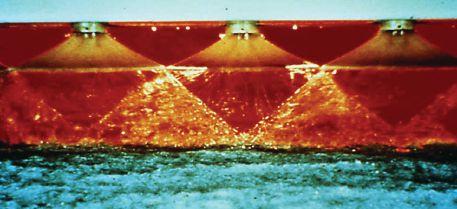
New impeller upgrade reduces energy consumption and pulping time while still providing the same high performance

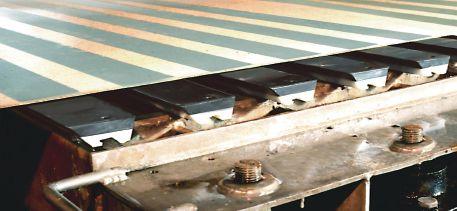
We offer many shower designs engineered to reduce operating costs

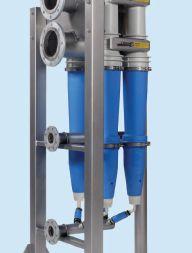

Realize power savings and increased rotor and screen plate life by installing this state-of-the-art rotor.
Handle up to 2% feed consistency with up to 50% less energy
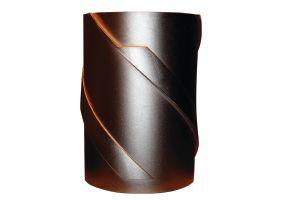
What happens when you have a focused team and a high-tech machine? Best-in-class products.
By Cindy Macdonald, editor
Starting from scratch to build a new paper mill gave Cascades a clean slate to establish new technologies and new procedures. The company’s Greenpac mill in Niagara Falls, N.Y., maintains Cascades’ emphasis on sustainability and minimal consumption of resources, but it veers from the industry’s traditional management and operations model in a few ways.
Greenpac has a leading-edge paper machine, which immediately sets it apart from most North American mills, but the mill also stands out for outsourcing noncore functions; hiring of fast learners who embrace technology; automating the finished goods warehouse; and inviting customers to be part-owners of the new facility.
At the official inauguration of Cascades’ Greenpac mill in September 2015, company executives spoke of the determination and teamwork that carried this dream of building a state-of-the-art containerboard mill through to reality.
The idea to build a new mill took root at Norampac, a division of Cascades, in 2005. Three years later, the economy was in meltdown. “It took courage and vision
to hold onto the dream,” said Cascades president and CEO Mario Plourde. “It was risky to build a mill of this scale in the wake of an economic crisis.”
Greenpac Mill LLC was created by Cascades in partnership with the Caisse de dépôt et placement du Québec, Jamestown Container and Containerboard Partners.
The new mill produced its first roll in July 2013, after 22 months of construction.
Considered the most advanced facility of its kind in North America, Greenpac manufactures a lightweight linerboard, made with 100% recycled fibres, on a single Valmet machine with a trim of 8.33 metres. Built and operated by Norampac, the Greenpac mill has an annual production capacity of 489,880 tonnes (540,000 short tons). It is the largest 100 per cent recycled lightweight linerboard facility in North America.
“Greenpac’s success since launching operations has confirmed that we made the right choice by investing in modern equipment and technologies that enable us to offer superior-quality products,” says Charles Malo, chief operating officer of Norampac.
Both the stock prep area and the paper
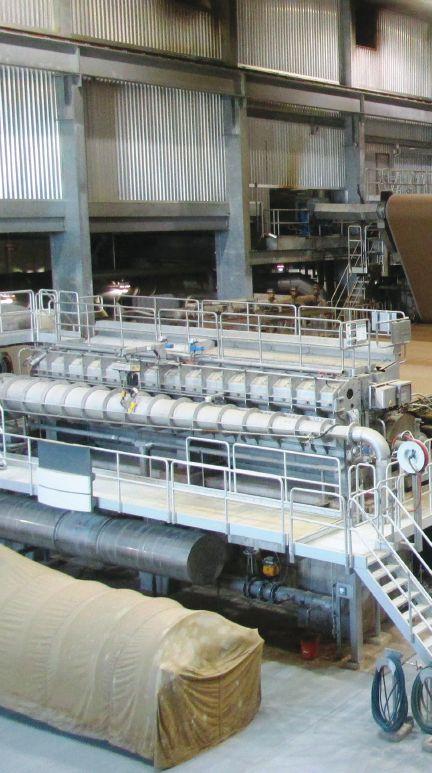
machine are highly automated. The warehouse is completely automated; overhead cranes store the finished rolls, and later place them onto conveyors in the order in which they need to be loaded onto trucks or railcars.
Jukka Tiitinen, president of Valmet’s services buisness line, recalls that in 2010, when his company signed the deal with Cascades to supply the paper machine, the company had already done a market study, secured their partners and lined up customers.
The Greenpac mill “is the best in class in North America for sure, and among the best globally,” says Tiitinen.
By combining the latest paper production technologies, Greenpac has developed a high-performance recycled linerboard –Greenpac XP – that is said to have superior strength and unparalleled print quality while maintaining a lower basis weight than traditional linerboards. On top of that, Cascades says that Greenpac XP is a more economical option for customers as its innovative manufacturing process
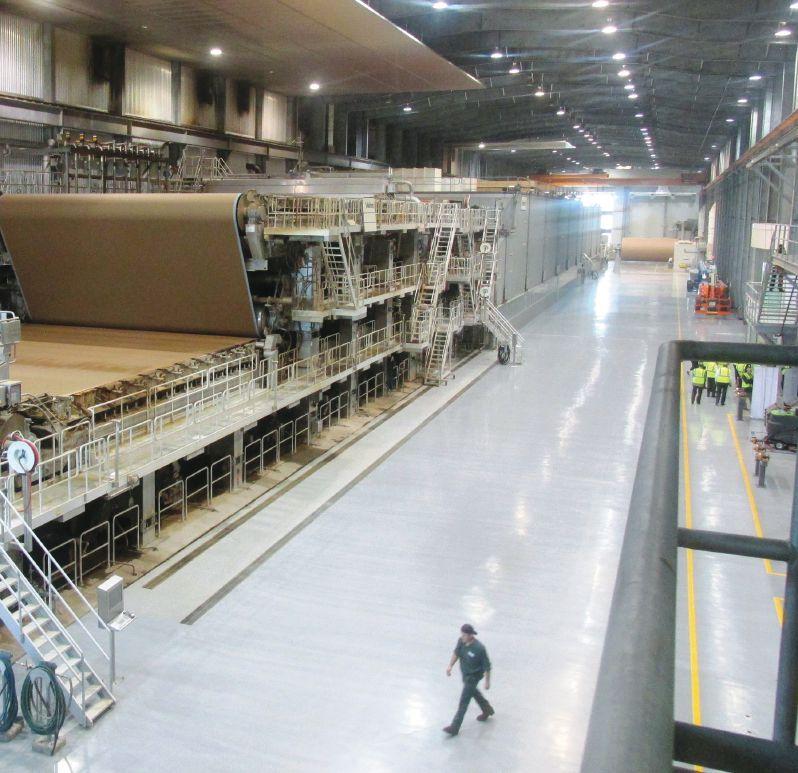
requires less total fiber in a completed box.
Although 100 per cent of the mill’s output is lightweight grades, about 65 per cent of its current production is the Greenpac XP grade. The mill also manufactures the first 26-lb HP ((high performance) product on the market.
“Greenpac offers high-performance and innovative products that will enable us to better fulfill the needs of our customers, with one of the lowest costs in the industry,” states Plourde.
Greenpac XP is said to be stronger than comparable products. One key characteristic is that starch is added to both sides of sheet at the size press, so the board needs less fibre and achieves higher strength.
Tiitinen describes the business implications of Greenpac’s advanced technology: “With the sizer, they have been able to optimize the package properties, so they can sell on features, not on basis weight.”
The Greenpac mill operates on a scale seldom seen in Canada. One hundred trucks per day, plus two to three rail cars, bring in the OCC fibre. The mill achieved two production records in August – a daily
record of 1712 tonnes (1887 short tons ) and a monthly record of 37,506 tonnes (41,343 short tons). “That’s really pretty phenomenal for a mill,” says Murray Hewitt, general manager of Greenpac.
On the subject of throughput, Hewitt notes that one shift unloaded 64 trailers in 12 hours. The 24-hour record for unloading is 108 trucks.
The mill only stores about 3175 tonnes (3500 short tons) of fibre on site, so “we can’t have a hiccup in the logistics train,” says Hewitt.
The company’s record so far for shipments is 2051 tonnes (2261 short tons) in one day. That’s 84 trucks and 9 railcars.
With respect to energy efficiency and the use of water, the Greenpac mill is an industry leader thanks to the automation of numerous operations, a state-of-the-art water treatment system, high-performance drying equipment and the re-use of process water. The mill also uses steam from a nearby waste-to-energy facility.
The Valmet paper machine is equipped with two fourdriniers, an online size press and an online calender. The WinDrum winder has a speed of 8000 ft./min. “From the winder, everything goes to the ware-
690
25,000
gallons of pulp per minute is pumped to each headbox, which is the equivalent of a 33-foot diameter pool each minute.
The paper machine’s top speed is 16.76 metres per second or 3300 feet per minute.
house without a human touch,” explains Plourde. “Rolls go to the loading dock on conveyors, and from there technicians load them onto a truck.”
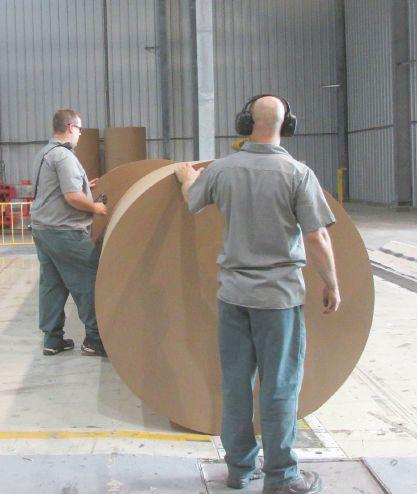
The paper machine can make a 70-ton jumbo roll in about one hour. It takes a total of about six hours to make a finished product, from putting a bale of recovered paper into the pulper to moving the finished roll into the warehouse. The warehouse, because it is automated with an overhead crane, operates in the dark and doesn’t need room for aisles between the stacked rolls.
The plant needs only five production technicians to operate the stock prep and the paper machine. Both the stock prep system (supplied by Voith) and the paper machine are heavily automated, using technology from Siemens. “When automation goes down, it’s a challenge,” Hewitt jokes.
“We look for a high level of automation understanding [in our employees],” he adds.
Choosing the right people pays off Hewitt employs a team-based, participative approach to management. He says participation on committees is currently more than 70 per cent.
When staffing the new facility, Cascades looked for specific types of people, but did not seek out those with previous papermaking experience. Cascades
CEO Mario Plourde explains that they were looking for people who could learn quickly and embrace new technology. The company also considered decision-making skills, and the interview process included questions about real-life situations.
Greenpac’s management also chose to outsource maintenance and logistics functions to Valmet and Ryder, respectively, “so we can stay focused on safe, quality production,” says Hewitt.
The maintenance contract is the first of this scale in North America. It’s a multiyear agreement, backed by a strong team of Valmet employees. Tiitinen says the maintenance team of about 40 people includes managers from Valmet and other maintenance staff hired locally. There are maintenance people on-site at the mill 24/7. Every six weeks, the facility shuts down for 18 hours for preventative main-
tenance.
“This mill brings Cascades to a new level,” says Mario Plourde. “It was a huge challenge because we had never built a plant of this size before.”
Marc-André Dépin, president and CEO of Norampac, was one of the driving forces behind the creation of Greenpac. In a statement delivered at the inauguration, he commented: “Ten years ago, we started dreaming of this project. We met our share of challenges over the years. Together, as a team, we made our dream a reality.
“I want to say a special thank you to Alain Lemaire who believed in us.”
Now, in 2015, the team which did not start out as papermakers is delivering a unique containerboard product using a technologically advanced, environmentally-conscious process. That’s the Greenpac difference. PPC

It isn’t enough to protect water systems in the mill.
Busan® 1215 provides maximum deposit control protection for your equipment and stewardship of the environment, combining smart chemistry with proprietary feeding equipment.
Busan 1215 provides superior microbiological control –fighting biofilm, reducing organic deposits, and disinfecting stock and water circuits. Yet it has:
• No free chlorine
• No strong oxidant
• Little or no reaction to organic or chemical demand
Busan 1215 can improve wet end efficiency, product quality, and machine efficiency, so your mill can:
• Reduce consumption of additives
• Reduce holes and sheet defects due to microbiological activity
• Improve runnability
Find out more. Contact your local Buckman representative.



Having proudly supplied the Pulp and Paper Industry for the past decade, we look forward to servicing it… for the next century











AxCoat
Coating additives
AxSize
Sizing programs
AxFoam

Defoamers and deaerators
AxChem OB

Optical brighteners
AxKleen

Cleaners and conditioners
AxStrength
Strength enhancer
AxSperse
Dispersants
AxFix
Coagulants
AxFloc
Flocculants



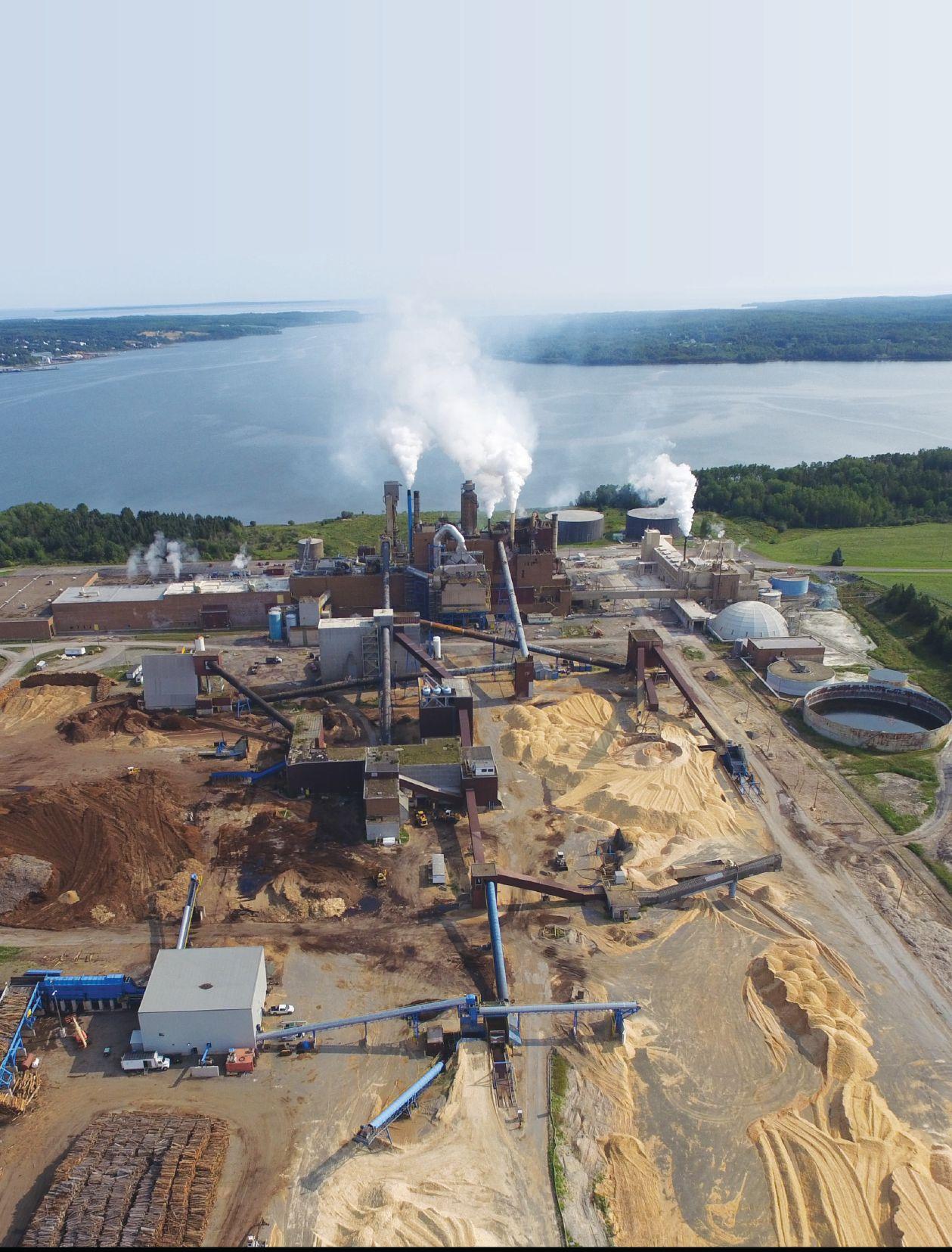
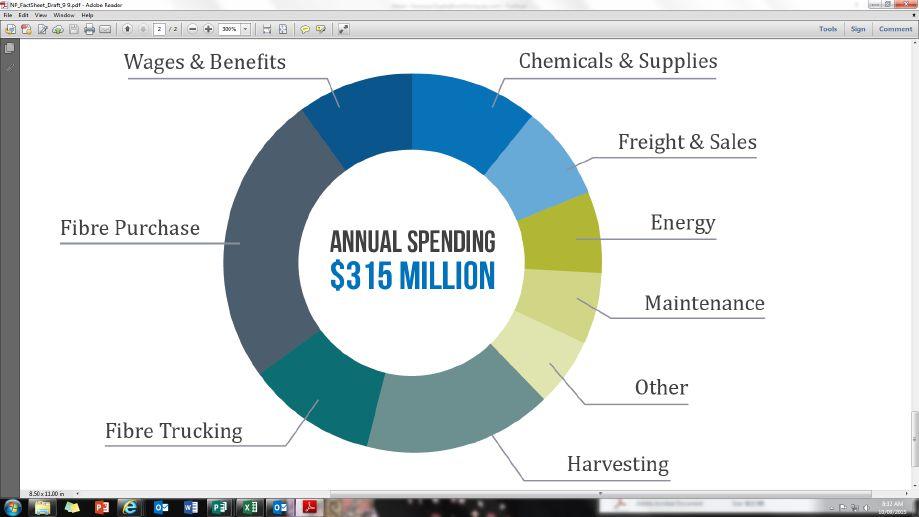
In addition to job creation, the pulp mill spends $315 million per year, most of it in Nova Scotia
What’s the economic reach of one pulp mill? Northern Pulp Nova Scotia has released results of an in-depth eco nomic impact analysis conducted by Gardner Pinfold. The analysis finds that Northern Pulp is a significant contribu tor to the economy of rural Nova Sco tia, creating well-paying jobs in typically high-unemployment areas. The unique partnerships between Northern Pulp and Nova Scotia sawmills, forestry contrac tors and private woodlot owners are a fundamental relationship for the forest industry within the province, the com pany states.
Northern Pulp is a kraft pulp mill, located near Abercrombie, N.S. It pro duces about 280,000 tonnes of pulp per year, and directly employs 339 people.
By Cindy Macdonald, editor
Gardner Pinfold’s analysis shows that for each employment position at the mill, five additional jobs are generated for a total of 2,040 full-time equivalent jobs created by Northern Pulp. These workers earn $101 million in income. Up to 1 in 12 Pictou County jobs are tied to Northern Pulp’s Abercrombie mill.
A supply chain of more than 1,300 companies supports the kraft pulp operation, with a total value of output of $535 million per year.
“The challenging economic conditions for forest industries have led to mill closures in Nova Scotia and other Atlantic provinces – leaving the remain-
Northern Pulp invests and spends more than $315 million annually, with most of that being spent in Nova Scotia.
ing companies even more reliant on one another. Our partnerships with sawmills, forestry contractors and private woodlot owners are critical to the success of Nova Scotia’s forest industry and to the rural economy,” said David Kerr, senior vicepresident at Paper Excellence Canada, the owner of Northern Pulp.
Northern Pulp is uniquely connected with many partners in the forest industry. All of its forest management activities, including road maintenance, road construction, harvesting, trucking and silviculture, are conducted by contractor
operations. “These forestry contractors provide a significant number of rural jobs across Nova Scotia and are essential partners to Northern Pulp’s success and the rural economy,” says a company statement. “Private woodlot owners and sawmills are also an important part of Northern Pulp’s supply chain.”
Jeff Bishop, executive director of the Forest Products Association of Nova Scotia agrees. “As one of the largest forest industry operations in Nova Scotia, Northern Pulp’s economic impact reaches far beyond the borders of Pictou County.
What is Northern Pulp’s economic reach? The mill is the largest supplier of sawlogs to Nova Scotia sawmills, and then consumes more than 90 per cent of the wood chips produced in the province.
Northern Pulp is a vital partner in the supply of wood fibre that keeps our entire industry moving forward every day –employing thousands of Nova Scotians.”
The company manages 250,000 hectares of forest land as well as a nursery where six million seedlings are grown each year. Northern Pulp is also the largest supplier of sawlogs to provincial sawmills.
In turn, the company purchases in excess of $85 million worth of wood products each year. It generates significant revenue for approximately 15 Nova Scotia sawmills through the purchase of by-product chips and bark, the analysis shows. In fact, Northern Pulp purchases more than 90 per cent of the wood chips
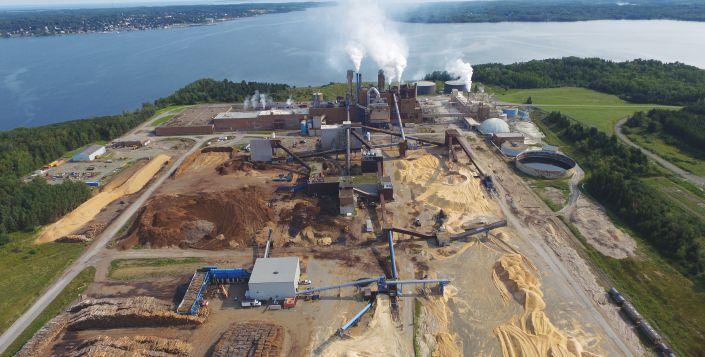
produced in Nova Scotia, receiving, on average, 120 trucks of fibre daily.
Northern Pulp’s exports make it one of the largest shippers with the Halifax Port Authority.
The authors of the economic study looked at the direct impact of the mill, the supply of goods and services that support Northern Pulp’s mill operations, and the induced impact arising from the spending of incomes earned in direct and indirect activities.
“Northern Pulp is committed to the responsible operation of the mill by minimizing our environment impact as we produce a quality product that is made in Nova Scotia by Nova Scotians,” says Bruce Chapman, general manager of Northern Pulp Nova Scotia Corp. “With a progressive owner committed to continued investment in the mill, now is the time to leverage our strong workforce and contractors to ensure the long term sustainability of the mill.” PPC


Traditional daily newspapers are a dying breed, but the newspaper business may have turned the corner and adapted to new models of publishing. It’s not good news for newsprint, though.
A couple of recent announcements out of Quebec are indicative of wider trends in newspaper publishing. On the demand side, a well-established Quebec daily newspaper has said it will stop printing weekday editions and publish only online Monday to Friday. On the supply side, Kruger is planning to convert a newsprint machine at its Trois-Rivières mill to produce containerboard. And globally, a newspaper association says the balance has finally shifted away from advertising revenue

BY CINDY MACDONALD, EDITOR
toward circulation revenue in the newspaper sector.

Source: IBISWorld, Dec. 2014
The closure of La Presse is part of a trend, says Frédéric Bouchard, Forest, Paper & Packaging Montréal leader with PwC. He predicts North America won’t see a lot of printed newspapers in the future. Community newspapers may be slower to follow the pattern of decline seen in daily papers, but it will eventually happen, he says.
Newsprint production “is an industry that’s going to end at some point,” says Bouchard.
For the next few years, the industry is likely to see more closures than mergers to rationalize the output of newsprint. “I think there are still cuts to come,” says Bouchard. “We should see more closures, more [paper machine] conversions in the next two to five years.”
Since the North American industry has been suffering for about the last 10 years, investment in machinery has been minimal, and that is a challenge when considering paper machine conversions, says Bouchard. Also, a conversion requires a large amount of capital. Kruger’s recently-announced project, for example, has a $250-million price tag.
A report on Canada’s paper industry by IBISWorld comes to a similar conclusion, saying facility and machinery closures are “inevitable” as the industry restructuring continues. “In the five years to 2019, the number of establishments is projected to slowly fall at an annualized rate of 1.2% to 94 facilities,” say

As the industry knows all too well, the onset of the digital age is contributing to declining demand for newsprint grades.
The problem was foreseen, but it struck the industry with far greater force and speed than was anticipated. For a few years, the industry couldn’t shut down capacity fast enough. Now, the supply-side reaction is more in tune with demand, but the long-term outlook is for continued decline.

the authors of IBISWorld’s Industry Report 32212CA, Paper Mills in Canada. According to IBISWorld’s data, Canada had 150 paper-making establishments in 2006.
Canadian paper industry revenue declined in the five years prior to 2014, mostly due to contractions in downstream newspaper and magazine publishing industries. The United States is the largest export market for Canadian newsprint, and IBISWorld (using data from Natural Resources Canada) says North American demand for newsprint has declined by 65 per cent since 2000.
Analysts at RISI recently warned that tough decisions about capacity are on the way for North American producers. In a short article on Nov. 5, RISI analysts said, “Following the massive losses of 2008-2009, North American demand has averaged annual losses of 7-8 per cent as readers and advertisers have rapidly migrated to digital outlets….newsprint demand is expected to follow up the 9 per cent decline of 2014 with an 11 per cent tumble in 2015.”
The situation at La Presse, a French-language daily newspaper in Quebec, is typical of the changing North American newspaper publishing industry. Beginning next January, La Presse will provide a free digital edition tailored to tablet computers called La Presse+ instead of a printed newspaper.
The publisher notes that La Presse+, after being in existence only 30 months, is more successful than La Presse’s print edition, which is 131 years old. More than 460,000 people access La Presse+ each week.
A profound shift in the newspaper business model, evolving for years, is finally here. Global newspaper circulation revenues are larger than newspaper advertising revenues for the first time this century, according to the annual World Press Trends survey released in June by the World Association of Newspapers and News Publishers (WAN-IFRA).
Newspapers generated an estimated US$92 billion in print and digital circulation revenue in 2014, while US$87 billion came from advertising, the survey said.
Print circulation increased 6.4 per cent globally in 2014 from a year earlier and shows a five-year growth of 16.5 per cent. This is the largely the result of circulation increases in India and elsewhere in Asia. The newspaper business in India is still the healthiest print newspaper industry in the world, according to WAN-IFRA. Updated Indian figures have significantly affected the global picture.
Over a five-year period, newspaper circulation rose 32.7 per cent in Asia, 3.7 per cent in the Middle East and Africa and around 3 per cent in Latin America; it fell -8.8 per cent in North America and -21.3 per cent in Europe.
In mature markets, says the global organization, newspapers are adopting strategies to make more money from fewer subscribers. These include cover price increases and lowering production costs by reducing the frequency of printing.
When announcing the change its digital-only format, the publisher and president of La Presse, Guy Crevier, said the North American newspaper industry lost 63 per cent of its advertising revenue between 2006 and 2013, or US$29 billion.
“In this context, the distribution model for printed newspapers, with printing costs, paper costs and the cost of the trucks that travel the roads night after night to delivery copies, has simply reached its limit,” said Crevier.
In this context, the traditional business model for newsprint producers may also have reached its limit. PPC
At FPInnovations, we’re so much more than researchers. We’re industry partners with the diagnostic solutions to help you improve product performance, reduce costs and add unique value. From technologies such as our state-of-the-art Web and Role Testing Centre and ISOcertified Optical Calibration Laboratory to on-site consultations, we’ve got your needs covered

fpinnovations.ca Follow us
The largest gathering of the Canadian pulp and paper industry adds some new topics for 2016, and continues to expand its coverage of the bio-economy.
For 2016, PaperWeek Canada has added several new conference topics – converting and market pulp – to its already diverse program.
The annual gathering of Canada’s pulp and paper industry will continue to offer technical sessions, conference tracks on various subjects, a trade show and conference luncheons with keynote speakers. As well, the organizers of PaperWeek Canada have added a second, co-located event: Montreal Biofor International.
PaperWeek Canada is produced by PAPTAC. It will run from Feb. 1 to 5 at the Fairmont Queen Elizabeth Hotel in Montreal. Biofor will be slightly shorter, from Feb. 2 to 4.
The theme of PaperWeek Canada 2016 is Global Knowledge Connections. In addition to the two new topics, the following conference tracks are planned: energy reduction, tissue, packaging, technical, reliability, management and safety.
The converting track will cover the latest technology advancements in paper, tissue and paperboard converting operations. PAPTAC says the presentations will also provide updates on some of the most recent market trends and best practices. The market pulp track will address the key aspects of pulp production, operations optimization and technology developments, as well as provide insight on the market perspectives.
The conference portion of PaperWeek Canada begins on Feb. 2 with an executive panel breakfast.
The program committee for PaperWeek consists of Daniel Archambault of Kruger, Eric Ashby of Domtar, Patrick Corriveau of Resolute Forest Products, and Grey Hay of PAPTAC. They hint that attendees should expect new twists in the concept, format and content of the program for the upcoming event.
Montreal Biofor International is a new conference dedicated to the emerging forest bioeconomy. Through its association with PaperWeek, Biofor “capitalizes on the presence of the forest sector’s key players and brings together the stakeholders of the
value chain,” says the event web site.
Biofor will feature market analyses, industry updates, new technologies and world-renowned keynote speakers. Conference content will be guided by a knowledgeable program committee: Peter Axegard, Innventia; Tom Browne, FPInnovations; Jean Hamel, FPInnovations; Jean-François Levasseur, Natural Resources Canada; Jason Linkewich, LinksEdge; Mariya Marinova, Polytechnique Montreal; Don Roberts, Nawitka Captial Advisors; and Donald Smith, BioFuelNet.
Topics requested in the call for papers include:
• Bioproducts and biomaterials – from forest to market;
• Building links between the forest and the chemical industry;
• Biorefinery resources and supply chain;
• Biorefining technologies;
• Biofuels;
• Biomass conversion;
• Market perspectives;
• Sustainability of the forest biorefinery;
• Combining forest and agricultural biomass.
Both PaperWeek Canada and Montreal Biofor International offer invaluable learning and networking opportunities. For details, visit www.paperweekcanada.ca. PPC

Tournée vers les besoins des consommateurs, Cascades met tout en œuvre pour concevoir et mettre en marché des produits innovants. L’entreprise mise sur une offre qui sait répondre aux besoins du marché : des produits à valeur ajoutée, mieux adaptés aux nouvelles réalités, plus performants et plus verts. / Consumeroriented, Cascades strives to create and market innovative products. The company focuses on solutions that meet market needs—more effective and greener value-added products that are better adapted to new realities.
By Thanh Trung, Brady Conroy and Dale Wilson
With increasing worldwide competition, pulp and paper manufacturers require greater emphasis on cost reduction and increased product efficiency and quality, while minimizing environmental impact. Although the chemical recovery process plays a critical role in the economic viability of pulp mills, efficient operation of the digester is equally important to ensure excellent yield and product quality.
The kappa number of pulp, or residual lignin content, estimates the extent of delignification in cooking and is a critical parameter for digester and bleaching processes. To optimize cooking yield and product quality, kappa number is used as a feedback parameter to automated control algorithms allowing for adjustments to the liquor charge and time-temperature profile of the digester as well as the bleaching chemical charge in the bleach plant. Kappa measurement has become even more critical due to greater inconsistencies in chip quality (i.e., moisture content, size distribution, and species mixtures) requiring varying cooking conditions.
Accurate measurements of kappa number for chemical pulp obtained from rapidly fluctuating wood quality and furnishes remains a challenge for the industry. Manual titrations for kappa (based on the KMnO4 oxidation of the lignin) require significant time and preparation steps, leading to considerable sources of error between testers and between labs. Since the analysis is most accurate when half of the KMnO4 is consumed, higher kappa numbers require smaller amounts of pulp for titration. Consequently, errors in sample weight greatly contribute to kappa testing inaccuracies.
Semi-automated and automated titrationbased methods slightly reduce the time commitment in comparison to the manual methodology, but sample preparation, reaction time, and analysis steps still take a substantial amount of time (approximately 20 to 30 minutes) and use large volumes of aggressive chemicals.
Fully automated kappa analyzers are widely available, but are better suited for clean pulp that has been thoroughly washed of all residual liquor and partially bleached and bleached pulp. Because UVvisible light is strongly absorbed by lignin, the sample must be diluted to a low consistency before measurement can occur. For higher kappa numbers of linerboard pulp with kappa in the range of 80 to 110 kappa, an extremely low consistency sample is required, leading to possible errors and non-representative sampling. It has also been demonstrated that UV-visible light-based measurement techniques are dependent on species composition, thus do not lend themselves well to conditions with a varying furnish.
Jointly developed and patented by FPInnovations and FITNIR, FITNIR Kappa represents an innovative and disruptive technology for kappa number analysis. FITNIR Kappa uses diffuse reflectance Near Infrared (NIR) spectroscopy as the basis of measurement. When a continuous wave light is shone on a pulp sample, a portion of the light is reflected and the remainder penetrates and interacts with the chemical constituents of the sample before exiting. This diffusely reflected light contains the information that is absorbed by the lignin in the pulp. Optics collect the diffuse reflected light, registering its absorption on the infrared detector and generating the
unique spectral features (Fig. 1). The spectral data from the analyzer is then correlated with a previously built calibration model, allowing for kappa number determination.
The spectral absorption features of lignin allow for the direct quantification of residual lignin on the pulp. Consequently, FITNIR Kappa does not rely on other parameters such as the strength of chemicals, precise sample dry weight, reaction time, or a subjective colour change With the automated sample preparation (simply washing the pulp with water and pressing into a sample puck) and sample analysis requiring only 20 seconds (Fig. 2), rapid, consistent, accurate kappa measurement is now possible.

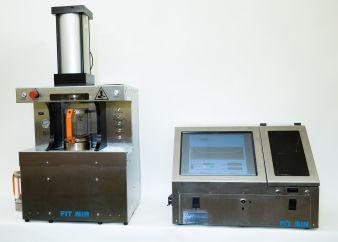
The simplified sample preparation and analysis process of NIR spectroscopy eliminates all associated chemicals required for traditional measurement techniques, presenting the conceivable opportunity for a chemical-free lab, particularly when combined with FITNIR Benchtop liquor measurements. Consequently, chemical costs are eliminated while environmental impact and tester exposure to potentially harmful chemicals are minimized.
Based on the fundamental absorption features of lignin for calibration, calibration models can be transferred from pulp-grade to pulp-grade without requiring recalibration. Providing uninterrupted results ensures pulp kappa stays within target, even when confronted by furnish transition or poor chip quality.
With increasing sales and transactions for all sorts of goods over the internet, the demand for kraft linerboard has seen a tremendous rise over the past decade. More linerboard producers have entered the market, leading to greater competition and optimization requirements for producers. Reliable and accurate kappa numbers are critical to produce acceptable quality pulp for packaging.
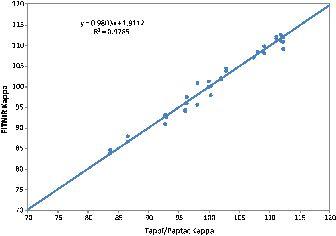
Figure 3 shows the correlation of mill samples between NIR spectroscopy (FITNIR Kappa) and autotitrator results performed as per the TAPPI/PAPTAC standard for linerboard kraft pulp. Excellent correlation was observed from 85 to 115 kappa with an R2 ~ 0.98. By simplifying and reducing the sample preparation steps which critically affect titration results, NIR spectroscopy significantly improves kappa repeatability and accuracy. Table I shows the validation outcomes comparing autotitrator results to FITNIR Kappa. Excellent correlation was again observed with an average of the difference being 0.63 kappa number and a standard deviation of the difference of 0.9 kappa. Accurate kappa number determination for linerboard pulp represents a paradigm shift in methodology, as FITNIR Kappa can account for higher amounts of shives and some liquor carryover in the pulp. Moreover, using an approximately 80 g sample of pulp (~24 g OD) is a much better representative of kappa number.
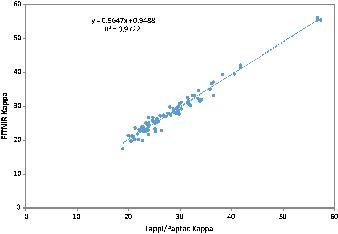
Kappa vs. standard kappa measurements. Excellent correlation is observed for conventional kraft from 20 Kappa to 60 kappa.
line is difficult, especially for kappa number and a series of other properties such as AD (Air Dry) content and viscosity. Often, these tests require considerable time investment to obtain accurate and reliable results. Some customers require kappa as part of the procurement criteria with which producers must provide manual testing to comply.
Manual testing cannot keep up with production and consequently analysis is performed only once every two to three hours and runs the risk of being out of compliance if swings in kappa number occur outside of the acceptable range.
To address this challenge, FITNIR Kappa determines kappa number directly on the pulp sheet. A sample is simply cut from the pulp sheet and analyzed in the spectrometer within 2 minutes. As measurements are done within minutes, mills can frequently measure kappa number for all drops, both in cross-machine and machine direction.
FITNIR Kappa is the only system of its kind that can directly measure kappa number on the pulp sheet without the use of chemicals yet can provide rapid, reliable, and accurate results. The data from FITNIR Kappa lends itself to process optimization, ensuring the target product quality is reached and maintained.
Mill validation results of FITNIR Kappa versus autotitrator (TAPPI/PAPTAC standard).
Similarly, this technology has been applied to measure the kappa number of conventional kraft pulp for digester blowline and brownstock samples. Again, excellent correlation has been validated with mill testing (Fig. 4).
Pulp quality inspection at the finishing
The progress of NIR spectroscopy technology for true kappa measurements has resulted in the development of a disruptive technology that surpasses traditional testing techniques. When combined with other spectroscopy-based technology, such as FITNIR Benchtop for liquor analysis, a chemical-free laboratory is now possible. The ability to directly measure pulp sheet kappa can lead to procurement applications and final product testing. Accurate and reliable measurements without chemical consumption translates into savings ranging from $150,000 to $250,000 per year, based on chemical costs for kappa testing. This is just the tip of the iceberg for this versatile technology. Applications are already being tested for AD content and viscosity, among many other possible parameters for improving product quality. PPC
Thanh Trung and Dale Wilson, FITNIR Analyzers Inc., Vancouver. Brady Conroy, Domtar Corp., Kamloops, B.C.
Tough bearings optimized for dryer rolls
NSK’s TL (Tough and Long Life™) Series of Spherical Roller Bearings are specifically designed for dryer rolls in papermaking machinery operating under extremely high temperature conditions.
components are fully interchangeable with most split cylindrical bearing configurations in the market today.

The bearings have an innovative chemical composition and undergo a special heat treatment process. They incorporate high strength inner and outer rings and have higher resistance to cracks.
The benefits of this design are greater resistance to hoop stress, reduced fracturing of bearing inner rings, and reduced downtime and maintenance costs.
According to NSK, the service life of TL bearings is more than twice that of conventional bearings operating under contaminated conditions. The TL line also offers greater dimensional stability under high temperatures (to 200°C). NSK, www.nskamericas.com
Split-to-the-shaft housed unit line reduces downtime

Timken has introduced its full line of Revolvo split cylindrical roller bearing housed units to the North American marketplace.
Timken added the Revolvo line, which is well-known across Europe, to its bearing and power transmission product line-up when it acquired the assets of Revolvo Ltd. late last year.
Revolvo split cylindrical roller bearing housed units are widely used by mining, power generation, food and beverage, pulp and paper, metals, cement, marine and wastewater end users. The units and
Compared with standard bearings, Revolvo housed units can reduce installation time -- particularly in the tight spaces and trapped locations commonly encountered in such applications as fans, conveyors, long shafts, crushers, kiln drives and marine propulsion shafts. The product’s design accommodates misalignment up to +/-1.5 degrees.
The split design of the Revolvo line allows the bearing to be assembled around the shaft, which reduces downtime because drive components can remain in place during installation or for maintenance. Revolvo units help extend up-time, reduce maintenance costs and typically increase plant efficiency and profitability. The Timken Co.mpany, www.timken.com
Bearing replacement covered in new MiHow2 video
Motion Industries, a distributor of industrial maintenance, repair, and operation (MRO) replacement parts, has added a video demonstrating bearing replacement to its line of MiHow2 videos.
The video shows how to avoid jamming the bearing at one end when replacing bearings in a pillow block housing. “How to Maintain Bearing and Pillow Block Centers When Replacing Bearings” was filmed with the help of Schaeffler, a supplier to Motion Industries. The video can now be viewed on the new www. MiHow2.com under the MiHow2 heading.
“Equipment efficiency starts with proper installation of parts,” said Randy Breaux, a senior vice-president with Motion Industries. “Proper bearing installation also cuts down on frustration levels.”
The series is also available for viewing
via Facebook and YouTube. Additional MiHow2 and Tom’s Toolbox videos are scheduled to be posted in coming weeks. Motion Industries 800-526-9328, www. motionindustries.com
Smart ground monitor brings intelligence to shaft grounding
The Smart Ground Monitor from Inpro/ Seal is an innovative condition monitoring system that provides users with instant feedback on the performance of their CDR® (Current Diverter Ring®) in diverting shaft currents away from the bearing to ground.
Variable Frequency Drives (VFDs) are becoming the system of choice across a variety of industries due to their ability to reduce energy consumption and generate significant cost savings. However, these systems induce high-frequency voltages on the shaft that seek a path to ground, discharging through the motor’s bearings or through the bearings of coupled equipment. This electrical discharge causes fluting on the bearings and is a leading cause of premature bearing failure in VFD-driven motors. The CDR uses proven technology to divert these harmful shaft currents to ground.
Now, the Smart Ground Monitor provides a leading indicator of CDR performance. A simple interface alerts users in real time if there is not optimal contact between grounding brushes and the shaft – preventing bearing failure. If contact has been interrupted, routine maintenance can be performed to return shaft grounding to peak performance. The Smart Ground Monitor has external ports for safe and convenient oscilloscope readings and can be set up in stand-alone or auto mode for performance indication. Inpro/Seal, www.inpro-seal.com/ smartcdr
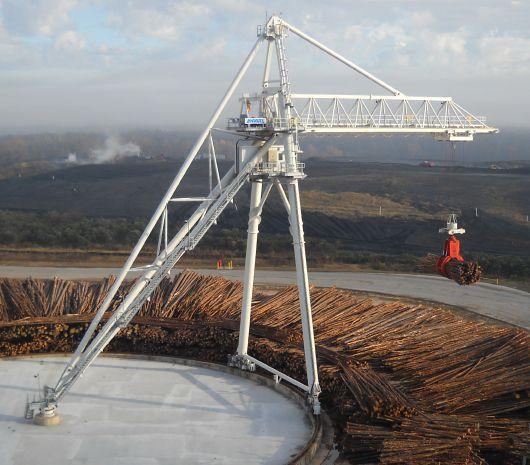
Andritz has received an order from Domtar Paper Co. to supply a logyard circular crane for its Marlboro mill in South Carolina. The new crane will be able to unload log trucks in a single bite. It has a net lift capacity of 32 tons and a radial reach of 52 m (170 ft.).
The new crane will replace existing equipment and is scheduled to start up early in 2016. In addition to unloading trucks, the circular crane will feed the logline at the required rate and assist in managing log storage on site.
Andritz will supply the equipment, engineering and on-site services.
Andritz says the CRC20 circular crane represents the latest onsite log handling technology. It adheres to high safety standards, is easy to maintain, is very efficient, and utilizes data acquisition systems to support logyard operations. Andritz Ltd. 514-631-7900, www.andritz.com
Waggeryd Cell in Sweden is investing 60 million SEK in a biomass boiler in order to replace LPG as the energy source for its flash dryer.
The biomass boiler supplied by Urbas will be a grate boiler with an effect of about 12 MW. Urbas is an Austrian company specializing in systems designed to extract energy from wet and coarse wood fuels from sawmills, woodworking factories and general forestry thinning.
“This is yet another of the environmental investments we have done since we began modernizing the mill fifteen years ago,” says Ulf Karlsson, managing director, Waggeryd Cell. “By replacing LPG for our flash dryer with heat from the new biomass boiler we will reduce our emissions of fossil carbon dioxide by 85 per cent at the same time as we reduce our costs. The boiler will be fuelled by sawdust, oversized wood chips and fibre residuals from our process as well as bark and fuel wood mainly supplied from our owner ATA Group’s sawmills.”
The mill produces 150,000 t/y of bleached CTMP. The mounting of the boiler will begin during March 2016 and the start-up is scheduled for September 2016.
Urbas Maschinenfabrik, www.urbas.at
A paper mill in Louisiana recently purchased its fourteenth and fifteenth Airmaster Aerator Turbo X-Treme aerators.
The mill took delivery of its first Turbo X-Treme in 2003. The site is currently running 13 of the Airmaster Aerator Turbo X-Treme units, 25 Hp rating. In 2005 the mill participated in a third-party evaluation which concluded that the Turbo X-Treme aerator, 25-Hp rating, could replace a 50-Hp conventional aerator.
The mill reports that the original units are still running well.
Airmaster aerators have a unique design that allows them to achieve high capacity water movement with aeration. Mechanical aeration of lagoons, pond aeration and sludge removal is accomplished with significantly less horsepower than older waste treatment and aerator technology.
Airmaster Aerator 888-813-2680, www.airmasteraerator.com
Metsä Fibre and GL&V have signed an agreement regarding the supply of a Compact Press® for the company’s planned bioproducts mill in Äänekoski, Finland.
“We need a wash press to meet our process targets and we have selected GL&V and its Compact Press for the application. It is a robust, reliable and highly efficient wash press, which is exactly what we require,” says Timo Merikallio, project director for the Äänekoski bioproduct mill.
Fredrik Björck, chemical pulping sales manager at GL&V com-

Over 50 years of experience in Canada
Tetra Tech’s offices extend across Canada providing multidiscipline engineering and environmental Services for all industries including Pulp & Paper, Mining, Material Handling, Chemical, Oil & Gas, Municipal Infrastructure, Water, and Wastewater.
tetratech.com/canada
Valmet reveals details of Resolute tissue line
The tissue machine Resolute Forest Products has chosen for its Calhoun mill in Tennessee will be only the fifth of its type that Valmet has sold. Resolute selected Valmet’s Advantage NTT tissue production technology and Valmet automation for the Calhoun expansion.
The line will manufacture at-home, premium private label tissue paper, including bath and towel.
Valmet will provide a complete tissue production line, including an Advantage NTT 200HS tissue machine. The tissue machine will be equipped with a layered OptiFlo headbox and a cast alloy Yankee cylinder. It will also incorporate the Advantage tissue technology, including an AirCap hood and a SoftReel B.
The new tissue machine will have a width of 5.2 m and a design speed of 2,000 m/min. The raw material for the new line will be virgin fibre, and the production line is optimized to save energy and fibre as well as provide flexibility and product differentiation for premium quality products, states Valmet.
The delivery also includes an integrated automation solution with Valmet DNA process control system, Valmet IQ scanner with IQFibre & Moisture sensor, as well as IQProfilers and a state-of-the-art web camera system for quality and reliability control. Installation supervision, training and commissioning as well as product development support are part of the delivery.
“We are very proud to work with Resolute on this important project, and we will deliver first-class tissue technology to their state-of-the-art facility,” says Soren Eriksson, director of sales, Tissue Mills Business Unit, Valmet.
Valmet’s Advantage NTT tissue production technology is designed for maximum flexibility and can easily change between production of conventional tissue and textured tissue in just a few hours. The company says it has been well received by the market, and this will be the fifth NTT machine to be delivered. The first Advantage NTT line was started up in Mexico in 2013, the second line started up in the second quarter of 2015 in Chile, a third NTT line will be started up in Abu Dhabi in 2015, followed by a fourth NTT line in the U.S. in early 2016.
Resolute is expected to start-up its tissue production line in early 2017.
Valmet 514-335-5426, www.valmet.com

ments: “The bioproduct mill in Äänekoski will be the flagship of the Finnish forest industry and we are honored Metsä Fibre has given us the opportunity to contribute with our innovative technology.”
The mill is expected to start up in Q3, 2017.
GL&V’s Compact Press equipment has an internal geometry which creates a controlled pressure increase as a driving force for dewatering. The company says the distribution screw and the internal geometry have been further developed for improved performance at fluctuating flows or consistency.
GL&V Canada Inc. 819-371-8282, www.glvpulppaper.com
Veolia Water Technologies Brazil was awarded a contract to build three units for demineralized water production, raw water treatment and effluent treatment at Fibria’s new pulp production line located in Três Lagoas, Brazil.
The contract with Veolia is for Project Horizonte 2, which involves the construction of a second production line with annual pulp capacity of 1.75 million tons at the Três Lagoas unit. Fibria’s total investment in the expansion of Três Lagoas is equivalent to about US$2.5 billion.
Veolia will design and build the three water treatment units using cutting-edge, patented Veolia processes. The first unit will use reverse osmosis and condensate polishing to produce 16,600 m3/d of demineralized water to supply the boilers. The second unit will feature the Actiflo® high rate clarification process combined with TGV filters to treat 185,000 m3/d of raw water before it is used in the pulp production process. Finally, the effluents from the pulp plant will go to a third unit where the AnoxKaldnes™ BAS™ process will be used to treat 166,000 m3/d of wastewater. This last unit will be designed by a Veolia business unit, Aquaflow, that specializes in effluent treatment for the pulp and paper industry. Veolia, www.veolia.com
The Archangelsk Pulp & Paper Mill (APPM), the largest producer of packaging papers in Russia, recently put its BM 1 board machine back into service following an extensive rebuild by Voith. Voith’s scope of supply included the approach flow system, the headbox and a new top wire. The bottom wire was rebuilt by Voith to meet the new requirements.
The new approach flow system for the top wire consists of IntegraGuard and MultiScreen screens and the associated pumps. The headbox is a MasterJet Pro. The former section was extensively modernized and a new TopFormer F installed to further improve dewatering and quality.
The rebuild and assembly took just ten weeks and the warranted parameters for the machine were successfully achieved within three months after startup.
Not only did the rebuild of the wet section of the BM 1 improve board quality, it is expected that the production capacity of BM 1 will also be increased following startup of the a new semi-chemical pulp mill.
Voith Paper, www.voith.com/paper

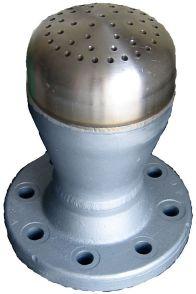

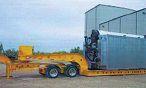


Stora Enso’s Sunila mill takes over LignoBoost plant
Stora Enso’s Sunila mill employees are now running the Valmet-supplied LignoBoost lignin separation plant. The last part of the handover process, the lignin dryer, was taken over by the Stora Enso team on September 15, 2015. The LignoBoost plant is integrated with the pulp mill to separate and collect lignin from black liquor.
Stora Enso views the lignin plant as a significant step in transforming the Sunila mill into an innovative and customerfocused biorefinery. The plant has been running since January 2015 and production has been ramped up during the year.
“Through the lignin extraction process we have replaced a great amount of natural gas with the dried lignin produced in the new LignoBoost plant, and by doing that reduced our carbon dioxide emissions. We are developing this new product and working together with our customers to start external sales,” says Sakari Eloranta, senior vice-president, operations and investment projects, Stora Enso Biomaterials.
Valmet reports that the Sunila installation is the second commercial-scale LignoBoost plant in the world. “We continue to develop this technology, as we see a great potential in utilizing lignin in various uses,” says Anders Larsson, director, bio materials, pulp and energy business line, Valmet.
In addition to LignoBoost, Valmet has several bio initiatives, including products such as bio coal, solutions for second generation ethanol, pyrolysis oil, and direct and indirect gasification of biomaterials.
Stora Enso’s Sunila mill has an annual capacity of 370,000 tons of softwood pulp.
Two European trade show organizers, Adforum and Elmia, have agreed to combine their fairs to form International Wood Biorefining Week. The new event will be held on May 24-26, 2016, in Stockholm and will include International Pulp & Paper Week, World Bioenergy and Bioeconomy Innovation Forum.
World Bioenergy has been organized by Elmia and its partner Svebio since 2004.
“When we launched World Bioenergy, the growth area was by-products from tree harvesting and the sawmill industry. Today we have a totally new situation with a pulp and paper industry that is investing heavily to create an integrated process industry in which bioenergy is becoming an ever more important part of the product mix,” comments Torbjörn Johnsen, business manager forestry at Elmia.
International Pulp & Paper Week was most recently held in Stockholm in 2011 and brought together 650 exhibiting companies from 30 countries, plus almost 10,000 visitors.
Bioeconomy Innovation Forum is a new event for innovative products from the forest industry. The focus is on bioplastics, textile fibres, nanocellulose, carbon fibre, packaging, biochemicals and wooden structures.
“For this event we will also be inviting visitors from other manufacturing industries with an interest in forestry’s sustainable solutions,” explains Marcus Bergström, CEO of Adforum. “It’s important to create a dialogue between various industries and to enable forestry companies to meet their customers. At previous forestry events they have mainly met their own suppliers and employees.”
properties that feel like wearing “water over the skin.” Innovations in Oji’s own technology have enabled the optimization of production processes as well as improved the overall characteristics of CNF.
Nikko Chemicals produces raw materials for cosmetics. The two partners say the launch of the joint development program is driven by basic research on CNF, which has proved the many outstanding characteristics of CNF in cosmetic applications.

The 2015 Marcus Wallenberg Prize is being awarded to a group of researchers from Japan and France for their development of an energy-efficient method to produce nanofibrillated cellulose.
Oji Holdings Corp. of Japan has signed an agreement with Nikko Chemicals to launch the joint development of cellulose nanofibers (CNF) for cosmetic applications.

A wide range of cosmetic applications are under development thanks to CNF’s non-stickiness and excellent moisturizing

Professor Akira Isogai and associate professor Tsuguyuki Saito from the University of Tokyo and Dr. Yoshiharu Nishiyama from the Centre de recherches sur les macromolécules végétales, Cermav, in Grenoble, France, received the Wallenberg Prize of SEK 2 million for this groundbreaking discovery. Their discovery of using a specific oxidation reaction as a tool to open up the wood material prior to mechanical disintegration has reduced the energy demand dramatically.
“It is a significant discovery that paves the way for nanocellulose being one key product of the future forest industry. The energy consumption is a very important parameter, and the traditional production of nanofibrillated cellulose has been too energy-intensive to attract industrial interest,” explains Johanna Buchert of VTT Technical Research Centre of Finland. She is also a member of the prize selection committee of the Marcus Wallenberg Foundation.
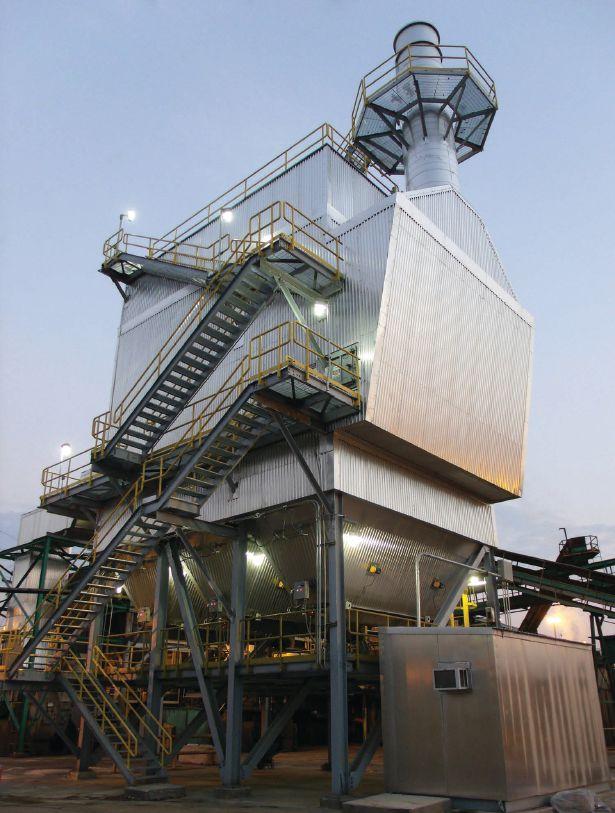

Enzymatic technologies are transforming how pulp, paper, tissue and packaging products are made — boosting performance, profitability and sustainability for mills around the world. As the global leader in the field, Buckman can help your mill enter the Enzymatic Age, too.
Our Maximyze® line for fiber conditioning, Optimyze® line for stickies control and Buzyme® products for deposit control can give your mill the economic and environmental advantages it needs to compete successfully for years to come.


GRAB THE LEADING EDGE. To learn more about enzymes and how they work, request a free copy of The Leading Edge — How Biotechnology is Taking Pulp and Paper Mills Into the Future. Just email us at knetix@buckman.com or contact your Buckman representative today!