






Presented by


DEPARTMENTS
UYEN YU
BY JACK BURTON

From the Editor
By Marcel Vander Wier
UYEN YU
BY JACK BURTON
By Marcel Vander Wier
Words hold power — spoken well, they can empower or heal. Misspoken, deliberately or not, and they can undo years of good work.
The usage of language — and also, tone — in creating healthier, safer workplaces is an issue I’ve been pondering anew as the world undergoes significant change.
Reader comments on a wide variety of COVID-19 news and advice shared on our website comes to mind, as does the vitriol spewed by some against our nation’s current slate of leaders — a topic I addressed in my last editorial.
Theo Heineman’s year-long series on neurosafety has brought the power of language to the forefront, in terms of the work needed to become conscious of unconscious thoughts, beliefs and emotions — and rewiring your brain towards sustained behavioural change in the process.
As Theo notes in her final word for 2021 (found on page 8), the workplace environment is a leader’s responsibility, and it’s imperative that managers
make workers feel safe — including more time spent on praise and encouragement.
Our inaugural Psychologically Safe Workplace Awards, handed out in October, confirm this (see pages 14 and 15).
2022 winners discussed that the road to mental health can begin with a simple word shared with a direct report, expressing concern and support for his or her well-being.
A wider societal change is required to truly implement a fresh perspective on the power of words.
Recognizing and (literally) speaking into the individual’s situation helps to reduce stigma and silence on matters integral to workers’ health.
In Saskatchewan, strides are being made against coarse language used in the workplace. Lobbying efforts by several women has prompted the government to propose legislation that any unwelcome action of a sexual nature constitutes harassment — words included.
If you do not yet have a workplace harassment and
violence prevention policy in place at your business, the CCOHS explainer on pages 20 and 21 is a must-read.
A wider societal change is required to truly implement a fresh perspective on the power of words — that opportunity lies in education, and with the next generation.
The less coarse language and bullying mentalities we accept at an early age, the better society will be on a go-forward basis.
As a new coach in the Greater Toronto Hockey League, I was pleased to find that its orientation programming for leaders pushes back against the verbal criticisms and “oldschool” coaching mentalities of the past, and instead promotes game strategy with emphasis on a healthier, more inclusive future.
Language matters — a lot. What we say and what we do are forever interconnected.
For workplace and community leaders, the responsibility is even greater to uplift, upbuild and conduct our affairs in a positive manner.
It’s up to us to ensure civility and decorum are a firm part of the future.
November/December 2021 Vol. 37, No. 6 ohscanada.com
READER SERVICE
Print and digital subscription inquiries or changes, please contact Serina Dingeldein, Audience Development Manager
Tel: 416-510-5124
Fax: 416-510-6875
Email: sdingeldein@annexbusinessmedia.com
Mail: 111 Gordon Baker Rd., Suite 400, Toronto, ON M2H 3R1
EDITOR
Marcel Vander Wier 416-510-5115
mvanderwier@ohscanada.com
MEDIA DESIGNER Emily Sun
ACCOUNT CO-ORDINATOR Cheryl Fisher 416-510-5194
cfisher@annexbusinessmedia.com
NATIONAL SALES MANAGER Ross Anderson (On Leave)
GROUP PUBLISHER
Todd Humber thumber@annexbusinessmedia.com
COO Scott Jamieson sjamieson@annexbusinessmedia.com
Printed in Canada ISSN 0827-4576 (Print) ISSN 1923-4279 (Digital) PUBLICATION MAIL AGREEMENT #40065710
SUBSCRIPTION RATES
Published six times per year – Jan/Feb, Mar/Apr, May/Jun, Jul/Aug, Sep/Oct, Nov/Dec Canada $100/yr plus tax USA $130/yr (100 USD) Foreign $214/yr ($164.50 USD)
Occasionally, OHS Canada will mail information on behalf of industry related groups whose products and services we believe may be of interest to you. If you prefer not to receive this information, please contact our circulation department in any of the four ways listed above.
Annex Business Media Privacy Office privacy@annexbusinessmedia.com Tel: 800-668-2374
No part of the editorial content of this publication may be reprinted without the publisher’s written permission © 2021 Annex Business Media All rights reserved. Opinions expressed in this magazine are not necessarily those of the editor or the publisher. No liability is assumed for errors or omissions.
EDITORIAL ADVISORY BOARD
Paula Campkin: chief safety officer at Energy Safety Canada in Calgary, Alta.
Marty Dol: president and founder of HASCO Health & Safety Canada in Toronto
Cindy Moser: director of communications for the Institute of Work & Health in Toronto
Natalie Oree: prevention consultant with SAFE Work Manitoba in Winnipeg
David Powers: director of HSE with Oxford Frozen Foods in Oxford, N.S.
Richard Quenneville: senior director of corporate services with T. Harris Environmental Management in Toronto
Maureen Shaw: lecturer and presenter in Victoria
Dylan Short: managing director of The Redlands Group in Oakville, Ont.
All advertising is subject to the publisher’s approval. Such approval does not imply any endorsement of the products or services advertised. Publisher reserves the right to refuse advertising that does not meet the standards of the publication.
(CP) — Parents were learning Nov. 22 how soon their younger children could get an appointment for a COVID-19 shot as shipments of the pediatric Pfizer-BioNTech vaccine made their way across the country.
“Offering the protection of the vaccine to children aged five to 11 is a significant milestone in Ontario’s fight against COVID-19 in advance of the holiday season,” Ontario Health Minister Christine Elliott said.
The province said about one million children will be eligible.
It expects to get 1,076,000 doses from the federal government. Just over 400,000 were to arrive Nov. 22.
One-third of new COVID-19 cases in Ontario are in school-aged children.
The Public Health Agency of Canada said earlier this month that children under 12 account for the highest rate of new COVID-19 infections.
Parents in the Prairie provinces were eager to book vaccinations for their children after months of increasing infections and extreme pressure on health care earlier this fall.
More than 15,000 appointments were made in Manitoba, only a few hours after they became available. There are about 125,000 children who are eligible and doses were expected to start going into arms by the end of the week.
“These vaccines can’t come soon enough,” said Dr. Marcia Anderson, medical lead for the Manitoba First Nations pandemic response team. She said enough vaccines for about 15,000 children were to be shipped to First Nations the same week.


The British Columbia government is rationing gasoline on Vancouver Island, southwestern B.C. and the Sunshine Coast — limiting drivers to 30 litres per visit — after a severe storm cut off supply lines in November.
WorkSafeBC reminding employers to prepare for emergencies, evacuation, rescue, following mudslides
In response to severe weather events in November — which caused flooding, evacuations, power outages, and road closures — WorkSafeBC is reminding employers of their obligations to be prepared for emergencies, including planning for evacuation, rescue, and re-entry, when safe to do so.
“Emergency situations, such as severe flooding and landslides, can often occur with very little warning. That’s why employers need to conduct a risk assessment in any workplace in which a need to rescue or evacuate workers may arise,” said Al Johnson, head of prevention services at WorkSafeBC, in a news release.
“The more you are prepared, the better you will be able to act and help ensure the safety of workers during an extreme weather event.”
Under the Occupational Health and Safety Regulation — specifically sections 4.13 through 4.16 and Part 32 on emergency preparedness, response, evacuation, and rescue — all employers are expected to plan, prepare, and train
their employees for all emergencies. Key requirements include:
• Conducting a risk assessment to determine the most likely emergency situations in the workplace. Engaging workers in the risk assessment.
• Developing appropriate written procedures for evacuation and rescue.
• Providing well-marked means of escape in the event of an emergency.
• Ensuring that emergency procedures consider the safety of disabled workers.
• Conducting drills at least once every year.
• Making sure all workers on site know how to respond to an incident. Providing training to employees in emergency procedures and fire prevention.
• Having first aid resources on site.
• Providing appropriate personal protective equipment for workers doing the rescue or evacuation.
• Ensuring a sufficient number of workers are available to implement rescue procedures.
(CP) — The New Brunswick government is tightening quarantine rules to address continuing high numbers of COVID-19 cases in the province.
As of 6 p.m. Nov. 19, if someone tests positive for COVID-19, everyone in their household — regardless of their vaccination status — must isolate for up to 14 days, and failure to do so could result in a fine between $480 and $20,400.
Household members who are fully vaccinated will be able to leave isolation if they test negative after five days and will also need a negative test on Day 10. Until now, isolation has not been required for household members who are vaccinated.
Chief medical officer of health Dr. Jennifer Russell says 49 per cent of new cases in that week resulted from transmission within a household.
The province reported 72 new COVID-19 cases Nov. 18, bringing the number of active cases to 566.
Russell said 28 people are hospitalized, including 14 in intensive care.
A 50-metre safe access zone will prevent sidewalk protests or interference near Saskatchewan schools that could potentially cause obstructions, delays or harassment for people entering and leaving school properties while vaccines are rolled out for kids ages five to 11.
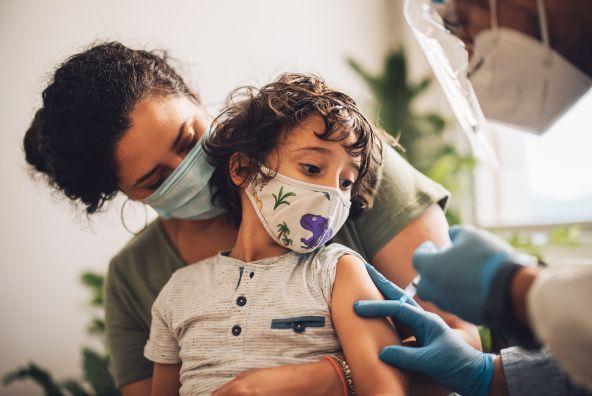
(CP) — Ontario is set to lift all COVID-19 public health measures by the end of March, including mask mandates, as part of a long-term plan for managing the virus.
In late October, Premier Doug Ford said Ontario is in a position to do that, thanks to the province’s careful approach to reopening and the resulting stability in case counts, hospitalizations and ICU admissions.
“We’re here because we stayed cautious,” he said. “We stayed disciplined and we never underestimated this virus. We look to other countries, other provinces, there could be no question that this was and is the right approach.”
The province said it will be assessing key public health and health-system indicators — including the identification of new
COVID-19 variants and increases in hospitalizations — in the coming months to ensure restrictions can be lifted safely.
“I’m going to be super cautious,” Ford said. “If we do not see numbers in a stable place we just aren’t going to do it.”
Experts say it’s encouraging the steps of the plan will be based on data, but it’s hard to know what the situation in Ontario will be in January or March.
Proof-of-vaccination requirements will also start to be lifted early next year — as long as trends don’t become concerning — starting with restaurants, bars, gyms and casinos in January.
Ontario is aiming to lift all remaining measures, including masking requirements and proof of vaccination in other settings such as sporting events, on March 28, 2022.
(CP) — The last four miners trapped deep below the surface in the Totten Mine near Sudbury, Ont., climbed their way to safety early Sept. 29, the company that owns the mine said.
Vale said the rescue operation that saw 39 workers climb a series of ladders is complete.
“This is tremendous news flowing from very difficult circumstances,” said Vale CEO Eduardo Bartolomeo in a statement. “All of us at Vale were focused on and committed to the safe return of our employees underground.”
The last miner reached the surface shortly before 5 a.m., said company spokesman Jeff Lewis.
“Everyone is elated,” he said. “The final four are in good spirits and happy to be back with loved ones.”
Todd Humber is the newly minted publisher of OHS Canada, the nation’s occupational health and safety media brand.
He assumed the role officially as of Nov. 1, taking over from Paul Grossinger, who now leads a different portfolio with Annex Business Media (parent company of OHS Canada).
Established in 1984, OHS Canada is a national media source for occupational health and safety professionals.
“Workplace safety has always been a strong passion for me, and it’s an area where I have a lot of media experience,” said Humber.
As a group publisher, Humber also leads editorial, sales and overall strategy for 10 other Annex Business Media brands.
To contact Humber, email him at thumber@ annexbusinessmedia.com.

The workers became trapped in the mine on Sept. 26 when a scoop bucket being sent underground detached and blocked the shaft.
Some of the miners were trapped as deep
as 1,200 metres below the surface, the company said. They had to scale a series of ladders to climb out of the mine and were helped along by a rescue crew.

Protect people and equipment from accidental impact of moving vehicles.
Industry leading polymer safety barriers flex upon impact and return to their original state. This energy absorbing ability significantly reduces maintenance costs and help prevent expensive floor repairs.
Our patented, proprietary, REFLEX polymer is scratch resistant, safe in food processing environments and is fire resistant.
The modular design can accommodate virtually any application.
Used in over 85 countries REFLEX polymer safety barriers are the most cost effective logical choice for modern day facility and asset protection. Ontario Bollards, 53 Armstrong Ave., Unit 1, Georgetown ON L7G 4S1 844-891-8559 info@ontariobollards.com www.ontariobollards.com

By Theo Heineman
The ever-evolving field of neuroscience is providing clearer insight into how leaders everywhere can foster safe, healthy, and highly productive workplaces with a basic understanding of how their employees’ brains and nervous systems work.
Prior to COVID-19, the average person spent a majority of their time in stress response. Think Internet connections, home schooling, second mortgages, spousal arguments, and the like.
In the last 20 months, most employees have experienced even higher levels of worry, anxiety, and fear. One critical reason is that the “pandemic” environment has thrust employees into the “unknown.”
The unknown is the scariest place for the amygdala — the part of the brain that acts as a conductor, assigning emotions such as anger and fear to threats in the external environment, and triggering the flightor-fight response.
It signals the autonomic nervous system to release hormones like adrenaline that drives the stress response, such as increased heart and breathing rates, sweating, and dilation of pupils.
High levels of employee stress have been shown to:
• increase workplace injuries
• heighten the risk of heart attacks
• increase mental health problems
• create more conflicts
• increase the number of employee sick days and absenteeism due to a suppressed immune system.
(Not-so-fun fact: organ transplant recipients are often given stress hormones to suppress the body’s immune system and reduce the
odds of the body rejecting the donor organ.)
• increase the frequency and severity of MSI injuries. ( Stress hormones like adrenaline and cortisol continually coursing through the body catabolize and harden blood vessels and muscle tissue, making them more likely to strain and tear.)
As our understanding of neuroscience evolves, how we lead and manage must also evolve.
When we better understand the chemistry of human emotions and their effects on the brain and nervous system, the direct relationship between the workplace environment and employee performance becomes clear.
From a neuroscience point of view, when employees are happy and optimistic, their brain and body produce chemicals of well-being, including dopamine, endorphins, oxytocin, and serotonin.
The effects of these “happy” chemicals include increased immune system response predicting greater presenteeism.
In addition, happy hormones are necessary to keep human beings connected to the frontal lobe of their brain.
The frontal lobe is the marvel of our evolutionary development and where our higher reasoning resides. It’s the part of the brain responsible for executive functions like emotion regulation, impulse control, creative problem solving, decision making, and seeing the big picture.
Its reasonable to say then, if one has chosen the role of leadership, then by default they have chosen
the responsibility to create a physically and mentally healthy work environment.
It is no longer excusable (or smart for that matter) to tolerate autocratic managers, excruciating production demands, or massive information overload that so many workplaces have not only become accustomed to, but have been conditioned to wear as a badge of honour.
Real leadership is being willing to look honestly at ourselves, how we lead, and then make the adjustments necessary.
Here’s how to build a safe, healthy and productive work environment: Make people feel safe: Since the brain’s No. 1 priority is survival, support your managers so that they can conduct themselves in a manner to ensure that employees do not feel threatened. This likely requires training and education.
Embrace the neuroscience that “more is better” is a paradigm that no longer works: Manage production schedules to ensure that employees experience a healthy level of stress without overdoing it. When employees are balanced in their work/rest cycle, incidents, mistakes, and rework is reduced and creativity, collaboration, and productivity increase.
Make more efforts to offer praise and encouragement: The rule of thumb is that employees need three positive experiences for every negative one to maintain a state of happiness and well-being.
As leaders, we must to apply these same principles to our own self-management, self-care, positive self-talk, and managing our own levels of stress. If we don’t cultivate the best in ourselves, we cannot cultivate it in others.
Real leadership is being willing to look honestly at ourselves, how we lead, and then make the adjustments necessary. When leaders do their own inner work, they can then bring out the best in others and foster safe, healthy, and productive work environments.
featuring Sarah McCurdy
Occupational hygiene is the discipline of anticipating, recognizing, evaluating and controlling health hazards in the working environment with the objective of protecting worker health and well-being and safeguarding the community at large.
This is according to the Canadian Registration Board of Occupational Hygienists (CRBOH), a national, not-forprofit organization which sets standards of professional competence for occupational hygienists and occupational hygiene technologists.
Sarah McCurdy is the president of CRBOH. Responses have been edited for length.
OHS Canada: What is the board mandate through 2021 and beyond?
Sarah McCurdy: Our mandate is to:
• advance the professional practice of occupational hygiene by defining the minimum levels of processional and technical competence in the practice of occupational hygiene
• register members demonstrating such competence, which is determined through our examination process
• further the practice and foster the procession of occupational hygiene in Canada and internationally.
OHS: What unique perspective to you bring to the CRBOH?
SM: I do not think there is a single path to take in order to get into the world of occupational hygiene. Like many others, when I initially went to post-secondary, occupational hygiene was not on the forefront of what I was intending to do with my career.
Completing the environmental technology program at Fanshawe College in London, Ont., was my introduction to occupational hygiene. The program was chemistryfocused with air quality courses as well as an occupational hygiene course.
When I started my first job after graduating from the program, I was fortunate enough to be hired on with an occupational hygiene consulting firm in Calgary.
This is where I learned my passion for occupational hygiene and how I could make a difference in people’s health in the workplace.
I am currently one of our 65 Registered Occupational Hygiene Technologists (ROHT®) throughout the entire CRBOH membership.
ROHTs are our minority designation, as we have 258 full-time and partially retired Registered Occupational Hygienists (ROHs®). The board holds two positions for ROHT representation, one covering the East (Ontario and east) and one covering the West (Manitoba and west).
Being in the minority designation — starting as a technologist with determination of obtaining my ROH in the future

— I bring a unique perspective through my previous experience.
And this one may still be out for debate; however, I think that being a millennial brings a unique perspective to the CRBOH board, too.
I wanted to see a change in how we promoted occupational hygiene, how we conducted our business, and bring some of our technology up to date.
I have enjoy being involved in discussions around the future of our profession, wanting to promote occupational hygiene to younger generations, and see the CRBOH succeed as an organization.
OHS: What role does the CRBOH serve in workplace health and safety?
SM: The CRBOH sets the minimum standards of what it takes to be a ROH or ROHT.
Through our rigorous process, which is internationally recognized by the International Occupational Hygiene Association (IOHA), this is the highest level of professional designation for occupational
hygienists in Canada.
ROHs or ROHTs serve an important role in workplace health and safety by anticipating, recognizing, evaluating and controlling health hazards in the working environment with the objective of protecting worker health and well-being, and safeguarding the community at large.
OHS : What do you believe is the most pressing issue affecting occupational hygiene today?
SM: Like many professions, we have an aging membership, therefore we do foresee a portion of our members retiring in the next five to 10 years.
Since our membership is so small to begin with, we have a tough road ahead of us to promote the professional of occupational hygiene in Canada.
As most people in the health and safety world know, there is a movement towards having title protection and scope of practice protection put into our health and safety legislation.
Having our professions be legally recognized may help with our membership as more people learn about the role of the occupational hygienist.
As other organizations further progress the legislative initiative and changes, I can only hope that there will be more educational opportunities in Canada for occupational hygiene technologists and occupational hygienists to be able to pursue.
By Meagan Gillmore
More than 900 workers in Canada died due to work-related causes in 2019, according to the most recent national report on workplace fatalities and injuries.
The 2021 Report on Workplace Fatalities and Injuries was released in October from the University of Regina. It states that 590 workers in Canada died as a result of occupation-related diseases in 2019, while 335 also died that year as a result of workplace injuries, for a total of 925.
The 2019 fatalities total marks an improvement from 2018 — a year which claimed 1,027 workers across the nation.
Workers’ compensation boards also accepted a total of 271,806 claims of lost time due to injury in 2019.
Quebec reported the greatest number of these claims, with 82,821. Alberta had the highest number of injury-related fatalities, with 85, while Ontario saw the most workers die — 226 — as a result of occupational diseases.
The report uses data from the Association of Workers’ Compensation Boards of Canada (AWCBC).
Rates of workplace-related injury and occupational disease fatality were calculated by dividing each jurisdiction’s number of fatalities by an estimated number of full-time equivalent workers in the province or territory.
But the report is quick to acknowledge there’s many limitations with the data.
Workers may have been exposed to an occupational disease years before a diagnosis was made or a claim filed. The definition of workplace injury varies across the country. These numbers also do not account for every injury. Not all workplaces are covered by compensation boards, and under-reporting of injuries continues to be a concern.
“These are not perfect statistics,” said Sean Tucker, an associate professor of human resources management at the University of Regina, who co-authored the report with Anya Keefe, an occupational and public health consultant.
“It’s the best data we have. We look at relevant change year-over-year, but we acknowledge that this data is far from perfect.”
According to the report, four jurisdictions with more than 100,000 workers — Alberta, Ontario, New Brunswick, and Newfoundland and Labrador — saw an increase in injury rates.
There was also an increase in the Northwest Territories and Nunavut, although there are less than 100,000 full-time equivalent workers in those territories combined.
Alberta, New Brunswick and Quebec had the greatest increases in their rate of lost time due to injury in 2019, compared to the province’s average from 2016 to 2018. Alberta and New Brunswick, along with Newfoundland, also saw the sharpest increase in their injury fatality rate in 2019, when compared to the average from 2016 to 2018.
Manitoba’s rate of occupational disease related fatalities was the greatest when compared to the average from 2016 to 2018.
Overall, the data doesn’t show any “real pronounced trends in either traumatic injury fatality rates or occupational disease fatality rates,” said Tucker.
Increases in jurisdictions like Alberta and New Brunswick are “worrisome,” he said, noting New Brunswick has been a concern for a few years.
However, Tucker is quick to add that working conditions vary by industry and province, and that local leaders have the best information about prevention and solutions.
“It’s the best data we have. We look at relevant change year-over-year, but we acknowledge that this data is far from perfect.”
– Sean Tucker, associate professor of HR management
There are increases in lost time due to injury that merit more exploration, said Tucker.
“As a general trend, lost time injury rate in Canada has been declining,” he said. “That’s been the general trend for a couple of decades.”
Several jurisdictions that have previously had low rates of lost time due to injury are now starting to see those numbers climb, Tucker noted.
For example, in 2015, Ontario had a work-related injury rate of 0.85, down from 1.15 in 2010. In 2018, the province’s rate was 1.16. In 2019, it was 1.14. Similarly, Quebec’s rate was 1.74 in 2015, a big drop from 1.97 in 2010. But in 2018, the rate was 1.99 and it jumped to 2.06 in 2019.
Newfoundland and Labrador’s rates have climbed since 2017. New Brunswick’s rate declined from 1.35 in 2010 to 1.13 in 2013 and has risen steadily since to stand at 1.63 in 2019.
“It’s not only bottomed out, it’s increasing and trending upwards. That’s something we need to look at and better understand,” said Tucker.
Full data for 2020 from the AWCBC won’t be available until 2022, said Tucker.
However, his report also looked at December 2020 data from provincial and territorial workers’ compensation boards to determine the impact COVID-19 was having on workplace injury and fatalities.
“It’s just so topical right now, and part of reality,” he said.
According to data from provincial and territorial workers’ compensation boards, 39 workers in Canada died in 2020 from COVID-19 they caught at work.
Each year’s report begins with a dedication to workers who have died as a result of their jobs. This year, five of the 12 workers profiled died from COVID-19.
“It’s important to acknowledge the issue of COVID at work,” said Tucker.
There were 32,742 workers’ compensation claims related to COVID-19 in 2020, the report states.
Most of those claims are for lost time. This means approximately 10 to 15 per cent of all claims in 2020 were related to COVID-19, said Tucker. “That’s pretty significant.”
These numbers are a reminder that COVID-19 needs to be treated as an occupational health and safety concern, says Christl Aggus, president of the Canadian Society of Safety Engineering.
“Canadian workers are affected by viral infections through workplace exposure, (and) injuries and fatalities are attributed to those exposures, thus COVID-19 could be considered an occupational disease,” she wrote in an emailed statement. “In order to provide effective solutions to identified workplace hazards, our members benefit from this type of data.”
But determining the source of exposure for viruses, like COVID-19, can be more difficult.
“Even though you’re at work and one of your co-workers has COVID-19, you may not know whether that came from the bus ride to work, or whether it came to the doorknob from the lunchroom,” she said in an interview. “There are concerns about that particular transmission.”
Much work needs to be done to better understand the dangers workers in Canada face on the job. Two of the report’s four recommendations are about data collection.
The first — a new one this year, said Tucker, is for key data about the previous year’s workplace injuries to be released to the public by March 31 of the following year.
Some say there’s a large need for standarized occupational health and safety training in Canada.
Workers’ compensation boards collect data on a number of areas, but the report specifically recommends that data about the previous year’s lost time rate, number of fatalities from traumatic injuries and the number of fatalities from occupational diseases from the previous year be available by March 31.
This would make statistics available by the National Day of Mourning on April 28 that honours workers who have been injured or died as a result of workplace-related injuries or illnesses.
A certain amount of delay in releasing data is reasonable, said Tucker. Claims aren’t always filed immediately after an injury occurs, for example.
“Injuries don’t stop on Dec. 31. There are lags,” he said. “It’s not like you can hit a button on Jan. 1 and it spits out a report.”
But “the longer data lags, the less useful it becomes for informing injury prevention,” he said.
The report also recommends that data about workplace injuries and fatalities be harmonized across the country. Right now, there’s a lot of differences in how each jurisdiction collects data, which can make it hard to accurately determine if there are specific workplace safety trends.
There were 32,742 workers’ compensation claims related to COVID-19 in 2020.
“If organizations and agencies responsible for prevention and workers’ compensation across Canada came together to harmonize the definitions, the coding, and the categorization of the data they collected, it would not only facilitate more timely interjurisdictional comparisons, but it would also be helpful for identifying opportunities for workplaces to improve — both of which would be particularly advantageous for employers that operate in multiple provinces,” the report explains.
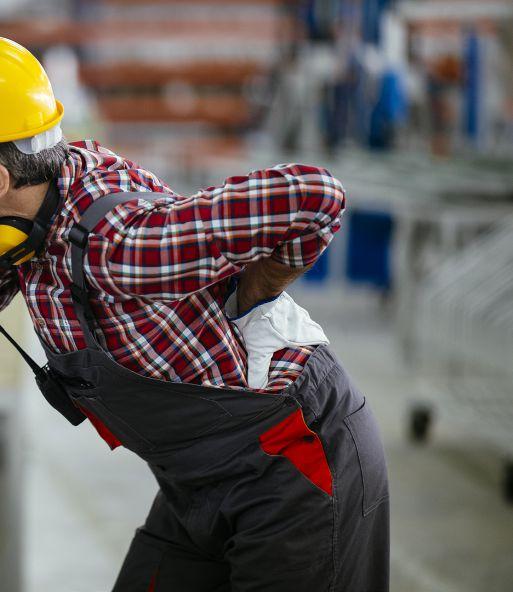
There’s a large need for standardized occupational health and training safety as well.
“Workers across the country should enjoy the same standards when it comes to having a safe work environment, regardless of the jurisdiction in which they work,” said Robin Angel, chair of the Board of Canadian

Registered Safety Professionals, in an email.
“Harmonized OHS policy would also ease the burden on businesses across the country and ensure that the work (including training) of safety professionals is transferable with streamlined and similar policies across provinces and territories.”
Accurate information is key to the creation of targeted prevention programs that lessen the chance of workplace injuries and fatalities.
But workers need to know that, if an injury occurs, they will be covered.
“Workers who are hurt because of their work are entitled to compensation,” said Tucker. “The system’s set up to support them and we want them to make a claim so they’re protected, should their injury or level of impairment after their career get worse. They have a safety net there. It’s a good thing if workers feel relatively more comfortable in their jurisdiction reporting — that’s a good thing.”
Meagan Gillmore is a freelance writer in Ottawa.
The Board of Canadian Registered Safety Professionals (BCRSP) is pleased to announce A. Kim Gordon, recently retired from NB Power as the BCRSP Volunteer of the Year for 2021.
Kim grew up in southern Ontario and received a degree in Chemistry from the University of Waterloo and a post graduate Diploma in Occupational Health and Safety from McMaster University.
He has over 40 years experience in industrial Hygiene and Safety. While employed with Ethicon Sutures in Peterborough, Kim was listed as the co-inventor of two implantable medical products, while also learning his craft in safety and hygiene. After a stint with the Ontario Ministry of Labour field staff, Kim moved east to Fredericton to become New Brunswick Power’s first Industrial Hygienist. After 31 and a half years, Kim retired from NB Power at the end of June this year and now resides in Victoria, BC close to his three sons, two grandchildren and the other wonderful people in their lives.
Kim received his CRSP certification in 2005. Kim has served on the Qualifications Review Committee (QRC) since 2009 and has contributed immensely to the BCRSP in this capacity. In addition to serving on the QRC, Kim has also served as Secretary and President of the Atlantic Provinces Section of the American Industrial Hygiene Association and Secretary of the AIHA’s Local Sections Council.
info@bcrsp.ca, www.bcrsp.ca
The Board of Canadian Registered Safety Professionals (BCRSP) Volunteer of the Year program was initiated in 2001 in conjunction with its 25th anniversary and the United Nation’s “Year of the Volunteer”. The Board of Canadian Registered Safety Professionals is a public interest, not-for-profit, federally incorporated self-regulating organization which sets the certification standards for the OHS profession.
BCRSP strives to advance the body of knowledge, the competency of the profession, and the value our certificants bring to society. The BCRSP grants the CRSP® and CRST certifications to individuals who successfully complete the certification process through application assessment, interview, and examination. The Board governs its certificants in order that the public interest may be served and protected.
Inaugural ceremony recognizes evolving standards in workplace psychological safety, while also showing employers how to achieve them
By Jack Burton
The uncertainty of the COVID-19 pandemic has made it more important, not just to develop robust mental well-being plans on the organizational level, but also to recognize the strategies and solutions that employers have developed to support mental health over the last 20 months.
Highlighting these developments was the inaugural Psychologically Safe Workplace Awards, put on by Talent Canada in partnership with OHS Canada and Howatt HR Consulting on Oct. 20.
The online event took place in partnership with the Mental Health Commission of Canada, and was sponsored by LifeWorks’ AbilitiCBT and Ontario’s Workplace Safety & Prevention Services.
The Psychologically Safe Workplace Awards recognized six organizations across the country for innovative workplace mental health initiatives, with candidates selected through an evidence-based approach in collaboration with Howatt HR.
This process involved organizations participating in Howatt HR’s Mental Fitness Index — a system that quantifies
employee well-being based on four key pillars of physical health, coping skills, work, and life, as well as a variety of factors such as leadership expectations and employee recognition.
Achieving gold-level honours for their psychologically safe workplace was Dejero, an Internet connectivity company in Waterloo, Ont.
PointClickCare, a cloud-based healthcare software provider in Mississauga, Ont.; Associated Engineering, an engineering consultant in Markham, Ont.; and the St. Catharines Fire Department in southern Ontario all received silver awards, while bronze-levels awards were given to Servus Credit Union in Edmonton; and BASF Canada, a chemicals company headquartered in Mississauga.
Data’s path to psychological safety
Beyond providing the quantitative model for which candidates were evaluated, Howatt HR president Dr. Bill Howatt also kicked off the virtual event with a keynote speech, delivering insights from his more than 30 years’ experience in mental health, human resources, and leadership.
Howatt said that data is a game-changing tool in creating more psychologically safe
workplaces, as it allows workplaces to develop an effective long-term strategy, malleable to the changes and needs that the information reveals.
The future of psychologically safe workplaces “is not just about buying a bunch of programs to say ‘we have 20 programs,’” he said.
Instead, “we need to be thinking about: What are the right programs? Are the programs working? When are employees accessing them?”
Data, Howatt said, provides the answers to these questions, and in turn helps employers excel at creating a work environment that genuinely prioritizes the well-being of its workforce.
Properly using data to this end means treating it not as just information, but also as an actionable tool that shows employers where they currently stand, and the steps necessary to improvement.
“So, if I say I want to reduce mental harm and promote mental health, I get all my data,” explained Howatt.
“And then off of that data, I’m going to make some informed decisions on what I’m going to do. I’m going to do that over some distance, and then I’m going to re-measure.”
That last step, of developing and
interpreting one’s data with patience and flexibility, is what Howatt believes is paramount in building a strong foundation of well-being.
It transparently communicates to employees that: “we’re committed to psychological safety and we don’t just want to talk about it, we want to facilitate it — knowing there is no goal line, we know there’s no perfect, and we know that this takes time.”
The awards ceremony also included a panel discussion featuring workplace well-being experts and employers speaking first-hand of their experience consulting on, and developing their own cutting-edge mental health programs.
WestJet’s manager of organizational well-being, Lisa DodwellGrieves, pointed out signs employers can look for to indicate a team member may be struggling with their own psychological safety.
Despite the complexity of the issue, potential warning signs may be as simple as any uncharacteristic behaviour changes, such as a drop off in attendance or productivity, she said.
As the range of potential factors that could be influencing these changes is wide, Dodwell-Grieves recommended opening up a discussion before concluding anything.
“Never assume that these indicators are meaning something is definitely up,” she said, “You don’t know until you start that conversation.”
As an employer, having said conversations help communicate support, while also providing an opportunity to highlight to the individual their unique emotional needs and the possible actions to overcome their situation.
Andrew McCartney, Inkblot Therapy’s senior director of client strategy, echoed the suggestion that support should be tailored to empower the languishing individual to get better and see their well-being as their responsibility, rather than that of their employer.
“We want to show them that we care enough so that they get help, but that we’re not the ultimate one to provide that support directly — we want to guide them to the right solutions or services,” he said.
“Recognize that with individuals, you’re there to support; you’re not there to diagnose.”
McCartney suggested that employers familiarize themselves with the capabilities and resources that both their organization and they as individuals can provide, so that these conversations can productively occur as soon as the need arises.
“As a leader, we always want to be prepared for these situations before they occur, which sounds like it’s a more challenging thing,” he said.
A huge help, McCartney believes, comes from “just knowing what’s in your toolbox as a people leader — what other resources you have at your disposal.”
resources to dissolve stigma
Central to evolving mental health in the workplace — on both an organizational and individual level — is a shift toward meeting these struggles with openness, rather than stigma or silence, according to the Mental Health Commission of Canada’s director of mental health advancement, Sandra Koppert.
“Mental illness isn’t the problem that we’re trying to solve,” Koppert reminded attendees.
“Really, stigma towards mental illness and mental problems is what were tackling here, and fortunately, there are a number of resources that support reducing stigma in workplaces and building mental health literacy.”
Koppert highlighted a number of mental health literacy programs, including the commission’s own Mental Health First Aid Training, along with the Working Mind Program — a mental health literacy program with modules available for both the staff and leadership levels.
The Psychologically Safe Workplace Awards will return in 2022, culminating with a live gala at the Globe and Mail Centre in Toronto, on Sept. 15. For more information on the awards, visit www.psychologicallysafeworkplace.com.
21_2317_CN_OHnS_NOV_DEC_CN Mod: October 27, 2021 4:35 PM Print: 11/10/21 10:56:22 AM page 1 v7
By Uyen Vu
From the very start of the pandemic, measures enacted by public health authorities signalled their recognition that workplaces could be important sites of COVID-19 transmission.
Yet, such recognition was not backed up by consistent data collection to understand how workplaces compared to other sites of virus spread, Institute for Work & Health (IWH) senior scientist Dr. Peter Smith said in a recent webinar presentation.
As a result, he noted, it was challenging during successive waves of community spread to have an accurate picture of the role of workplaces in adding to case counts.
As well, the system missed opportunities to drill down and uncover factors that may be behind
COVID spread in certain workplaces and not others.
Smith shared results of two studies conducted at IWH in collaboration with Public Health Ontario using population-level data.
The studies gave rise to findings that may surprise some, considering the heightened concern voiced in the media about work as a source of transmission during Ontario’s second and third waves.
COVID-19 transmission
One finding was the widespread adoption of COVID-19 infection control measures.
In a large, nationally representative series of surveys conducted by Statistics Canada, 75 per cent of respondents who continued to go to work reported four or more infection control measures at their workplaces. Another 15 per cent said their workplaces had three such measures in place.
A very small proportion said their workplaces had no infection control measures in place.
“Two per cent of approximately 11 million people (the number of Canadians estimated to have continued to go to work) is 220,000 people, and that’s still quite a lot of
“We certainly need to set up systems for the next pandemic so we can access information needed to more quickly get answers.”
people,” said Smith.
Workers who lacked such protection (or had only one form of protection) were more likely to be new on the job, working part-time, on contract, or in sectors such as construction, utilities and agriculture/ mining/quarrying/oil.
A second notable finding related to the level of transmission attributable to work?
Over a year-long period between April 1, 2020, and March 31, 2021, workplace outbreaks accounted for about 12 per cent of all cases, and seven per cent of all hospitalizations among working-age Ontarians.
These findings are much lower than what the public perceived during some of the most anxious periods of the pandemic, when cases among workers were reported to be “driving the pandemic.”
In all but three sectors, the rates of infection at workplaces were lower than rates of infection in the community, said Smith.
The three sectors where workplace infection rates were consistently higher than general rates were agriculture, health care and social assistance, and food manufacturing — which is consistent with media reports spotlighting the heightened risks in these sectors.
‘Missed opportunities’
Looking at rates of transmission together with use of infection prevention measures, Smith pointed to different outcomes in industries that should theoretically have been more similar.

Rest of the story
Over a year-long period ... workplace outbreaks accounted for about 12 per cent of all cases, and seven per cent of all hospitalizations among working-age Ontarians.

He noted, in particular, differences in transmission rates between food manufacturing (about 14 cases per million hours worked) and other types of manufacturing (about four cases per million hours worked) — two comparable sectors that had similar levels of physical distancing practices.
“This points to some of the missed opportunities for learning when it came to workplace outbreaks,” said Smith.
“We haven’t done enough in collaboration with public health to really understand why the COVID virus seems to spread in some workplace settings much more than others. It’s not just about access to infection control procedures. Other characteristics of the environment must be important.”
Referring to workplaces that had extremely large outbreaks with case numbers in the hundreds, Smith asked: “What was happening in those particular settings that wasn’t happening in others?”
“We missed opportunities throughout the pandemic to answer questions like these. And we certainly need to set up systems for the next pandemic so we can access information needed to more quickly get answers.”
The first of the studies Smith presented was based on data collected by Statistics Canada between July and September 2020, in a special supplement to the Labour Force Survey, that included questions on COVID infection control measures at worksites.
After Smith and his team removed answers from people who were self-employed or who worked from home, they had a sample of about 53,300 responses.
Survey participants were asked about a range of workplace practices, including practices that allowed for physical distancing; or access to masks, face masks, gloves and gowns, for example.
Smith noted that potentially important infection control practices such as ventilation were not asked in the survey. That’s a reflection of the timing of the survey, which took place before the importance of ventilation was widely recognized.
The vast majority of respondents said their workplaces had infection prevention policies in place.
These included physical distancing (84 per cent), personal protective equipment (88 per cent), handwashing (91 per cent) and cleaning (86 per cent).
Given the heightened risks of transmission faced by workers in health care and social assistance services, it was to be expected that this was the sector with the most prevalent use of PPE.
However, in terms of physical distancing, other sectors such as manufacturing, wholesale trade, retail trade and accommodation and food services, and service industries all had more widespread use of distancing. Notably, distancing was markedly low in construction and transportation and warehousing.
“Interestingly, we saw no differences between unionized and non-unionized workers, and no differences across racial/immigrant groups or across hourly wage levels,” said Smith.
For the second study, on rates of workplace transmission in Ontario, Smith and the research team used the number of workplace outbreaks, defined by Public Health Ontario in most sectors as instances when two or more cases were detected in a workplace over a 14day period, and a link could be established between the cases.
Smith noted, however, that this definition was not used uniformly across sectors, especially at the beginning of the pandemic (for example, single cases were considered outbreaks in long-term care homes and child-care settings). Public health units across the province could also vary in how vigilant they were in identifying and following up on workplace outbreaks.
Despite the inconsistencies, outbreak data did provide an opportunity to identify the types of workplace settings where the cases did occur — something not available in the absence of routine collection of work information by the health system.
Uyen Vu is a senior communications associate at the Institute for Work & Health in Toronto.
By Jack Burton
New training, technology, and protective measures are helping organizations conduct business with increased demands of safety
The past year and a half has pushed all definitions of a safe workplace into a state of constant flux, but helping employers stabilize and navigate these changes has been a whole new array of technology concerned with fulfilling the evolving health and safety needs of the workplace.
“Safety needs are very complex in our world because everything is interconnected and moving very quickly,” said Nicole Orr, co-founder and director of HSE risk management at National Safety in Edmonton, a new group comprised of safety strategists spanning provinces and industries.
“We don’t have time to develop in isolation anymore, so collaboration is crucial.”
When it comes to the new demands of safety gear and technology, Orr said that “hardware needs to be durable, portable, and often intrinsically safe,” while “software needs to be secure, able to integrate with other programs, and intuitive for the user.”
One specific challenge is educating employees on these new technologies and responsibilities at a pace matching current innovations.
“Getting people knowledgeable about process and systems

is tricky now,” Orr said. “We need to use every possible advantage to get workers to get engaged and keep their attention. Those are tall orders, and trying to fill all those needs can be challenging.”
The need for dynamic and user-friendly software, along with current challenges around training and education, serve as some of the inspiration behind the development of National Safety’s E-Suite.
Set for the release in the first quarter of next year, the E-Suite is a comprehensive, multimedia training program that seeks to engage learners through cutting-edge use of graphics and editing technology lifted from the film and gaming industries.
“It’s really exciting for us, because it’s something that nobody else is really doing in this way,” said Orr.
“We have a studio that we will be developing various types of training through, with a full range of learning modalities. We’re talking about dynamic, engaging programming that’s completely outside the box, and that people will be excited to take in.”
Building a sense of excitement around workplace training — especially in areas such as personal safety and risk assessment, where proper training can literally be a life-ordeath matter in some cases — is the main goal behind the E-Suite, and what National Safety hopes will establish a new standard in what both organizations and employees expect from their training programs.
To help achieve this, the E-Suite is taking cues from “extensive research on ways to engage people fully, so that the rate of retention through more
active learning techniques gets them out of that training with a deeper understanding and retention of that information,” she said.
By placing user engagement and experience front and centre, Orr believes that employees “will have much higher retention of information, which is the whole point of health and safety training, and they will have much higher levels of engagement, motivation, and understanding related to the topic.”
Successfully confronting the changes to the workplace and the safety needs within has also required organizations to look toward advancements in other fields to incorporate into new innovations.
One company using emerging technologies to navigate
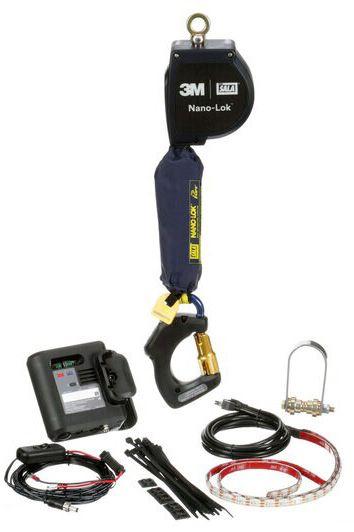
these changing demands is 3M — it has employed current smart technology to add a digitally optimized and data-driven update to their roster of traditional safety offerings. This includes smart technology-enabled PPE that allows employers to track data regarding a number of actionable variables.
“Safety needs are very complex in our world because everything is interconnected and moving very quickly.”
Of this change, Joe Hockett, global senior segment marketing manager of 3M’s personal safety division in St. Paul, Minn., said that “the rise and need for more data and analytics to help better manage, as well as try to predict and prevent future incidents, has driven the development of more connected safety devices.”
“This trend is likely to continue as smart devices become more common in all facets of life, and connected safety personal protective equip -
ment is becoming part of this technology ecosystem,” he said.
Hockett explained the operational impact of these changes, highlighting that they “not only help train and educate, but also create data visibility to create better understanding on how products are being used and ensuring compliance.”
By equipping traditional safety equipment such as PPE with smart technology, the steps necessary to creating a safer workplace can become clear due to the increased flow of information that this technology makes available.
Some of these insights include “what changes to programs might be needed, if more training should be required, rates of compliance, when to make product changes, and opportunities to make improvements in all the above,” he said.
Alcumus’ Safety Intelligence: Connecting the dots of workplace safety
With information and data emerging as a major influence behind workplace safety’s
current evolution, Alcumus aims to build technological solutions that use the tools offered by information in a way that “connects people, processes, and data globally to digitize and deliver transformational environment, health and safety (EHS) and environmental, social and governance (ESG) strategies that create safer, healthier, and more responsible organizations,” said their senior product marketing manager, Ryan Demelo, in Toronto.
One of the analytic resources charting this path forward
is Alcumus’ Safety Intelligence technology.
Demelo explained that “Safety Intelligence is an advanced reporting and analytics solution revolutionizing how organizations leverage environmental, health and safety data to mitigate risks, demonstrate compliance, and reduce workplace injuries.”
Safety Intelligence’s “out-ofthe-box dashboards and visualizations make it easy for organizations to adopt advanced reporting and analytics from Day 1,” he said, with this technology tracking and building a repository of information across a variety of fields such as a workplace’s compliance rates, key performance indicators, and internal safety trends.
This information provides employers with a “bird’s-eye view” of safety indicators and engagement rates that Demelo sees aiding them in building stronger accountability and understanding of their own safety programs, achieved by enabling them to “ingest and aggregate data from multiple sources to give a holistic view of performance, and shift to proactive EHS and ESG strategies.”
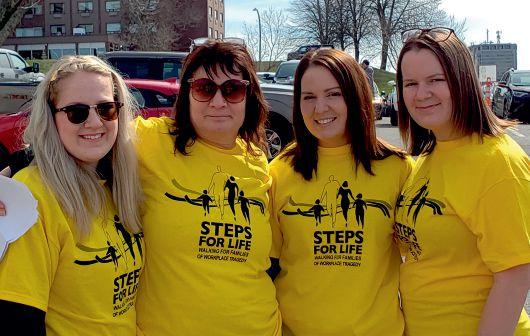
The Canadian Centre for Occupational Health and Safety (CCOHS) promotes the total well-being — physical, psychosocial, and mental health — of workers in Canada by providing information, advice, education, and management systems and solutions that support the prevention of injury and illness.
Harassment and violence in the workplace can take many forms and it doesn’t always have a single perpetrator and victim.
It might be a poster or calendar on the wall that objectifies women or men. A comic strip taped to the fridge in the break room that makes fun of a specific sexual orientation or gender expression, or a minority. A meme circulating on Slack, Teams or Facebook that targets immigrants or people experiencing poverty.
Harassment and violence can involve verbal abuse, unwanted touch or even hitting, and usually involves a pattern of behaviours with repeated incidents.
As part of their duty to create a healthy and safe environment for workers, employers should develop a comprehensive harassment and violence prevention policy. It should include a reference document, a written statement, mandatory training for employees and managers to learn to recognize all forms of workplace harassment and violence, and safe avenues for reporting and addressing incidents.
In a 2017 online survey conducted by the Government of Canada, 60 per cent of respondents reported having experienced harassment and violence at work. These federal employees indicated that their workplaces had policies on harassment and violence in place but that they had not received training on them.
When developing a harassment and violence prevention policy, it’s important to remember that not all incidents happen in the workplace itself and not all perpetrators are employees.
The COVID-19 pandemic led to a surge in remote work arrangements, with many workers readily accessible to their supervisors and colleagues by email, direct messaging, and video calls.
For example, having to communicate via video means that sometimes incidents of harassment happen virtually, and with no witnesses present. As a result, some employees may decide not to report the harassment and violence they experience for fear of reprisal.
The COVID-19 pandemic has also magnified the potential for incidents of family (or domestic) violence, with physical distancing and remote work measures placing family members in closer and more frequent proximity to each other, while isolating them from supportive friends and co-workers.
There may also be increased tension and potential for violence at home due to additional stress from employment uncertainties or financial pressures from the pandemic.
Family violence can be a workplace issue, and needs to be included as part of a harassment and violence policy.
Educate employees on how to recognize signs that their colleagues might be suffering at home and how to offer assistance. Also provide education to all employees on ways they can signal for help if they’re experiencing domestic violence themselves.
Keep in mind that an employee may also be the perpetrator of family violence. Having a confidential reporting mechanism is critical. Workers should be made aware of how to submit concerns on their own behalf, or if they feel an intervention may be required for a co-worker.
Training for management should also focus on ways to address and support employees in these situations.
Creating an environment where employees feel safe to discuss and come forward
about harassment and violence starts with an assessment of existing hazards.
Some important factors to consider include the nature of work being done, your workplace design and layout, and administrative and work practices.
How are these affected by internal factors such as your culture, conditions, activities, and organizational structure? Think about the influence of external factors such as location, clients, customers, and family violence.
Consider how the mental health of your workplace and harassment and violence may be connected.
• Do you have measures in place to protect the psychological health and safety of your employees?
• Are workers able to control their workload and flag when it’s excessive?
• Are they regularly faced with tight deadlines or having to work long hours?
Stress and feeling a lack of control over their circumstances can make workers more susceptible to bullying behaviour or committing acts of violence. Psychological safety plays an important role in prevention, as does talking to the perpetrator about what prompted their behaviour when incidents occur.
Your most valuable source of knowledge are your employees and your company history.
Ask employees about their experiences and whether they are concerned for themselves or others. Review any past incidents of violence by checking incident reports, first aid records, and health and safety committee records.
Determine the risk factors your workplace has related to harassment and violence, and evaluate the history of these events in similar places of employment.
Seek out information from any partner organizations, such as your industry association, workers’ compensation board, occupational health and safety regulators or your union office.
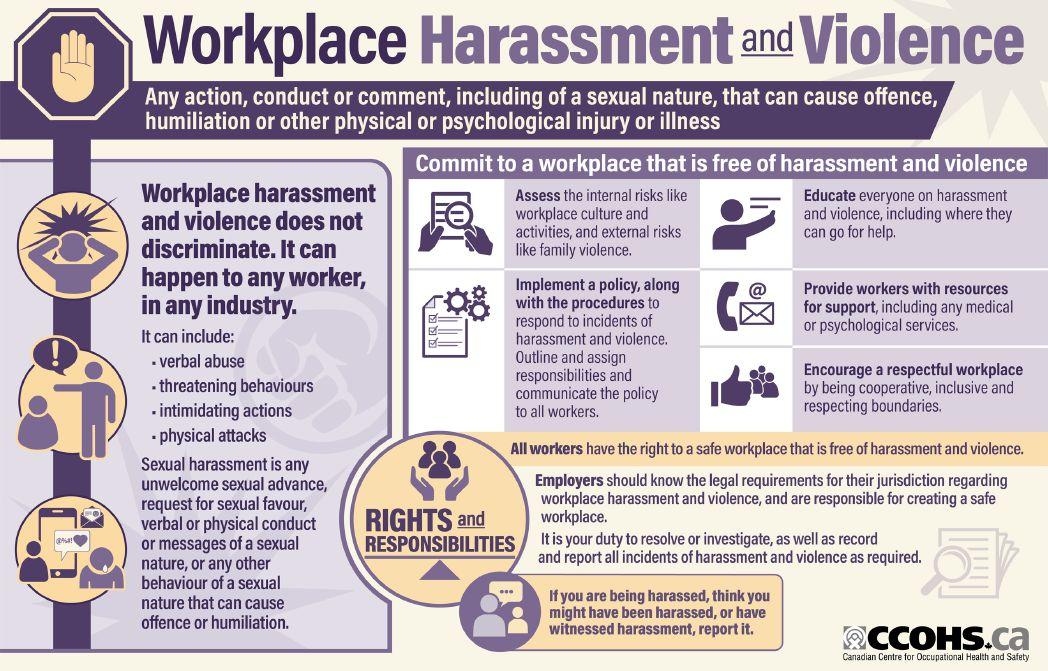
Once you’ve collected as much information as you can, look for trends and identify the situations and locations that you believe are most at risk. Record the results of your assessment, and use them to develop a prevention program.
Create a road map and make it readily available
Policy, training, and confidential reporting mechanisms are the pillars of a strong harassment and violence prevention strategy. Seeing your commitment to prevention and to addressing incidents of harassment and violence at work can go a long way in helping hesitant employees feel more comfortable about reporting behaviours that they have witnessed or experienced. It may also help deter employees from engaging in questionable behaviour during workplace interactions. Using precise, concrete words, your written statement should outline behaviours that management considers in -
appropriate and unacceptable in the workplace, such as humiliation, violence, intimidation, bullying, and harassment, along with examples of each.
Include instructions on what to do when incidents covered by the policy occur, to whom they should be reported, how confidentiality will be maintained, and the procedure that will be followed each time an incident is reported.
Be clear that reporting is also encouraged when an incident is witnessed, rather than experienced directly. Clearly outline the steps that will be followed for resolving or investigating incidents or complaints once they are received.
The statement should be developed by management and employee representatives, including the health and safety committee or representative, and union, if present. It should apply to management and employees, as well as to clients, independent contractors and anyone who has a relationship with your organization.
As workplaces adapt to a new normal, understanding what harassment and violence look like and how to prevent it is an ongoing process that requires continuous guidance, training and dialogue.
To demonstrate your organization’s commitment, outline the process by which preventive measures will be developed, and set up mandatory training for employees and management on your harassment and violence prevention strategy.
Make sure to communicate about support services for victims, and offer access to a confidential Employee Assistance Program (EAP), if available, where employees can seek help.
Having a violence prevention program in place is mandatory for many Canadian workplaces.
Contact your legislative authority to determine the specific legislation that applies to your workplace.
CHICAGO (AP) — A federal agency has recommended that Tootsie Roll Industries pay more than US$136,000 in fines after a machine at its Chicago plant cut off part of an employee’s finger this year.
The U.S. Department of Labor said in a news release Oct. 5 that its Occupational Safety and Health Administration issued one wilful violation Sept. 24 “for inadequate machine guarding’’ and proposed the fines after an investigation into the April 19 incident.
The Labor Department said a 48-year-old employee reached into a machine to remove stuck paper debris when a bag sealer snapped shut on one of his fingers. The incident happened after the company allowed the machine’s access doors to remain unguarded, the department said.
“Hundreds of workers are injured needlessly each year because employers ignore safety guards, often to speed up production, and that’s exactly what happened in this case,’’ OSHA Chicago South Area Director James Martineck said in the release.
OTTAWA (CP) — Bus driver Aissatou Diallo was found not guilty on all charges in an Ottawa court on Sept. 22 — three counts of dangerous driving causing death and 35 counts of dangerous driving causing bodily harm.
The charges stemmed from a deadly crash in January 2019 when the OC Transpo double-decker bus that Diallo was driving slammed into a pedestrian platform overhang during rush hour.
Three people were killed and dozens of others were severely injured.
Lawyers said that the verdict confirms the crash was “an accident, not a criminal act.’’

SUNRISE, Fla. (AP) — COVID-19 has had a staggering impact on the sheriff’s department in Broward County, Fla., where, in November, Sheriff Gregory Tony told a memorial service for nine employees who died from the virus that well over half the department’s 5,600 employees had been exposed.
CHESTER, Mont. (AP) — Trevor Fossen was running late for a wedding Sept. 25 when he turned onto a dusty, gravel road in rural Montana as a westbound train approached the crossing in front of him.
The train never made it to the crossing. The next thing Fossen saw was a wall of dust fill the sky.
“I started looking at that, wondering what it was, and then I saw the train had tipped over and derailed,’’ said Fossen, a 29-year-old farmer.
It was an Amtrak Empire Builder en route from Chicago to Seattle that had derailed, killing three people and injuring dozens of others. Investigators still don’t know what caused the crash.
Fossen called 911, setting off a chain reaction of help from residents in the nearby towns of Joplin and Chester as people jumped into action to get people off the train, care for injured passengers and those who were stunned and had suffered bumps, bruises and other less serious injuries.

MONTREAL (CP) — Canada’s Transportation Safety Board says the plane at the centre of a deadly crash in old Montreal was carrying a banner spelling out a wedding proposal when it went down on Oct. 2.
Board spokesman Chris Krepski says a passenger on board the plane towing the banner that read “will you marry me’’ died in the crash, while the aircraft’s pilot was sent to hospital.
Krepski says the proposal banner, which is believed to have fallen into the St. Lawrence River shortly before the crash, hasn’t been found.



Construction workers create great things — they also face great hazards. Worksite hazards include head and eye injuries, hearing and respiratory hazards, and the risk of falls from height. 3M offers integrated safety and health solutions designed to help you keep your employees protected and comfortable.
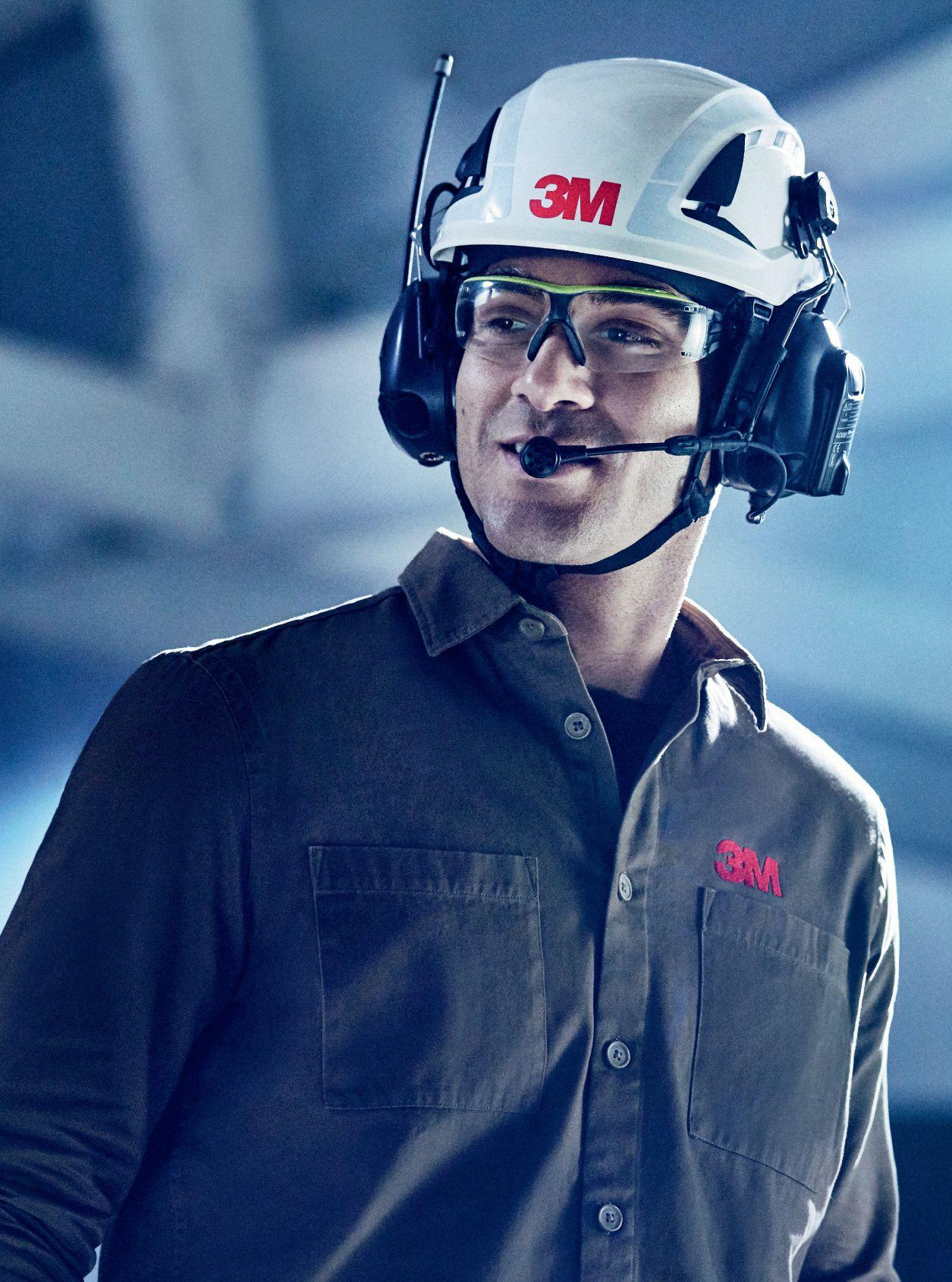
• Respiratory Exposure Hazards
• Working at Height Hazards
• Noise Hazards
• Foreign Body Eye Injury Hazards
• Impact to the Head Hazards