
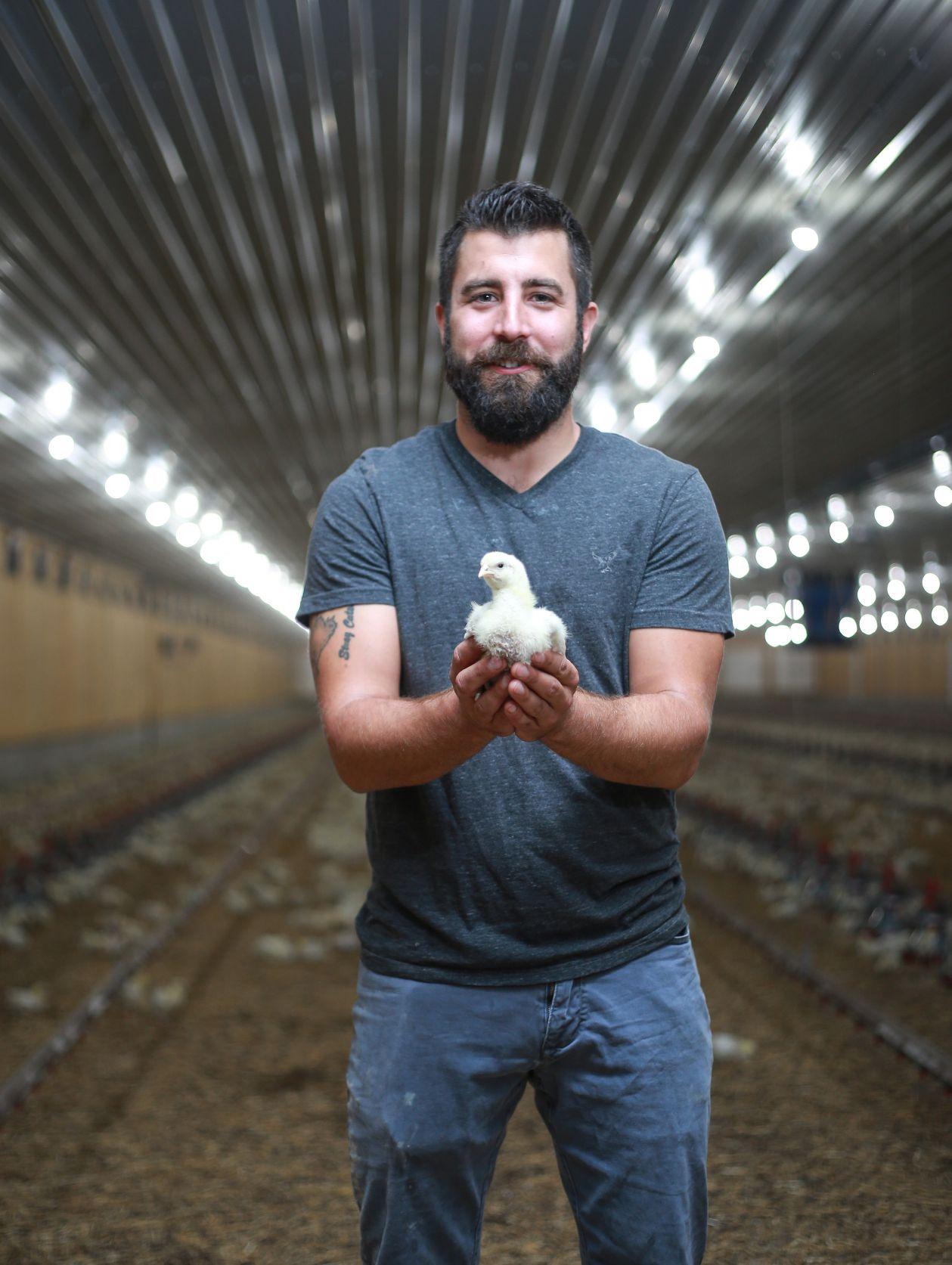
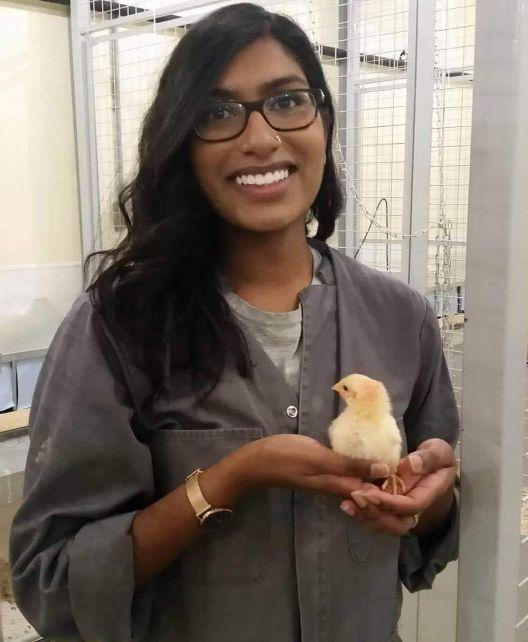
" As a veterinarian, I witness daily the dedication and hard work of our farmers and their positive effect on animal health and welfare. Through the On-Farm Food Safety and Animal Care programs, we standardize the high level of care for our chickens in a sustainable way. This collective effort ultimately enhances the safety and quality of our products.”
- DR ANASTASIA NOVY, POULTRY VETERINARIAN IN ONTARIO
“The standards set by the On-Farm Food Safety and Animal Care programs are an important part of protecting the health and welfare of our Canadian flocks. By following the programs and putting in the time for careful management and record keeping, farmers’ actions reflect in their good production outcomes.”
- DR. TERYN GIRARD, POULTRY VETERINARIAN IN ALBERTA AND SASKATCHEWAN.
08 | The Brooding Notebook Unexpected mortality in chicks

by Brett Ruffell
As we bring you our nutrition-themed issue, Canadian Poultry dives deep into some of the most pressing questions and opportunities surrounding poultry feeding strategies. Feeding your birds is a critical part of your operation, and with so many evolving factors at play – such as economic considerations, regulatory updates, and advances in nutrition research – understanding your options is critical.
Our feature article on page 8, written by Treena Hein, looks at a decision every poultry farmer faces: should you buy your feed or invest in an on-farm feed mill? It’s not a one-size-fits-all answer. As Dr. Mark Malpass from Masterfeeds explains, many farmers enjoy the control and potential cost savings of milling their own feed, while others opt for the convenience and consistency of commercial feed. But the decision isn’t just about preference –it’s about resources, management style, and a farm’s unique needs.
For those considering an onfarm feed mill, the investment in time, space, and equipment can be substantial. Hein’s article highlights the complexity of managing ingredient sourcing, quality control, and mill maintenance. Farmers must also consider whether future generations will continue the feed production, and how new regulations will impact their operations.
On the flip side, those who buy feed benefit from the stringent
quality control measures offered by commercial feed mills, which provide safe, high-quality, and consistent feed to farmers across the country. Dr. Lisa Hodgins from New Life Mills emphasizes that commercial mills follow strict protocols for feed safety, ensuring that every batch of feed meets the highest standards.
One key takeaway from this feature is that, whether feed is produced on the farm or bought commercially, achieving the best feed conversion and bird performance requires more than just feed quality – it’s about how that feed is managed and utilized on the farm. For some, on-farm milling offers flexibility and a higher return on investment, particularly when selling feed to
“Achieving the best feed conversion and bird performance requires more than just feed quality.”
neighbours. For others, commercial feed provides the peace of mind that comes with certified quality and reliability.
Beyond the question of where feed comes from, this issue also covers a major regulatory change (see page 18) that will impact the entire livestock feed industry in Canada. The Canadian Food Inspection Agency (CFIA) announced the first major update to the country’s Feeds Regulations since 1983. This update will help align Canadian feed regulations
with global standards, making it easier for farmers to trade, innovate, and ensure food safety.
As Ronda Payne outlines in her article, the new regulations will streamline registration processes, improve labelling, and introduce new licensing requirements for feed sold across provincial lines or internationally. Perhaps most importantly, they introduce preventive control measures to ensure the safety of feed, which directly translates to food safety for consumers.
These regulatory changes will have a ripple effect, giving feed manufacturers more flexibility while maintaining stringent safety standards. As Laura Scott of the CFIA points out, they will allow for quicker updates as science and technology evolve.
For feed producers like NewLife Mills, this means short-term adjustments, such as updating labeling formats, but long-term benefits in terms of efficiency and innovation. For poultry farmers, these changes will help ensure that the feed you rely on continues to meet the highest standards for quality and safety.
Innovation in poultry nutrition doesn’t stop at feed manufacturing. In this issue, we also showcase the latest research on nutrition-based solutions that can enhance bird performance and welfare. As the poultry industry continues to evolve, advancements in feed formulation and management will play a critical role in helping farmers meet growing demands.
We hope you find this issue informative as we explore the vital role that nutrition plays in the success of your operation.
Happy reading!
canadianpoultrymag.com
Reader Service
Print and digital subscription inquiries or changes, please contact Angelita Potal, Customer Service Rep. Tel: (416) 510-5113
Email: apotal@annexbusinessmedia.com
Mail: 111 Gordon Baker Rd., Suite 400, Toronto, ON M2H 3R1
Editor Brett Ruffell bruffell@annexbusinessmedia.com 226-971-2133
Brand Sales Manager Ross Anderson randerson@annexbusinessmedia.com Cell: 289-925-7565
Account Coordinator
Julie Montgomery jmontgomery@annexbusinessmedia.com 416-510-5163
Media Designer Jaime Ratcliffe
Group Publisher Michelle Bertholet mbertholet@annexbusinessmedia.com
Audience Development Manager Anita Madden amadden@annexbusinessmedia.com 416-510-5183
CEO Scott Jamieson sjamieson@annexbusinessmedia.com
PUBLICATION MAIL AGREEMENT #40065710
Printed in Canada ISSN 1703-2911
Subscription Rates
Canada - Single-copy $10.00
Canada – 1 Year $33.15
Canada – 2 years
GST - #867172652RT0001
Occasionally, Canadian Poultry Magazine will mail information on behalf of industry-related groups whose products and services we believe may be of interest to you. If you prefer not to receive this information, please contact our circulation department in any of the four ways listed above.
Annex Privacy Officer privacy@annexbusinessmedia.com Tel: 800-668-2374
No part of the editorial content of this publication may be reprinted without the publisher’s written permission. ©2024 Annex Business Media. All rights reserved. Opinions expressed in this magazine are not necessarily those of the editor or the publisher. No liability is assumed for errors or omissions. All advertising is subject to the publisher’s approval. Such approval does not imply any endorsement of the products or services advertised. Publisher reserves the right to refuse advertising that does not meet the standards of the publication.

Facco’s

Aviagen North America has expanded its operations to Ontario by incorporating an existing hatchery in Brantford, now part of Aviagen’s network, to supply parent stock chicks to Canadian poultry producers. The move aims to strengthen the supply chain and reduce transit times, benefiting producers in B.C. and Alberta while enhancing animal welfare.
Canada has reached seven months without new highly pathogenic avian influenza cases in commercial poultry. The last case was confirmed on February 19, 2024, in Mountain View County, Alta., affecting 3,862 birds, including laying hens, pheasants, and partridges. Depopulation and decontamination were completed earlier this year, and the control zone was lifted on June 28. Since then, only one non-commercial domestic case has been reported in Quebec on April 10.
Highly pathogenic avian influenza (HPAI) H5N1 continues to impact Canada’s wild bird population, with recent cases reported in Saskatchewan, British Columbia, and Ontario, according to the latest World Organisation for Animal Health report. Affected species include great horned owls, geese, dunlin, an American crow, and a merlin. Authorities are closely monitoring the situation through wildlife surveillance and the Canadian Avian Influenza Surveillance System.
Members Alf Wall, Bodo Goetzke and James Krahn with UGM’s Stan Carmody, manager, corporate & foundations, and recently appointed president Dean Kurpjuweit.

$213K is how much the event raised for UGM’s community kitchen and mobile outreach in the Fraser Valley.
For the past 20 years, B.C.’s egg and turkey farmers have hosted an annual golf tournament to raise funds for the Union Gospel Mission (UGM). The 2024 tournament set a new record, raising $213,684.69 –the highest amount in the event’s history.
“Farmers are proud to produce healthy, nutritious eggs and turkey meat for the people of BC,” says James Krahn, a farmer and member of the tournament’s organizing committee.
“Eating nutritious, tasty food is important for everyone, but for someone who is unhoused and battling addiction, getting a warm, nutritious meal makes all the difference. We are proud to support UGM in the good work they do.”
In addition, part of the funds will support the Fraser Valley Mobile Mission, which delivers food, drinks, hygiene items, and resources via a truck that travels to multiple locations to assist the unhoused population.
“We are grateful for the incredible support of BC Egg, BC Turkey, and those who joined the golf tournament,” says Nicole Mucci, UGM spokesperson. “Donations like this help give us time to walk alongside individuals as they navigate their darkest moments and hopefully transform their lives.”
This year’s tournament, held at the Chilliwack Golf Club, attracted more than 150 golfers and sponsors, making it a resounding success for both the farming community and UGM.
Proceeds from the event will supply UGM’s community kitchen with essential ingredients like eggs and turkey, ensuring nutritious meals for those in need.

By Dr. Gigi Lin
Dr. Gigi Lin is a board-certified poultry veterinarian. She provides diagnostic, research, consultation, continuing education, and field services to all levels of the poultry industry in Western Canada. In this column, she will share case-based reviews of brooding best practices.
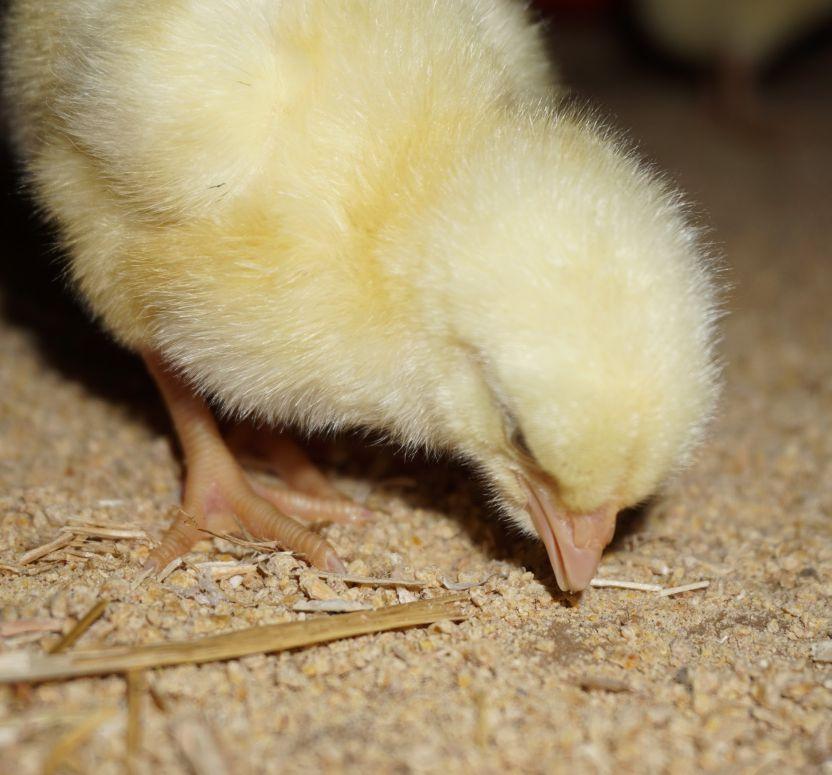
Case summary: A seven-day-old layer flock experienced a sudden mortality spike, with neurological signs and watery droppings – symptoms of a relatively common nutritional condition. This case highlights the importance of balanced nutrition and proper management in brooding to prevent unintended harm.
Case history: I was called to a freerun layer farm to investigate unusual chick mortality in a seven-day-old layer flock imported from the U.S. to British Columbia. The chicks had been thriving until day six, when mortality spiked to 0.8 per cent, with about 40 chicks found dead throughout the barn. The producer also reported that a few chicks were displaying twisted neck and head tremors before death.
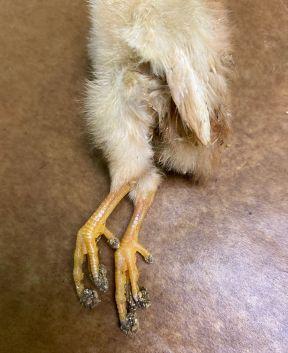
Postmortem and field evaluation: As per routine investigation, before entering the barn, I performed postmortem exams on fresh mortalities. The chicks had good general body conditions, proper hydration, and evidence of normal feed intake, with no signs of yolk sac infection or bacterial septicemia. However, all the chicks had pasty vents, dirty toes covered in
feces, and mild abdominal edema.
The barn’s brooding conditions –temperature, feed and water access, litter, air quality, and sanitation were within normal limits. During the barn walk through, I observed more sick chicks showing neurological symptoms, including stargazing (chicks with the necks bent backward) and mild head tremor. What also struck me was the watery droppings on the chick papers and the high numbers of chicks with wet, pasty vents.
At this point, the mix of acute onset of neurological signs, mortality, edema, wet droppings, pasty vents, and the absence of infectious disease indicators suggested sodium toxicity. My first inquiry was about the feed. After verifying that another flock at a different farm consuming the same batch of feed did not display similar symptoms, a feed error became less likely.
The culprit:After digging into the flock’s history, I found that the flock had been supplemented with an electrolyte premix via drinking water since they were two days old. The producers added the water supplement due to prolonged transit time before arrival,
1. Proper use of electrolyte and vitamin premix: Quality poultry rations typically provide sufficient nutrients, making additional supplementation unnecessary under normal situations. When water-soluble electrolyte and/or vitamin premixes are used due to anticipated health concerns, they should be used cautiously, and dosing should always follow label instructions. Always select a product labelled for poultry use. Overuse or improper dosing can lead to salt toxicity, especially in young chicks.
2. Signs of salt toxicity: Watch for early clinical signs, including excessive drinking, pasty vents, and watery droppings. Neurological symptoms, such as head tremors or ataxia, may occur in acute, severe cases.
3. Feed and water sources: While this case was due to a water supplement overdose, feed mixing error or mechanical malfunctions at the feed mill are other potential sources of salt imbalance. When in doubt, conduct feed and water analyses and remove suspect feed from the system until confirmed safe.
intending to give the flock a nutrient boost. While electrolyte or vitamin premixes may be helpful during stressful periods such as prolonged transportation and overheating, in this case, the flock was accidentally given five times the labelled dose for an extended period. This overdose led to salt toxicity, with young chicks being particularly susceptible to sodium imbalance. It is important to note that although older birds are generally less susceptible to salt toxicity, it can still cause significant chronic issues. In breeder males, for example, salt toxicity can impact fertility, lead to testicular edema, cause muscular weakness, and result in wet litter.
Management plan and clinical outcome: Once the electrolyte supplement was discontinued and the water line flushed, the flock improved quickly. By the next day, they were more alert, and mortality tapered off over the following three days, with no further reports of wet droppings or neurological symptoms reported. I also collected and submitted some tissues and blood samples to the laboratory to help rule out other causes, including avian encephalomyelitis, a viral disease that may present similar neurological symptoms in young chicks.
New research shows adding omega-3s to broiler breeder diets improves health and resilience of broiler chicks.
By Jane Robinson
As the poultry sector continues exploring alternatives to antibiotics that can support broiler bird health and growth, a groundbreaking study at the University of Guelph took a step back to look at opportunities to first boost the health of broiler breeder hens. The premise was straightforward: feed them omega-3 fatty acids and see if the benefits could be passed on to the broiler chick.
“We wanted to find out that if we enriched the diet of broiler breeder hens with omega-3s, are they able to pass along the benefits through the egg so we have broiler chicks that are stronger and more resilient?” says Dr. Elijah Kiarie, professor of monogastric nutrition and McIntosh Family Professorship in Poultry Nutrition at the University of Guelph, who oversaw the research with his graduate student Dr. Aizwarya (Ash) Thanabalan.
“We also wanted to see if those broiler chicks are better able to withstand a disease challenge because the effects of the omega-3s are passed from parent to progeny.”
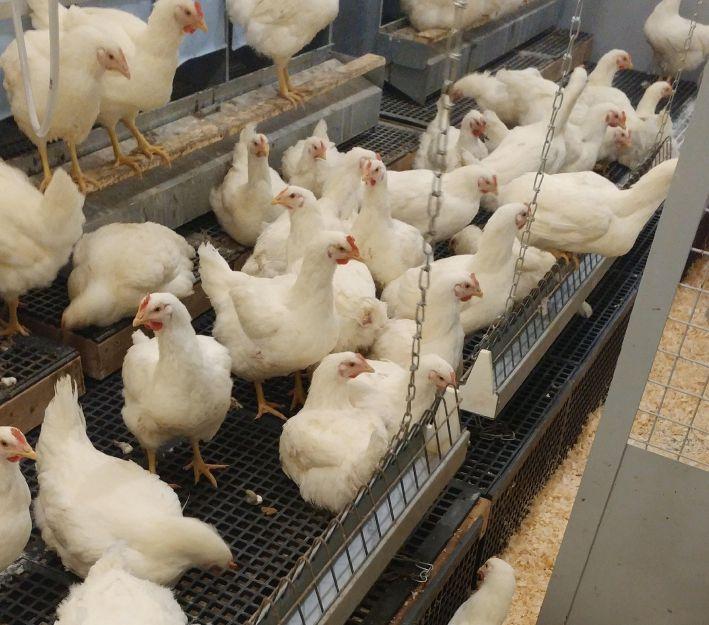
The research team ran a 64-week project at the University of Guelph’s Arkell Poultry Research Station. They raised 588 broiler breeder hens that were placed on one of three diets at 0 days of age – a control, a diet with one per cent microalgae (marine-sourced or DHA omega-3) or a diet with 2.5 per cent flaxseed-sourced omega-3 (linPRO).
“It was quite a complex design with 32 combinations of diets to look at a number of variables, including the influence of the two sources of omega-3s,” says Thanabalan, who is now a poultry nutritionist with Jones Feed Mills Ltd. in Linwood, Ont.
During the breeder rearing phase, they compared uniformity of flock and bone development based on diet and inclusion of omega3s. “There is research that shows the benefit of feeding omega-3s to broiler breeders for their own health and development, but we wanted to see if feeding the breeders could influence the health of broiler chicks,” says Thanabalan.
Eggs were collected at various times throughout the life of breeder hens to see if the omega-3 levels in the egg were being passed on
from the hens. They looked at fatty acid content of the eggs, hatch rate and fertility rate. Broiler chicks were raised out through a regular broiler production cycle where they evaluated a full spectrum of measurements. Broiler performance was compared for various configurations of omega-3s in the diet – the two different sources of omega-3s and whether or not their “mothers” had also received one of two sources of omega-3 enriched diets.
“One of the key questions we set out to investigate was – is there a benefit if I feed omega-3s to broiler breeders and then continue feeding their progeny, or should I feed only the broiler breeder and not the progeny, or only feed the progeny omega-3s and not the broiler breeder,” says Kiarie.
This was the key part of the research from Thanabalan’s perspective and one the industry really cares about. For the broilers in the study, they looked at body weight, feed intake, feed conversion ratio and breast meat weight. “We also challenged the broilers at day 10 with coccidiosis – a high dose acute challenge or low dose subclinical challenge – to see how they responded and the impact of omega3s on their ability to handle the disease challenge,” she says.
With all the combinations of diets and factors evaluated by the research team, the simple answer to the questions they set out to explore is, yes there is clearly a benefit to feeding omega-3s to broiler breeders and their progeny. And the source of omega3s makes a difference.
“We are seeing phenomenal results from feeding omega-3 enriched diets to broiler breeders,” says Kiarie.
Broilers fed omega-3s sourced from flaxseed had lower feed conversion ratios than those fed omega-3s sourced from microalgae DHA.
This is good news for the research team as the flaxseed-sourced omega-3s (linPRO) is a sustainable, Canadian option manufactured by O & T Farms of Regina, Sask.
Feeding flax-based omega-3s to both broiler breeders and their progeny improved breast meat weight in broilers by five per cent. Surprisingly, breast yield of flaxseed-fed broilers was much heavier than those of microalgae DHA.
Broiler breeders fed flax-based omega-3s were able to produce heavier chicks compared to the algae-based omega-3s.
“One of the reasons broiler producers like heavier chicks is because they perform better in the barn, and that’s another plus
for flax-based omega-3s which is very interesting to me,” Kiarie explains.
When they challenged birds with coccidiosis, they saw higher lesion scores with birds fed algae-based omega-3. “This fits with previous research that shows DHA can dampen the pro-inflammatory response needed in birds to help build immunity, demonstrating that flax may be a more favourable source of omega-3s,” says Thanabalan.
Kiarie also suspects there is a slow-release effect with flaxbased omega-3s because the birds need to process the fatty acid before it is nutritionally available – unlike DHA that is in a readily usable form for the bird – and that may also account for the bigger benefits of flax-based omega-3s for bird health and performance.
What this research really brought to light is the need for a reframe on how we look at broiler chicken health and performance. “We have to change the way we think about feeding,” Kiarie insists.
“There isn’t a lot more we can do with starter diets for broilers, so we need to work at the broiler breeder level to improve egg
WEDNESDAY, December 11
Victoria Inn Hotel & Convention Centre WINNIPEG, Manitoba, Canada
More than 140 exhibits
MULTI-SPECIES LIVESTOCK SHOW featuring: hog, beef, dairy, sheep, poultry, bison, goat
New & Evolving Technologies: expert presentations for today’s producers
Canada’s largest PORK QUALITY COMPETITION Latest in livestock production techniques
quality and chick quality because that’s where we can have a huge influence on how chicks perform on the farm,” the scientist adds.
For Thanabalan, it’s about connecting dots within the industry. “We really have to start consciously feeding broiler breeders with an eye to the health of broilers,” she says.
“There is such a divide between these phases of production, but we are seeing value for considering the whole continuous production cycle.”
For O & T Farms, it’s about the bigger picture. “This research signals a new frontier in nutrition to think about the whole life cycle, and not just the 42 days you are feeding a broiler,” says Dr. Bree Kelln, technical services manager for R&D with the company. “What can we do to influence the bird in their lifetime and even have a longer-term effect?”


By Lilian Schaer
The production demands on modern poultry are significant, and to set birds up for a healthy, productive life, nutrition in the first few days and weeks of life is very important.
The egg industry, for example, is moving towards extending the laying period of hens to 100 weeks of age or longer, meaning a white feathered pullet can produce up to 500 eggs during its lifetime.
To support this level of productivity, there’s a need for greater focus on bird nutrition during the pullet phase – and although this has been studied extensively during the laying phase, not much research has been done looking at pullets before and as they reach sexual maturation.
“We set out to look at the impacts of dietary energy and also amino acid or protein on pullets during the rearing period with lifetime productivity in mind and how we set up the layer pullets to be successful through feeding in rearing period,” says Dr. Martin Zuidhof, a professor in the Faculty of Agricultural, Life and Environmental Science at the University of Alberta.
He helped lead a multi-faceted research project involving graduate students Thiago Noetzold, who investigated dietary energy impacts, and Jo Ann Chew, who focused on impacts of reducing protein in layer pullet diets without impacting production. Noetzold also completed work on feeding strategies for optimal body weights for broiler breeder pullets.
This research included two experiments – one using the world’s first precision feeding system for poultry and one using conventional feeding.
In the precision feeding trial, birds were either given a meal at every visit to the feeding station or restricted to the lower boundary of the Lohmann BrownLite pullet body weight growth trajectory. Rations had either low (2,600 kilocalories per kilogram), standard (2,800 kcal/kg) or high (3,000 kcal/kg) energy levels, with a fourth treatment letting the birds choose which of the three options they preferred.
In the conventional trial, feeding levels were either free choice (ad libitum) or
restricted with low, standard and high energy level rations.
Researchers found that lower dietary energy levels in the ration increased feed conversion ratios and average daily feed intake.
In addition, feed restriction decreased body weight and increased feeding motivation.
Unrestricted feeding, which is the current practice with layers, would encourage birds to consume more feed and increase their abdominal fat deposition. This would mean more nutrients going to egg production.
According to Noetzold, increasing dietary energy during the pullet phase

would encourage higher body weights before sexual maturation, which in turn would let the birds transition smoothly into the laying phase without a lack of nutrients.
In her study focused on amino acids, Chew had birds fed six different diets with consistent energy levels but varying doses of amino acids.
“These diets are based on the ideal protein concept. What that means is we set the published guidelines as a reference point or as 100 per cent as our control; my treatments then ranged from 60 to 110 per cent of these recommended amino acid levels,” Chew explains.
Birds were precision fed from two to 17 weeks of age, with the first two weeks post-hatch used as a training period to get the pullets used to the precision feeding equipment. During that time, the birds were fed commercial-level diets.
Overall, birds in the study required much lower amino acid or protein levels to reach their ideal weights for sexual maturation.
Another trial currently underway in the Netherlands also part of this research is using the same dietary levels but in a conventional feeding system and starting right at hatch.
“We saw no difference in the onset of lay and early egg production at the lower amino acid levels in our study using precision feeding. Even birds consuming as low as 60 per cent of the currently recommended levels were doing as well as those in the control group,” she says.
“That’s a significant cut in how much we currently feed versus what they require, so we can see there is the potential to lower amino acids,” she adds. “I encourage producers to work with their nutritionist to see what works best for their flocks.”
Ultimately, this will let the industry formulate diets that more closely match
birds’ actual nutritional needs, resulting in lower feed ingredient costs for producers and less nitrogen going into the environment.
A look at broiler breeders
Noetzold’s two broiler breeder research trials were developed to look at different growth levels at different ages compared to the standard body weights and growth trajectories.
According to Zuidhof, the research team was interested in manipulating the growth curve to encourage birds to put on more fat earlier and set them up for better body composition as they go into the laying phase.
The standard pubertal growth spurt for breeder pullets happens at 21 weeks of age. Encouraging greater feed intake saw the pullets gain more weight sooner and
“For every week we advanced the pubertal growth spurt, there were three extra eggs laid.”
made that pubertal spurt happen earlier – at 19, 17 or even 15 weeks of age depending on the ration and the feeding system used.
“For every week we advanced the pubertal growth spurt, there were three extra eggs laid,” says Noetzold.
According to Zuidhof, the optimal pubertal spurt under the current feeding systems was found to be at approximately 19 weeks, although this could go lower using precision feeding, and that industry recommended feeding guidelines and growth trajectories will be updated.
“What that means is that we can relax our feeding restrictions on broiler breed-

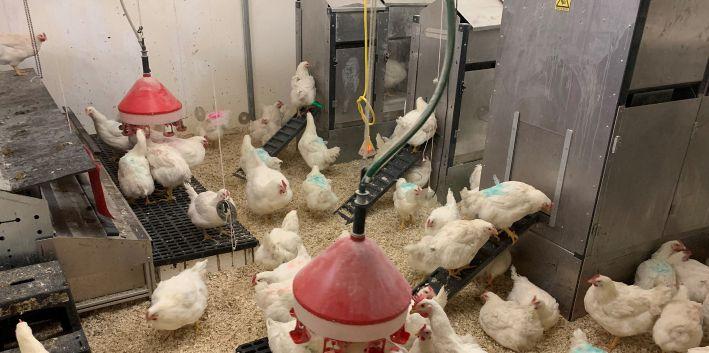
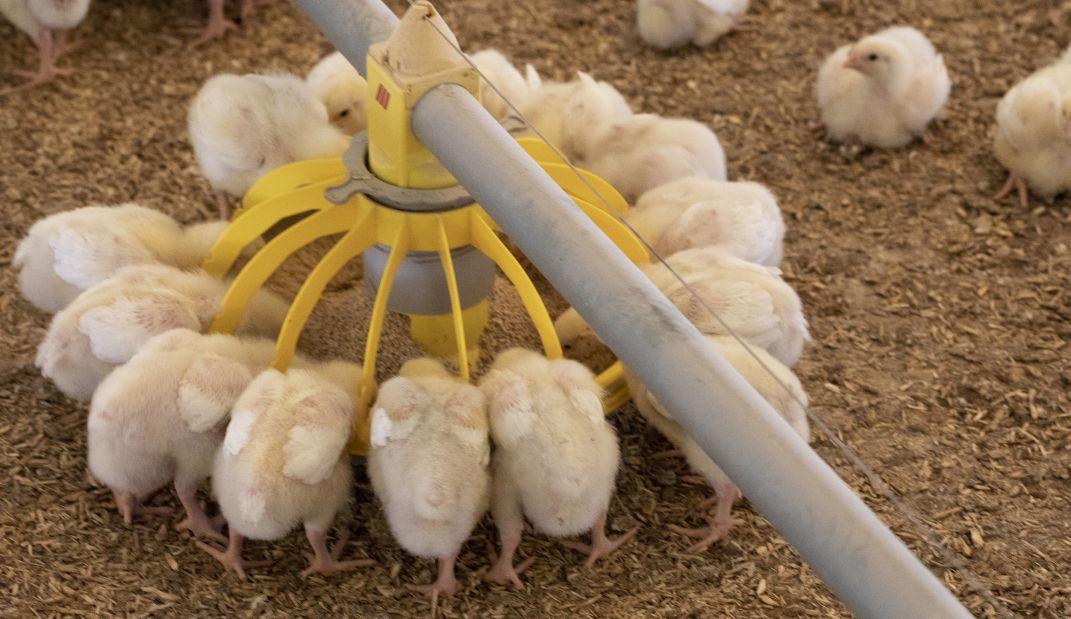
BASED ON LIFELONG EXPERIENCE. Increased turnover and efficiency are key factors for the success of the SKIOLD LANDMECO customers in the broiler farming industry all over the world. The patented pan feeding solution for broilers increases growth rate and makes it more homogeneous and more efficient. With the unique design of the pan the chicks will learn correct feeding
Contact
sales@county-line.ca 519-291-5012
www.county-line.ca
Listowel
er pullets and increase body weight by five to 10 per cent from eight weeks of age onward compared to the standard growth trajectories used in the recommended guidelines,” says Noetzold.
More work is yet to be done, according to Zuidhof, but the study also found a positive impact on male fertility – getting birds to the right body weight at the right time with precision feeding showed an almost five per cent increase in fertility when compared to conventional feeding in two different trials.
In Canada, this research was supported by Egg Farmers of Alberta, Egg Farmers of Canada, Alberta Hatching Egg Producers, Canadian Poultry Research Council, Aviagen, and Results Driven Agriculture Research (RDAR). It is part of a large European public-private partnership project.

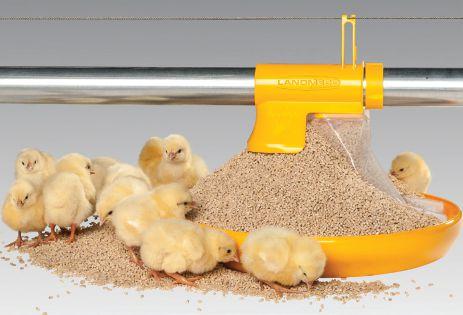
behaviour from day one and the chicks will grow faster, hitting their target weight in less time, which makes the whole operation more profitable for you. The patented solutions from LANDMECO also secures an optimization of the performance and operational reliability through simple robust designs.
8582 Hwy 23 N., Listowel ON Hickson
596202 Highway 59, Woodstock, ON
An optimal production in broiler farming requires that the equipment is modern, efficient and easy to use — and ours is. At the end of the day you can trust us to install a barn for you which is much more profitable, and which makes your daily operation much easier.
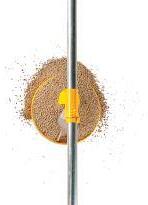
+ 30 G THE FIRST WEEK! The system stimulates the chicks’ curiosity and collectively activates them to seek fresh feed. Experiments have thus shown that chick bodyweight is up to 30 g higher than normal after the first week when the kick-off system is used.

Hein
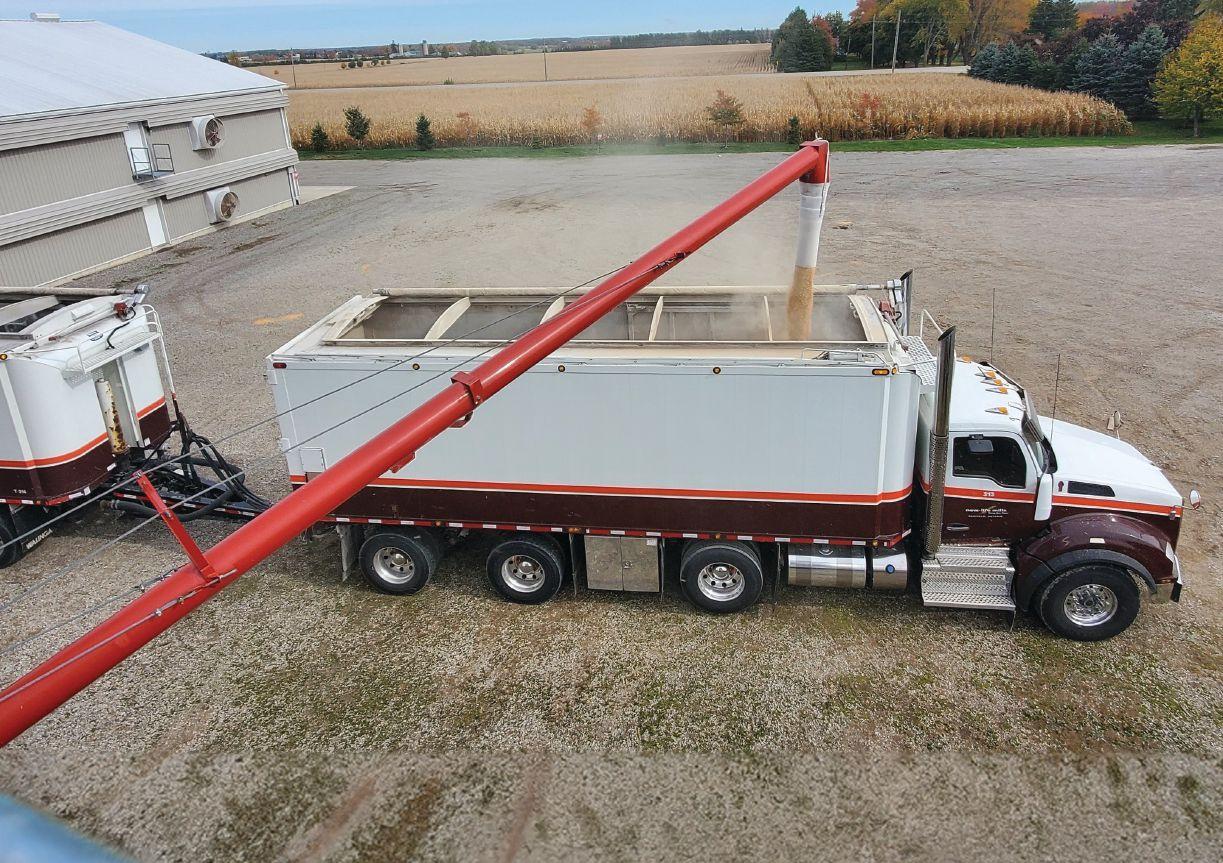
While some poultry farmers in Canada have invested in onfarm feed mills or are currently installing or planning their own mills, many others have looked at the option and decided to stay with purchased feed. As with any decision, there are many factors involved.
“There’s no easy, clear-cut answer to the question of making on-farm versus purchasing feed,” observes Masterfeeds’ Dr. Mark Malpass.
He’s the director of nutrition & innovation at the company in Ontario and serves the needs of both customers who make feed on farm and those who buy it.
Malpass explains that “some farmers like the control of making their own feed,
and others just want to make feed themselves because they like the challenge of sourcing their ingredients and getting their feed right every time. They have that sort of personality. You really need to have an interest and proficiency in managing the cost of raw ingredients. There are specialists at feed companies that look at raw ingredient prices constantly; it’s their full-time job.”
He adds that those farmers who are thinking about putting in their own mills must understand that quality control could be easy one year, but difficult and time-consuming the next.
“The feed milling acumen of the farmer is vital to achieve consistency, while it’s the norm at a feed mill, but either way,” he says, “at both these categories of mills
there are going to face challenges from time to time.”
Farmers who want to make feed should also understand, he stresses, that not only is there a need to deal with situations relating to ingredient sourcing and quality control, but there also must be time availability for managing mill maintenance and downtime scenarios.
With on-farm feed, the responsibility when things go wrong in any way lies firmly with the farmer.
The uniqueness of each farm also matters, Malpass says, in terms of crop acreage, distance to feed mills, room to store and handle raw ingredients, and so on. Producers should also closely consider the willingness of the next generation to continue feed manufacture.


To make the investment and all the effort in on-farm feed milling worthwhile, many believe you need a large flock, but in last year’s Canadian Poultry story on on-farm mills, Jason Pronk in Ontario expressed the opposite view. “We tell other farmers, size doesn’t matter,” he said. “If you produce this many birds, put in a feed mill that fits your farm.”
Other producers with on-farm mills make high-enough volumes to sell feed to their neighbours. This might help you pay off the mill in a certain number of years, but many factors will affect how easy or difficult that is, says Malpass, and how easy it will be to put money aside for maintenance, repair and replacement of components as the mill ages.
He adds that in the future, there will probably be more and more requirements and regulations for ingredient traceability and logging your processing information, so if you sell feed to your neighbours, that will present an added cost. “In the end,” he says, “costs are so individual and there is so much to it.”
For the Pronk family, ROI on their mill was expected to be 10 years, but last year they believed they’d reach it in seven or eight years. They sell their ‘not-least-cost formulated’ feed to neighbours at a price at least as high as commercial feed. Last year, Pronk noted that due to what he considered the higher quality
• Dedicated Workers: Atlantic Jobs recruits qualified Poultry workers and delivers them directly to your farm.
• Perfect Match: Atlantic Jobs search for workers who meet your specific job requirements and fit easily to your farm.
• Legal Support: Atlantic Jobs provides the workers with all Immigration Documentation.
• Assistance: Atlantic Job provide post arrival services to workers to deliver them at your doorstep.
Email: clients@atlanticjobs.net
C +1-877-488-4699 - +1-905-362-2202
C +1-506-377-9822
Fax: +1-905-362-2201 Tel.: +1 506-462-4600
of his feed, “the bird health, feed conversion and mortalities are all much better,” and characterized on-farm feed production as a “no-brainer.”
Indeed, many proponents of on-farm mills often cite higher quality as a central rationale. However, Dr. Lisa Hodgins, manager of poultry nutrition at New Life Mills, states that commercial mills and on-farm mills both offer good-quality options for poultry production. “All types of mills share similar goals: to provide safe, high-quality, efficacious, consistent and economical feed,” she explains.
Commercial mills have strict control and sampling procedures around incoming ingredients, Hodgins asserts, often sourcing grains from surrounding local farms. Only ingredients that meet the requirements set by the mills are received and used in production. “These incoming ingredients will be monitored and tested for their nutrient content,” Hodgins adds, “enabling nutritionists to accurately formulate and balance feeds to meet the desired nutrient requirements of the bird.”
She also notes that according to the Animal Nutrition Association of Canada, many feed mills in Canada are ‘Feed Assure’ certified (about 180 of them, representing 70 per cent of Canada’s commercial feed production). “This certification is considered the ‘gold standard’ for feed safety in Canada and is recognized by the Canadian Food Inspection Agency,” she explains. “These mills follow very strict protocols around ingredient receiving, feed manufacture, traceability and overall feed safety. This will ensure consistent, high-quality feed, stable ingredient supply and stringent quality control measures.”
Hodgins notes that commercial mills may also offer various forms of feed including mash, textured, crumbled and pelleted. “From a quality perspective, these types of feeds will be homogenous (no separation) which reduces ingredient sorting and selective consumption and reduces feed wastage,” she explains. “Pelleted/crumbled feeds tend to have reduced dust and have excellent flowability on farm.”
She adds that pelleted and crumbled feed also offer some quality and performance benefits to animals, such as increased nutrient intake leading to increased weight gain and fewer days to market. Malpass notes that depending on the study, pelleted feed results in a five to eight per cent improvement in feed conversion, and three to six per cent better weight gain – but adds that in practice, some farmers can achieve weight gain and feed conversion comparable performance with their own feed and great management.
He says, however, that crumbled pellets are especially important for young broilers and pullets, which of course don’t yet have fully developed digestive tracts. “There’s no vitamin D utilization for the first few days of life, for example,” Malpass notes.
“That’s where a pelleted feed in a crumbled form can really help. The starch gelatinization in the pelleting process improves digestibility, that’s been shown in many studies.
“I was reading one recently that found the mash to have about six per cent gelatinized starch, and pelleting increased this to 10 to 11 per cent, which is really good for those young chicks.
“So, you could use crumbled pellets from a commercial mill for that stage and then you could use on-farm feed after that. Overall, if you are making on-farm feed for that stage for young broilers, the technical performance might not be as good at that stage of the life cycle, but the financial result at the end of the flock might be better. But so much goes into that, the feed, the way the feed is offered to the birds, the management, the costs of ingredients that year.”
Some producers have also noted that


Dr. Mark Malpass, director of nutrition & innovation at Masterfeeds, advises farmers on the complexities of choosing between on-farm feed milling and purchasing commercial feed.
Meller Poultry Equipment Inc.
826 Nanticoke Creek Parkway, Jarvis, Ontario, N0A 1J0
Call us on: 519-587-2667
Or visit our website: www.mellerpoultry.ca
the mash they make on-farm is closer to what chickens naturally eat, with particles that give the gizzard a workout. Hodgins notes that whole grains can be incorporated into pelleted or crumbled feed to enhance gizzard function and adds that “large-particle limestone is often added to layer diets to provide a slow-release form of calcium to support shell quality.”
Overall, Malpass explains that whole grains, structural fibres, particles of limestone or grit – all can be used in a targeted manner to enhance gizzard function and therefore digestion. “Think about it as weight-training for the muscles in the upper digestive tract, but again, it all comes down to what a farm has access to, what the farmer’s needs and objectives are, and how the feed mill can deliver this into the feed,” he says. “Understanding the customer and their farm is just so important.”
MELLER POULTRY EQUIPMENT
AUTHORIZED DEALER VDL JANSEN
Authorized dealer VDL Jansen VDL Agrotech
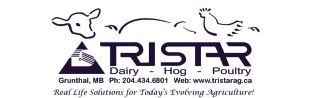
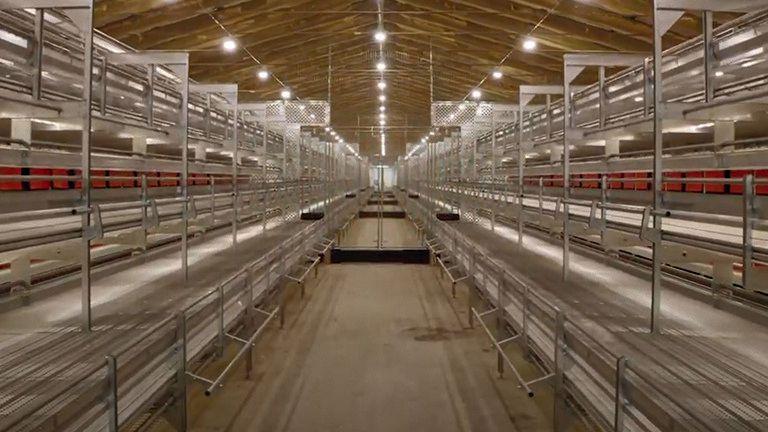
VolMaxx is designed to maximize house utilization while providing a comfortable, clean environment for layers to thrive. Strategically placed feed drops over scratch mats stimulate natural behaviors, promoting healthier and happier hens. The feed and drinking lines are easily accessible from all sides, and the integrated polypropylene egg belts on both sides of the system ensure efficient egg collection. With superior hygiene, the system prevents disease, ensuring a healthy and productive flock.
Updated feed regulations mark a significant step toward modernizing livestock feed standards, enhancing safety, and fostering innovation.
By Ronda Payne
What livestock eats is ultimately what humans eat. That being the case, updating regulations to keep pace with global markets and new opportunities within the feed industry will benefit animals, farmers, feed suppliers and consumers. In July 2024, The Canadian Food Inspection Agency (CFIA) announced the first significant update to the Feeds Regulations since 1983.
This update includes several aspects such as labelling, hazard analysis and traceability to be implemented and enforced over a range of time periods. As Melissa Dumont, executive director with the Animal Nutrition Asso-
ciation of Canada, notes, the changes have been a long time coming.
“Industry has been talking about it for many years,” she says. “In 2010, our association… we authored a paper identifying the challenges with the current regulations which dated back to 1983 and more-or-less remained the same since 1983. We identified some paths forward. What the new regulations could look like.”
She says the process was very industry-driven, “We were the ones that wanted new regs.”
Many believed that because industry came with challenges, suggestions and solutions, the regulatory changes would be “low-hang-
ing fruit,” but it took 13 years for the information to evolve into a revised regulation. Fortunately, one of the key changes in the new regulations will allow for quicker changes in the future. Standards and requirements are separate components of the document.
“These standards that are required by regulations can be updated much quicker and easier than if they sat within the regulatory text,” Dumont says. “This is going to help us move forward with science, allowing for more innovation as well.”
Benefits to industry include aspects like streamlining registration, facilitating trade between Canada and major trade partners and creating more adaptability to changing science and practices, says Laura Scott, na-



tional manager, feed program coordination and outreach section of the CFIA.
“The regulations will also enhance Canada’s reputation as a global feed safety leader and lead to more consistent and effective livestock feed inspection and oversight by the CFIA,” she says.
She adds that the key regulatory changes include: fewer feeds will need to be registered; labelling requirements allow for additional useful information; faster updates to feed standards, such as maximum limits; preventing feed safety issues through preventive control; and new licensing requirements for livestock feed sold between provinces, exported and for livestock feed imported for sale.
Food safety is one of the biggest focal points for the regulations and this aligns with the desires of feed and livestock producers. As Dumont says, ensuring safety standards is a

big part of today’s regulations, as the industry has changed dramatically since 1983. “Ensuring that there are preventive controls in place to mitigate feed safety challenges,” she says. “Feed safety means food safety.”
FeedAssure, the Animal Nutrition Association of Canada’s voluntary safe feed program, has been adopted by many feed producers. Not every feed producer in the industry is at the FeedAssure standard, but Dumont says the new regulations get all organizations closer to this level.
“I think it brings us more into the current century,” she says of the new regulations. “It’s going to allow livestock nutritionists, poultry nutritionists, to have more flexibility to be able to do their jobs. I’m encouraged that this is hopefully going to bring new products and new innovations to the market.”
Updating labels will be one of the biggest tasks for New-Life Mills, says Lisa Hodgins, manager of monogastric nutrition.



“New-Life Mills has completed assessments to determine actions needed to make changes triggered by the new regulations,” she says. “One of the biggest changes will include updated labelling formats and nutrient guarantees on all of our feed labels and incoming ingredients.”
She adds that having both French and English on the warning and caution sections of labels will cause a change to the existing labelling creation format.
“[This] will require New-Life Mills to look into new printing capabilities, considering a change in software printers and label cards themselves,” Hodgins says. “Additionally, some products that previously required registration with the CFIA will no longer be
required [to be registered].”
Dumont says there will be work in the short term, but not in the long term. “Once you’ve updated your labelling software, for example, then these things will get done automatically,” she says. She adds that the long-term gains of the regulations outweigh the short-term pain.
One of these gains is the ability to incorporate veterinary health products into feeds. “That’s a change that’s huge. It’s a big win,” she says. “These regulations can help producers continue to excel at what they do. We’re not constrained in what we feed [animals] by regulatory burdens that aren’t necessary.”
Because of the phasing in, Scott says feed suppliers will have time to adjust to the new rules. “Poultry feed suppliers will need to update labels, determine if feeds are now exempt from registration, put in place preventive control plans and determine if a license is needed,” she says.
While there may be a few formulation changes for some feed producers, that could result in time and money outlays, these are expected to be minimal.
However, many are likely to combine veterinary health products together with optional claims on the labels.
“Feed suppliers may need to adjust their formulas to remain within the new maximum levels for nutrients,” Scott says. “They may take advantage of other changes such as using the new Tables of Permissible Claims for feed labels to add acceptable claims to their products, adding additional optional guarantees or using an acceptable veterinary health product in their feed.”
The Tables of Maximum Nutrient Values of Feeds is something Hodgins is encouraged by. She feels this will allow greater flexibility when it comes to formulations that meet the genetics of this era, not 1983. The tables re-
places the old Table 4: Range of Nutrient Guarantees for Complete Feeds for Use in the Exception of Feeds from Registration, which she says was more restrictive and outdated given when it was established.
“Changing to the new feed regulations will require a lot of work by our staff, but we are encouraged by the changes and we know that these new regulations benefit everyone in the long run,” says Hodgins.
Farmers who make their own feed on-farm will appreciate the benefits of the new regulations. Dumont says if feed is medicated, those producers will need to comply with some of the regulations like having preventive control plans.
“For producers who make their feed on farm, but don’t use medication or buy feed, hopefully [they] will have a new suite of products,” she says. “It won’t happen overnight, but in time. It will just help improve the feed. It removes some of the regulator

programs that prevented us from doing that.”
Those producers making medicated feed will have new requirements and Dumont says it’s important they are aware. “And something that is not new and not a change: a lot of producers think they can make feed and sell it,” she notes. “That’s considered a commercial enterprise and needs to meet every commercial requirement. You’re taking on risk and liability. You have to label the feed and meet the regulatory standards.”
Therefore, producers who make feed onsite are exempt from the regulations so long as the feed is not medicated or sold.
Changes to labels may require poultry producers to pay a bit more attention initially, but again, the benefits will outweigh the effort.
“Producers will likely see changes to their feed labels in regards to the guaranteed analysis and some differences to label working depending on the type of feed they are buy-
ing,” Hodgins says. “However, the full implementation to the updated regulations must be completed by June 2025. So, it will be an ongoing process over the next few months.”
She notes that producers with any questions should reach out to their support team. They can discuss concerns as well as the benefits they will get from the additional flexibility the nutritionists will have in terms of formulations in tune with current and future genetics.
The type of poultry operation will determine the impact of the regulatory changes, says Scott. “In most cases, changes to a nutrition plan will not be needed,” she says. “If producers have customer formula feeds that exceed any of the new maximum nutrient limits, they are encouraged to work with their feed mill and other specialists to make adjustments to feeds if needed.”
She echoes what Dumont says about medicated feeds being made on farms, stating that preventive control plans will need to be






incorporated.
“The CFIA continues to work with national producer organizations to help develop additional guidance and templates,” Scott says. “In addition, the producers that are already part of an on-farm food safety program will be well positioned to meet the new requirements.
“The preventive control plan requirements do not come into effect until June of 2025 and CFIA inspectors will take a compliance promotion approach during the first year to help ensure that everyone understands the new requirements.”
Labelling rules have a one-year transition period from the effective date of July 3, 2024, and requirements for preventive control plans come into effect on June 17, 2025.
For more information, visit the CFIA’s feed pages on its website.
There is also a regulatory modernization page that outlines the new regulations and guidance.
1. MODERNIZATION: The new regulations represent the first significant update since 1983, addressing long-standing industry challenges.
2. ENHANCED SAFETY: Food safety is a primary focus, with preventive controls aimed at mitigating feed safety challenges to ensure consumer protection.
3. STREAMLINED PROCESSES: Fewer feeds will require registration, simplifying the approval process for feed producers and facilitating trade.
4. FLEXIBILITY IN FORMULATIONS: The regulations allow for quicker updates to standards and the incorporation of veterinary health products into feeds, promoting innovation.
5. ONGOING TRANSITION: Producers will have a phased implementation period, with full compliance required by June 2025, enabling time for adjustments to new labeling and safety requirements.
By Jane Robinson
Dr. Deborah Adewole loves “shopping” local for new, innovative ingredients that could replace the use of antibiotics and boost broiler performance and health in the process. Her approach of looking at readily available, natural plant-based compounds started when she was a researcher at Dalhousie University and was approached about adding local seaweed to poultry diets.
She completed a research project on the potential for brown seaweed meal to help combat the negative effects of heat stress of broilers, along with her PhD student Fisayo Oretomiloye. The pair have now also completed a similar project looking at grape pomace and an extract from red osier dogwood in broiler diets as additional antibiotic alternatives.
“We aren’t going to find one compound to replace antibiotics in broiler production, so we are looking for compounds that help boost animal health,” says Adewole, who is now an assistant professor of non-ruminant nutrition and metabolism at the University of Saskatchewan in Saskatoon.
The other factor driving their work is the impact climate change may have on increasing the occurrence of heat stress in broilers.
“We know from previous studies that
heat stress consistently reduces growth performance, especially feed intake, in broilers,” says Adewole.
The novel ingredients Adewole and Oretomiloye explore are phytochemicals – a broad category that refers to naturally-occurring chemicals found in plants.
The phytochemicals they are most
interested in are polyphenols, known for antioxidant properties and beneficial impact on gut health.
“I have used grape pomace and dogwood in other studies that did not involve heat stress, and they helped improve the ability of the gut to absorb nutrients and improve nutrient digestibility in feed ingredients,” says Adewole. “Knowing these products are helpful to the gut, it was a natural extension for
this project that if the gut is healthier, maybe the broilers will be better able to handle heat stress.”
The grape pomace was sourced from local wineries in Atlantic Canada but is not yet an approved feed ingredient – something Adewole hopes will change in the near future. The extract from red osier dogwood provides a more concentrated form of polyphenols, is registered as a veterinary health product by Health Canada for poultry and is commercially produced in Manitoba. Dogwood extract has long been used in traditional medicine.
Their research involved raising two groups of broilers for 28 days. One group was housed in a room with normal temperatures and environmental conditions for raising broilers. The other group was in a heat stress room. When birds were 21 days of age in this group, the room temperature was increased by 10°C from 9 am to 5 pm for seven days in a row.
Each group was further split into four dietary regimes – a control diet, an antibiotic treatment diet, a diet with 2.5 per cent grape pomace and a diet with 0.3 per cent red osier dogwood extract. At day 28, a sample of birds from each room and on each diet were processed. They collected blood samples and

tissue samples from various parts of the small intestine to see how nutrients were being absorbed.
They evaluated the bacteria makeup (microbiota) of the gut, and collected samples and weight of the bird’s immune organs – the spleen and bursa.
When they looked at bird performance – body weight gain and feed efficiency – across all diets, it wasn’t surprising that birds on the antibiotic treatment showed the most positive results, regardless of whether they were exposed to heat stress of not.
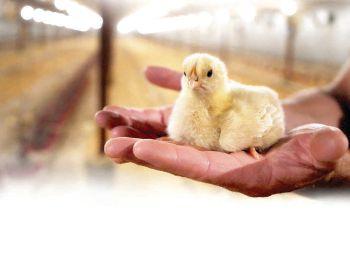
But the more interesting result was that broilers fed the diet with red osier dogwood extract performed very similarly to the antibiotic treatment for body weight gain during the growth phase (day 14 to 21) and performed with the same level of feed efficiency as the antibiotic treatment.
For Adewole, these results confirm the opportunities for dogwood in broiler diets.
“We found that dogwood can offer a similar level of growth performance as antibiotics and could be beneficial for feed efficiency,” the researcher says.
There was more good news for including dogwood in broiler diets. The researchers found that broilers exposed to heat stress had lower concentrations of an enzyme (creatine kinase) in the blood that helps birds make more energy.
But the birds receiving dogwood extract in the diet had increased levels of this enzyme, suggesting the extract may help birds deal with the negative effects of heat stress.
Both grape pomace and dogwood extract were able to help broilers increase the surface area in all regions of the small intestine, so birds were able to absorb more nutrients from their diet. This is a similar action to antibiotics.
“Even though we didn’t find significant improvements in growth performance over antibiotics, the ability to absorb more nutrients could mean birds are more resilient to disease, can cope better with stress and have better overall health,” says Adewole. “Plus, having more polyphenols absorbed into their system helps with gut health and overall immune response.”
They also found some benefits with both grape pomace and dogwood extract for the overall bacterial diversity in the gut. Lactobacillus levels increased by similar amounts in both ingredients they tested and increased more than with the antibiotic treatment. “ Lactobacillus is well recognized as a potential probiotic that is beneficial to the immune system and overall health,” says Adewole.
“At this point, I would recommend producers consider including 0.3 per cent red osier dogwood extract in the broiler diet to maintain health and reduce the impact of heat stress,” says Adewole.
Their research shows positive results for grape pomace at a 2.5 per cent inclusion rate, but there is more work to be done. “We have seen beneficial effects of grape pomace in broiler diets to combat heat stress,” she says.
“We will do more studies on a larger scale and also with laying hens, before we can proceed with registering grape pomace as an approved product in Canada.”


Canadian egg farmers are passionate about providing fresh, high-quality eggs while looking after their animals, communities and the environment. Find out more at eggfarmers.ca/sustainability


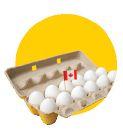
Poultry production is a competitive industry with narrow profit margins. Feed costs account for 60 per cent of total production costs.
This means that it is essential to find a balance between an animal’s nutrient requirements and the nutrients provided in their diets to maximize profitability.
Nutrient requirements are usually defined as the nutrient levels needed to meet specified production objectives such as egg production or feed efficiency.
Nutritional programs for poultry are designed around the nutrient content of different feed ingredients relative to the birds’ requirement.
Within a flock, each bird may have unique responses to identical conditions, even when fed the same diet or reared under the same conditions. Precision nutrition at the most basic level accounts for this variation when constructing a nutrition program.
This allows nutritionists to match each flock’s needs while accounting for economic viability and environmental sustainability.
In other words, precision nutrition allows poultry producers to feed their birds in a way that meets their nutritional requirements at the right time and quantity.

With a growing world population, there is an increasing requirement for efficient and environmentally sustainable food production. By feeding poultry diets that precisely match their requirements, we can optimize performance while minimizing nutrient waste. This can be a complex task; however, its benefits are great since it ensures efficient and sustainable feeding programs.
Adjusting nutrient supply according to the birds’ performance requires understanding how their nutritional needs change with growth and feed intake variation. Voluntary food intake, driven by the need to meet nutritional requirements, must be considered, as well as the capacity of the bird to digest the feed, and other environmental factors.
When formulating feeds, nutritionists may adjust nutrient levels for several variables, such as age, sex, or health status. Due to the lack of a decision-making tool, they need to use their knowledge to make empirical adjustments to fine-tune each formulation.
In contrast to these empirical adjustments, mathematical models are available to predict genetic potential and precise nutritional requirements, predicting how the birds would respond to different diets and conditions.
Mathematical models provide valuable insights into understanding and controlling feed intake and, therefore, can help improve management, control of health status, and uniformity of the flock. Altogether, this can improve both productivity and profitability.
Modern nutritional programs must be balanced with non-economic considerations, including meat quality and environmental impact.
For example, although there is limited concrete data on the environmental impact of nutrient excretion from poultry farming, the rates of nutrient pollution, particularly nitrogen and phosphorus, can be problematic and should be minimized whenever possible.
One way to reduce the excretion of pollutants while also improving productivity involves optimizing the length of the diet phases throughout the production cycle; this allows for a better match between the birds’ nutritional needs, production targets, and the nutrients provided in the feed. This approach helps to reduce costs, improve nutrient utilization, and minimize environmental impact.
Mathematical modelling can also help us investigate the impact of diet changes on

We have had Lubing drinkers on this farm for over twenty years. When the time came for new lines, the decision was easy to use Lubing’s OptiGROW, because of the quality and longevity from Lubing.

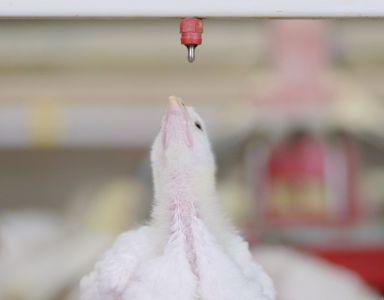
The OptiGROW nipple is specifically designed to present water to day-old broiler chicks for the best possible start, and will deliver fresh water throughout the grow-out for the largest possible broilers.
Made with a stainless steel triggering pin and chemical resistant thermoplastic body so you can depend on a reliable drinker for many flocks.
Glass-Pac Canada
St. Jacobs, Ontario
Tel: (519) 664-3811
Fax: (519) 664-3003
Carstairs, Alberta
Tel: (403) 337-3767
Fax: (403) 337-3590
Les Equipments Avipor Cowansville, Quebec
Tel: (450) 263-6222
Fax: (450) 263-9021
Specht-Canada Inc.
Stony Plain, Alberta
Tel: (780) 963-4795
Fax: (780) 963-5034

Nutrition
performance and what nutrient levels should be targeted under different conditions. For example, a trial was conducted using a mathematical model to the nutrient levels from a control diet (levels from Ross 308 genetic guidelines) for different performance targets (maximize BW or minimize FCR) under thermoneutral or heat stress conditions (see Graph 1 online).
A mathematical model can also predict how changes in feed composition affect feed intake, answer “what-if” questions, and provide valuable insights into the potential effects on poultry performance. Furthermore, by integrating an optimization routine, models can determine the most efficient feeding program to maximize economic returns.
In addition to the aforementioned tools to aid in precision nutrition, research continues to integrate the nutritional potential of feed ingredients, birds’ requirements, and their response to nutrient intake and excretion.
As the industry moves forward, precision nutrition will play a critical role in meeting the demands of efficient and sustainable poultry production.
Advancements and challenges in precision nutrition
This progress is further enhanced by the development of advanced
feed formulation software, nutritional sensors, artificial intelligence, blockchain technology like predictive ordering to deliver the correct diet on time at the farm, and precision feeding systems.
These technologies aim to improve poultry production systems’ efficiency, sustainability, and responsiveness. Precision nutrition also helps producers minimize the environmental impact of poultry farming by reducing feed consumption, improving feed efficiency, lowering energy consumption, better resource allocation, and promoting healthier birds.
Examples of the advancements that have provided better nutrition and ensured the well-being of the birds include real-time monitoring-integrated systems, like feed intake and live weight-monitoring systems, and air quality monitoring.
However, implementing precision nutrition systems in poultry production faces challenges such as high initial investment, data integration, standardization, and regulatory compliance.
To address these challenges, experts recommend gradual implementation, collaborative research, cost-benefit analysis, training and education, and continuous monitoring. It can yield many benefits by successfully implementing strategies involving precision nutrition systems, with several gains in efficiency, sustainability, and animal well-being.
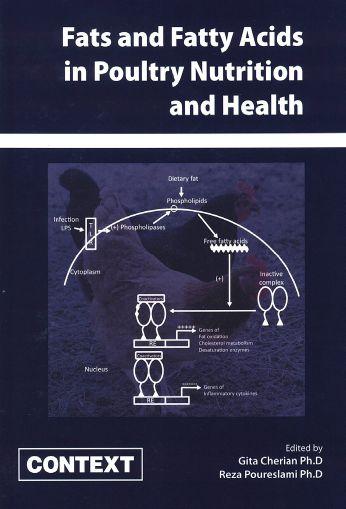
Addition of fats or oils rich in polyunsaturated fatty acids in poultry diets is a straightforward approach to enrich poultry products with polyunsaturated fatty acids. Consequently, there has been a great interest in using different types of fats, oils or oil seeds as feed additives in poultry nutrition.
The purpose of this book is to educate the readers on the role of dietary fats in poultry on: production aspects, health effects, growth and product quality.
$59.99 | Item# 1899043378 Scan code to buy this book





Eastern Canada: sales@county-line.ca 519-291-5012 www.omnivorecomposter.com
Western Canada: info@agprowest.ca 604-746-5376 www.agprowest.ca




Sector
Feed production
The business
Trouw Nutrition, a global leader in animal nutrition, has opened its largest feed mill built in North America, located in Chilliwack, B.C. With over 90 years of expertise, the company continues to innovate in sustainable animal nutrition, servicing the Fraser Valley and beyond.
The need
The decision to build this new facility stemmed from the limitations of the original 1958 mill. “The old mill couldn’t support our volume needs,” explains Walker Eliason, Manufacturing and Supply Chain Director BU North America. “We needed more raw material storage and reliable infrastructure to better serve our producers.”
The facility
What sets this mill apart is its advanced features designed to meet evolving industry demands. “We can now handle higher percentages of fats, use alternative ingredients, and offer unmatched reliability,” Eliason says. The mill also boosts storage capacity for raw materials by over 30 per cent, reducing disruptions caused by external factors like supply chain delays. Eliason adds, “The flexibility of this plant allows us to take advantage of opportunity ingredients and reformulate diets more efficiently.” The facility will also increase production by 50 per cent while cutting CO 2 emissions by 20 per cent, thanks to an energy-efficient design. This milestone in feed production underscores Trouw Nutrition’s commitment to sustainability and innovation in the poultry sector.




S T R EN G T H EN Y OU R
B R OILE R F L OC K
Reduce mortality
Reduce E. coli associated lesions
Potential to reduce antibiotic use