

Rugged bearing offers misalignment capabilities
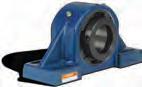
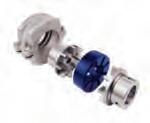
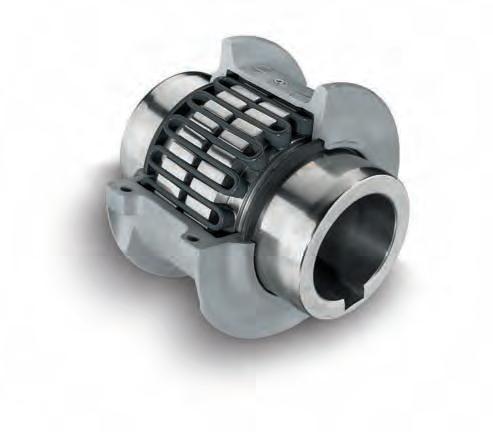
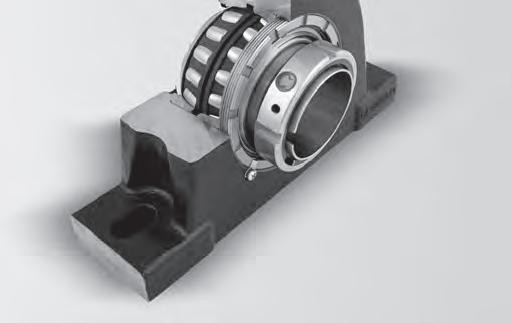
Baldor’s Dodge Type EXL tapered roller bearing provides both misalignment and expan sion capability, while maintaining industry-standard Type E mounting dimensions. The split ductile iron housing allows the cartridge-style inner unit to swivel freely in the housing, allowing up to plus or minus 4 degrees of static misalignment. Mounting dimensions are equivalent to any standard Dodge or competitor’s Type E dimensioned product. The totally sealed inner unit incorporates the Dodge XTS triple-lip seal for increased protection in harsh environments. Offering a 13% to 14% increase in load ratings over the previous design, the bearing is available in both two- and four-bolt pillow blocks and uses the same inner unit for both expansion and non-
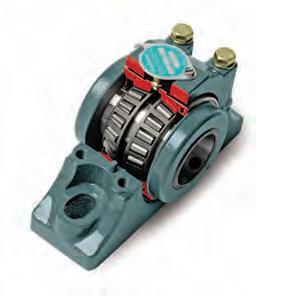
expansion housings. Bore sizes range from 1-3/16 in. to 5 in.
Baldor Electric
Online Reader Inquiry No. 543
Welded seal technology is for large-diameter seals
SKF Canada offers welded seal technology service in the field. Using this technology reduces maintenance time and offers higher performance than using a standard split seal. This service is dedicated to the company’s large-diameter seal range. Typical applications are hydraulic presses (automotive industry), hydraulic hammers (steel industry), hydropower turbines and main propeller rotary shafts in the marine industry. Welding is done on site with a portable welding unit and SKF technology and materials.
SKF Canada
Online Reader Inquiry No. 542
Stand-alone touch screen label maker prints labels fast
The Dymo LabelManager 500 TS is a stand-alone label maker that features a full-co lour touch-screen. Simply tapping on the large screen allows the user to edit, format and customize labels, while the fast print speed makes it efficient for creating high volumes of labels. Using a computer-style keyboard for fast text entry, the device prints labels when connected to a PC or Mac, and can also be used independently of a computer for convenient portability. Other features include 300 dpi resolution for clear graphics, barcodes and logos, automatic label cutter, and customization tools, including a wide selection of fonts, font sizes, text styles and boxes, and hundreds of built-in symbols and clip art. Also included are a wide variety of Dymo D1 labels in 1/4-in., 3/8-in., 1/2-in., 3/4-in. and

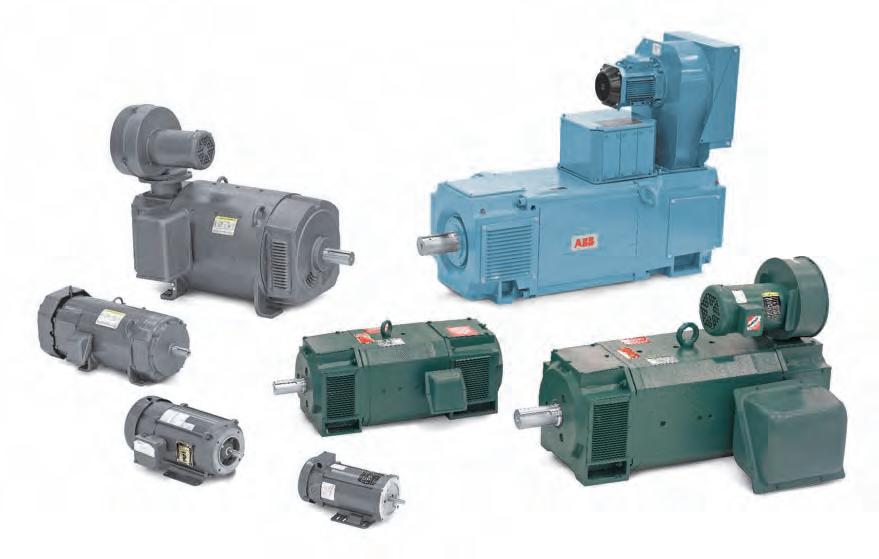
While other manufacturers have chosen to leave the DC motor market, ABB and Baldor continue to invest in product development and U.S. manufacturing in order to offer the widest variety of permanent magnet and wound field industrial DC motors in the world.
DC motors continue to provide the right solutions to many application requirements. We now can supply IEC or NEMA frame motors, stock motors from 1/50 to 500 Hp or custom-designed motors to 3000 Hp to meet your specific application. If you need a DC motor anywhere in the world, call Baldor! baldor.com 479-646-4711
The Most DC Choices
Unmatched Quality
Superior Reliability
Quickest Delivery Available
American Made Since 1920

1-in. widths for applications from file folders to binders, and a rechargeable battery pack.
Dymo
Online Reader Inquiry No. 548
Rapid assembly hose system reduces setup time
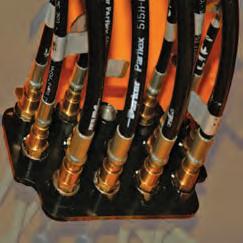
Parker Hannifin, Parflex Division, has developed a compact, anti-corrosive and quick-to-connect hose and fitting system for low-pressure hydraulic and pneumatic sys tems. The Rapid As sembly Hose system consists of Parflex 515H hose and brass RA quick-connecting hose fittings and adapters. The lightweight, fibrereinforced, low-pressure thermoplastic hose has good kink resistance. The connector design is very simple, durable and easy to install, eliminating the need for wrenches or other tools. Sealing is achieved through the use of petroleum and synthetic hydraulic oil-resistant elastomeric O-rings. The hose is particularly suited for routing through tight spaces while maintaining flexibility. Sizes range from 3/16 in. I.D. to 1/2 in. I.D. in a single or multi-line assembly.
Parker Hannifin
Online Reader Inquiry No. 544
Clamp-style shaft collar line is versatile
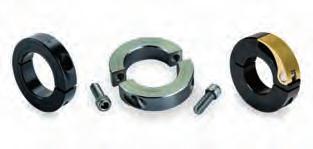
Ruland offers one-piece, twopiece and quick-clamp-style shaft collars. Clamp-style shaft collars are easy to re move and infinitely adjust able, and will not mar the shaft. One-piece collars dis tribute compressive forces even ly around the shaft for a tight fit and improved holding power. With an additional screw, the two-piece collar has superior holding power and can be installed without removing other components. Quick-clamping shaft collars feature a low-profile clamping lever which is operated by hand without the need for tools.
RotoPrecision
Online Reader Inquiry No. 551
Linear systems come in a wide variety of configurations
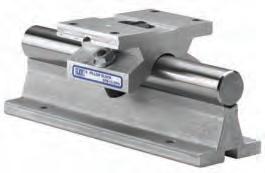
Lee Linear offers pre-engineered, readyto-mount linear systems that can be easily incorporated in almost all drive control applications. Aluminum shaft support rails in standard lengths of 24 in. and 48 in. are used in shaft rail assemblies as economical methods for mounting casehardened and precision ground 60 Plus or 440C shafting. The as semblies conform to industry speci fications and pro vide stable and efficient linear motion guidance for continuous or intermittent load operations. Shaft and rail systems are available in six standard configurations, which incorporate a single, double or twin pillow block. Either two cast steel support blocks or an aluminum rail can support the carriage plate. Systems are available with either roller bearing pillow blocks or with Precision Plus self-aligning linear ball bearing pillow blocks.
Lee Linear
Online Reader Inquiry No. 549
MRO
Obtain free additional information about any of these items by using our online reader reply card at www.mromagazine.com/rsc.

When you have to replace your chain, Timken Drives can deliver “Cut-to-Length” chain and save you up to 20% in scrap and inventory costs. Drives also offers new material technology, so your chain lasts longer too. Up to 3x’s. To discuss your specific chain application, contact your authorized Timken Drives distributor, or call our technical service department and we’ll help you out.



Drives for food processing / 11
Equipment cleanliness in food plants is getting more scrutiny than ever. Here is advice on washing down your drives without washing away your profits.
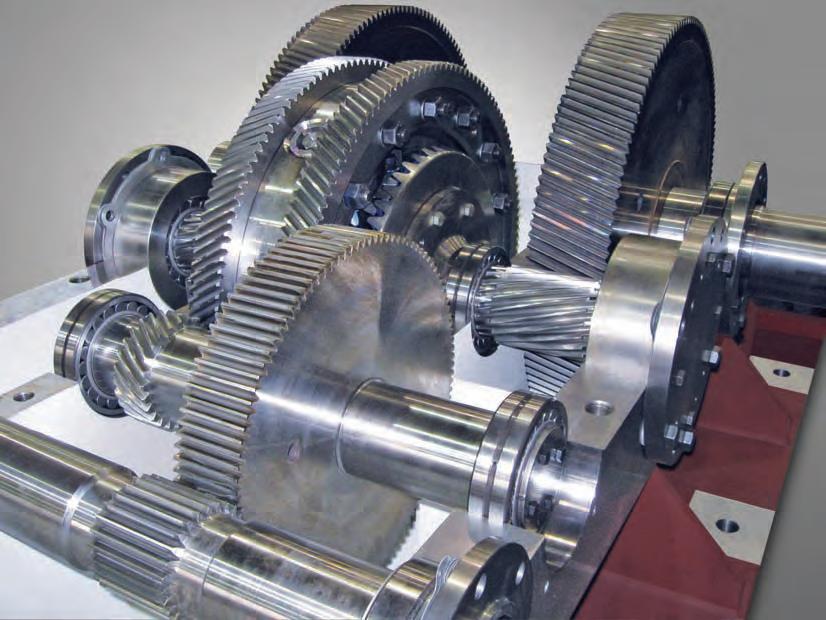
Maintaining large gearboxes / 12
How operating conditions and the performance requirements of driven equipment affect gearbox design and maintenance, especially lubrication.
p12
Torque monitoring techniques for steam turbines / 16
Precise torque monitoring at the coupling can maximize steam turbine/compressor performance, as this retrofit at the Quenos Olefins plant shows.
Resolving fan vibration problems / 20
A modern balancing instrument, data collector and analyzer unit helps reduce vibrations from five exhaust and circulation fans.
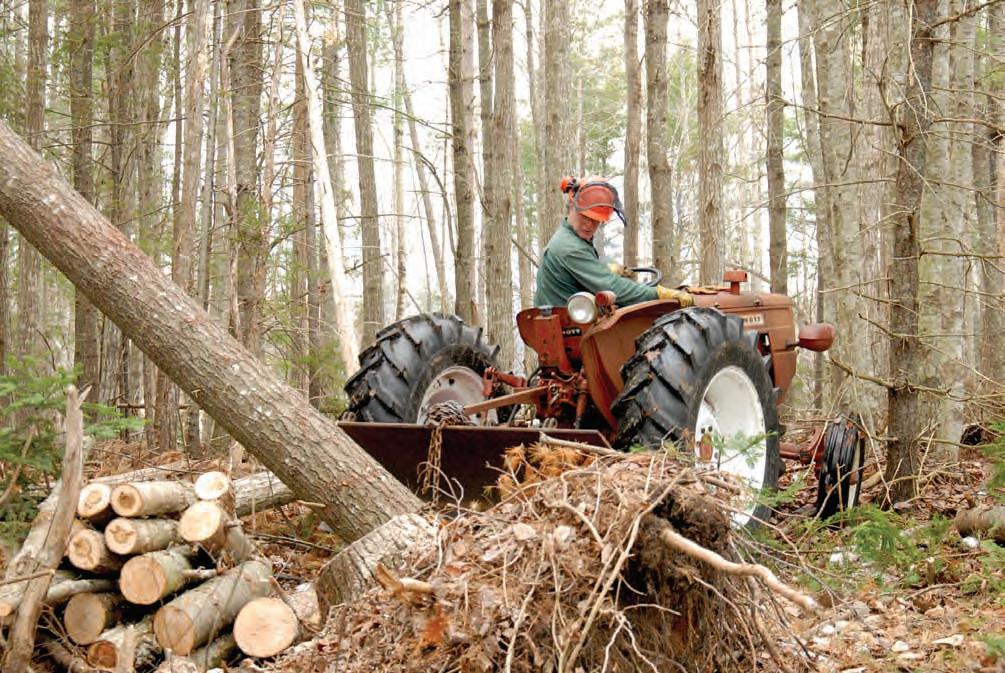
My MRO: A Nova Scotia Breakdown / 22
Here is the first of a new series in which you, the reader, can share your stories about your personal off-the-job maintenance and repair challenges. We start with Carroll McCormick’s tractor troubles.
p22
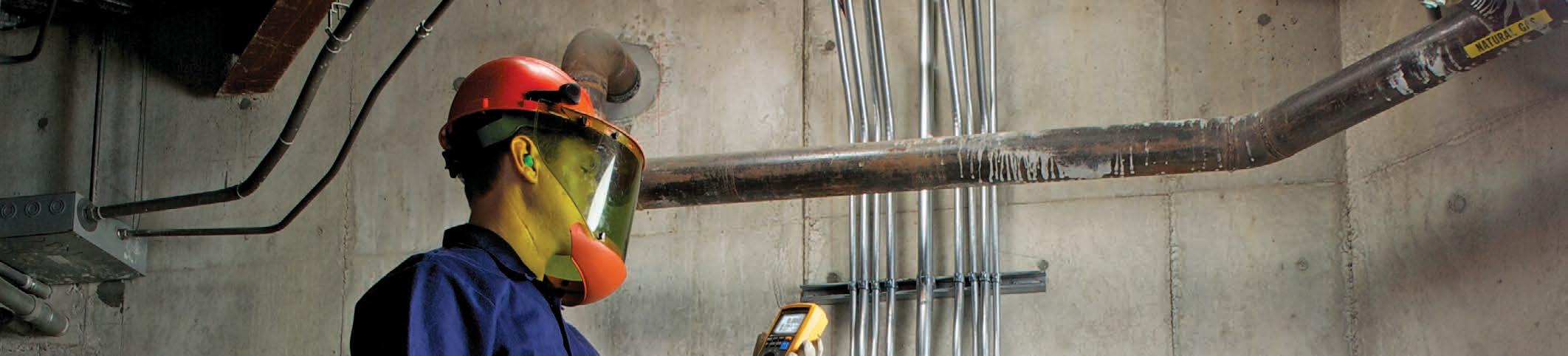
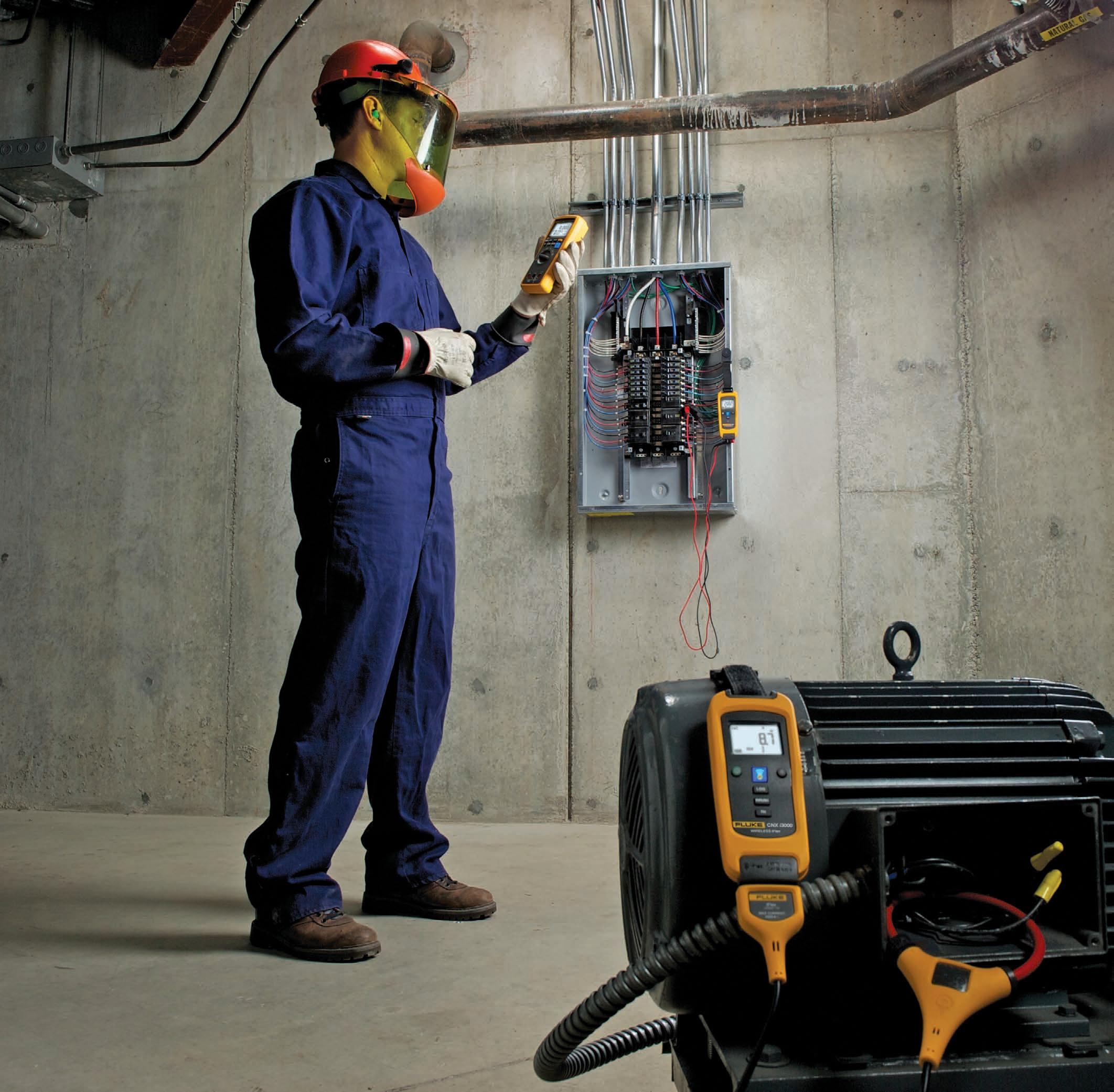
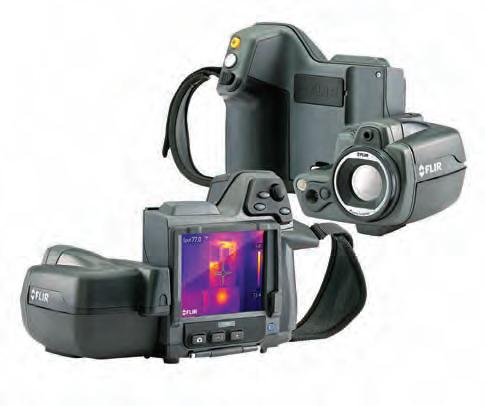
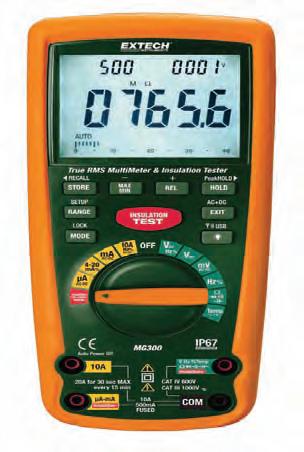
Cover story: Measurement goes wireless / 30 Wireless tools like Fluke’s CNX system, Extech’s MG 300 and Onset’s Hobo data logger are part of the trend toward safer monitoring and troubleshooting.

p2
MRO on the Road / 34 Applied Industrial Technology’s Quebec trade show attracts 400 delegates.
Mr. O, the Practical Problem Solver / 10 Seven steps to help protect gearboxes from moisture.
Maintenance 101:
Building a maintenance cost-management system / 24 Stage 6 in an eight-part program towards achieving world-class maintenance.
Supervisory Suggestions: Essential steps for organizational success / 25 Here are six lessons your organization should master.
The Safety File: The end of industrial exemptions / 26 Professional engineers aim for a co-ordinated process that puts the public interest first.
p30
Editor’s Notebook / 6
Industry Newswatch / 8
Business Briefs / 10
Mr. O, The Problem Solver / 10
Maintenance 101 / 24
Supervisory Suggestions / 25
The Safety File / 26
MRO on the Road / 34
Product News
Product Spotlight / 2
Focus on MRO Components / 27
Focus on Motors & Drives / 29
Focus on Test & Measurement / 30
‘Food manufacturers are under relentless pressure to ensure that their environments meet or exceed ever-stricter standards for cleanliness and hygiene.’
Gates / 11
p31
p32
‘At gearbox operating temperatures of between 180°F and 200°F, the recommended time between oil changes is reduced by 75%.’
John Proven / 12
‘The next time I know that it’s PM time, or when condition monitoring signals a condition red, I will schedule the downtime. Honest!’
Carroll McCormick / 22
‘The attitude of the person making MRO purchases is very important.’
Peter Phillips / 24
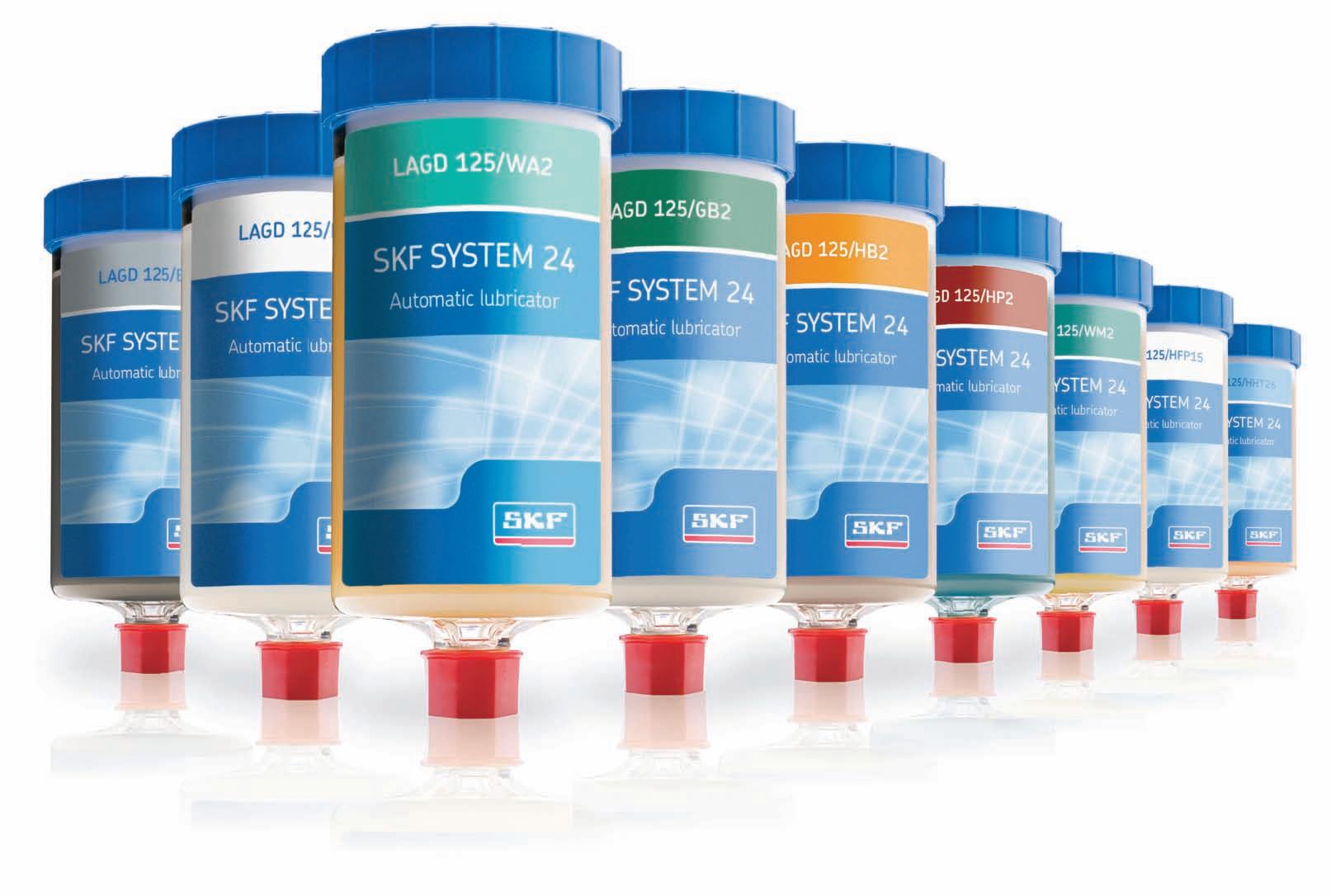
Gas driven single point automatic lubricators
This new generation has been designed around the needs of real users. The unit is now even easier to set up and recycle, while keeping their best feature inside:
The SKF high performance lubricants

When Carroll McCormick, MRO Magazine’s Montreal-based, multiple-award-winning senior contributing editor, told me about a recent personal machinery maintenance experience, it led to an idea for a new column in the magazine based on your own off-thejob challenges and successes.
We’re calling it ‘My MRO’, and Carroll’s story about the breakdown of his tractor at his property in Nova Scotia is the lead-off to what we hope will become a popular new section.
I’m sure you all have plenty of stories like this one. As you know, our trademark character, Mr. O, the Problem Solver, is the messenger for your practi-

cal tips and advice for onthe-job maintenance work. Now we have an opportunity for you to share your misadventures, troubles and successes from your own garage or workshop.
We sure hope you’ll play along. To encourage you, we’ll reward your submission with a gift card worth $25, plus a coveted Mr. O Problem Solver t-shirt. We’re getting a new batch made up just for the occasion. Simply send us a photo of you and your project, and up to 600 words. You can submit them by e-mail to broebuck@mromagazine.com or write to Bill Roebuck, Editor, Machinery & Equipment MRO, 80 Valleybrook Dr., Toronto, ON M3B 2S9.
By the way, the same deal goes for any new Mr. O Problem Solver tips that apply to the workplace. Send us your solution to an industrial machinery or equipment maintenance problem (it helps to include a photo or sketch) and we’ll share your advice with the rest of our readers.
Talking about our readers makes me think of some other news you might find of interest. Our most recent readership survey, done in June, told us 100% of readers surveyed rated MRO magazine from Excellent to Good overall. We also learned 98.9% think MRO meets the needs of their industry. We were somewhat surprised at how much you like to share your copies with others; according to the survey, the average total readership of each edition, including passedalong copies, is 63,449. That’s impressive reach for a magazine like this.
Separate studies showed that we continue to see growth in readership of our


website. In September 2012, the number of unique visitors increased to 34,393 and page views reached 54,408. As well, subscribers to our weekly e-newsletter now total 13,443. If you’re not getting our newsletter every Tuesday morning, you can sign up on our website – it’s a great way to catch up with the past week’s news if you don’t have time to log on to our site every day.
We also saw growth in the number of subscribers to our digital editions – now totalling 4,465. If you are a tablet user, it’s an easy way to read MRO magazine anytime, anywhere. And if you want to refer to an article you saw in print, just go online to our website, mromagazine.com, and look it up. Everything from the year 2000 and on is there.
To close, we thank you sincerely for your feedback and your support. And we really hope to see your stories for our new My MRO column.
Bill Roebuck, Editor & Associate Publisher

NOVEMBER 2012
Volume 28, No. 5
Established 1985 www.mromagazine.com www.twitter.com/mromagazine
EDITORIAL
Bill Roebuck, Editor & Associate Publisher 416-510-6749 broebuck@mromagazine.com
Ellie Robinson, Art Director
Contributing Editors
Simon Fridlyand, Steve Gahbauer, Carroll McCormick, Peter Phillips, Robert Robertson, Angela Webb BUSINESS
Nick Naunheimer, Publisher 416-510-6868 nnaunheimer@mromagazine.com
Eric Achilles Cousineau, Adv. Sales Manager 416-510-6803 eachilles@mromagazine.com
Kimberly Collins, Advertising Production 416-510-6779
Melinda Marasigan, Subscription Enquiries 416-442-5600 x3548





Burlington, ON — The topics of boosting uptime performance and keeping people in the workplace safe from electrical harm were highlights of the recent annual meeting in Burlington, ON, of the Hamilton Chapter of the Society of Maintenance & Reliability Professionals (SMRP).
Mark Jorgensen of the Electrical Safety Authority (ESA) and James ReyesPicknell, co-author of Uptime, were the keynote speakers at the event, which also featured the election of new chapter officers for 2012-13.
“The ESA’s vision is to have a prov ince free of electrical fatali ties and serious injury, dam age or loss,” said Jorgensen, who has been part of the ESA’s Harm Prevention Group for more than 15 years. “The ESA has been ac tively involved in developing an electrical safety program that meets all the require ments of CSA Z462-12.”
Reyes-Picknell of Con
portant to focus on factors, such as critical assets, teams, processes, strategies, leadership and people,” he said. “Creating a new maintenance culture requires you to change behaviour on the shop floor, as well as obtain top management support and slaughter any corporate sacred cows that may exist in the organization.”
The SMRP Hamilton Chapter’s goal is to create opportunities for those in maintenance to network and learn from each other, as well as promote worldwide maintenance excellence, said Liane Harris of ECS2 Group, the association’s past chair.

“We’re excited about the SMRP’s Certified Maintenance and Reliability Technician (CMRT) program. CMRT is suited for maintenance mechanics, as this professional certification offers an opportunity to stand out from the crowd and be recognized.
“With the CMRT program, the four domains of knowledge that are covered include


the book, Uptime: Strategies for Excellence in Maintenance Management, said uptime alone isn’t enough to achieve excellence, nor is it a stand-alone maintenance initiative.
“To boost uptime performance, it’s im
Top: SMRP Hamilton Chapter’s past chair Liane Harris said the new technician certification program offers a career edge to maintenance mechanics. Left: Mark Jorgensen with the ESA’s Harm Prevention Group wants to reduce fatalities and injuries to electrical workers. Above: SMRP
Hamilton Chapter’s 2012-2013 board of directors, from left: Sandra DiMatteo, Hammad Sharif, Jennifer Costello, Carlo Odoardi, Allan Hines, Craig Mock, Pasha Mohammed and Jeff Pottruff. Not pictured: Norm Clegg and Ron Gavrin.
ventive and predictive maintenance, trou bleshooting and analysis, and corrective maintenance,” said Harris. “CMRT bene fits both maintenance mechanics and their employers. For example, mainte nance mechanics are able to further en hance their careers, and employers can have access to mechanics that have wellrounded skills.”
At the meeting, the chapter elected the following board of directors for 20122013: Carlo Odoardi, M.Eng., Conscious Asset (chair); Liane Harris, M.S. Eng., ECS2 Group Inc. (past chair); Sandra Di Matteo, Bentley Systems (vice chair); Jennifer Costello, Bentley Systems (trea surer); and Pasha Mohammed, C. Tech., Kraft Foods Canada (secretary).
In addition, general board members include: Hammad Sharif, B.Eng., EIT, Holcim Canada; Allan Hines, CMRP, Predictive Services Canada; Craig Mock, P.Eng., CMRP, ArcelorMittal Dofasco; Jeff Pottruff, CMRP, ArcelorMittal Tubu lar, Woodstock, ON; Norm Clegg, Plant Engineering and Maintenance Associa tion of Canada (PEMAC); and Ron Gavr in, CMRP, Ontario Power Generation (re tired). (Editor’s note: A CMRP is a Certi fied Maintenance & Reliability Professional as recognized by the SMRP.)
Robert Robertson

On average, people come in contact with 300 surfaces every 30 minutes, exposing them to 840,000 germs.
touching surfaces that are contaminat ed,” said Dr. Allison Aiello, associate professor of epidemiology at the University of Michigan.
Philadelphia, PA — A startling number of Americans may be putting their health at risk by not practicing good hand hygiene, according to a survey conducted in early October 2012.
When asked about their specific handwashing habits, a vast majority of adults (71%) say they regularly wash their hands, but that number may be grossly exaggerated. Nearly six in 10 (58%) admit that they have witnessed others leaving a public restroom without washing their hands. More than a third of Americans (35%) have witnessed coworkers leaving facilities without washing, and one in five consumers surveyed (20%) have witnessed restaurant employees not washing their hands at all. The worst offenders seem to be men by a significant margin.
These survey findings were released by SCA, a global hygiene company and maker of the Tork brand of paper towels and wipers.
Sixty per cent of adults describe handwashing as being critical to their health, and over half (53%) consider washing their hands thoroughly and regularly to be the most beneficial practice for staying healthy. Yet, respondents also admit to skimping on personal hand hygiene after coming into contact with a number of germy environments and objects.
“The average human hand has millions of bacteria, many good, but also sometimes some that can harm health. In
More than a third of men (33%) admit they do not wash their hands thoroughly with soap and water after using the public restroom, compared to just one in five women (20%). Men are less likely than women to typically wash their hands after handling garbage, touching an animal, or sneezing or coughing. Men were more likely than women to describe handwashing as being a necessary hassle.
On average, people come in contact with 300 surfaces every 30 minutes, exposing them to 840,000 germs. For tips on hand hygiene, visit the website at torkgreenhygienecouncil.com.
Mississauga, ON – Independent Distributors Cooperative-USA (IDC-USA), Indianapolis, IN, has signed an agreement with IDI Independent Distributors Inc. (IDI) of Mississauga, ON, granting IDI the exclusive rights to market and sell IDC Select branded products in Canada.
IDI is a Canadian purchasing cooperative of independent industrial distributors who specialize in bearings, power transmission products, fluid power products, as well as industrial, janitorial and safety supplies. IDC-USA is a national purchasing, marketing and selling cooperative representing over 260 independent industrial distributors in the United States.
Both cooperatives have one common goal: to use the combined purchasing power of their members to better serve their customers and compete against large national chains in order to retain distributors’ independence in a rapidly changing and dynamic marketplace.

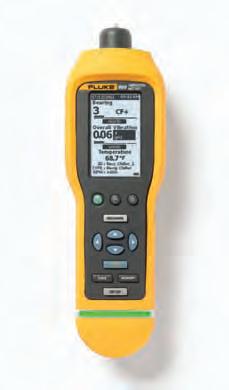
The new Fluke 805 Vibration Meter is more than a pen. It’s a Fluke meter that gives you results you can trust, time after time.
IDC-USA is assisting IDI with this initiative by allowing it to be the only company authorized to sell IDC Select brand products in the Canadian market.
“Cooperatives working with cooperatives is a hallmark of the cooperative business model, and IDI and IDC-USA have exemplified this over our many years of working closely together,” said Scott Bebenek, president of IDI. “IDI’s members are excited to gain access to a proven, quality line of power transmission and bearing products that they can take ownership of in the Canadian marketplace.”
“We are thrilled to be able to extend the exclusive rights of our IDC Select brand to our sister cooperative in Canada. With IDC Select, we are helping IDI expand the breadth of the product offering available to their independent power transmission distributors,” said Jack Bailey, president and CEO of IDC-USA.
To learn more about IDI, visit www. idiind.com; for more about IDC-USA, visit www.IDC-USA.com.
Ottawa, ON — Of individuals registered in an apprenticeship program between 2002 and 2004, those who completed their program had hourly wages in 2007 that were 21% higher on average than those who did not. The figures are the latest available from Statistics Canada, released in study titled Certification, completion, and the wages of registered apprentices, 2007.
In addition, those who completed their apprenticeship program were more likely to work full time and to be employed in permanent jobs.
Between 1995 and 2007, the number of Canadians enrolled in apprenticeship programs more than doubled, from 163,370 to 358,555. However, over the same period, the number of successful apprenticeship completions increased by about one-third.
Of the registered apprentices who completed their programs, 90% also obtained a Certificate of Qualification, while 10% did not. The Certificate of Qualification conveys the title of journeyperson and the
associated benefits and responsibilities.
Of the registered apprentices who discontinued their program, 90% did not obtain certification, while 10% did.
Average hourly wages were highest ($28.07) among individuals who completed their programs and obtained certification. Wages were lower among those who discontinued their programs but obtained certification nonetheless ($27.25).
Individuals who completed their programs but did not obtain certification had an average hourly wage of $23.92. People who discontinued their programs and were not certified had the lowest average hourly wage ($23.30).
The magnitude of the wage differences varied within detailed trade groups.
Hamilton, ON – Do you have a passion for workplace health and safety or worker rights? Are you a young, creative type, just waiting for your big break? If so, the new, national social media video contest, ‘It’s Your Job!’ could be your chance. Work is an important part of life, but no job is worth getting hurt over. Workplace injuries happen in a heartbeat but the resulting injuries can have a lasting impact on your ability to do the things you like to do. Further, everyone who works has rights under employment standards to be treated fairly in their workplace. As a result, Canada’s ministers of
labour have launched this video contest as part of their commitment to directly engage youth and raise awareness about their workplace safety and rights.
The contest challenges secondary school students and those who are not in secondary school (but are at least 18 years old and less than 25), living in Canada, to use their creativity to develop an original video that can be used in social media to illustrate to younger workers the importance of working safely on the job, or about their rights to being paid fairly for the work they do.
Winners will be chosen from every region of Canada. Entrants could win cash prizes for them and their schools, and maybe even become YouTube sensations. The national entries will be judged by a panel of celebrities that includes Alan Doyle from Great Big Sea and Marc Kielburger of Free the Children. The winning Canadian submissions will be entered into an international video contest.
A selection of top videos will be posted on the ‘You Tube - It’s Your Job’ video contest page from May 4 to May 12, 2013, where they will be viewed and voted on by the public. The videos that receive the most votes in each category will each receive an additional prize of $1,000.
You can submit your videos starting February 1, 2013, until the contest closes on April 5, 2013, at 11:59 p.m., local time.
For more information on the contest and prizes, visit www.hrsdc.gc.ca/eng/labour/health_safety/contest/index.shtml.
More detailed versions of these stories, along with many additional news items, can be found online at www.mromagazine.com.
ANGULAR CONTACT BALL BEARINGS.
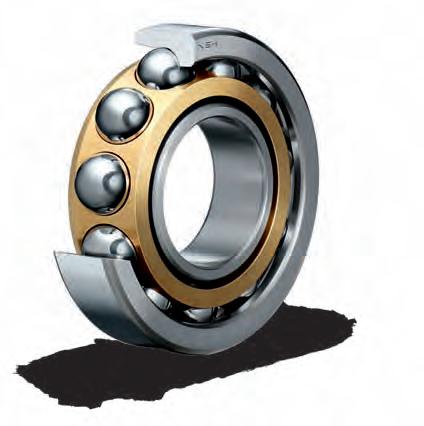

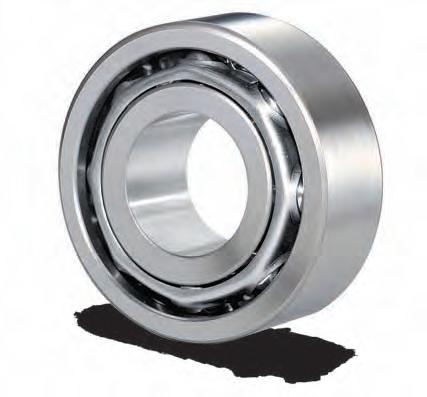
NSK angular contact ball bearings are designed for the rigorous demands of pump and compressor applications. Our innovative products feature optimized internal geometry to promote increased load ratings and limiting speeds as well as advanced cage design to improve strength and lubricant distribution. High dimensional and running accuracies ensure stable, smooth and energy-efficient operation. For maximum speed, performance and extended bearing life, Think NSK

• VJ Pamensky Canada Inc. of Toronto, one of the largest importers of electric motors in Canada, celebrated its 35th anniversary on Oct. 11, 2012 with a reception and dinner party in its headquarters warehouse. More than 300 guests attended. The company was founded in Toronto

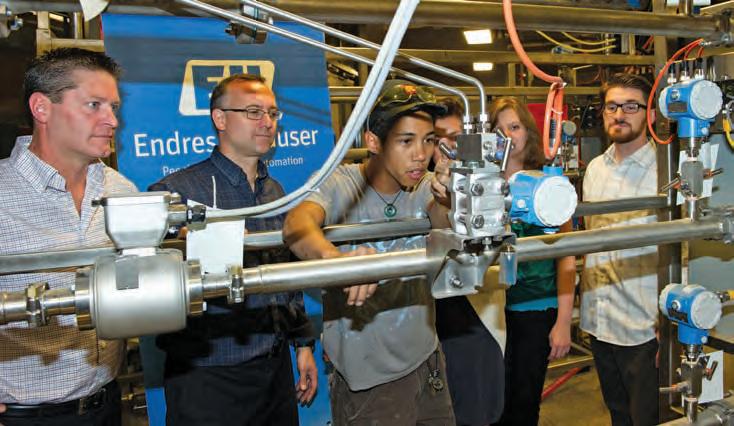
faculty for a $1.4-million high-tech learn ing facility. The new 1,800 sq ft Endress+Hauser Process Lab, located in a new Trades and Technology Complex, will educate approximately 600 students in its inaugural year and features over $1.275 million in top-of-the-line equipment.
• Danaher Corporation and Industries have announced the sale of their joint venture, Apex Tool Group Bain Capital, Boston, MA, for approxi mately US$1.6 billion. Currently, Danaher and Cooper each maintain a 50% joint ven ture ownership interest in Apex. Bain Cap ital is a private equity firm. This transac tion is slated to close in the first half of 2013. Apex will continue to produce and sell brands such as Crescent, GearWrench, Armstrong, Weller, Lufkin, SATA and Wiss, and the company will continue to be headquartered in Sparks, MD.
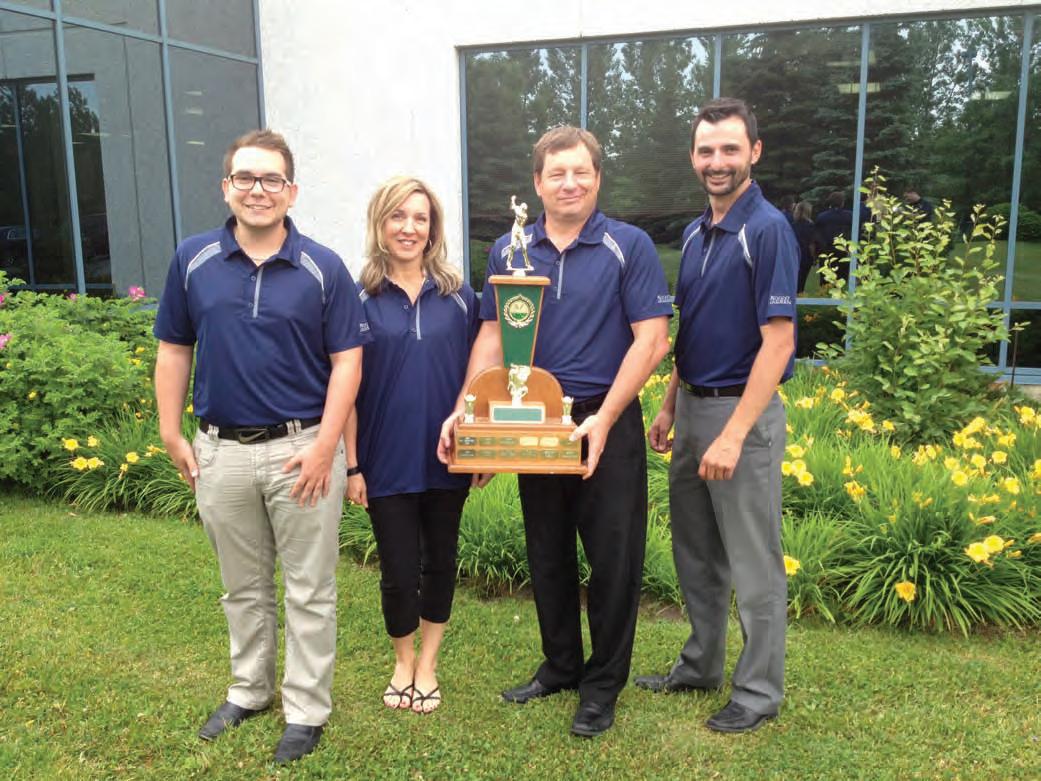
in September 1977 by Victor J. Pamensky as the exclusive importer of Brazilianmade WEG electric motors, controls and transformers. He and his partners have since grown the company to include branches in Winnipeg, Montreal, Winnipeg, Edmonton, Calgary and Vancouver.
• The well-being of industry in Alberta will be in better hands due to a novel partnership between Endress+Hauser Canada and Calgary’s SAIT Polytechnic. Endress+Hauser Canada, a supplier of measurement instrumentation, services and solutions for industrial process engineering, presented the keys to SAIT
• Bentley Systems Inc. of Exton, PA, a provider of software solutions for sustaining infrastructure, has acquired Burlington, ON-based Ivara Corporation, a provider of asset performance management (APM) software solutions for organizations in asset-intensive industries, including mining and metals, power generation and utilities, oil and gas, and petrochemical. The Ivara EXP solution – a core system for operations and maintenance and the Aladon Network’s reliability practitioners – helps owner-operators to obtain the best performance, reliability and safety from their assets. This marks Bentley’s second acquisition in the operations arena in 2012, the first being InspectTech, Pittsburgh, PA, for transportation asset management.
• The 52nd annual Quebec Bearing and Power Transmission Golf Tournament took place June 15-17, 2012, at the Au-

“The Oldest Industry-Specific Sports Tournament in North America,” says Paul Dixon, the Montreal branch manager for Ringball Corp. The event drew 140 attendees, including 104 golfers in 16 company teams. They represented distributors, agents and manufacturers in the bearing and power transmission industry.
• Motion Industries, Birmingham, AL, a distributor of industrial maintenance, repair and operation (MRO) replacement parts, has released the second instalment of its video series via its new MiHOW2 channel, online at www. mihow2.com. A thermal imaging device from FLIR is featured in the latest industrial product/application video release. The segment entitled ‘Troubleshooting and Maintenance Using an Infrared Camera’ can currently be seen online.
• ITM Instruments Inc., Ste-Anne-DeBellevue, QC, and FLIR Canada, Burlington, ON, hosted a free event at the ITM head office on September 5, 2012, with 45 visitors spending the day with the ITM team and participating in many activities. The events included a guided tour that gave attendees the opportunity to see ITM’s facilities, including its calibration and repair laboratories. Seminars, technical sessions and several hands-on activities were available throughout the day. Participants had the choice of selecting two out of four seminar topics: building inspection, security and automation, research and development, or industrial inspection. The event also included a tabletop show featuring products from FLIR, Extech Instruments, Phantom, Retrotec and GMI (Gas Measurement Instruments). Attendees were able to view the newest products as well as see several demonstrations. Both ITM and supplier experts were on hand to answer questions. As well, FLIR
Problem: Our gearboxes operate in a humid environment. Is there any way we can effectively protect them against moisture ingress?
Solution: Common sense is the key to success. The following seven steps should help:
1. Educate maintenance staff to avoid direct jetting of water at ingression points such as shaft seals and breathers.
2. If water spray is inevitable, use passive shields and deflectors to avoid direct water spray on shafts, dipsticks, fill-caps, breathers and so on.
3. Use high-performance seals that suffer less wear and offer better protection against contaminants.
4. Regularly inspect and maintain gaskets on fill-caps, hatches, etc.
5. Replace dipsticks with level indicators.
6. Keep hatches closed tight.
7. Replace a basic vent breather with a desiccant breather, which dehydrates incoming air, or use an expansion chamber, which allows the system to breathe without ingesting external air.


Mr. O’s thanks for these tips go to the experts at Noria Corporation. The company offers public, private and online courses in lubrication. For details, visit www.noria.com.
Do you have a solution for a maintenance problem? Send it in and if it’s published, we’ll send you $25 and a Mr. O Problem Solver T-shirt. Include your address, telephone number, complete details and, if possible, add a sketch to help explain your tip. Send your tips to Mr. O, Machinery & Equipment MRO, 80 Valleybrook Dr., Toronto, ON M3B 2S9.
With widespread E. coli contamination of beef from a major Alberta processing plant in September and October scaring consumers, the importance of equipment cleanliness is being given close attention across North America
When it comes to power transmission equipment used in the food processing industry, some types of drive systems are easier to clean and sanitize than other types. This article examines drive system cleaning and sanitizing challenges facing the food manufacturing industry, so that food manufacturers can make informed choices about how to maintain the highest level of productivity while meeting or exceeding food safety standards.
The food manufacturing industry is subject to food safety regulations designed to control or eliminate microbiological, chemical and physical safety hazards. Microbiological hazards are the most prevalent. They include bacteria, viruses and parasites that can produce disease in humans (pathogens). According to the Centers for Disease Control (CDC), more than 200 known diseases are transmitted through food. In the US alone, an estimated 76 million cases of food-borne disease occur each year, ranging from mild to severe, and resulting in approximately 5,000 deaths annually.
Depending on the type of food manufactured, processors must meet standards imposed by federal agencies, plus

those of provincial and local regulatory bodies. In addition, processors must comply with workplace safety and environmental protection regulations.
In the US, the newest set of Food and Drug Administration-backed standards — the Hazardous Analysis and Critical Control Point (HACCP) regulation — set forth quality guidelines for food manufacturers and requires them to develop a program of good manufacturing practices to keep foods pathogen-free. While HACCP is currently specific to seafood, meat, poultry, fruit and vegetable juice producers, it also affects ingredient manufacturers who supply these industries.
In short, food manufacturers are under relentless pressure to ensure that their manufacturing environments meet or exceed ever-stricter standards for cleanliness and hygiene. The cost of failing to ensure the safety of food can be high, as witnessed by recent, highly publicized product recalls and the ensuing effect on reputations and bottom lines.
Paradoxically, cleaning and sanitation to ensure food safety is vital to a food processing operation, yet it adds no value to the product. This paradox poses a challenge for management. To remain competitive, plants must operate with
maximum efficiency, eliminating downtime whenever and wherever possible. Cleaning and sanitation, however, require downtime. While the frequency and intensity of washdowns vary by the type of food produced, any time spent in this activity reduces production capacity.
It stands to reason that food manufacturers are looking closely at durable, maintenance-free equipment designs that lend themselves to quick, effective cleaning, in order to minimize downtime and maintain higher levels of productivity. Power transmission drive systems are no exception.
According to various industry estimates, the US food and beverage industry accounts for $500 billion in that country’s gross output yearly. If downtime spent in cleaning and sanitizing represented a mere 1% of that gross output, the cost of this activity would amount to $5 billion every year.
To cite an example, one major international meat processor operating 24/7 measures downtime in tenth-of-a-second intervals. Due to the high throughput rate, a few minutes of downtime costs thousands of dollars.
How much downtime does a typical plant need to incur in cleaning and sanitation? It depends on the operation. Manufacturers have some flexibility in determining cleaning intervals, as indicated in the USDA/Food Safety Inspection Service (FSIS) requirements: “All food and nonfood contact surfaces of facilities, equipment and utensils used in the operation of the establishment must be cleaned and sanitized as frequently as necessary to prevent the creation of unsanitary conditions and the adulteration of product.”
Interpreting this standard, an operator might have to clean processing and packaging equipment at the end of every line change, shift and workday. This could add up to 15 or 20 hours of mandatory cleaning each week. As a minimum, one washdown per shift is a common practice.
Recognizing the need for food processing plants to maximize productivity, the USDA issued a notice in 2006 (FSIS Notice 27-06) providing manufacturers some latitude in scheduling full clean-ups. In part, the notice reads, “To decrease downtime, increase production efficiency and minimize expense, establishments can extend the period between cleanups. However, establishments must … develop, implement and maintain written standard operating procedures (SOPs) for sanitation and … those sanitation SOPs [must] be effective in preventing direct contamination or adulteration of product.”
It goes without saying that food manufacturers can extend the period between cleanups and minimize downtime more easily when their equipment is easy to clean and maintain to begin with.
Drive system washdown considerations
Before examining the relative cleanability and chemical susceptibility of roller chain and belt drive systems, it may be helpful to consider some principles of good sanitary equipment design. A number of standards organizations have developed guidelines for the design and construction of food equipment. While these guidelines may differ somewhat in the details, they all adhere to the same general principles, such as those developed by 3-A Sanitary Standards Inc. for the dairy industry internationally.
3-A standards divide food equipment surfaces into two categories: 1) Food product contact surfaces and 2) Nonproduct contact surfaces.
A food product contact surface is one in “direct contact with food residue, or where food residue can drip, drain, diffuse, or be drawn” (FDA, 2004b). These surfaces must meet rigid sanitary design criteria to prevent food product contamination. Nonproduct contact surfaces are those parts of the equipment (e.g., legs, supports, housings) that do not directly contact food. Because they may indirectly contaminate the food product, however, these surfaces also should follow sanitary design principles.
In terms of sanitary design, all food contact surfaces should be: smooth, impervious, free of cracks and crevices, non-porous, non-absorbent, non-contaminating, nonreactive, corrosion resistant, durable, maintenance free, non-toxic and cleanable. Surfaces coated with metal alloy or nonmetal material (e.g. ceramics, plastic, rubber) must also meet these requirements. Power transmission drive systems, whether belt drives or roller chain drives, would typically fall into the category of a non-product contact surface. Following 3A Standards, non-product surfaces of equipment should be constructed with appropriate materials and fabricated in such a manner as to be reasonably cleanable, corrosion resistant and maintenance free.
Conclusion
In food processing operations, the easier it is to clean and sanitize equipment, the faster it is done. When food manufacturers measure downtime in fractions of a second and tally the cost in thousands of dollars per minute, they will spend every effort to speed the cleaning and sanitizing process along, commensurate with food safety.
MRO
Editor’s note: Due to space considerations, a comparison of the characteristics of chain drive and belt drive systems for food processing operations was not included here. It can be found in the complete online version of this article at www.mromagazine.com. This article has been adapted from a Gates Corporation white paper. Engineering Design Assistance With Belt Drive Systems For Food Processing Applications is available from the Gates Product Application Helpline, 303-744-5800, e-mail ptpasupport@gates. com, or visit www.gates.com/polychain. Online Reader Inquiry No. 500

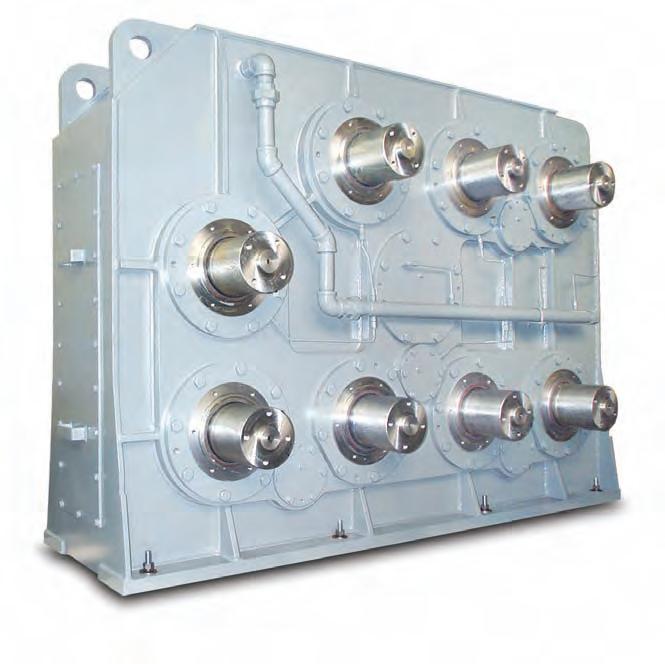
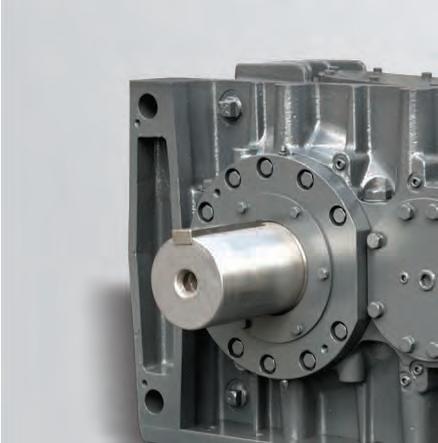
Here is a gearbox manufacturer’s perspective on how the design is affected by the operating conditions and performance requirements of the driven equipment, how this affects maintenance, and especially, lubrication
BY JOHN G. PROVEN



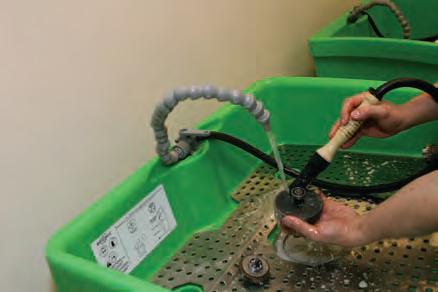



Proper lubrication is the single most important factor in ensuring the continued performance of a gearbox. Gears and bearings require properly specified and maintained lubrication.














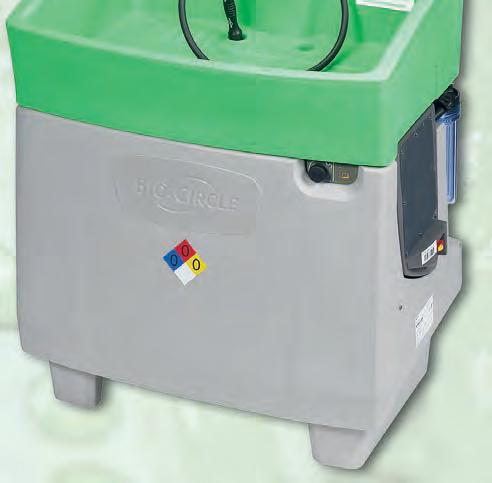





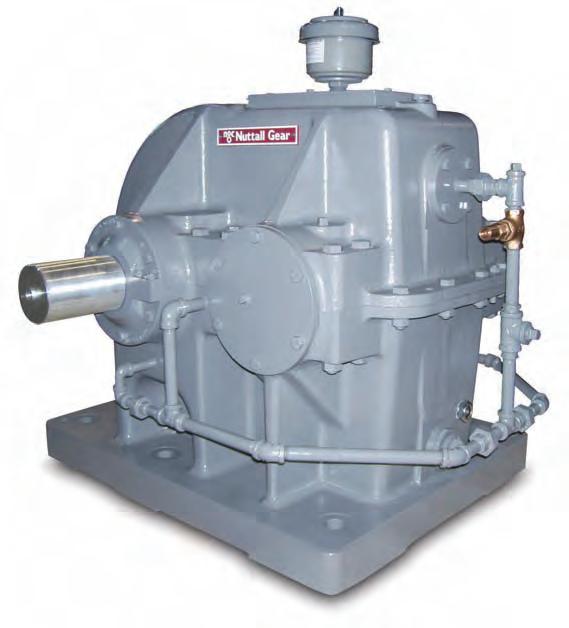
Very simply, a gearbox is needed when a process requires normal speeds of equipment to be different than the electric motor, diesel engine, turbine, or other device that is driving the equipment. The large gearboxes discussed in this article can be found in applications including steel processing, mining, paper processing, moveable bridges, petroleum and chemical processing, textile mills, water treatment plants and cement plants, and are used with pumps, fans, compressors and turbines.
The reliability and durability of gearboxes depends on the following factors: the design parameters are properly specified, the unit is properly maintained, and the unit receives the proper lubrication of gearing and bearings.
Gearboxes must be engineered and designed, or properly selected, for the specified operating conditions, which include input speed and power, the required output speed and torque, and the service factor based on the application. Here, the American Gear Manufacturers Association (AGMA) standard recommendations are good, but the user must identify any unique factors.
Other operating conditions to take into consider are the environment, configuration requirements, the duty cycle, the external loading requirement and the desired design life (not necessarily infinite).
Most gearbox manufacturers are experts in engineering, designing and building gearboxes. Yet they are not necessarily experts in all of the processes and industries that they support. In many cases, the process may be confidential and proprietary, and must not be disclosed to anyone outside of the company.
The size of the gearbox is dictated by the amount of power and torque that needs to be transmitted. How much power is required? The gearbox designer/ manufacturer requires the expertise of the bridge engineer/designer, the steel mill OEM/user, the mass transit designer/operator, the ethanol producer, and engineers and designers of a multitude of other industries, to define the operating conditions and performance requirements of the driven equipment.
Gearbox maintenance
All gearboxes must receive periodic maintenance, including an oil change. Oil should be checked regularly for contamination from dirt, debris and other fluids such as water.
The oil should also be changed periodically based on the hours of operation and on the oil temperature. Oil that operates at elevated temperatures (above 150°F) needs to be changed more often than oil that operates at 120°F. As the temperature increases up to 180°F, the oil change frequency increases significantly. Between 180° and 200°F, the recommended time between changes is reduced by 75%.
Elevated temperatures accelerate the breakdown of the oil’s molecular structure, thereby inhibiting its ability to form a protective film. If oil continuously operates above 200°F, a circulating lube oil system should be considered to cool the oil.
AGMA recommends that oil be changed after the first 500 hours or four weeks of operation, whichever comes first. After the initial operation of the unit, AGMA recommends that oil be changed every 2,500 hours of operation or every six months, whichever comes first. AGMA further suggests that these intervals can be adjusted based on the system configuration as recommended by the manufacturer.
Furthermore, it recommends that a condition-monitoring program that identifies changes in the lubricant, such as colour, viscosity, oxidation, water concentration, contaminant concentration, percentage of sludge, and change in oil chemistry (primarily the additives), can be implemented to extend the change intervals. Basically, the rule is to check out the system and make a change to the oil if it makes sense.
In addition to oil, the physical condition of the unit, including the foundation, protective coating, seals, breathers, circulating oil system, couplings and bearings should be inspected periodically. A problem with any of these items, identified in the early stage by plant personnel, can help avoid a catastrophic premature failure of the gearbox.
For example, a worn bearing may cause uneven wear on gear teeth, but prolonged operation in this condition can lead to more severe conditions, resulting in broken gear teeth that can feed to other gears in the train and cause damage to more components that might not otherwise have required replacement.
An adverse condition may not be obvious to the operator but a periodic inspection of the gearing and any changes or acceleration in wear patterns will indicate that something has changed and the cause should be investigated.
Condition-monitoring programs evaluate changes in operating parameters and provide valuable quantitative data that can help forecast when failures might occur. These services can be performed by in-house personnel or contracted out. Oil temperature, level and condition, vibration, noise and the physical condition of seals and breathers are some of the parameters that should be monitored.
selected with the proper viscosity, pour point and chemical make-up based on each application.
All of the design factors listed previously contribute to the selection of the lubricant. Many applications, such as moveable bridge drives, involve relatively slow speeds — 1,800-rpm motors being slowed down to single digit speeds, generally working with high torque requirements.
Relatively slow-speed gears generally operate at pitch line velocities that are less than 2,000 ft per minute. Oil operating at these speeds will not generally be subjected to overheating as a result of churning or internal heat build-up from friction.
Oil shear, the breakdown of the molecular structure of the oil, and air entrainment — both conditions that reduce the effectiveness of the oil — will normally not occur at the lower speeds. There-
continued on page 14
125 years of unmatched chain manufacturing expertise for Canadian industry.

After an initial baseline evaluation of the system is recorded, periodic inspections, photographs and data analysis can be used to identify and evaluate any changes or trends that might signal a problem.
Proper lubrication is the single most important factor in ensuring the continued performance of a gearbox. Gears and bearings require properly specified and maintained lubrication. The oil must be


fore, in these applications, the performance of the oil will be very predictable.
Lubrication effectiveness
Lubrication effectiveness is a function of the oil film thickness and the ability of the oil to flow on the gear tooth surface. The viscosity of the oil varies with operating temperature and is the primary means of determining the effectiveness of the selected oil. If the viscosity is low, to the point that the oil does not have time to flow adequately to cover the tooth surface, insufficient lubrication will ultimately cause metal-to-metal contact between the mating gear teeth.
Oil film thickness is not only a function of the oil viscosity, but also the pressure on the gear teeth. Many factors, including the gear tooth design, pressure angle, diametral pitch, crowning and others, determine the forces where two gear teeth mesh. Oil is essentially a non-compressible fluid that
will be squeezed out from between the teeth when force is applied. The film can never be completely eliminated but it will become very thin under extreme operating conditions.
The oil film that remains is important because relative motion exists between the gear teeth — a combination of rolling and sliding. The pitch line of the gear teeth is the only point on the involute profile where the mating teeth experience relative rolling motion. The balance of the contact is a combination. Therefore, with two sliding metal surfaces mating, adequate lubrication film thickness is imperative for long gear life.
The surface finish, or roughness of the face of the gear tooth, also contributes to the recommended oil film thickness. A microscopic cross-sectional view of every surface reveals peaks and valleys defined by the surface finish. The roughness or surface finish of the face of the gear tooth can be measured in microns. As a general
practice, the calculated oil film thickness should be approximately 2.5 to 3 times the surface asperities — the magnitude of the peak and valleys. This amount of oil film ensures that under the specified operating conditions, providing that the oil has been properly maintained, the oil film will be adequate to prevent metal-to-metal contact between gear teeth.

Should metal-to-metal contact occur, scuffing, scoring, pitting and premature wear will be observed. These conditions represent several failure modes of the gearbox related to lubrication.
Oil must also flow properly in order to achieve proper lubrication. As the gear teeth mesh, the viscosity must be such to allow the oil to flow into the mesh. If the oil is too thick – yes, it can be too thick — the oil will not properly flow between the mating teeth. If the oil is too thin, the film thickness will not be adequate. Both conditions will result in metal-to-metal contact between the gear teeth and the initiation of a premature failure of the gearing.
In gear units that require splash lubrication, the gear teeth pick up oil from the bottom of the gear case and deposit the oil on the mating teeth. The gearbox will experience lubrication issues if the oil selected is not viscous enough or if the gear speed — the pitch-line velocity — is too high. In this case, centrifugal force will not allow enough oil to remain on the gear to produce an adequate film thickness. Again, the result will be premature pitting and scuffing, leading to failure.
In applications such as moveable bridges, where gearboxes may be exposed to a variety of temperature and weather conditions, a synthetic grade of oil might be considered, as the viscosity will not change as much as regular oil over a larger temperature range. The use of synthetic oil may not require that the oil be changed out with the changing weather.
If more standard oils are selected, oil heaters, oil coolers or perhaps replacement of oil during different seasons may be required. A factor for operators that must be addressed is that synthetic oils have significantly higher cost than the standard grades. The reduced frequency of replacement could justify the additional expense.
MRO
John G. Proven, P.E., is with Nuttall Gear, Niagara Falls, NY, a division of Altra Industrial Motion. Nuttall specializes in providing packaged helical drive assemblies of both mechanical and electrical components, as well as worm drives, for a wide variety of industrial applications.

BY DANIEL PHILLIPS, TREVOR MAYNE AND MARK ELLUL
All turbo machinery is subject to degradation that, over time, will affect a system’s efficiency and operational performance. Precise monitoring of turbo machinery performance with continuous torque-monitoring systems can be used to identify gradual efficiency loss, allow-









ing a more focused maintenance scope to be developed to return the system to its optimum operation and efficiency.
Torque monitoring based on heat balance, energy balance and other methods uses numerous parameters, such as pressure, temperature, flow rate, gas composition, etc., that require precise instrumentation to properly measure with low uncertainty.* However, phase displacement technology can be used to accurately measure torque directly at the coupling to within 1% of full-scale torque, using a combination of all electrical and mechanical sources of error. This accuracy provides the lowest amount of uncertainty when computing efficiency, compared to alternative methods.
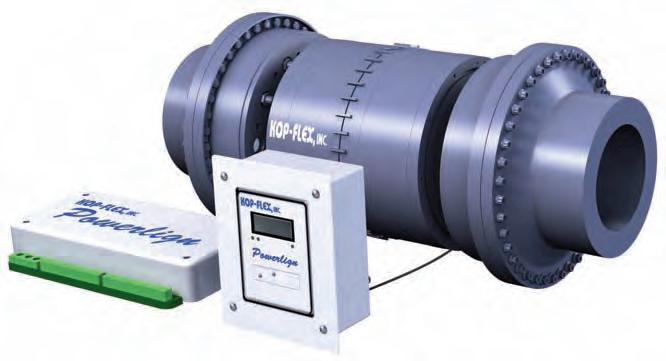
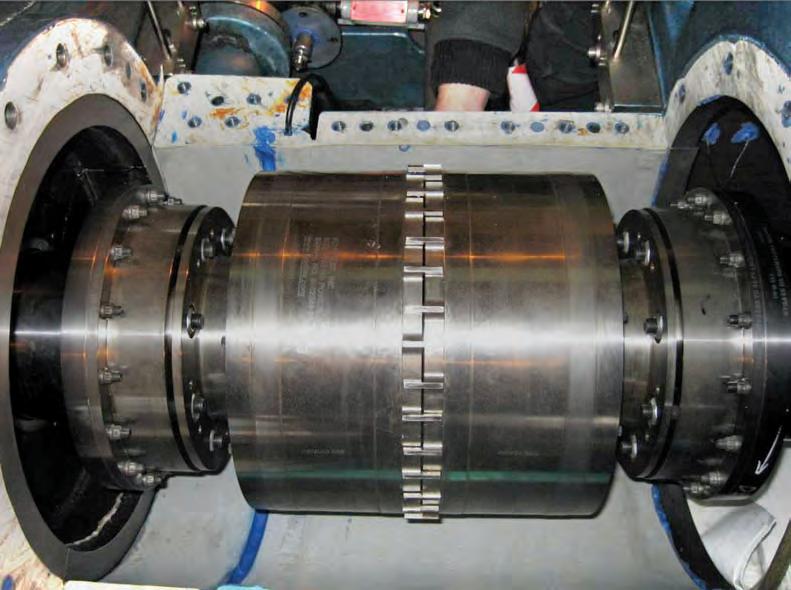
A system of this type was recently installed on a cracked-gas compressor train at Qenos Olefins Pty Ltd. in Sydney, Australia, to determine the causes of a power limitation. The company provides polymer products to Australia’s manufacturing sector. The Kop-Flex Powerlign system uses phase displacement technology for long-term reliability, eliminating the need for recalibration. Two rings with pickup teeth are installed on a torsionally soft spacer, and are intermeshed at a central location. Two monopole sensors 180 degrees apart are mounted on the coupling guard. As the
continued on page 18
* Kurz, R., Brun, K., and Legrand, D., 1999, “Field Performance Testing of Gas Turbine Driven Centrifugal Compressors,” Proceedings of the 28th Turbomachinery Symposium, Turbomachinery Laboratory, Texas A&M University, College Station, Texas, pp. 216-220.



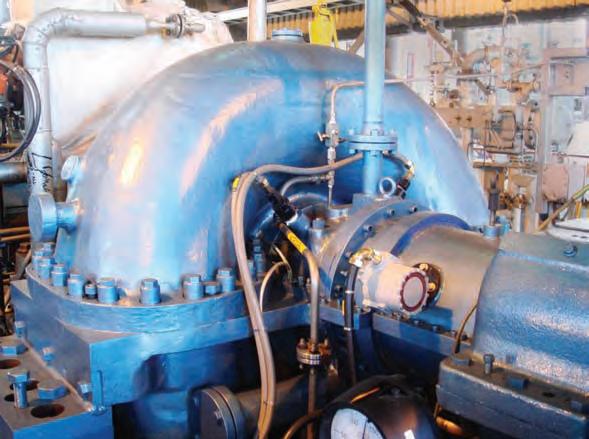
coupling rotates, the ferromagnetic teeth create an AC voltage waveform in the sensor coil, which is digitally processed using known calibration parameters.














Because of the intermeshed pickup teeth, the system is referred to as a singlechannel phase displacement system, producing two independent torque measurements (see Fig. 3). The Powerlign system will output torque, power, speed and temperature, which can be easily integrated with any DCS system (see Fig. 4).
At the Olefins plant, the operating cycle of the steam-driven, cracked-gas compressor train is seven to eight years. During this cycle, the plant reaches production limitations because the compressor train encounters a power limit. To determine the cause of the power limit as ‘turbine fouling’ or ‘compressor fouling’, or a combination of both, was not confidently possible with the instrumentation that had been installed.
The cause had long been the subject of an engineering debate among the Machinery Group, Process Engineering Group and Operations Department. One option to add more power by upgrading the turbine power rating from 7.5 MW to 9 MW was investigated. This required a capital investment of $2 million. The plant elected to defer this investment and instead installed a torque meter at the major eight-year shutdown.
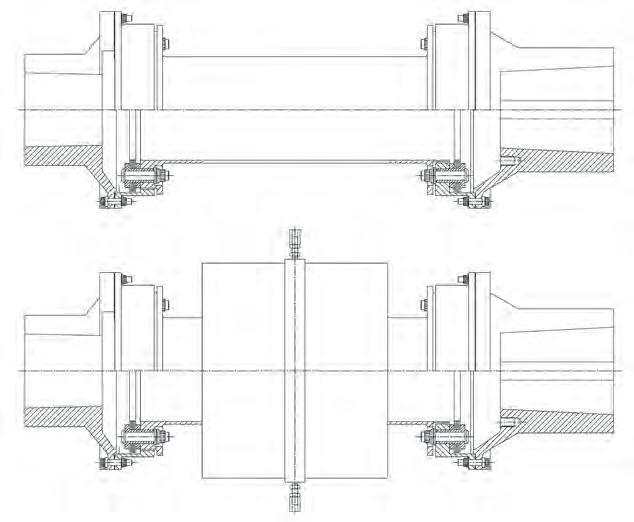
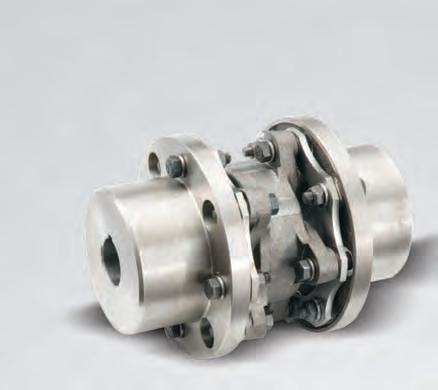
The installation involved replacing the existing coupling spacer and flexible halves with a ‘drop-in’ torque meter and integral flexible elements (see Fig. 1). The torque meter assembly was dynamically balanced to API standards so it was not necessary for the user to return any coupling components for the retrofit. The coupling guard was modified so that the two variable-reluctance sensors could be installed, completing the mechanical installation (see Figs. 2, 5 and 6).
The Powerlign system produces two independent torque signals.
4: Typical output from the Powerlign system. Fig. 5: The completed mechanical installation at the Qenos Olefins plant. Fig. 6: The Smart Spacer as it was retrofited at the Qenos Olefins plant. Fig. 7: Existing coupling arrangement at top, and with retrofitted Smart Spacer, bottom.
On restarting the plant and having completed a number of compressor efficiency improvements, the torque meter clearly showed the 7.5 MW turbine did not require an uprate and that the major power losses were coming from the compressor. The torque meter also allowed online tuning of the seal gas system of the compressor to establish the lowest power draw from the recycles that the seal system introduces. An additional 200 KW of power was reduced from the turbine load with the manual adjustments made on the seal gas system.
The torque meter is now being used to monitor turbine steam fouling issues and process-related compressor fouling so that corrective online washing can be activated as soon as issues arise.
The historical data collected from the torque meter will also provide a baseline of mechanical loading through the drive drain of the cracked-gas compressor over time. This data will be used to determine if increases in the maximum continuous operating speed rating of the compressor and the turbine can be accomplished at minimal costs. This would achieve increases in the operating envelope of the compressor.
The value of the torque meter justified the installation of a second system for the Olefins plant’s second steam cracking plant turbine/compressor train in October 2012. MRO
Daniel Phillips is the manager, field service engineering, at Kop-Flex, Emerson Industrial Automation, Hanover, MD; Trevor Mayne is a machinery engineer with Qenos Olefins Australia; and Mark Ellul is the Qenos I & E specialist at Qenos Olefins Australia.

BY FLORIAN BUDER
Are you experiencing increased vibration levels in your facility? Fan rotor unbalance can be the cause and an up-to-date balancer can be the solution to the problem.
Unbalance is the most common cause of increased levels of vibrations. In one example, in-situ balancing of five exhaust and circulation fans was child’s play with the use of a modern balancing instrument, data collector and analyzer.
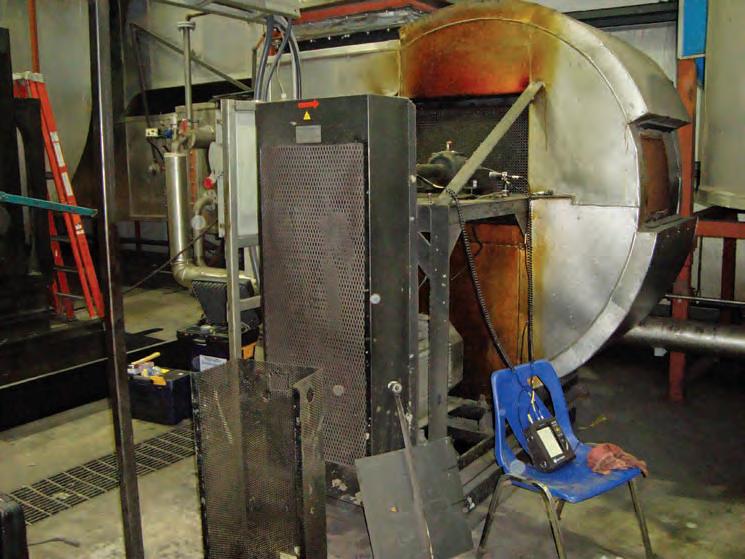
For several years, the vibration behaviour of these fans had been neglected at a plant that manufactures cartons. No predictive maintenance program was in place, but eventually a new reliability engineer decided to reduce the vibrations in this equipment by getting it analyzed. After performing several diagnostic tasks, the sources of the vibration could easily be detected.
Accumulation of dust and dirt on all the rotor blades led to a 1x vibration peak in the velocity spectrum. In the analysis, the sine waveform and phase analysis confirmed the results. A static unbalance was the reason for the increased vibration.
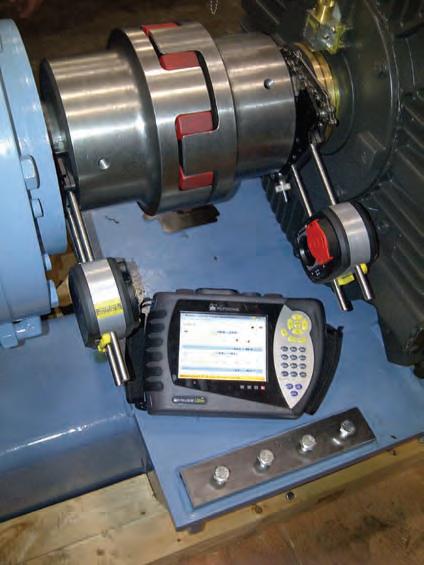
The balancing procedure was successfully performed on-site during the next shutdown phase of the plant. The balancing instrument was used for the balancing runs, while the results were archived

in the related PC software.
Static unbalance requires only a one-plane balancing procedure, which was ideal for these fans. The accelerometers were attached to the non-drive end (NDE) bearing in the horizontal direction. The latest monitoring technology offers a second plane control feature, where the second accelerometer controls any negative influence on the NDE bearing during trim runs. This ensures that the vibration on both bearings will be
equally reduced and balanced. The target quality grade of 6.3 (DIN ISO 1940) was easily reached.
The plant went back online a few days later and the operator was extremely satisfied with the result of this service. The manager of the operation later stated: “In the past six years, I have never seen those fans run so smoothly.” MRO
Florian Buder is with Pruftechnik Canada, Laval, QC.
Online Reader Inquiry No. 503



BY CARROLL MCCORMICK
it ain’t broke, don’t fix it” is one old saw. “A stitch in time saves nine” is another. But if I had to explain which saw cuts the mustard and which one is baloney, I’d tell this little story about the sad side of reactive — or breakdown — maintenance.
I live in Montreal and own property in Nova Scotia. In 2010, a freak storm mowed down some of my trees, including 35 valuable pines. Over three visits, I had wriggled my 1967 Cockshutt tractor through the tangle of trees to hook on and drag the pines out into the clearing.
Logs all pulled, this spring I scheduled a sawyer with a portable mill to come in the day after I rolled into town.
On Sunday, day one, the Cockshutt and I happily fed the mill.
I’m hip to the charms of preventive maintenance, if not a card-carrying devotee. I’m good to my tractor, and basic PM tasks like oil, fluid and grease points get my full attention. When a rotten front tire collapsed in 2010 and cramped my style, I saw the future. The next summer my friend Adrian and I repaired the rear rims and I had new skins installed —

$900 and 35 hours of sweat well invested. I was dragging my feet on other growing problems, however. I was too busy. I “had ta git ‘er dunn,” as they say. The doomsday clock was ticking.
Sure enough, when I went to fire up the tractor Monday morning, it rolled over a couple of times and died. It wouldn’t jumpstart or any other kind of start and was deaf to my usual cussing. I called my sawyer. “Ian,” I said, “The damn tractor won’t start. You get to work on your roof today.”
Adrian, who, like me, is self-employed and has nothing better to do than repair ignorant tractors all day, offered to help me troubleshoot the so-and-so.
The batteries, both good batteries, went on the charger and we started on the fuel system. When we found grit in the fuel line, I decided to replace the original glass sediment bowl, which had been leaking anyway, with a shut-off valve and a modern filter. I drained the gas tank and ran into town for parts. Adrian spotted water in the gas. Note to self: buy new gas.
We found no smoking guns in the carburetor, but the throttle shaft was worn. Note to self: buy new throttle shaft. The fuel pump was fine. We put the fuel system back together, hooked up the batteries and primed the pump. I cranked, but had no joy.
We attacked the ignition system. I already knew that the spark plug wires were shot. I just hadn’t had time during my action-packed visits to deal with them. I ran into town for new wires and plugs too, just to be sure. Adrian’s inspection for cracks in the distributor or for
bad points came up negative.
But what about those flat batteries? I knew they were good, because they’d gone flat before (yep) and I’d had them load tested. Wait a sec! Hadn’t I seen a note in the owner’s manual about a dashboard light that was supposed to go out when the engine RPM got above idle, the one that had been glowing such a lovely red for, like, forever? The manual says it indicates a blown fuse in the regulator circuit. We dug into the ratty old fuse holder and found little pieces of fuse. Bingo! I ran into town for fuses.
Mercifully, by late afternoon, we’d resurrected the beast. I called back my sawyer. We hammered down and sawed out 3,700 board feet of lumber that week.
I lost one day of productivity, but had things been worse my sawyer would have waved “Chow, baby,” and caught his Friday flight to Italy. My production plans would have been hash.
The next time I know that it’s PM time, or when condition monitoring signals a condition red, I will schedule the downtime. Honest! After all, it’s what the maintenance guys with their act together have been telling me for years. MRO
Carroll McCormick is MRO Magazine’s senior contributing editor. My MRO is a new column that invites readers to submit personal stories about their off-the-job maintenance challenges and successes. Send us a photo and up to 600 words, and we’ll reward you with $25 and a coveted Mr. O Problem Solver t-shirt. E-mail broebuck@mromagazine.com or write to Bill Roebuck, Editor, Machinery & Equipment MRO, 80 Valleybrook Dr., Toronto, ON M3B 2S9.










This is the sixth segment of an eight-stage program on achieving world-class maintenance. Stage 5 was described in the September 2012 issue of Machinery & Equipment MRO and examined the field of trend management.
ell, here we are at Stage 6 of our world-class maintenance program. Everything we talked about in the past few months has brought us here. Up to now, the stages we have gone through have used precious labour hours and have cost money to implement. However in order to build a Maintenance Cost Management System, we needed to get our house in order.
Let’s look back and see where we spent our time, energy and money, and how that is going to help decrease maintenance expenditures and improve the distribution of maintenance costs. (Editor’s note: Digital editions of previous issues are available online at www.mromagazine.com.)
In Stage 1, we evaluated the equipment condition and put immediate plans into action to eliminate forced deterioration, and we put permanent actions in place to prevent accelerated deterioration. We completed a series of steps that not only evaluated the priority of each piece of equipment, but also how that machine has been performing.
During these evaluations, we had to research equipment history. Breakdowns, mean time between failures (MTBF) and the costs of maintenance and repairs were scrutinized. We also examined our current maintenance practices, including types of maintenance performed, the percentage of preventive or periodic maintenance work orders (PMs) and the backlog of maintenance work that was completed. We created maintenance ledgers that identified equipment subassemblies and prepared detailed spare part lists. We created lubrication maps and schedules and documented safety procedures.
In this first stage, we also set goals based on equipment priority and performance to systematically return equipment to its basic condition and to eliminate forces that would contribute to its deterioration.
So how did this step prepare us to save budgetary dollars? By spending hours prioritizing the equipment, researching performance and documenting equipment data, we in turn invested our money where we would see the most improvement (getting the best bang for our buck). We restored equipment to basic good condition and put basic maintenance plans into action.
We also spent weeks and sometimes months on the organization of the maintenance shop, the lubrication storage areas and the inventory stockroom. Spare parts lists and storerooms were documented and organized so that parts were available when needed and were easy to find.
We analyzed failures and corrective actions were put in place to stop equip-

The first five steps of this world-class maintenance program have decreased expenditures and improved the distribution of costs
BY PETER PHILLIPS
ment deterioration. PMs and backlogged work orders were addressed to provide better equipment servicing and repairs, thereby reducing failures and improving equipment reliability.
Although this first step cost a great deal of money and took a long amount of time to complete, the cost savings were likely staggering. It organized our maintenance department and any maintenance activity that affected equipment performance.
In Stage 2, we focused on breakdown analysis. The goal was to control the reoccurrence of serious failures. We learned investigation methods to analyze breakdowns to discover their root cause. We spent money training our maintenance staff and allowed them time to properly use these skills to eliminate recurring failures.
Using our new investigative skills, savings were realized in the reduction of parts, labour and equipment downtime, as repetitive failures disappeared. We also gained some support from the production department as equipment reliability improved.
In Stage 3, we began to hone our skills in periodic maintenance. Although PM

was performed on equipment before, this step brought it to the next level.
Our work order system and maintenance procedures were revisited. Maintenance instructions and procedures were reviewed and standard maintenance procedures were developed. PM frequencies and their results are now routinely examined to ensure the equipment is being serviced based on performance.
Again, this took dedication to find the hours to gather specific equipment PM instructions and procedures. However, cost savings were realized through more consistent operation of machinery and unscheduled costly repairs began to be eliminated.
Stage 4 developed countermeasures to address weak points in equipment and to lengthen equipment life. Project groups were formed to focus on improvement activities that would develop corrective actions to address weaknesses and to extend the overall life of equipment. These types of studies solve many long-standing equipment problems that companies live with for ages. Solving them takes a team effort from maintenance, production staff, and very often, engineers. It takes time to develop corrective actions
and money to implement the solutions. The outcomes of these project teams include substantial cost savings in labour, materials, product rework and rejects. There’s something for everyone.
Step 5 dealt with trend management using condition-based maintenance (CBM). Advanced methods of equipment monitoring were developed through vibration analysis, thermography, oil analysis and other specialized testing.
A great deal of time and money can be spent here on training and sophisticated technology. However, these new maintenance tools can predict failures well in advance, so that corrective actions can be planned and executed before any breakdown occurs. It deepens the skills of our maintenance team and gives them advanced tools to detect equipment problems.
All this brings us to Stage 6, maintenance cost management of repairs and maintenance (R&M — sometimes called O&M for operations and maintenance). From implementing the first five stages, there has to be a substantial decrease in R&M expenditures. World-class maintenance has been proven to do exactly that — reduce costs and improve reliability. Every step along our journey has prepared us for this stage.
With spare part inventory under control, the money spent on maintenance purchases should now be limited to what is necessary to maintain equipment. PMs and repairs should be organized and be on a predetermined schedule. Overtime should be at a minimum.
The attitude of the person you have making the purchases is very important. I spoke to a maintenance planner the other day and he said something that every manager would like to hear. He said that when he buys anything, he thinks like he is spending his own personal money. World-class maintenance is all about changing attitudes and old cultures. Your budget dollars are never enough, however. Maintaining the momentum you have from the first five stages will be a good place to delegate part of your budget. You’ve seen the savings these stages have generated thus far, so you can imagine the long-term benefits.
You are no longer flying by the seat of your pants, hoping you have what you need, when you need it. You no longer wonder what will be the next disaster that will cause you to spend more money from an already stressed budget and make you answer pointed questions at the morning production meeting.
I don’t know each of your situations, however my advice is to continue what we’ve started in world-class maintenance thus far, budget for it, work it, and enjoy more reliable equipment and a happier maintenance and production staff. MRO
Peter Phillips of Trailwalk Holdings, a CMMS consulting and training company, can be reached at 902-798-3601 or by e-mail at peter@trailwalk.ca.


fore handing them their paycheques. If they wield them skilfully and wisely, managers can use their personal actions to condition and internalize appropriate behaviours in their lower-level staff and managers. Leading by example can become the means with which to pass along organizational wisdom to a firm’s younger, aspiring members. Organizations need to know many things as they march into the future. However, the position this article takes is that before learning any new lessons, it is important to first master the old ones. So beware of the consultant or guru bearing the latest flavour of the month in management wisdom. MRO
Dr. Chris Bart, FCA, is the author of the mission implementation and leadership book, A Tale of Two Employees and the Person who wanted to Lead them, which has been one of the top 10 best selling business books in Canada for nine consecutive years. He can be reached at www. corporatemissionsinc.com.
anaging a plant is challenging for a host of reasons. One of the greatest challenges any manager can face is ‘keeping up’. But, staying abreast of the latest wisdom, information, techniques and opinions of various experts can consume tremendous amounts of time. And the one thing that every hardworking manager lacks is time.
Sometimes — well, most of the time actually — it isn’t about discovering new wisdom. It’s more about knowing what prevails or what is fundamental. The following six items are quick, essential lessons, time-tested and true, that your organization must master to succeed.
This one sounds like a no-brainer, but how many of us actually walk the talk here? In the end, every organization must do everything fairly well, but we can’t excel at everything all at once. We know, intuitively, some things are more important than others. Logically, as well, we are aware we’ve only got so much time and money.
Nevertheless, how many times do we demand our staff members simultaneously provide outstanding customer service, breathtaking cost efficiency, and great creativity, all while managing their day-to-day work with that same excellence? With so many blinking buttons on the console, there’s not enough time to press them all.
Conquering this one step, however, is pretty straightforward. Make a list! Then prioritize the items and tackle them, with focused determination, one at a time. Multi-tasking is incredibly common, and sadly it’s been proven to frequently lead to inefficiency.
People that multi-task are often very busy — and frequently never finish anything. It’s especially important to finish the first before going to the second. Some short-term losses may occur as one priority temporarily takes precedent over another, however one item at a time is the only way to eventually get the whole job done.
This is sort of a variation and follow-up on the first lesson, but it still requires separate treatment. There will always be some new thing that comes along that we can grab and hold as an excuse for abandoning the original plan. Indeed, the urgent always tries to muscle out the important. Resist! Yes, things change. But, it is never a good idea to respond to new information with a knee-jerk reaction.
Often, these distractions happen when (a) unexpected losses hit the organization, (b) elusive yet artificial financial goals are not being realized, and/or (c) senior managers have prematurely convinced themselves they face seemingly insurmountable problems. Before you know it, you’ve lost track of your corporate mission and instead, you’re chasing the latest in an endless stream of new ideas, or battling with a seemingly urgent problem that will distract you and prevent you from keeping your plant operating at peak efficiency.
The best way to work through this? Return to lesson 1.
Managers and staff always seem able to provide a litany of reasons as to why something isn’t happening as planned or anticipated. In fact, often the problems encountered are someone else’s doing. Managers blame subordinates. Subordinates grouse about their bosses. Everyone blames competition, government, the market and anything else that is nameless, faceless or not around. How many times, however, do we blame ourselves for the problem?
As companies look to the future, my advice is to take an unusual perspective. For every problem encountered, each staff member must think: “Somehow, this is (partly/completely) my fault, so what can I do about it?” Blaming others is unacceptable.
The starting point for this new perspective is to take each of the problems that are clearly hindering the ability of your plant to operate in a manner that matches with the goals of the organization and ask staff members what they think they can do personally – or with the help of others – to correct them. Explain why the problem needs to be fixed and help your team to stay focused on finding and implementing the solution through to completion.
I’m not talking about ‘to make profit’. While it’s true that continuous losses signal the end of any organization, focusing only on profit can be a narrow, dysfunctional activity.
The key to knowing why you exist lies in the notion of stakeholders. Many people contribute to the existence of an organization. The big three, though, are customers, employees and society.
Jack Welch, the former CEO of General Electric, and one of the most admired business executives in the world, said that the secret of corporate survival is “to make products of the highest quality and offer them to customers at the lowest price, while acting in an environmentally responsible and sensitive manner.” He was right. So in the immortal words of Nike, “Just do it.”
By the way, those who respond first to the demands of their stakeholders may create such an advantage for themselves that it will make it impossible for their competitors to catch up.
So you’ve got down the setting of priorities, staying on track and satisfying your stakeholders. That’s going well for you, but you’ve still got engagement problems. It should come as no surprise that the individuals who often have problems connecting their employees to the organization are usually the ones who are reluctant when it comes to opening up about the company’s goals, strategies and expectations.
Some managers seem to believe their lower-level staff can’t be trusted with such important information, or worse, that they are mind readers and so there is really no need to explain the firm’s strategy. And still others actually seem to believe that communicating it once, and only once, is enough.
There is no question about it: managers who want the best performance from their teams must perform well themselves.
It is discouraging to realize that there are still leaders of major corporations who don’t understand how negative behaviour affects their organizations. For instance, in an annual survey of America’s toughest bosses, Fortune magazine reports of one company in which the president makes his direct reports ‘bark’ be-
With temperature resistance up to 250°F, you can keep the strength and fixture time you need in higher heat applications.


BY SIMON FRIDLYAND
professional engineer when it related to production machinery or a production process in an employer’s facilities. In other words, an industrial employer did not need to employer or retain a professional engineer for the purpose of designing or evaluating production equipment and processes in its own facility.
On October 25, 2010, the Ontario government passed new legislation known the Open For Business Act, 2010. The act, among many other things, eliminated the industrial exceptions that have existed in Ontario since 1984. However, that section of the act was not to be proclaimed until October 25, 2012, a two-year delay designed to give the Professional Engineers of Ontario (PEO) an opportunity to develop associated regulations.
The Ontario government asked PEO to reach out to industry, explain the narrow scope of this change and help industry with the implementation of the change through a transition plan. PEO had meetings with industry in over 70% of the province and across a broad range of manufacturing sectors.
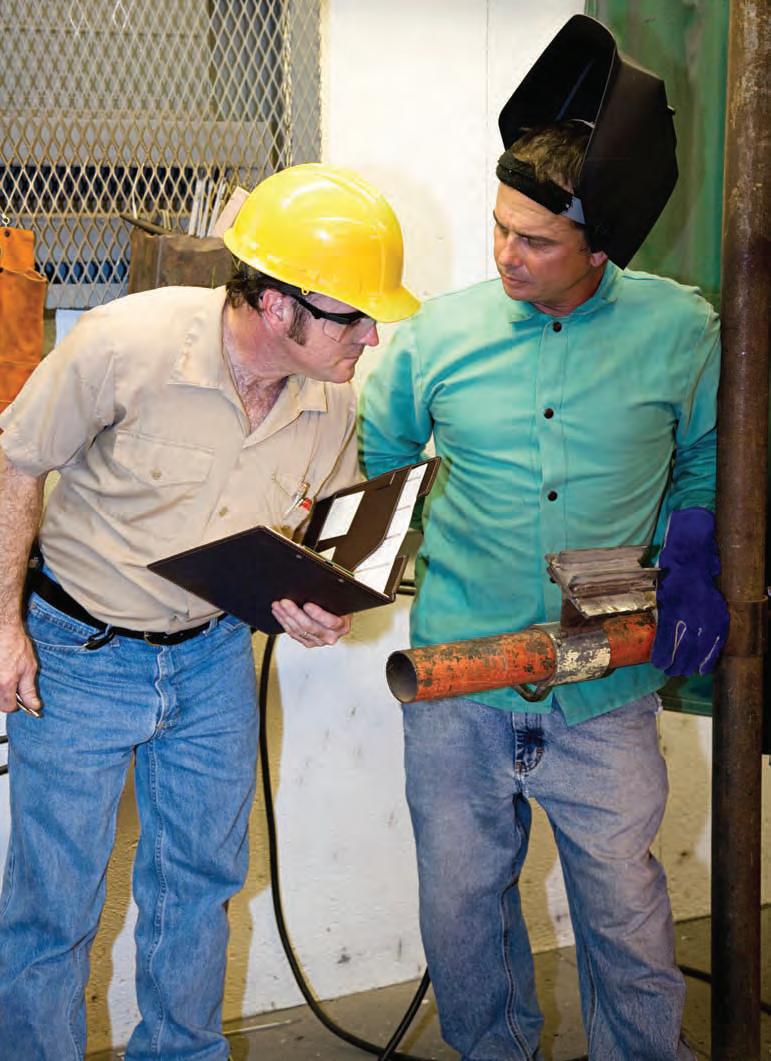
cess and correcting them can be costly in re-work efforts, downtime and start-up delays – not to mention added administration once the Ontario Ministry of Labour becomes involved. That’s why integrating health and safety at the design stage and before operations begin is a cost-effective way to prevent workplace illness or injury
The elimination of industrial exemptions ensures that legislation exists to coordinate the engineering design phase with the PSR process, creating one integrated and more effective process that puts the public interest first.
In the past, there was a lot of confusion related to fixing the problems identified in the PSR report. Let me give you some typical examples.
worked with industrial machinery and Industrial exemptions have permitted non-licensed persons to do the work of a

The Professional Engineers Act defines work that must be done by a licensed professional engineer only, where ‘yes’ would be the answer to the following questions:
1. Is it an act of designing, composing, evaluating, advising, reporting, directing or supervising?
2. Does it involve the safeguarding of life, health, property or public welfare?
3. Does it require the application of engineering principles?
With this latest proclamation, whether production machinery or a process is being designed by an employer for its own facility or for sale to a customer, the designing, composing, evaluating, etc., related to the safeguarding of life and health, must be done by a professional engineer registered in Ontario. Maintenance practitioners are not affected by this change since maintenance work is not defined as the work of professional engineering, according to the PEO.
This process goes hand in hand with the so called Pre-start Health and Safety Review (PSR). PSRs are required when new equipment or a new process is introduced to a plant, or when modifying existing equipment, or when relocating equipment or a process to a new location.
Under the PSR requirements, a professional engineer shall review the machinery and equipment for human safety before the equipment becomes operational. A typical situation would be where the equipment or process was already in place, and a P.Eng would be asked to review it.
In many instances, non-compliance issues are discovered during the PSR pro-

A PSR with non-compliance issues is presented to the client. The report only identifies problems and provides some basic recommendations on how to achieve compliance. This report is given to either the in-house maintenance person, who may or may not create a design, or to a favourite contractor, who would do the work with or without any designs. On the surface, it looks like the PSR requirements have been fulfilled, however since the design work was not done by a professional engineer, the quality and accountability, as well as due diligence on the part of the owner, have been jeopardized.
In fact, this process created a false sense of security and did not address compliance issues and the transfer of liability to the professional engineer.
Elimination of the industrial exemption will, it is hoped, clarify that the act of designing, composing, evaluating, advising, reporting, directing or supervising, related to health and safety issues, must be done by a professional engineer. This is a requirement of the Professional Engineers Act. The review of designs and issuing of a PSR report, signed and sealed by a professional engineer, is a requirement of Ontario’s Occupational Health and Safety Act. In some instances, the design work, as well as the PSR work, may be done by the same professional engineer, and in other situations, by a different professional. It is paramount, however, that there is a documented design (through drawings and specifications) that has been certified by a P.Eng., and that the engineer conducting the PSR reviews the design drawings and specifications — ideally at the design stage — and issues a positive PSR report.
Professional engineers are held accountable to the public to safeguard life, health, property, economic interests, public welfare and the environment. With licensed professional engineers in place, further assurances will exist to help prevent injuries and fatalities to Ontario workers.
The removal of industrial exemptions eliminates additional costs and delays in achieving compliance and allows the transfer of liability to the engineer providing the PSR. This will constitute the best due diligence on the part of the equipment owner/ employer. On the other hand, if the employer allows equipment upgrades related to safety compliance to be done without designs that have been created, signed and sealed by a professional engineer, it will not constitute proper due diligence and may result in fines and other penalties.
This change will support sustainable manufacturing practices by providing to business the safety, value and innovation skills of a professional engineer. MRO
Simon Fridlyand, P.Eng., of SAFE Engineering Inc., specializes in industrial health and safety concerns and PSR compliance. For more information,
in products, systems, components and accessories for machinery and equipment MRO (maintenance, repair and operations)
Power correction product line helps reduce energy consumption
WEG Electric has introduced a line of power factor correction products that incorporates contactors, and individual single- and three-phase capacitors, as well as a three-phase enclosed capacitor
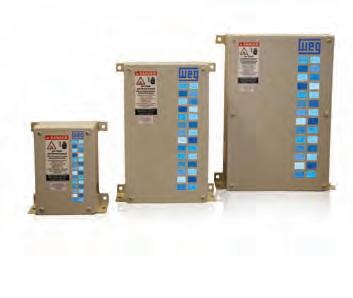
or without fuses. These products will help increase energy efficiency and also increase a plant’s system capacity by allowing additional loads utilizing the same kVA. Additional benefits include the reduction of watt loss, increased life span of motors, equipment and conductors, and the reduction of reactive current on the electrical network within the plant.
VJ Pamensky
Online Reader Inquiry No. 461
Adhesive sourcebook is available in both print and online format
The updated and redesigned Loctite Adhesive Sourcebook, Volume 12, from Henkel, a 202-page print and online guide to Loctite adhesives, sealants, lubricants, coatings and dispensing/curing equipment for industrial manufacturing and maintenance, features technical information on more than 1,200 products and includes decision trees to help guide the adhesive selection process. This userfriendly sourcebook is divided into industrial application categories, such as bonding, flooring/concrete repair, gasketing/sealing, lubricating, repairing/rebuilding/restoring, threadlocking and toolboxes/specialty kits. Each category features easy-to-use product selector guides, typical applications and information on primers, accelerators, and dispensing/curing equipment options.
Henkel
Online Reader Inquiry No. 476
Induction heaters and more are for wind turbine applications
Timken’s new solutions for wind turbines include EcoPower induction heaters, useful for both mounting and dismounting components with tight fits, and utilizing flexible coils for handling large wind components. In addition, the Timken Online Intelligence System condition monitoring/
data collection and reporting system is specifically designed for low-speed wind turbine applications. As well, the company is constructing a Wind Energy Research and Development Center in Canton, OH, scheduled for a November 2012 opening.
The Timken Company
Online Reader Inquiry No. 416
Printed product catalogue can be ordered from the website
Motion Industries’ ‘Yes’ printed product catalogue can be ordered online at the company’s website at www. motionindustries.com. Over 44,000 products covering 20 categories are available in the catalogue, searchable by product or manufacturer. Also, a total of 4.8 million items are accessible through the company’s branch network.
Motion Industries
Online Reader Inquiry No. 459
Third party test compares durability of various grid couplings
In recent third party testing, Falk Steelflex grid cou plings were shown to offer the lowest total cost of own ership by standing up to impact loading and misalign ment longer than the competition. Testing was conduct ed on Falk Steelflex and two other brands of grid cou plings to quantify differences in performance and durability, and understand the effects on coupling performance when one brand ed part is interchanged with another. The tests found that Falk Steelflex grid couplings were 4.7 times more durable than one brand and 16 times more durable than the other brand. Interchanging Falk couplings with competitors’ products was shown to reduce durability by 87.5%.
Rexnord
Online Reader Inquiry No. 451

models 1100e, 1500e, 1800e, 1800, 2200, 3000P, 3700 and 4500, all of which are available with a variable-speed drive, When a compressed air system operates at less than 100% load, a variable-speed drive allows the compressor to consume less electrical power, and, by adapting speed to output, the compressors keep working at maximum efficiency, minimizing energy consumption and costs. Other energy-saving features include an air-end design with low
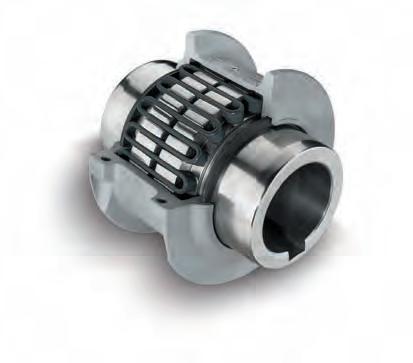
tenance, as well as repair and overhaul cleaning applications; and Star 20, a concentrated alkaline cleaner/degreaser for ferrous alloys, steel and stainless steel in automated parts-washing applications.
Walter Surface Technologies
Online Reader Inquiry No. 396
Wheels and casters range from 20 kg to 50 tons in capacity
Blickle’s G15 Wheels and Casters 500page catalogue details more than 30,000 wheels, and swivel and fixed casters, ranging from 20 kg to 50 tons, including guide rollers, light-duty or synthetic casters, fork lift wheels, casters for transport equipment, heavy-duty casters and pallet truck rollers. The catalogue contains in

Rotary screw air compressor has many energy-saving features
Sullair has introduced an expanded line of the 230-V VSD S-Energy lubricated rotary screw air compressor, which includes

air-fluid separation system to prevent en ergy loss, and a high-efficiency centrifugal cooling fan. The models range from 15 hp to 60 hp, with capacities from 46.4 cfm to 222 cfm and pressures ranging from 100 psig to 175 psig.
Sullair
Online Reader Inquiry No. 453
Four cleaners receive approval for use in food-processing applications
An additional four products have been ac cepted by the Canadian Food Inspection Agency to the roster of Walter Surface Technologies’ products suitable for use in food-processing facilities. These products are: AF-Clean, a safe and eco-friendly cleaner used to prepare surfaces for a wide range of applications, including painting, gluing, corrosion protection, and cleaning moulds prior to plastic injection; Alustar 200, a concentrated alkaline cleaner/degreaser used for cleaning alu minum and other non-ferrous alloys in automated parts-washing systems; Alu star 300, an extra-strength alkaline cleaner/degreaser for ferrous and non-fer rous alloys, suitable for heavy-duty main


Portable induction heater comes with its own carrying case
The portable Betex 22 ELD induction heater from Quality Bearings & Components is designed for heating bearings, pulleys, couplings, rings, etc., so that they can easily be mounted in mainte-
nance and/or production applications. It is the smallest of a range of 12 induction heaters in both standard and turbo types. Features include built-in LED display and digital electronics. Identified as the TB-270600S, this 3.6-kVA heater ac-
cepts components with a minimum ID of 10 mm (0.39 in.) and a maximum OD of 240 mm (9.45 in.), plus a maximum width of 120 mm (4.72 in.). The maximum weight of the component to be heated is 15 kg (33 lb). Various accessories are available. Detailed technical specifications are contained in catalogue B700.
Quality Bearings & Components
Online Reader Inquiry No. 454
Retrofit shaft grounding ring kit protects against electrical discharge current damage
SKF shaft ground ring kits have been developed to help prevent bearing failures due to the electrical discharge currents that can occur when variable-frequency drives are used to control AC motors. Designed for retrofitting on existing IEC frame size industrial electric motors, the TKGR series kits consist of a shaft grounding ring and a selection of mounting brackets and fixings. These maintenance-free kits, primarily suitable for

Torque calculator and coupling app produces results fast Lovejoy’s torque calculator and coupling app for Apple or Android devices is designed to size couplings in seconds. Required torque for an application can be calculated from the home screen, given a user’s power, rpm and factor of
inputs, simply by tapping on the number and entering the values. Then, tapping on a product grouping brings up available couplings in that group that satisfy the requirements entered. Entire coupling type groupings that do not meet the torque and rpm requirements can be quickly filtered out. Nine coupling types are available, and inch and metric versions are provided in four languages.
Lovejoy
Online Reader Inquiry No. 457
applications such as fans, pumps and compressors driven by motors up to 75 kW, help improve system reliability and avoid motor repair and unplanned downtime. The range comprises nine sizes to suit IEC frame motors with shaft diameters between 28 mm and 95 mm.
SKF Canada
Online Reader Inquiry No. 477


Dual spring hanger’s safety chain is not detachable
Designed for manoeuvring heavy or bulky tools, Esco Tool’s Millhog ET-800 dual spring hanger features a top and bottom steel plate, two drawbar springs and a built-in, tamper-proof safety chain that
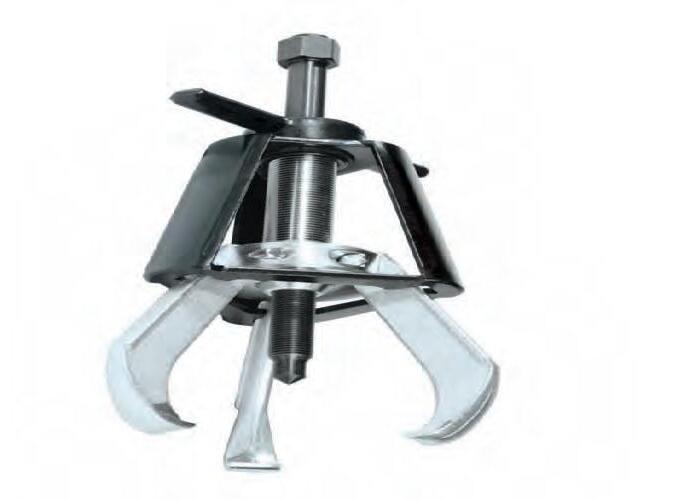
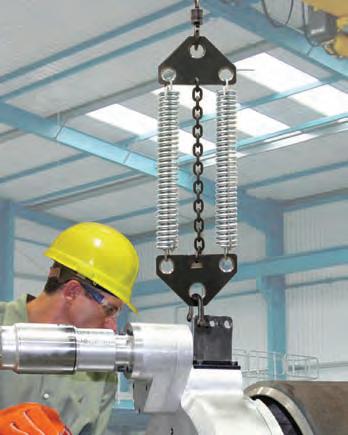
prevents the springs from bottoming out, wearing excessively and breaking. The two drawbar springs are rated at 610 lb each and are mounted on 8-in. by 3/8-in. steel plates. The device permits 3.5 in. of travel and is stopped by a 48-in. safety chain. Rated at 4,500 lb, the chain is shorter than the travel of the drawbar springs and the links are secured into milled slots on the plates and retained by welded covers.
Esco Tool
Online Reader Inquiry No. 456
Spark arrestor protects against dust collector fires

Offered as an option on Camfil Farr APC’s new or existing Gold Series dust and fume collection systems, the company’s spark arrestor works without perforations or screens to channel sparks away from the filters and into the dust collector’s hopper,


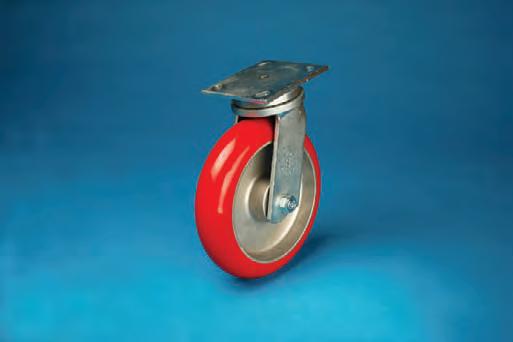
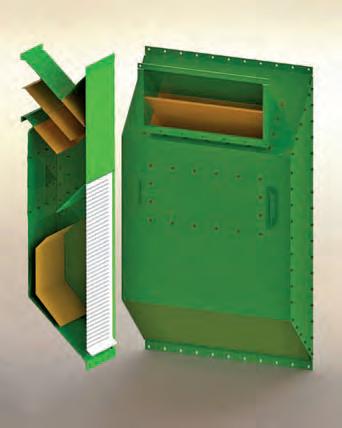
reducing the chance of fire. Applications include welding, plasma cutting, laser cutting and other spark-producing operations that do not involve combustible dust. Combustible dusts require a spark trap that directs the sparks to a suitable container isolated from the dust collector. The modular construction makes it possible to handle varying air flow volumes. Each module can handle a maximum of 10,000 cfm, but the optimal volume is 7,000 cfm.
Camfil Farr APC Online
Expanded line of DC motors suits many applications
Baldor offers a wide variety of permanent magnet and wound field industrial DC motors. Both IEC and NEMA frame motors are available from 1/50 hp to 500 hp, and custom-designed motors up to 3,000 hp can be supplied. The round-body DC motors have the same shaft height and mounting dimensions as competitors’ motors, making them an easy drop-in replacement. The company also offers a full range of laminated-frame DC motors, including explosion-proof designs. ABB’s DMI DC laminated frame IEC motor has ratings up to 1,400 kW, and with its smaller footprint can be used in a variety of applications where space is an issue.
Baldor Electric
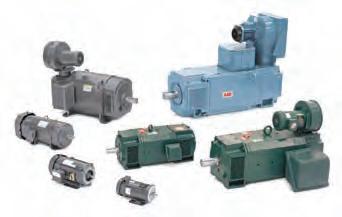
verter duty, offering an extended speed range with constant torque. Applications include fans, pumps and compressors, and elevators and conveyors.
Bauer Gear Motor
Online Reader Inquiry No. 513
Reduced-size brushless DC motor line retains full power
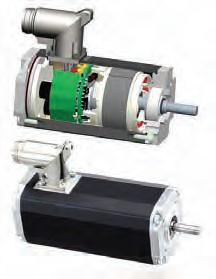
Online Reader Inquiry No. 510
Low-voltage motor speed control can be used in remote areas
Four low-voltage motor speed controls from Bodine provide simple and reliable speed control for low-voltage 12-V or 24-V permanent magnet DC gearmotors and motors (up to 1/3 hp or 250 W). The controls use pulse width modulation technology to ensure quiet operation, low oper ating temperature and optimal brush life. Fea tures include five trim pots to adjust min/max speed, torque (current) limit and acceleration time, and DIP switches for easy matching of motors/gearmotors. Suitable for portable or remote applications where connection to an AC line is not possible, they can be used on chemical injection pumps at oil wells and automatic gate openers.
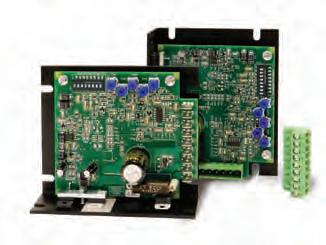
Dunkermotor has shortened its iBLDC (intelligent brushless DC) motors with integral fourquadrant speed controls in the 45-mm frame size by 25%, while maintaining the same power and torque capabilities and motor efficiencies. The length of the BG45x15SI was reduced from 120 mm to 88 mm (4.7 in. to 3.5 in.) and the length of the more powerful BG45x30SI was reduced from 135 mm to 103 mm (5.3 in. to 4.0 in.). With a 12-V or 24-V power source, at a nominal speed of 3,000 rpm, the BG45x30SI is continuous-duty rated for 80 watts (1/10 hp) power output. Based on the improved design, the motors can achieve peak powers of four times the continuous-duty rating and, therefore, a starting torque of up to 100 N-cm (142 oz-in.) is possible.
Dunkermotor
Online Reader Inquiry No. 514
Broad range of large AC motors meets many needs
Bodine Electric Company
Online Reader Inquiry No. 511
Motor line meets super-premium efficiency requirements
Bauer’s range of permanent magnet synchronous motors can achieve energy savings of up to 40% compared to an IE2 inverter-driven squirrel cage motor, fulfilling the requirements of the IE4 (Super Premium Efficiency) classification. This series is an environmentally friendly range of motors, employing a highly effi-
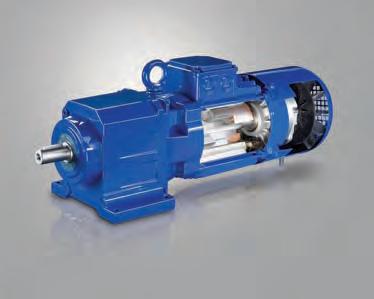
sured that these motor and drive packages also deliver high-efficiency performance on partial loads. The motors are available in ventilated and non-ventilated configurations across the power range from 0.55 kW to 15 kW. They operate on 380-V to 500-V power supplies, and are rated for in-
Hygienic motor stands up to frequent high-pressure washdown
Kollmorgen has introduced the W series stainless steel motors. These IP69K-sealed hygienic servomotors feature a stainless steel, round housing de sign for long-life operation in harsh food, beverage and pharmaceuti cal applications. They are built to withstand harsh environments with frequent high-pressure washdown cleaning. Features include a robust design that eliminates the need for additional housing, a venting system that eliminates the need for machine builders to supply compressed air to the motor and a 3-m and 6-m standard flying lead option that eliminates the need for intermediate cables. The motors are available in 16 frame/stack combinations, delivering continuous torque to 80 Nm and peak torque to 390 Nm at rated speeds to 7,500 rpm. Kollmorgen
Online Reader
stator contains two paral lel, three-phase systems which allow for the sta tor to be joined together in a controlled way. Each stator half contains a watercooling pipe system made from stainless steel, preventing dam age to the drive due to intense heat stemming from the roll. It can be retrofitted or dismantled at any time for maintenance, and is designed to withstand the harshest of operating environments.
Wittenstein
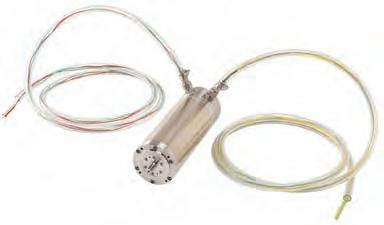
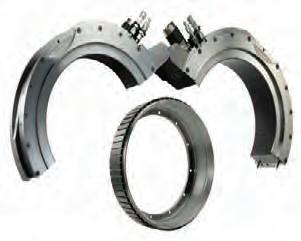
Obtain free additional information about any of these items by using our online reader reply card at www.mromagazine.com/rsc.
Online Reader Inquiry No. 518
Compact gearhead maintains zero backlash for linear motion
Nexen’s harmonic gearhead is a true zero backlash automation gearhead designed to deliver superior positional accuracy and torque capacity in a compact, highly rigid solution. Integrated with the company’s
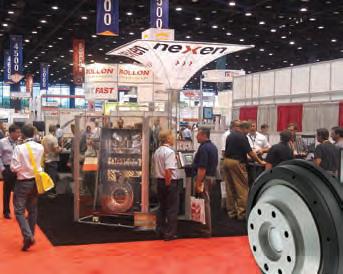
Baldor offers a full line of large AC motors. Its Reliance stock and custom motors are available up to 15,000 hp, while ABB induction and synchronous motors are available up to 100,000 hp. The offering includes both NEMA and IEC configurations, assuring customers they will get the motor that meets frame, enclo sure and duty cycle standards for any application, anywhere in the world. Every large AC motor is designed and built for rugged performance.
Baldor Electric
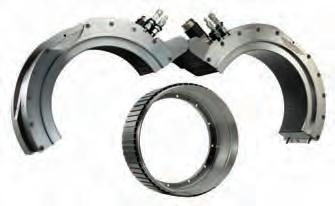
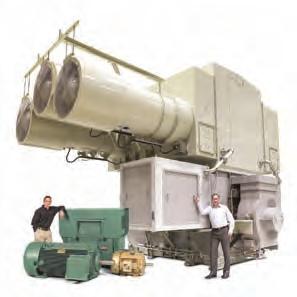
Online Reader Inquiry No. 516
Split motor design facilitates installation and removal
Wittenstein has introduced the swing servo, also known as the wing motor because of its appearance. This direct drive motor is also applicable for rollers as it is fully integrated into the current layout without extending the roll periphery. The hollow-shaft motor has two swinging stator halves that feature a mounting concept for integration and operating scenarios where axial installation and removal in or from a machine are not possible. The split
roller pinion system, the gearhead maintains zero backlash from the driving motor shaft through to the driven load for both linear and rotary motion. The roller pinion system features a low-friction design and delivers more than 99% efficiency in converting rotary to linear motion, reducing wear and providing long service life at high speeds up to 11 m/sec.
Nexen Group
Online Reader Inquiry No. 515
AC drives designed for energy savings
Vacon estimates that its AC drives saved energy in 2011 that helped considerably to reduce carbon dioxide emissions. About 44 TWh of electrical energy was saved last year with the help of these drives, according to the company. This corresponds to the amount of energy produced by approximately eight 700-MW nuclear power reactors in a year. In addition, in 2011, the amount of energy produced from renewable energy sources with the drives was approximately 18 TWh. Producing an equivalent amount of energy using coal would generate about 16 million tonnes of carbon dioxide. An AC drive adjusts the speed of an electric motor according to the real process need, which typically reduces energy consumption by 20-50 %.
Vacon Online Reader Inquiry No. 517


Wireless system troubleshoots by measuring multiple parameters simultaneously
The Fluke CNX wireless system is a set of test tools that wirelessly connects multiple measurement modules and sends simultaneous readings to a master device up to 20 meters away, allowing users to troubleshoot problems quickly and efficiently. The rugged, customizable tool set allows users to choose various measurement modules based on their specific troubleshooting scenario.
At the core of the system is a CAT III 1000 V/CAT IV 600 V multimeter with a
screen that displays its readings, along with live readings from up to three other measurement modules. For more complex troubleshooting, users can view live measurements from up to 10 modules simultaneously on a computer equipped with a CNX PC adapter.
The modules, which include AC Voltage, AC Current Clamp, iFlex AC Current Clamp, and K-Type Temperature units, can take live measurements or log up to 65,000 sets of data. Logged data can be saved to a computer in csv format.
The system allows users to set up four measurements and watch the readings
IR camera streams thermal images to smartphones or tablets
The high-performance FLIR T420 and T440 thermal imagers feature MSX thermal image enhancement technology that helps professionals find and capture problems easily and with dramatically vivid thermal images. In addition to sharp thermal resolution at 76,800 pixels (320 by 240), the T440 features MSX multi-spectral dynamic imaging, which adds the detail of real-time visible spectrum images captured by the built-in digital camera to thermal spectrum images, providing excellent sharpness, contrast and clarity. Other versatile imaging capabilities include scalable picture-in-picture and thermal fusion for easy image identification and added context. Analytics include Delta T, five measurement and box modes, isotherm, and more. A mobile app streams video and connects the imagers to Apple and Android devices.
FLIR Canada
Online Reader Inquiry No. 528
on one handheld device. Users can also place modules in hazardous or awkward places and then watch the readings from
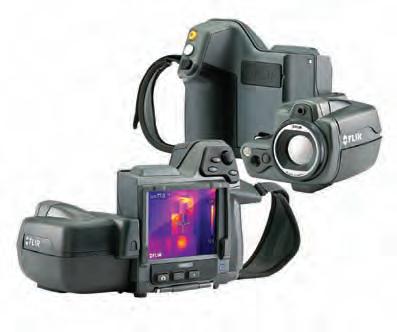

a safe distance. For example, a technician can de-energize a panel, connect voltage or current modules to all three phases, close and re-energize the panel, and then conveniently read the measurements outside the arc-flash zone.
By leveraging the most common electrical test tool – the multimeter – the system allows technicians to extend their existing capabilities and skills, helping them meet a demand for more complex three-phase work without retraining on more complex test tools.
Electricians, industrial maintenance technicians, control technicians and facilities maintenance technicians can use this system on electrical systems, industrial equipment, automation and controls, motors and drives, pumps, electro-mechanics and HVAC. The system provides, for load-
SErvo motor rEpAir
over
Test
rotor alignment
The most up to date training & equipment
VFd shaft current
on-site dynamic balancing on site servo testing
harmonic testing
motor load profiling
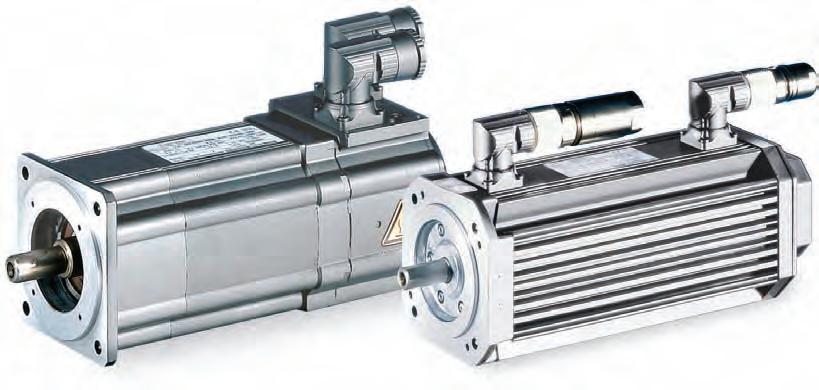
Thermographic imaging
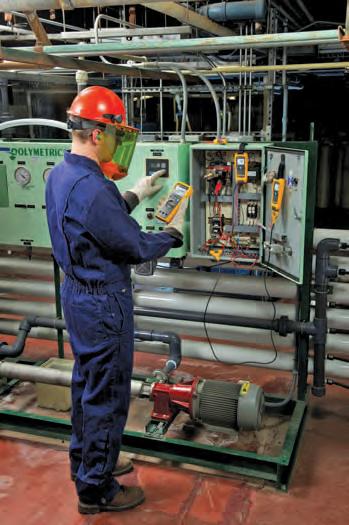
ing studies, a quick, cheap and easy way to connect 3-A clamps and log for a full production cycle, and, for phase balancing, to connect three current clamps or voltage modules and log over time.
Its ability to take readings at the input and output simultaneously speeds troubleshooting. Also, the ability to measure multiple and/or different parameters simultaneously results in an increase in three-phase over single-phase work and saves time when measurement of a combination of parameters is required, for example voltage plus temperature, voltage plus current or current plus temperature, etc.


Multiple readings allow the user to help determine cause and effect by seeing multiple measurement points simultaneously. This translates to productivity by fixing things faster. The old way was making one measurement at a time, or using two people and multiple meters to measure more than one parameter.
Electronics Canada

The portable SKF TKRS 10 stroboscope facilitates fast, easy inspection of rotating or reciprocating machinery, such as fans, gears, rolls and pulleys, without stopping
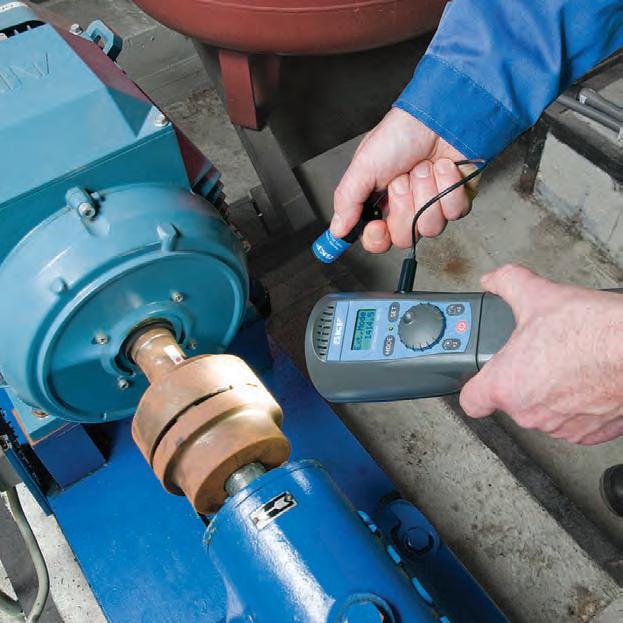
down. A bright flash rate up to 12,500 flashes per minute illuminates an application at a distance to cover a wide viewing area and suit a wide range of applications. Features include a compact design for convenient handheld operation and an easyto-read and user-friendly LCD display. Supplied in a carrying case for protection and portability, the device uses a rechargeable battery with up to 2.5 hours running time per charge and includes a universal AC adapter. A mounting thread on the underside allows mounting on a tripod. SKF also offers the TKRS 20, which includes all the features of the TKRS 10 plus higher flash rate capabilities (300,000 FPM) and extended battery run time (12 hours).
SKF Canada
Online Reader Inquiry No. 524
Cost-effective monitoring device is designed for small machines
Schaeffler’s compact FAG SmartCheck is an uncomplicated measuring system for real-time monitoring of small machines or machinery. Using this device, it is possible to cost-effectively monitor smaller units, due to low purchase costs. The system, which can be installed very quickly and is easy to operate, has a wide range of applications. It can determine bearing defects in electric motors at an early stage by detecting increased vibration and noise levels. In addition, it can monitor vacuum pumps installed at remote locations, for example, pumps for flood control or at reservoirs. The recorded data can easily be read remotely by means of remote monitoring. Other application examples include vibrating screens, decanters and compressors.
Schaeffler/FAG
Online Reader Inquiry No. 433
Sensor detects ruptures and leaks in diaphragm pumps
All-Flo has introduced the All-Safe DRM (Diaphragm Rupture Management) product, which instantly alerts pump operators in the event of a diaphragm rupture. Suitable for use in chemical processing applications, the system allows for safe fluid handling by detecting any dia-
phragm failure in a diaphragm pump. An early-warning sensor, installed between the PTFE overlay and the backup diaphragm, detects a leak if the PTFE overlay becomes compromised. A second, critical leak detection sensor is installed in the air section itself. Should both diaphragms become compromised, this sensor will detect fluid in the air section. Both sensors can be configured to take a variety of actions should a leak be detected, such as turning on a warning light, sounding an audible alarm or triggering pump shut-off. The system is powered by 120 VAC, and the signal cord is available in 5-ft, 10-ft, 15-ft or 20-ft lengths.
All-Flo Pump
Online Reader Inquiry No. 538
Sensor film allows quick checking of surface temperature variations
Sensor Products has introduced Thermex surface temperature distribution film, a quick and uncomplicated tool that enables relative temperature measurement in 0.1 sec. or less in the range of 93°C to 149°C (200°F to 300°F). Upon exposure to heat and contact, this sensor film permanently reveals relative temperature distribution between two surfaces. The intensity of this colour change directly relates to the temperature, enabling the film to reveal high or low spot temperatures and minute surface temperature variations. Virtually any application involving the testing and monitoring of heated contacting surfaces is a
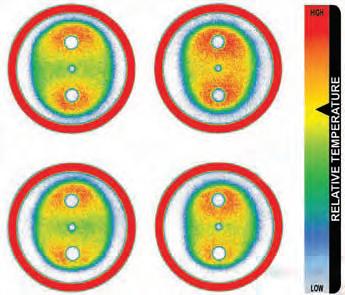
candidate, including invasive intolerant environments and interfaces that are not easily accessed. Available in sheets or rolls that can be easily trimmed to size, the product may be combined for post-processing analysis with Topaq, a scanner/software system suitable for temperature variations that need to be pinpointed with great precision. The company offers imaging services or the system can be leased or bought.
Sensor Products
Online Reader Inquiry No. 525
Software improves process efficiency with real-time monitoring
LumaSense Technologies has released software that allows manufacturers to improve industrial processes by tightly integrating thermal imaging cameras with a wide range of temperature and gas-sensing technologies. LumaSpec R/T software is suitable for industrial segments such as refining and power generation, and steel, glass and
The Extech MG300 is a true RMS multimeter with built-in insu lation resistance tester and wireless datastreaming for remote monitoring and datalogging. The rugged and waterproof, IP67rated combination meter features four test voltages for measur ing resistance up to 4,000 MOhms with 0.001 MOhms resolu tion, and useful extras such as duty cycle measurements and milliamp readings for analogue 4-20mA current loops in indus trial analogue process controls. The wireless datastreaming enables safer troubleshooting and maintenance on dangerous moving equipment and one-person operation of remote safety switches. The meter comes with a remote USB receiver, Microsoft Windows compatible software, test leads with alligator clips, Type K bead wire temperature probe with adapter, carrying case and six AA batteries. Extech Instruments Online Reader Inquiry No. 527
plastic. The software is designed to monitor and analyze processes in real time to help plants improve product quality, lower production costs and reduce safety hazards and downtime. When combined with cameras
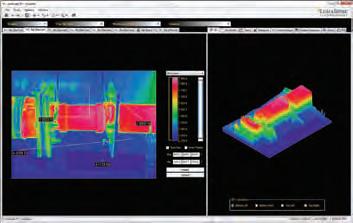
such as the LumaSense MC320, the software can accurately measure process temperatures and ensure production quality where individual images would be insufficient. Features include camera control functionality via Standard or GigE Ethernet interface, POE, real-time image acquisition, thousands of ROIs and ROI minimum and maximum alarm set points.
LumaSense Technologies
Online Reader Inquiry No. 529
Multi-wavelength IR temperature sensors have many applications
Williamson Corporation’s Pro 100 and Pro 200 series multi-wavelength infrared temperature sensors are suitable for industrial applications where devices such as thermocouples and RTDs would be in-
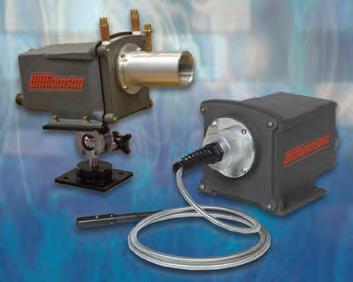
accurate, too slow or difficult to use, particularly in such challenging conditions as dirty windows, smoke, steam, dust, etc. The sensors use ESP algorithms to provide aim-and-read capabilities for nongreybody materials that are not accurate-

ly measured by single- or dual-wavelength sensors because their change in emissivity varies by wavelength. Pro 100 sensors use visual or integrated-laser aiming alignment, while Pro 200 sensors use fibre-optic alignment, with an integrated aim light available as an option. Applications include metal forging, casting, milling, finishing, heat treating, thermal reactors, boilers, kilns and glass forming. Williamson Corporation
Online Reader Inquiry No. 530
App facilitates accurate squareness measurements
Alignment Supplies has announced the release of the Squareness App for the AliSensor Level iPad geometric measurement system. With this app, users can quickly perform squareness measurements with an angle accuracy down
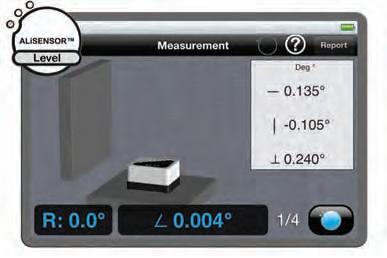
to 0.001 degrees. The app provides 3D graphical guidance through each step of the measurement, and the angle result is displayed in the user’s unit of choice: degrees (decimal or with arcminutes and arcseconds), thou/in., in./ft, mm/m or mm/100mm. While the included 100-mm fixture base for the system can be used for squareness measurements, users can also create their own L-shape fixture. Since the AliSensor Level was developed under the Industrial MFi (Made for iPad) program, adding new measurement program apps is easily performed by downloading them for free from Apple’s App Store. Flatness, Plumb and Parallel apps are slated for upcoming release.
Alignment Supplies
Online Reader Inquiry No. 531


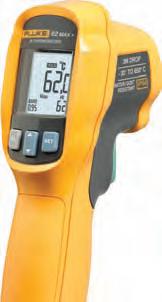




Detection system locates objects hidden behind walls for worry-free drilling
Costly damage caused by drilling into pipes or cables is avoidable with the Hilti PS 38 multi-detector, which finds virtually everything that hides beneath the surface of walls, floors or ceilings. The PS 38 quickly and easily locates concealed metal, wood, plastic and electric conduit,riety of base materials up to a depth of -

vice indicates approximate embedment depth for clear drilling areas, self-calibrates and marks the detected objects. The durable rubber casing is designed to withstand tough jobsite conditions. In addition, the company’s Calibration Service calibrates and adjusts the multi-detector as needed.
Hilti Canada
Online Reader Inquiry No. 533
Infrared camera offers clear images at a low purchase price
The FLIR low-cost i-Series point-and-shoot infrared camera comes in three models, the i3, i5 and i7. The upgraded i7, with 19,600 pix els, features 36% more thermal resolution than before. The camer as capture thousands of calibrated temperature measurements in every image to produce a complete thermal
Economical multimeter is rich in features
The compact, low-cost model MM-1 digital multimeter from Dwyer Instruments is designed for general electrical testing and trouble shooting. This full-function instrument measures DC and AC voltage to 600 VDC and AC current to 10A and resistance to 400 Ohms. Fea tures include audible continuity, diode, LED and transistor hFE tests. A rotary switch allows users to select from any of the ranges quickly and easily, while the four-digit backlit LCD features value, mode and low-battery indication. The multimeter comes with a rugged, high-impact carrying case, test leads, and two AAA batteries.

ITM Instruments
Online Reader Inquiry No. 532
picture that immediately shows where hot spots and other heat-related anomalies may be present, allowing users to find problems fast and diagnose them accurately. These rugged units are built to withstand a 2-m drop.
FLIR Canada
Online Reader Inquiry No. 367

the FIFTH EDITION of the highly regarded
• Thoroughly vetted by industry experts
• Over 350 pages covering 17 chapters on power transmission/ motion control products

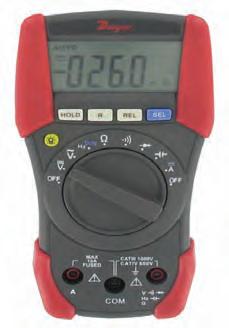
Onset has introduced the Hobo UX90 motor on/off logger, a matchbox-sized, easy-to-install LCD-display data logger for monitoring run-times of motors, pumps, compressors and other equipment. Attaching to motor housings via built-in rare earth magnets, the logger provides a simple and convenient way to record up to 340,000 equipment on/off
one
resource I want in every person’s hands.
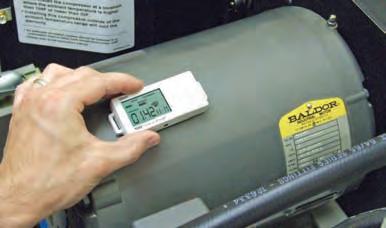
cycle changes, and uses powerful graphing and analysis software to convert the recorded runtime data into time- and date-stamped graphs. It is designed for a broad range of building performance monitoring applications, including HVAC/R systems diagnostics, compressed air systems monitoring, and general troubleshooting of motors, pumps and fans. Onset Computer Corporation
Online Reader Inquiry No. 535
Digital multimeter meets demands of industrial electricians
Built for one-handed operation, the rugged 480 series multimeter from Ideal features true RMS voltage and current measurements, 6,000-count resolution, an analogue bar graph, active backlight LCD display, Auto-VLoZ to eliminate ghost voltages and VoltSense non-contact voltage detection. The Smart Data Hold is a built-in alert system that lets users
• New chapter on technical and engineering data for easy reference
• Individual chapters available for purchase
Place advance orders by scanning this QR code, visiting www.ptda.org/Order5th or call +1.312.516.2100 or e-mail ptda@ptda.org



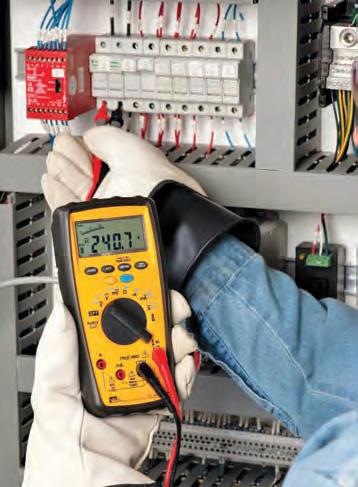
know if there is a steadier reading avail able when the input signal is changing rapidly or is noisy. Model 61-484 is a basic model with a standard feature set, while model 61-486 includes the standard feature set plus higher accuracy, peak hold and temperature measurements (minus 40°F to plus 752°F). The series is independently tested to Cat IV-600V and Cat III-1000V safety standards.
Industries
Reader Inquiry No. 536


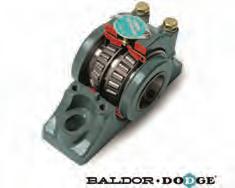
BALDOR’S NEW DODGE® TYPE EXL BEARING
Baldor’s new Dodge® Type EXL tapered roller bearing offers enhanced features for increased reliability. The bearing provides both misalignment and expansion capability, while maintaining industry standard Type E mounting dimensions. This new design incorporates a cartridgestyle inner unit into a split ductile iron housing. The Dodge Type EXL will increase reliability and decrease downtime by offering better sealing, misalignment capability and load ratings versus the competition. Visit www.baldor.com or call 479.646.4711 for more information.
BALDOR Circle Reply Card No. 270
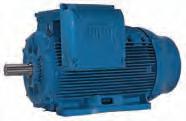

ARC POWER® CATALOG “B217”
BRECOflex CO., L.L.C. offers state of-the-art polyurethane timing belts with the patented “ARC” tooth design. ARC POWER® timing belts are available in open ended, welded and truly endless with steel cord tension members and is offered in AT10 and AT15 tooth profile. ARC POWER® is ideal for linear drives, conveying and power transmission applications. Download or order free catalogs online at www.brecoflex.com. Call for our free engineering support! Toll free at 888-463-1400 Phone: 732-460-9500 Email: info@ brecoflex.com
BRECOFLEX Circle Reply Card No. 272
SKF'S CANADIAN SOLUTION FACTORY OFFERS BEARING REMANUFACTURING
SKF Canada help customers maximize the operating life cycle of their bearings through bearing remanufacturing. SKF’s Canadian Solution Factory has a state-ofthe-art remanufacturing facility utilizing the same equipment, processes and materials used by the factories in the initial manufacturing stage. This ensures that remanufactured bearings maintain a high level of quality.
SKF Circle Reply Card No. 275


A STRONGER STAINLESS STEEL CHAIN
Timken Drives “AS” series chain delivers up to 50% higher working load over 304SS series chain while increasing wear life and providing excellent corrosion resistance. Here are some key applications where you can replace chain with AS600.
• Equipment where “timing” is critical
• Matched Strands (side by side) running at same rate • Equipment where 304SS series chain isn’t lasting • Near or in contact with food
• Washdown with diluted caustic or acidic solutions
• Corrosive environments. For more information call our customer service line: 800.250.2438 Or visit: drivesinc.com
TIMKEN DRIVES
Circle Reply Card No. 273
THE NEW BLACK IN BEARINGS: SCHAEFFLER INTRODUCES ITS “BLACK SERIES” FAG RADIAL INSERT BALL BEARINGS AND HOUSINGS
Presenting the incredibly versatile “Black Series” FAG radial insert ball bearings and housing units from Schaeffler. Easy to mount, extremely reliable and with silky-smooth running properties, these bearings feature Schaeffler’s proprietary Durotect B black oxide coating for enhanced corrosion protection and improved run-in characteristics. Suitable for applications in the agriculture, construction, mining, power transmission, textile, paper, packaging and steel industries.
INA/FAG
Circle Reply Card No. 276

FULL MOTOR/GEARMOTOR
FROM BISON
Gear & Engineering Corp. introduces their newest full-line product catalog that includes all of their latest and greatest electric motor and gearmotor solutions:
AC/DC Electric Motors
Gearmotors: Parallel, Off-set and Right-Angle
New Products:
NEW 2012 MOTOVARIO WORM GEAR GUIDE FROM ROTOPRECISION
Designed to provide updated information and to assist in the selection process of Motovario NEMA and IEC worm gear reducers. The 2012 Guide also includes information about the new POWER SERIES. Motovario products are stocked in Canada by RotoPrecision. Helical Bevel and InLine Helical reducers are also available. Contact Application Support for more detailed information. www.rotoprecision.ca/downloads Phone: 1-800-232-1985 Email: applsupport@rotoprecision.ca Web: www.rotoprecision.ca
ROTOPRECISION INC. Circle Reply Card No. 277


KOYO CANADA ADDS NEW LINE OF NEEDLE ROLLER BEARINGS
Koyo Canada offers the full range of Koyo Torrington® needle roller bearings and cam followers from stock, in metric and inch sizes. Bearings can be ordered pre-lubricated to reduce assembly time and in bulk packaging which cuts down on material waste. Contact your local authorized Koyo distributor or Koyo Canada for more information at 1-800-263-5163, www.koyo.ca
KOYO Circle Reply Card No. 278

OPERATIONAL RELIABILITY IN THE MOST SEVERE CONDITIONS
NSK’s advanced product solutions for mining and aggregate applications are designed to optimize machinery performance with extended bearing service life. This bearing selection guide outlines the design features inherent to NSK bearing products and serves as a valuable reference to the various fields of application in which they are commonly used. Improve your bearing’s life and your equipment’s performance and download it today: http://thinknsk.com/miningposter
NSK Circle Reply Card No. 281

RENOLD CANADA PRESENTS THE NEW ENGINEERING DRIVE CHAIN BROCHURE
Renold Canada's Engineering Class Drive Chains, made in the USA, run some of the most demanding applications in the world. The reason is simple. These chains are built to perform. Count on Renold Canada's Engineering Drive Chain to deliver plenty of reserve strength to handle day-to-day, high stock load operations. Contact Renold Canada at 800-265-9970 or visit www.renoldcanada.com.
RENOLD CANADA Circle Reply Card No. 279


MEASURE ULTRASOUND, VIBRATIONS AND TEMPERATURE SIMULTANEOUSLY
Measure Ultrasound, Vibration, and Temperature simultaneously. The SDT270 integrates all three measurements into one powerful data collector. Ultrasound data reveals lubrication problems and analyses slow-speed machines. Vibration data correlates advanced failure condition with ISO severity standards. Add on-board temperature and you have the most versatile PdM tool in the world.
SDT ULTRASOUND SOLUTIONS Circle Reply Card No. 282
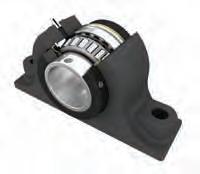
BY ERIC ACHILLES COUSINEAU
Applied Industrial Technologies Canada, based in Saskatoon, SK, held its second annual Quebec trade show in Quebec City on Sept. 14, 2012. This year’s event attracted 400 registered customers of the national industrial distributor, which has eight locations in the province of Quebec and a total of 38 facilities in seven provinces across Canada.
The trade show was conceived as part of an effort to unite the three major players in the company’s business: the clients, the manufacturers and the staff at AIT Canada. Another key purpose was to thank customers for their business, as well as extend appreciation to the company’s employees for their devotion and hard work.
Last years event took place in Trois-
Solutions Industrielles Chicoutimi of Chicoutimi, QC.
AIT Canada is a subsidiary of Ap plied Industrial Technologies, Cleve land, OH, which has a network of over 500 locations, including 40-plus repair and rebuild shops. The company em ploys more than 4,900 associates. It currently has facilities located in the United States, Canada, Mexico, Puerto Rico, Australia and New Zealand.
An AIT Canada spokesperson said the company is working at repositioning and differentiating itself in its approach with customers and manufacturers, with the aim of redefining the industry to make it more appealing for the next generation of employees.

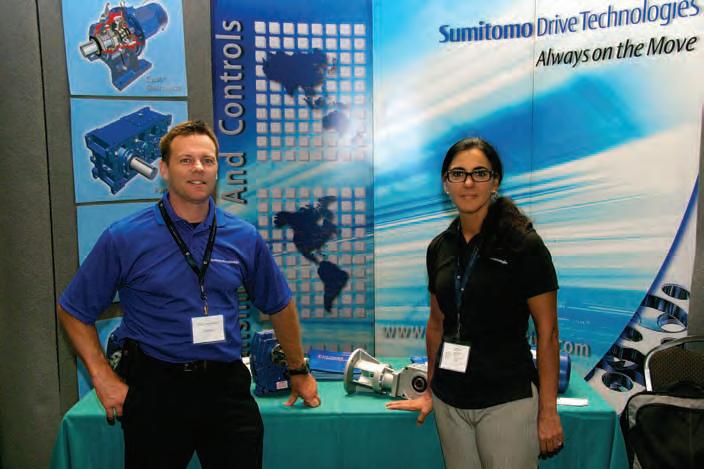
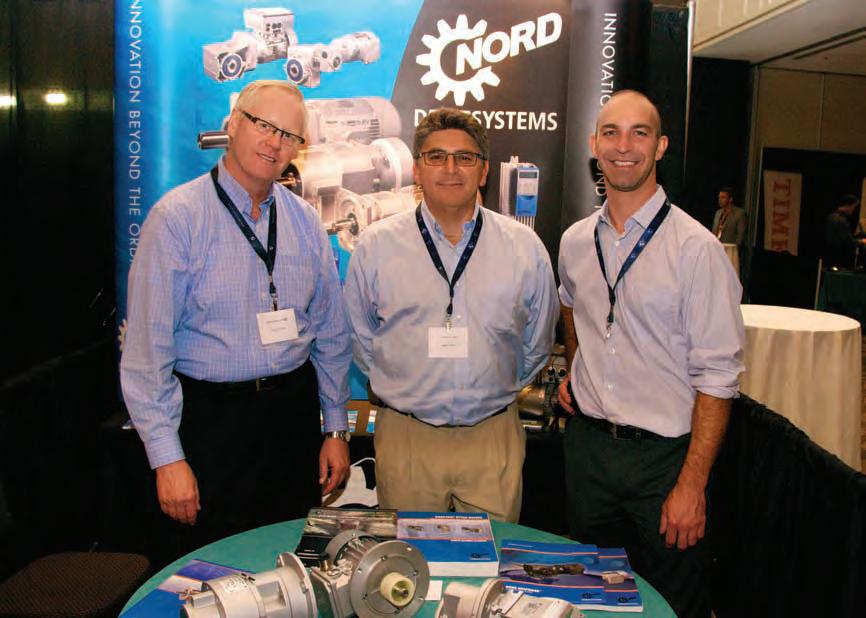
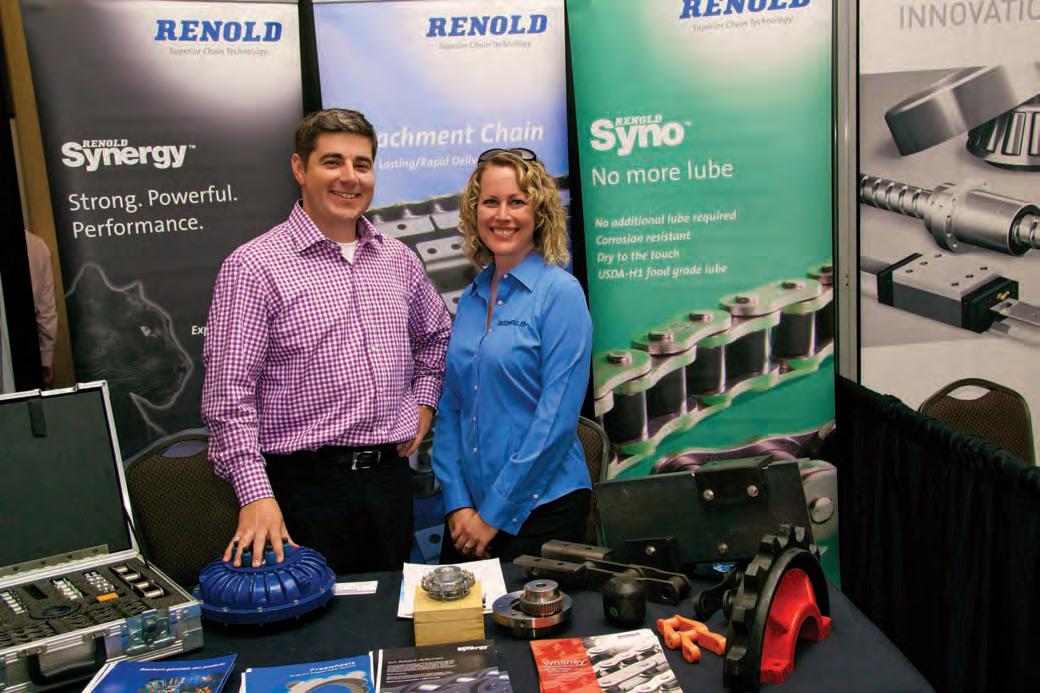
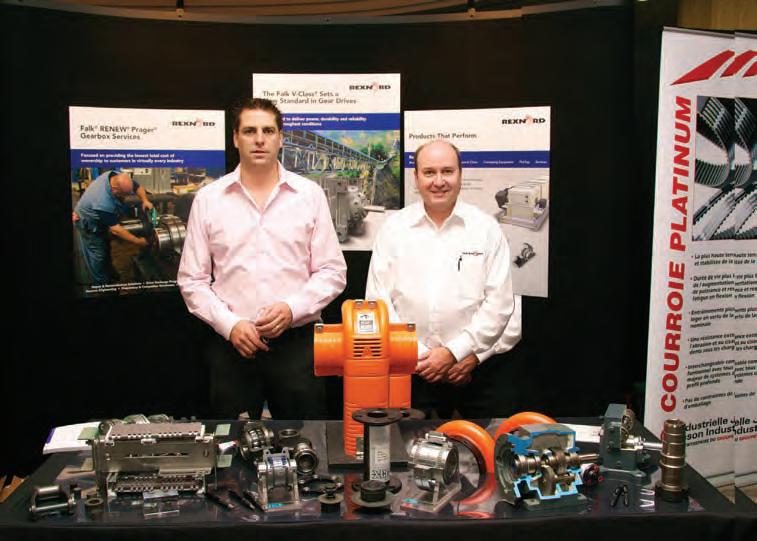
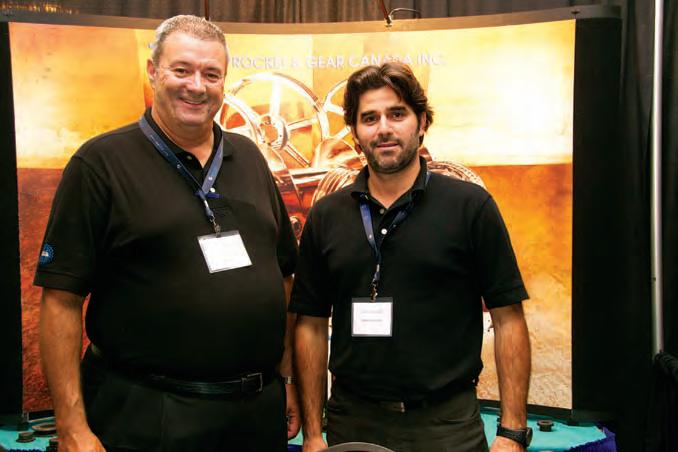
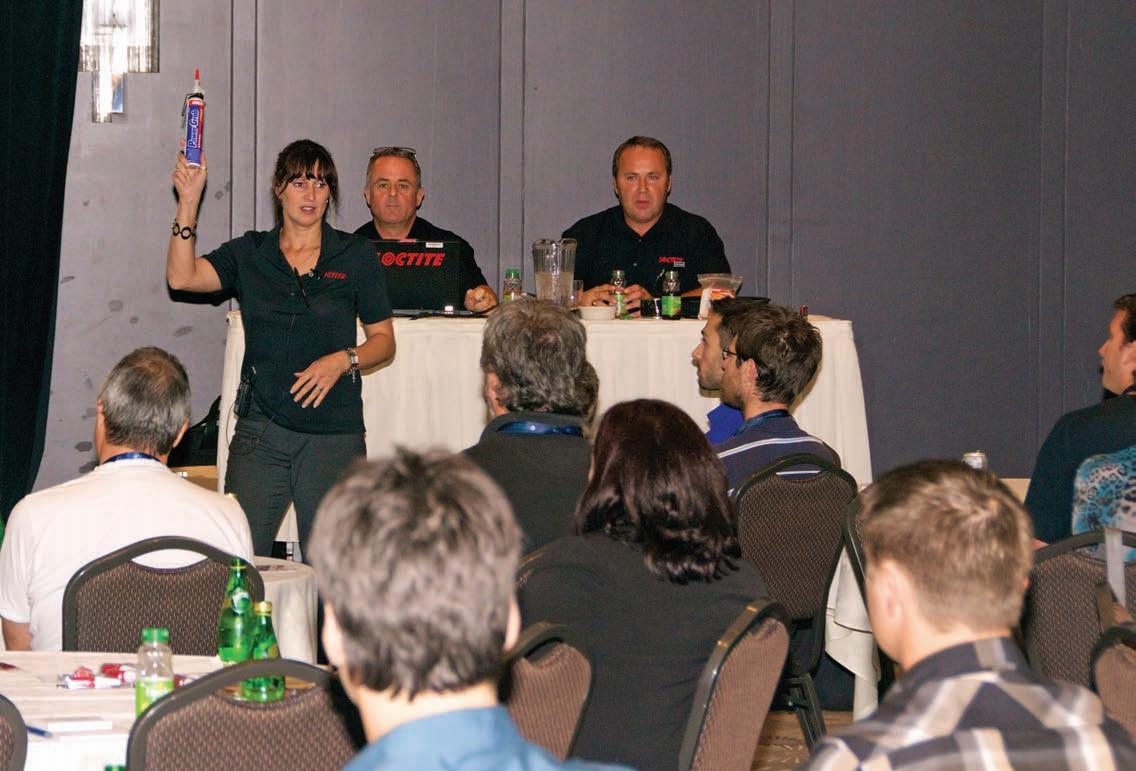
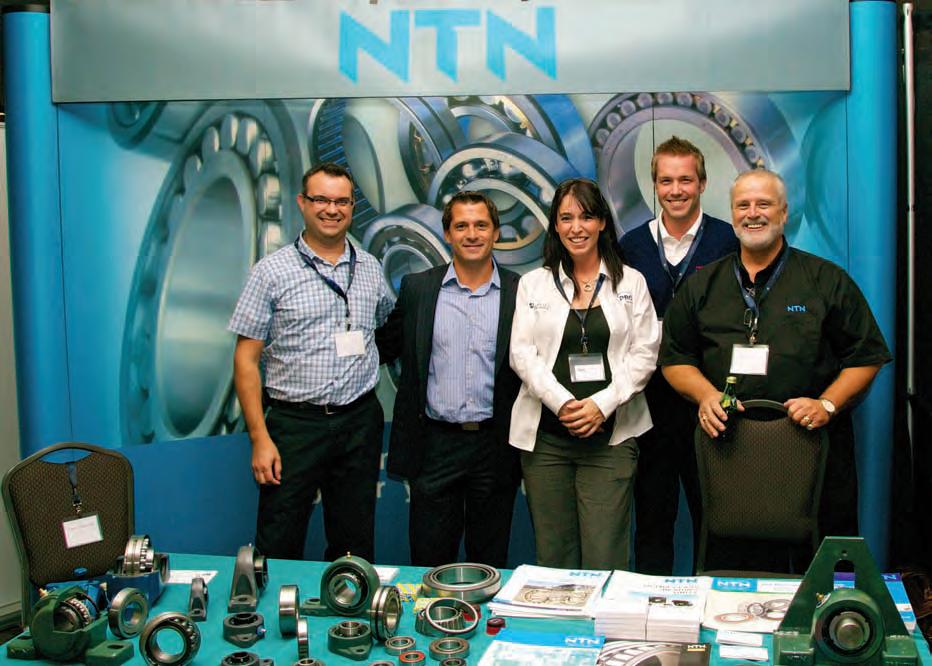
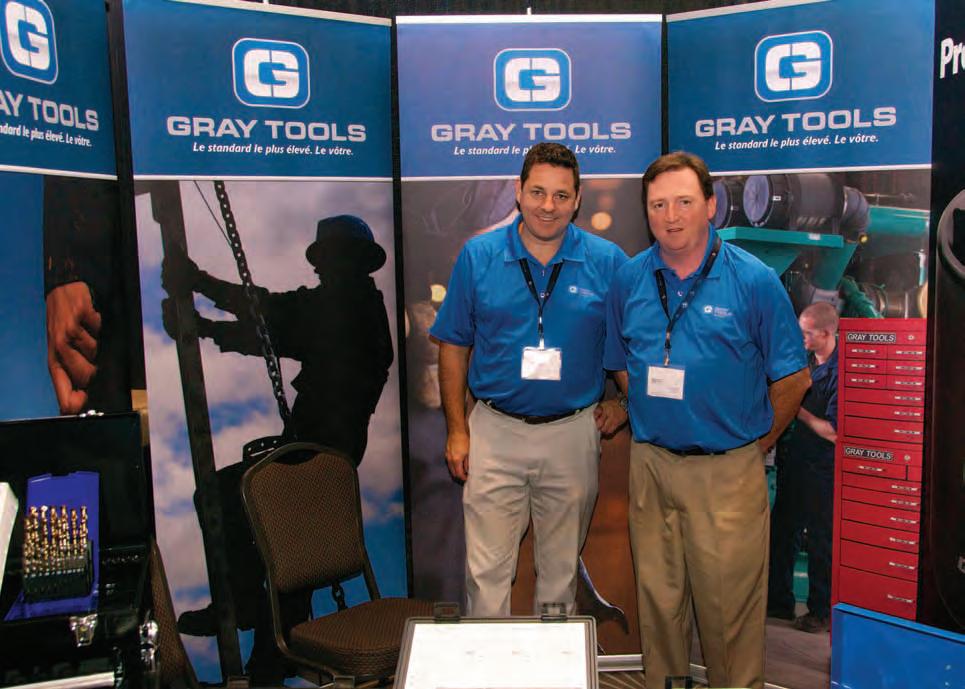
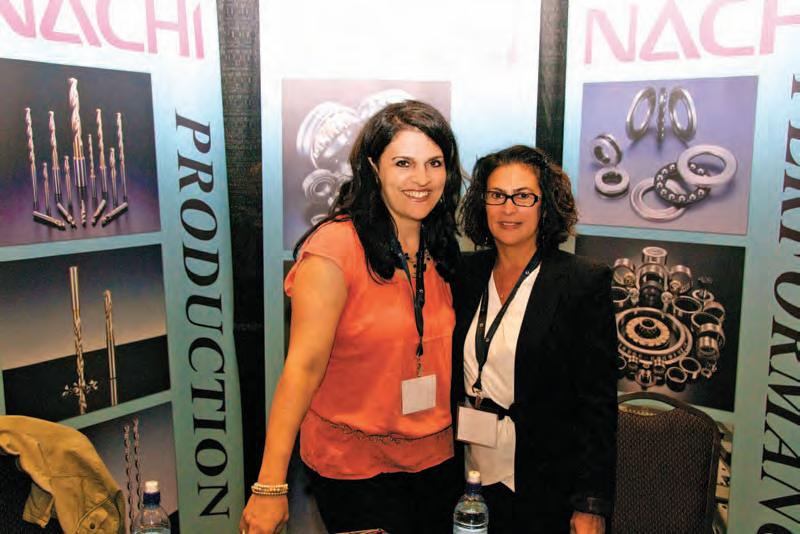
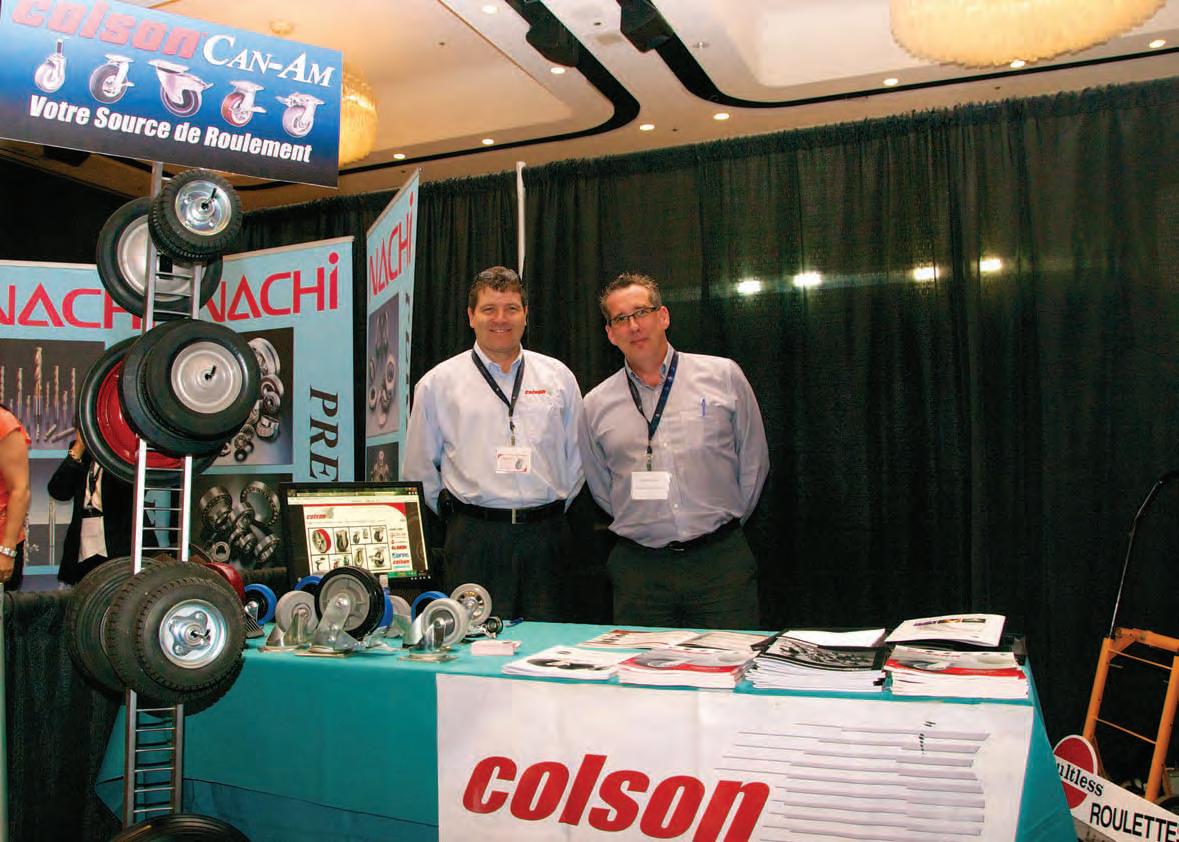
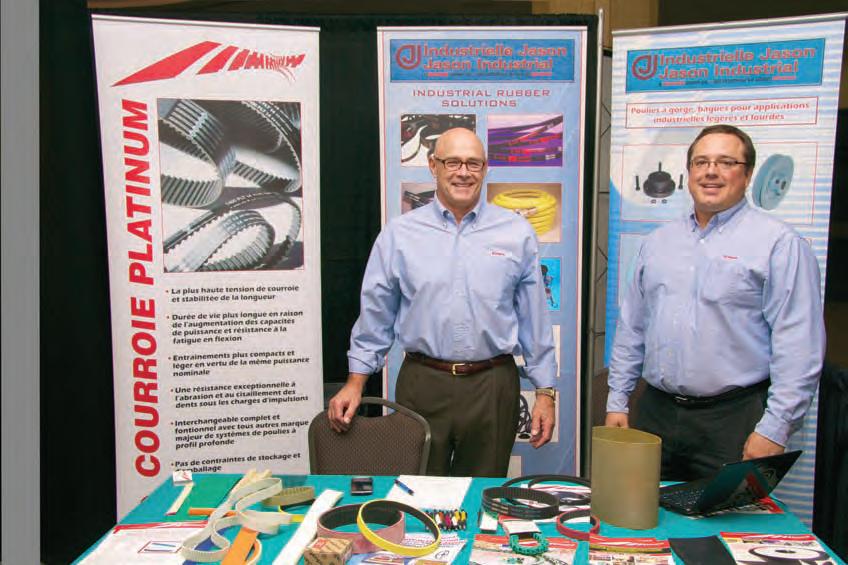
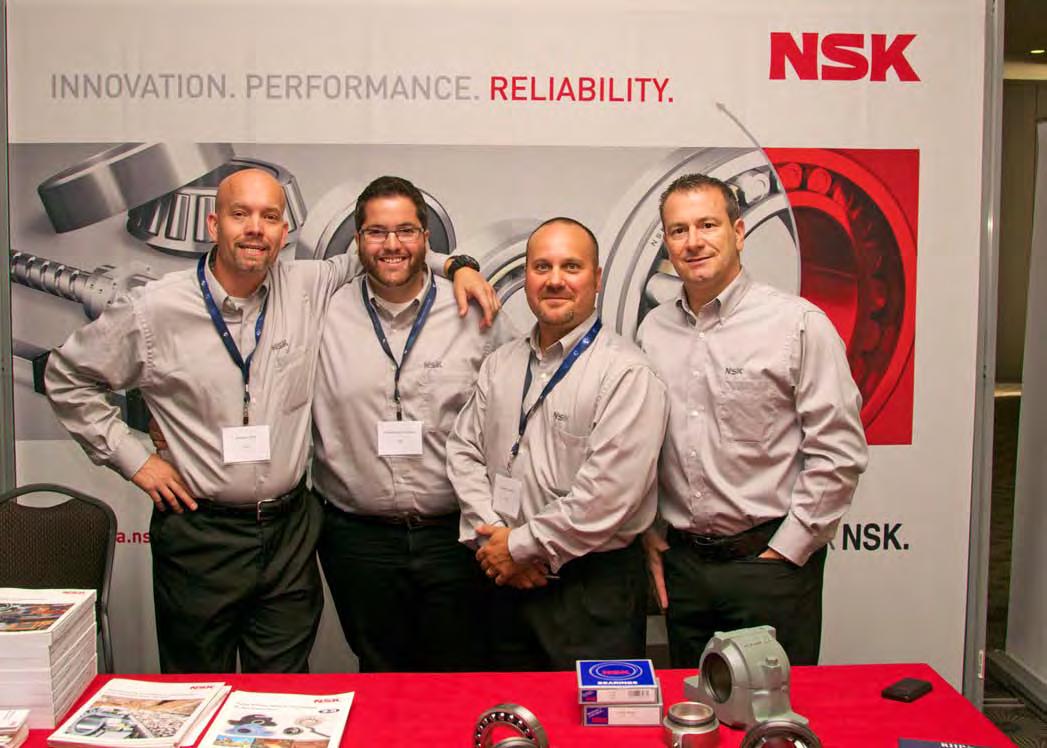
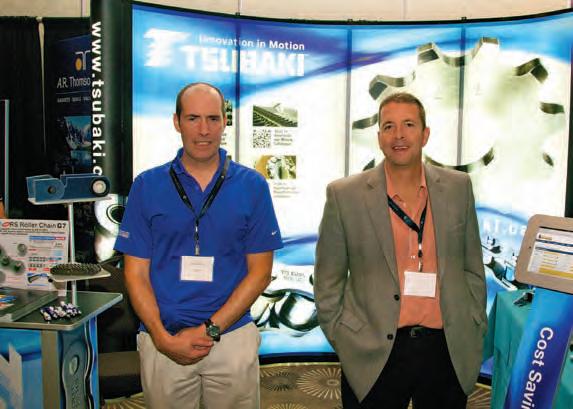

At NTN, we are dedicated to help you get the most out of your rotating machinery.
Our people contribute to this vision every day. Invite us to roll up our sleeves with you.


Introducing BEARINX®-online Easy Linear from Schaeffler: the free, state-ofthe-art software that lets you easily calculate the basic rating life of a driven linear axis supported by rolling bearings in just 2 easy steps:
Step 1:
Register online at http://bearinx-online-easy-linear.schaeffler.com/index_e.htm
Step 2:
Enter the requisite data inputs for calculation.
That’s it! The program even generates a comprehensive report for you in pdf format. The latest addition to Schaeffler’s industry-leading lineup of online bearing calculation programs, BEARINX®-online Easy Linear is designed to save you time and money:
● Unlike other programs, BEARINX®-online Easy Linear takes into account the influence of the rail and carriage’s elasticity on total system deflection, thereby ensuring that your system is designed right the first time!
● With almost limitless input capabilities, bearing life projections are as accurate as you want them to be. Consequently, BEARINX®-online Easy Linear can keep you from over-sizing...and over-spending!
Bottom line: your complex machine-axis calculations just got a whole lot easier.
Schaeffler Linear Technology: Exceptional Performance without Exception. www.schaeffler.ca