INNOVATIVE THINKING HAS DRIVEN US FOR THE PAST 80 YEARS.
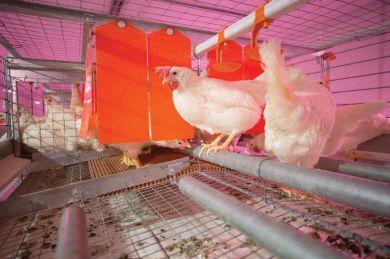
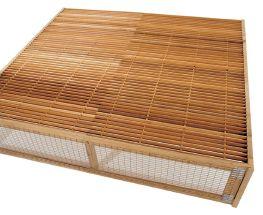
It’s that seasoned wisdom that has made Big Dutchman the undisputed leader in poultry feeding, housing and management. In recent decades we’ve focused much of our pioneering spirit on CAGE-FREE and ENRICHED SYSTEMS and management.
THE RESULTS SO FAR? Worldwide 100 MILLION HENS call our cage-free environments home. We also offer the most options in the industry—backed by a team of highly qualified, experienced experts, eager to help you configure the system that meets your farm’s unique requirements!
HYBRID AND ENRICHED OPTIONS
Sustainability and public trust
Treena Hein
Egg
Treena Hein
Alice Sinia
diagnosis and application of vaccines can reduce the frequency of antimicrobial use. By Babak Sanei
by Brett Ruffell
Untangling the tax reform puzzle
As if tax planning weren’t painful enough for poultry producers… Over the past year, the federal government has made things even more confusing – and drawn the ire of farmers in the process. Last summer, the feds unveiled controversial small business tax reforms. The idea was to make the system fairer by closing “tax loopholes” being used by “wealthy Canadians”.
But the planned changes, particularly the proposal to restrict access to the lifetime capital gains exemption (LCGE), would’ve made it much more difficult for poultry producers to transfer the family farm to their children. In brief, farmers use the tool to shelter up to $1 million of capitals gains from income tax when they sell certain types of farms.
The Liberals’ original plan would’ve prevented “non-active” family members from accessing their full tax exemption, thus incurring a significant tax cost. One poultry farmer told me the changes as originally proposed would have made it almost impossible to pass his farm on to his children. “We would’ve been better off selling our farm to a complete stranger,” he lamented.
But only a few months after the original announcement, largely in response to a loud
backlash from farmers, the Liberals dropped their capital gains tax plan, modified other proposals like income splitting and introduced entirely new changes.
BDO Canada’s Jesse Moore, who consults agribusinesses on taxation and who spoke at a Poultry Industry Council event on the government’s proposals, says many producers are now understandably confused as to the current state of reforms. “I think people understand there have been some changes, but trying to track what was originally proposed, what was dropped and what’s still in
Poultry farmers have to pay attention to their remuneration strategy.
place has caused some confusion,” he says.
That being the case, we’ve tapped Moore to give you a clearer picture of where things stand, how we got here and what it all means to your poultry business. Visit canadianpoultrymag.com and look for his online-exclusive update under our Business & Policy channel.
In brief, Moore says that while dropping the LCGE restriction was a big win for farmers, we’re now in a different world when it comes to income splitting. “Poultry
farmers have to pay attention to their remuneration strategy,” he says. “And some might have to restructure things.”
What else is new
In addition to online-exclusive content like Moore’s analysis, there are plenty other exciting things happening at Canadian Poultry . Take, for example, Disease Watch. One of the things you told us you wanted more of in our recently completed reader survey is greater coverage of outbreaks.
That’s why we recently launched Disease Watch. Found under the Health channel on the website, our new section includes frequent updates on poultry health-related incidents in Canada and across the globe.
We also welcome a new contributor this issue. Ben Kaiser is a master gasfitter and plumber. He works with his father Martin and his three brothers at Kaiser Ag, an agricultural equipment and consulting firm based in Wetaskiwin, Alta. Kaiser is the company’s poultry barn construction and installation specialist.
In his new column Better Barns (the first of which you can find on page 18), Kaiser will share the wealth of expertise he’s acquired over the years with you.
In short, his focus will be on helping producers squeeze that extra 0.5% out of their barn. Kaiser says he’s thrilled for the opportunity to help you succeed. “We all win when ideas are shared.”
email: rthava@annexbusinessmedia.com Tel: 416-442-5600 ext 3555 Fax: 416-510-6875 or 416-442-2191
Mail: 111 Gordon Baker Rd., Suite 400, Toronto, ON M2H 3R1
Subscription Rates
Canada – 1 Year $32.00 (plus applicable taxes)
USA – 1 Year $69.00 USD Foreign – 1 Year $78.00 USD
GST - #867172652RT0001
Occasionally, Canadian Poultry Magazine will mail information on behalf of industry-related groups whose products and services we believe may be of interest to you. If you prefer not to receive this information, please contact our circulation department in any of the four ways listed above.
As easy as 1, 2, 3. and still maintaining exceptional litter
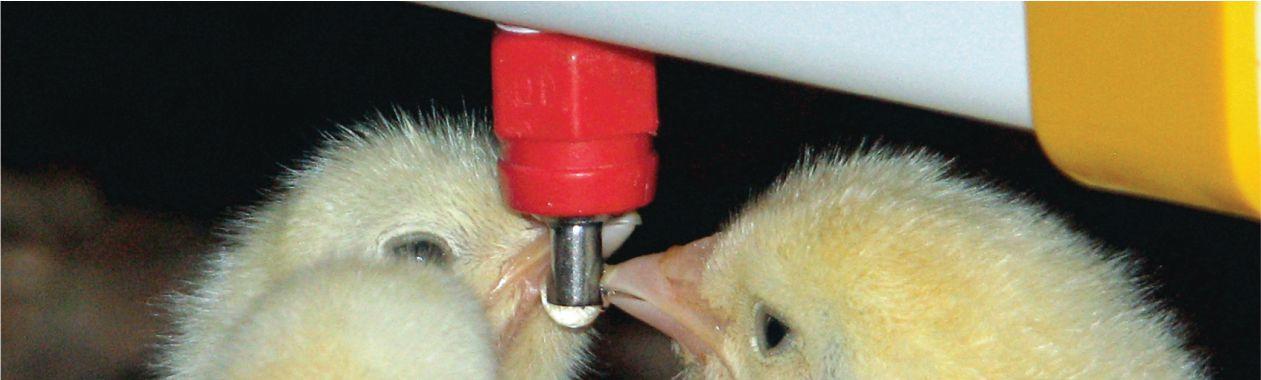
1) Large bottom pin that holds a drop of water to attract day old birds to nipple / great starts / average first week mortality below 1%.
Got Lubing? Contact your local Lubing Distributor for more detailed information.
2) Greater side flow with minimal triggering force allows all birds to easily trigger the nipple and get off to a great start. Great Starts = Greater Finishes!
Glass-Pac Canada
St. Jacobs, Ontario
Tel: (519) 664.3811
Fax: (519) 664.3003
Carstairs, Alberta
Tel: (403) 337-3767
Fax: (403) 337-3590
3) Both, vertical and side action, deliver the Opti-mum flow rates and ability to grow a 4 lb small bird up to a 10 lb Jumbo bird with the same nipple. After hundreds of house updates, customers are consistently seeing improved weight gains of up to 1/2 lbs/bird with dry litter conditions!
Les Equipments Avipor
Cowansville, Quebec
Tel: (450) 263.6222
Fax: (450) 263.9021
(423) 709-1000
Specht-Canada Inc.
Stony Plain, Alberta
Tel: (780) 963.4795
Fax: (780) 963.5034
What’s hatching
Agricultural Clean Technology program launched
The Agricultural Clean Technology Program is a $25-million, three-year investment from the Government of Canada aimed to help the agricultural sector reduce greenhouse gas emissions through the development and adoption of clean technologies. Provinces and territories are eligible to apply for federal funding through this program and are encouraged to work with industry on projects that focus on precision agriculture and/or bio products.
Alberta Farm Animal Care celebrates 25 years
Alberta Farm Animal Care (AFAC) marks its 25th anniversary in 2018 as an organization representing producers and others in the farm animal care community. AFAC works with this community to promote responsible farm animal care through various education, extension, research and communication activities. Progress in farm animal care continues as a pivotal focus for industry progress and outreach, says AFAC executive director Annemarie Pedersen.
New agricultural water pump program
Hydro One and Niagara Peninsula Energy Inc., recently announced the AgriPump Rebate Program, the first program of its kind in Ontario to offer instant rebates to customers who purchase a high-efficiency pump kit. The program is ideal for all farming applications, including livestock. Upgrading to a high-efficiency pump will improve performance and could save customers up to 40 per cent of their system’s energy costs. For more information, visit: agripump.ca 81% of Canadians support the system of supply management
EFC looks back on the progress made in 2017
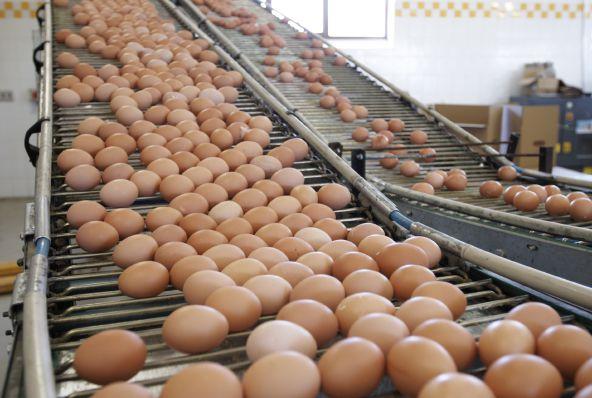
In its annual report, Egg Farmers of Canada tout a number of accomplishments in 2017, including the eleventh consecutive year of growth, a 4.1 per cent increase in retail sales of eggs and a 4.49 per cent boost in egg production.
732 million dozen eggs were produced in 2017
“This year saw 1.3 million hens added into the system in light of quota allocations in recent years, expanding egg production on Canadian farms. In fact, 48 new farms were added to the system between 2015 and 2017.
“These efforts helped boost egg production by 4.49 per cent in 2017, with an additional 31.5 million dozen eggs produced over 2016,” states the organization’s annual report.
In 2017, the Farm Production Council of Canada approved the decrease of 500,000 Export Market Development quota layers, the Removal of the Export Market Development Quota category form the Quota Regulations, and the increase of 869,934 regulated quota layers, effective the first week of 2018.
EFC highlights the release of the updated Code of Practice for
the Care and Handling of Pullets and Laying Hens. Released in early 2017, the initiative took four years to develop and offers national guidelines and recommended practices. (Check out CP’s special supplement on the updated layer code at canadianpoultrymag.com)
Canadian egg producers across the country began the transition to alternative housing last year. EFC, alongside egg boards and the Canadian Poultry and Egg Processing Council, have been working to collect data on the transition. The initiative notes that in 2017, 23 per cent of the industry was operating in an enriched, free-run, free-range or organic system – a seven per cent increase from 2016.
Last year saw over 732 million dozen eggs and 24.5 million hens produced. Along with the increase in retail sales, EFC also reports that 81 per cent of Canadians support the system of supply management and 90 per cent of Canadians trust the quality standards on Canadian farms.
To read the full annual report, visit: www.eggfarmers.ca.
5 Questions for Mark Davies
Mark Davies is a turkey producer with a farm in Centreville, N.S. He joined the Nova Scotia Turkey board and Turkey Farmers of Canada (TFC) in 1995. In 2001 he was elected to the TFC executive committee and became board chair in 2007. Davies recently finished his term as TFC chair, after holding the role for 11 years. CP magazine recently caught up with Davies and asked him five questions.
What has serving on the TFC board meant to you? It’s been very enjoyable to be involved in my industry to shape its future direction. It’s been great to work with the other board members. We’ve always had a cohesive board, with the right decisions always being made, even at the hard moments. I am privileged to have been chair during this period of time.
What were some of the biggest achievements the board attained during your tenure? About 10 years ago, we created a new allocation policy, recognizing that further market products as separate from the whole bird market, and recognizing that the future is in further processed products. The board is now looking at a new allocation policy, as whole bird demand has dropped to some extent in the last two years. Other achievements include putting in place our food safety and flock care programs and our framework for reducing antibiotics.
What were the biggest challenges?
Consumers have more questions and want more knowledge than ever before. We have to provide
consumers and retailers with more knowledge and connect with them on an emotional level where possible. Trade issues are big concern. We need to continue to develop the whole bird market. We are fighting the perception that turkey is only for the traditional family dinner on special occasions. In Canada and the U.S., lower-priced proteins also challenge us.
How has the industry changed over the past 20 years and what do you foresee in the next 20? The traditional family turkey dinner is declining. Consumers want to know more. Reducing antibiotics and improving animal welfare have become very important. At the same time, we’ve become more nimble in reacting to these and other market factors. We have a strong national focus and have further developed the working relationships between producers and processors. Regarding the future, I think further processed products and the development of meal kits will continue to grow. There continues to be more of a focus on antibiotic-free and organic products and I believe these will move from being the exception – premium products – to the norm.
What are your future plans?
I just plan to farm, but my door will stay open to help the turkey industry and agriculture in general. I am staying on the board as a trade rep as I have put a lot of emphasis on building my knowledge and contacts. Also, I used to play in rock bands and I have a music studio and I am looking forward to getting back to spending more time on that.
Coming Events
MAY 2018
MAY 2
PIC Research Day
Stratford, Ont. poultryindustrycouncil.ca
MAY 15
Western Meeting of Poultry Clinicians and Pathologists (WestVet)
Canada’s Farm Progress Show Regina, Sask. myfarmshow.com
Disease Watch
Stay informed on infectious disease outbreaks with the latest alerts from Canadian Poultry magazine. For more, visit: canadianpoultrymag. com/health/disease-watch
MARCH 12
Avian influenza – LPAI H7N1 Hopkins County, Hopkins Texas, U.S.A.
MARCH 16
Infectious Laryngotracheitis - ILT Northwest area of the Niagara region
Ontario, Canada
MARCH 17
Salmonellosis, Serotype enteritidis Alberta, Ontario, Quebec, New Brunswick, Canada
Mark Davies is past-chair of Turkey Farmers of Canada
What’s hatching
A moment in the spotlight
Aviary events and chicken exhibitions are traditional hobbies that have been regaining popularity across the globe in recent years. Many of the poultry breeds commonly involved in aviary exhibitions are considered heritage birds, such as the Favorolle or Java.
In 2015, the Livestock Conservancy, an organization dedicated to saving endangered farm animals from extinction, conducted a study to determine how many birds of each breed exist, and ranked those in order of endangerment. According to the research, 21 per cent of heritage poultry breeds remain critically endangered. In terms of chickens, some of the most threatened birds include the Campine, Crèvecoeur, Holland, and La Fleche breeds.
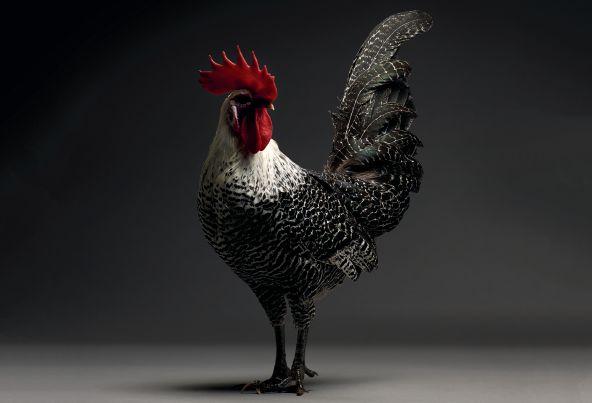
After attending an aviary exhibition, two italian photographers became fascinated by the beauty of birds, and a photography
project was born – a stunning coffee table book that includes more than 200 pictures of 100 diverse breeds of chickens, including a number of endangered heritage breeds. “We felt like the chickens had been waiting for their moment in the spotlight,” says Moreno Monti. Monti and Matteo Tranchellini are a professional photography team from Milano, Itlay. They photographed their CHICken series at the Milano aviary exhibition. Many of the breeders involved in the photoshoot were worried that the birds were not posed according to the breed standard. However, the photographers wanted to capture the birds in their natural state. For more information, visit: chic-ken.it. Follow the project on Instagram: @chicken_ph. Check out more photos from the CHICken series at canadianpoultrymag.com.
84 per cent
The Government of Canada works to reduce the risk of Salmonella
The Canadian Food Inspection Agency (CFIA) is working with industry to identify and implement measures at the manufacturing/processing level to reduce salmonella to below a detectable amount in frozen raw breaded chicken products. These new measures call for processors to identify salmonella as a hazard and to implement changes in order to produce an end product that reduces salmonella to below a detectable amount. The CFIA has granted industry a 12-month implementation period to make these changes.
Getting the facts straight on Canada’s favourite meat protein
According to a recent survey conducted by Leger for Chicken Farmers of Canada, 84 per cent of Canadians purchase fresh chicken on a regular basis, and 90 per cent place chicken among the top three meats they eat most often – consuming more chicken than beef [72 per cent], pork [52 per cent] or other meats.
Who’s Who Call for Nominations
Canadian Poultry magazine’s Who’s Who issue is released every July with the goal of shining a light on stand-out members of the Canadian poultry industry. The theme for the 2018 Who’s Who issue is up-and-comers and we want your help in finding the best candidates. Do you know a standout up-and-coming producer, vet, researcher, industry member or advocate in the canadian poultry industry? Nominate rising stars today to potentially have them recognized in our Who’s Who issue this summer! canadianpoultrymag.com/whoswho
An Italian photo series showcases 100 different chicken breeds.
of Canadians purchase fresh chicken on a regular basis
Ask the Vet
By Tom Inglis
Tom Inglis is managing partner and founder of Poultry Health Services, which provides diagnostic and flock health consulting for producers and allied industry. Please send us your questions about poultry health to poultry@annexweb.com.
Live vaccines at multi-age farms
When a farm has both pullets and breeders and live vaccinations are used in the pullet barns, is there risk to the breeders?
Live vaccines contain naturally occurring mild pathotype or attenuated (weakened) viruses, bacteria or coccidia and are designed to elicit local and systemic immunity in birds. They are suitable for mass administration by water or spray. Live vaccines in broiler breeders and table layers are most often used during rearing and multiple administrations are common.
Sometimes, live vaccines are used to boost immunity during the production period. This type of vaccine can cause a “vaccine reaction”, which is a mild form of the disease because of the
replication of the microorganism in various tissues. Effects of these tissue reactions are the main concern in neighbouring barns when these live vaccines are given to pullets and birds in production.
A broiler breeder or a layer pullet flock will receive one or multiple applications of live bacterial, coccidia or viral vaccines. The spread of bacterial vaccines like E. coli or Salmonella is not a concern as most of the vaccine strains do not survive well in the environment and the tissue reaction is often quite mild. Regarding the coccidia vaccine, adult birds should have already had high exposure to various coccidia organisms in the en-
vironment and developed a strong immunity.
A typical vaccination program in Canada will include the following live viral vaccines: various strains of Newcastle Disease (NDV) and Infectious Bronchitis Virus (IBV) often given together; Infectious Bursal Disease (IBD); Avian Encephalomyelitis (AE); REO virus; Chicken Anemia Virus (CAV) (broiler and layer breeders); Fowl Pox (FP); and Infectious Laryngotracheitis (ILT). Not all these vaccines pose a risk if they are spread to birds in production. For example, adult birds have regressed bursas and the administration of an IBD vaccine to a younger flock doesn’t pose
any risk to them.
Regarding CAV, AE and Pox, all flocks entering production must have strong immunity. If naïve birds in production get infected with an AE vaccine or a wild strain, a severe drop in egg production can be seen and the progeny (in case of breeders) will be affected.
With regards to CAV, only the progeny will be affected. The Pox vaccine causes a mild form of the disease and the virus can spread to other naïve birds. The main problems in the field for all three diseases occur when producers forget to vaccinate their flocks, vaccine is damaged, or the vaccine is administered improperly and flocks enter the production period with no protection. Regular serological (blood test) monitoring of flocks before the start of production for AE and CAV can prevent disasters during production. Similarly, all vaccinated flocks should be examined for takes to evaluate whether the Pox vaccine was given properly.
Infectious Laryngotracheitis virus causes lifelong infection in birds. There are three types of ILT vaccine: Tissue Culture Origin (TCO); Chicken Embryo Origin (CEO); and recombinant. Recombinant and TCO vaccines are safe and will not revert to pathogenicity, so they do not pose a risk to neighbouring flocks. However, CEO vaccine can cause diseases in other birds. For example, if we move CEO vaccinated birds into a barn with birds that are not vaccinated, an outbreak is imminent. This virus easily spreads by air so all susceptible birds in proximity will be affected, if not already protected.
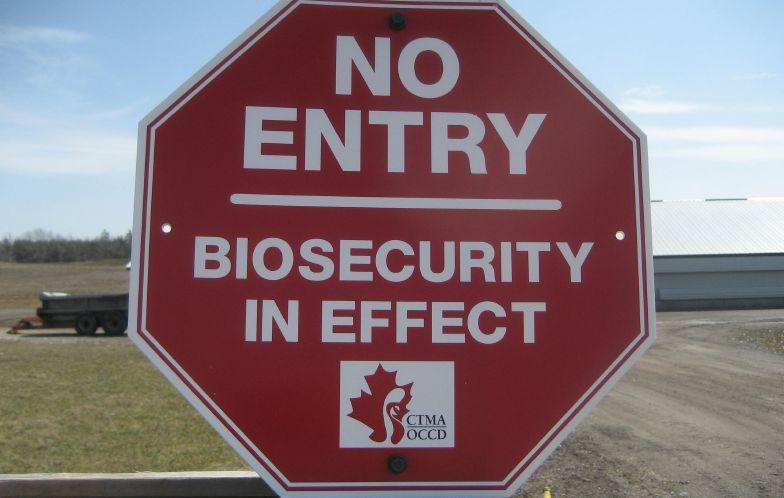
To prevent the spread of a vaccine virus at multi-age farms, it’s particularly important to practice biosecurity measures on and right after the day of vaccination.
Preventing Problems
Most commonly, problems with spreading a vaccine virus from pullets to birds in production occur with Newcastle and Infectious Bronchitis vaccines, especially more aggressive strains like La Sota. These vaccines will cause a mild and transient drop in egg production. They will also cause eggshell quality problems.
To prevent or minimize these incidents, farms should implement biosecurity measures. These measures should be especially practiced on the day of vaccination and for three to five days later. During that period, people handling the vaccine should never enter the production barns and no equipment should be shared between barns.
Outside of those days, the reality at many farms is that the same people take care of multiple barns. Washing hands and changing boots is best practice and will minimize the spread of many disease and vaccine viruses. Using different clothing between barns is an excellent but time-consuming practice.
However, even the best implementation of biosecurity can only be partially effective when dealing with airborne viruses. Having separate pullet and breeder/layer farms following “all-in, all-out” principles is the best option but can’t always be feasible for several reasons.
It is especially difficult to manage vaccine reactions when a live boost is needed in the face of an increased Infectious Bronchitis (and Newcastle) field challenge.
Key takeaways
To summarize key points in this article:
• Live vaccines can spread from vaccinated flocks to neighbouring flocks
• Adverse effects of unintended spread are dependent on the type of vaccine
• Naïve birds in production infected with Avian Encephalitis virus (vaccine or wild) can experience drops in egg production and exhibit clinical disease in the progeny
• Never mix birds that have been vaccinated with ILT and non-vaccinated birds
• Most often live Newcastle Disease and Infectious Bronchitis vaccines affect other flocks in the multiage facility, causing transient drops in egg production and egg shell quality problems
In such situations, live vaccines are given every six-to-eight weeks to birds in production. The best advice for multiage farms is to co-ordinate vaccination between barns and to vaccinate on the same day.
In conclusion, producers should famil-
iarize themselves with the risks that each of the live vaccines they use pose for the neighbouring flocks in production. If birds enter production with good protection and basic biosecurity measures are practiced, problems can be prevented.
Perspectives
By Crystal Mackay
How is sustainability linked to public trust?
Ifirst heard the word ‘sustainable’ in university many moons ago. It seemed academic, and the right thing to do as we studied agriculture and how to feed the world in the future. Then I didn’t hear that word for about a decade. Once it resurfaced, there were a lot more questions than answers – from how you define sustainability to what do we do about it.
As poultry farmers and industry partners have always strived to continuously improve their practices, maybe this is just labelling what’s already being done?
Many companies globally were quick to make sustainability commitments, speeding past some agreed upon definitions of what it actually means. Some even adopted new program requirements. Canadian poultry sectors were quick to walk down the sustainable path as well, making commitments to ‘doing the right thing’ with a bigger picture lens on sustainable balance. But why?
The Canadian Federation of Agriculture’s new Public Trust Steering Committee met with farm and food system leaders from across Canada. Together, they determined the best foundation for earning public trust in food and farming lies in a coordinated approach between three pillars: doing the right thing; trusted assurance systems; and communications to share the good work. Focus-
ing efforts on just one of the three pillars alone will not lead to public trust, the base the agri-food sector needs to grow and thrive in the future.
For example, Canadian poultry farmers have invested millions of dollars in improving the environment through Environmental Farm Plans, Nutrient Management Plans and many other efforts. Yet, when the Canadian Centre for Food Integrity (CCFI) asks Canadians, “Do you feel farmers are good environmental stewards?” only one third of respondents agree.
There is clearly a disconnect between the good work producers are doing for the environment and consumer awareness. To move the bar forward, farmers need to communicate and engage with the public on issues of sustainability in a meaningful way.
The 2017 CCFI public trust research took a deeper dive into transparency. What information specifically is the Canadian
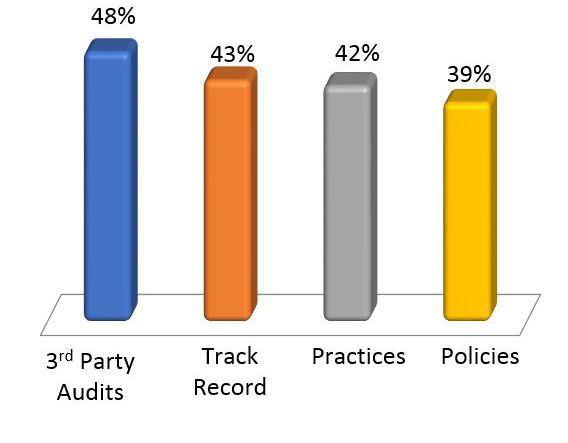
consumer looking for that will help earn trust? The transparency model tested showed that consumers are looking for accurate information from credible sources. The sharing of information and use of third party audits, practices, policies and track record all add up to increased transparency, which leads to trust.
What drives public trust?
To build trust, those in the food system must demonstrate that while systems have changed, and the use of technology has increased, the commitment to doing what’s right and sustainable has never been stronger. Confidence (shared values) is threeto-five times more important than competence (skill and expertise) in building consumer trust.
Every sector of the food system, whether farmers, manufacturers, branded food companies, grocery stores or restaurants, is under ever-
increasing pressure to demonstrate they are operating in a way that is consistent with stakeholder values and expectations. Groups opposed to today’s food system practices are pressuring the largest food brands and initiating legislation to change how the system operates in all facets of sustainable food production and marketing.
Historically, when under pressure to change, the industry has responded by attacking the attackers or the specific issue under fire and using science to justify current practices. We should not confuse scientific verification with ethical justification. Not only are these approaches ineffective in building stakeholder trust and support but they also increase suspicion and skepticism that the food industry is worthy of public trust.
Building a truly sustainable food system requires balance. Maintaining public support requires our practices to be ethically grounded and consistent with the values of our stakeholders. Objective, independent data is essential to evaluate progress and support scientific claims of improvement. Reasonable profitability is essential to assure economic viability.
It is only by balancing these sometimes-competing interests that we can have a food system that is truly sustainable and supported by our stakeholders and most Canadians who want to enjoy poultry products.
Crystal Mackay is president of the Canadian Centre for Food Integrity. For Canadian consumer insights on public trust in food and farming visit, www.foodintegrity.ca.
Elements Canadians feel demonstrate transparency.
CFC Announces Executive Committee 2018
Chicken Farmers of Canada is proud to announce the election of the 2018 Executive Committee. The elections followed the annual general meeting and the 15-member Board of Directors, made up of farmers and other stakeholders from the chicken industry, has chosen the following representatives:
Derek Janzen, 1st Vice-Chair (Aldergrove, British Columbia)
Nick de Graaf, 2nd Vice-Chair (Port Williams, Nova Scotia)
Tim Klompmaker, Executive Member (Norwood, Ontario)
The Board looks forward to continuing its work together, ensuring that Canada’s chicken industry continues to deliver on consumer expectations for excellence. With an eye to the future, Chicken Farmers of Canada will work with all its partners, ensuring clear, common goals for the future, and setting a solid path and purpose for all stakeholders, and for generations of chicken farmers to come.
People care deeply about their food, about knowing where it comes from and that what they’re serving to their family and friends is of the highest quality; our farmers and their families are no different. So when we say that the Canadian chicken industry is good for Canadians, it’s because we know that we’re raising our chickens to the highest standards: yours.
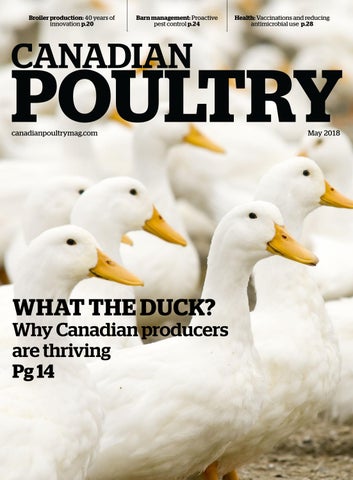
What the duck?
Why producers are thriving despite challenges.
By Treena Hein
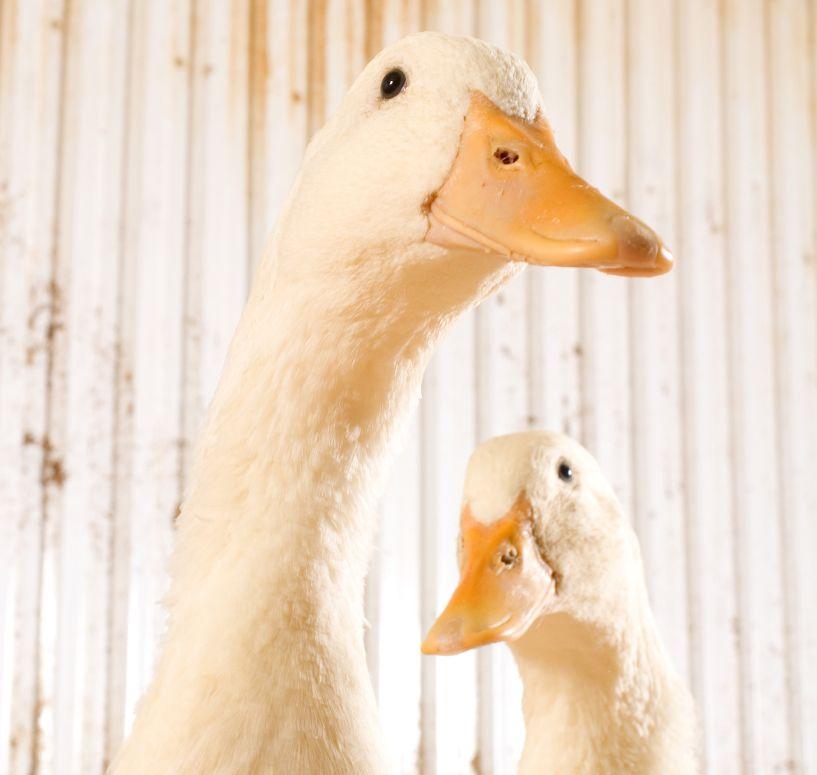
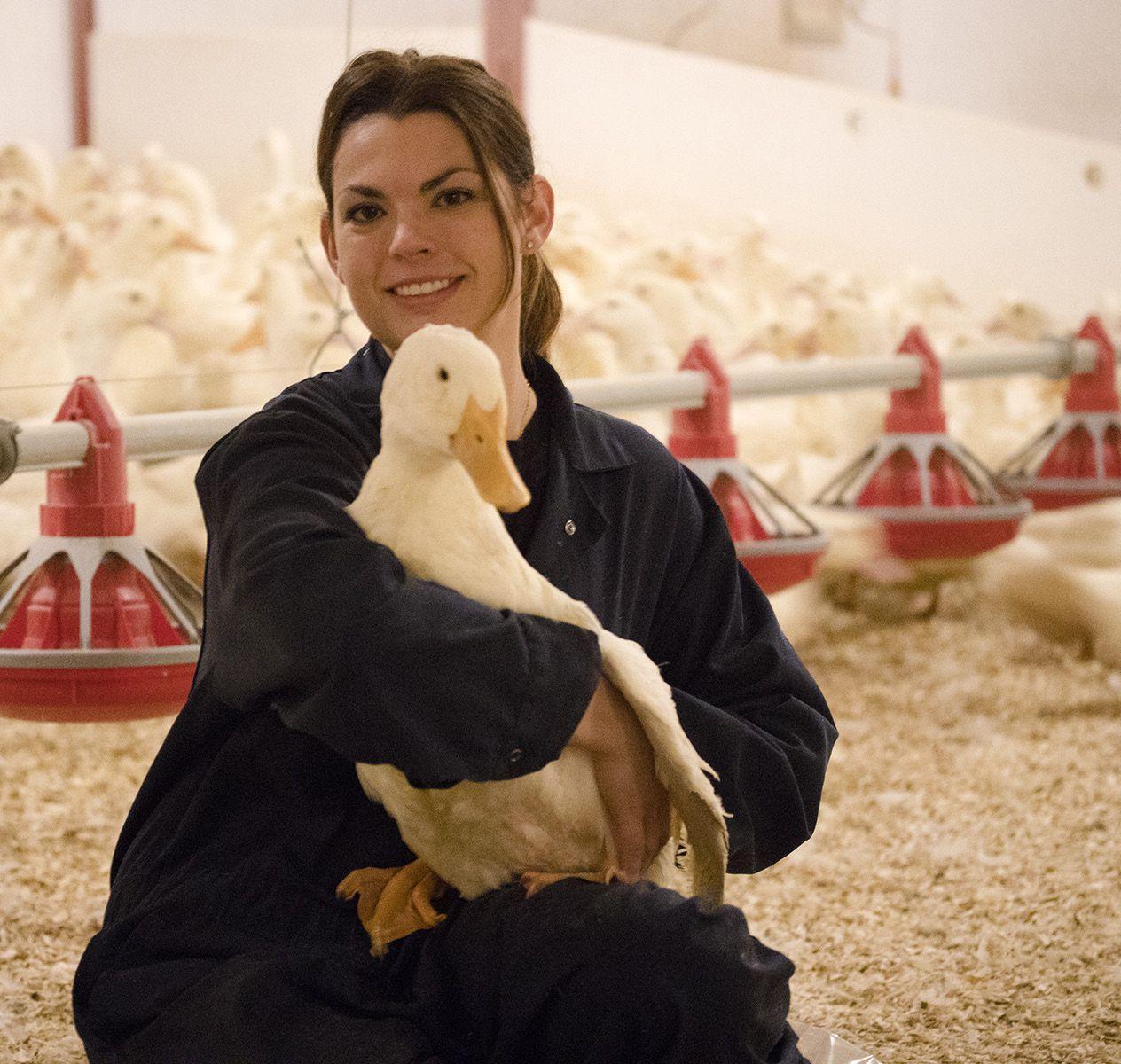
Duck is succulent and rich. It’s also something a little different but not too different. What’s more, new, exciting and convenient products are making it more accessible all the time. Indeed, duck products now go far beyond whole roast duck.
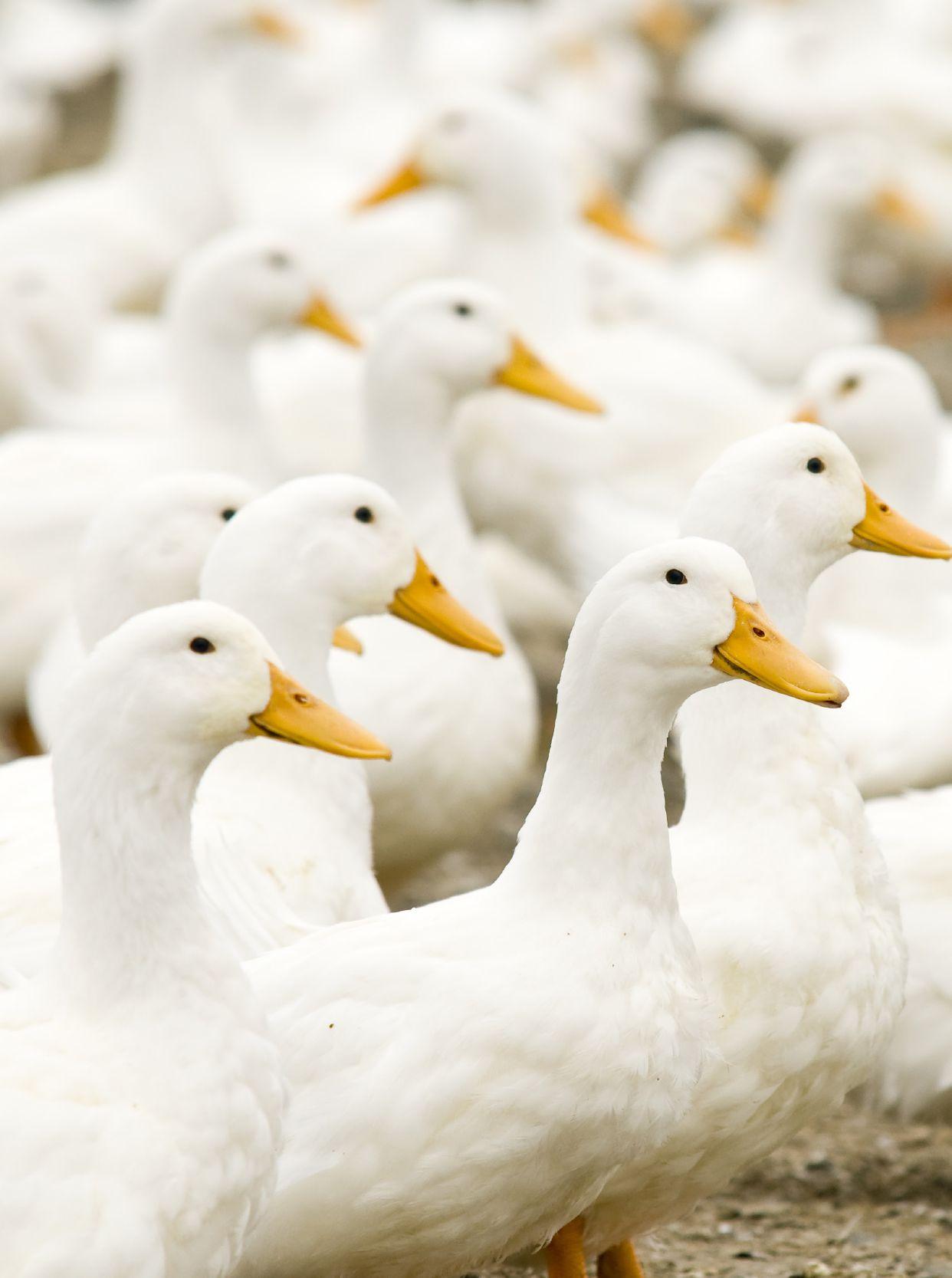
These days, you’ll find duck sausage, smoked breast, confit, potpie, wings and many ready-toserve products on both grocery store shelves and restaurant menus. The most commonly produced breed is the Pekin, which is best from the standpoints of meat production, economics and taste.
First, let’s take a look at where most duck is produced in Canada. There are currently three large producers, each with a long and interesting history.
Brome Lake Ducks
An American named Henry Bates founded Brome Lake Ducks (Canards Du Lac Brome) in 1912. Based in Knowlton, Que., he aimed at the New York market: Chinese immigrants and wealthy patrons who enjoyed duck in fine restaurants, dining rooms on steamships and in fancy transcontinental railway cars.
Later on, to prevent it from being turned into a garment factory, a
Canadian senator named George Foster and a few associates bought the farm. It continued operation, taken over in 1939 by Foster’s son and another businessman, then passed to two of Foster’s granddaughters. Brome Lake currently produces three million ducks a year on 12 farms spread between Quebec and Ontario, a threefold increase from 20 years ago.
The company’s exports have stayed steady at a little less than 20 per cent of total sales, mainly to the U.S., Mexico and Asia. The rest are mostly retail and some food service.
“Traditionally in Canada, duck has been for the Asian market,” says Bruno Giuliani, vice-president of sales and marketing, “but since 2003 we have worked hard to introduce it into the mainstream. At the retail level, we do in-store demos, roadshows, flyer promotions and also media, especially TV commercials in Quebec, and recipes on our website.”
Brome Lake currently markets about 30 products, including whole frozen ducks, breast, leg and thigh pieces, drumettes, sausages, stock, stir fry strips, ground duck, pot pies and breast cubes.
The firm tries to launch several new products every year, and in the last few years, products with staying power have included breasts, potpies, confit legs and rendered fat.
“Rendered fat is used for cooking as it’s flavourful and a healthier fat than butter or any other animal fat,” Giuliani explains. Fraser Valley Specialty
Fraser Valley Specialty Poultry in
B.C. boasts five generations of family ownership. It’s a local landmark nestled at the base of Vedder Mountain just east of Yarrow. The company produces ducks, geese, specialty chickens and squab, mainly for the large Asian market in the greater Vancouver area and upscale restaurants.
Ninety per cent of Fraser Valley duck stays inside B.C., as its main processing plant is provincially licensed. That said it also works with a federal processor to supply some customers in other provinces.
General manager Joe Falk says market demand and company growth has increased over the past 20 years, but due to foreign imports during the last five years, recent growth has stalled. “We are seeing a higher demand certainly from the white tablecloth restaurant in the mainstream sectors. We are also seeing an increase in demand as the Asian population increases, as well as foodies who are interested in trying something new,” he says.
The firm has added duck sausage, pepperoni and smoked breast to its offerings. “They have been tremendously successful,” Falk says of the additions. “Customers are generally hooked once they sample.”
King Cole Ducks
Canada’s third-largest duck producer, producing 2.5 million a year, is King Cole Ducks in Stouffville, Ont. It is a third-generation family owned operation that started in 1951, with the main farm in Newmarket. According to Patti Thompson, vice president of sales and marketing, over the years the farm
from 20 years ago.
is the number of ducks Brome Lake currently produces each year, a threefold increase
business has expanded to 13 other additional farm properties and 140 staff. Its products are sold in retail, restaurants, resorts, hotels and cruise lines in Canada and around the world.
Production has increased 60 per cent over the last 20 years, with 20 per cent of that occurring in the last five years, due to an increase in exports (about 30 per cent of total sales), the growth of the Asian-Canadian population and increasing mainstream interest in duck.
“A big impact on our sales is our focus on value-added products and a transition away from commodity markets,” Thompson says. “We have added a development kitchen and cook plant in the last 10 years and we are creating fully cooked products that are consumer-friendly.”
King Cole now offers products such as Korean smoked duck, confit legs, Speidini’s (breast cube kabobs), burgers, salami as well as spring rolls.
Industry challenges
Brome Lake cites maintaining disease-free flocks as its biggest challenge. Giuliani says some biosecurity risks come from small producers with flocks with access to the outdoors. “We have a strong biosecurity program and use no antibiotics,” he notes. “We are vertically integrated, which means we are our own supplier, so we have to do it right from beginning to end.”
For Fraser Valley, Falk says the biggest challenge these days is the uneven playing field: duck imported into Canada does not have to
meet the same welfare, environmental and food safety standards as Canadian ducks.
While Fraser Valley is not actively pursuing supply management for duck, Falk says, “It would be very helpful for us as a relatively small industry in Canada to have some form of import controls, live pricing mechanisms and the ability to manage production. This assures Canadians are receiving the best quality products, raised by Canadians who share their values.
Total processed weight
Total duck and goose eviscerated processed weight was 9,235,302 kg in 2000, rising to 11,218,406 kg in 2010 and 13,574,420 in 2017.
Whole carcass exports
Exports of whole ducks and geese carcasses were 1,367,687 kg in 2000, dropping to 1,132,404 kg in 2010 and further dropping to only 369,133 kg in 2017.
Parts exports
Total exported duck and geese parts were 249,872 kg in 2000, increasing quite a bit to 563,756 kg in 2010 and dropping back down to 324,417 kg in 2017.
Source: Agriculture and Agri-food Canada
“The biggest factor in this is to have import controls, or at the very least expect that our government would do its job in ensuring ethical trade. Canadian consumers are unaware that imported duck may have been raised using veterinary medicines not approved in Canada, Canadian duck and geese production and export statistics
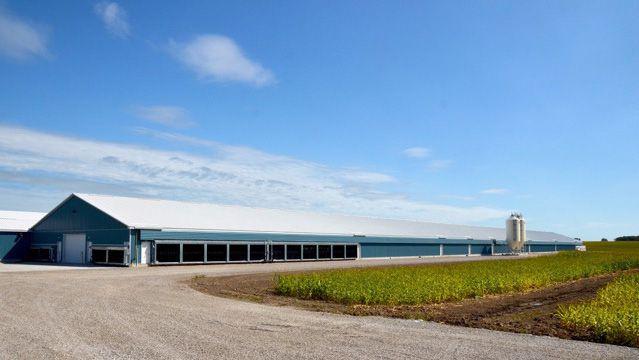
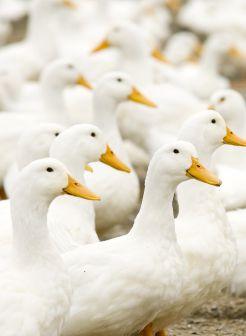
Pictured is a Brome Lake duck barn. The company, which was founded in 1912, aims to launch several new products each year.
may have been involved animal welfare atrocities, abhorrent treatment of workers and possibly even a complete lack of meat inspection at all.”
King Cole’s Thompson also lists competition with foreign markets as a major
challenge. “Imports from countries that do not have the same food safety, humane handling and environmental standards (standards that make cost of production much higher) make it hard to compete,” she observes. “There is no supply manage -
ment in our sector; energy costs, taxes and labour rates make it difficult for all Canadian businesses. For example, some importing countries have wage rates under two dollars per hour.”
She notes that as a small niche industry that has a significant capital infrastructure and costs associated with operating, “we need to be lean to stay competitive.” Company leadership feels it’s extremely important to be fully integrated, as that allows full control of many critical and sensitive areas of the business, such as food safety and animal welfare.
With very little published information about ducks, King Cole learns a great deal on an ongoing basis through its own research. “We are always running trials to develop better techniques and processes,” Thompson says.
“Product development is done through our development kitchen and is driven by market trends or where we determine there are gaps in the market place.”
What’s to come
The future of Canadian duck seems very bright. Thompson predicts King Cole Duck sales will continue to grow at a moderate rate in the coming years. Giuliani reports that for Brome Lake, “we think the retail and food service markets still have room to grow, and we anticipate 20 to 25 per cent growth a year. We are sure, with marketing and education, there will be more and more demand.”
Brome Lake is well prepared for that. Its new processing plant is 51,000 ft2 and can handle five million ducks per year (up from its current three million). For its part, Fraser Valley anticipates growth in both retail and food service markets.
Are you seeing more Canadian duck products at restaurants and grocery stores? Canoe, a Toronto-based restaurant famous for its Canadian focus, always seems to have duck on the menu. Right now, you can order a ginger-cured duck egg-duck prosciutto salad with soy garlic dressing, or an entrée of tea-smoked duck breast with radicchio, duck liver mousse, parsnip and poached Niagara pear.
Vetoquinol’s line of high-end cleaning and disinfection products are designed to remove biofilm and kill infection-causing viruses before they take over and wreak havoc on your entire flock. Cleaning + disinfection. Proper use of the right product at the right time makes all the difference. Work with products you can always trust.
Biosolve Plus Virkon
Better Barns
By Ben Kaiser
Time for a spring tune-up
As I’m writing this it’s a balmy -28°C in Alberta and we’ve just had a major dump of snow. It’s a little difficult to start thinking about spring and summer in this kind of weather. By the time this issue comes out, the sun will be warmer, the fields will be worked over, and the birds will be singing.
Over the past few months, poultry barns have been running on minimum ventilation. Ventilation systems have all been running at the lowest levels possible due to the cold weather. Now is the time to start preparing for the return of the hot July sun.
Check controls
First and foremost, at the heart of every ventilation system is a good control system. While I’m most familiar with
the Maximus, there are a wide variety of control systems out there. Skov, Big Dutchman, IGenius, Fancom, etc. In every case these systems will need to be checked to ensure that the ventilation stages are set properly. This is especially important in a new barn that has not yet gone through a full year’s operation.
In newer applications, the controls allow for remote monitoring. While in the comfort of our barn’s office, we can go through the settings. Double checking the settings allows for us to not only ensure the settings are proper, but also helps remind us of what is supposed to happen at specific temperature or humidity readings. In older installations, going through the settings on your controller may not be as simple, but it is without a doubt just as important.
Verify alarm system
For those of us who are already
Now is the time to start preparing for the return of the hot July sun.
sitting comfortably at our desk, hopefully with a warm cup of coffee, I would suggest that the next thing to verify is the alarm system. While going through the alarms, make certain that the proper person is being contacted. Who is second in the list? Are phone numbers and email addresses correct? In my opinion, there is a balance between the messages I need immediately and those that can wait. Adjust your alarm system accordingly.
Going through your settings not only ensures you are ready for the change in weather, it has the added benefit of helping you familiarize yourself with your system. If there is something you want clarified or changed, now is the time to do it. Once an emergency
happens, it’s too late. Don’t be afraid of calling your controls salesperson or service technician. After all, that’s what they are there for.
Inspect barn
Now is when the real work starts. The barn inspection. There is nothing, and I mean nothing, that beats spending time in the barn. It’s the only way you can know what is truly happening inside.
Feeling the air, testing the system as it goes through each stage. But for many of us, we are balancing being in the barn with being in the fields or being pulled to another project. A deliberate service schedule can help alleviate so many headaches, and spring is the perfect time to schedule some checks.
Checking the air inlets:
• Have they been damaged by ice over the winter?
• Do they still open and close properly?
• Are the cables still tight?
• Are there any corrosion or moisture issues that should be addressed?
• When the actuators close, are all of the inlets closed? Checking our cooling pad:
• Is there fluid in the tank?
• Does the pump work?
• Are there any leaks on the system?
• What is the condition of the pads?
Check fans
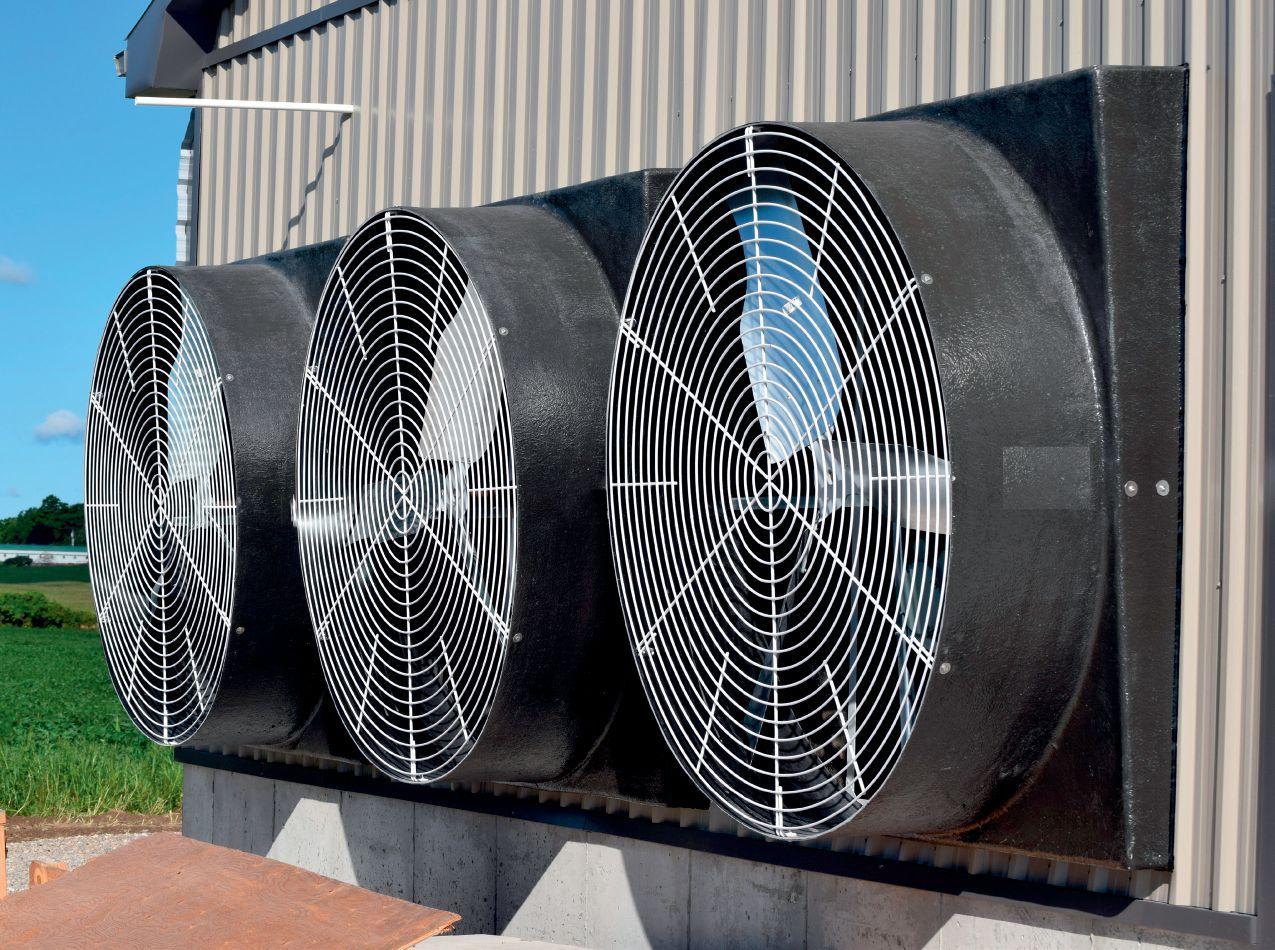
And then, of course, we come to the fans. Making certain these are ready for the warm weather is so important. The last thing I would want is a tunnel fan having a broken fan belt at 40°C. Going through each fan, ensuring the belts
Ben Kaiser is a master gasfitter and master plumber. He works with his father Martin and his three brothers at Kaiser Ag and specializes in poultry barn construction and installations.
are in good condition, replacing those that aren’t can really help avoid catastrophes.
When dealing with electricity, please always proceed with caution. Properly insulated screwdrivers are no comparison to simply shutting the breaker off. Saving five minutes to do something “live” isn’t worth the potential hospital visit.
If you aren’t comfortable using an electrical meter to make certain the power is off, there is a neat device called a “volt tick” voltage tester. Seeing how they range from $15 to $45, they are cheap insurance in my mind.
While doing the fan inspection, lube and grease as necessary to keep the bearings in top shape. This is an often-overlooked item that doesn’t take long to complete. Finally, make sure to take a look at the generator. Winter snows, farm machinery hitting powerlines, trees falling and lightning strikes all have prevalence during different seasons and the generator needs to be ready for any eventuality.
Prevent a catastrophe
Now an article on maintenance would be lacking if we didn’t include a small paragraph or two on catastrophe avoidance. What happens if your control system goes down, the power goes out, or lightning strikes?
Accidents are just that, accidents, and they happen, but there are certain things we can do to help minimize problems. A manual thermostat bypassing the control system can be set to turn on fans if the control system goes down.
Having multiple alarm options, like a phone dialer coupled with an SMS alert, is also a good idea.
Installing surge protection on the power lines coming into the barn and battery backup on controls can help too.
Producers have all invested heavily to ensure their operations run the way they want them to.
Taking care of the mechanical equipment before it is an emergency allows us to focus our time where it matters and be more effective farmers.
A bit about me
I was raised first on a dairy farm in Quebec and later on a grain and sheep operation in Alberta. When my family moved out west, my father also started selling and servicing poultry equipment and I accom-
panied him on installations, learning the industry along the way. Then for 15 years I worked in plumbing and gasfitting, before joining my father and brothers at Kaiser Ag, which sells and services farming equipment.
OLD ORCHARD INN & SPA
Greenwich, Nova Scotia in the heart of Annapolis Valley November 13-15, 2018
Come enjoy the Atlantic Poultry Conference and the tranquil atmosphere of the beautiful Annapolis Valley, Nova Scotia
CONTACT
Bruce Rathgeber
Email: brathgeber@dal.ca
Telephone: 902-893-6654
Fax: 902-895-6734
How times have changed
An experienced producer’s view of broiler production innovations over the last 40 years.
By Treena Hein
Paul Leatherbarrow grew up on a mixed farm and began helping his parents with broiler chickens and other farm chores about 50 years ago when he was a teen. “Obviously, so much has changed,” he says. “It was nine weeks for a production cycle and now it’s five weeks. We had blue comb, blackhead and so many other health problems, and the breeding companies have eliminated a lot challenges, but they still exist. Genetics, barn systems and so much more has all changed.”
At a recent Poultry Industry Council ‘Innovations’ day, Leatherbarrow, from Clark Poultry Farms, spoke about all the changes – and the recent innovations –he’s seen in his fifty years in the broiler industry.
The producers has always kept the FLAWSS (feed, light, air, water, sanitation, security) approach to broiler management in mind, a basic industry approach to which he was first introduced about 45 years ago at a presentation by poultry vet Dr. Lloyd Weeber. There are innovations occurring in all of these six areas, says Leatherbarrow, but also at the hatchery and in processing.
“The two new hatcheries being built in Ontario – Trillium Hatchery in Stratford and the one in Woodstock being built by Sargent Farms in partnership
with Boires & Freres – these facilities will have all the latest technologies and so producers will have the highest quality chicks ever,” he says.
Leatherbarrow adds that at the other end of production, modular loading is becoming the norm, which he believes is much better for bird welfare and for farm labourers. “After 50 years of two-storey
broiler barns, they are all going to one floor so that you can have modular loading,” he notes. “It makes gas stunning possible, which is more humane. Clark Farms opened a one-story broiler barn last January, another later in 2017 and we have another one being built. These barns also provide more feet per bird, which is needed now that we are raising
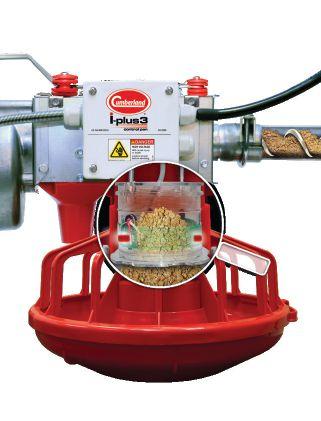
I-PLUS3 CONTROL PAN
MAXIMIZE FEED CONVERSION
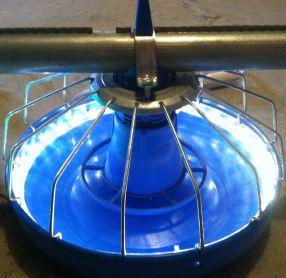
Infrared sensors promote full pans and healthy birds
HANDS FREE
Automatic start/stop feed dispersion
EASY TO USE
No moving parts or sensitivity adjustments
STIMULATE ACTIVITY
Optional LED light for 360° coverage
Innovations in action
Derek Detzler and his family are using many of the innovations Leatherbarrow pointed to. They have been raising chickens without antibiotics outside Mildmay, Ont., since 2004. Their brand new double broiler barn facility received its first flock in February 2017.
Detzler chose in-floor heating to provide birds with better animal welfare and also to achieve better brooding success. He said that after five flocks and learning a little more every time about how to manage things, bird performance has increased.
Detzler also acidifies and chlorinate the birds’ water and uses LED lights. He has a ‘bench’ (also called Dutch) biosecurity arrangement in the barn entry area that’s shared by both barns. Areas for barn system servicing are kept separate from the birds, and he also uses a barcoded bait station service.
without antibiotics.”
Leatherbarrow reviewed advancements and innovations pertaining to each FLAWSS category:
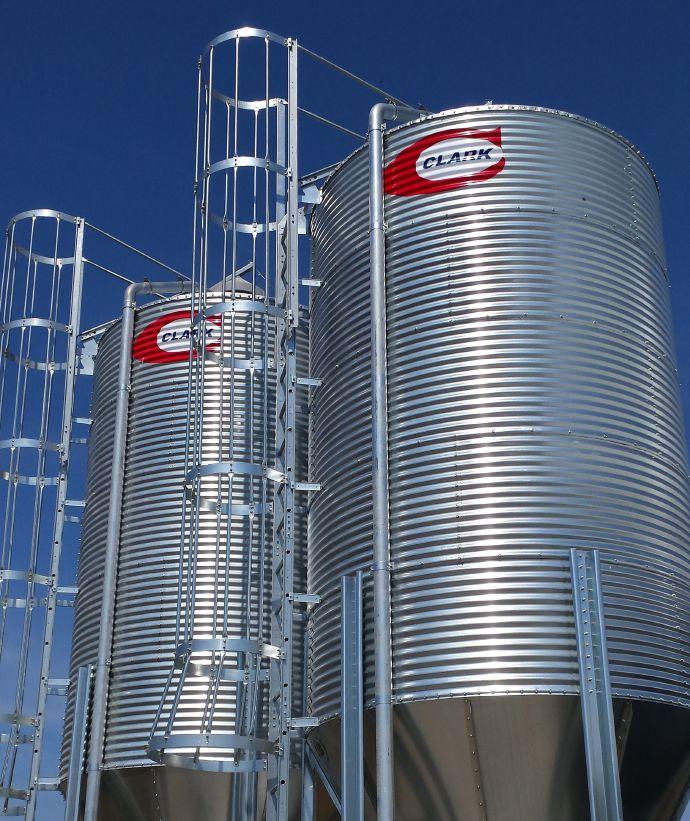
Feed – Feed bins are now galvanized with powder coating on the inside to prevent rust and improve an even flow of feed. In addition, new pan feeder designs prevent mould and are easier to wash. Some are also now available with LED lights on the trigger pan to attract birds. Beyond bins, new feed additives boost the immune system and are an important part of raising birds without antibiotics.
Light – LED lights provide tremendous operational savings. New research shows that birds should have six hours of darkness and that brighter lighting is better for bird performance. “It used to be dimmer was the norm,” Leatherbarrow says. “My father was told that it should only be bright enough to allow reading a newspaper.”
Leatherbarrow also notes that Clark Farms had issues with flicker levels that only the birds could detect. “We have been able to use a device developed by Sarah Pelissero of McKinley Hatchery in St. Mary’s to measure levels and adjust them.”
Air – In-floor heating provides warmth at bird level and keeps litter drier but does require management changes. Automation of barn systems (ventilation, light and temperature) is the new norm.
“I could not have imagined even five years ago getting an email every morning with an update on barn conditions,” says Leatherbarrow. “The information is also accessible anytime online. Tunnel ventilation systems are much better than what we had in previous years and decades. It’s
more important to keep the birds cool and we use a cool cell, but some use sprinklers with large droplets that cause the birds to get up, and then the hot air underneath them is swept away.”
Water – With raised-without-antibiotics production, innovations in water testing are critical to measure levels of factors such as pH and organic particles. Leatherbarrow says research is showing that simply acidifying the water keeps bacterial growth down and, therefore, a prevents birds from having to face this potential source of bacterial challenge.
Sanitation – Natural products are now being used for cleaning, along with new types of bedding. Leatherbarrow uses Thymox, a herbal cleaner containing thyme that he says works as well as any disinfectant that he’s used over his long career. In addition, he says “we use a service with each bait station in the barns barcoded, and we get a report for each station showing how it’s regularly being serviced.”
Security – Biosecurity has come a long way from the days of only using an ongoing foot bath outside the barn. “Barn design is innovating to provide better biosecurity. You can design things so that areas for servicing systems are accessible without having to enter the barn area,” he says.
Leatherbarrow adds he’s really glad to be a part of an industry where innovation is speeding up and so many new products are becoming available. “There is so much going on that it’s hard to believe sometimes, but it’s exciting. Demand for chicken continues to grow and with the new innovations continuing to come, the future is bright.”
HEALTHY & STRONG
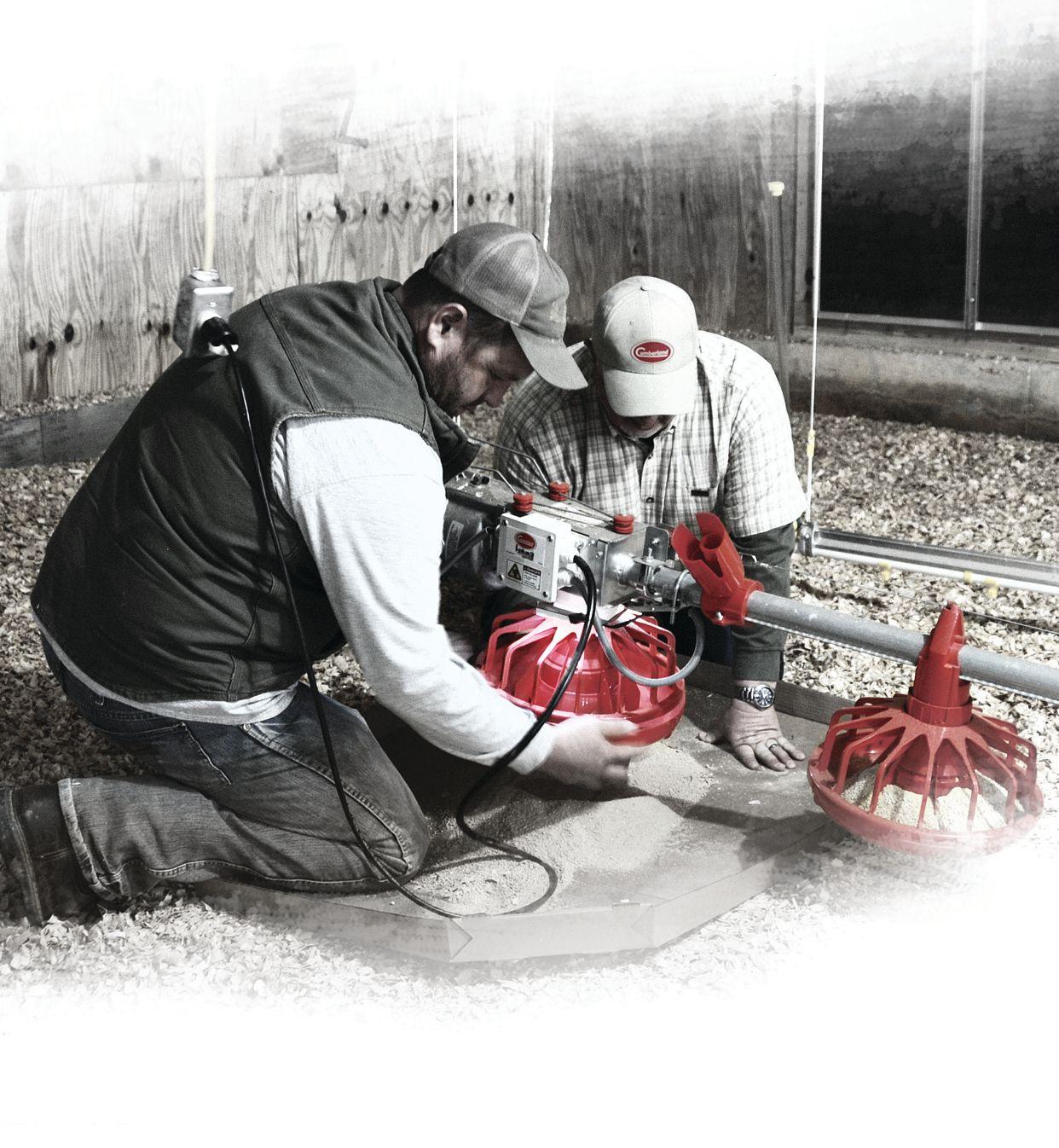
You’re a grower – raising them healthy and strong from day one. With feeders designed for every stage, you can be sure of the well-being of your flock. So, you can concentrate on growing your business as strong as you grow your birds.
Ready for your custom solution? Contact your Cumberland dealer for an expert who stands with you and behind the products we manufacture.
Proactive pest control
While complete elimination may be unrealistic, with the right approach, poultry producers can reduce pest pressures.
By Alice Sinia, PhD
The most sustainable strategy, for both the environment and your staff, is Integrated Pest Management (IPM).
IPM is a business-savvy and environmentally friendly approach to pest management that focuses on non-chemical techniques to prevent pest activity, using chemical solutions as a last resort. For poultry producers, IPM is a best practice, as pesticides can harm livestock and jeopardize food safety if not applied correctly.
To get started with an IPM program, you need to identify your pest risks, implement preventive techniques and establish a system for ongoing monitoring.
IDENTIFY WEAK POINTS
For poultry producers, completely eliminating pests is an unrealistic goal. However, you can reduce pest pressures to acceptable levels. That is why it is important to include an initial inspection in your pest manage-
ment strategy. During the inspection, work with a pest management provider to determine the pest types and pressures inside and outside the poultry house. Using these insights, you can establish action thresholds for responding to pest activity and develop a strategy for preventing pests that is customized to your facility. For example, less than 100 beetles scattered around the building will not pose an immediate threat but sighting more than 100 beetles does call for control.
PREVENT PEST ACTIVITY
With knowledge of your pest risks in hand, work with your pest management provider to develop an IPM program that includes proactive techniques like proper sanitation, ongoing maintenance and deliberate exclusion. These methods are a good first step toward controlling pest populations, as they manipulate pests’ natural environment instead of using potentially harmful chemicals. Here are a
few techniques to protect against the most common poultry pests:
Rodents
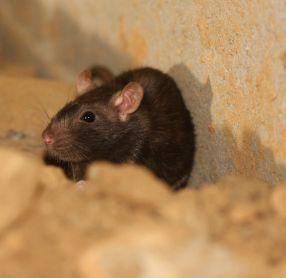
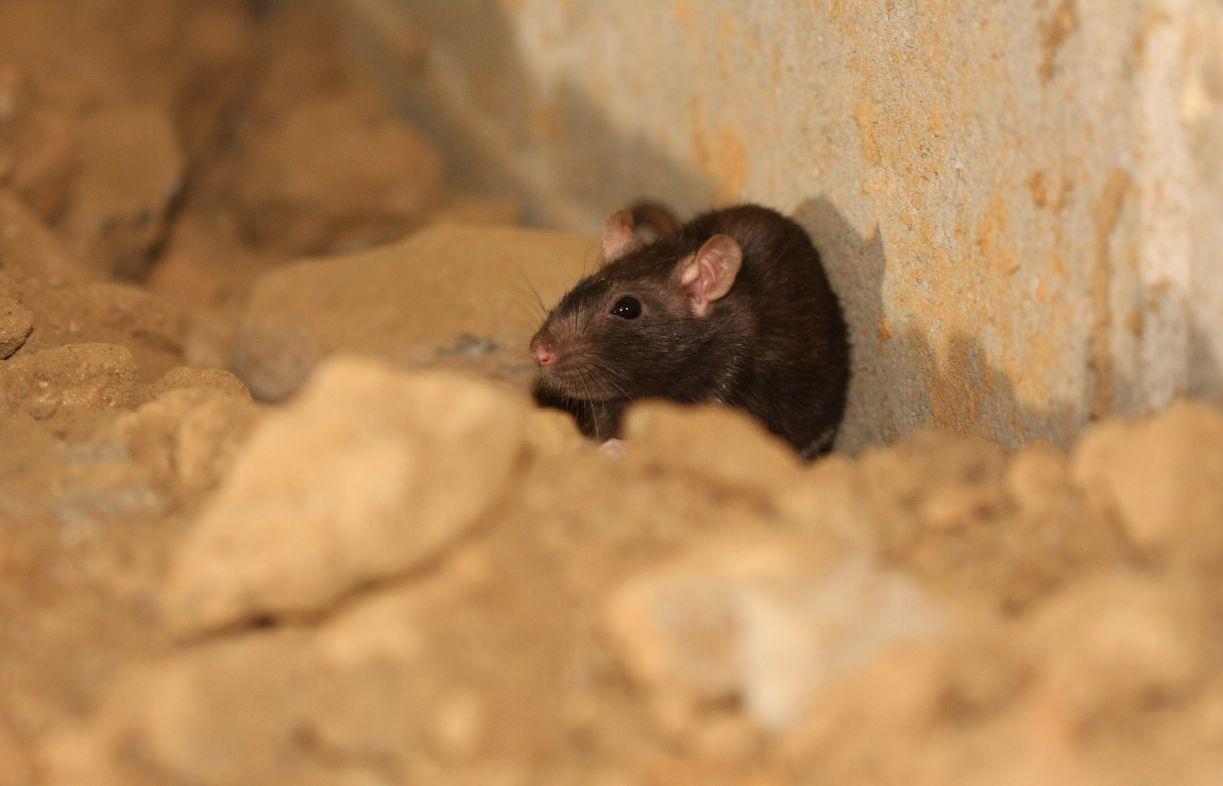
• Seal gaps around the building’s exterior. Mice can squeeze through holes as small as a dime.
• Keep grass mowed short and landscaping trimmed to eliminate hiding places for insects and rodents.
• Trim back tree branches that hang over or touch buildings.
• Minimize water sources, like puddles, ditches and ponds.
• Clean spilled food, fruit and feed as soon as possible.
• Store food in sealed containers. Flies
• Implement proper manure management. Remove manure daily and make sure stockpiled manure is covered and kept dry.
• Fit trash cans with tight fitting lids, remove trash daily and wash the bins regularly. Also, position outdoor
To protect against rodents, seal gaps around the building’s exterior. Mice can squeeze through holes as small as a dime.
dumpsters at least six metres from a building’s exterior.
• Repair torn window and door screens.
• Install air curtains on exterior doors to create a positive airflow that pushes flying pests back outside. Beetles
• Install and maintain door sweeps on all exterior doors.
• Inspect incoming shipments for signs of pest activity and quarantine or reject infested items.
• Use the “first in, first out” rule for food products for proper stock rotation.
• Install a gravel strip (at least 46 cm) around the building to deter crawling pests.
• Seal cracks around doors, windows, utilities and the foundation to prevent pests from getting inside.
KEEP AN EYE ON TRENDS
IPM relies on communication – between you, your staff and your pest management provider. Once your IPM program is in place and staff have adopted these best practices, it’s important to continue monitoring pest activity. You can monitor pest activity directly with traps or indirectly by training staff to report signs
Defend against the lesser mealworm
As the weather warms up, pests will come out in droves. One common pest for the poultry industry is the lesser mealworm – also known as the litter beetle. As they build up in broiler house litter, lesser mealworms can cause big problems. In addition to damaging feed and irritating poultry workers, they can tunnel into insulation and wooden beams, leading to expensive repairs. They also carry and spread diseases like Salmonella, E. coli and infectious bursal disease.
To prevent an infestation at your facility, follow the three steps of an IPM program:
1. Inspect
• Lesser mealworms are brown or black and typically about four to six mm long.
• They are often found in floor litter where they feed on poultry feed, droppings and carcasses. You may also spot them in feed storages, especially if the feed is damp, moldy or old.
2. Implement-Sanitation is crucial
• Keep litter dry by reducing sources of moisture and fixing leaks.
• Clean up spilled feed immediately.
• Keep loose litter packed down by moving feeders and waterers when you can.
• Regularly clean and dispose of litter.
3. Monitor
• Keep an eye out for the lesser mealworms and adjust your program if you find them in new areas.
• Document your activity so that you can identify trends and pressure points over time.
If you suspect lesser mealworms are invading your litter, get in touch with your pest management provider to help assess the situation and develop a plan for eliminating and preventing this pest.
of activity. Over time, pest pressures can change, and an effective monitoring and documentation procedure will help you track trends and adjust your program as needed. In doing so, you can also be sure that your resources are used effectively and that any chemical treatments are used sparingly and target only the problem areas.
When facilities adopt an IPM approach, they reap the rewards. There’s one big difference between businesses that use IPM and those that don’t. For customers without IPM, their response is always reactive, and pest infestations can easily get out of hand, leading to expensive remediation and damage to their brand. The farmers who correctly implement IPM practices rarely experience widespread infestations and save time and money in the long run.
U.S.-based Tyson Foods said that IPM “provides the strict pest management and sanitation guidelines [they] need to help ensure [their] products are processed in a sanitary environment.” After implementing IPM techniques, they have seen perfect scores on the pest management portion of their third-part audits.
Case Farms also emphasizes the importance of IPM for food safety at their fully integrated poultry farming and processing facilities. Their quality assurance manager said, “A program that initiates IPM, which encourages prevention methods, is key. In this business, you have to be proactive.”
Don’t Cut Us Out, Cut Us Up!
Canada’s Food Guide revision includes a recommendation to seek protein primarily from plant-based sources.
Chicken Farmers of Canada supports an increase in plant-based proteins in Canadians’ diets, and these pair very well with Canadian chicken – but they shouldn’t replace it altogether.
Protein quality is not created equal among foods.
The quantity of protein required for optimal health is significant.
Health Canada’s own data indicates that there is no plant-based source that qualifies as an “Excellent Source of Protein”.
Aim for a minimum of 20g protein per meal*
Evidence suggests that protein is used less efficiently with aging, which may translate to higher protein requirements. Current protein recommendations appear to be under-estimated by about 30% for adults and elderly and women and 70% for children1.
Utilizing vaccines to reduce antimicrobial use
By controlling certain viral diseases with vaccination, producers can reduce on-farm antimicrobial usage.
By Babak Sanei
Proper diagnosis and application of vaccines can reduce the frequency and quantity of antimicrobials used on your farm. Here are a few examples related to immunosuppressive diseases and viral infections that can leave birds more susceptible to secondary bacterial infections.
Colibacillosis
A common infection affecting broiler flocks is Colibacillosis, caused by the bacteria Pathogenic E.coli. Although E. coli is a part of the normal bird’s gut flora, under certain circumstances the pathogenic strains can dominate and invade the bird, eventually resulting in high mortality, skeletal problems, poor performance, high condemnation and overall economic losses.
While proper antimicrobial treatment prescribed by your veterinarian is an acceptable intervention, prevention in
subsequent flocks is essential. Bear in mind, Colibacillosis may be triggered by many predisposing factors including viral diseases such as Infectious Bursal Disease (IBD), Reovirus infection, and Infectious Bronchitis (IB); poor gut health; and poor environmental conditions (high ammonia or excessive dust).
There are two main scenarios related to Colibacillosis: One – primary infection where highly pathogenic strains of E. coli (APEC) populate the farm environment in high proportions and cause disease on consecutive placements with no other concurrent diseases. For those flocks going through acute E. coli disease episodes, your veterinarian can select the best antimicrobial to control mortalities and clinical signs. However, the appropriate intervention for future flocks is to consider complete cleaning and disinfecting, and to vaccinate flocks with E. coli vaccine for at least two to three consecutive flocks.
Two – secondary infection, where E. coli is causing high mortality, but there is an underlying primary cause that results in higher susceptibility to E. coli infection. Producers and veterinarians need to determine the presence of other predisposing factors such as IBD, IB and/or poor gut health. While vaccination with E. coli vaccine can help, it is not sufficient and you should address the primary infections to control overall Colibacillosis at your farm. Antimicrobial treatment under this scenario may have variable outcomes and would not address your primary diseases, especially the viral ones.
Infectious Bursal Disease (IBD)
IBD is an important immunosuppressive disease that can affect broilers mainly during the first four weeks of life and result in various degrees of damage to the bursal tissue. The bursal tissue is the main immune tissue present in young birds
By controlling certain viral diseases via vaccination, you can reduce on-farm antimicrobial usage for treatment of bacterial diseases that appear as secondary infections.
such as broilers with short life cycles.
In Canada, we only have IBD infections that are caused by variant strains of the IBD in commercial flocks. If your flock is infected around 15 days of age and younger, the magnitude of immunosuppression is significant and permanent. Affected flocks are uneven, experience higher levels of mortality due to secondary bacterial infections, poor growth and potentially higher condemnations due to conditions such as cellulitis.
On the other hand, IBD infections that occur after 18 to 20 days of age are usually less costly. But if coupled with other concurrent diseases such as Infectious Bronchitis or virulent Reovirus infection, they can result in significant losses. If IBD is suspected or confirmed at your farm, even with no apparent economic losses, it shouldn’t be ignored. The infection can build up over consecutive flocks and eventually result in more costly complications.
Most of our broiler breeder flocks in Canada are hyper-immunized against IBD (via multiple live and killed vaccinations), hence there is usually good levels of maternal antibodies, which are passed on to broiler chicks and persist for the first few weeks of life. However, since each broiler placement may be from different breeder sources, the level of maternal antibodies can vary. Because of this, a percentage of broilers within a flock can be more susceptible to IBD infection than the rest of the flock during the first two to three weeks of life. For broilers, there are three types of commercially available IBD vaccines in the market. These include:
IBD-vector vaccines – These vaccines are applied in-ovo at the hatchery. The IBD vector vaccines are a good choice of vaccine when you have low-to-moderate IBD infection that affects broilers at later ages. The cost of this vaccination is relatively higher than other IBD vaccines.
Intermediate plus live IBD vaccines (Antigen-antibody complex) – This type of vaccine is also administered in-ovo at the hatchery. It is ideal for moderate-
• Exacon’s brand name since 1987
• Available in sizes 12” to 60”
• White or Black polyethylene flush mount housings
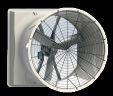
• Designed to meet the rigorous demands of farm/agricultural ventilation
• Energy efficient Multifan, MFlex or North American motors
• Fiberglass housings available in 50” and 60” diameter
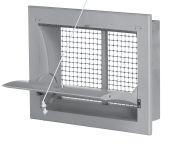
TPI WALL AND CEILING INLETS
• TPI is a well known manufacturer of high quality polyurethane inlets
• High quality and high insulation value results in precise manufacturing delivering high tolerance for better ventilation control
• Wall inlets, ceiling inlets and tunnel inlets
• TPI wind hoods and wind hoods with built-in light trap also available
PUR AG AIR FILTRATION SYSTEM
• High quality L7 Pathogen barrier filter with pre-filter significantly reduces the chance of air transmitted diseases. (ie bird flu and other influenza viruses)
• Clarcor provides a complete system such as filter housing frame designed for eaves and side air inlets
• This system makes installation of filters easy and practical plus reduces the risk of nonfiltered air from entering the building
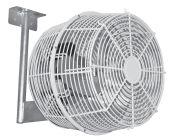
GREENBREEZE BASKET FAN
• Designed for more air flow and consistent pattern
• Precise guard spacing reduces air restriction
• Easy to open front guard allows easy cleaning
• Includes hanging bracket to allow direction adjustment
• Variable speed, efficient motor 115/230v
GENIUS I-TOUCH VENTILATION CONTROL
• The well known and proven Genius control line is now available as a Touchscreen interface
• Navigates like an I-Pad by simply touching, swiping or dragging on a 7” or 10” touch screen
• Available with up to 8 variable stages and between 15 to 30 on/off relays
• A slave is available to expand to 50 on/off relays
• Many options including light control, bird scales, perch scales and bin scales
• Built-in wifi allows easy access to the internet for managing, viewing and recording history on FarmQuest website
LIGHT TRAP/DARK OUT
• High light reduction
• Low resistance to air flow
• Simple Installation
• Easy to clean
• Uses P.V.C. snap release spacers
to-high persistent field IBD variants at the farm. Under persistent IBD challenge, it is recommended to use over two to three cycles of placements. The goal is to allow the vaccine strain to eventually replace the IBD wild virus through competitive exclusion and reduction of shedding of wild virus. The cost of is relatively lower than vector vaccines.
Live IBD vaccines – these are either applied at the hatchery (spray) or at the farm via drinking water or spray. These vaccines are considered mild to moderate IBD vaccines. They have the lowest cost per bird compared to vector and immune-complex vaccines. However, since they are applied via mass administration, outcomes depends on proper vaccination techniques. The age of birds being vaccinated with this group of vaccines is an important factor for success.
If being administered very early, vaccine strains can be neutralized by maternal antibodies and reduce its efficacy.
Infectious Bronchitis (IB)
Damage caused by IB virus to the bird’s upper respiratory tract, especially the trachea, is a major predisposing factor for subsequent Colibacillosis. When IB infection occurs closer to processing, it can result in higher airsaculitis condemnations due to secondary bacterial infection. Currently, there is no commercially available vaccine in Canada that fully protects against this IB serotype. However, some veterinarians are using Masstype vaccine at the hatchery followed by Mass/Conn vaccines at 12 to 14 days of age with some success. The idea is that even if these vaccines are not perfect for current field IB viruses, they may be able to
lessen the negative impacts. In addition to proper vaccination against IB, application of an E. coli vaccine where Colibacillosis has historically been observed can assist in lowering the losses caused by secondary bacterial infection.
Coccidiosis
Currently, in conventional broiler flocks, ionophores, and non-ionophore coccidiostats are mainly applied in feed and effectively prevent clinical coccidiosis. Under the Chicken Farmers of Canada AMU strategy, these products will still be permitted. However, in flocks raised without the use of antibiotics (RWA), where ionophores cannot be used, vaccination against coccidiosis, either by itself or in the form of a bioshuttle strategy, is a viable option to prevent coccidiosis. A bioshuttle strategy refers to the application of coccidiosis vaccine at the hatchery, followed by a non-ionophore coccidiostat that allows a small proportion of coccidia to grow, usually given in grower feed. The idea is that non-ionophore coccidiostats can prevent clinical or subclinical E. Maxima infection in those chickens that didn’t receive the vaccine adequately and hence more prone to exposure to high volume of oocysts in the litter. The quality of the chosen anticoccidials allows for the continued development of immunity.
Another available tool in RWA flocks to control coccidiosis is to use non-ionophore coccidiostats in feed with very good success rate. However, care must be taken to reduce the risk of resistance by shuttling or rotating products appropriately.
One of the most important predisposing factors for Necrotic Enteritis (NE) is subclinical coccidiosis (especially E. Maxima). Therefore, control of coccidiosis plays an important role in prevention of NE in broilers. Currently, control and application of in-feed antibiotics is the most common approach in prevention of clinical NE. This is mainly due the absence of an effective vaccine that can prevent this condition in broilers. However, there are number of researchers currently focused on finding an acceptable commercial-level NE vaccine.
LRIC update
By Lilian Schaer
Shining a light on broilers
Although research into the effects of LED lighting for poultry is ongoing, data often appears inconsistent. In addition, experts have focused less on behavioural and welfare aspects as compared to production.
Enter global poultry barn lighting specialist Dr. Karen Schwean-Lardner, assistant professor in poultry management and welfare at the University of Saskatchewan’s department of animal and poultry science. Schwean-Lardner works with turkeys, broilers and laying hens, and often applys a multi-dimentional approach to her research, using production, behaviour and physiological indicators to examine how various management practices impact both the welfare and productivity of
birds. Schwean-Lardner and her research team recently completed an extensive research study into how lighting impacts poultry and poultry production, including the effects of day-length on melatonin production.
She has also launched a research project to determine what effects LED lighting has on the mobility, behaviour and physiological welfare of broilers by measuring the impact of the various wavelengths of barn lighting.
And she has an unlikely partner. A&W, the fast food chain that has raised the ire of many Canadian beef, pork and poultry farmers with its “no hormones, no antibiotics” marketing campaigns, approached the University of Saskatchewan last year with $45,000 in funding for expanded data collection in Schwean-Lardner’s project. A
“Our goal is to try to see what changes occur in broiler chicken behaviour, production and welfare with different wavelengths of light.”
Natural Sciences and Engineering Research Council (NSERC) Discovery Grant and global breeding company Aviagen are also supporting her work.
“LED light is of interest because it is inexpensive to run for commercial farms,” Schwean-Lardner says. “We are not far into the project yet, but our goal is to try to see what changes occur in broiler chicken behaviour, production and welfare with different wavelengths of light.”
Schwean-Lardner and her team have completed one experiment to date, with at least three more to come. The
preliminary work looked at bird behaviour to determine whether it was different depending on light colour; the next experiments will try to answer questions about why the behaviour is different and whether that impacts production, health and welfare of the birds.
“It’s still early on, but so far, we’ve noticed a reduction in fear in blue light environments compared to those using white or green lights,” she says. “It’s also a whole different experience for producers to work under blue light instead of white light too, for example.”
The three-year project was launched in fall 2017, and more definitive project results will be released and published within the next two years.
“I’ve done 40 to 50 lighting talks in last five years and producers always ask what colour and what type of light they should use,” she adds. “When it comes to poultry research, I prefer to look at everything – behaviour, production and welfare – so that if a producer or a processor asks me for more information, I have an answer.”
A&W’s funding has allowed Schwean-Lardner’s team to purchase equipment that they wouldn’t otherwise have been able to afford. Last year, the Saskatchewan government dealt the university a significant budget blow when it reduced funding to the institution by 5.6 per cent.
According to Schwean-Lardner, light meters from Europe that are specifically designed for poultry housing and measure light intensity the way birds see it have been extremely beneficial to the research.
Researchers have noticed a reduction in fear in blue light environments compared to those using white or green lights. Pictured is Once Inc.’s dim-to-blue technology.
Lilian Schaer is a freelance writer and editor and communications specialist with Agri-Food Project Services Ltd. in Guelph, Ont.
Elkview Enterprises Ltd.
Production
Owners Jeff and Joleen Bisschop produce Country Golden Yolks brand eggs with four other Fraser Valley farms, including organic (7,400 hens) and free-range (27,000 hens), with a pullet barn and egg packing on site.
Equipment specs
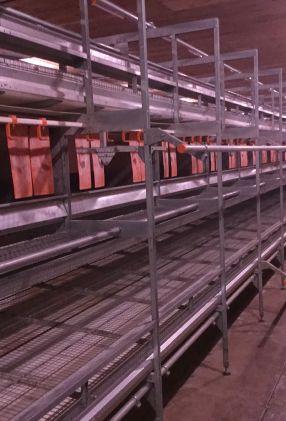
The organic barn is outfitted with a double row Big Dutchman Natura 24-21 aviary system. It was converted from a deep pit cage barn in 2014. In 2016, a slatted floor barn was renovated to free-range, with each side having a single-row Big Dutchman 24-18 Natura Step free-run aviary system. The pullet barn was also renovated to aviary-train the pullets with a Big Dutchman Primus system. Environmental monitoring for all barns is provided by Maximus. Canarm fans cross-ventilate the layer barns and tunnel-ventilate the pullet barn. Heat in all barns is provided by Hired Hand space heaters. LED lighting is provided by Once; layers receive dim-to-red technology (for calming and laying performance) and pullets receive dim-to-blue technology (to stimulate development).
Innovation factor
The Bisschops have focused on renovations that improve hen welfare and provide the ‘Five Freedoms’ through more accessible feed and water, extra space, perching and scratch areas. “Our next project will hopefully be some type of heat exchange unit to help eliminate some of the dust created by the scratch areas,” Bisschop says.
SECTOR
Layer, egg production
LOCATION
Rosedale, B.C.
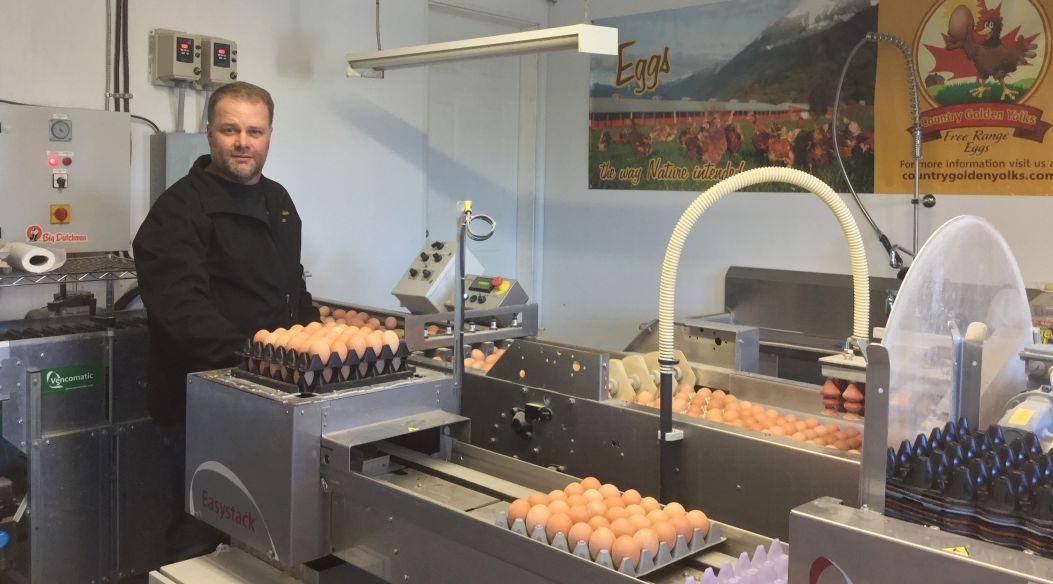
Jeff Bisschop at his new Prinzen packer with the Country Golden Yolks free-range brand banner in the background.
The Bisschops converted a slatted floor barn to the free-range system pictured above. Each side houses 13,500 hens.
Following the Turkey Farmers of Canada’s 44th Annual Meeting and Election of Officers, TFC is pleased to announce the 2018 Executive Committee and Board of Directors:
EXECUTIVE COMMITTEE
DARREN FERENCE CALVIN MCBAIN BRIAN RICKER Chair Vice Chair Executive Member