

DEPARTMENTS

From
By Mari-Len De Guzman
By Mari-Len De Guzman
On Oct. 17th cannabis retail stores across Canada will open their doors for the first time to Canadian adults. The past few months have seen licensed producers pushing to exponentially increase their growing capacity to meet anticipated demand in both the recreational and medical cannabis markets.
Mergers, partnership deals and acquisitions among major market players have dominated the industry news cycle. Provinces are striking supply deals with cannabis producers to ensure publicly run retail stores are adequately stocked. Of particular interest as well is the increased activity in cannabis marketing and branding in recent months. Canopy Growth’s Tweed brand, in particular, has been actively engaging various communities through major event sponsorships and participation, such as this year’s Pride Parade. Earlier this year, Indiva unveiled its new brand, delivering a fresh and contemporary look for its packaging and brand new website. AbCann Medicinals is also launching its new medical cannabis brand, Beacon, which also includes a brand new website and consumer education component.
It’s refreshing to see that a significant part of many of the
cannabis producers’ marketing strategy involve consumer education. With cannabis legalization, Canada is emerging from nearly 100 years of prohibition that sculpted a culture of stigma that’s been deeply etched in society. Breaking down the myths and eliminating the stigma will take more than just signing legislation into law and eliminating barriers to adult use.
Canada is emerging from nearly 100 years of prohibition that sculpted a culture of stigma that’s been deeply etched in society.
A recent survey commissioned by Deloitte indicates about two-thirds of current cannabis users will start buying from legal retailersafter Oct. 17th. Another survey by the company in 2016 pegged the number of Canadian adult users of marijuana at 22 per cent. A more recent survey, by consumer research firm Vividata, seems to confirm this number showing 22 per cent of those aged 19 years and older say they currently use cannabis. More than 200,000 Canadians are currently in the medical marijuana market.
Although we are yet to achieve an accurate picture of what is to be the recreational market in Canada, and how
legalization will shape this landscape, it’s clear from current market data that there is huge potential to grow the current 22 per cent marijuana market. The same Vividata survey found more than 50 per cent of Canadian adults support legalization – roughly 14 million people.
Eliminating the stigma around cannabis use and promoting its health and wellness benefits should be a huge focus for any consumer education efforts by the industry.
Considering that one in five Canadians experience chronic pain, and 59 per cent of potential cannabis consumers have experienced pain at some point in their lives, the market is clearly there. Getting over people’s preconception and misconceptions about cannabis will be key to tapping this huge potential.
Investing in a marketing strategy that includes factbased public education around the use and benefits of cannabis will be vital. This is happening now, with some cannabis companies employing strategies to “tell the story” of cannabis. More initiatives like this, particularly coming from the industry, should be encouraged.
Government education efforts combined with industry-led initiatives around public education will help create a healthy cannabis market.
Summer 2018 Vol. 2, No. 3 growopportunity.ca
EDITOR
Mari-Len De Guzman mdeguzman@annexbusinessmedia.com 289-259-1408
ASSOCIATE PUBLISHER Adam Szpakowski aszpakowski@annexbusinessmedia.com 289-221-6605
NATIONAL ADVERTISING MANAGER Nashelle Barsky nbarsky@annexbusinessmedia.com 905-431-8892
NATIONAL ACCOUNT MANAGER Sarah Otto sotto@annexbusinessmedia.com 888-599-2228 ext 237
ACCOUNT COORDINATOR Mary Burnie mburnie@annexbusinessmedia.com 519-429-5175 888-599-2228 ext 234
CIRCULATION MANAGER Barbara Adelt badelt@annexbusinessmedia.com 416-442-5600 ext.3546
MEDIA DESIGNER
Brooke Shaw
GROUP PUBLISHER Martin McAnulty mmcanulty@annexbusinessmedia.com
PRESIDENT & CEO Mike Fredericks
MAILING ADDRESS
P.O. Box 530, 105 Donly Dr. S., Simcoe, ON N3Y 4N5
SUBSCRIPTION RATES 1 year subscription (4 issues: Winter, Spring, Summer, Fall): 1 year offers: Canada $25.00 + Tax USA $35.00 USD FGN $40.00 USD GST # 867172652RT0001
SUBSCRIPTIONS
Roshni Thava rthava@annexbusinessmedia.com Tel: 416-442-5600, ext. 3555 Fax 416-510-6875 or 416.442-2191 111 Gordon Baker Rd., Suite 400, Toronto ON M2H 3R1
ANNEX PRIVACY OFFICE
privacy@annexbusinessmedia.com Tel: 800.668.2374
ISSN: 2561-3987 (Print) ISSN: 2561-3995 (Digital) PM 40065710
Occasionally, Grow Opportunity will mail information on behalf of industry-related groups whose products and services we believe may be of interest to you. If you prefer not to receive this information, please contact our circulation department in any of the four ways listed above.

We recognize the support of the Government of Ontario
More than half of Canadian adults support the legalization of recreational cannabis, according to a new report by Toronto-based consumer research firm Vividata. The report comes from a survey of 4,880 Canadians, of which 52 per cent has indicated support of the government’s move to legalize cannabis. Based on survey responses, 22 per cent of Canadians aged 19 and over are current users of cannabis, and 16 per cent say they are likely to consume cannabis when it becomes legal. One of the top motivations for potential users have to do with health and/or medical reasons. The study estimates that market potential for cannabis sales post-legalization could be as high as $8 billion.
Neptune Technologies has entered into a multi-year agreement with Canopy Growth to supplement its extraction, refinement and extract product formulation capacity. It is part of Canopy Growth’s plan to expand its range of cannabis extract products to prepare for the globalization of the cannabis industry, said Canopy Growth president Mark Zekulin.
“This significantly increased extract production capacity, coupled with extract focused research, positions Canopy Growth to meet the demand of patients and consumers in Canada and around the world. Neptune’s existing throughput capacity will complement Canopy Growth’s owned extraction capacity to support extraction requirements for the world’s largest cannabis production platform totaling 5.6 million sq. ft,” Zekulin said. Through the agreement, Canopy Growth is further diversifying its production platform and driving greater integration in the growing cannabis industry in Quebec, the company said.

Licensed producers continue to invest in extraction technologies that will diversify their cannabis product line, as legalization opens up market opportunities.
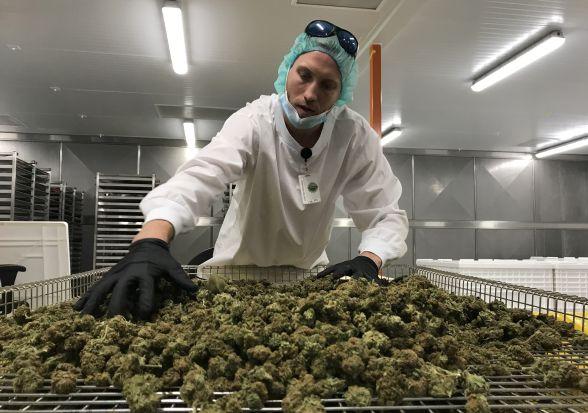
At least one major licensed producer has welcomed news that the Canadian government has introduced regulations to allow growing of cannabis in outdoor farms. CannTrust CEO Eric Paul said his company has been “preparing for” outdoor grow and has a plan in place to implement large-scale outdoor production.
“Traditional farmers will be tapped to contract-grow cannabis outdoor,” Paul told Grow Opportunity. “We’re going to give them our genetics, we will put the fence around and the security... we will apply for the (Health Canada) licence and they will be a contract grower for us.”
The company just inaugurated its new $40-million Niagara Perpetual Harvest Facility in Pelham, Ont., a 450,000-sq.ft. hydroponics greenhouse with an estimated capacity to grow up to 50,000 kilograms of cannabis per year. The facility will gradually expand to 600,000 sq. ft., doubling CannTrust’s capacity to over 100,000 kilograms.
The economics for outdoor grow makes sense and will result in lower production costs, according to Paul. Traditional indoor grows


have costs of about $2 per gram. A more efficient, state-of-the-art facility, such as the new CannTrust greenhouse farm in Niagara brings down the cost to about 75 cents per gram. An outdoor farm, however, would not have many of the costs associated with an indoor facility such as power and environmental control systems. This could lower the cost to about 25 cents per gram, Paul explained.
Cannabis grown outdoors, with less environmental control systems, will be used for extraction to produce edible products for CannTrust, Paul said. The premium, high-quality dried flowers will continue to be grown in the high-tech greenhouses, he added.
CannTrust’s new Niagara region facility is expected to operate on a perpetual harvest system, with a continuing work cycle 365 days a year, “creating a steady production capacity and a more stable work environment for employees,” CannTrust said in a statement. The facility will ultimately have a work force of around 250 full-time employees. The site will also be home to a new, large extraction facility in the near future, Paul said.
















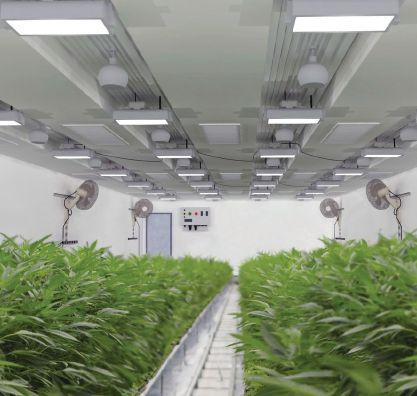
Sundial Growers has signed a three-year memorandum of understanding for collaborative research with the University of Calgary to conduct research and clinical studies on cannabis for medicinal purposes, the cannabis producer announced. The partnership aligns with the University of Calgary’s strategic research areas of brain and mental health, as well as infections, inflammation and chronic diseases. The parties will also look to create opportunities to sponsor specific trainees and faculty for projects related to the advancement of the understanding of medicinal applications of cannabis. Sundial currently operates a 31,000-squarefoot cannabis production facility in Rocky View, Alta., and has two separate production facilities in various stages of completion and licensing.
Medical cannabis firm Aleafia Health Inc has completed the acquisition of a modern, fully automated 160,000-sq.-ft. greenhouse in the Niagara Region, the company announced. Renovations at the facility are already underway, with the site expected to be retrofitted and licensed before the end of 2018. First harvest is expected in spring 2019. The facility will join Aleafia’s existing licensed facility in Scugog, Ont., which is expected to undergo a 150,000-sq.-ft. expansion, the company said. Aleafia is a vertically integrated medical cannabis company with a unique focus on delivering quality patient care from “seed to sale.” It maintains a singular focus on the medical cannabis market, operating the largest brick and mortar medicinal cannabis clinic network in Canada under the Canabo Medical Clinic brand.
Quebec’s government-run cannabis monopoly has launched a hiring drive with jobs starting at $14 per hour, but it cannot yet confirm Montreal will be among the cities getting the first wave of marijuana stores. Candidates without criminal records are being invited to apply on the website of the corporation, which is an independently run subsidiary of the Quebec Liquor Corp. The province is looking to open about 20 stores by mid-October, when federal legislation legalizing cannabis enters into force. Wages for sales clerks will begin at $14 per hour, and they will be eligible for health and other benefits.

The starting wage for a unionized employee at Quebec-run liquor stores is $19.33 an hour – a more than $5 wage gap with would-be cannabis store workers.
Aurora Cannabis has announced it has agreed to a new $200 million debt facility, with a potential upsize to $250 million, with the Bank of Montreal. The facility will consist of a $150 million term loan and a $50 million revolving credit facility, both of which will mature in 2021. A short period after the implementation of Bill C-45 in October 2018, the cannabis producer may request an increase of up to a further $45 million to the term loan subject to agreement by BMO and satisfaction of certain legal and business conditions. BMO will also be providing up to $5 million in other credit instruments.
Beleave Inc. has announced its acquisition of 100 per cent of the outstanding shares of Seven Oaks Inc. valued at $3 million, which the licensed producer said would strengthen its distribution arm in the recreational cannabis market. Seven Oaks’ branding appeals to consumers, both conceptually and in the quality it invokes, attracting them to become repeat customers, Beleave said. This acquisition bridges the gap between sourcing cannabis products from an established producer and retailing by leveraging Seven Oak’s marketing platform to provide consistent, recognizable quality across Canada. Beleave plans to launch Seven Oaks-branded cannabis flower, pre-rolls and oils after Oct. 17, 2018.


Matters
By Matt Maurer and Andrew Wilder
Matt Maurer is vice-chair of the Cannabis Law Group at Torkin Manes LLP. Andrew Wilder is chair of the Cannabis Law Group at Torkin Manes LLP. For more information, please contact the Cannabis Law Group at cannabis-law.ca.
On July 11, 2018, the Cannabis Regulations to support the coming into force of the federal Cannabis Act were published in the Canada Gazette, Part II.
This article discusses two new requirements contained in the regulations that licence holders should be aware of: (i) mandatory staff positions, and (ii) security clearance.
Under the existing Access to Cannabis for Medical Purposes Regulations (ACMPR), licensed producers are required to designate one senior person in charge and one responsible person in charge. Under the new regulations, a host of new mandatory positions have been established, which effectively replace these two positions. Federal licence holders will be required to hire or designate individuals for these positions:
Responsible person: This is an individual who has overall responsibility for the activities conducted under the licence and has the authority to bind the licence holder. The responsible person must have sufficient knowledge of the provisions of the Act and the regulations. Every licence holder, irrespective of the class or type of licence, will be required to have a responsible person.
Head of security: This individual ensures all applicable security measures set out in the regulations are complied with

and is responsible for the organizational security plan of the licence holder. All classes of licence holders, except for research and analytical testing licence holders, must have a head of security.
Master grower: Holders of licences for both standard and micro-cultivation, as well as nursery licence holders, must have a master grower. This individual is responsible for the cultivation, propagation and harvesting of cannabis and must have sufficient knowledge of the provisions of the Act and related regulations.
Quality assurance person: Holders of processing licences (both standard and micro) must have a quality assurance person. This is an individual who is responsible for assuring the quality of cannabis before it is made available for sale, investigating complaints about the quality of cannabis and, if necessary, taking corrective and preventative measures.
Qualified person in charge and senior person in charge: These positions are only
required for holders of cannabis drug licences. The qualified person in charge is responsible for supervising the cannabisrelated activities authorized under the licence and for ensuring that those activities comply with the regulations. The senior person in charge has overall responsibility for the management of the activities authorized under the licence.
Head of laboratory: A holder of a license for analytical testing must retain the services of an individual to serve as head of laboratory. This person is responsible for testing that is carried out by the licence holder.
Licence holders may choose to have an alternate person for each of these positions and, in some cases, more than one alternate is permitted. There also appears to be no prohibition restricting one individual from holding more than one of the specified positions.
The regulations include some transition provisions with respect to the existing positions of senior person in charge and quality assurance persons under
the ACMPR. Individuals who were designated as a “senior person in charge” under the ACMPR will be deemed a responsible person under the regulations. Individuals who were deemed “quality assurance persons” under the ACMPR will continue to be considered the same under the regulations, however the requirements set out above will apply.
The creation of these mandatory positions add another layer of regulatory compliance for licence holders over and above what licensed producers currently experience under the ACMPR. In particular, each individual holding such a position (with limited exceptions) must obtain security clearances.
The regulations expand the security clearance requirements currently under the ACMPR which provide that certain personnel must hold valid security clearances issued by the Minister of Health. The purpose of this requirement is to prevent those associated with organized crime or with past convictions for drug trafficking, corruption or other violent crimes from infiltrating the legal cannabis market.
Generally under the regulations, security clearances are required for individuals who are in a position to direct or control the licence holder and make significant operational decisions. Individuals occupying all of the following positions, and any alternates
thereof, are required to hold security clearances: the responsible person, head of security, master grower and quality assurance person. The only exception is for persons who may occupy one of these positions for an analytical testing or research licensee, in which case no security clearance is required to be held.
In addition, there is a broad number of individuals at the top of the corporate, cooperative or partnership structure (as the case may be) who are required to obtain security clearances under the regulations.
As most licence holders are organized as corporations, we will use the security clearance requirements for corporations as our example in this article. With respect to a corporation, all of the following persons are required to hold security clearances:
• all officers and directors of the license holder;
• any individual who exercises, or is in a position to exercise, direct control over the license holder;
• the directors and officers of any corporation or cooperative that exercises, or is in a position to exercise, direct control over the corporation;
• any individual who is a partner in a partnership that exercises, or is in a position to exercise, direct control over the license holder; and
• the directors and officers of any corporation that is a partner in a partnership that exercises, or is in a position to exercise, direct control over the corporation.
Under the ACMPR, only the senior person in charge, the responsible person in charge,
the alternate responsible person in charge, and the officers and directors of the corporation that holds the licence are required to hold security clearances. Thus, many of the security clearance requirements set out above and as contained in the regulations are new.
Currently, the effective decision makers of a licensed producer can reside at a holding company level and maintain effective control over the licence-holding entity without having to obtain security clearances. The regulations aim to avoid such a scenario going forward. However, questions still exist over the interpretation of the words “is in a position to exercise direct control” and which individuals may be required to obtain security clearances in different circumstances. This ambiguity may pose a challenge to corporate structures for existing licence holders.
Over the next few months and prior to the regulations coming into force, a better understanding of what is intended by the words “exercises direct control” will need to be determined in consultation with the government. Depending on the intention behind these words, they could have a significant impact on many existing structures in the marketplace.
Entities that currently hold licences under the ACMPR or the Narcotic Control Regulations must, within three months after the Regulations come into force, provide Health Canada with the name and position of any individuals who do not hold a security clearance but are required to do so, and ensure that such individuals
have submitted an application to obtain their security clearance. The regulations do not stipulate that security clearances must be obtained within three months, simply that the application must be made within three months. Accordingly, all existing licence holders should begin taking steps to ensure that they meet the timelines set out in the regulations.
The introduction of the regulations will elevate the level of regulatory compliance imposed on existing licensed producers and future licence holders. Among other things, licensees will need to designate individuals to hold new
mandatory positions and to ensure that such individuals have the requisite qualifications and are in compliance with the Act and regulations. In addition, a greater number of individuals related to licences will need to obtain valid security clearances from Health Canada, which causes greater regulatory complexity for licence holders and the possibility of significant changes to existing organizational structures.
Prudent licence holders and applicants should take steps now to ensure that their organizational structures are appropriate in light of the new regulatory environment in which they will soon operate.
A proven constructed wetland technology for treatment of greenhouse irrigation leachate water, process wash water and/or sanitary sewage .
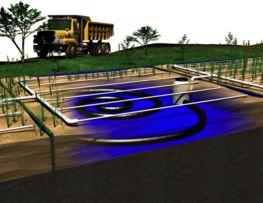
Our sub-surface, vertical flow constructed wetland consists of sand & gravel beds planted with moisture tolerant plant species. Water is pumped vertically from cell to cell. There is no open or standing water and the system is designed to operate winter and summer. Treatment of wastewater occurs through physical filtration & biological degradation. Plants shade & insulate the cells, preventing algae growth.
Our wetland systems have received numerous approvals by the Ontario Ministry of Environment and Health Canada for treatment of many types of wastewater, including sanitary sewage combined with cannabis process water generated from washing and irrigation activities.
Also approved in 2012 by the Region of Niagara for pre-treatment of high strength washwater
(i.e. < 10,000 litres per day) prior to discharge into a Class 4 septic system.
Recent projects include:
1) treatment (re-use) of green house irrigation leachate / process water, Niagara, Norfolk & Haldimand counties;
2) treatment of sanitary sewage combined with greenhouse process water (cannabis) in Niagara;
3) treatment of sanitary sewage at numerous sites through out Ontario.
We provide turn key systems, including design, permitting & installation or will partner with your chosen consulting/engineering company.

Contact: Lloyd Rozema at 905-327-4571 or lrozema@aqua-tt.com Aqua Treatment Technologies Inc. 4250 Fly Road, Campden, Ontario, Canada, L0R 1G0 www.aqua-tt.com

By Mohyuddin Mirza Cultivation
Dr. Mohyuddin Mirza (drmirzaconsultants@gmail.com) is an industry consultant with more than 37 years of experience in crop development, production and marketing. He specializes in the technical aspects of hydroponics and systems for plant production.
Sixteen elements are considered essential for proper growth of cannabis and these are the same as for other crops like tomatoes, cucumbers, peppers and lettuce. Out of these sixteen elements, carbon is at the top of the list and is required in large amounts. The carbon is taken from the air as carbon dioxide.
I have seen cannabis crops being grown without any additional supply of carbon dioxide. The air which is brought in the greenhouse or indoor facilities contains about 400 parts per million (ppm) of CO2 and it can be depleted if fresh air is not brought in. Cannabis plants growth will slow down at 300 pm and will stop growing if CO2 levels drop below 200 ppm. In an indoor situation the growers have to be very careful if CO2 burners are used as a source of carbon dioxide. A supply of fresh air is needed for such burners, otherwise unwanted carbon monoxide, nitrogen dioxide and ethylene can build up to cause damage to plants and to buds when resins are being formed in trichomes. My preference is to use liquid CO2 in indoor facilities.
Light energy is used to fix CO2 and water inside the leaves. One should have proper information on how much CO2 should be used. Many recommendations are to go as high as 1,500 ppm and the assumption is that the higher the CO2, the higher will be the production. In my experience,
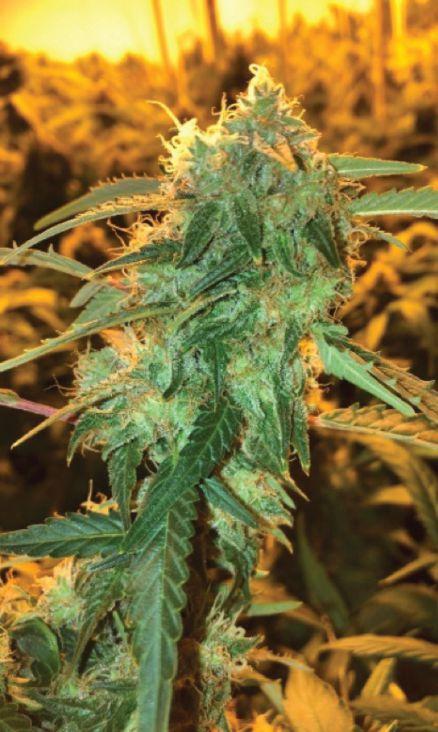
staying close to 800 to 1,000 ppm is ideal. Basically, we want to make sure that CO2 is not depleted in the grow area, and also providing additional CO2 so that higher photosynthetic rates are achieved. That means more biomass production and better quality.
To enable the plant to use CO2 properly, ensure following aspects are taken care of:
CO2 is only added when light is available. Cannabis plants photosynthesis peak is early in the morning when sunlight is received by the plant, so many growers will start adding CO2 an hour before sunrise so that the levels are at the range when light hits the crop. In case of indoor production, CO2 can be turned on a few minutes before light is turned on. Remember, plants produce CO2 during dark period so it is quite possible that you don’t need to add CO2 first thing in the morning. Monitoring of CO2 levels is essential.
Stomata fully open for the CO2 to get inside the leaves. These are the openings under the leaf surface, which basically regulate gas exchange in plants. Moisture is lost through these stomata and CO2 diffuses in.
Stomata open properly when plant water system is fully charged and enough potassium is available. So make sure that before light is turned on in indoor situations, water is present in the root zone. In greenhouse cannabis cultivation, first watering is an hour before sunrise so that plant cells are fully turgid.
Having proper range of vapor pressure deficit (VPD) is also essential for stomata to open. VPD describes the moisture differential between the leaf surface and surrounding air and basically, it is a calculation describing temperature and relative humidity. VPD is reported in millibars, killopascals and grams of water per m3 of air. I like grams/ m3 of air and cannabis plants’
optimum working range for VPD is between 3 and 7 grams/m3 of air, which is between 3.9 and 9.2 millibars.
Many smaller growers with 100 to 200 plants tend to use organic composts, like from mushroom, decomposing straw bales and other systems to supply CO2 to plants. Essentially, you cannot control the levels from such materials.
Natural gas burners are commonly used in greenhouses and sometimes in indoor facilities as well. Burning natural gas generates heat and water as well. One m3 of natural gas provides about 1.8 kg or 1,000 litres of CO2 when combusted and 1.4 litres of water. This could have an impact on relative humidity.
When using natural gas for CO2
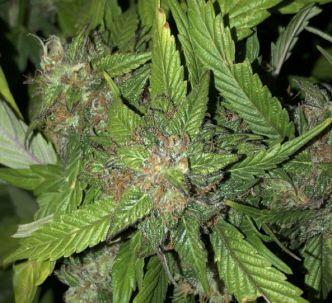
production, make sure that the level of sulfur is less than 0.02 per cent. Sulfur dioxide at more than 0.2 ppm can cause severe damage to cannabis plants. Also be aware of possibility of ethylene damage due to plants as combusting
by-product.
Flue gas from boiler exhaust can be used. However, one must be aware of the possibility of nitrous oxide production due to incomplete combustion, which can cause serious leaf damage to cannabis plants.
The best option is to use liquid CO2 for cannabis production. The liquid CO2 has to be vaporized, and commercial systems are readily available.
Since CO2 is a heavier gas, it has a tendency to diffuse downward. The key is to provide CO2 at canopy level. When using liquid CO2, it is easier to do that through perforated plastic tubes. Good air movement will mix the CO2 around and plants can benefit properly.
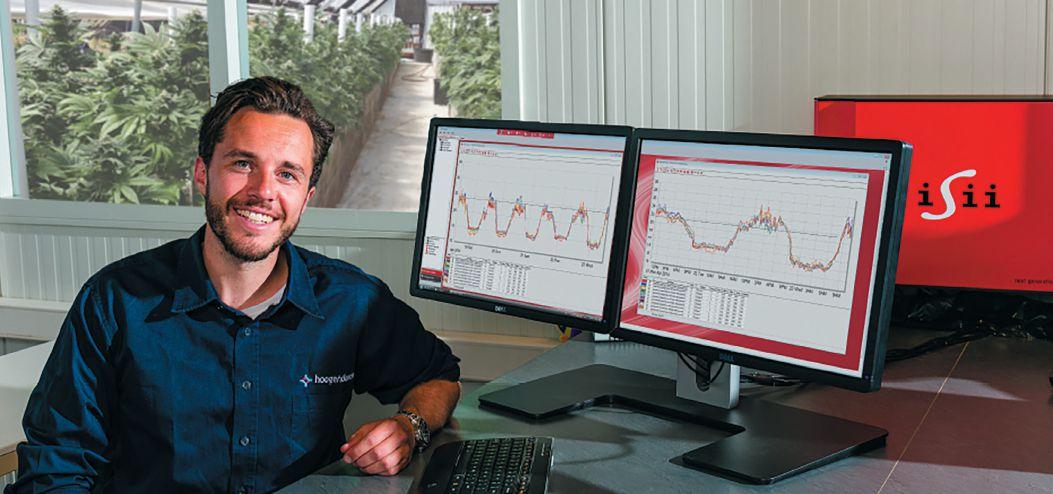
We focus on the automation of indoor farming
So you have full control over the growth of your cannabis plants
Hoogendoorn’s next generation iSii monitors and controls all climate,irrigation and energy equipment in all types of facilities such as greenhouses and buildings. The iSii is equipped with advanced controls that work according to the principles of Plant Empowerment. This way light, temperature, humidity and CO2 are aligned with each other for a maximum photosynthesis. In addition, to prevent water stress, irrigation is driven by the evaporation energy and water balance of the crop. With the iSii process computer, you set the base for high quality production.
info@hoogendoorn.ca | www.hoogendoorn.ca

By James Eaves
One of the challenges cannabis growers face is a lack of rigorous, academic studies investigating the various aspects of their business. Lighting is an important example, since it is typically the highest single capital expenditure for indoor and advanced-greenhouse growing facilities.
For this reason, Université Laval created its first research partnership with a licensed producer, Green Seal Cannabis Company in Stratford, Ont. The first goal of the partnership is to investigate the ROI of various lighting strategies. We have started, but not completed, estimates of the ROI of several lighting fixtures including 1000 W double-ended (DE) HPS fixtures and horticulture LED fixtures produced by BIOS Lighting, Fluence Bioengineering, Illumitex, P.L. Lighting Systems, and IF Lighting Co. Ltd (a LED start-up located near the Green Seal facility).
We are also analyzing the viability of a new type of electricity: digital electricity. It was invented by Voltserver, and it allows high-voltage electricity to be distributed safely using common communication cables. Its benefit is that a company can install electricity with the same lowcost installation practices as
Ethernet cable except at hundreds of Watts per cable, thus potentially reducing the cost and increasing the speed of installing electricity. The product is not currently used in agriculture, but it is used across the world for Internet of Things (IoT) powering skyscrapers, NFL stadiums, international airports, and major hotel chains. The CEO of Voltserver is my brother. I have no financial interest in the company.
approximately 600 W.
Even just a few years ago, the cost of a 600 W LED was at least five times that of a 1000 W HPS. So many LED providers sold 200 to 300 W LEDs and claimed they were equivalent to a 1000 W HPS. This marketing strategy did lasting damage to the industry, as many growers tried these LED fixtures and found they produced significantly lower yields compared to HPS. That perception still persists today, even though
The relative performance of HPS and LED lights is hotly debated in the industry.
The relative performance of HPS and LED lights is hotly debated across the cannabis industry. LEDs have been marketed as a means of reducing energy costs. But many growers believe that LEDs have lower canopy-penetration capacity, resulting in lower yields. This perception can be explained by past marketing strategies by LED companies. Producing and directing a photon to the plant canopy using a LED requires about 40 per cent less energy than an HPS bulb. So, to produce the same yield as a 1000 W HPS bulb, the LED would need to draw
the efficiency of LEDs has increased to a point where true HPS equivalent LEDs are affordable.
As a benchmark, the first experiment we conducted compared the DE HPS to an off-the-shelf, full-spectrum, high-bay LED (HB LED) with a colour temperature of 3,000 Kelvin. The HB LED is mas-produced and used for things like lighting warehouses. Its purchase price is about twice the cost of DE HPS on a Watt basis, but with HPS bulb changes alone, the value is comparable over two to three years of operation. LEDs offer the ability to
place the light closer to the canopy without causing bleaching, thus directing more photons to the leaves. This quickly results in LEDs exceeding the production capability of HPS on a Wattfor-Watt basis. The HB LED is produced by HP Winner and are fully wet rated. Our eventual goal, is to benchmark the ROI of horticulture fixtures (LED and HPS) to mass-produced, white LEDs.
We created two treatments. Each treatment contained 32 Cold Creek Kush plants, distributed evenly across a 4x8 foot table. Both treatments were grown in one of Green Seal’s flowering rooms, received the same nutrient schedule, and were exposed to the same climate conditions.
In order to better maintain the same, realistic climate, we decided not to enclose the treatments. Thus, each treatment received some spill-over light from nearby racks, especially the HPS treatment, which was straddled by two, two-level rolling tables equipped with 1000 W HPS lights. We used a spectrometer to estimate the total daily light integral (DLI), so we could account for the spill over light.
The HPS treatment was lighted by two 1,000 W fixtures (2,000 W total) that were mounted 36 inches above the canopy. Six 320 W (1,920 W total) HP Winner fixtures were mounted 18 inches above the canopy. Digital Electricity was delivered to the HB LED fixtures.
We used a spectrometer to
By Mari-Len De Guzman
At the heart of southwestern Ontario, one crop producer has mastered the art of aquaponics, where healthy tilapia fish are grown alongside premium quality cannabis.
Green Relief has been growing marijuana for medicinal purposes since 2016. From the beginning, the company has made it its mission to find sustainable ways to grow their crop.
“Aquaponics started for us as a small greenhouse addition to the back of our house with a selfcontained system,” explains CEO Warren Bravo. “We were going to grow vegetables for our family all year round, at a greenhouse that we can walk up to all year round at our residence.”
Bravo’s 50-acre property in Flamborough, Ont., is home to Green Relief’s 32,000-sq-ft. indoor grow facility. Construction is underway for an additional 220,000-sq.-ft. building that is expected to produce 45,000 kilograms of cannabis annually. A third building is also part of the expansion plan, which will provide an additional 180,000 sq. ft. of
production space for the company.
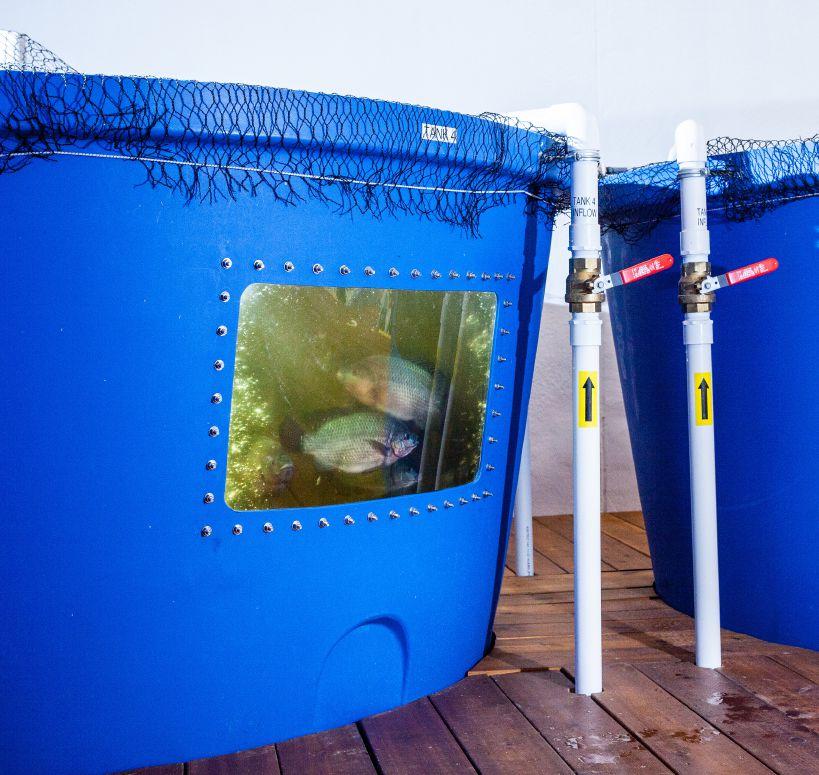
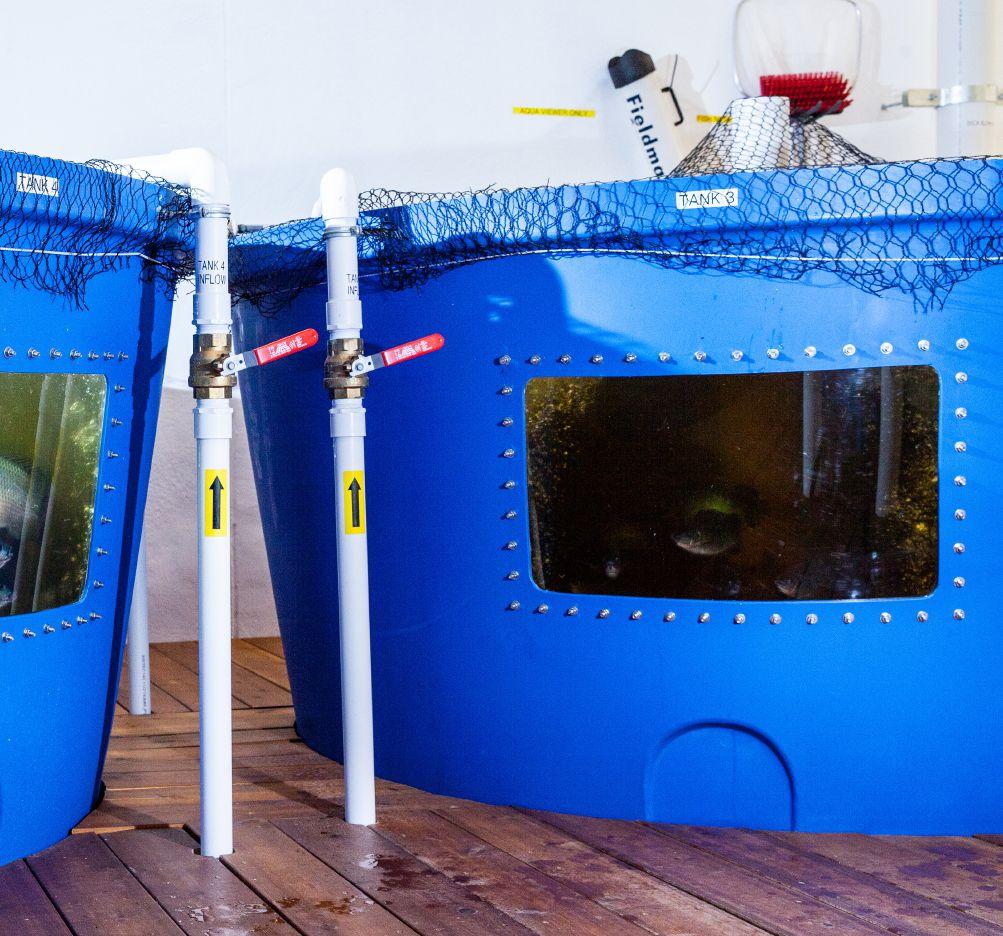
Green Relief is one of at least 114 licensed cannabis producers in Canada to date, but its growing technique is unique in the industry. Using aquaponics technology developed with Nelson and Pade, in Montello, Wisconsin, Green Relief uses fish waste carried through a recirculating water system to deliver nutrients to the cannabis plants. Around 300 tilapia fish are grown in circular tanks located inside the grow room. Upon maturity, the fish are harvested and donated to local food banks.
“The idea of having an aquaponics system at the house has morphed into what you see now as North America’s – or the world’s – only high-production cannabis facility using aquaponics,” Bravo states.
Put plainly, aquaponics is a system of growing food that uses a closedloop process that mimics the ecosystem approach.
Green Relief’s aquaponic structure is powered by a recirculating aquaculture system containing 18,000 gallons of water continuously recycling through the system, explains Derek Bravo, operations manager.
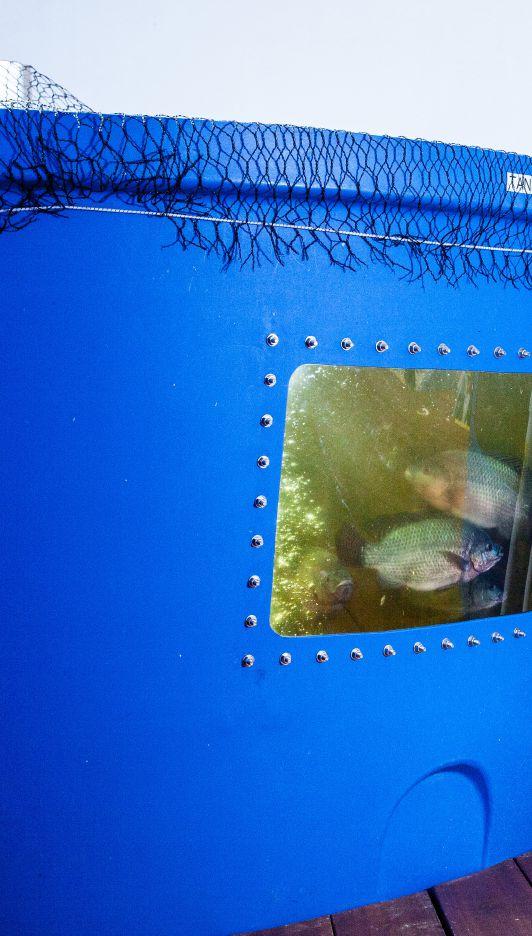
Fish start out in the system as fry. They stay in the nursery with young cannabis plants. As both plant and fish grow, they are transferred to the main grow room where they stay until ready for harvest, at which point they go their separate ways – the cannabis flowers go to the dry room for processing and the tilapia go into Second Harvest trucks for delivery to local food banks.
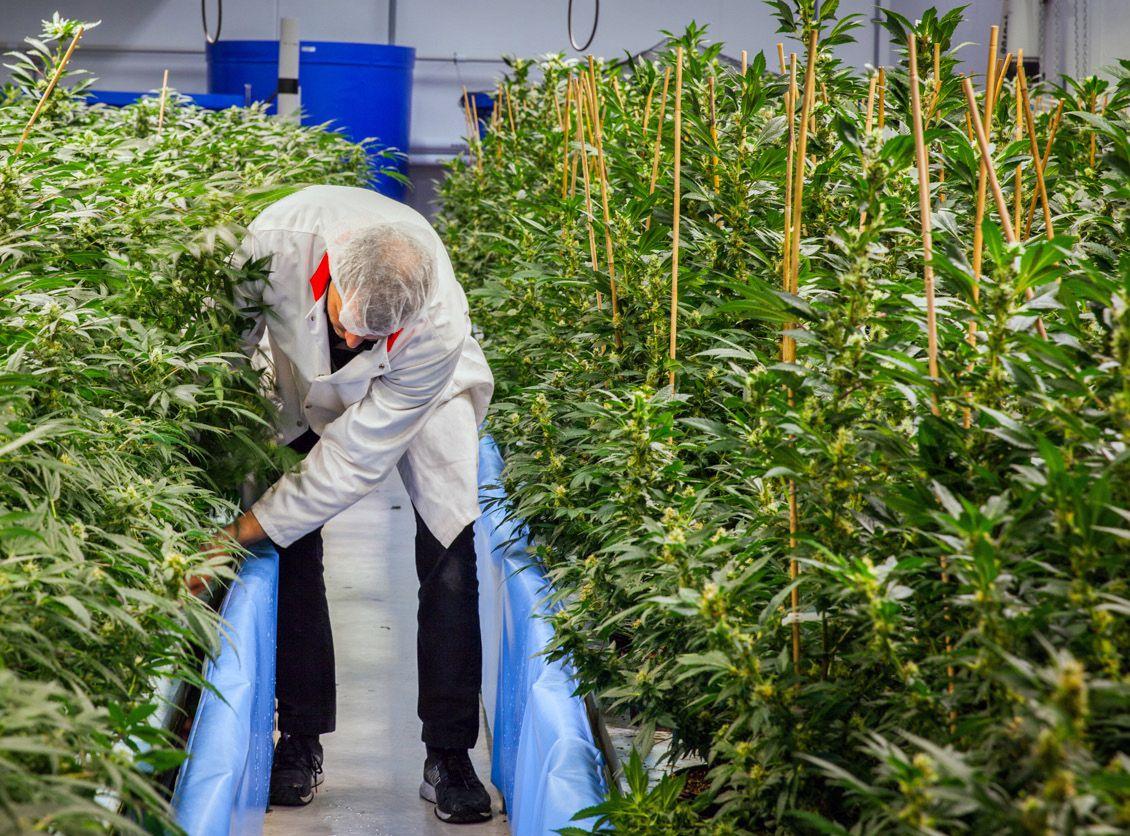
All the magic happens in the grow room. Derek Bravo explains they use only organic fish feed to grow the fish. Fish waste are then produced, which flows through the tank into the clarifiers. The clarifiers are the first level of filtration, consisting of a light screen in the middle. Heavy solids then sink to the bottom of the tank, while the finer solids flow through from the clarifier into the
RAS talk
A recirculating aquaculture system (RAS) is an important component of an aquaponics farm. It uses a series of biofiltration process to treat the water and allow it to be re-used infinitely througout the system.
Lethbridge College’s new interactive online course, Introduction to Aquaponics, breaks down the integrated aquaponic system into its individual components. It includes seven modules: physical system, water, microbiology, fish, plants, ecology and production.
The course content features videos, simulations, case studies and discussion boards.
mineralization tank – where the finer solids are broken down further. The water then goes further into the bioreactor.
“That’s where the aerobic bacteria is created with heavily oxygenated tank with a bunch of bio beads, where the bacteria lives on,” Bravo explains. “Once the beads get too covered with bacteria coating, it will break off, flow into our system that attaches to one of the grow beds.”
In this process, nitrification occurs and the resulting nitrate becomes nutrient for the plants.
“The plants just sit on Styrofoam, and they just float on the water. Their roots go down the water and
Working with Professor Joseph Rasmussen, chair of the Department of Biological Sciences at the University of Lethbridge, Nick Savidov of Lethbridge College helped develop a university course on aquaponics, aerobic bioreactors and integrated food production systems.
just uptake nutrients whenever they need them,” Bravo says.
The water then flows back to the fish tank and the cycle repeats.
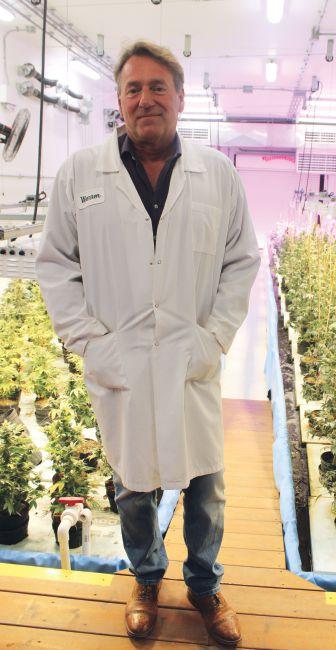
CEO Warren Bravo notes the significant amount of research and the huge learning curve that went into the process of building Green Relief’s aquaponics facility. Bravo and Green Relief cofounder Steve LeBlanc both come from the construction industry. Their knowledge of buildings and structures only took them halfway through achieving their goal of establishing a sustainable cannabis production company that leaves as little impact on the environment as possible. The rest, they had to learn.
The pair spent over two years doing research on aquaponics, speaking with known experts on aquaponics and sustainable agriculture around the world. Among them was Nick Savidov, senior research scientist of the aquaponics program at Lethbridge College in Alberta.
“Aquaponics is an integrated multitrophic production system,” explains Savidov.
In aquaculture, an integrated multitrophic system follows the concept of a natural marine ecosystem, where one species produces the waste or byproducts that become sustenance to another organism within the ecosystem.
“Natural ecosystem does not have waste; everything is getting utilized, so that the waste product of one component – such as fish manure – become feed stock for another component, which are beneficial microorganisms such as bacteria, fungi, protozoa and so forth. The plants are fed by the water, then the water goes back to the fish,” Savidov says.
The aquaponics approach is different from the traditional monoculture approach in agriculture – such as hydroponic or soil-based crops – which have generally been unsustainable, he says.
In an aquaponics system, “recirculation” is the key word, Savidov says. “Water becomes not just a habitat for plants, fish
and the nutrients and microorganisms. Water becomes a carrier, a link which ties together all those components.”
Although in its infancy, aquaponics is beginning to gain traction in the food production industry. A recent decision by the U.S. Department of Agriculture not to reject aquaponics as an organic technology opens up a huge potential for aquaponicbased food production facilities to get certified as organic, Savidov says. He hopes Canada would follow suit.
Another advantage of aquaponics over traditional methods of production is that every component can be naturally grown without any use of chemicals or additional fertilizers.
“In modern agriculture we use resources such as fertilizer. All fertilizers come from finite resources… from raw deposits which are not limitless,” Savinov notes. “What happens if we exhaust all
raw deposits?”
Savidov acknowledges fish feed may be the biggest cost factor in an aquaponic system, but even that, in the long run, can be addressed by a self-sustaining, advanced system that increases plant output with less amount of fish feed. The key is in the aerobic bioreactors.
“Use of aerobic bioreactors allows 100 per cent nutrient recycling in an aquaponic system and improves the crop output in the system,” Savidov explains.
Aquaponics done right requires a significant amount of initial investment. Green Relief invested $12.5 million in the construction of its building and the stateof-the-art aquaponic system inside it. It was an essential investment that is now starting to pay off for the cannabis producer.
“We have spent a lot of money upfront, but because we did that we actually, right away, got a very inexpensive cost of sale,” CEO Bravo says. Currently, Green Relief’s cost of producing cannabis is at $1.42 per gram, and the average sale price is $9.05 cents per gram, according to Bravo.
A variety of factors contribute to the lower cost of production, including the use of LED lights, which saves the company between 35 to 40 percent on hydro cost. The company also does not use any external inputs, such as fertilizers or pesticides, for its plants owing to the sustainability of the aquaponic system, i.e. nutrients from fish waste as fertilizers, Bravo says.
Despite the expanding cannabis industry in Canada as legalization takes effect this October, Bravo believes consolidation will continue to take place and the market will calm down.
“There is going to be a reconciliation in the industry where the business is going to be like all other businesses,” he says. “You’re going to have to have a low cost of goods sold and a very high quality product going out the door on a regular basis. If you can achieve that, I think you’ll be standing when the dust settles.”
Today, a big chunk of Green Relief’s



22,000+ cannabis business leaders and investors
900+ exhibitors ready for serious business discussions
120+ informative industry leading speakers









- Chanda Macias, Ph.D. Owner & General Manager,

capital goes into research and development. Earlier this year, the company received its licence to produce and sell cannabis oil. The company has already spent $2 million building its extraction laboratory and upgrading its existing production systems.
While most licensed producers are seemingly in a race to get the lion’s share of the recreational cannabis market, the tilapia-growing cannabis producer is in no hurry to burst into this new market.
For now, it’s focused on continuously improving and providing its medical cannabis customers with the highest quality product, Bravo says. “It’s about helping people and the quality of life for our patients, and so much more to do with the R&D and the science of what makes this plant so effective as medicine.”
He adds, however, that it’s not closing
its doors to the recreational market.
“It will be foolish to say we’ll never take advantage of the rec market; we’ll see. It’s not in our plans right now, but I never say never,” he says.
The Canadian recreational marijuana market may not be high on Green Relief’s list of conquest at the moment, but the global market is. It recently signed a joint venture deal with Swiss companies Ai Fame GmbH and Ai Lab Swiss AG to develop a new line of cannabis products that will be sold across Europe and Canada.
Green Relief is also cultivating another business opportunity with its aquaponics supplier Nelson and Pade. Bravo explains building an aquaponic system specifically for growing cannabis requires a great deal of customization to ensure all components are working as they should be. The result
was an aquaponic system, developed with Nelson and Pade, that is optimized for cannabis cultivation – which Green Relief has acquired the rights to distribute across North America for cannabis growers. Green Relief is also the exclusive distributor of Nelson and Pade aquaponics systems for vegetable growers in Canada.
Another business opportunity is swimming in Bravo’s mind.
“In the additional building that we just started we’re going to have 50,000 tilapia. There will always be a component of our fish being donated to charitable organizations, but what I would like to do with our fish is use our CO2 supercritical extraction technology to extract Omega 3 from our fish and blend them with cannabis oil extract and put out something new and different to the neutraceutical world,” Bravo says.









ADDRESSING THE NEEDS OF BUSINESSES AS WE CULTIVATE THE SEEDS FOR ENERGY SOLUTIONS

• Direct Purchase Planning
• Asset Optimization
• Strategic Commodity Plan
• Market View
• Forecasting
• Balancing
• LDC Interface
• Recommendations
Dedicated to Energ y E xcellence As an agricultural owned energ y co-operative, the only one of its kind in Ontario, we bring a new approach to natural gas and electricity markets
Call for a free energ y consultation: 1-866-818-8828 • 519-763-3026 www.agenerg y.coop
By Ketch DeGabrielle
Until recently, the craft of growing cannabis has mostly been an underground trade, where the development of growing techniques is largely a private, trial-and-error process. As legalization spreads and cannabis becomes further normalized, cultivators are asking the question: when will cannabis farming be treated like farming?
Today’s cannabis farmers face immense challenges, including high expenses and excessive regulation. However, as the demand for cannabis grows, so does the number of producers. The best ones are becoming more efficient by investing in better tools, mechanizing tasks, and focusing on consistency and process development. In agriculture, there are machines and process solutions for nearly everything. In cannabis, we are still writing the first chapter.
One of the largest disparities between agriculture and cannabis farming is health and safety standards. Federal government structures such as the Food and Drug Administration in the U.S. and The Food and Drugs Act in Canada perform substantial research to determine what is safe and acceptable in food, but in cannabis, these regulations vary based on location. Some areas are required to test for pesticides, yeast, mold, salmonella and so on – while others are not.
In agriculture, processors have consistent methods for treating all of their food products for contaminants prior to release in the market. In many cases, these processes are approved by regulatory
agencies as being effective and allow for a systems approach to dealing with yeast, mold, and bacteria issues.
Cannabis cultivators are also working to address these same issues to ensure customer safety and regulatory compliance. It seems only natural that when searching for reliable, long-term solutions for the ageold problems the agricultural industry has faced, some cultivators and cannabis business owners are adopting the same methods.
Similar to the food industry adopting regulatory requirements to deem foods safe for sale, cannabis must also meet regulatory requirements before being sold at a dispensary. Canada and U.S. states,
such as Colorado, Nevada, Hawaii, New Mexico and Arizona, have adopted a total yeast and mold count (TYMC) threshold for cultivators to meet with a regulatory limit of 10,000 colony forming units per gram of cannabis (CFU/g). A colony forming unit is the scientific means of counting and reporting the population of living yeast and mold in a product.
To determine TYMC, a cannabis sample is plated on a petri dish and incubated at a specific temperature for three to five days. During this time, the yeast and mold present will grow and reproduce. Each colony, which represents an individual or a group of yeast and mold, produces one spot on the petri dish, which is considered one colony forming unit. Dead mold, dead spores and powdery mildew do not grow



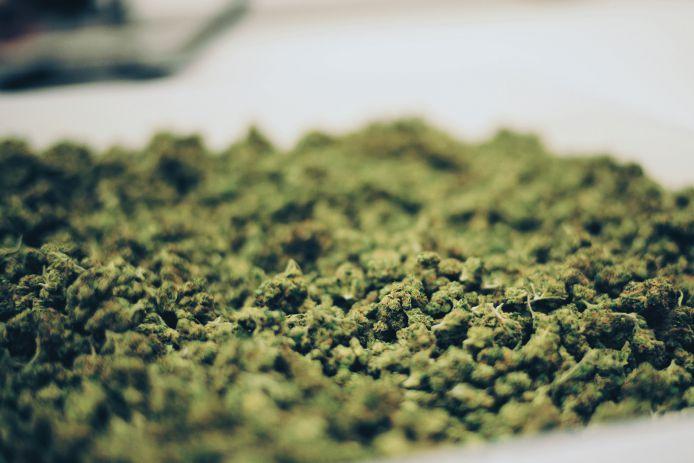
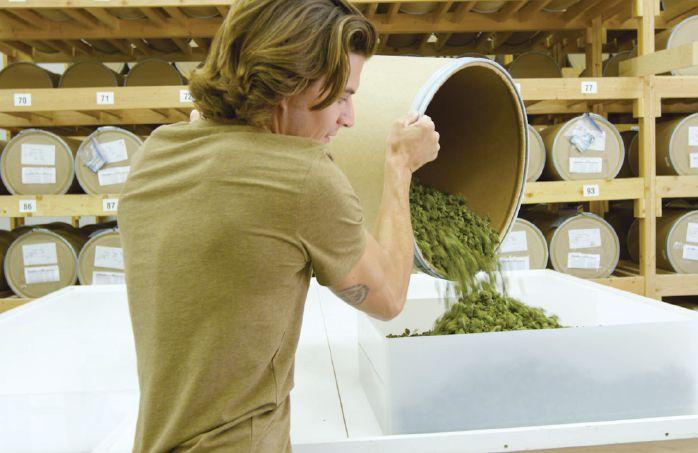
processing on microbial reduction with a variety of food and agricultural products. Currently, the RF treatment process is used across the globe to ensure safe food products for the masses. Products such as almonds, cashews, hazelnuts, macadamia, Brazil nuts, sesame seeds, and chia seeds have been treated with RF for the past decade, and the RF treatment process received the stringent process validation certificate from the Almond Board of California, as well as USDA organic certification. RF is also used to treat delicate, high-value spices and herbs like vanilla beans and teas.
Radio frequency at 27.12 Mhz is on the lower end of the electromagnetic wave spectrum. At low frequencies, electromagnetic waves are unable to carry adequate energy to alter atomic and molecular structures to “ionize atoms,” making RF a non-ionizing process.
It treats product by exposing it to an electromagnetic field. The molecules containing water reverse their polarity and oscillate at 27 million times a second, generating even, volumetric heat. This generation of friction ruptures the cellular walls of the pathogens and kills them. This process creates sufficient thermal energy strong enough to kill the microorganisms, but low enough not to destroy the sensory characteristics and quality of the product.
in a petri dish and therefore, are not considered CFUs.
It’s important to note that mold by itself is not always considered bad – it is widespread and can be found in the air, water, soil, vegetation and decaying matter. The vast majority of mold and yeast in the environment are harmless and even useful to humans. Due to their versatility, it is rare to find a place or surface that is naturally free of fungi or their spores.
Radio frequency (RF), a technology long associated with the telecommunications industry, also has a rich history in agriculture for food pasteurization to kill microbial pathogens. Early attempts of using RF for food pasteurization date back to 1947 when RF was tested to extend the storage life of bread loafs. In the years since, many scientists and researchers have conducted experiments to explore the efficacy of RF
Using radio frequency to reduce TYMC is becoming increasingly popular amongst producers in North America. Canadian LPs are moving away from gamma and e-beam, which both use ionizing radiation. As the cannabis industry continues to grow and advance, and consumers become more educated, it is likely that additional markets will adopt some form of TYMC testing as customers demand higher levels of product safety, preferably organic.
Typically, the processing time for a batch of 20 pounds of cannabis using RF is less than 15 minutes, making this option scalable for large cultivators. RF preserves cannabis’ potency, avoids decarboxylation, and has minimal to no impact on the sensory qualities of the product: colour, texture, aroma, and flavor. Most importantly,


























HUMIDITY IS KILLING YOUR CROPS. AND YOUR PROFIT MARGIN.
Humidity. It’s the constant threat that no one wants to talk about. However, with our exclusive Agam VLHC technology, air is continuously dehumidified and filtered, capturing and neutralizing fungal spores on contact. You get healthier, more abundant crops, use less fungicides and cut energy costs by about 60%. Start clearing the air today.


Visit envirotechcultivation.com/agam to watch Agam VLHC in action.









flower is brought under the 10,000 cfu/g threshold, even with a starting count as high as 150,000 cfu/g.
During my time as the operations manager at Los Sueños Farms, the largest outdoor cannabis farm in the U.S., I spent two years researching yeast and mold remediation methods. There are several methods to effectively kill yeast and mold on finished product, but very few that scale and do not negatively affect quality. Outdoor cannabis farms are subject to a wide range of weather conditions and uncontrolled variables, and while these conditions do not cause
cannabis to be inherently moldy, the wind carries spores from surrounding areas, which can cause mold if allowed to germinate.
Secondary contamination from human handling during harvest and trimming for both indoor and outdoor-grown cannabis is also a problem. Every cultivator should strive to dial in growing methods to limit contaminant exposure during cultivation, but oftentimes nature throws a curveball and you must be prepared for the unexpected to remain competitive in a difficult market. Every cultivator should have a
finished product remediation plan.
At Los Sueños, our goal was to ensure that all cannabis produced not only met state regulatory requirements, but also offered the safest and cleanest product possible to our customers. For these reasons, we decided on RF as the optimal solution and have incorporated the RF treatment process using technology from Ziel, based in San Francisco, Calif., into our production processes for the past two years with great success. In roughly four weeks, Los Sueños Farms harvests 36,000 plants, so the efficiency and reliability of radio frequency treatment is critical in keeping production on schedule.
As the Canadian cannabis industry experiences immense growth due to impending legalization, it is crucial to implement processes in your grow that will enable you to both provide the safest product to consumers and protect your business.

Jacob Turola and Cristobal Leal are scientific researchers at Æther Research, a scientific research and experimental farm focused on agricuture, plant breeding and genetics. Contact them at info@aetherresearch.com
By Jacob Turola
Cristobal Leal
Physical evidence of cannabis consumption dates back farther than 2000 BC. The practice of Cannabis for medical and psychoactive activities are well-documented among First Nations communities and pre-colonial settlements.
The spread of cannabis in North America by Europeans predominantly occurred in the 1600s; mainly for the textile applications of hemp fibres. After its ban in 1937, growers needed to become both more discreet and creative with their methods. Over this time period, methods of growing and reproducing cannabis has changed greatly and new methods continue to surface.
Growing cannabis is not limited to a classic outdoor garden setup. The propagation and selection of specific cultivars of cannabis has resulted in many techniques in recent years. The relative quantities of cannabinoids, such as THC and CBD, are commonly selected and manipulated for or against when cultivating a strain for medical or recreational use.
Strains are created via selective breeding. Specific plants, usually female, which contain a vast quantity of cannabinoids, flavonoids and terpenes, can be relatively adjusted and altered through such breeding. The process is fairly slow and may take many generations of breeding and cloning for seedlings to fully create a new variety. The process influences the cannabinoids and thus: the evolution of the plant.
When a desirable strain is generated,
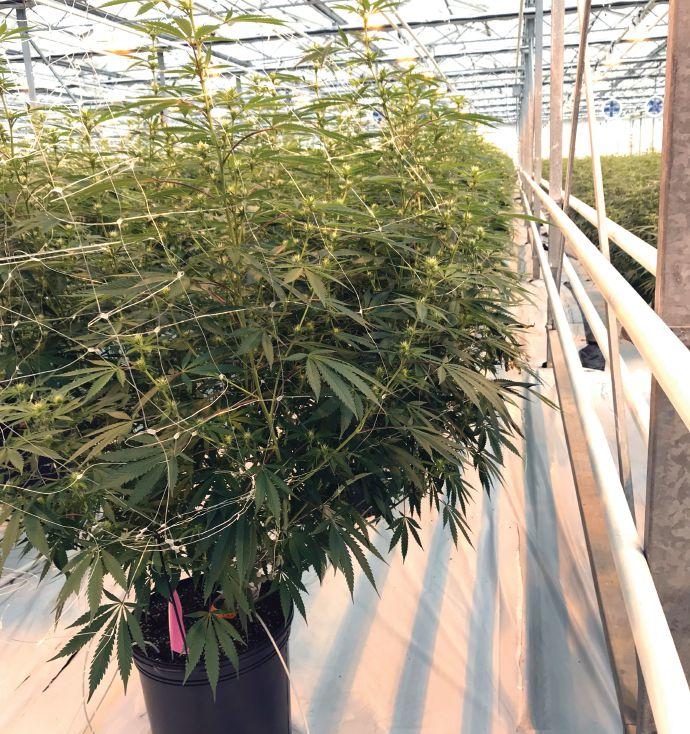
every single plant bred from the original will differ slightly from its lineage and therefore, will be different from the original parent (often called a mother). This process occurs naturally, leading to genetic variation among offspring. In order to prevent this, cloning of the parent plant is the best viable option to maintain the selected traits with minimal deviation. Cloning produces an exact genetic copy, essentiality an identical twin.
As the name may suggest, micropropagation allows plant cloning on a smaller physical scale. Using only a small cut of a node or stem, multiple plants can be produced with the careful use of specific
growing media. Micropropagation is best performed in a laboratory environment where risk of contamination and plant disease is minimal. The lab also allows stable temperatures and humidity for the newly cloned plants to safely grow while they are in the fragile initial stages.
This method also allows for a large amount of plants to be grown from a very small initial sample of the mother. One cutting can become a new shoot which can be cut again into several other plants allowing those to be cut into more and so on.
It begins with a small cutting of a node
• Planttissueculturereagents (regulators,antimicrobials,etc.)
• Samplelabelling,packaging
• Sampleextraction,cleanup
• DNA/RNA/Proteinanalysis
• MicrobiologyQCStrains








• Biochemicals/Buffers
• HPLC/MS consumables (Filters,Columns,Resins,etc.)
• Analyticalstandards (compounds/chemicals)


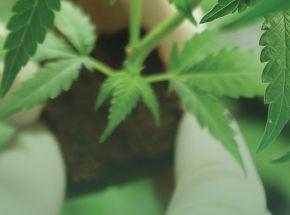



from a stem that is disinfected and placed along with other cuttings into sterile petri plates. These plates contain a base medium that specifically promotes the growth of the stem/shoot tissues. The original cutting will begin to grow a small stem which can be cut into smaller pieces and carefully transplanted to new plates where the medium will promote the growth of roots. Once large enough, each new rooted clipping can be transplanted to soil or a medium of choice to continue its vegetative phase.
Using micropropagation to clone cannabis has several benefits. Cloning allows for an exact genetic copy of the mother plant. However, micropropagation requires much less original plant matter to be used for each new clone. A 1-cm cutting of a new node sliced into ten 1-mm cuttings can produce 10 new shoots. Each of these new shoots can be cut again five times and rooted. This makes a theoretical total of fifty new plantlets. The sterile laboratory environment also serves to keep the sensitive clones safe while in the crucial initial stages of growth.
Being a more sophisticated process, micropropagation requires a large amount of time and effort to be completed. Companies employing the use of micropropagation are most likely focused on large-scale harvest or scientific research, and wish to keep the valuable traits of their selected cultivars. The additional transplantations added to the process also add to the time commitment of the procedure.
While a sterile, temperature controlled environment may seem to purely benefit a cultivator; it also requires additional time. If grown in a sterile and controlled environment, the new plantlets will need to be gradually exposed to their new conditions in order for a proper protective cuticle layer to form. Contamination is always a threat when using tissue culture methods as it can ruin a whole plate’s worth of new cuttings that can eventually become new plants. When using this procedure, it is absolutely crucial to prevent contamination at all times. Surely, over the years, a lot has changed since the beginning of cannabis cultivation. New methods emerged and micropropagation has become one of the commonly used techniques in recent years. This method has helped to modernize the cultivation capabilities of the cannabis industry and will further help in maintaining existing and new strains. The use of this technique can certainly help further large or small-scale cultivators that wish to preserve and/ or propagate their plant lines.
Continued from page 14
measure the DLI at the canopy level. Because the HPS plot was receiving considerably more spillover light from neighboring tables, the average DLI for the HPS treatment was only about 18 per cent lower than that for the HB LED treatment. The tables were movable, and the spillover value was not continuous. It is estimated over the entire grow cycle, based on the schedule of table movement that the HPS light intensity in terms of photosynthetically active radiation (PAR) was about 25 per cent lower then the LED.
All the plants were vegged under HID lights for one week and then moved into the flowering room for nine weeks. At harvest, the plants grown under the HB LEDs had more narrow internodes and were on average two inches shorter than the HPS treatment. Moreover, the HB LED treatment resulted in buds that were markedly denser and reached maturity five days before the HPS treatment group. We decided to harvest all plants when the HPS plants were ready. The dry flower weight of the HB LED treatment was about 15 per cent higher than the HPS treatment. That 15 per cent does not account for the fact that we could have harvested the HB LED treatment five days sooner. Nonetheless, we do not know how much weight was added to the plants during those five
extra days. Finally, THC levels were higher for the HB LED treatment: 26.12 per cent compared to 25.19 per cent. These yield differences were statistically significant at a 95 per cent level.
The results provide initial evidence that an off-the-shelf, broad-spectrum, high-bay LED performs at least as well as a double-ended 1000w HPS fixture. This is important since the high-bay lights would cost less to operate than the HPS light. The LED fixtures cost about twice the cost of HPS on a Watt basis, but HPS bulbs need to be changed about once every 18 months whereas the LEDs should last at least eight years. Since LED lights can be placed closer to the canopy without causing bleaching, LEDs offer the potential to produce more yield for the same Watt input. The ability to increase yield rapidly makes up even a significant increase in light cost.
These results are not conclusive since there is always random variation in experiments like these, which is why we plan to replicate the test several times over the next months. Lastly, the Voltserver technology significantly reduced the speed and complexity of installing the lighting, and it operated well during the experiment. In a cannabis production facility even small increases in speed to market are highly valuable.
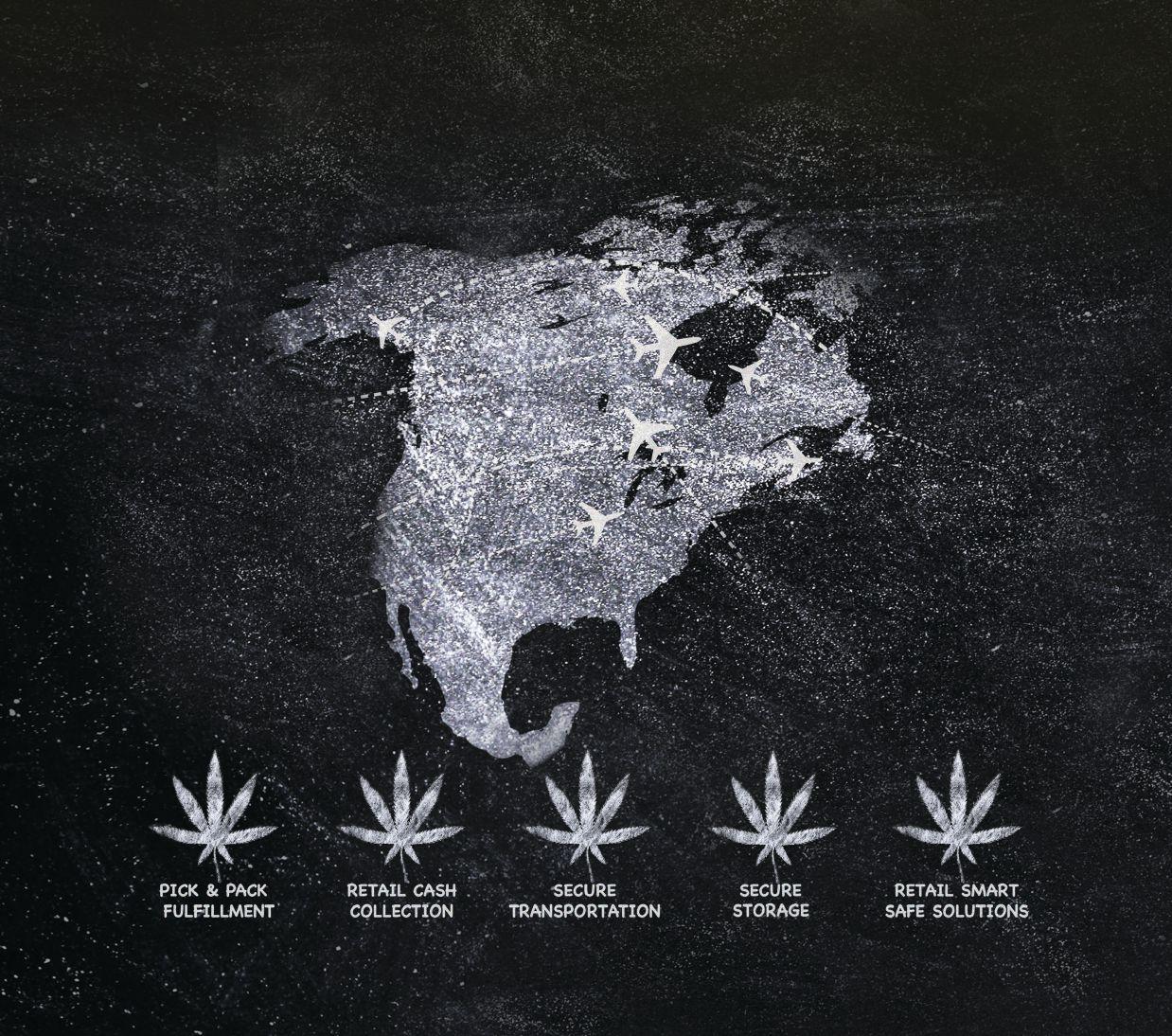



Whether it’s door-to-door, shore-to-shore, or across the globe – you can trust Brink’s for all your cannabis transportation needs. From secure storage, to transportation from LP to retail store, including overnight air to all major centres across Canada or Canada-wide truckload (TL) or less than truckload (LTL).
This new and exciting industry brings many challenges around security. Let the experts in secure logistics solutions help you. Think Brink’s.

By Jeff Hannah
The process of securing a license to grow cannabis has, up to this point, been a difficult one. The actual ACMPR application form is fairly short and asks very broad questions.
Section 8 of the application, for example, simply states that applicants must provide a detailed description of how their proposed facility will comply with the Division C of the ACMPR. This consists of ten short sections addressing physical security requirements for cannabis production facilities.
The interesting thing about the ACMPR security requirements is that they are largely outcome-based. The regulation describes the desired outcome of a particular requirement without providing any detail as to how those outcomes are best achieved. Health Canada’s interpretation of those requirements has grown and evolved over time. Now, five years later, those standards are fairly well established that experienced service providers in the industry can provide accurate advice to help achieve compliance in workable and cost-effective ways.
As a consultant focused on providing the security portion of the application, my role is to be a repository of established and tested interpretations of the regulation. As an example,
section 55 states that the intrusion detection system must “operate at all times.” As a practical interpretation, this means the security system must be connected to an emergency generator or other reliable, redundant power source. Historically, Health Canada has not shared that information directly with existing and/or prospective applicants.
Submitting an application that doesn’t specifically address the myriad of established interpretations can result in information requests that cause delays or the application to be deemed incomplete.
The most notable change is that Health Canada now requires that applicants submit and Organizational Security Plan (OSP) as part of their licence application. Section 6.8 of the Cannabis Licensing Application Guide issued by Health Canada provides a summary of the areas, which must be addressed in the OSP.
A plain reading of Division C of the ACMPR would leave any reasonable person to believe that the security strategy prescribed by the regulation is focused almost exclusively on the
tems and not enough on other important aspects of physical security.
My personal experience dealing with Health Canada, which includes around 150 applications and counting, has helped me realize that a much more holistic approach to physical security is required. Submitting a complete section 8 minimizes information requests, thereby saving time. The submission should be a fulsome description of how policy, procedure, training, physical design elements, and electronic system combine to create a well-rounded and complete physical security program. This approach has always been well received by Health Canada and often results in none or very few requests for additional information.
Health Canada now requires that applicants submit an Organizational Security Plan.
While there was widespread speculation before the publication of the Cannabis Act that the security requirements in the ACMPR would be significantly relaxed, that really did not happen. The security requirements for the Cannabis Act license classes, which are roughly equivalent to a licensed producer under the ACMPR, are substantially similar.
While that means there will still be a substantial cost associated with properly securing a commercial cannabis production facility, the bank of knowledge that exists today among successful consultants can help applicants secure licences under the new Act.
capabilities of the electronic security system. Most of Division C outlines requirements for video surveillance as well as the interior and exterior intrusion system. Additional sections address physical barriers, supervision, and logging requirements. Division C makes no mention of electronic access control. However, it’s only through experience that security consultants know licensed producers require a robust and full-featured electronic access management system.
In the past, many applicants made the mistake of focusing too much of their efforts on presenting the capabilities of their electronic security sys-
I believe that introducing a requirement that applicants submit an Organizational Security Plan is Health Canada’s way of clarifying that point.
All existing ACMPR applicants will be required to modify their current application to meet the new requirements of the Cannabis Act after Oct.17th if they wish to remain under consideration for a licence. I encourage any current ACMPR applicant whose submission doesn’t currently provide a complete picture of their proposed facility’s physical security program to begin compiling the information needed to demonstrate an effective Organizational Security Plan.