Hendriks’s Belal El-Hassan shares insights on Kalanchoe production | 14
Haven Greens
Revolutionizing the greenhouse production of leafy greens | 20
pH puzzle
Tips for keeping ornamental and bedding plants properly balanced | 28
MAY 2025
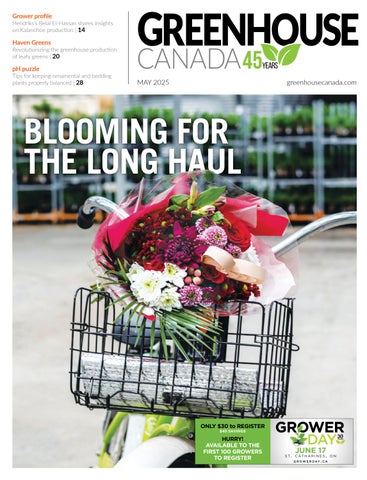
BLOOMING FOR THE LONG HAUL
Maximizing
Mastering Kalanchoe
Catching
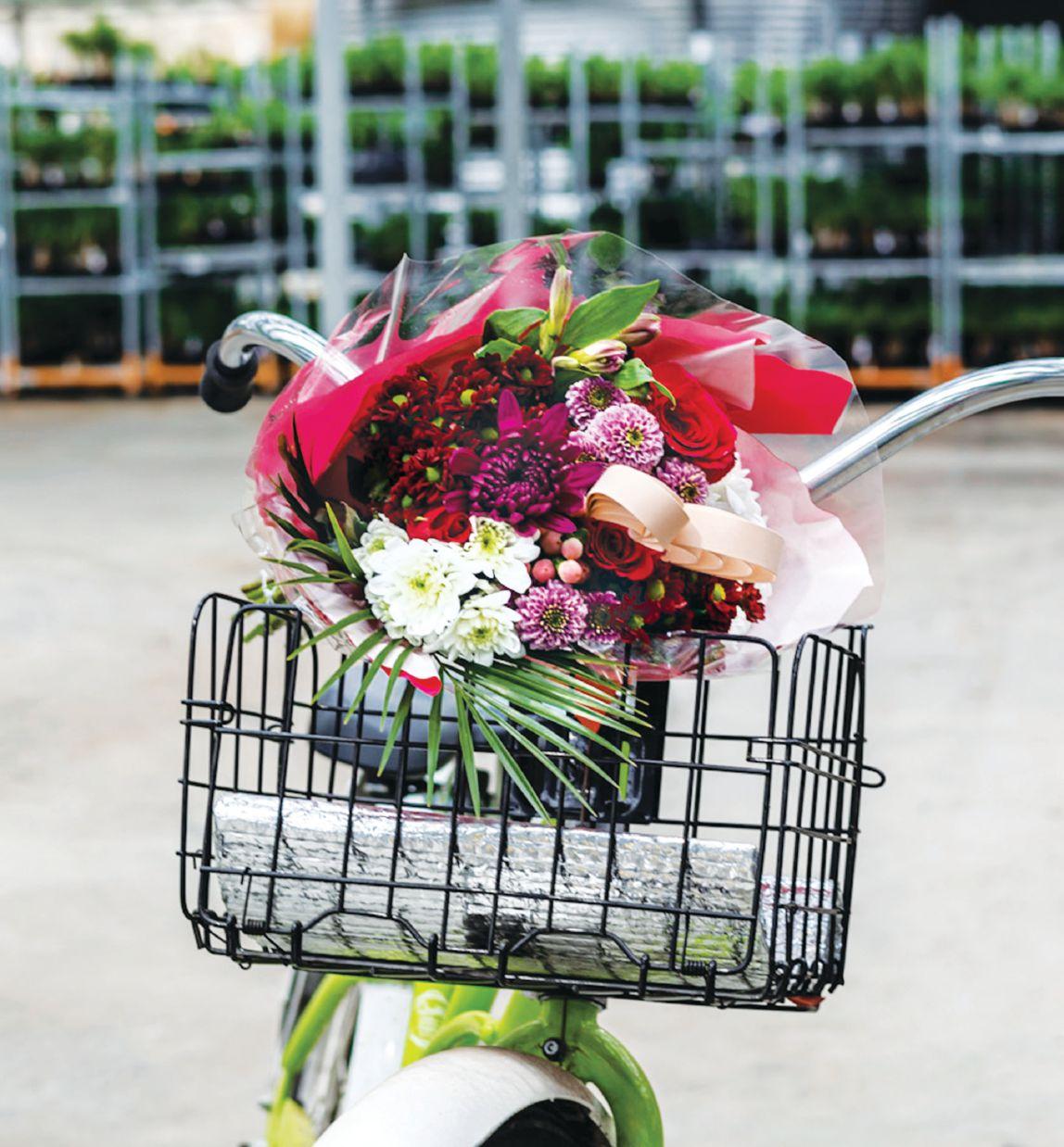
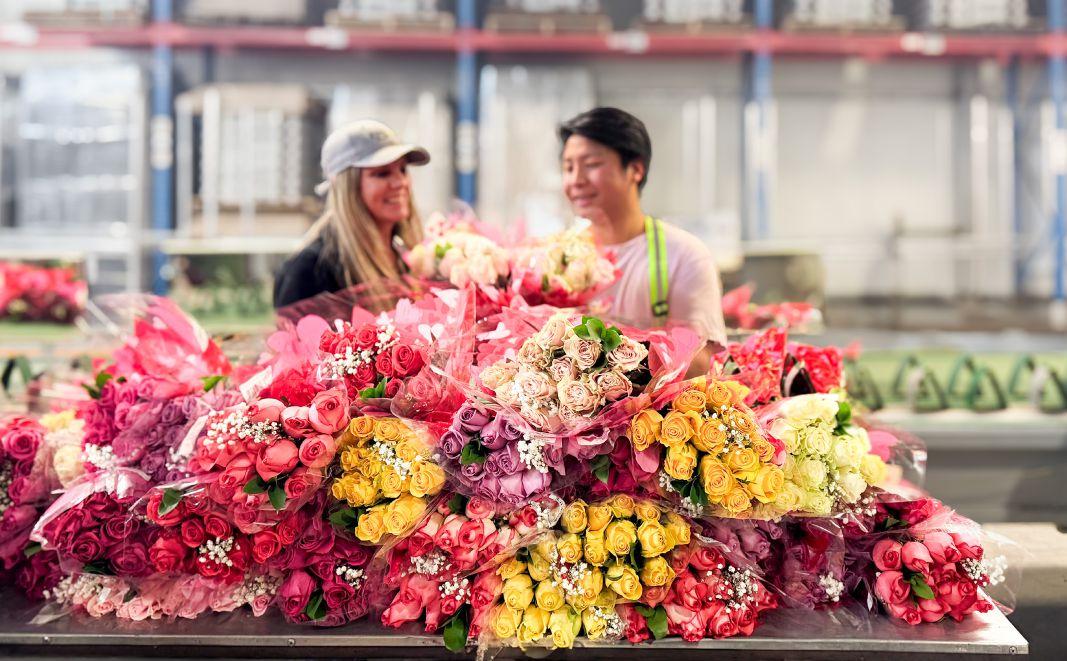
A seasonal bouquet of Canadian-grown mums adorns a bicycle at Rainbow Greenhouses in Chilliwack, B.C. Read more on Page 8. Photo by Rainbow Greenhouses
BY J LYNN FRASER
BY AMY KOUNIAKIS
BY DR. MOHYUDDIN MIRZA
Bridging tradition and technology
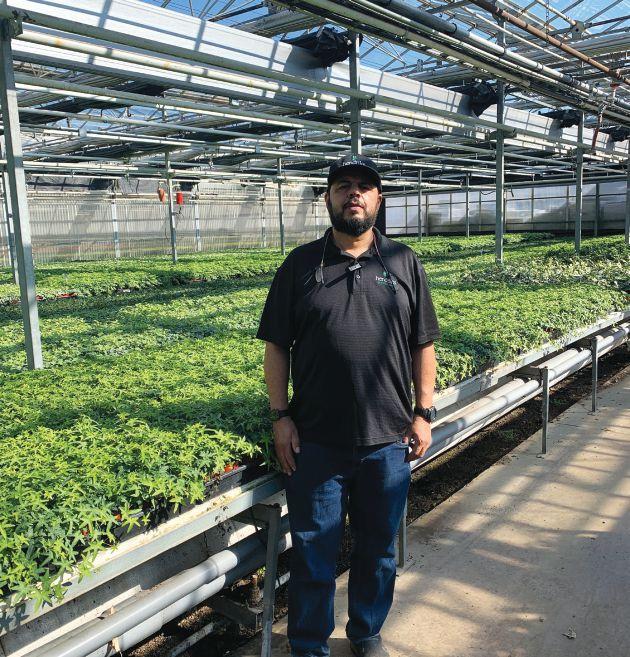
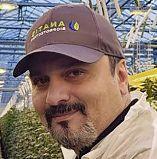
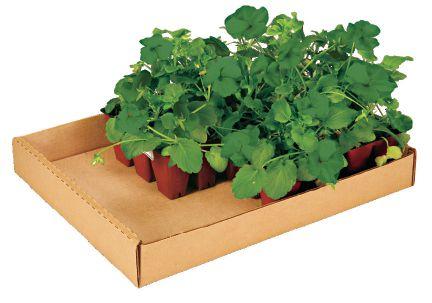
I recently had the great pleasure of visiting with Hendriks Greenhouses’ head grower, Belal El-Hassan, at their operation in Beamsville, Ont., where, for more than 70 years, this family business has bloomed.
I was awestruck by the scale of the facility, the diversity of their crops and the innovations they’ve introduced to their production over its history. Their Kalanchoe, which we looked at in various stages of production, are mesmerizingly uniform and seem to go on forever. Belal’s passion and depth of knowledge when it comes to growing this hardy flowering succulent was limitless. We had a fascinating discussion about the industry, growing Kalanchoe and Belal’s personal history while wandering Hendriks’s acres of greenhouses, some of which I share on Page 14 in this issue of Greenhouse Canada. Belal will also be appearing at this year’s 30th Anniversary Grower Day event on June 17th in St. Catharines to talk about Kalanchoe Production and to participate in a grower panel discussion on biocontrol.
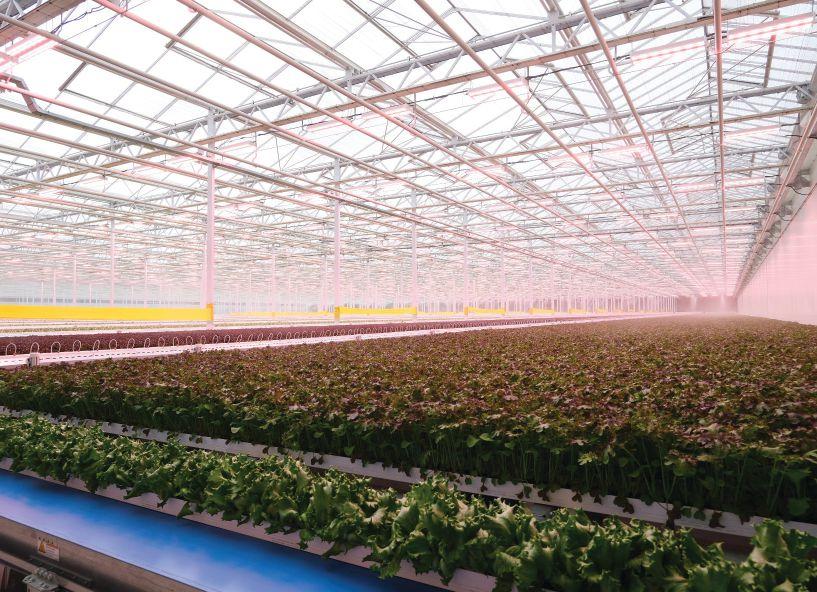
leafy greens – is on the cutting edge. The company’s automation and sustainability efforts are extensive and pioneering. Bold prediction: we’ll be hearing a lot more about this producer in the coming months. Read our coverage of this much-buzzed-about endeavour on Page 20.
With summer just around the corner, Dr. Mohyuddin Mirza has some tips for managing pH levels in the growing media for bedding plants and ornamentals to prevent plants from becoming unsaleable. He shares his first-hand insights pulled from his consultations with growers on Page 28, and offers guidance on how to get yourself and your crop balanced.
For May’s Inside View (Page 34), Gary Jones asks if “social stability, no elections, no tariffs, unlimited natural gas, an end to annoying pests and diseases, and, of course, world peace,” is too big of an ask when it comes to ‘big picture wishes.’
Finally, as we look to welcome summer, I invite you to join us on June 17 in St. Catharines to celebrate
[Grower Day is] a touchstone for the sector in a time of uncertainty.
Not sure if you saw our breathtaking cover this month, but it’s a striking example of the sheer joy the cut-flower sector is capable of bringing to the world. On Page 8, we take a look at how researchers and growers are working to extend the life of that joy for as long as possible and how automation is helping to change the landscape and streamline production.
When it comes to sustainability and innovation, Haven Greens – a new state-of-art 10-acre greenhouse facility located in King City, Ont. producing
the 30th anniversary of Grower Day. Since 1995, this event has brought growers, experts, researchers and industry professionals together annually for a day of networking, discussion, education and celebration. This year, like no other, it serves as a touchstone for the sector in a time of uncertainty.
We look forward to welcoming everyone this year to mark this milestone in what is hopefully this industry tradition’s long history and to celebrate the resiliency Canada’s greenhouse sector.
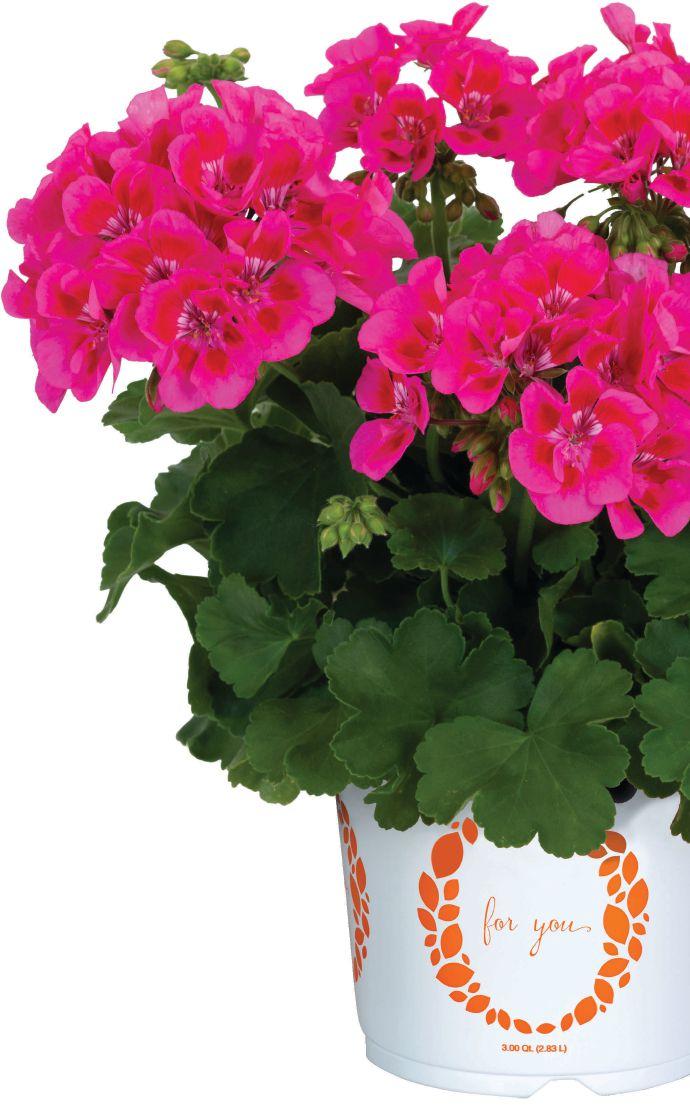
Introducing Santana The latest generation in interspecific geranium breeding that brings the heat for any and all pot sizes and combinations.
20586
Santana Fire
20121
Santana Pink
20585
Santana Pink Splash
20191
Santana Purple
20419
Santana Dark Red
21168
Santana White
20286
Santana White Splash
20585
Santana Pink Splash
Mastronardi’s Dean Taylor joins board of directors for CEA Alliance
The Controlled Environment Agriculture Alliance (CEA Alliance) has named Dean Taylor, vice president of business development at Mastronardi Produce, to its board of directors.
Taylor, who has been with Mastronardi since 2010, brings with him decades of experience to this new role with the CEA Alliance, which represents and serves vertical farms and greenhouse producers across North America growing fresh fruits and vegetables.
“I’m eager to help the organization address
challenges and advance growth across the industry,” said Taylor in a recent press release.
Since joining Mastronardi 15 years ago, “Dean has played a key role in developing award-winning products that inspire consumers to choose fresh produce, enhancing their healthy eating choices” the company said in the release.
“His extensive experience includes leading innovation pipelines, managing worldwide trial programs, and overseeing new product development from seed to shelf.” (Source: Sunset Grown)
FVGC RECOGNIZES INDUSTRY LEADERS WITH PRESTIGIOUS AWARDS
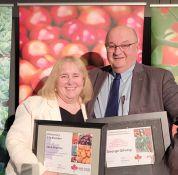
Jane Proctor, vice president of policy and issue management for the Canadian Produce Marketing Association (CPMA) and George Gilvesy, former chair of Ontario Greenhouse Vegetable Growers (OGVG), have both been honoured by the Fruit & Vegetable Growers of Canada (FVGC) for their work in the horticulture industry.
In recent press releases, both the CPMA and OGVG congratulated the recipients on their significant achievements.
Proctor was presented with the Honorary Life Member Award for her dedication, long-term commitment and tireless contribution to the sector.
“Jane’s unwavering commitment, leadership, and passion have made a lasting impact on the industry,” said CPMA president Ron Lemaire. “Her expertise and contributions have helped shape policies, drive innovation, and support the success of countless businesses and professionals.”
OMAFA welcomes new greenhouse floriculture specialist
The Ontario Ministry of Agriculture, Food and Agribusiness (OMAFA) has introduced Kathryn Russell as its new greenhouse floriculture specialist.
In a recent announcement, OMAFA shared that Russell will be responsible for all aspects of ornamental production, including nutrients, lighting, substrates and the overall greenhouse environment. She will also contribute to policy and programming behind the scenes.
Russell holds a Bachelor of Environmental Studies from the University of Waterloo and a diploma in Ecological Restoration and Rehabilitation. (Source: Ministry of Agriculture, Food and Agribusiness)
Gilvesy received the Doug Connery Award for his long-standing dedication and advocacy
on behalf of fruit and vegetable growers.
“During his tenure, George was instrumental in advancing the greenhouse sector through his strategic vision and devotion, fostering collaboration within the sector at all three levels of government,” said Rick Mastronardi, OGVG vice chair.
(Source: CPMA, OGVG)
BY THE NUMBERS
Source: Statistics Canada: Reasons businesses do not plan on purchasing goods or services from suppliers in another province or territory over the next 12 months (Industry: Agriculture, forestry, fishing and hunting) –March 2025
40.8% – transportation cost
13.9% - distance between origin and point of destination
3.6% - too much paperwork to fill out
BLOOMING for the long haul
Cut-flower growers embrace tech for efficiency, quality and longevity
BY J. LYNN FRASER
BELOW
Members of Rainbow Greenhouses’ cut-flower production team prepare vibrant bouquets to ship to a retail customer.
The goal for cut-flower growing is longevity and avoiding premature senescence in the flowers. Traditional approaches to cut flowers in their “chain of life” include choosing flowers in season; be aware of time of day when cutting; flower type; using sterilized tools; ensuring a cold environment; using clean water; proper humidity and food; and educating the consumer (Chiu, 2020; Crodeon Technologies, 2024; DelPrince, 2023; El-Naggar et al., 2024; Prinzing, 2025; Rihn, 2015).
LONGEVITY RESEARCH
Research into cut flowers’ longevity is extensive. DelPrince (2023), for example, recommends pretreatments such as citric acid pulse. He suggests using high levels of carbohydrates. Aluminum sulphate, chlorine, and biocide can also be used. Red LED light was found by Rezai et al. (2024) to “significantly” slow the rate of flower opening and prevent ethylene production. It also had a “good impact” on “membrane stability and antioxidant enzyme activity.” Four kinds of essential oils were tested (Gururani et al., 2023). All were found to increase longevity. The vase life of carnations was nearly doubled when they were treated with thyme (18.5 days) and marjoram (18.25 days) essential oils.
Essential oils increased water intake, acted as antimicrobials, green antioxidants, and restricted the decrease in chlorophyll and carbohydrates during the flowers’ “vase period.”
Kim et al. (2024) used hyperspectral imaging (HSI) and deep learning techniques to detect grey mould infection using hyperspectral cameras. Different light wave lengths were used to evaluate plants’ condition. HSI was found to be “outstanding in the accuracy of vase life prediction.” Li et al. (2025), when researching gladiolus cut flowers, applied nano-silver as a pretreatment. They found it increased water retention and increased vase life.
El-Naggar et al. (2024) found sucrose “in the holding solution” increased in fresh weight, flower diameter, and vase life. Their study found that multi-walled carbon nanotubes applied with sucrose “was critical for the significant increase in flower opening.”
INCREASING CUT-FLOWER GROWER LONGEVITY
“We grow eight acres of flowers and included in that is a 30 x 96 heated greenhouse as well as a 17 x 35 heated greenhouse.”
“The cost of production is lower and the light levels are better in South America,” comments Rodger Tschanz, Greenhouse Technician, Sessional Lecturer, University of Guelph. In Ontario, 90 years ago, roses used to be extensively grown, he notes. Today, Tschanz says, Ontario cannot compete with South America in cut flowers like roses even if with the cost of having them flown in. However, there are trends in technology and consumer values that will add to the competitiveness of Canadian cut flower growers.
Consumers increasingly prefer cut flowers that are locally produced and that have a ‘story’ (GMM, 2024). The Harris Flower Farm, founded in 2011 and based in Ontario’s Elgin County, is an example of this type of cut-flower producer.
“We grow eight acres of flowers and included in that is a 30 x 96 heated greenhouse as well as a 17 x 35 heated greenhouse,” said owner, Janis
field.
Harris. “We also have two unheated permanent tunnels and three unheated moveable tunnels.”
The farm, according to their website, offers “seasonal cut flowers for farmers’ markets, weddings and events in St. Thomas, London and surrounding areas.” In the example of the Harris’s farm the owner’s customer service, and the “really short” chain of production for their products makes them competitive.
NEW TECHNOLOGIES BRING EFFICIENCIES AND LONGEVITY TO GROWERS
The goal for cut-flower growers is also to grow, thrive, and to have a long life.
“Automation” is the best way to gain efficiencies for cut flower growers states Lawrence Hopman of Hopman Flower Farm Reps. Hopman cites the example of Dunnville Ontario’s Rosa Flora Limited with its 2,000,000 sq. ft of greenhouses as an example of a grower that has “cutting edge, handsoff” technology.
Rosa Flora grows, according to its website, 150 varieties of flowers that are stored in a 35,000 sq. ft, climatecontrolled cooler. It guarantees the integrity of the “cold chain” of their cut flowers, as their cut flowers are packed and loaded then delivered by their drivers. Hopman compares Rosa Flora’s processing of cut flowers to that of a factory in its efficiency.
Hopman offers another example cut flower growers who use cuttingedge technology. “Vacuum precooling,” is used at Dutch Mill Gardens (Hamilton) Hopman comments. Their technology “removes oxygen from the cooler and then pre-cools the flowers.”
The grower’s website states this process takes 15 minutes rather than 12 to 20 hours. By removing this “field heat,” the website notes, their flowers’ lifecycle is extended.
“Don’t sit on your laurels,” Hopman advises cut-flower growers, “embrace new technology.”
According to Professor John Dole, North Carolina State University, a specialist in production and postharvest physiology of floriculture
Right team. Right products.
Neudorff North America is an innovative leader in ecologically responsible pest solutions for nursery and greenhouse growers, farmers and turf professionals.
Our effective and affordable solutions for disease, insect pests, pest slugs and snails have limited impact on applicators, and the environment. They are an important part of integrated pest management programs.
Powerful disease protection for your greenhouse vegetable and ornamental crops with a fraction of the copper found in other copper fungicides.
Fast-acting insecticidal soap. Controls aphids, mites and whiteflies on ornamentals, herbs, spices, vegetables, including cannabis. Effective as a cutting dip to control whitefly nymphs.
A summer and dormant oil. Controls all life stages of insects and mites. Suppresses powdery mildew of greenhouse ornamentals, fruit, vegetables and cannabis grown indoors.
Fact acting. Controls moss, algae and liverworts in and around greenhouses.
A durable pelleted iron phosphate bait. Provides excellent protection of greenhouse crops from slugs and snails.
A durable, fast-acting pelleted spinosad bait that is active against a wide range of ants in greenhousegrown vegetables and ornamentals.
Inside and outside. Neudorff protects.
ABOVE
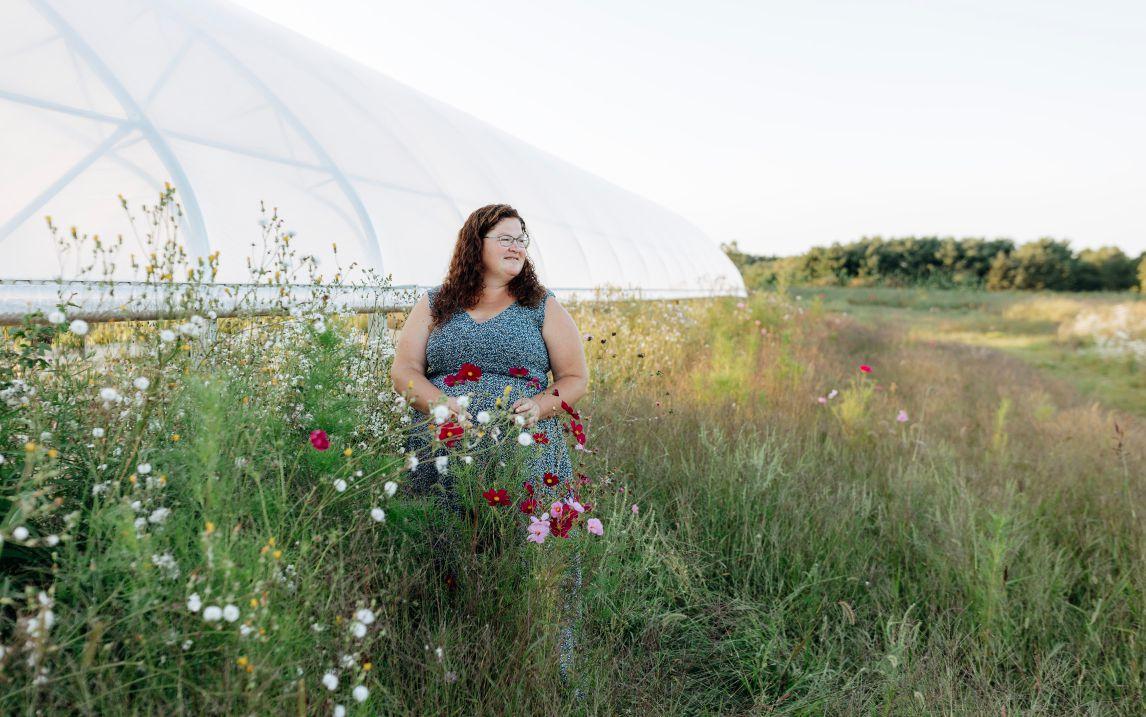
Janis Harris at Harris Flower Farm in St. Thomas, ON.
LEFT
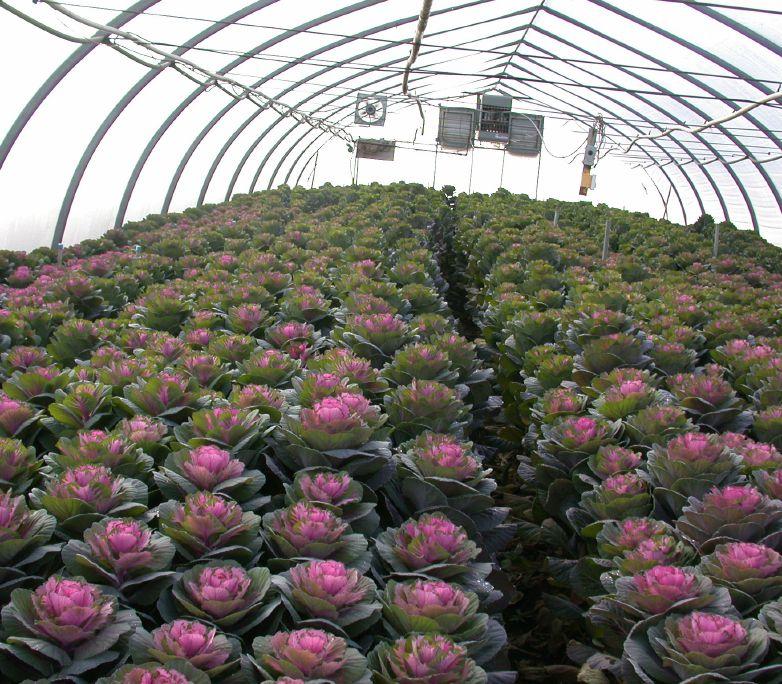
Ornamental Kale grown in a greenhouse in British Columbia
crops, restricting the number of times a flower is touched protects its longevity. He notes that in the reaching, picking, cutting, and packing process a product might receive “two to three touches in a minute.” This may add up to thousands of touches in a day, which affects longevity.
“It is important to analyze the number of times a product is touched,” Dole says. This analysis means looking at the employees’ movements from the perspective of efficiency as well as the minimisation of “decision points” in the production process.
Dole advocates for a “hybrid approach” for floor staff in which there may be specialists for different elements of the production process, but that “multiple folks train to step in as needed” in
harvesting, bouquets, and cleaning buckets. He adds that “training, training, training” will ensure for a smooth process. As well, he advises that a fellow employee train staff, not the “boss” as the training will be accepted more readily. He stresses instructions, even simple ones, should be “repeatedly gone through.”
“With the announcements of tariffs and counter-tariffs, as growers we know we are facing a challenging road ahead,” states, Stan Vander Waal, CEO of Rainbow Greenhouses -- a family run business that operates three sites in British Columbia and one in Alberta, with a total production space of 5.3 million sq. ft. He adds that “Labour is the single largest cost in any greenhouse, usually around 24–34 per cent of sales.” He adds:“I believe saving 10 per cent of your labour costs through simple but strategic re-engineering has the single best potential to grow ROI for any size greenhouse.”
Additionally, Vander Waal says, “Start by walking your facility with your team to look at work flow processes: there are ways you could optimize by reducing labour and waste, both of which will increase your productivity.
“As a simple fix which costs you nothing more, re-engineering the process can save you big. It’s the perfect approach when cash is tight!” Vander Waal observes. “Even in the long-term, the beauty of these savings is that they keep giving year after year and increase your business’ financial sustainability.”
In cut flowers it is the removal of the human touch in the production process that promotes longevity.
In contrast, it is the addition of the personal touch in delivering cut flowers that creates longevity in cut flower growers.
• DelPrince, J.M., 2023, The professional florist’s manual…, http://extension. msstate.edu/sites/default/files/ publications/publications/P3853_web. pdf
• El-Naggar, H.M. et al., 2024, A novel efficient…, https://doi.org/10.1186/ s12870-024-04925-9
• Kim, Y-T., et al., 2024, Development of a longevity prediction model for cut roses…, doi: 10.3389/ fpls.2023.1296473
• Li, X. et al., 2025, Pretreatment with nano-silver extends the post-harvest longevity…, https://doi.org/10.1016/j. hpj.2024.03.010
• Prinzing, D., 2025, Best practices & wisdom from the slow flower community, https://www.johnnyseeds. com/growers-library/flowers/flowerfarming/cut-flower-harvest-post-harvestcare.html
• Rezai, S. et al., 2024, Red LED light improved the vase life…, https://doi. org/10.1016/j.postharvbio.2023.112752
• Rihn, A. et al., 2015, Consumer preferences for cut flower guarantees, DOI:10.17660/ActaHortic.2015.1090.8
SOLUTIONS
Rooted in innovation
Hendriks head grower, Belal El-Hassan, cultivates a passion for plants and progress
BY AMY KOUNIAKIS
After more than 70 years in the business, Hendriks Greenhouses has stood the test of time by staying ahead of the curve: trendsetting, keeping agile and being proactive
From the launch of their tropical indoor plant operation – after growing bedding plants and vegetables for decades – to the creation of their wildly popular and innovative indoor gardens, Hendriks has consistently set itself apart as an innovator.
At the heart of it all, was a dedication to providing consumers with a unique, easy-to-care for product of the highest possible quality. That tradition has continued to drive the company’s growth through generations and has been built into its culture.
Hendriks’s head grower, Belal El-Hassan, is not just a product of that culture but a catalyst. After more than 25 years with the operation, almost 20 of those of those at its helm as head grower, he has played an integral role in the company’s growth,
innovation and adoption of and adaptation to modern growing techniques.
“There’s always something to learn every single day,” he said in a recent interview with Greenhouse Canada. “There is a lot of R and D in our work…a lot of new ideas, new products coming in…the diversity of the crops just makes it very exciting.”
This passion for learning and growing plants was instilled at a young age in Kuwait where El Hassan’s family worked a vegetable farm. He eventually ventured to North America to attend DuPage Horticulture School in the late 1980s where he became emersed in greenhouse bedding plant production. Upon his return to Kuwait, he transferred his new-found knowledge to the indoor production of vegetables, specifically mini cucumbers and tomatoes.
At the outbreak of the Gulf War, production was shuttered, and El-Hassan made the decision to return to North America to pursue his passion for horticulture.
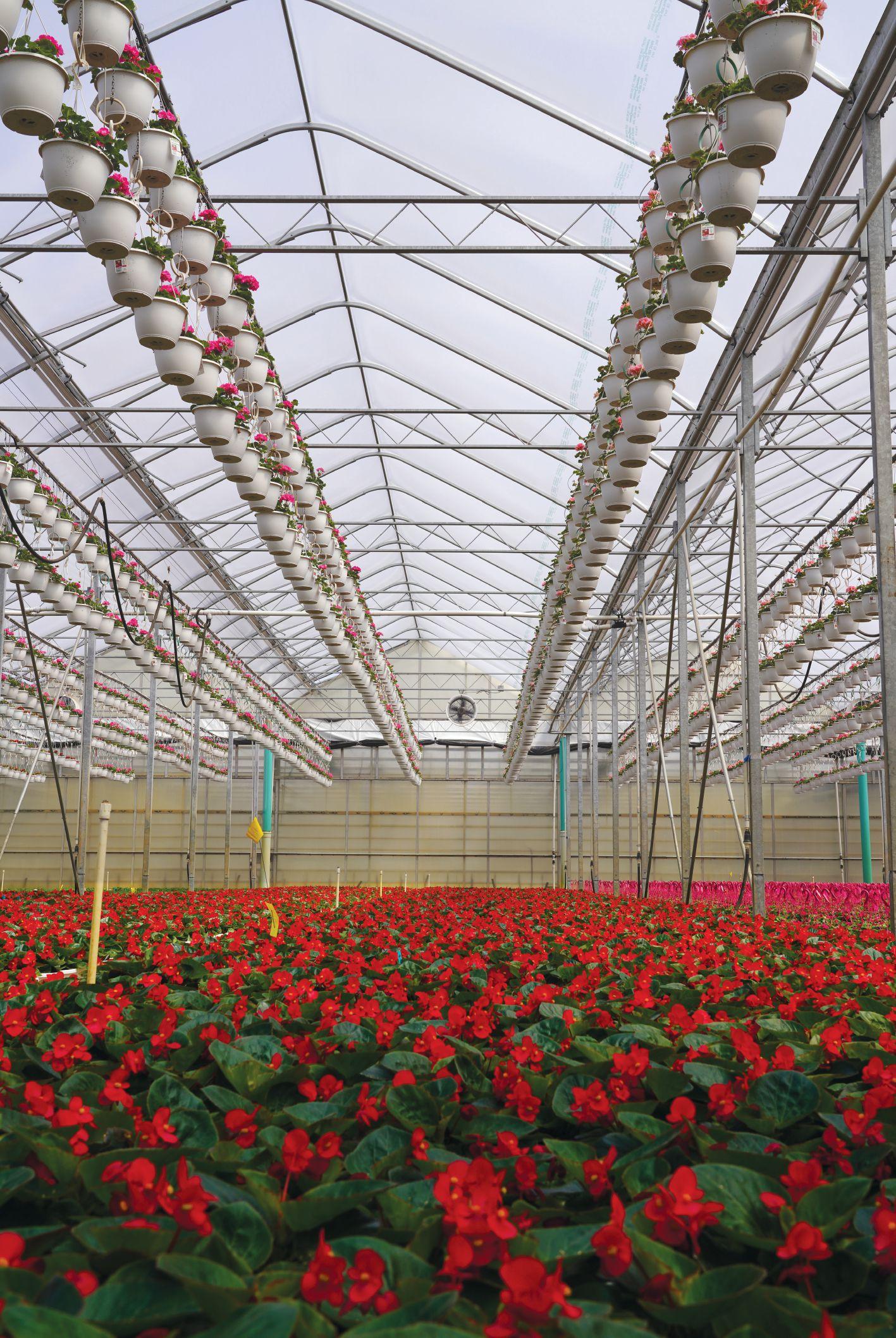
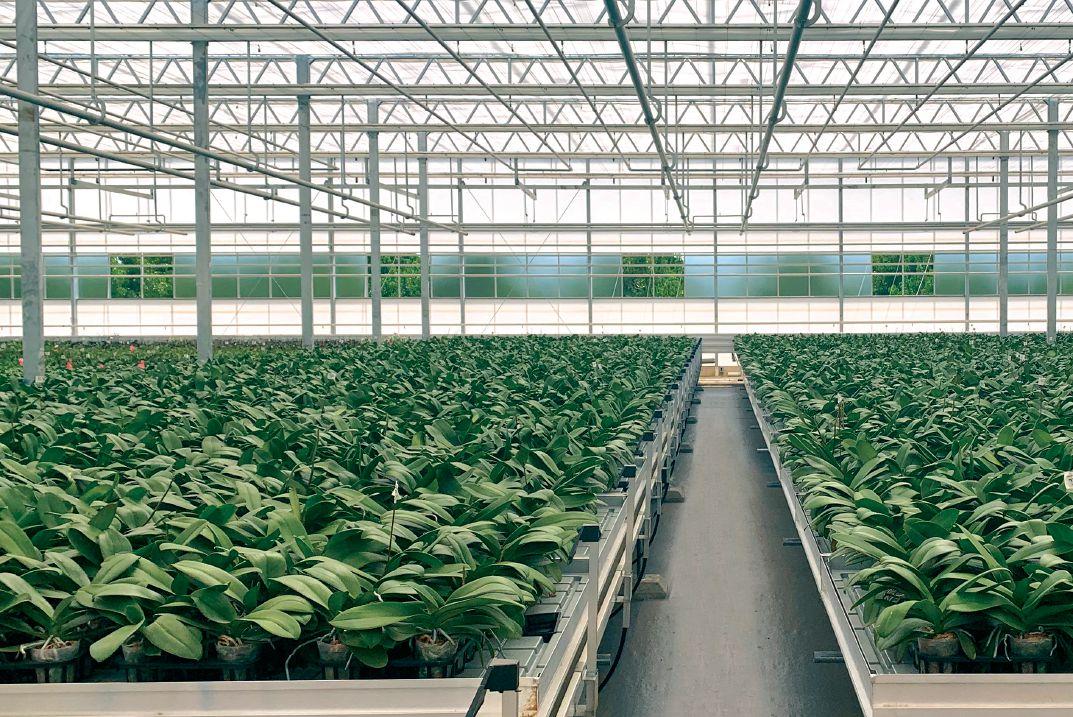
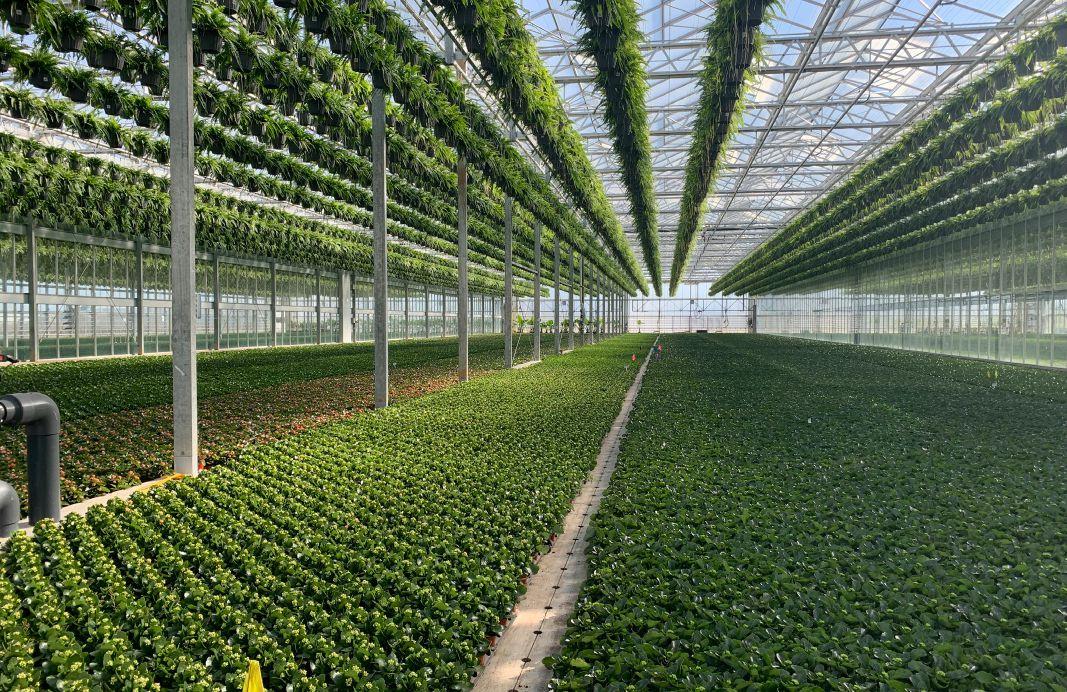
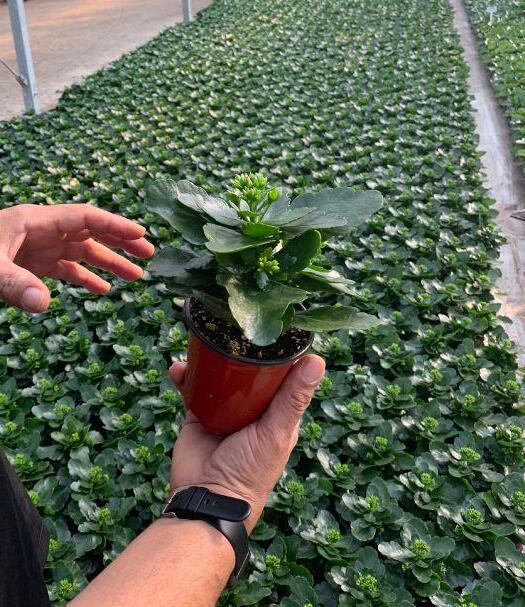
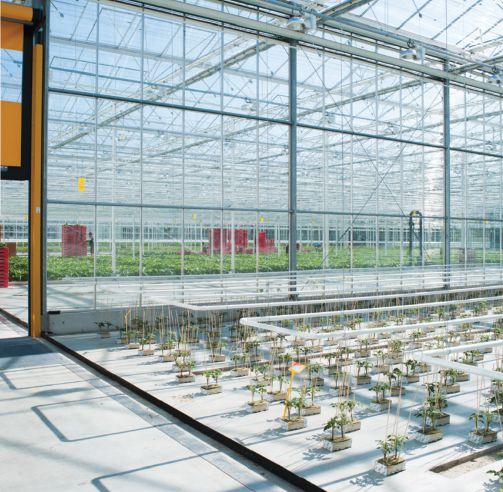
ABOVE Inside one of the glass, venlo-style greenhouses at Hendriks Greenhouse: Kalanchoe and ferns for days.
A lighting solution that grows with your business.
Is your lighting system working as hard as you?
It's important to evaluate the costs and benefits of every system in your greenhouse, and even more so with your LED lighting system.
So how does this apply to Sollum's fully dynamic LED lighting solution?
Proven results, tailored to you
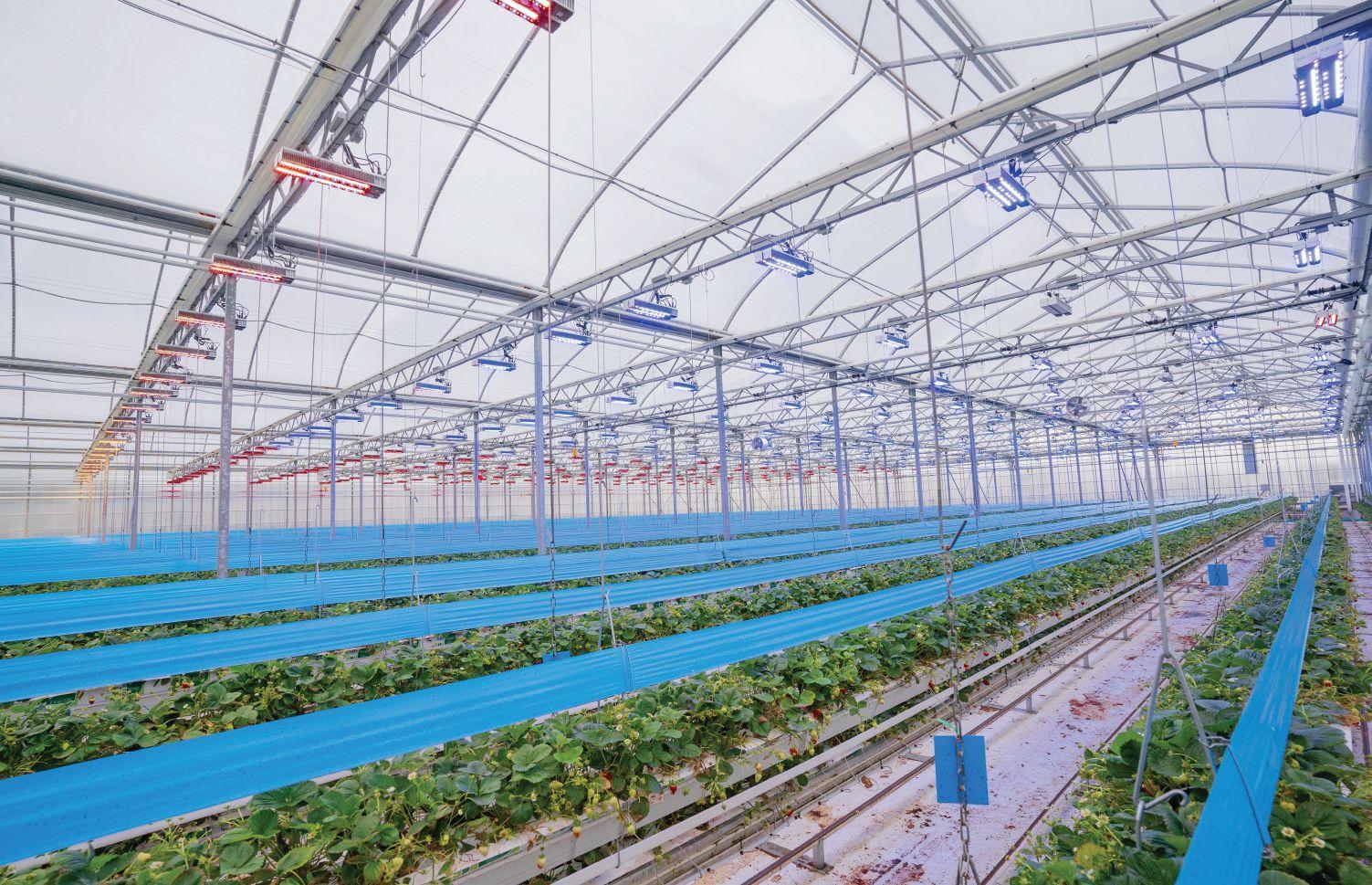
Sollum’s dynamic LED lighting solution is built to deliver measurable results, tailored to your crops. Growers have seen yield increases of 22%* for strawberries, 16% for mini cucumbers, and 137% for eggplants. Every recipe is personalized to match your goals—because your success is our priority.
Flexibility that keeps you ahead
Adaptability isn’t a luxury—it’s a necessity. With Sollum’s SUN as a Service (SUNaaS®) platform, switch crops effortlessly, adjust zones to grow multiple varieties, and refine light settings as your needs evolve. No extra fixtures, no extra costs—just a solution designed to grow with you.
Looking to optimize your lighting system?
Efficiency that delivers savings
Electricity is one of the largest expenses for greenhouses. That’s why efficiency matters. LEDs are already about twice as efficient as HPS lighting, but Sollum takes it a step further. Our dynamic LED solution automatically adjusts brightness in real time to match ambient light, delivering up to 40% energy savings compared to HPS.
On top of that, it’s up to 16.8% more efficient than standard LEDs, bringing total energy savings to an impressive 56.8%. And with certification from the DesignLights Consortium® (DLC)—an independent third-party testing organization —you can trust Sollum to deliver industry-leading efficiency.
Durability that pays off
Sollum’s LED fixtures last up to 80% longer than HPS, offering durability you can count on. Add energy savings and rebate programs, and your investment becomes a long-term advantage.
Support when you need it
Your time is valuable, and Sollum makes sure you stay focused on what matters. With 24/7 expert support and real-time control through the SUNaaS dashboard, you have all the tools to grow smarter. You can even choose the level of support you need.
John Adams at:
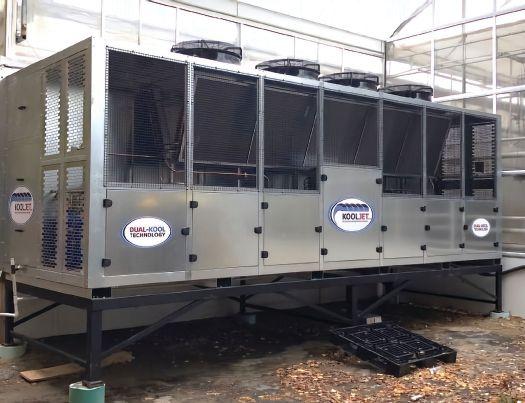
GREENHOUSE COOLERS
ABOVE
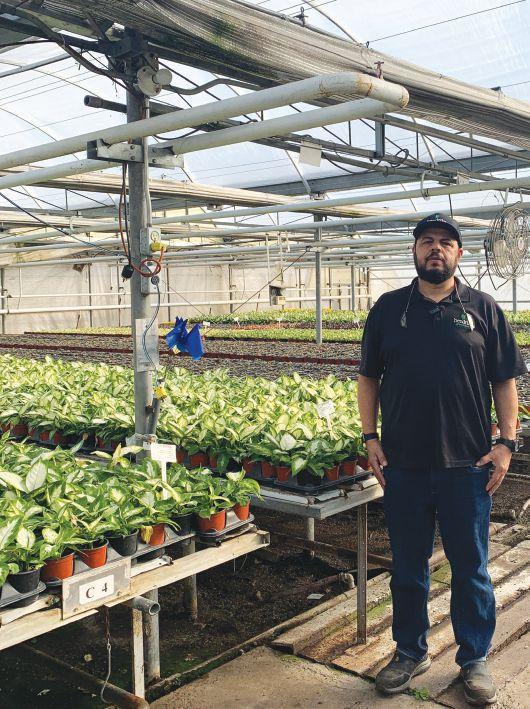
Hendriks’s head grower, Belal El-Hassan, joined the company as an assistant grower more than 25 years ago. He will be presenting at Grower Day 2025 about Kalachoe production, Hendriks’s main flowering crop.
Upon his return to these shores, El-Hassan crossed paths with an old schoolmate from DuPage, Andrew Hendriks.
“I met Belal as a fellow student but we lost contact after graduation,” recalls Hendriks. “[When he] immigrated to Canada in 1999 during the Gulf War, he applied to a posting we had for a grower. He joined Hendriks in March 1999 and the rest is history!”
From the outset, El-Hassan’s experience in bouncing between floriculture and vegetable crops was an asset and made him a quick study for the varied crops Hendriks dabbled in.
“I had to shift all that I learned here (at DuPage) about flowers to vegetables; and then when I came back, all my hands-on experience was in vegetables,” El-Hassan recalls. “So, then I had to switch all that back to floriculture. It was a nice transition, but also very challenging.”
In his early years with Hendriks, he worked alongside Andrew and his father, Andrew Sr., and older brother, Rick, under whose mentorship he gained an appreciation for innovation in efficient and sustainable production practices.
El-Hassan recalls how Hendriks’s history of environmental stewardship and commitment to improving its production practices “inspired” him to seek out every opportunity to keep informed about the industry’s evolving landscape.
His mentors at Hendriks encouraged and facilitated ElHassan’s pursuit of knowledge, and, ultimately, his passion to share his experiences and insights with fellow growers and upand-comers in the industry.
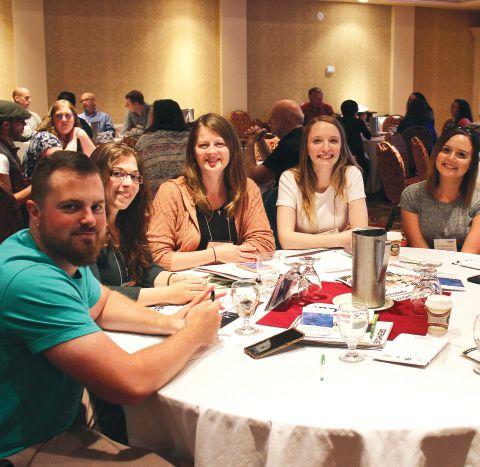
Celebrating 3 Decades!
Holiday Inn & Suites Conference Centre
JUNE 17, 2025
Presented by
TO CELEBRATE 30 YEARS, REGISTRATION IS ONLY
Thrips parvispinus control - where we’re at and where we’re headed
Dr. Sarah Jandricic, Greenhouse Floriculture IPM Specialist for OMAFA
From grimy to green: Winning the battle with hygiene
Jasper Verhoeven, Product Specialist, Disinfection & Hygiene, Royal Brinkman
Healthy plants, profitable results: Managing Kalanchoe in a controlled environment
Belal El-Hassan, Head grower Hendriks Greenhouses
Aphid wars: Why the battle is far from over and what’s next?
FOR THE FIRST 100 GROWERS TO REGISTER!
$45 SAVINGS
Predatory mites in action: Smarter screening for better biocontrol
Dr. Omid Joharchi, Researcher,IPM Specialist, Anatis Bioprotection Inc.
ToBRFV & greenhouse sanitation: What products pass the test?
Dr. Andrew Wylie, Research Scientist, Plant Pathology, Vineland Research and Innovation Centre
Moderator: Melhem Sawaya PLUS! THE CAN’T-MISS GROWER PANEL DISCUSSION LOOK WHO’S ON STAGE!
Dr. Rose Buitenhuis, Director, Biological Crop Protection Program, Vineland Research and Innovation Centre
BIOCONTROL: What’s working and what’s not?
GROWERS
Thank you to our Sponsors
“Belal is a strong believer in continuous learning, always interested in learning about new advances and changes to the technical side of growing,” said Andrew.
“He has been with us as we adapt to new technologies, processes and crops and always strives to teach the next generation.”
Today, El-Hassan consults with Niagara College on the school’s greenhouse technician course curriculum, mentors Hendriks’s younger generation, and searches out platforms from which to share his insights on the profession of growing.
One such opportunity is Greenhouse Canada’s 30th Anniversary Grower Day event on June 17, where he will be presenting on managing Kalanchoe in a controlled environment.
Hendriks has been growing Kalanchoe for decades and has practically perfected the art of managing this temperamental crop. When he came on board, El-Hassan said, he grew to appreciate its complexities and, to this day, it remains his favourite crop.
“Growing kalanchoe has its own challenges, El-Hassan says. “The fun part, is that it’s a very resilient plant and requires a different type of attention than normal flowering plants.”
Over the years, as Hendriks expanded, adopted new technologies and production methods, El-Hassan has taken an active role in ushering in these changes with a mind to maintaining the health of Hendriks’s main flowering crop and taking advantage of these new innovations.
Among some of the changes the operation has seen under El-Hassan’s watch includes a shift from full chemical pest and disease control into an IPM and introducing biologicals; increased automation of environmental controls; and the company’s recent switch from HPS to LED lighting. Hendriks has also adopted an extensive water recycling program that sees the water treated onsite for disease.
Through it all, Kalanchoe production has remained consistent and has grown as the Hendriks team adeptly coaches the crop through the changes and adjusts accordingly.
“You always have to keep a very close eye on it,” El-Hassan said, noting that for those unfamiliar with Kalanchoe’s habit, it can be hard to see signs of distress before it’s too late. “We are always watching it very closely for any slight variations.”
And while it can be a finicky and challenging crop, the end product makes it worth all the effort.
“We grow one of the hardest varieties but when you see the finished product, you’ll see yourself…it’s better,” he said, noting that they have been trialling different Kalanchoe varieties for years to select for improved disease resistance and plant performance.
EL-Hassan says he feels that Kalanchoe continues to be popular among Hendriks customers because it’s a versatile crop: they grow a wide range of colours and a variety of flower shapes and sizes, not to mention the plant’s long shelf life and ease of care for the end consumer.
His passion for the crop and the industry is why El-Hassan said he sought out the opportunity to share his experience and insights on Kalanchoe with fellow growers at Grower Day 2025 – it’s a chance to pass on some of the hard-earned expertise he’s gained in managing this crop for more than 25 years.
“I like growing plants,” he says. “It feels like playing golf against myself. I have to do better and learn from my previous crop how to make the next one better.”
Continuous learning and sharing that knowledge with the next generation is what keeps EL-Hassan motivated to improve and influence the industry.
“Keep learning, keep growing and keep an open mind,” he advises, noting that it’s in coming together and sharing knowledge where the sector thrives.
LEFT TO RIGHT
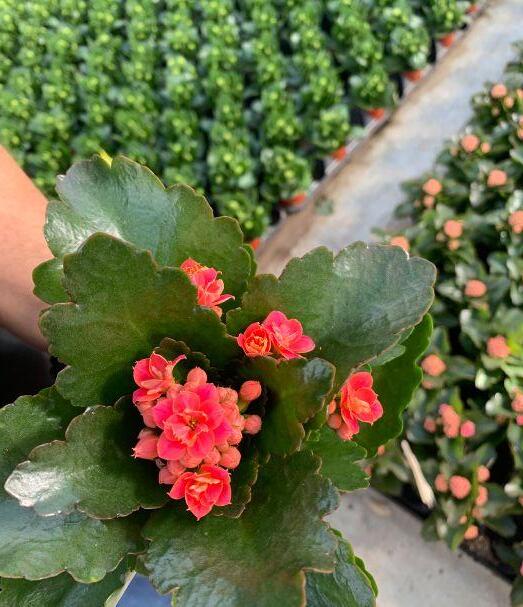
Belal El-Hassan highlights some of his favourite varieties of Kalanchoe grown at Hendriks Greenhouses. On the left, a hardy, double bloomer that was almost ready for shipping; on the right, a few weeks behind the other but full of promise.
HAVEN GREENS: setting a new standard in sustainable leafy greens
Continuing a legacy and commitment to giving back to the community
BY GABRIELA AGUILERA
Buying greens often feels like a gamble – burnt tips, browning edges and wilting leaves are all too common. It is this frustration that inspired the launch of Haven Greens, a new, state-of-the-art, automated greenhouse dedicated to the production of sustainable, long-lasting leafy greens.
Kinghaven Farms, located in King City, Ont., was originally founded in 1967 as a thoroughbred breeding and racing farm by Donald G. ‘Bud’ Willmot.
In 1974, Bud’s son David S. Willmot transformed the operation into a father-and-son
ABOVE
venture when they began managing the farm’s racing and breeding programs.
Kinghaven grew to become one of Canada’s premiere horse racing and breeding operations, winning Canada’s oldest and most prestigious horse race, the Queen’s Plate (today, called the King’s Plate), on five occasions.
Following Bud’s death in 1994, David assumed sole ownership and Kinghaven continued to produce champions and stakes winners until 2011. At that time, the farm’s operations were scaled back significantly to accommodate David’s
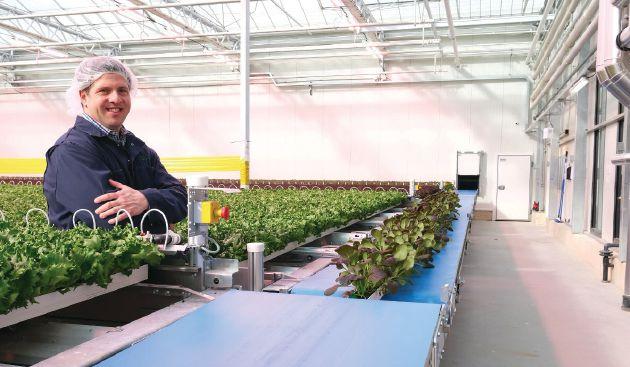
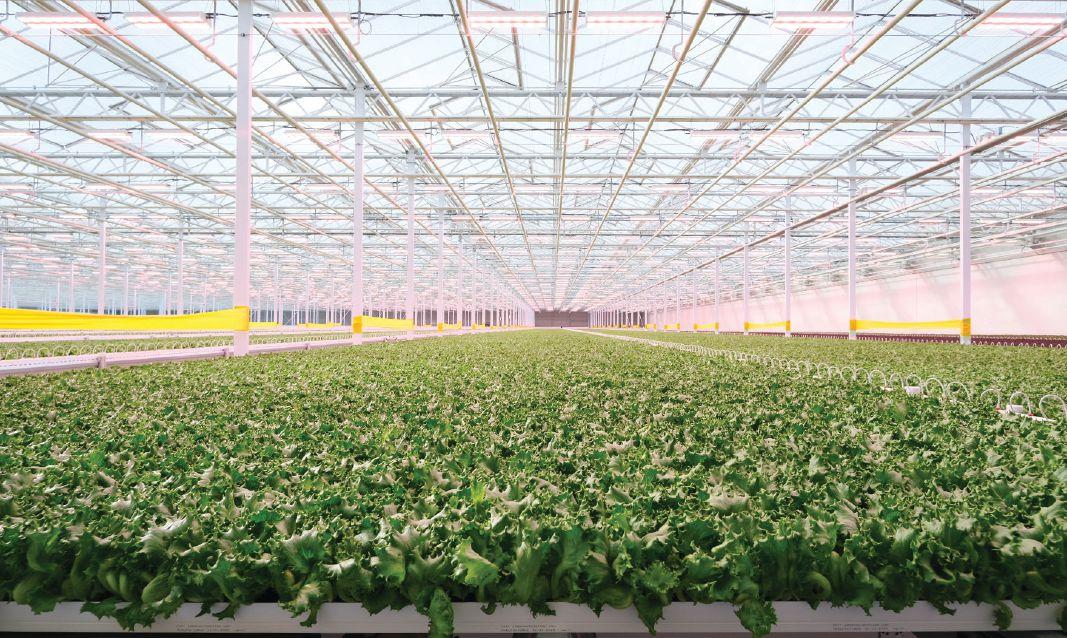
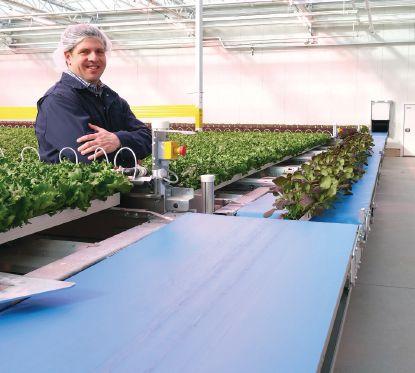
Top: Haven Greens baby green leaf lettuce in the greenhouse. Inset: Haven Greens’ Jay Willmot looks on as lettuce makes its way to the harvesting area where it will be packaged.
responsibilities at the Ontario Jockey Club and Woodbine Entertainment Group.
Today, the farm maintains its roots in the industry in thoroughbred, and now standardbred, horse breeding and ownership through the leadership of David’s son, Jay Willmot.
Under Jay’s leadership, the farm has expanded into apiculture, egg farming, woodlot management, bee keeping and more, all with an eye towards reducing the farm’s carbon footprint.
In 2012, his drive for sustainability started with the installation of solar panels on various barns and administrative buildings throughout the farm, generating up to 200 kilowatts per hour when the sun is shining.
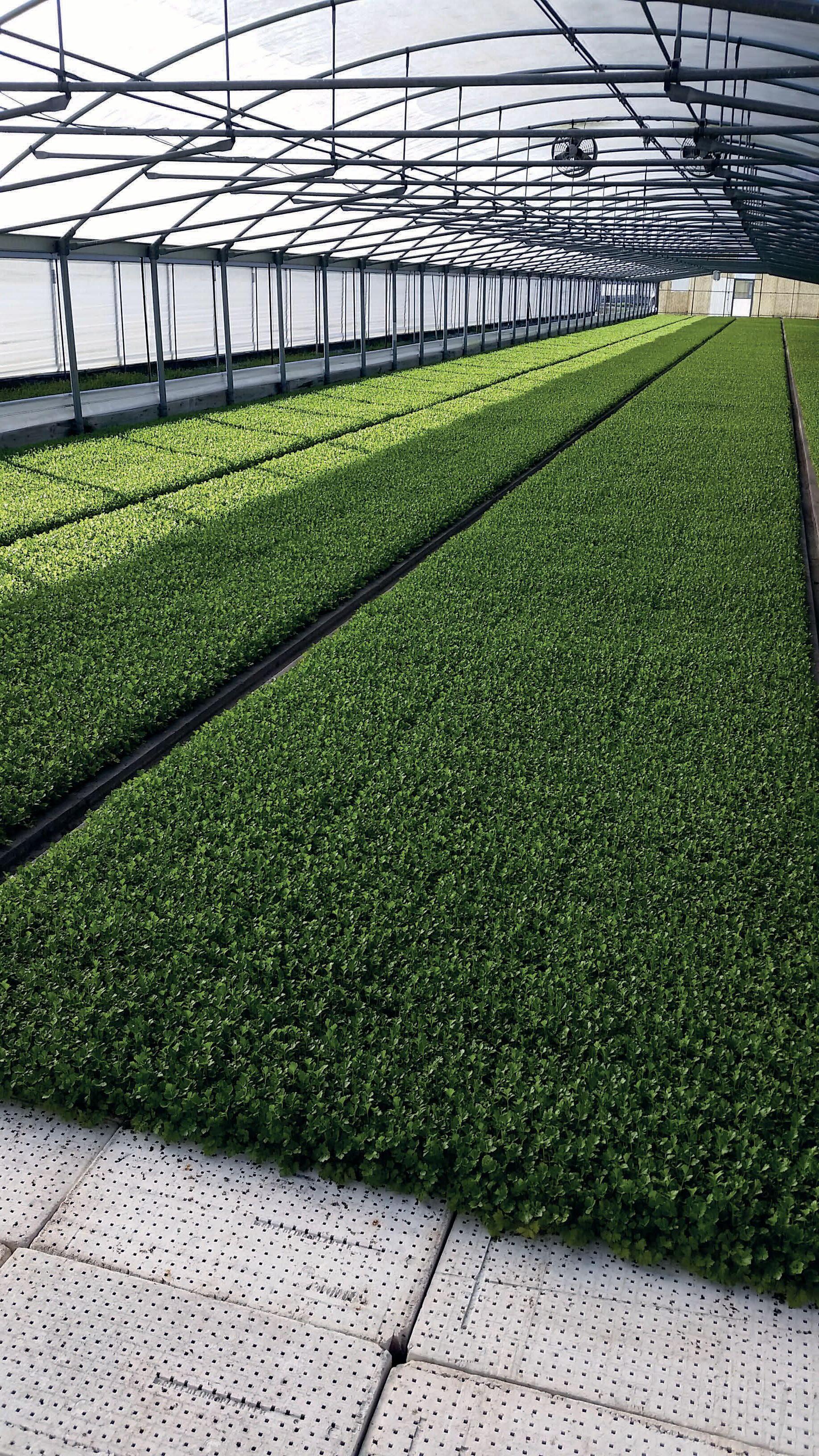
His latest project, Haven Greens, is the embodiment of his passion for sustainability and renewable energy, with the goal of bringing fresh, longlasting, pesticide-free, and greenhousegrown leafy greens to market.
THE ROOT OF IT ALL
In the summer of 2021, Jay started to weigh the options for his new project.
ABOVE
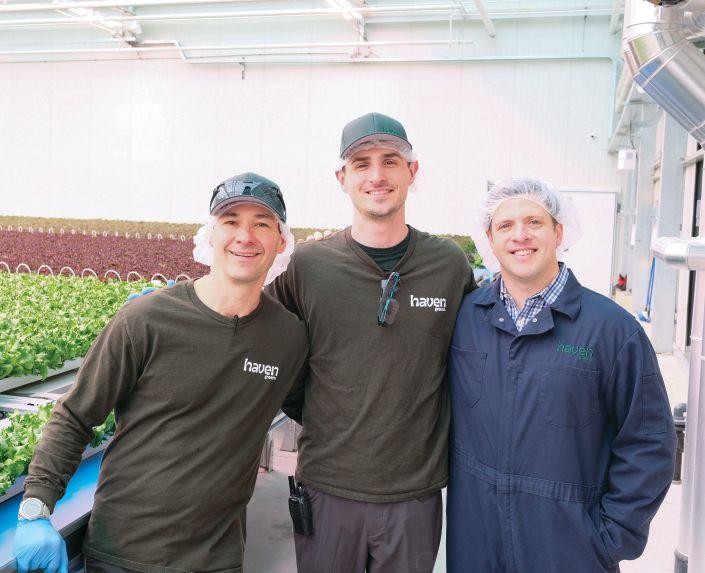
From left to right: Haven Greens’ chief agriculture officer, Eric Highfield, director of cultivation, Dominick DiMucci and owner, Jay Willmot.
ABOVE
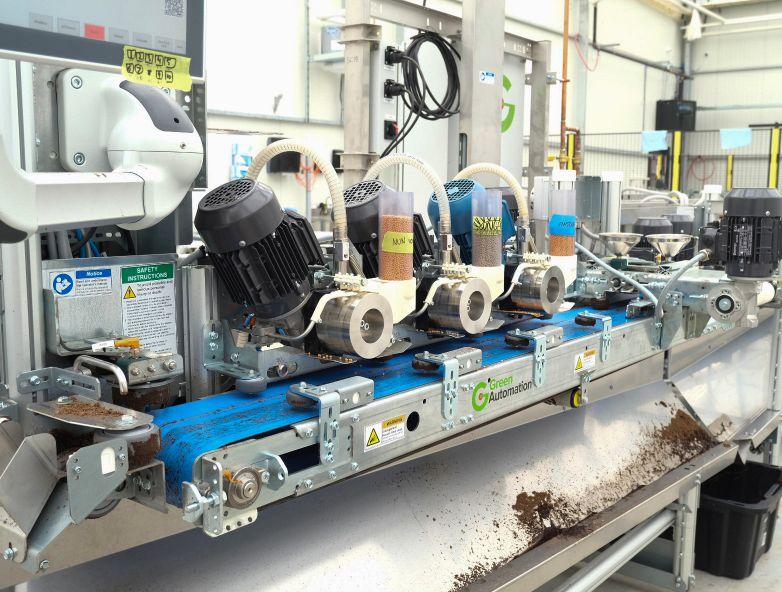
Green Automation’s sowing machine installed at Haven Greens, utilizes drum seeders to seed directly into the gutters before entering the greenhouse.
LEFT
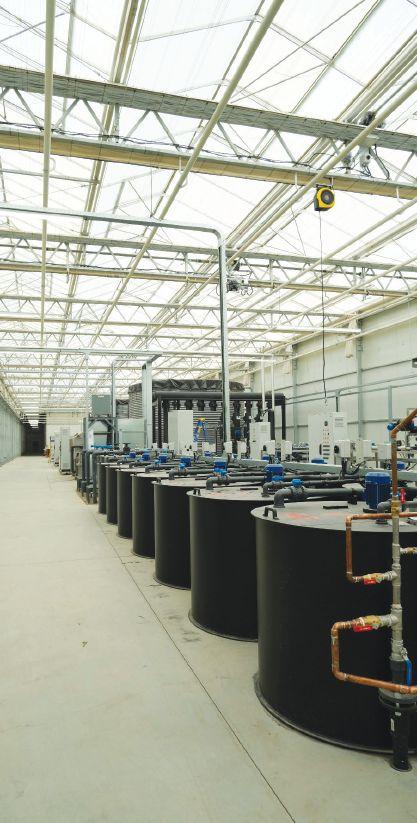
Haven Greens’ stock tanks where they make their in-house nutrient formulations.
He knew there wasn’t going to be an easy option, especially given the farm’s uneven terrain and space limitations. He originally considered building a smallscale vertical farm in a tent or temporary structure, but colleagues urged him to reconsider the economics of vertical farming.
While trying to determine the best course of action, Jay was intrigued by automated greenhouses and their potential for scalability and year-round production of affordable and consistent crops.
“Globally, we asked, ‘where is it really working’, that kind of gave us the American models and we then ended up trying to pull as many best practices as possible from them,” said Jay. “We started looking at different implemented systems and landed on Green Automation who are a proven leader in the space and knew
we could scale up their system quickly without having to fiddle around with getting it dialed down.”
Next, they had to determine if their property in King Township would be suitable for such an endeavour.
“It’s quite hilly,” Jay said. “We don’t have infinite space and we’re in the Greenbelt, so it’s hard to build large structures.”
In 2022, Jay began working with Eric Highfield, Haven’s chief agricultural officer, who previously worked with Green Automation, brought 25 years of experience in hydroponic systems, to help develop the facility. They received their first permit to begin earthwork in August of 2023, for a 10-acre facility.
By December 2023, they received a building permit followed by a full building permit in April 2024, that allowed them to begin putting up steel.
They worked with Atrium Agri to build the greenhouse and utilized their partners Havecon, PB Tec and VB to help manage their electrical, irrigation, climate and their engineering, procurement, and construction (EPC).
Jay remembers that some days, the concept of growing greens in a greenhouse felt like a distant reality as the planning process was extensive and lengthy.
“You’re spending lots of money and you’re saying: ‘geez, I hope this works,’” he said.
“You’ve got to pull yourself out of bed every day, putting one foot in front of the other. It’s not a straight line. You’ve got to be ready to problem solve.”
INTEGRATING AUTOMATION
In phase one of their plan, Haven Greens will operate the greenhouse with a fully automated Mobile Gully System (MGS) that covers two hectares of land.
They plan to use Green Automation’s open gutter system, one of the styles of MGS, that will use 30,000 gutter placements in their first block of the greenhouse.
Seeds of baby green leaf, baby red and green leaf mix and baby spring mix, will be planted into peat moss within the gutters.
The system, which Jay calls a “perpetual motion lettuce machine,” continuously moves the gutters, twice the size as a singular gutter, into the greenhouse and the growing line.
Intelligent Greenhouse Technologies
We’re proud to introduce our renewed brand identity—a fresh new look that reflects our continued focus on innovation, collaboration, and long-term partnerships. With our connected solutions, we empower growers to manage their greenhouses more efficiently and effectively.
Our products:
“It’s an interplay between everything and ultimately it comes down to team – everything is team.”
The gutters are placed into the system where they facilitate two rows of staggered, primed, seeds, that are sprayed with a robust mixture of different beneficial bacterial nematodes, amino acids and natural growth promoting hormones.
Each gutter has a radio frequency identification (RFID) pad that helps the scanners and the team easily track and gather information from them within their system.
At the front of the growing line sits a germination chamber where they spend around two days in the dark as the seeds hatch. They then move into the greenhouse as the MGS pulls them automatically through the greenhouse, creating a hands-free system.
The system eliminates manual transplanting and limits the risk of damage to the crops when entering the greenhouse until it ultimately reaches the consumer.
“The first time a person touches a product is when someone picks up a sealed package and put that into
the case,” said Highfield. “The retail consumer is the first person to ever touch this lettuce.”
Their climate corridor, which gives them the ability to use mechanical cooling in the facility as well as dehumidify, is something Highfield guarantees will set them apart from other greenhouses.
“We’re doing some things here that are innovative and unique,” said Highfield.
The corridor utilizes active air vents that adjust the amount of air coming into the greenhouse from outside. This allows them to dictate and recirculate the air outside and inside depending on what requires less energy.
Jay notes that the system’s intelligence will continue to improve as it learns from the environment inside and outside the greenhouse.
“It learns about the crops that we’re putting in there and it starts to get smarter,” he said.
Once the crop is ready for harvesting, it is taken to their
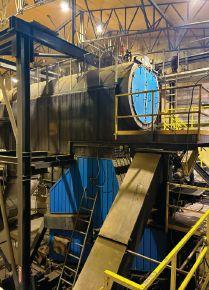
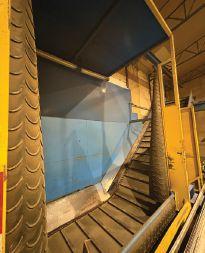
USED INDUSTRIAL BIOMASS BOILER
› Originally installed in 1996, this well-maintained system by KMW Energy Inc. has given us 28 years of dependable heat
› Capable of heating 10-12 acres of greenhouses even at -5°F winter temperatures
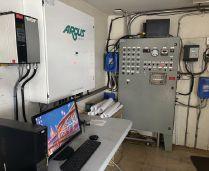
› Integrated Argus Environmental Controller
› Includes advanced automation and control systems, automated feed modules
www.jollyfarmer.com/forsale
SCAN FOR PHOTOS
packing hall where it’s cut from the root and put directly into the packaging.
“No one has this product yet that’s also being produced in Canada,” said Highfield. “We’re really intent on being the first and quite honestly, being the best.”
The gutters are then pushed through another machine where, what Highfield calls a “pizza cutter,” comes down and removes the substrate and places it into a compost bin.
The compostable substrate is intended to reinvigorate the local farms: “It’s eventually all going into topsoil amendment and adding to overly clay pasty areas so we can turn the rest of York region into more fertile agricultural land,” said Jay. “We’re using this as a launching point to make even more food.”
The gutters are then cleaned by another machine before returning to the beginning of the cycle.
Although the system is automated and leaves little physical work for the team to do when it comes to growing the greens, Jay said they still have a vital role to play.
“They make sure everything’s
working, that the climate is stable, the irrigation system is functioning, the correct light recipe is being delivered to the crop, there’s right pressure levels in the greenhouse,” he said. “Just keeping homeostasis in the system and making sure it keeps rolling.”
The team, of around 35 people, was built behind Highfield and Dominick DiMucci, from True Harvest, as Haven’s director of cultivation, who has been a head grower in MGS facilities for the past four years.
“It’s an interplay between everything and ultimately it comes down to team – everything is team,” said Jay. “It’s all the people that are involved; they’re the magicians behind the curtain they’re the ones make sure everything is working.”
Jay attributes Highfield and DiMucci’s work as a pivotal role on the project. “I give all the credit to these two, they’ve been so incredible getting the whole facility set up,” he said.
Highfield, DiMucci and Jay all share one continuous goal – to prioritize the needs of the plants. “We work for the plants,” said DiMucci. “They tell us what
to do and we try to facilitate that for them.”
A GREENER APPROACH
Jay’s continuous search for ways to incorporate sustainability within the business is seen throughout the farm.
Jay has plans to integrate a solar array that could provide up to 100 per cent of the power that is needed for Haven’s phase one block.
In addition to solar, they plan to integrate a localized microgrid system, incorporating combined heat and power, with potential for battery storage in the future. The system will also use a microturbine that burns hotter than traditional turbines, producing a cleaner exhaust that can be captured and processed to eliminate emissions.
Utilizing everything that comes off the turbine, they aim to increase their bioeconomy to increase their yield density by sequestering the carbon in their crop rather than having it emit.
Jay has also tapped into the natural
greenhouse’s location sits within a drop in elevation allowing for a bioswale – a planted ditch that filters nutrient-rich water, turning it into reusable quality.
Plans are in the works to create a larger scale biofilter operation that will use layered aggregate to filter all that water.
“It’s even capable of breaking down hydrocarbons, which is pretty crazy, to rehabilitate all that water into drinking water quality once it reaches the bottom,” he said. “You can think of it as like a giant Britta filter.”
LEFT
Haven Greens’ mustard green variation in the greenhouse.
package the lettuce. They plan to implement a cellulose-based tray in the future that will ensure the longevity of the crunch in the greens.
Jay doesn’t plan to stop there – with a multitude of ideas for sustainability in greenhouse operations, he hopes to implement them in the future and take what’s been traditionally seen in the industry to the next level.
BE(E)YOND THE GREENHOUSE
Along with maintaining his greenhouse, Jay also tends to his busy bees – yes, actual bees.
The hobby that started around 2011, has slowly scaled up into a commercial. Kinghaven’s 75 colonies, in addition to its other sites on surrounding farms, totaling 250 hives, contribute to the local ecosystem, aid in pollination and provide a natural fertilizer for the surrounding crops: “They have a short lifespan, and they die. They literally just put themselves in the ground,” he said.
Giving back to the community is another focus for Jay when it comes to his new venture.
Working with Ontario food banks, he plans to provide them with everything Haven doesn’t sell at a heavily subsidized price.
“We want to bring the goodness back to the leafy greens in Ontario.”
They’re also capturing the waste streams that come off the turbine by augmenting the boilers to use it for heating and cooling.
“Even though we are combusting fossil fuel, we’re being hyper efficient with how we use it in that combined heat and power system and then pairing that up with the direct renewable input of the photovoltaic system creates a very, very sustainable aggregated system,” he said.
Haven Greens doesn’t plan on turning a blind eye on packaging either: “We want to make sure that we’re doing the right things in that respect as well,” he said.
Using as much post-consumer recycled plastic as possible, they are currently using a plastic tray to
His commitment to giving back to the community is something Jay said he has baked into the business ethos: “We’ll always have something that goes through that program.”
With Haven’s first crop now in, Jay and his team look forward to the harvesting process, the packaging and the implementation of the next phases.
They’re excited to offer a new perspective on leafy greens and sustainable farming and eager to raise the bar for quality and innovation in Ontario’s agriculture.
“We’re just really fired up to be able to replace some of that old lowquality lettuce in the market,” Jay said.
“We want to bring the goodness back to the leafy greens in Ontario.”
Preventing toxicity and deficiency
Paying attention to pH changes in the growing medium of ornamentals and bedding plants can reward you at sales time
BY MOHYUDDIN MIRZA
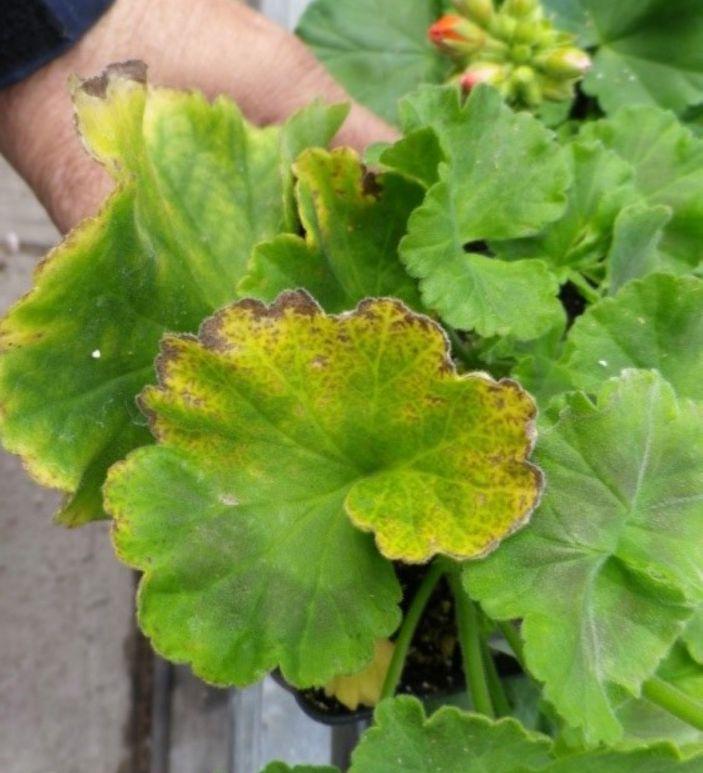
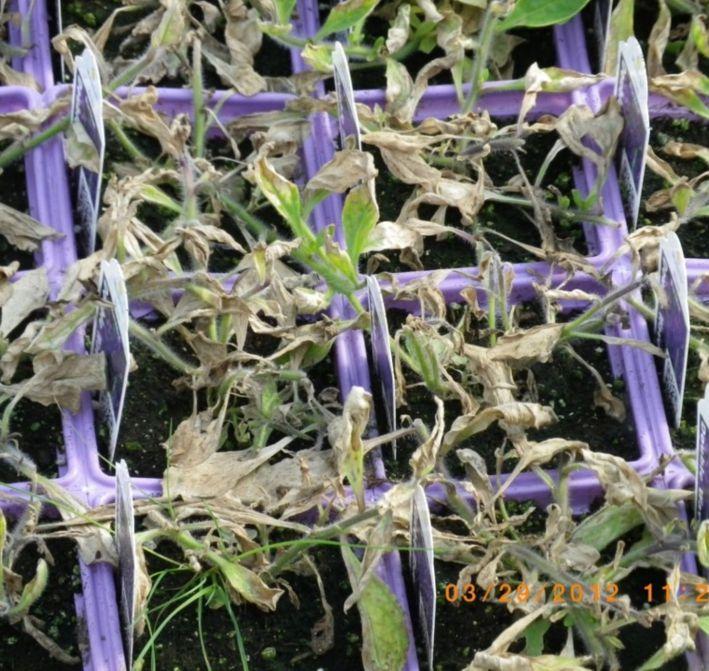
The pictures accompanying this article, were selected for the purpose of emphasizing what can happen if pH is not properly monitored and issues corrected early enough in the season. In many cases, by the sale time, plants will become unsaleable.
IRON INEFFICIENT
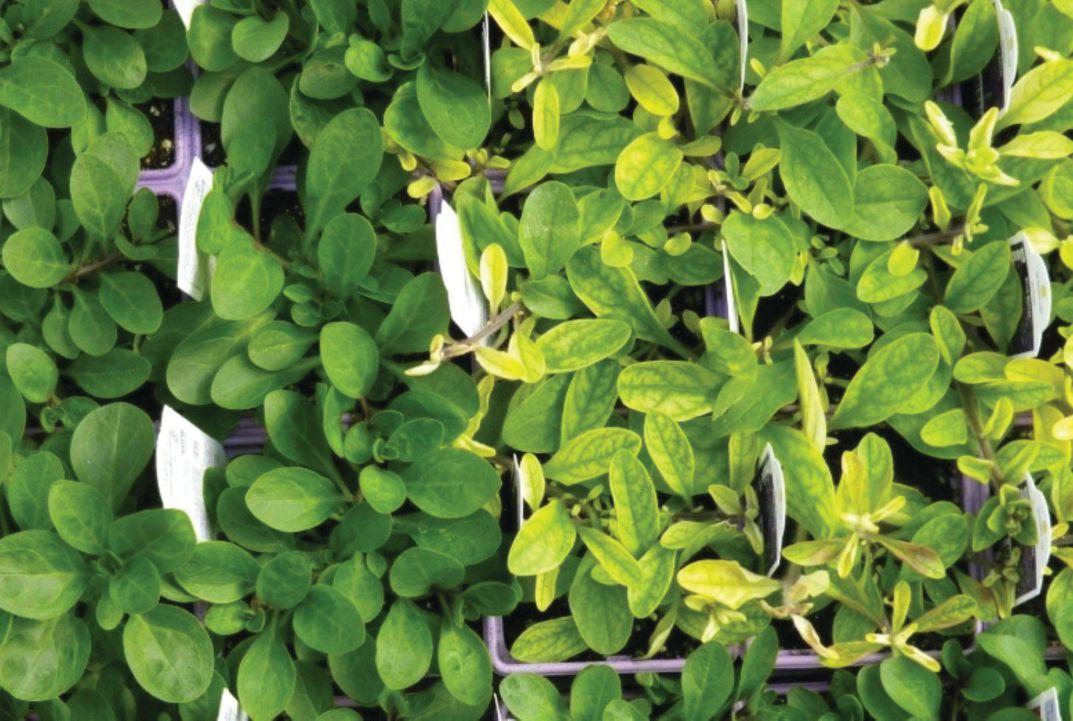
It is important to note that plants like petunias, pansies, bacopa and calibrachoa are fast growing, require regular levels of nitrogen above 200 parts per million (ppm) and change the pH of their growing medium towards the alkaline side. Once the pH starts going above 6.2, they begin to show deficiency of iron. That is what is seen in Image 1. This group of plant is called “iron inefficient” because they show iron deficiency quickly in spite of the fact here is enough iron in the feed.
Most of the time when iron is deficient,
IMAGE 1
manganese is also deficient. A sharp eye, experience, and a tissue test can confirm that. Typical iron deficiency occurs in the youngest leaves: the major veins remain distinctly green and interveinal area, that is between the veins, turns yellow. In case of manganese deficiency, even smaller veins which are spread through the leaves start losing their green colour and a “netting” pattern becomes more visible.
Many times, I’ve had growers have ask, in reference to Image 1, why the plants on the left side are perfectly green and not showing any signs of deficiency? The reason appears to be the growing medium.
Sometimes, when lime is added with the peat moss to raise the pH, the mixing may not be adequate and thus the pH of the starting medium is lower to begin with. The growing media manufacturing companies add enough lime to
Once the growing medium’s pH starts going above 6.2, plants begin to show signs of a deficiency of iron.
IMAGE 2
Geraniums showing signs of iron (and likely manganese) toxicity.
guarantee a certain pH (e.g. 5.0). The added lime also takes a long time – two to three weeks – to react after wetting. I always advise growers to add potassium bicarbonate 1lb/3.2 ft3 bale which will raise the pH to the desirable range of 5.8 to 6.0
IRON EFFICIENT
Geraniums, on the other hand, are ironefficient, meaning that when pH goes on the acid side, the uptake of iron and manganese increases almost four times, thus resulting in toxicity.
The speckling seen on leaves (like in Image 2) is an accumulation of iron and likely manganese as well. Once speckling symptoms appear, the damage is done, and the affected leaves have to be removed. The desirable pH range for geraniums is between 5.8 and 6.4. A pH of less than 5.8 the iron toxicity starts, and at more than 6.5, a deficiency of iron and manganese occurs.
HIGHLIGHT THE NEXT CROP OF YOUNG
ACHIEVERS
The search is underway for Greenhouse Canada’s Top 4 Under 40. Nominees must work in the Canadian greenhouse, horticulture industry or allied trades and be 39 years of age or younger by Dec. 31, 2025.
RECOGNIZE A LIFETIME OF DEDICATION, PASSION AND INNOVATION
Know someone who is a standout leader in the industry who exemplifies the spirit of innovation, growth and forward-thinking? Someone with an unmatched passion and dedication to their craft and its future? Tell us! Nominate a supervisor, staff member or fellow grower to recognize their impact on the farm and on the Canadian greenhouse sector.
NOMINATIONS CLOSE MAY 9, 2025
Sponsored by
IMAGE 3
Crop shows the damage after being foliar fed iron chelate at an excessive rate.
So, here are the steps one can take to correct the pH, which should be the priority.
Most of the time there is enough iron supplied through irrigation although I have seen some poorly designed fertilizer programs with iron less than 0.5 ppm in the feed program. Some growers tend to foliar feed iron chelate or iron sulfate which may not be effective, and plants can be damaged due to very high rates. Image 3 is an example of where a grower used a rate of one pound/100 gallons of 13 per cent iron chelate based on an internet search. It comes to 130 ppm and that is very high. Consult a professional to help in such matters. This grower contacted me after the damage was done to ask if the plants will recover. When foliar feeding is done, the spray solution also lands on the growing medium and causes damage.
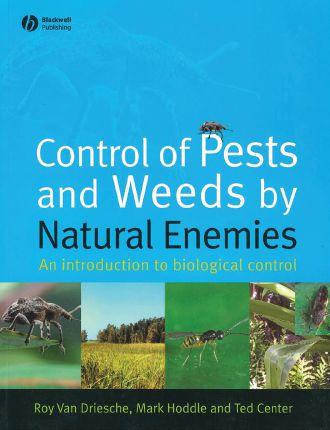
CONTROL OF PESTS & WEEDS BY NATURAL ENEMIES:
This book offers a multifaceted yet integrated discussion on two major applications of biological control: permanent control of invasive insects and plants at the landscape level and temporary suppression of both native and exotic pests in farms, tree plantations, and greenhouses. Written by leading international experts in the field, the text discusses control of invasive species and the role of natural enemies in pest management.
$118.99 | Item #1405145718
KEY TAKEAWAYS
• First fact to understand is that the pH (hydrogen ion concentration) is logarithmic, and sometimes it is difficult to visualize this aspect. Simply stated that with one pH unit, the hydrogen ions will change by a factor of 10. pH of 7.0 being neutral, a pH of 6 will have 10-times more hydrogen ions than a pH of 7.0 and a pH of 5 will have 10-times more H+.
• When taking corrective actions to bring pH down or up, it may take two to three weeks before target pH is achieved and that is very important to make the plants saleable or not. Take the example of the geraniums in Image 2. The picture is dated 05/05 and customers are coming into the greenhouse. If you are starting the remedial measures at that time, it will take about 15 to 20 days to bring the pH to the desired levels. So, monitor the geraniums and other plants regularly and watch for any trends in pH up and down before the symptoms appear.
• For plants deemed “iron inefficient,” petunias and others, bring the pH down by adjusting the pH of the feed solution or water. The lowest you may go is around 5.5. Many growers use ammonium-based fertilizers sometimes which helps to bring the pH down.
• In case of “iron efficient” plants like geraniums, the pH needs to be brought up. I have seen cases where pH has gone as low as 4.5 and damage is significant. Potassium bicarbonate is commonly used to bring the pH up. When pH is that low then it is recommended to stop fertilizing because plants are not going to take up nutrients and further toxicities may occur. Some precautions with the use of potassium bicarbonate are suggested like wash the leaves after application and potassium can increase significantly in the root zone. Watch the Electrical Conductivity (EC) closely and leach with water if needed.
Dr. Mohyuddin Mirza is an industry consultant in based in Alberta and can be reached at drmirzaconsultants@gmail.com.
INSIDE VIEW
GARY
JONES | greenhousewolf@gmail.com
What’s on your wish list?
The May issue is usually an opportunity to take a step back and indulge in a ‘grower survey’. I always assume that such ‘surveys’ want to explore bigger picture ‘how do you feel / what would you like to see’ kind of questions. From a ’30,000 feet’ perspective, I imagine many of us would like to see social stability, no elections, no tariffs, unlimited natural gas, an end to annoying pests and diseases, and, of course, world peace. That’s not too big a list to ask for, is it?
I was taking a read of the “2024 Global CEA Census Report”1, the 4th Annual CEA Census (after a gap of three years due to the pandemic). One of the key outcomes is that “The outlook for the CEA sector is overwhelmingly positive, with 84% of respondents indicating plans to expand their production area within the next 12-24 months. This indicates strong confidence in the future of the industry, driven by market demand and technological advancements.”
Bear in mind the context of the survey is that respondents were primarily vertical farms, with about 3x as many of those businesses participating as did high-tech greenhouses, so views may vary from those of traditional greenhouse producers. Also consider that the survey was done pre the disruption of the U.S. administration and before the Canada election, which won’t have impacted this survey too much,
“World Peace’ would not be an unrealistic target…’
since “The Global CEA Census saw responses from 450 participants across 75 countries, with significant representation from North America (176 participants), Europe (77), and Asia (59). This broad participation ensures that the data reflects a wide area of CEA practices and technologies across diverse climates and markets.”1
I wonder if the “overwhelmingly positive” outlook of the (primarily) vertical farm sector is truly reflected in the conventional high-tech greenhouse sector? And given the roller-coaster ride of the vertical farm sector, with many start-ups generating huge amounts of investment capital but already winding up, I find this very positive attitude fascinating.
In terms of the primary goal of the ‘2024 CEA Census Report’ (“to understand the technology in use or on the horizon within the controlled environment agriculture (CEA) industry”), the top 5 technology wishes (ranked in order of preference) are:
1. “Energy Efficiency Energy conservation is a top priority, with growers seeking technologies that reduce operational costs and support sustainability efforts.
2. “Remote Monitoring and Control Technologies that allow remote management help streamline operations and reduce labor costs.
3. “Integration with IoT Seamless connection to the Internet of Things is essential for real-time monitoring and automation, boosting productivity.
4. “Data Analytics and Reporting The ability to gather and analyze data for decision-making and optimizing farm operations is increasingly valued.
5. “Scalability for Future Growth Systems that can grow with the operation are critical for longterm planning, though less urgent than energy and data management features.”1
The first bullet is a high priority throughout the greenhouse sector. Even without recent changes in Canada on the carbon tax, growers are always trying to be more efficient, simply to save money. But what about a move to energy alternatives? The report suggests that “while renewable energy adoption is growing, many CEA operations are still in the early stages of transitioning away from traditional power sources” (p.46-48). Interestingly, on the global scale of this survey, the primary energy alternative is solar (‘agrivoltaics’). I doubt this is true of Canada.
The ‘2024 CEA Census Report’ highlights some interesting, indeed perhaps intriguing, outcomes. But a survey focusing solely on traditional greenhouses would likely yield different outcomes. Even more so if concentrating on just Canada, rather than the world. And I wonder what the outcomes would be if done now, just six months later, when much has changed in the political environment and the energy tax scenario in Canada.
However, no matter what the external instabilities, I’ve always found greenhouse owners/growers to be an innovative, determined, and resilient bunch. Which circles back to where we started – bigger picture wishes. Perhaps if left to growers, ‘World Peace’ would not be an unrealistic target. I vote ‘Farmer’ for Prime Minister.
1. Agritecture Consulting and Meister Media Worldwide/CEAg World, with input from sponsors Priva, Sollum, and TTA (Sept 2024) “2024 Global CEA Census Report”. www.agritecture.com/ census/2024
Gary Jones sits on several greenhouse industry committees in BC and welcomes comments at greenhousewolf@gmail.com.