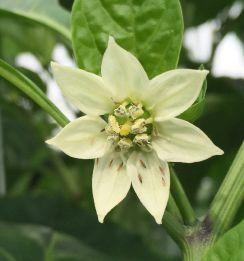
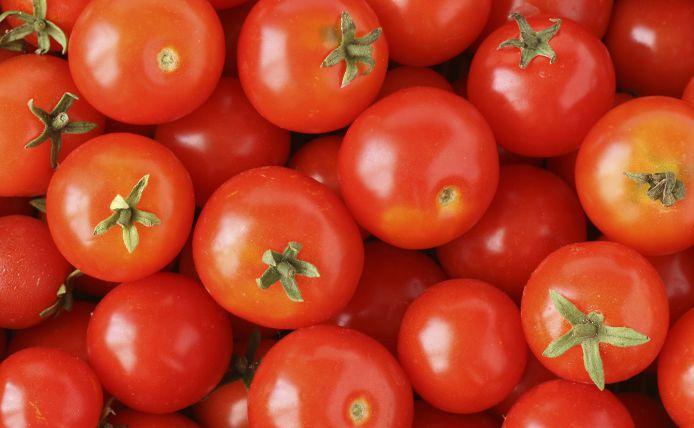
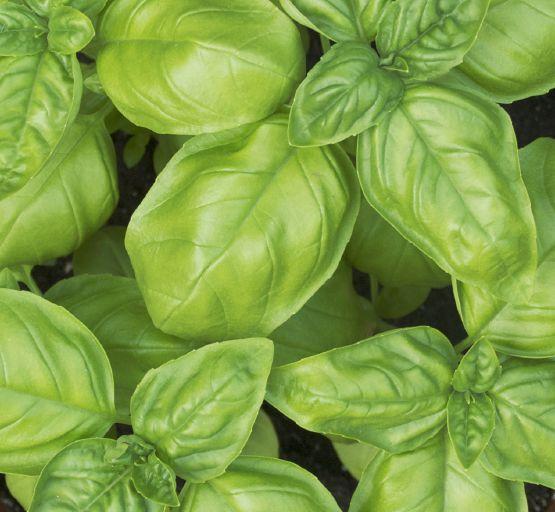
Irrigation water, varieties and growing media are factors you can control. | 16
Is your soilless mix doing the job? What to look for in a soilless mix and how to handle it right. | 24
Rethinking perennial marketing New possibilities for perennial display in stores and on consumer patios. | 12
BY DR. ROSA RAUDALES
DR. JOHANN BUCK
On the shoulders of giants
I’ll admit it. More than half the features in this issue were commissioned by my predecessor, Dave Harrison, who still carves out time to respond to my daily emails. Like most industry greats, I sense retirement for Dave isn’t really “goodbye” – though he may like to think otherwise.
My graduate research on apple stress was built on the works of scientists before me, and this new role is no different. Thanks to the passion and persistence of researchers and industry experts, Canada’s greenhouse sector finds itself among the top. I’m honoured to help narrate the story.
I’ll also admit that my knowledge of the greenhouse industry isn’t extensive - but it’s growing. Like Jannen Belbeck (interim editor of the February issue and another recipient of my spontaneous emails), I too found some common ground.
transformed into reusable energy. A Guelph researcher is looking to convert greenhouse waste into different forms of fuel (pg. 9), then using it to heat the same greenhouse. Now that’s a closed-loop system.
In a country where natural light is at a premium during the winter months, we need more than sunlight alone. But researchers are taking it several steps further. There are ongoing experiments to test different LED light combinations and timing of lighting with the goal of increasing yield, enhancing flavour and minimizing operational costs (pg 10).
The customization doesn’t stop there. Where field crop operations are often concerned with soil types and levels of organic matter, greenhouse operations can choose their ideal soilless mix – as long as they know what they’re looking for (pg.24).
National Advertising
National Advertising Manager SARAH OTTO sotto@annexweb.com 888.599.2228 ext 237
Account Coordinator MARY BURNIE mburnie@annexweb.com 519.429.5175 888.599.2228 ext.
(plus
U.S.A. - 1
1
$ 67.00
One of the best parts is seeing the results of a season’s work, much like these gorgeous perennial combinations on pg. 12. As an avid
“Unlike the field, crops in the greenhouse can be sheltered...”
Take the disease triangle (pg. 16). You need a susceptible host, a virulent pathogen and an ideal environment for disease to take hold - familiar fundamentals that apply to any crop in or out of the greenhouse. In my last role as an agricultural technical writer, I saw how field crops were often at the mercy of Mother Nature. Long periods of rain? Hello disease. Sudden hail? Goodbye yield.
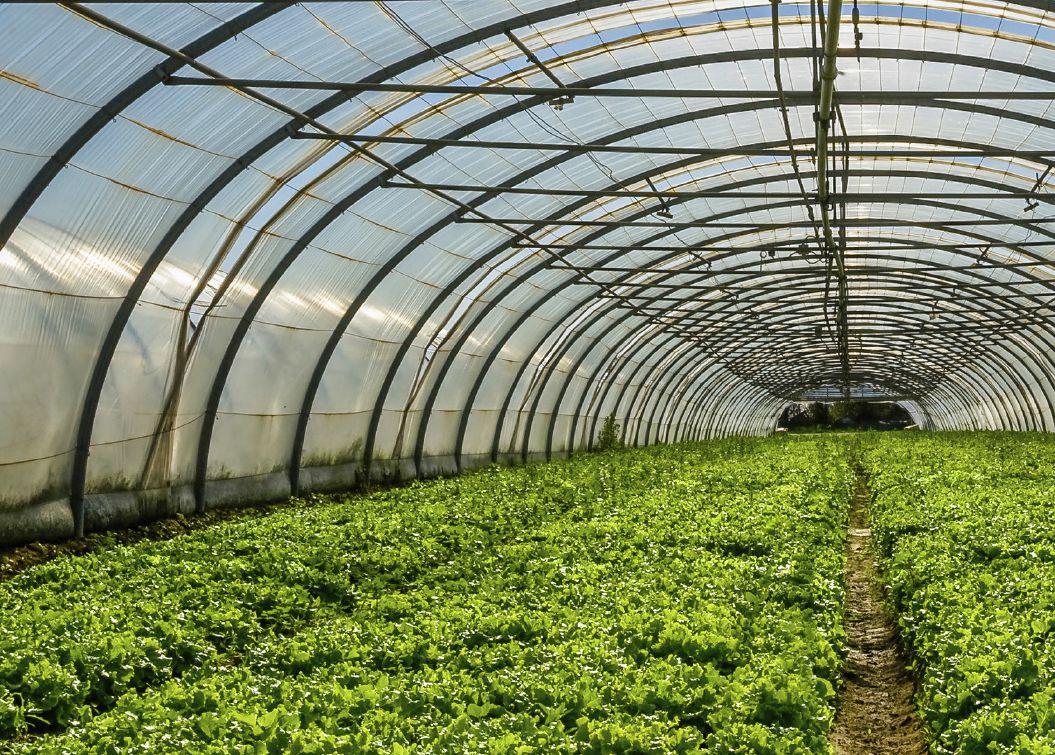
Unlike the field, crops in the greenhouse can be sheltered from the outdoors. What’s more, greenhouses can be made self-sufficient and environmentally friendly. As you’ll see later on, water can be filtered for pathogens and nutrients, then reused or safely put back into the environment (pg. 20).
Even greenhouse waste can be
amateur cook, I am very excited for ornamental edibles and perennial herbs. You can’t get more local than your own front porch.
During my undergrad, I grew (and un-grew) a number of Arabidopsis in the university greenhouse and growth chambers. As time went on, my plants become yellow, stunted and gnarly. I had thrips, and I wish I had known about biological controls then (pg. 30).
So have a look through this issue. Tell me what you love, what you like, and what you could do without. Because like any growing crop, I could use your input.
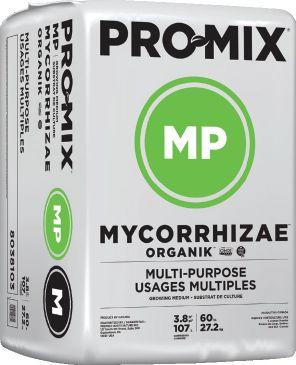
PRO-MIX MP MYCORRHIZAE ORGANIK provides the perfect solution for growers in need of an organic-certified growing medium that delivers well balanced air/water qualities. Enriched with mycorrhizae, this growing medium will not only improve the overall growth and increase yields of your crops, it will also increase plants’ resistance to environmental stresses.
PROVEN RESULTS†
Dümmen Orange announces scholarship
Dümmen Orange launches the search for candidates in the second year of the Dr. P. Allen Hammer Scholarship.
Named for Dr. P. Allen Hammer and his contributions to the floriculture industry, the scholarship extends Dr. Hammer’s legacy by supporting the next generation of floriculture students.
The $5,000 scholarship will be awarded to
OPPY
one undergraduate student studying horticulture or floriculture at an accredited institution in Canada or the US. Candidates must demonstrate accomplishments in horticulture in one or more of the following areas: academic achievement, community involvement or leadership.
The recipient will be announced in July during Cultivate. Applications for the 2018 award are due June 15. Visit dummenorange.com
AMONG CANADA’S BEST MANAGED
As the full-service fresh produce marketing and distribution company celebrates its 160th year in business, Oppy was named one of Canada’s Best Managed companies for the 17th consecutive year and honoured as a member of the Best Managed Platinum Club for the 11th time.
Sponsored by Deloitte, CIBC, Canadian Business Magazine, Queen’s Smith School of Business, MacKay CEO
BY THE NUMBERS
70% of the world’s water withdrawal is used for agriculture (World Bank, 2017)
Forums and the TMX Group, Canada’s Best Managed Companies program recognizes organizations that have implemented worldclass business practices and created value in innovative ways. The Platinum Club honours companies that earn a place among the best for six years or more. Oppy’s recognized achievements in 2017 include increasing its organic portfolio with more coloured bell
peppers from Divemex; launching a sweeping new berry partnership with Ocean Spray; introducing a highly successful Oceanside Pole Brussels sprouts program; continuing to build a successful market for JAZZ™ Envy™ and Pacific Rose™ apples; and developing demand for Zespri® SunGold kiwifruit. John Anderson, chairman and CEO of Oppy was named among Canada’s
Most Admired CEOs. Applications for Canada’s Best Managed are reviewed annually by an independent judging panel on how companies address various business challenges, including new technologies, globalization, brand management, leadership, leveraging and developing core competencies, designing information systems and hiring the right talent to facilitate growth.
A leak of 1 drop per second loses over 113 gallons of water per month
(University of Connecticut)
Canada has the 3rd largest renewable freshwater supply worldwide
(Statistics Canada, 2016)
80 to 90% of plants are composed of water
(Salisbury and Ross, 1978)
99.9% of water taken up by plants is lost through transpiration
Only 0.1% is used to make plant tissue (Colorado State University)
$400,000 was invested to introduce cost-effective waste water treatment systems for flower growers (Agriculture and Agri-Food Canada, 2016) A water test is recommended at least 4 times per year (Saskatchewan Agriculture)
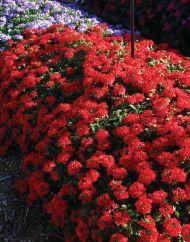
Empress® Sun Verbena
For quick-finish summer colour, look no further than the Empress Sun verbena series from Dümmen Orange. With fantastic landscape performance, these vigourous growers feature early flowering, near-perfect uniformity, a reduced cyclical blooming pattern, and impressive cold, heat, humidity, and mildew tolerance. dummenorange.com
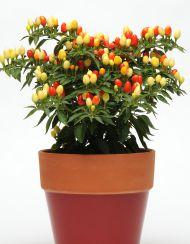
Ornamental Pepper Hot Pops Yellow
Pump up your autumn assortment and potted plant sales with a new fruit form and multicolours. The small, round peppers of new Hot Pops Yellow from PanAmerican Seed show multiple colours simultaneously to make a high-impact display for outdoor and indoor decorating. 13-18 cm tall x 15-20 cm wide. panamseed.com
Covered with colour when you need it most, the Deltini™ series of violas from Syngenta offers reliable and programmable production with near-day-neutral flowering. It’s efficient to produce, with reliably fast crop times and a four-day bloom window between colours, even under short-day conditions. 8-12 cm tall x 10-12 cm wide. syngentaflowers-us.com
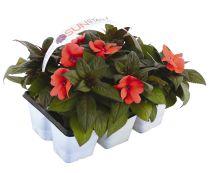
‘SunStanding’
Impatiens
Sporting bright flowers over glossy green and bronze foliage, this series of impatiens from Dümmen Orange are both striking and sturdy, thriving in sunny and shady garden conditions. With Quick Turn™ cuttings, 306 packs will be marketable within five to seven weeks with great flower power at retail and in the garden. dummenorange.com
Tangerine Slice A-Peel® Thunbergia
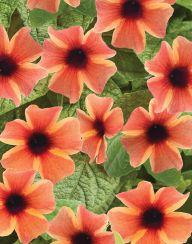
Easier to handle than most rambunctious Thunbergia, this more restrained selection from Proven Winners has an increased shelf life and sales window. It makes an excellent climbing component when paired with other vigourous varieties and is beautiful in monoculture as well.
Orange and yellow bicolour flowers with a black eye dot the bright green foliage all season long. Great as a screen for patio trellises, chain link fences and mailbox gardens. Requires a trellis in Royale™ containers. 1.5-2.4 m tall x 0.5-0.6 m spread. Part sun to sun. provenwinners.com
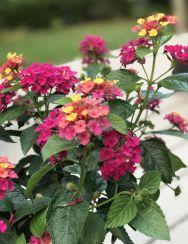
Luscious® Royale Cosmo Lantana
The first in a new sub-series of densely branched lantanas from Proven Winners, this restrained selection is a bit smaller in size but packs the same dynamite bloom power as its larger siblings. It fits containers easily as a monoculture or paired with other medium vigour varieties. Clusters of fragrant, hot pink and yellow bicolour blooms attract pollinators all season. Like all Luscious lantanas, there is little to no seed set and is heat- and drought-tolerant, helping to keep plants in flower for summer-long sales. 30-66 cm tall x 30-61 cm spread. Full sun. provenwinners.com
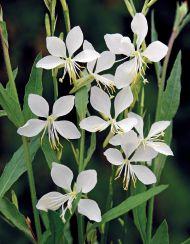
The origin of Jelitto’s ‘Cool Breeze’ began with a keen eye and a single offspring from a production field of 3,000 typical gauras. The stems and buds were greenish-white instead of the usual pinkish-red colouring. Jelitto’s ‘Cool Breeze’ features graceful blooms as pure and white
as the wind-driven snow. Pure white, vegetatively-grown gauras exist in the trade, but ‘Cool Breeze’ is the first seedgrown strain available. The Greek name gauros means somehow superb, and this beautiful, long-blooming ‘Cool Breeze’ is superb indeed. jelitto.com
‘Cool Breeze’ Gaura
Viola Deltini™
From waste to wealth
Transforming greenhouse waste into energy
When Animesh Dutta ponders the problems of the world, he lands on energy security, food security and climate change. The University of Guelph researcher’s latest project holds promise for addressing all three.
As professor and director of the Bio-Renewable Innovation Lab in the School of Engineering,
ABOVE
“Waste is a resource looking for an opportunity,” Dr. Animesh Dutta says.
Dutta focuses on taking waste from farms or food processors and finding the best solution to convert it into renewable energy that will maximize the economics.
When he started working on bioenergy, Dutta saw the benefits of creating a renewable source of energy that didn’t interfere with food production.
“The economics don’t seem to be there for using feedstock for bioenergy,” he says. “You have to purchase the raw product and farmers want a price for their biomass crop that is higher than the value of the bioenergy it makes.”
A CLOSED SYSTEM FOR ENERGY PRODUCTION
So Dutta began looking to other sources of raw product needed to create renewable bioenergy and wondered about the waste generated from greenhouses and food processing industries. They use a lot of heat and generate green waste (vines) that farmers/processors must pay to dispose of.
On the plus side, greenhouses provide a great model to develop a closed loop system for energy production and use.
“I looked at what greenhouses could do to use their own farm waste to generate heat,” Dutta says. “But food waste by nature is very wet and we needed a more efficient way to process it.”
Drying waste requires a lot of energy and defeats the purpose of creating an efficient new bioenergy source.
That led Dutta to develop an innovative approach to cook the waste in water with a hydrothermal carbonization (HTC) reactor –creating a carbon product (like biochar) and a biogas that can be used similar to natural gas as an energy source.
AN IDEAL GREEN INDUSTRY SOURCE
The greenhouse industry is ideal for this new process to create green energy because it comes complete with the source of the raw product (waste) and the need for the end product (energy).
To test the process, Dutta is working with a greenhouse operation and manufacturer in Leamington, Ont., to create a closed-loop system where the farm can use their own plant waste to create a bioenergy-based heat source on their operation.
“This system addresses climate change, biogas production, waste water management and soil health,” Dutta says.
To show the greenhouse industry how the HTC process works, Dutta and his team are building a demonstration pilot in Leamington.
Dutta’s work dovetails well with the provincial government’s 2016 Resource Recovery and Circular Economy Act (Bill 151) designed to create markets for recovered resources.
“Waste is a resource looking for an opportunity,” Dutta says. “We need a more efficient way to turn waste into energy, and the goal with this research is to expose those new opportunities for green waste.”
Dutta is looking to the food processing sector as the next industry that can benefit from his HTC process.
This article is provided by AgInnovation Ontario, a project of the Agri-Technology Commercialization Centre (ATCC). The ATCC is funded by Growing Forward 2, a federal-provincial-territorial initiative.
Finding the right light to grow better plants
It’s an unremarkable building from the outside, tucked away on a side street on the University of Guelph campus. What’s inside, though, is most remarkable – and may well be lighting the way for future human life in space, as well as better life here on earth.
Not only are researchers in the Controlled Environment Systems Research Facility working on how to best grow food away from Earth, they’re also experimenting with using light to improve the production of medical marijuana and cancer-fighting tobacco plants, helping nurseries reduce water and fertilizer use on their trees and shrubs, and finding low cost solutions to growing more compact bedding plants.
PhD candidate Dave Hawley is using basil and strawberry plants in experiments designed to find the best LED light combination for use in small, low atmosphere growth chambers that will not only simulate but actually improve upon real sunlight – and resulting in better flavour and ultimately helping feed people on long space journeys.
“We can actually do a lot better than sunlight. Every part of the spectrum of sunlight costs energy and money, but if we can isolate only the parts that provide the most benefit to plant growing, this can be a very efficient process,” explains Hawley, adding the technology would
“We can actually do a lot better than sunlight.”
also be excellent for growing food underground or in the far North where fresh produce is expensive and not always of good quality.
For example, he’s been working with greenhouse basil for three years to determine which light qualities can result in higher yields and produce a crop that looks better on the grocery store shelf.
His ultimate goal, though, is to apply his learnings from these crops to medical marijuana. According to Hawley, it’s an industry that is in its infancy when it comes to growing plants consistent in both appearance and the medicinal compounds they contain. Clinical studies involving medicinal cannabis, for example, need a steady supply of consistent drugs, he says.
Masters’ student Sean Ratcliffe is working on a project for University of Guelph spin-off Plant Form, a company best known for its tobacco plant-derived cancer drug and Ebola vaccine. He’s trying to determine which growing media or substrates and which LED light combination will provide the best tobacco plants with the qualities Plant Form scientists need to make their innovative breast cancer drug.
Another master’s student, Jasmin Mah, is working on a low cost solution for flower growers looking to grow more compact bedding plants in floral greenhouses. Currently, growers use growth regulators to make plants more compact; Mah’s work is evaluating the impact of end-of -day lighting on how plants grow, switching to different light treatments daily at 11 pm.
Canada’s ornamental plants sector boasts approximately 3,500 nurseries across Canada and uses an estimated 190 million cubic metres of water every year. But new research suggests this is two to three times more water than healthy trees need. The solution may lie with an app developed by master’s student Jared Stoochnoff, using onsite weather data to predict how much irrigation water ornamental trees and shrubs will need.
During commercial trials, automated irrigation controlled by Stoochnoff’s app reduced water consumption by 50 per cent compared to conventional irrigation schedules – without impacting plant productivity or quality. More efficient water use helps minimize nutrient run off, reduce fertilizer needs, and lessen the environmental footprint of ornamental nurseries.
The app is based on previous research by Stoochnoff’s advisor Prof. Mike Dixon, director of the Controlled Environment Systems Research Facility and program.
This article is provided by AgInnovation Ontario, a project of the Agri-Technology Commercialization Centre (ATCC). The ATCC is funded by Growing Forward 2, a federal-provincial-territorial initiative.
For more AgInnovation Ontario features, visit aginnovationontario.ca.
For more Technical Issues features, visit greenhousecanada.com.
NEW IDEAS: Perennial marketing
Resourceful retailers are discovering that hardy plants can be utilized in many wonderful applications, refreshing existing ideas and creating entirely new categories.
BY KARL BATSCHKE
Creative growers and retailers are always looking for new and innovative ways to capture consumer attention. This is particularly true in the historically conservative and stoic world of perennials. No longer are retailers simply lining out an A to Z offering of hardy plants, hoping consumers will be equipped with enough knowledge to select the right plant for the right space. Resourceful retailers are discovering that hardy plants can be utilized in many wonderful applications and are refreshing existing ideas and creating entirely new categories. So, let’s explore some of the trends in marketing hardy plants and how these are finding their way into store displays and on consumer patios.
PERENNIALS IN MIXED CONTAINERS
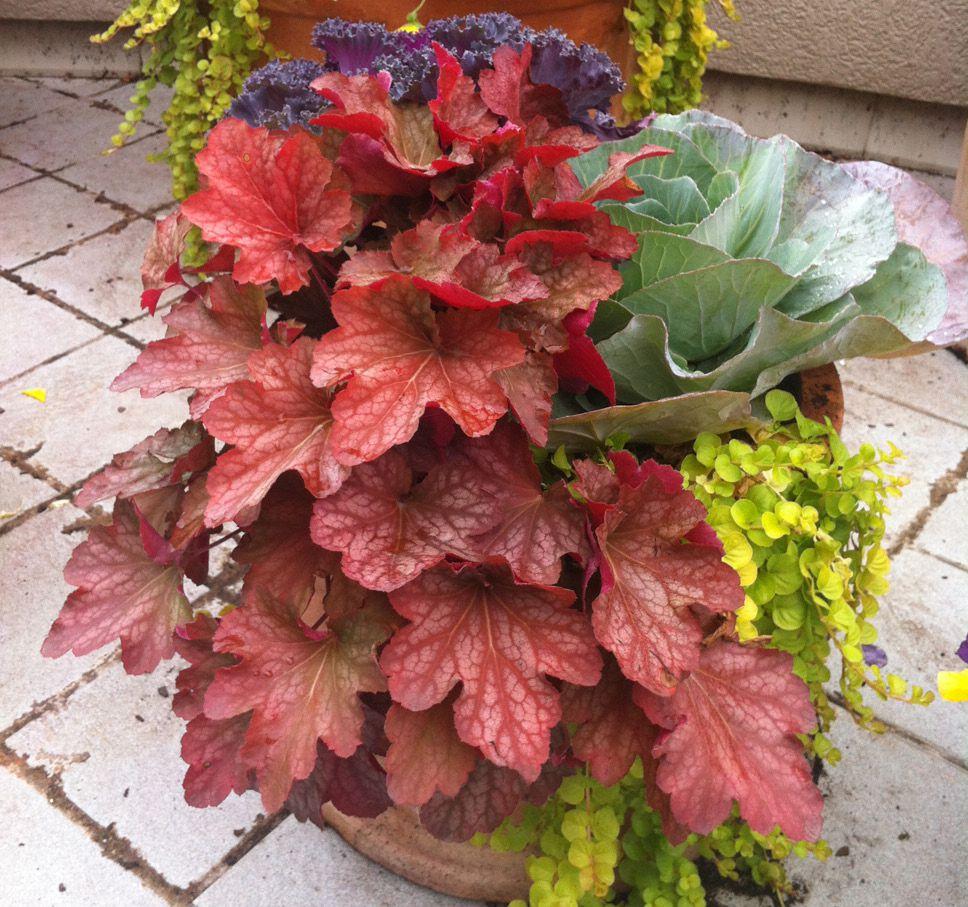
Using perennial plants in mixed containers is certainly not a new concept. Retailers have been showcasing hardy plants in this way for years. What is new, however, is the integration of non-hardy plants along with traditionally winter-hardy ones. We now see tropical plants such as palms, cannas and Phormium used with perennials like hosta, Salvia and Lysimachia Integrating colourful Heuchera with pansies, mums and kale can create a stunning fall display. We also see the incorporation of woody shrubs into perennial combinations and perennials mixed with annuals to extend colour and textural elements.
Peach Sorbet™ on patio.
ORNAMENTAL EDIBLES
Heuchera, kale and Lysimachia.
Other examples of this trend include ever-bearing strawberries. Although not new to the patio, beautiful flowering varieties such as ‘Tristan’ or ‘Gasana’ elegantly blend the ornamental with the edible. Their flowers are much larger and more colourful than traditional strawberries, and their fruit remains close to the container on short runners. Novelty varieties such as ‘Hulaberry ®’ are frequently sold in hanging baskets that include a male pollinator with several female fruit-bearing plants, eliminating the consumer’s need to understand how strawberries are produced and simply enjoy the fruit.
PERENNIAL HERBS
There is extensive new breeding being done to develop small-fruit producing plants...
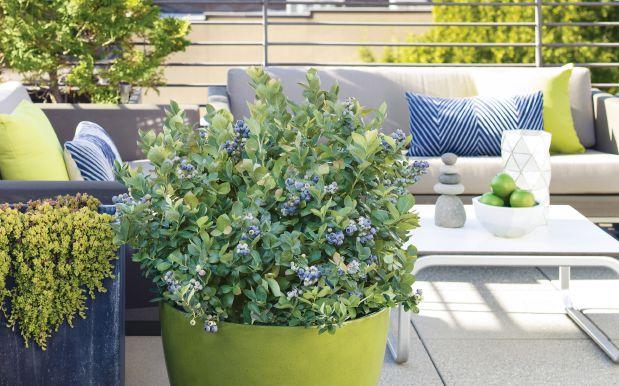
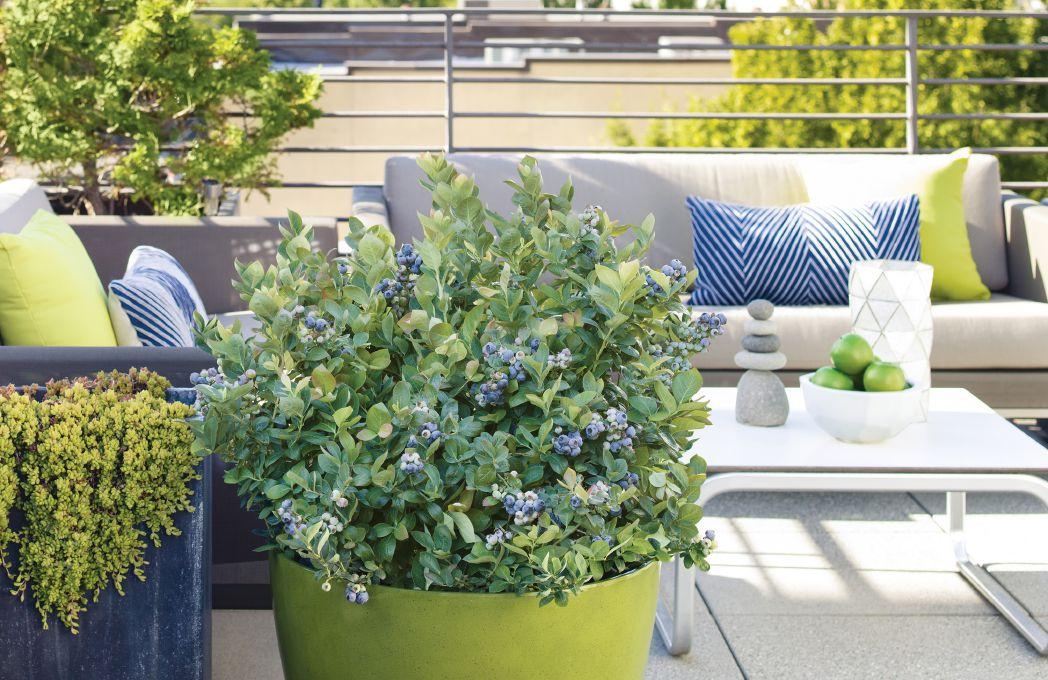
One of the most exciting new trends for the porch and patio are ornamental edibles. There is extensive new breeding being done to develop small-fruit producing plants that are right at home in a container. One of the top consumer marketing and product development companies on the leading edge of this trend is Star Roses and Plants™ with their Bushel and Berry™ brand. They currently offer seven varieties of blackberry, blueberry and raspberry varieties specifically designed for patio use. All these plants are winter hardy to USDA zone 4 or 5 and can be planted in the garden, yet I suspect that most will be enjoyed for the season and replaced the next spring with new plants. Even if not planted in-ground, the hardier of these varieties will certainly overwinter in mild coastal climates right in the container. The marketing speaks specifically to the convenience of pick-your-own right on the patio, and the inclusion of recipes in their marketing materials demonstrate the great function this convenience provides.
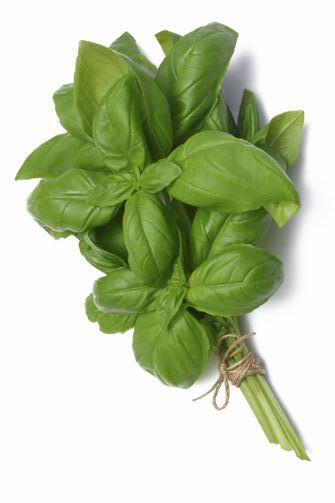
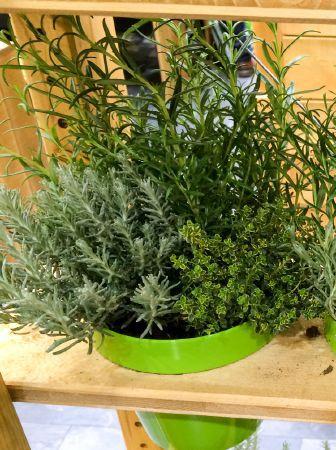
One of my favourite categories of perennial plants are herbs. We often neglect this entire class when thinking of perennials, yet many herbs are useful hardy plants. Some of my favourites are listed in Table 1 . With herbs, function is the primary ingredient consumers are looking for, and it is exciting to see the myriad of creative ways growers and retailers are employing to showcase this functionality. Some of the most innovative designs are coming from our colleagues in Europe. A visit to the IPM show in Essen, Germany last year provided a tremendous variety of useful ideas including themed containers such as a cocktail collection, BBQ collection and Italian collection to name a few.
Beyond their more obvious functional value, herbs bring aesthetic interest as well. I have seen herbs such as thyme, sage and rosemary used to accentuate beautiful mixed containers of perennials. These tough herbs are very frost-tolerant and can provide container beauty and culinary usefulness well past frost dates. Many herbs are slow-growing and can provide season-long container interest and flavourful harvest. Of course, not all herbs are frost- and freeze-tolerant. Plants like basil and cilantro may not survive cold
French tarragon Artemisia dracunculus sativa
English lavender Lavandula angustifolia
Ginger mint Mentha x gracilis
Peppermint Mentha x piperita
Mojito mint Mentha x villosa
Oregano Origanum vulgare
Rosemary ‘Madeline Hill’ Rosmarinus officinalis
Sage Salvia officinalis
Thyme
‘Albiflorus’ Thymus praecox
Creeping thyme Thymus coccineus
English thyme Thymus vulgaris
Lemon thyme Thymus citriodorus
temperatures, but they are so important in many cooking styles that they should be incorporated where possible.
THERE’S MORE TO COME
z3-7
z5-9
z5-9
z3-7
z5-9
z5-9
z6-11
z5-9
z4-9
z5-9
z4-9
z5-9
The examples above are just a hint of and perennial plants represent, and imaginative growers and retailers are embracing these trends with great success. Hardy garden plants are finding their place in many unique and novel uses that bring consumer satisfaction
Karl Batschke was raised in a greenhouse family in Michigan and has worked in the horticultural industry for over forty years. He is currently the global product development manager for Darwin Perennials. He can be reached at kbatschke@ballhort.com
Did you know?
There are over 300 species of thyme, with the most common variety being Thymus vulgaris, also known as common thyme, English thyme, garden thyme and French thyme.
The genus Thymus belongs to the mint family Lamiaceae, which also includes a number of widely used culinary herbs such as oregano, sage, rosemary, lavender, basil and, of course, mint.
NOT JUST ORNAMENTAL.
Thyme also has medicinal uses. Essential oils derived from thyme contain thymol, an antiseptic ingredient used in mouthwashes, hand sanitizers and sometimes toothpaste. Thymol is also responsible for thyme’s distinctive flavour.
Source: Wikipedia
Mixed herbs display at IPM Essen.
The three D’s: Diseases, disease triangle and diagnosis
When it comes to disease, it’s important to remember which parameters we can control and how.
BY DR. ROSA E. RAUDALES
The disease triangle is a concept used by plant pathologists to explain factors necessary for disease to occur. Disease will only occur when a virulent pathogen is present, the plant is susceptible to the pathogen and the environment is conducive for disease. If one of the three components is absent, then disease will not occur. That is why when we think about preventing plant diseases, we should keep the disease triangle in mind. Ask ourselves, which parameters can we control?
We will break this up by factor – host, pathogen and environment. Luckily, we work in greenhouses where we have a lot of control over the environment.
1. Use resistant varieties (host) – This one is simple, but we have little control over it. Seed
companies make a big effort to develop cultivars with tolerance or resistance to pathogen infection, while offering desirable traits for consumers. Unfortunately, the process takes quite a bit of time and sometimes pathogens overcome resistance. Check the seed catalogs, talk with your supplier and choose the best option. Planting susceptible cultivars has a high risk of disease and plant loss.
2. Prevent inoculum entry and spread (pathogen) − Root pathogens can enter and spread in greenhouses via infected plant material, contaminated growing media or irrigation water. Water moulds, including Pythium and Phytophthora species, are the most abundant and frequently reported groups of pathogens found in water. These pathogens form zoospores that can swim freely in the water and actively search for
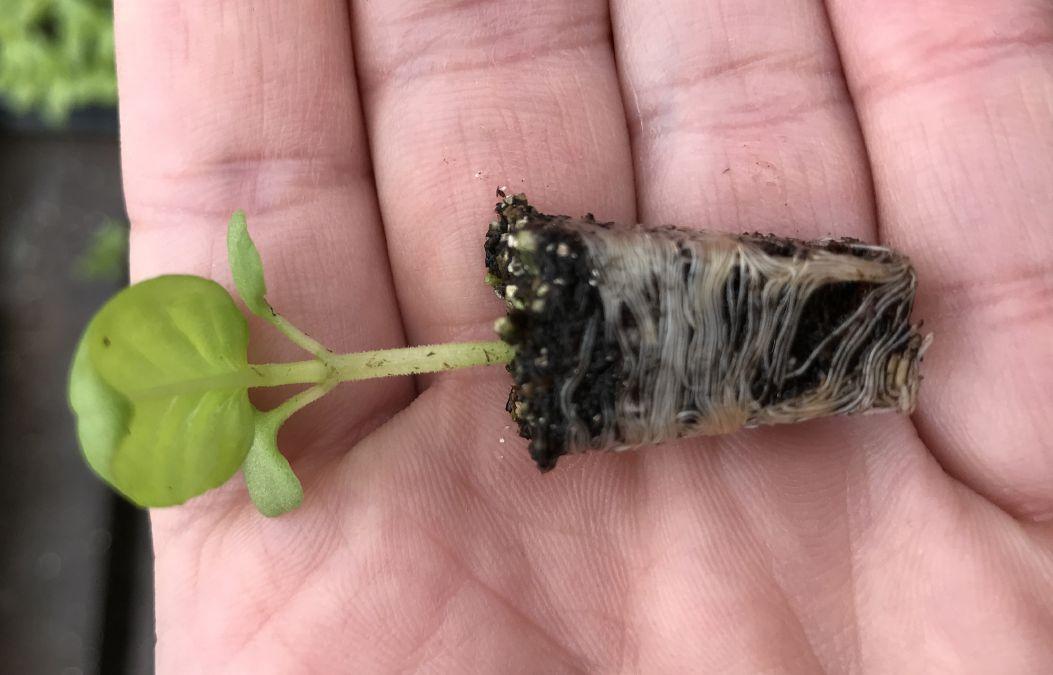
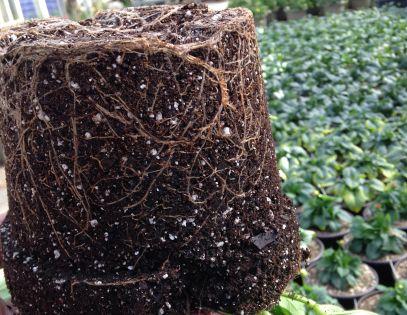
FIGURE 1 Look for root rot in plugs. FIGURE 2 Inspect roots frequently.
FIGURE 1
FIGURE 2
Photo credit: Rosa E. Raudales, University of Connecticut
roots, by a process called chemotaxis. Rhizoctonia, Fusarium, Alternaria, Sclerotinia and Botrytis are among the most common fungi (not to be confused with water moulds) that cause root diseases. These fungi and the water moulds are carried by organic matter in the water, substrate or plant tissue.
Growers should always inspect incoming plants. Plugs and seedlings are especially sensitive to root rot (Fig. 1). Growers can dip incoming trays of plugs with biofungicides as a standard and preventative practice. When growing your own seedlings you can also apply biofungicides as a drench or use media that contains biofungicides. In general, biofungicides are effective in preventing root rot at early stages. Preventive applications of fungicides also help reduce plant pathogen inoculum. We recommend that you contact your local agent for recommendations on actual products and proper rotations.
Growers can reuse growing media or containers only if they can properly sanitize them. While this practice is feasible and a sustainable way to reduce waste, this practice has a high risk for the spread of disease. Growers should only reuse media and containers if they can pasteurize the media and steam the containers. Sanitation of containers should first include physical removal of organic debris, then chemical sanitation (e.g. activated peroxygen) and finally steam treatment.
Irrigation water can be a source or dispersal mechanism for plant pathogens. Surface-irrigation water sources, like ponds, have the highest diversity and abundance of plant pathogens. Well, municipal and rain water typically are not sources of plant pathogens. All water sources serve as a dispersal mechanism; this is especially true when the water has a high load of organic matter. We highly recommend that growers pay attention to where the water moves around in the operation. Ask yourself the following: Where is the water coming from? Are there areas where the water splashes to younger or more susceptible crops? Is the water runoff properly channeled without coming into contact with plants or being combined with fresh clean water? If any of these represent a potential risk of pathogen entry, then take action.
Water treatment options to remove pathogens from the water include filtration and sanitation. Filtration
systems are extremely important for any irrigation system. When it comes to disease prevention, filters play an important role in removing organic matter that may harbour plant pathogens, as well as reducing sanitizing demand. Sanitizing demand refers to the amount of sanitizer that reacts with organic or inorganic materials after a given contact time. For example, if we inject five parts per million (ppm) of chlorine in the water, and we only measure one ppm of chlorine after 10 minutes (residual chlorine), the difference between how much we applied and how much is left is the sanitizing demand. In simpler terms, dirtier water needs more sanitizer for it to be effective. Currently, the safest option is to filter, then sanitize.
Selecting between water-treatment alternatives is a complex decision. The right choice will depend on water quality parameters, target organism(s), adaptability to current irrigation system and financial access. Waterborne Solutions (backpocketgrower.com) is a tool that summarizes published data on the efficacy of water treatments. The summaries are organized by organism or treatment system.
Other practices like avoid putting trays directly on the floor, letting the hose touch the floor, and removing debris and weeds are small but important practices that help prevent pathogen dispersal. A clean greenhouse equates to healthy plants.
3. Control the environment. When we think about root diseases, moisture in the growing media is the most important environmental parameter you can control. Media saturated with water for prolonged periods result in high disease incidence.
Being a “dry grower” is also beneficial in preventing plant stretch. High fertilizer rates can damage the integrity of the roots and open entry points for infection, resulting in a high risk for root diseases.
If everything that we do fails and disease occurs, the next best option is to detect the problem early. Here are a few general tips on general disease diagnosis:
• Know what it normal. The grower’s experienced eye is a valuable tool for detection of diseases. Root diseases are very easy to spot if you pull out plugs (Fig. 1) or flip containers (Fig. 2). You know healthy roots should be white and have fine roots.
• Look for patterns. An uneven pattern of symptoms in the growing area or in the plant suggests that the causal agent of the problem is biotic – either a pathogen or an insect. Uniform patterns suggest that the problem is caused by an abiotic factor (i.e. plant growth regulators, fertilizer, greenhouse environment). The exception to this rule is when a disease is spread by vegetative propagation (e.g. virus or bacteria). In that case, the pattern is usually uniform.
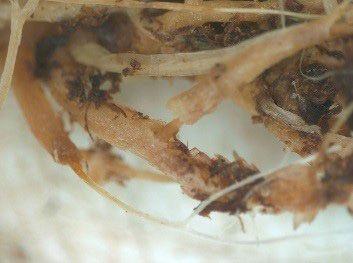
• Look for signs and symptoms. Root necrosis and rotting, plant wilting and stunting, and nutrient deficiency are symptoms associated with root diseases. Pythium root rot causes a rat-tail-like appearance in the roots, as the outer tissue of the root is pulled easily and the cortex remains intact (Fig. 3). Signs can usually only be observed with high magnification.
• Evaluate environmental conditions. Take note when environmental conditions in the greenhouse are extreme (e.g. too cold, too hot, rained too much, dark days, etc.). Be aware of potential disease development, act proactively by adjusting greenhouse environmental controls or spray preventative applications of fungicides.
• Confirm the diagnosis with a professional laboratory. In-house detection is a good practice for catching problems early. However, we highly suggest that you send a sample to your local plant diagnostics laboratory to confirm the diagnosis. For example, root rots can be difficult to diagnose, as they can be caused by a number of fungi or water moulds. Different products are required for different groups of pathogens.
Dr. Rosa E. Raudales is an assistant professor and greenhouse extension specialist at the University of Connecticut, with a M.S. in plant pathology and a PhD in horticulture. rosa.raudales@uconn.edu FIGURE
Photo credit: Joan Allen, University of Connecticut
FIGURE 3
We’re naming the next crop of industry leaders. Know one?
The search is underway for Canada’s top 10 industry leaders under 40. From commercial growers and wholesalers, to manufacturers and allied trades, we’re recognizing the best and the brightest in greenhouse horticulture.
Winners will be revealed at Grower Day and featured in Greenhouse Canada.
ELIGIBILITY
Nominees must work in the greenhouse, horticulture or related equipment and technology industries and be under 40 on December 31, 2018.
We’re looking for a strong work ethic, leadership and initiative, a lifelong learner and/or an active member of the industry.
NOMINATIONS CLOSE MAY 9, 2018
Visit greenhousecanada.com/top-10-under-40 for nominations
Brought to you by
WATER FOR REUSE: An innovative new technology
The horticultural industry is under constant pressure to improve environmental performance while remaining competitive.
Cost-effective water treatments are important, but treatment systems should also be customizable to meet a grower’s specific needs.
BY DR. ANN HUBER AND DR. JEANINE WEST
From a grower’s perspective, water quality and quantity (i.e. good quality, consistent supply) are key factors in the operation’s ability to produce high-quality plants and products. Cost-effective water treatment systems are especially important to growers with poorquality water sources, farms that need to meet regulatory nutrient discharge limits, or farms that are trying to maximize their water-use efficiency by recycling operational water. Treatment systems should also be customizable to meet their specific needs, while requiring minimal maintenance.
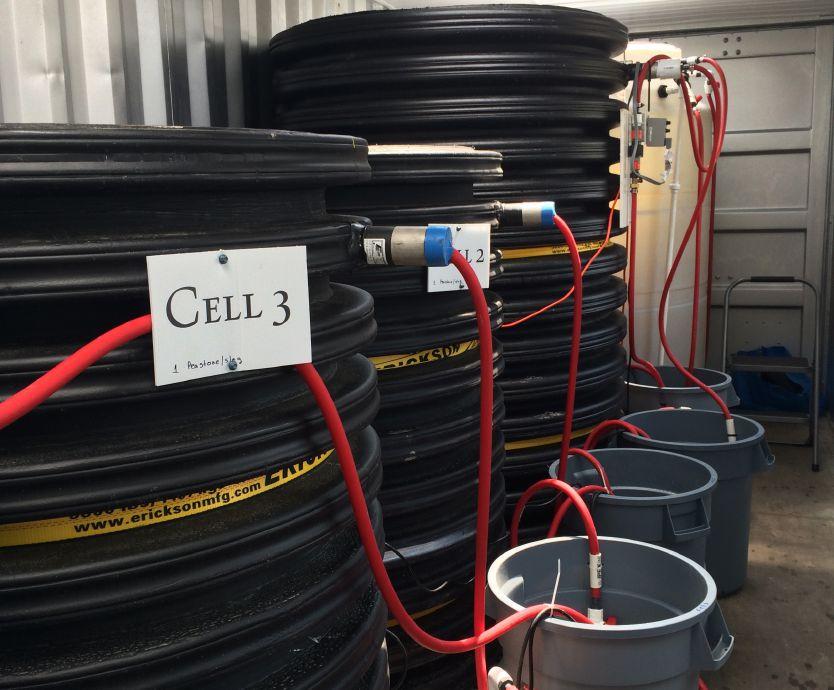
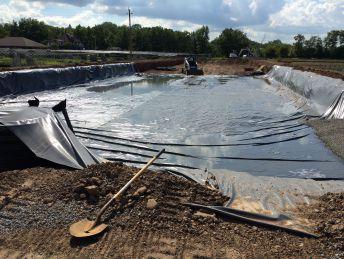
With these challenges in mind and with financial support from both Agriculture and Agri-Food Canada (AAFC) and the Ontario Ministry of Agriculture, Food and Rural Affairs (OMAFRA), we set out to design and test innovative technologies to help farmers manage their operational water. The project included designing and testing systems that combined woodchip denitrification bioreactors, selective mineral media and a constructed wetland design to create a true hybrid treatment system (HTS). The ultimate goal was to develop custom greenhouse and nursery water treatment systems that not only protected the environment but also enabled growers to recover and reuse operational water, improving water and nutrient-use
FIGURE 1
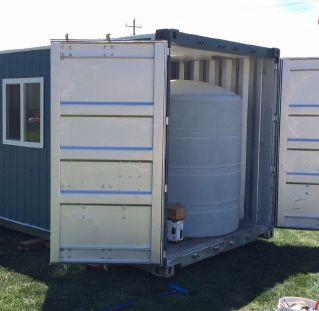
FIGURE 1 Portable treatment system trailers, with large white supply tank and black media ‘cells’ that can be switched out/ around for experimental purposes (trailer pictured below).
FIGURE 2 Schematic of portable treatment system media cells during 2015 and 2016 series runs. In 2016 and 2017, woodchip cells were replaced with identical hardwood chips in both pilot systems to compare different nutrient levels and flow rates. Two trailers were nicknamed “Gold” and “Silver” to identify the results of the experimental testing.
efficiency without risking crop health. There were three parts to this project:
1. The construction of two pilot-scale treatment systems to test various media and designs
2. The installation of two permanent HTS to treat floriculture greenhouse and container nursery operational waters, using information gained from pilot studies
3. The development of a detailed guide to help growers select and design site-specific water treatment technologies
WOODCHIP TREATMENTS
EXCELLED IN PILOT SYSTEMS
The pilot systems (Fig. 1) were used in two types of short-term studies. The first was to test different media types individually over time (known as “batch runs”). The second placed several media types in a row and ran water through the cells one after the other (Fig. 2), checking the water quality after each cell (known as “series runs”). Media types included woodchips, pea gravel, filter sand, slag and wollastonite – all designed to remove selected contaminants such as nitrate-nitrogen, phosphorus and pathogens. Our research tested water at low, medium and high nutrient concentrations and at various flow rates. Here were some of our key results:
WOODCHIP TREATMENTS
high (greater than 10 parts per million)
• Effectively removed fungal plant pathogens (such as those measured by standard DNA Multi-Scan™) with sufficient residence time under anaerobic (oxygen-free) conditions
• Slightly increased biological oxygen demand (BOD), but this was reversed by the mineral media treatment used afterwards
• Alkalinity increased by up to 125 ppm; the impact of higher pH to any nutrient or chemical inputs should be considered before reusing treated water in the greenhouse or discharging it
WOLLASTONITE AND SLAG TREATMENTS:
• Were both effective in removing phosphorus
• Removed nearly all of the nitrate-nitrogen under anaerobic (oxygen-free) conditions
• Removed 50 to 60 per cent of the phosphorus when concentrations in the untreated influent water were relatively
• Downsides of these types of media could be a) the limit of the media for phosphorus removal is still unknown and b) an increase in water pH when using slag
EFFECTS ON RESIDENCE TIME:
Lower flow rates mean longer residence times, so the water to be treated has more time to interact with the filtering media.
• If the residence time is too short, then insufficient nutrient or pathogen removal occurs
• If the influent contains higher concentrations of contaminants, residence time needs to be increased to achieve effective treatment
From the results of the pilot studies (Table 1) the woodchip media was most effective at removing nitrate-nitrogen and pathogens, and up to 60 per cent of the total phosphorus providing there were high levels present in the influent water.
To address the need to remove phosphorus, we tested the
woodchips in series with a range of mineral media including pea gravel, filter sand, wollastonite and slag. The slag/gravel mixture was most effective at phosphorus removal but increased the pH of the treated water. Wollastonite effectively removed phosphorus, as did filter sand, but their maximum binding capacity is still unknown (the media in the pilot systems still has binding potential). Pea gravel also removed some phosphorus, but we don’t expect that to be effective for long-term installations.
PUTTING OUR PILOT RESULTS TO THE TEST IN PERMANENT HTS INSTALLATIONS
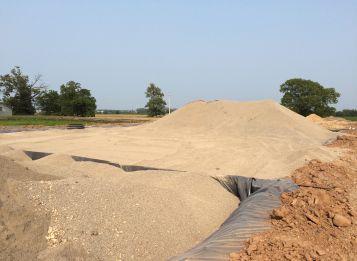
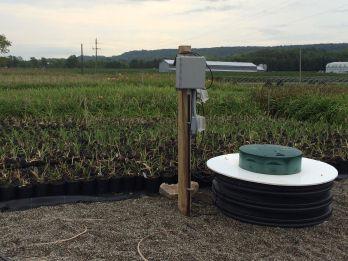
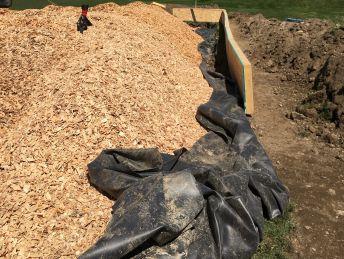
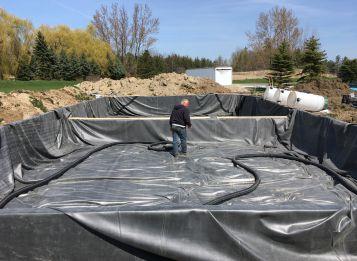
Two permanent systems were installed during this project: one at a container nursery (Fig. 3) and another at a floriculture greenhouse producing potted plants (Figs. 4). There is sufficient data at this point to confirm that the woodchip cells were effective in removing nitrate-nitrogen and pathogens. Similar to the pilot studies, the woodchip cell only removed significant amounts of phosphorus if the influent (incoming) water contained levels higher than 10 ppm. For low influent concentrations, the woodchips had little to no effect on phosphorus levels (Table 1).
Both cooperating facilities are able to use the surface of the HTS as a growing area for potted nursery stock and garden mums, but it is not advised to drive on the HTS with machinery. These systems require some maintenance to ensure that pumps are working, and alarms
start running at full capacity, but should continue to perform consistently when temperatures are above 10 degrees C. This is critical for the woodchip cell as it contains temperature-sensitive bacteria essential to the denitrification process. Additional woodchips may be required
Permanent Nursery HTS (2016 to 2017)
have been installed and connected to the greenhouse Argus automation system. Otherwise, the systems are anticipated to last approximately eight to 10 years without any significant maintenance. The entire system does take a few months to
to ‘top up’ the system after several years. The cost of these treatment systems ranged from $60,000 to $100,000 to treat a range of 25,000-200,000 L/day, plus additional costs for electrical and isolation/storage of the water before and after treatment.
FIGURE 3 Top row: Installation at container nursery facility showing main treatment cell (woodchips in back, pea gravel and filter sand to the front) with potted plants on top.
FIGURE 4 Installation at floriculture facility, showing main treatment cell preparation (woodchips, pea gravel, filter sand), Lloyd Rozema of Aqua Treatment Technologies, and surface ready to be used as a growing area.
TABLE 1. Removal efficiencies of various media components used in the HTS, and the performance of the permanent container nursery HTS installation.
The HTS represents a customizable tool for water treatment, particularly in situations where there is a need to recirculate or discharge very clean water. While these systems do require a significant footprint outdoors, but not necessarily a loss of production space, they can be tailored to match the volumes and fluctuations of a particular operation. In fact, they can handle stormwater variations in addition to greenhouse operational water inputs. Self-assessment of the farm is highly recommended prior to choosing a water management solution.
The Ontario Ministry of Agriculture, Food and Rural Affairs (OMAFRA) has prepared best management/selfassessment workbooks for greenhouse floriculture, vegetable and container nurseries (www.ontario.ca/publications). For assistance in determining if an HTS or another technology is appropriate for treating your water, Flowers Canada (Ontario) Inc. is producing a guide for growers that will be available by March 2018. For factsheets and more information on HTS and variations on
Key terms you should know
Residence time = Also known as hydraulic retention time, this is a measure of how long the water is held in the treatment process. This changes with the flowrate of the incoming water.
Biological oxygen demand (BOD) = Oxygen is needed for microbes to break down organic matter. This “demand” is used as a way to measure levels of organic matter in the water.
Influent = Incoming flow of water into the treatment process.
the technologies used in this study, visit the Flowers Canada website (www. flowerscanadagrowers.com/environmentwater-specialist-resource-page).
The authors would like to acknowledge funding for this project by Agriculture and Agri-Food Canada through the Canadian Agricultural Adaptation Program (20142019), as well as support from OMAFRA.
Woodchip denitrification bioreactor = A container of woodchips under saturated (anaerobic) conditions in which a population of bacteria develops that removes the oxygen from nitrate (NO3-), converting it to N2 gas. This is called denitrification.
Wollastonite = Calcium inosilicate (CaSiO3), a mined mineral that’s been shown to bind phosphorus.
Slag = A product of the steel-making process shown to bind phosphorus.
The views expressed in this article are the views of the research team and do not necessarily reflect those of their funding partners.
Dr. Ann Huber is the environmental microbiologist at Soil Resource Group, ahuber@srgresearch.ca. Dr. Jeanine West is the environmental specialist at Flowers Canada (Ontario) Inc., jeanine@fco.ca.
Retrofitting your production facility improves energy efficiency and reduces greenhouse gas emissions. It’s a win for you, and a win for the environment.
Visit ontariosoilcrop.org to see if you’re eligible for cost-share funding through GreenON Agriculture Retrofit Program.
How your soilless mix can improve water and nutrient retention
You may be surprised to learn how your production choices impact soilless mix performance in many different ways.
BY DR. JOHANN BUCK
While recently watching a television special on the great women of ancient Egypt, I was reminded that depictions of containerized plants, specifically non-native trees being transported in large containers, can be traced back millennia. By the fifth century, containerized plants were common, and some fast-growing herbaceous species were grown in containers for use in festivals. These ancient gardeners likely faced many challenges, as the soil they used in the containers was likely mineral soil and inappropriate for container gardening. The use of field soil in container mixes, although inappropriate, was common until the mid-1950s with the development of the University of California (UC) mixes. The basic UC mix was 50 per cent sand and 50 per cent peat by volume.
However, the UC mixes failed to become widespread for two reasons. First, the proper grade of sand was difficult to obtain, and the success of the mixture was dependent upon using it. Second, the mixture of 50 per cent sand and 50 per cent
peat by volume was heavy. By the 1960s, Drs. James Boodley and Raymond Sheldrake of Cornell University had developed an alternative to the UC mixes: the Cornell peat-lite mix.
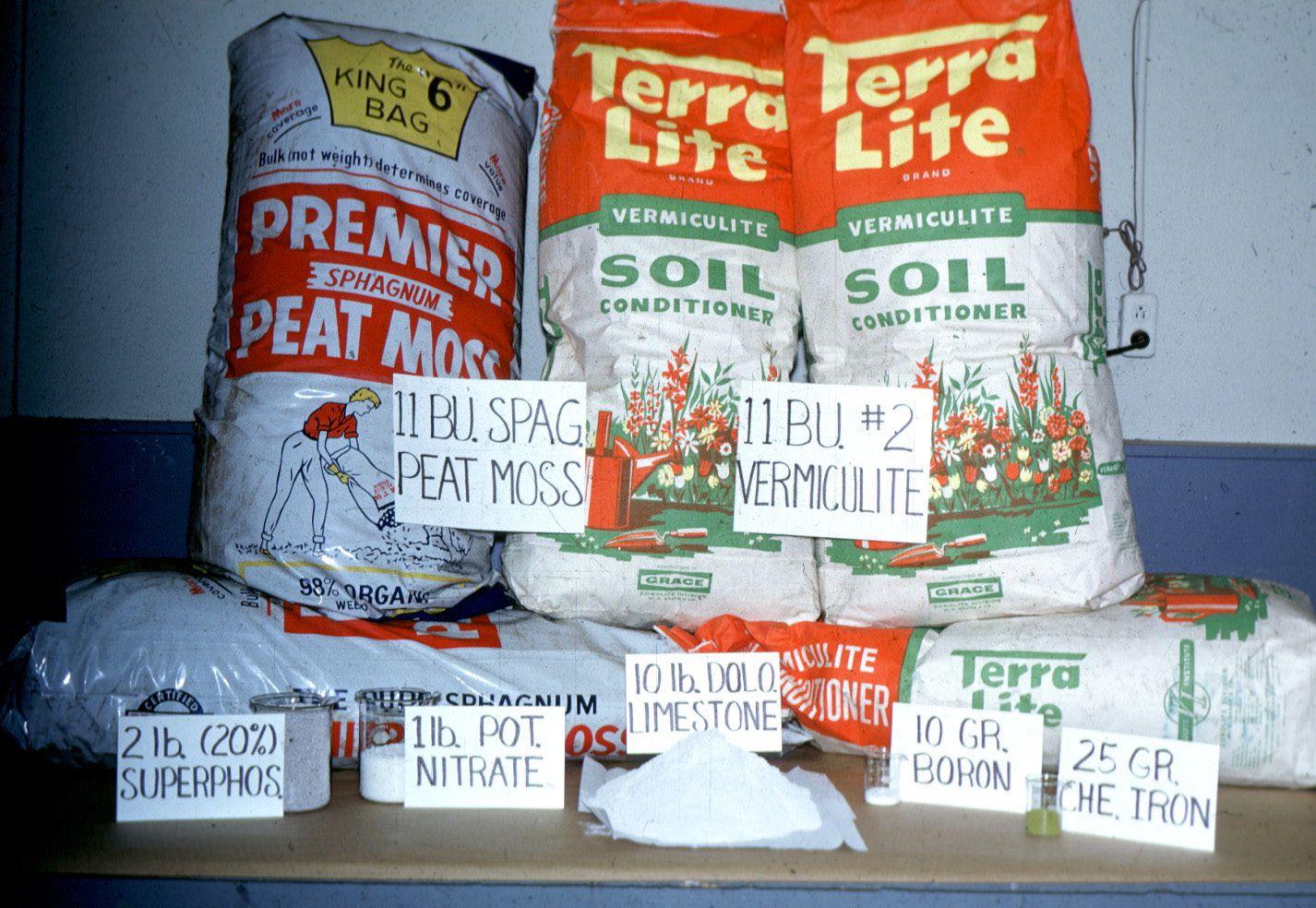
The primary components of the Cornell peatlite mix were German or Canadian sphagnum peat moss, perlite, vermiculite and some essential plant nutrients. These ingredients were light, consistent and readily available. Dr. Merle Jensen, Professor Emeritus of the University of Arizona and former graduate student of Dr. Sheldrake, remembers working on the Cornell peat-lite mixes: “The Cornell peat-lite mixes were developed primarily for vegetable and bedding transplants.”
Dr. Jensen would go on to develop early soilless media methods for producing vegetables using the Cornell peat-lite mix. Since the advent of the Cornell peat-lite mixes, both suppliers and growers have strived to improve upon those early soilless mixes. Improvements to both the ingredients and our understanding of what plants
Photo credit: RainSoil
“We know the work we put in to grow safe, healthy food. We’re the ones who should tell
.”
Sam
Bourgeois, Agvocate Apple Producer
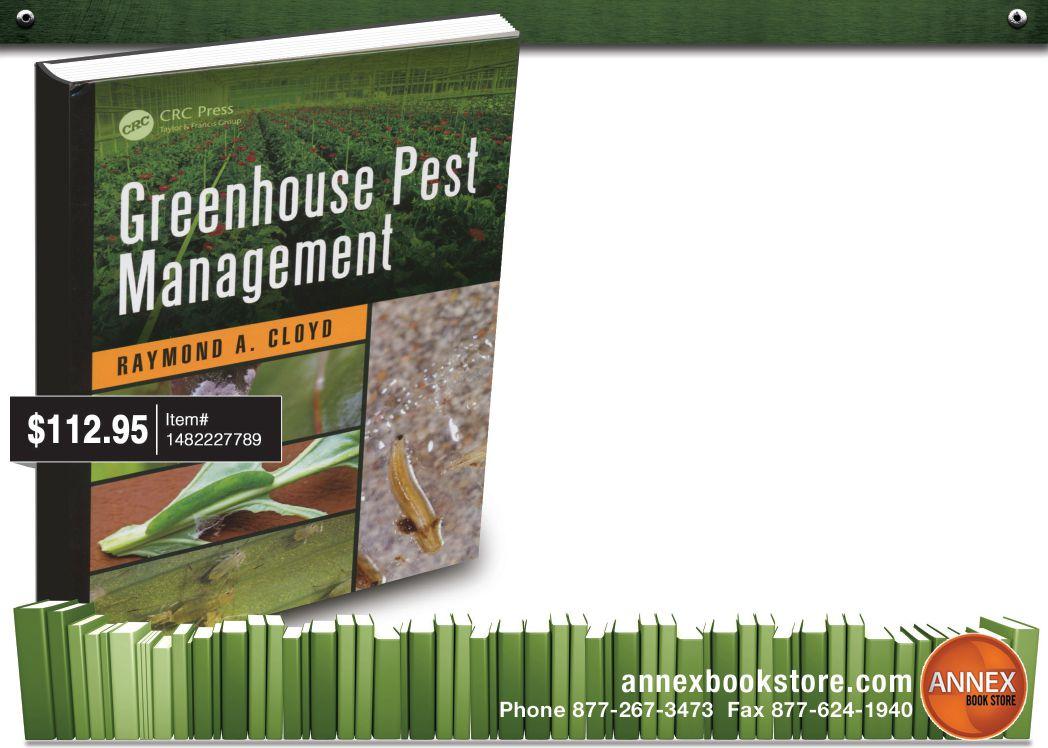
GREENHOUSE PEST MANAGEMENT
As the sustainable agriculture movement has grown, there has been a dramatic increase in the production of horticultural crops in greenhouses worldwide. Although there are numerous publications associated with pest management in greenhouses, Greenhouse Pest Management is the first comprehensive book on managing greenhouse arthropod pests, particularly in commercial production systems.
The book contains the necessary information on major insects and mites, describing their biology and life cycle. Colour images are included to help with identification and also to illustrate the damage these insects and mites can cause to greenhouse-grown horticultural crops.
The book also assesses strategies for managing greenhouse pests, such as cultural, physical, and biological control as well as the use of pesticides, and describes how cultural practices and sanitation affect pest population dynamics.
require when placed into a container have greatly improved over the years. So how can you leverage that knowledge to maximize nutrient and water retention with your soilless mixes?
KNOW THE COMPONENTS OF YOUR SOILLESS MIX
First, start by understanding what’s in a mix. Soilless mixes (or growing media) are a composite of different components that serve four purposes: to provide physical support to the plant, exchange
There is no one soilless mix that works best in all situations.
gas, serve as a water reservoir and exchange nutrients.
Soilless mixes are typically a blend of both organic and inorganic components. Organic components include peat, coir, bark, rice hulls and wood fibre. Inorganic components include perlite, vermiculite, pumice, sand and super absorbent polymers (SAPs).
There is no one soilless mix that works best in all situations. However, with a few simple guidelines, you can ensure you’re starting with a good mix that provides optimal air and water for the plant. It’s also important to be proactive throughout the production cycle to be sure you don’t unintentionally compromise the structural integrity of your mix.
PHYSICAL PROPERTIES TO LOOK FOR
Optimal physical properties are an essential part of soilless mixes. This includes the proper distribution of air, water and solids. The structural components of a soilless mix, both organic and inorganic, comprise the solid portion of a soilless mix.
In between these solids are the pore spaces. The pore spaces created between the solids, depending on size, shape and orientation, will either hold water against the pull of gravity or they won’t.
We refer to the water remaining in the container after freely draining as waterholding capacity (WHC). However, not all water left behind is plant-available. Water that is held tightly against solids by adhesion and is unavailable to the plant is referred to as hygroscopic water
Pores that don’t hold water serve a great purpose as well, since roots need oxygen for respiration. Generally, a good soilless mix will possess 10 to 20 per cent air-filled pore space (APS), 45 to 65 per cent WHC, and a total pore space of 65 to 85 per cent by volume.
Suppliers should be able to provide these specifications upon request. It’s important to ask what column height was used to determine the physical properties, because column height affects them. If you mix your own soil, consider using a reputable laboratory that can measure the physical properties of horticultural substrates.
FACTORS IMPACTING PHYSICAL PROPERTIES
How can you impact the physical properties, and in turn, the performance of your soilless mix? You may be surprised to learn how your production
choices affect it in many different ways.
Container height: Your choice of container height affects the soilless mix. As container height increases, there is more gravitational force on the water column inside the container, increasing drainage and reducing WHC.
Handling/mixing: Keep in mind that when it comes to soilless mixes, less handling is better, and excessive mixing can create problems from the start. Excessive mixing can damage the soilless media components and lead to reduced APS and drainage.
Compaction happens when pressure is applied to the soilless mix at planting, usually around the roots. Compaction usually leads to decreased APS and water infiltration, which can lead to uneven drying. It’s best to plant into a dibble hole and water in. When watering, it’s wise to use the appropriate water volume and distribute evenly. Otherwise, this can lead to channeling and uneven and excessive drying.
Water pressure is more of a concern when hand watering. Overly high water pressure and incorrect water breakers
can lead to compaction and even plant damage. Using the correct water breakers and applying even water distribution are crucial. Proper training is important as well, and videos are available to show employees proper hand watering techniques.
Shrinkage is the loss in volume of soilless mixes, which can happen during mixing or after being placed into containers. This phenomenon, attributed to settling of fine particles into non-capillary pores, changes the physical properties of soilless mixes by decreasing the column height and the proportion of macro and micro pores. Microbial decomposition of the organic components during plant production also leads to shrinkage.
REWETTABILITY AND WATER RETENTION
Organic materials such as peat tend to be hydrophobic and can be difficult to wet and rewet, especially when dry. Peat’s hydrophobicity is the reason why surfactants, aka wetting agents, are added as an ingredient. Surfactant is short for
SURFace ACTive AgeNT.
Surfactants essentially make water wetter. What does that mean? It means they decrease the surface tension of water. When applied to soilless mixes or irrigation water, the result is a decrease in both the amount and duration of watering required to reach WHC. Water surface tension can be measured in dynes per centimetre (dyn/cm). The surface tension of distilled water is 72 dyn/ cm at 25 ºC (77 ºF). Depending on the chemistry and purpose of the surfactant, water’s surface tension can be reduced significantly. Surfactants applied to soilless media or via irrigation water should be non-ionic, pH-neutral and low-foaming.
Non-ionic surfactants are generally stable, do not have a charge (unlike anionic or cationic surfactants) and are generally safe for plants. They can become unsafe when the application rate exceeds the recommended dosage. It’s important to understand that surfactants do not increase a soilless mix’s potential WHC and should not be confused with other products such as super absorbent polymers (SAPs) that aid in water management.
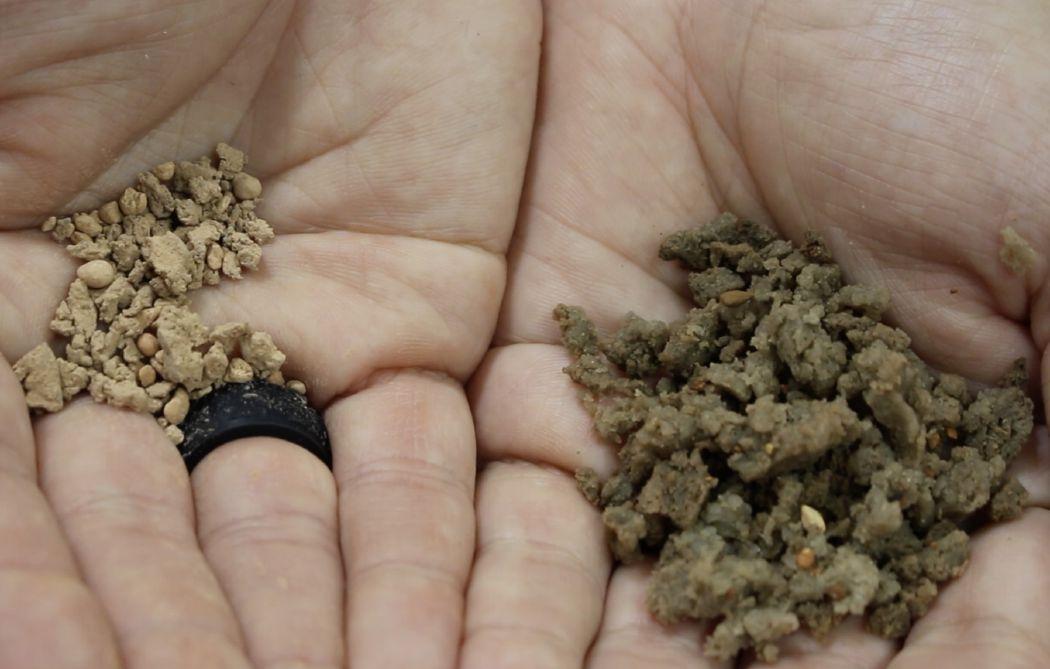
Components of the Cornell peat-lite mix, which revolutionized containerized crop production in soilless media.
Photo credit: Dr. Merle Jensen
Physical property
Optimal range
Bulk density (g/cm3) 0.19 to 0.70
Total pore space (%, by volume) 60 to 85
Air-filled pore space (%, by volume) 10 to 20
Water-holding capacity (%, by volume) 45 to 65
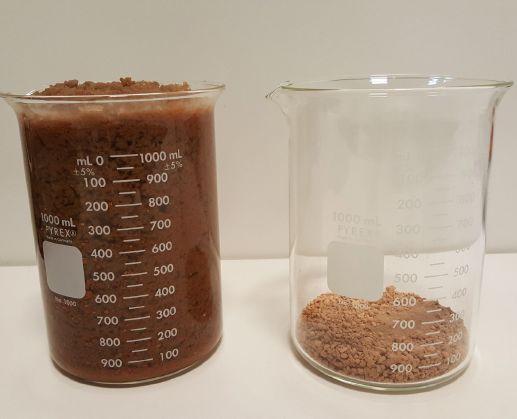
SUPER ABSORBENT POLYMERS (SAPS) SAPs, also known as hydrogels, are added to increase WHC. Most people have already encountered SAPs, especially if you’ve ever used a disposable diaper. SAPs are the primary absorbent component in disposable diapers. They are generally white in colour and vary in size, but not always.
Agricultural SAPs are typically polyacrylates, prepared from acrylic acids and a binding agent like potassium through solution or suspension polymerization. Polyacrylates are nonhazardous and biodegradable, with a degradation of about 10 to 15 per cent per year. SAPs can hold from 40 up to 500 times their weight in water and release up to 95 per cent of the water to the plants’ roots.
Amendments like SAPs and surfactants are just one of the ways to enhance your soilless mix’s water and nutrient retention. For proper plant production, soilless mixes require the proper balance of air, water and solids. A good soilless mix can quickly become compromised if not handled or watered
CanadianFarmRealty.com
GREENHOUSE For Sale
• State-of-the-art 25 bay, 21’ High wire Westbrook double poly greenhouse
• 157,500 sq ft (14,362 sq metres) growing space
• Producing English & Mini cucumbers
• 18,000 sq ft warehouse with cooler & office space
• Packaging line and box maker
• 30 minutes south of Winnipeg
Superabsorbent polymers can hold up to 500 times their weight in water and release as much as 95 per cent of that water to plant roots.
correctly. Understanding how your production methods impact your mix can make a huge difference in how today’s products retain water and nutrients for your crops.
Dr. Johann Buck is a plant scientist, a Certified Crop Advisor (CCA) and director of sales and product development for RainSoil.
Photo credit: RainSoil
Tips on Managementthrips:in the greenhouse
Most of the damage caused by this pest is preventable, provided you understand its life cycle.
BY DR. M. ISHTIAQ RAO
One of the most predictable and chronic pests of greenhouse crops is the western flower thrip. This thrip species is the main pest found in greenhouses and has been particularly problematic since its introduction to Canada in the 1990s. Factors leading to the establishment of thrips in greenhouse crops include its short generation time, ability to disperse rapidly, resistance to pesticides and production of male offspring without mating. Also contributing to the destructive potential of thrips, as well as that of all other greenhouse pests, is the practice of year-round cropping.
ECONOMIC IMPACT OF THRIPS
Reduced yields due to direct damage: Adults and their young feed by piercing and sucking the
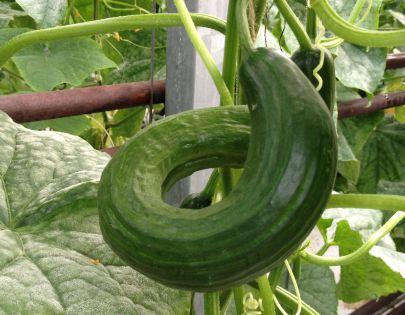
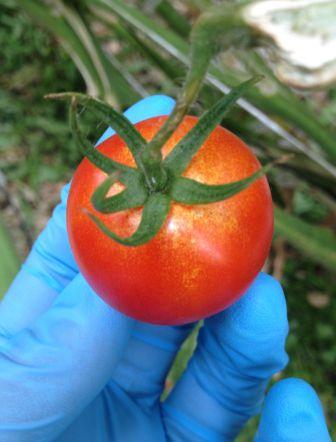
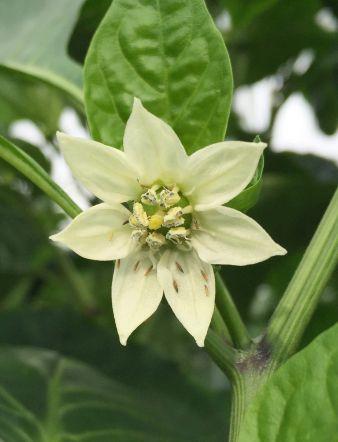
contents of plant cells. Fruit damaged by thrips are often distorted, resulting in curling as in the case of cucumbers. Regarding peppers, feeding and scarring under the calyx is often so severe that fruit are unmarketable. In the case of tomatoes, not only can scarring on the fruit occur but there can be dimpling and spotting due to insertion of eggs in the tomato fruit. Thrips therefore cause direct damage by decreasing crop vigour and reducing marketable yields.
Reduced yields due to virus infection: The only known natural means of transmitting the tomato spotted wilt virus (TSWV) is by several species of thrips, including the western flower thrip – which is able to spread it very efficiently. Although all commonly grown greenhouse
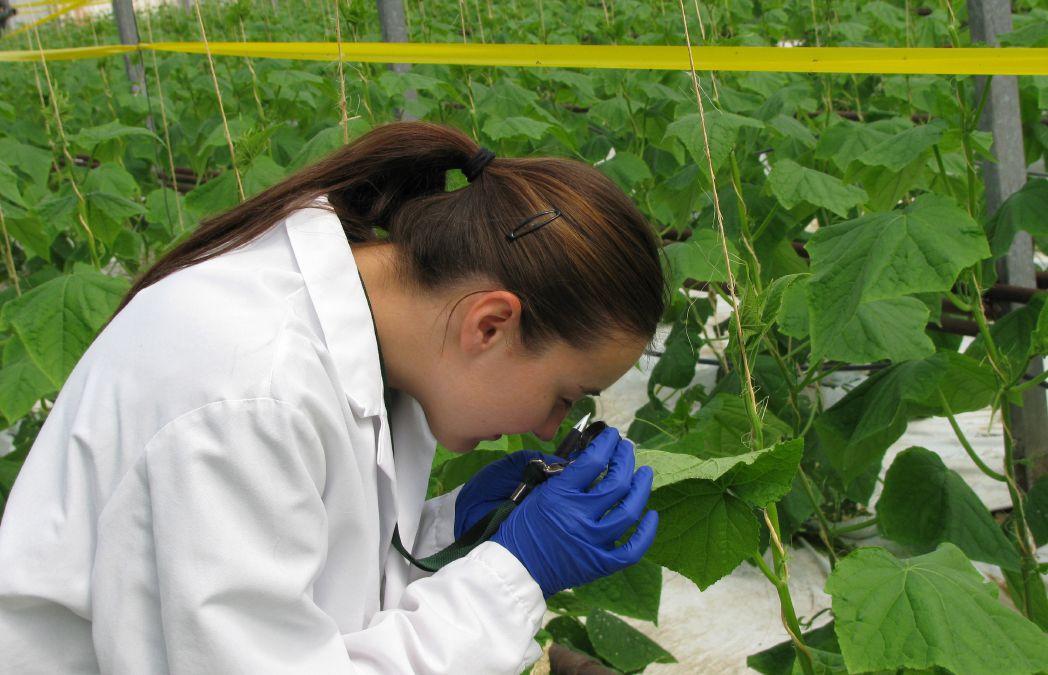
Senior crop advisor Nicole Stewart, scouting for thrips in cucumber.
Cucumber damaged by thrips.
Photo credit: Crop defenders
vegetables can become infected with TSWV, it does not appear to spread systemically (i.e. able to spread to other plant parts) in all vegetables. Whereas it spreads systemically in tomatoes and peppers, it does not do so in cucumbers. In fact, studies indicate that at the points of infection, yellow spots develop a few days after inoculation, but no further spread occurs within the plant.
Infection of peppers with TSWV can be particularly devastating if infection occurs early in the life of the crop. This is because not many thrips are needed for infection and virus symptoms are slow to appear.
Often, by the time symptoms are noticed, many plants would already have been infected, and almost all fruits from such infected plants are unmarketable. Total crop loss or almost total crop loss can result in such circumstances.
MANAGEMENT TIPS
The vast number of factors that growers need to consider when managing thrips are sometimes overwhelming. Provided here are a few essential aspects that we believe to be critical in suppressing thrip populations in greenhouse crops.
Anticipate vulnerable life stages: A majority of the damage caused by thrips is preventable, provided the grower has an understanding of the thrip life cycle.
A typical scenario plays out whereby a grower sees an alarming number of thrips feeding on flowers, and after some treatment (whether biological or chemical), the thrips disappear. The grower celebrates, thinking that their treatment worked! But in reality, the thrips have gone to pupate in the soil, and that’s why they have “disappeared”.
The key at this point is to anticipate what happens next. What often occurs is that the grower will continue business as usual, and then suddenly one morning they start seeing thrip adults everywhere in the crop. These adult thrips emerged after spending five days in the soil, and they have already begun laying hundreds of eggs. The window of time from egg to soil-dwelling pupa can be as short as five days in the right conditions.
If the farmer waits until the adult explosion to order swirskii, by the time that swirskii is applied (usually about seven days later) they have missed the window for their biocontrol investment to be the most effective.
In short, recognize the infamous
“Thrips Disappearing Act.” At the point that it seems your thrips have “disappeared,” order swirskii. That way, the moment that you see thrip adults in the flowers, you already have the swirskii ready to go. Knowing that swirskii can only feed on the early hatchers (first and second instar larvae), not the pupae, not the eggs, and not the adults, can help you to protect your crop.
Selectively timing the chemical application: When taking out a crop, for example in cucumber greenhouses,
a grower will often apply DDVP fogging one to three times. This fogging usually takes care of all thrip stages except the pupae. The reason pupae are not affected is because they are dwelling in the soil, and are protected inside of cracks and crevices. The thrip pupae do not breathe much either, meaning that they take in less of the DDVP than other life stages. Due to the nature of greenhouse crops, greenhouse thrip populations are found in distinct age groups called broods. The generations will be distinct, all
reaching similar stages of the life cycle at approximately the same time. It is much easier to break the cycle if you know how your thrips are cycling. Growers can use this knowledge and apply it in their fogging strategy at the end of a crop.
The dreaded “corner”: Growers often complain that “I have this corner where I always see thrips starting!”
If I have to venture a guess, it would be that the growers are sweeping their plant debris to that corner at the end of the crop. Plant debris often contains thrip larvae and other life stages at the end of a crop. To reduce the potential for thrips returning in your next crop, treat the floor and other surfaces with hydrogen peroxide, which even kills the thrip pupae. Dormant oil can then be used on the bases of all the posts (if not everywhere), and especially in those houses where the debris is being swept.
Timing of release of biological control agents: Orius is an effective biocontrol agent for thrips, particularly in peppers and cucumbers. However, because Orius is sensitive to daylength, we found that it works optimally after midMarch, unless a grower can provide at
least 13 hours of light. Our observations in the greenhouse indicate that when Orius is released prior to mid-March, it appears to remain almost immobile, and close to the points of release. Generally, Orius is a very effective biological control agent from April to September.
Plant inspection for early detection: Early detection of thrips in a crop depends on which plant part is inspected. For example, inspection of flowers is one of the simplest and fastest ways to check for the presence of thrips and their population increase in cucumbers and peppers. However, in tomatoes, initial thrip infestations tend to occur on the lower leaves. So the lower canopy of a tomato crop, and not flowers, is where attention should be focused.
Interpreting sticky card numbers: Numbers of thrips observed on sticky cards may not necessarily reflect actual thrip damage on a crop or the growth of a thrip population within a greenhouse. Rather, a sudden surge in thrip numbers on sticky cards could be the result of thrips migrating from outdoors into the greenhouse. During spring and summer, when outdoor vegetation is disturbed, such as during the mowing of grass, cutting down of weeds, and harvesting of crops, thrips are disturbed and migrate in huge numbers, particularly during windy days, into greenhouses.
Plant pruning can affect biocontrols: Pruning and removal of young shoots is necessary in many greenhouse crops. Such pruning can drastically prevent a biocontrol agent that lays its eggs in these plant parts from effectively increasing its numbers. For example both Orius and predatory mites lay their eggs in the growing points or succulent young shoots of some crops such as cucumbers and peppers. Frequent removal of young shoots in these crops will be counter-productive to
LEFT Thrip damage on tomato. RIGHT Western flower thrips on pepper.
Photo credit: Crop defenders
the establishment of these predators.
Plant pruning can affect pest levels: In tomato crops, removal of heavily infested lower leaves can quickly reduce thrip population levels. However, if such leaves are left on the floor of the greenhouse, this will facilitate completion of the thrip life cycle and an increase in their population levels.
Temperature conditions and choice of predators: Predatory mites used for biocontrol of thrips are very similar in appearance and predation activity. Despite the seeming similarity, these predators perform optimally at different temperatures.
Consider the two predatory mites commonly used for thrip suppression: cucumeris (N. cucumeris) and swirskii A. swirskii). Swirskii has a higher optimal temperature for development than cucumeris and therefore performs better than cucumeris during summer. Indeed, small- scale greenhouse trials done by Canadian researchers in ornamentals showed that overall, swirskii performed better in the summer, and equally well or better under winter conditions, but they considered cucumeris to be a more costeffective biocontrol agent for winter months.
Use of multiple biologicals for improved pupae control: The pupal stage of thrips often resides on the ground, and because they tend to be hidden either in debris or under ground cover, it is a much more difficult target to reach. Laboratory studies indicate that when soil predators, including the rove beetle (Dalotia coriaria), predatory mites (Stratiolaelaps scimitus and Gaeolaelaps gillespiei) are combined with entomopathogenic fungi (i.e. fungi capable of causing disease in insects) such as Metarhizium anisopliae strain F52, Beauveria bassiana GHA strain, and the nematode, Steinernema feltiae, against thrip pupae, much more kill (more than 90 per cent) was achieved when the predators and fungi were applied combined than when they were used separately. Even though the same effect was not observed with the nematode in these studies, other research in Ontario and Europe have shown them to be effective in controlling thrip pupae when applied to the growing medium on a weekly basis.
Dr. M. Ishtiaq Rao, CEO of Crop Defenders Ltd., has a PhD in entomology and is dedicated to the eradication of horticultural pests through IPM methods. Crop Defenders Ltd. utilizes biological knowledge of pest and beneficial insect species in order to manage pests cost effectively and in a way that is cohesive with a healthy environment. • ishtiaq@cropdefenders.com.
CANADA CLASSIFIEDS
FOR SALE
FOR SALE: DORMANT HYDRANGEAS Spring Valley Gardens in Niagara Ontario now offering Dormant Hydrangeas Available for forcing Easter and Mother’s Day 2019. Traditional varieties as well as HBA varieties available. Please contact jeremy@springvalleygardens.ca for availability and pricing. 03/1t/pd
FOR SALE: BIOMASS FURNACE. Decker brand – multi-fuel boiler. Model: dbb60 2005, 3.5 million btu furnace, Fuel type: corn/ pellet/coal. Comes with auto-self-cleaning blow system, 16” chimney assembly kit, 6”x20’ ash auger assembly kit and ash bowl. Includes 30-ton fuel storage silo, and silo loading auger. In excellent condition, heats 60,000 sq. Ft. Greenhouse + 7000 sq. Ft. Warehouse Contact: Rob James 902-452-3829 Email: sackvilleagi@eastlink.ca Location: Nova Scotia Buyer@surplusgroup.com 02/1t/pd
Unleashed water can be dangerous stuff
When we talk about ‘water management’ in greenhouses, our thoughts typically consider irrigation scheduling, control equipment or maybe simply having enough. At this year’s Lower Mainland Horticulture Improvement Association (LMHIA) Growers Short Course (held simultaneously with the Pacific Agriculture Show in Abbotsford, B.C.), Olaf van Marrewijk of Hagelunie (Leiden, N.L.) gave a different ‘take’. For those not familiar, ‘Hagelunie is a Dutch insurance company, which supplies its products to (greenhouse) horticultural businesses in Europe’.1 ‘It offers a range of products to greenhouse businesses and works in close cooperation with local construction companies and suppliers. It is closely involved in innovations and developments in greenhouse horticulture’.2 So, you may ask, what would Olaf have to say on the topic of water management?
Well (no pun intended), the size of water storage tanks in greenhouse horticulture has been increasing over the last decade or so. With larger greenhouses in particular, irrigation water tanks (“cold water silos”) and heat dump tanks (“hot water tanks”) have increased dramatically in size. If you’ve ever climbed to the top of one of those monster hot water tanks, you’ll know it looks like
Back to Olaf. As an insurance guy, he reminded his audience that “Risk = Probability x Effect”. For cold water silos, the risk stems from the facts that they are (typically) made of thin panels, are often built by the growers themselves, are sometimes constructed on ground that may subside, may contain acidic liquid and corrode from the inside – in other words where the damage is not easily visible. These large volumes of water are often near occupied spaces and near fertilizers, as noted in my example above.
For hot water tanks, the risk is lessened in that they are made of thick steel plates, are constructed by expert contractors and typically corrode from the outside. They may however leak and corrode near the roof line. The consequences of failure are still severe since they contain massive volumes of water and are also often close to high occupancy areas.
I was shocked at just how much energy was released so quickly.
a very long way down.
A few years ago, I saw firsthand the aftermath of what happens when one of those cold water (irrigation) silos bursts. Like the majority of such tanks, it was located inside the greenhouse, near the fertilizers, mixing tanks and control systems. In turn, these are often located fairly close to the office for the grower and his/her team. The force of the water escaping the failed tank, pushed a full pallet of fertilizer across the irrigation room floor, through the greenhouse wall and about 20 ft. further into the crop. I was shocked at just how much energy was released so quickly. Fortunately, the tank failure happened at night, so no one was around to get injured. It could have been a much different story had this occurred during lunch with people near the office areas.
In either case, failure is not an option. Or at least not preferred. Growers should therefore pay attention to regular prevention. This may include visual inspections (of areas that can be seen), checks of ground for signs of subsidence and examinations of concrete bases for any signs of corrosion or potential failure. Olaf suggested having tanks overhang the base, so that water does not run down the outside and pool on the concrete base – but talk to your engineers and/or insurers first. If possible, try to also check the insides, which may mean periodic drain downs.
Olaf is of the mindset that cold-water irrigation storage tanks pose more of a risk than do the huge hot-water buffer tanks, and gives some valid reasons why this may be so. Either way, if any of these tanks fail, the effects can be catastrophic. It would be wise for us all to pay attention to ensuring they remain safe. Give it some thought the next time you walk past that tank in the fertilizer room.
Gary Jones is Co-Chair of Horticulture at Kwantlen Polytechnic University, Langley, B.C. He sits on several industry committees and welcomes comments at Gary.Jones@kpu.ca.