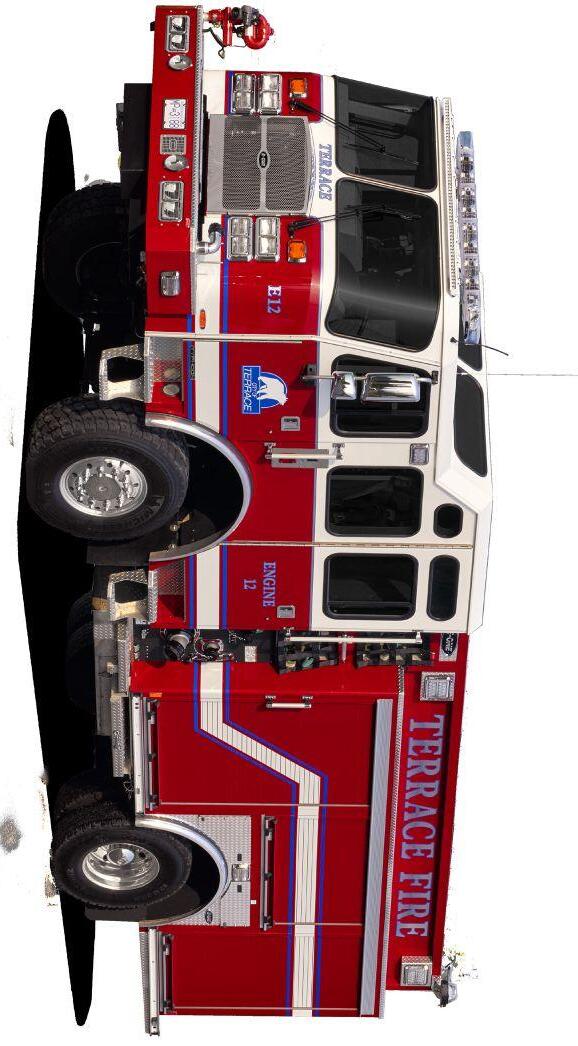
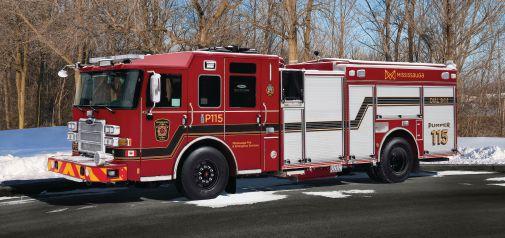
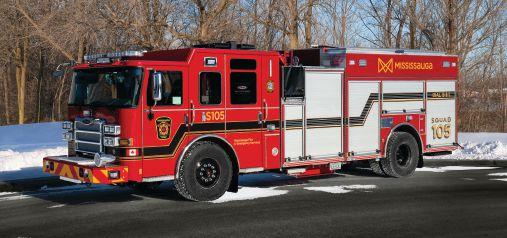
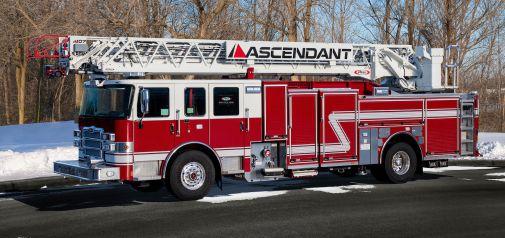
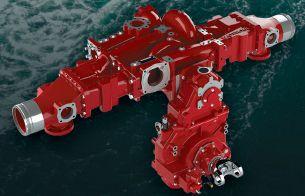
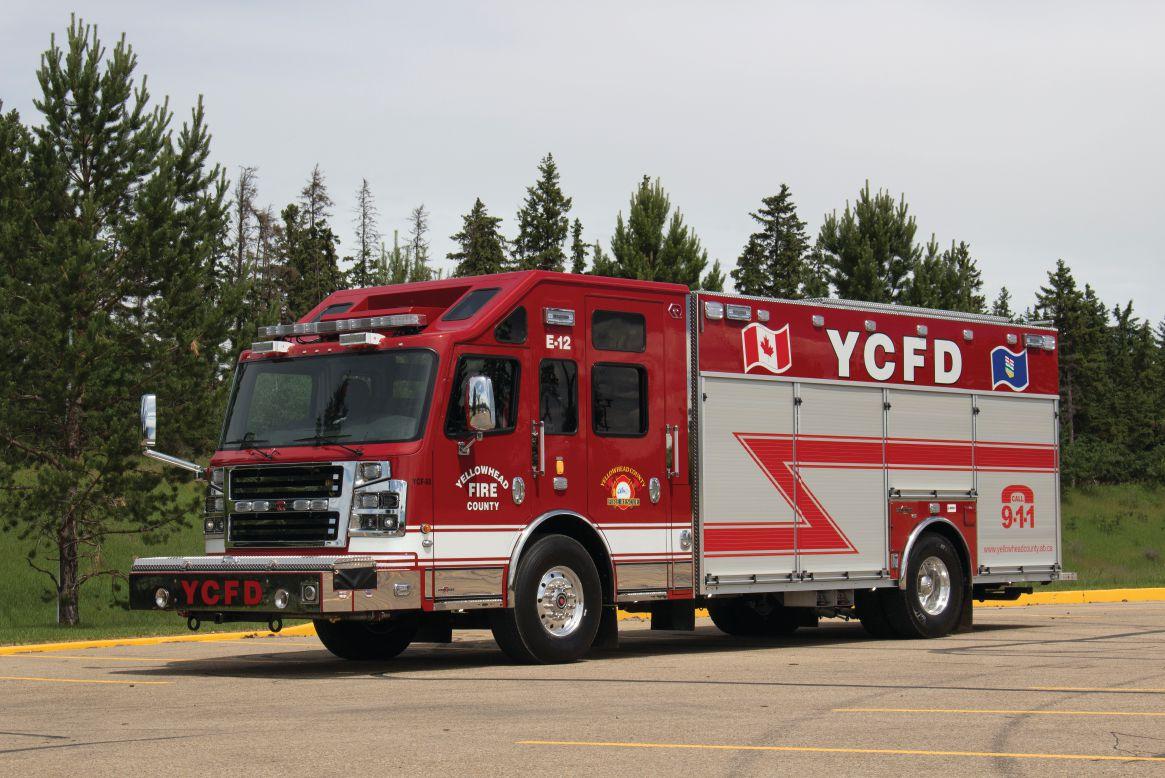
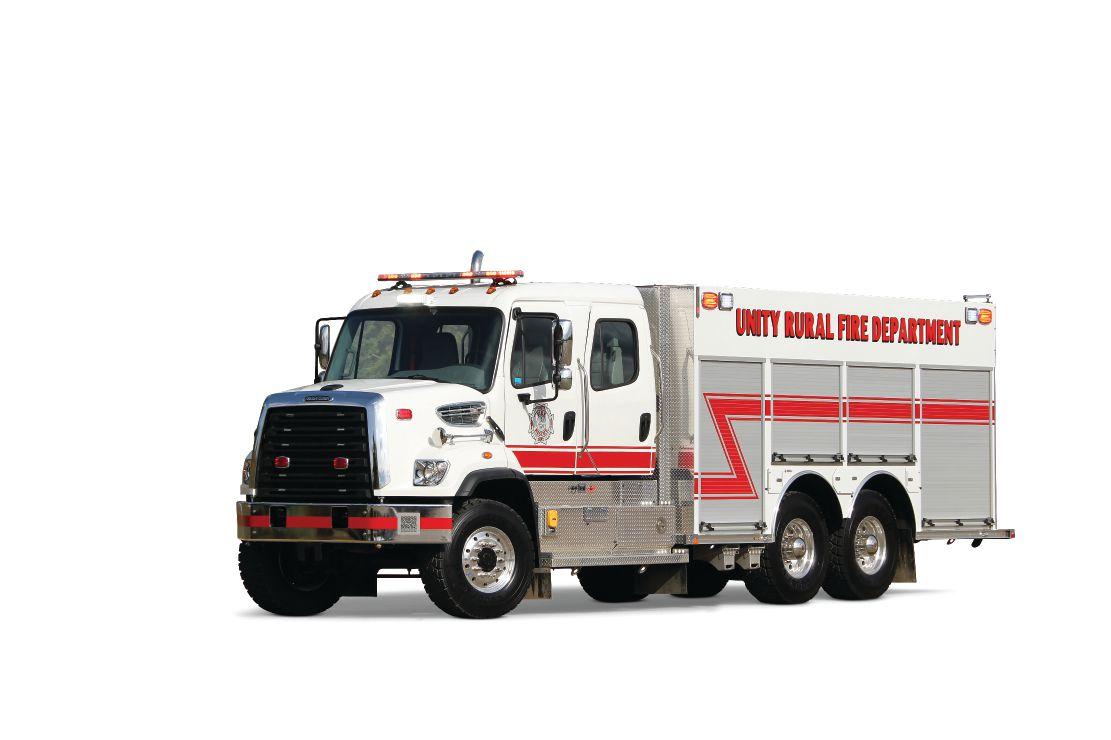
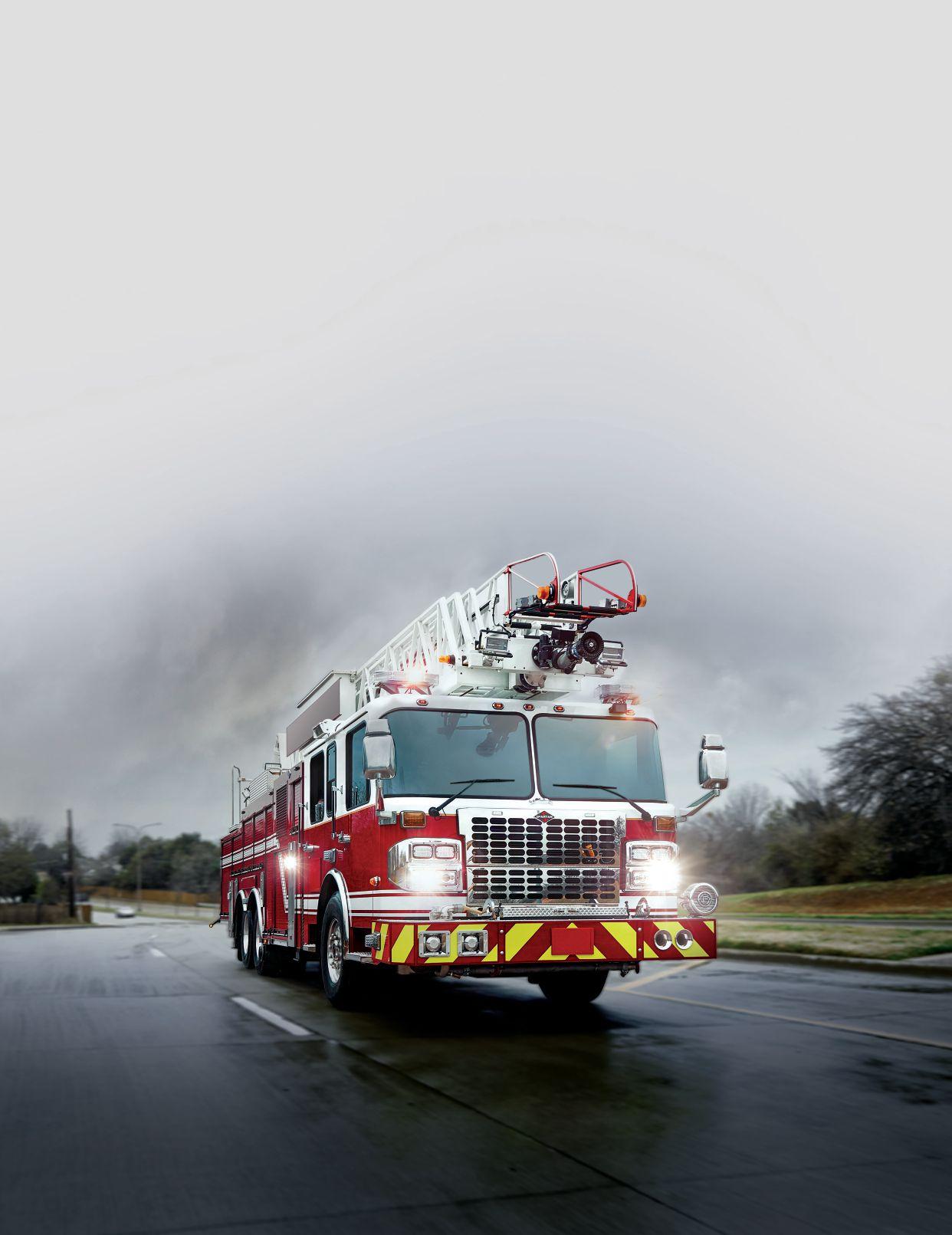
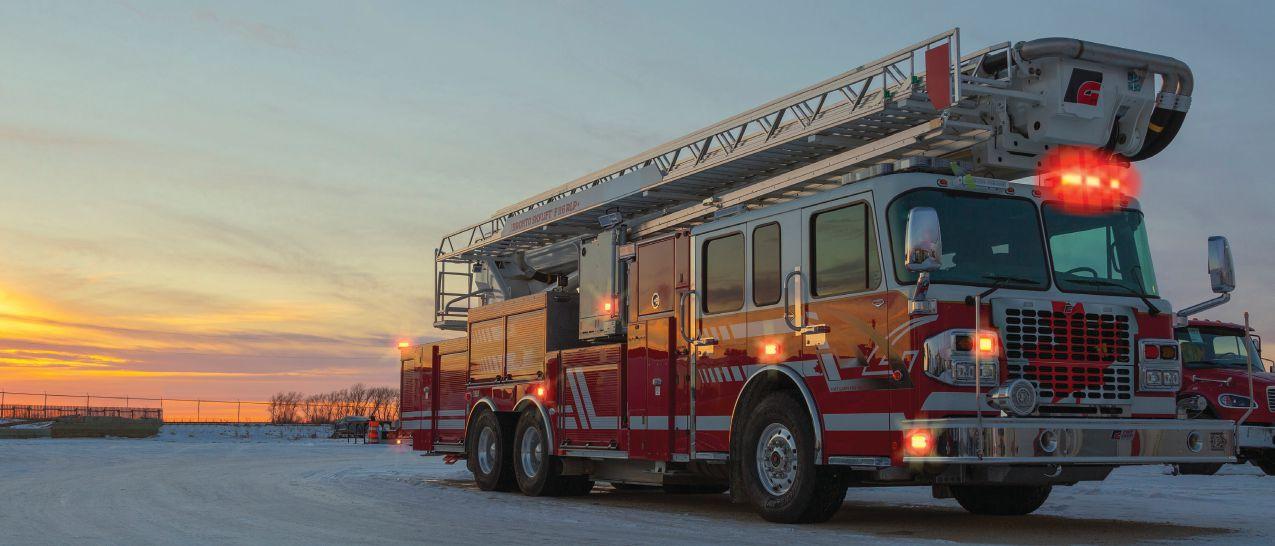
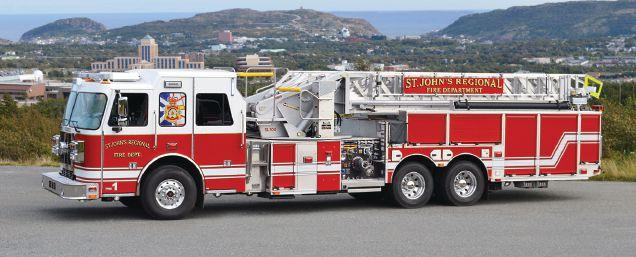
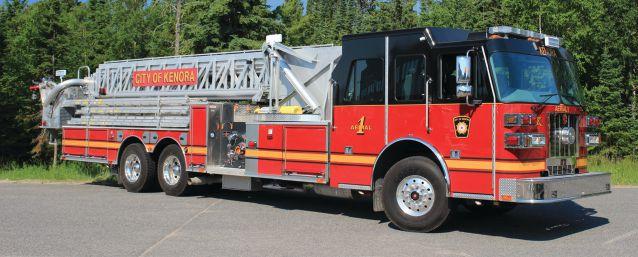
Optional all wheel drive with high approach / departure angles and short 427 cm (168”) wheelbase provide excellent maneuverability. 30 cm (12”) galvanized powder coated frame rails are rugged and corrosion resistant.
ENGINEERED CHASSIS FOR OFF-ROAD CAPABILTY
Equipped with a 6000 LPM (1500 GPM) midship pump, 2000-4850 L (530 to 1280 gallon) tank and optional Class A foam system, eMAX rescue pumpers are extremely versatile. The enclosed pump panel and low pre-connected handlines are standard features.
FIREFIGHTING CAPABILITIES
Optional joystick controlled bumper turret and 600 LPM (150 GPM) hydraulic driven pump provide simple easy to use pump and roll capability.
BUMPER TURRET
Keep your crew safe with the cab that withstands over 5x the roof load and over 2x the frontal impact required by NFPA.
STRONGEST CAB IN THE INDUSTRY
The eMAX rescue pumper features full depth compartments providing over 8.5 cubic meters (300 cubic feet) of storage. Upper compartments are available for additional enclosed storage.
STORAGE
SOLUTIONS
REVOLUTIONARY PERFORMANCE See more at www.e-one.com /product/emax
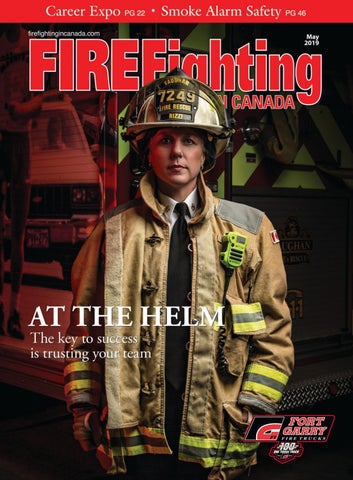
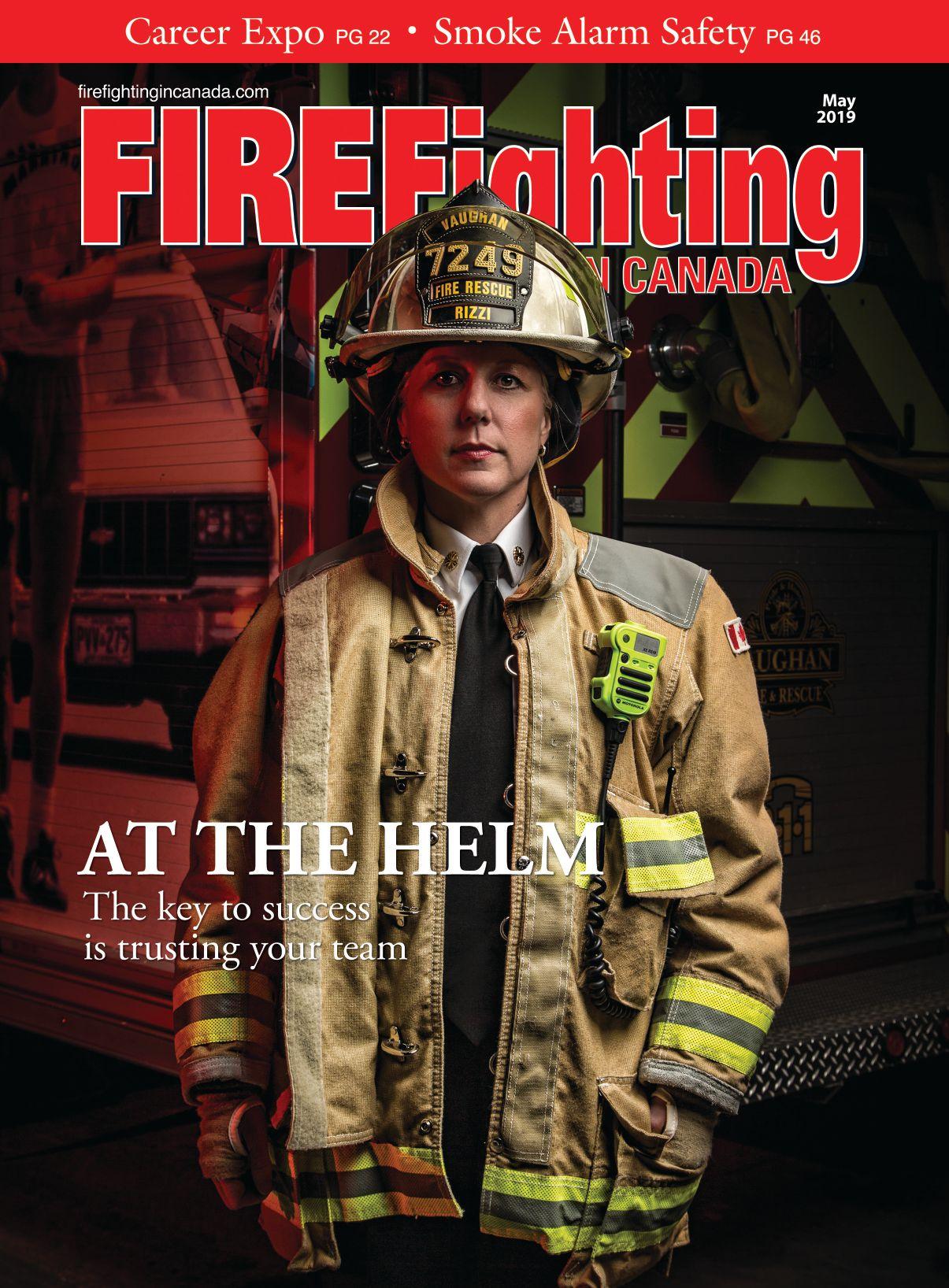
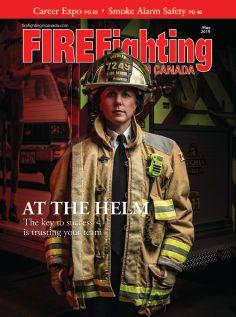
AT THE HELM
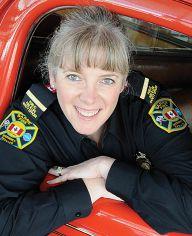
Several female fire chiefs who’ve been leading their departments for roughly a year shared their thoughts on how to succeed. They agree that trust is vital to the success of any fire department.
48
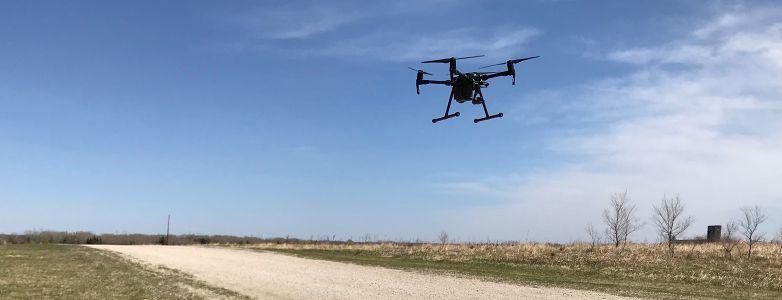
UAVS IN THE FIRE SERVICE
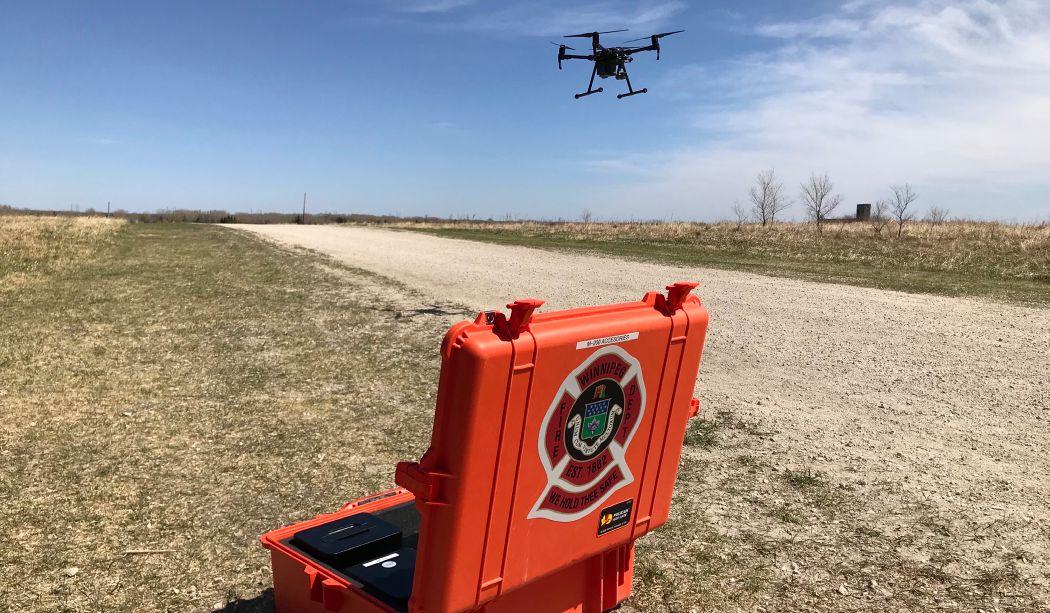
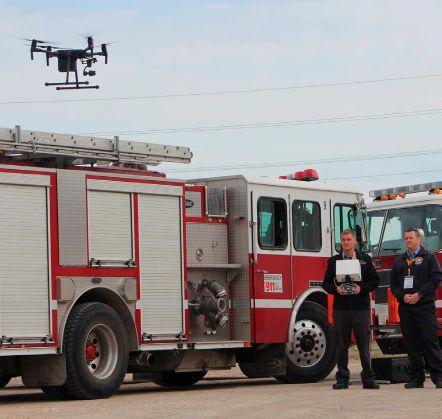
Drones are being used with success by the Winnipeg Fire Paramedic Service (WFPS). Scott Wilkinson, senior academy officer in the WFPS training academy, writes about how the program began.
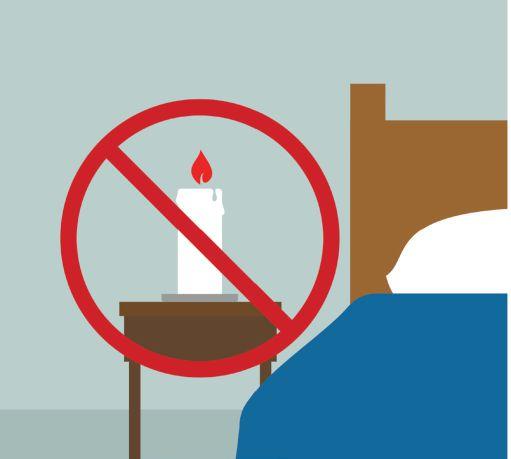
52 PREVENTION THROUGH PICTOGRAPHS
Imagery can make messaging materials more appealing and understandable. Toronto Community Housing is incorporating pictographs to make fire-prevention messages easily understood by people with poor reading or language skills..
BY GRANT CAMERON Editor gcameron@annexbusinessmedia.com
T
COMMENT
Kudos to the fire service
hose who serve in the fire, police and other emergency services are always first to step up and lend a helping hand to youth.
They did it again in March at the 2019 Security, Police, Fire Career Expo & Job Fair held at the International Centre in Mississauga, Ont.
It was the first time that Fire Fighting in Canada collaborated with fellow Annex Business Media publications Blue Line and Canadian Security magazines on a career expo and job fair.
By all accounts, the day-long event was a huge success, drawing more than 220 job-seekers, mentors, exhibitors and sponsors. We have full coverage of the event on Page 22.
There was a buzz in the room as attendees engaged in a full day of networking and information gathering. I talked to a number of young people at the event and all were glad that they attended.
The fire service was well-represented at the expo.
We had Richard Boyes, executive director of the Ontario Association of Fire Chiefs, as well as Helaina Mulville, administrative support co-ordinator at Ontario Administration Inc.
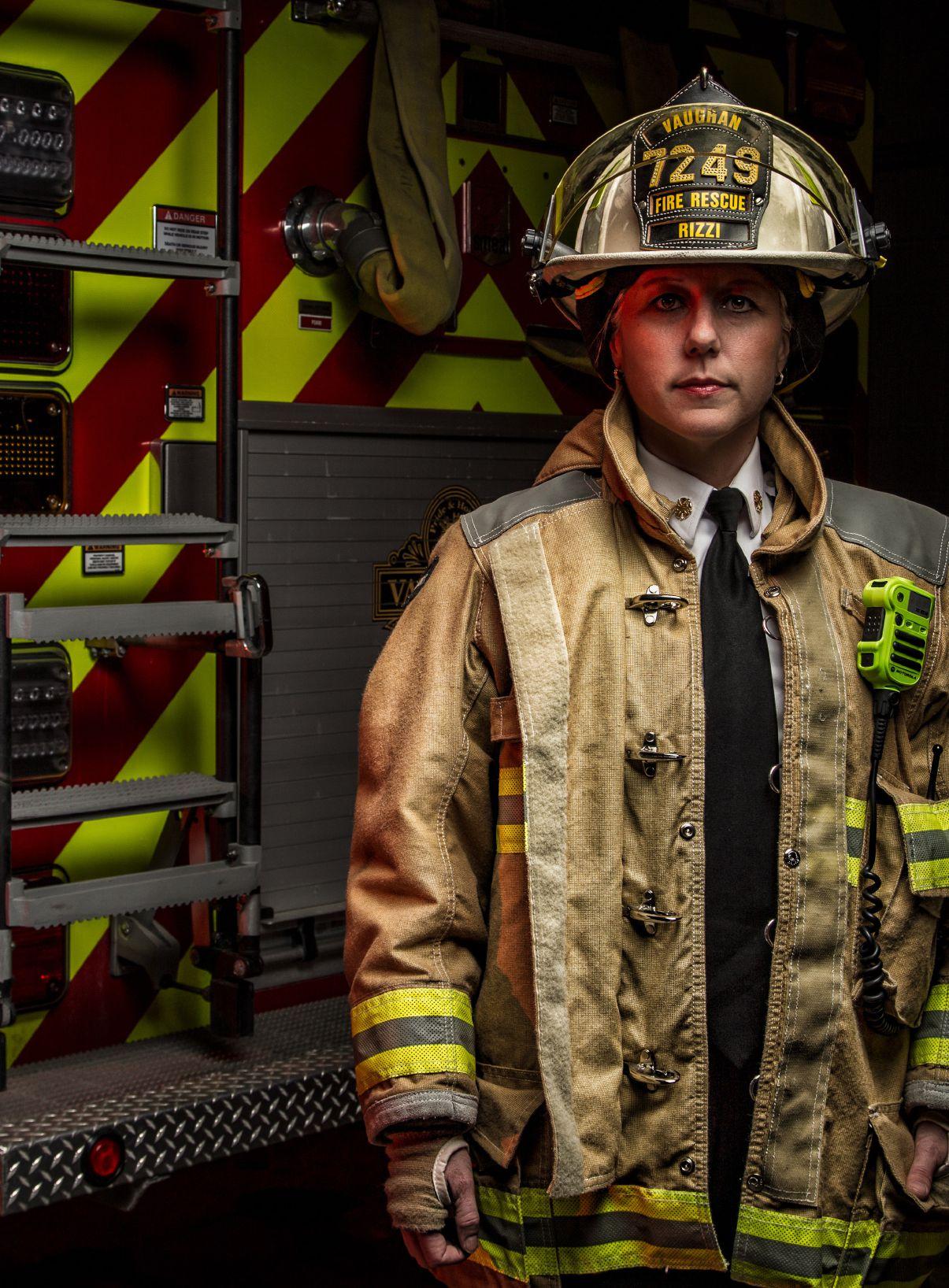
Deryn Rizzi, fire chief of Vaughan Fire and Rescue Services in Ontario, believes that trust and learning teamwork is vital to the success of any department. See story on page 10.
Throughout the day, they were able to spend time with leaders and front-line personnel in the services who shared their expertise, answered questions and offered some career tips.
Prospects were able to network and have one-on-one discussions with those who do the actual hiring as well as rank-and-file personnel.
It was a valuable opportunity for them to chat first-hand with experienced fire, police and security professionals, interact and gain insight into what life is like in the emergency services.
Others attending incuded Hamilton Fire Chief David Cunliffe, Milton Fire Chief Dave Pratt, Cambridge Deputy Chief Damond Jamieson, St. Thomas firefighter Kory Pearn and Chad Roberts of the Oakville Fire Department. Toronto firefighter Vannetta Tustian, director of professional development and student recruitment for Fire Service Women of Ontario, was also there and brought volunteer Taylor Wardaugh.
They all volunteered to be part of the expo, lending a helping hand to those seeking a career in the field.
My hat goes off to the mentors who participated and helped make the event such a success. They are all busy people, but graciously gave of their time.
Hamilton Fire Chief Cunliffe, for example, was in the midst of negotiations. Toronto firefighter Tustian, meanwhile, had just finished a night shift but made it to the expo.
Such commitment says a lot about the character of the women and men who work in the fire service.
Kudos to them all.
ESTABLISHED 1957 MAY 2019 VOL. 63 NO. 3
EDITOR GRANT CAMERON gcameron@annexbusinessmedia.com 416-522-1595
Fax: 416-510-6875 or 416-442-2191 Mail: 111 Gordon Baker Rd., Suite 400, Toronto, ON M2H 3R1
SUBSCRIPTION RATES
Canada – 1 Year - $25.50 (GST - #867172652RT0001)
USA – 1 Year $45.00 USD
Annex Privacy Officer
Privacy@annexbusinessmedia.com
Tel: 800-668-2374
Occasionally, Fire Fighting in Canada will mail information on behalf of industry-related groups whose products and services we believe may be of interest to you. If you prefer not to receive this information, please contact our circulation department in any of the four ways listed above.
All advertising is subject to the publisher’s approval. Such approval does not imply any endorsement of the products or services advertised. Publisher reserves the right to refuse advertising that does not meet the standards of the publication.
www.firefightingincanada.com
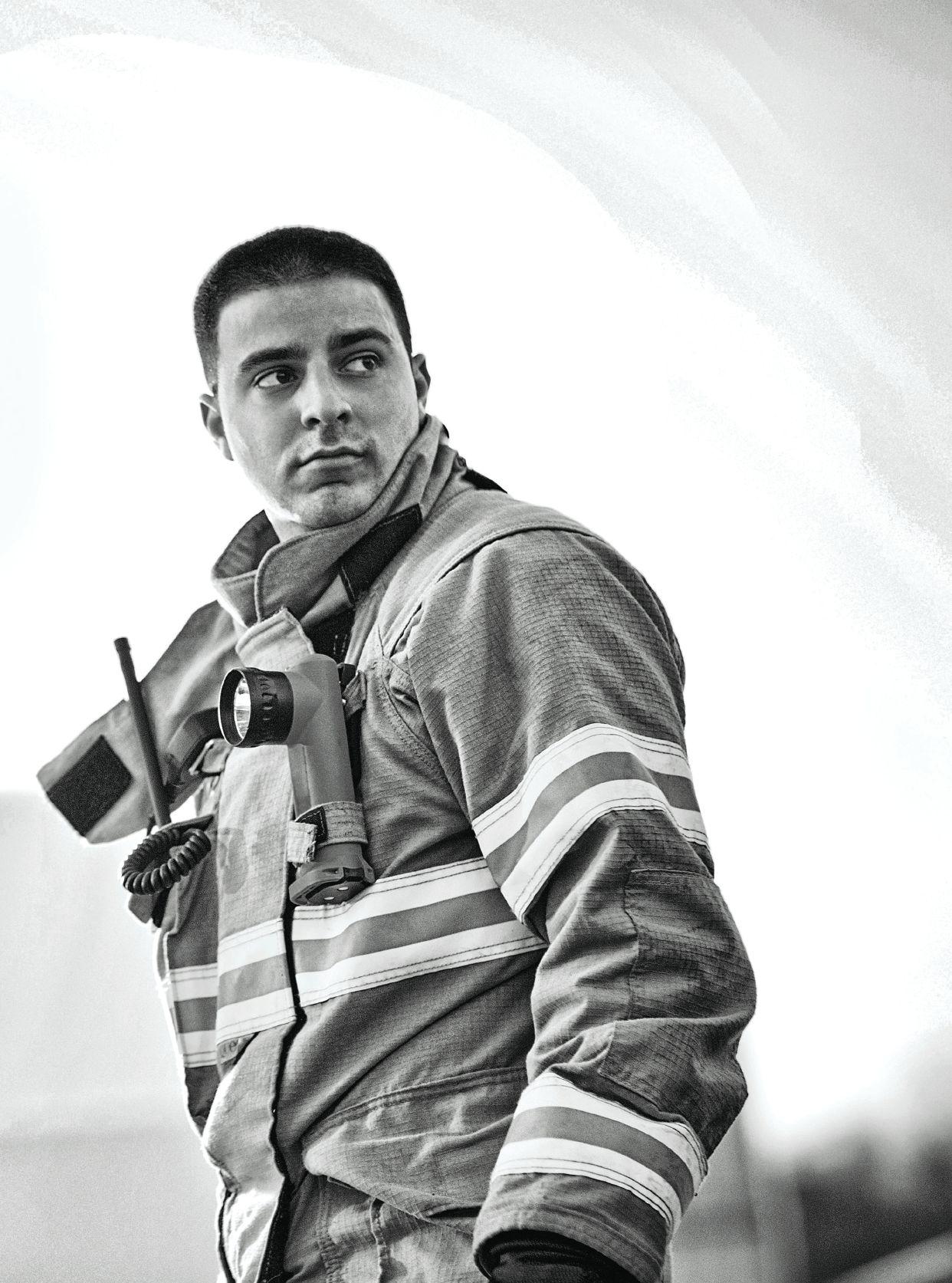
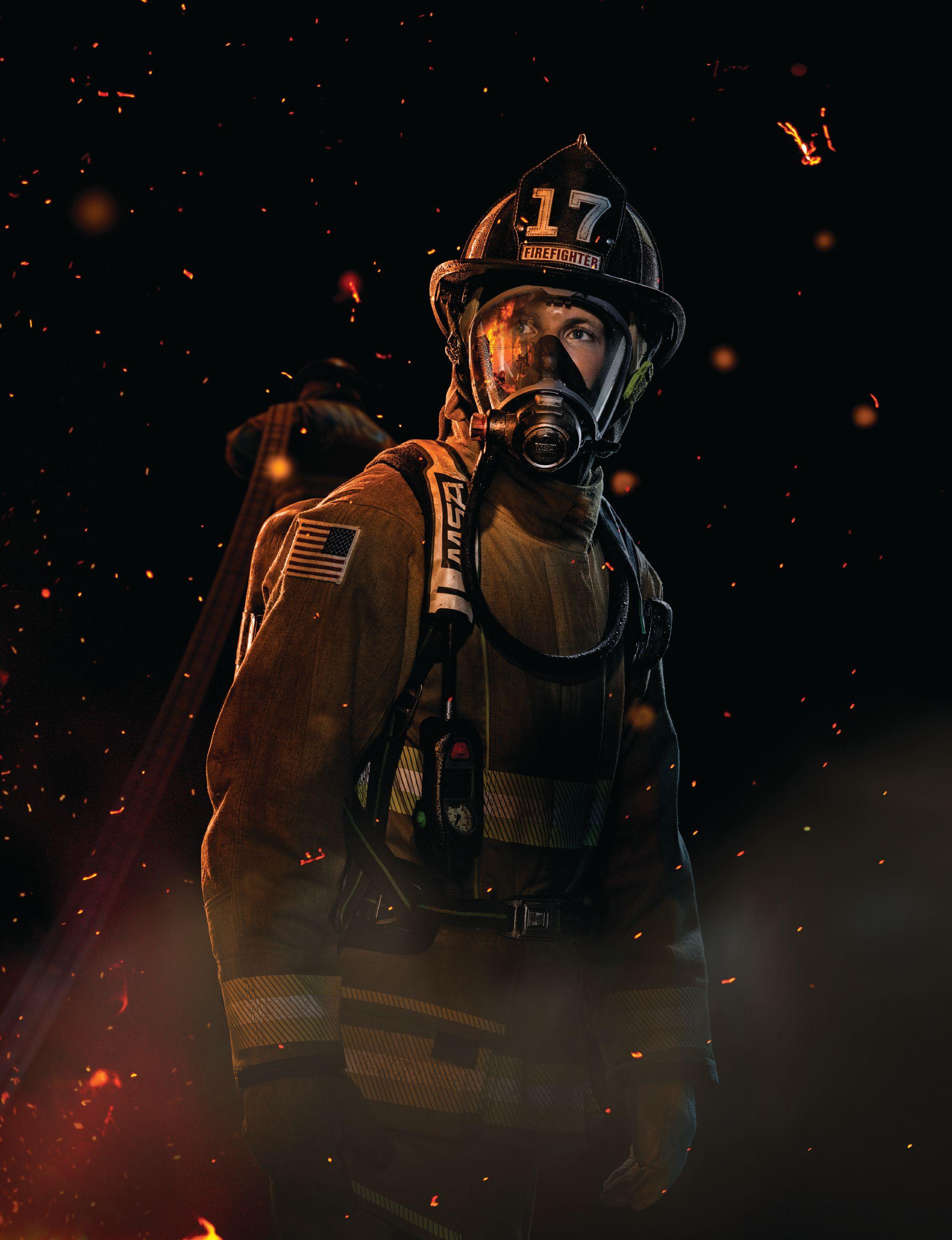
ON THE COVER
PHOTO BY MYKHAIL BAEHR
STATIONtoSTATION
ACROSS CANADA: Regional news briefs
Canadian Association of Fire Chiefs praises federal budget
The federal budget released recently has been commended by the Canadian Association of Fire Chiefs
The Canadian Association of Fire Chiefs (CAFC) has commended the federal budget tabled by the Liberals in March, saying in a press release that it has a number of crucial measures that will support strong communities.
CAFC President and Edmonton Fire Chief Ken Block said several investments stood out for the association.
“The investments in municipal infrastructure and housing hold opportunity for rectifying vulnerabilities that have resulted in recent tragedies,” he said in the press release. “The support for the Indigenous Fire Marshal’s office and the FireSmart program are needed and all hazards emergency response funding will be put to good use.”
The CAFC strongly supported an investment of $25 million over five years to create a pan-Canadian suicide-prevention service
THE BRASS POLE Promotions & appointments
The City of Fredericton has named long-serving firefighter DWAYNE KILLINGBECK as its new fire chief. The city’s chief administrative officer, Chris MacPherson, announced Killingbeck as the new chief in
early March following a job search and interview process that lasted several weeks.
Killingbeck previously served as deputy fire chief and took over for Fire Chief Paul Fleming who retired March 15.
Killingbeck joined the City of Fredericton in 1996 and has held several roles within the fire department, including lieutenant, captain and platoon chief.
available 24/7 in all parts of the country. The service will provide people across Canada with access to bilingual, crisis support from trained responders, using the technology of their choice (voice, text or chat).
“First responders not only respond to suicide calls, they also fall victim to them,” said Block. “I’m pleased to see this taking shape and the CAFC will be pleased to assist where we can.”
The CAFC also was pleased to see opportunities for training, diversity and apprenticeship.
Following are the CAFC’s list of some of the budget highlights:
• $5 million over five years, starting in 2019-20, to Public Safety Canada to develop all-hazard awareness-raising activities that are targeted to specific, at-risk audiences such as low-income Canadians, seniors, people with disabilities, recent immigrants, and Indigenous people.
• $260 million over two years, on a cash basis, starting in 201920, to Public Safety Canada to support provincial and territorial disaster relief and recovery efforts through the Disaster Financial Assistance Arrangements Program.
• $151.23 million over five years, starting in 2019-20, and $9.28 million per year ongoing, to improve emergency management in Canada, including in Indigenous communities. This investment will improve Canada’s ability to predict and respond to threats through the use of early-warning systems, and enhance the understanding of the nature of the risks posed by floods, wildfires and earthquakes. In addition, this investment will help to assess the condition and resilience of Canada’s critical infrastructure – including energy grids, water and food supplies and health services – in the aftermath of a natural disaster.
– Grant Cameron
WAYNE ‘DEZ’ DESJARDINS is Cranbrook, B.C.’s, new fire chief and comes to Cranbrook with 36 years of service with the Canadian military, the last dozen of which were in a fire protection role. Additionally, Desjardins has been a paid, on-call and volunteer firefighter since the mid1990s. Desjardins takes over
from former fire chief Wayne Price, who recently retired.
Originally from North Bay, Ont., Desjardins has served in many communities across the country, but retired in Winnipeg after military service.
The Township of Clearview was given a new fire chief in March. ROREE PAYMENT accepted the position of fire chief for Clearview Fire and
Ontario fire marshal wants to promote safety and diversity
Jon Pegg, Ontario’s newly installed fire marshal, says he’s excited about working to protect firefighters and the public and promoting diversity in the fire service.
“I look forward to working with, and hearing from, our many stakeholders on the many challenges they face and coming up with collaborative and creative ways to address those problems,” he said in a statement prepared for Fire Fighting in Canada
“Ultimately, I look forward to finding innovative ways to educate and protect our residents and to a day when fatalities caused by fire are virtually eliminated.”
Pegg took over the helm Feb. 20, replacing Ross Nichols who retired. He is no stranger to public fire and life safety, as he has been chief of emergency management for the Province of Ontario since July 2018.
Pegg has a long history in the fire service and started as a firefighter with the Richmond Hill Fire Department in 2000. He has been deputy chief and fire chief for Innisfil Fire and Rescue Services as well as deputy fire chief for the Town of Georgina.
He said he’s looking
Emergency Services in Ontario. He has worked for the service for 10 years, starting as a volunteer firefighter. He worked his way up to captain in 2008 before becoming deputy fire chief in 2014. In October 2018, Clearview’s then fire chief assumed a new role outside of the township. Payment was named acting fire chief, assuming the responsibilities while the position was vacant
forward to the job and challenges.
“I think what I am excited about is actually the same as the biggest challenge –the diversity within the fire service across Ontario and recognizing that diversity,” he said, as well as how the Office of the Fire Marshal meets those often-different needs.
He said his 23 years in various fire roles, as volunteer, career firefighter and captain, deputy chief and chief, will help as he’s been fortunate to have been part of some amazing departments and teams.
“I have worked in the most common types of departments (volunteer, composite and career) we see in Ontario which, I believe, will be a great asset in this role.”
Pegg said he was drawn to the role of fire marshal because he’ll be able to help shape the fire service in Ontario.
“I am passionate about fire safety and protecting the residents within Ontario,” he said. “I am passionate about firefighter safety (physical and mental).
“I have greatly enjoyed each rank I have held as my career has progressed and I truly see being in the role of
Retirements
RICHARD BOYES, executive director of the Ontario Association of Fire Chiefs (OAFC), will be retiring at the end of May. Boyes has more than 44 years of experience in the fire service. He has been executive director of the OAFC for more than six years and
fire marshal as that next step. Being able to work with the municipal fire departments and stakeholders to shape the fire service with things like legislation, education and best practices is very exciting for me.”
He said the fire marshal’s office and office of emergency management are very fortunate to have incredibly intelligent and hardworking people working within the teams.
“I am excited to lead and work with these women and men to enhance fire safety
throughout Ontario.”
Pegg said he’s incredibly fortunate to be taking over the role after Nichols, and he saw the incredible way his predecessor interacted and valued his staff.
“Although there are many great things I can say about Ross, this is something that will always stick with me. Ross was a very trusted and respected leader who put his people first 100 per cent of the time and this is something I hope I can continue to bring to the team.”
– Grant Cameron
was chief operating officer for six months before that. Boyes was fire chief for the Town of Oakville for six years. Prior to that, he was fire chief at Sarnia Fire Rescue Services for nearly eight years. He was fire services advisor with the Ontario Fire Marshal’s Office for six years. Between 2000 and 2011, he was on the board of directors of the OAFC and was president from 2007 to 2010.
Sarnia, Ont.’s, fire chief JOHN KINGYENS will be retiring from the fire service in summer 2019. He has more than 26 years with the Sarnia service, starting in 1992 as a firefighter. He was a fire prevention officer and a safety training officer before being promoted to deputy fire chief in 2011.
Jon Pegg, Ontario’s new fire marshal, wants to promote diversity in the fire service.
STATIONtoSTATION
BRIGADE NEWS: From departments across Canada
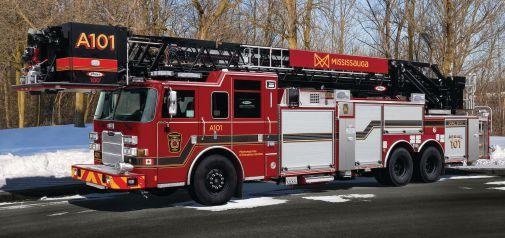
The fire department in Mississauga, Ont., took delivery of a new Pierce Manufacturing Aerial 100’ Platform from Commercial Truck Equipment. The new Aerial sits on an Arrow XT, PAP/Midmount chassis and has a DDC DD13, 505 hp engine. The body is made of aluminum and has a Husky 3 foam system. The water tank holds 400 gallons and its single-stage pump unloads 2,000 GPM.
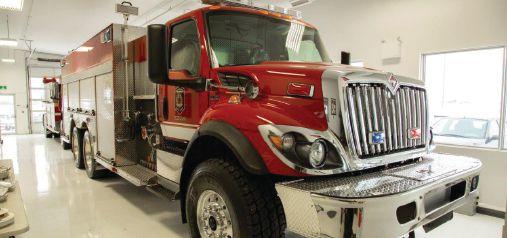
The Temiskaming Fire Department in Ontario received a new Fort Garry Fire Trucks pumper tanker. The tanker has an International HV607 chassis, a Cummins L9 380-hp engine and an Allison 3000 transmission. It is a side-controlled pump panel type and the body is made of 5083 Salt Water Marine Grade Aluminum. The pump is a Hale DSD 1250 and the tank is UFP Poly.
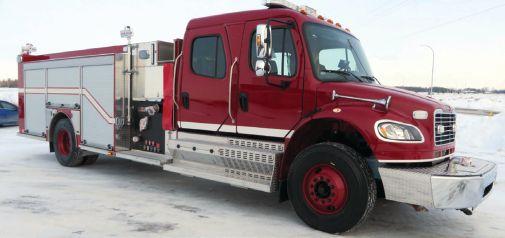
The fire department in Waubaushene, Ont., received a new Fort Garry Fire Trucks pumper. The truck sits on an M2-106 4-door chassis. Its body is made of salt water marine grade Alum 5083 and features a side control pump house, Waterous CSU 1250 with Akron valves, two 1.5-inch ergonomic speed lay pre-connects and one 2.5inch cross lay pre-connect, an Akron Mercury Quick Attack Monitor and more.
The fire department in Mississauga, Ont., took delivery of a new Pierce Manufacturing pumper from Commercial Truck Equipment. The pumper sits on an Enforcer chassis and has a DDC DD13, 470 hp engine. The body is made of aluminum and has a Husky 3 foam system. The water tank holds 600 gallons and its single-stage pump unloads at 2,000 GPM.
The fire department in Mississauga, Ont., received a new Pierce Manufacturing pumper from Commercial Truck Equipment. The pumper sits on an Enforcer chassis and has a DDC DD13, 470 hp engine. The body is made of aluminum and has a Husky 3 foam system. The water tank holds 600 gallons and its single-stage pump unloads at 2,000 GPM.
The fire department in Chatham-Kent, Ont., took delivery of a new Pierce Manufacturing Aerial, Ascendant 107’ HD Ladder from Commercial Truck Equipment. The new aerial sits on an Enforcer chassis and has a Cummins L9, 450 hp engine. The body is made of aluminum, PUC, Quint and has an Enforcer MUX electrical system. The water tank holds 500 gallons and its single-stage, PUC pump unloads at 1,500 GPM.
AT THE
THE HELM
Fire chiefs say the key to success is trusting your team
By JAYSON KOBLUN
LEFT Vaughan Fire and Rescue Services Fire Chief Deryn
says she’s constantly learning, re-evaluating and reinventing herself as a leader.
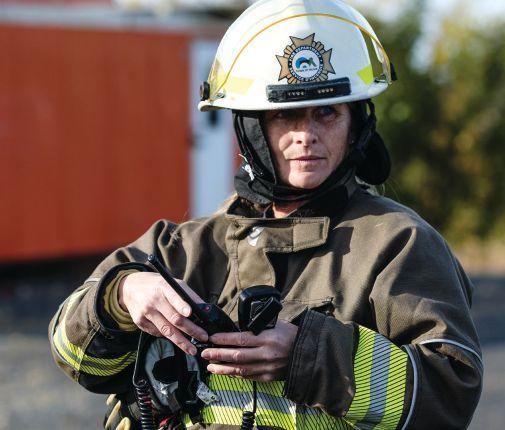
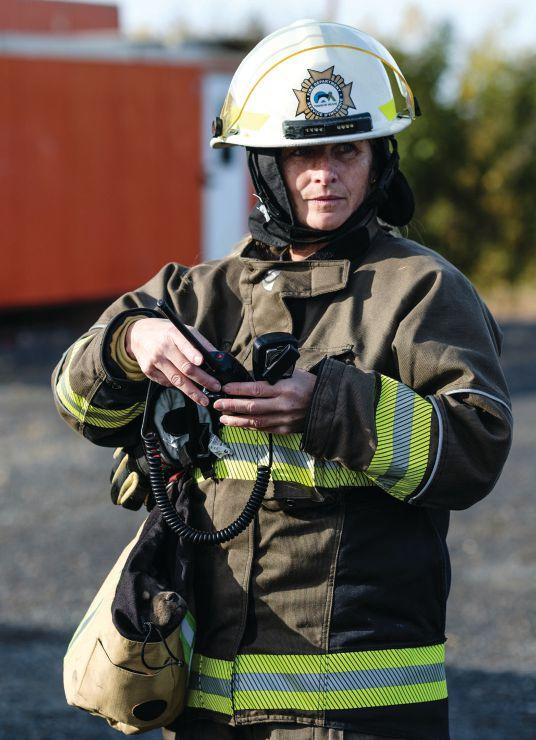
ABOVE Inuvik, N.W.T., Fire Chief Cynthia Hammond at a training session. She has a puppy in her mask bag that she’d just started fostering and couldn’t leave at home.
Fire Chief Cynthia Hammond didn’t have to take her focus off the firefighters making entry during her first significant structural fire as the chief of Inuvik, N.W.T.’s fire department for one second. She trusted that her pump operator knew what he was doing. She knew the water was coming.
“It was in that moment I realized my team and I had achieved a milestone within the department,” she said. “Trust.”
Hammond is one of several female fire chiefs who’ve headed their departments for roughly a year.
She and Fire Chiefs Deryn Rizzi of Vaughan Fire and Rescue Services (VFRS) in Ont. and Lori Hamer of London Fire Department, also in Ont., agree on one thing – that trust is vital to any department’s success.
■ LEADERSHIP
“You have to trust your team. I was confident that the firefighters inside were capable and they would keep each other safe. They did not question my orders. On the outside, I didn’t have to look back to know essential tasks were being done. I trusted that all our training and time spent together paid off,” said Hammond.
Rizzi is another chief who knows just how important trust and learning teamwork is as leader of a large urban fire department in southern Ontario.
“I am constantly learning, re-evaluating and reinventing myself as a leader; and I learn from successes and challenges that I face,” she said. “Changes in our department or in the corporation requires change in yourself as a leader, so it is appropriate and necessary to step back, evaluate your viewpoint and figure out how you can take yourself and your team to the next level collectively.”
Chief Hamer in London said she believes she is Canada’s first female fire chief that does not have any fire-suppression experience, but that fire suppression is not the only necessary form of experience needed to lead a team. Her education in family and social relations has helped her lead her team effectively over the last year.
“Our biggest resource is our people,” she said. “I had the opportunity last year to get out to the stations and visit a lot of our crews.
“It was important to find out what they’re thinking and hoping for, and even just to get their input on a variety of topics.
“That’s been probably the best part of the last year. Getting out and meeting staff. So many people think the fire department is just the big, red truck, but there are many people working to keep the community safe and it’s one big team effort.”
Rizzi
PHOTO BY WERONIKA MURRAY
PHOTO BY MYKHAIL
BY
■ BACKGROUND
Hammond jokes that she joined the volunteer fire service in 1996 for “stress relief” while working in the field of brain injury rehabilitation. She served the community of South Gillies, near Thunder Bay, Ont., progressing through the ranks and culminating in her role of deputy chief in 2005. During that time, she also travelled to many communities in the far north of Ontario delivering fire training as an associate instructor with the Ontario Fire College.
Her full-time career began in 2005 as a program specialist and training officer with the Ontario Office of the Fire Marshal, prior to serving the Chippewas of Rama First Nation’s Fire Rescue Service as a fire training officer in 2016.
In 2017, when her daughter moved on to university, Hammond realized it was time to expand her horizons. She had a map of Canada and a dart. Then she found a job opening for the fire chief position in Inuvik.
“It was an ideal opportunity, I could explore Canada, continue in a career I enjoy and work with individuals dedicated to serving a very unique community,” she said.
Rizzi, meanwhile, started with VFRS in 2001. She worked her way up the ranks, competing in an acting captain promotional process which included a tactical/practical, written exam and an interview. Rizzi worked in that role and then competed for a training officer position and moved into the training division.
“Then I went back to the trucks,” she said, “and eventually
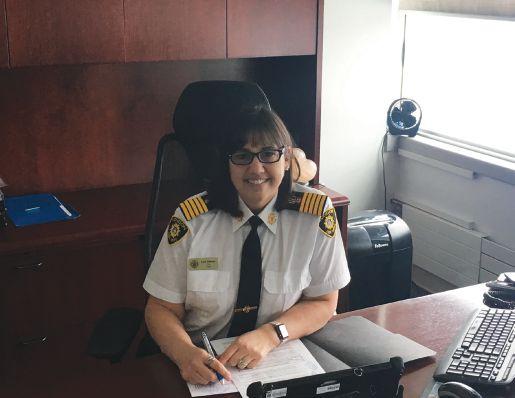
Fire Chief Lori Hamer of London Fire Department.
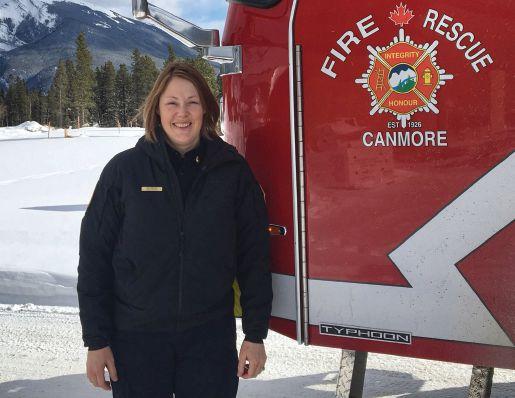
Keri Martens, deputy fire chief of Canmore Fire Rescue in B.C.
PHOTO
JAYSON KOBLUN
earned the position as a captain. I spent most of my career as a firefighter serving the community in technical rescue halls; from rope rescue, hazmat, rescue squad and technical rescue crews. That is where my interest and passion for technical rescue originated. I was only in the role of a captain for three months when the deputy position was posted. My former platoon chief was the one who suggested I compete.”
Rizzi taught courses at the Ontario Fire College as well as a pre-fire service program. She also worked for the Office of the Fire Marshal and Emergency Management while fire fighting. She served as elected board member for the Ontario Association of Fire Chiefs and was appointed as the chair of the International Association of Fire Chiefs human relations committee.
“Coming up through the ranks I had an incredible vested interest in what the future of VFRS would look like,” she said.
Hamer started her career in the fire service as a 911 operator in Kitchener, Ont., in 1998. She worked her way up
Fire Chief Cynthia Hammond ‘‘
It was in that moment I realized my team and I had achieved a milestone within the department.
’’
-
the administration side of the service and became chief during a time in her department when allegations of workplace harassment concerns had arisen. She did not ever imagine herself as fire chief.
“I studied family and social relations at the University of Guelph. That helped me become the person I am. Then I went to Ryerson University for public administration and governance. I’m Currently at Queens (University) in the executive leadership program.”
2018 HIGHLIGHTS
Hammond said she prefers to collaborate with her team as a leader and trainer.
Creating an environment in which individuals are empowered was one of the highlights of the last year for her.
Individuals brought strengths from outside the department that needed to be recognized and capitalized to grow the department. It took some adjustment.
“I hear my team members say, ‘So you’re going to listen to our suggestions, and you’re not going to be looking over my shoulder every time I do something?’ And I say, ‘No, no, of course not.’ Again, it comes back to trust,” she said.
Rizzi said a highlight for her was that VFRS received 100 per cent in the city’s 2018 satisfaction survey.
“That can be attributed to all members of the team; firefighters, fire prevention inspectors/investigators, communications operators, training officers, mechanics and clerks, for the vital role each member plays in keeping our community safe.”
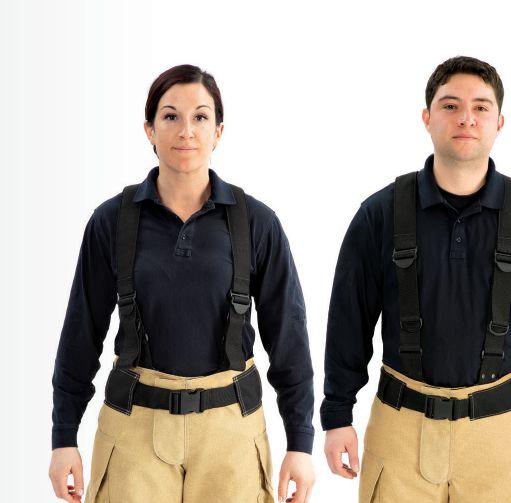
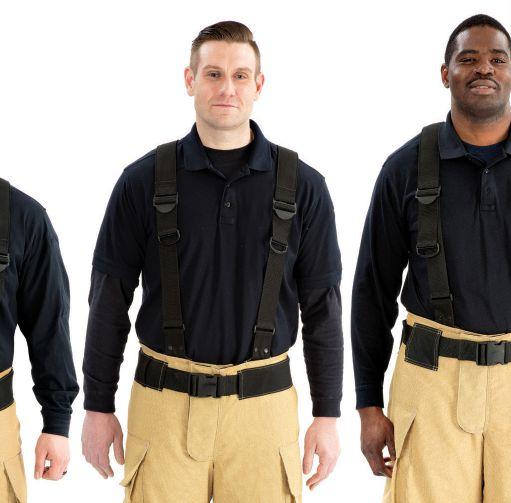
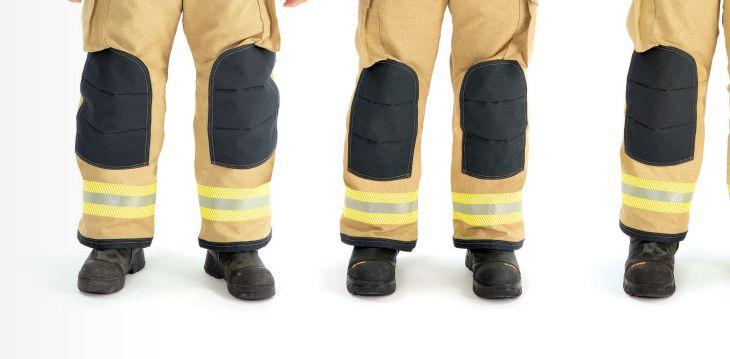
Loaded with safety, comfort and mobility features for unmatched performance, Flame Fighter® bunker gear offers a variety of custom outer shell fabric, liner system, hardware and pocket options to fit your specific needs. This hard-working gear also includes the following game-changing Starfield LION fire protection technology:
• Patented IsoDri®* moisture management reduces the water absorbtion and helps gear dry faster between runs
• Exclusive Ventilated Trim allows vapor to be released, reducing the risk of scald burns
• Thermashield™ provides an additional layer of liner material in the upper back and shoulders to protect against compression burns
• Move-N-Hance™ crotch gusset increases mobility by reducing bunching, twisting and pulling
• Flex Knee™ for easy, natural movement
• Stay Rite™ sleeve wells integrate the sleeve’s liner into a full-length wristlet so that when you reach, the entire sleeve moves with you
For more information about Flame Fighter bunker gear, contact your Starfield LION sales representative at 1.800.473.5553 or visit us online.
Hamer said one of her biggest highlights in 2018 was seeing and feeling change in the culture of her workplace.
“There were opportunities to improve the culture in the London Fire Department and that’s partly why I try and visit all the stations and all the divisons to gather feedback and input,” she said. “I’m starting to see a culture shift which is very exciting. It takes a long time. It takes work from not only management but all team members.”
■ DIVERSITY AND INCLUSION
2018 was a year of many firsts for several Canadian fire departments, but it was also the year the Canadian Association of Fire Chiefs (CAFC) saw its first elected female board member, Keri Martens, who was elected in September 2017.
Martens currently serves as deputy fire chief of Canmore Fire Rescue in B.C. Previously, she was fire chief in Lake Louise. Last year was her first full year as a board member on the CAFC. She has several roles and responsibilities, but has spent a majority of her focus on the new diversity and inclusion committee. The focus of 2018 was on gender, Aboriginal and human rights issues.
“The diversity and inclusion committee really started through a conversation about there not being a lot of women in the Canadian fire service,” said Martens. “Honestly, we’re not even exactly sure how many there are. It’s a hard number to pin down. So, we thought we needed to do something about it. We need to know who’s here, how they got here, what their stories are, and how they’re doing in their day-today careers.”
Martens wanted to join the board partly because she realized the platform she had going into her new role.
“It’s been great being able to use this platform to further develop the committee and do what I can to make the service better and more available,” she said. “I’ve learned so much over this past year. We have so many allies and supporters all across Canada.”
■ LOOKING AHEAD
When each of the four chiefs were asked, “What would you say to a young girl interested in becoming a firefighter but is hesitant due to gender concerns?” all answered similarly.
Hammond: “This would be for anyone wanting to join the fire service, regardless of gender. Prepare, so you can seize opportunities that come your way. Be curious, so you can learn. Be fearless, it’s OK to be afraid, but do it anyway.”
Rizzi: “My message is simple; every accomplishment comes with the decision to try. Keep moving forward, opening new doors, and doing new things, and your curiosity will lead you down the path of success.”
Hamer: “My advice – boy or girl – don’t close any doors. I never would have seen myself sitting here even 10 years ago. And when opportunities arise or when you want to do something, don’t close any doors and dream to be whatever you want to be.”
Martens: “Follow your heart, if that’s what they feel like doing then I would encourage them to do that. It’s not an easy job and you will set yourself up for failure if you think it’s an easy way to spend your day, but I think there’s a lot we can do to make it better. Finding allies, supporting others,
BY MATT PEGG Fire Chief, Toronto, ON
ILEADERSHIPFORUM
Being a leader is not a spectator sport
t never ceases to amaze me when and where leadership lessons present themselves.
Some of the lessons I learn come as a result of mistakes that I make. Others come from learning from the experience and wisdom of others. And, some lessons come in the form of positive reinforcement, when something that initially seems simple and rather unimportant turns into a powerful reminder of what leadership is.
I want to share one such experience with you. This lesson in leadership emerged in the most unexpected of places – in the pouring rain.
By protocol, I am not expected to respond to a fire until it progresses to the 5th alarm level. However, I have a tendency to respond to significant and complex incidents long before they reach these levels. I believe strongly that senior officers must connect with the media quickly in order to be the face and voice of their fire service, and to begin to bring a sense of calm to the community during times of emergency.
We must also ensure that effective command structures are in place and that we are doing everything reasonable to protect both our crews and the public we serve.
One such incident occurred on the shores of Lake Ontario when a massive, middle-of-the-night recycling plant fire eventually escalated to a full six alarms. I was on scene by the time the fire hit the 4th alarm level and began to assume my two primary roles at these incidents; connect with the media and connect with our people on scene.
On this particular night, the weather was horrendous. Driving rain, strong and cold winds and reduced visibility made an already difficult night even worse for our crews as they fought this difficult and dangerous blaze.
me straight in the eye and asked, “Why are you out here? It is awful. Don’t you have somewhere warm and dry you can be?”
To be honest, I was stunned. That was the last thing that I expected to hear from him that night.
I simply shook his hand and said, “If you can work in this, so can I.”
I thanked him for his hard work and moved on down the line of exhausted firefighters and then made my way back into the mobile command post.
A few weeks later, I received a note from that firefighter. He explained how he was shocked that the fire chief would be in front of the media in the cold, driving rain and would take the time to shake his hand and thank him for his hard work at a fire.
He ended his note by thanking me for showing him that what he and his crew do matters to me. In his final sentence, he thanked and explained how much “showing up” means to our crews.
Just like that, I was reminded of a powerful leadership truth. The power of “showing up,” especially when it isn’t comfortable to do so, is immeasurably important to our people.
I remembered how much that meant to me when I was an
One of my mentors taught me that the more difficult it is for a leader to do something, the more important it is that it be done.
’’
I had just finished one of many media scrums of the night and was walking back towards the command post. I was completely drenched. In fact, I could have jumped into Lake Ontario and not been any wetter. On my way back to the command post, I was able to speak with and shake the hands of exhausted firefighters as they found a much-needed hot drink and some shelter from the rain in the rehab sector.
I stopped to talk with one firefighter, who was equally drenched, obviously cold and far more exhausted. He shook my hand, looked
Matthew Pegg is the chief with Toronto Fire Services, having previously served in Georgina, Ajax and Brampton, Ont. Contact Matthew at matthew.pegg@toronto.ca and follow him on Twitter at @ ChiefPeggTFS.
exhausted firefighter in need of rest and hydration. How easy it would be to forget that, now that I have the privilege of rank.
I set very high expectations for myself and for our senior officer team, especially when it comes to being engaged in serious incidents that happen in our city. When we are placed into senior leadership roles, we accept considerable responsibilities, none of which stop or start within a defined set of work hours and none of which are limited to comfortable, sunny days.
One of my mentors taught me that the more difficult it is for a leader to do something, the more important it is that it be done.
On that miserable night, in the pouring rain, I was reminded that being a leader is not a spectator sport. Being a leader is about being engaged, involved and present when it matters most.
After all, firefighters don’t melt. Neither do fire chiefs.
Career KICK-START
Fire
service
leaders
BY JAYSON KOBLUN
Bprovide advice to potential recruits at expo and job fair
ecoming a career firefighter can seem like a daunting task for some when you consider the schooling, training, volunteer hours, reference checks and more that many chiefs take into consideration during the hiring process.
That’s why Fire Fighting in Canada, along with Blue Line and Canadian Security magazines partnered to present the first combined Security, Police, Fire Career Expo to help potential security professionals, law enforcement officers and firefighters get their foot in the door.
The event, held March 7 at the International Centre in Mississauga, Ont., drew 140 attendees from nearby colleges and universities and visitors met with more than 25 booth vendors and more than 25 industry mentors on hand to offer career advice.
Mentors on the fire side were: Richard Boyes, executive director of the Ontario Association of Fire Chiefs and Helaina Mulville, administrative support co-ordinator at Ontario Fire Administration Inc.; David Cunliffe, fire chief of the Hamilton Fire Department; Dave Pratt, fire chief of the Milton Fire Department; Damond Jamieson, deputy fire chief of the Cambridge Fire Department; Vannetta Tustian, a Toronto firefighter and director of professional development and student recruitment for Fire Service Women Ontario (FSWO), and volunteer firefighter Taylor Wardaugh; Chad Roberts, acting captain at the Oakville Fire Department and member of the extrication team; and Kory Pearn, firefighter with the City of St. Thomas and author of The Complete Guide to Becoming a Firefighter
The mentors were grilled on several aspects of the fire service by students seeking a career, from peak-hiring times to resume-building skills, NFPA requirements and more.
“It’s been an interesting day,” said Jamieson, who grilled some of the prospective students just as hard as they grilled him. “Lots of people asking some great questions and really wanting to know
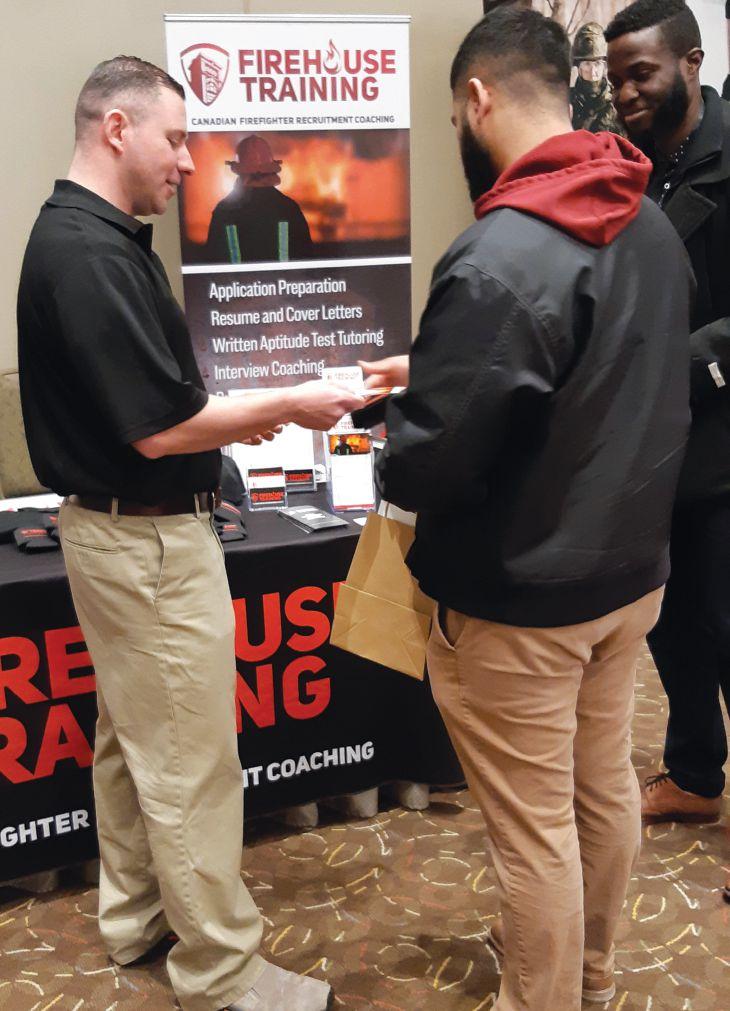
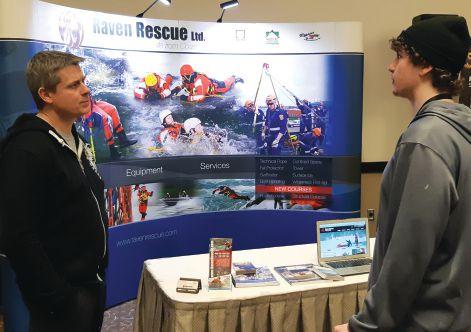
Twenty-five booth vendors participated in the Security, Police, Fire Career Expo in Mississauga, Ont.
PHOTOS: GRANT CAMERON
to R)
more about how to get in the fire service. I wanted more. It’s great to see people wanting to learn what it takes to become a part of the team and I had a great time answering all their questions.”
Visitors varied from recent college graduates, those seeking a career change, soon-to-graduate high school students and others. One visitor had already finished her firefighter schooling from an Ontario college. She participated in her very first real-life firefighter interview the day before the Career Expo, saying it was just as stressful and nerve-wracking as she imagined, but was hopeful to be hired. She said she felt well-prepared having spent lots of time researching how to present herself at a firefighter interview.
Roberts, another mentor, said before the event started that he had
never been a mentor at this capacity before and was looking forward to any questions that may come his way. He’s a member of the extrication team at the Oakville Fire Department and was able to answer any question thrown his way, especially those relating to that subject.
“I was really looking forward to being a part of the event,” said Roberts. “I’ve never done something quite like this before and I’d like to help potential firefighters out any way that I can.”
Tustian was present as a mentor while also representing FSWO. She shared her experience in recruiting and mentoring volunteer firefighters over the years.
“Before deciding to embark on your journey of becoming a volunteer or career firefighter it’s important to ask yourself if you can actually do it,” she said. “There are so many factors to consider; do you have 20/20 vision, can you handle small spaces, can you afford the schooling, are you willing to put your life at risk and answer the call? There’s a lot to decide before you begin and this expo is what it’s all about.”
Keynote speaker Carmela Demkiw, senior director, corporate security services, Rogers Communications, spoke about her career in policing with the Toronto Police Service and her transition to private security in 2002. Demkiw gave advice on the role of business skills in security, integrating data and analytics into security programs to deliver value, the importance of following through with responsibilities and other takeaways that attendees can integrate into their work lives.
Fire Fighting in Canada would like to thank all of the event sponsors, attendees for sharing their day with us and mentors for generously giving their time. Special thanks to lunch sponsor G4S Canada and keynote sponsor testreadypro.com.
(L
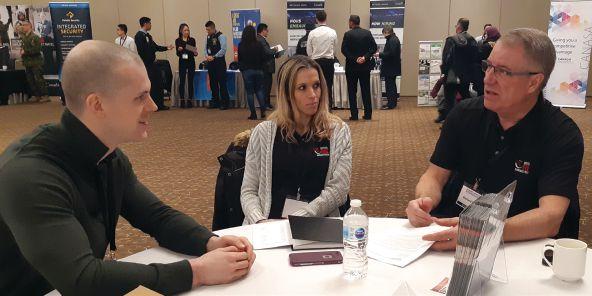
A potential recruit speaks with Helaina Mulville, administrative support co-ordinator at Ontario Fire Administration Inc. and Richard Boyes, executive director of the Ontario Association of Fire Chiefs.
BY VINCE MACKENZIE Fire chief, Grand Falls - Windsor, N.L.
IVOLUNTEERVISION
First and foremost duty is education of public
recently had the opportunity to return to an elementary school classroom to teach some fire safety and interact with the students. After years of being off the official public education school circuit, I realized very quickly how much I missed being in the classroom teaching public education.
My role now as a fire chief kind of puts me behind a desk a lot and all the tasks I once did slowly are delegated away and administration becomes more and more demanding.
This opportunity got me thinking of how, when I first joined my local volunteer fire department as a young man more than three decades ago, my impression of the fire department was through a young person’s eyes. I also entered the volunteer profession following in my father’s footsteps and already knowing what the lifestyle consisted of through my father’s mentorship.
I wanted to be a firefighter all my life, and now that I have been, I now realize my somewhat miscalculated illusions then were of just fighting fires, serving the community and being a part of a team.
Like most of us who join the fire department, we just want the excitement of the calls and the feeling of greater self-worth from community service, and experience the pride of being called a firefighter. My views have changed somewhat as I’ve progressed through my career.
As young firefighters, we often don’t realize the importance of every firefighter being a public fire-safety educator. Let’s face it, many times firefighters just want to do all the exciting stuff, train and answer calls, and be firefighter’s firefighter.
Who has time to preach and educate the public when we are too busy just fighting fires and/or evil dragons?
the scouting movement and high school outreach programs outside the fire department.
Captain Robert Down asked me to develop a high school fire-prevention program for our local department of which I’m proud to say is still an annual program three decades later. Then, in 1994, I was selected by the NFPA to receive a Learn Not to Burn champion award and traveled to Boston and received official pub-ed training on the curriculum. This was another career-changing experience because I received comprehensive training from NFPA and then set off to pilot the curriculum in schools, my community and, for the first time, officially in our province. I saw first-hand the power of public education as our community embraced fire safety.
Now, I want to convince you that our first and foremost duty is to educate the public in fire safety. That is one of the only guaranteed ways we, as firefighters, truly save lives every day.
Contrary to my young firefighter notions that I will rescue someone from the grips of death in the nick of time, I can tell you I have yet to experience that. It certainly does happen to some as a part of duty, but I believe true life-saving comes where we can not accurately
As young firefighters, we often don’t realize the importance of every firefighter being a public fire-safety educator. ‘‘ ’’
The role of public education is most likely the farthest thing from your mind. We enjoy answering the calls so much we kind of want more, not less. The public education role also seemed to be passed down to the other less-experienced firefighters as the “real” members typically strayed away from the fire station tours and dealing with young children or the opportunity to be in front of a crowd and lecturing. It became a chore more than a calling.
Early in my volunteer career, I started to get involved in teaching youth about firefighting as I was involved in a few youth groups like
Vince MacKenzie is the fire chief in Grand Falls-Windsor, N.L. He is an executive member of the Canadian Association of Fire Chiefs and the past president of the Newfoundland and Labrador Association of Fire Services. Email Vince at firechief@townofgfw.com and follow him on Twitter at @FirechiefVince.
tabulate the save. That is, when a fire did not occur because we educated someone beforehand.
When the alarm sounds and we roll up the fire hall doors to respond, we have already lost the battle. It’s a public education fail. Another fire is occurring and lives and property are in immediate danger.
How many times have you given advice over the charred remains of someone’s property that we just extinguished? It’s an unfortunate time to have to educate the individual don’t you think?
The recent classroom opportunity afforded me the opportunity to walk away thinking that the fire-safety lessons taught to the kids was timeless in its message. Someday, every student will reflect on it when they are faced with a fire emergency and the opportunity for failure or save. Being the chief might be busy, but never too busy to educate.
WHY compromise?
BACKtoBASICS
PASS alarm alerts others that firefighter needs help
BY MARK VAN DER FEYST
We have looked at the last few months the issues with our personal protective equipment (PPE) in respect to not wearing it properly, not inspecting it properly and not having it ready to go when needed. We are going to move on to the next piece of our PPE and that is with the self-contained breathing apparatus (SCBA).
The SCBA is the most important piece of PPE that any firefighter can use. The level of protection that it provides is unparalleled compared to the rest of our PPE. Our respiratory system is the easiest to compromise and, when it is, it affects our ability to function.
One component of the SCBA is the PASS alarm. PASS stands for personal alert safety system. The PASS alarm was created and implemented so that a firefighter wearing the SCBA would be able to summon or alert others for help.
In the beginning, the PASS alarm was a manual device that was added to the SCBA. It required the firefighter to manually activate or arm the PASS alarm when he or she donned his or her SCBA.
The manual PASS alarm would be clipped somewhere on the SCBA with easy access to it by the user. The main problem or issue with the manual PASS alarm was the user not activating or arming the PASS alarm when wearing the SCBA.
Many firefighters lost their lives in the line of duty with their manual PASS alarms turned off and not activated. As a result of this inaction, the manufacturers of SCBA decided/were instructed to make the PASS alarm a redundant component of the SCBA.
A redundant piece of equipment refers to automation. In terms of the SCBA, once the SCBA cylinder is opened with air entering into the SCBA system, the PASS alarm is automatically turned on or armed. There is no way possible for the user to deactivate or disable the PASS alarm at any time when donning the SCBA and breathing off it. This automatic function ensures that when the user needs to summon or alert others for the call of help, the device will do so without fail.
I want to stress the fact that the PASS alarm has been designed and added to the SCBA for the sole purpose of assisting the user by calling for or alerting others for help – that is its only function and purpose. No matter what location the firefighter may be in or around, outside or inside the structure, outside at a vehicle fire, or wherever, when it goes off automatically or by manual means, it is doing so to call for help.
So, having said that, how come we as a fire service still must deal with premature PASS alarms going off all the time?
PHOTOS BY MARK VAN DER FEYST
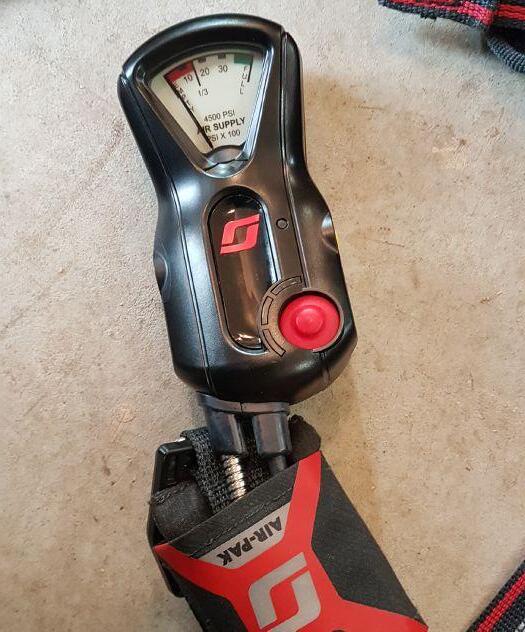
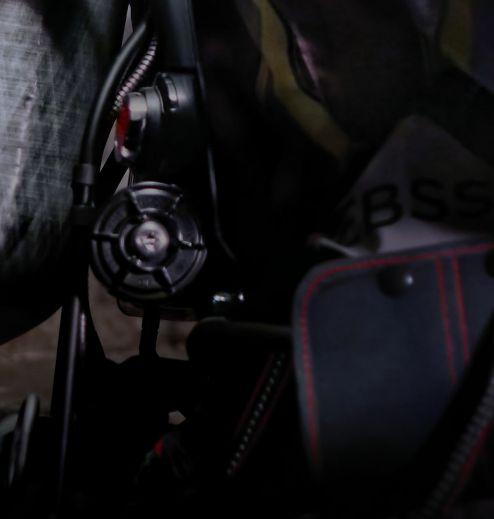
The chest gauge of the SCBA which contains parts of the PASS alarm.
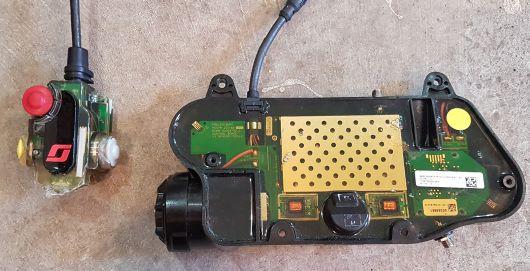
The internal workings of the PASS alarm with the inside of the chest gauge being exposed and the electronic hub of the SCBA being completely epoxied, making it air, water and vapour tight. The motion sensor of the PASS alarm is located in the electronic hub of the SCBA.
It’s the feeling you have when you can trust your protective equipment to perform day in and day out—and it’s what you can expect from 3M™ Scott™ Fire & Safety Products. We are improving and innovating new ways to help protect you, so you can get the job done and help get everyone home safely.
Be more than ready.
BACKtoBASICS
There are two main issues with this; PASS ignored and walked away from, and the lack of response to the sound of them.
First, too many times firefighters will take off their SCBA, place it on the ground, close the cylinder, bleed the system down to purge the residual air and then walk away from it, or just take it off and place it on the ground and walk away. The result is the PASS alarm going off 30 seconds later, with the firefighter having to run back to shake the pack for a while until he or she realizes that the yellow button must be pressed twice to reset the PASS alarm and then go through the proper procedures to turn off the SCBA.
We also see many firefighters not being aware of their own PASS alarm going off when they are wearing their SCBA. Whenever they are standing statically for a while, the PASS alarm goes into the prealert sequence before going into full alarm and the wearer is not aware that it is their PASS alarm going off. This can be due to the sound emitting from the back of the SCBA being muffled by the firefighter’s coat or the individual being on air, breathing from the SCBA and not being able to hear it right away.
Regardless, the firefighter needs to be aware of his or her equipment and this includes ensuring the PASS alarm does not go off prematurely or by accident.
These types of premature or lazy activations only contribute to the second issue, which is the lack of response to the sound of a PASS alarm going off.
It is amazing to witness a PASS alarm sounding and nobody reacting. The unfortunate aspect of the first issue is the production of non-reactions to the PASS alarm. It has become the fire services “car alarm” going off with people not paying any attention to it.
The reaction of other firefighters needs to be changed, so that whenever a PASS alarm is going off they are looking to see where it is coming from and who needs help. That reaction is the intended reaction for the PASS alarm – not ignoring it.
For the times that it is a premature activation or an accidental activation, the other firefighters need to correct the problem by reminding the individual the importance of the PASS alarm and any false activations will not be tolerated.
A good place to start is on the training grounds. Whenever SCBA is being used for a drill or skill development, any false activations of the PASS alarm must be dealt with immediately. And, it is not just the responsibility of the instructor, it is the responsibility of all who are participating. Be aware of the PASS alarm!
Mark van der Feyst has been a member of the fire service since 1999 and is a full-time firefighter in Ontario. Mark teaches in Canada, United States and India, and is a FDIC instructor. He is the lead author of the Residential Fire Rescue book. Contact Mark at Mark@FireStarTraining.com.
BY LAURA KING NFPA pub-ed rep, Canada
INFPAIMPACT
Aiming for an active and informed public
heard about the NFPA ecosystem during a meeting in Quincy, Mass., more than a year ago. I was baffled. I was sure an ecosystem was something I learned about in the rainforest segment of Grade 5 science class. What the heck did an ecosystem have to do with NFPA and, in particular, fire prevention and public education?
In today’s parlance, an ecosystem can refer to a group of elements that interact to create a positive outcome. The old kind of ecosystem – the rainforest type – adapts, over time, to change caused by external factors such as climate and humans. The new type of ecosystem is much more fragile; humans control the dynamics – if one component fails, the systems breaks down and tragedies result.
The NFPA fire-safety ecosystem comprises eight elements that are critical to fire, life and electrical safety. Imagine these eight elements as cogs in a wheel. When one cog is well-oiled, it turns the next cog, and so on.
You know the elements – you work with and within them every day: government; development of codes and standards; referenced standards; investment in safety; skilled workforce; code compliance; preparedness and emergency response; and an informed public, which, of course, is where fire prevention and public education come in.
NFPA president Jim Pauley explained the ecosystem in a July 2017 NFPA Xchange blog post. Think about Grenfell Tower in London, the Ghost Ship fire in Oakland, the Station nightclub fire in Warwick, R.I., Pauley wrote. All led to questions about permits, code enforcement, lack of alarms, and the role of occupants in understanding the impact of their surroundings on their own safety. Individually, the Grenfell, Ghost Ship and Station fires were tragedies. “Together,” Pauley said, “they depict a larger problem – examples of how, either intentionally or accidentally, the fire-prevention and protection system has been broken – a system the public believes exists and counts on for safety, a system that through complacency, bad policy and placing economics of construction over safety, has let down the public.”
reduced enforcement, and a public unaware of the dangers of fire.
All this seems dramatic and, perhaps, far away. We’re better in Canada, or so we think. In February, seven children died in a fire in Halifax, N.S. The NFPA and other organizations have, for years, recommended residential sprinklers in all new construction. The 2006 edition of NFPA 5000, Building Construction and Safety Code, included sprinklers. Yet only four states require sprinklers in new oneand two-family homes, and although several states allow local adoption of sprinklers, 29 states have adopted legislation prohibiting sprinklers. In Canada, the National Model Building Code remains silent on the issue however, and in spite of that, only some parts of British Columbia and a few small pockets in other provinces such as Swift Current, Sask., require sprinklers in all new homes. Why? Perceived cost, myths, and politics. Or, as Pauley put it, “When users fail to review and follow standards that are referenced in the codes, they aren’t ensuring the right practices and products are used in the right situations, increasing vulnerability to disaster.
“And when the public takes for granted and is uneducated about
And when the public takes for granted and is uneducated about fire risks, their improper or uneducated actions can place them at peril.
’’ - Jim Pauley
fire risks, their improper or uneducated actions can place them at peril.”
According to Pauley, in London, Oakland and R.I., the ecosystem crumbled. In each incident, one or more elements failed, leading to the use of outdated codes and standards, the acceptance of reduced safety requirements to save money, ignoring referenced standards within a code, lack of education around application of the codes and standards,
Laura King is the NFPA’s public-education representative for Canada. Contact her at canadacrr@nfpa.org. Follow her on Twitter at @LauraKingNFPA.
NFPA’s Lorraine Carli, vice-president of advocacy, legislation and public education, explained in NFPA Journal what this means for public education. “I believe we need to add campaigns and messages about the importance of up-to-date codes and standards to our public education and advocacy efforts,” she wrote. “We need to encourage members of the public to be more responsible for their own safety, to take a close look around their homes and other places they frequent and to ask about fire-protection systems.
“In short, the public should take on a greater role in ensuring that governments are committed to safer buildings through up-to-date codes. Only then will the reality more closely match the perception.”
That’s the informed public part of the ecosystem. And that’s my mission.
Protection for Every Zone of the Fire Ground
Unpredictability is the only thing that all fires have in common. Dräger is committed to protecting every firefighter in volatile environments with proven gear like SCBAs, portable gas detectors, communications, and more. To prepare for these challenges, nothing beats a live fire for learning about fire behavior and how best to fight them. Dräger offers a wide variety of training props, Swede systems, mobile live-fire training units, and SCBA maze confidence systems. www.Draeger.com/Fire
TRAINER’SCORNER Training together can be fun
By ED BROUWER
Ischeduled our department’s rookie training to take place through the first three months of the year (January-March). All of our members attend these training sessions, veterans and officers alike.
I do this for several reasons. First, reviewing the basics is never a waste of time for any firefighter. Second, as the members train together we get to see how we work as a team and incident commanders will be able to see the strengths and weaknesses of the newbies.
When departments compartmentalize their rookies there are missed opportunities for teambuilding.
Sometimes I assign a veteran to a rookie – like a big brother program. Rookie training is between 10 and 13 weeks. Topics include:
Orientation: Our department’s history, mission of the fire service, our role in the community
Command & Control: Fire department organization, firefighter job descriptions, incident management (ICS) and command
Personal Protective Equipment: Bunker gear
SCBA: Respiratory hazards, effects of toxic gases, limitations of SCBA, emergency procedures
Communications: Proper use of radio, arrival reports
Fire Behaviour: Chemistry and physics of fire; BLEVE, stages of fire, states of matter, classes of fire
Fire Hose & Appliances: Care and maintenance, hose tools, hose appliances, coupling, hose lays
Nozzles, Fire Streams & Foam: Operations, stream application, hydraulics, friction loss
Fire Suppression: Fire control, flammable gas, flammable liquids, fire extinguishment
Cold Weather Fire Fighting: Frostbite, hypothermia, hydrants
ICS 100: Application, primary functions, command
I designed a PowerPoint presentation, averaging 30 slides for each of these topics. Most topics have a written exam (20 multiple-choice questions) specifically designed to the topic and our department. A passing grade is 75 per cent.
We review each exam with the students so they know which questions they got wrong. Just telling a student he or she got a passing grade, without showing them what they got wrong, does not help him or her understand the topic. And that is the main objective of fire-service training.
I also designed in-house certificates. Each topic completed gets a seal – there are no “participator” awards. You either pass or you don’t.
There are also practical evaluations. Sometimes it is just a simple demonstration such as having firefighters don and doff their PPE. I use evolutions or scenarios to tie together individual core skills.
I remind you this is not just for our rookies. Officers and veterans are expected to participate. Each participant is given two attempts to successfully complete the training objective.
Through it all, I have my “Soap-Box”: Train right! Exercise! Stop smoking! Aspirin! Seat belts! Drink water! Don’t breathe smoke! When we complete the rookie training, our practice nights go back on our regular training. There is a lot of ground to cover seeing rookie training only covers the basics.
Incident commanders can see the strengths and weaknesses of their team members by having them train together.
By training together, firefighters are better prepared when they go to a fire scene.
TRAINERSCORNER
Over the years, I have discovered that students learn better in non-conflict zones. To help lift the spirits, I have used a Family Feud template for PowerPoint. You can download your free template at www.youthdownloads.com/games/family-fued-powerpoint.
This is a completely customizable
Family Feud PowerPoint game (which now includes a Fast Money round) that you can edit and use for your training session. It takes a little know-how to edit it, but there are YouTube tutorials to help you. You can make up your own questions: Following are a few examples: What are the parts of the Arrival Report?
The answers I had were: On Scene – 31 points; What you have – 25 points; Type of building – 18 points; What you need – 14 points; Establish command – nine points; and Going mobile – three points.
Parts of an SCBA
The answers I had were: Face mask – 24 points; Regulator – 20 points; Bypass valve – 17 points; Bottle – 14 points; Harness cradle – 11 points; Low air alarm – seven points; PASS – five points; Pressure gauge – two points.
Name something that affects wildland fire
The answers I had were: Wind – 40 points; Fuel type – 17 points; Terrain – 15 points; RH – 12 points; Temperature - seven points; Aspects – five points; Slope – four points.
My 10 Fast Money questions were: Extinguisher for electrical; Part of fire triangle; Step in BA bottle change; Step of arrival report; A state of matter; What is ICS?; Part of PPE; Date department founded; What is “to” & “from?”
You can customize these questions to fit the review objectives.
I divide the members into two teams, being sure to spread the rookies evenly among the teams. You can keep score or just let it play out. One of our members made an electronic “buzzer” box, and with all the bells and whistles (crowd booing, crowd cheering, Family Feud music) that come with the download it makes for a memorable event. Any time you can get your members to actually have fun learning, you as the trainer win. Each time I’ve used this at practice it has been well-received.
I hope this article has been of some help. Please remember to train like lives depend on it, because they most certainly do.
Ed Brouwer is the chief instructor for Canwest Fire in Osoyoos, B.C., deputy chief training officer for Greenwood Fire and Rescue, a fire warden, wildland urban interface fire-suppression instructor and ordained disaster-response chaplain. Contact Ed at aka-opa@hotmail.com.
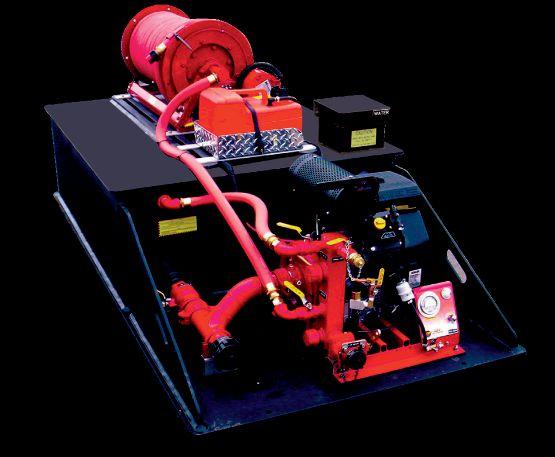
SKID UNITS
• Solid craftsmanship
• Clean, smart, efficient designs
• Rugged, dependable & affordable
• Customized & standard designs available
Attack Pac
Sets the standard for Skid Unit mobile fire attack for firefighting agencies in more than 44 countries.
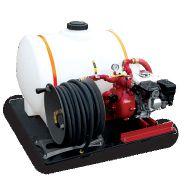
Econo Pac
Simple to operate, great for ranchers, farmers, homeowners in wild land interface areas and smaller fire agency vehicles.
Skeeter Space Pac
Small and nimble, great for firefighting/EMS use on ATV and UTV vehicles when navigating through large crowds of people at events, or in remote areas where pick-up size trucks are too big to go through.
Forestry Pac
Great for Wild and Forestry fire fighting with larger capacity NFPA tank.
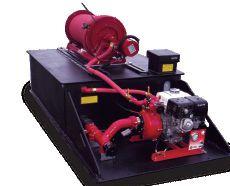
Ready Pac
Features popular 6hp-Twin pump and is similar to Attack Pac, but without Booster Reel. Great for urban interface firefighting… car fires, dumpster fires and small room & contents fires.
TRUCKTECH Decontamination and the fire truck
By CHRIS DENNIS
The need for decontamination of all equipment used in either training or emergency situations can not be taken lightly.
The Ontario Ministry of Labour has a brief outline on its website of actions employers should be taking under Firefighter Guidance Note: Hygiene and Decontamination. Each province is different so please be sure to check your Department of Labour mandate on this issue.
The items listed below are only a few that you may want to include in a hygiene program and standard operating procedure for decontamination:
• Procedures for dealing with contaminated personal protective equipment.
• Self-contained breathing apparatus and any other firefighting equipment at an emergency scene or on the training grounds.
• A means of treating all personnel on-scene that have been exposed on-scene or training grounds to contaminate products.
• Safe storage of clean and contaminated equipment to be transported from a fire scene or training grounds on the apparatus.
• A hard timeline to take a truck and equipment out of service once returned to the station to decontaminate entirely.
• Safety precautions and protective equipment to be worn when cleaning equipment or vehicles.
• Procedures for showering and changing clothes of all personnel exposed to contaminated equipment or trucks, fire crews, department photographers, chief officers and mechanical repair technicians that have been on, in or anywhere near contaminated apparatus and related equipment.
• Establish areas within the fire station that contaminated equipment should not enter.
• Review the manufacturer’s procedures and instructions for the use of extractors and washing machines for all personal protective equipment (PPE).
• Designate an area to store clean bunker gear, PPE and fire equipment.
• A means of correctly disposing of captured contaminated washing agents and waste products.
With a little bit of training, clear and decisive instruction, a written standard operating procedure decontamination protocol can be the first line of defence in health.
Decontaminate all equipment used at a fire scene. This includes associated equipment such as fire hoses, nozzles, axes, pike poles, saws, pumps, bunker gear and PPE.
There have been multiple studies done regarding what can be contaminated. To transport this equipment and PPE in the cabs of fire trucks, pickup trucks, small cars or personal vehicles may be hazardous.
Soiled or contaminated equipment should not be transported
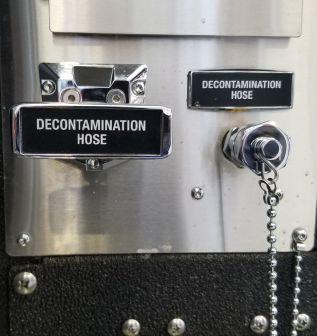
A hard-piped connection to the fire pump. The fitting on the right exits the pump panel where a garden hose can be connected and then controlled by a dedicated valve on the fire pump panel to the left.
St. Catharines Fire and Emergency Services recently took delivery of a new pumper from Safetek which has a compartment behind the cab on the apparatus module but ahead of the fire pump.
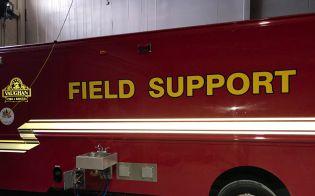
Vaughan Fire and Rescue has a field support truck that was built by department personnel.
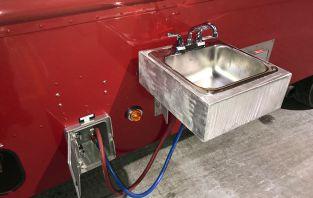
The Vaughan Fire and Rescue field support truck has a sink on the outside of the vehicle.
PHOTO: ST. CATHARINES
PHOTO: ST. CATHARINES
TRUCKTECH
inside the cabs of any fire department vehicles or inside a personal vehicle, taken into the quarters of a fire station, an apparatus repair facility or a firefighter’s home. Follow a field decontamination protocol. Our first line of defence is we must make sure we are safe first.
The decontamination side of this business was focused on the hazmat events at one point and time. When we heard the word decontamination, we immediately thought of hazardous material calls. We would make sure everything that was used was decontaminated as well as all those people, places or things that were directly involved.
Why don’t we treat the fire call the same way? Years of education in hazardous material calls have brought about dedicated full-size custom fire trucks, commercial fire trucks, decontamination trailers, and vehicles completely outfitted to decontaminate some of the worst stuff out there.
The training and specialized fire personnel know how to look after these situations. Let’s take what’s in front of us and put it in the mix for every confirmed structure fire – the specialized equipment that sits at the ready for that hazmat call. You have all the equipment required to do anything from a limited to mass decon.
Let’s look at some truck ideas that can be done with little cost.
I would like to send a thank you to Fire Chief Jeff McCormick of St. Catharines Fire and Emergency Services in Ontario for granting
me permission to explain what he is doing. A decontamination hose can be attached to the fire pump on one of their trucks and controlled by a dedicated valve. The decon nozzle has to be able to support some wear and tear as well as be able to adjust from a shower-type spray pattern to a smoothe, bore-controlled stream of some kind.
There has to be enough hose so that a firefighter with breathing apparatus still in place can wash down tools or other equipment far away from the truck.
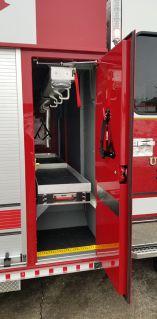
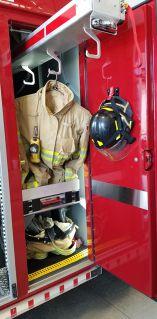
Chief McCormick recently took delivery of a new pumper from Safetek Emergency Vehicles. The department has dedicated a compartment behind the cab on the apparatus module but ahead of the fire pump. The compartment has an opening on both the driver and captain’s side.
If your department has the luxury of two sets of gear, the clean set goes into this compartment at the beginning of the shift. Should there be an event where the gear the firefighter has on becomes contaminated, the firefighter can be washed down complete with equipment.
The firefighter can then go to a dry zone created on the fire ground and doff all equipment and PPE. Being sure that all safety measures are in place to remove soiled gear, the gear can then be double-bagged and hung up in the compartment, not in the cab, and be taken back to a facility where the gear can be cleaned correctly.
A track can slide out both ways to hang up items for transport. Well thought-out and well-done. I know that we will be looking at this idea on our next fire truck build.
Vaughan Fire and Rescue, meanwhile, has a field support truck for crews on-scene. The truck was entirely created and built by past and present fire personnel. The truck itself was a capital purchase through city processes.
There was a need for non-potable water on this truck, a freshwater holding tank for hot and cold water, and a grey water holding tank as well. There is a sink inside the truck in the kitchen area. It has hot and cold running water, all self-contained within the truck. The hot water is generated by a heat sink built into the warm water tank through the truck’s cooling system. Boiling water must be heated on the stove or in a kettle.
Personnel on the fire ground requiring rehab need a place to fresh-
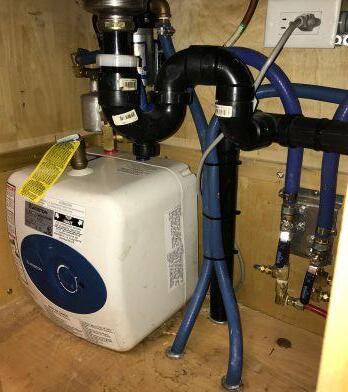
A hot water heater was installed under the inside sink to support the outside sink.
PHOTO: VAUGHAN FIRE AND RESCUE
TRUCKTECH
en up before entering the rehab truck. Personal decon on a large scale is done away from this unit. Face, hands and neck can now be done at the rehab only outside the vehicle.
An inexpensive, portable 110-volt hot water heater was purchased. It was installed under the sink then plumbed into the rehab kitchen sink as well as to an outside quick-disconnect system we created using fittings from the local hardware store.
This way, controlled instant hot and cold water can be used for pre-entry rehab, decon and cleanup.
There used to be a time that, as a mechanic, to be filthy dirty was an honour. It came with the turf. Operational firefighting was the same in Canada. But this is no longer the case.
As fire truck repair technicians, we have to worry about exhaust emissions, cleaning agents, de-greasers, working from heights, fall arrest, confined space, and heavy lifting, to mention a few. We also have to be concerned with the byproducts of combustion from the fire ground.
As is done in St Catharines, being proactive with something is better than nothing. The fire pumps on pumpers, the use of water on tankers, tenders and aerials can all be used. A simple 38-, 45- or 65-millimetre discharge port can be utilized with a metal garden hose connection. Attach a garden hose and shower-type or fog smoothebore nozzle and you are in the decontamination game. Something is better than nothing The interiors of the apparatus must be kept clean and wiped down regularly.
We have always been proud of what we roll in, especially when the rigs are shiny and clean on the outside. The inside of the cab and compartments should also be almost sterile.
The use of soap and water, mild detergents and bio-degradable cleaning products are all great. Be sure to use breathing protection and disposable rubber gloves when doing a deep clean.
The ballistic materials that seats are made of, in some cases, can be removed quickly and are machine washable. Keep a spare set while the others are being washed. Materials specified for seating are being manufactured so they can be decontaminated quickly and effectively.
If you have the fortune of determining the specs of your next fire truck, think about floor, door, headliner and seat material. If the floors and door panels can be scrubbed and then lightly hosed out and mopped, we are doing something. Plastic or cloth door skins are porous and hold in spoils. All metal is rough service and not good looking, but the health and safety of all those that are in, on or around the apparatus have a better chance of staying healthy.
Once again, as you do in the spring, you may want to perform a weekly deep cleaning whereby every piece of equipment is removed and washed down outside of the truck.
No matter what role we play in a fire department, we are all part of the big picture. We all go home to our families. The last thing we want to do is bring home the contaminate.
Look after your physical health, look after the apparatus and equipment. Pave the road ahead for all the up-and-coming fire personnel so that they can live long, happy lives as well.
Live long and healthy my friends. Rubber side down.
Chris Dennis is the chief mechanical officer for Vaughan Fire & Rescue Service in Ontario. He can be reached at Chris.Dennis@vaughan.ca.
BY SAMANTHA HOFFMANN
Public fire & life-safety officer Barrie, Ont.
AFIRSTLINE
Patience and persistence are the keys to teaching
s I sit in front on my computer to write this month’s article, I hesitate because, as a public educator, this past week has been particularly difficult for me.
My week started with the news that seven children, ranging in age from four months to 14 years old, had died in a house fire in Halifax, N.S. As a member of the fire service, any fire death is heartbreaking, but seven children is beyond description.
I had to stop the intense Internet search for a cause, the frantic hope to find a justification – an explanation that would make processing the news easier – because my next appointment, a young, adorable little boy with autism, had arrived at the station for his TAPP-C (The Arson Prevention Program for Children) graduation.
This was my fifth appointment with this seven-year-old, more than the program requires because of his acute learning disabilities. He came to me as a referral from his school principal who had been approached by his distraught mother. He was often burning things in the home, playing with candles, the lighter and the stove.
His family life is traumatic; in addition to his autism diagnosis, he has also been diagnosed with selective mutism. Fire-safety education is important for everyone; for others it is crucial.
We know that there are three very different reasons people don’t practice fire safety. They are often referred to as the three Us – Unknown, Unwilling and Unable.
Unknown: These are the people that don’t know what the dangers and risks are.
Unwilling: These are the people that know the fire-safety rules and fire code regulations, but don’t think a fire is going to happen to them and don’t follow the rules.
our best efforts, to survive one should it still occur. This takes time. We know that there are many reasons why people might be unable. The young and very old are more obvious. They are less able, physically or mentally, to take care of themselves and may rely on others for assistance. We know that with access to, and without proper supervision, young children may play with matches or lighters.
People with disabilities are often unable to respond to a fire situation in a timely manner and must rely on others for assistance. They are also often at the lower end of the socio-economic scale and so experience many of the risks of being poor.
Two other groups that may be unable are immigrants and refugees. Language barriers, cultural difference and inexperience with home construction and safety equipment are challenges that can prevent newcomers from living safely in your community.
When working with any of these groups we need to spend time learning about their background. Leave your judgements at the door and find out about the living conditions, traditions and practices.
Know that the people you are trying to help may be reluctant to ask for assistance. Once you have their trust, start small and teach
Relationship-building and trust takes time. It is time well spent. ‘‘ ’’
Unable: They are the vulnerable, the people in need of special care, support or protection because of age, disability or risk of abuse or neglect.
As a fire service, we are great at helping the unable with smokealarm installations, but that isn’t enough. We need to ensure that they are educated and have the skills to not only prevent a fire, but after
Samantha Hoffmann has been in the fire-safety field for more than 25 years. She is the public fire and life-safety officer for Barrie Fire & Emergency Service in Ontario. In 2014, Samantha was named Public Fire and Life Safety Educator of the Year by the National Fire Protection Association – the second Canadian and first Ontario educator to receive the award since its inception. Email Samantha at Samantha.hoffmann@barrie.ca and follow her on Twitter @ shoffmannpflso.
them the most important fire-safety information for their specific situation.
I knew that I was not going to be able to control the behaviour of the adults in my junior firesetter’s life, so I focused on his behaviour and educated him on the things he could control. We spent a lot of time on identifying hot things that could burn him, as well as how to escape a fire in his home.
Thanks to the partnership with the school, an amazing principal and phenomenal educational assistant, all of the siblings in the home are also getting vital fire-safety information and the tools they need to be safe at home, as are the other students in the school.
Partnerships take time. Teaching the most vulnerable people in our communities also takes time. Be patient, practical and persistent. Relationship-building and trust takes time. It is time well spent.
Fire Chiefs’ Association of British Columbia
FCABC PILLARS
Widely recognized as the voice of BC’s fire service, the Fire Chiefs’ Association of British Columbia (FCABC) is a non-profit organization that strives to improve safety and fire service delivery in British Columbia through member support and services, advocacy and education.
Advocacy Member Services
The FCABC serves a diverse membership who in turn serve diverse communities. The FCABC’s members are Fire Chiefs, other Chief Officers, and Regional Managers representing over 300 fire departments in British Columbia as well as Associate memberships that support the Association.
Organizational Capacity
At the core of the FCABC organization are three “pillars” – organizational capacity, advocacy and member services. Organizational capacity supports the Association’s ability to perform its advocacy and member services functions.
SMOKE ALARM SAFETY
Study underscores the value of alarms in limiting fire spread
By LEN GARIS AND KARIN MARK
New research has reinforced what the Canadian fire service already knows from experience – working smoke alarms provide a crucial early warning that helps to reduce the spread of fires.
The study, Smoke Alarm Response Time: Examining the Relationship Between Working Smoke Alarms, Fire Service Response Times and Fire Outcomes, was released in November by the University of the Fraser Valley in British Columbia.
Authors Joseph Clare, Charles Jennings and Len Garis examined 868 residential structure fires in B.C. from 2008 to 2018 to determine how working smoke alarms influence fire outcomes as compared to fire department response times. Time of day was also considered.
“The data show a clear pattern: the earlier that occupants know about a fire, the less likely it is to spread beyond the room of origin,” noted Clare, a criminology lecturer at the University of Western Australia and former strategic planning analyst for Surrey Fire Services in B.C. “Overall, the findings underscore the significant potential of smoke alarms to enhance residential building fire safety – particularly in areas where response times are a challenge.”
Based on the results, working smoke alarms reduce the likelihood of fires extending beyond the room of origin by more than 70 per cent – regardless of response time. As well, when no smoke alarm is present, the risk of fires spreading beyond the room of origin increases by 17 per cent for each additional minute it takes the fire department to respond.
Fires that occur during the day are also at least 60 per cent less likely to extend beyond the room of origin, and less likely to sustain large amounts of building loss.
The analysis focused on residential structure fires that occurred between March 2008 and April 2018 in the City of Surrey in Metro Vancouver, both with and without a working smoke alarm. Only fires related to residential structure fires and those with either working smoke alarms or no smoke alarms were selected.
Of 868 fires, 479 involved working smoke alarms and 389 had no smoke alarms on site. Response times were grouped into one-minute intervals.
The following picture emerged:
• For fires where smoke alarms were activated, the first unit almost always arrived on-scene in less than seven minutes (8587 per cent of the time) and the last unit almost always arrived in less than 13 minutes (82-85 per cent of the time).
• Regardless of response time, the presence of a working smoke alarm significantly reduced the likelihood of fires spreading beyond the room of origin (71-72 per cent across the board).
• There was a significant relationship between the time of the
Research showed that each one minute of response time increased the odds of a fire extending beyond the room of origin by 17 to 18 per cent.
fire and building damage. If a fire occurred during the day, the likelihood it would spread beyond the room of origin was reduced by 61-64 per cent. Daytime fires also had 41-47 per cent less building loss.
• There was a significant relationship between total response time and fire spread, with each one minute of response time increasing the odds of the fire extending beyond the room of origin by 17-18 per cent.
Additional analysis was undertaken to examine why fires involving smoke alarms were contained to the room of original more often, regardless of response time.
Based on prior research, the authors noted that it was reasonable to assume that this was the result of building occupants – having been alerted to the fire early – intervening to attack the fires before the fire department arrived. Additional analysis backed this up.
“From the perspective of the authors, the primary take-away is the importance of having a working smoke alarm at all residential properties,” noted Jennings, one of the authors and director of the Christian Regendhard Center for Emergency Response Studies at the John Jay College of Criminal Justice at the City University of New York.
The study can be downloaded at https://cjr.ufv.ca.
Len Garis is the fire chief for the City of Surrey, B.C., and an adjunct professor in the School of Criminology and Criminal Justice & associate to the Centre for Social Research at the University of the Fraser Valley (UFV). Contact him at Len.Garis@ufv.ca. Karin Mark writes for publications and provides communications and design services in Metro Vancouver, B.C.
PHOTO: UNIVERSITY OF THE FRASER V ALLEY
INTRODUCING THE eDRAULIC ® WATERTIGHT E X TRICATION TOOLS
These EWXT rescue tools are the first of their kind. They allow you to operate submerged in fresh water, unencumbered by hoses or power units. And despite this unique skill, they’re still the fastest, most powerful tools in the business.
UAVs in the fire service
Drones being used with success in Winnipeg
By SCOTT WILKINSON
In 2018, the Winnipeg Fire Paramedic Service launched an innovative Unmanned Aerial Vehicle (UAV) program. To our knowledge, this is the first full-time, in-service UAV program in the Canadian fire service available to respond immediately 24 hours a day, 365 days a year.
The reception has been overwhelmingly positive and the program has already demonstrated its value on many occasions.
It all started in 2016 with funding from the City of Winnipeg Innovation Capital Fund which supports innovation and provided the initial funding money for program development. This support from the city and, more importantly, the support from Fire Paramedic Chief John Lane, allowed us to begin establishing this vital technology in our service.
We began by identifying our equipment needs and overall direction with a committed
group from within the department. Next came the acquisition process for equipment and training support via our finance division, which led to our work with Indro Robotics out of British Columbia.
Early and ongoing collaboration with such an industry partner was another important part of our successful development.
Our group then worked with Indro to confirm our equipment and training plans and work on the development of our supporting documentation and application for our Transport Canada special flight operations certificate.
The appropriate training was the next essential step forward. Although individual public citizens could fly with fairly basic instruction, we wanted to ensure a much more advanced level of expertise with our staff.
Two instructors were developed with Indro using Transport Canada-approved training.
TOP The DJI Matrice 200 on a test flight.
RIGHT Firefighters with the Winnipeg Fire Paramedic Service try out the DJI Matrice 200 drone.
They then delivered the training to our operational pilots.
Two full weeks of training was conducted, including one week of ground school and trainer drone practical followed by a period of mentored practice, and a second week of advanced training with our operational drone, including complicated scenarios, night flight and more.
We now have 18 trained pilots across our four shifts as well as a cadre of trained visual observers to assist the pilots. This ensures our minimum manning staffing of one pilot and one visual observer on our rescue apparatus that responds with the UAV.
Recent regulatory changes by Transport Canada have created a more stringent pilot certification process, but due to the training we already have in place, this does not create any significant issues for our service.
The selection of the most suitable aircraft was much more than a trip to the local big box electronics store on sale day. This is another area that demands thorough research before any purchasing is done.
Budget, local weather and expected function are all important components of this process and not all drones are created equal. Our service settled on a DJI Matrice 200.
The final pieces in the puzzle were the completion of a flight operations certificate, followed by our flight permissions process with NAV Canada for our flights in controlled airspace.
This was completed in July 2018 and provided the regulatory green light for our program.
While everything else was going on, we completed development of our departmental standard operating procedure for the program and had to establish the necessary determinants for dispatch in our computer-aided design system with the help of our communications branch.
This was finalized in August and our program went live at that time.
The team can be dispatched to confirmed wildland, hazmat, water rescue, technical rescue and second-alarm working fires and can be requested by the incident commander to attend any other incident as required. To date, UAVs have been used at more than 30 of these incidents.
Two missions of note were a major asphalt-plant fire adjoining our city and a large industrial seed-plant fire. They occurred just two weeks apart in late October/early November. The UAV was a game-changer at both incidents. It provided visual reconnaissance that otherwise would have been unattainable.
Due to the nature of the incident at the asphalt-plant fire, incident command and staging were more than 800 metres away with no direct view of the site. The drone was able to provide commanders with real time 4K video of the incident to guide risk assessments, planning, tactical deployment and stream placement.
Even the most hesitant of our members have now been able to see the benefits of the UAV and many of our incident commanders are wondering how they managed without it at these more complex incidents.
If your service was ever thinking of initiating its own UAV program, don’t hesitate any longer. The investment is manageable and the dividends well worth it.
Just be sure to take the time to do it properly with the right research, planning and support.
Scott Wilkinson is senior academy officer in the training academy at the Winnipeg Fire Paramedic Service.
Duo-Safety Ladder Corp.
Come see us at the FDIC Conference in Indianapolis, IN from April 8 - 13, you’ll find us at booth #2447 on the indoor stage and at booth #15000 on the outdoor/display area. We’ll also be attending the OAFC conference in Toronto, ON from May 3 - 4th where you can find us at our feature area 1 booth. Hope to see you all there!
PREVENTION THROUGH PICTOGRAPHS
Imagery can make messaging materials more appealing and understandable
By SEAN CAIRNS
Diversity and inclusion have become a hallmark of the modern fire service. We aim for diversity in our recruiting, we continuously consult with a broad range of community groups, and every single day we interact with people from all walks of life.
But what about our print and web materials? Are they accessible to people with disabilities? People who speak little English? People who are illiterate?
The provinces of Ontario, Manitoba and Nova Scotia have adopted legislation mandating that organizations deliver services in a manner that are accessible to all, regardless of disability. The federal government and many other provinces have signaled their intentions to follow suit.
These laws mean that organizations must provide customer service, including print and web communications, in a manner that is inclusive and accessible.
Accessibility is about removing the barriers that prevent a person who is disabled from fully participating in all aspects of society because of his or her disability. Accessibility can also be about removing barriers faced by people with different cultural backgrounds and people with poor language skills.
The fire service is great at producing a wide range of fire-prevention products such as brochures, posters and web content for the general public, but often these products are in a format that some segments of our community will have difficulty with.
One initiative we have undertaken to ensure the accessibility of our fire-prevention messaging at Toronto Community Housing is to incorporate pictographs.
Pictographs convey messages by using imagery instead of words. By using picto-
Sean Cairns says pictographs convey messages by using imagery instead of words.
Pictographs make fire-prevention messages understandable by people with poor reading or language skills.
graphs our fire-prevention materials can easily be understood by people with poor reading or language skills. The use of corresponding text allows people with visual impairment the ability to receive the same message by using a screen-reading device.
In addition to meeting our accessibility needs, pictographs and other imagery make fire-prevention materials visually appealing which drives people to look at them.
The U.S. Fire Administration (www.usfa.fema.org) has a large collection of fire-prevention pictographs freely available on its website. They have been tested for comprehension and effectiveness for people with low literacy and non-English language speakers. You can also easily create your own pictographs by adding checkmarks or crosses to images to show what to do or what not to do.
Following internationally-recognized standards such as Web Content Accessibility Guidelines (WCAG), checking documents to make sure that content is accessible for persons who are colour-blind or use a screen-reader due to visual impairment, and reviewing content to ensure that it is clear and easy to understand are some simple ways that you can ensure that your department is meeting the accessibility needs of your community.
Some quick tips to consider when creating accessible materials for the general public include:
• use simple language, avoid acronyms and keep it short
• use a logical order and include titles, headings and lists to add structure
• use a simple font such as “arial” with a minimum font size of 12 pts
• make sure text has a high contrast with the background
• do not use colour as the only means of conveying information
• provide alternative text for images and captions or transcripts for audio recordings
• make copies of documents available electronically
• follow established accessibility standards and guidelines
Creating materials that are accessible not only encourages inclusiveness, it also allows you to maximize the effectiveness of your public education campaign by allowing you to reach a wider audience.
Creating accessible documents does not need to be a time-consuming task. Many free resources are available online and help can be found through local advocacy groups. Be proactive, commit to making all new documents and web content accessible for all.
Sean Cairns is the program specialist for fire life safety and emergency management at Toronto Community Housing and a graduate of the Fire & Safety Studies Diploma program at the Justice Institute of British Columbia. He can be reached at sean.cairns@ torontohousing.ca.
2019 NATIONAL SUPPLIERS DIRECTORY
1200 Degrees - DARCH FIRE
9-402 Harmony Rd.
Ayr, ON, N0B 1E0
Tel: 519-622-6110
Fax: 519-622-7705
Toll-Free: 1-800-254-2049
Web: www.1200-degrees.com
Email: salesdarchfire@1200-degrees.com
John Darch for trucks, Ralph Briggs for equipment
Darch Fire has been servicing the Ontario Emergency Service Industry since 1993!
Acquired by 1200-Degrees, Darch Fire represents E-One Fire Trucks in Southern Ontario and the Near North. We are dedicated to providing the best firefighting equipment including Holmatro Rescue Tools. We also partner with Cosmas Boots, Akron Brass, Flir Cameras, Geargrid Corporation, Key Hose, Blowhard Fans, and Southcombe Brother Gloves.
Our EVT certified service technicians work alongside with the parts department to ensure each service request is completed on time and above our customer’s expectation. Darch Fire employees work as a team and take pride in assisting our customers in any way possible.
Serving ON
A.J. STONE COMPANY LTD.
62 Bradwick Dr., Vaughan, ON, L4K 1K8
Tel: 416-785-3752
Fax: 416-781-2827
Toll-Free: 1-800-205-3473
Email: mstone@ajstone.com
Web: www.ajstone.com
Joyce, Lindsay
A.J. Stone has proudly served the needs of the First Responder Services of Ontario since 1972 by featuring quality products, knowledgeable sales team, and training support.
A.J. Stone supplies equipment from MSA, Genesis Rescue Systems, BullEx/Lion Protects, Task Force Tips, Paratech Rescue, Fireade, Enforcer, Streamlight, Innotex Bunker Gear, ProTech Gloves, Safe-T-System, CET and much more!
We service what we sell!
Serving All of Canada
AIR TECHNOLOGY SOLUTIONS
CANADA INC.
251 Queen St. S.
Ste. 512, Mississauga, ON, L5M 1L7
Tel: 905-826-6682
Fax: 866-511-6904
Toll-Free: 1-866-735-1480
Web: www.airmation.ca
Email: r.weber@airmation.ca
Randall Weber
Air Technology Solutions is dedicated to our Clients, offering updated, timely, full service Indoor Air Quality (IAQ) solutions. Air quality concerns are mitigated using a unique combination of professional indoor air quality assessment coupled with solutions. Off the shelf or customized site specific air cleaning equipment is available to resolve IAQ issues. Our technical experts review client requirements and budgetary availability. The finest appropriate air cleaning systems are provided. Air Technology Solutions is a leader in Diesel Exhaust Remediation and is the ONLY environmental tested and proven filtration system to exceed standards: NFPA, NIOSH, OSHA and ASHRAE. Building and facility managers, business owners, contractors, architects, and engineers have been working with Air Technology Solutions since 1986 to resolve IAQ needs. Employee and personnel safety and health are key issues. Breathing safe air in the workplace is of utmost importance. We provide global customized solutions to control contaminants, pollutants and odours in your facility. We look forward to servicing your requirements. Serving All of Canada
ARÉO-FEU
5205, J.-Armand Bombardier
Longueuil, QC, J3Z 1G4
Tel: 450-651-2240
Fax: 450-651-1970
Toll-Free: 1-800-469-1963
Web: http://www.areo-fire.com
Email: info@areo-feu.com
Aréo-Feu – Where Equipment Matches Courage
For more than 55 years, three generations of knowledge have succeeded to make Aréo-Feu the number one reference for the supply and service of equipment in the fire industry, in public safety or in civil protection.
Our favourable purchasing power allows us to maintain an important inventory of products that have stateof-the-art technology. Committed to building very good business relationships with our partners, we encourage the constant update and development of our team’s expertise. Our daily goal is the complete satisfaction of our customers! Multiple suppliers with whom we have a durable relationship for the benefit of our customers.
Official distributor of: MSA, Innotex, Rosenbauer, Cosmas, Protek, Elkhart Brass, Genesis Rescue Systems, Streamlight, Res-Q-Jack, Petzl, Husky, Solberg, TechTrade, Cutters Edge, CET Fire pump, All American hose, OHD, Harrington Inc., LavXel, Kochek CO. Inc, Lakeland, Tohatsu, Waterous, ect. Serving All of Canada
BECOMING A FIREFIGHTER
111 Gordon Baker Road, Suite 400 Toronto, ON, M2H 3R1
Tel: 416-442-5600
Fax: 1-866-810-8111
Toll-Free: 1-800-265-2827
Web: www.becomingafirefighter.com
Email: aaritcheta@ annexbusinessmedia.com
Allyson Aritcheta Serving All of Canada
BIERNAT FIRE INC.
1080 34e Ave.
Montreal, QC, H8P 3A2
Tel: 514-595-1142
Fax: 514-595-0511
Toll-Free: 1-866-595-1142
Representatives Canada –Représentants Canada
• Mark Biernat - 631-495-2162mbiernat@ican.net
• Marc Maisonneuve - 514-995-9510mmaisonneuve56@hotmail.com
• Brian Dunn - 905-272-8246rbdunn@bell.net
Elkhart Brass - www.elkhartbrass.com
FoamPro - www.fireresearch.com/ foampro
ROM Corp - www.romcorp.com
HO Bostrom - www.hobostrom.com
Will-Burt Company - www.willburt.com
PhosChek - www.phoschek.com
Trident - www.tridentdirect.com
PyroUHP - www.pyrolance.com
Darley Pumps - www.darley.com Serving All of Canada
CANADA = BC (British Columbia), AB (Alberta), SK (Saskatchewan), MB (Manitoba), ON (Ontario), QC (Quebec), PE (Prince Edward Island), NL (Newfoundland & Labrador), NB (New Brunswick), NS (Nova Scotia), NT (Northwest Territories), NU (Nunavut), YT (Yukon)
2019 NATIONAL SUPPLIERS DIRECTORY
BurnPermits.com
2611 Development Dr. Brockville, ON, K6V 5T2
Tel: 1-855-358-3684
Web: www.BurnPermits.com
Email: Sales@FluentIMS.com BurnPermits.com
Trusted by thousands of emergency service departments, we are a Canadian company and a progressive leader in burn permit management. BurnPermits. com is a complete online & telephone solution providing your residents with a secure online website to review, agree and sign that they understand your terms of burning. Accept payments online with ease which go directly into your account. Free permits also accepted. Your residents will be provided with a local number for an automated open air burn activation sequence depending on your current risk level. Administration will have the ability to mass notify permit holders in the event of a burn ban to increase public safety. Checkout our website to learn more about our complete solution.
Serving All of Canada
CANADIAN SAFETY EQUIPMENT
INC.
2465 Cawthra Rd., Unit 114 Mississauga, ON, L5A 3P2
Tel: 905-949-2741
Fax: 905-272-1866
Toll-Free: 1-800-265-0182
Web: www.cdnsafety.com
Email: ross@cdnsafety.com
Ross Humphry, Scott Gamble, John Donovan, Nick Desmier, Andrew Yach
We supply Industrial and Fire, SCBA’s, Thermal Cameras, Auto Extrication, CAF Systems, Fall Protection, Bunker Gear, Fire Hose, Communications Equipment, Nozzles, Fittings, Hazmat Suits, Ventilation Fans, Gas Detectors, Confined Space Rescue Equipment, High Angle Rescue Equipment, Boots and Gloves. Everything for Fire Fighting, EMS, Law Enforcement, Industrial and Municipal Safety and Lone Worker Protection systems.
We are a Canadian based company and we manufacture a full line of fire apparatus which includes aerial ladders, pumpers, tankers, rescue units and vacuum tankers. We provide parts and other related products.
Serving NB|NL|NS|ON|PE|QC|SK
COMMERCIAL EMERGENCY EQUIPMENT CO.
591 Chester Road Delta, BC, V3M 6G7
Tel: 604-526-6126
Fax: 24/7 service: 1-877-443-2626
Toll-Free: 1-800-665-6126
Web: www.comemerg.ca
COMMERCIAL EMERGENCY EQUIPMENT CO.
DRAEGER SAFETY CANADA LTD. 2425 Skymark Ave., Unit 1 Mississauga, ON, L4W 4Y6
Tel: 905-212-6600
Fax: 905-212-6602
Toll-Free: 1-877-372-4371
Web: www.draeger.ca
Email: Sandi.DavisJohn@draeger.com
Sandi Davis John
CET FIRE PUMPS MFG.
75, rue Hector, C.P. 90 Pierreville, QC J0G 1J0
Tel: 450-568-2719
Fax: 450-568-2613
Web: http://www.fire-pump.com
Email: sales@fire-pump.com
Stephan Thibault DEMAND QUALITY!
Portable Pumps, Skid Units, CAFS, Foam Trailer, Glider Kit, Water Tank, Brush Truck and Fire Apparatus. A Century of Engineering for the Bravest!
Serving All of Canada
We are Canada’s largest dealer for Pierce Manufacturing Inc. and a dealer for Maxi Metal, providing sales, parts, service of all makes of fire trucks, and support to our customers through five sales/service locations across Canada. Commercial Emergency Equipment Co. strives to exceed customer expectation in everything we deliver. With over 70 years in the truck equipment industry, we take pride in a proven track-record of providing expert truck equipment solutions, top quality products and firstclass service to our customers. Our service technicians undergo continuous training and testing to ensure that the latest technology and innovation is applied to the service of your equipment. When you need prompt, honest, and reliable service, you can count on us to support you. Our EVT’s are on call to provide 24-hour emergency service.
Serving BC|AB|SK|MB|ON NT|NU|YT
CSE INCENDIE ET SÉCURITÉ INC.
5651 Chemin St-Francois
St. Laurent, QC, H4S 1W6
Tel: 514-737-2280
Fax 514-737-2751
Toll Fres: 1-266-737-2293
Web: www.cseis.com
Richard Abraham, Pat Lambert, Sylvain Paulus, Genevieve Pointer
We supply Industrial and Fire, SCBA’S, Thermal Cameras, Auto Extrication, CAF Systems, Fall Protectio, Bunker Gear, Fire Hose, Communications Equipment, Nozzles, Fittings, Hazmat Suits, Ventilation Fans, Gas Detectors, Confined Space Rescue Equipment, High Angle Rescue Equipment, Boots and Gloves and Pacific Helmets. Everything for Fire Fighting, EMS, Law Enforcement, Industrial and Municipal Safety and Lone Worker Protection Systems.
Serving All of Canada
Call 1-877-Draeger1 to arrange for service of your SCBA and gas detection at your local Draeger Service Center. Contact us for fixed flame & gas detection, personal gas monitoring, drugs & alcohol testing, SCBA, thermal imaging cameras, live fire training systems and the rest of our portfolio. visit www.draeger.com for more info
Serving All of Canada
FIRE FIGHTING IN CANADA/ CANADIAN FIREFIGHTER
PO Box 530, 105 Donly Dr. S. Simcoe, ON, N3Y 4N5
Tel: 1-800-265-2827
Fax: 888-404-1129
Toll-Free: 1-888-599-2228 ext. 252
Web: www.firefightingincanada.com
Email: mmcanulty@annexweb.com
Martin McAnulty
Canada’s National Fire Publication since 1957
Serving All of Canada
FIREHALL BOOKSTORE
PO Box 530, 105 Donly Drive South Simcoe, ON, N3Y 4N5
Tel: 1-877-267-3473
Fax: 1-877-624-1940
Web: www.firehallbookstore.com
Email: batkinson@firehallbookstore.com
Becky Atkinson
The Firehall Bookstore provides training & public education materials to the Canadian Fire Service industry and its professionals. A one-stop-shop for books, DVDs, codes and standards, and fire prevention and education materials for community outreach. Product lines include NFPA, IFSTA, PennWell, Action Training Systems, Jones & Bartlett, Brady, and Emergency Film Group.
Serving All of Canada
2019 NATIONAL SUPPLIERS DIRECTORY
FIREHALL.COM
PO Box 530, 105 Donly Dr. S. Simcoe, ON, N3Y 4N5
Tel: 888-599-2228 Ext. 253
Fax: 888-404-1129
Web: www.firehall.com
FIREHALL.COM
Firehall.com provides an excellent forum for exchange among firefighters and others involved in the fire service. Advertising options include banner ads and e-blasts and offer extensive exposure to the rank and file.
Serving All of Canada
FIRESERVICE MANAGEMENT LTD.
34 Torlake Cres.
Toronto, ON, M8Z 1B3
Tel: 416-251-3552
Fax: 416-253-0437
Toll-Free: 1-888-731-7377
Web: www.fireservicemanagement.com
Email: markc@safedesign.com
Mark Christie
We Clean, Test, Customize, Rent and Repair Your Gear. Canada’s premier facility dedicated exclusively to providing the best in bunkergear cleaning, decontamination, inspection and repair. NFPA 1851 compliant, ISO 9001:2015 registered, UL verified for all fabric repairs and all moisture barrier repairs. We stock all materials and trim for every brand. We’re a certified ISP so we can rebuild components that are damaged. We also offer FireTracks software to help you track your inventory. Call us today to see how we can help your department.
Serving ON
FISHER’S REGALIA & UNIFORM ACCOUTREMENTS CO. LTD.
1 King St., Unit 8
Barrie, ON, L4N 6B5
Tel: 705-720-2294
Fax: 705-720-2274
Toll-Free: 1-877-898-5362
Web: www.fishersregalia.com
Email: enquiries@fishersregalia.com
Custom fit dress uniforms and everything that goes with them. Shop On-Line at www.fishersregalia.com
Proudly serving those who serve for 44 years.
Serving all of Canada
FLASH FIRE & SAFETY
176, 2833 Broadmoor Bvld.
Sherwood Park, AB, T8H 2H3
Tel: 780-467-7234
Toll-Free: 1-844-FLASH-44 (844-3527444)
Web: www.FlashFireSafety.com
Email: lyn@campconnect.ca
Lyn Hirthe
Home of the Flash Attack Rapid Response Trailer & Skid Unit
• The largest selection of WATAERAX pumps In Stock
• Portable Wildland Fire Suppression equipment
• Hoses, Tools & Accessories
• FlameOut Fire Suppressant Foam
• Sprinkler Systems
Serving All of Canada
GTAA
PO Box 6031, 3111 Convair Drive
Toronto AMF, ON, L5P 1B2
Tel: 416-776-5997
Fax: 416-776-5851
Web: www.gtaa.com/festi
Email: dwayne.macintosh@gtaa.com
Antonia Brozic
Serving All of Canada
IamResponding.com
PO Box 93, Dewitt NY, 13214
Tel: 315-701-1372
Toll-Free: 1-877-509-0381
Web: www.IamResponding.com
Email: dseidberg@emergencysmc.com
Daniel Seidberg
Serving All of Canada
NFPA
c/o Firehall Bookstore, PO Box 530 105 Donly Dr. S. Simcoe, ON, N3Y 4N5
Tel: 1-877-267-3473
Fax: 1-877-624-1940
Web: www.firehallbookstore.com
Email: batkinson@firehallbookstore.com
Becky Atkinson
Canadian distributor for NFPA products. Serving All of Canada
ONTARIO LAUNDRY SYSTEMS INC.
5-7475 Kimbel St., Mississauga, ON, L5S 1E7
Tel: 905-673-1308
Fax: 905-677-7163
Toll-Free: 1-888-669-4837
Web: www.ontariolaundry.com
Email: wgibson@ontariolaundry.com
Warren Gibson
Exclusive distributor of Electrolux and Wascomat Professional washers and dryers which meet all NFPA recommendations of laundering Firemen’s Turnout Gear. We offer a large selection of equipment and parts. Our extensive parts and service department offers complete installation and training on operation and maintenance of all equipment. Serving ON
READY RACK BY GROVES INCORPORATED
818 Trakk Lane
Woodstock, IL, 60098
Tel: 815-337-9780
Fax: 815-338-8640
Web: www.readyrack.com
Email: john@groves.com
John Groves
Manufacturers of Turnout Gear Storage Systems, Hose Storage Racks and SCBA Storage and Transportation Systems, Sling Link Mast Rescue products. See your local Canadian Distributor.
Serving All of Canada
RESQTECH SYSTEMS INC.
189 Bysham Park Dr. Woodstock, ON, N4T 1P1
Tel: 519-539-0645
Fax: 519-539-0646
Toll-Free: 1-800-363-7370
Web: www.resqtech.com
Email: resqtech@resqtech.com
Kyle Innis
ResQtech Systems, Inc. has served the fire industry since 1985 and is dedicated to providing firefighters with innovative products and solutions. ResQtech Systems is the exclusive fire apparatus dealer for Rosenbauer and Hackney emergency vehicles in Ontario and offer a full line of emergency equipment which includes the Rosenbauer Heros-Titan Helmet, Junkyard Dogg Struts, Interspiro Breathing Apparatus, Phos-Chek Firefighting Foam, Vindicator Nozzles and much more. In addition to the extensive product line, ResQtech has service technicians for your apparatus and emergency equipment needs, available at our in house facilities or on the road.
Serving All of Canada
ROCKY MOUNTAIN PHOENIX
Head Office: 6415 Golden West Ave. Red Deer, AB, T4P 3X2
Tel: 403-347-7045
Fax: 403-347-7049
Toll-Free: 1-800-494-4210
Web: www.rockymountainphoenix.com
Email: louise@rockymountainphoenix. com
Louise Jacques BRANCHES: 103-2285 Queen St., Abbotsford, BC V2T 6T3
Rocky Mountain Phoenix is a leader in the supply of vehicle solutions, products and services to the emergency response and fire combat industry. Your complete source for MSA SCBA, Thermal Imaging, Protective Clothing, Suppression Tools and Equipment. Visit our online catalogue at www. rockymountainphoenix.com
Serving AB|BC|MB|NB|NL NT|NS|NU|PE|QC|SL|YT
2019 NATIONAL SUPPLIERS DIRECTORY
RollNRack,LLC
PO Box 328
Mukwonago, WI, 53149
Tel: 2625657833
Fax: 2623632034
Web: www.rollnrack.com
Email: javier@rollnrack.com
Javier Fernandez
The RollNRack System is customizable for your firefighters. Streamline hose management with a priority on safety and efficiency. Use the RollNRack or GO-Pack (collapsible unit) to load hose. The Power Roller can drain and roll a 100’ length of LDH in 30 seconds. LDH rolls are rocked into or out of unit. Hose rolls are loaded with two firefighters onto stationary rigs. No one rides on moving rigs when loading. Our Efficiency Package saves you money. The FASTBACK will roll up either hand lines or forestry hose. The RollNRack System improves your firefighter’s lives immediately. MADE IN THE USA.
Serving All of Canada
SAFEDESIGN APPAREL LTD.
34 Torlake Crescent
Toronto, ON, M8Z 1B3
Tel: 416-253-9122
Fax: 416-253-0437
Toll-Free: 1-877-253-9122
Web: www.safedesign.com
Email: brian@fireservicemanagement. com
Mark Christie
Specialists in Firefighters’ Protective Clothing. From Bunkergear to Stationwear we’ve got you covered from head to toe. Our team is knowledgable and trained to ensure a proper and professional fit. Our brands: Globe Firefighters suits and Globe Boots, Cairns Bunkergear & Helmets, Shelby ‚ÄòFirewall’ Gloves, PGI Hoods including the BarriAire Particulate Blocking Hood, PGI Wildland clothing, Black Diamond Footwear, Workrite & Horace Small Stationwear.
If you would like to hear from a rep in your area please call us today. Serving All of Canada
SAFETEK EMERGENCY VEHICLES
LTD.
1775 Meyerside Drive, Unit 11-12
Mississauga, ON, L5T 1E2
Tel: (905) 564-7900
Fax: (905) 564-7904
Toll-Free: 1-877-572-0040
Web: www.firetrucks.ca
Email: isabelle@firetrucks.ca
Isabelle Donohoe
Safetek Emergency Vehicles is Canada’s single-source provider for Spartan ®, Smeal ® & SVI fire-rescue vehicles, parts and service.
We offer the industry’s largest portfolio of fire-rescue vehicles and we stock over $2 million in parts from 300 OEM approved vendors from our service locations in Ontario, Alberta and British Columbia. Our certified mobile EVT’s are also available for service where and when it’s most convenient for you.
To learn more about the Safetek Advantage, contact us at sales@ firetrucks.ca or www.firetrucks.ca.
Serving All of Canada
SEATS CANADA INC.
1800 Bonhill Road
Mississauga, ON, L5T 1C8
Tel: 905-364-5843
Fax: 905-364-7822
Web: www.seatscanada.com
Email: hasan@seatscanada.com
Hasan Mohammed
We offer a complete line of quality Emergency Vehicle seating for driver, officer, crew, wall mount and jump seats. Engineered for comfort and safety, these seats have easy exit flipup split headrest and are manufactured in a wide variety of covering material.
Serving All of Canada
SHIBAURA PORTABLE FIRE PUMPS
111 Spartan Cr.
Pointe Clair, QC, H9R 3R4
Tel: 514-630-8931
Fax: 514-630-8931
Web: www.portable-fire-pumps.com
Email: kojex@sympatico.ca
Ken Matsumoto
We offer a complete line of reliable high volume high performance reliable Rabbit portable pumps with over 8 models including water-cooled and aircooled systems.
To insure the best quality, our pumps undergo extensive testing before leaving the production facilities. Also, the inspection and maintenance process are quick and easy due to a one-touch removable outer cover. Serving All of Canada
SPARKLE SOLUTIONS
100 Courtland Ave.
Concord, ON, L4K 3T6
Tel: 866-660-2282 Ext. 251
Fax: 905-660-2268
Toll-Free: 1-866-660-2282 Ext. 251
Web: www.sparklesolutions.ca
Email: brucem@sparklesolutions.ca
Bruce Miller
We are the industry leader in supplying Complete Laundering Solutions for personal protection equipment. Complete firefighter protection: Gera washers and and DRYERS plus Gear cleaning detergents .
When our Ram ExpressDry Gear Dryers are used as a team with our Continental ExpressWash Gear Washers, and our ALL IN ONE gear detergent your firefighters can feel secure knowing they are able to properly clean and dry their equipment. Serving All of Canada
Starfield LION
23 Benton Road
Toronto, ON, M6M 3G2
Tel: 416-789-4354
Fax: 416-789-5475
Toll-Free: 1-800-473-5553
Web: www.starfieldlion.com
Email: RKalenuik@lionprotects.com
Rosanne Kalenuik
Starfield Lion has a legacy and ongoing vision of introducing PPE that is designed to ensure the health, safety and performance of the first responders who serve our communities. Your safety is our top priority. Your needs drive our innovations, we listen and develop the solution.
Serving All of Canada
VFIS
145 Wellington Street W., 8th Floor Toronto, ON, M5J 1H8
Tel: 800-461-8347
Fax: 416-596-4067
Web: www.vfis.com
Email: kcosgrove@vfiscanada.com
Kip Cosgrove
VFIS is Canada’s largest insurer of Accident & Sickness coverage. We have been protecting Canada’s Heroes since 1991. We have the most comprehensive coverage in Canada.
Serving All of Canada
2019 NATIONAL SUPPLIERS DIRECTORY
W.S. DARLEY & CO.
325 Spring Lake Drive
Itasca, IL, 60143
Tel: 630-735-3500
Fax: 630-345-8993
Toll-Free: 1-800-323-0244
Web: www.darley.com
Email: AmandaWhitlaw@darley.com
Amanda Whitlaw
Founded in 1908, W.S. Darley & Company is a manufacturer and distributor of firefighting pumps, fire apparatus, and firefighting and defense equipment. They remain a family owned and operated company. Darley has a current customer base of more than 50,000 which includes federal, state and local governments as well as customers in over 100 countries. Darley is headquartered in Itasca, IL and has manufacturing, engineering and operations in Wisconsin, Iow and Michigan. Darley has been awarded major contracts by the Department of Defense to provide our forces with fire fighting, rescue and special operational equipment. Nowhere else will you find a company as dedicated to the Fire Industry. All this experience comes from a company that cares – W.S. Darley & Co. is customer driven.
Serving All of Canada
WATERAX INC.
6635 Henri-Bourassa W.
Montreal, QC, H4R 1E1
Tel: 514-637-1818
Toll-Free: 1-855-616-1818
Web: www.waterax.com
Email: ggerbasi@waterax.com
Gabriella Gerbasi
Trusted by wildland firefighters around the world, WATERAX sets the industry standard by developing innovative, portable fire pumps and water-handling equipment designed to withstand demanding applications and rugged environments. With a time-tested legacy of reliability, WATERAX carries on its mission to place powerful, precision engineered pumps into the hands of the men and women who need to move water to protect our forests and most cherished natural resources from the ravages of wildfires!
Serving All of Canada
WATEROUS COMPANY
125 Hardman Ave. S.
South St. Paul, MN, 55075
Tel: 651-450-5000
Fax: 651-450-5090
Web: www.waterousco.com
Email: mdseverin@waterousco.com
Jim Fazekas
Since 1886 Waterous Company has been manufacturing fire pumps and accessories in the USA. WaterousThen, Now, Always, Made in America. Serving All of Canada
Who’s Responding
2611 Development Dr. Brockville, ON, K6V 5T2
Tel: 1-855-358-3684
Web: www.whosresponding.com
Email: Sales@FluentIMS.com
Trusted by thousands of emergency service departments, we are a Canadian company and a progressive leader in supplemental dispatch notifications sent directly to your mobile devices. With no dispatch interaction – we are able to automatically capture both analog and digital pager alerts and transmit to member’s devices in real time. We fully support any CAD system with email functionality which provides the user with real-time mapping and directions.
Our solution is not limited to just dispatch alerting – we also have permission based features including real time radio streams, detailed mapping, preplans, directions, push to talk, and so much more.
Always enjoy a 45 day none restricted trial.
Serving All of Canada
Need Better Coverage, Lower Costs and Faster Dispatch?
You run an analog alerting network with old pagers that barely receive anymore. You’re tired of your pager repair and replacement budget being spent too fast. You’re frustrated with the long delay of your voice dispatch. If any of these statements apply to you, Swissphone’s DiCal solution for smooth migration to digital alerting will match all your needs. Contact us for details of our 50th anniversary Pager-Trade-In Program www.swissphone.ca
BY TINA SARYEDDINE Executive director, Canadian Association of Fire Chiefs
IGUESTCOLUMN
Funded research on PTSI Will it help?
n February 2019, the Canadian Institutes for Health Research (CIHR) awarded 22 research grants totalling $2,955,782 for researchers to study issues related to post-traumatic stress injury (PTSI) in first responders and other public safety personnel. These funds flow from the 2017 federal budget announcement of $30 million to address mental health in all public safety personnel through a variety of means.
The 22 grants represent projects either referencing public safety personnel in general or specific to any of fire, police, paramedic or correctional services. The projects cover everything from the use of yoga to screening tools, to testing peer support, critical incidence and resilience training programs, to looking at suicide rates, studying mental health of firefighters in Fort McMurray and comparing different types of care.
The projects also include some studies that are intended to develop and compare treatments. A few of the studies are intended to mine data and develop courses in managing moral injury and research methods for public safety personnel.
For the researchers, it may be the best of times, but it may also be the worst of times. Never before has such funding been earmarked specifically to help public safety personnel. Never before has the pressure to make a difference been higher given the severity of mental health issues in our sector, motivating the research funding in the first place.
Research comes in many shapes and sizes, but not all research is created equal. Sometimes it is simply curiosity-driven, but ends up having huge impact. Sometimes it is purpose-driven, but has very limited impact. How can you tell what research will succeed? That’s a tough one. Consider the number of accidental discoveries from penicillin to crash-proof glass.
research is tied to the actual delivery of care. A great example from the recently funded projects is a study in which the Canadian Association of Fire Chiefs (CAFC) was invited to work with the researchers on their proposal.
Dr. Janine Olthuis from the University of New Brunswick and her team, consisting of Dr. Patrick McGrath (IWK Health Centre, N.S.), Canadian Institute of Public Safety Research and Treatment (CIPSRT) leads Dr. Nicholas Carleton and Dr. Heidi Cramm, and others, have a vision to develop a distance intervention for PTSI that may be able to obviate barriers to care.
They approached CAFC staff, the board, and our national advisory council to discuss their idea and help put together their proposal. They are building member feedback into the development of the research proposal, the methods, and the ways the research would be conducted and disseminated. Importantly, through this study design, 25 individuals will receive care in a highly monitored fashion.
There are likely other research projects that are set up to both engage and, through the research project, expedite access to safe care for individuals consenting to partake in the research. To learn more, CAFC has invited all the researchers to make submissions to present
Never before has such funding been earmarked specifically to help public safey personnel. ‘‘ ’’
Other research is so successful it makes its way into top scholarly journals and international conferences. However, it can then take literally decades for the innovations and advancements to reach the front line. Why does this happen? CIHR thoughtfully discusses what is known as the “17-year problem” in getting research to practice, on its website. Some reasons are systemic, but there are also necessary efforts or “hacks” that help to ensure that the “lag time” between research and practice can be shortened.
In a special type of research called “clinical research,” the process of
Tina Saryeddine, PhD, MHA, CHE, is the executive director of the Canadian Association of Fire Chiefs. For more information, contact info@cafc.ca, call 1-800-775-5189, or visit www.cafc.ca.
at Fire Rescue Canada which will take place in Calgary, Alta., Sept. 13 to 16. CIHR and CIPSRT will also be developing additional methods to make sure this happens.
What will be the impact of the CIHR-CIPSRT consortium funding? It’s too early to tell. However, one thing is certain. The more frequently and authentically researchers are communicating with the field, the better the research questions, the better the methods, the better the outcomes and the better the field will be able to learn about, use and advance the results.
Early indications show a lot of promise in this federal investment. However, in the commonly held healthcare tradition of “nothing about us, without us,” the front line has to be meaningfully engaged. Talking after the funding is distributed and the research is finished is too late. Now’s the time to work together. We believe it can happen.
DOING OUR PART TO HELP YOU DO YOURS.
In an emergency, an OnStar ® Emergency-Certified Advisor is available to help all first responders* 24 hours a day. Certified by the International Academies of Emergency Dispatch, our Advisors can provide pre-arrival medical assistance until they arrive.