


Are you looking to gain more value from your assets? Our turnkey asset management solution enables you to do just that.
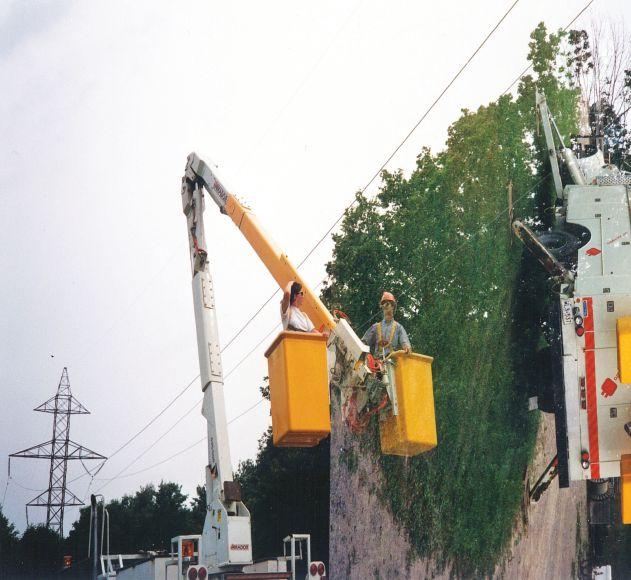
Our teams support the entire asset lifecycle from concept to implementation. From planning, engineering design, construction, GIS application services, asset inspection and field services, we provide the data you need to make the right decisions.
If you’re looking to achieve long-term asset value, we want to hear from you!
Contact us

Customer trust. It’s increasingly seen as a sine qua non for business success, and as an unparalleled driver of loyalty, engagement and willingness to commend and recommend. It’s what marketing and stakeholder outreach programs are increasingly focused on fostering.
I believe local hydro utilities in Ontario have a significant head start in this regard, given our sector’s unique history and structure. We detail some of that history – and the key trust-enhancing factors embedded in it – in this issue of the magazine: deep roots within our communities, a long-standing instrumental role in economic development, and a high degree of local control and responsiveness.
But as EDA members are well aware, we need to continuously re-earn and maintain customer trust.
Whether through day-to-day imperatives such as excellent service and reliability standards, or through occasional mobilization in the face of exceptional circumstances such as extreme weather events or the ongoing pandemic, local utilities are continuing to prove their trustworthiness to customers. And we see that reflected in satisfaction ratings in our utility scorecards that are often upwards of 90 per cent.
As I near the end of my term as the EDA Chair, I believe the high levels of customer trust our utilities continue to earn are going to become even more important. Important not only as a foundation for current business success, but for customer confidence in partnering with us and accepting our counsel as we collectively navigate through the massive and accelerating transformation of our energy systems.
We have big changes and challenges ahead of us, as we chart a path to net zero carbon emissions, and map out and implement bold new solutions such as distributed energy resources and local electricity markets. And we have the added challenge of ensuring we achieve all of this fairly and while being mindful of any impacts on our customers.
I’ve had the opportunity this year as the EDA Chair to gain new insights into our sector’s abilities, achievements and outlook. Combined with the solid vehicle we have for collective action, in the form of the EDA itself, that leaves me with great confidence in what the future holds for distribution in Ontario.
We’ve earned customer trust over the course of a long and proud history, during which we’ve been important drivers of prosperity and quality of life in Ontario. And I have no doubt that trust will be sustained as we help power the province towards a future where net zero carbon will be just one of many dramatic changes from today’s realities.

Sincerely,
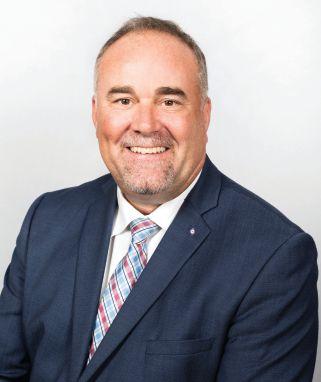
Chris White President & CEO, ERTH Corporation Chair, Electricity Distributors Association
The Electricity Distributors Association (EDA) publishes The Distributor for its members and stakeholders. All rights to editorial content are reserved by the EDA. No article can be reproduced in whole or in part without the permission of the EDA.
PUBLISHED SPRING 2022 FOR:
Electricity Distributors Association
3700 Steeles Avenue West, Suite 1100 Vaughan, ON L4L 8K8 www.eda-on.ca
EDA STAFF CEO’S OFFICE
Teresa Sarkesian, President and CEO
Natasha Galati, Executive & Administrative Assistant
POLICY, GOVERNMENT AND CORPORATE AFFAIRS
Ted Wigdor, VP, Policy, Government & Corporate Affairs
Derek Nardone, Director, Corporate & Public Affairs
Kathi Farmer, Senior Regulatory Affairs Advisor
Abdul Muktadir, Senior Policy Advisor
Brittany Ashby, Senior Regulatory Affairs Advisor
Brendan McClughan, Senior Advisor, Government & Stakeholder Relations
MARKETING, COMMUNICATIONS AND MEMBER RELATIONS
Andrew Temes, VP, Marketing, Communications & Member Relations
Marica Macura, Director, Member Relations
Lynne Cunningham, Manager, Communications & Marketing
Lesia Kostecki, Member Marketing Specialist
Sari Maritzer, Communications Specialist
FINANCE AND ADMINISTRATION
Tamara Orlova, Chief Financial Officer
Arlene Klemmer, Accounting Clerk
Matthews Joseph, Senior IT Analyst
Chrissan Pascal, Office Services Assistant

PUBLISHED AND PRINTED BY ANNEX BUSINESS MEDIA, 111 Gordon Baker Road, Suite 400, Toronto, ON M2H 3R1 (416) 442-5600
annexbusinessmedia.com Agreement #: 43526108
ADVERTISING SALES titus/one mediasales@eda-on.ca
Hydro One’s 2023-2027 five-year Investment Plan will energize life in Ontario by proactively building a resilient and reliable system to support economic growth and prepare for the impacts of climate change. Read more at HydroOne.com/5YearPlan
Waterloo North Hydro, through an employee-led fundraising campaign, donated $9,500 to the United Way Waterloo Region Communities and provided 5,300 healthy meals to the Food Bank of Waterloo Region on behalf of its customers through a pair of eBilling campaigns.
Entegrus donated $200,000 to the Indwell organization to support dozens of people in need of affordable housing in Chatam-Kents community.
Ontario’s local hydro utilities are giving back to the communities they serve and continue to support local programs and charities throughout the year –demonstrating the Power of Local Hydro.
Energy+ employees stepped up in 2021 and surpassed corporate giving targets to support agencies serving people in need in Cambridge, North Dumfries and the County of Brant. The local hydro utility distributed over $72,000 in corporate and employee donations, community sponsorships and post-secondary awards.
EPCOR invested $1 million nationally across their local operating communities through their Heart and Soul fund that supports several organizations and volunteers that are working so tirelessly to offer vital social services, improve quality of life, and foster vibrancy across their local communities.
Oshawa Power recognized local heroes with its Power of Local People campaign, and regularly support local charities and non-profits with volunteering and donations. The program highlighted local community heroes that went above and beyond to help others in need over the last two years.
Hydro Ottawa supported the local CTV Holiday Helpers Food Drive by making a $25,000 donation in support of the Ottawa Food Bank, supporting some of Ottawa’s most vulnerable people.
Hydro One reintroduced the $25,000 grant part of its Energizing Life Community Fund, which was started during the COVID-19 pandemic. It funds non-profits, Indigenous communities and smaller municipalities, and is meant to make communities safer.
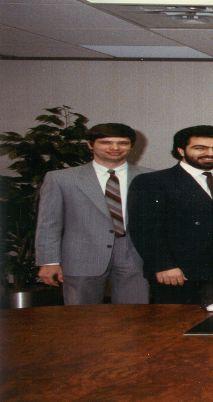
The EDA will formally thank its outgoing board of directors at its AGM on March 30, but the association would like to especially acknowledge and thank those directors who are not returning for their dedication and service to the industry during their soon-to-be-completed terms. They are:


• Gerry Smallegange (shown on left), President & CEO, Burlington Hydro Inc., Past EDA Chair
• Ysni Semsedini (shown on right), President & CEO, Newmarket Tay Power Distribution Ltd., Past EDA Chair
The EDA congratulates Alectra Inc., KPMG Canada, IESO and Siemens Canada for implementing forwardthinking workplace policies and excellent human resources.
Oakville Hydro received the CEA’s President’s Award of Excellence for employee safety, which recognizes electricity providing organizations that achieve the top ranking in total recordable injury frequency among their peers.
Oshawa Power and EnerFORGE, announced their signing of the EHRC Leadership Accord on Diversity, Equity and Inclusion. They joined the growing number of industry leading companies in making a commitment to help build a strong culture of diversity and inclusion throughout the electricity industry. Additionally, Westario Power also signed the EHRC Leadership Accord on Diversity, Equity, and Inclusion. They acknowledged the company’s role in setting a precedence for businesses operating in rural regions of Ontario to break down discrimination in hiring barriers.
Hydro One and Alectra announced upgrades to improve power reliability for residential, commercial and industrial customers, including steel manufacturers. Hydro One is upgrading aging infrastructure from the 1950s at Gage and Kenilworth Transmission Stations, including transformers and smart equipment to monitor, protect and control electrical equipment. Alectra Utilities is supporting the projects by reconfiguring infrastructure at both stations and minimizing service interruptions to their customers during project construction. Construction on these projects is well underway and is anticipated to be completed in 2023.
Essex Powerlines are offering a program which will accept applications from qualified recipients who would like to install a charging infrastructure in public places, on-street, in multi-unit residential buildings, at workplaces, or for light-duty vehicle fleets. The program is designed to aid the government in its transition to a low carbon economy by reaching the new federal mandatory targets of 100 per cent zero-emission light-duty vehicle sales by 2035.



Meter Services Peterborough, a Division of Peterborough Utilities Inc. is a provider of revenue meter related services in Ontario. We are IESO registered as MSP #1002 and provide meter installation services; Meter Data Management (MDMA) functions, Web posting of data and bill reconciliation (MDS Web); Settlement Services (WSS Web) and Conservation and Demand Management to Wholesale Market Participants, Local Distribution Companies, Energy Services Companies and Generators. Please contact us at 705-748-9301 ext. 1279 for more information on our suite of service offerings.
It’s a milestone year for the Electricity Distributors Association. It was 110 years ago, in 1912, that 14 communities came together to form our precursor, the Ontario Municipal Electric Association (OMEA).
The OMEA set out to foster an inter-connected but locally controlled grid in Ontario. In doing so, it helped lay the foundation for the province’s early industrial development and remarkable quality of life, as well as for its current ongoing transformation into a lower-carbon and ever-more electrified society.
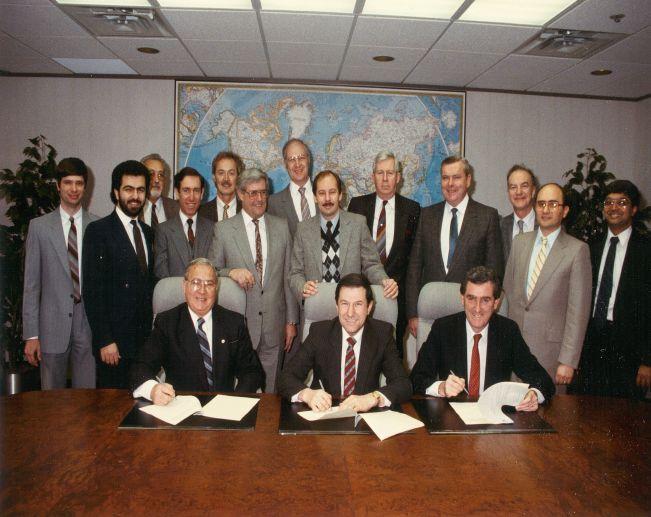
OMEA would merge in the 1980s with the Association of Municipal Electric Utilities (a technical group) to form the Municipal Electric Association, which was later restructured into the EDA.
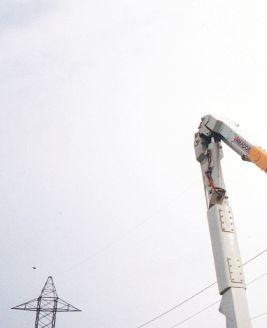
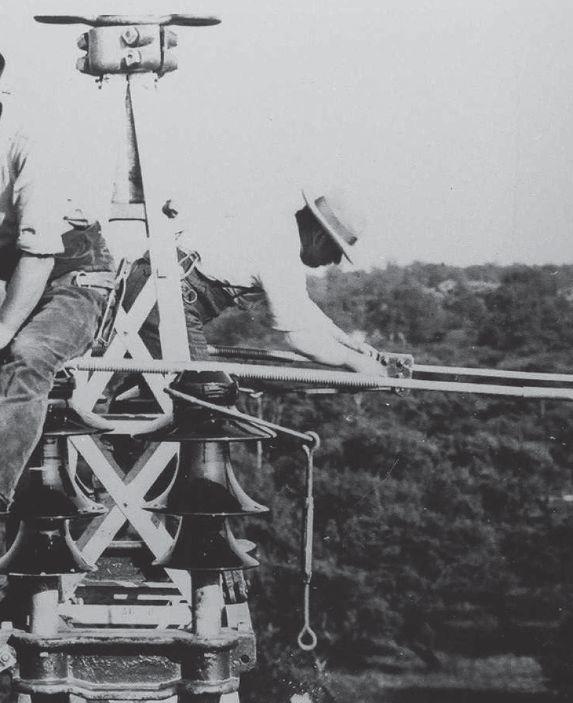
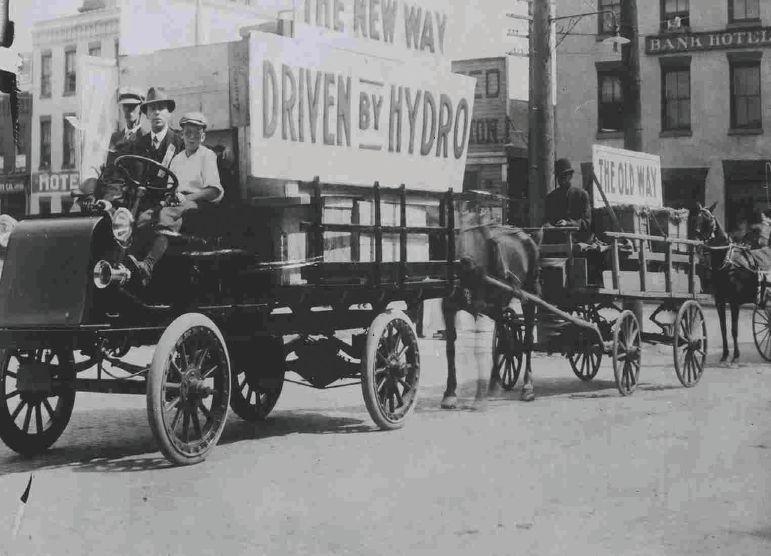
To mark the 110 th anniversary, The Distributor presents a timeline of some of the highlights in the history of Ontario’s electricity system.
1881 Waterpower generation begins at the Chaudière Falls in the Ottawa River, which today is the site of Canada’s oldest hydroelectric station still in operation
1885 Among various other electricity-related pioneering achievements for Canada, Ottawa becomes the first city in the world to light all of its streets with electricity
1906 The Hydro-Electric Power Commission of Ontario is formed, to deliver power to cities and towns, and as the backbone of a publicly owned distribution system, with Adam Beck as its chairman (he served until his death in 1925 and was knighted for his achievements)
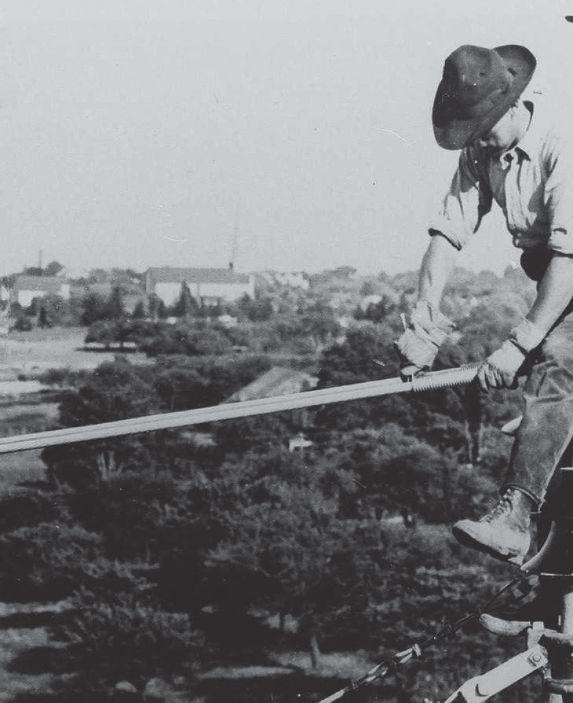
SOURCES: EDA archival materials, Canadian Encyclopedia, Wikipedia, CEA and SolarShare. Quotations from “The Politics of Power: Ontario Hydro and Its Government, 19061995” by Neil B. Freeman.
1908 The Commission enters into agreements with 14 municipalities to provide power at cost –there would be similar agreements over time with more than 300 municipalities
1910 The Commission completes a 110,000-volt bulk electricpower transmission line to supply several municipalities in southwest Ontario
1922 What’s now known as the Adam Beck Power Station at Niagara Falls begins operating – today part of a complex of generating stations making up one of the world’s largest sources of hydroelectricity, and a national historic site
Mid-1950s Through a massive door-to-door Frequency Standardization Program, motors are converted in seven million household appliances in Ontario
1959 OMEA members are now delivering power to more than one million customers

The [provincial] Advisory Committee on Energy reported on 19 December [1972], expressing the ominous warning that ‘the period of seemingly unlimited abundance and cheap energy has come to a close.
1960 The Ontario Energy Board is founded as an impartial regulator, providing oversight of local distribution companies
1965 OMEA strengthens it organizational structure with the hiring of a full-time secretarymanager and establishment of a permanent office

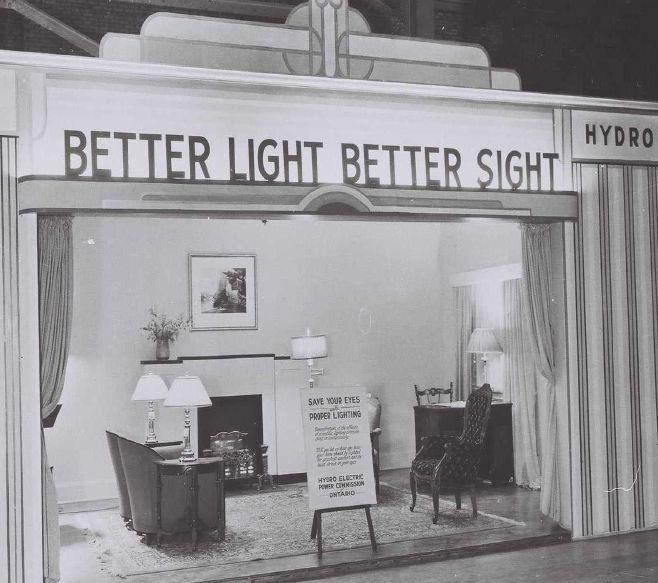
1968 Canada’s first full-scale nuclear power plant – the Douglas Point Station – goes into commercial operation (on a site adjacent to the current Bruce Station)
1974Ontario Hydro is formed as a Crown corporation, replacing the Ontario Hydro Commission, and with a mandate to provide energy at cost
1998 The Energy Competition Act confirms municipal ownership of distribution utilities, and requires they be transformed into business corporations
When these disparate [municipal] leaders assembled to discuss their collective plight in 1902, they called for municipal cooperative ownership of a transmission company that would supply municipally owned distribution commissions as the answer.
1999Ontario Hydro becomes five separate entities: OPG, Hydro One, the IESO, the Electrical Safety Authority and the Ontario Electricity Financial Corporation
2003The Northeast Blackout delivers a powerful reminder of the potential vulnerability of a continentally connected grid, and in Ontario sets the stage for LDC-led conservation efforts
2014Ontario eliminates coal-based electricity generation
2016Teresa Sarkesian is appointed as the President and Chief Executive Officer of the Electricity Distribution Association. Teresa made history as the first woman to lead the association.
2017In a continuation of a distributor consolidation trend, Alectra Utilities is formed – today it is EDA’s largest municipally owned LDC in Canada, and serves customers across 1,800 square kilometers and 17 communities
2018At the mid-way point of the provincial Conservation First Framework, Ontario distribution utilities have already achieved more than two-thirds of an
aggressive target for energy conservation, and at the lowest cost on record
utilities step up at the onset of and through the COVID-19 pandemic, administering customer support programs and ensuring reliable power when customers needed it more than ever
Today, Ontario’s distribution sector –the vast majority of which is represented by the EDA – encompasses 59 utilities of varying sizes, which collectively serve well over five million customers. With a proud history, they are poised to help lead Ontario into an ever-more connected, efficient and green future.


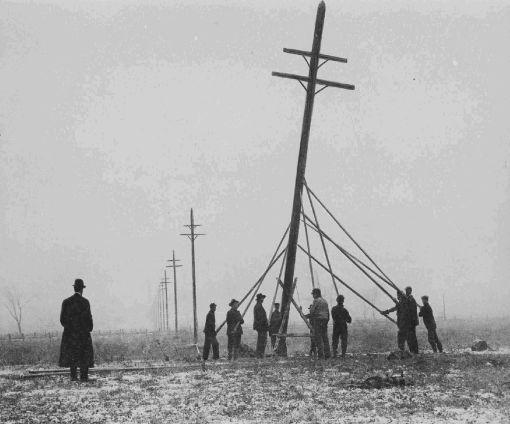
How IHSA supported Ontario’s electrical utility workers with COVID-safe guidance, consultations, and training
Working in the electrical utilities sector isn’t exactly an easy job. Fulfilling? Yes. Important? Definitely. But it’s also challenging. To work safely requires skill and knowledge—which have been put to the test time and again throughout the COVID-19 pandemic.
Deemed an essential service, electrical utilities workers have kept the province humming by installing and maintaining the systems that transmit power to everything from long-term care homes to airports. And they’ve done it with the support of the Infrastructure Health and Safety Association (IHSA).
An integral part of Ontario’s workplace health and safety system, IHSA has the unique ability to help its members manage the hazards of high-risk work activities. With COVID, those activities suddenly became even riskier. So IHSA’s subject-matter experts drew up task-specific guidelines and resources to reduce the risk of infection, such as disinfecting and cleaning personal protective equipment (PPE) and performing powerline technician tasks under pandemic conditions.
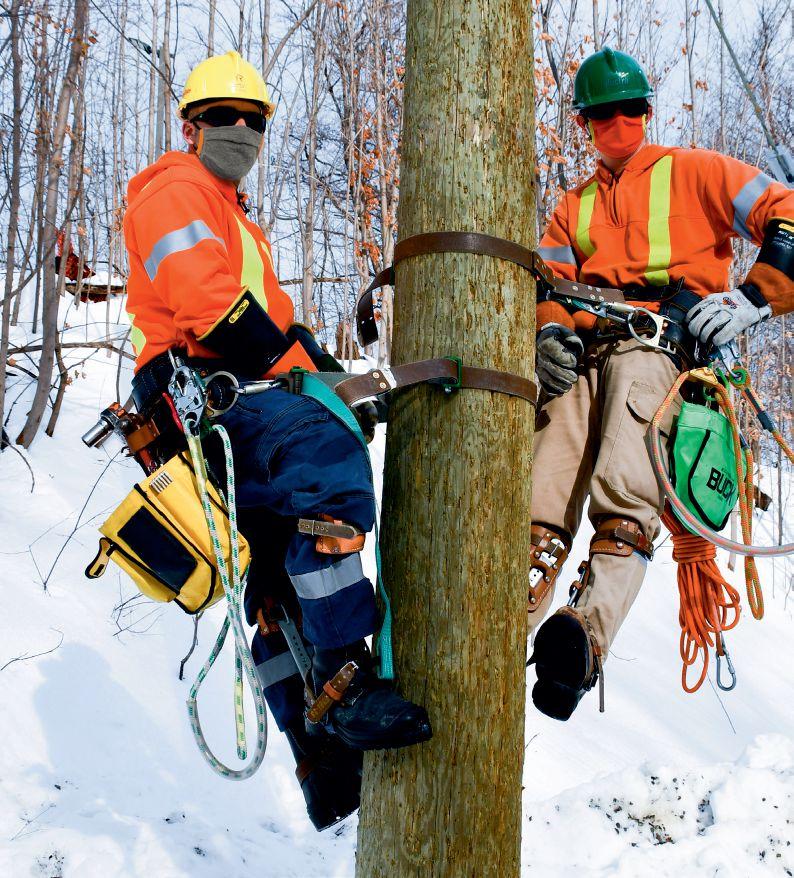
After the initial shock of lockdowns, staff at IHSA began modifying its training offerings, including its Powerline Technician Apprenticeship and Line Crew Ground Support programs, to ensure that workers could continue to learn vital skills—both virtually and in physically distanced classrooms with mask mandates and careful sanitization.
IHSA also performed numerous on-site and phone consultations to help businesses better understand and enact COVID protocols. Consultants served as a fresh set of eyes by reviewing company procedures for maintaining physical distancing and site hygiene, and providing additional recommendations and resources to further protect workers.
“We’ve been busier than ever during Covid,” says Greg Williamson, IHSA’s Vice President of High-Risk Activity Training and Operations. “That speaks to the quality of our staff. Companies know that we’re going to give them expert advice based on the most up-to-date information available.”
The protocols IHSA developed to help others get back to work safely have also been used by IHSA—enabling the association to continue providing health and safety training to the sectors it serves.
That training helped businesses remain compliant with health and safety regulations over the past two years. The apprenticeship program, in particular, will also be critical moving forward: its graduates eventually take the place of retiring workers.
“Our efforts to keep up with training are part of an effort to make sure there are enough skilled workers to ‘keep the lights on’ down the road,” says Doug Heintz, IHSA’s Manager of Health and Safety Education.
Williamson agrees. “Ontario’s electrical utilities workers were essential to keeping the lights on during the pandemic. But to work safely, they needed clarity on health and safety protocols, and had to be able to maintain their existing training requirements.”
“IHSA was proud to be able to support the sector and help its employees work safe for life,” he says. “We’ll continue to do that, pandemic or not.”
As part of Ontario’s health and safety system, IHSA provides skillsbased training, resources, auditing, and evaluation to the construction, electrical utility, and transportation sectors. If your business is registered with the WSIB in one of these sectors, you’re already an IHSA member—and can access many IHSA products and services for no charge or at a reduced price.
Visit ihsa.ca to learn more and to book your training today.
THE LDC ROLE IN ENABLING AND OPERATING DISTRIBUTED ENERGY RESOURCES
An EDA Policy Paper Summary

Local utilities are going to play a central role in the broader deployment of distributed energy resources (DERs) such as solar and other small-scale renewables, energy storage, and electric vehicles. DERs offer tremendous efficiency and environmental benefits, but also represent a major change in the structure and operation of the electricity grid. To properly leverage them, we need carefully integrated planning, and regulatory certainty with respect to DER-related spending and revenues on the part of LDCs.
The expansion of DERs is potentially one of the most beneficial ways in which our electricity grid is transforming. They can avoid the need for more expensive conventional capital investments (which is why they are referred to as “non-wires alternatives”). They can help meet growing demand for electricity, specifically lowcarbon electricity, and can provide location-specific stabilization and other grid services. They can also be built-out in targeted, incremental ways. Local utilities are keen to develop DERs and capture these benefits within the grids they operate, and more and more residential and commercial customers are keen to connect and operate their own DERs.
Local utilities will need to provide the enabling platform for DER expansion, to effectively integrate DERs onto the grid, and to enable effective control and operation of DERs. In doing so, their role will begin to
overlap more with the province-wide electricity system planning currently done by the IESO.
We therefore need more tightly coordinated planning with respect to use of DERs in place of conventional generation and grid investments – distribution planning can no longer be separate from generation and transmission planning – and we need effective day-to-day operational and dispatch coordination.
Local utilities are already investing in grid management tools and technologies needed to leverage DERs, and in such assets as energy storage facilities. But we don’t have clarity on how revenues will be treated, or on what is eligible for inclusion in the “rate base” of assets on which utilities earn a regulated return. This makes it difficult to assess new alternatives against conventional options.
Local utilities also want the regulatory flexibility to buy distribution-related services – such as localized load or demand control – from customer-owners of DERs, as an alternative to making their own capital investments in DERs.
The IESO is currently preparing its own DER Roadmap and DER Market Vision. This creates an opportunity for IESO and the Ontario Energy Board to provide the market-design flexibility and regulatory mechanisms that will allow for effective assessment of the wider range of options becoming available as DER deployment accelerates.






Join us at the EDA Awards Gala to Celebrate LDC Achievements on March 30
EDA members have demonstrated a relentless commitment over the last year. There was no shortage of remarkable and inspiring achievements that your teams delivered for the benefit of your customers in 2021.
Excellence abounded throughout the electricity distribution sector in Ontario, and our EDA Awards Gala is an annual celebration of the many noteworthy achievements of our LDC members. No other awards program more meaningfully or prominently showcases the electricity distribution sector’s accomplishments and the Power of Local Hydro.
We are developing this year’s EDA Awards Gala with one thing in mind – to bring our amazing community together to celebrate the outstanding projects, organizations, and people in our industry. The EDA would like to congratulate all the EDA excellence award nominees – because you are all winners in our book.
This year’s nominees in each award category are:






LDC PERFORMANCE EXCELLENCE
Elexicon Energy
London Hydro
Oakville Hydro
Waterloo North Hydro
COMMUNICATIONS EXCELLENCE
Brantford Power/Energy+
Entegrus
Festival Hydro
InnPower
Kitchener-Wilmot Hydro
Oakville Hydro
PUC Services Inc.
CUSTOMER SERVICE EXCELLENCE
Festival Hydro
Hydro Ottawa
Milton Hydro
Oakville Hydro
Westario Power
London Hydro, ENWIN, Festival Hydro, Oakville Hydro, Newmarket-Tay Power, E.L.K. Energy
ENVIRONMENTAL EXCELLENCE
Hydro One
Hydro Ottawa
Oakville Hydro








Check back regularly for EDA Awards Gala details and registration.

EXCELLENCE
Alectra Utilities
Brantford Power
Elexicon Energy
Hydro One
Lakeland Power
Oakville Hydro
PUBLIC RELATIONS
EXCELLENCE
Festival Hydro
Hydro One
NEW! VOLUNTEER EXCELLENCE
• Karla Bailey, Vice President Asset Management & Engineering, Synergy North
• Falguni Shah, Vice President of Technology & Innovation, Elexicon Energy
• Peter Vickery, HCL Technologies, nominated by Synergy North

Get your teams together and celebrate with us on March 30, 2022, at the Fairmont Royal York. The Hon. Todd Smith, Minister of Energy, will be attending to deliver the keynote address at EDA Awards Gala. And where, of course, we will announce winners in all of the corporate categories above, the Public Electrical Safety Excellence Award sponsored by the Electrical Safety Association, as well as individual recognition through EDA Chair’s Citations in Memory of Robert H. Hay, and EDA Honorary Memberships in Memory of Pauline Storks. Together, let’s celebrate, acknowledge and be inspired by the best in the sector.





By Morgan Barnes

In December 2021, Hydro Ottawa announced that it was committing to making its operations net zero by 2030. When it succeeds in its eight-year mission, it could be the first municipally-owned utility company in Canada to boldly go where no other has gone before.
“It’s our moon shot,” says Bryce Conrad, President and CEO of Hydro Ottawa.
Conrad is referencing the 1969 moon landing of Apollo 11; a source of inspiration behind the utility’s announcement. Back in 1961, then President, John F. Kennedy announced in Congress that before the decade was over, the United States would land a man on the moon and safely return him back to earth. At the time, it had never been done, and the technology, technically, didn’t yet exist to make it happen.
Experts have said the same thing with respect to Canada’s ambitious goal to be net zero by 2050. While the technology exists to get us close, some of what’s required to get us to the finish line hasn’t been invented yet. Conrad believes that when there is a social need for change, technology isn’t far behind to help make the ‘impossible’ possible.
“There is no ‘business as usual’ for us anymore,” says Conrad. “In Ottawa, climate change is very real. In the last few years alone, we’ve lived through ice storms, floods, tornadoes, heat waves and major wind storms. The societal pressure to address climate change is the rocket fuel that’s going to drive new technology and
innovation in the energy sector. We may be shooting for the moon, but we’re also following the science to get there.”
Hydro Ottawa owns and operates three primary subsidiaries: Hydro Ottawa Limited, which distributes electricity across the nation’s capital; Portage Power, which has over 128 megawatts of installed green generation capacity – enough to power 107,000 homes annually; and Envari Holding Inc., which offers large-scale sustainable energy solutions for businesses, governments and utilities.
For about a decade now, the utility has been integrating innovative and sustainable business practices while also ensuring it
“In Ottawa, climate change is very real. In the last few years alone, we’ve lived through ice storms, floods, tornadoes, heat waves and major wind storms.”


continues delivering on critical areas of performance including best in-class customer service, financial strength, organizational effectiveness, culture and leadership, and corporate citizenship.
In addition to being recognized as Ontario’s largest municipally-owned producer of green power, and being selected ten times as one of Canada’s Greenest Employers, two of Hydro Ottawa’s innovative sustainability projects were awarded to the Canadian Electricity Association (CEA) Centre of Excellence in 2021; namely a new pollinator meadow in Ottawa’s south-end, and the company’s zero-carbon Zibi Community Utility in the downtown core. Definitely not ‘business as usual’ for a local utility.
Most recently, the company achieved the distinguished Sustainable Electricity Company designation from the CEA, making it the eleventh CEA member in Canada and the third in Ontario to do so.
“The Sustainable Electricity Company
designation was a whole-of-company effort and really led to this moment,” says Conrad. “It became our North Star, and when we reached that destination together as a team, it sealed the deal for me with respect to setting an unflinching timeline for our net-zero goal. It’s going to happen and we’re going to achieve it together, because we have the best and the brightest.”
The company is currently developing a detailed action plan to guide its course to net zero, working with customers, employees and partners along the way. Hydro Ottawa also refreshed its third corporate strategy (2021-2025), which places even more emphasis on how sustainability will continue to be integrated into its business decisions. That plan will be released in early 2022, but Conrad is quick to point out that the customer will always remain at the centre of everything the company does.
“As the electricity landscape continues to transform, the key is to do it in such a way that it is equitable and affordable for all
customers to participate in a smart energy future,” says Conrad. “By ensuring we have the proper support in place to help customers realize their sustainability and net-zero goals, we will reach ours. No one can be left behind.”
While the electricity industry is often singled-out in conversations surrounding climate change, more than 80 per cent of the electricity in Canada comes from nonemitting sources (Ontario’s electricity sector is one of the cleanest in the world, producing 94 per cent of electricity completely free of GHG emissions). Conrad believes that utilities are going to help shape the world’s energy future; with Canadian utilities at the forefront of the movement.
“You can’t wait for billionaires, governments or anyone else to act,” says Conrad. “You have to take responsibility for your own operations and impact on the environment. Now is the time for clear and decisive action - and yes, to shoot for the moon, too.”
The ongoing IESO York Region Non-Wires Alternatives (NWAs) Demonstration project in Ontario’s York Region allows customer-owned resources to help manage the growing energy needs of their communities.
Alectra Utilities are in the initial stages of changing the energy ecosystem. Distributed energy resources (DERs) –which include small-scale energy storage, combined heat and power facilities, demand response and renewables such rooftop solar – are transforming the energy landscape of Canada. As part of this transition, consumers and communities are choosing to play a more active role in energy planning and management, instead of relying on conventional electricity infrastructure.
Traditionally, when the forecast for electricity load growth exceeds existing grid capacity, new poles-and-wires infrastructure is built to meet new demand. However, in York Region, where electricity demand is growing rapidly and is expected to exceed system capability by 2030, the NWA project is exploring how a local electricity market can meet new demand with customer owned DERs over two years (October 2020-October 2022). Funded by the Independent Electricity System Operator (IESO) and Natural Resources Canada (NRCan), and delivered by Alectra Utilities, the IESO York Region NWA Demonstration Project is North America’s first distribution level electricity market with encouraging results thus far.
The project achieved a ‘Canada first’ in the fall of 2020, with the local capacity auction procuring a total of 10 megawatts (MW) of capacity from a wide variety of resources. These resources, owned and operated by

manufacturers, supermarket operators, and residential participants, were procured with a clearing price of $0.64/kilowatt-day ($80,000 MW/year). The procured resources committed to being available for a six-month summer period (from May 2021 to October 2021) to support the grid during demand peaks, by either generating electricity for the grid, or by reducing their consumption on demand.
Another ‘first’ was achieved in June 2021, when participant DERs were activated during a heatwave to help reduce local demand (4.5MW on June 7, 2021 and 3.6MW on June 28, 2021). This was the first time in Canada that DERs secured through a local capacity auction were used to help reduce local peak demand.
During the six-month period in the summer of 2021, the project saw eight activations that coincided with the hottest days of the year. “The IESO NWA Demonstration Project has proven the potential for using local solutions as a cost-effective alternative to traditional electricity infrastructure,” says Brian Bentz, President and CEO of the Alectra Inc, the participating utility.
The project successfully reduced peak demand at the local grid-level, helping to ensure the reliability of the system wide-grid and potentially helping defer the need for traditional infrastructure.
The participants benefitted too, earning an average of $125,000 per MW of DER capacity; 65 per cent of this sum for making their DERs available during the commitment period, and 35 per cent for using their DERs to meet local energy needs during peak demand.
In year two of the project, the local capacity auction (which concluded in October 2021) was expanded allowing participants with “reserve-capable” DERs – participants who
have the capability of delivering supply or reducing their consumption within 30 minutes – to help manage the grid during peak periods caused by unexpected events. A total of 15 MW of capacity (of which 6.8 MW is ‘reserve-capable’) was procured with a clearing price of $0.40/ kilowatt-day, lower than last year’s cost of $0.64/ kilowatt-day.
“As Ontario electricity demand is forecast to increase this decade, we’re actively exploring the integration of DERs into local and provincial electricity systems,” said Lesley Gallinger, President and CEO of IESO. “Lessons learned from this demonstration project show us how local supply options can help keep the grid reliable and affordable.”
The project is already being recognized for its contributions to the industry’s best practices and inspiring innovative thinking. In July 2021, the project was accorded “Beyond Energy Efficiency” award by the Association of Energy Services Professionals (AESP).
In the context of the energy sector’s rapid evolution, it is great to see the IESO, NRCan and Alectra Utilities demonstrating the power of locally owned DERs in managing communities’ energy needs. Projects like IESO York Region Non-Wires Alternatives
Demonstration Project show that there is enormous potential for energy transformation in tandem with local communities, and how innovation and collaboration can help power the energy landscape of the future. More information on the project can be found here: https://www.alectra.com/nwa.





In January – and for the first time since the current OMERS governance structure was established in 2006 – the EDA’s representative on the pension plan’s Sponsors Corporation (SC) Board of Directors changed. Charlie Macaluso, also former EDA president and CEO, stepped down after some 15 years.
“I’ve spent most of my career dedicated to serving the utility sector, and OMERS struck me as an interesting and challenging way to do so, in a different capacity than my usual focus on energy policy and core business interests of utilities,” Macaluso says. As the President and CEO of MEARIE, a position he still holds, Macaluso also brought considerable insurance and actuarial expertise to his work on the OMERS SC board.
He says his decade-and-a-half in the role was “very demanding and at times incredibly challenging, but one of the most rewarding opportunities I’ve had as a director.”
“I’m a fiscally conservative kind of guy,” Macaluso says, when asked to reflect on his service with OMERS. One of his key focal points was to advocate with respect to the “discount rate” – a mechanism by which pension plans put a current value on their future payout obligations.
“By moving the discount rate lower, to be more reflective of the true value of those future liabilities, you’re better positioned to plan for and fund them,” Macaluso explains.
“I’m gratified that over the last several years OMERS has made a significant commitment to get the discount rate right,” he adds.
Macaluso ends his term with a deep respect for the directors he has worked with, both employer and employee representatives.
“People have different views and come


from different constituencies. But the commitment to building a successful pension plan was impressive. Everybody had the same objective – maybe different ways of getting there, but they were trying to get to the same place.”
Charlie Macaluso, CEO & Attorney of The MEARIE Group, steps down as the first EDA representative on the OMERS SC Board of Directors.

Macaluso’s tenure on the OMERS SC Board encompassed periods of extraordinary economic disruption in recent years, and he notes that all pension plans will have to continue to cope with the fallout. Governments, he adds, are and will likely remain under enormous pressure to spend more on social safety nets, but their capacities to do so aren’t limitless.
All Canadians, therefore, need to focus carefully on their retirement planning and financial security he says. That includes OMERS beneficiaries, although they do have the increasingly rare advantage of being able to look forward to defined benefits. Macaluso also believes that “the tools and framework are in place” for the long-term sustainability of the OMERS plan.

“They’ve got a lot of good, smart people at OMERS, it’s in good hands,” Macaluso concludes, adding that he is grateful to the EDA for providing him with the opportunity to serve on the OMERS board.
OMERS has a dual board structure, with defined responsibilities for a Sponsors Corporation Board and an Administration Corporation Board, and a shared commitment to represent the interests of the various stakeholders and to ensure that the pension plans remain affordable and sustainable.
Among other responsibilities, the OMERS SC Board has the crucial task of determining benefit levels and contribution rates for the plans. Its 14 members represent both employer plan sponsors such as the EDA, and employee plan sponsors such as various public sector unions. EDA also nominates a member of the OMERS AC Board, with that position currently held by William (Bill) Butt.
Macaluso was replaced on the OMERS SC Board by former Alectra executive and past EDA Director Max Cananzi.



At Alectra, we’re committed to helping communities discover the possibilities of tomorrow’s energy future. For the Niagara 2022 Canada Summer Games, that includes installing cutting-edge solar technology on the roof of the new Henley Rowing Centre, which is designed to achieve net-zero energy and net-zero carbon.
See more ways we’re leading the transition to net zero: Alectra.com/Grid-Innovation


























The EDA’s networking and professional development offerings continue to provide members with valuable opportunities to connect with each other and to relevant learnings. We look forward to returning safely to in-person events later in 2022, consistent with local and provincial health protocols, as well as delivering compelling virtual events with creative ways to network and come together.
Get the most up-to-date event registration and program details by scanning here.
We look forward to seeing you again in 2022! Save these dates because the following 2022 events will provide members with access to relevant learning and engagement opportunities.
We are back in-person at the Fairmont Royal York for our annual general meeting and EDA Awards Gala to celebrate excellence throughout the distribution sector.
This preeminent distribution-sector event combines insights on emerging trends and technical issues, and will continue with a virtual, four-part speaker series in 2022 featuring engaging global speakers.

The EDA’s EDIST (Electricity, Distribution, Information Systems & Technology Conference & Exhibition) will take place in-person at the Hilton Toronto/Markham Suites Conference Centre, and it promises high-value insights on unique and innovative solutions that have delivered value for customers and shareholders. Plus, there will be lots of engagement with your peers and participant-exhibitor interaction.

The EDA’s CUEE (Canadian Utility Engineering and Equipment) Trade Show and Marketplace is set to return in-person across more than 100,000 square feet of indoor and outdoor exhibit space at Mississauga’s International Centre.
The EDA’s DEI (Diversity, Equity and Inclusion) event is an annual exploration of advancing diversity, equity and inclusion in our connected workplaces, electricity sector and world. This full-day virtual event will include expert presentations and discussions on DEI-related topics.
Stay tuned for more details on our 2022 forums and webinars with noted experts who will deliver actionable insights on current issues, research and best practices relevant to the sector.
For EDA in-person events, all health and safety procedures will be implemented to ensure full compliance with all public health guidelines in place at the time.
For more information on our networking and professional development opportunities, please contact Marica Macura, the EDA’s Director, Member Relations at mmacura@eda-on.ca.
Try our 30-day FREE trial membership. Access our member exclusive eNewsletters (daily, weekly, monthly) for a 30-day period and take advantage of EDA’s industry insights and information.
Join the EDA and increase your company’s profile and brand recognition with key decision makers in the electricity utility sector. Improve high value leads with local distribution companies and improve your ROI on marketing costs.
Contact Marica Macura, the EDA’s Director, Member Relations at mmacura@eda-on.ca to learn more about our membership and sponsorship opportunities.
Learn more our EDA membership opportunities.
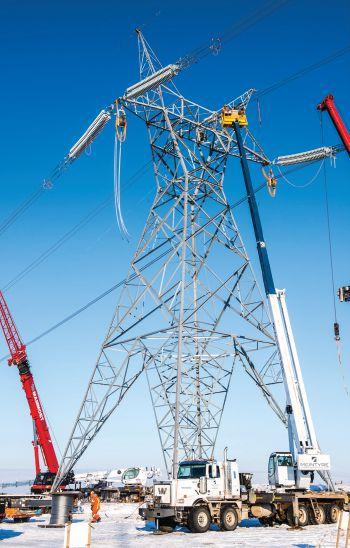
Over 35 electric power and telecommunications infrastructure services, performed by 11 companies, all encompassed within the Valard Group of Companies. We work with expert partners to seamlessly produce turnkey solutions for our clients.
Through a single contract and point of contact, we can, collectively, put together a full service team to successfully deliver every aspect of a power project.
thevalardgroup.com
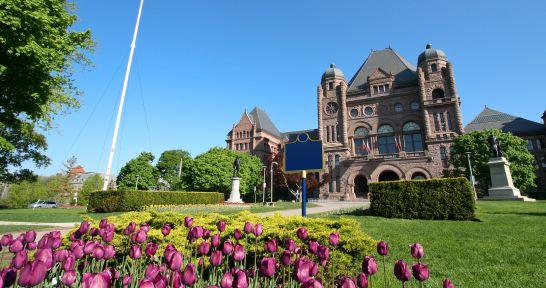
Whether virtual or face-to-face, a key focal point for our efforts now and in the months to come will be targeted meetings with key political decision makers, to advance LDC sector interests in the lead-up to the June 2022 provincial election. The EDA continues to meet with representatives of all the parties represented at Queen’s Park, including both MPPs and other key campaign influencers. This is all part of our pre-election strategy to build new relationships, strengthen old ones, and promote the credentials of the EDA as the trusted source of insight and information on Ontario’s LDCs and electricity issues. Additionally, we will be launching a new Power of Local Hydro digital advertising campaign to raise awareness with MPPs, candidates and energy influencers throughout Ontario. We ask members to please leverage our new campaign assets and to share EDA social media posts to help raise awareness of the sector.
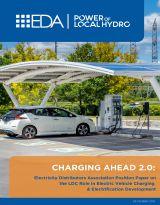
The EDA has recently released two new position papers. A second policy paper on electrification – Charging Ahead 2.0: The Local Distribution Company Role in Electric Vehicle Charging & Electrification Development – outlining the EDA’s perspective and advocacy positions on the role that LDCs can play in electrified transportation, one of the largest components of overall beneficial electrification expected to unfold in Ontario. This paper builds on the EDA’s first paper on electrification by highlighting the specific roles that LDCs can play in helping to build the much-needed charging infrastructure required for wide-scale electric vehicle adoption.
The EDA is also pleased to share with our members the association’s latest paper in the Power to Connect Series: Supporting Changing Customer Needs – The Local Distribution Company Role in Enabling & Operating Distributed Energy Resources – building on the EDA’s detailed vision papers of 2017 and 2018 where the framework, challenges, and barriers for the transformation of LDCs to fully integrated network orchestrators were proposed. In this paper, LDC roles related to DER enablement, integration and control, and operation are explored as it relates to the Independent Electricity System Operator (IESO) DER Roadmap and DER Market Vision. Read an in-depth overview on this DER policy paper on page 10.

The Minister of Energy provided a renewed mandate letter in November to Richard Dicerni, the Chair of the Ontario Energy Board (OEB), outlining the government’s priorities for the energy sector and the expectations for the OEB for the upcoming three-year planning period. Likely the last major directive to the OEB prior to next June’s provincial election, it prioritizes energy sector reliability, affordability, sustainability, and consumer choice. The mandate letter emphasized that the OEB should continue its progress in implementing priorities from the 2020 mandate letter, including its ongoing modernization and regulatory burden-reduction efforts. The EDA recognizes that OEB modernization is a critical issue for our membership, and we will continue to advocate on behalf of our members. The OEB’s renewed mandate letter introduces encouraging signs that the government is willing to partner with LDCs on important files such as EVs, broadband expansion, and intervenor reform.
Scan the QR code to read our full analysis

The EDA remains active on the broadband expansion file; and provided its latest submission in January seeking clarity on the Building Broadband Faster Act Guideline. The legislation is meant to address improved access to poles and rights of way; development of a “one-touch, make-ready” approach; definition of service standards; and establishment of a one-window application process and project tracking coordination. The EDA has identified several areas that will benefit from further clarification and additional specificity that will streamline the deployment of wired broadband and can be expected to reduce the number of disputes between the parties. We are seeking clarification on: which safety standard applies and why; whether the Guideline applies to wired broadband infrastructure exclusively; how LDCs are to proceed if they receive more applications than they are able to manage; the dispute resolution process and the identity of the decision-maker; and financial matters including how lost revenues and incremental costs are to be treated to ensure that the previously stated policy position that customers would not be financially impacted can be achieved; and additional rule clarifications. We will continue our advocacy to minimize the impacts on LDCs and their customers.

During the pandemic, local hydro utilities put their customers first and partnered with the government to deliver support to assist households and small businesses with energy costs during the modified Stage Two restrictions as a result of the Omicron variant of COVID-19. This included making changes to rates to off-peak price ‘holiday’ rates for customers over 21 days in January-February. As well as raising awareness of the Ministry of Finance’s Ontario Business Cost Rebate Program. Eligible businesses that were required to close or reduce capacity could receive rebate payments for a portion of the property tax and energy costs they incurred while subject to these measures.
The EDA was pleased to sponsor and attend an Empire Club event featuring the Hon. Todd Smith, Minister of Energy in January. Minister Smith spoke about how the Ministry of Energy is seizing Ontario’s “clean energy advantage” as a major opportunity to power up our province’s industries, jobs and economy.
The EDA is pleased to report there was a positive decision following the Ontario Energy Board’s generic hearing on the inflation factor. The OEB found it appropriate to continue applying the existing formula and methodology to calculate the 2022 inflation factors. This is an important decision for the industry, and we thank the members for their important input into our submissions to the OEB.


Local distribution companies can lead innovation in their communities. When it comes to electricity as well as other crucial utilities, a diversified portfolio of energy and infrastructure assets, owned and controlled by municipalities, can drive value for all stakeholders.
If you’re looking to understand your strategic alternatives, mitigate risks, review financing capacity and investigate potential investments – our advisors can support you every step of the way.
www.grantthornton.ca

Historically, investors have been attracted to power and utility companies because the industry has largely been viewed as a relatively safe investment. Power and utility companies generally have less share price variation than other industries since their return on equity is largely set by the regulator and therefore more stable. Companies have provided shareholder value by expanding their regulated businesses and benefiting from
the resulting stable returns. Generally, power and utility companies have historically reported strong liquidity and positive credit ratings. 2020-2021 has been a period of intense change on the global landscape. As the world adjusts to whatever the new normal may be, power and utility companies need to respond to those changes, or they risk falling behind. COVID-19 driven lockdowns have changed customer needs, and industrial and commercial customers have been forced to reevaluate the way they do business. Employers are rethinking their approach to in-office work arrangements with more and more companies offering fully remote or hybrid work from home roles. If that wasn’t enough to respond to, it’s all happening at a time when, globally, we are focused on moving towards green

energy solutions, reduced production of greenhouse gases, and becoming a more sustainable world. When everything is changing sometimes the best plan is a simplified plan that keeps a couple of key points in view. In 2022 those key points could be:
• Continuing to maintain a focus on your existing customer base, responding to their changing needs and going back to the basics of what made the company successful in the past.
• Continuing to review and change your business models where necessary by embracing new technologies to find efficiencies and provide greater flexibility. Artificial intelligence (AI), smart sensors, and predictive maintenance solutions could create capacity within the industry to take on new and diversified opportunities. Data-driven solutions can enable predictive maintenance strategies, remote technical support / inspections but those investments need to be completed with care to protect the organization from system vulnerability and cyber-attacks.
• Developing solutions to industry challenges such as energy

Contact Angie Brown, Partner, Grant Thornton LLP at Angie. Brown@ca.gt. com.
storage to support the existing business while planning strategically to expand into additional market areas. It is not enough to have clarity on what your chosen strategy for value growth is, companies need to also plan for how they are going to execute that strategy. Some examples include planning to successfully integrate newly acquired companies into your organization or introducing innovative financing mechanisms to enable investments in non-regulated industries.
COVID-19 driven lockdowns have changed customer needs, and industrial and commercial customers have been forced to reevaluate the way they do business. Employers are rethinking their approach to in-office work arrangements with more
and more companies offering fully remote or hybrid work from home roles.
• Shareholders will continue to value a company’s resilience, the predictability of its core cash flows, and stable or growing dividends. When faced with unprecedented uncertainty, companies must work hard to identify new opportunities to create value. That may mean doubling down on investments in promising areas, or it could mean considering M&A or partnerships to strengthen their position.
2022 is shaping up to be yet another year of change and uncertainty for power and utility companies. If companies can continue to practice their sound business practices from the past while diving into innovative opportunities to diversify revenue streams, it will be exciting to see how they continue to drive value for their respective communities.
Olameter is a leading provider of outsourced utility asset management, network communications, and over 350 clients across North America.
Olameter provides communications and network monitoring needs for the electric, water, gas and telecommunication utilities, as well as energ y retailers and energ y management entities. Our specialty is personnel across multiple clients.
Olameter’s portfolio of ser vices includes:

Meter & Field Services:
Installation | Site Ser vices

Damage and Prevention Services:
Underground Utility Locating | Pole Testing/Audits | Leak Detection (Water/Gas) | Utility Asset Inspection & Mapping | System Route Patrol | Maintenance

IT/OT Services:
IOT Communications Ser vices | Network Operations | Spatial Data Infrastructure | System Hosting | Workforce Management | AI Development Ser vices
Meter Data Management (MDM):
C&I Data Collection | Web Presentment | Aggregation | Data Exporting | Operational Data Store

Utility IT & Administrative Solutions
AMI Network Management | Utility Field Ser vices Technolog y
In its most recent Canada’s Energy Future projections, the Canada Energy Regulator (CER) includes a set of scenarios exploring different paths towards net zero carbon emissions for Canada’s electricity sector.
The analysis begins with acknowledgement of the central importance of electricity to decarbonization:
Mature and commercially ready decarbonization technologies
Declining generation costs
High versatility as an energy form
GHG EMISSION INTENSITY (GRAMS C02 EQUIVALENT/ KWH) OF CANADIAN ELECTRICITY HAS ALREADY DECLINED FROM 220 IN 2005 TO 120 IN 2019
The CER’s “Net Zero Electricity Base Scenario” assumes a higher carbon price and wider electrification than the more steady-state scenarios it bases most of its analysis on, and arrives at these projections:


About 7.5% of solar and wind-generated electricity is stored before use
SOLAR & WIND dominate the generation fleet in 2050 at 41% of installed capacity (134 GW)
ELECTRICITY STORAGE has an average annual growth rate of ~1.7 GW/year – reaching 52 GW by 2050
HYDROPOWER AND NUCLEAR SEE ONLY SMALL GROWTH, WITH ALL NEW NUCLEAR BEING SMALL MODULAR REACTORS
Natural gas accounts for 3% of electricity supply by
with most of it being equipped with carbon capture and storage technology

Today, businesses are facing increased pressure to invest in systems that reduce carbon emissions. Those who are already committed are now facing a higher level of accountability for results.
Utility companies, governments and businesses across Eastern Ontario are turning to Envari to help them define a pathway to net zero and guide them to make better long-term infrastructure choices.
Learn how we’re helping Ontario electricity companies and the communities they serve.
• Pathway to net zero • Climate action planning • GHG reporting • Energy data services • Audits and assessments • LED lighting and controls • Smart City solutions • Metering solutions • Electric vehicle infrastructure
Let’s get started.
envari.com | 613.321.VARI (8274) Lighting | Mechanical | Electrical
Member of the Hydro Ottawa Group of Companies, committed to be net zero by 2030.

Electric Water Gas
Scalable for LDC Groups Growth Acquisitions and Mergers
Regulatory Compliant and Proven in the Ontario Market
Multiple Entities Commodities Single Secure Source of Data
Open Common Architecture Configurable Built-in API’s Connect to Any Software Anywhere
Integration with AMI MDM/R GIS SCADA OMS MDM
Settlement Available as a Service in the JOMAR Private Cloud Green Button API Connectivity
Contact us for a WebEx Demonstration
40 years 10 countries

Innovation Creates Opportunity
sales@jomarsoftcorp.com www.jomarsoftcorp.com Tel: 519-740-0510