How Ontario’s Local Distribution Companies Drive Innovation, Reliability, and Growth
How Ontario’s Local Distribution Companies Drive Innovation, Reliability, and Growth
How Ontario’s Local Distribution Companies Drive Innovation, Reliability, and Growth
How Ontario’s Local Distribution Companies Drive Innovation, Reliability, and Growth
Ontario’s Local Distribution Companies (LDCs) are essential to the province’s energy system and economic development. They deliver electricity reliably and safely to homes, businesses, and institutions across hundreds of communities. But their role goes beyond power delivery. LDCs are assets, high performing businesses deeply embedded in the communities they serve, responsive to local needs, and increasingly focused on innovation, sustainability, and modernization.
While Ontario’s electricity distribution system is facing growing pressure from rising demand, new technologies, and expanding communities, LDCs are modernizing infrastructure, investing in innovation, and adapting their operations to meet today’s challenges and tomorrow’s needs.
This report highlights twenty-four stories from across Ontario that demonstrate how LDCs are driving progress. Whether through infrastructure upgrades, digital transformation, workforce development, or community partnerships, these utilities are helping build a more resilient and efficient energy future. These two dozen stories are just a small example of LDC efforts to support economic growth, improve quality of life, and ensure that Ontario remains competitive and prepared for the demands of the energy transition.
Each story reflects how LDCs are implementing forwardlooking solutions, from grid upgrades and digital platforms to workforce development and sustainability initiatives. This work reflects a clear understanding of the energy transition and the need for long-term resilience and modernization. Together, they show how Ontario’s electricity distributors are not only keeping the lights on, they are helping power the province’s future.
At Bluewater Power, delivering electricity is just one part of their role. As a locally owned and operated utility, they recognize that responsibility extends beyond infrastructure and are deeply invested in the well-being of the communities they serve. Bluewater’s team lives and works in the region, and that connection drives a culture of care, generosity, and service.
Corporate social responsibility is embedded in its operations. Under the leadership of CEO Janice McMichael-Dennis, Bluewater Power has cultivated a workplace culture that prioritizes compassion, community engagement, and meaningful action. Janice leads by example, actively supporting local initiatives and encouraging employees to do the same.
Bluewater’s community support is year-round and multifaceted. From school supply drives and food bank donations to volunteering at soup kitchens and supporting shelters, our employees consistently step up to meet local needs. They also maintain a community garden that provides fresh produce to food banks, addressing food insecurity with sustainable solutions.
Bluewater’s commitment to community extends well beyond the workplace. Staff take part in and fundraise for causes like the Heart & Stroke Foundation, Habitat for Humanity, and the Terry Fox Run-demonstrating the many ways they support health, housing, and hope for others.
In addition to hands-on service, many employees also contribute by volunteering their knowledge and expertise to local boards and committees, championing mental health advocacy, and supporting a variety of community outreach projects. These contributions reflect the depth of their dedication and the many ways they help strengthen the region Bluewater serves.
Youth development is another priority. They support organizations like Rebound, Big Brothers Big Sisters, and local sports teams to help children and teens access mentorship, recreation, and opportunity.
Bluewater Power’s employees exemplify the role utilities can play in strengthening communities. Through everyday acts of service, they demonstrate how local utilities contribute far beyond electricity delivery, building trust, resilience, and meaningful connections where it matters most.
The electricity sector is beginning to undergo a significant and rapid transformation, and Alectra is prepared to be the utility of the future. Through an extensive capital program, Alectra Utilities continues to strategically invest in the electricity grid across its 17 communities to strengthen it and make it more resilient, reliable and secure. Year over year, Alectra invests approximately $300 million total in capital improvements to renew aging equipment and install new infrastructure.
These investments are necessary to maintain the high level of service that customers expect, as well as handle the anticipated increase in electricity demand for homes and businesses. Factors driving this need for capacity include: community growth, electrification of vehicles and heating, extreme weather becoming more frequent, sustainability goals, and increased data centres and technology services.
As well, the investments reduce power outages for customers. Some leading causes of outages are equipment failures, strong winds and ice storms, and equipment damaged by vehicle accidents and contact with animals.
Alectra’s renewal programs upgrade the grid with advanced technologies that pave the way for the future of energy. These new systems easily integrate with distributed energy resources (DERs), which are sustainable and decentralized tech, such as solar panels or battery storage.
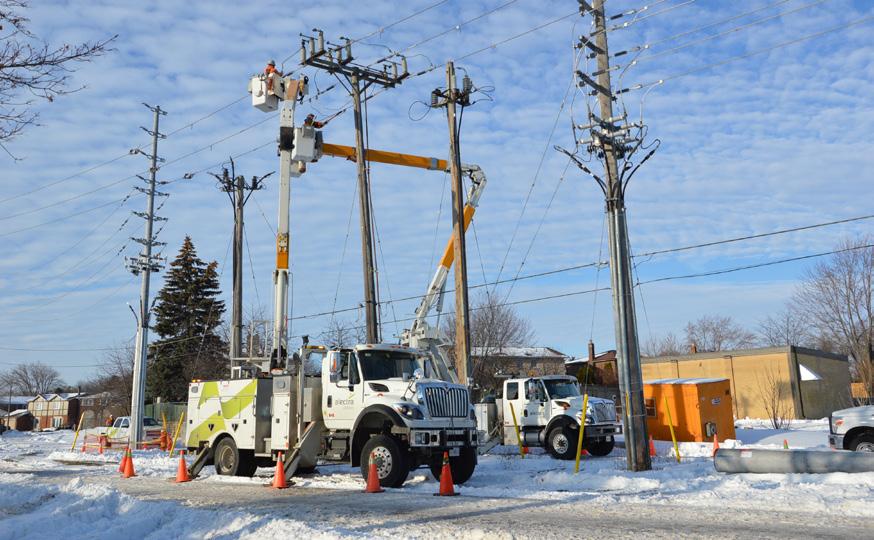
Next, with parts of Alectra’s distribution system reaching their end of life, Alectra’s lines crews construct and install new equipment to boost the grid. Replacing underground cables and extending feeder lines along major arterial streets improve electricity supply and reliability in the community. Additional feeders with accelerated automation deployment have been added to enable faster outage restoration.
New automated switching systems are also installed. This allows customers to get their power restored much faster, as system control operators can remotely isolate and bypass problems in a matter of minutes. Automated switching also offers greater flexibility for connections to renewable power via DERs.
Continued capital investments in the grid are essential to maintaining system reliability, and Alectra continues to introduce new technologies to increase efficiencies
and reduce costs. One of those technologies is an innovative and cost-effective process called cable injection or rejuvenation, which repairs, protects and extends the life of underground cables – without digging them up.
Cable rejuvenation technology can extend the life of an aging cable by up to 20 years through the injection of a silicone-based fluid into the cable. The silicone forces out the moisture, fills in the weak spots and hardens to repair the cable and help prevent power outages.
The cable injection process is much less disruptive –and a fraction of the cost of replacing old cables. Moreover, for every kilometre of cable injected, Alectra avoids about 13 tonnes of greenhouse gas (GHG). Alectra aims to achieve net-zero CO2 emissions by 2050, and sustainable technologies like rejuvenation are important contributors to achieving that goal.
Delivering safe and reliable electricity to Alectra’s more than one million homes and businesses is a top priority, as well as keeping each customer updated on what’s going on in their area. Alectra shares capital plans via a news release to each city’s media outlets, as well as email and newsletter messages directly to its customers.
Alectra’s commitment to new technologies will help reduce power outages and prepare for the impending electricity demand, while minimizing environmental impacts and utilizing economical solutions long-term.
TOTAL INVESTMENTS ACROSS REGIONS
In 2024, Alectra completed the following underground capital projects across its service territories amounting to $297 million, including: replacing poles, transformers and switchgear; rejuvenating underground cable; deploying new automated devices to ensure swift response to disturbance; building new substations to increase capacity; and connecting new customers to accommodate growth.
$6M in Aurora
$11.45M in Barrie
$21.4M in Brampton
$7.1M in Guelph
$43.1M in Mississauga
$22.4M in Hamilton


Alectra Utilities continues to invest in the electricity grid across all 17 communities it serves to support local economic growth and provide safe and reliable service.
$7.9M in St. Catharines $21.7M in Vaughan
$6.3M in Richmond Hill



WATCH THE VIDEO and learn more about Alectra’s capital plans
$13M in Markham

In the latest release of the Ontario Energy Board’s (OEB) 2023 utility scorecard, Atikokan Hydro Inc. emerged as one of the top-performing Local Distribution Companies (LDCs) in the province, achieving perfect scores across all major customer service indicators.
Atikokan Hydro Inc. demonstrated flawless execution in the following service quality categories:
Customer Focus: Services provided in a manner that responds to customer preferences
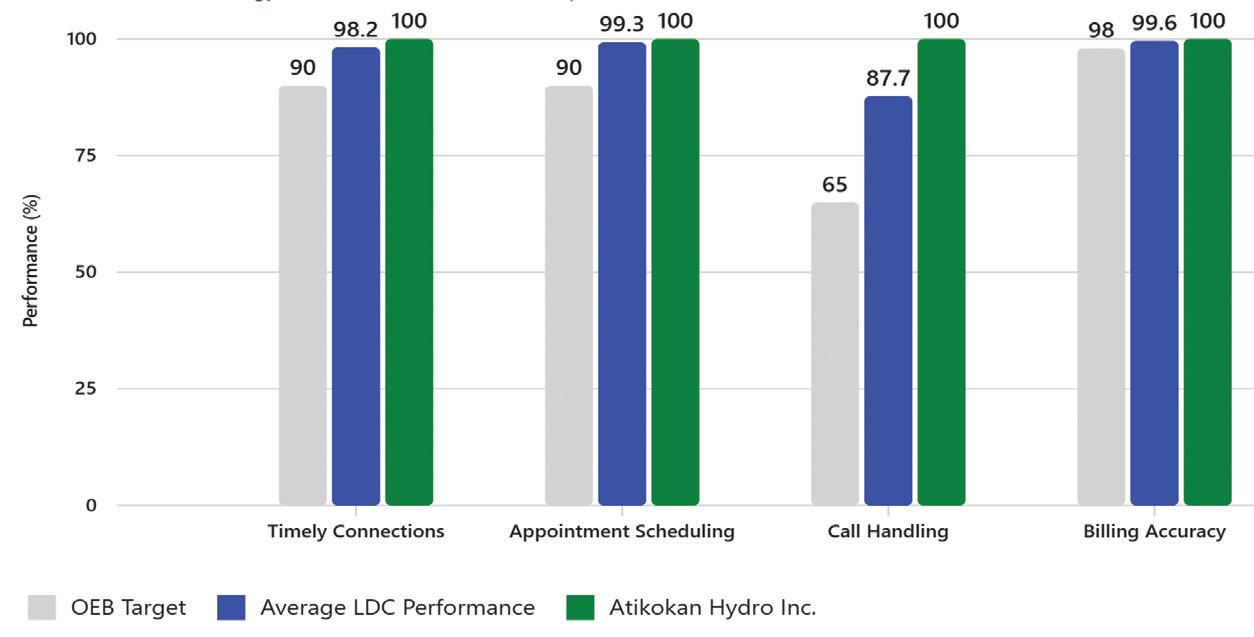
These results reflect a deep commitment to operational excellence, customer responsiveness, and community service. Atikokan Hydro’s ability to consistently meet and exceed regulatory standards is a testament to the professionalism and dedication of its team.
Local Distribution Companies like Atikokan Hydro are more than just utility providers, they are strategic economic assets that support local growth, infrastructure resilience, and community well-being. Their performance directly impacts:
• Economic development: Reliable and responsive electricity service is essential for attracting and retaining businesses.
• Public trust: High customer satisfaction builds confidence in municipal utilities and local governance.
• Grid modernization: LDCs are on the front lines of integrating clean energy technologies and improving system reliability.
As Ontario faces increasing demands for connecting new customers to the grid, the role of LDCs will only grow in importance. Atikokan Hydro’s performance exemplifies how small, community-focused utilities can deliver big results.
One of the key metrics for customer service is the timely connection of new residential and small business services. A connection for a new service request for a low-voltage (<750 volts) service must be completed within five business days from the day on which all applicable service conditions are satisfied, or at such later date as agreed to by the customer.
This requirement must be met at least 90% of the time on a yearly basis. Like Atikokan Hydro, many LDCs achieved perfect scores in this category, connecting new services on time 100% of the time. Out of the 55 LDCs evaluated, 30 achieved perfect 100% scores, and 54 out of 55 LDCs either met or exceeded the OEB’s target.
Originally formed in 1956 when the Township of Atikokan purchased the distribution system from Ontario Hydro, the Hydro Electric Commission of the Township of Atikokan since evolved into Atikokan Hydro Inc. Today, it continues to manage the distribution system and deliver safe reliable electricity to its customers.
Today, Atikokan Hydro stands as a model for other LDCs across Ontario. Its perfect scorecard is not just a technical achievement, it’s a reflection of how local hydro companies are vital partners in Ontario’s energy future.
Collaboration is at the heart of an innovative project between Elexicon Energy (Elexicon) and Western University (Western). The local distribution company (LDC) and university have joined forces to tackle dynamic voltage control issues for utilities and large customers with a promising, cost-effective solution.
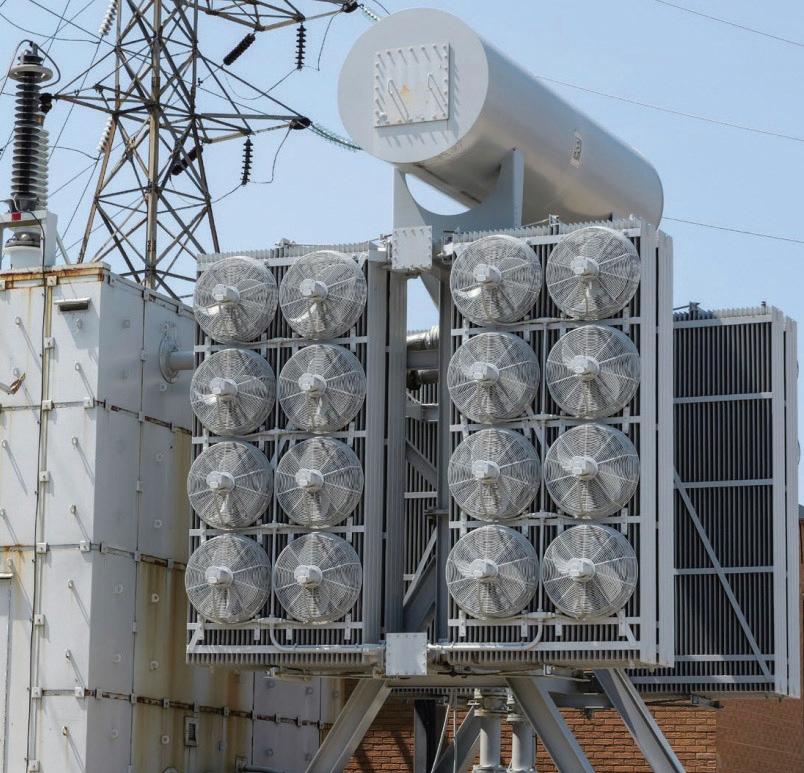
Several industries in Canada and worldwide, such as petrochemicals, mining, and automotive, are critically dependent on the stable operation of induction motors. To prevent these critical motors from shutting down due to voltage dips, organizations typically utilize a static synchronous compensator (STATCOM).
The Elexicon and Western collaboration focuses on the application of a Battery Energy Storage Systems (BESS) as a STATCOM, as developed by Western Professor Dr. Rajiv Varma. The BESSSTATCOM not only enhances power quality but also offers an easier, faster-to-install, and lower-cost alternative to traditional STATCOMs, particularly benefiting utilities and large customers with voltage-sensitive equipment, such as motors.
Since May 2023, Elexicon and Western have been working together on software and hardware simulation studies to implement the BESSSTATCOM technology for motor stabilization. Dr. Rajiv Varma together with his graduate students, have been conducting research at Elexicon’s
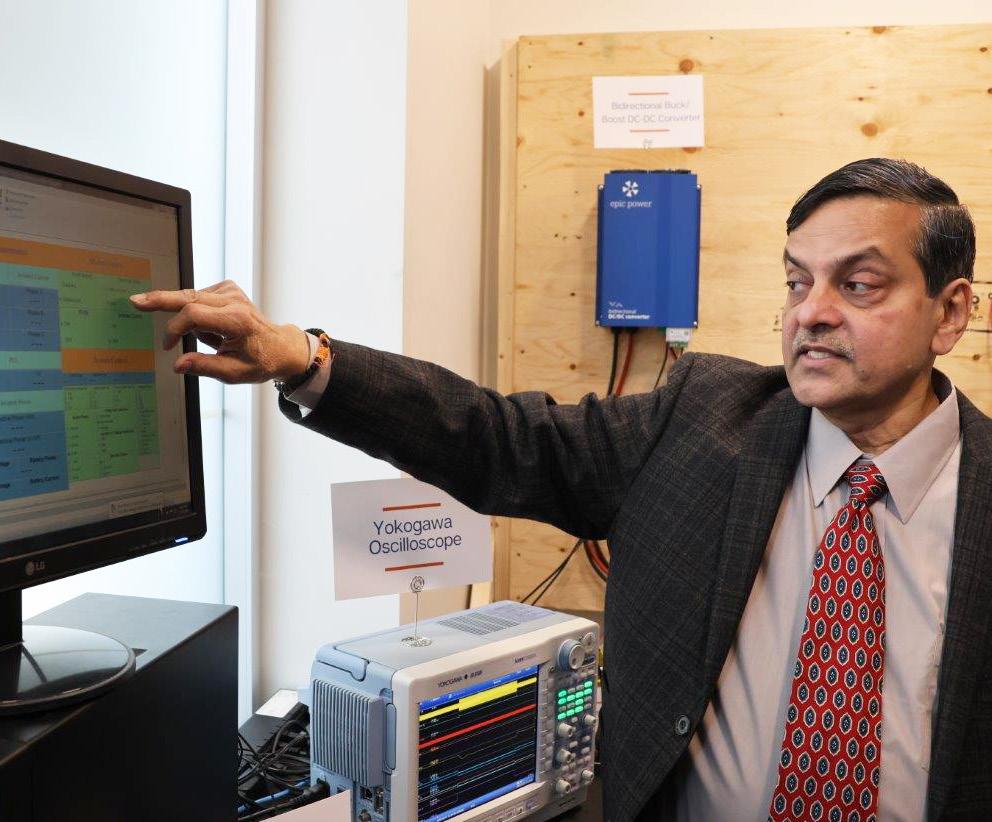
facilities, utilizing the LDC’s system data with the support of staff. Today, at Elexicon's corporate headquarters, Dr. Varma and his students demonstrated for the first time in Canada the implementation of this innovative BESS-STATCOM technology.
“Dr. Rajiv Varma, Western University and Elexicon are to be commended for their visionary collaboration, research and dedication to developing a forward-thinking technology that sets a benchmark for the industry,” said Teresa Sarkesian, President and CEO of EDA. “This project is a shining example of what can be achieved when academia and industry come together with a shared vision.”
This research was funded by the Electricity Distributors Association’s LDC Tomorrow Fund, Natural Sciences and Engineering Research Council of Canada, MITACS and supported by cash and in- kind contributions from Elexicon.
“Elexicon is very proud of its relationship with Dr. Varma and Western University,” said Lincoln Frost-Hunt, VP of Digital and Innovation. “It is a privilege to be able to support this groundbreaking research.”
The integration of BESS with STATCOM functionality enhances power quality by smoothing out power fluctuations and providing backup power during short-term outages. This ensures a more reliable power supply and improves the quality of power delivered to end-users. Overall, the combination of solar PV, BESS, and STATCOM technology offers a multifaceted approach to improving grid performance, enhancing power quality, and reducing operational losses.
“I am excited to see the fruits of this unique Western-Elexicon partnership, offering first-in-Canada breakthrough solutions to the energy industry,” said Ken Coley, Dean of Western Engineering. “My congratulations to the Western team led by Dr. Varma and Elexicon team led by Mr. Lincoln Frost-Hunt.”
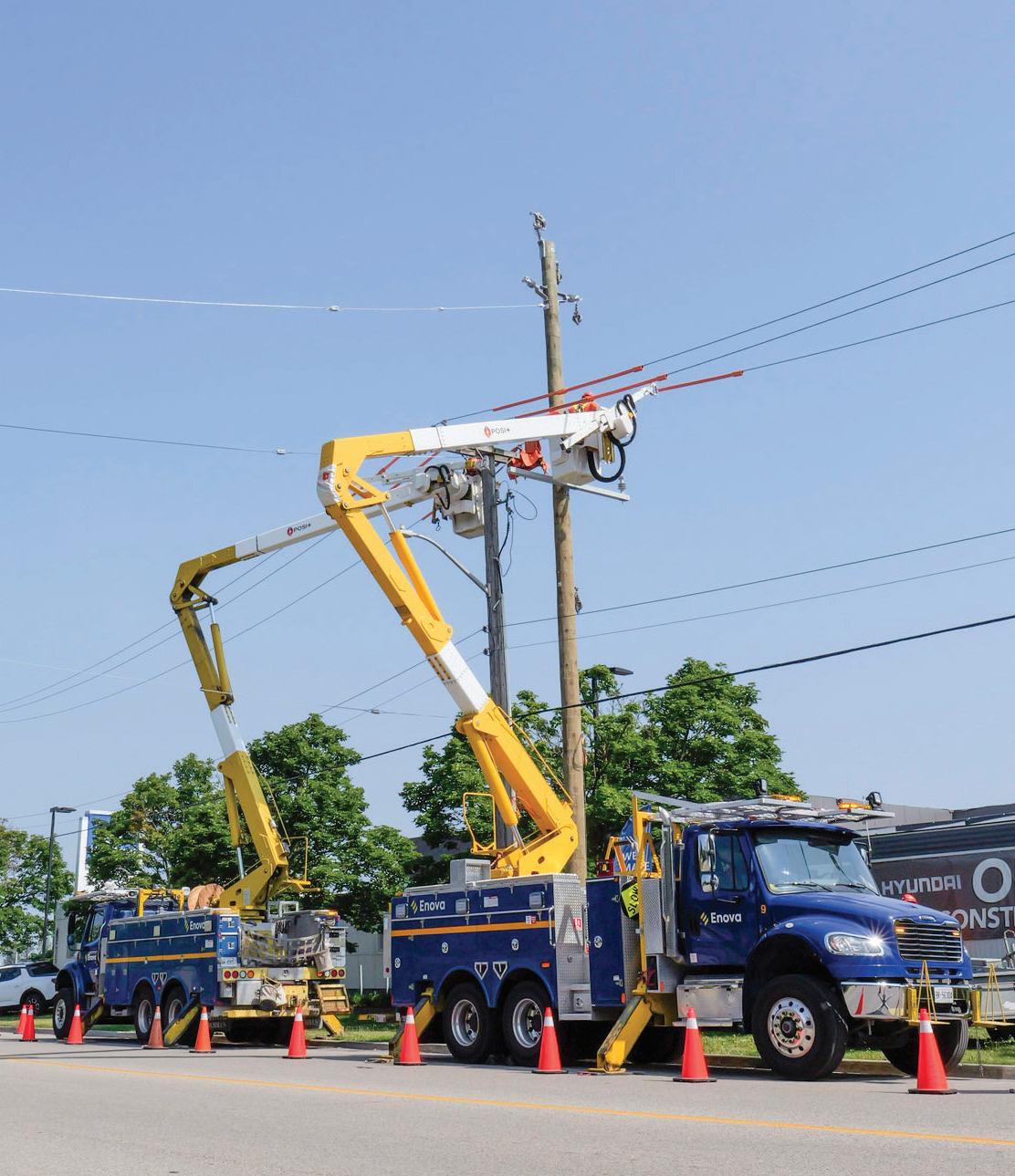
In Fall 2025, the Government of Canada invested in an innovative project with Enova Power Corp. and Ontariobased cleantech startup GridS2 to explore how industrial and commercial customers with dispatchable or controllable loads can help reduce demand on constrained feeders—minimizing the need for costly distribution system upgrades.
The pilot, now underway on Enova’s distribution system, leverages GridS2’s AI-powered transactional energy platform to create a scalable local energy market. This approach enables qualified customers with controllable loads and distributed energy resources (DERs) to actively participate in balancing local electricity demand.
The initiative is one of five clean energy projects funded through Natural Resources Canada’s Energy Innovation Program – Smart Grid Demonstration, which allocated $13 million to accelerate grid modernization and decarbonization. The project aligns with NRCan’s priorities to defer infrastructure investments, enhance grid resilience, and unlock the potential of DERs.
“We are excited to be collaborating with GridS2 and partnering with Natural Resources Canada on this initiative,” said Greig Cameron, President and CEO of Enova. “This project will enhance Enova’s ability to plan and optimize the distribution system through AI-based tools. It will also lay the foundation for local energy
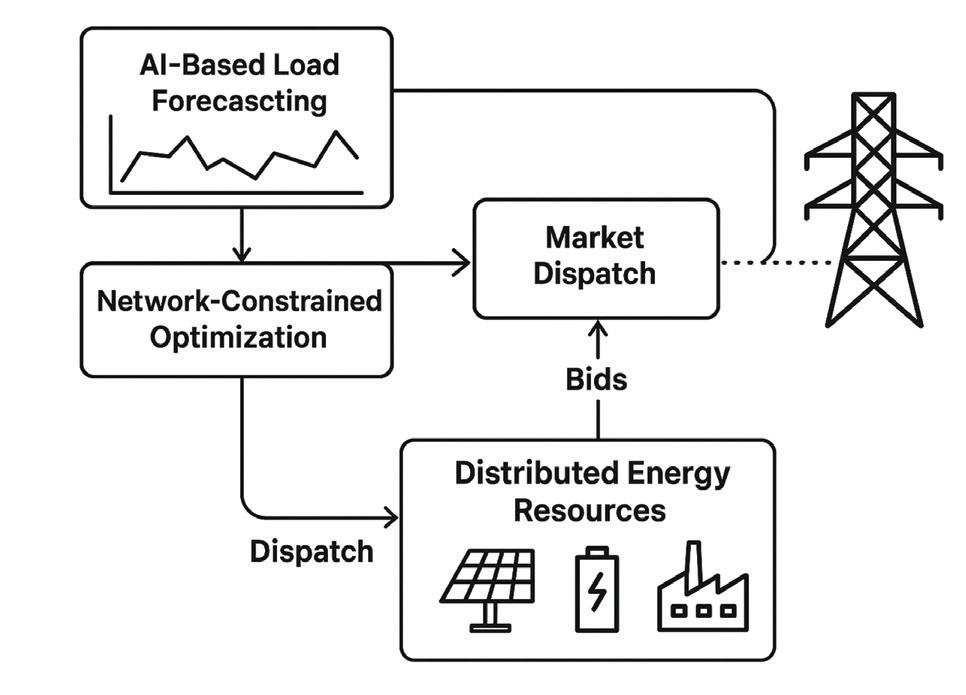
NRCan’s Energy Innovation Program leverages artificial intelligence to forecast electricity demand and optimize the dispatch of DERs in real time.
procurement and unlock the potential of distributed energy resources for our customers – supporting Enova in creating the electricity system of the future.”
Enova is piloting the program in areas with system constraints, with plans to expand to other Ontario utilities. By integrating AI and market-based mechanisms at the distribution level, the project aims to defer traditional grid investments, reduce environmental impact, and deliver cost savings for ratepayers.
“At its core, this initiative is about more than just technology – it’s about engaging customers and building a resilient, community-centered energy future, and it is another example of how Enova is a leader in the energy sector,” added Cameron.
This project positions Enova at the forefront of smart grid innovation—creating a cost-effective, customercentric electricity system that supports Ontario’s clean energy goals.
In early 2025, Essex Powerlines was proud to announce its partnership with Rodan Energy Solutions, an energy management firm based in Mississauga, as part of PowerShare, North America’s first fully integrated Distribution System Operator (DSO) project.
Ontario’s energy needs are expected to grow 75% by 2050. By diversifying and expanding our network of energy sources, Ontario can prepare for this growth. Created in 2022 by Essex Powerlines, with the support of the IESO and OEB, PowerShare manages and integrates new sources of energy, known as Distributed Energy Resources (DERs), into the local and provincial grid. It adjusts and manages energy flow from these sources to match demand.
PowerShare taps into DERs to meet local and provincial energy needs. DERs are not owned by PowerShare, or any LDC. They usually take the form of solar panels, wind turbines, and battery storage owned by residents or businesses. DER owners will sell their excess electricity back to the grid, creating a flexible network that can be adjusted on the fly.
By addressing constraints on the local distribution network and potentially also reducing provincial energy needs, PowerShare will also boost efficiency of existing assets & infrastructure, potentially deferring electricity rate increases.
Rodan Energy Solutions specializes in DER management and will help PowerShare optimize their network.
This initiative highlights the leadership of Ontario’s LDCs in advancing DSO capabilities, demonstrating their commitment to innovation, grid modernization, and customer-centric energy solutions. Essex Powerlines’ success with PowerShare sets a strong example for other utilities, showcasing how LDCs are driving the future of energy distribution in the province.
ERTH Power Corporation is building a new, modernized operations centre at 385 Thomas Street in Ingersoll. This investment follows a comprehensive needs assessment and site search led by ERTH Power and its Board of Directors. The new facility addresses capacity limitations and the deteriorating condition of the existing operations centre located at 143 Bell Street, while positioning ERTH Power to meet the future needs of its energy consumers.
“This modernized utility operations centre not only improves operational efficiency for our utility, but also benefits our customers, community, and the environment,” said Chris White, President and Chief Executive Officer of ERTH Corporation.
The 57,000-square-foot, two-story facility is an
energy efficient, purpose-built design, meant to accommodate future growth and increasing electricity demands. Designed in collaboration with local engineering and architectural firms, POW Engineering and JPM Architecture, the facility will incorporate advanced technologies, including a state-of-the-art control room for real-time monitoring of the distribution system.
“We are thrilled to announce the ground-breaking of ERTH Power’s new operations centre,” added
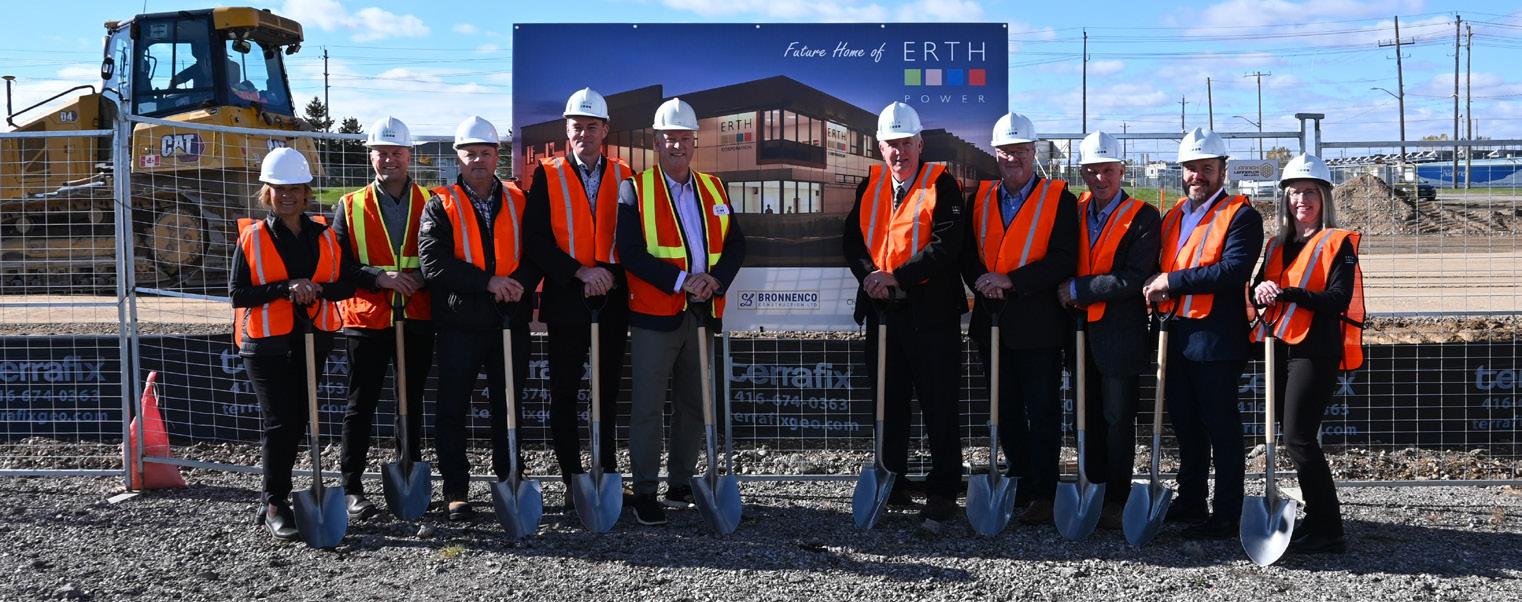
Nicholas Vink, Board Chair of ERTH Corporation. “This investment demonstrates our commitment to delivering reliable and affordable electricity to our customers.”
Construction began October 2024, with completion expected by December 2025. Sustainable elements include a geothermal heat pump and heat recovery system, eliminating the need for natural gas. The building’s total electricity usage will be offset by 80% through a 460 kW rooftop photovoltaic (PV) solar system. With no natural gas supply to the facility, this will make it the first zero-carbon facility of its kind in Ontario’s utility sector.
“As the energy sector continues to evolve, this investment will ensure that ERTH Power is equipped to meet the future energy needs of its communities,” said Oxford MPP Ernie Hardeman.
ERTH Power’s new operations centre exemplifies how Ontario’s LDCs are investing today to support energy growth, service and reliability for tomorrow.
Earlier in 2025, ENWIN Utilities Ltd. was named the recipient of the prestigious 2025 EDA Performance Excellence Award (sponsored by Doane Grant Thornton), a recognition that underscores the utility’s unwavering commitment to innovation, safety, customer service, and community impact.
From electrifying its fleet to pioneering AI-driven grid management, ENWIN is redefining what it means to be a modern utility provider. At the heart of its success is a bold five-year strategic plan built on three pillars: fostering a people-driven learning culture, becoming a trusted customer partner, and leading the energy evolution in the Windsor-Essex region.
ENWIN’s operational excellence is evident in its top-tier reliability metrics — ranking among Ontario’s top three utilities
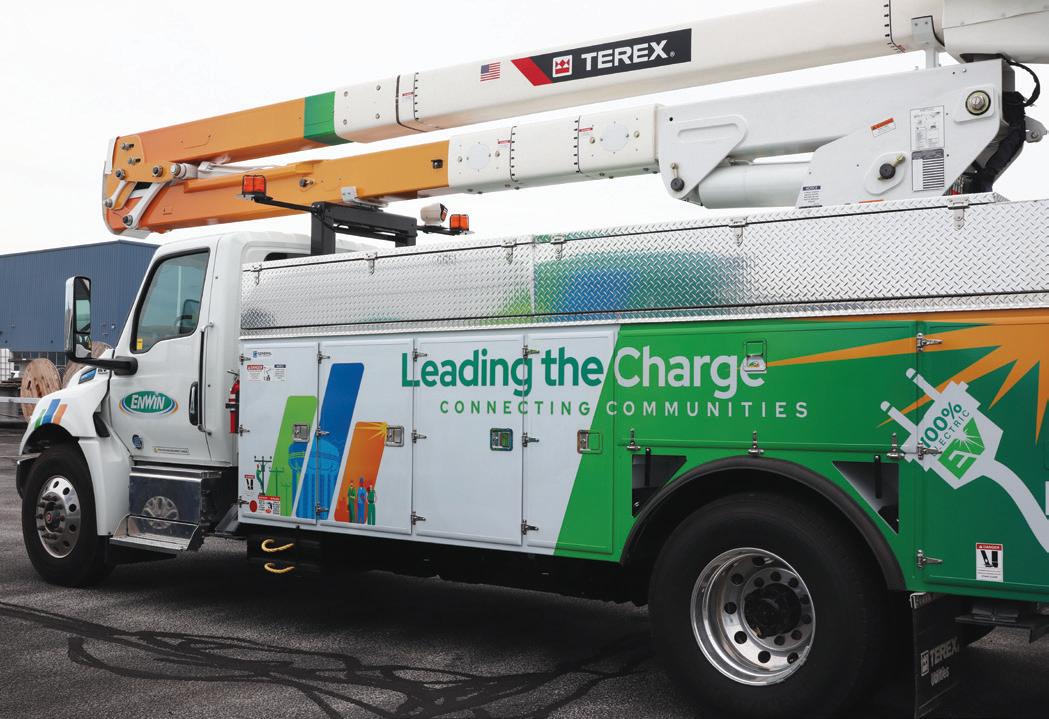

with an average restoration time of just 33 minutes. The utility’s investment in AMI 2.0 smart metering, a self-healing grid, and AI-powered vegetation management has enhanced system resiliency while reducing costs and preserving natural growth.
In 2024, ENWIN installed a new rooftop solar net metering facility at its head office on Rhodes Drive. One of the largest of its kind in Canada, this investment in renewable energy is a testament to ENWIN’s commitment to sustainability and innovation.
The new rooftop solar array, consisting of over 3,000 solar panels, generates enough clean, renewable electricity to power approximately 300 homes annually. This project is a significant step forward in ENWIN’s ongoing efforts to diversify its energy portfolio and decrease reliance on fossil fuels.
Financially, ENWIN stands out as the only large utility in Group 1 of the PEG benchmarking study, demonstrating industry-leading efficiency and eliminating future stretch factors in rate increases — a win for customers and stakeholders alike.
ENWIN’s community engagement is equally impressive. From donating over $155,000 to local causes to supporting Indigenous youth in skilled trades, the utility is deeply woven into the fabric of Windsor-Essex. Its partnership with the University of Windsor and support for Stellantis Canada’s battery R&D facility further highlight its role in driving regional innovation.
Driven by strong leadership and vision, ENWIN Utilities is delivering reliable, cost-effective energy solutions that not only keep the lights on but empower customers with dependable service and long-term value.
GrandBridge Energy proudly announced the release of its first Corporate Responsibility Report, Our Roadmap to a Sustainable Future, in May 2025. This inaugural publication reflects the company’s commitment to embedding environmental, social, and governance (ESG) principles into its operations and outlines a clear path forward under its new fiveyear Strategic Plan.
The report, available at grandbridgeenergy.com/report highlights the significant progress made across key ESG areas and sets the foundation for continued growth, transparency, and accountability.
“As a forward-thinking utility, GrandBridge Energy understands that a strong commitment to environmental sustainability, social

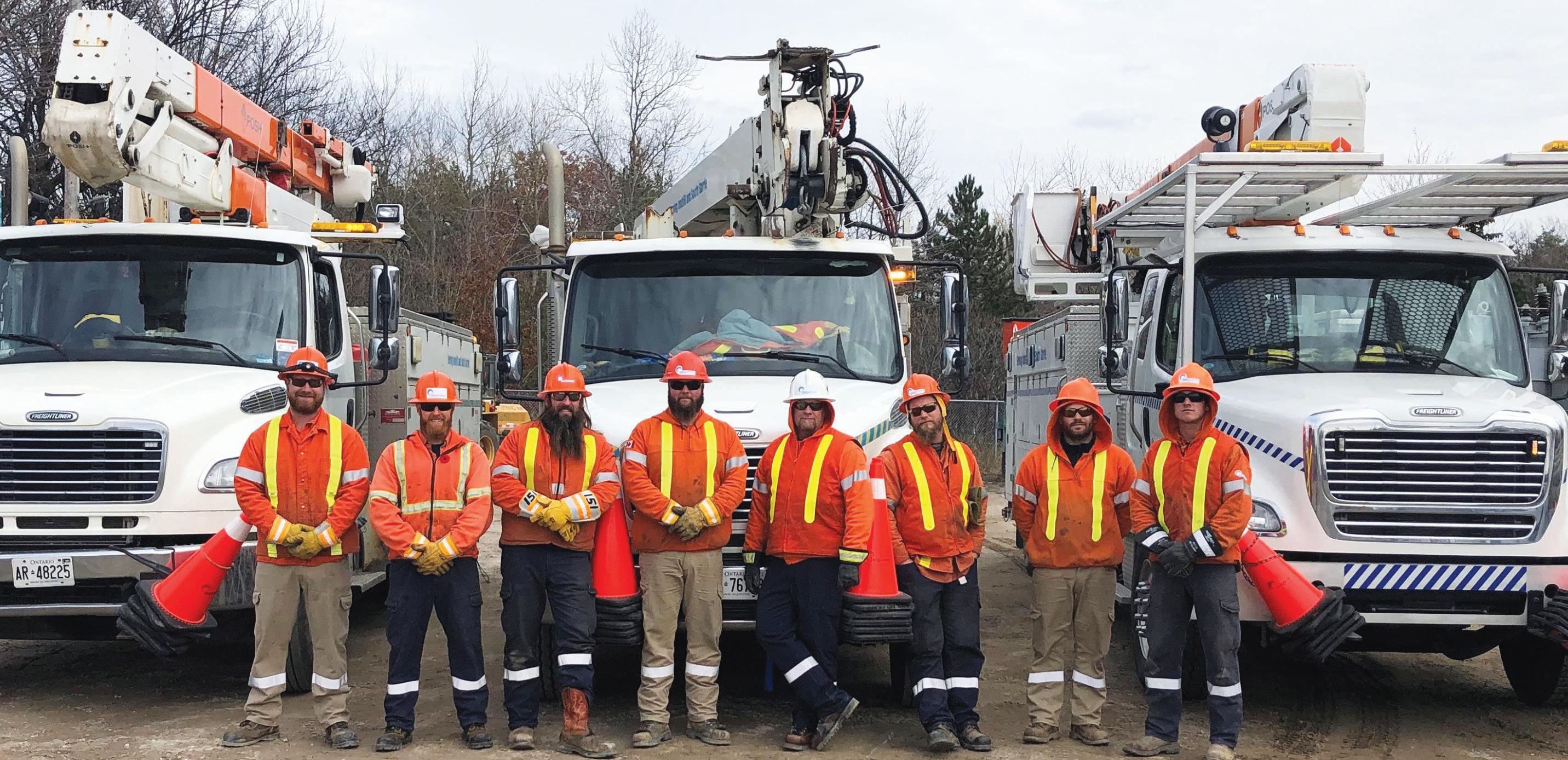
InnPower Corporation is setting a new benchmark for operational excellence and technological innovation in Ontario’s electricity distribution sector. As a leading-edge Local Distribution Company (LDC), InnPower exemplifies how utilities can serve as strategic assets that drive economic growth and resilience across the province.
In response to the increasing frequency of extreme weather events and the growing demand for reliable energy, InnPower recognized the need to modernize its operations. The utility partnered with Senpilot to co-develop and implement a cutting-edge artificial intelligence platform designed to enhance efficiency, streamline workflows, and maximize the impact of its $2 million annual investment in asset renewal programs.
The Senpilot AI platform leverages years of operational data to automate routine tasks, enabling InnPower’s teams to focus on strategic planning and high-value initiatives. By integrating this technology across departments, InnPower has significantly improved cross-functional collaboration and decision-making. The platform’s intuitive single-page interface consolidates critical information from multiple sources, reducing administrative burden and ensuring that data is both accessible and actionable.
Since deploying Senpilot, InnPower has achieved an estimated 18%

LEARN MORE about how InnPower is powering progress through innovation
increase in operational efficiency, particularly in its maintenance and replacement programs. Engineering teams now spend up to 85% less time gathering data, allowing them to concentrate on complex infrastructure projects that enhance service reliability and support community growth.
InnPower’s proactive approach to innovation demonstrates the vital role LDCs play in Ontario’s energy future. By embracing advanced technologies like AI, InnPower is not only optimizing its operations but also reinforcing its position as a catalyst for economic development and a model for other utilities across the province.
impact and governance accountability is integral to long-term success and community trust,” said Sarah Hughes, President & CEO of GrandBridge Energy. “This report represents a pivotal step in our journey to lead with integrity, innovation, and purpose.”
The report features insights from across the organization, highlighting the people behind the progress — GrandBridge Energy’s employees, whose are central to the company’s achievements and ongoing success. The Corporate Responsibility Report underscores GrandBridge Energy’s pledge to align daily operations with sustainable business practices and community
With a strategic focus on environmental stewardship, social well-being, and sound corporate governance, GrandBridge Energy is poised to continue building a resilient and sustainable future.
“The release of our 2024 Corporate Responsibility Report is just the beginning of our journey,” added Hughes. “We look forward to continued collaboration with our customers and communities to achieve a sustainable energy future.“ GrandBridge Energy delivers safe and reliable electricity to 115,000 customers in the City of Brantford, the City of Cambridge, the Township of North Dumfries and the County of Brant, with a service territory spans approximately 636 square kilometres.
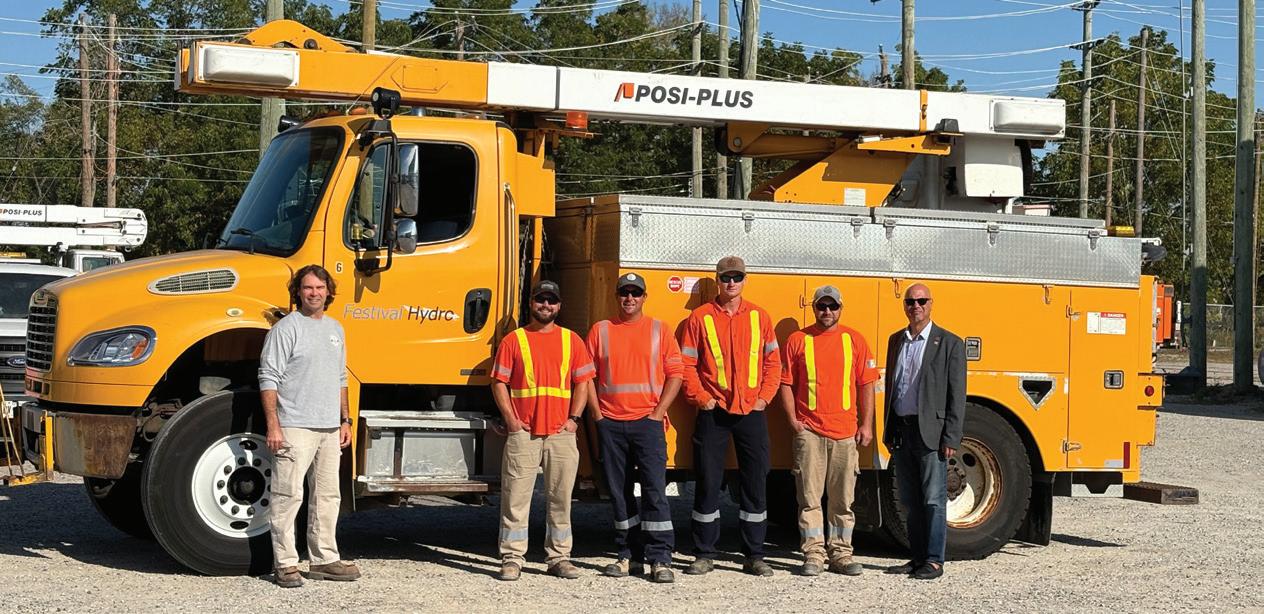
Festival Hydro Inc. (FHI) is proving that a strong workplace culture is not just good for employees, it’s a strategic advantage for Ontario’s energy future. In 2024, Festival Hydro achieved remarkable milestones, culminating in being awarded the inaugural EDA People and Culture Excellence Award in March 2025, and solidifying its reputation as a high-performing, innovative Local Distribution Company (LDC).
With a small but mighty team, Festival Hydro exceeded expectations across multiple fronts. The utility’s success is rooted in a deep commitment to its people, a culture of collaboration, and a bold vision for the future. Following a full executive leadership transition between 2021 and 2022, FHI launched a forwardthinking strategic plan focused on sustainability, innovation, and adaptability— key pillars for navigating the energy transition.
Festival Hydro’s transformation is a model for other LDCs. In just one year, the utility implemented and completed a series of ambitious initiatives that would be significant on their own—yet together, they represent a sweeping modernization of the organization.
These included:
• A comprehensive employee retention and recognition strategy that resulted in zero turnover in the past 12 months.
• A full renovation of its administrative office, new field tools and fleet upgrades, and the deployment of critical systems including a new Customer Information System, ERP, and HR/payroll platform.
• A robust succession planning process, ensuring leadership continuity and long-term organizational resilience.
• A commitment to training and development, with investment per employee more than doubling to over $5,000 annually.
• A strong focus on diversity, equity, and inclusion, creating a workplace where all employees feel heard, respected, and empowered.
These efforts have led to a measurable increase in employee engagement (up 8.7% company-wide) and a workplace where people genuinely enjoy coming to work. Festival Hydro’s strategic investments in people, technology, and infrastructure are enabling the utility to deliver exceptional service, support local economic growth, and lead the way in Ontario’s energy transition.
Festival Hydro’s strategic investments in people, technology, and infrastructure are enabling the utility to deliver exceptional service, support local economic growth, and lead the way in Ontario’s energy transition. Festival Hydro is a great example of how local utilities aren’t just keeping the lights on, they’re helping communities grow, adapt, and thrive.
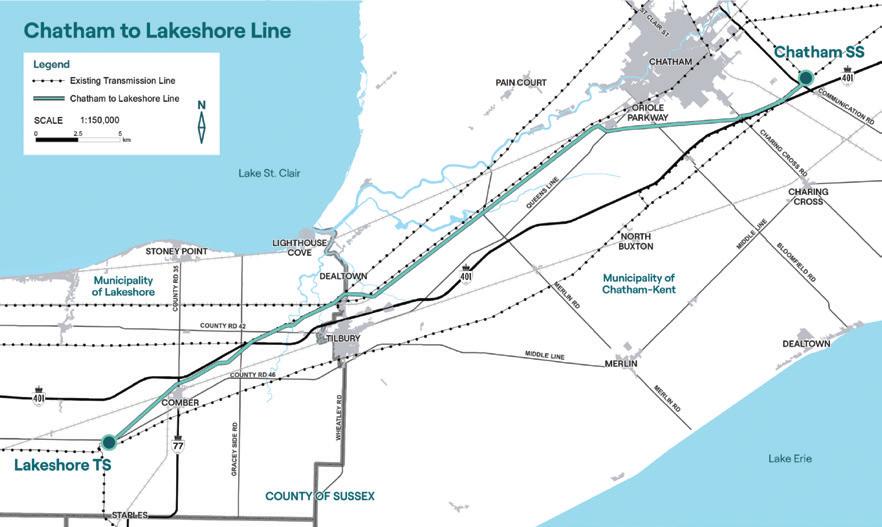
Hydro One’s new Chatham to Lakeshore transmission line is a significant milestone in Ontario’s journey towards a modernized and resilient electrical grid. This innovative project, spans from the Chatham Switching Station in Chatham-Kent to the Lakeshore Switching Station in the Municipality of Lakeshore.
The Chatham to Lakeshore line is a doublecircuit 230 kilovolt transmission line designed to support the growing electricity needs of southwestern Ontario. This project is not just about adding capacity; it represents a leap forward in grid technology and reliability. By incorporating advanced materials and construction techniques, Hydro One ensures that the new line can handle increased loads and better withstand extreme weather conditions.
One of the standout features of this project is its emphasis on environmental sustainability. Hydro One has conducted a comprehensive Class Environmental Assessment to minimize the ecological impact of the construction and operation of the line. Additionally, the company has launched a Biodiversity Initiative to invest in habitat creation and enhancement
projects in the region. This initiative underscores Hydro One’s commitment to balancing infrastructure development with environmental stewardship.
The Chatham to Lakeshore line also plays a crucial role in improving the distribution of electricity. By increasing the capacity and reliability of the transmission network, local hydro distribution companies can better manage and distribute electricity to their customers.
This enhanced distribution capability ensures that even during peak demand periods, there is a consistent and reliable supply of electricity. Local hydro distribution companies benefit from this project as it reduces the likelihood of outages and improves the overall efficiency of the electricity grid. This means fewer disruptions for customers and a more resilient infrastructure that can adapt to future energy needs.
For the residents and businesses in southwestern Ontario, the Chatham to Lakeshore line brings numerous benefits. Firstly, it significantly improves the reliability of the power supply. With the region’s electricity demand expected to grow substantially, this new line ensures that homes and businesses will have a stable and continuous power supply. This reliability is crucial for supporting local industries, particularly in the agri-food and manufacturing sectors, which are vital to the region’s economy.
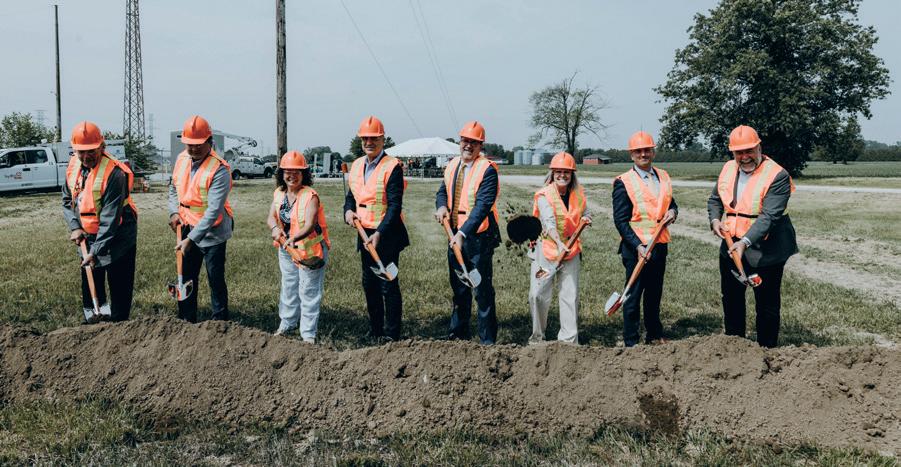
Moreover, the project is a key component of Ontario’s broader grid modernization efforts. By upgrading the transmission infrastructure, Hydro One is paving the way for the integration of renewable energy sources, such as wind and solar power. This integration is essential for reducing greenhouse gas emissions and achieving the province’s climate goals.
Hydro One’s Chatham to Lakeshore transmission line is a shining example of how innovation and sustainability can go hand in hand to modernize Ontario’s electrical grid. This project not only meets the immediate needs of the region but also sets the stage for a cleaner, more resilient energy future for the province.

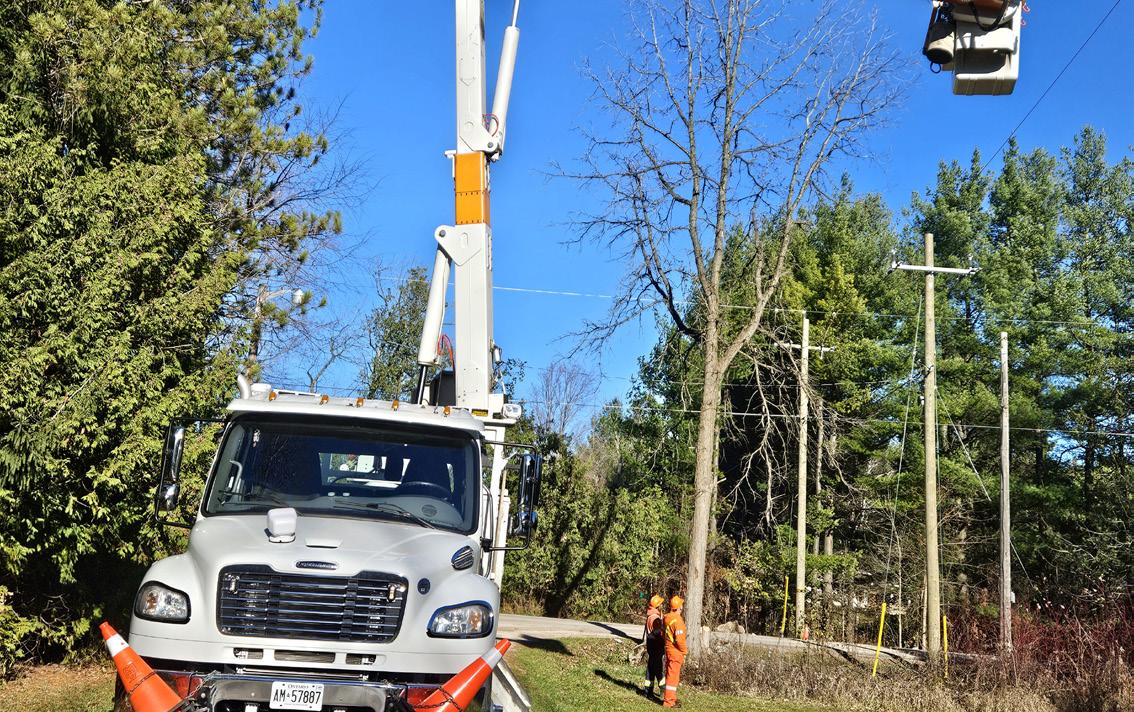
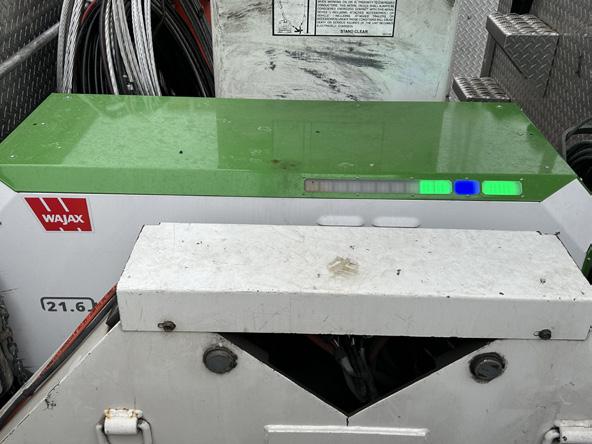
Milton Hydro Distribution Inc. is proud to announce the successful retrofit of one of its key fleet vehicles, a 2015 Posi-Plus 46’ Single Bucket Truck, with advanced electric power technology. This upgrade reflects Milton Hydro’s ongoing commitment to enhancing operational efficiency and safety while reducing environmental impact.
The retrofit, completed by Wajax at their Kitchener facility, involved the installation of a self-contained unit powered by enclosed lithiumion batteries. This unit drives an AC motor and pump, significantly reducing the truck’s diesel consumption and emissions by over 50%. With this retrofit, the truck can now operate for approximately 14-16 hours on a single charge, with the added flexibility of switching back to conventional engine power when needed. This type of bucket truck is typically used for service, maintenance, and capital project work on the energy grid within residential and industrial areas.
“This upgrade not only extends the life of our equipment, reduces our dependence on fossil fuels, and is more environmentally friendly, but it also enhances the safety of our operators and the public,” said Troy Hare, President and CEO of Milton Hydro. “The reduction in ambient noise levels allows our crews to communicate more effectively, contributing to a safer working environment.”
In addition to the environmental benefits, the retrofit aligns with Milton Hydro’s strategic goal of improving operational efficiency without compromising reliability or safety. By minimizing diesel engine use, the truck’s maintenance needs are expected to decrease, further contributing to cost savings and operational longevity, and being more environmentally conscious of emissions.
Hydro Ottawa is embracing the transformative power of Artificial Intelligence (AI) to optimize operations and enhance customer experience in response to evolving customer expectations, regulatory changes, and rapid technological advancements.
This initiative is designed to optimize operations and enhance customer experience, addressing the challenges of aging infrastructure, rising customer expectations, and the integration of renewable energy sources.
Hydro Ottawa’s commitment to innovation is evident in its strategic AI implementation across various business functions. The project aims to drive permanent, long-term change by building AI capabilities that ensure a more sustainable and resilient energy future for the communities it serves. The success of the Google Gemini project, which integrates Duet AI into Google Workspace, has demonstrated significant impact on internal productivity.
The energy sector faces numerous challenges, including aging infrastructure, increasing customer expectations, and the need for renewable energy integration. Hydro Ottawa recognized the necessity for a paradigm shift and identified AI as a key solution to address these challenges. The AI initiatives include:
1. Google Gemini Project: Integrating Duet AI into Google Workspace to boost employee productivity and streamline workflows.
2. AI-Driven Customer Experience: Implementing AI-powered solutions to enhance customer engagement, provide personalized insights, and combat scam activity.
3. Grid Optimization: Utilizing AI for predictive maintenance, outage management, and energy distribution optimization.
Hydro Ottawa’s AI solutions are designed for seamless integration. The Google Gemini project leverages the familiar Google Workspace environment, minimizing disruption and facilitating adoption. AI-powered customer service tools integrate with the CRM platform, providing a unified customer view. These initiatives are cost-effective and manage risks effectively through careful planning and execution.
The rollout and adoption of Gemini have been smooth and successful, thanks to effective communication, collaboration, and comprehensive training such as workshops and online resources. This focus on internal adoption has been critical to the project’s success. The measurable impact of AI initiatives is evident in improved customer satisfaction scores, reduced outage durations, and increased operational efficiency.
Hydro Ottawa’s AI initiatives focus on two core audiences:
1. Employees: AI tools like Google Duet AI within Google Workspace empower employees to be more productive and efficient in their daily tasks, enhancing their ability to serve customers and contribute to a more innovative workplace.

2. Customers: AI improves the customer experience through AI-powered scam detection, personalized energy insights, and enhanced self-service options. The Call Insights project, currently in the testing phase, aims to further enhance customer satisfaction upon launch.
Hydro Ottawa’s AI initiatives have delivered significant value:
• Google Gemini Project: Employee survey data shows time-saving (3 hours or more per week), improved output quality, and enhanced productivity.
• Call Insights: Near real-time call querying and replacement of manual call sampling enable faster identification of customer issues and trends, improving efficiency and reducing costs.
• Improved Reliability: AI-powered predictive maintenance has reduced equipment failures and minimized outages.
• Enhanced Customer Satisfaction: AI-driven tools provide faster support, personalized energy insights, proactive scam protection, and trend analysis from call data, improving customer satisfaction and efficiency.
Hydro Ottawa’s strategic AI implementation is transforming service delivery in the energy sector. By harnessing AI, particularly through the successful implementation of Google Gemini, Hydro Ottawa is improving customer satisfaction, enhancing operational efficiency, and increasing employee productivity. This project not only builds a more sustainable energy future but also sets a benchmark for innovation in the industry.
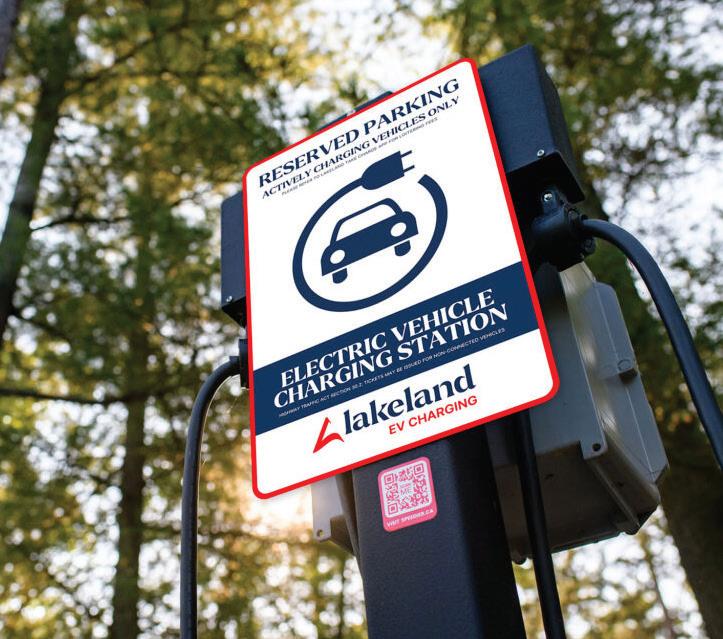
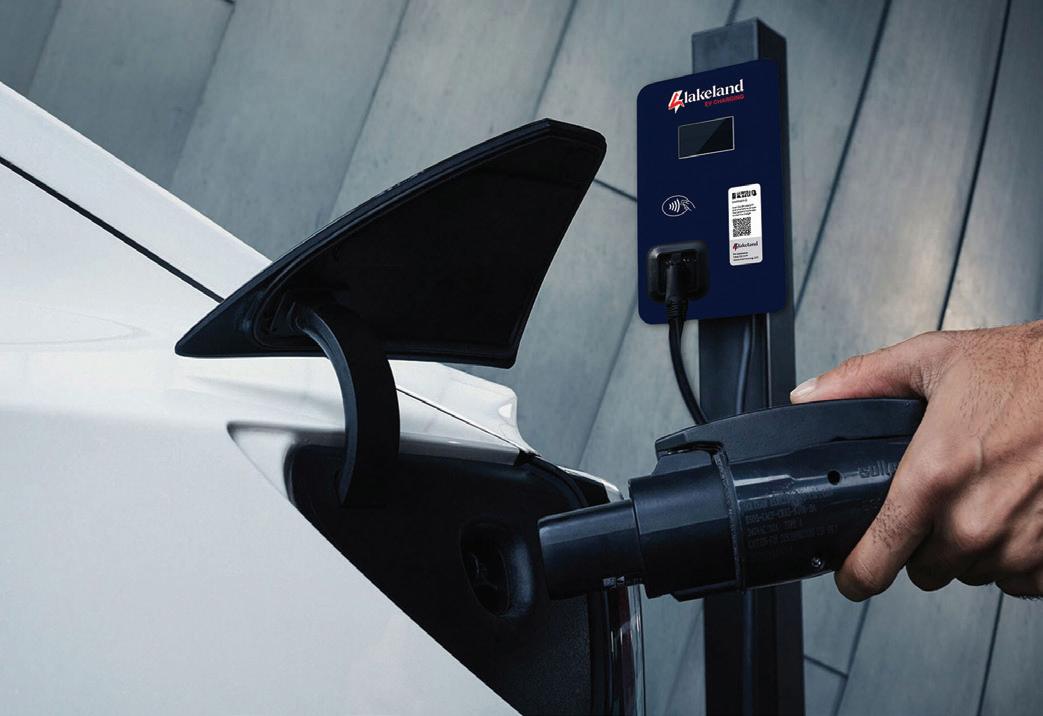
Lakeland Holding Ltd. (the parent company of Lakeland Power, an electric utility providing electrical distribution in Parry Sound and Muskoka) is accelerating Ontario’s clean energy transition with a major expansion of its electric vehicle (EV) charging infrastructure across central Ontario. Following the successful completion of Phase I, Lakeland’s fast-charging network—locally owned and operated—now includes 16 stations and 58 charging ports. From the summer of 2025, EV drivers heading to Muskoka and Parry Sound can travel with confidence, knowing reliable public charging is readily available and easy to plan.
Now, with support from Natural Resources Canada’s Zero-Emission Vehicle Infrastructure Program (ZEVIP) and Ontario’s EV ChargeON program, Lakeland is set to double its network. Phase II will add 17 new sites and 50 additional chargers, including 26 dual-port DC fast chargers capable of delivering up to 180kW, enough to charge 100km in just 10 minutes. By Fall 2026, Lakeland’s network will grow to 33 stations, significantly enhancing EV accessibility across the region.
“The Government of Canada is ensuring that Canadians have reliable and readily available charging options, wherever they go,” said the Honourable Tim Hodgson, Minister of Energy and Natural Resources.
“Increasing access to EV chargers outside large urban centres fills gaps in local charging infrastructure and reduces range anxiety,” added Prabmeet Sarkaria, Ontario’s Minister of Transportation. “Through the EV ChargeON Community Sites Stream Program, our government has approved 270 projects to date, including this one by Lakeland EV Charging, demonstrating our commitment to protect Ontario by transforming the province into a global clean energy superpower.”
This initiative is a prime example of how local electricity distribution companies (LDCs) like Lakeland Holding are leading the way in energy innovation and community service. By investing in EV infrastructure, Lakeland is not only supporting provincial and federal climate goals but also directly responding to the evolving needs of its customers. With deep roots in the region and a commitment to reliability, Lakeland is demonstrating how LDCs can play a pivotal role in shaping a sustainable, customer-focused energy future.
Lakeland’s expansion is also supported by a new partnership with ChargeHub, Canada’s largest EV charging network. Through this integration, drivers can now locate and access Lakeland chargers via the ChargeHub app, which connects users to thousands of stations
nationwide. Combined with Lakeland’s own app, trip planning is now seamless for EV drivers exploring Ontario’s scenic highways and vibrant communities.
At Lakeland’s EV & Charging Event in Bracebridge, local leaders and stakeholders celebrated the Phase II funding announcement. Peter Ewald, Director of Lakeland EV Charging, shared his enthusiasm:
“Now people can thoroughly enjoy exploring this beautiful part of Ontario we call home in the perfect way… with their EVs. With our head office in Bracebridge, our local technicians ensure regular upkeep and rapid service support. EV drivers can confidently make travel plans knowing they’ll have access to fast, reliable, and easy-to-locate charging.”
Whether you’re a resident, a cottager, or a visitor, Lakeland EV Charging is ready to power your journey. Download the Lakeland EV Charging App from the Apple Store or Google Play, or visit www.lakelandevcharging.ca to learn more.
In a time of rapid transformation across Ontario’s energy sector, Niagara Peninsula Energy Inc. (NPEI) is demonstrating how Local Distribution Companies (LDCs) are evolving to meet customer needs with agility, innovation, and a deep commitment to community. NPEI’s success with its Customer Info Guide is a prime example of how Ontario’s LDCs are not only delivering reliable electricity, but also reimagining customer service for a digital-first future.
When NPEI made the strategic decision to permanently transition away from walk-in customer service following the COVID-19 pandemic, it did so with a clear priority: ensuring that customers continued to receive the same level of support, accessibility, and care through new channels.
To bridge the gap left by in-person interactions, NPEI developed the Customer Info Guide, a comprehensive digital resource designed to answer common questions, provide clarity on services, and empower customers to manage their energy needs confidently. This initiative reflects the broader LDC commitment to reliable service delivery, even as the methods evolve.
The development of the Guide was a cross-functional effort, involving input from every department. NPEI’s team analyzed website traffic, reviewed call center data, and gathered insights from frontline staff to ensure the Guide addressed the most relevant and frequently asked questions. This thoughtful, datainformed process reflects how Ontario’s LDCs are

leveraging technology and internal collaboration to improve customer outcomes.
The Guide is now seamlessly integrated into NPEI’s digital ecosystem and linked in employee email signatures, eBill notifications, and welcome emails to new customers. It’s not just a static document; it’s a living resource that evolves based on customer feedback, with a built-in survey allowing users to suggest improvements and new topics.
ACCESS THE GUIDE and discover whats possible.
In its first year, the Guide was accessed over 1,000 times, underscoring its value to customers navigating a fully online service model. NPEI plans to expand the Guide to include tailored content for large commercial customers, further demonstrating its commitment to serving diverse customer segments with precision and care.
This initiative is more than a digital tool, it’s also a reflection of the broader LDC mission: to provide reliable, innovative, and community-focused energy services. By proactively adapting to changing customer expectations and embracing digital transformation, NPEI is helping set the standard for what modern utility service looks like in Ontario.
NPEI’s approach exemplifies how Ontario’s LDCs are evolving to meet the needs of today’s energy consumers. Through innovation, responsiveness, and a strong sense of community responsibility, LDCs like NPEI are ensuring that reliability isn’t just about keeping the lights on, it’s about keeping customers informed, supported, and empowered.
North Bay Hydro has undertaken several key projects to modernize the electricity distribution grid and enhance infrastructure resiliency, with more planned in the coming years. These initiatives are essential for ensuring reliable, efficient power delivery to the community today and into the future.
By rebuilding overhead lines and replacing aging poles with new wood and composite structures, North Bay Hydro is strengthening critical corridors and increasing the grid’s ability to handle current and future electricity demands. Composite poles offer important advantages in our climate, including rot resistance in high-moisture environments, improved protection against pests and wildlife, the ability to withstand high winds and ice build-up, and fire resistance. Together, these attributes help extend pole life, reduce maintenance needs, and support a stronger, more dependable system.
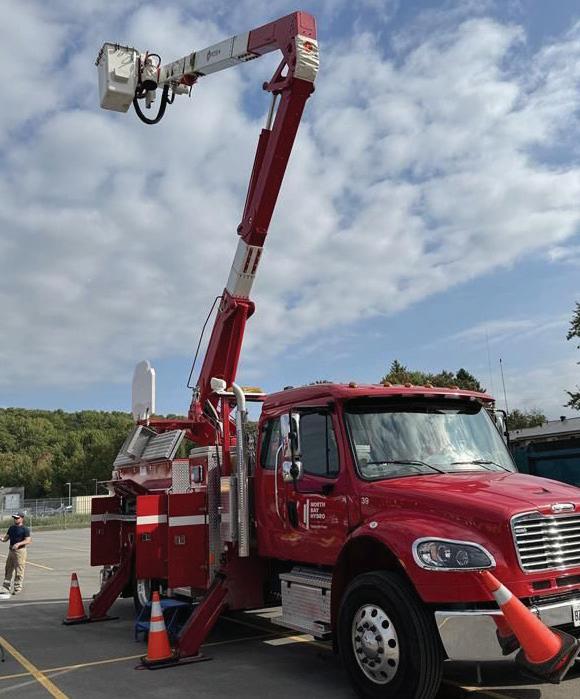
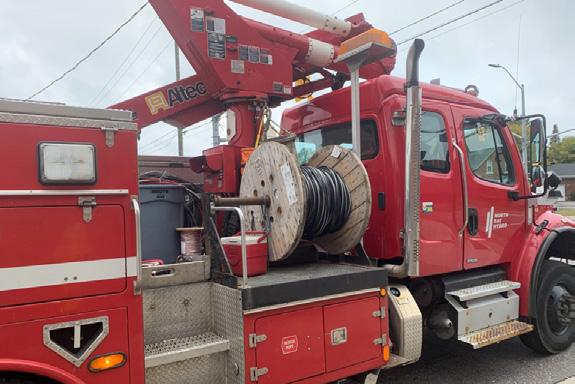
North Bay Hydro is rebuilding a key 44kV sub-transmission line and 12.47kV distribution line along Tower Drive, installing 31 composite poles to maximize service life. This upgrade increases capacity, improves reliability, and supports more flexible power routing during outages.
The Blair Street underground cable replacement project is nearing completion. Directly buried cables are being replaced and installed in protective ducts, reducing the risk of cable failure and improving reliability for customers during severe weather and over the long term.
This project replaces aging poles and equipment between MS8 and Prince Edward Drive, using composite poles in a wetland area. These poles resist rot in high-moisture conditions and prepare the corridor for a future 44kV line extension, strengthening the grid for years to come.
The Labreche Drive underground cable replacement project is now complete. New cables in ducts provide better protection in this neighbourhood, reducing faults and helping deliver more consistent, dependable service to local homes and businesses.
Underground cable replacement projects further reduce outage risk by replacing directly buried cables with new cables installed in protective ducts. This approach provides better protection against faults, particularly during severe weather events, and improves long-term reliability for customers in the affected neighbourhoods.
North Bay Hydro is also supporting the expansion of high-speed internet through the Improving Connectivity for Ontario (ICON) program and Accelerated High-Speed Internet Program (AHSIP) by completing “make-ready” pole work, primarily in rural areas. By modifying or replacing poles so communication providers can safely attach their equipment, this work helps bring modern connectivity to more homes and businesses while ensuring that electrical infrastructure remains safe and robust.
Another critical component of resiliency is vegetation management. Regular tree trimming, hazard tree removal, and right-of-way maintenance help keep branches and trees away from power lines. Of all the work done on the grid, effective vegetation management provides some of the greatest protection against unplanned outages.
Through these combined efforts, overhead line rebuilds, underground cable replacement projects, make-ready work for broadband, and proactive vegetation management, North Bay Hydro is investing in a distribution system that is safer, more reliable, and better able to meet the community’s evolving energy needs.

In Ontario’s dynamic energy landscape, NT Power is setting a high standard for customer service, demonstrating how local distribution companies (LDCs) are more than just power providers. They are community partners, trusted advisors, and champions of reliability. NT Power’s intentional focus on customer experience is a powerful example of how Ontario’s LDCs deliver dependable electricity while staying deeply connected to the people they serve.
CUSTOMER ENGAGEMENT THAT BUILDS TRUST
NT Power’s commitment to customer service goes beyond the meter. By actively participating in local events across Midland, Tay, and Newmarket, NT Power creates meaningful, face-to-face connections with residents. Whether it’s a parade, festival, or home show, these touchpoints reinforce the value of having a local hydro company that’s present, responsive, and invested in the community.
PURPOSE
NT Power’s initiatives reflect a broader LDC ethos of meeting customers where they are and making energy education accessible:
• EV Roadshows: In partnership with Plug’n Drive, NT Power hosted electric vehicle events that offered hands-on test drives and open conversations. These events helped demystify EVs and empowered customers to explore sustainable transportation options.
• Low-Income Information Sessions: NT Power provided personalized support to help
customers understand and access assistance programs. These sessions also offered practical advice on managing energy use and reducing costs, showing how LDCs can be proactive partners in affordability and energy literacy.
By the end of 2024, NT Power participated in 19 community events, each one reinforcing the company’s commitment to service and reliability.
Kelly McCann, President and CEO, captures the spirit of NT Power’s approach:
“Our goal is to be there for our customers as a trusted advisor whenever they need us, ensuring their questions are answered, their concerns addressed quickly and efficiently, and that those who are eligible for assistance programs are connected with the proper support.”
This philosophy is embedded in NT Power’s 2024–2028 strategic plan, Powering with Purpose, which focuses on leveraging technology, fostering a strong corporate culture, and promoting sustainability. It’s a whole-team effort and every NT Power employee plays a role in shaping a customer experience that’s intentional, inclusive, and future-ready.
NT Power’s proactive, people-first approach is a testament to the strength and reliability of Ontario’s LDCs. By combining innovation with community engagement, NT Power and other LDCs across the province are not only powering homes and businesses, but also building resilient, informed, and connected communities.
With Ontario’s energy demand expected to grow 75 per cent by 2050, businesses and residents are looking for ways to supplement the existing grid. At the same time, more sustainable energy solutions, are now available. Homeowners now have several options to upgrade their energy systems. With so many choices, and little guidance, it can feel overwhelming to know where to start.
Oakville Hydro saw this gap and took action. The EcoShift App, developed in collaboration between Oakville Hydro and Fare Vostro Energy Solutions Inc., provides residents and small businesses in the Town of Oakville with a practical way to engage in the energy transition—right from their mobile devices. Supported by the Ontario Energy Board’s Innovation Sandbox Challenge, EcoShift is among the first platforms in Ontario to combine real-time energy insights, clean technology education, and behavioral engagement in a single, user-friendly application.
In 2024, The Ontario Energy Board (OEB) awarded EcoShift funding through its Innovation Sandbox Challenge, which provided $1.5 million to six innovative energy projects.
EcoShift was designed to support broader adoption of clean technologies like EV chargers, rooftop solar, and heat pumps by making energy insights accessible, personalized, and actionable. It provides users with real-time alerts about abnormal energy usage, pathways to reduce their consumption, and up-to-date information on available government incentives. A unique feature—My Electrification Journey—allows users to visualize their own progress toward adopting sustainable technologies.
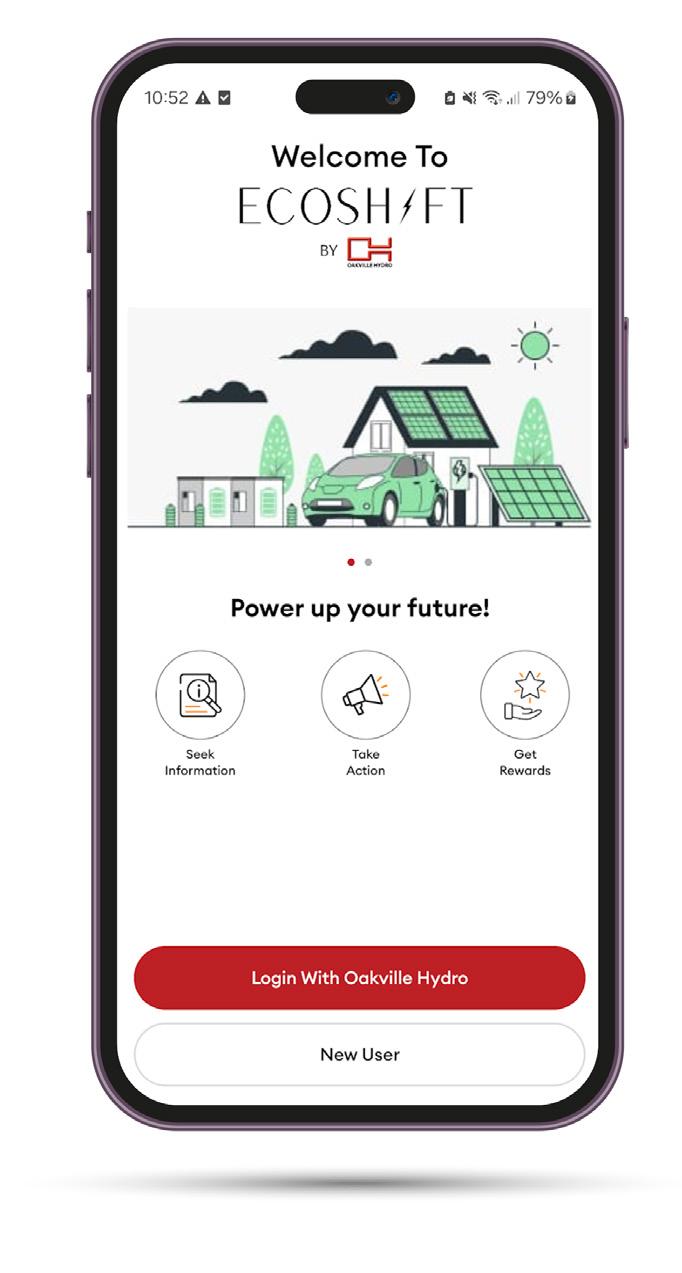
Beyond energy data, EcoShift also aims to build a sense of engagement. The app includes a community discussion board where users can share knowledge and experiences, as well as gamified challenges that encourage everyday actions to reduce energy use. These interactive features help demystify the energy system and foster more inclusive participation in sustainability efforts.
By integrating customer behavior, analytics, and clean tech education, EcoShift offers a model for how digital platforms can support communitylevel change—while also informing industry best practices for demandside management, electrification planning, and customer engagement.
The development and launch of EcoShift highlight the value of innovation in enabling new tools that align with Ontario’s energy goals. As LDCs look to play a larger role in facilitating decarbonization, initiatives like EcoShift demonstrate how digital solutions can bridge policy, technology, and real-world impact.
OUT
about Oakville Hydro, and EcoShift.
The EcoShift App equips customers with the tools and insights they need to take an active role in Ontario’s energy transition,” said Jeff Mocha, Chief Operations and Electrification Officer at Oakville Hydro. “By supporting more informed energy choices and accelerating the adoption of clean technologies, platforms like EcoShift contribute to a more flexible, efficient, and low-carbon electricity system—right in step with the province’s vision for a sustainable energy future.
THROUGH STRATEGIC EV FORECASTING
Ontario’s local distribution companies (LDCs) play an integral role in the energy transition, entrusted with integrating increasing electrification into local power grids, including rapidly accelerating levels of electric vehicle (EV) adoption. Oshawa Power recently concluded an innovative pilot project through the Independent Electricity System Operator’s (IESO) Grid Innovation Fund, demonstrating practical use of load signal disaggregation to forecast EV growth and strategically inform infrastructure planning to enable growing demand.
Building on a successful 2015 Conservation Demand Management (CDM) initiative that used load disaggregation to pinpoint inefficient household appliances, Oshawa Power recognized the potential to expand this methodology for the evolving needs of electric mobility. In 2022, Oshawa Power partnered with Peak Power and Hatch, with funding from the IESO’s Grid Innovation Fund, to administer a two-year pilot focused on disaggregating residential load data to isolate EV charging patterns across our service territory.
The project’s scope centered on developing an algorithm capable of accurately distinguishing Level-2
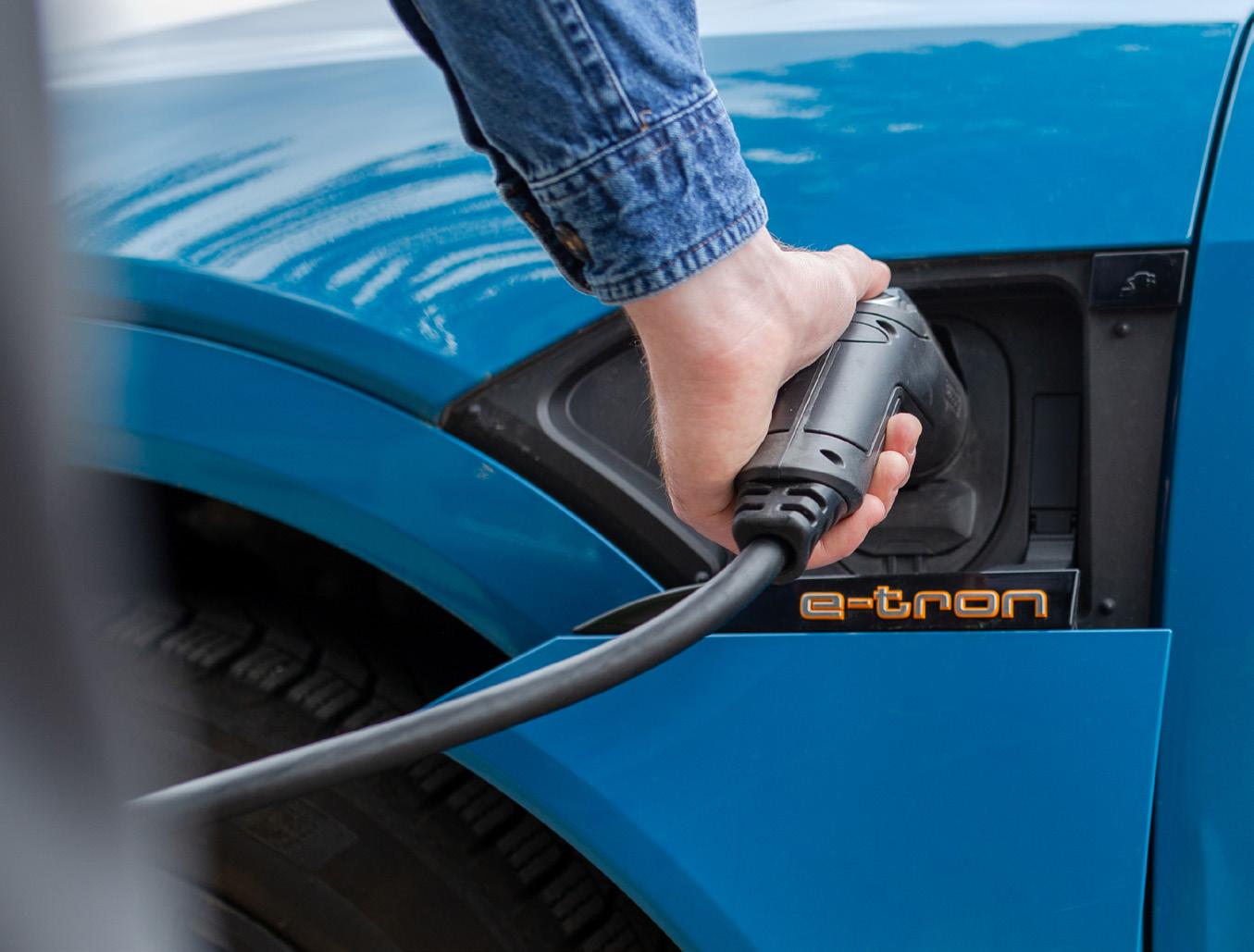
EV charging from standard residential electricity use. By leveraging detailed localized data acquired through internal customer surveys and the Ministry of Transportation’s EV registration database, we were able to identify Level-2 EV chargers with over 90% accuracy. While the focus excluded Level-1 trickle charging and Level-3 DC fast chargers due to their minimal or predictable impact, the insights gained for Level-2 charging were transformative for load forecasting and the organization’s Strategic Asset Management Plan.
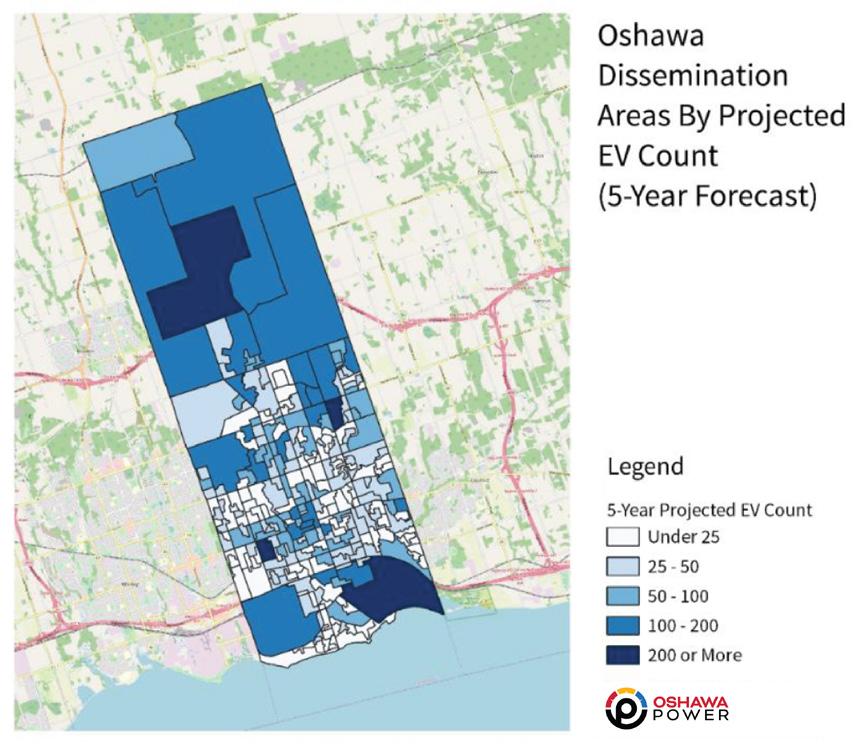
The algorithm’s successful implementation allowed Oshawa Power to begin developing an internal analytical tool that will effectively pinpoint which residences are actively using Level-2 chargers, accurately quantifying how much of the total residential load is attributable to EV charging. Additionally, the project team leveraged Oshawa Power’s data and publicly accessible demographic data to conduct a comprehensive propensity study, projecting total EV uptake and predicting adoption trends over the next five years.
This combined approach provided unprecedented clarity at the neighborhood level, highlighting specific areas where anticipated EV adoption could potentially stress existing distribution infrastructure.
Equipped with precise forecasts, Oshawa Power incorporated these insights directly into the development of a new Non-Wires Solutions (NWS) strategy. Recognizing the substantial capital investment required, Oshawa Power pursued alternatives to strategically manage load and potentially mitigate immediate capital intensive infrastructure investments.
By prioritizing NWS, Oshawa Power may defer or entirely avoid certain infrastructure expansions, achieving substantial cost savings.
The project’s outcomes highlight an important lesson for Ontario LDCs

— accurate forecasting paired with innovative load management solutions create opportunities to pursue mitigation strategies for the cost pressures associated with the energy transition. Oshawa Power’s proactive identification of potential infrastructure constraints attributed to predicted EV adoption allows targeted, impactful capital investments, ensuring ratepayer funds are efficiently allocated to only the most necessary upgrades. This approach supports enabling electrification while maintaining affordability, aligning with Ontario’s broader energy transition objectives.
The completion of this pilot not only validates the potential of signal disaggregation but also provides a replicable model for LDCs across Ontario. Collaboration, data-driven planning, and futurefocused investments in Non-Wires Solutions will help realize an electrified, sustainable, and more resilient energy future.
As Ontario navigates unprecedented demand growth, Oshawa Power remains committed to innovative solutions that facilitate and actively contribute to the energy transition, setting a standard for industry excellence.

Toronto Hydro is making it easier for customers to reduce their property’s carbon emissions, through a partnership with Canadian climate technology firm OPEN Technologies.
Building operations, like heating, cooling, and running appliances, make up more than 25% of the world’s carbon emissions. This number doesn’t even include emissions released during construction. Many industries want to cut these emissions, but they aren’t adopting new technologies fast enough.
Toronto Hydro has been working to cut emissions and help make Toronto a greener city, as outlined in its 2021 Climate Action Plan.
Through its partnership with OPEN Technologies, Toronto Hydro will offer eligible customers virtual building audits and decarbonization plans at no extra cost.
These services use OPEN’s AI-powered decarbonization planning tool to help building owners and managers track their

energy use and receive clear recommendations for lowering consumption. The audits are fast—often ten times quicker and much cheaper than traditional audits.
“We’re always looking for ways to support our customers on their electrification journey,” said Jana Mosley, CEO of Toronto Hydro. “By working with OPEN Technologies, we’re harnessing the power of AI provide building owners with ways to advance their energy efficiency and decarbonization efforts.”
Donovan Woollard, CEO of OPEN Technologies, is optimistic for the future, saying, “We are excited to work with Toronto Hydro to bring this technology to its customers and help accelerate the transition to a low-carbon built environment.”
Interested building owners can email climateaction@torontohydro.com, to learn more about the program and see if they are eligible.
On October 1, 2025, Utilities Kingston marked its 25th anniversary as an integrated multi-utility company. But, for over a century, Utilities Kingston has been a cornerstone of reliable electricity distribution in Central Kingston, serving more than 28,000 customers on behalf of Kingston Hydro. With a network of over 5,000 distribution poles, 34 substation transformers, and nearly 700 km of overhead and underground lines, the utility ensures safe, consistent power delivery across the region. What sets Utilities Kingston apart is its multi-utility model, which integrates electricity, water, gas, and broadband services under one umbrella. This approach streamlines operations, reduces costs, and enhances customer service—offering one point of contact for multiple services and coordinated infrastructure upgrades. It also ensures operational and investment decisions continue to be made locally and in the best interests of the community.
Innovation is at the heart of Utilities Kingston’s strategy. A key initiative is the creation of a Climate Action Leadership Plan to guide future projects and conservation programs that promote energy efficiency and environmental stewardship.
Utilities Kingston is also actively involved in regional electricity planning, collaborating with other local distribution companies to ensure long-term energy reliability and support economic growth.
Municipal Substation No. 1 (MS1) is Kingston’s oldest substation, located inside a heritage building on lower Queen Street, providing safe and
Performance metrics reflect their commitment to excellence to customers and their community.
According to the OEB’s 2024 Scorecard, Kingston Hydro achieved:
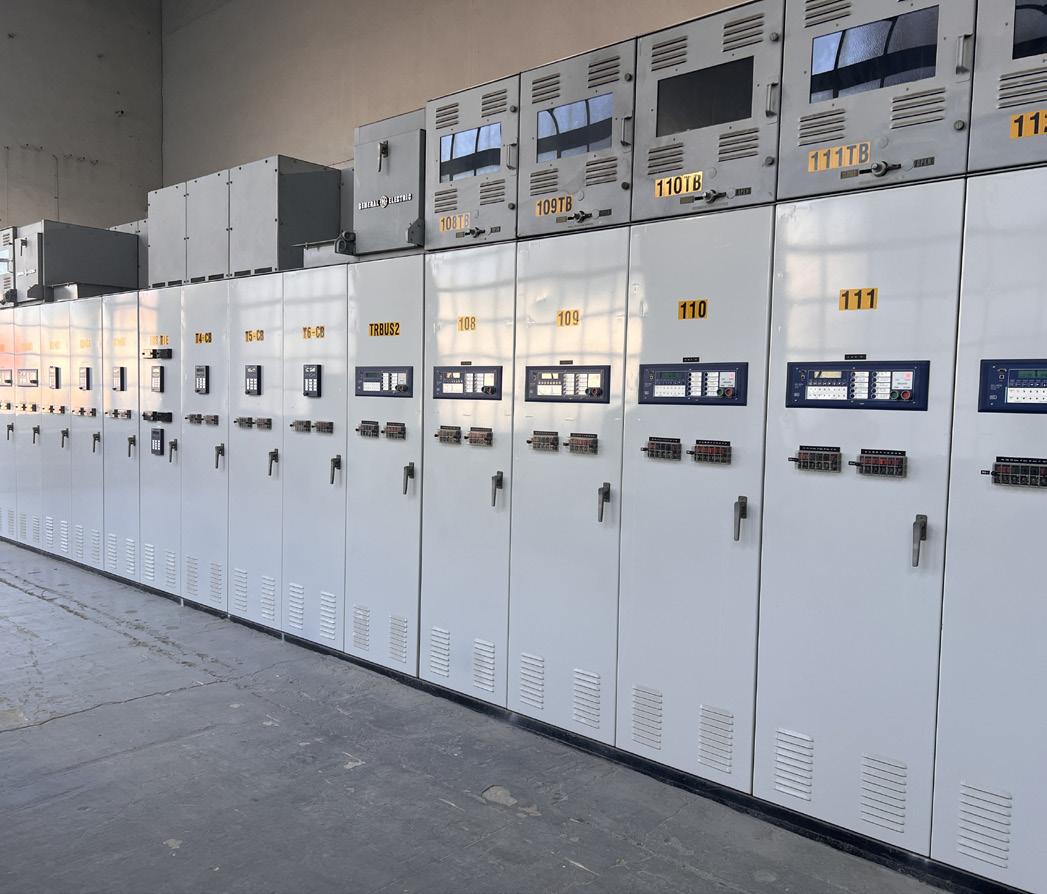
reliable electricity service to the downtown core. Utilities Kingston completed a major multi-year project here in 2023. The scope of work included replacing 44 kV transformers, breakers and switches on the west bus and upgrading 44 kV west bus protection.
The following equipment was installed, commissioned, and put into service:
• Three of six power transformers.
• Two 46 kV circuit breakers.
• 44 kV bus protection on the West Bus.
• New heating and cooling system.
As Kingston continues to grow, Utilities Kingston remains focused on delivering innovative, sustainable, and customer-focused electricity services— powering homes, businesses, and the future of the community.
SYNERGY NORTH made key improvements in EV planning, cybersecurity, customer service, and community engagement to stay ahead of EV trends, automate workflows and to add value to customers when work may impact them
SYNERGY NORTH launched the Electric Vehicle Registration Program in 2022 to better understand local EV trends and plan for future needs such as installing more charging stations. This program invites customers to register their electric vehicles (EVs) with the utility to access helpful resources and information about EV ownership.
Since 2024, 24 percent of EV owners in SYNERGY NORTH’s service area have registered their vehicles. To grow this number, the utility plans to partner with local car dealerships and take part in more EV events and shows.
Cyber attacks are becoming more sophisticated every year. Without proper preparation, utilities risk power outages, equipment failures, and data breaches. To stay ahead, the utility servicing Thunder Bay and Kenora has invested in technologies that help operators monitor systems,
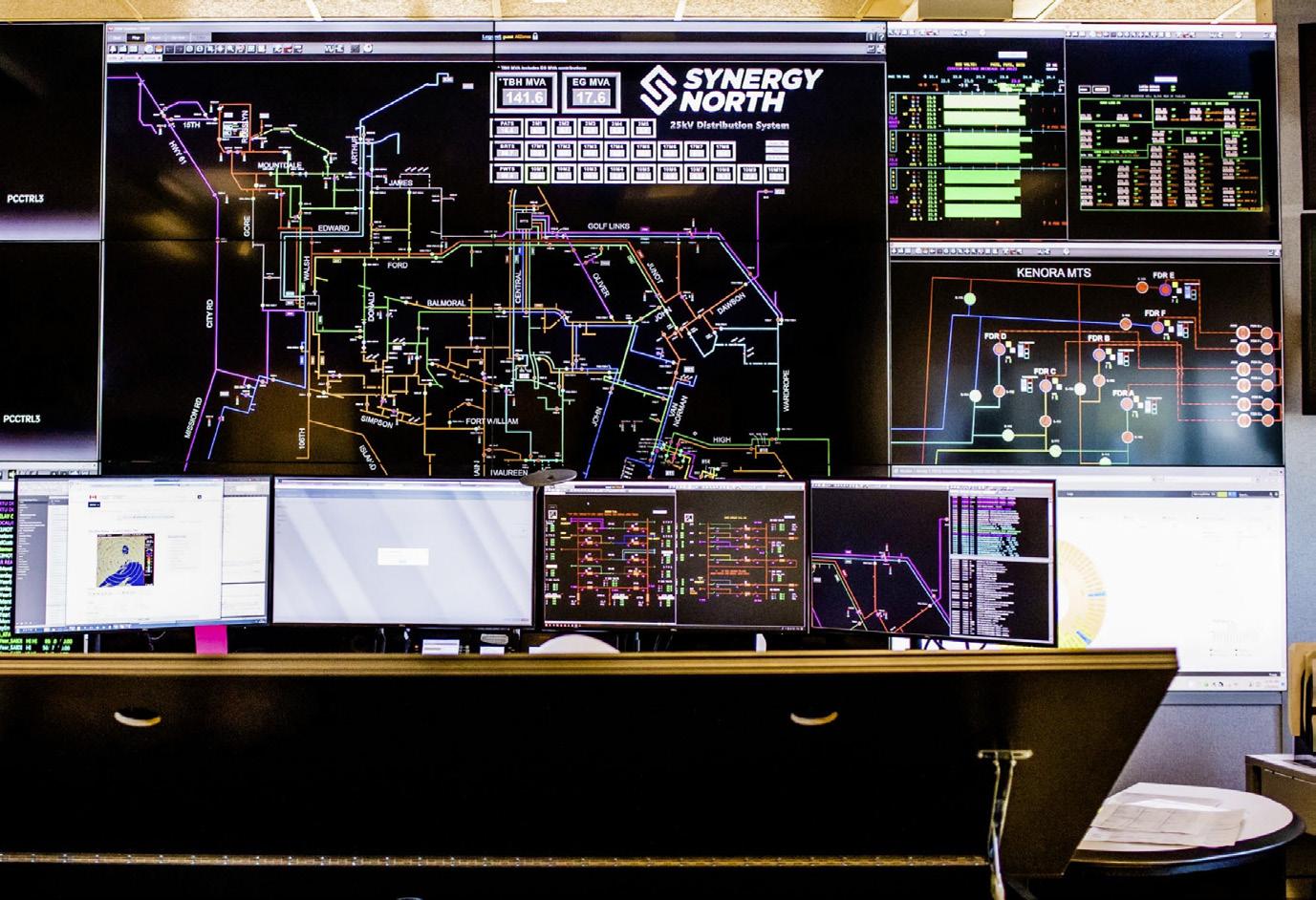
detect threats early, and respond before small issues turn into major problems.
These tools do more than prevent crises. They improve day-to-day operations. By automating routine tasks, the technology frees up staff to focus on more complex work, boosting overall productivity.
LEARN MORE about SYNERGY
NORTH’s innovations in New Technology and Customer Service Improvement
SYNERGY NORTH continues to make it easier for customers to stay informed and engaged. The utility launched the Shoot for Simplicity e-billing campaign in 2024 to raise awareness about digital billing and highlight its benefits. As a result, e-billing sign-ups rose by 6 per cent, saving the utility more than $12,000.
Like many local distribution companies, SYNERGY NORTH is always maintaining, upgrading, and expanding its infrastructure. Clear and effective communication helps ensure customers understand how these projects may impact them.
To support this, SYNERGY NORTH hosts virtual Neighbourhood Meetings led by the Capital Construction planning team. These sessions give customers an overview of upcoming projects in their area, including:
• Scope of the work
• Planned upgrades
• Customer benefits
• Potential impact on properties
SYNERGY NORTH held four virtual Neighbourhood meetings in 2024, reaching nearly 400 customers.
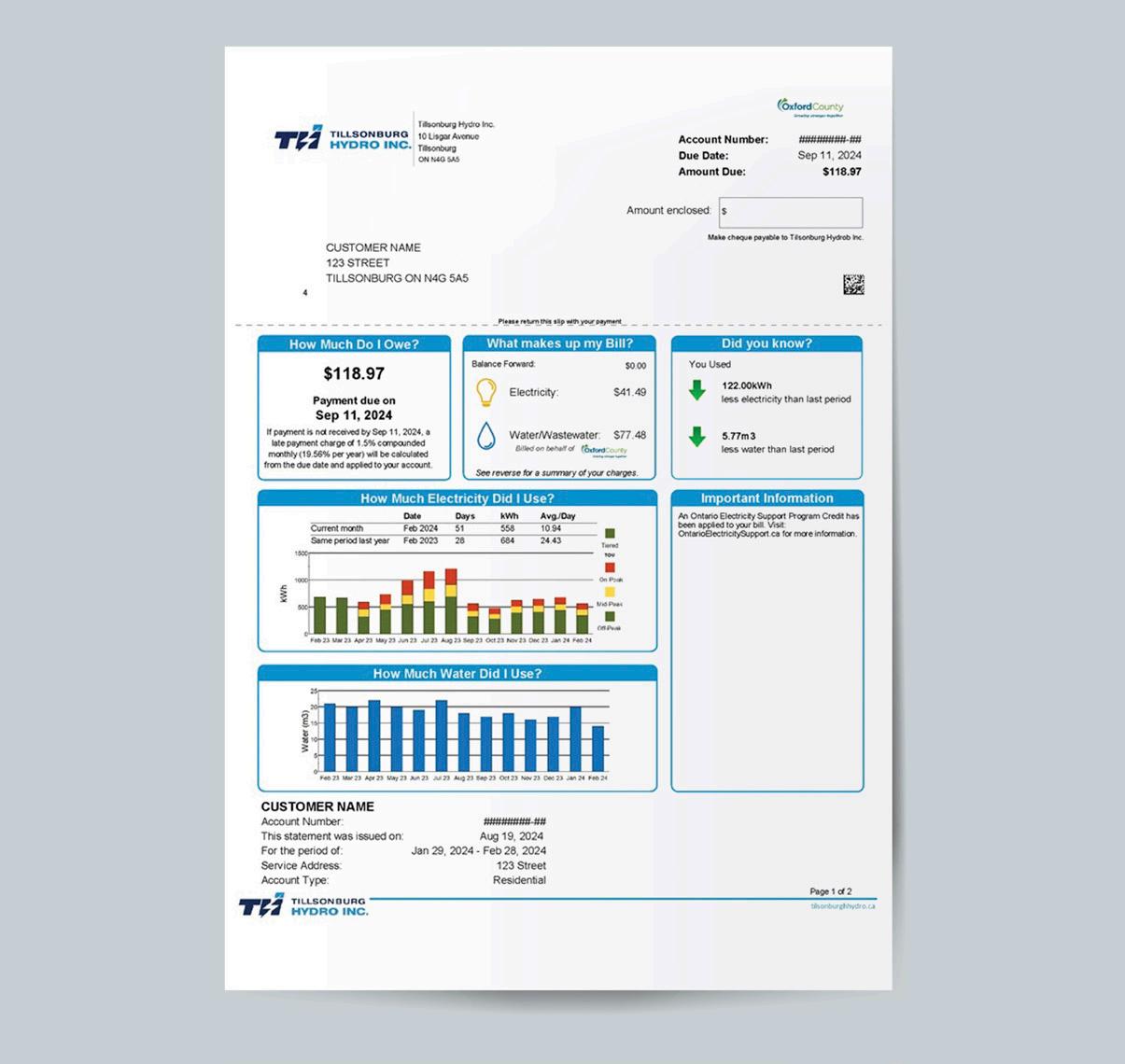
Tillsonburg Hydro has introduced a new bill format designed to enhance customer experience and provide greater clarity in utility billing. This update is part of their ongoing commitment to serve their customers better by making it easier to understand and manage utility costs.
• Easy-to-read charts: Visual representations of usage and costs to help customers quickly grasp their consumption patterns.
• Detailed information: Comprehensive breakdowns of charges, making it simpler to see where your money is going and how you can potentially save.
Modernized billing formats, like the one being introduced by Tillsonburg Hydro, offer several advantages:
1. Improved Convenience: With clear and concise information, customers can easily understand their bills without needing to decipher complex data. This reduces the time and effort required to manage utility expenses.
2. Enhanced Accuracy: Modern billing systems often incorporate advanced technologies that minimize errors. Automated processes ensure that the data presented is accurate, reducing the likelihood of billing disputes.
3. Better Resource Management: By providing detailed insights into usage patterns, customers can make informed decisions about
their energy consumption. This can lead to more efficient use of resources and potential cost savings.
4. Environmental Impact: Digital and streamlined billing processes reduce the need for paper, contributing to environmental sustainability efforts.
Tillsonburg Hydro’s initiative to modernize its billing format is a forward-thinking approach to utility management. By leveraging technology to enhance transparency and user-friendliness, they are setting a new standard for customer service in the utility sector.
The new bill format from Tillsonburg Hydro is more than just a redesign; it’s a significant step towards modernizing utility services to improve convenience, accuracy, and overall customer satisfaction. Customers will experience a more streamlined and informative billing process.
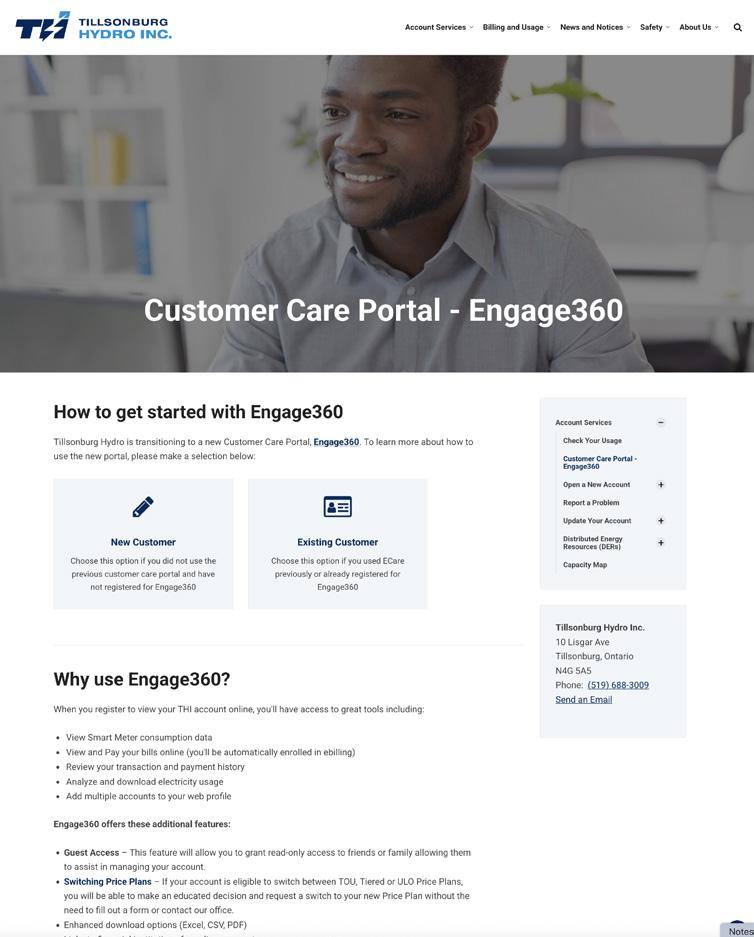
Tillsonburg Hydro will also be introducing a new customer portal with Engage360. With Engage360, customers will access this portal using virtually any electronic device, including a smartphone. With many self-serve features, such as switching price plans and registering new accounts, customers will be able to better monitor usage and make decisions to reduce electricity consumption and save money.

Sudbury Hydro’s recent investment in electric vehicle (EV) infrastructure and training at Cambrian College is more than a local initiative—it’s a powerful example of how Ontario’s Local Distribution Companies (LDCs) are driving economic transformation and workforce development.
Thanks to a strategic investment by Sudbury Hydro, a new 5,600 squarefoot testing facility will allow industry leaders, partners, and students to research various projects revolving around the electrification of both mining and commercial vehicles.
The partnership between Sudbury Hydro and Cambrian College not only supports the creation of a new EV lab and training program, but also equips students with the skills to test and service large electric vehicles and batteries used in Ontario’s mining industry.
“This investment by Sudbury Hydro is a game-changer for our students and the community,” said Kristine Morrissey, Vice President of Finance,
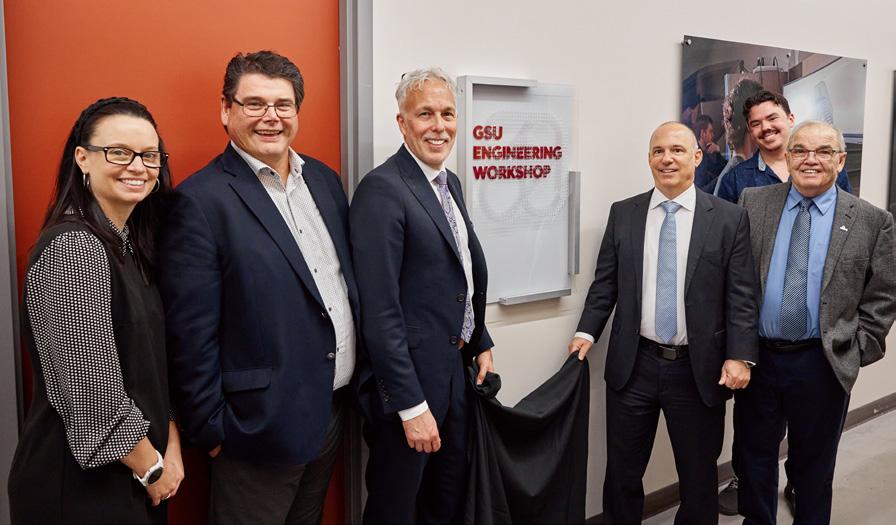
Administration and International Partnerships at Cambrian College. “It ensures we are preparing the next generation of skilled workers for the electric vehicle industry, which is critical to Northern Ontario’s economic future.”
By investing in local infrastructure, innovation, and talent development, LDCs like Sudbury Hydro are helping communities seize what many are calling a “once-in-a-generation opportunity” to lead in clean energy and advanced manufacturing.
Sudbury Hydro’s collaboration with Cambrian College is a model for how utilities can catalyze economic development while delivering on their core mission of reliable, sustainable energy distribution.
Westario is making waves in Southwestern Ontario by expanding the electric vehicle (EV) charging station network. This initiative is all about making EV adoption easier and more convenient for everyone.
There are two main types: AC (alternating current) and DC (direct current) chargers. AC chargers come in Level 1 and Level 2. Level 1 chargers are the slowest, providing 3 to 8 kilometers of range per hour and can be plugged into a standard 120V outlet. Level 2 chargers are faster, offering 16 to 97 kilometers of range per hour and require a 208 or 240V outlet. DC chargers, or Level 3 chargers, are the fastest, typically found in public places, and soon, ENERGY STAR® certified versions will be available.
Businesses can also benefit from installing EV chargers. They can attract more customers and support employees who drive EVs. Plus, programs like Natural Resources Canada’s Zero Emission Vehicle
Infrastructure Program offer financial support for installing Level 2 chargers and above. EV chargers can enhance your business’s green credentials and provide a convenient service for customers.
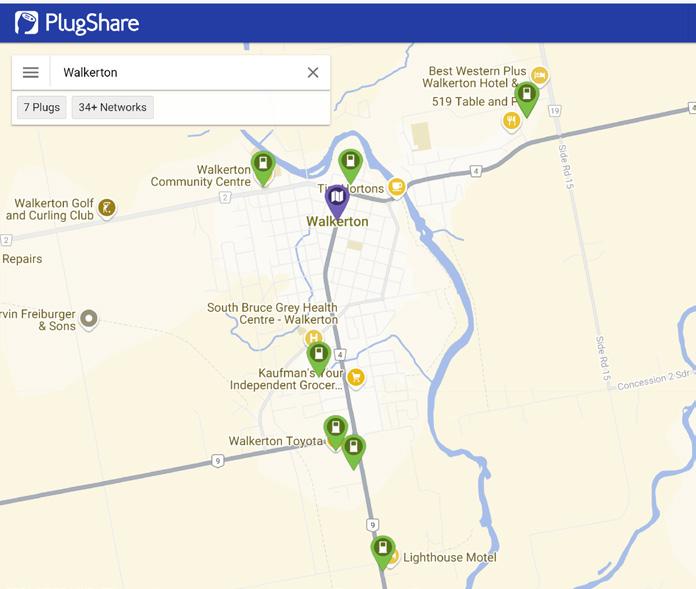
EV charging stations are becoming more common in public spaces and workplaces. Use resources like PlugShare to find the nearest charging station or plan your travel route with charging stops.
Westario Power’s commitment to expanding the EV charging network is a testament to their dedication to innovation and sustainability, making EV ownership more accessible and convenient for everyone. For more information, visit Westario Power Inc.

The stories in this report illustrate the critical role LDCs play in Ontario’s energy landscape. They are not just service providers, they are problem solvers, innovators, and community builders. Their work supports local economies, enhances reliability, and ensures that customers benefit from modern, responsive energy systems.
As Ontario continues to grow and evolve, the importance of a strong, adaptable distribution sector becomes even more clear. LDCs are investing in infrastructure, technology, and people to meet rising expectations and prepare for future challenges. Their ability to deliver results while staying connected to the communities they serve is a key strength of the provincial energy system.
The Electricity Distributors Association (EDA) is proud to showcase these examples of leadership and innovation. They reflect the values and capabilities of Ontario’s LDCs and their commitment to delivering value to customers every day. As the energy transition accelerates, LDCs will remain central to Ontario’s success by enhancing reliability, responsiveness, and readiness to invest and build.
The Electricity Distributors Association (EDA)
Teresa Sarkesian , President and CEO
Janice McMichaels-Dennis (Bluewater Power) | Chair
John Avdolous (Essex Powerlines) | Vice-Chair
CONTRIBUTORS
• Ashley Trgachef & Allison Williams, Alectra Utilities
• Alanna Ross, Bluewater Power
• Alyson Conrad, Festival Hydro
• Susan Fekete, Hydro Ottawa
• Jen McHugh, Oshawa Power
• Sara Penny, Milton Hydro
• Annie Petrin, OEC
• Jodi MacLean, Elexicon Energy
• Claude Sharma, Greater Sudbury Hydro
• David Fell, Utilities Kingston
• Chris Litchko, Lakeland Power
• Sheri Ojero, GrandBridge Energy Inc
• Courtney Courtnage, NT Power
• Kelly McMath, Enova Power
• Jordanna Porter, North Bay Hydro