Media Designer Svetlana Avrutin savrutin@annexbusinessmedia.com
Audience Development Manager Urszula Grzyb ugrzyb@annexbusinessmedia.com 416-510-5180
Group Publisher Anne Beswick abeswick@annexbusinessmedia.com 416-410-5248
President/COO Scott Jamieson sjamieson@annexbusinessmedia.com
PUBLISHED BY ANNEX BUSINESS MEDIA 105 Donly Drive South, Simcoe, ON N3Y 4N5
Aquaculture North America is published six times a year by Annex Business Media. The authority for statements and claims made in Aquaculture North America is the responsibility of the contributors. Reference to named products or technologies does not imply endorsement by the publisher.
Subscription rates (six issues) Canada: $37.00+Tax Within North America: $48.00 CAD Outside North America: $62.00 CAD To subscribe visit our website at www.aquaculturenorthamerica.com
PRINTED IN CANADA ISSN 1922-4117
Publications Mail Agreement #PM40065710
RETURN UNDELIVERABLE CANADIAN ADDRESSES TO 111 Gordon Baker Rd., Suite 400, Toronto, ON M2H 3R1 UNITED STATES MAILING ADDRESS Aquaculture North America, 815 1st Ave, #93, Seattle, WA, 98104
The advertising deadline for the July/Aug issue is June 6. Don’t miss the opportunity to be part of this exciting aquaculture publication. For more information, or to reserve space in the next issue, call our Advertising Department at +1.250.474.3982 jthain@annexbusinessmedia.com
Next Editorial Deadline
The editorial deadline for the July/Aug issue is June 9. Contact Maryam Farag at mfarag@annexbusinessmedia.com for details. Material should be submitted electronically with prior arrangement with the editor.
It is no surprise that hard-working employees with motivation and skills are in high demand within the aquaculture industry, but why is there a workforce shortage?
This shortage may be related to an insufficient understanding of what it means to work in this diverse industry.
As Mari-Len De Guzman writes in this issue, “Aquaculture organizations, particularly seafood producers, can offer plenty of unique opportunities and environments for professionals across multiple disciplines.”
Aquaculture definitely hits on multiple different disciplines, ranging from on-farm jobs to careers in academia and government. There are also careers in biology, engineering, chemistry, food science, economics or sustainability.
Many of these occupations are highly skilled and require both formal training and on-the-job upgrading. And that is the common challenge among employers. They
BY MARYAM FARAG
are looking for quality employees with a certain set of skills. As a student, seek out opportunities that will broaden your experiences, as it will help guide your own path to a meaningful career and open doors by increasing your marketability.
One key component is training. In this issue of Aquaculture North America , we focus on education, training and careers in aquaculture. You will see many programs offering a variety of educational and training opportunities.
And this is what it takes to build a career in aquaculture. Education is a first step and an important one, and employers will take the extra steps to find motivated and dedicated workers. The aquaculture industry is diverse and expanding dramatically, and for those who are willing to work hard, a career in this sector will be both exciting and rewarding.
From all of us at Aquaculture North America, stay safe and well.
Aquaculture North America’s Editorial Advisory Board: Ian Roberts | Sandra Shumway | Jason Mann | Jeanne Mcknight | Mykolas Kamaitis | Jamie Baker
Cooke acquires Slade Gorton, seafood manufacturer
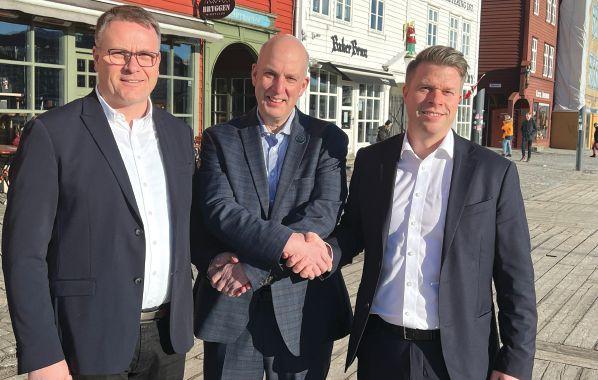
Cooke Inc. has entered into a binding purchase agreement to acquire Slade Gorton, one of the U.S. largest distributors, importers, and manufacturers of fresh and frozen seafood.
Thomas Slade Gorton, Jr. began as a fisherman’s apprentice aboard schooners fishing on the Grand Banks off Newfoundland, Canada and founded the company in 1928. His son, Michael Gorton, Sr., has led the company for over 50 years.
Slade Gorton will continue to be led by fifth generation family members Kim Gorton, CEO and her brother Mike Gorton Jr., EVP, Business Development, who will both remain in their roles.
“There could be no better fit than Glenn Cooke and the incredible global company his team is building. We are excited to join forces with the Cooke family of companies to take the Gorton family’s legacy forward,” said Kim Gorton, CEO, Slade Gorton.
Slade Gorton currently offers more than 800 premium seafood products and maintains long-standing partnerships with hundreds of leading North American foodservice and retail customers.
“Cooke and Slade Gorton share a passion for ensuring that everyone has an opportunity to enjoy delicious, nutritious and sustainable seafood whether dining at home or in a restaurant,” said Glenn Cooke, CEO of Cooke Inc. “We will build on the expertise, innovation, and deep commitment to its customers’ success that Slade Gorton is so well-respected for. Working together with the True North Seafood sales team and leveraging Cooke’s global infrastructure and reach, we will help support our customers in increasing consumption of seafood in North America.”
Where
Innovation Beyond Measure
Results Beyond Expectation
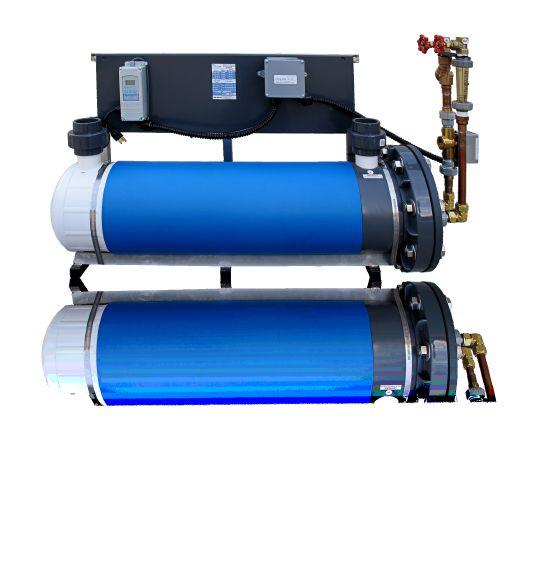
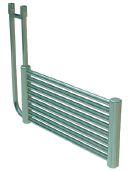
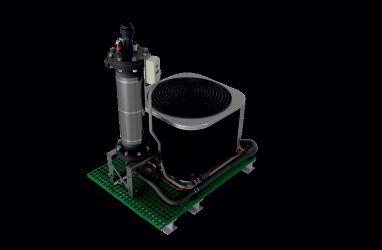
• 100% Titanium Heat Exchangers
• Hot & Cold Water Loop Systems
• Available with Tube Sheet, Helical Coil, or Plate
• Compact Designs
• Easy Installation
• Salt & Fresh Water Safe
• Chiller & Heat Pump Packages
• Electric Heaters & Gas Boilers
Nova Scotia releases regulatory review report
In March, the Nova Scotia Department of Fisheries and Aquaculture released reports following surveys looking at the province’s aquaculture regulatory framework – a final report with recommendations as well as a “What We Heard Summary Report” dealing specifically with survey responses. The reports follow a period of engagement with the public and stakeholders to collect their input about the province’s aquaculture regulations and to identify ways to improve them. The survey and report were conducted by Davis Pier Consulting, following the Doelle-Lahey Panel’s recommendation that the department conduct a regulatory review every five years.
The report shows that stakeholders and survey respondents believe that disparities are created within the sector by one-size-fits-all approaches to regulation that burden smaller operators.
The report also indicates that many respondents feel that information about the sector and the regulations are not readily accessible by the public and that there is a desire for more meaningful and inclusive engagement with the province and industry.
The final report includes 15 recommendations, including to increase efficiencies and reduce regulatory burden and redundancies, integrating cumulative and long-term environmental impacts into the regulatory framework, increasing the amount of information available to the public and the frequency of release and to review effective approaches to make public input in the process more meaningful.
A representative of the Aquaculture Association of Nova Scotia says that their organization welcomed the recommendations, particularly as it related to improved transparency and regulatory rightsizing.
“We echo the report’s insight on the constraints that the current regulatory environment place on new entrants to the sector,” said the spokesperson. “Currently, applicants to the adjudicative lease and licence process can anticipate a 3+ year wait for their application to be processed, even for small-scale operations with good community engagement. This doesn’t create the environment for growth that the AANS is working to create.”
– Matt Jones
Water Drives Innovation.
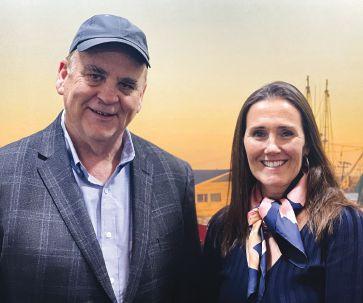
Glenn Cooke and Kim Gorton.
PHOTO: COOKE INC.
NAIA holds annual awards ceremony
The Newfoundland Aquaculture Industry Association held their annual Newfoundland and Labrador Aquaculture Hall of Achievement Awards in February. The awards are said to “highlight the accomplishments of the best and brightest people, innovators and advances in the province’s quarter-billion-dollar finfish and shellfish aquaculture sector.”
This year’s winners included:
• Aquaculturist of the Year – Gary Wilton of Cooke Aquaculture
• Excellence in Innovation – Cold Ocean Salmon
• Stewardship and Sustainability – Rebecca White, Badger Bay Mussel Farms
• Distinguished Early Career/Youth – Julia Norris and Tyler Penton, Grieg Seafood NL
• Aquaculture Ambassador – Cyr Couturier, Marine Institute of Memorial University.
In addition to those awards, Chris Williams of Mowi Canada East was presented with a Lifetime Achievement Award. Williams served as an operations manager with the company prior to his retirement last year.
“It’s quite humbling to receive it,” says Williams. “I’m somewhat shocked, but I’m greatly appreciative of it.”
Williams says the industry was somewhat primitive when he first entered the industry 19 years ago compared to today – most feeding was done by hand with 25 kilogram bags. He cites producing up to 15,000 metric tons of fish with somewhat limited gear as an accomplishment he is particularly proud of.
“That obviously graduated to automatic feeders, which made life a lot easier for the people and got a better feed conversion ratio on our fish,” says Williams. “It was quite a bit more labour intensive than it is today, so to be able to produce that kind of tonnage with limited resources was probably my biggest accomplishment. We worked hard at it and put a lot of effort into it.”
A post by Mowi states that Williams was critical to the company’s understanding of environmental conditions, logistical challenges and community dynamics in the region.
– Matt Jones
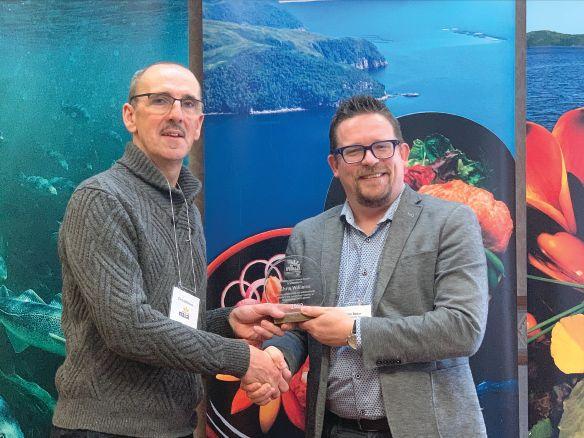
Chris Williams of Mowi East (left) is presented his Lifetime Achievement Award by NAIA Executive Director Jamie Baker.
Bluefront Equity invests in Spillfree Analytics AS
Seafood investment group Bluefront Equity have announced a nearly US$2 million investment in Norway-based Spillfree Analytics AS. Spillfree are the creators of software which analyzes video data to reduce feed waste.
“Spillfree can, through video and data analysis, contribute towards delivering worldclass feeding performance with lower costs for the fish farmer, improved fish growth and minimal impact on the marine environment,” said Simen Landmark, a partner at Bluefront Equity.
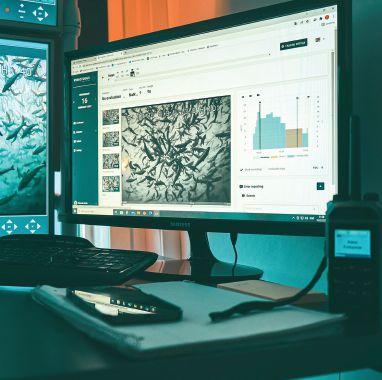
Spillfree Sales Manager Kåre Gruven says their software utilizes AI to interpret video information from aquaculture pens to provide more detailed analysis for operators. Of particular note, the system identifies how many feed pellets can be seen at any given time. In that way, the system can evaluate feed efficacy throughout the process, not solely looking at the final output. Gruven says that feed waste is a crucial issue that touches on many other factors of fish farming.
Spillfree Analytics AS Sales Manager Kåre Gruven says that the investment by Bluefront Equity will allow the company to speed up the continued development of the AI which drives their software.
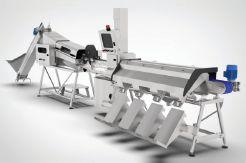
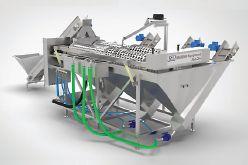
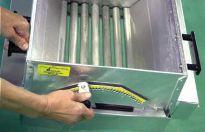
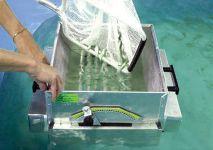
OYSTER GRADING TECHNOLOGY
its finest.
Grader
Water Grader
“It’s an important topic because there are a lot of people in the industry talking about different diseases, sea lice, handling of the fish, wounds, etc.,” says Gruven. “We’re working on the core process – to shorten the production time to increase everything. And also when it comes to sustainability, because everyone needs to get more focused on this.”
The investment by Bluefront Equity will allow Spillfree to essentially speed up their existing plans for further developing the AI which drives their software.
“There’s a lot of interest in AI and in the machine learning concept and how to work with this in fish farming,” says Gruven. “Where we have a good partner in Bluefront I think its important for us to use this investment to speed up this process in people and in software solutions.”
Gruven says that Spillfree’s focus has primarily been on the Norwegian market but their software is available in a variety of languages and has been used by farms in Scotland and Iceland as well.
– Matt Jones
Spillfree Analytics’ software uses video analysis to help reduce feed waste.
Aquaculture economics pioneer Eugene Y.C. Shang dies
Dr. Eugene Y.C. Shang wrote the first aquaculture economics textbook and was considered a pioneer in his field.
On Feb. 20, Eugene Y.C. Shang passed away, surrounded by family in Sacramento, California. Shang was well-known for his work as an emeritus professor of agricultural and resource economics at University of Hawai’i at Mãnoa’s College of Tropical Agriculture and Human Resources (CTAHR).
Dr. PingSun Leung, also of the University of Hawai’i, says that Shang’s contributions to the field were immense.
“Dr. Shang envisioned the importance of aquaculture economic research and education during the early stage of global aquaculture development,” says Leung. “He conducted and published several research studies in these early days but most significantly he published the first text in this area. In addition, he established the International Association of Aquaculture Economics and Management (IAAEM) that is carrying on his vision of promoting aquaculture economics research and education.”
Shang was a significant influence on aquaculture economists who followed, perhaps none more than Leung himself who currently serves as director at large with the IAAEM and co-authored a paper on Shang’s contributions in 2003. Included in that paper is a transcript of an interview with Shang where he expresses pride in how his research efforts have shaped this sector of aquaculture economic academia.
“Many government agencies now realize the importance of aquaculture economic studies, and more economists are participating in economic studies in aquaculture,” said Shang. “These economic studies have identified problems and helped aquaculture develop in the right direction. I hope that my earlier influences will continue, and my books and published papers will be still useful for some people.”
Asked how the aquaculture discipline might best be developed as it moves forward, Shang suggested that a sustainable industry is the goal of future development.
“The industry should be bio-technically feasible, socio-economically viable and environmentally sound,” said Shang.
– Matt Jones
NWAA appoints new member to board of directors
The Northwest Aquaculture Alliance (NWAA) has announced that Claudio R. Cerda has joined its board of directors.
Cerda currently serves as general manager of Bonney Lake, Washington-based Troutlodge, producer of eyed trout eggs. At Troutlodge, he leads a 60-person team, and
has plans “to bring Troutlodge to Version 2.0.”
Cerda said he looks forward to address and overcome the challenges facing aquaculture, particularly in the Pacific Northwest region.
“We must commit ourselves to a bigger vision where all modes of aquaculture are embraced and accepted as an environmentally sustainable way to produce food the world needs. It’s happened in other countries,” he said. “It should happen here.”
Seafood and Gender Equality launches a Speakers’ Bureau for the seafood sector
Seafood and Gender Equality (SAGE) announced the Speakers’ Bureau for the Seafood Sector—a new platform to help conference and event organizers create inclusive panels and speakers find exciting opportunities.
In 2022, 31.6 per cent of speakers, on average, at major seafood conferences and events were women. While up from 19 percent in 2018-2019, all-male panels, or “manels,” continue to be the norm at many of the leading seafood conferences in North America.
As the industry continues to recuperate from disruptions caused by the global pandemic and faces new geopolitical challenges, it has never been more important to center diverse voices offering new insights and fresh, innovative solutions.
“The seafood sector is highly diverse. Clearly, there is a need to reflect that, and to give voice to the experiences and achievements of women and people of colour.” said industry veteran Lisa Goché. “SAGE’s Speakers’ Bureau for the Seafood Sector provides a
valuable platform for organizations striving for increased inclusivity.”
The Speakers’ Bureau is hosted on SAGE’s website, where panel organizers can browse speakers’ profiles and find the right experts for their needs. Speakers can create profiles, showcasing their expertise and past speaking engagements.
“I attend a lot of conferences and it’s disheartening to see a manel or a panel lacking diversity when I know there are so many qualified experts in this industry that represent historically excluded demographics. We hope that the Speakers’ Bureau will be the one-stop shop for conference, event, and panel organizers to find speakers bringing a diversity of experience and thought to the table, and, in turn, spark innovation and new insights,” said Julie Kuchepatov, founder of SAGE.
NWAA launches campaign spotlighting damage caused by ending net pen fish farming in Washington
The Northwest Aquaculture Alliance (NWAA) has launched a campaign, where Washington fish farming workers, who have grown affordable, high-quality fish in Puget Sound for over 40 years, are speaking out for the first time to expose the pain they and their families have endured as the result of DNR Commissioner Hilary Franz’s decision to ban fish farming in state waters.
“Franz’s blatantly political action last November not only forced fish farmers out of work, but also ended the availability of affordable, nutritious, sustainable, and locally farmed fish for Washington consumers,” said Jeanne McKnight, executive director of NWAA.
In its advocacy campaign, NWAA appeals to Washington citizens, asking them to send a letter to state legislators requesting an examination of Franz’s actions.
“This unscientific ban on commercial net pens shows that Hilary Franz is playing politics with your dinner plate—at the expense of hard-working, dedicated people who have made the production of nutritious seafood their life-long career,” said McKnight. “It’s outrageous that Franz ignored multiple peer-reviewed scientific studies proving the ecological safety of farming fish and completely disregarded a unanimous Supreme Court decision affirming the legality of farming native steelhead in our state waters. We are outraged that she completely ignored the multi-year comprehensive study, conducted right here in Puget Sound, that gave rise to the recent biological opinion from NOAA showing no significant adverse impacts on endangered species by fish farms operating in the state.”
NWAA believes the Franz decision to ban fish farming in commercial net pens represents egregious government over-reach on the part of a politically ambitious agency head, and in its campaign, NWAA urges the legislature to take back its definitive authority to establish state policy around this critically important issue.
After the last farmed steelhead was harvested in Puget Sound last month, a USDA-funded study revealed the Seattle-Tacoma market has the highest per capita consumption of farmed steelhead of any other metropolitan region in the country.
Seattle Fish Company announces new director of operations
Seattle Fish Company, Denver-based, has announced the appointment of Chris Franklin as the sustainable seafood supplier’s new director of operations.
Franklin has over 15 years of experience in the retail food industry with several roles across the U.S.
Franklin will be at the helm of day-to-day operations, ensuring that logistics run as smoothly as possible on a company-wide scale. Franklin will work in tandem with both managers and supervisors to oversee various departments and handle the logistics of product movement from start to finish. In addition, Franklin serves on the company’s executive team responsible for developing strategic direction, setting culture, and supporting growth initiatives.
“I was drawn to Seattle Fish Co. because it offers the perfect blend of an established, legacy company with the atmosphere of a creative, scrappy startup that continues to look for avenues of growth,” said Franklin. “I was a customer years ago and have always respected Seattle Fish’s commitment to customers and quality. I am confident in my ability to create organized and more efficient working methods for our team, making it easier for everyone to do their jobs.”
“I feel fortunate to have Chris unleash his people-forward leadership style in service to our efforts to deliver operational excellence and an amazing customer experience,” said Derek Figueroa, CEO and president of Seattle Fish Company. “In the past few months alone, Franklin has brought a new perspective to our organization resulting in new operational strategies, improved employee engagement, and a more productive and streamlined operation. His hands-on problem-solving approach and authentic leadership skills will help the company deliver on our ambitious goals.”
Chris Franklin
Nova Scotia revamps aquaculture licensing, application process
Greater public participation in the aquaculture application process and other changes to Nova Scotia’s fisheries industry are on the way. This was the message from the Canadian province’s government following an independent review of Nova Scotia’s aquaculture regulations.
In 2022, the provincial government launched a public consultation to review the province’s aquaculture regime. Results of the consultation were published in a report, titled Regulatory Review: What We Heard Summary Report. The committee made 17 recommendations for improvements.
There are 235 marine and land-based aquaculture sites in Nova Scotia. The province’s aquaculture industry employs about 900 people and contributes C$80 million (US$58.6 million) annually to Nova Scotia’s economy.
The committee’s recommendations focused on three themes:
• applying the right level of regulation to both small and large operations
• sharing more information and making it easier to find and understand for better transparency
• creating more opportunity for public participation in the application process for licenses.
“Our aim is to support low-impact, sustainable growth in Nova Scotia’s aquaculture industry,” said Steve Craig, Nova Scotia Minister of Fisheries and Aquaculture. “These recommendations are the result
of extensive consultation and will guide us in making improvements.”
Davis Pier Consulting, which carried out the consultation and prepared the recommendations, found that the lack of inclusion and meaningful engagement of the public “is a key contributor to the misinformation, mistrust, and reduced confidence, and ultimately barriers to social license.”
The consulting firm also found that lag-time in decision making processes and the licensing process has become a problem.
The firm also found a lack of consistency in monitoring of operators and that “some and are held to a different standard across the sector,” according to Davis Pier Consulting. “The time it takes to attain a license or lease is not tenable for some small operators. It can take years to get a lease/license, and years to produce product for market.”
– Nestor Arellano
THE PROBLEM SOLVERS
Farmers, educators, researchers, and engineers take on the challenges of seaweed farming
BY LYNN FANTOM
Seaweed farms in North America produce a tiny percentage of global output. But as this nascent sector of aquaculture takes a steadfast hold, the challenges to scale have become clearer. And with that have emerged problem solvers who are making incremental but key gains to drive industry growth.
In North America, seaweed is an US$11 billion market, according to Grand View Research, and it’s growing. But most seaweed is imported from Asia for food applications, including thickeners for everything from ice cream to toothpaste.
“Demand is definitely here,” said Anoushka Concepcion. She leads the National Seaweed Hub, a collaborative effort of 11 Sea Grant programs in the US that addresses the emerging needs of the industry—which is also growing. Today, over 60 farms are active from Alaska to Rhode Island and from Maine to Baja California, Mexico. Most grow kelp in the open ocean, although a handful of land operations cultivate species like dulse and ulva. What are the challenges? Processing capabilities, longterm nursery production, and competition with imports are among them, Concepcion says. And there’s progress in solving them.
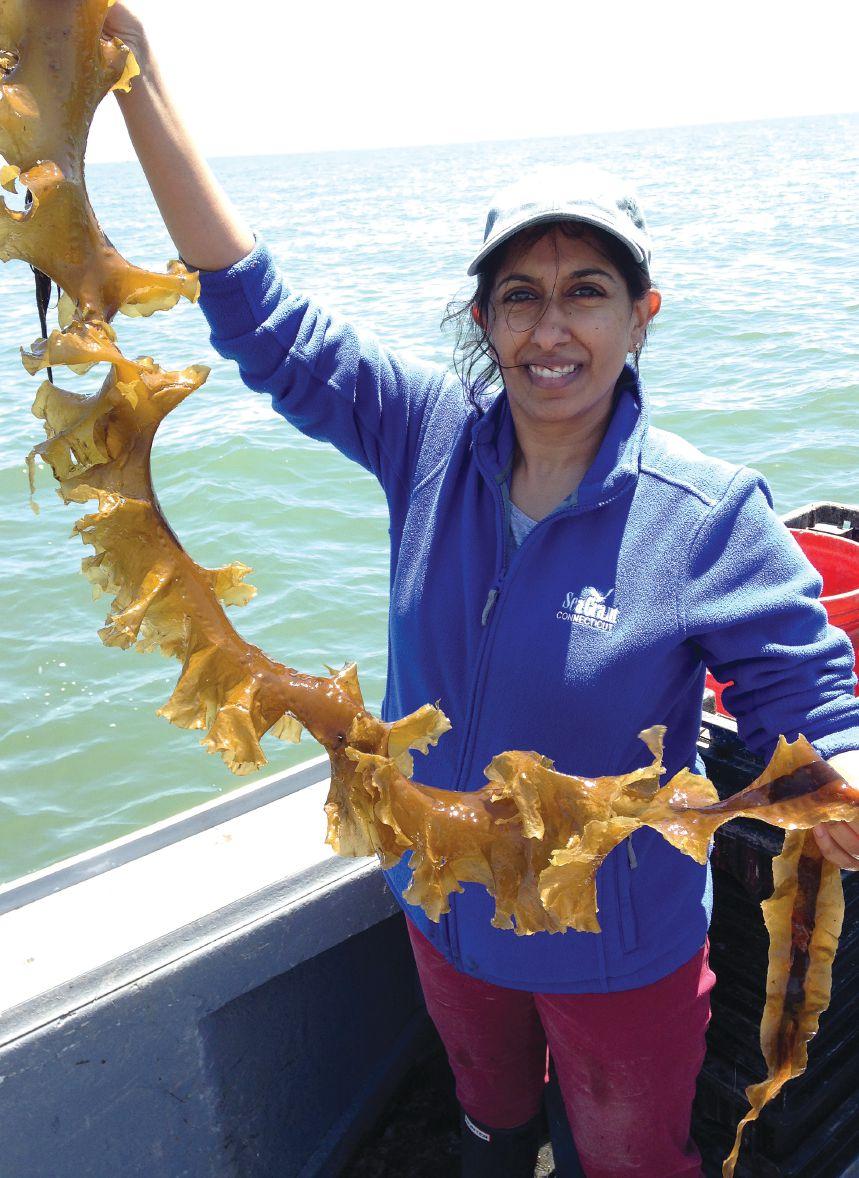
Anoushka Concepcion, an associate extension educator focusing on marine aquaculture with Connecticut Sea Grant, leads the National Seaweed Hub, a collaborative effort of 11 Sea Grant programs ranging from small states like Rhode Island to large ones like Alaska.
PHOTO: CONNECTICUT SEA GRANT
A pipeline of farmers
The earliest seaweed farmers have come from the aquaculture community and the traditional working waterfront, such as the wild salmon fishery in Alaska or lobstering in Maine. These two states, in fact, now lead seaweed harvests in the US.
But in a state like Connecticut, which is close to New York City, “interest in seaweed farming is coming from non-aquaculture folks. They see something on TV or in a magazine or a newspaper and that piques their interest. So, at Connecticut Sea Grant, we have inquiries from business people or people who work on Wall Street who are looking for a different way of life,” said Concepcion, who is an associate extension educator focusing on marine aquaculture with the Connecticut Sea Grant Program.
Suzie Flores is one of those farmers. She and her husband Jay started Stonington Kelp Co. in 2017. But for almost a decade prior, Suzie had worked in marketing in New York, climbing the corporate ladder at corporations like McGraw-Hill.
Growing the fresh market
Now she has turned her skills toward developing a strong market for fresh kelp. Her web site offers “sugar kelp cultivated in the pristine and high-energy waters of Fisher’s Island Sound.” Capitalizing on how consumers value fresh, seasonal produce, the headline touts “March-June Only.” Stonington Kelp harvests to order and delivers regionally for recurring orders.
Social media is also part of this farm’s marketing platform. Instagram encourages restaurants to place their orders in advance. And Flores isn’t the only one doing this.
“I think the market interest in fresh sugar kelp is increasing only because of the efforts of kelp farmers themselves,” noted Concepcion. “They are marketing themselves and a product that is high-quality, fresh, food-safe and local—not imported and processed. They’re driving something that should be demanded. Essentially, they’re telling restaurants, ‘You’re missing out on something really, really cool.’”
Building a year-round business
Even as the market expands for fresh product, the industry still faces the daunting challenge of limited processing capabilities and equipment. Plus, it’s labor-intensive. “You get a lot of biomass that needs to be processed in a very short period of time,” said Concepcion. “Then facilities aren’t utilized for a long time. It’s hard to justify.”
There is also the need for long-term safe storage so that farmers can provide access to kelp beyond the two-month harvest season. It cannot be co-mingled with shellfish because shellfish is an allergen, she notes. Some savvy processors have turned to tobacco and apple barns which are vacant in the spring.
Backed by investors committed to reshaping the food environment and supporting women-led businesses, market leader Atlantic Sea Farms has addressed many of these challenges at its 27,800 square feet facility in Biddeford, Maine, which opened in 2021. Processing, product development, and scaled-up manufacturing of frozen and fermented products all occur under one roof.
Atlantic Sea Farms also keeps pushing its retail distribution channels with new
products like the Sea-Veggie Burger, which won one of only seven “Best New Products” awards from Nosh.com last winter.
Atlantic Sea Farms customers are getting a taste of what it’s like to eat seaweed yearround, in addition to seasonally fresh at local restaurants. And it tastes a lot better than the imports.
Beyond kelp: red seaweeds
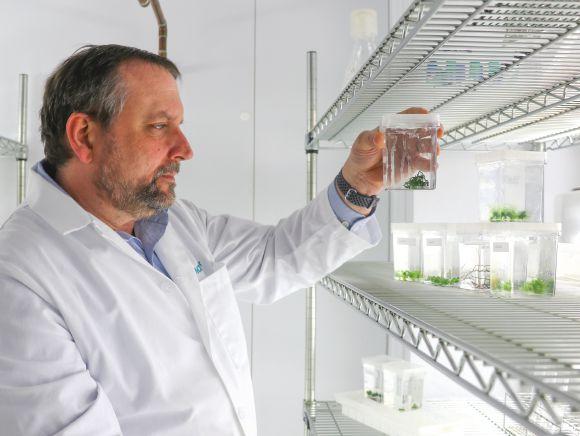
Another Maine-based operation is exploring opportunities beyond kelp. Sarah Redmond, co-owner of Springtide Seaweed, believes dulse and nori can be important new crops for commercial aquaculture and has convinced others of that—namely, the U.S. Department of Agriculture (USDA).
But farming dulse and nori must overcome hurdles, including a reliable seed supply and knowledge of how to cultivate crops for commercial production. Redmond started work on these in 2020.
First, to develop critical nursery technologies and techniques, she tested an innovative approach to sterilize seawater and developed reliable seedstock which would thrive in ocean farms.
Your Choice for Organic Integrity
Sarah Redmond, founder of Springtide Seaweed in Maine and an early leader in kelp farming, is now pioneering systems for commercial development of the red algae species dulse and nori, with backing from the USDA. PHOTO: SPRINGTIDE SEAWEED
COVER SEAWEED FARMING
Dr. Mike Lomas, a senior research scientist at Bigelow Laboratory for Ocean Sciences in Maine, directs the laboratory’s National Center for Marine Algae and Microbiota, which maintains the largest and most diverse collection of publicly available marine algal strains in the world. PHOTO: BIGELOW LABORATORY FOR OCEAN SCIENCES
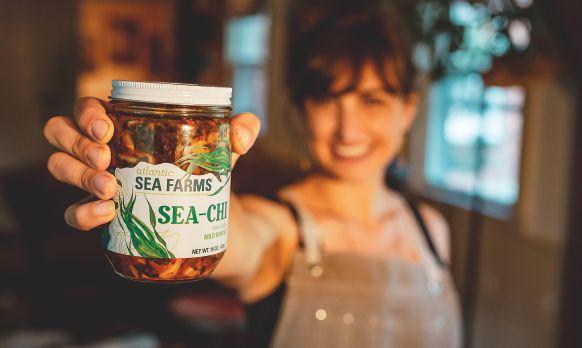
Briana Warner, CEO of Atlantic Sea Farms, has driven new product development with award-winning kelp-based items like fermented seaweed salad, a mild kimchi dubbed “Sea-Chi” (shown here), and Sea-Veggie Burgers in ginger sesame and basil pesto flavours.
PHOTO: ATLANTIC SEA FARMS
Moving forward in the second phase of the project, she is refining the modular turnkey nursery system developed for seed production. She is also continuing to test cultivation substrates, as well as net designs and configurations. Springtide’s USDA small business award of US$650,000 extends through this summer.
Redmond has also cracked the code on processing and storage with operations housed in a former fish cannery. She and business partner Trey Angera run the largest organic seaweed farm in North America.
Need for seed
Nursery production also remains a challenge for kelp farming. “Just in Connecticut as an example, we cannot find reproductive tissue, source tissue, as readily and as easily as we were able to maybe five, 10 years ago,” said Concepcion.
An important step forward was the work of Dr. Charles Yarish, now retired, and his students at University of Connecticut (UConn), who collected over 1,200 algae specimens from 2018 to 2022. Last summer, the collection was licensed to Woods Hole Oceanographic Institution in Massachusetts and to the National Center for Marine Algae and Microbiota (NCMA) at Bigelow Laboratory for Ocean Sciences in Maine. In addition, Bigelow will be receiving collections both UConn and Woods Hole Oceanographic Institution (WHOI) made along the US northeast coast as part of a program funded by the Department of Energy’s Mariner ARPA-E.
The NCMA will maintain, market, and distribute (for a fee) the germplasm for research and commercial use. It was founded in 1980 explicitly to be “the home for soon-to-be orphaned microalgae” and over the years has expanded its mission to be “algae agnostic,” said Dr. Mike Lomas, a marine biogeochemist who serves as director of the NCMA.
One might say it’s now the Amazon of Algae, with listings on an “e-commerce compliant” website and a customer base in 58 countries. “Anyone with computer access and a credit card can buy our microalgae anywhere in the world,” said Lomas. NCMA also manages licensing options.
Following some “germplasm housekeeping,” the Yarish macroalgae collection is being “slowly rolled out to the website” and will be available mostly in New England, in compliance with regulations.
“It’s really key to have a stable germplasm for algae,” said Lomas. “If we’re going to have an algal bioeconomy, we need an algal germplasm.”
“Nurseries can go to the germplasm bank and just order the strain that’s native to the growing area—and leave the wild populations
alone,” added Concepcion. “From a commercial perspective, I think this will change production of seaweed forever, especially in the United States.”
Overcoming regulatory barriers
Development of infertile breeds of domesticated kelp would help overcome another challenge: the limitations on selectively bred and improved strains. Currently, most national and state regulators prohibit them because of concerns about potential impact on natural resources.
Researchers at Woods Hole Oceanographic Institution (WHOI), in collaboration with teams at UConn and University of Southern California, have developed a technique to identify pairs of parents that will produce “sporeless” or sterile offspring. Such a cross can be achieved within one generation using gene sequencing that spots natural mutations which control fertility.
“In order for U.S. kelp farms to continue growing and competing internationally, modern plant breeding, genetics, and agronomic practices must be adopted in an environmentally responsible way,” according to WHOI’s Scott Lindell.
The real-world value of this research earned the Lindell-led team a Gold Innovation Award for seaweed solutions at the international Seagriculture Conference last year in Maine.
Automation to save time and toil
Seagriculture’s Silver Innovation Award went to a WHOI team led by research associate David Bailey and including engineers Robin Littlefield and Ben Weiss. Working to reduce labour on farms in Kodiak, Alaska, they developed an automated underwater seaweed seed-string deployment device.
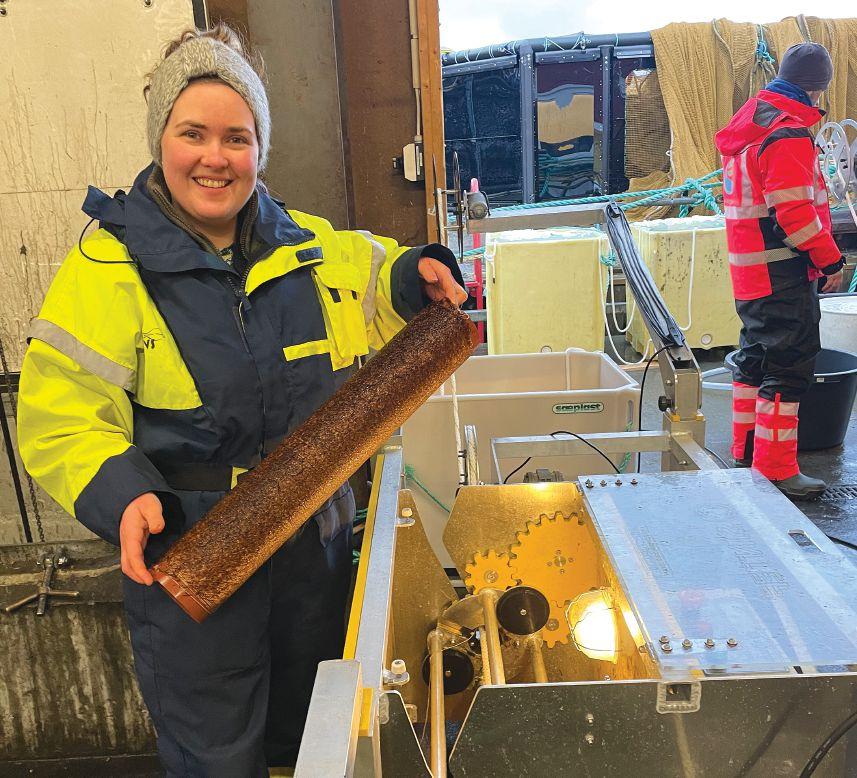
With this invention, for which a patent is pending, one farmer loads two seed spools on to an automated line seeder and attaches it to the grow-line with quick-connect clips. Thrusters, activated with a waterproof switch, propel the device across the line until it reaches the end, when the thrusters are deactivated. A farmer on the opposite side secures the seed-string and detaches the device. The process repeats on the next line in the reverse direction until the entire farm is seeded.
Seeding is much faster than traditional methods, a big advantage during harsh weather, and boats do not consume as much fuel. Another important benefit: the seed itself spends seconds not minutes in the air, which boosts survival.
With a team of seaweed biologists, geneticists and entrepreneurs, he is developing a breeding program for
led a team that developed an automated underwater seaweed seed-string deployment device. The project was funded by the Pacific States Marine Fisheries Council (PSMFC).
S4000 nursery trays
S1000 oyster trays
Dave Bailey, a research associate at Woods Hole Oceanographic Institution,
University of New England prepares the next generation of aquaculturists
BY TIMOTHY HARDER
Aquaculture in the United States has great promise for domestic production of healthy seafood to large, diverse markets but building an industry takes time. The work being done by smaller boutique farmers, as well as some early land-based pioneers shows that domestic production can command a premium in the market to consumers that value a local product. The small handful of net-pen farming operations that still function have ready outlets for their protein as well.
The United States has a robust supply chain for many raw materials, and the ability to source products from all over the world to support this potential growth. It is interconnected by rail and road and can react to many different market forces, as was seen during the recent global challenges. The foundational knowledge among the domestic workforce, however, is something that still needs to be developed. Any aquaculture operation is only as good as the people working on it.
Universities.com lists a total of 26 schools in the U.S. offering aquaculture degree programs. Many of these are smaller schools, in areas already connected with aquaculture on one level or another. Compared to other sectors, this number is dwarfed by the 6,000+
institutions offering degrees in agriculture.
Situated on the coast of Maine at the mouth of the Saco River, the University of New England has been a leader in educating the next generation of aquaculturists for 22 years now. Dr. Jeri Fox is the pioneer of the program since 1998 and has a unique perspective on this field and its evolution over the years.
Dr. Fox has been in aquaculture for over 40 years herself, starting out with a degree in organismal biology from the University of Tennessee. From there, she went on to a graduate program in aquaculture at the University of Houston. She soon connected with Texas A&M doing some shrimp research.
Dr. Fox remembers that in those early days, “It was a very male dominated field when I was starting out. All professors and instructors were men. I was one of only a few women in the field.” The curriculum of the programs early on lacked a certain diversity as well. “The focus was on pond culture, and it was almost entirely freshwater. There was some work being done on mariculture too, but the emphasis was very clearly on the ponds.”
During that time, the aquaculture sector was just getting ready for some explosive growth. Up until 1990, the world produced some 17 million tonnes via aquaculture, but by the end of the decade it would trending up quickly, and already reaching an estimated
41.72 million tonnes (Our World In Data).
“The curriculum today has to cover more diverse processes,” Dr. Fox continues. “Studying pond aquaculture is a good way to cover the basics. Answering questions like ‘What happens in the pond?’, ‘How do you build a pond?’, ‘What is the correct depth of a pond and why?’, are great for developing fundamental understanding, and you can build on these concepts. From there you can talk more about more involved forms of aquaculture such as RAS and hatchery operations.”
Michael Galloway, a graduate of the program at University of New England in 2015, and assistant marine scientist at the school added, “We want the students to know the fundamentals of aquaculture. The biology, the interaction with water and water quality is very important. Even the plumbing concepts and basic equipment is valuable to students starting out in the field.”
Diverse experiences is something that Dr. Jeri Fox brings as a teacher. Along with her time in ponds studying penaeid shrimp she has worked in the Northwest with shellfish and halibut, ornamentals, and even a project in Guam that looked at a more sustainable way to produce a local food fish, without impacting the wild populations.
“The locals were very interested as to why I wanted to collect adult rabbitfish. We were
working with them as broodstock in tanks and studying the fatty acid contents of the eggs so that we could improve survivability of the offspring. We were also providing some economic opportunities by teaching the cultivation of ornamentals that can fetch high prices in the market.”
When Dr. Fox arrived at University of New England the classes had been laid out for a course that focused on aquaculture. The entire curriculum still needed to be designed though. During her time there, it has been developed to include work with seaweed, shellfish, and finfish and they have partnered with local businesses for hands-on instruction and field trips.
“We attract students that want to get their hands on things,” said Dr. Fox. “Individuals that want to ‘do something, get wet, get dirty’! Our students may be in the clownfish lab one day, working with live feeds, aquaponics, our RAS System or doing some experiential learning like rebuilding a pump or troubleshooting water quality.”
Interestingly, she has also noticed a shift in the students that reflects a level of consciousness within society. “Early students were interested in aquaculture with a focus on a job and being outside. It has become clear that some of our more recent students engage in aquaculture with a focus that is on more global ideas. Climate change, easing the pressures of overfishing, food insecurity in the world, are all things that aquaculture can positively effect. You can solve a lot of the world’s problems through aquaculture, and that outlook pretty much describes me!”
The Gulf of Maine Research Institute in Portland, Maine has recognized the need for workers in the growing aquaculture sector more locally and is also working with education to address this need. Carissa Maurin is the aquaculture project manager at GMRI, and former student of Dr. Fox’s at UNE. They have started the Workforce Development program that they have helped to stand up at Southern Maine Community College.
“This is not a college degree and is done with the goal to give people the skills for a job so that the state of Maine can begin to develop a pipeline of employees within the industry. College may not be for everyone, but we recognize the need of giving people some basic skills and opportunities through paid internships.” said Dr. Fox.
The program has an agreement with the USDA for six apprentices to work with local farmers in the state on a paid internship. During that time, the students get 144 hours
of instruction at Southern Maine Community College. This includes a ‘Boot Camp’ to help students understand the different career paths, and the basics that are needed on a farm such as nautical skills and chart reading, boat engine maintenance, food safety and biosecurity. During the internship, students take part in a monthly speaker series from within the industry intended to give them a broad idea of the people and roles within aquaculture.
GMRI and SMCC worked with the Maine Aquaculture Association to help develop the curriculum, as well as fielding input from industry experts, and even feedback from the RAS-Network. At the end of their time of two weeks, the college style course requires students to present on their experiences, and take part in learning about more growing techniques, proper record keeping and some disease management. They are also working to develop a badging system that would give students college credits. Washington Community in eastern Maine is also beginning to partner with Cooke Aquaculture and Kingfish Maine on similar programs.
Carissa shared some of her observations about year one of this work. “In the application process, we saw a lot of people ‘transitioning in life’ – People who had worked professionally or already graduated that were looking to try something new, work with their hands and help the environment. We were surprised at the turnout for the program. Even though it was the first year and we had only six spots, we got almost 30 applicants and a number of other people that wanted to know; ‘How can I get into the industry?’ and ‘Can I just take the Boot Camp class?’.”
The interest in aquaculture in Maine is a good sign, and Carissa said that, “There were opportunities to connect people with job boards and creating connections between with industry. This is the most rewarding part of the job, and I can’t wait to see what year 2 of the program brings!”
The education opportunities at the University of New England and Southern Maine Community College are two examples of how to prepare the next generation of aquaculturists. Demand is rapidly rising in some sectors here in the region, such as shellfish and macroalgae farming, and there is a clear horizon for commercial finfish farming once larger projects become reality. Dr. Fox and Michael Galloway at UNE along with Carissa and the SMCC staff and GMRI are helping to prepare the next generation of workers for these positions.
THE WORLD OF WORK
Strategies for training, retaining a new generation of aquaculture workers
BY MARI-LEN DE GUZMAN
Quiet quitting or quiet hiring trends notwithstanding, the opportunities for employment and professional growth in aquaculture are loud and clear.
Workplaces are increasingly becoming more creative and impactful with their hiring and retention strategies, from pushing hybrid work and competitive workplace wellness programs to driving diversity, equity and inclusion and innovations.
And while other industries may be a bit more challenged in hiring for specific skills – and keeping those new hires engaged
– aquaculture organizations, particularly seafood producers, can offer plenty of unique opportunities and environments for professionals across multiple disciplines.
“There’s a lot of excitement around aquaculture because it hits on all those different disciplines,” said David Kuhn, associate professor in the department of food science and technology at Virginia Tech, Blacksburg, VA. “It’s attractive to the people who are interested in biology or engineering, or the chemistry or the food science side of things, or the economics or sustainability (side). And so it’s one of those things that really gets people excited to get into it.”
Although Virginia Tech does not have an aquaculture program, Kuhn’s students in the department of food science and technology conduct aquaculture-related research that cuts across multiple areas of study.
This diversity in the education realm may be reflective of the realities of the workplace in the aquaculture sector, particularly in seafood farming, where the roles are as diverse as the species produced.
“There seems to be a place for everybody, really,” said Jamie Gaskill, CEO of Poseidon Ocean Systems, which provides integrated fish life support systems for the aquaculture industry, based in Campbell River, B.C.
“Granted, more technology has come out, and the people that are in existing roles in salmon farming tend to be very innovative themselves, and even if they weren’t trained
in that particular technology, they’re normally very good at picking it up.”
Learning the skills
Gaskill has been a salmon farmer for more than 30 years, 18 of which were spent working at Mowi (formerly Marine Harvest Group) at the company’s West Coast and East Coast Canada locations, as well as in Norway. After he left Mowi in 2020, Gaskill established an aquaculture consulting firm and subsequently joined Poseidon Ocean Systems as its CEO in 2021.
Over the years, Gaskill has been responsible for hiring employees to work at the salmon farms, and he has seen how aquaculture practitioners have been able to effectively adapt to the evolving dynamics in salmon farming. He said students graduating from
many of the aquaculture programs in Canada are sufficiently equipped with the fundamentals required to thrive in the workplace.
“In North America there are some very good schools. Vancouver Island University is very good. So is Memorial University. Fleming College, for a long time in Ontario, had a great program. I think the Nova Scotia Agriculture College, which is now part of (Dalhousie), has a good program. So there’s still lots of good education within Canada, within those fields,” Gaskill said.
There’s always room for improvement, however, and Gaskill noted more opportunities for students to gain experiential learning experiences will go a long way in preparing them for the work ahead.
“It’s nice to have people that are trained in critical thinking and have a good foundation,
but I would like to see more co-op programs at the university level,” he said, where students are given opportunities to work at an aquaculture farm during the summer. “And then when they graduate, they’re pretty well-armed to enter the industry because they may have a four- or five-year degree, and they may have three or four summers under their belt in understanding the industry… So they really could be better armed, in a way, to enter the workforce.”
At Virginia Tech, Kuhn mostly trains graduate students who conduct research and experiments in a number of aquaculture areas, including fish health, nutrition and water quality. Undergrads also have an opportunity for experiential learning at Kuhn’s lab to assist the graduate students in specific experiments or to help manage the systems.
“Those (undergrad) students often come into my lab as a grad student later on because they’re so excited about working with these systems and the animals. And they liked the story of it. They like the idea of
sustainability… The fisheries’ exploitation of the oceans is an issue and so people will see those issues and get passionate about getting into the field,” Kuhn said. Industry proponents believe training a new
breed of aquaculture practitioners should begin much earlier than at the post-secondary level. In fact, aquaculture advocacy groups and even some seafood farmers are increasingly recognizing the importance of educating young kids about aquaculture.
Last year, the Newfoundland and Labrador Aquaculture Industry Association (NAIA) launched Aquaculture 101, a virtual reality-based educational program geared to provide students and participants of all ages a comprehensive understanding of finfish and shellfish farming. In addition, NAIA conducts regular outreach at elementary and high schools, and provides scholarships for high school graduates wanting to pursue marine or aquatic-related post-secondary studies, all aimed at raising the profile of seafood farming in the region to the community.
The Atlantic Canada Fish Farmers Association released a children’s book about salmon farming titled, The Farm on the Sea, aimed at readers ages six to eight and describes, through storytelling, the different stages of salmon farming.
Mowi Canada, one of the largest salmon producers in the country, is engaging in consultations with different stakeholders in New Brunswick to develop an aquaculture course for high school, said Kristina White, HR manager, for Mowi Canada East.
“Having aquaculture, the industry, go into schools, do presentations, speak to the kids. They’ve been doing that for as many years as I’ve been in aquaculture, which is just
Innovations in salmon farming – especially where technology meets sustainability –have been key in attracting new talents to the sector and enticing young people to go
One farming technology that has been gaining increased attention in recent years is recirculating aquaculture systems (RAS). It is both an appealing stream of discipline for new entrants to the aquaculture profession, but is also a subject of interest for long-time salmon farmers or mid-level professionals as a continuing education opportunity.
“To the extent that folks are looking for jobs, as they come out of school, RAS is now becoming a legitimate option,” said Brian Vinci, director of The Conservation Fund’s Freshwater Institute, a program that focuses on the sustainability of the domestic seafood supply by providing solutions to enable the growth of environmentally responsible
PHOTO: THE FRESHWATER INSTITUTE
PHOTO: MOWI
Vinci’s team at the Freshwater Institute conducts RAS research and experiments, and provides training and education for aquaculture professionals and companies interested in land-based aquaculture –whether for continuing education or to implement RAS in their facilities.
The Institute provides a four-day RAS course, which teaches the fundamentals of water recirculating systems for fish culture, covering water quality, RAS systems and designs, fish health and biosecurity, as well as RAS management and operations.
“So our approach has been to use the course to teach the fundamentals and also educate folks about some of the newest research that we’re doing,” Vinci said.
In addition to the annual RAS course, the Freshwater Institute also holds the annual Aquaculture Innovation Workshop, which is another opportunity to share the latest research and developments in sustainable aquaculture.
As the availability of RAS-related courses and conferences as a continuing education option continues to increase, some gaps in the post-secondary level need to
SPONSORED CONTENT
be addressed as well, according to Virginia Tech’s Kuhn.
With more mega RAS facilities being built in certain jurisdictions across the U.S., for example, community colleges and local universities are now faced with the challenge to produce the skilled workers these mega farms will require.
BTC program is unique to the West Coast
The Fisheries & Aquaculture Sciences program at Bellingham Technical College, located in coastal NW Washington, is dedicated to teaching students the value of aquatic resources.
Housed in an award-winning facility with specialized classrooms and wet labs, the program gives students a strong, hands-on foundation for their careers. Experts teach the scientific theory and technical skills required to help propagate and conserve aquatic resources through sustainable cultivation and fisheries management. The program operates two Washington Department of Fish and Wildlife salmonid hatchery programs and annually rears millions of salmon and trout, along with operating a shellfish and kelp hatchery.
“It’s kind of a chicken and egg thing, right? Once the farm is there, the jobs will come. So as this construction phase is happening, there should also be a plan in place to address the training gaps in that region,” Kuhn said. He added that some community colleges are already making plans to address these gaps. “Thinking ahead is really important.
A robust field training curriculum prepares students for careers in fisheries biology, water quality monitoring, habitat restoration, shellfish farming and natural resource management. The BTC Fisheries & Aquaculture Sciences program offers two associate degrees and numerous short certificates for students exploring the field or established industry members seeking technical training. Multiple courses are offered online to support flexible distance learning.
For more information, contact BTC at 360.752.8345 or email admissions@btc.edu.
WORKFORCE IN FOCUS
So, when you open a farm up, that workforce is there, or is coming out soon.”
The soft spot
Having the technical foundation is only half of the equation, however. Of equal importance are the ‘soft’ skills, as human resource experts would often tout.
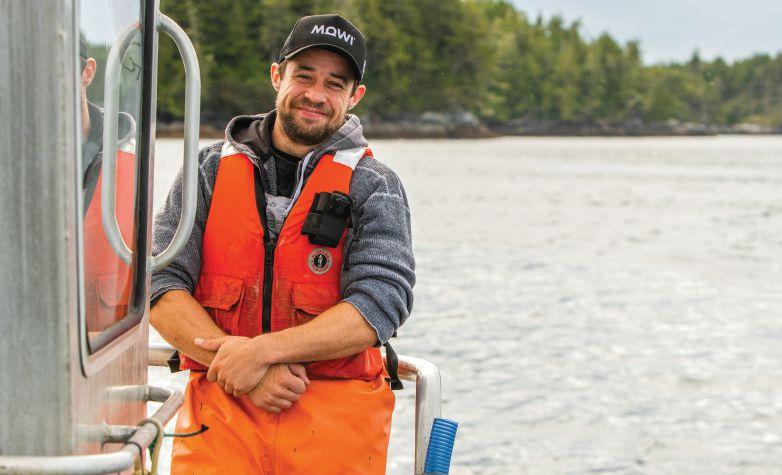
“Broadly speaking, we’re looking for folks that are adaptable, that have the drive to be outdoors, to operate in an environment through all the seasons of the year,” said Jason Downing, HR director at Mowi Canada West.
Adaptability not only in learning new skills or catching up with new technologies, but also in terms of the work environment, especially for employees working in the salmon farms that are often in remote locations.
Mowi Canada’s salmon farming operations are spread between British Columbia on Vancouver Island, and in New Brunswick, Prince Edward Island and Newfoundland and Labrador on the East Coast. To a worker, these remote farming sites can be a source of both delight and disenchantment, depending on the worker’s perspective and preferences.
SPONSORED CONTENT
“In salmon farming, because you are dealing with Mother Nature, it’s good to be adaptable, it’s good to be innovative. It’s very good to think of new ways of doing things. There’s less control in sea farming than there is sometimes in land-based or RAS. So the ability to deal with change and ambiguity, and not be too upset with that, is a real strength,” Gaskill said.
Retention strategies
It’s no secret the global pandemic has reshaped the trajectory of workplaces and created a “new norm” for both workers and employers.
“Organizations face historic challenges: a competitive talent landscape, an exhausted workforce, and pressure to control costs,” according to a Gartner Research article outlining “future of work trends in 2023.”
Over the last decade, employers have increasingly put emphasis on worker retention by offering not just competitive salaries but also a range of benefits that promote workplace wellness and a meaningful work-life balance.
“We have to kind of sharpen what we are offering to prospective employees, (and)
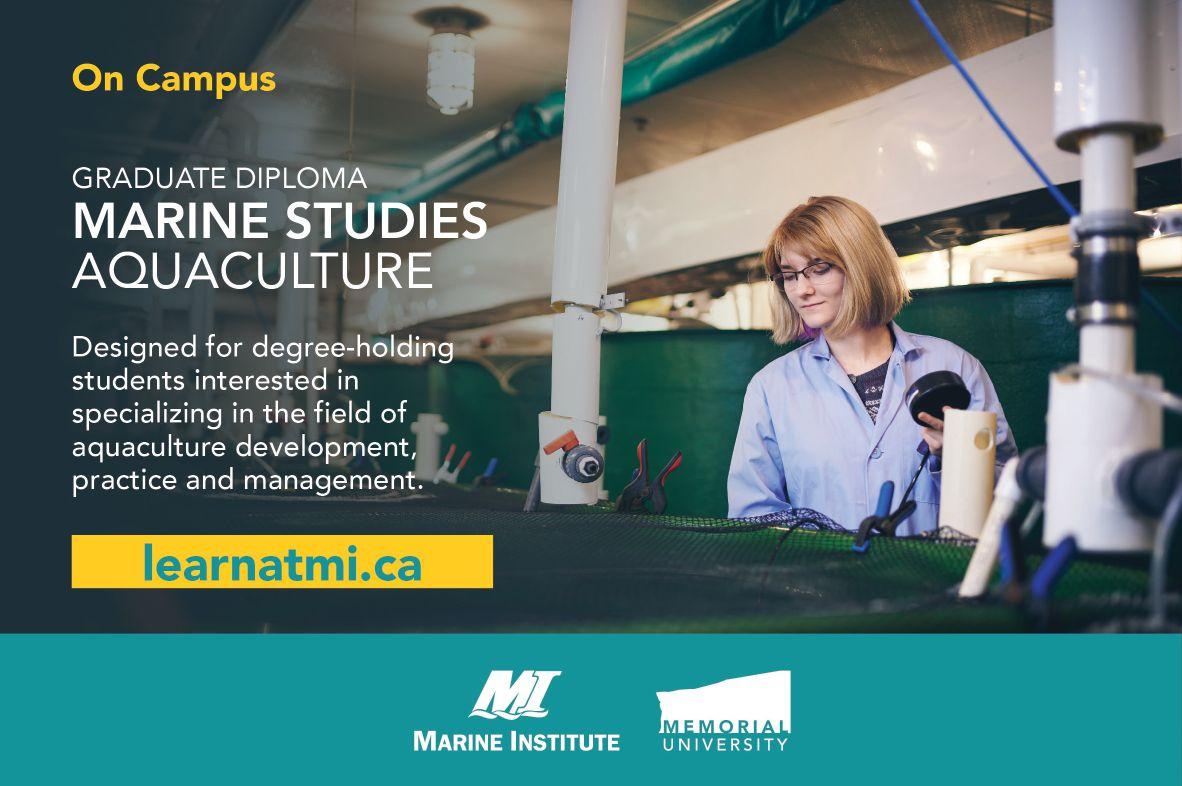
Aquaculture Education at the Marine Institute
Thow we retain the ones that we have, are critically important,” said Mowi’s Downing.
As one of the world’s largest salmon producers and with locations across 25 countries, Mowi, as an employer, can provide some
face-to-face and online programming. Faculty within the Institute have also helped to create vocational, bachelor, master and PhD programs in sustainable aquaculture and fisheries technology in sub-Saharan Africa (Malawi, Mozambique), South East Asia (Vietnam, Cambodia, Indonesia) and South America (e.g., Chile), among others. The Graduate Diploma in Marine Studies (Aquaculture) is an on-campus, primarily course-based program offered over 3 semesters (full-time). It includes six on-campus courses with weekly lab components, and one 12-week internship within the aquaculture industry. The courses include Current Topics in Aquaculture, Finfish Aquaculture, Shellfish Aquaculture, Aquatic Animal Health, Fish Nutrition and Feeding Practice, Aquaculture Engineering Technology and Systems Operation. The program complements students’ academic knowledge acquired through completion of an undergraduate credential and provides graduates with knowledge and practical skills related to aquaculture technology and operations. Graduates of this program are highly qualified professional practitioners with the knowledge and practical/operational skills required by the aquaculture sector (production, management, governance).
he Fisheries and Marine Institute of Memorial University of Newfoundland is Canada’s most comprehensive centre for education, training, applied research and industrial support for the ocean industries. The Institute offers more than 30 industrydriven programs ranging from certificate programs to Ph.D. degrees. The Institute delivers programs built around industry needs in the sectors of ocean technology, fisheries, aquaculture, offshore oil and gas, marine transportation, ship design, food safety and marine environment. www.mi.mun.ca
Academic programs offered by the Institute range from industry certifications to diplomas of technology, joint diploma/bachelor’s degrees, advanced diplomas, post-graduate certificates, master’s and doctoral degrees. The MI also has significant involvement in community-based training programs, where faculty teach short industry training programs in communities, primarily in Newfoundland and Labrador and Northern Canada, an example of which is the Technical Certificate in Aquaculture. The MI has offered postgraduate programming in aquaculture for over thirty years through short courses,
PHOTO: MOWI
unique opportunities for workers.
More than a competitive compensation package, Mowi’s retention strategies include a technician advancement program, leadership advancement opportunities, a
comprehensive health and wellness package, an emphasis on workplace diversity and sustainability, and the opportunity to work or train in one of Mowi’s Canadian or international locations.
“We spend a lot of time and effort on developing from within. We know and we’ve seen it across our business units that we’ve got executive management team members that started out as entry level farmers when they were 19, 20 years old. So there is an inherent value of being able to help develop somebody that wants to be developed and that wants to progress their career, and giving them the right exposures across different lines of our business,” Downing explained.
Continuous training and advancement is an integral part of an employee’s journey at Mowi and part of the company’s worker retention strategy, says White, Mowi Canada East’s HR manager.
“Typically we’ll advance people (from) an entry level position. We will take employees with very little training up front, and then we’ll put them through our own internal training program and advancement program,” she explained.
Across the company, both within and outside Canada – in Chile, Norway and Scotland – Mowi regularly conducts knowledge-sharing exchanges, which allows the different business units and employees to learn from each other, including the chance to travel to any of Mowi’s worldwide locations for training and knowledge-sharing.
Both Downing and White believe one of Mowi’s value propositions is the opportunity to work in some of Canada’s most beautiful, pristine places, and the sustainability story that goes along with that.
“We really are looking for people that are passionate about nature and wanting to work outside, and who want to be on the ocean or, in some cases, work in hatcheries as well,” Downing said.
White added, “The younger generation seems to have more of a focus on sustainability and on the environment. And so I think that is attractive as well to the younger generation who is looking to work at an employer who is focused on those areas. I think that also is something that we can use to our advantage with recruitment and retention.”
Education in sustainable ocean farming taking off in Sitka, Alaska
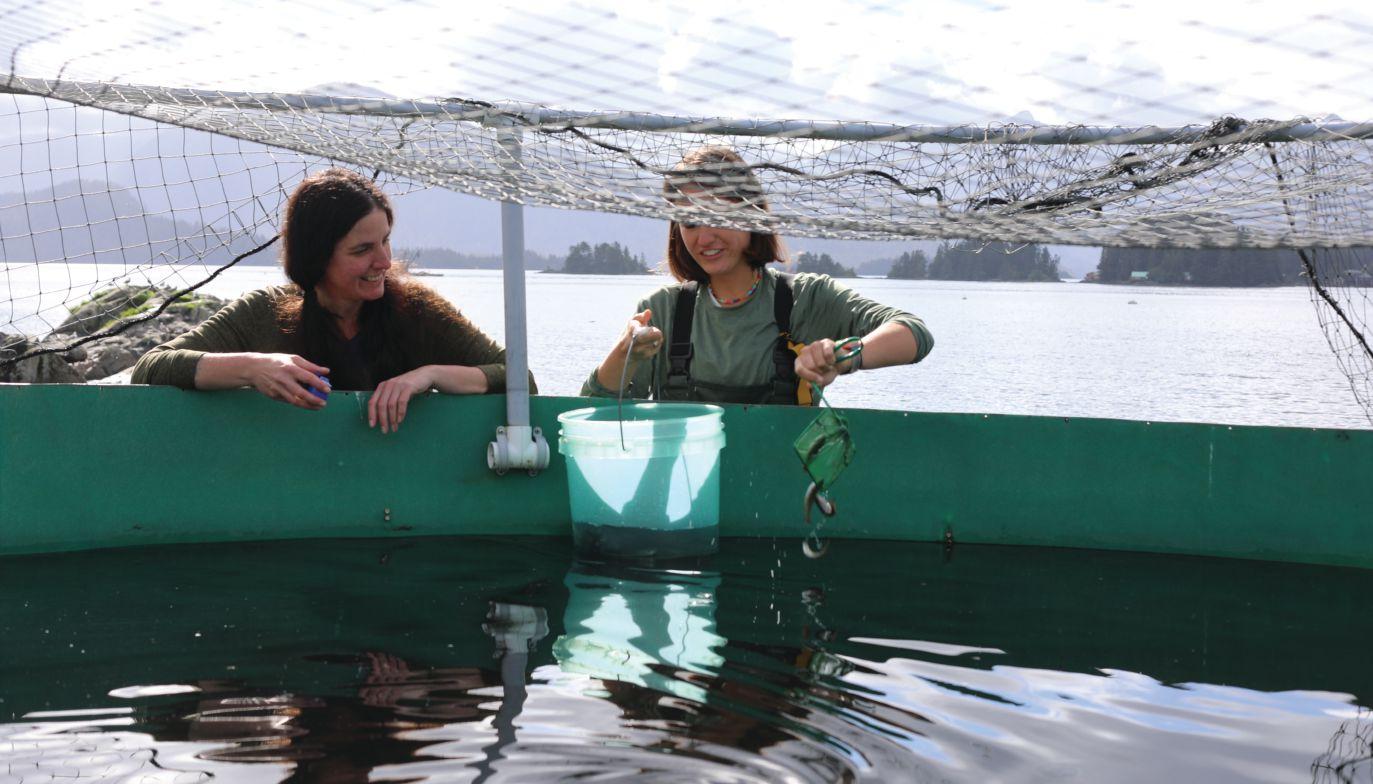
The University of Alaska Southeast (UAS) - Sitka Campus is located on Baranof Island which resides on Lingít Aaní (Tlingit land) and has established a unique and one-of-a-kind training program in sustainable ocean farming, where hands-on learning is at the forefront of the curriculum.
In Alaska, the excitement surrounding mariculture opportunities has been growing given the state’s abundant natural resources, clean waters, maritime experience, and existing seafood infrastructure. This program is designed to mirror and grow alongside this burgeoning industry, and provide students experience in its established salmon enhancement program.
In an immersive fall semester, students drive and maintain boats, create a small kelp farm next to rearing Pacific salmon, and work right alongside those in the salmon, shellfish and kelp industries. They become part of a unique and beautiful community in Southeast Alaska, making meaningful friendships and professional contacts that will last a lifetime.
Students from all over the country come to Sitka to learn about the salmon enhancement industry, seaweed propagation and out planting, and shellfish farming in the Alaska Aquaculture Semester. They take 13 credits of immersive and hands-on courses that teach salmon biology, hatchery techniques, rearing and spawning methods, seaweed reproduction, hatchery systems, culinary uses, and farming techniques.
Students are taught maritime skills by learning how to operate skiffs, maintain outboards, and survive in cold water environments. Additionally, students partner with local organizations to complete an internship in a relevant industry, which gives students the opportunity to put their skills into practice, network with professionals, and gain work experience.
“This opportunity allowed me to mingle and work side-by-side with industry professionals, who then offered me a job on the spot. It wasn’t until that moment that I realized I was of great value to this emerging industry by providing my acquired skills and knowledge gained from the Aquaculture Semester curriculum.” – Sara Ebersole (past student).
A big portion of the course curriculum is the production of a farm project where students are able to choose one or multiple species to research throughout the semester and design a farm taking all of the details into consideration, including permitting, energy and nutrient requirements as well as marketing and sales.
Students also propagate their own kelp from spores and eventually outplant juveniles on seeded lines. The kelp that students outplant is placed next to an area where Pacific salmon are reared in saltwater net pens, taking advantage of excess nutrients produced by the fish, an approach known as Integrated multi trophic aquaculture (IMTA) where species can benefit from each other. In this case the kelp is provided with extra nutrients from the fish and then in turn provides habitat refuge for the salmon after their release.
“We hope that involving our students in creative solutions that improve our aquaculture and fisheries industries in Alaska inspires them to think creatively in their future work.” – Professor Angela Bowers.
The state of Alaska has received $49 million through the EDA Build Back Better Regional Challenge grant for mariculture industry expansion. A portion of these funds were awarded to UAS to expand the mariculture program and the courses we offer. Through this expansion, UAS will be able to offer travel to other towns in Southeast Alaska to experience other salmon hatcheries, mariculture research facilities, shellfish
farms, and kelp farms as well as improve facilities for learning and research opportunities.
“The Alaska Aquaculture Semester provided me with a much more specialized skill set than I was able to obtain at my home university and gave me a competitive edge in my field. Because my experience in Alaska gave me so much exposure working both in the lab and with industry partners I was able to start my first full time job out of this program with a much more comprehensive idea on what is necessary to bridge the gap between research and industry. This semester was extremely empowering and set me up for a successful beginning in a career in aquaculture.” – Gabrielle Foursa (past student).
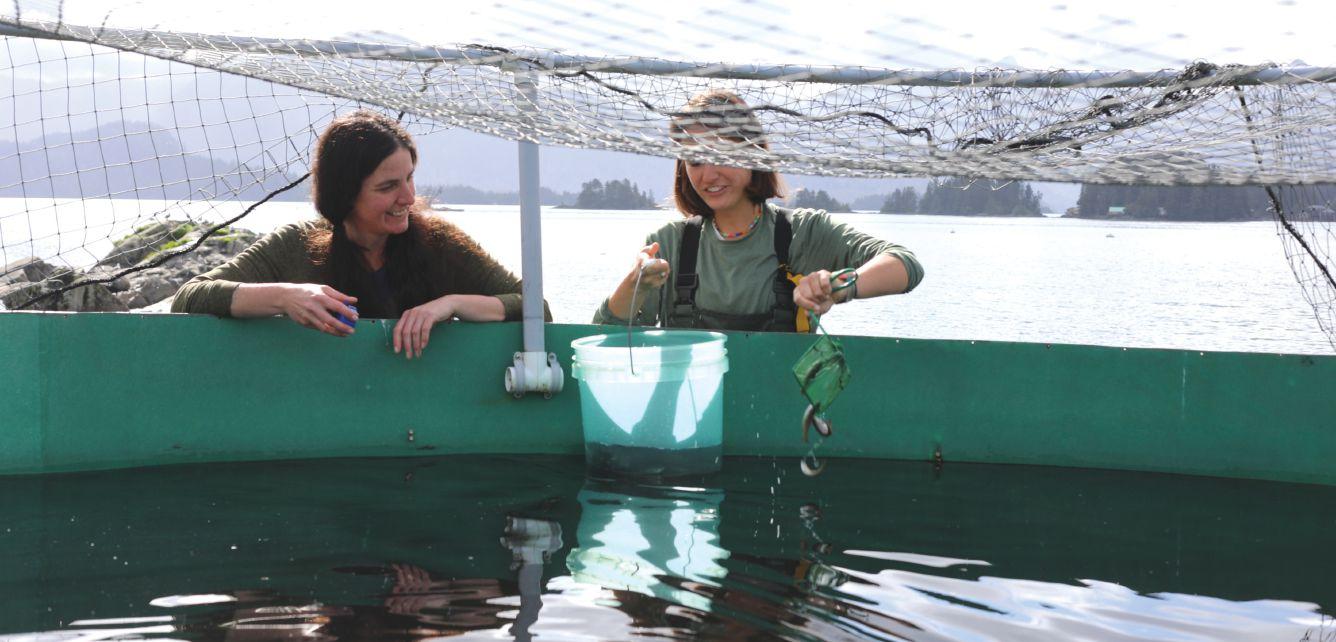
Professor Angela Bowers and student Suzanna O’Neill sampling salmon smolt to monitor growth and feed ratios at Sitka Sound Science Center.
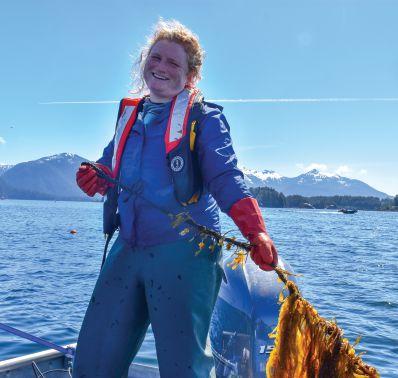
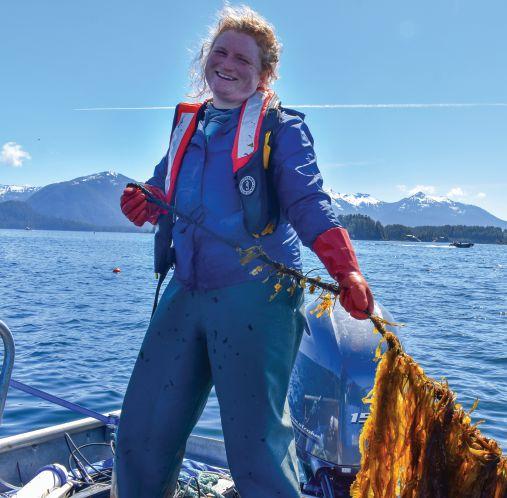
Sara Ebersole harvesting ribbon kelp (Alaria marginata) at the UAS research farm site in Sitka Sound.
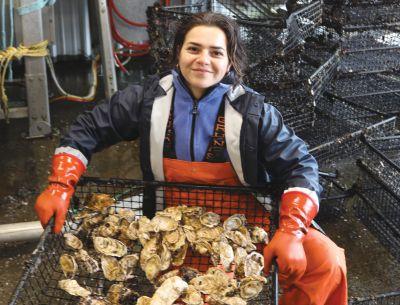
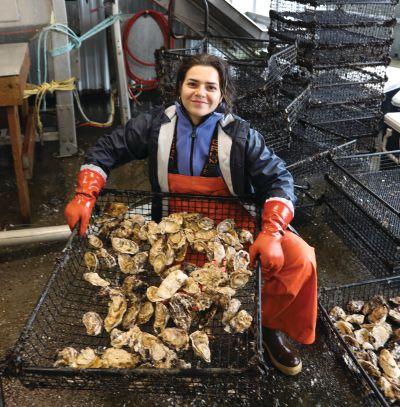
Garbielle Foursa sorting through oysters at Hump Island Oyster Farm in Ketchikan, AK
Field-Based Courses
• Alaskan Salmon Culture 1
• Outboard Motor Maintenance
• Intro to Mariculture
• Fish Pathology
• Skiff Operator
• Cold Water Survival
• Aquaculture Internship
• Alaskan Aquaculture Lab
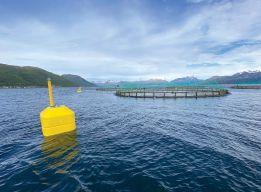
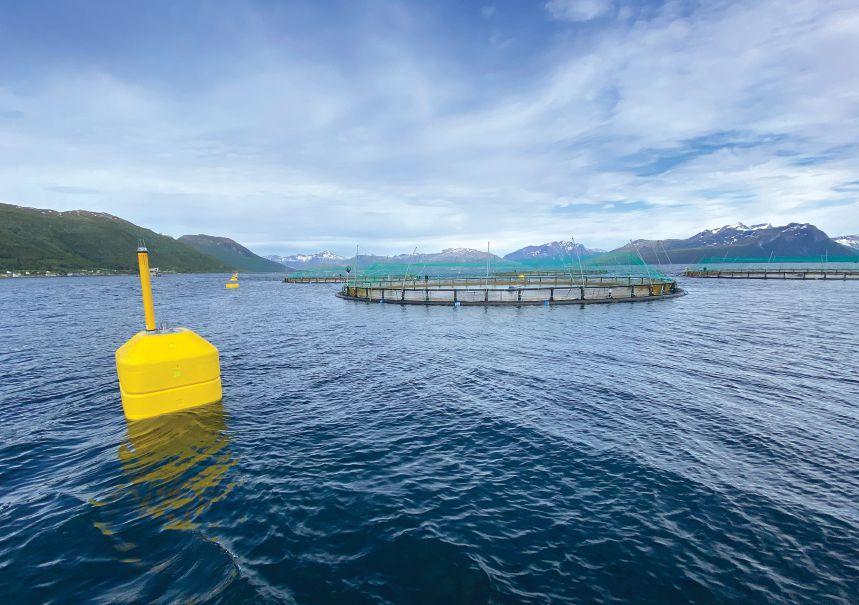
The combined kelp and salmon site in Norway will host a variety of research trials.
Better together
Folla Alger and Cermaq combine kelp and salmon at new sea site, “dynamic” research opens
Tto others
BY LYNN FANTOM
he world’s first industrial-scale sea site built for the combined production of salmon and seaweed will harvest its first kelp in June, but it began reaping research data as soon as it was stocked in February. And it is open to other groups to conduct their own experiments.
“We really welcome other universities, industry researchers, and students to come and use this site,” said Aleksander Handå, a senior research scientist at SINTEF Ocean AS, who is serving as project leader. In cooperation with Norwegian University of Science and Technology (NTNU) and Nord University, SINTEF is responsible for research on the project.
Located in northern Norway, the farm represents a collaboration between Folla Alger and global salmon producer Cermaq. Founded by entrepreneurs with experience in aquaculture, public governance, and finance, Folla Alger was launched specifically to explore integrated kelp and salmon production. It was granted research and development licenses from the Directorate of Fisheries to carry out this project.
“This is a dedicated site for combined production. It’s not a standard salmon site that is slightly modified. It’s a newly designed, fully integrated farm from scratch,” said Handå.
The site features 24 traditional net pens for Atlantic salmon that conform to Norwegian standards. It is configured with grids of four fish cages at end points, with sugar kelp (Saccharina latissima) grown in between. This set-up allows the kelp to use the nutrients released by the salmon.
“We know that we can get up to 50 percent better kelp growth by cultivating it together with farmed fish. Now we will also look at whether there are more advantages to a combined operation,” noted Silje Forbord, the project’s research manager.
“We are monitoring the fish health. We are monitoring the microbiota of the kelp and the fish to see if later on there are some new discoveries or some correlations— something that we are not necessarily aware of today,” Handå added. “It’s a very dynamic project.”
Achieving the best match
SINTEF has been performing studies in integrated multi-trophic aquaculture (IMTA) for over a decade. A key finding is that co-production of salmon and kelp reduces the ecological impact of dissolved nitrogen and phosphorous released into the ocean at a salmon farm, thus providing an environmental benefit.
Small-scale IMTA studies have also provided incremental insights, for example, into seasonality. When differences were found in the elemental, biochemical and lipid composition of kelp, it was due to harvesting period and not the distance to fish farm sea cages. That allowed researchers to conclude that integrated multi-trophic aquaculture setups do not compromise nutritional quality of kelp, even while increasing yield.
PHOTOS: SINTEF
In February, these kelp spools seeded carrier ropes at the sea site.
Researchers also learned that kelp’s peak growth periods in southern and central Norway occur in late spring and early summer—but later in waters further north. Peak nutrient release from the salmon farms takes place in August and September. That’s also a time of year when there are fewer nutrients in the sea in general.
So, it was decided to site the Folla Alger and Cermaq trial further north. “You have the growth of the seaweed coinciding better with nutrient emissions. Hopefully, they will match up in the area where we are now testing,” said Handå.
The big picture
“Fish farming and kelp farming are both industries for the future and will be important contributors to the green shift,” said chairman of Folla Alger Tarald Sivertsen in a press release. Integrating them at the same site is a move toward the proposition of a circular economy: in this case, where fish nutrients benefit kelp growth and kelp, in turn, might become a component of fish feed.
In addition, combined farming like this can provide better area use in the ocean. “The project contributes to increased local value creation and business development, which is very positive for everyone who lives and works here,” added Truls Hansen, Cermaq’s production director in Nordland, the county in northern Norway where both this new site and some other Cermaq sea farms are located.
The project is addressing feeds for both aquaculture and agriculture, such as cattle or hogs.
Although kelp itself may have limitations as a salmon feed ingredient, SINTEF research suggests that it could serve as a diet for various marine worms—aimed for salmon feed. These lower trophic organisms, which are rich in marine lipids, essential amino acids and micro- and macronutrients, have the potential to supplement or replace protein concentrates from imported soy.
And there are more possibilities. Could kelp inclusion in salmon feed have immune-stimulating benefits? Alginates are derived from brown seaweeds like kelp— could they be used to improve binding in salmon feed pellets and reduce waste?
“This is very, very early, but, of course, in general, feed production is a goal, as well as using the nutrients in a recycling setup like this. We look to ways to create a new bio-economy and hopefully contribute to making fish farming and aquaculture practices in general more sustainable,” said Handå.
Humane slaughter of salmonids easier said than done
The goal of most salmonid aquaculture operations is to produce nutritious food for human consumption. A great deal of focus is placed on breeding and genetics, early rearing, nutrition, environmental optimization, maximizing productivity and minimizing stress throughout the lives of your fish, and many producers appreciate that the same level of care needs to be placed on harvest and processing.
Many fish farmers have adopted and implemented slaughter processes which are considered humane, which is important on number of levels, including consumer confidence, public acceptance, product quality, and ethical farming practices. Canada’s first Code of Practice for farmed salmonids has
been developed (initiated by the National Farm Animal Care Council and Canada’s aquaculture sector) and as part of its development, a list of salmonid welfare issues was identified.
A topic of focus was fish welfare, particularly as it pertains to certain slaughter practices. The Code of Practice will require all Canadian salmonid aquaculture operations to adhere to slaughter standards and practices considered humane by 2025.
For those producers who already use accepted slaughter practices, this new requirement may seem past-due when it comes to running an aquaculture operation. In principle it is important to constantly evolve and improve our practices, particularly when it comes to animal welfare. For a number of producers however, this change is not as simple as just purchasing off-the-shelf technology to fill this need in their operation. Before exploring that point further, let’s discuss fish slaughter, and what is considered humane (and inhumane).
The term ‘slaughter’ generally refers to the process of killing animals intended for human consumption. For fish, this specific process will vary depending on the size and species of fish, as well as the overall production-flow and setup of an operation.
Humane slaughter is a two-step process: first an animal must be stunned or rendered unconscious so that they cannot perceive pain, followed by the second step of killing the animal, with one of several techniques. Typical acceptable methods for the
stunning step of humane slaughter include the use of manual blunt force trauma, captive bolt/percussive stunner (non-penetrating or penetrating), electrocution, pithing, and cervical dislocation/decapitation, among some others. Each of these methods has advantages and shortcomings, and what works best for one operation may not be appropriate or manageable for another.
The killing step of humane slaughter is usually exsanguination (bleeding-out) or rapid chilling. Exsanguination is recognized as the best practice as a killing step and has the benefit of improving product quality (e.g. less blood-spots, decreased blood odour/ off-flavour, etc.).
The Ontario Animal Health Network (OAHN) has put together some great information on humane slaughter, including explanations and comparisons of different slaughter methods, particularly for smaller-scaled producers; this includes a case study evaluating a low-cost, on-farm humane slaughter method.
Many freshwater fish producers use ice slurry baths, or rapid chilling, as the sole step of slaughter. This process involves netting or pumping fish into an ice water bath, relying on the temperature differential between the bath and their ambient environment to induce hypothermic shock of the fish.
The issue with using this method for salmonids is that they can tolerate low temperatures; furthermore, when fish are slaughtered during colder ambient temperatures, the differential between the ice
The Code of Practice will require all Canadian salmonid aquaculture operations to adhere to slaughter standards and practices considered humane by 2025.
slurry/bath and ambient can be very minor to negligible. Although this method may be appropriate for relatively small-sized warmwater fishes, it is not considered humane as a sole step of slaughter for a temperate-, cool-, and cold-water fishes that can tolerate water temperatures of 4 C or colder. Rapid chilling is also not an appropriate sole step when slaughtering medium to large sized fish because their surface area to volume ratio does not allow for rapid enough chilling (AVMA Guidelines for the Humane Slaughter of Animals: 2016 Edition).
Dr. Marcia Chiasson MSc, PhD, is the Manager of the Ontario Aquaculture Research Centre and has been a lead on the OAHN humane slaughter work previously mentioned. She has worked closely with Ontario fish farmers regarding the adoption of humane slaughter practices. Discussing this transition with Dr. Chiasson, there are significant cost barriers towards the implementation of these practices, especially for mid-sized producers.
For these producers, there seems to be a lack of financially viable options for humane slaughter equipment at their scale of production, which is something that will need to be addressed if we are to be successful in implementing these new Canadian salmonid slaughter requirements. Another significant challenge in the implementation of these requirements, is the central Canadian climate. Sub-zero temperatures, which many Canadian fish producers face for 4-6+ months of the year, pose several major barriers to the use of harvest equipment.
The logistics of adapting harvest equipment set-ups to function both during hot summer months and when the water is ice-covered poses significant challenges. Furthermore, many equipment options, such as percussive stunners, won’t function properly at such cold temperatures.
Just as humane slaughter involves more than one step, the implementation of these new slaughter requirements will require multiple phases to be adopted. The farmed salmonid Code of Practice was a valuable
first step in identifying gaps and areas of improvement when it comes to salmonid welfare, not least of which is slaughter practices. There needs to a collaborative approach between industry and regulators to enable producers to implement these practices on farm. The realities of freshwater fish farming in the Canadian climate also needs to be acknowledged and considered when setting timelines for the implementation of these requirements.
Lastly, those regulators who implement these sorts of requirements, should also bear part of the responsibility of helping farmers access the necessary technology needed for this shift in practice. Most farmers will agree that they want to raise their animals ethically and give their livestock a good life from egg until harvest, but we need to see viable options which can be logistically achieved in our climate and to do so without placing an unreasonable financial burden on producers.
Acadian Fish Farm looking to rebound
New Brunswick farm lost 95 percent of stock during cold snap
Frozen sensors caused this generator to malfunction, leading to the loss of roughly 100,000 Arctic char.
ANew Brunswick fish farm are hoping to rebound after losing most of their fish earlier this year. Emmanuel Chiasson of Acadian Fish Farm Ltd/Pisciculture Acadienne Ltée says that his company lost 95 percent of their arctic char, roughly 100,000 fish valued at more than $600,000, when a cold snap caused equipment malfunctions. After several very trying months, Chiasson now hopes that the provincial government and the other agencies will be able to provide some support to keep his business running.
“The province is going to pay to send a consultant to visit and see if they can improve our facility and increase production and see if they can find a way to survive long term even with the losses we had,” said Chiasson. “We’ll have to see what his recommendation is and then see ACOA (the Atlantic Canada Opportunities Agency) or the Atlantic Fisheries Fund (AFF) to see if we can line something up.”
Acadian Fish Farm utilize an indoor recirculating aquaculture system to raise Arctic char without the use of hormones or antibiotics. The company does not use energy for either heating or cooling tanks.
The owner of Acadian Fish Farm Ltd. says that the province should have more supports in place for when things go wrong if it truly wants to support the aquaculture industry.
Frozen sensors lead to disaster
The incident which caused the fish losses occurred in early February, when wind chill values ranged between -40 and -50 C . One of the farm’s employees lives in a small house on site and he was alerted immediately when the power went out. He restarted the generator, but contacted Chiasson when it wouldn’t stay on.
“The generator worked, the problem was keeping it steady because it was too cold for the sensors,” said Chiasson. “The generator would start but it would shut off after a few minutes. It took me about a half hour to get there. I went up to the generator to try to figure out what was going on – it was so cold that you couldn’t change windows on the screen.”
BY MATT JONES
What followed was several hours of Chiasson and the farm’s employees frantically trying to thaw out the sensors using a heater. They eventually succeeded, but not quickly enough to save the fish, which died due to a lack of oxygen reaching the tanks.
“It was quite a feeling to go in there and see all those fish turned upside down,” said Chiasson.
As of right now, the farm has not laid off any of its five employees and continues to raise the remaining fish on site. But whether Acadian Fish Farm will survive will depend on what the consultant’s findings are and how ACOA or the AFF will respond. However, even if they do offer a solution, it could be too little too late – by the time the farm is back up and running, most of its customers will likely have found other fish sources.
“It takes like two years to build an inventory like that,” Chiasson told the CBC shortly after the incident. “I don’t know what’s going to be next, but for sure we’re going to need help.”
Purchased infrastructure should be evaluated
Chiasson purchased the facility in 2013 and started to raise fish the following year. One key takeaway from this experience has been not to accept that infrastructure on the farm is in the best possible position just because its there when you take over, he says. In particular, with
Emmanuel Chiasson of Acadian Fish Farm Ltd. is determined to stay in the aquaculture industry, even if his farm is unable to recover from its losses.
PHOTOS: ACADIAN FISH FARM LTD.
the benefit of hindsight, he wouldn’t have left the generator set up outdoors.
“When we bought the facility in 2013, we should have changed the generator and had it inside a little building or something like that. I would say, if somebody builds a facility, put the generator inside – don’t use a self-enclosed unit,” said Chiasson. “We have a poultry farm also, and we have two generators. We have one that’s inside and has had no problems at all. But we also built a rearing facility that has a 60 kilowatt self-enclosed unit and it’s not the best. In fact, once I came just to do a checkup on the generator and there was a snake wrapped along the main belt in front. If the generator had started, the belt would have slipped off because of the snake. When I saw that, I said, geez, we should put a building on top of that generator.”
The fact that the fish were not insured is another significant challenge. Chiasson had attempted to obtain insurance in the past, but as the insurance company wanted 10 percent of the stock value – roughly $60,000 to $70,000 per year – they couldn’t afford it. He also theorizes that the past owner of the farm’s interactions with the insurance company left them in a disadvantageous position.
“The previous owner had found an insurance company in Miramichi but they had a problem with the facility,” said Chiasson. “The previous owner didn’t even have an alarm system, so when a pipe blew up he lost the fish and he collected the insurance. So when we took over, the company didn’t want to insure it again.”
What else could be done?
Even if the province, ACOA and others can provide no support, Chiasson says that this won’t be the end of his time in the aquaculture industry – he’ll find a new business partner and start again. Regardless, he does feel that there is more that could be done, given how much pride Atlantic provinces take in their aquaculture industries.
“There should be a fund for that, because the provinces want to push aquaculture, but its hard to get people into that,” said Chiasson. “Even for us, we tried to get insurance but we couldn’t get insurance. Maybe the province needs to say ‘we’ll cover up to 50 percent’ if something happens like that to offer some security. Even the banks, after that, if you don’t have security on that you can’t get anything. I think if they want to promote the industry, they have to put something in place to encourage people and lower the risk.”
Representatives for ACOA declined to comment at this time.
What’s species are you considering? RAS or open water system? Will you need a grant or funding?
provide entrepreneurs and business startups professional support and world class facilities to develop their aquaculture ideas.
Commercial Filtration Systems
Commercial Filtration Systems
Commercial Filtration Systems
Commercial Filtration Systems
Customized for your fish farm, hatchery or research operation!
Customized for your fish farm, hatchery or
Customized for your fish farm, hatchery or research operation!
Customized
Our Commercial LSS Packages are custom engineered to meet your specific needs.
Our Commercial LSS Packages are custom engineered to meet your specific needs.
Our Commercial LSS Packages are custom engineered to meet your specific needs.
Our Commercial LSS Packages are custom engineered to meet your specific needs.
• Marine and Freshwater
• Marine and Freshwater
• Marine and Freshwater
• Mechanical filtration
• Marine and Freshwater
• Mechanical filtration
• Mechanical filtration
• Chemical filtration
• Chemical filtration
• Mechanical filtration
• Chemical filtration
• Ultraviolet disinfection
• Ultraviolet disinfection
• De-gassing towers
• De-gassing towers
• De-gassing towers
• Wide variety of flow rates
• Wide variety of flow rates
• De-gassing towers
• Wide variety of flow rates
• Flow control valves
• Flow control valves
• Flow control valves
• Wide variety of flow rates
• Protein skimmers
• Protein skimmers
• Chemical filtration
• Ultraviolet disinfection
• Protein skimmers
• Flow control valves
• NEMA enclosed controls
• NEMA enclosed controls
• Variable frequency-drive pumps
• Variable frequency-drive pumps
• Ultraviolet disinfection
• NEMA enclosed controls
• Bio-filter towers
• Bio-filter towers
• Bio-filter towers
• NEMA enclosed controls
• Bio-filter towers
• Protein skimmers
• Temperature management
• Variable frequency-drive pumps
• Temperature management
• Temperature management
• Variable frequency-drive pumps
• Temperature management
All our systems are pre-plumbed and fully water tested prior to shipping. Call us today at 206.937.0392 www.AquaticEnterprises.com
All our systems are pre-plumbed and fully water tested prior to shipping.
All our systems are pre-plumbed and fully water tested prior to shipping. Call
All our systems are pre-plumbed and fully water tested prior to shipping. Call us today at 206.937.0392 www.AquaticEnterprises.com
ANA_Frigid Units_MayJune23_MLD.indd 1
Marine Donut is a closed fish farm at sea Bluegreen introduces a closed fish farm structure that promises to be cost efficient and has a minimal environmental footprint.
The Marine Donut is designed to prevent escape and contamination. The need for antibiotics and other medicines and preparations could be reduced. The flow system is meant to recreate the environment that salmon experience in the rivers. The structure can also be fitted with digitization and monitoring for full control.
A pilot plant has been tested in the pool at SINTEF, Europe’s largest independent research organization, and it is now ready for commercialization.
The company said it has intentions to pilot the technology initially in Newfoundland and Labrador, with aspirations to scale to additional provinces in Atlantic Canada and British Columbia, “as it is in line with the federal governments transition plans in that province.”
Mowi ASA has been granted two development licenses by the Norwegian Directorate of Fisheries exclusively for the
Marine Donut concept.
The facility is tailored to fit and utilize the expected licensing and production regime of
the future, and can be used for the production of both post-smolt and market fish. www.bluegreengroup.no
Seagriculture event returns to Portland
The second edition of the Seagriculture USA Conference will be held in Portland, Maine on Sept. 6-7.
This seaweed industry conference brings together aquaculture professions from across the country and beyond. Last year’s inaugural event welcomed about 280 attendees from 12 countries.
“Seaweed farming and value creation has enormous economic potential in Maine and our businesses and research communities are leading the way towards making it a major driver in our economy,” said Dana Eidsness, director of MENADO.
“From best practices for farmers and harvesters, to innovations developing applications for seaweed as a material for food, textiles and bioplastics, to working together to build a global market for seaweed products; dialogue at Seagriculture USA has impact and moves the industry forward. Maine is an ideal location for this important event.”
The conference is supported by the State of Maine, especially state agencies like the Maine Department of Economic
USA 2022
Seagriculture
SHOWCASE
Benchmark’s CleanTreat systems on well-boats
Benchmark Holdings is collaborating with MMC First Process AS and Salt Ship Design AS that will combine all three companies’ technologies onboard.
Benchmark is looking to integrate its CleanTreat water purification system with its sea lice medicine, Ectosan Vet. These products will be integrated into MMC’s fish handling system onto a well-boat designed by Salt Ship Design.
This collaboration hopes to create an efficient and sustainable water purification process. According to a press statement, Benchmark hopes that the integration of CleanTreat system into well-boats will increase the accessibility of the solution for the aquaculture industry. It also has the potential to enable greater use of sea lice medicines in an environmentally responsible way.
The well-boat design solution is expected to be delivered within the next six months and the first well-boat could be in operation by 2025. www.bmkanimalhealth.com
BlueNalu partners with Nutreco on cell-cultured seafood
BlueNalu, producer of cell-cultured seafood, announced a strategic partnership with animal feed and nutrition company, Nutreco.
BlueNalu and Nutreco are joining forces “to bring down the costs of cell feed and establish specifications and metrics for certain raw materials necessary to produce BlueNalu’s proprietary cell-cultured seafood products,” according to a recent press release.
Nutreco says it intends to help the seafood startup to go from pilot scale development to full commercialization.
“Our team has achieved significant technological feats that have reinforced our pathway and support commercial viability,” said Lauran Madden, PhD, chief technology officer at BlueNalu. “This commitment with Nutreco further enhances our
technological readiness and our ability to scale and bring products to the market.”
BlueNalu intends to bring a portfolio of seafood products to global markets, and its first commercial product will be the high value toro portion of bluefin tuna, which is in great demand from the foodservice sector, yet is increasingly inaccessible and associated with considerable sustainability challenges worldwide. www.bluenalu.com
DESIGN | EQUIPMENT | SOLUTIONS
Dramm Corp. hires new technical representative
Dramm Corp. welcomes Angela Storm as its Western Technical Representative.
Storm will be responsible for managing distributor relationships and supporting sales in the Western United States. She will work with commercial customers involving products focused on hand watering tools, complete irrigation systems, chemical applicators, horizontal airflow systems, humidity management tools, and complete water system integrations.
Storm has experience in the commercial horticulture business, most recently as a key account representative for Dümmen Orange in North America. She has also worked as a breeder representative for Selecta One.
“Her reputation in the ornamental industry is second to none for providing dedicated and detailed customer support,” says Kurt Becker, Executive Vice President of Sales and Marketing.
Founded in 1941 with the invention of the 400AL Water Breaker® Nozzle, the Dramm Corporation continues to innovate to help its customers flourish. The tradition of innovation and service continues as Dramm now offers complete irrigation and water management design. www.dramm.com
IN STOCK! Oxygen Cones and FRP Tanks.
The three parties celebrated the signing at the Bryggen in Bergen. From the left: Rune Risnes (Aquaculture lead in Salt Ship Design AS), John Marshall (Head of Benchmark Animal Health) and Frank Edvard Vike (CSO at MMC First Process).
Angela Storm
New ammonia meter by CHEMetrics
CHEMetrics offers a new device that measures ammonia in water.
The A-2024 Ammonia Single Analyte Meter, or SAM, is meant to be an affordable and portable ammonia photometer that can be used with CHEMetrics’ K-1413 (hydroxybenzyl alcohol) and K-1513 (direct nesslerization) ammonia vacu-vials test kits.
Results are provided in ppm (mg/L) ammonia-nitrogen (NH3-N) on a clear screen. Featuring compatibility with two different methods, A-2024 can measure at the following ranges:
K-1413 Range: 0 – 3.00 ppm
K-1413 Range: 0 – 60.0 ppm
K-1513 Range: 0 – 10.0 ppm
K-1513 Range: 0 – 150 ppm
The SAM fits comfortably in hand and runs on four AAA batteries for approximately 5,000 tests. It holds 15 data sets in memory making it perfect for testing in the field or in the lab. Every unit comes with a light shield, screwdriver, batteries, instructions and a one-year warranty.
CHEMetrics Vacu-vial test kits are sold separately. www.chemetrics.com
SHOWCASE
Freshwater Institute’s mortality monitoring device finalist for international tech challenge
A real-time fish mortality detection system developed by The Conservation Fund’s Freshwater Institute is one of five entries chosen from 47 proposals for this year’s NewTechAqua Award Challenge.
NewTechAqua, based in Belgium, aims to demonstrate that investment in sustainable aquaculture research and innovation creates new value chains, markets, growth and jobs in coastal, offshore and landlocked areas. The NewTechAqua Award Challenge advances solutions to challenges limiting economic, environmental, and social benefits and impacts in aquaculture.
This was the first year Freshwater Institute (FI) applied to be considered as part of the award challenge and is the only winner from the United States.
Called the MortCam by FI’s Precision Aquaculture team, the device was developed using artificial intelligence (AI) and internet of things (IoT). It is deployed in a fish tank to provide round-theclock mortality monitoring. It can trigger an alarm when mortality thresholds are exceeded.
“MortCam consists of an imaging sensor integrated with an edge computing device customized for underwater applications,” said FI research scientist and Precision Aquaculture team leader, Rakesh Ranjan. “Images acquired are used to train and optimize a machine learning model for resource-constrained edge devices with limited computation capability to detect and count dead fish accumulated near the drain plate.”
The model is deployed on the MortCam to log the mortality data at a user-defined frequency. The system generates email and text alerts to notify operators of mortality events. “In this way, real-time mortality alerts may aid in proactively initiating procedures to prevent potential additional mortalities,” Ranjan said. www.freshwaterinstitute.org
EXPRESSIONS OF INTEREST WANTED:
COMMERCIAL AQUACULTURE OF SOCKEYE SALMON (4lbs+)
LSL Living Seafoods Ltd and Avalon Aquaculture Ltd have jointly developed the commercial culture of Sockeye Salmon as a foodfish at the Richard Henly freshwater farm, DFO licence no. 210, Langley, BC, Canada. We now wish to use our culture knowledge and our domesticated Sockeye stocks to help others grow and market this newly domesticated farmed species as a foodfish.
We are looking for joint venture partners; We provide the cultural knowledge and seed stocks. You culture the domesticated Sockeye as per our instructions and you reap the benefits of sales as a foodfish. Our benefits to be negotiated.
• Three domestic strains of Sockeye have been selected for over 25 years of culture for superior growth rates and enhanced disease resistance.
• Can be grown in either fresh or sea water, in Flow-Through or RAS, or combinations of both.
• Culture metrics are approximately the same as Chinook salmon, with the culture modifications needed for Sockeye.
Marketing and sales network in place throughout Canada, including Toronto, Vancouver and Montreal, from October through June each year. Plans to expand sales to US and elsewhere. Demand for sockeye too much for what we can produce at Richard Henly Farm.
Contact Lawrence Albright at albright@sfu.ca or 1-604-626-6747 www.fraservalleyseafood.com
High Volume Oxygen launches new oxygen generator
High Volume Oxygen has introduced a new oxygen generator that is modular and designed for critical applications.
The Pro Plus Oxygen Generating System is the company’s new product. It is designed to enable higher pressures and increases litres-per-minute (LPM) output while prioritizing ease of use and reliability. The system is cloud-enabled to provide monitoring and notification features that can be accessed on the company’s Seeing Eye web platform on any web browser.
The Pro Plus has a touchscreen display with real-time information, configured with wifi. When equipped with the new TITAN compressor, the tank can be pressurized up to 175 psi / 12 bar, and store as much as 3,600 litres of oxygen while providing flow rates of up to 280 LPM / 10 CFM / 17 m3/h.
Accompanying the Pro Plus, High Volume Oxygen has also launched the new 5-Outlet Smart Relay. This device remote controls a bank of oxygen concentrators and sends this data to the cloud. It is designed to energize individual outlets using a configurable delay to prevent breaker switches from being tripped. It also features an on-board audible alarm to signal amperage and temperature out-of-range conditions. www.highvolumeoxygen.com
ENROLL NOW
Annual Conference
and Trade Show
Delta Hotel, St. John’s, NL | September 5-7, 2023
and Ian Roberts, Director of Communications at MOWI Canada, Scotland, Ireland
with Mari-Len De Guzman, Aquaculture Writer and Editor
Presented by
Sponsored by
Newfoundland and Labrador Aquaculture Industry Association
JOIN US ONLINE
OCTOBER 18, 2023
The 1st World Trout Culture Summit will bring together trout culturists from around the globe including:
• trout farmers & hatchery technicians
• fish & wildlife professionals
• enhancement/restocking technicians
• trout nutrition and health experts
• freshwater fisheries associations
• industry suppliers, investors, academia and more!
AGENDA*
11:00AM to 11:50AM Fish health and welfare panel
11:50AM to 12:00PM Break
12:00PM to 12:50PM Trout restocking panel
12:50PM to 1:00PM Break
1:00PM to 1:50PM Trout aquaculture panel
* Agenda is subject to change
Featuring live presentations, Q&A sessions and panel discussions, plus a host of on-demand presentations from some of the industry’s leading experts, this new virtual event promises to give trout culturists some valuable take aways to consider.
MAKE A SPLASH with one of our Sponsorship packages at the online trout event of the year!