Media Designer Svetlana Avrutin savrutin@annexbusinessmedia.com
Audience Development Manager Urszula Grzyb ugrzyb@annexbusinessmedia.com 416-510-5180
Group Publisher Anne Beswick abeswick@annexbusinessmedia.com 416-410-5248
President/COO Scott Jamieson sjamieson@annexbusinessmedia.com
PUBLISHED BY ANNEX BUSINESS MEDIA 105 Donly Drive South, Simcoe, ON N3Y 4N5
Aquaculture North America is published six times a year by Annex Business Media. The authority for statements and claims made in Aquaculture North America is the responsibility of the contributors. Reference to named products or technologies does not imply endorsement by the publisher.
Subscription rates (six issues) Canada: $37.00+Tax Within North America: $48.00 CAD
Outside North America: $62.00 CAD To subscribe visit our website at www.aquaculturenorthamerica.com
PRINTED IN CANADA ISSN 1922-4117 Publications Mail Agreement #PM40065710
RETURN UNDELIVERABLE CANADIAN ADDRESSES TO 111 Gordon Baker Rd., Suite 400, Toronto, ON M2H 3R1 UNITED STATES MAILING ADDRESS
Aquaculture North America, 815 1st Ave, #93, Seattle, WA, 98104
The advertising deadline for the Nov/Dec issue is Oct 3. Don’t miss the opportunity to be part of this exciting aquaculture publication. For more information, or to reserve space in the next issue, call our Advertising Department at +1.250.474.3982 jthain@annexbusinessmedia.com
Next Editorial Deadline
The editorial deadline for the Nov/Dec issue is Oct 6. Contact Maryam Farag at mfarag@annexbusinessmedia.com for details. Material should be submitted electronically with prior arrangement with the editor.
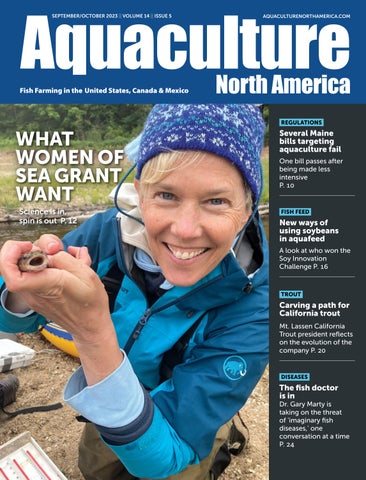
In this issue of Aquaculture North America, we turn our attention to a dynamic and pivotal force within the aquaculture industry – women.
As the aquaculture sector continues to grow across North America, we have to recognize the remarkable contributions that women have brought to this sector.
In this issue, you will delve into profiles of women at Sea Grant, who have pioneered innovative farming techniques, and "their goal is to support sustainable seafood production, economic growth, and environmental stewardship through research, extension, and education." as Lynn Fantom writes.
We also look at Katie Mackey Harris from Mt. Lassen California Trout, who "has taken over as company president, and her daughters get to grow up around trout farms, learning about the ins and outs of the business." as Matt Jones describes.
As we celebrate these women’s achievements, we must also recognize the challenges that persist. Gender disparities still exist, and it’s our collective responsibility to
address these imbalances and ensure equal opportunities for all.
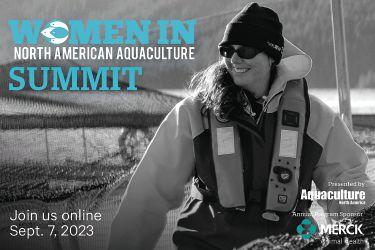
This is why I would like to invite you to join us online on Sept. 7 at 11 a.m. EST, as we hold our Women in North American Aquaculture Summit, featuring live panel discussions, exploring topics such as communicating aquaculture and seafood online, sustainability and technology practices for healthy seafood, and a special panel on Young Salmon Farmers in B.C., a group that is eager to make a positive impact on the B.C. salmon farming insudtry.
Visit www.aquaculturenorthamerica. com/women to register!
By highlighting the accomplishments of women in aquaculture, we hope to encourage continued dialogue and progress in this crucial area.
I am proud to support the work of women in North American aquaculture, and I believe that their contributions are essential to the future of the industry.
From all of us at Aquaculture North America, stay safe and well.
Aquaculture North America’s Editorial Advisory Board: Ian Roberts | Sandra Shumway | Jason Mann | Jeanne Mcknight | Mykolas Kamaitis | Jamie Baker
Study: 90% of global seafood production at risk from environmental change
A new study by researchers at the University of California shows that more than 90 per cent of global ‘blue’ food production, including capture fisheries and aquaculture, face substantial risk from environmental changes, such as sea-level changes and ocean temperature changes.
“There are other stressors, for example, especially food safety-related,” said Ling Cao, one of the authors of the study, "Vulnerability of blue foods to human-induced environmental change". “Mercury, heavy metal related stressors and also eutrophication from agriculture and other industrial applications. There are lots of stressors but for this study we didn’t consider which stressor had the biggest impact.”
Cao said that aquaculture companies play a vital role in adapting to these vulnerabilities to ensure resilient and sustainable seafood production in the future. As such, she has several recommendations for aquaculture companies based on their findings. First, aquaculture companies should enhance monitoring and surveillance to better assess environmental conditions and to better predict the risks of disease outbreaks or pollutant levels in production areas. Second would be diversification – that companies should diversify the species they work with and also their production systems – to reduce the vulnerability of the systems, so that if the system is impacted by a stressor it doesn’t wipe out all of your fish.
“Third, companies in the future should invest in more climate resilient infrastructure, especially talking about open sea offshore aquaculture,” said Cao. “Another recommendation would be thinking about implementing best aquaculture practices, for example, proper waste management, wastewater management, and responsible use of antibiotics.”
Finally, she recommends that aquaculture companies collaborate with key stakeholders. Blue food producers should form partnerships with local communities, governments, and other companies. Collective action will be very important to enhance response capacities and to promote more effective adaption strategies.
– Matt Jones
Innovation Beyond Measure
Results Beyond Expectation
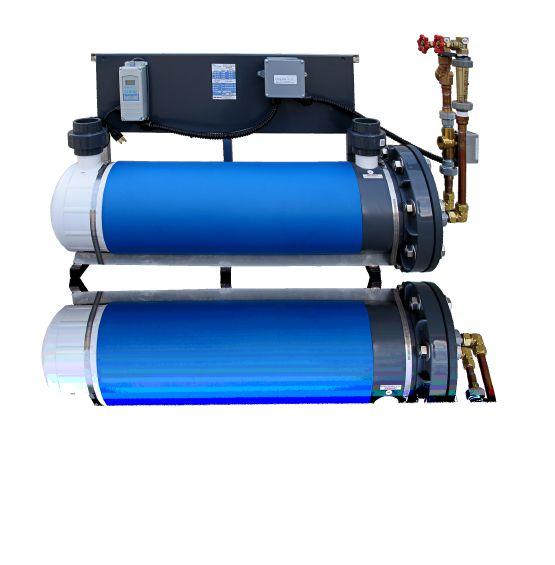
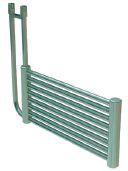
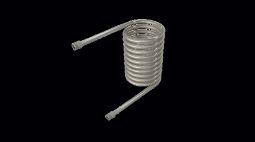
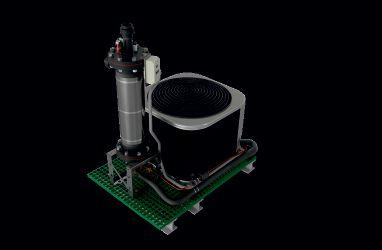
• 100% Titanium Heat Exchangers
• Hot & Cold Water Loop Systems
• Available with Tube Sheet, Helical Coil, or Plate
• Compact Designs
• Easy Installation
• Salt & Fresh Water Safe
• Chiller & Heat Pump Packages
• Electric Heaters & Gas Boilers
Marbase project adds wolffish to hatchery
Marbase Marystown was announced in 2019 – an ambitious plan to turn a tiny Newfoundland shipyard into a crucial service and supply center for the aquaculture industry, including a hatchery for lumpfish. However, aside from a feed storage and distribution area, the project has not reached full productivity due to a wide variety of external factors including the COVID-19 pandemic, environmental issues and technical challenges. Amid these rising costs, the addition of wolffish to the hatchery was announced.
“Now we have a dual species license for that hatchery,” said Paul Antle, chairman and CEO of Marbase Marystown. “We plan on splitting the hatchery and that will allow us to justify the CapEx [capital expenditure]. It gives us one product – lumpfish – for farmers to help with sea lice, and the other – wolffish – is direct from our hatchery to the plate.”
Antle says that this diversification provides them with a better economic model, more control over the operation within the facility and makes the project overall more palatable going forward. Asked why wolffish specifically, Antle noted that it helps to differentiate them in the market and that some of their Norwegian partners had been working with wolffish for some time.
“The fish itself is a high-quality white fish, in the same grade as a monk fish, lobster or halibut,” said Antle. “It’s in that higher end of the spectrum by way of value texture. The species is very robust, it’s calm so there’s a low feed factor. It’s got a high tolerance for salinity. It’s grows well in high density environments, so we can have a lot of fish in the tanks. And wolffish is indigenous to Newfoundland and Labrador, so it’s not a species that we’re unfamiliar with. There’s a lot of benefits.”
– Matt Jones
Where Water Drives Innovation.
Marbase Marystown chairman and CEO Paul Antle said that adding wolffish to their hatchery will be a boon for the project.
ASC participate in huge barbecue event as part of promotional campaign
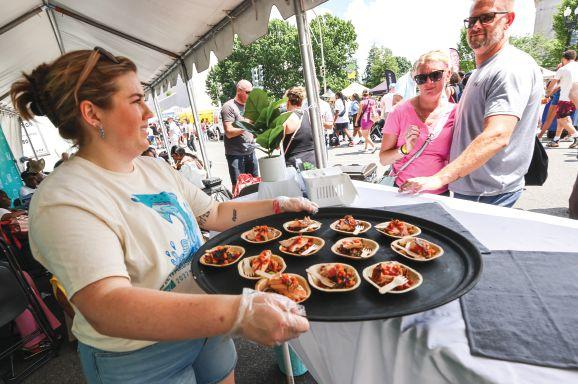
The Aquaculture Stewardship Council (ASC) teamed with Laguna Blanca Salmon to participate in a massive food and music festival in Washington, DC, this year. The 31 annual National Capital BBQ Battle took place in late June, where reps for the ASC handed out more than 20,000 samples of delicious salmon delicacies as attendees grooved to the sounds of DJ Jazzy Jeff.
“We are running a multi-year campaign to increase awareness, understanding and demand for ASC certification and understanding of the label across the board for consumers, influencers, shoppers, retailers and other companies who may not be as familiar,” said Athena Davis, the ASC’s North American Marketing Manager. “In doing that, we’re also working really hard to engage through the campaign with brands who do have ASC certification or companies that work with ASC certified seafood.”
“We are running a multi-year campaign to increase awareness, understanding and demand for ASC certification and understanding of the label across the board for consumers, influencers, shoppers, retailers and other companies who may not be as familiar.”
The samples given out included a grilled salmon shawarma with spiced tomato jam and a black garlic and whiskey shoyo lacquered salmon. Davis says that they have chosen three cities per year to target with the campaign, which could include anything from restaurant events to larger media events – of which the BBQ battle checked all the boxes. The ASC manned a booth at the event, where they prepared and handed out the samples, along with swag and encouraged people to learn more about their work. The ASC measure the success of these events through how many people they spoke with, how many samples were served and local media coverage.
“I’d say we definitely hit all of the KPI’s and probably exceeded them in this case,” said Davis. “It was a great event.”
– Matt Jones
A rep for the Aquaculture Stewardship Council hands out samples of seafood at the 31 National Capital BBQ Battle.
PHOTO BY ANDREW SAMPLE
Leading the way: Women in
North American Aquaculture 2023
At last year’s Women in North American Aquaculture Summit (WINAAS), Julie Kuchepatov, founder of Seafood and Gender Equality (SAGE) kicked off the event by her keynote, Shine Bright Like a Diamond, sharing insights into the challenges women in the aquaculture sector face and how they compare to those experienced by the inspiring music sensation, Rihanna.
After that, a Recruitment and Mentorship panel took place, featuring Kathleen Offman Mathisen, CHRO at Grieg Seafood Norway, Leah Stoker, senior consultant at Aquaculture Talent, and Tina Garlinski-Gonsky, director of human resources at Grieg Seafood BC.
The discussion revolved around the challenges met when looking for aquaculture jobs and finding career mentors.
The next session featured a panel discussion, Women in Leadership: “View from the Top”, and panelists included Diane Morrison, Managing Director, MOWI Canada West,
Briana Warner, CEO, Atlantic Seafarms, and Jennifer Woodland, former Nuu-chah-nulth Seafood CEO, and now managing director at Grieg Seafood BC. The panel, full of women in the C-suite level, shared their journeys and stories about leadership and how they got there.
Jeanne McKnight, executive director, at Northwest Aquaculture Alliance presented Aquaculture Advocacy: “Empowering an Industry”, where she discussed the challenges and the opportunities of the aquaculture industry, the blue economy ecosystem, strategies that are making a difference, and ways to advocate for the aquaculture industry.
The final panel moderated by Imani Black, founder and CEO of Minorities in Aquaculture
(MIA). It featured an open discussion with Black and MIA members Natalie Abdo, Taja Sims-Harper and Anoushka Concepcion about their different experiences as women of colour in the aquaculture industry.
This year, we are excited to announce that the Women in North American Aquaculture Summit 2023 will be held Sept. 7, at 11:00 a.m. EST.
Join us online for this free event, shining a well-deserved spotlight on women in North America’s aquaculture industry, who inspire, lead and encourage new generations of women entering the industry.
We will be hosting live panel discussions and on-demand sessions exploring topics such as communicating aquaculture and seafood online, sustainability and technology practices being put in place to help meet the growing global demand for healthy seafood, and a special panel on Young Salmon Farmers in B.C., a group aiming to to be an inclusive body that leads, informs, and sustains a positive dialogue about ocean-based salmon farming in rural coastal Vancouver Island communities.
Register now at www.aquaculturenorthamerica.com/women
Industry welcomes Diane Lebouthillier
as new DFO minister
After MP Joyce Murray’s announcement that she will not run again in the next federal election, the aquaculture industry has welcomed Diane Lebouthillier as the new federal Minister of Fisheries, Oceans and the Canadian Coast Guard (DFO).
“We congratulate and look forward to working in partnership with the new Minister of Fisheries and Oceans, Diane Lebouthillier,” said Timothy Kennedy, president & CEO of CAIA. “Salmon farming in British Columbia has faced significant policy challenges in the last few years, resulting in a reduction in food production and jobs, and higher food prices for Canadians. Under this new Minister we are optimistic for a fresh, innovative and pragmatic approach to growing and leveraging the competitive advantage that Canada’s ocean resources offer.”
The Minister of Fisheries and Oceans holds lead federal responsibility for aquaculture and Canada’s farmed seafood sector, which operates in every part of the country creating well-paying jobs for close to 20,000 Canadians.
According to CAIA, wild caught seafood cannot meet growing domestic and international demand for seafood. In response, aquaculture has grown substantially worldwide. Each year demand is expected to grow annually by 6.90 per cent (CAGR 2023-2028). This has led to nations such as Norway, U.K., Iceland, Chile and the U.S. significantly expanding their capacity.
“We understand Minister Lebouthillier is from a fishing community,” said Brian Kingzett, executive director of the BC Salmon Farmers Association. “We appreciate the appointment of a Minister that understands the opportunities and challenges of resource-based communities, especially in relation to the federal salmon farming Transition Plan.”
According to the BCSFA, farm-raised salmon is B.C.’s largest aquaculture export and, before 2020, created over $1.6 billion in economic activity annually in B.C. Salmon farmers in B.C. are committed to the sector’s transition principles of supporting First Nations’ right to self-determination, reconciliation and tripartite governance with Indigenous rights holders. According to BCSFA, salmon farmers in B.C. can provide sustainable sector growth while aligning with Canada’s Climate Change Plan and Blue Economy Strategy, developing broader trust and transparency.
“We are ready to meet with Minister Lebouthillier, along with our members and the First Nations whose territories we operate in, to learn more about the sector and the role of salmon farming in supporting poverty reduction, economic growth and sustainable food production in B.C.,” said Kingzett. “We look forward to learning more about our new Minister, her vision, and how we can align.”
“Farm-raised salmon is B.C.’s largest aquaculture export and, before 2020, created over $1.6 billion in economic activity annually in B.C."
Several Maine bills targeting aquaculture fail
One bill passes after being made less intensive
BY MATT JONES
During this year’s session of Maine’s legislature, the body saw a variety of bills proposed that were intended to curtail the aquaculture industry. Of these bills, only one passed – "An Act Regarding Marine Finfish Aquaculture" – though only after the provisions of the bill were made less intensive. Sebastian Belle, executive director of the Maine Aquaculture Association (MAA), notes that these bills were all in response to the controversial and now-stalled American Aquafarms project but were aimed at the aquaculture industry in general.
“It was a very small but very vocal group of people, to the point where they organized local ‘friends of…’ organizations,” said Belle. “And then at least one of those residents was able to bankroll Oceania to come in from outside the state and submit the bill that did pass, although when the bill passed it was very different than the original bill that was proposed.”
As described by one of the company’s webpages, American Aquafarms was intended to encompass ‘a hatchery, fish farm facilities, and a state-of-the-art processing plant in coastal Maine. The company is leveraging Maine’s
“The fishermen will never go for it if they’re going to raise fish in The Hop.”
deepwater assets with next-generation eco-friendly aquaculture technology.’ The US$300 million project aimed to raise 66 million pounds of Atlantic salmon annually at two sites in Frenchman Bay. Those assurances of eco-friendly technology were not enough to assuage public concerns about the project. Residents questioned whether the company was appropriately mindful of environmental
issues and local lobstermen were upset that the project was set to take place in popular lobster grounds, known locally as ‘The Hop.’
“There’s nothing to gain from this,” a lobsterman named Frank Hammond told a local media outlet, The Ellsworth American. “The fishermen will never go for it if they’re going to raise fish in The Hop.”
In 2022, after much public acrimony, Maine’s Department of Marine Resources effectively cancelled the American Aquafarms application by denying access to their egg sources. The company filed a lawsuit against the state but eventually withdrew it. However, even with that project stalled or possibly dead, the controversy was then used as the basis to push for a variety of bills that took aim at the wider aquaculture industry.
“The most interesting thing about all of this is that the
American Aquafarms proposal under existing Maine state law would never have been given a permit,” says Belle. “They violated a number of criteria and got very bad advice as part of their application process.”
"A few of the bills which failed included An Act to Protect Maine Fisheries from the Effects of Industrial Recirculating Aquaculture Operations", and "An Act to Establish Coastal Waters and Submerged Lands Regional Planning Commissions". "An Act Regarding Marine Finfish Aquaculture" passed but only after its recommendation – that salmonids could only be stocked up to 22 kilograms per cubic meter – was increased to a 30-kilogram limit. Had the bills passed (or passed in their original form) it would have wreaked havoc on the industry.
“It would have shut the industry down, absolutely,” says Belle. “It would have impacted existing operations and it would have essentially stopped all new applications in the sector. It would have been devastating for sure. To be very blunt about it, that was exactly the intent of the opponents. The opening sentence of testimony of all of the opponents is ‘we’re not against aquaculture,’ but then they launch into all the things they want to change and they know very well that if those things go through it will essentially shut down the sector, it will take jobs away from people, it will take choices away from coastal communities.”
Belle notes that he’s been in the seafood business for over 40 years, most of that time in aquaculture. In his experience about every five years a project proposal will be controversial enough that opponents will go to the legislature and advocate for changes to the system because they don’t believe the system will deliver the result they want.
“They try to make an end run around the existing system and change the laws and regulations so that it guarantees a ‘no’ vote for that specific proposal,” said Belle.
“So this is not a new phenomenon. And it’s not unique to finfish aquaculture – five years ago we had an oyster proposal and that was the genesis of another group of people opposing aquaculture.”
Belle says a significant reason why the bills failed in their goal to disrupt the industry was due to the years of work that he and his association have put in on education and outreach. The MAA conduct legislative tours, have farmers visit their legislators, and educate legislators about the industry. Through their efforts, Maine’s legislature has a firm understanding of the industry and its benefits.
“Speaking globally, not just in Maine, I think we have done a relatively poor job telling our story, both to the public and to elected officials,” says Belle. “Here in Maine, we have worked very, very hard for 25 years to educate people about what aquaculture is, what it isn’t, and why it’s so important to the state’s working waterfront. It’s one of the few ways that young people can stay in those communities and continue to work and build businesses because the traditional fishing sectors are closed fisheries, so it’s very difficult to get into those fisheries. The only way for young people to continue their family’s maritime heritage is aquaculture.”
Among the companies celebrating the outcome of this legislative session was Cooke Aquaculture USA. Spokesperson Claire Ryan says that the company appreciates that the legislature and the governor took a consultative and science-based approach to finalize the bill regarding salmonid stocking densities.
“Previous bills at 22 kilograms per cubic meter presented to The Maine Marine Resources Committee would have negatively impacted rural coastal jobs and restricted a producer’s ability to introduce new technologies and innovative equipment which otherwise enables aquaculture farms to operate even more sustainably,” said Ryan.
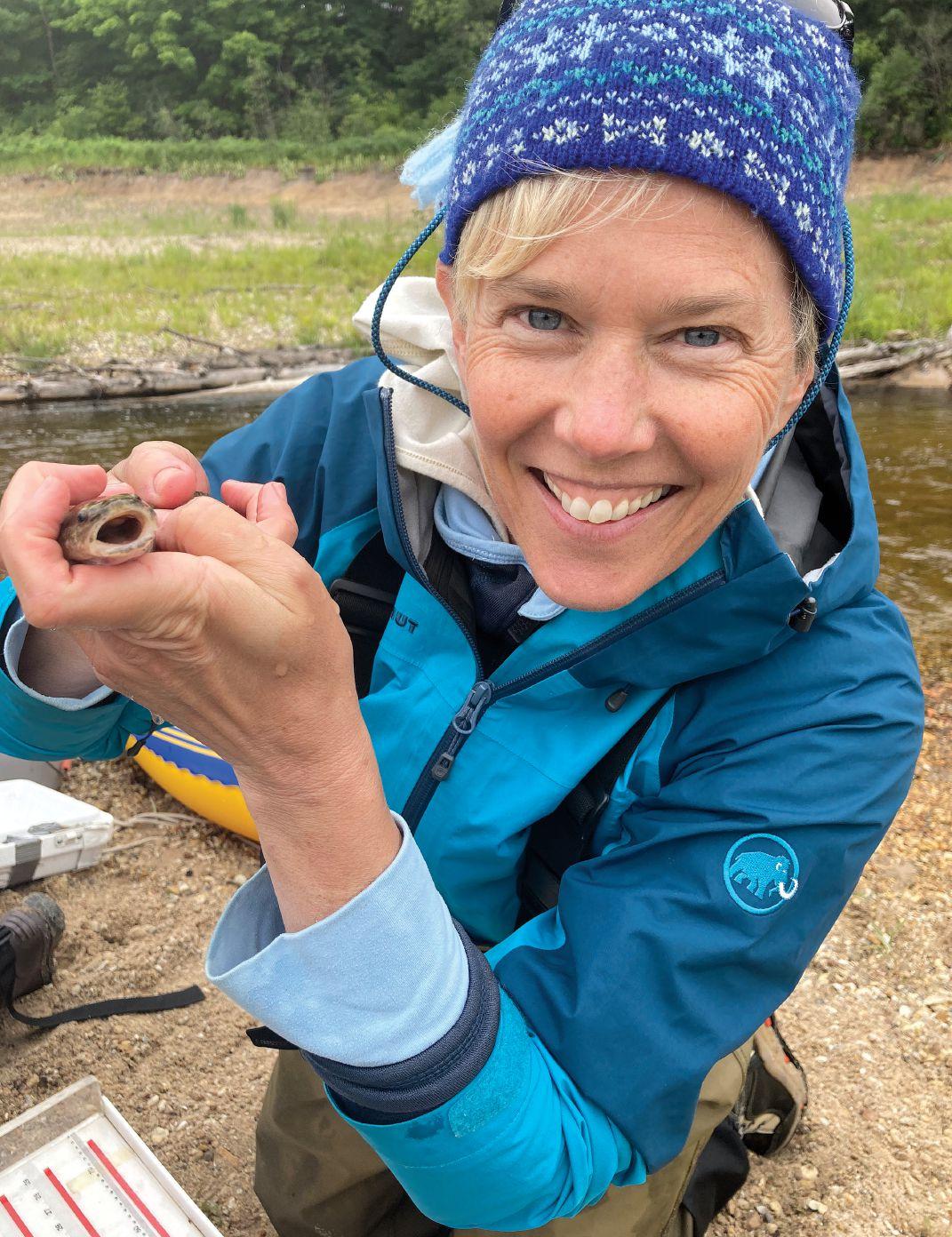
What women of Sea Grant want: Science is in, spin is out
BY LYNN FANTOM
Sea Grant is one of aquaculture’s best partners in the U.S. Founded in 1966, it is a joint effort of the National Oceanic and Atmospheric Administration (NOAA) and 34 university-based programs in every coastal and Great Lakes state, plus Puerto Rico and Guam.
Sea Grant stands out for its commitment to unbiased science and real-life connection, however, one of its greatest assets would be the broad array of women in its ranks.
These scientists, lawyers, public outreach experts, educators, and other specialists thrive as an exchange, providing access to science and also transferring the priorities of various stakeholders, from aquaculture producers to local residents, back to their universities. Ultimately, their goal is to support sustainable seafood production, economic growth, and environmental stewardship through research, extension, and education.
“That’s the three-legged stool,” said Keri Kuczor of Maine Sea Grant.
Driving innovation
Among Sea Grant’s research initiatives have been those that invest in creating new technologies that will lead aquaculture forward. In the lab, for example, one project assessed hatchery apparatus to enhance availability of seaweed seedstock. In the field, another designed and built an open-ocean integrated multi-trophic aquaculture (IMTA) platform to grow steelhead trout, blue mussels, and sugar kelp.
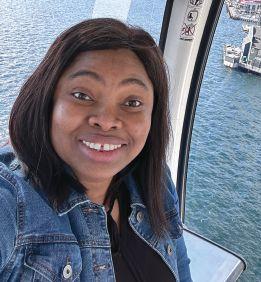
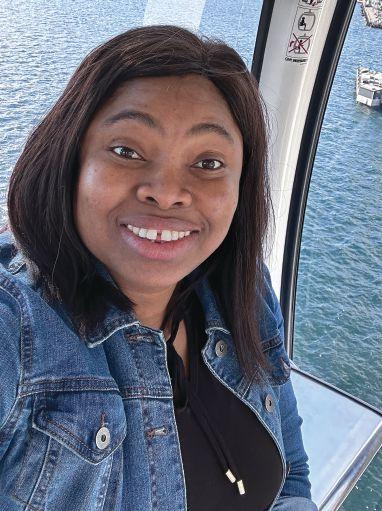
Lilian Elekwachi, a PhD candidate and teaching assistant at the University of Massachusetts Boston, was selected this year for the prestigious Knauss Fellowship Program. One of 84 fellows, in February she joined the Office of System Architecture and Advanced Planning in Washington, DC, which
Information without spin
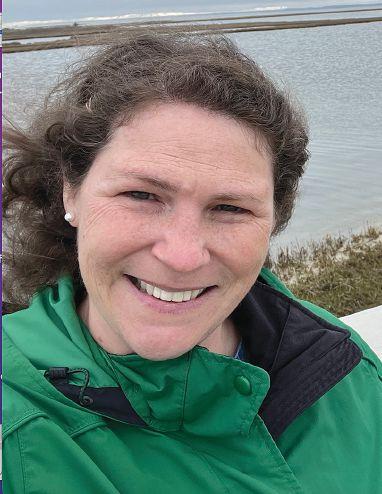
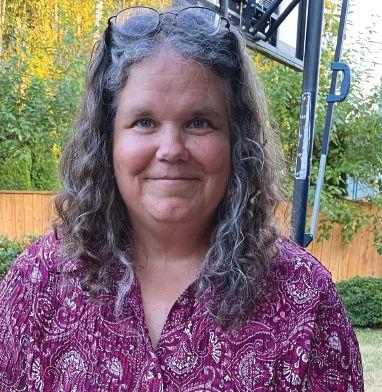
As senior research counsel, Cathy Janasie provides legal information and analysis to the Sea Grant community, policymakers, and the general public. A New Jersey native, she is based at the National Sea Grant Law Center at the University of Mississippi School of Law, where she has worked for 11 years.
When she talks about the variety of questions she regularly fields, she displays the enthusiasm of a lifelong learner. In any given week, inquiries may range from how to get permits to what’s involved with selling directly to the public without a middleman.
For several years, Janasie has been working on how seaweed will be regulated—“my most fascinating aquaculture project yet.” While the Food and Drug Administration (FDA) has said that seaweed will be treated as a raw agricultural commodity, most growers are small businesses who are exempt from many FDA requirements. So, what are the best practices that ensure the food safety of seaweed? She has created a workshop for state regulators and compiled relevant state laws in pursuit of this question, which is key as seaweed aquaculture grows.
“I think all of us at Sea Grant generally do really important work, especially because we work directly with communities and farmers themselves,” she said. “But the work we do at the Law Center is important because Sea Grant can’t advocate for a position. We’re viewed as a source of non-biased legal research and outreach—information without any kind of spin. I think that’s very valuable.”
collaborates with U.S. Government agencies, international partners, and industry to leverage technology to meet NOAA mission needs.
Elekwachi is visiting ocean farmers nationwide to document the needs they have that technology might solve. “Each state has a unique challenge,” she said. But she sees big opportunities for technology to monitor fish health and water quality.
That was not the case in her native Nigeria, where most of the work was manual. Still, at 24, she started a successful catfish farm where she fed, harvested, slaughtered and smoked the fish. When she returns to Massachusetts to continue her doctorate after her year-long fellowship, her goal is to perfect a hybrid solar/smoking technology that will be safe, climate-friendly, and cost-efficient.
Lilian Elekwachi, John A. Knauss Marine Policy Fellow PHOTO COURTESY OF LILIAN ELEKWACHI
Cathy Janasie, National Sea Grant Law Center PHOTO COURTESY OF CATHY JANASIE
New approaches, creative thinking
While maintaining neutrality, Sea Grant seeks to provide information that is rigorous, credible, and, above all, useful—which is the case, according to Maine Aquaculture Association (MAA).
Afton Vigue, MAA’s communications and outreach manager, said that “bringing science to bear for aquaculture producers has been invaluable…We’ve partnered [with Maine Sea Grant] on several key projects including the Aquaculture in Shared Waters training program, which has trained over 400 students in shellfish and seaweed farming over the past 10 years.”
In some cases, that education begins as early as kindergarten.
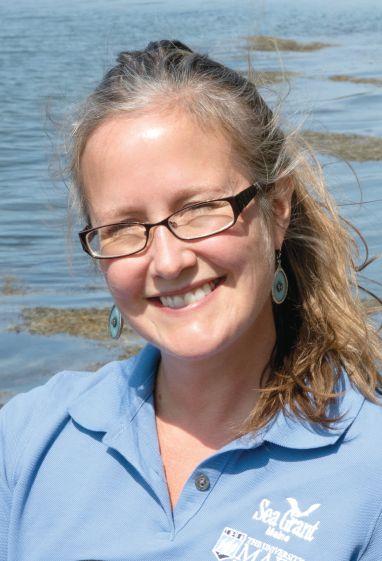
A Sea Grant veteran since 2003, Keri Kaczor started in a new role last year to build a scientifically literate public and a skilled and ready workforce. One project connects K-12 teachers state-wide with resources and professionals to bring aquaculture education into Maine classrooms. It also introduces sea farmers to nonprofits and education partners to create a stronger understanding of aquaculture and build community acceptability.
"I’ve heard that we need to plant the seed of interest much earlier around aquaculture careers, whether it’s research or working on the water.”
“Across the board, I’ve heard that we need to plant the seed of interest much earlier around aquaculture careers, whether it’s research or working on the water,” said Kaczor. Middle school represents an opportunity, she believes, because it’s when career aspirations are forming and parental involvement is still strong—which may also help build social license.
In addition, she is taking aquaculture education beyond coastal communities, which are often already well-resourced. “We have this workforce crisis. Why not try to energize the talent a little further inland?” she asks. As one example, saltwater tanks with aquacultured species have been installed in schools. “When I ask marine scientists how they got hooked, almost everyone says, ‘I had an aquarium as a kid.’”
SPONSORED CONTENT
Committed to Diversity, Equity & Inclusion
erck Animal Health helps aquaculture producers and conservationists cultivate and maintain healthy and sustainable aquatic ecosystems. Our industry leading biopharmaceutical and technology solutions monitor for insight, optimize with precision, and benchmark for performance.
Boise, Idaho is home to our North America Aquaculture Team, but Merck Animal Health supports aquaculture welfare globally with biopharma brands – like AQUAFLOR®, SLICE®, AQUI-S®, and AQUAVAC® – as well as technology solutions including individual identification from Biomark®, DNA TraceBack® traceability, Vaki® fish handling equipment, and biomass estimation with Falcon®.
In our journey to ensure the welfare and sustainability of aquatic species, Merck Animal Health partnered with leading experts to create the AQUA CARE365® training platform. This tool provides training on proper fish behavior, fish handling and fish care techniques, and was designed to complement and help fulfill the animal care requirements of seafood certification and stewardship programs for aquaculture.
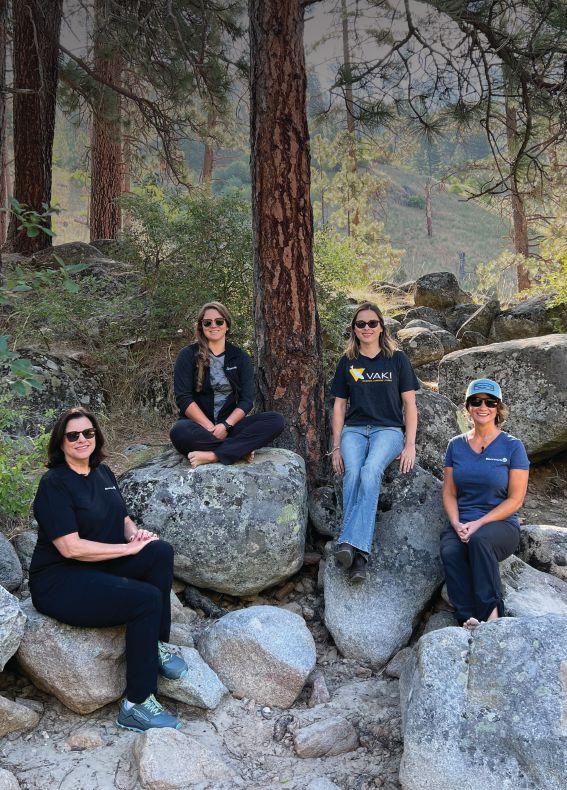
Beyond quality products, Merck Animal Health has a commitment to diversity, equity, and inclusion. We are proud to partner with Women in North American Aquaculture to share stories about influential women in aquaculture and inspire others.
Women in all facets of our aquaculture business make it what it is, and while more women are graduating in aquaculture from higher education institutes and gender parity has been achieved in some cases, women are still more commonly seen participating in small-scale aquaculture production, post-harvest industrial and artisanal processing, value addition, marketing, and sales. Few women are senior staff, owners, managers, and executives in the larger enterprises. We hope to change that through our internal efforts and our partnership with Aquaculture North America.
For more information please visit: merck-animal-health.com/species/ aquaculture/
Keri Kaczor, Maine Sea Grant
PHOTO KATHLYN TENGA-GONZALEZ
Building connections
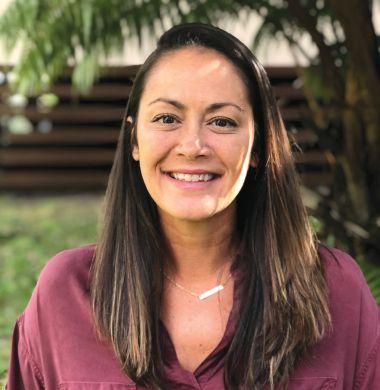
Cherie Kauahi, a Kanaka Maoli (Native Hawaiian) and aquaculture extension specialist at the University of Hawai’i Sea Grant College Program, is connecting Indigenous and western aquaculture practitioners with a goal to ensure food security.
In recent decades, communities have been reclaiming and restoring loko i‘a (Hawaiian fishponds) constructed by p p haku (stone walls) with m k h (sluice gates) that enclose areas along the coast or inland waterways for raising fish like ‘ama‘ama (mullet) and aholehole (Hawaiian flagtail).
While designed as a food source, this Indigenous practice is also a form of identity that reflects the deep interconnectivity between Hawaiians and the land and ocean.
According to Kauahi, there are many challenges to loko i‘a restoration, including legal policies, water quality, overfishing, historical marginalization, and the continued erasure of Hawaiian practices. But through workshops and other efforts, she is determined to “find ways for groups to work together so that we can see that we are aiming for the same goal.” How can that be done? “By honoring and respecting the Hawaiian perspective,” said says.
Bringing data forward
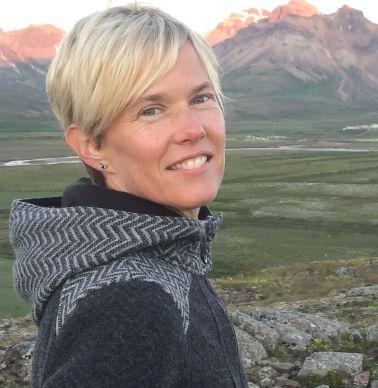
“Collecting the data” is a phrase that echoes throughout a conversation with Amy Schrank, a PhD in zoology and physiology who was appointed extension program lead at Minnesota Sea Grant this year.
Such an emphasis is important as the Great Lakes Region begins to explore new directions. Production there is all land-based (ponds, RAS, and flow-through) and has focused on recreational stocking and bait.
“Aquaculture is hard and really expensive. You hate to see someone start up with no business plan or not knowing about the biology of the organisms they’re trying to raise or water chemistry.”
“But there is a lot of interest in food fish aquaculture,” said Schrank.
One initiative is an aquaculture market study investigating how consumers feel about farmed fish, what they’re willing to pay, and what species they prefer—“fundamental data,” said Schrank.
Another is comparing performance of recirculating and flow-through systems to produce yellow perch, a “culturally important” species in a region where Friday night fish fries are popular. “One of the really cool things” about this project for Sea Grant, Schrank notes, is the partnership with a yellow perch producer in Minneapolis who has received a grant to build an indoor aquaponics facility for urban food security.
But it’s clear her enthusiasm is always tempered by the data, whether biological, social, or economic. “Aquaculture is hard and really expensive. You hate to see someone start up with no business plan or not knowing about the biology of the organisms they’re trying to raise or water chemistry,” she said.
Community impact
“Not many women [were] in fisheries, let alone aquaculture” is how Teri King describes the environment when she was earning her undergraduate and graduate degrees in
Fisheries. In 1990, she joined Washington Sea Grant as a water quality specialist, a vital role in the state which is the nation’s largest producer of farmed bivalves.
“Water is life for the organisms being farmed” and clean water is critically important to ensure shellfish is safe to eat, King said. “I quickly learned that failing septic systems were often implicated in water quality degradation.” What followed were innovations to grab attention and increase involvement with something most people wanted to ignore: a crawl-through septic system at OysterFest (including a toilet at the entrance); Septic Socials; Septic Sense workshops, landscaping contests, and maybe the most engaging bulletins ever written by a biologist. King’s time commitment for follow-up helped ensure the effectiveness of them all.
For work around the Puget Sound, King has earned the highest recognition: imitators in septic education around the US and the world. That’s “very humbling and rewarding,” she said. A favorite of the local press, she received the Community Impact Award from University of Washington College of the Environment in 2015.
Hopes and concerns?
Cathy Janasie speaks for the women of Sea Grant—and the aquaculture industry at large—when she said, “My hopes [for aquaculture] are that it will be a source of food, especially with the growing population and wild fish stocks under stress.
"The concern is that it has minimum impact on the environment and does not interfere with other uses, with fishermen or lobstermen, for example. We just need to make sure it’s done in the right way and everybody will be in a happy place.”
Cherie Kauahi, Hawai‘i Sea Grant PHOTO COURTESY OF HAWAI‘I SEA GRANT
Amy Schrank, Minnesota Sea Grant
PHOTO COURTESY OF AMY SCHRANK
Teri King, Washington Sea Grant
PHOTO SEAN MACDUFF
New ways of using soybeans in aquafeed
A
look at who won the Soy Innovation Challenge
BY TREENA HEIN
Soybean is a prized feed ingredient in monogastrics like fish, chicken and fish due to its high protein content, but further innovation is needed for it to reach its full potential. Enter the latest winners of the Soy Innovation Challenge, announced in May.
This U.S.-based competition, held in partnership by United Soybean Board and The Yield Lab Institute, called on academics and private industry entrepreneurs to present new ways to advance the use of (and therefore demand for) soybean meal (SBM) in agriculture, biofuels or other sectors. Each finalist
received a cash prize, mentoring and resources to help advance their ideas. United Soybean Board is an organization focused on achieving maximum value for U.S. soybean farmers, and The Yield Lab Institute is a non-profit, agtech think tank focused on supporting startups and entrepreneur ecosystems around the world.
S4000 nursery trays
S1000
PHOTO: SATAVIE
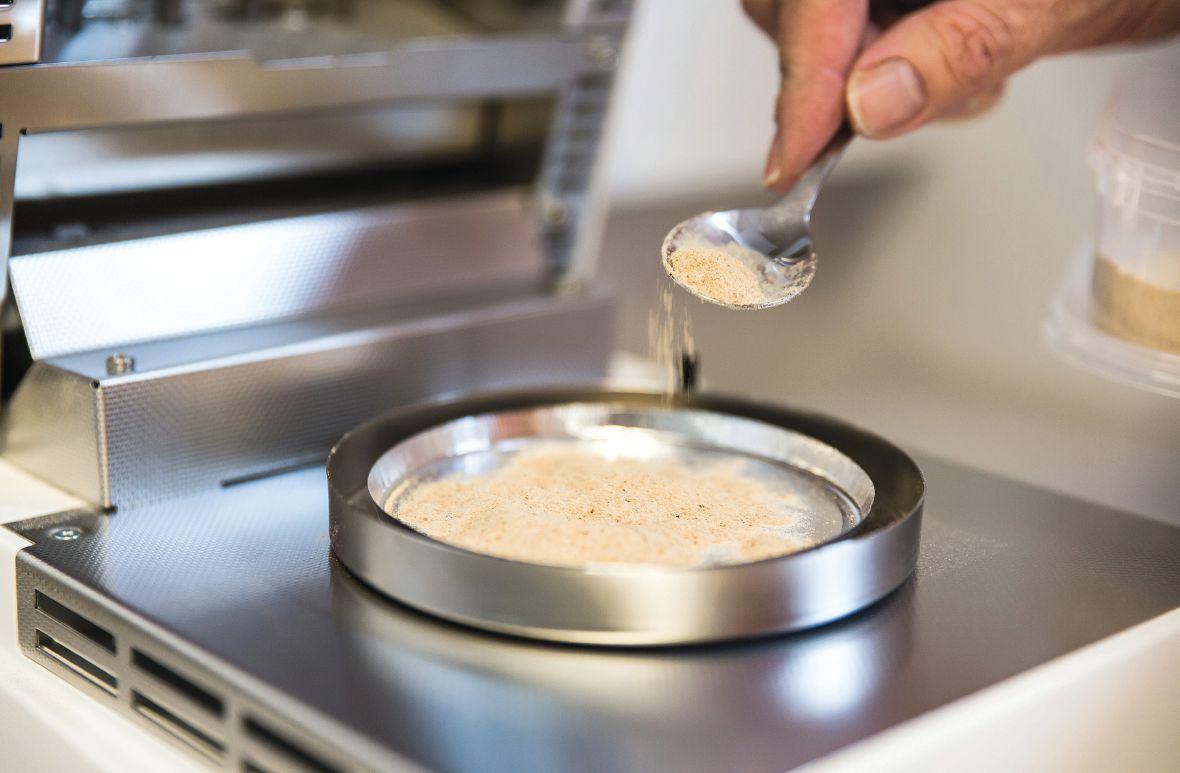
First up is Satavie, the grand prize winner, selected out of almost 80 applicants from across the planet for its approach to extracting concentrated soy protein from soybean meal. Their method ensures high levels of digestibility, improved nutrient absorption, and increased feed conversion rates ideal for monogastrics like fish, swine and poultry.
The company, based in Denmark with operations in Canada and the U.S., received US$100,000 and US$5,000 in in-kind technical services and credits from Amazon Web Services. The money and services will be used to scale the company, verify the product in the U.S. market (similar to its use in Denmark and Canada) and start to build a U.S. customer base. Satavie President Lasse Jakobsen, when the firm won the Challenge this spring, noted that “our patented water extraction technique leads to better health outcomes, overall growth and improved meat quality. It ultimately aids in digestion early on in animal diets to nutritionally set them up for success.”
The two existing target markets for Satavie’s product are broiler chicks (fed during the first seven to ten days at around a 10 per cent inclusion) and piglets, during the first two ‘nursery’ stages (at a 10 and 8 per cent inclusion rate, respectively). Aquafeed tests are coming soon.
“Recently we have been having discussions with larger producers to run trials,” said Jakobsen. “We’ve conducted one to date, but the trial was not isolated on our product. At this point, I can’t say much about the trial companies other than that they are some of the main players within poultry and aquaculture (salmonoids, trout – RAS).” Jakobsen adds that in terms of using his product with fish, “it can be hypothesized based on the highest digestibility levels on the market that the feed conversion is high.”
Boosting SBM digestibility
Feeding SBM to fish is a promising alternative to replace some or all of the protein coming from marine fish stocks, but digestibility is an issue. SBM contains trypsin inhibitors that resist natural and exogenous enzymes (proteases), preventing full digestion of protein. If the inhibitors can be inactivated however, more weight gain will obviously result from the same amount of feed and less nitrogen will be excreted into the environment in the form of undigested protein.
Even heat treatment of feed has little effect on inhibitors in SBM. Many other methods of inactivation have been researched, but a team based in North Carolina is taking a
brand new approach. POLARISqb (short for Polaris Quantum Biotech) is using molecular structure mapping, artificial intelligence and quantum computing to rapidly find the instructions for building a suitable inactivation peptide.
This marks the first feed additive project for POLARISqb, explains Dr. Shahar Keinan, CEO & co-founder. Already since its start three years ago, POLARISqb has achieved success in 15 collaborative pharmaceutical
projects, proving that its process works very well indeed. “We only started working on this [peptide to inactivate soybean trypsin inhibitors] in the spring,” added Keinan, “and we already have two preliminary designs ready for testing.”
To ‘design’ a peptide, the POLARISqb team first identifies and maps the molecular area they are targeting (in this case, an inactivation binding site on the Kunitz trypsin inhibitor), and then translates that into a mathematical
construct. Their AI algorithm then takes that blueprint and does an optimized search of very large molecular libraries – at very high speed due to quantum computing. Up to 1030 combinations of amino acids and other organic chemical pieces are rapidly analyzed for the one that will produce the desired peptide. However, POLARISqb’s Principal Software Engineer Maurice Benson says the software also ensures the combination can be synthesized fairly easily and economically. The winning peptide, once synthesized, must also be heat-tolerant to withstand feed manufacture, and will need stay in a stable form until fed.
After they have the design of a peptide (in this case, two potential designs), the POLARISqb team sends that to one of peptide synthesis firms they like to work with. These types of firms have been around for years, and use robotic systems to build peptides by adding amino acids and other molecular pieces in the correct order.
Soybean hull binders
Ichthus Unlimited (IU) is an R&D-based company with locations in Iowa, California and Spain. IU focuses on developing hatchery technology and the production of premium feeds for high-value marine fish species. Readers may recall that IU built the first U.S. tuna hatchery in 2021 near San Diego at a pilot scale. IU won its Soy Innovation Challenge prize for its development of a pellet binder made from soybean hulls.
Buentello explains that while tuna completely reject extruded feed, their formulation and binders create a feed particle that satisfies all tuna nutritional requirements.
The road to this innovation begins with the company’s development of a tuna feed to replace bait fish, a feed which has been used very successfully in Mexico, Spain and Malta. “Using baitfish is a big problem for the global tuna farming industry,” said IU President Alejandro Buentello. “It is wild-caught, frozen and then thawed before feeding. The fat, blood and other organic components leaking out of baitfish, combined with wave action, form a smelly, foam-like material which causes swimming tourists to complain, and Mediterranean governments temporarily shut down the tuna farms. It’s a cyclical issue that has had serious consequences for both the farms and the tourism sector. Foreign baitfish can also introduce exotic pathogens that can decimate endemic fish. We developed a soy-based tuna feed that can replace baitfish, allowing tourism and tuna farming to co-exist and is also much more sustainable and scalable. We will be bringing it to market soon.”
The IU tuna feed has a specially-developed binder blend with 15+ components, that keeps the water clear and provides the texture and
mouthfeel that is loved by these fish. Buentello explains that while tuna completely reject extruded feed, their formulation and binders create a feed particle that satisfies all tuna nutritional requirements. However, that binder blend is expensive. The IU team thought about soybean hulls and started collaborating with scientists at Auburn University (AU) two years ago to see how if a binder could be developed that could perform as well commercially-available binders such as corn starches, tapioca and wheat, or synthetic binders.
“There’s an increasing amount of soybean hulls available as a byproduct of the increased use of soybeans to make biofuel,” said Buentello. “We were already using soy proteins in our feed, but the hulls are only fed to dairy cattle because monogastrics can’t digest them. So, we looked at the composition of the hulls, and how we might find ways to transform them. In collaboration with AU, preliminary testing has been conducted with warm-water species such as Pacific whiteleg shrimp and the results are quite promising. Further performance and functionality has to be demonstrated in terms of expansion during heat extrusion, and ensuring we can achieve the proper density of the pellet so that it sinks or floats depending on the farmed species.”
IU is currently raising money for this work, in addition to raising funding to commercialize their soy-based tuna feed. IU is also collaborating with POLARISqb to develop a biotechnological application to resolve sea lice problems in salmon aquaculture.
Dr. Shahar Keinan, CEO and co-founder of Polaris Quantum Biotech Maurice Benson, principal software engineer at POLARISqb
Carving a path for California trout
MT. Lassen California Trout & Steelhead president reflects on the evolution of the company
BY MATT JONES
Mt. Lassen California Trout and Steelhead (MLCTS) will celebrate their 75th anniversary next year. A family business, Phil Mackey took the reins of the company nearly 50 years ago and his daughter, Katie Mackey Harris, grew up around the farms. Now, that family tradition continues as Mackey Harris has taken over as company president, and her daughters get to grow up around trout farms and learning about the ins and outs of the business. Mackey Harris spoke with Aquaculture North America about her career, the evolution of the family business and her experiences as a woman in the aquaculture industry.
THE ROAD BACK HOME
Like many people who grew up around a family business, Mackey Harris had a desire to make her own way in the world and didn’t plan on working at the farms initially. A softball scholarship took her to the University of Oregon, where she graduated with a degree in English literature and she then followed that up with a master’s degree in education. She spent several years as a teacher, but she soon felt the need for a change.
“Mainly, I started a family,” said Mackey Harris. “I wanted to be home with my kids when they were little, so I walked away from teaching. It felt like a good time to step back in, so I called my dad, who is the owner of the
company, and said ‘I just need to get out of the house.’ I grew up on a trout farm. I’ve worked here, I’ve pumped plenty of fish poop when I was a kid and cleaned the office. That’s what I did growing up and then just to get out of the house and to get a little walking around money.”
Mackey Harris’ return to the company came at a time when there was a need for more help around the farms, however, and slowly she began taking on more responsibilities. She said it all felt very natural.
“I remember the first time I went to a trout farmers’ conference, I was sitting next to my dad thinking, ‘oh my goodness, these are our people!’” said Mackey Harris.
Mt. Lassen California Trout and Steelhead’s various farm sites are all flowthrough, reliant on natural water flows such as this one.
BY MARK THAU
“We don’t want to be the biggest, we want to be the best.”
– Katie Mackey Harris, president, Mt. Lassen California Trout and Steelhead
"'There’s other people like us!’ It was this goofy moment of like ‘yep, I’m home.’ I get to try to make decisions based on what’s best for our employees and what’s best for the fish. The small family aspect of it is what I love, and family means way more to me than just, obviously, my dad. I’m the president of the company, but the people that we work with, that’s my family. That’s what I love about what I get to do.”
A CIRCULAR EVOLUTION
All of MLCTS’ farms are built around natural flow-through systems around the base of the titular Mount Lassen – “We rely on Mother Nature and gravity to feed water to our fish,”
said Mackey Harris. Though there are a few backup generators that assist during drought conditions, generally the systems are naturally fed. Each farm is custom built around the topography of the springs themselves –no two farms look the same at all.
“It’s all kind of a beautiful mess, as I like to call it,” said Mackey Harris. “We’ve got all these little farms spread out all around the base of Mount Lassen that are spring fed. The water temperature comes out at a very
consistent rate 365 days a year. We’re all over, we’ve got a big fleet of vehicles that we use to get to all these farms. And we generally have 20 to 23 employees.”
The majority of fish raised at MLCTS are sold live to recreational fishing efforts within the state. A significant portion of their vehicle fleet are used to deliver thousands of pounds of fish across the state with only 20 per cent of sales going to high end restaurants and other premium markets.
PHOTO
"I get to try to make decisions based on what’s best for our employees and what’s best for the fish. The small family aspect of it is what I love,"
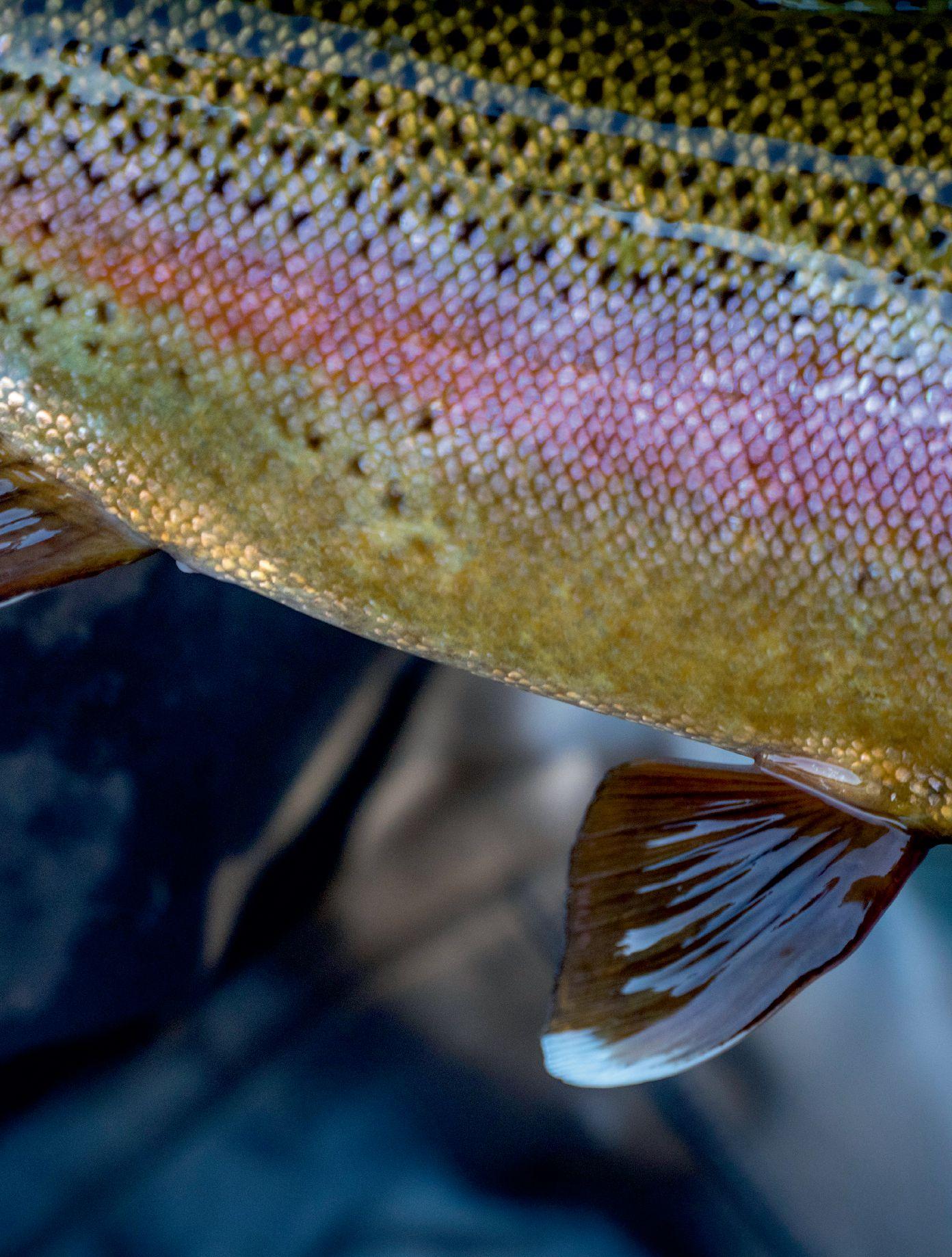
Much like Mackey Harris’ career path eventually brought her back to the family farm, she said the evolution of the farm has also been circular. Over the years, the company has dabbled in a variety of different species, such as catfish, but ultimately they keep coming back to their staple – rainbow trout, and maximizing how they utilize the pristine waters that are available at their various farm sites.
“In just the last couple of years, we put in our own processing plant for the seafood
72nd Annual NW Fish Culture Concepts
December5-7,2023•Boise,Idaho
Conference information: Contact Beau Gunter at 208-287-2712
Trade show/Vendor information: Contact Bob Becker at 208-634-2690
side,” said Mackey Harris. “It’s a separate company, but we made that commitment to controlling quality on the seafood front. So that’s been an evolutionary process. And we continue to do genetic selection – we have our own broodstock, we have our own strains. And so we continue to hone in on those and make sure we’re bringing the best of the best for our future progeny.”
Another limiting factor regarding diversifying their operations is an unreliable power grid. Every summer and winter they have several days without power on site. With their farms relying on natural flow-through water, power outages have limited impact on their existing system, but no matter how many tales she’s told about how many more fish could be raised in a recirculating system, she knows that the logistics simply don’t support it.
“Our power is disturbingly unreliable where we live,” said Mackey Harris. “So that’s kind of a non-starter for us. We’re pretty committed to where we are and what we’re doing. We don’t want to be the biggest, we want to be the best.”
Given that reliance on natural water flow, Mackey Harris is acutely aware of the impacts of climate change. In the last ten years, they had to deal with drought conditions in at least seven of those years. And while there is very little they can do to directly address those issues, they do their best to mitigate the impacts.
“It makes us better farmers,” said Mackey Harris. “It’s made us have to be more cognizant and make sure we’re not wasting water, to make sure our infrastructures are as sound as they can be. So we try to make sure we’re
PHOTO COURTESY MT. LASSEN CALIFORNIA TROUT AND STEELHEAD
Hosted by the Idaho Department of Fish and Game and the Fish Culture Section of the American Fisheries Society, this year’s NW Fish Culture Concepts will take place at the Riverside Hotel 2900 West Chinden
Hosted By:
doing the best we can to take care of the animals we’re responsible for.”
AS A WOMAN IN THE INDUSTRY
Mackey Harris said that she greatly appreciates that she seldom has to think of herself in the specific frame of being a woman in the aquaculture industry. From working at her own company to board meetings with the U.S. Trout Farmers Association – where she previously served as president – she has always felt that she was judged by what she brought to the table.
“I never felt like I was a woman in a man’s world,” said Mackey Harris. “I just felt respected from day one. Am I usually outnumbered? Yeah, but that’s not anything I’ve ever been threatened by. I feel like I’ve only ever been judged by what I can contribute, period. Do we need more women in this industry? Absolutely. But I have never felt like it was a barrier for me. I’ve always felt respected by men who have been in this industry.”
Given that women are underrepresented in the industry, Mackey Harris acknowledges that her experiences may not be typical – she operates in a relatively small bubble, which could be a particularly supportive one for female participation. But she does love to tell her story and to help guide young women who are interested in following a similar career path.
“I do tours with the local Future Farmers of America (FFA) and I always talk just as much to the girls as I do to the boys and I try to connect with everybody,” said Mackey Harris. “I think one thing we probably don’t do well enough here in the States is reach out to our younger generation, particularly in the FFA. I think that’s an area where we could do a better job of reaching out, to talk about our industry and talk about aquaculture. We could have a table at the national convention for the FFA and get the next generation involved in aquaculture.”
Just a week before speaking with ANA, Mackey Harris had two of her daughters’ friends in the car and they mentioned they were interested in becoming veterinarians. They were both surprised to learn that vets play a crucial role in aquaculture operations – another opportunity to tell her story, the story of the business and the wider industry.
“I’m thankful to work in an industry where what I do is valued more than who I am, or what gender I am or my last name," said Mackey Harris. “I just have to do my job and that’s what people care about.”
What’s species are you considering? RAS or open water system? Will you need a grant or funding?
business startups
Commercial Filtration Systems
Commercial Filtration Systems
Commercial Filtration Systems
Commercial Filtration Systems
Customized for your fish farm, hatchery or research operation!
Customized for your fish farm, hatchery or
Customized
Customized for your fish farm, hatchery or research operation!
Our Commercial LSS Packages are custom engineered to meet your specific needs.
Our Commercial LSS Packages are custom engineered to meet your specific needs.
Our Commercial LSS Packages are custom engineered to meet your specific needs.
Our Commercial LSS Packages are custom engineered to meet your specific needs.
• Marine and Freshwater
• Marine and Freshwater
• Marine and Freshwater
• Mechanical filtration
• Marine and Freshwater
• Mechanical filtration
• Mechanical filtration
• Chemical filtration
• Chemical filtration
• De-gassing towers
• De-gassing towers
• De-gassing towers
• Wide variety of flow rates
• Wide variety of flow rates
• De-gassing towers
• Wide variety of flow rates
• Flow control valves
• Flow control valves
• Mechanical filtration
• Chemical filtration
• Ultraviolet disinfection
• Ultraviolet disinfection
• Flow control valves
• Protein skimmers
• Wide variety of flow rates
• Protein skimmers
• Flow control valves
• Ultraviolet disinfection
• Chemical filtration
• NEMA enclosed controls
• NEMA enclosed controls
• Protein skimmers
• Variable frequency-drive pumps
• Variable frequency-drive pumps
• NEMA enclosed controls
• Ultraviolet disinfection
• Bio-filter towers
• Bio-filter towers
• NEMA enclosed controls
• Bio-filter towers
• Bio-filter towers
• Temperature management
• Variable frequency-drive pumps
• Protein skimmers
• Temperature management
• Temperature management
• Variable frequency-drive pumps
• Temperature management
All our systems are pre-plumbed and fully water tested prior to shipping. Call us today at 206.937.0392 www.AquaticEnterprises.com
All our systems are pre-plumbed and fully water tested prior to shipping.
All our systems are pre-plumbed and fully water tested prior to shipping. Call
All our systems are pre-plumbed and fully water tested prior to shipping. Call us today at 206.937.0392 www.AquaticEnterprises.com
ANA_Frigid
The fish doctor is in
Dr. Gary Marty is taking on the threat of ‘imaginary fish diseases,’ one conversation at a time
BY MARI-LEN DE GUZMAN
In his long career in the public sector, Dr. Gary Marty has had his share of personal attacks. And he understands why.
“One thing I realized is that if people cannot attack your science, then they will attack your reputation,” said Marty.
For 19 years, Marty worked as a diagnostic fish pathologist at the B.C. Ministry of
Agriculture’s Animal Health Centre (AHC). Marty and his colleagues at the AHC were among only a handful of board-certified veterinary pathologists in Canada who specialize in fish.
In 2017, Marty found himself in the middle of an investigation after certain anti-salmon-farming groups and individuals
SOURCE
accused him of conflict of interest when providing diagnostic pathology service to salmon farms.
“Part of my job profile was to serve both our government auditing and surveillance program and direct submissions from industry,” Marty recalled.
The then head of B.C. Public Service Don Wright was tasked to initiate an independent review and subsequently engaged audit firm Deloitte to perform an independent assessment of the AHC’s policies, procedures and controls related to ethics and conflicts of interest.
In its final report, Deloitte found no evidence of financial or technical conflict of interest in the diagnostic activities of the AHC. The report even went further to say the AHC operates at the “highest levels of quality, both in terms of the depth and experience of scientists and veterinary pathologists on staff.”
Those findings were not surprising to Marty, as he was confident of the integrity of his work. As a veterinary doctor, he said he bears the same responsibilities as any
PHOTO: DIANNE MARTY AND GARY MARTY
medical professional – whether as a doctor for humans or animals.
“As a B.C. Public Service employee, I’m required to be impartial. I need to accept and provide medical services, my diagnostic services, to anybody who needs them, regardless of who pays. It would be like a physician asking if you’re an NDP or Liberal supporter and refusing to treat you because you’re one or the other; that would be considered unethical (in the) medical profession,” Marty explained.
In addition to this ethical responsibility, Marty deems it is his obligation to educate the public on matters of animal health. The attacks on his reputation that he endured during his time at the AHC only solidified his intent to continue this quest even after he retired from public service in June 2023.
“Not all veterinarians will take on this responsibility themselves. But they do have a responsibility to refer to someone who is equipped to do that, and I’m quite happy to take referrals to help people,” he said.
Stellar career
Even at a young age, Marty has always been interested in fish. That fascination led him to pursue fisheries as a field of study, graduating with a bachelor’s degree in fisheries and wildlife biology. During his first year of undergraduate studies, Marty had an opportunity to work in the pathology department of a veterinary school. It was where the path leading him to become one of Canada’s experts in fish pathology was forged.
“At the time, I was not actually aware that fish got diseases. But they said I could be an expert on that, and that sounded very intriguing to me. So I looked into it. And sure enough, fish do get diseases just like all other animal populations; they have viruses, they have bacteria, they have parasites. And there’s lots of opportunities to understand those organisms and improve fish health,” Marty said.
Seventeen years later, Marty’s training as a fish pathologist was complete, armed with a master’s degree in fish biology, a PhD in comparative pathology, a degree in veterinary medicine, and board certification in anatomic veterinary pathology.
He joined the B.C. provincial government as a diagnostic fish pathologist in 2004, and for the next 19 years, he would spend much of his time analyzing and testing diseases in fish, both wild and farmed.
In addition to his work at AHC, Marty maintains an appointment as a research associate at the University of California, Davis, School of Veterinary Medicine, and is an adjunct faculty at the Western College of Veterinary Medicine in the University of Saskatchewan.
DISEASES
In 2020, Marty was recognized as an Outstanding Reviewer for the Canadian Journal of Fisheries and Aquatic Sciences.
“My specialty is fish pathology, diagnosing disease, and also putting into context how it can impact at the population level. So not just individual fish diagnosis, but also taking those diagnoses and applying them scientifically, at the population level. Of course, that’s helped me a lot in dealing with some of the questions about interactions (between) farmed salmon and wild salmon,” Marty said.
Data-driven
To date, Marty has co-authored 59 peer-reviewed scientific publications, one of which was a 2010 study published in Proceedings of the National Academy of Sciences that found no statistical correlation between sea lice levels on salmon farms and the lifetime survival of wild pink salmon populations. That study included an analysis of fish production data spanning 20 years and 10 years of sea lice counts from every salmon farm in B.C.’s Broughton Archipelago.
Sea lice in salmon farms and their effect on migrating wild salmon population have been
the subject of much debate within and outside the scientific and aquaculture community. Thirteen years after Marty’s 2010 study on sea lice and pink salmon was published, the Canadian Science Advisory Secretariat, which coordinates the scientific peer review and science advice for Fisheries and Oceans Canada, released a similar finding that there is “no statistically relevant association” between sea lice on farmed salmon and sea lice levels on wild juvenile salmon in B.C.
These kinds of findings do not fly with anti-salmon farming activists and some members of the scientific community. They, too, claim there is evidence that suggests salmon farms are detrimental to wild salmon populations.
Marty is always up for a good discussion on fish disease and fish health, but the conversation should be premised on the evidence.
When it comes to infectious diseases in salmon farms, decades’ worth of data show that only two per cent of B.C.-farmed Atlantic salmon in any given year die of infectious diseases. Therefore, if the infectious disease is not spreading in the farms, the threat to wild salmon is even less, Marty said. And this
is the message he intends to convey to those wanting to know more about fish diseases in both wild and farmed populations.
Immediately after Marty’s retirement from B.C. Public Service, he started a private consulting firm providing senior fish pathology expertise in communications, teaching, diagnostics and research. Of these, Marty considers communications as his most important task ahead – another soldier taking on the fake news machinery, one conversation at a time.
Marty also hopes that by being part of educating future veterinary professionals, he is doing his share in building a new generation fish pathology experts who are not just adept at the science but also equipped with the skills to effectively communicate the science to a broader audience.
When asked what the biggest threat to the B.C. aquaculture sector is, Marty replies: It’s the threat of imaginary diseases.
“The challenge we get is when that imagination starts to drive public policy, especially in the area of fish diseases, or fish health,” said Marty. “The frustrating part for me is that the imagination is getting more press than the evidence.”
ANB releases calibration-free pH sensors
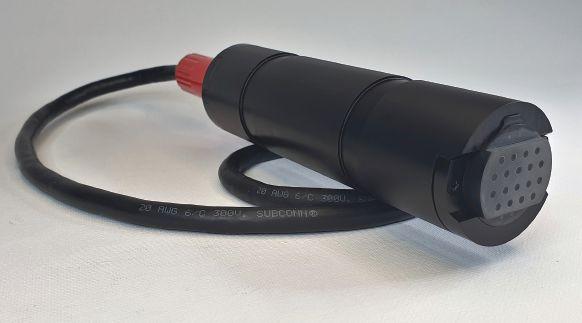
ANB Sensors, creator and manufacturer of pH sensor technology that requires no calibration, announced their range of AQ and OC Series sensors are fully released and shipping.
With four models to choose from, the AQ5 and AQ50 models operating to 5-50 metres depths respectively are ideally suited to aquaculture facilities, including RAS facilities, well boats, and ferry box applications. Whilst the OC300 and OC1250 operate to deeper depths of 300-1250 metres, for coastal, oceanography, and UAV deployments.
“Based on feedback from the extensive trials of our previous “S” series sensors, the new AQ & OC sensors are delivering all the features that have been requested by our customers," said Nathan Lawrence, CEO of ANB Sensors. “We have a strong product roadmap and will be releasing many new features via firmware releases, all based on the existing hardware platform.”
“Being calibration-free and extremely robust, these sensors are delivering what people have been looking for in pH sensors for some time,” said Mark Pritchard, CCO at ANB Sensors. “Delivering significant cost savings across their lifespan, we strongly believe that these innovative, calibration-free pH sensors from ANB will be widely adopted by users across all pH measuring requirements.” www.anbsensors.com
Dramm Corp. appoints western technical representative
Dramm Corporation announced the appointment of Angela Storm as its western technical representative.
Storm will be responsible for managing distributor relationships and supporting sales in the western United States. She will work with commercial customers involving products focused on hand watering tools, complete irrigation systems, chemical applicators, horizontal airflow systems, humidity management tools, and complete water system integrations.
Storm has experience in the commercial horticulture business, most recently as a key account representative for Dümmen Orange in North America. She has also worked as a breeder representative for Selecta One.
“Her reputation in the ornamental industry is second to none for providing dedicated and detailed customer support,” said Kurt Becker, executive vice-president, sales and marketing. www.dramm.com
SHOWCASE
Gael Force Group moves ahead with SeaQureFarm development and prototyping
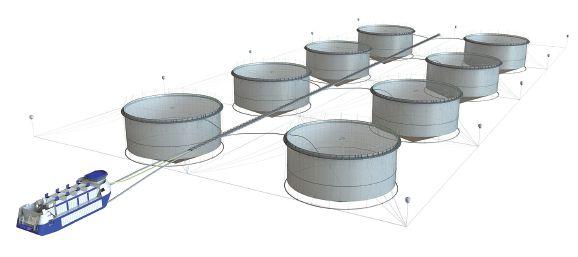
Gael Force Group has taken a substantial step forward in its plans to deliver its integrated SeaQureFarm by announcing an exclusive partnership for the prototyping and production of their semi-closed containment solution for the aquaculture sector, SeaQureWell, in 2024.
As an integral part of SeaQureFarm, the SeaQureWell is an arrangement where seawater is pumped and pushed into a floating enclosed “well” with its floating collar at the sea surface. The collar supports the Well and its pumping arrangements which lifts deeper coastal water into the well creating an in-well temperature profile that is warmer in the winter and cooler in the summer.
The SeaQureWell will be constructed of engineered high-quality composite membrane material, cut, and welded to form the ‘well', with structural floatation at the surface and a rigid sub-surface service and support structure. It aims to provide and maintain a secure controlled environment to safeguard healthy growing fish against external environmental threats to the fish from sea lice, gill amoeba, jellyfish and algae bloom as well as protect against sea mammal predation. Additionally, faecal depositions along with any uneaten food will also be captured in the ‘well’ for on-site recovery and reduction for reuse.
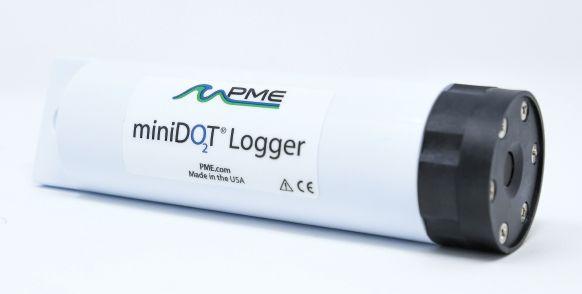
Precision Measurement Engineering (PME), provider of freshwater and oceanographic research and data logging devices, announced their engineering team is currently developing field guides that will provide researchers, using miniDOT Loggers, the ability to recalibrate their devices in the field.
The ability to adjust miniDOT calibration can be applied to new and existing miniDOT Loggers. This will be a valuable feature that PME will provide for existing miniDOT Loggers without additional expense.
The Scottish technology and equipment manufacturer has been researching and developing its unique integrated SeaQureFarmconcept for several years. Last year it commissioned aquaculture expert, Knut Senstad, to deliver a highly detailed business case for the concept, revealing key economic, health, and environmental savings in a range of farming scenarios.
Partnering with Gael Force on the production of the prototype is Northern Ireland based Cunningham Covers, known for their expertise and large factory capacity in the manufacturing of clever protective covers and containment products from high-tech, highstrength flexible materials.
For this partnership, Gael Force and Cunningham Covers have also entered a supply partner agreement with Serge Ferrari, a company that specializes in flexible composite materials. They will provide fabric technology to enhance the performance and durability of the SeaQureWell system.
“By announcing this next major step forward in the development of SeaQureFarm we continue to demonstrate our commitment to the continual improvement of a greener, carbon-friendly way to sustainably produce a healthy, nutritious food protein," said Stewart Graham, managing director at Gael Force Group. "We share the sector’s ambition of minimising environmental footprint and moving closer to a goal of achieving net zero. In partnership with Cunningham Covers, supported by Serge Ferrari as our specialised material supply partner, I am extremely confident that our collective experience and expertise will enable us to move the dial considerably towards that target.”
“We are delighted to be a long-term partner with Gael Force in this project," said David Cunningham, managing director at Cunningham Covers. "Our two companies share core values and ethos, as well as a long-term ambition to grow our presence together in the semi-closed containment fish farming sector, combining the considerable and complementary strengths of both companies."
www.gaelforcegroup.com
The benefits of recalibration include:
• Ability to maintain miniDOT Logger calibration accuracy over longer periods of time.
• The recalibration expense for miniDOT Logger is reduced as manufacturer recalibrations will occur less often, expense reduction includes shipping to and from manufacturer.
• Total time of useful operation for miniDOT Logger is increased as frequency of manufacturing calibration is reduced.
“PME’s goal is to develop a simple recalibration method that can be performed by customers in the field to account for calibration drift and does not require the miniDOT Logger to be returned to PME for yearly calibrations.”
www.pme.com
2
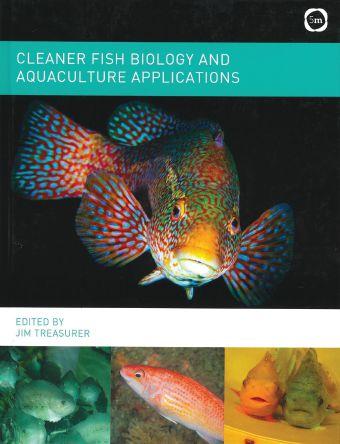
Cleaner Fish Biology andAquaculture Applications reviews and presents new knowledge on the biology of the utilised cleaner fish species, and provides protocols in cleaner fish rearing, deployment, health, and welfare.
The latest knowledge is presented on specialist technical areas such as cleaner fish nutrition, genetics, health, immunology and vaccinology, welfare, transport, and fisheries. Specific chapters detail cleaner fish developments in the main salmon-producing countries.
$350.00 | Item# 1912158218
JOIN US ONLINE
OCTOBER 18, 2023
11 A.M. EST
The World Trout Culture Summit will bring together the fisheries and aquaculture sector to share knowledge about this freshwater species. From population enhancement in local watersheds to food security for global demand, this virtual summit aims to unite trout culturists, scientists, farmers, technicians, suppliers, and other experts to drive innovation for this valuable species.
3 hours of engaging trout culture panel discussions for just 20 USD!
Interact with global experts in the world of trout culture, learn about the latest in the species’ research and development; and connect with like-minded professionals about sustainable trout production.
MAKE A SPLASH with one of our Sponsorship packages at the online trout event of the year! AGENDA*