Consumer popularity of meatless diets is on the rise. Is it a passing fad or here to stay?
An update on progress some provinces have made in preparing for potential disease emergencies.
by Brett Ruffell
Producers still seeking action on trade deal mitigation
The Comprehensive and Progressive Trans-Pacific Partnership (CPTPP) came into effect over a year ago. As a result of the deal, Canadian poultry and egg farmers lost a significant portion of their domestic market and stand to suffer losses of billions in net operating income.
Understandably, the feather boards have been seeking government support to mitigate the impacts of this and other trade pacts. Going into this year, they were confident that assistance was coming soon. However, as of early March they were still awaiting details of these programs and initiatives.
This prompted Egg Farmers of Canada, Chicken Farmers of Canada, Turkey Farmers of Canada and Canadian Hatching Egg Producers to release a joint statement expressing their disappointment with the lack of progress.
“We appreciate the government’s repeated vocal support for supply management, but find the current situation worrisome. Our farmers have been patient and cooperative, and need to see concrete action. The lack of movement on this file is concerning, especially since recommendations were put forward to the federal government almost a year ago.
“Canadian poultry and egg farmers call upon the federal
government to uphold its commitment and announce the programs that provide full and fair support to Canada’s poultry and egg sectors as they absorb the impacts of the CPTPP.”
Shortly before CPTPP took effect, the feds announced working groups for the dairy, poultry and egg sectors. The goal was to collaborate on strategies to help soften the blow of trade pacts. The Liberals then earmarked $2.15 billion in last year’s federal budget to support those efforts.
While dairy farmers opted for direct payments, the poultry and egg sectors took a different
“We appreciate the government’s repeated vocal support for supply management, but find the current situation worrisome.”
approach. They, instead, sought programs and tax incentives to reinvest in and grow their markets. They’re still waiting.
“In order to support our farmers as effectively as possible, our focus has been on programs and initiatives that strengthen the long-term sustainability and competitiveness of our sectors and rural communities, and continue to deliver made-in-Canada food,” said the joint statement.
“This approach allows us to navigate the unique dynamics
of our respective industries and to plan for the future.”
In related news, the Canada-U.S.-Mexico (USMCA) trade pact, which grants even more access to Canada’s poultry and egg sector, got closer to taking effect.
In early March, the Canadian Parliament agreed to rush through ratification of the new deal as part of measures to combat the coronavirus outbreak. Canada was the last of the three signatories to formally adopt the pact.
In yet another trade threat, Brazil is reportedly seeking greater access to the Canadian chicken market. Already the second largest source of chicken imports, the country is after more as part of negotiations with Mercosur, a South American trade bloc that also includes Argentina, Paraguay and Uruguay.
These developments underscore the need to increase the pressure on government to protect Canada’s supply managed industries. They also highlight the importance of securing that trade mitigation package.
The feather boards are hoping those details are included in the next federal budget, which at the time of print is currently scheduled for March 30.
But with parliament suspended due to the coronavirus outbreak, it’s impossible to predict what will happen next. On that note, stay glued to canadianpoultrymag.com for updates on the pandemic and how it’s affecting Canada’s poultry industry.
Mail: 111 Gordon Baker Rd., Suite 400, Toronto, ON M2H 3R1
Subscription Rates
Canada – 1 Year $32.50 (plus applicable taxes)
USA – 1 Year $91.50 CDN Foreign – 1 Year $103.50 CDN
GST - #867172652RT0001
Occasionally, Canadian Poultry Magazine will mail information on behalf of industry-related groups whose products and services we believe may be of interest to you. If you prefer not to receive this information, please contact our circulation department in any of the four ways listed above.
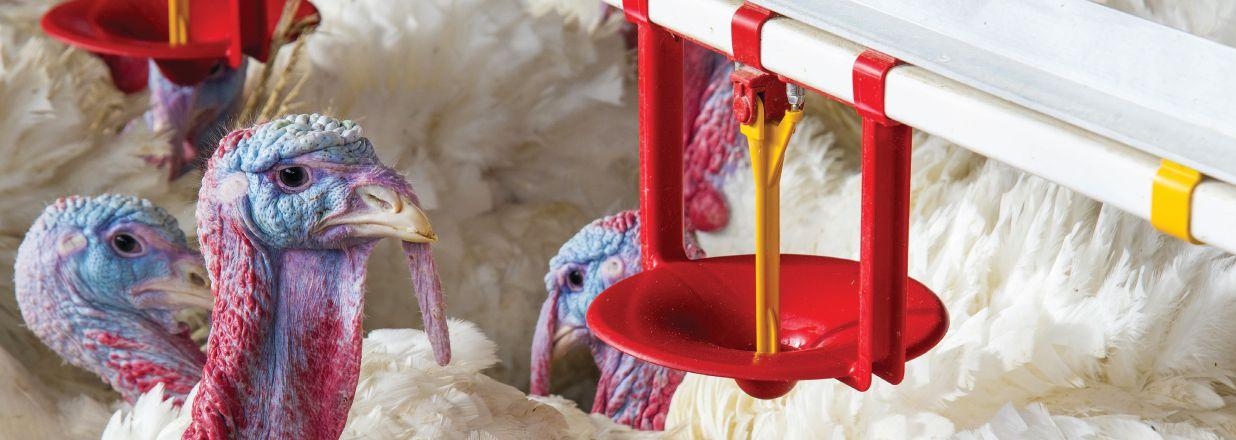
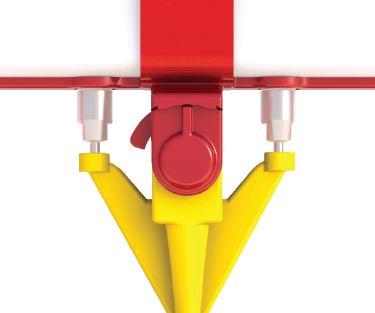
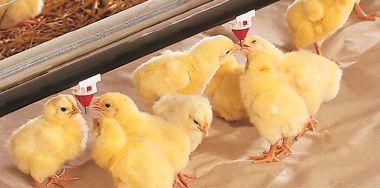
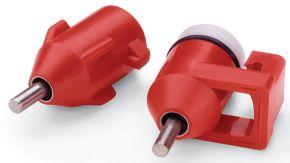
At the heart of the system is the patented pendulum and new, twin-nipple technology. As the birds drink from the cup, their heads move the pendulum from side to side, thus triggering the nipples in a vertical action.
Twin,Vertical Action, Stainless Nipples
Pin Solid Pendulum
Unique Features
The next breakthrough in Turkey Drinking is finally here! EasyLine2.0 with innovative Twin-Nipple technology.
•
• • Large diameter Pivot Pin increases surface area for reduced wear and requires no tools for assembly
Vertical triggering Twin-Nipples eliminate sliding friction for minimal component wear and a long product life
Solid Pendulum with outer surface water flow allows for easy inspection and cleaning
Glass-Pac Canada
St. Jacobs, Ontario
Tel: (519) 664.3811
Fax: (519) 664.3003
Carstairs, Alberta
Tel: (403) 337-3767
Fax: (403) 337-3590
Les Equipments Avipor Cowansville, Quebec
Tel: (450) 263.6222
Fax: (450) 263.9021
Specht-Canada Inc.
Stony Plain, Alberta
Tel: (780) 963.4795
Fax: (780) 963.5034
Pivot
What’s Hatching
Hendrix Genetics welcomes new turkey director
Following recent changes to its executive committee, Hendrix Genetics has now announced that Alan Rickard is the new managing director of the turkey business. Rickard joined the turkey team, representing the Hybrid Turkeys brand, on February 3, 2020. Based in Canada, Rickard comes with a wealth of experience in the agri-food and biofuels sectors. He worked for both private and publicly held companies in Canada and Europe.
Hog, poultry groups welcome proposed animal health legislation
National hog and poultry groups are welcoming proposed legislation aimed at mitigating animal health risks from trespassers on farms. Conservative shadow minister for agriculture and Foothills MP John Barlow introduced Bill C-205 in February. The private member’s bill would make it an offence under the Health of Animals Act to enter, without lawful authority or excuse, a place in which animals are kept, if by doing so could result in exposing the animals to a disease or toxic substance..
Cobb debuts new management guide and supplements
Cobb-Vantress announced seven new or updated management guides and supplements at the International Production & Processing Expo recently held in Atlanta. The updates and new introductions help expand upon Cobb’s commitment to providing customers with the latest recommendations based on breed performance, current scientific knowledge and practical field experience from around the world. To access these resources, visit cobb-vantress. com/resource.
A total of 1,377 exhibitors showcased their latest technology and solutions, with more than 573,000 square feet of exhibit space.
2020 IPPE has strong show
Next year’s International Production & Processing Expo will be held Jan. 26 to 28, 2021, at the Georgia World Congress Center in Atlanta.
The 2020 International Production & Processing Expo (IPPE) had 31,504 animal food, meat and poultry industry leaders from all over the world in attendance, with an 8% increase in the number of buyers from last year.
A total of 1,377 exhibitors showcased their latest technology and solutions, with more than 573,000 square feet of exhibit space. IPPE is the world’s largest annual feed, meat and poultry industry event of its kind and is one of the 30 largest trade shows in the United States.
IPPE is sponsored by the U.S. Poultry & Egg Association, American Feed Industry Association and North American Meat Institute.
There were 8,063 international visitors from 129 countries at IPPE. The largest group from a single country outside the U.S. was Canada with 1,176 visitors.
The largest region represented included the Caribbean, Latin America, Mexico and South
America with 3,334 visitors.
“There was a great turnout for the 2020 IPPE. With four halls and extended networking opportunities, we expect the 2021 IPPE to provide even more economic value for attendees and exhibitors,” remarked the three organizations. In addition to complementing the exhibit floor, a week-long schedule of education programs helped drive attendance and provided information to industry professionals on the latest issues.
This year’s educational line-up featured 200-plus hours of sessions, ranging from meat and poultry quality, biosecurity as it pertains to foreign animal disease, processing for antibiotic-free production, and a multilingual program focused on broiler and layer production and processing issues affecting Latin America.
Next year’s International Production & Processing Expo will be held Jan. 26 to 28, 2021, at the Georgia World Congress Center in Atlanta.
5 questions with CPEPC’s new president and CEO Jean-Michel Laurin
In July, Jean-Michel Laurin began transitioning to his new role as president and CEO of the Canadian Poultry & Egg Processors Council. Laurin brings a lengthy background in communications to his new role. He previously worked for public affairs firms and the Canadian Manufacturers & Exporters. We asked him five questions.
How have things gone thus far?
Very exciting. I don’t come from the poultry and egg sector. So, I came here with a lot to learn about the industry. Some days, especially in the first couple of months, it felt almost like I was going back to school. You’re absorbing a lot of information in very little time. I just find the people and sectors to be fascinating. Some of the issues are cross cutting across all the sectors but there are a lot of things we do that are unique to each group.
Why are you a fit for this role?
The reason they thought I’d be a good fit for this position is the association just finished its new three-year strategic plan. I completed that process but it started two years before I was hired. With where the association and our members want to go, they felt they needed someone with my skills and experience to lead the group. I come more from a public affairs background. They feel that with the challenges we’re facing as an association going forward, we really need to proactively communicate with customers, consumers, media, parliamentarians and government officials.
What was your first priority?
My first priority was to ensure we had a good strategic plan in place, that there was consensus around it and that there were annual objectives around that plan. With change management, you need to communicate to people regularly so they know where you’re going and how you’re going to get there. You remind them constantly throughout the journey. I felt having annual goals and an annual workplan would help ensure team members are aligned in what we need to do and also members would see that there are key milestones that we need to reach. Our goals are ambitious, but I feel if we organize ourselves we’ll achieve them.
What advice did your predecessor give you?
One of the things he told me was to spend time with your members. Meeting people face to face and getting to know them personally makes a big difference. Pretty soon I’m going to know all of my members on a first name basis.
How do you spend downtime?
My biggest interest is my family. I’ve got two young boys. We’re really into sports. Personally, I run. I don’t win any races but I run a lot. I coach my kids at baseball. I also do lots of reading. I studied economics and political science and have an MBA. I still read a lot of books coming out on economics. I’m kind of a geek that way. The last book I read was Misbehaving: The Making of Behavioral Economics. It’s on the history of behavioural economics.
National Poultry Show postponed due to coronavirus
Due to the evolving situation related to the COVID-19 global pandemic, the National Poultry Show has been postponed. In order to support ongoing preventative measures, and to ensure the safety and well-being of its members and broader community, the Poultry Industry Council board of directors has been working with Western Fair District to explore the possibility of hosting the show on another date in the near future. A number of other events have been affecting by the pandemic. Visit candianpoultrymag.com for updates.
Humane society wants better fire protection in barns to stop animal deaths
Better fire protection is needed in barns to stop the deaths of tens of thousands of farm animals each year, says a report from the Humane Society International/ Canada. The humane society has combed through media reports and the few government sources available and estimates that at least 750,000 animals have died in barn fires since 2015. Nearly three-quarters of the dead animals were chickens. Except for 2019, every year in the study period had at least one fire that killed more than 30,000 hens, roosters and chicks.
Canada ratifies CUSMA trade deal, replacing NAFTA
The Canadian Parliament on Friday ratified the Canada-U.S.-Mexico Agreement on trade, making Canada the third and final country needed to make the trade pact official and replace the 1993 North American Free Trade Agreement. The pact, which includes increased access to Canada’s egg and poultry market, is expected to take a few months to enter into force.
Jean-Michel Laurin is president and CEO of the Canadian Poultry & Egg Processors Council.
What’s Hatching
Subway must pay CBC $500,000 for failed defamation lawsuit over chicken
Subway has been ordered to pay the CBC $500,000 in legal costs following its failed bid to sue the public broadcaster for defamation.
In his decision, Ontario Superior Court Justice Ed Morgan attributed much of the length and complexity of the legal battle to the approach taken by the fast-food chain.
Subway had sued the CBC for defamation over a “Marketplace” report in February 2017 that focused on the amount of chicken in its chicken sandwiches. The world’s largest fast-food operator sought $210 million in damages.
In November, Morgan dismissed the action pre-trial under so-called anti-SLAPP legislation, which aims to protect free speech on matters of public interest.
The company, Morgan noted, went all out in fighting the CBC’s dismissal motion.
“Its materials were overwhelmingly aimed at the issue of truth in the news magazine item that was the subject of the suit – an issue which goes to the heart of the merits of Subway’s defamation claim, but is only relevant in a minor way to the SLAPP criteria,”
Morgan said. “The motion turned into a massive undertaking to which CBC, as moving party, was compelled to reply.”
Both Subway’s approach and the CBC’s response required a “herculean lawyering effort” resulting in a “monument to high-end legal work” in complex litigation, Morgan said. However, the effect was one of extending and complicating what was intended to be a relatively quick procedure, the judge said.
The result, Morgan said, was that CBC racked up a total of $800,000 in legal costs that reflect the “large-scale undertaking” the anti-SLAPP motion became. Morgan decided to round down CBC’s cost request given the size of its ask compared with other anti-SLAPP motions, but said there was no other reason to deviate from the expectation that the network was entitled to full costs.
In addition to ordering Subway to pay CBC $500,000 for legal costs, the restaurant company will also have to pay the broadcaster another $178,000 in fees and disbursements.
Subway had sued the CBC for defamation over a “Marketplace” report in February 2017 that focused on the amount of chicken in its
Alberta agriculture groups raise concerns about provincial cuts
The Alberta government is looking at ways to change how it conducts agriculture research at the same time it has laid off some of the staff doing that work. Agriculture and Forestry Minister Devin Dreeshen is holding public consultations on what he calls “farmer-led research,” where producers set the priorities for government research. This has raised concerns among agriculture groups about job cuts and the possible privatization of research.
Scholarships available for students pursuing agriculture education
The Canadian Agri-Business Education Foundation (CABEF) provides financial support to encourage young people to pursue an education in agriculture and food. CABEF’s Pathways to Agri-Food Scholarships awards seven $2,500 scholarships annually to students entering or currently pursuing an agricultural or agri-food related program at a Canadian college, university or technical institution. The application deadline is April 30, 2020 and information on how to apply can be found at cabef.org.
New tools to protect against foodborne pathogens
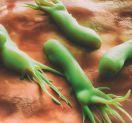
Genome BC has invested in a project, “One Health” Syst-Omics approach to reduce Campylobacter in agrifood chain, led by the University of British Columbia’s Dr. Xiaonan Lu and Dr. William Hsiao from the BC Centre for Disease Control. Adopting a “One Health” approach, the project aims to develop novel characterization, detection and biocontrol tools to reduce the impact of Campylobacter in BC’s agrifood chain.
chicken sandwiches.
• Leading
• Impressive
• Strong
• Highest Yield
• Excellent
Performance
• Exceptional Livability
Producer’s Edge
By William Alexander
Barn sensors playing tricks?
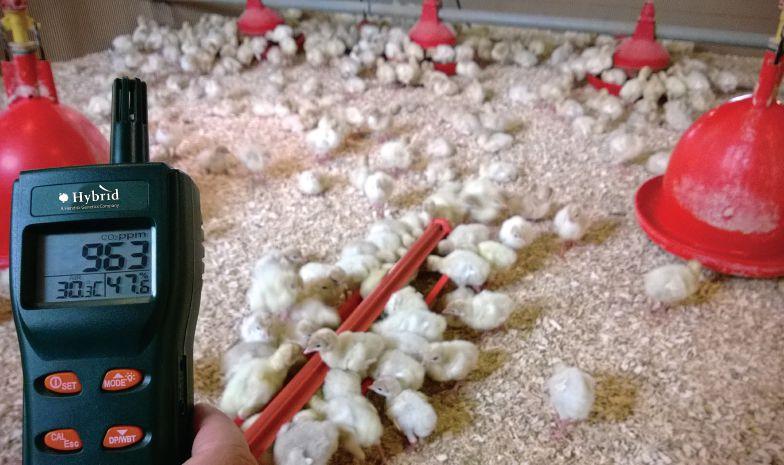
Have you ever been in this situation? It’s day three of brooding your new chicks or poults. Before their arrival, you carefully cleaned the barn and set out feeders and drinkers. You’ve also carefully set up your barn and climate system so that the temperature is just right.
However, you’re noticing that the young birds are not spread out and are not eating and drinking like they should. It seems as though they are chilled. You’re frustrated and confused, thinking, “Well, what do I do now?”
Although there could be a number of factors at play in a situation like this, one of the first areas to investigate is the function and accuracy of your climate control sensors. Barn climate systems are only as good as the accuracy of the sensors in place.
The first few days of life are very sensitive for a young bird.
Even slight changes in air temperature have an impact on body temperature and their overall development. Not only do inaccurate sensors negatively impact flock performance, but they can result in heaters and fans running more than they should, leading to increased energy costs.
How to investigate sensor accuracy in between flocks
If you are in between flocks, the first course of action is to look at the difference between sensors. To do so, place the sensors a foot or two above the floor, all at the same height. Next, fully open the tunnel doors/curtains and turn on all the tunnel fans. After about 10 minutes, the sensors should read within one degree of each other.
If one sensor is reading differently, look at the environmental factors. Is there a hole in the ceiling insulation near the sensor? Look to fix
these issues before moving to the next step. Check the connection between the sensor and the controller. Are wires loose or showing corrosion? If yes, you may need to replace the sensor. If no, the sensor should be recalibrated to read the same temperature as the other sensors in the house.
How to investigate sensor accuracy while flocks are in the barn
Going back to the scenario at the beginning of this article, usually producers notice temperature issues while the flock is in the barn. By measuring accuracy using the air temperature, the heat generated by the birds will impact your sensor reading. When turning on the tunnel fans, the heat generated by the birds will cause the sensors at the tunnel fan end
of the house to read higher than those toward the inlet end of the house. A handy trick to measure accuracy is to use a bucket of water and a food thermometer with an accuracy of +/- 0.5°F.
To do so, fill a five-gallon bucket approximately half full of water. Ideally, the water temperature would be close to room temperature, but this is not required. Measure the water temperature with the high-accuracy thermometer and take note of the reading.
Next, bring the bucket of water to the first sensor in the house to be checked and insert the sensor into the water. Wait one minute, then check to see if the temperature the controller is indicating is the same as the water temperature measured. Wipe the sensor dry.
Repeat the procedure for the remaining controller sensors. The temperature of water in the bucket will tend to stay the same long enough to check the calibration of all the sensors in a house, especially if the water temperature is relatively close to house temperature.
If sensors are more than a degree off from the water temperature, chances are the sensor has a loose or faulty connection and requires replacement.
Don’t let your barn sensors give you a false sense of security. By making sure your sensors are functioning properly and accurate, your chicks and poults will thank you in return with healthy development that sets them on the right path for great flock performance.
William Alexander is a technical service representative with Hybrid Turkeys.
Inaccurate sensors can negatively impact flock performance.
Gardex has the Solution For You
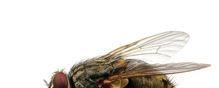
Frustrated with flies?
Demand CS insecticide provides cost-effective protection against house flies, cluster flies and certain other pests.
Demand CS can be used in numerous locations, including livestock/poultry houses, pet kennels and food granaries.
• For use indoors or outdoors - can be applied as a spray to adult housefly resting areas.
• Water-based and has the active ingredient, lambda-cyhalothrin
• Micro-encapsulated Active Release technology, to provide greater insect control and superior residual.
• No visible residue with little or no odour.
• Registered for Darkling Beetle.
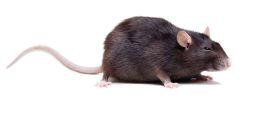
Effective on rats and mice.
For use in both urban and rural structures.
Low-dose, single-feed anticoagulant.
Optimal blend of weatherability and palatability.
Weatherblok® XT has extruded profile with numerous gnawing edges.
Contains Bitrex® human taste deterrent.
Team targets IBV variants
Researchers collaborating to get a handle on emerging strains.
By Jane Robinson
Outbreaks of infectious bronchitis (IB) have been steadily increasing in Canada over the last several years, often occurring in broiler and layer breeder flocks, as well as commercial flocks. There’s a troubling trend behind the spike in these outbreaks. Based on diagnostic testing done at the University of Guelph’s Animal Health Laboratory, there is an emergence of variants strains of the infectious bronchitis virus (IBV) that are posing new control challenges for poultry producers.
Researcher Faizal Careem is on the search for new control strategies for producers. It’s part of a five-year research project he is conducting to evaluate the economic impact of IBV on Canadian layer sector, as well as evaluating vaccine strategies for control of IB caused by the Delmarva (DMV) variant. Careem is head of the Department of Ecosystem and Public Health and an associate professor of virology at the University of Calgary Faculty of Veterinary medicine.
The growing presence of new IBV variants signals a need for different strategies to provide effective protection from the virus that, in layers, can decrease egg production by up to 50 per cent compared to unaffected flocks.
“We are evaluating four important IBV variants that are commonly isolated from flocks in Eastern Canada in recent years,” Careem says. There are currently no vaccines in Canada that specifically protect against the DMV variant – one of the four variants
that Careem is tracking. But it’s something that he hopes to shed new light on.
“IBV is notorious for mutations and recombination, making control challenging,” Careem says. “But we don’t know whether these variant strains of IBV are impacting the reproductive performance of birds. And if these strains do have an economic impact, we need to develop strategies to help producers deal with IBV, which could include optimizing vaccination strategies and developing new, more effective vaccines.”
With the growing presence of IBV variants, producers need to consider potential cross protection in an overall IBV control strategy. Cross protection is a strategy for combining and alternating different types of IBV vaccines to deliver better overall immunity to birds and offer better protection against various IBV strains, including some of the variants like DMV that have no registered vaccines available in Canada to
specifically control them.
Careem is expecting his first set of data by mid-2020, evaluating egg production issues in layer flocks that have the DMV variant of IBV. Part of his project includes evaluating the economic impact of IBV in Canada. “We will also be looking at whether existing vaccines are effective against the DMV variant of IBV, and if not, we’ll need to think about developing new vaccines.”
In the meantime, if producers have an IBV outbreak and want to check for the presence of variants, Careem suggests they contact their veterinarian to collaborate on ways to optimize an IBV vaccination strategy. “Veterinarians can test the flock for the presence of IBV variants and adjust the vaccination protocol to provide alternative control strategies, including making sure there is cross protection,” he says. “Tightening biosecurity is another way to reduce the risk of pathogens on the farm.”
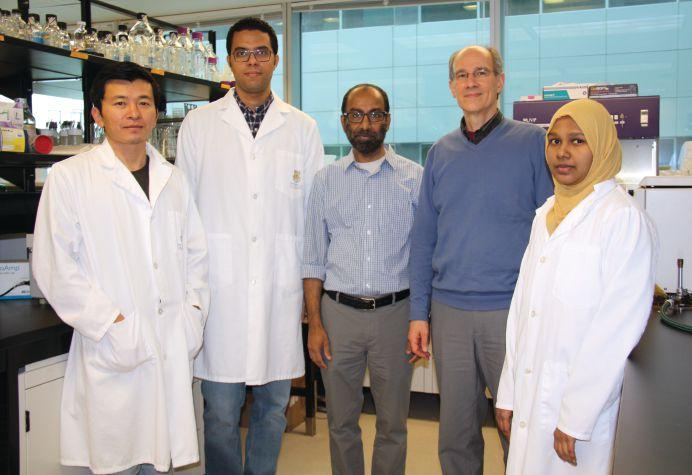
Faizal Careem (middle) and his research team are conducting a five-year research project focused on the infectious bronchitis virus. Their research is partly funded by the Canadian Poultry Research Council.
It’s time to celebrate the care that goes into every Canadian egg.
The new Egg Quality Assurance (EQA) program shows your customers, right on the carton, that their eggs are produced by Canadian farmers dedicated to delivering a top-quality product that meets national food safety and animal care standards.
Visit eggquality.ca and add the EQA symbol to your cartons today!
Barn Management
Barn design
Experts discuss best practices and common pitfalls with new builds.
By Treena Hein
Just as genetics, environmental controls, biosecurity tools and all other aspects of poultry production continue to evolve, barn design is changing as well. Canadian Poultry checked in with some of Canada’s leading experts about current best practices and how to avoid some of the mistakes still being made in new barn construction.
Poor poultry barn design, according to Ron MacDonald, can result in poor air distribution. This, in turn, can threaten bird health, increase heating/ventilation costs and shorten building lifespan. Not to mention the costly fixes.
MacDonald is the semi-retired owner of Agviro consulting firm in southern Ontario. A few years ago, he co-led a four-day seminar in Alberta on best principles of barn design. It included on-site demonstrations and both private industry and government personnel attended.
Getting airflow right
In general, attention to detail is what separates good barn designer-builders from the pack, notes Mark Armstrong, who co-led the seminar with MacDonald and who owns Armco Solutions consulting firm in Fergus, Ont.
In particular, Armstrong notes
that inadequate airflow is a problem that’s still turning up in new builds of some naturally ventilated barns, “where there is very little understanding of the design features and conditions that drive airflow movement.”
How barns are sited is an important factor for airflow. Will Teron, director of structural engineering at Tacoma Engineers of Guelph, Ont., has seen situations where naturally ventilated turkey barns weren’t sited so that natural ventilation can provide any benefit. “Proper separation of buildings is imperative,” he says.
Werner Brouwer, project development and sales manager at Eagle Builders in Blackfalds, Alta, agrees. He notes that a barn will function differently depending on its location and prevailing wind direction. “Do not position your barn on the farm just because it looks or fits the best in that spot,” he says.
Airflow can also be worsened in some cases when the installers aren’t given the specifics for various items. In those cases, they might make ill-advised judgement calls, explains Kelly Lund, project engineer in the Environmental Stewardship Division at Alberta Agriculture and Forestry.
She gives the example of interior metal cladding that lines a barn ceiling, where ribs in the metal are installed perpendicular to the airflow from the ventilation system. This can really impact the flow, Lund says, especially in winter. The ribbing obstructs the incoming airstream, causing it to lose speed and drop instead of travelling along the ceiling and playing its role in good air mixing.
Airflow can also be obstructed, she says, in situations where there was a late change in equipment se-
lection or add-ons but no one checked to see if the design had to be adjusted to accommodate these alterations.
“So, maybe no one bothers to check the location of the electrical cables and light fixtures, because in the original design the airflow wasn’t supposed to travel along the ceiling in a certain location but with the new equipment it does. And so now it’s obstructed by the electrical, again causing the airstream to drop,” she notes.
“So, then there might now be a choice about whether it’s feasible to relocate the electrical or whether they might have to bring the fresh air in with a duct, but ducts can have their own issues for cleaning and biosecurity.”
Armstrong adds that some barn designers aren’t properly accounting for heater venting. “Ontario now has a natural gas code regulation that heaters must either be vented outside or an engineer is required to certify that the ventilation system provides adequate airflow,” he explains.
“Issues occur when the designer/ builder has not considered how to locate venting. A building gets constructed with the intent to vent outside, but when the heaters are installed, various factors such as equipment location result in decisions made to vent inside.”
Beyond airflow
Beyond siting and airflow, experts stress that it is important to ensure airtightness in new builds. A tight membrane between the barn and attic is important, Teron says, to prevent rusting and condensation in the attic.
One other issue that Armstrong has noted on occasion in recent
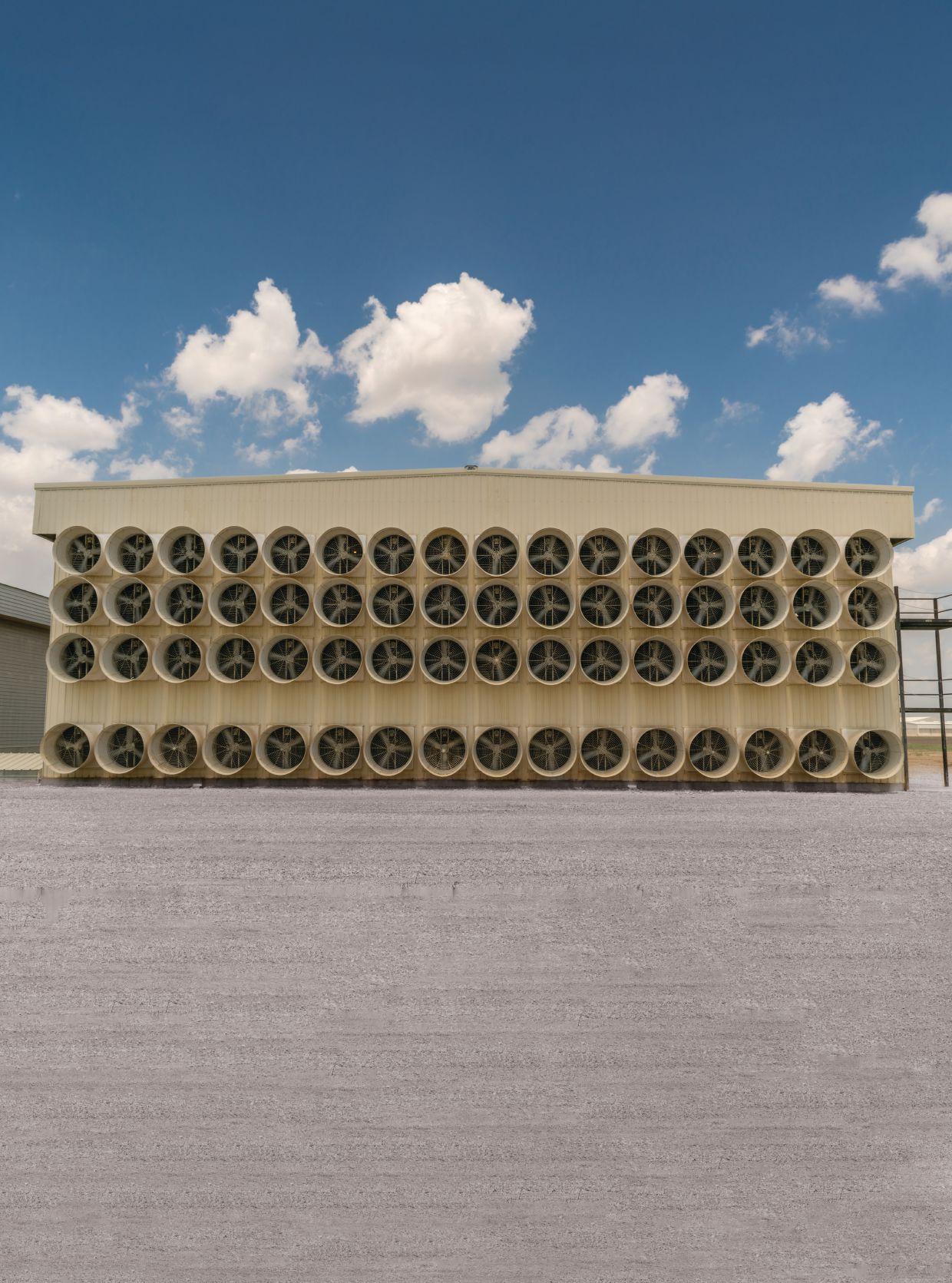
More and more, fans are being stacked vertically for better air circulation.
years is the building of large barns “with the same ideology” used in small barn construction but just scaling upwards. “The idea that this type of layout worked for, say, a 40x200’ in the 1980s will work for a 65x700’ barn today,” he explains, “is not always accurate.”
Teron echoes these thoughts, specifically related to airflow. He notes that with modular loading systems becoming the norm, new barns these days are usually one-storey, longer and larger (his firm just constructed an 80X600’ broiler barn for a client).
“As barns have increased in size, people just put in bigger fans and it was too much airflow for the birds at ground level,” he says. “More and more, we are placing fans so that they are stacked vertically. This allows for lower windspeeds at bird
level, but the total volume of air can be circulated well so that summer heat is dissipated.”
Lastly, Brouwer advises that from what he’s seen, sometimes “not enough is done to make sure the barn is built on solid ground.” A geo-engineer should, therefore, be involved before the final barn siting decision is made.
Best practices
Of course, farmers needing a barn contractor should look for one with experience. And, while it’s standard advice in any project to ask for references and follow up with them, people don’t always bother. But not only should farmers make sure the references of their potential builder are real and fairly recent, they should also look to references for another important part of barn de-
sign – the opportunity to visit existing barns of various designs, ask questions and take lots of notes.
In the end, Armstrong explains that choices relating to design can come down to personal preference and familiarity. However, he adds a word of caution to producers who are presented with really new designs. Some of these designs, he says, “suggest everything that has been done in the past is incorrect. There have been good and bad designs in the past, but be wary of new designs that present no reasoning or comparison to good systems currently operating.”
• Find an experienced builder, ask for references and follow up with those references.
• Beware of new designs that present no solid comparison to good systems currently operating.
• Visit some barns with different designs. Ask questions and take extensive notes. Revisit if needed.
• Design as many aspects as possible to make day-to-day cleaning and maintenance easy.
• Consider how different shapes, sizes, building materials and layouts have an impact on cost and lifespan; work with your builders to come up with the best design and price together.
• Ask potential contractors how airtightness will be achieved. View finished barns to see firsthand examples.
• Check out the soil structure/ hydrology/rock beneath the build site before you build.
• Also site the barn so that it will have the airflow it needs, and with the greater long-term farm business plan in mind.
For his part, when Teron recently served on a taskforce involved in updating the National Farm Building Code (to be released later this year), he saw that there is a lot of variation in construction approachBarn building tips
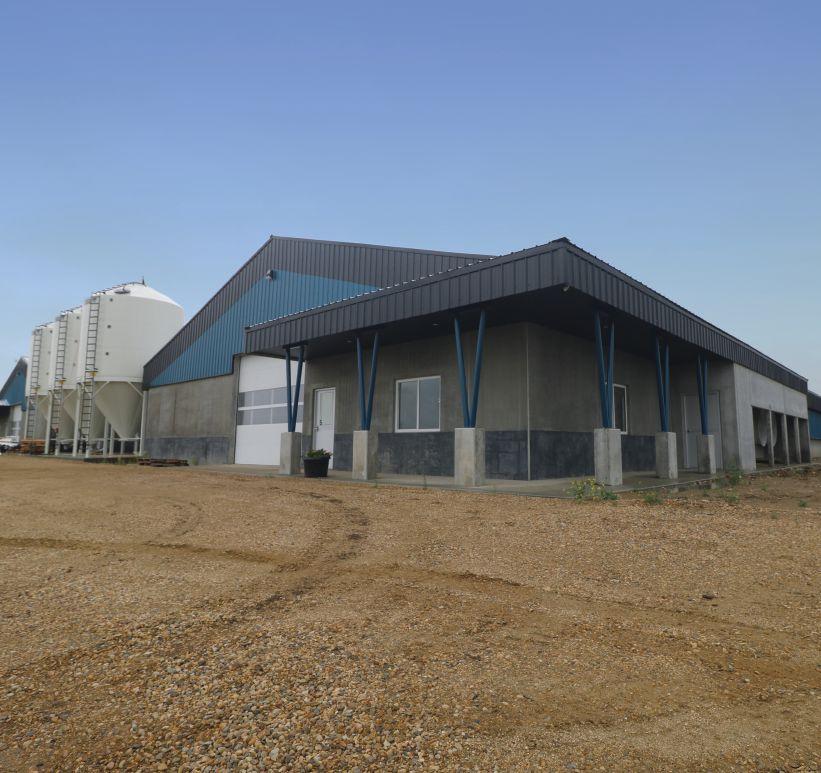
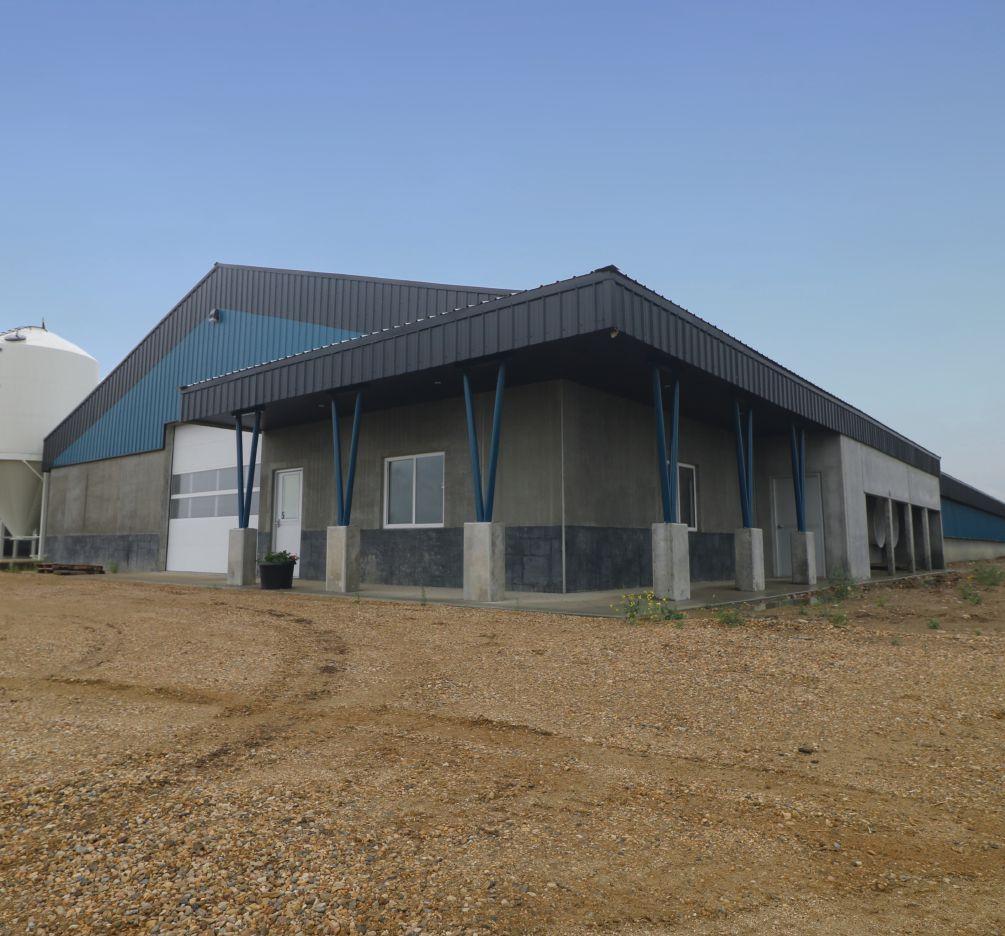
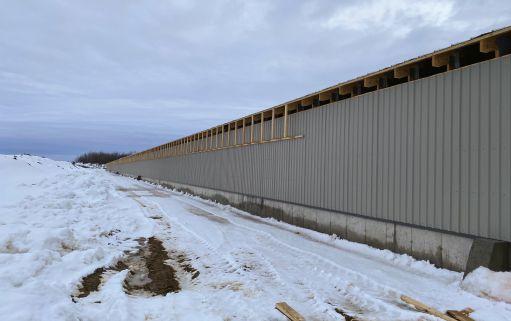
Pre-cast concrete barns last for generations, require little to no maintenance and can be easily expanded.
Premium+® laying nest
The Premium+® laying nest is the number one selling nest worldwide. Its high nest acceptance, minimal amount of floor eggs and use of high quality materials are reasons why many farmers worldwide favour the Premium+® laying nest.
Maximum number of first class hatching eggs
Optimal hygienic conditions
Highest possible nest acceptance
Reduces the amount of floor eggs to a minimum
For more info contact our local dealers:
Barn Management
es across the country. He says it was very positive to learn about how things are done elsewhere. Sharing this information along with best practices is something he’d like to see more of. He notes that the Canadian Farm Builders Association is working on this, developing more pooled resources and achieving more of a national presence.
Teron would like to highlight a way in which the new code affects poultry barn construction specifically – its support of woodframed barns. “They are structurally sufficient and durable, cost less than concrete and at any size, there is now no requirement for sprinklers,” he says. That is, it’s up to farmers if they’d like to put a sprinkler system in place.
While wood-framed barns are certainly a good option, Eagle Builders specializes in pre-cast concrete barns and promotes them for their durability and the way they can easily be expanded. “Why not have a solid barn that is easy to clean and maintain?” Brouwer asks.
“Design for your day-to-day work that you do in and around the barn. If you want to have a barn that will last a lifetime, you need to design for it and you need all the correct team members. Yes, the barn will cost more at the start but it will last for many years.”
He adds that shape, size and design of the barn all have an impact on cost, “so work with your builders to come up with the best design and price together.”
The new National Farm Building Code, which will be released later this year, supports wood-framed barn construction.
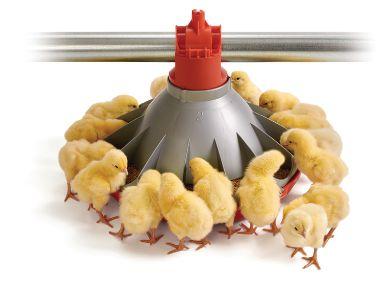
The Konavi® Feeding System is a breakthrough in global broiler feeding. It features an angled cone with anti-rake fins that helps keep birds out of the feeder to maintain fresh, clean feed. With its low pan height and patented scalloped edge, the Konavi Feeder invites chicks to eat from the pan from day one and gives birds
comfortable, easy access to feed throughout their growth cycle. Plus, the streamlined design permits more complete cleaning between flocks for better bird health. The Konavi Feeder lets beaks in, and helps keep feet out. Learn more about clean, open-style feeding at choretime.com/KONAVI-Broiler-Feeder
Upping your biosecurity game
New research from around the world is helping producers protect against today’s risks.
By Melanie Epp
We get it – you’re bored of biosecurity stories. Truthfully, reporters are just as bored of writing them. That’s probably because nothing ever changes. The diseases and management tools have been pretty much the same for the past 100 years – that is, until now.
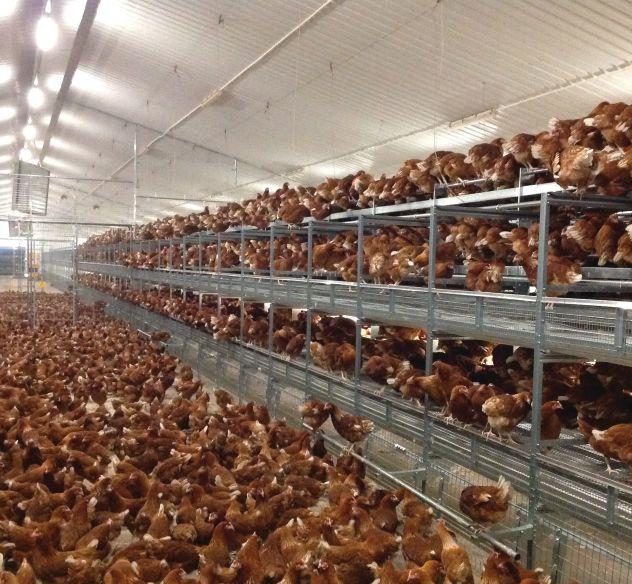
As egg producers slowly transition to new alternative housing options – enriched cages, free-run, free-range and aviaries – the risk of disease increases, experts say. Thus, it’s time to re-evaluate on-farm biosecurity protocol and see if it stands up to today’s challenges.
Last year, a group of 10 North Americans, all of whom work in the poultry sector, were invited to participate in a pilot program designed to prepare them for the transition to cage-free egg production.
Funded by the California-based Open Philanthropy Project, the European Layer Training Initiative (ELTI) offered an intensive two-week training program that included a mix of farm visits and lectures in Belgium, The Netherlands, Sweden and Switzerland.
Swiss poultry welfare researcher Dr. Michael Toscano led the project, working closely with three European colleagues, Ine Kempen in Belgium, Teun van de Braak in The Netherlands and Magnus Jeremiasson in Sweden.
During the course of the tour, participants were invited to visit farms to see firsthand the different management styles of Europe’s aviary farmers. The organizers scheduled farm tours every second day to minimize biosecurity risks.
At one facility, participants were asked to shower in and shower out, as low-path avian influenza had been detected in the flock. The strictness of the protocols surprised some, especially those who had never been
asked to shower-in/shower-out before. It was explained to the participants that risks are higher in cage-free facilities – something most Canadian farmers are not used to.
In Sweden, Jeremiasson, who at that time worked for the Swedish Egg Board, gave several talks on biosecurity. While the disease panorama is mainly the same, he said, the difference is the risk of rapid spread in the house. “In caged production you can have, for example, an E. coli problem in some cages without spreading it to the whole flock,” he said. “That is not possible in a non-cage system.”
THE EUROPEAN EXPERIENCE
Passed in 1999, a new directive banned conventional battery cages in the EU from January 1, 2012. This ban took place after a 13-year phase-out. Prior to 2012,
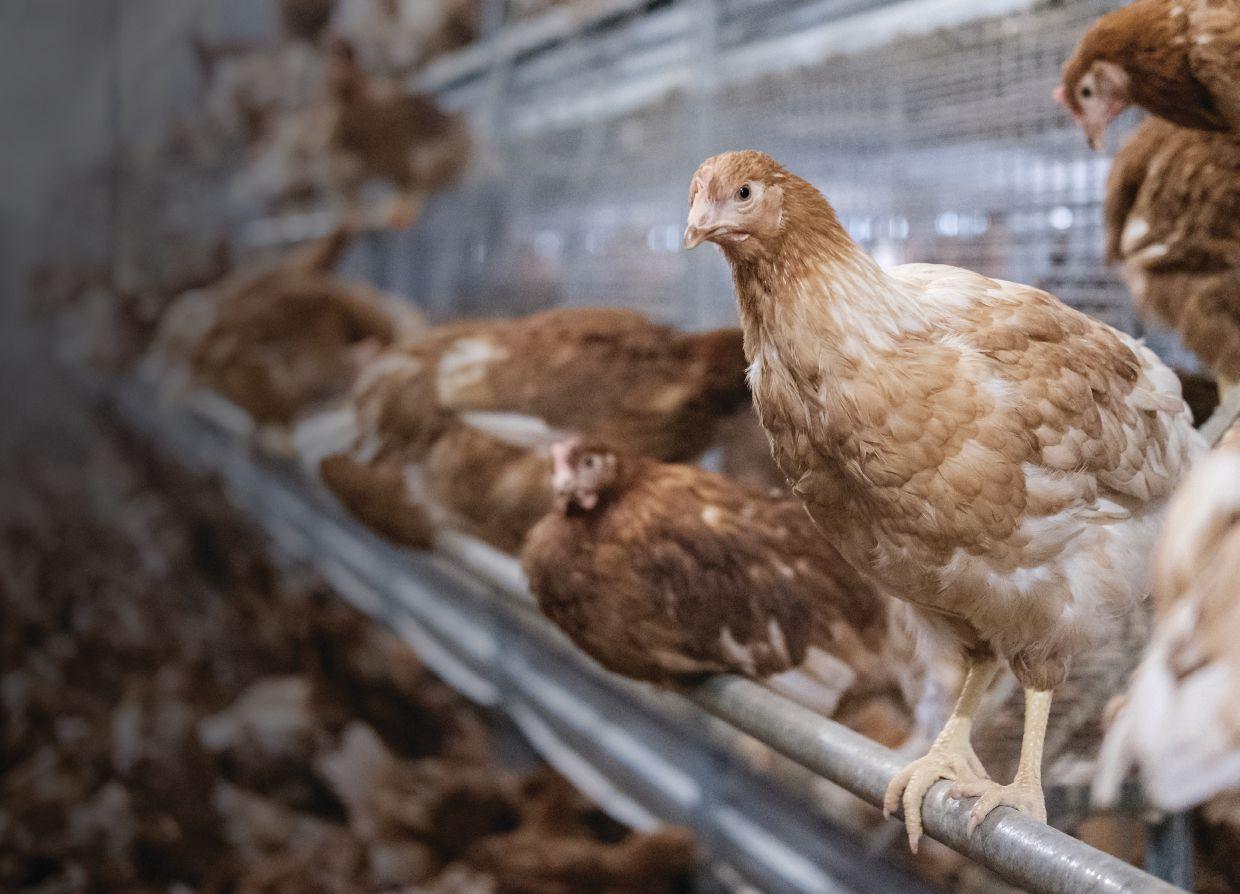
European experts have found biosecurity is even more important in cage-free systems due to the increased risk of diseases spreading in these environments.
battery cages had already been banned in Germany, Austria, the Netherlands and Sweden.
Since that time there has been a rise in some infections in Europe, Jeremiasson said, pointing to A. galli as an example.
He recommends vaccinating against coccidiosis in organic or free-range production and mentioned an increased risk for erysipelas and pasteurelosis in freerange flocks.
“In cage-free production you have to walk among the birds and come in direct contact with them,” Jeremiasson said. “Therefore, the risk of bringing pathogens on your clothes to the birds is bigger than in cage production.
“If you have organic or free-range production with outdoor access there are risks with wild birds and other animals,” he added.
To prevent pathogen spread, Jeremiasson said you need a good hygiene barrier that you physically have to pass through. Before entering you should change clothes
and shoes, including socks. It is also important to wash your hands.
“The most important route of infection is human beings,” Jeremiasson said. “People visiting the farm and the farmer himself can bring a lot of potentially harmful microorganisms into the animals. It is also important to prevent rodents and wild birds to enter the barn. They can carry many diseases.”
Even in caged production, biosecurity breeches are common.
U.S. PRODUCERS UP THEIR GAME
According to the Economic Research Service of the United States Department of Agriculture (USDA), more than 50 million chickens and turkeys died of or were destroyed to stop the spread of highly pathogenic avian influenza (HPAI) between December 2014 and June 2015. The birds accounted for about 12 per cent of the U.S. table-egg laying population and eight per cent of the estimated inventory of turkeys grown for meat.
Needless to say, U.S. poultry producers stepped up their biosecurity game in the wake of these losses. Joe Giambrone, professor of poultry science at Auburn University, explains what producers are doing well and where they can still make improvements.
Everything complex follows a set of rules and guidelines, Giambrone explains. The state veterinarian, as well as the USDA, usually set out these rules – typically about 10 in total. The problem is that the USDA sometimes does a poor job of enforcing them.
Despite that, the industry has made great improvements. More American producers have put fences and gates up and use signage to guide guests around farm property. More often now, guests are required to sign in and out when visiting.
When doing so they are asked clear questions about where they’ve been beforehand. Automobiles are now kept outside of the barrier, which helps keep potential pathogens from entering the premises. Those that do enter are disinfected beforehand.
One Study out of the University of Montreal found farmers often violate their own biosecurity protocols.
For the most part, Giambrone says, guests are provided with disposable outerwear and footwear. Footbaths are a now a more common sight on farms as well. Inside poultry houses, Giambrone says American farmers have improved litter control, modernized ventilation and revised sanitation and hygiene management.
Giambrone does note, though, that these basic steps are mandatory. If losses occur due to an avian influenza outbreak, for example, and farmers have not kept up with biosecurity protocol they will not be remunerated for their losses.
Some of the risk that cannot be controlled has to do with the fact that some farms are built just one mile
ALWAYS FOCUSED ON POTABLE WATER AND IMPROVED PRODUCTION RESULTS.
Bird welfare and bird performance go hand in hand. Potable drinking water and dry friable litter promotes healthy birds and improve production results. Ziggity continually innovates with products and management tools to deliver on these critical needs.
Pipe interiors have virtually no obstruction for effective flushing and a smooth inner wall that inhibits biofilm formation.
And visit Ziggity.com/installation-videos/ for videos to help optimize your system installation.
Barn Management
Quick biosecurity-boosting tips
Al Dam, provincial poultry specialist with the Ontario Ministry of Agriculture, Food and Rural Affairs, shared five keys to biosecurity success.
1.
Drinkers engineered for the way birds drink. We focus on making drinkers that discharge the right amount of water thereby eliminating or minimizing spillage for friable litter and improved bird welfare.
Solenoid Regulator affords unattended high pressure drinker line flushing, an effective tool for preventing biofilm and removing sediment.
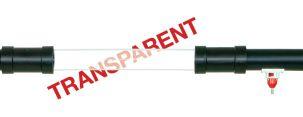
Transparent Pipe Kit
A great monitoring tool for producers allowing them to see what is going on inside the drinker line so that adjustments can be made to prevent or remove biofilm.
apart. Farms, he says, should be at least three to five km apart to avoid windborne transmission.
COMINGS AND GOINGS
Giambrone says there is also concern about whether or not caretakers and family members are following guidelines. This problem is not unique to the United States. According to Al Dam, Provincial Poultry Specialist, Ontario Ministry of Agriculture, Food and Rural Affairs (OMAFRA), it’s common in Canada too.
“We bring the disease on the farm and sometimes the farmer themselves can be the worst culprit,” Dam says.
8:57 AM
Dam pointed to a study conducted by Jean-Pierre Vaillancourt that looked at who was going in and out of the poultry barns without adhering to proper biosecurity protocols. Video footage, he says, revealed that all kinds of visitors have access to the barn, including kids, neighbours and salespeople. In some instances, farmers couldn’t even identify the people in the footage.
In the second part of the study, Vaillancourt installed a second hidden camera in the entrance area of the barn, but didn’t tell the farmer it was there.
“Guess who was the one who violated the biosecurity protocols the most?” Dam asks. “It wasn’t the farm manager. It wasn’t people visiting. it was the farmer.”
Practice what you preach. Only you can control what happens on the farm.
2. Lock doors and gates and install signage that directs visitors.
3. Have designated parking for visitors so they don’t drive right up to the barn.
4. Think outside of the box. Where are the risks? If you don’t know, ask someone to come out and assess your farm for you.
5. Prioritize rodent and pest control. Darkling beetles can pose a very real biosecurity risk on-farm.
THAT’S JUST GOOD CHICKEN MATH
It’s simple arithmechick, whether you raise 4,000 chicks or 4 million. Victrio® is a preservative-free, antibiotic-free way to jump-start your chicks’ immune systems, preparing them to fight E. coli the natural way. Administered in-ovo at the hatchery, Victrio significantly reduces post-hatch mortality due to E. coli infection and supports your RWA production goals.
Ask your hatchery for Victrio chicks today. Learn more at Victrio.ca.
The cost of welfare
Assessing the health impacts of housing changes for laying hens.
By Mike Petrik
Canada has recently adopted a new Code of Practice for Laying Hens, developed by the National Farm Animal Care Council. This code was developed with input from the poultry industry, government, veterinarians, animal welfare scientists and the humane societies. It will phase out conventional and require layers to be housed in more extensive systems – either furnished cages or cage-free.
This change is in response to shifting cultural demands for animal care. The general public is uncomfortable with intensive livestock housing and a greater emphasis is being placed on the emotional and mental well being of animals used for food.
Egg producers have always been very responsive to the desires of consumers. For decades, the public demanded abundant, inexpensive, safe eggs, produced efficiently from healthy hens. Conventional cages were ideal for this. The quality, safety and
relative price of eggs have all improved greatly over the past 50 years, all while decreasing the industry’s carbon footprint.
The industry is now facing challenges because of our successes. The public is now demanding more freedom and comfort for the hens, but the improvements we have made are assumed to be established. The improvement in animal welfare is an “and”, not an “or”. The public will not accept a decrease in food safety, a noticeable increase in relative price or an increase in resource usage to offset the welfare gains.
An interesting example came in Europe, where pasture access is widely encouraged or even demanded. When avian influenza was spreading through Europe and the disease was seen as a human threat, one of the first edicts was to require birds to be housed indoors or at least under a roof to protect the public health.
There is no doubt that opportunities to perch, dust bathe, interact socially and perform other natural behaviours is a
benefit to bird welfare and can be provided to a much greater extent by the housing systems we are moving to. Unfortunately, it is also true that more extensive housing puts birds at greater risk of developing disease and incurring injuries.
Equipment manufacturers have improved the design of the housing systems to mitigate these problems. That said, management must still play a crucial role in the success of a flock to stay healthy.
Increased disease risk occurs in more extensive housing due to increased exposure to manure, decreased air quality, increased group size and complexity of the environment. Compared to conventional cages, non-cage housing increases the risk of disease the most. Furnished cages are a compromise between the two systems.
Exposure to manure
Increased access to manure results in exposure to pathogens, including bacteria, viruses and parasites that had previously
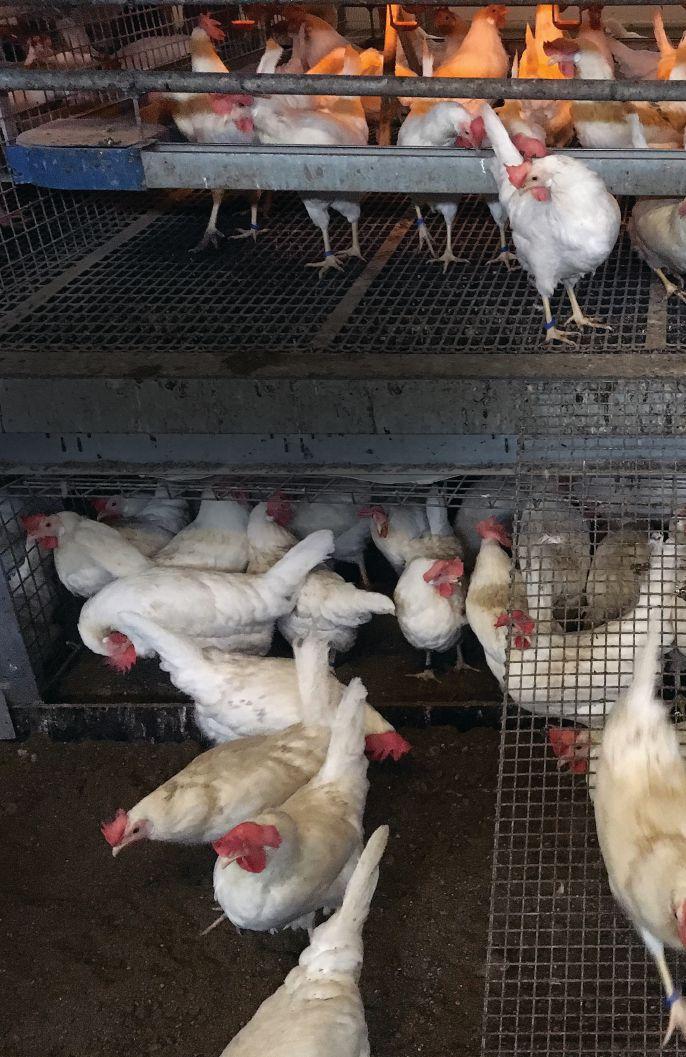
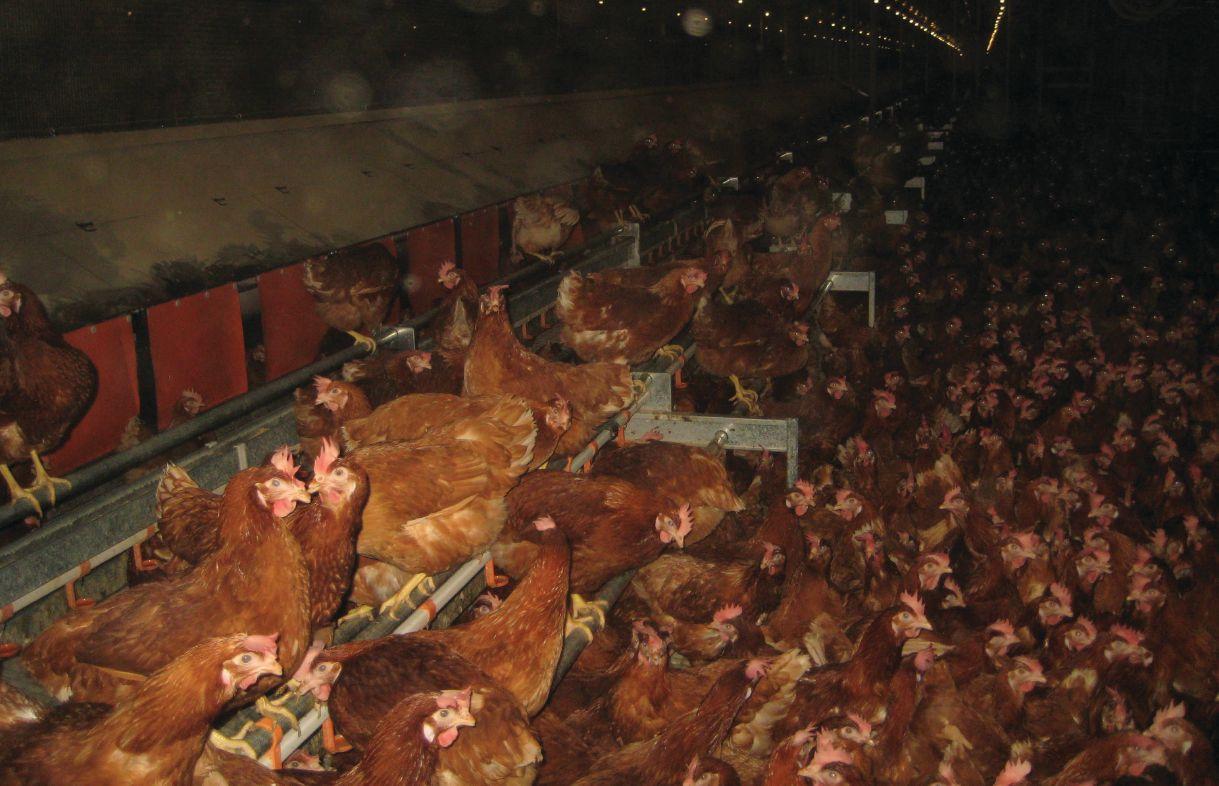
If the manure is too dry, the barn becomes dusty like the one depicted here. This also increases disease challenge and impairs immunity.
been well controlled in conventional cages. Diseases that had not been seen in decades are beginning to become a threat again. Worms, E. coli, Salmonella, Blackhead and coccidiosis are all of greater concern in flocks that have increased access to litter.
Management of the pullets is an important aspect of disease control in these higher challenge housing systems. Training pullets to use the perches and access the system, and effective vaccination and rearing are necessary for the flock to thrive.
Litter management in the lay house is crucial. If the litter is too wet, the populations of many of the pathogens will explode, increasing disease risk and producing ammonia. If the manure is too dry, the barn becomes dusty, which also increases disease challenge and impairs immunity.
Decreased air quality
Air quality is very closely linked to manure management. High ammonia levels from too much humidity in the barn causes chemical damage to the respiratory system and decreases the ability of cilia to clear out pathogens that get into the system. This increases the risk of airsacculitis from E. coli, respiratory viruses such as infectious laryngotracheitis, infectious bronchitis and mycoplasma. It also chemically irritates the eyes, in extreme situations causing irritation or even blindness.
Dusty conditions resulting from excessively low humidity irritate the respiratory tract and act as a carrier to allow bacteria and viruses to penetrate deep into the bird’s system. There is a delicate balance that farmers must find to maintain healthy air quality while keeping temperatures in a comfortable range.
Increased group size
Increased group size exacerbates the problems that occur when groups of chickens interact. Pecking orders are extremely rigid and inter-bird aggression can be high in big groups. Cannibalism can occur if birds begin competing over any resource. This can be the result of restricted food access, insufficient attractive perches, competition over preferred nests or any other resource they can compete over.
The social nature of birds to mimic each other can result in smothering issues. In European surveys, smothering often results in a significant proportion of the flock mortality, ranging from five to 50 per cent of the mortality in a flock and three to five per cent of the birds placed. Smothering can occur from either hens congregating together in an act of viral curiosity or from panic caused by the flightiness of a neighbor. Farmers can use even lighting, air movement and distractions to help combat these destructive behaviors.
Complex environment
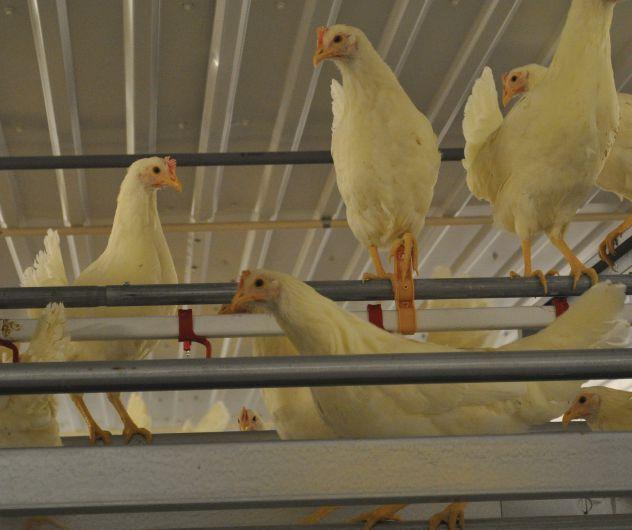
Complexity of the environment required in the code includes the provision of perches, nests and foraging areas. Chickens strongly desire perches, with over 90 per cent perching at night if given the opportunity. However, perches that are poorly designed, poorly maintained or dirty can cause bumblefoot, a serious, painful infection of the foot that is very difficult to treat.
Perches are also linked to keel bone fractures. Perch placement can make it difficult for flying birds to land safely, also increasing the risk of injuries.
Nest areas and scratch areas can allow manure to accumulate in both non-cage and furnished cage systems, increasing the risk of disease as above, and may also be seen as desirable areas to be. This can incite birds to accumulate, pile and smother if management strategies are not able to change the birds’ behavior.
The housing changes that are required in the new NFACC code of practice result in improved bird welfare through behavioural and mental freedom. However, they increase the risk of health problems for the birds. Equipment design and management strategies are able to mitigate and minimize these risks, but farmers need to remain aware of the risks and vigilant.
Mike Petrik is director of technical services at McKinley Hatchery Inc.
The plant-based protein question
Consumer popularity of meatless diets is on the rise. Is it a passing fad or here to stay?
By Lilian Schaer
There’s no escaping the growing number of plant-based protein products available on the market. Responding to consumer demands, restaurants, food manufacturers and retailers are expanding their previously more traditional animal and poultry protein offerings with plant-based alternatives.
A&W introduced plant-based nuggets in Canada last fall that are made primarily of peas, wheat flour and fava beans. They’re made in Canada by Lightlife, which is owned by Maple Leaf Foods Inc. subsidiary Greenleaf Foods, SPC.
Lightlife also makes the plant-based fried chicken and popcorn chicken KFC Canada launched in a limited test release last fall in order to test the waters before moving ahead with a larger-scale roll-out.
JUST Egg is a U.S-based company behind a plant-based egg substitute made from mung bean, which is a long-time dietary staple in Asia. Currently sold in 20 of the 23 largest retailers in the U.S., the product is not yet available in Canada. According to spokesperson Andrew Noyes, however, Canada is one of the most requested markets for JUST Egg and the company is working to bring the product to this country.
SURVEYING DEMAND
But how strong is this demand for plantbased and other alternative proteins? To
better understand the potential for plantbased diets and what the meatless trend could mean for Canada’s traditional protein producers, Abacus Data surveyed 2,000 Canadians age 18 and over in November 2019.
What became clear, according to Abacus Data CEO David Coletto, is that a growing segment of the Canadian market is becoming aware and conscious of how their consumption is related to ethical questions around animal welfare and climate change.
“We see a growing number of younger consumers asking a lot of questions, especially focused on climate change as an issue that will affect them in their life time and how they can make a difference,” Coletto says. “They are looking for alternatives and for answers from poultry farmers and the whole food chain on how to mitigate those things they are concerned about.”
The study showed that while almost all Canadians eat meat, 51 per cent of respondents reported reducing or thinking
about reducing the amount of meat they consume, 41 per cent have not reduced nor are they thinking of reducing their meat consumption and three per cent are already on a meatless diet.
INFLUENCERS
The four biggest reasons overall for reducing consumption, according to the study, are health, animal welfare, climate change and affordability. However, for respondents over 45, health was the primary motivator whereas younger consumers were more concerned with climate change and treatment of animals.
That trend is evident, for example, in the wording JUST Egg uses to promote its product. Although the company leads with “cholesterol-free”, the focus is on its claims of using less water and land and emitting less carbon dioxide than regular eggs.
Over half of consumers under 45 say they are likely to purchase meatless alternatives, compared to only one third of
JUST Egg is a plant-based egg substitute made from mung bean.
those age 45 and over.
“From a next-gen perspective, this is the new generation of parents who are being judged for the choices they make and how they raise their kids. They’re passing on values and behaviours, so we are at a really critical moment,” Coletto says.
Social media is a big influence on younger consumers, many of whom are active online and have built a personal brand around their social network, especially Instagram. According to Coletto, “meat-shaming”, the act of making someone feel bad for eating meat, is something that has affected about 16 per cent of millennials, compared to only five per cent of older generations.
“The most powerful driver in consumer behaviour is going to be what other people think of me because I eat this, wear this etc.,” he says. “People still want to eat meat so farmers need to give them the ammunition to defend themselves when they make they choice that you want them to make.”
POULTRY’S STORY
That’s a role that Canadian poultry organizations are focused on, and although they say they’re supportive of consumer choice, they also feel that Canada’s farmers have a great story to tell when it
“If a prominent word on the carton is egg and it’s not egg, that’s a concern.”
comes to the sustainability of Canadian poultry and eggs.
“We know that eggs are a very eco-friendly food and we’ve done a lot to reduce our impact on the environment,” says Egg Farmers of Canada CEO Tim Lambert.
There are numbers to back that up. A study by Nathan Pelletier of the University of British Columbia showed Canadian egg farmers are producing 50 per cent more eggs with 50 per cent fewer resources than they were half a century ago. Specifically, they’re using 81 per cent less land, 69 per cent less water and 41 per cent less energy while also producing 68 per cent less greenhouse gas.
It’s a similar good news story for chicken production, according to Chicken Farmers of Canada director of brand and communications, Lisa Bishop-Spencer.
“We have the lowest carbon foot print of any livestock in North America, but we need to do a better job of telling people about that,” she says, adding that while consumer choice is important, it’s even more important that those choices are based on clear, accurate information and the consumers understand what they’re actually eating.
That includes correct labelling of food products. EFC and CFC are both paying close attention to how plant-based chicken and egg alternatives are labelled and marketed to consumers.
“We have partners throughout the restaurant and retail value chains and we are working with many of them to ensure that when they offer those products, they don’t call it chicken. That’s where farmers get a bit anxious,” Bishop-Spencer says.
“If a prominent word on the carton is egg and it’s not egg, that’s a concern,” adds Lambert. “Truth of labelling and advertising is an important thing that we’re watching very closely and if blatant misrepresentation continues, we will have to look at what our options are. It’s on our radar.”
LOOKING AHEAD
Cellular or cultured meat is also in the offing. This emerging industry uses an animal’s cells instead of the animal itself to grow their products. It’s still very much in its infancy and although the cost is coming down, it’s not yet an economical alternative. Consumer acceptance of “lab-grown” meat is also unclear.
Based on his research, Coletto’s advice to the Canadian poultry industry is direct: alternative proteins, whether plant or cell-based, are worth paying attention to.
“Tell your story clearly and give people the information and evidence they need to defend and justify the choice they want to make,” he says. “Almost all consumers want to eat meat, but they feel pressures not to do so for new reasons that didn’t exist 20 to 30 years ago.”
You can rely on us for answers to your toughest questions. The Georgia Poultry team of employees is knowledgeable about every aspect of poultry production. For 50 years, we’ve built our business on this knowledge and on our continuing commitment to provide our customers with the best production equipment for their farms.
Outbreak management
An update on progress some provinces have made in preparing for potential disease emergencies.
By Treena Hein
It may have been a few years since there was an avian influenza (AI) outbreak in Canada, but it certainly may happen again. Serious outbreaks of other diseases like infectious laryngotracheitis (ILT) are a constant threat as well. At the same time, provincial and federal poultry organizations have made progress in improving their response to potential outbreaks. Canadian Poultry checked in with four provinces to see how far things have come and what’s coming next.
Quebec
In Quebec, after a cluster of ILT cases in 2018 and two in early 2019, the industry has put numerous changes in place. However, Martin Pelletier, co-ordinator of Équipe québécoise de contrôle des maladies avicoles (EQCMA), the provincial organization responsible for controlling poultry disease, points out, “We have been coordinating a response to ILT and Mycoplasma gallisepticum since 2010, working closely with the veterinarians on the technical health committee, and we have reviewed response protocols many times.”
The newest updates apply to any outbreak but focus on ILT. (And, like every other poultry organization in Canada and beyond, EQCMA keeps an eye on cases of AI around the globe, which has never appeared in Quebec, as well as Newcastle disease, M. synoviae and others.)
EQCMA has updated the enhanced biosecurity protocols required during outbreaks, and modified risk zone parameters (the zone established by EQCMA during an outbreak). “It used to be 1.5 km around a farm and we would enlarge the zone as an outbreak went on,” Pelletier explains, “but making it larger from the start means we can hopefully really get ahead of an outbreak.”
In addition, broiler producers operating in the risk
zone must vaccinate their birds against ILT (this vaccination is standard for layers and the disease doesn’t affect turkeys). EQCMA has clarified the type of vaccination and updated the associated protocols, which it then disseminated to all veterinarians.
One other change has to do with farmers who own another poultry operation outside the risk zone. If this second operation is fairly close, the zone might be extended to include it. If it’s far away, however, producers much follow enhanced biosecurity protocols for that site.
In addition, because ILT usually appears very late in the broiler flock cycles – sometimes just days before processing – flocks at risk for disease and ready for processing are channeled to the same processor where other at-risk flocks have gone.
EQCMA has also updated producer protocols for manure handling. Now, manure at any infected or at-
Poultry industries across the country developed a number of new outbreak management plans, including enhanced biosecurity protocols.
risk farm must be kept on that farm for a given period.
Ontario
The Feather Board Command Centre (FBCC) was founded three years ago to centralize the emergency response capabilities of the chicken, egg, turkey and hatchery sectors in Ontario. It released an updated emergency management plan last year, incorporating full analysis from past AI outbreaks.
“In mid-2019, we tested the plan during a three-day simulation of a highly pathogenic avian influenza (HPAI) outbreak, in collaboration with the Canadian Food Inspection Agency (CFIA) and the Ontario Ministry of Agriculture and Food (OMAFRA),” says FBCC manager Tom Baker. “Some 50 staff from the four boards operating out of OMAFRA’s emergency operations centre (EOC) demonstrated their ability to apply the incident command system (ICS) and effectively deploy new response tools and protocols. It went very well.”
In terms of other changes to disease outbreak response in Ontario, Baker first notes that recent changes to federal Health of Animals Regulations provides CFIA added power to enable more effective prevention of disease spread. “It gives CFIA staff appropriate authority to rapidly establish AI control zones and the ability to make other decisions more quickly,” Baker explains, “making response more efficient.”
Working with CFIA, FBCC now has the ability to provide producers with a high-mortality advisory (including a biosecurity advisory area) in a situation where a lot of birds have died but the cause of mortality has not been determined. This means use of biosecurity protocols is heightened, farms self-quarantine and more, which helps contain disease if the cause of death is in fact a disease.
CFIA remains responsible for declaring a farm to be officially infected and quarantining all poultry operations within a risk zone. But, FBCC has stepped up related communications capacity with farmers in the case of an outbreak.
“Since the 2015 HPAI outbreak in Oxford County, we’ve developed the protocol of daily teleconferences with affected farmers but one-on-one contact is better for dealing with specific concerns,” Baker reported. “We now have case officers from the field staff of the four feather boards who will lead this, as well as help with movement license applications, biosecurity and health monitoring.”
CFIA grants these movement licences for poultry service providers to move product or supplies in or out of control zones during an outbreak. Baker notes that in Ontario, where the concentration of poultry farms is quite high in the southern part of the province, there can be more than 60 poultry farms within a 10-km radius and a large amount of corresponding service provider traffic.
B.C.’s HPAI outbreaks in 2004 caused the entire poultry industry to undertake a full outbreak risk assessment.
FBCC has started producing monthly AI global outbreak summaries for producers. Looking ahead, FBCC and its boards are examining governance models where its outbreak response and recovery efforts are integrated more closely with other members of the poultry industry, such as processors and suppliers.
British Columbia
After the 2004 HPAI outbreaks, the entire poultry industry undertook a full outbreak risk assessment. It then developed a four-point risk mitigation strategy, including mandatory biosecurity, enhanced surveillance, a rigorous emergency management plan and a financial risk management plan.
At this point, B.C. Chicken Marketing Board chair Harvey Sasaki says, “The B.C. industry is proud of its
ACIDIFICATION ONE-TWO PUNCH
emergency response plan and system. It has been extremely effective in stopping movements, which can lead to [disease] spread.” He adds that the province’s industry has an ICS and works well with CFIA.
Alberta
Over the last few years, Alberta’s four poultry boards have implemented a number of changes in collaboration with preparedness expert Kim Irving, owner of the consulting firm Risk Ready.
They updated their emergency response plan and developed both a crisis communications plan and a personal protective equipment plan. The boards also updated enhanced biosecurity protocols about 18 months ago, providing an information package to each producer. What’s more, they created a virtual EOC, which is a platform where individuals can assume their emergency roles from anywhere they have internet access.
IN FEED, USE
Encapsulated technology ensures release in the gastrointestinal tract to deliver optimal performance.
IN WATER, USE
Buffered liquid acidifier designed for the control of bacteria in drinking water.
Last year, they conducted three simulation exercises to test their outbreak readiness. They will hold four more will be held this year to take things to a higher level. “The exercises this year will be more complex now that everyone’s skillsets have grown, for example in using the virtual EOC,” Irving explains.
“The exercises will be progressive in nature. In April, we will have one focused on the top emergency leadership and another where a wider group of people will practice in their roles. Sometime in the fall, we will hold another two with more variables added, such as handling simulated media inquiries.” The last of these two exercises will be a full-scale simulation that involves one or two farms and lasts five to six hours. These exercises are critical, in Irving’s view. Emergency plans for any organization are only effective if the actual people involved have practiced the skills and steps they will have to take in a real situation. “I would recommend two smaller-level simulations need to happen every year, and a full-scale one every two years,” he says. “Another part of maintenance is the need to make sure every piece of contact information is accurate. If people can’t be reached during an emergency, that’s going to impede emergency management.”
Ask the Vet
By Tom Inglis
Viral arthritis
Do
I have this disease in my flock?
Mobility problems and lameness in a flock can have many causes as well as contributing factors. They include management, nutrition, bacterial infections and viral infections. Do you have leg issues in your barn? Are you observing an increased amount of “hockey sticks” or “green hock” legs? How much of your flock is affected? Is this a recurrent issue?
There are several non-infectious potential causes for lameness, including management (e.g., incubation and handling issues) and nutrition (e.g., vitamin B deficiency and rickets). One of the most important in recent years is a viral disease known as viral tenosynovitis or viral arthritis (VA).
In this article, we aim to explain what VA is, as well as to describe some contributing factors and some control strategies to be implemented in the field. This is important, as this “old” disease has reemerged as a risk to bird health due to the emergence of variant avian reoviruses (ARVs) resistant to the immunity conferred by commercial vaccines.
What is viral arthritis?
First reported in 1957, this disease is one of the many clinical manifestations of ARV infections in poultry.
Other clinical manifestations are “runting-stunting” syndrome – characterized by an impairment of the growth of the animal and mainly affecting the gut – as well as hepatitis, myocarditis and hydropericardium.
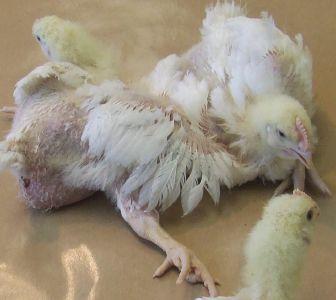
VA is characterized by visible swelling of the hock joints and tarsal and metatarsal tendons, which cause poultry to be reluctant to move and can be present together with bacterial infection (e.g., Staphylococcus aureus, E. coli and Mycoplasma synoviae infections). As a result, the swelling is increased and the lesions be -
Tom Inglis is managing partner and founder of Poultry Health Services, which provides diagnostic and flock health consulting for producers and allied industry. Please send questions for the Ask the Vet column to poultry@annexweb.com.
come more serious.
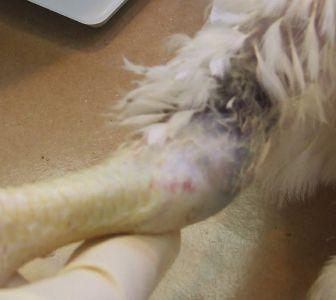
Also, fibrosis of the tendons caused by a chronic infection may develop into a rupture of the gastrocnemius tendon and hemorrhage, which leads to “green hock” legs (see figure 1).
Thus, the disease not only has economic implications like low uniformity and processing plant condemnations, but it also leads to welfare problems like increased culling and decreased access to feed and water. What’s more, VA can also result in the additional use of antibiotics to deal with secondary infections.
When and why does it occur?
The disease is transmitted horizontally (from bird to bird) as well as vertically (from hens to progeny). It requires that susceptible birds are infected at a very young age for clinical signs to develop later in life. This is one of the most im -
portant parts in the biology of the disease: As a parent stock bird is infected by ARV, a minimal number of progeny embryos/ chicks will be ARV-positive, which may later shed the virus to a susceptible population of young birds in a given placement from, perhaps, many different parent stock sources.
This disease has been effectively controlled for many years through the live and inactivated vaccines developed in the 1980s. However, since 2011, VA emerged in Canadian broiler flocks and in several areas in the U.S. in a relatively short period of time. Also, numerous turkey flocks in north central U.S. have been experiencing turkey viral arthritis since 2009.
Since then, several genotypes that are different from classic commercial vaccines have been described in production animals. Several researchers have also come up with their own way to classify
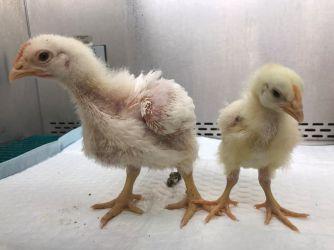
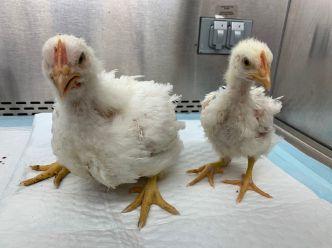
Figure 1. Top: VA in broilers chickens – Clinical signs and lesions; 22-day-old broilers with lameness. Bottom: Variant Cluster 5 ARV Challenge Study in Broilers with challenge at day of age via footpad inoculation for a VA study. Left – 20 days post inoculation. Right - 28 days post inoculation.
these variants, which may generate confusion when trying to compare results between labs.
At Poultry Health Services, we currently use the Kant classification system, which is the same used by the University of Georgia (UGA). It consists of the molecular sequencing of the sigma-C protein, which is the most important ARV protein responsible for inducing neutralizing antibodies, conferring protection against challenge.
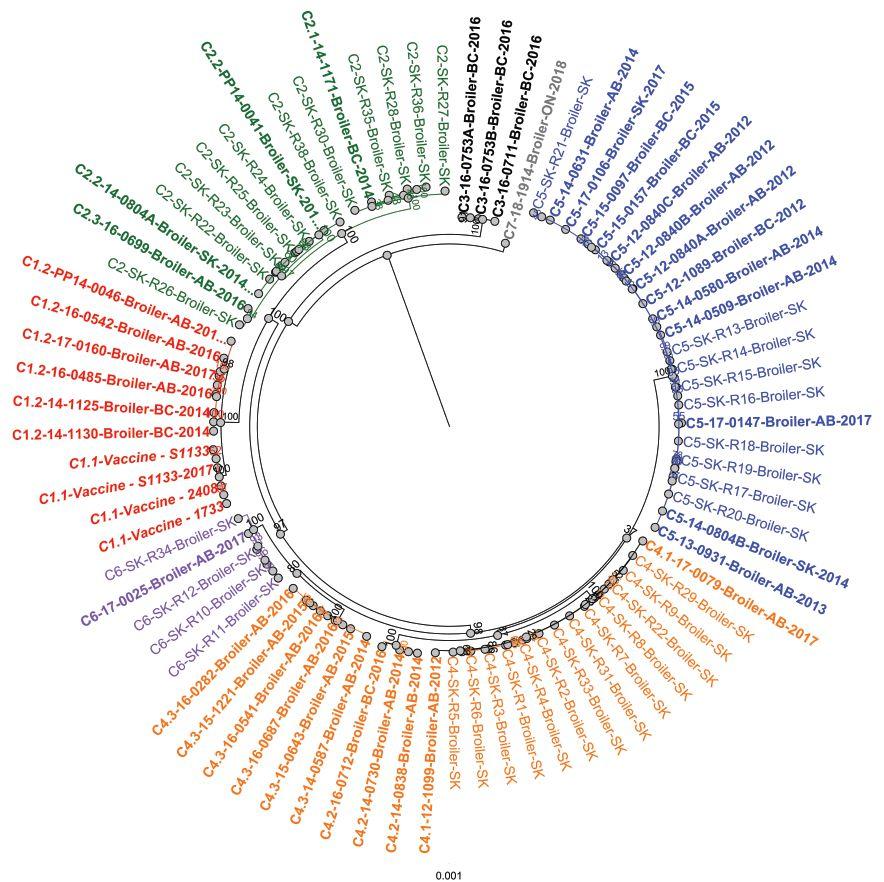
All ARV reported genotypes have been found circulating in Canada since 2011, including the newest genotype 7 in Ontario (see figure 2). Although many of these genotypes were found and classified in Europe, it is unclear as to how these ARVs found their way to North America and how they spread so fast across the whole continent.
As classical commercial vaccines do not
A diligent cleaning and disinfection process is crucial to diminish the economic impact of the disease.
immunize against these new variant viruses, the industry started to immunize parent stocks with autogenous vaccines. This is an emergency only kind of vaccine subject to fewer and simpler regulations that allows the inclusion of non-classical virus from the field in an inactivated oilbased vaccine.
Even with an autogenous vaccine, it can take between six months to one year from the moment an ARV is isolated until a batch of vaccine is ready for application in broiler breeders. Our experience with autogenous ARV control started with 35 cases and 19 viruses isolated in 2012, allowing vaccine development and imple -
mentation in 2013.
Interestingly, ARV control has been regarded as a moving target. It has been documented that once an autogenous vaccine against certain genotypes has been extensively used then other ARV genotypes, not affected by the immunity induced by the autogenous vaccines, replace them as new field challenge viruses.
What do I do if I think I have VA in my flock?
Start with a diagnosis from your vet and an accredited lab. Properly collecting and submitting the right samples at the right time will greatly increase your success in a definitive diagnosis. A definitive diagnosis of ARV arthritis requires clinical signs, confirmation of gross and microscopic lesions (heart and tendon), molecular testing and most importantly virus isolation or typing.
There are many non-pathogenic reoviruses naturally occurring in the gut of normal chickens.
Thus, finding reovirus in a bird or bird sample is normal and does not necessarily have any connection with the problems you may be seeing.
We have been testing the pathogenicity of our field isolates and the ability of autogenous vaccines to protect in breeder vaccination and live bird clinical challenge models. We have done so in cooperation with an Institute for Applied Poultry Technologies funded project at the University of Alberta and the University of Calgary.
Field and clinical trials indicate that live reo vaccines do not protect against many of the variant strains. What’s more, using them in an infected flock may result in an increased challenge and the potential risk for genetic reassortment.
There is no treatment for this disease so a proper work up is required to build the autogenous vaccines the industry is using to protect the flocks. Since affected birds will not recover from the disease, the economic impact can be reduced through good management practices (e.g., proper distribution of feed and water, suitable environment) and culling of the affected birds.
Growth rates are naturally reduced during an active infection. Your vet may also recommend altering your lighting program to manage later growth rates and stress on the birds and their damaged tendons.
We recommend submitting your case as soon as possible to rule out potential causes and also to be included in an ARV monitoring program. Monitoring and autogenous vaccination development at the industry level is the recommended
management plan for this disease.
AVR is amongst the most resistant viruses on earth. However, removal/ treatment of built-up litter, effective use of disinfectants according to their label directions, heat treatment of affected houses during downtime and increased downtime will decrease the ARV viral load on the next production cycle. In short, a diligent cleaning and disinfection process is crucial to diminish the economic impact of the disease.
This article was written by the veterinarians of Poultry Health Services Ltd. Poultry Health Services is a private veterinary practice providing diagnostics for Alberta poultry producers as members of the Poultry Health Centre of Excellence (PHCE). Please call 1-888-950-2252 if you have a mortality problem or want help making a submission. For references, view the online version of this article at canadianpoultrymag.com.
A phylogenetic tree of a total of 80 Canadian avian reoviruses sequences.
Guts of Growth
By Dr. Kayla Price
is an expert in poultry intestinal health.
Campylobacter: Friend or foe?
Foodborne illnesses are some of the leading causes of gastrointestinal upset in humans globally. These illnesses can be caused by various organisms but some of the most common culprits are bacteria such as different Salmonella and Campylobacter species. In the EU, diagnosed sickness due to Campylobacter, specifically Campylobacter jejuni, impacts two per cent of the population or approximately nine million people annually.
In the U.S. and Canada, diagnosed sickness due to Campylobacter impacts around 0.4 per cent of the population, approximately 1.5 million people in the U.S. and another 150,000 in Canada annually. In Canada, C. jejuni is the third leading cause of foodborne illnesses and hospitalizations. These numbers could be higher, as many illnesses go unreported or have unknown causes.
There are 18 different Campylobacter species, but three are commonly known to cause problems and infect animals and humans: C. jejuni; C. coli; and C. lari. The most common species to cause illness in humans is C. jejuni, and it can live in the intestine of most warm-blooded animals.
Campylobacter contamination and ingestion can come from many different sources, including food related (e.g., contaminated poultry meat, beef, raw milk, raw vegetables, shellfish) and direct contact with animals and their feces or rumen fluid (e.g., poultry, cows, insects, rodents, companion animals, contaminated water). The most common source is through consumption of contaminated food.
In the EU, U.S. and Canada, the
most common source of Campylobacter is through consumption of improperly cooked chicken and turkey meat. While it is important to cook foods to their appropriate temperatures (e.g., 74 to 82°C for poultry meat and eggs as well as maintain cleanliness in the kitchen), it is also important to reduce contamination of these products before they reach the grocery shelves. An infected group of chickens has been shown to be 30 times more likely to result in contaminated carcasses, versus non-infected or low infected birds.
There are different methods to check for carcass contamination that include neck testing, because this is an area where contaminated juices can run off, as well as breast skin testing and cecal testing. Often, the numbers of Campylobacter are high in the ceca, as this is where the bacterium predominantly colonize.
Cecal Campylobacter numbers can be a good indicator of on-farm infection and the evisceration process at the processing plant should remove most of the risk.
Since Campylobacter is often found in poultry, the realistic goal is not elimination, but rather reduction of the amount of contamination in a bird. In the U.K., there is a move to reduce the percentage of chilled-carcasses with more than 1,000 colony forming units of C. jejuni to below seven per cent in the supermarket. In the U.S., the number is no more than 7.7 per cent in raw chicken parts or 1.9 per cent in ground chicken from the processing plant.
How do Campylobacter species survive?
Campylobacter species are spiral shaped rods that form and “S” and
To control Campylobacter on farm, producers must take a mixed approach.
have an ability to glide. These bacteria are slow reproducers and grow the best at 42°C in a microaerobic atmosphere, where oxygen levels are around five per cent versus the 21 per cent oxygen in the dry air we breathe.
These bacteria are sensitive to drying out, changes in the movement of water in and out of bacteria, very high and very low temperatures.
Seasonal trends such as increasing temperature or increased precipitation have been shown to have an impact on Campylobacter contamination.
Methods of transmission from animal to animal include insect activity and reproduction, increased animal stress and reduced protection, or poor biosecurity. In Canada, an increase of outside temperature by nine °C for chickens and 10°C for swine has been associated with 10 per cent higher odds of finding a positive Campylobacter sample. Consequently, in Canada the potential of finding a higher number of positive Campylobacter samples would be elevated June to November.
In Canada, diagnosed sickness due to Campylobacter impacts 150,000 people annually.
For Campylobacter species to fill their nutrient needs, these bacteria break down amino acids and require external sulfur and iron sources. Despite these nutrient needs, these bacteria can survive both inside warm-blooded animals like chickens and outside of animals (e.g., on surfaces and in water).
These bacteria have multiple unique strategies to survive, such as:
1. Using carriers to take up iron from other bacteria and the environment;
2. Using carriers to take sulfur from the chicken intestinal cells and environment;
3. Infecting and surviving in
Dr. Kayla Price is poultry technical manager for Alltech Canada and
Guts of Growth
amoeba to pass through water or other liquids;
4. Interacting and co-infecting with other bacteria that create favourable environments; and,
5. Creating biofilms alone or with other bacteria.
What is the impact on poultry?
In poultry, there has been a debate as to whether Campylobacter species are: Commensal, found in the intestinal tract not impacting the bird; opportunistic, found in the intestinal tract and negatively impacting the bird; or pathogenic, ingested
or found in the intestinal tract and always negatively impacting the bird. In chickens, turkeys and ducks, a Campylobacter infection may not have an obvious impact on performance parameters despite birds being infected with a large number of bacteria.
Under commercial conditions, young poultry are often free of Campylobacter and this is, in part, due to maternal antibodies, maternal protection, that are passed to the young bird and last until around two to three weeks of age. If Campylobacter is detected on a farm, it is usually detected between two and five weeks of age.
Once Campylobacter is detected in one bird on the farm it can quickly be moved between birds in the flock and can stay in the intestinal tract for several weeks. The most common form of transmission is through exposure to infected feces. Other transmission routes can be through insects, rodents, other animals, water and anywhere feces or bacteria can be found (e.g., footbath water, boots, transport modules and farm clothes). There have been very few reports of Campylobacter being transmitted through the egg.
Campylobacter mainly live in the ceca and the cloaca of the bird and, to a lesser extent, can be found in other parts of the intestinal tract and sometimes in the liver and spleen. Usually, Campylobacter localize in the mucous layer of the intestinal tract, just before the cell barrier. Sometimes the bacteria can invade the intestinal cells to avoid detection by the bird’s immune system.
Numbers of Campylobacter as low at two to 40 colony forming units per gram of feces can be enough to infect a bird and potentially result in reproduction of the bacteria to as many as one billion colony forming units per gram of feces. The strain and the amount of the bacteria ingested play a role on the impact on the bird.
Campylobacter colonization has been associated with other bacteria and parasites. In biofilms, C. jejuni has been associated with other bacteria such as Pseudomonas aeruginosa C. jejuni has
Since Campylobacter can be transmitted through many different means, it’s crucial that producers have a strong biosecurity, cleaning and disinfecting program.
also been successfully co-cultured with Clostridium perfringens, the bacteria that causes necrotic enteritis.
In other research trials, a moderate to high cecal coccidiosis challenge, Eimeria tenella was associated with a higher level of C. jejuni replication in the ceca and cloaca. Several strains of Campylobacter have been found to be resistant to both tetracycline and fluroquinolones.
Depending on the age of the bird when infected, the impact on the bird can be different. If the bird is infected at a young age such as three to five days old, which is rare, the bird can have watery, mucous diarrhea with a decrease in weight gain and there could be instances of mortality. What can also be seen at this age is an accumulation of gas, seen as bubbles, and fluid in the ceca that can be released as light coloured, foamy droppings. Nevertheless, there are other bacterial and dysbacteriosis issues that can create the same signs.
In older birds, C. jejuni has been shown to have some negative effect on the structure of the intestinal cells, promote an inflammatory and protective immune response with no regulation, and more diarrhea compared to non-infected birds. The level that these signs were seen varied depending on the bird.
The change in the immune response has been suggested to alter the intestinal environment that can promote other opportunistic or bad bacteria. Additionally, this change and
micro-damage to the intestinal tract may change the physical barrier to allow it to be leakier and let other bad bacteria pass when they should not. In cases where there was a disrupted microbiota from antibiotic treatment, the birds reacted to a C. jejuni infection with microscopic lesions, an immune response and diarrhea. In the barn, the diarrhea can lead to wetter litter and other issues associated with this.
Can we combat this bacterium on the farm?
Often, Campylobacter control is thought to be the role of the processing plant. The processing plant has different interventions that can be used to help reduce Campylobacter contamination and these strategies vary depending on geographic regions.
Some innovative regions have used removal of carcass necks, rapid surface chilling, ultrasound pulsed seam and secondary scalding. They’ve paired this with strong hygiene measurement that can include settings on different equipment such as pluckers, evisceration equipment and bird washers.
However, if the load of Campylobacter in and on the bird is high then it is more difficult to appropriately clean the carcass at the plant. As a result, processors and producers need to work together to reduce this foodborne pathogen using processing plant methods and on-farm strategies.
To control Campylobacter on farm, producers must take a
Guts of Growth
mixed approach. Since Campylobacter can be transmitted through many different means including insects, rodents, water and dirty boots, equipment and clothing, it’s crucial that producers have a strong biosecurity, cleaning and disinfecting program. For biosecurity, it is essential that protocols are obvious, easy to follow and are followed every time regardless if it is visitors, farm staff, catchers, a weekend duty or during a quick task.
A simple solution of having barn specific slip on boots or “overshoes” that fit and are available for visitors and staff with a separate area for dirty shoes can help to reduce boot contamination. A boot wash can be effective only if it is frequently cleaned, free from organic matter like litter and soil and people keep their boots in the wash for the appropriate amount of contact time. Additionally, it is important to have a strong insect and rodent control program to help reduce the possibility of these animals introduce or transmit bacteria.
Some other strategies experts have been suggested to help control Campylobacter on the farm include using vaccines, bacteriophages, water and feed additives. For a vaccine to work it would have to protect against multiple Campylobacter types and provide good protection against further infection. Currently, vaccines have only been able to show partial protection and there are many hurdles to overcome in order to commercialize.
Bacteriophage therapy has been suggested, using viruses that infect bacteria, but have yet to find a targeted phage and, like vaccines, there are many hurdles to overcome. Other groups have used various methods such as probiotics, competitive exclusion, short and medium chain fatty acids and mannan rich fractions to change bacterial colonization.
Short and medium chain fatty acids have been found to have some success at reducing contamination of the water but not in the ceca. Competitive exclusion products, i.e. contain cecal material from healthy chickens, and some probiotic combinations have been used to try to “out compete” Campylobacter in the ceca with some success.
Mannan rich fraction has been found to reduce cecal Campylobacter; however, its full mode of action continues to be researched. Some theories strongly suggest indirect methods to support a diverse intestinal microbiota that supports balance, other theories are related to supporting intestinal integrity as well as natural defenses. Regardless, all these feed and water additive methods would only be a part of the full control solution. Mathematical simulations that look
at the potential for humans to contract Campylobacter suggest that a decrease in Campylobacter counts by two log units, i.e. 0.30, could reduce the incidence of human Campylobacter 30-fold.
A combination approach that includes control from the processing plant as well as on farm with a mixture that includes biosecurity, cleaning, disinfecting as well as water and feed additives are crucial to reduce the risk of human exposure to Campylobacter
The most common source of Campylobacter is through consumption of improperly cooked chicken and turkey meat.
- Randy Martin Whispering Meadows Farm
Product Showcase
ChikPek beakconditioning aid
Alltech Canada has introduced ChikPek, a new beak-conditioning aid featuring palatable and durable qualities that can be introduced throughout any stage of poultry production.
ChikPek’s formulation diverts the birds’ instinctive pecking behaviour onto the block. It is non-medicated, and the non-toxic ingredients and nutrients used in ChikPek are safe to feed to all
life stages of poultry and do not interfere with a flock’s regular nutrition.
“The unique formulation of the ChikPek block, with the colour and grains, attracts the birds to the block and focuses pecking on it as opposed to the other birds,” says Kayla Price, Canadian poultry technical manager at
KONAVI Poult Feeding System
Chore-Time has launched a new feeder for young turkeys. The KONAVI Poult Feeding System has an open-style design with a green center cone that makes feed highly visible and helps attract young birds.
The sloped sides of the cone also keep turkeys from getting inside the pan and soiling the feed. The KONAVI Feeder works with all types of feed and helps prevent clumping and bridging.
With its ultra-low pan height and patented scalloped edge, the Chore-Time KONAVI Feeder provides easy access for turkey poults.
Turkey producers can flood pans with feed to attract young poults, then raise the pans using one of three settings to control the amount of feed delivered.
The KONAVI Pan features a unique angled cone with anti-rake fins that discourages poults from stepping into the feeder and scratching feed out of the pan with their feet or beaks. It helps keep feed clean and uncontaminated – improving feed availability and feed efficiency.
With the KONAVI Feeder, there are no grills, corners or pockets to trap feed, or birds. The simple, streamlined design permits more complete cleaning of the feeder between flocks.
Alltech. “It’s easy to use, and the welfare benefits make it beneficial to poultry producers.”
ChikPek is available in an 11.34 kg block and is recommended to be placed in the scratch area and/or other locations the birds frequently visit that are away from excessive moisture.
Place the block in an appropriate feeder or on the ground away from excessive moisture and use one block per 300 to 1,000 birds, depending on the activity and aggression level.
Innoject Pro for poultry vaccination
MSD Animal Health and Automazioni VX Inc. introduced the Innoject Pro, a newly designed subcutaneous chick vaccination technology.
Featuring an eye and nasal drop vaccination system in combination with the dual subcutaneous application, Innoject Pro provides increased accuracy of injection and greater stability during the vaccination process, reducing stress to chicks and improving operator safety.
Its eye and nasal drop system gently delivers a highly accurate dose through the chicks’ ocular ducts and nostrils at the same time as the subcutaneous vaccination process.
By limiting the movement and lifting of the chicks, Innoject Pro virtually eliminates the risk of injury or a missed dose. Less moving parts increase safety for chick as well as the operator.
Innoject Pro also features a unique disinfection system that sprays disinfectant on the injection needles between vaccinations, helping to improve biosecurity and reduce contamination. In addition, information from the vaccination process can be directly integrated into the hatchery’s data management system.
Barn Spotlight
Ponderosa Farm
Sector
Layers, pullets
Location
Caledonia, Ont.
The business
Ponderosa Farm was established in 1977. There are three layer barns on site – one conventional and two enriched (one of these is the new build). Pullets are also raised at the farm in two separate barns.
The strategy
There were multiple reasons behind this new barn build. One was compliance with the updated layer housing regulations, explains Ron Shoup, vice president of farm operations. Clark Egg Farms also wanted to achieve high energy efficiency, better bird health and a better working environment with this build. The barn features four rows and five tiers of Tecno enriched housing, with Farmer Automatic feeders and elevators.
The
barn
The barn has two ventilation systems to minimize electricity use – tunnel for the hot weather in summer and side wall for the other times of year. Once the temperature reaches a certain level, the tunnel fans kick in, which are very efficient and create a wind speed of 500 feet per minute. The barn’s perches are arranged cross-ways and Shoup reports that the hens seem to like this better than regular perches and seem calmer because of it. “The LED lighting was also installed across the housing rather than lengthwise, so that fewer shadows are created,” Shoup says. “Hens are more likely to lay eggs in shadowed areas.” The flooring is plastic-coated, galvanized steel. Lastly, the barn’s insulation is so effective that it doesn’t require a heating system.
Barn Spotlight highlights new and renovated barns and hatcheries. Do you know of a good candidate to be featured? Let us know at poultry@annexweb.com.
The LED lighting was installed across the housing rather than lengthwise to reduce shadows.
The barn’s perches are arranged cross-ways.
The barn features four rows and five tiers of Tecno enriched housing.
Canadian Chicken Farmers DELIVER ON PUBLIC TRUST
Canadians want Canadian chicken – They want it, because they know it stands for excellence in food safety, excellence in animal care, and a commitment to excellence in all aspects of sustainability.
As farmers, you deliver on this – you help to create and maintain public trust in our product. The standards we uphold each day have an impact, and absolutely drive the credibility that chicken farmers have with consumers.