UW researchers evaluate water, weather and the future of Wyoming agriculture
Water, weather, wildfire – the list goes on. For Wyoming residents, especially those involved in agriculture, these environmental factors directly impact lives and livelihoods.
Extreme weather events, including drought, have always been a challenge in Wyoming’s notoriously harsh climate. Today, these challenges have grown even more pronounced.
In Wyoming and regionally, the frequency and severity of extreme weather events have increased relative to historical averages, as have temperatures.
As producers across the state face increased risk of severe drought, water shortages and related issues, how can staff at land management agencies, conservation districts, county Extension offices and other local organizations help them plan ahead?
To find out, University of Wyoming (UW) Extension invited representatives from these organizations to participate in focus groups as part of a statewide needs assessment.
Listening to locals
From June 2023 to May 2024, UW Extension conducted six focus group sessions facilitated by county Extension educators across the state.
These sessions brought together agricultural technical service providers (TSPs) who regularly engage with Wyoming residents on topics related to weather, climate or water availability.
While participants came from a variety of backgrounds and represented different areas of the state, they all interacted professionally with Wyoming’s agricultural community.
Participating TSPs included staff from conservation districts, state and federal land management agencies, the U.S. Department of Agriculture’s (USDA) Farm Service Agency (FSA) and Natural Resources Conservation Service (NRCS), several nonprofits, private consulting firms, a community college and a Tribal organization.
“One interesting thing about running focus groups of the TSP community in Wyoming is many of our focus group participants also had a ranch or farm operation,” says UW Extension Water Resource Economics Specialist Kristi Hansen.
“They were in the room because they worked for a state, local or federal agency, but they also spoke with great knowledge about conditions on the ground because they are living with those conditions as producers themselves. This seems like a huge strength that might not happen everywhere,” Hansen adds.
Identifying challenges
The needs assessment
is part of a larger four-year project led by Hansen and former UW Extension Specialist Windy Kelley.
Funded by the USDA’s National Institute of Food and Agriculture (NIFA), the initiative brings together local TSPs, social scientists, Extension educators, ag economists and climate and weather variability specialists.
Ultimately, the goal is to connect TSPs and producers with relevant resources, tools and educational programming to help them prepare for and respond to extreme weather events and changing water availability.
When asked what weather, climate and water topics would be most important to their clients in the future, all focus groups identified drought as the number one issue. Many participants specifically voiced concerns about the impacts of drought on rangelands and forage supply.
TSPs also brought up future challenges related to water availability, water storage and competition for water between different sectors of the economy. Related concerns included changes in rainfall, snowpack, growing seasons, length and severity of winters, wildfire risk and flooding.
“More than ever before, agricultural producers and their local TSPs need timely, science-based and regionspecific information and technologies to enable them to make informed decisions,” the researchers say.
Unfortunately, many existing resources don’t translate well to Wyoming conditions and crops.
Focus group participants emphasized the need for locally-relevant, accessible information on weather variability and water availability.
First, a better forecast Every focus group called for the establishment of additional weather stations across the state.
The existing network doesn’t provide the location-specific precision their clients need, the TSPs reported. Precipitation, soil moisture and other key factors vary widely across the state, and access to locationspecific data is critical.
The TSPs also highlighted a need for better forecasting, especially in “medium-term” time horizons.
“The weather report tells us how things are going to be in the next five to 10 days and we have longterm projections of changes in trends or variability, but many of these TSPs were really interested in better forecasting in the medium term – three to six months out,” Hansen comments.
Improved forecasts could help producers make more informed decisions about crop selection, grazing management and irrigation prac-
tices for the coming season.
A one-stop data shop
Participants across all focus groups recommended the creation of an accessible “one-stop shop” to house resources related to weather and climate variability. Par-
ticipants also emphasized the need for user-friendly tools to help translate data into actionable information. These resources would potentially benefit both producers and TSPs.
A software app calcu-
lating wind chill, for example, could be useful in helping FSA employees determine a producer’s eligibility for weather-related federal insurance programs.
Hansen notes the general consensus was there’s a lot of information out there, but it’s hard to know what
Continued on next page
In some cases, TSPs noted tools are already available but may not be easy to find, use and apply to specific local scenarios.
is most valuable and useful for a producer’s particular purpose.
A data hub integrating existing resources and new, user-friendly tools could help ease these difficulties.
Learning from peers
Across focus groups, participants were interested in learning more about weather and climate variability. Many TSPs concluded peer-to-peer networking could help them build knowledge and better serve their clients.
The focus groups themselves gave TSPs a chance
to learn from one another and identify overlaps and gaps in the knowledge and services they bring to clients.
“All of the focus groups recognized the need to improve cooperation and build relationships both within the TSP community and with landowners and producers,” Hansen notes.
She hopes the needs assessment will inspire more peer-to-peer learning among TSPs.
As participants themselves pointed out, sharing knowledge and identi-
fying ways to develop complementary programming could help everyone better serve their communities.
Overall, Hansen says she was “really impressed by the depth of knowledge and thoughtfulness on the part of the focus group participants.”
“Helping the agricultural community and working together across agencies to help them was definitely important to them,” she states.
Understanding the economics
On a farm or ranch, tools like better precipitation forecasts and a more robust weather station net-



work have direct economic impacts.
“Comments made by TSPs in this needs assessment suggest better information could improve economic outcomes for producers,” Hansen notes.
“Knowledge about future weather and climate conditions has economic value, if producers are able to use it in their decision-making to reduce costs or increase production.”
The needs assessment



provided a starting point for determining what kinds of future economic research might be most useful to Wyoming producers.
TSPs brought up questions about how changing water availability might affect financial bottom lines, how extreme weather in Wyoming and elsewhere might affect agricultural input costs and under what conditions new technology might provide cost-effective solutions.
As an agricultural economist, Hansen is eager to dig into these questions. She hopes her work will benefit both TSPs and producers as they navigate Wyoming’s weather- and water-related challenges.
This article was originally published in the 2025 issue of Reflections, the annual research magazine published by the UW College of Agriculture, Life Sciences and Natural Resources.























Curly Tinkle is what is known in the computer world as a “T.I.M.” – a totally ignorant moron – but he thinks all of this artificial intelligence stuff is going to save him.
Curly went to school for 16 years studying to be a halfwit, and he never quite succeeded. So, I was not surprised when he told me a fasttalking salesman at a livestock trade show had sold him an artificial intelligence computer program for $3,000.
The only problem is Curly’s Apple II computer is so old it won’t run the program.
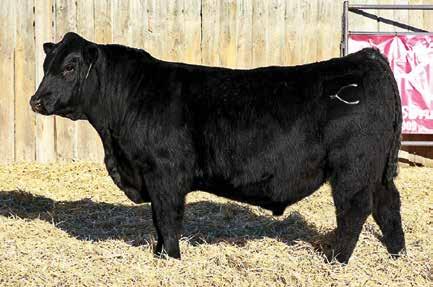
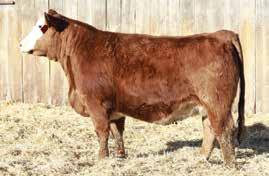
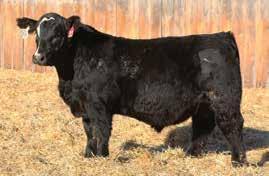
The computer program is called “BULL,” which I found appropriate. It was designed to aid cattlemen in selecting range bulls or herd sires.
All they have to do is answer a set of questions regarding their parameters for buying a bull, including ratios, expected progeny differences (EPD) and other economically-important traits, then enter the data into the computer and the program digests the information using artificial intelligence to make a recommendation as to which bull a rancher should buy.
Admittedly, Curly needed the help. One look at his herd bull battery would convince any person of that. If you ever wondered where all of the negative EPD numbers went, they ended up for safekeeping in Curly Tinkle’s herd.
Curly didn’t have sufficient funds to buy a new computer to run the app, but he knew I had one, which is how Curly ended up at my house in front of my computer screen.
“Before I use this thing to help me buy a new herd bull, I want to test it out,” explained Curly. “You ask me the questions, and I’ll give you the information about a bull I bought a couple years ago. Since I know how the bull turned out, we will know if this program is any good or not.”
It sounded like one of Curly’s rare good ideas, so I began the questioning.
“What frame score is desired?” asked the computer. Curly scrunched up his nose and asked back, “What’s
by Lee
bowling got to do with buying a bull?”
“No, Curly, the computer wants to know how tall the bull is,” I explained.
“Oh, well, he came up to about here on me,” Curly said, pointing to his belt buckle.
Keep in mind, Curly is not a tall man.
“Let’s just enter, ‘info not available,’” I suggested, which seemed to be acceptable to Curly.
“Next question – what is the desired yearling weight?” I asked.
“All I know is I bought him as a three-year-old and hauled him home in my halfton pick-up, and I hardly knew I had a load on,” Curly replied.
Again, I entered, “info not available,’ at the character insertion point and proceeded to ask the next question.
“What is the desired Milk EPD?” I asked.
Curly looked forlorn at having invested $3,000 on a program that didn’t know bulls don’t give milk. I could tell these difficult questions were addling his brain.
“What are the pelvic and scrotal measurements on your desired bull?” I asked on behalf of the computer.
Curly just looked at me like I was a pervert.
“How did the bull do on his semen test?” I continued.
“You better leave this one blank too,” said Curly sadly. “That old bull didn’t have enough energy to catch a cow in heat, let alone breed her.”
“How about his calving score?” I asked.
“I didn’t even know cattle kept score,” replied Curly.
When the computer was through playing 20 questions and we had answered “info not available” to nearly every one, I pressed the “RUN” button and the computer spit out its answer.
“This bull buyer should consider using AI,” it said.
Now we don’t know if the computer meant Curly should hire an artificial insemination technician to breed his cows or if he should use artificial intelligence to pick a bull because he doesn’t have any of the real kind.
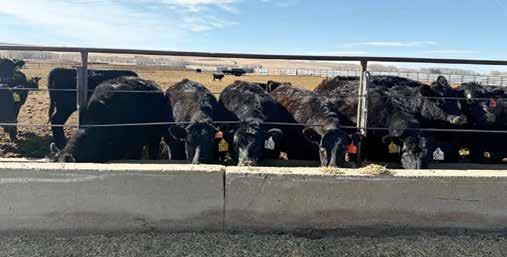
In a Dec. 1, 2025 edition of the University of Nebraska Lincoln (UNL) BeefWatch newsletter titled “Feedlot Management Strategies to Combat Winter Weather,” Nebraska Extension Feedlot Specialist Dr. Jessica Sperber shares some best practices for winter feedlot management.
Sperber further discusses feedlot management with UNL Extension Specialist Aaron Berger during an episode of the UNL BeefWatch podcast published on Dec. 11, 2025.
Among her recommendations are providing cattle with ample and clean water, adjusting nutrition plans as needed, providing shelter and bedding and keeping up with health protocols.
Water requirements
When it comes to winter feedlot management, Sperber shares making sure water is easily accessible and free of ice should be a producer’s number one priority.
“Access to fresh, unfrozen water is crucial for feedlot cattle, as dehydration can compromise cattle health and reduce feed intake,” Sperber writes, noting the minimum water requirement of feedlot cattle during winter months is one gallon per 100 pounds of body weight.
Water is essential to cattle health in all seasons, but its direct impact on feed intake becomes even more critical during cold conditions since cattle rely on feed intake to regulate their body temperatures.
“There is a relationship between water intake and feed intake, and we want cattle to be well off nutritionally in order to weather the storm,” Sperber emphasizes.
Producers have many options for water management, from breaking ice physically to utilizing automatic waterers with insulated pipes and/or troughs, incorporating tank heaters or installing continuous flow systems.
Even tanks outfitted with technology may still require physical upkeep and should be checked daily, ideally first thing in the morning during feeding, says Sperber.
Further, she encourages producers to clear a pathway to waterers in the event of sizeable snow fall in order to minimize risk from slick conditions as cattle gather to water.
Adapting nutrition
Meeting nutritional needs is another crucial pillar of maintaining feeder cattle throughout the winter, and rations often require adjustments depending on seasonal conditions.
During winter months, Sperber explains the comfort zone for cattle with a dry coat usually lands around 15 degrees Fahrenheit.
For every one degree Fahrenheit lower, cattle typically require around one to two percent more feed intake to maintain health.
Sperber recommends supplying extra roughage to provide cattle with more
fiber, which aids in generating more body heat. She also notes increasing energydense feeds such as grains can help animals maintain energy demands in cold weather.
Additionally, Sperber highlights the importance of storm rations when a winter storm is predicted to last for three or more days.
“Storm ration recommendations vary across feedlot nutritionists, but the general recommendation is to increase roughage in the diet by seven to 10 percent of dry matter,” writes Sperber. “Storm rations are critical when large snowfall events are predicted which can make it difficult for feedlot personnel to deliver adequate feed to the bunk.”
Providing shelter
In addition to nutrition adjustments, providing shelter like windbreaks and bedding can also help cattle maintain their energy and reduce the impacts of winter weather.
Sperber notes cold stress in cattle can be aggravated to dangerous levels by wet, windy weather.
Windbreaks help provide effective protection against cold chill in animals and can be placed strategically to shield water tanks and reduce freezing.
“Windbreaks such as trees, walls, man-made structures or strategically placed hay bales reduce wind exposure and prevent snow from drifting into the pen,” writes Sperber.
Whatever method a producer chooses to install, Sperber emphasizes the structure must be tall enough to block the wind while still allowing slight airflow between breaks. A height of seven to eight feet with airflow gaps around two or two-and-a-half inches is usually adequate, according to Sperber.
Additionally, Sperber says bedding is “one of the most underappreciated ways to improve cattle performance during the winter months” and encourages producers to offer bedding as a source of insulation once temperatures drop.
“Bedding made from straw, cornstalks or other materials keep cattle off of the cold ground, reduce heat loss and provide comfort,” Sperber writes.
Moisture increases the risk of cold stress and reduces the efficiency of feedlot cattle, according to Sperber, who cites a 2006 study from North Dakota State University which showed offering straw for steers to lay on during winter weather increased daily gain by 0.86 pounds per day and improved feed efficiency by 31 percent with no change in feed intake.
In terms of logistics, Sperber reminds producers to consider location, precipitation and animal size when deciding how much and what type of bedding to provide.
“On average, yards
replace bedding every two to three days during winter months, offering anywhere from two to four pounds of bedding per animal per day, depending on the magnitude of the winter conditions,” Sperber writes.
“During extreme snowfall events, feedlots may increase the volume of bedding delivered by 10 to 15 percent,” she continues. “Heavier cattle require fresh bedding more often, as they cover a greater surface area and release more body heat compared to lighter cattle.”
Health protocols
Finally, Sperber highlights some health protocols for producers to take into consideration during winter months.
Sperber encourages producers to vaccinate cattle against common winter pathogens, emphasizing parasites thrive in wet pens and close quarters.
Additionally, she recommends double checking vaccine storage rooms
and refrigerators, emphasizing the risk of technology malfunctions increases at lowered temperatures and reminding producers frozen vaccines are no longer effective and must be discarded.
She also notes lameness becomes more prominent in slick, icy conditions which accompany freeze and thaw cycles and encourages producers to monitor cattle for

injuries and signs of illness including coughing, lethargy and nasal discharge throughout the winter season.
“In general, there are more physical injuries during winter months due to ice and slick conditions,” writes Sperber, who also emphasizes the importance of paying extra attention to hospital pen maintenance since sick cattle are at higher risk of impacts from the cold.
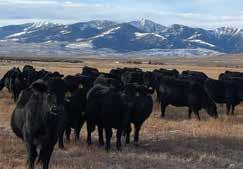
“Attention and maintenance of facilities is critical prior to the cold front moving in,” she concludes. “Preparing in advance can protect cattle’s health, minimize performance dips and ease management challenges in the yard.”
Grace Skavdahl is the editor of the Wyoming Livestock Roundup. Send comments on this article to roundup@wylr.net.
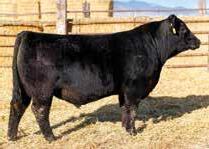
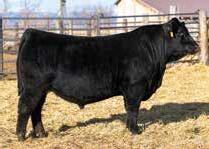
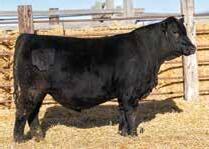
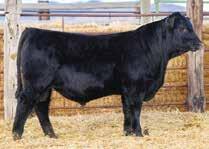
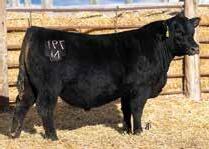
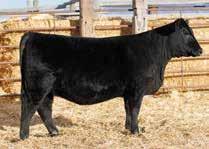


must be present to win, 21 years of age and able to pass background check. Buy, sell, trade. Adults $6, children 12 and under free (when accompanied by an adult). For more information, contact Lisa, 208-420-2295 2/14



YEARLING ANGUS BULLS: These bulls are grown, not fattened, will get out and cover cows. Many will work on heifers. We will deliver. Call Joe Buseman, 605-351-1535 2/7
Red Angus
SALE * CHRISTENSEN RED ANGUS * SALE: Registered, vaccinated and fertility tested bulls. We have a deep carcass, high ADG packaged with moderate to low birthweights available. Call 406-208-4315 or e-mail criters64@gmail. com 2/14
TWO-YEAR-OLD HEREFORD BULLS: Canadian registered. Fertility checked. View photos at www.workingherefords.com. Estermann Herefords, 308-3404159 or 308-963-4473 2/7
Salers
FAITHFUL FEEDERS: Heifer development, backgrounding and
Pasture Wanted
LOOKING FOR PASTURE FOR THE SUMMER GRAZING SEASON FOR 100 PAIRS OF EXCELLENT BLACK COWS in central or northeastern Wyoming. Call Richard Leavitt, 307-214-2200 2/7
SUMMER PASTURE WANTED FOR YEARLINGS: Seeking summer grass for 2026. For 500-1,500 head. Wyoming, Colorado, Nebraska, South Dakota. Prefer long-term potential, competitive rates offered. Call Jon, 831-240-5795 TFN

GOTTSCH LIVESTOCK FEEDERS LLC Red Cloud, NE www.gottschcattlecompany.com
Come Join the Gottsch Livestock Feeders Family! Gottsch Livestock Feeders is looking for Cowboys/Pen Riders for their feedyard in Red Cloud, NE. The main focus of the Cowboy/Pen Riders are spotting, pulling, diagnosing and taking cattle to the hospital and shipping fat cattle. This person will need to be a team player who is seeking a long-term position. You will have the opportunity to work with and learn from some of the best in the industry. We offer a benefits package that includes health insurance, dental, vision, 401(k), health savings, life insurance and paid vacation. Retention bonus offered to full-time employees. Incentives paid out at 6 months and 1 year of employment. If you are interested stop by and fill out an application or visit our website at
Call Mike Faimon at 406-469-1585 or Davin Arnold 970-301-3098 for more information.
WYOMING SUGAR COM-
PANY IS LOOKING FOR A CONTROLLER, responsible for overseeing the accounting department and ensuring the accuracy and integrity of financial reporting. Requirements: Bachelor’s degree in accounting, finance or related field, minimum of 5 years’ experience, salary $60,000-$80,000 DOE. Please apply online at wyomingsugar.com/jobopenings/ 2/21
LOOKING FOR RANCH ASSISTANT PROPERTY MANAGER: Full-time position for large ranch located in Park County, WY. Responsibilities include: Lawn care, irrigation, agricultural equipment maintenance and general residential, building and property maintenance. Salary range of $45-$60K depending on experience. Living on property is required for employment. House and vehicle will be provided. Property is located 10 minutes from downtown Cody, WY. Position is available for immediate hire. Please send resumes to hbeirne@acpg. com and mgiliati@acpg.com 2/21
Brown at C.H. Brown Co., LLC, 307-3223232 (office), 307-331-0010 (cell) or e-mail chuckbrown@ wyoming.com 1/31 AGRI-ONE FINANCIAL: Farm/ ranch and all commercial loans. RATES AS LOW AS 5%. We have been helping with all aspects of agricultural, commercial financing and management for years. LET US HELP YOU on a consulting level with management to increase profitability, deal with and fix credit problems and for all your financing needs. WE CARE AND HAVE WORKING PROGRAMS designed for the farmer/rancher and not the banker. Please call Steve, 303-773-3545 or check out our website, www.agrionefinancial.com. I will come to you and get the job done!! 2/21

WYOMING BRAND FOR SALE: RRC, RSS, RHH. Expires Jan. 1, 2029. Electric iron included. $2,500 OBO. Call 307-5756589 1/31

REGISTERED WYOMING BRAND, LRC, LSS, LSH, LRB, For sale or trade, best offer accepted. Call 307-760-5976 2/14
NICE SET OF 200 BLACK BRED HEIFERS, weighing 1,050 lbs. Bred to LBW Black Angus bulls from Topp Angus. Ultrasound tested to calve in 30 days starting March 5. Recently poured and given 1 dose of 4KC. $4,600. Call 307-709-2375. To view photos, go to www.wylr.net in the classifieds 2/7
FOR SALE: 300 head of commercial Angus and F-1 baldy bred heifers. Hand selected and purchased from top ranches in the region. All Miller Angus Farms customer genetics. UTD on vaccinations, pelvic measured, dewormed. Pregged/sorted into calving window groups. AI bred to elite calving ease bull GB Mogul M64J and cleaned up to top tier calving ease bulls. Group 1 due March 1. Group 2 due March 16. Group 3 due March 28. Group 4 due April 1 for 30 days. Group 5 due May 1 for 30 days. Will go on to make a productive, high performing cow that will add value to your program. First come, first served. Small loads to pot loads and volume discounts available. Free delivery. Miller Angus Farms, Kody, 605690-1997 or Brady, 605-6905733 1/31
BULLS FOR SALE: Registered yearling and 2-year-old Black Angus range bulls for sale private treaty. Good selection for heifers and cows. From popular sires and industry leaders. Semen tested and ready to go. CLAY CREEK ANGUS, 307-762-3541, www.claycreek.net TFN
FOR PRIVATE TREATY SALE AHA REGISTERED POLLED MINIATURE HEREFORD BULL CALF: Born July 2025 weaned and available. Sired by son of Boyd 31Z “Blueprint” 6153. Documented pedigree. Approximately 400-450 lbs. Located in Powell, WY. Shots and RFID tagged. B&L Farm and Cattle, LLC. Call Bob or Linda at 307-254-7047 1/31
Angus
Hereford
TWO-YEAR-OLD POLLED HEREFORD BULLS: Top bloodlines Historic and Gold Rush. Call Donald, 208-201-6213 3/14
Shorthorn
SHORTHORN BULLS FOR SALE PRIVATE TREATY: Yearlings up to mature bulls available. Developed conservatively so they hold up. Remember a red Shorthorn bull on your homozygous black cows will give you black calves. Shorthorns are excellent maternal cattle that produce quality beef. Francis-Millvale Shorthorns, Gene and Roberta Francis Family, 701-331-2403, e-mail francis. millvale@gmail.com. To view photos, go to www.wylr.net in the classifieds 1/31


Horses
HORSES FOR SALE: AQHA well broke 10-year-old bay mare, AQHA filly and stud born May 2025 and 11-year-old gray, broke mustang mare. For more information, please call or text 307-679-3126 2/21
RANCH, RODEO, ROPING, BARREL RACING PROSPECTS: 2024 APHA black solid and sorrel Tobiano geldings. 2025 AQHA bay, red roan, bay roan colts. 2025 AQHA bay and APHA sorrel Overo fillies. 2025 grade buckskin colt. Visit www.brokenbackranchquarterhorses.com. Call for pricing, 307-272-5509. Ten Sleep, WY 1/31
Leatherwork
LS CUSTOM LEATHER: Belts, tack, cell phone cases and much more!! Contact Lester, 307-631-1053, leave a message. Located in Riverton, WY 1/31
Sheep
MOFFAT COUNTY SHEEP SHEARING SCHOOL, CRAIG, CO APRIL 17-19: This 3-day shearing school provides hands-on, instructed experience in shearing sheep and an introduction to equipment maintenance. No previous experience needed. E-mail megan.stetson@colostate. edu or call 970-826-3402 for registration information and questions 1/31

Larry’s Seed is proud to sell Legend Seed which includes Corn Grain • Corn Silage • Soybeans
Alfalfa • Sorghum • Canola
We have biological products through Yield Master solutions. We carry Millborn Seed products which include grains both for grain or forage, cover crops, alfalfa and AlfaGrass, annual forages including Triticale/pea mixes, grass seed and others.

Wyoming Division – Larry French 307-272-9194
Larryjfrench1950@gmail.com
Montana Division – Jeremy Robertus 406-853-8554
triangle6livestock@outlook.com PO Box 191 • Powell, WY 82435
Hay & Feed
BARLEY STRAW: Certified weed-free small squares, $4/ bale. ALSO, 5x6 round bales, $125/ton. GRAIN OATS, wheat and barley, $20/cwt. Greybull, WY area. Call 307762-3878 or 307-899-4714, leave message 2/21
2024 HAY FOR SALE: 2,000+ bales, first, second and third cutting alfalfa/orchardgrass mix, roughly 50/50, round bales. If tests wanted, they can be obtained. Thirty miles east of Valentine, NE, trucking available if needed. Call or text for more information, 402-7592033 1/31
ALFALFA/GRASS MIX: Large round bales. FIRST AND SECOND CUTTING ALFALFA, large rounds and small square bales. OAT STRAW, large round bales. ALSO, HIGH QUALITY feed value SHELL CORN. For more information, call 307-7545864 1/31
HAY FOR SALE: FIRST CUTTING ALFALFA, ALFALFA/ORCHARDGRASS, STRAIGHT GRASS AND GRAIN HAY OPTIONS. Net-wrapped round bales. Delivery available. WE ALSO OFFER CUSTOM TRUCKING, hay hauling and side dump to haul gravel. Call Cheney Trucking/Jonathan Cheney, 605-569-0469 1/31
VERY GOOD QUALITY 50/50
ALFALFA/GRASS HAY FOR SALE: Fifty 1,200 lb. round bales, net wrapped, no rain when put up, stored outside. West of Baggs, WY. $175/bale take all. Text or call for price on smaller lots, Paul Anderson, 970-620-1568 2/7
QUALITY HAY FOR SALE: Grass, grass/alfalfa mix and straight alfalfa, net-wrapped large round bales, no rain. Western Nebraska location. Pick up or delivery available for fee. Call or text 303-9062691 2/14
FEED/GRAIN FOR SALE: Alfalfa, cane and millet hay. Large squares and rounds. Semi loads only. Will deliver. Call 970-2272760 2/14
ALFALFA AND ALFALFA/ GRASS HAY FOR SALE: Can deliver. Have three sets of doubles. Can haul 45 bales a load. We can help with your hay hauling!! Call Dave, 605-520-6341 or Telly, 605-520-0236 2/14
GOLDEN GERMAN MILLET
HAY FOR SALE: Not combined, really nice hay, no nitrates, 8% protein, 4x4x8 big square bales, $110/ton. Call 970-630-0336 2/14 FOR SALE: 2025 MILLET
HAY IN LARGE ROUNDS, approximately 1,100 lbs., 150 tons available at $155/ton. Gooseneck delivery possible. Call 307259-5485 2/14
VALLEY VIDEO HAY MARKETS, LLC: Representing 40 of the best growers in eastern Wyoming and western Nebraska. Call now for your winter needs, Barry McRea, 308-2355386, www.valleyvideohay. com 2/7
GRAIN CORN FOR SALE in the Pompey’s Pillar, MT area. Call 406-860-8924 1/31
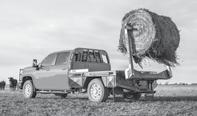

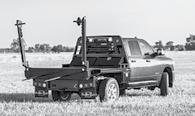
PIPE FOR SALE!! 2 7/8”, 3 1/2” tubing, 4” drill pipe, 4 1/2” casing, 5” casing, 7” casing. Rods 3/4”, 7/8” and 1” located in Montana, can ship anywhere. Call Mike, 602-758-4447. To view photos, go to www.wylr.net in the classifieds 5/30
CERTIFIED BARLEY STRAW FOR SALE, 3x4 bales. Cody, WY. Call 307-899-1952 TFN
HAY FOR SALE: Grass and alfalfa hay. ALSO, grass/alfalfa mix, millet, forage wheat and straw. Round bales and 3x4 square bales. Delivery available!! Call 307-630-3046 1/31
HAY FOR SALE: 2025 grass/ alfalfa, first and second cutting alfalfa, millet, haybet barley and CRP hay. ALSO, 2025 GRINDING HAY also available. All in net-wrapped round bales. Semi load delivery available. Call for pricing, ask for Klint, 701-290-4418, if no answer, send a text or keep trying 1/31
HAY FOR SALE: Triticale, barley, pea blend with alfalfa, nice hay, 3x3 bales. Alfalfa with some rain, 3x3 bales, shed stored, $170/ton. ALSO, CERTIFIED TRITICALE STRAW, long stem round bales, $130/bale. Farson, WY. Call 307-350-0350 2/7
ROUND-BALED GRASS: 2025 crop 1,000 lb. net-wrapped bales, $50/bale. Cody, WY area. Call, don’t text, Anthony at 307-254-2645 2/7
CERTIFIED WEED-FREE PURE ALFALFA HAY: 2025 third and first cutting available in small squares, averaging 70-80 lbs. Will load trucks and any open trailer. MONIDA OATS: $16/cwt. Combine run, great for seed or feed. Will auger into truck, trailer or large totes/ag bags. Located between Powell and Cody, WY. Certified scales on site. Call or text Knopp Farms for details, 307-254-0554 1/31
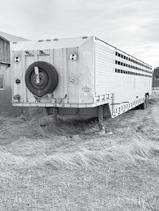
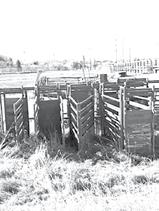
middle out gate, lead ups and platforms. Photos and more details available: www.sheridancountyfairgrounds.com
Please submit a bid no later than 3 p.m., March 2, 2026. All written bids will be considered by the Sheridan County Fair Association Board at the meeting on March 12, 2026. SCFA reserves the right to refuse sale.
FOR SALE: 2017 Freightliner Cascadia 125 day cab semi, Detroit DD13 engine, DT12 automatic transmission, air ride, aluminum wheels, 574,392 miles, very nice. Bale King 3000 bale processor. Vermeer BP 7000 bale processor. John Deere 714A and 716A chuckwagons with John Deere tandem running gear. H&S 7+4 18’ and 20’ chuckwagons with bunk feeding extensions and tandem 14 ton running gear. J&M 385 gravity box with 12 ton gear, truck tires. Landoll 36’ cushion gang disc with 3 bar mulcher. Gehl 1410 bushel manure spreader with slop gate, double floor chains, tandem axle. Meridian 240 seed tender, all hydraulic and roll tarp. Burns portable loading chute. 12’ and 14’ HD box scrapers with tilt. Farm King 8’ snowblower with hydraulic spout. Erskine model 1812 skid loader 60” hydraulic snow blower. All in very nice condition!! Call 605999-5482 2/7
WESTERN B-TRAINS ALUMINUM FLATBED TRAILERS: Lead trailer is 32 ft. long, rear trailer is 28 ft. long. Really good tires, brakes and drums. $20,000 for whole set. Calls only, no texts, 208-6518698 1/31


2013 JOHN DEERE 8285R: 4,600 hours, before DEF. Great condition. Call for details, 308550-0673 2/21
JOHN DEERE 71 12-ROW BEET PLANTER: Twelve row 22 inch or 24 inch on double decker stacking bar. ARTSWAY
786A BEET DEFOLIATOR: Six row 22 inch, 1 steel, 2 rubber drums. Scalpers, rear steerable wheels, extra parts. Very good working condition. Call 406-5910797 2/21
RETIREMENT SALE!! Brand new medium weight corral panels, 12 ft. long x 5 ft. high, if buy minimum of 100, $90/panel. Brand new Cattle Master squeeze chutes, $2,850. Calls only, no texts, 208-651-8698 2/7
EQUIPMENT FOR SALE, FARMER RETIRING: John Deere 71 Flex 8 row corn planter on a 24’ stackable bar. AC Model 1300 30’ ripper with rakes. Safety pull with a bull hitch. 2003 IHC 9400I Eagle semi fifth wheel truck, Cat engine, 26’ end dump trailer with roll tarp. John Deere front suitcase weights. IHC front suitcase weights. Contact Greg Keller at 406-679-1136 1/31
LODGEPOLE OUTDOOR FURNACES, 307-223-2046. Your authorized Central Boiler Dealer. Get your outdoor wood furnace today!! Efficient wood heat. Heat multiple buildings. Invest in your heating, don’t just pay for it!! See us at www.cb.lodgepoleproducts. com!! 1/31

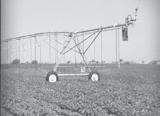
Copper wire is being stolen from electrically powered pivot systems world-wide. Many growers have resorted to 24-hour guards, razor wire, floodlights and daily disassembly to protect themselves. T-L’s hydraulically powered pivot systems can be designed with little or no wire to steal. Stop theft and discover T-L’s

and
tenance cost. T-L irrigation systems are easier on you - for
Steel Sales
HIGH PLAINS STEEL SUPPLY IS YOUR SOURCE FOR NEW CARBON STEEL SALES IN WYOMING, with thousands of tons of inventory available today. Give us a call for a quote, 307773-8669 or e-mail at sales@ highplainssteel.com. Mention this ad and receive special pricing on your quote 1/31

Tractors Wanted
WANT TO BUY!! IMT 539 Deluxe diesel tractor or 1974/1975 John Deere 1530 diesel tractor. Need not be running, can have bad engine but must be complete. Call Lloyd, 701-226-4055 2/7
Property for Sale

and-rail, western rail, fence stays, rough-sawn lumber, bedding. SEE US at www.lodgepoleproducts.com and click our “Picking A Fence Post” tab to see why folks choose our posts!! TFN
$170,500, CUTE, QUIET AND HOMEY!! 301 D St., Bushnell, NE 69128, just north of Hwy. 30, straight shot to Cheyenne, WY or Sidney, NE. Four bed/2 bath, 2 up, 2 down with bath 1 up and 1 down. 1,172 sq. ft. upstairs, 864 sq. ft. finished basement, attached garage, newer roof, fireplace, lots more. This house is very cute!! In a nice village of friendly folks, sits on a fenced .34 acre lot with lots of room for your dogs. Quiet living, nice views, very safe place, movein ready, lots of elbow room. We have a Village office, great water!! Post office and volunteer fire department. For more information, pictures or a
FEB. 11-13: PETSKA FUR WILL BE BUYING ALL RAW/ DRY FUR DEER/ELK HIDES AND ANTLER IN THE FOLLOWING TOWNS AND LOCATIONS: FEB. 11: Bill 6:15-6:30 p.m., Bill’s Store (drive thru, call/text Greg). FEB. 12: Wright 6:50-7:20 a.m., Rest Area; Newcastle 8:30-9 a.m., Voelker’s Body Shop; Upton 10:15-10:30 a.m., Joe’s Food Center (drive thru, call/text Greg); Moorcroft 11 a.m.-11:30 a.m., The Coffee Cup; Gillette 11:50 a.m.-12:10 p.m., T&T Guns and Ammo; Gillette 12:30-1 p.m., Rocky Mountain Sports. FEB. 13: Sheridan 7-7:40 a.m., Sportsman’s Warehouse; Buffalo 8:50-9:20 a.m., Good 2 Go; Ten Sleep 10:5011:20 a.m., Pony Express; Worland 11:50 a.m.-12:20 p.m., Bighorn One Stop; Manderson 12:50-1:10 p.m., Hiway Bar (drive thru, call/text Greg); Basin 1:30-1:45 p.m., Overland Express Mart (drive thru, call/ text Greg); Greybull 2-2:15 p.m., Overland
Hunting & Fishing
FEB. 14-15: PETSKA FUR WILL BE BUYING ALL RAW/ DRY FUR DEER/ELK HIDES AND ANTLER IN THE FOLLOWING TOWNS AND LOCATIONS: FEB. 14: Thermopolis 7-7:30 a.m., Renegade Guns; Shoshoni 8:15-8:30 a.m., Fast Lane (NW corner, drive thru, call/text Greg); Riverton 9:1510 a.m., Vic’s Body Shop (behind the Dollar Tree); Lander 10:30-11 a.m., Zander’s One Stop; Jeffrey City 12-12:20 p.m., Split Rock Café (drive thru, call/text Greg); Muddy Gap 12:30-12:40 p.m., truck stop (drive thru, call/text Greg); Casper 1:45-2:15 p.m., Wagner Outdoor Sports; Glenrock 3:30-3:50 p.m., east exit on interstate (drive thru, call/ text Greg); Douglas 4:15-4:30 p.m., Douglas Feed (drive thru, call/text Greg). FEB. 15: Orin Junction 6:45-7 a.m., truck stop (drive thru, call/ text Greg); Lost Springs 7:157:30 a.m., Main St. (drive thru, call/text Greg); Lusk 8-8:30 a.m., Decker’s Grocery; Alliance, NE 11:30-11:50 a.m., Bomgaars (drive thru, call/text Greg). For more information, call Greg, 308-750-0700 or visit www.petskafur.net 2/7
your ad to
Salvage/Parts Salvage/Parts
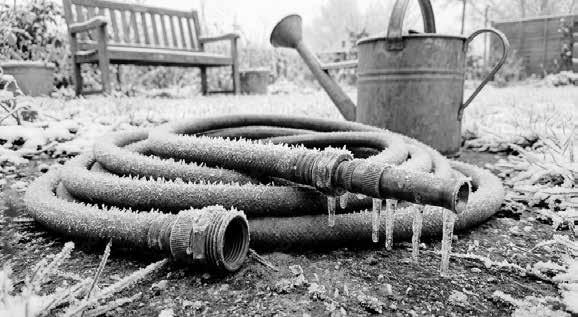
Despite the cold, dormant appearance of lawns, trees and perennial beds this time of year, experts are reminding homeowners the dead of winter can be one of the most stressful seasons for their outdoor plants, especially in the Cowboy State’s dry and windy climate.
From persistent winds and low humidity to temperature swings and limited snow cover, winter conditions can quietly take a toll below the soil’s surface.
According to horticulture experts from Kansas State University (KSU), the Cheyenne Botanic Gardens and Plant Select, strategic winter maintenance – especially supplemental watering – can make a big difference between healthy spring growth and long-term plant damage.
Winter stress
This winter, large swaths of the West have experienced unprecedented mild temperatures and low moisture.
However, even when winter brings occasional snowfall, KSU Horticulture Expert Cynthia Domenghini notes it often isn’t enough to replenish soil reserves, as light, infrequent snow typically provides only a fraction of an inch of usable moisture, most of which is lost to evaporation.
Therefore, she says winter watering is critical, although it is often overlooked.
“Yards may need another shot of moisture, even after recent rain or snow to alleviate stress in lawns and gardens,” she states in a Jan. 13 KSU Extension News Service article.
In a separate article, Dr. Tyler Mason, a horticulturist at the Cheyenne Botanic Garden, notes Wyoming’s fierce winter sun and strong winds compound the problem, drying out soil and foliage while roots remain unable to access frozen moisture.
Experts at Plant Select, a nonprofit offering plants designed to thrive in the High Plains and Intermountain West, further mention
extended periods of dry conditions can damage root systems, weaken plants and delay or prevent spring emergence entirely. In trees, the effects may not appear immediately and can take years to fully manifest.
Supplemental watering
When it comes to supplemental winter watering, Domenghini emphasizes quality over frequency.
“A good, deep watering with moisture reaching at least one foot down into the soil is much better than several light sprinklings that just wet the top portions of the soil,” she says. “A deep watering will ensure the majority of roots have access to water.”
To test soil moisture, Domenghini recommends pushing a metal rod or wooden dowel into the ground. Dry soil will resist penetration, while moist soil will allow the tool to slide in more easily. The depth reached gives a good indication of how far moisture has penetrated.
Experts at Plant Select and the Cheyenne Botanic Garden note the timing of supplemental winter watering is key.
“Water once or twice a month during extended dry periods with no snow cover,” Plant Select suggests. “Water on days above 40 degrees Fahrenheit, ideally when there is no snow cover and the ground isn’t frozen, and water mid-day so it has time to soak into the ground.”
Plant Select experts also point out not all plants require winter water, but some are more sensitive to cold, dry conditions than others.
Evergreens and conifers, for example, do not go fully dormant and continue to lose moisture through their needles.
Newly-planted trees and shrubs – sometimes even those planted within the past two to three years – also have limited root systems and are more sensitive to drought.
Other plants benefiting from winter watering include fallplanted or over-seeded lawns,
Stock water webinar scheduled
Even water that looks clean and clear can be of poor quality, and insufficient access to good-quality water can reduce beef cattle performance faster and more dramatically than any other nutrient deficiency.
The Beef Cattle Research Council will hold a webinar on Feb. 18 at 7 p.m. to explore the hidden risks of poorquality water, discuss its implications for herd health and productivity and provide
practical tools and strategies to ensure cattle have clean, safe and adequate water supplies.
Speakers include Dr. Cheryl Waldner with the Western College of Veterinary Medicine and Saskatchewan, Canada Beef Producer Karla Hicks.
The cost to attend is free, but registration is encouraged.
For more information or to register, visit beefresearch.ca/webinars/
AFBF names Dog of the Year
Recognizing the vital role four-legged friends often play on family farms and ranches, the American Farm Bureau Federation (AFBF) launched the Farm Dog of the Year contest several years ago – now a popular feature of the AFBF Convention.
The winner of the 2026 Farm Bureau Farm Dog of the Year award is Max, a fouryear-old border collie owned by Oklahoma Farm Bureau Members John, Charla and Brynley Enns.
With support from Nestlé Purina PetCare, a team of judges recognized Max from among nearly 100 contenders.
Members of the public also voted online to select the People’s Choice Pup.
The award was given to Goose, owned by Kentucky Farm Bureau Mem-
perennials planted in the fall, shrubs planted within the past year, plants located in windy areas or south- and west-facing exposures and plants near buildings or fences that reflect heat.
On the other hand, established xeric plants do not require winter watering since they are adapted to long periods without moisture and typically tolerate dry winters without lasting damage.
Additionally, the experts explain different plants require different approaches to supplemental winter watering.
For newly-planted trees, Domenghini recommends drilling a small hole near the bottom of a five-gallon bucket and letting water slowly drip out near the base of the tree.
“Refill the bucket until you apply 10 gallons. Slow-release bags with micropores can be purchased as an alternative to using a bucket. Larger trees planted two to three years prior may require more water,” she says.
Domenghini also says larger trees may benefit from a soaker hose placed in a circle halfway between the trunk and the dripline – the outer edge of the branches. Smaller trees may require several loops of hose to adequately water the root zone.
For newly-established foundation plantings or garden beds, hooking both ends of a soaker hose to a Y-adapter helps equalize pressure and encourages uniform watering. Fall-seeded lawns should be watered with overhead sprinklers, aiming to reach at least six inches deep.
As a general winter guideline, Cheyenne Botanic Gardens recommends applying about 10 gallons of water per inch of trunk diameter for trees during extended dry periods.
Protecting perennials
Experts across the board note – although critical – supplemental watering is only one piece of winter garden maintenance.
“Selecting zone-hardy plants
ber Lindie Huffman.
Purina, one of the nation’s leading pet care companies, donated prizes for the contest again this year, including $5,000 in prize money, a trophy plate, a year’s supply of Pro-Plan dog food and other Purina products for Max.
Goose received a trophy plate, Purina products and a $2,500 cash prize.
“Farm dogs are more than workers, they’re family,” said AFBF President Zippy Duvall. “While they assist with chores, they also offer the companionship which makes tough days a little easier. It has been a pleasure to partner with Purina for the eighth annual Farm Dog of the Year contest, showcasing the important role dogs play in everyday farm life.”
is the most important step in helping perennials overwinter,” Mason writes. “Be sure to look on the back of plant tags at a nursery or garden center for Zone Four hardiness or lower.”
He continues, “Zone Five plants can sometimes be marginal in Cheyenne’s climate due to strong winds and low levels of precipitation. Warm sunny days and cold clear nights wreak havoc on a plant’s ability to moderate internal temperatures. Therefore, regulating temperature changes with insulation is essential.”
Mulching is one way to insulate plants and plays an important role in moderating soil temperature and conserving moisture.
Experts recommend a two- to three-inch layer of mulch placed several feet around trees and shrubs to help protect roots. However, they emphasize mulch should be kept several inches away from the trunk of trees to prevent rodent damage.
Vegetable gardens also benefit from mulch, as it can improve soil fertility and increase yields the following growing season.
Preventing sunscald According to Mason, sunscald is another common issue for Wyoming growers to be aware of this winter, particularly when it comes to young trees with thin or dark bark.
“Sunscald injury comes in the form of discolored bark, sunken areas and bark splitting, which leaves dead tissue inside the affected area,” he explains. “This wound creates stress for the tree or can lead to insect and disease infestations.”
Mason further notes sunscald injury generally occurs on the south side of a tree’s trunk during extreme day and nighttime temperature swings.
“The sun heats the south side of the trunk, encouraging cells to expand, while the north side of the trunk stays cool,” he explains. “When the sun sets, the bark on the south side suddenly contracts leading to bark splitting. Splitting of bark can be exacerbated by dry soils, so be sure to water trees if you go many weeks without moisture or snow cover.”
Mason says tree wrap provides an effective and inexpensive solution to the problem, as wrapping the trunk and lower limbs reflects sunlight and moderates temperature fluctuations.
He recommends applying wraps in the fall once nighttime temperatures dip below freezing and then removing them in the spring after the last frost.
Hannah Bugas is the managing editor of the Wyoming Livestock Roundup. Send comments on this article to roundup@wylr.net.