WELCOME to the Creative Eye magazine. We have a selection of inspiring articles for you to enjoy in this edition, demonstrating a range of exceptional creative photography.
Claire Carter collaborates with her husband, Andrew Askey , a scientist and a highly credited photographer, explaining how they capture stunning microscopy images.
Adrian Vila talks about the importance of staying engaged and being prepared for the moments that matter.
Finding another thread to pursue, David Townshend finds the coast at night takes on a different cloak with deep colours and brooding shapes.
Honey J Walker discovers one never knows when something seemingly small can be life changing. Drawn to abandoned spaces, Gina Soden wanted to create something that not only showed decay but carried it within the work itself.
Martin Addison’s satisfying aspects in his photography are to make something interesting out of something very ordinary.
With cold snaps at -18°C, strong winds, rain, snow, thunderstorms, lake mist and fog, Steve Geer gives bad weather photography a try.
Charlotte Bellamy expresses her love of complementary colours of blue and yellow and associated hues and how much she loves to create images that explore and expose how she feels about the landscape around her.

4
SERIES Gina Soden
28 MAKING THE ORDINARY, EXTRAORDINARY Martin Addison FRPS
34 BAD WEATHER Steve Geer FRPS
38 TAKE A MOMENT TO LOOK AT THE NORMAL; YOU MIGHT JUST SEE THE INCREDIBLE Charlotte Bellamy
44

Chair Clive Watkins ARPS creativecomms@rps.org
Secretary
Graham Lingley LRPS creativesecretary@rps.org
Finance Officer
Nigel Rea ARPS creative.treasurer@rps.org
David Rutter FRPS creativeimage@rps.org
Steve Varman LRPS creative.publications@rps.org
Cover
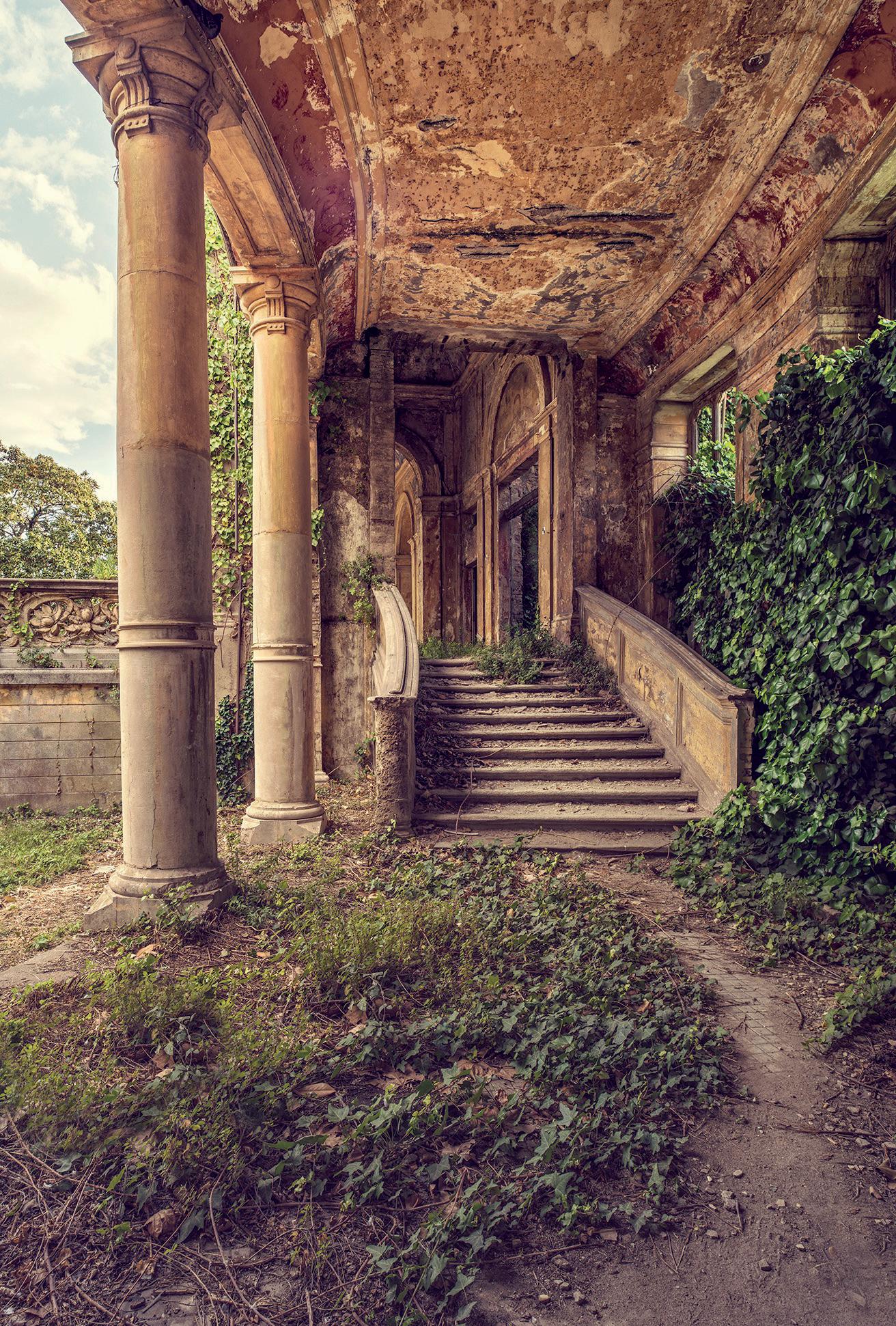
Thermale by Gina Soden
Editor Moira Ellice ARPS
Editorial Assistant Dr Patricia Tutt ARPS
Design
Lester Bennett
Printed by Keith Avis Printers Ltd., Rear of 68 High Street, Hadleigh, Ipswich IP7 5EF, UK
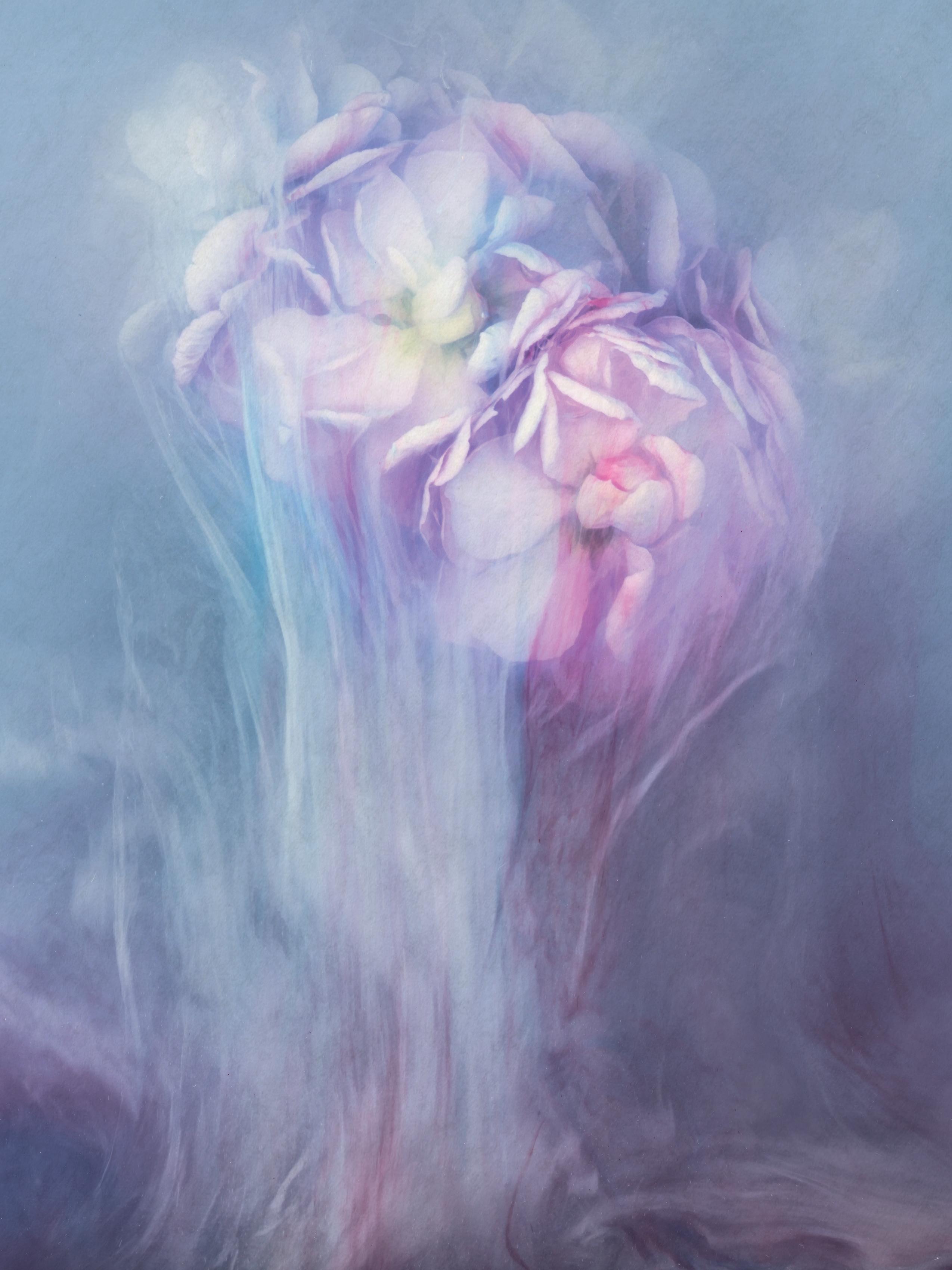
Jayne Sanderson was introduced to the technique of submerged flower photography while researching creative ideas and the result is rewarding. © 2026 All rights reserved. Apart from storage and viewing in its entirety for personal reference, no part of this publication may be reproduced, stored in a retrieval system or transmitted in any form without prior permission of the copyright holder. The Royal Photographic Society, The Creative Eye Group and the Editor accept no liability for the misuse of any content or for any breach of copyright by a contributor. The views expressed in this magazine do not necessarily reflect the policies of The Royal Photographic Society or The Creative Eye Group. Unless otherwise indicated, all images are copyright of the photographers. The Royal Photographic Society, HERE, 470 Bath Road, Bristol BS4 3AP, UK +44 (0)117 3164450 www.rps.org VAT Registration No. GB 753 305741 Registered Charity No. 1107831
CONTACT
Facebook facebook.com/groups/rpscg Flickr flickr.com/groups/3510780@N20/pool
Website rps.org/ceg

A Happy New Year! It’s a pleasure to introduce the latest issue of the Creative Eye magazine and I hope that this issue sparks new ideas, perspectives, and creative energy for the year ahead.
Once again, we are delighted to bring you a magazine filled with high quality, varied, and thought-provoking articles curated by our hard working editor, Moira. In this edition you’ll find contributions from some familiar voices as well as some exciting new ones. Following her captivating opening talk at our Members’ Day in November, I’m especially pleased to see Charlotte Bellamy return to offer us another opportunity to discover the incredible in the ordinary. And as a resident of Scotland, I find Steve Geer’s article on bad weather particularly resonantperhaps all too resonant!
I’m also very pleased to announce that the Creative Eye Group is now an active partner in the RPS Talk-Walk-Talk initiative. Many of you will already be aware that, over the last few years, the Digital Imaging and Landscape groups have been hosting a series of themed talks, followed by photo-walks across the UK (and even worldwide). Each walk concludes with participants coming together to discuss their images and select one for inclusion in the overall Talk-Walk-Talk e-zine.
With us joining the Talk-Walk-Talk initiative, I shall be looking for members who will be interested in leading a walk on the upcoming theme: Sites of Religious Significance . If this inspires you, or if you’re simply curious, please get in touch with me at creativecomms@rps.org. Also, keep an eye out for more information on our website and by email.
RPS Creative Eye Group AGM 2026: I hope you will join us at our 35th Annual General Meeting which will be held via Zoom on Sunday 22nd March at 10:30 GMT. Documents regarding the AGM will be available on our website: www.rps. org/groups/creative-eye/documents
Wishing you a happy and creative 2026.
Enjoy the light!

Charles Hobley ARPS apologises to Jan Beesley ARPS for his use of her image 10 Green Bottles , which he used to create his image, Bottles , in last year’s CEG Digital Exhibition. Charles accepts that he may have previously downloaded Jan’s original image from her website and subsequently inadvertently used it. Charles would like to emphasise that nothing he did was knowingly intended to pass somebody else’s image off as his own. My sincere apologies to Jan.
CLAIRE CARTER AND DR ANDREW ASKEY MBBS MSc
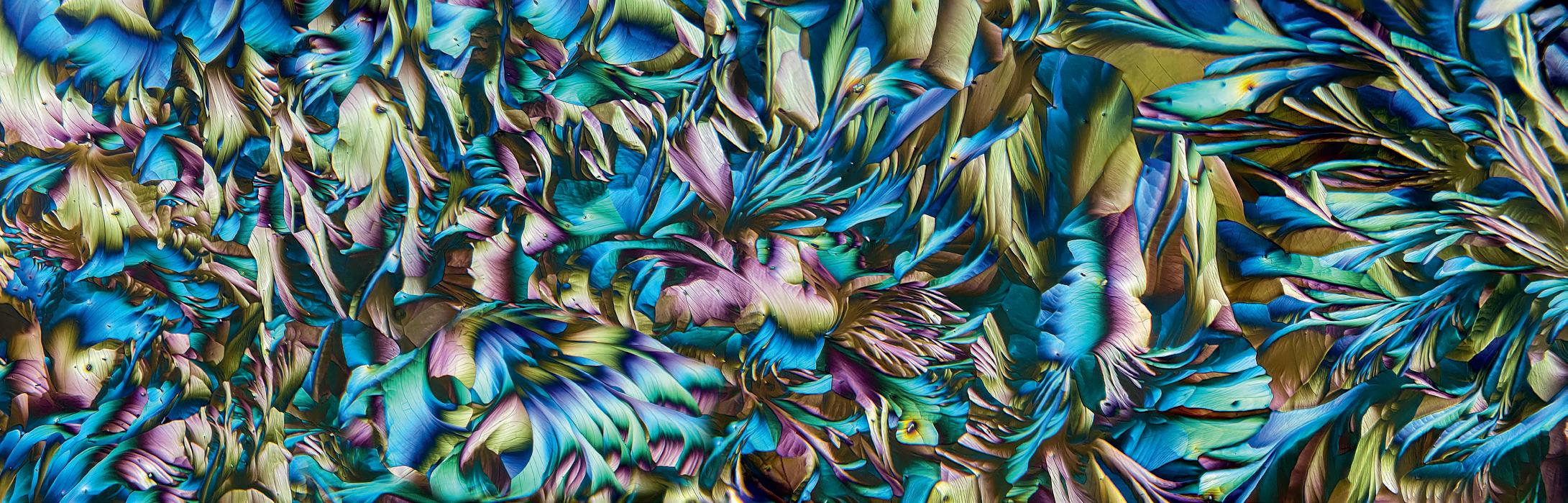
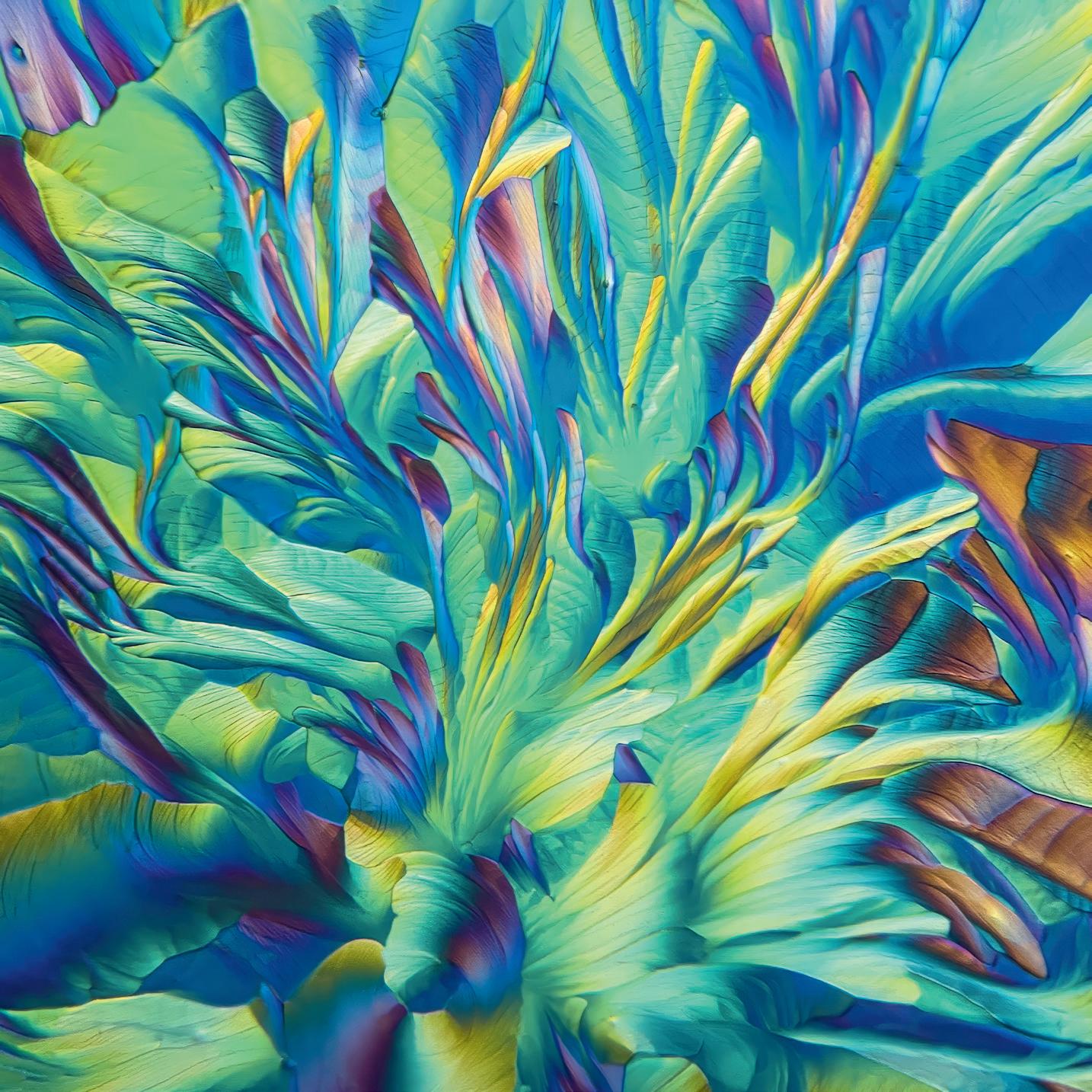
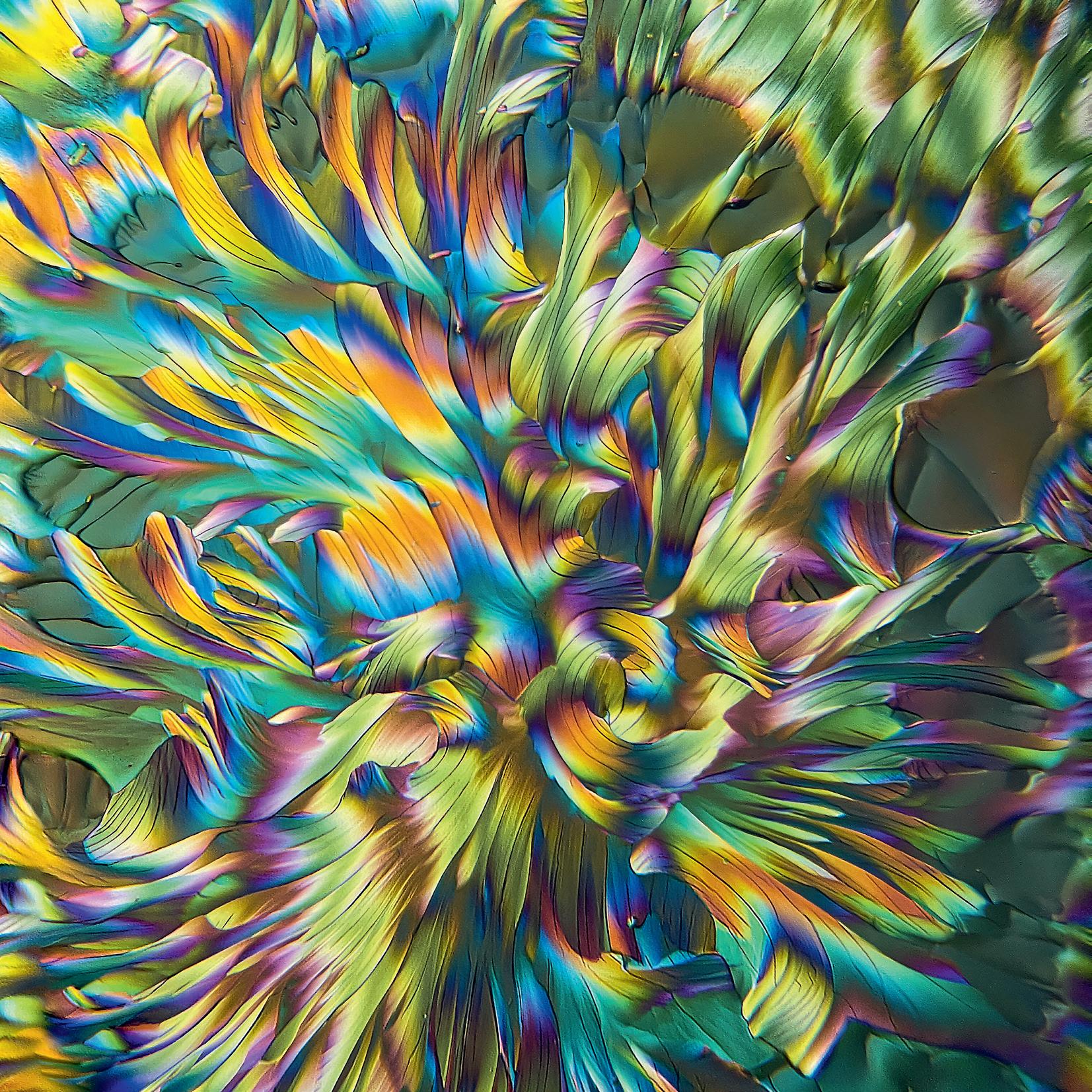
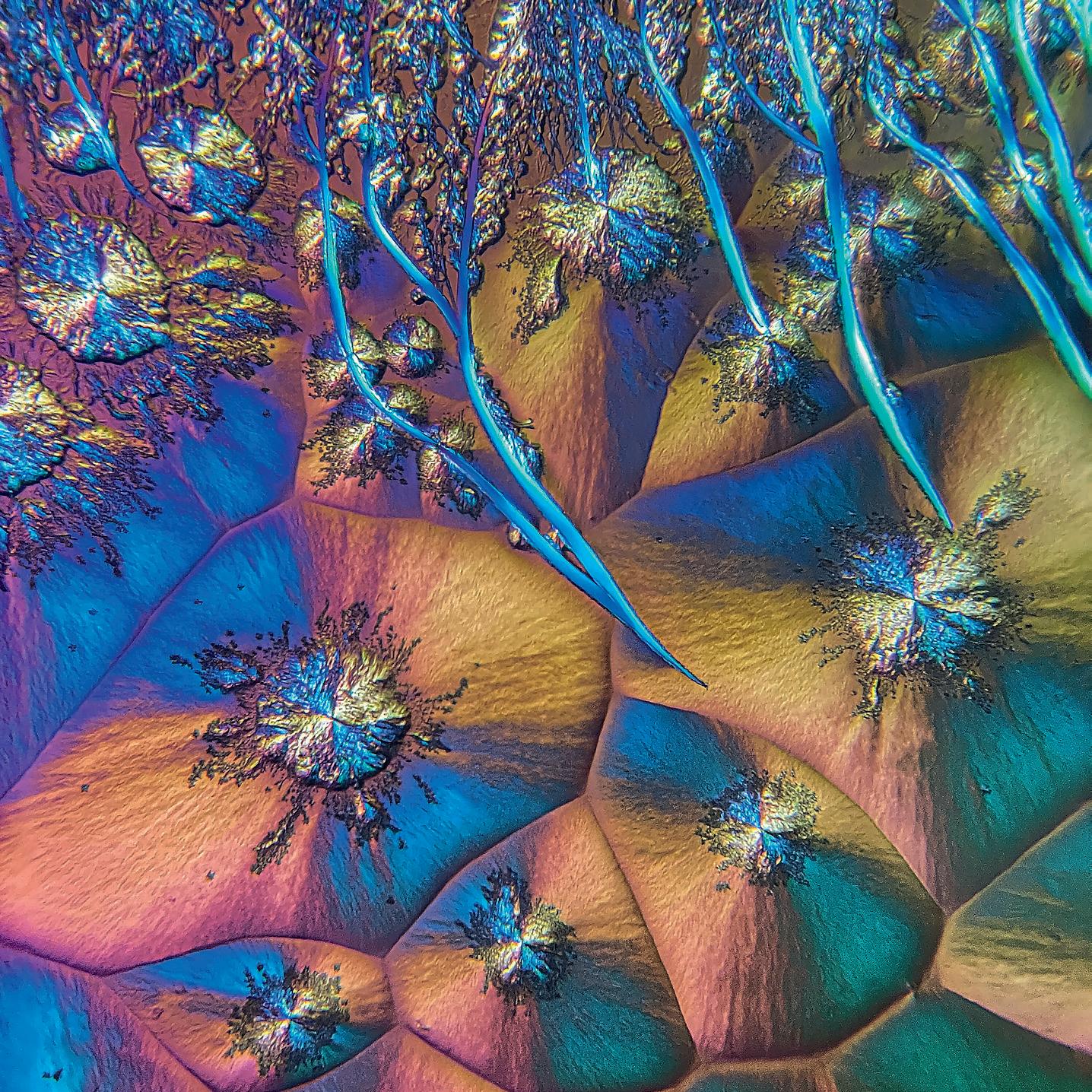
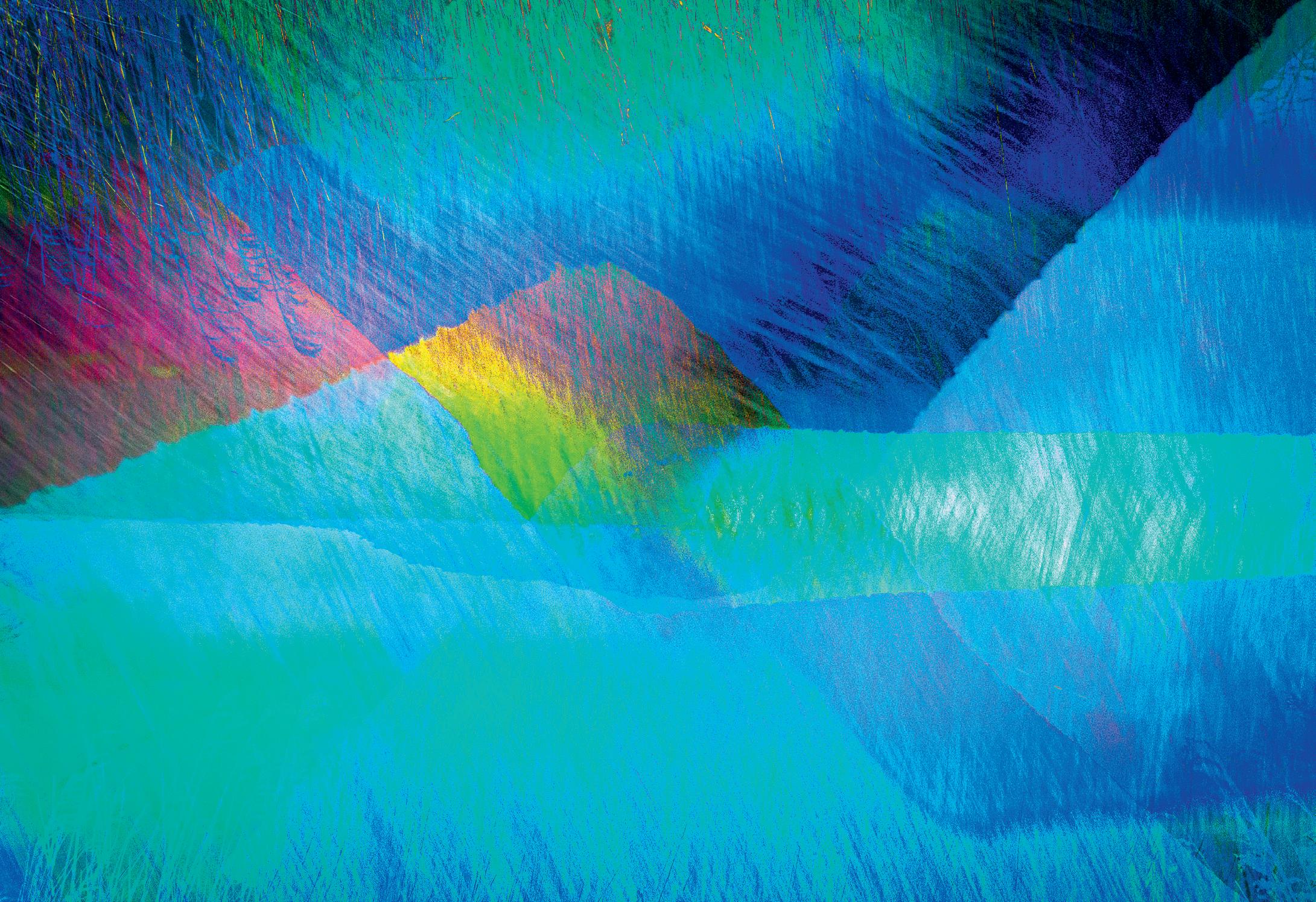
We started experimenting with photo microscopy after seeing some images in a magazine. Andy has a background in science so was able to unpick what was required to get us started and he describes the processes below. What initially appeared complex was in fact relatively simple once we had all the equipment and had decoded the jargon. There is obviously an initial outlay but compared with a new lens, this was relatively inexpensive, and our mobile phones have given us our sharpest shots.
It became an absorbing project during Covid, with time to experiment and perfect our processes. When we moved to a new house we decided to devote one wall to ten large, crystal photographs. This has proved a great talking point and certainly makes a statement.
There are many sources of information about microscopy online. Here are some of the basics:
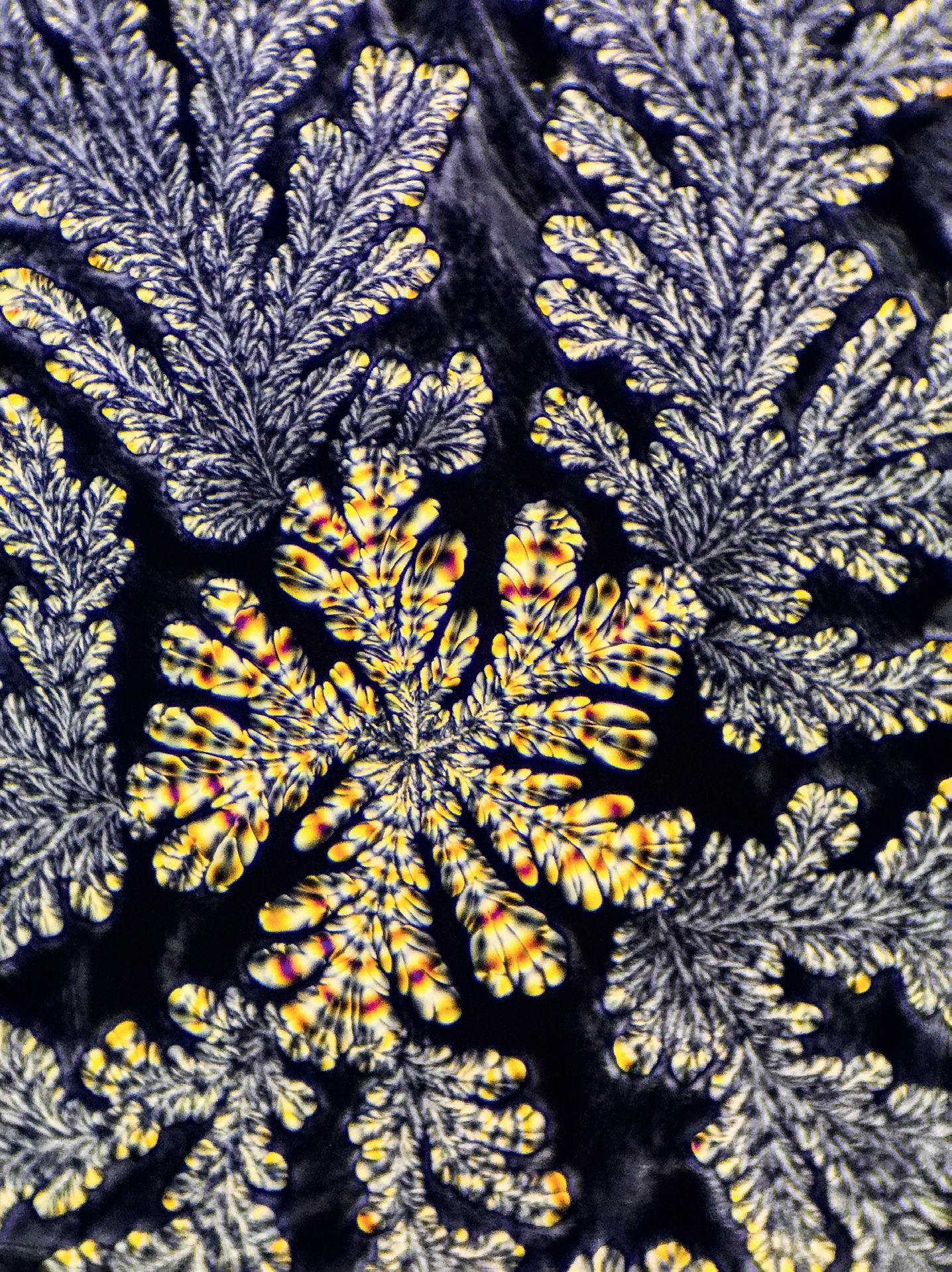
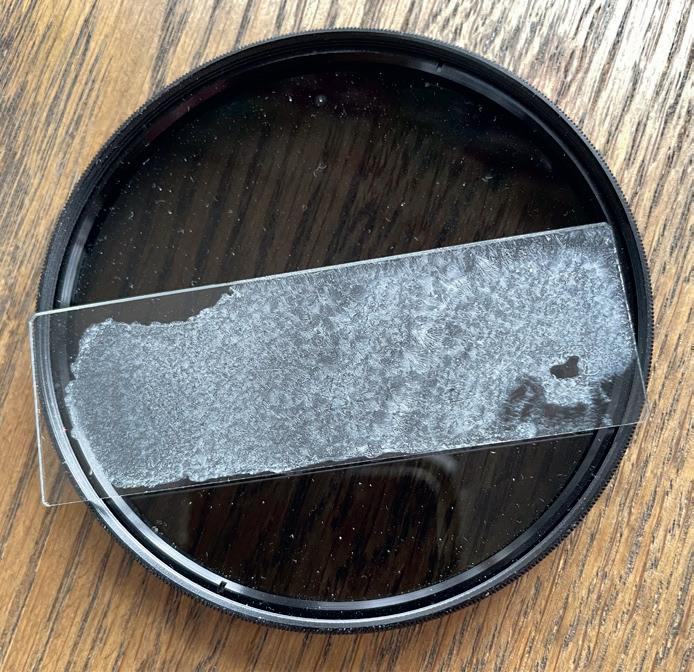
• Crystal microscopy uses polarised light to create images under magnification using a microscope showing the intricate structure of both organic (e.g. amino acids, vitamins, salicylic acid) and inorganic (e.g. sodium carbonate) crystals. Many common household substances will form crystals.
• A trinocular compound microscope is ideal as it has a port to which a camera (or phone) can be attached.
• Some substances dissolve in water, others dissolve better in a solvent. A few, such menthol, can be melted directly on the slide. A thin layer on a slide works best.
• The crystals do not have any inherent colour. Using cross polarised light (we use polarising film above and below the slide) and a retarder introduces beautiful colours which can be changed by rotating the retarder. The retarder can be as simple as a CD case or other thin plastic.
• Patience is required though results can sometimes be almost immediate, with crystal formation affected by temperature, the concentration of the solution and humidity. Results can vary significantly even when the same process is followed.
The resulting images often resemble surreal landscapes, botanical forms, stained glass or abstract architectural paintings. They have an extraordinary three-dimensional quality considering their actual size.
Each crystallisation event is unique; each slide is a one-off masterpiece. Slides potentially have hundreds of photographs as we can only see a fraction of it through the microscope. The trick is to use an artist’s eye to find the compositions. Some slides yield little that excites whilst others provide many potential images. It is like looking at a vast landscape and deciding where to point your lens for greatest impact. Rotating the retarder changes the colours, and this triggers new compositions evoking different emotions.
Just as ice patterns are transient, these crystals decay over time, some very quickly, and being able to photograph them enables us to show people a moment in time where molecular order becomes visual metaphor. It is a miniature world of infinite possibilities.
Using a mobile phone camera
To attach a phone to a microscope requires the right attachment for your model of phone/microscope. They range from simple clip-on models to more advanced, professional-grade devices. Very new phones may not have attachments currently available if the lens position has changed.
Most modern phone cameras have a choice of lenses. We generally use the 2x lens. Before mounting your phone adjust the focus until your specimen is sharp and clear. You can either use your usual camera app or experiment with third party ones. Claire especially likes Halide as it has a fine focus scale which makes stacking images easy. A two second timer is essential if you are touching your screen to activate the shot.
The reason for stacking is that unless you have top class, expensive optics there will be some fall off in sharpness towards the corners. Focusing from the centre outwards in increments means a sharp image can be made when combined in software, I usually aim for a stack of ten.
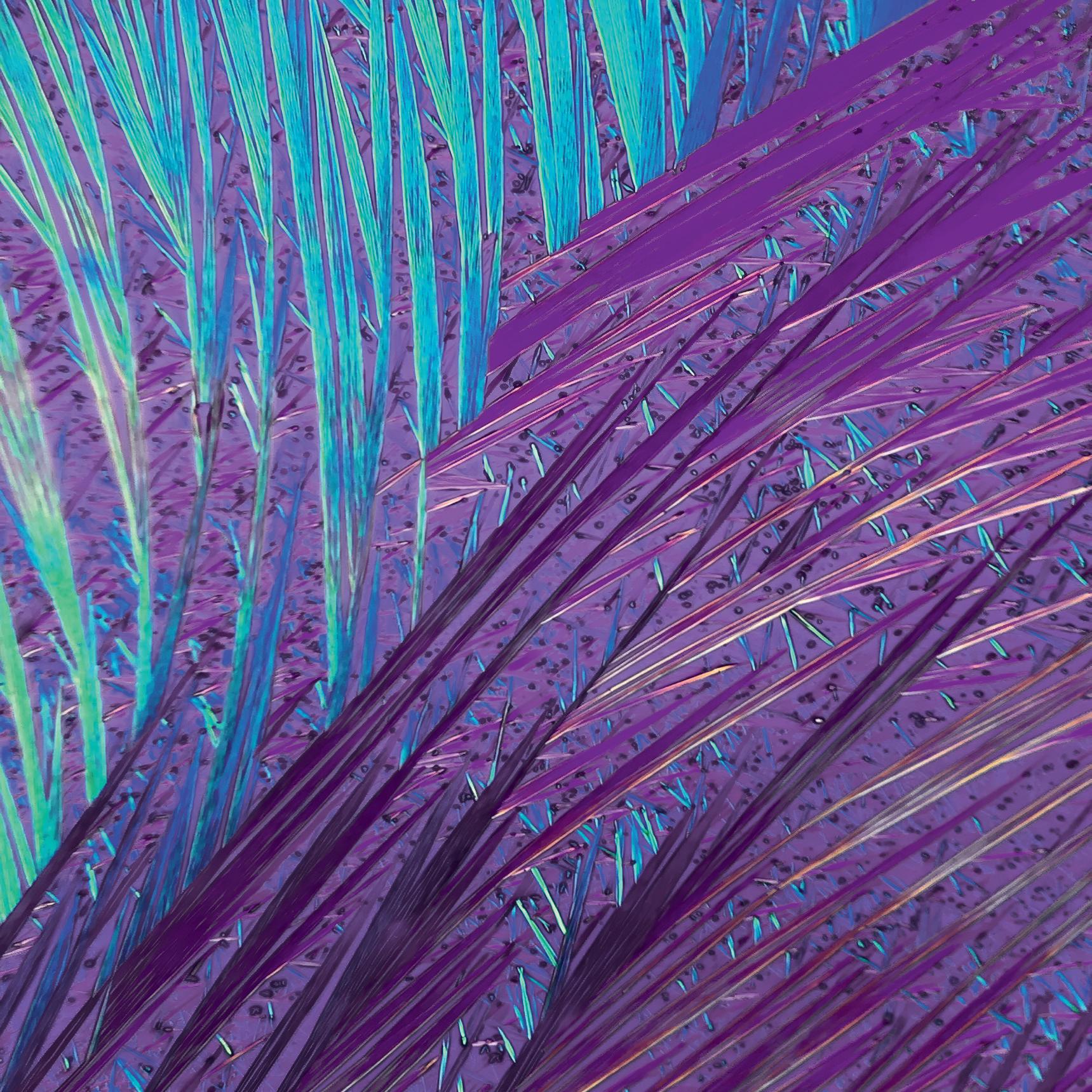
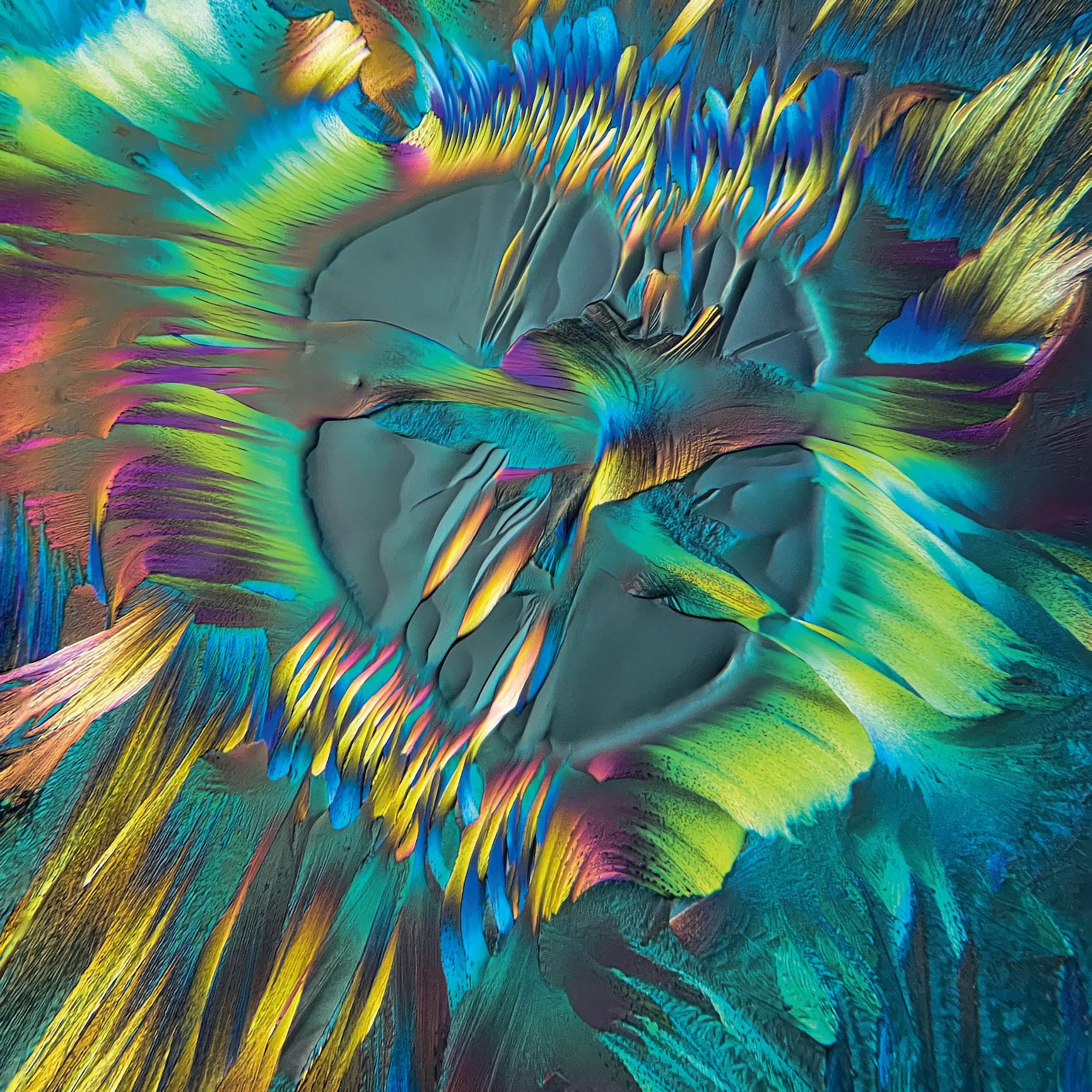
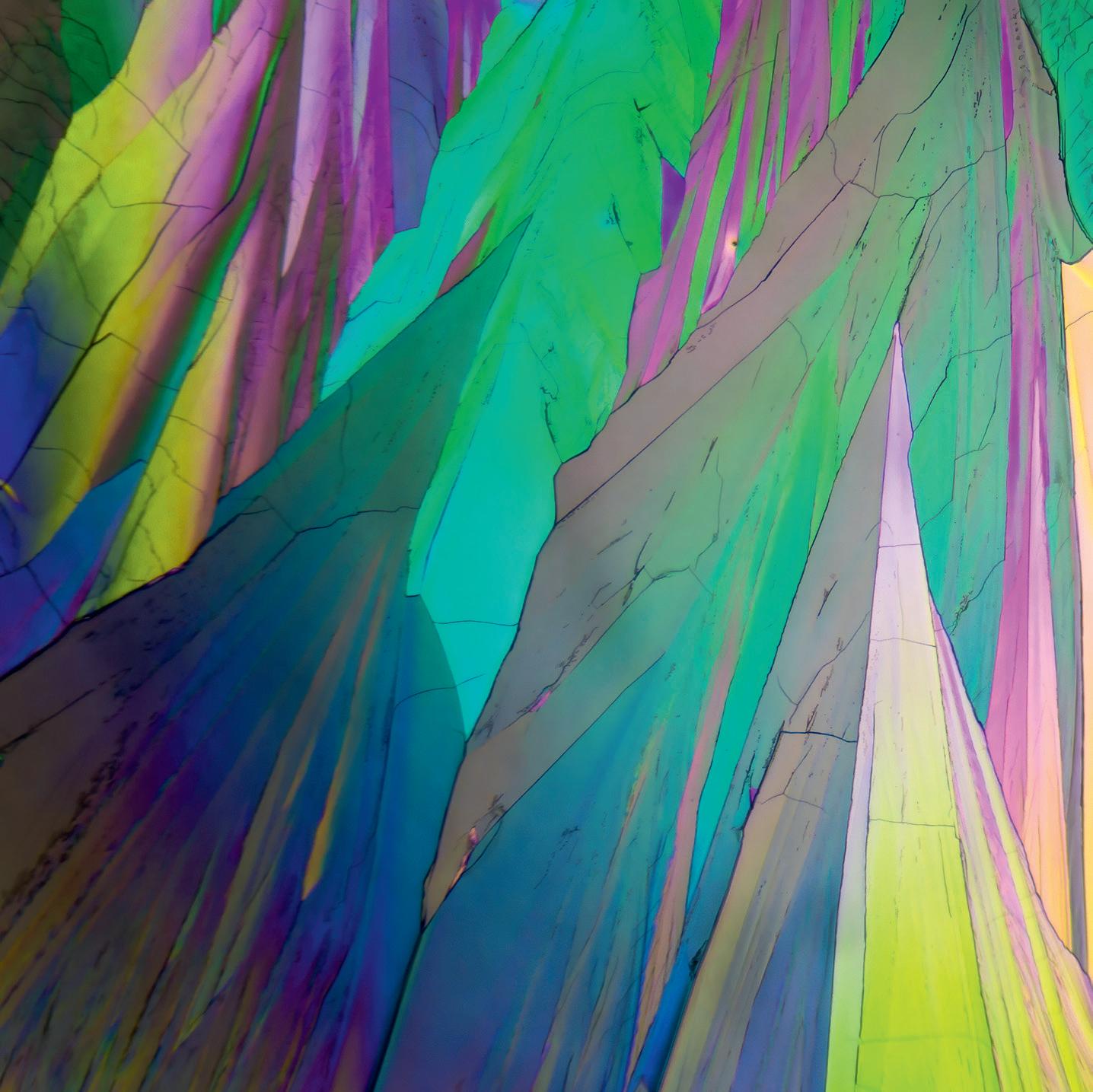
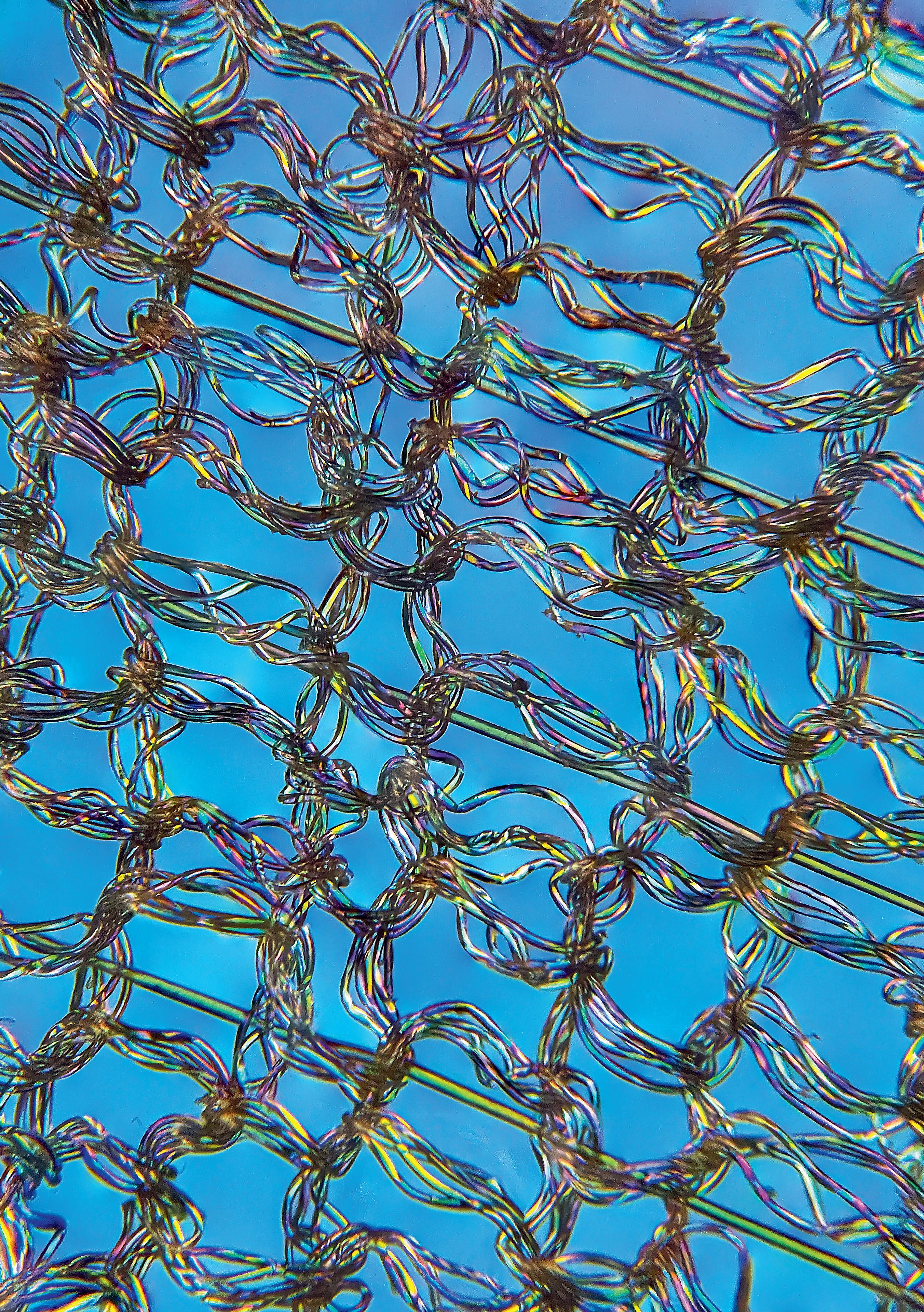
Once you have your microscope you will find many interesting subjects. Nature will provide you with tiny seeds, pollen, leaf veins, feathers etc. We find dead flies on windowsills and peer at antennae and compound eyes. Woven textiles have interesting textures; nylon tights work well under polarised light.
Like all other genres of photography we have tried, delving into crystal microscopy opened a learning curve and we are only part way along. There will be surprises and frustrations along the way but that is what keeps us interested. If you intend to start this journey there are many online resources which are easy to find. A good source of inspiration is a Facebook page called Crystal Art Photomicrography which also gives access to PDF files with useful learning tips.
Claire Carter is a working photographer running landscape and studio botanical workshops. She has given presentations throughout the UK.
carterart.co.uk instagram.com/clairecarter4 instagram.com/andy.askey
Most of us know that it’s not the camera or the lens that makes the image, but the photographer behind them. And yet, somehow, we still give gear more credit than it deserves, while neglecting the practice that sharpens our eye and trains our instincts.
One of the biggest mistakes a photographer can make is thinking they don’t need to practice often. But developing our skills, and getting to know our gear, requires hard work, so when the moment comes, we’ll be ready.
The single most helpful thing I’ve done to improve my photography, and
to stay engaged with the process, has been developing an (almost) daily habit of using my camera. No matter where I am, I try to have one nearby and take at least a few intentional and carefully composed photographs every day.
It’s usually not that there are no images around us, it’s that we don’t notice them. We’re distracted. We’re thinking about the next meeting, what’s for dinner, when to pick up the kids, or even worse, we’re doomscrolling on our phones. Compare that to when we’re traveling: when we’re somewhere new, everything feels unfamiliar, so we pay attention. We notice details, we
are more present, so we take more photos. Back home, the same objects and places fade into the background because we’ve stopped looking long ago. We move around on autopilot. That’s where a daily habit comes in. Practicing at home forces you to see past the ordinary, to notice the small things you usually overlook. It can feel frustrating at first, but if you stick with it, you will eventually start to see differently. Some of my favourite images were made not far from my home.
Creativity is a habit. Like any habit, it’s built gradually, over weeks and months of repetition. It takes work, but once the ball is rolling, keeping it going is much easier than pushing it from a stopped position. I see this happen in other areas of my life, too: keeping a healthy routine with diet and exercise requires some discipline, but it’s much easier than trying to break bad habits once they’ve formed.
It’s not that I forget how to use a camera when I stop shooting for a week or two, but I do lose the habit of noticing. I lose the rhythm of paying attention. Creativity is a muscle, and like any muscle, you use it, or you lose it. The photographer’s eye grows sharp through constant use and dull through neglect.
Mastering your tools
There’s another benefit of daily practice that often gets overlooked: you get to know your gear inside and out. Sometimes you hear about cameras that “feel good in the hand” or “inspire” their owners. I believe that a good camera is the one that disappears, that leaves space for the conversation between photographer and subject. The only way to get there is to shoot so often that the camera becomes second nature.
You know what all the buttons do, you know how to quickly adjust the settings that matter most to you, and you know what to expect from your lenses in a variety of situations so you’re not second-guessing. And we edit those photos as well, so we learn how different lighting and conditions affect our photographs, which makes it easier to visualize the final image before pressing the shutter.
By mastering our gear when the stakes are low, we’ll be ready whenever the “decisive moment” comes.
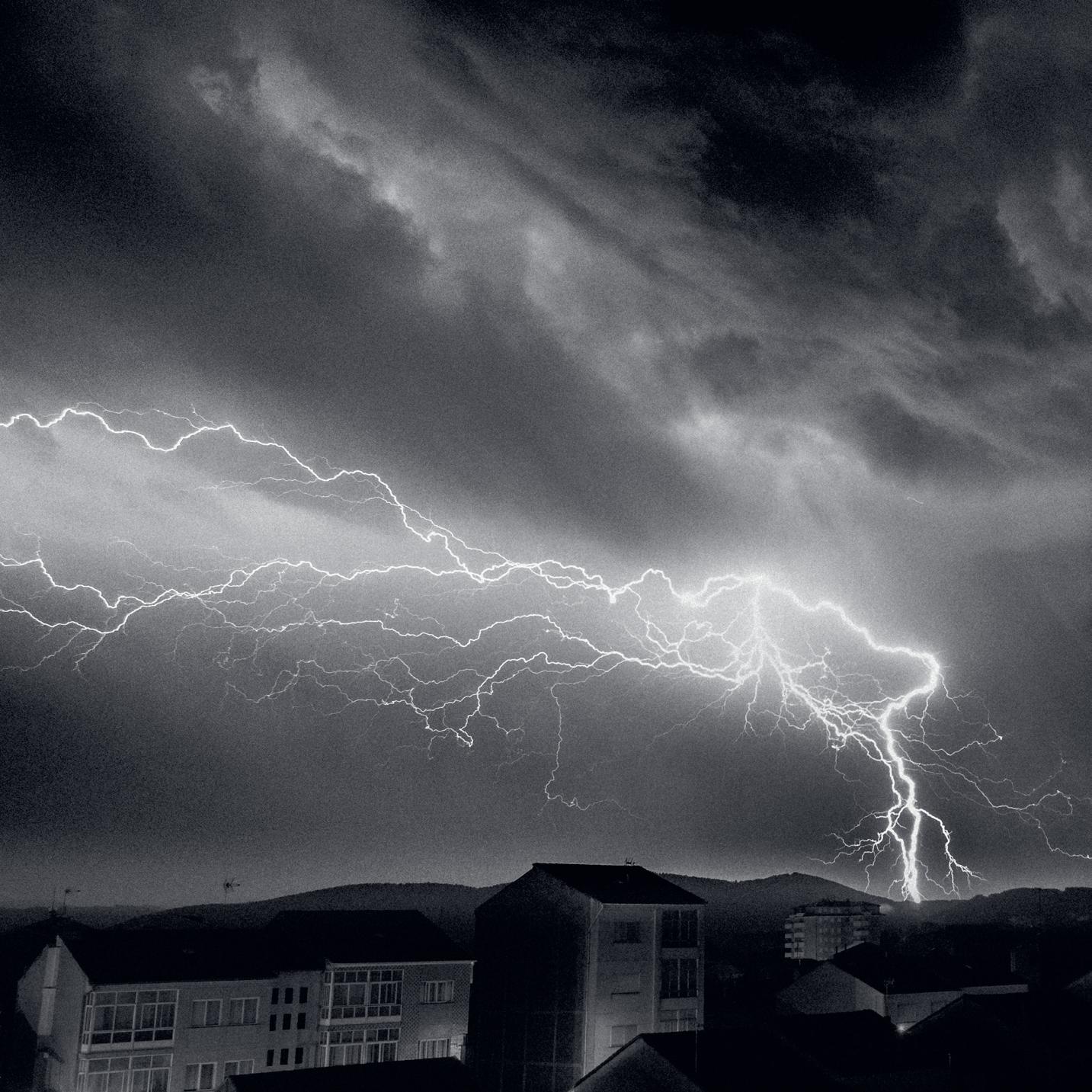
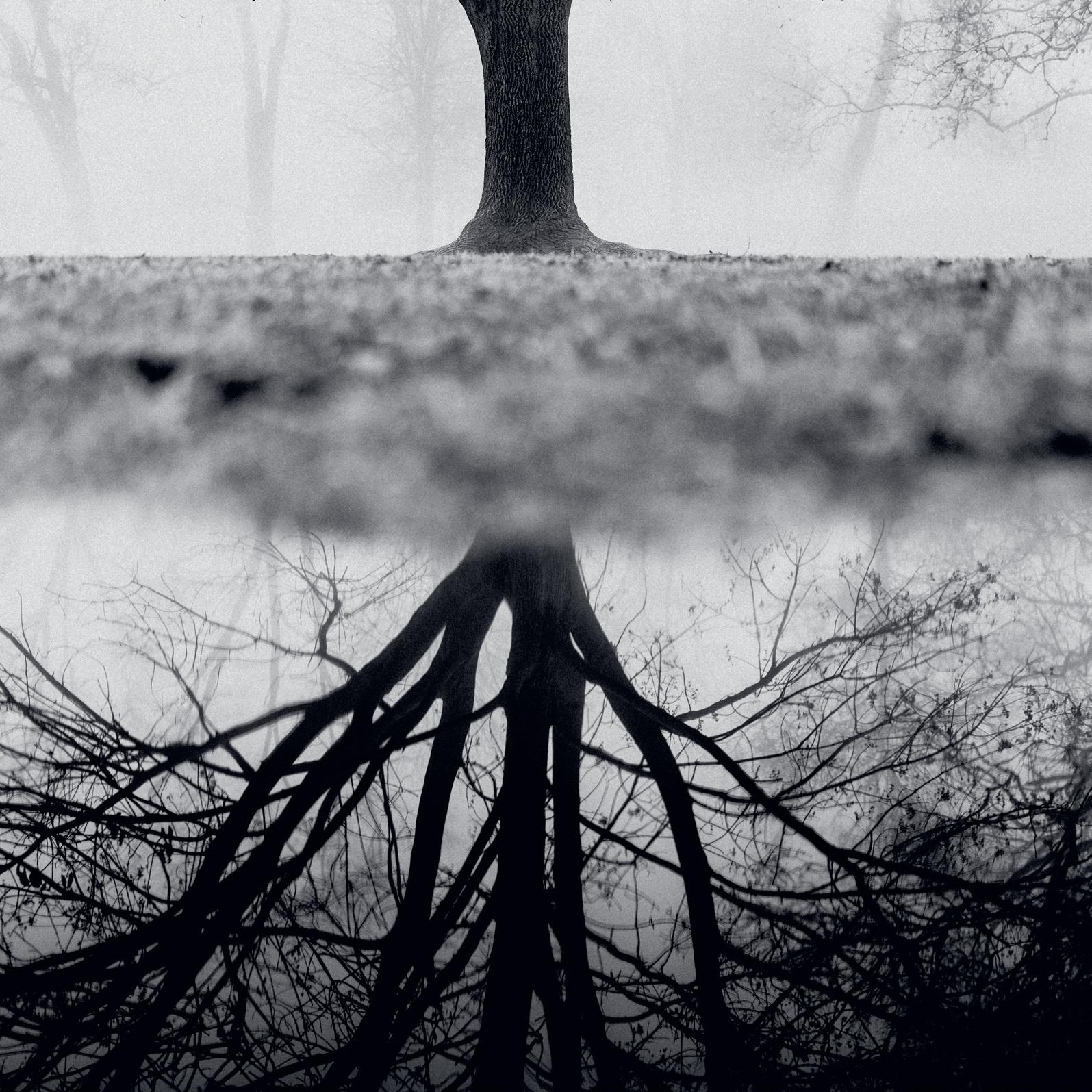
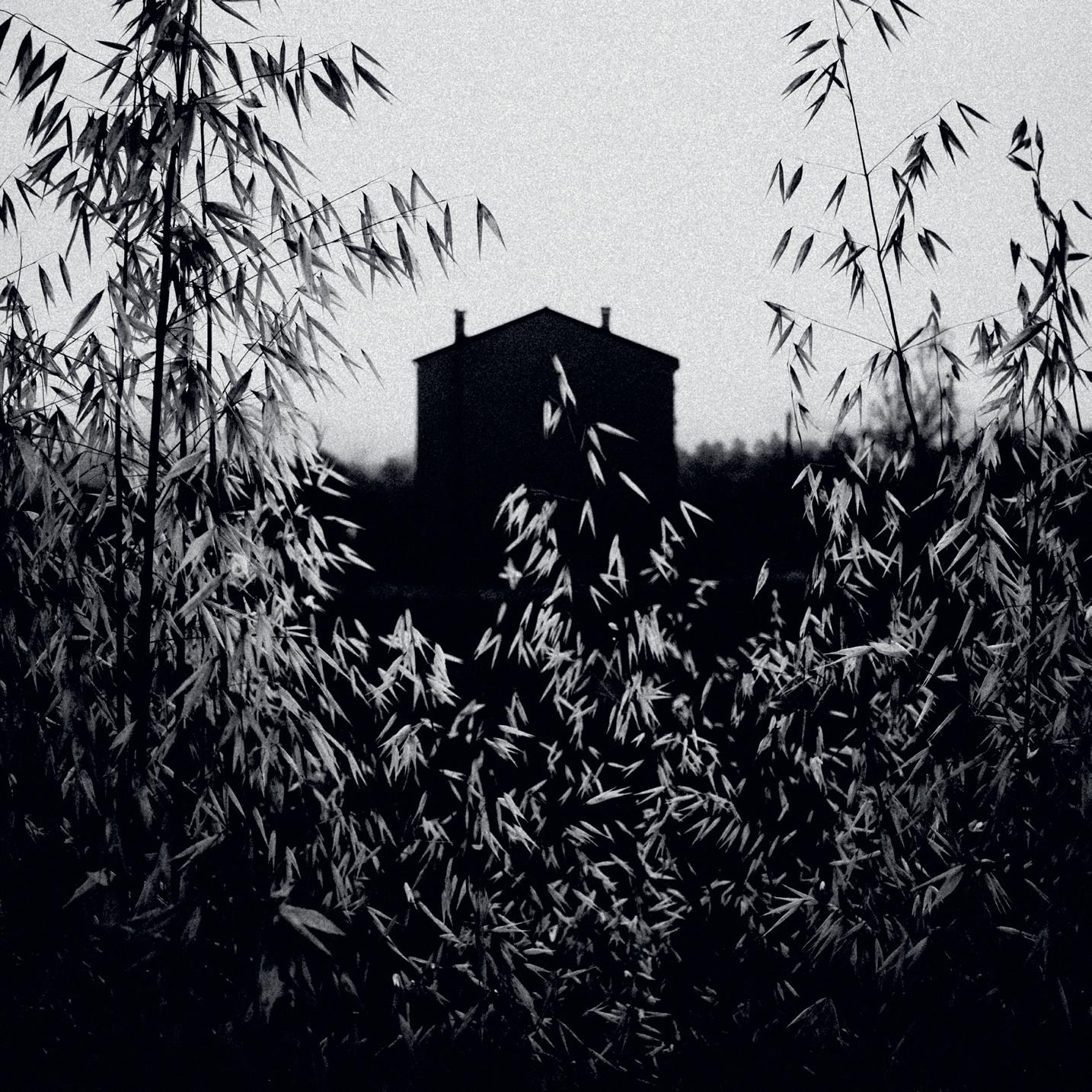
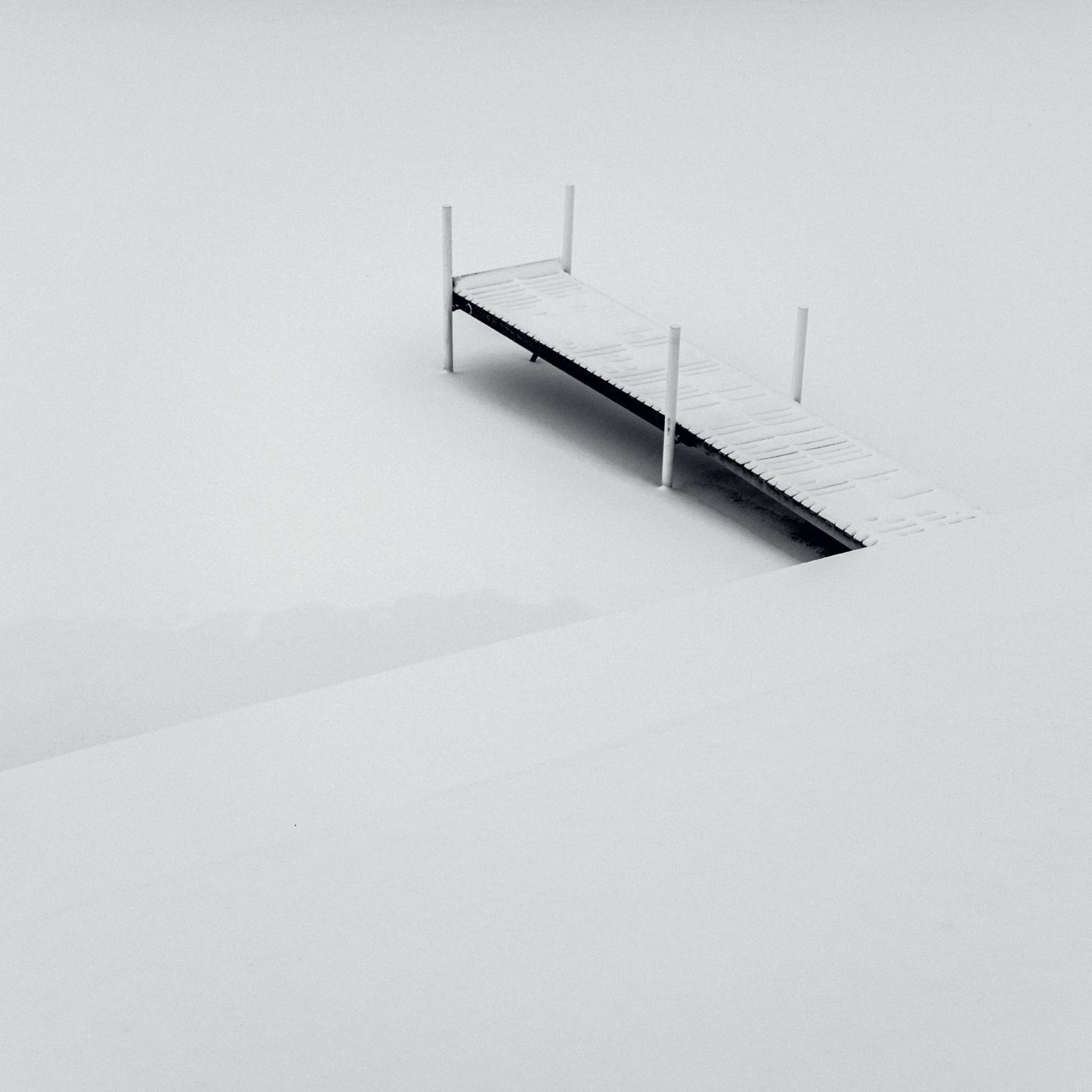
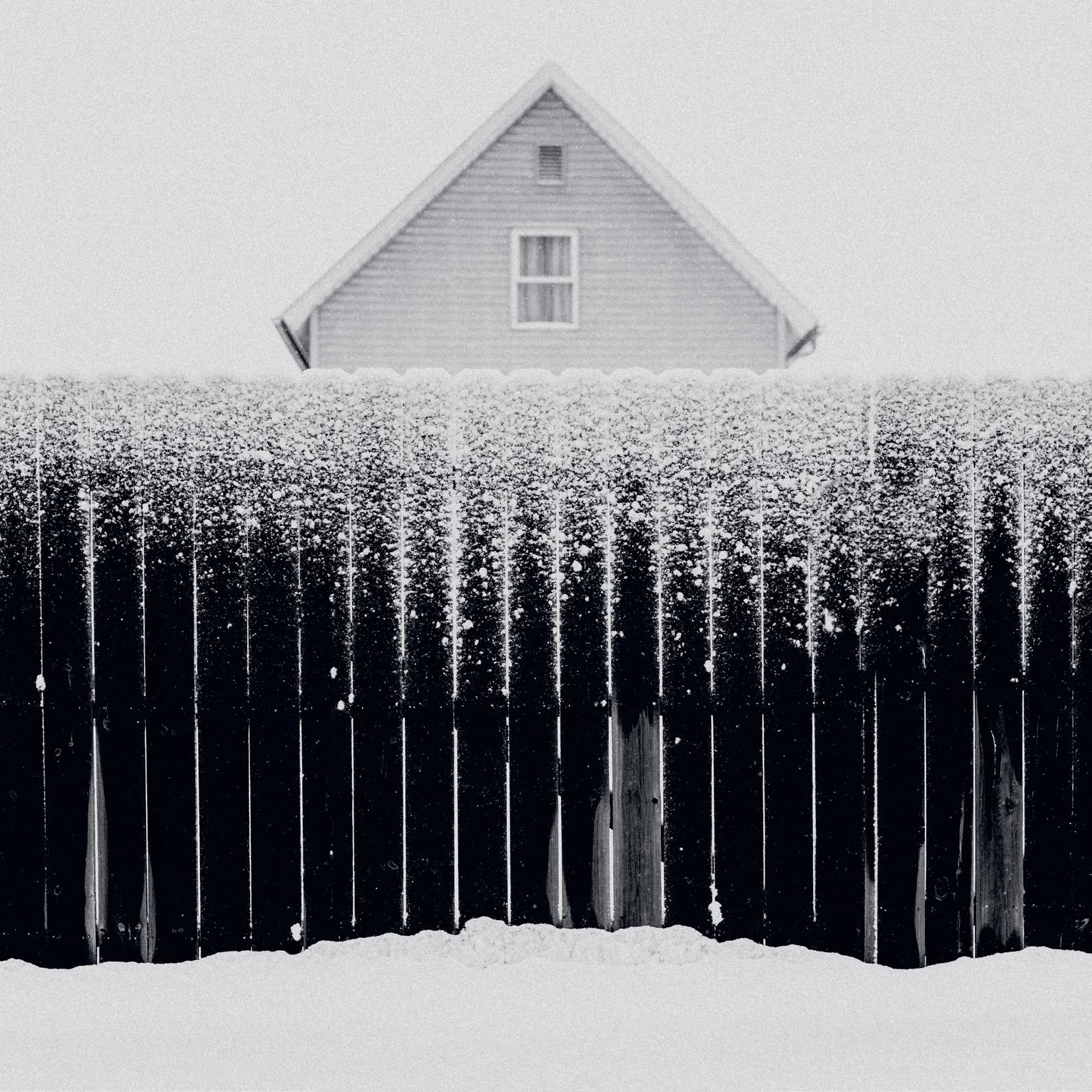
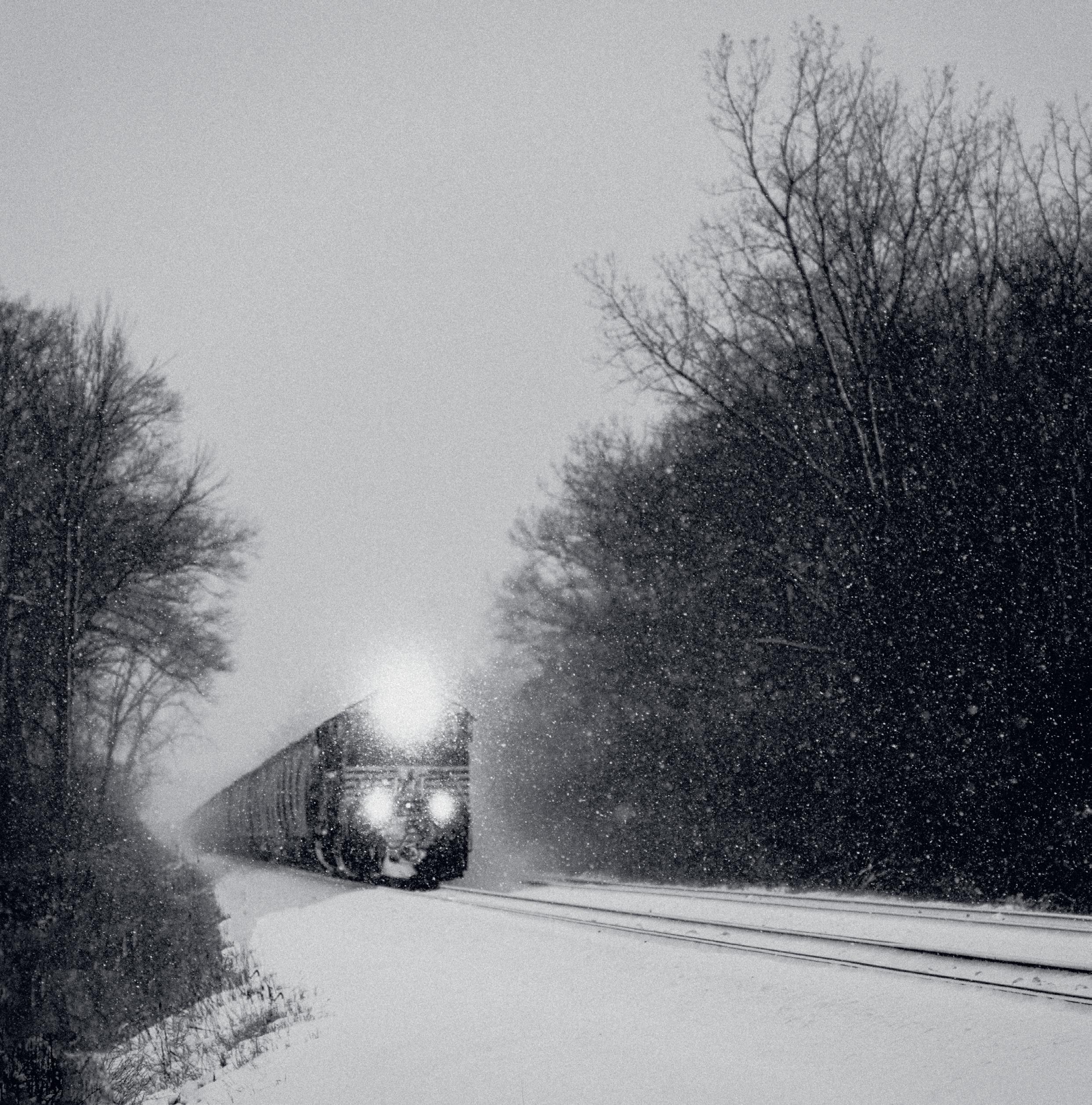
Outdoor photographers know that the best photos rarely happen when the weather is perfect, or without discomfort. Fog, rain, and snow can create mood and atmosphere, and many times a long hike in cold or hot weather is the cost of entry. When your hands are shaking from cold, or sweaty from heat, the last thing you need is to fumble with your camera or doubt your ability to use it.
A daily habit removes that hesitation. You don’t waste energy fighting your gear. You leave yourself mental and physical space for creativity. The more I practice, the more resilient I become in those tough conditions. Daily shooting builds discipline, and discipline translates into patience even when things get uncomfortable. That resilience is just as important as technical skill (if not more) because it keeps you out there long enough for the magic to happen.
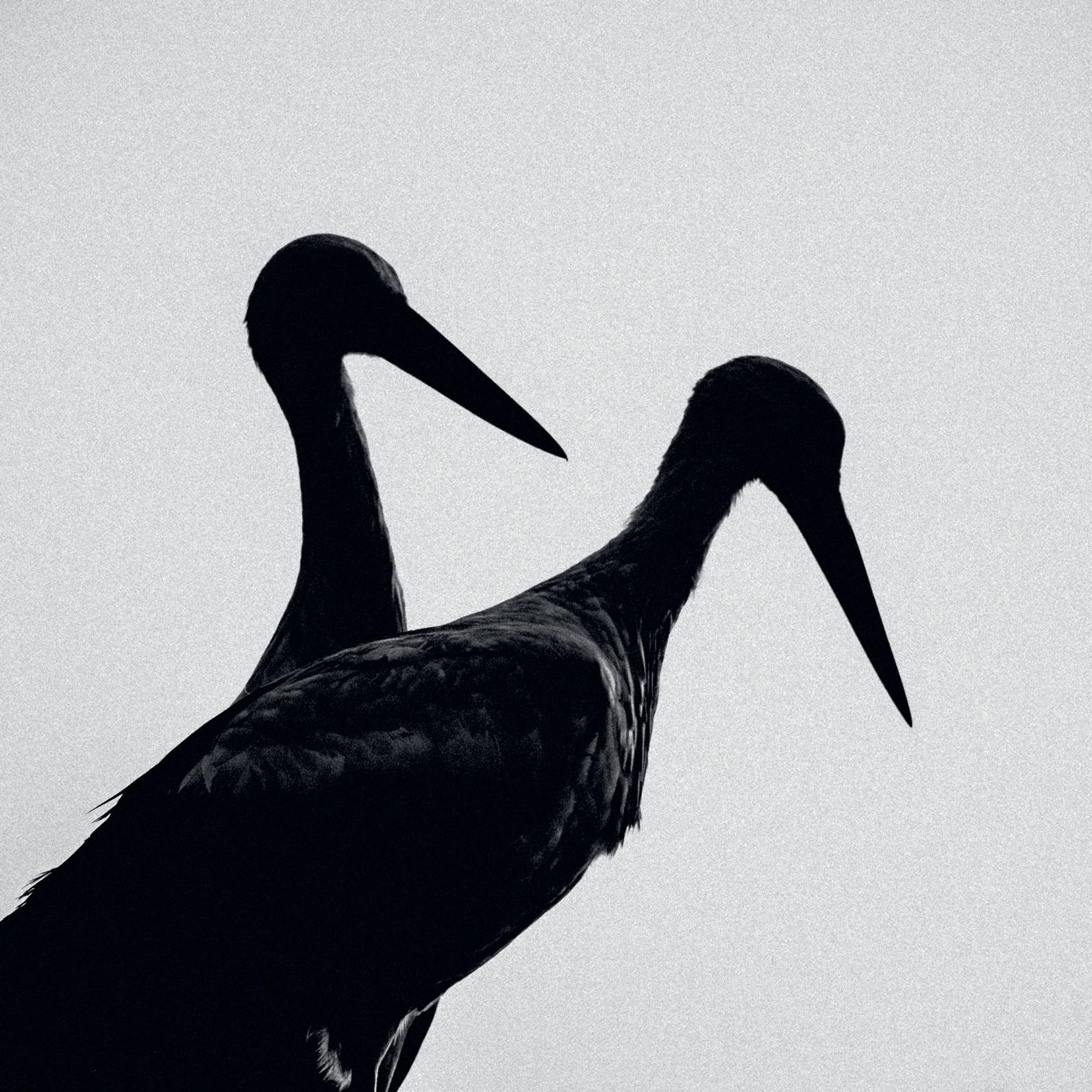
Building a daily practice
My own practice takes different forms. I carry a compact camera almost everywhere -even to the grocery store- because having it with me changes how I look at the world. The point is not to make a masterpiece on your way to buy bread, but to keep yourself noticing, to keep looking.
I also use my bigger cameras and lenses on local “micro adventures.” Sometimes I go by bike, but most often on foot. Over the years, I’ve walked hundreds of miles around my hometown with a camera and made tens of thousands of photos. I recently got a new telephoto lens, and the first thing I did was take it to my local park to shoot some birds and squirrels. The photographs weren’t great, but that wasn’t the point. The goal was to get used to the lens, to learn how it handled, and what I should expect from it once the moment comes.
A daily photography habit is not about producing great work every day. It’s about staying engaged, building resilience, and preparing yourself for the moments that matter.
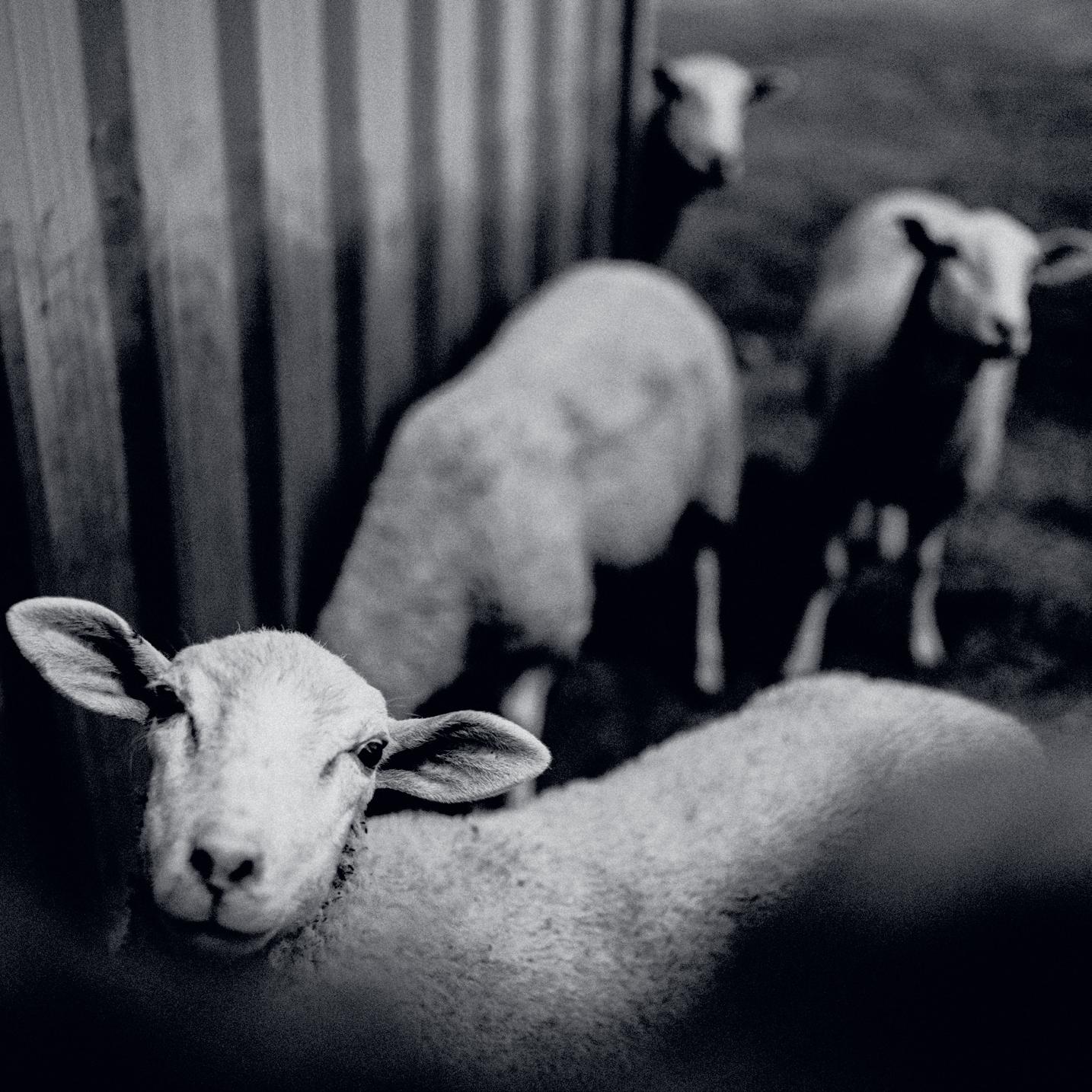
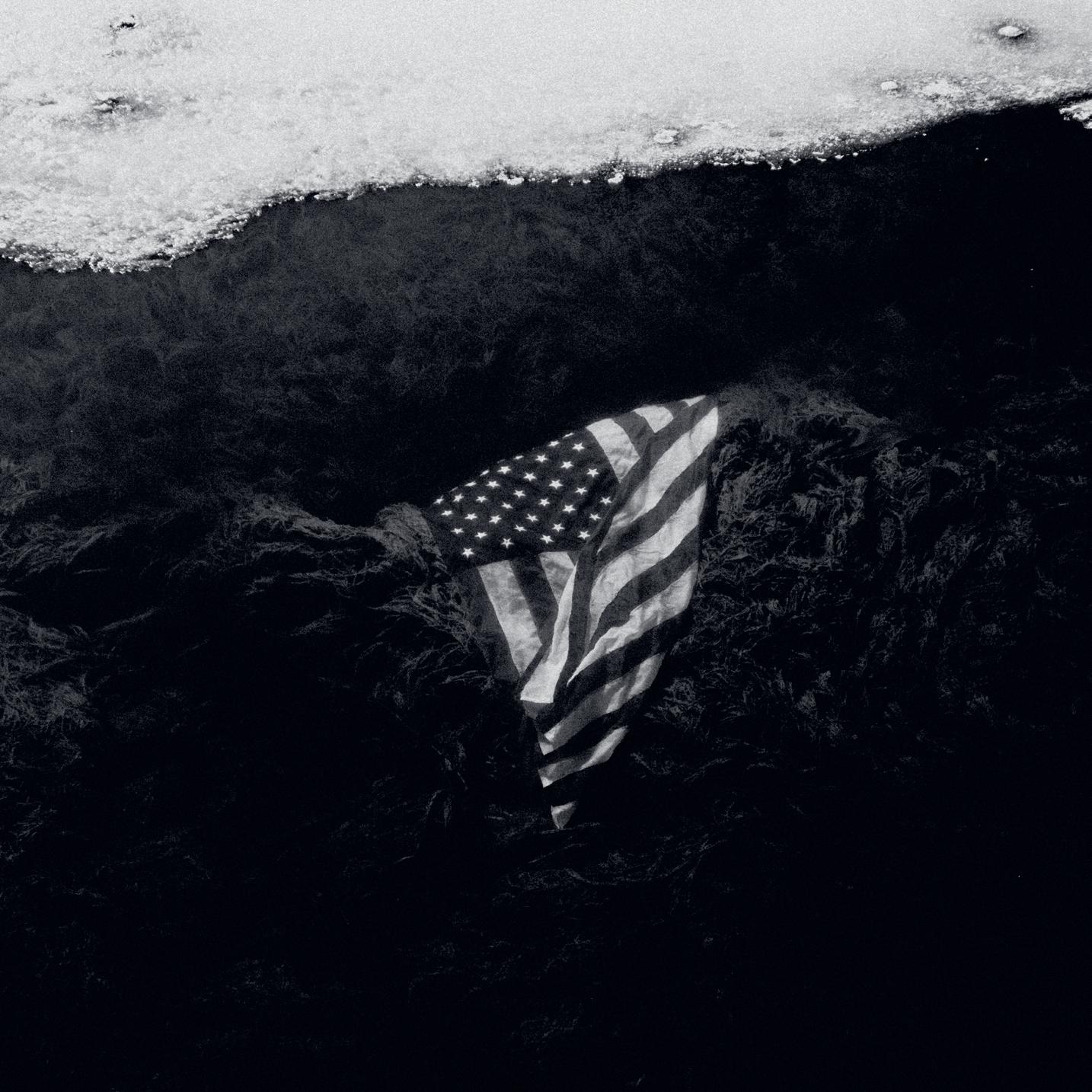
Archilochus said it best some 2,500 years ago. Even though the Greek poet wasn’t talking about photography, his words apply perfectly to this art: “Under pressure, we don’t rise to the occasion, we fall to the level of our training.”
aows.co
instagram.com/aows
DAVID TOWNSHEND FRPS
Winter is a time to reflect. The bright sunshine of summer, with the sun high in the sky, seems a distant dream. Instead, we have short days, low light and impending darkness. But darkness need not be threatening or depressing. It can be intriguing and rich, even meditative.
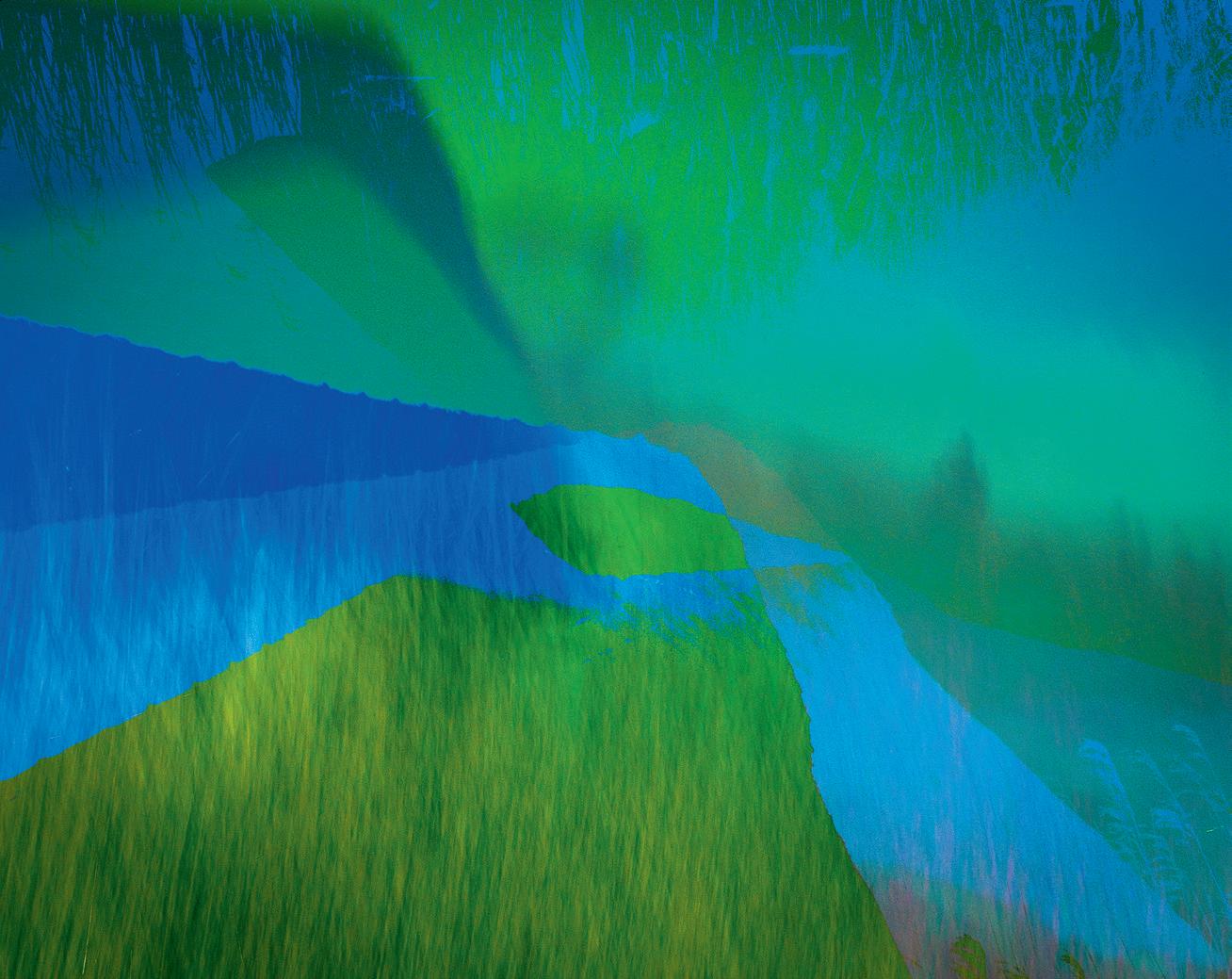
My series of images The Coast by Night seeks to embrace those rich, deep colours of twilight and approaching darkness. But the path to this set was not an obvious one. It emerged by chance from an unlikely sequence of events, prompted by a worldwide pandemic.
With the arrival of Covid in the UK in 2020, Valda Bailey and Doug Chinnery swiftly replaced their planned impressionist photography tours to distant climes with online courses. I joined their Cultivating Creativity course, during which we had to complete a project from a choice of themes. I chose the theme of emotion and produced my Separation panel (see Creative Eye magazine no. 84, January 2021, pp 12-13).
Then I chose another theme and did a second project. This theme was the quote attributed to Minor White: ‘Do not show me what it is, show me what else it is.’ The challenge I set myself was to create a striking and
intriguing set of abstract images that captured the light and atmosphere of days spent at the seaside. I hoped these images would bring back memories of the joy of holidays by the coast, during the distressing days of Covid lockdown.
Given that we couldn’t travel, how could I capture days spent at the seaside from landlocked Northamptonshire? Obviously, I headed for Photoshop. Being a total Photoshop novice (I am a Lightroom man) this approach forced me to develop skills and an understanding of the potential of Photoshop in the context of my personal style of impressionist photography.
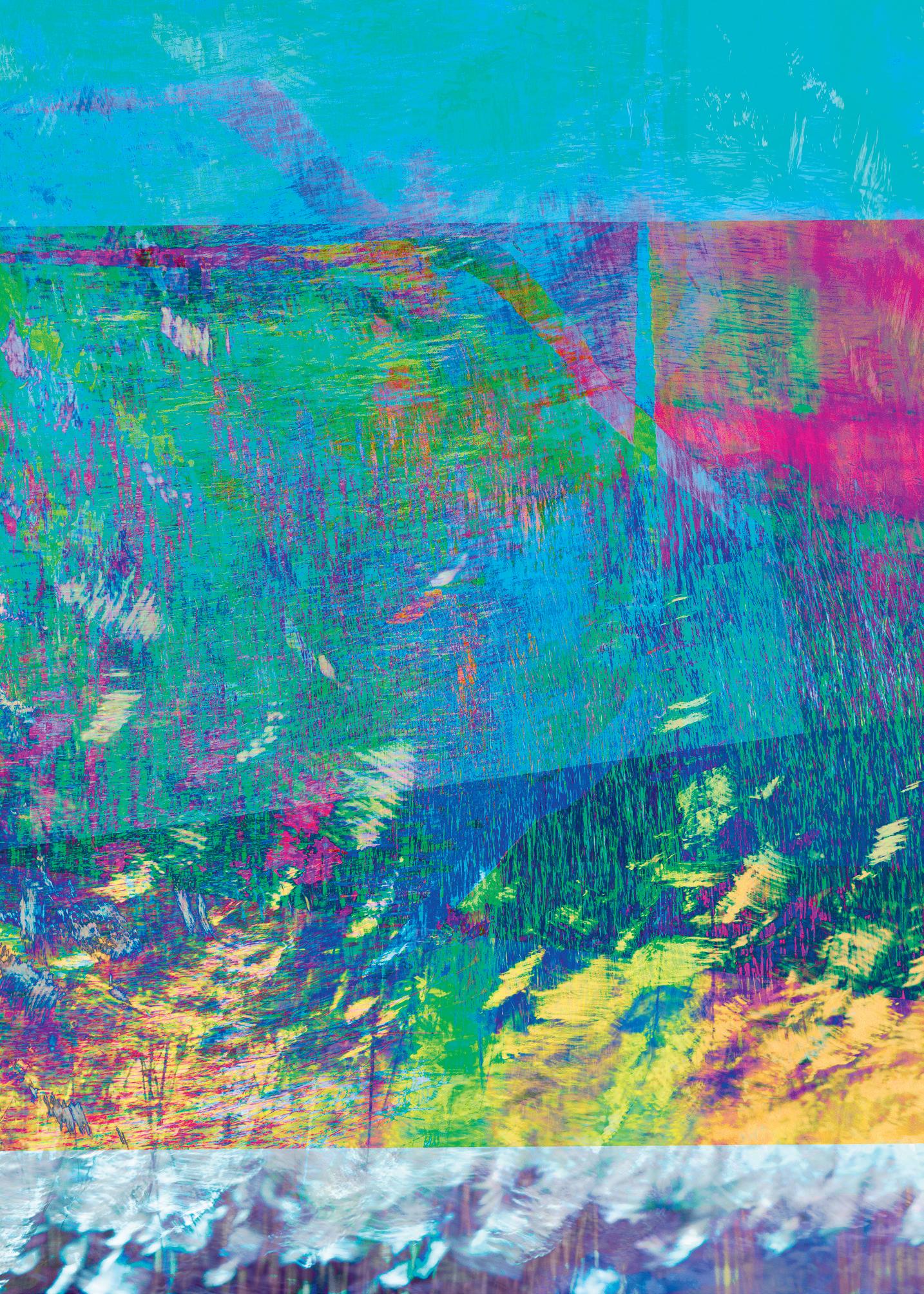
The resulting A Day at the Seaside panel tells a story from an early start and the sun warming the beach, through sunbathing and a swim, to a walk along the cliffs which is interrupted by an approaching storm, clearing for a glorious sunset (see Sunburn and Deckchairs).
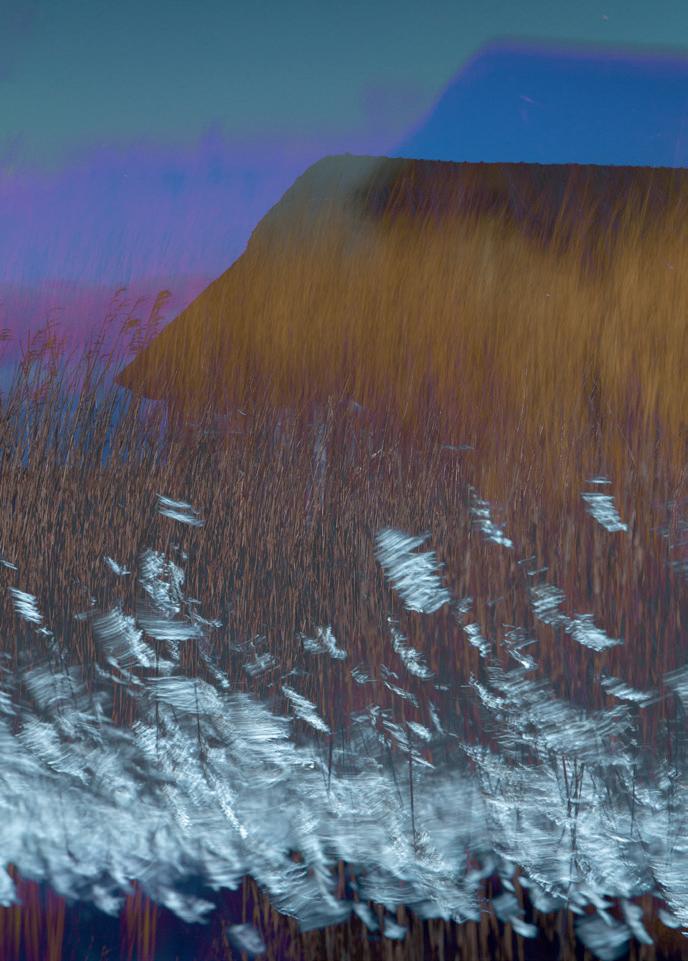
I set myself another boundary –to use just one image for the whole project. The whole series of over 20 images was generated from a single (multiple exposure) image created at Cley on the North Norfolk coast prior to Covid.
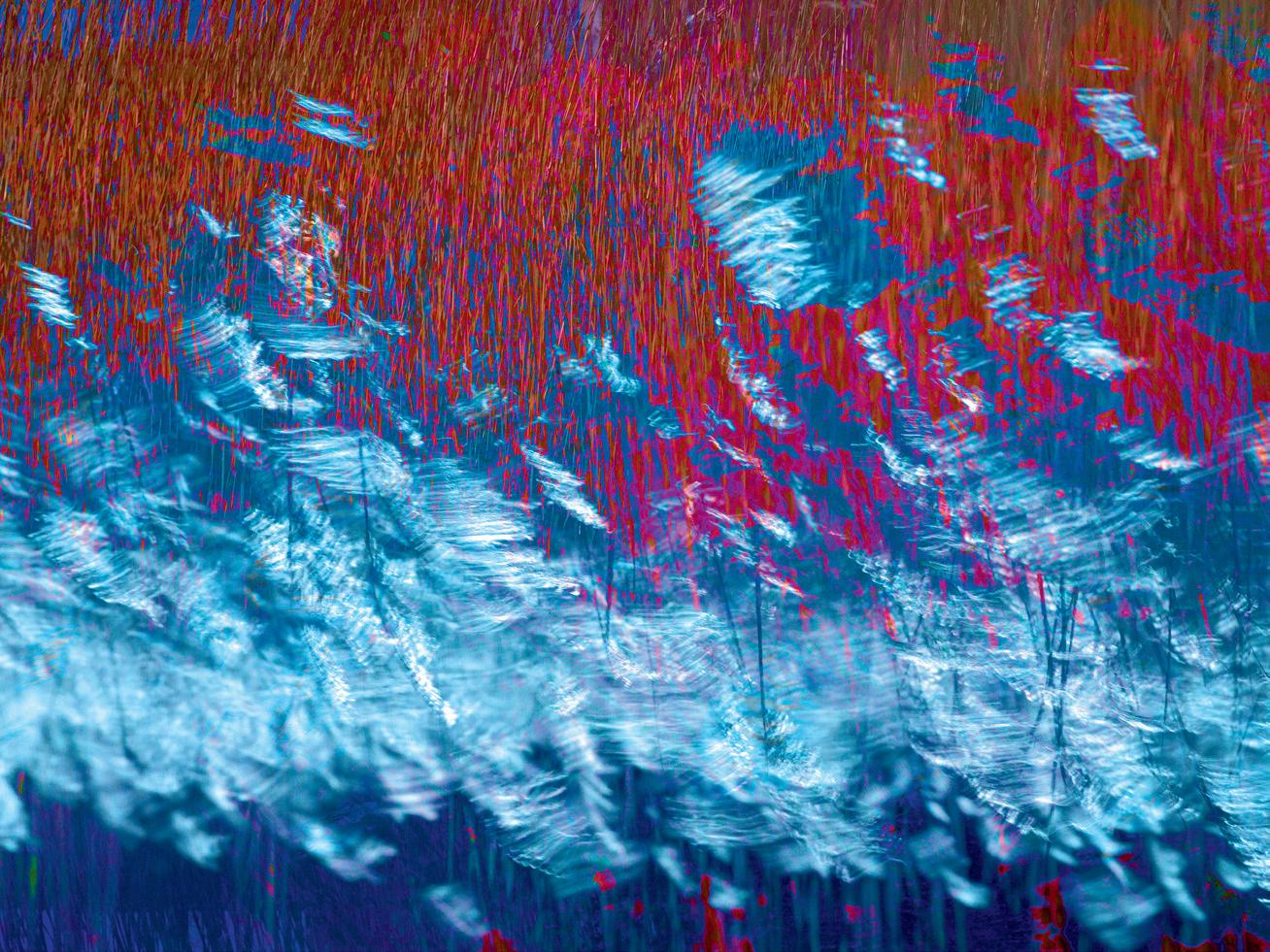
I chose this starting image because of its range of colours and strong shapes. The shapes and textures come from the thatched bird hide and the surrounding reeds on the Cley Marshes nature reserve. In Photoshop I worked on this image by changing the blend modes, opacity and the sequence of the layers. I occasionally went back several stages in the sequence of edits to explore a different pathway. All the images were the product of many edits – the longer I worked on the original image the more I got out of it.
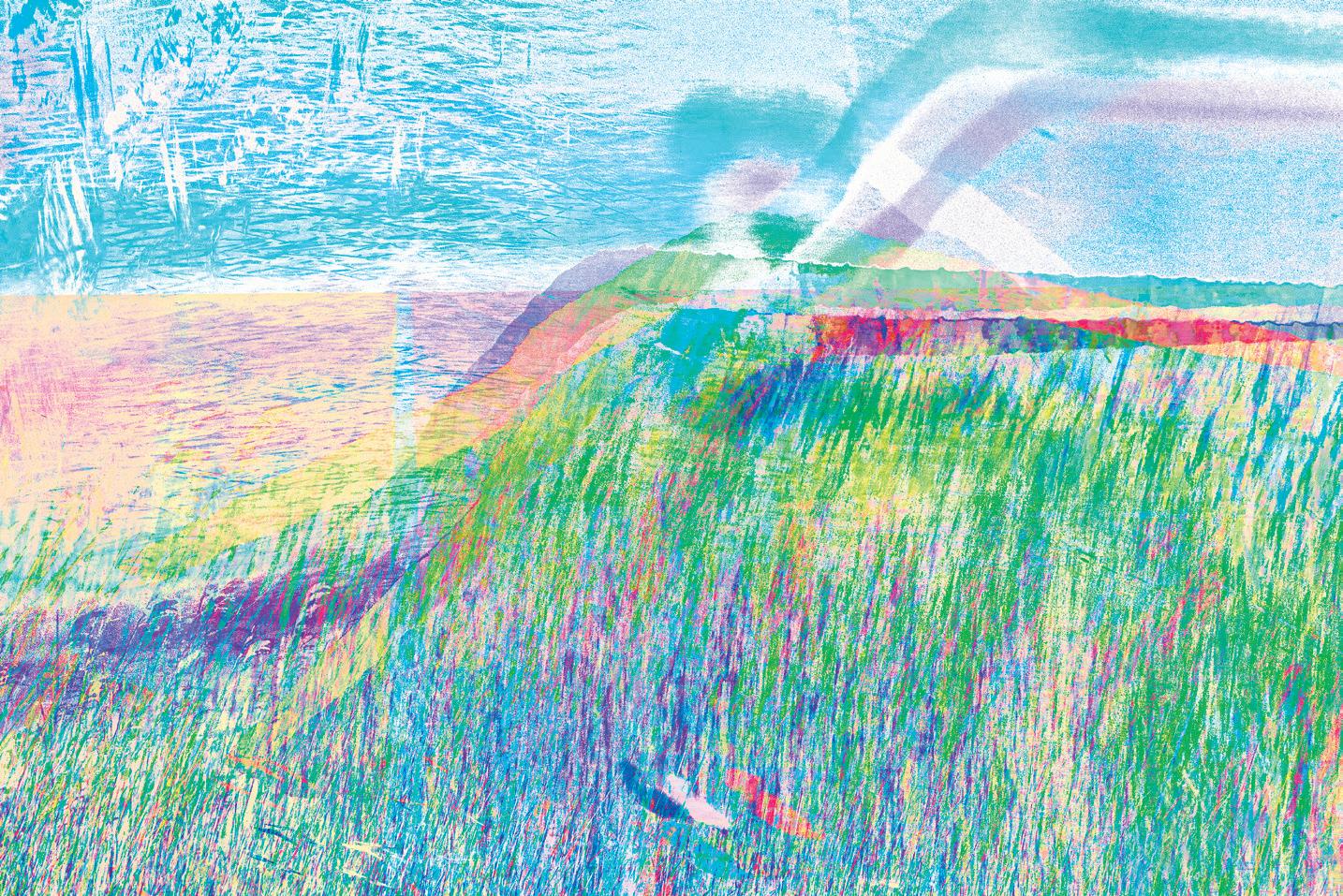
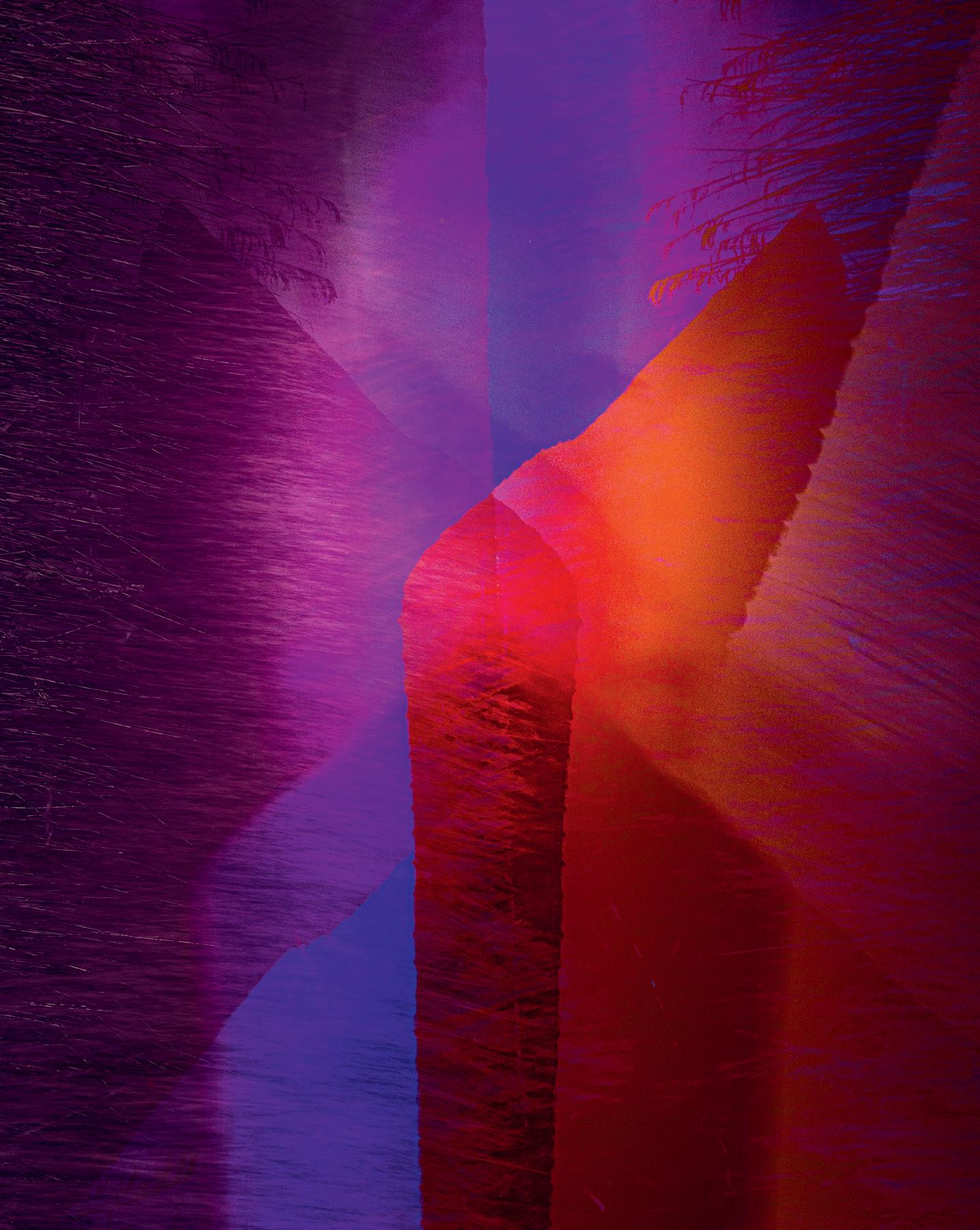
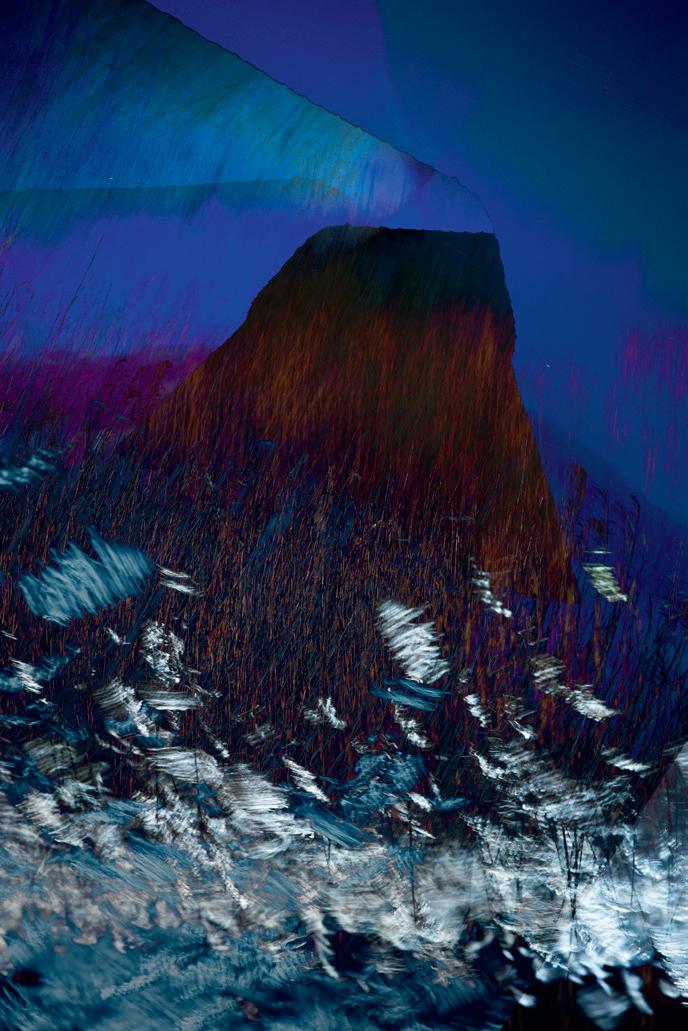
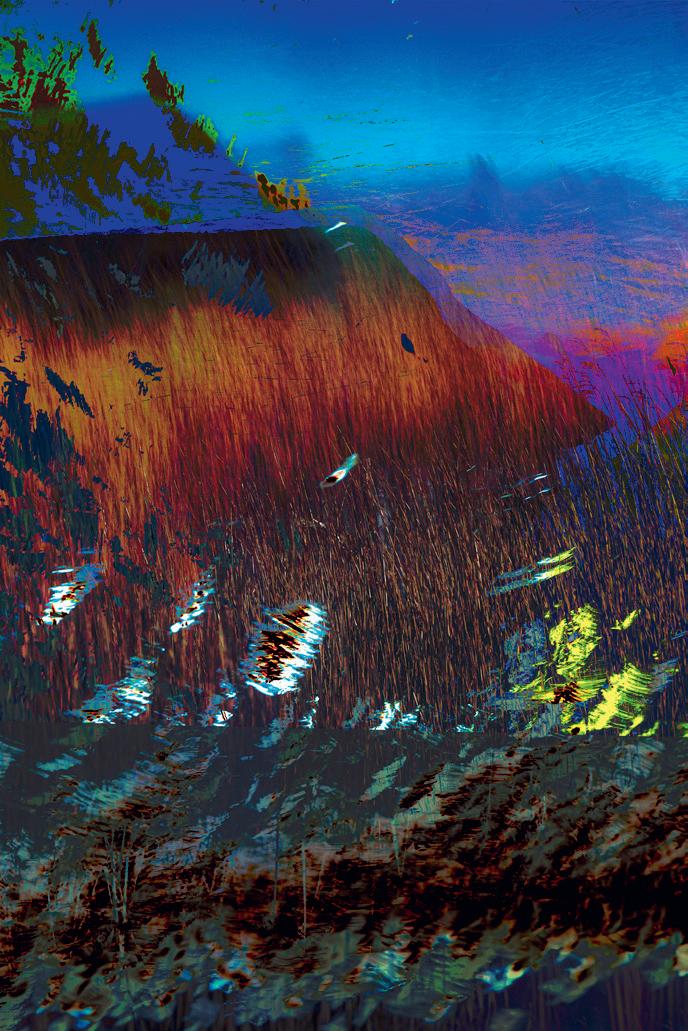
Not knowing when to stop, I then re-visited my stock of images and realised that there was another thread to pursue. What happens to the coast when the visitors go home and darkness approaches? And so emerged The Coast by Night series:
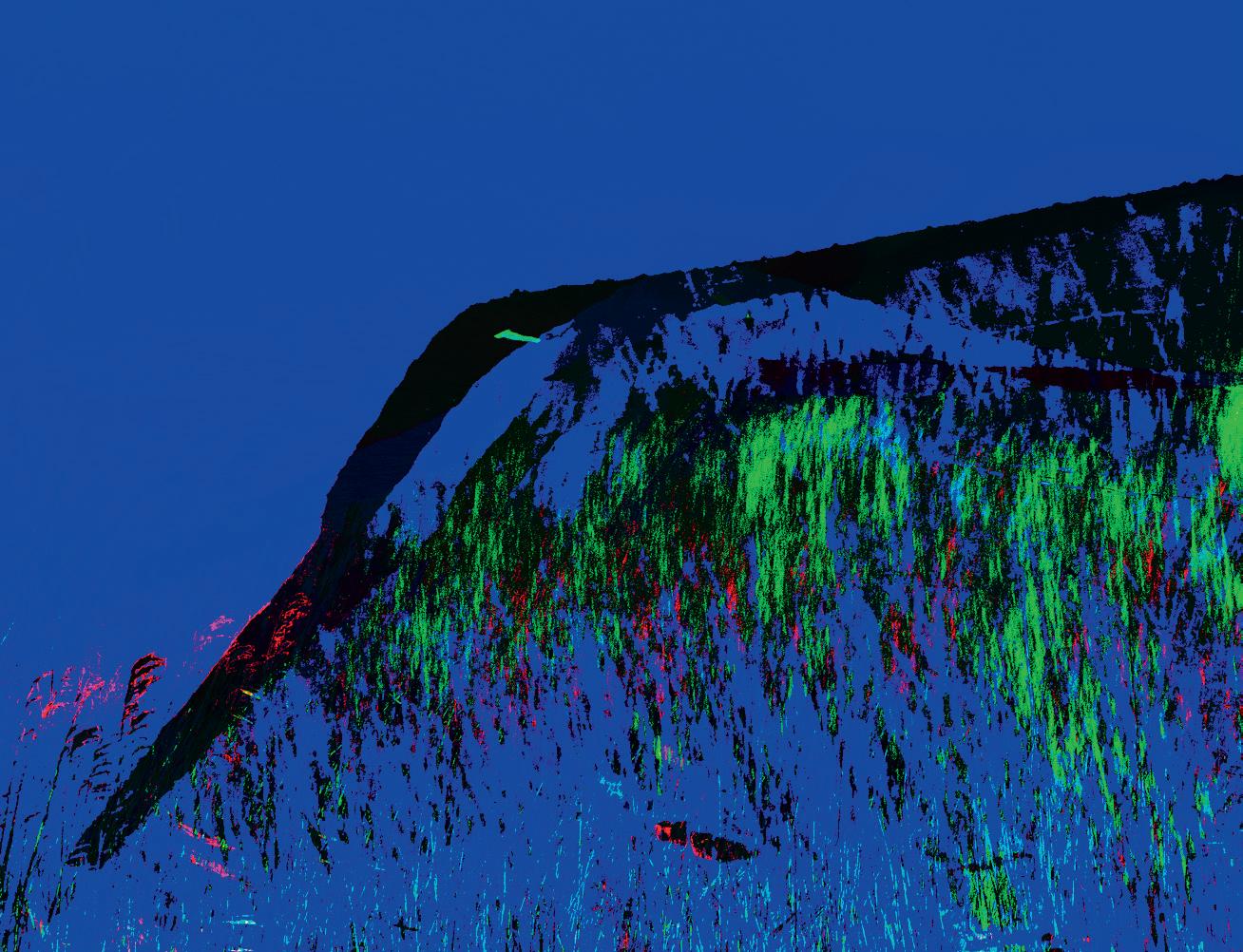
As the day trippers depart, the coast puts on a different cloak. From twilight to dawn, deeper colours and brooding shapes replace the colours of sandcastle and sunshine.
This set was generated from the same multiple-exposure image of a thatched bird hide at Cley.
The deep, rich colours sometimes have a hint of rain, or cold winter skies, even a lighthouse beam. If you search, you can spot the silhouette of the hide or the texture of the reed seedheads. Or you can explore the depths of the images to seek your own meaning. No titles are provided, so there is no steer on what you should see. The only exception is the image which surely should be entitled Antelope Canyon - Opposite (top). I then faced the choice - to further develop my Photoshop skills or return to my previous approach. I chose the latter, probably because I would rather be outside with my camera than sitting in front of a computer screen. I still spend hours ‘finishing’ my images in Lightroom, but they are images entirely composed in the field during that visit, thereby creating a sense of place. That’s my choice, and others will certainly do differently, and to great effect. I often wonder where my photography might have gone if I had stuck with Photoshop – but so far it has been nothing more than wondering....
You can see more of my The Coast by Night, A Day at the Seaside and Separation series on my website.
davidtownshend.com
instagram.com/ davidtownshendimages
One never knows when something seemingly small can become life changing.
Five years ago, sitting in my car, I happened to catch an interview on BBC Radio 5 Live with Naga Munchetty about the Marylebone Project — a charity for homeless women and those in crisis. That broadcast was serendipitous. It changed my life.
Today, I am honoured to serve as Ambassador for the Marylebone Project, the largest and longestrunning centre of its kind in the UK. With 112 beds and, until recently, the Sanctuary — the only 24/7, 365-daysa-year drop-in centre for women in the UK — it provided safety, dignity and hope to those facing homelessness, abuse, and trafficking. Yet awareness has always been low, and raising the £1.3 million needed annually to keep services running has been a constant challenge.
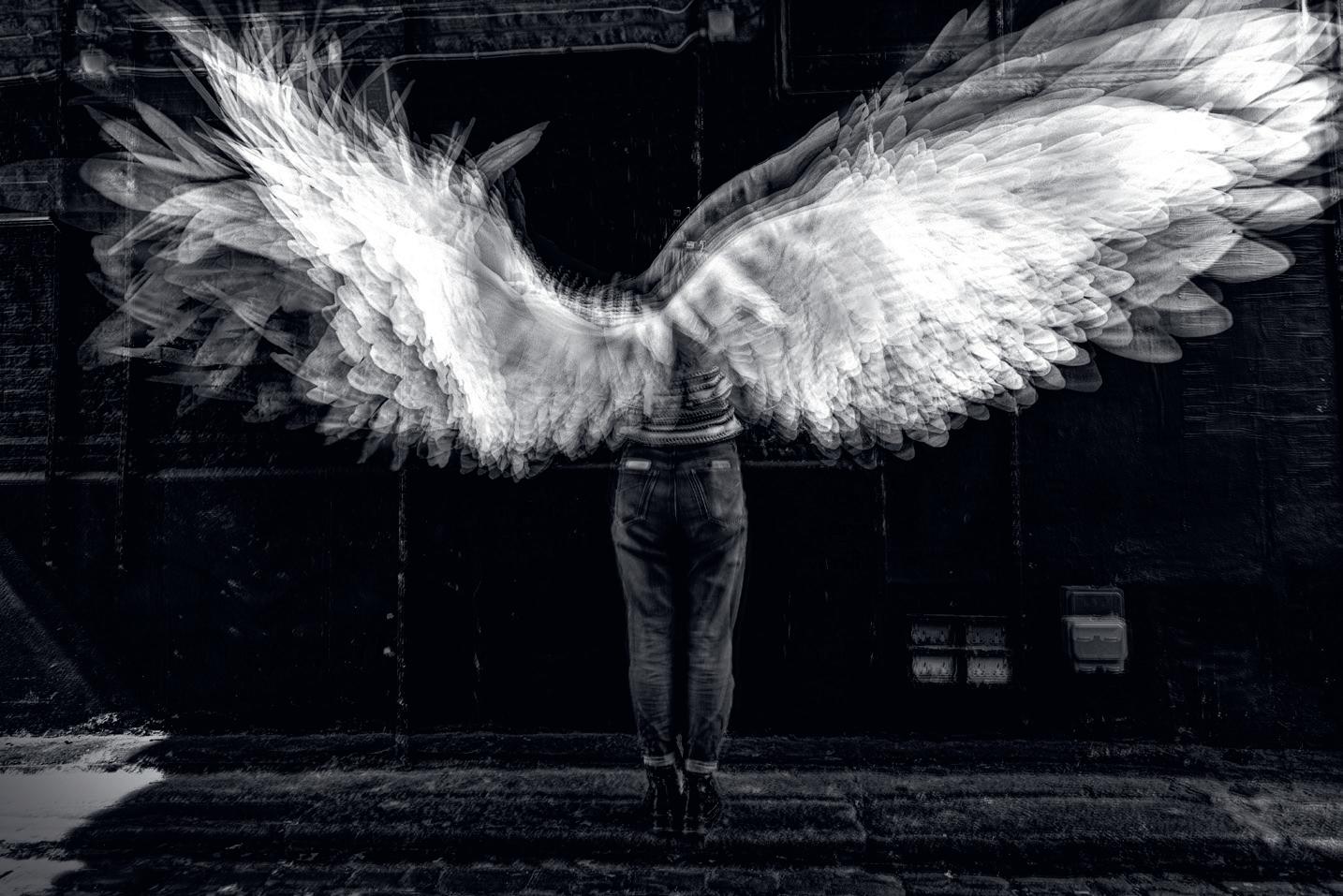
Fast forward to Christmas 2023. At the staff party, I made a speech calling the team ‘angels.’ Many said they had never been described in those terms before, and it made them proud. That moment sparked the idea for ‘Are You Next to An Angel?’ a photographic series honouring caregivers, shining a light on the under-appreciated in society and raising awareness of the Marylebone Project.
The concept was simple but ambitious: photograph the staff on the streets of London wearing enormous angel wings (which, by chance, I already owned). The challenges were many: charity approval, permissions, dodging security cameras, rain, and persuading self-conscious staff and supporters of the charity to step into busy public spaces, wearing giant wings.
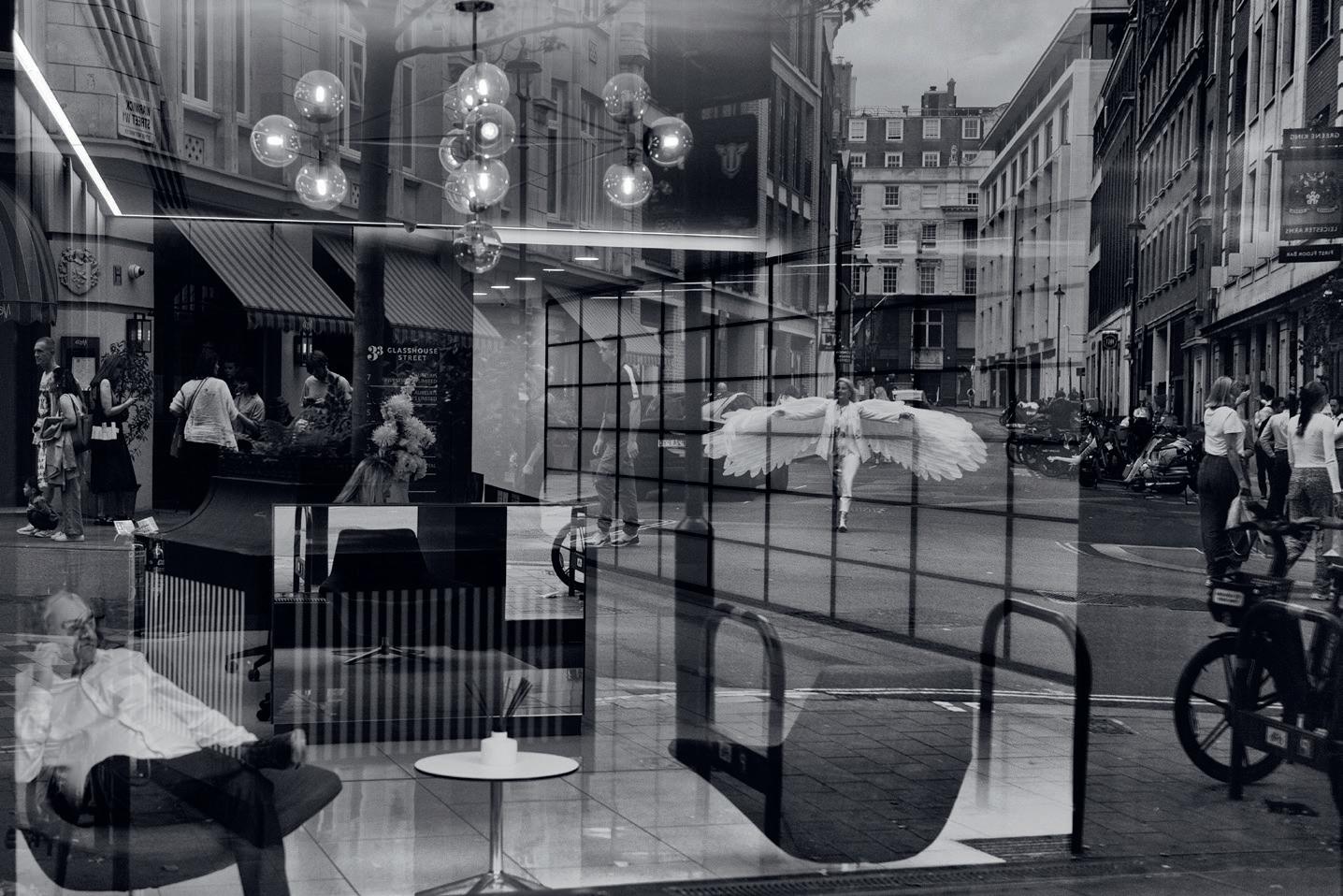
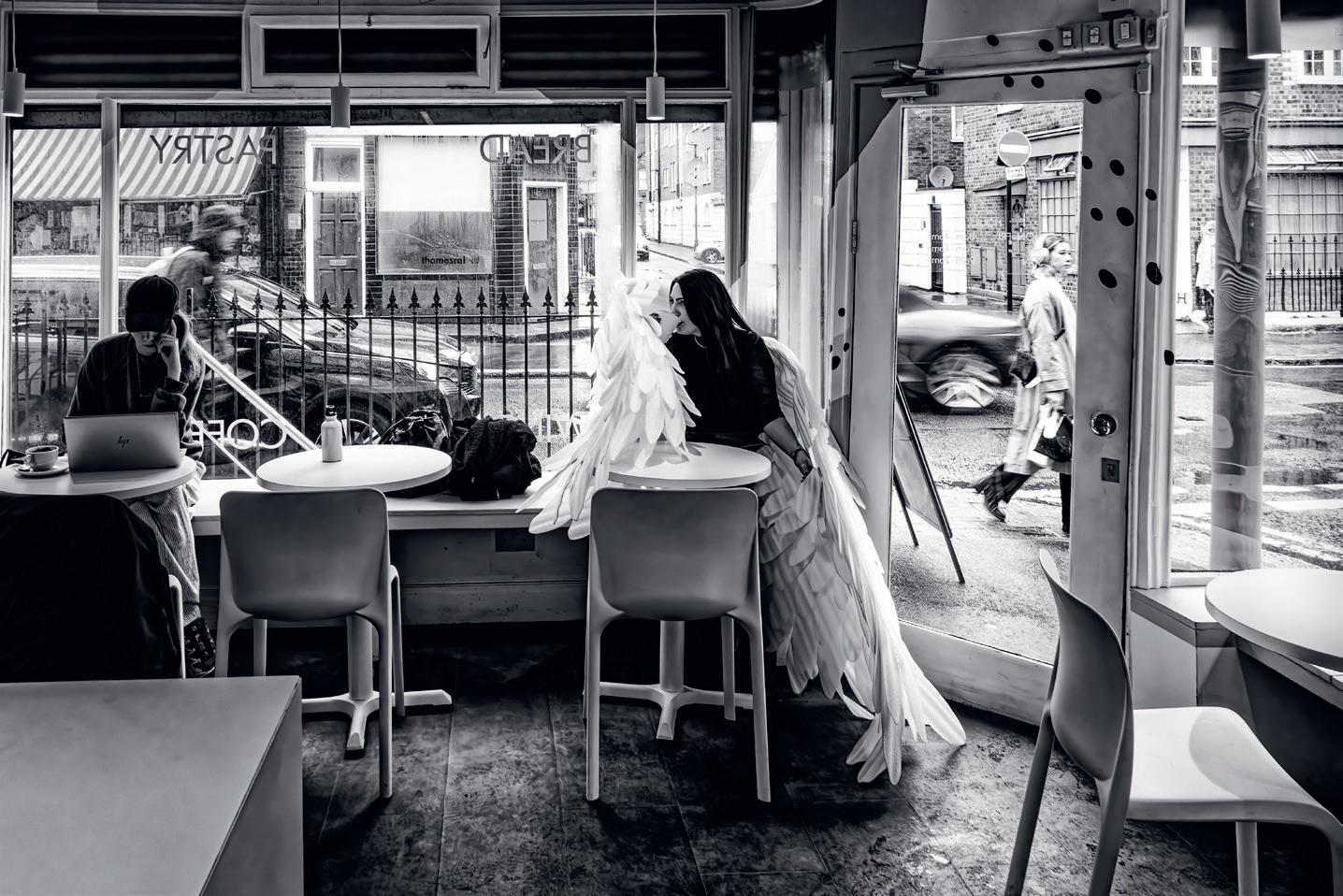
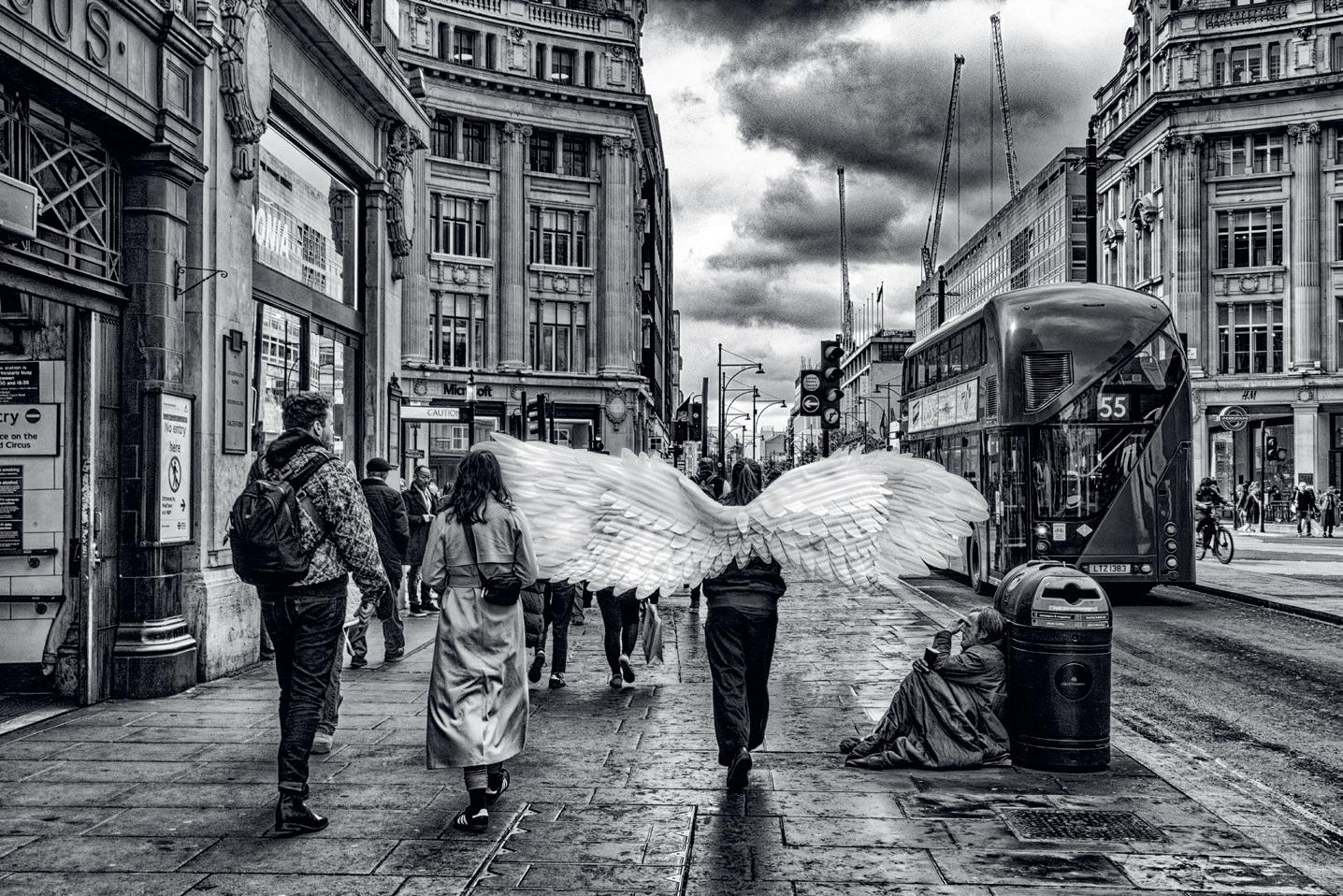
Unlike my usual colourful, experimental style, this series demanded black-and-white street photography — direct, pared back, and rooted in documentary truth, with a touch of whimsy. I wanted to strip away distractions, so the focus remained on the angels in plain sight. Paul Sanders, whose editorial eye I deeply respect, agreed to assist me with culling of images. His feedback was invaluable, pushing me to curate with discipline and intention. Why Are We Both Invisible?
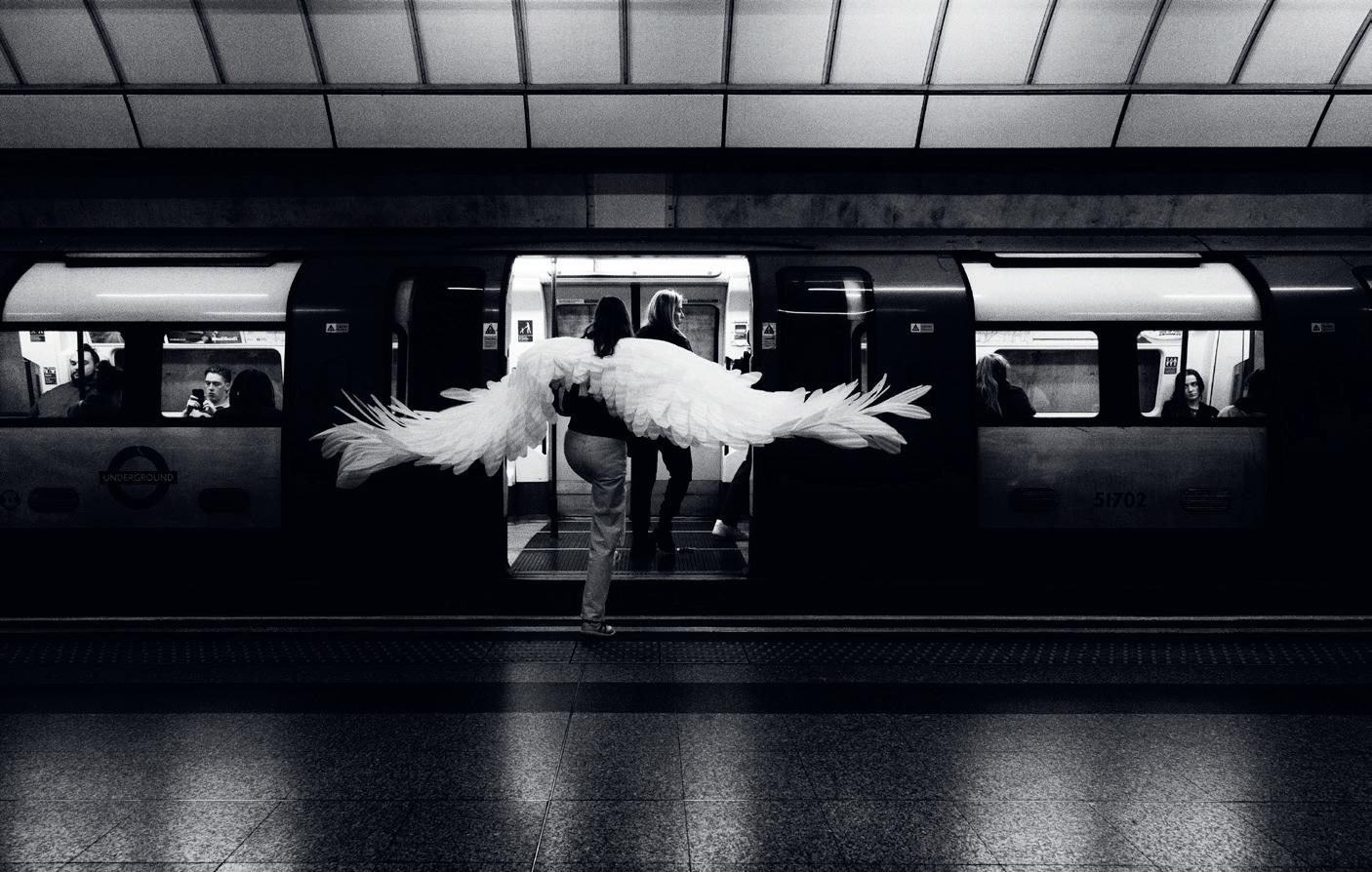
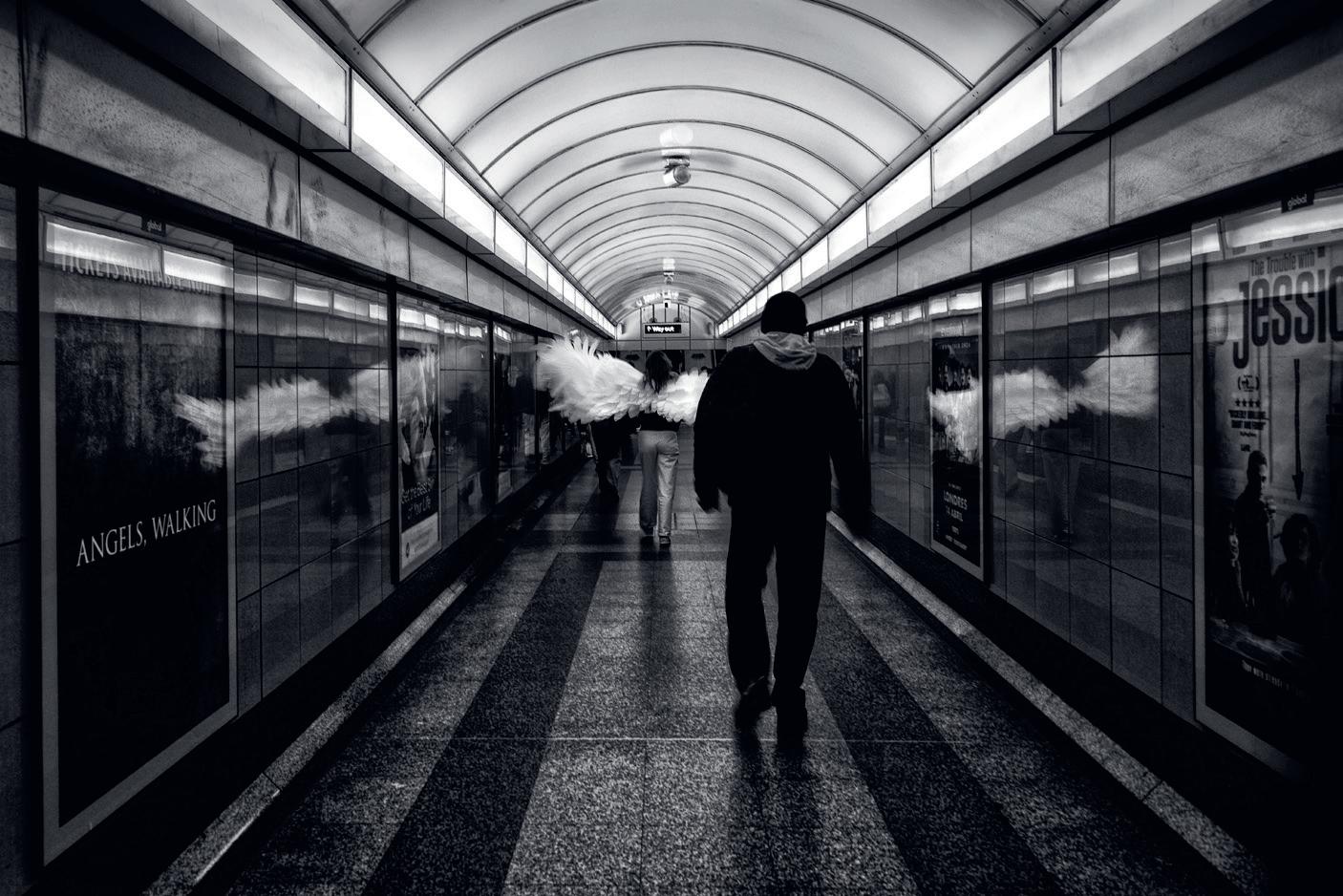
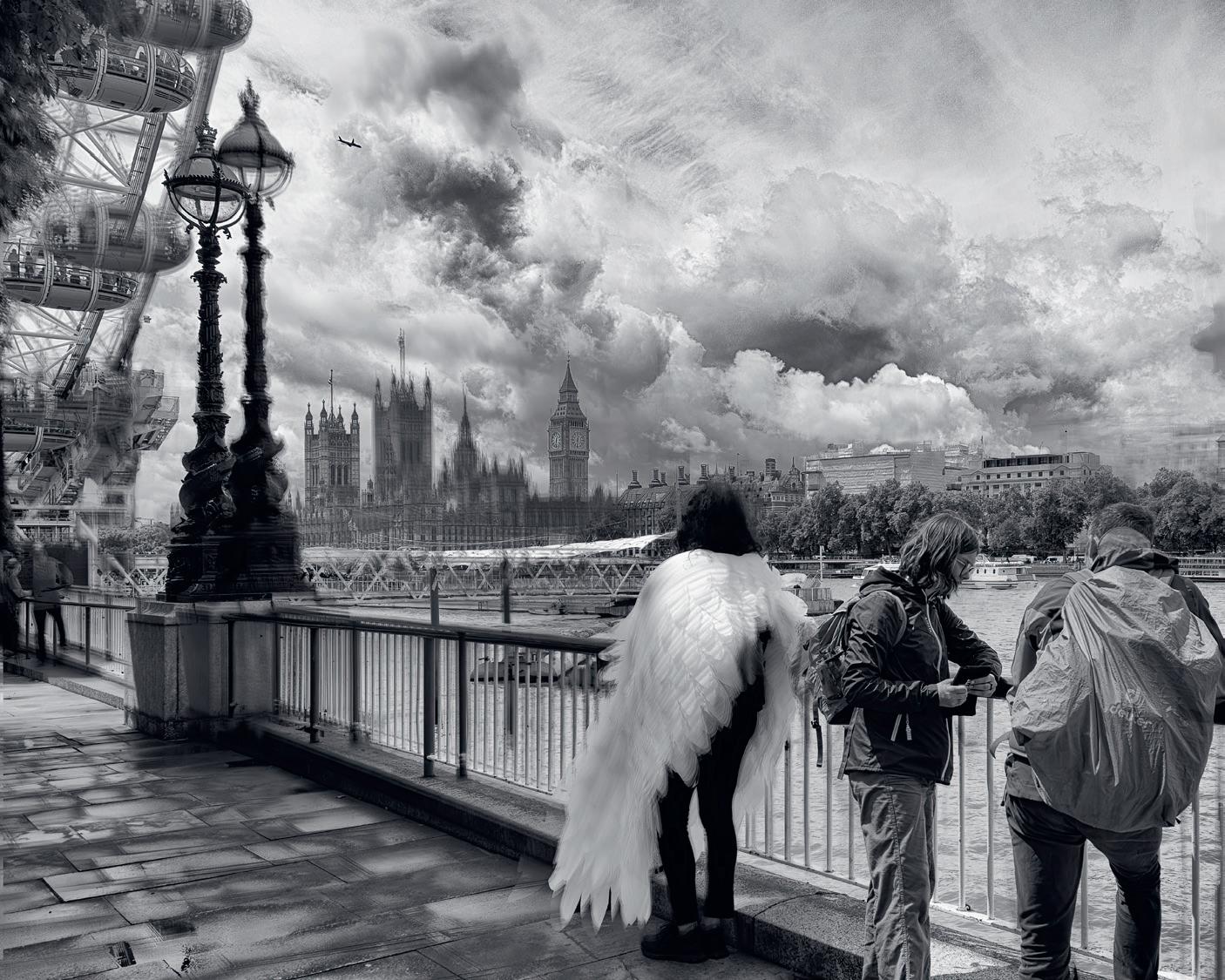
What surprised me most was how invisible the angels were. Time after time, the public walked past without noticing. On the tube, in cafés, on crowded streets, no one looked up. From behind my lens, I could see their eyes fixed downwards, usually on a phone. In an era of hyper-connectivity, we are paradoxically more isolated, more self-absorbed. The angels among us go unseen.
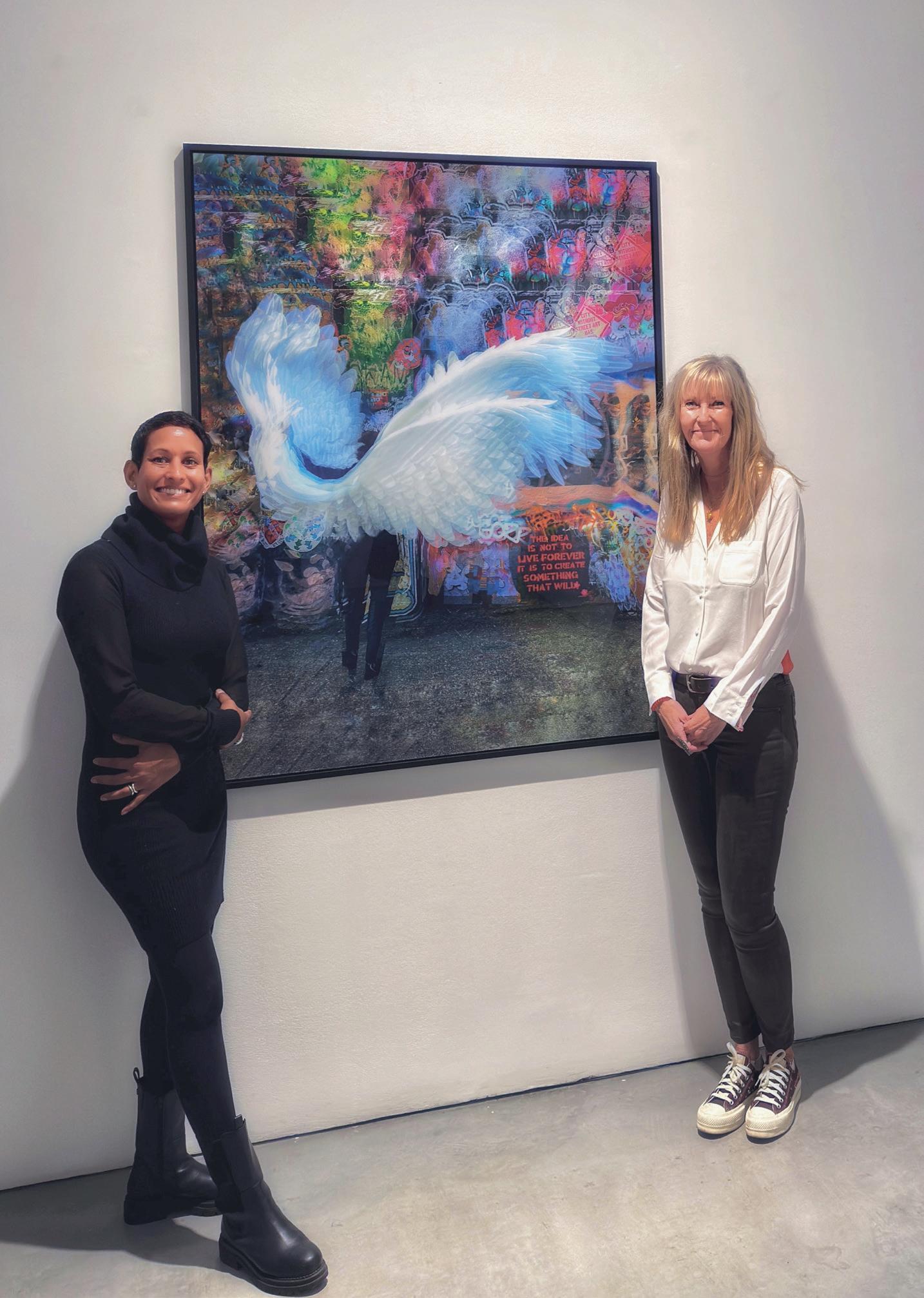
After nine months of work, Yield Gallery in Fitzrovia offered me a 10-day exhibition space — free of commission — in November 2024. This was a gallery known for Banksy and Hambleton, and the weight of responsibility was immense. I selffunded printing and framing so that 100% of sales could go to the charity. My initial goal was to raise £12,000, covering costs. Instead, we raised £80,000, alongside commitments of services and future funding.
Now, however, the situation is critical. The umbrella organisation, Church Army, has decided to sell the buildings that house the women and withdraw all external project funding. As a result, the Sanctuary has already closed, leaving the UK with no equivalent provision for women in crisis. Westminster Council is considering purchasing the properties to maintain them as beds for homeless people, but the outcome is not guaranteed — nor is it assured that the space will remain dedicated to women. For the women who have relied on the Marylebone Project for safety and dignity, the uncertainty is devastating. A lifeline that has existed for decades now hangs in the balance.
The project came full circle when I was interviewed by Naga Munchetty — the same voice that had started me on this journey. I was able to thank her personally and share how one broadcast had achieved so much. As I often say, ‘You drop a pebble and you never know where the rings will reach.’
Just as listening to that original 5 Live broadcast changed my life, history repeated itself for another couple hearing my interview about the Angel Project. Jon and his wife Linda were driving home from the Royal Marsden after Jon’s monthly chemotherapy treatment when they tuned in. Despite feeling exhausted, Jon insisted they turn around and come straight to the exhibition. That’s where we met. Both Jon and Linda have been facing an incredibly tough time as he bravely battles cancer, yet they were so moved by what they had heard that they immediately wanted to know how they could help the charity and the women it supports. Subsequently, they have bought three framed prints and begun calling regularly with clothing donations from friends and neighbours. They are now officially angels too — and their altruism is life-affirming.
‘Are You Next to An Angel?’ is about recognition. It honours those who work tirelessly in care, crisis, and support, often without acknowledgement. It asks us to look up, to notice, and to value the unseen angels beside us.
For me, this project has been a privilege. I have been lifted by the generosity of friends, sponsors, and strangers who became angels themselves. Most of all, it has deepened my belief that creativity can be a catalyst for change — and that sometimes the smallest, most serendipitous moments can alter the course of a life.
honeyjwalker.com instagram.com/ honeyjwalkerphotography maryleboneproject.org.uk
GINA SODEN
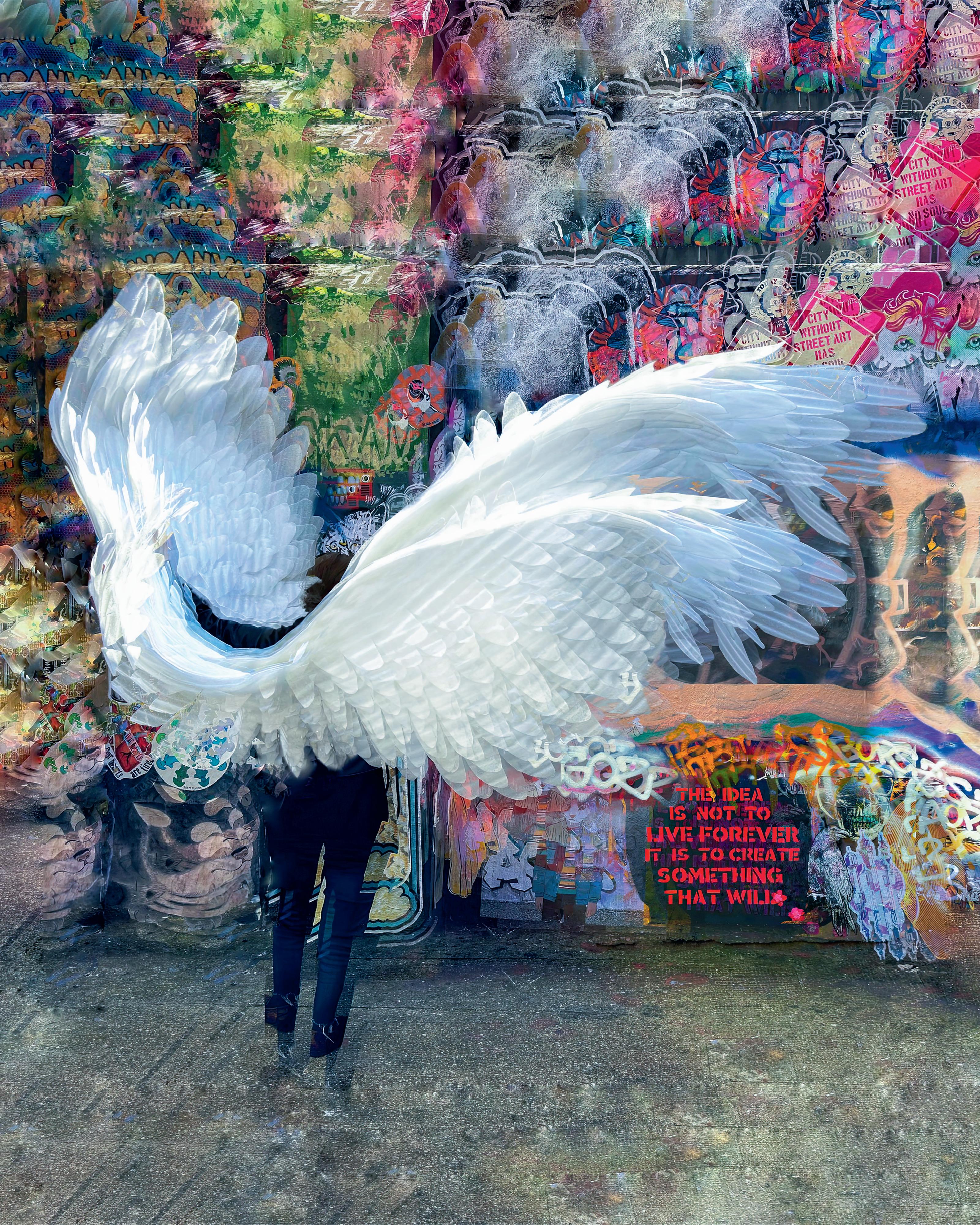
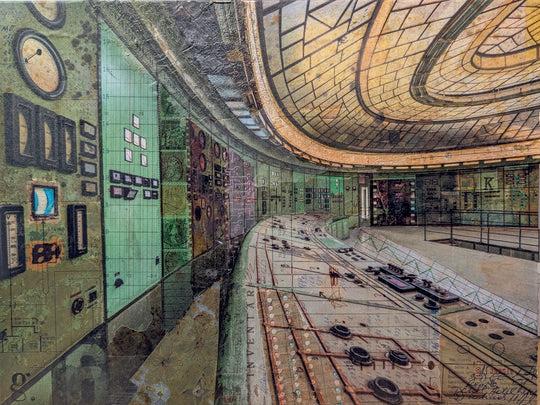
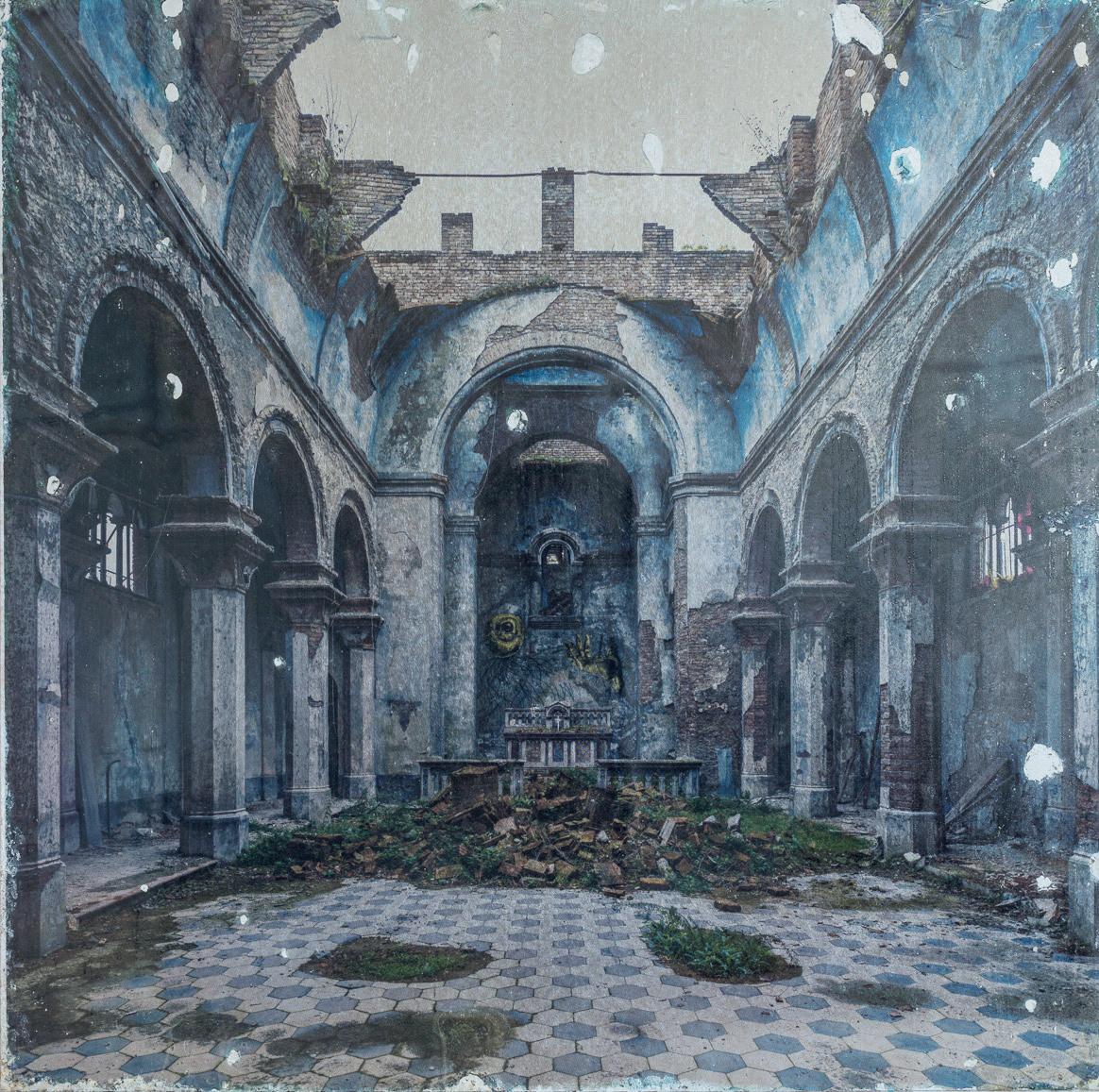
Ihave always been drawn to abandoned spaces. They are places full of contradictions: haunting yet beautiful, broken yet alive with stories. When I step into these buildings, I feel a mix of curiosity and awe, and my work tries to capture that balance. Over the years this fascination has led me down different paths, two of which I want to share here: my Corrodium series and my Collage series.
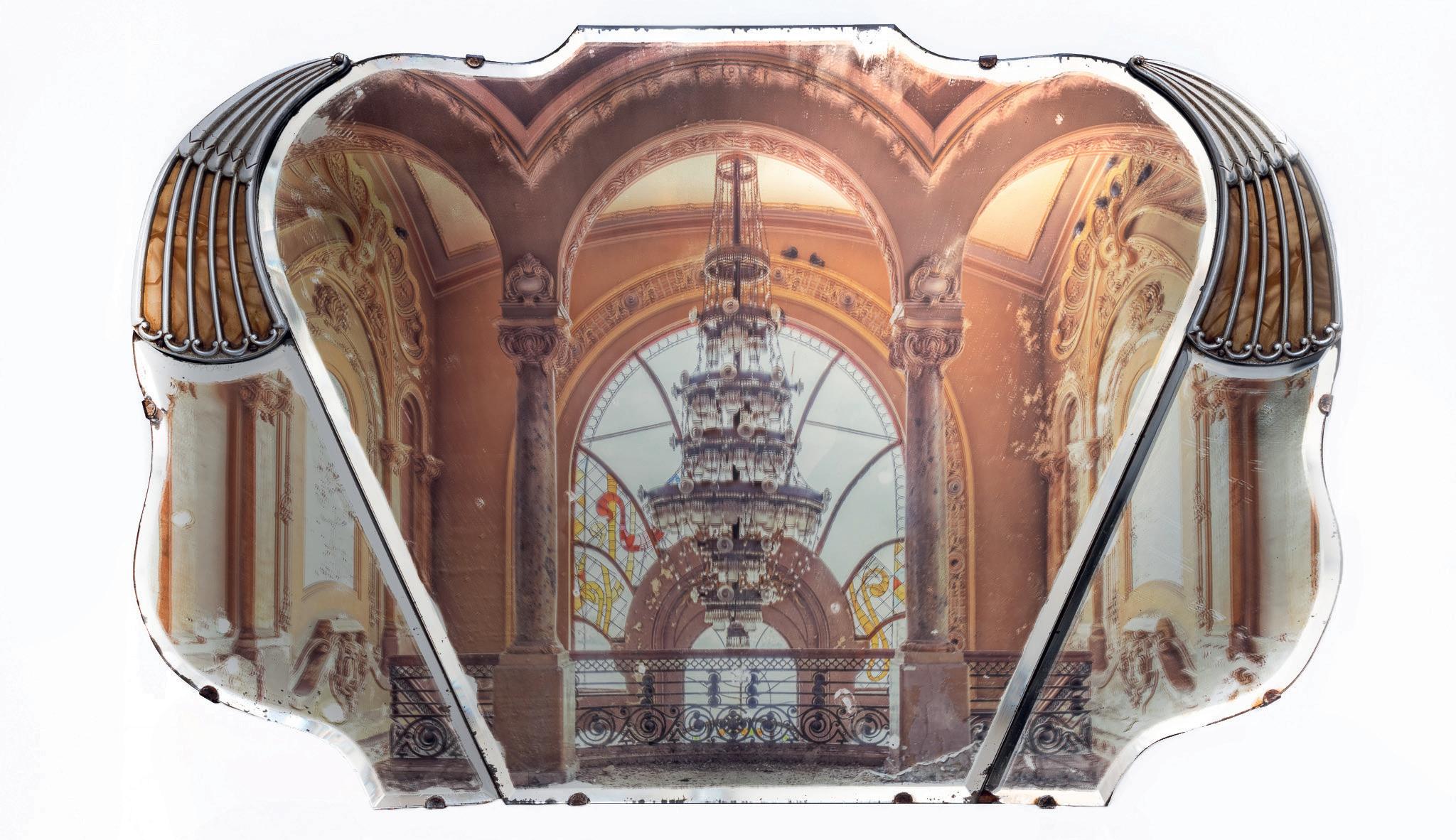
Corrodium began in 2017 as a way to go beyond a straightforward photograph. I wanted to create something that not only showed decay but carried it within the work itself. I started printing photographs onto aluminium, copper, glass and other materials, then applying chemicals that corroded the surface. Sometimes
I had control, other times the metal reacted in completely unexpected ways. That unpredictability became part of the work. It took me a couple of years before I felt ready to present the series, and it culminated in an exhibition with CHARLIE SMITH LONDON, curated by Zavier Ellis. The exhibition, Archaeologies, 2019, was a success, with works entering collections at The Ned and Babington House (Soho House).
What I love about Corrodium is the tension it creates. Usually, I work with a digital camera where the prints come out exactly as I see them on screen: precise, with no surprises. Making this series forced me to slow down and accept a process I could not fully control. The chemicals and metals
reacted in their own way, creating holes and textures I could not have predicted. Instead of resisting that unpredictability, I learned to embrace it. The photographs are grounded in real places, but the way they are printed and displayed twists and blurs them. On mirrored surfaces the effect changes as you move to view it: sometimes the image appears sharp, other times it slips into blur, making people pause for a double take.
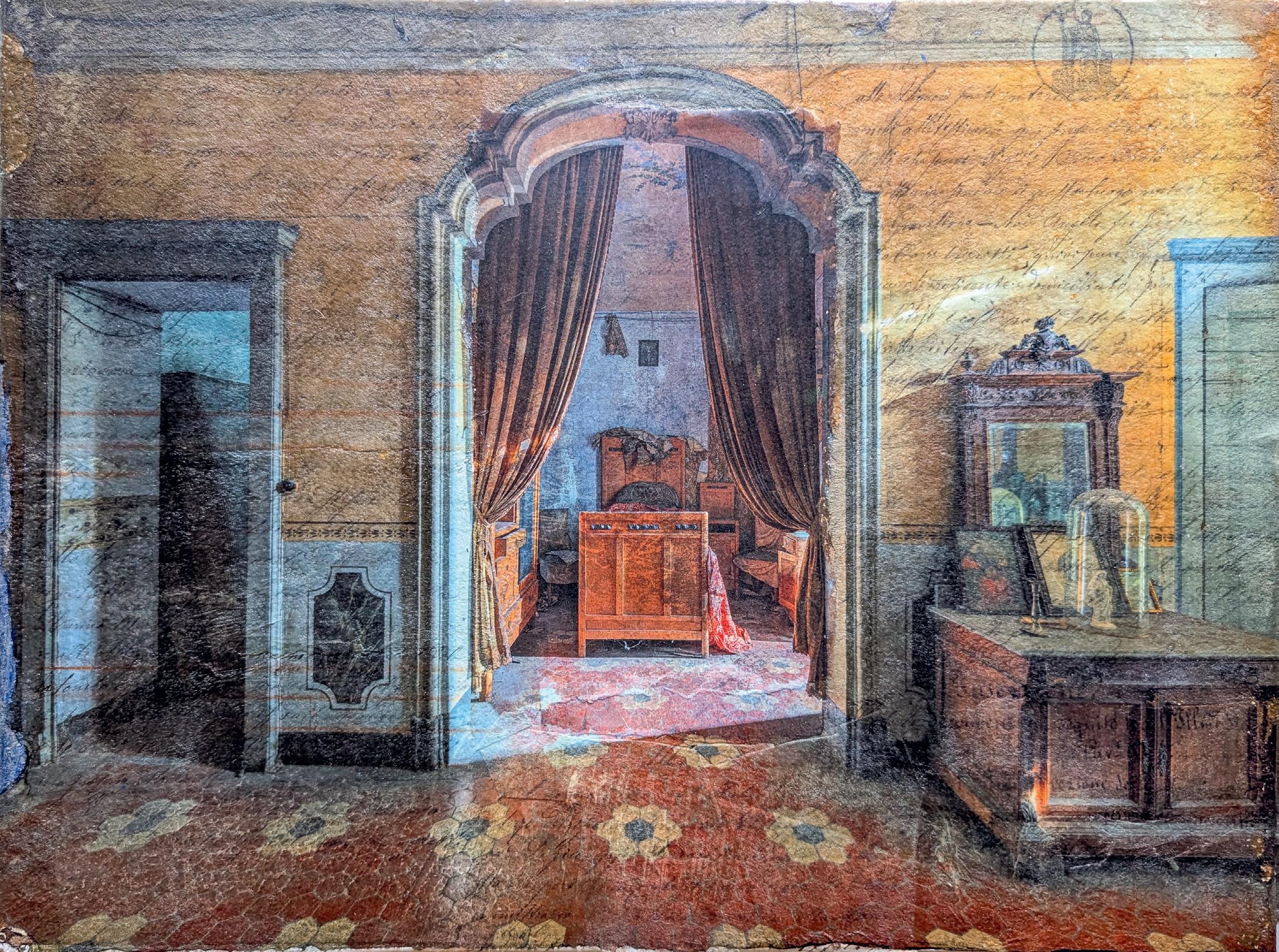
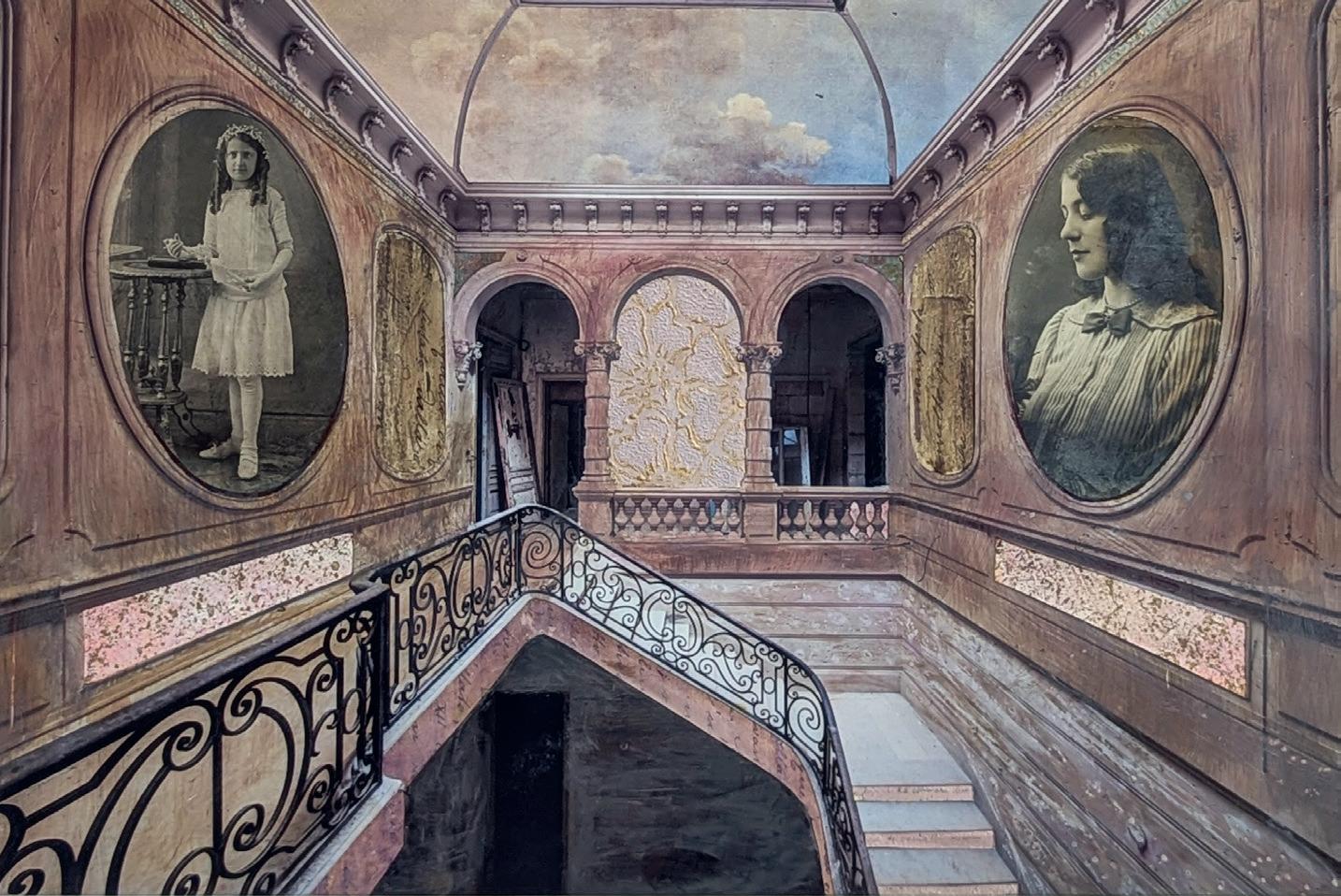
While Corrodium is about erosion, my ongoing Collage/Original Works series is about reconstruction. These works are made from photographs taken in abandoned buildings, which I cut and combine with fragments collected on site: old wallpaper, dust, and scraps of paper. Sometimes I
build the collage directly from the photograph, weaving the materials into the printed image. Other times I start with a blank board or canvas, layering the fragments first, then transferring an image on top. I use acetate prints as a guide so I can line up the photograph with the textures beneath. I then paint and add texture.
The collages are not about creating something purely abstract. I want the scene to remain recognisable, even as it shifts. My goal is to reimagine the building, not erase it. The collages show how fragile architecture can feel, while still keeping its identity intact.
Both series spring from the same core fascination: what happens when order falls apart. The buildings I photograph are not just ruins, but spaces where histories layer and overlap. Paint flakes, metal corrodes, furniture rots away, yet something always remains, or nature takes over. That sense of resilience is what I am looking for. In Corrodium it comes through surface erosion, in Collage it comes through reassembly. This way of working has taken on a more personal meaning for me recently, as I was diagnosed with ADHD in 2025 at nearly 40 years old. I often find myself navigating a similar tension between chaos and structure in my own life. These processes have become ways of reflecting how I make sense of disorder and transformation.
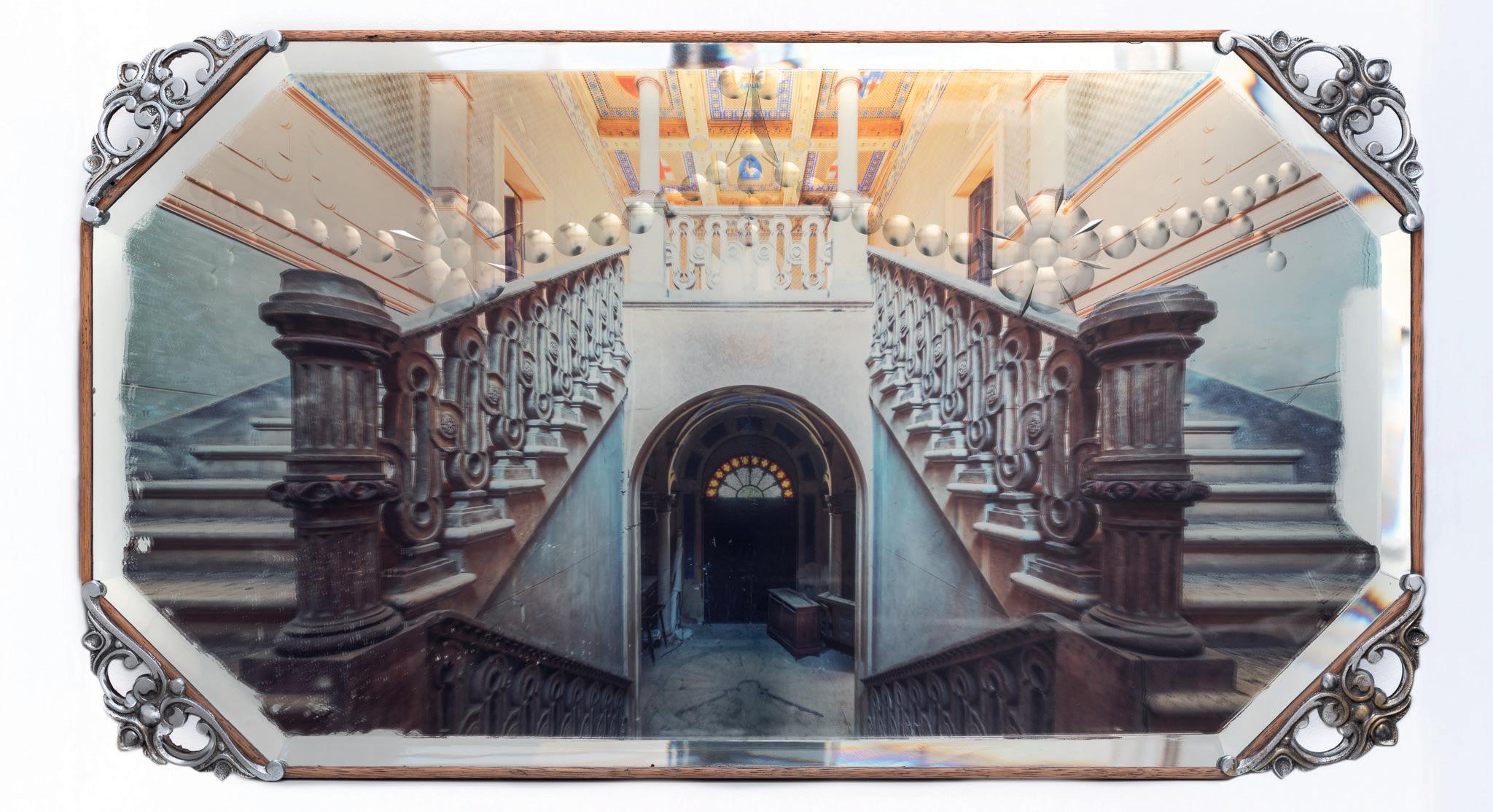
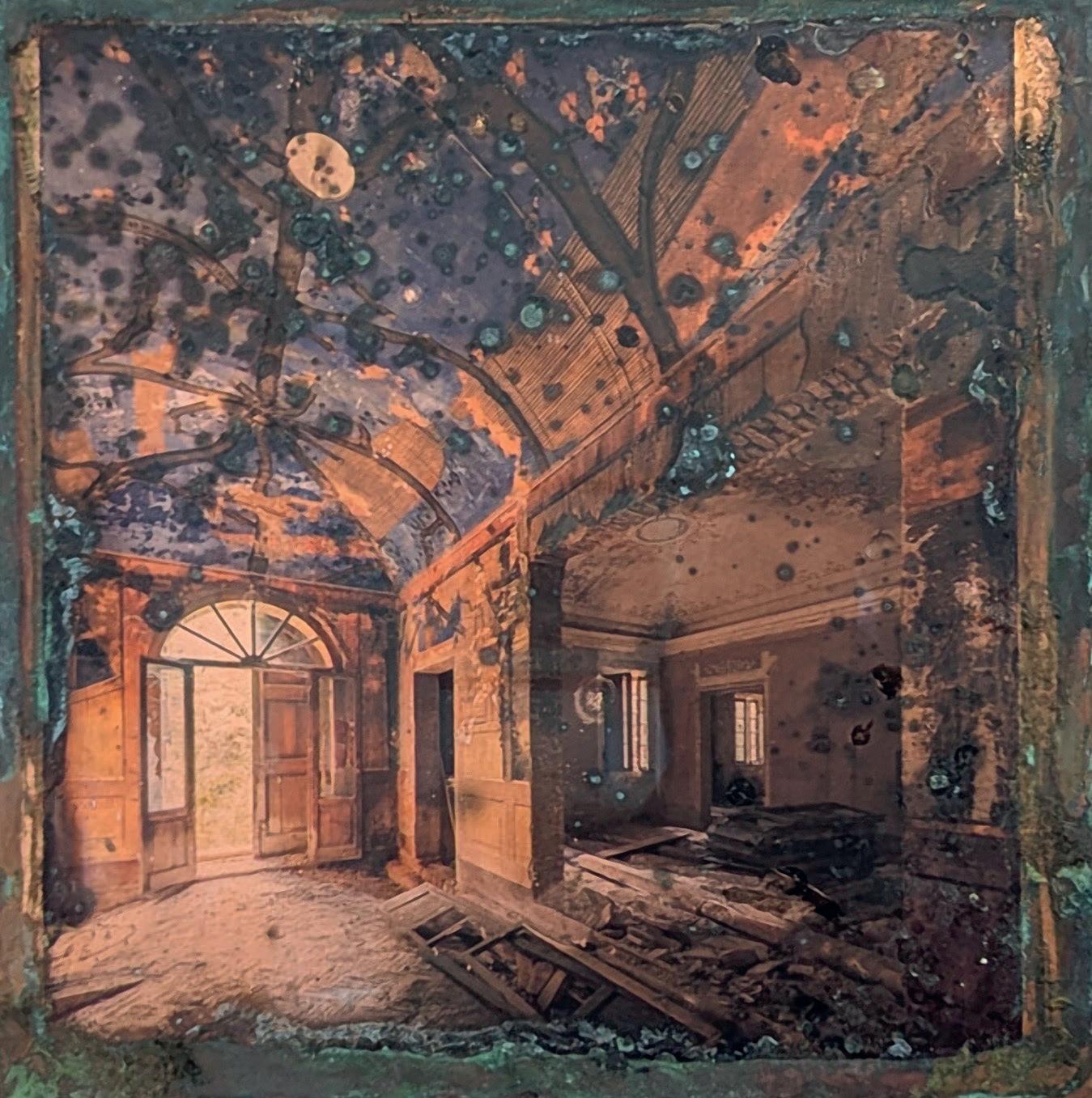
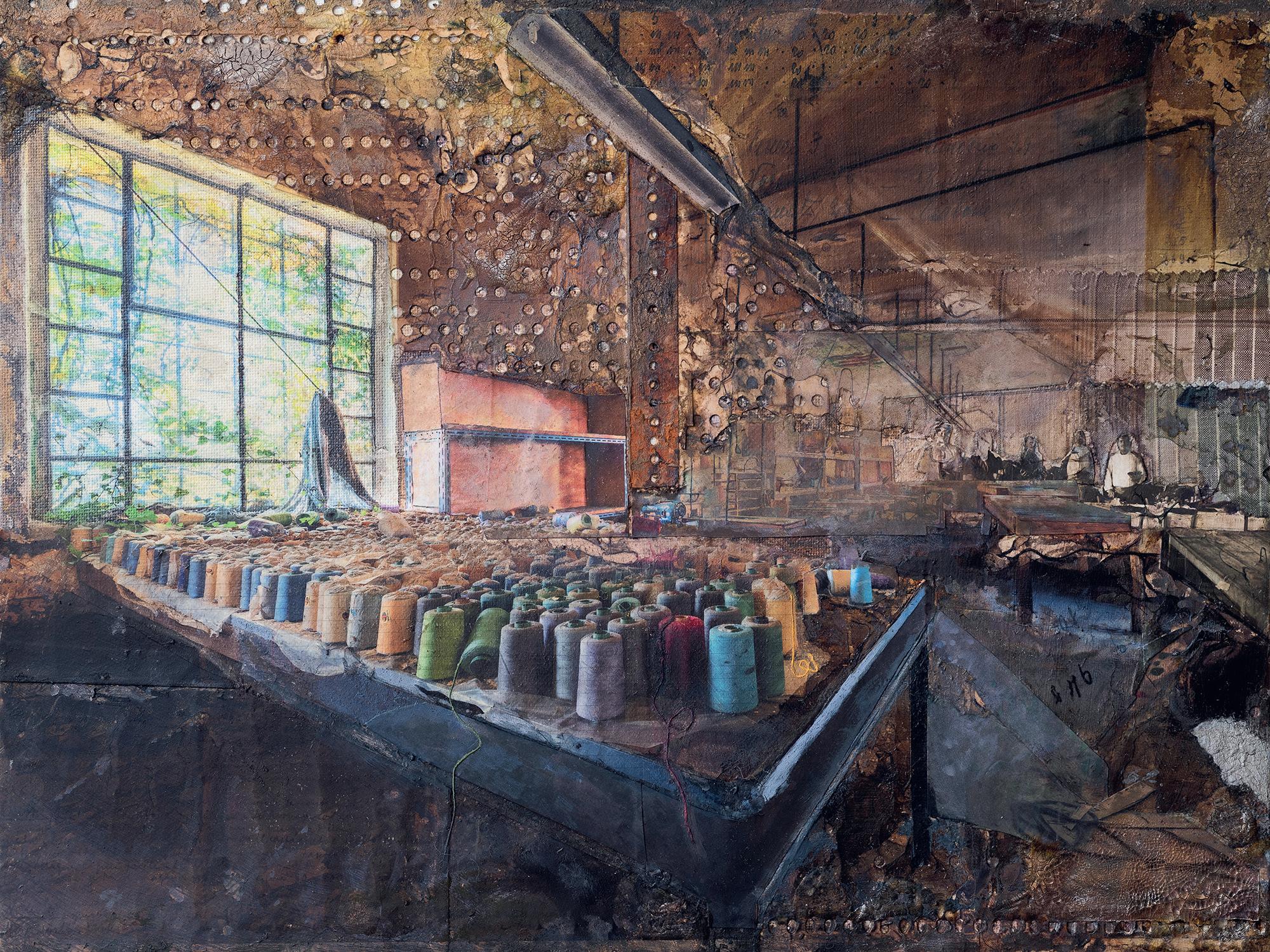
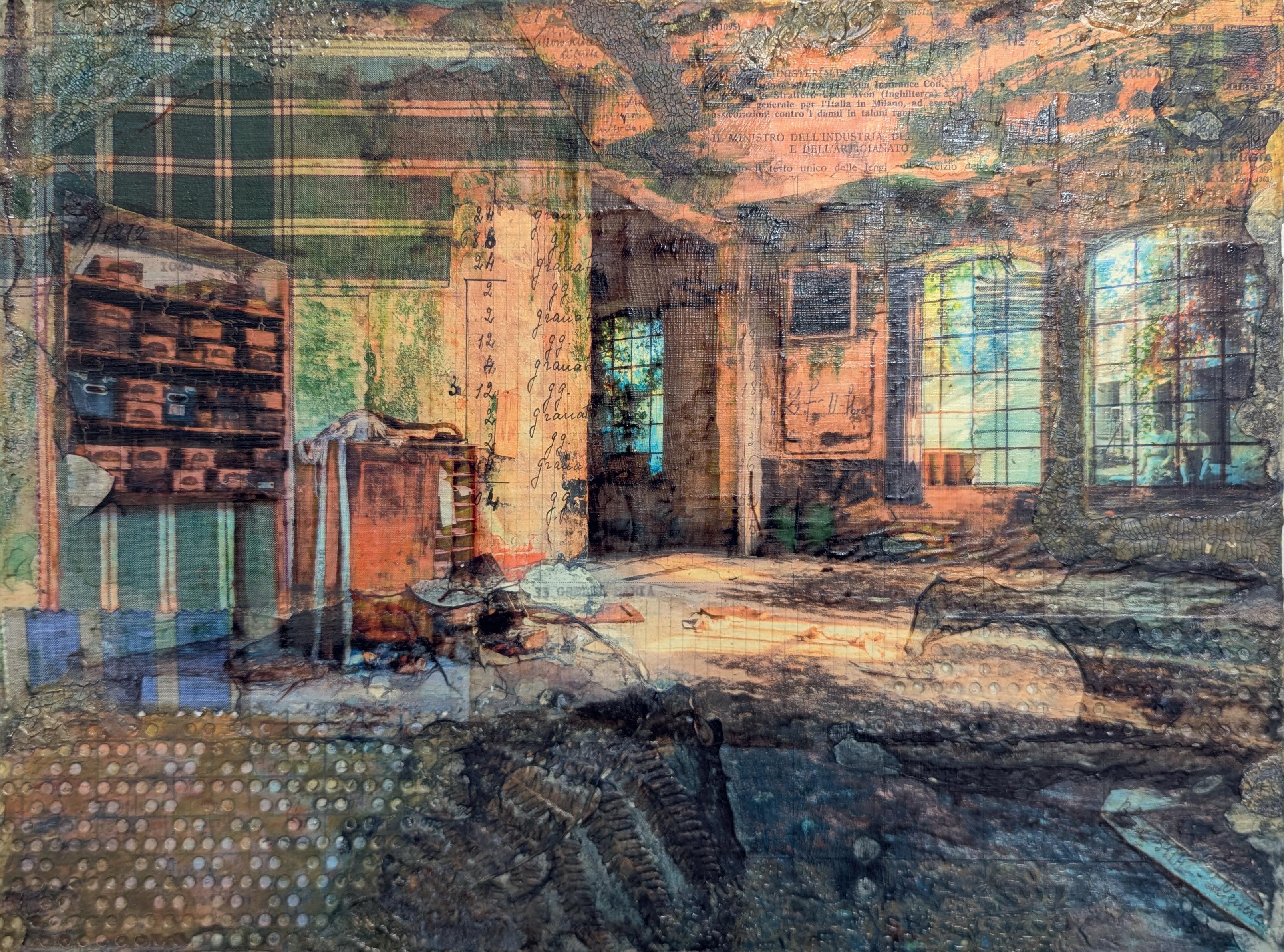
For me, the work is about fragility and endurance. We live in a fastchanging world. Yet decay shows that beauty does not vanish when things fall apart. It shifts, transforms, and survives in a different form.
Photography has always been at the heart of my practice, and I value the foundation it gave me: learning 35mm and medium format film at college, hand printing in the darkroom, and understanding the craft from the ground up. But photography does not have to remain fixed as a print on a gallery wall. For me it is a tool that can expand into texture, scale, and installation.
Looking ahead, I am excited about combining different approaches. I can imagine works where corrosion and collage meet, pieces that are both broken down and rebuilt. I am also keen to scale up, to create larger works that people can almost step into. The idea of big installations and immersive experiences really excites me.
Most of all I want to keep chasing the question that drives me: how do we find beauty in the spaces where time leaves its mark? In Corrodium I let surfaces erode, with my Collage/Original works I piece fragments back together, and both speak to the same idea: that decay and renewal can coexist. Even when walls crumble, stories endure. Through art, I can bring those stories into the present, allowing them to live on not just as memories, but as new beginnings.
ginasoden.co.uk
instagram.com/ginasodenartist
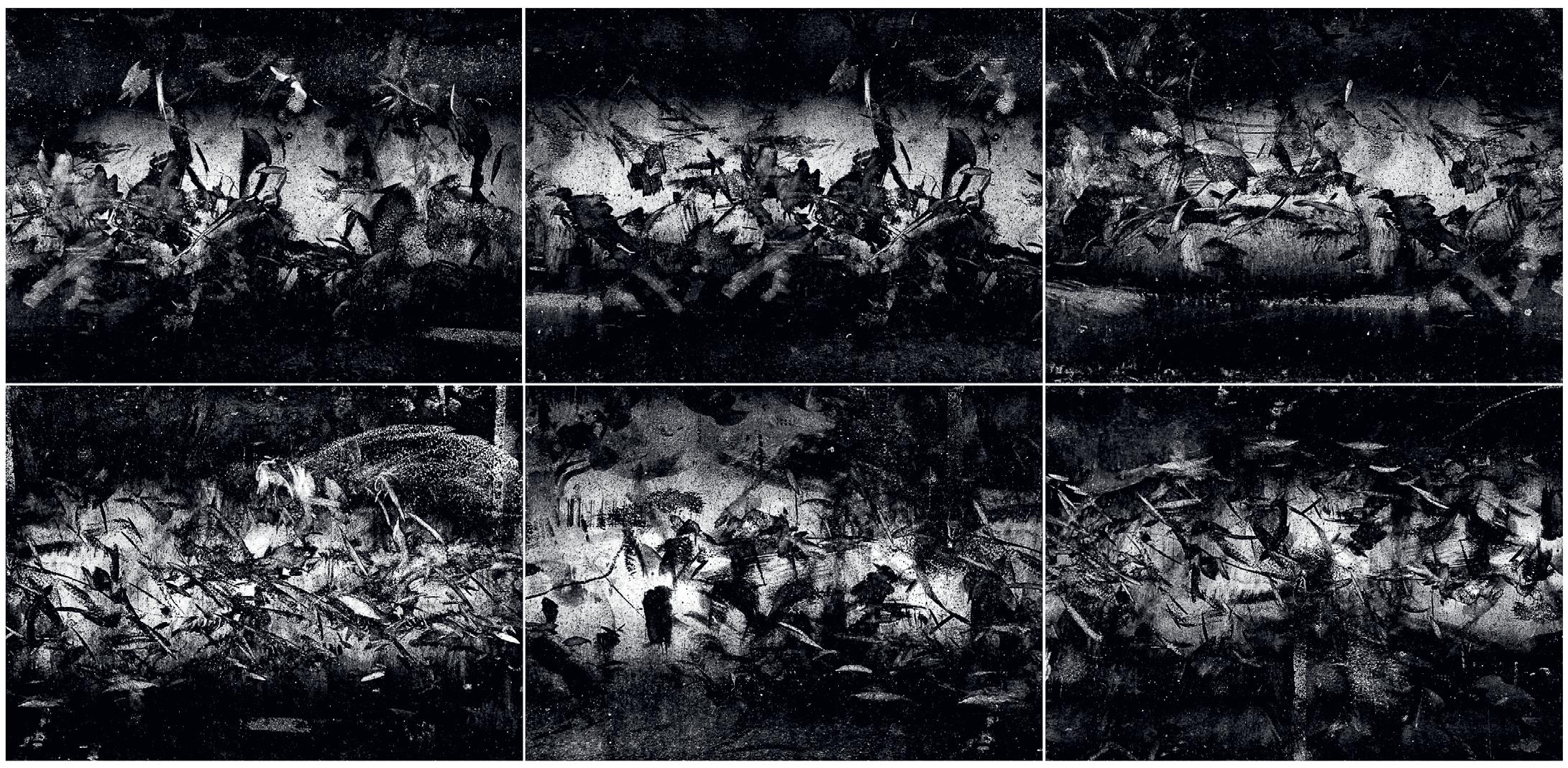
One of the most satisfying aspects of my photography is to make interesting photographs out of something very ordinary. I have enjoyed doing this since the very early days of my photography. If I went out with a group of other photographers and they were all photographing the landscape, I would invariably look the other way and end up photographing a rusty tin can or something similar. I think it came down to the desire which I had, and still have, to make something different to what my fellow photographers were producing.
The way I approach a subject is to take the obvious view first, the landscape or the building and then look for the less obvious approach. Maybe a high viewpoint or what might it look like if I put my camera on the floor? I don’t tend to carry much in the way of equipment these days, usually just a camera and lens and very occasionally a spare lens.
Often, I will look closer and explore the smaller details, this is where so much of my photography is now found. This is the sort of photograph which most people will walk past without
noticing and I find particular pleasure in discovering these details. Let me give you a couple of recent examples. I was in a small town in France and I was wandering around looking for subjects to photograph. This is the way I do all my photography, I never plan anything, I just visit a place and see what speaks to me.
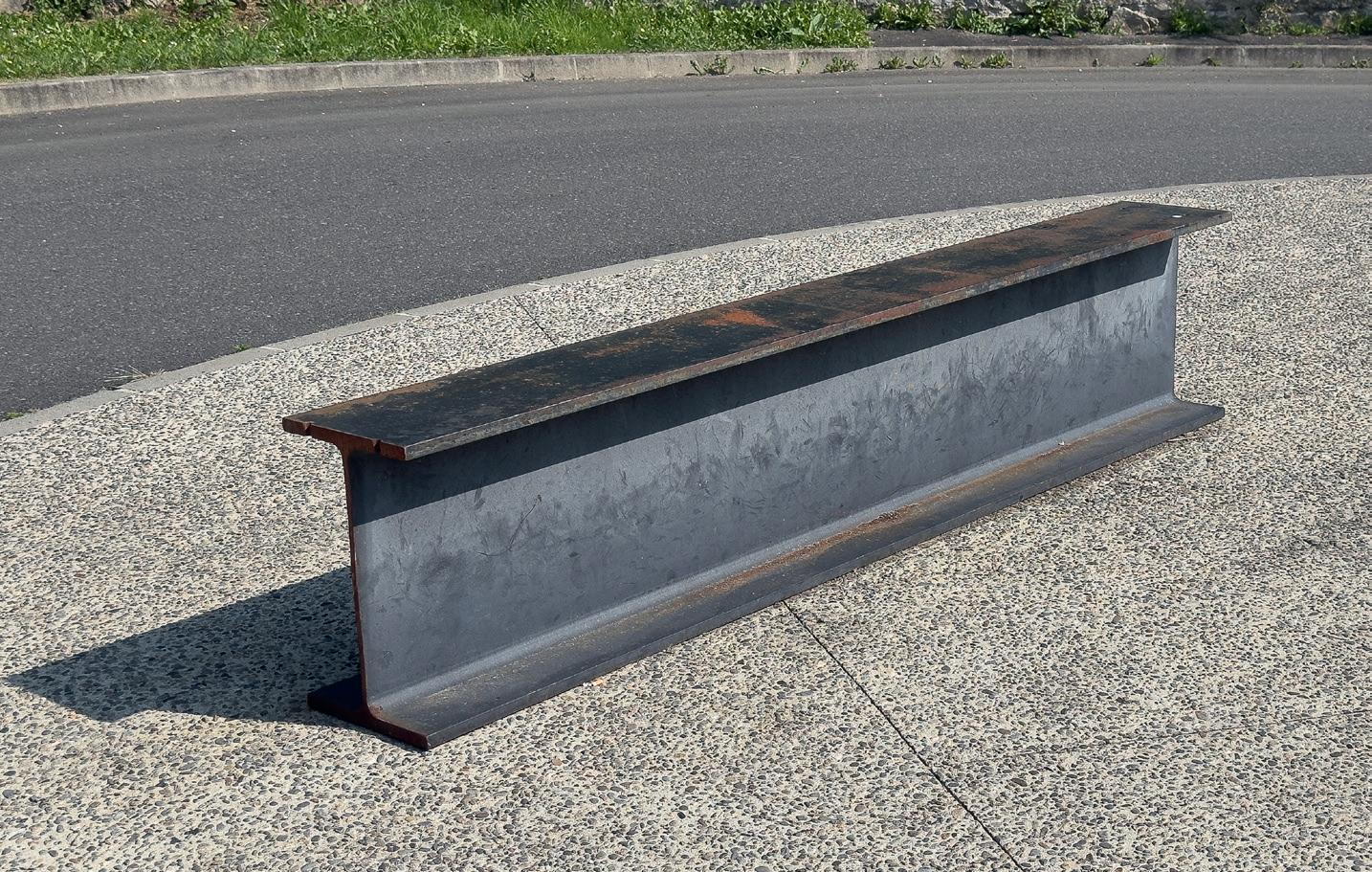
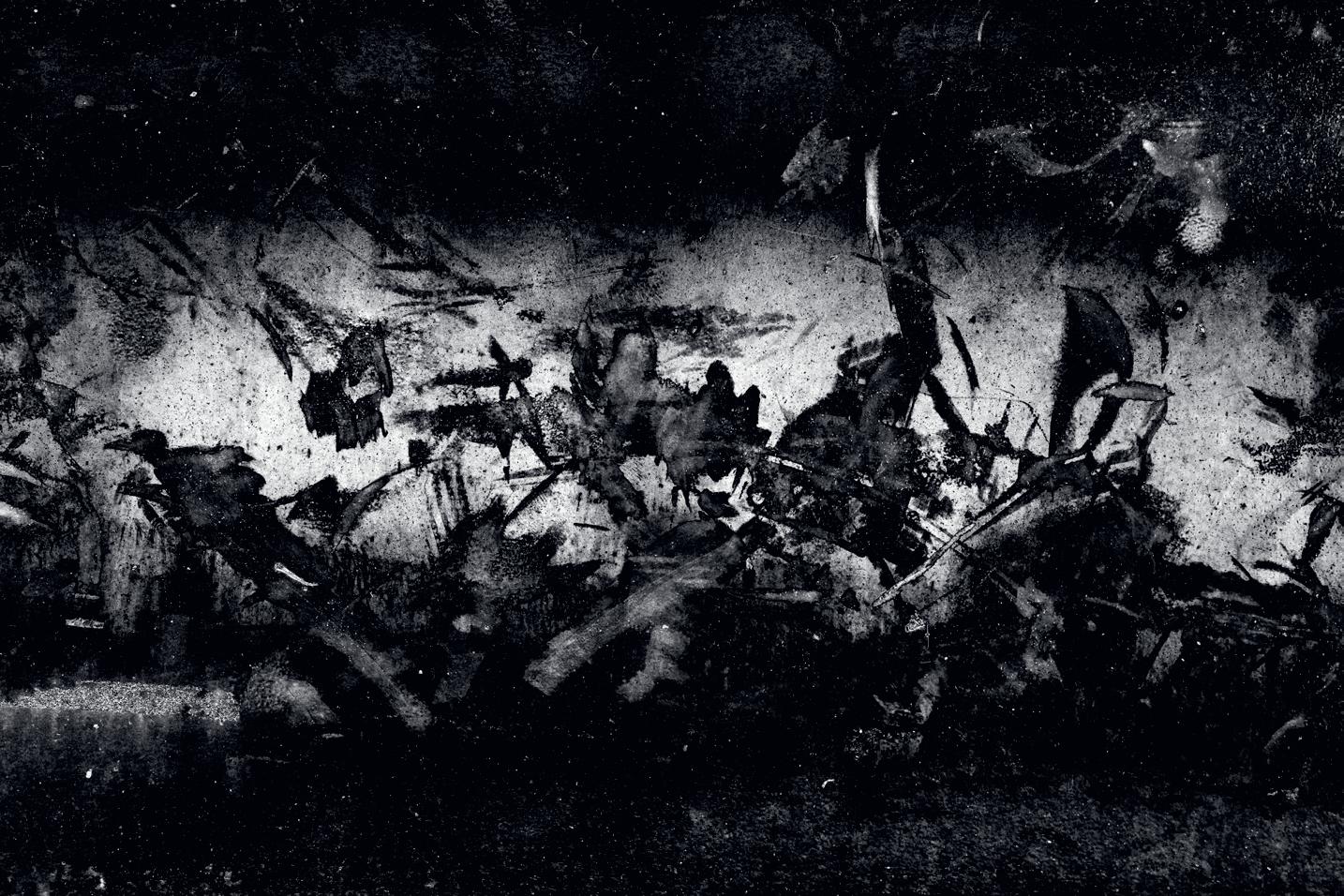
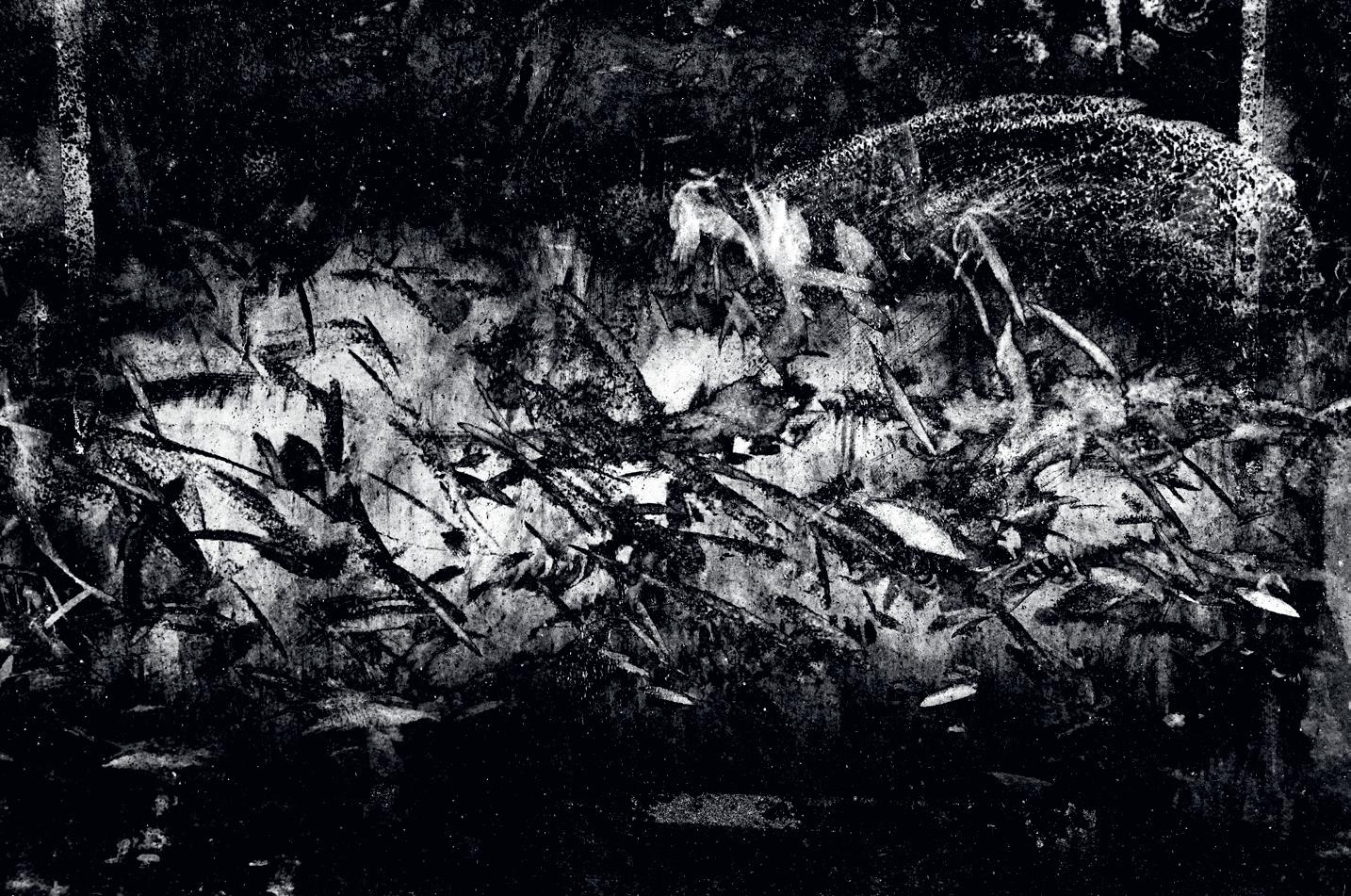
I found a metal bench made out of a steel beam (top right) in a car park and as I looked at it, I noticed the scuff marks near the ground which had been made by the shoes of people sitting on the bench. I thought they looked interesting, so I took a series of photographs on my phone. These weren’t ‘finished’ photos, the textures just looked interesting so I took a series of shots. When I looked at them on the computer, they looked very dusty and lacking in contrast. I increased the contrast in Lightroom and they looked more interesting, and then I tried inverting the tones using the Curve control and suddenly they came to life. To me they looked like scenes from a medieval battle, with horses, spears, people, all jumbled together, a sort of Bayeaux Tapestry perhaps. I often think that a vivid imagination is a help when looking at my photographs.
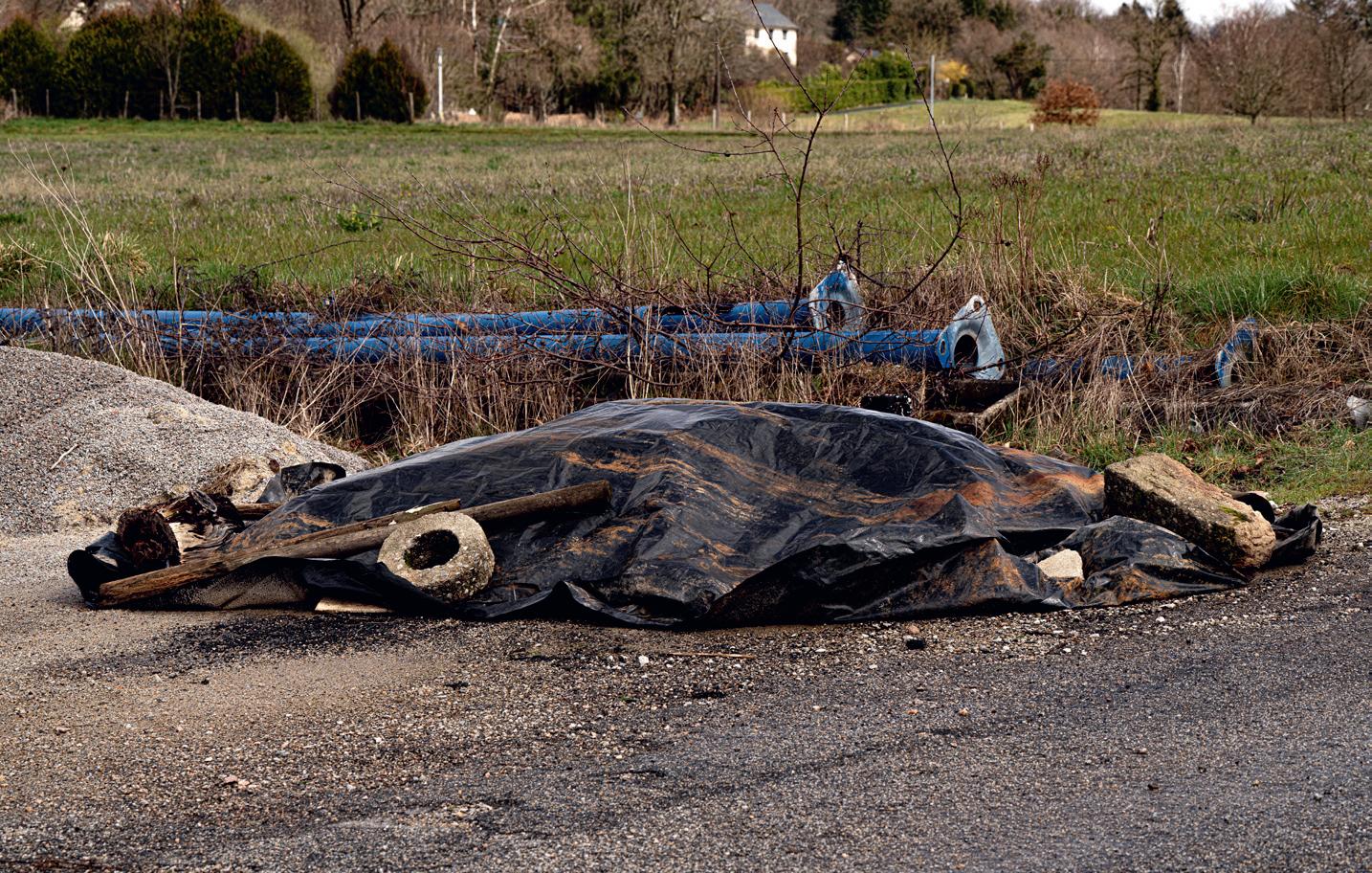
On another occasion, I was walking past a working area in a small French village. There was a sheet of black plastic which covered something they wanted to keep dry, and it was held down at the edges by bricks. Now I always find black plastic to be interesting, hay bales are brilliant, especially when the plastic is new and reflective.
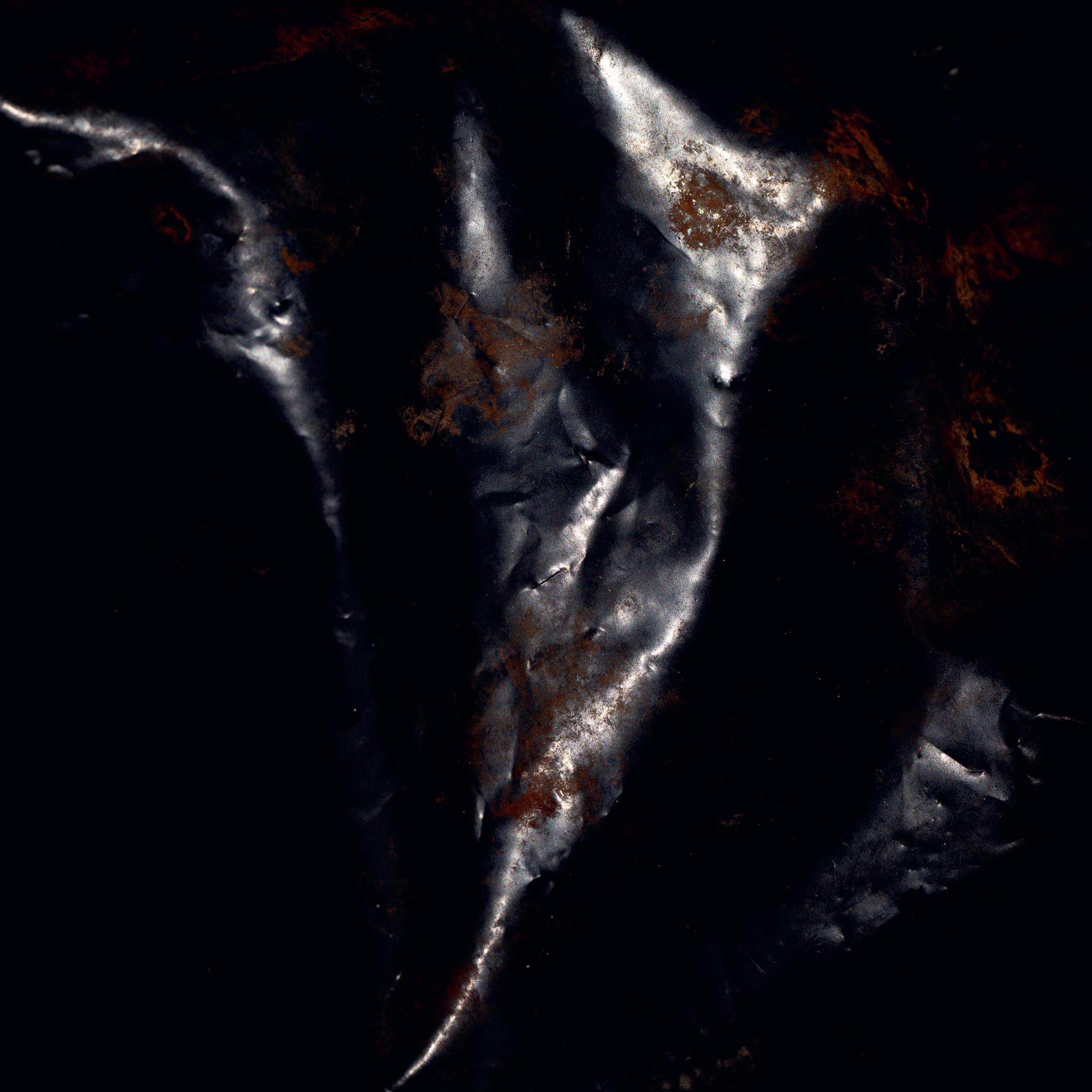
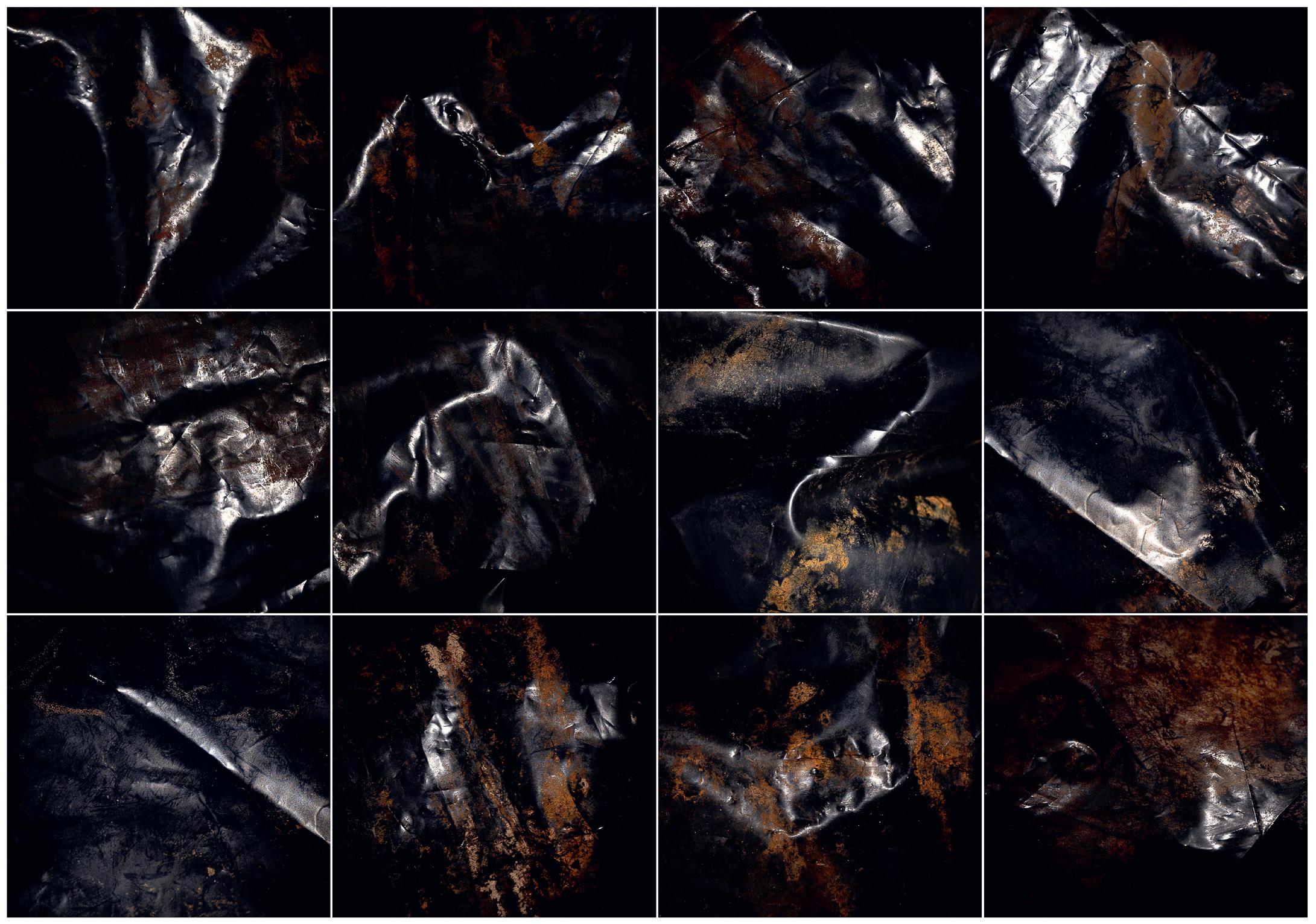
This sheet was old and dirty, but the sun was shining and I was attracted to the folds in the plastic and the way the sun reflected off the kinks. I started taking some photographs and I underexposed by about 2 stops which kept the plastic very black and helped to hold in the bright areas. I took quite a few images following this theme and then I started exploring the mould and dirt which was on the surface.
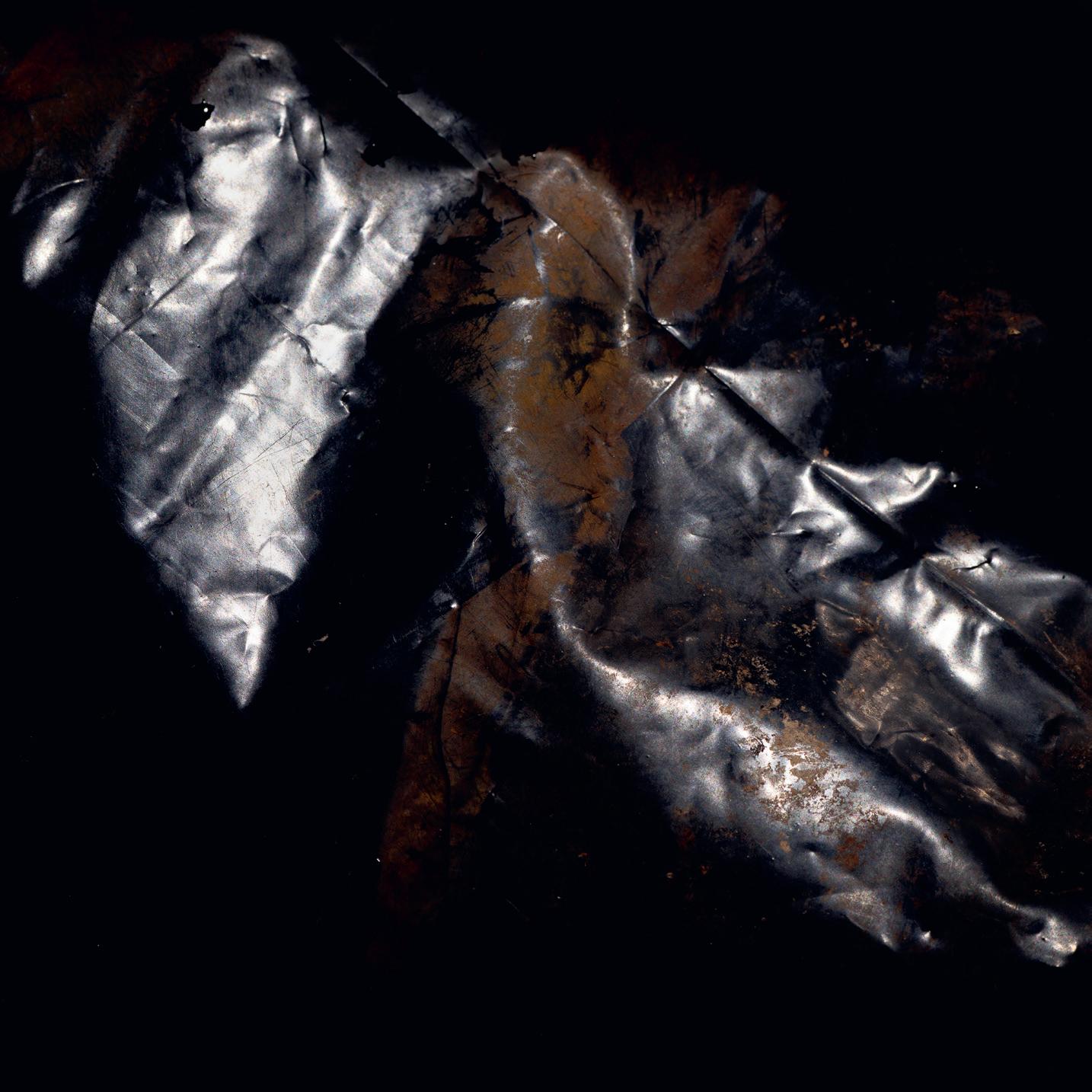
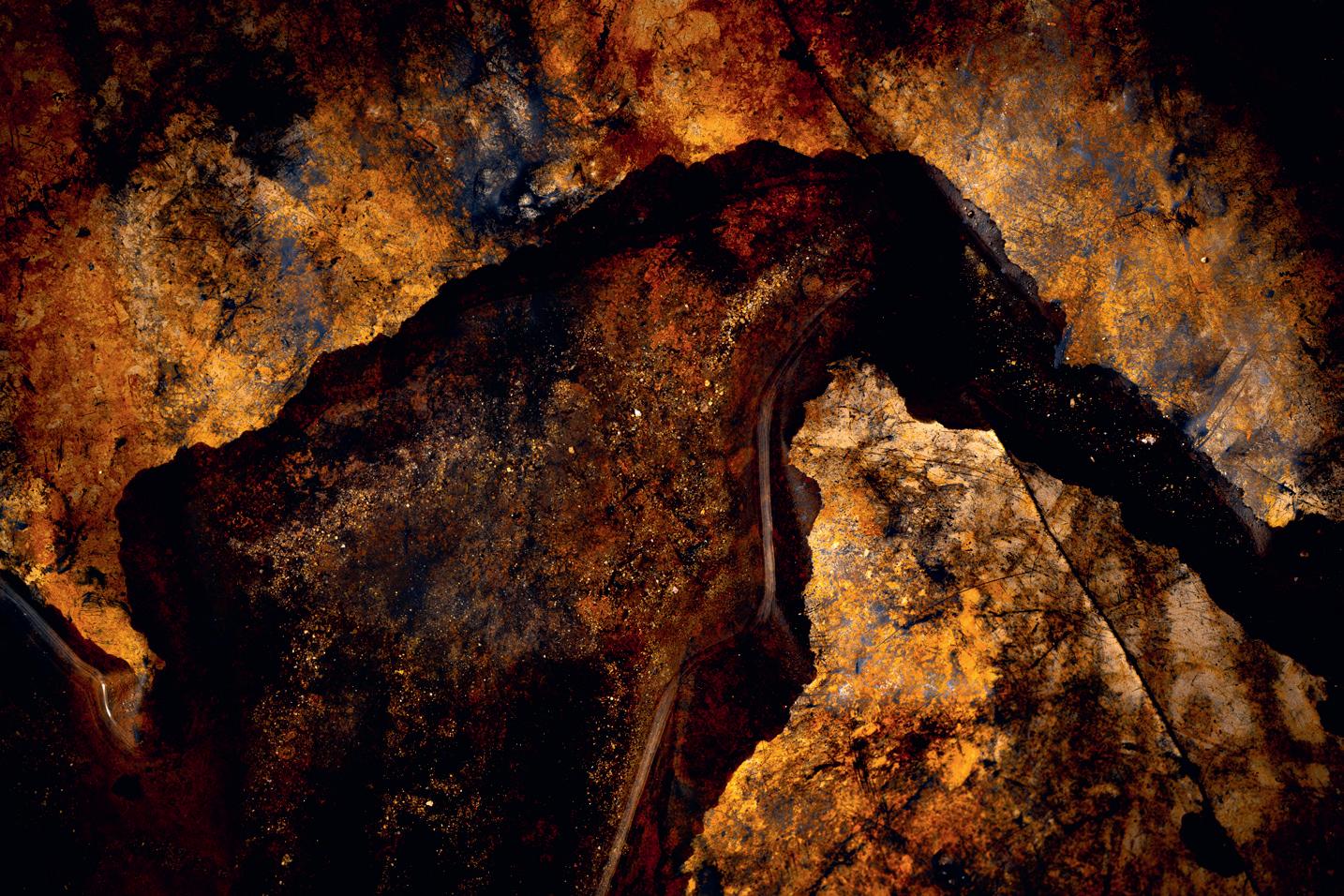
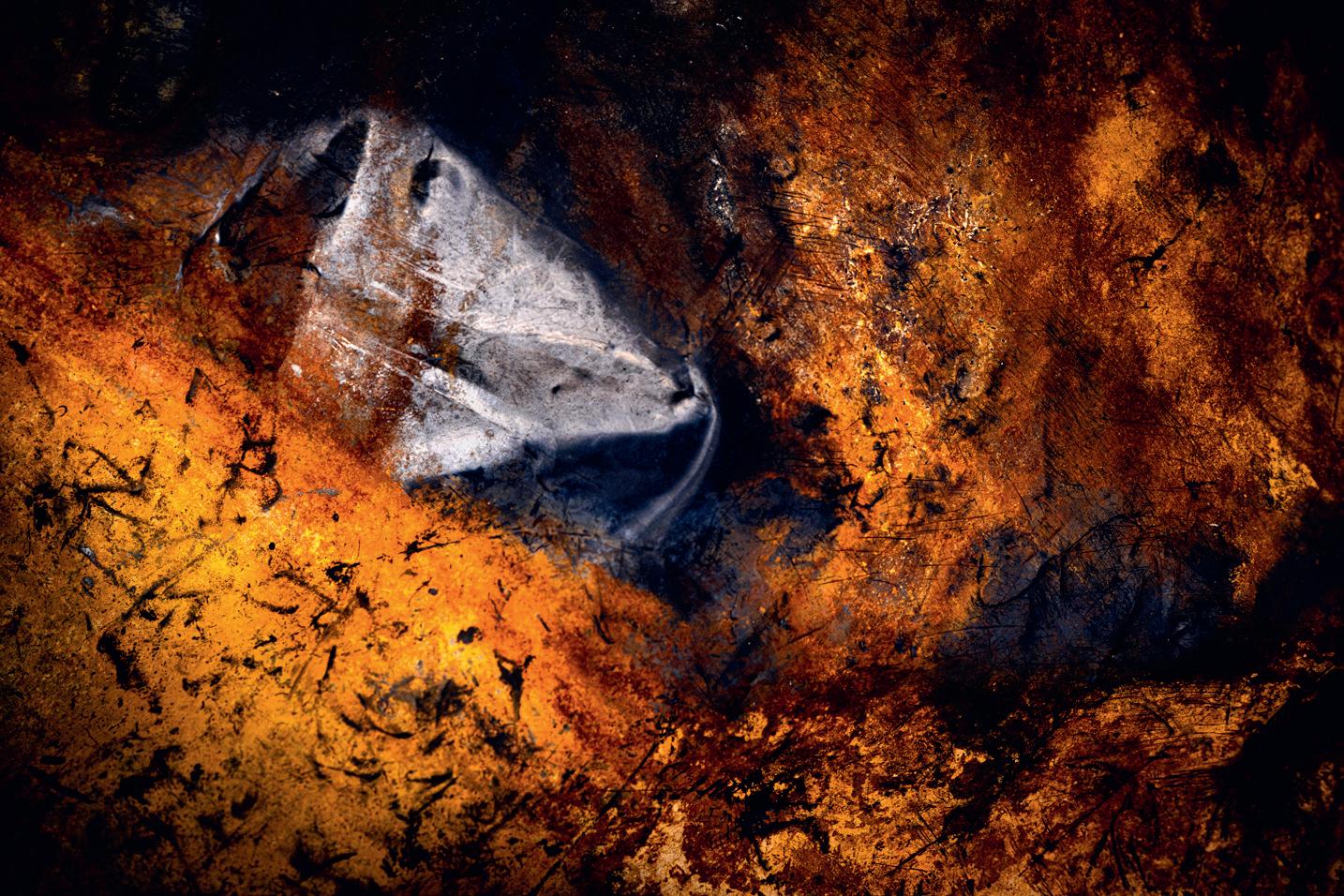
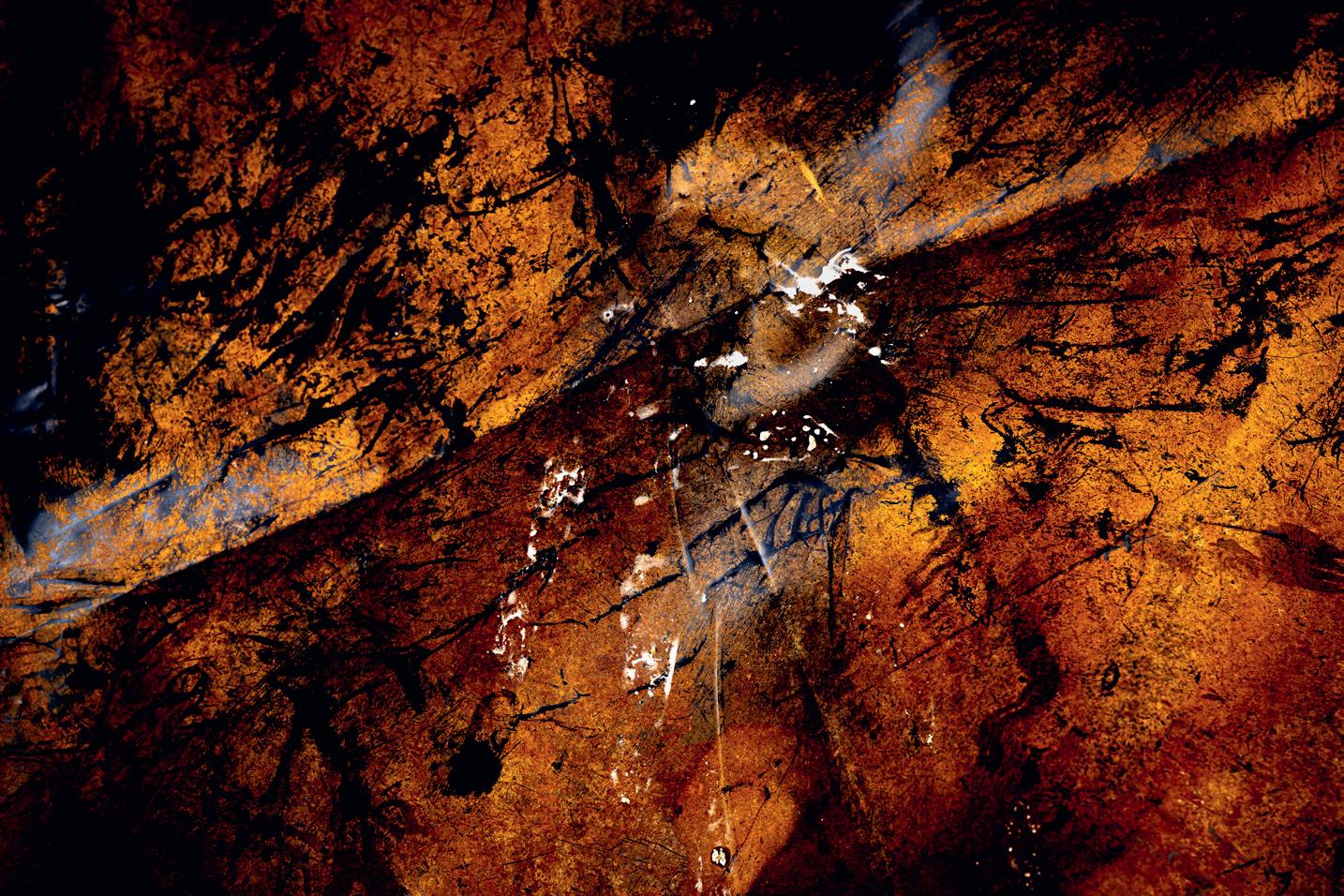
I became excited by the strong colours with dramatic black marks, some of which looked a little like cave paintings. In processing I increased the contrast and the images leapt off the monitor. Both sets made good prints as I like to print my favourite images.
For me, the act of creating images in camera (or phone) is to identify subjects which look interesting and which I think may have potential. Once I have found something, I keep exploring the subject in more depth. What I don’t do is to preview the shot on the back of the camera and try to analyse whether the photograph is any good. I believe that once I am in a creative frame of mind, trying to assess the image breaks my concentration, so I just keep shooting, with just an occasional glance in case I am getting the exposure completely wrong. It is back home on the computer when the ‘Delete’ button comes into its own!
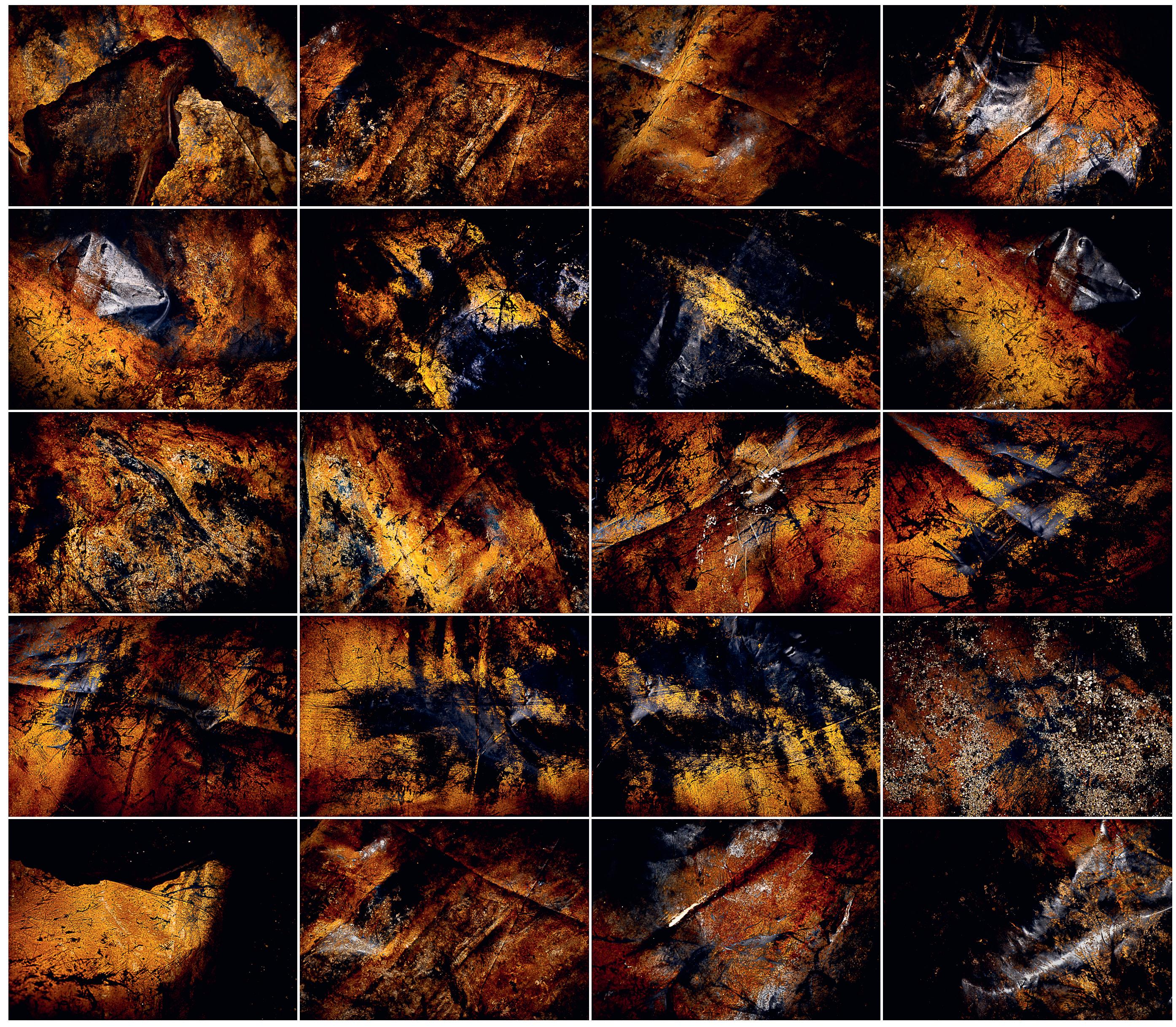
Processing is an important part of photography, but for me the camera is where I create the images and most of my images need minimal processing. However, I am not afraid of making dramatic changes when I think it is necessary, but it is primarily controlling colour and exposure, and it is all done in Lightroom.
The main exception to this is when I create multiple exposures with my phone, then I enjoy mixing images and developing unusual ideas. This could be done in Photoshop, but I prefer to create them while away from my computer and I enjoy the rather casual and less precise way of working quickly and embracing the ‘happy accidents’ which for me are very exciting when they happen.
After 55 years of creating photographs, via slides, Cibachrome prints, Audio Visuals and digital images and prints, I am still excited by this hobby of ours. How lucky we are to have such a creative and exciting way of spending our time.
www.martinaddison.photography
There is no such thing as bad weather, only inappropriate clothing.
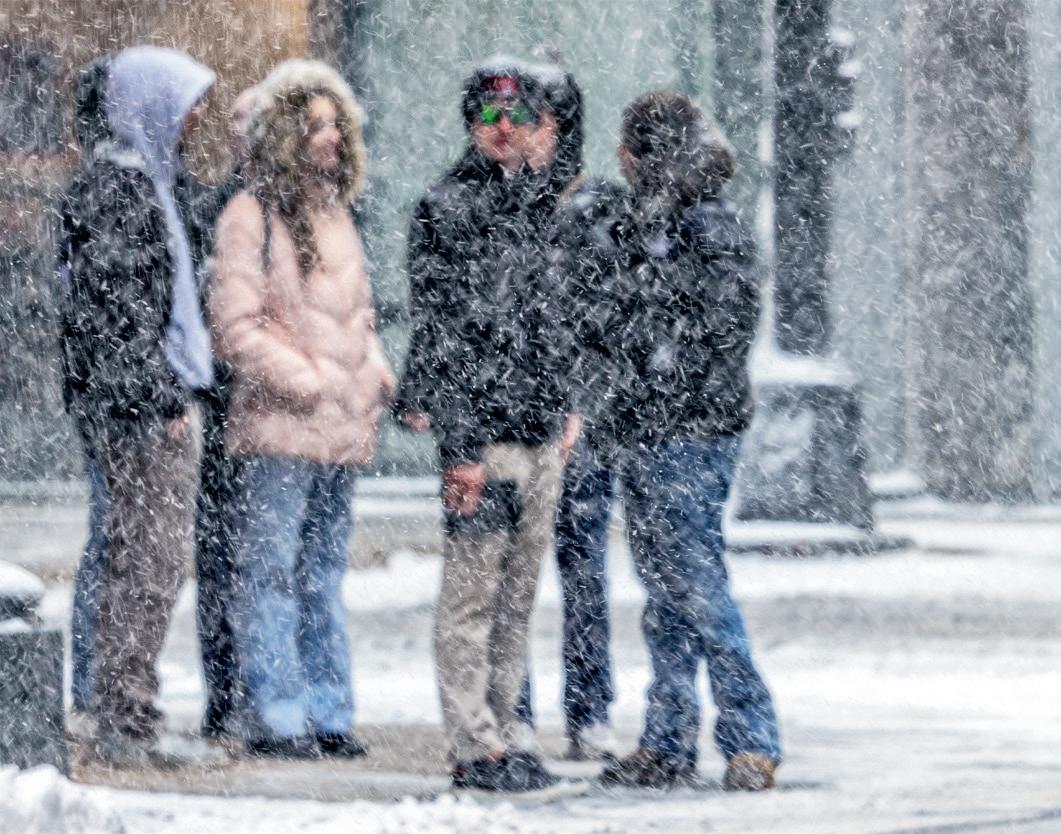
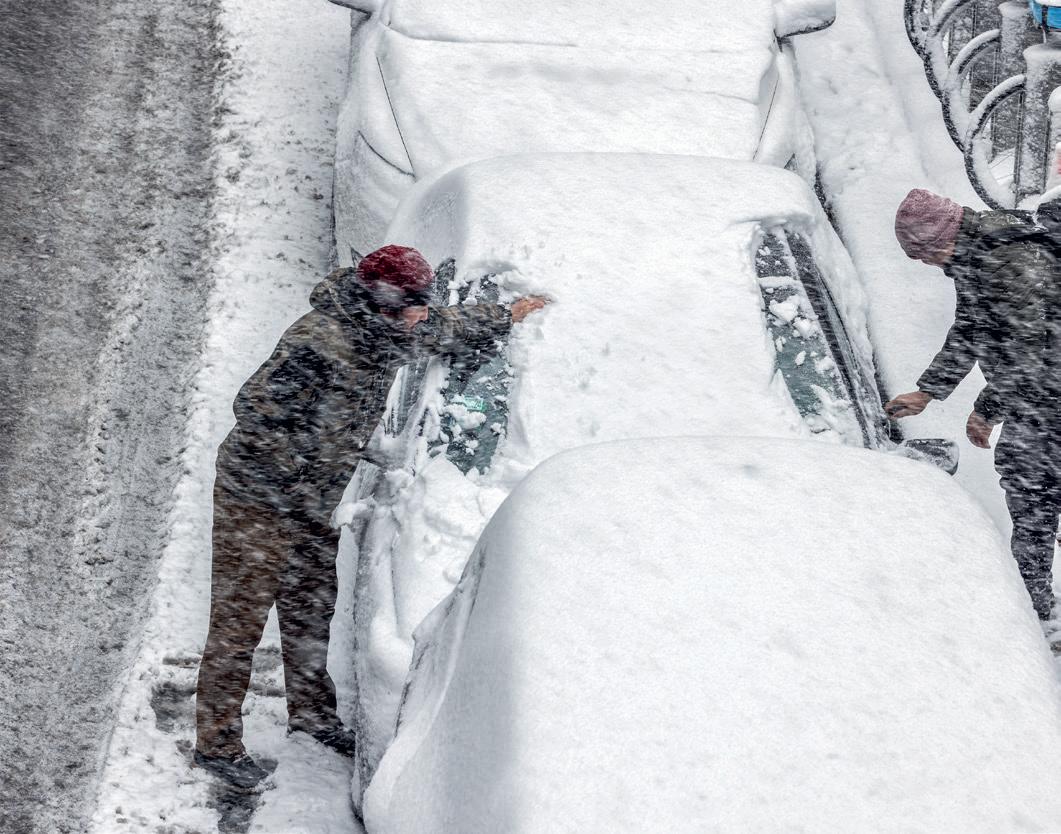
The origin of this maxim is unclear, but it’s sometimes attributed to British explorer Sir Ranulph Fiennes. No matter who first formulated this snippet of ancient wisdom, it’s a saying that I have taken to heart. In Chicago, where I live, bad weather includes cold snaps below 0°F (-18°C), strong winds (the sort that you have to bend into to move forward), rain, snow, thunderstorms, lake mist, and fog. The landscape photographer might dream of picturesque snowstorms or minimalist-creating
mists, but what about hard rain or high winds, and for those of us living in an urban environment, why pick up a camera during inclement weather? The best way to answer this question is to give bad-weather-photography a try.
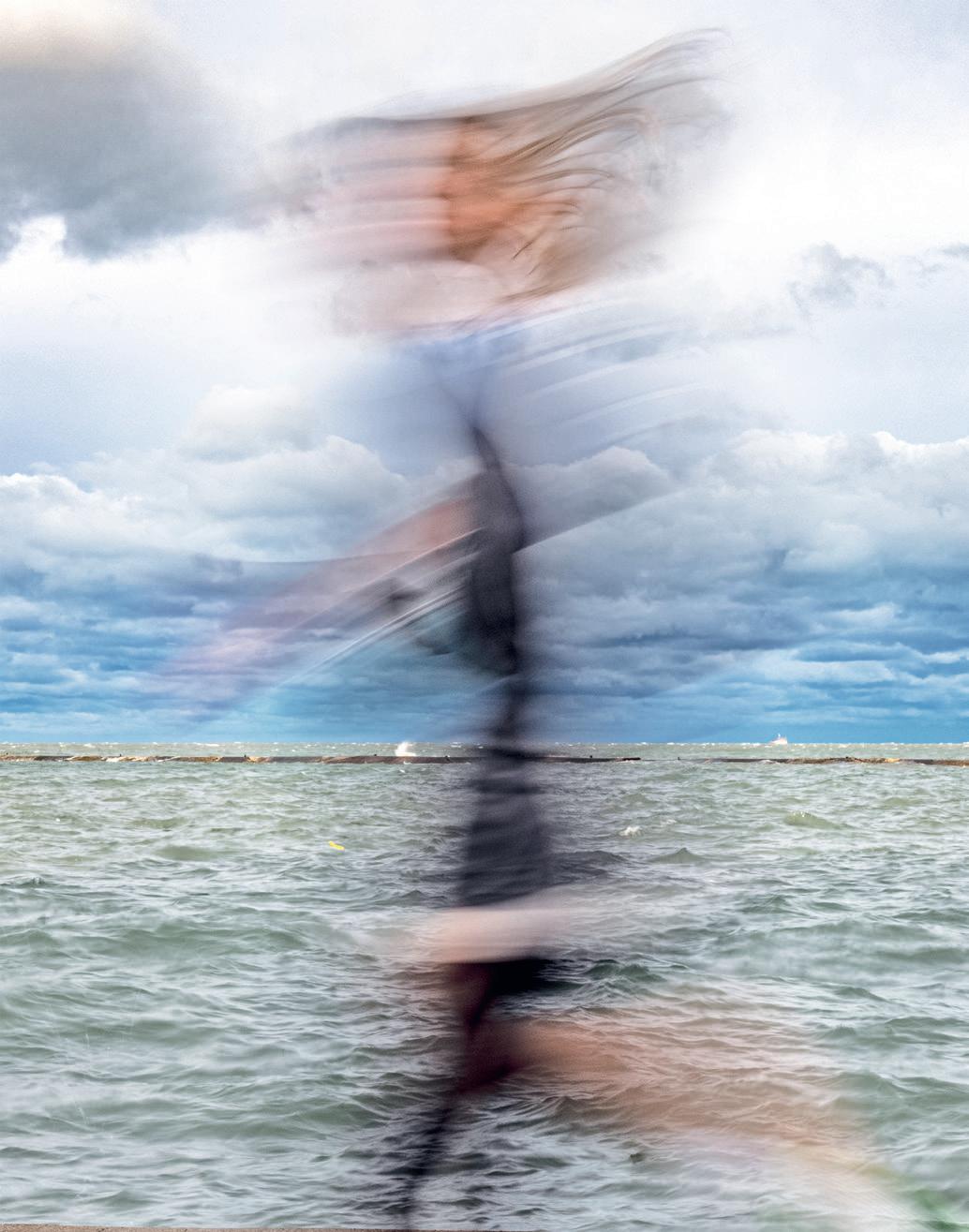
My interest in bad weather photography started with the wind. In 2021 I was walking along the Chicago lakefront with camera and tripod and wondering How can I photograph the wind … or at least, the spirit of the wind? There was an incoming storm but the rain had not yet started. Occasionally
a windswept jogger passed me on the lakefront and, since everything seemed to be in motion, I thought I would try using a slow shutter speed to get a motion-blurred shot of a passing runner with the wind-ruffled lake in the background. This required keeping my tripod steady which was a challenge. It took a few attempts and some luck to get the shot I imagined. It was this experience which encouraged me to get out and take photographs in all weathers.
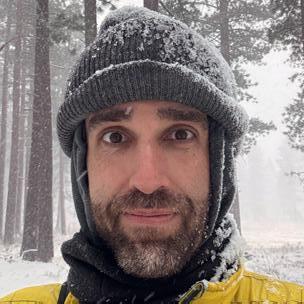
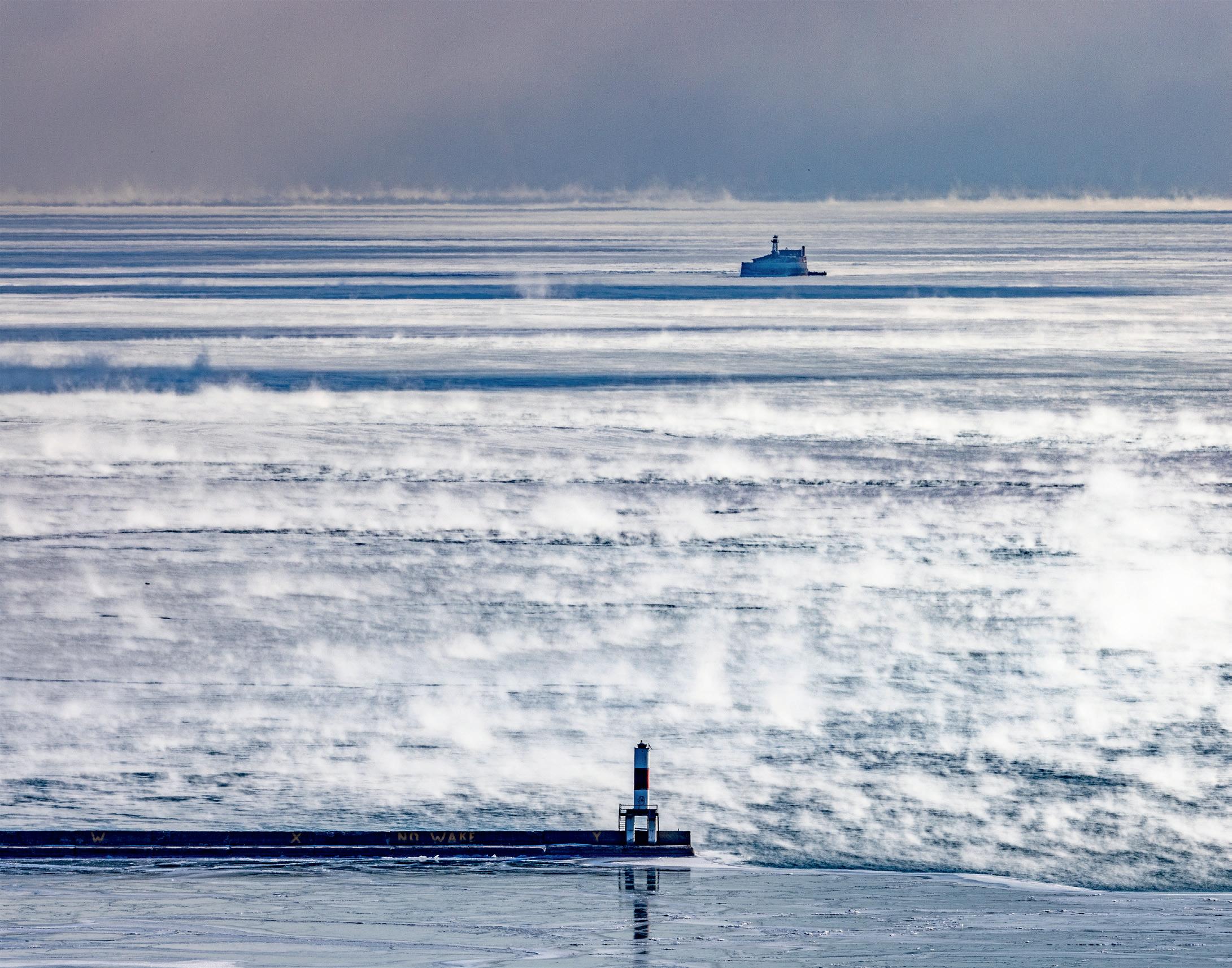
This year I acquired some excellent winter clothing and managed to get out and enjoy even the coldest conditions … which led me to another question: How can I photograph extreme cold (the sort where the weather forecast tells you how long you can expose your flesh before getting frostbite)? If I was in New York, I might have looked for steaming drains, but in Chicago it’s the frigid lake that steams. This seems to happen in the early morning when the air temperature is below about 10°F (-12°C). Pillars of vapor rise above open water. I’m fortunate in that I have a balcony that overlooks the lake and, with a 500mm lens, can get early morning shots of the phenomena without getting frostbite. I did this, Lake Michigan Steaming at 10°F, one January morning when it was seriously cold. A little later, after breakfast, it had warmed by a couple of degrees and I walked to the lake to get some more shots, but the phenomenon was fading. A couple of degrees makes a big difference.
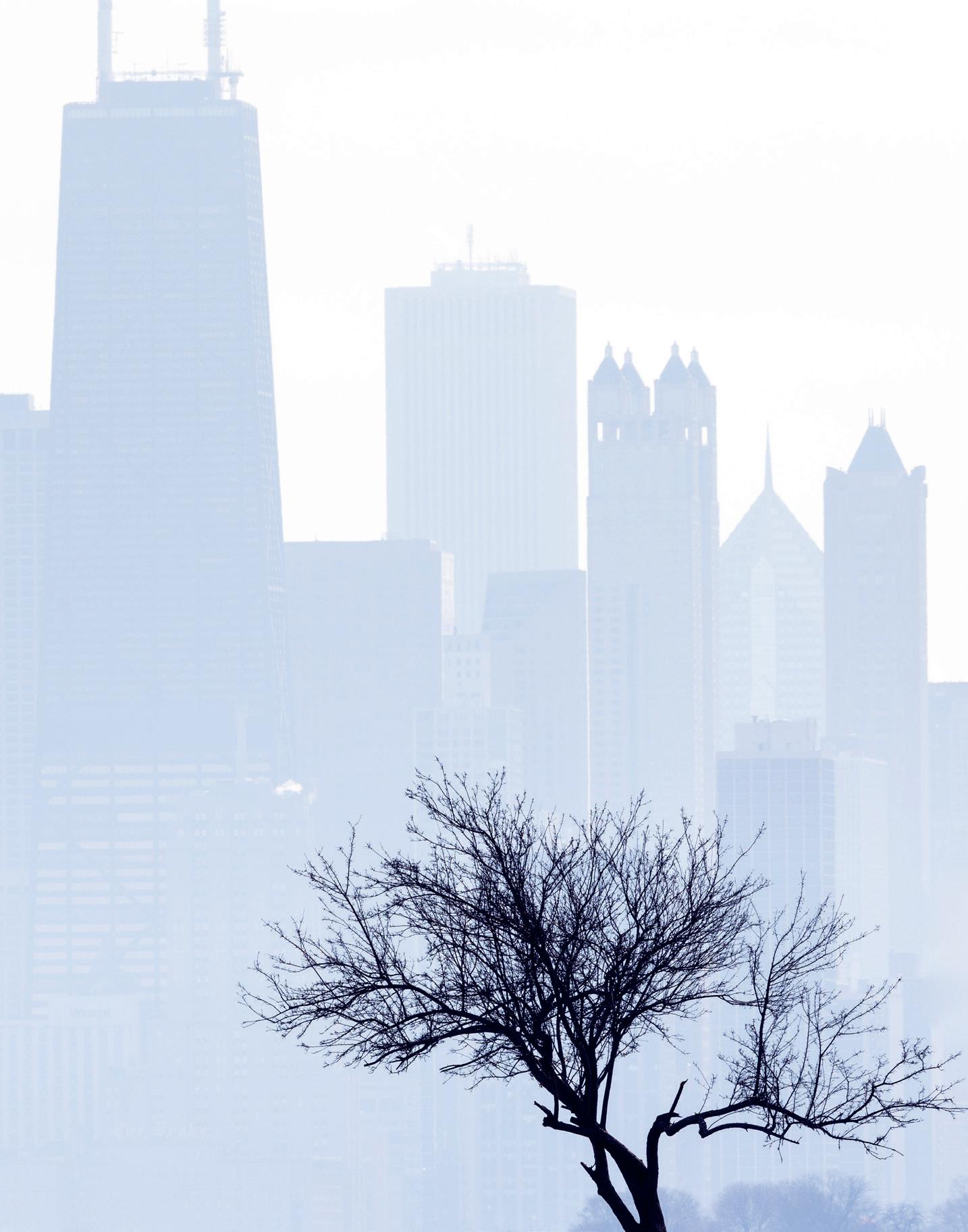
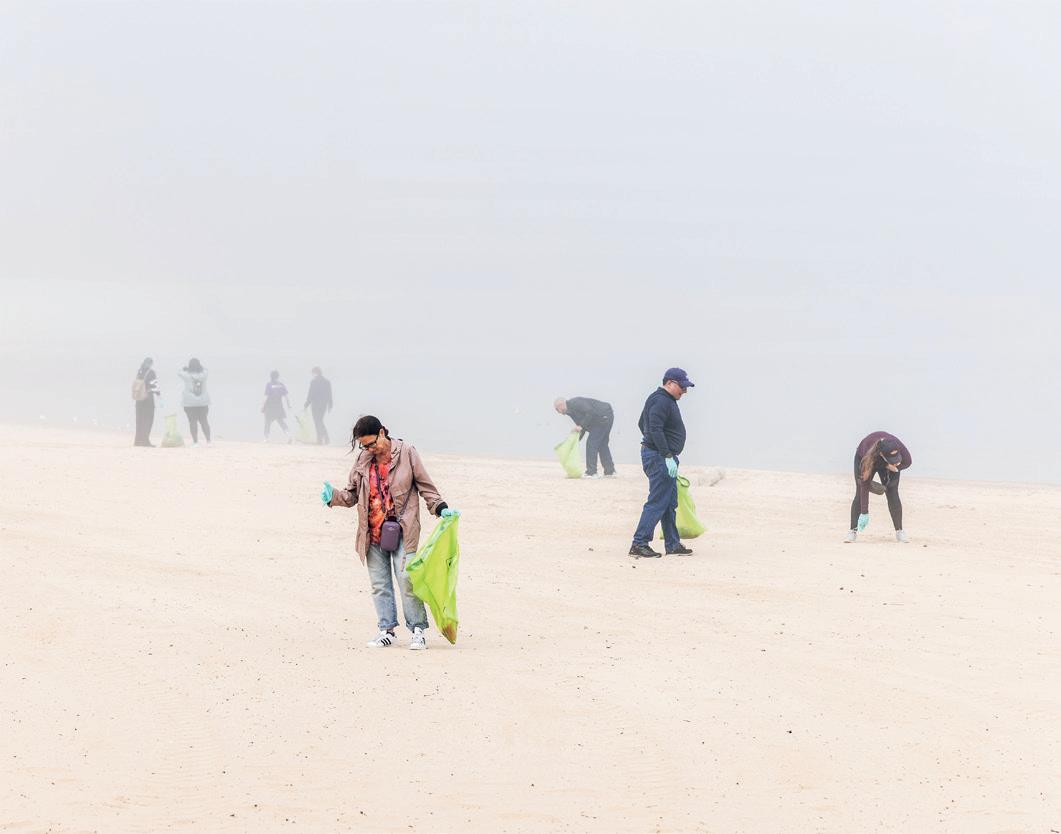
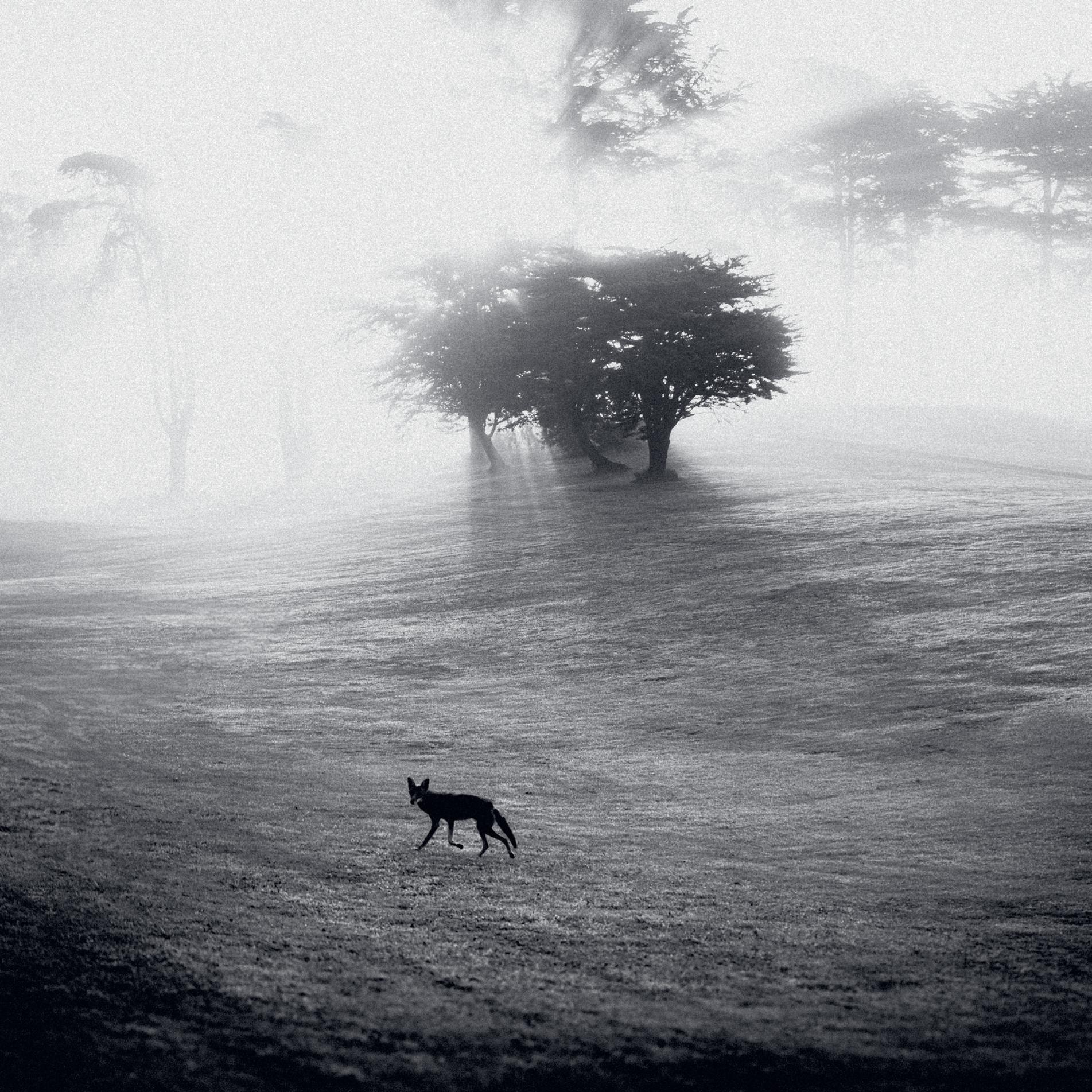
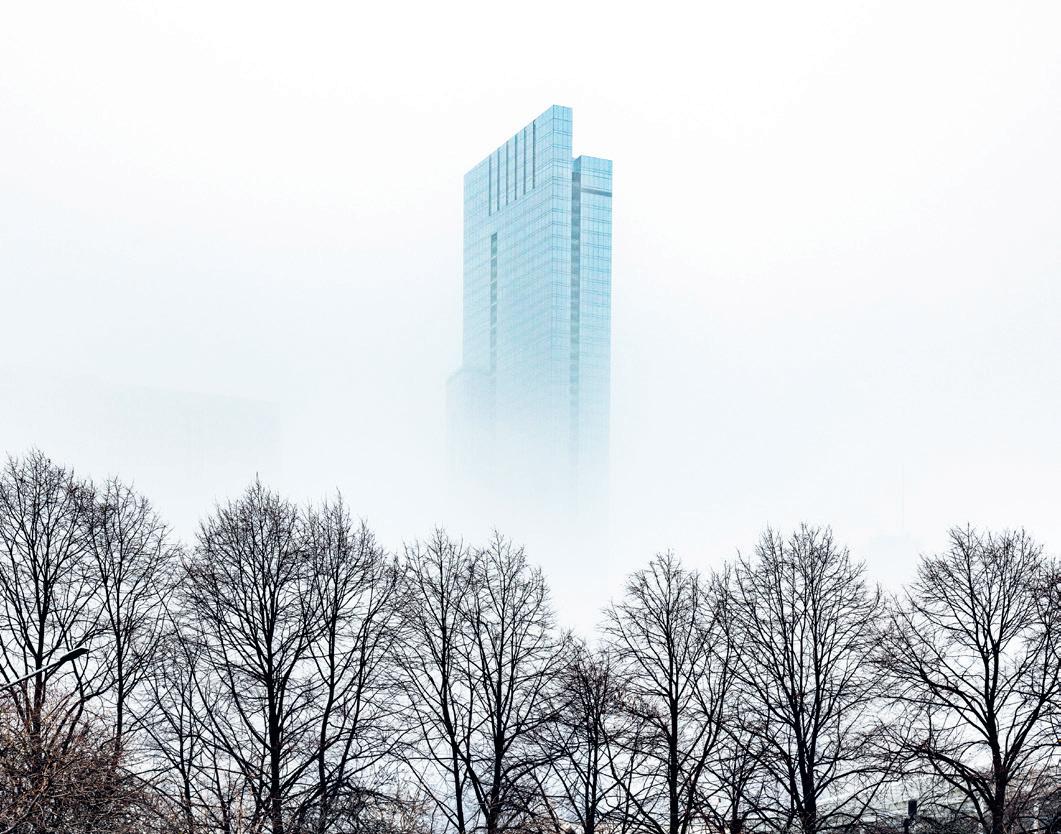
Other types of bad weather are perhaps a little less challenging but for each, I still find it useful to frame a how can I question. For example: How can I photograph the nature of mist in the city? In Chicago, the mist often rolls off the lake, but as soon as it sniffs that nice warm concrete lakefront it rises up to shroud the tops of the tallest skyscrapers. Thus, in answer to my how can I question, I was motivated to take worms-eye shots of skyscrapers enveloped in mist. As the mist thins, eventually the sun begins to break through and the skyscrapers throw shadows onto the underside of the rising layer of vapor. It’s a sight to behold, and then to photograph. Back at street-level, fog and mist are useful simplifiers of the complicated urban environment, so there are many photographic possibilities. Mist also diffuses the light which can facilitate interesting shots of north-facing things.
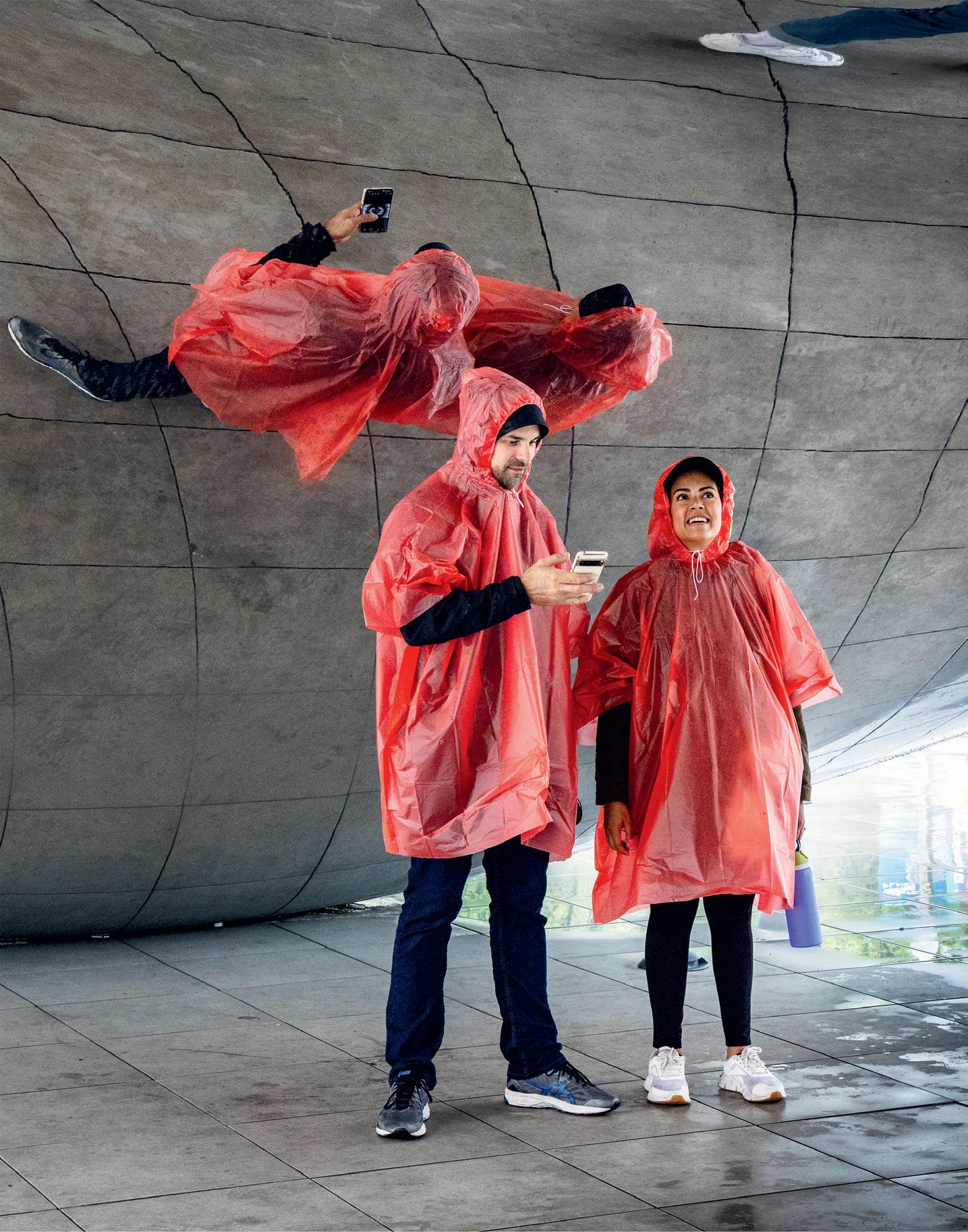
When I’m walking along city streets in rain or snow, I am easily seduced by colorful umbrellas and those photogenic quick-buy plastic rain-ponchos. They facilitate shots that capture something about the experience of being in the city on a rainy or snowy day. Sheltering under an awning, doorway or covered bus stop, it’s nice to watch the world go by with or without a camera. Beyond that, since standard sunny-weather shots tend not to work well in flat inclement-weather daylight, it’s good to experiment and to ask the occasional How can I question.
stevegeer.com
TAKE A MOMENT TO LOOK AT THE NORMAL YOU MIGHT JUST SEE THE INCREDIBLE CHARLOTTE
Why limit yourself to what your eyes see when you have such an opportunity to extend your vision?
Edward Weston
Iopen every presentation I give with this quote – it embraces everything about the way I photograph, and this project in particular.
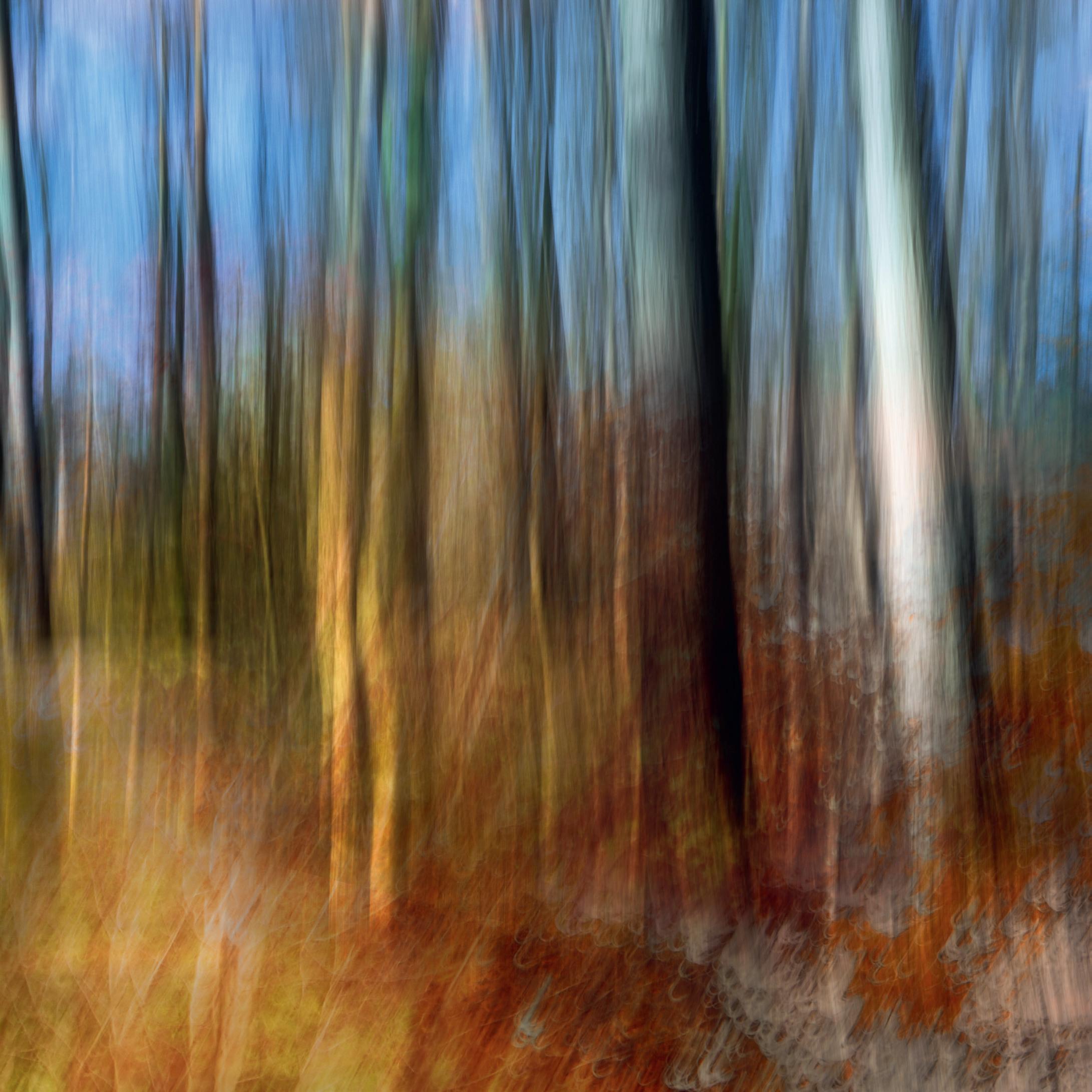
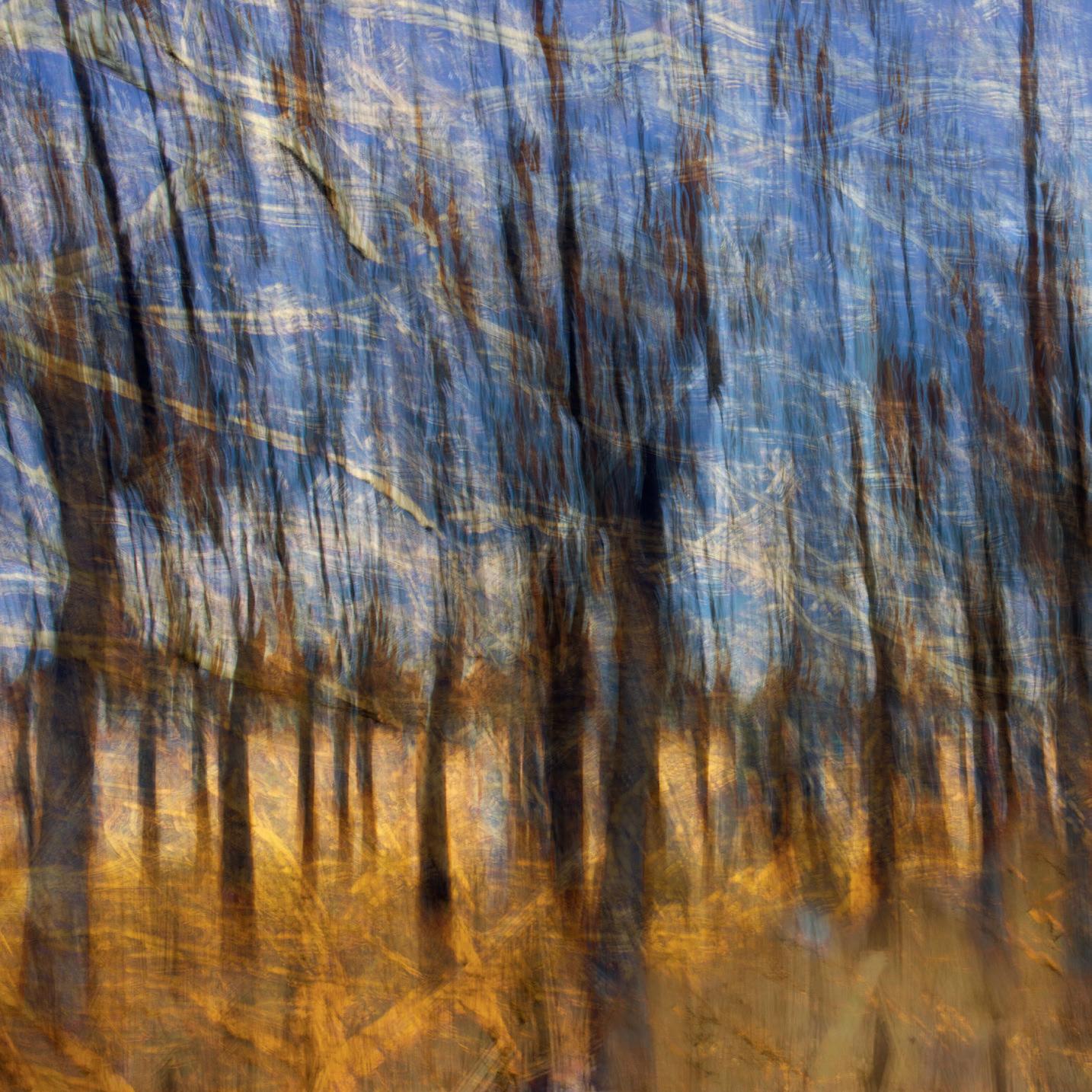
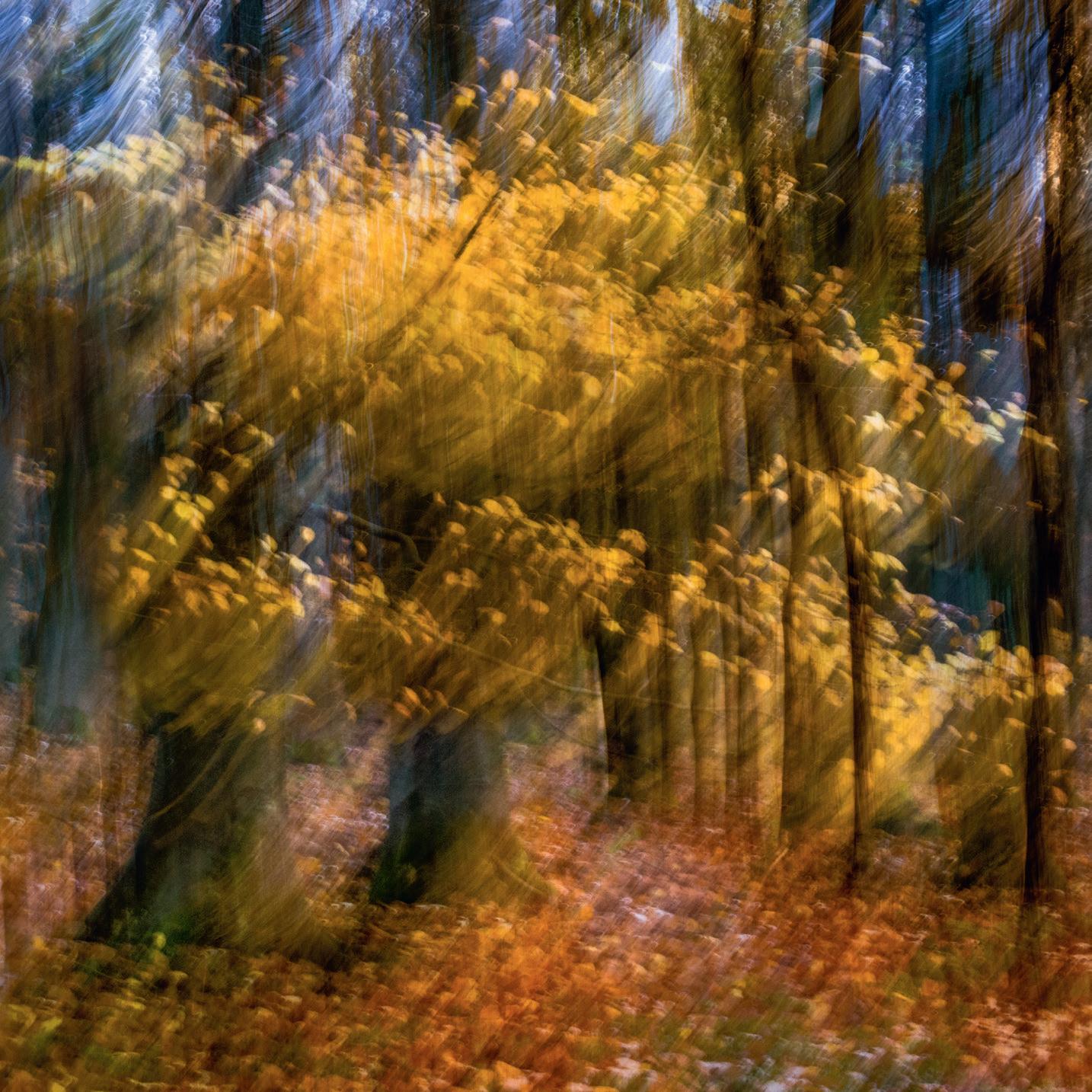
This project is a few years old now, but one I am immensely proud of. In the process of creating the twenty images that make up the full set (a selection of which are shared in this article) I learnt so much about myself as a photographer. I learnt that I love creating images that ask the viewer to question what they are looking at. I got to express my love of the complementary colours of blue and yellow and all associated hues. I also realised how much I love photographing woods and trees. These elements are ongoing in all my work.
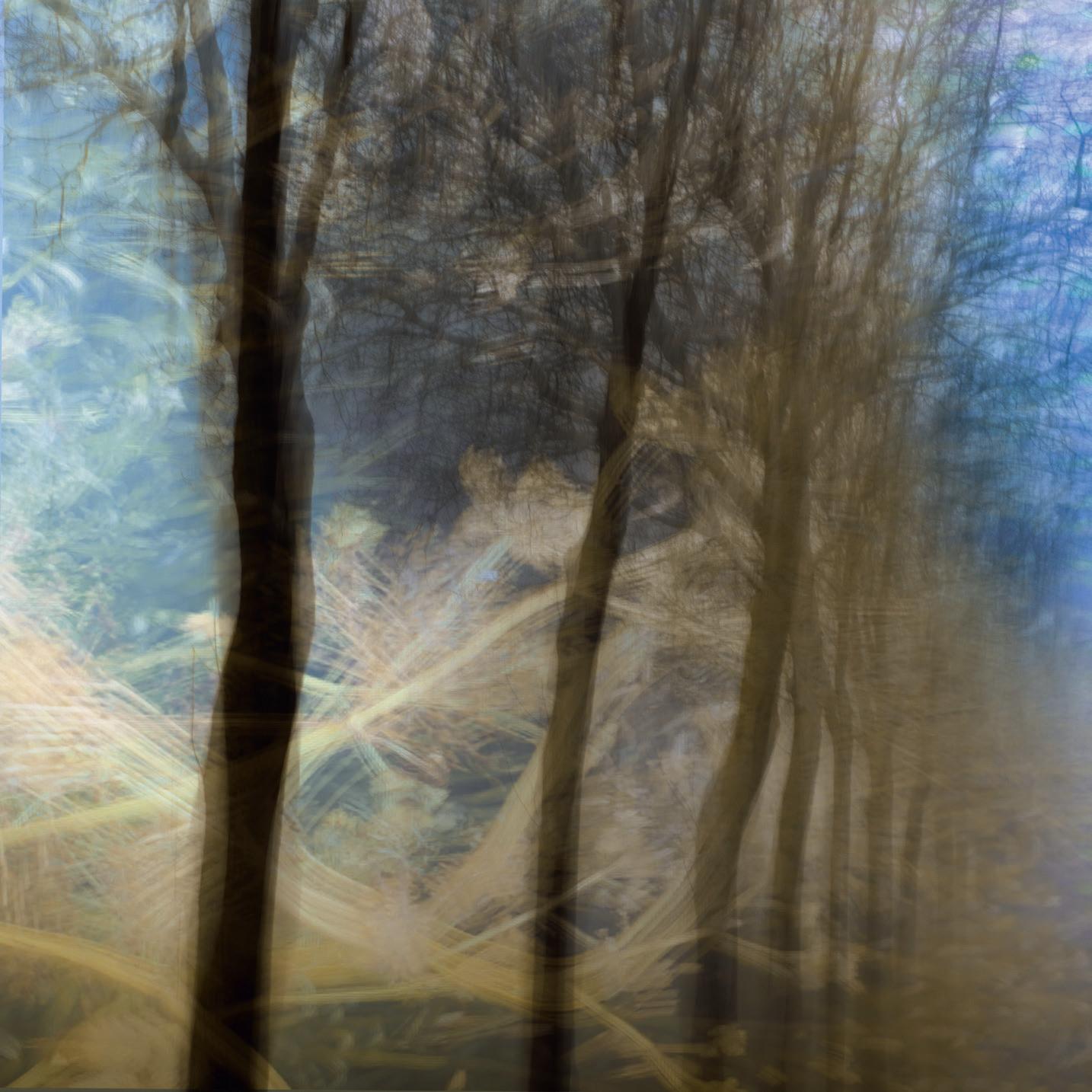
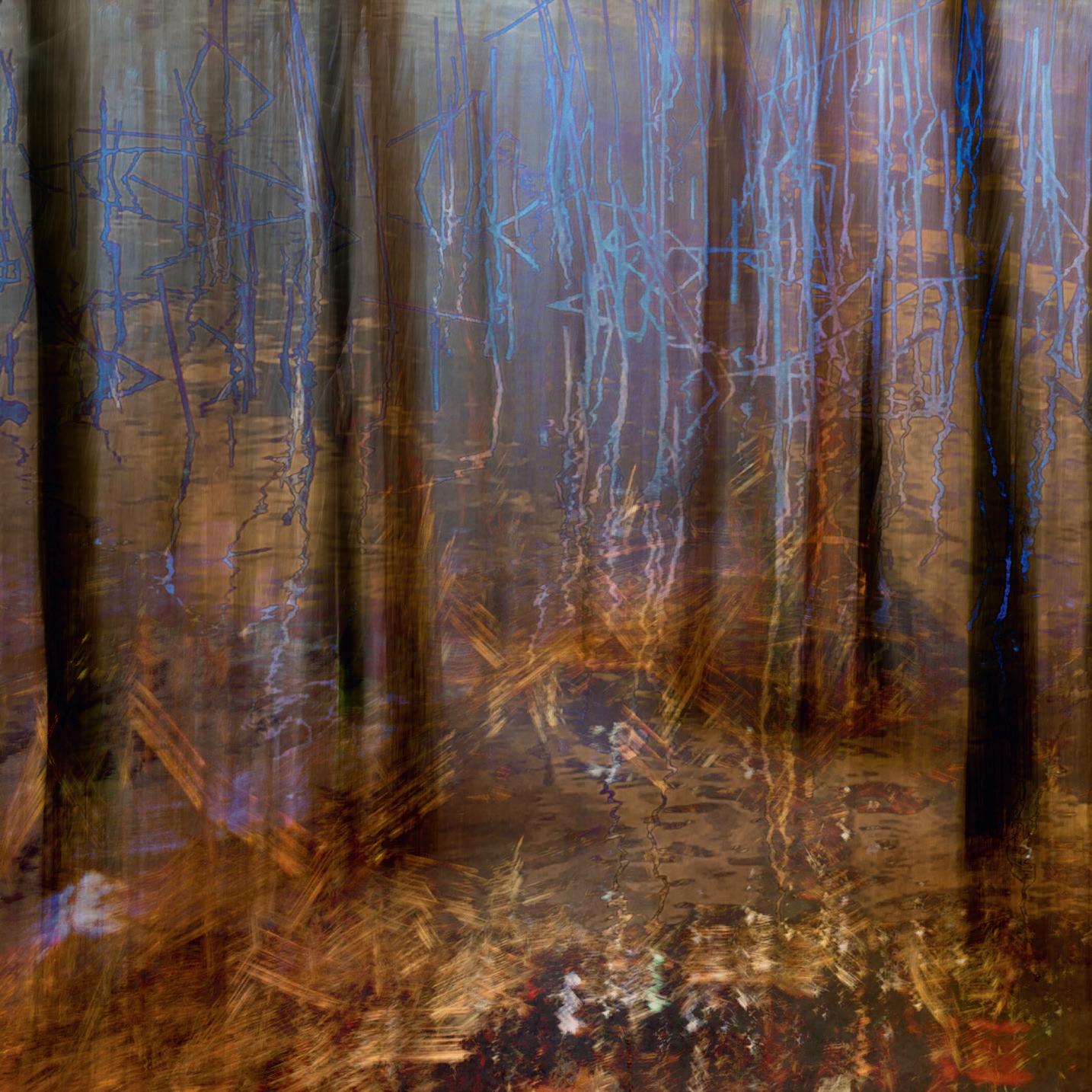
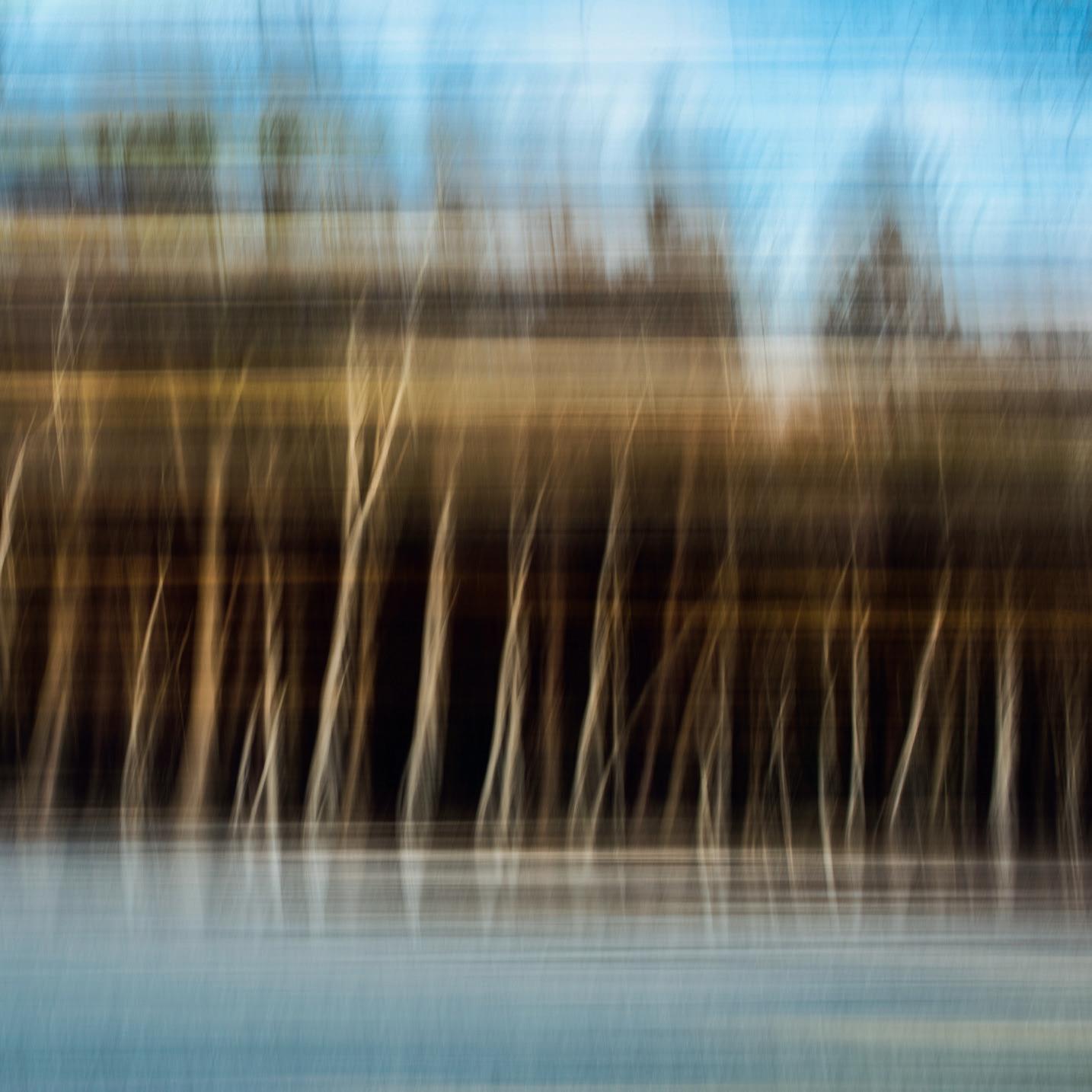
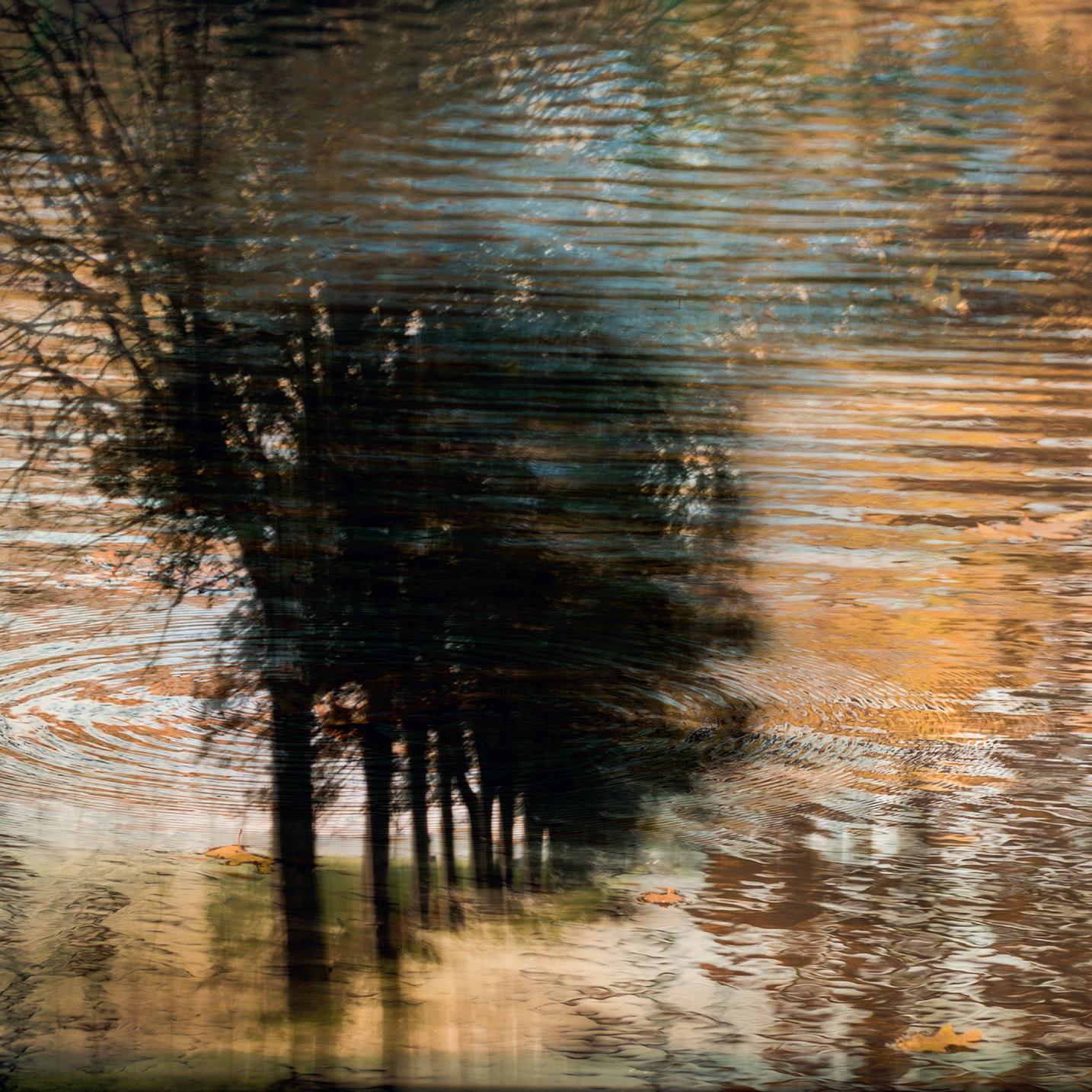
As the sun sets, I feel the warmth of the light as it falls on the leaves of the trees. As the rain drips, I see the grass glisten with vibrant intensity. As the wind blows, the movement captures my eye as a hidden branch is exposed like a shy individual. The wide blue Dutch skies and expanses of water are contrasted with the brown tree trunks and orange sunsets. Every colour and contrast capture my eye when I take time to notice it.
The impressionists have always inspired me, especially Van Gogh. In the early 1800s, these painters were unconcerned with creating objectively realistic representations. Rather they sought to capture the changing effects of light, weather and atmosphere to convey the dynamism of their new environment. Just as in paintings, it is possible for photographers to show their emotions and feelings rather than just a view through a lens.
‘See the incredible’ showcases my love of the outdoors. It has allowed me to explore my love of landscape photography without the constraints of technical perfection. It has allowed me to create images that explore and expose how I feel about the landscape around me. In the Netherlands they say, “I make a photograph” not “I take a photograph.” My images are more than just a snapshot in time; they are a portrayal of a feeling.
Using a combination of ICM and double exposures, some of these images have been created in a moment of spontaneity, whilst others have been carefully combined to replicate a memory. I love the ICM technique for the freedom, fun and experimental creativity it allows – the creation of images that portray more than just an exact record of a moment or place. The use of double exposures allows me to explore the feeling further, adding softness, texture, contrast, depth and colour.
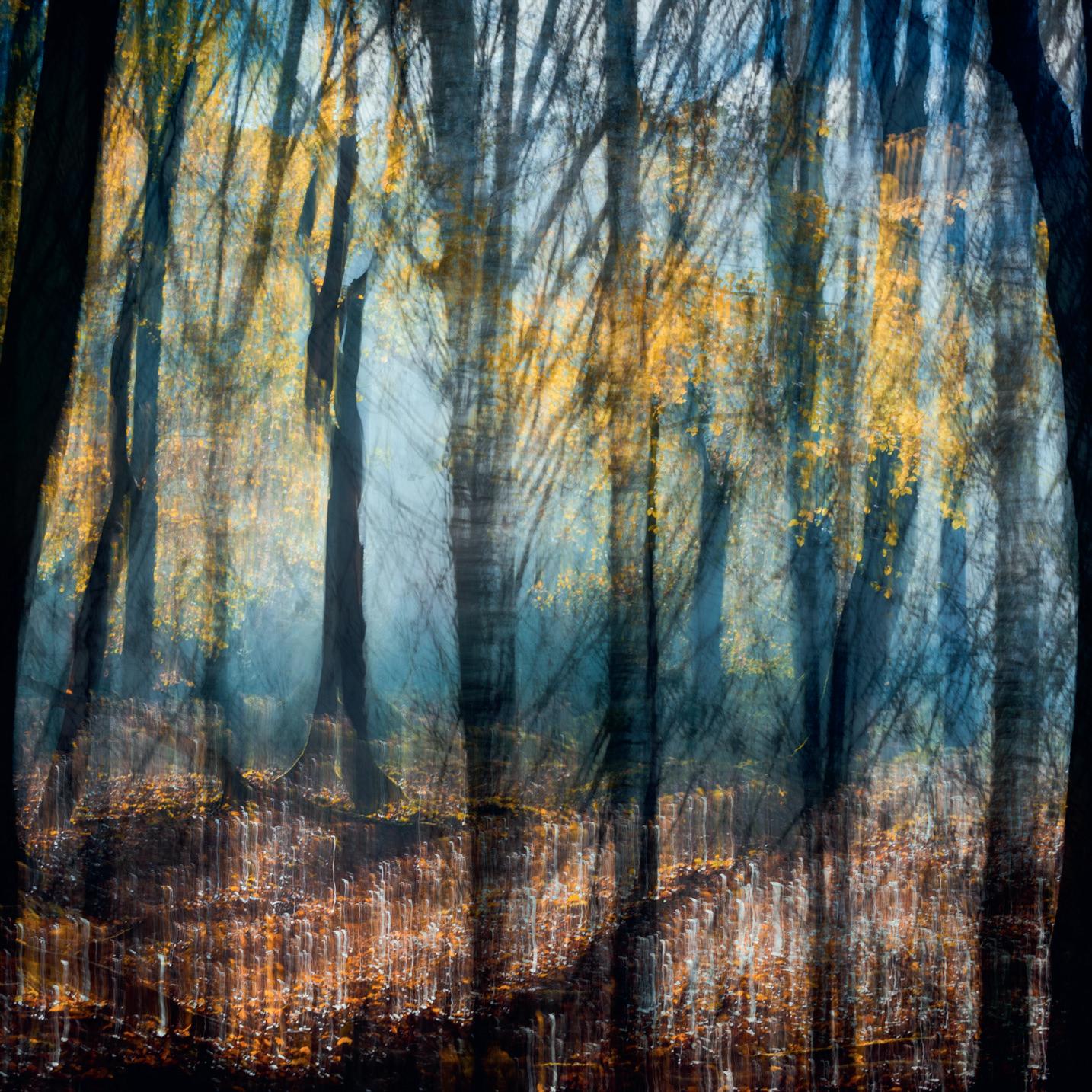
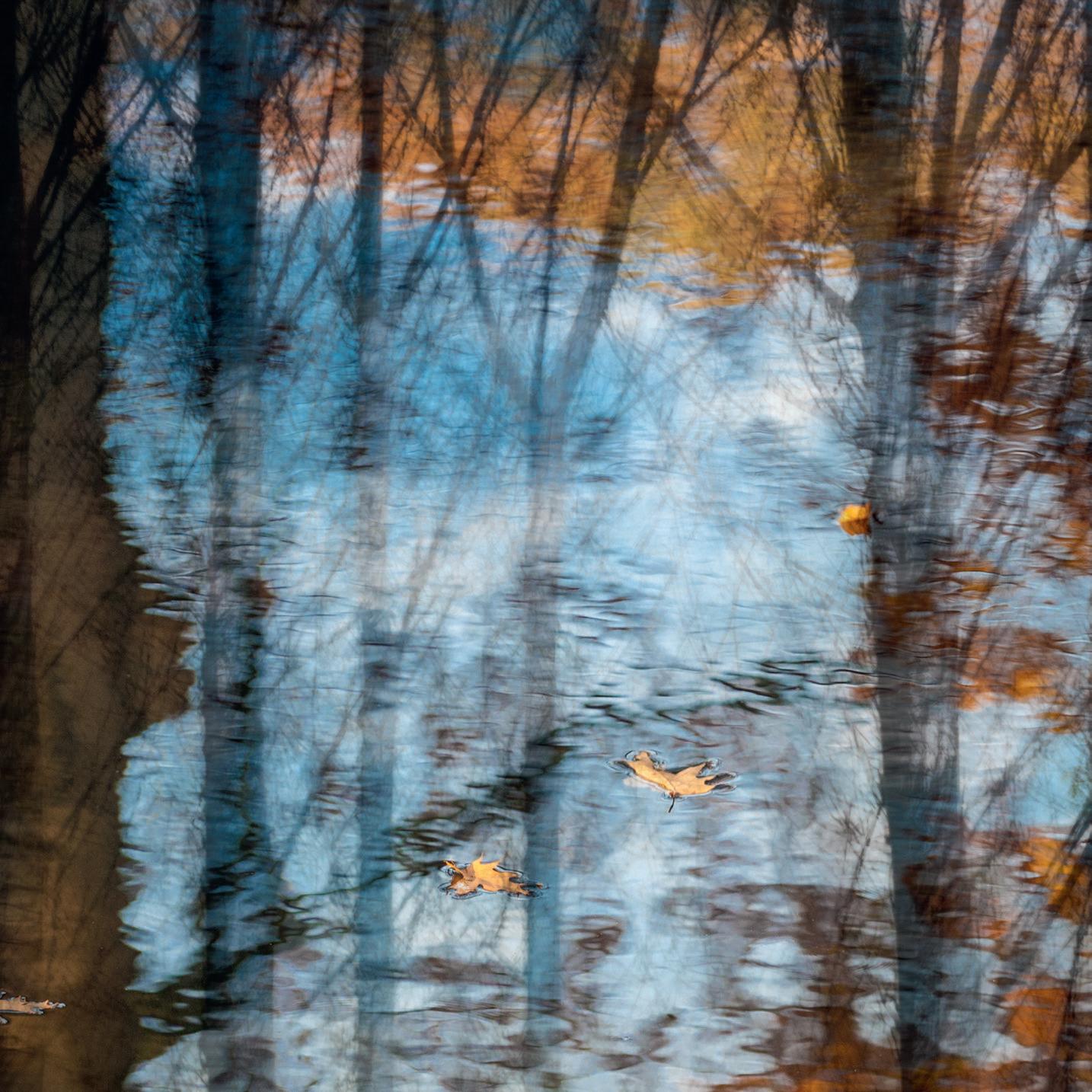
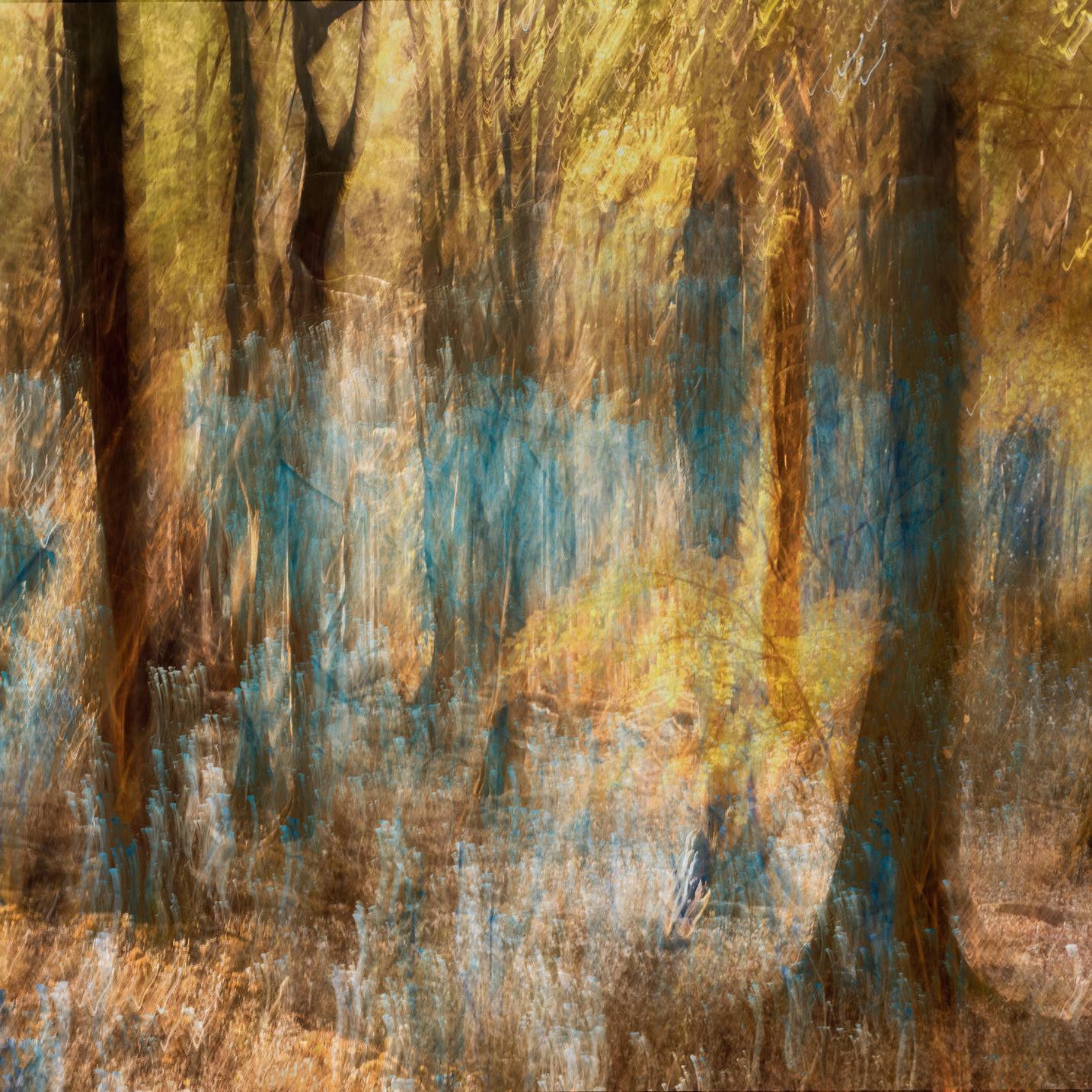
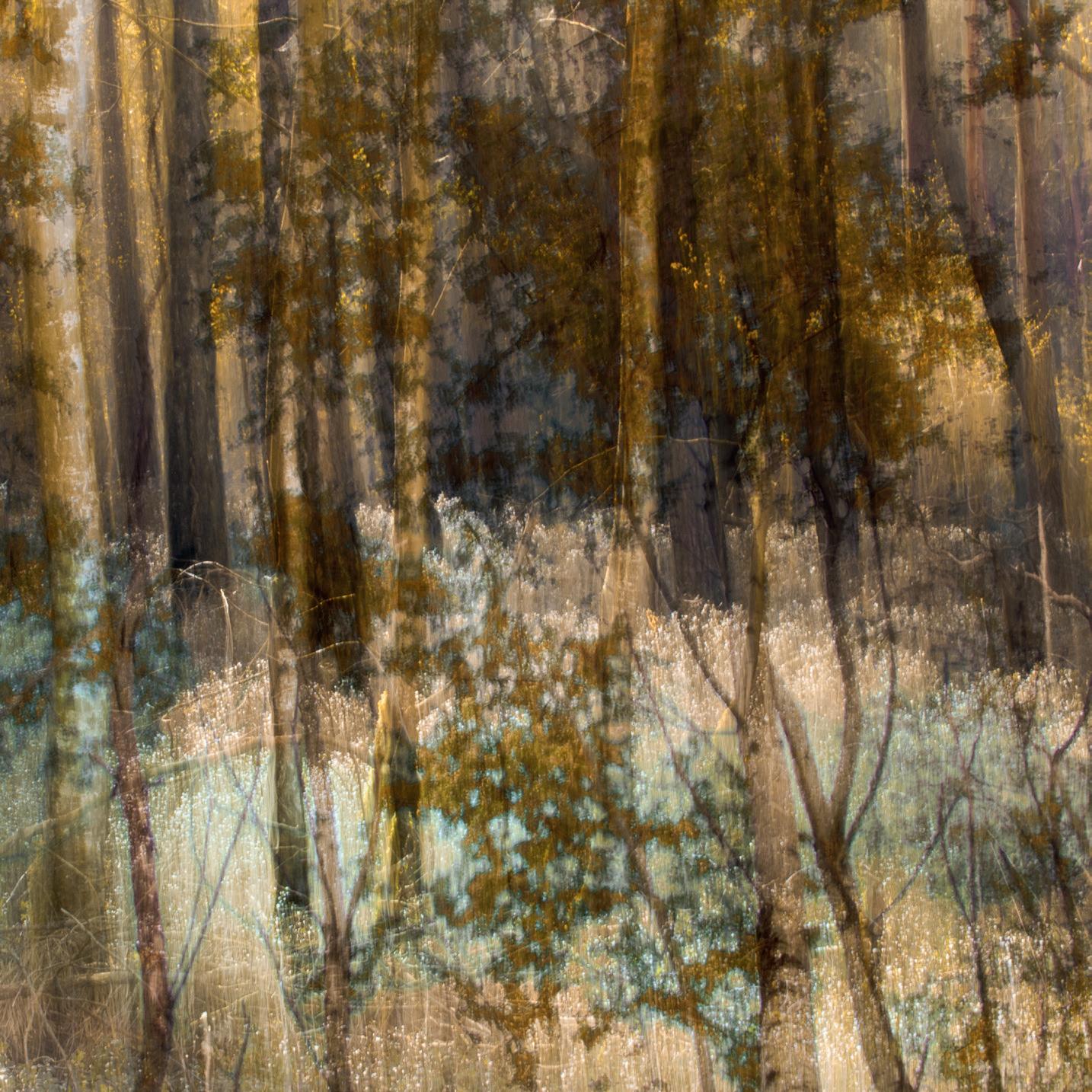
I take inspiration for my work the minute I look out of my window. The weather and the changes in season offering me ever changing wonderment. When I moved to The Netherlands thirteen years ago, I was offered an amazing opportunity to explore my new home through the medium of photography. I delight in the opportunity to turn what many to consider as a ‘flat and boring’ landscape into an image that intrigues and questions that preconceived notion.
The work of Doug Chinnery and Valda Bailey offered me early inspiration. Exploring further. I found the work of fellow artists who share my passion for blending ICM and double exposures; Julia Fuchs, Kevin Marston and Robert Friel. Given my desire to create ‘art’ rather than photographs; I also fell in love with the work of Joan Fullerton, Anthony Garratt and Samuel Cherubim. The work of these painters portrays the landscape with a feeling of passion and power, using colour and brush techniques to evoke a depth and abstract style in their paintings that I absolutely love.
I hope that my passion for the landscape around me is evident, and that these images make you take a minute to linger and wonder about your own location in which you live. Do you wonder now if you are missing an appreciation of your immediate surroundings because they are ‘just there’ or maybe because you just don’t allow yourself the time to look at the obvious?
In the last ten years, I have seen the interest in creative photography develop, blurring the boundaries between photography and art. The Creative Eye Group, which I am proud to be part of inspires me further, and I am delighted to have been asked to submit an article and my images for the magazine.
Another quote I love, one whose words I embrace in all my photography:
Be daring, be different, be impractical, be anything that will assert integrity of purpose and imaginative vision against the play-itsafers, the creatures of the common place, the slaves of the ordinary.
Cecil Beaton
charlottebellamy.com
instagram.com/ charlottebellamyholland youtube.com/ @charlottebellamycreativephoto
JAYNE SANDERSON
Having recently been awarded the Bronze Medal for my entry Joyful in the Creative Eye Group Digital Exhibition 2025, I was flattered to be asked if I would write an article on my Submerged Flower Photography.
I was introduced to this genre of photography about a year ago after seeing some images whilst researching creative flower photography.
I spent several weeks reading about the technique and sourcing a suitable
fish tank, weights, inks, syringes and pipettes.
When I started putting what I had learnt into practice I quickly realised that it was not as easy as it looked. Firstly, I had to select a suitable flower, one with no imperfections and would fit into the tank leaving sufficient room for the inky trails to develop. Then, after trying several methods to weight the stem of the flower down in the tank now filled with water I ‘borrowed’
a couple of small weights from my husband’s fishing tackle. These I attached to the base of the stem using a very short length of fishing line and a tiny crocodile clip. It’s surprising how much air is trapped in the head of a flower, and the amount of weight needed to keep the flower under the water. It also took some time to burst the air bubbles from around the petals with a needle.
When I was satisfied that I had a good composition and had placed a painted texture board behind the tank I just needed to set up my camera and lights. I found that if I closed all the blinds in my studio, and wrapped my tripod and camera body in a black velvet sheet I could get rid of any reflections that showed in the tank. I set my soft lights to each side and in front of the tank, then using a zoom lens to focus on the flower and experimented with different apertures until I found one that gave me enough depth of field to ensure the whole flower was in focus.
It’s trial and error as to what liquid medium to use and after several different mixtures I have settled on just using acrylic inks, food dyes and milk. I find a blend of those give me the results I like, using either pipettes or syringes to place the ink mixture just where I want it on the flower head or petal. It’s tricky not to disturb the flower when applying the ink. Using a six inch needle made it a bit easier because then I didn’t have to put my hand into the water. I use a remote shutter release cable to operate the camera, as not only am I several feet away from the camera, I’m also administering the ink to the flower with one hand and pressing the shutter release button, when I think the ink has achieved the type of trail I’m looking for, with the other. Again, after experimenting with different shutter speeds I generally now use anything between 1-2 seconds, as I prefer the softer, ethereal look as the ink falls off the flower.
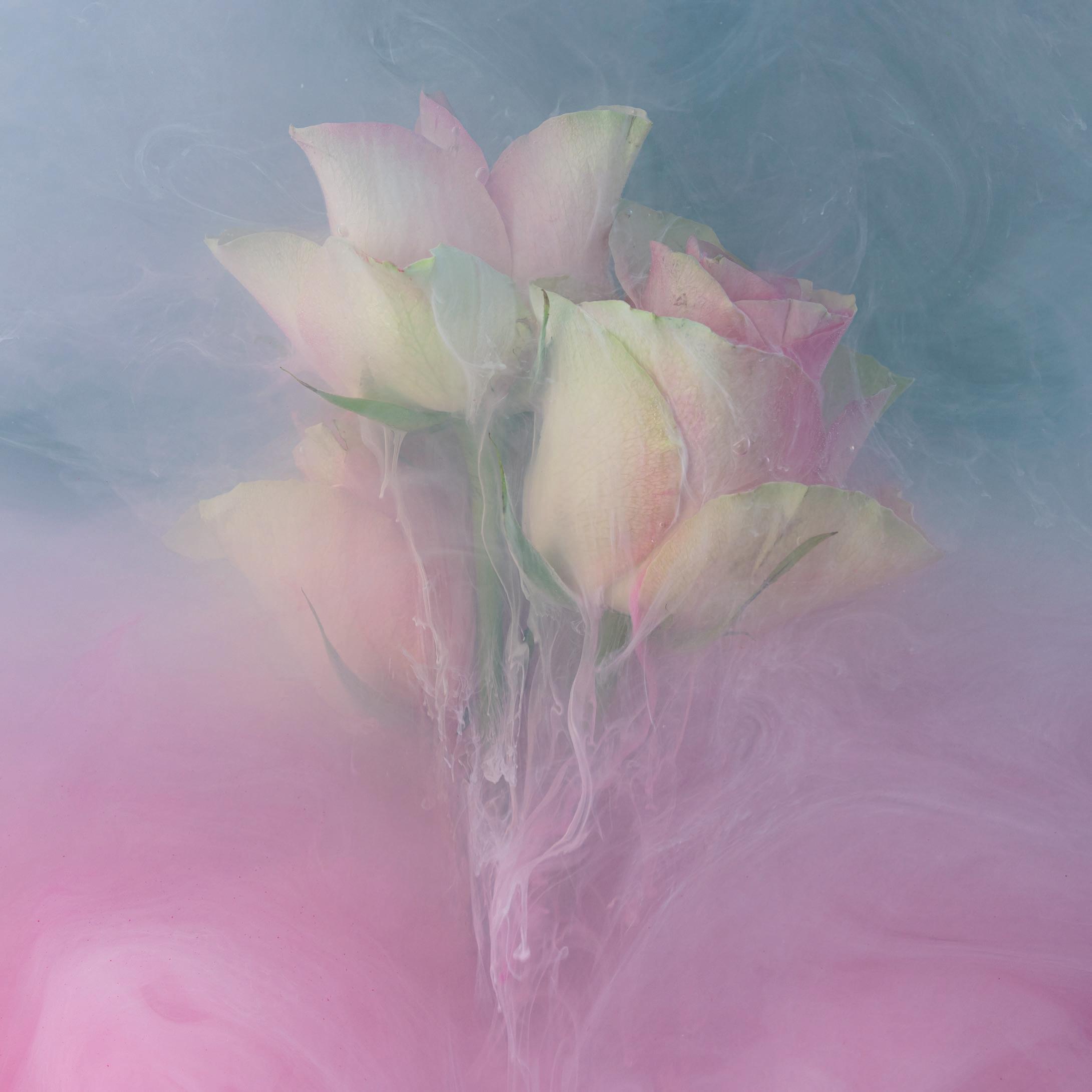
Roses is an example of what happens when ink sinks to the bottom of the tank and settles. As you add more ink the level gradually rises.
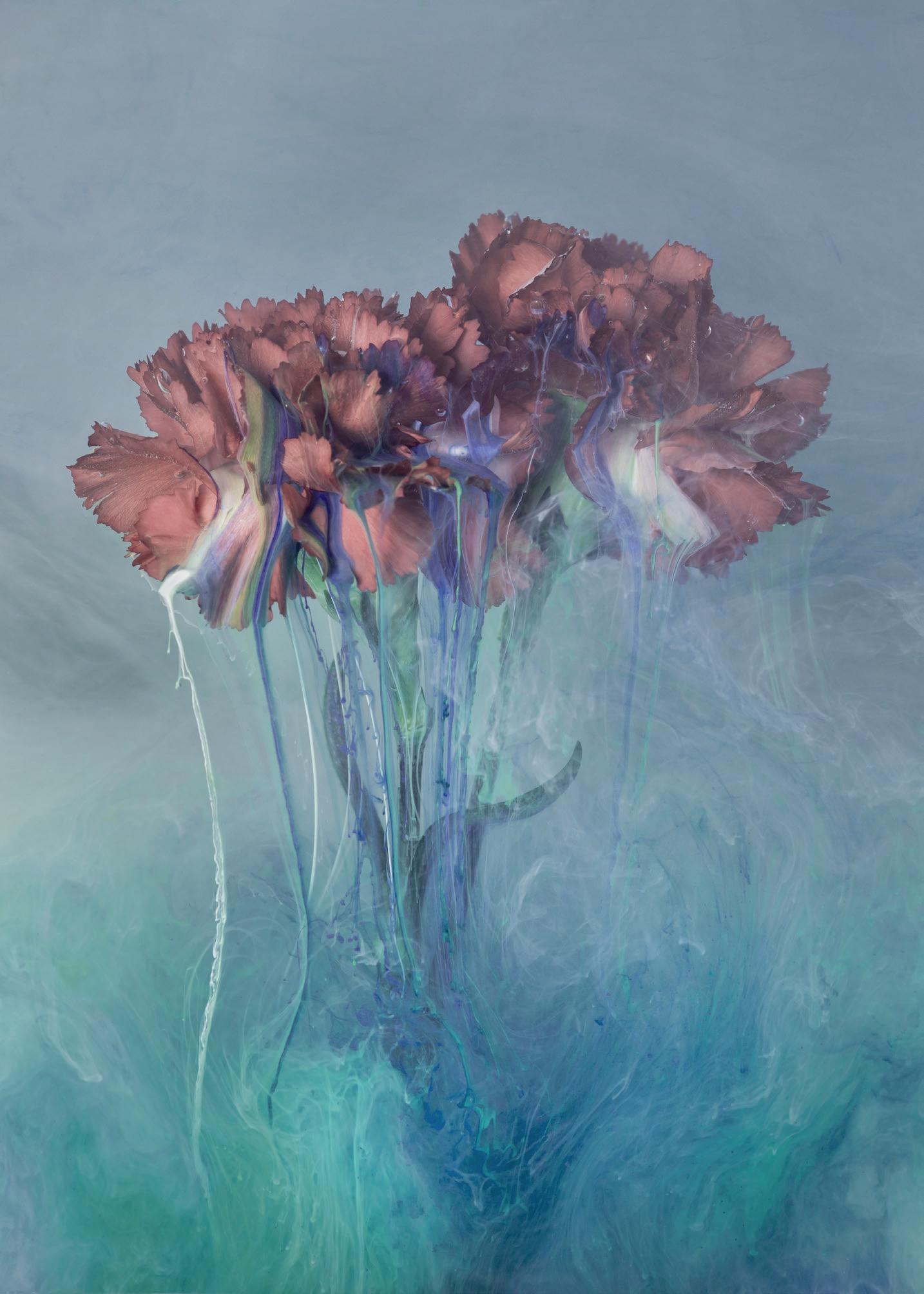
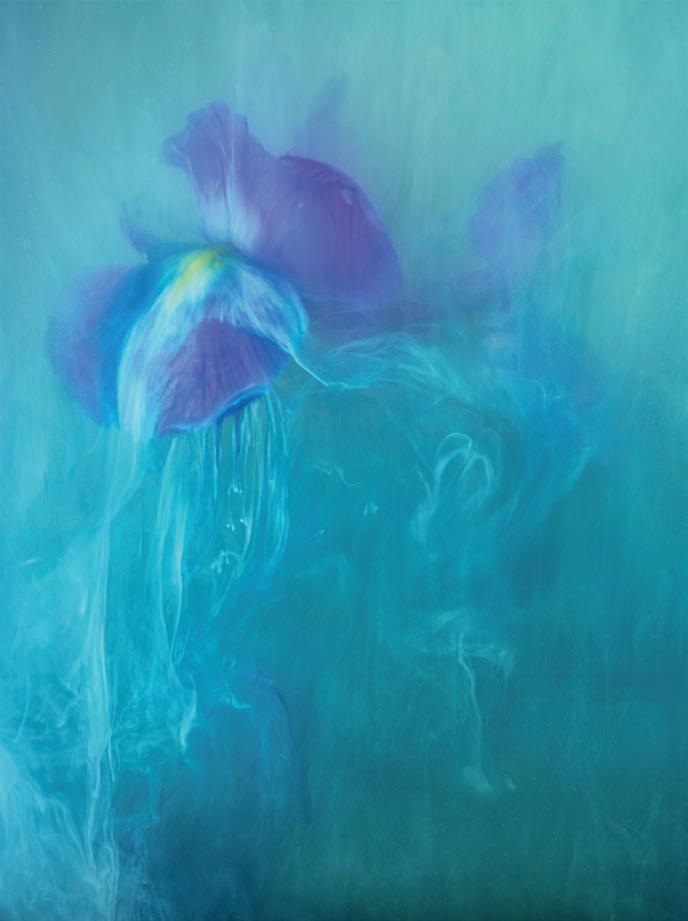
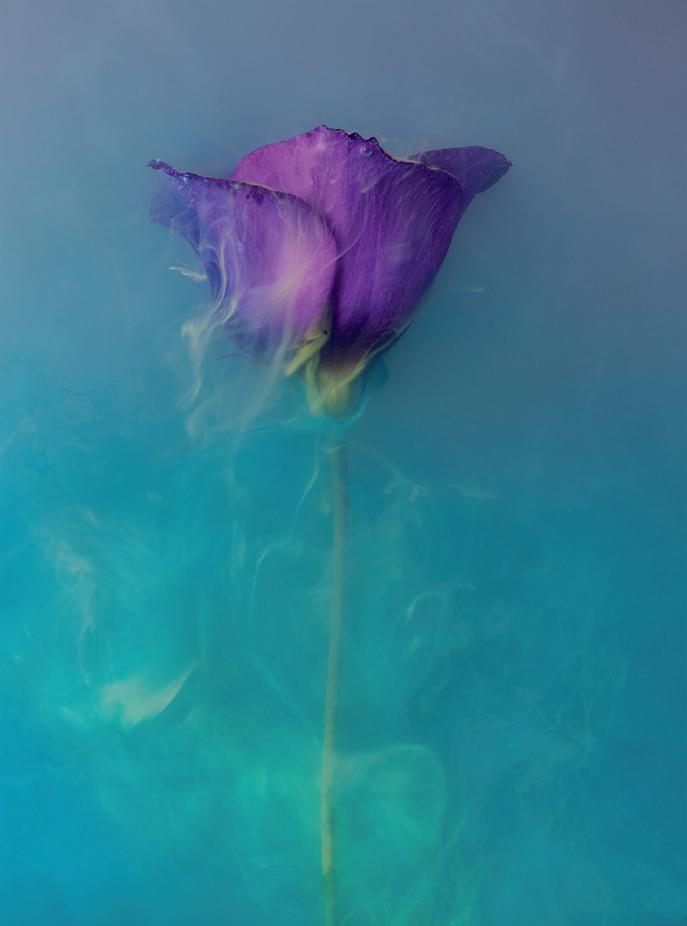
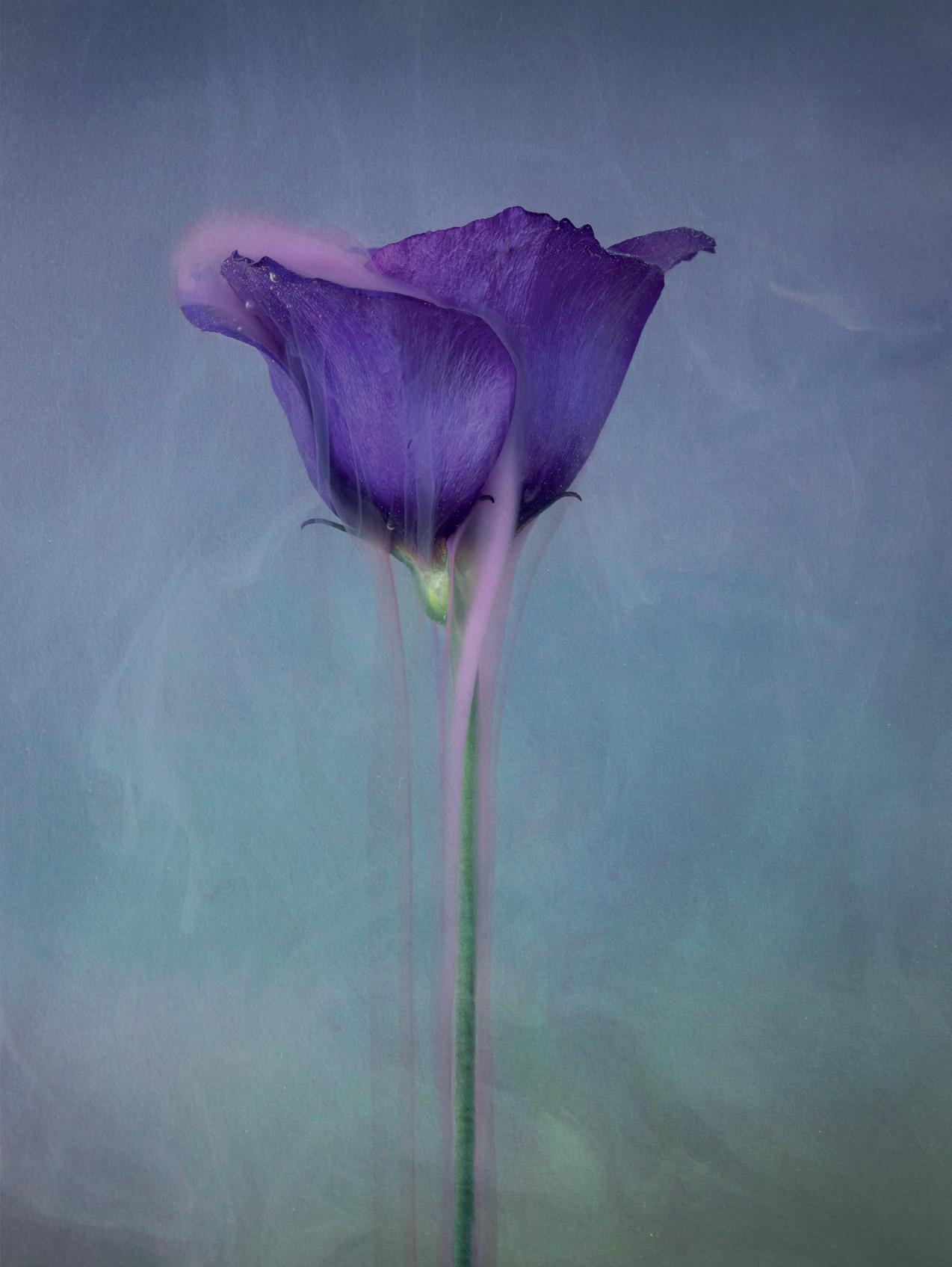
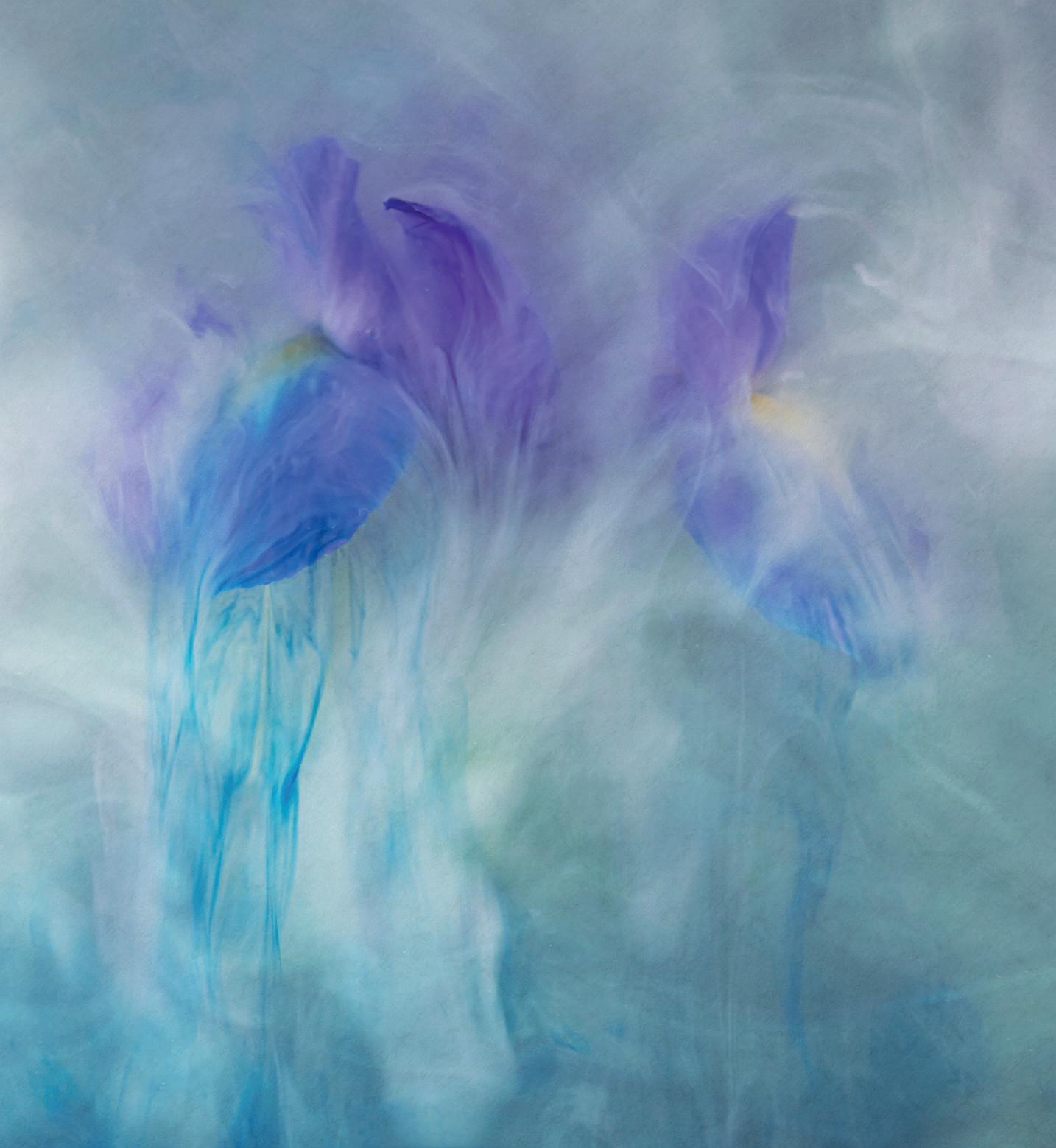
Here are samples of images I’m most pleased with. Whispering was taken by placing a small amount of milk with added food dye directly into the head of the bloom. Then carefully blowing the water with a clean pipette across the top the flower to create a slight movement in the water. This caused the ink to rise slightly out of the flower, before then sinking again.
It is difficult to predict what will happen and I have many failures. Freedom to Dream was taken when the water had become very cloudy with the ink and milk mixture and was barely visible. I think this gives a wonderful painterly feeling.
Joyful is a culmination of many hours of practising and experimenting, so it’s a very rewarding type of photography as well as being very messy. It suits my ‘what if...’ approach to photography and I’m sure I will keep trying different things as time goes on. It especially appeals to me as the resulting images only need the slightest adjustments in Photoshop, so I don’t need to spend hours on the computer. All of this leaves me time to clear up the mess, empty and wash out the tank etc. and make sure everything’s ready for my next attempt.
https://www.flickr.com/ photos/185037891@N07/