CONCEPT
The Newsletter of the Contemporary Group of the Royal Photographic Society
Foreword
Nick Linnett
Chairs
Tom Owens ARPS
Postal Portfolio
Nigel Corby
Light Painting - Ouseburn Victoria Tunnel
Andrew Pounder
The Arable Farm Year
Sean Goodhart ARPS
Skipton
Tim Hancock ARPS
Colchester
Jonathan Williams
The Abstract Seascape
Marion Hayhurst
An
Sudipta Maulik
ARPS Panel
Simon Maddison Venice
David Scrivener
From the Editor
Welcome to the new issue of Concept
As we look ahead to the coming year, it’s a good moment to pause and ask what we want our photography to become. Refreshing your practice doesn’t always mean new kit or far-flung travel. Often, it begins with attention: slowing down, looking harder, and questioning familiar habits.
Before looking forward, I want to thank everyone who has contributed to the magazine over the past year. The range, generosity, and thoughtfulness of the work submitted –and the conversations it has sparked – continue to demonstrate the strength and diversity of our photographic community. Your projects, essays, and images are what give these pages their purpose.
One way to reset creatively is to impose gentle constraints. Work with a single lens for a month, return repeatedly to the same place, or explore a subject that feels slightly uncomfortable. Constraints can sharpen intent and lead to more coherent bodies of work. Re-engaging with editing and sequencing is equally powerful; shaping existing photographs into meaningful narratives is a creative act in itself.
Staying open to others remains vital. Exhibitions, photobooks, talks, and conversations with fellow photographers help recalibrate how we see. I warmly encourage you to send your work for consideration in the coming year. Whether emerging or established, personal projects and reflective series are always welcome. The year ahead offers not just the chance to make more photographs, but to share them, question them, and deepen why we make them at all.
Please remember to look out for forthcoming activities and photographic talks, nearly all of which are available free of charge. If you would like to find about group activities in your local area and also some very interesting talks from a variety of image makers visit the what’s on page of the group website - https://events.rps.org/en/? search=Contemporary%20Group
If you have any feedback on what you would like to see in future issues, please don’t hesitate to get in touch
Nick Linnett Concept Editor
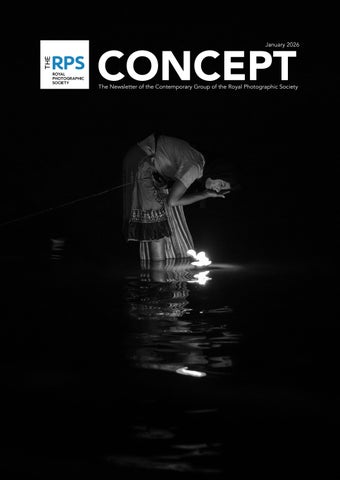
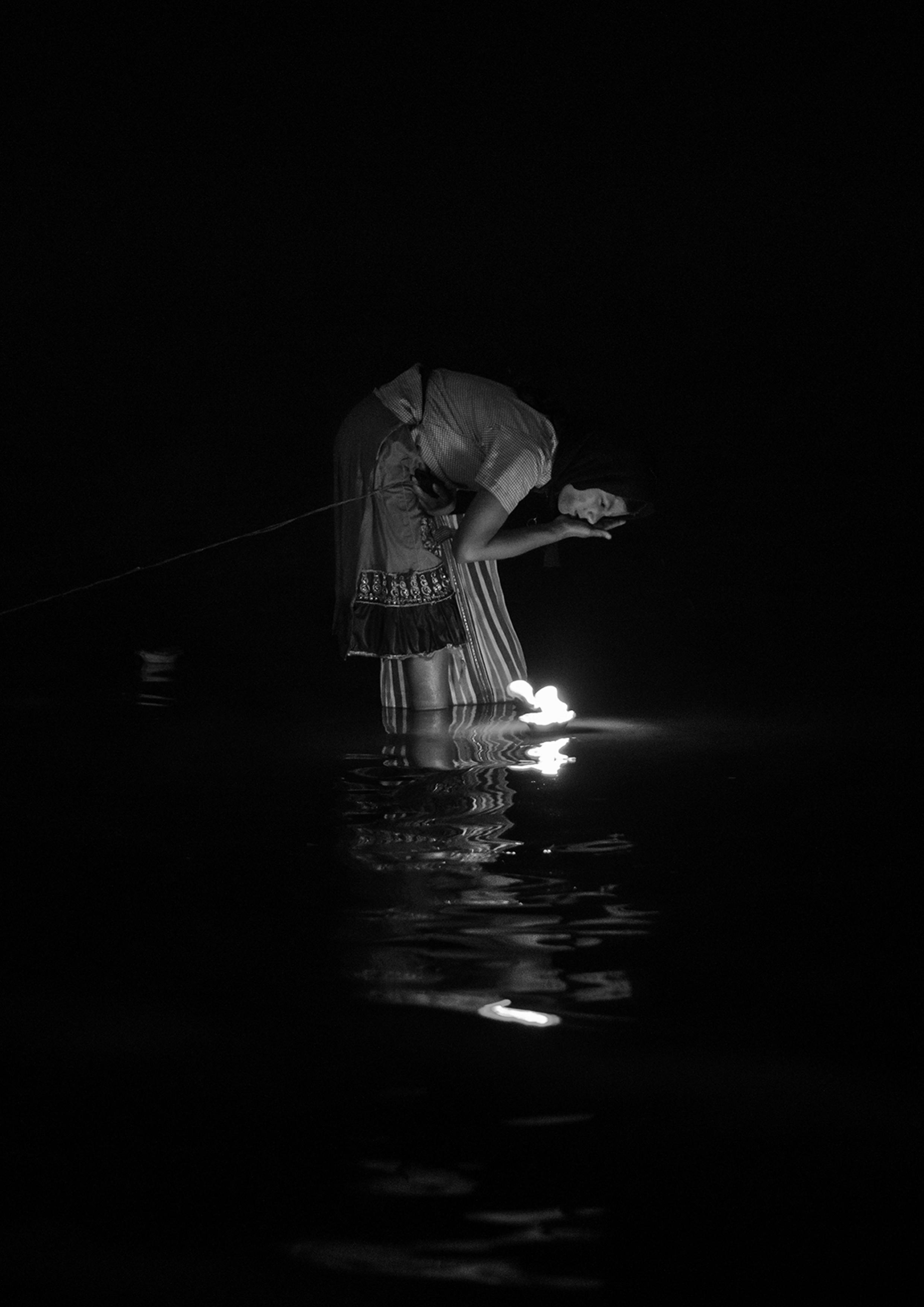
Cover Image
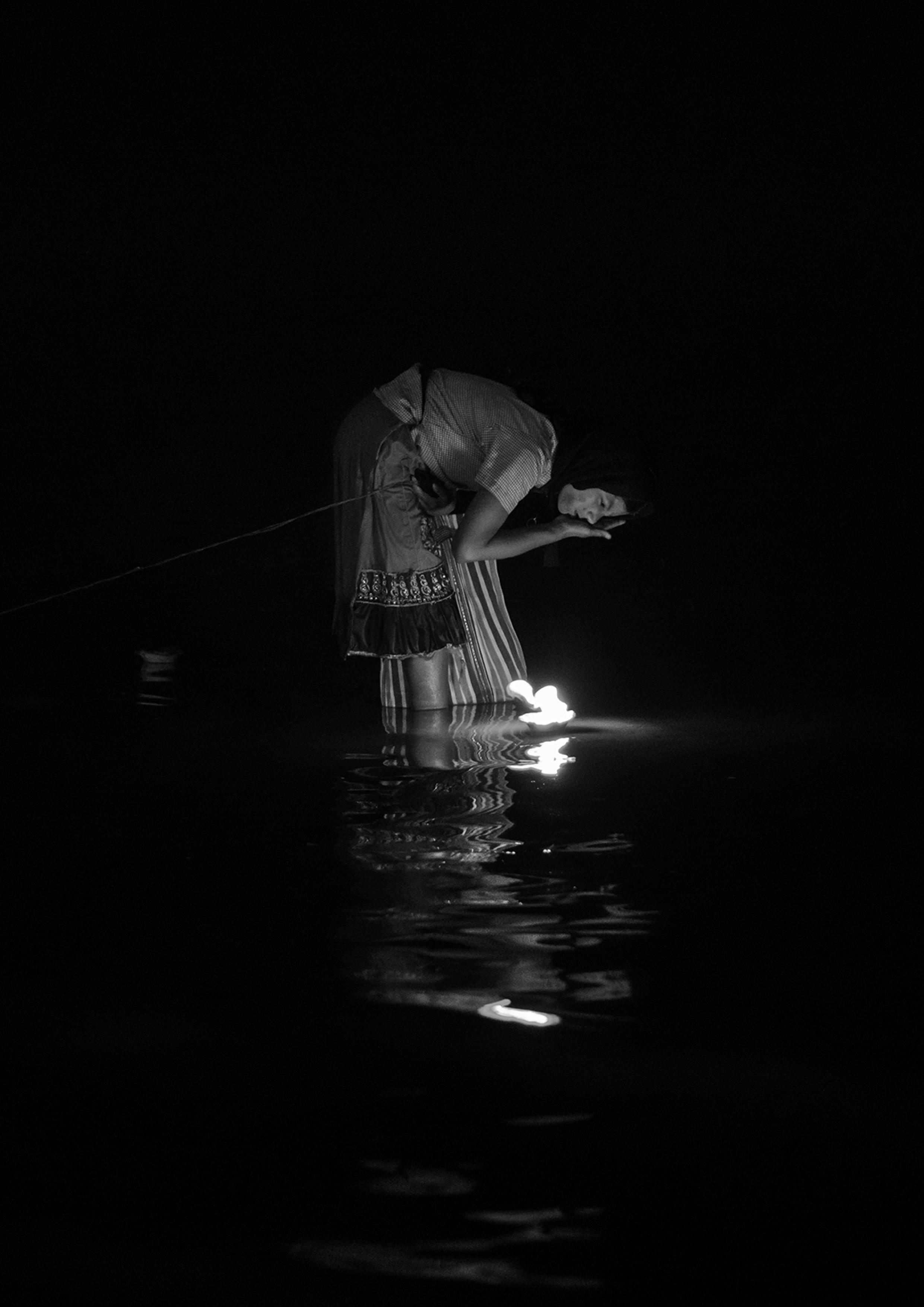
From: An offering of hope, a livelihood of chance Saudipta Maulik
Contemporary Facebook Group https://www.facebook.com/groups/rpscontemporary
RPS Photobooks Facebook Group https://www.facebook.com/groups/RPSPhotobooks
Contemporary Youtube https://rps.org/groups/contemporary/contemporary-youtube/
Contemporary Instagram https://www.instagram.com/rpscontemporary/

Update from our Chair
Welcome to 2026.
I must apologise to new members for any lack of personal welcome message, but this is owing to the inability to re-set access to Salesforce following the resignation of our previous Secretary. A phrase I used often in my career as a Business systems analyst was ‘To err is human, to foul things up completely, use a computer’. Hopefully, the use case of a new incumbent in a role should be seen as the norm and a software or process fix should plug the hole.
Talking of plugging holes, we still desperately require a replacement for Tim Hancock. Admittedly, he is a hard act to follow as he was very efficient. We have broadcast the vacancy twice, once before he left the post and again just before Christmas 2025.
The other upcoming vacancies are for the roles of Chair and East Anglia activity organiser. Please contact me directly ( contemporary@rps.org ) if you would like to talk about volunteering.
Our CEO has asked me to remind all activity organisers of a restrictive clause in our terms of reference. We are only permitted to have attendees and promote the work of RPS members in our groups. For anyone who is not aware, Dr Avijit Datta was expelled from the RPS and you must not let him attend your groups or promote his work in any of your zines or other publications.
If anyone is aware of his continued presence at meetings then you can contact me directly to make me aware.
For all of that, our groups continue to thrive and practice contemporary photography in their own ways. It is my belief that SIGs are the very life of the RPS, with the organisation being just a wrapper around them.
Tom Owens ARPS
January 2026
RPS Contemporary Group
Committee
Group Chair: Tom Owens ARPS contemporary@rps.org
Group Secretary: contemporarysecretary@rps.org
Group Finance Officer: Alan Cameron ARPS contemporarytreasurer@rps.org
Group Engagement & Events Officer: Donata Rogozik contemporaryevents@rps.org
Group Communications Officer/Webmaster: Sean Goodhart ARPS contemporaryweb@rps.org
Contemporary Photography editor: Paul Ashley ARPS contemporaryeditor@rps.org
Journal layout editor: Rolf Kraehenbuehl ARPS contemporarypun@rps.org
Concept newsletter editor: Nick Linnett concepteditor@rps.org
Publications & Social Media: Burak Oguz LRPS contemporarymedia@rps.org
Activity Groups
South West Regional Organiser: Adrian Hough ARPS contemporarysw@rps.org
North Regional Organiser:Patricia Ruddle ARPS contemporaryne@rps.org
North West Regional Organiser: Alan Cameron ARPS contemporarynw@rps.org
East AngliaRegional Organiser: Tom Owens ARPS contemporaryea@rps.org
Central Regional Organiser:Steff Hutchinson ARPS contemporarycentral@rps.org
Scotland Regional Organiser: Steven Whittaker ARPS contemporarysco@rps.org
Postal Portfolio: Nigel Corby FRPS contemporarypostal@rps.org
Postal Portfolio
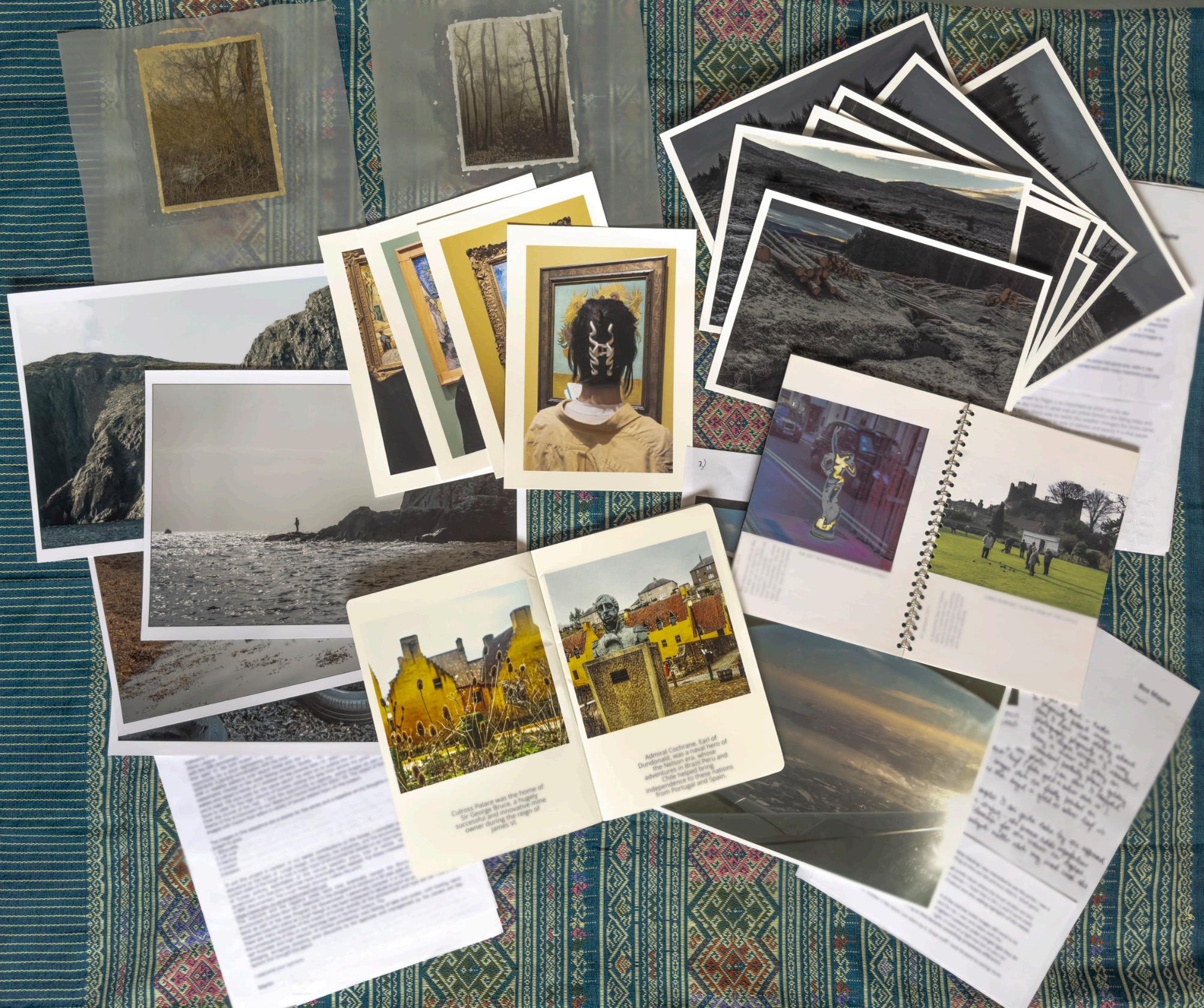
The Postal Portfolio provides opportunities for members of the Contemporary SIG to view and comment on prints and books made by members and to receive feedback on their own work.
There are two circuits of boxes at present with five boxes going round each circuit. A circuit can have up to 12 members. The original circuit has been in existence for over 20 years. Members find it a stimulating and encouraging means of sharing their photography with others and enjoy seeing and handling work in the form of prints. When a box arrives through the post you add a piece of your own work, be it a single print or a series of prints or even perhaps a book. You can also view the work of other members, read the comments which have been made and add your own comments. The suggested turnaround time for boxes is two to three weeks. Once you have finished with a box, you send it to the next person on the circuit. When the box has completed a circuit and has returned to you, you can see the comments which have been made on your own work.
In addition to the circuits, we have monthly meetings over Zoom for those members able to attend. We show and discuss work and other topics members want to raise. Every three months a meeting is given over to discussion of a published photography book chosen by a member.
The Postal Portfolio would welcome new members. If you are interested in joining us or want further information, please contact me at contemporarypostal@rps.org
Nigel Corby Coordinator, Contemporary Postal Portfolio
Light Painting - Ouseburn Victoria Tunnel
Andrew Pounder
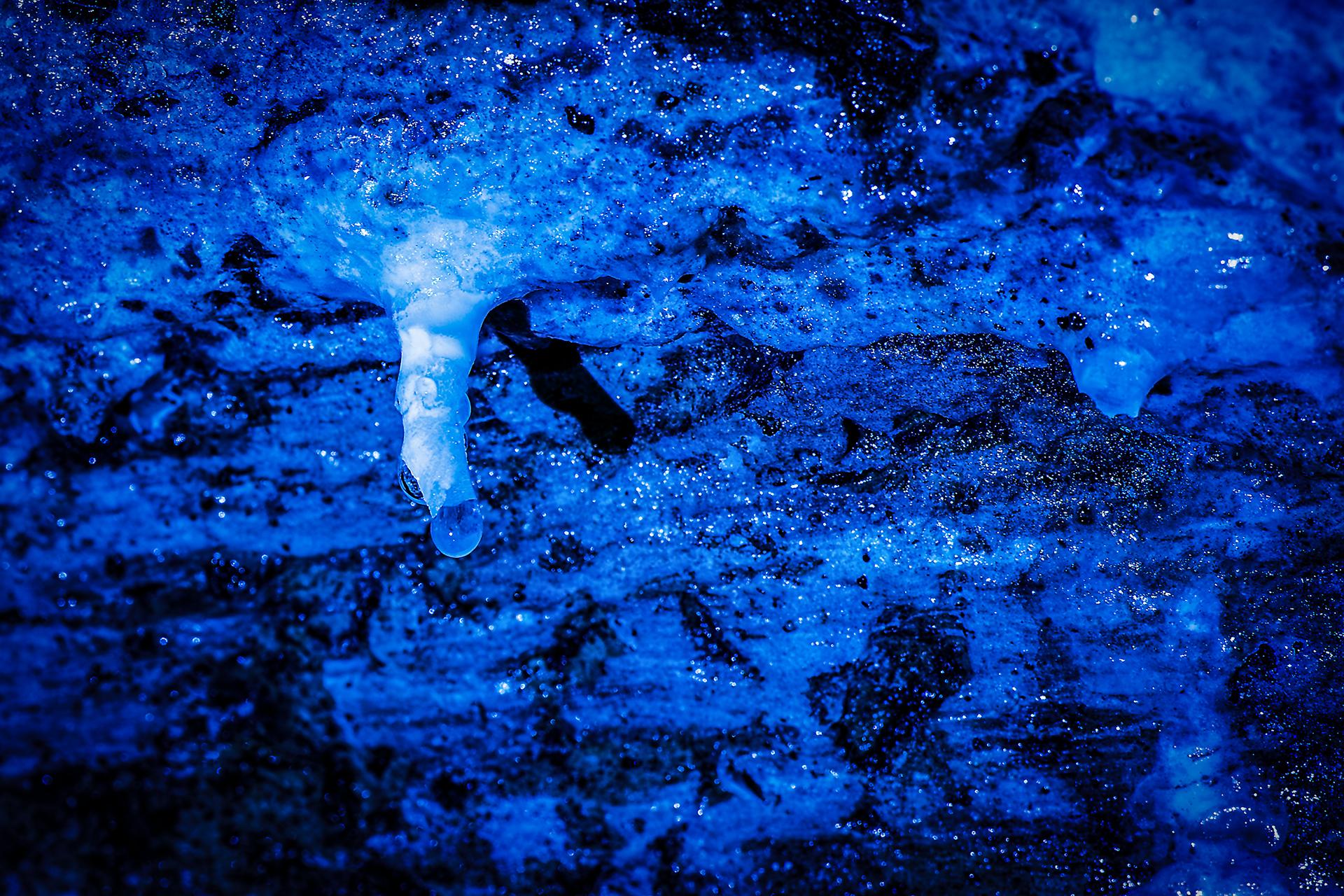
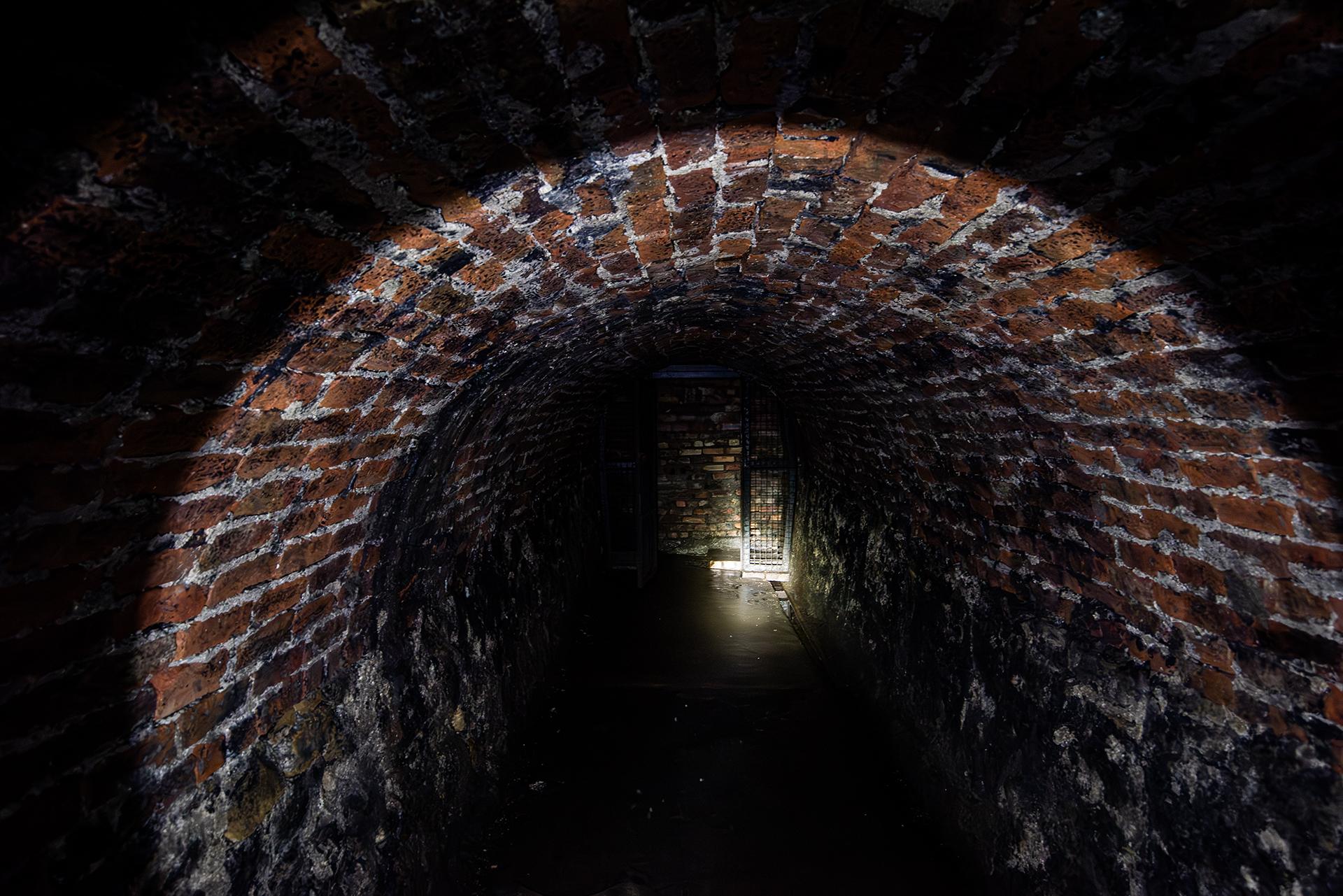
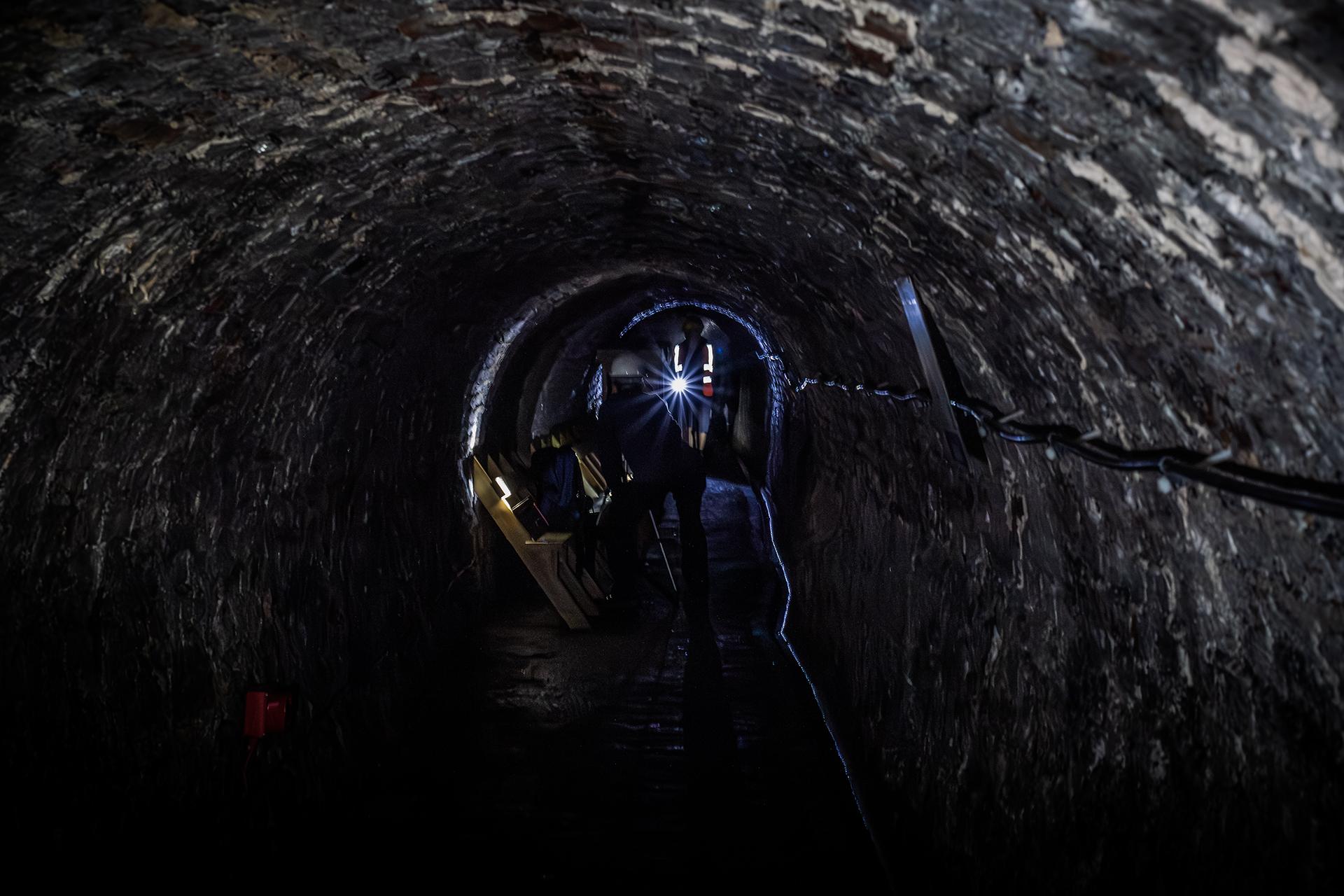
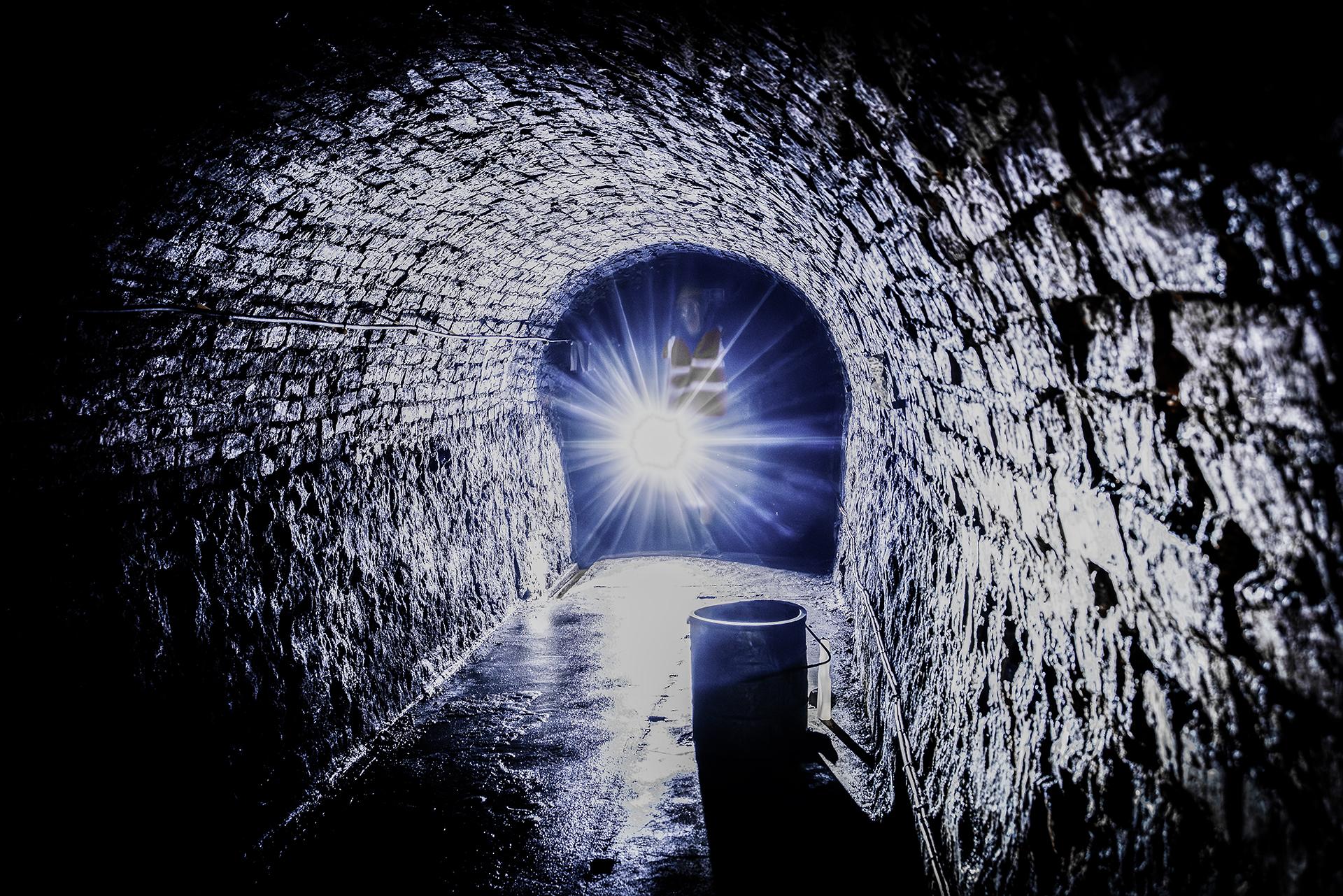
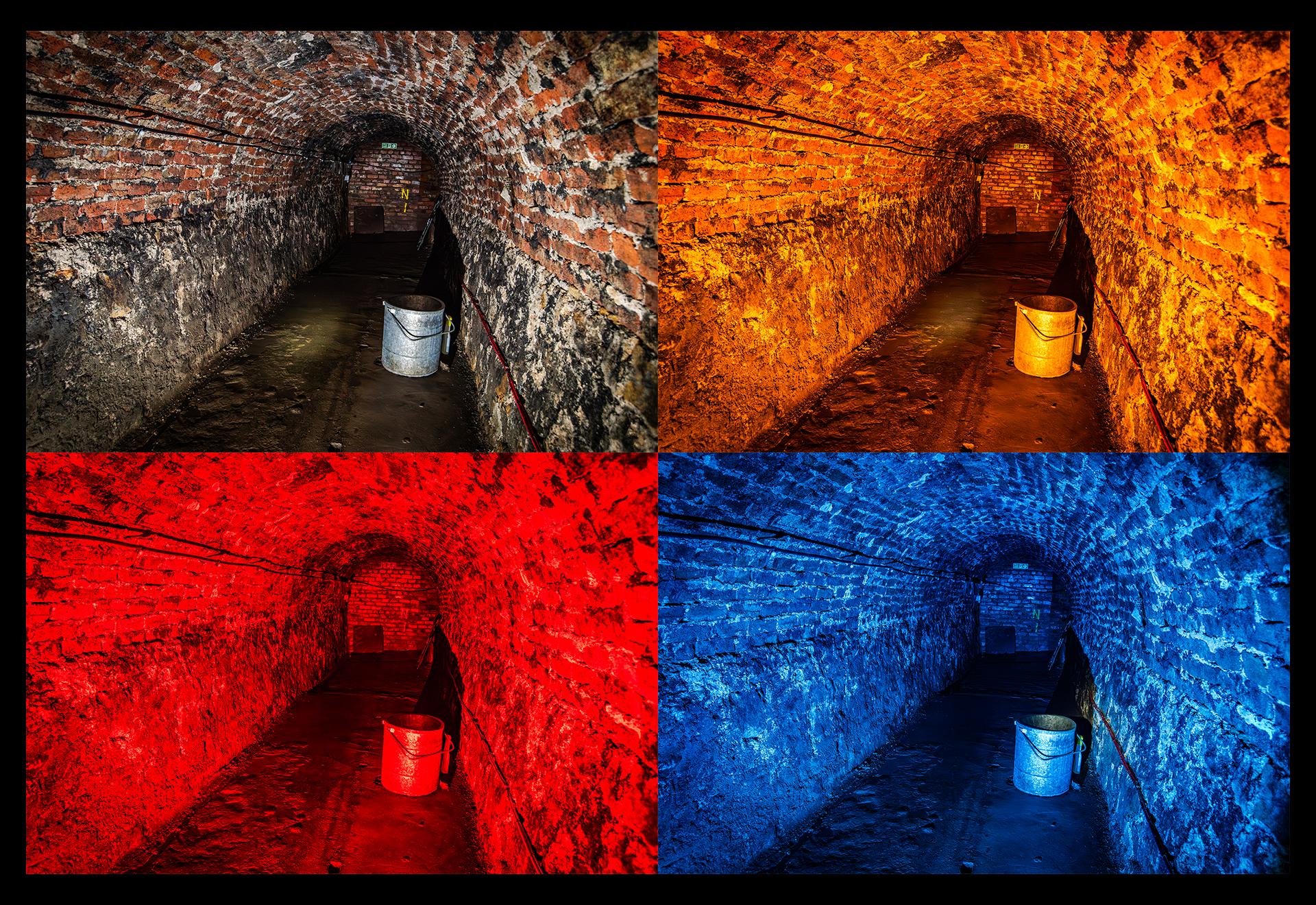
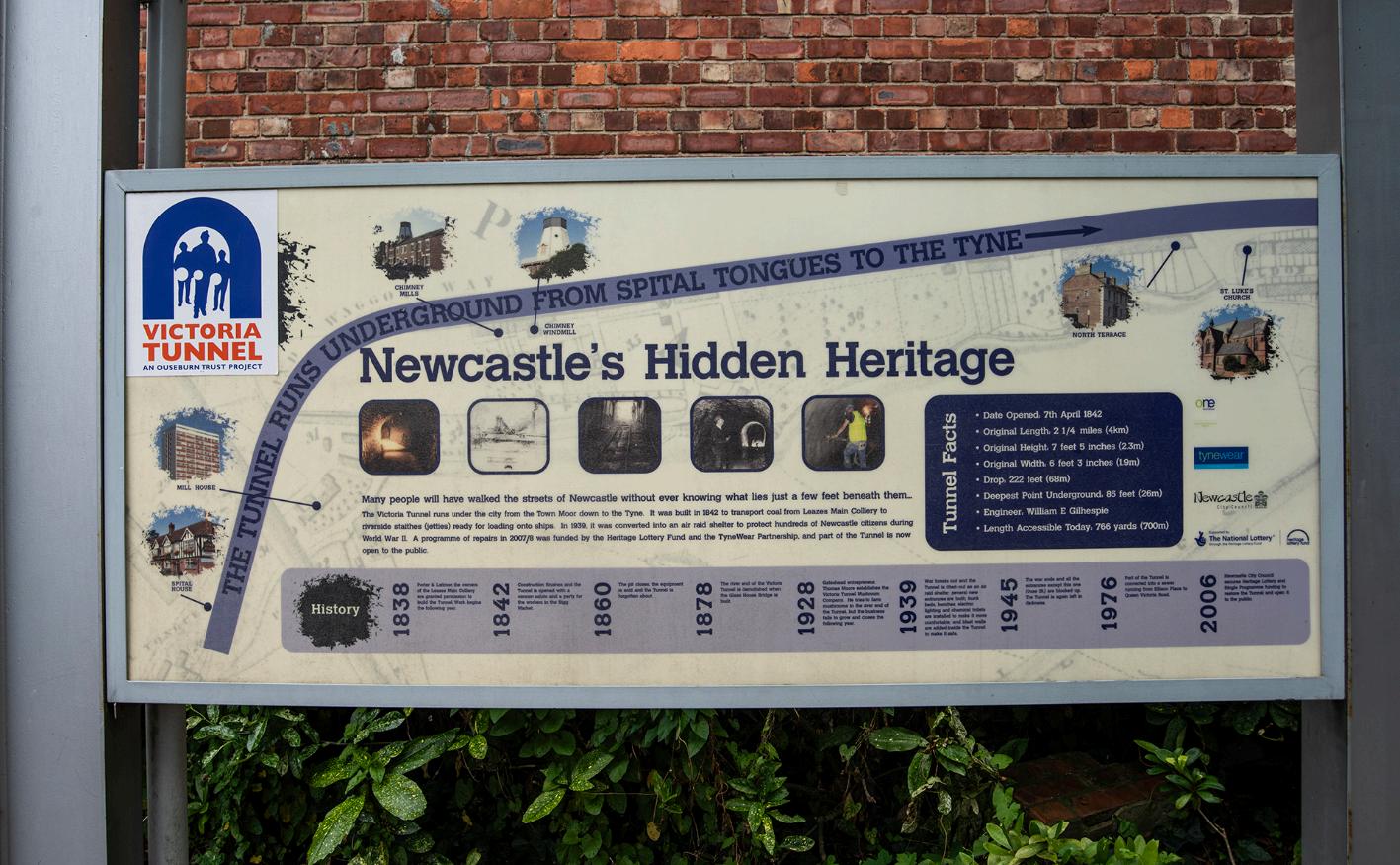
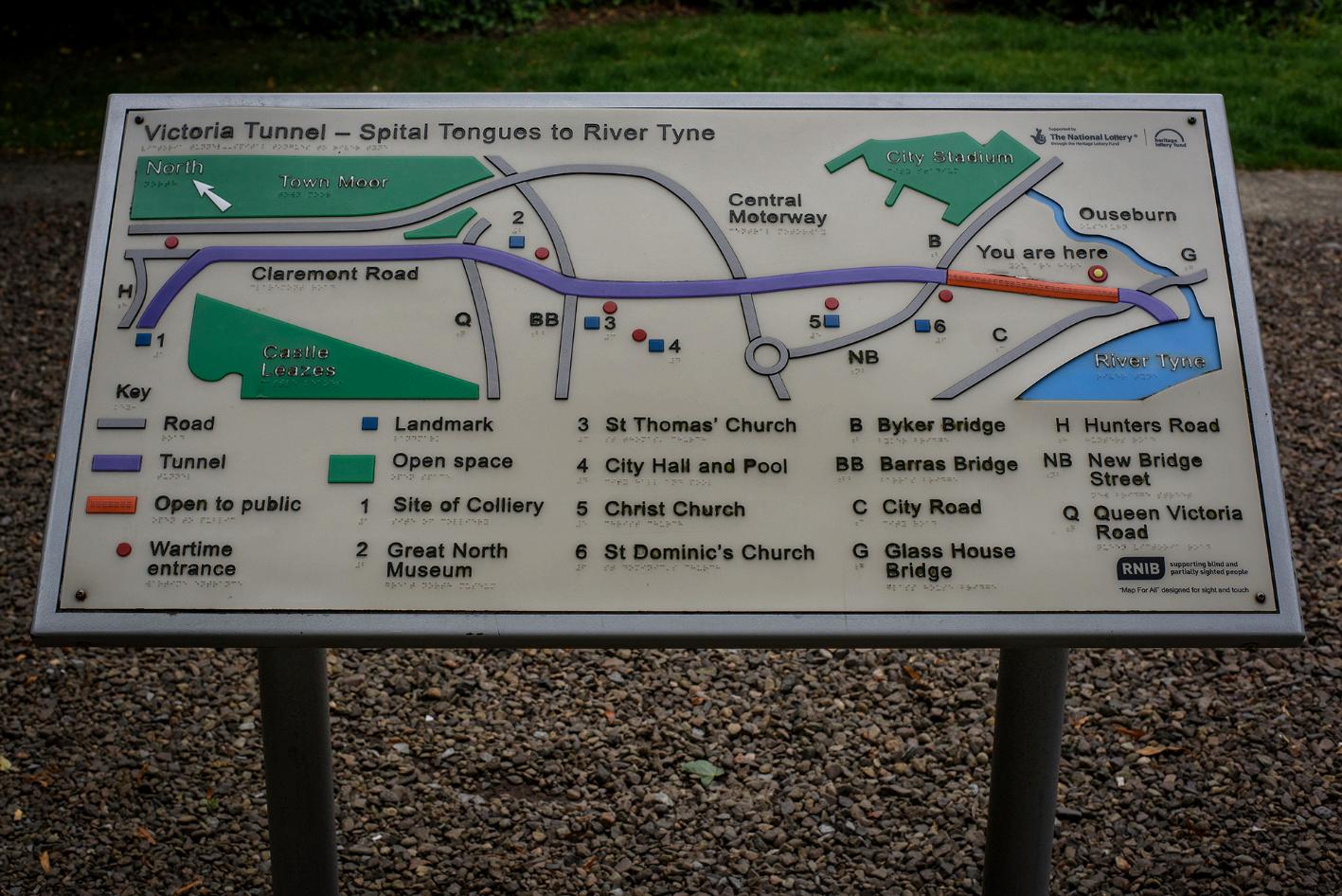
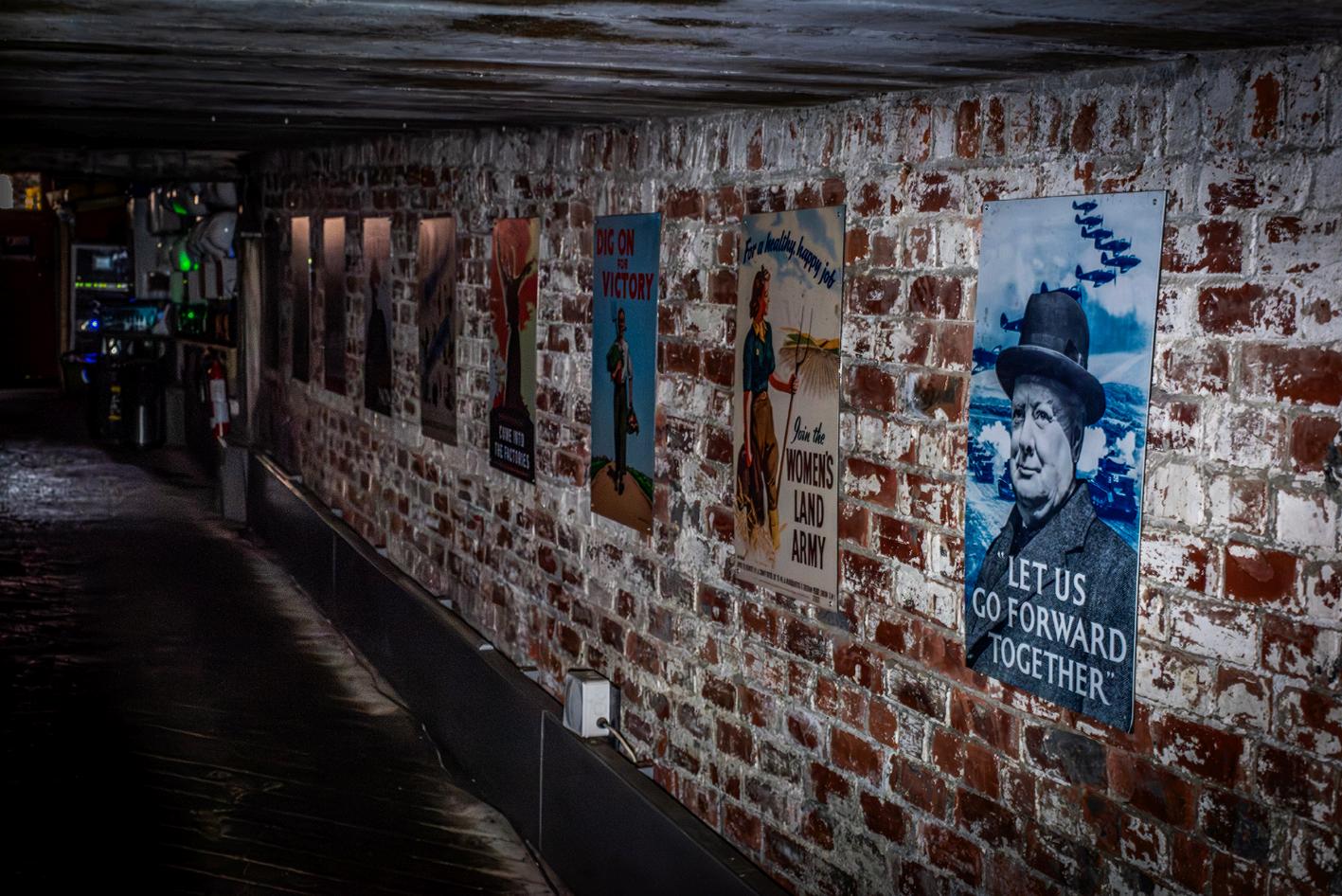
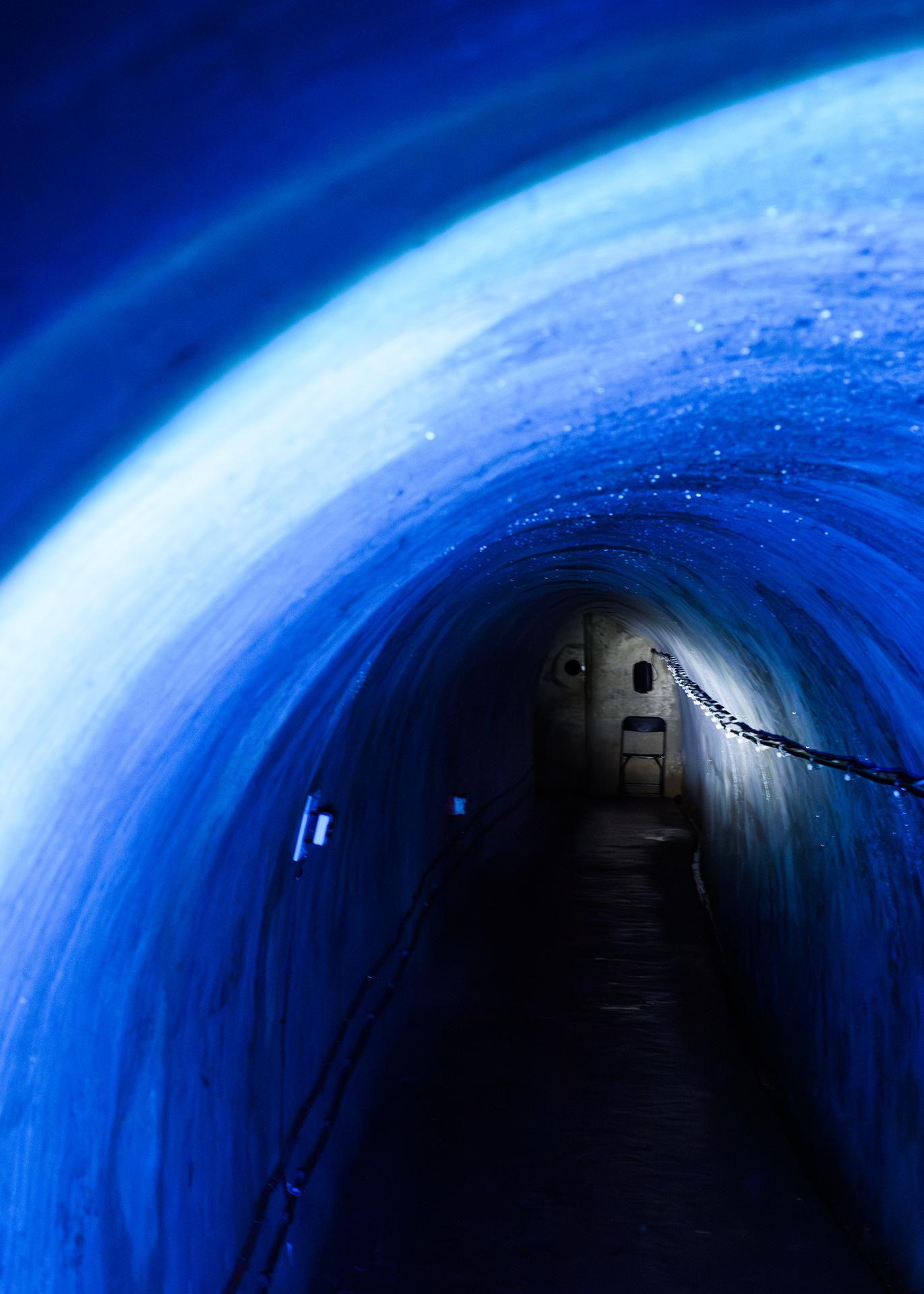
Although I’ve documented many facets of Newcastle Upon Tyne’s rich history, architecture, and urban character through my ever-evolving Two Tone Toon photography project, a published hardback and a five-volume ebook series, the Victoria Tunnel in Ouseburn had remained conspicuously absent. That changed last month (July 2025), thanks to an exclusive opportunity arranged by the Royal Photographic Society Northern Region. A very small group of members was granted rare access to the tunnel for an hour, allowing us to experiment with our cameras and lighting setups in this evocative subterranean space. For those curious about the tunnel’s fascinating past, from its origins as a coal wagonway to its role as an air-raid shelter during WWII, you can delve deeper here. Sincere thanks to the Ouseburn Trust for facilitating our visit and to our knowledgeable guide for enriching the experience. Despite limited time and little opportunity for pre-planning, the shoot was thoroughly rewarding. Next time a similarly atmospheric location presents itself, I’ll aim to be more strategically prepared. That said, one inspired last-minute purchase - a compact LED torch mounted on a pocket tripod - proved invaluable. It enabled me to experiment with coloured lighting effects, though time constraints meant I focused primarily on documentary-style imagery. The torch had other intriguing features I didn’t get to explore, but they’re bookmarked for future use. Technically, I began with my Nikon D810 on a tripod, capturing Warholesque multicolour montages. Later, I switched to my 50mm f/1.4 lens and bumped up the ISO for handheld shots of the tunnel’s textured walls and historical fixtures.
The experience itself was exhilarating; navigating the dimly lit passageways steeped in industrial and wartime history was a visceral reminder of the city’s layered past. While many images ended up underexposed or blurred beyond salvage, I emerged with enough compelling material to contribute to the work-in-progress volume six of the Two Tone Toon ebook series, which will also spotlight additional iconic elements of Newcastle not featured in the first five volumes. Once again, heartfelt thanks to the Ouseburn Trust and our guide for granting access to such a remarkable location.
The Arable Farm Year
Sean Goodhart ARPS
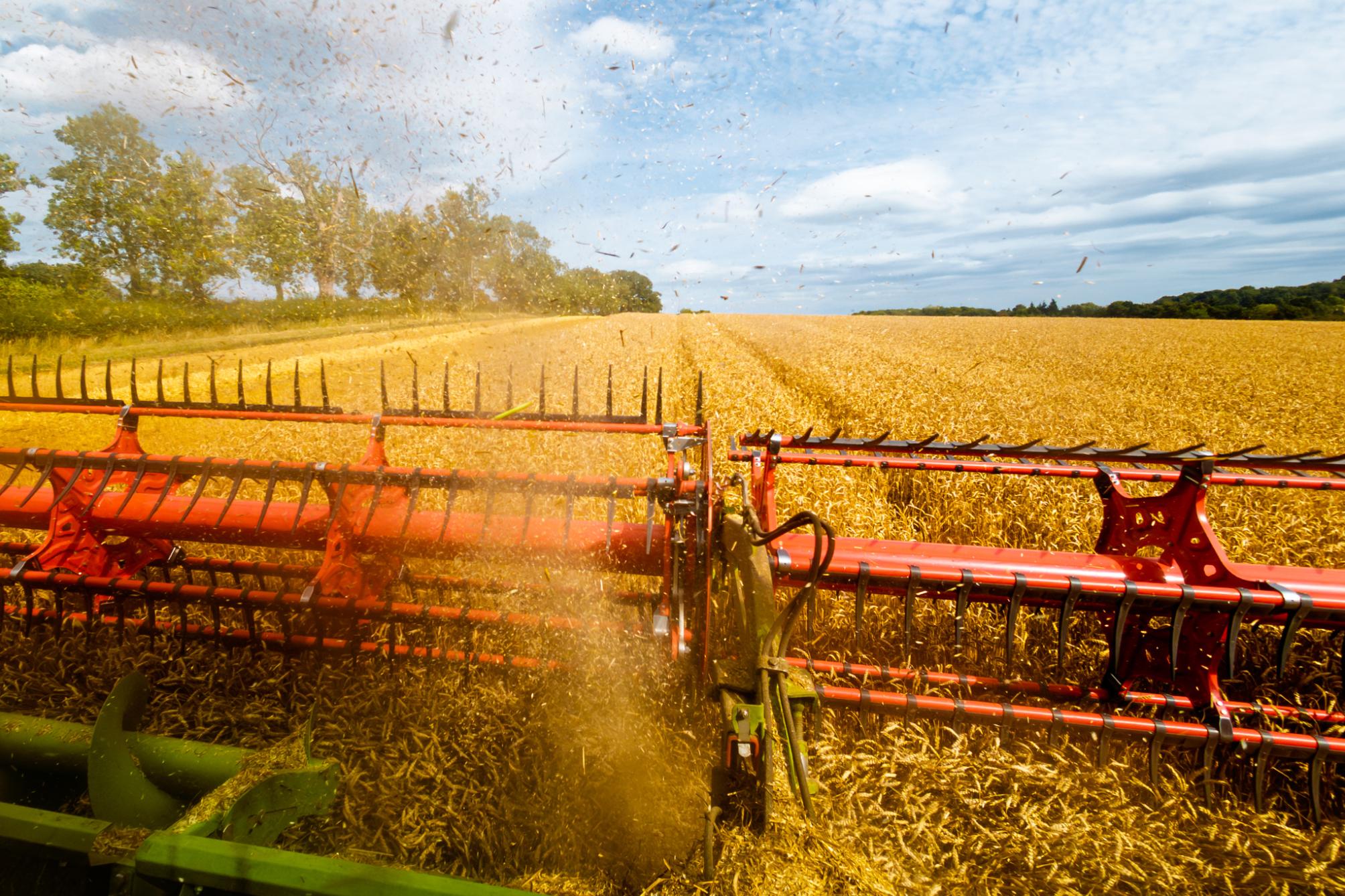
Farming has become something newsworthy lately, with its challenges being highlighted in Clarkson’s Farm and of course with many protests about the recent changes in inheritance taxes which will severely impact family farms. Living in Northamptonshire in a village surrounded by farmland I’ve been aware of the cycle of agricultural production and the work that goes with it and started photographing this back in 2019. Who isn’t drawn to watching the combine and tractors gathering in the crops?
I wanted to make more of the work but show more of what goes on in 21st Century farming so approached a local farming company earlier this year to ask if we could collaborate. It turned out they were happy to have me around capturing their work spending time in the workshop, the equipment barn and then working with them in the fields. The company works with many landowners in the area, achieving economies of scale by pooling skilled labour and machinery costs. They use precision farming and scientific advances in agronomy to minimise unit costs of production while improving yields. This is something I’m trying to capture with my images and one day may have sufficient images to tell that story.
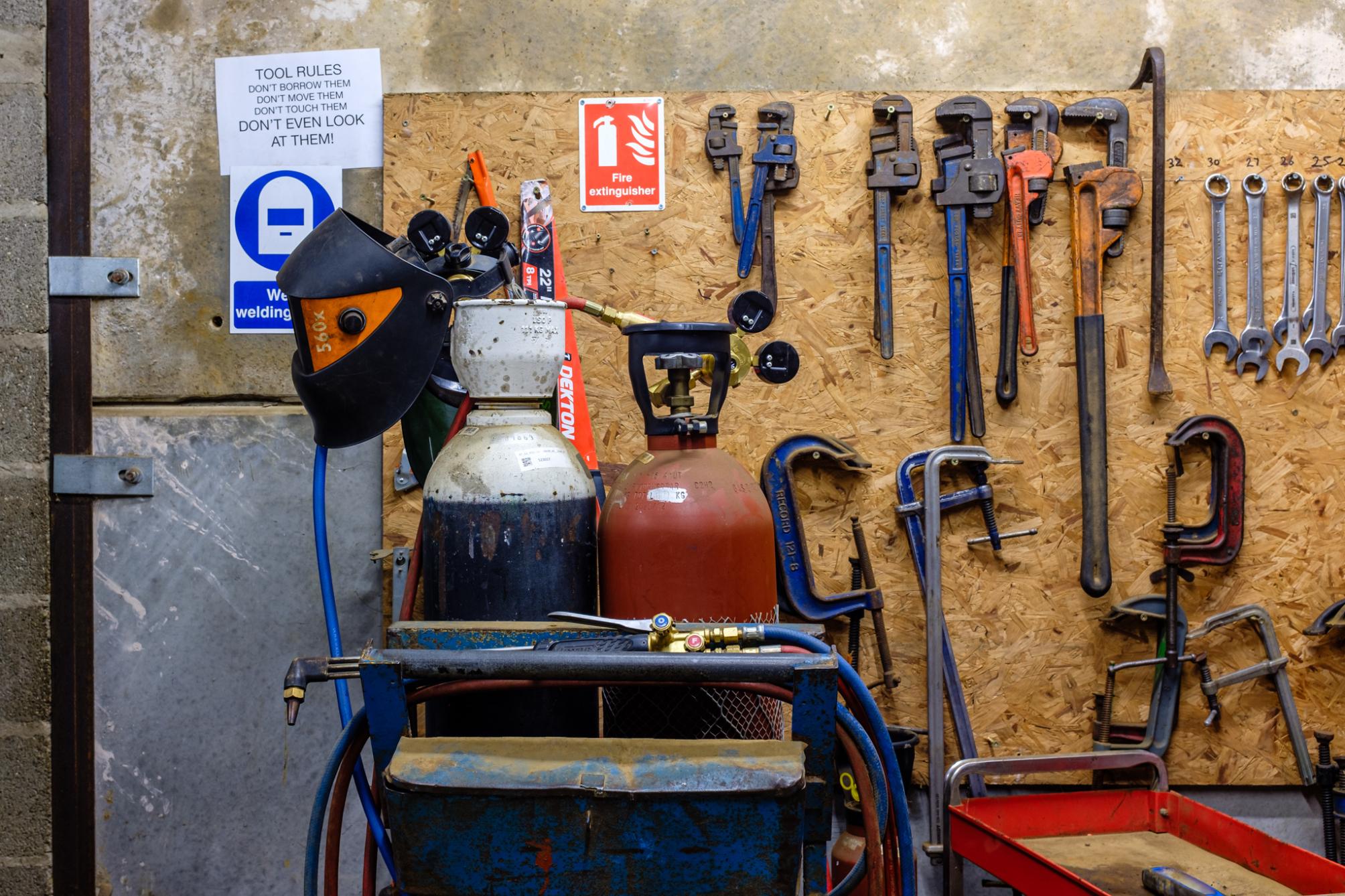
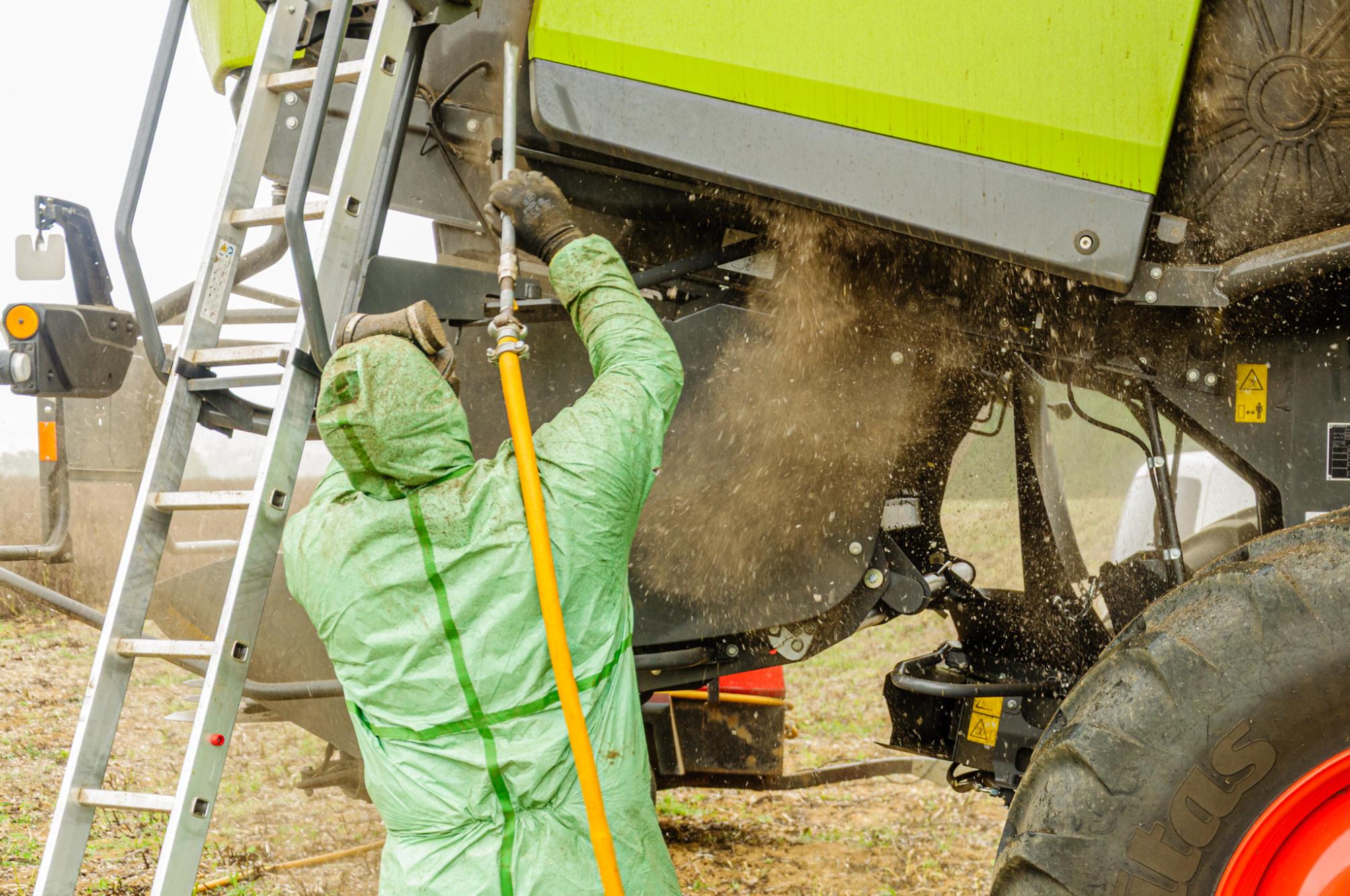
This set of images looks at some of the winter maintenance activities, cleaning and making new parts to repair equipment, showing some shots of the workshop. I then skip forward, showing some images of the late summer harvest from last year Maintenance closes the set, with the dirt being blown from the combine every morning to prevent possible fires.
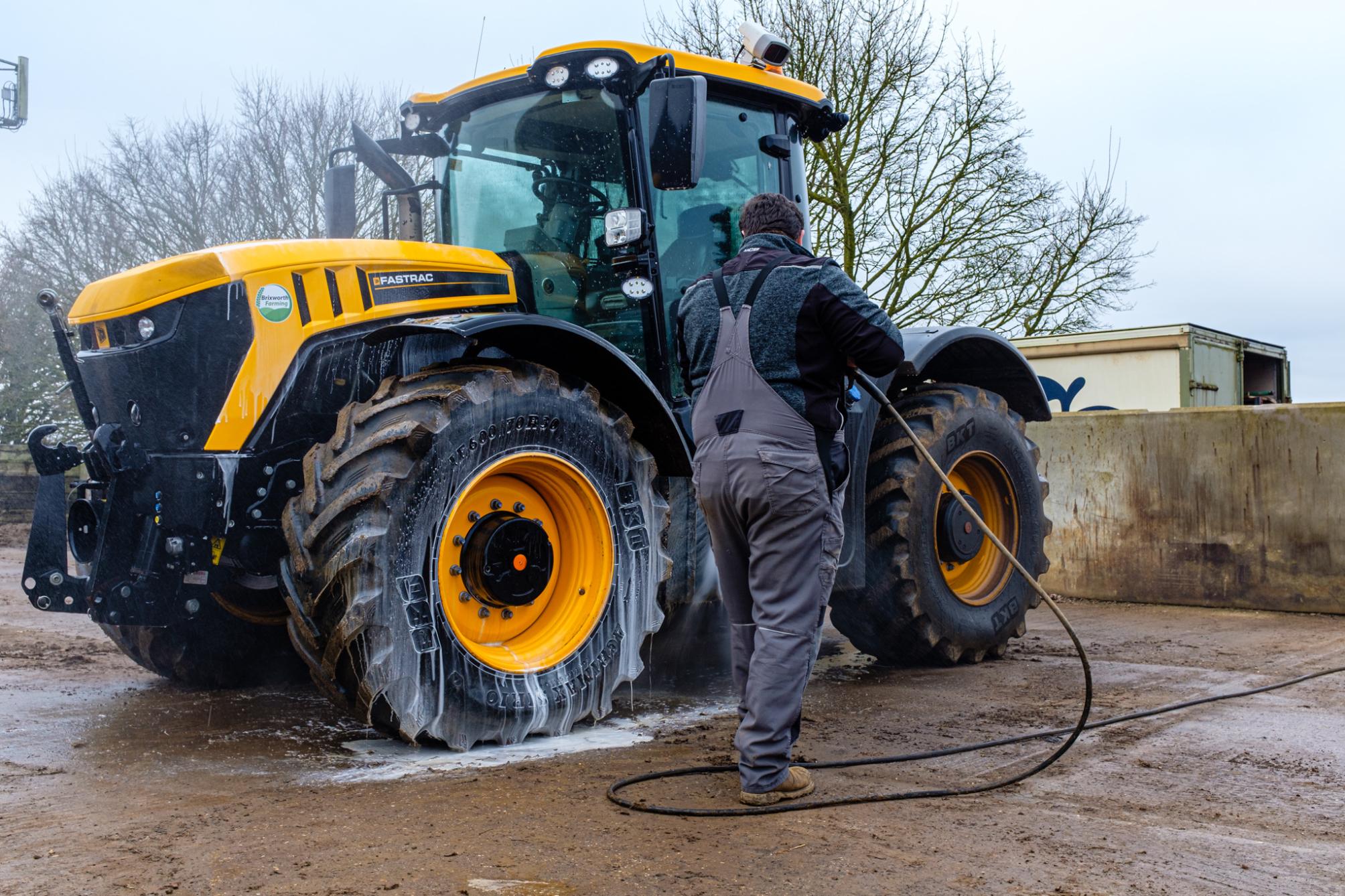
Cleaning the new toy
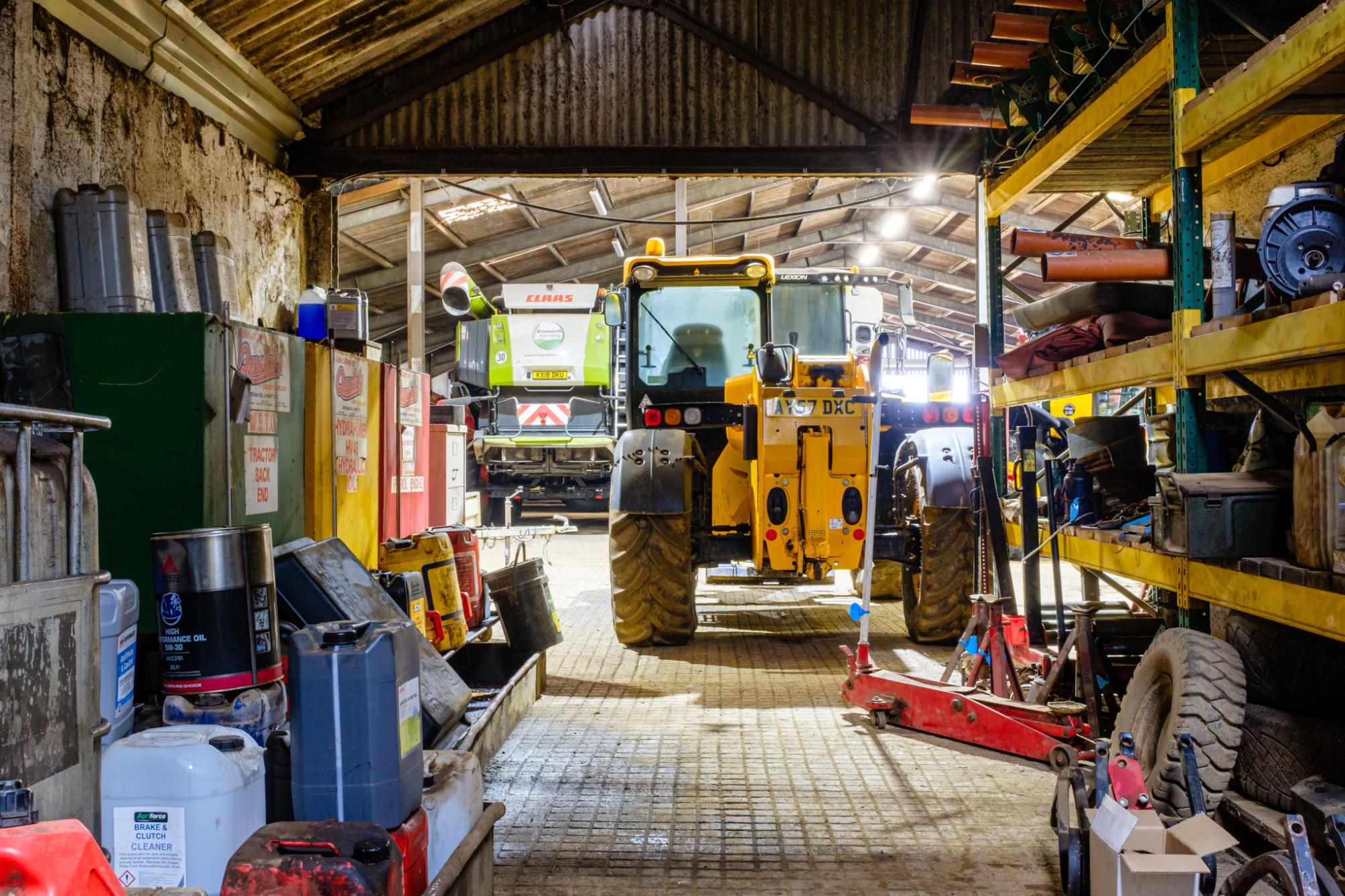
The Toybox
Tool Rules
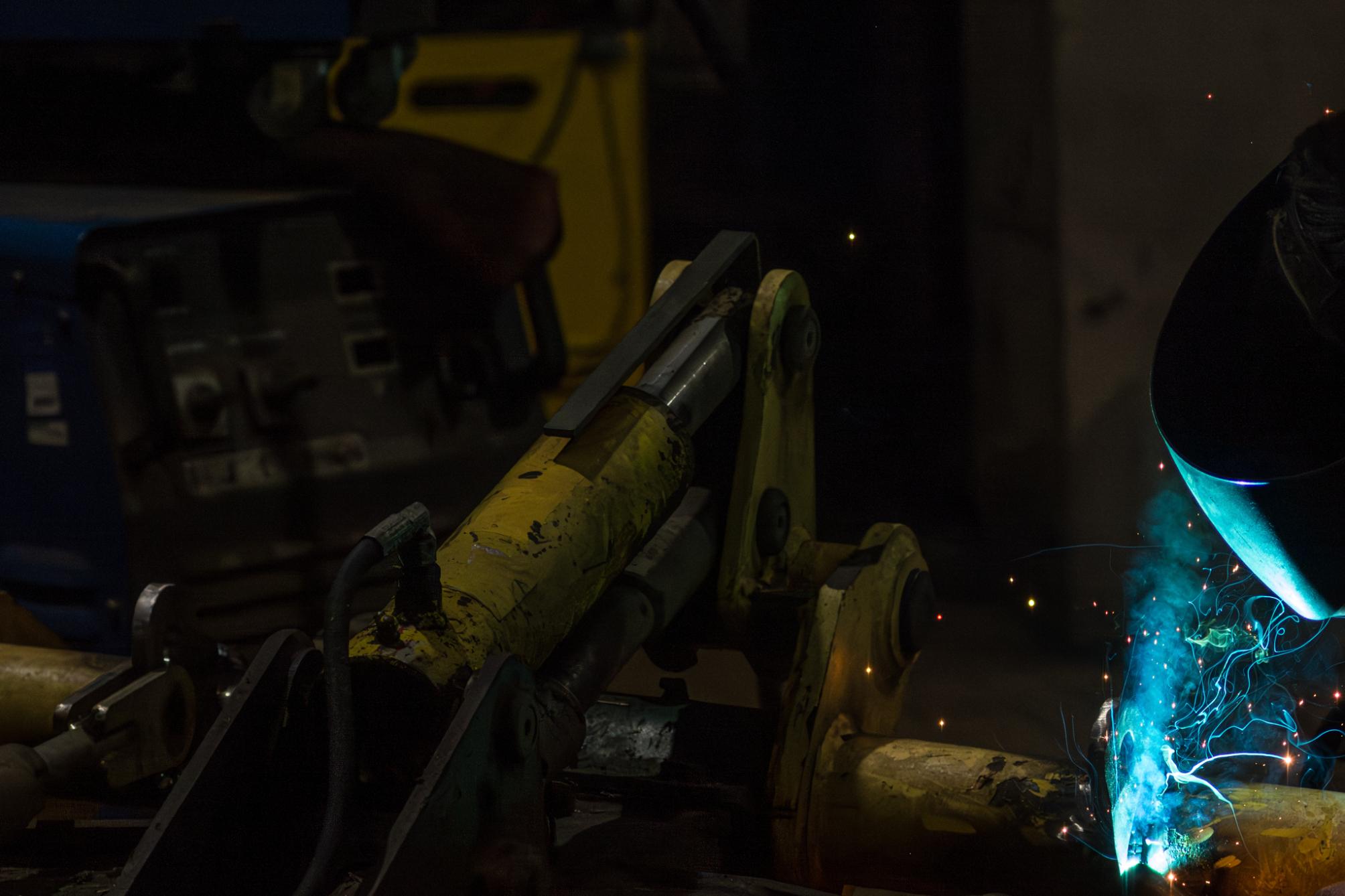
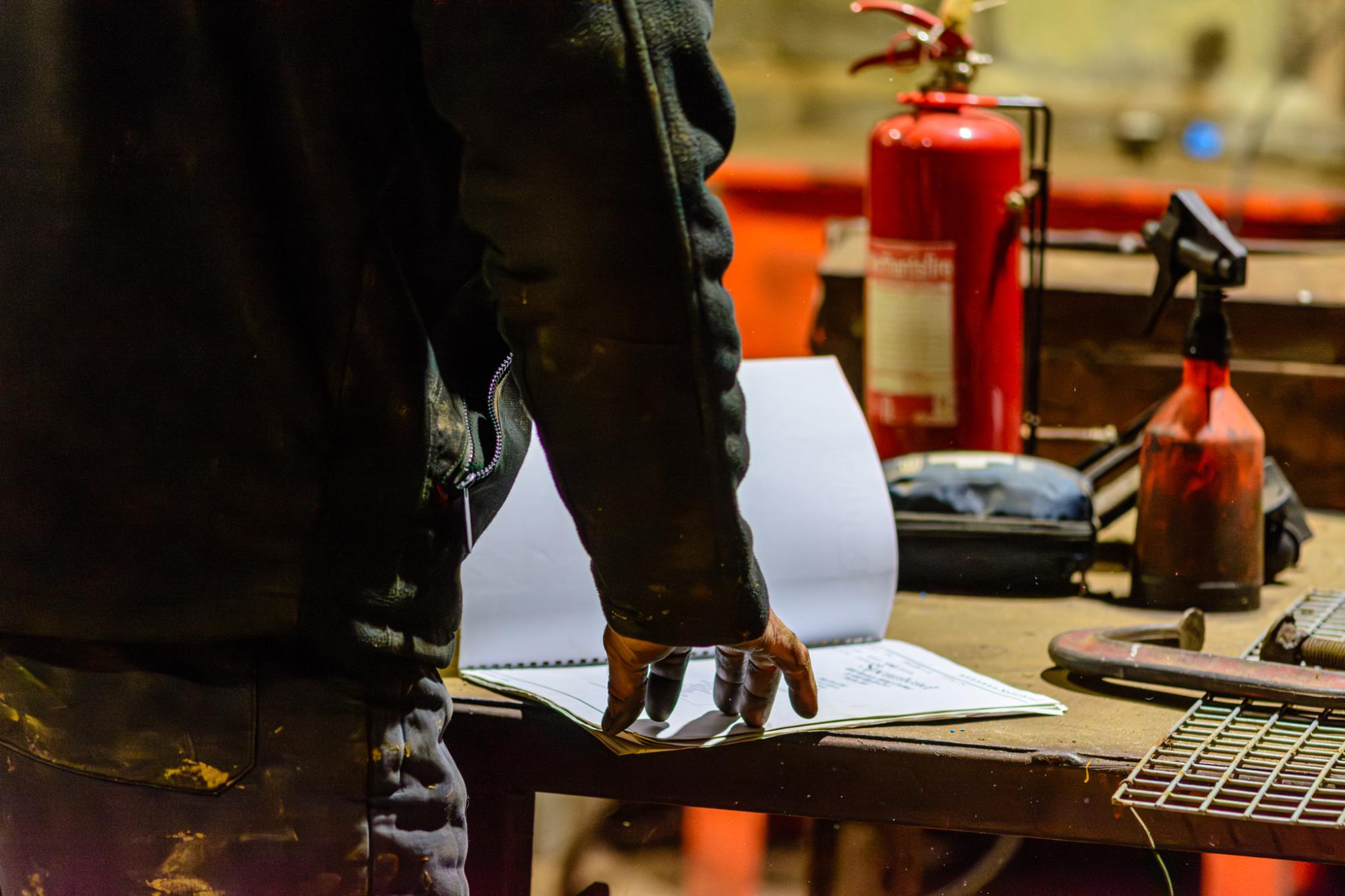
How do I do that?
Repair Equipment
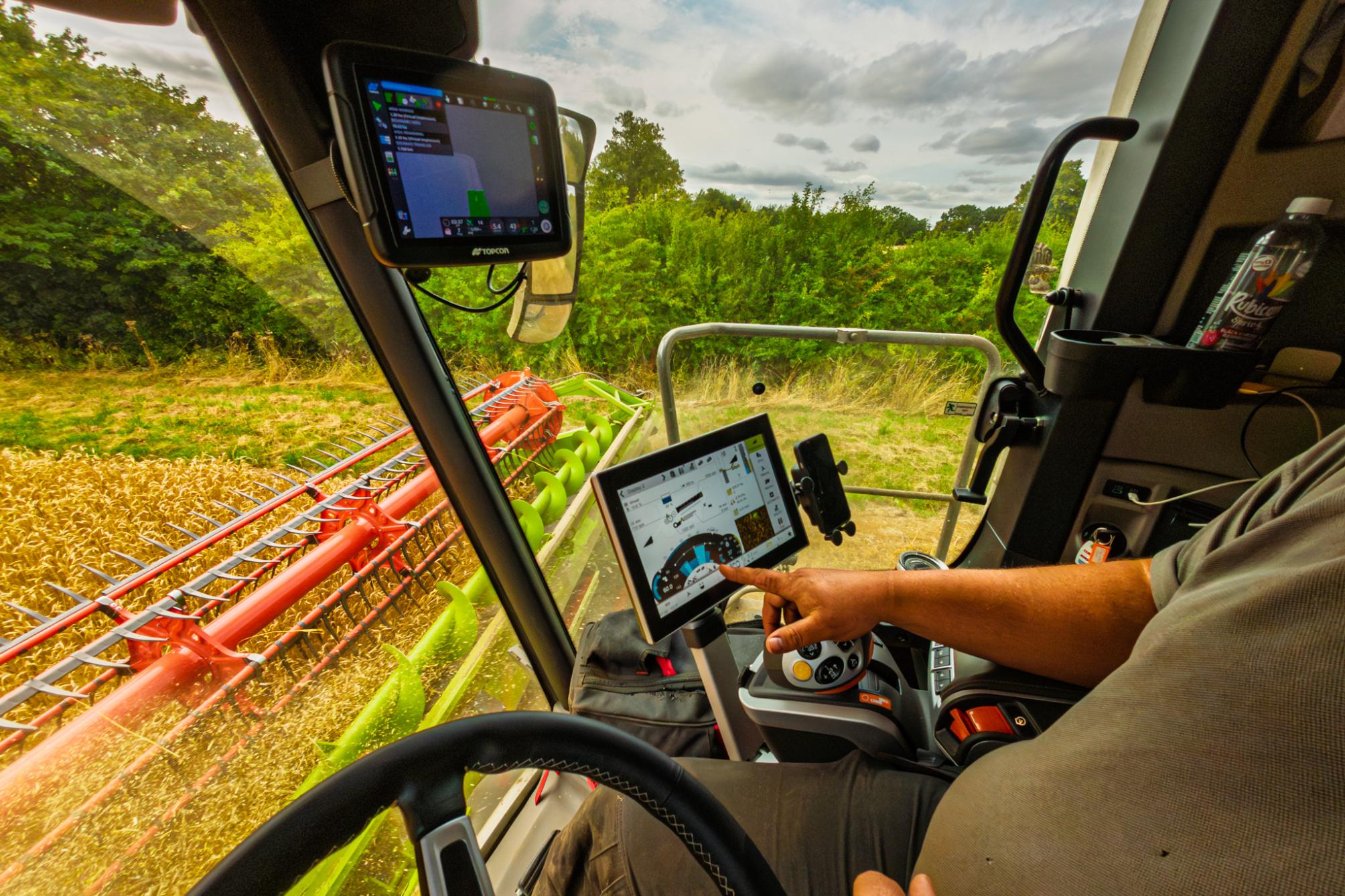
Checking the settings
Wheat - combine driver's view
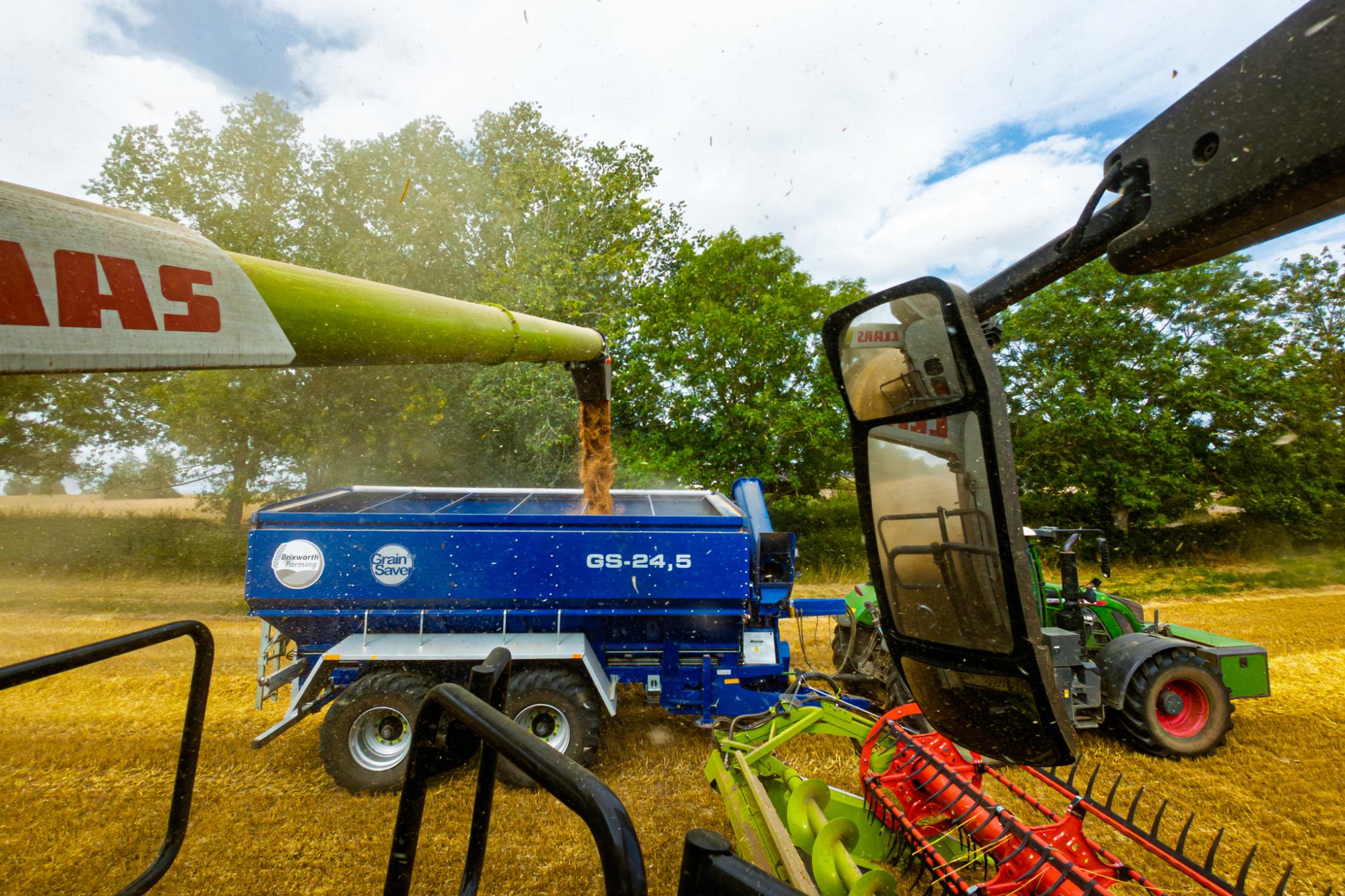
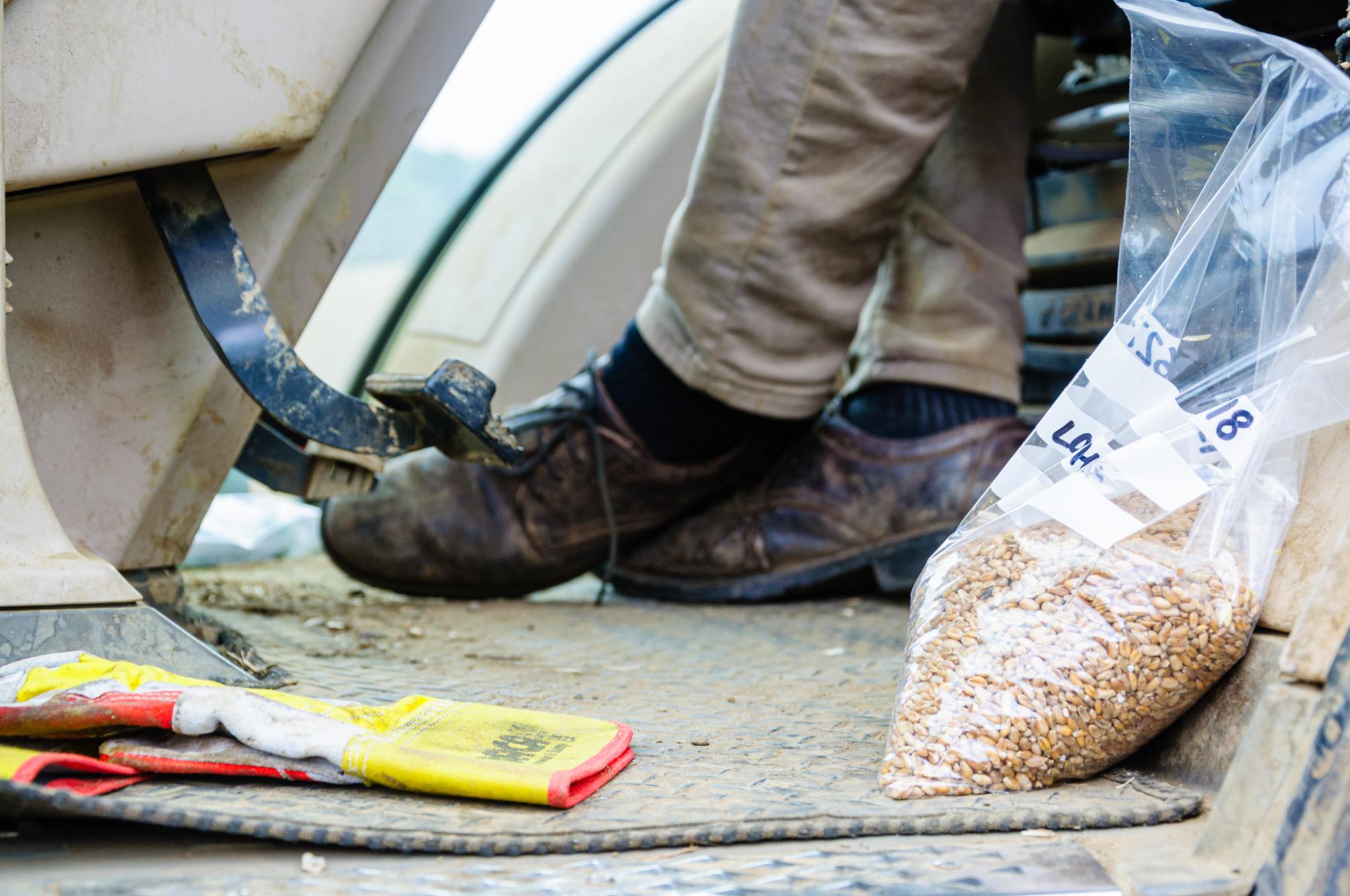
Grain transfer
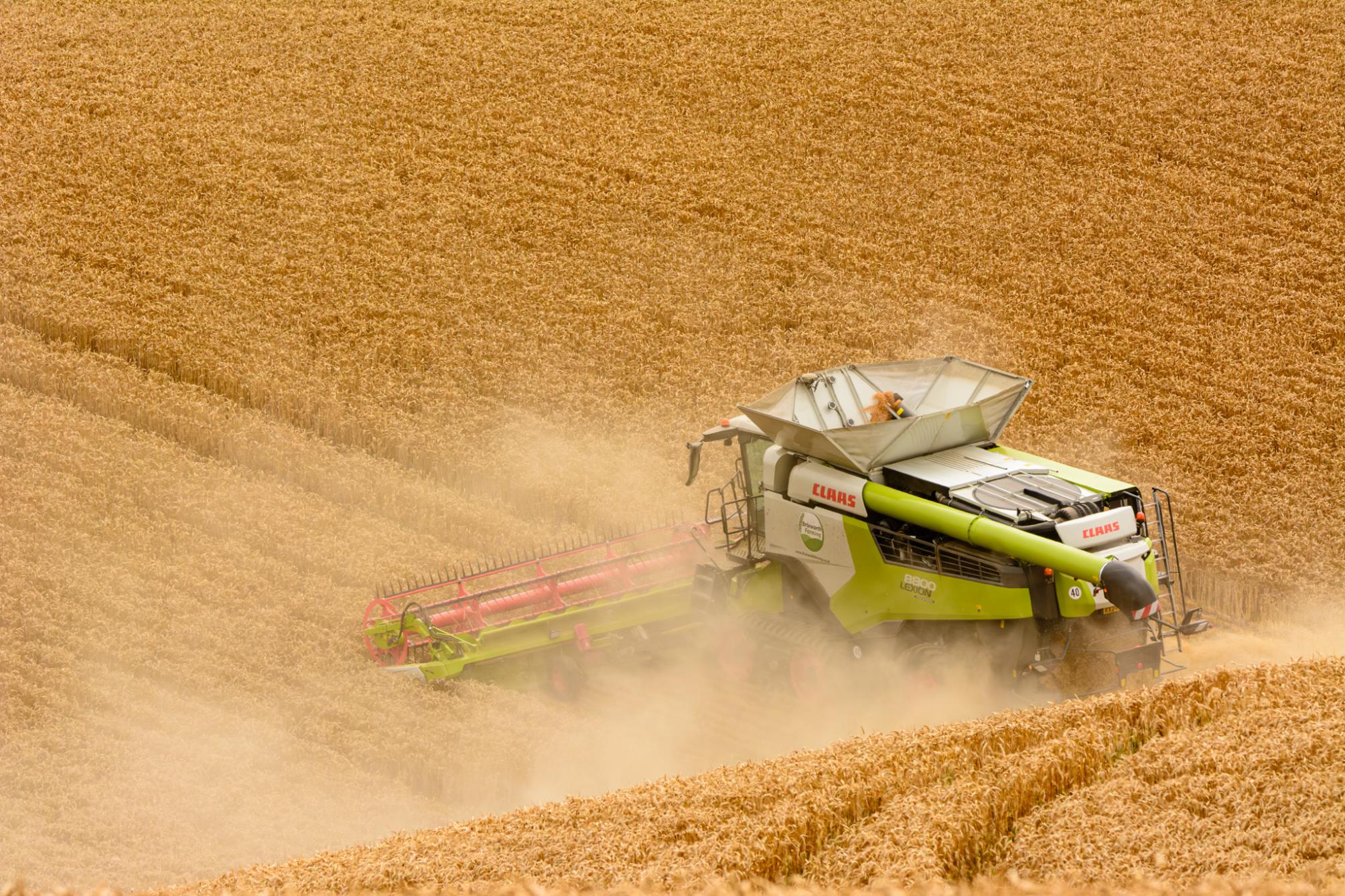
The field they couldn't cultivate (until the tracked combine)
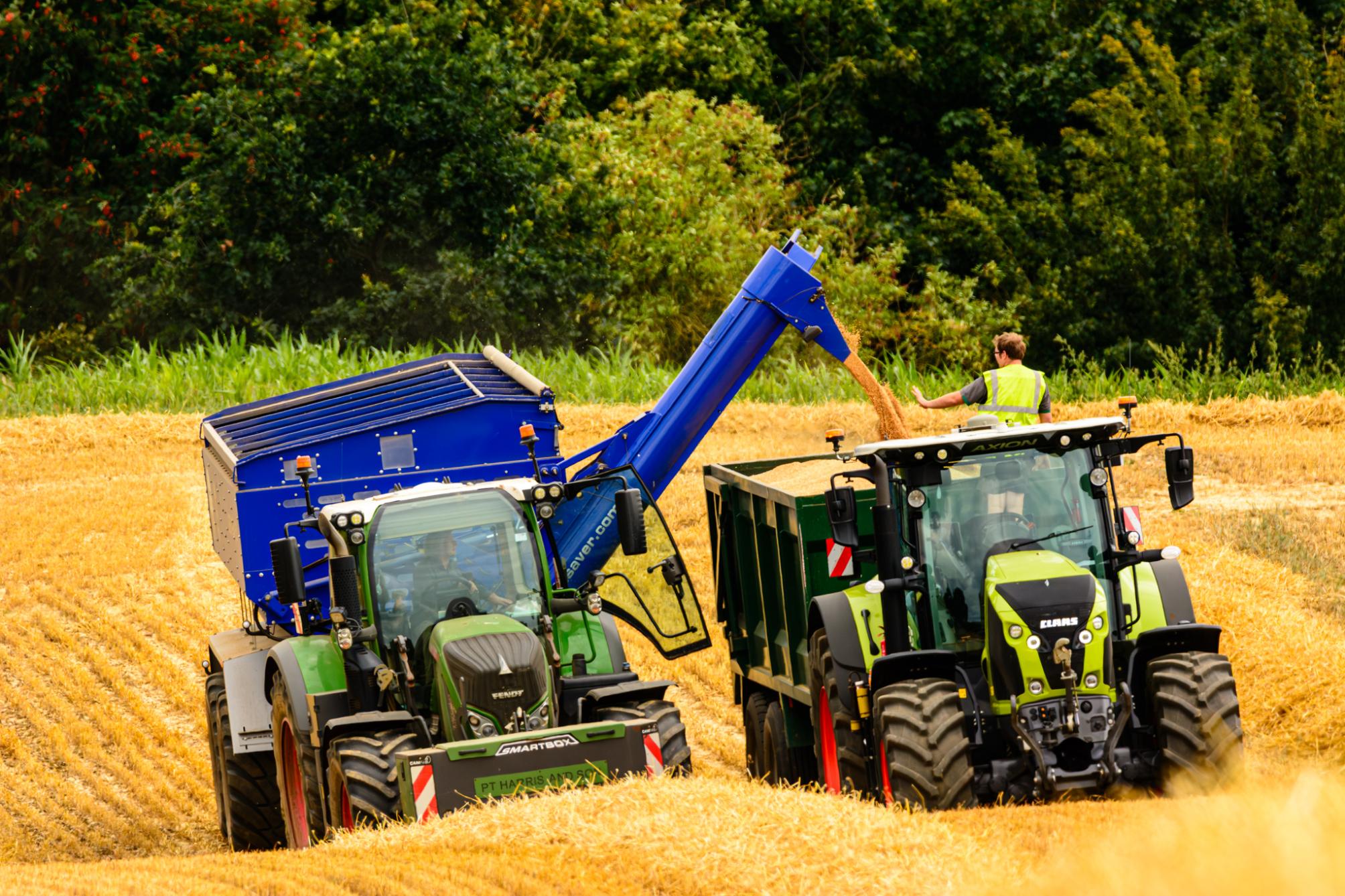
Grain transfer for the pad
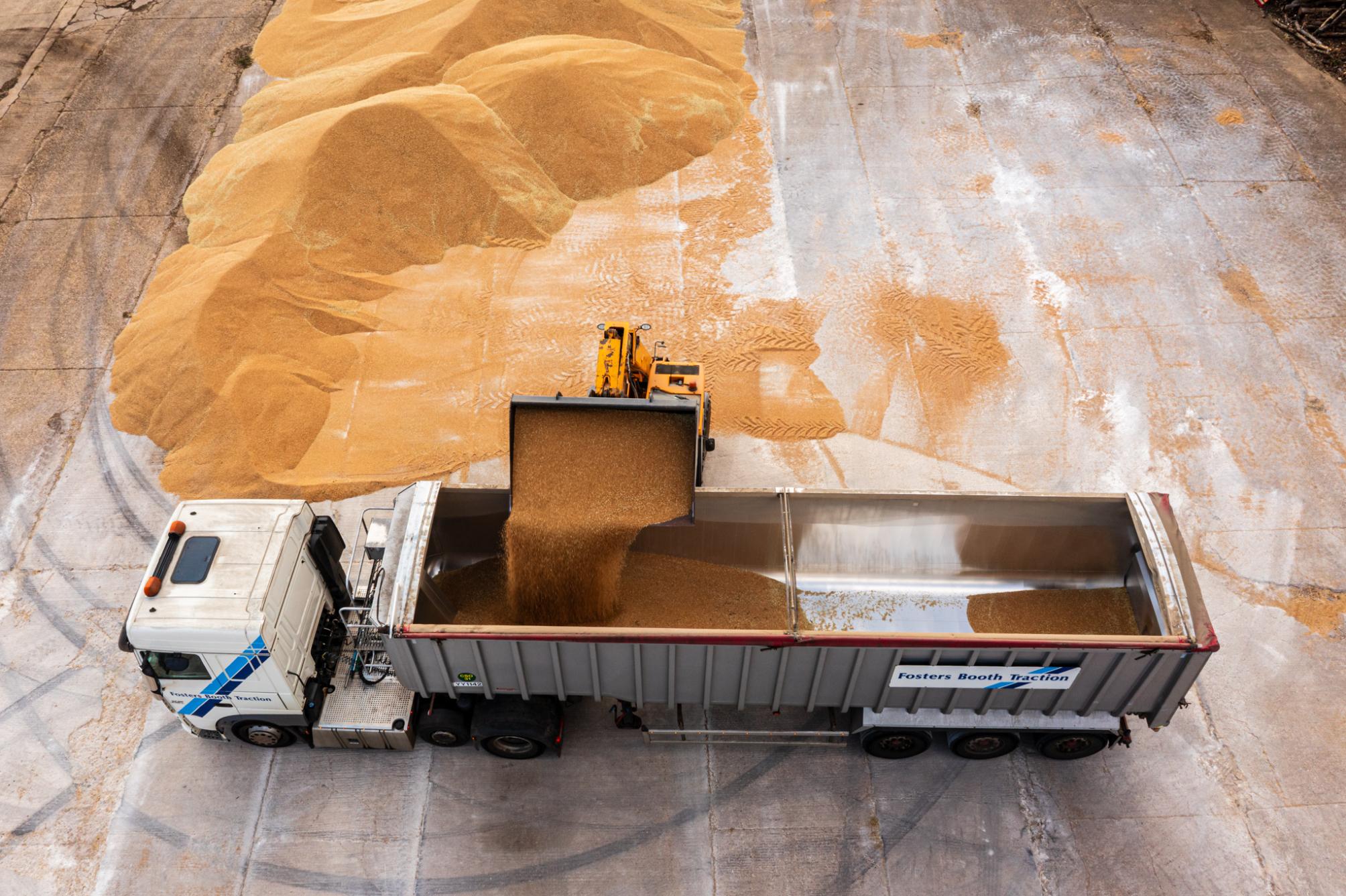
Grain loading from the pad
Skipton - Living Within Its Means
Tim Hancock ARPS
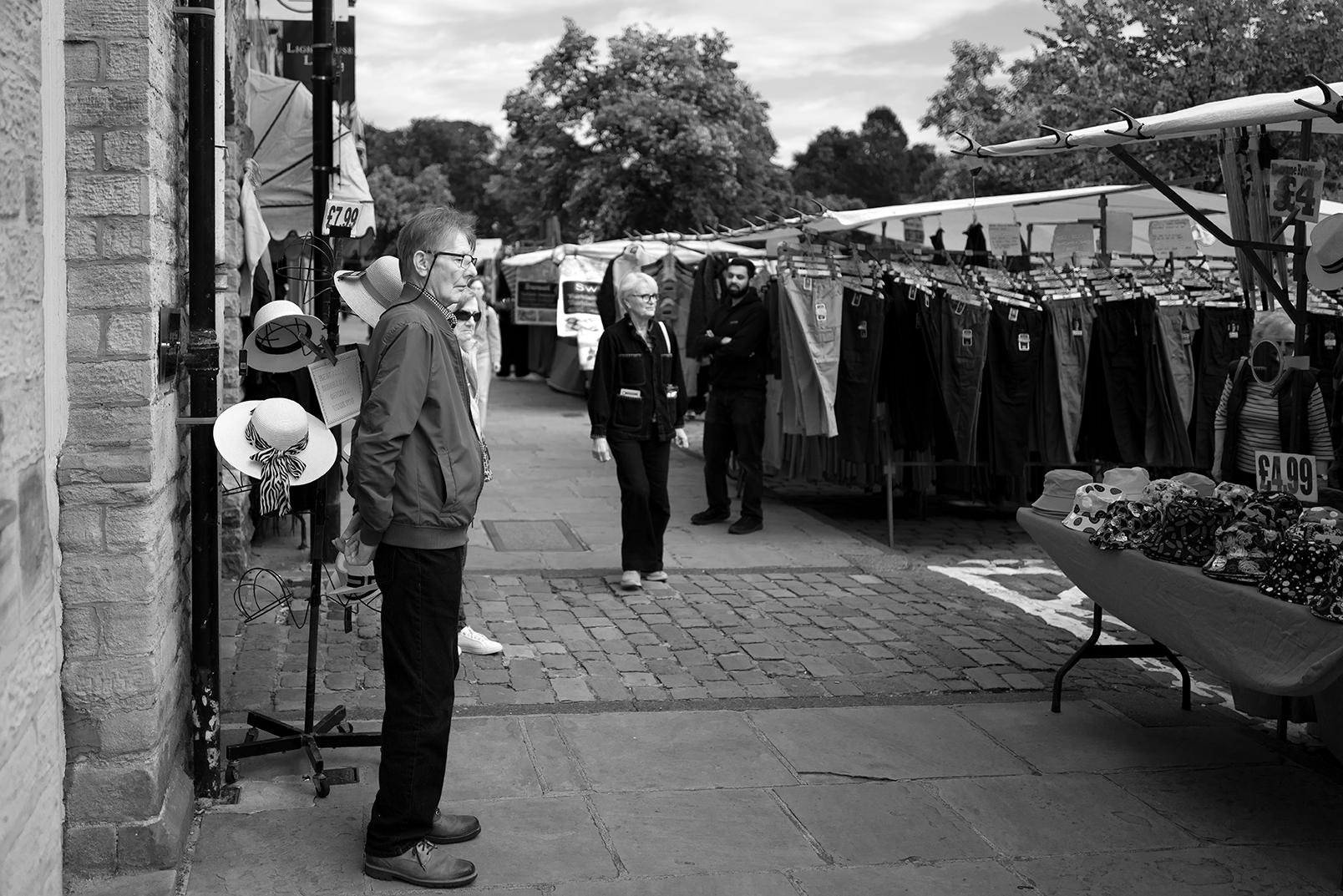
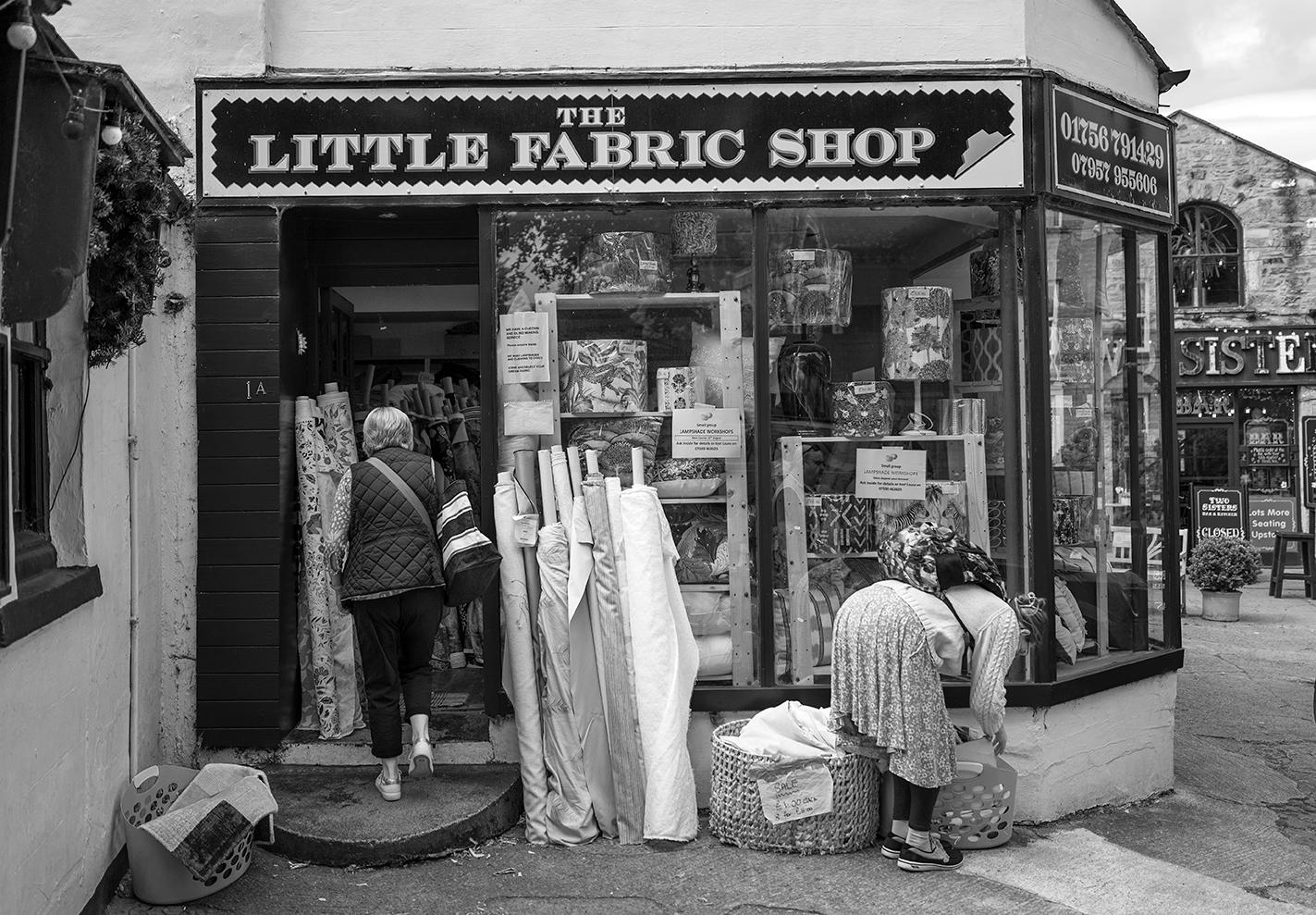
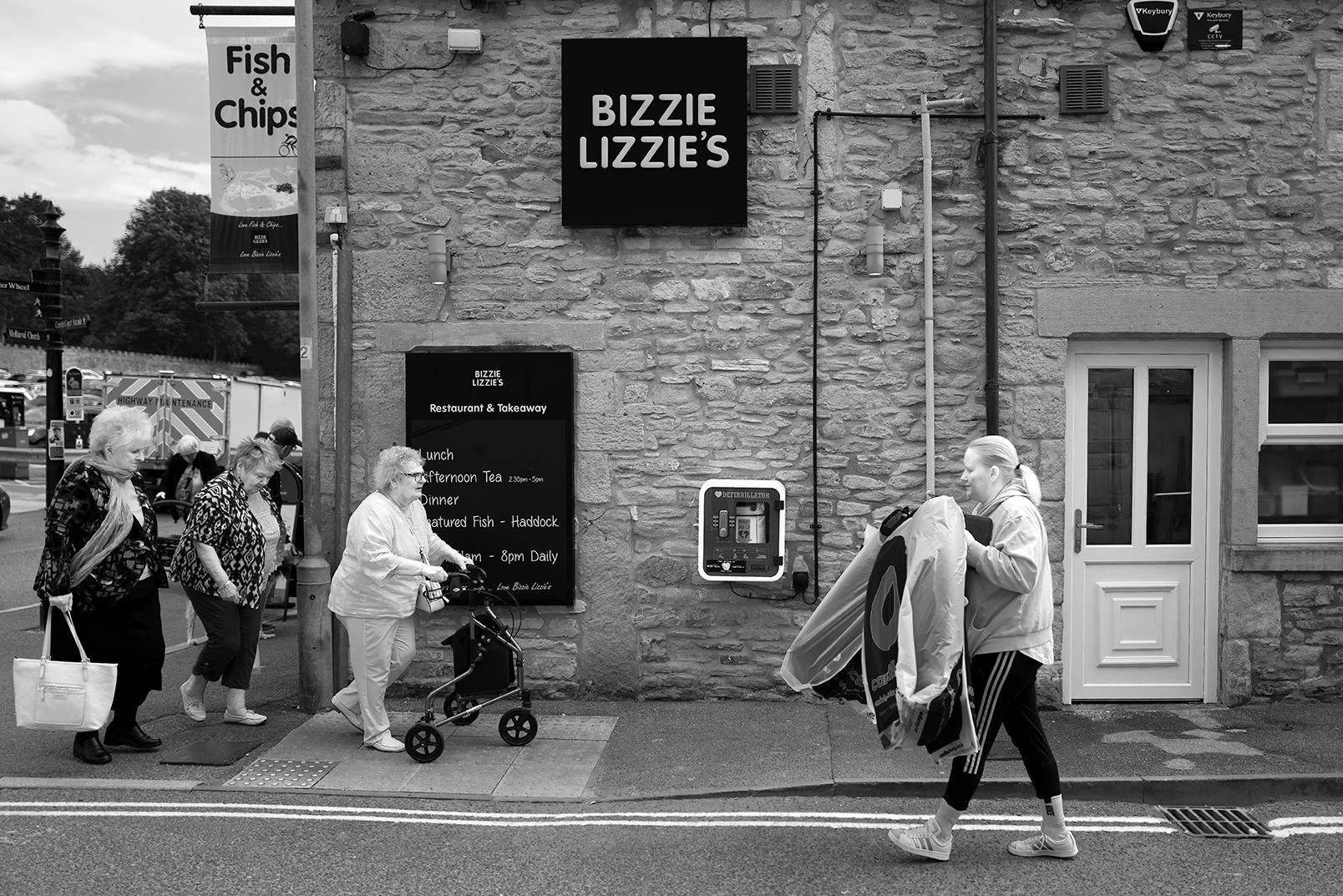
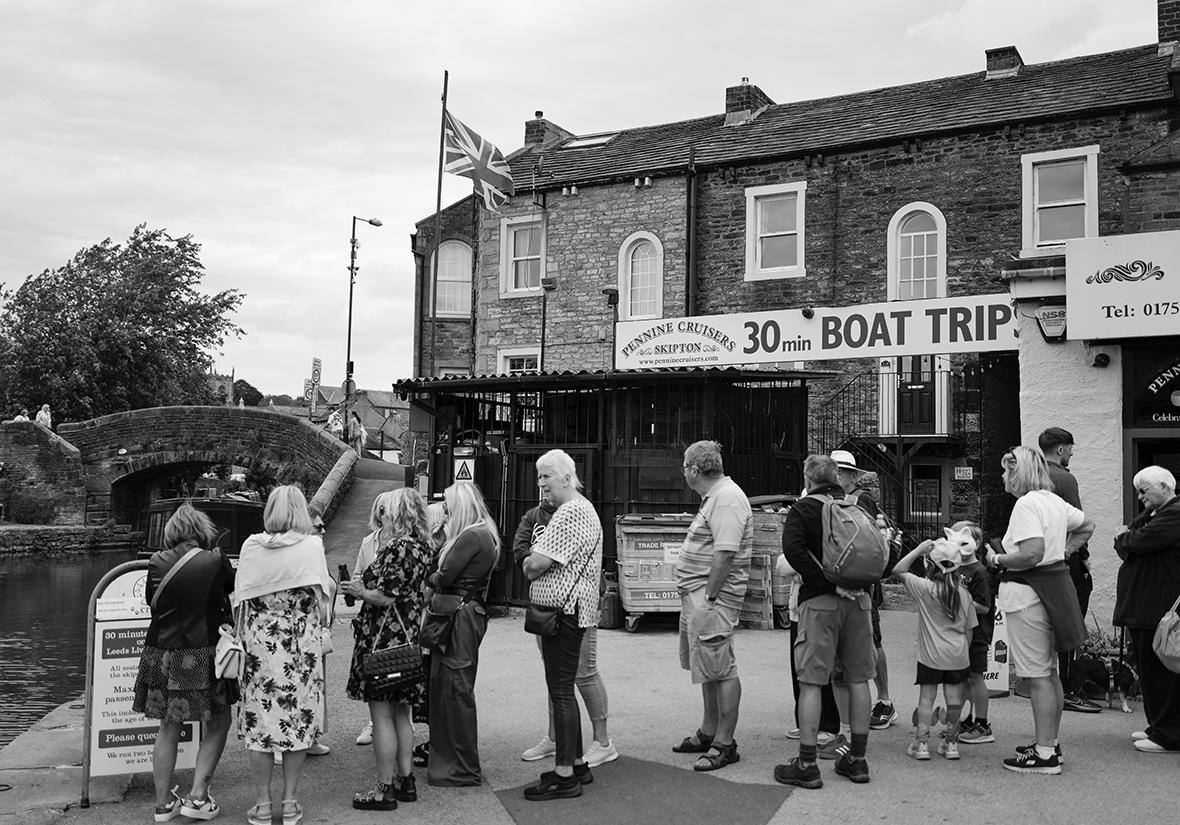
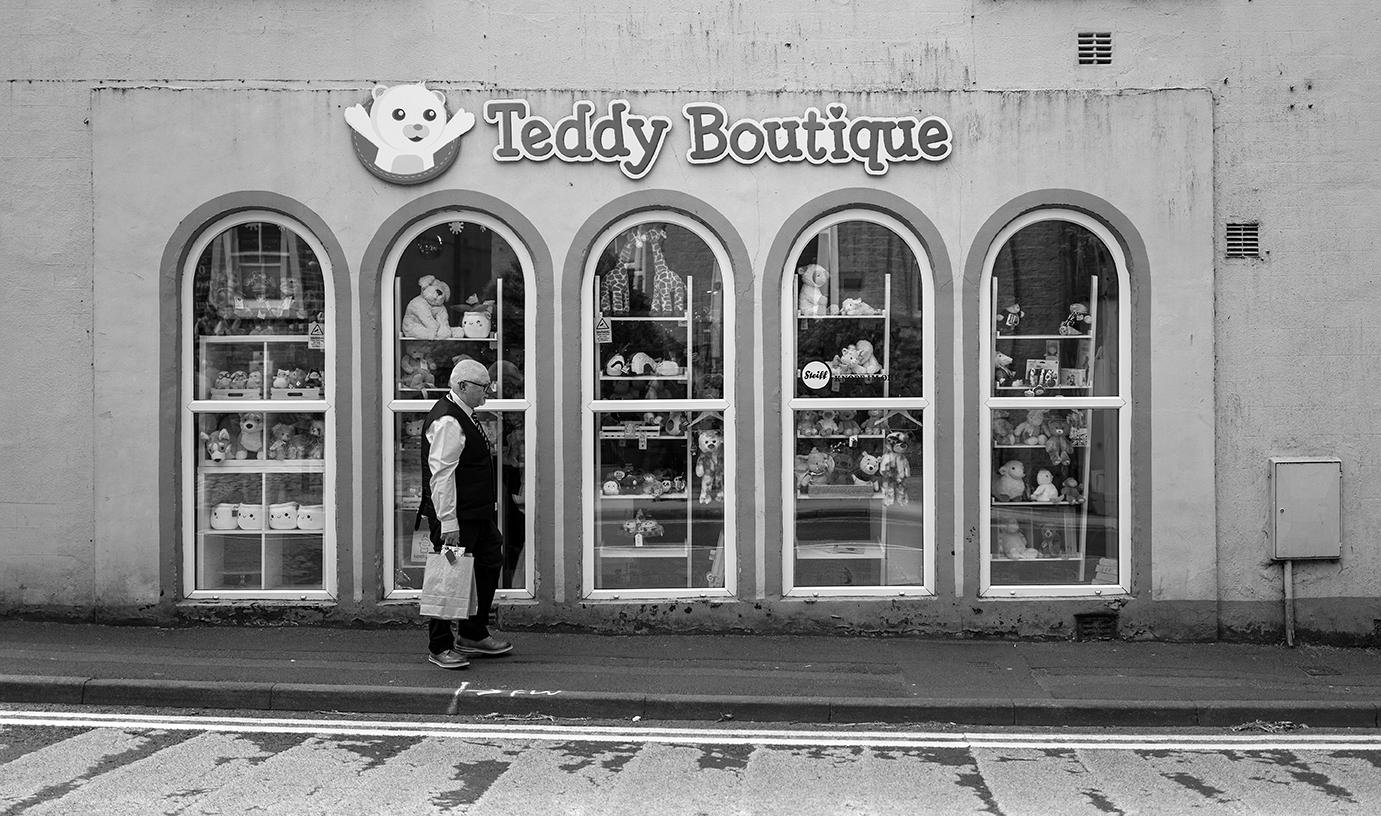
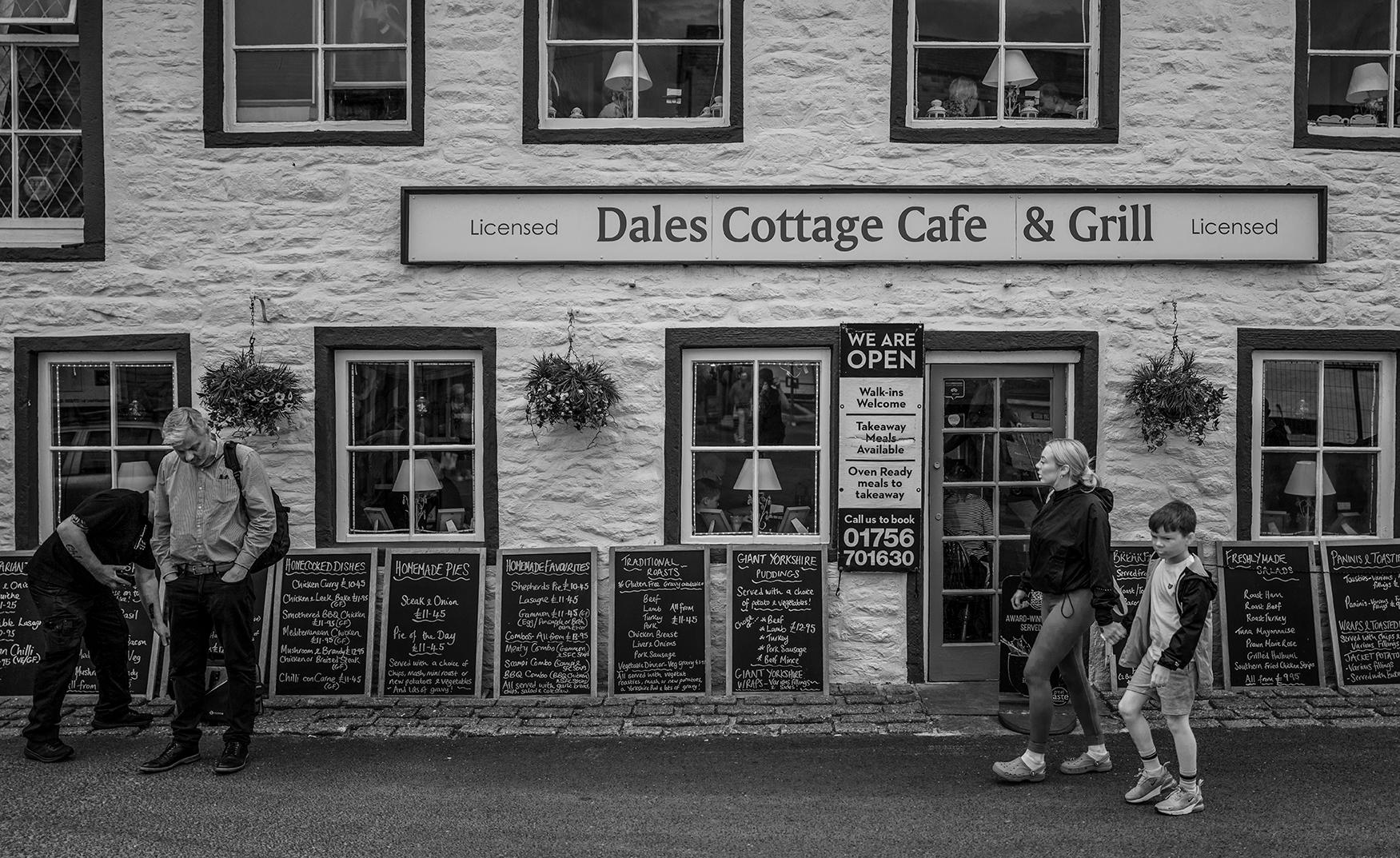
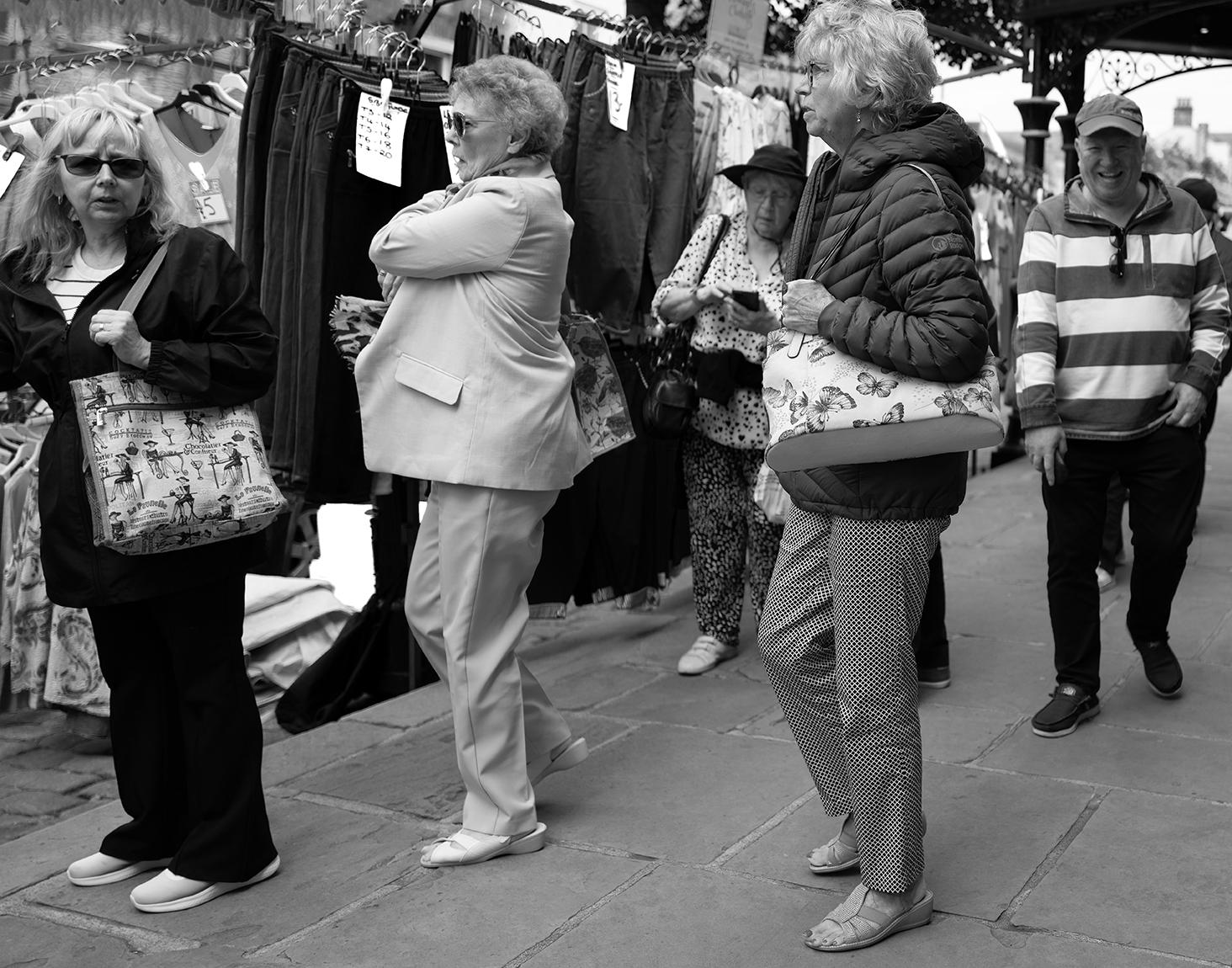
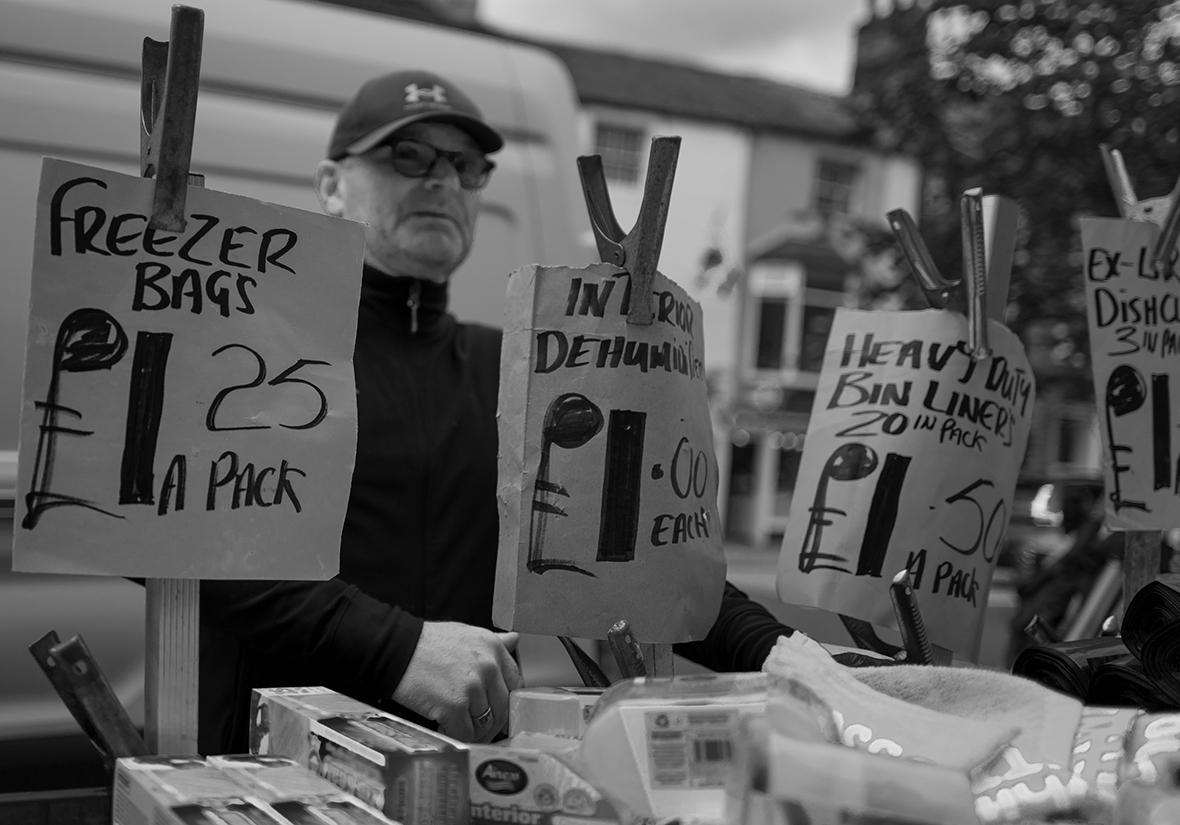
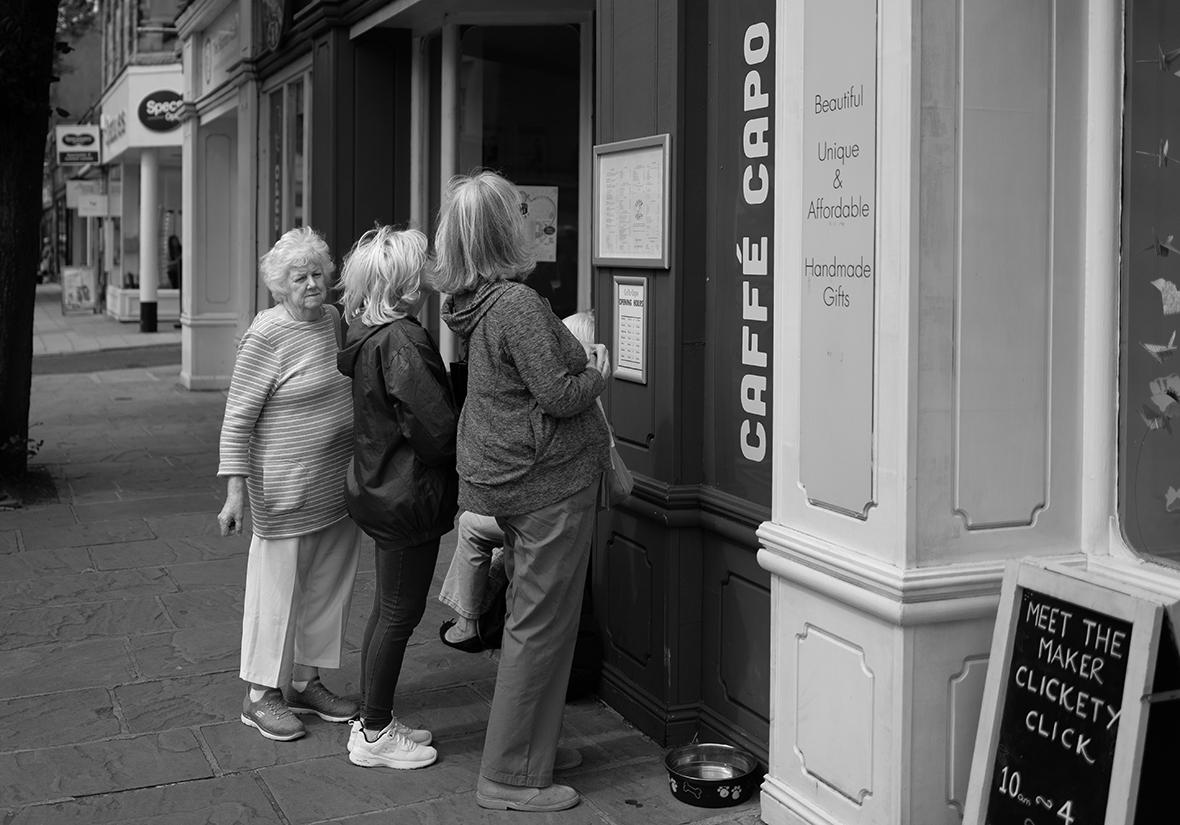
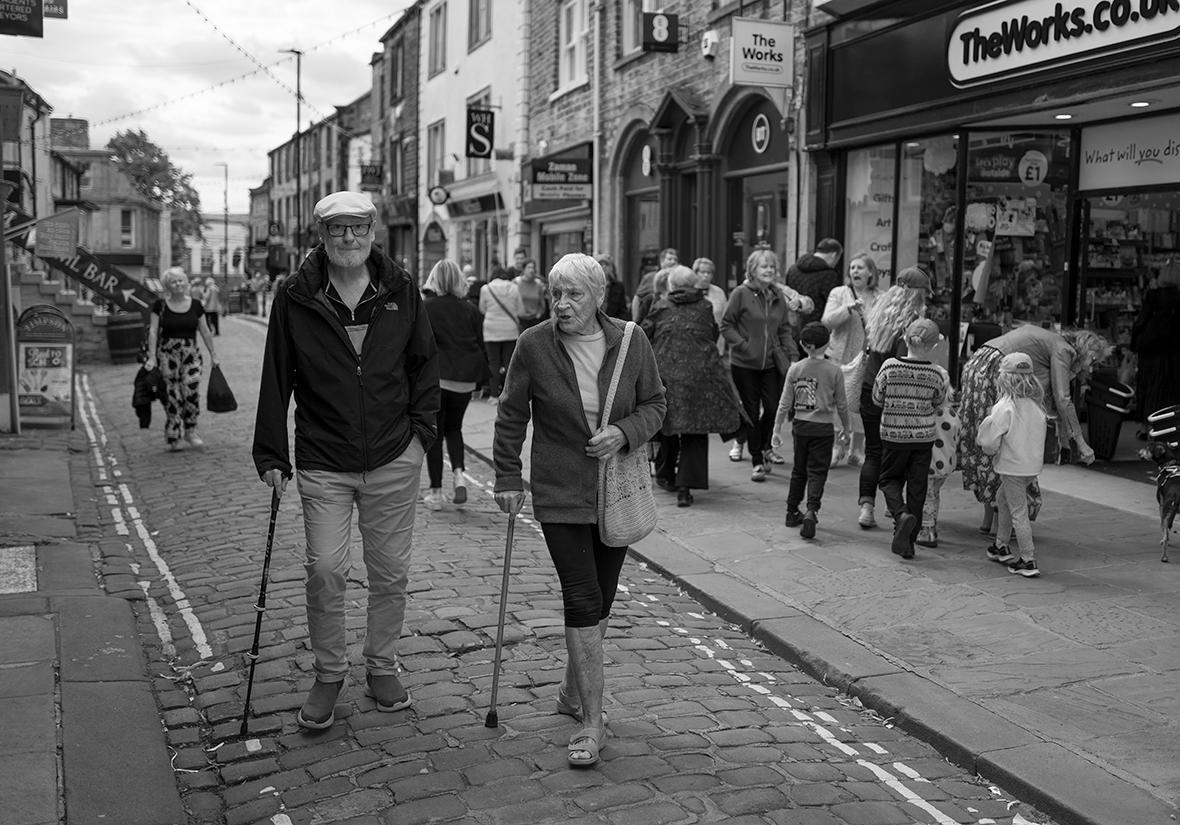
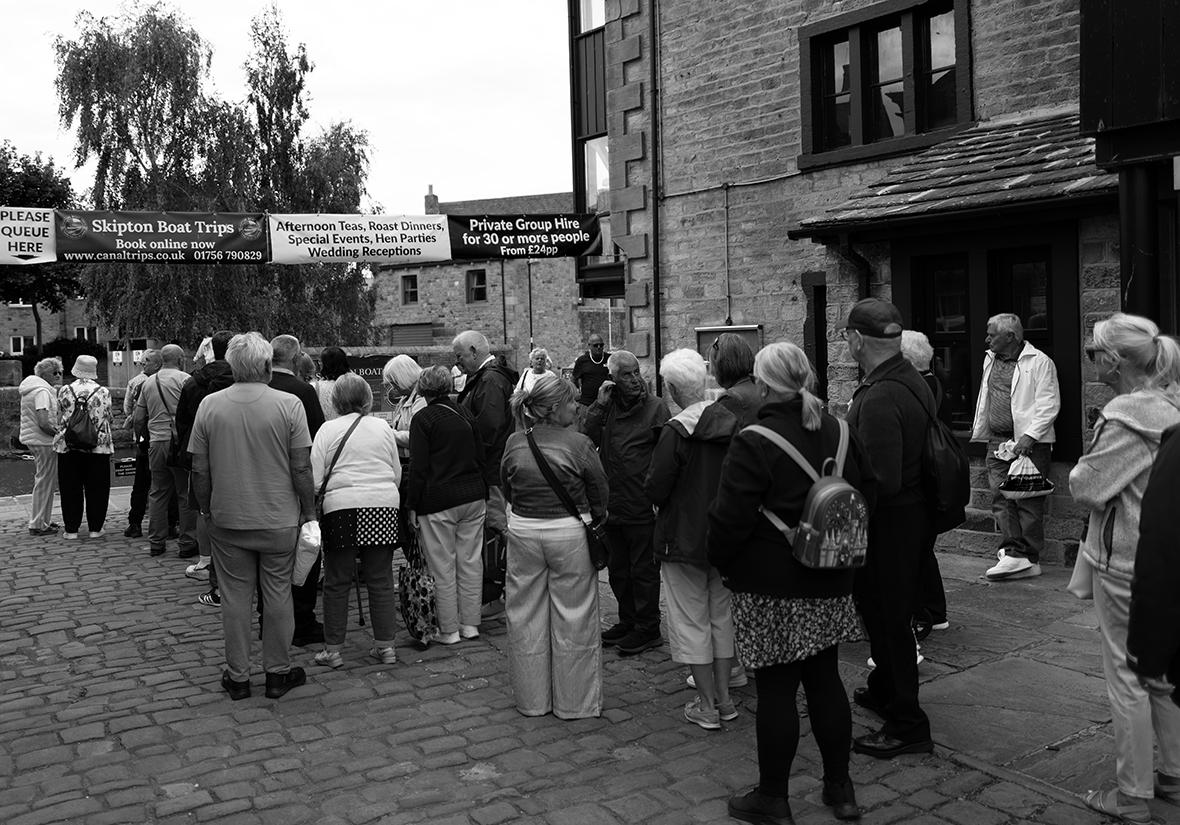
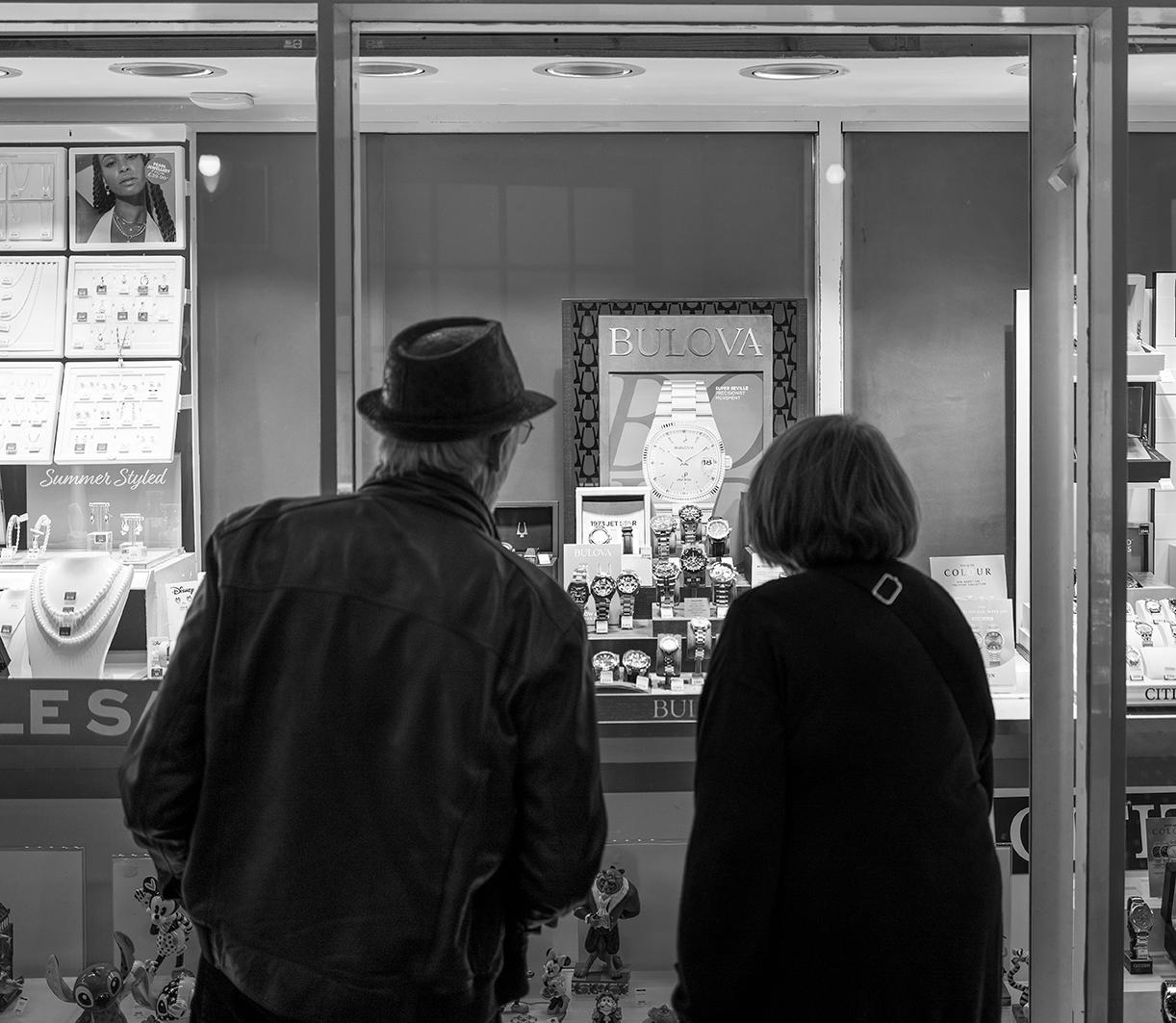
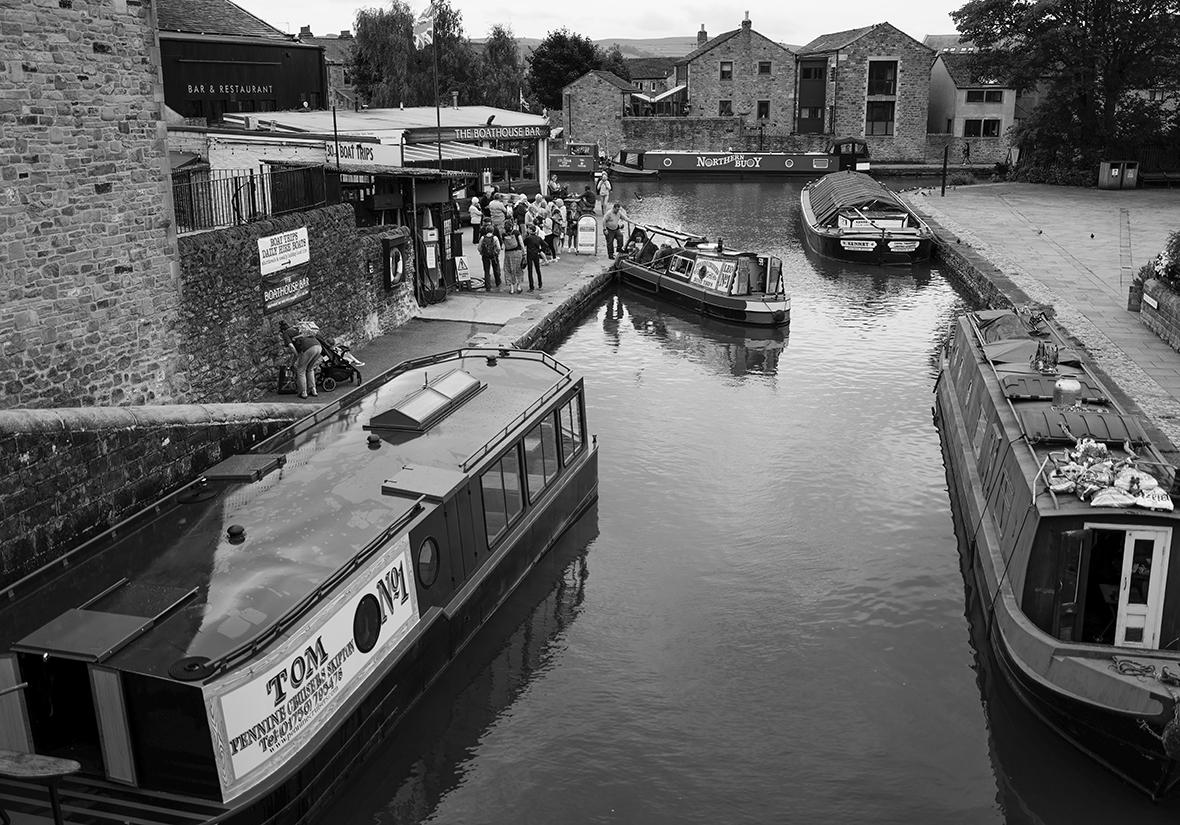
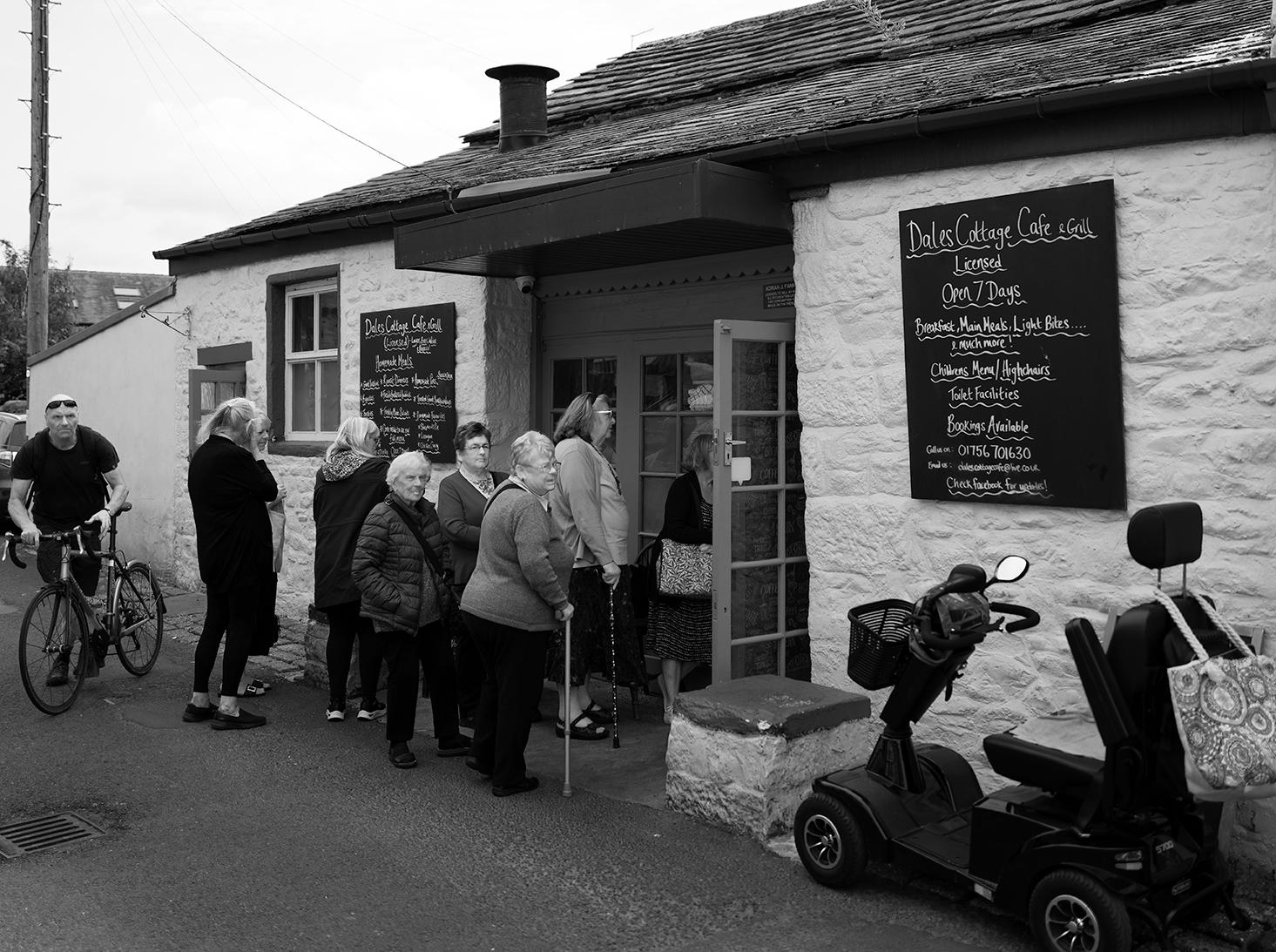
Skipton is my favourite local market town, and as such makes an excellent venue for urban and street photography, recording the many aspects of life and community, depending how you choose to “slice” the narrative.
I am always struck when I venture to this “Gateway to the Dales” how it appears to be largely immune to the vicissitudes of the national economy, and carries on in its merry way, just getting on with life. It has the great advantage of location of course, being not far away from the Yorkshire strongholds of Leeds and York, and the hotspots of the Yorkshire Dales National Park. It has its fair share of charity and bargain shops, a huge selection of public houses, cafes and restaurants, many independent businesses as well as some more upmarket retail outlets. What you don’t see though are the boarded-up shopfronts and rows of “To Let” signs which sadly festoon many a High Street these days as the march of internet shopping continues relentlessly, and the cost-of-living crisis continues to bite.
But you wouldn’t walk central Skipton with the feeling that local affluence keeps the town ticking. Market days (four times a week) attract canny Yorkshire bargain hunters in their droves to the stalls which line both sides of the street. “I only make 30p on them dear, I can’t do anything on them.” The local fashions and faces are pure Yorkshire. A coffee in one of the many cafes is under three pounds, and big enough not to leave you wanting more. Women appear to shop in small packs, unencumbered usually by husbands who if brought along must know their place. Big bags of carried merchandise does not mean big expense – clothes are sold by weight in places. Visitors are commonplace, whether there for the market, castle or thirty-minute boat trips on the Leeds – Liverpool canal which passes through the heart of the town. These are not “tourists” really. Stand in any queue and the accents will still be strong Yorkshire –groups bussed in from the cities for a grand day out maybe.
The thing about Skipton that always strikes me is that it just “works.” There is never any sign of boom and bust. Retail outlets are focussed on what the locals and visitors want, or maybe more likely need. Purchases are not indulgent or to satisfy some impulse. Skipton knows its place and the owners and managers of the attractions of this happy market town also know their business. There is no place for making a quick buck or cashing in on a trend which may last no longer than a week. Premium outlets and brands probably know that Skipton is not a prime target for them. My take on “sheeptown” is that it is a contented place, living well within its means. Nothing flash, lots of community, lots of common sense. Perhaps this is why Skipton has been voted so many times as an award winner, with the High Street proclaimed to be the best shopping spot in Britain (2008), the town listed as one of the best places to live in Britain (2014, 2018, 2024 Sunday Times), and one of the top ten happiest places (2020, 2023 Rightmove) Is there something for other towns to learn here?
Local Area Project: Colchester
Jonathan Williams
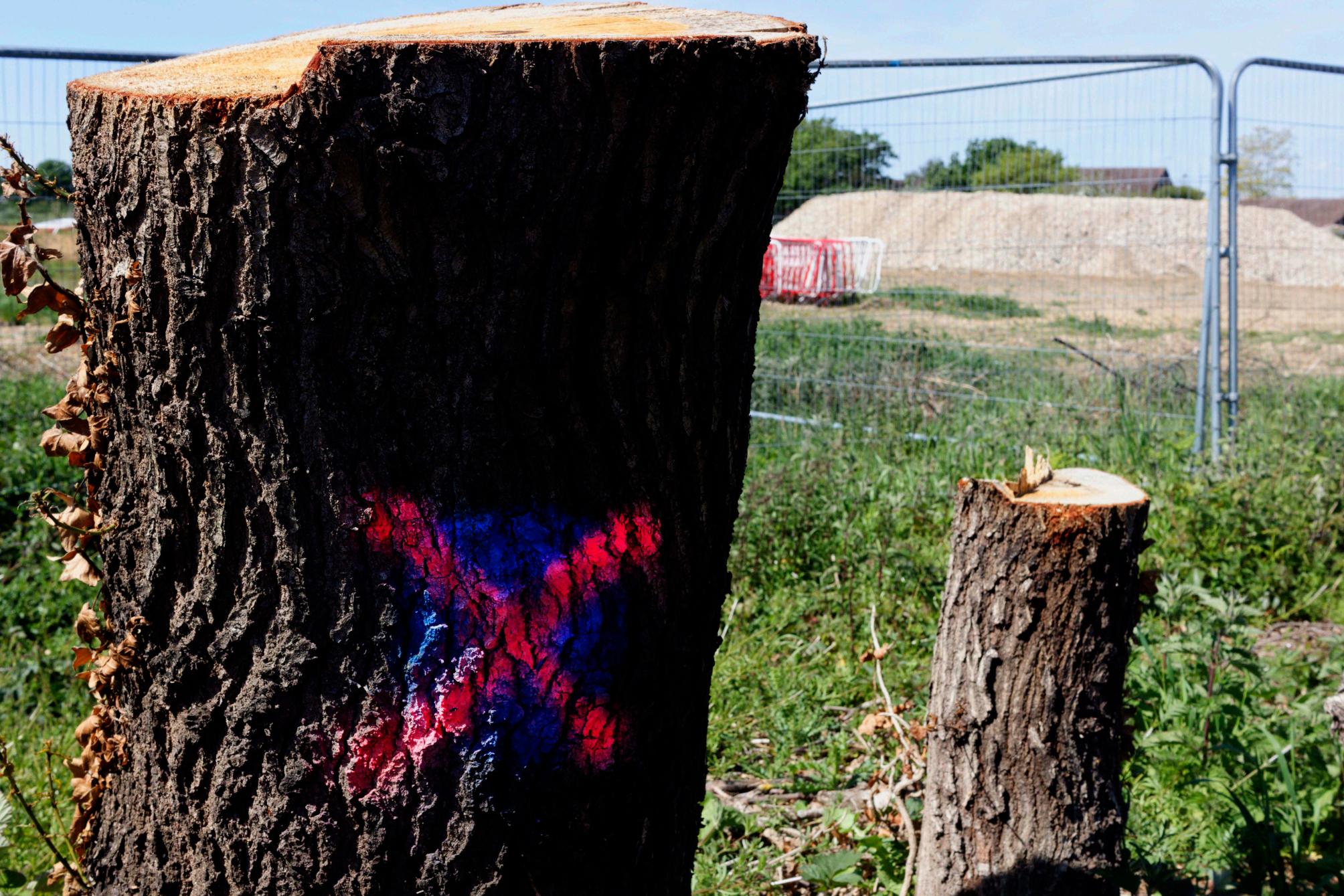
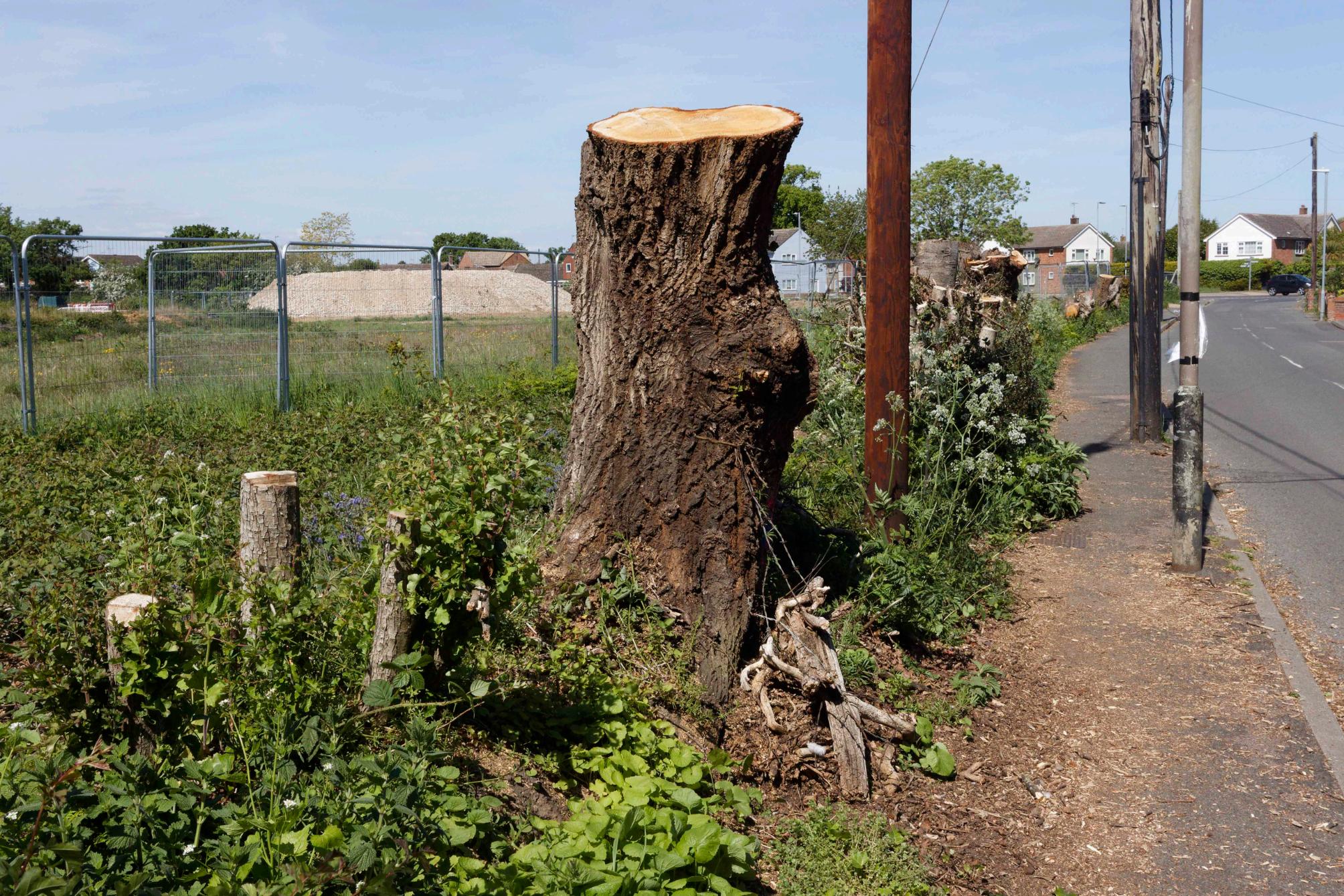
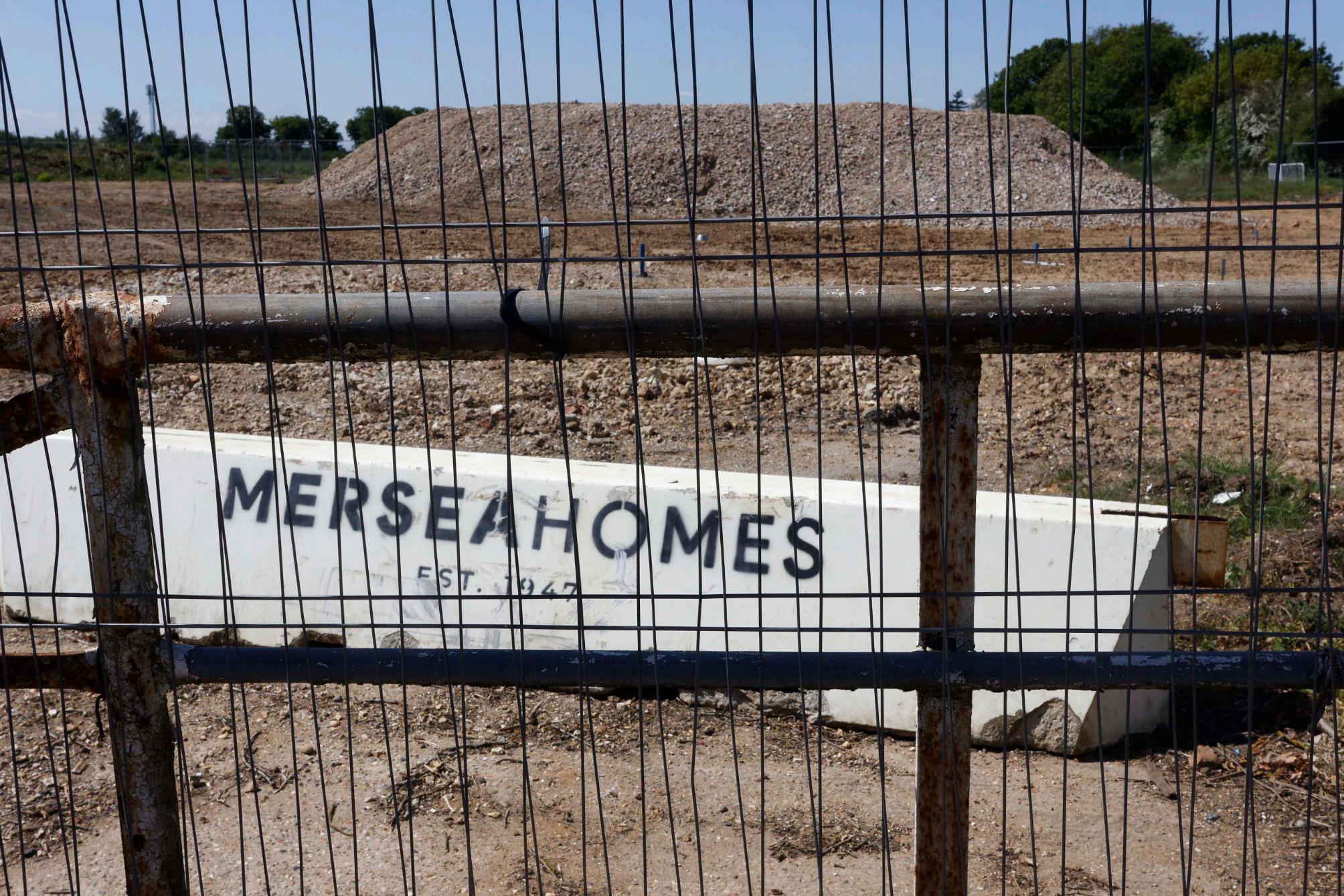
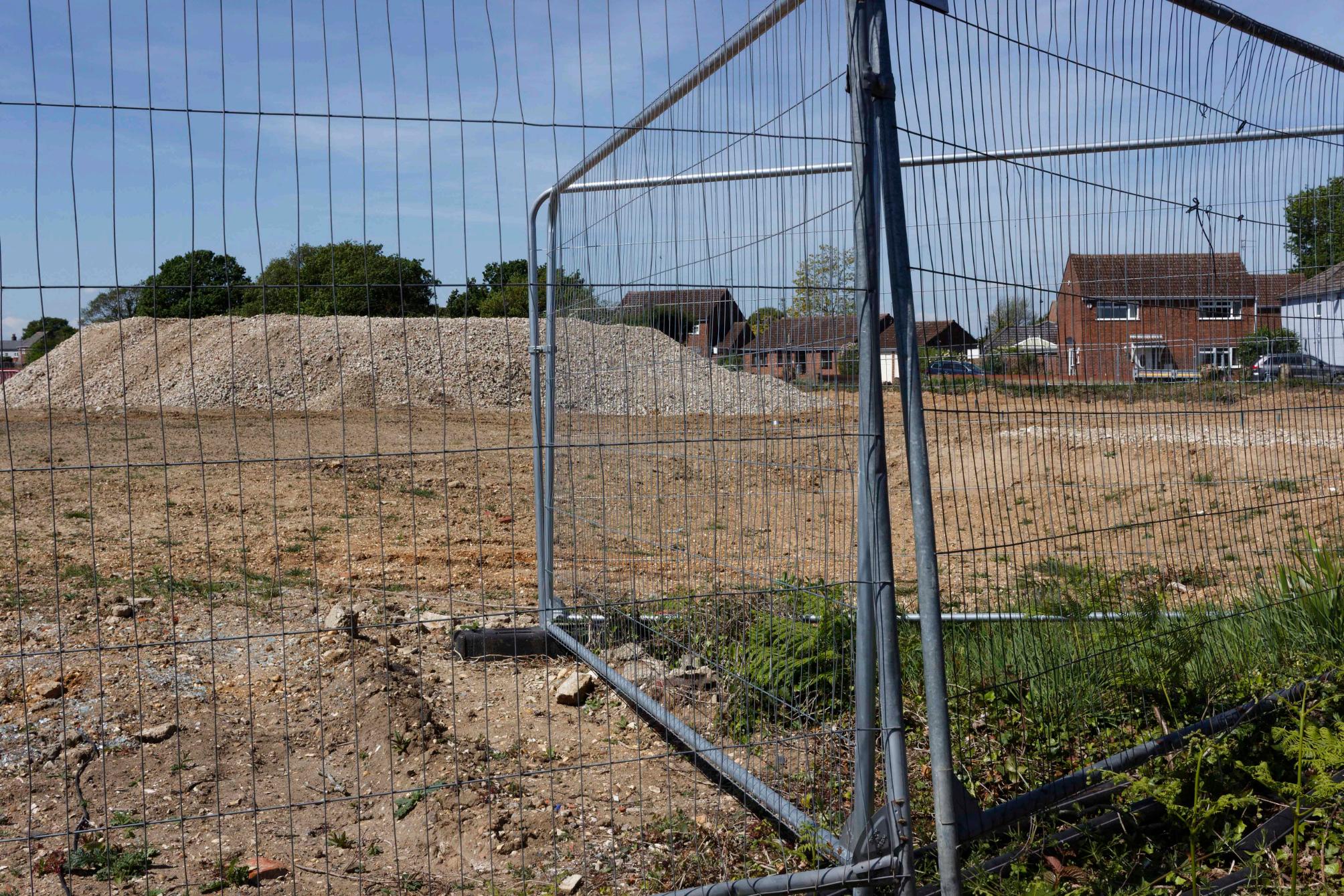
These photographs are part of an ongoing project to document my local surroundings. This started in lockdown in 2020 when there were restrictions on where I could walk. I did a circular walk that I could make from my front door. The walk takes in much of the rural and urban environment but also features historic places, retail areas and tourist sites.
These particular photographs record a recent change in land use. The area used to be a farm shop and a ‘pick your own’ place; but now the buildings have been demolished, and it appears that the land will be used for housing. Nothing lasts long and change is just around the corner and of course I had not taken any photographs of the original buildings as I thought that they were permanent, (although they are still on Google Maps). This is more a socioeconomic study illustrated with documentary photographs rather than some pictures of beautiful places and looking at my photographs they may not fit into the deadpan photographic mode. I have tried to make them more interesting to look at. Also, I regard writing about the area as important, as the photographs alone do not tell the full story.
I studied geography and economics at university, so I tend to see the landscape differently than most people. I am less interested in beauty and more interested if the economics and sociological aspects of landscape. Each land use is dependent on the price you can charge for the use of the land i.e. the rent that can be obtained from the land. The rent curve defines the value of land; the centre of a town will have the highest rent and the outskirts the lowest rent.
Having lived in the area for 30 years I have seen changes over time of course and I am more interested in my local environment than distant landscapes. I have since expanded the area I cover with the photographs to adjacent areas. The human activities now included in the project are: - animal husbandry/pet sanctuary; historical Roman and Celtic sites; amenity area for dog walkers; industrial gravel extraction; tourism with Colchester Zoo; retail park/outlets with charity shops/supermarket, hardware stores, car wash and car repair workshops. I could certainly put forward the idea that this area represents a microcosm of the country today.
The push for more housing taking over large areas of land with consequential infrastructure stress and retail and amenity activities following on. I will continue taking photographs with a view to making a book as a form of describing the landscape. I shall have to have a cut off point as I know that things will change as soon as I have completed the project.
This will be a record of the area for future generations to look at. As soon as you take a photograph of a place it becomes an historic record. I will add the rider that future generations being interested in these types of photographs is a hopeful phrase I am not convinced that people will want to look back.
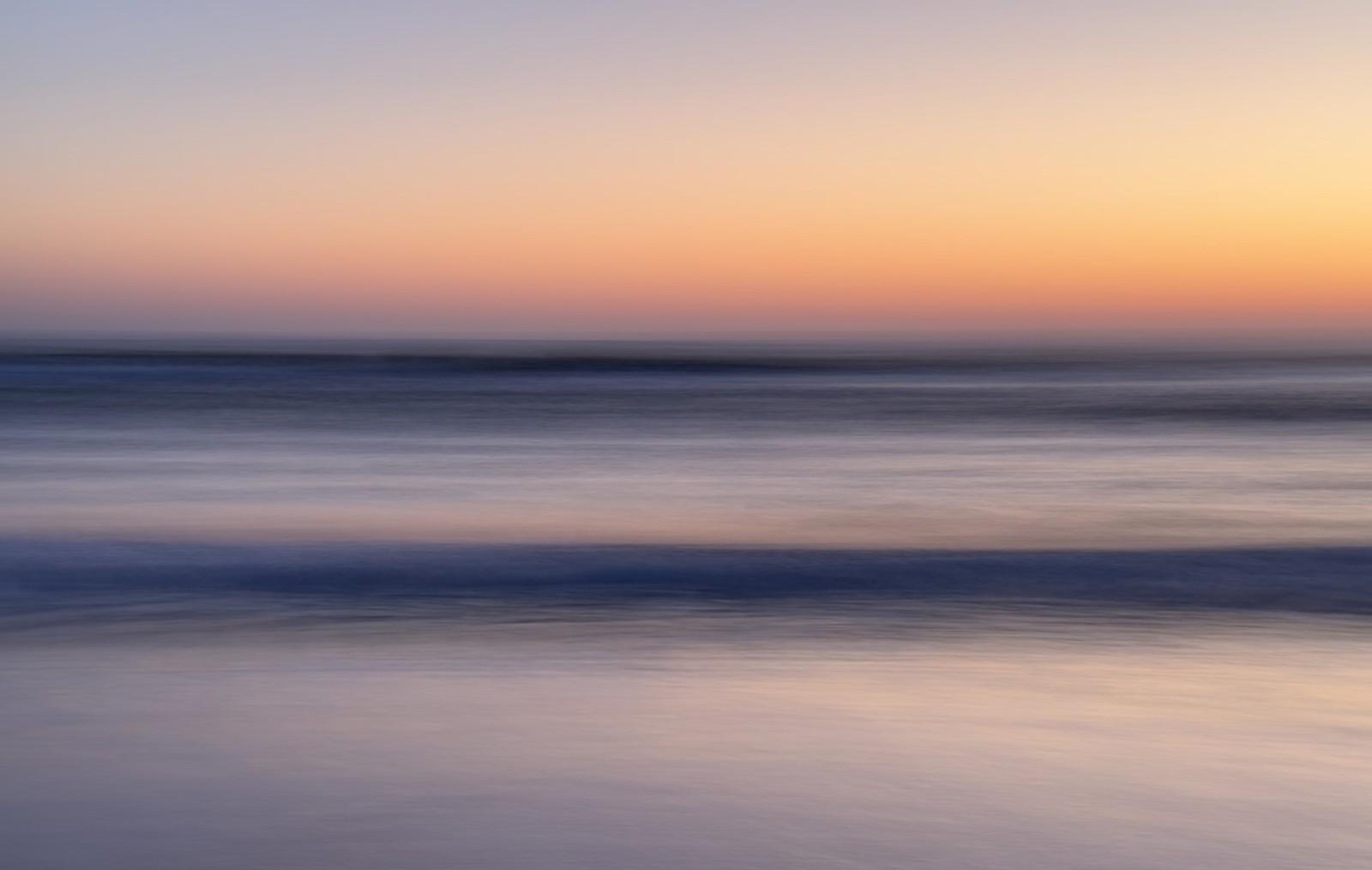
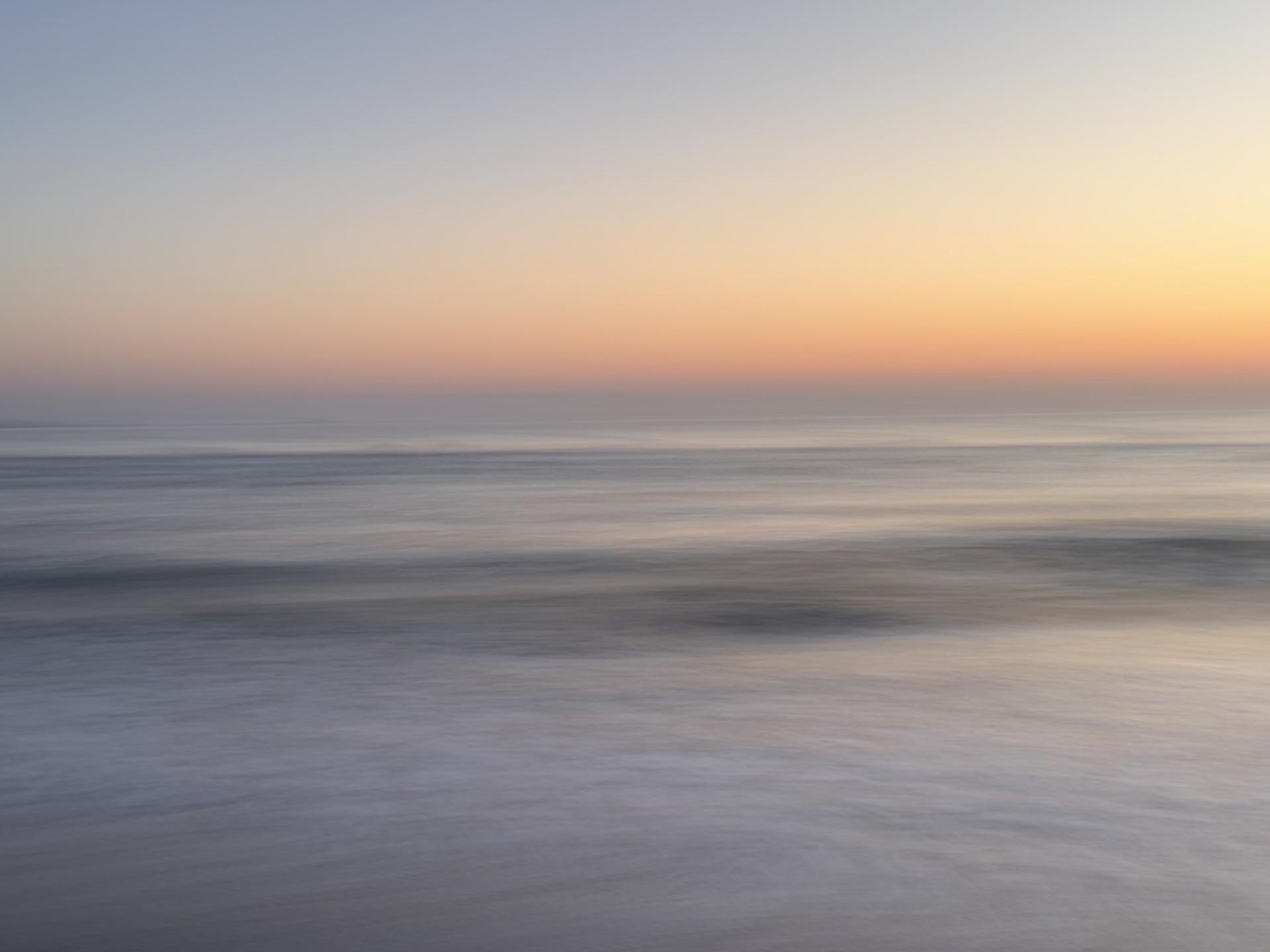
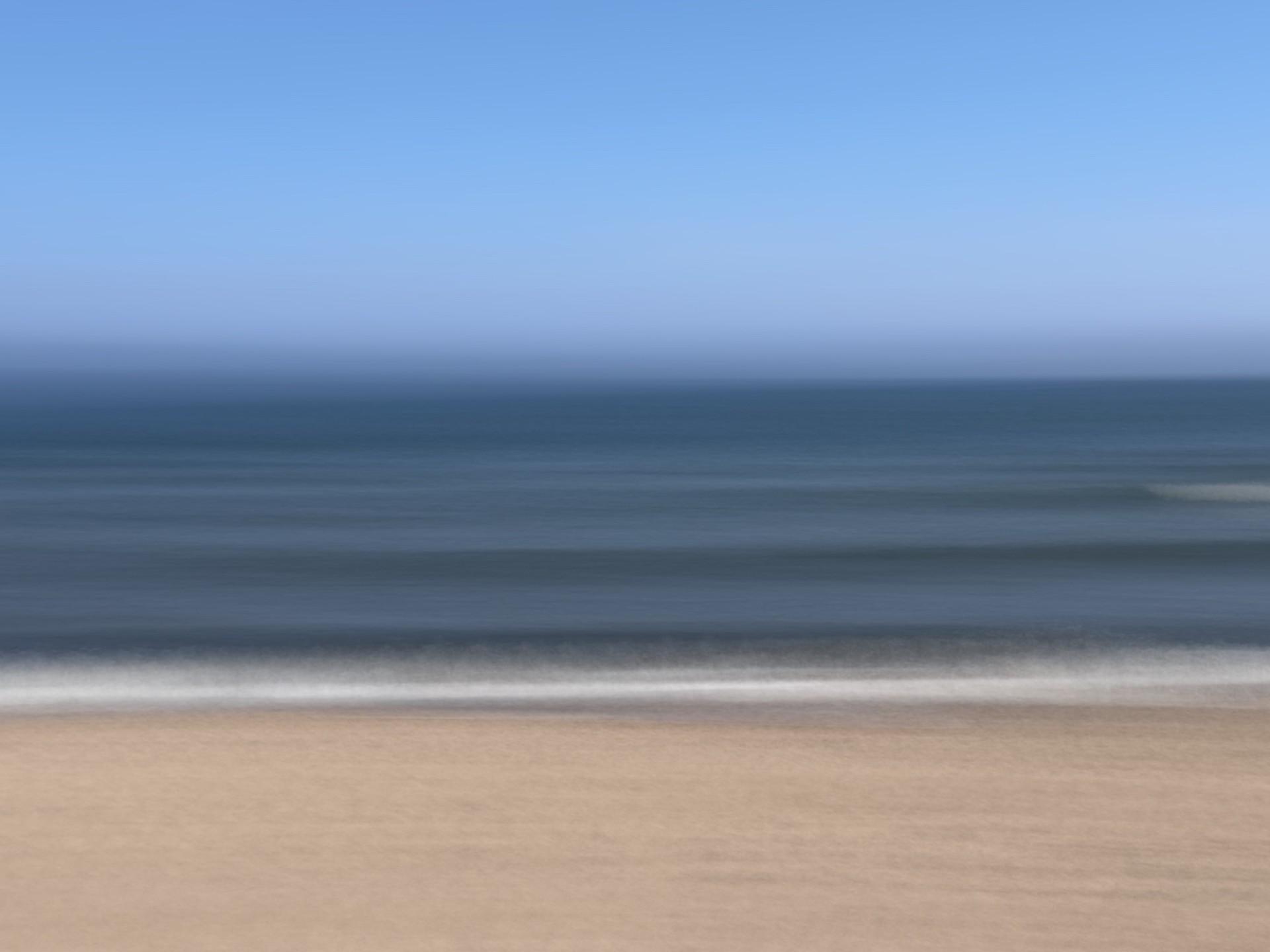
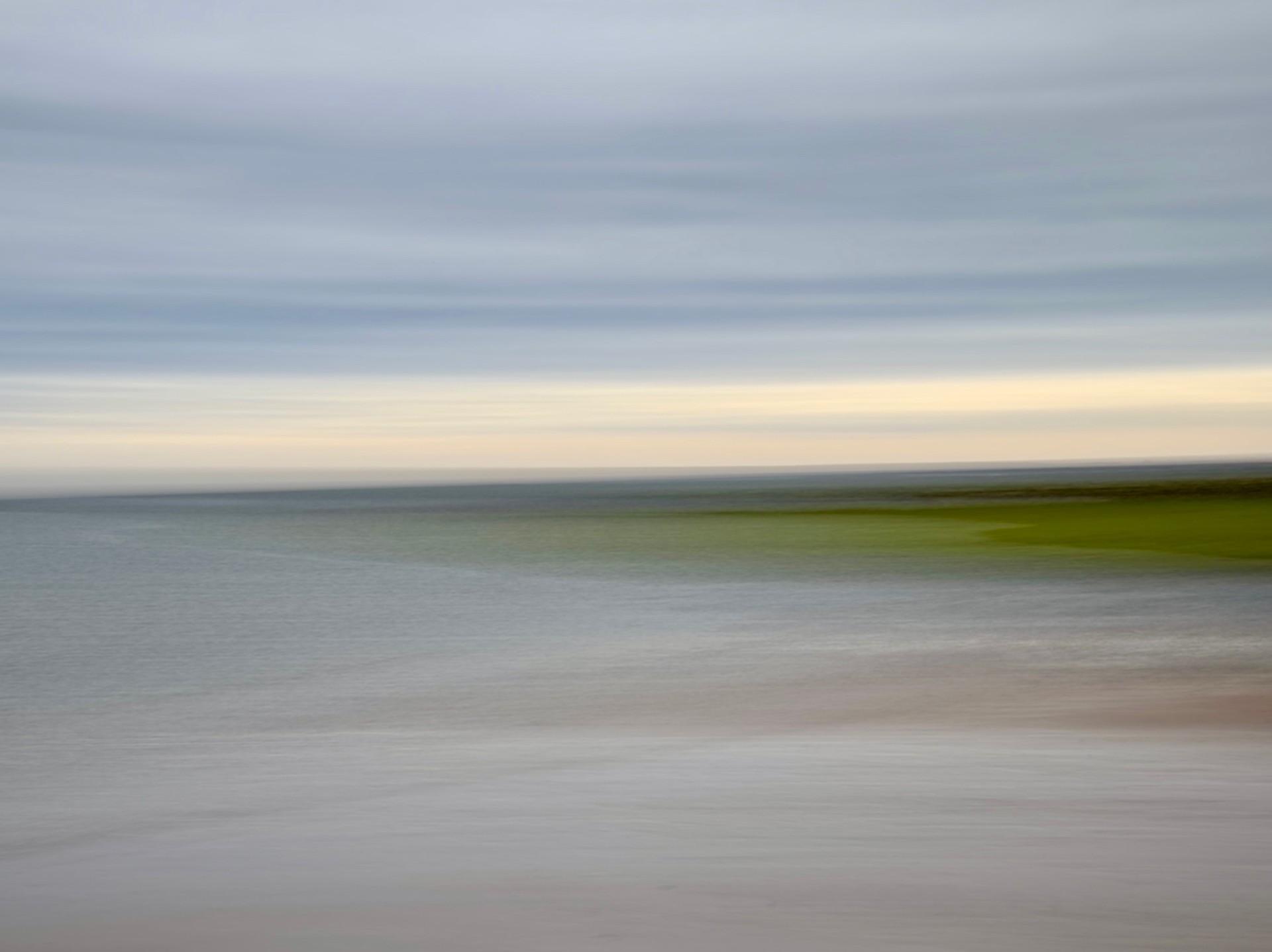
Lost in the beauty of the abstract seascape
Marion Hayhurst
I began my photography journey during lockdown and it has been a very steep learning curve! I had never previously even picked a camera up and had absolutely no idea how to compose and process my photos, there was so much to learn that it felt a little overwhelming. To help me understand the technical side and also to help me progress, I joined a small and friendly camera club, the Foss Photography Club on the outskirts of York. Members have a varied level of photography skill and the majority have a huge amount of experience, but I started to enter their competitions and have done quite well. I listen to the feedback and take on board the comments as I am keen to learn and develop!
As it resonates well with me, I sit comfortably as a nature photographer, including wildlife but also land and seascapes - particularly sunrise - so when I heard that one of the Foss Photography Club set challenges this year was ICM I inwardly groaned! ICM just wasn’t my thing, creating something abstract when everything I’d done previously was more about keeping it real, I just didn’t get it! Around the same time, my every day lens developed an error code and stopped working, I attempted some ICM shots with different lenses, but I didn’t like the results, I was enjoying trying different scapes but didn’t feel I’d got it right. With this in mind, I tried some seascape sunrise ICM, long exposure shots with my iPhone and that was it, to be able to create such unique abstracts - I was addicted!
I’ve entered some of my ICM seascapes in club competitions and they have been very well received. I was delighted when the RPS Contemporary Group shared some of my work in their stories on Instagram! Getting some lovely feedback, seeing that others like them gives me the confidence to continue. During the summer there is less cloud for the sunrise colours, so I am developing more ideas for ICM seascapes, I learn as I go along. I never hide or apologise for the fact I use my mobile phone camera because for me it is always about the end result, and not how the image was taken, that matters, after all a mobile is just a camera that has a phone, and how cool is that?
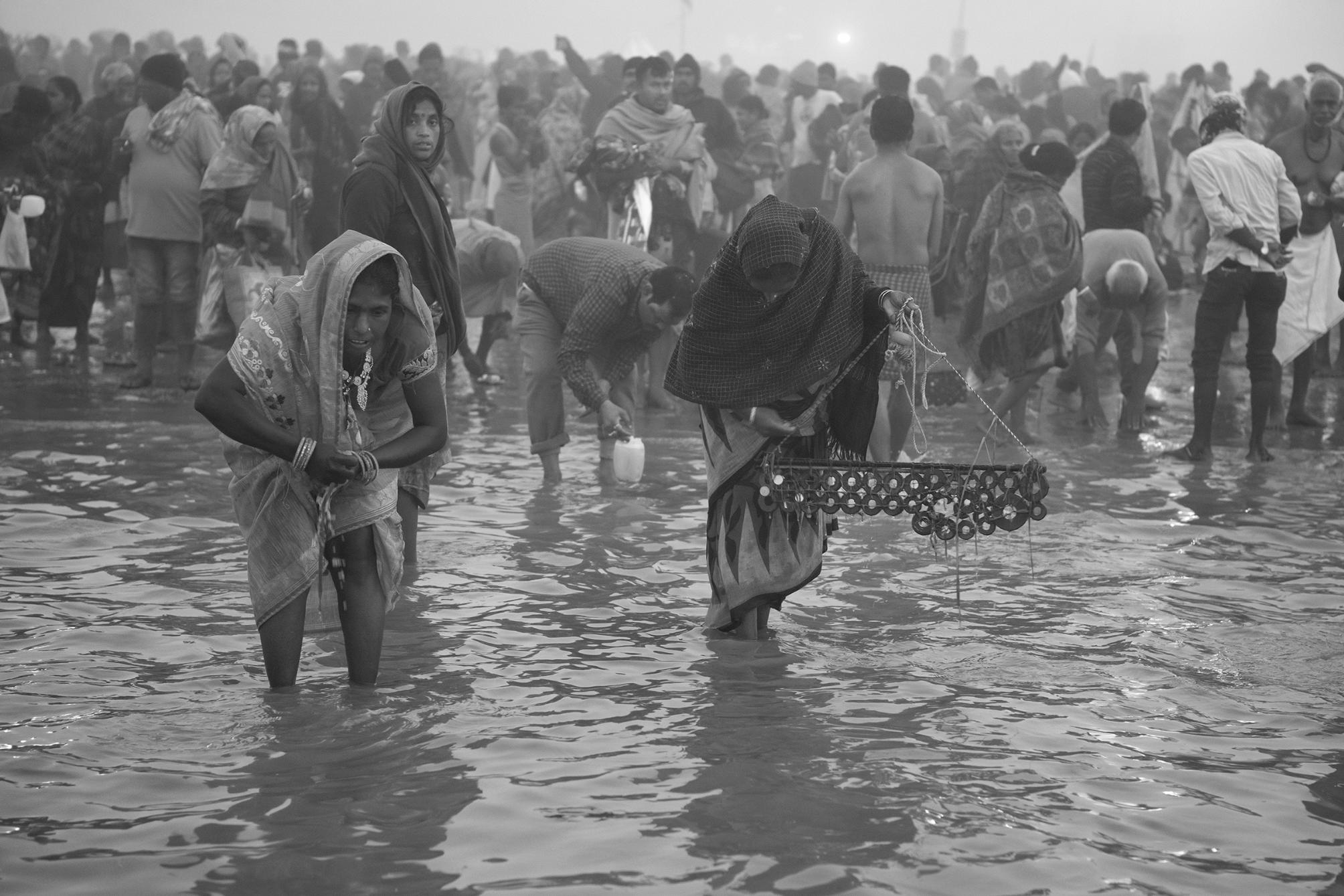
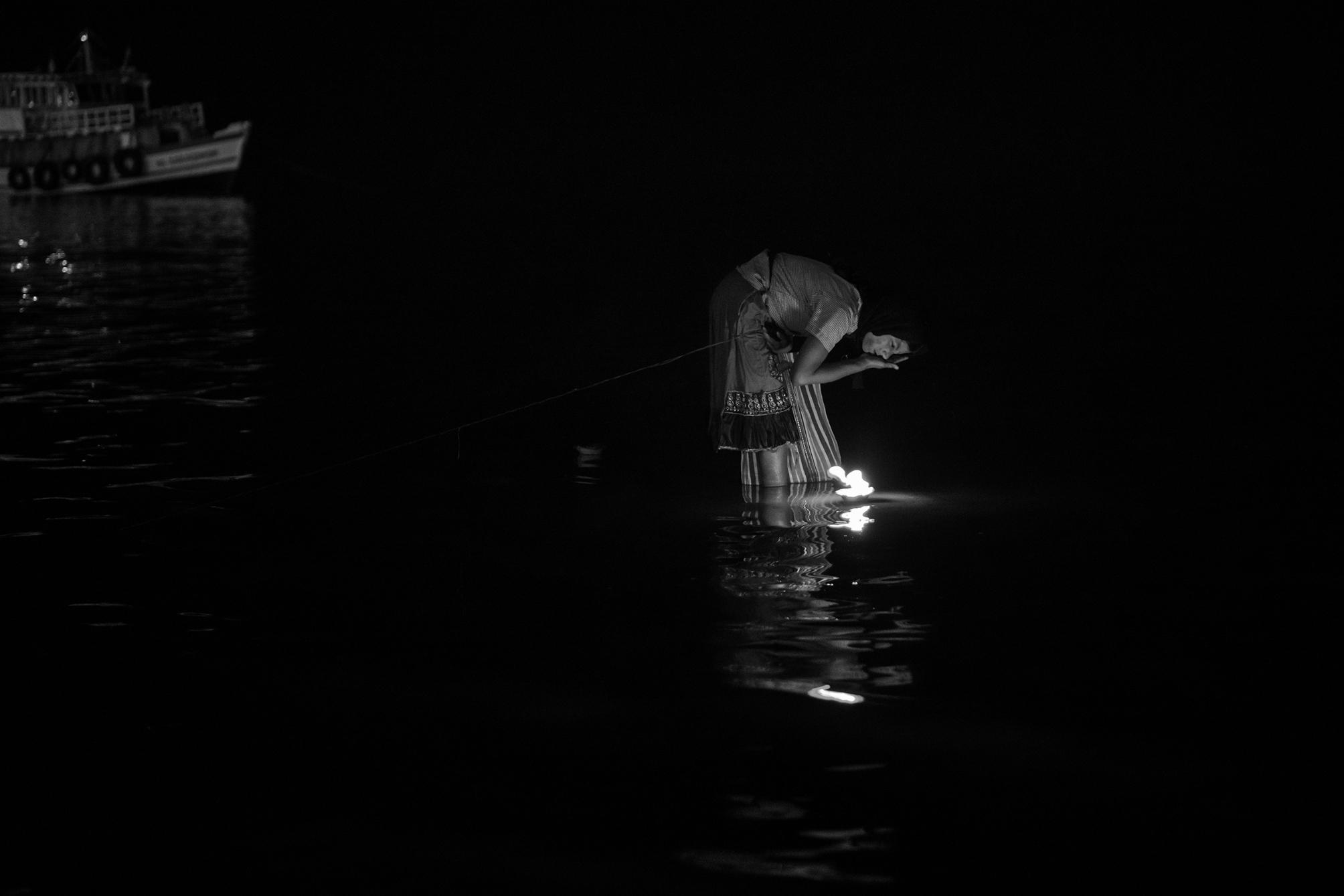
An offering of hope, a livelihood of chance
Sudipta Maulik
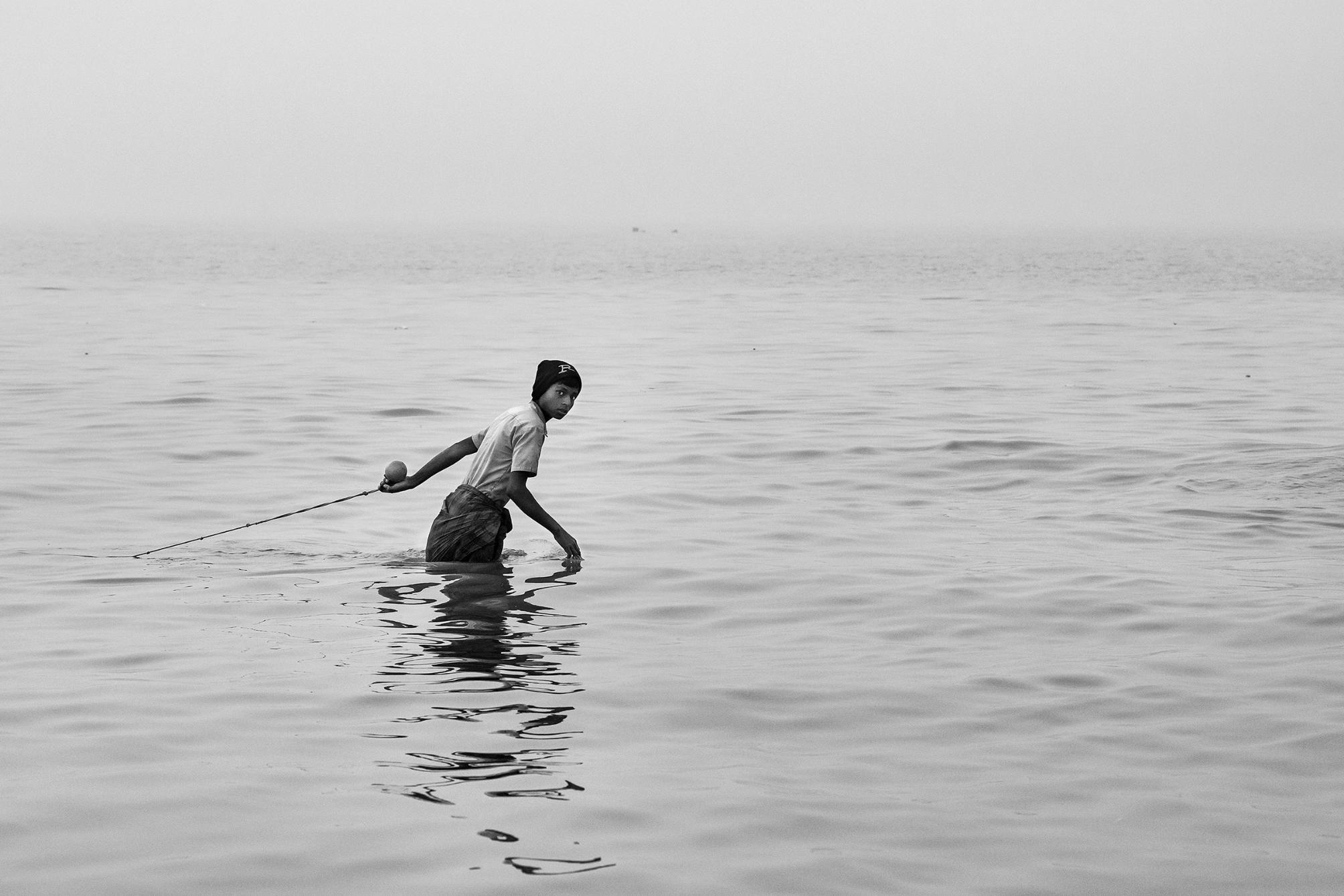
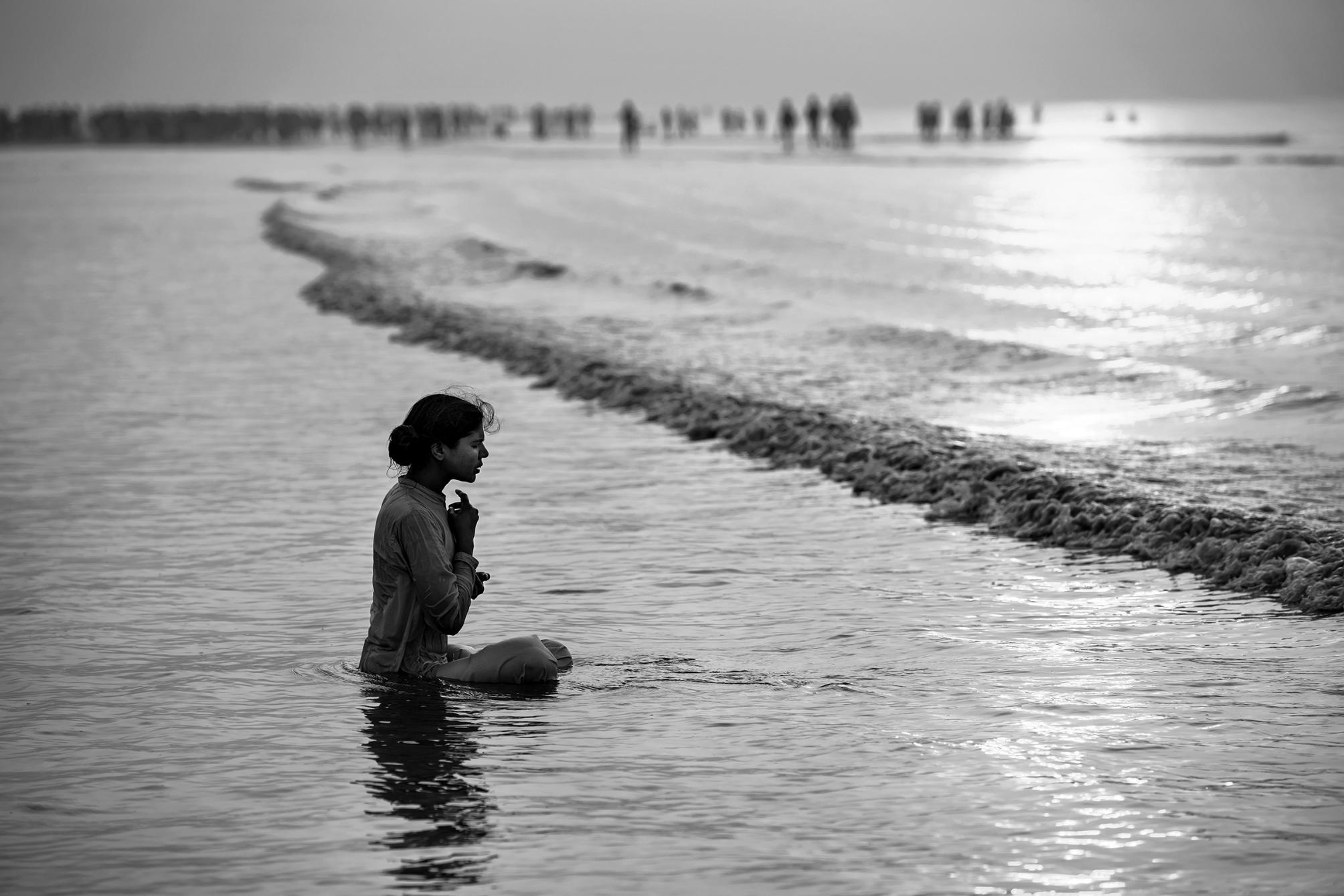
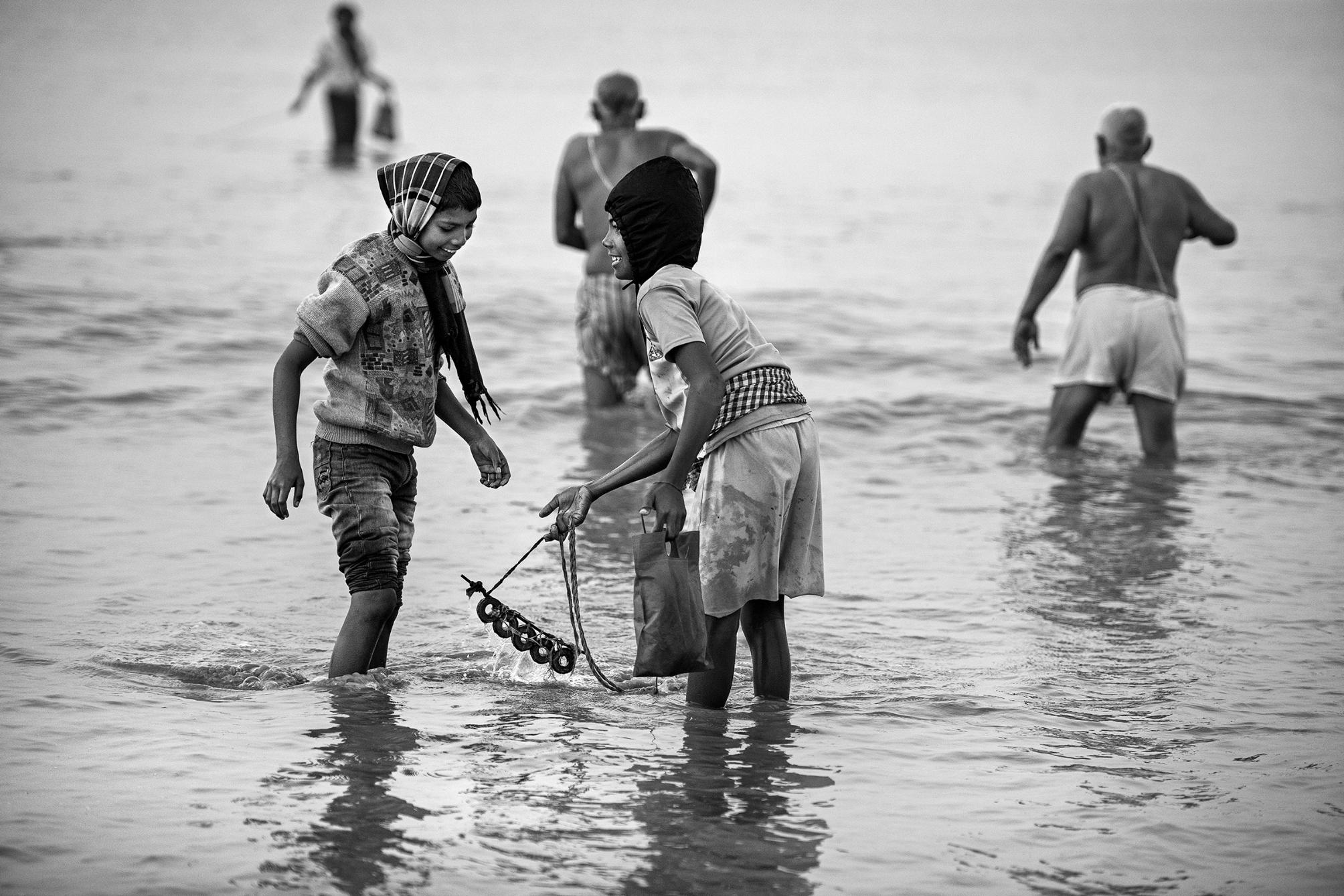
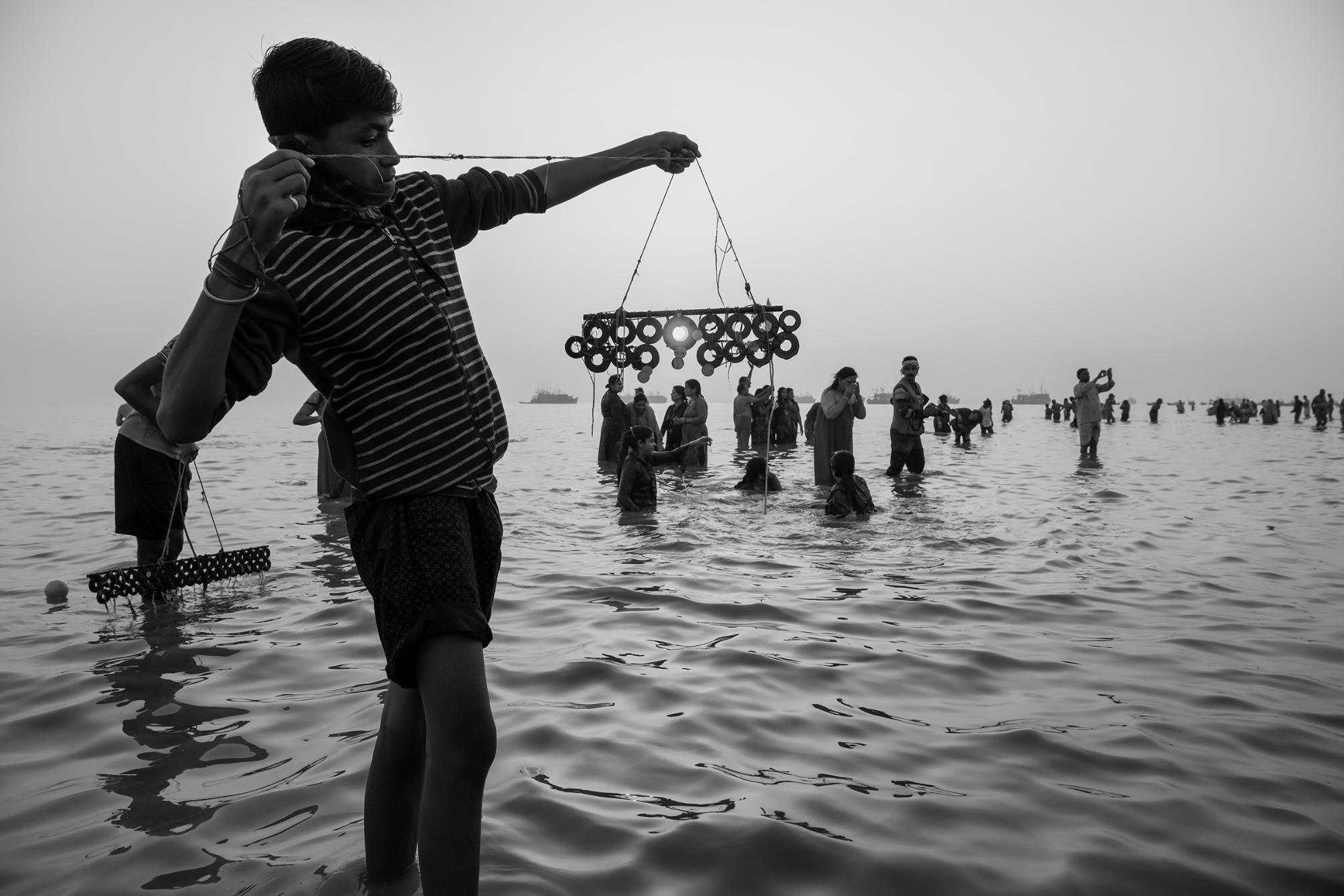
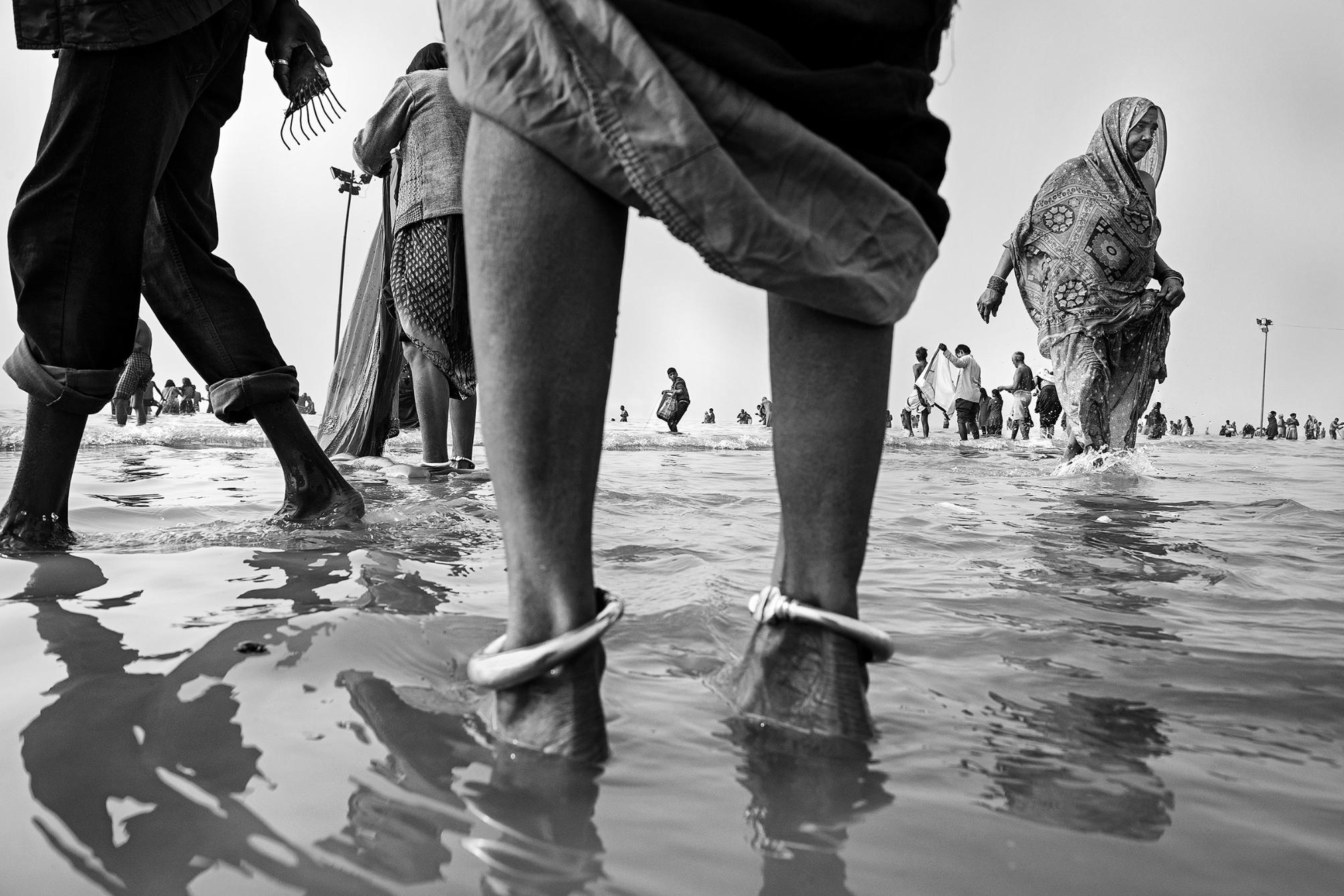
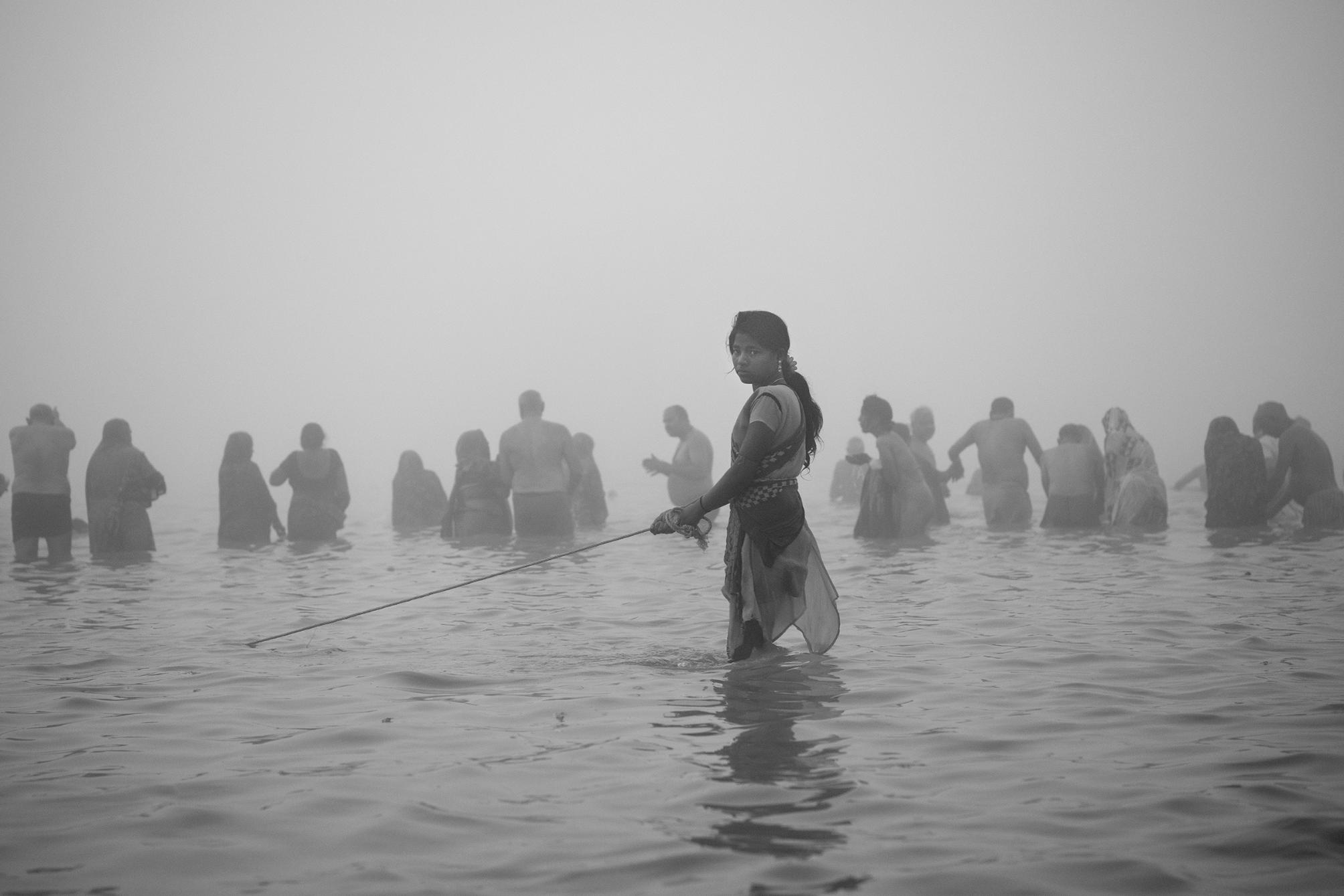
This is the story of two groups of people whose lives intersect at the river's edge, their actions bound by faith and necessity.
For generations, Hindu devotees have cast coins into the sacred waters of rivers, a symbolic gesture of prayer and hope for good fortune. This tradition, rooted in the belief that offering valuables to the holy rivers can bring blessings and wash away sins, continues to be a common practice at places of worship across India.
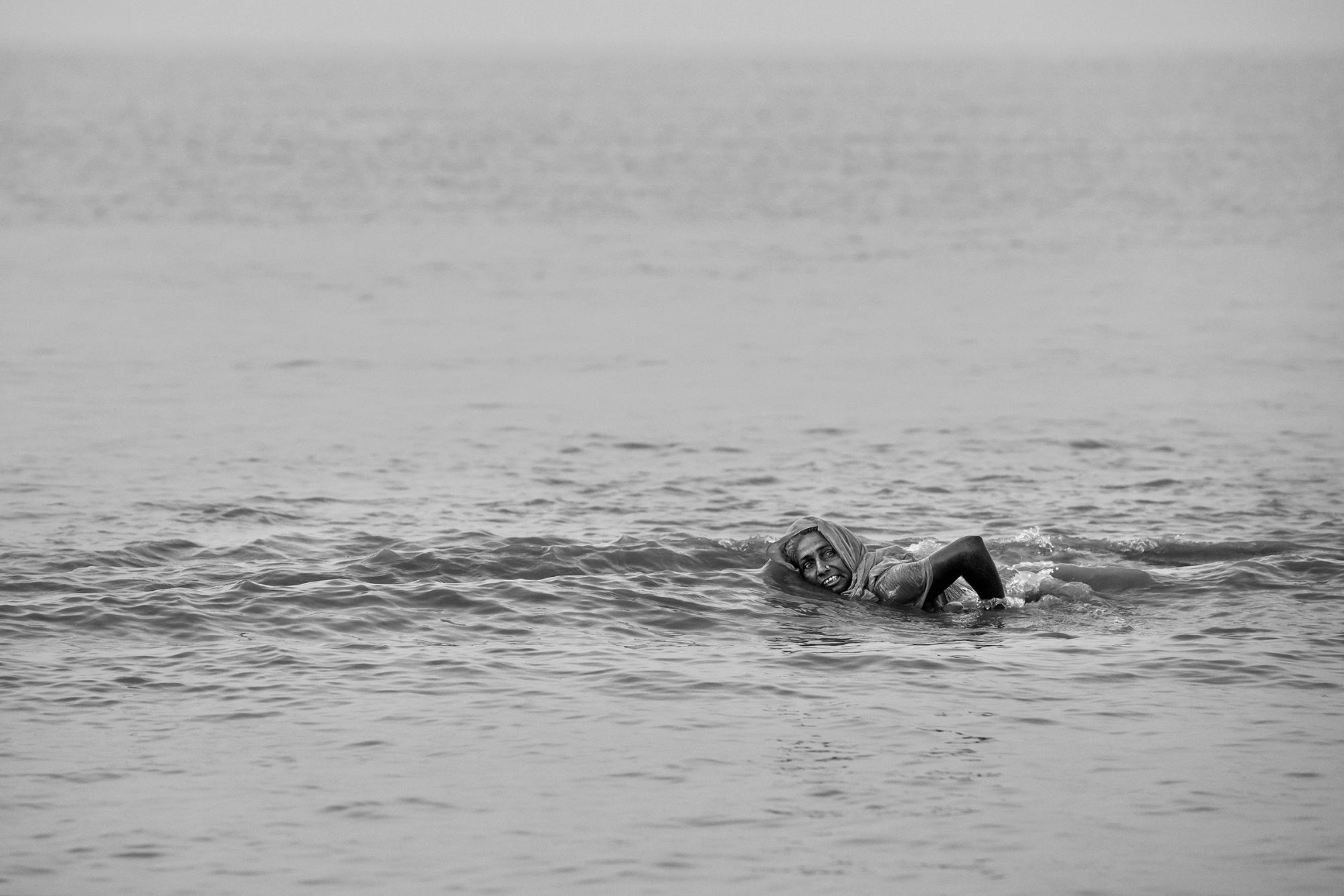
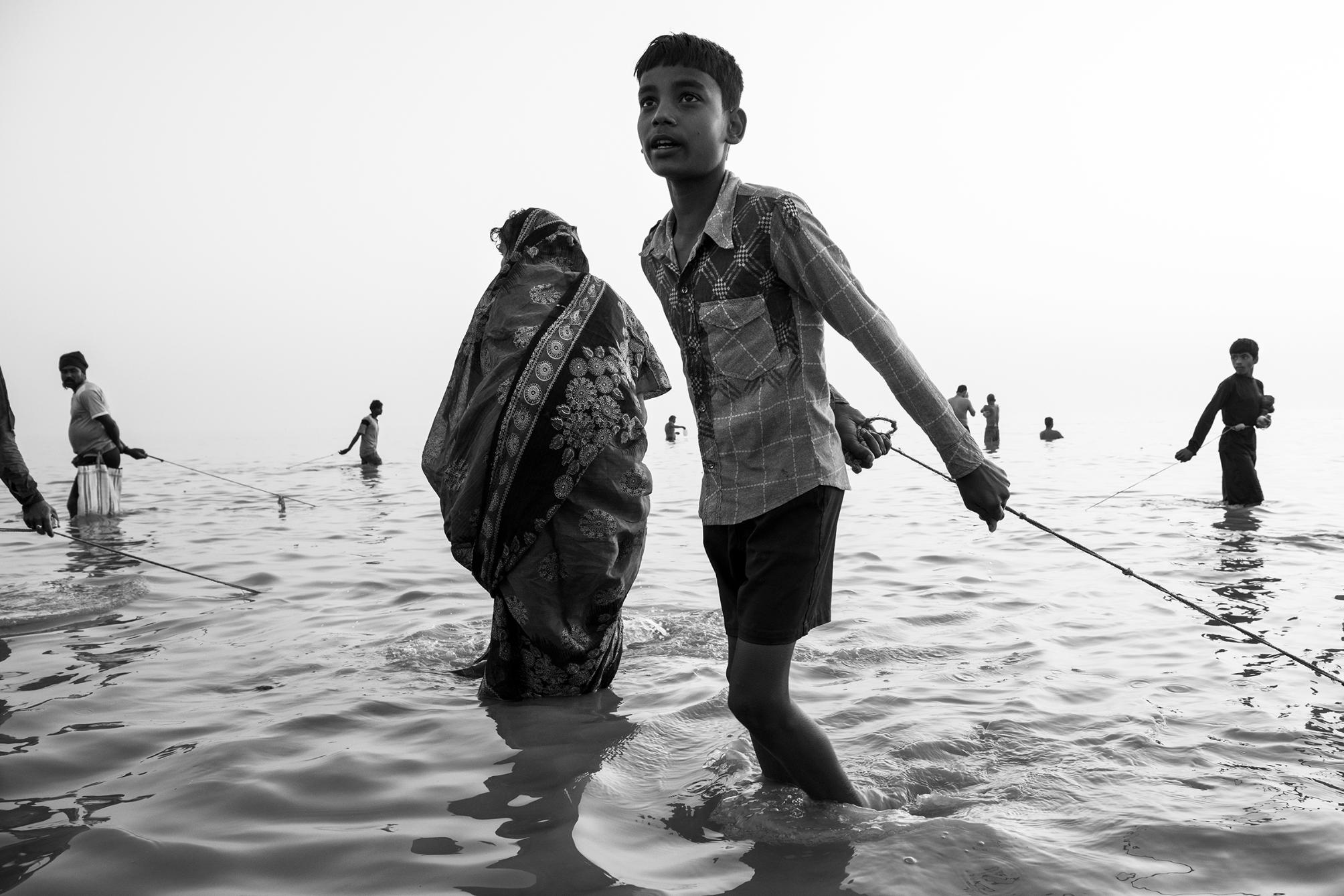
While for the faithful, the offering is a release of worldly attachment in the hope of a greater return, for a resilient group of people, it is the very source of their daily bread. From the first light of dawn until the fading dusk, an army of "coin collectors" braves the often cold waters. Armed with simple, yet ingenious tools, a set of magnets tied to a rope or a handheld weeder, they meticulously scour the riverbed.
These individuals, ranging from young boys to older men, spend their days submerged, their hands and feet feeling for the metallic glint of treasure. Each coin retrieved is a small victory, a piece of the devotee's hope transformed into the collector's sustenance. Their daily earnings are meagre, yet they persevere, their livelihood a direct reflection of the faith of strangers.
The contrast is stark: the devotee, often adorned with the holy chord of a higher caste, offers a coin with a prayer for prosperity. The coin collector, identified by the rope and magnet that are the tools of their trade, pulls that same coin from the murky depths to secure their own survival. Two different lives, two different hopes, forever linked by the currents of the sacred river.
ARPS Panel
Simon Maddison ARPS
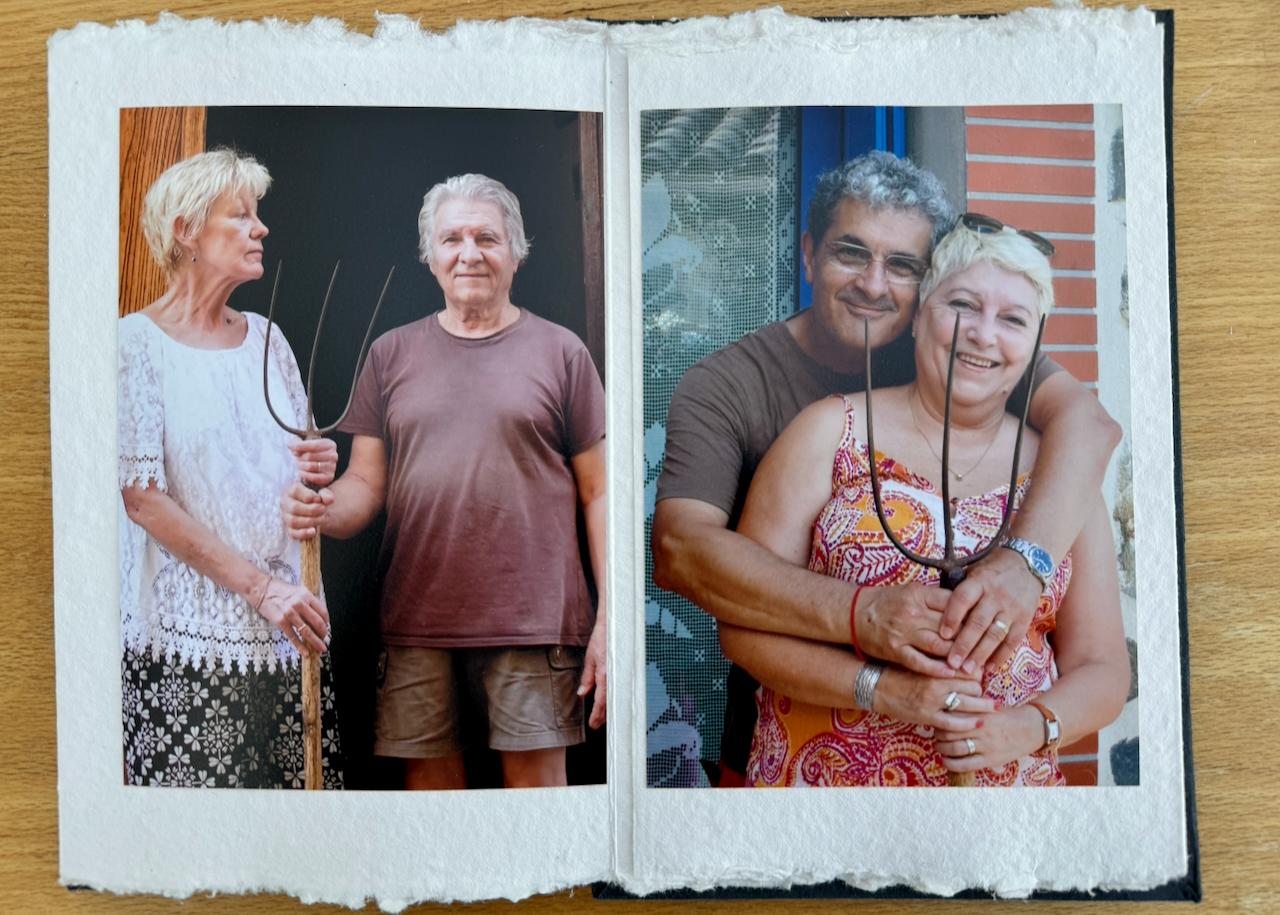
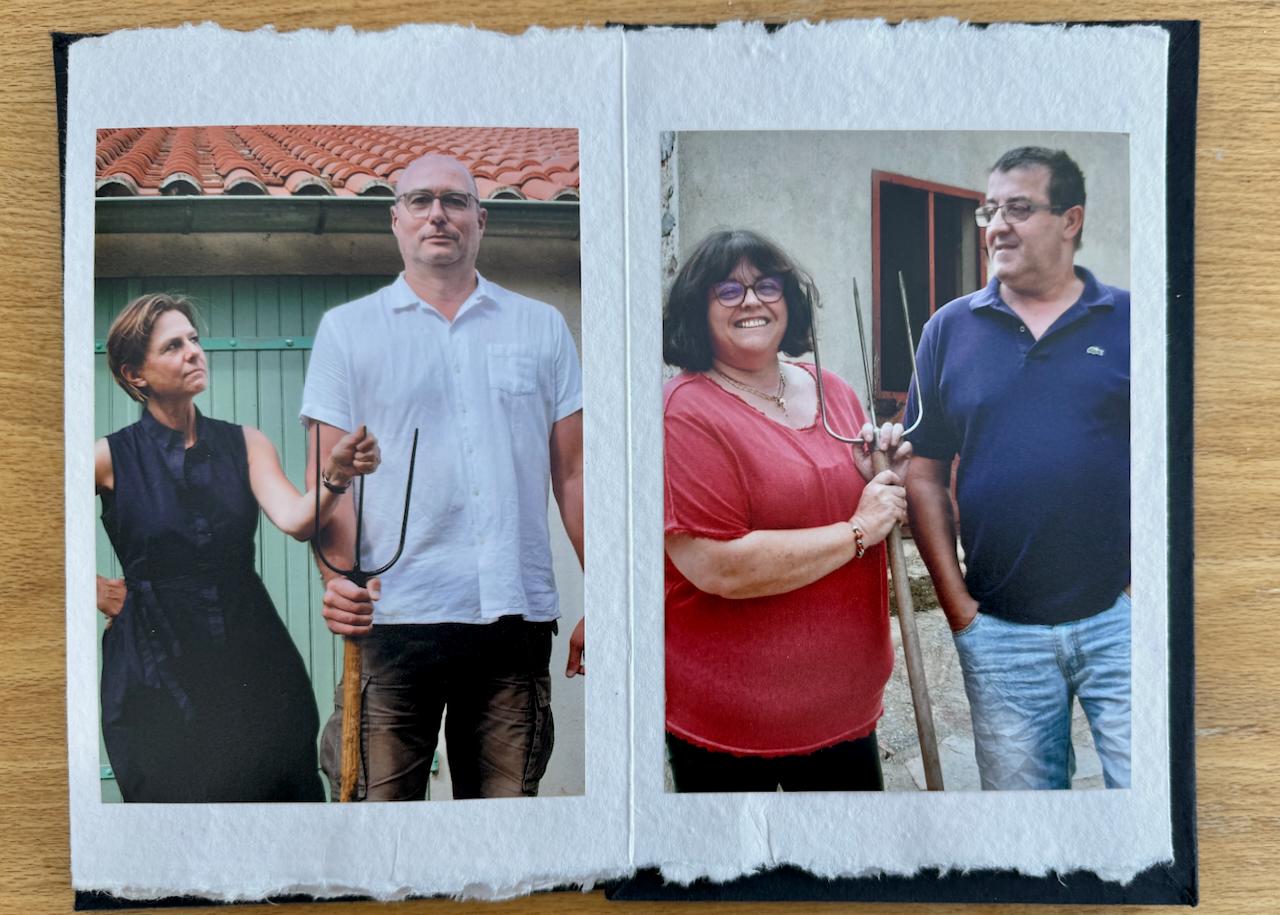
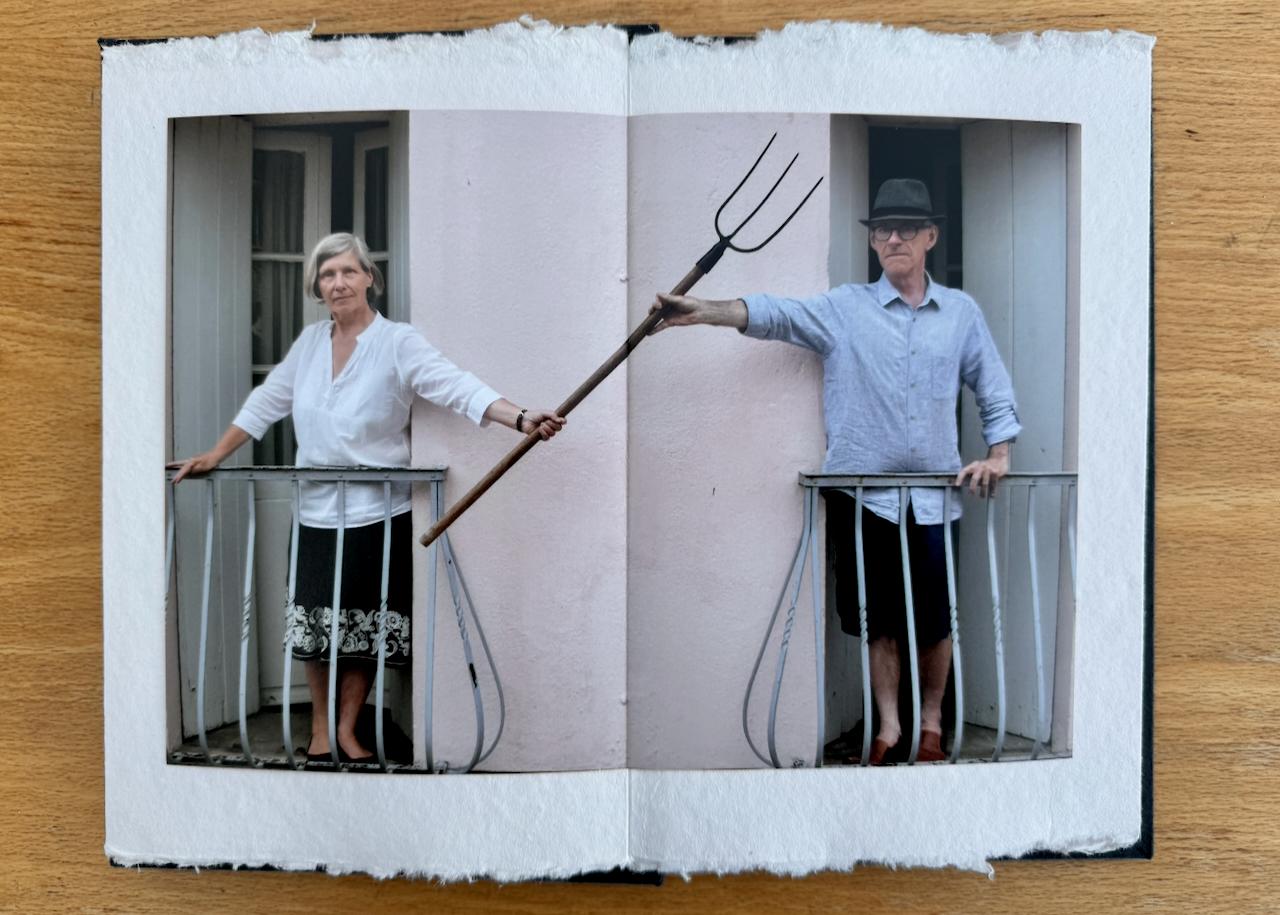
Our RPS website says the: Contemporary Group ethos is Photography that conveys ideas, stimulates thought and encourages interpretation; photographs “about” rather than “of”.
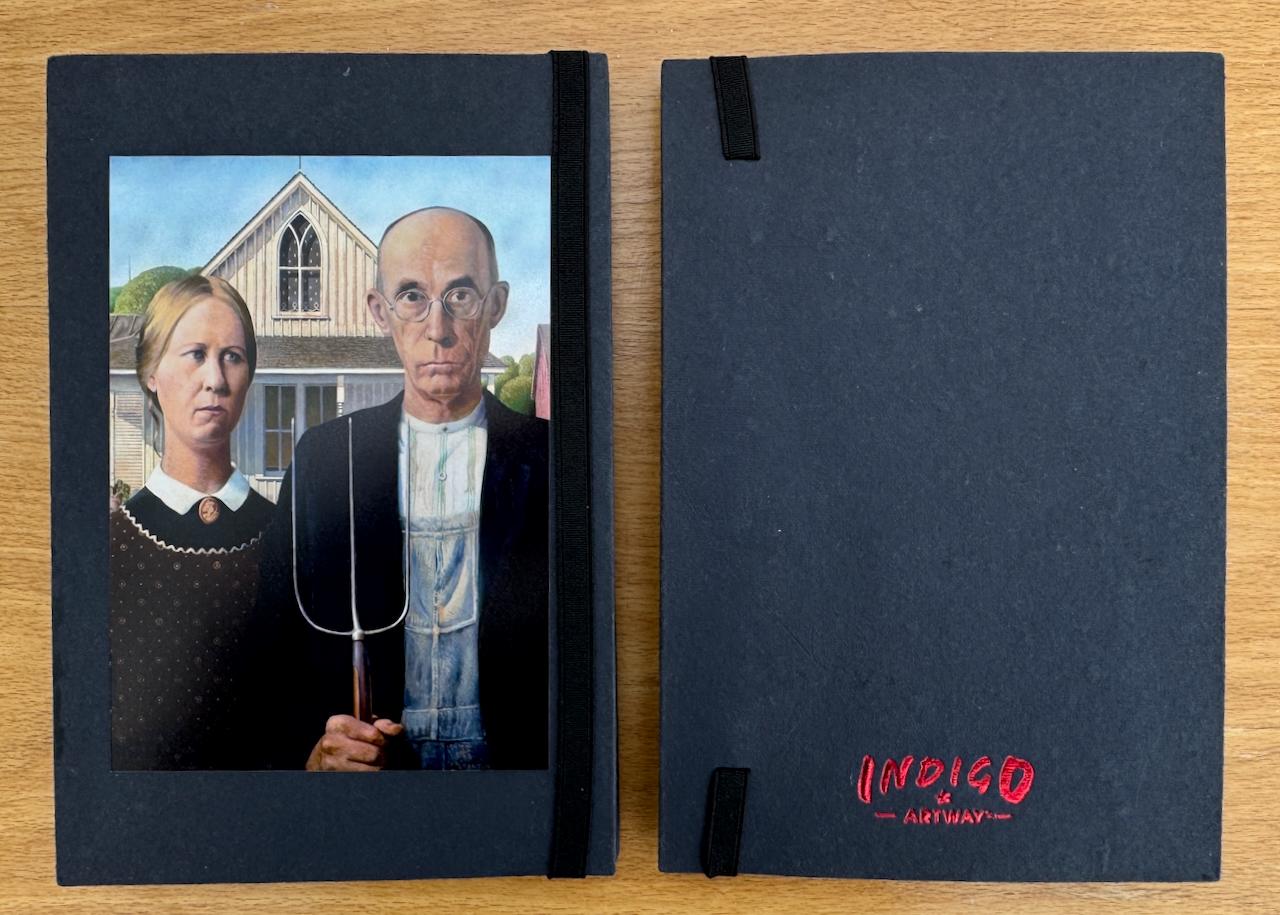
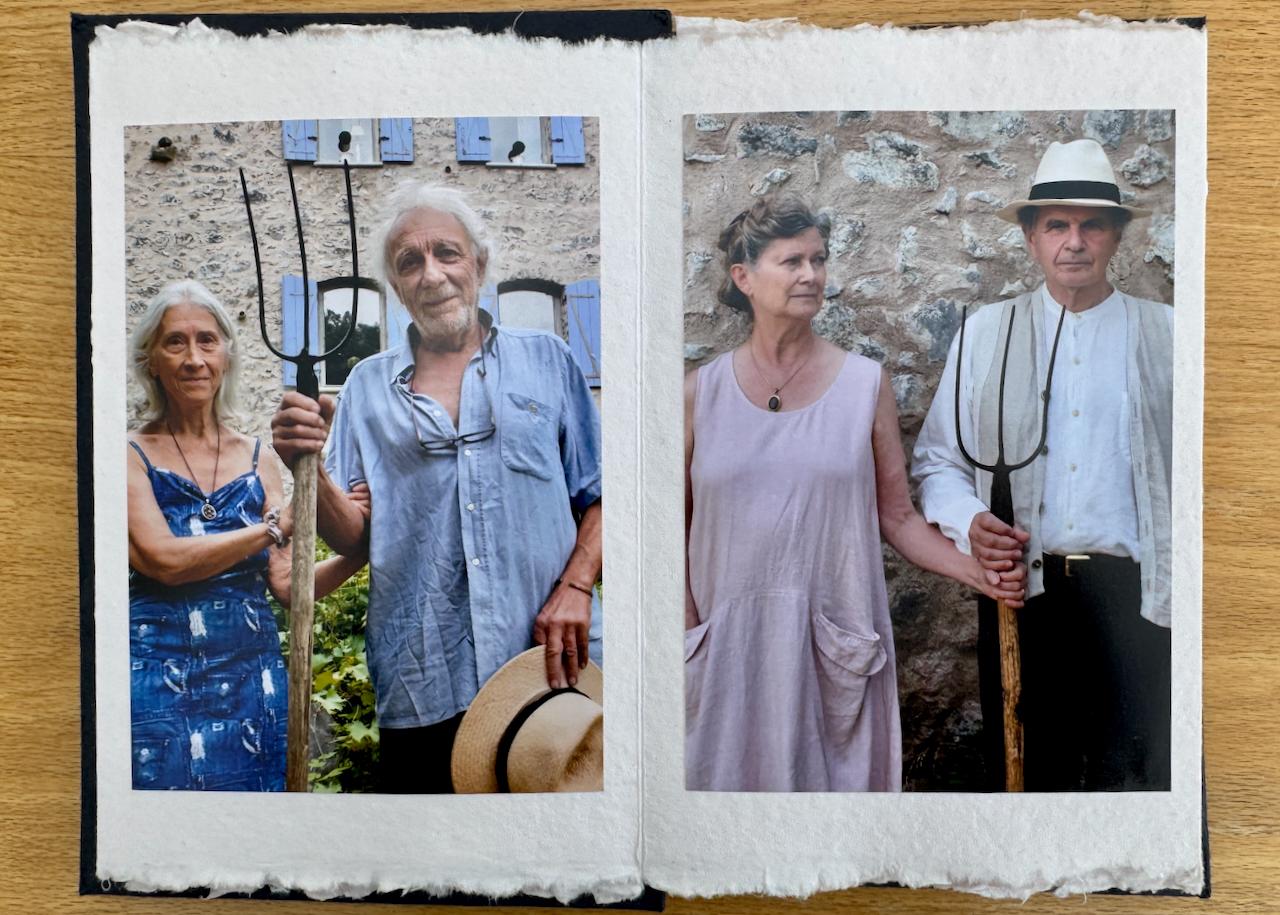
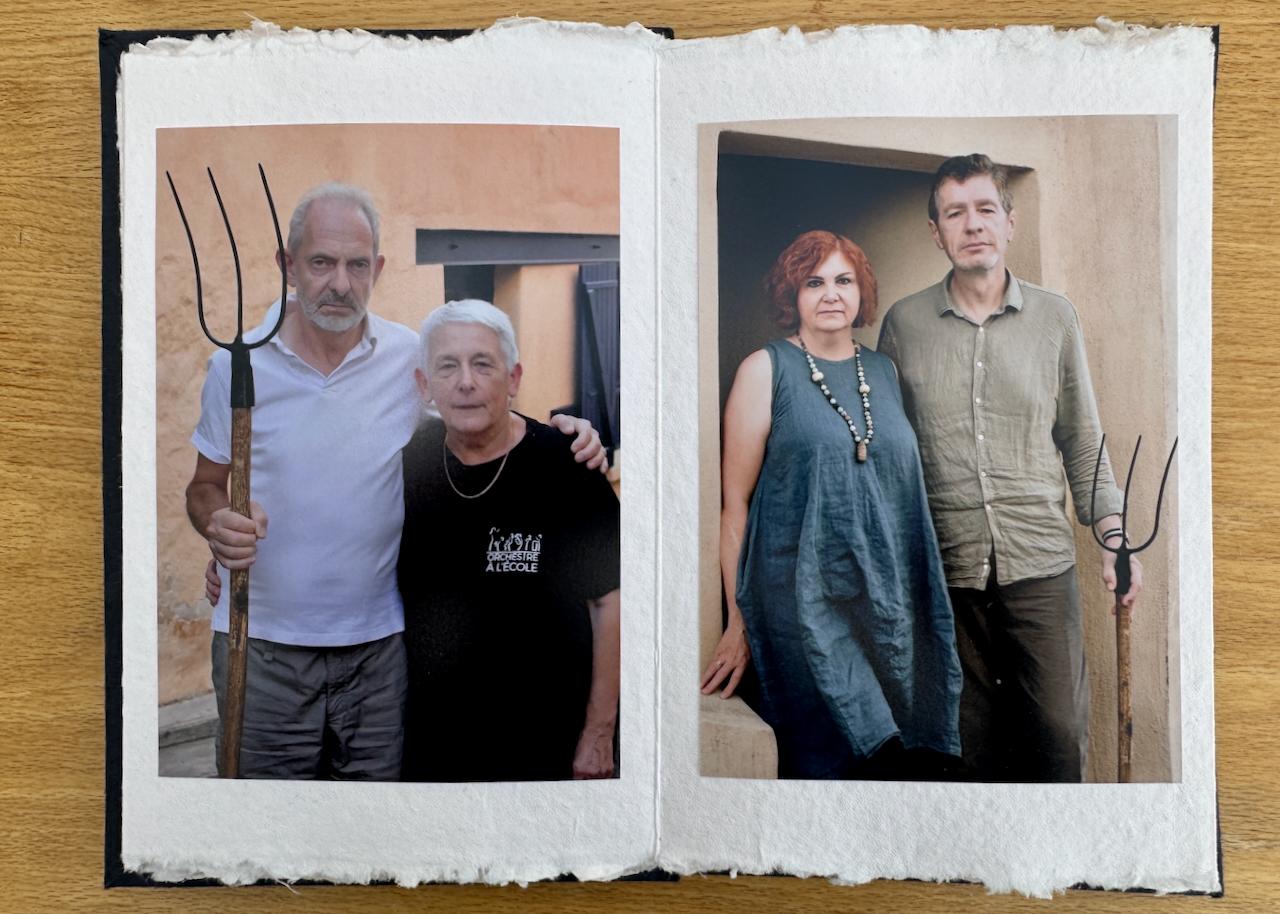
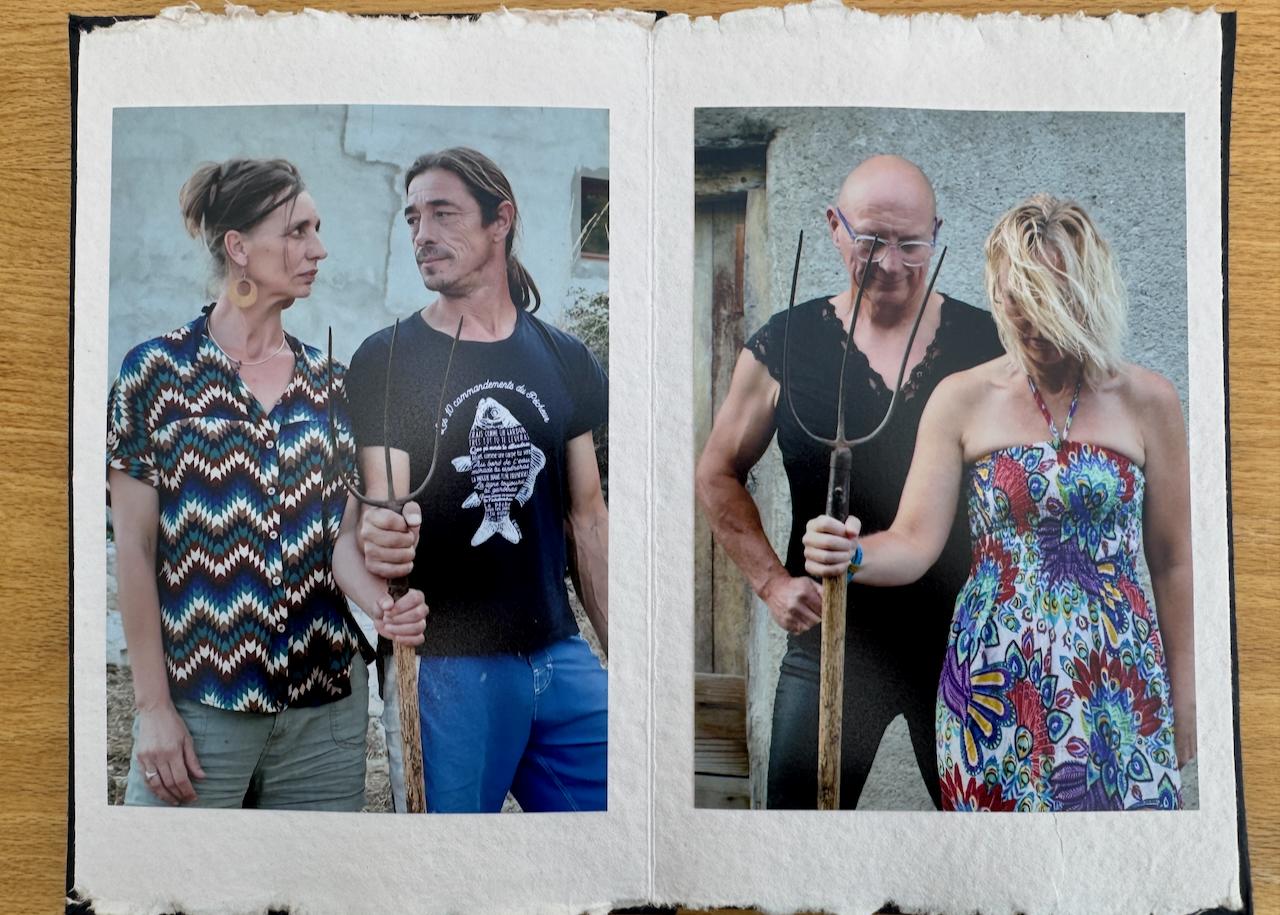
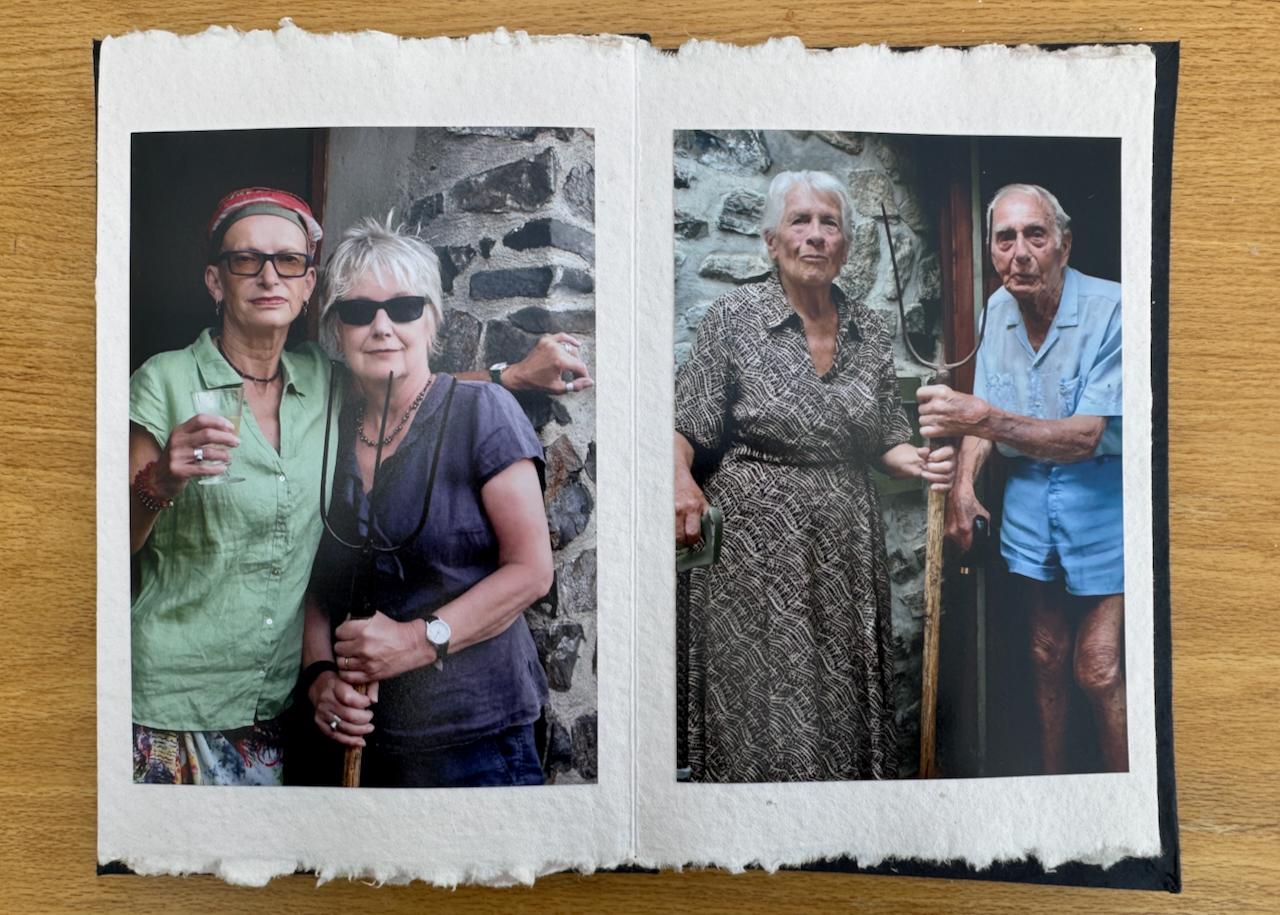
My Statement of Intent for my ARPS entitled After American Gothic was:
“Historically my photography of people has been mostly candid in the street. I am used to reactions ranging from a smile to a scowl.
Here my project is a collaborative one with my models. What started as a bit of fun my project developed into a more considered one about the subject, the photographer and the viewer.
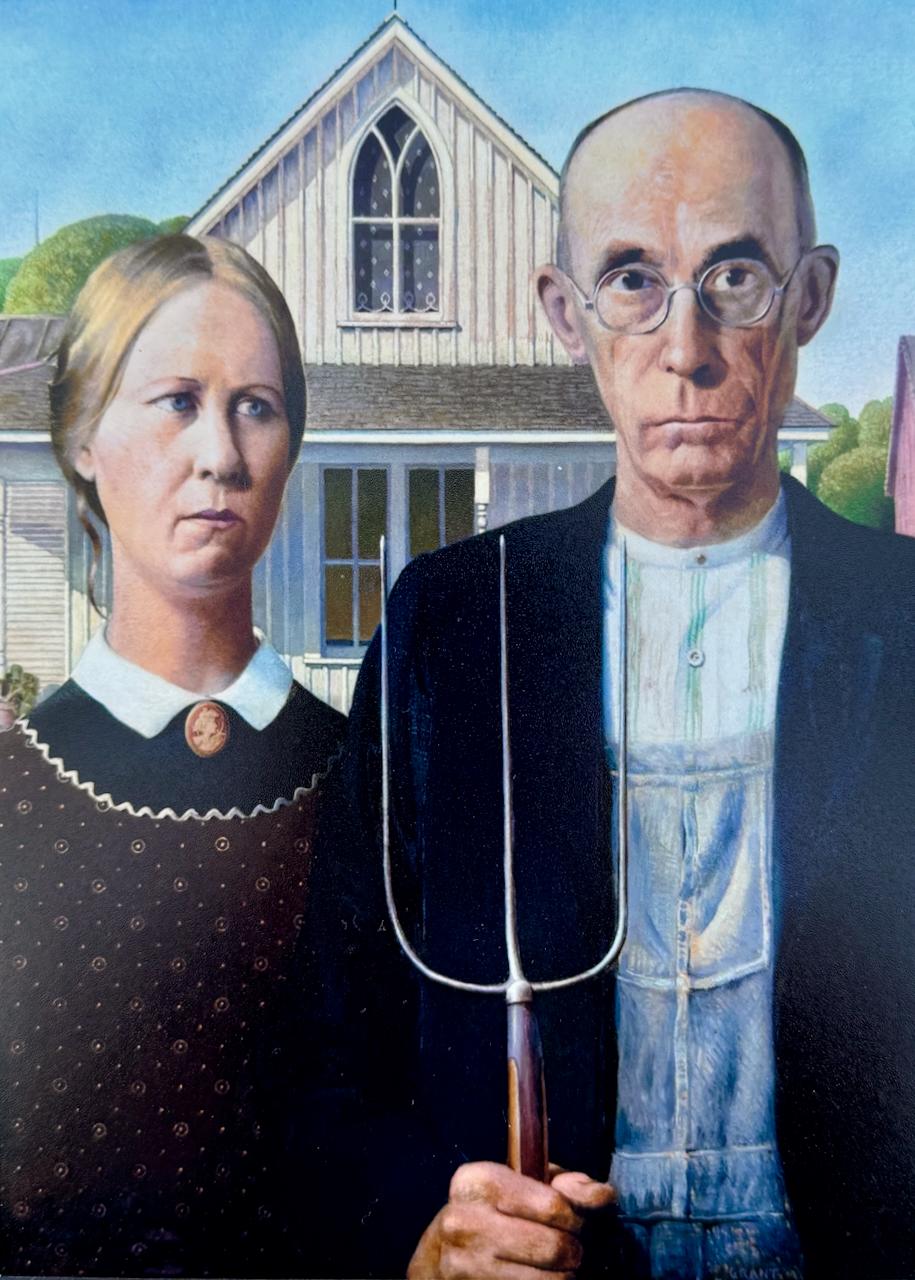
For a long time I have been intrigued by Grant Wood’s celebrated work American Gothic. Who are the couple, what’s the story? Artificially staged I find it complex and ambiguous with the pose and expressions open to interpretation.
Presented with a pitchfork how will couples pose and stage themselves, what expressions will they each adopt? Having seen the original work, but with minimum direction from me, I work with each couple to capture their distinctive approach. From their clothes to their facial expressions what are they offering us to interpret? What image do they want to project? In these participant portraits I am particularly looking for who owns the pitchfork and how is it held. Might this tell us anything about their dynamics as a couple? What do we the viewer see, what is our interpretation and what story do we make for each image?”
Starting in June 2019 with a break for Covid I had 90 portraits to consider for my ARPS Panel of 15 images for assessment in June 2025. I had kept my Statement simple. The key thing was to adhere to it but avoid repetition, concentrate on sequencing remembering that the Panel itself is the 16th image and must be cohesive. In choosing to use the book* format for my panel I needed to carefully consider the pairing of images so that they complemented each other, and were not competing. I very much benefited from the eyes of critical friends and cannot over stress the importance of testing ones work with an 1-2-1 RPS adviser.
What do you the Concept reader make of how my couples presented themselves? Which images do you think made the final Panel?
*Accordion/Concertina book, cotton rag paper
Venice and The Biennale - My Interpretation
David Scrivener
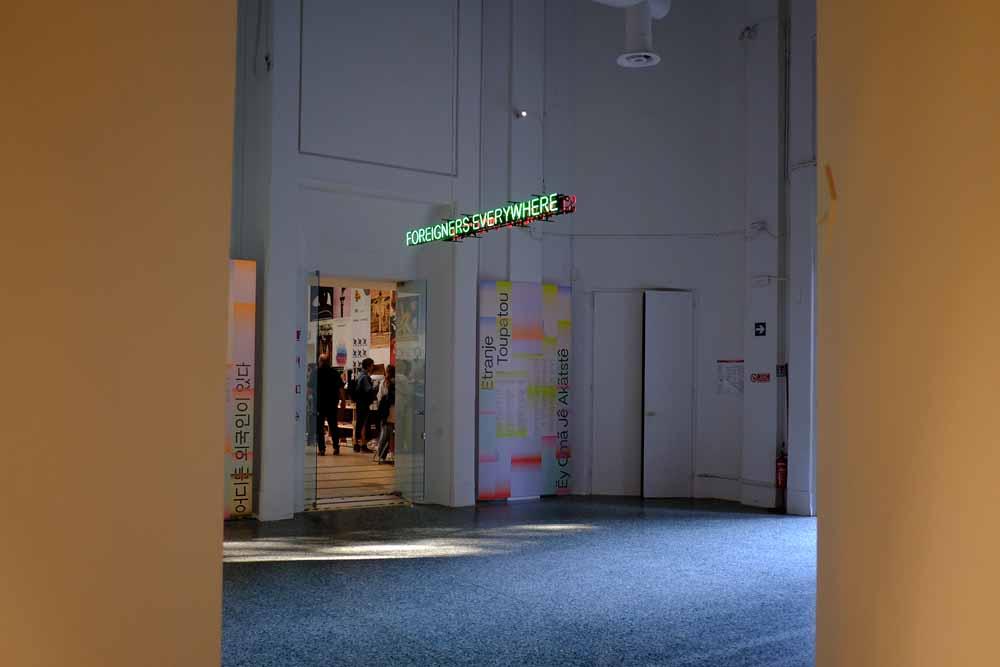
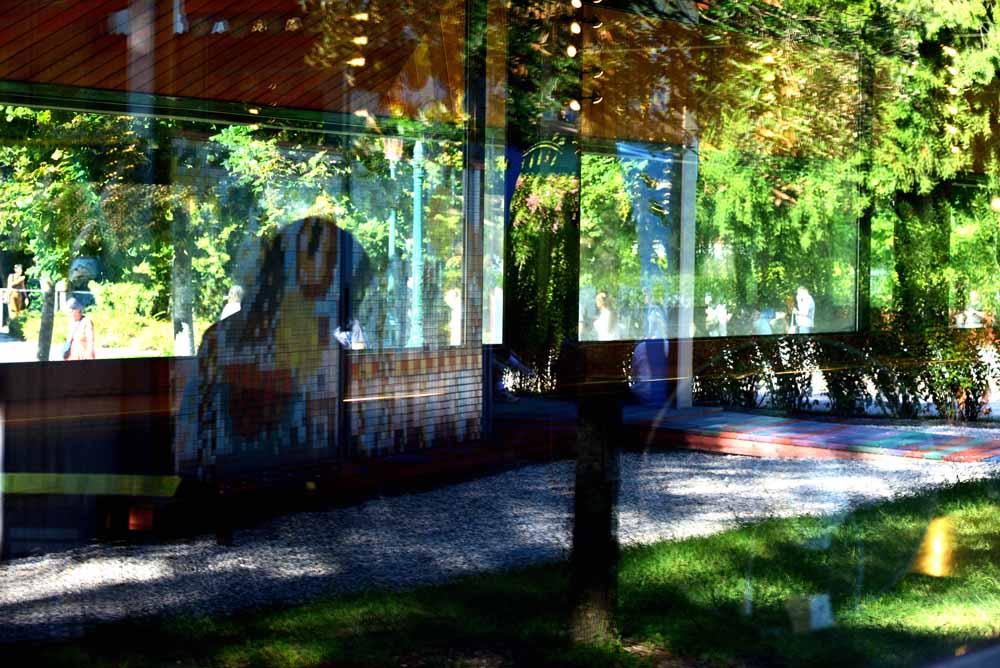
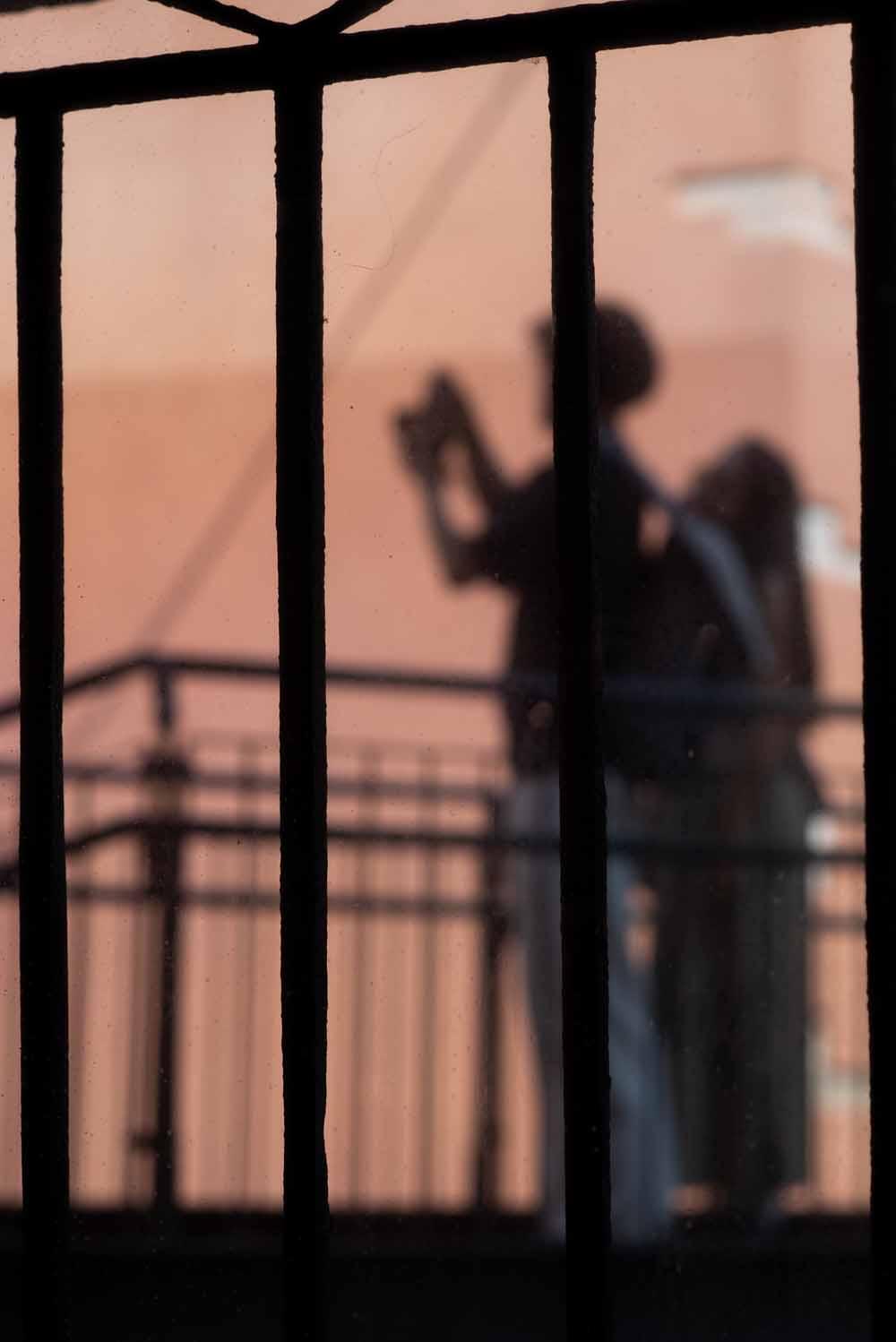
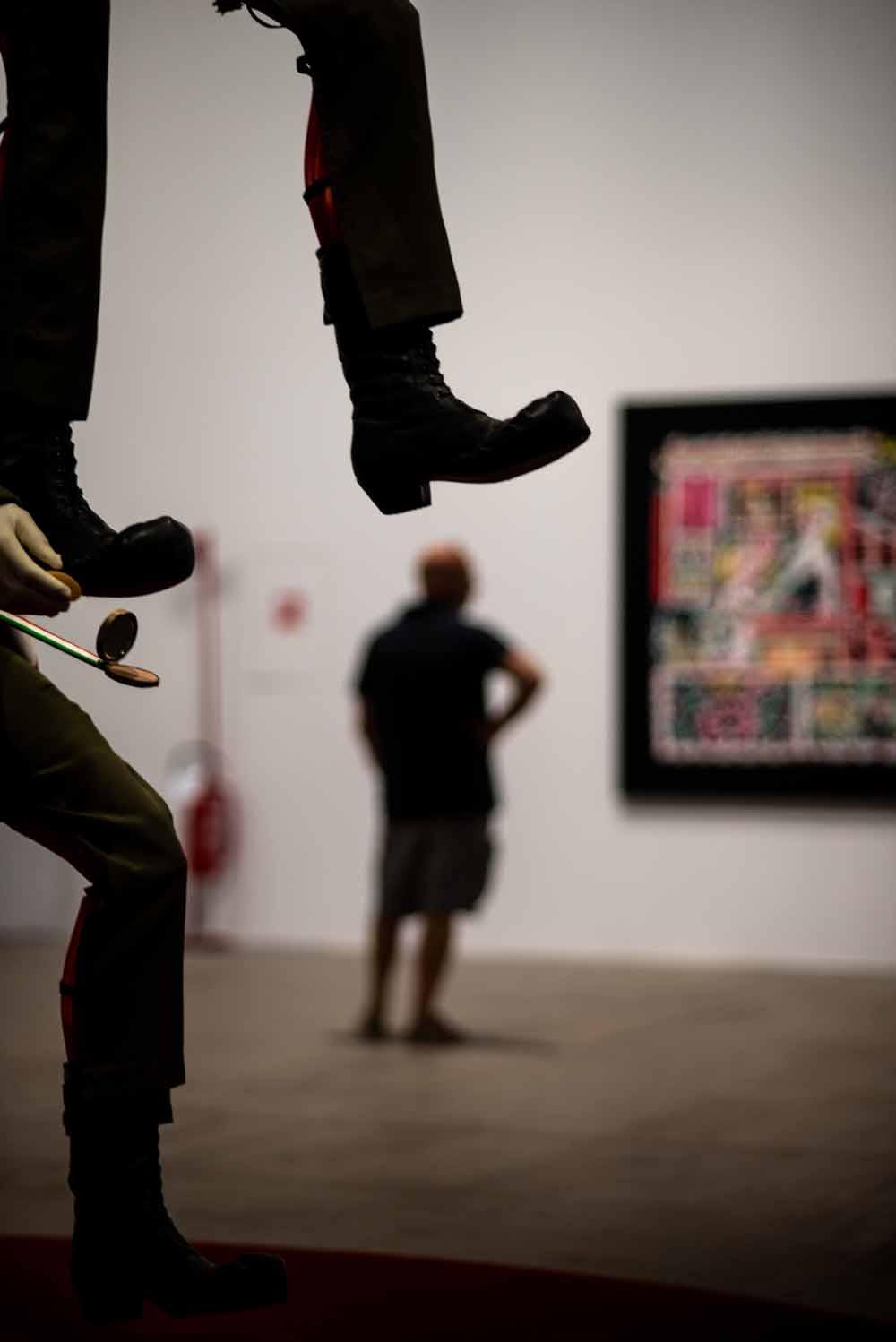
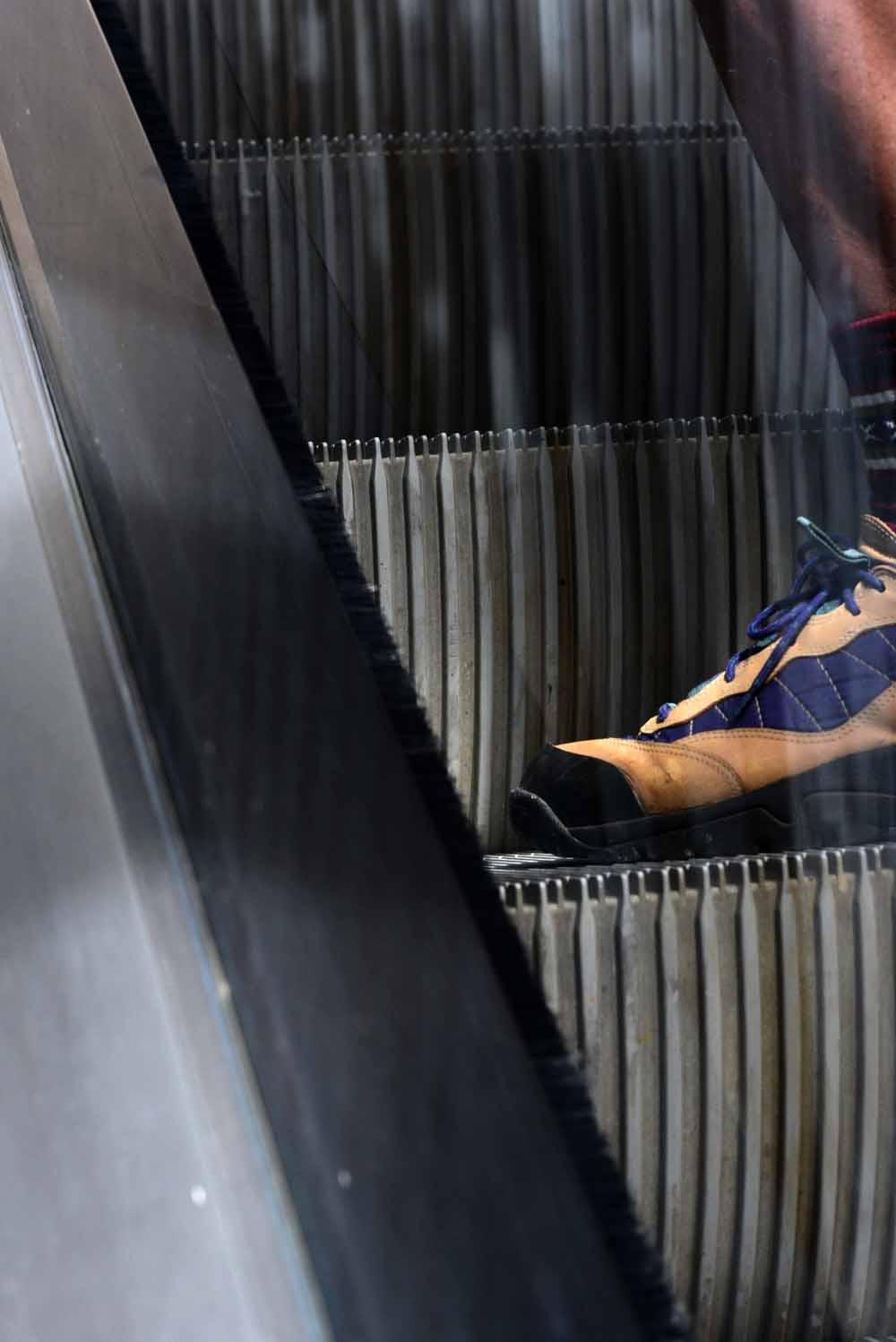
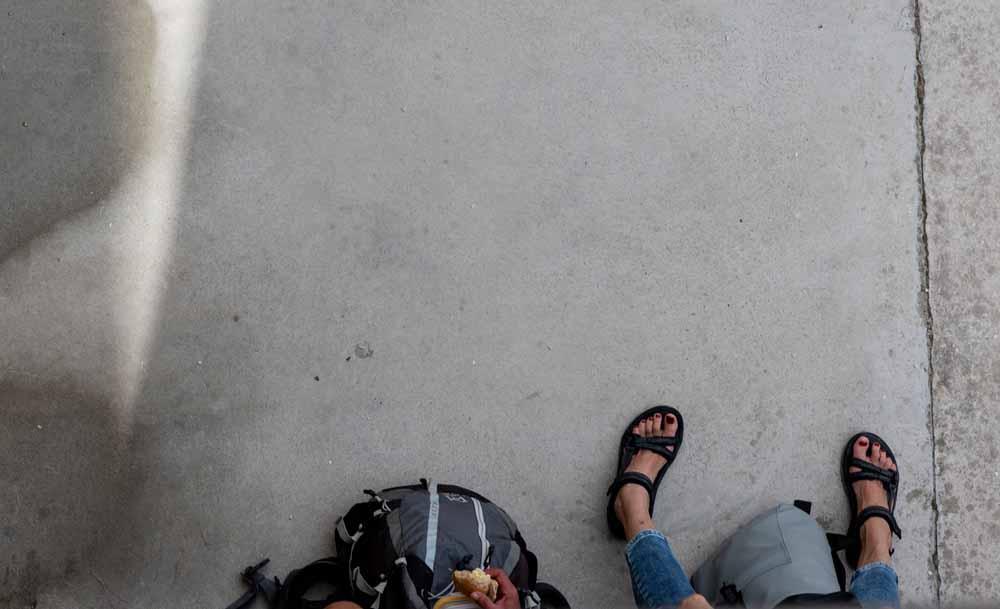
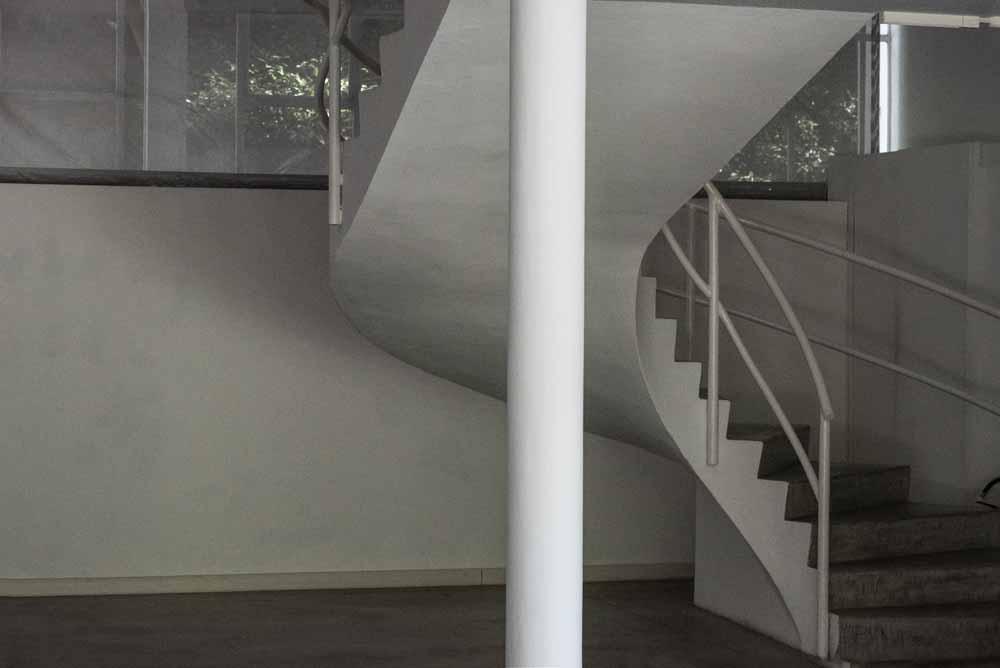
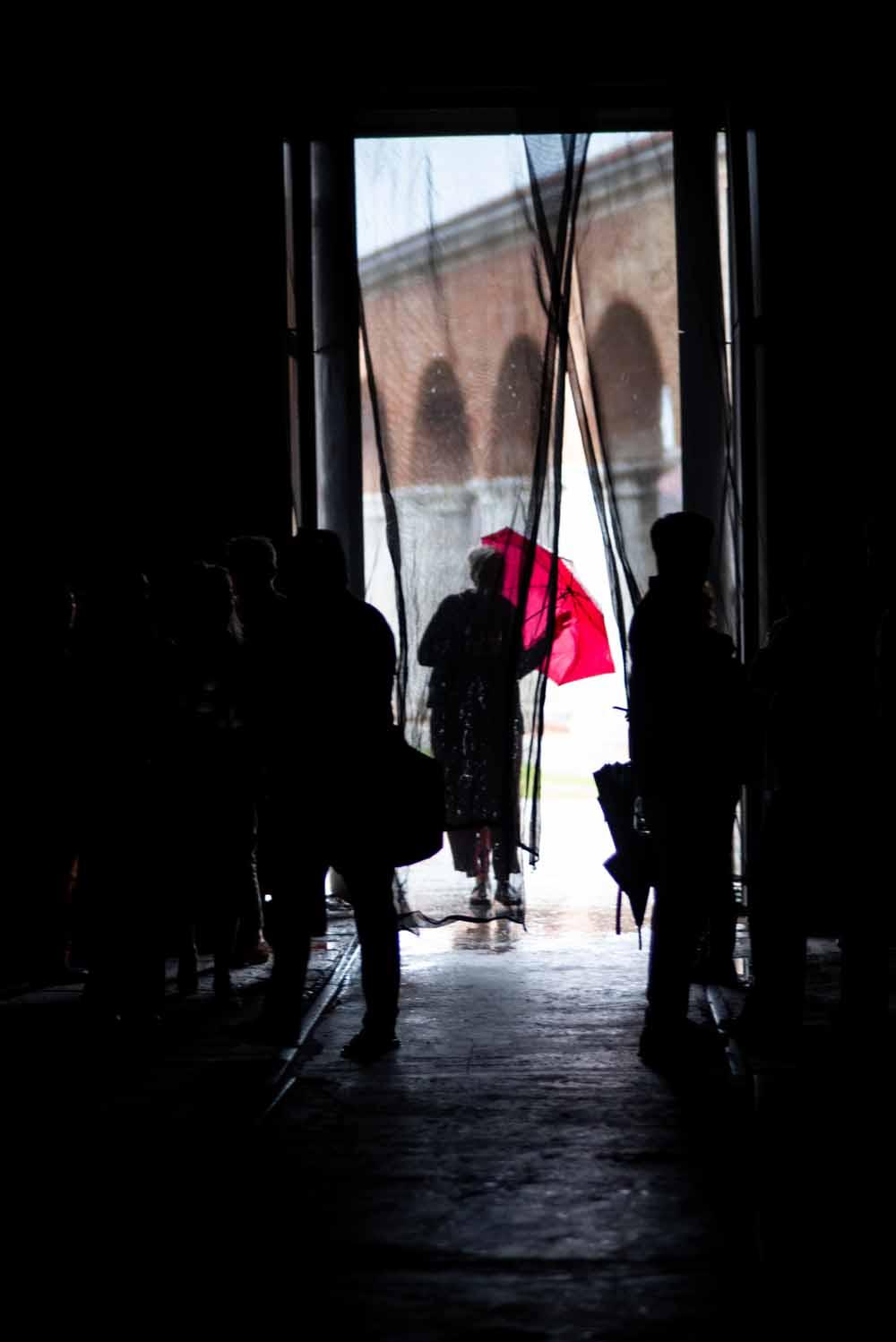
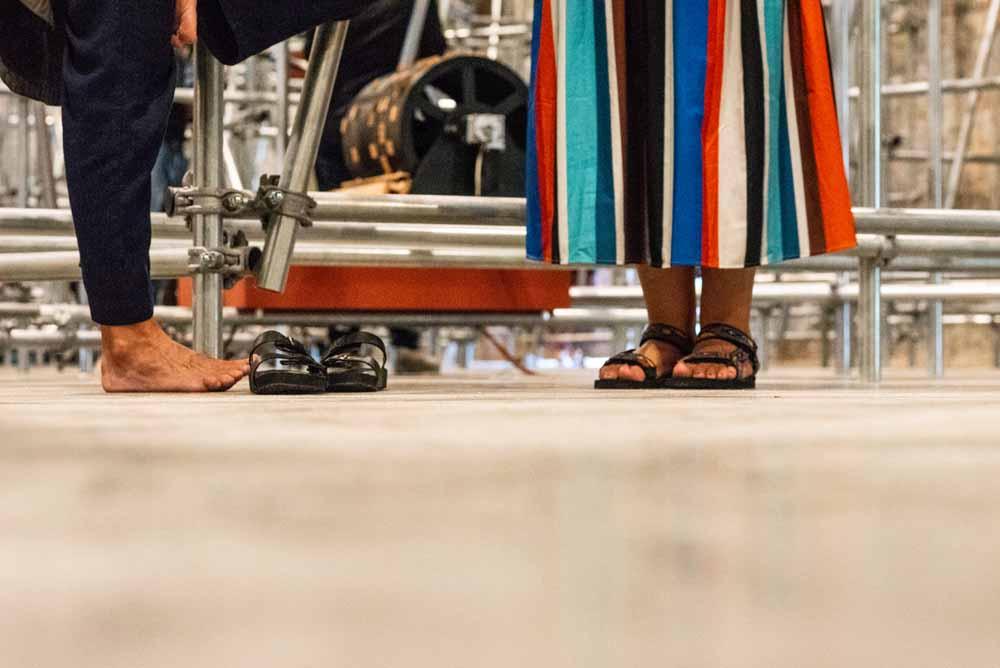
Every two years Venice is the location for an art exhibition with contributions for around the globe. There are semi-permanent displays within the purpose made buildings within the Giardini site and visiting contributions within the Arsenale buildings and throughout Venice. Generally ‘conventional’ art is limited but there are thought provoking installations by contemporary and conceptual artists that challenge the observer. At my visit in 2024 there were also a few photographic displays.
The most disturbing submission I saw were the depictions of war graves and evidence of atrocities recorded by a reporting artist from the Ukraine. Although no atrocities were filmed the mental images conjured, filled me with horror.
I found an enthralling film sequence of sand drawing. This is manipulating sand on a back lit screen to create pictures. The deft touches and movements were mesmerising
To quote head the curator; Adriano Pedrosa: ‘Artists have always travelled under the most diverse circumstances, moving through cities, countries and continents, a phenomenon that has only grown since the late 20th century – ironically a period marked by increasing restrictions on dislocation or displacement of people. The Biennale Arte 2024 will focus on artists who are themselves foreigners, immigrants, expatriates, diasporic, emigres, exiled, and refugees-especially those who have moved between the Global South and the Global North.’ This year the theme is ‘foreigners everywhere’
So, as a visitor and stranger to this event, I wanted to record my own interpretation without plagiarising the works on display. My pictures are influenced by ‘street photographers’ but, ultimately, they are my take on The Venice Biennale 2024.
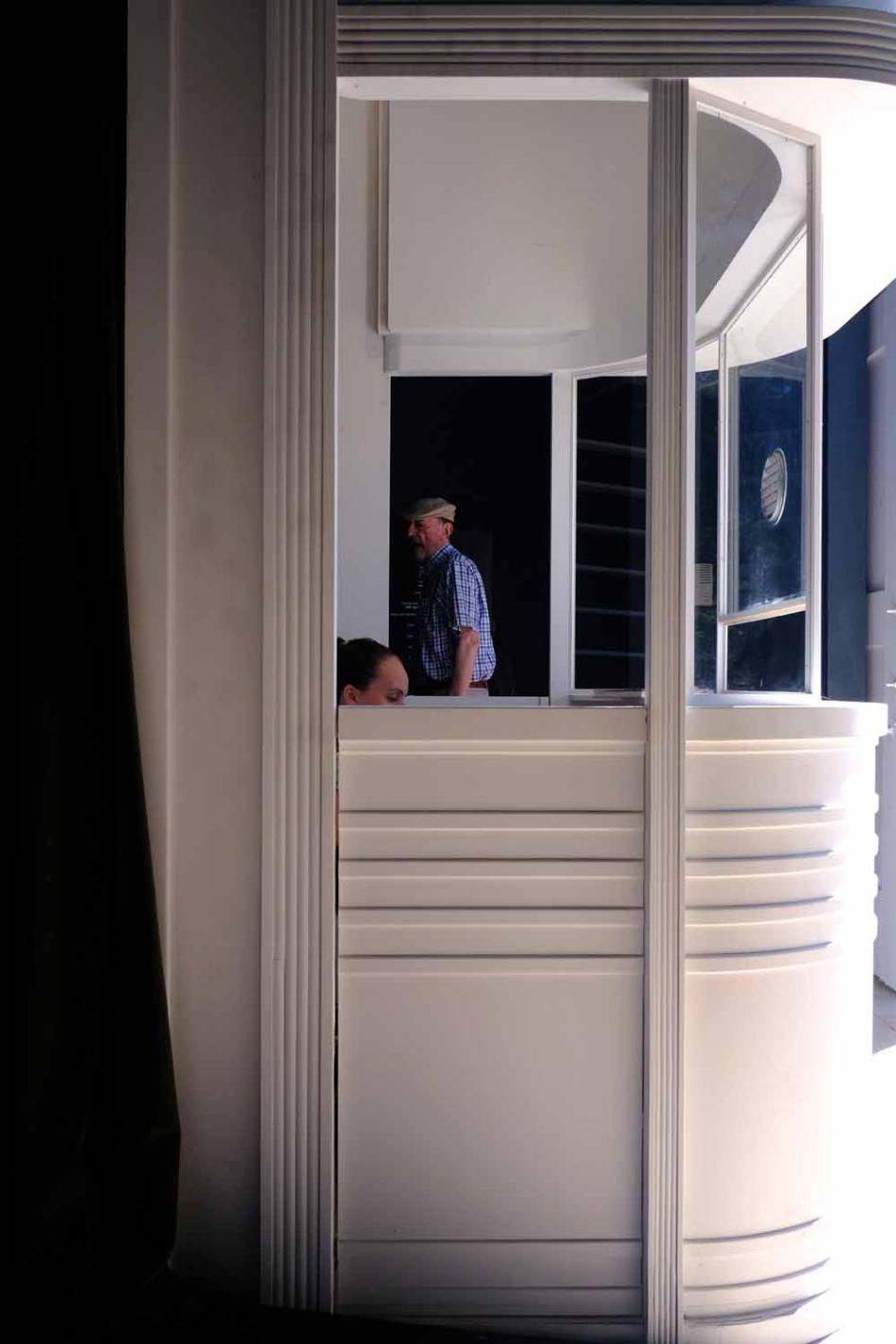
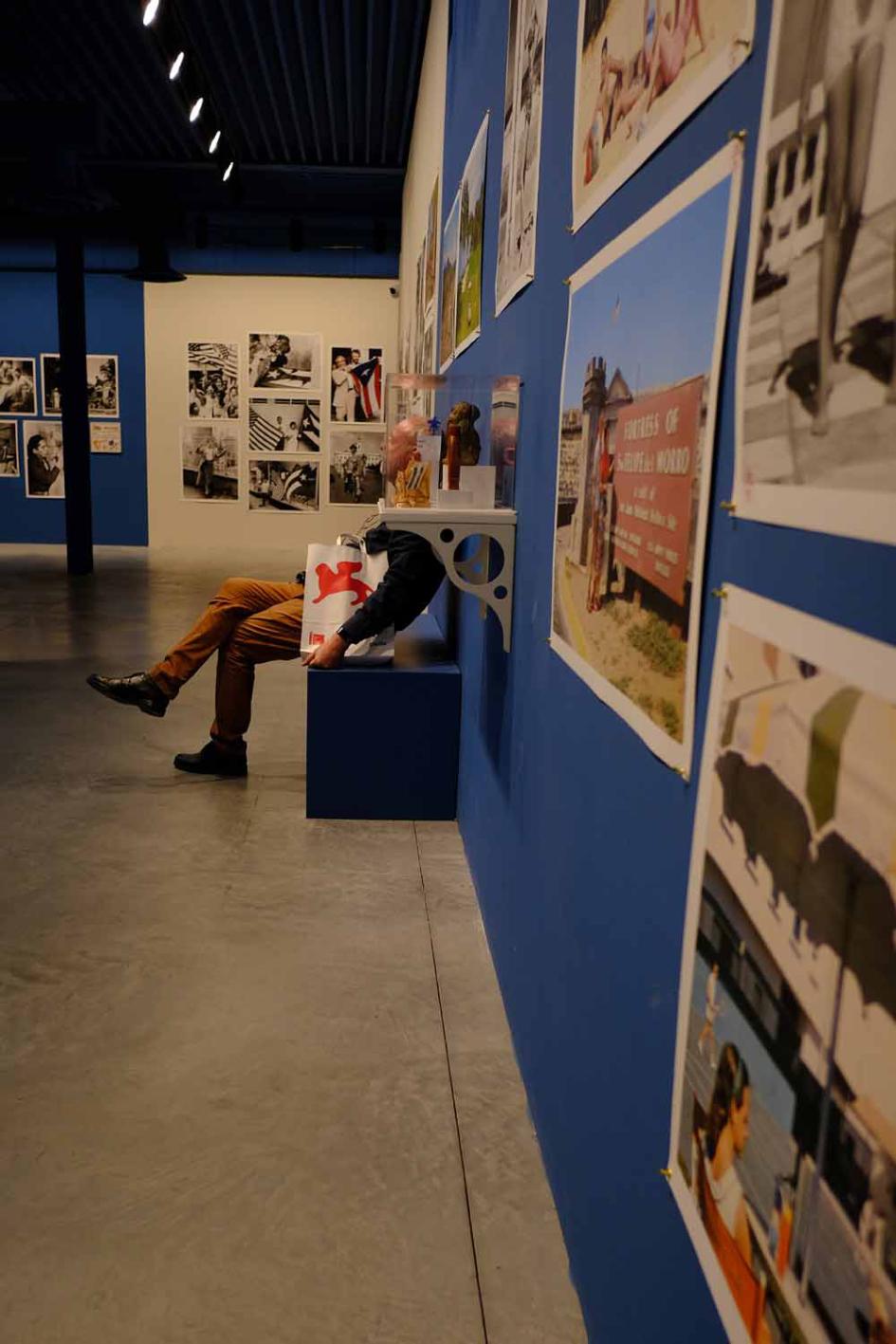
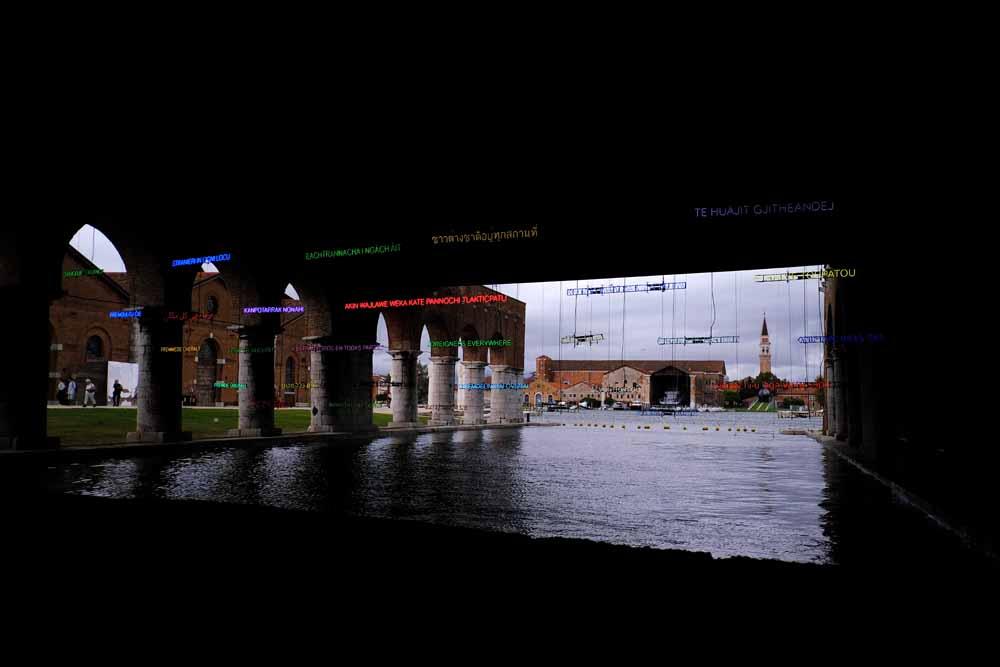
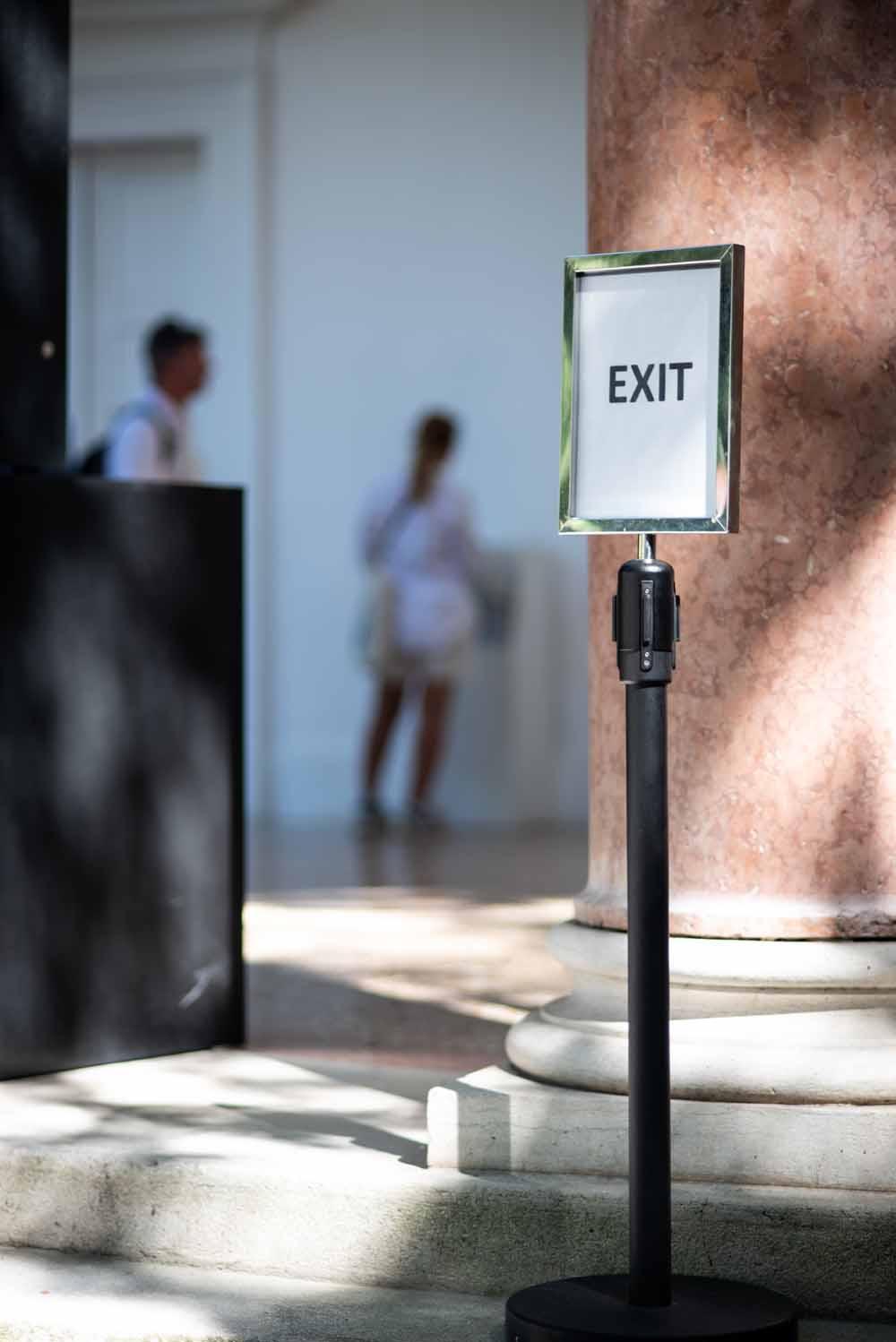
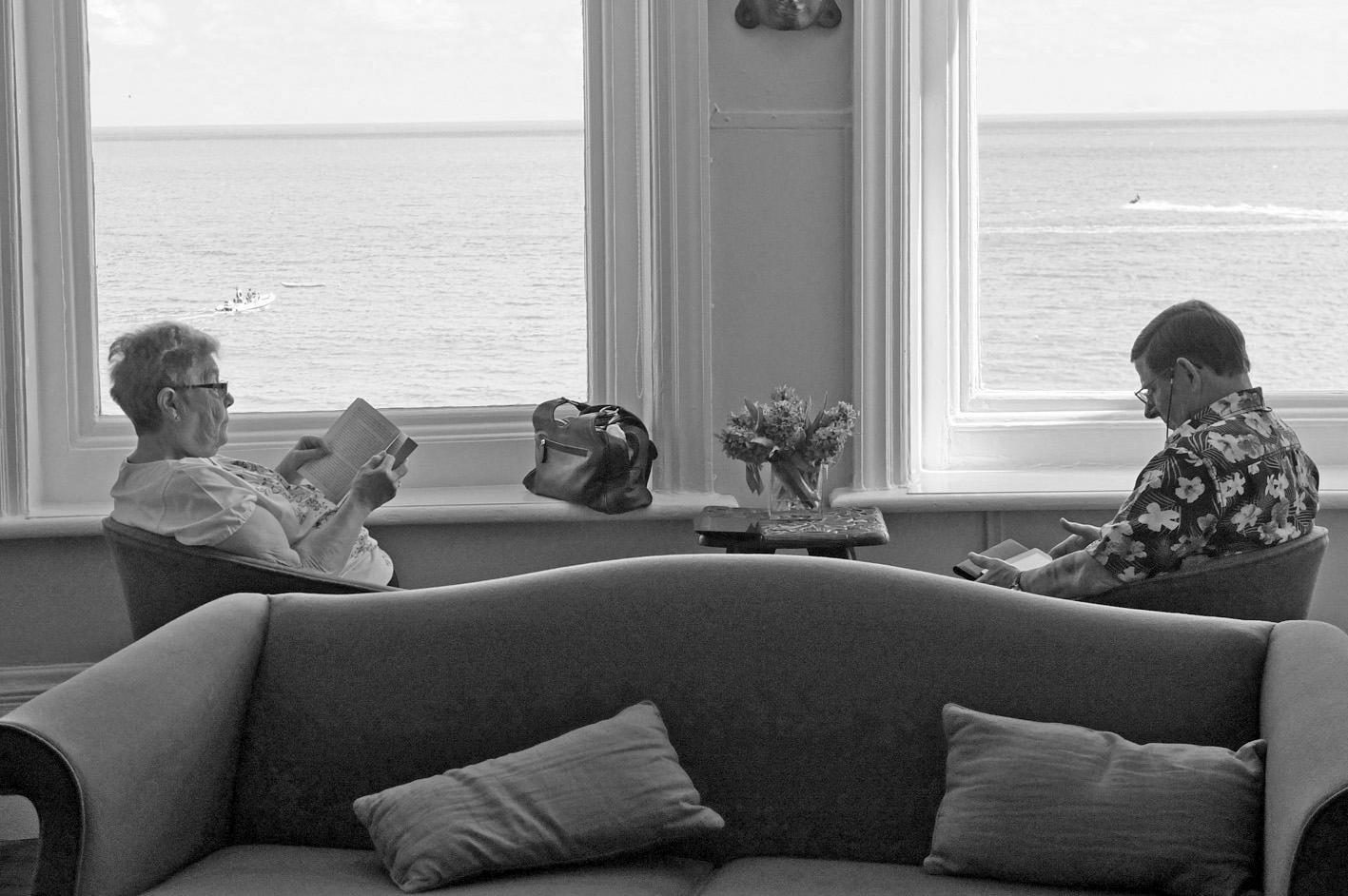
6:32pm
Harmony Through Waiting
John Perrin MA ARPS
These three photographs show two people sitting in the reading room waiting for dinner at the Ocean Hotel in Sandown on the Isle-of-Wight on a Tuesday evening.
Dinner was to be served at 7:00pm.
I wasn't there to take photographs, we were also waiting for dinner, taking these photographs just helped to pass the time.
Harmony thorugh waiting - a common purpose in silence.
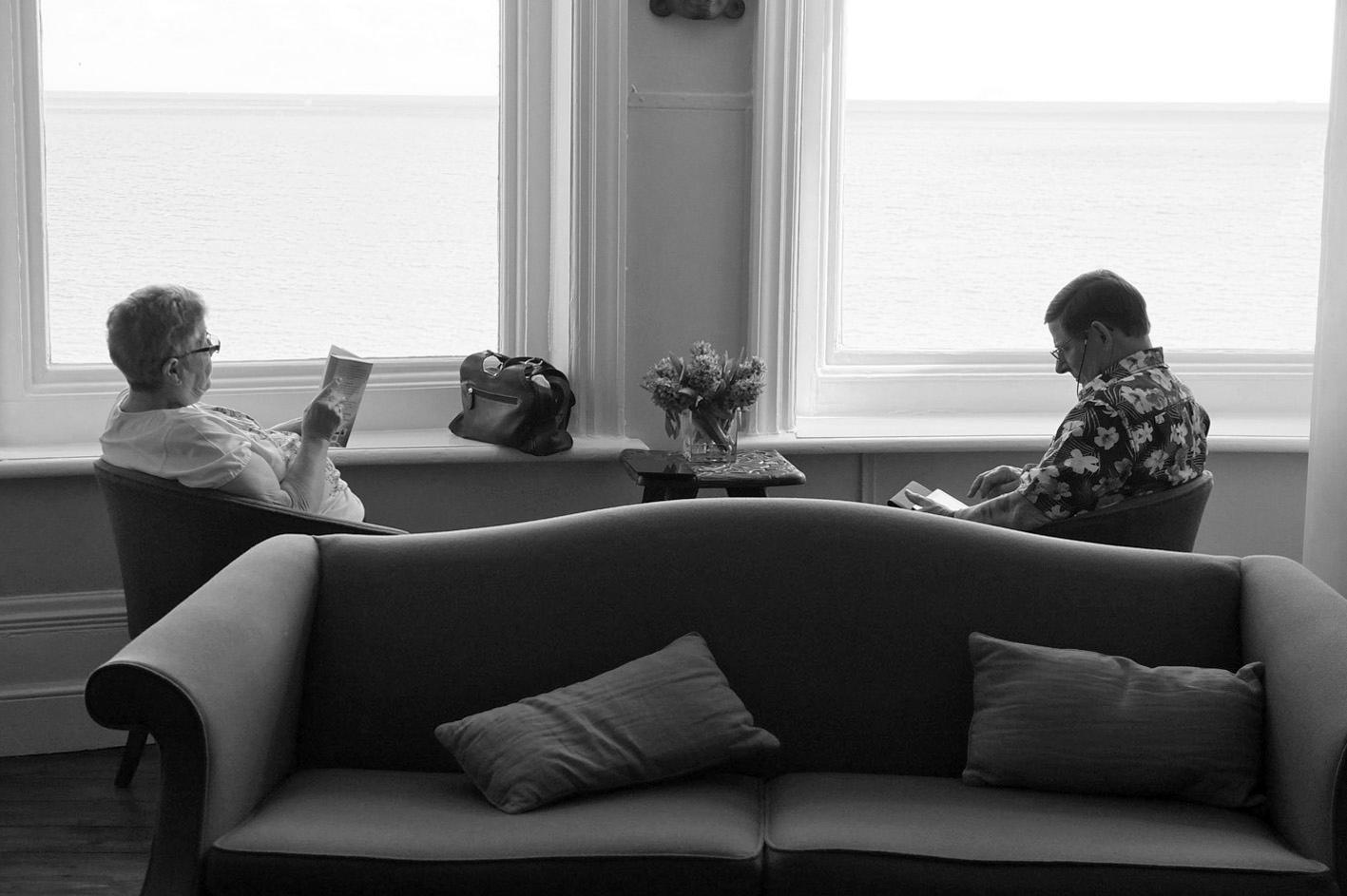
6:43pm
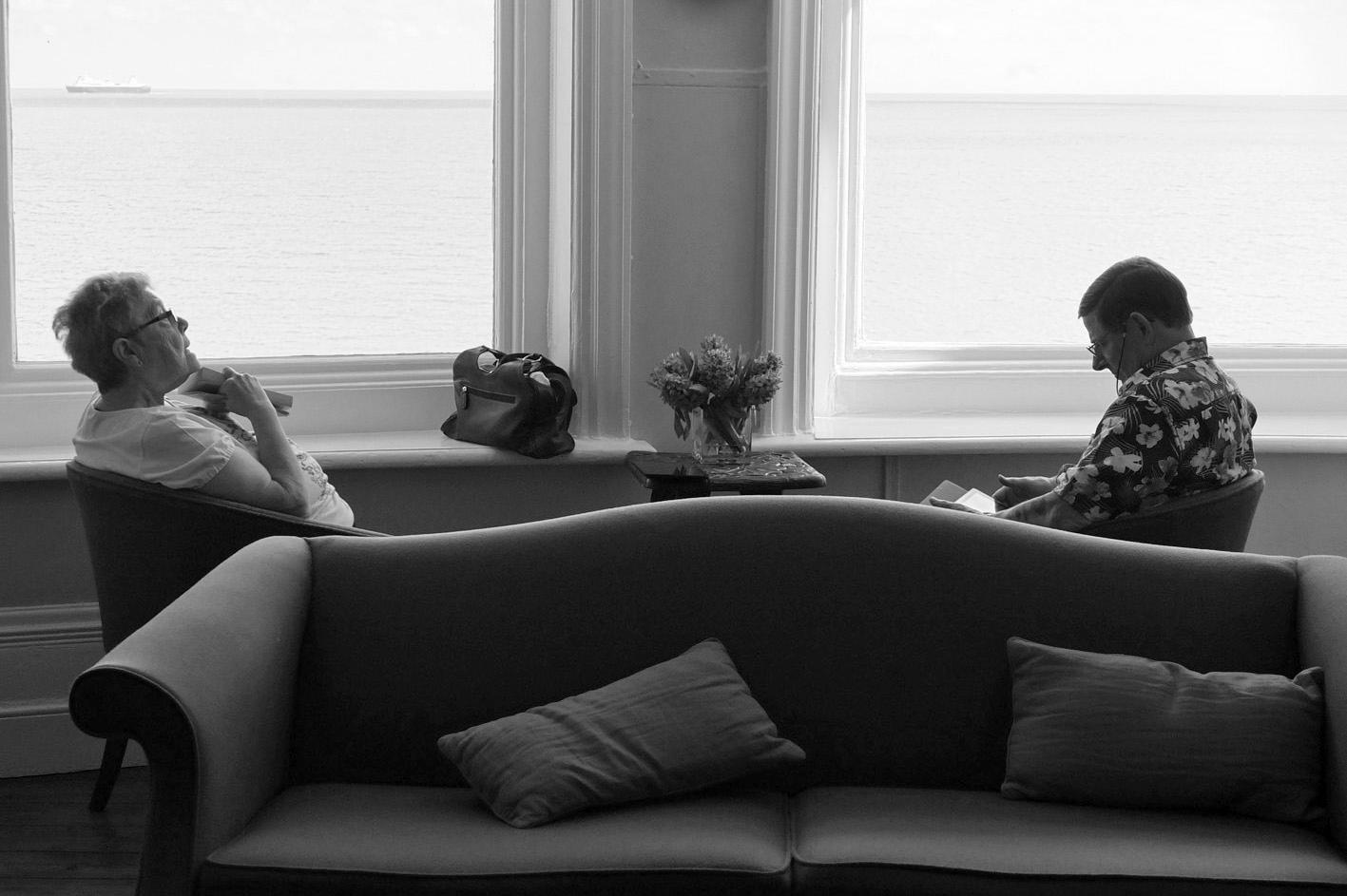
6:49pm
Art as I see It
John Evans-Jones ARPS
I have completed and printed two books of a Photobook Trilogy called 'Art As I See It'.
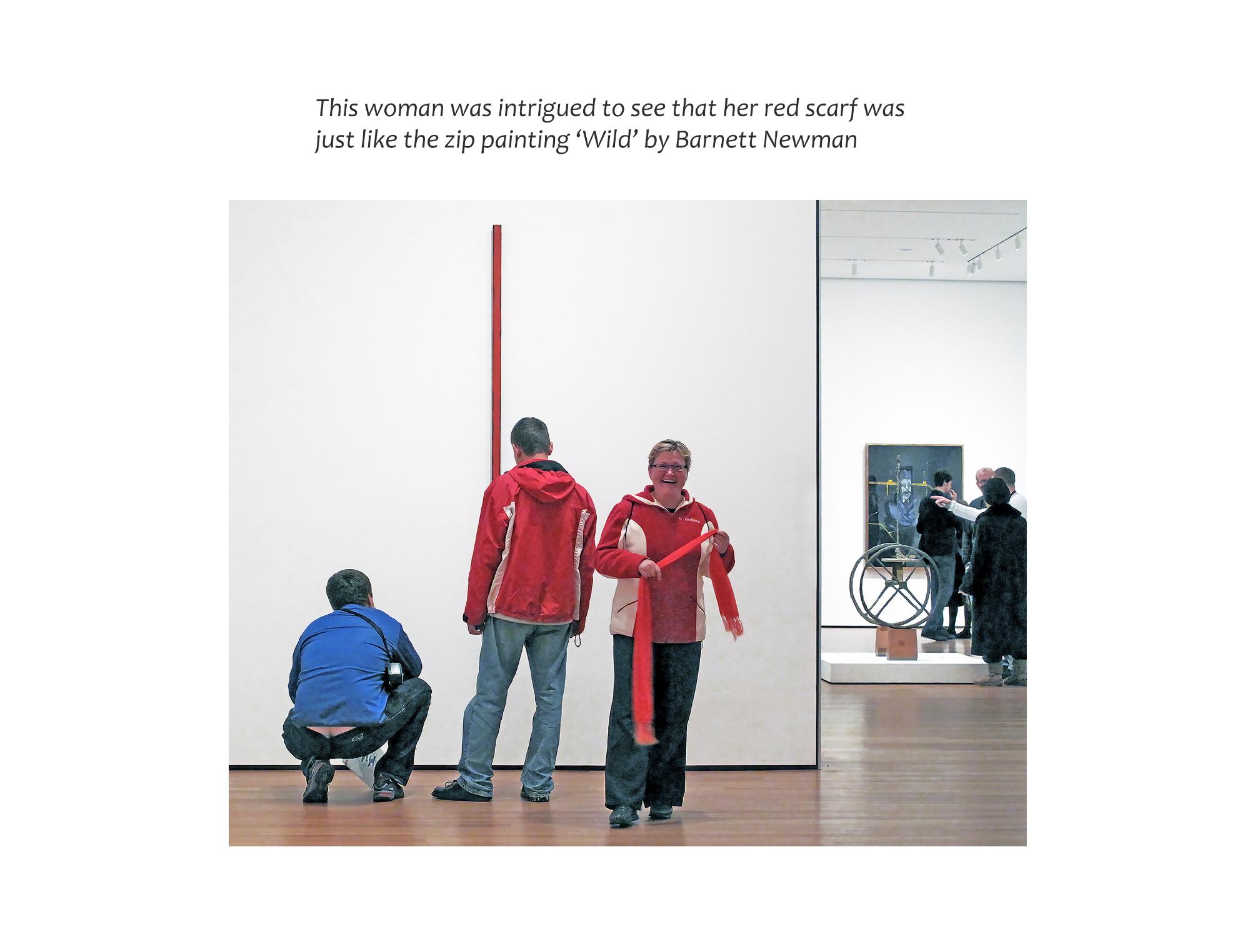
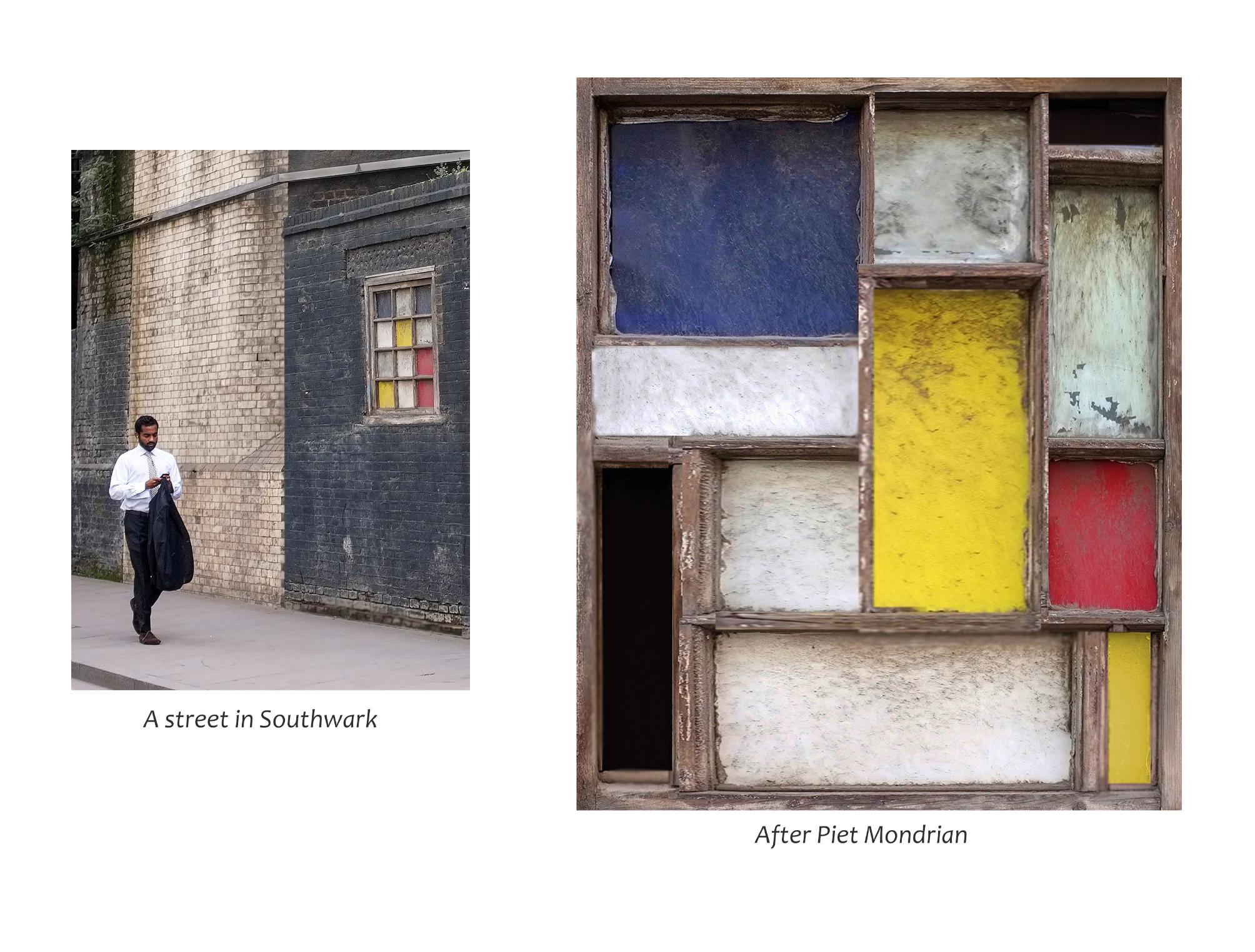
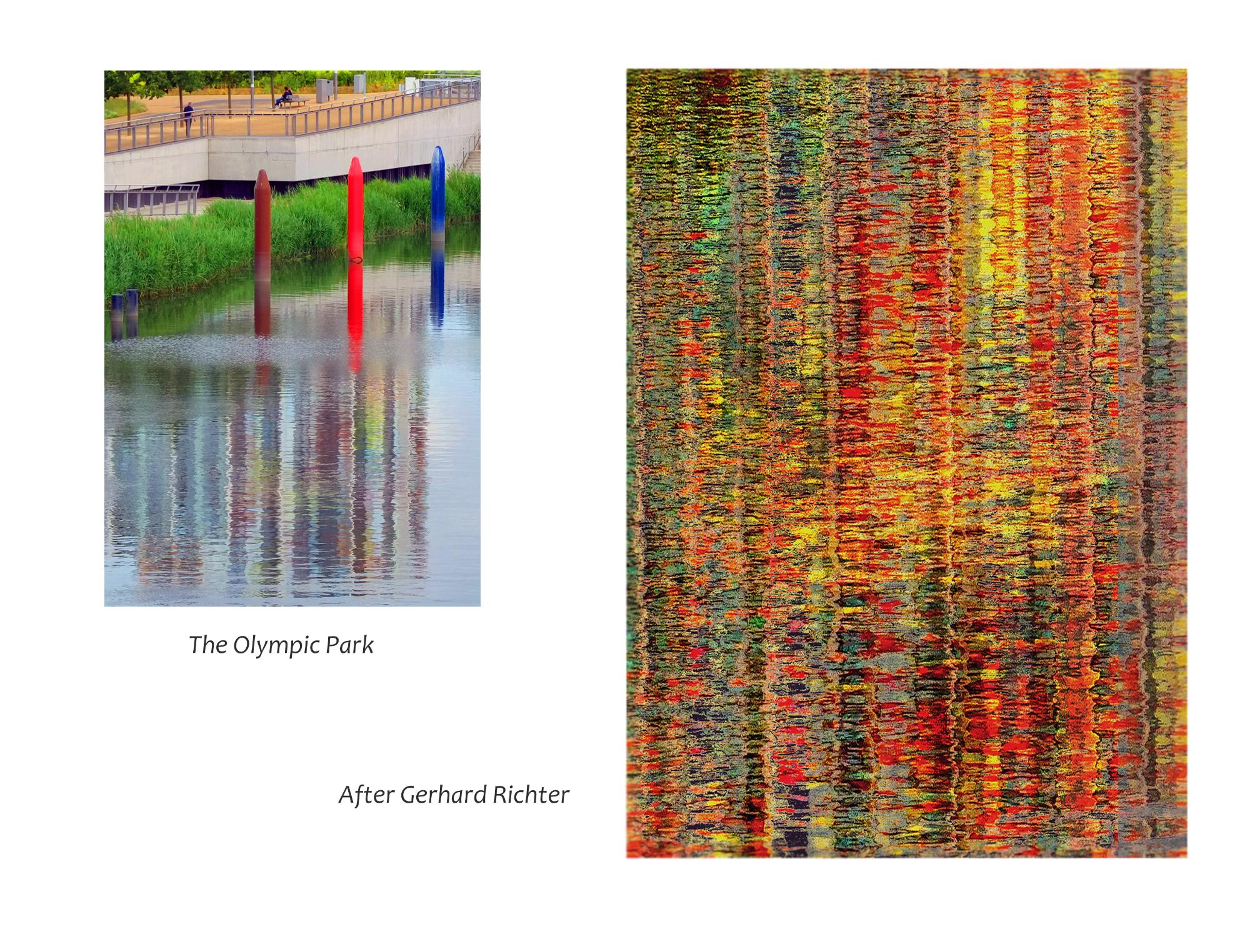
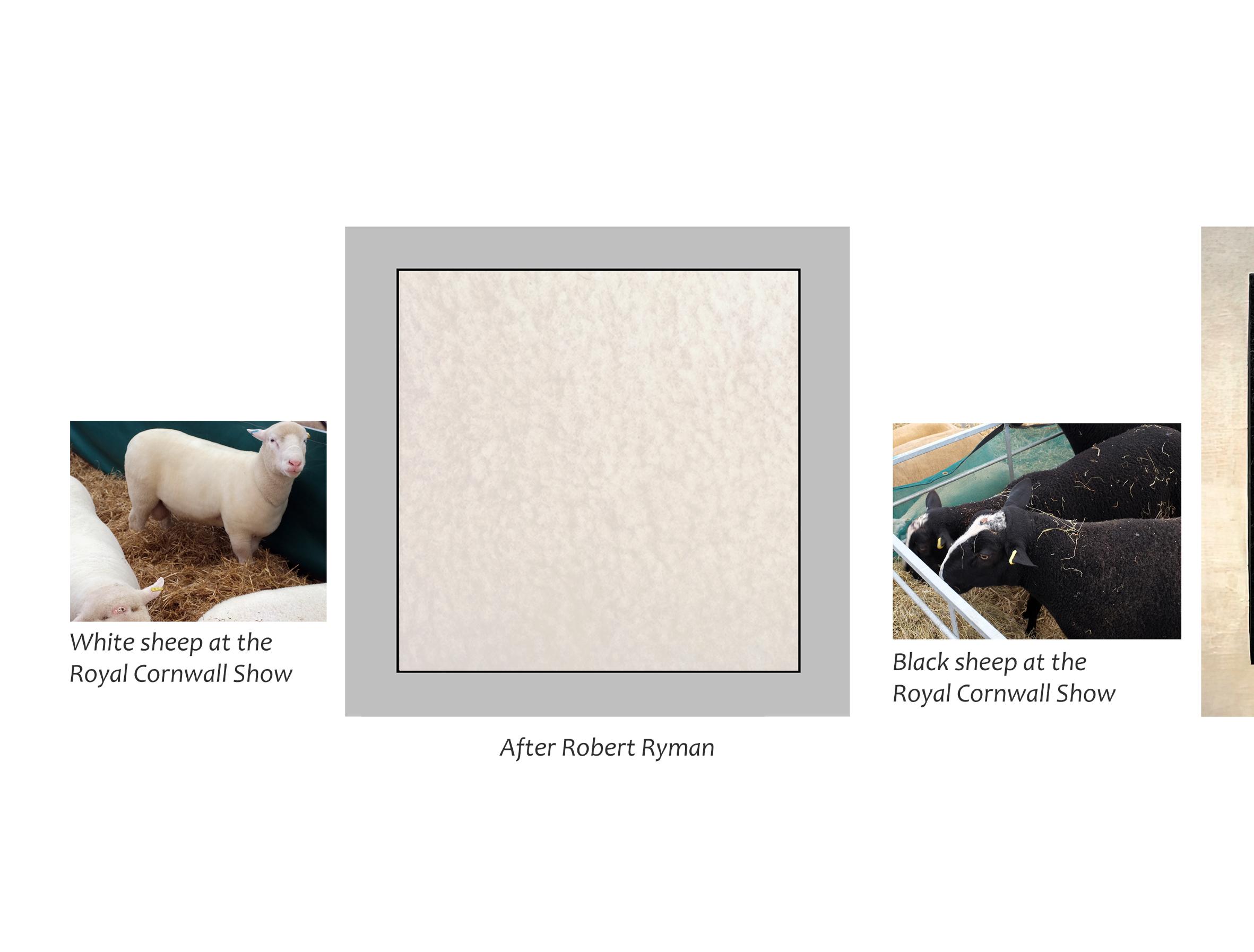
Book1 has chapters about taking pictures in galleries and of ordinary things that look like artworks. In the final chapter some of the pictures are, in my imagination, displayed in famous art galleries.
Book2 is a bit like a directory or a reference book describing and picturing 48 art galleries that I have visited.
Book3 is in my computer and in my head. Printed, it will have sections such as: Hints and Tips to Artists, Making a Picture to Suit a Frame, Feet in Art and Comparing Art Galleries to Shops.
'Art as I see it' is just that. It's what it looks like and what strikes me and what I observe about it. I'm not an art expert and I'm not delving into the meaning of art or of particular pictures. Now and then I might wonder 'What is Art?' or 'Is it Art?'
I am just making pictures - or is it art?
The content of these first two books can be viewed at https://jej.jalbum.net/Art%20As%20I%20See%20It/
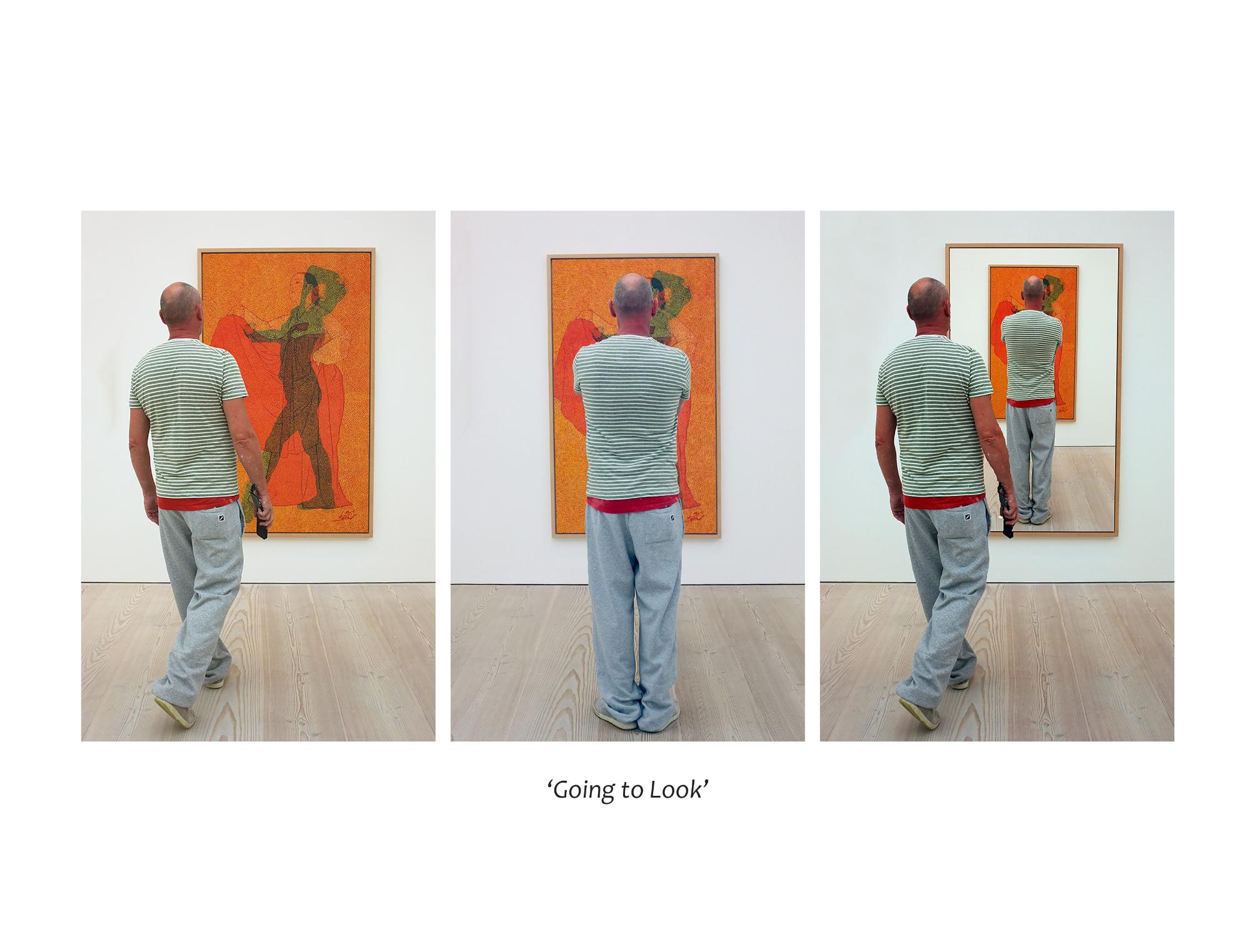
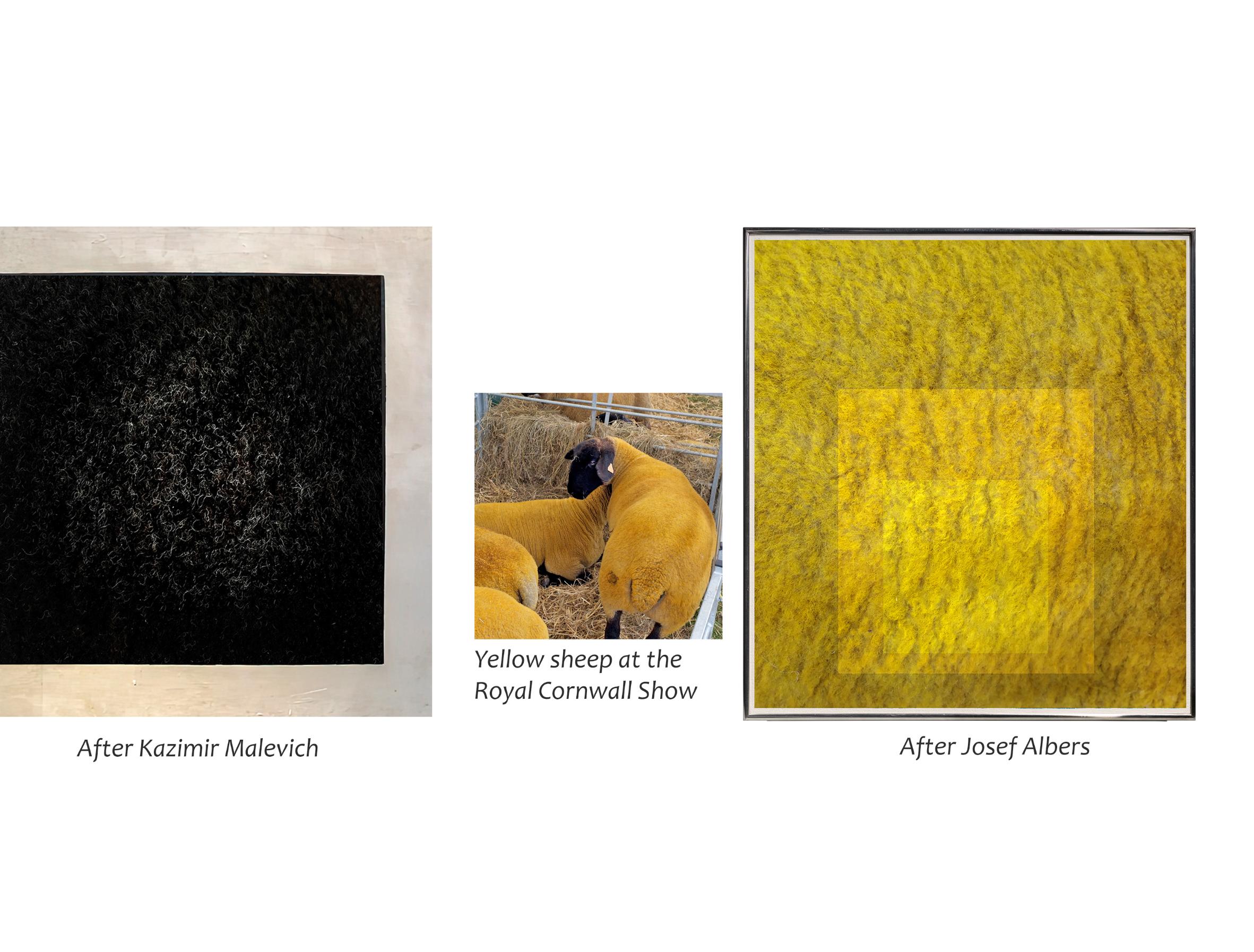
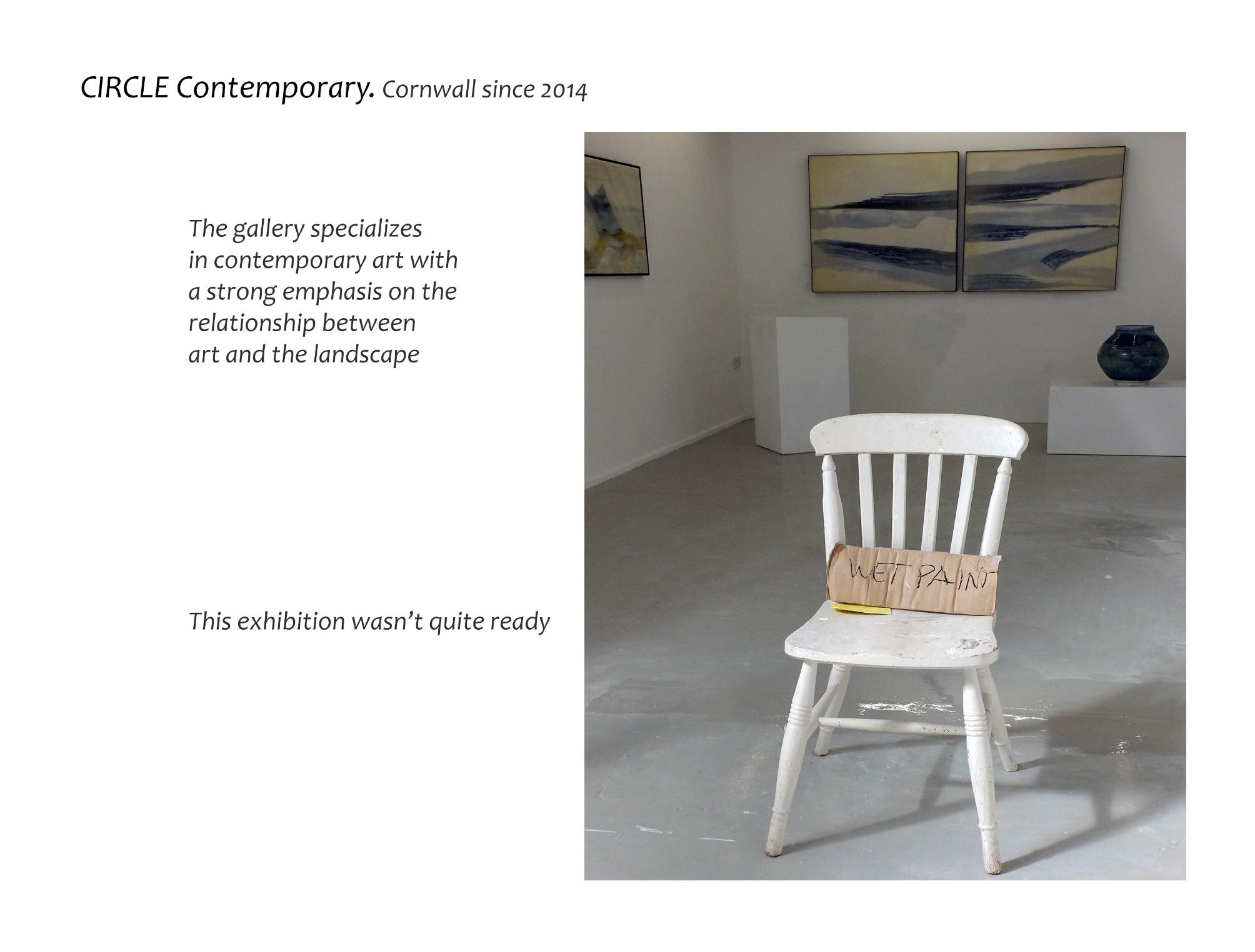
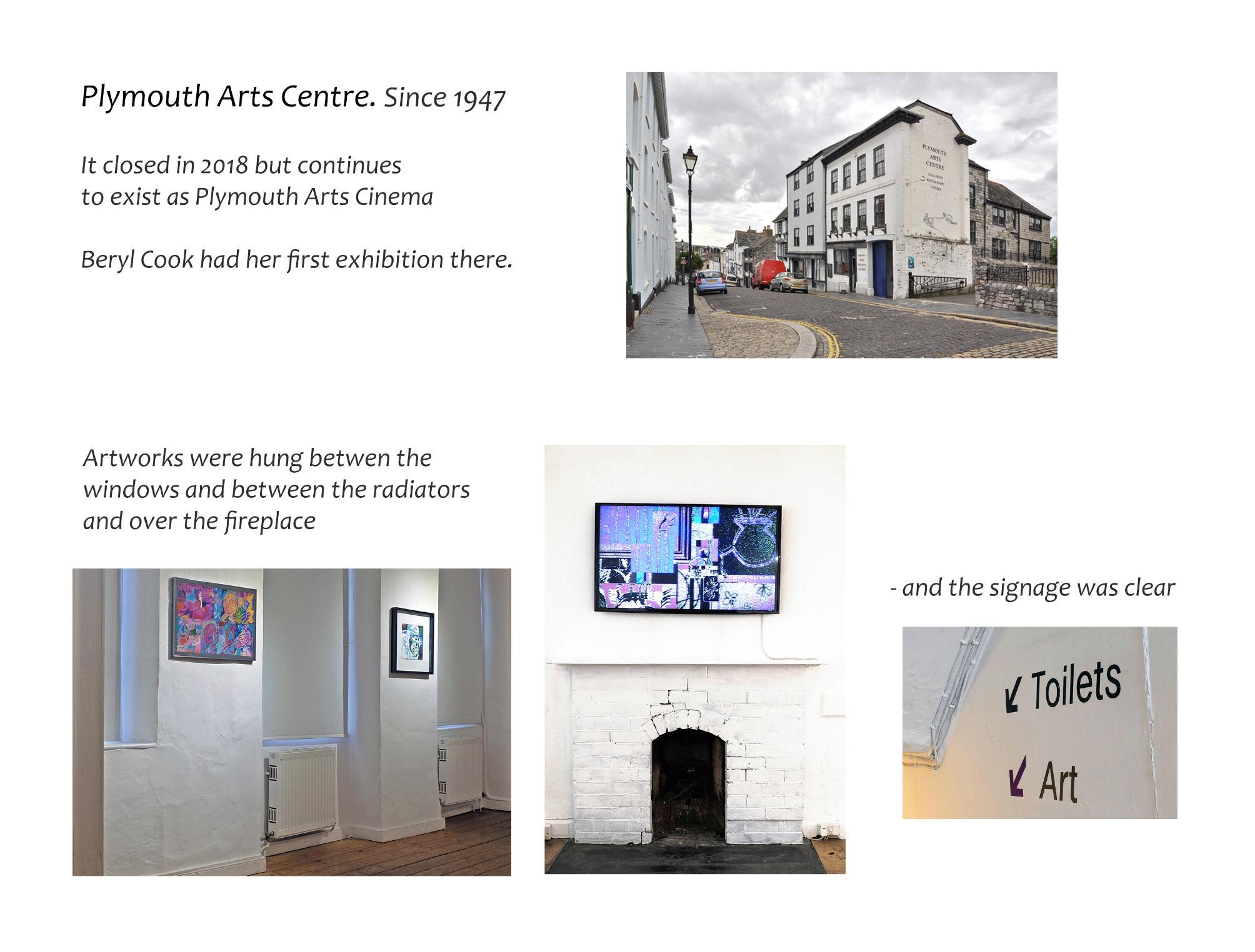
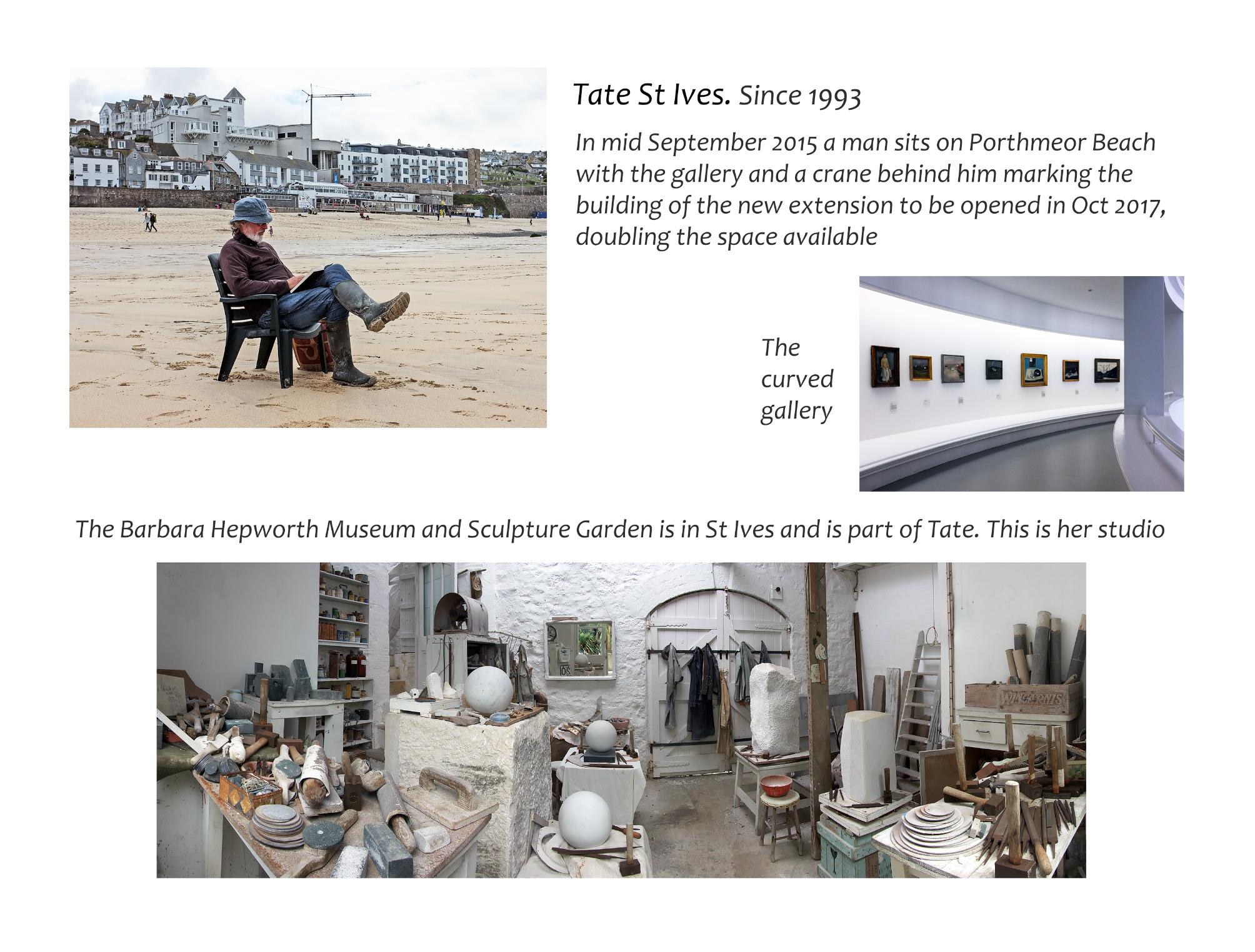
Still Grand but Not Great
Burak Oguz LRPS
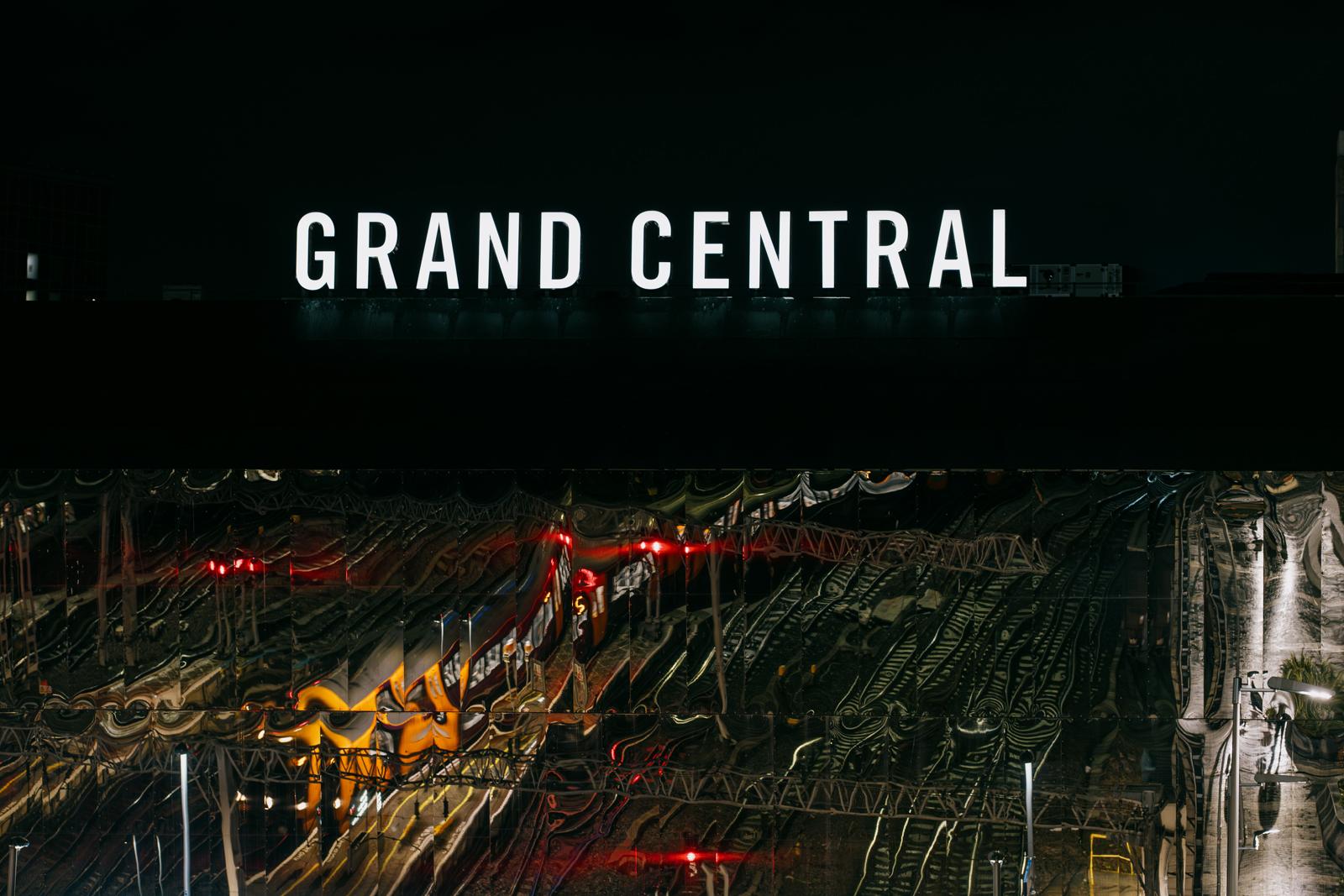
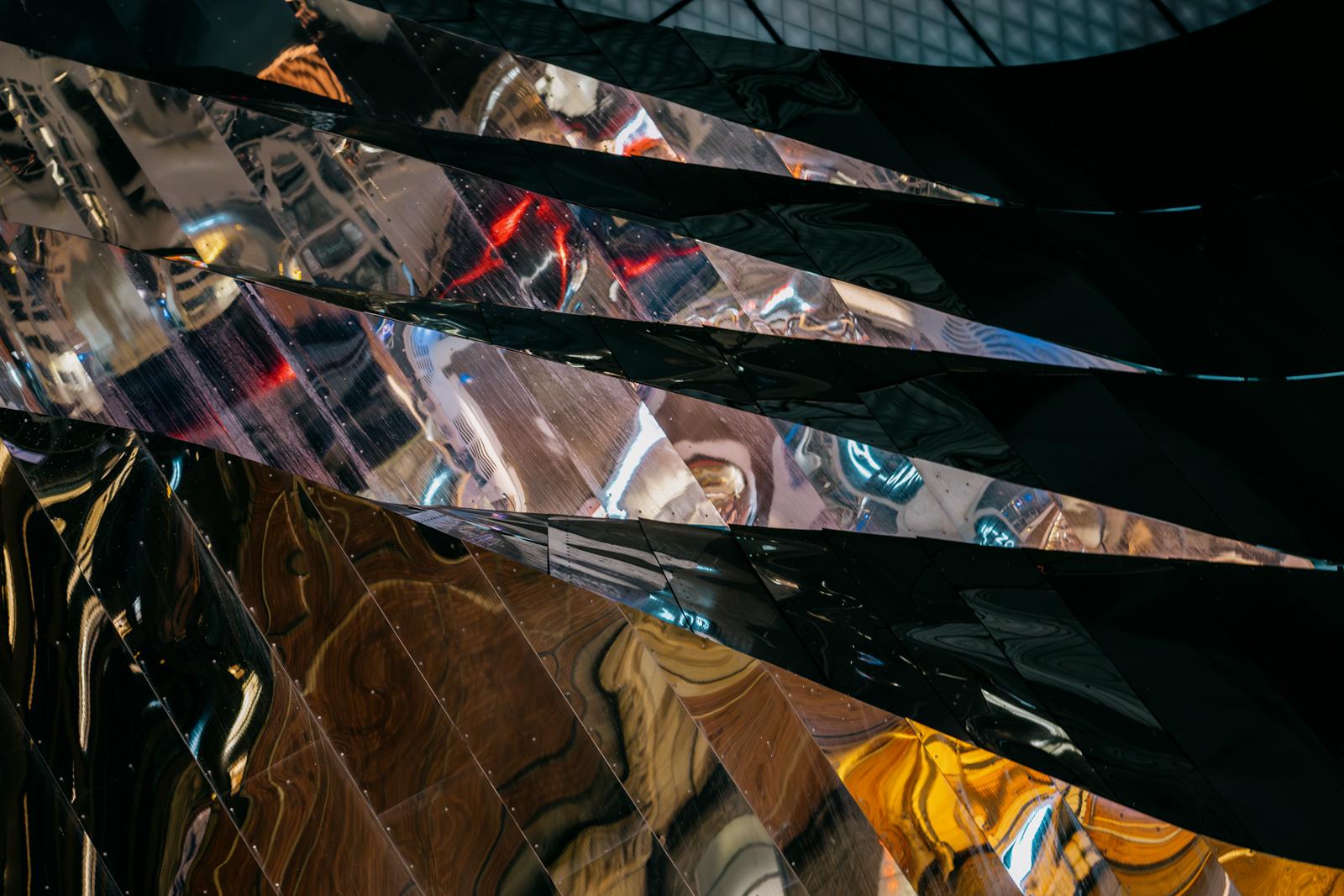
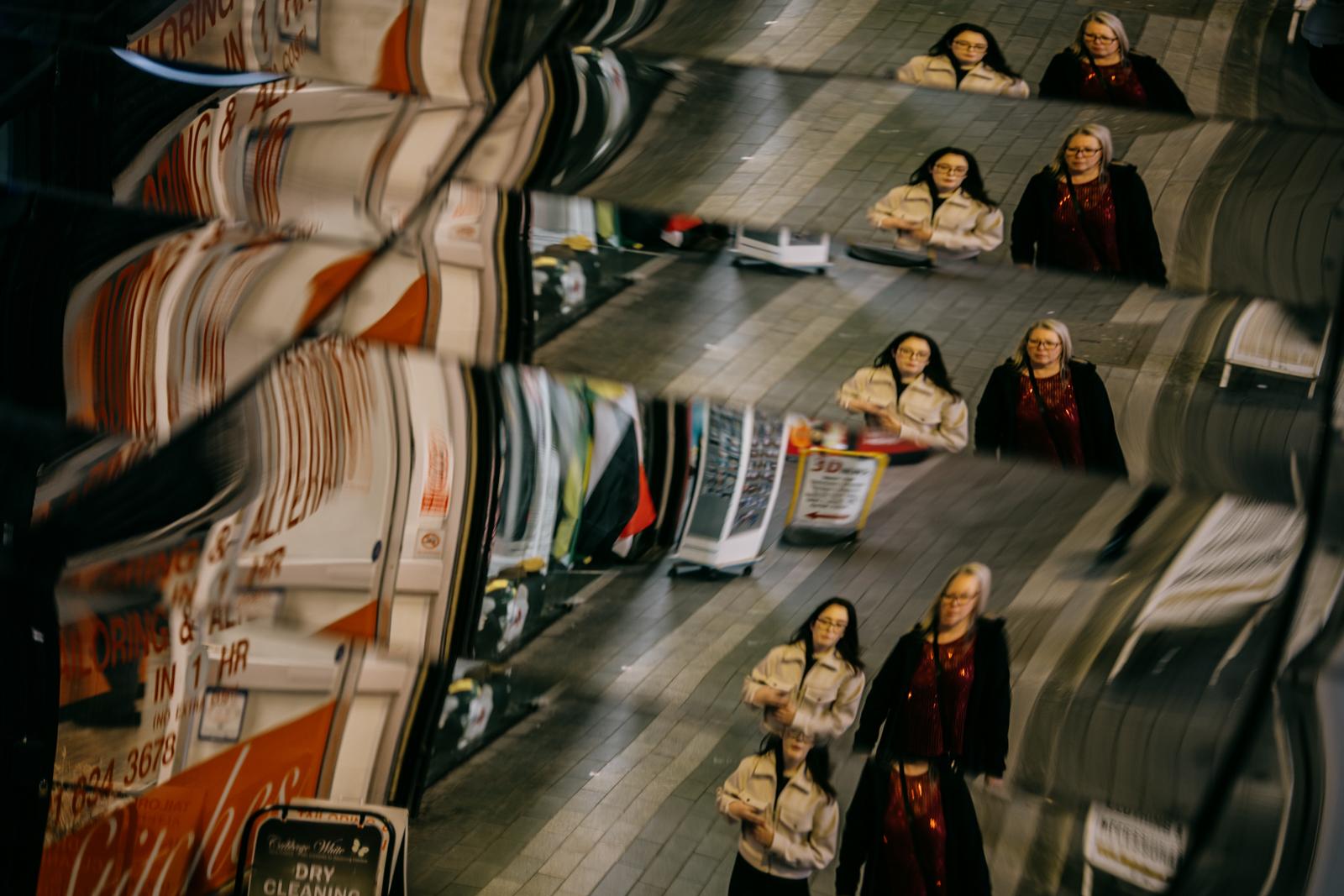
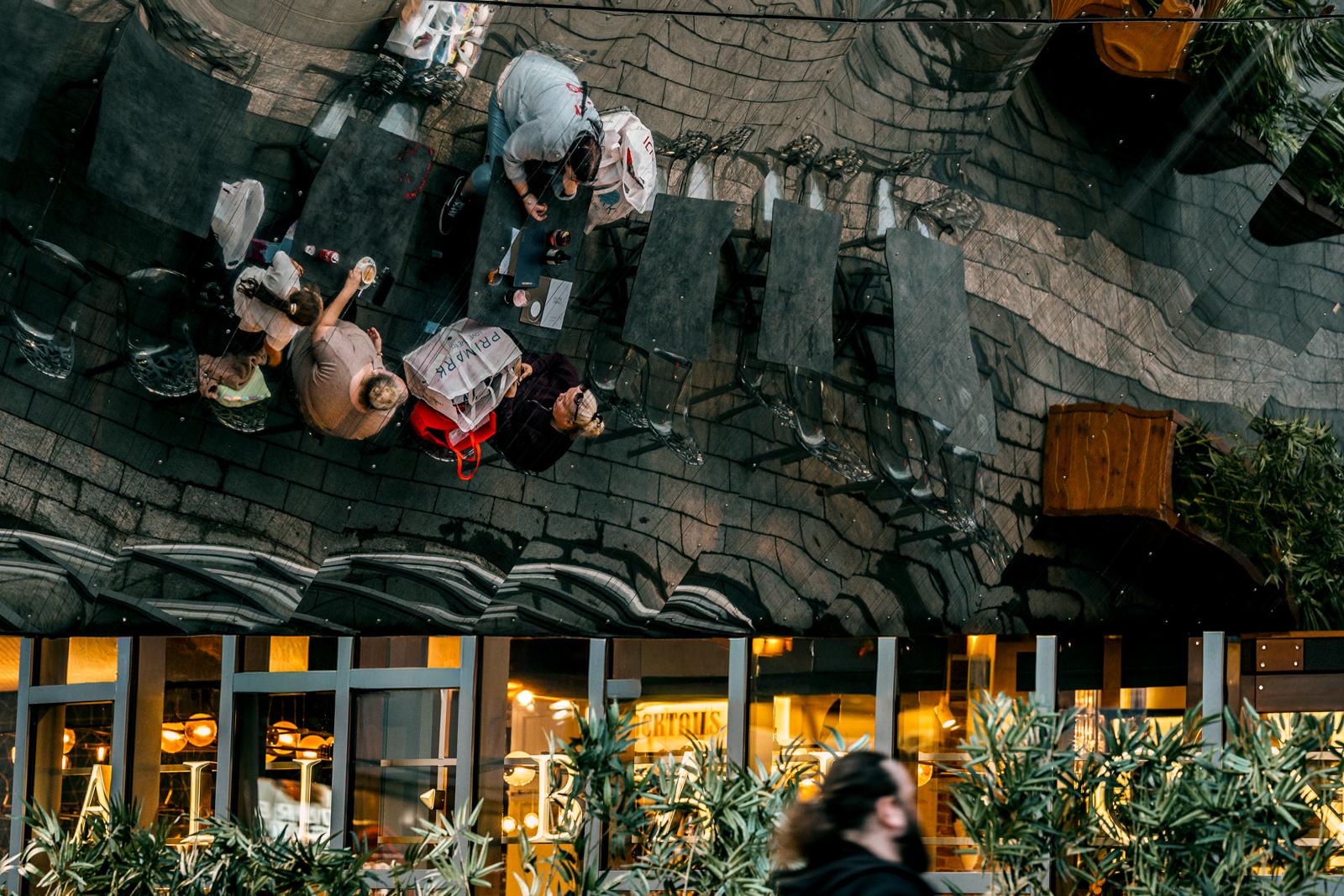
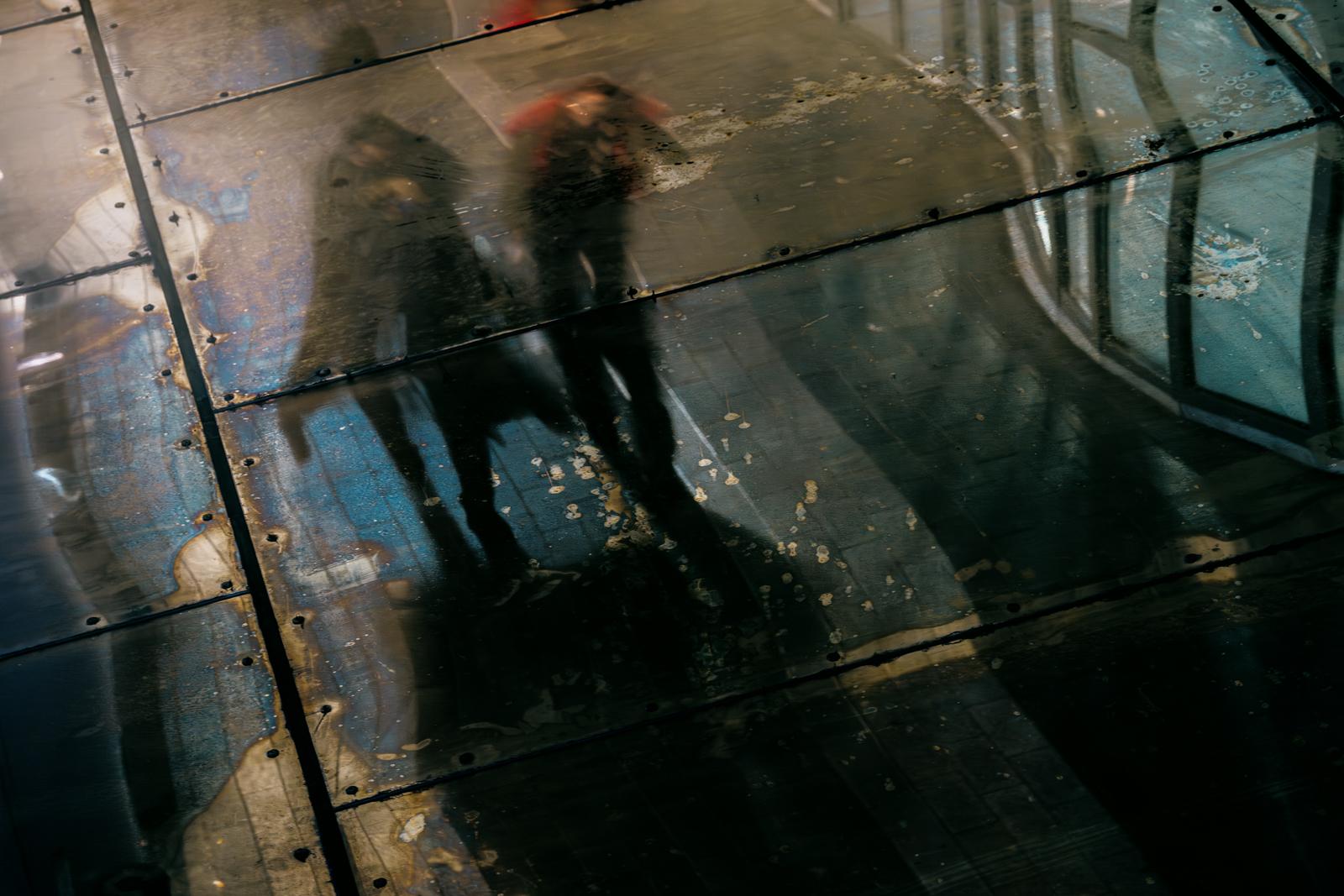
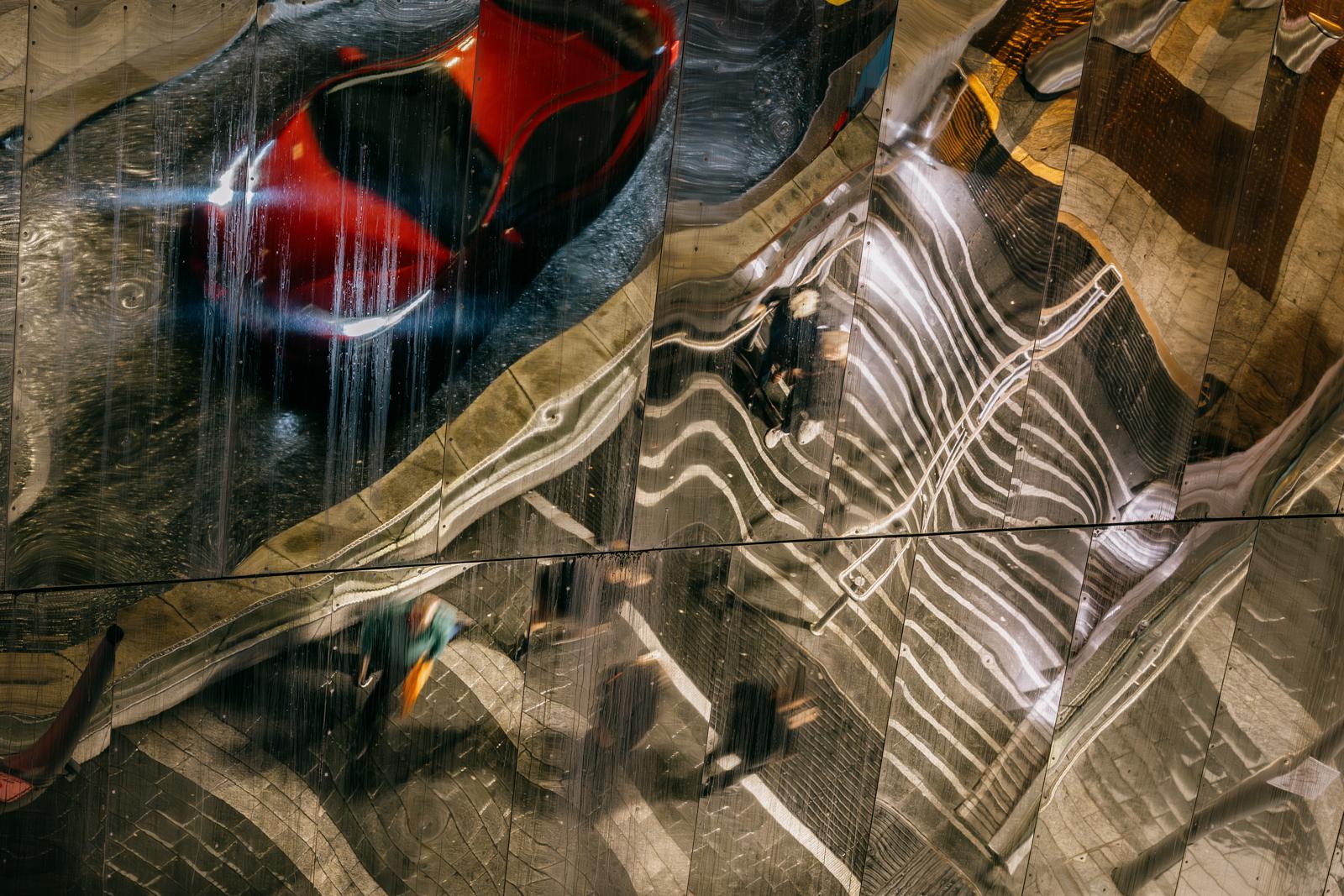
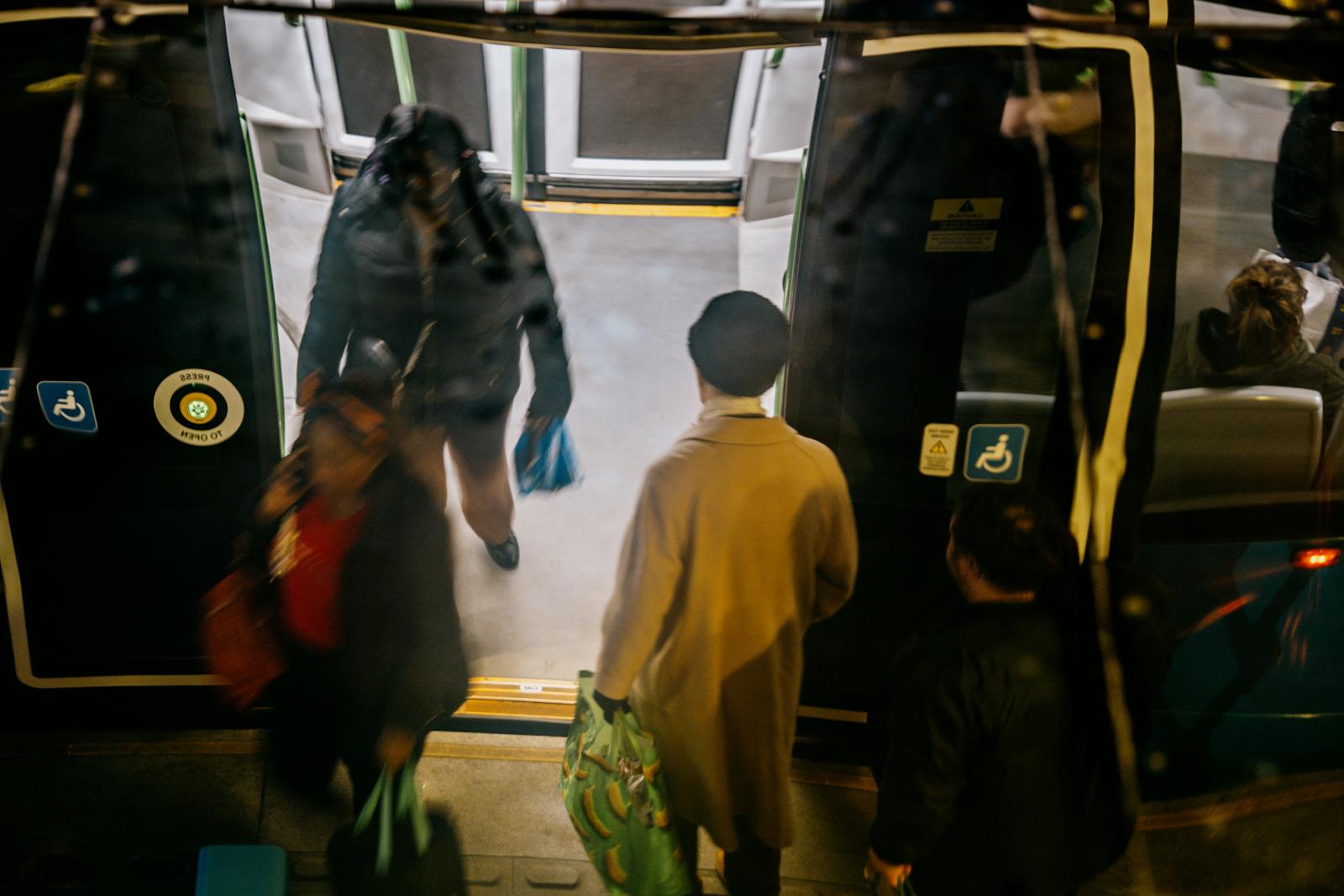
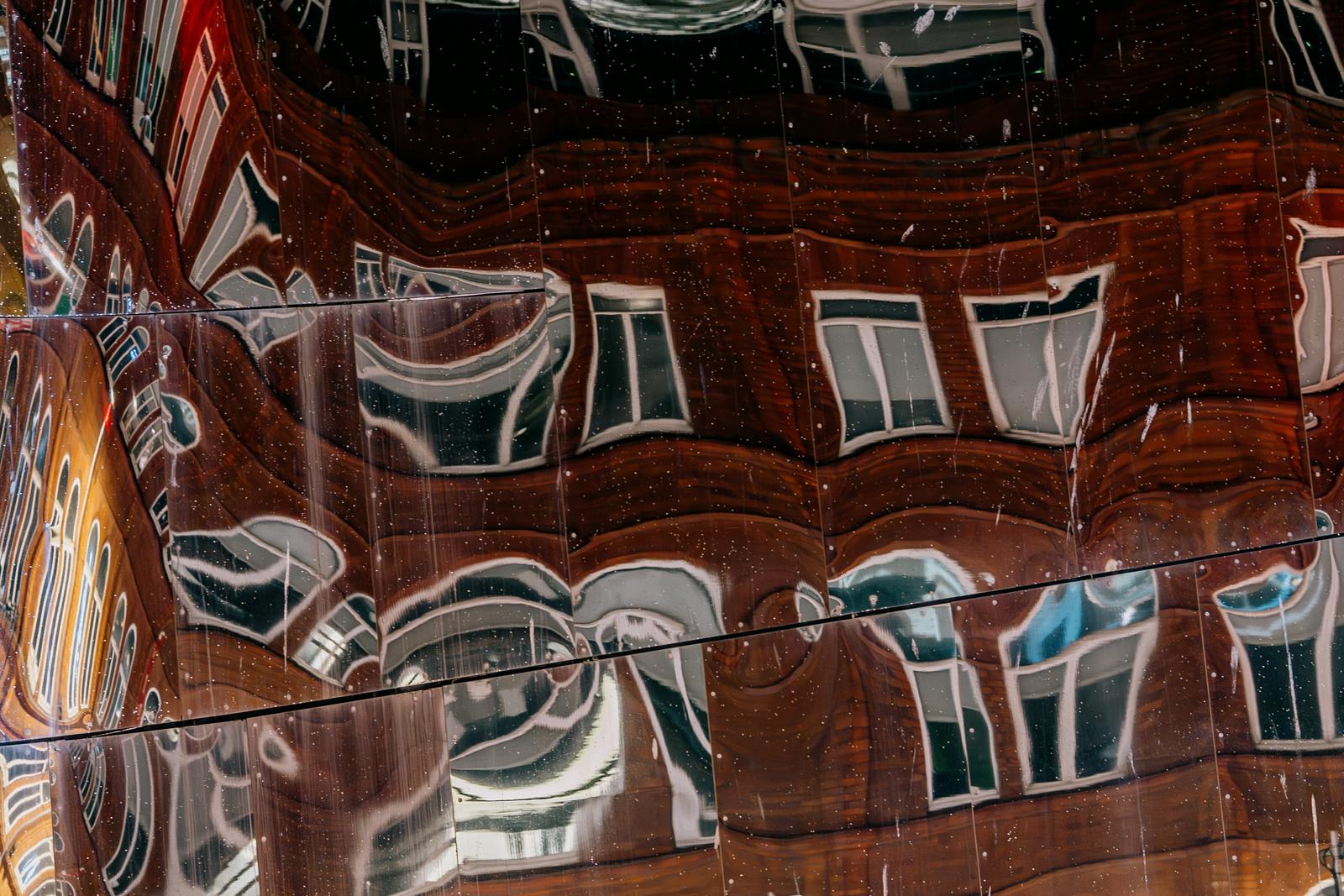
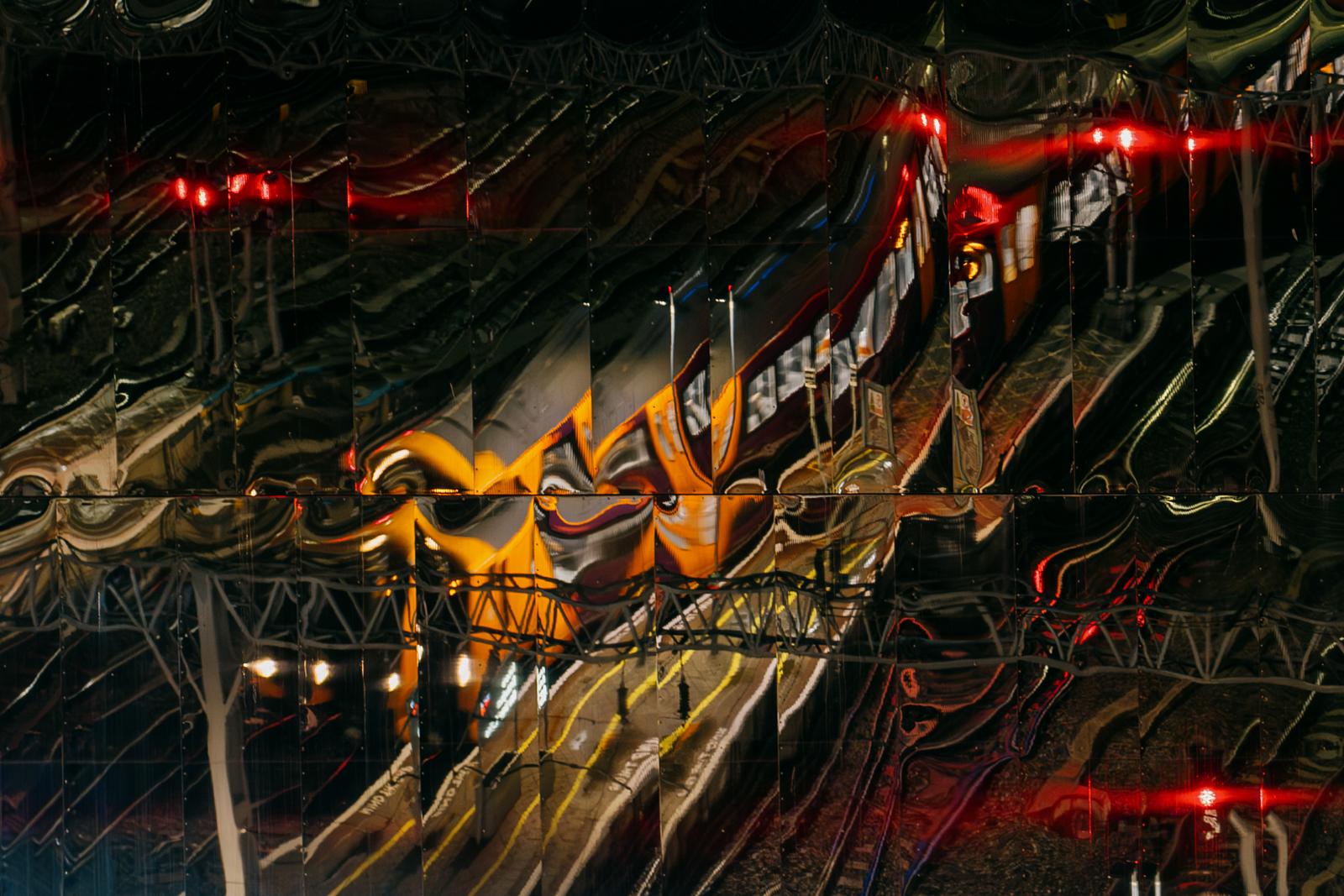
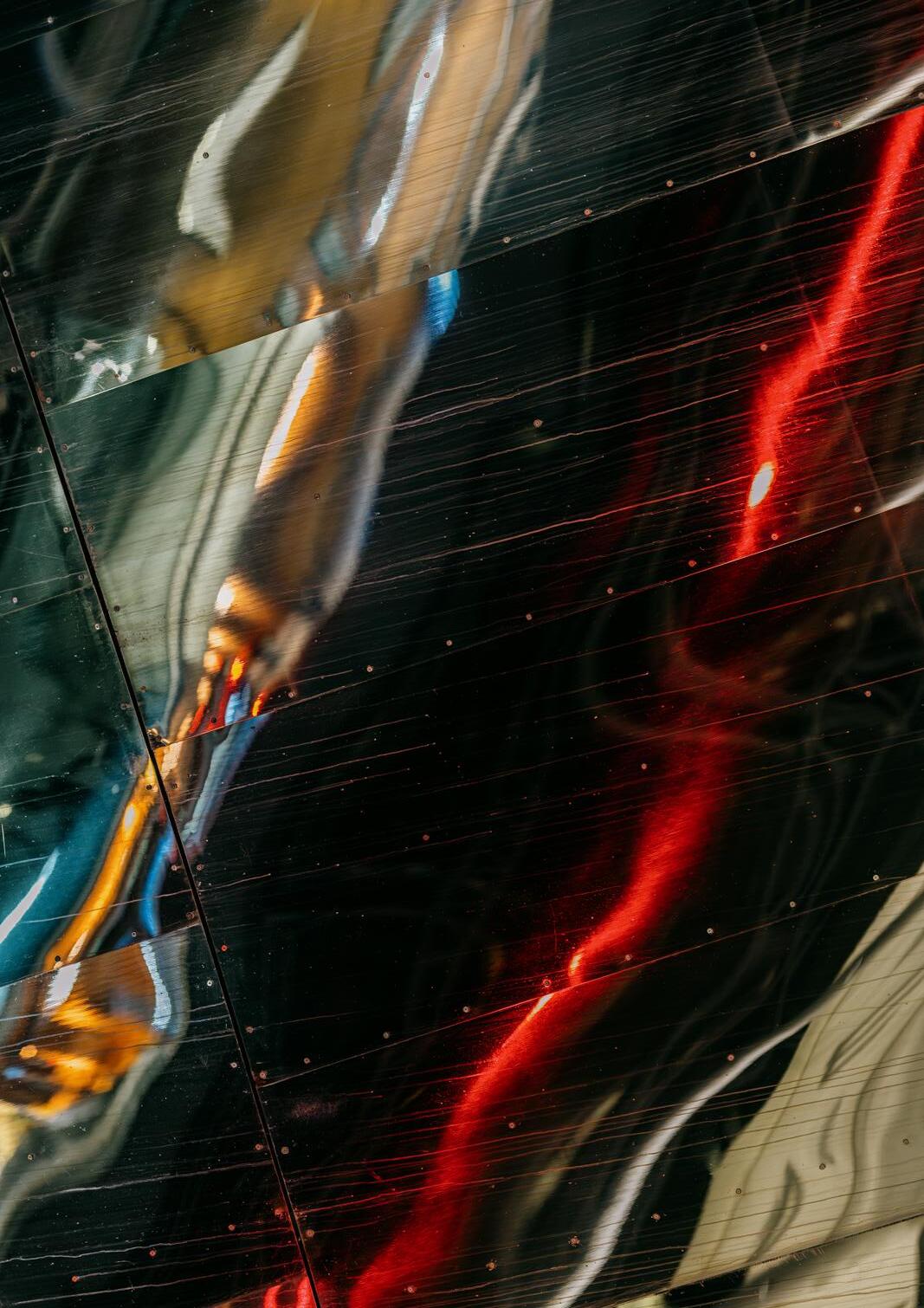
This series was taken at Grand Central in Birmingham where the exterior, clad in mirrored steel, reflects the city’s silhouette and its historic connection to the steel industry. I spent several days circling the building, observing it at different times of day, and found that the most dramatic and turbulent presence to emerge after dark. Initially, my intention was to capture the building’s gleaming form at the heart of the city. Yet, I found myself drawn instead to what it reflects. These reflections reveal the true impression of Birmingham, but there is almost nothing about the building itself.
To reflect everything is, perhaps, making your existence questionable? If so, where are all these people going?
South West Activity Group
The Southwest Activity Group met on Sunday 30th June at Dartington in Devon. Eight members were present, with two apologies.
As usual, the meeting began with coffee and a general and wide-ranging conversation regarding various things ‘photographic’. We then noted the departure of one of our members who is in the processing of moving to the north of England. After this we moved onto the more serious business of actual images. As usual, these covered a very wide range of subject matter once again demonstrating that Contemporary Photography encompasses images that could belong to any genre but with a particular and stated purpose, intent or meaning.
Marija Lees shared shared a set of monochrome prints made for an exhibition but which she now wants to develop into a larger body of work. These consider the theme of ‘Who is a Stranger?’ This includes the question of when does a stranger become ‘not a stranger’ and the experience of loneliness in a crowd. The images build on Marija’s experience and love of Street Photography and Visual Art, using deliberate camera movement to hide the identity of individuals and place.
Simon Green had recently returned from a motorhome tour of Italy. He used the journey to revisit the concept of the traditional Grand Tour through a photographic portfolio, exploring what it might look like from a suburban working-
class perspective and visiting places that were very different to those visited by the (typically) rich young sons of the aristocracy. The resulting pairs of photographs were printed using the colour balance typical of 1950s commercial colour prints to lead the viewer into the past. Simon’s own description is as follows:
Cicerone GTreimagines the eighteenth-century Grand Tour.
Once an expedition for young, upper class European men seeking culture and refinement, the Grand Tour is transformed into a modern journey of repetition, intimacy, and the everyday.
InCicerone GT, the aristocratic circuit is inverted, and a motorhome replaces the carriage. Cheryl Brenda Green is a constant presence, a traveller, a partner, a cipher, as each place forms a diptych that trades the Grand Tourist’s gallery of marvels for a landscape of the ordinary, where washing lines and motorway services stand beside temples and cliffs.
While the eighteenth century traveller sought mastery through seeing and the cultivation of the tourist gaze,Cicerone GTturns instead to endurance, companionship, and return. It asks how travel, in an age defined by speed and exhaustion, might still carry meaning.
A lively conversation followed considering how the project could be narrowed down and focus more closely on particular aspects of the overarching idea.
Graham Hodgson provided a retrospective of some of his earlier work through the presentation of a set of mounted monochrome darkroom prints of the natural landscape. These were presented in part to demonstrate that he could produce what he termed ‘proper pictures’. It was also noted that they were also the sort of work which had been produced by the late Martin Howse and which we had so much enjoyed seeing and discussing over the years.
In radical contrast Graham also shared his latest re-imagining of the design of the built landscape through his copying and rotating of an area at Discovery Bay in California and the production of an island composed entirely of a vast marina and golf-course. It has since occurred to me that Graham’s use of Google images in this way could be described through the Mathematical concept of Group Theory.
The final prints were a set of my own in which I have explored the idea, common amongst indigenous people of various countries, that everything has a voice and nothing in the landscape can be possessed because it has its own existence. I then extended this idea to encompass modern buildings and artforms which have become so symbolic of the place where they exist that they
have almost become synonymous with their location and also have a voice (for example the Sydney Opera House and Harbour Bridge). Finally, we come to art which has been created to deliberately speak of the place where it exists and so speak to resident and visitor alike about that particular location.
After a break for an excellent lunch, we moved on to look at the various books that members had brought along to share and discuss.
Carol Ballenger shared the book which had been produced to accompany her exhibition ‘Waterworlds: Reflections in a Tidepool’. After several years of planning (see previous editions of Concept) this work finally came to fruition with an exhibition at ‘Make Southwest’ in Bovey Tracey, with the main exhibition taking place at the Avison Gallery in Highgate during November. Carol also recounted how she had first met the owner of the gallery through a contact made during an earlier exhibition in 1997 and the way in which a book by this person had inspired her own book ‘the Red Comet’ which she also shared.
John Evans-Jones shared the developments in his project to produce a trilogy entitled ‘Art as I see it’. In book One ‘Making Pictures’ he does just that through the manipulation of the original together with illustrations of what the result would look like when displayed in a top gallery.
South West Activity Group
Book Two, entitled ‘Of Galleries and their Art’ is a form of directory, showing examples of the work on display at a range of well-known galleries. Book Three still resides in John’s head but will comprise a selection of images chosen to be suitable to show in a particular frame (reversing the usual approach) together with collections about feet, boxes and the interaction/overlap/ distinction between gallery spaces and shops.
Ken Holland had brought along a hardcopy of his rewritten and updated book ‘Let’s Look at Photographs’ which is essentially a guide about how to judge photographic competitions although its value extends far beyond that initial intention. (The book can be seen and purchased from Blurb in both pdf and hardcopy formats).
Ken also brought along a book from ten years ago entitled ‘What’s the Hurry’ containing a collection of photographs taken in Art Galleries with a long exposure so that any people were blurred. Most of the images were taken in galleries where photography was forbidden at the time he took the photographs.
Vivien Howse had attended an RPS Workshop on how to use a smartphone App (Shrimp Zine) which is designed to make the production of basic A5 format booklets (and zines) easy and straightforward. Vivien demonstrated that you simply put the images already on your phone into a folder, tell the App where to find them and then choose the
image(s) that you want for each page. Tap as appropriate and out ‘pops’ a pdf. The idea is that young people can produce a ‘zine’ without any equipment other than their phone.
As always, the final session of the meeting was dedicated to projected images. This began with Graham showing us the location of Discovery Bay which he had used in his composite image (see above). One of the remarks during his sharing of the printed composite during the morning was that it resembled a piece of jewellery. Graham had noticed this himself and had therefore ‘produced a Gold-plated version’ which he had then ‘modelled on a young lady’
Marija showed some of the images from her Beach/Street photography project based in Teignmouth. These showed interesting juxtapositions and scenes of the unexpected but unsurprising. The death of Martin Parr one week later reminds us of the way that photographs of ‘The Great British Beach Holiday’ can make an important statement about the people who live on this island.
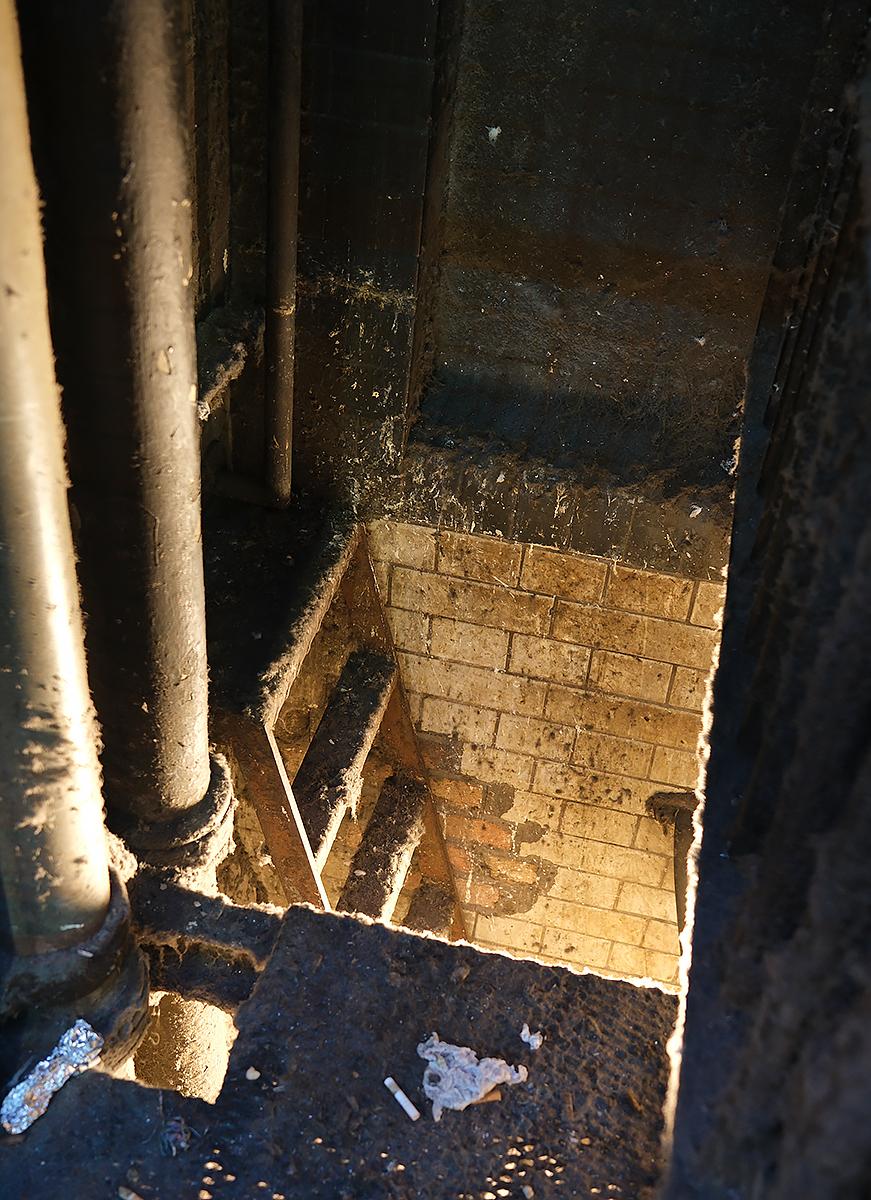
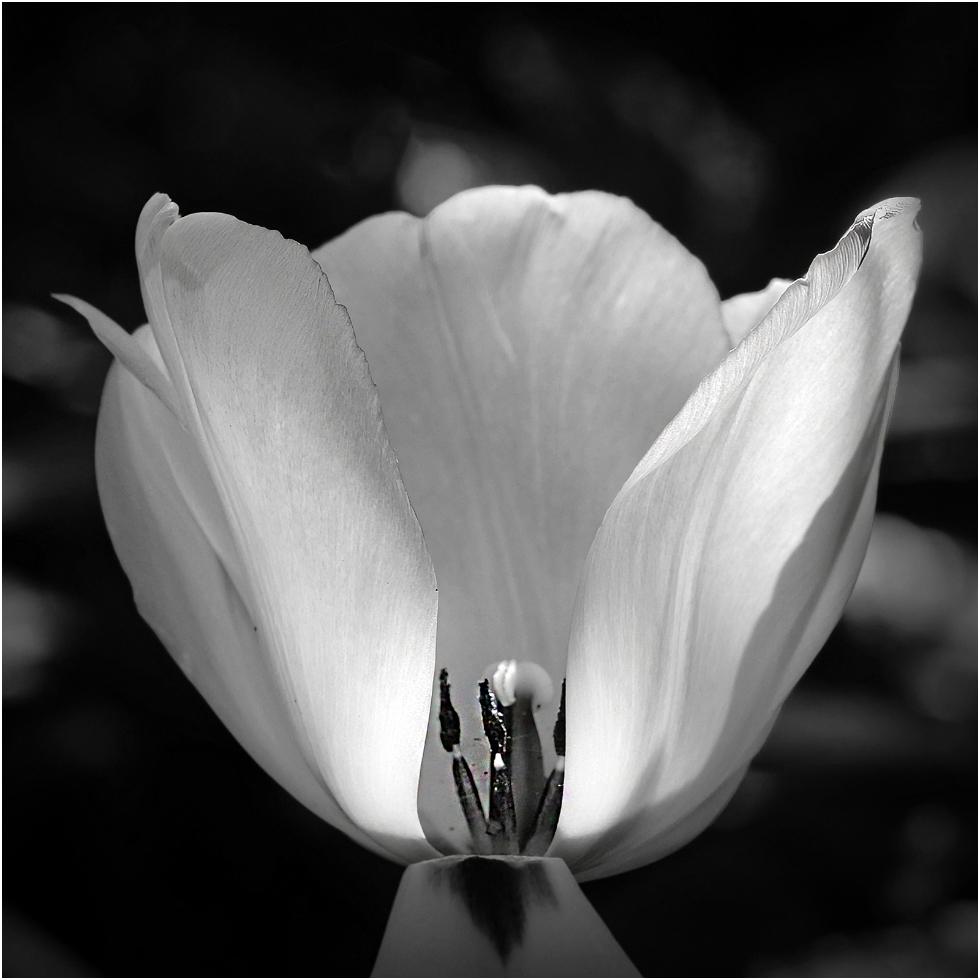
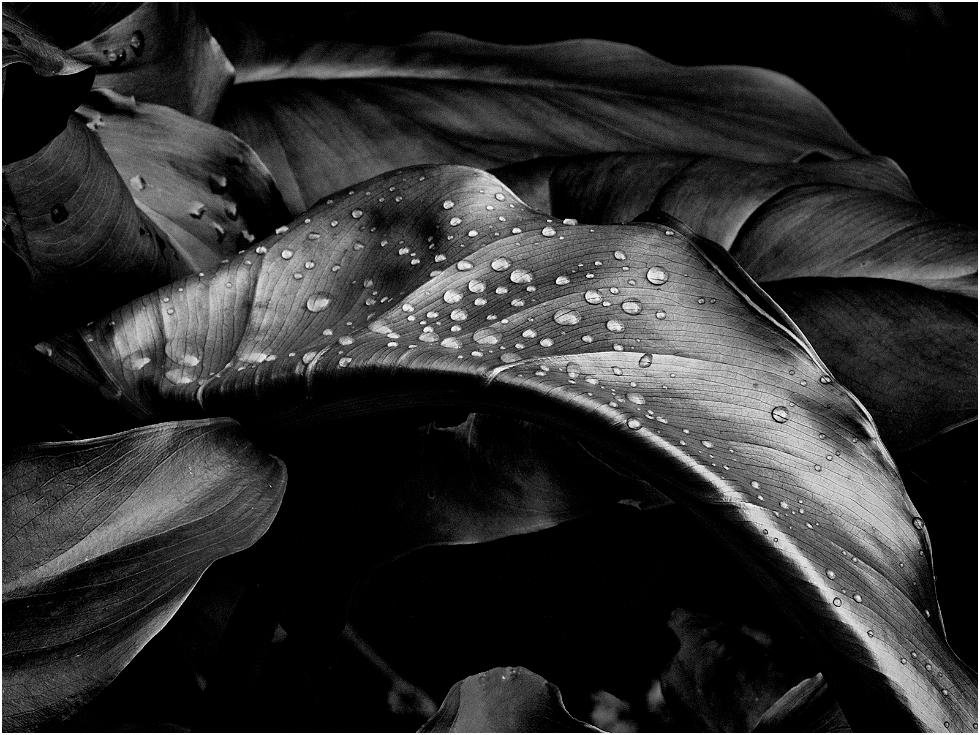
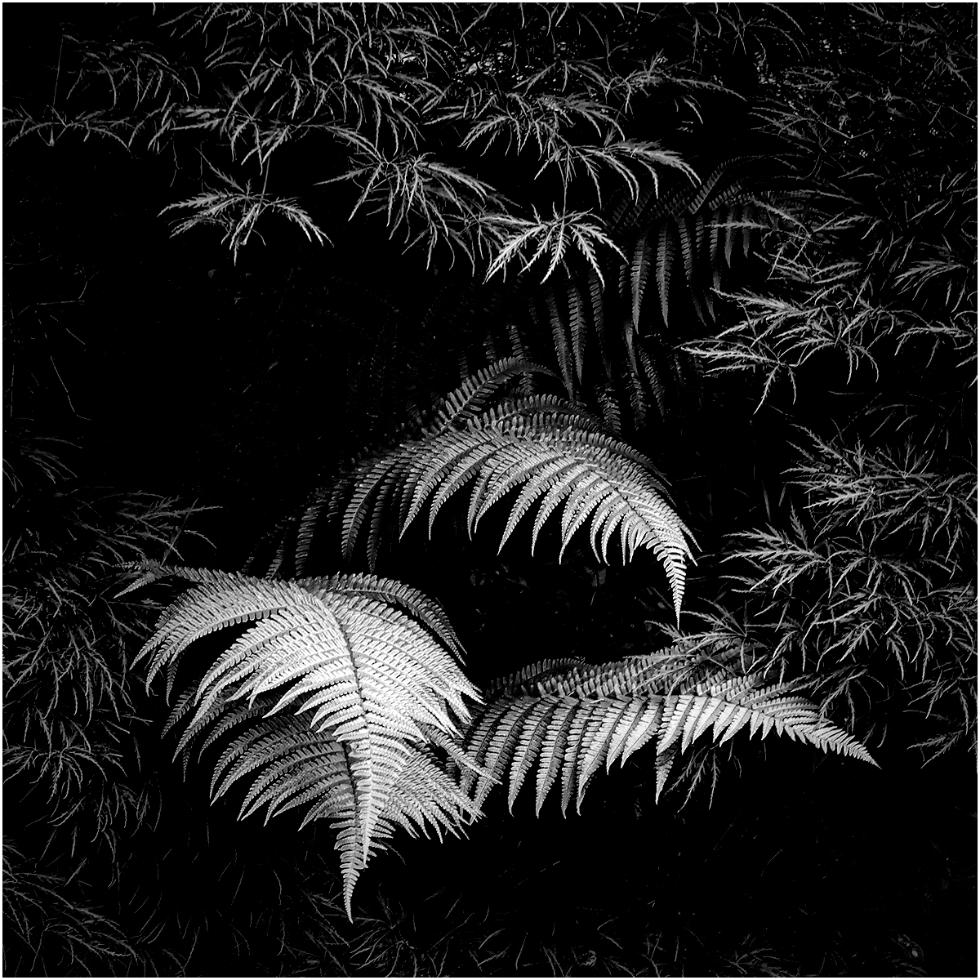
Ken shared a range of black and white close-up images of individual flowers entitled ‘Monoflora’ in which he explored the shape of the flower without the distraction of colour. Some of these shapes can be seen in the images which accompany this report.
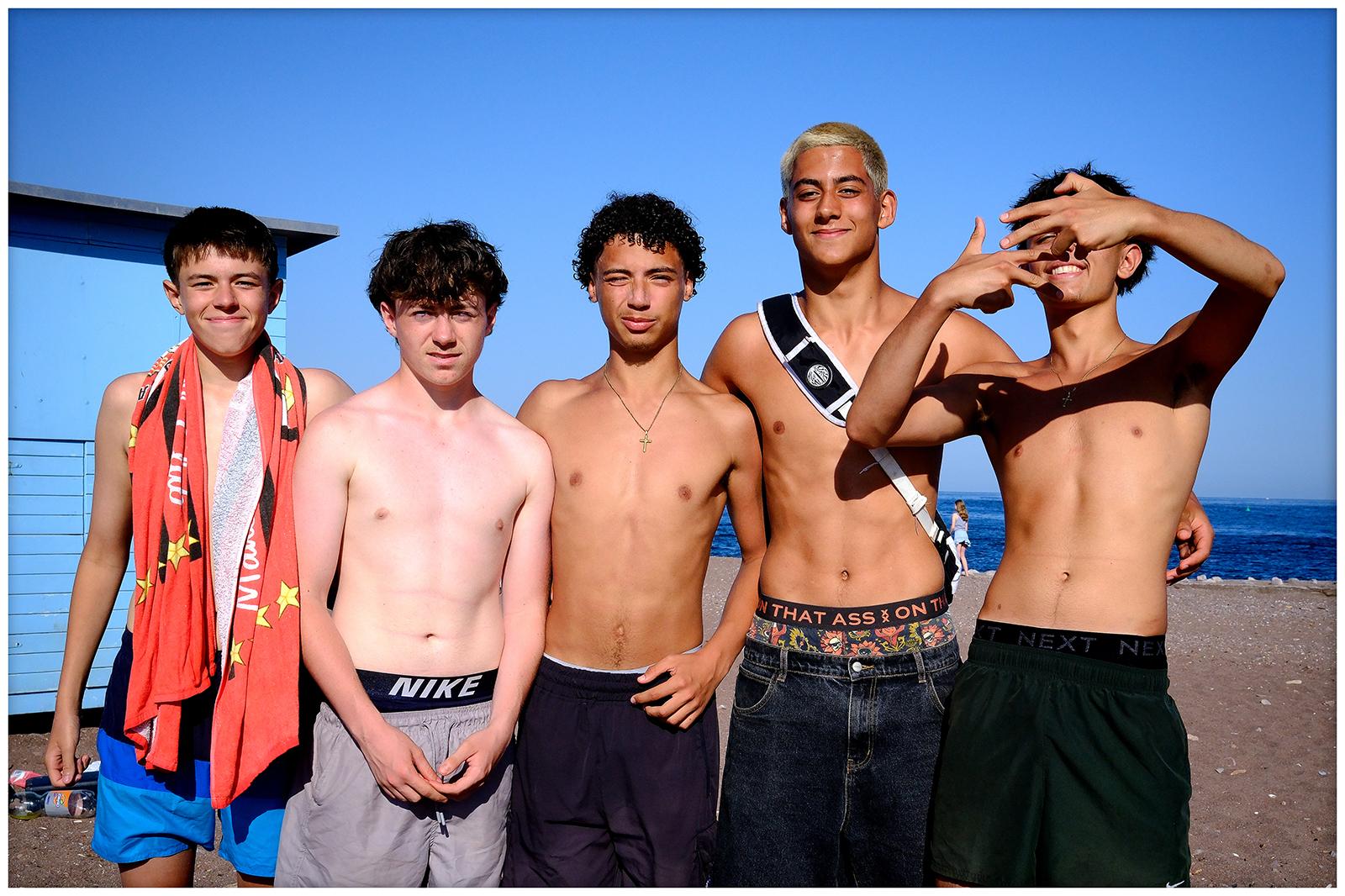
John presented images entitled ‘Pronoia/ Paranoia’. Pronoia is the opposite of Paranoia, where the person concerned mistakenly believes that they are wonderful and that everyone agrees with the sentiment. The images focus on the glitzy world of Galleries that retail artworks and what happens in the adjacent space.
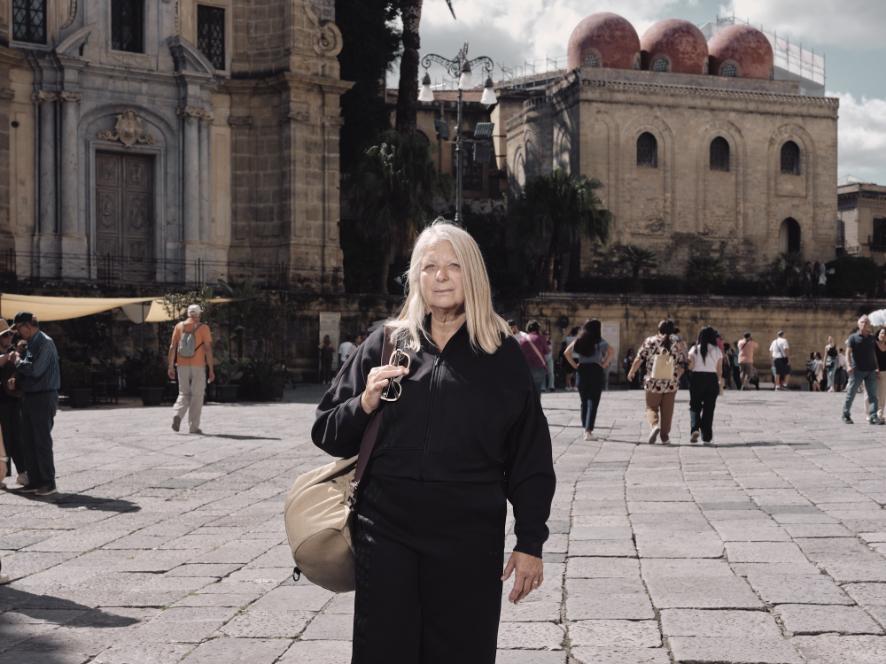
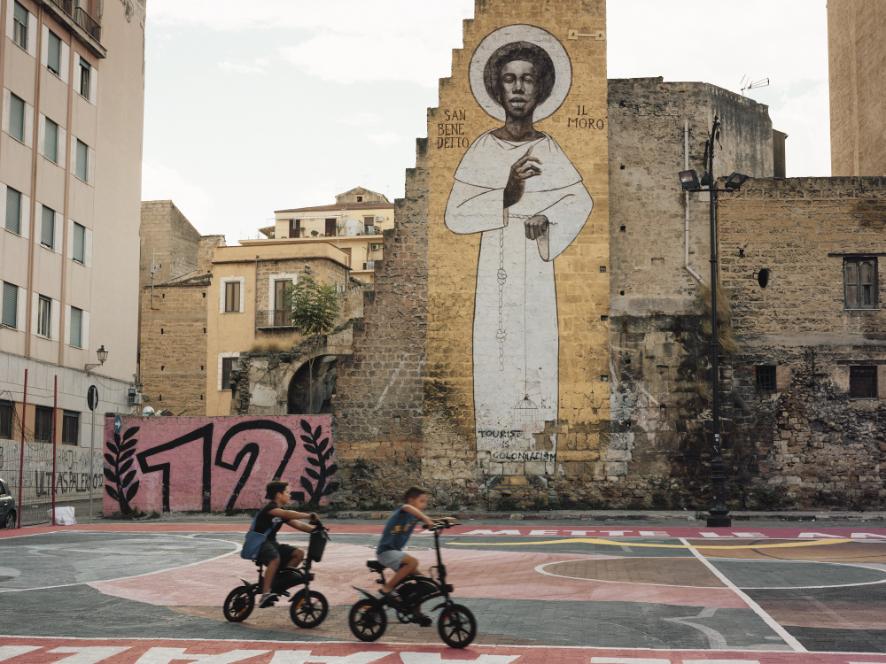
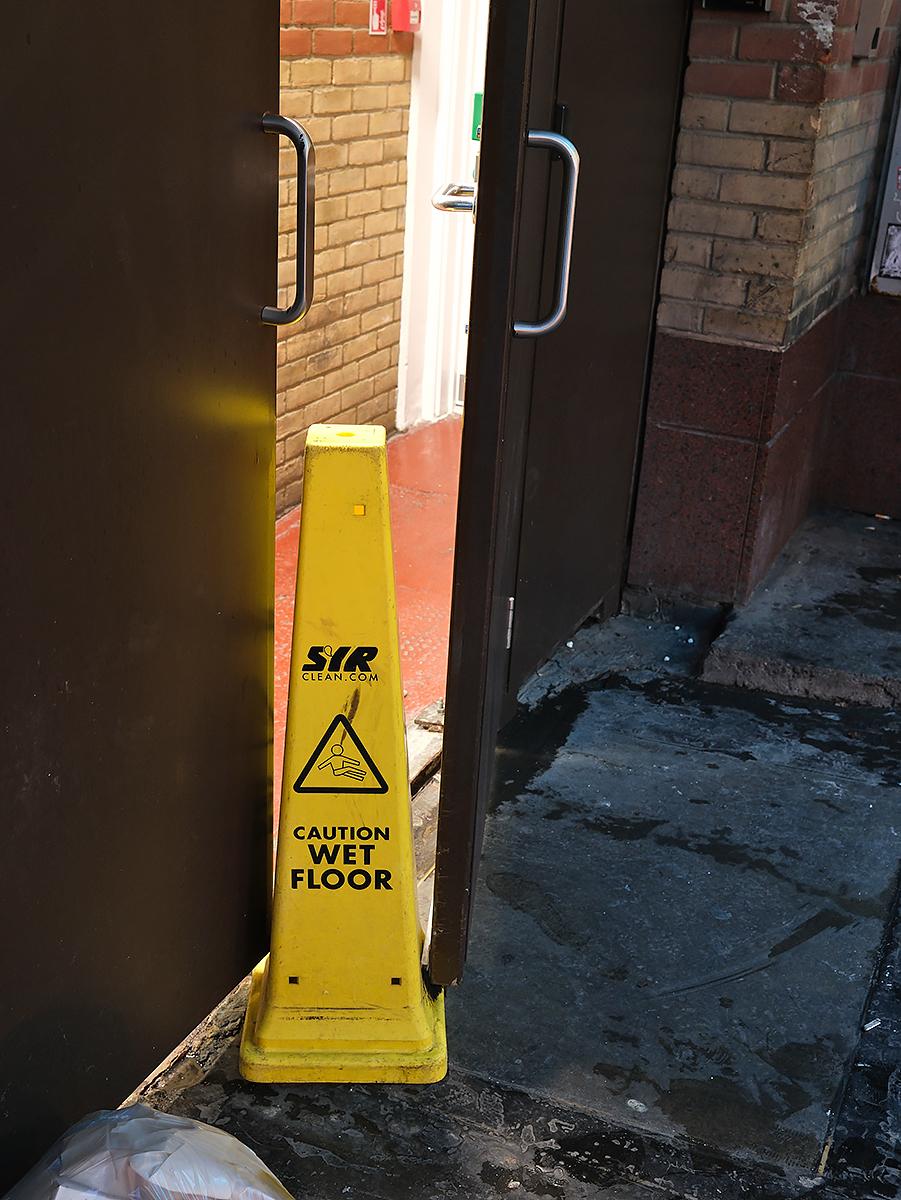
What is happening in the street outside? What do the serried ranks of receptionists at Galleries actually do all day? If we consider Regent Street in London, then to the east and parallel lies Kingly Street which has cafes on the east/Soho side whilst the west has the backs of all the Regent Street shops (see illustrations) – what is going on here?
Finally, Carol showed some photographs of her exhibitions (see above) as well as a recording of the images and music which accompanied the earlier exhibition based on her book ‘The Red Comet’.
As always, we are very grateful to Carol and Graham for hosting these meetings and for providing the excellent food and choice of drinks.
Our next meeting will be held on the 22nd March 2026.
Adrian Hough ARPS
Scotland Activity Group
August saw us meeting up in Aberdeen for a breezy but bright day on the NE capital. We started off at Aberdeen Art Gallery, which is age of a place… fascinating building in itself, a very varied selection of exhibits, and a good selection of photography based ones too. The cafe was also excellent. After a morning there we headed down to Fit ‘Dee and the beach boulevard for a very different sort of a feel, before heading back into town and 6 of us stayed on to hear a fascinating talk by David Eustace.
https://issuu.com/ royalphotographicsociety/docs/ ehberdeen_day_oot_2025__rps_contemporary_docum
September is Stirling Photography Festival month, so we arranged for a day down there…started early in Doune to see Dùthcas by Tom Astbury (who will be giving a talk in February 26, see further down). We were very lucky to meet Tom himself there and he gave us the chat on Duncan Bàn MacIntyre who inspired his images. Ron O’Donnell was then giving a talk at the Tolbooth in Stirling, and we got to sit in on that along with a bunch of photography/art students from Motherwell/Airdrie. Lunch was at the Barracks, and we enjoyed some fine food and the fine photography of Jennifer Charlton (who is also on our list of speakers, but for the end of 26), before heading to the MacRoberts Art Centre for the epic Govanhill exhibition by Simon Murphy.
All in all it was a fascinating and engaging day out, way better than we could have hoped for.
https://issuu.com/ royalphotographicsociety/docs/stirling_ day_oot
Next up is the first of our zoom nights for the winter, and member Dave Shillabeer ARPS will talk on the joys of steam railways…Never Again and Back Again, illustrated by his own images, and ones from The Guild of Railway Artists, and The Master Neverers Association. 11th November, a day to remember https://events.rps.org/en/contemporaryand-documentary-groups-never-againand-back-again-nov-25-5a2NN2AwCEL/ overview
Our pre-Christmas lunch and final meet of the year was held in Dundee on the 3rd December, at the Verdant Works, which is not far from central Dundee, but right in the heartlands of Dundee’s jute heritage…an area that has been neglected, but is slowly reinventing itself as an arts and crafts and specialist trades area.
On January 8th we held a Labhairt Beag night, to allow the Scottish members to discuss their hopes and works for the year ahead. Provisional date is Thursday 8th.
February 10th is a talk night, with Tom Astbury, who will be talking about Dùlchas, and his plans for the future. Tom has been an international cameraman and photographer most of his days, but he has semi-retired to Dunblane, and is as busy as ever with the Stirling Photography Festival, and other personal projects.
https://events.rps.org/ 4LrdQ66/5a2NN2Aycz7
https://www.instagram.com/ tomastburyphoto/
March 19th will be a book night, and then we’ll hope to get back to meeting face to face again as the weather improves. Overall we’re getting a good spread of members at the days out and the nights in, and the most important part is that those who do come are active and engaged.
https://events.rps.org/ 4LrdQ66/5a2NN2Aydwn
Steven Whittaker ARPS contemporarysco@rps.org
North West Activity Group
Report for September to December 2025
Since my last report the group has held two in person meetings and two on Zoom.
Meetings
Rochdale 18th September
Ken Rowlatt LRPS kindly organised access for us the main areas of the newly refurbished Town Hall. Six members attended and we spent an excellent morning inside the hall followed by a fine lunch in the café.
The only downside was that I managed to tumble down the stone steps between the ground and first floors. I had been too busy looking at the beautiful stained glass and missed the final step. I only suffered some minor grazes, but managed to damage a zoom lens. This cost “only” £125 for repairs so it might have been much worse.
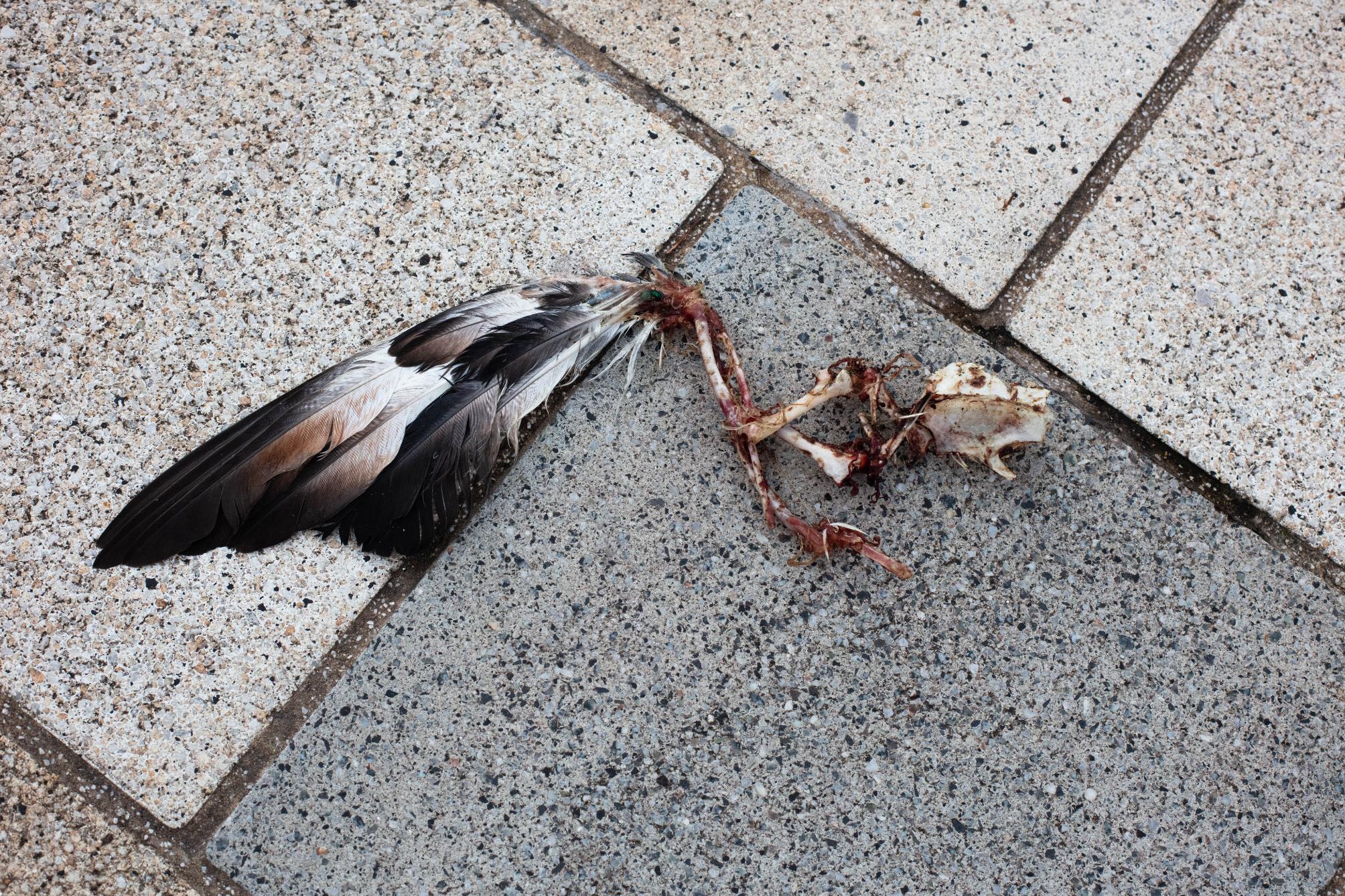
After lunch we had the opportunity to see a little of the town centre including viewing the resident male peregrine falcon as it sat high above us on the tower. Evidence of successful hunt, in the form of a dismembered wing and keel bone of a pigeon, lay, picked clean, near the statue of Gracie Fields.
Bradford 7th November
Our policy this year has been to have our meetings in places accessible by train and, though Bradford is out of the region, we felt that we should make an effort to visit the UK City of Culture 2025.
Again six members turned up and this time we welcomed two new members to our group. Susie and Janet signed up through the Events listing and fitted in well with our core members. We look forward to meeting them at future events.
After coffee and cakes at the Cake ‘Ole Café where we met, our first port of call was the excellent Impressions Gallery where the exhibitions are an fascinating snapshot of how multi-cultural Bradford has developed over the last half century and more. The exhibits include “Make Yourself at Home: Stories from Bradford” produced as a wall of snaps showing how the democratising of photography has enabled people of all classes, races and genders to capture and share their life.
Another part of the exhibition includes images of the modern city developed by the Young Curators project, where young aspiring curators have been mentored by the gallery and others, to commission work of local and national professionals to create a picture of modern Bradford.
Following our time in the gallery we had the chance to capture some of the street life of the city, and taking in the old Wool Exchange (now Waterstones), the Carloyn Mendelsohn “Hardy and Free: Portraits” display on the outside of the Kirkgate Shopping Centre. This is Carolyns project interviewing and photographic women from Yorkshire and discussing how they live.
The huge prints form a part of the project’s output and all of it can be seen and the interviews heard on the Bradford 2025 website. https://bradford2025.co.uk/hardyand-free-portraits/
Just across from these impressive images we entered Darley Street Market where some of us had lunch in the multinational food court. After lunch we had a short time to wander near the Alhambra Theatre and the streets round about.
Zoom in December and into 2026
We met via Zoom in early December to discuss our latest work. On 22nd January 2026 we will take the opportunity to visit the newly refurbished Harris Gallery in Preston and with space made available so that we can have our annual sharing of prints.
Zines
I have created zines for all the meeting held this year. They are all available on Issuu. Thank you to our members for contributing images. Details are as follows:
Manchester in March https://rps.org/news/ groups/contemporary/2025/november/cnw_ man_march/
Halifax in May https://rps.org/news/groups/ contemporary/2025/december/cnw_hal_ may/
Rochdale September https://rps.org/news/ groups/contemporary/2026/january/cnw_ roc_sep/
Bradford in November https://rps.org/news/ groups/contemporary/2026/january/cnw_ bra_nov/
Alan Cameron ARPS Regional Organiser contemporarynw@rps.org
Rochdale
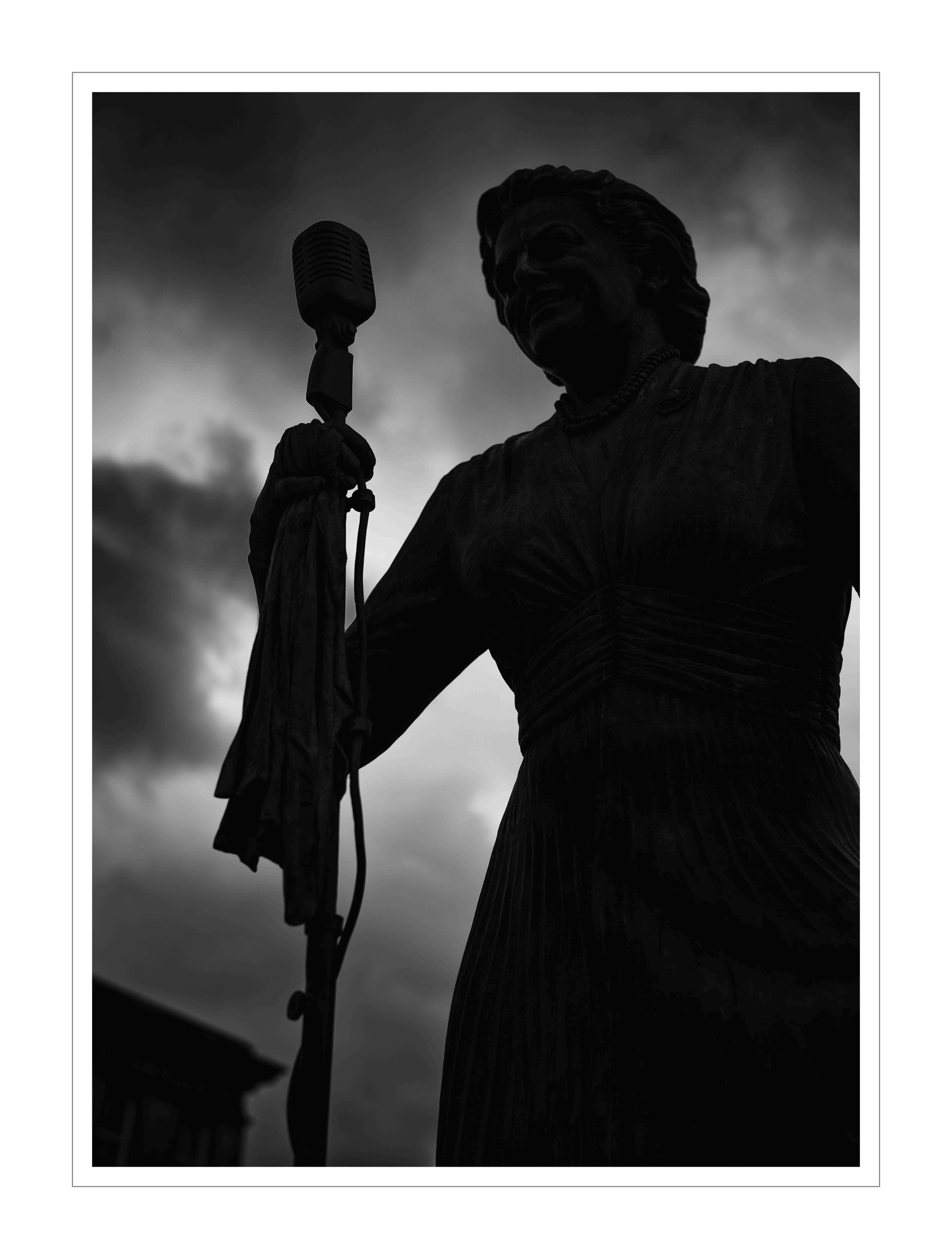
Gracie - Tim Hancock
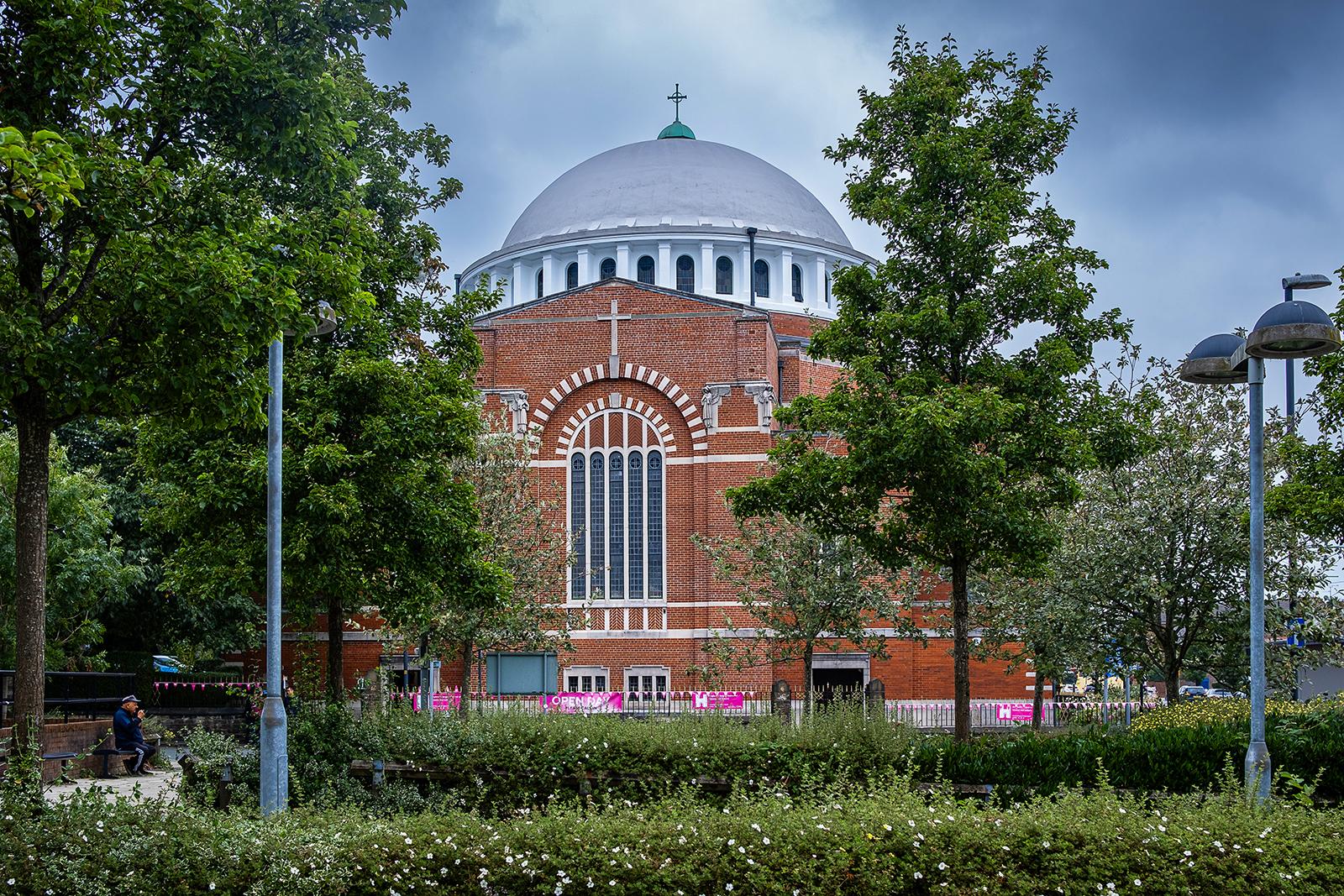
St John the Baptist RC Church - Ken Rowlatt LRPS
After the hunt - Romney Tansley
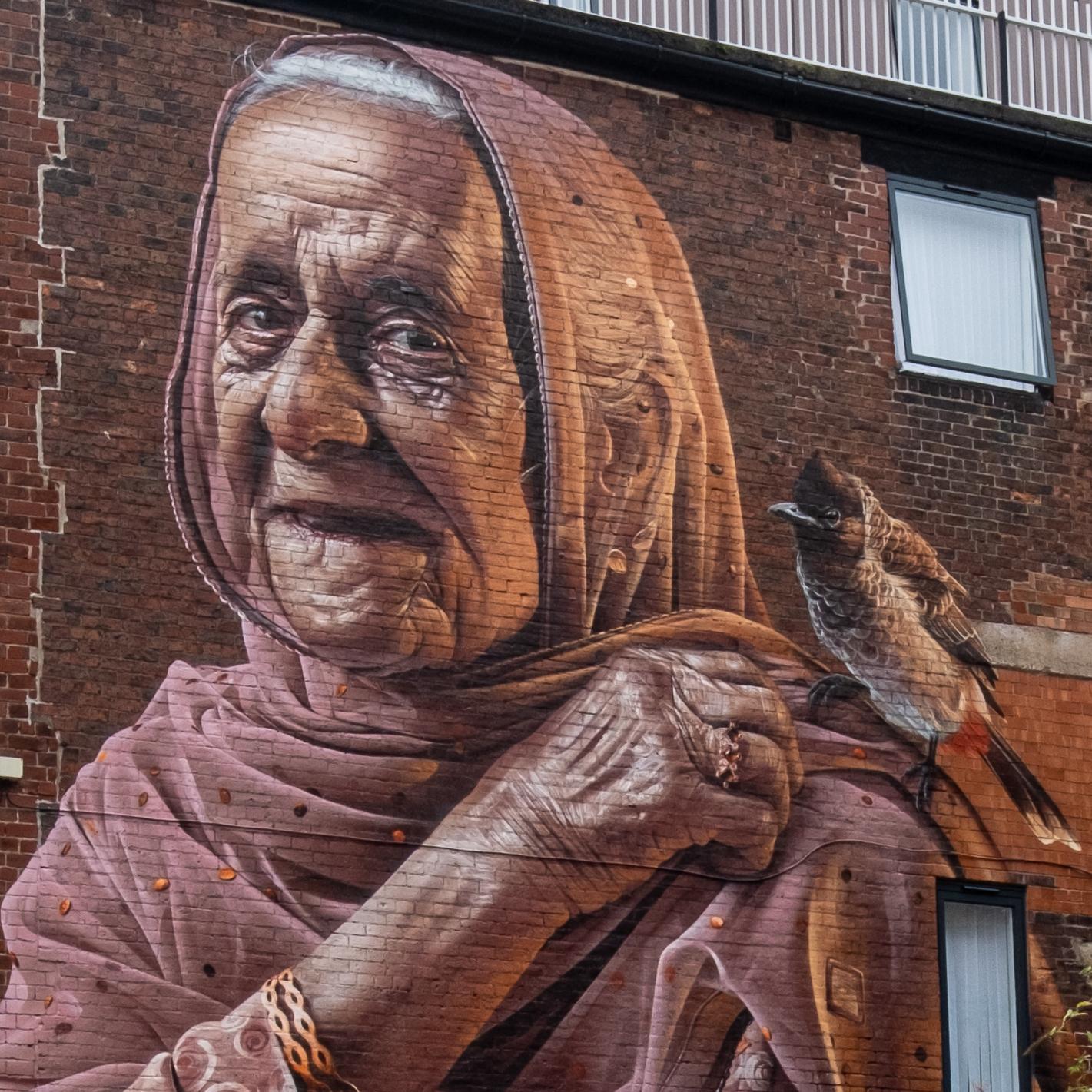
Lady and bulbul - Roger Styles
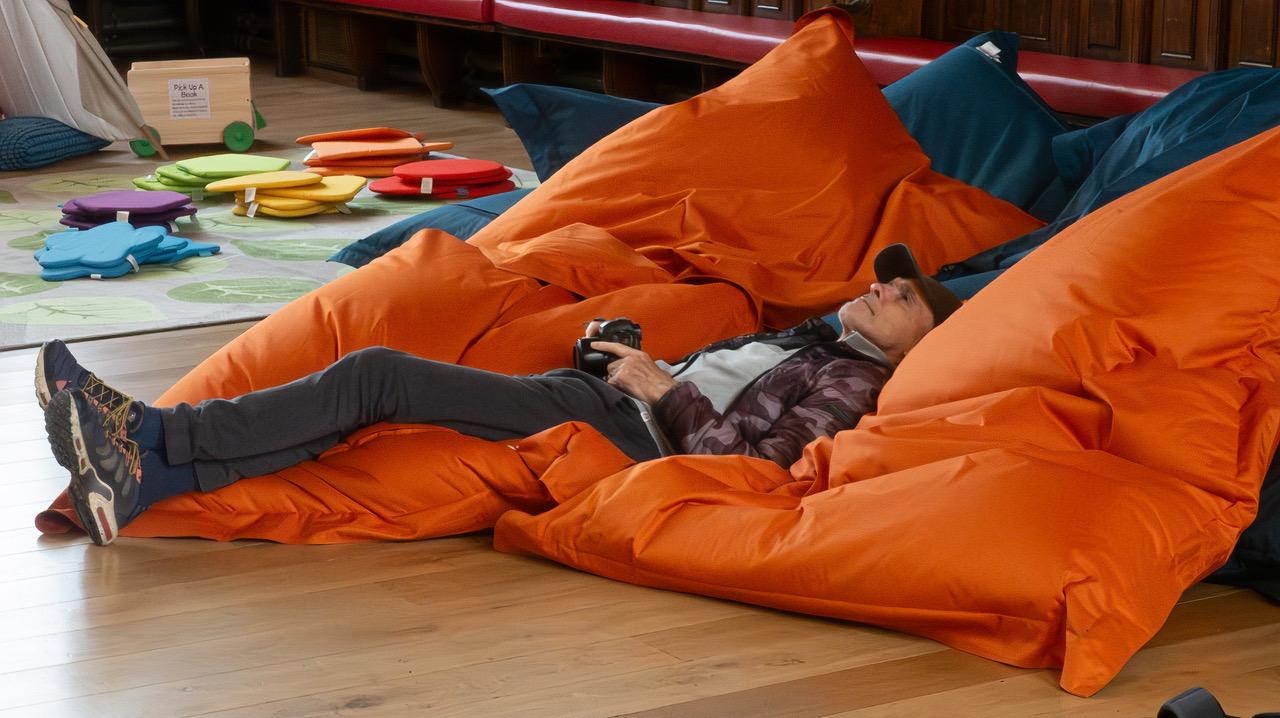
Contemplating the next image - Brian Williams ARPS
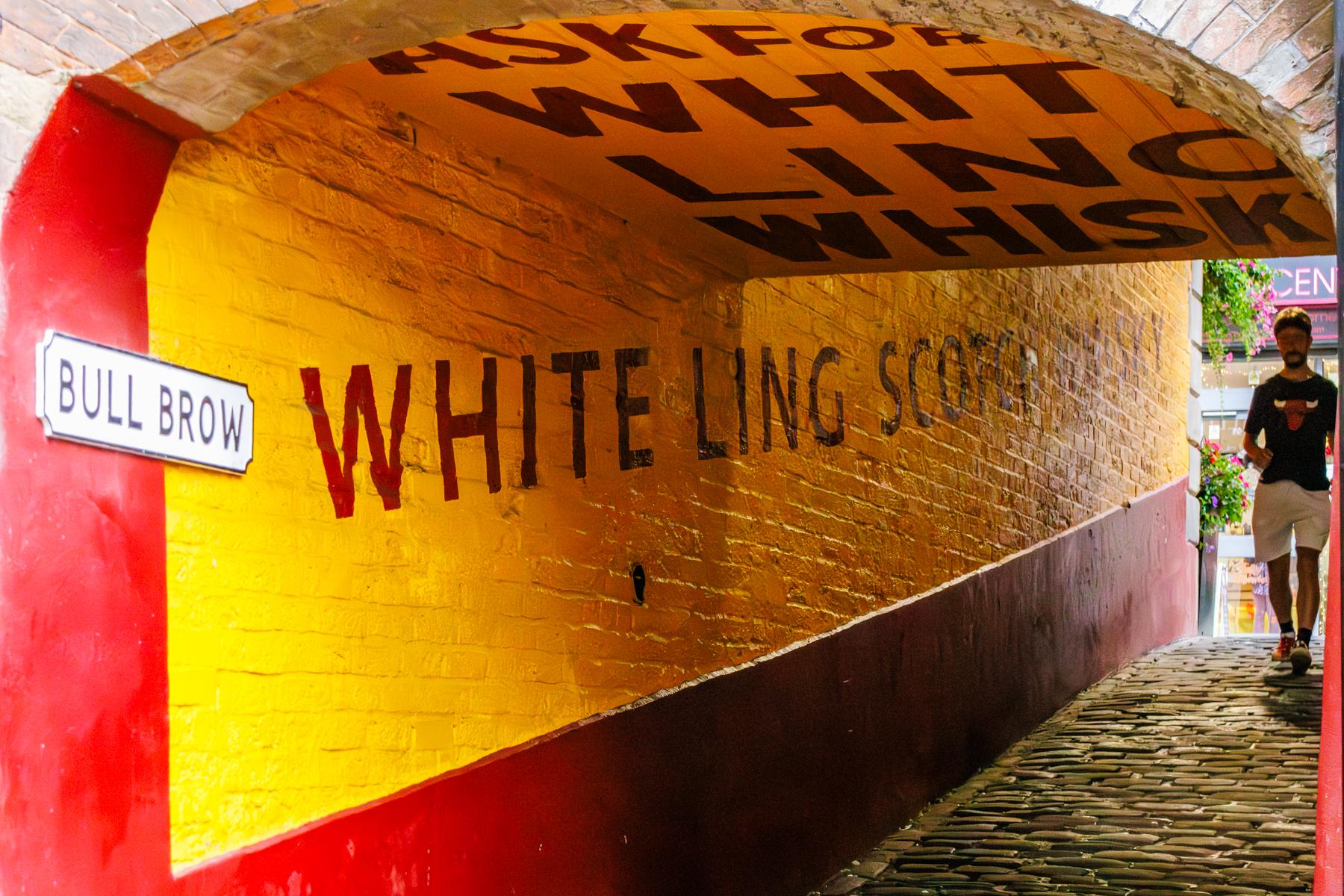
Bull Brow - Alan Cameron ARPS
Bradford
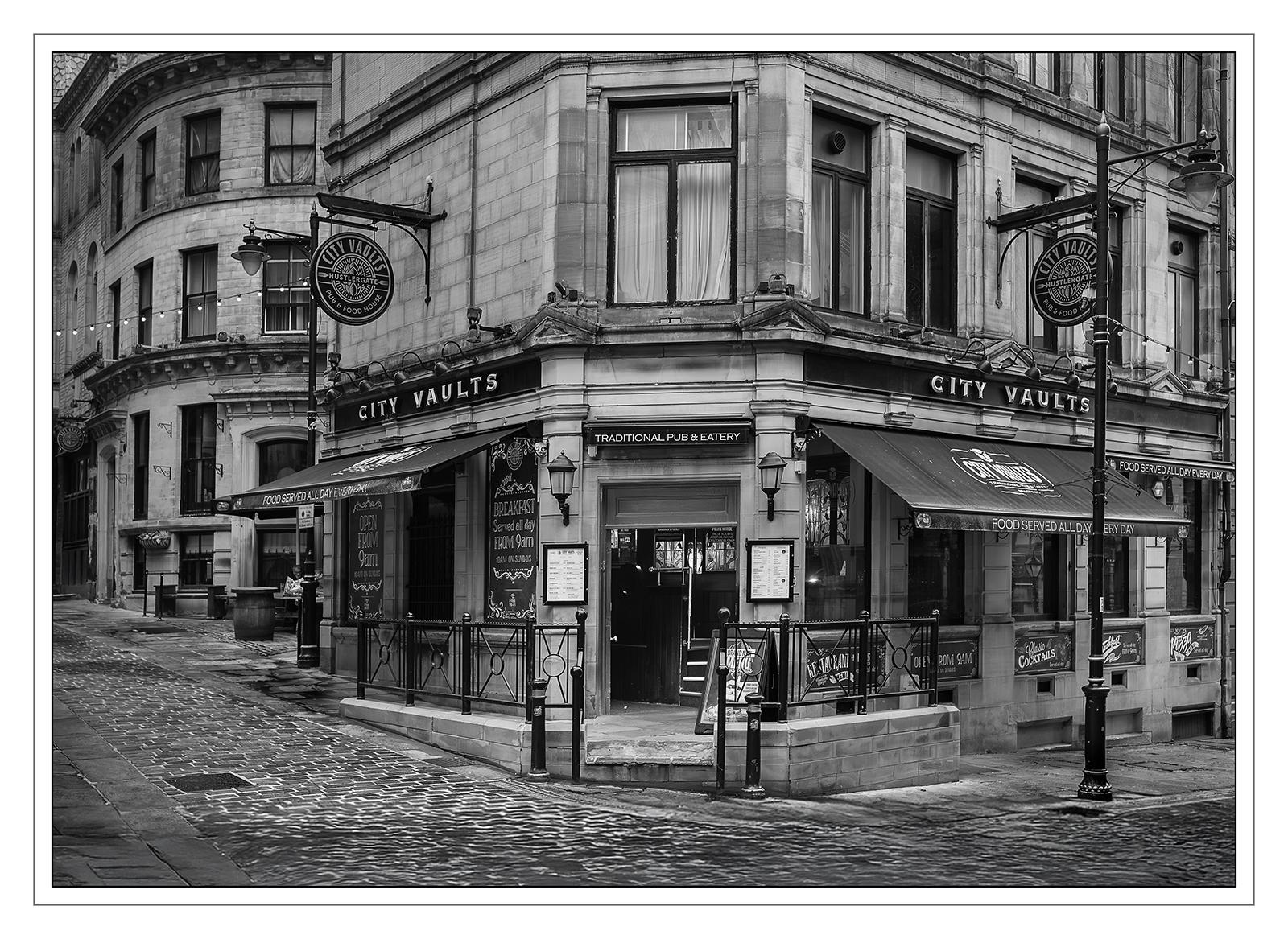
City Vaults - Ken Rowlatt LRPS
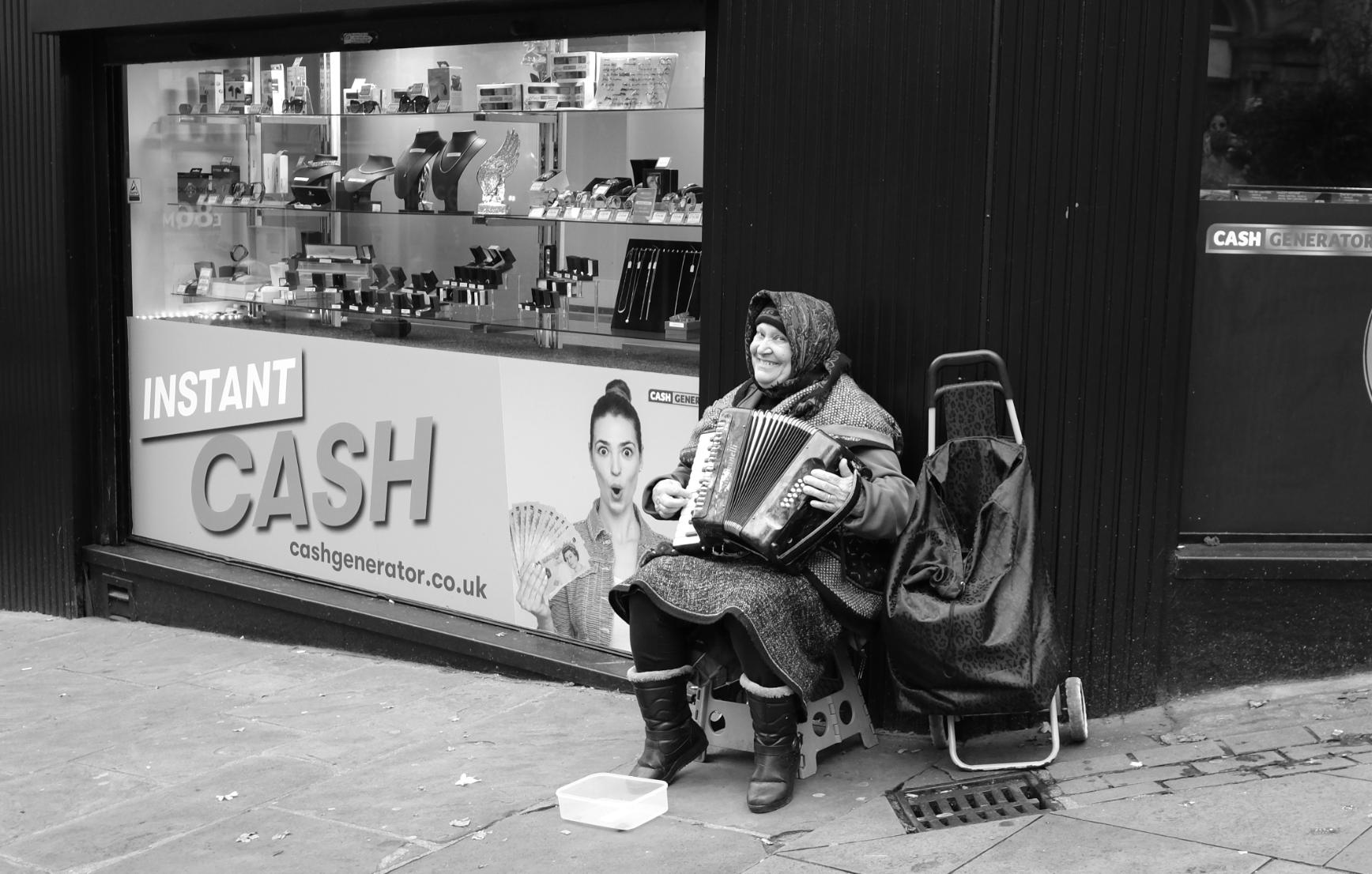
Old Lady…. - Susie Dodds
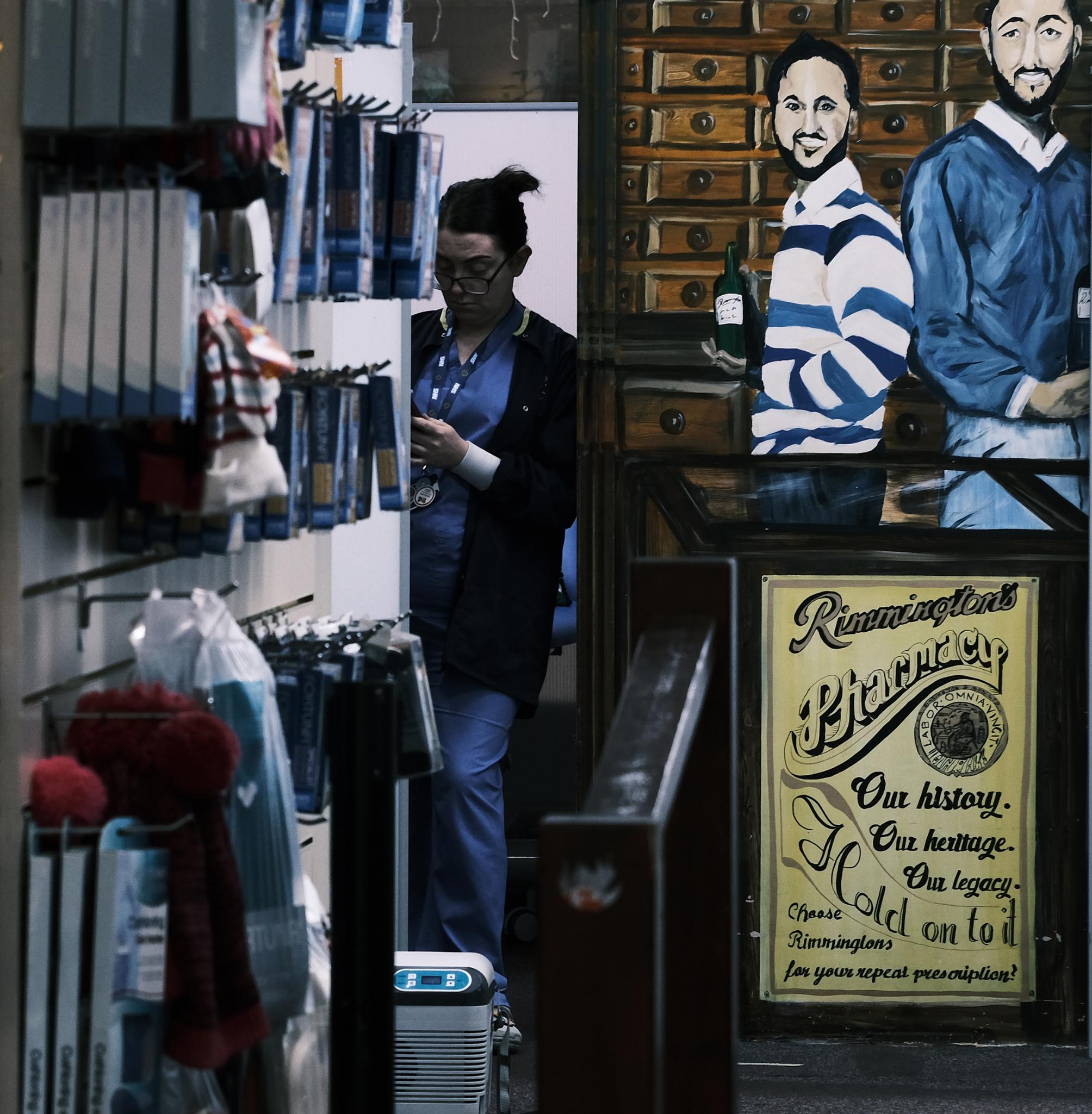
In the pharmacy - Janet Webb
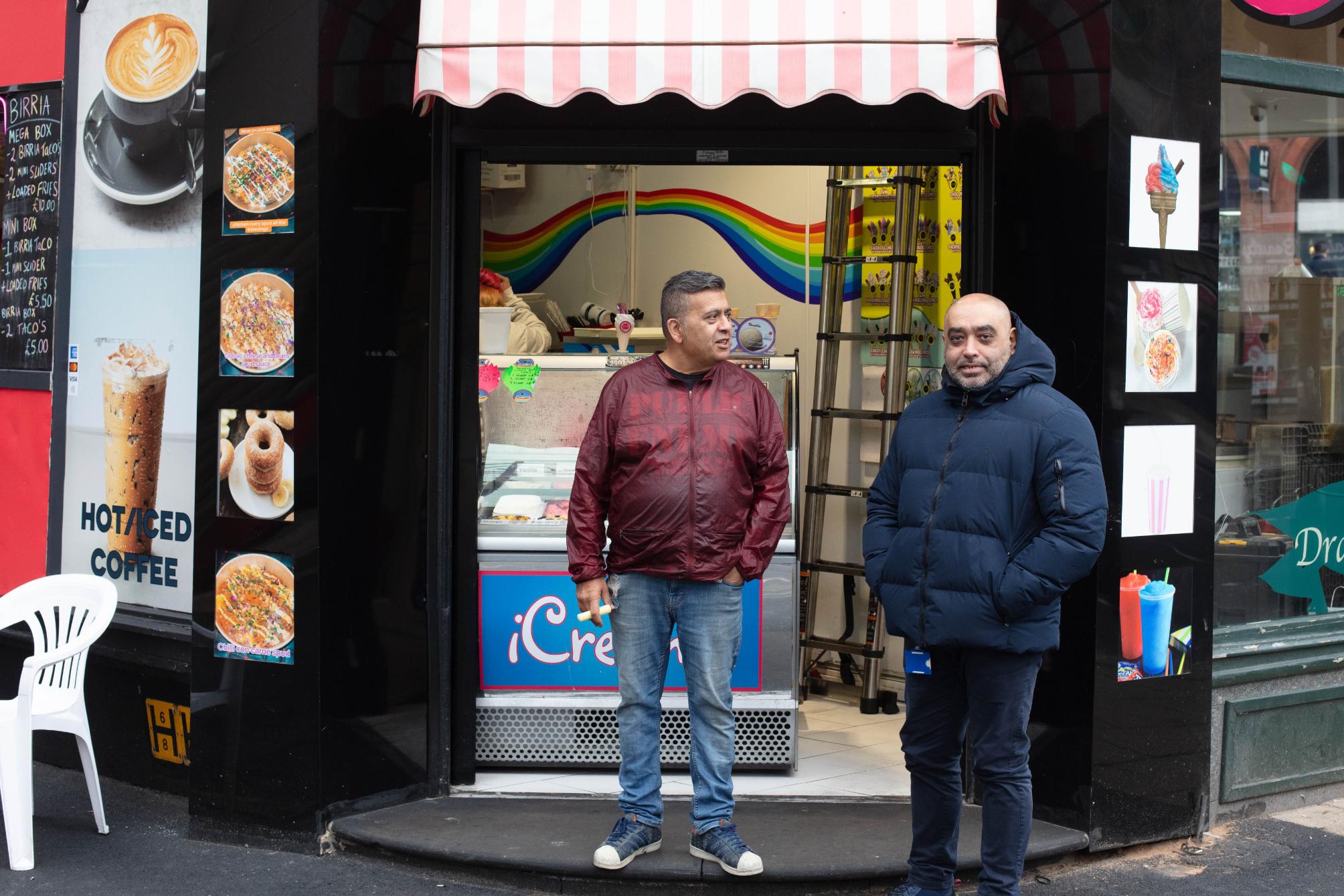
In the doorway - Romney Tansley ARPS
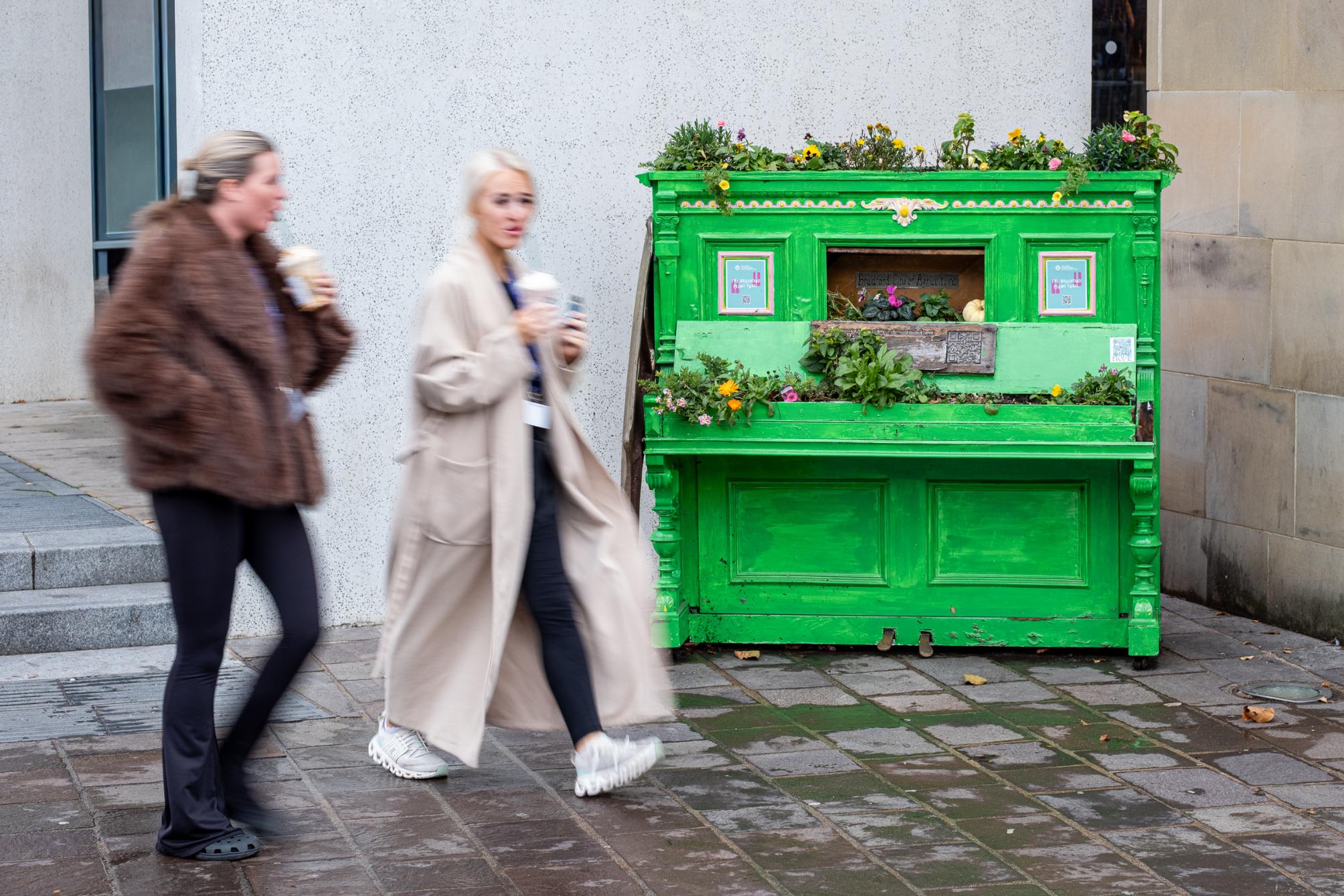
The piano - Roger Styles
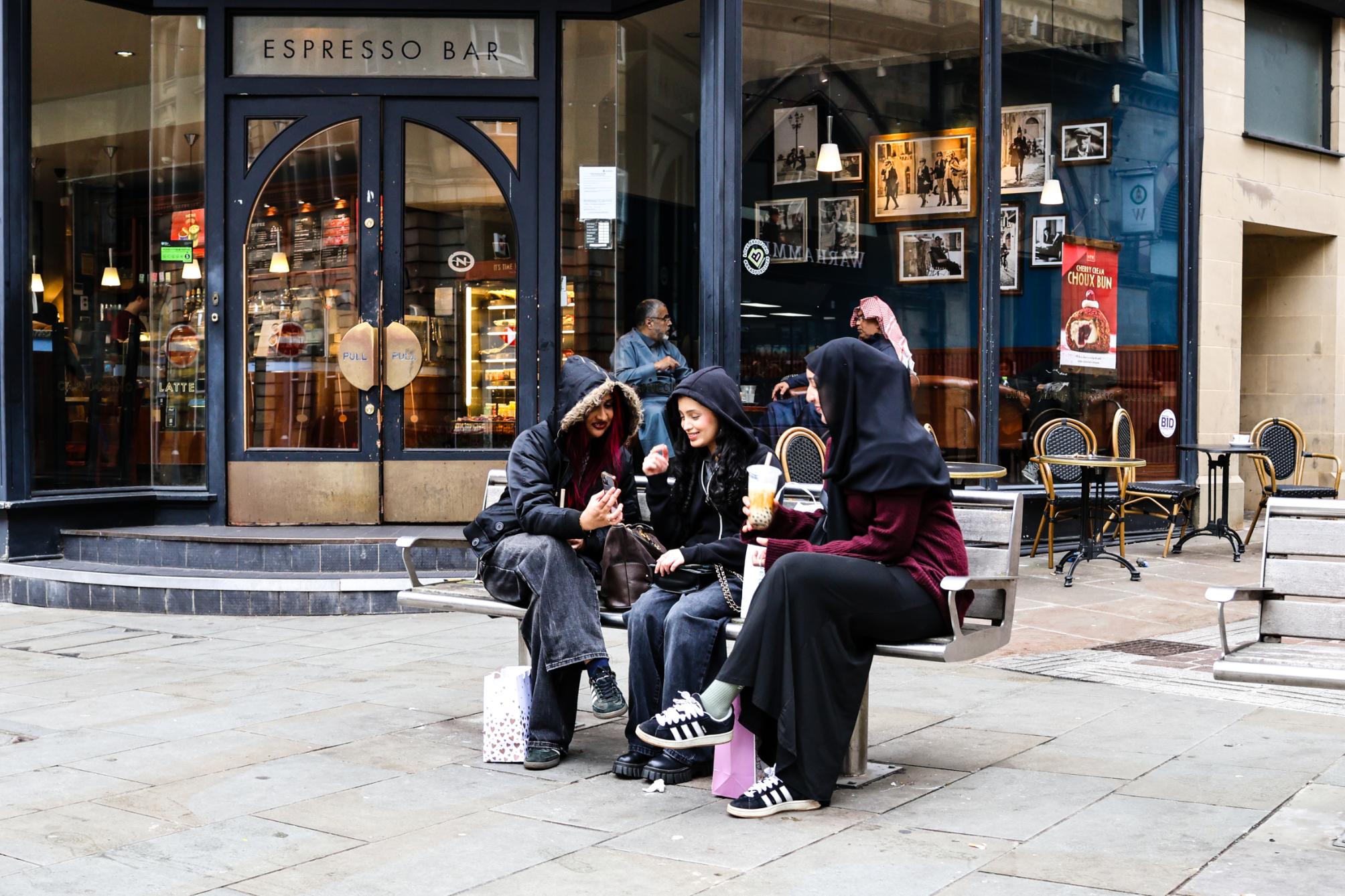
Life is good - Alan Cameron ARPS
East Anglia Activity Group
‘Return Journey’
The latest theme being explored photographically by the East Anglia contemporary group, is based on the Dylan Thomas 1947 wireless broadcast by the same name.
Some of our members have posited initial ideas on our blog https://rpseacg. wordpress.com/.
Given that most of the group are of a certain age, what Thomas referred to in the broadcast, re-visiting the place of his youth that had been destroyed by bombing, can quite literally awaken visions that were common to us in the 10-15 years after the end of World War II. Interestingly, three of us have hit upon 1972 as our return journey period. That is quite accidental but also pivotal in that is when we were all embarking on our photographic journeys.
The other poignant aspect of this project is that the world is once again teetering on the precipice of war with rather too many regional conflicts taking place that may well force wider participation
Producing the zine for this theme will be my last effort as East Anglia activity organiser. The final date for submissions is Saturday 28th February 1200hrs.
Our monthly meetings are normally on the first Thursday of a month at 1400hrs and held on Zoom.
Tom Owens ARPS East Anglia Coordinator
Next Issue
The next issue of Concept will be available April 2026
If you have any contributions you would like to have including, news, reports, reviews, publicity profiles, images, please email your ideas to Nick via email concepteditor@rps.org
Features and reports should be between 300 and 800 words please. Pictures as separate jpeg files of 1 to 2 megabytes, containing no watermarks please.
The copyright of all images and text in this issue belong to the author of the article of which they form part and may not be reproduced in any form without permission.