Bio-Based & Natural Materials: Context and Applications in Architecture







Contributors
Authors:
Kendall Claus, Lead Author
Jesce Walz, Co-Author and Editor
Design:
Jacob Williams, Graphic Design
Project Leadership:
Leigh Christy, Project Director
Kimberly Seigel, Project Advisor
External Reviewers:
Chris Magwood, RMI
Jacob Deva Racusin, New Frameworks
James Kitchen, MASS Design Group / Bio-Based Materials Collective (BBMC)
Leila Behjat, Parsons Healthy Materials Lab / The New School
Internal Reviewers:
Asif Din, Danielle Baez, Glenn Veigas, Helena Christensen, Juan Rovalo, Lona Rerick, Mady Gulon, Yash Akhouri
Innovation starts with inquiry. In our never-ending quest for knowledge, we push limits, take risks, investigate, and discover.
Perkins&Will, an interdisciplinary, research-based architecture and design firm, was founded in 1935 on the belief that design has the power to transform lives. Our research is inspired by our practice, and our practice is informed by our research.
We believe that research holds the key to greater project performance. Our researchers and designers work in partnership from project start to completion. We constantly ask ourselves, “What if?” “What’s next?” This makes our ideas clearer, our designs smarter, our teams happier, and allows us to innovate to achieve our clients' goals and further best practices in design.
www.perkinswill.com
This document relates to the following publications, which can be found at:
Bio-Based & Natural Materials: Context, Applications, and State of the Industry - Executive Summary
Bio-Based & Natural Materials: State-ofthe-Industry Survey
These and related documents can be found on our website

This report provides foundational guidance for integrating bio-based and natural materials into architectural practice. It introduces ecological, cultural, and social motivations for shifting toward regenerative material systems, situating these within the Planetary Boundaries framework and the AIA Materials Pledge. Through a clear taxonomy of material categories and technical readiness levels (TRLs), the report establishes shared language and evaluative tools for specification of bio-based and natural materials in current projects. The report also includes sourcing considerations, matrices of commercially available materials, and examples of which materials at the Commercially Available and Early Adoption TRLs may be applied to specific building assemblies. It continues by outlining considerations for assessing performance, feasibility, and supplier readiness to support informed design decisions, and it closes with a set of case studies. By pairing conceptual frameworks with practical insights, this document aims to help project teams move from awareness to confident, context-appropriate use of bio-based materials.
As the impacts of climate change, biodiversity loss, and social inequity become more visible, bio-based and natural materials are evolving from outliers to viable options in North American practice. This three-part report (Executive Summary; Bio-Based and Natural Materials: Context and Applications in Architecture; and State-of-the-Industry Survey), assesses their potential through the following lenses:
1. Introduction: Insights to support design with biobased materials, using the lens of the Planetary Boundaries framework.
2. Methodology: A taxonomy of nine material categories and five technology readiness levels.
3. State of the Industry: Synthesis of North American market availability, opportunities, and barriers for bio-based materials.
4. Interpretation: Matrices of featured materials at commercially available and early adoption stages, accompanied by sourcing and application recommendations.
Through review of materials databases, project examples, and literature, we find a sector in transition.
Demonstration projects, evolving codes (such as tall mass timber provisions and natural-building appendices), growing demand for product transparency, and regional supply initiatives are driving market momentum. At the same time, fragmented standards, limited distribution, data gaps, and conservative procurement continue to impede widespread adoption.
The near-term opportunity is to translate existing proof of concept into mainstream practice by strategically integrating commercially available bio-based and natural materials into projects today. An immediate next step involves identifying test cases and advocacy opportunities that advance new products and systems from early adoption toward scalable delivery, expanding both material diversity and supply chain capacity.
Signs of momentum: Evolving codes and procurement policies; expanding environmental impact transparency, digital material libraries, and visible demos and retrofits that de-risk adoption.
Opportunities for advancement: Standards and testing; supply chain cohesion and contractor familiarity; first-cost frameworks that acknowledge lifecycle and regenerative value.
What this report adds: A lens for material sourcing, categorization, and readiness; a comprehensive state of the industry assessment; key material summaries and substitution matrices.
How to apply the guidance in this document:
✓ Review this summary document & Key Takeaways.
✓ Survey the Materials and Products Tables and Substitution Matrices.
✓ Consider opportunities for application by building element.
✓ Identify 1–2 pilot materials to test on your next project.
Bio-based materials represent a broad and evolving family of natural building resources, from structural timber and hempcrete to seaweed panels and microbial coatings. These materials originate from living systems, may regenerate over time, and are increasingly being cultivated or processed for architectural use. In addition to being low-carbon or carbon-storing alternatives, bio-based materials, when sourced and specified with care, present new opportunities to align material choices with ecosystem restoration, healthier buildings, circular economies, and cultural context.
Material Categories:
This report introduces bio-based materials with focus on their value with respect to Earth’s Planetary Boundaries, accompanied by sourcing considerations. It then outlines key characteristics, performance traits, and ecological benefits across a set of material categories. The taxonomy builds upon the Parsons Healthy Materials Lab (HML) classification “Healthy and Regenerative” material categories (Parsons Healthy Materials Lab 2025).
The categories summarized in this report include:
Animal: Products made of animal fibers or byproducts.
Bacteria: Products that utilize bacteria.
Fungi: Products made of mycelium, the root-like structure of mushrooms.
Marine: Products that contain marinebased material.
Plant: Products made of plant fibers, residues or byproducts.
Mineral: Products derived from minerals.
Earth: Products made of earthen material (clay, soil, sand).
Biocomposite: Products made from multiple bio-based materials. Often composed of both matrix and reinforcement material.
Living Materials: Materials that employ living organisms to perform a function, including Engineered Living Materials (ELM), Hybrid Living Materials (HLM), and Living Building Materials (LBM).
This document is a beginning. It’s a foundation for integrating bio-based and natural materials more confidently into our projects and culture.
To
build on this work, we recommend the following actions:
Circulate & Gather Feedback: Engage with the teams and leadership within your sphere. Collaborate with colleagues, clients, and material suppliers to utilize, apply, and expand upon these resources.
Document Pilot Projects: Identify, support, and track projects that use bio-based and natural materials.
Advocate and Share Lessons Learned: Capture lessons learned, both technical and cultural, to build an internal evidence base and inspire further adoption. Share at industry conferences, through publications, and by participating in working groups. Advocate for code, policy, and procurement reforms that remove barriers to bio-based materials.
Develop Regional Inventories: Create bioregional material maps by identifying locally available bio-based materials, their supply chains, and any gaps. Use these to inform context-appropriate choices.
Grow the Future Archive: At an industry scale, there is a need for a centralized library of bio-based material examples, suppliers, certifications, and regional insights to support sourcing and storytelling. Libraries are currently fragmented and may not be filtered dynamically, and some are behind paywalls.
Build Supplier Relationships: Proactively engage with growers, manufacturers, and fabricators. Early conversations can reveal innovations, align expectations, and enable custom solutions.
Expand Education: Host workshops, presentations, and studio reviews to introduce material alternatives, highlight pilot examples, and strengthen confidence in specifying bio-based materials.
The material-specific terms noted below are often used interchangeably, but they’re not the same. Understanding their differences is essential for making informed material choices.
Abiotic Derived from non-living geological processes. In this report, we’ve used the more familiar term “natural” to describe abiotic materials that are abundant and regionally available, with low embodied carbon and capacity to be reused or broken down and reintroduced into natural cycles at their end-of-use.
Biological Materials derived from living organisms (plants, animals, fungi, microbes) that can participate in biological processes like growth, regeneration, decomposition, or nutrient cycling.
Bio-based materials
Bio-based synthetics and polymers
Biogenic carbon
Biophilic
Bioregional
Ecological
Fossil-based
Natural materials
Materials that are wholly or partly derived from living or recently living biological resources. This term refers to the origin of the material, not its end-of-use behavior as a product. Materials developed with bio-based feedstocks are not always biodegradable or compostable.
Materials that are partially derived from biological inputs (e.g., corn, castor oil, sugarcane, algae) and processed into synthetic forms, such as bioplastics or bio-based resins with plant-based feedstocks. These may offer meaningful health and environmental benefits over their conventional, fossil- and chemicalbased counterparts. However, they are hybrids in nature (not pure biological materials) and may not be biodegradable or recyclable.
The carbon stored in or emitted from bio-based materials. Living organisms are partially composed of organic carbon that is captured through natural biological processes. When used responsibly, bio-based products can contribute to their own “carbon pools” over time, storing carbon alongside natural pools like soil and belowground biomass (U.S. EPA 2020).*
Fostering a connection to nature and support human well-being by engaging in our senses or referencing natural patterns, textures, or cycles. Biophilic design and materials do not necessarily include biological elements.
Sourced, processed, and applied within a local ecological context, using what’s available in and appropriate to the surrounding bioregion.
Materials developed or used in ways that minimize harm to ecosystems and ideally support biodiversity, resource regeneration, and climate resilience.
Derived from organic matter that comes from a geological reserve of ancient carbon. Fossil-based materials have been removed from rapidly renewable biological cycles for millions of years and are finite.
Materials that occur in nature and can be used with minimal processing or chemical alteration but are not bio-based. These materials have their own cycles. For example, earthen materials can be broken down and reintegrated into mineral soil or reused as raw material. Lime gains strength over time and can self-heal minor cracks due to the carbonation stage of the “lime cycle,” reabsorbing CO₂ that was produced during calcination. However, not all natural materials are automatically low-impact or regenerative, as some require extensive excavation, heat, chemicals, or other intensive manufacturing inputs.
Regenerative
Materials or systems that have net-positive benefits for environmental and human well-being across their entire life cycle. Where sustainability aims to reduce harm, regeneration seeks to restore and revitalize living systems. This is a shift from efficiency to reciprocity; from doing less bad to doing better.
Table 1: Key Terms and Definitions * NOTE: Per the US EPA, “Timber Products in Use” account for ~3% of total carbon stored across forest carbon pools; this “product based” pool continues to grow as wood products enter and remain in use (U.S. EPA 2020). More information is also available in Tsay Jacobs et al. 2023, pages 20–21.
Between 1900 and 2000, the share of biobased, renewable materials in U.S. construction declined from 41% to just 5% (Matos 2022).
This dramatic reduction reflects a fundamental shift in how materials are sourced, manufactured, and specified, and it has far-reaching implications for carbon emissions, ecosystem health, and resource use.
For much of human history, buildings were constructed from what was available locally: timber from nearby forests, clay from riverbeds, stone from the earth beneath one’s feet, and fibers from plants or animals. These materials were renewable, embedded in seasonal and ecological cycles, and shaped by local climate and cultural practices (International Living Future Institute (ILFI) and Grable 2023, 7). Design was shaped by the limits and affordances of place. Construction was inherently tied to the land, and materials were often reused or returned to the environment at their end-of-use.
But along the way, we’ve increasingly separated ourselves from nature; we have forgotten a relationship with the natural world.
Over the course of the 20th century, industrialization and mechanization transformed the material palette of buildings (Figure 1). Materials have shifted dramatically from renewable, bio-based materials to industrial, fossil-fuel-dependent ones, such as concrete, steel, and plastics. While this transition enabled rapid construction, it also decoupled material choices from place, replacing local craft and vernacular with centralized manufacturing and global supply chains (Hebel and Heisel 2017; Matos 2017). By the end of the century, biological materials accounted for just 5% of construction inputs, while petrochemical-based and extractive materials dominated (Center for Sustainable Systems 2024).
Global construction remains unsustainably dependent on finite resources such as steel, cement, and petrochemicals, underscoring the urgency of transitioning to cultivated and renewable alternatives. Cultivated resources are an urgent necessity; they extend beyond substitution to offer systemic benefits through carbon storage, renewability, and support for local economies .
― Paraphrased from Hebel and Heisel (2017)
Today, we spend most of our time indoors (approximately 90%), according to studies conducted in Europe and the US (Roberts 2016). Most people don’t know where their food comes from, and even fewer know where their building materials come from, how they’re made, or who and what they affect due to supply chain complexity and lack of transparency (CFANS, University of Minnesota 2022; Wolf 2024).
The built environment has become one of the largest global contributors to carbon emissions, biodiversity loss, and resource depletion (Intergovernmental Panel on Climate Change (IPCC) et al. 2023). The construction sector generates half of the world’s raw-material extraction and landfill waste (SynBioBeta 2024). Industrial materials are also a major source of indoor air pollutants and hazardous waste. Simultaneously, the decline of renewable materials has displaced traditional knowledge systems and practices that maintained closer ties to ecosystems (International Living Future Institute (ILFI) and Grable 2023, 10). As the Harvard Graduate School of Design observes, the petrochemical shift “displaced not only ecological building practices, but the cultural and social relationships embedded in those practices.” Reclaiming biological materials thus offers a way to rekindle these connections, both environmental and human (Sykes 2024).
Petrochemical-based materials are commonly used in insulation, flooring, adhesives, paints, and finishes, and contribute disproportionately to both embodied carbon and indoor air pollution. Of the nine indoor air pollutants most harmful to human health, six are linked to Volatile Organic Compounds (VOCs) from petrochemical-based building products (RMI, 2024).
And while reusing petrochemical-based materials can ease the burden of their climate impacts, the more lasting pathway lies in switching to bio-based alternatives that reduce dependence on petrochemical inputs altogether (Peltier et al. 2023).
NOTE: Not all bio-based products are inherently healthy. As the Rocky Mountain Institute notes, bio-based materials that don’t have resins, wood glues, and solvents emit lower VOCs than petrochemical alternatives” (Peltier et al. 2023).
This dramatic shift in material use has had profound consequences. The Planetary Boundaries Framework, developed by the Stockholm Resilience Centre, outlines nine critical Earth system processes that maintain the planet’s stability and resilience (Figure 2).
As of 2025, humanity is operating beyond safe thresholds in seven of these nine critical systems.
These include climate change, biosphere integrity, land system change, ocean acidification, and the proliferation of novel entities such as persistent toxins and microplastics (Stockholm Resilience Centre 2025).
1. Climate Change: Excessive greenhouse gas emissions (GHGs) trap heat, altering climate systems.
2. Change in Biosphere Integrity: Biodiversity loss and ecosystem decline undermine Earth’s regulatory stability.
3. Land System Change: Deforestation and land conversion degrade ecosystems and reduce carbon/moisture cycling.
4. Freshwater Change: Human overuse of water systems exceeds safe limits and alters climate-ecology links.
5. Modification of Biogeochemical Flows: Excess nutrients from agriculture (Nitrogen & Phosphorus) disrupt global nutrient cycles and ecosystems.
6. Ocean Acidification: CO₂ absorption lowers the ocean’s pH, threatening marine life and weakening the ocean’s carbon sink.
7. Increase in Aerosol Loading: Airborne particles from pollution affect climate and ecosystems.
8. Stratospheric Ozone Depletion: Thinning ozone layer increases harmful UV exposure, but recovery is underway.
9. Introduction of Novel Entities: Chemicals, materials, & GMOs disrupt ecosystems and earth’s functions.
Some of the most critical Planetary Boundary (PB) drivers, such as fossil fuel combustion, land use change, overharvesting of biomass, and nitrogen cycle disruption, are closely tied to material sourcing and manufacturing practices. These activities impact greenhouse gas emissions as well as freshwater use, chemical exposure, and biodiversity loss (Ellen MacArthur Foundation 2021). An overview of PB drivers and their connections to building materials is included in Figure 3.
Boundaries Framework, Stockholm Resilience Center (Sakshewski et al.
Figure 2: Planetary Boundaries framework, Stockholm Resilience Center (Sakschewski et al. 2025). Transgressed boundaries are highlighted in the text above.
The ecological limits within which humanity can safely operate, such as climate change, biodiversity, and land use, which material choices directly and indirectly affect.
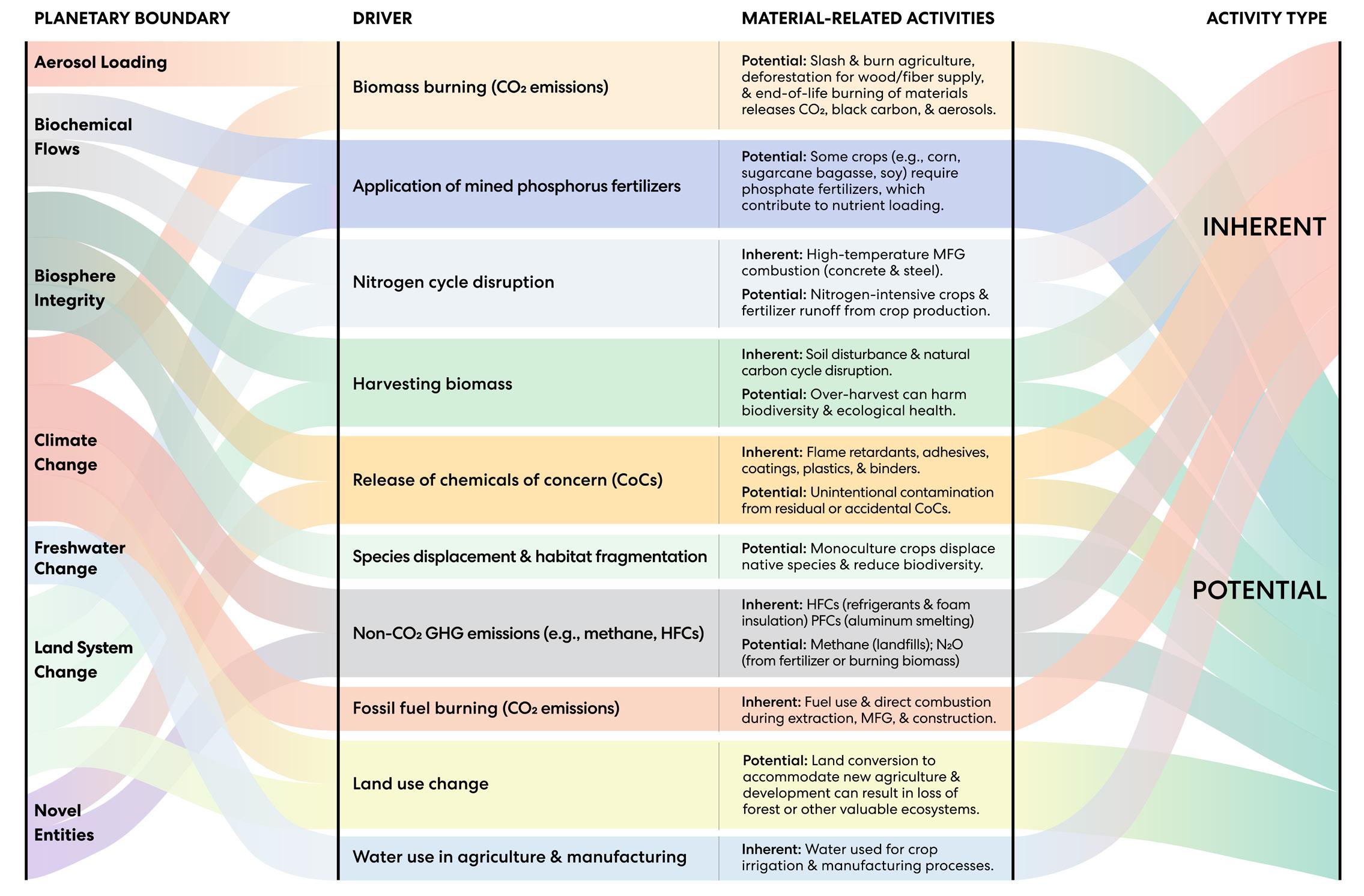
These boundaries are deeply interlinked; pressure on one likely cascades into others. Building materials, and the global systems that extract, process, transport, and discard them, sit at the nexus of these planetary boundaries.
Directly, materials contribute through raw material extraction and industrial processes that emit greenhouse gases, disturb land and water systems, and release persistent pollutants. Energy-intensive production methods for cement, steel, glass, and petrochemical-based plastics drive both climate change and the proliferation of novel entities such as microplastics and synthetic chemicals. The use of chemical additives, solvents, and coatings further compounds these effects, impacting human and ecosystem health long after installation or disposal.
Indirectly, the material economy amplifies planetary stress through sprawling supply chains, fossil energy consumption, deforestation, and inequitable labor practices. Land cleared for extraction or monoculture feedstocks alters biogeochemical flows and reduces carbon storage, while distant, opaque supply chains conceal social and ecological costs. Even materials marketed as “low carbon” can shift burdens elsewhere if sourcing or disposal practices are unsustainable.
Addressing our PBs as a system demands a holistic rethinking of how we source, produce, and reuse materials. Due to their interconnectedness, this means that addressing one PB depends on parallel attention to others as they are likely to affect one another. Sometimes this can be positive. For example, bio-based materials can contribute to crucial goals like reducing climate change impacts. In time, reducing atmospheric carbon would also reduce ocean acidification and support biosphere integrity, as these PBs are respectively affected by CO₂ absorption levels and changes in climate.
Selecting materials with reduced carbon impacts remains a strong priority, yet it cannot be treated as a standalone priority. Most biological materials, even those composed of waste inputs, are associated with some form of harvest and land use. Therefore, responsible sourcing is essential to ensure that material cultivation and harvest do not lead to long-term depletion of forests and other carbon-storing landscapes.
Bio-based materials must be sourced and stewarded in ways that restore ecosystems and support well-being and restoration of Planetary Boundaries rather than replicating extractive practices. As demand for these materials increases, it is crucial to anticipate and mitigate risks.
“It is important to consider the potential environmental impacts from land use change caused by rapidly growing demand for bio-based materials and work to establish responsible sourcing systems [that maintain ecological balance].”
― Peltier et al. 2023
To minimize such risks, sourcing should follow a hierarchy of bio feedstocks that prioritizes:
1. Residues and waste from existing systems,
2. Coproducts from food and fiber crops, and
3. Purpose-grown materials cultivated responsibly for building use.
This hierarchy helps reduce the likelihood of feedstocks that require land use change or compete with food production, supporting ecological integrity and social equity as the sector grows. (Göswein, Arehart, Pittau, et al. 2022).
Beyond a baseline standard of sustaining a landscape’s carbon cycle over time, the impacts of bio-based materials become more complex. While bio-based materials often have lower carbon impacts than conventional materials, business-as-usual forestry and agricultural practices contribute to several of the other PBs beyond climate change (Figure 3). When approached holistically, a shift to bio-based materials coupled with efforts to increase regenerative land management practices has potential to deliver co-benefits across climate, health, equity, and ecosystems. These can occur via growing practices that support biodiversity, conserve water, omit hazardous pesticides, reduce tilling and runoff, and more.
Even when using agricultural byproducts like straw or husks, teams must be mindful that these feedstocks can still be entangled with industrial agriculture systems that degrade soil, water, and community health. Although using these byproducts for building materials is a better outcome than burning them or using fossil-based products, truly regenerative sourcing of byproduct streams may expand to influence better practices in primary crop cultivation.
Resilience depends on diversity and place-sensitivity. Relying too heavily on any single bio-based feedstock, even one with strong climate benefits, can drive overharvesting, monoculture, or displacement of other critical land uses (Pomponi et al. 2020). A diversified portfolio of materials, tuned to regional ecologies and supply chains, is more likely to maintain ecological integrity over time. Approaching materials through this lens opens pathways to restore rather than deplete, measuring success by what is returned to living systems.
Importantly, acknowledging ecological limits does not mean demanding perfection or exceptional performance from biobased materials.
While many bio-based material producers already prioritize ecologically supportive practices, it is important to note that bio-based materials’ regenerative potential can lead to a skewed standard of exceptionalism: an expectation that these materials must always prove exceptional to merit their use.
This expectation persists even as the building industry continues to specify fossil- and mineral-based materials whose direct and indirect impacts include deforestation, contamination of air, soil and water, greenhouse gas (GHG) emissions, habitat loss, displacement of people, and the spread of disease (Adator and Li 2021; Giljum et al. 2022; Haddaway et al. 2022).
Given this dichotomy, evaluation of materials’ contexts (for example, origin, supply chain, and social-ecological conditions) may help to determine an appropriate path forward. In the case of readily available conventional products, like framing lumber, established certifications like Forest Stewardship Council (FSC) may be available to offer reliable baselines for responsible sourcing. Meanwhile, emerging products like straw panels, mycelium composites, or wood fiber insulation, may only be available through limited supply chains or smaller suppliers, or may come from waste streams. In each case, expectations for regenerative land-use practices should be carefully weighed against the relative impacts of the conventional materials that would otherwise be specified.
To achieve a shift towards regenerative material sourcing, a “both / and” approach pairs pragmatic adoption with long-term transformation to simultaneously practice the following:
Engage directly. Build transparent relationships with suppliers and fabricators. Understand their sourcing methods, and the risks and benefits associated with specific material types. Advocate for improvements in a supportive and informed way.
Acknowledge value. Advocate for project pricing structures that reflect the true ecological and social costs of production, ensuring that suppliers who invest in restorative resource management are compensated fairly.
Begin the shift. When specifying new materials, prioritize bio-based and natural alternatives that displace extractionbased, high-emitting products, selecting the most regenerative options available within the project’s context.
Bio-based materials offer a promising path forward, particularly when they are sourced responsibly, integrated with regional supply chains, and screened for potential harm in comparison to regenerative potential. If designed and deployed thoughtfully, they can ease environmental pressures over time while supporting healthier ecosystems, fairer economies, and climate-positive outcomes, enabling design that operates within Planetary Boundaries, rather than beyond them (International Living Future Institute (ILFI) and Grable 2023, 16).
“Regenerative materials and products are safe for our bodies and ecosystems, sequester carbon emissions from the atmosphere, create great jobs that sustain families and communities, and enable local economies to thrive.”
Lindsay Baker, ILFI (Grable et al. 2024)
The materials we choose are among the most powerful levers for shifting our industry toward a regenerative future. To realize this potential, we must change not only what we specify, but how we think about materials altogether. For much of modern practice, materials have been viewed as neutral commodities, evaluated for cost, performance, and aesthetics, but rarely for their relationships to the living systems that sustain them. A regenerative mindset reframes materials as active participants in those systems, capable of healing ecological damage, strengthening communities, and restoring the cycles of carbon, water, and nutrients that make life possible.
Designers are uniquely positioned to reimagine these relationships. Every design decision, including how a product is sourced, fabricated, installed, and reused, has the potential to shift the system in which it operates.
When viewed through this lens, the role of the designer expands from problem solver to steward, working in partnership with materials, makers, and place to generate positive ecological and social outcomes and strengthen local economies (International Living Future Institute (ILFI) and Grable 2023, 28–29). In many contexts, bio-based materials are also culturally regenerative, reinforcing existing continuity or rebuilding material literacy and reconnecting production with place by making visible the relationships between landscapes, craftspeople, and the built environment (Göswein, Arehart, Phan-huy, et al. 2022; Magwood et al. 2025). Rather than emphasizing efficiency or harm reduction alone, regenerative practice centers on reciprocity, recognizing the value of materials that are not just extracted and used, but cultivated, renewed, and reintegrated.
“By
aligning construction with cycles of growth, harvest, and renewal, cultivated resources restore regenerative logics absent from conventional materials.”
― Hebel and Heisel 2017
This perspective underscores that bio-based and natural materials are more than lower-impact substitutes; they are pathways to re-embed building practice within living ecological cycles.
Regenerative practice also requires shared language and strategic frameworks. The AIA Materials Pledge provides one such framework (Figure 5), helping translate values into actionable pathways. Its five interdependent categories reflect the nested systems that connect materials to planetary boundaries and human well-being.
Together, they invite designers to move from linear, singleimpact metrics to holistic evaluation:
1. Human Health: How can materials contribute to environments that nurture, not harm, human bodies and minds? Are materials free of toxic inputs?
2. Climate Health: How might materials store carbon, reduce emissions, and strengthen resilience?
3. Ecosystem Health: How can sourcing and manufacturing regenerate soil, water, and biodiversity?
4. Social Health & Equity: Whose hands and lands are affected by these materials, and how can that impact be just and empowering?
5. Circular Economy: How can materials be designed for ongoing cycles of use, adaptation, and renewal?
Our series of Carbon and Health reports, co-developed with Habitable, provides valuable frameworks for evaluating the carbon and health impacts of common material types.
Much like the Planetary Boundaries, the five categories of the AIA Materials Pledge are mutually reinforcing. Materials that support climate health may also benefit ecosystem and human health, circular economy, and social health and equity.
For example, strawboard or timber sourced from ecological forestry practices can reduce emissions, provide safe indoor air, and create jobs in regional economies. Ethically harvested seaweed or eelgrass supports both marine ecosystems and coastal livelihoods. Other materials, such as wool, cork, or clay plasters (in their raw form) are naturally non-toxic, biodegradable, and low in embodied energy compared to industrial alternatives. These qualities reduce risks associated with petrochemical production and disposal, while creating healthier indoor environments (Dams et al. 2023).
In addition, regenerative materials are central to a circular economy: They have great potential to extend product lifespans through reuse, repair, and recovery, or to safely return to the biosphere at end-of-use. Products like compostable mycelium panels, reusable clay finishes, or modular assemblies minimize waste and help construction mimic ecological cycles by keeping materials and nutrients in productive use (Gravis and Pinckston 2024).
The most regenerative materials align across multiple impact areas, reshaping not just what we build with, but how we participate in systems of production and stewardship. Bio-based and natural materials have the potential to simultaneously support all five areas of commitment. Additionally, tools like Mindful Materials’ Common MATERIALS’ Framework (CMF) provide an entry point into understanding and taking action on each area of commitment (Mindful Materials 2025). See the Tools & Resources section of the Appendix for additional information related to the underlying structure and common language for the Pledge’s reporting framework.
Connect specification to stewardship. For every bio-based product, note one way it supports social or ecological regeneration (e.g., jobs, biodiversity, soil health…).
In practice, “regenerative design requires applying integrated thinking and considering the linkages between design, production, use and end-of-use of materials.”
― Christina Raab, Cradle to Cradle Products Innovation Institute (International Living Future Institute (ILFI) and Grable 2023, 79)
For designers, adopting the AIA Materials Pledge means adopting a place-based and systems-aware lens. Material selection becomes a lever for systemic change: a chance to move from extractive relationships with land and labor toward reciprocal ones. Each material choice shapes more than a building, it influences climate, culture, ecosystems, and communities. By choosing regenerative materials, architects and designers can help shift the construction industry from one of the planet’s largest extractive forces into an engine for repair and renewal.
nj Avoid toxic inputs and additives (e.g., harmful resins, preservatives, coatings, adhesives); prioritize materials that maintain healthy indoor air quality.
nj Confirm non-toxic processing and finishing to eliminate harmful emissions throughout installation, use, and end-of-use.
nj Evaluate moisture behavior and mold risk to ensure assemblies contribute to occupant well-being.
nj Assess embodied carbon holistically: include cultivation/harvesting, processing, transportation, and end-of-use impacts in addition to sequestration potential.
nj Source regionally to reduce transport emissions and support bioregional material cycles.
nj Favor low-energy processing and ambient-temperature manufacturing (especially for mycelium, bacterial, earth-based systems, and minimally processed minerals).
nj Understand the ecological dynamics of feedstocks: confirm responsible land management, aquaculture, mining, and harvesting practices.
nj Avoid materials linked to habitat loss, biodiversity decline, or land-use change, even when they are bio-based.
nj Align material choices with regional ecologies, using resources that are suited to local climate, soils, and landscapes.
nj Verify labor conditions and supply-chain ethics in agriculture, forestry, mining, aquaculture, quarrying, tanning, or fabrication, sectors with known risks of unsafe or exploitative labor.
nj Engage local and community-based producers where possible to support fair economic participation and culturally rooted practices.
nj Seek transparency from suppliers, especially when working with new, proprietary, or early-stage materials.
nj Design for disassembly, repair, reuse, or composting using reversible connections and simple layered assemblies.
nj Prioritize materials that remain recyclable or biodegradable by avoiding synthetic binders, mixed hybrids, and irreversible coatings.
nj Support residue- and waste-based products that turn agricultural, forestry, food, or industrial byproducts into durable resources.
Architectural materials can be broadly divided into three groups, those derived from living systems (biological), those originating from geological systems (abiotic) and those produced from finite petrochemical or synthetic sources (petrochemical). This report focuses on:
Biological materials are derived from organisms that grow, regenerate, and decompose within human timescales. These are a part of the biosphere
Abiotic materials are derived from non-living geological processes. These provide physical support and essential nutrients to life on earth, and are a part of the lithosphere
These realms are intertwined: biological systems rely on abiotic materials, breaking them down for essential nutrients and relying on them for structure. In turn, biological components mix with eroded rock to create fertile soil and biological process modify the form of the lithosphere over time (National Geographic 2025). By incorporating both biological and abiotic materials, we acknowledge that regenerative design leverages the strengths of our planet’s biosphere and lithosphere.
Biological materials hold potential to align with living systems when applied with care. They bring new design possibilities, constraints, and responsibilities. Biological materials vary widely in performance, maturity, and aesthetics, but they share common threads:
nj They are renewable, often grown in months or years rather than millennia.
nj They can be carbon-storing through photosynthesis and soil regeneration.
nj In their raw form, they are typically “healthy,” free from persistent toxins and harmful chemicals.
nj Many are circular, compostable, biodegradable, or able to be re-purposed.
Earth- and mineral-based materials complement biological ones by offering durability, thermal stability, and regional specificity. They vary in performance based on their composition and application, are typically:
nj High in thermal mass, moderating temperatures by absorbing and slowly releasing heat.
nj Low in embodied carbon, especially when minimally processed and locally sourced.
nj Durable and fire-resistant, often with excellent moisture and pest resistance.
nj Often abundant and regionally distinctive, supporting vernacular practices.
NOTE
In this report, these two categories are referred to more generally as bio-based and natural materials.
To navigate the wide diversity of bio-based and natural materials, we use a taxonomy that builds on the Parsons Healthy Materials Lab (HML) classification of “Healthy and Regenerative” materials (Parsons Healthy Materials Lab 2025). The HML framework organizes these materials into seven categories (five biological and two abiotic), each with distinct opportunities and constraints: animal, bacteria, fungi, marine, plant, earth, and mineral.


This report focuses on these seven core material types (Figure 7). In addition, to reflect current innovation, we acknowledge two additional categories: biocomposites, which combine multiple material streams, and living materials, which introduce organisms as active agents in construction.




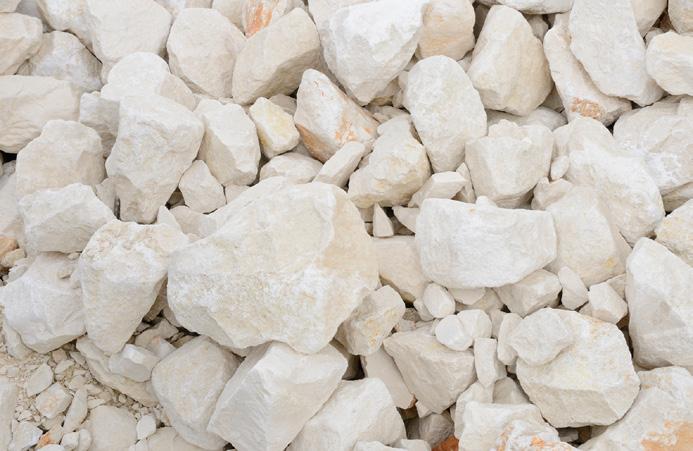

Products made of animal fibers or byproducts
Types:
Casein (milk protein), goat hair, insect-derived (beeswax, propolis, honey, silk), leather, wool
Opportunities:
These materials are renewable, biodegradable, and often derived from byproducts, maximizing resource efficiency and supporting circular economies. When responsibly managed, they can advance regenerative grazing and land stewardship practices that restore soil carbon, biodiversity, and rural livelihoods. Their non-toxic and breathable qualities can improve indoor environments, while regional sourcing and handcraft traditions may strengthen fair labor practices and preserve cultural knowledge. Their warmth, tactility, and connection to living systems make them especially compelling for projects focused on biophilia, heritage, or craft, reinforcing the human–nature relationship through texture, narrative, and care.
Challenges:
Responsible sourcing is complex due to animal welfare, labor, and transparency concerns, especially where oversight is limited. Industrial livestock systems can have high methane and biodiversity impacts, underscoring the need for regenerative or byproduct-based sourcing. Preservation and finishing processes, such as tanning or mothproofing, may introduce toxic chemicals unless verified through safe, certified supply chains (e.g., Responsible Wool Standard or OEKO-TEX Standard). Limited testing data and inconsistent certification can also hinder confident specification in commercial contexts.
Types:
Acetobacter xylinum, Bacillus subtilis, Cyanobacteriota (phylum), Escherichia coli (E. coli), Lactobacillus
These materials enable low-carbon, regenerative design by using ambient-temperature growth and waste-based feedstocks to create self-healing, carbon-sequestering, and bio-reactive products. Innovations such as microbial pigments and photosynthetic bricks replace high-heat, highcarbon materials like concrete and plastics while improving human health through non-toxic processes. Their localized biofabrication models can generate clean-tech jobs and cross-disciplinary collaboration, building new regional supply chains. By mimicking natural biological cycles, these materials are often biodegradable, non-polluting, and circular, with self-repairing capabilities that reduce waste and extend product lifespans.
Most bacterial materials remain in early-stage development and face hurdles related to scalability, certification, and performance, especially in structural or exterior applications. Many rely on controlled lab or bioreactor environments with sensitive growth conditions, limiting consistent mass production. A lack of standardized testing, building code pathways, and clear performance data slows broader adoption. Public unfamiliarity and concerns about safety, stability, and resource efficiency must also be addressed as these materials move toward commercialization.
Products made of mycelium, the rootlike structure of mushrooms
Types:
Artist’s conk, bracket fungi, oyster, reishi, split gill fungus, tinder fungus, turkey tail
Opportunities:
These materials offer a renewable, low-carbon alternative to plastics and foams, combining natural fire resistance, mold resistance, and thermal insulation with healthy, non-toxic indoor performance. Structural grade mycelium composites are also in development. Grown at ambient temperatures from agricultural byproducts, they require minimal inputs and can actively support regenerative waste-to-resource cycles. Their biodegradability and modularity enable cradleto-cradle circularity, returning safely to the soil at end-ofuse. Mycelium can be molded into custom forms, reducing fabrication waste and encouraging expressive, biophilic design. Decentralized production models also create new opportunities for community-scale innovation and equitable economic participation.
Challenges:
Limited testing data, variability in performance, and a lack of standardized certifications currently restrict most applications to interior use. Scalability, durability, and quality control remain ongoing challenges as production moves beyond the pilot stage.
Products that utilize marine-based material
Types:
Algae, kelp, seagrass, seaweed, shells
Opportunities:
These materials offer non-toxic, biodegradable alternatives that require no land, freshwater, or synthetic inputs, making them ideal for coastal and resource-constrained regions. Rapidly growing species such as algae and seaweed actively absorb carbon and nutrients during cultivation, providing climate-positive and ecosystem-restorative benefits. When responsibly harvested, these materials can support coastal economies, Indigenous knowledge systems, and local bio-economies, strengthening community resilience and equitable access to marine resources. Derived from renewable biomass or waste streams, they enable closedloop, low-waste systems, advancing a truly circular “blue” (marine-based) economy that transforms byproducts into valuable architectural materials.
Challenges:
Supply is often seasonal and region-specific, and marine materials require careful ecological management to avoid overharvesting or habitat disturbance. Processing infrastructure and performance testing remain limited, with variable durability and moisture sensitivity across product types. In many regions, supply chains lack transparency or regulation, making ethical sourcing and fair labor verification essential.
Products made of plant fibers, residues or byproducts
Types:
Agricultural byproducts (coconut husk, corn husk, nutshell, rice hull, straw, sugarcane), biochar, cork, grasses (bamboo, reed, rice, elephant grass), fibers (cotton, kenaf, flax, jute, sisal, wood), hemp, linoleum, linseed oil, timber, wood fiber/pulp.
Generally renewable, carbon-sequestering, and thermally efficient, these materials offer non-toxic, breathable alternatives that can support healthy indoor environments. Representing the largest and most diverse family of biobased resources, plant-derived materials span hundreds of species and product types, demonstrating their versatility across nearly every building application. When grown and processed locally, they may strengthen rural economies, small-scale farming, and Indigenous practices, while reducing transport emissions and reconnecting design with place. Many are made from agricultural residues or fast-growing species, transforming “waste” into valuable resources and supporting regenerative farming that restores soil health and biodiversity. Their biophilic qualities, versatility, and natural aesthetics make them adaptable across applications, and when designed for reuse, repair, or composting, they align naturally with circular, regenerative design systems.
Challenges:
Fire, moisture, and pest resistance can vary, and many plant-based products still lack standardized testing or code recognition, particularly at scale. Regrowth periods differ widely by species, and land-use pressures or poor agricultural practices can offset environmental gains if not managed ecologically. Supply fragmentation, limited transparency, and labor concerns also persist in some regions. Many plant materials originate in global agricultural systems with known risks (e.g., forced labor in cotton, unsafe conditions in timber, exploitative seasonal work).
Various combinations of clay, silt, and sand (ratios relate to the product or application). May include reinforcement (biobased, such as with plant fibers, or more typically, metal) or be unreinforced.
These materials offer passive performance, fire resistance, and non-toxic, breathable interiors. Their thermal mass can regulate temperature and humidity, improving comfort and air quality. When sourced and built locally, they empower communities through vernacular knowledge, cooperative labor, and cultural continuity, strengthening both social and ecological resilience. These materials are biodegradable, reusable, and low-energy to process, often requiring only excavation, mixing, and rehydration. Excavated soils can be stockpiled and reused, minimizing waste and emissions. Culturally rooted, site-specific applications enhance biophilic richness and support circular, place-based building systems that can last for centuries.
Persistent misconceptions around durability, moisture, and structural limits restrict broader adoption. Codes and standards vary regionally, and limited testing and certification complicate approval. Performance depends on detailing, climate, and maintenance, requiring design literacy and craftsmanship. Still, emerging research and evolving codes are helping reposition these materials as viable, modern, low-carbon solutions that unite resilience and cultural continuity.
Mineral:
Products made of minerals extracted/mined from the earths
Types:
Basalt, gypsum, granite, graphite, lime, mica, perlite, potassium silicate, pozzolan, stone, talc, quartz/silica.
Opportunities:
These materials are durable, non-toxic, and fire-resistant, offering healthy, low-VOC options when free from synthetic additives or binders. When paired with sustainable processing or other natural materials, they can bridge conventional systems with low-carbon design goals. With responsible sourcing and recycling, minerals can support local employment and extend lifecycles through reclamation and reuse, advancing circular, transparent supply chains.
Challenges:
Without strong oversight and reclamation efforts, extraction and processing can cause ecosystem degradation and high energy use. Mining and quarrying sectors have elevated risks of forced labor, unsafe conditions, and inequitable economic benefit. Minerals that carry social-risk red flags include mica, talc, quartz/silica, granite and other dimension stone, gypsum, and minerals sourced from regions with unsafe or exploitative mining. Binder contamination and limited recycling infrastructure restrict circularity, while transparency in mining and labor practices remains essential. Though inherently durable, many mineral products rely on industrial refining that reduces regenerative value.
Products made from multiple bio-based materials. Often composed of both matrix and reinforcement material.
Biocomposites combine natural fibers with bio-based or mineral binders to offer flexibility and good strength-toweight performance, thermal, and acoustic benefits. Many use agricultural or industrial byproducts, supporting waste-toresource systems and reducing reliance on extractive materials.
Many biocomposites still rely on petrochemical resins or synthetic additives that limit circularity, complicate recycling or biodegradation, and obscure environmental performance due to proprietary or inconsistent formulations.
These categories are not explored in detail in this report, as Living Materials are primarily associated with emerging R&D and pilot-stage products. However, some products, like self-healing concrete and self-healing wood coatings, which are beginning to scale, have been captured within the “bacteria” category.
Engineered Living Materials (ELM): Engineered biological systems that may grow, sense, or self-repair.
Hybrid Living Materials (HLM): Living organisms combined w/ non-living matrices to perform functions like photosynthesis and self-healing.
Living Building Materials (LBM): May be alive during fabrication (biofabricated), like “grown” bricks. May maintain active biological properties (bio-enabled) like self healing or thermal adaptation.
Unlocking the potential of these materials requires attention to their sourcing, fabrication, and assembly methods, as well as end-of-use pathways and the systems in which they operate.
nj Verify sourcing: Confirm sourcing from regenerative, pasture-based systems or from true byproducts of existing agriculture.
nj Verify ethical labor and humane treatment: Ensure suppliers meet high standards for animal welfare, labor safety, and fair compensation in shearing, tanning, and fiber processing, especially across regions with weak oversight.
nj Avoid toxic preservation treatments: Select wool, leather, or casein products with safe, certified finishing processes (e.g., natural tanning, non-toxic mothproofing).
nj Leverage breathability: Use animal fibers in applications where humidity regulation and tactile experience may enhance wellness.
nj Support cultural craft: Engage local artisans or regional fiber producers where heritage techniques strengthen community and ecological stewardship.
nj Account for moth/pest management early: Integrate non-toxic detailing and preventive strategies in assemblies using wool or animal fibers.
nj Prototype in appropriate, low-risk applications (e.g. interiors) to evaluate behavior without overextending performance claims.
nj Assess growth conditions: Confirm that feedstocks, nutrient sources, and growth energy align with low-carbon or waste-based goals.
nj Plan for biological stability: Evaluate UV, temperature, and humidity sensitivities to avoid degradation or unexpected behavior in situ.
nj Engage R&D partners early: Collaborate with labs to codevelop performance data suited to project type.
nj Verify biosafety: Confirm that bacterial strains are
appropriate for the intended application (living or inert), are non-pathogenic, and are safely contained or stabilized to meet performance and regulatory requirements.
nj Match density to performance needs: Select lighter mixes for acoustic/insulation use and denser mixes for interior panels or furniture; confirm values with manufacturer testing.
nj Detail for moisture sensitivity: Use only in dry, humiditystable interior settings.
nj Verify substrate and binder chemistry: Choose products grown on clean agricultural residues with no synthetic binders or coatings, maintaining compostability and indoor air quality.
nj Request fire and durability testing: Fire behavior, shrinkage, and abrasion resistance vary by species and recipe; require project-specific data or mockup testing.
nj Leverage grown-to-shape fabrication: Collaborate early to optimize molds, reduce cut-off waste, and ensure dimensional stability during curing.
nj Source regionally when possible: Work with local or decentralized growers using low-energy cultivation and regionally available feedstocks.
nj Design for biological end-of-use: Favor assemblies that can be mechanically separated so mycelium components can be composted or returned to soil.
nj Limit use to non-structural applications: Apply mycelium in interior finishes, acoustic elements, or sculptural products unless structural performance is independently verified.
nj Align with marine ecology: Confirm that harvesting methods avoid habitat disturbance (e.g., no uprooting of
seagrass meadows; selective kelp cutting).
nj Match product to moisture exposure: Use marine-based materials where their inherent salt or moisture sensitivity won’t compromise performance.
nj Validate salinity impacts: Assess potential for corrosion, odor, or microbial behavior when using raw seaweed, shells, or unprocessed marine fibers.
nj Support blue economies: Prioritize marine materials sourced through practices that strengthen coastal livelihoods, uphold Indigenous stewardship, and reinvest value into community-led aquaculture, restoration, and circular marine bio-economies.
nj Protect rights: Ensure that harvesting or aquaculture practices respect traditional custodianship, avoid labor exploitation in fishing industries, and provide fair revenue distribution to coastal communities.
nj Account for batch variation: Plan for color, fiber texture, or density variability inherent to seasonally grown biomass.
nj Scrutinize agricultural labor practices: Choose suppliers with strong, verified labor protections and responsible land stewardship.
nj Prioritize traceable, ecological sourcing: Select plantbased materials verified through FSC, PEFC, GOTS, OEKO-TEX, USDA Biobased, or equivalent standards to ensure responsible forestry, farming, and processing. If certifications or standards aren’t available, enable dialogue with growers, suppliers, and manufacturers. Sometimes smaller operations may simply face cost barriers.
nj Match species/material to the correct application: Use engineered timber or bamboo for structural strength; use straw, hemp, cellulose, or other fibers for insulation or nonstructural infill.
nj Design for moisture and fire performance: Plant materials are hygroscopic and flammable to varying degrees. Provide assemblies that allow for the movement of water vapor (vapor-open), drainage/drying paths, splash protection, and non-toxic fire treatments where needed.
nj Favor locally grown fibers and residues: Source regionally
harvested timber, bamboo, or agricultural byproducts to reduce transport emissions and support local economies.
nj Minimize synthetic binders and coatings: Avoid additives that compromise circularity or indoor air quality; select natural oils, lime/clay binders, or low-emitting engineered products. If applicable, ensure the product meets lowformaldehyde standards (E1 or the stricter E0 grade).
nj Prototype and verify performance: Test assemblies for acoustics, moisture, fire resistance, and structural behavior, especially with unfamiliar species or newer composites.
nj Design for disassembly and nutrient cycling: Use mechanical fasteners, modular dimensions, and simple layered assemblies so materials can be reused, repaired, or composted at end-of-use.
nj Let material logics inform design: Consider wood grain direction, bamboo culm geometry, fiber density, and the thickness of straw or hempcrete systems.
nj Conduct site-specific soil testing early to inform which earth technique is appropriate. Soil type should drive form, not the other way around.
nj Stockpile excavated soils by layer during sitework to allow controlled remixing (e.g., separating clay layers from sandy aggregates), maximizing reuse and minimizing waste and transport.
nj Avoid cement stabilizers and incompatible additives. Cement disrupts clay chemistry, undermines circularity, and can cause hidden moisture failures. Use low-processed aggregates, fibers, or bio-aggregates instead.
nj Select the building method based on available soil, structural needs, and climate vs. trends.
nj Design for moisture protection: Provide adequate plinths, rain protection, overhangs, and detailing suited to local wind, rain, and freeze–thaw conditions.
nj Use earth for thermal mass and humidity regulation. Position mass earth walls inside insulated envelopes to stabilize temperature and keep materials dry.
nj Match insulation systems to vapor-open behavior; choose natural, breathable roof or floor insulation to prevent condensation or mold.
nj Collaborate with local, skilled builders, upholding vernacular knowledge, safe working conditions, and fair, non-exploitative construction practices.
nj Plan for reversible construction: Use unstabilized or minimally stabilized mixes that can be rewetted, reworked, or reused at end-of-use.
nj Consider prefabricated earth components cautiously. Factor in transport emissions and potential embodied carbon savings.
nj Communicate maintenance expectations early: Earth buildings often last centuries with proper detailing but require different care than cement- or brick-based systems.
nj Require transparency in mining labor conditions: Source from quarries with verified labor standards, safety certification, and community-benefit agreements. Ask suppliers for information about quarry practices.
nj Evaluate ecological impacts of extraction: Consider effects on biodiversity, water quality, soil health, and local communities; confirm that quarries follow restoration and land rehabilitation plans.
nj Use local or regional minerals when possible: Prioritize stone, lime, gypsum, and aggregates quarried and finished close to the project site.
nj Favor reclaimed, recycled, or upcycled minerals: Opt for reclaimed stone, reused masonry, recycled aggregates, or upcycled gypsum to reduce reliance on extraction.
nj Avoid high-impact additives: Minimize or eliminate cement, fly ash, petrochemical binders, asphalt, synthetic resins, or unspecified post-consumer fillers that undermine circularity and indoor health.
nj Choose low-carbon, reversible mineral binders: Favor lime and other binders that carbonate and can be reworked or recycled.
nj Ensure recyclability through reversible assembly: Use lime mortars or mechanical fixings rather than cementitious adhesives so products can be disassembled, retooled, and reused.
nj Match mineral type to performance needs: Confirm stone bedding orientation, porosity, durability, and mechanical properties to ensure fit-for-purpose structural, cladding, or interior use.
nj Be intentional with finishes: Minimize high-carbon polishing or resinous coatings; choose breathable, non-film-forming treatments compatible with mineral hydration cycles.
nj Plan for dust and safety management: Cutting and finishing mineral products generates fine particulates; require mitigation and worker-protection plans for fabrication and construction.
nj Scrutinize resin chemistry: Prefer bio-resins, mineral binders, or lignin-based systems over petrochemical epoxy or polyester.
nj Match reinforcement to application: Select fiber types (hemp, flax, bamboo, agricultural residues) aligned with required stiffness, acoustic absorption, or moisture behavior.
nj Avoid complex hybrids: Minimize mixing of inorganic and organic layers that hinder disassembly and recycling.
nj Request mechanical testing: Ensure manufacturers provide tensile, flexural, impact, and creep performance aligned with the intended building use.
nj Design for modular repair: Use standardized panels or parts so damaged sections can be individually replaced without discarding the whole assembly.
The taxonomy presented in this report demonstrates that biological and natural materials encompass a wide spectrum of systems with distinct performance characteristics, sourcing considerations, and design implications.
Many of these materials may be interpreted as “traditional” in a nostalgic sense, but today they are part of a contemporary shift toward material systems that work more closely with ecological processes and bioregional dynamics. Many draw on long-standing knowledge while also intersecting with current research in biofabrication, bio-based chemistry, and residue-based composites. This combination of established techniques and emerging innovation broadens design possibilities, offering new opportunities for low-carbon construction, healthier indoor environments, regionally grounded material economies, and adaptable assemblies that can be repaired, reused, or metabolized back into natural cycles.
Beyond the traditional materials, rapid advances in bio-fabrication, biomimicry, and natureinspired chemistry are expanding the potential of biological and regenerative materials far beyond what is commercially available today. Researchers are developing highperformance alternatives using algae-grown limestone, cellulose-based structural colors, mycelium composites, bio-derived polymers, and food-waste feedstocks, demonstrating how future materials may be grown rather than mined or synthesized. These innovations point toward a next generation of products that are inherently low-carbon, non-toxic, and circular, leveraging biological processes to replace high-heat, high-impact industrial systems. As digital fabrication, AI-enabled material modeling, and bio-based 3D printing evolve, designers will increasingly be able to tailor materials to performance needs with unprecedented precision.
These emerging pathways highlight an important shift: The future of regenerative materials will depend on cross-disciplinary collaboration between design, material science, agriculture, ecology, engineering, and biotechnology. Many of these innovations are not yet marketready, but early engagement from architects, through pilot projects, research partnerships, and transparent demand, can accelerate their development and responsible scaling.
As the palette of bio-based materials grows, designers are invited to stay curious, experimental, and open to new technologies that may fundamentally reshape how buildings store carbon, support ecosystems, and participate in circular economies. This expanding frontier underscores that the material transitions underway today are only the beginning of a broader transformation in how we imagine and construct the built environment.
Following the taxonomy of bio-based and natural materials, this section shifts from describing what these materials are to examining how they perform within today’s construction landscape. While the taxonomy outlines the breadth and characteristics of each material category, the Material Insights section applies a consistent methodology to evaluate their maturity, availability, and near-term applicability using a Technology Readiness Level (TRL) framework.
By pairing material characteristics with real-world readiness, we translate a diverse and rapidly evolving field into practical guidance for designers. The insights that follow highlight where momentum already exists (materials that are available and readily incorporated into commercial work) as well as emerging early adoption products that warrant pilot testing. Together, these observations provide a bridge from understanding material possibilities to identifying actionable opportunities for responsible specification.
Industry readiness to adopt bio-based materials and products spans a broad spectrum. Some are ready to integrate now; many are emerging. The following tables translate the broad material landscape into two practical pathways for designers: commercially available materials and early adoption materials.
Commercially available materials represent products with higher TRLs (those already in commercial use, supported by established supply chains, testing data, and predictable performance in U.S. project contexts). These are the “specifiable today” options that can be deployed with minimal risk or additional approval processes.
Early adoption materials, by contrast, occupy an important middle ground in the innovation curve. These products demonstrate clear potential and are increasingly available, but may require piloting, additional coordination with manufacturers, or careful review of performance. They are promising options for teams seeking to expand their materials palette while supporting market maturation.
Together, these two categories illustrate where designers can take confident action now and where thoughtful experimentation can accelerate the transition toward a more ecological and resilient materials economy. They also provide a common language for discussing readiness, risk, and opportunity across project teams, clients, and partners.
As interest in bio-based materials grows, so does the need for reliable, accessible tools to support product discovery and evaluation. To identify bio-based and natural materials that are most relevant for near-term application, we adopt a simplified Technology Readiness Level (TRL) framework from Innovation, Science and Economic Development (ISED) Canada (Table 3) (ISED Canada 2021).
DEVELOPMENT
Commercially Available -- Technology development is complete
Early Adoption 9
9
Actual technology proven through successful deployment in an operational environment
nj Products available from multiple suppliers
nj Supply chains established to at least a regional scale
nj Has been applied in built projects and demonstrated performance capacity
nj Some products explicitly accepted by codes and standards, with established testing data
nj Performance standards/certifications exist may be in development
nj Codes and insurance acceptance limited or dependent on equivalency pathways
nj Scaling potential demonstrated, but supply reliability is inconsistent
nj May be commercially available in select regions, in many cases outside of North America Pilot & Demonstration (6-8)
8
Research & Development (3-5)
Fundamental Research (1-2)
Actual technology completed and qualified through tests and demonstrations
7 Prototype system ready (form, fit and function) demonstrated in an appropriate operational environment
6 System and/or process prototype demonstrated in a simulated environment
5 Validation of semi-integrated component(s) in a simulated environment
4
Validation of component(s) in a laboratory environment
3 Experimental proof of concept
2 Technology and/or application concept formulated
1 Basic principles observed and reported
nj Tested in prototypes or demonstration projects
nj Some small-scale suppliers exist at the start-up level
nj Lacks certifications (fire, durability, toxicity) that would be required to expand use
nj Supply chains are fragmented, seasonal, or hyper-local
nj Limited or no suppliers for architectural applications
nj Tested in labs or conceptual applications
nj No consistent performance data or building code pathways
nj Requires controlled conditions (e.g., bioreactors, lab growth)
nj No formal suppliers for architectural applications
nj Academic explorations in literature
nj Basic research conducted; principles are defined
There is no single standard for TRLs. The concept was initially developed by NASA and has evolved to be used in different ways by different sectors. Critics note that customization reduces the integrity of the TRL scale (Héder 2017) and call for alignment within industry groups around standard definitions. Our decision to align with ISED Canada is a first step towards this, yet this represents a suggestion by select authors rather. An industry effort is needed to align around shared standard TRL definitions for bio-based and natural materials.
Bio-based and natural materials exist in a variety of formats, ranging from traditional purpose-built methods to mass-produced products. In this paper, we have retained the term commercially available, in order to retain alignment with the existing ISED Canada TRL framework. We use this term to describe materials and products whose technological development stage makes them ready and available for use in commercial building projects.
In this research, commercially available material types and products may be represented by just a few manufacturers in North America or may be more relevant in some regions and applications than others. However, each option marked commercially available in this report is available for implementation given the right project, context, and commitment from a team to source the material or product. Additionally, some products are readily available in Europe but not North America; these products are classified as early adoption in the context of this report.
Bio-based and natural materials include processes as well as products. Some represent traditional or regional methods that are purpose built and may not involve new technology. For example, traditional methods such as thatch roofing, rammed earth, and natural stone masonry are less likely to manifest as a commercial product and instead require manual labor and knowledge of craft to ensure success. These materials and methods are classified as commercially available when they are readily accessible due to proven outcomes and capable builders. However, their availability may vary regionally due to climate, seismic suitability, or building codes. These materials are flagged with an asterisk (*) where they are included in our TRL tables.
After establishing a methodology for material taxonomy and TRL evaluation, we developed an inventory to assess the availability and quality of bio-based and natural materials. This process drew on industry groups such as the International Living Future Institute and the Bio-Based Materials Collective, as well as databases like Parsons Healthy Materials Lab’s Material Collections and others noted in the Appendix of this report.
For each category, we documented representative products, applications, geographic reach, opportunities, challenges, and approximate TRLs. Following this exercise, we examined the broader status of bio-based and natural materials in commercial construction, with emphasis on those at commercially available or early adoption stages of readiness. This analysis is presented in our corresponding State of the Industry Survey. We then reviewed our documentation and established tables of recommended materials to explore for near-term application.
Pilot one new material. Start with low-risk assemblies, like acoustic panels, wall finishes, or insulation, to gain real-world familiarity and share performance data.
What you’ll find on the following pages:
This section focuses on materials in the Commercially Available and Early Adoption stages, distilling available material types into three complementary views:
1. Key commercially available bio-based and natural materials, presented by material type.
2. A matrix of commercially available materials organized by building element, showing where these products can directly substitute for conventional options.
3. A matrix of early adoption stage materials organized by building element, capturing the next wave of innovation that designers should watch for and, where possible, begin to pilot.
Together, these tables provide a quick reference for nearterm exploration. For additional suggestions on how to begin integrating these materials into your projects, see the Design Guidance & Case Studies section of this report.
NOTE: The selection and rating of commercially available and early adoption stage materials are based on the authors’ observations and awareness of products on the market, as confirmed through workshops and material database research. Tools & Resources for locating specific products are included in the Appendix of this report.
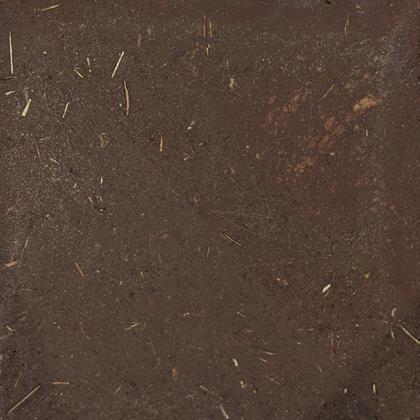

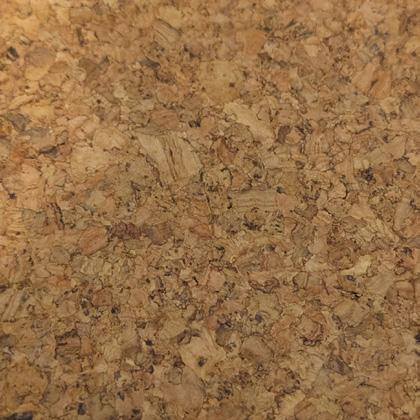

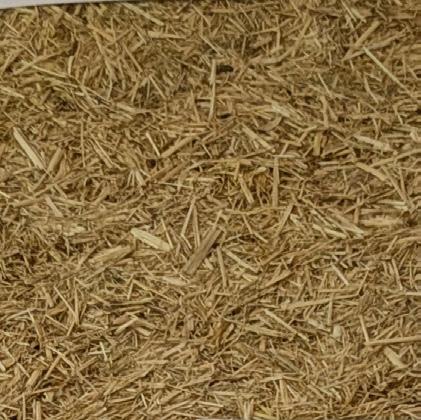
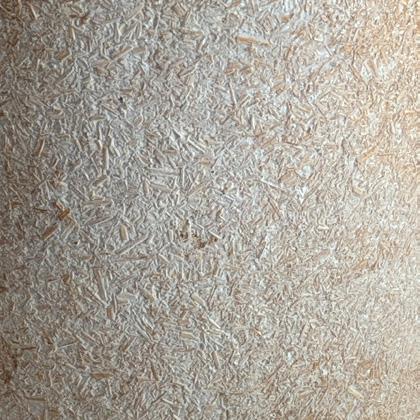
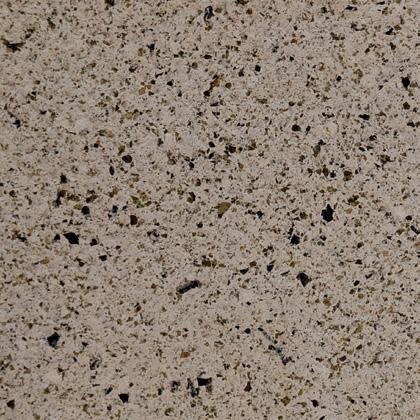
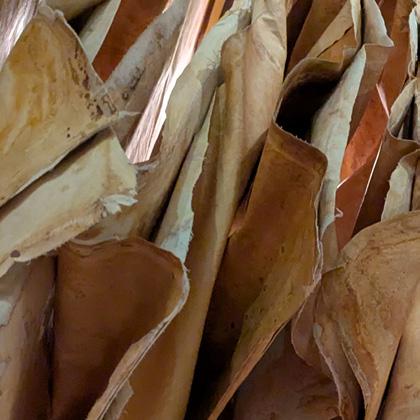

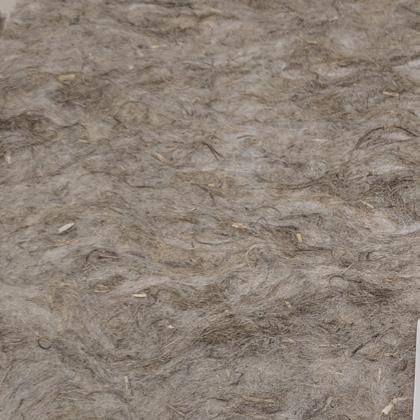

NOTE: Tools & Resources for locating specific products are included in the Appendix of this report.

1 Structure
Biochar aggregate/ additive*
Foam glass aggregate substitute)
Glass pozzolan (cement substitute / SCM)
Self-healing concrete*
2
Adobe*
Biochar aggregate/additive*
Cob*
Compressed Stabilized Earth Block (CSEB)*
Engineered/ laminated bamboo*
Mass timber (CLT, glulam, EWPs)
Foam glass (insulating aggregate substitute)
Glass pozzolan (cement substitute / SCM)
Rammed earth*
Timber frame strawbale*
Salvaged wood*
Stone (dry stacked or gabion)
3
Bamboo plywood*
Hempwood plywood
Magnesium oxide board
Salvaged wood*
Wood wool board
4
Enclosure
Adobe block
Bamboo cladding/veneer*
Cob*
Compressed stabilized earth block (CSEB)*
Engineered wood cladding
Light straw-clay (plaster/ system)*
Rammed earth*
Rice hull cladding
Salvaged wood*
Terracotta cladding & roof tile
5
Insulation (Board & Cavity)
Basalt mineral wool
Cellulose (board*, batt)
Straw (Compressed board*, bale*, batt*)
Cork board*
Hemp fiber (hempcrete*, board*, batt*)
Light straw-clay*
Wood (fiber & wool*)
Wool batt*
6
Beeswax finish/coating
Biochar additive
Clay plaster/paint
Lime mortar, plaster & paint
Linseed oil finishes & sealants & paint
Milk (casein) paint
Pigmented bio-resins*
Plant-based pigments & dyes
Potassium silicate mineral paint
Water-based latex paint
Interior Millwork & Casework
Bamboo plywood/veneer*
Grass fiber board
Hempwood plywood
Paper-based solid surface
Salvaged wood*
Wood veneer 9
Interior Partitions
Compressed straw board
Cork brick
Flax fiber board
Hemp board*
Magnesium oxide board
Natural gypsum board
Plant cellulose panels**
Precast rammed earth block panels*
Wood fiber board
Interior Finishes
Bamboo finishes & flooring*
Cellulose acoustic panels
Compressed straw board
Cork acoustic panels*
Cork finishes & flooring
Engineered wood flooring
Flax fiber board
Goat hair carpet/rugs
Grass fiber board/panel
Hemp fiber board
Hempwood flooring/finishes
Leather textiles
Linoleum (flax-based) flooring
Magnesium oxide board
Natural fiber textiles (bamboo, linen, cotton, hemp)*
Natural rubber flooring
Silk textiles
Salvaged wood*
Seaweed acoustic panels*
Shell aggregate tile/terrazzo*
Stone (slab/tile, aggregate - countertops, flooring)
Terracotta tile
Unfired/low-fire clay tile
Vegetable-tanned leather textiles
Wood fiber acoustic panels, finishes, & casework
Wood wool acoustic panel
Wool felts/textiles*
Wool acoustic tile/panel
Wool carpet/rugs
Interior Furnishings
Bamboo furniture*
Cork furniture
Latex foam
Natural fibers upholstery (cotton, kapok,...)
Wool or natural fiber upholstery
Wood furnishings (solid, engineered, composite)
The table below highlights over 50 key bio-based and natural material types that are commercially available today as either products or traditional materials and methods. Each is listed once with its primary architectural applications. These examples have precedents in built projects, supply chains that extend to at least a regional scale, and, in some cases, explicit acceptance within codes and standards.
These are the materials design teams can most readily seek out and specify now, given regional availability and project fit.
Many of the materials described in the charts below may be incorporated into assemblies and composites. Examples include structural insulated panels, systems like cob that use straw and clay-rich soil, and gabion walls.
Leather leather textiles
Silk silk textiles
wool yarn
ANIMAL
Wool
wool felt
wool insulation
Hair goat hair
Milk milk (casein) paint
Earth adobe*
compressed stabilized earth block (CSEB)*
rammed earth (precast/site-cast; stabilized /unstabilized)
clay plaster
EARTH
Clay
MARINE
clay paint
unfired & low-fire clay tile
clay mortar
terracotta tile
Seaweed seaweed panel*
Shells shell aggregate
Basalt mineral wool
Gypsum natural gypsum board
lime plaster
Lime
lime paint
lime grout/mortar
Magnesite magnesium oxide board
Potassium Silicate mineral paint & primer
Silica glass (primary & recycled)
Stone stone* (primary & recycled)
(I) Finishes (wood coatings)
(I) Finishes (drapery, wallcovering)
(I) Furnishings (upholstery)
(I) Finishes (carpet/rugs)
(I) Finishes (acoustic tile/panel)
(I) Furnishings (upholstery)
(I/E) Insulation (batt, loose-fill)
(I) Finishes (carpet/rugs)
(I) Finishes (wall/ceiling coatings)
(I/E) Structure (load-bearing/non-load-bearing walls)
(E) Enclosure (cladding)
(I) Partitions
(I/E) Finishes (wall coatings)
(I) Finishes (wall/ceiling paint)
(E) Enclosure (cladding)
(I) Finishes (floor/wall tile)
(E) Enclosure (cladding, roofing)
(I) Finishes (floor/wall tile)
(I) Finishes (acoustic panel)
(I/E) Finishes (decorative, terrazzo, tile, pavers)
(E) Insulation (batt, board)
(I) Partitions, Finishes (ceiling)
(I/E) Finishes (wall coatings)
(I/E) Finishes (wall/ceiling paint)
(I/E) Masonry (grout, soft mortar, repair - preservation)
(E) Enclosure (sheathing)
(I) Partitions & Flooring (substrate)
(I) Finishes (wall/ceiling)
(I) Finishes (wall/ceiling paint)
(E) Structure (cement replacement)
(E) Structure (load-bearing walls, stabilization - stacked, gabion)
(I/E) Finishes (slab, tile, aggregate - countertops, flooring)
CATEGORY MATERIAL
Biochar biochar aggregate or additive*
cork tile/plank/board
Cork
cork brick
cork (molded)
upholstery filling (cotton, kapok, buckwheat hull, coconut coir)
Natural Fibers
Hemp
Straw
PLANT
Wood
textiles (linen/flax, cotton, hemp)
hemp fiber insulation
hempcrete (block/panel/cast-in-place)
hemp fiber board
hempwood
strawbale (bale unit/prefabricated panel)*
light straw-clay* (loose fill + clay slip)
compressed straw board/panel
APPLICATIONS
(E) Structure (cement replacement)
(I/E) Insulation (w/ binder), Finishes (pigments)
(I/E) Insulation (board)
(I) Finishes (flooring, wallcovering, acoustic tile/panel)
(I) Partitions
(I) Furnishings (furniture)
(I) Furnishings (cushion fill)
(I) Finishes (acoustic panel, drapery, wallcovering)
(I) Furnishings (upholstery)
(I/E) Insulation (cavity, board)
(I/E) Structure (non-load-bearing walls)
(I/E) Insulation (cavity, board)
(E) Enclosure (sheathing)
(I) Partitions, Finishes (wall/ceiling panels)
(I) Finishes (flooring, millwork, casework)
(E) Structure (load-bearing/non-load-bearing walls)
(I/E) Insulation (cavity)
(E) Insulation (cavity)
(E) Enclosure (plaster)
(I) Partitions, Finishes (wall/ceiling panel), Insulation (board) cob (straw + earth)*
engineered wood products
(CLT, DLT, NLT, GLULAM, MPP, PSL, LVL, LSL, OSL, flooring, siding)
cellulose
wood fiber
wood wool
salvaged wood*
wood veneer
paper-based solid surface
latex foam
Latex
Flax / Linseed
(I/E) Structure (non-load-bearing walls)
(E) Structure (framing, decking, sheathing)
(E) Enclosure (cladding)
(I) Finishes (flooring, wall/ceiling, millwork, casework)
(I/E) Insulation (batt, board)
(I) Finishes (acoustic tile/panel)
(E) Enclosure (sheathing)
(I/E) Insulation (batt, board)
(I) Partitions, Finishes (acoustic tile/panel, casework)
(I/E) Insulation (board)
(I) Finishes (acoustic tile/panel)
(E) Structure (framing)
(E) Enclosure (cladding)
(I) Finishes (flooring, wall/ceiling, millwork, casework)
(I) Finishes (wall/ceiling, millwork, casework)
(I) Finishes (countertops, millwork, casework)
(I) Furnishings (cushion fill)
water-based latex paint
natural rubber
linseed oil & paint
linen textiles
flax fiber board
linoleum
grass fiber panel/board (reed, rice, elephant grass composites)
(I) Finishes (wall/ceiling paint)
(I) Finishes (resilient flooring/surfaces)
(I/E) Finishes (protective paint/coating)
(I) Finishes (drapery, wallcovering), Furnishings (upholstery)
(I) Partitions, Finishes (acoustic panel)
(I) Finishes (resilient flooring/surfaces)
(I) Finishes (acoustic panel, casework)
(E) Structure (framing, sheathing)
Grasses
bamboo (engineered, laminated, plywood, composite board, veneer)
bamboo linen/ grass textiles
Oils, Resins & Pigments
pigmented bio-resins
pigments & dyes
(E) Enclosure (cladding)
(I) Finishes (flooring, millwork, casework), Furnishings
(I) Finishes (wallcovering, acoustic panel, drapery, rugs)
(I) Furnishings (upholstery)
(I) Finishes (coatings, binders)
(I) Finishes (paints, plasters, stains, textiles, wallpaper)
This matrix shows commercially available materials mapped to building elements. It highlights opportunities for bio-based products to directly replace conventional ones in practice.
BUILDING ELEMENT CONVENTIONAL PRODUCT TYPES
FOUNDATION Cement / Concrete
STRUCTURE
(load-bearing, non-load bearing)
Concrete / Steel
EXTERIOR SHEATHING
(walls, roof)
ENCLOSURE (EXTERIOR CLADDING & ROOF COVERING)
OSB / Plywood
Brick / CMU
GFRC
Vinyl Roof Covering
BOARD INSULATION
(exterior walls)
CAVITY INSULATION
(walls, roof, floors)
EPS / XPS foam board
SIP Panels
Fiberglass Batt Insulation
Commercially Available
BIO-BASED PRODUCT TYPES
biochar aggregate/ additive*
foam glass (insulating aggregate substitute/ fill) glass pozzolan (cement substitute / SCM) self-healing concrete*
adobe*
biochar aggregate/additive* cob*
compressed stabilized earth block (CSEB)*
engineered/ laminated bamboo*
engineered wood (CLT, DLT, NLT, GLULAM, ...)
foam glass (insulating aggregate substitute) glass pozzolan (cement substitute / SCM) rammed earth*
timber frame strawbale* salvaged wood*
stone (dry stacked or gabion)
bamboo plywood*
hempwood plywood
magnesium oxide board salvaged wood*
wood fiber board
adobe block bamboo cladding/veneer* cob*
compressed stabilized earth block (CSEB)*
engineered wood cladding
light straw-clay (plaster/ system)* rammed earth* rice hull cladding salvaged wood* terracotta cladding & roof tile
basalt mineral wool cellulose board*
compressed straw board* cork board*
hempcrete board* wood fiber wood wool*
basalt mineral wool cellulose cork board*
hemp fiber batt*
hempcrete*
light straw-clay* strawbale, straw batt* wool batt wood fiber
PAINTS, COATINGS, BINDERS & SEALANTS
INTERIOR MILLWORK & CASEWORK
Petroleum-Based Paints, Coatings, Binders & Sealants
BIO-BASED
beeswax finish/coating
biochar additive
clay plaster/paint
lime mortar
lime plaster/paint
linseed oil finishes & sealants
linseed paint
milk (casein) paint
pigmented bio-resins*
plant-based pigments & dyes
potassium silicate mineral paint
water-based latex paint
bamboo plywood/veneer*
grass fiber board
hempwood plywood
MDF / Plywood / Plastic Laminate
INTERIOR PARTITIONS Drywall (Gypsum) / Cement Board
INTERIOR FINISHES
(wall, ceiling, & floor finishes)
PET / Foam Acoustic Panel
Synthetic Textiles (polyester, vinyl)
Synthetic Flooring / Paneling
Vinyl / Carpet flooring
Concrete / Ceramic tile
INTERIOR FURNISHINGS
Plastic furnishings
Synthetic textiles (polyester, vinyl)
Foam and synthetic fill
Paper-based solid surface
Salvaged wood*
Wood veneer
compressed straw board
cork brick
flax fiber board
hemp board*
magnesium oxide board
natural gypsum board
plant cellulose panels**
precast rammed earth block panels*
wood fiber board
bamboo finishes & flooring*
cellulose acoustic panels
compressed straw board
cork acoustic panels*
cork finishes & flooring
engineered wood flooring
flax fiber board
goat hair carpet/rugs
grass fiber board/panel
hemp fiber board
hempwood flooring/finishes
leather textiles
linoleum (flax-based) flooring
magnesium oxide board
natural fiber textiles (bamboo, linen, cotton, hemp)*
natural rubber flooring
silk textiles
salvaged wood*
seaweed acoustic panels*
shell aggregate tile/terrazzo*
stone (slab/tile, aggregate - countertops, flooring)
terracotta tile
unfired/low-fire clay tile
vegetable-tanned leather textiles
wood fiber acoustic panels, finishes, & casework
wood wool board acoustic panels
wool felts/textiles*
wool acoustic tile/panel
wool carpet/rugs
bamboo furniture*
cork furniture
latex foam
natural fibers upholstery (cotton, kapok,...)
wool or natural fiber upholstery
wood furnishings (solid, engineered, composite)
This matrix includes products at the early adoption stage, mapped to building elements. These are products to track for near-term innovations and may be candidates for pilot applications. Many, but not all, of these products are gaining traction in Europe and are supported by early certifications or built precedents but not yet established in North America. Products that are more readily available in Europe are marked with an **.
Table 5: Substitution matrix of bio-based and natural materials for early adoption
BUILDING ELEMENT CONVENTIONAL PRODUCT TYPES
FOUNDATION Cement / Concrete
STRUCTURE Concrete / Steel
ENCLOSURE (EXTERIOR CLADDING & ROOF COVERING)
EXTERIOR SHEATHING (walls, roof)
BOARD INSULATION (exterior walls)
Brick / CMU GFRC
Vinyl Roof Covering
OSB / Plywood
EPS / XPS foam board SIP Panels
CAVITY INSULATION
(walls, roof, floor)
Fiberglass Batt Insluation
PAINTS & COATINGS Petroleum-based Paints & Coatings
INTERIOR MILLWORK & CASEWORK MDF / Plywood Plastic Laminate
Early Adoption (TRL 9)
BIO-BASED PRODUCT TYPES
basalt fiber reinforcement compressed earth (site compressed)** nutshell aggregate
compressed earth + natural fiber block (CSEB with straw/hemp)**
basalt fiber board/panel** birch bark roofing composite bamboo cladding* cork panel cladding/render* grown masonry** thatch roofing**
calcium silicate board** corn-based board** reed grass board** straw board/panel**
bacterial cellulose panel** corn stover board** eelgrass board** mineral-plant insulation board straw board
eelgrass batt** kelp batt** mycelium insulation** perlite insulation rice hull insulation seaweed batt** straw batt insulation**
algae-enriched paints** bacterial bio-coatings & resins** diatom mud paints** chitosan-based coatings** oystershell plaster** thermal cork plaster**
agave fiber-reinforced panels/boards** mycelium plywood** nutshell composite board sugarcane composite board**
BUILDING ELEMENT
INTERIOR PARTITIONS Drywall (Gypsum) / Cement Board
INTERIOR FINISHES
(wall, ceiling, & floor)
PET / Foam Acoustic Panel
Synthetic Particleboard
Synthetic Textiles (Polyester, Vinyl)
Leather Textiles
Concrete / Ceramic tile
Synthetic Carpet / Rugs
Synthetic Resilient Flooring
INTERIOR FURNISHINGS Plastic Furnishings
calcium silicate board** clay fiber board** straw board** corn-based board** flax core panels**
animal fur/hair/hide (recycled/byproduct) bacterial bio-cement tile** basalt fiber board chitosan bio-composite tile corn-based board** corn-based tile** earthen flooring eelgrass board/mat** grown tile** kelp/seagrass panel** lanolin-rich wool felts & textiles lime tile
mycelium acoustic tile/panel** mycelium composite flooring** mycelium textiles/leather** plant pulp cellulose panel** pozzolanic tile** rice husk board** vegan leather (plant-based)**
algae film furnishings** bacterial cellulose panels & films** linoleum furnishings**
molded mycelium furnishings** nutshell bio-composite furnishings
seaweed bioplastic furnishings** food waste panels** ** A product or process that is available in the EU but not as widely available in the US.
The shift toward bio-based materials requires not only technical literacy, but also creative courage. Designers are uniquely positioned to lead this transition by rethinking long-held assumptions about what materials can do and how they can perform. Rather than waiting for perfect data or complete standardization, we can prototype, test, and learn through practice, treating each project as an opportunity to advance material intelligence and collective progress. By approaching materials with curiosity and openness, we expand both the design vocabulary and the cultural narrative of what architecture can be when it works in partnership with living systems.
This moment calls for designers to act as both specifiers and as stewards, testing, documenting, and scaling new material pathways with both rigor and creativity. Natural and bio-based materials should no longer be treated as experimental or niche, but as essential tools for climate repair and cultural continuity.
Designers occupy a pivotal position between innovation and adoption: framing what is possible for clients and collaborators. As such, design teams can help normalize regenerative materials through built precedent, clear communication, and informed advocacy. By aligning design intent with procurement, policy, and research, teams can support a shift towards something new, making regenerative choices feel practical and desirable.
Advancing this shift requires curiosity, collaboration, and critical thinking. Bio-based materials are not a singular solution, but part of a broader systems approach. Regional pilot projects, shared specification language, and close coordination with suppliers and procurement teams can help translate innovation into routine practice. Feedback between design and research communities will be key to moving from isolated examples to systemic impact.
The regenerative potential of these materials is clear, but increasing their use depends on shifting how we approach specification and collaboration.
nj From specifying for compliance → to designing for vitality
nj From extracting from ecosystems → to participating in them
nj From sourcing anonymously → to building reciprocal relationships
nj From de-risking innovation → to strategically inviting it
Moving from risk to regeneration begins by asking better questions, such as those about material origin, end-of-use, local economies, and ecological fit, and integrating those inquiries into our design workflows. This requires building confidence through exposure, experimentation, and crossdisciplinary dialogue. It also means redefining how we work with the supply chain. Partnerships will be essential. Rather than treating suppliers as fixed endpoints in a linear process, we can co-create feedback loops that support shared learning and regenerative outcomes.
nj Partnering with growers or fabricators early in a project
nj Supporting pilot runs or small-batch prototypes
nj Encouraging transparency and innovation in product development
nj Facilitating two-way conversations between specifiers and producers
nj Using mock-ups and prototypes to reduce perceived risk
Specifying for compliance
Extracting from ecosystems
Sourcing anonymously
De-risking innovation
Designing for vitality
Participating in them
Building reciprocal relationships
Strategically inviting it
A core challenge is scaling use. Broad progress will require embedding these materials into everyday design workflows, strengthening supply chains, and shifting market expectations. The following actions can help accelerate adoption and normalize bio-based and natural materials:
• Pilot bio-based materials in non-structural or smallscale applications such as acoustic panels, partitions, wall finishes, or furniture.
• Use fit-outs and interiors as test beds with fewer code barriers to build familiarity and confidence.
Embed
• Use specification prompts that prioritize both human and ecological health.
• Ask targeted questions of manufacturers and suppliers: Where is this material sourced? What is its end-of-use pathway? Does it benefit regional economies or ecosystems?
• Integrate LCA tools early to compare options and align choices with climate and circularity goals.
• Make material choices legible to clients and communities by connecting them to lifecycle benefits, regional identity, and visible ecological care.
• Showcase built examples to shift perception from novelty to normalcy.
• Identify regional producers, craftspeople, and knowledge holders using natural building methods.
• Engage Indigenous and vernacular construction knowledge to strengthen cultural continuity and ecological fit.
• Develop mock-ups and pilot assemblies to de-risk innovation and capture lessons learned.
• Document outcomes as internal case studies and share results across teams to build fluency and industry momentum.
• Bring together sustainability, procurement, costing, and construction experts early to codevelop solutions.
• Use common performance-based language to align design intent with delivery.
Leverage Technology and Digital Tools
• Employ digital fabrication, parametric modeling, and prefabrication to improve precision, scalability, and compliance of natural materials.
• Utilize material databases and BIM-integrated tools to streamline sourcing and verification.
• Source materials locally to reduce transport impacts, strengthen supply resilience, and support regional economies.
• Design for reuse, disassembly, and nutrient cycling to extend material life and close loops.
Advocate and Educate
• Participate in industry networks advancing low-carbon procurement, inclusive codes, and bio-based R&D.
• Promote embodied carbon literacy within design teams.
• Host workshops and share case studies to demystify specification and encourage broader uptake.
Participate in Policy Development
• Engage in code reform and policy advocacy to remove barriers and create incentives for construction with renewable and natural materials.
• Support carbon disclosure, “Buy Clean,” and procurement frameworks that reward low-impact, regionally sourced materials.
As we shift from specifying materials as static products toward engaging them as dynamic partners, designers have a unique opportunity to co-create new pathways with bio-based material stakeholders, including growers and cultivators, ecologists, artists, craftspeople, fabricators, manufacturers and testing entities. Rather than waiting for fully market-ready solutions, we can engage earlier in the development process, helping shape material readiness, storytelling, and application through collaboration.
Identify promising materials and initiate contact with potential partners.
Scan your bioregion or project region for underutilized or emerging bio-based materials that are in the commercially available or early adoption TRL stages.
Cross-reference with your Evaluation Framework (see next page) to check:
nj Functional alignment
nj Cultural/narrative alignment
nj Bioregional compatibility
nj AIA Pledge alignment
Reach out to small-to-mid scale producers, researchers, or fabricators.
nj Ask about current production scale, readiness, and capabilities.
nj Express interest in codeveloping a case study or prototype.
Understand constraints and opportunities to co-develop a fit-for-purpose application.
Actions
Host a workshop with the producer to align values and share goals.
Document the supply chain and life cycle: harvesting, processing, transportation, end-of-life.
Identify material-specific design constraints (thickness, moisture sensitivity, testing / certification gaps).
Prototype a mock-up or sample in a nonstructural, interior, or temporary context.
Define:
nj Functional goals (acoustic? insulation?)
nj Narrative goals (regional identity? biophilic impact?)
nj Regenerative potential (the material’s capacity to evolve the health of the larger systems it participates in—ecological, social, and economic)
The following outlines a phased approach for how design teams can initiate, develop, and scale partnerships with fabricators and manufacturers, whether during research and prototyping or within active projects. It provides a realistic, flexible model for integrating early adoption stage materials into built work while building long-term relationships that strengthen bioregional supply chains and regenerative impact.
Bring the material into a real project context and document performance.
Identify a live project to integrate the material or product (fit-out, temporary pavilion, community space).
Engage cross-disciplinary stakeholders: contractor, client, sustainability lead, ecologist, code consultant.
Track key indicators aligned with the AIA Materials Pledge categories (consider using the Common Materials Framework to assist with this).
Capture lessons learned in design, installation, and performance.
Broaden adoption and influence across projects, firms, and regions.
Actions
Create a case study for internal and external audiences. Include:
nj Stories (about farmers, suppliers, makers, manufacturers, builders)
nj Design decisions
nj Performance outcomes
Host a knowledge-sharing session or publish a blog/ post in collaboration with the partner.
Use the experience to refine firmwide specification prompts and prototyping workflows. 04.
MANUALLY FILL IN
WITH
TEAM (1) (2) (3) (4) (5)
To support project teams in selecting and applying biological and natural materials with greater confidence, we developed the following evaluation framework. The framework encompasses multiple criteria, including readiness and reliability, functional alignment, narrative and cultural alignment, bioregional appropriateness, and renewability. It helps assess alignment with regenerative design values and offers a multidimensional view of how a material may contribute to project goals, place-based resilience, and climate performance. It is intended as both a design tool and a conversation starter between architects, specifiers, clients, and suppliers.
It is crucial to bear in mind that while many terms are used to market materials, a product that is initially perceived as biological, bio-based, natural, or renewable may not always imply that it is “good.” A material that is a monoculture, is chemically treated, or is harvested unsustainably can still contribute to ecosystem harm or social exploitation. That’s why regeneration, which extends beyond renewability, must be a critical measure for evaluating the use of these materials.
READINESS & RELIABILITY Is the material sufficiently supported for project use or is it experimental?
Conceptual (1)
R&D (2)
Not available yet Lab or maker space only
Pilot-Ready (3)
Commercially Available (4) Proven & Scalable (5)
Small-scale use possible Reliable sourcing & documentation Code-accepted, vetted, & scalable
FUNCTIONAL ALIGNMENT Does the material support the intended design purpose without overperforming or underperforming?
Misaligned (1) Emerging Fit (2) Funcitonal (3) High Performance(4) Transformative Fit (5)
Poor fit or technical mismatch
Partial performance; needs adjustment Meets design needs Outperforms baseline alternatives Enables new design strategies or system synergies
NARRATIVE & CULTURAL ALIGNMENT Does the material express something meaningful about place, people, or purpose?
Misaligned (1) Aesthetic Fit (2) Conceptual Fit (3) Locationally Appropriate (4) Deep Cultural/Place Resonance (5)
Feels arbitrary or trendy Works visually but lacks meaning Supports a conceptual narrative Aligns with site or user context Honors cultural practice, ecological logic, or traditional use
BIOREGIONAL POTENTIAL Does the material align with the ecological, cultural and economic context of the place of use?
Misalignedl (1) Emerging Fit (2) Place Compatible (3) Locally Integrated (4) Bioregionally Rooted (5)
No regional relevance; high transport burden; undermines local ecosystems or economies Some regional sourcing or processing potential, but significant gaps in supply chain or cultural relevance remain
Available or adaptable to the local context, with manageable transport and environmental impact
Sourced, processed, or fabricated within the bioregion, with benefits to local economies, ecosystems, or traditional practices
Embedded in place-based systems of stewardship, agriculture, or culture; reinforces circular flows and ecosystem resilience
HUMAN HEALTH Does the material support human well-being through its chemical profile, sensory qualities, and use?
Harmful (1) Less Harmful (2) Neutral/Safe (3) Supportive (4) Regenerative (5)
Contains hazardous substances (e.g., VOCs, PFAs, Formaldehyde)
Avoids worst chemicals, still contains some unknowns
Verified as non-toxic, low-emission
Enhances indoor air, sensory experience, mental/physical health
CLIMATE HEALTH Does the material reduce or reverse carbon emissions throughout its life cycle?
Proactively supports human thriving (e.g., naturally antimicrobial, neuro-restorative)
High Emissions (1) Less Harmful (2) Neutral/Low Carbon (3) Carbon-Storing (4) Regenerative (5)
Fossil-fuel based with high GWP Less impactful than conventional options Low embodied carbon Biogenic or sequestering material
Restorative climate strategy (e.g., integrates carbon farming or replaces with high-GWP systems)
ECOSYSTEM HEALTH Does the material support living systems — biodiversity, soil, water, or habitat?
Extractive (1) Less Harmful (2)
Depletes or damages ecosystems (e.g., deforestation, pollution)
Reduces harm vs. conventional
Neutral/Low Impact (3) Restorative (4) Regenerative (5)
Low-impact but not actively helpful
Harvested or managed with ecosystem sensitivity
Enhances ecosystem (e.g., rewilding, soil repair, native habitat restoration)
SOCIAL HEALTH & EQUITY Does the material contribute to social justice, fair labor, and cultural knowledge?
Exploitative (1) Unverified/Risky (2) Neutral/Responsible (3) Restorative (4) Regnerative (5)
Involves harmful labor, cultural erasure, or extractive systems
Unknown labor or ethical practices
Ethical supply chain, certfications (e.g., Fair Trade)
Supports small producers, local labor, fair wages
Rebuilds cultural practices, supports indigenous sovereignty, enhances community resilience
A CIRCULAR ECONOMY Is the material designed to flow within circular, local, or regenerative economies?
Linear/Wasteful (1) Partially Recoverable (2) Neutral/Reusable (3) Compostable (4) Regenerative (5)
Single-use, ends in landfill
Limited endof-life options
Designed for recovery or mechanical recycling
Designed for composting, reuse, or local reuse
Builds regenerative circular systems (e.g., ocean farming, bioregional processing, zero waste loops)
As teams begin translating material aspirations into project decisions, access to reliable, up-to-date information becomes essential. The following highlights a suite of curated libraries and databases that help practitioners identify viable biobased and natural products, understand their performance attributes, and connect with producers advancing regenerative approaches. These platforms, ranging from carbon-storing material collections and natural building detail libraries to global databases of bio-based chemistries, artisan-made finishes, and digitally catalogued academic archives, offer practical entry points for discovering products, comparing options, and evaluating readiness. Together, they form an evolving ecosystem of knowledge that supports designers in making informed, place-aligned, and future-forward material choices.
• Aireal Materials – a physical and online library of materials that capture CO₂ during production.
• ACAN Natural Materials Detail Library – a collection of natural construction details and list of natural materials manufacturers, suppliers and installers.
• Biobased Materials Library – a library of all biobased materials used in the projects of Company New Heroes and Biobased Creations.
• Builders for Climate Action (BfCA) Bio-Based and Circular Materials Database – a curated database of bio-based and regenerative materials.
Future Materials - showcases design-led, low carbon, bio and circular products.
• Materials Assemble Materials Library – a library of the finishes and techniques (including bio-based) from working craftsmen, artisans and makers.
• Materials District – a database and match-making platform that includes natural materials & connects manufacturers and distributors w/ A&D professionals.
Material Order – a resource for designer materials collections led by academic and cultural institutions (filter results by “Lifecycle component > renewable”).
• Parson’s Healthy Materials Lab (HML) Healthy and Regenerative Materials Collection – a large material collection focused on materials and products that originate from ecological sources.
• USDA BioPreferred Catalog – a catalog of certified bio-based products (see “Construction” tab).
• UTSOA Materials Lab – a student researchdriven online database of existing, new and upcoming materials.
• Bio-Based & Natural Materials: Context, Applications, and State of the Industry - Executive Summary – distills information from this document as well as our State-of-the-Industry Survey.
• Bio-Based & Natural Materials: State-of-theIndustry Survey – foundational guidance for integrating bio-based and natural materials into architectural practice.
• Circular Design Primer for Interiors – distills best practices in circular design from projects across our global practice; the strategies in this primer may be applied to architecture and interiors projects.
• Getting to Craft in Mass Timber – a guide to support ecological sourcing, design, and technical considerations for mass timber projects.
• Our Carbon Health Series – a series of reports developed in collaboration with Habitable that address both embodied carbon and health concerns that are associated with common building materials..
Bio-based materials are gaining visibility through demonstration projects, innovation showcases, and policy pilots. The following selection from our firm highlights how regenerative material strategies can move from concept to constructible reality when they are woven thoughtfully into design and delivery.
While these examples primarily feature wood, their approaches to performance, sourcing, fabrication, and integration can be applied to a wide range of bio-based materials. Each project shows how teams navigated practical constraints, including structural requirements, codes, climate, supply-chain variability, while still advancing low-carbon and nature-connected solutions.
Individually, the projects reflect diverse contexts and ambitions. Collectively, they underscore several recurring themes: early engagement with suppliers and fabricators, a willingness to prototype and test, and an openness to allowing materials to express their inherent character. They also demonstrate how innovation rarely hinges on novelty alone; sometimes it emerges through carefully reconsidering the familiar.
Although Europe often leads global experimentation in bio-based construction, these North American and circumpolar examples show that meaningful progress is already underway in our own contexts. These projects illustrate that bio-based materials can be successful within a variety of contexts and project scopes. Coupled with early engagement with suppliers and fabricators and a willingness to prototype, these familiar typologies can become stepping-stones toward broader experimenta
1. Perkins&Will Minneapolis Studio, Minneapolis, MN, United States
2. DC Southwest Neighborhood Library, Washington D.C., United States
3. Van Dusen Botanical Garden Visitor Centre, Vancouver, BC, Canada
4. Katuaq Cultural Centre, Nuuk, Greenland
Minneapolis, Minnesota, 2016
https://perkinswill.com/project/ perkins-and-will-minneapolis-studio/
The Minneapolis studio of Perkins&Will demonstrates how interior environments can serve as active test beds for circular and bio-based design. Relocating into a smaller footprint within a 57-story office tower became an opportunity to rethink material flows: what could be salvaged or adapted, where bio-based materials could be sourced responsibly, and how components could be rearranged, disassembled, and reused in the future.
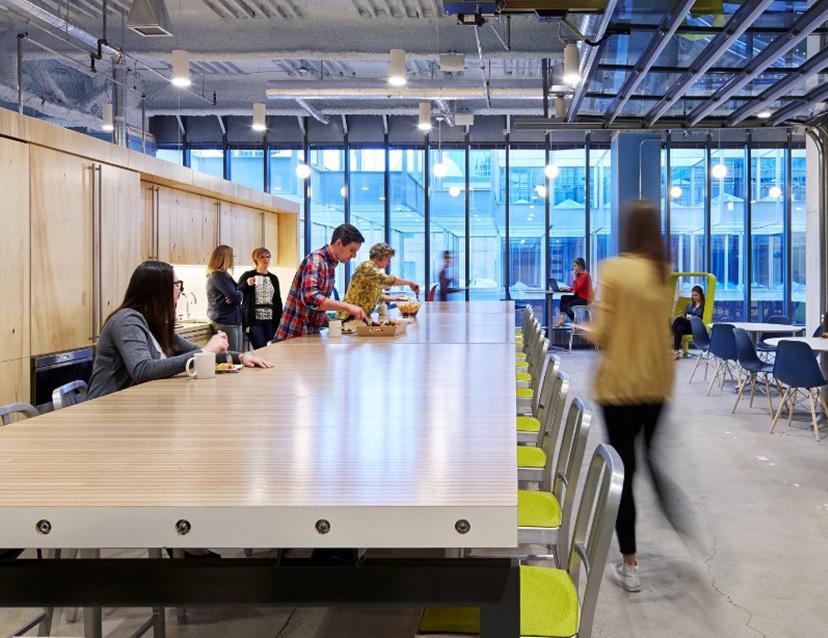
The project engaged simultaneously with bio-based materials and reuse strategies. Old side tables were transformed into gallery shelving and cut-room wood scraps were fabricated into a feature café table that anchors the studio’s central gathering space. Wherever possible, millwork was re-crafted from existing shelving and detailed for ease of disassembly.
The studio’s material strategy prioritized reuse as a core low-carbon approach: 68% of furniture and 16% of construction materials were salvaged from the previous office or sourced secondhand. Rather than add new finishes or conceal existing systems, the team maintained the concrete floors and acoustic ceiling as found. The blue gypsum board, a toxin-absorbing material, was left exposed to maximize its performance.
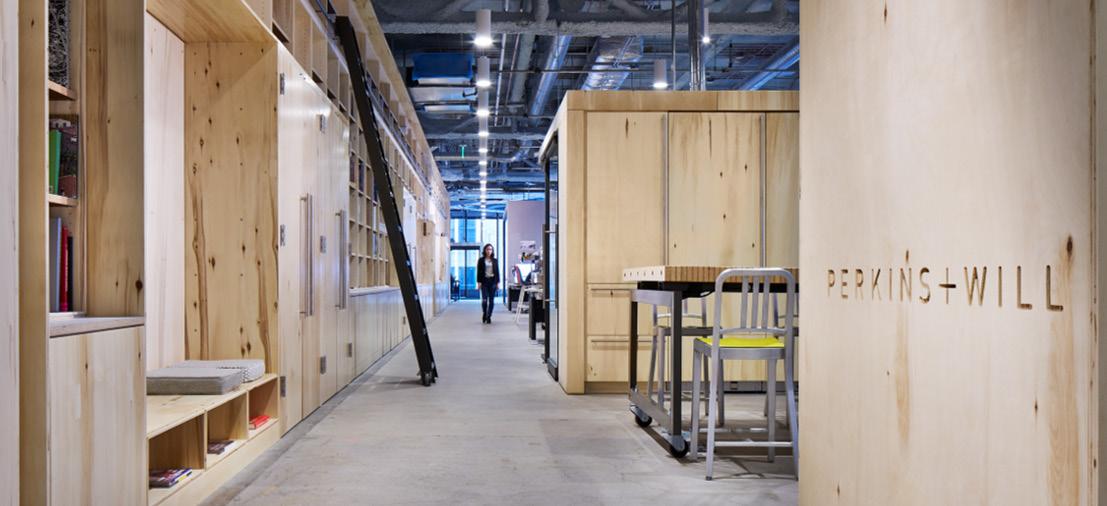
Only five new materials were introduced: wood, glass, Homasote (a cellulose fiberboard), whiteboard, and carpet. Each was selected for material health, indoor air quality, and future cycling potential.
Where repurposed wood was available, unvarnished open casework was constructed using FSC-Certified aspen. Clean, simple wood casework and banquettes greet visitors, supported by a 200-foot gallery wall that organizes shared materials, models, and project work. The team also prototyped CNC-perforated acoustic ceiling panels using the same aspen stock.
Alongside raw wood, Homasote was used in place of gypsum board and pin-up surfaces. Although typically used as underlayment, here it served as a finish material, valued for its sound-dampening properties and fully cellulose composition.
The resulting minimalist palette became the project’s primary form of design expression. Raw wood, exposed systems, and unfussy details create a direct, honest aesthetic grounded in material clarity.
By coupling extensive reuse with a restrained bio-based material palette, the Minneapolis Studio illustrates how workplace interiors can reduce impacts, elevate indoor environmental quality, and feature the character of natural materials. The project demonstrates that circularity need not be concealed; it can become the heart of the design expression.
Washington D.C., 2021
https://perkinswill.com/project/ dc-public-library-southwest-library
The Southwest Neighborhood Library demonstrates how familiar bio-based materials, particularly mass timber, can be expanded through modularity, prefabrication, and even glue-free fabrication. As the first public building in Washington, D.C. to use dowel-laminated timber (DLT), the project leverages a bio-based structural system that serves as both structure and finish, reducing applied materials and showcasing the aesthetic and carbon-storing potential of timber. The result is a civic building that is simultaneously warm, high-performing, and materially efficient.
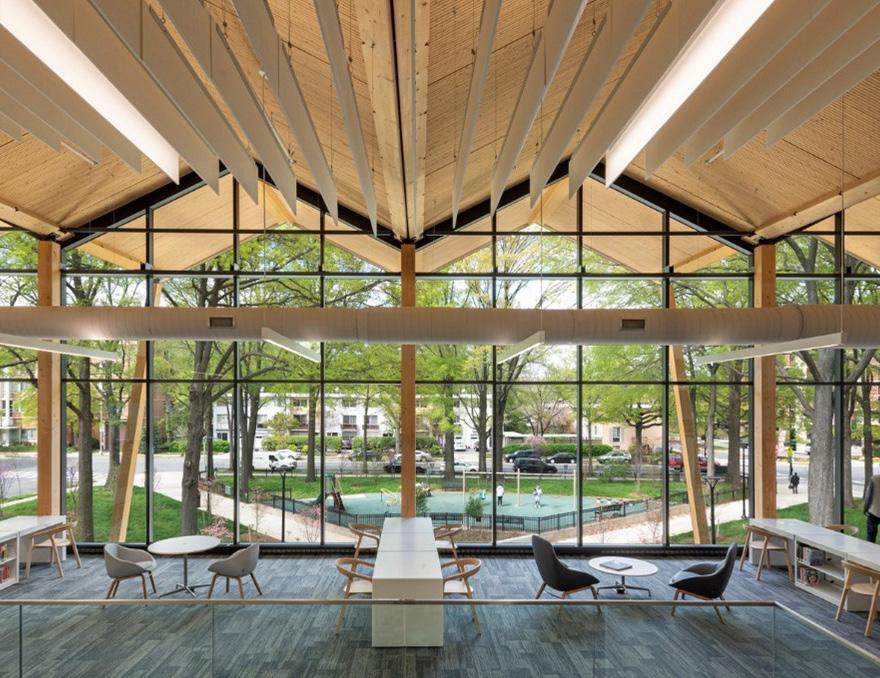
The library’s defining feature is its folded timber canopy. Inspired by the neighborhood’s mid-century fabric, the roof’s facets are both expressive and functional: They capture diffuse northern daylight, shade glazing at critical times of day, frame views of the adjacent park, and extend into exterior soffits to strengthen indoor–outdoor connection.
DLT was selected for this project because it uses only wood and dowels, creating a bio-based panel with reduced embodied carbon and improved material health. The system consists of 2x6 DLT roof panels and 2x8 DLT floor panels supported by glulam beams and columns. Both the structure and DLT decks are fully exposed to the interior and at exterior soffits, replacing finish layers and using a single material to define spatial experience, performance, and character. By integrating structure, finish, daylighting, and expression into a unified timber system, the project demonstrates how mass timber can perform multiple architectural roles while minimizing complexity and optimizing material use.
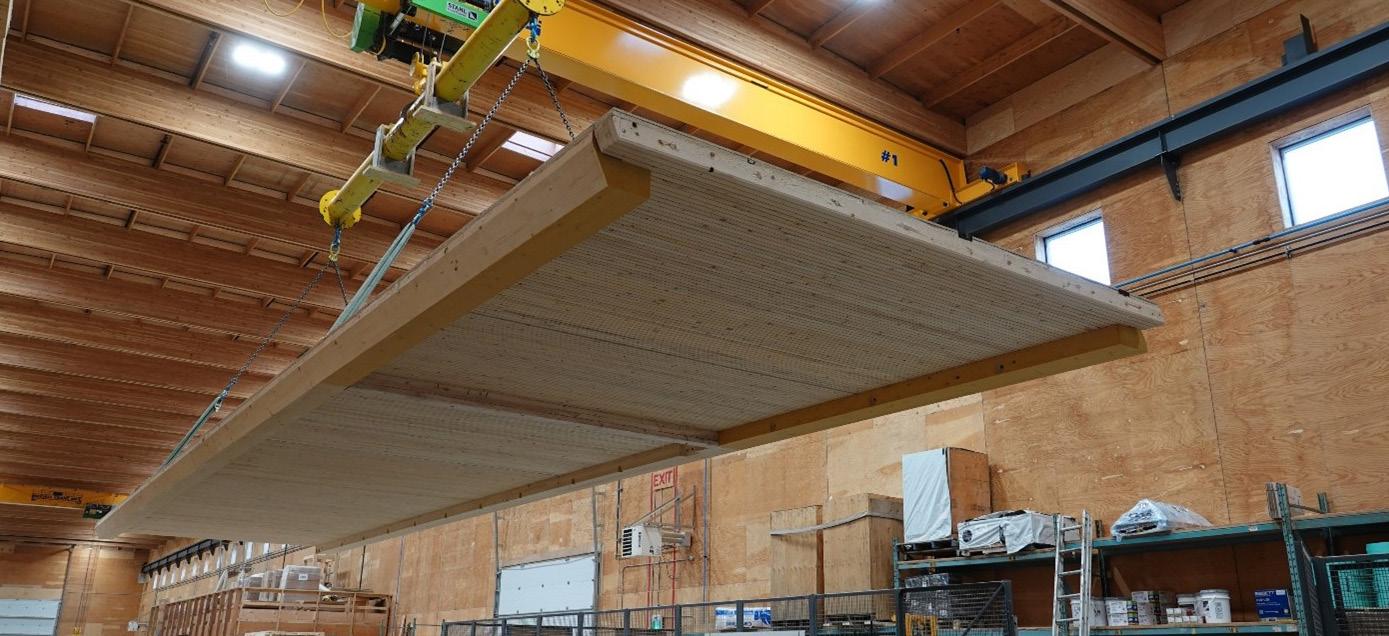
The library was designed for off-site fabrication and modular assembly to improve precision, lower waste, and accelerate installation. Timber components were manufactured as largescale DLT and glulam assemblies, shipped to site, and installed in a matter of weeks by a small, specialized crew.
Prefabrication was essential to achieving the complex folded geometry. Digital modeling, close collaboration with StructureCraft (engineer–fabricator), and shop jigs ensured tight tolerances across multiple angled surfaces. Because the timber frame was erected with such accuracy, the curtain wall supplier was able to base its shop drawings on the as-built structure, improving enclosure fit and reducing rework.
This coordinated process minimized site impacts, streamlined the work of tradespeople on-site, and demonstrated how modular timber systems can be deployed efficiently on publicsector projects.
Through its adhesive-free DLT structure, prefabricated assemblies, and expressive timber canopy, the Southwest Neighborhood Library expands the possibilities of mass timber beyond familiar typologies. The project shows that renewable, carbon-storing structural systems can meet stringent civic requirements, speed construction, reduce finish materials, and offer enduring aesthetic and environmental value. By scaling a fully bio-based system through modular construction, the library challenges misconceptions of bio-based materials as niche and positions mass timber as a viable foundation for future civic and community buildings.
Vancouver, BC, 2012
https://perkinswill.com/project/ vandusen-botanical-garden-visitor-centre/
The VanDusen Botanical Garden Visitor Centre explores how earth and wood can anchor a highly experimental, performancedriven building. Designed by the Vancouver studio of Perkins&Will, this LEED Platinum and Living Building Challenge Petal Certified project treats the building as a living system. Drawing inspiration from a native white bog orchid, it integrates structure, landscape, and environmental performance. Rammed earth and timber are central to this experiment, connecting visitors to geology, plant life, and climate processes on-site.
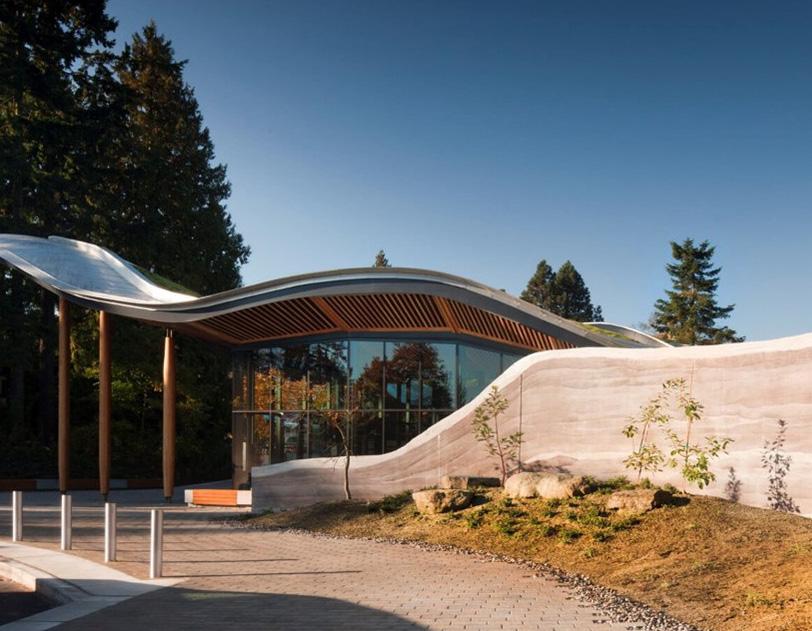
VanDusen was one of the first Canadian institutional projects to integrate exterior rammed earth at this scale and in a humid coastal climate. Curved, stratified walls form a key part of the enclosure, using local soils that meet stringent sourcing requirements and visually echo regional geology. To achieve durability in Vancouver’s wet conditions, the team used stabilized rammed earth (SRE) and developed a hybrid “sandwich” wall: one face rammed, then insulated, then the opposite face rammed and capped with puddled earth (a traditional earthen construction technique).
With limited precedent and structural data at the time, the walls are expressive but non-load bearing. A concealed steel frame carries the roof loads. This approach enabled testing rammed earth in an institutional setting while managing structural risk. Direct weather exposure also required new detailing: A UV-stable PMMA membrane was bonded to the exposed puddled earth cap to guard against moisture. While VanDusen uses SRE in a hybrid system, other projects and climates have since implemented structural unstabilized and stabilized rammed earth (URE and SRE) at greater heights and spans, showing that the material’s potential extends well beyond this early application.
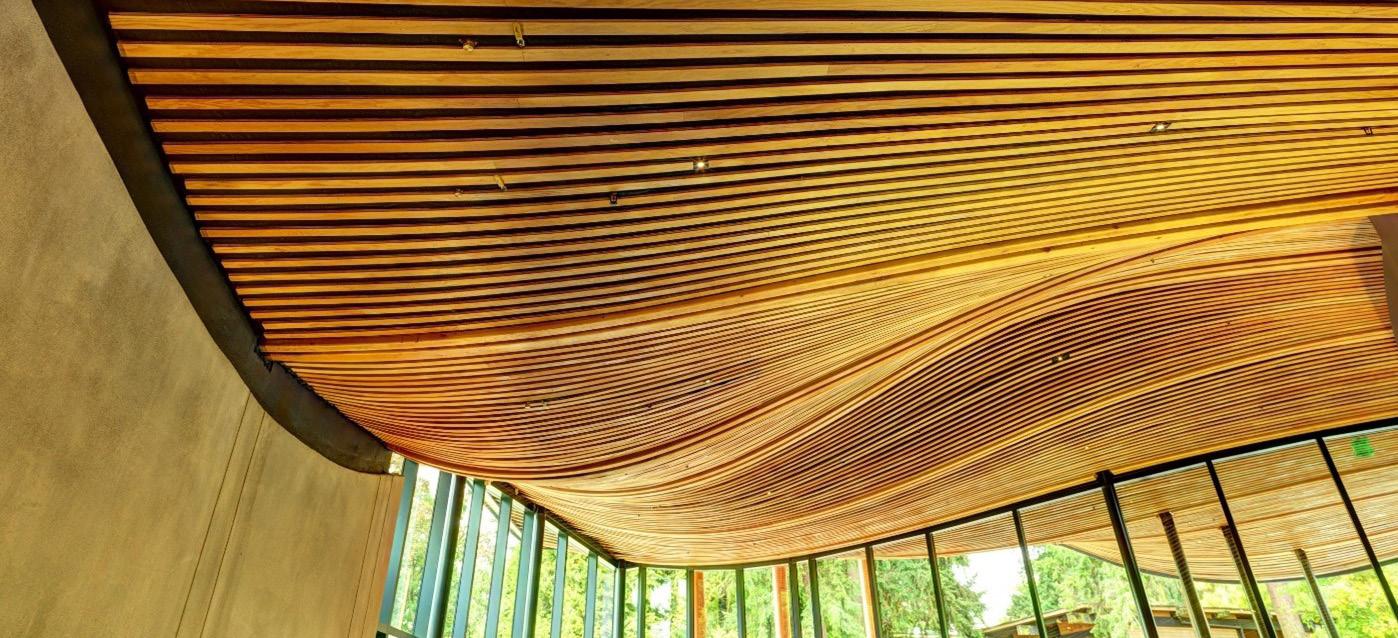
The project’s formal language grows directly from biomimicry. Undulating green roof “petals” appear to float above the rammed earth and concrete walls, converging at a central solar chimney and light well. Inside, a curving wood-slatted ceiling, supported by a glulam post-and-beam structure, evokes organic forms and channels views toward the oculus.
Each of VanDusen’s 71 timber roof panels is unique. The roof’s design and construction process included parametric modeling, interpretation by the structural engineer, and prefabrication off-site. The fabricators determined the most efficient way to panelize each segment, integrating glulam framing, plywood sheathing, insulation, sprinkler lines, lighting conduits, and acoustic liners with wood slats as the visible finish. This panelized system allowed the complex geometry to be realized with precision while keeping wood as the primary interior expression. The green roofs, planted with native species, are connected back to the ground via landform ramps, dissolving the boundary between building and landscape.
VanDusen demonstrates how traditional materials like earth and timber can be combined with advanced detailing, modeling, and building science to meet ambitious sustainability goals. The project’s lessons on moisture management, hybrid structure, and experimental waterproofing detail the care needed when introducing bio-based and earth-based systems into demanding climates. At the same time, its immersive form and visible materiality show that experimentation can yield spaces that are both technically robust and deeply rooted in place, offering a compelling precedent for future earth- and woodbased architecture.
Nuuk, Greenland, 1997
https://www.shl.dk/en/work/ katuaq-culture-centre
The Katuaq Cultural Centre demonstrates how bio-based materials can anchor civic identity in one of the world’s most extreme climates. The building interprets Greenland’s fjords, snowfields, ice, and shifting light, translating these environmental forces into form, material, and public life. Larch, timber, stone, and daylight act as primary design elements, chosen for durability, cultural resonance, and their ability to shape a welcoming public environment while enduring Arctic conditions.
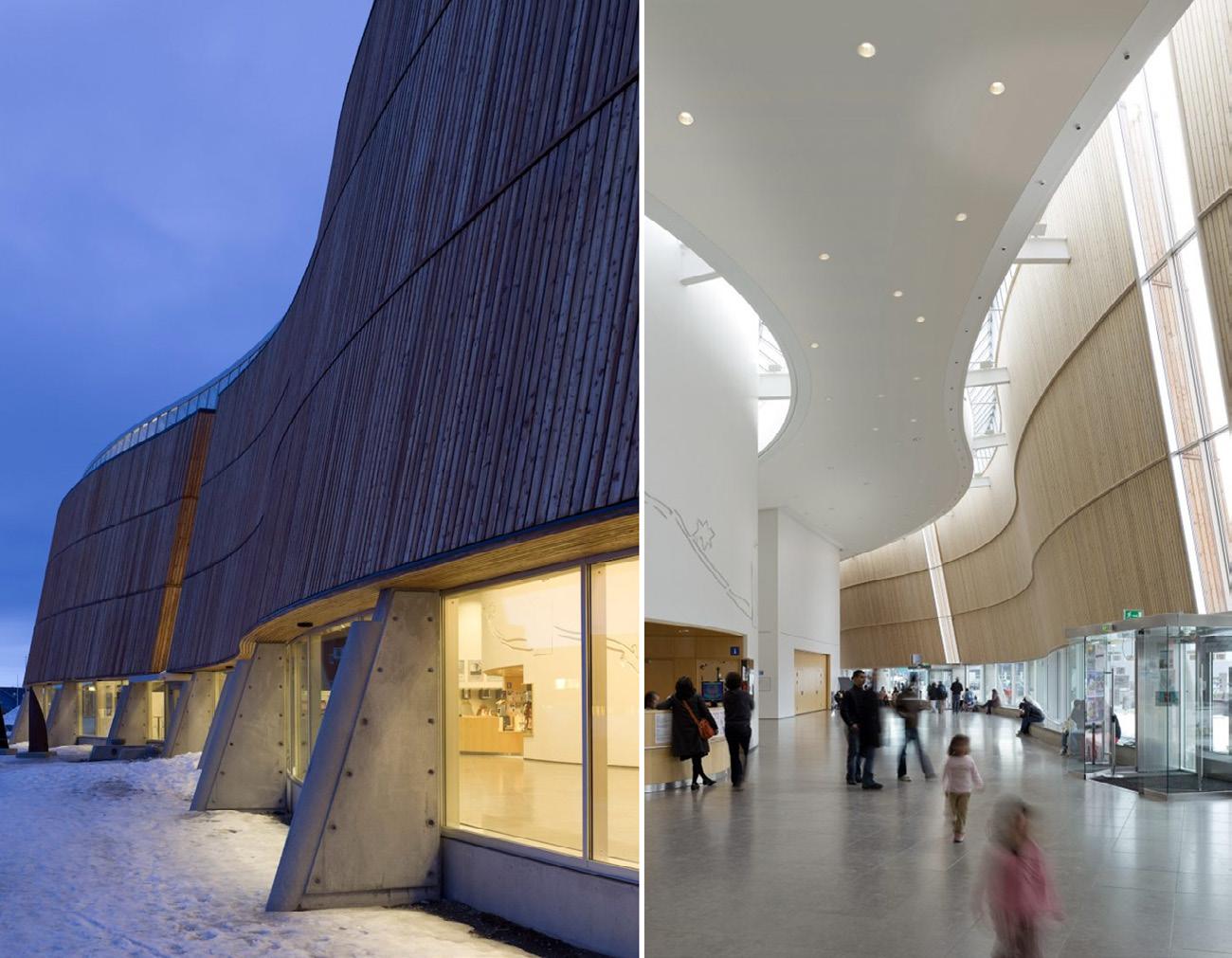
Katuaq’s design is rooted in its landscape and cultural context. Its signature feature, a sweeping, undulating façade of golden larch, draws on the movement of the Northern Lights and the warmth of regional wood traditions. Larch was selected for its density, slow weathering, and natural resistance to cold, wind, and freeze-thaw cycles. Engineered to develop a protective patina, the façade responds to snow, ice, and low winter sun, allowing the building to evolve with its environment. Since opening in 1997, Katuaq has withstood more than two decades of Arctic exposure, demonstrating the robustness of this material and detailing strategy.
Inside, the foyer operates as an informal public square: a warm, lightfilled gathering place protected from the extreme climate outside. Timber, stone, and other natural materials continue throughout the interior, contributing to acoustic comfort, thermal moderation, and a tactile connection to local material culture. In the building’s auditorium, maple veneer and acoustic baffles, paired with oak flooring, walls, ceilings, and balcony fronts, soften the spaces and provide warmth. These bio-based finishes support performance and gathering areas while reinforcing a grounded, place-based material identity.

The juxtaposition of warm wood, cool stone, and shifting Arctic light demonstrates how natural materials can operate both functionally and experientially in a civic building. Katuaq’s undulating larch screen forms a protective, ventilated outer layer whose warm tone and porous rhythm filter daylight into thin, shifting bands that move across interior surfaces. These patterns echo seasonal variations in northern light, animating the foyer and transforming a simple wood façade into a dynamic, light-modulating device.
Behind this luminous outer layer, the building’s inner volume is composed of stone, concrete, and acoustically tuned timber finishes. This heavier, more sheltered environment is suited to performances, gatherings, and cultural exchange. The contrast between the ventilated larch skin and the thermally massive core is intentional: One breathes with the climate, and the other buffers it. Together, the two layers moderate temperature swings, reduce drafts, and maintain comfort in a setting defined by wind, freeze-thaw cycles, and limited winter sun.
Katuaq has become a cultural anchor for Nuuk, welcoming more than 100,000 visitors per year and supporting Indigenous and Nordic programming. Its enduring larch façade, robust timber interiors, and minimal reliance on synthetic materials show how bio-based systems can be adapted for longevity in harsh environments. For designers, the project underscores how material selection, climatic fit, and careful detailing are essential when working with natural materials in extreme conditions. Katuaq offers a precedent for how bio-based materials can shape, protect, and elevate the experience of place over time.
We’re at a turning point.
For the past century, construction has been one of the most extractive and polluting industries on the planet, severing materials from their ecological context and divorcing performance from social and environmental impact. Yet today, as the climate crisis accelerates and the health and equity consequences of conventional practices become impossible to ignore, the field is beginning to shift.
Architects, builders, researchers, and clients are asking better questions. What if our buildings could store carbon instead of emitting it? What if our material choices could support local economies, reduce toxic exposure, and restore ecosystems? What if we didn’t treat waste as inevitable?
And, we build momentum every time a design team asks, “What else is possible?”
These are the provocations fueling the growing interest in bio-based materials, which grow, store carbon, and return safely to the earth. As described in The New Carbon Architecture, the next generation of buildings will be shaped as much by their material inputs as their formal or spatial
outputs. In this transition, bio-based materials represent a foundational toolkit (King 2017).
When we treat materials as relational, entangled with climate, culture, and community, we begin to understand that material choices are never just technical; they’re political, ecological, and social. By specifying differently, we shift what and who is supported, what supply chains are invested in, and what kinds of futures become possible.
Industry signals point toward growing momentum, supported by new tools and expanding interest. This shift is underway, tools are emerging, and the appetite for alternatives is growing. However, broader implementation of bio-based and natural materials is not yet inevitable. It will require continued experimentation, coalition-building, and investment in new forms of knowledge and capacity. With cautious optimism, this report invites practitioners to engage with courage: imagining and applying new ways to build, connect, and care.
The future of construction is not fixed; it’s something we design.
This document is a beginning; a foundation for integrating bio-based / natural materials more confidently into our projects and culture.
To build on this work, we recommend the following actions:
Circulate & Gather Feedback: Engage with the teams and leadership within your sphere. Solicit input and examples from colleagues, clients, and collaborators to make it a living, evolving resource.
Document Pilot Projects: Identify, support, and track projects using bio-based and natural materials.
Advocate and Share Lessons Learned: Capture lessons learned, both technical and cultural, to build an internal evidence base and inspire further adoption. Share at industry conferences, through publications, and by participating in working groups. Advocate for code, policy, and procurement reforms that remove barriers to these materials.
Develop Regional Inventories: Create bioregional material maps by identifying locally available bio-based materials, their supply chains, and any gaps. Use these to inform context-appropriate choices.
Grow the Future Archive: At an industry scale, there is need for a centralized library of bio-based material examples, suppliers, certifications, and regional insights to support sourcing and storytelling. Libraries are currently fragmented, cannot be filtered dynamically, and some are behind paywalls.
Build Supplier Relationships: Proactively engage with growers, manufacturers, and fabricators. Early conversations can surface innovations, align expectations, and enable custom solutions.
Expand Education: Host workshops, presentations, and studio reviews to introduce material.
We gratefully acknowledge:
nj The Traditional Custodians of the lands on which we work and learn, whose deep relationships with the natural world have long guided regenerative practices, and who continue to teach us what it means to care for land, living systems and community.
nj Highly respected external experts from New Frameworks, Parsons Healthy Materials Lab, Rocky Mountain Institute, MASS Design Group, and the Bio-Based Materials Collective who generously shared their knowledge, case studies, and vision for regenerative design.
nj The designers, researchers, and sustainability leaders across Perkins&Will who provided insights, critical feedback, and creative ideas throughout the process.
nj Authors, thought leaders, and industry guides, whose work is shaping our understanding of bio-based and natural materials.
nj The growing global community of builders, makers, and advocates who demonstrate what’s possible when design reconnects to living systems.
We also acknowledge the use of AI-assisted writing tools (OpenAI’s ChatGPT) to support editing and synthesis; all interpretations and conclusions reflect the judgement of the authors.
We extend thanks to everyone who challenged assumptions, asked critical questions, and helped shape this resource into a tool for meaningful change.
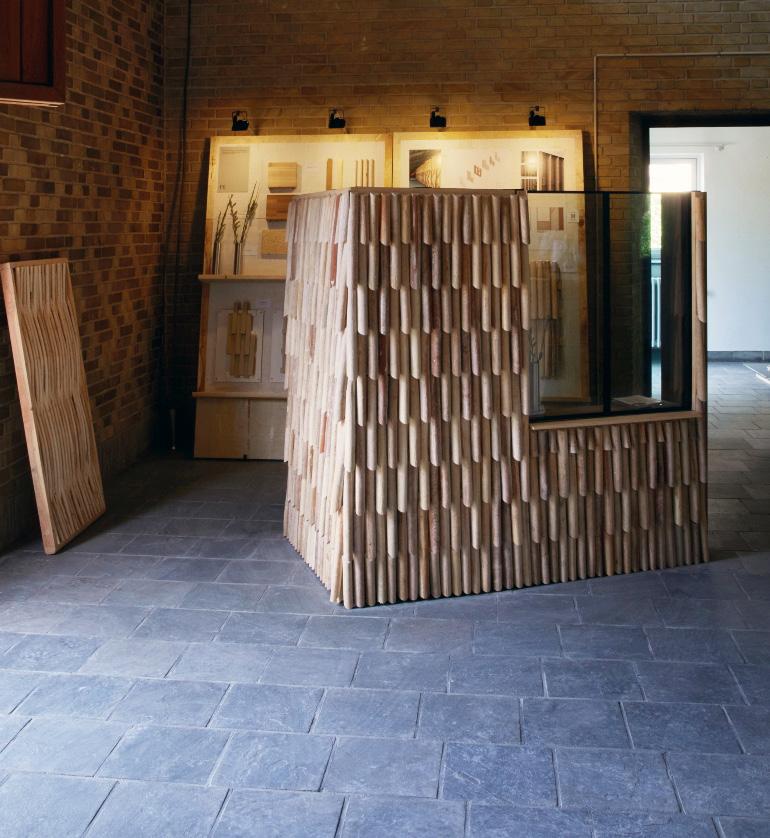
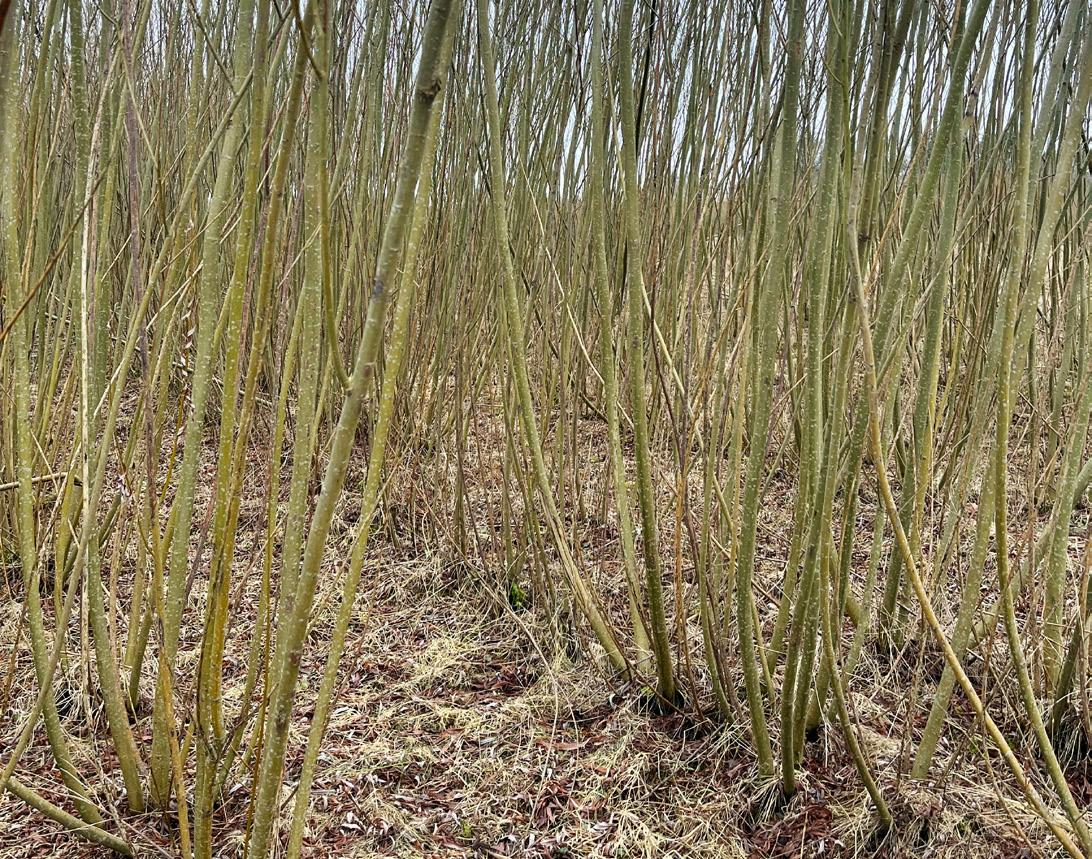
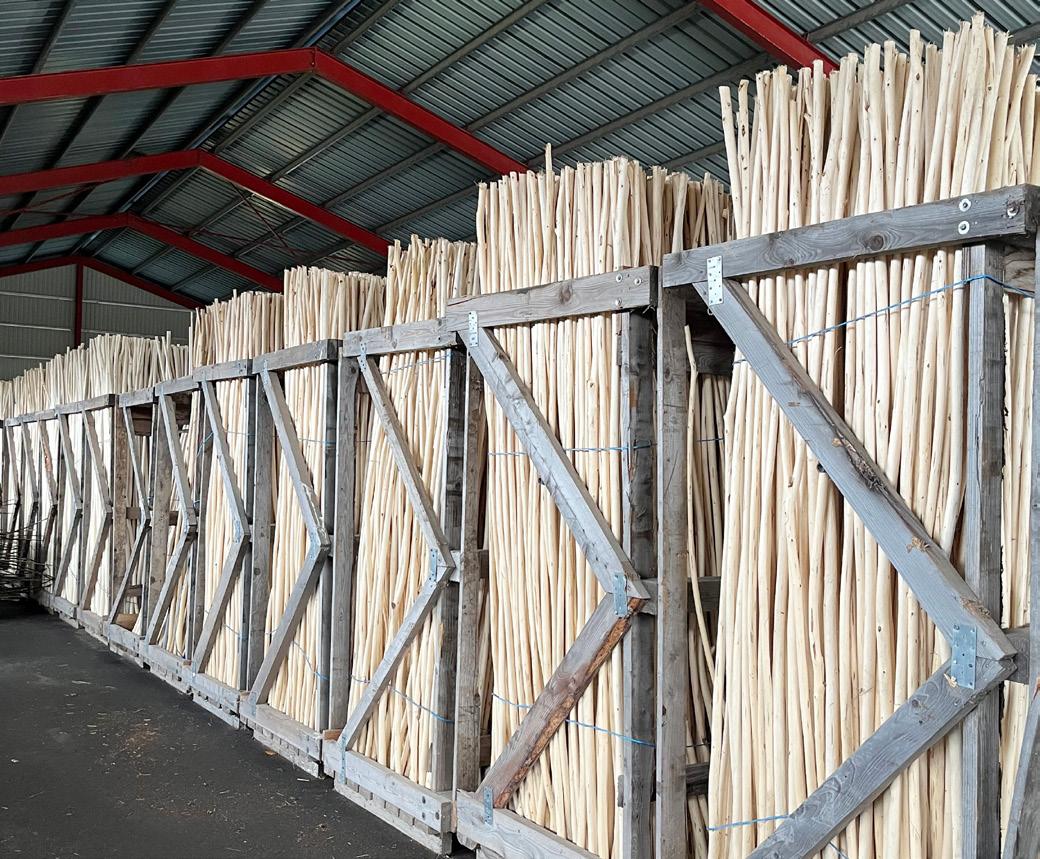
2. Glossary of Terms
3. Material Readiness Summary Table
4. Timing & Leverage in the Design Process
5. List of Guiding Questions
These platforms can serve as starting points for teams looking for bio-based products to integrate into their projects.
• Bio-Based & Natural Materials: Context, Applications, and State of the Industry - Executive Summary – distills information from this document as well as our State-of-the-Industry Survey
• Bio-Based & Natural Materials: State-of-theIndustry Survey – foundational guidance for integrating bio-based and natural materials into architectural practice.
• Circular Design Primer for Interiors – distills best practices in circular design from projects across our global practice; the strategies in this primer may be applied to architecture and interiors projects.
• Getting to Craft in Mass Timber – a guide to support ecological sourcing, design, and technical considerations for mass timber projects.
• Our Carbon Health Series – a series of reports developed in collaboration with Habitable that address both embodied carbon and health concerns that are associated with common building materials..
• AIA Materials Pledge – a collective commitment by architects to prioritize building products that advance human health, climate and ecosystem health, and social equity in a circular economy.
• Aireal Materials – a physical and online library of materials that capture CO₂ during production.
• ACAN Natural Materials Detail Library – a collection of natural construction details and list of natural materials manufacturers, suppliers and installers.
• Biobased Materials Library – a library of all biobased materials used in the projects of Company New Heroes and Biobased Creations.
• Builders for Climate Action (BfCA) Bio-Based and Circular Materials Database – a curated database of bio-based and regenerative materials.
• Common Materials Framework - a shared language for sustainable building products, mapping information from the most widely used certifications across five core impact areas.
• Future Materials - showcases design-led, low carbon, bio and circular products.
• Henning Larsen Materials Catalog gives architects the means of assessing GWP in the product production phases.
• Materials Assemble Materials Library – a library of the finishes and techniques (including bio-based) from working craftsmen, artisans and makers.
• Materials District – a database and match-making platform that includes natural materials & connects manufacturers and distributors w/ A&D professionals.
Material Order – a resource for designer materials collections led by academic and cultural institutions (filter results by “Lifecycle component > renewable”).
• Parson’s Healthy Materials Lab (HML) Healthy and Regenerative Materials Collection – a large material collection focused on materials and products that originate from ecological sources.
PlasticFree is an innovative platform for materials drawn from nature’s resources; renewable, toxin-free, and nutrient-rich.
• USDA BioPreferred Catalog – a catalog of certified bio-based products (see “Construction” tab).
• UTSOA Materials Lab – a student researchdriven online database of existing, new and upcoming materials.
Abiotic Derived from non-living geological processes. In this report, we’ve used the more familiar term “natural” to describe abiotic materials that are abundant and regionally available, with low embodied carbon and capacity to be reused or broken down and reintroduced into natural cycles at their end-of-use.
Bio-Based Materials
Bio-based Synthetics & Polymers
Materials that are wholly or partly derived from living or recently living biological resources. This term refers to the origin of the material, not its end-of-use behavior as a product. Materials developed with bio-based feedstocks are not always biodegradable or compostable.
Materials that are partially derived from biological inputs (such as corn, castor oil, sugarcane, algae) and processed into synthetic forms, such as bioplastics or bio-based resins with plant-based feedstocks. These may offer meaningful health and environmental benefits over their conventional, fossil- and chemical-based counterparts. However, they are hybrids in nature (not pure biological materials) and may not be biodegradable or recyclable.
Bio-economy The part of the economy that uses renewable biological resources to produce food, materials, energy, and services. It emphasizes reducing reliance on fossil resources by harnessing biology, biotechnology, and circular systems for sustainable economic growth.
Biocomposites Materials made by combining biological components (like plant fibers) with a matrix (like biopolymers) to enhance strength and performance.
Biodegradable A term used to describe materials that can be broken down by microorganisms into carbon dioxide, water, mineral salts, and biomass without leaving toxic residues, though the process depends on environmental conditions. However, the term is often misused, as not all “biodegradable” products fully degrade in real-world settings and some merely fragment into microplastics (Ternaux 2022).
Biofabrication Manufacturing using biological processes or organisms to grow materials instead of extracting or synthesizing them.
Biogenic Carbon The carbon stored in or emitted from bio-based materials. Living organisms are partially composed of organic carbon that is captured through natural biological processes. When used responsibly, bio-based products can contribute to their own “carbon pools” over time, storing carbon alongside natural pools like soil and below-ground biomass (U.S. EPA 2020).
Biological Fostering a connection to nature and support human well-being by engaging in our senses or referencing natural patterns, textures, or cycles. Biophilic design and materials do not necessarily include biological elements.
Biomass Refers both to the total mass of living organisms and to plant- or waste-based materials used for energy production through combustion or conversion into biofuels. Sustainable biomass typically relies on non-edible plants, residues, or algae, as large-scale use of food crops or forests for energy can cause environmental harm and food shortages (Ternaux 2022).
Biophilic Materials or design strategies that foster human connection to nature by engaging the senses and referencing natural forms, patterns, or cycles.
Bioregional Sourced, processed, and applied within a specific local ecological context, aligned with the characteristics and limits of the surrounding bioregion.
Biosphere The thin life-supporting stratum of Earth’s surface, extending from a few kilometers into the atmosphere to the deep-sea vents of the ocean. It is composed of living organisms and non-living factors from which organisms derive energy and nutrients.
Blue Economy
Carbon Sequestration
Circular Economy
An economy that sustainably uses, manages, and regenerates ocean, sea, and coastal resources to support economic growth and livelihoods while safeguarding marine ecosystem health. It encompasses both market and non-market benefits, from food and energy production to carbon storage, coastal protection, cultural value, and biodiversity, advancing global goals such as the UN’s “Life Below Water” Sustainable Development Goal 14 (United Nations, n.d.).
The capture and long-term storage of atmospheric carbon dioxide in materials like wood, hemp, or straw.
An economic system aimed at minimizing waste and making the most of resources by keeping materials in continuous use through reuse, repair, recycling, and composting (Ellen MacArthur Foundation, n.d.).
Ecological Materials developed or used in ways that support ecosystem health, biodiversity, resource regeneration, and climate resilience.
Embodied Carbon
Engineered Living Materials (ELM)
Environmental Product Declarations (EPDs)
Fossil-based Materials
Life Cycle Assessment (LCA)
Lithosphere
Natural Materials
The total greenhouse gas emissions that are associated with material extraction, production, transport, construction, use (not including operational energy), repair/replacement, and end-of-use.
Materials incorporating living organisms that perform functions such as sensing, growing, or self-repairing.
Are standardized, third-party–verified reports that quantify a product’s environmental impacts, such as global warming potential, resource use, and waste across its life cycle, following ISO 14025 and EN 15804 guidelines.
Derived from organic matter that comes from a geological reserve of ancient carbon. Fossil-based materials have been removed from rapidly renewable biological cycles for millions of years and are finite.
A method to evaluate the environmental impacts of a material or product throughout its life cycle, from raw material extraction to disposal or reuse.
The rigid, rocky outer layer of Earth, made up of the crust and the solid outermost layer of the upper mantle that extends a depth of about 60 miles (100 km).
Materials that occur in nature and can be used with minimal processing or chemical alteration but not are not bio-based. These materials have their own cycles. For example, earthen materials can be broken down and reintegrated into mineral soil or reused as raw material. Lime gains strength over time and can self-heal minor cracks due to the carbonation stage of the “lime cycle,” reabsorbing CO₂ that was produced during calcination. However, not all natural materials are automatically low-impact or regenerative, as some require extensive excavation, heat, chemicals, or other intensive manufacturing inputs.
Planetary Boundaries
Regenerative
Technology Readiness Level (TRL)
The ecological limits within which humanity can safely operate, such as climate change, biodiversity, and land use, which are directly and indirectly affected by material choices (Stockholm Resilience Centre 2023).
Holding net-positive benefits for environmental and human well-being across their life cycles. Where sustainability aims to reduce harm, regeneration seeks to restore and revitalize living systems, representing a shift from efficiency to reciprocity, from doing “less bad” to doing better.
A scale to assess how mature a technology or material is, from research and development stage to commercially available. The TRLs in this document come from Innovation, Science and Economic Development Canada (ISED Canada 2021)
CATEGORY
Animal
Bacteria
Beeswax finishes & coatings; goat hair carpet & rugs; milk (casein) paint & finishes; textiles (leather, silk, wool); wool carpet & rugs; wool felt acoustic panels/tiles; wool insulation*
Earth
Adobe (block, system)*; clay mortar; clay plaster & paint; compressed stabilized earth block (CSEB)*; unfired & lowfire clay tile; rammed earth (precast/site-cast)*
Fungi
Marine
Mineral
Seaweed fiber composite panel; shell aggregate (decorative, terrazzo, pavers)*
Lanolin-rich wool felts & textiles*; recycled/ byproduct felts, textiles, carpet & rugs*
Grown masonry; grown tile; petroleum-free bio-resins; bacterial cellulose panels & films; pigmented bio-coatings; self-healing concrete*; selfhealing wood coatings*
Clay drywall panel/board; earthen flooring*
Beeswax boards; lanolin finishes*
Eggshell ceramic tile; feather fiber composite; honeybee bio resin
Basalt mineral wool insulation; foam glass (insulating aggregate/ insulating fill); glass pozzolan (SCM)*; lime grout/mortar; lime paint & plaster; magnesium oxide board; natural gypsum board; potassium silicate paint; stone aggregate; stone finishes & cladding; stone wall (dry stacked & gabion)*
Mycelium acoustic tile/panel; mycelium composite panel; mycelium flooring; mycelium leather
Algae-enriched paints; algae films (furnishings); chitosan bio-composites (coatings, tiles & films); eelgrass products (board/panel, acoustic board/ mat, insulation*); kelp-based insulation*; kelp/seagrass wall panel; oystershell plaster; seaweed bioplastic furnishings; seaweed insulation*
Basalt fiber concrete reinforcement; basalt-fiber board/panel; calcium silicate board; diatom mud paint; glass insulation*; hybrid mineral plant insulation board*; lime tile; perlite insulation*; pozzolanic tile
Lab-grown textiles; bacterial aggregates*; bio-cement tile; biologically enhanced paints; kombucha textiles; microsilk
Bio-based blocks*; microbial bioluminescence surface technologies*; programmable coatings*
Prefabricated earthen block panel systems* 3d-printed clay/earth mixes*
Mycelium block*; mycelium composites w/ reinforcement*; mycelium insulation*; mycelium moldable furnishings; mycelium plywood
Mycelium structural wall panel*; mycelium coatings & finishes*; mycelium-based bioplastic cladding*
Algae bricks*; kelp composite foam*; microalgae cement*; textiles (algae, seaweed, kelp)
Living microalgae façade systems*; seaweed bricks*; seaweed-grown structural foam*
Mineral coatings (thermal regulation)*; mineral-rich PCM panels*
Mineral coatings (thermal regulation)*; salt panels*
This matrix shows all known bio-based & natural materials/products mapped by category & TRL.
Bamboo products (finishes, furnishings, rugs, plywood*); bio-based resilient flooring (linoleum, natural rubber); biochar aggregate & additives*; cob*; cork products (finishes, molded furnishings, insulation, brick); engineered bamboo (structural)*; engineered wood products (CLT, glulam, flooring, siding, etc.)*; grass fiber panels/boards; hemp fiber products (insulation, board); hempcrete, hemp wood products; latex-based products (foams, paints); light straw-clay insulation & plaster*; linseed-based finishes & sealants; paperbased solid surface; plantbased pigments & dyes; plant fiber wall coverings/acoustic panel (bamboo, cotton, hemp, flax, etc.); salvaged wood*; straw panels/insulation*; strawbale*; textiles (linen/ flax, bamboo, cotton, hemp); upholstery filling (cotton, kapok, buck-wheat hull, coconut coir); wood fiber, cellulose, & wood wool products (acoustic panel/ tile, cladding, panel/board, insulation*); wood veneer
Birch bark roofing*; composite bamboo cladding/ decking*; cork-based products (cladding, render, thermal plaster, fiber-reinforced screed)*; corn-based board & tile; flax core panel; foodwaste composite panels; grass- & reed-fiber products (panel, board, flooring); hemp fiber fleece underlayment*; linoleum furnishings; nutshell products (aggregate, composite board); pineapple leaf leather, plant cellulose-based (panel); plant fiber insulation (flax & similar fibers)*; ricebased composites (husk board/decking/tile, rice straw panel); rice hull insulation*; straw-based exterior systems (board/panel, insulation)*; sugarcane composite board; thatch roofing/siding*; timber/ straw composite panels
Agave fiber composites; coconut husk fiber board; hemp battens/framing elements; hemp-reinforced bioplastics/composite; natural rubber (birch bark waste); nutshell bio-composite furnishings; plant-based sealants; soy-based foams, coatings & adhesives; transparent wood*
Coffee bean composite furnishings; fruit leather; sugarcane composite panel
The influence of designers over sourcing, processing, and material outcomes is highest when engagement occurs early in the project timeline.
1. Pre-Design – The optimal stage for establishing trust, identifying pilotstage materials, and forming partnerships with manufacturers and suppliers. Early alignment enables consideration of bio-based options before programmatic and cost constraints narrow opportunities.
2. Schematic and Design Development (SD/DD) – The most strategic phases for testing prototypes, evaluating performance, and shaping specifications. Decisions at this stage determine whether bio-based materials advance into documentation and construction.
3. Construction Documentation (CD) and Beyond – While major systems are typically set, low-risk substitutions remain feasible for interior finishes and fit-outs.
Proactive relationship-building before project inception expands the potential for regenerative outcomes. Maintaining dialogue with manufacturers, researchers, and material suppliers during non-project periods or concurrent R&D efforts helps teams mobilize quickly when new opportunities arise. Early coordination provides greater leverage to influence design intent and integrate bio-based materials systematically, rather than retrofitting decisions late in the process.
Pre-Design / Research
Concept / Schematic Design (SD)
Design Development (DD)
Construction Dcomentation (CD)
Bidding
Construction Admin. (CA)
PostOccupancy / Evaluation
Scout ideas, explore new systems, evaluate alignment wtih firm values & pledges
nj Use the Evaluation Framework to shortlist materials
Identify potential partners and material candidates
Establish project vision & material intent
Share vision and explore fit-forpurpose prototypes
Validate feasibility, cost, performance, and constructability
Finalize detailing, specs, and procurement path
Align with builder and pricing strategy
Support installation and QA/QC
Test performance, assess supply timelines, support compliance efforts
Finalize supply agreement, fabrication details, and EPD/ disclosure inputs
Provide transparent pricing and warranty info
Provide tech support or on-site assistance
nj Host introductory calls or attend maker site visits
nj Co-develop mockups
nj Align values & goals
nj Discuss functional/narrative role of the material
nj Develop material specs
nj Coordinate fire/safety/code testing needs
nj Adjust design to material limits
nj Write in custom specs or alternates
nj Confirm delivery timeline and installation instructions
nj Host pre-bidding (pre-tender) info session
nj Ensure builder confidence in the material
nj Observe installation process
nj Document challenges and lessons
Evaluate performance, collect user feedback, document outcomes
Co-author case study or postoccupancy review
Manufacturers / Material Development
Growers / Cultivators
Artists / Craftspeople
Prefab Entities
nj Create a case study with photos and feedback
nj Share learnings with firm and industry
Initiate pilot projects, co-develop prototypes, advocate for regenerative certifications, articulate design use-cases for new materials
Form regional partnerships, specify harvest cycles, explore material uses for agricultural byproducts
Partner on installations and research residencies, embed cultural narratives, tap into making-based knowledge systems
Align material dimensions with prefab formats, test modular assembly, engage fabricators in early-stage detailing Testing/Prototyping Entities
nj Can materials that are byproducts of other industries be used?
nj Is the wool free from harmful mothproofing chemicals, binders, or flame retardants?
nj Are the Five Freedoms of animal welfare upheld throughout the supply chain?
nj Is the product sourced from local, community-owned, or regenerative operations?
nj Are dyes and finishes non-toxic and certified (OEKO-TEX, GOTS)?
nj Is the product reusable or compostable at end of life?
nj Are energy and water inputs minimized or offset in production?
nj Are materials traceable to equitable, transparent farming operations?
nj Does the material support local or artisanal economies?
nj Is the harvesting or extraction method sustainable and non-disruptive (e.g., for silk)?
nj Is the material certified by recognized standards ( Responsible Wool Standard, Responsible Down Standard)?
nj What is the land- use impact of sourcing this material? Are sustainable land management practices in place to prevent soil degradation and protect biodiversity?
nj Can the material safely return to natural systems (e.g., through composting or biodegradation)?
nj What organism or strain is used, and is it safe for humans and the environment?
nj What is the feedstock (e.g., waste, carbon, sugars), and is it sustainably sourced?
nj Is the material grown or activated on-site or shipped pre-fabricated?
nj Does the product require curing, binding, or sealing with other chemicals? (Avoid bacterial materials which still contain petrochemicals)
nj What is the material’s life span and exposure tolerance?
nj Can it be recycled, reused, or composted after use? Is it fully biodegradable? What are the material’s water and energy requirements during fabrication?
nj Is production decentralized or reliant on centralized facilities?
nj Can the material’s story be used to engage clients or occupants in climate-positive design?
nj What are the feedstock and fungal species used to grow this material? Are they local, native, and/or sourced from a waste stream that doesn’t compete with food production?
nj Is the mycelium material treated with any petrochemicalbased additives or coatings?
nj Is the material fully biodegradable, compostable, and safe to return to soil without contamination?
nj How much energy is used in the manufacturing process, and are renewable, low-energy methods employed?
nj Has it been tested for flame resistance, structural performance, and tolerance to moisture, abrasion, and UV exposure?
nj Is the material locally grown and distributed, or does it rely on centralized supply chains?
nj Can it be shaped or molded to meet specific performance, aesthetic, or expressive goals?
nj Is it appropriate for the intended indoor or outdoor environment?
nj How does it compare to alternatives in acoustic and thermal insulation?
nj Can it be repaired or remanufactured?
nj What species is the marine material derived from, and is it sustainably cultivated or wild-harvested?
nj Is the harvesting method non-disruptive to marine ecosystems and communities?
nj What are the material’s embodied energy and end-of-life pathway? Is it fully biodegradable and safe to return to natural systems?
nj Has it been tested for moisture, fire, and mold resistance?
nj Can this material be integrated with other bio-based or mineral substrates?
nj Does it require synthetic additives, petrochemicals, or sealants to perform?
nj Does the material avoid hazardous chemistries like isocyanates in its production?
nj Is the source traceable and supportive of Indigenous or local stewardship?
nj Are there any environmental concerns (e.g., microplastics, heavy metal absorption)?
nj Does it support a regenerative blue economy?
nj How might its relationship to ocean or place be expressed?
nj Has the material’s bio-based content been verified through standards like USDA BioPreferred® or ASTM D6866?
nj Is the plant material rapidly renewable or derived from agricultural byproduct streams, avoiding conflict with food production?
nj Is it grown using regenerative or organic practices, without synthetic pesticides, biocides, or harmful fertilizers?
nj Is the material regionally harvested or sourced from local farms, supporting equitable labor and small-scale farming?
nj If rubber is used, is it from natural, renewable sources (latex, guayule, birch bark, dandelion) and certified (e.g., GOLS)?
nj Is the product certified (e.g., FSC, SFI, USDA BioPreferred®, Fairtrade, ASTM D6866) or otherwise transparently sourced?
nj Is the product confirmedto be free of petrochemicals and harmful additives, using plant-based binders where possible?
nj Is the manufacturing process energy-efficient and/or powered by renewable energy?
nj What is its durability and performance in high-moisture, UV-exposed, or high-wear environments?
nj Is it vapor-open and able to regulate humidity naturally?
nj Is it compatible with existing building code and fire safety requirements?
nj Can the product be reused, composted, or safely biodegraded at end-of-life?
nj Does it contribute to a biophilic or cultural narrative that reinforces place and identity?
nj Have local natural builders been consulted for contextspecific expertise and best practices?
nj Is the soil locally available and suitable for construction? Can it be site-sourced and tested for appropriate additives and binders?
nj Have you engaged local experts or builders familiar with earthen techniques to leverage their knowledge and best practices?
nj Have labor costs, skill needs, and team capacity for mockups or experimentation been considered, given some techniques require specialized expertise?
nj Is the technique appropriate for the local climate, resilient
to weathering and erosion, and allowed by codes?
nj Are stabilizers (e.g., cement) necessary? (Avoid petrochemical additives and high Portland cement; prefer lime where possible (, noting slower dry times).
nj Can finishes remain unsealed to maintain breathability?
nj Have locally available fibrous agricultural byproducts been identified to mix with clays?
nj Can earthen finishes enhance acoustic or thermal comfort?
nj Can embodied carbon, energy, and material savings, as well as maintenance needs, be quantified?
nj How does this technique reflect the story or character of place?
nj Is this mineral abundant, responsibly extracted, and regionally sourced?
nj Is the scale of extraction appropriate, recognizing minerals are finite and non-renewable?
nj What are the ecological impacts of extraction, such as biodiversity loss or water contamination?
nj Is the supplier transparent about their sourcing and processing practices?
nj What is the embodied carbon and energy required for extraction and processing?
nj Does this mineral actively sequester carbon (e.g., lime, magnesium) or help reduce Portland cement use?
nj What waste streams or upcycled/recovered minerals (e.g., ash, slag, gypsum) could replace virgin inputs?
nj Are any additives, stabilizers, or petrochemicals used in its formulation?
nj How does it compare to petrochemical-based alternatives for durability, toxicity, or performance?
nj Is it vapor-open and able to regulate humidity naturally?
nj Does it help support or enhance other regenerative materials or systems?
nj Can this material be shaped, reused, or recycled at the end of life?
1. Adator, Stephanie Worlanyo, and Jiangfeng Li. 2021. “Evaluating the Environmental and Economic Impact of Mining for Post-Mined Land Restoration and Land-Use: A Review.” Journal of Environmental Management 279. https://doi. org/10.1016/j.jenvman.2020.111623.
2. Center for Sustainable Systems. 2024. “U.S. Material Use Factsheet, CSS Fact Sheet No. CSS05-18.” University of Michigan, Ann Arbor. https://css.umich.edu/publications/ factsheets/material-resources/ us-material-use-factsheet.
3. CFANS, University of Minnesota. 2022. “Bridging the Food Trust Gap.” College of Food, Agricultural and Natural Resource Sciences (CFANS), University of Minnesota. https://cfans.umn.edu/ news/bridging-food-trust-gap.
4. Dams, Barrie, Dan Maskell, Andrew Shea, Stephen Allen, Valeria Cascione, and Pete Walker. 2023. “Upscaling Bio-Based Construction: Challenges and Opportunities.” Building Research & Information 51 (7): 764–82. https://doi.org/10.1080/0 9613218.2023.2204414.
5. Ellen MacArthur Foundation. 2021. “Closing the Nutrient Loop.” https:// www.ellenmacarthurfoundation. org/circular-examples/ closing-the-nutrient-loop.
6. Ellen MacArthur Foundation. n.d. “Circular Economy Introduction.” Ellen MacArthur Foundation. https:// www.ellenmacarthurfoundation.org/ topics/circular-economy-introduction/ overview.
7. Giljum, Stefan, Victor Maus, Nikolas Kuschnig, et al. 2022. “A Pantropical Assessment of Deforestation Caused by Industrial Mining.” Proceedings of the National Academy of Sciences of the USA (PNAS) 119 (38). https://doi. org/10.1073/pnas.2118273119.
8. Göswein, Verena, Jay Arehart,
Catherine Phan-huy, Francesco Pomponi, and Guillaume Habert. 2022. “Barriers and Opportunities of Fast-Growing Biobased Material Use in Buildings.” Buildings and Cities 1 (745–755). https://doi.org/10.5334/ bc.254.
9. Göswein, Verena, Jay Arehart, Francesco Pittau, et al. 2022. Wood in Buildings: The Right Answer to the Wrong Question. 1078 (1). https://doi. org/10.1088/1755-1315/1078/1/012067.
10. Grable, Juliet, Michael Berrisford, Mike Johnson, and Erin Rovalo. 2024. Regenerative Materials NOW: A Playbook for Designers and Specifiers. Ecotone, International Living Future Institute (ILFI). https:// store.living-future.org/products/ regenerative-materials-now-aplaybook-for-designers-andspecifiers-free-download-copy.
11. Gravis, Lenaïc, and Isobel Pinckston. 2024. “6 Strategies for Achieving Circularity in the Built Environment.” Trellis. https://trellis.net/article/6strategies-for-achieving-circularityin-the-built-environment.
12. Haddaway, Neal R., Adrienne Smith, Jessica J. Taylor, et al. 2022. “Evidence of the Impacts of Metal Mining and the Effectiveness of Mining Mitigation Measures on Social–Ecological Systems in Arctic and Boreal Regions: A Systematic Map.” Environmental Evidence 11: 30. https://doi. org/10.1186/s13750-022-00282-y.
13. Hebel, Dirk E., and Felix Heisel. 2017. Cultivated Building Materials: Industrialized Natural Resources for Architecture and Construction. Birkhauser. https://birkhauser.com/ en/book/9783035608922.
14. Héder, Mihály. 2017. “From NASA to EU: The Evolution of the TRL Scale in Public Sector Innovation.” The Innovation Journal: The Public Sector Innovation Journal 22 (2): 3.
15. Intergovernmental Panel on Climate Change (IPCC), Hoesung Lee, and José Romero. 2023. IPCC, 2023: Sections. In: Climate Change 2023: Synthesis Report. Contribution of Working Groups I, II and III to the Sixth Assessment Report of the Intergovernmental Panel on Climate Change. Intergovernmental Panel on Climate Change (IPCC). https://www. ipcc.ch/report/ar6/syr/downloads/ report/IPCC_AR6_SYR_LongerReport. pdf.
16. International Living Future Institute (ILFI), and Juliet Grable. 2023. The Regenerative Materials Movement: Dispatches from Practitioners, Researchers, and Advocates. Ecotone, International Living Future Institute (ILFI). https://store.living-future. org/products/the-regenerativematerials-movement-dispatchesfrom-practitioners-researchers-andadvocates.
17. ISED Canada. 2021. “Technology Readiness Level (TRL) Assessment Tool.” Innovation, Science and Economic Development (ISED) Canada. https://ised-isde.canada. ca/site/clean-growth-hub/en/ technology-readiness-level-trlassessment-tool.
18. King, Bruce. 2017. The New Carbon Architecture: Building to Cool the Planet. New Society Publishers. https://newsociety.com/book/thenew-carbon-architecture/?srsltid=Af mBOorTtofSi1u1ildNDfC0xjMf6xCGuX 6JAE3Ka8g7FqxXWvEfF2Tn.
19. Magwood, Chris, Aurimas Bukauskas, Tracy Huynh, and Victor Olgyay. 2025. Building with Biomass: A New American Harvest. Rocky Mountain Institute (RMI). https://rmi.org/ insight/building-with-biomass-anew-american-harvest/.
20. Matos, Grecia R.. 2017. Use of Raw Materials in the United States from 1900 through 2014. https://doi.
org/10.3133/fs20173062.
21. Matos, Grecia R.. 2022. Materials Flow in the United States— A Global Context, 1900–2020. No. 1164. U.S. Geological Survey Data Report. https://doi.org/10.3133/dr1164.
22. Mindful MATERIALS. 2025. “The Common Materials Framework.” The Common Materials Framework. https://www.mindfulmaterials. com/a-common-language.
23. National Geographic. 2025. “Lithosphere.” https://education. nationalgeographic.org/resource/ lithosphere/.
24. Newell, Robert. 2023. “The Climate-Biodiversity-Health Nexus: A Framework for Integrated Community Sustainability Planning in the Anthropocene.” Frontiers in Climate 5. https://doi.org/10.3389/ fclim.2023.1177025.
25. Parsons Healthy Materials Lab. 2025. “Material Collections: Healthy and Regenerative.” https://healthymaterialslab.org/ material-collections/natural-materials.
26. Peltier, Meghan, Joseph Fallurin, T.J. Conway, Sasha Bylsma, Jikai Wang, and Tania Evans. 2023. We Can Cut Petrochemicals Use Today: Buildings. Rocky Mountain Institute. https://rmi.org/insight/we-can-cutpetrochemical-use-today-buildings.
27. Roberts, Tristan. 2016. “We Spend 90% of Our Time Indoors. Says Who?” https://www.buildinggreen.com/blog/ we-spend-90-our-time-indoors-sayswho.
28. Sakschewski, Boris, Levke Caesar, Lauren S. Andersen, et al. 2025. Planetary Health Check 2025 A Scientific Assessment of the State of the Planet. Potsdam Institute for Climate Impact Research. https:// www.planetaryhealthcheck. org/wp-content/uploads/ PlanetaryHealthCheck2025.pdf.
29. Stockholm Resilience Centre. 2023. “Planetary Boundaries.” https://www. stockholmresilience.org/research/ planetary-boundaries.html.
30. Sykes, A. Krista. 2024. “How Bio-Based Building Materials Are Transforming Architecture.” Harvard Graduate School of Design. https://www.gsd. harvard.edu/2024/04/how-biobased-building-materials-aretransforming-architecture/.
31. SynBioBeta. 2024. “Biodesign in Architecture: Living Buildings Powered by SynBio, A Conversation with Ginger Dosier about the Future of Architectural Materials and Design.” https://www.synbiobeta.com/read/ biodesign-in-architecture-livingbuildings-powered-by-synbio.
32. Ternaux, Élodie. 2022. Materials Encyclopedia for Creatives. Birkhäuser. https://doi.org/10.1515/9783035622478.
33. United Nations. n.d. “UN SDG14: Life Below Water.” United Nations Sustainable Development Goals (UN SDGs). https://www.un.org/ sustainabledevelopment/ goal-14-life-below-water.
34. United Nations Environment Programme and Yale Center for Ecosystems + Architecture. 2023. Building Materials & Climate: Constructing a New Future. https:// wedocs.unep.org/20.500.11822/43293.
35. U.S. EPA. 2020. Inventory of U.S. Greenhouse Gas Emissions and Sinks: 1990-2018. United States Environmental Protection Agency (U.S. EPA). https://www.epa.gov/ ghgemissions/inventory-usgreenhouse-gas-emissions-andsinks-1990-2018.
36. Wolf, Justin R. 2024. “Materials Transparency and the Supply Chain Mapping.” Green Building Advisor. https://www.greenbuildingadvisor. com/article/material-transparencyand-supply-chain-mapping.