Advertising bookings and editorial requests for each edition of FARMtalk close on the third Friday of the month preceding publication.
Nette Falls has the power
Sophie Baldwin CONTRIBUTOR
Eamon Kurta
Sarah Bain ADVERTISING
Kayla
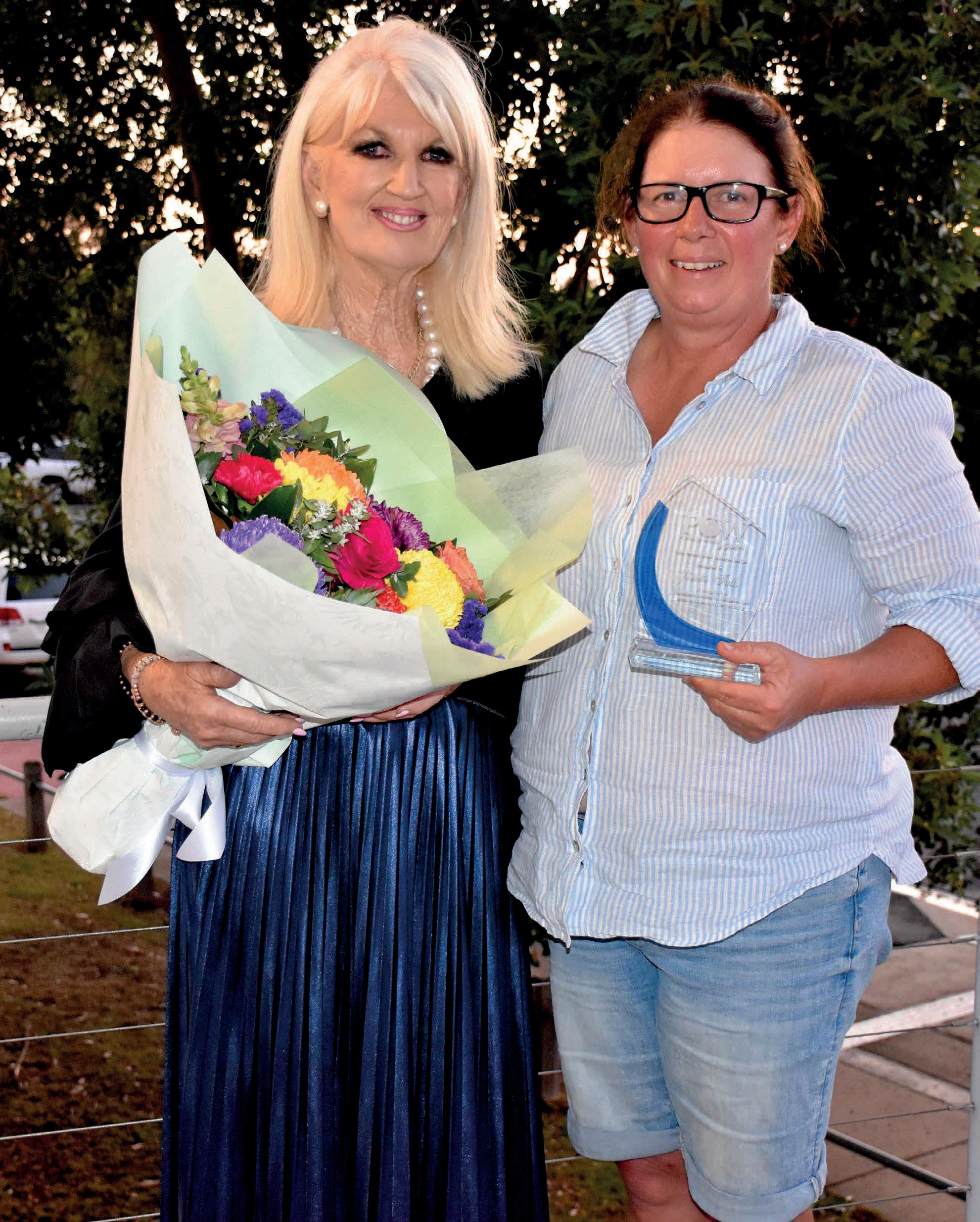
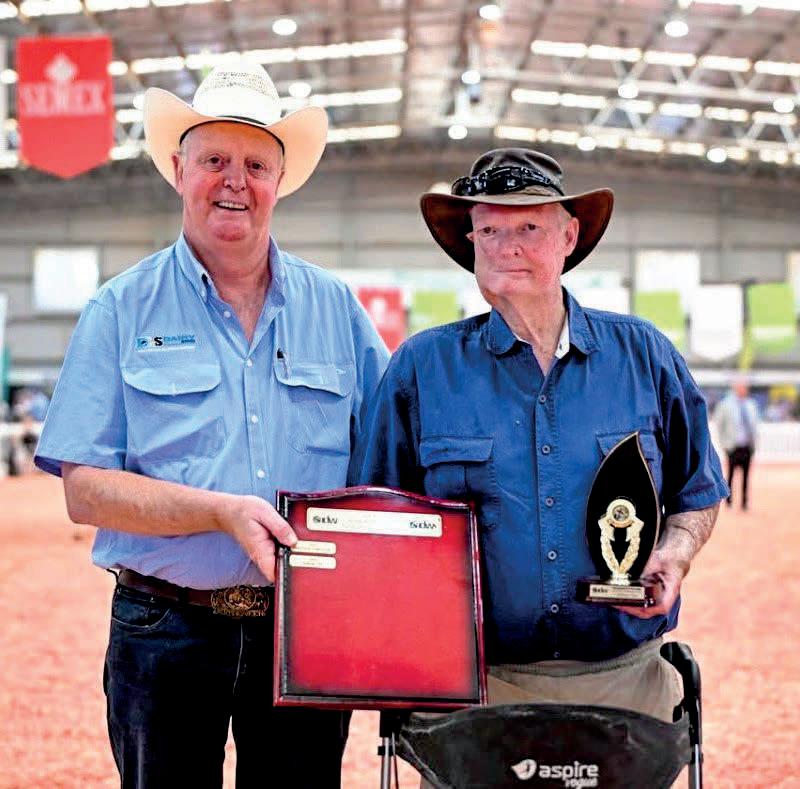
The 2026 Bette Hall winner Janette Falls (left) with Power of Women in Dairying founder Jade Sieben.
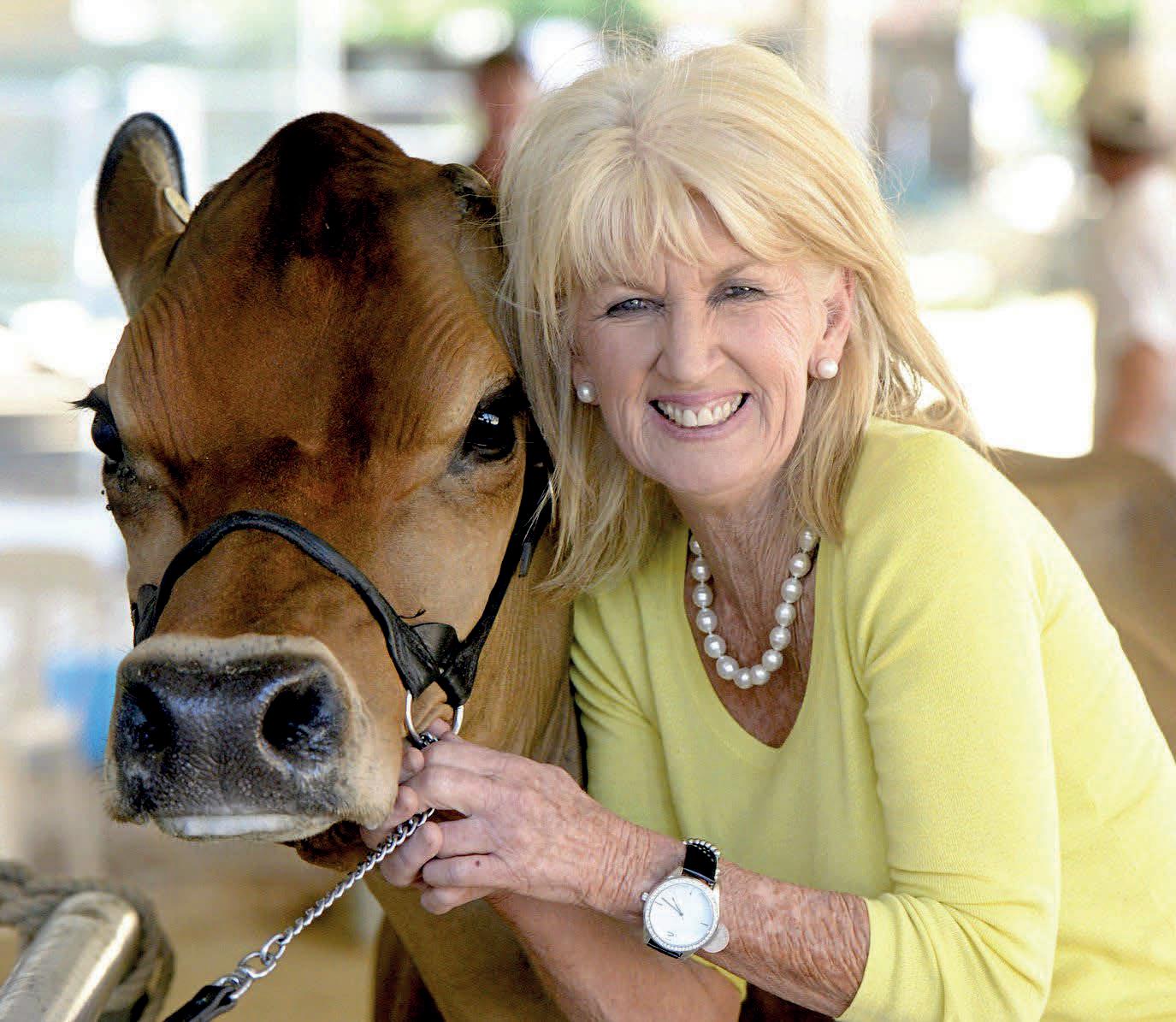
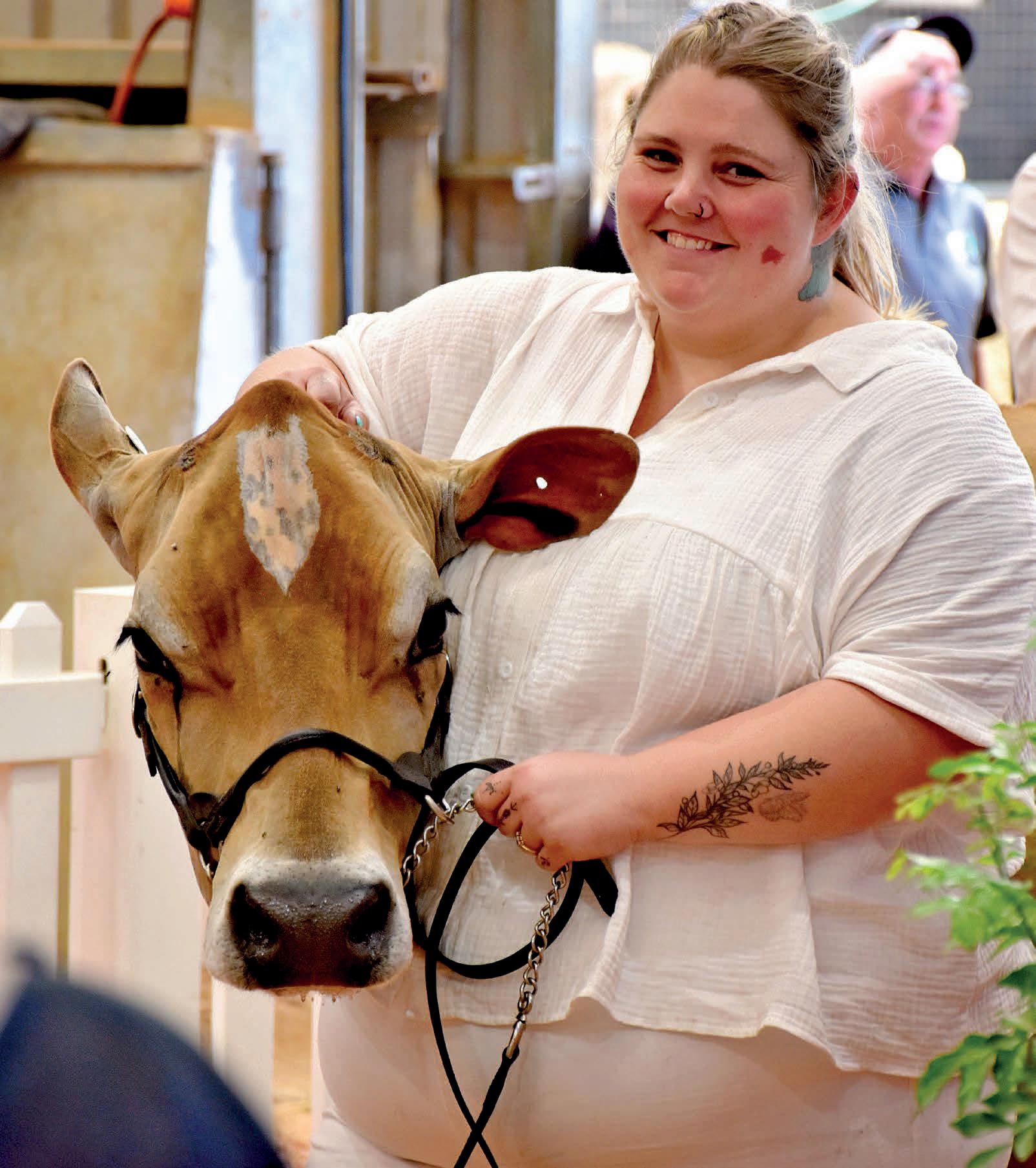
Janette ‘Nette’ Falls has been awarded the POW in Dairying Bette Hall Award for 2026. The award recognises resilience and adaptability, and just like Bette, Nette has that by the bucket.
She grew up in Gloucester and was helping show cows from the time she could walk – this helped establish a love and passion for Jersey cows that has endured many decades.
At 16, she passed the Jersey Judging School and would go on to judge a countless number of shows across the country, including Toowoomba and Canberra Royal. She has judged many On Farm Challenge fnals across different breeds.
In 1968, she established ‘Pasadena Jerseys’ and has been a member of the Jersey Association for over 57 years. In the mid-1980s, she moved to the Southern Riverina with her family, milking 250 cows at Blighty, while raising her three children. Over the years, Nette has bred many excellent Jersey cows, and she has a long list of class winners and champions, including the Southern Riverina Jersey Cattle Club On Farm Challenge. Noted cow families developed by Pasadena Jerseys include the Beautiful, Olive, and Mistletoe’s.
Family remains everything to Nette, and she has also shared success with the Charo family, with daughter Lauren of Topshelf Jerseys and Suzie of Goldbar Jerseys. Nette has even dabbled in breeding stud Holsteins and Illawarras, under the Abbotsbury prefx.
In 2013, Nette dispersed her dairy farm at Blighty and is now based in Finley, where she works for Elders as a dairy specialist and real estate agent. Janette has been the Southern Riverina Jersey Cattle Club president for many years, chief dairy steward of the Finley All Breeds Show, and also helps out the Deniliquin Show Committee.
Nette was responsible for establishing the fancy dress class at IDW after watching her granddaughters sit on the sideline.
“I was watching my granddaughters’ little eyes watching everyone else, and I thought they need something to aspire to as well,” Nette said.
The fancy dress class has gone viral around the world, with tens of thousands of views online. Nette is well known for her nurturing and support of the next generation of farmers. She was shocked but equally thankful to receive the Bette Hall Award.
“I really don’t feel qualifed, and it blew me away,” Nette said.
“I love what I do, and cows are in my DNA – they are my comfort.”
Nette said there have been so many people who have helped her over the years she didn’t want to name them for fear of leaving someone out.
“Hard times bring out the best in you, and I have been on my own for three decades now.
“It was always sink or swim, and I was always going to swim – I learnt to back myself,” she told IDW’s Around the Barn.
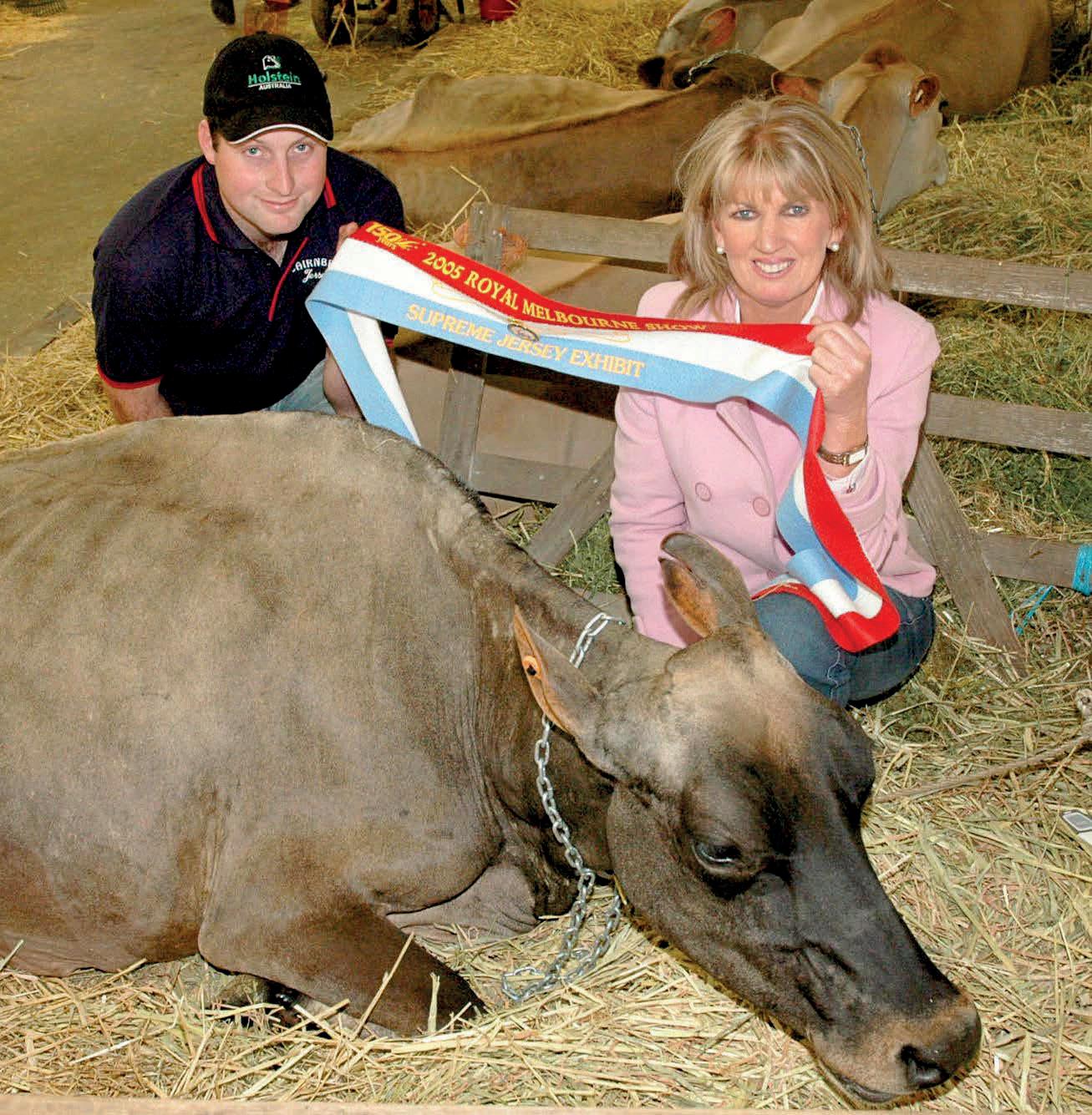
RIGHT: Steve Varcoe from Tocumwal with Janette Falls and ‘Topself B Charo’ who was Supreme Jersey Exhibit at Royal Melbourne Show in 2005.
FUELLING RURAL AUSTRALIA SINCE
Janette Falls with ‘Pasadena Comerica Olive’ at International Dairy Week - Jersey champions in 2014.
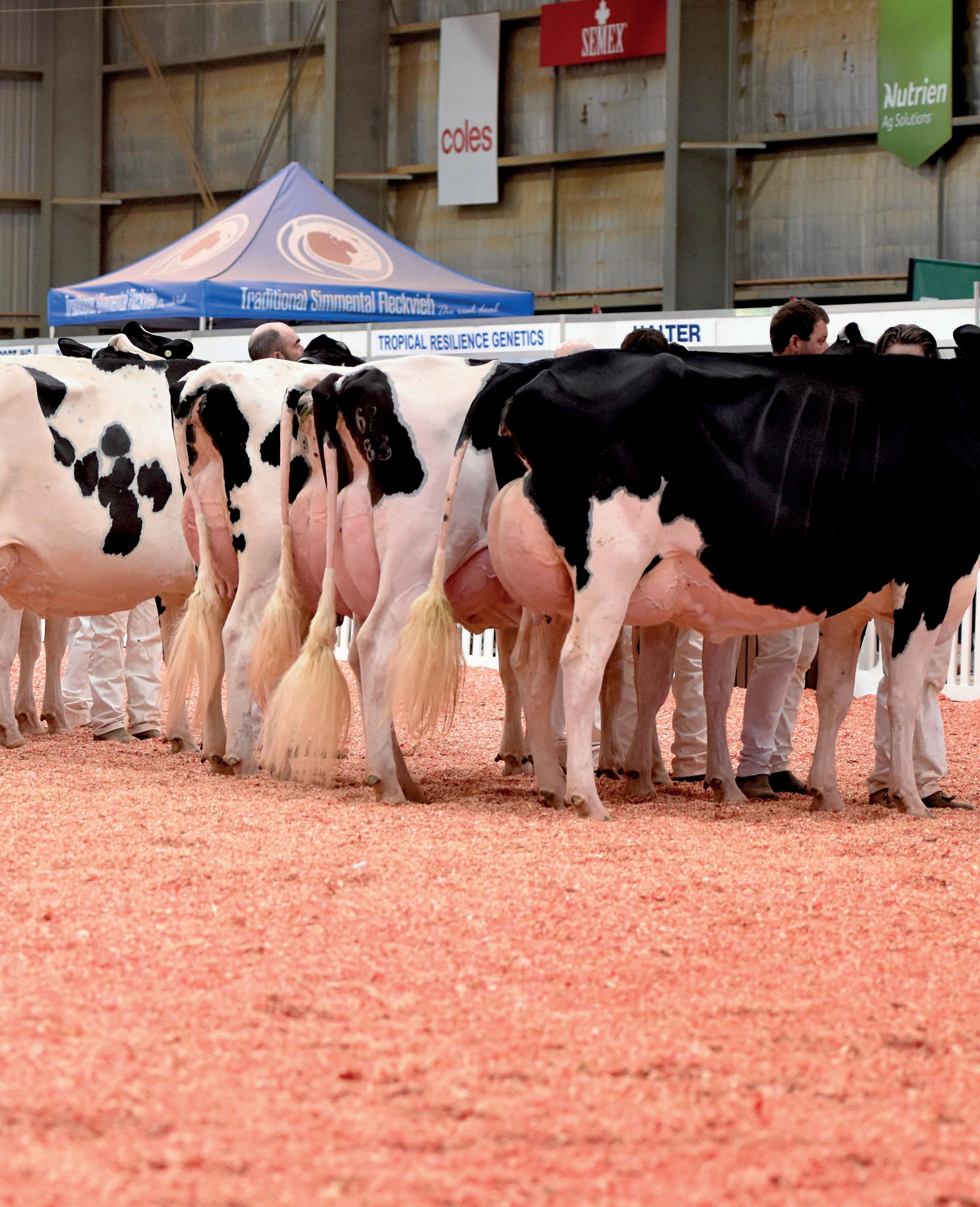
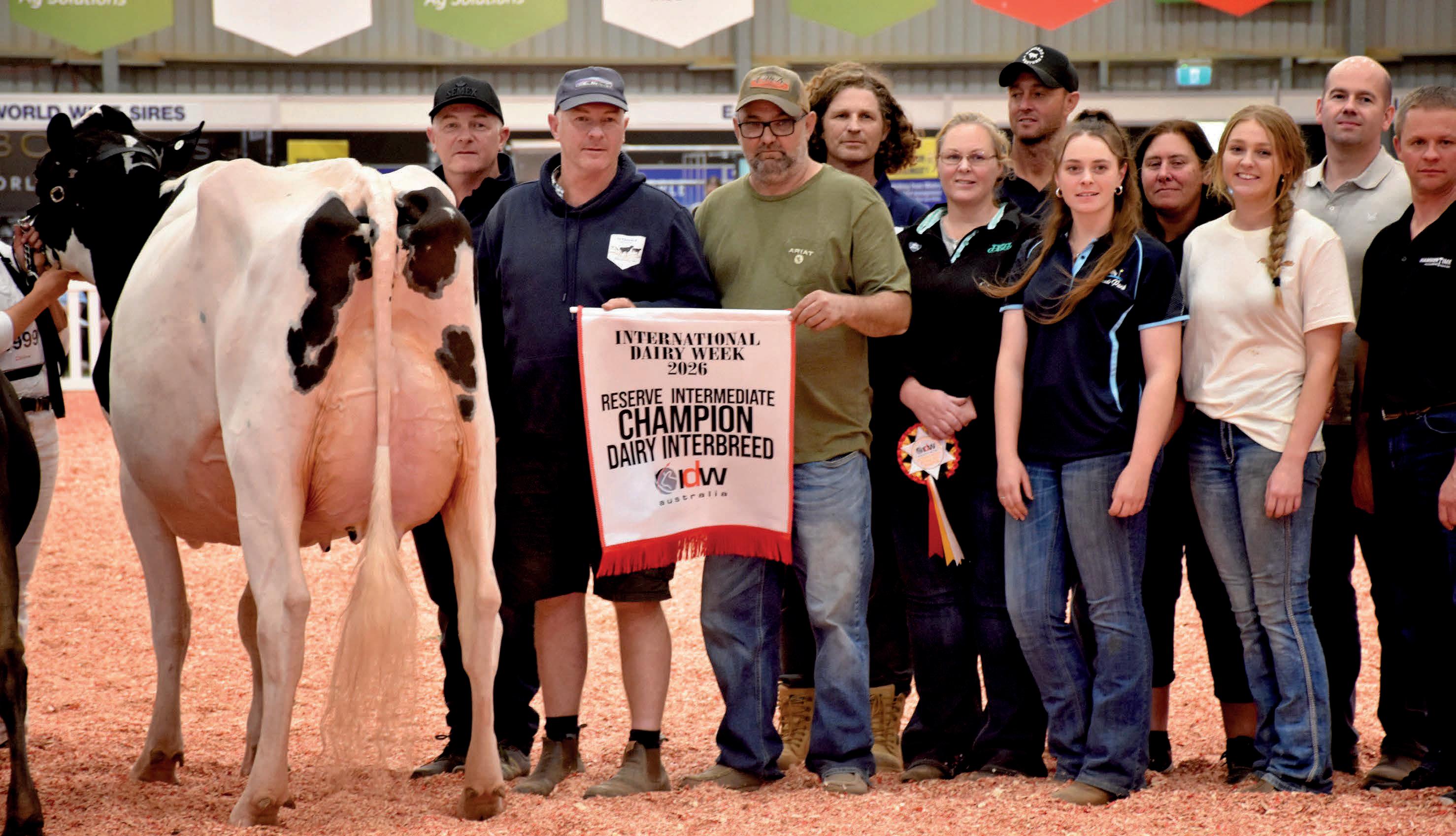
Reserve Interbreed and Intermediate Holstein Champion Melaleuca Arrow Lautella owned by Clydevale and Avalon Holsteins.
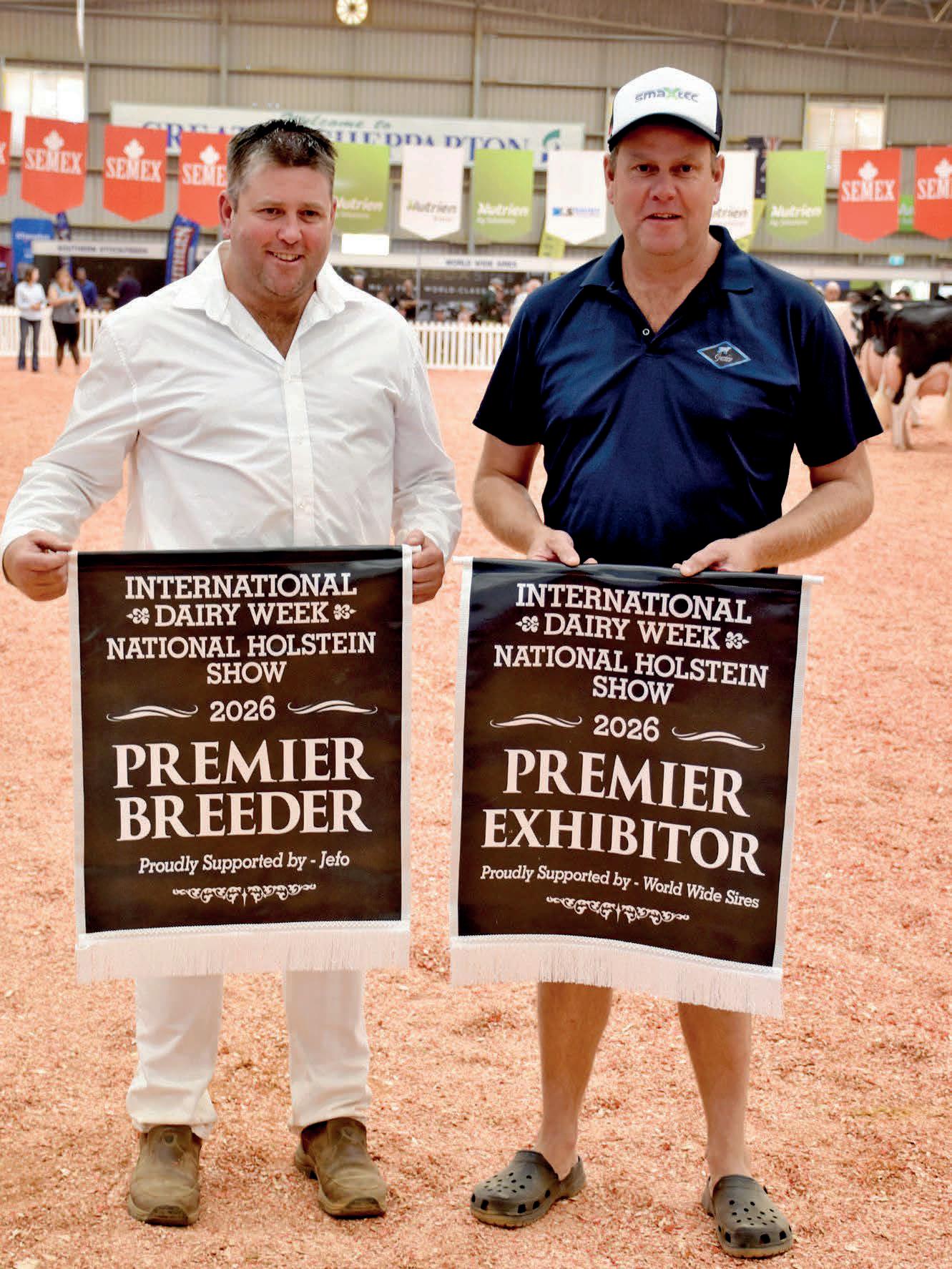
Premier Breeder and Exhibitor Glen and Drew Gordon from Gorbro Holsteins.
Alicia Billinghurst with Grand Dream Vana Merle.
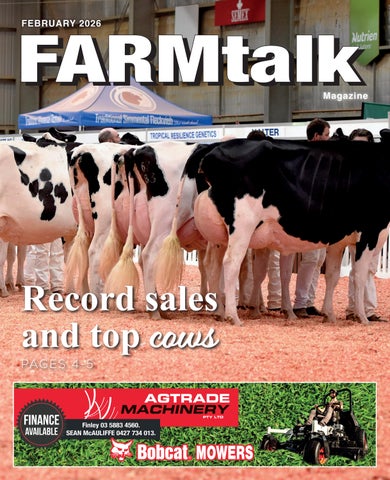
Record sales and top cows
It has been another great year for International Dairy Week, with quality cows, strong crowd attendance, and excellent sponsor support.
Director
Declan Patten said every year the professionalism of the show just gets better and better. This year, the cows were treated to a new-look arena with coloured wood shavings covering the surface rather than the traditional sand.
Declan said not only were the shavings more comfortable for the cows, they also made their colours really pop on the livestream. The other major change was a move to the handlers wearing a harness rather than hats to improve the numbering system.
“The harness looks really clean, and we have had a lot of positive feedback,” Declan said.
Declan said, as always, the quality of cows was extremely high. “In all seriousness, the quality of cattle this year is the best I have ever seen — the colour breeds have really excelled, and it is great to see the minor breeds giving everyone a run for their money. We always have the best judges, which has been evident across all breeds and classes,” he said.
Declan noted that this year was a particularly tough one for the Jersey show after judge Ryan Krohlow had to follow on from industry legend Matt Templeton, who sadly passed away not long after last year’s show. Ryan, who was a friend of Matt, said he hoped he had honoured
his mate, whose passion and pride for showing cattle was unsurpassed.
Declan said this year’s STG Australia Create the Future Sale was well-supported both in the room and online. The sale was topped by a Brown Swiss, Lot 21, Kit Dreamer Rhapsody IMP-ET-UK, offered by Kit Davidson, which sold for $27,000 to Isabella Osborne from Austral Eden, NSW. He said it was the very frst time an Aussie Red was sold, and she went for $12,000.
“This is great for the breed and great for the seller,” Declan said.
This year’s Lex Bunn recipient was Adrian Dee from Clydevale Holsteins, Macorna. Adrian has bred 155 excellent cows and has had many successes in the show ring, including exhibiting champion cows at IDW in 1992 and 2026, along with Australian Cow of the Year. He was also recognised for his wider contribution to the industry.
Daughter Clare Modra said she was pleased her dad had been recognised for all his hard work. “Dad, along with mum Cheryl, have been great role models to all of us kids,” Clare said.
and
The Bette Hall recipient was Jeanette Falls, who was also recognised for her outstanding contribution to the dairy industry over many decades. “Cows are my comfort, and even though I am 70, I am still not ready to give them up,” Janette said.
Reserve Interbreed
Intermediate Holstein Champion Melaleuca Arrow Lautella owned by Clydevale and Avalon Holsteins.
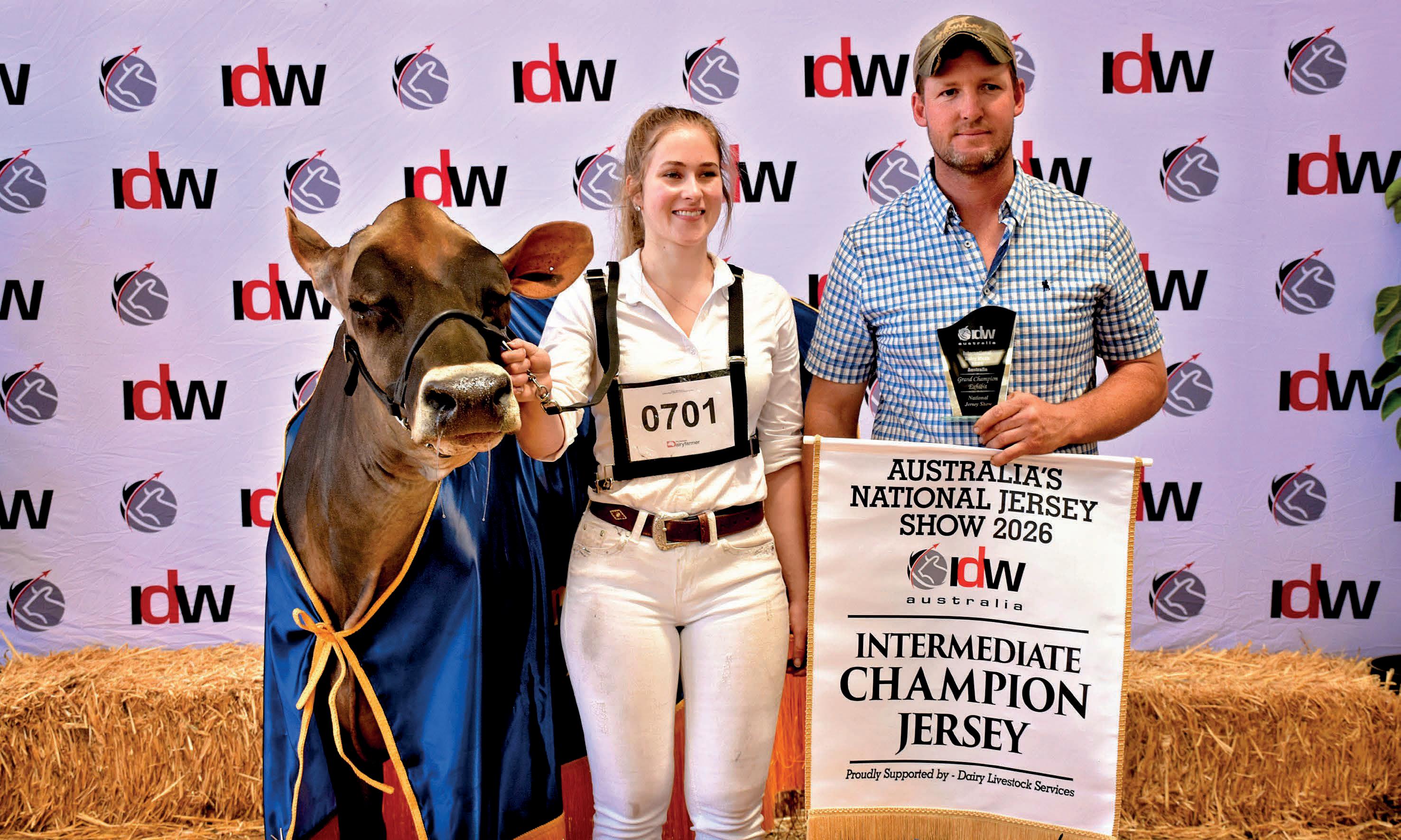
Intermediate Champion Jersey Brunchilli Joel Olivia owned by Aaron and Emma Salway pictured with Alexandra Labba and Ricky Nelson.
Virtual fencing legalised
The NSW Government has legalised virtual stock fencing technology for cattle and dairy farmers, enabling producers to manage livestock without traditional physical barriers while reducing costs and improving animal welfare monitoring.
Minister for Agriculture Tara Moriarty said the decision was made following extensive consultation with farming groups, animal welfare agencies and suppliers to develop best practice guidelines.
“The NSW Government is offering cattle farmers a new opportunity by legalising virtual stock fencing. We committed to allow virtual fencing and now we are delivering on it,” she said.
“NSW farmers have now gained access to this new technology like their counterparts use in Queensland, Northern Territory, Western Australia and Tasmania.”
Virtual fencing uses GPS-enabled collars or neck bands that deliver sensory cues to infuence livestock movement within farm boundaries.
The technology can monitor cattle activity, health and welfare while reducing stress associated with traditional herding methods using quad bikes and dogs.
The regulation follows recommendations from the Legislative Assembly Committee Inquiry into the Prevention of Cruelty to Animals Amendment (Virtual Stock Fencing) Bill 2024 and discussions with farmers.
Under the new rules, users must receive training from suppliers or manufacturers and regularly monitor devices
to ensure animal welfare standards. The technology must use vibrational or audio cues before electric stimulation and can only be used for cattle.
“We have listened to the farming industry, animal welfare groups, and advocates like the Member for Orange Phil Donato and we have got the balance right for delivering virtual fencing on farms,” Ms Moriarty said.
“By legalising virtual fencing, we have ensured farmers can use the technology to reconfgure paddocks with the touch of a button and also receive insights on the health and movements of their herds in real time so they can act sooner when required.”
NSW Farmers’ Association president Xavier Martin welcomed the decision, saying virtual fencing had transformed cattle production globally.
“From reducing ongoing fencing and maintenance costs, protecting biodiversity and limiting stock handling, the benefts of this technology make it an incredibly powerful tool,” Mr Martin said.
“With farmers needing to produce more food and fbre than ever before, it’s vital we jump on board with innovative technologies like this, so we can feed the future.”
“From reducing ongoing fencing and maintenance costs to protecting biodiversity, the benefts of this technology make it an incredibly powerful tool.”
XAVIER MARTIN
A paddock being grazed with virtual fencing at Ellinbank.
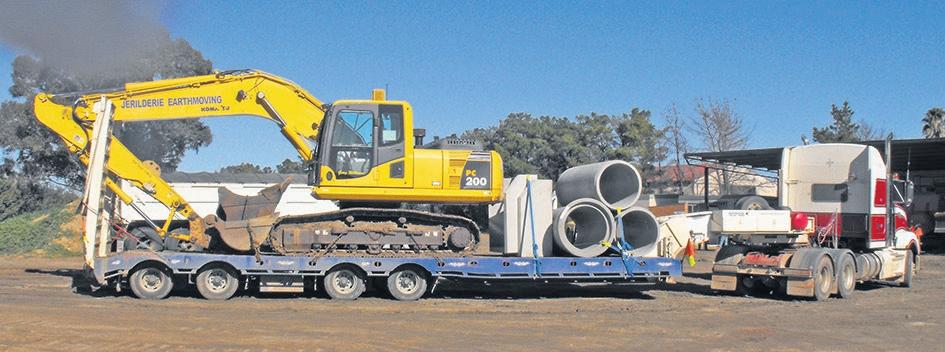
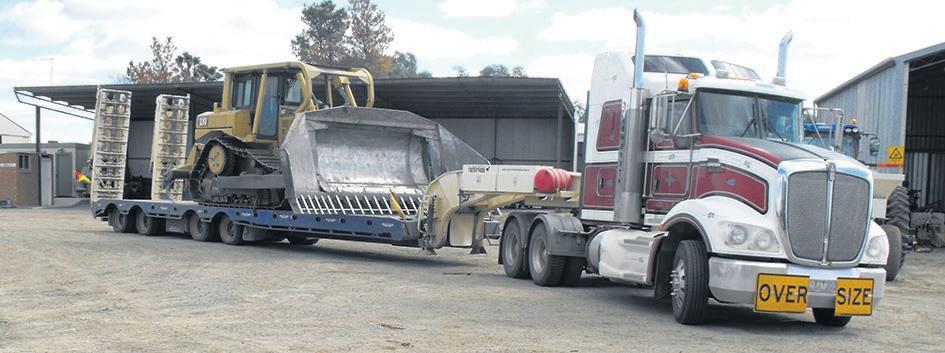
JERILDERIE EARTHMOVING
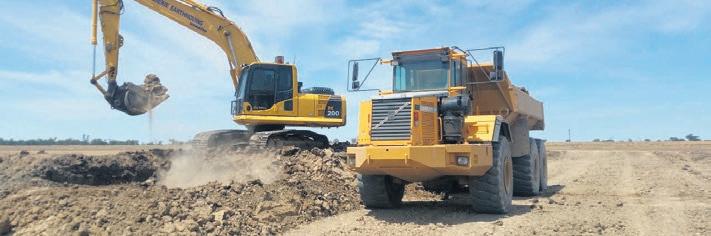
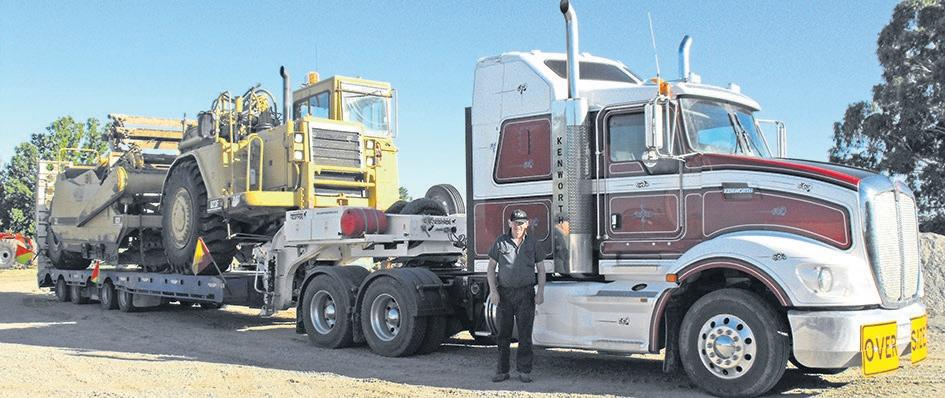
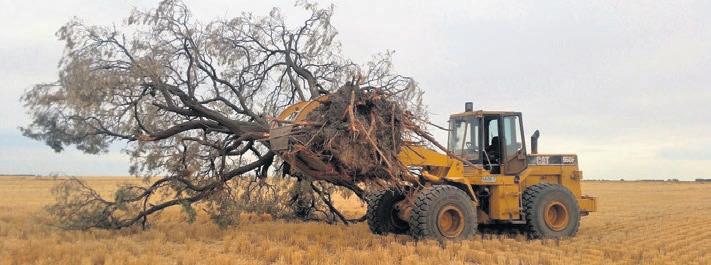
Available Vehicles
Scrapers: Caterpillar 623G, 623B, and 2 x 623F
Excavator: 1 x Komatsu PC200-8, 1 x Hidromek 310LC, 1 x Hidromek 230LC
Graders: Caterpillar 160M AWD, 2 x Caterpillar 140H
Bulldozers: Caterpillar D7H & Caterpillar D6T with Rake
Tractors: Steiger 450 With Laser Buckets - 14 & 16. Case IH Steiger 535 & 600
Loaders: Cat IT 28B Cat 960F
Low Loaders: 2015 Quad Axel (with Tandem Dolly), SES Tri-Axel
Water Tanker: 45,000 Litres
Making Dual-Purpose Crops Work
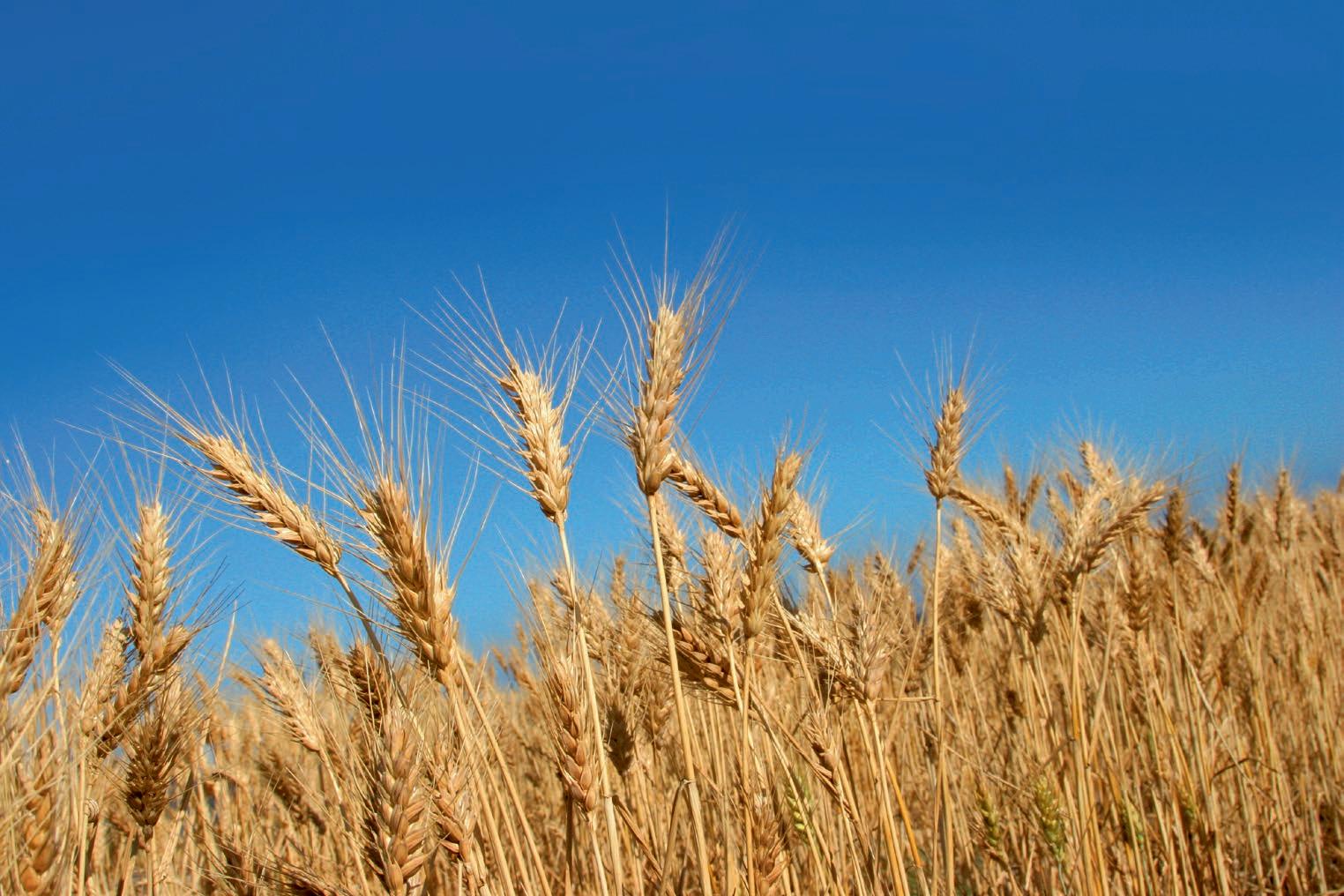
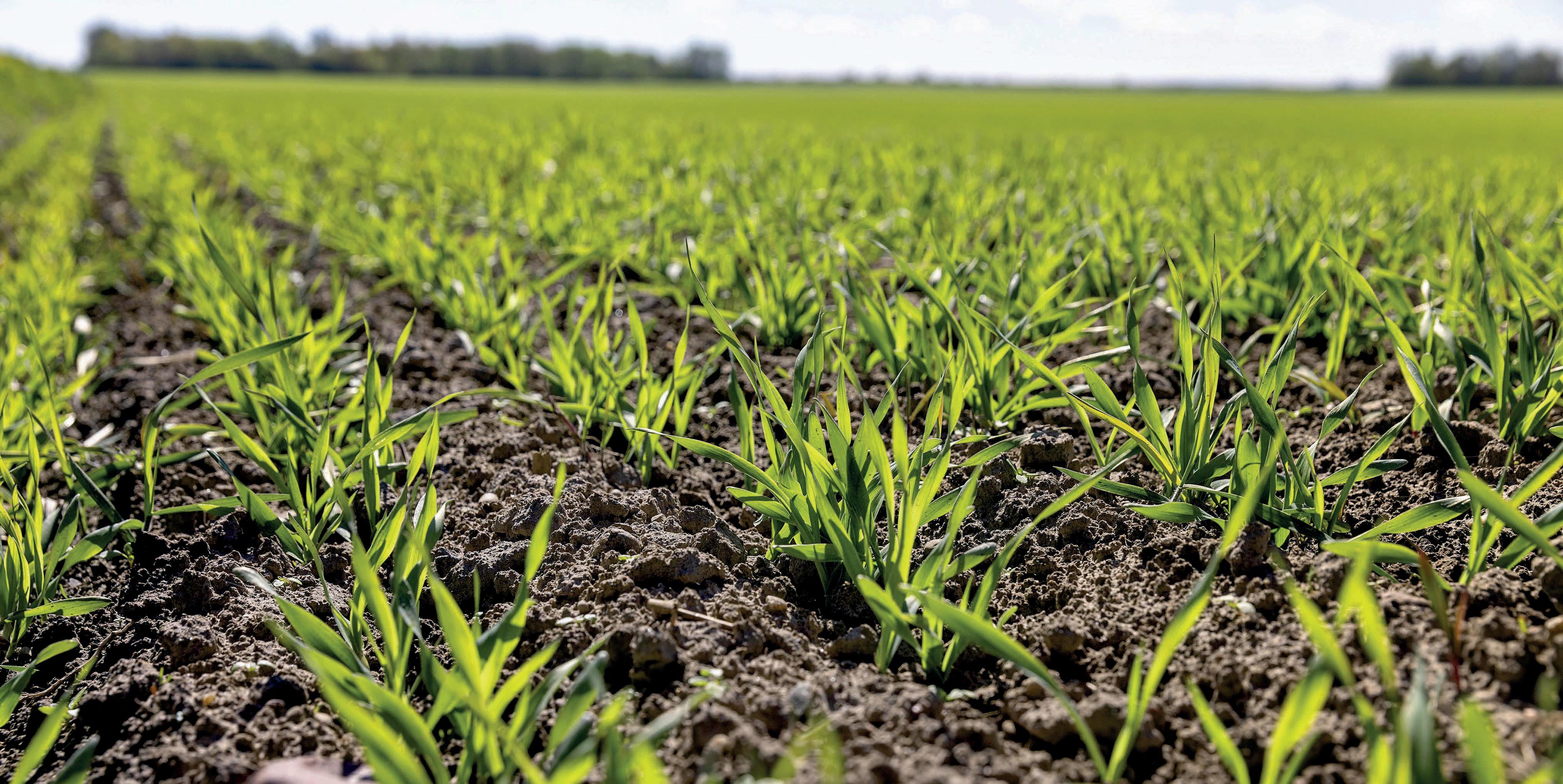
Dual-purpose crops present a viable option for producers to diversify and improve whole-farm proftability on mixed farms, while helping to fll winter and spring feed gaps and resting permanent pastures.
These crops are typically specialised varieties, sown early to be grazed during the season while maintaining cost-effective yields for harvest or hay production. Producers should seek agronomic advice and select varieties best suited to their intentions.
There are many components to consider when growing and grazing dual-purpose crops. Particularly important in the Western Riverina is soil moisture and temperature at sowing, as some varieties can be sown as early as March. It is important to ensure you have adequate soil moisture high in the profle for successful germination and establishment. Flexibility to quickly capitalise on autumn rainfall or reliance on irrigation may be required in our region. Cereals are a popular choice for dual-purpose crops, with canola common further east.
Some other important considerations include: Grazing Management
Equally as crucial to a successful dual-purpose crop is appropriate grazing management. Grazing can begin once the plants are well established, with set stocking an appropriate and common method. It is essential to ensure stock are locked out in time to avoid the removal of too much biomass or grazing of any reproductive parts of the plant. Signifcant potential grain yield loss can occur from extended or overgrazing; however, decisions should
be made with the whole farm business and seasonal conditions in mind, with sacrifcial grazing often a viable alternative when yield potential is low and livestock prices are high.
Withholding Periods
Don’t forget to consider withholding periods for grazing after chemical and fertiliser application. Topdressing with nitrogen fertiliser is an effective method to assist regeneration after grazing; however, paddocks should be rested for three weeks afterwards to avoid the potential for nitrate poisoning. Similarly, this is an important consideration post pesticide application, as specifed on product labels.
Weed Control
Weed control can be more challenging in dual-purpose crops, as early sowing limits pre-emergent control options, and grazing constraints due to chemical withholding periods can complicate management. Avoid paddocks with high weed burdens to reduce the impacts of weed management on grazing opportunities and yield.
Frost Risks
Early-sown crops create a heightened susceptibility to frost damage. It is important to carefully consider an
appropriate variety to ensure that ear emergence and grain fll are not occurring too early in the season, while still maximising grazing opportunities and yield potential. Alternatively, also consider moisture limitations under dryland systems for varieties maturing later in the season. For further information, contact the Ag team at Murray Local Land Services on nick.oconnor@lls.nsw.gov.au
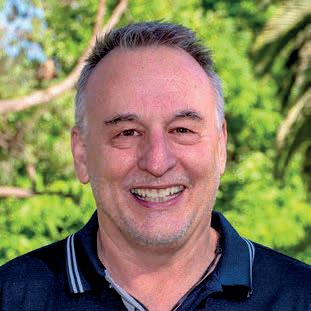
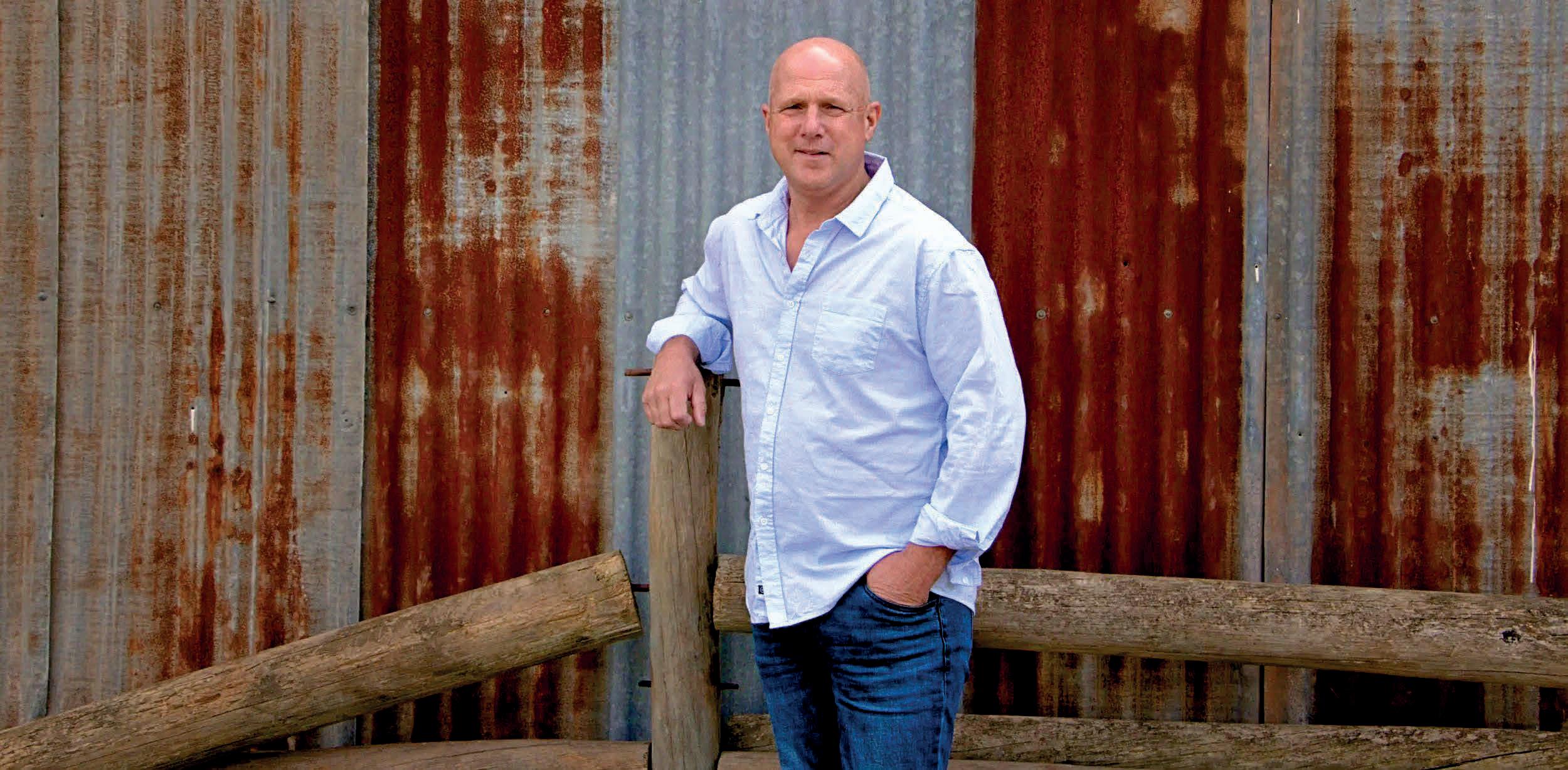
Contributed by Nick O’Connor (pictured above), senior local lands offcer - mixed farming with Murray Local Land Services.
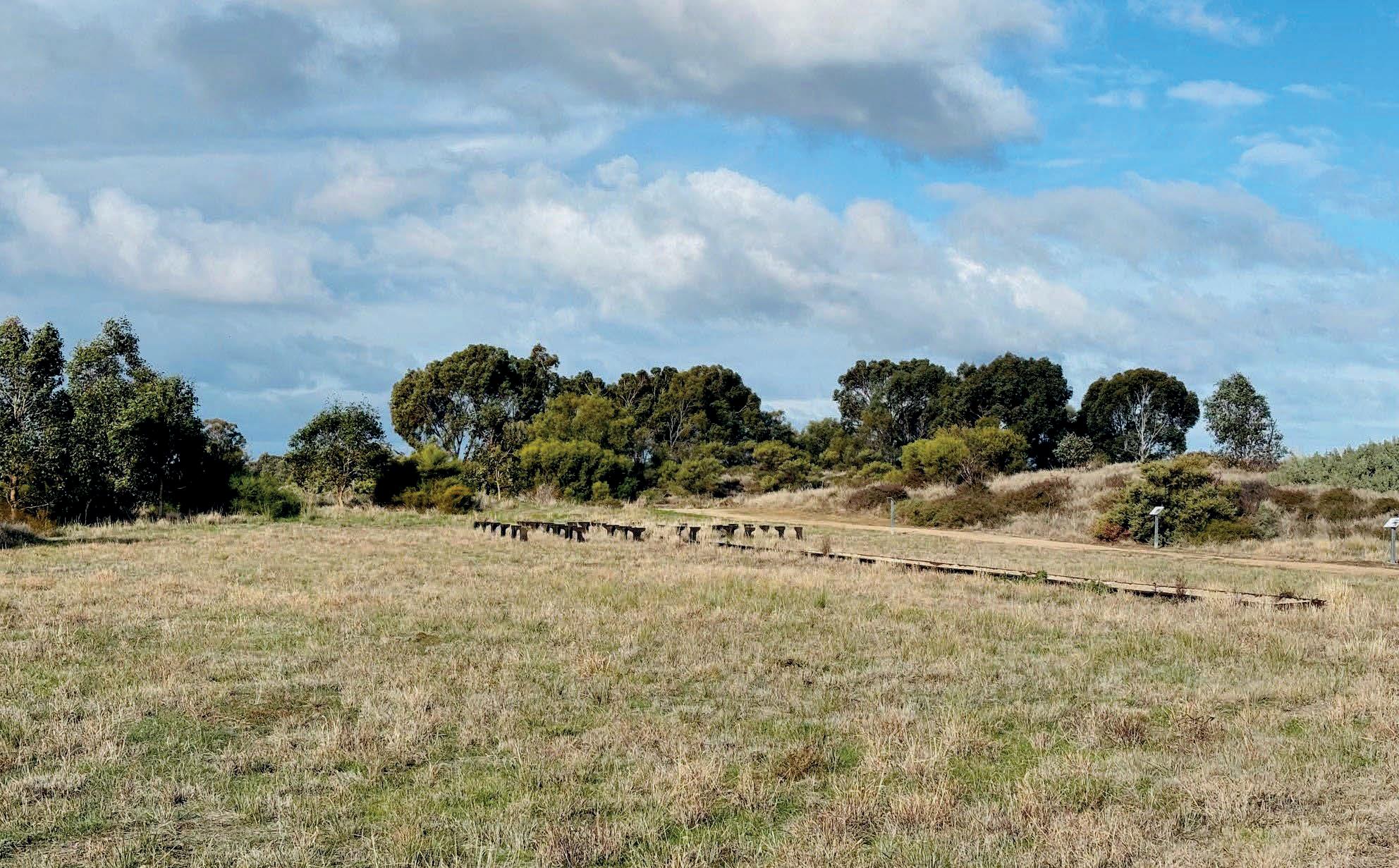
The Tank Paddock at Berrigan is soon to be a hive of activity, with a series of special events to be held this year as part of the ‘Growing Together’ community project.
COMMUNITY IN FOCUS: BERRIGAN TANK PADDOCK Project set to beautify and boost conservation awareness
A Berrigan nature reserve is set to undergo a stunning landscape transformation, with 1,000 native plants set to be installed as part of a local community-driven project aptly titled ‘Growing Together’.
This exciting initiative is being delivered by the Ricegrowers Association of Australia (RGA) Landcare, with support from a $5,000 grant received through Murray Irrigation’s annual community sponsorship program.
The project also seeks to enhance public awareness of local biodiversity and conservation values through three community engagement events planned to take place in April and July.
All the action will be centred on the Berrigan Government Tank Paddock (also known as the Tank Reserve), which is located on the south-eastern outskirts of the town.
Berrigan-based RGA Local Landcare Coordinator Andrea Mitchell, who secured the Murray Irrigation
funding, is facilitating the project in conjunction with the Berrigan Conservation Group and Tidy Towns Committee.
Local events in the pipeline
The frst ‘Growing Together’ event will be a wellbeing and mindfulness in April involving meditation, nature journaling and biodiversity data collection using the popular ‘citizen science’ platform, iNaturalist. The aim of this activity is to promote mental health.
The nature journaling is focused on participants slowing down to look, refect and record their observations of birds, plants, trees and the natural world around them through sketching and writing; while the iNaturalist activity
involves community ‘citizen scientists’ mapping and identifying species to support scientifc research.
The two other ‘Growing Together’ events will be tree planting days scheduled to be held in conjunction with Schools Tree Day on Friday July 25, and National Tree Day on Sunday July 27, 2026.
On Schools Tree Day, Berrigan Public School students will join teachers and volunteer helpers at the Tank Reserve for a day of tree and understory planting, as well as native seed ball making.
“This is sure to be a fun day for our school children, as they are immersed in nature and learn about local plants and biodiversity,” Andrea said.
“The kids enjoy seed balling, as they roll everything together to assist in germination.”
Two days later, on National Tree Day, the environmental activity at the Tank Reserve will continue as residents gather for a community planting day. This event will include a social get together and lunch, opening the way for shared stories and intergenerational learning about local ecology, together with hands-on active learning and fun.
A case study on the three events will then be completed and shared on the NSW Landcare Gateway website.
The benefts of ‘Growing Together’
Andrea has clear expectations around outcomes for the project, which includes making a contribution to habitat regeneration through plant installation.
“I have selected particular plant species which are all locally native, but are niche plants and may not presently be found at the site,” she said.
“They will be drought tolerant and provide resources across seasons for our native birds and insects.”
With more than 100 community members and students expected to be involved across the three ‘Growing Together’ events, this also creates the added beneft of strengthening community ties, promoting collaboration and fostering deep personal connections with nature and local ecosystems.
“The Tank Reserve project is designed to help the community in a variety of ways,” Andrea said.
“It will have wellbeing at its core, promoting mental health, time in nature, community belonging and environmental stewardship.
“It also refects a shift toward proactive communitydriven action, promoting adaptability in the face of climate
and biodiversity challenges by engaging locals in practical solutions-focused environmental restoration.”
And, importantly, the initiative will gift the Berrigan district with an even more beautiful and diverse public space for relaxation and passive recreation.
Volunteers are the backbone
While there are costs involved in a project of this nature, not the least being nearly $4,000 for native plants and guards, as well as seed ball materials, more signifcant is the contribution made by the volunteers who will give their time willingly to enhance a valuable environmental asset.
Many of those lending a hand will be members of the Berrigan Conservation Group and Tidy Towns Committee, a group of volunteers who work tirelessly to enhance, preserve and beautify the historic Berrigan Tank Paddock and its surrounding sites.
Located on the left-hand side of the Riverina Highway, heading out of Berrigan towards Savernake, the Tank Paddock was originally a stock reserve and holds an important place in the region’s history, having been a source of permanent water before irrigation.
The local Conservation Group’s ongoing local efforts include regenerating vegetation and developing knowledge of Australian indigenous fora and fauna within the area.
“The birds will come”
At the Tank Paddock, walking and cycling tracks have been developed to encourage visitors to explore the wetlands, where they can gain knowledge from interpretative signage. There is also a well-positioned bird hide offering the perfect place to observe the wildlife.
The Tank Paddock is highly regarded by bird watchers, with sightings recorded on the eBird Australia website. In 2025 alone more than 30 different bird species were identifed, with more than 40 listed over the past six years.
“And when you provide the habitat, which our project aims to do, the birds will come,” Andrea says.
Community is key
Community is a key focus of the Tank Reserve Project, which is only possible thanks to the partnership involving RGA Landcare, the Berrigan Conservation Group and Tidy Towns Committee, the local school and preschool, Berrigan Shire Council and, of course, the many volunteers.
The project is even having an infuence on the Berrigan water tower mural, being painted by artist Alex Sugar.
Andrea has had discussions with the artist, who is incorporating plants from the Tank Paddock in his design.
This is all being undertaken through her role as the local RGA Landcare Coordinator. RGA is a Landcare NSW host organisation which seeks to promote the integration of environmental thinking into everyday farm management while supporting biodiversity enhancement activities across rural and urban landscapes.
It utilises available resources to deliver sustainable fnancial, agronomic and natural resource management information.
“The Tank Reserve project is coming together and I am looking forward to its implementation in 2026,” Andrea said.
“The local community is getting involved and it will provide a valuable environmental asset that I am sure will be enjoyed by many people well into the future.”
Murray Irrigation’s annual sponsorship program is made possible through the support of its customers.
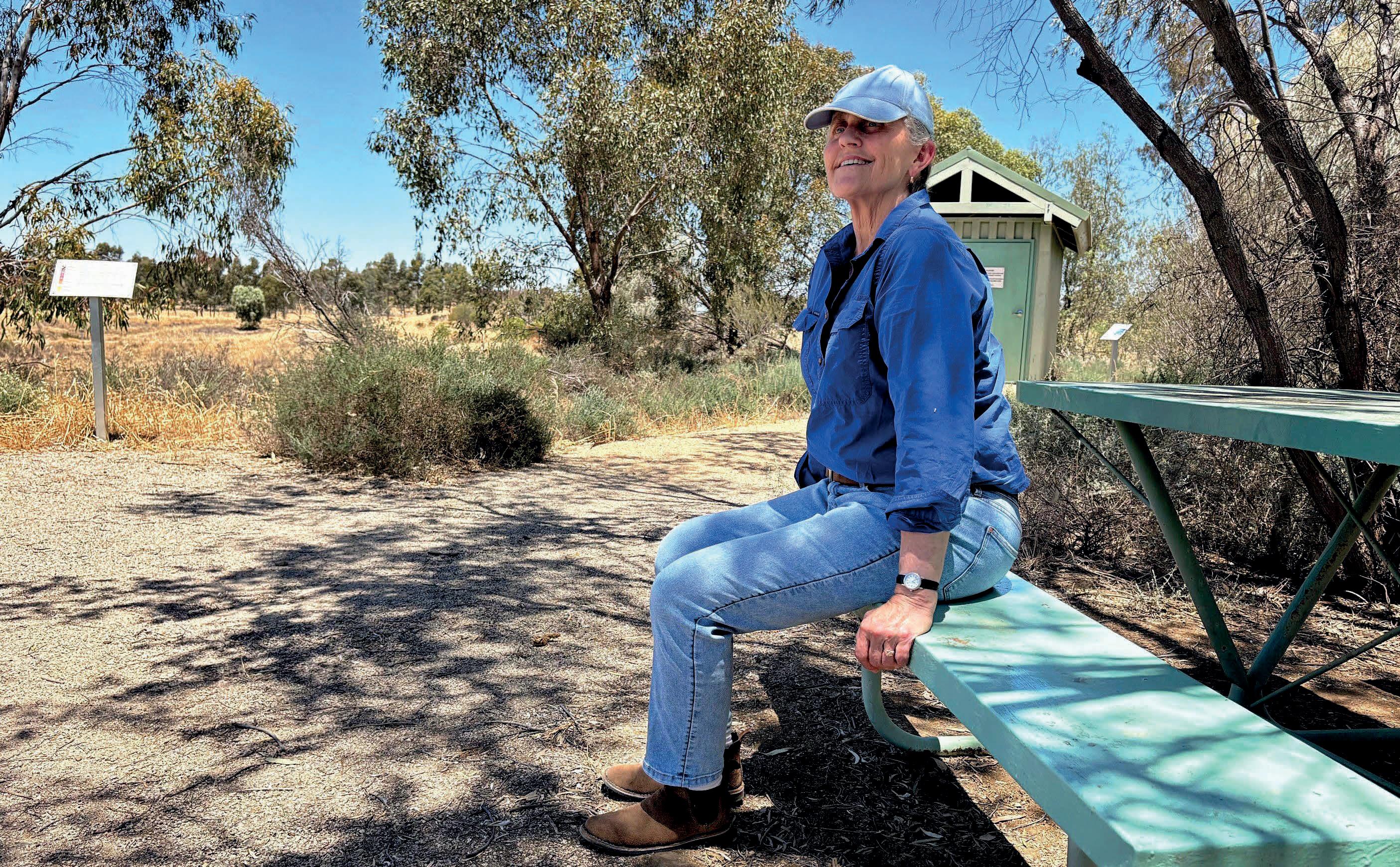
Berrigan Conservation Group and Tidy Town Committee member Jacquetta ‘Jick’ Sloane enjoys a relaxing moment at The Tank Paddock. Look closely and you will see the bird hide in the background.
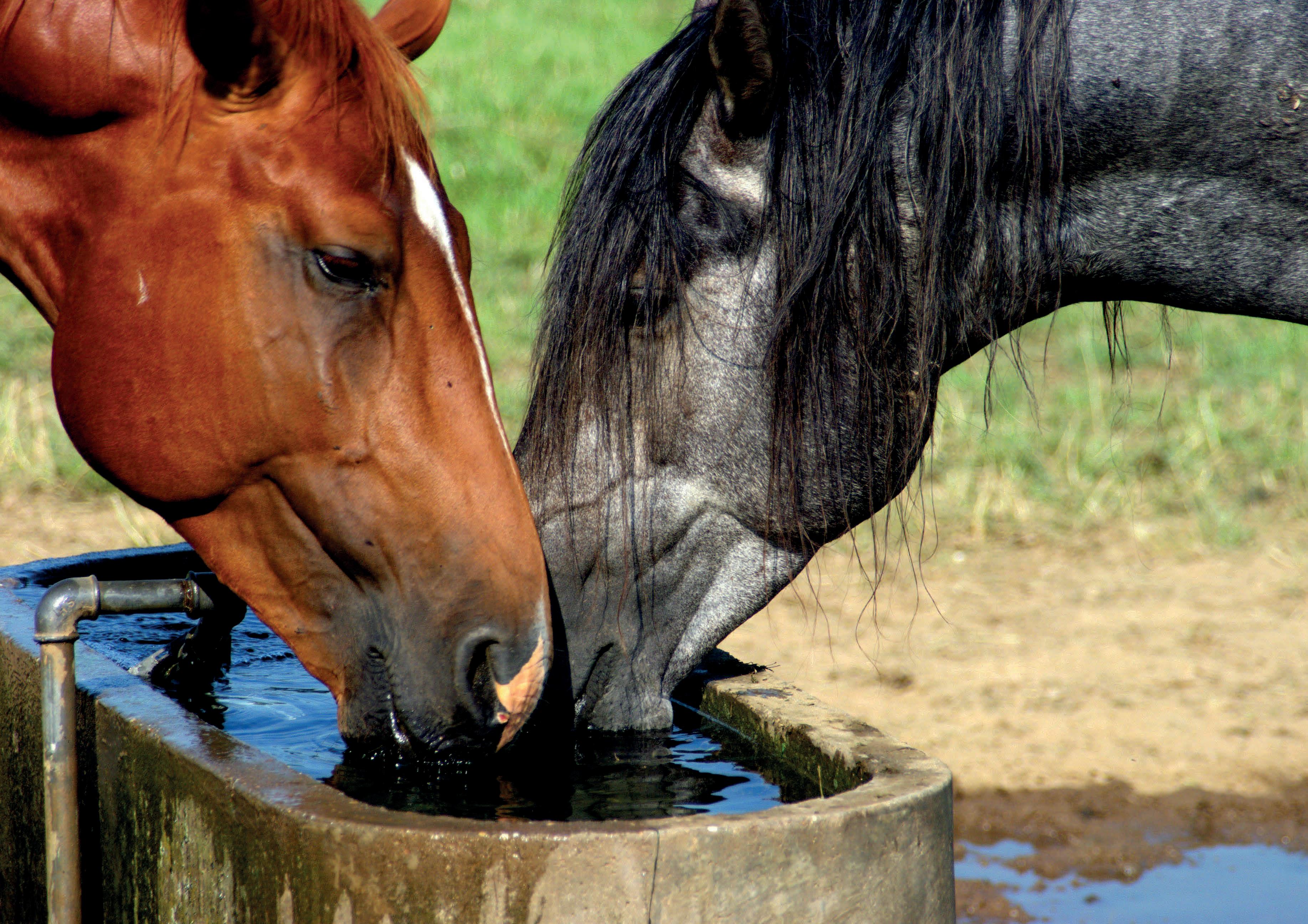
Water is essential for livestock to survive and thrive. How much water they need depends on factors such as species, age, lactation status, the weather, and what they are eating.
For example, weaner cattle may only need up to 50 litres a day, whereas a lactating cow could need up to 100 litres a day. Water intake is usually greatest in hot temperatures when eating dry feed.
Water quality is also extremely important, particularly the salinity and potent contaminants. Dams can be contaminated with faecal material and fertiliser run-off. Nutrient-rich water in hot weather presents the perfect conditions for the growth of potentially toxic bacteria and algae, such as blue-green algae. Hot weather can also cause more rapid evaporation of water. This can sometimes lead to a dangerous increase in salinity, especially in bore-fed dams which might already be quite salty.
Stock may also avoid drinking poor-quality water, which can lead to dehydration.
While visual inspection of water can give you some idea of water quality, sometimes water testing is necessary.
There are many different types of water tests available depending on what parameters you want to test. Different
types of tests also require a different sort of sampling bottle. It is important to know what you are wanting to test for so that you can ensure you have the correct container when you collect your sample.
Murray Local Land Services (LLS) have free standard stock water test kits currently available for producers in the Murray region. This free testing is available up until 30 June 2026.
Please note, if you have a water test kit which is for the Wollongbar lab, this lab is no longer in operation, and you cannot send samples there for testing. Reach out to the Murray LLS Ag team or Animal Health team, and they will be able to advise you on how to send a water test to a different lab. If you do not currently have a water test kit but would like one, similarly, please reach out to the Murray LLS Ag team so they can arrange testing.
For more information, drop into your closest Local Land Services offce or call us on 1300 795 299.
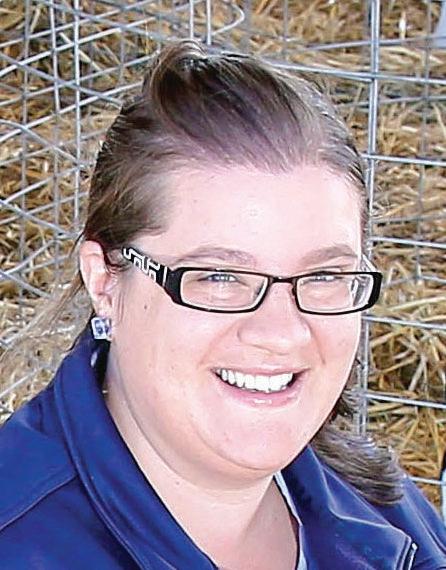
Linda Searle (pictured) is a district veterinarian with Murray Local Land Services.
Mental health matters, says Unbreakable Farmer
Australians have had a mixed start to 2026, with foods, fres and drought in various parts of the country.
Onthe agricultural front, Rabobank suggests national rural confdence tracked slightly lower moving into summer at the end of 2025. But the December Rabobank Rural Confdence Survey found most farmers — about three quarters of those surveyed — were ending the year with a largely stable outlook on the year ahead, and an increased appetite to invest in their businesses in 2026.
But the December Rabobank Rural Confdence Survey found most farmers - about three quarters of those surveyed - were ending the year with a largely stable outlook on the year ahead, and an increased appetite to invest in their businesses in 2026.
This varied outlook is why Warren Davies, known across regional Australia as ‘The Unbreakable Farmer’, is asking farmers and people living in rural areas to prioritise mental health.
He said the past few years have shown how unpredictable life on the land can be.
“There have been some major challenges across Australia,” he said.
“We’ve had bushfres in southern NSW and Victoria, and then up north there’s fooding.”
Closer to home, he notes that “drier conditions have been taking their toll for a number of farms, especially in the Southern Riverina”.
His message for 2026 is clear. Resilience isn’t something to think about only when things go wrong.
He believes too many farmers and rural residents put their own wellbeing last.
“Building capacity, mental-health wise, is so important even when life is going well,” he said.
“Having strategies for when times get tough is vital.
“Farmers and people in rural areas often don’t prioritise mental health.
“For farmers doing it tough, being able to reach out for help, staying connected with your support groups and knowing where to go for help can make all the difference.”
Mr Davies also wants people to remember they’re not alone in their struggles.
“I know that, from my own experience, you think you’re the only one going through it,” he said.
“Obviously, you can see, if you look around, you’re not, but that’s the inner feeling.
“You start talking to people, and you realise that you are in this together; your situations might be different, but your experience is the same.”
Mr Davies became The Unbreakable Farmer, his keynote speaker alias, after losing his Tongala farm in 2004 to the millennium drought.
After initially taking his own career path, he went back to his dream of following in his father’s footsteps as a farmer in the early 1980s. Mentored by one of the best farmers in the district, he was able to hone his skills and by age 22, purchased his frst farm.
The next 16 years would prove defning. The harsh reality of farming soon became evident through high interest rates, low commodity prices, foods and drought. These events tested his resilience, persistence and determination, having a massive impact on his young family, relationships and fnances, culminating with the decision to walk off the farm.
Although work was easy to fnd managing large-scale operations from Victoria to South Australia, it wasn’t the same. He couldn’t settle and felt like he had lost his identity because the farm was not only his career, but also his home and life. In his eyes, he had failed and carried the guilt of failing as a husband and father.
As an avid reader, he searched for a better way and began his journey of piecing his life back together. It’s that journey he shares across the country — reaching people from the country to the city, from farmers to CEOs of large corporations.
Mr Davies has concentrated a lot of his effort on Victoria to start 2026, because of the fres. He was also a special guest of Berrigan Shire Council, as its Australia Day ambassador.
• Anyone requiring crisis support, or mental health support, can contact Accessline on 1800 800 944, Lifeline Australia on 13 11 14, BeyondBlue on 1300 224 636 or Kids Helpline on 1800 551 800. You can also contact the Suicide Call Back Service on 1300 659 467 or suicidecallbackservice.org.au.
Warren Davies, The Unbreakable Farmer.
FARMtalk welcomes community contributions from farmers, experts and professionals who make their living and life on the land. If you would like to contribute, there are several ways to do so.
• Get in touch and give us a tip of a great story idea.
• Contribute an article: If you are an expert in your feld then contributing once of, or regularly, is a great way to get started in our FARMtalk magazine. Contact Zoe McMaugh at farmtalk@ denipt.com.au or 03 5881 2322.
• Become an author: FARMtalk is open to occasional contributors who are experts in their feld or authorities on a subject or area. Once you have contributed an article, and the editorial team have approved you, we can set you up with a regular column to contribute. We would love to hear from you. Contact Zoe McMaugh at farmtalk@ denipt.com.au or 03 5881 2322.
• Have a fascinating farm in mind for us to showcase? Tell us! We would love to hear from you. Contact Zoe McMaugh at farmtalk@ denipt.com.au or 03 5881 2322.
Access the graziers’ secret weapon
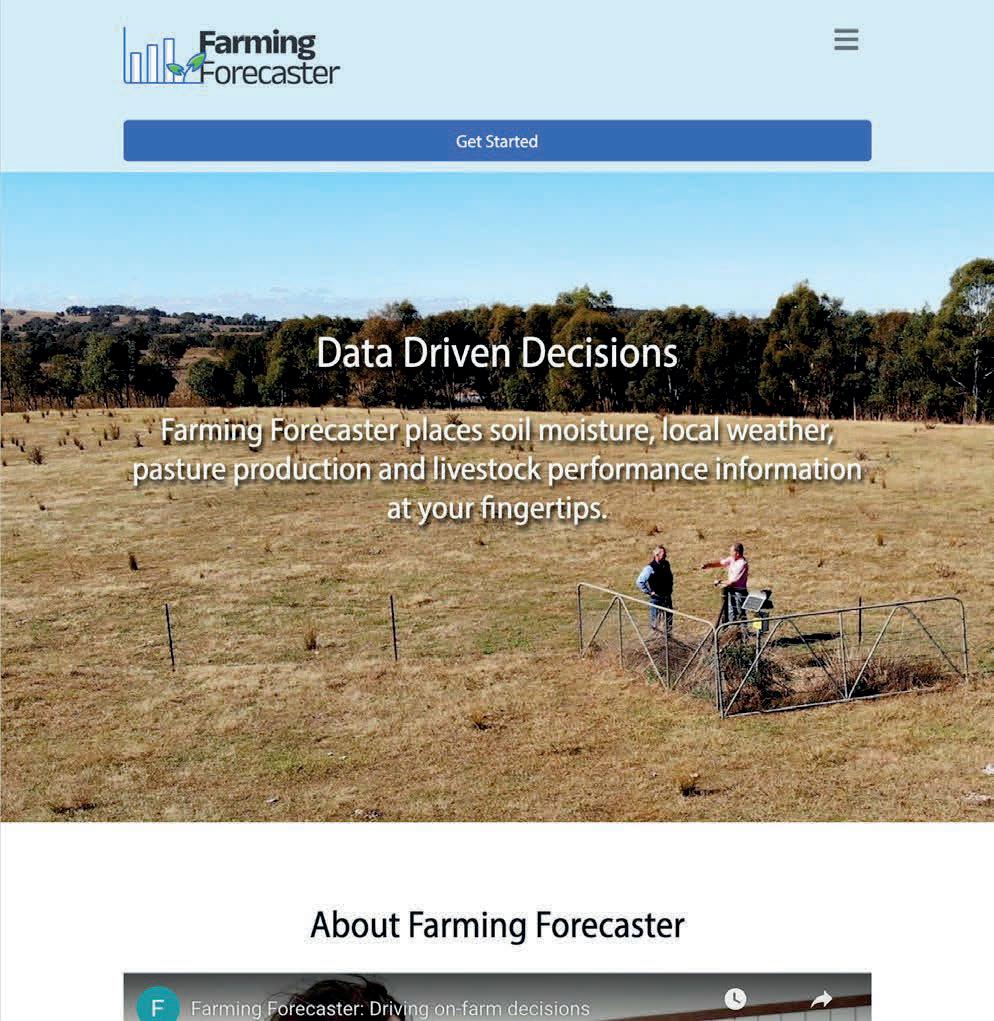
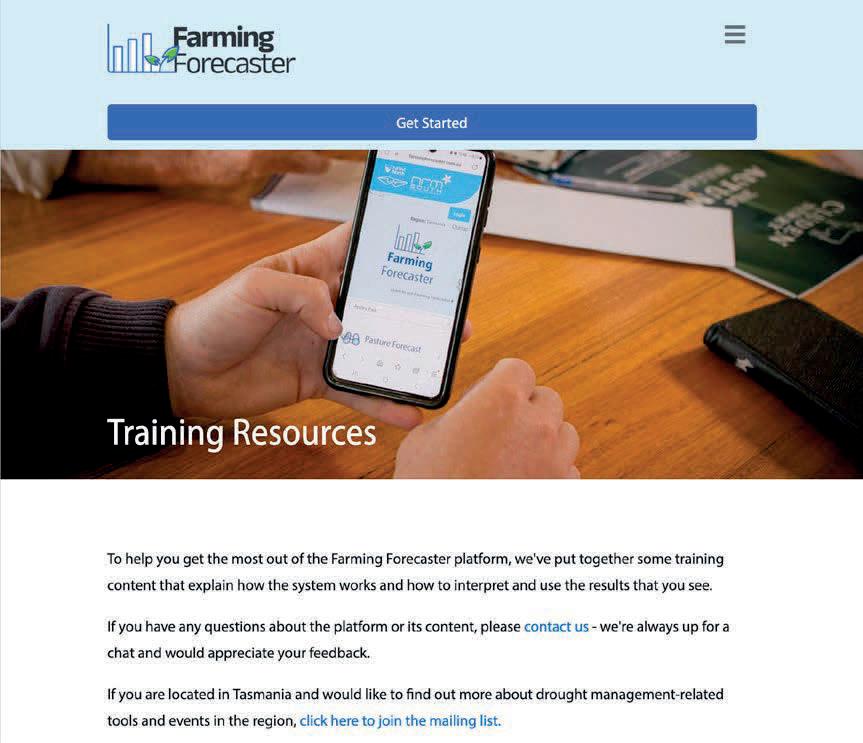
The NSW Government’s Farming Forecaster is now available to help graziers track weather conditions directly in their paddocks, combining soil moisture, local weather, pasture production and livestock performance information in one platform.
Currently active in nine regions - including the NSW Murray and Riverina areas - the tool was developed specifcally with graziers to support on-farm decision making.
The system brings together live paddock-based sensor data and scientifc modelling to help producers determine seasonal dry matter production and appropriate stocking rates.
It displays current conditions alongside likely pasture availability ranges for the next three to four months, supporting feed budgeting and stock management planning.
The platform enables farmers and advisers to assess soil moisture, pasture conditions and weather forecasts at the local level.
Pasture trends can be used by all graziers in regions where monitoring sites exist, allowing early preparation for challenging conditions or capitalisation on favourable weather.
Users can access daily and weekly conditions plus historical trends through easy-to-read graphs by visiting www.farmingforecaster.com.au and selecting the Murray region and their preferred monitoring site.