Advertising bookings and editorial requests for each edition of FARMtalk close on the third Friday of the month preceding publication.
Nigel Lutton GENERAL MANAGER
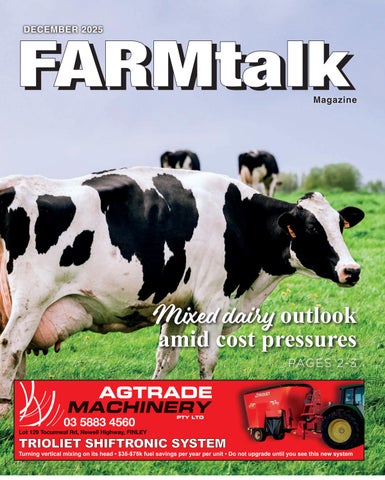
Mixed dairy outlook amid cost pressures
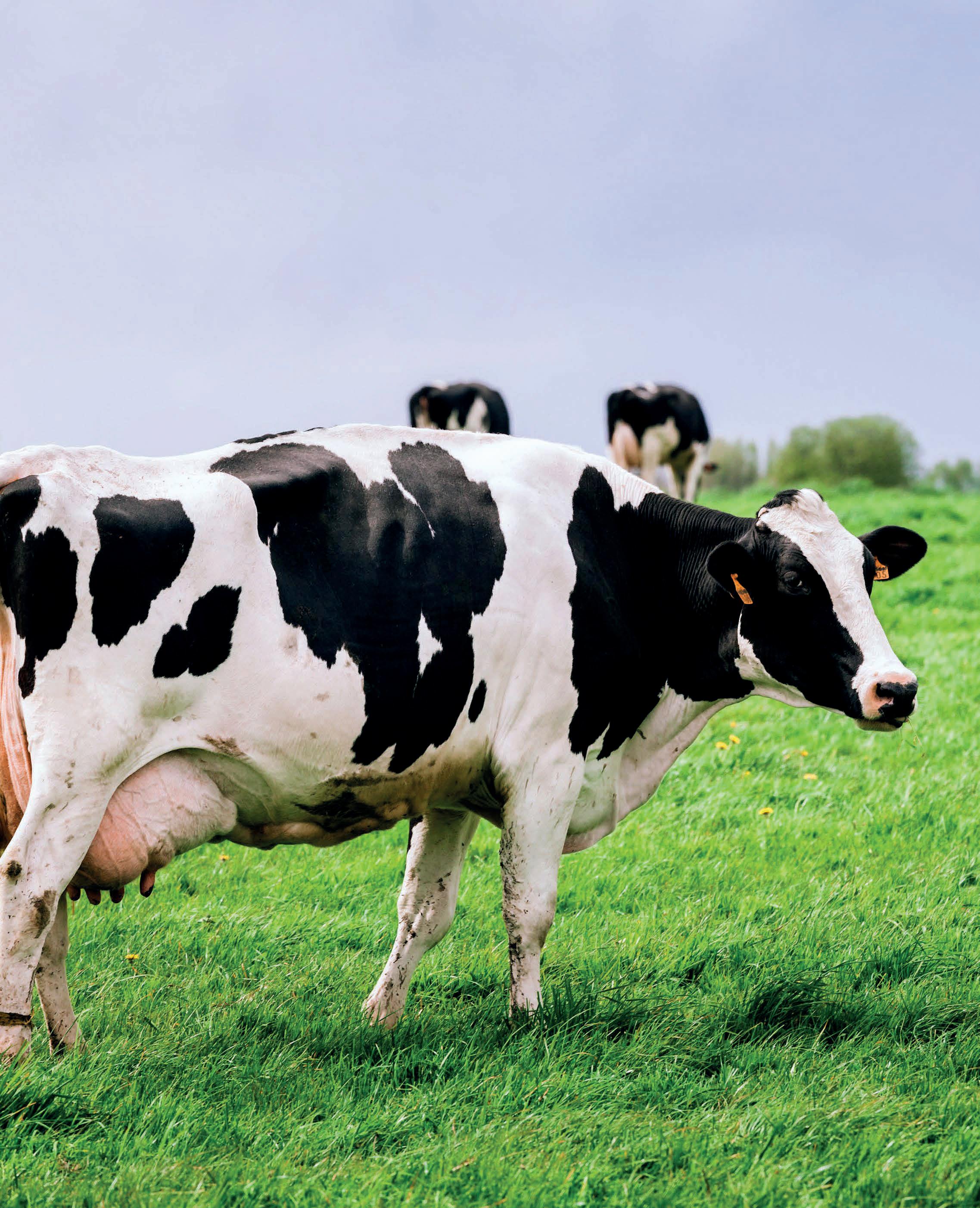
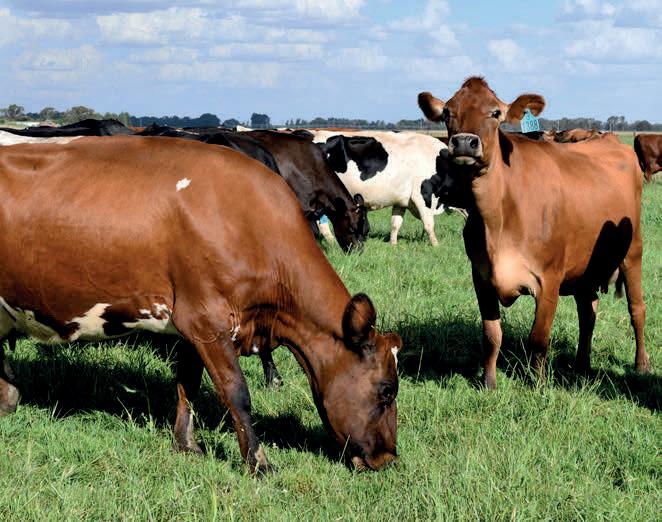
A mixed outlook is on the horizon this season for Australia’s dairy industry.
Dairy Australia’s latest Situation and Outlook report reveals a season of contrasts for the nation’s dairy industry, as strong retail demand and higher farm gate milk prices offer some relief against rising costs and climate uncertainty.
Strong local retail demand and a higher farm gate milk price are helping to support farmers, but global price shifts, unpredictable weather and elevated input costs continue to weigh on margins.
Dairy products continue to perform well in supermarkets.
Over the past year, milk sales rose 1.1 per cent, cheese climbed 3.8 per cent, and yoghurt surged 8.4 per cent, led by Greek yoghurt with 15 per cent growth.
More shoppers opt for private-label products amid costof-living pressures, and consumers no longer view these products as lower quality.
This season’s challenging weather conditions and the diffcult farm-level decisions that needed to be made in
Krysta Hallum
response have seen year-to-date milk production down 2.3 per cent (July–October 2025 versus the same period last year), with declines across Victoria, South Australia and Western Australia.
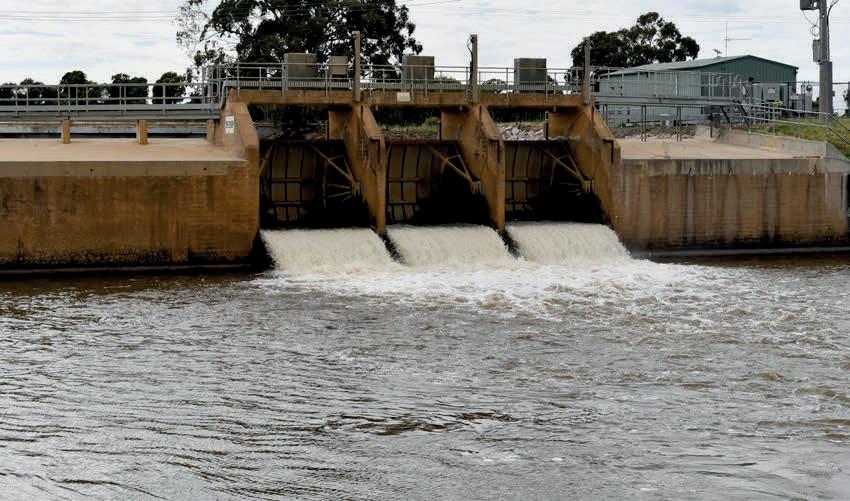
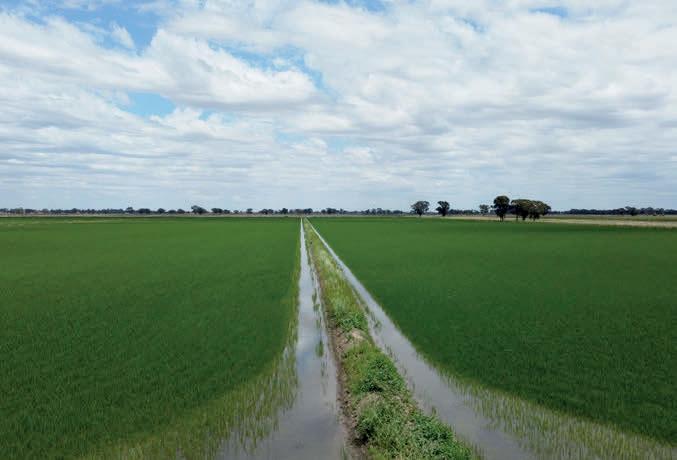
Water availability pressures are mounting in southern regions, while farm exits have further constrained output.
production is down 4.1% YTD. Milk fows in Gippsland and Northern Victoria are also tracking below last season on a YTD basis, down 2.2% and 3.2% respectively, after a solid frst half of last season. Since then, many parts of these regions have become drier and irrigation pressures are mounting; water levels across several monitored storage sites sit below this time last year and temporary water prices have more than doubled in northern Victorian and Murray Irrigation systems.
In contrast, Queensland, NSW and Tasmania have recorded gains thanks to improved seasonal conditions.
Despite these regional improvements, ongoing cost pressures and a smaller national herd overall are expected to keep production subdued for the remainder of the season.
Looking ahead, Dairy Australia forecasts a two per cent easing in milk production for the 2025-26 season, down to about 8.149 billion litres.
production is down 4.8% YTD, after several farm exits last season and a smaller state herd.
Wheat prices have softened as offshore demand declined, and global fertiliser values have begun to ease as exports from key regions resume.
Even so, water and fodder costs continue to be a major challenge.
Proftability trends refect these pressures.
Milk production in South Australia is also below last year, down 7.6%, after the South-east corner’s strong frst half of last season and continuing dry conditions in central areas. The prolonged nature of the state’s weather challenges is also impacting cow fertility, which will likely delay production recovery.
Input costs are a key challenge.
Temporary water prices in northern Victoria and Murray Irrigation have reached their highest levels in fve years, while many southern water storage sites remain below the fve-year average.
Feed costs have eased from July highs, but hay prices remain elevated across most dairying regions.
Data from the Dairy Farm Monitor Project shows dry weather in Victoria, South Australia, and Tasmania drove higher feed costs and reduced returns, while NSW and Queensland recorded marginal improvements supported by strong milk prices.
All in all, improved weather conditions in some dairying regions have been welcomed, supporting pasture growth and supplementary feed production. However, while recent easing of feed costs have been advantageous against higher farmgate milk prices, the average to above average conditions forecasted by the Bureau of Meteorology may not be enough to alleviate cost pressures entirely, likely tempering herd recovery plans. As such, persistent cost pressures, a smaller national herd and continued farm exits will likely lead Australian milk production to drop 2% in the 2025-26 season.
Western Australia saw improved proftability after a diffcult 2023-24 season, largely due to better seasonal conditions and stronger livestock trading returns.
In other states, milk production is growing. Queensland’s comparatively favourable weather conditions and fairly stable milk prices supporting investment to manage climate risk have seen milk fows increase 1.6% YTD. In New South Wales (NSW), milk production continues to rise, up 1.2% YTD, led by larger herds and increased on-farm investment in the southern areas of the state.
With feed costs making up the greatest share of on-farm production costs, volatility in fodder markets continue to weigh on farm margins.
Global markets add further complexity.
After a strong start to the year for Australian dairy exports, recent price movements have shifted the competitive landscape.
Increased milk production in the US and European Union has pushed down key commodity prices, leaving Australian butter, cheddar, and SMP priced above other major exporters.
Although Australian export prices have softened in line with global trends, constrained milk supply has kept prices relatively high.
Demand has stabilised in key markets, with Greater China recording a modest 0.4 per cent increase over 12 months to July, following three years of decline.
South-east Asia import volumes held steady, while growth in the Middle East and North Africa has begun to ease.
The industry has demonstrated resilience through steady retail growth and early-season export gains, but the outlook remains complex.
Global price shifts, climate uncertainty, and elevated input costs will continue to test proftability.
A higher farm gate milk price may provide some relief, but sustained improvements in seasonal conditions and cost management will be critical to stabilising production.
† NielsenIQ Homescan based on a continuous panel of 10,000 households; excludes non-private dwellings and businesses, non-permanently occupied households and out-of-home/impulse purchasing. Dairy Australia calculation based in part on data reported by NielsenIQ through its Homescan Service for the dairy category for the 52-week periods ending July 13, 2025 and October 5, 2025, for the total Australia market, according to the NielsenIQ standard product hierarchy. Copyright 2025, Nielsen Consumer LLC.
Figure 1 Australian milk production - year to date changes
Figure 1: Australian milk production - year to date changes
Tori’s rural quest for answers
A study on the impact of climate and political decisions on rural economies and farming is under way in the Deniliquin district.
“I think rural Australia is a little bit underresearched, and there’s a lot of value to be gained from understanding how communities like Deniliquin are coping with change.”
TORI BALL
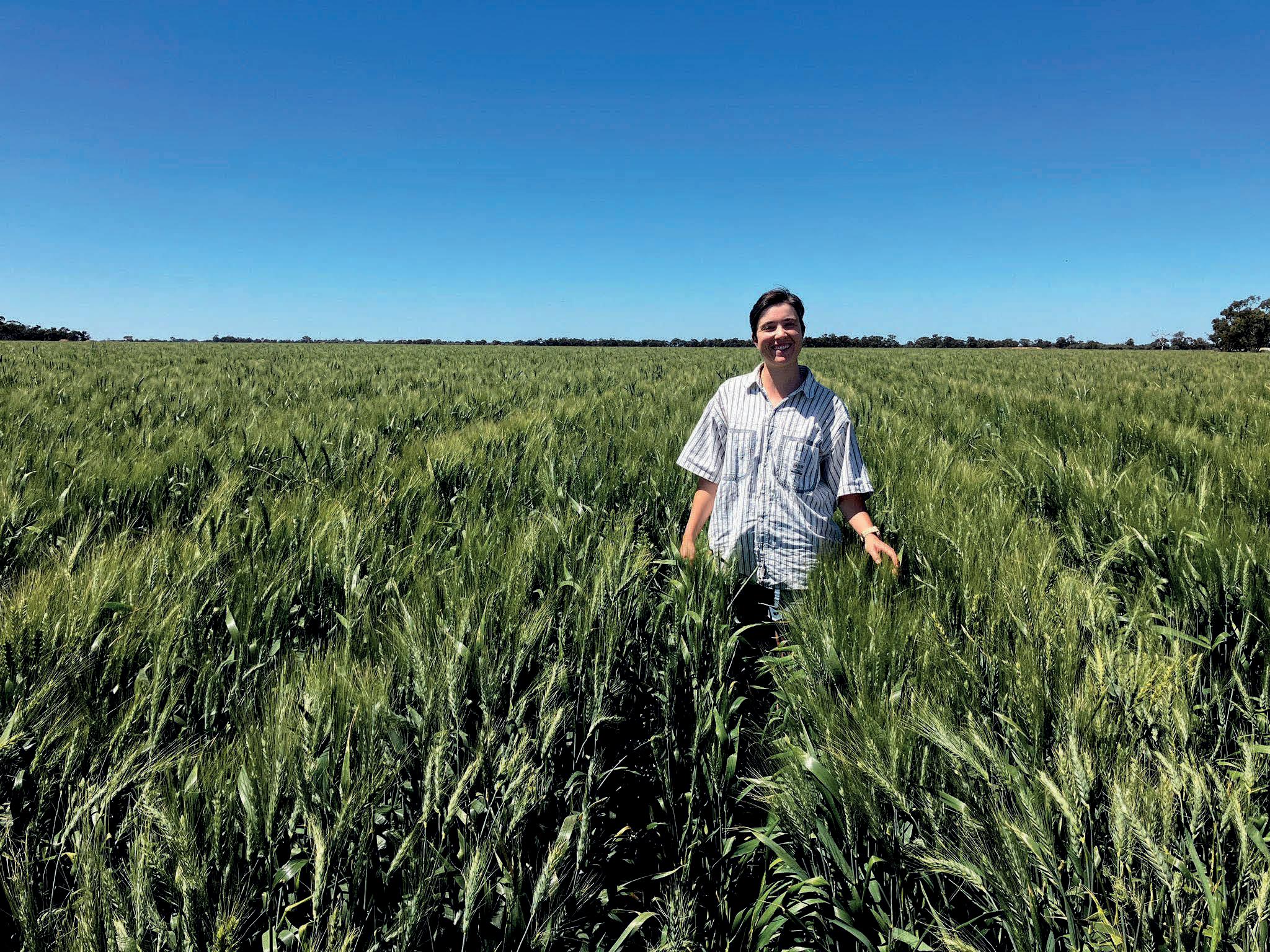
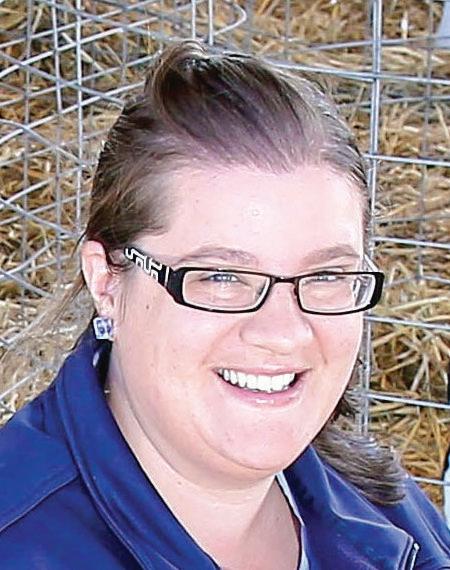
Drilling down on the subject is second-year Durham University PhD student Tori Ball, who will spend 12 months in the region while researching a fnal thesis.
Originally from Hamilton and previously studying in Melbourne, Tori is sponsored by the Rotary Global Scholar System and Hamilton Rotary Club to attend the university in the north-east of England, close to Scotland.
Rotary is also supporting the visit back to Australia for the PhD studies.
Tori is researching “the intersections of farming and climate change from an ethnographic perspective”.
Much of the feld work will take place in the Southern Riverina and rural south-eastern Australia, and will “trace the story of climate change as an iteration of bigger stories that constitute rural thinking and world-making”.
“This is the feld work where I’m collecting the data that will be turned into a thesis,” Tori said.
“I think the easiest way to describe my thesis is I’m interested in how rural communities are negotiating change.
“Thinking about how the weather is changing and, as a result, how farming is changing, how politics is changing in rural Australia, and how people’s values and thoughts about the future are shifting.
“This is a type of anthropology — anthropology being like the study of how people make meaning in the world and how culture changes.
“I think rural Australia is a little bit under-researched, and I think that there’s a lot of value to be gained.
“I think people are actually coping with a lot of extreme weather and a lot of fuctuations in the economy really well, so I think there’s a lot of value in understanding how communities like Deniliquin are coping with change.
“Also, the Riverina for me is a real curiosity because I don’t come from irrigation.
“So the dynamic between irrigation, water policy, farming and rural economies is really interesting to me.”
Tori arrived in September and will conclude the feld work stay in the region by October 2026.
“I’ll see the seasons change and see the whole process.
“I’m pretty impressed with the ingenuity of people.
“I think people are taking a lot of really different approaches when responding to environmental issues and water issues; there’s a real creativity.
“I’ve been visiting farmers and getting to know the work that traditional owners have been doing, and getting to know the work that community groups are doing, trying to understand land and water management from a lot of different perspectives.
“Whatever it is that people are working on, there’s a real culture of hard work, which is really interesting to observe.”
Tori settled on the Deniliquin district as a base for the research while still based in the UK.
“I was drawn to Deni because of the irrigation, and maybe also the interesting different cycles of farming history.
“The pastoral history and the irrigation history, rice production, and now something a bit different in our current landscape.
“I think small communities are really important to try and understand, rather than just the big hubs.
“While here, I will be supported by supervisors back in the UK to come up with an idea, as well as by other anthropologists here in Australia.
“I want to see more of the Riverina, but particularly I think more of the saltbush plains are really interesting and really beautiful country.
“People are taking really different approaches when responding to environmental and water issues — there’s a real creativity.”
TORI BALL
“I’ll be visiting farms and seeing different community groups in action, attending different events in town, and trying to get an understanding of how farmers, in particular, are navigating change and weather.”
Reacclimatising to the Aussie conditions has been a challenge for Tori, and Deniliquin’s spectacles of fora and fying fauna have been particular highlights so far.
“The main thing I’ve really noticed in town is the incredible bird life, and again that comes back to the water — because the water is home to a lot of these birds.
“All of the bush, even here in the middle of town, is really stunning, and it is very different.”
Tori has already made some great community and personal connections in town, thanks to involvement with Rotary.
“Everyone’s been really welcoming to me, which is really sweet and I’m really grateful for, so I’m just looking forward to participating in community events throughout the year.
“Everyone’s happy to have a chat, which I really appreciate.
“I try and volunteer with Rotary when I can, but also with the Deniliquin Film Society because I’m a big cinema fan.
“I’ve also joined the women’s community garden because I’m quite bad at gardening, so I’m learning how to garden.
“Rotary have been my main contact, and they have been incredibly generous hosting me here.
“Through every person is a connection to another person, so I’m just meeting people as I go and building a sense of how community networks are connected here.”
“Rotary have been incredibly generous in sponsoring my PhD; I just want to give back to the work that they do.
“I know they care about environmental issues as well, so I guess we have that alignment there and an interest in community-driven solutions.”
Getting value from stubbles
Grazing crop stubbles over summer is a valuable management strategy in a mixed farming operation.
Some of the many advantages include utilising available feed, resting permanent pastures, and management of summer weeds, stubble and mice populations in preparation for the next cropping season.
However, stubbles alone are generally low quality and poorly digestible. Most of the nutritive value when grazing stubbles comes from residual grain and young green plants. Therefore, the quality of feed typically depletes quickly and should be routinely monitored to ensure the nutritional requirements of livestock are met, particularly during joining or gestation when adequate nutrition is key. There are many components to consider to balance the productivity and sustainability of both livestock and cropping enterprises.
Tips:
• With the majority of feed value in stubbles coming from residual grain or volunteer crop/weed growth, aim to maintain about 70 per cent groundcover to avoid reduced feed quality and to protect soils from compaction or erosion issues.
• Harvested cereal stubbles have very low digestibility. If residual grain and green feed are not present within
a stubble, ensure supplementary feed is available to maintain livestock condition.
• Utilise the Meat & Livestock Australia online Stubble Grazing Calculator and visual assessments of the stubble to ensure you are continuing to meet nutritional requirements for maintenance or weight gain targets.
• Dry feeds are typically defcient in vitamins and minerals, particularly Vitamins A and E, calcium and magnesium. If livestock do not have access to green pick for an extended period, consider supplementing Vitamins A and E via drench or injection and offering a mineral lick block.
• Acidosis (grain poisoning) is, as always, an important consideration. Ensure no grain spills are accessible and take note of faeces consistency as an indication of how livestock are adapting to a higher-grain diet.
• Maintain access to clean water as dry feed intake, grain content and temperatures increase.
For further information, contact your local Ag Team member or district veterinarian at Murray Local Land Services on 1300 799 295.
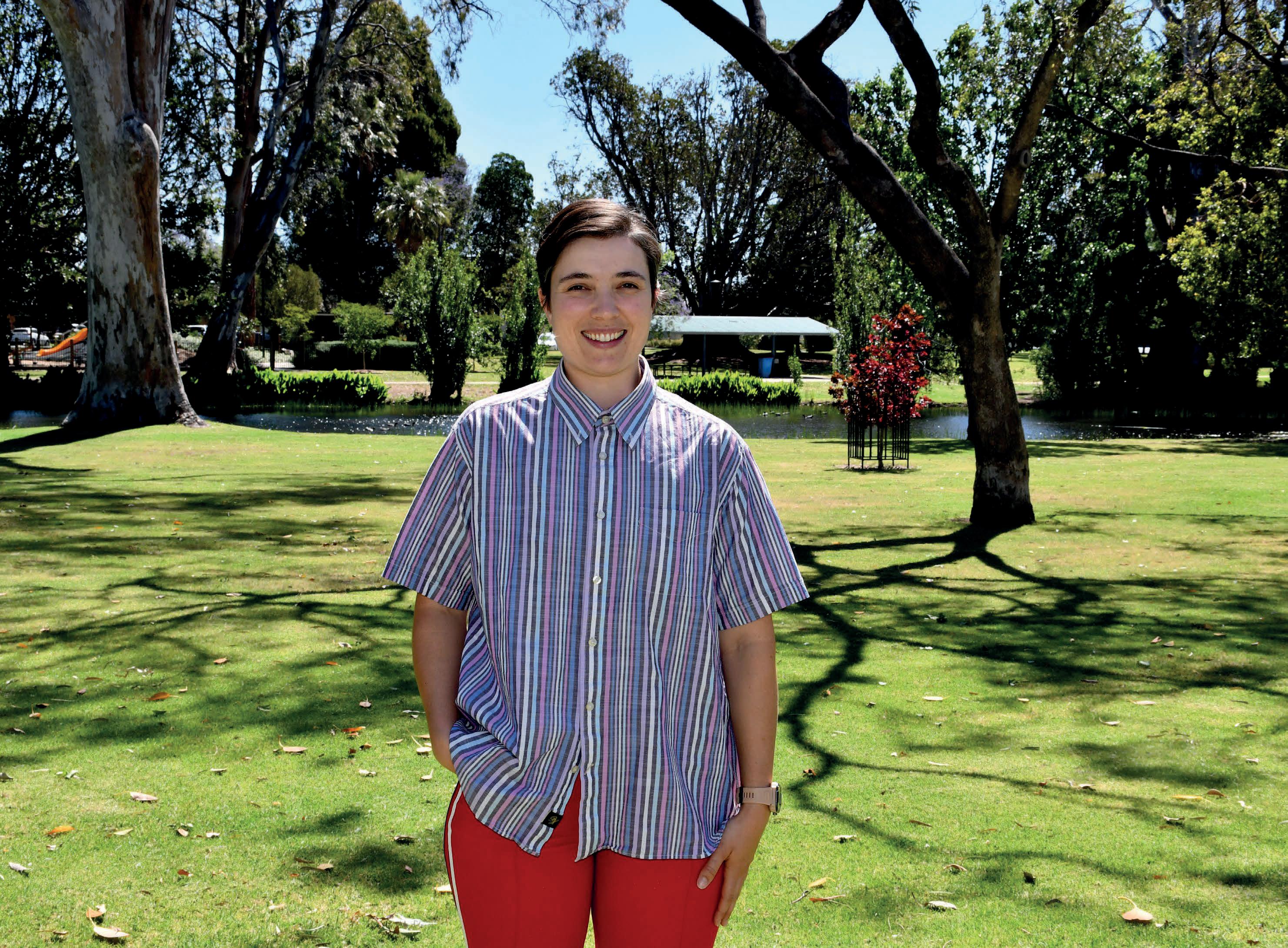
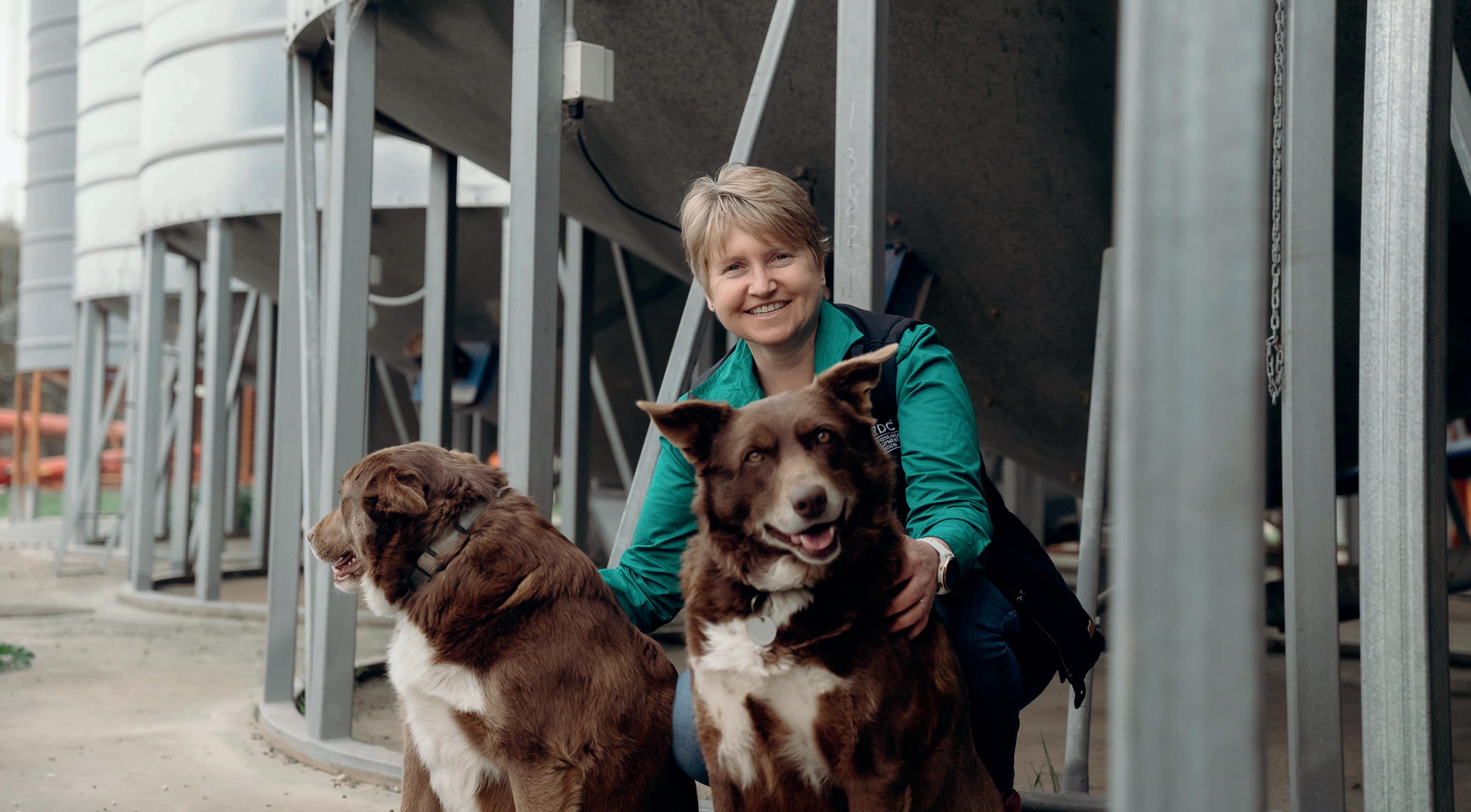
Contributed by Nick O’Connor (pictured above), senior local lands offcer - mixed farming with Murray Local Land Services.
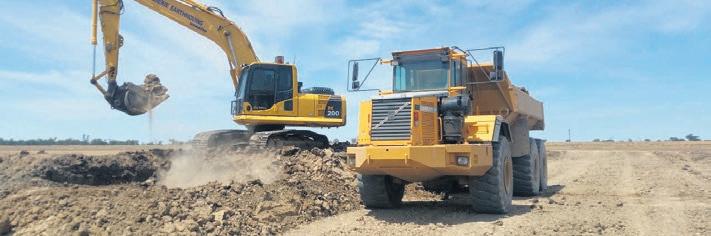
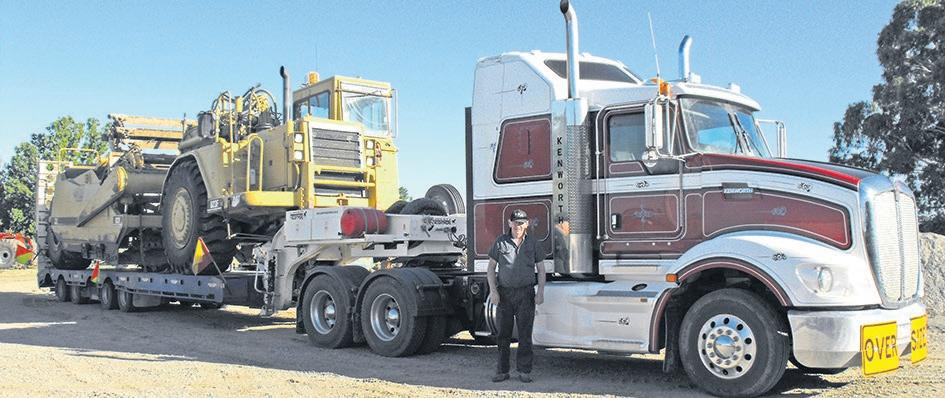
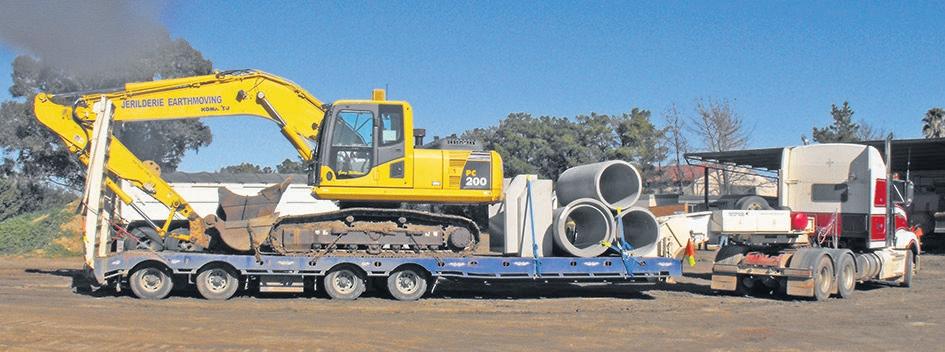
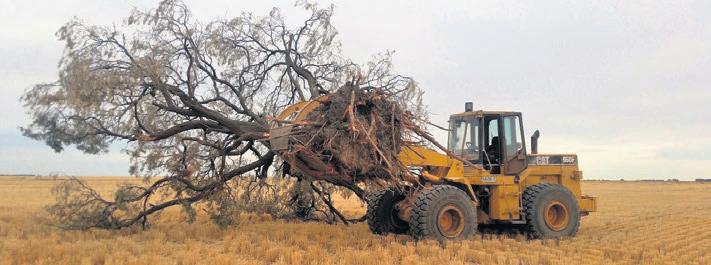
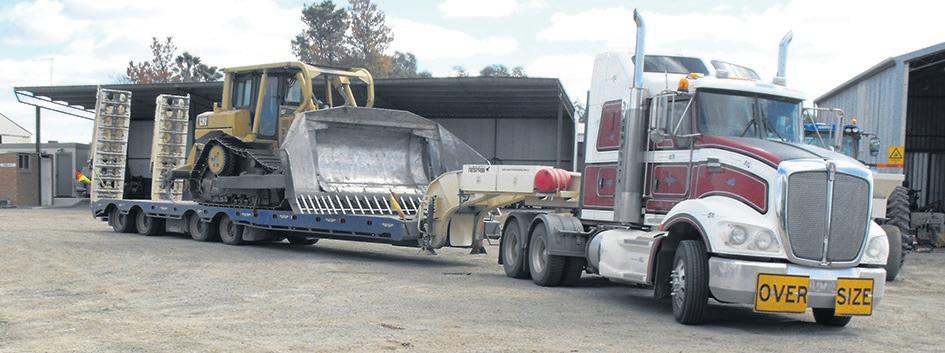
EARTHMOVING
Available Vehicles
Scrapers: Caterpillar 623G, 623B, and 2 x 623F
Excavator: 1 x Komatsu PC200-8, 1 x Hidromek 310LC, 1 x Hidromek 230LC
Graders: Caterpillar 160M AWD, 2 x Caterpillar 140H
Bulldozers: Caterpillar D7H & Caterpillar D6T with Rake
Tractors: Steiger 450 With Laser Buckets - 14 & 16. Case IH Steiger 535 & 600
Loaders: Cat IT 28B Cat 960F
Low Loaders: 2015 Quad Axel (with Tandem Dolly), SES Tri-Axel
Water Tanker: 45,000 Litres
Roller: Dynapac CA602D (smooth drum & pad foot)
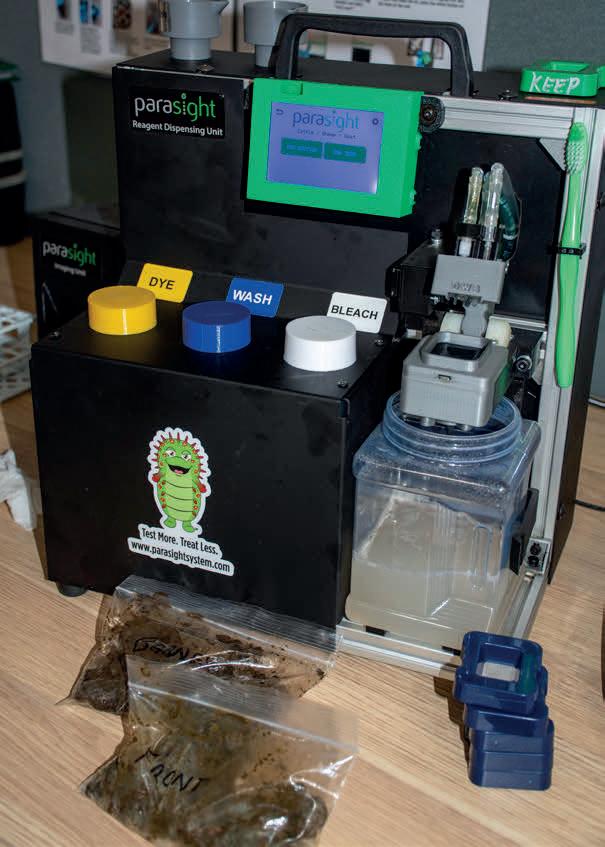
We’re excited to share that Elders Deniliquin now has a Parasight machine on-site, providing fast and accurate Faecal Egg Count (FEC) testing for your livestock.
Drop of or on farm collection available.
efective If you’re looking to tighten up your worm management or build a more efective drench plan, we’re here to help.
Contact Call Meg Brooks on 0418 599 592 or the team at Elders Deniliquin today!
Quick parasite testing with Elders
Elders Deniliquin is saving its clients time and money, and improving animal health outcomes at the same time, with the addition of local faecal egg count testing.
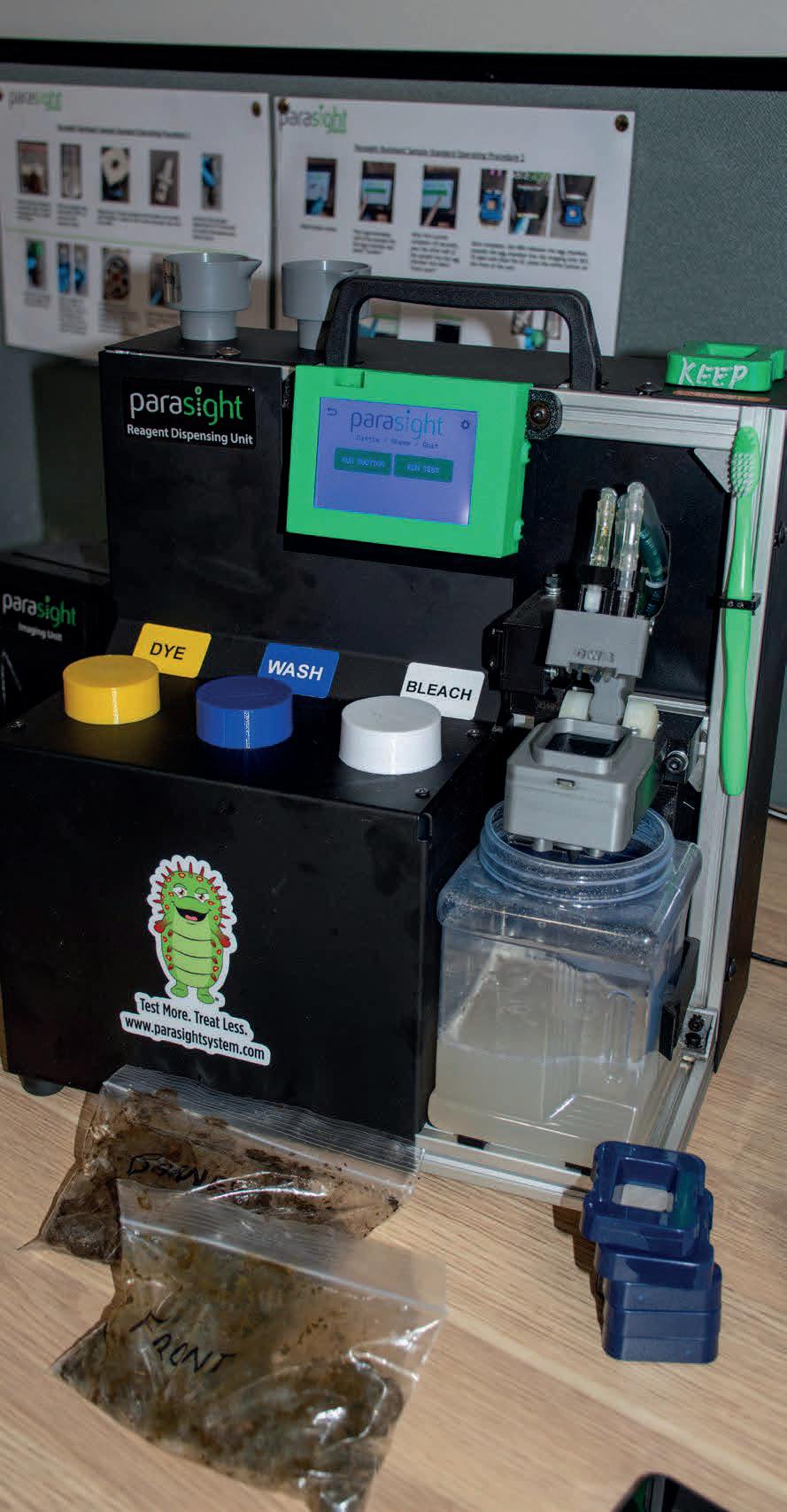
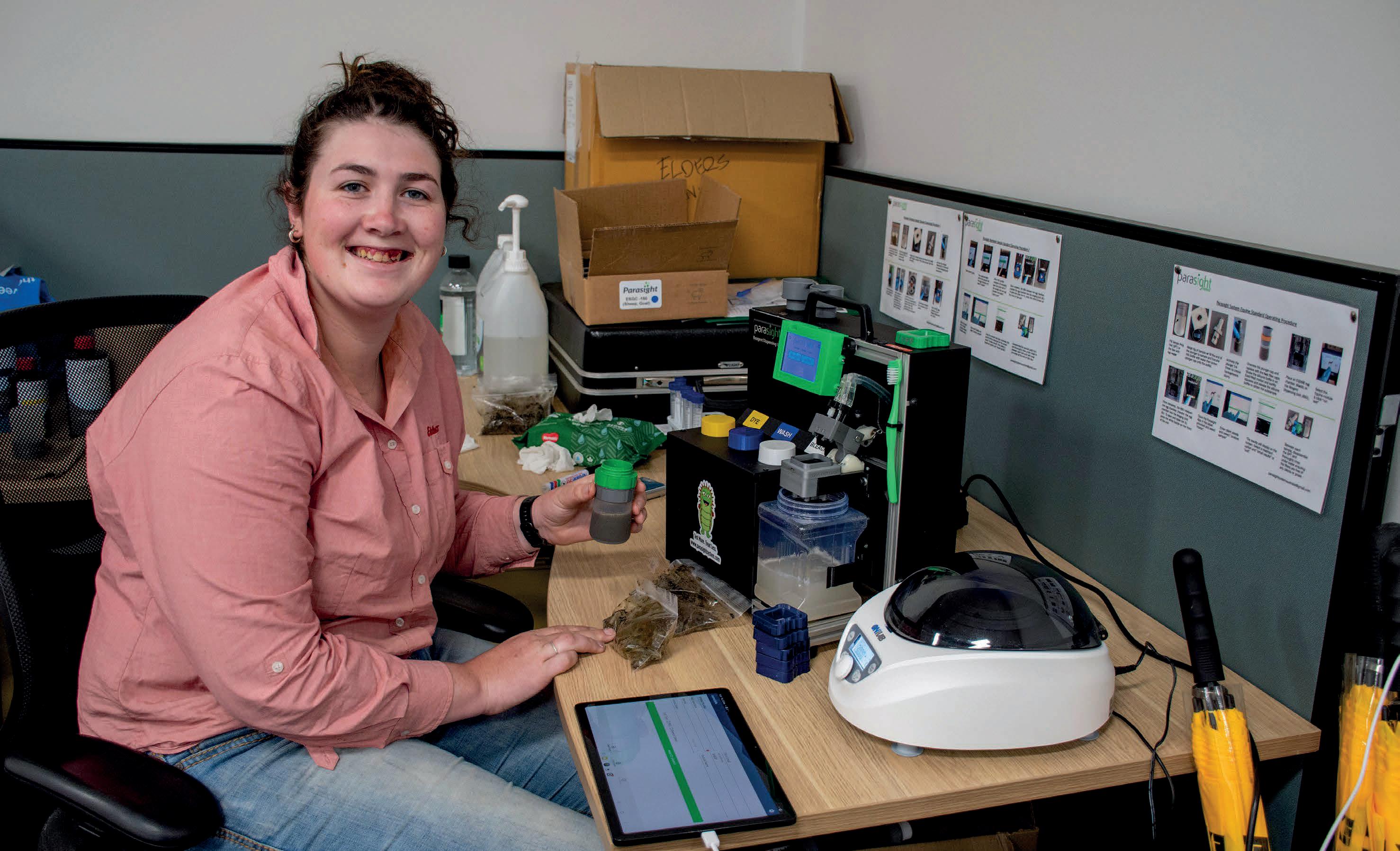
Using the Parasight Reagent Dispensing Unit, the Elders Deni team can monitor worm burdens in sheep, cattle, horses and goats, and help clients make informed decisions around drench programs.
Before the introduction of testing in Deniliquin, Elders animal health, livestock and rural sales representative Meg Brooks said the turnaround time for results could have been up to seven days.
Before the introduction of testing in Deniliquin, Elders animal health, livestock and rural sales representative Meg Brooks said the turnaround time for results could be up to seven days.
Another advantage is the ability to make diagnosticbased drenching decisions.
“Before we started testing in Deniliquin in late November, we would have to send or drive the samples ourselves to Wagga or Yarrawonga.
“The turnaround would sometimes take up to a week, but now we can offer same-day results in most cases.
“Testing allows us to look at whether drenching is required now or later, and to tailor the treatment.
“That means saving money in the long run because farmers are not just drenching without knowing what they’re dealing with.
“It also helps us manage drench resistance, which means added animal health benefts.
“If you’re looking to tighten up your worm management or build a more effective drench plan, we’re here to help.”
Parasight identifes and counts parasite eggs in less than three minutes using an automated algorithm and software imaging technology. It is known for having superior accuracy and precision.
Drop-off or on-farm sample collection is available.
For more information, contact the Elders Deniliquin team on (03) 5890 5100.
Meg Brooks demonstrates Elders Deniliquin’s Parasight testing, providing fast, accurate parasite results for local livestock.
COMMUNITY IN FOCUS: BERRIGAN PUBLIC SCHOOL P&C
Nurturing Capable Minds at Berrigan Public School
It is so important for students at small schools to have access to the same educational opportunities and services as those who attend larger ones.
This could not be more critical when to comes to programs that promote positive mental health and wellbeing outcomes for children.
While many large schools have access to school counsellors and even psychologists, this is not always the case for their modest-sized counterparts; including Berrigan Public School (BPS).
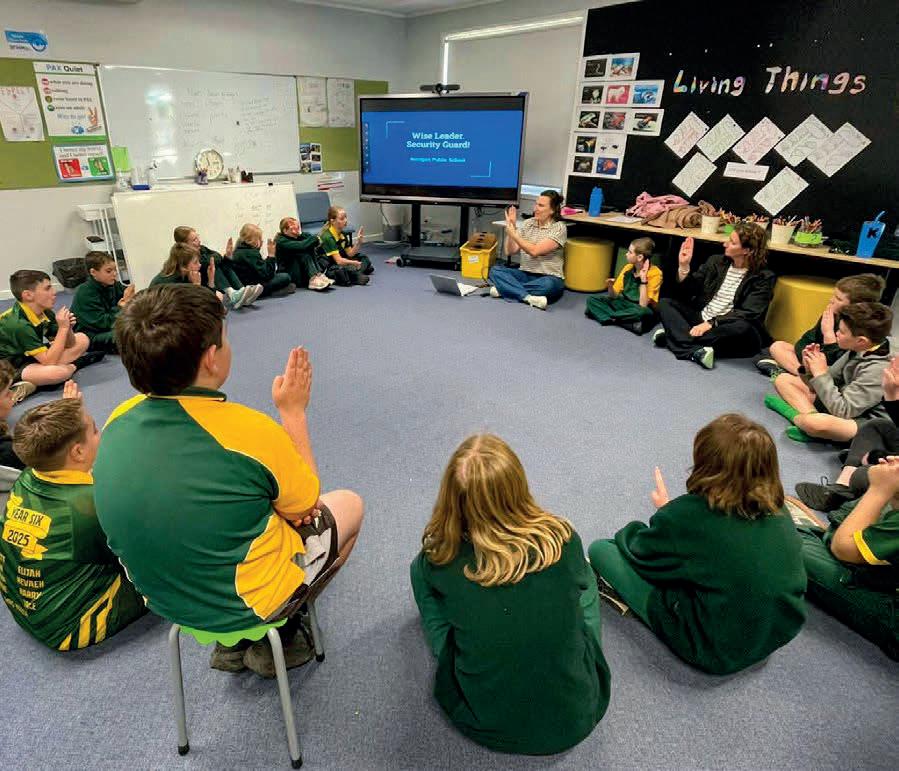
To help ensure its students have the opportunity to learn strategies to support their mental health and wellbeing, the local school this year engaged the services of Finley-based counselling and therapy service Capable Minds, which is run by social worker Catherine Healy.
The school’s Parents & Citizens Association worked in collaboration with Catherine and school staff, led
by Principal Dorothy Dore, to ensure the program was developed to specifcally meet the needs of the students.
The four-week program was implemented during Term 3, using funds secured by the P&C through Murray Irrigation’s 2025 Education Sponsorship Program, which the company introduced this year to support school projects and activities that promote student learning, development and wellbeing.
“We are so grateful for this support, which has enabled us to proceed,” BPS P&C Association Vice President Emily Walliss said.
“Like any education environment, it is imperative that we provide the right level of mental health and wellbeing support to each and every one of our students,” Emily said.
“Without access to a school counsellor, we saw the need to engage Capable Minds to fll this gap and provide our children with life skills to help them thrive.
“Our school community comprises young people from a broad and diverse range of backgrounds, including a large farming base.
“We believed that greater and more equitable access to health and wellbeing initiatives would provide better
BPS has an enrolment of approximately 65 students, and is staffed by four teachers (including Principal Dorothy Dore), as well as three support staff, two administration staff and a part-time groundskeeper.
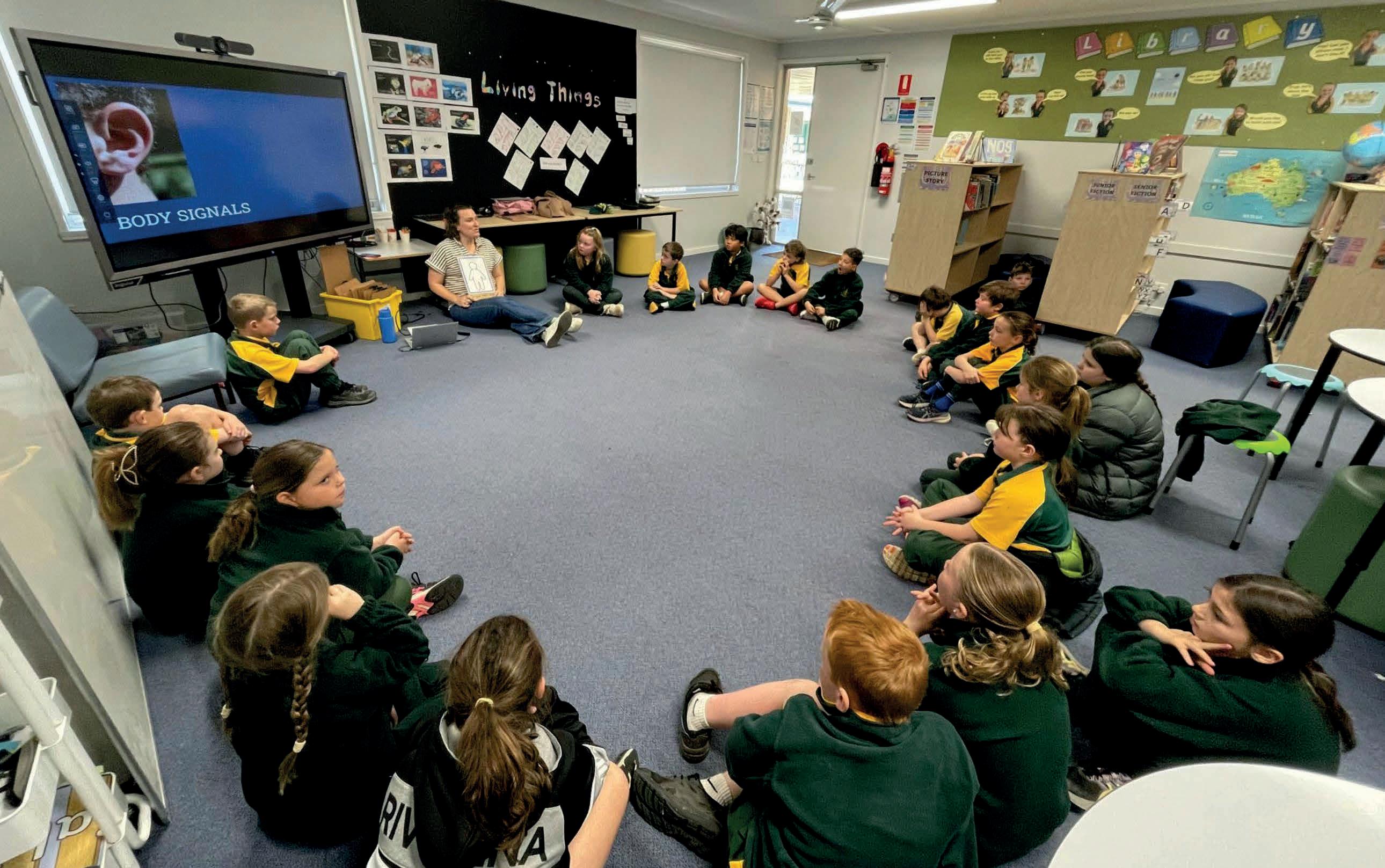
Catherine Healy from Capable Minds leads the program with Berrigan Public School students.
outcomes, not just for our students, but for the wider community,” she added.
BPS recognised that collaborating with Capable Minds would promote a range of positive outcomes, in particular the program’s focus on teaching basic psychoeducation on the brain, together with strategies for responding to perceived threats or uncomfortable feelings.
This aligned with the school’s core values of respect, teamwork, embracing change and safety.
The program also offered key learnings in respect; both self-respect and developing respect for peers.
Upon completion of the program in August, Catherine reported that the students all engaged in the conversations and activities and were “fabulous to work with”.
She explained how the sessions explored the brain and protective responses to perceived threats and big emotions. Students explored how their body gives them signals and how they can keep the prefrontal cortex in charge with breath work, mindfulness, powerful thoughts and movement.
“It’s hard to assess how much information is retained, but of the kids I’ve seen in the community since (the program) they have been able to tell me the main points around the roles of the brain and the strategies we discussed,” she said.
Catherine has an impressive background working within education in both Victoria and NSW as a social worker
After founding Capable Minds in 2020, she now provides counselling to children, adolescents and adults.
“I have always believed that every person has the ability to change and grow from experiences that challenge us,” she said.
“I feel privileged that people trust me to share their stories and experiences and that I can support them through their lives.”
Now calling Berrigan home, Catherine grew up in Finley and has a passion for supporting and empowering people in rural communities.
“I know and value the importance of connection and community, and these are both strong qualities in rural communities,” she said.
“People’s mental health and wellbeing is strengthened when they are connected to others within community and as we have seen with the Berrigan P&C, where there is a need, the community will respond.”
Emily echoed Catherine’s view that there has been a positive student response to the program, saying the P&C is keen to discuss how Capable Minds may be able to continue supporting BPS students.
Implementing this whole of school mental health and wellbeing program is just the latest in an impressive list of activities undertaken by the P&C to help make BPS a better place for student development and learning.
Earlier this year, the group hosted its inaugural Colour Fun Run, which raised a signifcant amount of money for the school, and will allow it to continue undertaking development and support programs.
This was a rather amusing event, in which BPS students, joined by youngsters from Berrigan Children’s Centre, ran through a designated obstacle course sporting white t-shirts while being blasted with colour at various points by parents and family. The aim was to make participants as messy as possible.
To top off the day, and to ensure adults were in on the action, a total of fve teachers, P&C representatives and the school principal were dumped with a bucket of slime.
The school’s Colour Run fundraiser proved a great success.
Australian grain growers are being invited to help shape major new research opportunities that could deliver signifcant gains in productivity and proftability.
The Grains Research and Development Corporation (GRDC) is exploring nitrogen as part of an increase in ‘blue sky’ research to discover new science solutions for some of growers’ biggest challenges and is seeking input to help guide this work.
Each year, it says, Australian grain growers spend about 11 to 16 per cent of their crop revenue on fertiliser and it is increasing over time.
Yet research shows when it comes to nitrogen, only an estimated 40 per cent is used by crops in the year of application, while the rest is retained in the soil, residues or lost via multiple pathways.
While Australia is recognised for responsible fertiliser use, other challenges remain with most fertiliser imported and costs tied to global energy markets, exposing growers to both price and supply volatility.
GRDC board chair Sharon Starick said the focus on nitrogen was in direct response to grower needs and the identifcation of new and emerging research that could deliver signifcant fnancial gains.
‘’On our farm we have seen the difference long-term research can make: better varieties, improved rotations, soil amelioration and smarter agronomy have all lifted our water and nitrogen performance,’’ she said.
‘’That success provides a great platform to take the next step in nitrogen research. This is about breakthrough technologies and novel research that are high-risk for high reward, such as engineering new crops to fx nitrogen or produce their own, or on-farm or regional nitrogen fertiliser production.’’
‘’This sort of blue sky research could signifcantly reduce grower’s fertiliser costs and increase yields. GRDC’s focus is on investing with an international, coordinated approach to build on what growers have already achieved and set them up for the future.’’
During the past 20 years, GRDC research into water use effciency and nitrogen management coupled with growers’ ingenuity has driven remarkable improvements on Australian farms.
Analysis commissioned by the GRDC shows signifcant gains in water use effciency during the past 20 years, with wheat water use effciency rising 36 per cent in Western Australia, 29 per cent in Victoria and 22 per cent nationally.
GRDC managing director Nigel Hart said these gains showed what co-ordinated, persistent investment could achieve.
“The opportunity is signifcant. Early modelling by GRDC suggests that even partial success could deliver more than $10 billion of additional value for growers should new science solutions be uncovered,” Mr Hart said.
“Grower innovation and hard work coupled with quality, responsive and strategic investment in RD&E have already driven marked increases in both yield and proftability particularly over the past two decades.’’
Grains industry stakeholders can learn more and have their say at grdc.com.au/research/right-sizing-review.
GRDC Board Chair and South Australian grain grower Sharon Starick said the focus on nitrogen was in direct response to grower needs and there were clear research opportunities that could deliver fnancial gains on-farm. Photo: GRDC
Don’t give Christmas dinner scraps to pigs
Planning your Christmas dinner? You might be thinking of all the wonderful things you are going to cook.
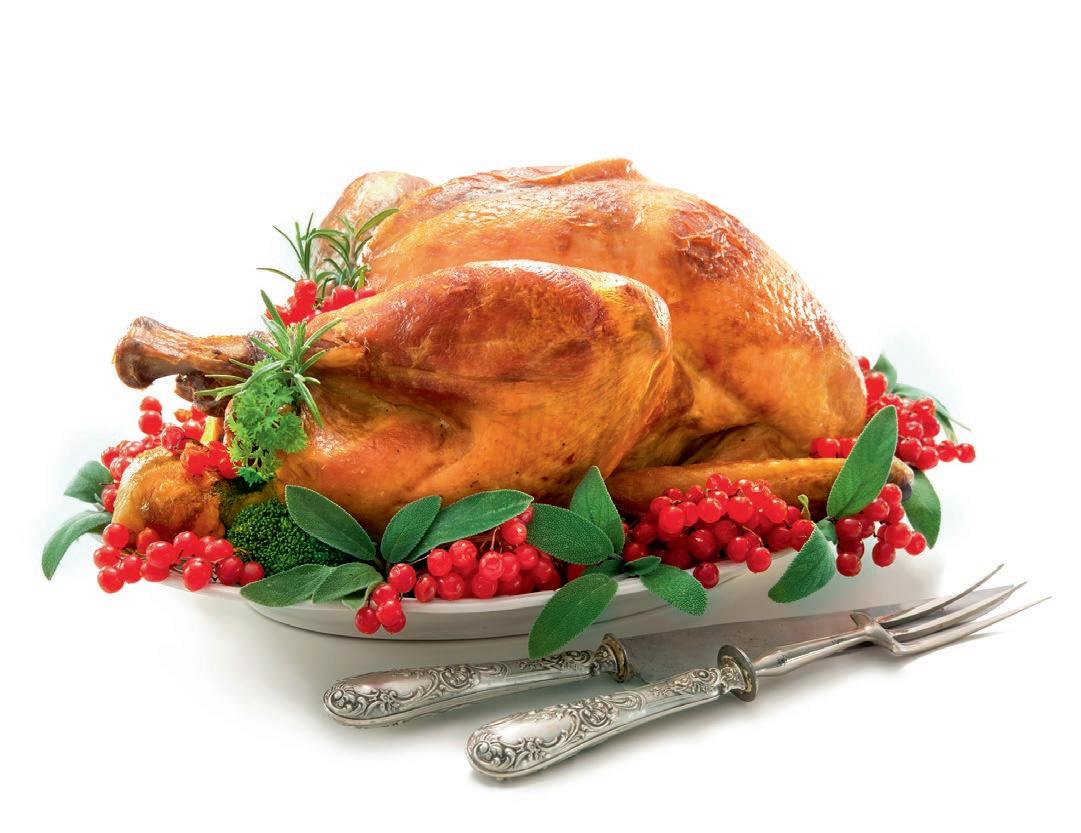
Are you famous for your glazed ham, your beef wellington or roast pork? While this is a great treat for your friends and family, it is important not to give any meat scraps to pigs. You might think feeding plate scrapings to pigs is a great way to recycle food waste but scraps that contain or have been in contact with meat can be a disease risk to pigs.
In Australia there is a ban on feeding meat to pigs. Known as prohibited pig feed (traditionally referred to as swill), items like pies, sausage rolls, deli meats, bacon and cheese rolls and table scraps which contain or have been in contact with meat must not be fed to pigs.
Swill Feeding has been identifed as the highest risk of exotic diseases such as foot and mouth disease (FMD) and African swine fever (ASF) entering Australia. As well as leading to health and welfare issues in affected animals an exotic disease outbreak could cost Australia billions of dollars and close our export markets overnight.
The restrictions on pig feed apply to all pigs. Including pet pigs, which will never be eaten, Christmas pigs and salami pigs which are usually home killed.
To make sure pig owners understand these requirements, Murray Local Land Services biosecurity staff visit
properties in our region that have pigs, every four years to do an audit of what the pigs are fed.
Anyone with a pig, including pet pigs and single pigs destined for the freezer need to have a Property Identifcation Code (PIC) no matter the size of the property the pig is running on.
You can call your nearest Local Land Services offce on 1300 795 299 to speak to someone about what to feed pigs, any unusual illness that you have observed in your pigs, or to register for a PIC.
Linda Searle is a district veterinarian with Murray Local Land Services.
FARMtalk welcomes community contributions from farmers, experts and professionals who make their living and life on the land. If you would like to contribute, there are several ways to do so.
• Get in touch and give us a tip of a great story idea.
• Contribute an article: If you are an expert in your feld then contributing once of, or regularly, is a great way to get started in our FARMtalk magazine. Contact Zoe McMaugh at farmtalk@ denipt.com.au or 03 5881 2322.
• Become an author: FARMtalk is open to occasional contributors who are experts in their feld or authorities on a subject or area. Once you have contributed an article, and the editorial team have approved you, we can set you up with a regular column to contribute. We would love to hear from you. Contact Zoe McMaugh at farmtalk@ denipt.com.au or 03 5881 2322.
• Have a fascinating farm in mind for us to showcase? Tell us! We would love to hear from you. Contact Zoe McMaugh at farmtalk@ denipt.com.au or 03 5881 2322.
Farmers keep Xmas on the table
As Australians prepare for festive feasts flled with fresh seafood, summer fruit, vegetables, quality meats, artisan dairy, wine and grains, Rural Aid is urging the nation to support the producers who keep Christmas on the table.
While most Australians wind down for Christmas, farmers are ramping up.
Horticulture growers are harvesting around the clock, livestock and poultry producers are ensuring animals are well cared for in the summer heat, grain and hay farmers are fnishing critical stages of their season, dairy farmers continue daily milking regardless of the date, and aquaculture producers are working to meet strong festive demand.
Rural Aid CEO John Warlters said Australians often take for granted the abundance of fresh, high-quality food available at the festive table.
“Christmas lunch is built on the hard work and resilience of Australian farmers,” Mr Warlters said.
ange y our insurance cover.
“Whether it’s seafood, fruit, vegetables, grains, dairy, poultry, pork, beef or lamb, every product carries the legacy of months - sometimes years - of effort.”
This year has been challenging for many farming communities, with unpredictable weather and rising costs placing pressure on producers.
“A small donation is a powerful way to say thank you,” Mr Warlters said.
“Every contribution helps Rural Aid deliver essential fnancial, practical and emotional assistance to the farmers who feed the nation.”
Rural Aid encourages Australians to donate at www. buyabale.ruralaid.org.au.
PAINTED- RHS
20 x 20 x 1.6 – 6.500 Mtr ..........................$8.00 Per Length
50 x 25 x 2.0 – 8.000 Mtr ........................$21.00 Per Length
50 x 50 x 3.0 – 8.000 Mtr ........................$48.00 Per Length
50 x 50 x 6.0 – 8.000 Mtr ......................$142.00 Per Length
65 x 65 x 2.0 – 8.000 Mtr ........................$52.00 Per Length
75 x 75 x 2.0 – 8.000 Mtr ........................$36.00 Per Length
75 x 75 x 5.0 – 8.000 Mtr ......................$265.00 Per Length
76 x 38 x 4.0 – 8.000 Mtr ......................$120.00 Per Length
89 x 89 x 6.0 – 8.000 Mtr ......................$142.00 Per Length
100 x 50 x 5.0 – 8.000 Mtr .....................$114.00 Per Length
100 x 100 x 2.0 – 8.000 Mtr ....................$59.00 Per Length
100 x 100 x 3.0 – 8.000 Mtr ....................$99.00 Per Length
102 x 76 x 6.0 – 8.000 Mtr ....................$136.00 Per Length
125 x 75 x 3.0 – 8.000 Mtr ....................$169.00 Per Length
125 x 75 x 4.0 – 8.000 Mtr ....................$225.00 Per Length
125 x 75 x 5.0 – 6.000 Mtr ......................$85.00 Per Length
125 x 75 x 6.0 – 8.000 Mtr ....................$199.00 Per Length
150 x 150 x 5.0 – 4.000 Mtr ..................$243.00 Per Length
35 x 35 x 2.5 – 6.500 Mtr ........................$25.00 Per Length 65 x 65 x 2.5 – 8.000 Mtr ........................$59.00 Per Length 65 x 65 x 3.0 – 12.000 Mtr ....................$175.00 Per Length
75 x 75 x 2.0 – 8.000 Mtr ........................$56.00 Per Length 75 x 75 x 3.0 – 8.000 Mtr ........................$67.00 Per Length 89 x 89 x 2.0 – 9.000 Mtr ........................$76.00 Per Length 100 x 50 x 1.6 – 8.000 Mtr ......................$76.00 Per Length 100 x 50 x 2.5 – 8.000 Mtr ......................$96.00 Per Length 100 x 50 x 3.0 –