

Sun, Feb 22 - Sun, Mar 1

Royal Oak has always been part of the fabric of my life.
As a kid: the Zoo. The F&M superstore on Nine Mile and Woodward. Throwing peanut shells on the floor at the Ground Round. The neon glow of Susie Q.
As a teen: video arcades Alligator Alley and Space Station. Selling old board games by renting a booth at the Farmers’ Market. Getting my first car’s stereo system at Mickey Shorr.

As an adult: the Royal Oak Music Theatre (‘80s acts like Belinda Carlisle and Robert Palmer, and watching the Pistons clinch their 2004 championship). Getting caught in a joyous Main Street traffic jam during the Red Wings’ 1997 championship. So many movies at the Main Theatre (and my BFF lived in the condos across the street, so we’d get Main popcorn for Blockbuster nights).
Working out at the YMCA. Sheet music from Royal Music. Dates at Brazil and Caribou (and, when I got my confidence up, Noir Leather). Sushi at Noble Fish, takeout from Cacao Tree, car repairs at B&B Collision.
Today, as managing editor of this magazine, it’s deeply moving to be a champion of this city I love. —Marshall Zweig
Having been born in Royal Oak, and back as a resident/business owner for the last 25 years, I've seen our city change a lot. I remember the days when Noir Leather was on Main Street, the live music scene was bumping, and downtown consisted of mostly mom and shops — it had a vibe. I consider myself an OG of Royal Oak and have the view of: Don't Royal Oak my Royal Oak. (If you know, you know.)
My love of this city continues to grow every year. Though the city has changed quite a bit, it still has a vibe—our vibe. As Royal Oakers, we are united in the love of our city. Main Street has grown and exploded in the last few years. Our downtown vibe can still be felt in the shops, restaurants, live music venues and people walking the streets enjoying life.
There are so many things I love about this city, from the Farmers Market, to the trails I walk every day in our parks, to the best restaurants with the best eats, to personally knowing my mailman. I love where I'm from, and I love my city. Love Local with us all month long! —Amy Gillespie
Yours,
February 2026
PUBLISHER
Amy Gillespie | amy.gillespie@citylifestyle.com
MANAGING EDITOR
Marshall Zweig | marshall.zweig@citylifestyle.com
CONTRIBUTING WRITER
Marshall Zweig
CONTRIBUTING PHOTOGRAPHER
Amy Gillespie
CEO Steven Schowengerdt
President Matthew Perry
COO David Stetler
CRO Jamie Pentz
CoS Janeane Thompson
AD DESIGNER Rachel Kolich
LAYOUT DESIGNER Kirstan Lanier
QUALITY CONTROL SPECIALIST Brandy Thomas



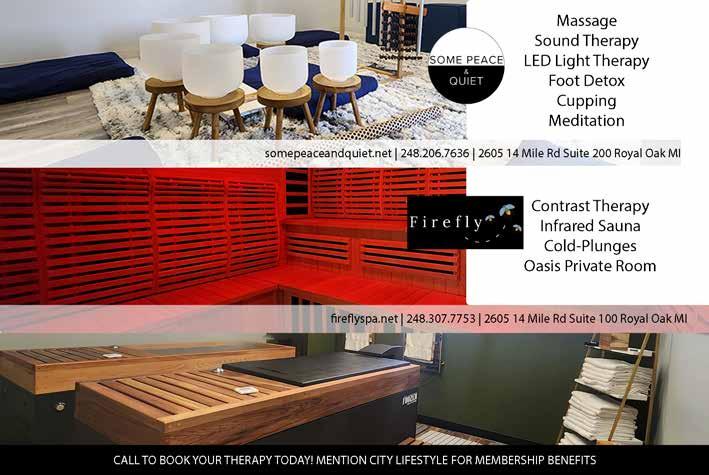


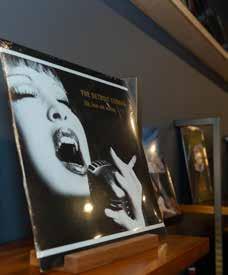
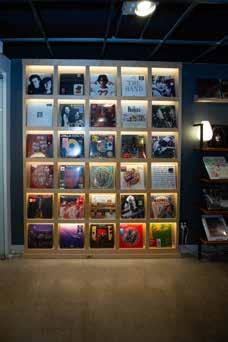
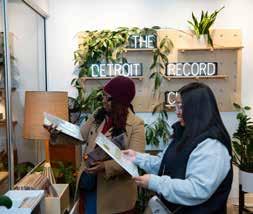
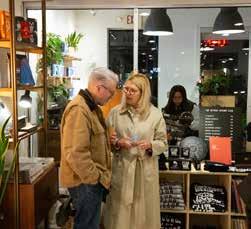
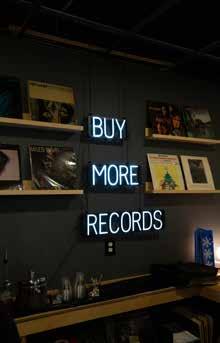
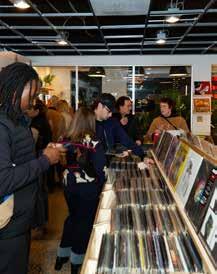
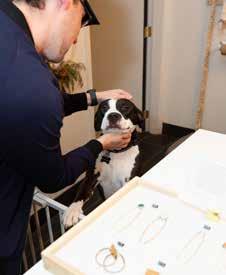
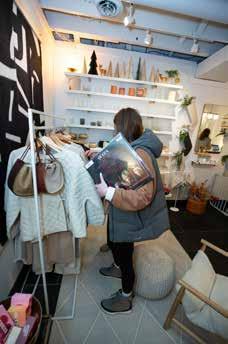
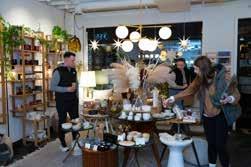
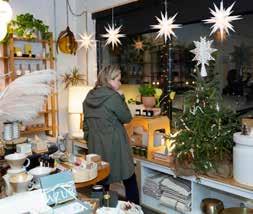
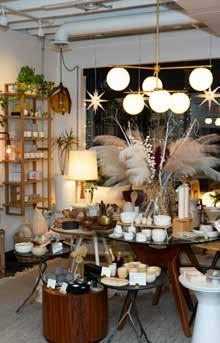
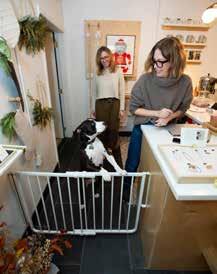
We have such amazing, innovative business leaders in our community who are proud to serve you, our residents, with class and quality. We’ve compiled some of our top company picks for the services that might be on your mind this month in an effort to make your lives a little easier.
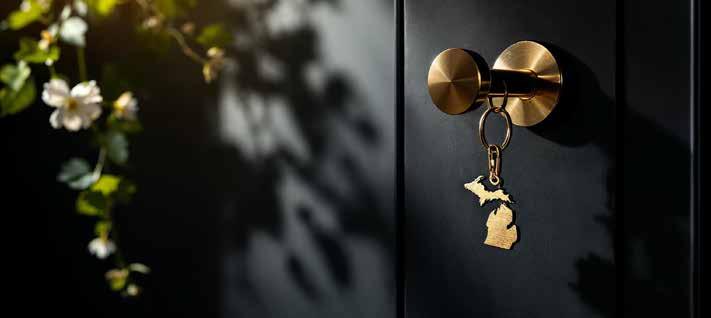
Michigan By the Bottle michiganbythebottle.com | 248.850.7175
Habatat Gallery habatat.com | 248.554.0590
Bowlero Lanes and Lounge bowlerodetroit.com | 248.549.7500
Royal Oak Music Theatre royaloakmusictheatre.com | 248.399.3065
Comedy Castle comedycastle.com | 248.542.9900
The Alchemi alchemiroyaloak.com | 248.675.8875
Bar Louie barlouie.com/locations/us/mi/royal-oak/royal-oak | 248.951.2195
The Blind Owl blindowlrestaurant.com/royal-oak | 248.216.1112
Want to suggest a monthly pick?
Motor City Gas motorcitygas.com | 248.599.1427
North End Tap Room northendtaproom.com | 248.221.1925



INSIDE AN OLD FIRE STATION, VOLUNTEERS PRESERVE OUR CITY’S HISTORY
“[ROYAL OAK’S UNDERGROUND
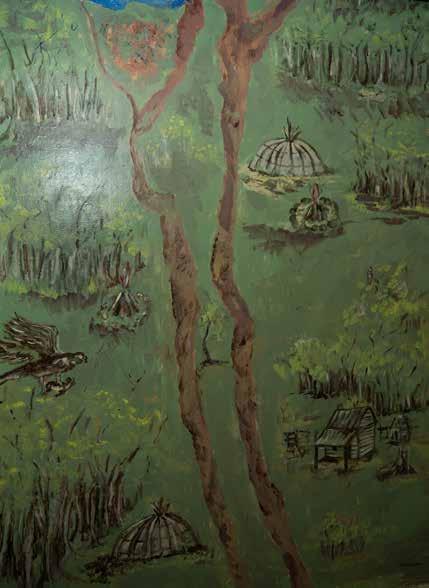
The elevator groans to life. And as docent Tom Toggweiler and I descend, a stunning mural of the old Saginaw Trail slides past on the wall. Painted by Royal Oak Historical Society curator Johanna Schurrer, the mural is a visual reminder that long before this was a Detroit suburb with trendy restaurants and bustling nightlife, Native Americans walked this path between Detroit and Saginaw.
The moment encapsulates our tour of the Royal Oak Historical Society Museum: every corner tells a story most residents never knew existed.
The museum is housed in a 1928 fire station where first responders once slid down poles; one remains as a memorial. A generous lease (”a dollar a year,” Tom tells Royal Oak City Lifestyle publisher Amy Gillespie and me) brought the station back to life as a museum in 2010. Before that, the Historical Society, which was founded in 1939, spent decades storing artifacts in members' houses.
"Owen Perkins had display cases full of stuff in his basement," Johanna recalls. "We have practically all of them now.”
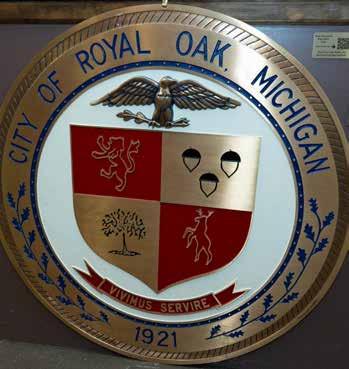
Our city got its name in 1821, courtesy of a majestic observation by territorial governor Lewis Cass. He and his crew stopped for lunch
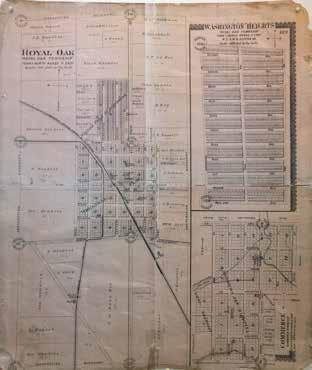
YOU’LL SEE HAND-DRAWN 1800S MAPS. CIVIL WAR POWDER HORNS.
AN OLD GRAIN CRADLE FROM WHEN ROYAL OAK FARMERS GREW CRANBERRIES IN BOGS. EVEN… COWBELLS.
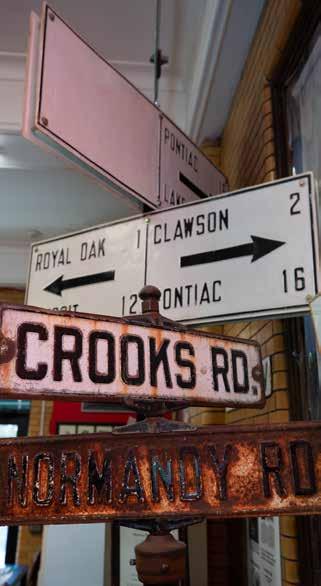
beneath a mighty oak tree, near what is now the intersection of Main Street, Rochester, and Crooks. As the legend goes, the tree reminded Cass of the oak tree in which King Charles II of England hid from the Roundheads after the Battle of Worcester. "This truly is a royal oak," he reportedly declared while lying beneath it.
That original tree died long ago—progress demanded roads go right through—but Royal Oak still calls itself the "city of trees," and England once gifted the city oak saplings that now grow in Memorial Park. It's a fitting metaphor: Royal Oak's roots run deep, even as its surface changes.
In front of the museum stands one of five stone Native American figures that once guarded Hedge's Wigwam restaurant near 10 Mile and Woodward. "Nobody's going to take that thing away from here," Tom jokes. "It took a crane to get it out."
But the real treasures live inside.
In what Tom calls "the Lincoln Room," you'll find an extraordinary collection tied to Royal Oak's first mayor, George Dondero. During his time as a U.S. Representative, Dondero befriended
Abraham Lincoln's son, Robert. The Lincoln family gave him an astonishing array of photographs and documents, including one that made Johanna's heart race.
"I kept seeing this one document," she says, "and I said, 'I think this is real.'"
It was: an original Abraham Lincoln signature on a Civil War discharge. PBS authenticated it years later when they came to film in the museum. The letter freed a Confederate prisoner whose mother had begged Lincoln for mercy—on the condition that her son switch sides and fight for the Union.
Standing in that room, surrounded by Matthew Brady daguerreotypes and Civil War memorabilia, you get goosebumps.
We move on to other artifacts. Tom shows us a Civil War-era bomb that sat live and undiscovered in two different buildings—for years— before someone finally recognized what it was. "The Michigan State Police bomb squad came in and took it away," Tom remembers. Now it sits safely defused in a display case, a reminder of how close history can come to explosive consequences.
Not all of Royal Oak’s history is comfortable to remember. In the 1920s and ’30s, Father Charles Coughlin’s radio broadcasts made the Shrine of the Little Flower nationally infamous. What began as religious programming and early support of President Franklin Roosevelt’s New Deal curdled into virulent anti-Semitism aired across the country, before federal pressure removed him from the airwaves.
Tom was an altar boy for Coughlin. "He was very kind to me personally," he says carefully. The museum acknowledges this complicated legacy without celebration.
The Ku Klux Klan also marched up Woodward in Royal Oak. Photos exist. The museum does not shy from documenting it in February’s Black History Month exhibit.
"We have photographs of signs that made it clear who was not welcome," Johanna says. "Redlining was big here." It’s history that demands recognition, even—especially—when it makes us uncomfortable.
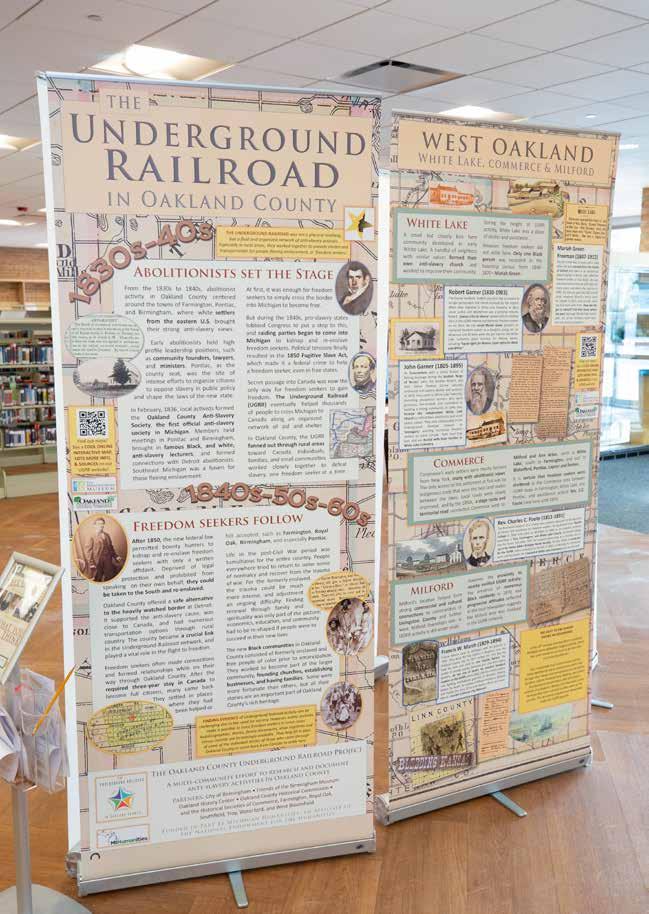
But that isn’t the whole story. The exhibit also traces Royal Oak’s place in the Underground Railroad network that helped freedom seekers escape to Canada; at least thirty known freedom seekers lived here.
“Abolitionists tried to protect these people in case bounty hunters came looking,” Johanna explains.
Museum archivist Leslie Edwards is writing a book about that piece of 19th century Royal Oak history. Her research has uncovered a network of African Americans who bought land, built lives, and created community here.
CONTINUED >
“STANDING IN THE LINCOLN ROOM, SURROUNDED BY MATTHEW BRADY DAGUERREOTYPES AND CIVIL WAR MEMORABILIA, YOU GET GOOSEBUMPS.”
Henry and Elizabeth Hamer escaped slavery in Kentucky in the 1850s, made it to Detroit, crossed to Windsor for safety, then returned in 1860 to settle in Royal Oak. Seven generations of their descendants have lived in the area since.
One man, born into slavery, self-emancipated and bought land here in 1847, specifically to encourage other Black Detroiters to become landowners. He was also an Underground Railroad conductor.
"Did he know the other freedom seekers? Probably,” Tom says. “But is there proof? No, and that's the whole thing about the Underground Railroad. It was underground for a reason."
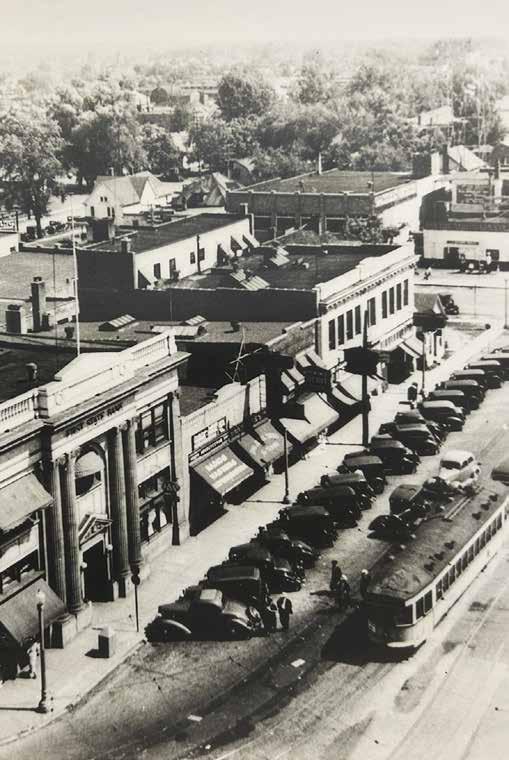
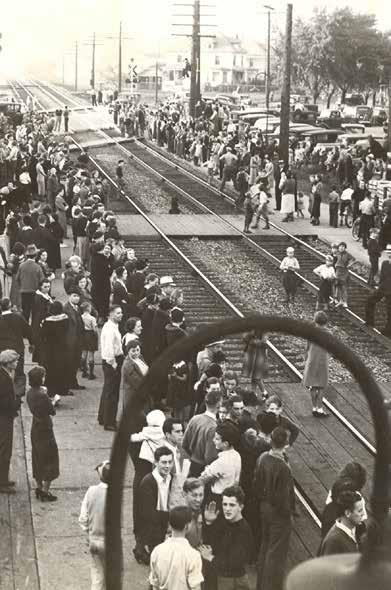
Johanna and Tom lead us through more stories, like how Royal Oak transformed from farmland to suburb. When workers flooded into the area to be a part of Henry Ford’s five-dollar workday, Royal Oak promoted itself as escape from "dirty" Detroit living: fresh air, trolley access, camping opportunities.
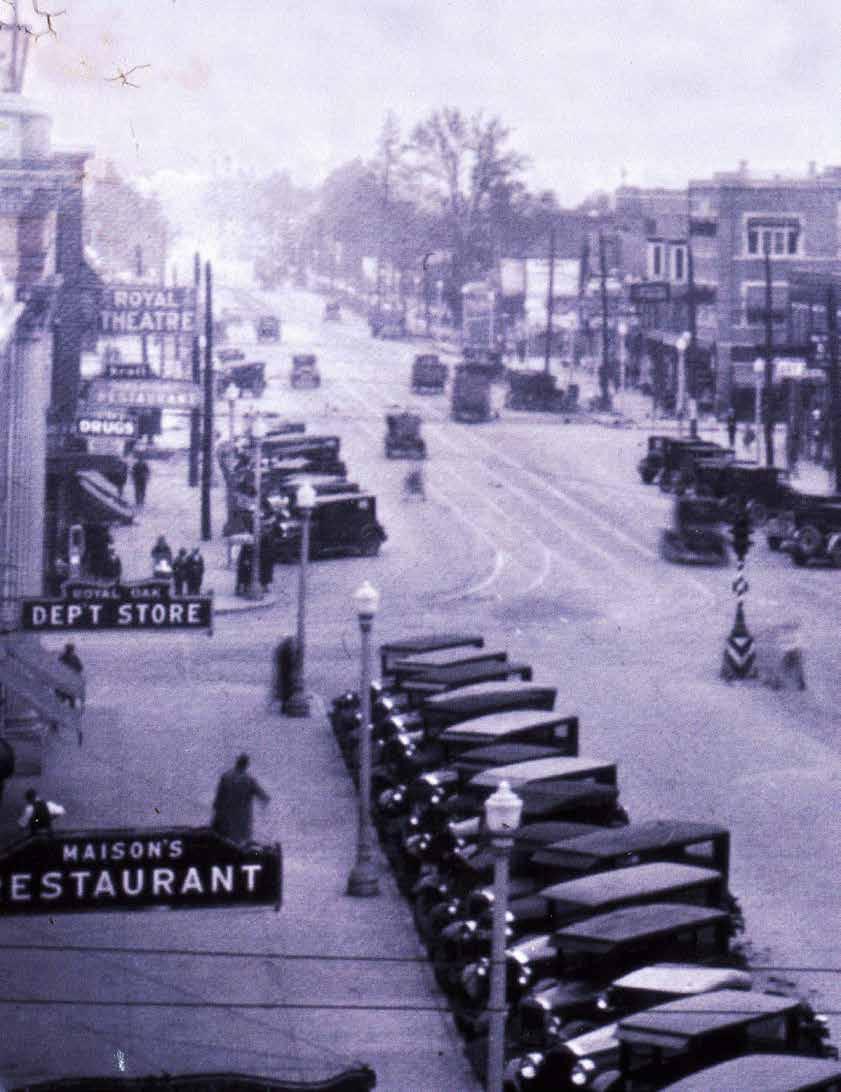
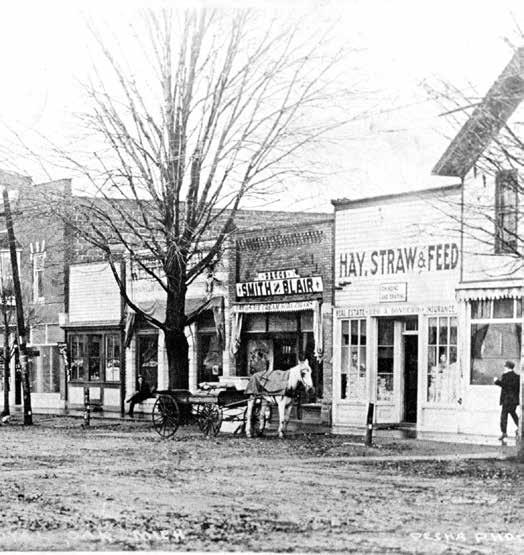
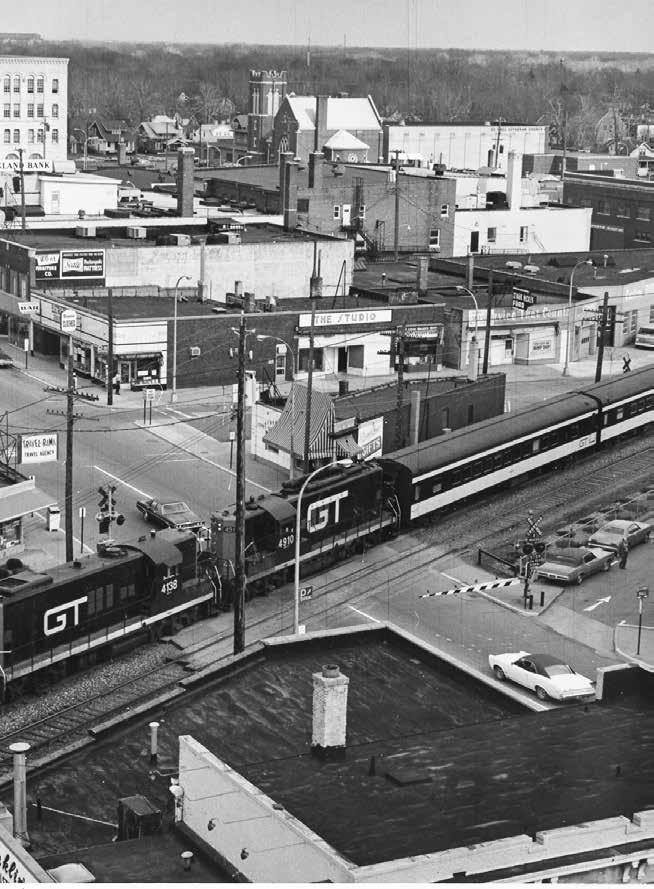
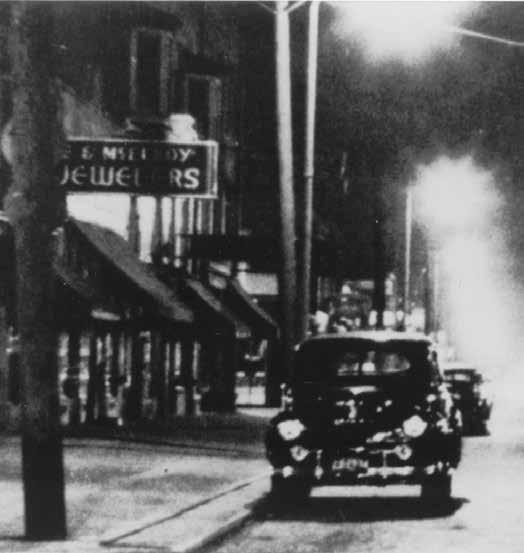
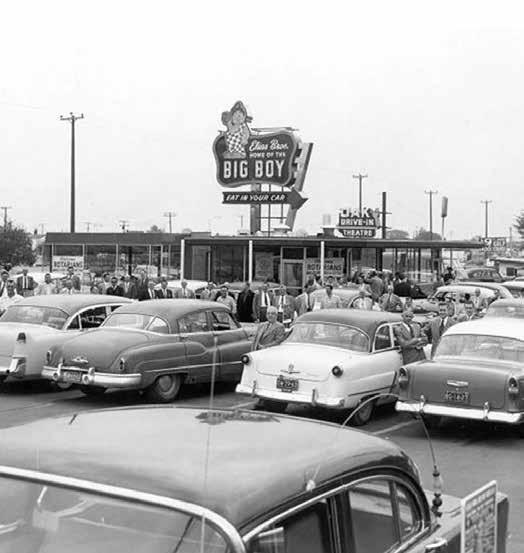
By the 1960s, downtown Royal Oak thrived with small shops. Then the malls came.
"You could ride down Main Street and there would be nobody there," Tom remembers. "You could just ride your bicycle down the middle of the street."
DOCENT TOM TOGGWEILER SHOWS US A CIVIL WAR-ERA BOMB THAT SAT LIVE AND UNDISCOVERED IN TWO DIFFERENT BUILDINGS—FOR YEARS—BEFORE SOMEONE FINALLY RECOGNIZED WHAT IT WAS.
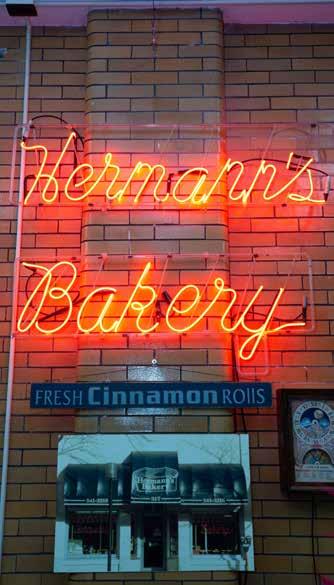
The turnaround started in 1980. Mr. B's Bar sparked the slow revival that caught fire in the mid-’90s, and resulted in the vibrant restaurant scene that defines Royal Oak today. Along the way, we lost some businesses too; artifacts from those are on display as well, like the neon signs of Main Street mainstays Hermann’s Bakery and Incognito.
The museum survives entirely on donations, memberships, and quarterly euchre tournament fundraisers at Pronto Diner. They run four major exhibits, host monthly programs (like January’s presentation by District Court Judge Meinecke on courthouse history), and operate a fascinating gift shop where you can buy, among other things, reproductions of Royal Oak’s gorgeous WPA murals that were lost for 25 years—rolled up under Kimball High School's stage—before being rediscovered and restored.
They'll also help you research your home's history. And if your house is over 100 years old, they'll print you a free certificate; you can also buy a commemorative plaque to display proudly.
Speaking of displays, look closely at the museum’s shelves and cases. You’ll see hand-drawn maps from the 1800s. Civil War powder horns. An old grain cradle from when Royal Oak farmers grew cranberries in bogs. Even… cowbells. (They’re from when Royal Oak was, believe it or not, the cowbell capital of America.)
So next time you walk or drive through Royal Oak, realize that you're moving through layers of history. Freedom seekers. Auto workers. A community that’s transformed from farmland to ghost town to vibrant suburb.
It's all preserved here, by volunteers who believe that knowing where we've been is the only way to understand where we're going.
The Royal Oak Historical Society Museum (1411 W. Webster Rd.) is open to the public. Visit royaloakhistoricalsociety.com for hours, programs, and information about their Black History Month exhibit, featuring freedom seekers and the Underground Railroad in Oakland County. Memberships and donations support their mission: no city funding means every contribution matters.





ZWEIG
FOR 36 YEARS, BRENDAN SHERWOOD HAS TURNED CONVERSATIONS INTO CUSTOM CREATIONS AT ELEMENTS
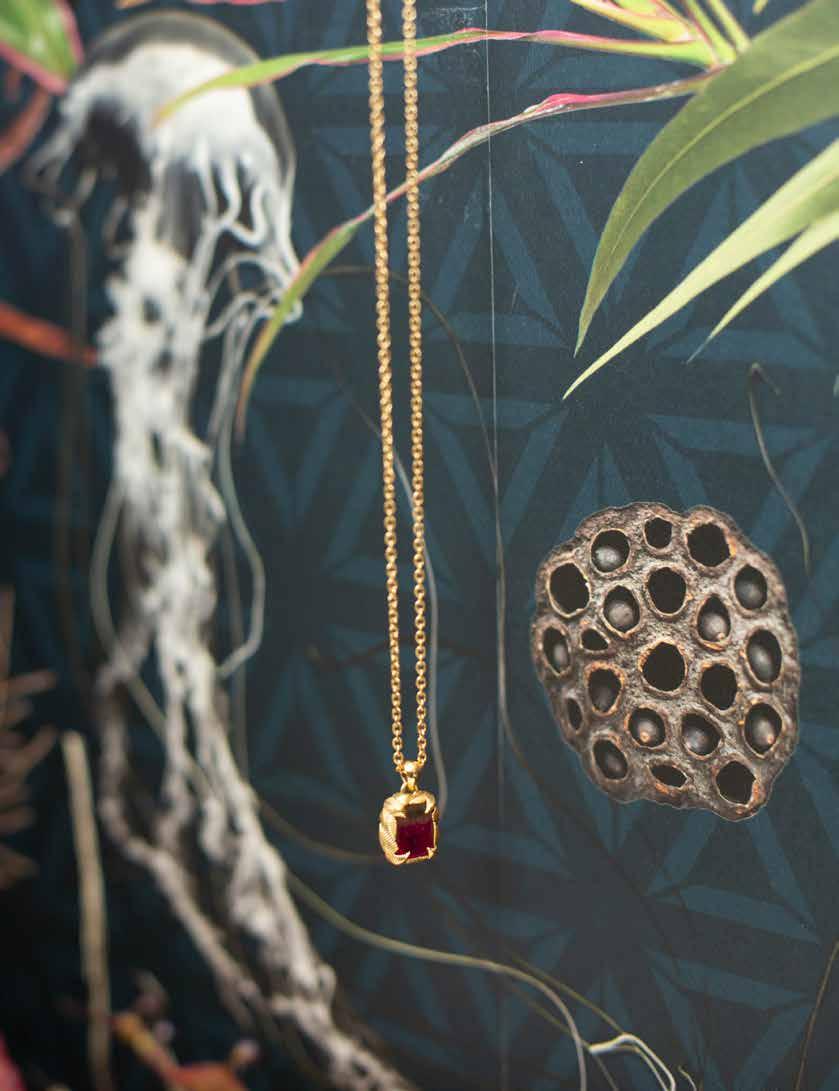
For 36 years, Brendan Sherwood has turned conversations into custom creations at Elements
There's a story Brendan Sherwood tells about glass vessels he made in college. During a critique, his instructor posed a hypothetical: What if someone puts something inside that ruins the aesthetic, that destroys what you've created?
Brendan's answer? "I don't care. I served my purpose. I made the object. It’s complete."
The response might sound cavalier if you didn't understand what he really means: I've had my experience with this piece. Now it's your turn.
For thirty-six years, that philosophy has powered Elements Custom Jewelry Studio in downtown Royal Oak. And it's why, when you walk into Elements, you're not walking into a jewelry store. You're walking into a conversation.
Brendan didn't set out to revolutionize custom jewelry in Royal Oak. He was just a high school kid who liked making things. But by his senior year, he'd already landed a co-op job at a jewelry store doing custom work.
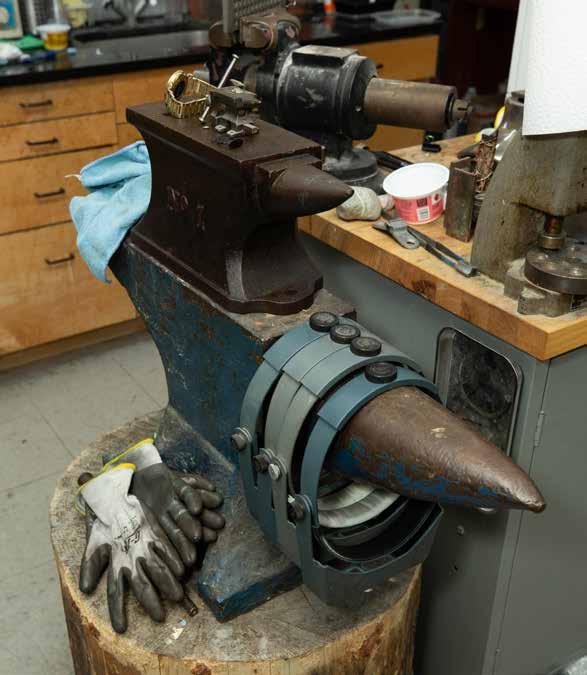
At Detroit’s famed Center for Creative Studies, he studied sculpture: glass and metal smithing. When jewelry assignments came in, he'd turn in sculptures and call them "environmental jewelry."
The other students weren't amused.
"They were all up in arms," Brendan recalls. "And I said, 'Well, it's environmental jewelry. Why can't I do that? I'm here in art school and I'm supposed to limit myself? Give me the assignment. Let me go explore. Let me fall on my face.’"
“WE’RE NOT HERE SELLING JEWELRY. WE’RE HERE PROVIDING A SERVICE.”
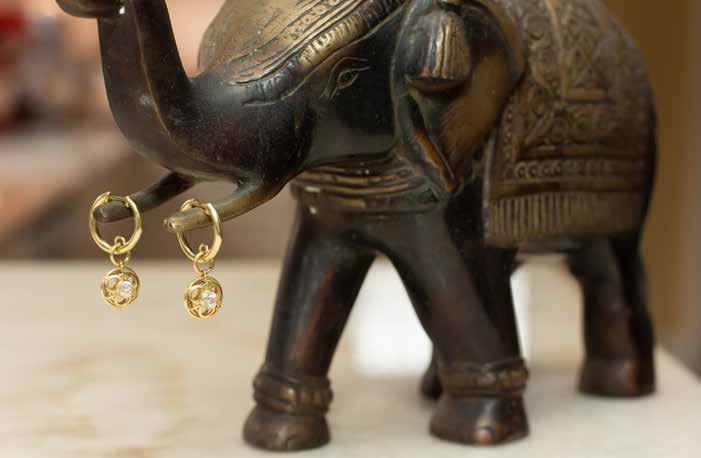
Fresh out of CCS, Brendan opened Elements' first location on Washington Street in Royal Oak. In 1994, he moved Elements to its current spot: not on Main Street, not on Washington, but tucked in the center of town. Friends asked why he wouldn't choose a prime location.
"I'm like, 'Well, I've got parking,'" Brendan says with a smile.
That first year in the new location, his business increased forty percent.
Brendan believes it’s because Elements is a destination. And maybe it’s a destination because he doesn’t put the burden of creating on his clients.
"Years ago, my accountant said, 'Ask me any question and I'll be happy to answer it,'" Brendan recalls. "I thought, that's the dumbest thing I ever heard. I don't have the questions. I need you to show me how this should work."
That's how Brendan approaches jewelry. When someone comes in to buy jewelry for a partner, he asks: What are they like? What colors do they wear? Are they conservative or eclectic? Symmetrical or asymmetrical?
For custom pieces, the questions get more candid. Do you truly like the diamond? Or are you just keeping it because it was Grandma's?
"We're not here selling jewelry," Brendan says. "We're here providing a service."
The service is listening, and asking clients the right questions until they know what they actually want. Clients say the same thing so often it's become the studio's unofficial tagline: "Thank you for listening to me.”
But Brendan doesn’t just listen. Elements has a showcase devoted entirely to stones: dozens of them, in every color and character, from familiar to extraordinary. It’s part of how he educates clients on the different purposes each stone can serve. When they see and touch, they understand.
“These things are like fingerprints,” he says. And that’s always his goal: to find something that fits your fingerprint, not just your finger.
Over the years, Brendan has learned that not everyone recognizes the right piece for them immediately. Sometimes a stone catches someone’s attention, but the timing isn’t right. The decision doesn’t land. But the idea lingers.
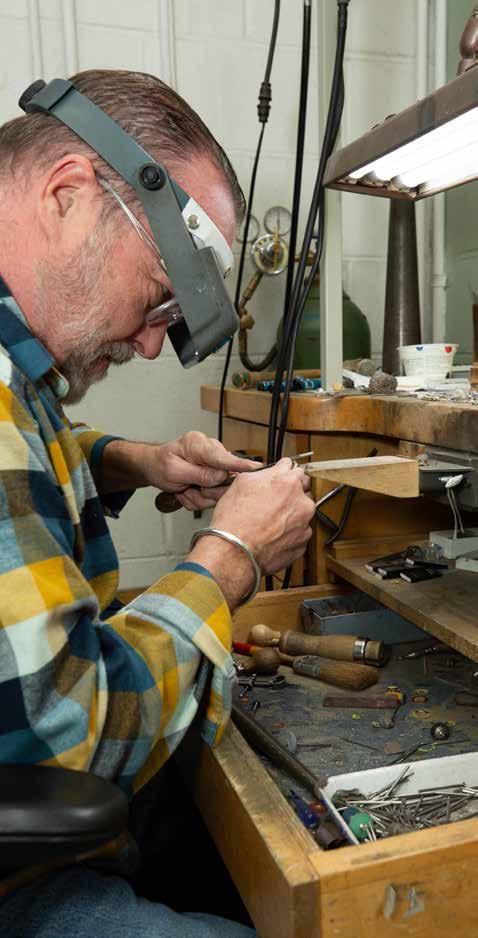
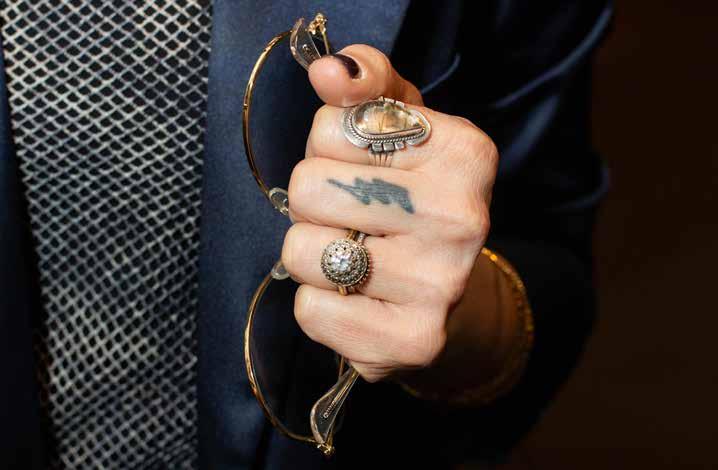
So, often, Brendan designs pieces even when clients don't commit, because the vision is complete in his mind. He’s had customers the creations were meant for eventually return, see the finished work in his showcase, and simply know.
Sometimes the perfect piece has to exist in the world before you recognize it as yours.
Brendan doesn’t just bring perfect pieces to life; he also stands behind them. When jewelry he created years earlier returns to his studio— sometimes for repair, sometimes simply for care—he approaches it with the same responsibility he had when he was making it. If something isn’t right, he makes it right. Not out of obligation, but out of principle.
"I've got to live with myself," he says.
That commitment to craft is why Elements builds lifelong relationships with their clients.
Angie Yaldoo, owner of Youngblood’s Barber Shop in Hazel Park, says she was “amazed at how Brendan created something so intentional and so me,” using only info Brendan got from Angie’s husband Lyle.
Amanda Wahl, a former parks and rec commissioner in Pleasant Ridge, said Brendan
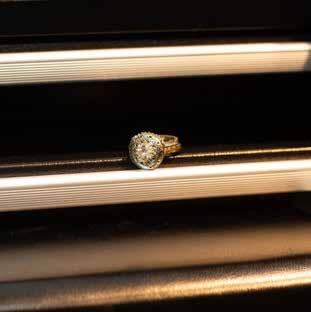
“listens” (there’s that word again) “and turns your ideas into beautiful reality.” A week after her father passed, Amanda came in to ask Brendan if he could turn some diamond studs Dad had given her into earrings. “Brendan was so kind,” she remembers, “and the earrings he created are so beautiful and hold such special meaning.”
Speaking of meaning, Brendan tells me about a couple who moved to Texas years ago. They recently stopped by with their three kids, so the father could explain how precious the jewelry Brendan created for their mother is to them both.
"That was pretty meaningful," Brendan says quietly.
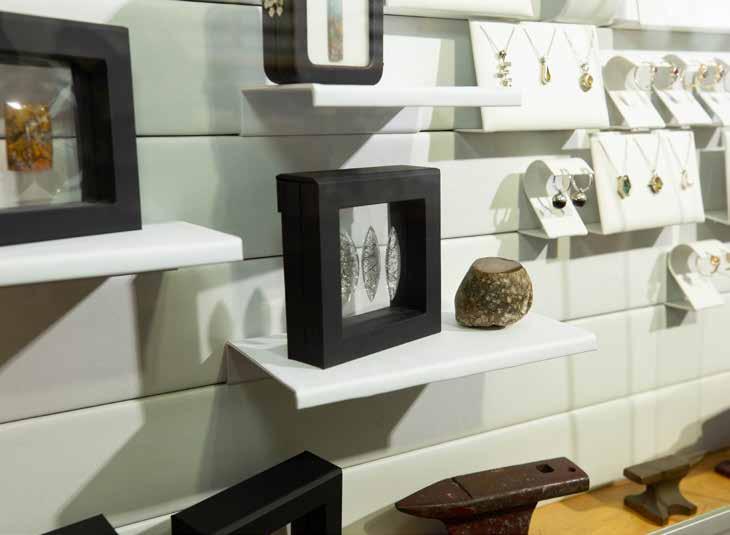
“I TELL CLIENTS, ‘HERE, PUT THAT ON.’ IF YOU CAN’T TOUCH IT, CAN’T FEEL IT, DON’T FEEL COMFORTABLE WITH IT, WHY WOULD YOU WANT TO BUY IT?”
People from out of state order engagement rings because their parents worked with Brendan decades ago. And the jeweler who hired Brendan in high school is now retiring—and sending Brendan all his clients. All that is meaningful too.
What else is meaningful at Elements? The process. The conversation. The moment when someone relaxes because they realize you're not trying to sell them anything; you’re just trying to help.
"Here, put that on," Brendan tells clients when they're trying on pieces. "If you can't touch it, can't feel it, don't feel comfortable with it, why would you want to buy it?"
It's a philosophy that extends to everything: Don't treat jewelry like it's too precious to interact with. And once it’s moved on to its purpose, let go: simply be its custodian.
Brendan makes something. Has his experience with it. And releases it into the world—where it becomes a part of your story.
Elements Custom Jewelry Studio is at 512 S. Center Street in Royal Oak. For more info, visit elementsjewelrystudio.com or call (248) 544-4111.











ARTICLE BY MARSHALL ZWEIG | PHOTOGRAPHY BY AMY GILLESPIE
The first time I heard about them, I assumed I mis heard.
A ghost-hunting kit.
A karaoke machine.
A robotic cat that purrs when you pet it.
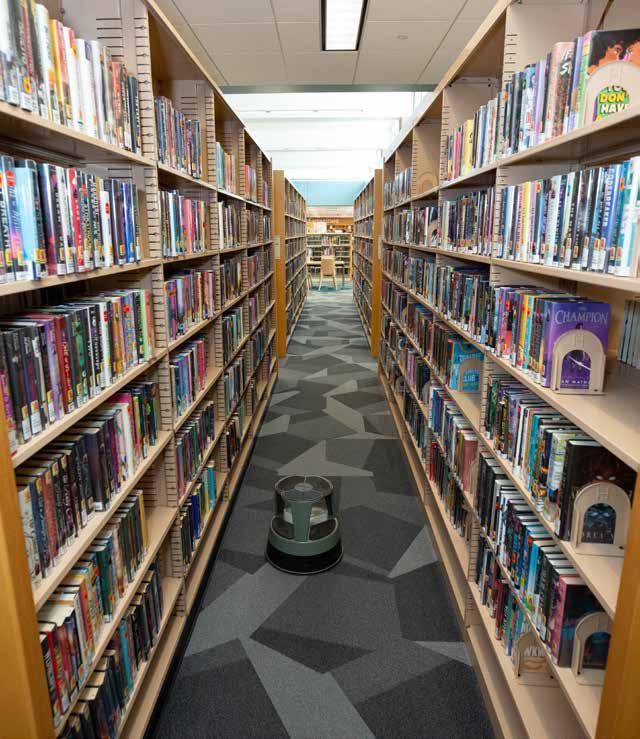
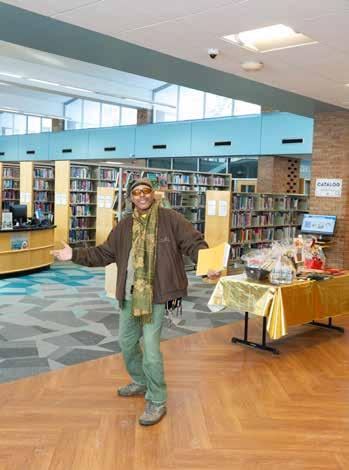
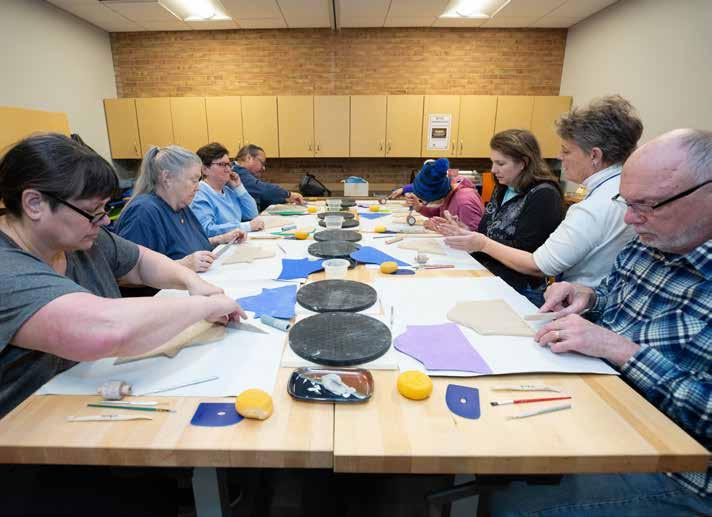
These are not the offerings of a startup, or a tech incubator. Nope. They’re all available to borrow at the Royal Oak Public Library — which, under the thoughtful leadership of director Sandy Irwin, is redefining what a library can be.
“People still think of libraries as books, and that’s wonderful,” Irwin says. “Our community reads a lot, and we love that. But the question now is: what else can your community library offer you that you might not be able to try on your own?”
That question is at the heart of the library’s growing Library of Things: a collection of non-book items designed to support curiosity, creativity, comfort, and everyday life.
At its simplest, the Library of Things is practical. Soil testers. Knitting tools. Baking pans. Camping equipment. Microscopes and telescopes. Laptop cases for job seekers. Accessibility kits
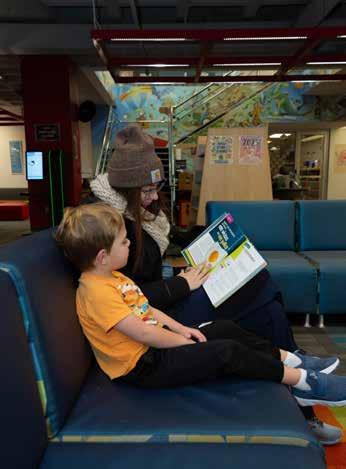
— tools to button shirts, reach high shelves, and otherwise make aging at home easier.
“A lot of people are struggling right now,” Irwin says. “Libraries have always been there to help people get through life.”
But many of the items go beyond practicality. One of the most requested items? Board games and puzzles.
Then there are the items that stop you mid-sentence.
Like the robot cat.
Irwin remembers when it was first checked out, by a family whose young daughter was hospitalized for an extended period.
“It wasn’t a real cat,” she says gently. “But it purred. It made sounds. And it comforted her.”
The child missed her pets at home. The robotic cat became a stand-in — and a conversation starter when nurses or visitors entered her room.
“She dressed it up with ribbons,” Irwin recalls, smiling. “They even sent us pictures.”
The library later added a robotic dog, as well as a weighted stuffed dog designed to sit in someone’s lap. These robot companions are AT THE ROYAL
“PEOPLE STILL THINK OF LIBRARIES AS BOOKS, AND THAT’S WONDERFUL. BUT WHAT ELSE CAN YOUR COMMUNITY LIBRARY OFFER YOU THAT YOU MIGHT NOT BE ABLE TO TRY ON YOUR OWN?”
especially helpful for people in assisted living or memory care facilities, where real pets aren’t allowed.
“These things aren’t just practical,” Irwin says. “They’re meaningful. Sometimes people just need comfort.”
Behind the Library of Things is librarian Megan Novak, who’s responsible for selecting these extraordinary items.
“She’s incredibly creative,” Irwin says. “She’s always asking: what might people need? What might they want to try?”
Megan created a bird-watching kit, complete with binoculars and a field guide to local birds. She tracks suggestions, studies what other libraries are doing, and pays close attention to how items are used once they’re in circulation.
“A very large percentage of the collection is checked out at any given time,” Irwin notes. “People are open to trying things.”
That openness spans generations, from young families to older adults, all discovering tools that make daily life easier, richer, or simply more fun. Like that ghost-hunting kit, which makes game night weirder — and spookier.
The Library of Things also leans into nostalgia with its vinyl record collection. Along with albums across genres, the library lends record players that connect via Bluetooth, making vinyl accessible even to first-time listeners.
“People want to hear that crackle,” Irwin says. “They want to put the needle down.”
The collection was curated by librarian Emily Crosby, whose deep musical knowledge spans everything from show tunes to blues to hard rock.
“It’s not just about the music,” Irwin adds. “It’s the liner notes. The cover art. Listening to albums in song order, for a reason.”
And sure, people with gray in their beards check them out. But so do teenagers. And so do millennials.
“It’s all ages,” she says. “People are curious about the past, and about why vinyl has come back.”
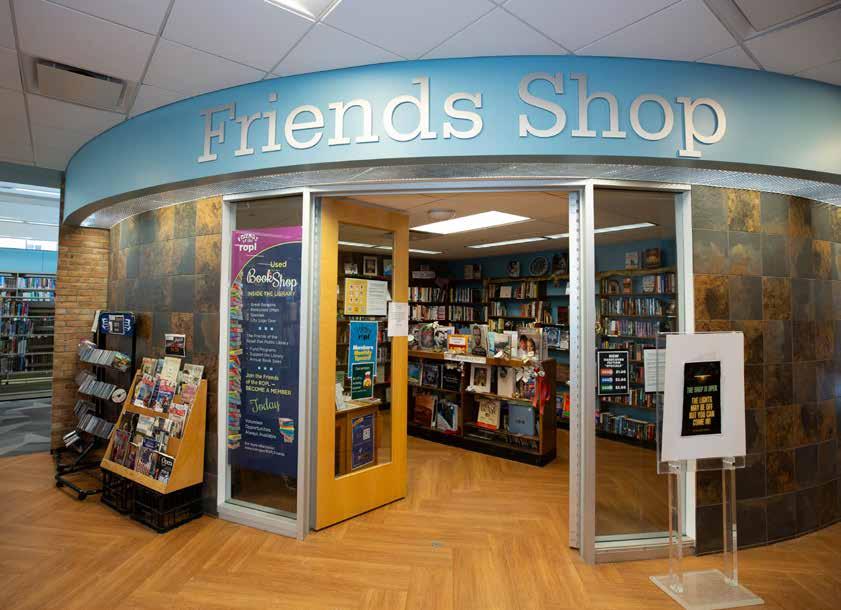
All of this innovation hasn’t replaced books. It’s expanded how books live in the community.
The Royal Oak Public Library still circulates thousands of titles, but it also has unique plans for how they’re shared.
Book club kits — multiple copies of the same title bundled for groups — make it possible to start a book club without asking everyone to buy their own copy. And for readers on the move, there’s the LibCabinet, a book vending machine located inside Woodward Corner Market. Stocked with rotating bestsellers, it lets patrons check out books even when the main library is closed. They’re both reminders that the modern library doesn’t wait for people to come to it. It meets them where they already are. And meeting people where they are describes two of the library’s more heartwarming programs: a home delivery program for homebound patrons, and library cards for people without a permanent address.
Irwin recalls one unhoused man who told her, “You’re the first person who spoke to me nicely today.”
“He said he liked coming to the library because no one judged him,” she says. “He could read. Use the computer. Just be.”
Irwin believes libraries are becoming even more essential in a world flooded with information — and misinformation.
“AI is here,” she says. “And people need to be discerning.”
Libraries help patrons evaluate sources, verify information, and explore multiple perspectives, through resources like PressReader, which offers digital access to newspapers and magazines from around the world.
“Just because something looks real doesn’t mean it is,” Irwin says. “That’s where librarians come in.”
If money and maintenance weren’t an issue, what would Sandy want to add to the library’s ‘things’ collection?
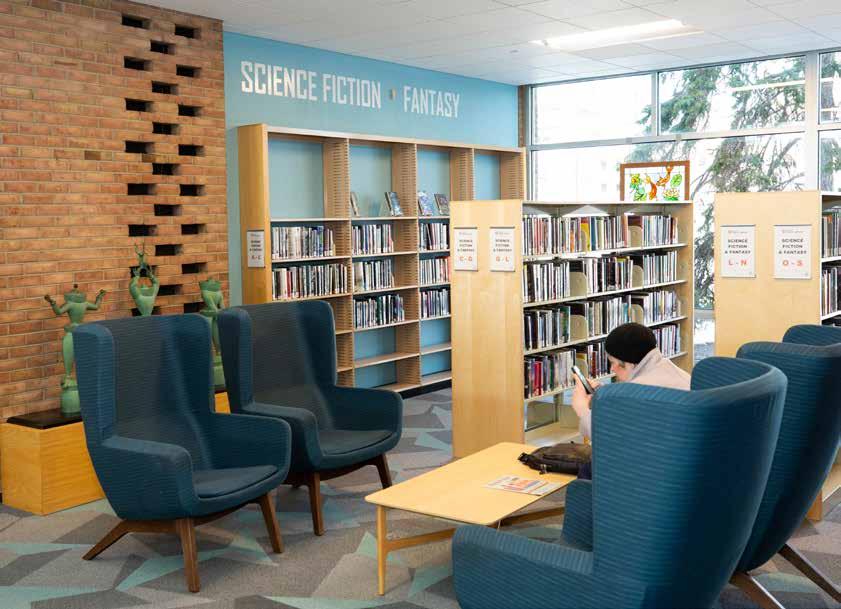
“I’d love to check out electric vehicles,” Irwin says. “Or e-bikes. Let people try alternative ways of getting around.”
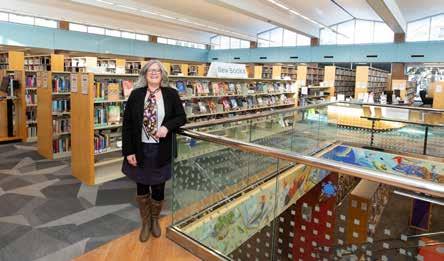
It’s a fitting answer from someone who sees the library as a living, responsive part of the community. We’re used to thinking of libraries as places that hold books. But ours has reimagined itself into a place that offers whatever’s needed… maybe even before someone realizes they need it.
The Royal Oak Public Library (ropl.org) is at 222 E. 11 Mile Road.
FEBRUARY 4TH
The Phantom of the Opera
Detroit Opera House | 7:30 PM
The Phantom is back! Cameron Mackintosh presents a revitalized production of Andrew Lloyd Webber’s legendary musical, THE PHANTOM OF THE OPERA, which was rapturously received by London critics when it reopened in 2021. Brought to you by Broadway in Detroit. Show running at the Detroit Opera House February 4th - 15th, with both evening and day showtimes
FEBRUARY 5TH
The Fisher Theatre | 7:30 PM
The boots are back! Kinky Boots will lift your spirits to high-heeled heights! Celebrated with six Tony Awards®, including Best Musical, a Grammy Award® for Best Musical Theatre Album, and London’s Olivier Award for Best Musical, this big-hearted musical hit will have you strutting out of the theater saying “Yeah!”
FEBRUARY 19TH
Modern Supply, 28822 Woodward Avenue | 6:00 PM
Please join local cavegirl & ceramicist Katie Bramlage for an evening of meditative play, where you’ll explore her fully fired, textural ceramic pieces, learn a simple knotting technique, and leave with your own one-of-a-kind, ready-to-hang wall totem. No skills needed— learn more at modern-supply.co for more info.
FEBRUARY 21ST
Royal Oak Whiskey Festival
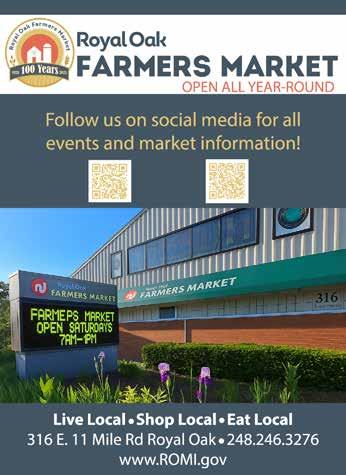
Royal Oak Farmers Market | 6:00 PM
Create memories with friends while sampling American whiskey, Kentucky bourbon, Scotch whiskey, Canadian whiskey, Rye whiskey, and flavored whiskies – no matter its place of origin. All around the world, this gorgeous amber spirit has captivated humans for centuries. Ticket information: royaloakwhiskeyfestival.com
FEBRUARY 23RD
The Schvitz Detroit, 8295 Oakland Ave., Detroit | 6:00 PM
Our goal is to provide a calm and welcoming environment for all guests to enjoy. Our space is designed for you to unwind, recharge, and enjoy your time, all while being mindful of those around you. We look forward to providing you with a relaxing and rejuvenating experience. Chess nights are the last Mondays of every month. Everyone is welcome.
FEBRUARY 24TH
Royal Oak Public Library | 5:30 PM
Come to the Makerspace Open House and learn what the Library’s Makerspace has to offer—including all of the equipment that can be reserved (Cricut Joy Xtra, Button Maker Machines, Adobe Computer Workstation, Cricut Mug Press, and more). Watch demos of the equipment being used, and learn how to make an appointment!